Signs and Times

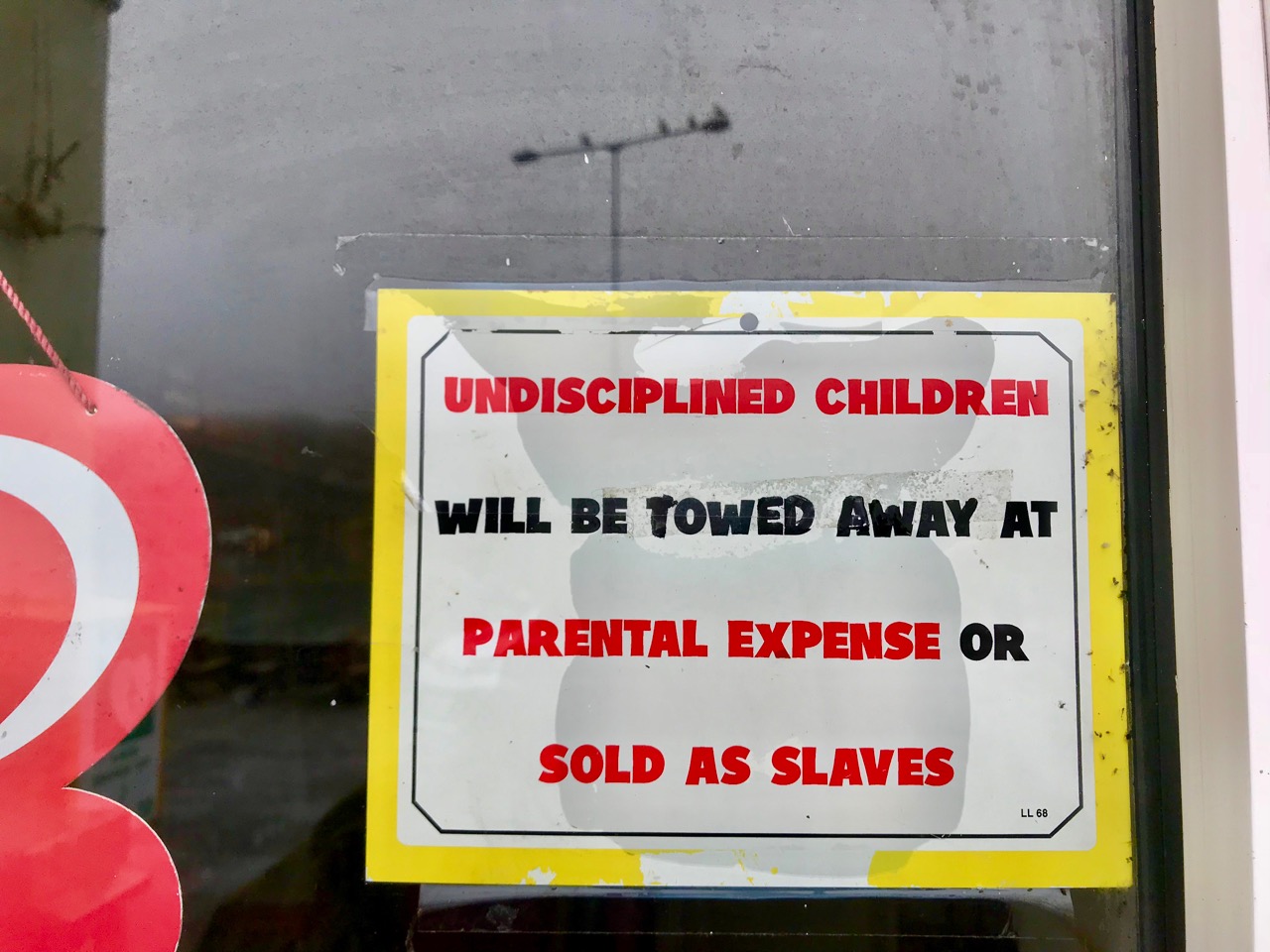
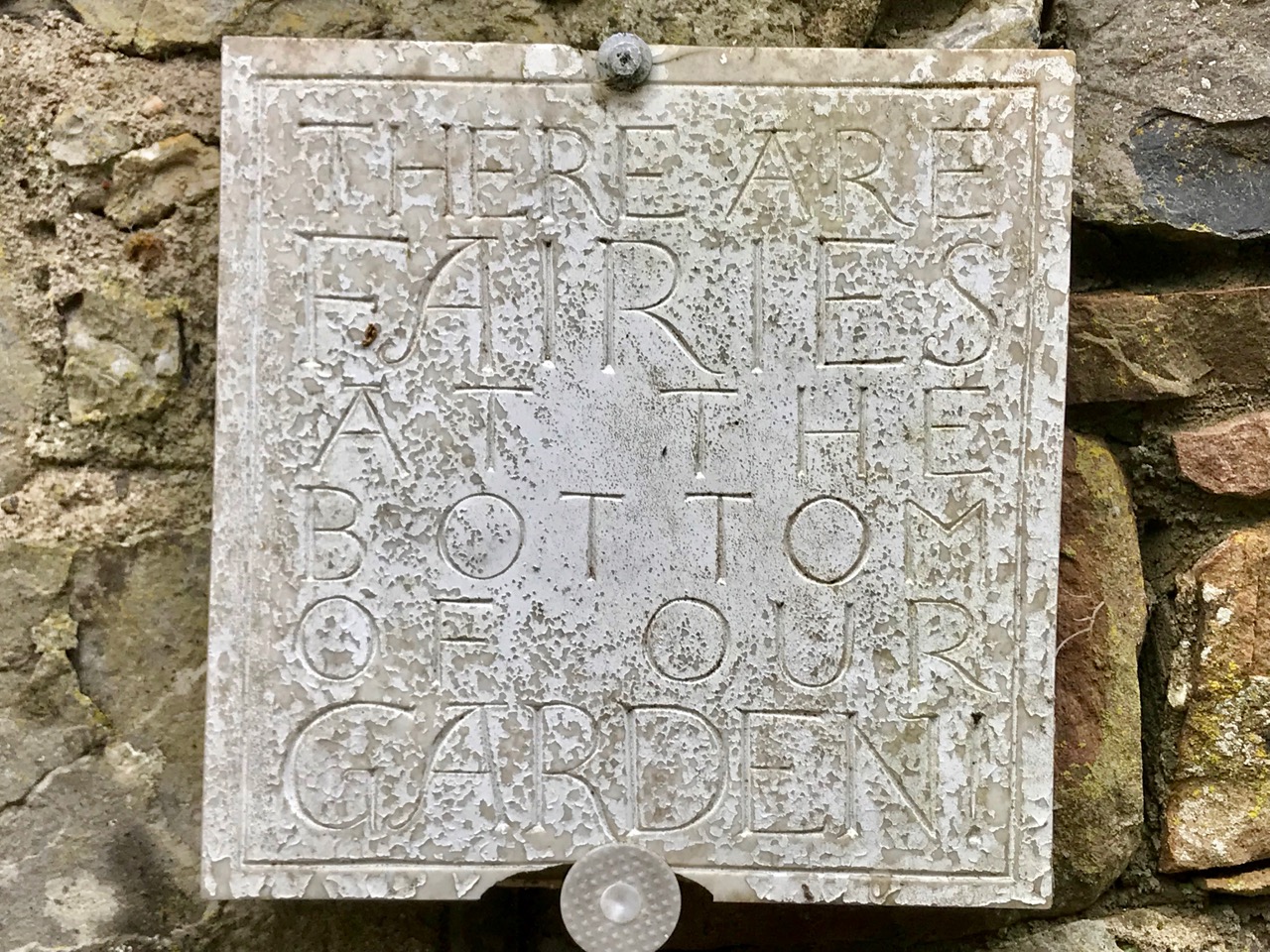
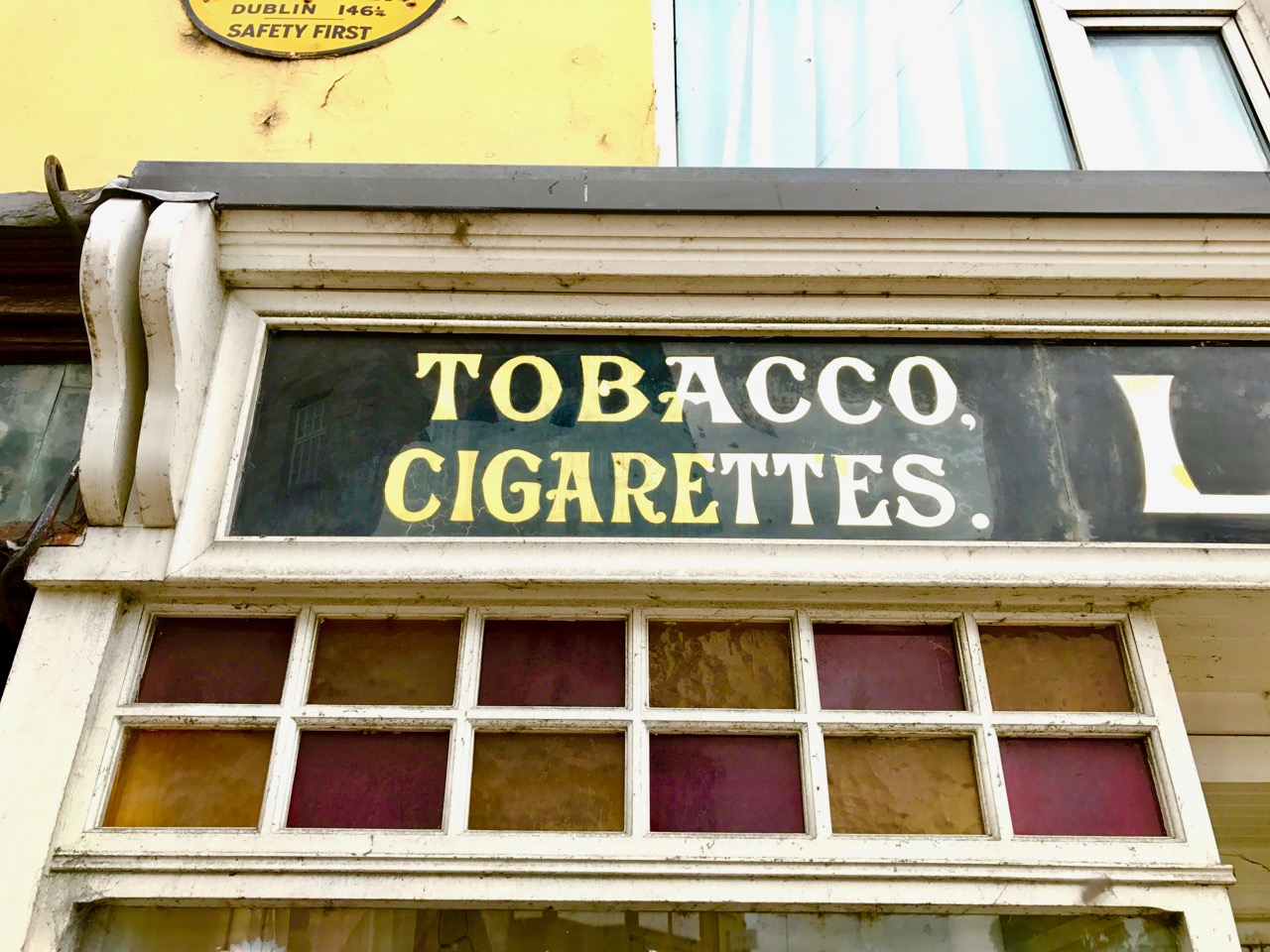
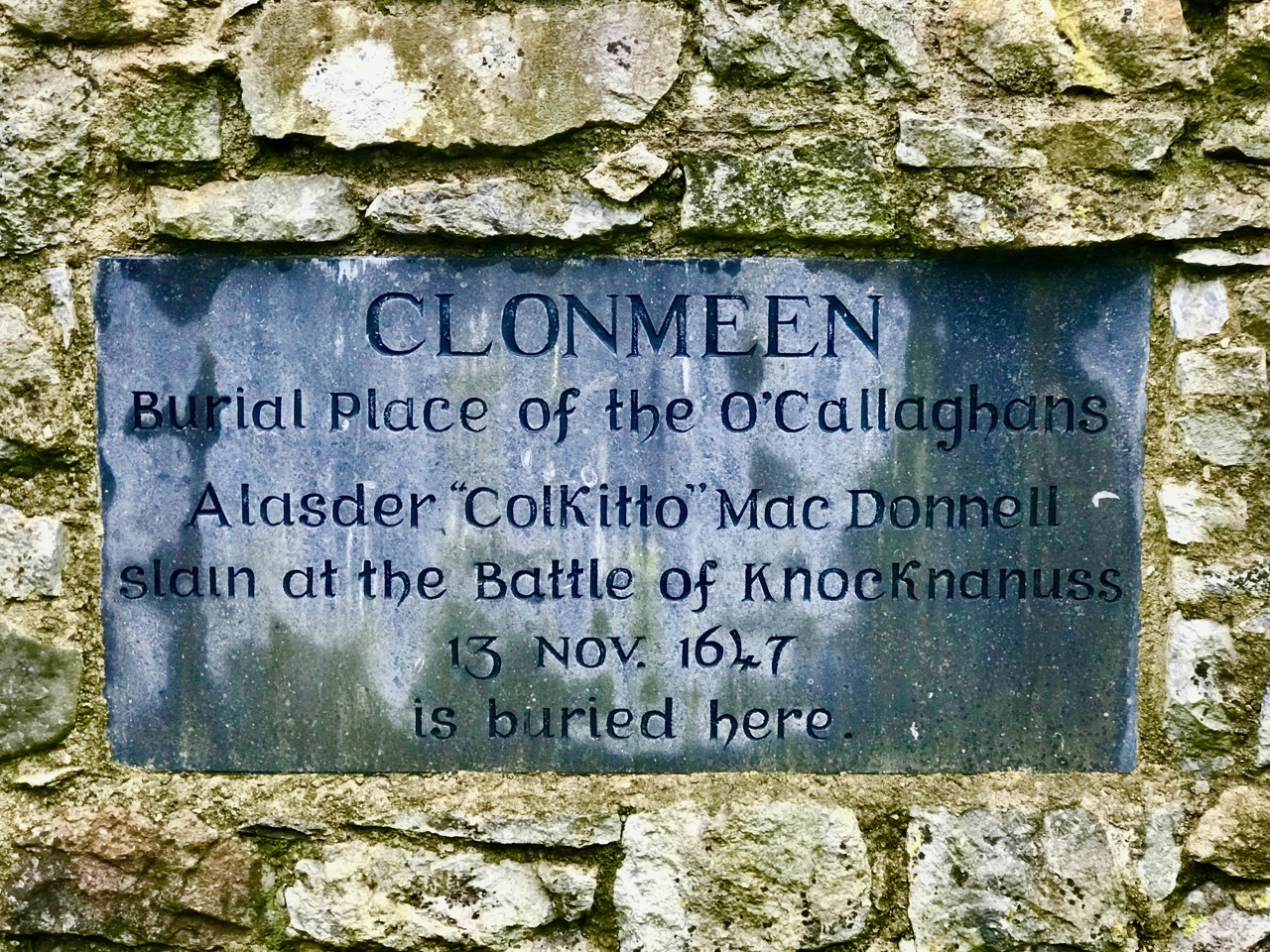
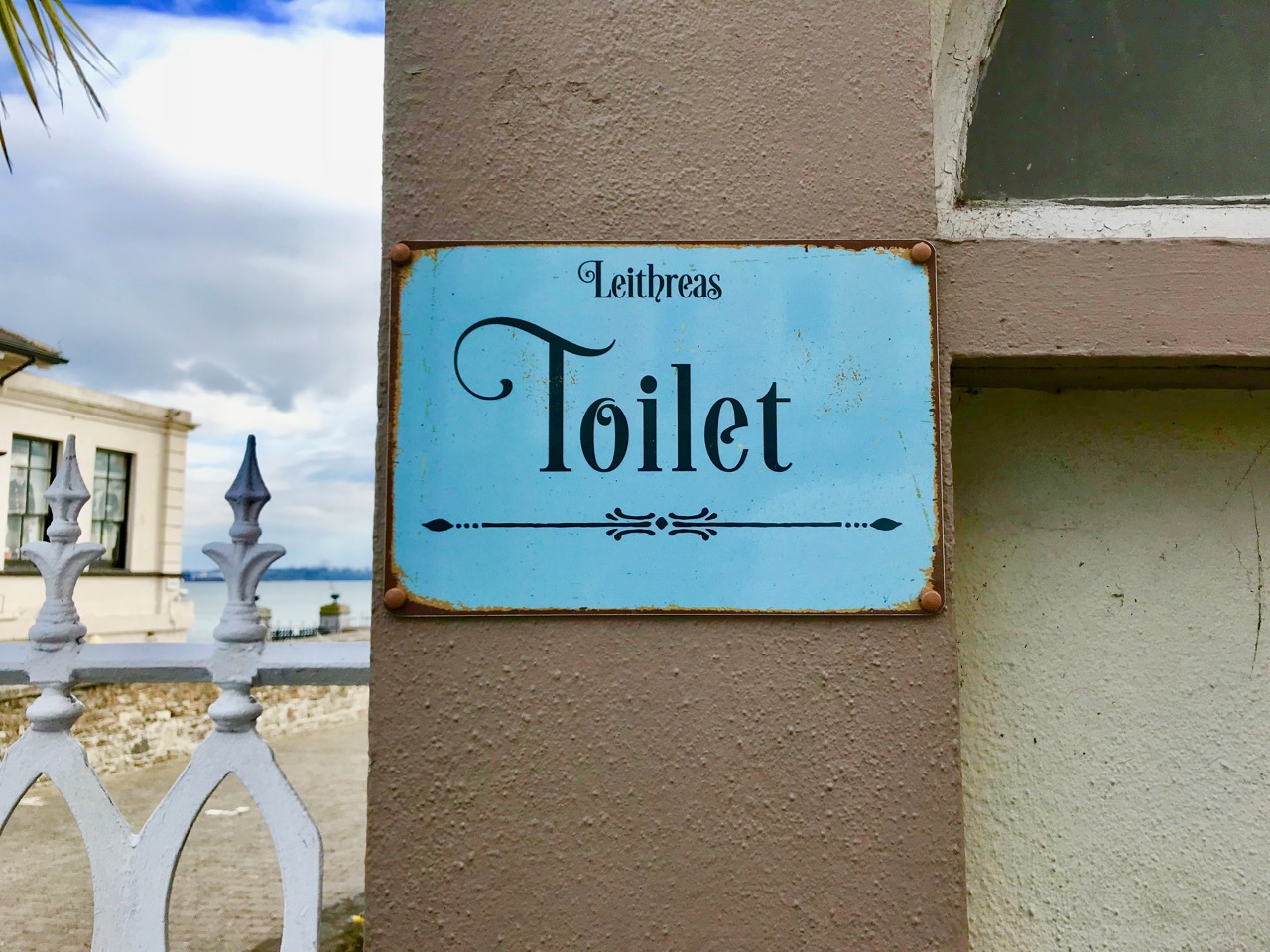
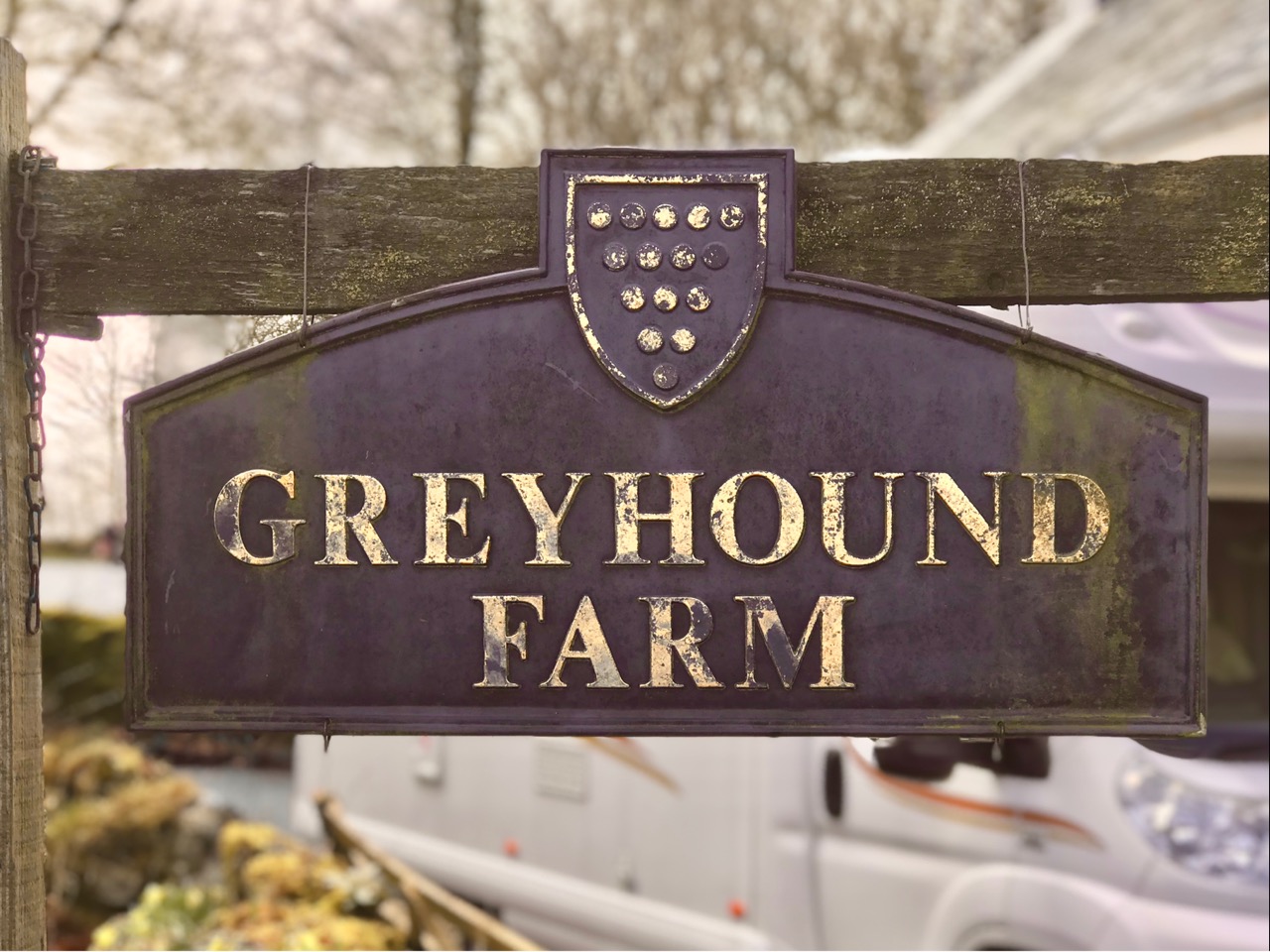
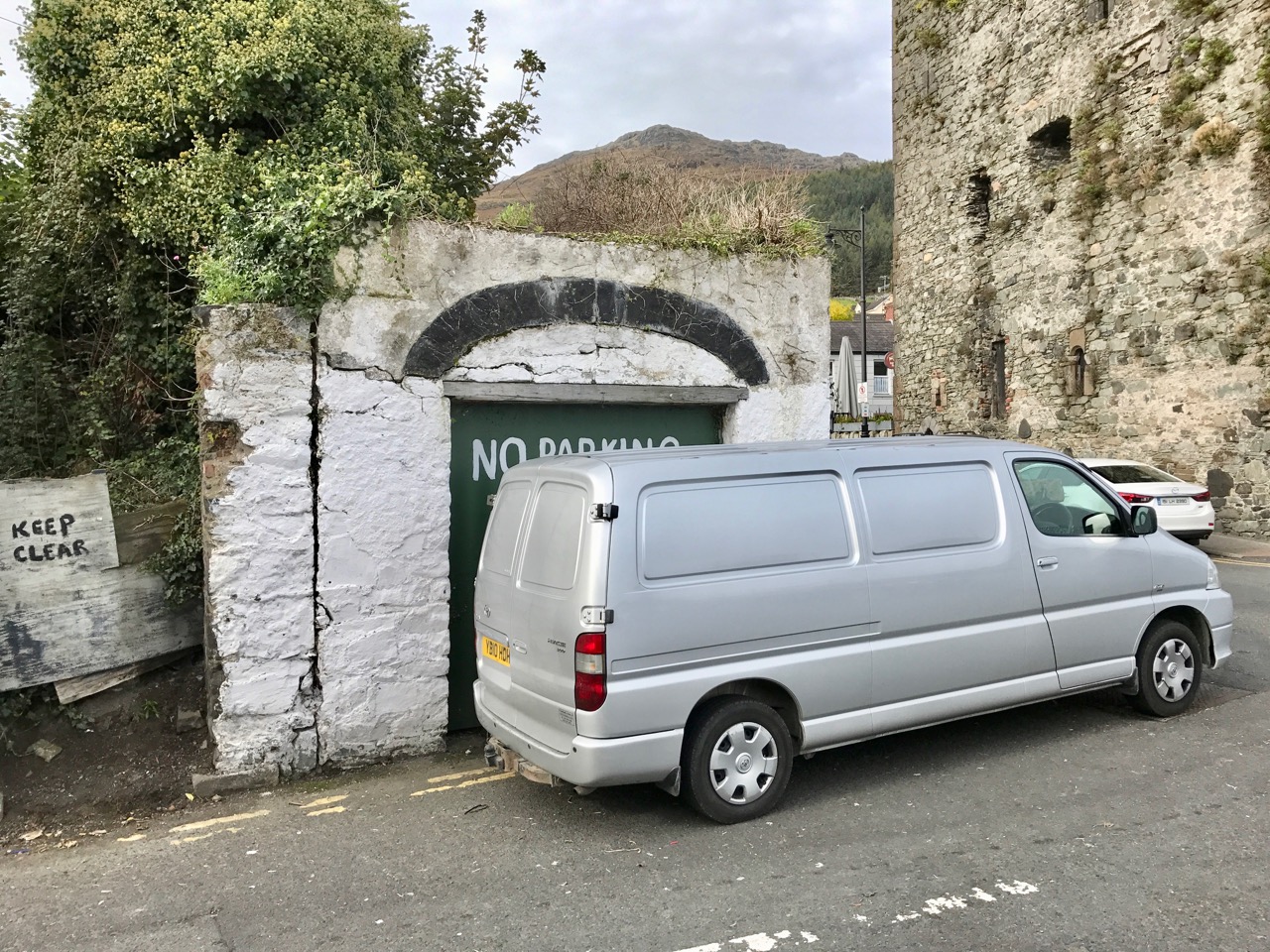
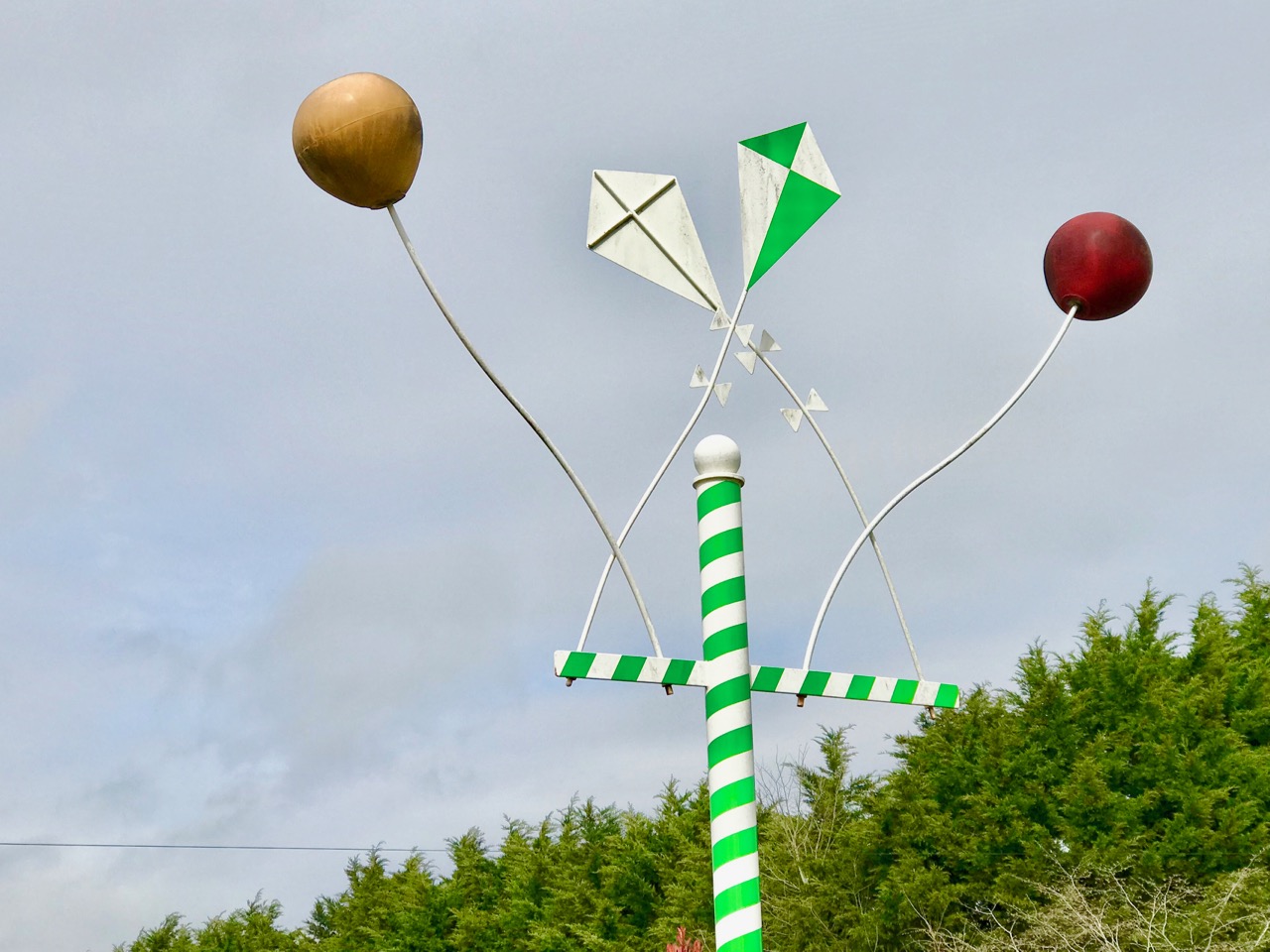
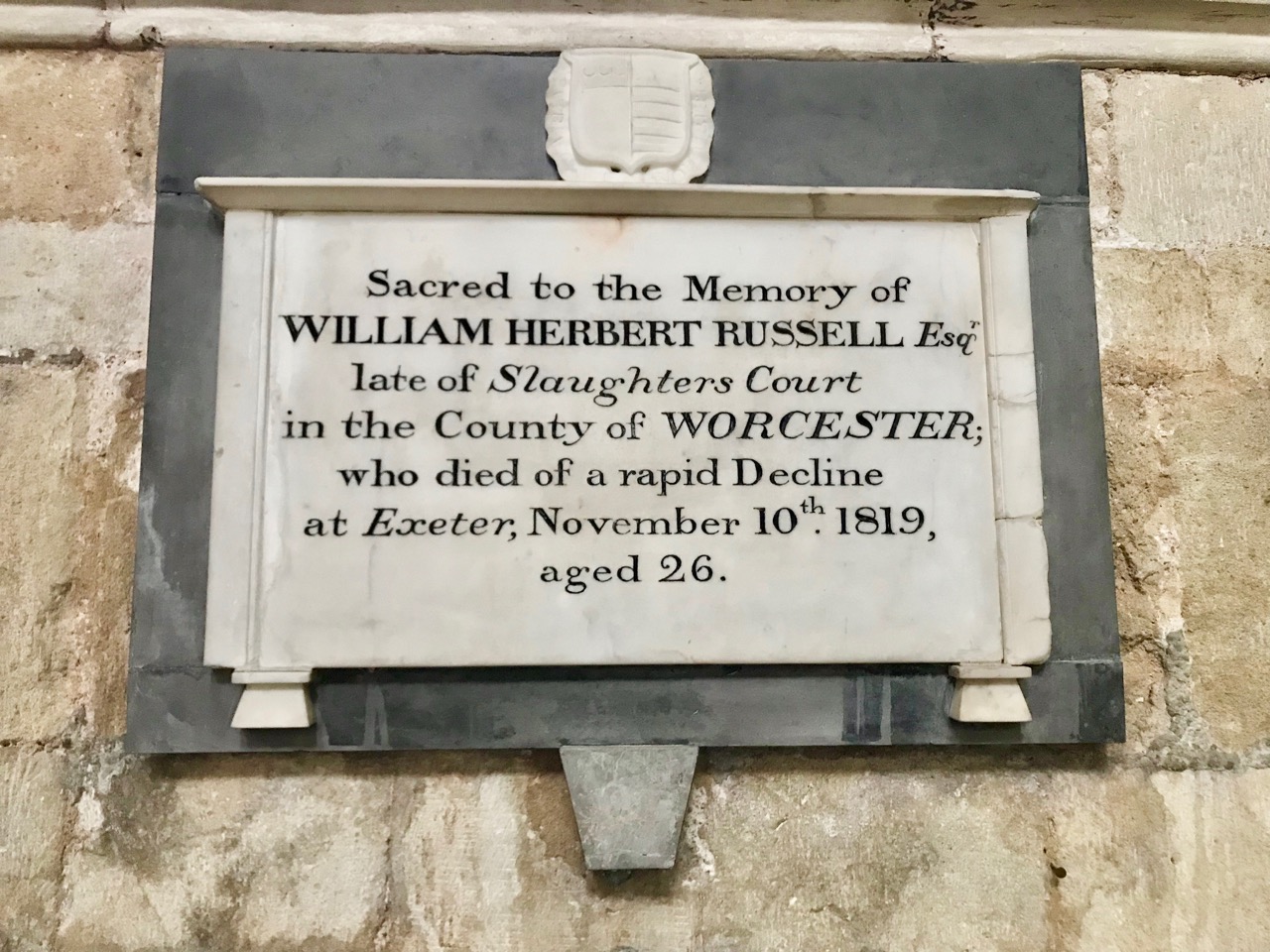
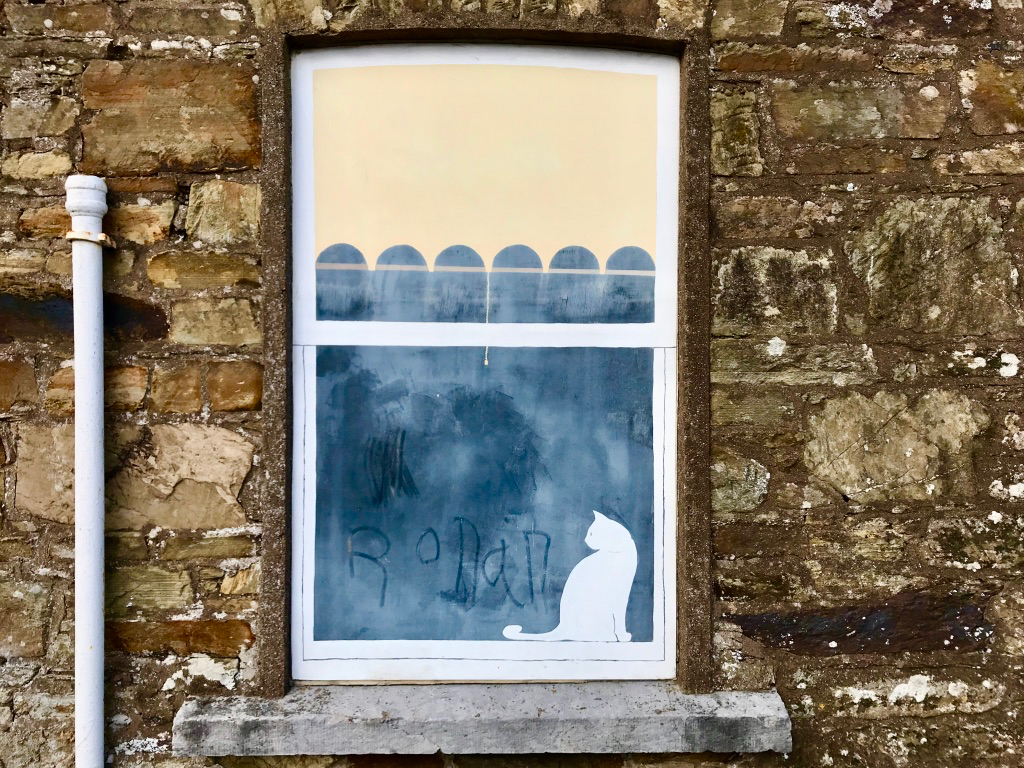
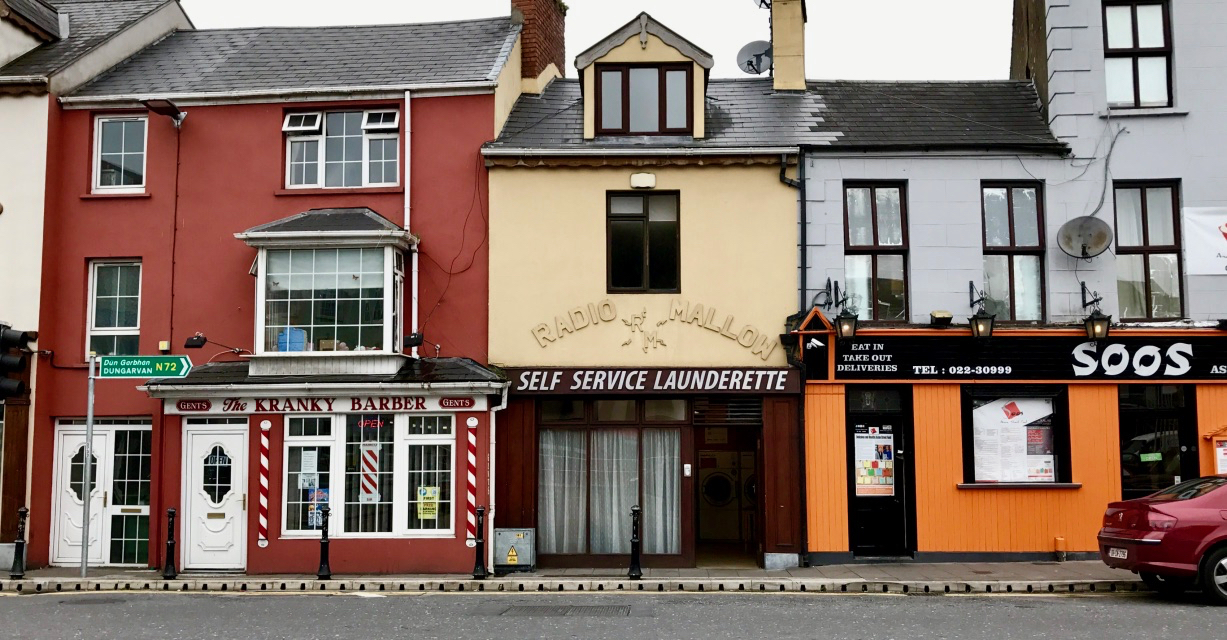
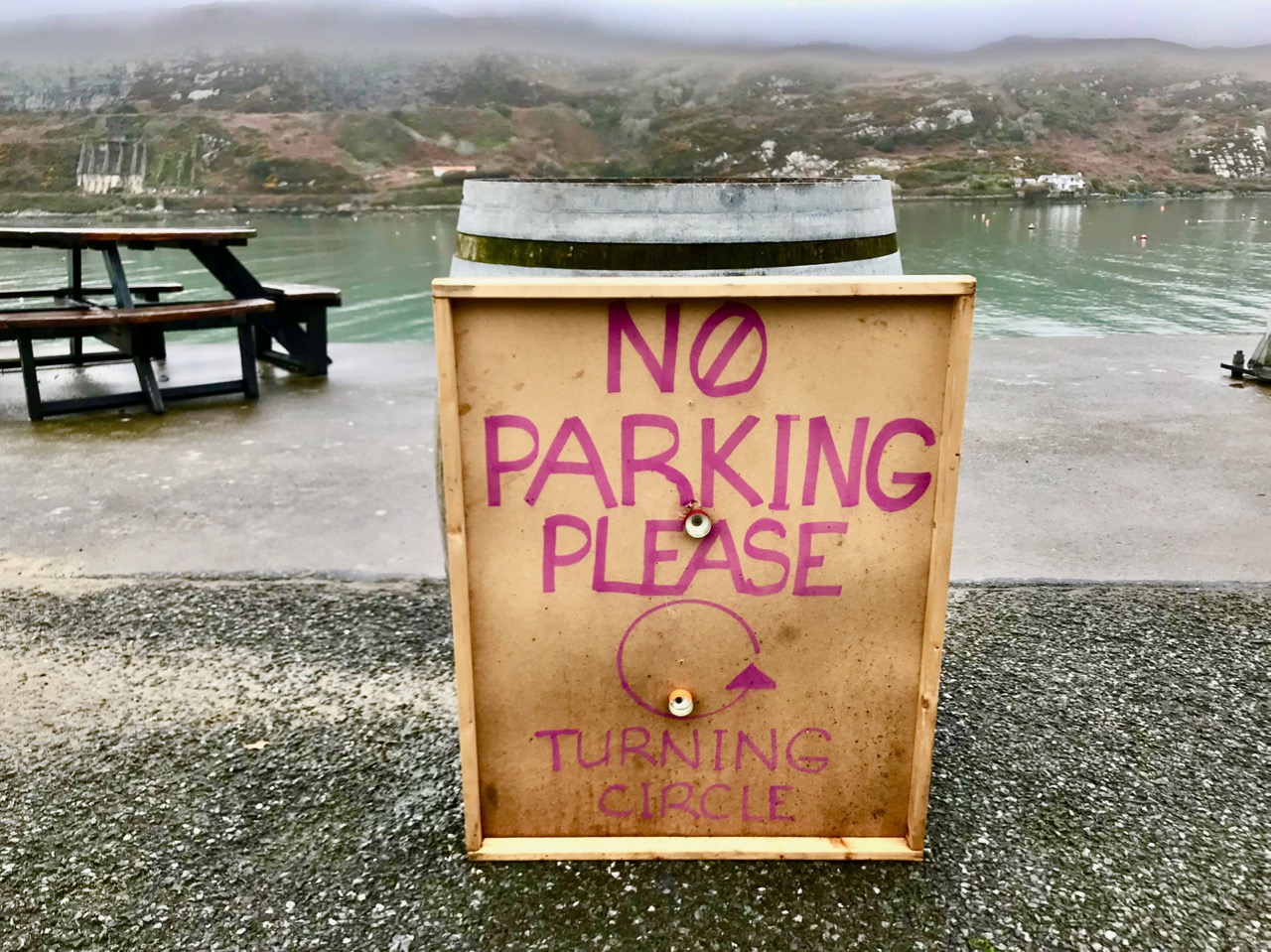
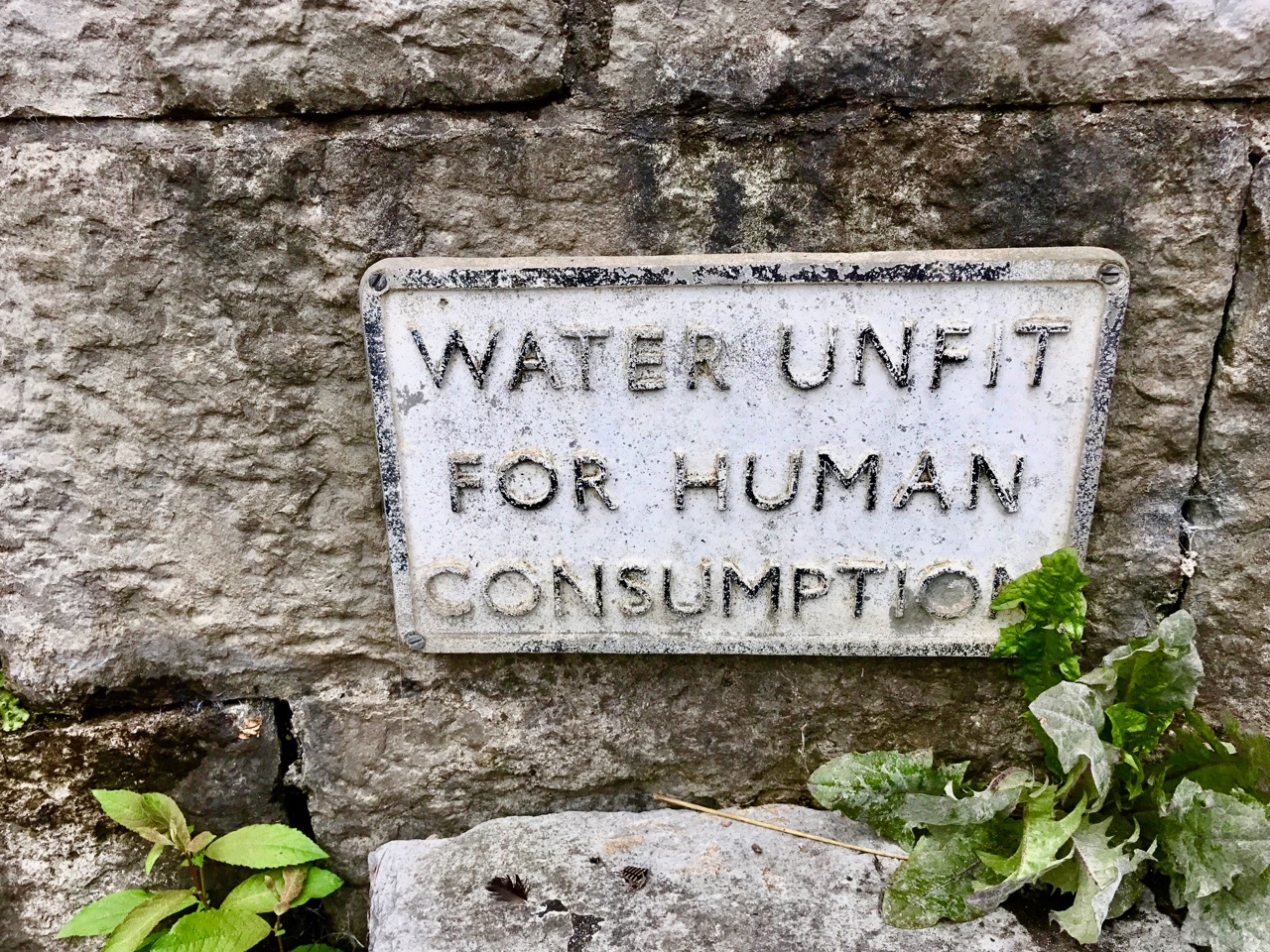
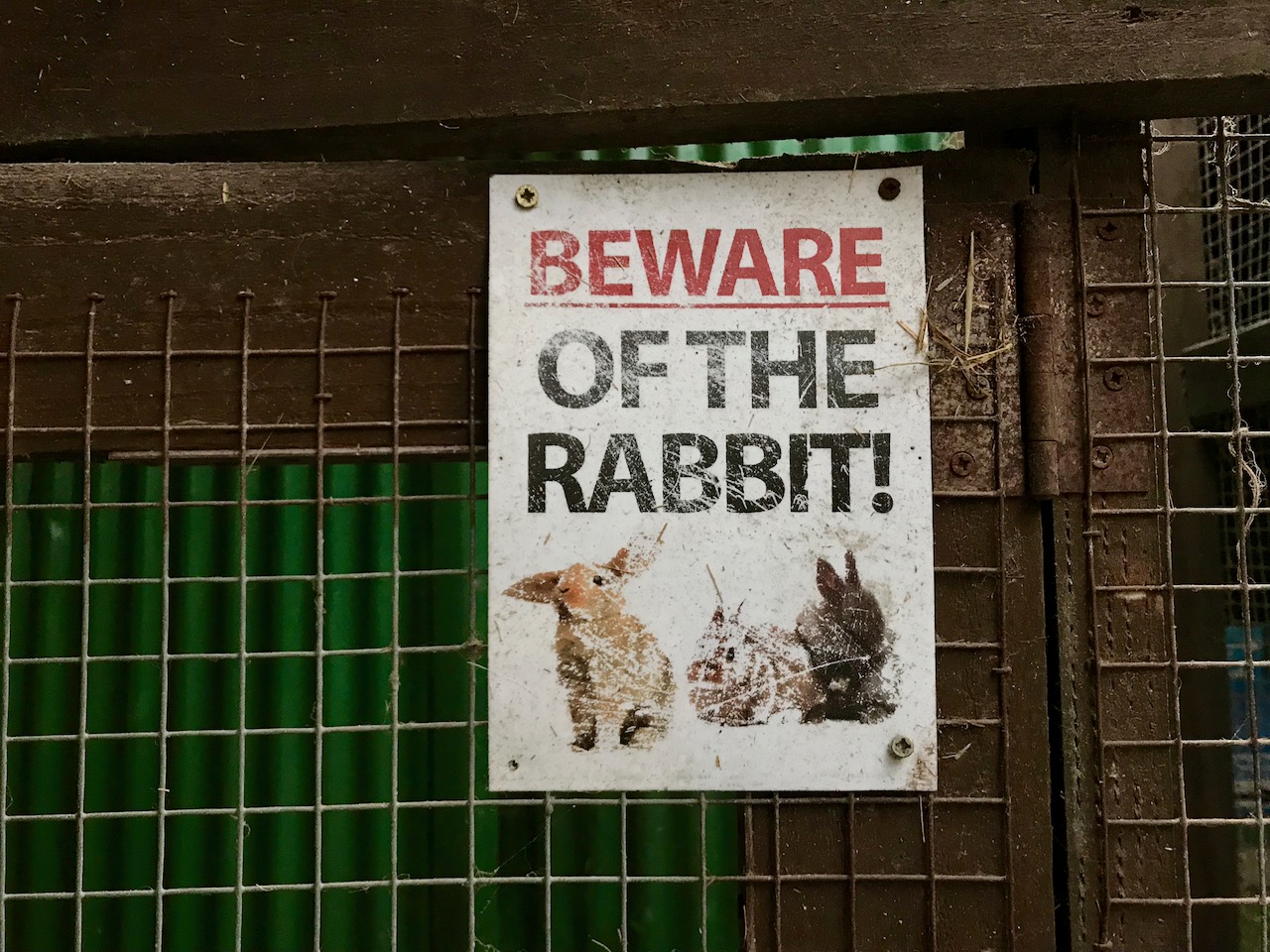
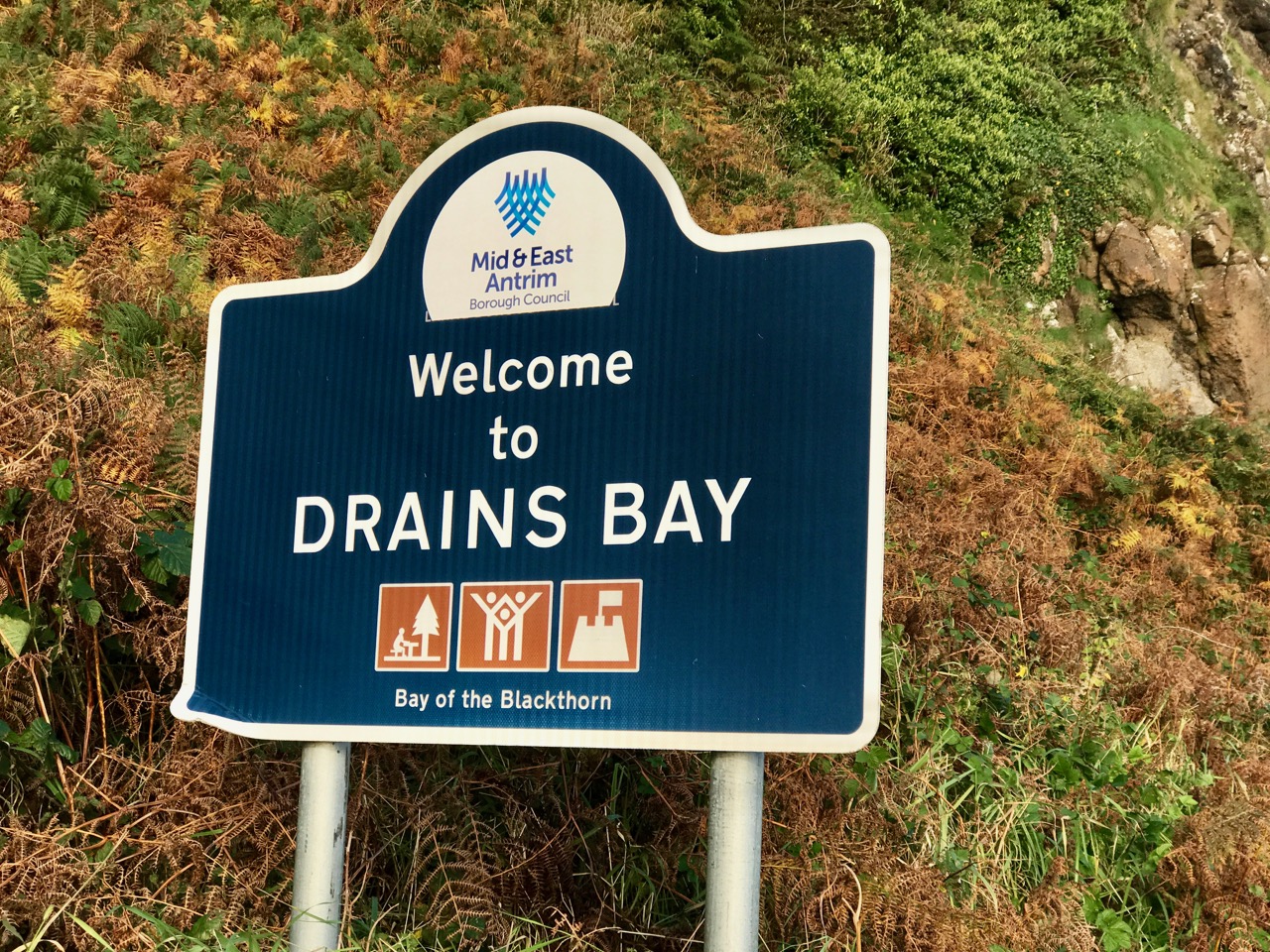
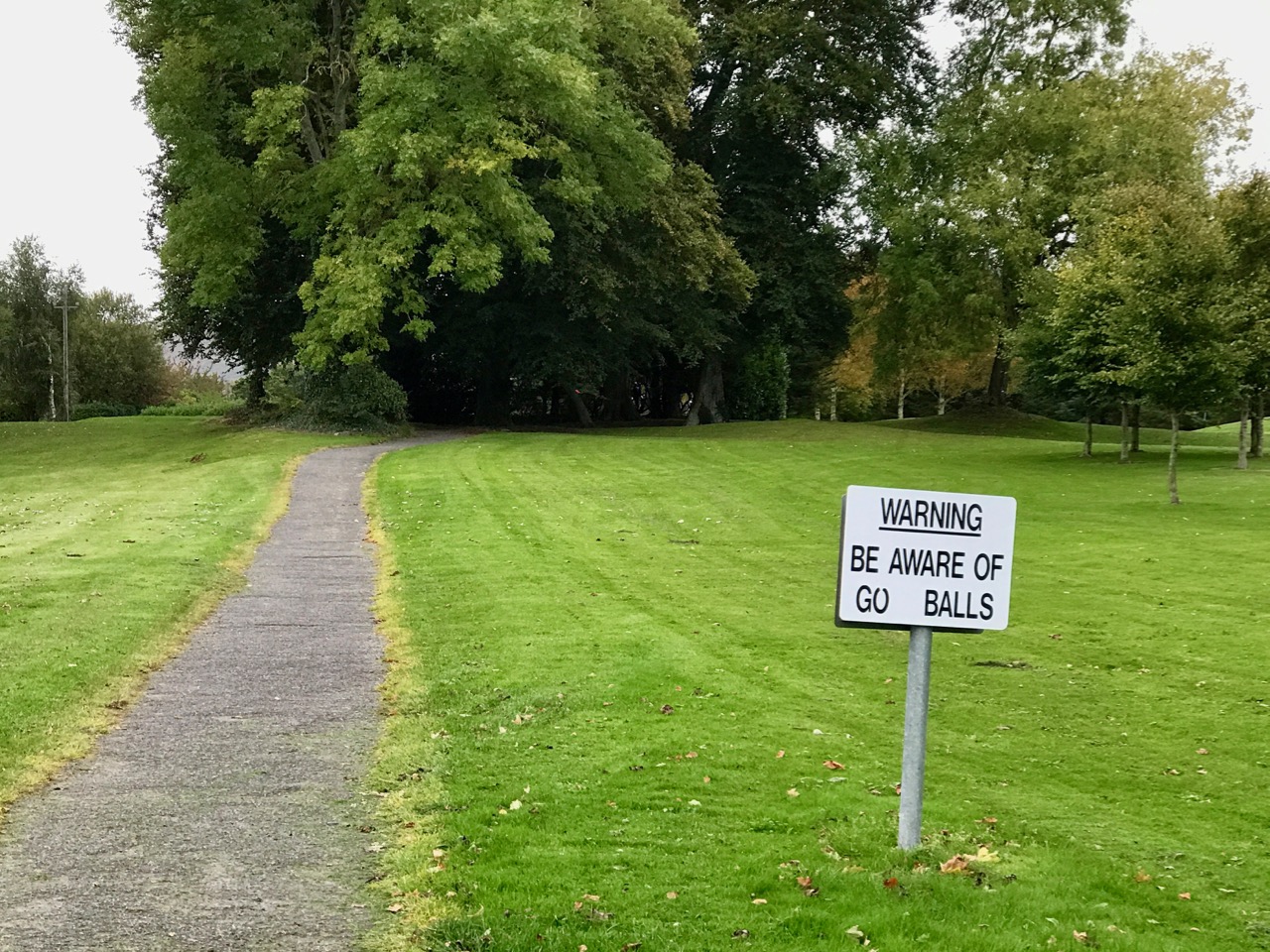
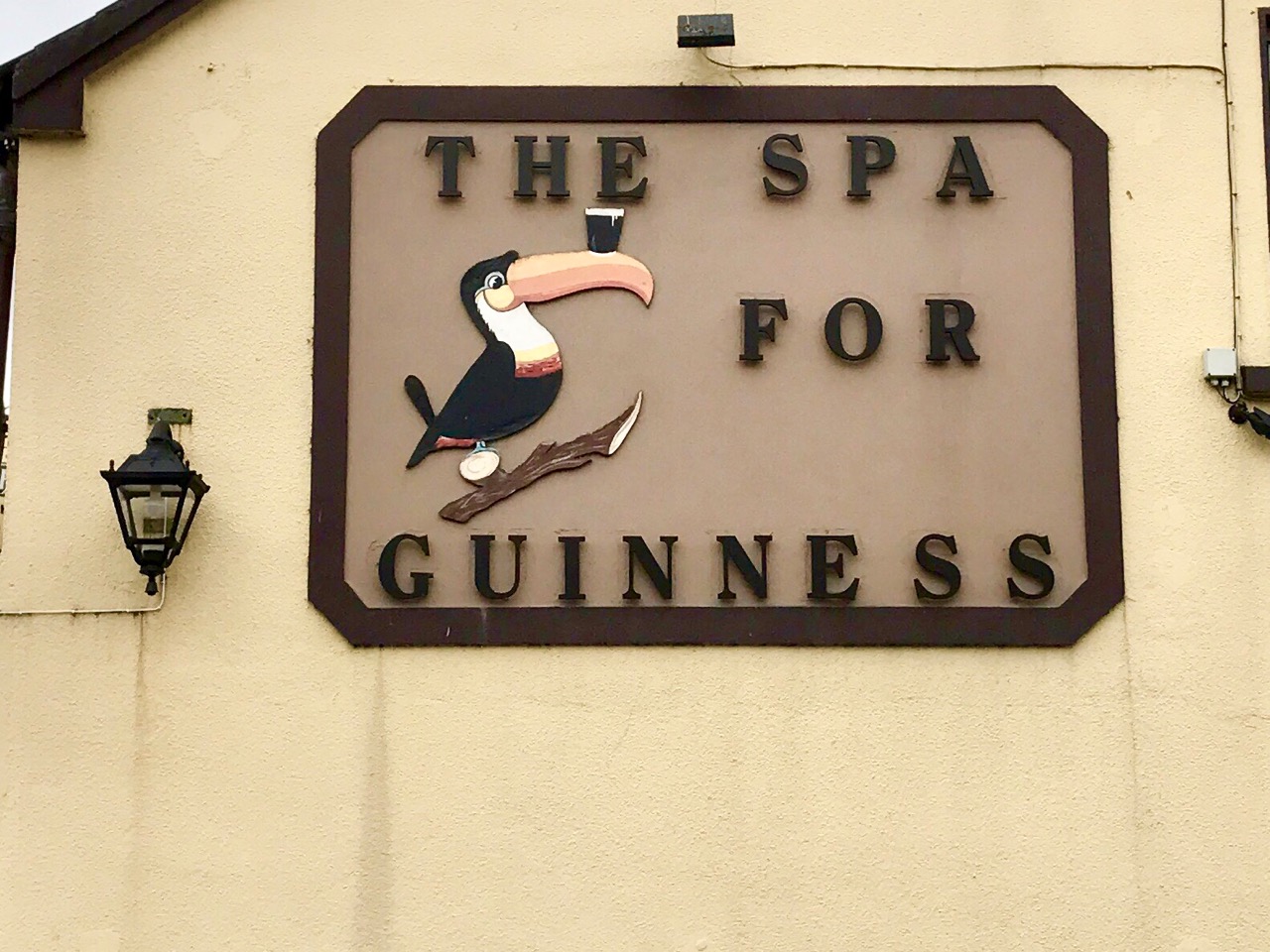
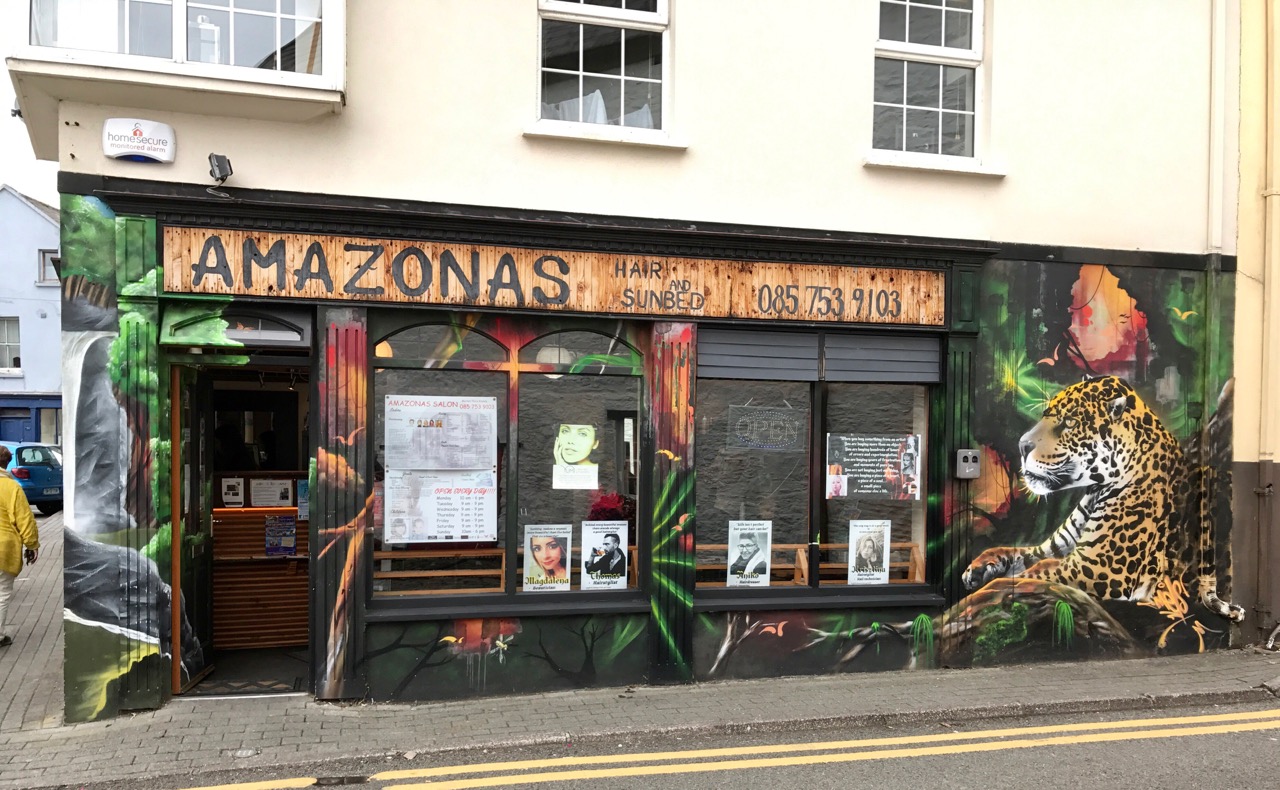
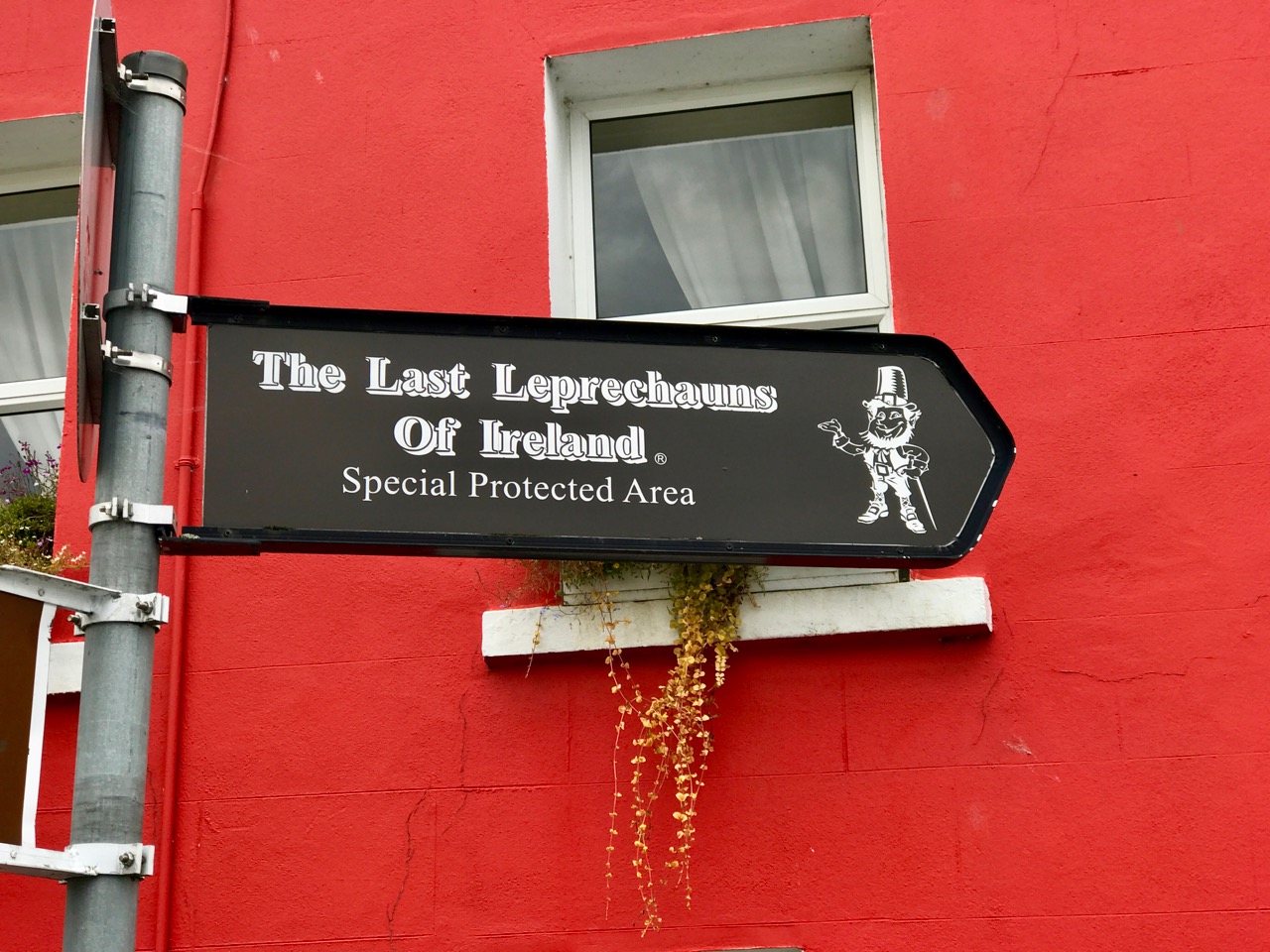
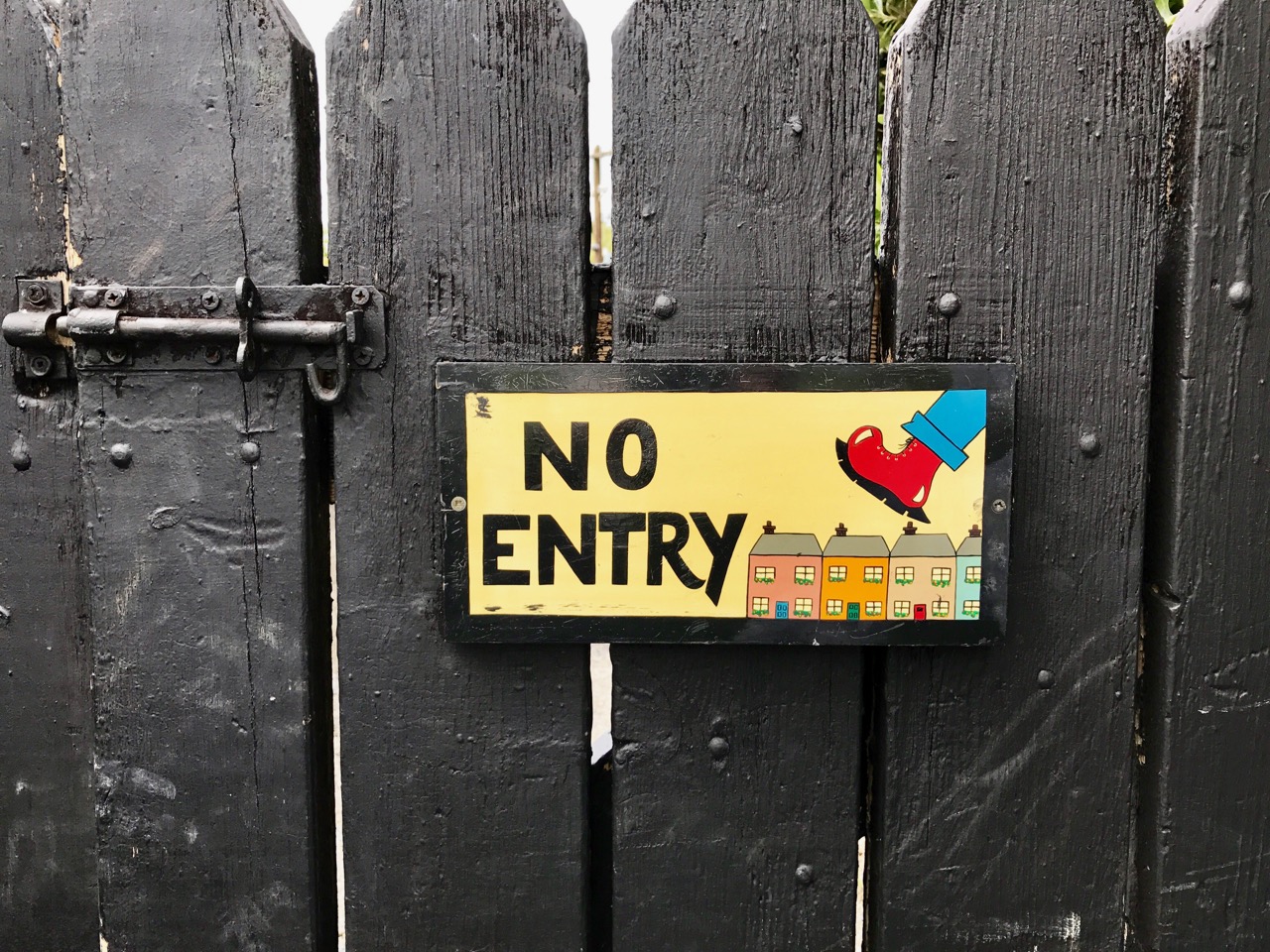
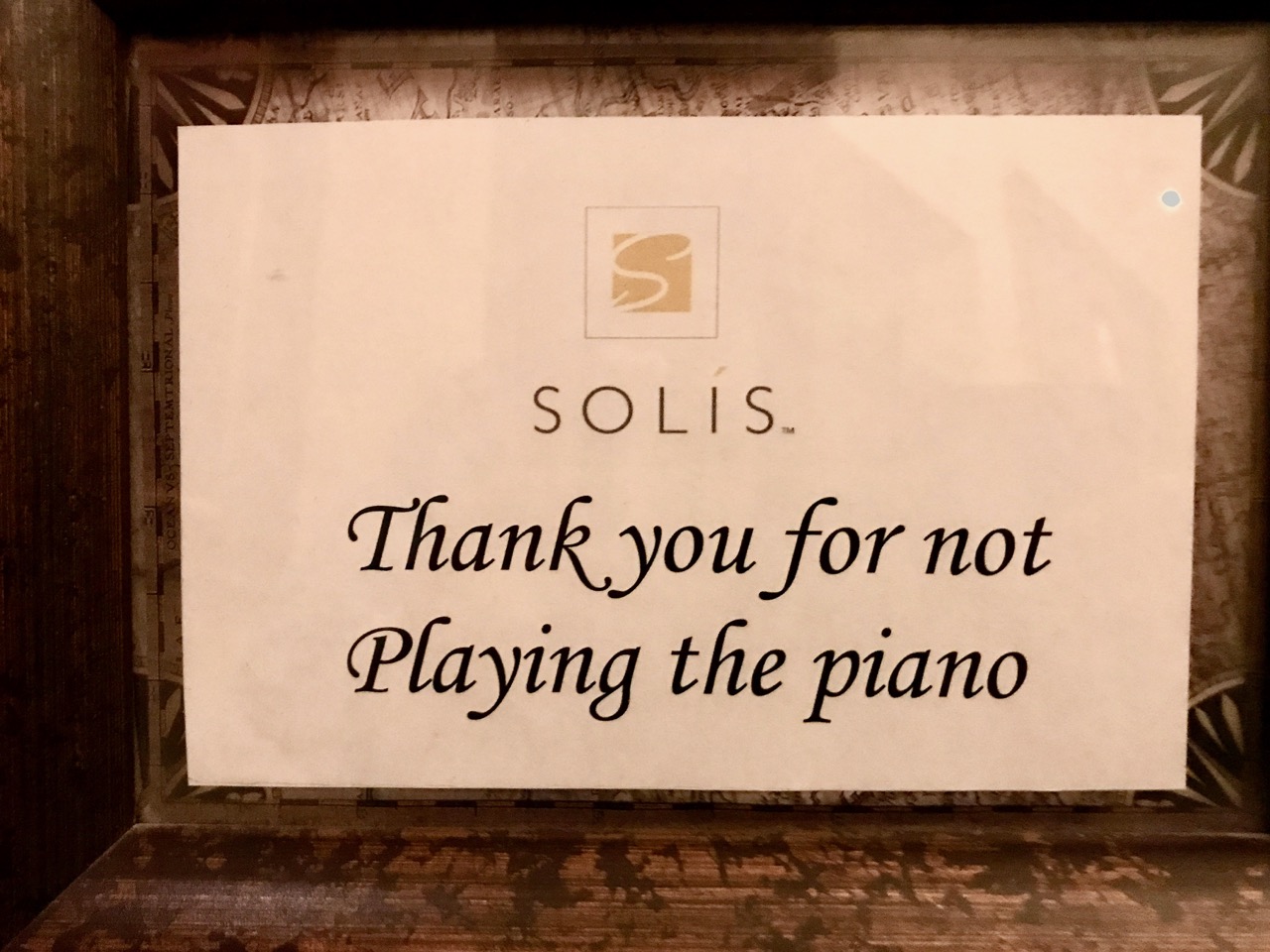
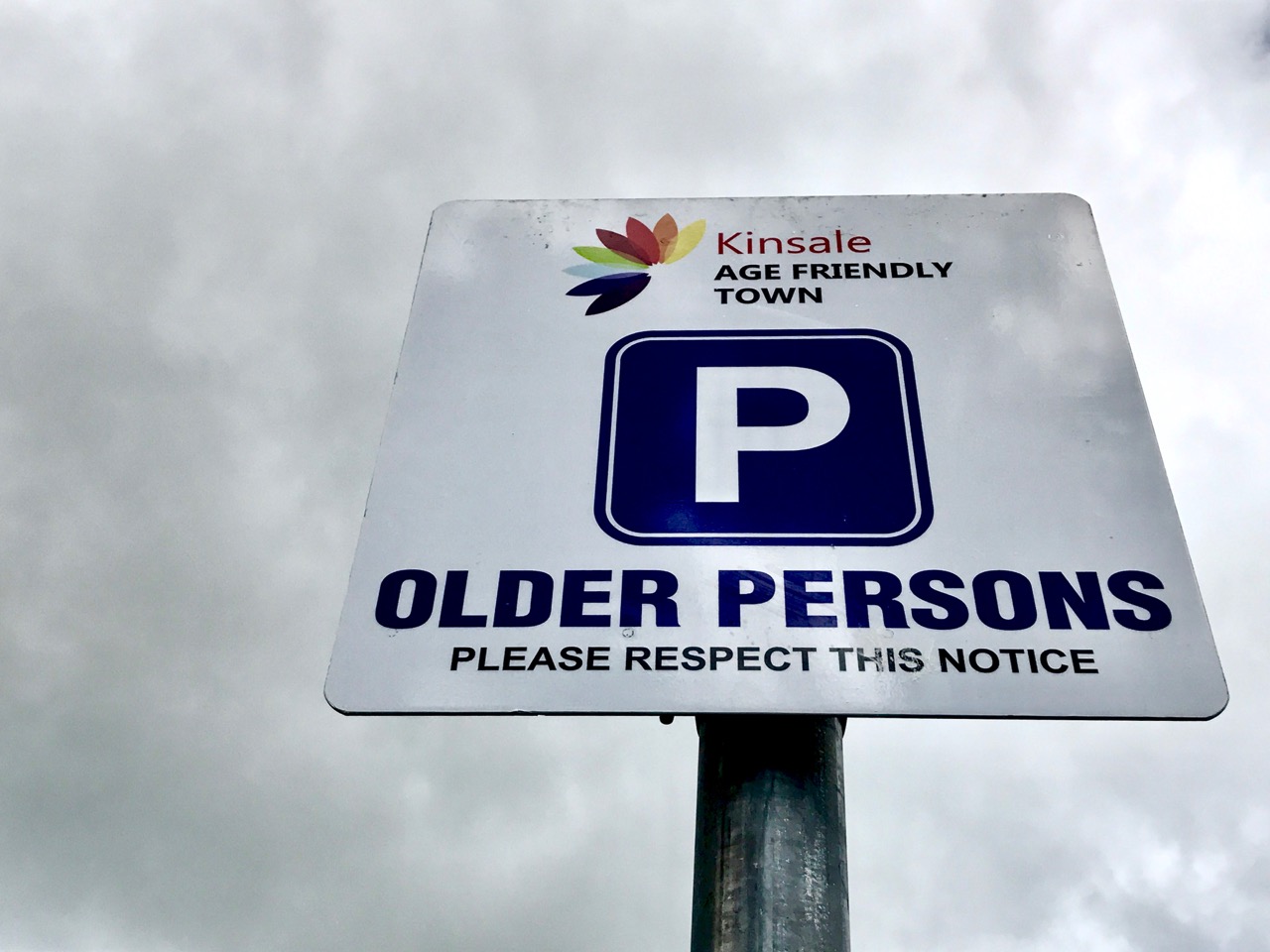
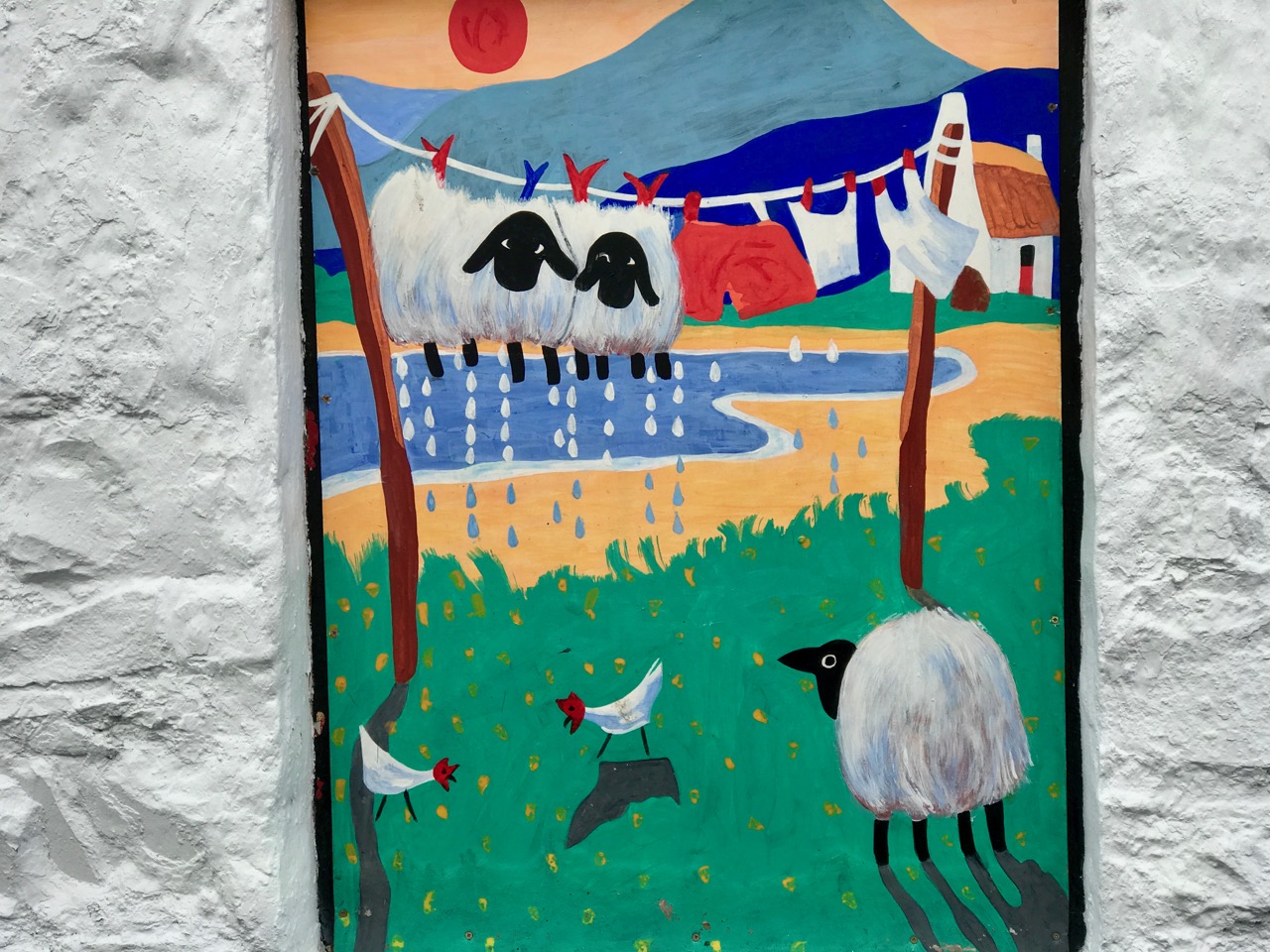
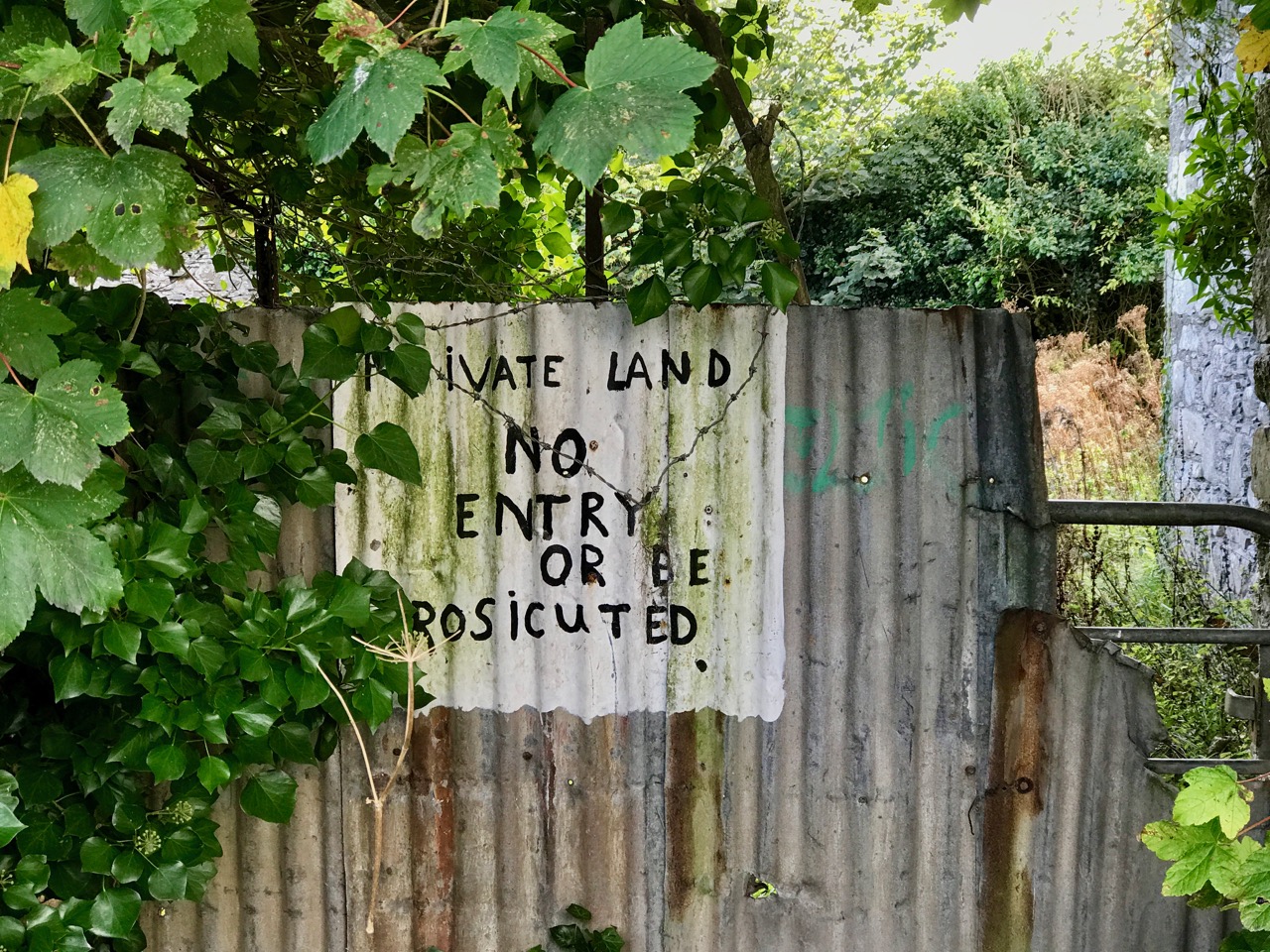
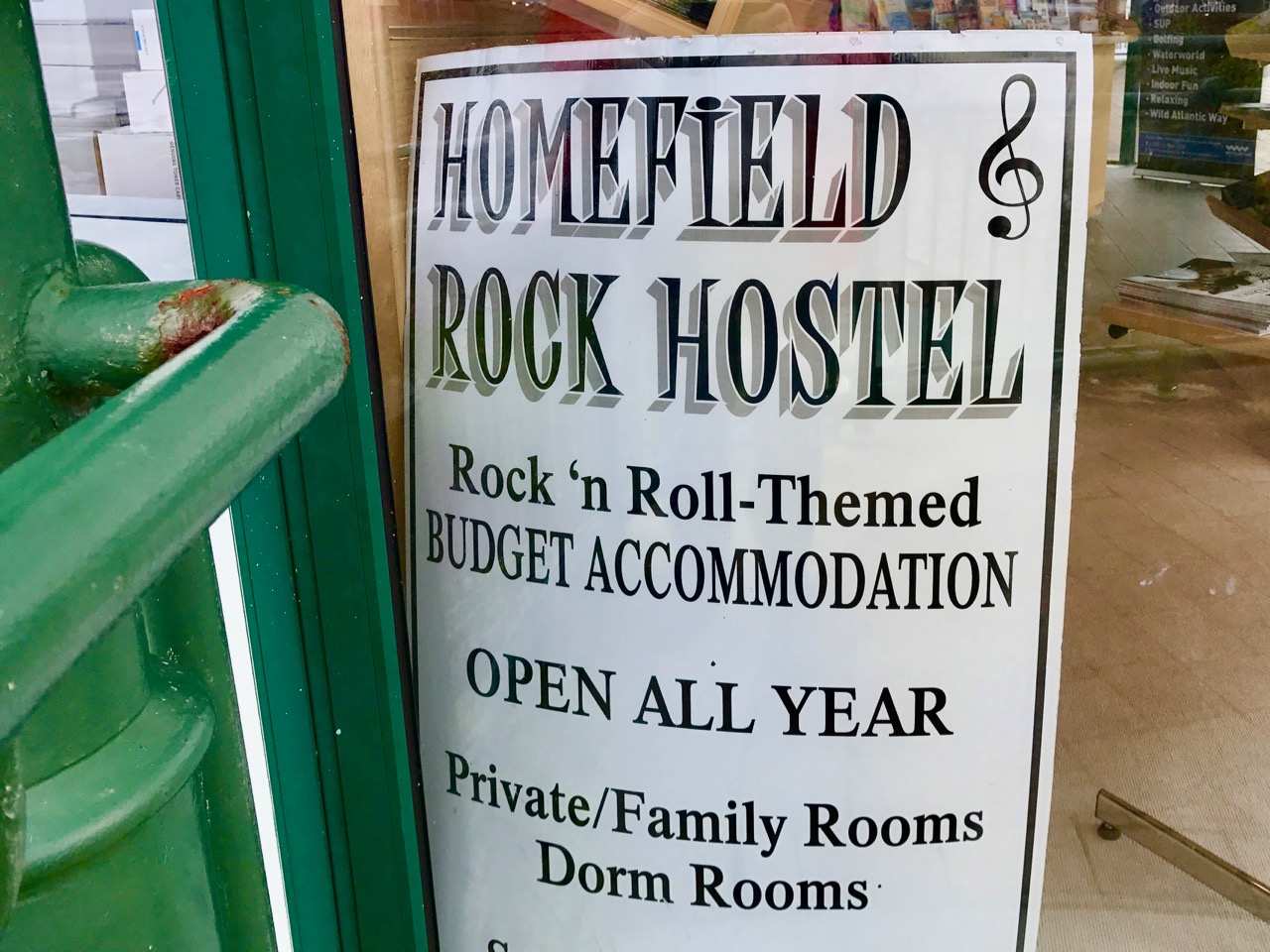
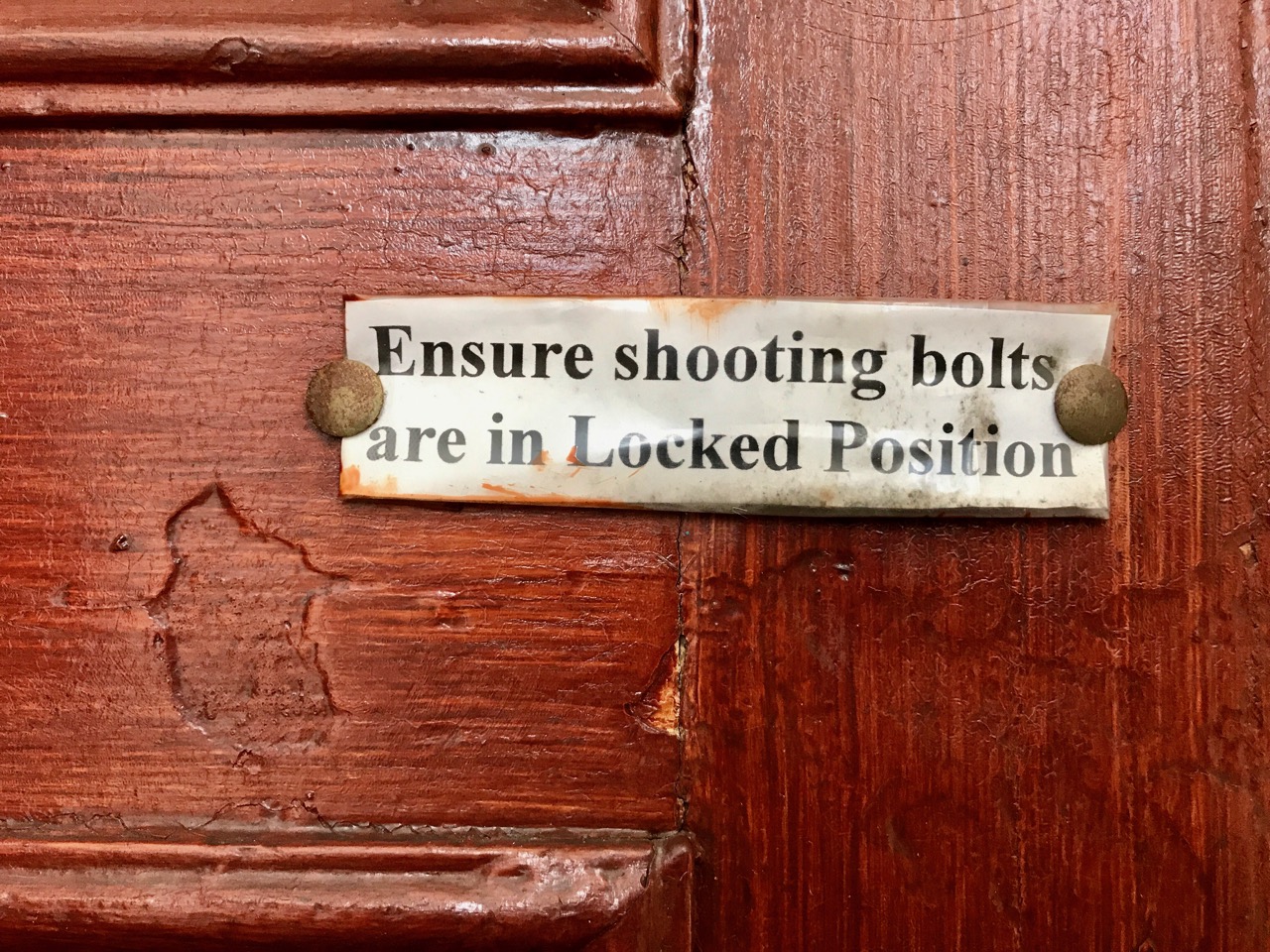
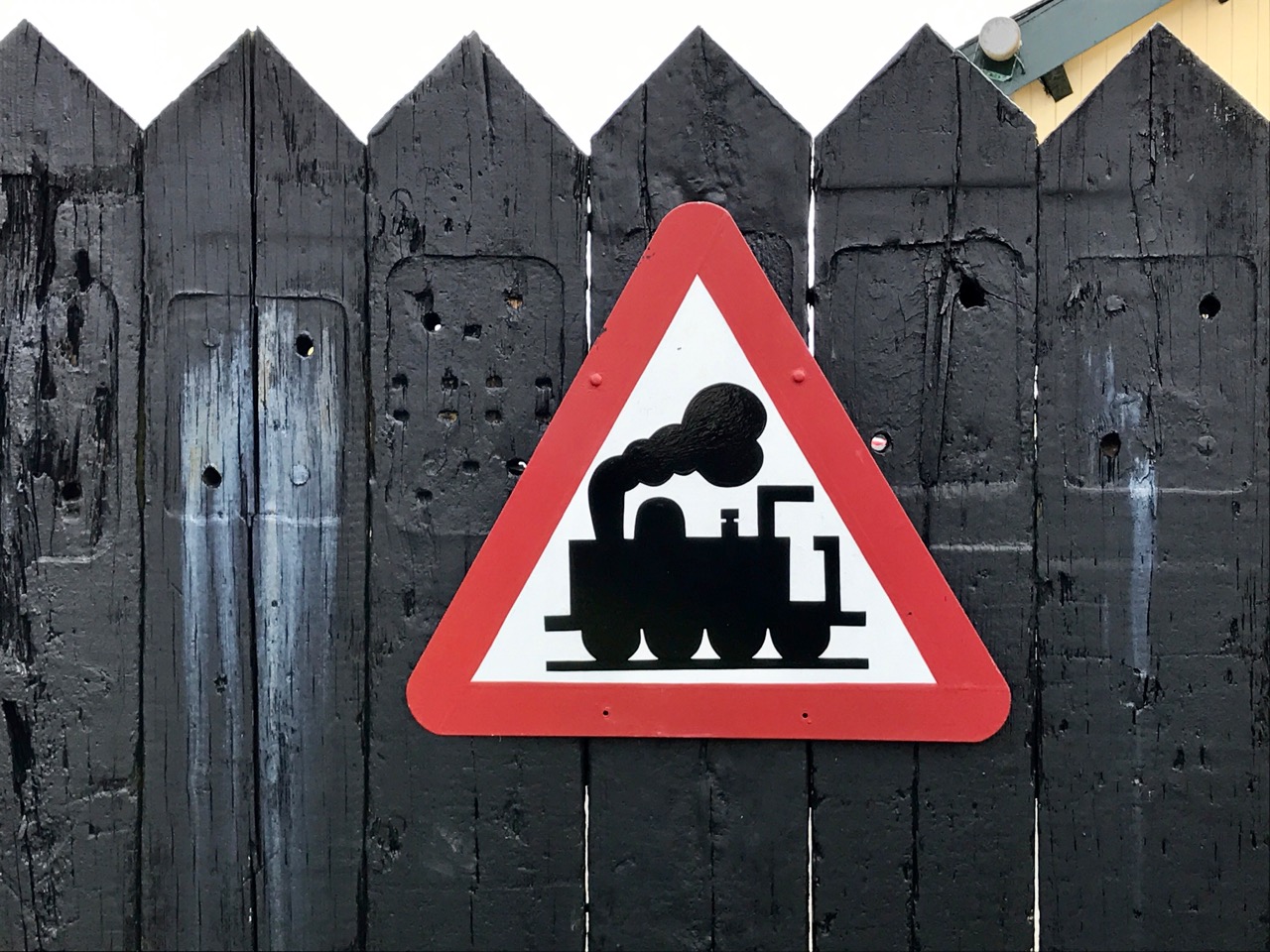
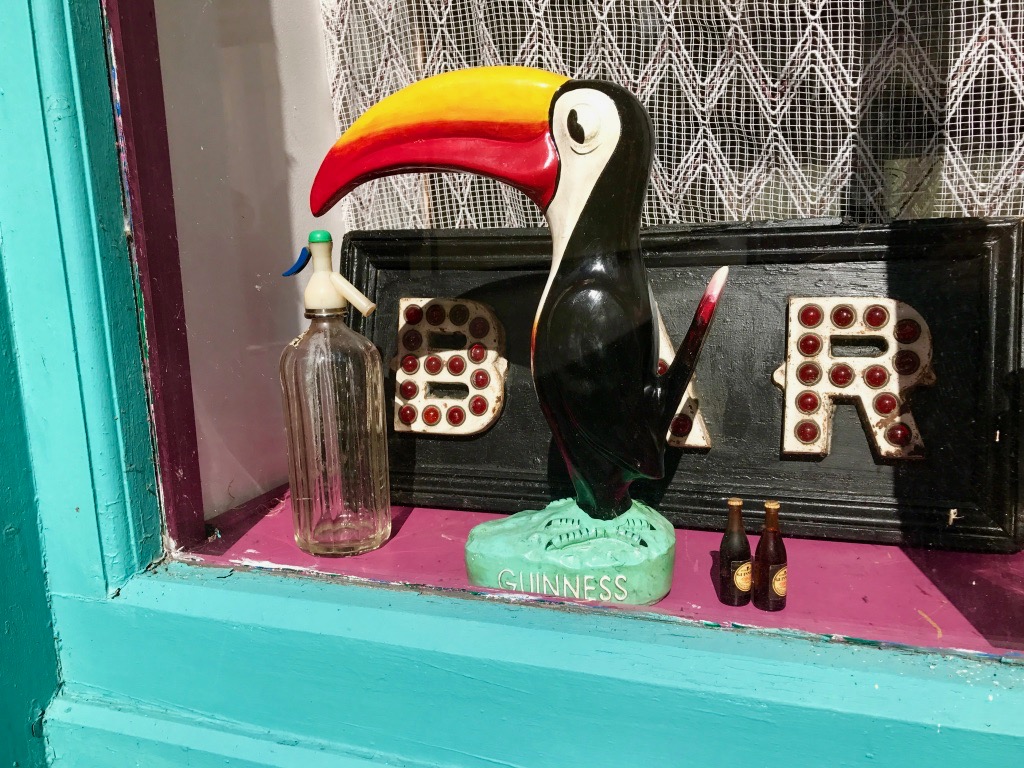
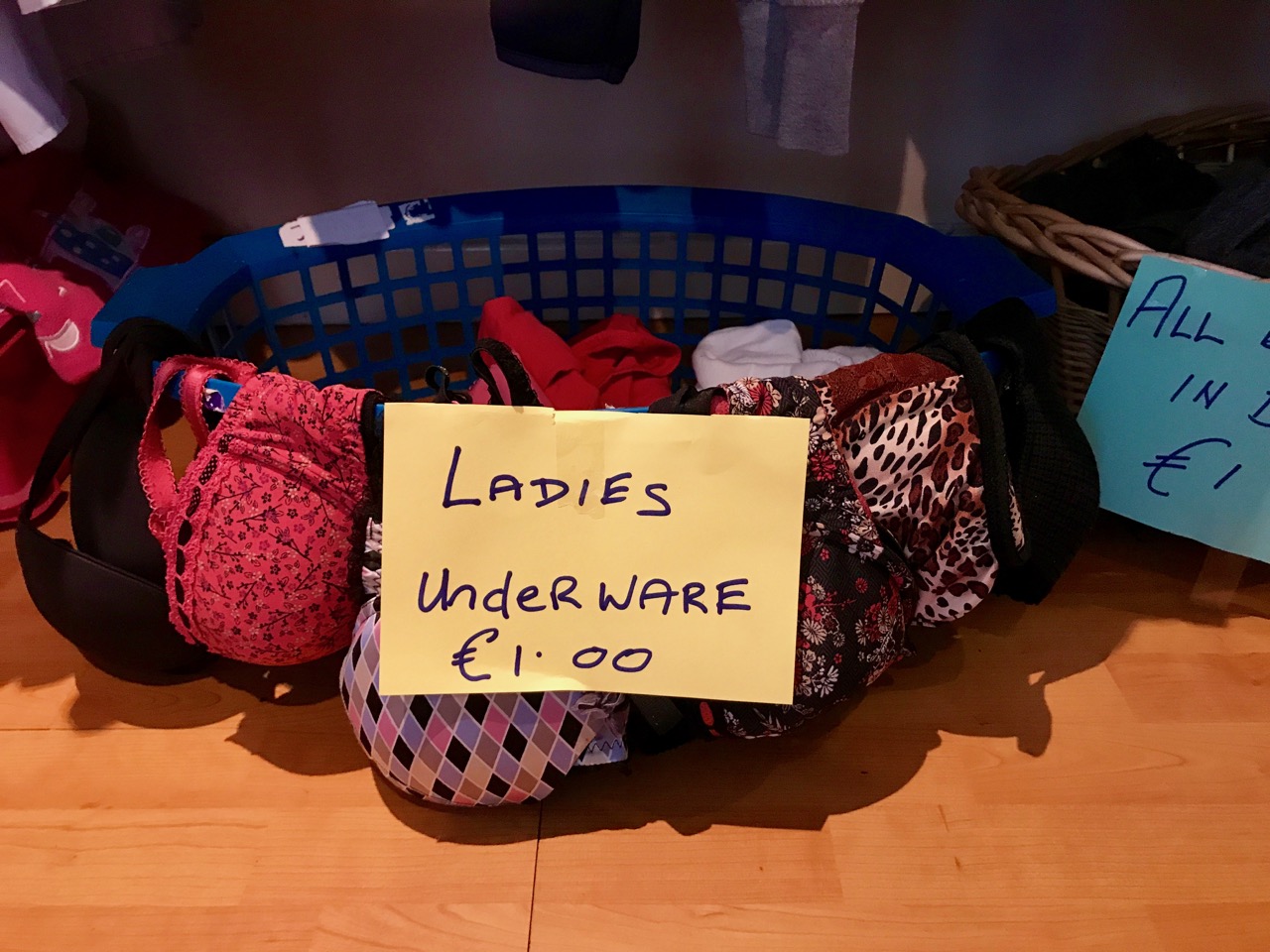
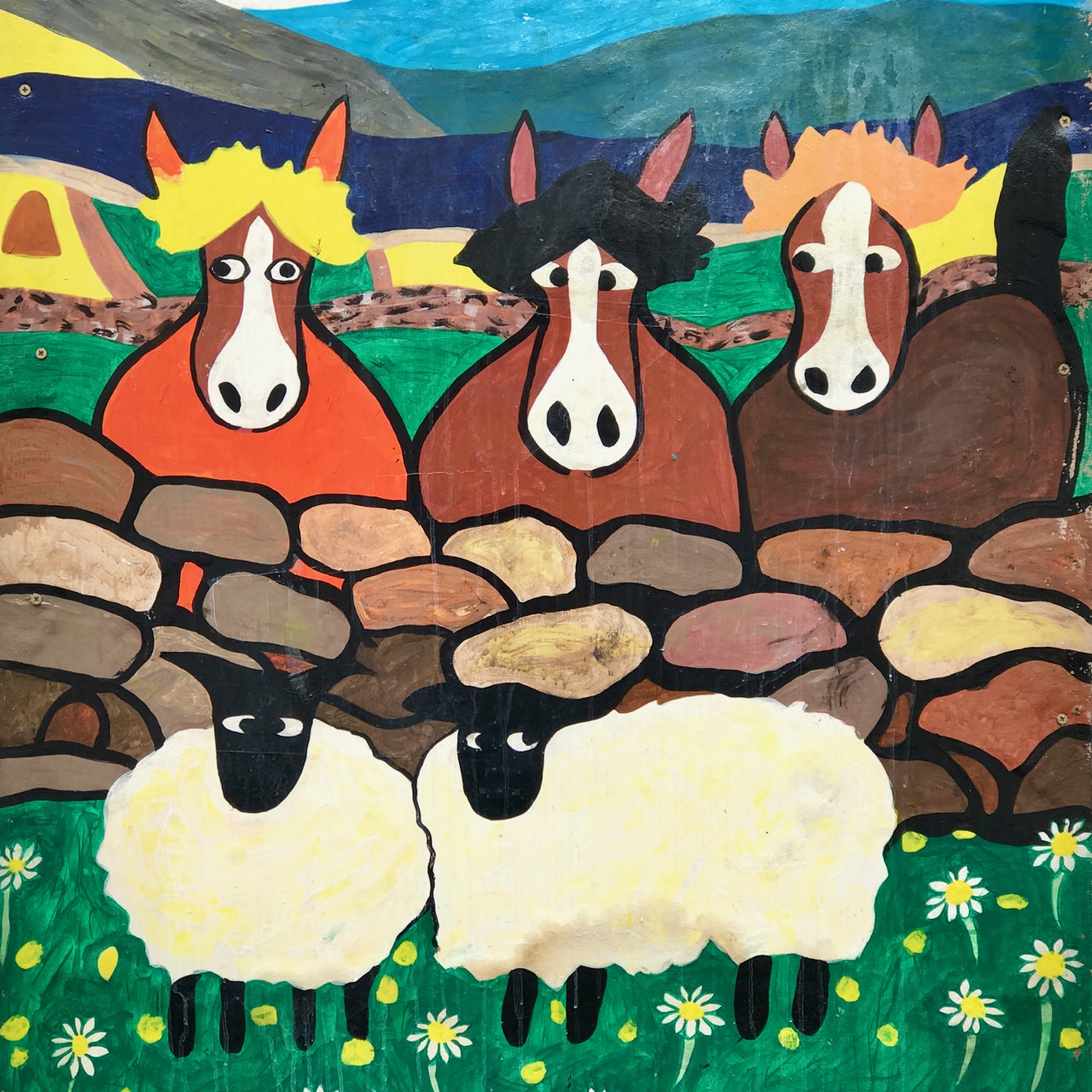
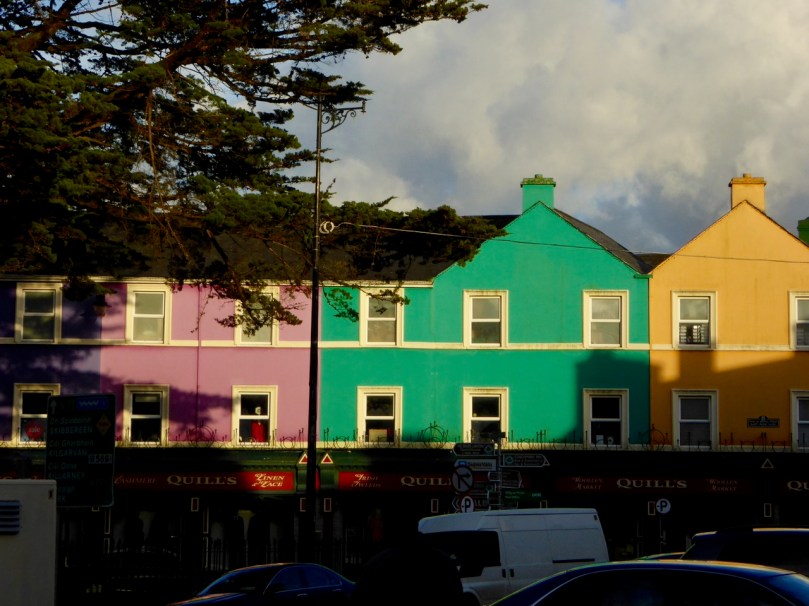
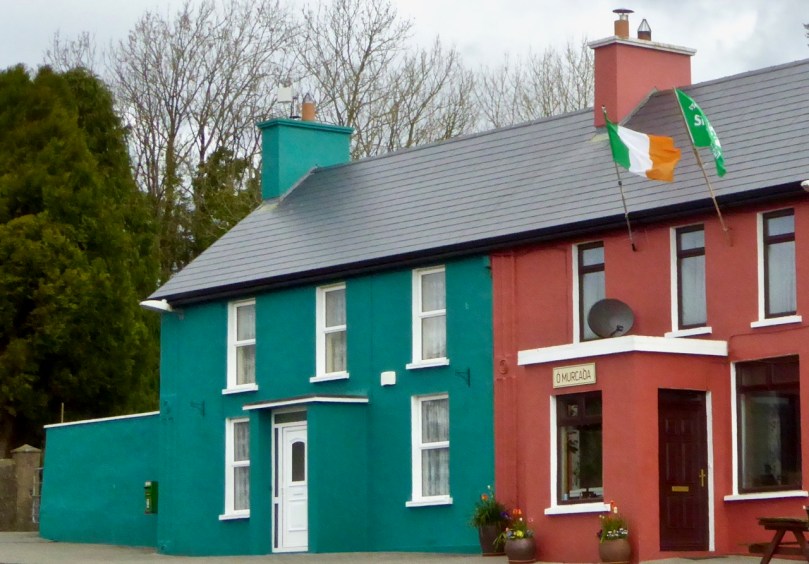
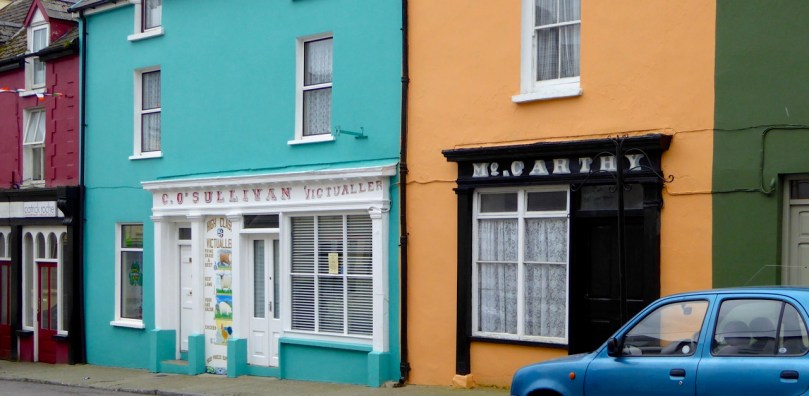
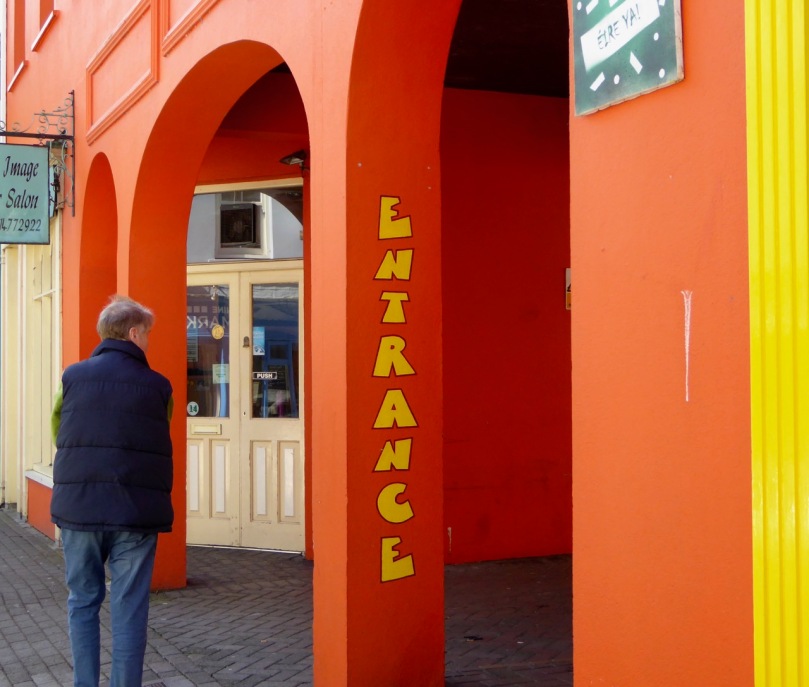
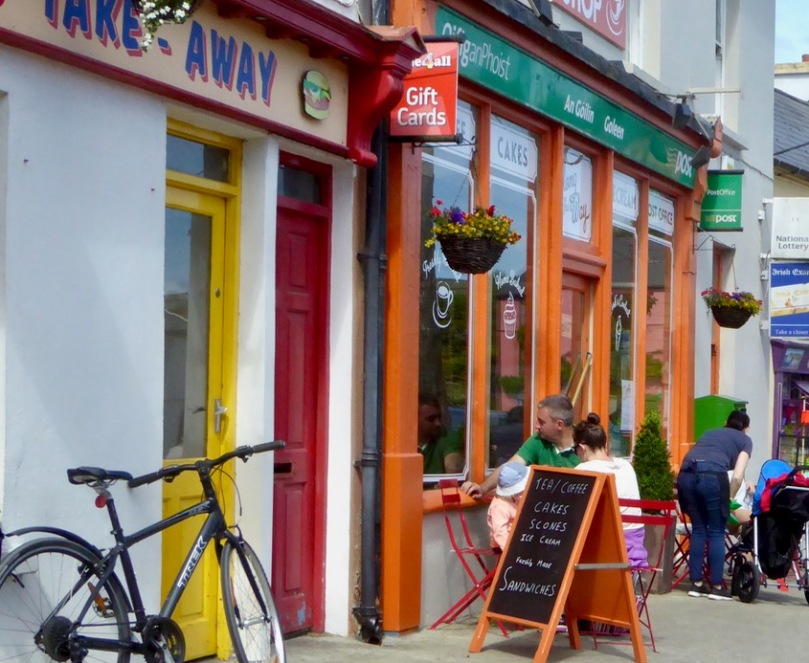
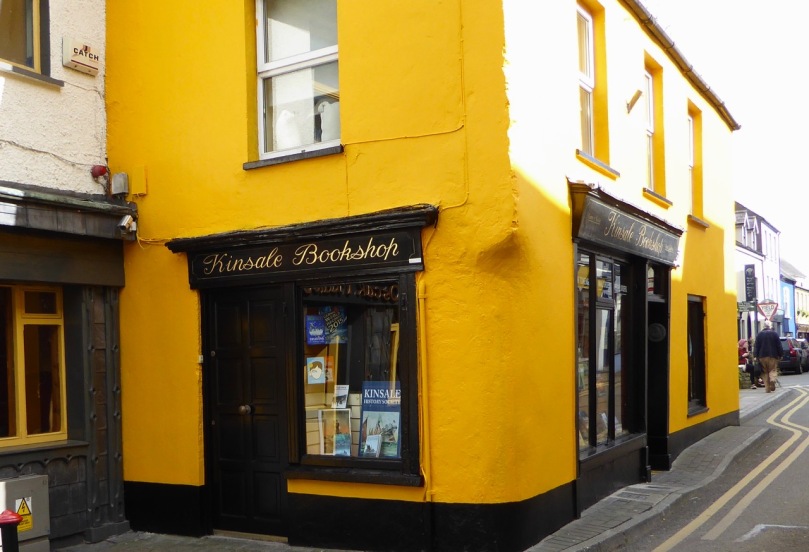
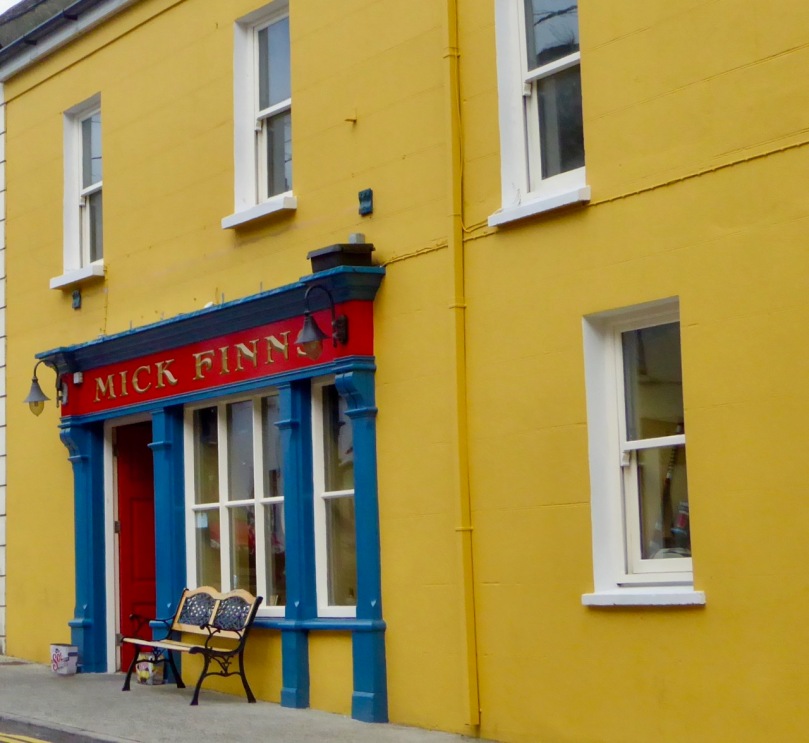
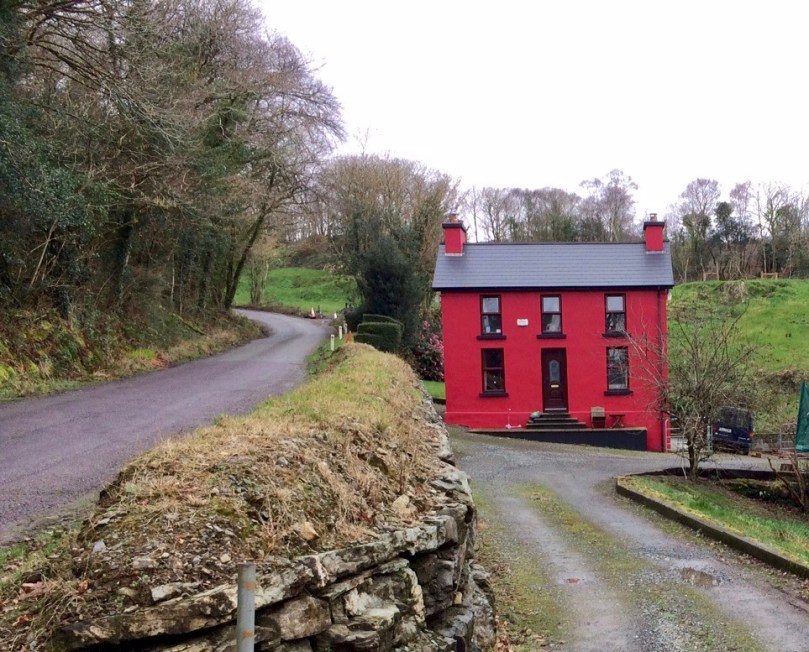
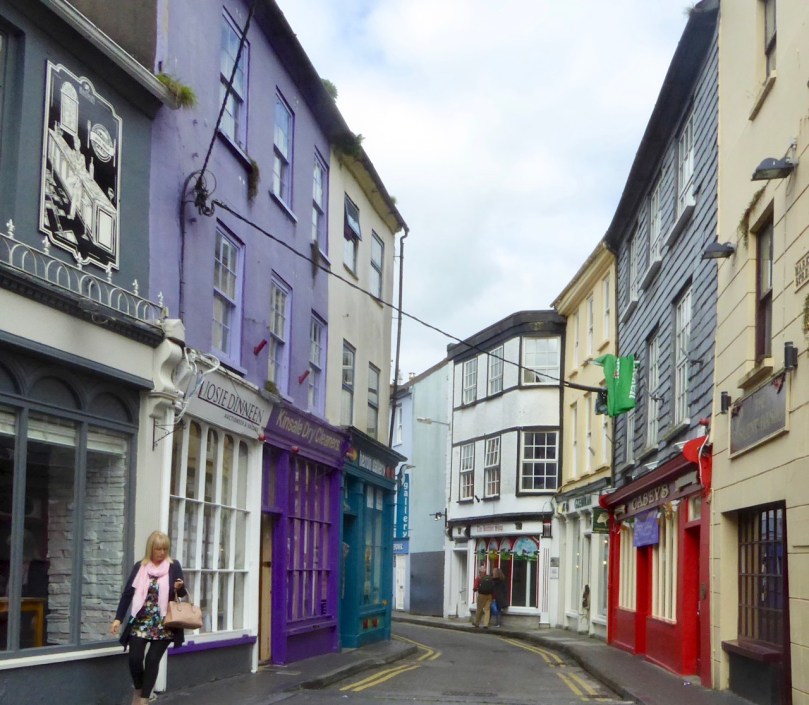
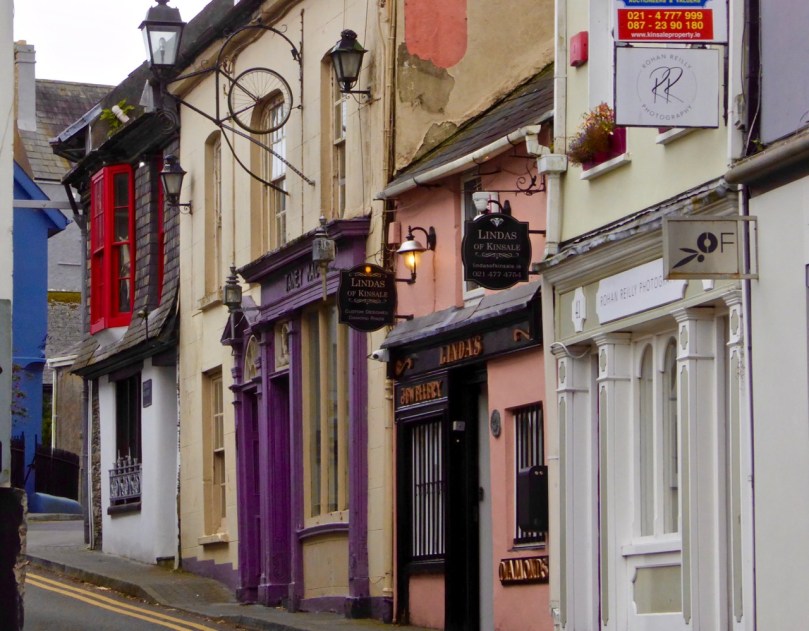
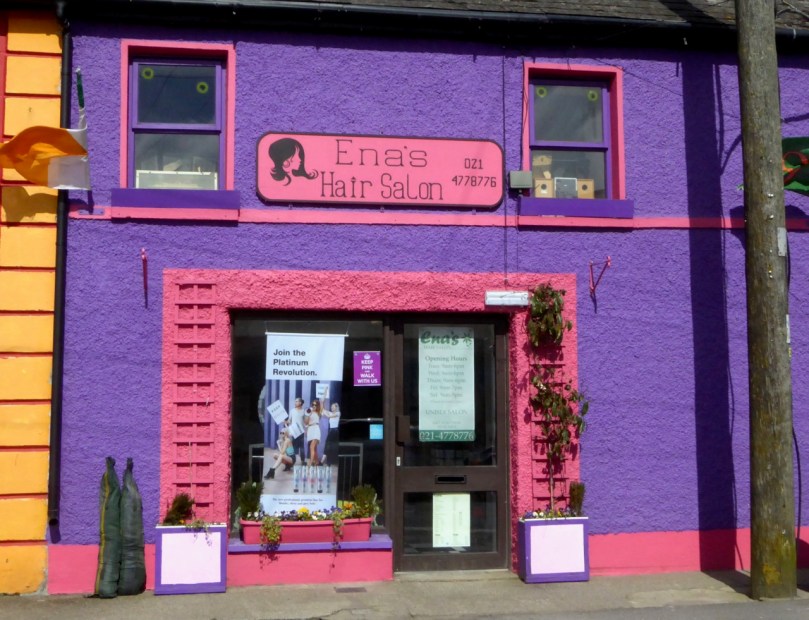
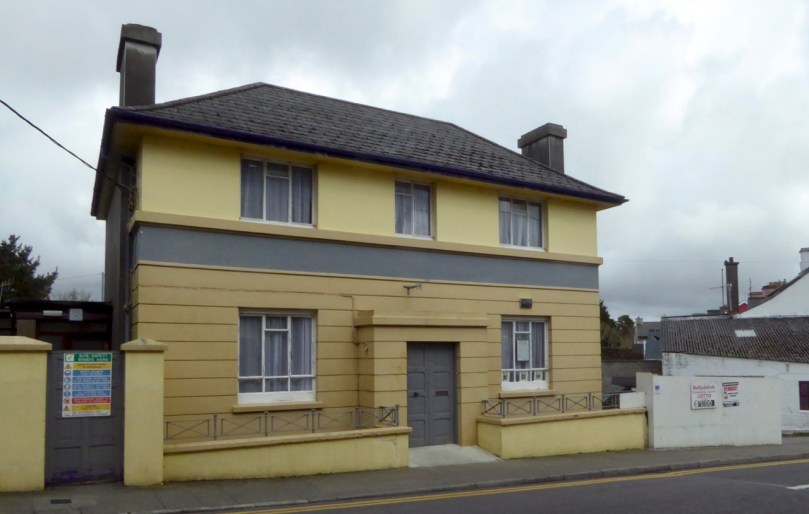
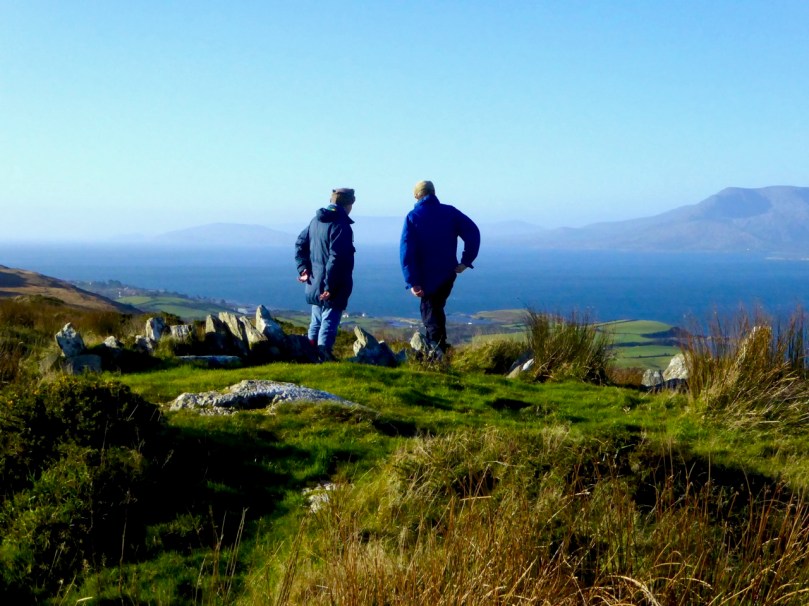
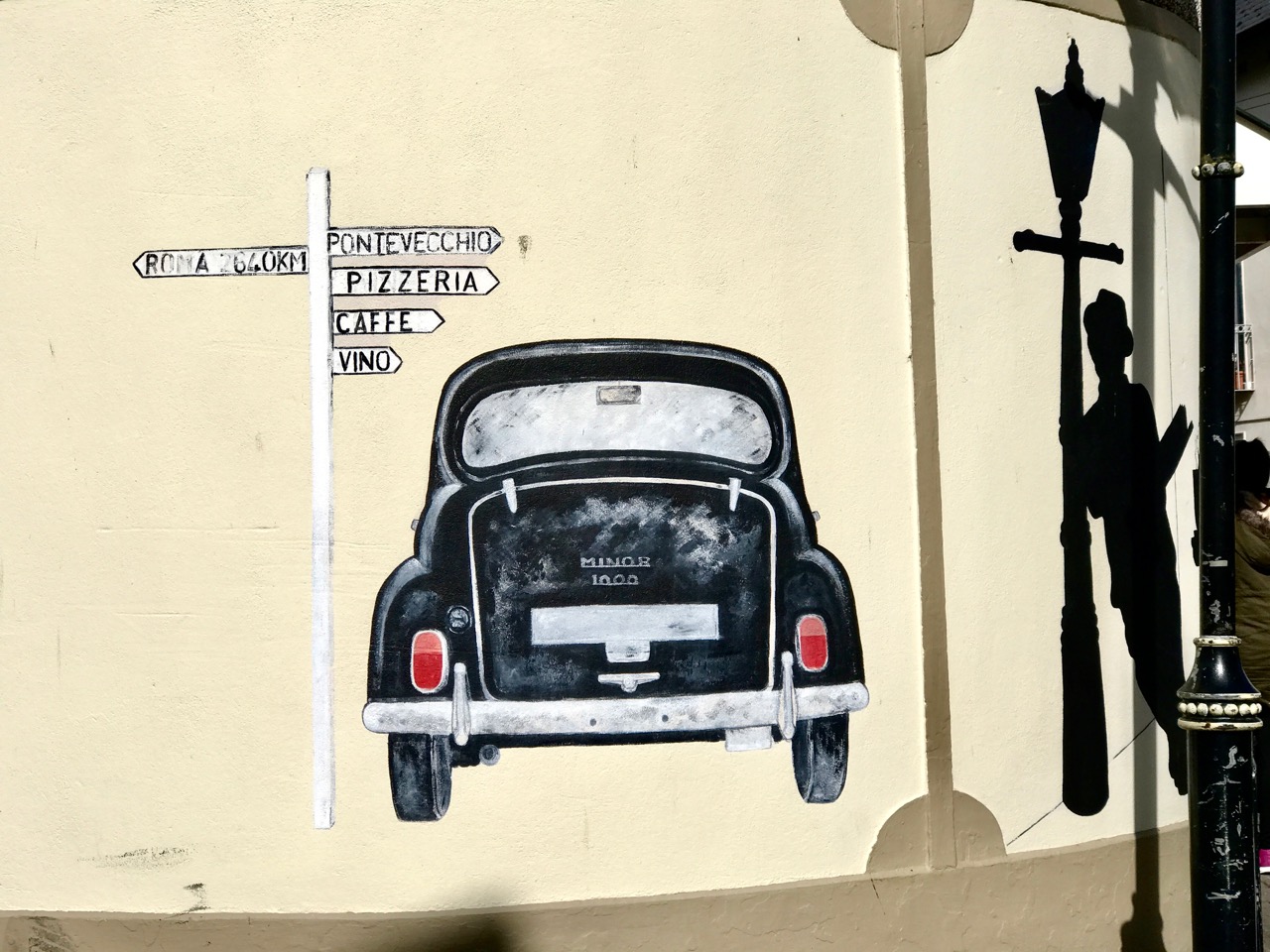
Some signs make no sense – others don’t mean what they say. There are those that attract the attention because they are, simply, picturesque. Always, context – or lack of it – is important. Here is a new selection, to add to those that you may have seen already. As usual, I don’t feel that there’s any need for a commentary. If it all leaves you puzzled, just put it down to my own quirky sense of perception!

It’s Been Five Years! Finola’s Favourite Posts

I can hardly believe it – we’ve been doing this for five years now and we’re nowhere near running out of ideas for posts. And have you read Robert’s post? Imagine being called a 21st Century Robert LLoyd Praeger! Thrilled. But in fact as I dip into Praeger again I recognise in us the same impulse he had – to wander the land and discover all that it has to offer.

Amazing what you stumble across in the countryside, like this holy well and its offerings

One of the wonderful things about blogging like this is how much you LEARN every day, about Ireland, our neighbours, the ground we walk upon, the history and archaeology to be discovered around every corner, the wisdom of country people, the humour and expressiveness of Irish speech, the breathtaking beauty of the landscape. So where on earth to begin?
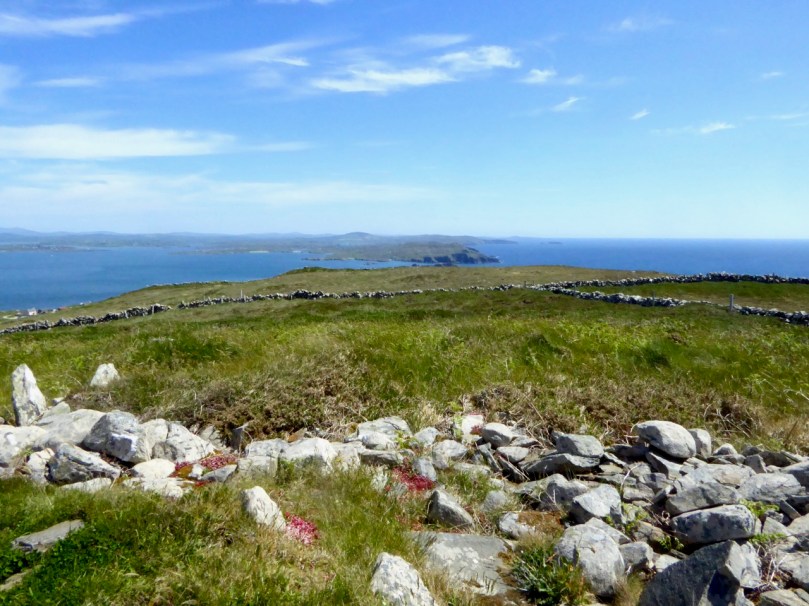
Our interest in archaeological sites led us to hike to the highest point on Cape Clear Island to see the sparse remains of a neolithic passage grave – and what a spectacular view there was from it, towards Sherkin Island and all the way down the coast of West Cork

Like many, I sat in churches as a child unaware of the architectural splendours around me. One of the delights of returning as an adult is discovering Irish stained glass, really seeing it for the first time. Harry Clarke, of course, is always a favourite, but I have been thrilled to discover other artists too: Richard King, George Walsh, the artisans of the Tower of Glass. There will be lots more posts about stained glass in the future as I unearth more treasure.
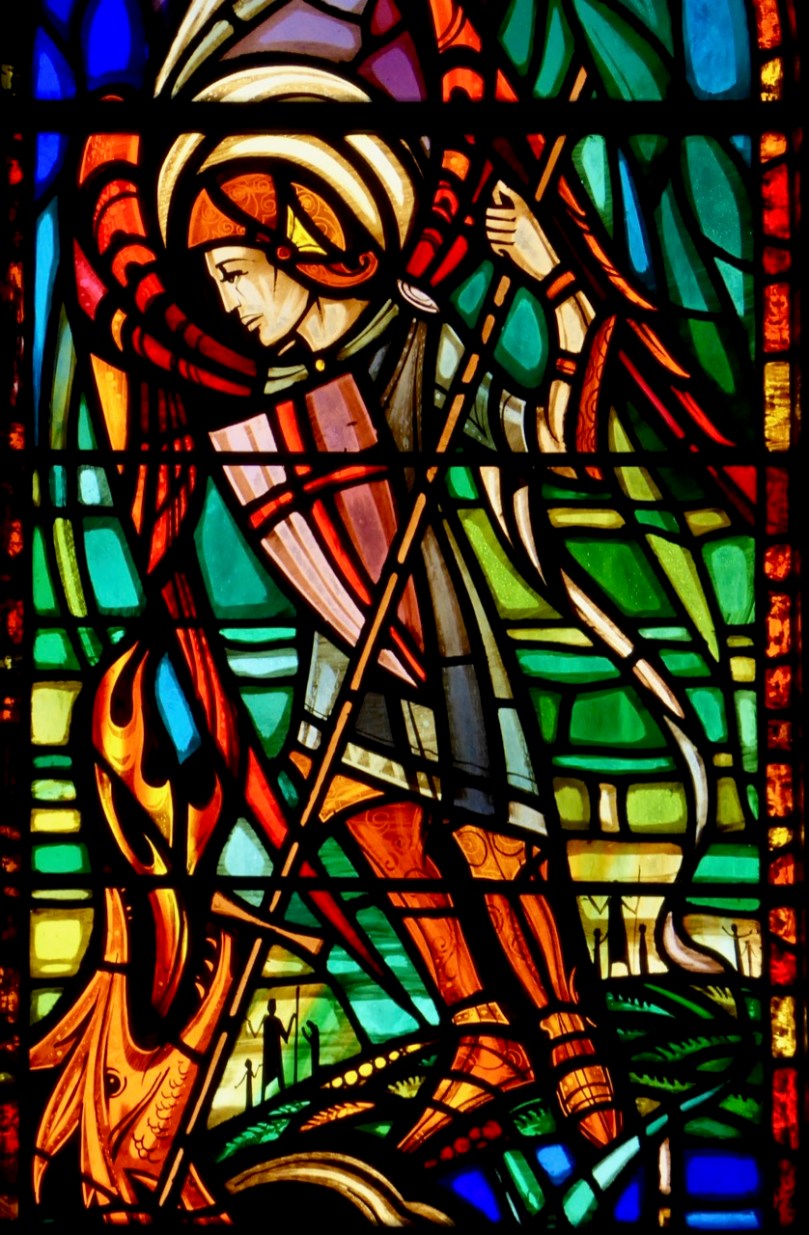
A recent discovery, George Walsh windows in a rural church in West Cork. This is his rendering of the Archangel Michael defeating the devil as a dragon

Going back to my roots as an archaeologist has been an extraordinary journey – so much has changed, so much has not. I started out in archaeology in the 70’s, although life got in the way of that career eventually. It was a small profession then: it exploded in the 80s and 90s with the advent of huge building projects, then contracted again when the recession hit.
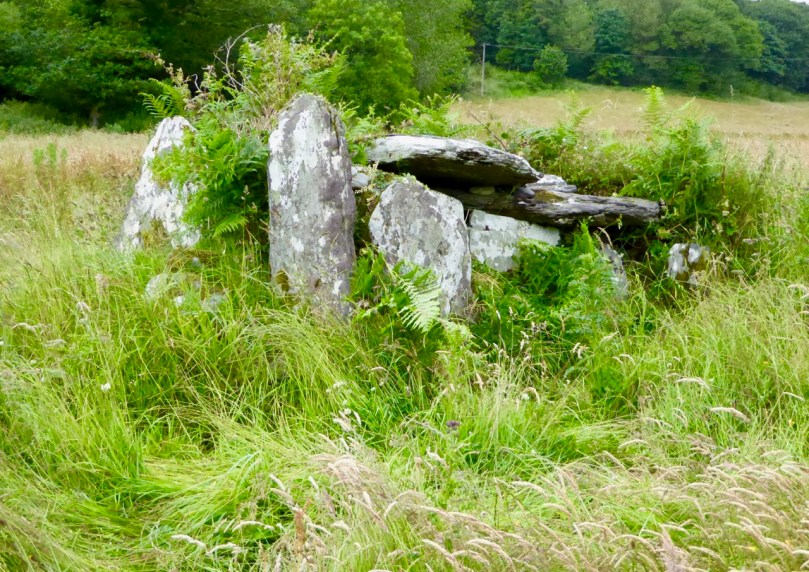
I love the quiet little sites you find when you least expect them – this is a wedge tomb in the middle of a field. It has cupmarks all over one of the capstones

I have gone back to researching prehistoric rock art and finding that, while some excellent work has been done in this field over the last 40 years, there is a lot of scope still for an independent researcher to contribute to our appreciation of this little-known aspect of Irish prehistory. Along with our exhibitions, I’ve written several posts (not all of them happy) on this topic, and we are currently working on a paper for the Journal of the Bantry Historical and Archaeological Society on a special group of rock art panels at Ballybane.
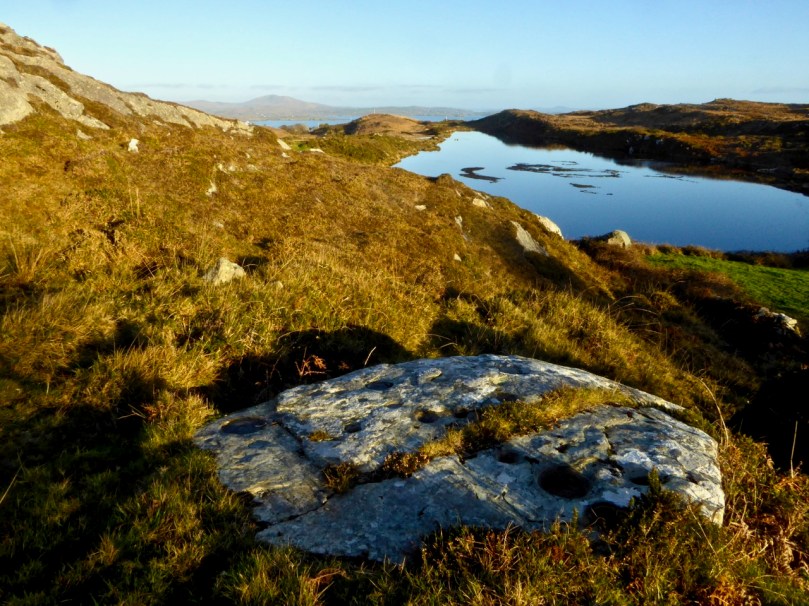
Castlemehigan, one of our favourite rock art sites, with views right back over the Mizen Peninsula to Mount Gabriel

When I studied at UCC under Professor O’Kelly the emphasis was firmly on prehistory and we spent little time on medieval structures (or later ones, heaven forbid!). But when you are free to pursue whatever tickles your fancy, you find yourself wandering down a variety of rabbit holes. I became fascinated with Romanesque ecclesiastical architecture and with the tower houses (we just call them castles) that dot the countryside around here and the later iteration of the Big House – fortified manors. Visiting these intriguing ruins all over West Cork (and Ireland) has given me a whole new appreciation for how we lived and what we believed in the past.
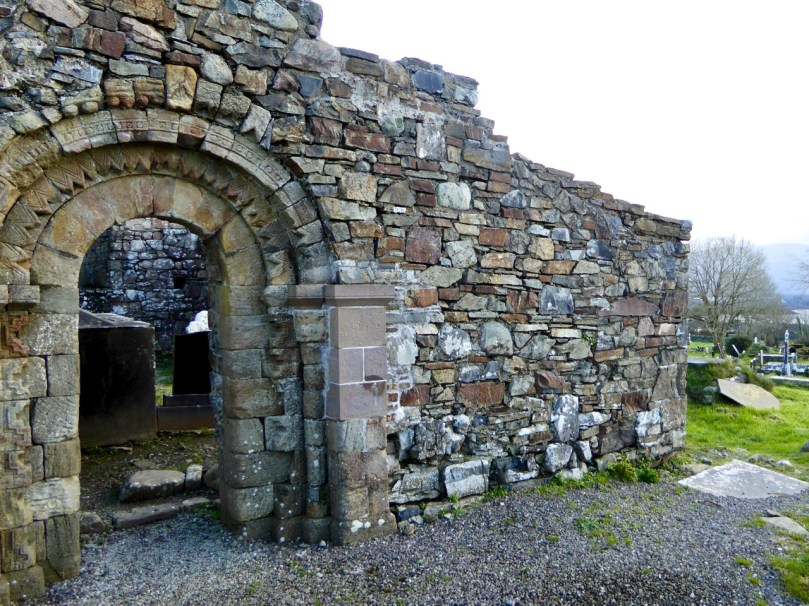
This is the ruined romanesque church of Aghadoe in Killarney. It’s got this lovely doorway, but what makes it particularly meaningful for me is that my great-grandparents are buried in the graveyard it stands in
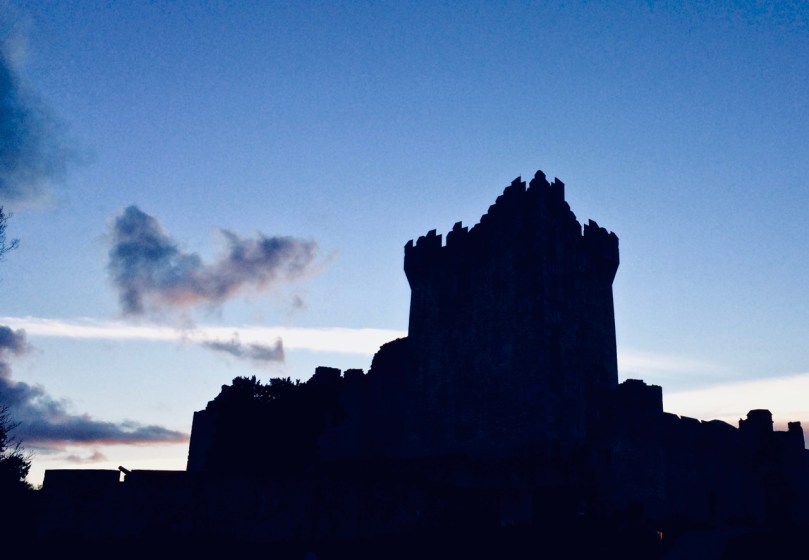
Ross Castle in Killarney against an evening sky

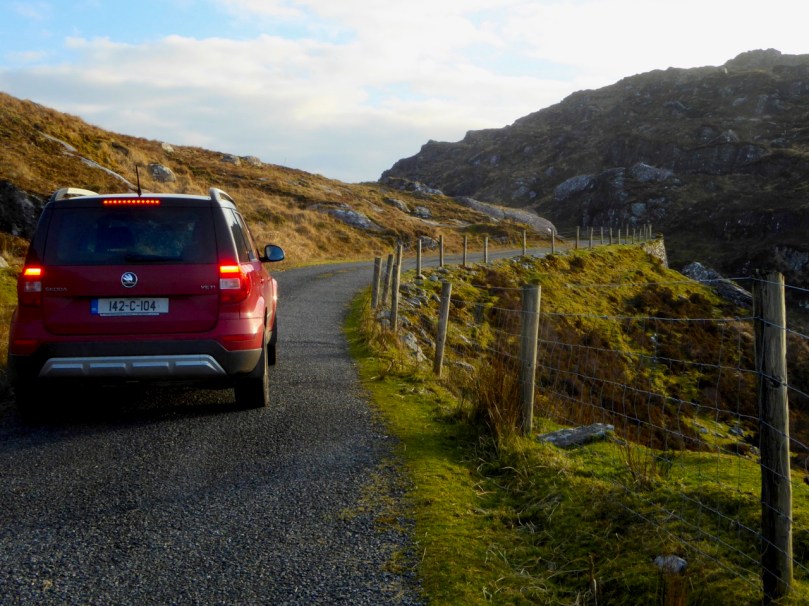
Living in West Cork is great FUN – there is always something to do and a new adventure around the corner. Many of the adventures we’ve had have been shared with our friends and fellow bloggers Amanda and Peter Clarke (Holy Wells of Cork and Hikelines). Visiting holy wells has introduced us to parts of Cork we might never have seen, to obscure saints with fascinating backstories and to folk practices that endure in the deep countryside. Walking the Sheep’s Head (my lead photograph, top of page), in all seasons, reminds us that you don’t have to go far to be immersed in jaw-dropping scenery and reminders of our ancient and more recent history.
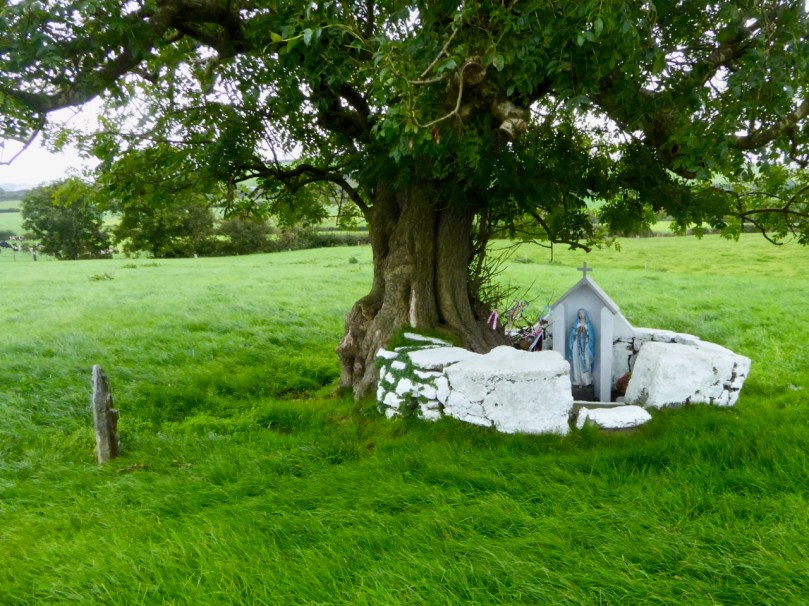
The holy well of St Teskin, an East Cork saint

Lest you think that this is all sounding a bit academic, the posts that have been most fun to write were the ones on how we speak around here (and how you, too, can learn the basics of West Cork lingo), the ones in which I lamented my encounters with Irish bureaucracy, especially when it came to my driver’s license!
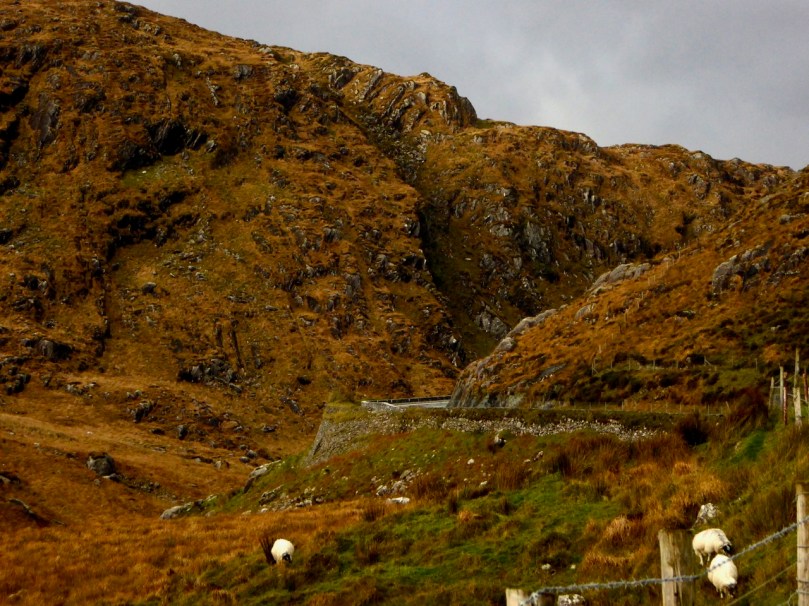
I still haven’t calmed down about the driver’s license – what they put me through, when I could have been driving THIS!

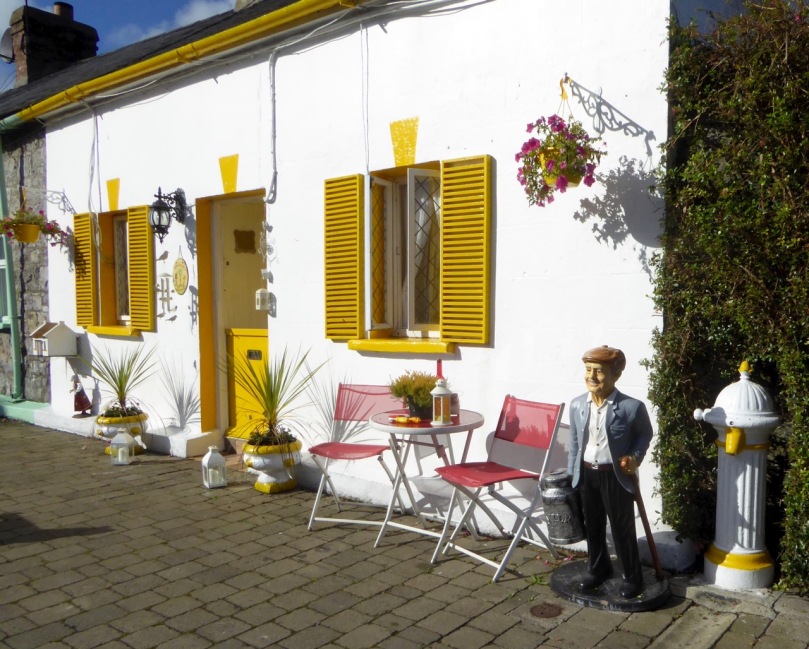
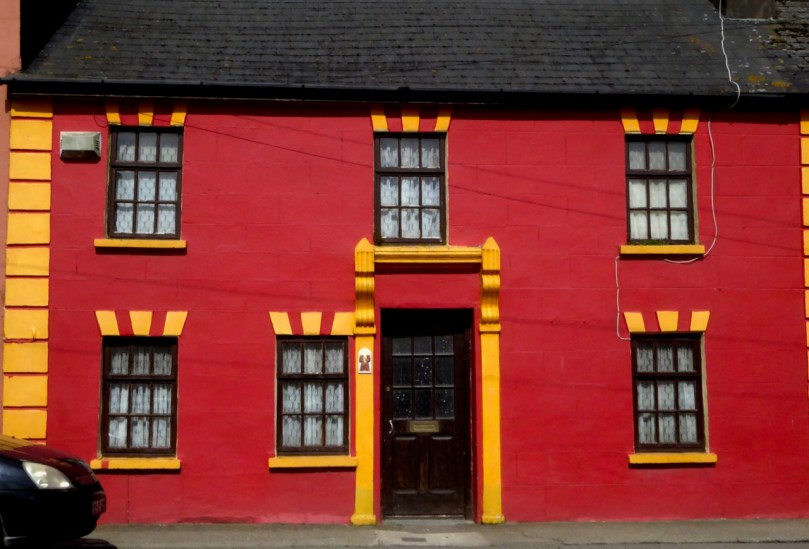
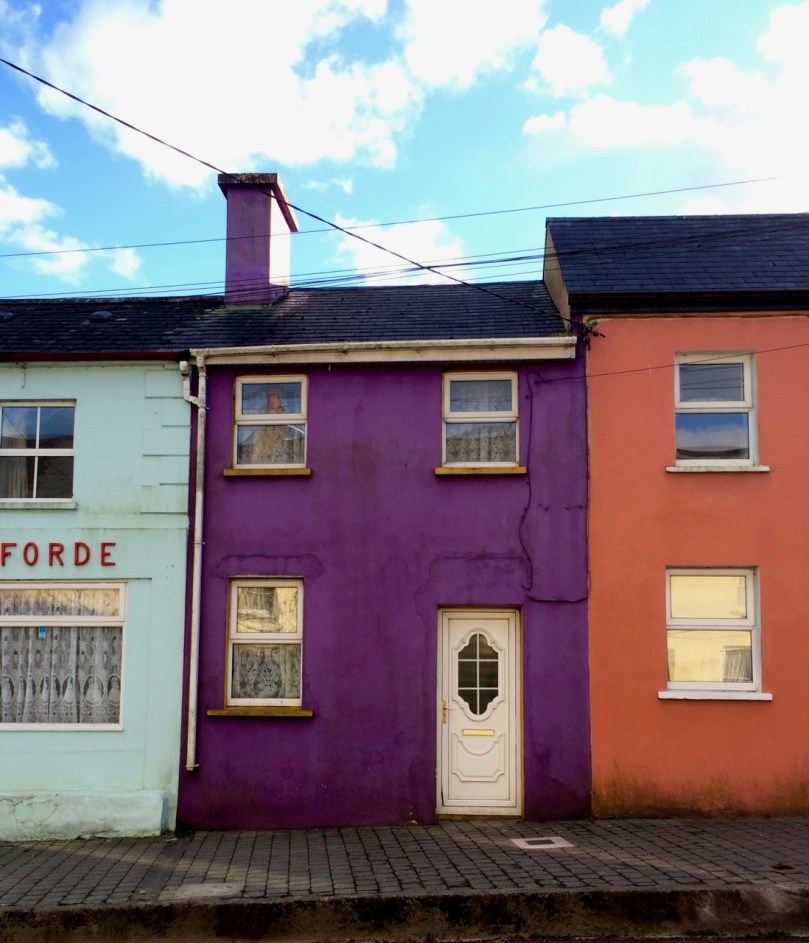
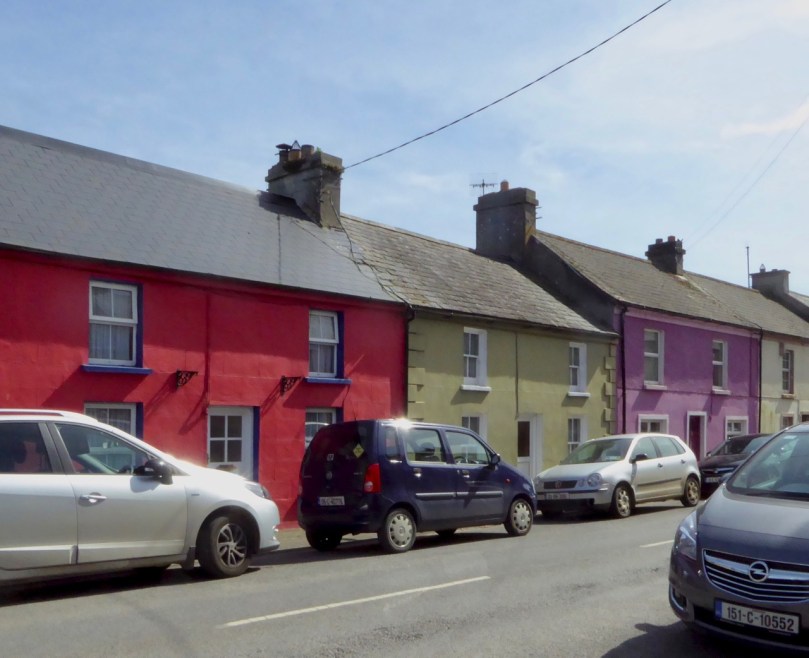
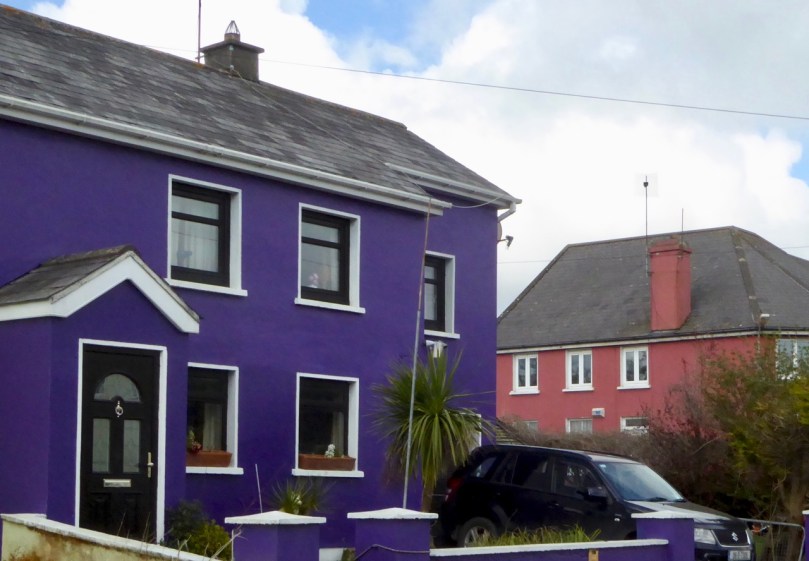
And I loved doing the posts about the tradition of painting our houses in arresting colours. With the colourful houses series, I feel a bit like a chronicler of a vanishing tradition – each time I look for one of my favourite pink or lime creations it seems to have been repainted a ‘tasteful’ variant on beige. Long live those brilliant colours – we would be poorer without them!
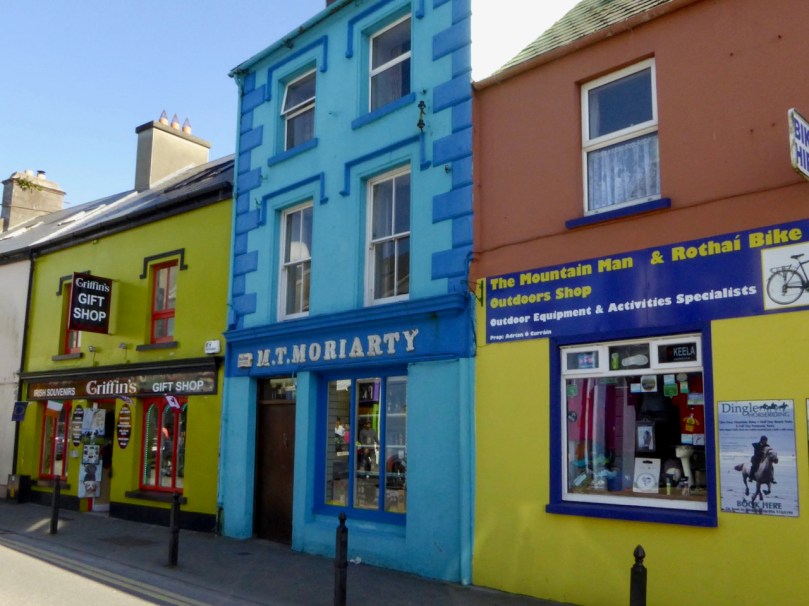
The town of Dingle is proudly keeping alive the tradition of painting each building a vibrant colour. – it’s a feast for the eyes

Finally, one of my greatest joys in the last couple of years has been to go for a walk with my camera and photograph the abundant wildflowers of West Cork. From someone who barely knew a daffodil from a daisy, I have developed a passion for the natural glories I see in the hedges, fields and yes, waste grounds, around me.

Just a typical roadside verge in West Cork

We adore West Cork, but we are also fearful for it as we see the pressures farmers face to make their land more and more productive. Inevitably, this means bringing in a rock breaker and turning the field into a mono-culture grass carpet. What we lose in this process – we humans, the bees and insects we depend on, the birds, and our heritage – is incalculable.
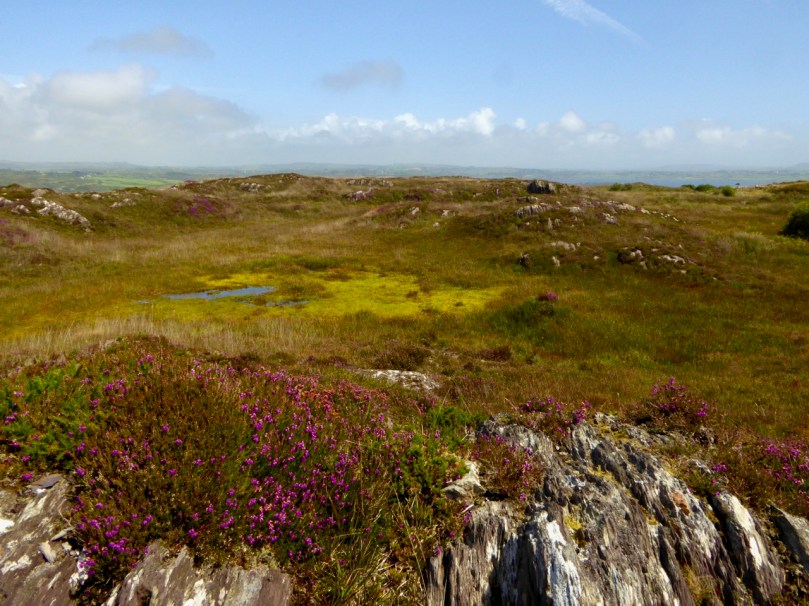
This tiny raised bog is home to some very interesting flowers, including the carnivorous Sundew

Here’s to many more adventures!

With friends like Susan Byron of Ireland’s Hidden Gems, or with my favourite travelling companion and blogging buddy, Robert!

Freshly Dug Queens

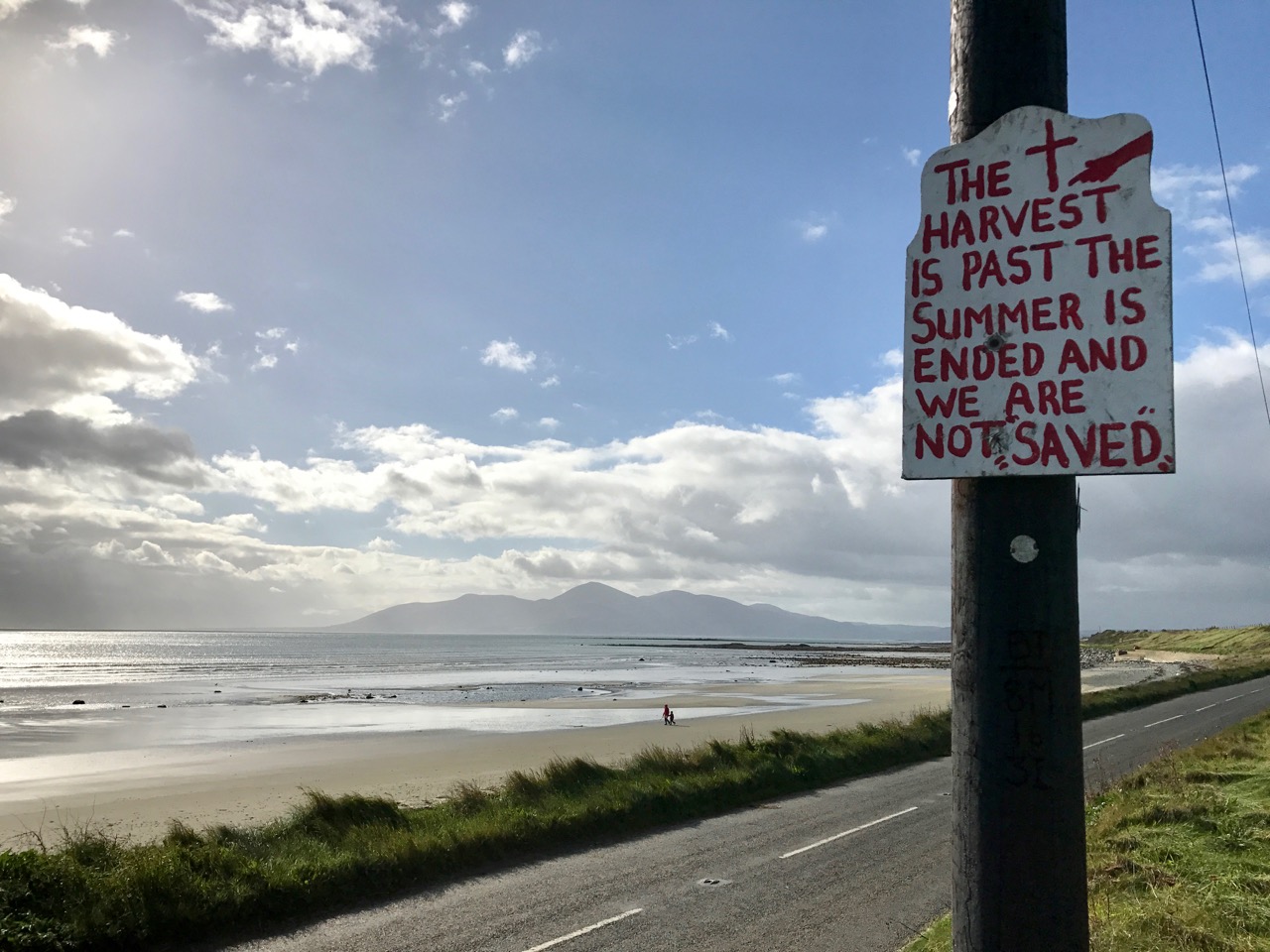
It’s always the ones that got away that are the best! We saw Freshly Dug Queens in a field of potatoes in Northern Ireland but were unable to stop on the busy road to capture it on film. We are just left with the concept hanging in the air… Worthy of a title, however, for this latest review of signs – amusing, curious and sometimes just plain puzzling – from all around Ireland. Take a look at the picture above: the dramatic Mountains of Mourne form a serene backdrop, but I couldn’t resist the enigmatic message hanging on a pole beside the beach.

It’s always the case that context is everything: where the sign is often provides the clue as to what it means. But it’s almost better not to know the context. This time around, I’m including some which are purely pictorial – and even some shopfronts which, for me, enter the category of Folk Art. There’s plenty more in my own archives – you’ll find some here. Meanwhile, just enjoy them for the visual delights that they are.

You’ll notice that I have a particular liking for the various Guiness signs. That’s because I remember being fascinated by them during my childhood. I think I learned to read through looking at them!


Into the Blue…

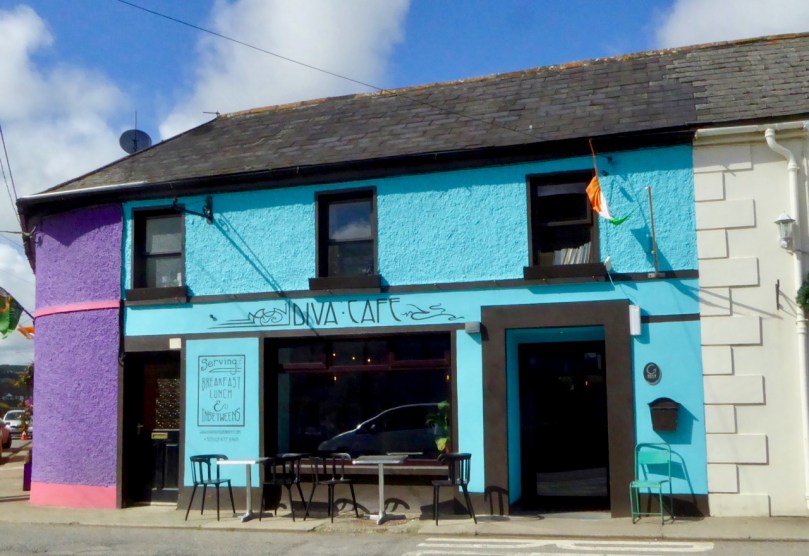
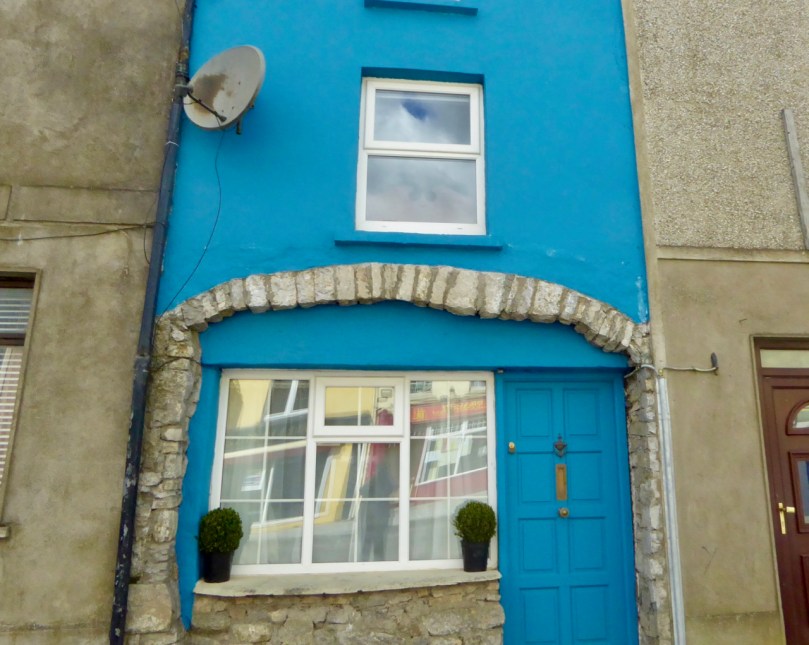
In this series on Ireland’s colourful buildings, we started off with purple and pink and proceeded through the colour wheel to the oranges and yellows and now we have arrived back on the cool side of the spectrum – the blues and greens. The Diva Cafe in Ballinspittle (above) has black trim that does nothing to tone down its exuberance, and it marries beautifully with the purple and pinks beside it, which were highlighted in our first post on this series.

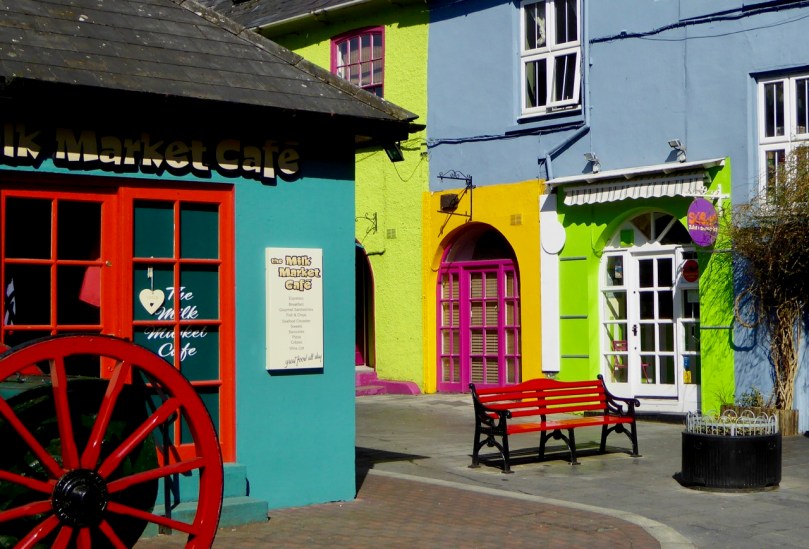
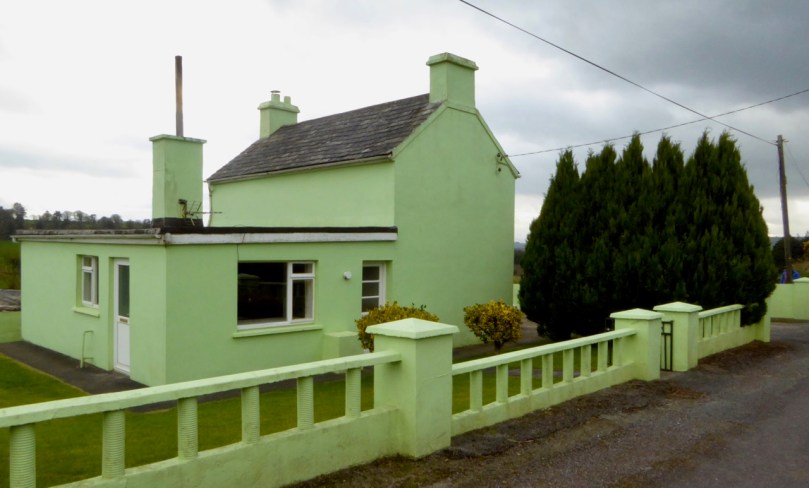
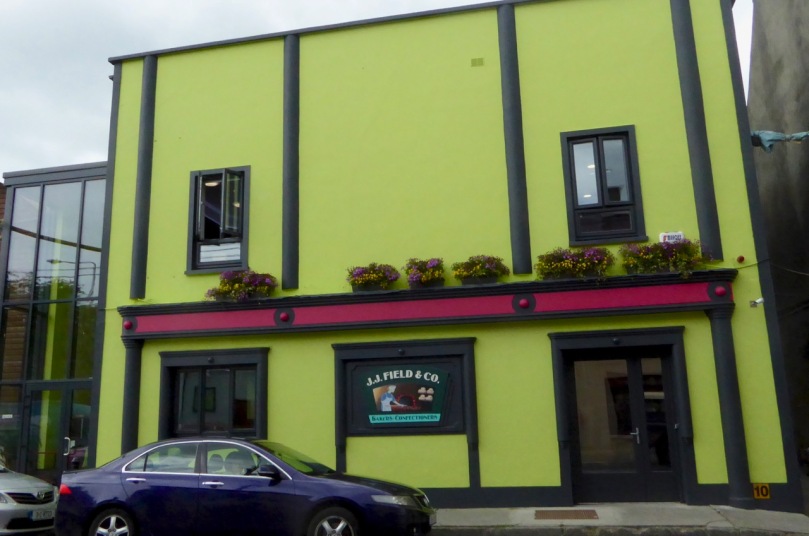
We left off the last post with a couple of lime greens, so here’s another, from Kinsale (above) to get us back in the swing of things.

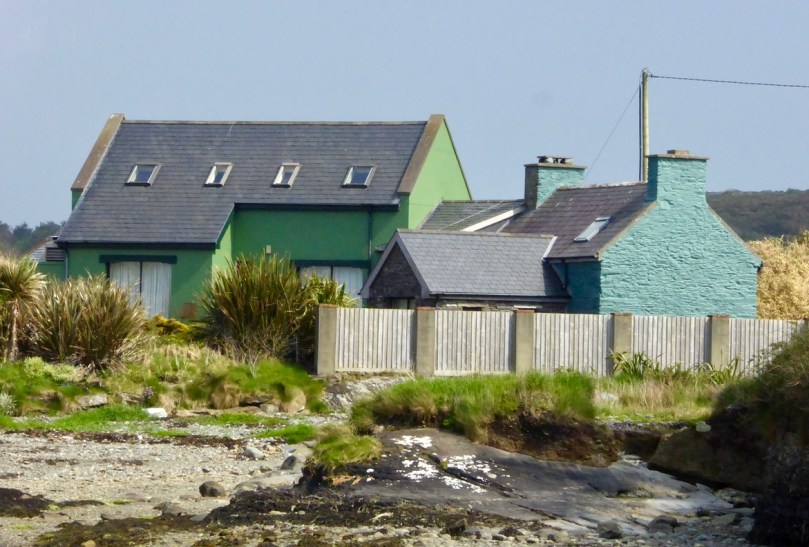
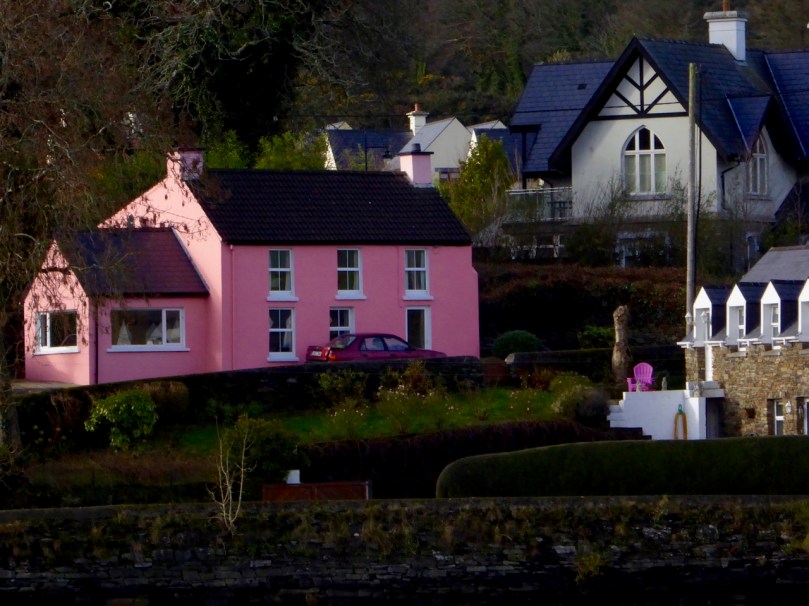
A bright green and a blue green are a great combination beside the sea – this house is at Dunmanus, on The Mizen

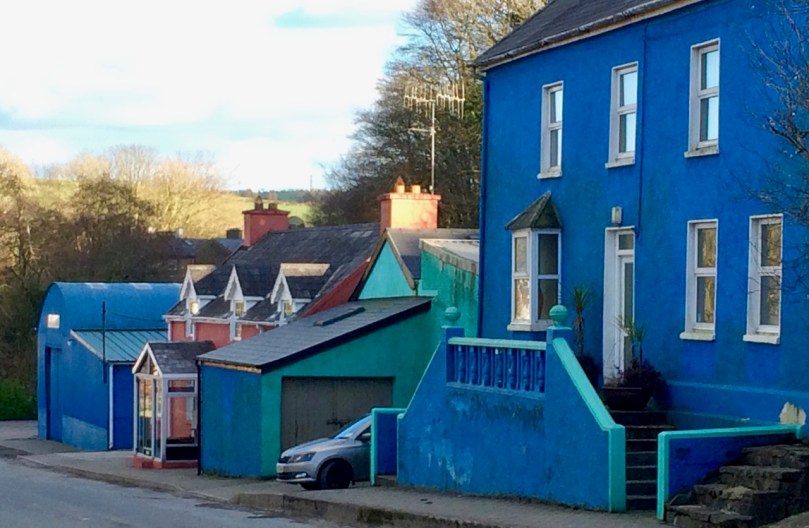
Blues and greens are the colours of the sky and the fields, so they don’t pop as much as the pinks and the oranges. In fact they can be quite subtle, when used in tones that blend in with their surroundings.

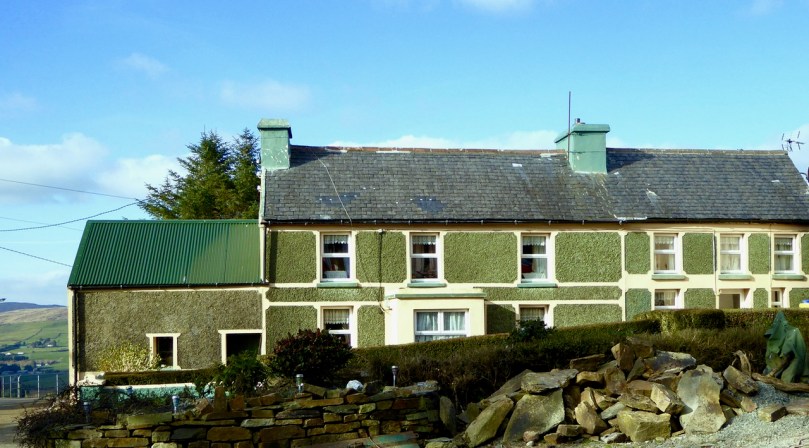
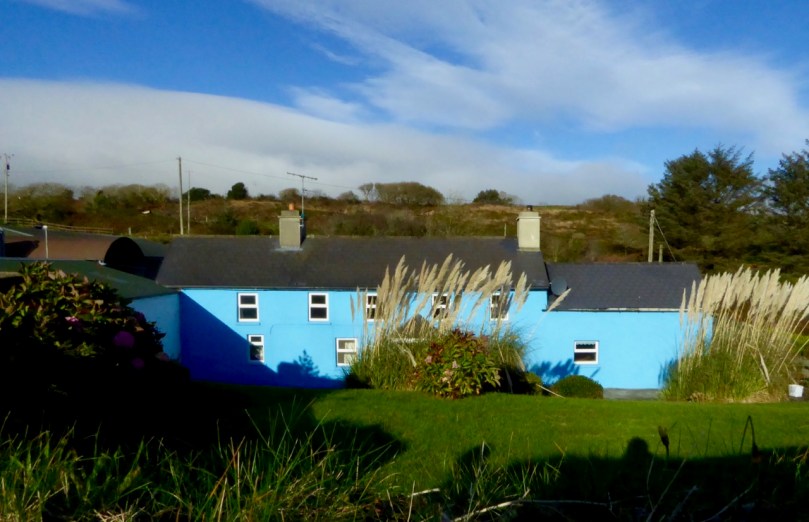
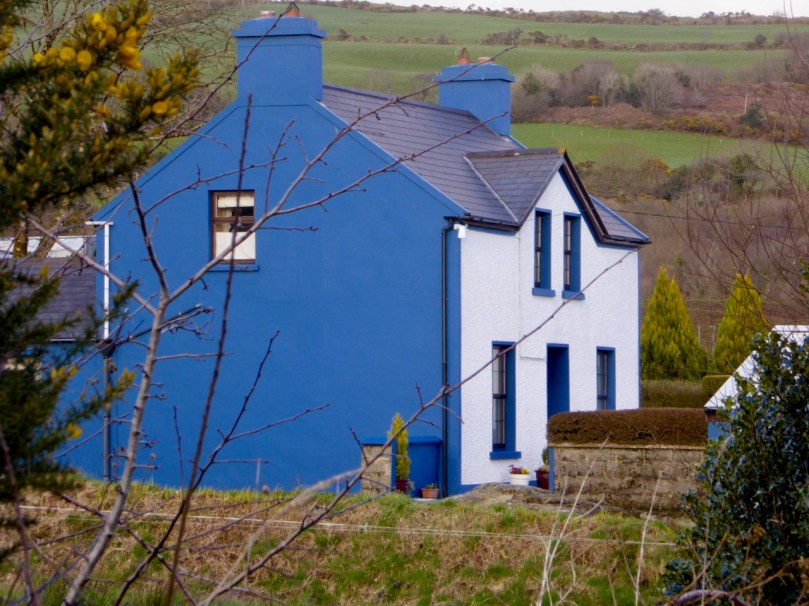
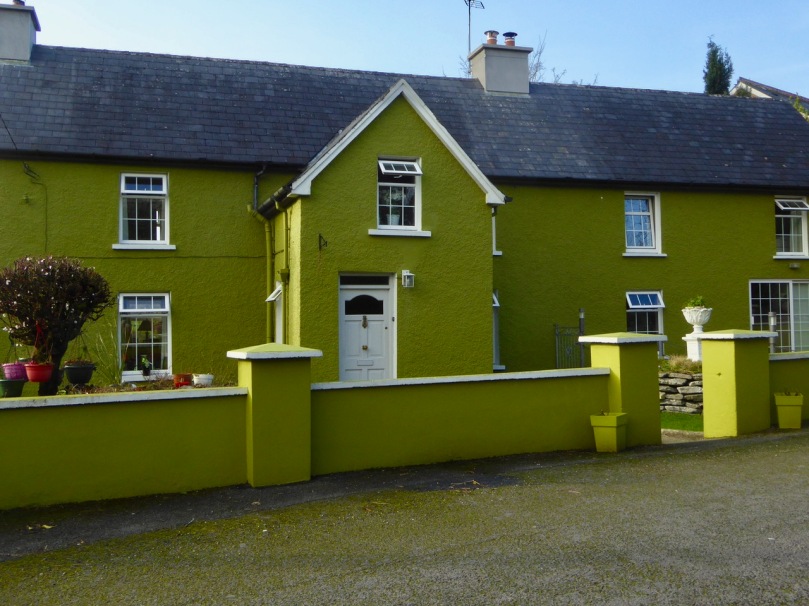
I love these two farmhouses, the first near Mount Kidd and the second near Coppeen

But in village streets, and especially when combined with the other colours of the streetscape, they can be as cheerful and arresting as the stronger hues around them.

Eyeries (top) and Kenmare (bottom)

There are shades of blue and green that people argue over – one will call it blue and another green.

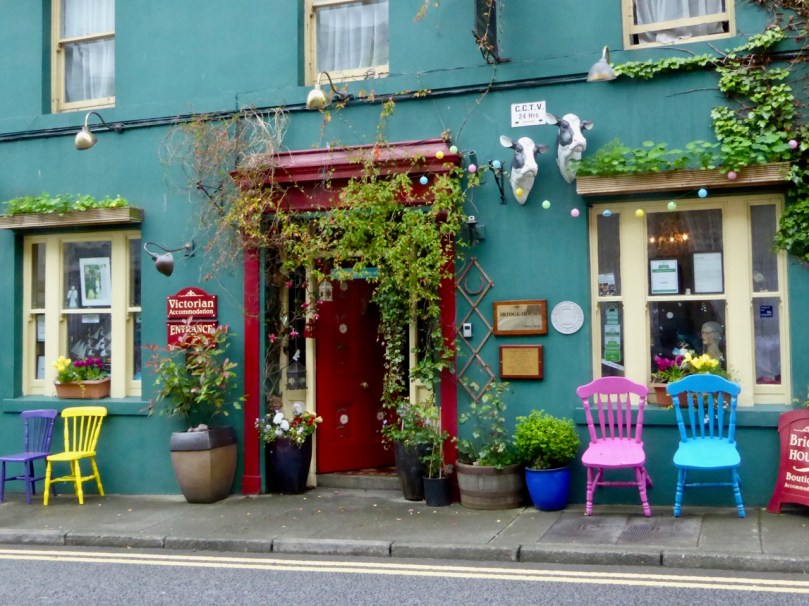
The fabulous Bridge House in Skibbereen – blue or green?

Those are the teals, ceruleans and turquoises, and St Patrick’s Blue, which is the colour of the Aer Lingus uniforms.

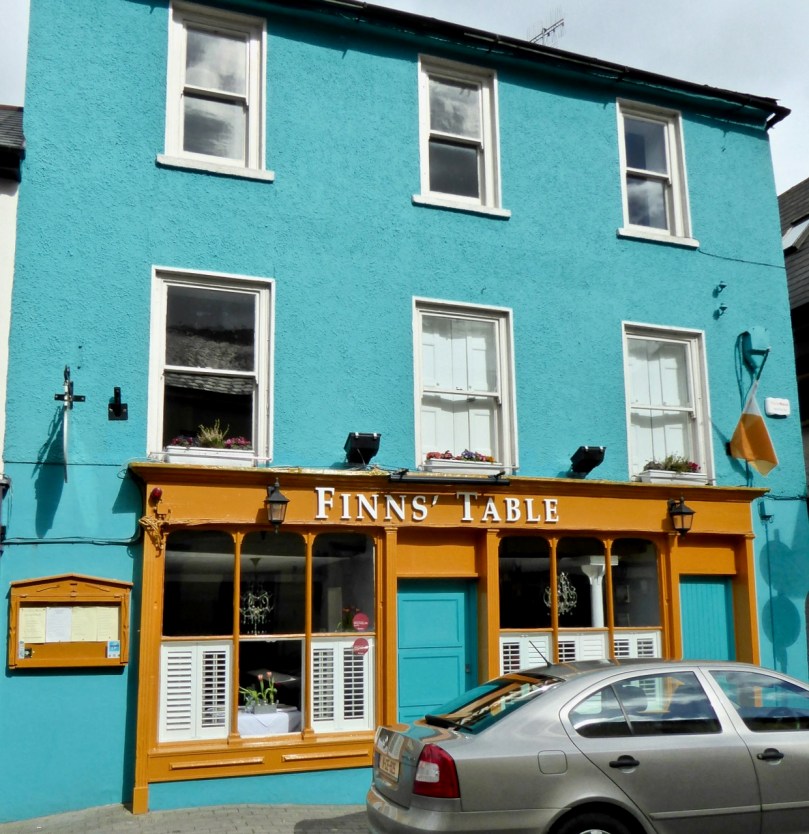
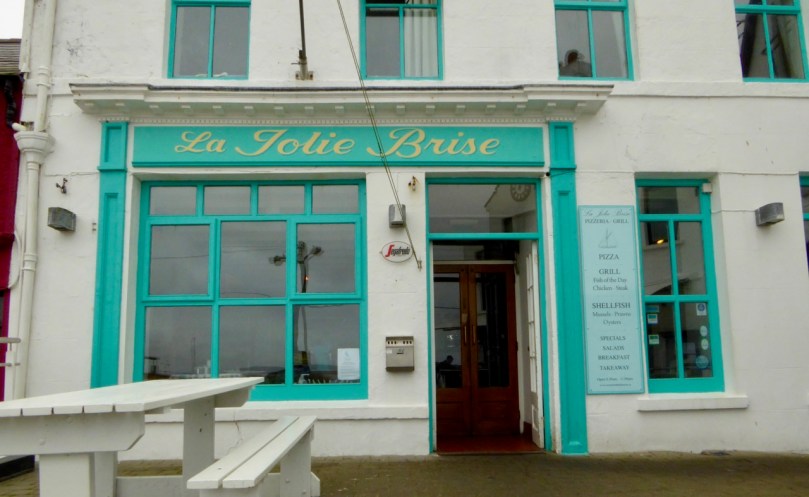
Finn’s Table in Kinsale, La Jolie Brise in Baltimore and a lovely brick and teal combo in North Cork

O’Sullivan’s butcher shop in Ballydehob has been closed for years, but it still retails its welcoming colours and graphics

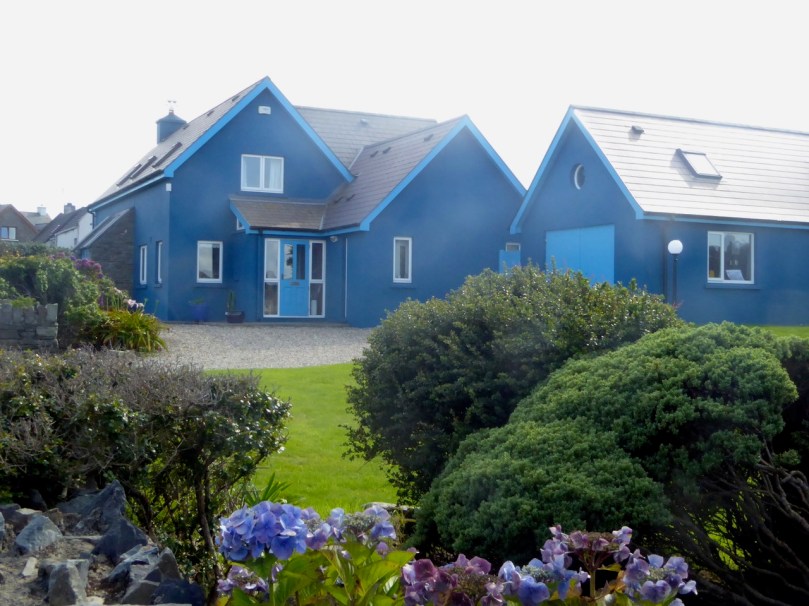
True blues vary from the strong dark ultramarines and navy blues through the denims, duck eggs, periwinkles, sky blues and on to the paler shades and baby blues.

The first house is in Baltimore, the one underneath it was glimpsed somewhere on our travels

Blue matches well with other colours and is often used in combination. Some of the nicest buildings we’ve seen use blue with another colour to great effect.

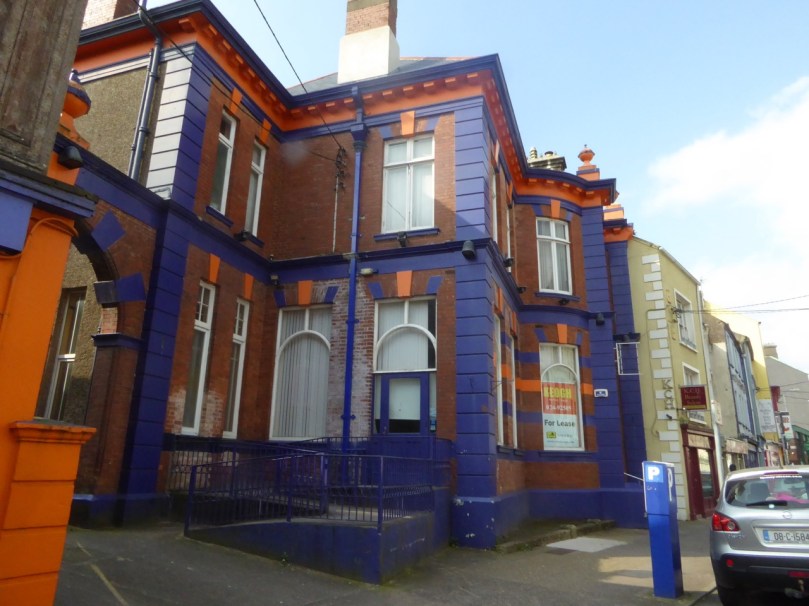
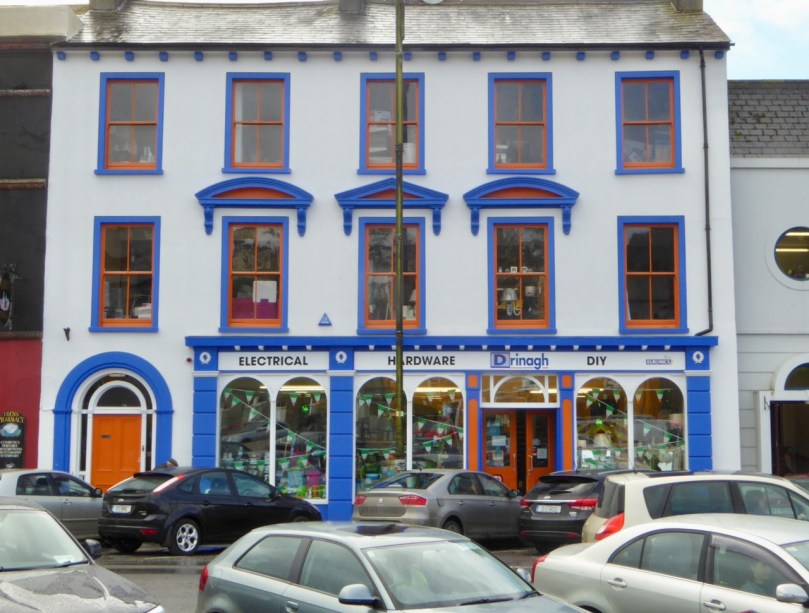
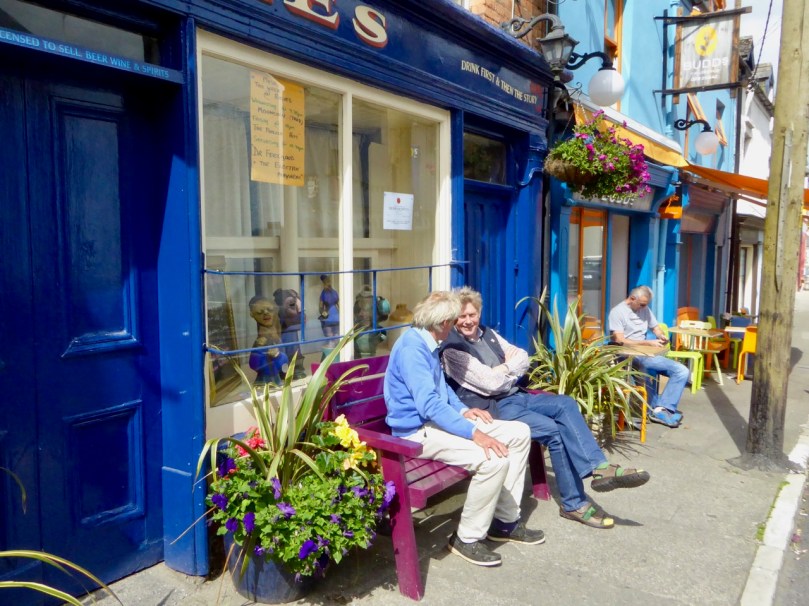
Three wonderful buildings that use blue in combination with orange tones – a bank in Youghal, a hardware store in Bantry and our own Budd’s Restaurant in Ballydehob (with Rosies pub for good measure)

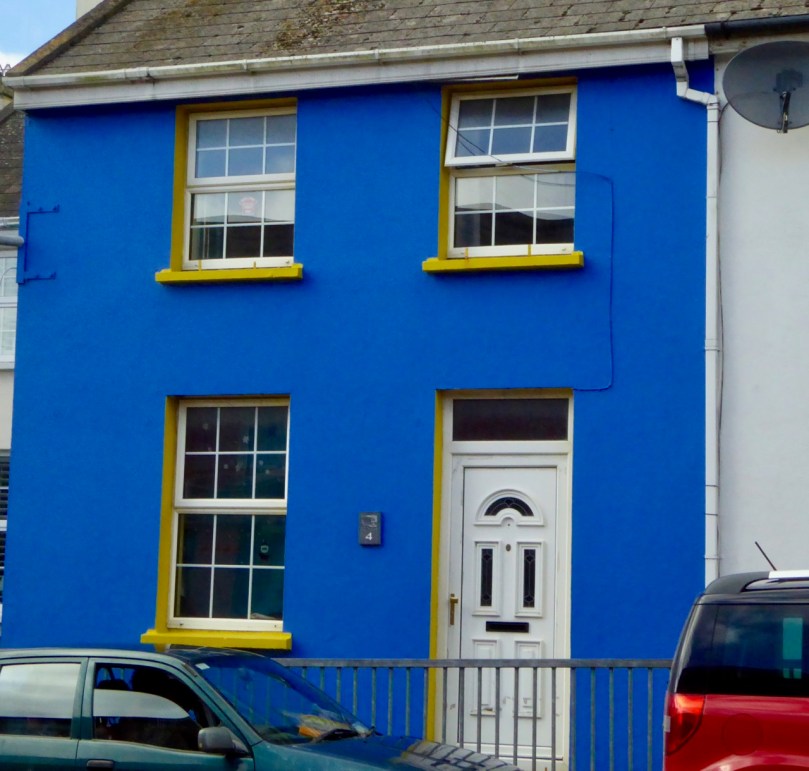
Yellow trim is a tried and true favourite
It might be one of the smallest houses I’ve seen, but it stands out when painted in blue
Blues and greens in Kilbrittain 
This one near Castle Donovan uses a strong blue cleverly as both a main and a trim colour

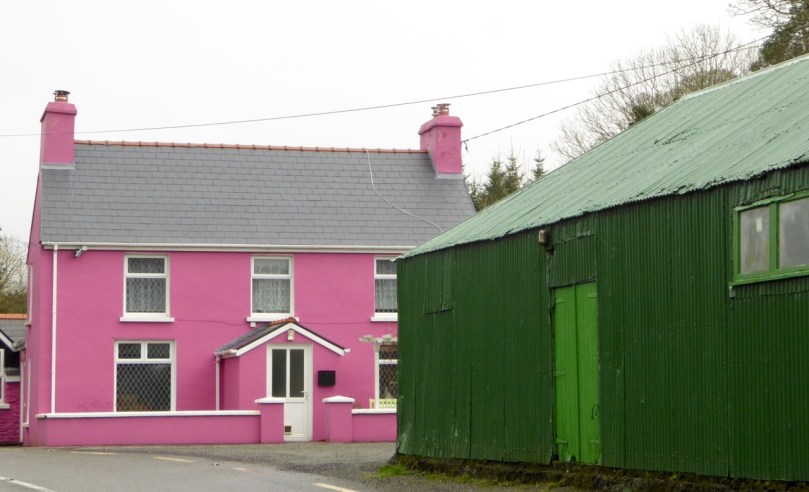
I’ve decided to end this series with this photograph of two side-by-side buildings in Adrigole on the Beara Peninsula.  The juxtaposition of the strong green and the vivid pink proves that when it comes to colour, anything can work!

Orange to Green – For the Week That’s In It

Right so…where were we when we got interrupted by the bould Saint Patrick? Ah yes, on the red side of the colour wheel. Let’s keep moving, so, on to orange and through the yellows till we hit the greens. (For anyone tuning in for the first time, take a look at Purple and Pink, which also has links to previous posts on our penchant for colourful buildings.)

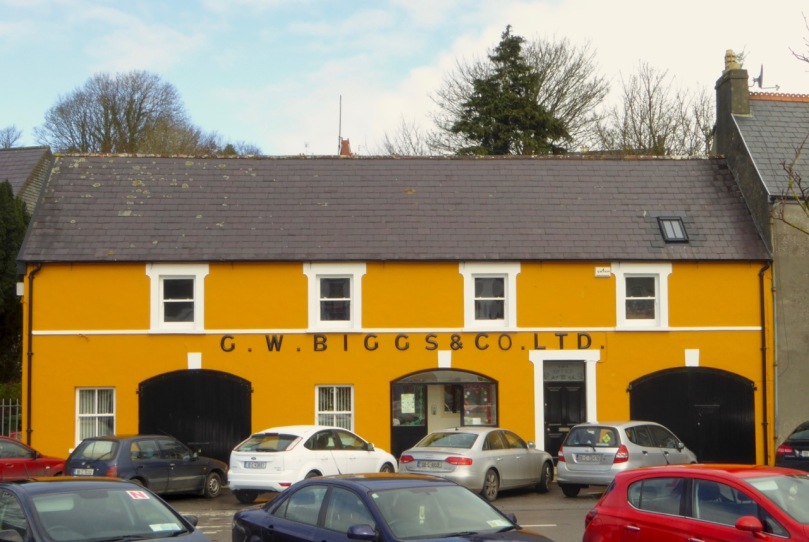
Biggs is an iconic building in Bantry

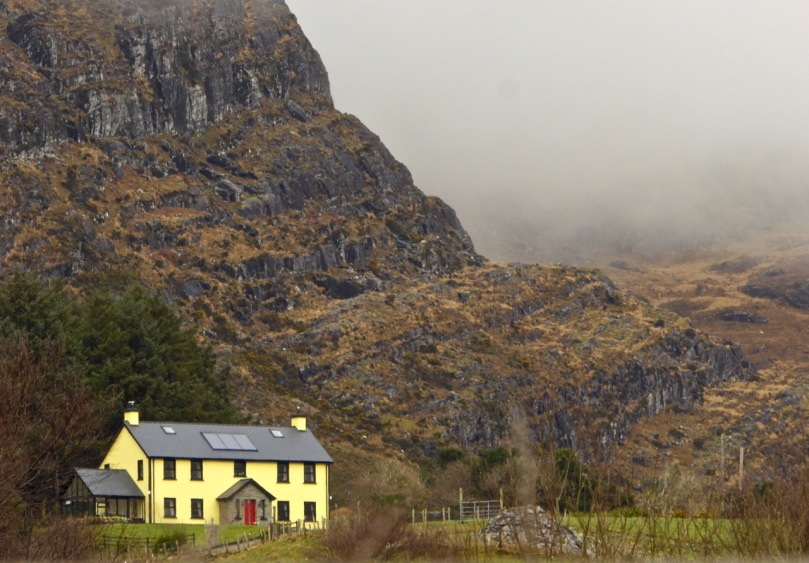
We’ll start with the orangey ones (except I couldn’t resist heading off with this gorgeous house on the Beara Peninsula). Orange is a startling shade but also surprisingly sophisticated.

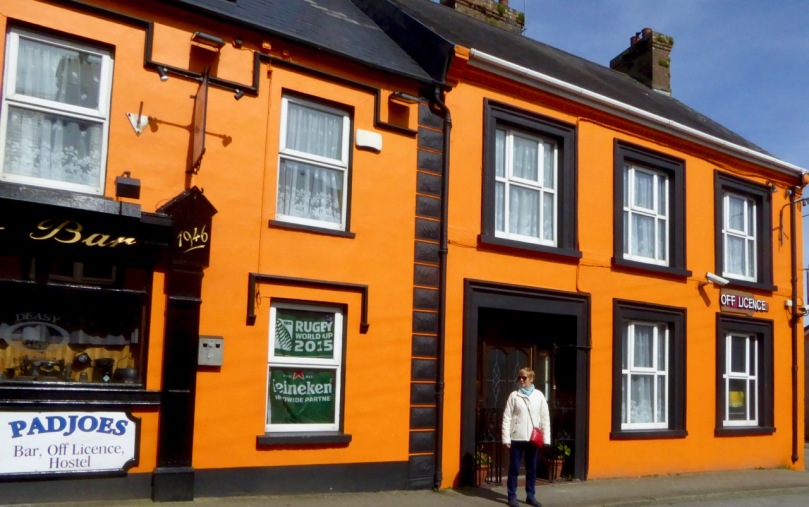
Timoleague (top) and Leap

And some times just plain fun. Nothing like a splash of sunshine to brighten your day!

Kinsale (top) and Goleen

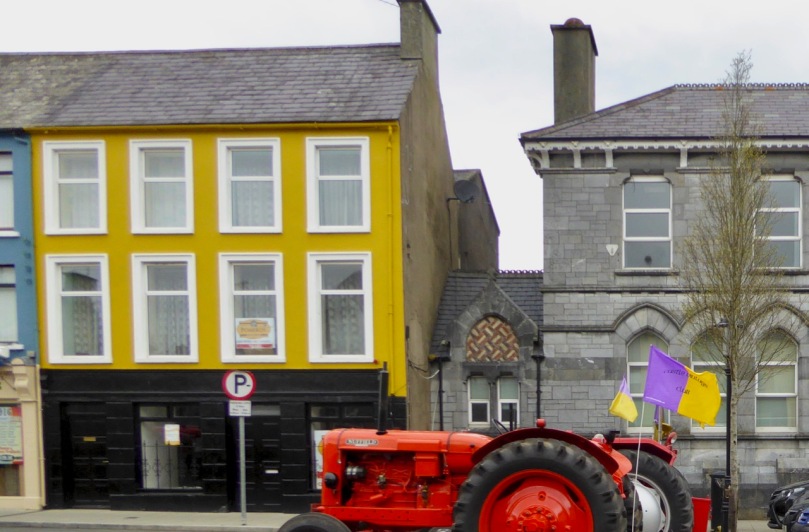
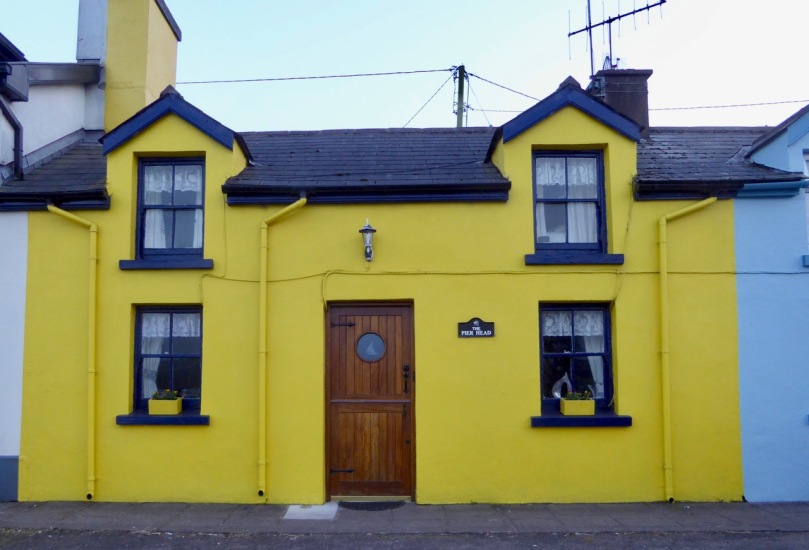
On to the yellows – a favourite of many, it seems, both shop-owners and householders.
Kinsale, Clonakilty, Kilmallock

Depending on the trim, yellow can seem quite electric. I love this shop in Millstreet (above)

This one is in Aghada, East Cork

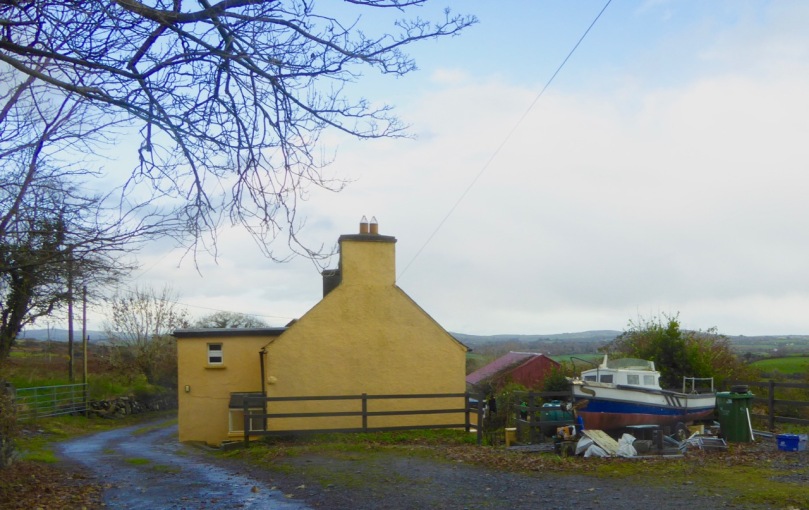
Wonderful collection of colours on and around this farmhouse
More Kinsale
Eyeries, on the Beara, is one of the most colourful villages in Ireland. It’s where you’ll find the rainbow

The Ludgate Centre, in Skibbereen. It’s just as colourful inside
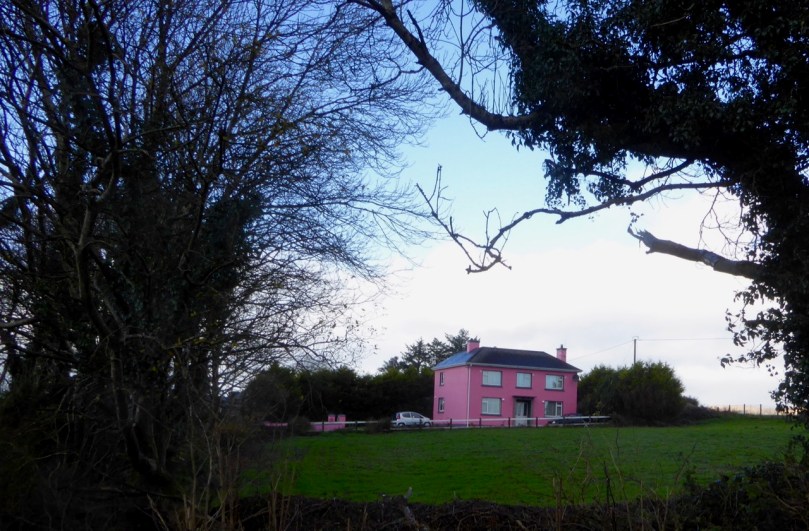
I’ll stop just shy of true greens and leave them and the blues for next time. The limes, above and below, are the exact right transition colour from yellow. Don’t you agree?
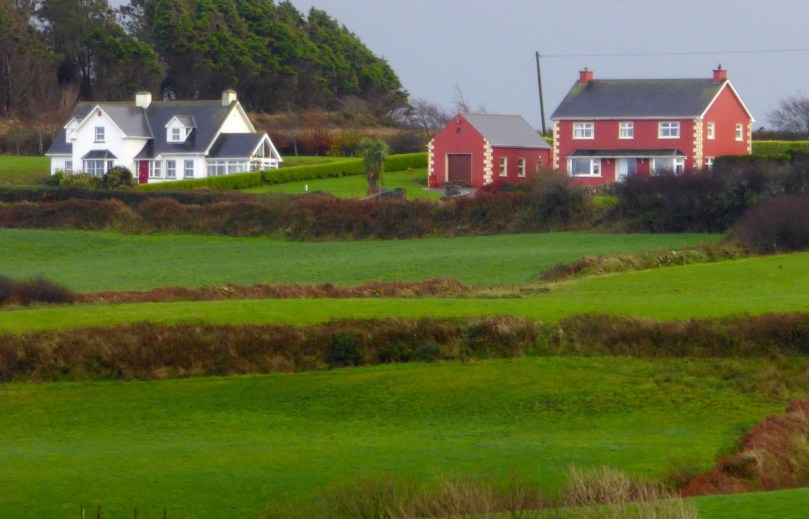
A real beauty, in Kilgarvan

And, if you really need your green fix NOW, head over to Robert’s post, Spring Green.

Purple and Pink – and Everything in Between

Purple house, colourful

You all know of my fascination with the colourful houses that dot the Irish countryside. It’s been a while since I posted about them so for new readers, check out A Lick of Paint and An Extra Lick of Paint and All the Trimmings.

Union Hall Pink

colour-wheelToday I am concentrating on the red side of the colour wheel – from purple to pink. We’ll stop where it shades into blue at one end and orange on the other. This gives us a vast range to choose from and, because it’s all diametrically opposite the greens of the Irish countryside, guarantees that the house will stand out in the countryside.

It’s always a wonderful surprise to come around a corner on a tiny boreen and discover something like this…

Red, Mill Little

Or this…

Pink, North of Skibb

Or this.

colourful, north of Skibb

I’ve included a few shops as well, because – Kinsale! Located on the southernmost extent of the Wild Atlantic Way, it’s one of the most colourful of all Irish towns and a delight to stroll around.

Purple in Kinsale

Janey Mac Purple in Kinsale

But it’s by no means the only colourful village – lots of other examples here too. Ballinspittle, for example – home of the famous grotto of the moving statue – is a kaleidoscope of colour.

Ena's, Ballinspittal

Ballinspittal red and yellow

Humble terraced cottages can assert their individuality through subtle architectural variations, or through one huge difference – colour!

Kilbrittain Purple

colourful in Millstreet

The main streets of towns and villages are enlivened with splashes of bold colour that catch the eye and brighten your day.

Red and Lilac Timoleague

Purple and red, Ballinspittal

Perhaps one of the best examples I’ve seen of how a building can be transformed by colour comes from our own Ballydehob. Here is the old bank building, abandoned and unloved.

Bank House Before

And here it is now – our vibrant Bank House, home to the Tourist Information Centre and all kinds of events and occasions. As I said – purple and pink display to excellent advantage when contrasted with green!

Bank House from above

Next time we’ll wander over to a different area of the colour wheel. I’ve seen some mighty oranges and limes lately!