Back to the Irish Canals

Our readers with good memories may remember a long-running series I penned five years ago, about the canals of Ireland. I revisited that series recently – for a Trasna na Tíre talk* – and realised that I had left it incomplete back in 2017! What better time to finish off the journey than now – when we can only travel outside our lockdown limits through virtual technology?
In 2016 Finola and I explored part of the Irish canal system, following in the footsteps of Tom and Angela Rolt who had voyaged the same way exactly 70 years before, in 1946. They were pioneers in their day, as boating for ‘pleasure’ on the canals was rare. In their book Green & Silver they also managed to capture, in words and photographs, the essence of a decaying transport system in Ireland immediately following WWII, and our travels tried to give an impression of the considerable transformation of inland waterways in Ireland since their time. We traversed, on road and on foot, their voyage around the Shannon Navigation, and the Grand and Royal Canals.
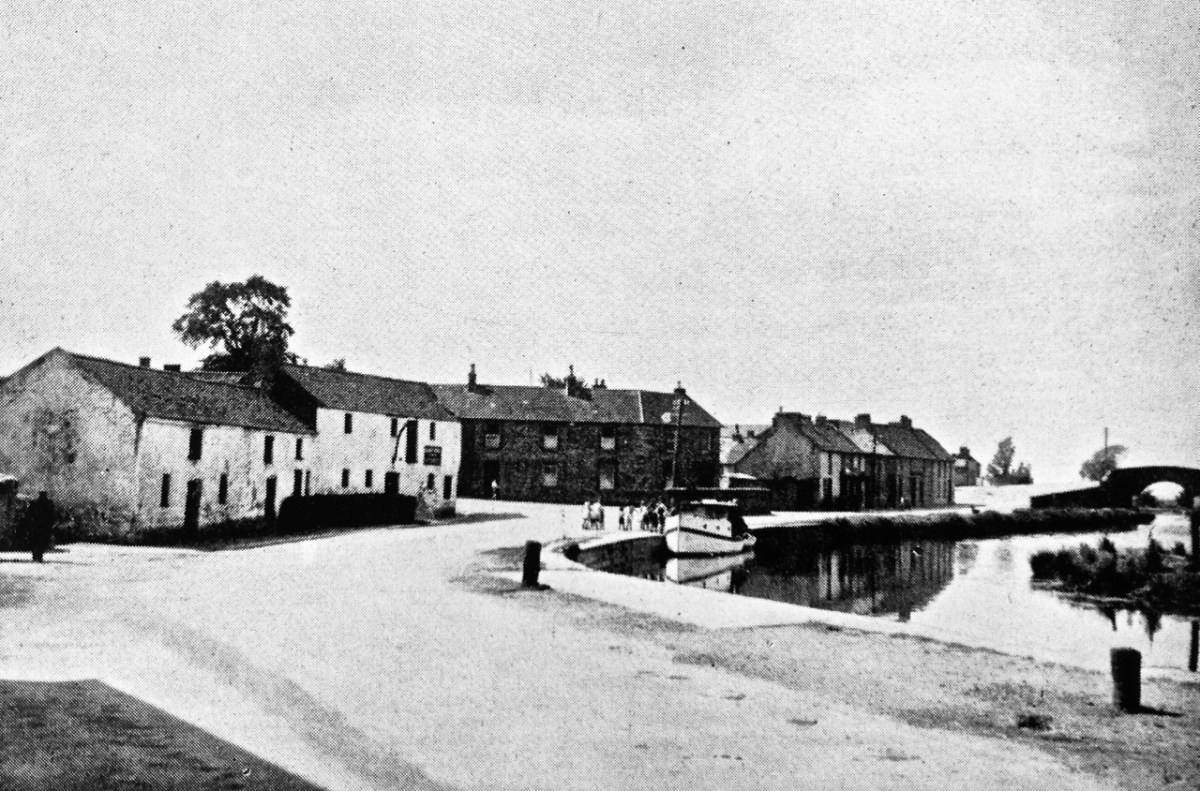
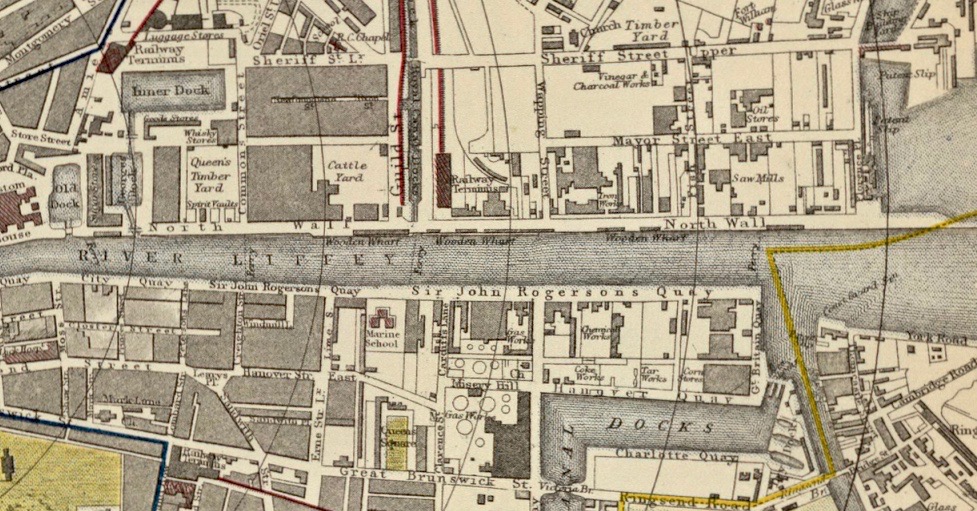
The upper photograph was taken by Angela Rolt in 1946: it shows the Rolt’s boat moored up in sleepy Robertstown (Grand Canal), receiving the attentions of a crowd of small children who had never seen a pleasure cruiser before. Below that is the photo of Robertstown we took in 2016, seventy years later. Our own travels in that year, however, omitted the Rolt’s journey through Dublin, when they had to pass across the Liffey and Dublin Port to get from the Grand Canal to the Royal Canal. The header is an extract from a 19th century map of the docks area in Dublin.
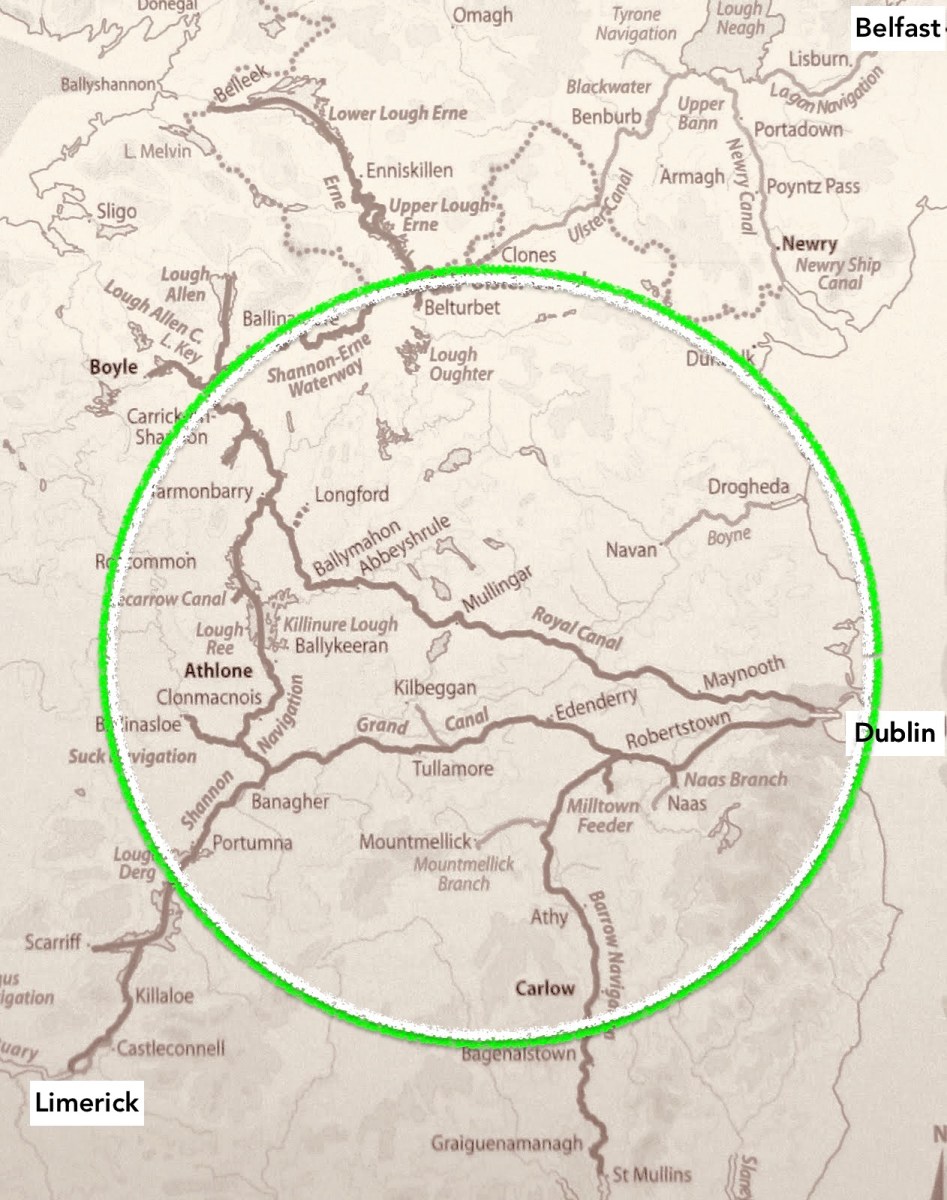
That’s the ‘Green & Silver’ route, above, which the Rolts travelled in 1946. Starting from Athlone they went anti-clockwise around the triangle formed by the Shannon Navigation, Grand Canal; and Royal Canal. This involved crossing the Liffey in Dublin

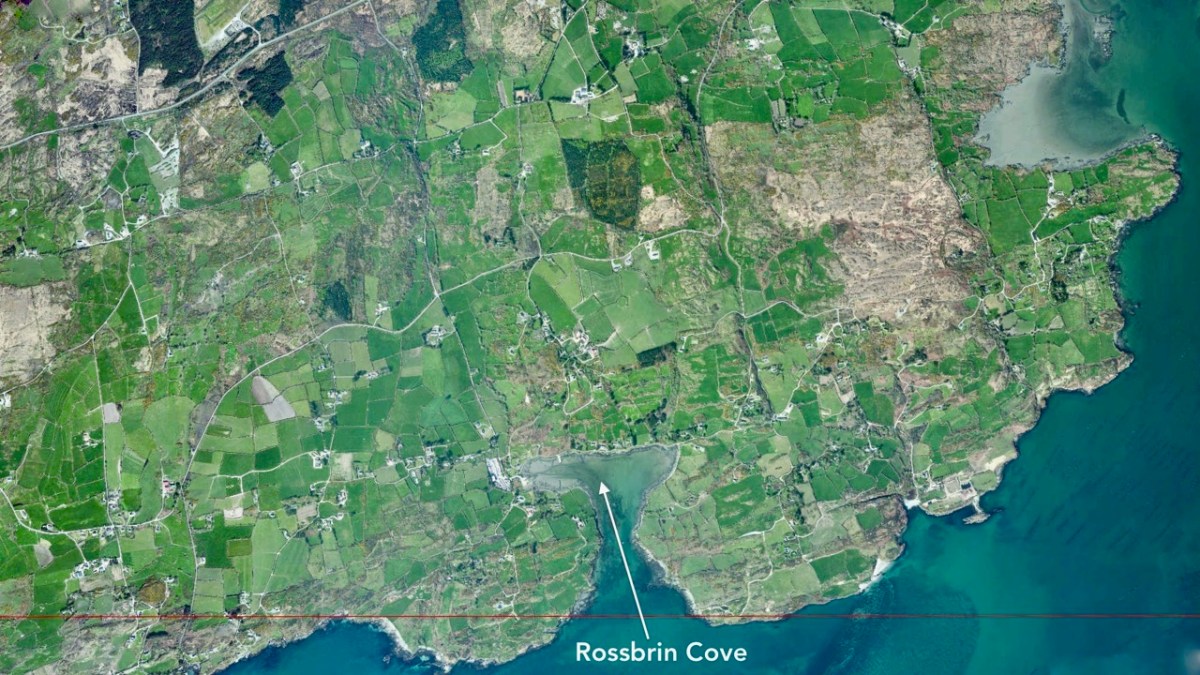
We have visited Dublin many times in recent years, and I managed to take photographs to complement those of the Rolts, in order to finally complete the ‘Green & Silver’ series today. First, however, let’s try to get an idea of the scale of Dublin Port by comparing aerial views, like by like, of that district and our own Rossbrin Cove in West Cork. The scale and area of each of these two photographs is exactly the same (1600 hectares): the demography (population and land use) couldn’t be more different.

. . . After tea we journeyed on through Landestown and Digby Bridge Locks to the Leinster aqueduct over the River Liffey. It was an attractive pound, the canal skirting a ridge of high ground on our right with a view over the valley to the left until it turned to cross the river. As there was little traffic about, we stopped for a few moments on the aqueduct, an impressive structure of four arches, to look down at the swift flowing peat-stained waters which we next should see, and enter, in the heart of Dublin . . .

Green & Silver by L T C Rolt, Chapter 6
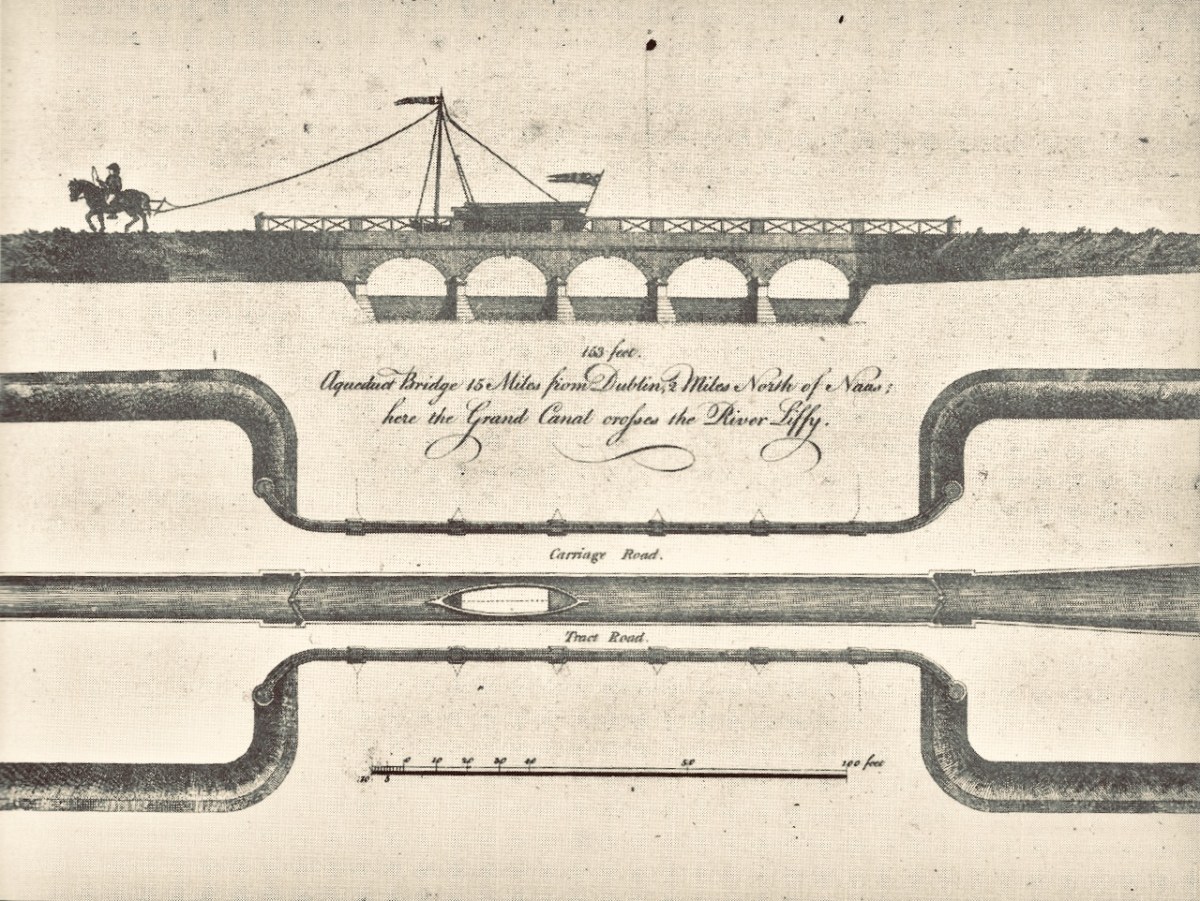
Top – early print of the Leinster Aqueduct, Grand Canal; lower – the Rolts pause to admire the structure as they cross the Liffey on the aqueduct

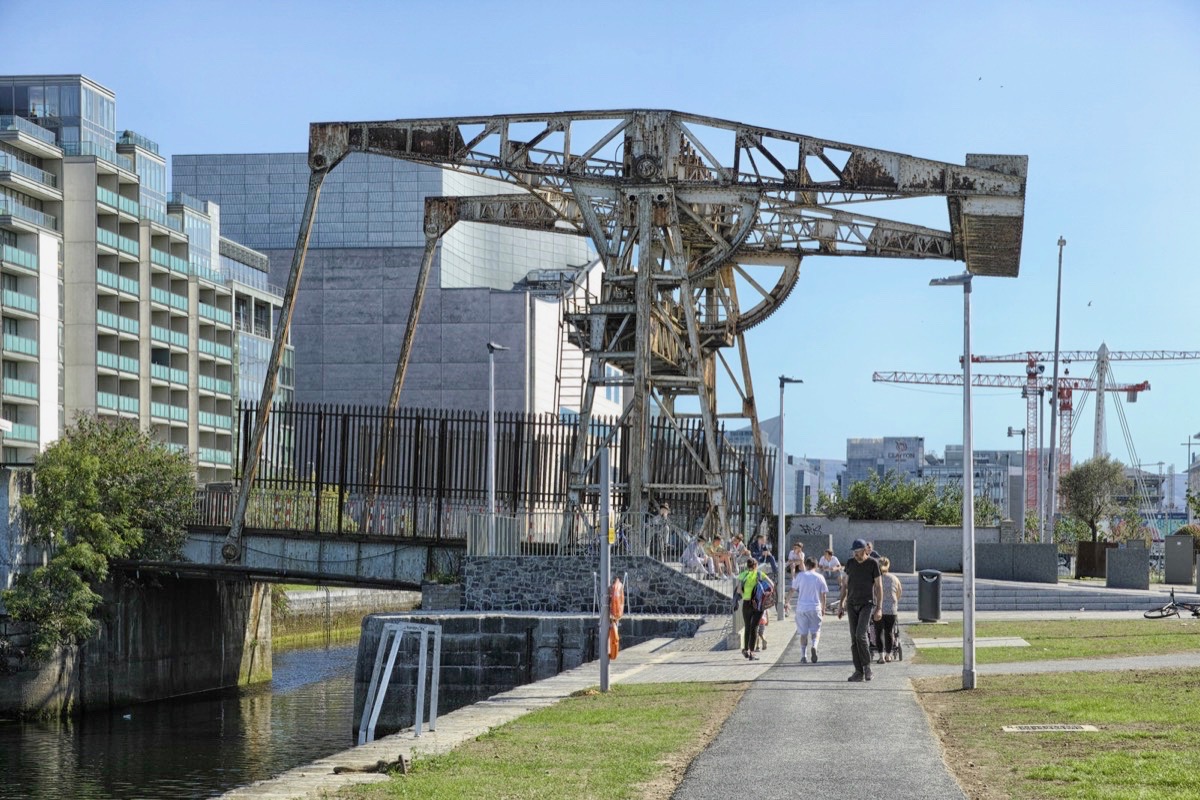
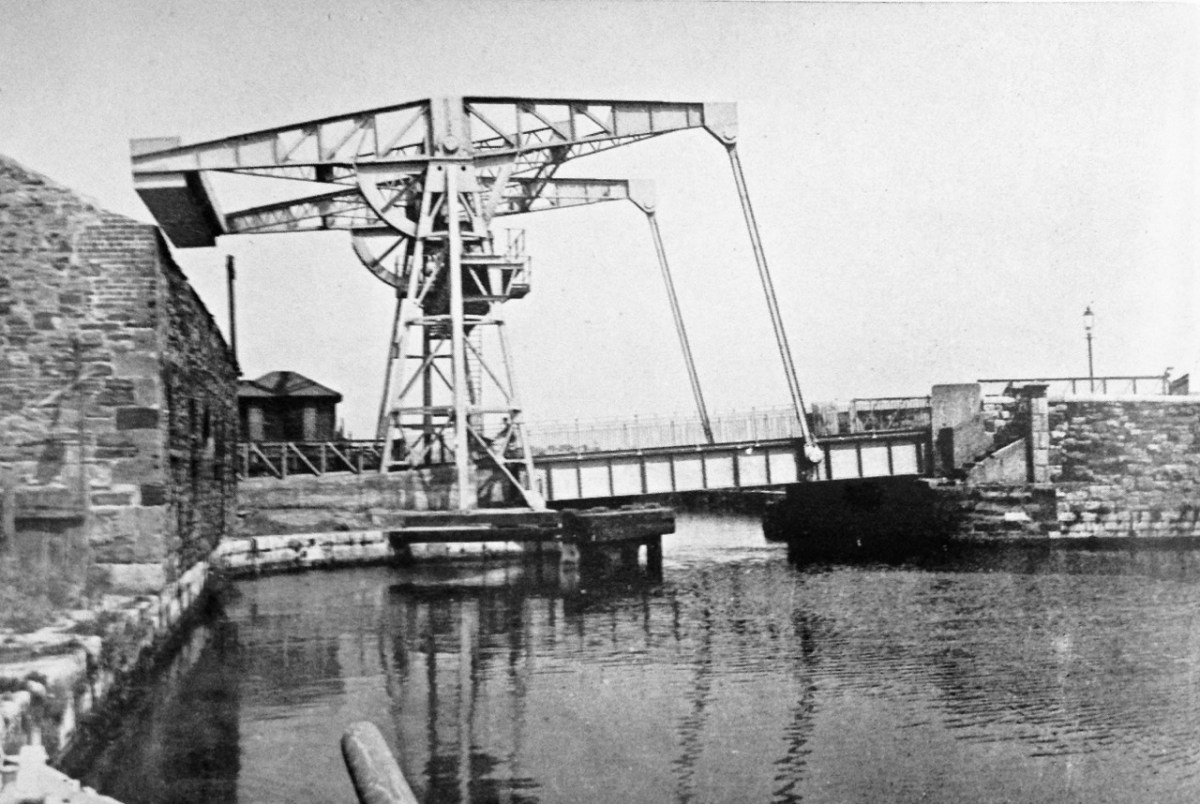
. . . The day before we were due to leave our moorings at Grand Canal Dock I thought it as well to reconnoitre the entrance from the Liffey into the Royal Canal at Spencer Dock, North Wall. The channel into the tidal lock was barred by an enormous rolling lift bridge over which an endless procession of cars and lorries was rattling and thundering. To my eyes it appeared as though this formidable barrier was seldom or never moved. In any case it seemed optimistic to suppose that this ponderous mechanism would be operated, and the traffic along North Wall suspended, merely to allow the passage of our small craft. Looking up at the dock I saw yet another obstacle; a drawbridge this time operated by two steel beams high overhead which looked at this distance, with their long rods linking beams to bridge, like a pair of slender, long-beaked birds. This carried Sherriff Street, another busy thoroughfare, across the dock . . .

GREEN & SILVER BY L T C ROLT, CHAPTER 8
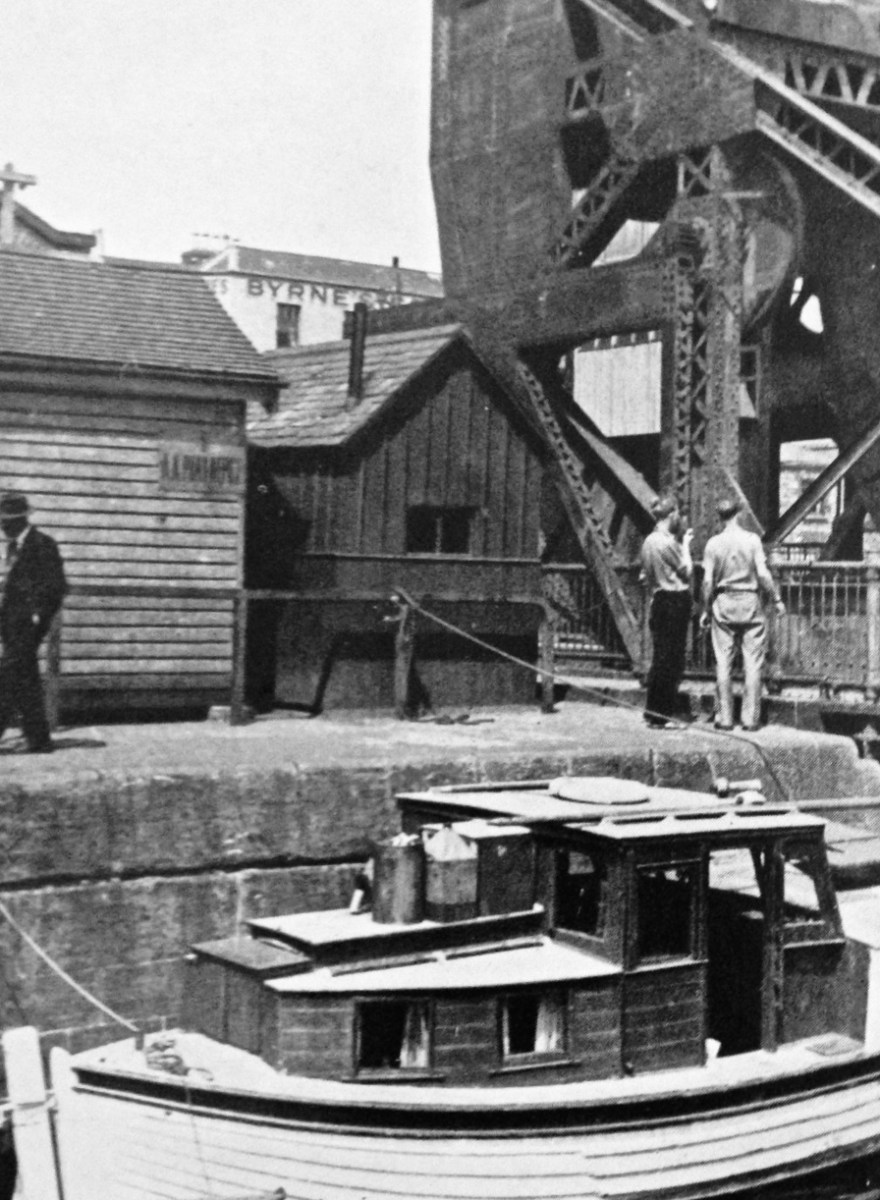
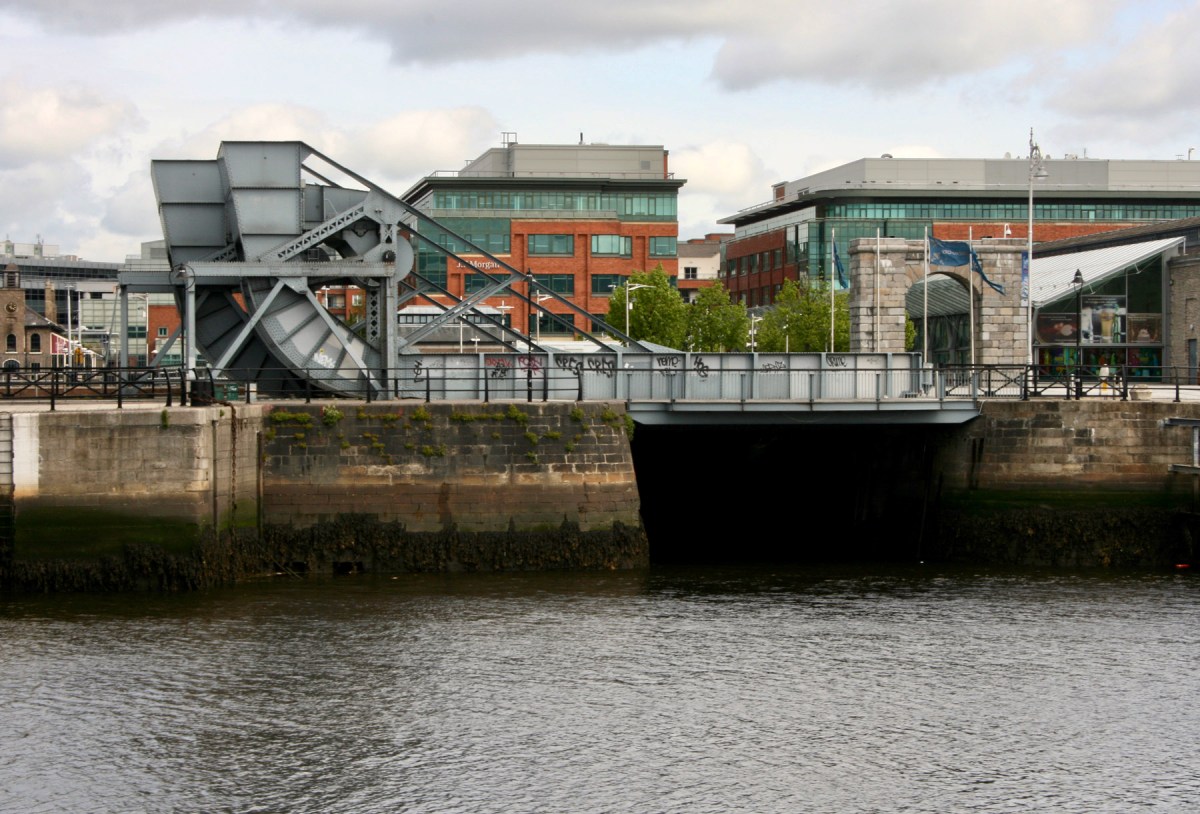
Top – Tom Rolt surveying the Scherzer style ‘rolling lift bridge’ located at the entrance to Spencer Dock, Royal Canal, in 1946. It was erected by the firm of Spencer & Co of Melksham, Wiltshire, in 1912. The bridge was worked by an electric motor – now removed. Lower – the bridge in the present day

. . . It looked as if our passage bade fair to dislocate the traffic of Dublin. I thereupon visited the engineers department of Corus Iompair Eireann at Westland Row Station where I tactfully suggested that if I came up to North Wall at low tide we might just be able to get under the bridge there, but I was received with helpful courtesy and matters were quickly arranged. Of course the bridge would be lifted, that was no trouble at all. And when did I wish to come up the river. To-morrow? High tide was at noon; if I would undertake to be at the bridge at that time it would be opened at once. Arrangements were made on the spot by telephone . . .

GREEN & SILVER BY L T C ROLT, CHAPTER 8
Upper – Angela Rolt’s photograph of the Sherriff Street lift bridge at Spencer Dock, Royal Canal, in 1946; centre – the lift bridge today (courtesy  William Murphy aka Infomatique). Lower – the overhead beam lift bridge mechanism is a principle often found on canal navigations: here is a more vernacular example on the Barrow Navigation (from Ireland of the Welcomes, 1971)

. . . Next morning we crossed the waters of the outer basin and entered the tidal lock. Actually there are three locks of different sizes here, side by side, and we entered the smallest of them which was on our port side. The lower gates opened, we paid a final farewell to the Grand Canal, and were soon dancing over the little waves of the Liffey mouth. It was our one brief taste of salt water. Having made sure that no steamers were on the move to or from the quays, we headed straight across the channel and came up the river close to the North Wall side. We swung straight in and got our lines onto the quay wall precisely at the time appointed. Everything went like clockwork. The bridgeman clambered up into his overhead cabin, men appeared from nowhere armed with red flag to stop the traffic and in a few moments, with a rumble of machinery, the bridge opened remarkable swiftly. We passed through into the tidal lock, and the bridge as quickly closed behind us. While the lock was filling, I paid my dues, two pounds for the ninety-two miles and forty-seven locks to Richmond Harbour. This done, the Sherriff Street Bridge drew up with similar despatch and we sailed through to begin our journey on the Royal Canal. Probably very few of the thousands who pass over the North Wall Bridge or board the steamer for Liverpool or Glasgow at the nearby quay suspect that this is the gateway of a forgotten water road which leads through the heart of Ireland . . .

GREEN & SILVER BY L T C ROLT, CHAPTER 8
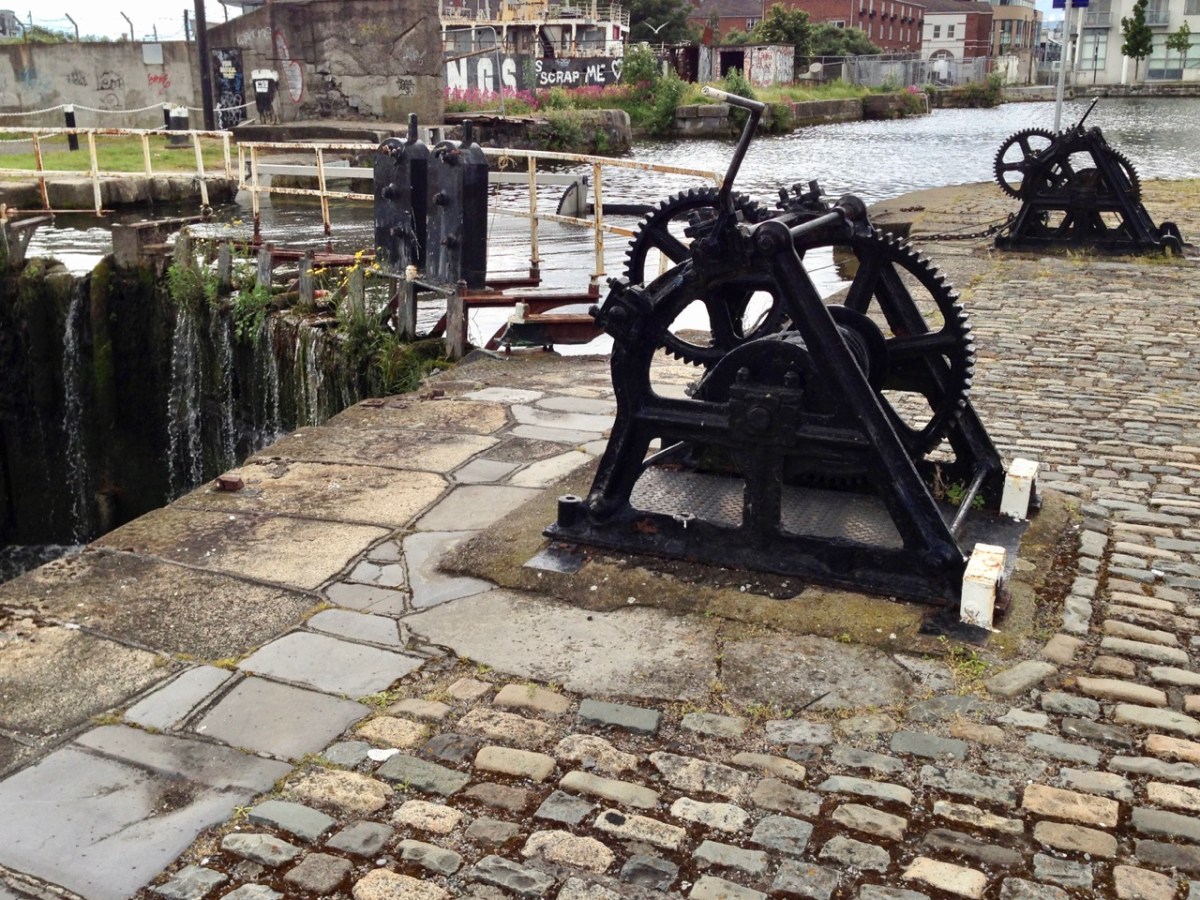
Grand Canal Dock, Dublin – photographs which we took in 2014 (above). The decline which was apparent then continues to this day. Currently there is a plan to sell much of the land for redevelopment. It goes without saying that navigable water will need to be retained to allow access from the Grand Canal itself to the Liffey. Below – another context for the Port of Dublin in the 1950s!
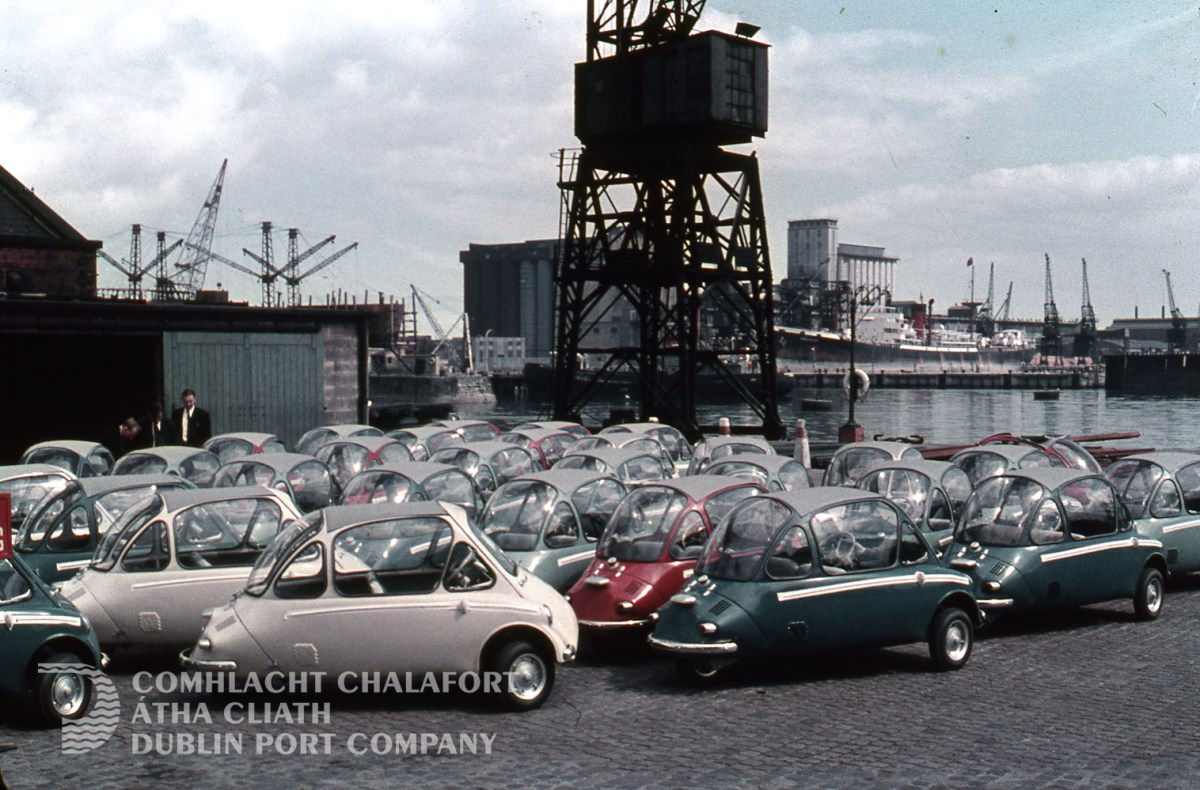
The Heinkel Kabine ‘bubble car’ was designed by the same company which produced German long-range heavy bombers during the Second World War: this famous micro-car was manufactured for a short time between 1956 and 1958 under licence in Dundalk’s Great Northern Railway Ireland (GNRI) works. More than 6,000 were manufactured here.

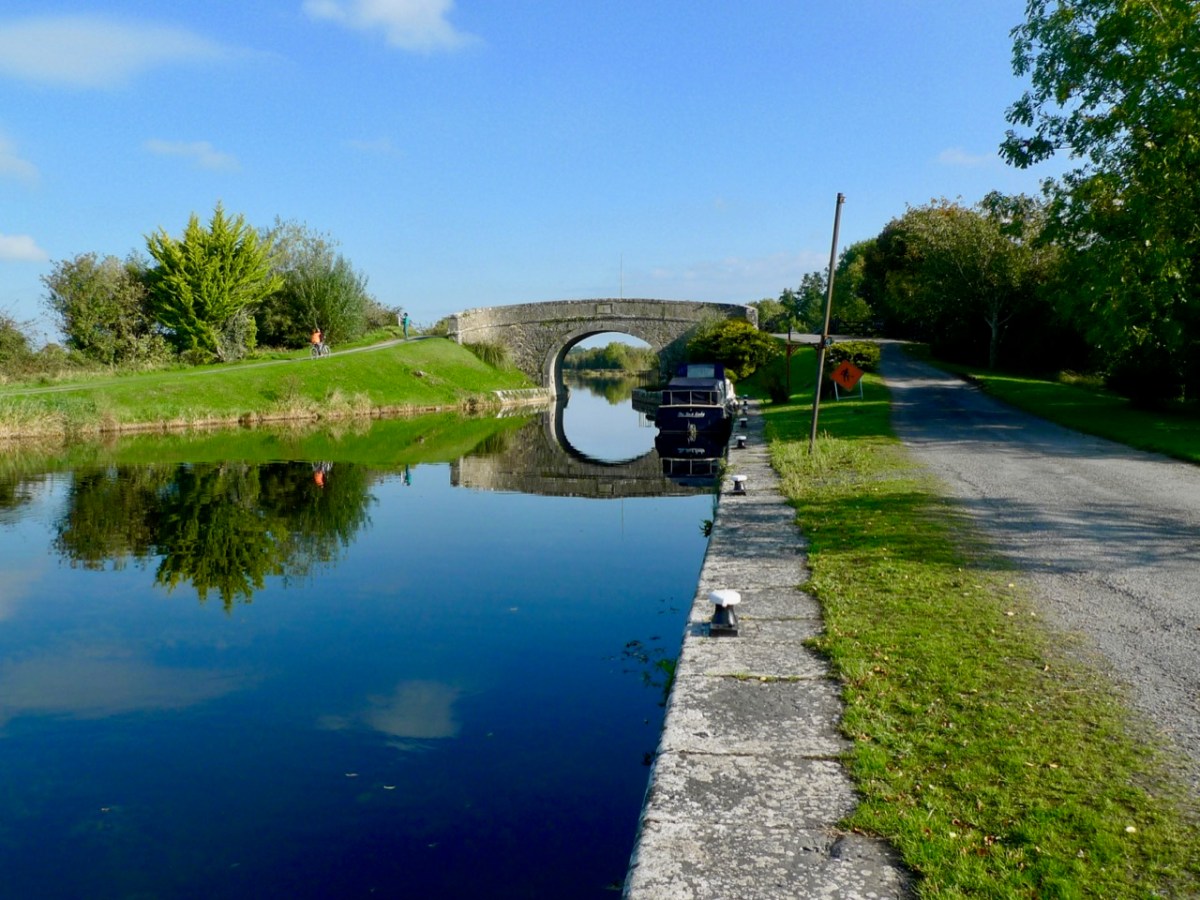
The beauty of the rural Royal Canal: Chaigneau Bridge, Ballybranigan, Co Longford in 2016

The previous series of Roaringwater Journal posts on Irish waterways can be found (in reverse order) here.

*Robert’s Trasna na Tíre talk can be reached on this link.

A Signal Success in Irish Engineering – Part 8: Brow Head

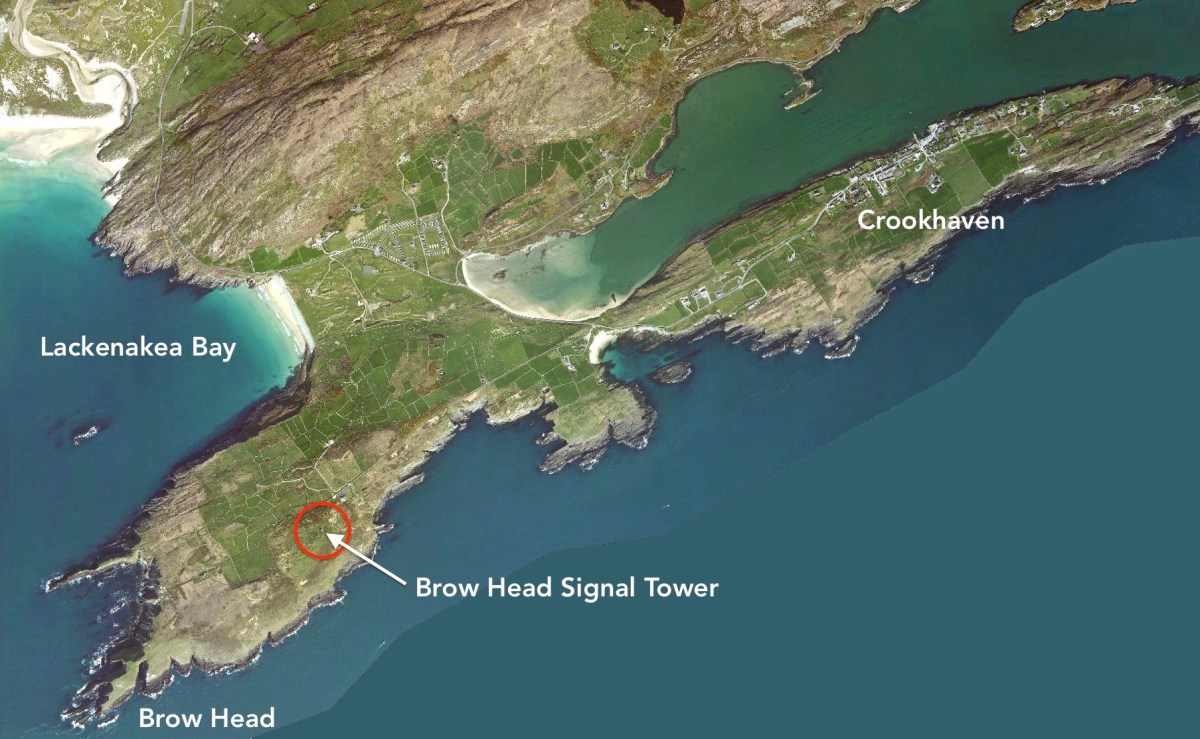
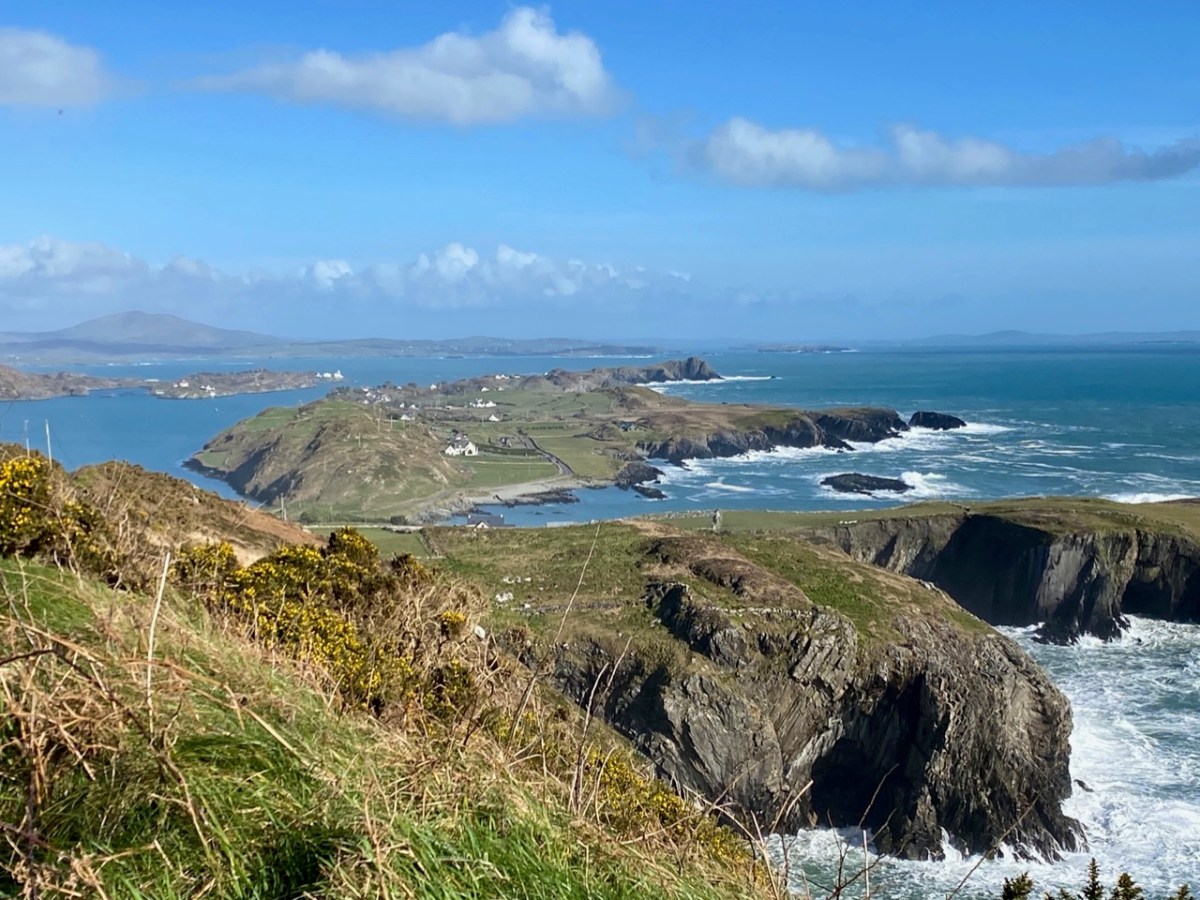
It’s surprising that it’s taken us eight episodes of this series to reach Brow Head, as it is one of the nearest to us, and one of the best preserved – albeit a ruin. It’s not far from the last one we explored: Cloghane, on Mizen Head. In fact, at 3.8km apart, these two towers are the closest of any in the whole system of signal towers around much of the coast of Ireland: 81 towers, each one generally in sight of two others.

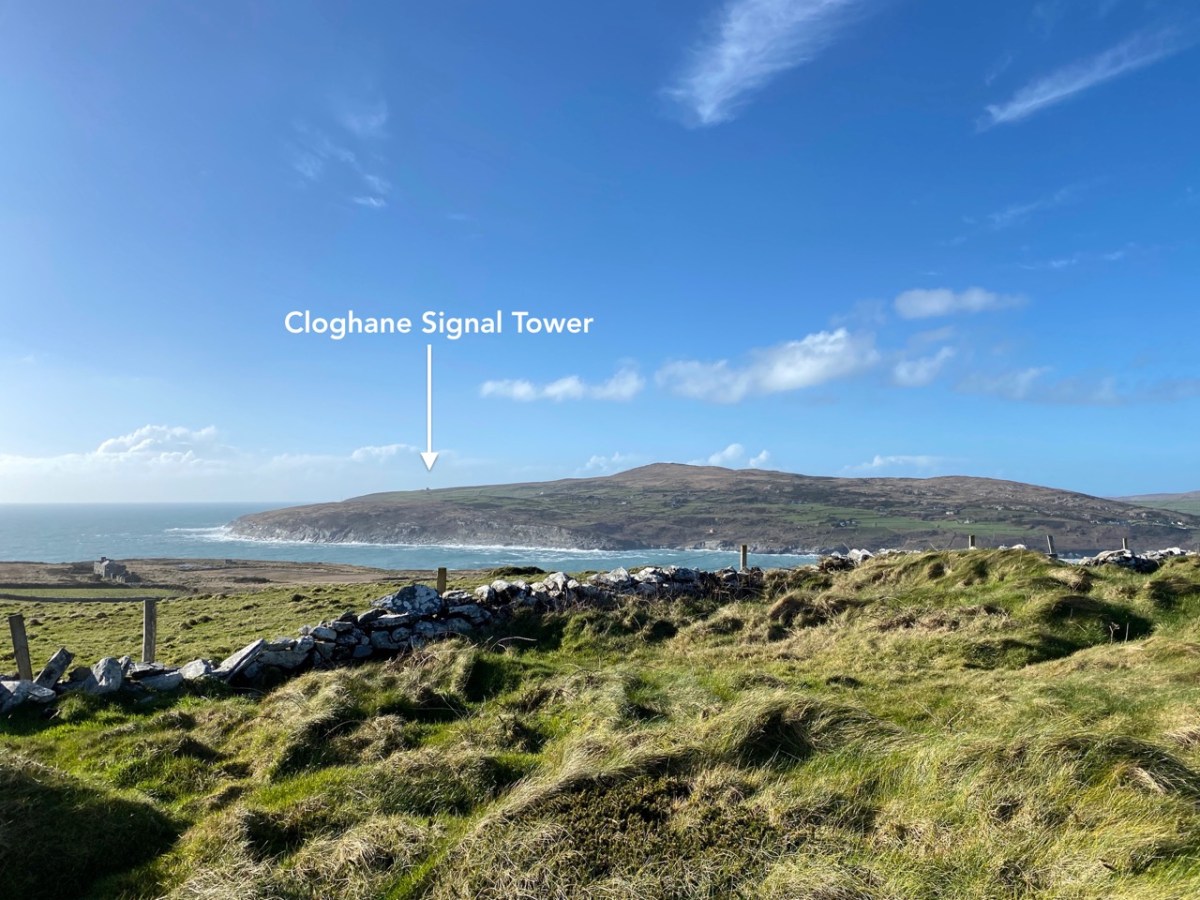
Above – views north-west across to Cloghane, Mizen Head, from Brow Head. The lower photo is taken with a long lens. Cloghane is 3.8km away from Brow Head: it doesn’t sound very far but, as you can see from the centre picture here, it’s remarkable that telescopes were good enough, in the early 19th century, to make out visual signals in any great detail. Weather conditions were obviously an important factor in this. Below, the tower at Knock, Lowertown, near Schull, is some 19km away to the east. When we visited the vestigial Ballyroon signal tower, on the Sheep’s Head to the north, we could also clearly see across to Brow Head – a distance of about 17km.

Brow Head – the headland itself – has been the subject of a previous post on Roaringwater Journal. It has a remarkably diverse history: not only is it the site of the Napoleonic-era signal tower, but of industrial and scientific activity. There are the substantial remains of a nineteenth century copper mine (photo above): I noted that the Mine Captain here was Hugh Harris from Cornwall – and wondered if he was a relation – until I read that he was dismissed as ...an incompetent authority…! Most interesting, perhaps, are the ruins of a signalling station set up by Guglielmo Marconi – established in 1901.

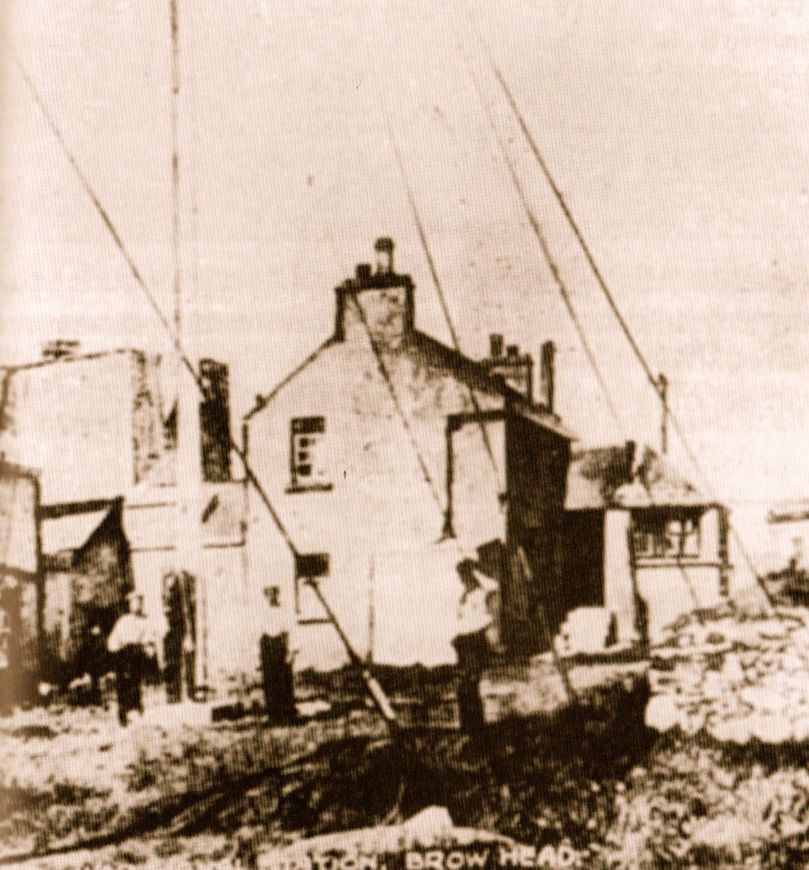
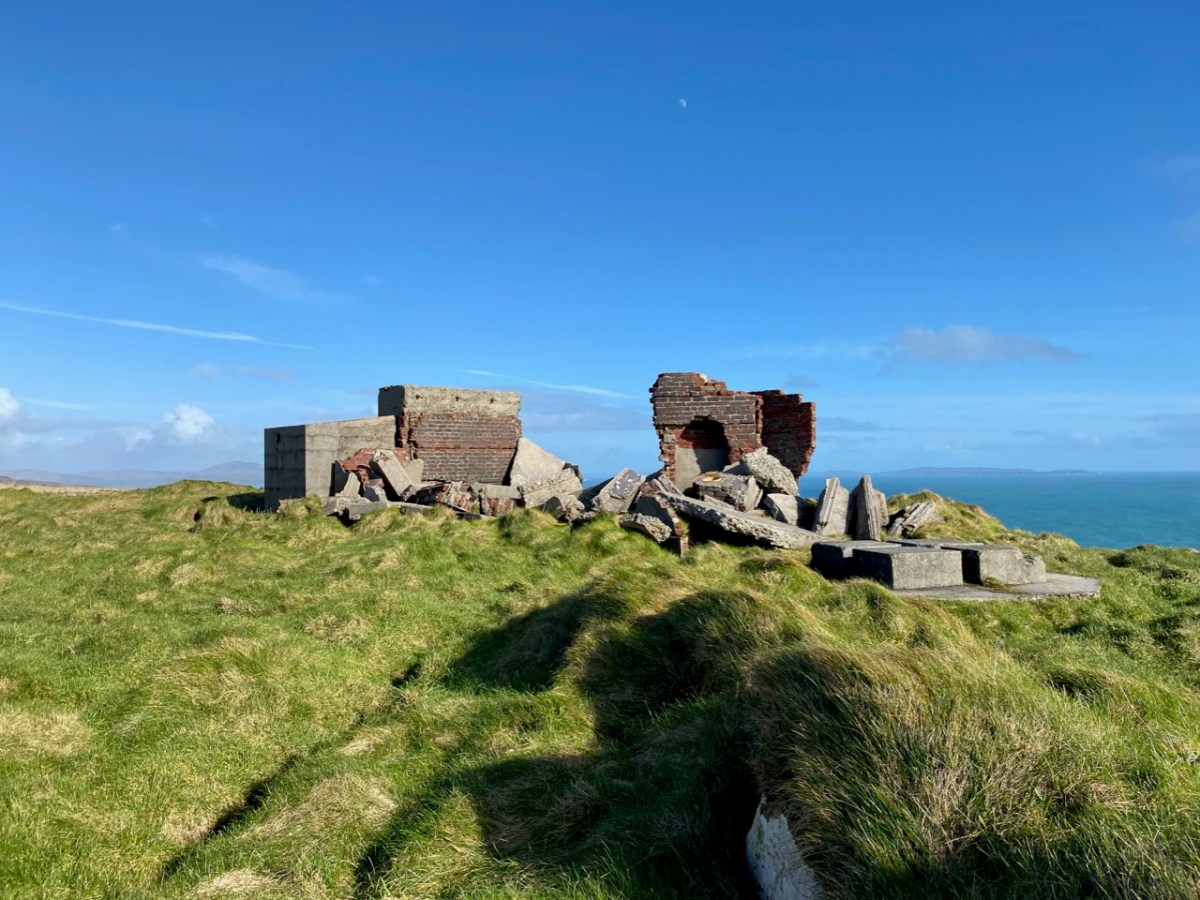
This photograph was taken in 1914. It shows the Marconi installation still in use: the signal tower is visible in the background, on the left. On the far right is a building which I take to be the electricity generating station, powering the telegraph. During the Emergency (1939 – 1945), a lookout emplacement was built to the south of the Marconi station: many of these were built around the coast, the majority sharing a site with a Napoleonic-era tower. Have a look here for more information on these comparatively recent structures.

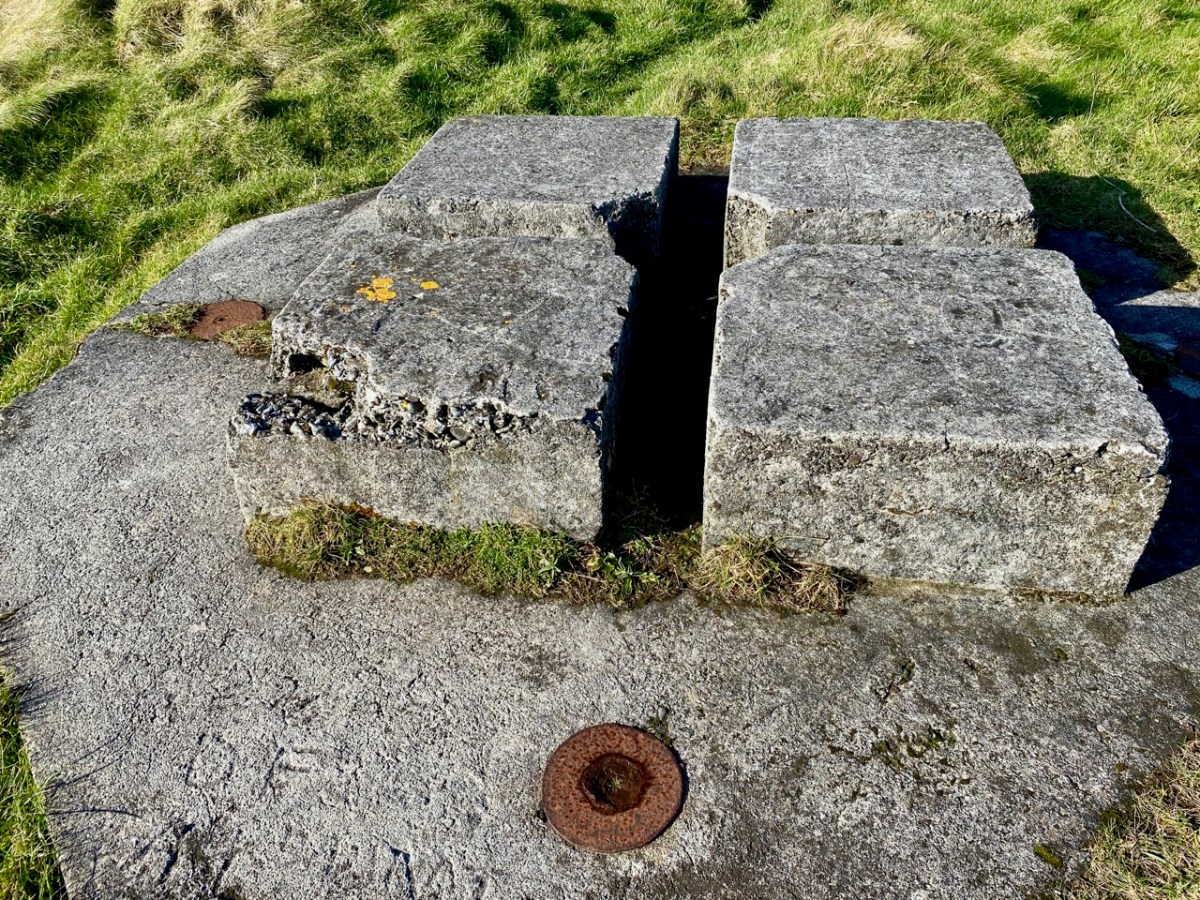
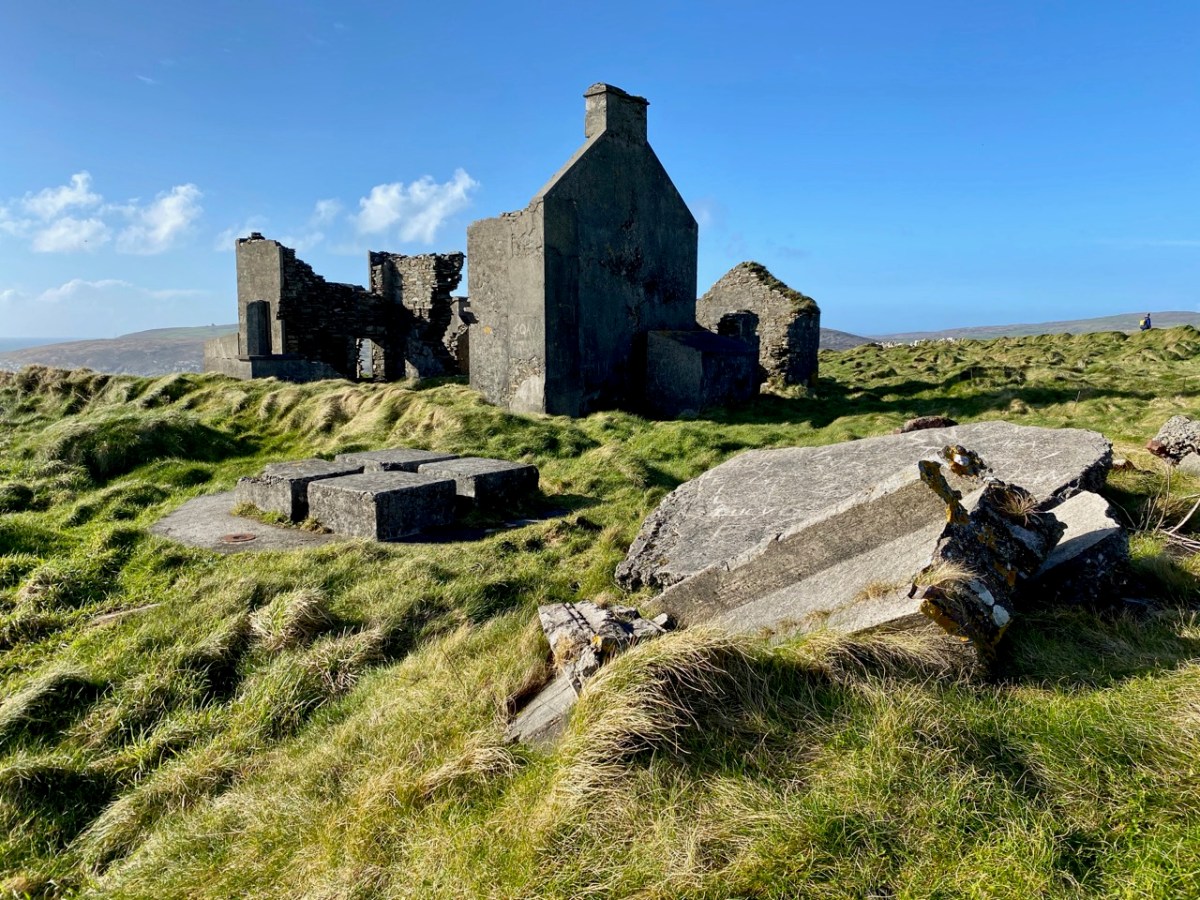
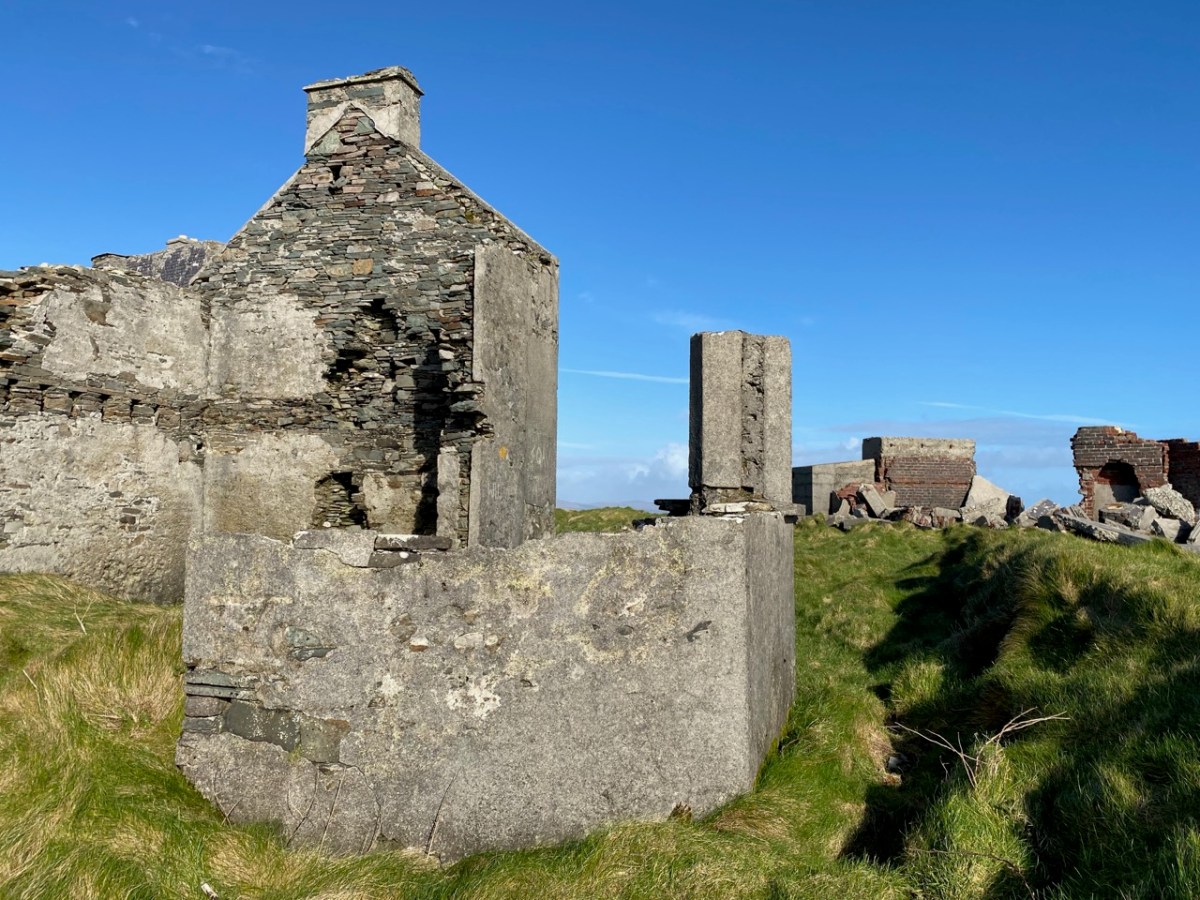
For this excellent drone picture of the Brow Head site, taken in 2017, I am most indebted to Jennifer & James Hamilton, mvdirona.com. Jennifer and James are intrepid adventurers, travelling around the world on their Nordhavn52 vessel. It’s well worth going to their website to see what they get up to: it makes our own travels in the West of Ireland seem a little humdrum… On the right of the photo is the 1804 signal tower; on the left is the Marconi station with – just in front of it – all that is left of the 1939-45 lookout post. On the right in the foreground is the generating station shown in the present day photo, below. Note, also, in all these images can be seen the four-block supporting base for the Marconi transmission mast.

What happened to these buildings? Here’s an account I received from a RWJ correspondent (very many thanks, Rachel), after I had published an earlier post on them in 2014 – it is based on contemporary newspaper articles during the Irish War of Independence:

. . . Brow Head was destroyed on the 21st August 1920 at 12:45 – 1am, having been raided less than 2 weeks earlier on the 9th August. All reports mention the use of fire; only some mention the use of bombs. Explosives had, however, been stolen during the earlier raid on Brow Head (they were used for fog-signalling). Due to delays in reporting, some articles suggest different dates for these events but I’m fairly sure the 9th and 21st of August are the correct ones. 9th August: Armed and masked men raid the station and take stores of explosives, ammunition, and rifles. There are conflicting reports over whether any wireless equipment was taken during this raid. 21st August: Reports that all buildings at Brow Head (war signal station, post office, coastguard) destroyed, either by fire, or fire and bombs depending on the article. Some reports say 40 men were involved, some 70, some 150, some 150-200. These men had masks and were armed with revolvers to cover the three or four guards, they were described as young and courteous. The raid is said to have taken 5 hours; all Post Office equipment was taken away, as well as other stores. Other wireless equipment was smashed. The raiders helped the guards move their furniture/belongings out before setting fire to the buildings . . .

Rachel Barrett

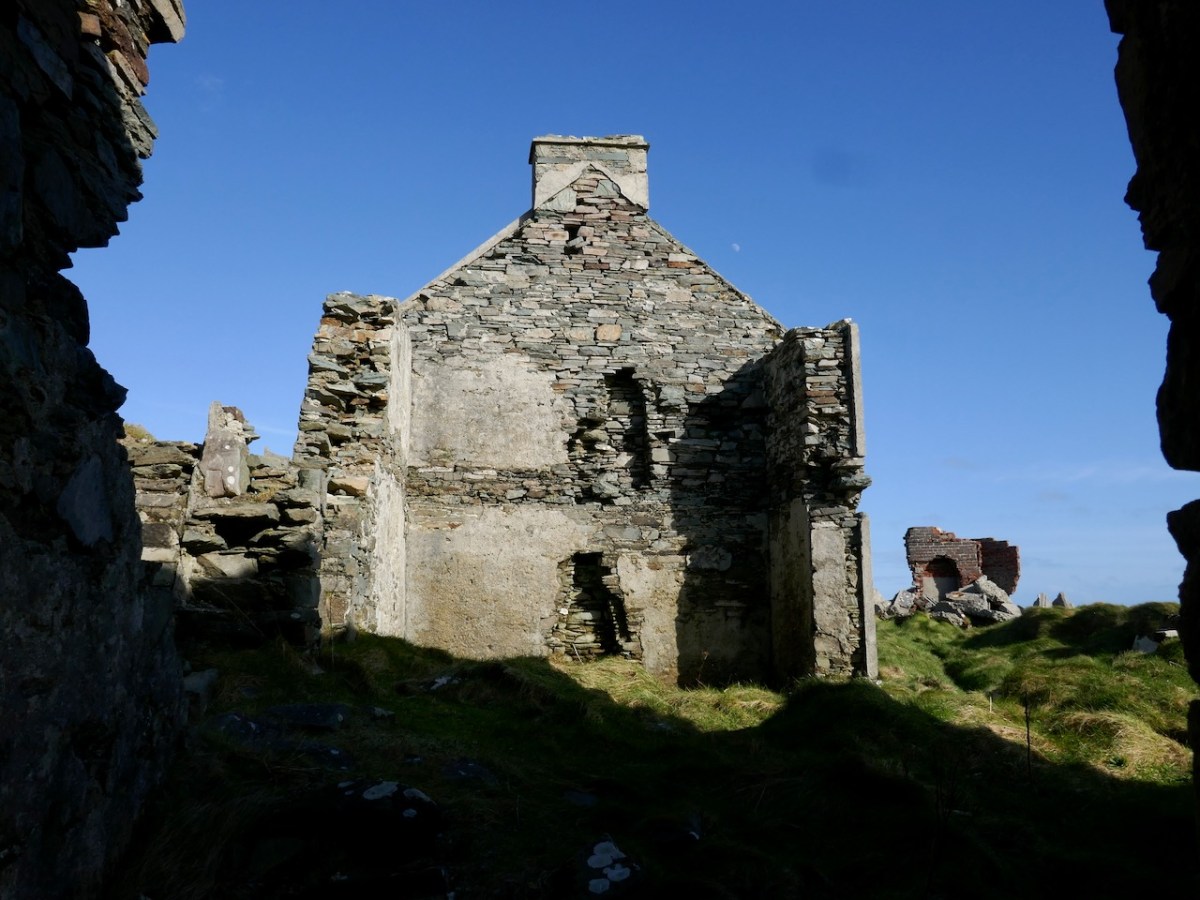
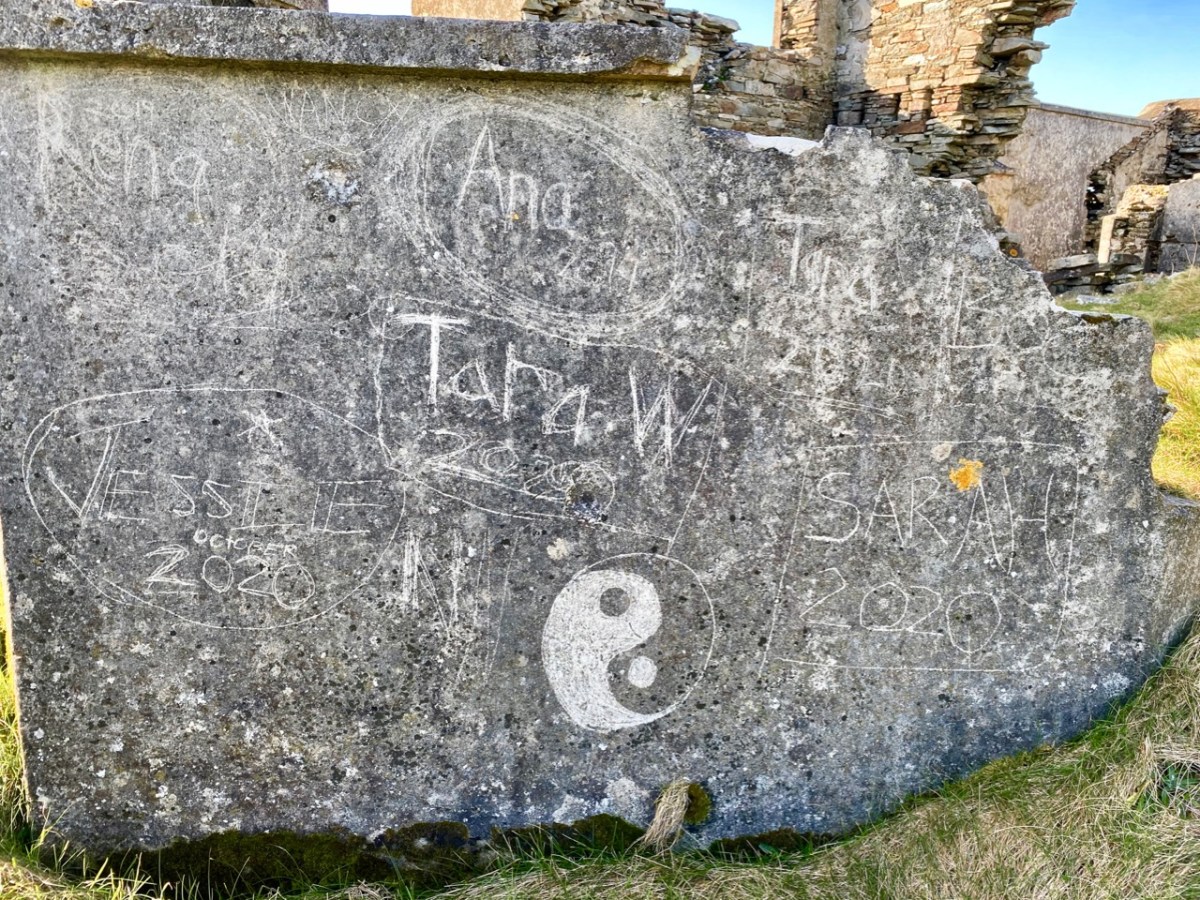
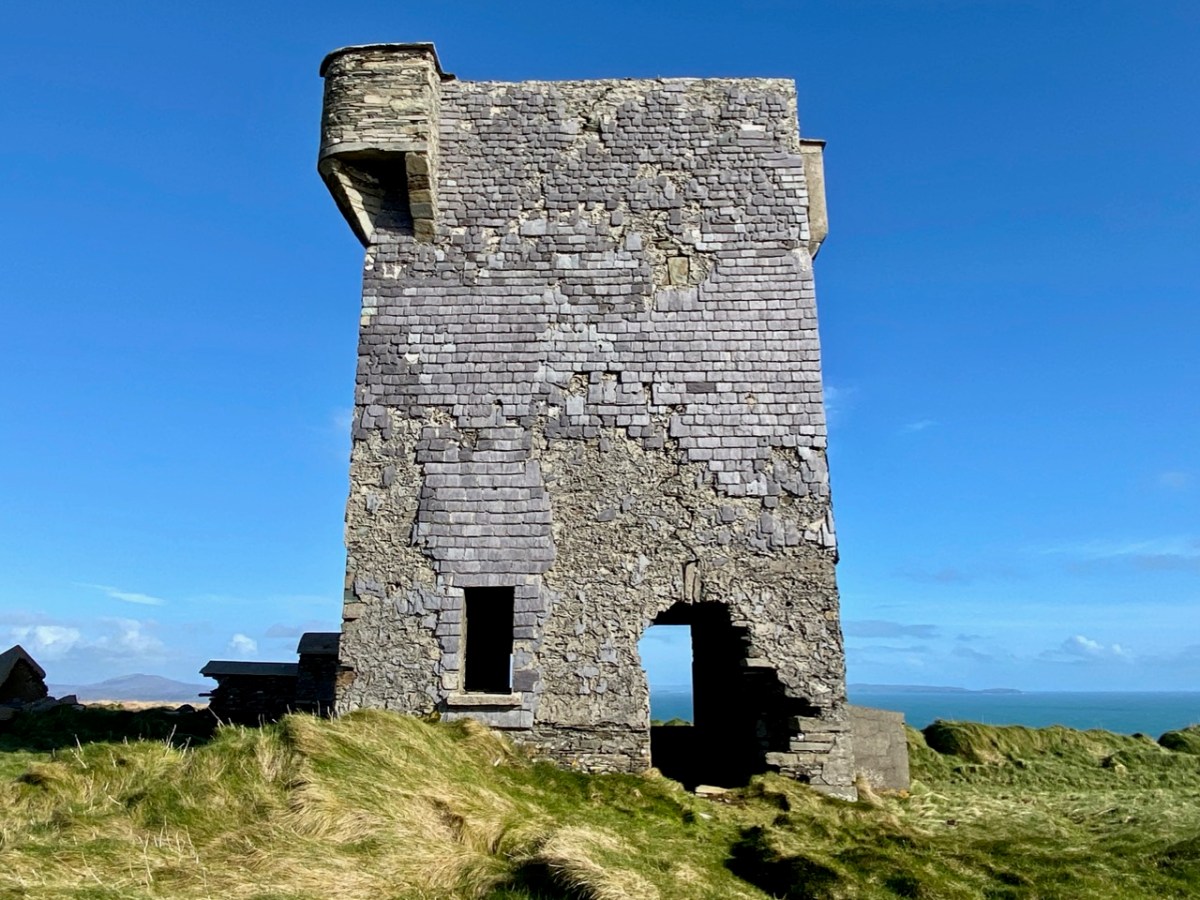
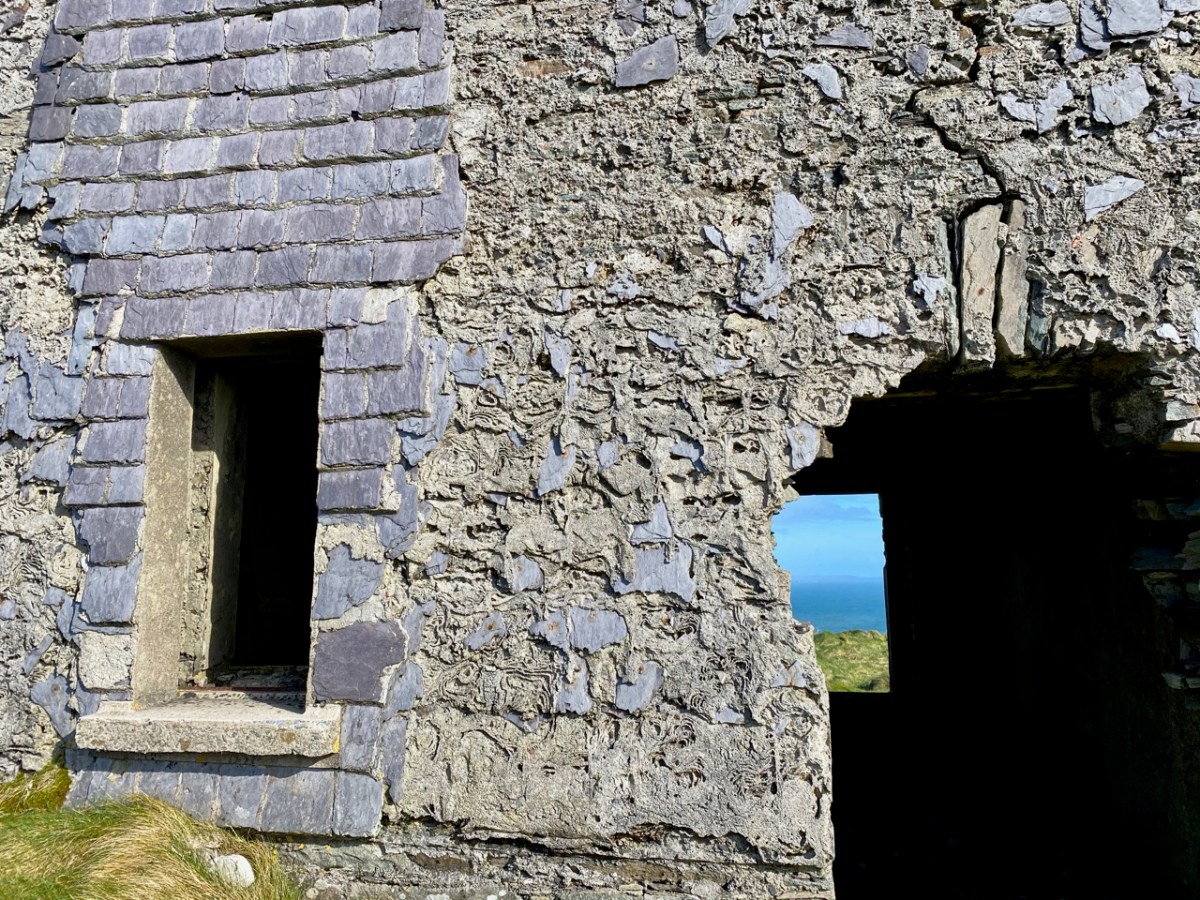
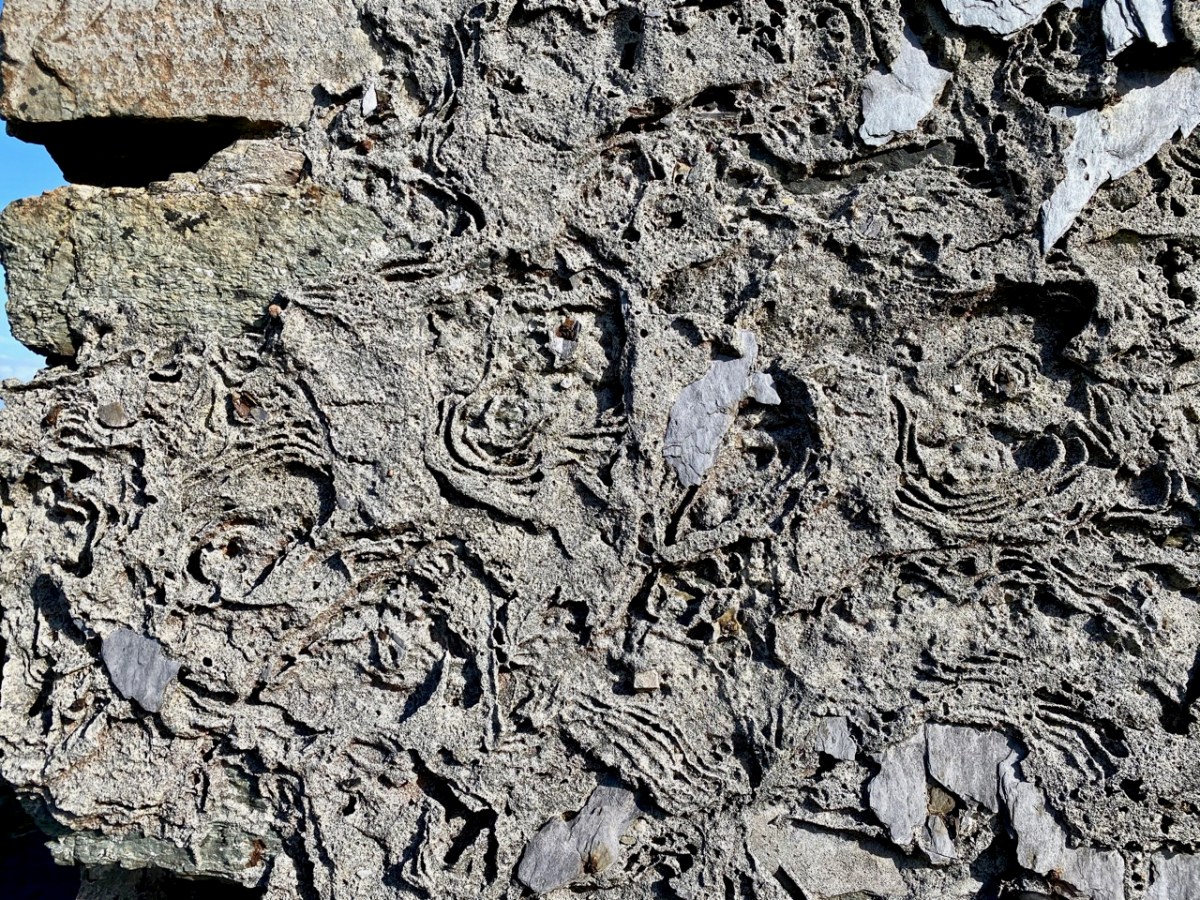
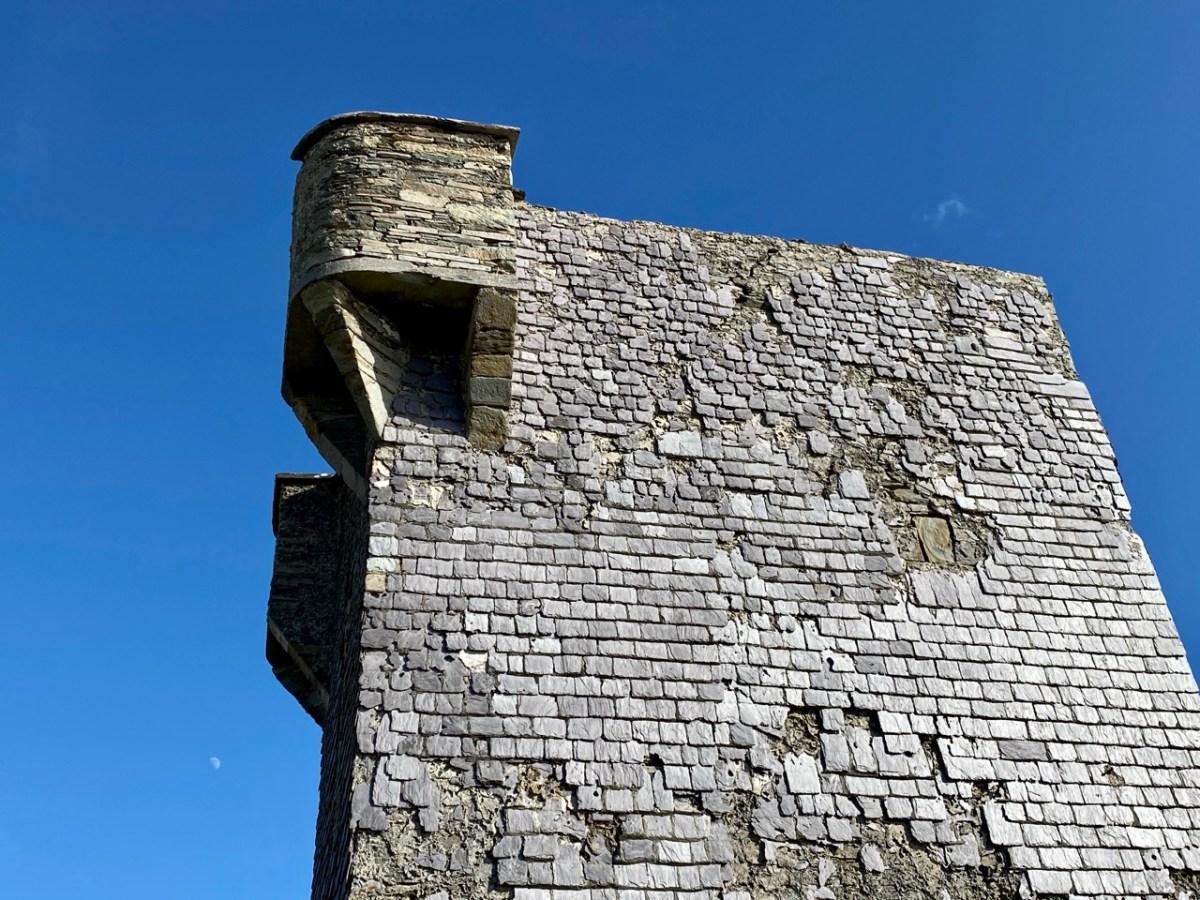
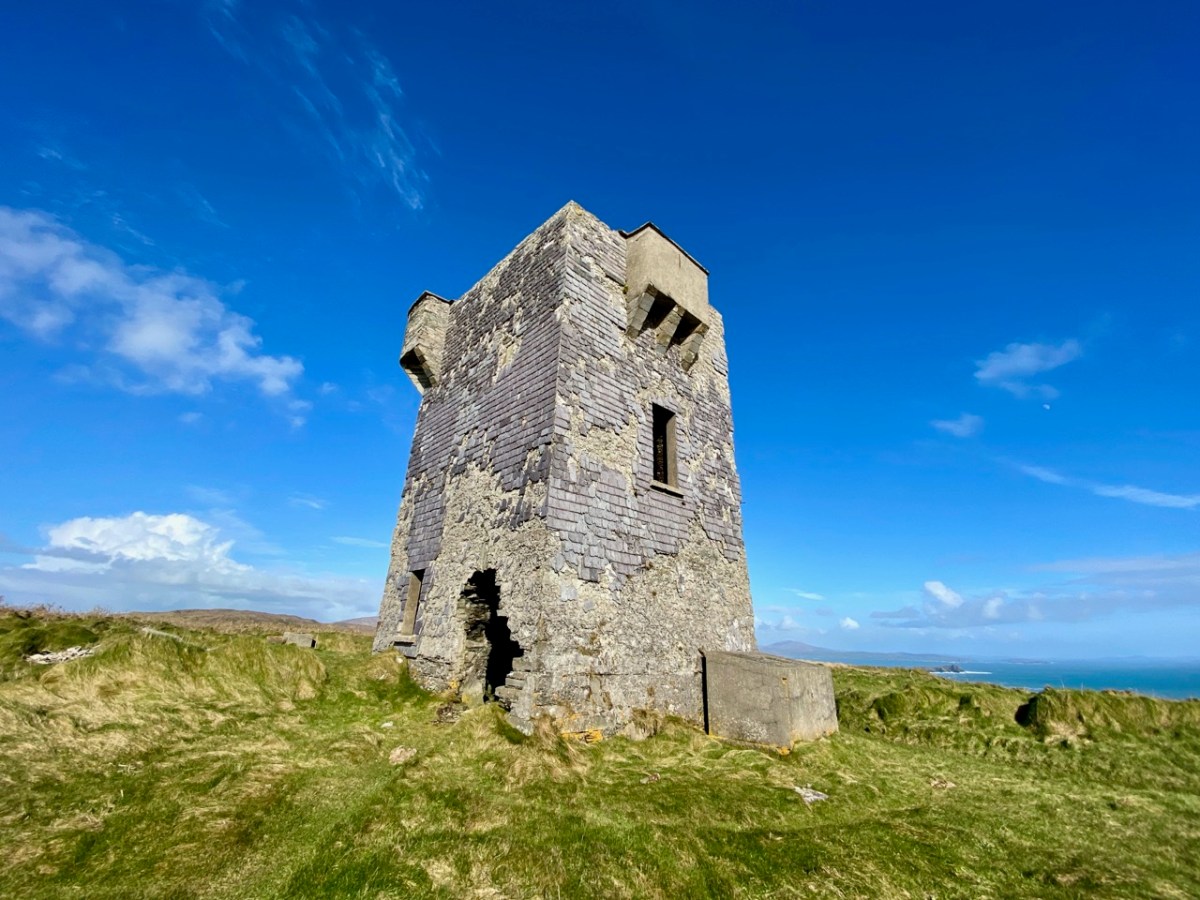
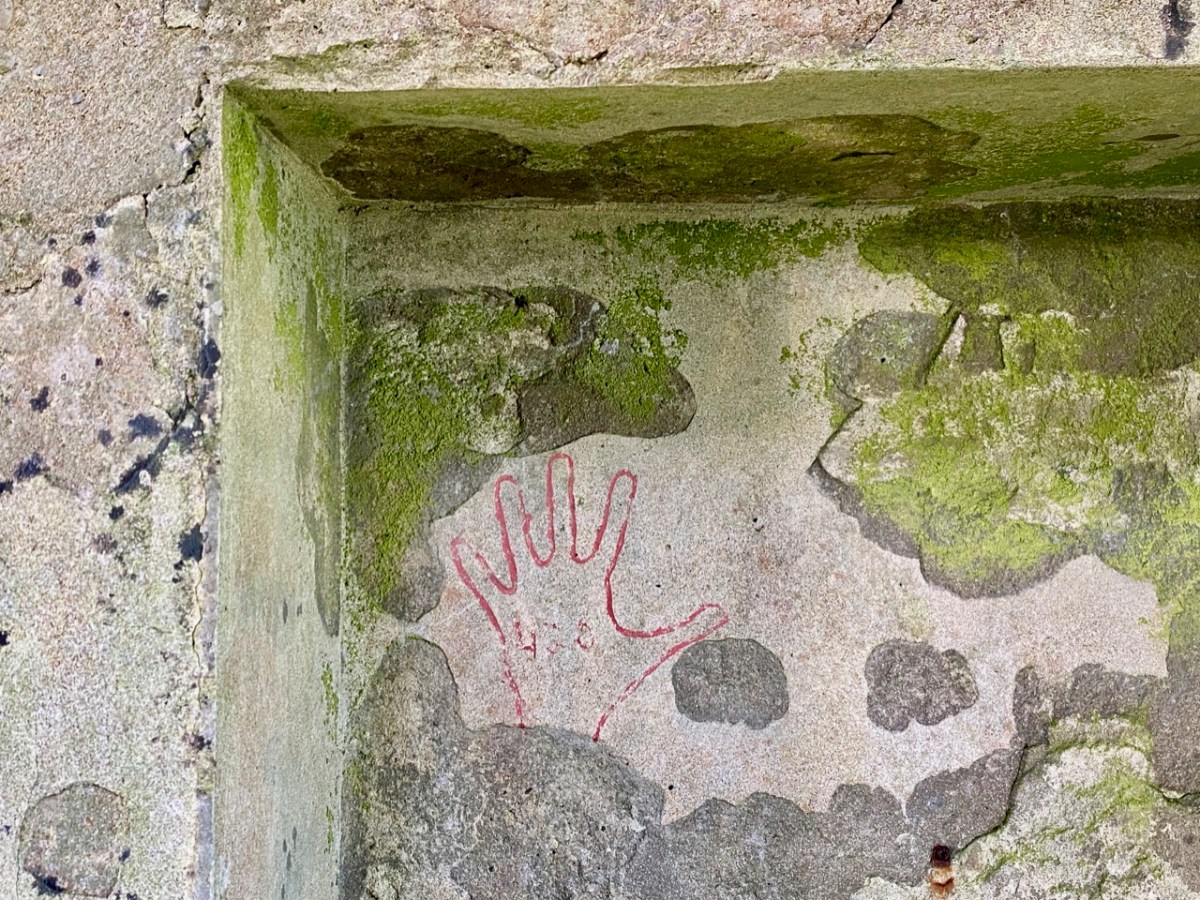
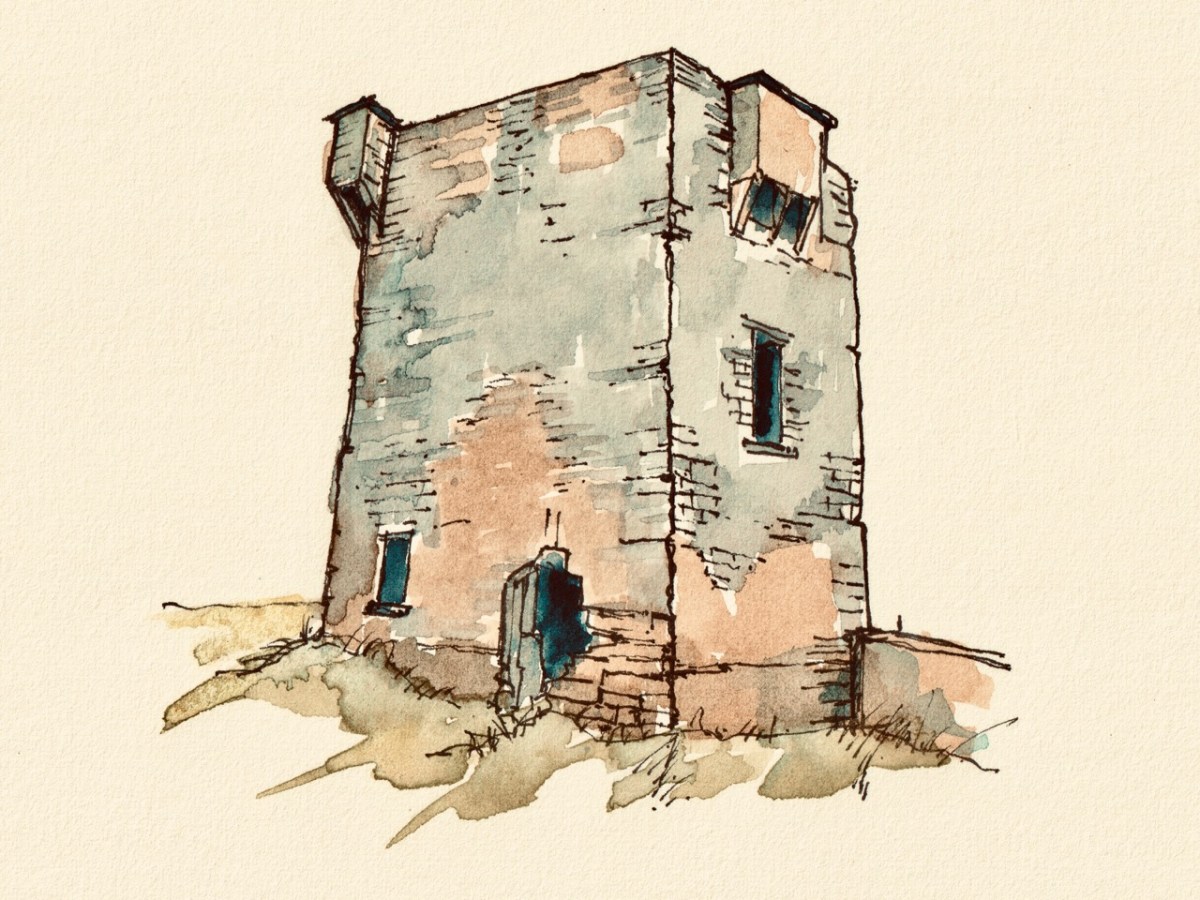
So far we haven’t said much about the 1804 signal tower itself. Although ruined, it is a good example, reasonably stable, and has survived two centuries of severe Atlantic gales remarkably well. All the elements are recognisable: projecting bartizans, slate hung external walls for improved weatherproofing, an intact roof and distinct internal features – and a little enigmatic graffitti. Compare all these with the other towers in our series so far (there are links at the end).

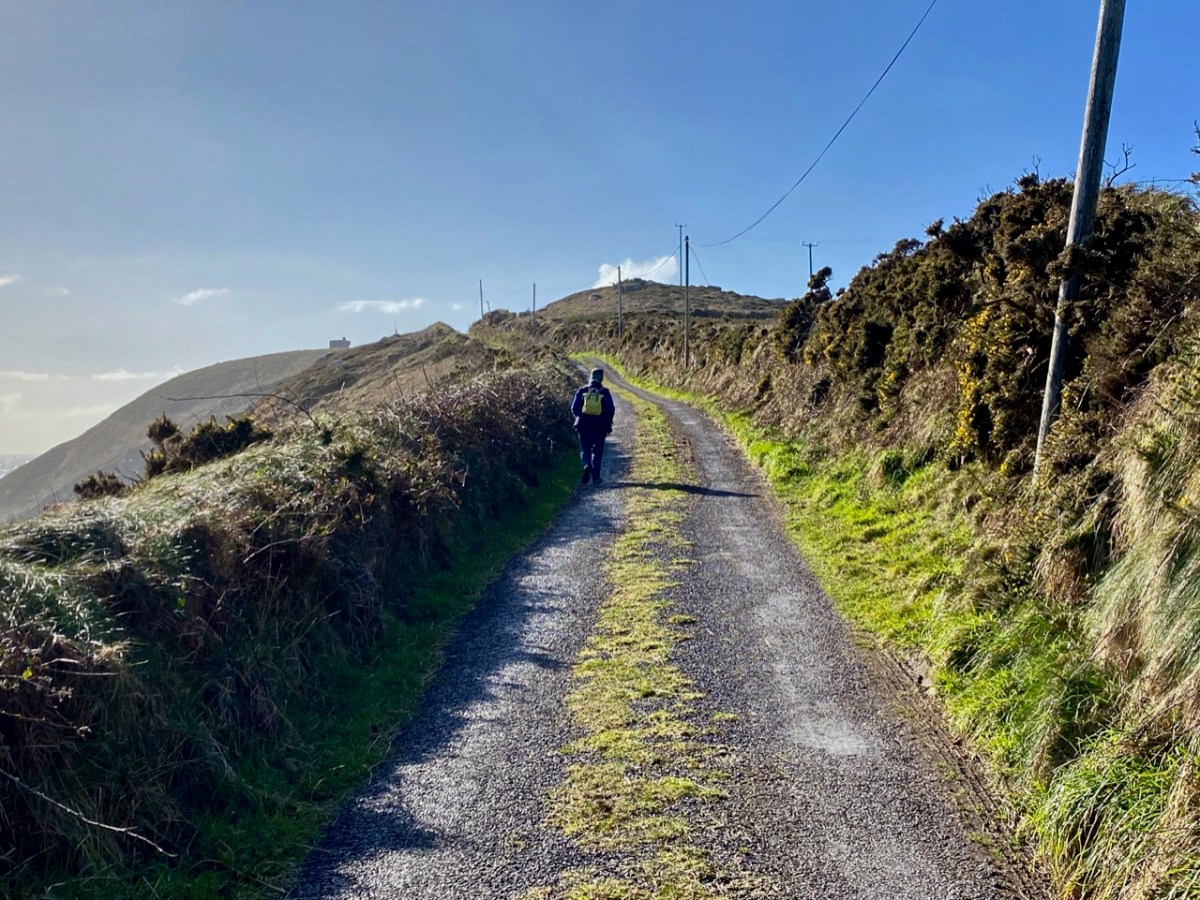
If you set out to visit the Brow Head site on a good day, you can’t do better than to park at Galley Cove – at the bottom of the long, steep access road (and beside the Marconi commemoration board and sculpture by Susan O’Toole) – and then walk up. You will enjoy continuously changing spectacular views in all directions, and you will begin to see the signal tower above you as you approach the brow of Brow Head.

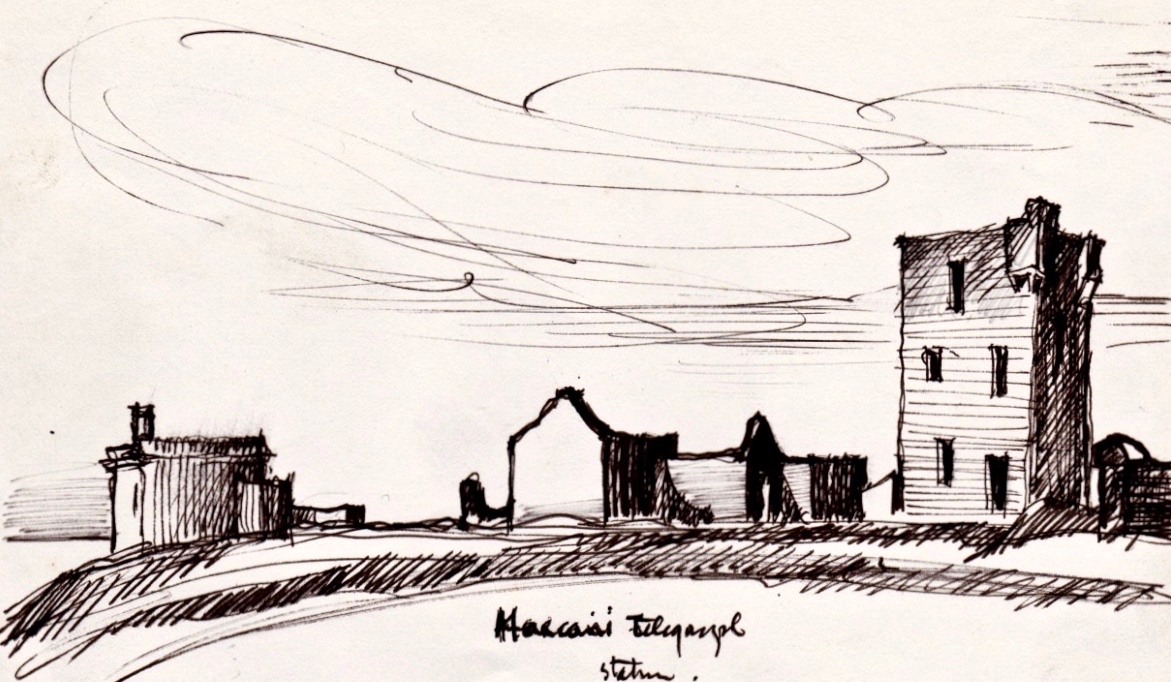
West Cork based artist Brian Lalor visited the Brow Head site with the Mizen Field Club in 1984. His sketch of the buildings is an interesting record as it appears to show, on the left, the 1939-45 lookout post intact (below). Very little remains now, 37 years later (lower). I wonder what led to this particular piece of destruction?

I’ll finish off with another sketch view of the Brow Head signal tower: this is by Peter Clarke, who runs the excellent Hikelines site. Many thanks, Peter.

The previous posts in this series can be found through these links:

Part 1: Kedge Point, Co Cork

Part 2: Ballyroon Mountain, Co Cork

Part 3: Old Head of Kinsale, Co Cork

Part 4: Robert’s Head, Co Cork

Part 5: Downeen, Co Cork

Part 6: Dunnycove

Part 7: Cloghane, Mizen Head

Sweet Ilen – Part 2

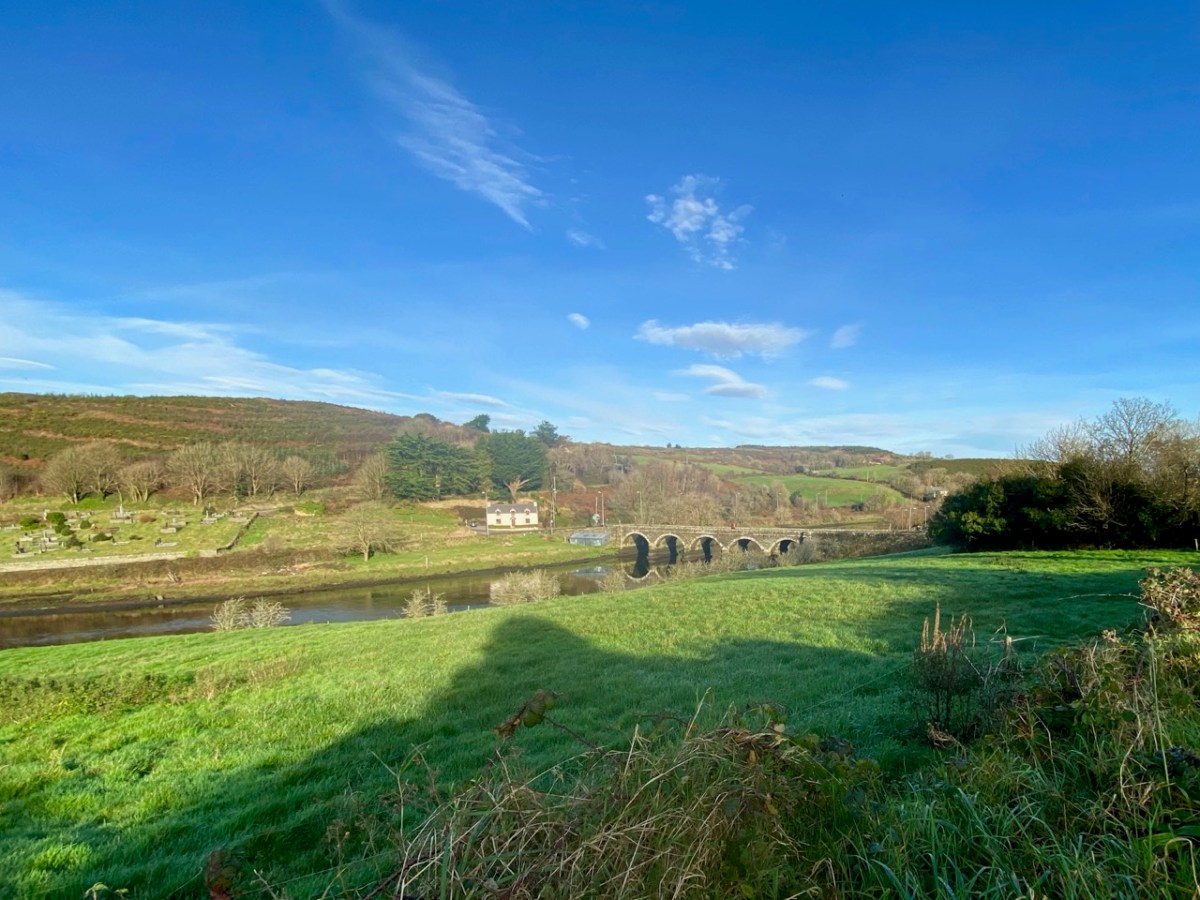
Last week our first exploration of Sweet Ilen – our West Cork river – began in Skibbereen town from whence we travelled north, as far as Ballyhilty Bridge. Today, we return to the town and unearth some further history on the way downstream.

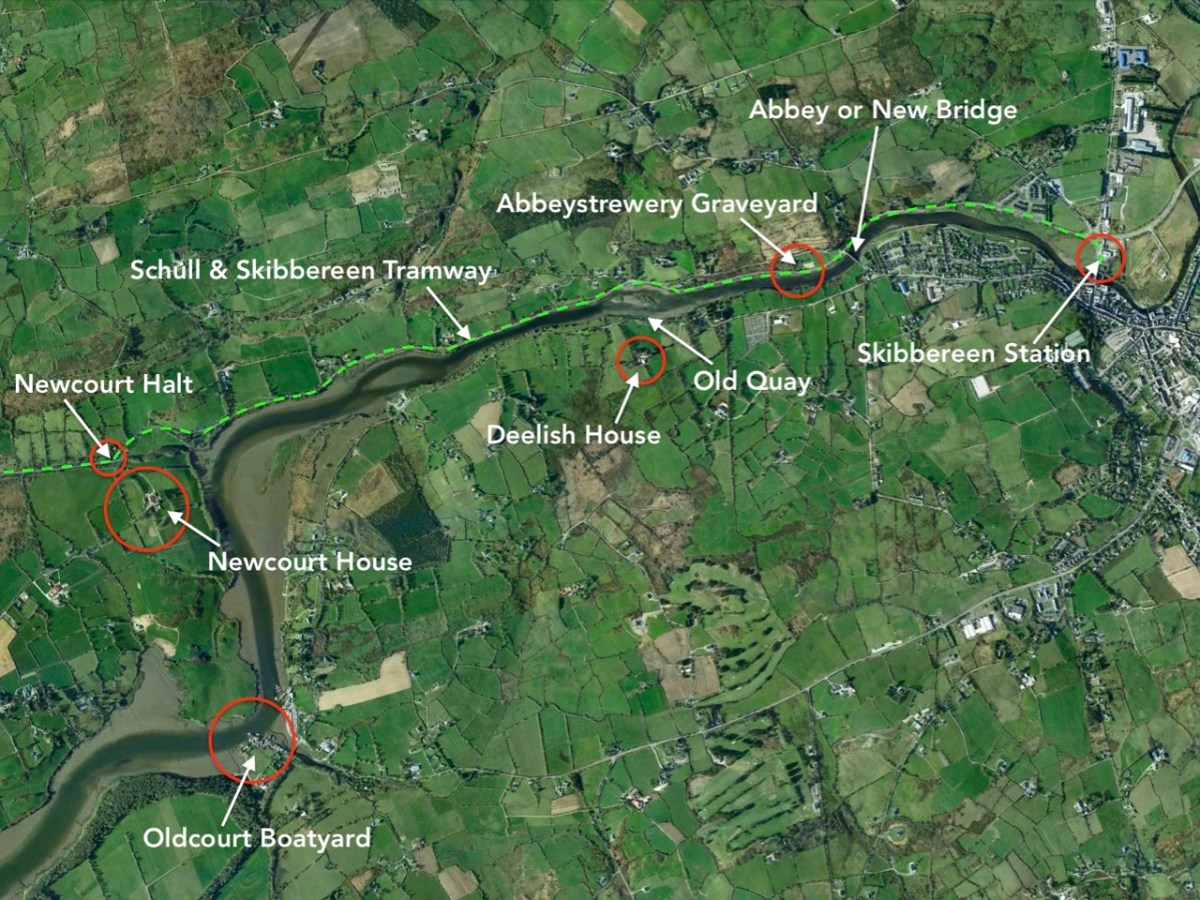
On the aerial view of the Ilen flowing south-west from Skibbereen (above) I have marked some significant locations. Abbey or ‘New’ Bridge is the first crossing point and the limit of navigation for large craft. The Old Quay shown to the north of Deelish House was the offloading point for ships arriving from the south; barges or lighters carried the goods further into the town. The narrow gauge Schull & Skibbereen Tramway (as it was originally named) left Skibbereen Station and followed the Ilen as far as Newcourt Halt, alongside the main road.

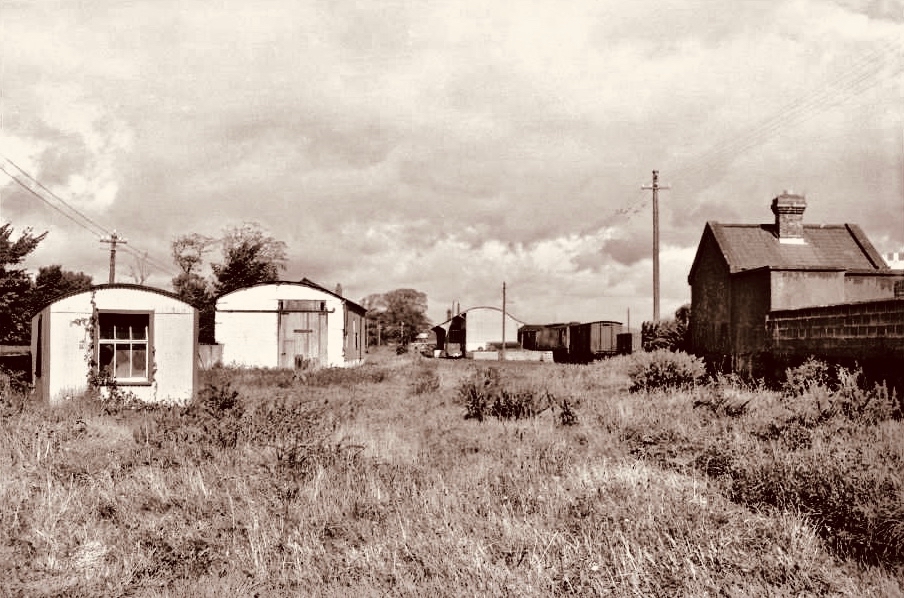
The Ilen Valley Railway, which brought the regular gauge railway into Skibbereen from Bandon and Cork, shared its station at Skibbereen from 1886 with the 3ft gauge line going to Schull. This picture (above) of Skibb Station in 1960 (courtesy Roger Joanes) shows the main line on the right and the remains of the narrow gauge terminus on the left.

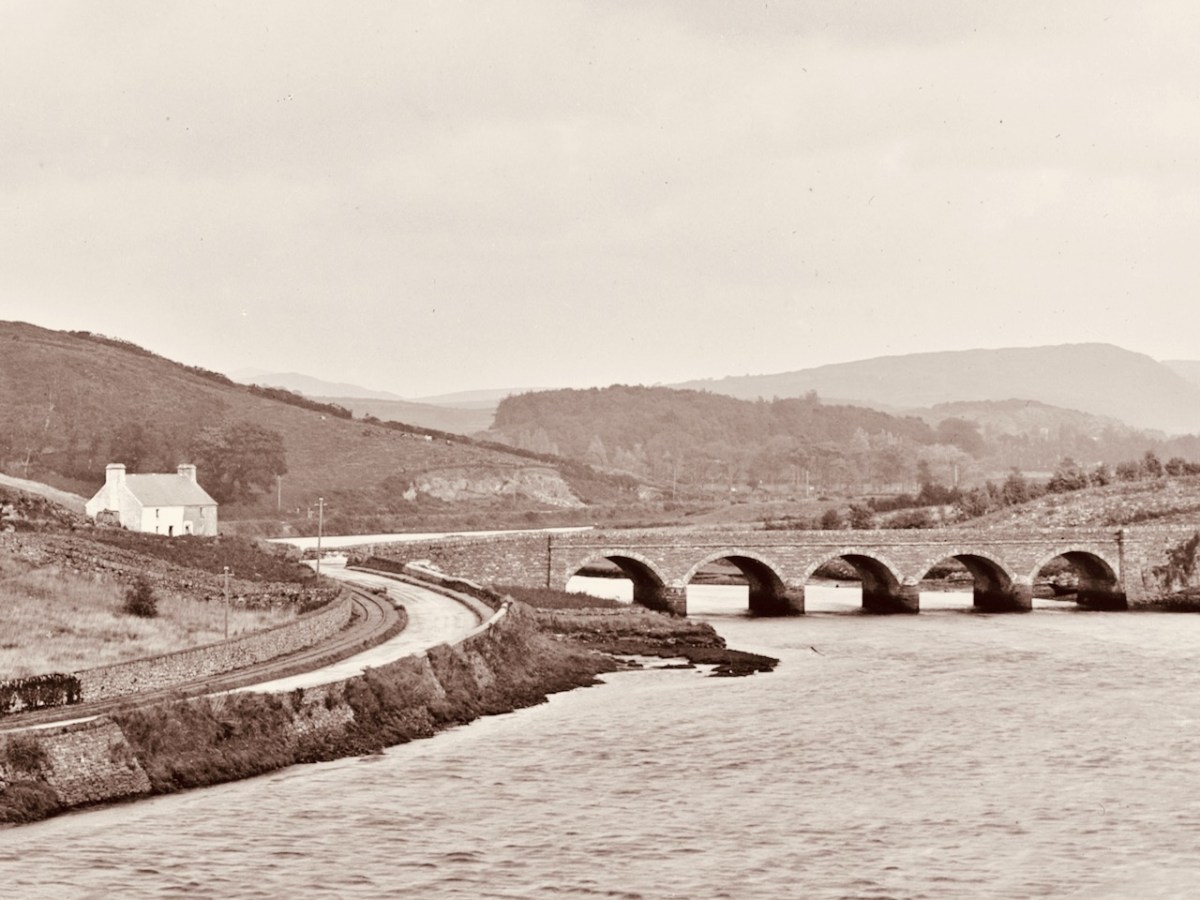
The header picture shows Abbey or ‘New’ Bridge as it is today. The upper picture above, with an enlarged section of it underneath is fascinating for our study: it was taken in around 1893 by Robert French for the Lawrence Collection and is reproduced here with the permission of the National Library of Ireland. It shows the bridge – which was built in 1822 – with the road to Skibbereen running to the left, as it does today. But it also shows the tracks of the tramway on the left hand side of the road. Also in the main picture is a white building below the Abbeystrewery Graveyard. That marks the point at which the entrance to the graveyard adjoins the road, and is in fact a level-crossing keeper’s cottage, now gone.

Marked on this extract from the OS 25″ survey (late nineteenth century) is New Bridge on the right, the Graveyard with its level-crossing and the quay above Deelish House

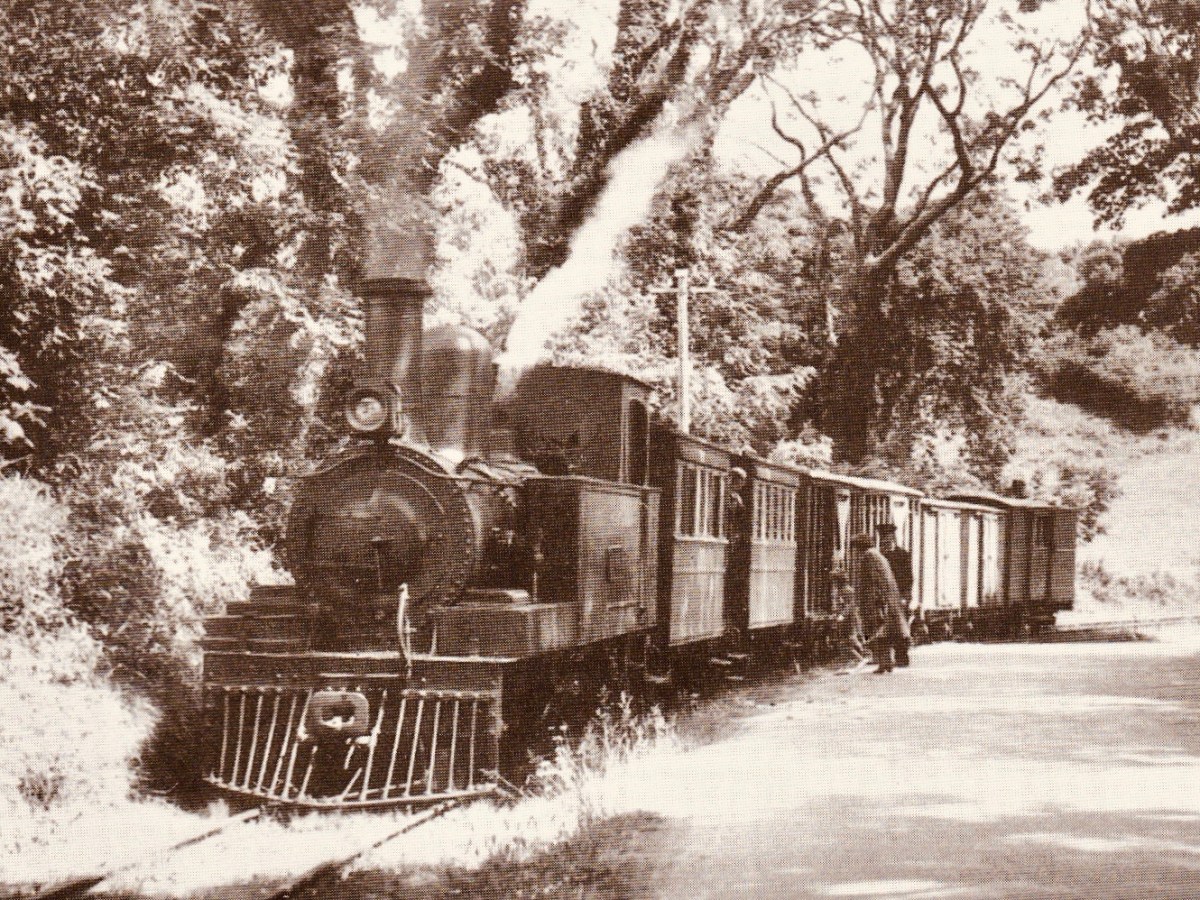
The first halt on the tramway travelling from Skibbereen was at Newcourt. Here is a ‘sylvan scene’ of a train at that halt in 1939 (courtesy of W A Camwell, taken from the invaluable volume The Schull & Skibbereen Railway by James I C Boyd, published in 1999 following over 40 years of research):

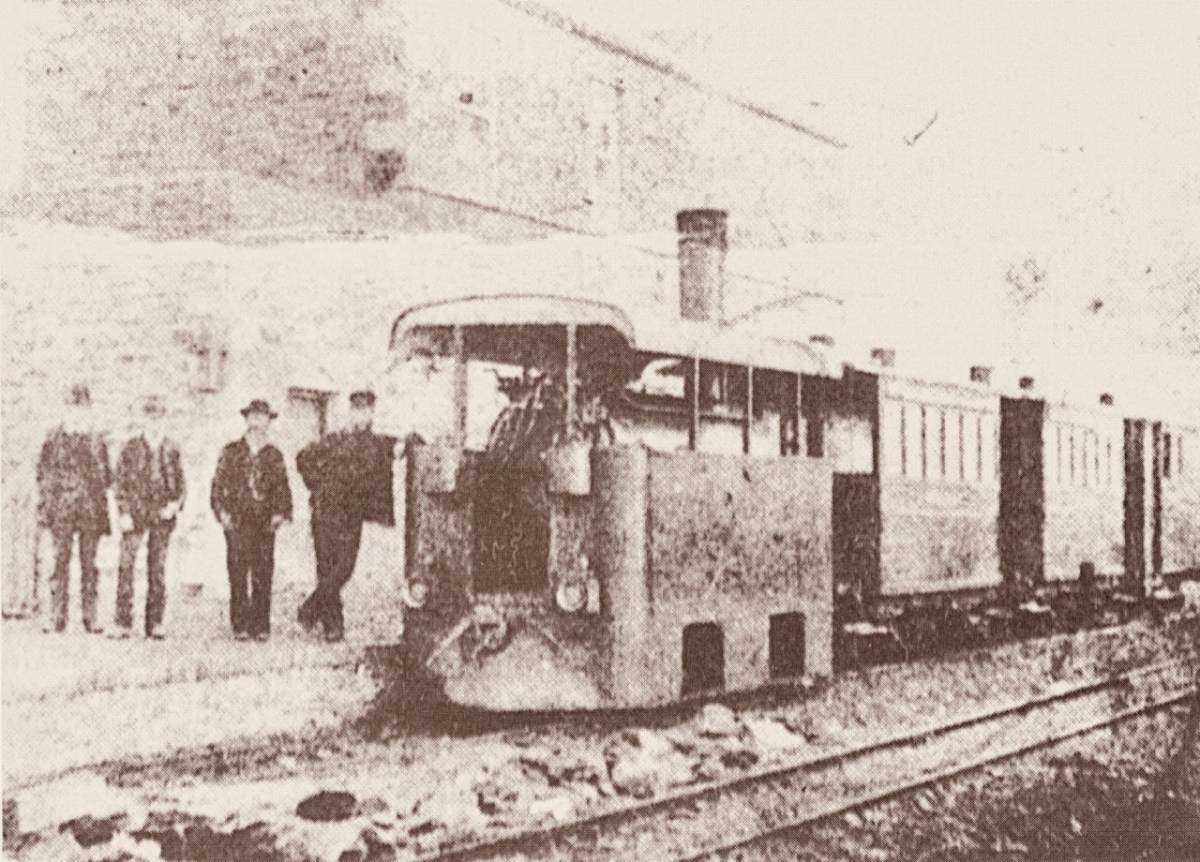
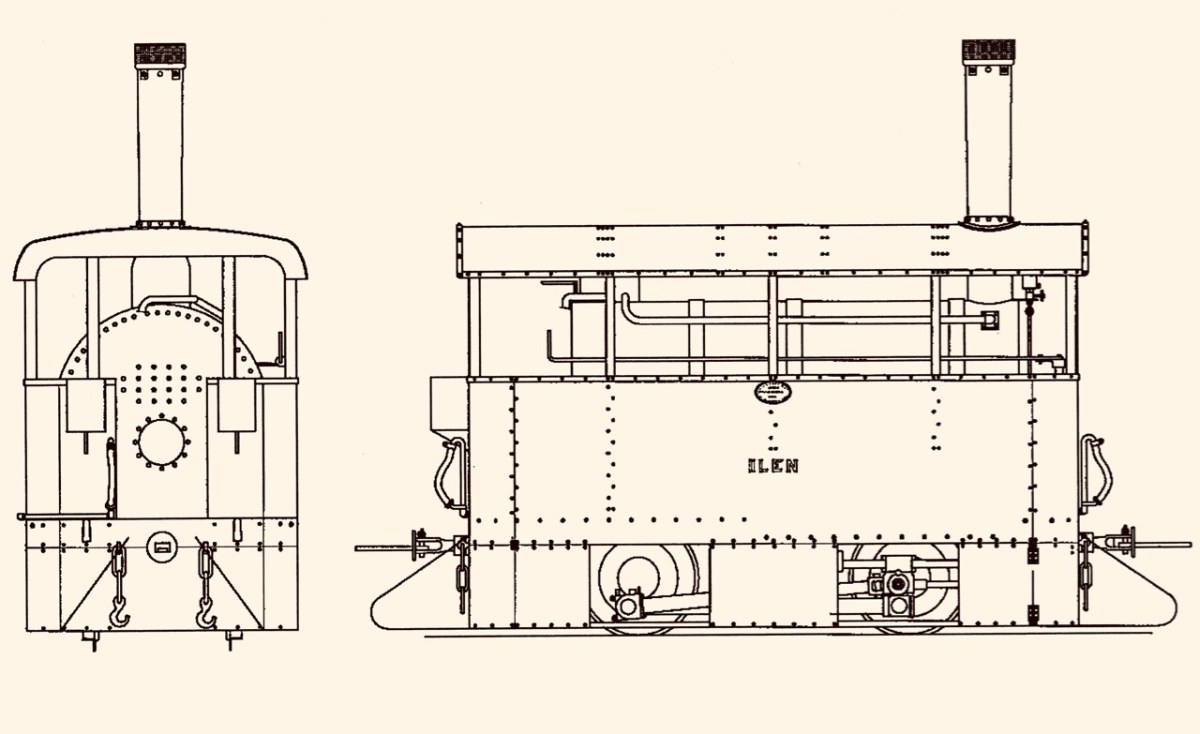
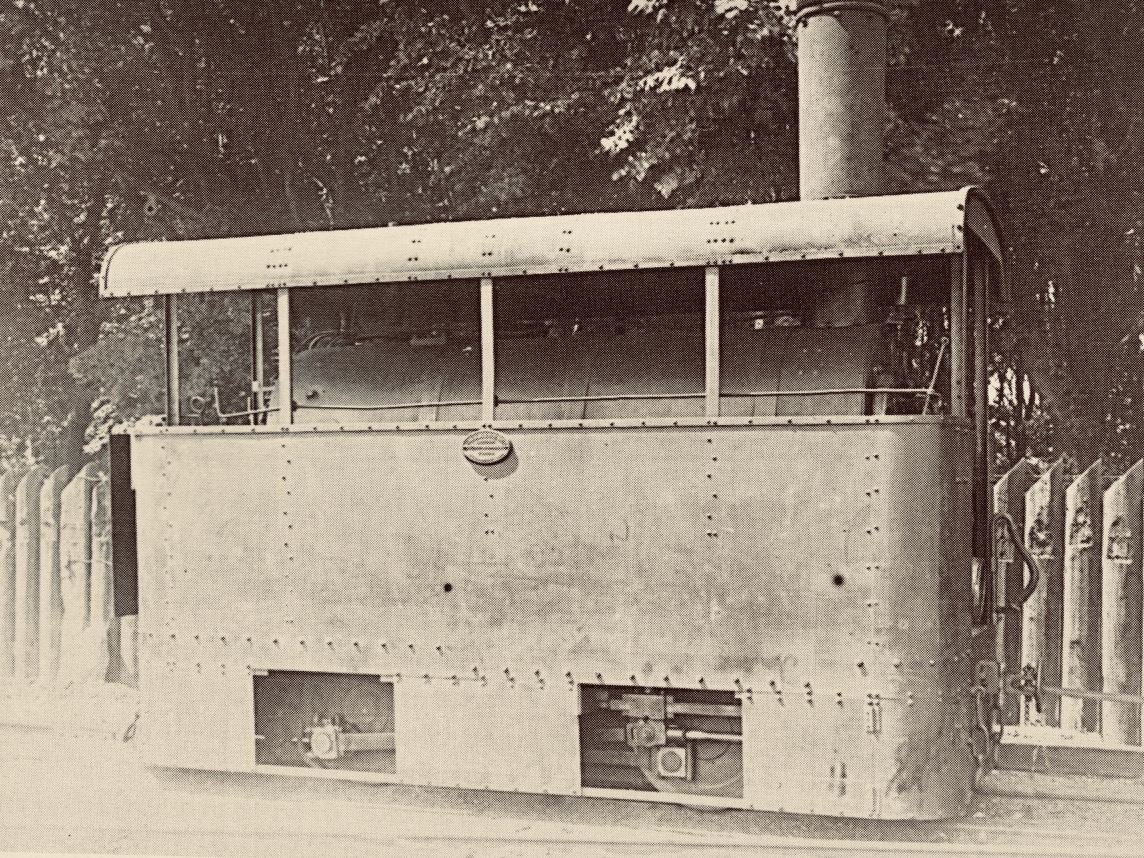
If that doesn’t bring a nostalgic tear to your eye – for those apparently idyllic days of leisurely rural life in Ireland – I don’t know what will. But the little railway had its ups and downs (before vanishing altogether in 1947). Its association with the Ilen River was there at the beginning: the very first locomotive was named ‘Ilen’ and here it is (below), having just pulled a passenger train into Schull Station, probably in the 1880s (photo from the collection of Mrs E McCarthy):

Why is it so strangely shaped? Because the line was conceived as a tramway or ‘light railway’ to comply with the conditions of The Tramways of Ireland Act 1862, which allowed tramways to be built along public roads, thereby reducing costs. Because of this, locomotives were treated in the same way as city trams – where very low slung bodywork supposedly prevented serious injury if they struck pedestrians or animals sharing the roads – something that could be echoed on West Cork’s boreens where donkeys and cows were quite likely to be encountered.

. . . To comply with regulations sheet-steel skirting was taken down to a level approximately 3 inches above the rails; the rolling and pitching of the engine probably produced shrieks of protest as it scraped the rails . . . An impressively tall chimney was surmounted by a ‘chip-pan’ spark-arrester . . .

James I C Boyd 1999
Tram Engine Ilen at Skibbereen in 1906 – photo by H Fayle

It’s a shame, but this unique piece of machinery failed because it lacked sufficient sustained power to climb the relatively steep inclines on the tramway, and its later replacements were more conventional engines (such as the one pictured at Newcourt) fitted with cow-catchers.

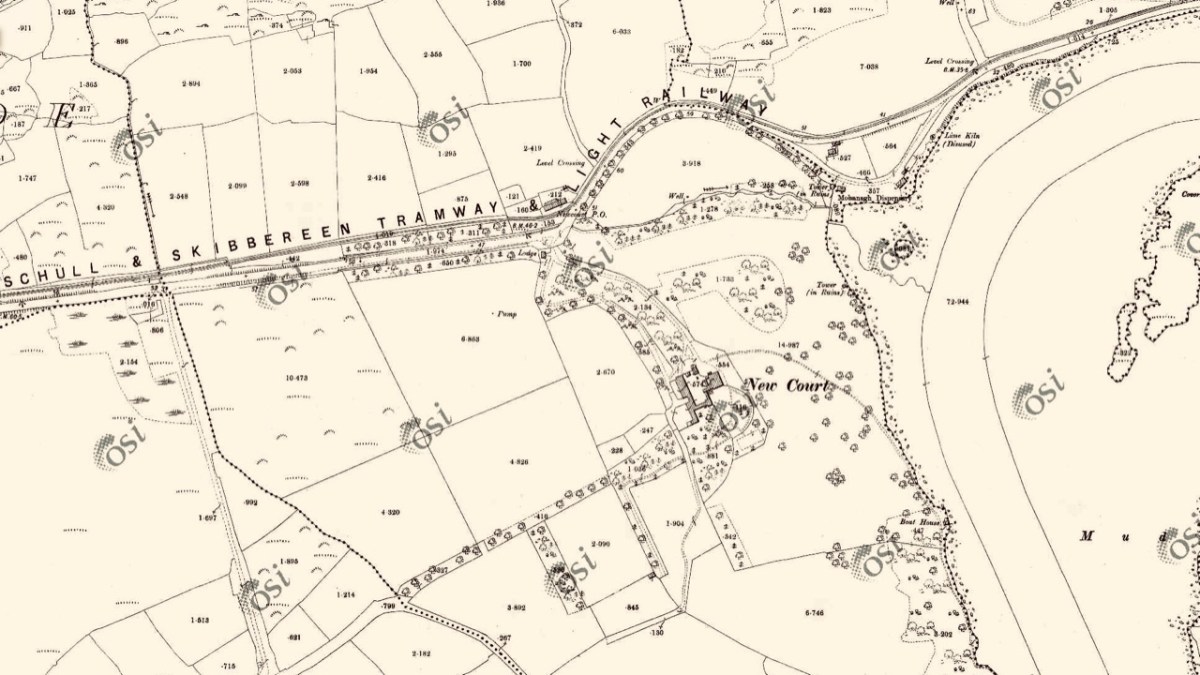
OS 25″ survey extract, late nineteenth century. It shows the tramway diverging from the road just north of the entrance gate to Newcourt: there was evidently an ornamental avenue along that stretch of road leading to the gate, with arches over. Also on this map is located Newcourt Post Office (by the tramway halt), Mohanagh Dispensary and various landscape features belonging to the demesne

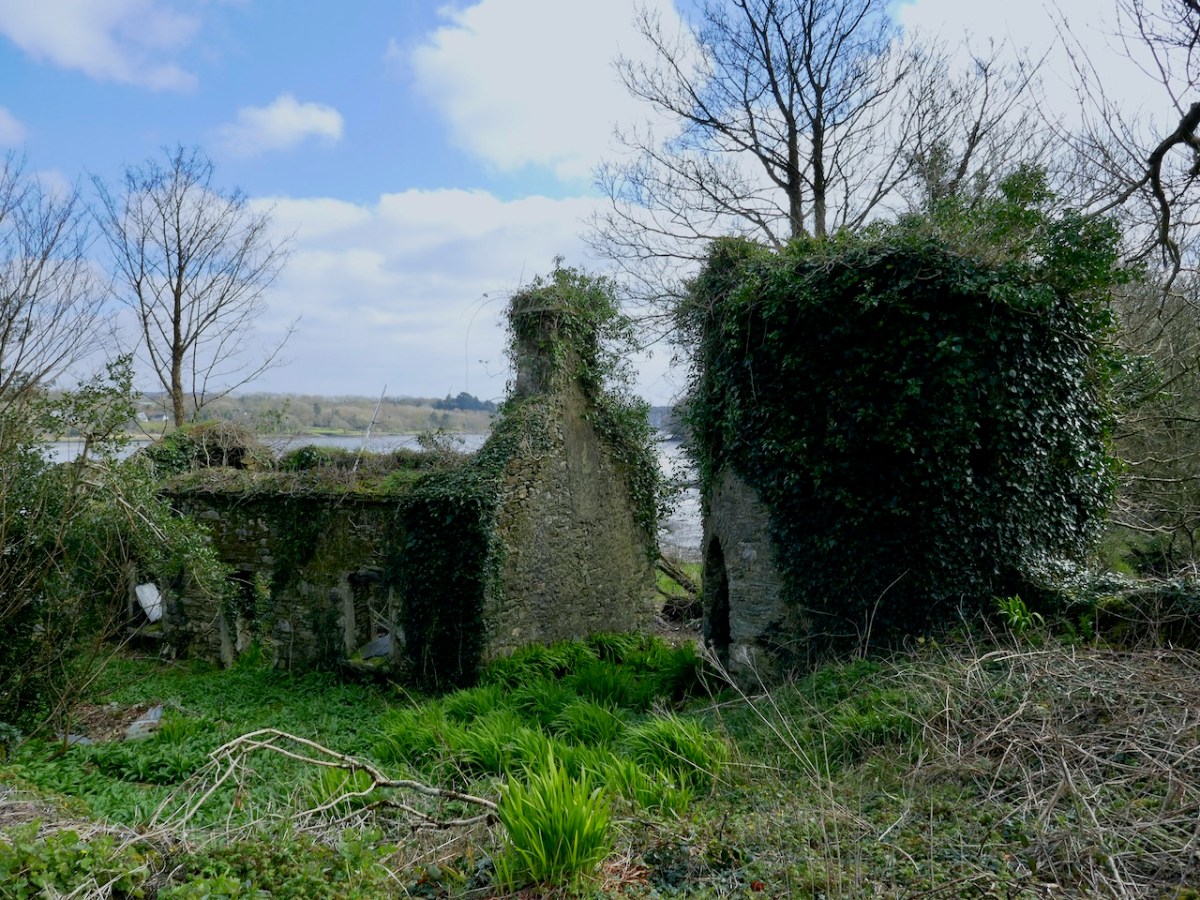
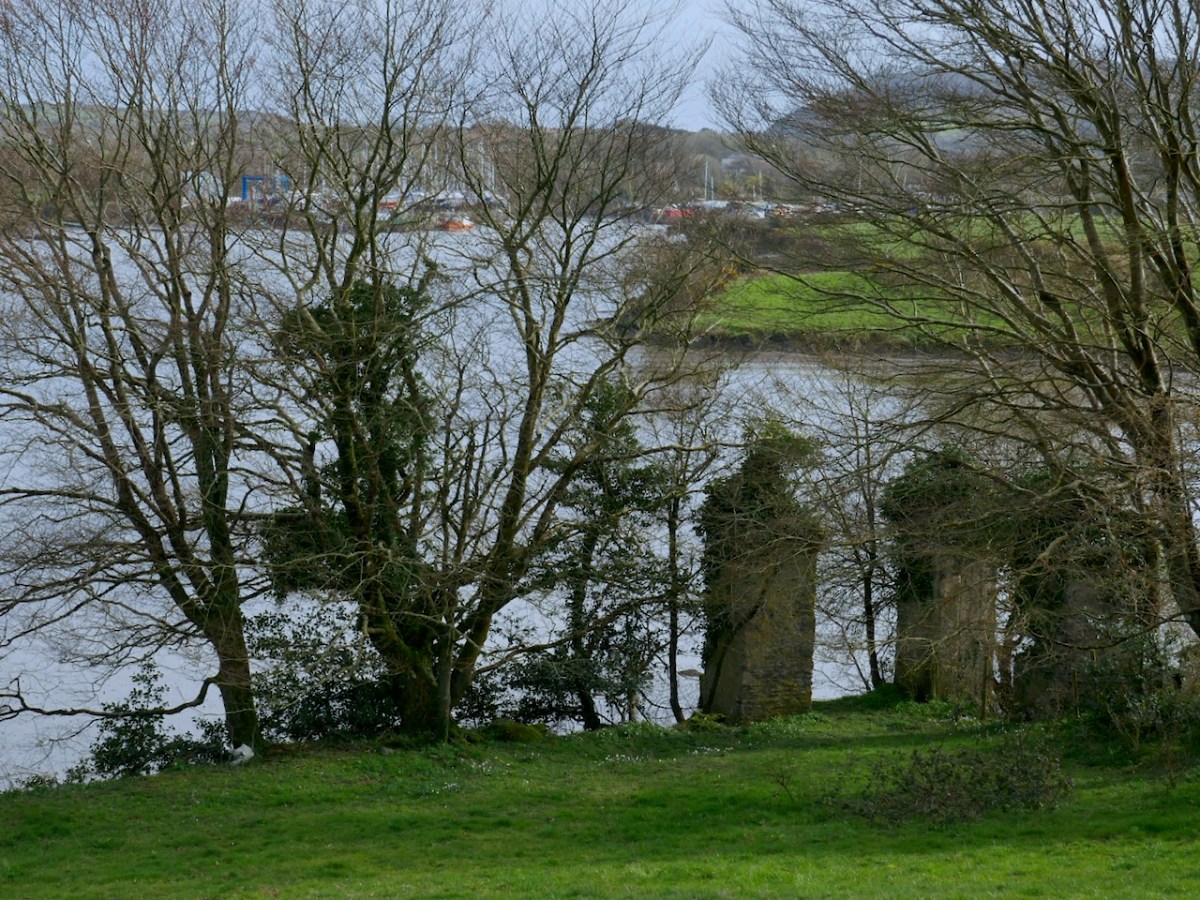
The Ilen River is broad and magnificent as it passes by Newcourt. You do see large boats on that stretch sometimes, but also many skiffs and small craft from the Skibbereen Rowing Club. The grand house – New Court – is gone now, but the ‘designed landscape’ can be traced through the survival of ruined towers, gazebos and water-gates.

Ilen River frontage on the Newcourt Demense: from upper – the base of an ornamental tower fronts the constructed river wall; Mohanagh Dispensary ruin and another tower; prospect towards Skibbereen from the estate; substantial pillars which were part of a water gate on the south of the site – in the distance is the boatyard at Oldcourt

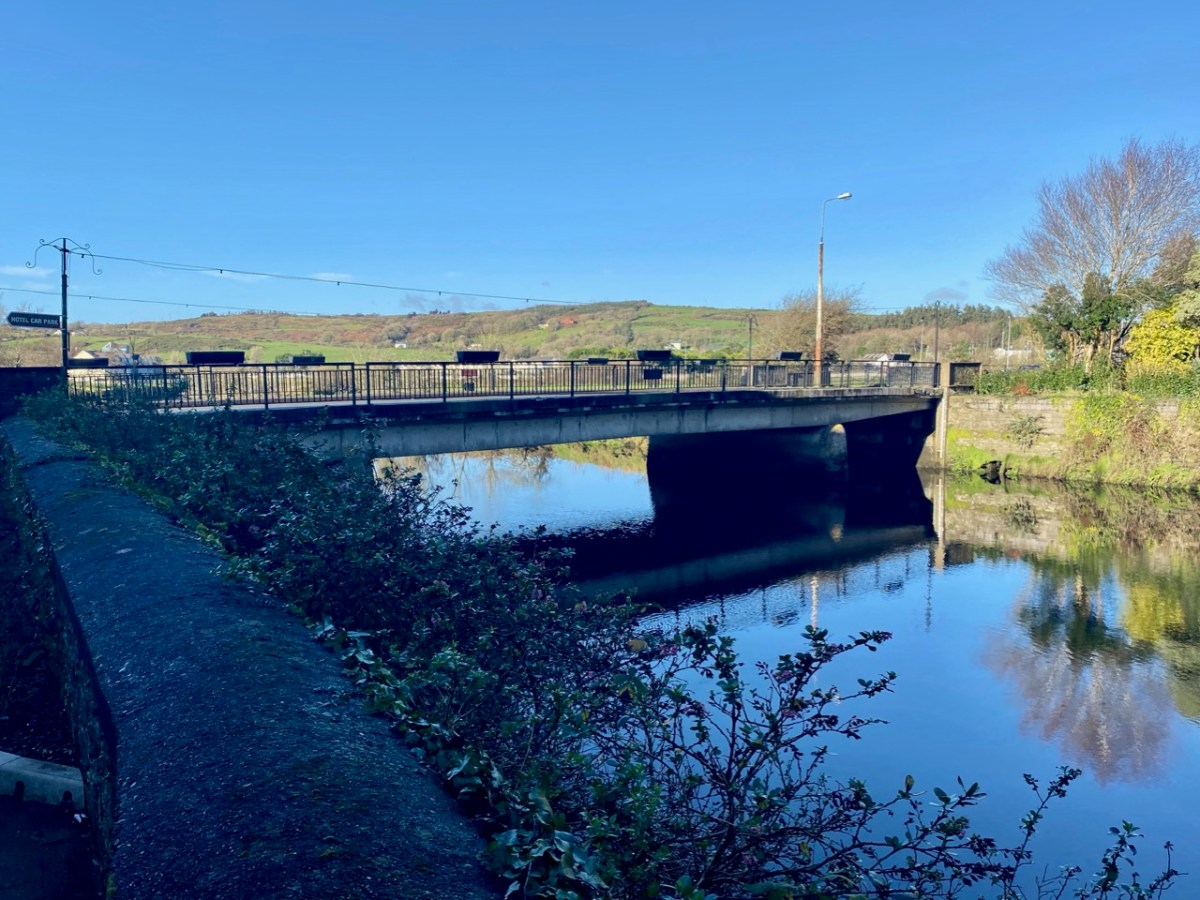
Finola has written previously about Newcourt, and there tells the story of another ‘water-gate’ which will be seen today by anyone travelling towards Skibbereen from the main road. We now return to Skibbereen ourselves to finish off this second episode of the series. This (below) was the bridge which took the road into the town over the Ilen prior to the present one: built in 1877, it was condemned as unsafe for heavy loads in 1953, but it took another ten years to replace it.

Above is Kennedy Bridge, Skibbereen, that was opened with due ceremony on Monday 15 June 1964 and named in honour of American President John F Kennedy. It has a centre span of 22 metres and two side spans each of 8 metres. First to cross the bridge on that day was Richard Burchill of Tragumna on a horse and cart! Information about these events – and much more – can be seen in the excellent displays in the Skibbereen Heritage Centre: formerly the town’s gasworks buildings and sited appropriately enough alongside the Ilen River!

Look out next time for more adventures exploring the further northern reaches of the Ilen!

Here is the first episode in this series: Sweet Ilen

Through The Big Gap

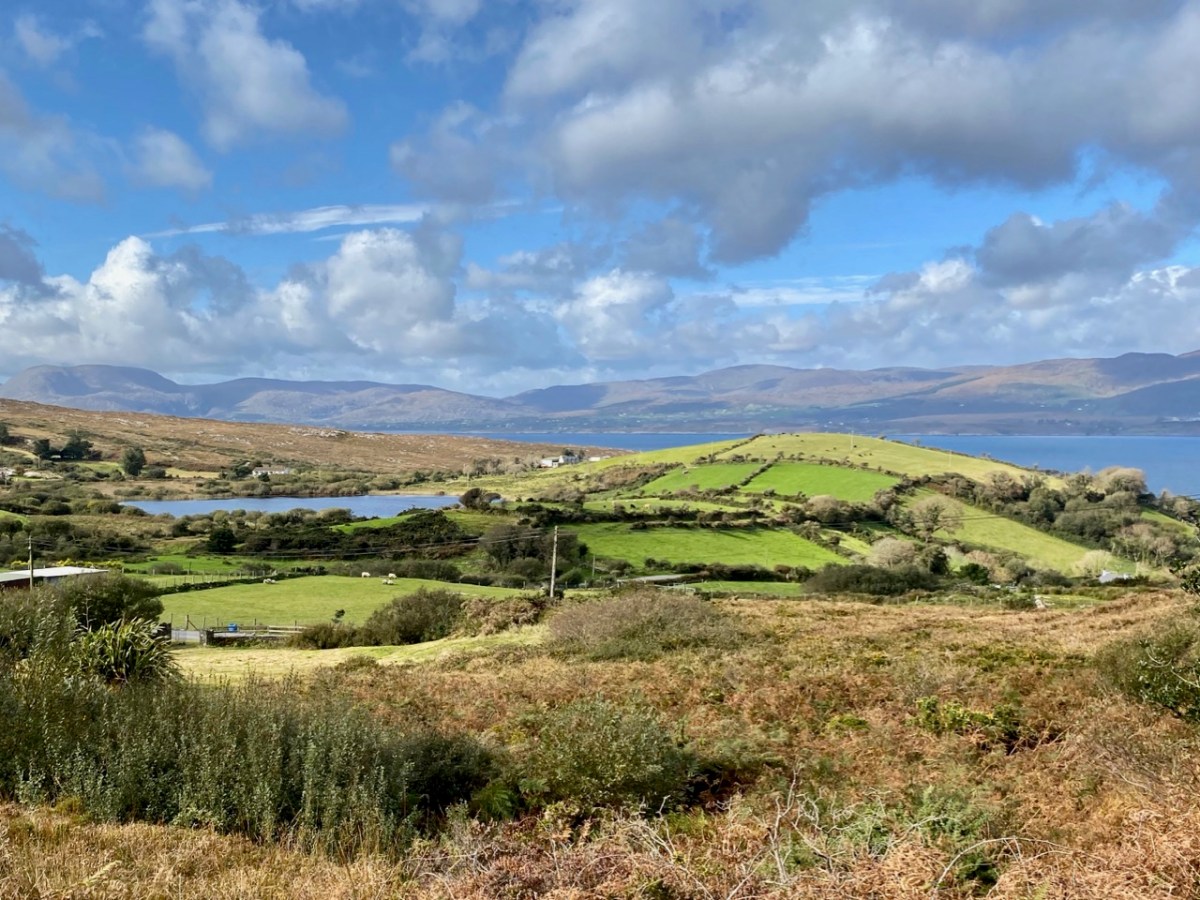
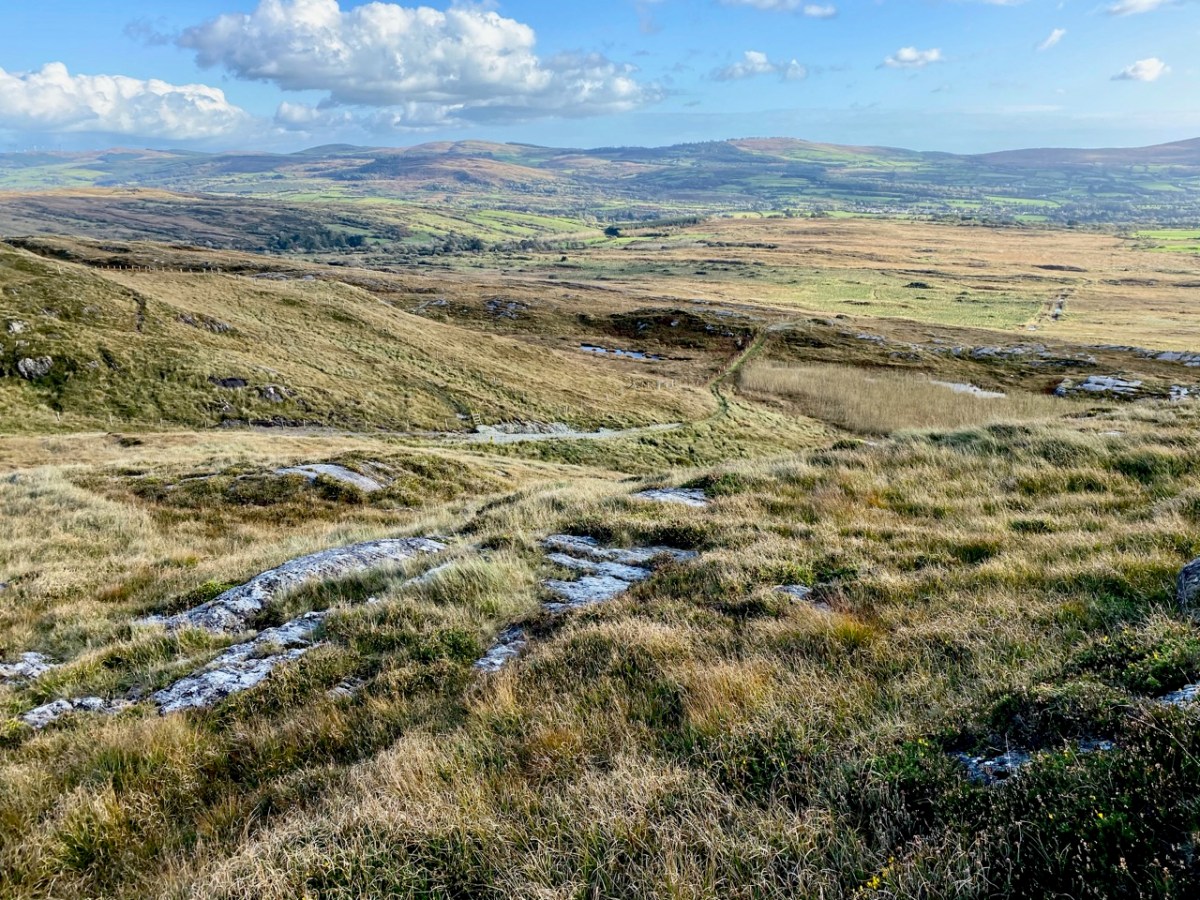
It’s October: autumn light is playing on the skies and seas as we set out to cross the Sheep’s Head peninsula on a path which is new to us. The path traverses the backbone of this peninsula – a ridge which is virtually continuous from east to west – and runs from Rooska, a settlement beside Bantry Bay on the Northside, heading south for Coomkeen and then Durrus. Before we take to the hills, however, we need to prepare ourselves with some sublime scenery en-route, a little excursion into vernacular architecture, and an encounter with local expertise.

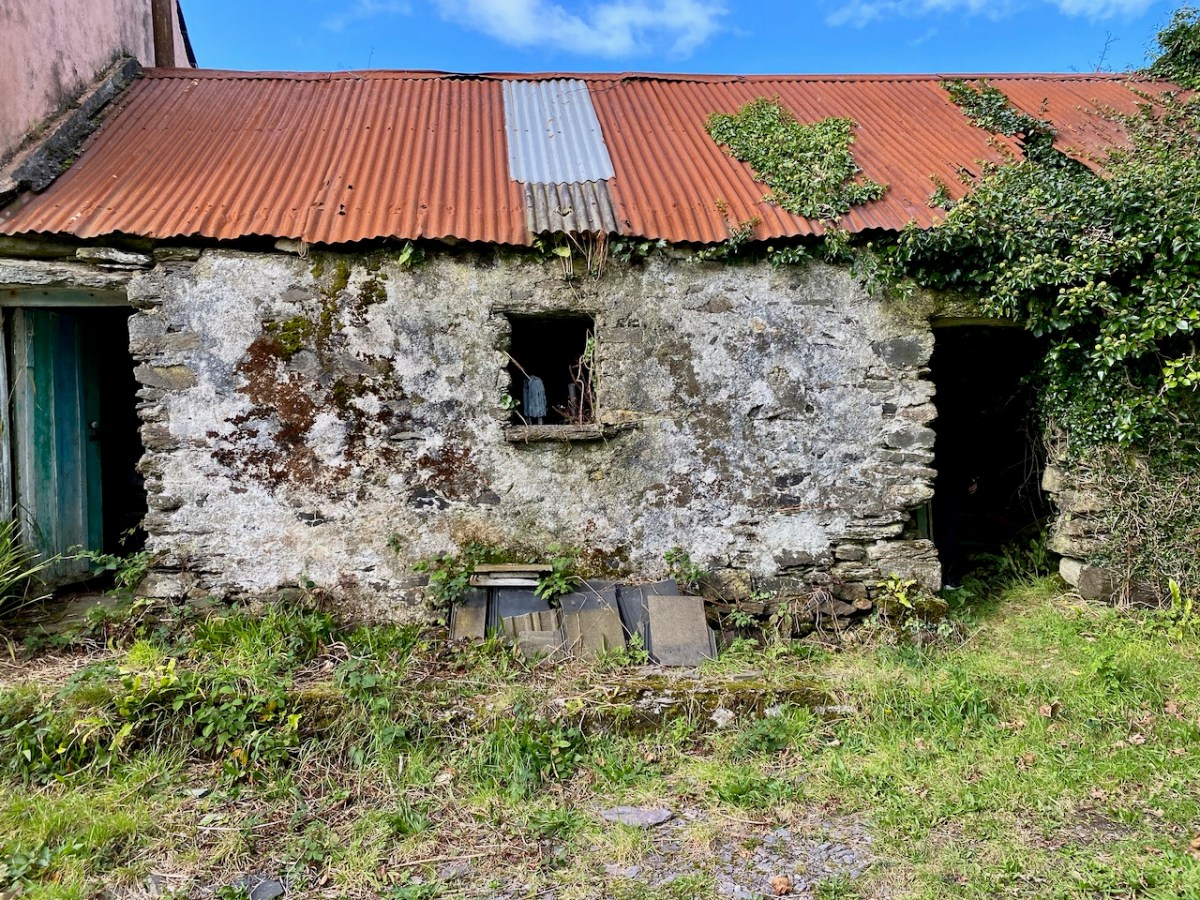
From upper – a Sheep’s Head pastoral, the view over Glanlough towards distant Beara; a perfect composition in tin and stone; a niche for offerings? Looking to the ridge – and The Big Gap – in the distance; Joe O’Driscoll with his architectural egg-box. Unfortunately the hens are not laying at the moment!

We are heading to the start of our climb and find a busy settlement, historically once a mining centre and now home to a major award winning seafood producer, bravely weathering the Covid storms. It’s worth a look at their colourful website! You might not expect to see such a venture on the wild and remote Sheep’s Head Northside, but it’s a great boost to a fragile local economy. We wish them well in surviving the Covid19 crisis. Parking up at Rooska, we get first sight of the zig-zagging route that will take us over towards Durrus, passing through The Big Gap at the summit of the hill.

Upper – looking north across Bantry Bay from the path; middle – from the south, the path descends through The Big Gap; lower – the path can be seen on the right cutting through the hills: the highest point is 200m above sea level

I tried in vain to find a name for the way we followed. I would like to have called this post The Mass Path, which is given to it on a modern guide, and it does seem probable to us that one purpose of the trackway would have been to take Northside dwellers over to the old Catholic church at Chapel Rock in Durrus, a distance of 7 kilometres (or four and a half miles in older times). There and back would have been a taxing walk for a Sunday morning on an empty stomach (you have to fast from midnight before taking communion)! However, we were told locally that our intended way will lead us through The Big Gap, hence my title.

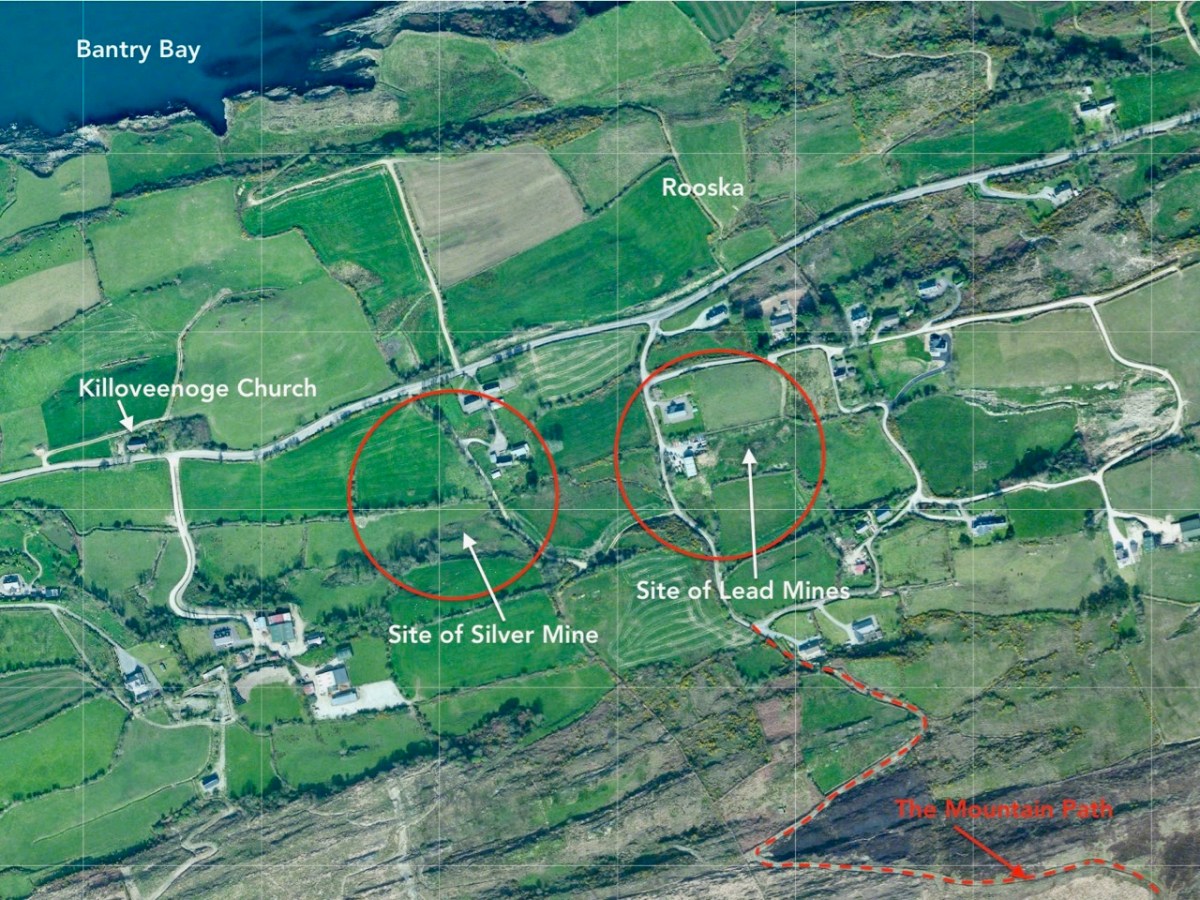
This view over the Northside area of Rooska, above, shows several features and the beginning of the path over the mountain heading south. Notable is Killoveenoge Church, known as a ‘Chapel of Ease’ and said to have been built in the 1860s specifically for the English and Cornish miners who were working in the nearby silver and lead mines at the time. There are scant remains of these mines now, and the Church of Ireland building was closed in 1988 and converted to a studio.

Looking down on Killoveenoge Church from The Big Gap path, with Bantry Bay beyond

The townland name Killoveenoge translates as Church of the Young Women and the only explanation of this I could find suggests that the site was anciently a priory, sacked by the Vikings in 890AD. It is also said that some ruins of this are visible, but we failed to find them – nor any factual historic records. The Schedule of Monuments notes a circular burial ground in the west of the townland with early grave markers, but nothing more. Clearly folk memory transcends recorded history, and that is one of the attractions of Ireland – to us, at least.

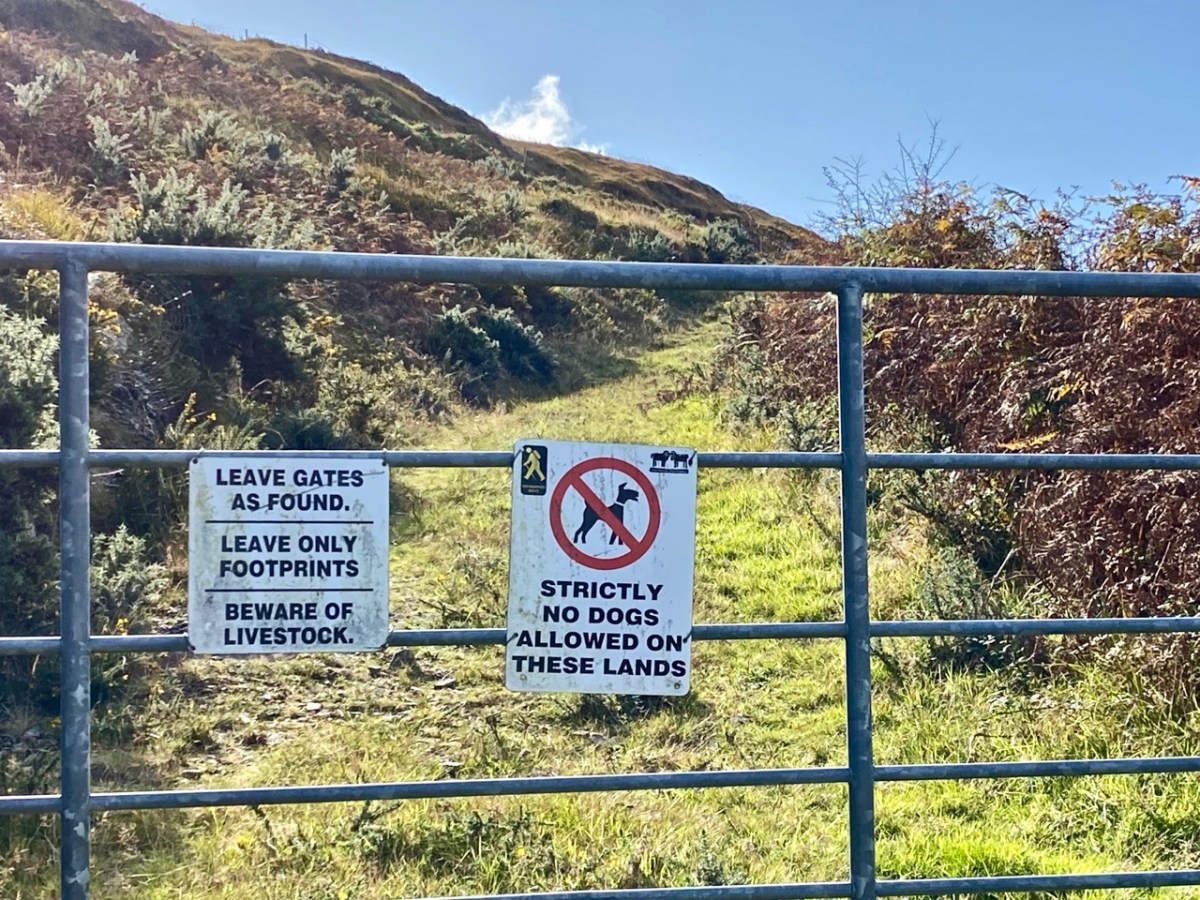
Upper – The Sheep’s Head Way trails have a strict code, which benefits all users; middle – the ruins of a cottage almost lost in the furze. The mining records mention a ‘miner’s cottage’ still being visible: could this be it? Lower – gaining height as the path gets steeper: that’s Whiddy Island in the distance

The wider aerial view shows the full length of the old trackway as it crosses the mountain through The Big Gap. Just past the summit when heading south is another landmark, also holding a folk memory. Lough Na Fuilla translates as ‘Lake of the Blood’:

A reed-filled lake suddenly appears; so many different greens, so far from anywhere and the gentle murmuring of the reeds all combine to make a rather unsettling atmosphere . . . Maybe it’s knowing the name of the lough, Loch Na Fuilla, lough of the blood, that plays tricks on the mind. There is a story attached, of course. One extremely hot summer the cattle came down from the mountain in search of water. The lough was empty. Maddened with disappointment and thirst the cattle went berserk and attacked each other and many were killed.

Walking the Sheep’s Head Way – Amanda and peter Clarke – Wildways Press 2015
Lough Na Fuilla, and a nearby tarn on the east side of the trackway. The autumn colours are sublime

Neither the Lake of the Blood nor the nearby tarn are shown on the early OS maps. The few remaining mining records, however, mention that there was some prospecting activity up on the ridge: could this have relevance? And is this another reason for the existence of this path? We are impressed with the views from The Big Gap both north and south. We temporarily divert on to a stony sheep path to get even higher, and to find the best panoramas. From the ridge we also record the contrasting light and shadow effects from a constantly changing sky.

We pause to wonder whether a large rounded outcrop is the Eagle’s Rest which is mentioned by local historian Willie Dwyer, of Rooska:

The gap going through the mountain there, by Loch na Fuilla, the locals always called it, that’s the old people who are dead and gone now, used to call it “Barna Mhór” which means “The Big Gap”, and on the right-hand side (the north-west corner) before you come to the extreme top of the track, there’s a round bald rock which was known as “the Eagle’s Rest”. I don’t know how long the eagles have been gone out of this part of the country, but it must have been a long time ago. This is a tradition now, it has been passed down as tradition, how true or false it is, I can’t prove to you.

Willie Dwyer, Quoted by TOM WHITTY in ‘A guide to the Sheep’s Head way’ 2003

From The Big Gap it’s downhill all the way! As we walk south it’s the Mizen which is always on the horizon, across the waters of Dunmanus Bay.

As we approach the southern end of the trackway crossing the mountain, we look back up towards Barna Mhór – The Big Gap. It has been a most rewarding adventure for us, and one which we intend to repeat at other times of the year so that we can capture the effects of the changing seasons.

Mine Ghost

My name is Thomas – William Thomas. When I’m at the mines they call me Captain Thomas – because I’m in charge! I’m visiting some of my old ‘haunts’, and thought you might join me, to see what a working day was like in ‘ . . . one of the wildest districts in the United Kingdom . . . ‘ – Gortavallig, on Rinn Mhuintir Bháire. I know you call this place The Sheep’s Head now: that amuses me. I’m always trying to pick up on the Irish words – it’s such a poetic language. My grandfather was a natural Cornish speaker, but the language was gone by the time I was born – it’s only used by the Bards nowadays.

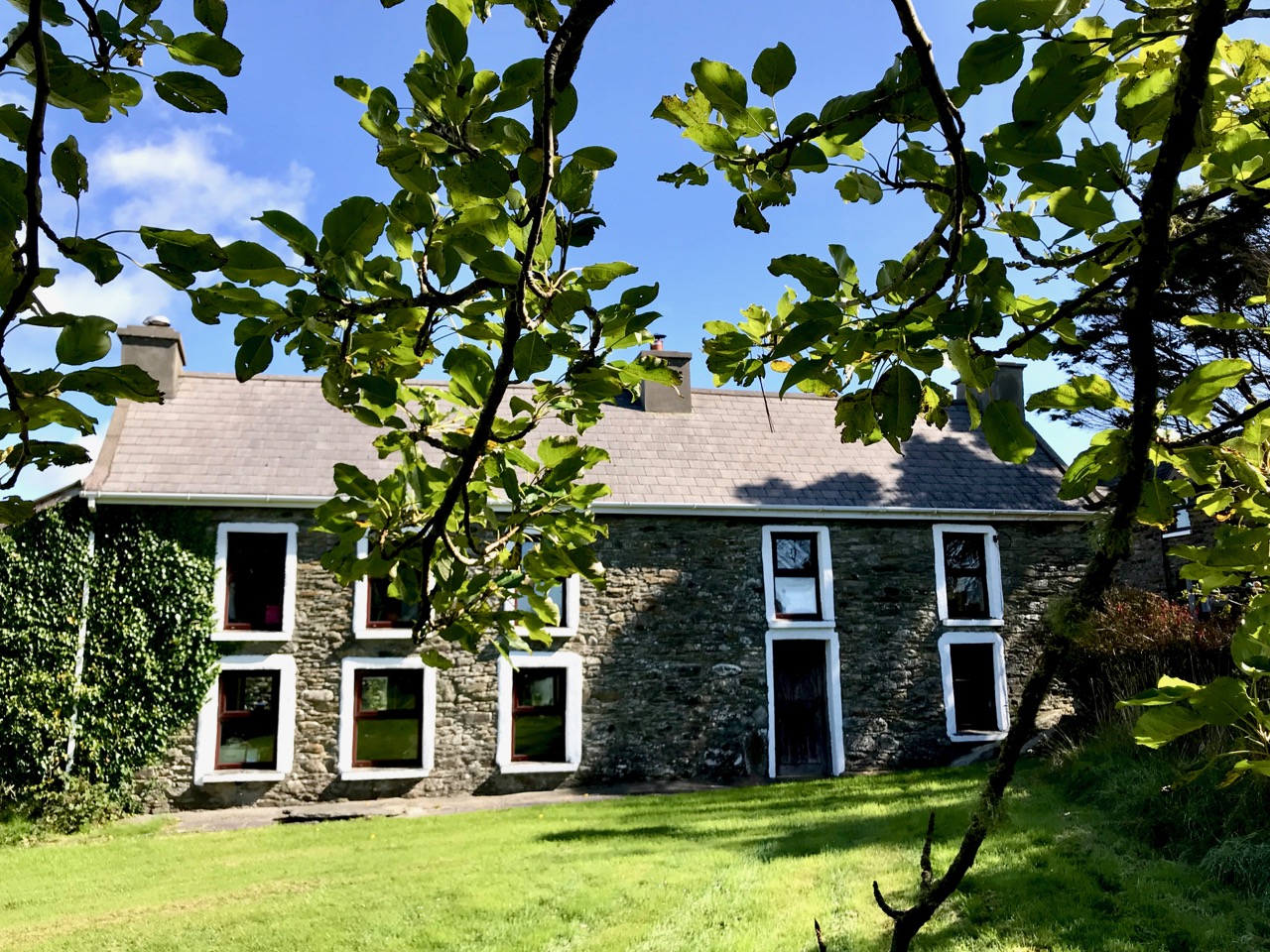
That’s my house – above – in the townland of Letter East. That’s where I stayed with my family when I was Captain at Gortavallig. It was rough going when I had to get to the mine – a solid hour’s trek across rough country, and the same back again. As part of the work that we did while developing this mine we built a good ten miles of road, which helped with communications in that untamed north-coast country.

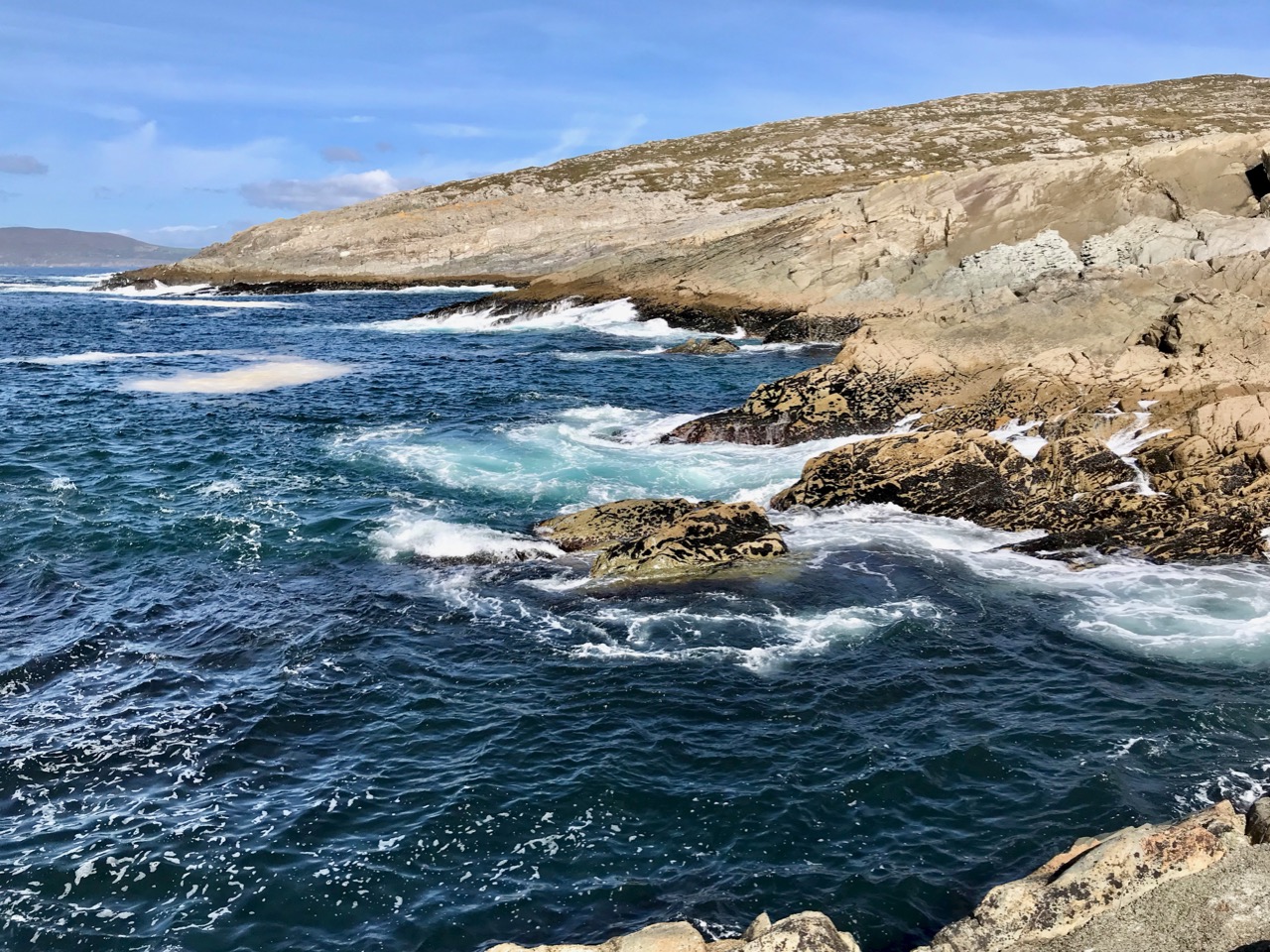
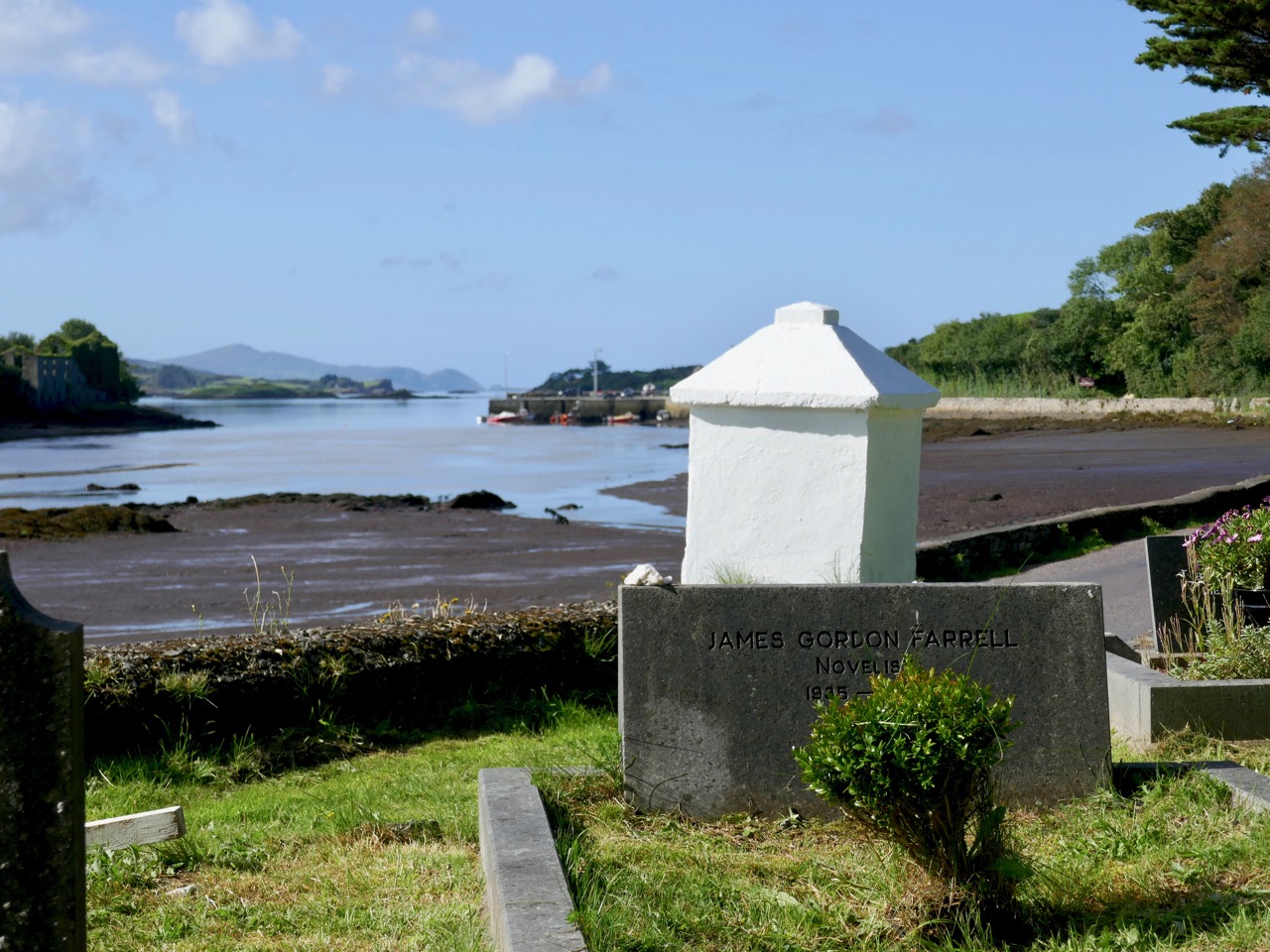
Come with me now on the way that leads down, firstly, to the cove at Bunown in Eskraha townland: there’s a slipway there, and a house where my assistant Superintendent, Mister Bennett, lodges. It was once a coast-guard station. This cove has also been the scene of some tragedies in your own time. There was the writer, James Farrell, who drowned while fishing off the rocks there in 1979. He’s buried beyond by the church of St James in Durrus, looking out forever over Dunmanus Bay. The sea is a dangerous element: I know, because I’ve had to work with it. But it’s your friend, as well as your foe. If it wasn’t for the sea we would have no chance of transporting ore from the remoteness of Gortavallig.

The rocks at Bunown – on a good day! James Gordon Farrell is buried facing the water of Dunmanus Bay at St James’, Durrus

They say that, wherever you are in the world, if there’s a mine – or even a hole in the ground – you’ll find a Cornishman at the bottom of it! That’s because pulling the metal out of the ground – and from the cliffs – and even from under the sea – was our lifeblood in that far western peninsula. But the land was ravaged. This scene (below) is where I grew up and learned my trade: Dolcoath, near Camborne in Cornwall, in its heyday one of the busiest mining areas in the world. My father James was agent there and I enjoyed ‘ . . . a liberal education and had the very great advantage of being taught dialling and the whole routine of the profession by the most eminent miners of the day and worked for several years as a tributer – an admirable practical school . . . ‘

I was pleased to get away from the noise, the grime and the stench of that place when I was called to Ireland with my own family in 1845, firstly to Coosheen on the Mizen – where I revived an ailing venture by successfully rediscovering the copper-bearing lode. After that I came here to the Sheep’s Head where the surveyors, travelling on board small inshore vessels, could see promising ore-bearing strata on the cliff-faces which were being eroded on this coastline. My job was to work those veins – a gargantuan one bearing in mind the uncompromising nature of the landscape and the remoteness of the geography.

Looking back across silver waters as we walk together on the rough pathway to Gortavallig: nature has been tamed by the fields that go down to the coast west of Bunown, whereas the way to the east is across rough, wild country

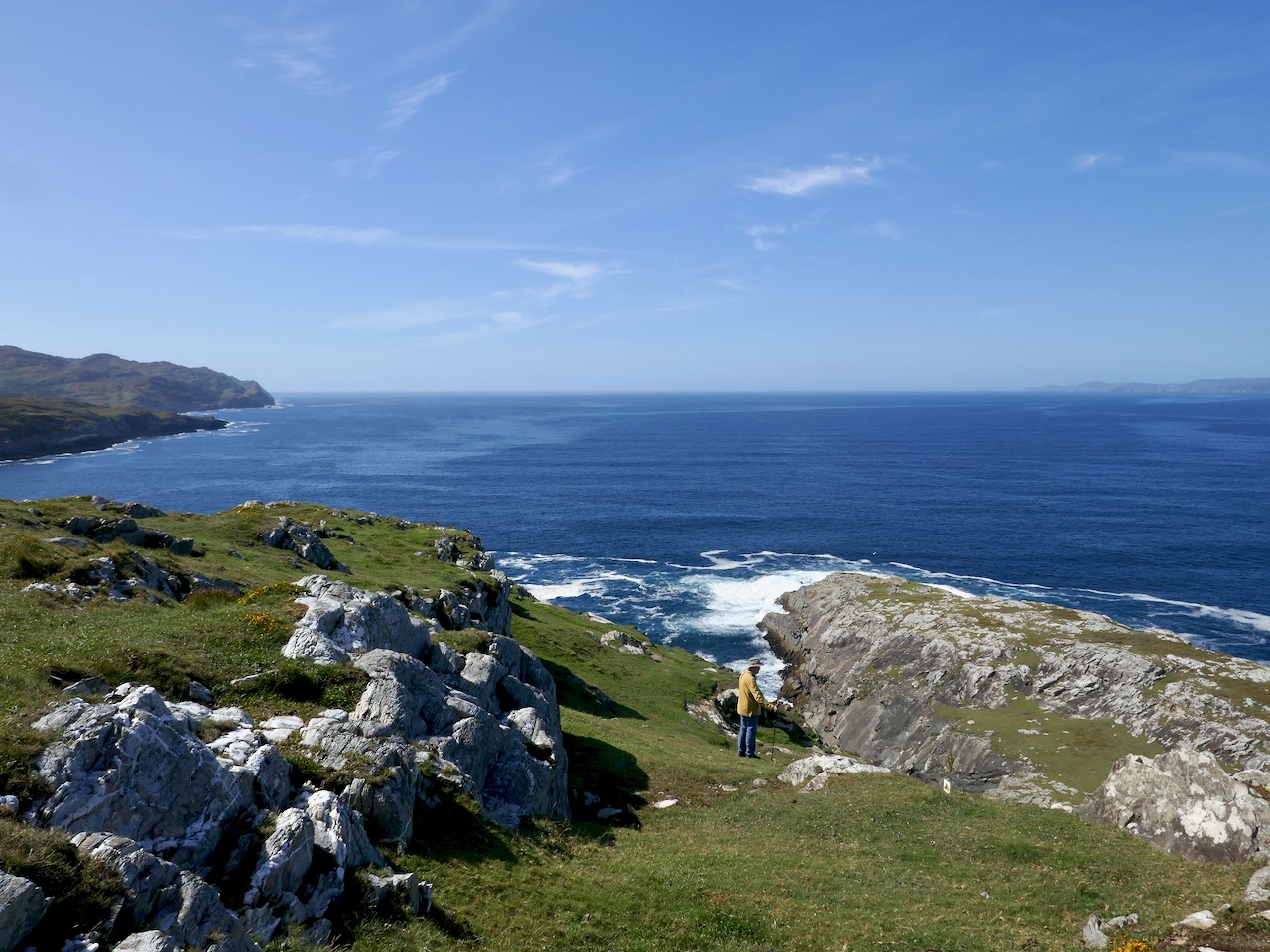
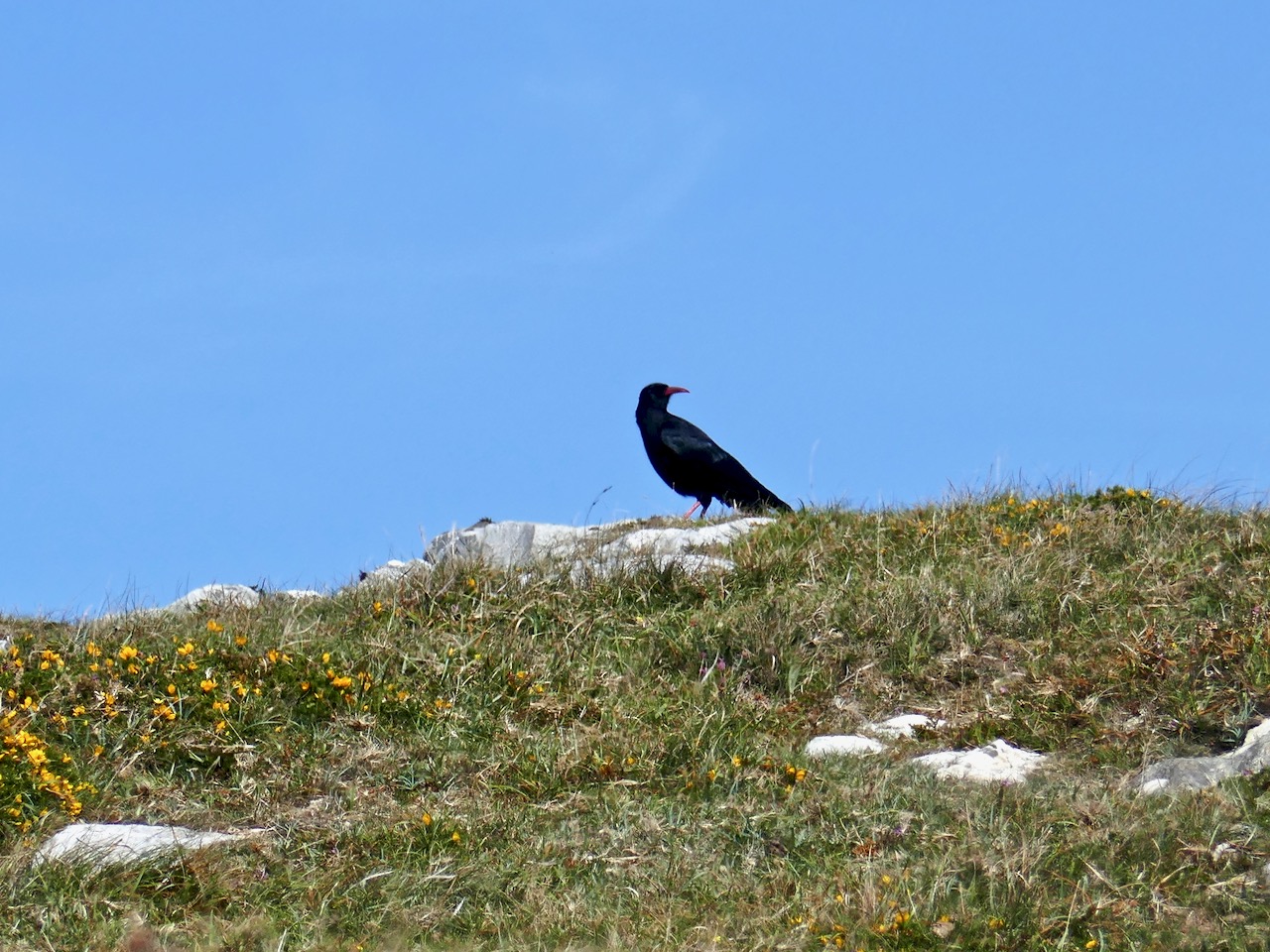
If you follow this path with me you will have to have good shoes and a steady gait, and the will to clamber upwards and downwards on sometimes steep and rough rock faces. But you will be rewarded by the remarkable vistas and the untamed surroundings. Your only companions will be the choughs: these sleek red-billed birds are a comfort to me as they have always been a symbol of Cornwall, sharing pride of place on that county’s coat-of-arms, together with an image of the Cornish miner! Did you know that the chough is the embodiment of old King Arthur, who is ready to rise again and save our nations in times of trouble?

A chough espied on our walk to Gortavallig, and the Coat-of-Arms of Cornwall which is shared between bird, fisherman and miner

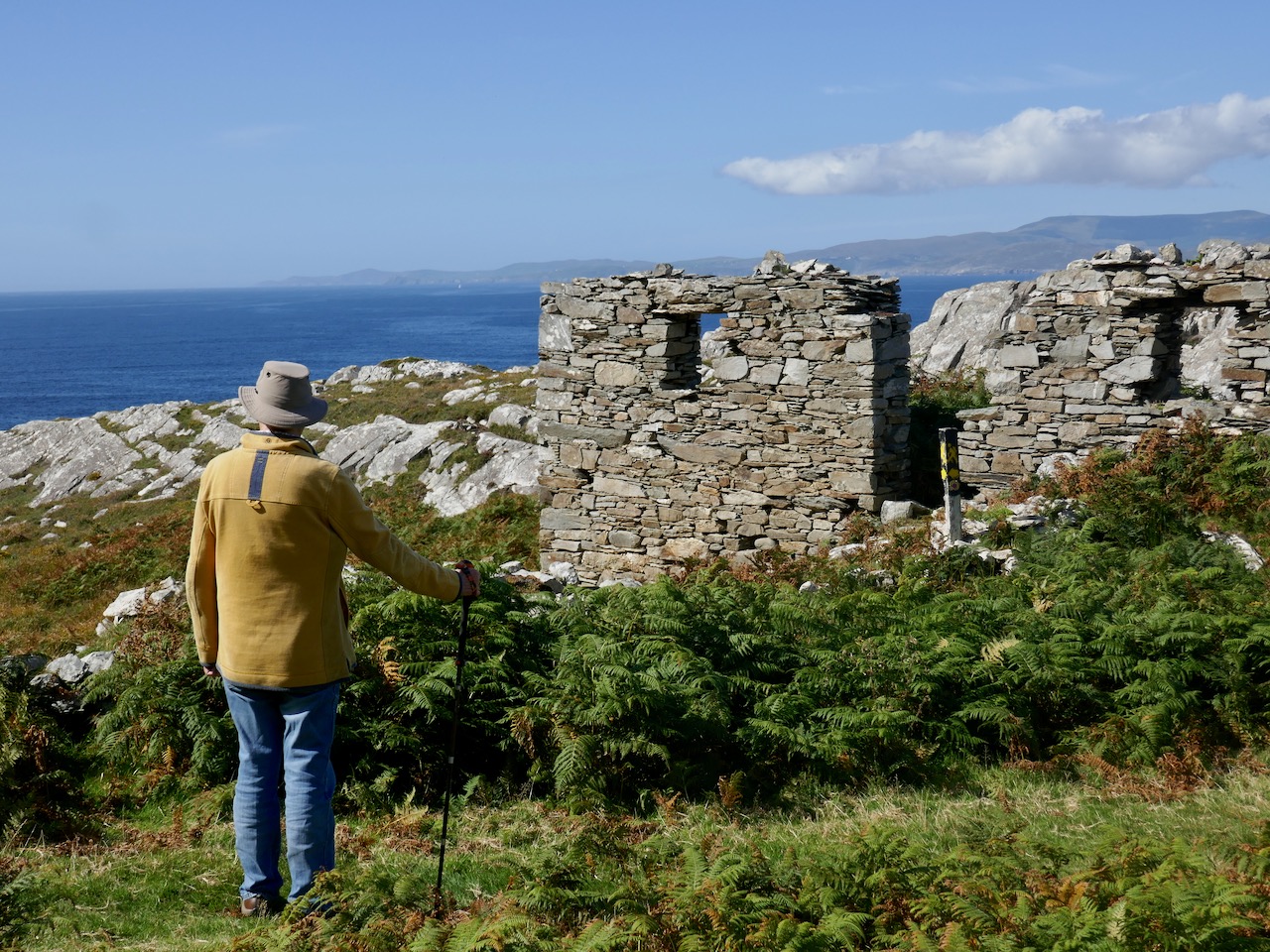
After a vigorous hour’s trekking over the rough terrain we will catch our first glimpse of the mining works at Gortavallig: a row of small stone cottages perched on the cliff-top. This is known today as the Cornish Village, although it wasn’t just Cornish mine-workers who lived here. Good, strong Irishmen came to the place and earned their keep, and everyone here had to pay rent for the single-roomed lodgings. If there had been windows on the seaward side of these dwellings they would have enjoyed magnificent views, but we were more concerned at keeping out the extremes of the weather, and the few small windows only faced inland. There was plenty of ocean to be seen while you were working your hearts out to extract the minerals!

‘Cornish’ cottages close by the mine workings at Gortavallig

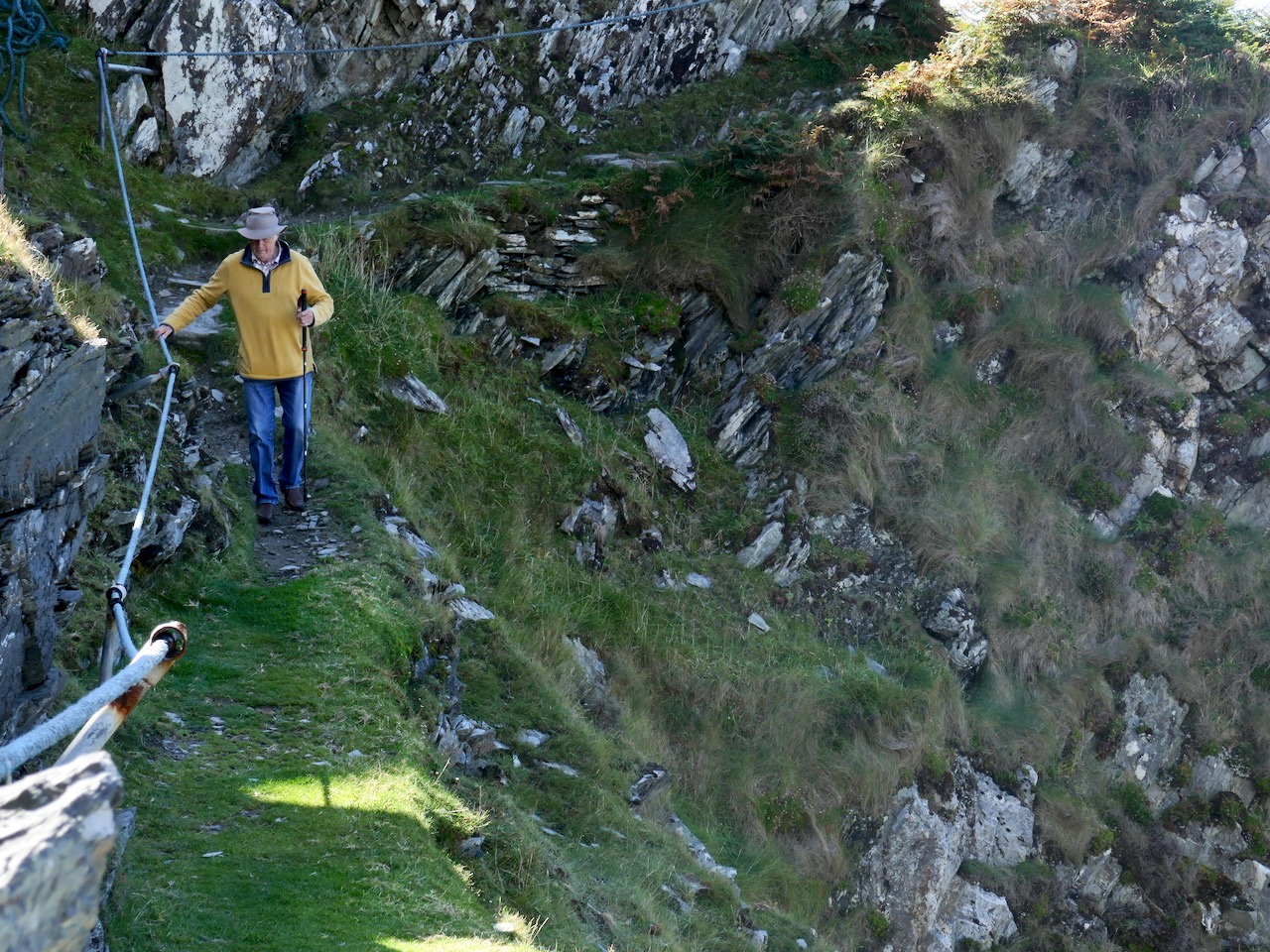
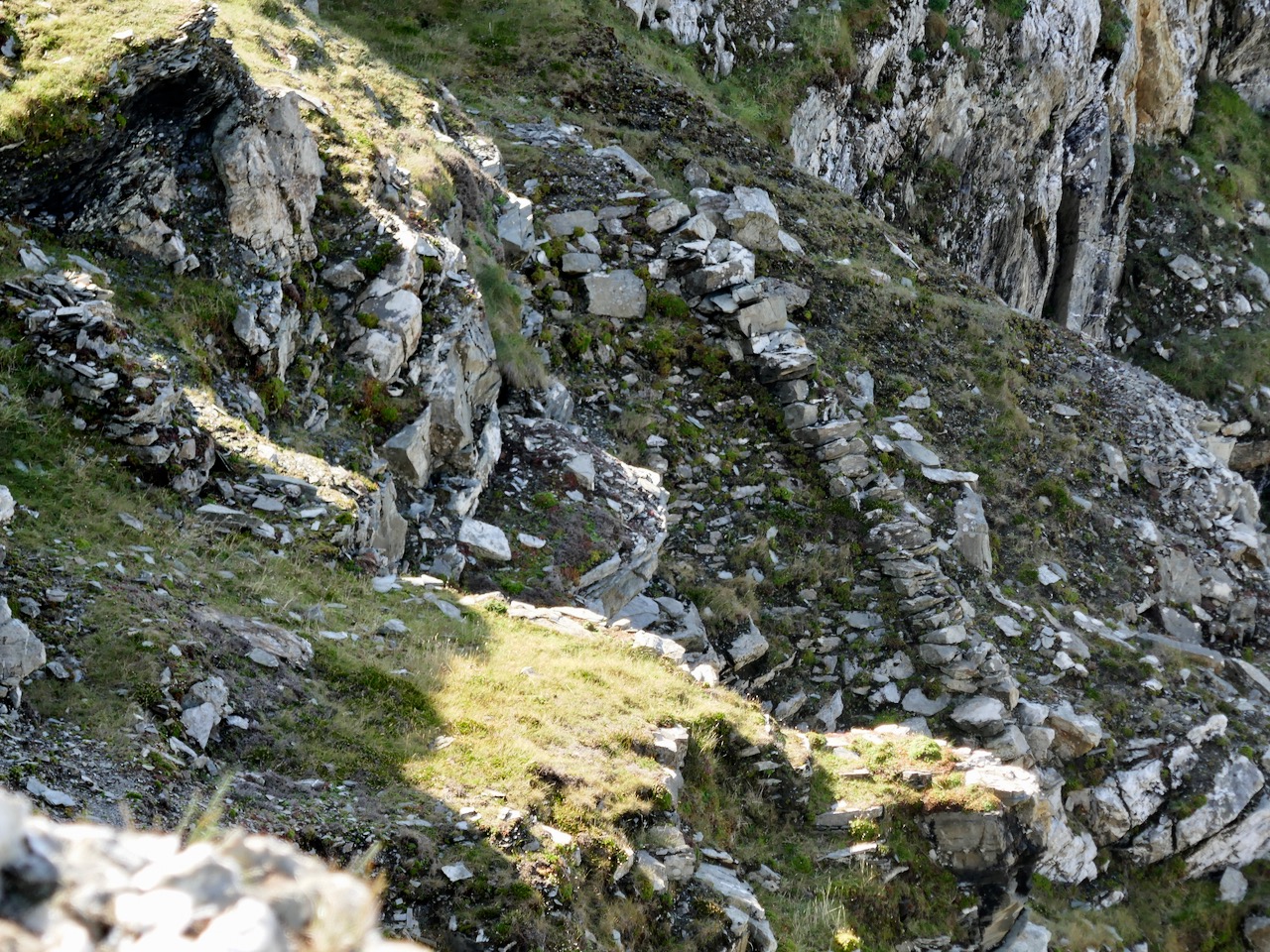
Once we have passed by the cottages we find ourselves traversing a sheer cliff edge. Below us the sea roars, but it’s down there that we built two quays, one 73 feet long and 40 feet high, the other 92 feet long and 36 feet high and, at the base of the cliff, a dressing floor 180 feet long and 50 feet wide, while above it we put in a stone dam and sluice so that we could wash the ore. Water was such an important element to us: in Cornwall we used its power to turn wheels and drive machinery such as crushers. We were never short of it here in Ireland.

Hold on to that rope or you might go over the edge!

Now, of course, on an idyllic day of blue sky and sunshine, you couldn’t find a place more picturesque, peaceful and redolent of nature’s beauty, but imagine what it was like in my time when men, women (we called them Bal Maidens in Cornwall) and children laboured long hours to bring out the precious ore and break, dress and prepare it for market: there was always the movement of ropes and machinery as trucks were pushed out of the mine-galleries on the rail-way, and figures constantly toiled up and down the precipitous rough stepways to and from the quays so far below. Although built in as sheltered a position as possible, they were constantly battered by heavy swells and breakers. In fact, they have now disappeared altogether.

Finola braves the cliff edge to get a view of the site of the old quays below, accessed by the rough and steep stone lined path

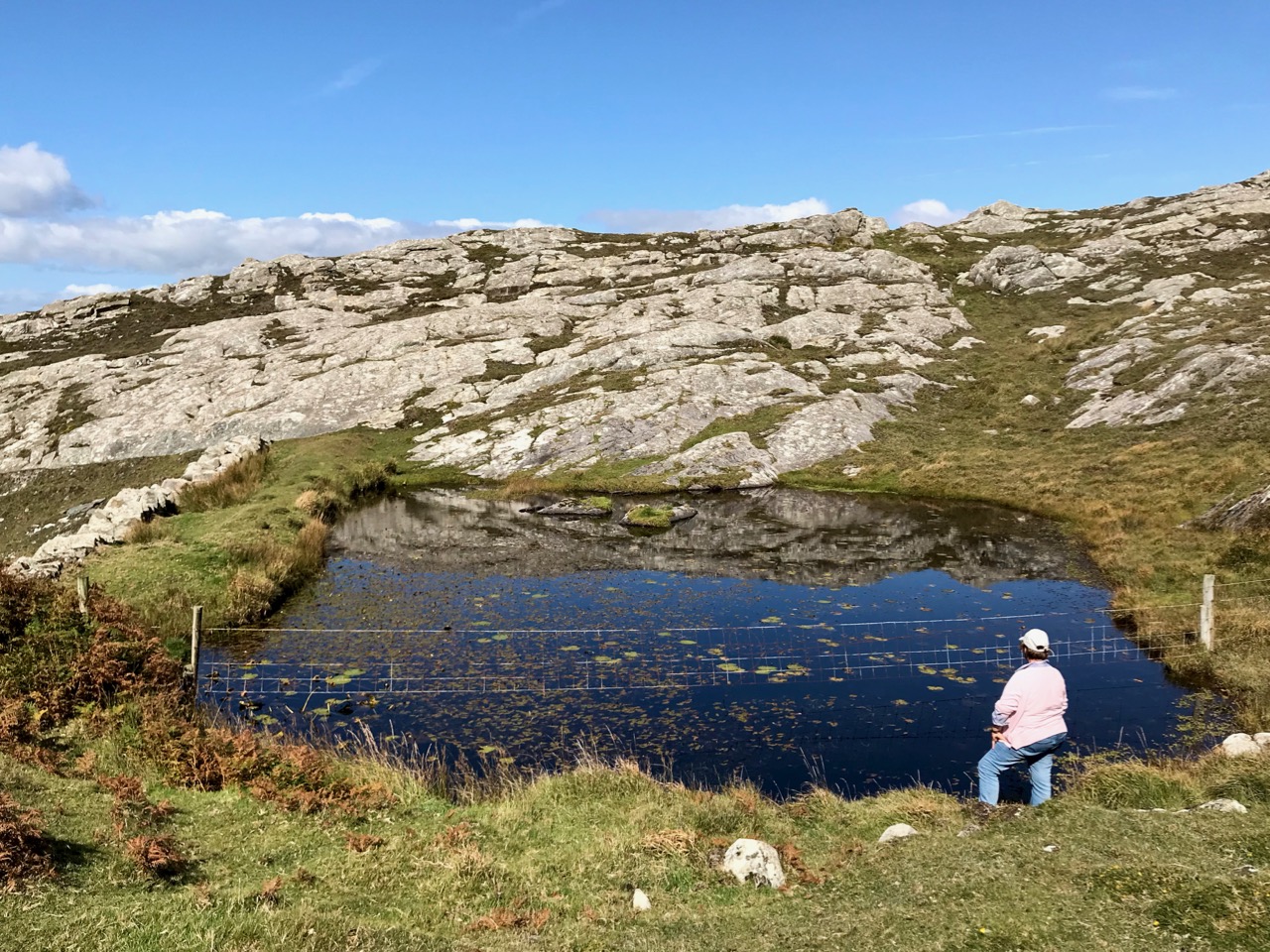
If we go up to the hillside above the mine workings we can look out over the reservoir, and we can also see the fenced-off openings of shafts. Most of the engineering took place, of course, underground: hard work in restricted spaces. We did our best to ensure safety, but there were accidents.

A lot of people have said that our mine was a ‘failure’, but I wouldn’t necessarily share that view. In May 1847 I presented my first report to the directors of the company:

. . . We have set bounds to the Atlantic waves, for though they lash and foam sometimes over craggy rocks, our works have withstood the furious storms of two severe winters. A complete wilderness and barren cliff, which had been for past ages the undisturbed resort of the Eagle, the Hawk and Wild Sea Bird, has by our labours for the past 16 months been changed into a valley of native industry, giving employment, food, and comfort, to numbers of the hitherto starving, but peacable inhabitants. We have in the course of 16 months, with an average number of 24 miners, whose earnings ranged from 9 shillings to 12 shillings a week, explored 174 fathoms of ground. We have also employed about 26 surface men, at the rate of 10 pence and one shilling a day . . .

In May 1848 the SS William and Thomas collected 88 tons of copper ore from the quay of our mine at Gortavallig. It sold for £269 14s in Swansea. Yes – it was the only shipment that the mine ever exported, but it gave employment and food to families in one of the remotest areas of the West of Ireland during the ‘Great Hunger’. In my time at Rinn Mhuintir Bháire I was able to set up – at my own cost – the Coosheen Fishery Association over on the Mizen, which also helped with food production through those bad years. With my brothers Charles and Henry, and my son John, we helped to bring industry to the remote fastnesses of West Cork and Kerry – including the mine at Dhurode, on the Mizen. I feel satisfaction that our lives have benefited our neighbours here in these far western peninsulas which bear such a similarity to our own native Cornwall . . .  Now you will want to return to civilisation: thank you for your company and mind your step – I think I’ll rest a while here pondering on old times with my pipe and tobacco.

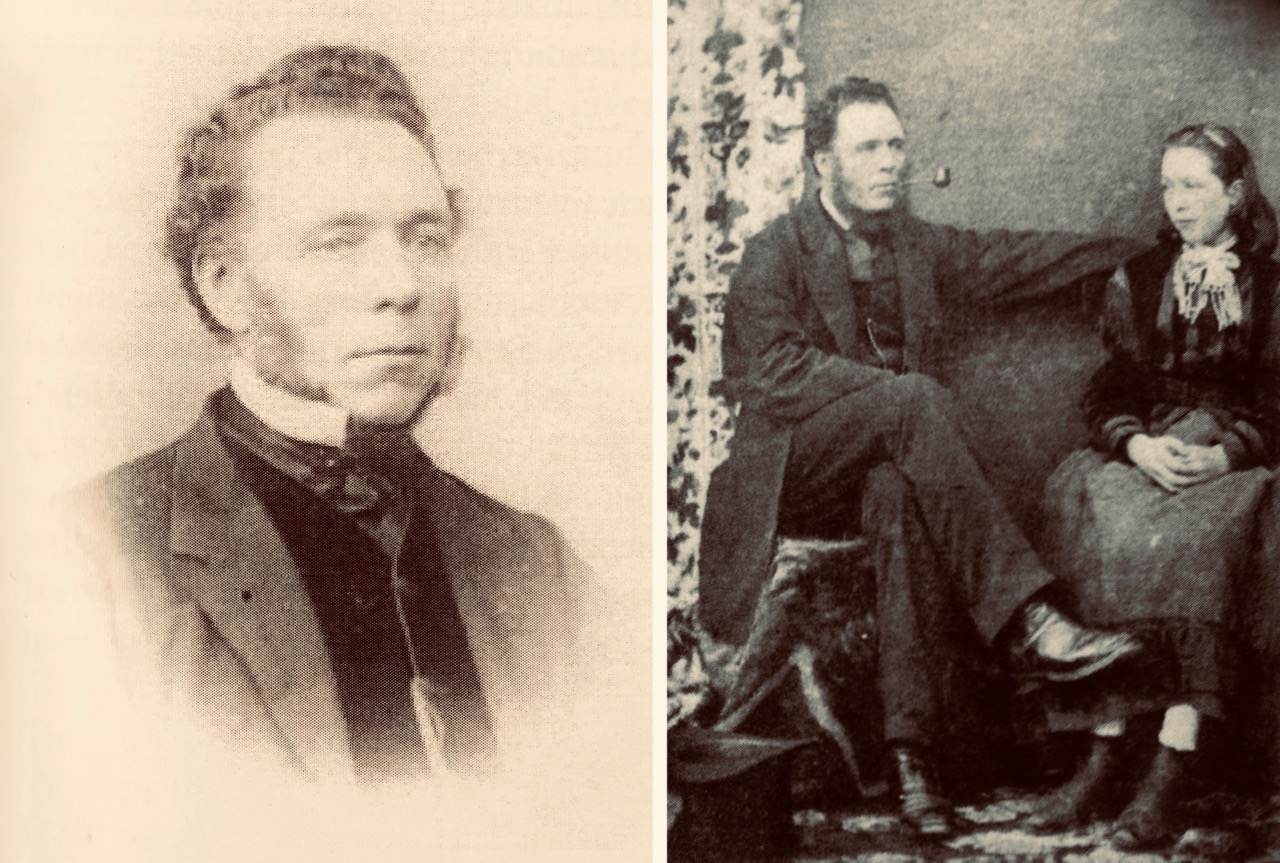
Captain William Thomas possibly in 1843 (left) and right, with one of his daughters in 1852. The latter photograph was taken by Hastings Moore in Ballydehob

From the Skibbereen Eagle, 7 June 1890:

Died, May 22nd at Coosheen, Schull, William Thomas, of Bolleevede, Camborne, Cornwall, aged 82 years, manager of mines in Cork and Kerry for nearly 50 years. He truly believed in Irish men and Irish mines. He wrote and spoke on their behalf to the utmost of his ability . . .

Two Mines Are Better Than One (Mizen Magic 16)

I was actually in search of a nineteenth century Protestant clergyman, not expecting to find this remote and beautiful valley. But Robert is also writing about nineteenth century mining today – hence my title.

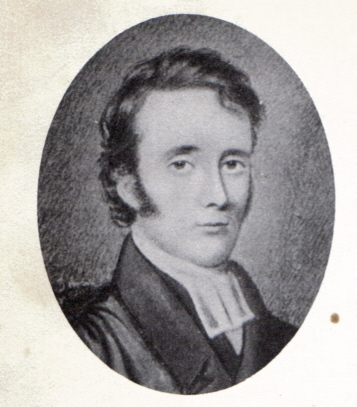
Dhurode mine on the far north shore of the Mizen Peninsula was established by the Rev Robert Traill (above) in 1843. I’ve written about Traill in my series on Saints and Soupers. He featured largely in the episode on tithes, and again for his heroism at the height of the Famine. He deserves a post of his own and that will come. Besides everything else, he was obviously an entrepreneur. He joined forces with a navy man, Captain Forster, to establish in 1843 the Consolidated and West Carbery Company.

This is what you can see from the road: the powder house is silhouetted on the horizon. The ruined building in the foregound may relate to the water wheel and stamps

The Metal Mines of West Cork by Diane Hodnett is my chief source of information for a lot of what follows about the mine. It’s an outstanding book of scholarship and a, er, mine of information (sorry). She writes : In June of that year [1843], an adit had been started on the course of the lode, and driven over 180 feet, with a whim shaft sunk down to it. By June the following year, Dhurode Mine had sold 97 tons of copper ore at Swansea, and received £331 4s in payment.

There’s a great description of the mine from April 1846 in Diane Hodnett’s book. The potato blight had first hit the previous autumn, but most people had managed to make it through the winter and the full horror of Famine in the Mizen had still to dawn. A man called St Pierre Foley had visited the mine and this is what he saw:
Dhurode is about four miles NW of Crookhaven. It is situated on Dunmanus Bay, placed amphitheatrically like, and is now well studded with neat slated cottages, built for the use of miners employed in the works. The Manager is Henry Thomas. Ore: yellow copper pyrites and is variable in its assay. There is a good horse whim erected for drawing, water wheel and stamp heads with sufficient water power for crushing etc., the ores, and all the necessary offices, working shops and sheds, built around the mine in a very convenient and picturesque manner.

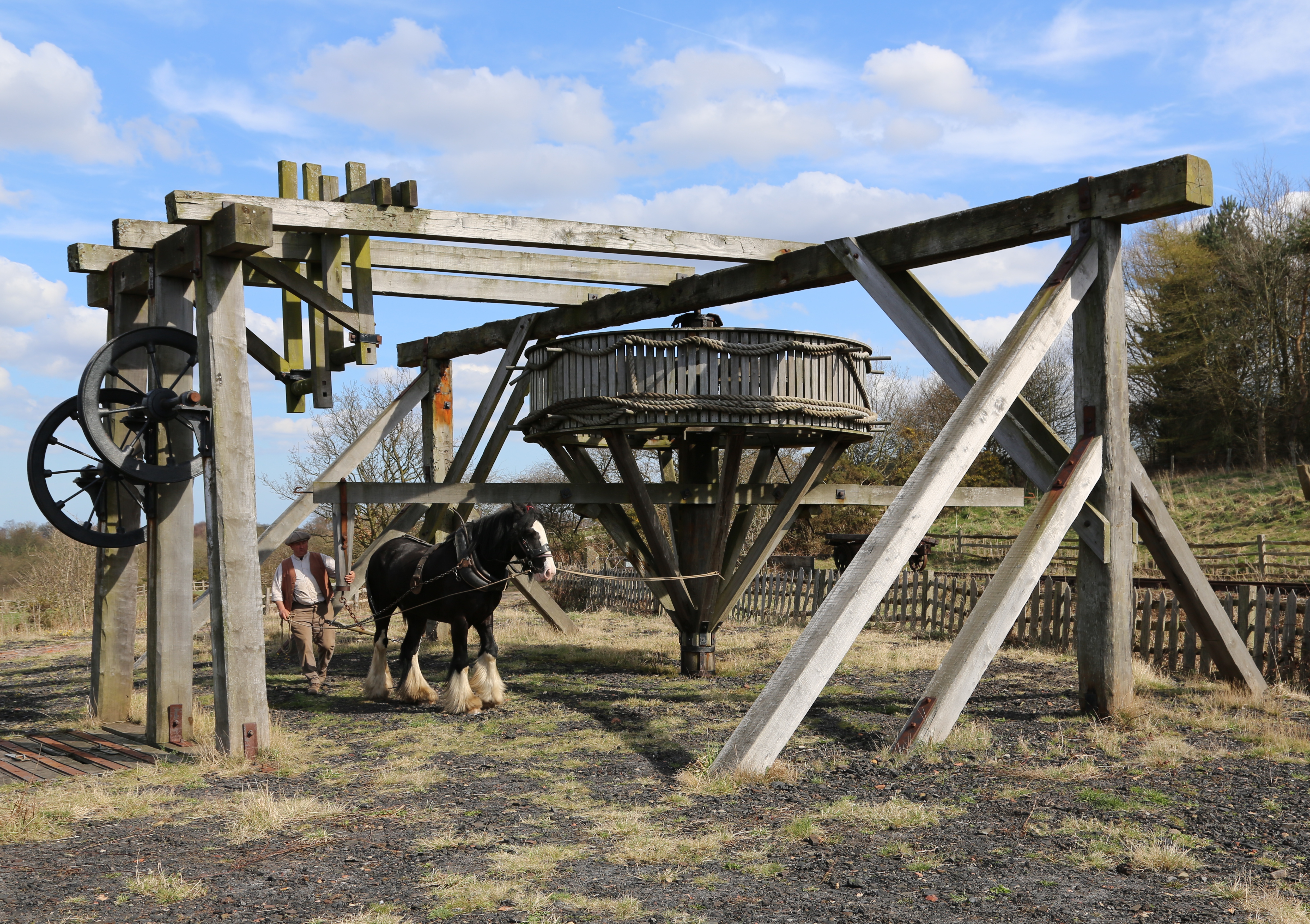
This is a photograph of a horse-powered whim, used for drawing up materials to the surface. This photo is from the Beamish Museum, County Durham, England, and used under the Creative Commons license

Some cargoes of ore have been shipped from this mine. New roads are being built through the mountainous district, which will assist considerably in facilitating the carriage of the ores to the safe and commodious harbours at and along the Crookhaven coast, beside expediting and ensuring regularity of shipment – a matter depending too much on certain states of weather, as regards the Dunmanus coasts.

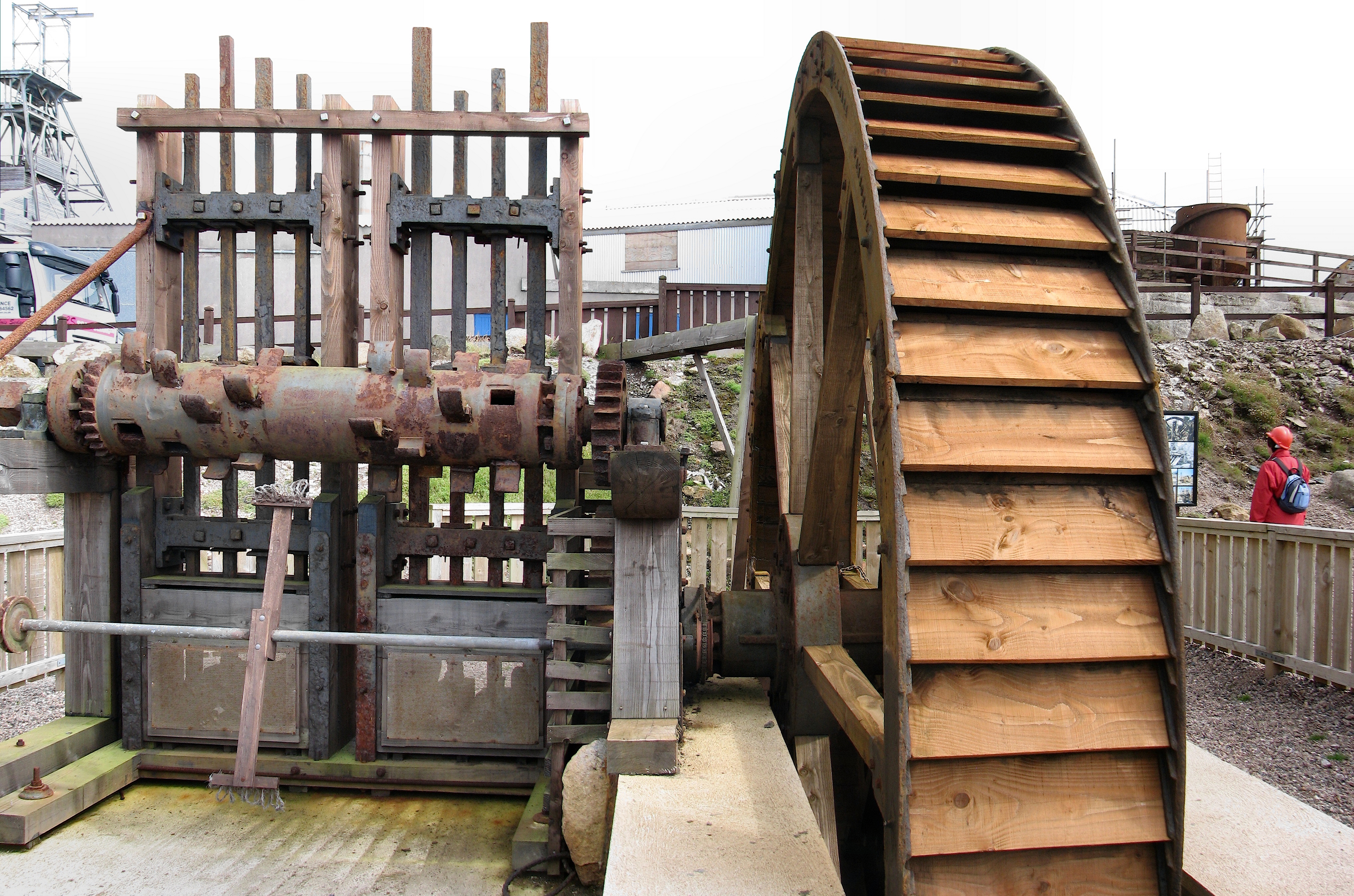
The restored 19th century waterwheel and tin stamps at Geevor Tin Mine, Cornwall, England, used under the Creative Commons license

S0 – a promising start to this enterprise but by the autumn of 1846 it was becoming clear that the potato harvest had failed again and that West Cork was heading into a full-blown disaster. Robert Traill, as principal shareholder, could not invest time or money in the mine, being fully occupied with the calamity on his doorstep and his duties to the Schull Relief Committee and his own flock. The manager, Captain Henry Thomas (one of the famous Thomas brothers, Mine Captains all, who managed several mines in Ireland – see Robert’s post, Irish Poldarks) carried on until 1850, but admitted that very little was being done, given the state of the countryside.
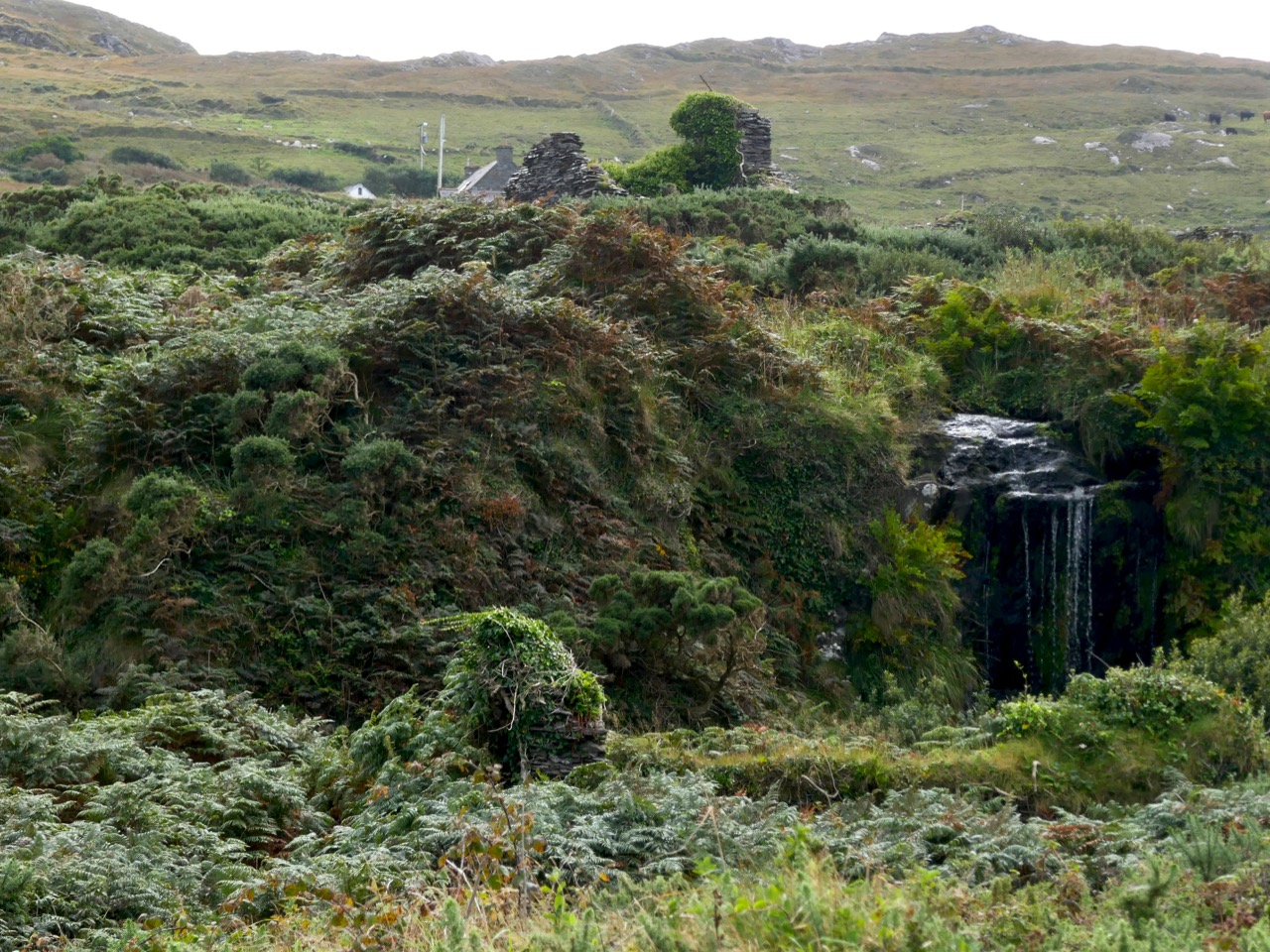
The waterfall and the remains of the stamp house below it

There is little indication now of the ‘neat slate cottages’ not even as much as at the Gortavallig Mine about which Robert is writing today. At Gortavallig, they are known as the Cornish Miners’ Cottages, and it is likely that Cornish men were imported to work the Dhurode Mine too, although local people would have filled many of the positions, as they did at Gortavallig, including women and children.

This may have provided sufficient employment for some to enable them to survive the worst of the Great Hunger. It’s interesting to speculate here about those who worked at the Mine – Robert Traill was famously anti-Papist and until 1847 had, by his own confession, never been inside a Catholic house. There was a large population of poor Protestants on the Mizen – Traill had over 2,000 of them within his parish – many descended from linen weavers and flax growers brought in to service an industry that no longer flourished in West Cork. He may have seen a venture like this as not only having the potential to enrich him but also as a way of providing a living for many of his indigent parishioners.

Captain Henry Thomas

The mine revived in the 1850s under the management of yet another Thomas brother, Charles. For a while it seemed to be producing well, but letters flew back and forth (all faithfully recorded in Hodnett’s book) with accusations and counter-accusations of mismanagement and overspending on useless equipment. Things staggered on until 1863. As late as 1862 a report noted that gold had been found as well as copper and that there was on site a water wheel measuring 24 feet in diameter, and 4 feet wide, which was attached to stamps. There were dressing floors, a smith’s forge, a carpenter’s shop and a good residence for the agent, with 10 acres of ground for the mining work.

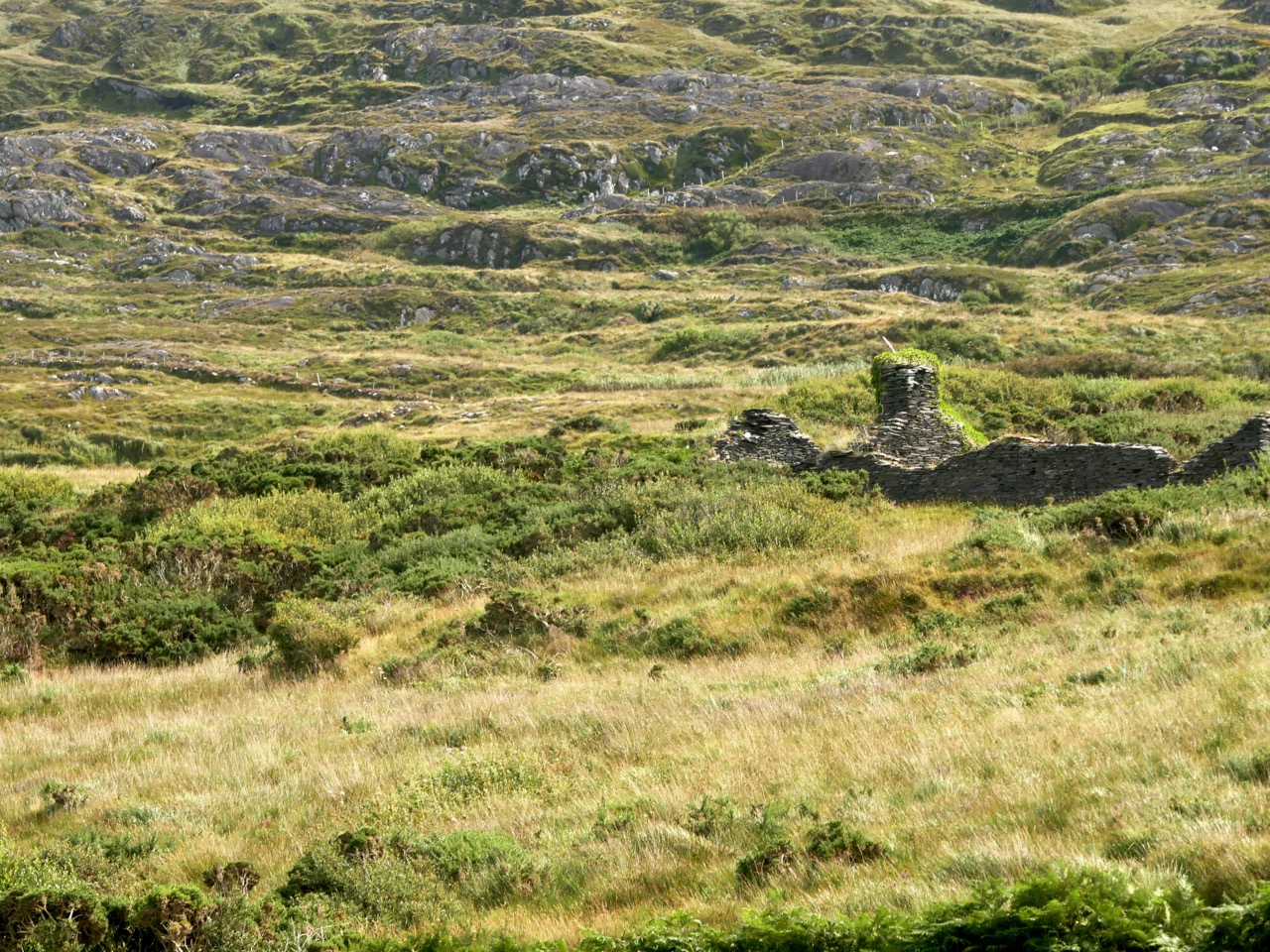
Upper: The ruins of a substantial house – perhaps the agent’s? Lower: The building remains in the foreground may date from the 1900-1906 phase

One final phase of mining came in 1900 and lasted until 1906. Some of the buildings may date from then, but there are no real records of the activity there during this period. Today, the place is home to a flock of placid sheep. If it was not for the abundant evidence of ruined buildings and cement-capped mine shafts it would be hard to imagine that such a remote, wild and beautiful place could have been the centre of a busy industrial complex.

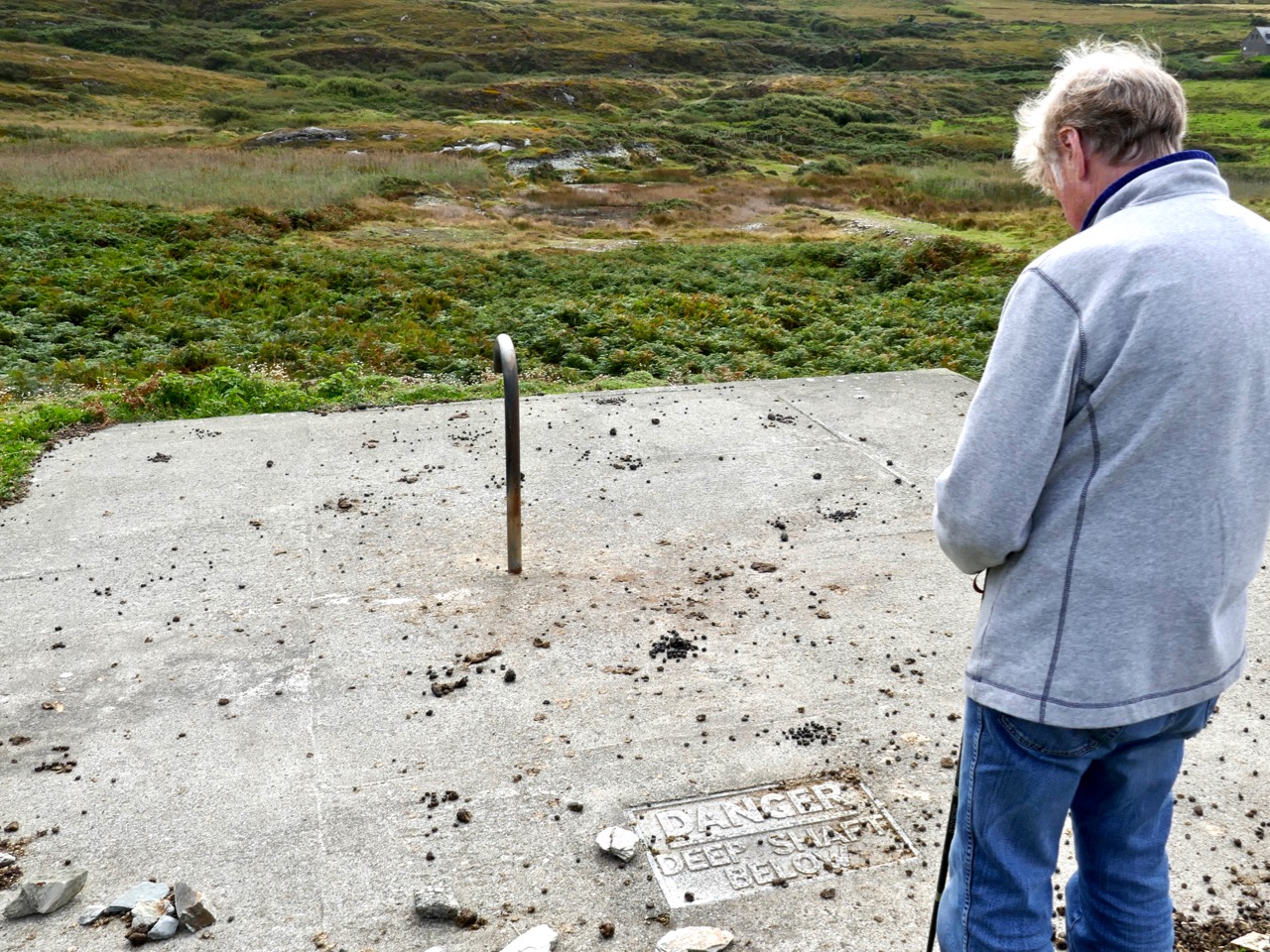
Upper: one of the cement-capped shafts. Lower: The powder house

The most obvious structure is the round gunpowder magazine. Diane Hodnett reckons it was built to support the initial blasting of the lodes in the original adit, and that it bears a strong resemblance to the powder house at Crookhaven which dates from the 1830s. It was originally castellated, and is square inside, although round outside.

The waterwheel and stamps were powered by a quarried-out waterfall (above), which still provides a burbling backdrop to the walk down to the mine site. Partial walls of the stamp house still stand, covered with ivy. Pushing through the bracken to get to the waterfall was like entering an overgrown fairy glen.

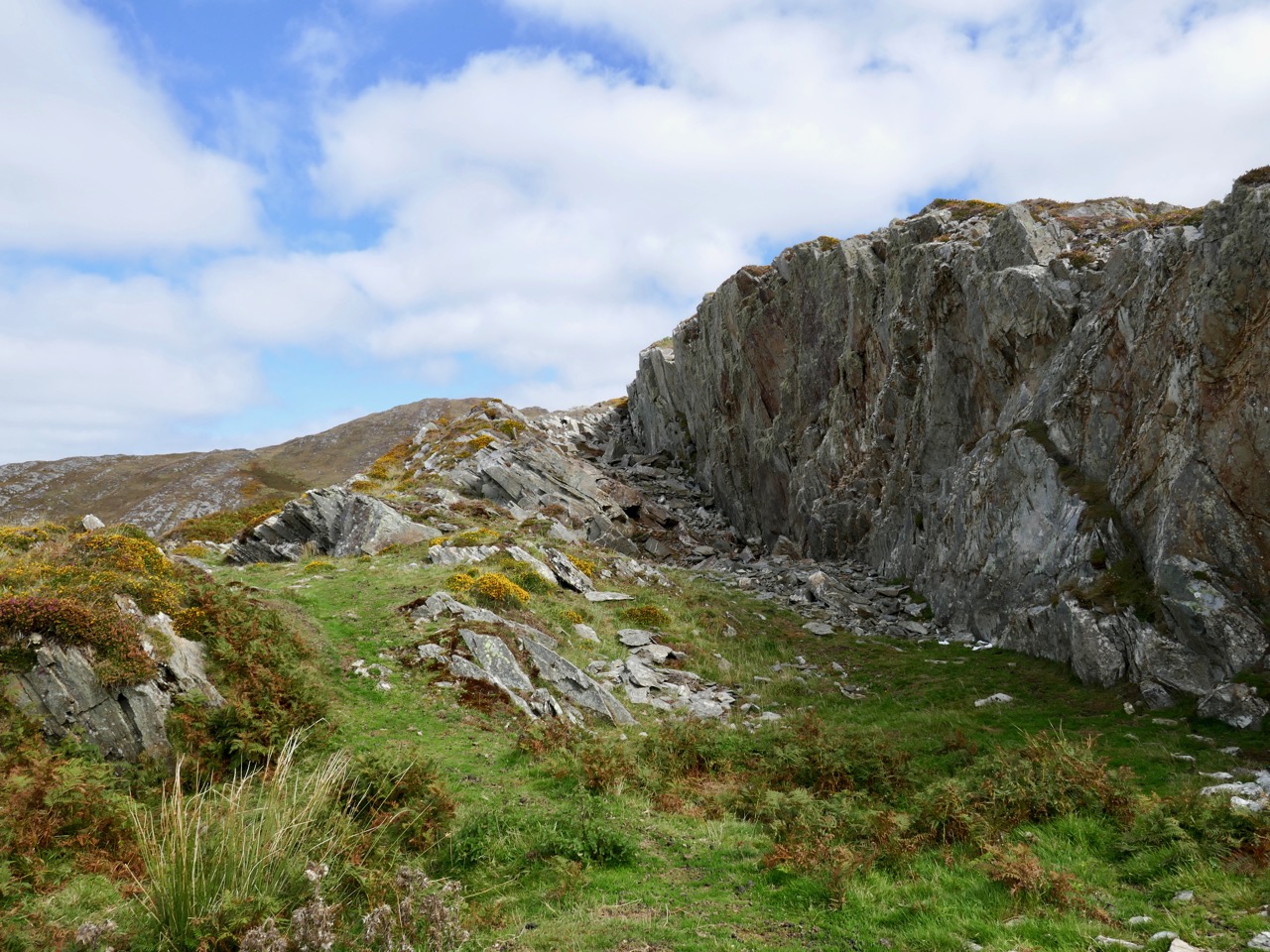
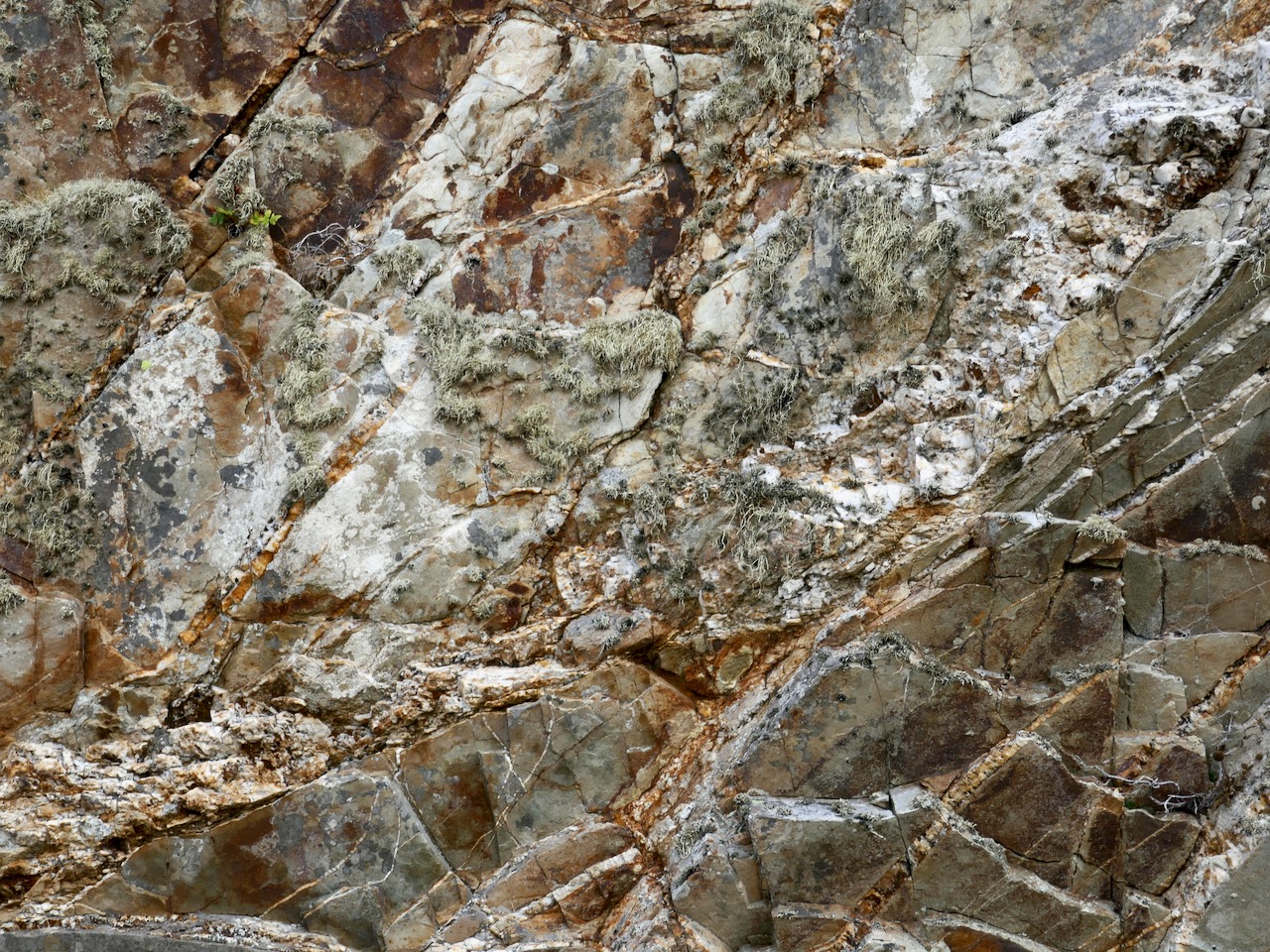
From there we wandered down to the main site and the powder house, and then to the opencast workings. I’m not quite sure which period this belongs to or what they were looking for in this working. The rock face is heavily grained with quartz but also now with lichen, after so many years.

The real surprise for us came when we walked east from the mine site, along the side of a valley running up from the sea. We hadn’t expected the ruggedness, the colour and the contours of what turned out to be a very special, and quite hidden, part of our Mizen Peninsula.

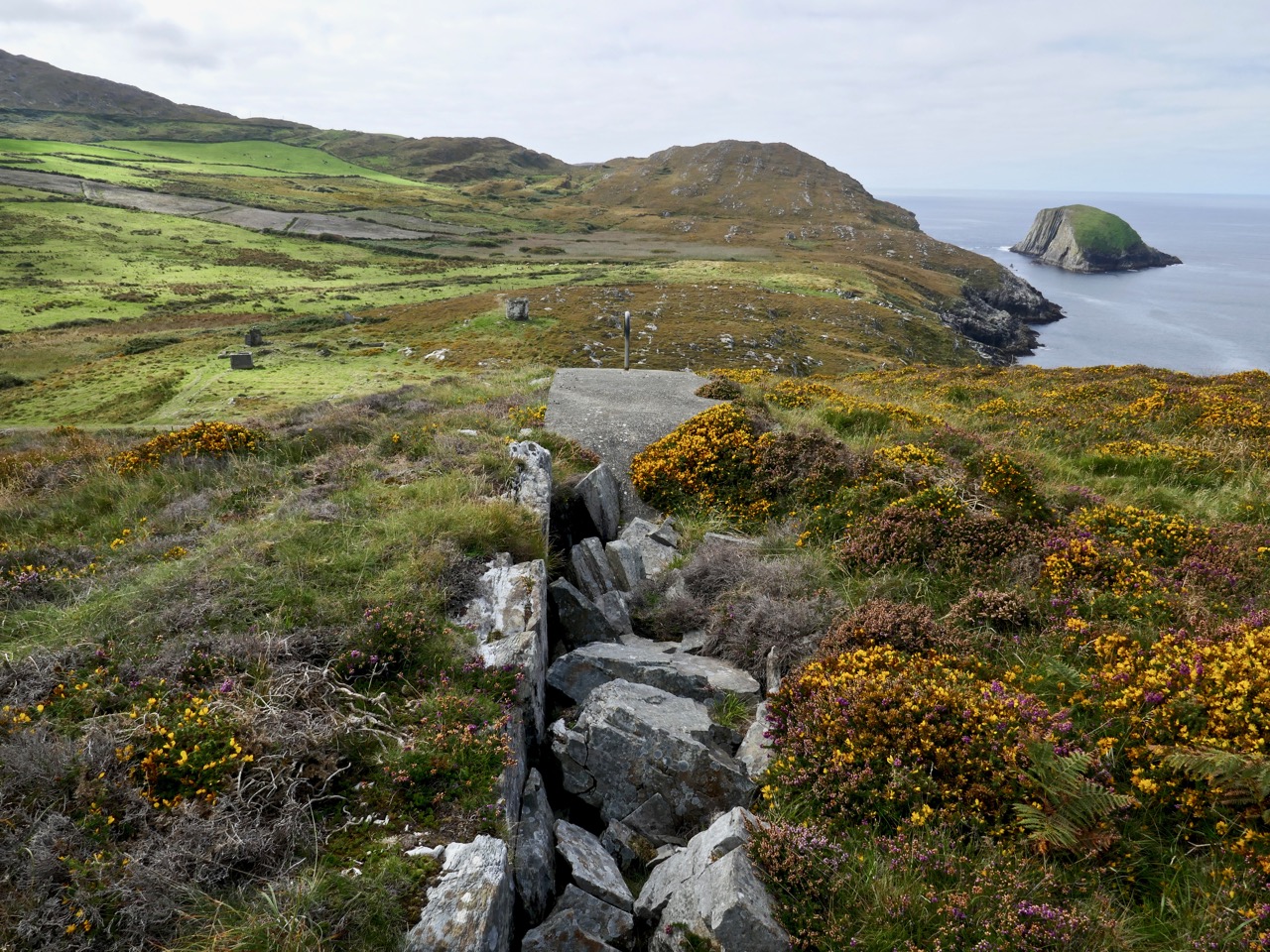
With astounding views across to the Sheep’s Head and beyond to the Beara, and west to the inaccessible Bird Island, this was a very rewarding discovery indeed.

Just when you think you’re getting to know this incredibly peninsula, the Mizen, it will throw up another hidden wonder!