The Politics of Peat

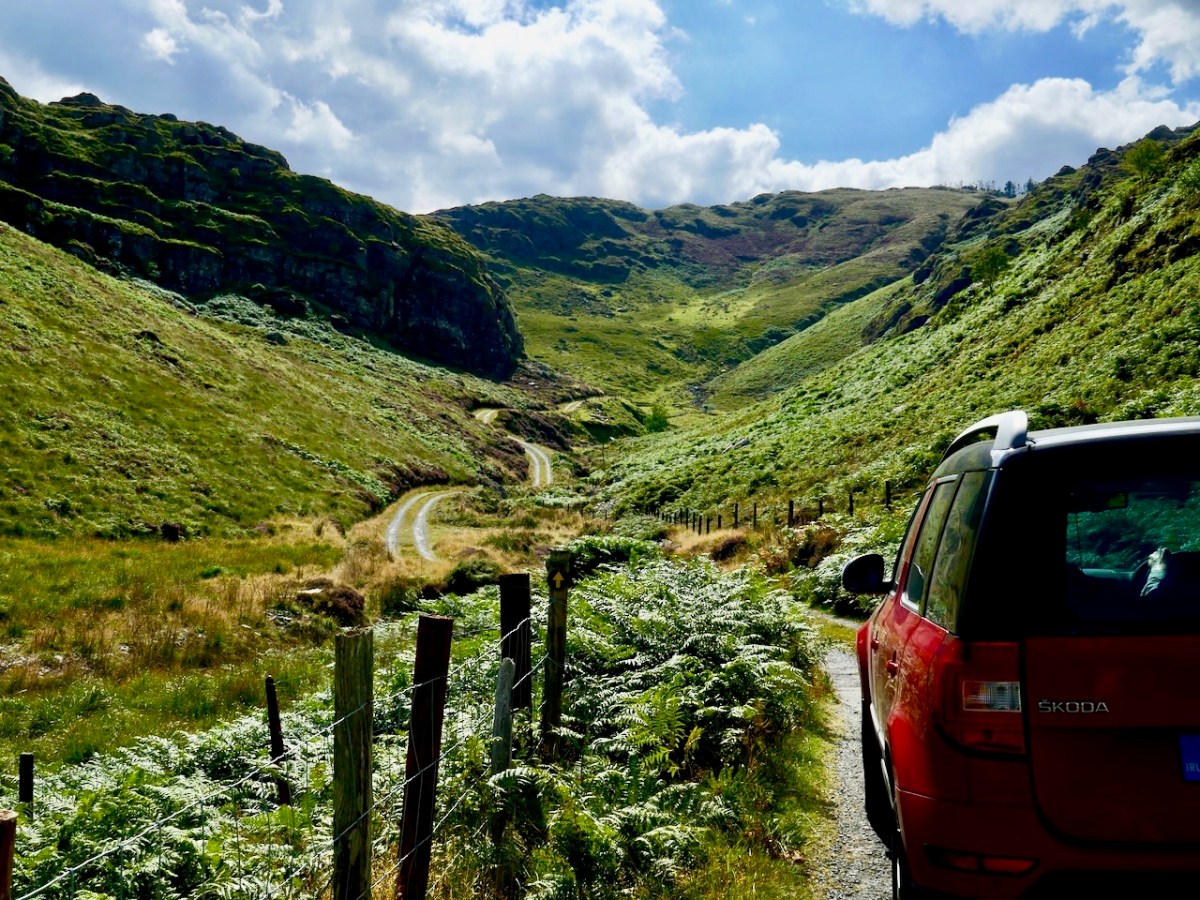
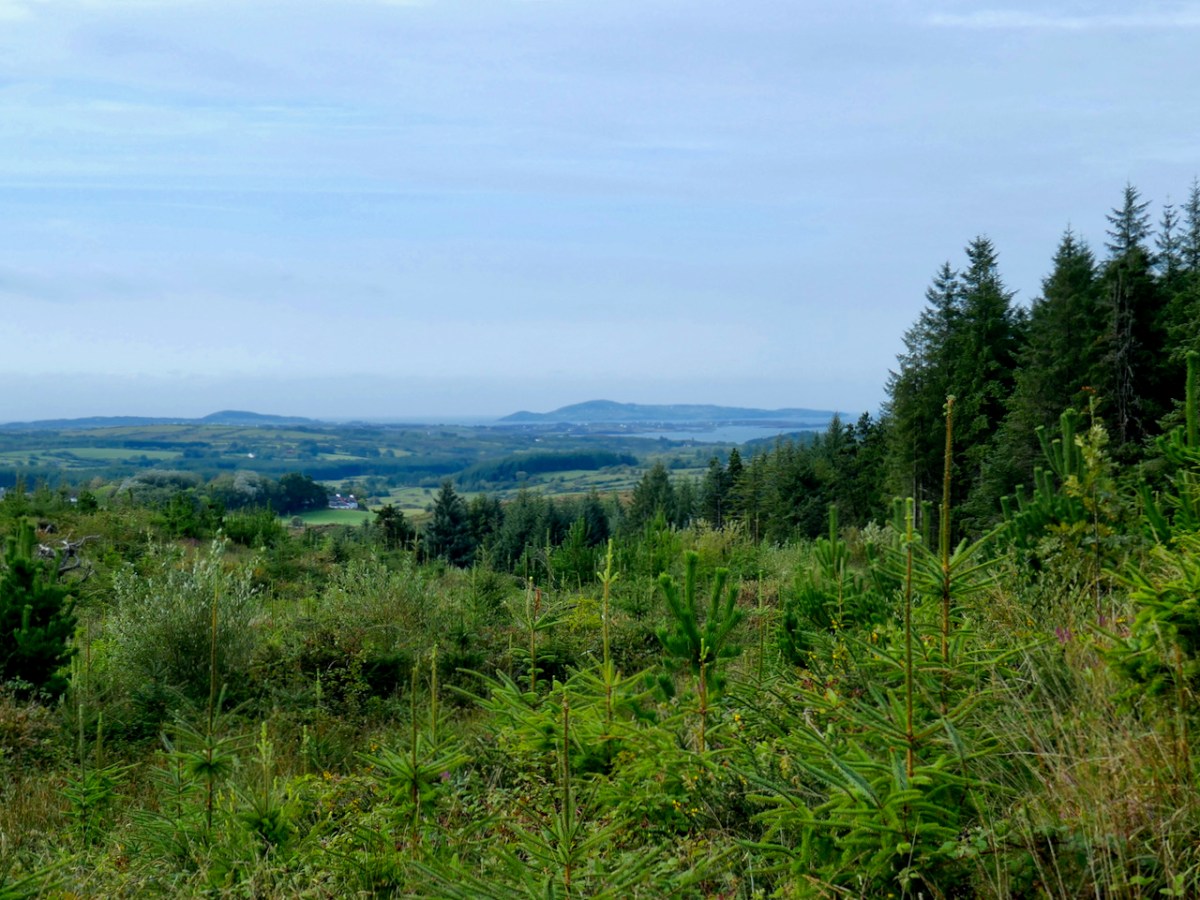
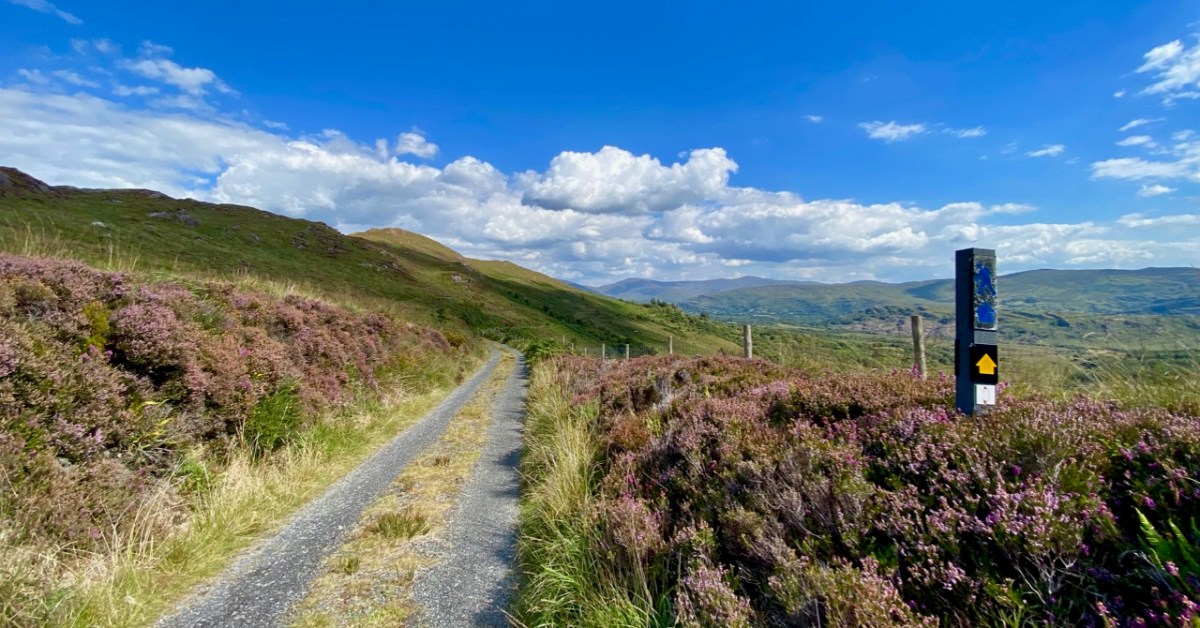
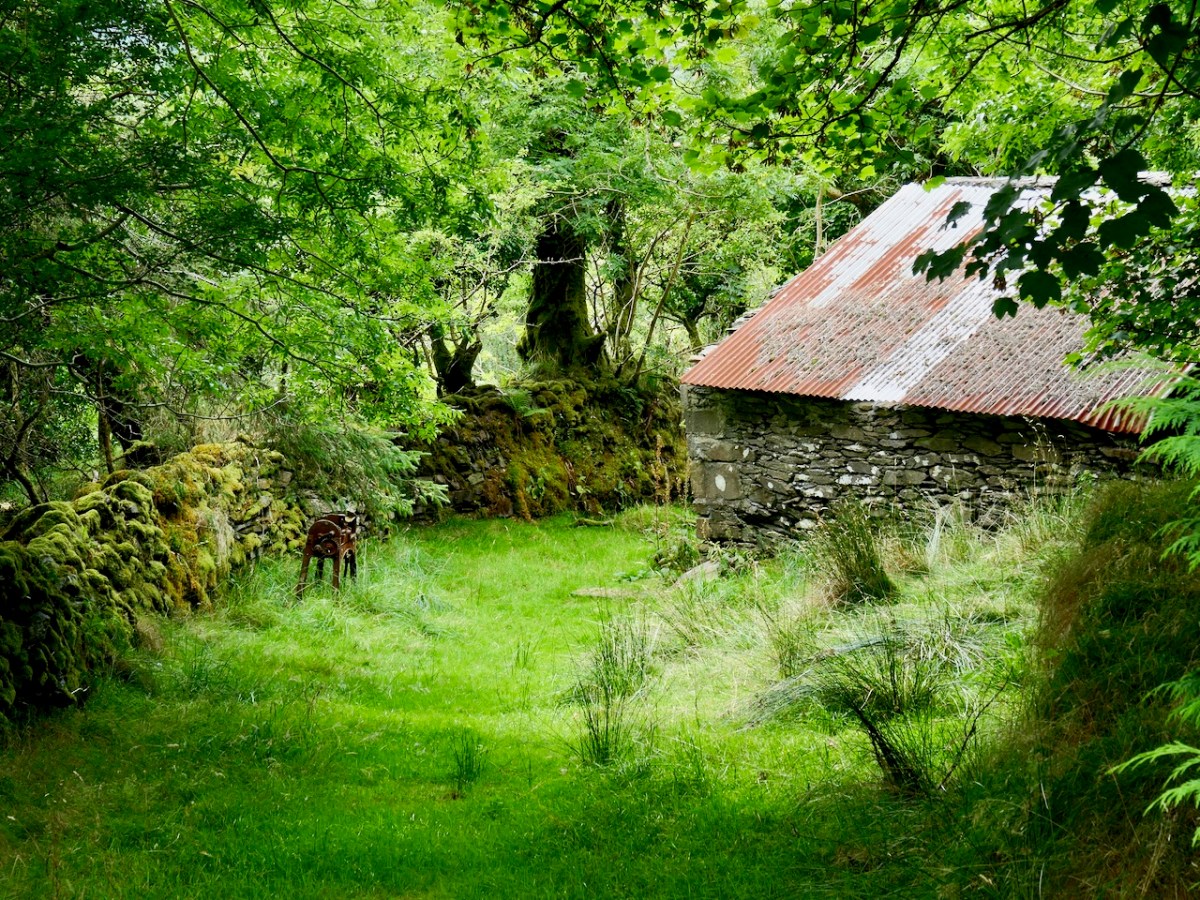
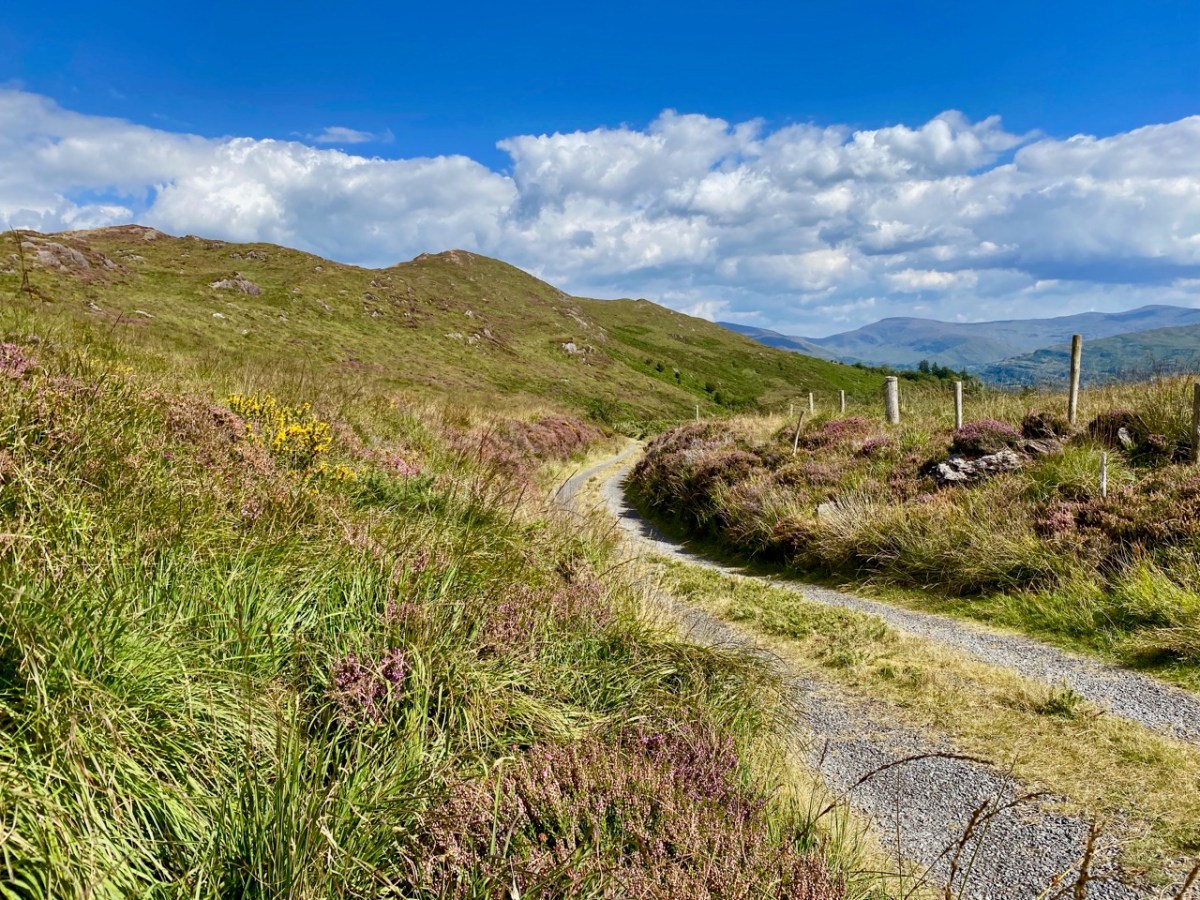
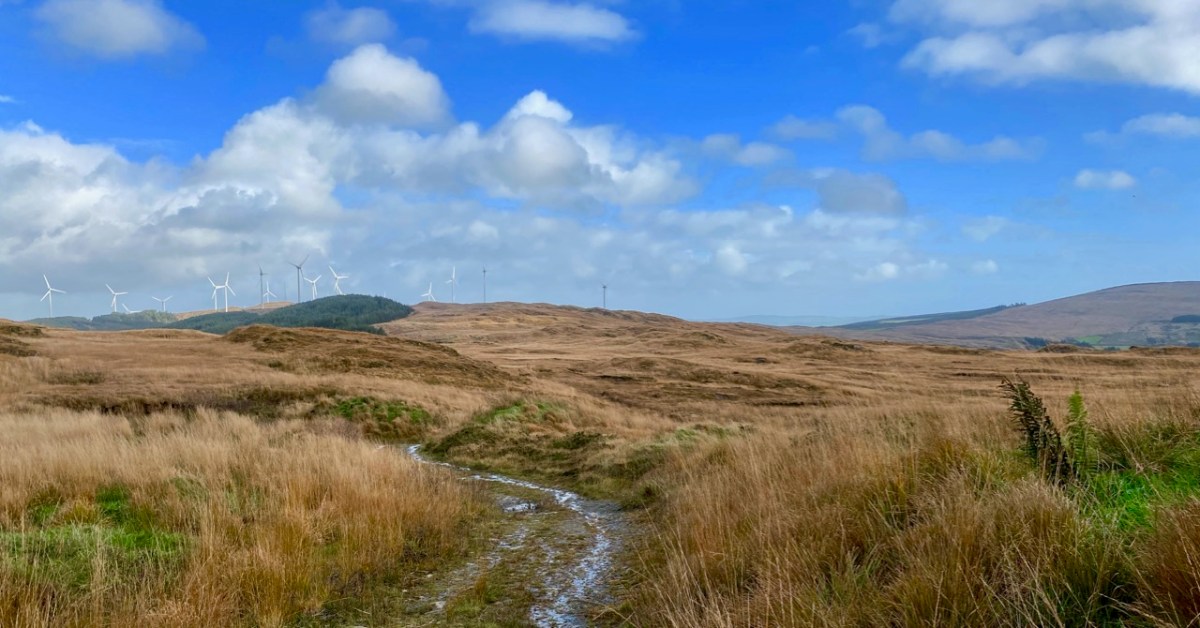
It’s a poignant juxtaposition, perhaps: the old turf road that leads into the peat cuttings at Letterlickey, here in West Cork, with – beyond – our newest energy technology lining the distant hills. On October 31st this year, the sale of turf, smoky coal, and wet wood in shops or online was banned in Ireland as part of the drive to improve our climate.
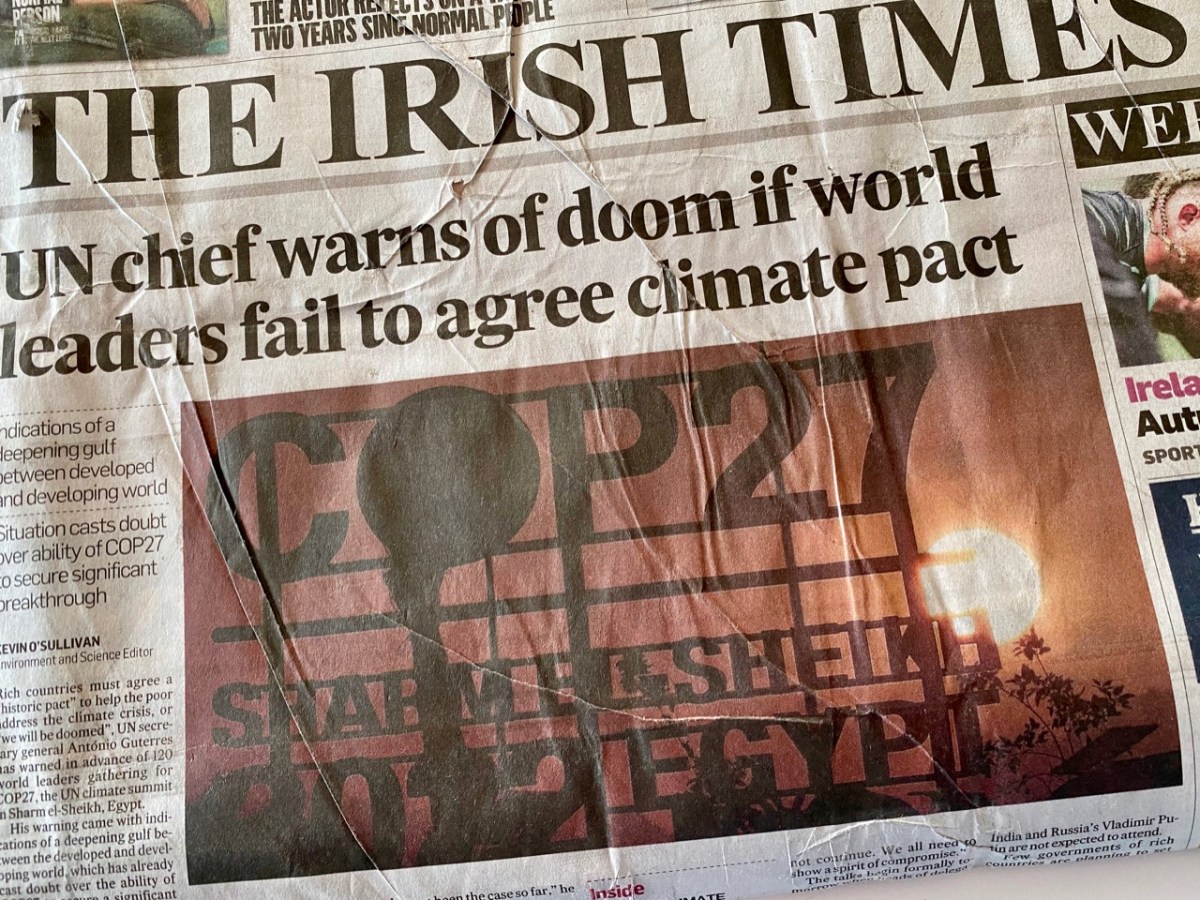
The move marks the loss of an ancient tradition in Ireland. ‘Turf’ – or peat – has been harvested from our bogs for countless generations. But it’s a resource that can’t be readily renewed. It’s also relatively inefficient: the gruelling labour required to cut, dry, store and transport turf on a domestic scale is hardly justified by the output of heat which it provides. However, such work has been deeply ingrained in family life for centuries by those who have always accessed the bogs. The word ‘bog’ derives from the Irish bógach, or “soft place,” and 17 percent of Ireland’s 27,000-square-mile national territory was originally covered in peatland. Commercial extraction, however, has significantly diminished this resource. What has been realised – in comparatively recent times – is that peatlands, including bogs, store twice as much carbon as all the world’s forests – if left intact.
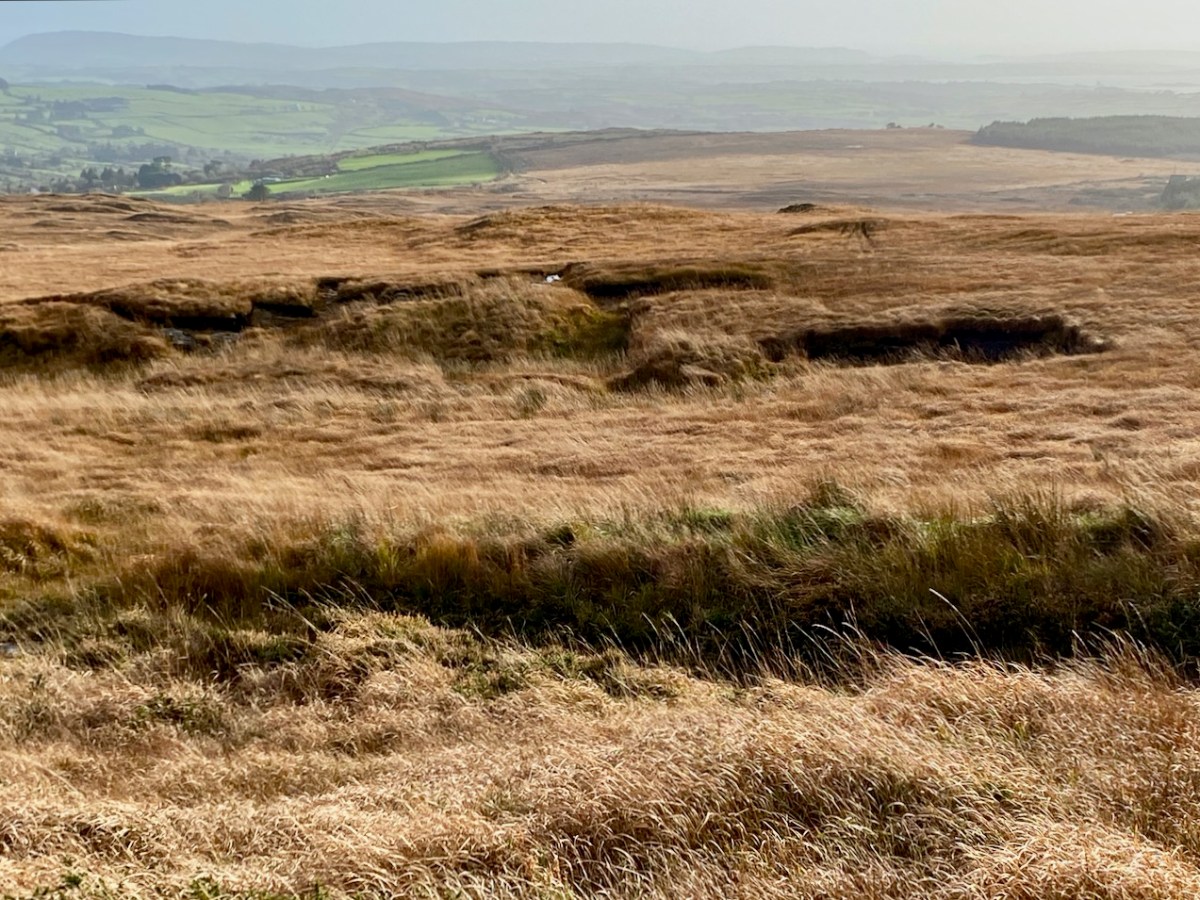
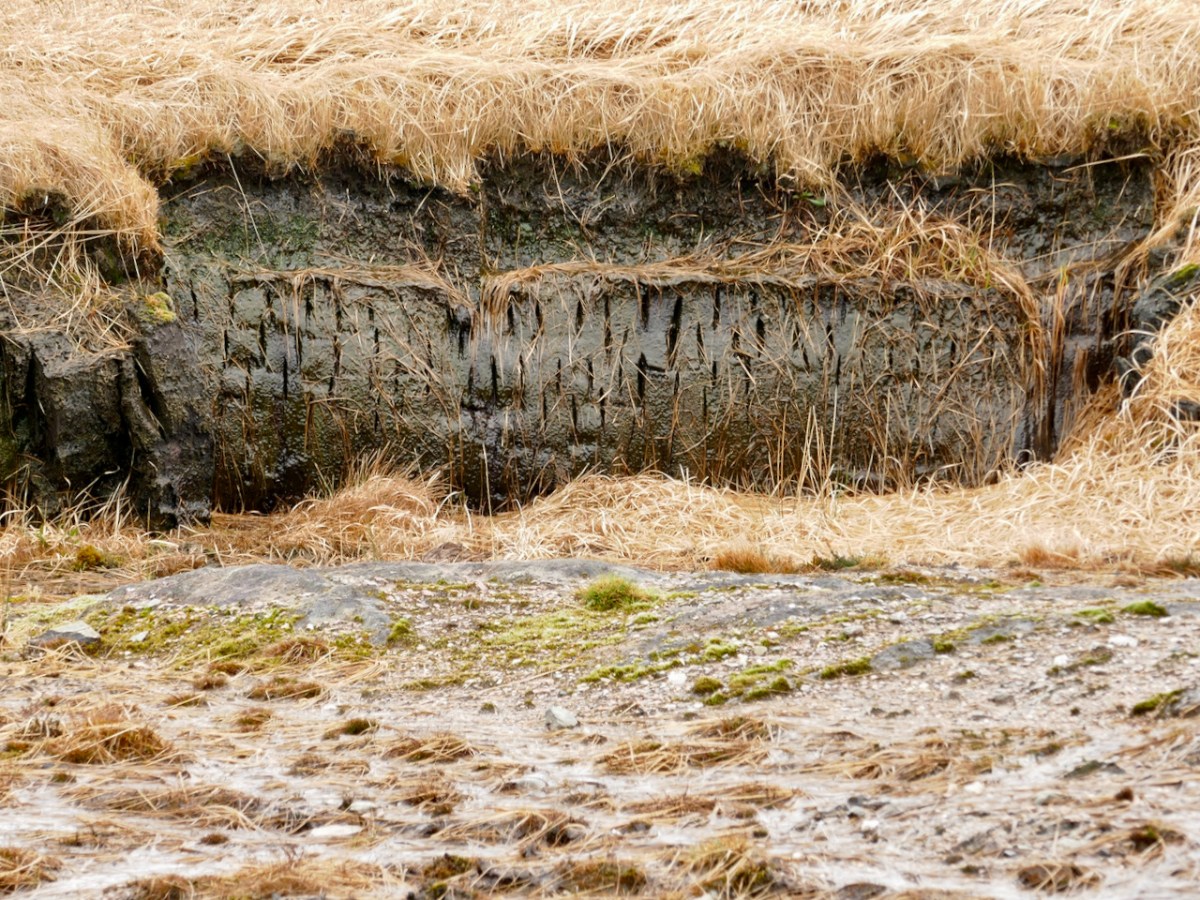
The turf workings at Letterlickey: the significant and ancient bog there has been in use in very recent times – perhaps it still is active. The new ban doesn’t prevent families who have always had turf-cutting rights from continuing to gather it for their own use. But all commercial peat extraction has now ended. It’s a sobering thought that electricity was generated by peat-fired power stations in Ireland for many years: ‘peat power’ peaked in the 1960s, providing 40% of Ireland’s electricity. But burning peat for electricity emits more carbon dioxide than coal, and nearly twice as much as natural gas. In 2016, peat generated nearly 8% of Ireland’s electricity, but was responsible for 20% of that sector’s carbon emissions. Today all of the peat-fired powers stations here have been closed. The West Offaly power station at Shannonbridge (below) was the largest in Ireland: it shut down in December 2020.
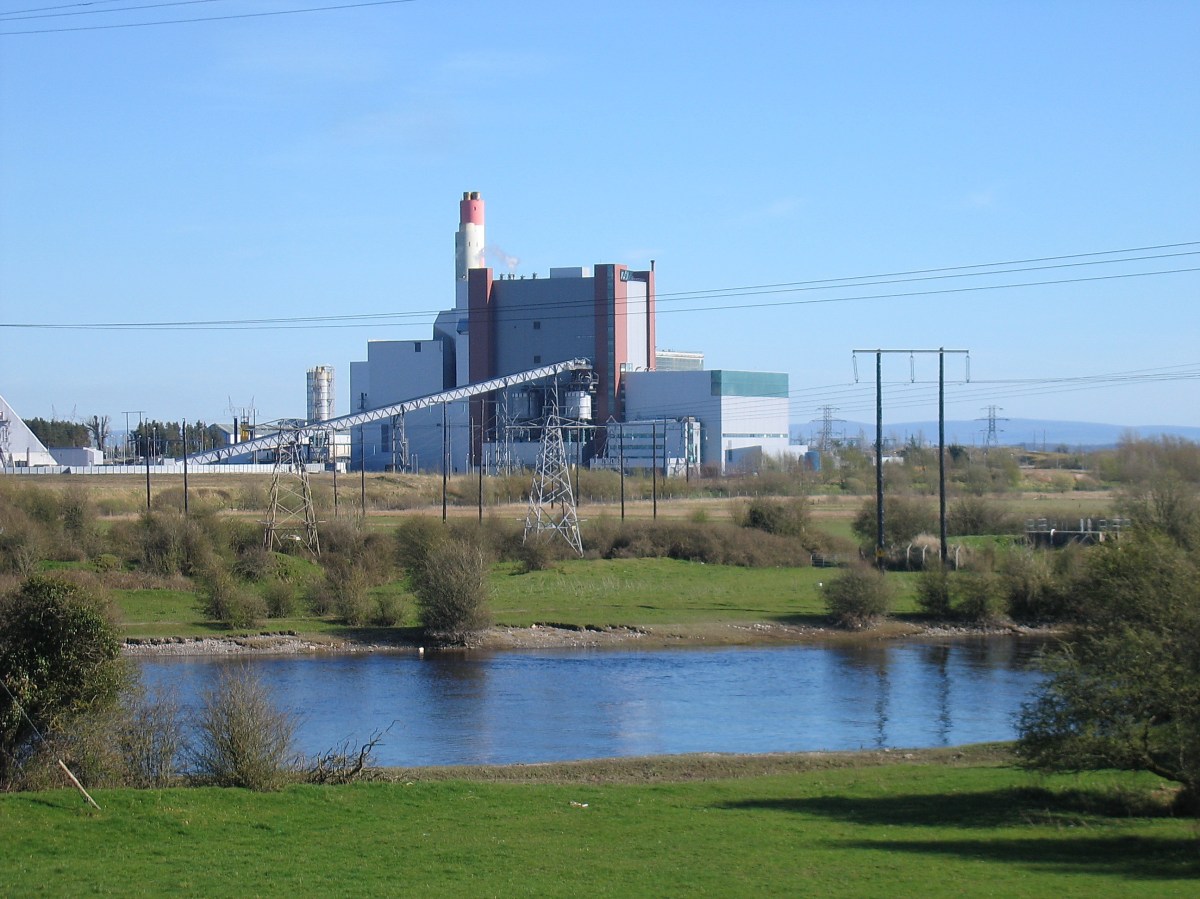
We are witnessing the end of an era here in Ireland. At the same time we are embracing the search for new technologies: we are harnessing the wind – that will never stop blowing! PV cells are now commonplace, and we know that it’s likely we will mostly be driving electric cars as the decade advances. Other ways forward are still waiting in the wings. We were interested to see – when we were walking the Letterlickey turf road yesterday – that the trackway has been deliberately blocked by large boulders:
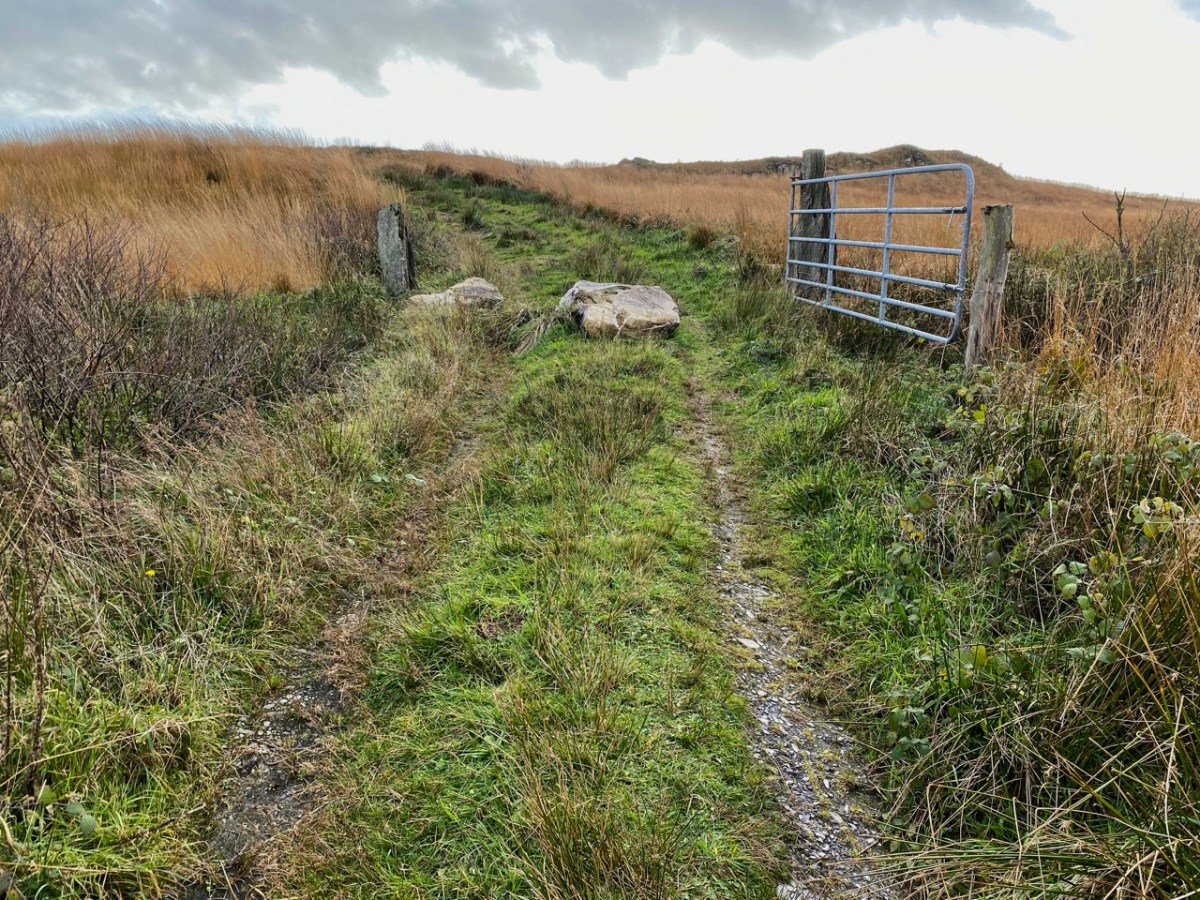
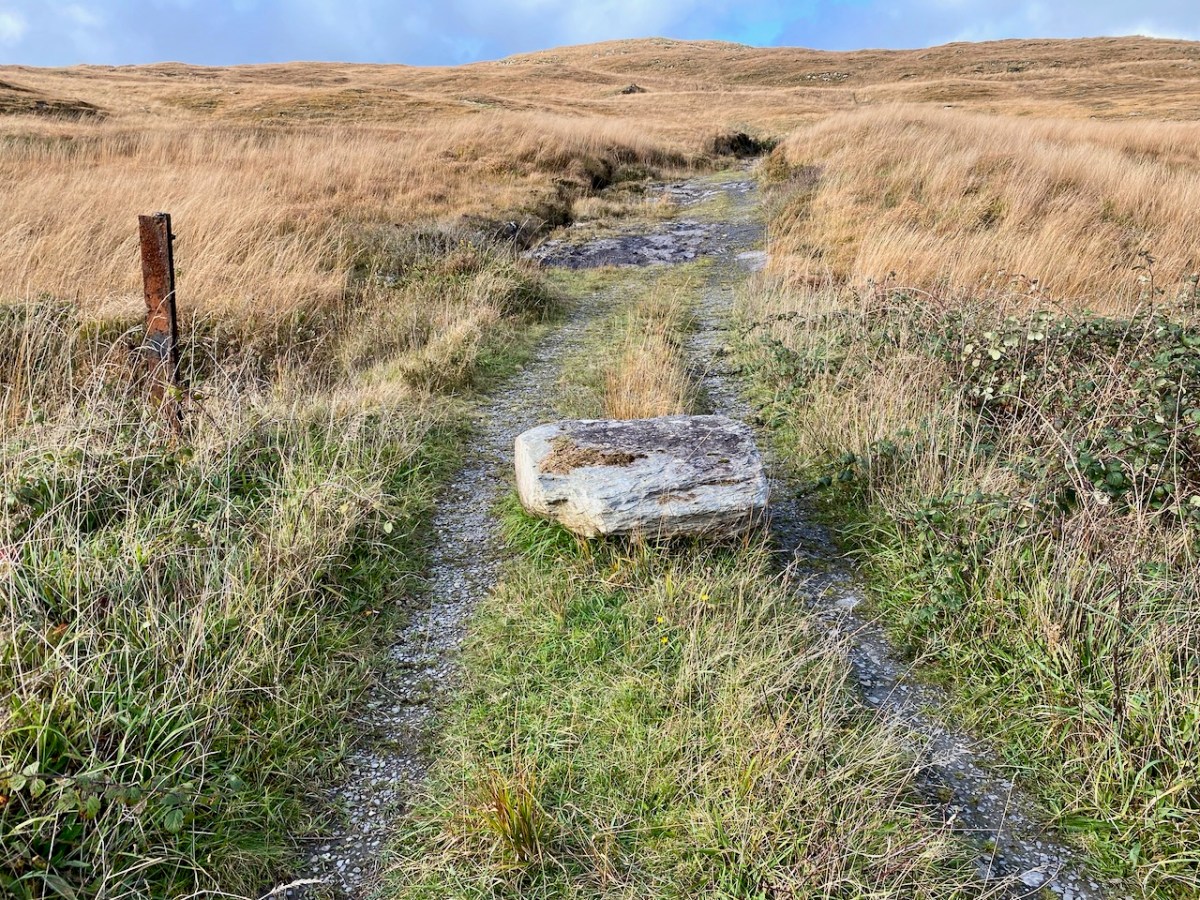
These blockages have been put in place since we last visited – and, probably, fairly recently. There could be local access issues: we don’t know. It could be to do with neighbours or trespassing, but it’s also possible that current political preoccupations are being practically addressed. It’s certainly interesting that significant moves are under way since the importance of peat bog preservation as carbon sinks has been fully understood. ‘Bringing home the turf’ will soon become a solely historical concept. The image below is by Tomás Ó Muircheartaigh:
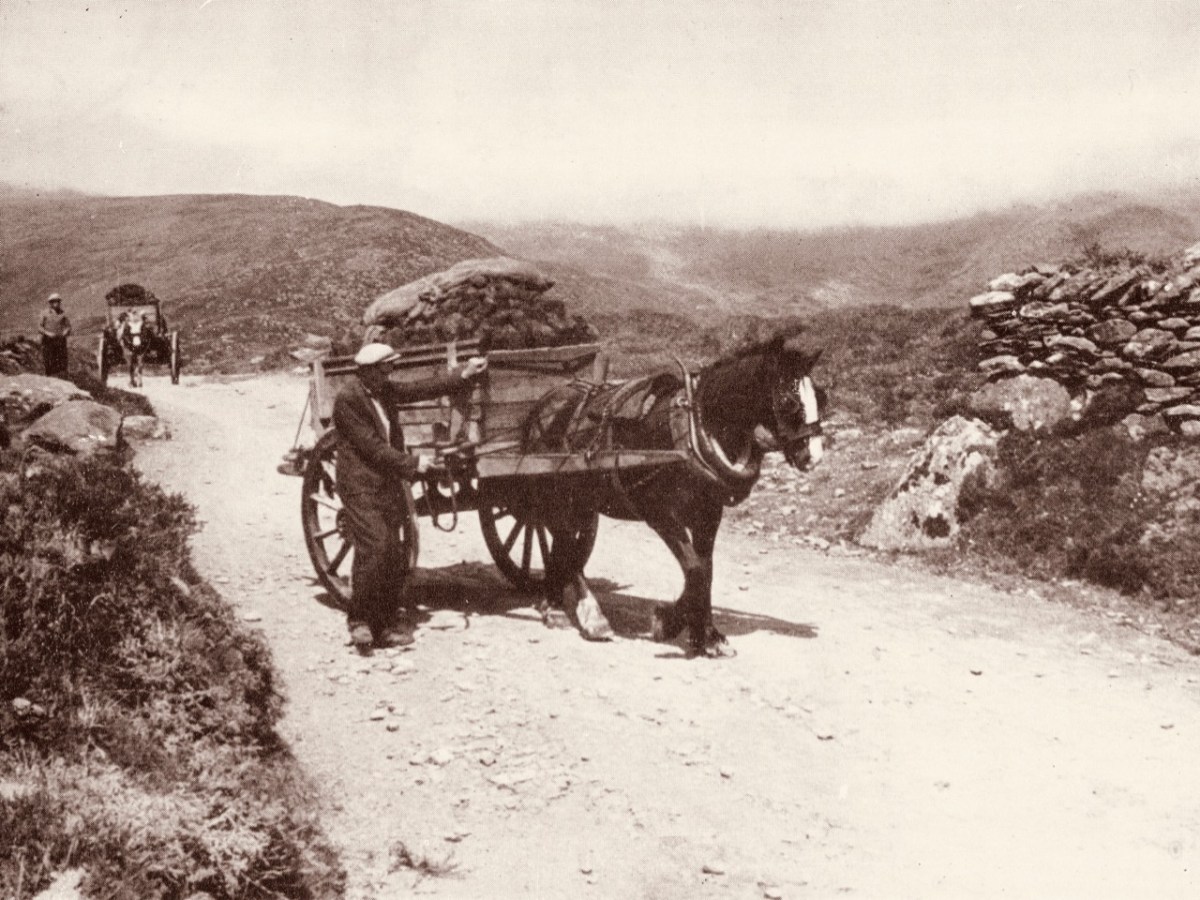
“. . . Ireland has more than half the European Union’s remaining area of a type of peatland known as raised bog, one of the world’s rarest habitats and, scientists say, the most effective land form on earth for sequestering carbon . . .”

New York Times 04/10/2022
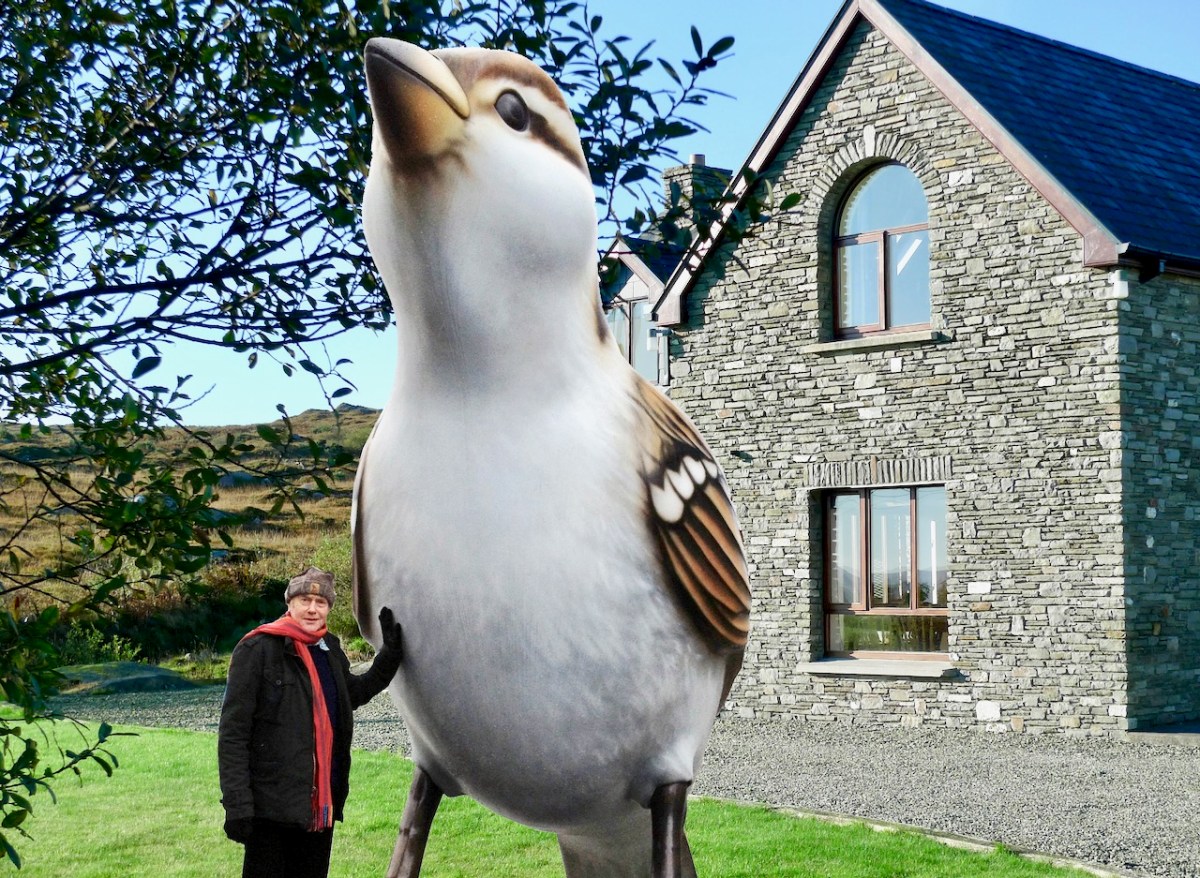
Ten Years!

Why have we chosen this photograph to head up our ten year anniversary blogpost? That’s simple: the pic was taken on 15 October 2012. We had moved into Ard Glas – just outside Ballydehob – for a six-month rental to see how we liked West Cork!

But – what about the giant sparrow?

Wait a minute. We very obviously ended up liking West Cork so much that we bought a house in Cappaghglass (the townland next door to Ard Glas), and have stayed there ever since. As you can see, we have been thoroughly enjoying ourselves over the last decade:

Yes, but, that very large sparrow…?

Be patient! Believe it or not, we have kept the blog posts going, with hardly any interruption, ever since. This is Roaringwater Journal post number 968. In the last decade, our Journal has been viewed over 1.5 million times and we have acquired over 5,700 followers between our various platforms.

Our posts are all still there in the archives – and you can still read them. Search by using the three-bar icon on the home page and select All Pages-Navigation, or one of the other menus. Alternately, press the cog button under the Roaringwater Journal title at the top of the page, then scroll down to Archives. Roll down through all the months. Or enter a search term into the magnifying glass symbol next to the cog. That will show whether we have mentioned your chosen subject in any of our blogs. We warn you that some posts (especially the very early ones) haven’t survived the test of time perfectly: but we leave them in there because it’s all a bit of history.

Sparrow?

Hang on! Of course, things change a bit as the years go by (although we don’t*). We have varied the layout of the blog, and the header etc. We had thought of refreshing it all again to celebrate this milestone but… ah, well – perhaps for the twentieth anniversary.

Sp……..?

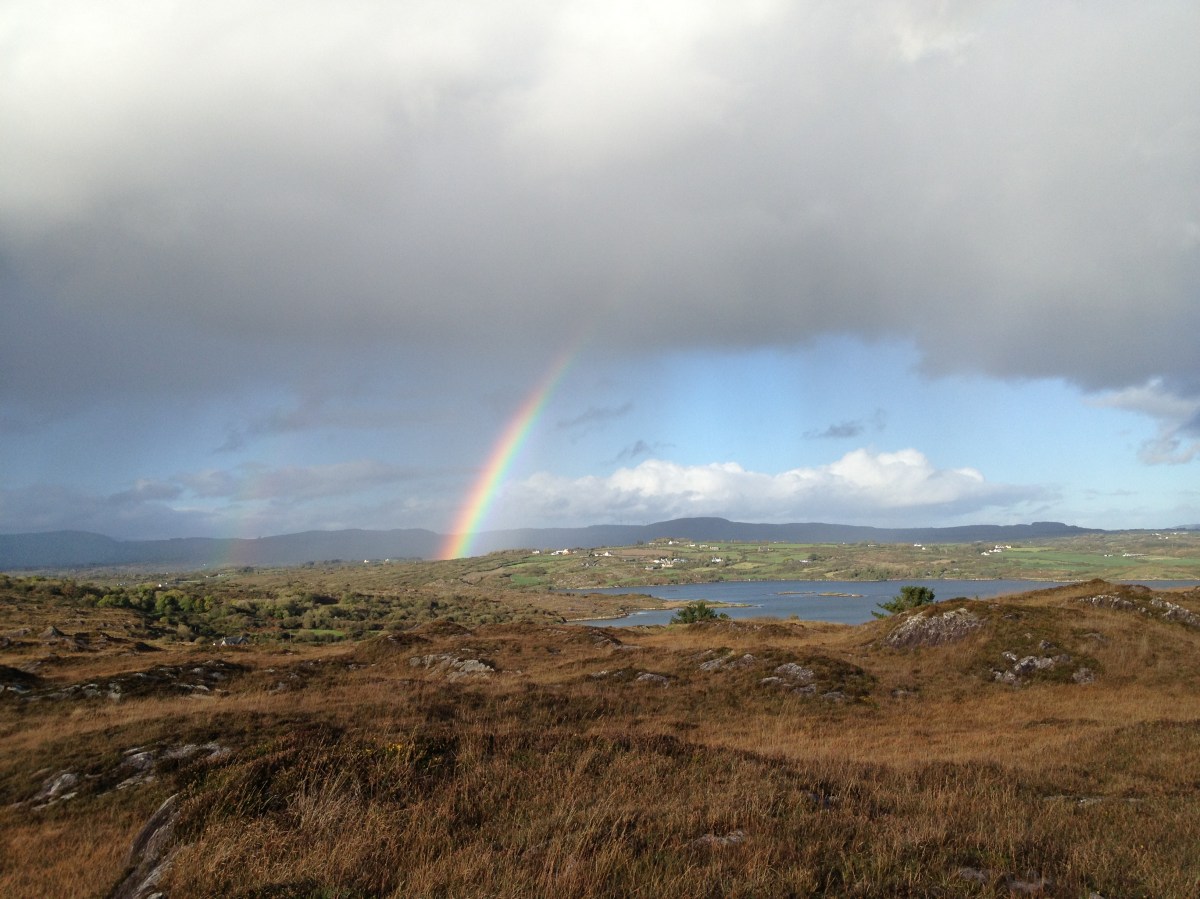
Another pic from 2012 (above) showing mixed weather conditions over Roaringwater Bay. It hasn’t always been sunshine here (have a look at this) but it always feels sunny to us – or just about to be sunny. One of our newest posts -here – shows us doing what we like the most, and always have: exploring remote and often forgotten West Cork byways.

Our regular readers will know that, over ten years, we have developed our interests to take in history, archaeology, rock art, stained glass, architecture, topography, folklore, wildflowers, art and culture, landscape and language… and very much more. We share our adventures often with Amanda and Peter Clarke, our fellow bloggers and friends – see Holy Wells of Cork and Kerry and Hikelines.

What of the next ten years? Well, we are trying to be innovative. This week we have introduced a ‘guest post’ for the first time: this one, by our friend Brian O’Riordan, explores the exploits of an intrepid 79-year old woman who sailed solo across the Atlantic to Ireland in 1994 , which falls right into our own interests, and – hopefully – yours too.

S…………..?

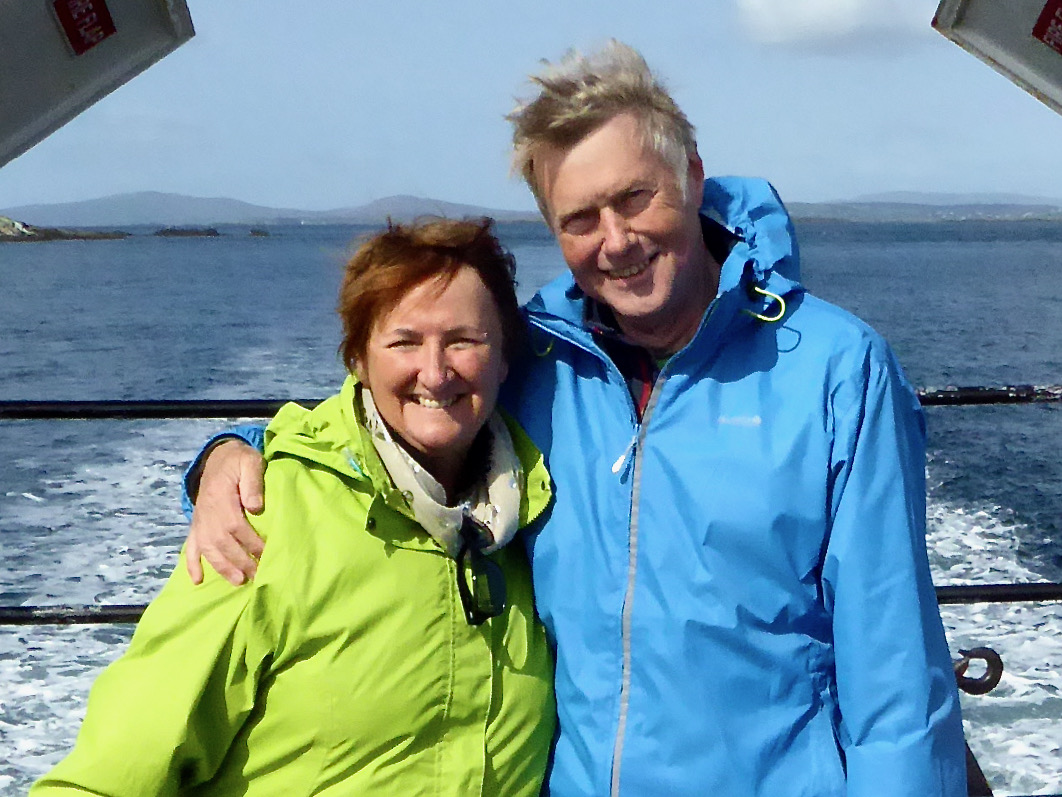
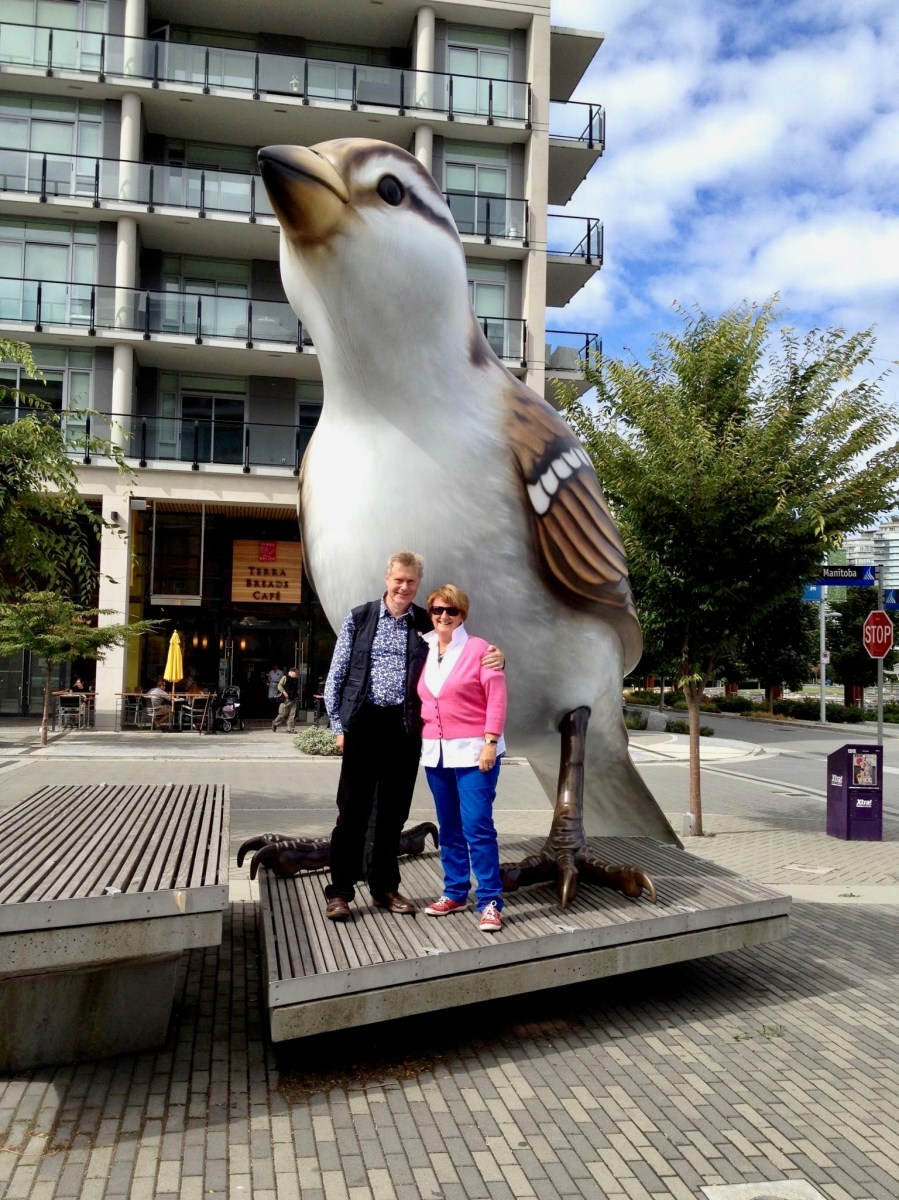
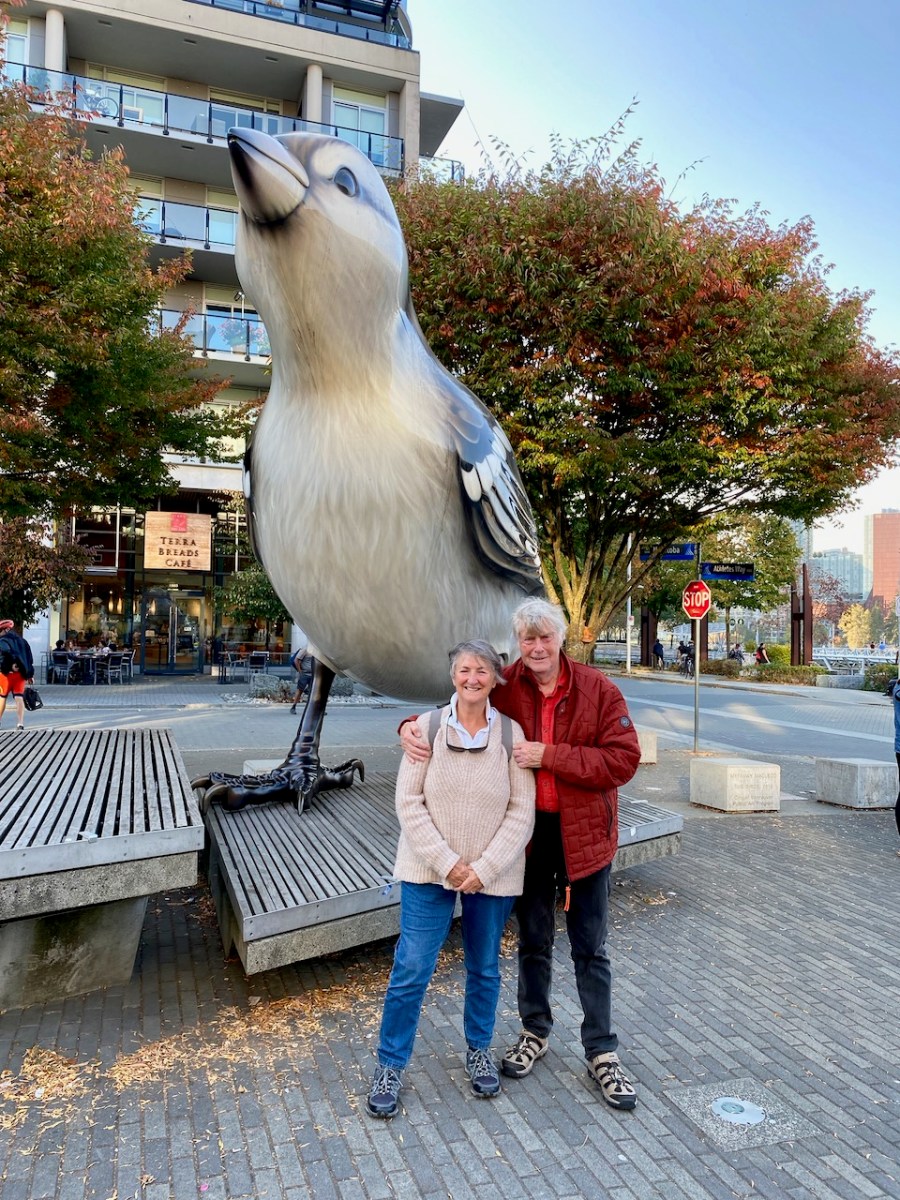
Ok – we have got the message! About the sparrow, that is. The original giant sparrow is one of two (a male and a female) which were created for the Olympic Park in Vancouver, Canada, in 2010 by the sculptor Myfanwy MacLeod. One was transported by our own photo magic to Ard Glas! Perhaps they are not relevant to West Cork, but they are meaningful to Finola and Robert, as we saw them together in Canada ten years ago – pic below. We have just recently returned from a visit to Canada, enjoying a long-awaited catch-up with Finola’s family there. We made sure to record our presence there with another photo-op (below the below).

* Hopefully this demonstrates how youthful we remain, imbibing as we do the stimulating West Cork air. Here’s to the next ten….!

Sun’s Out! A Further Look at The Beara

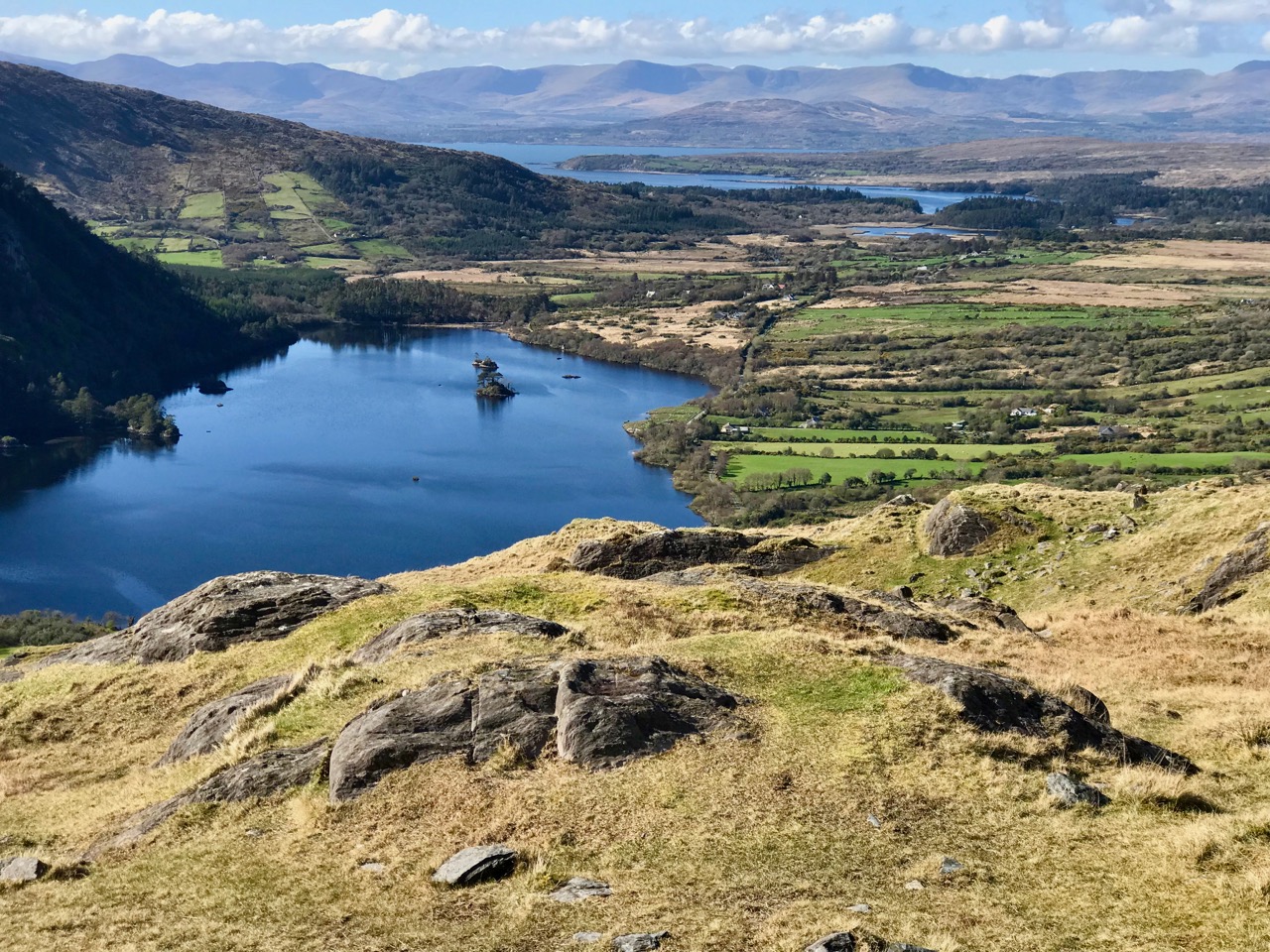
A few years ago, on one April day after a bleak, harsh winter that had gales, hurricanes, blizzards and unceasing bitter east winds thrown at us – the sun came out! We were out too, and headed up to the Beara Peninsula to see if we could remember what sun-soaked landscapes felt like… They felt great!

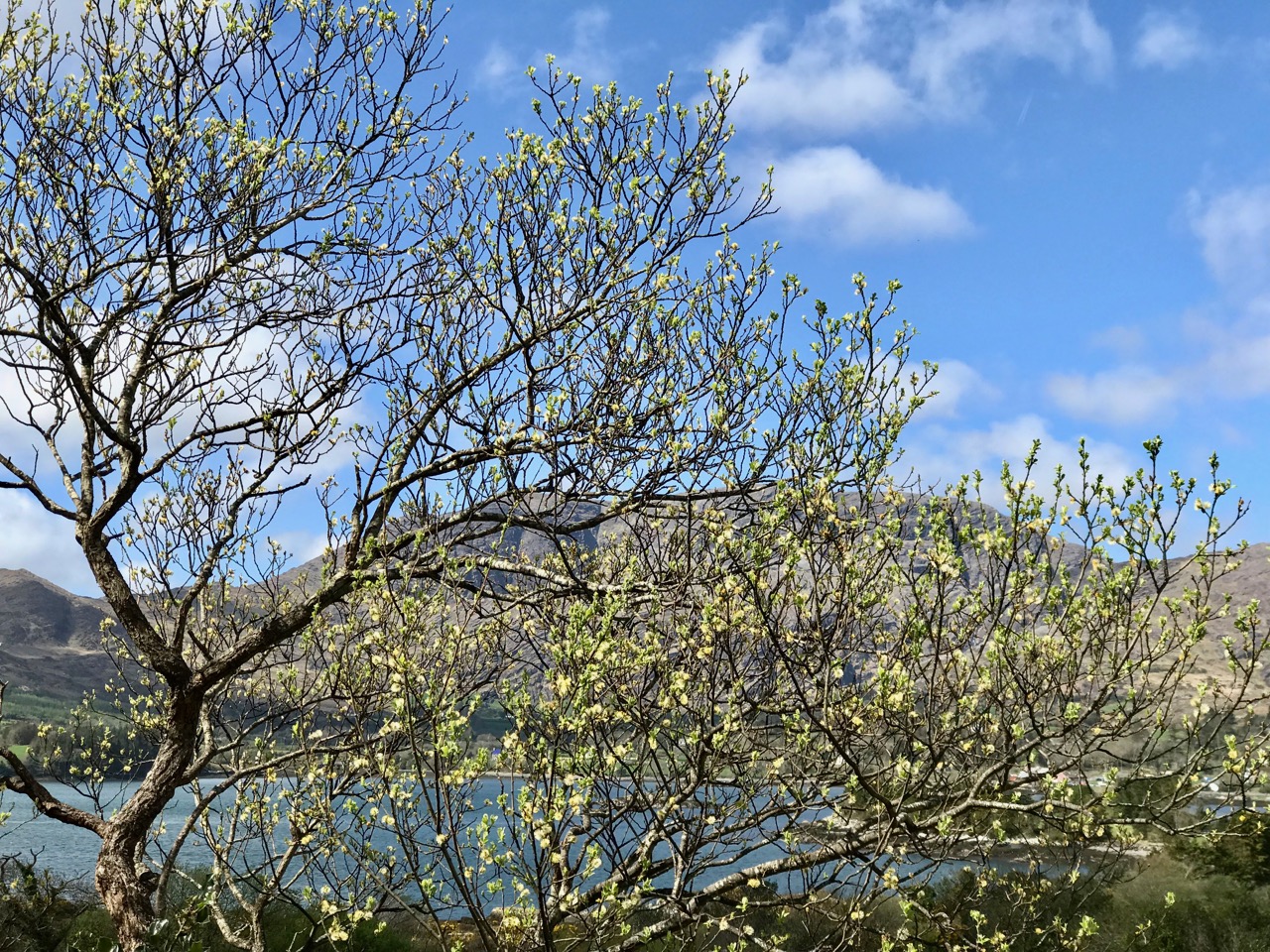
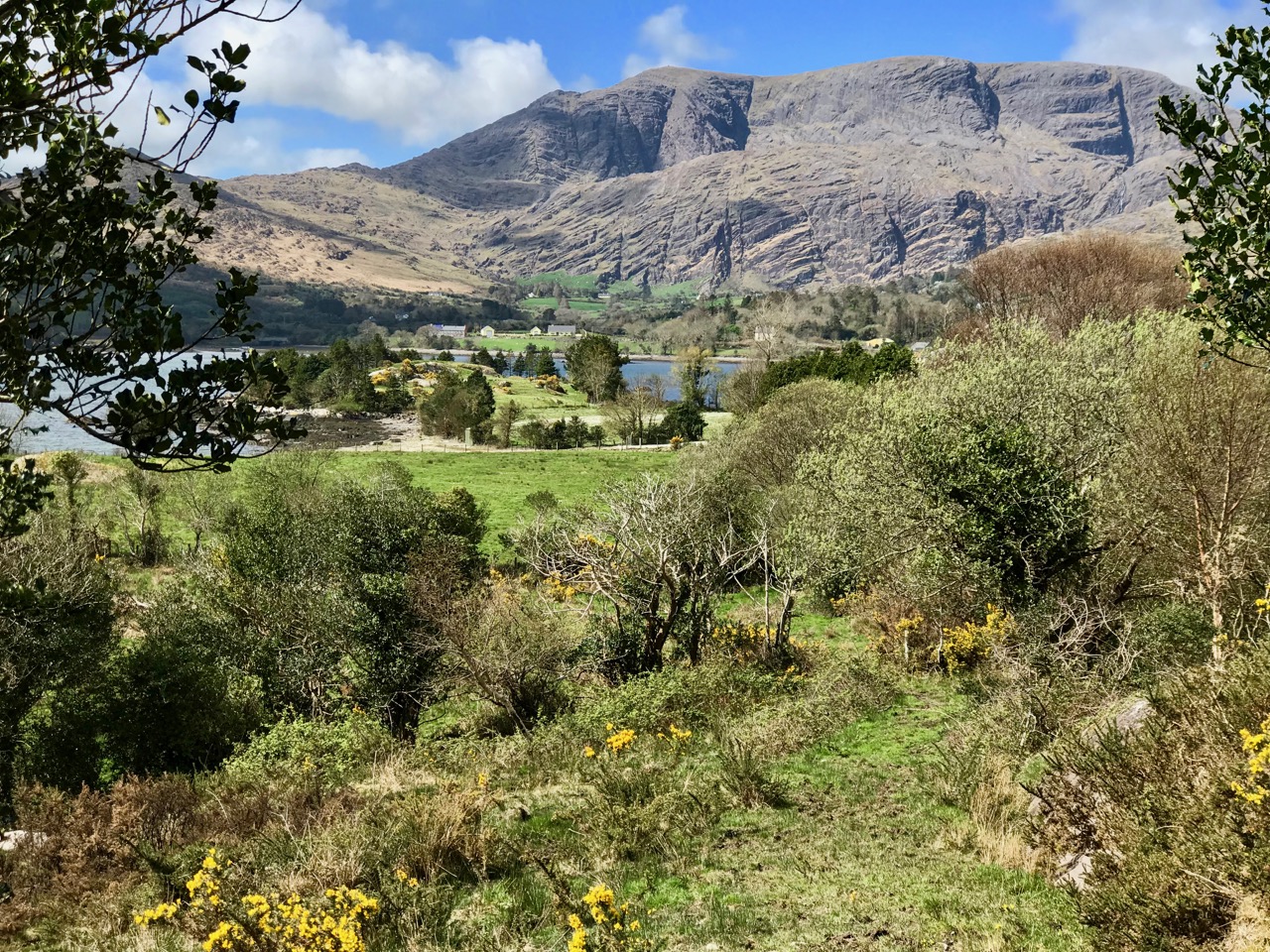
Header – the glories of Cork and Kerry combine on the spectacular Beara; top photograph – finally, after a long,harsh winter, we see the spring blossoms appearing; middle – a wayside shrine on the road out from Glengariff; bottom – Hungry Hill dominates the views as we head west on the peninsula

You will remember our previous visits to the Beara: there are not enough superlatives for what it has to offer in the way of stunning scenery and colour. None of these photographs have been enhanced – what you see is exactly what we saw on the day – and it’s what you will see, too, if you choose aright (although even on dull days we always find plenty to interest us).

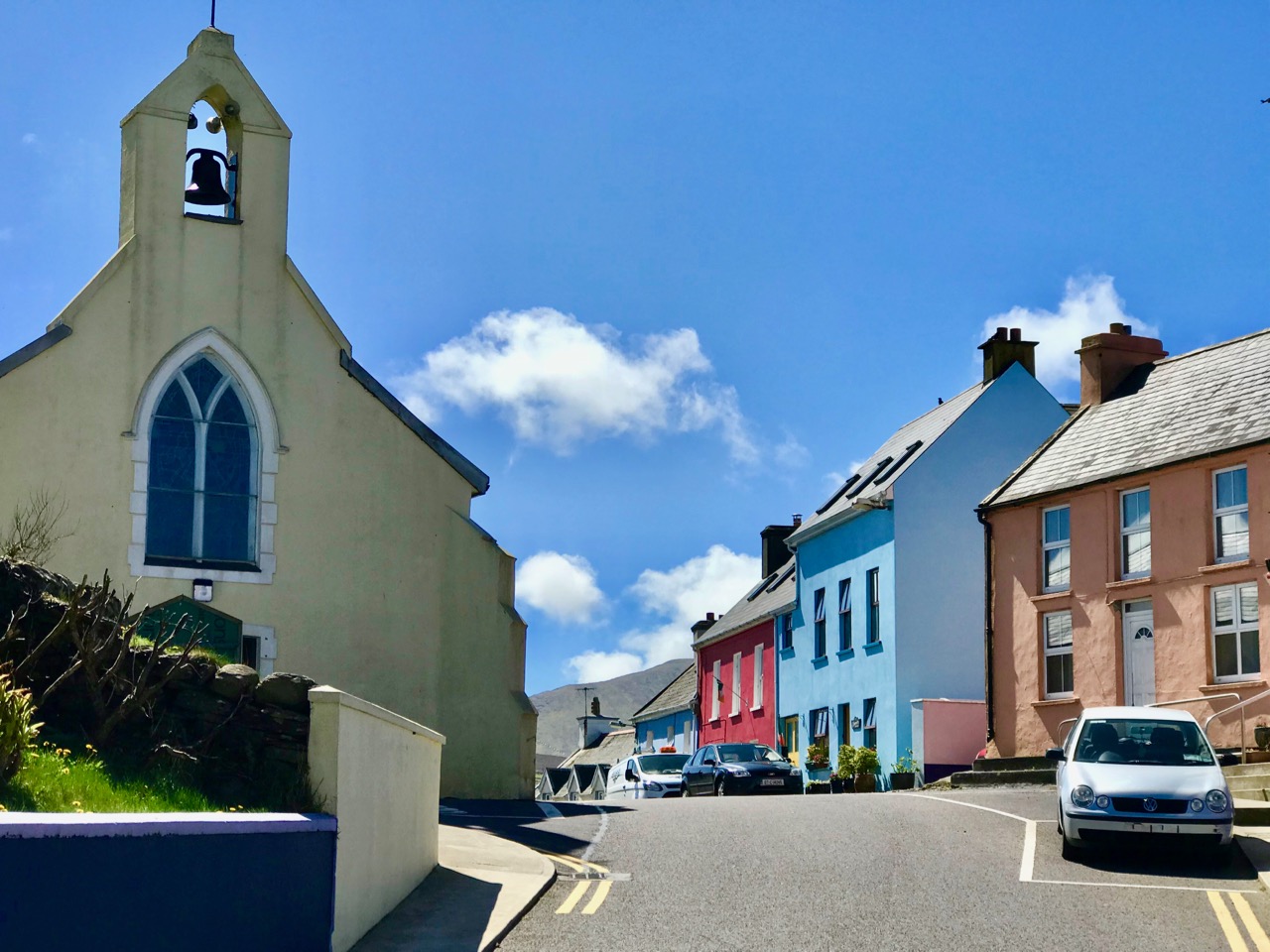
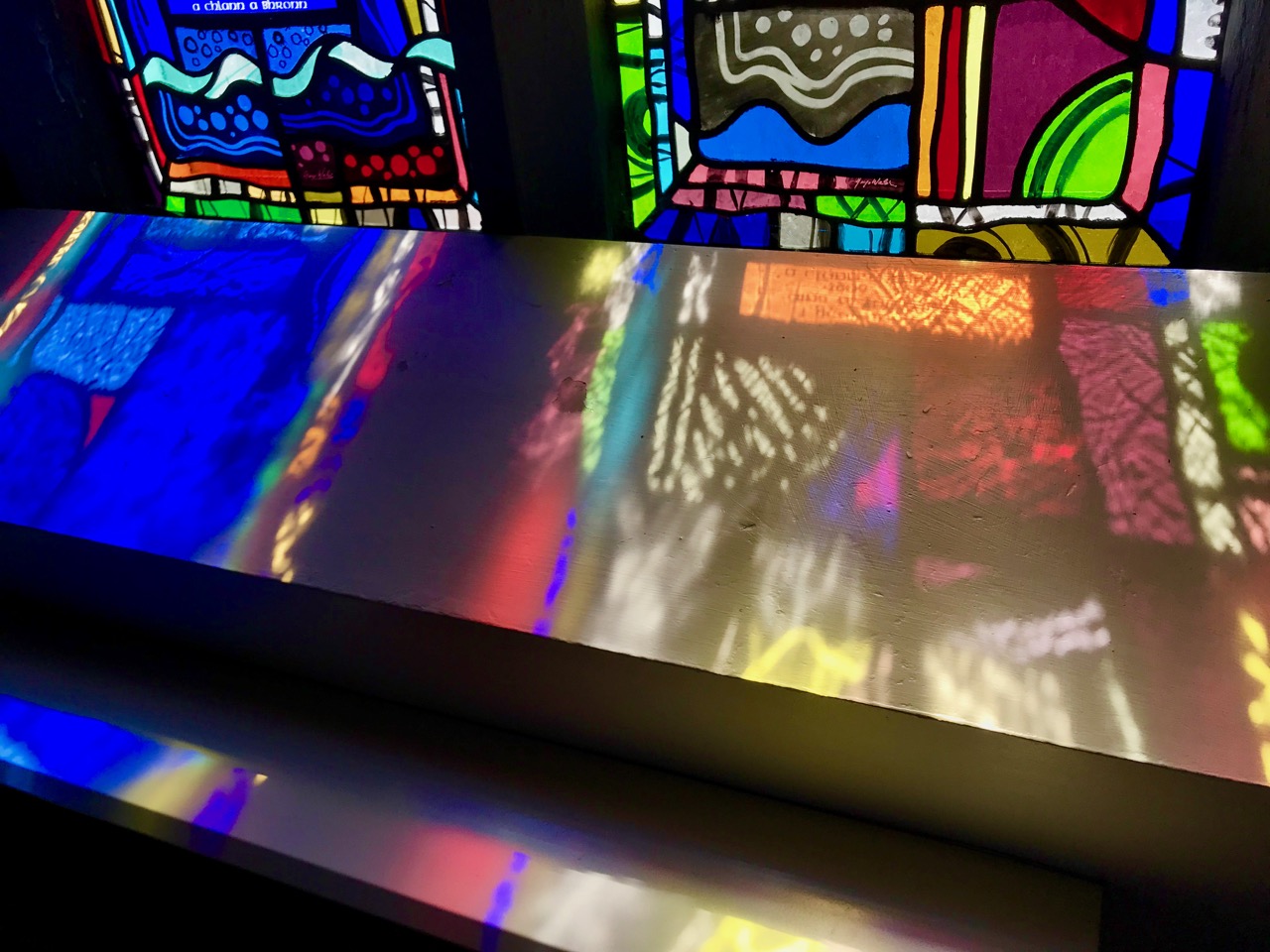
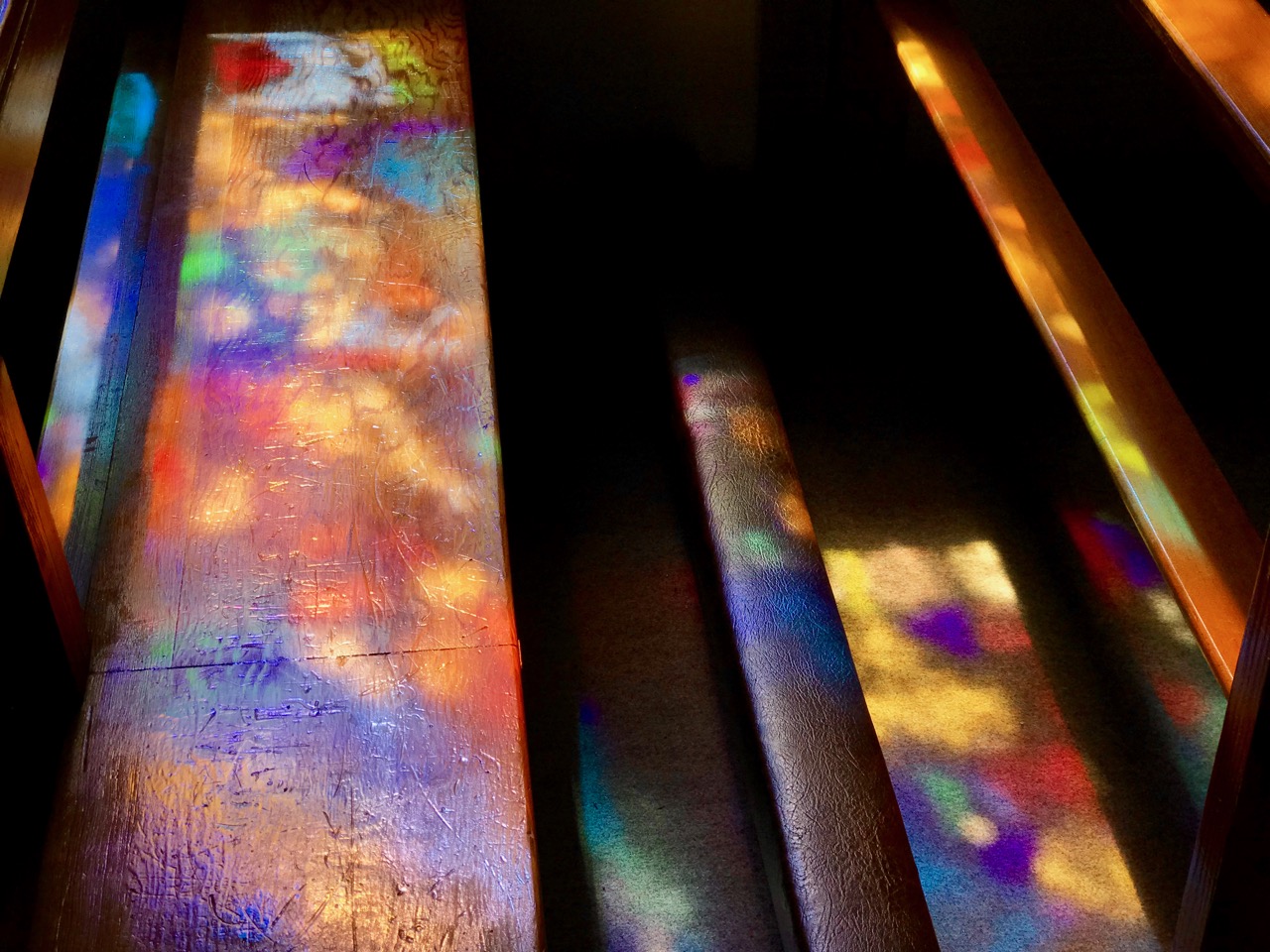
Top photograph – St Kentigern’s Church is in the centre of one of Ireland’s most colourful villages; middle – the sunlight plays games with the beautiful windows by glass artist George Walsh; bottom – light from the windows dances on the pews

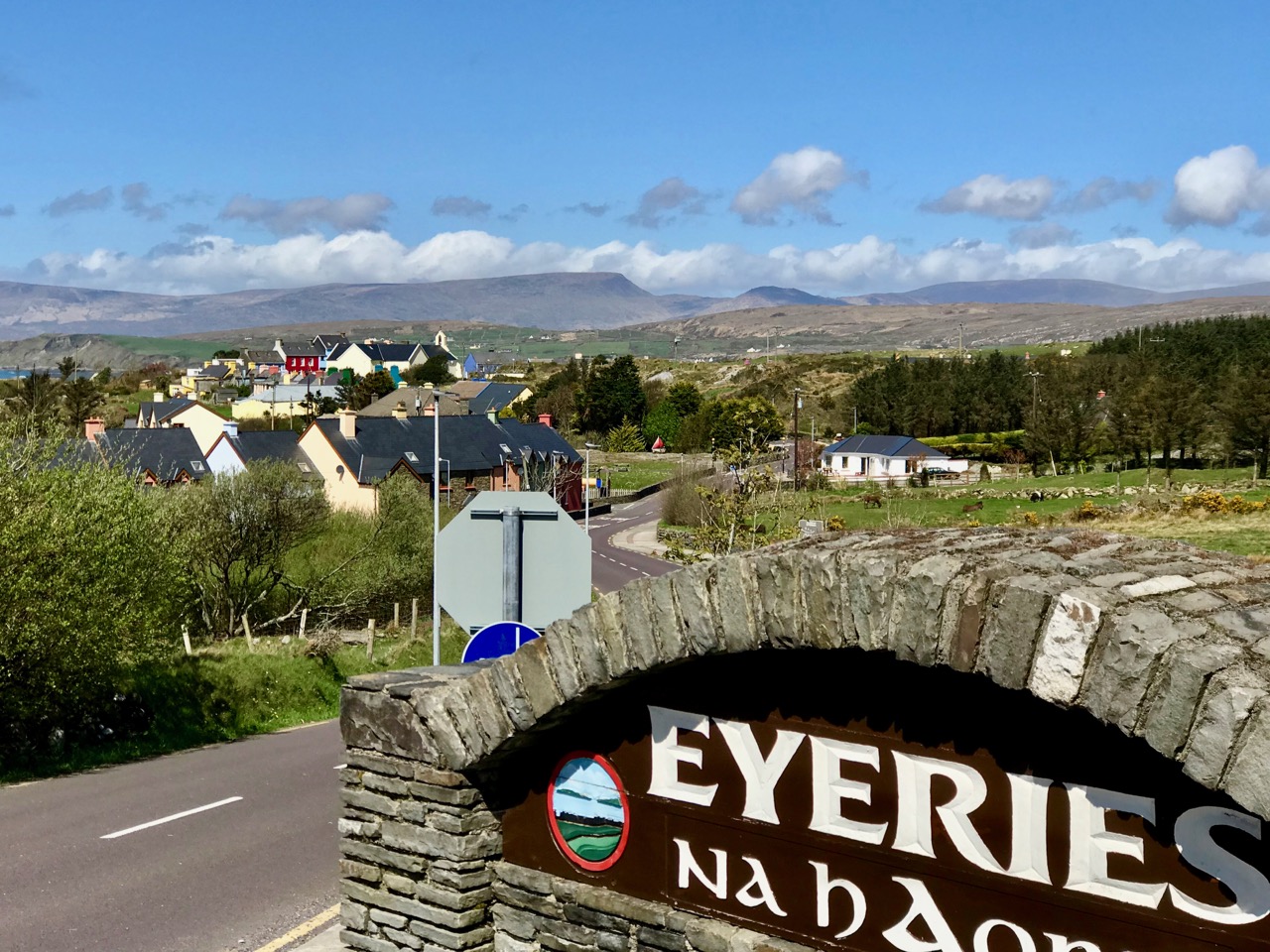
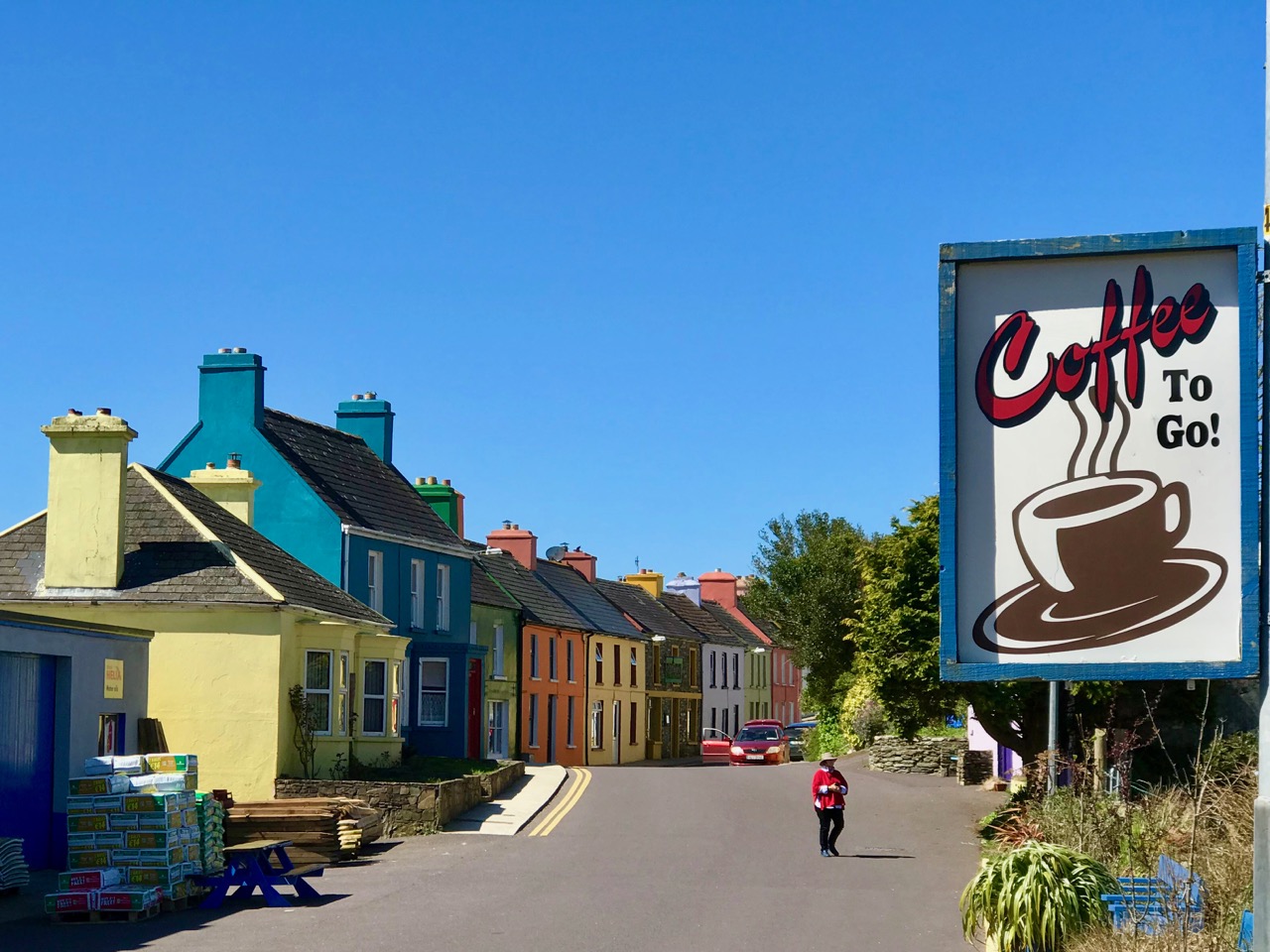
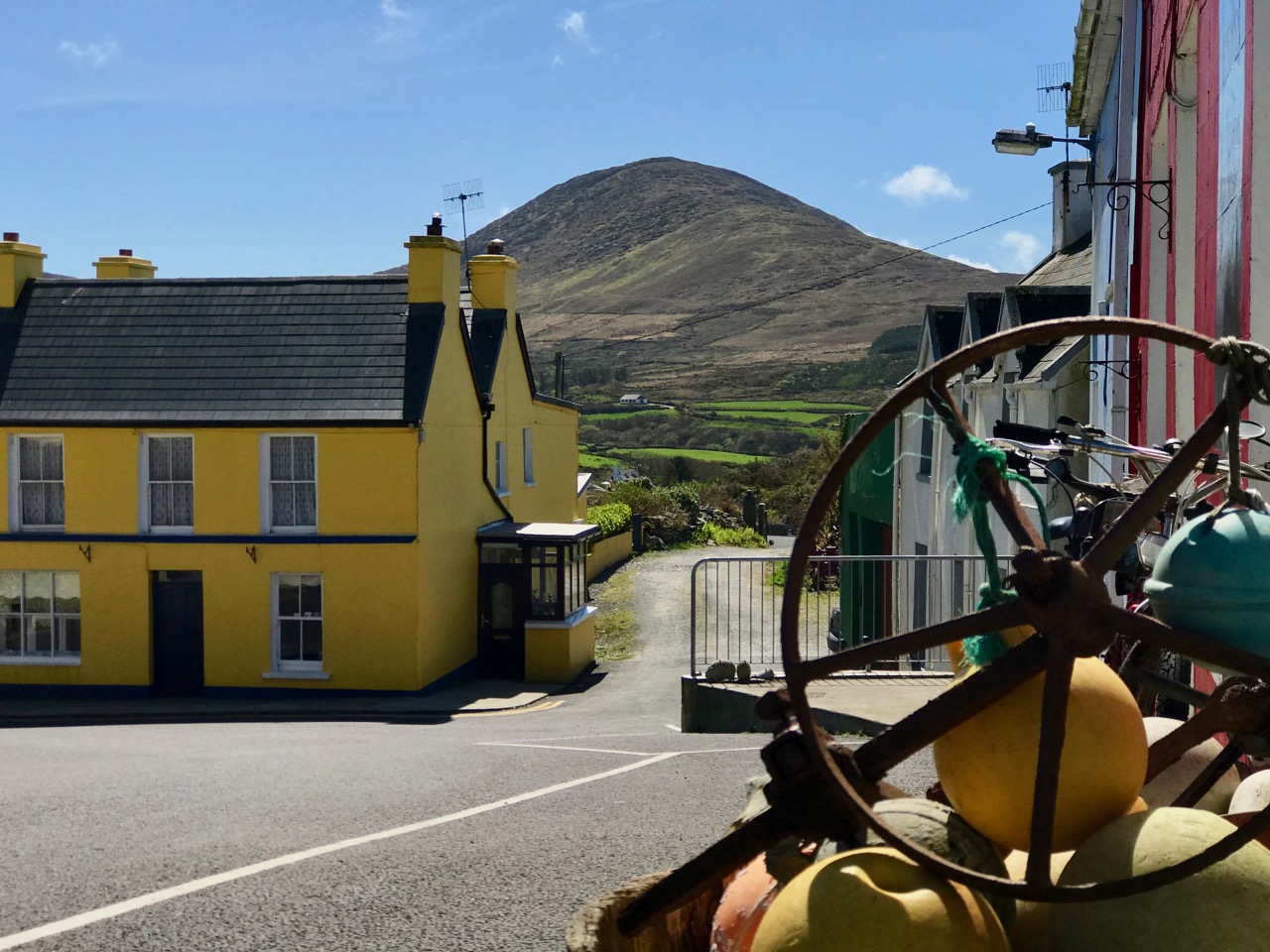
We knew where we were going: Finola was keen to revisit the little Catholic church of St Kentigern in Eyeries, which has a fine collection of windows by George Walsh: it’s a gem – and at its best for the quality of the light enhancing it on the day. I wanted to see the settlement itself in the early spring sunlight as it’s one of the most colourful places in the whole of Ireland! Neither of us was disappointed.

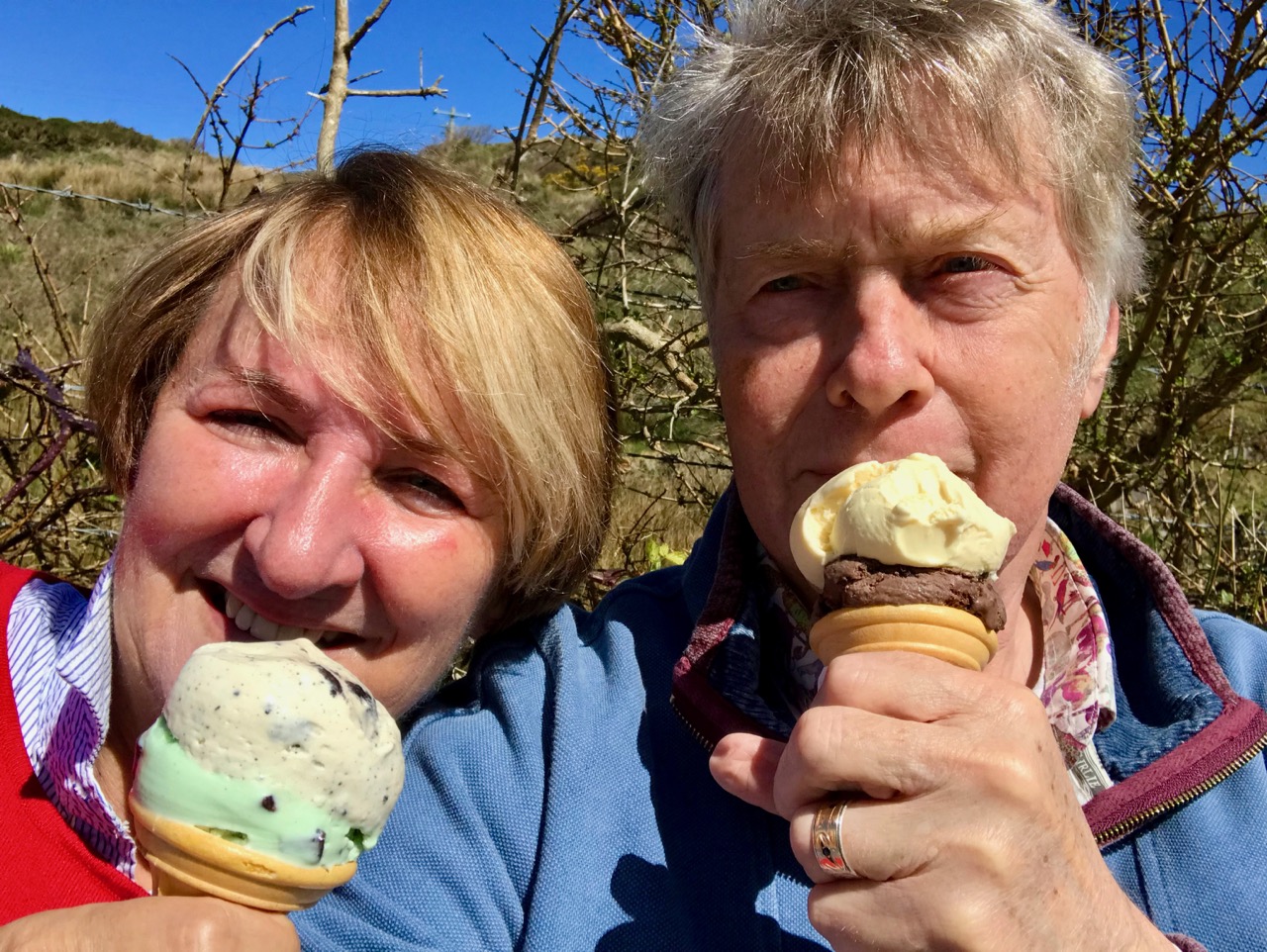
Just a taster of the treats in store in Eyeries: on a beautiful spring day there was hardly a soul around, but we were still able to find an ice cream in O’Sullivan’s!

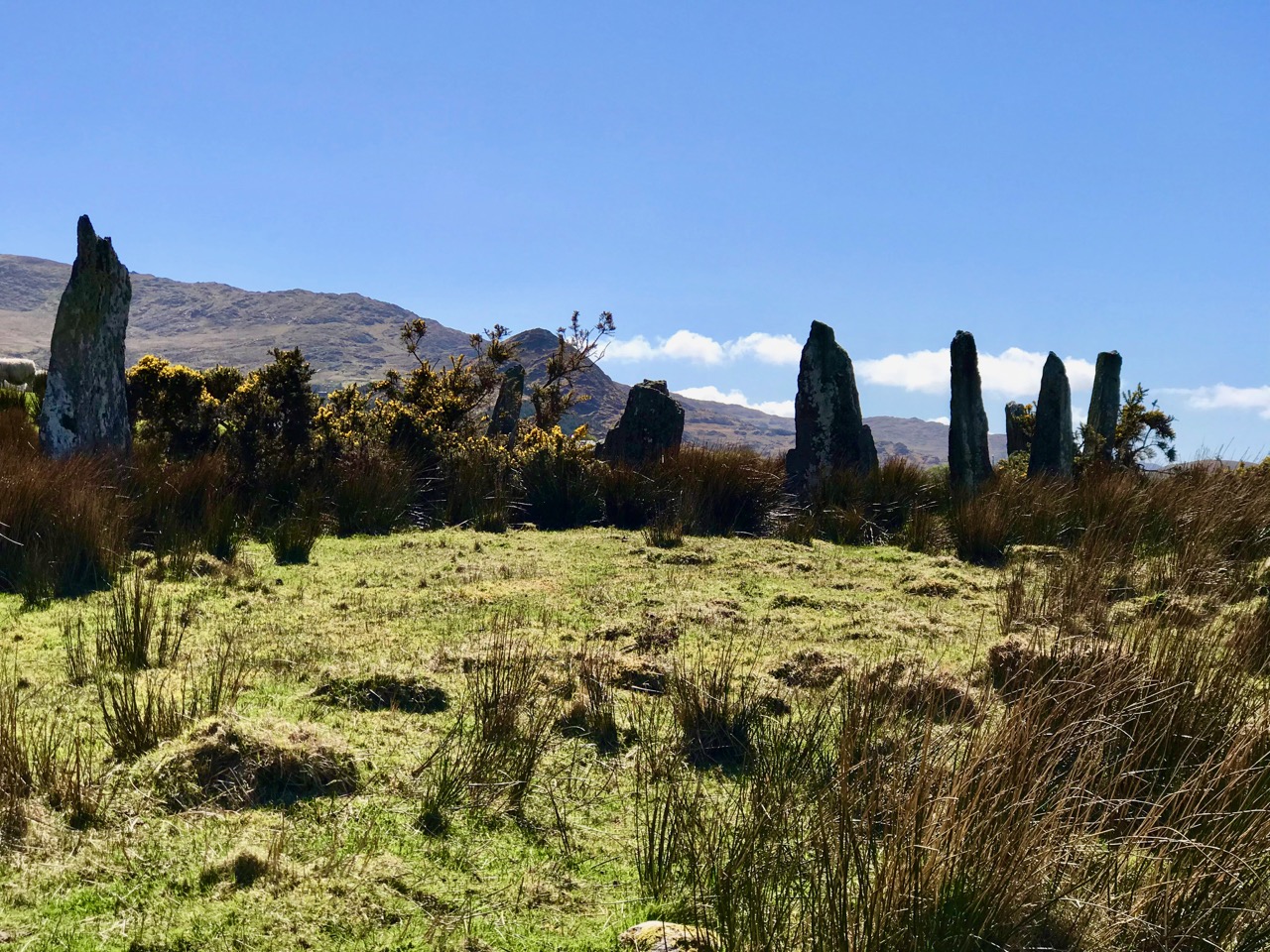
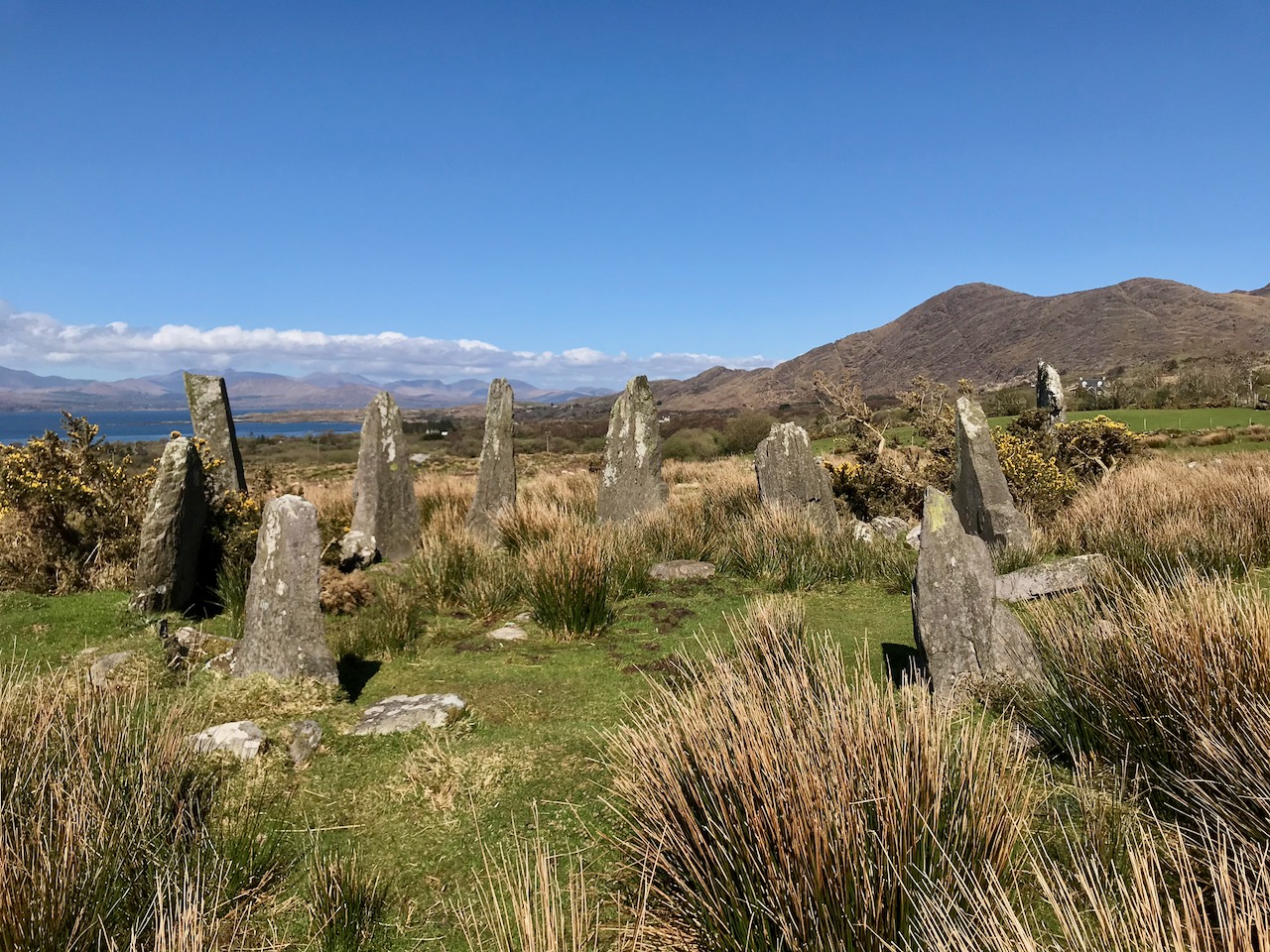
Our second objective was to travel into the hills and find Ardgroom Outward stone circle. The trail involves farm gates, stiles and a lot of mud – but the 9 stone circle (named locally ‘Canfea’) is a fine, almost intact monument with wide vistas to mountain and sea. The impressive outlier stone is 3.2m in height.

The magnificent Ardgroom Outward (or ‘Canfea’) stone circle is accessible via a marked, boggy path: the vistas from the site make the journey worthwhile. Finola is dwarfed by the huge outlier!

It’s barely a skip up to Eyeries from Nead an Iolair, so we had to carry on around the peninsula and take in the almost surreal views of oceans, lakes and mountains before dipping into Kerry and then heading over the top back into Cork county and down the Healy Pass – surely one of Ireland’s most spectacular road trips.

Returning home – with the evening sun setting gloriously over Roaringwater Bay – we reflected that there can’t be many places in the world where a single day can offer such a feast to satisfy all the senses.

Garrane Mass Rock

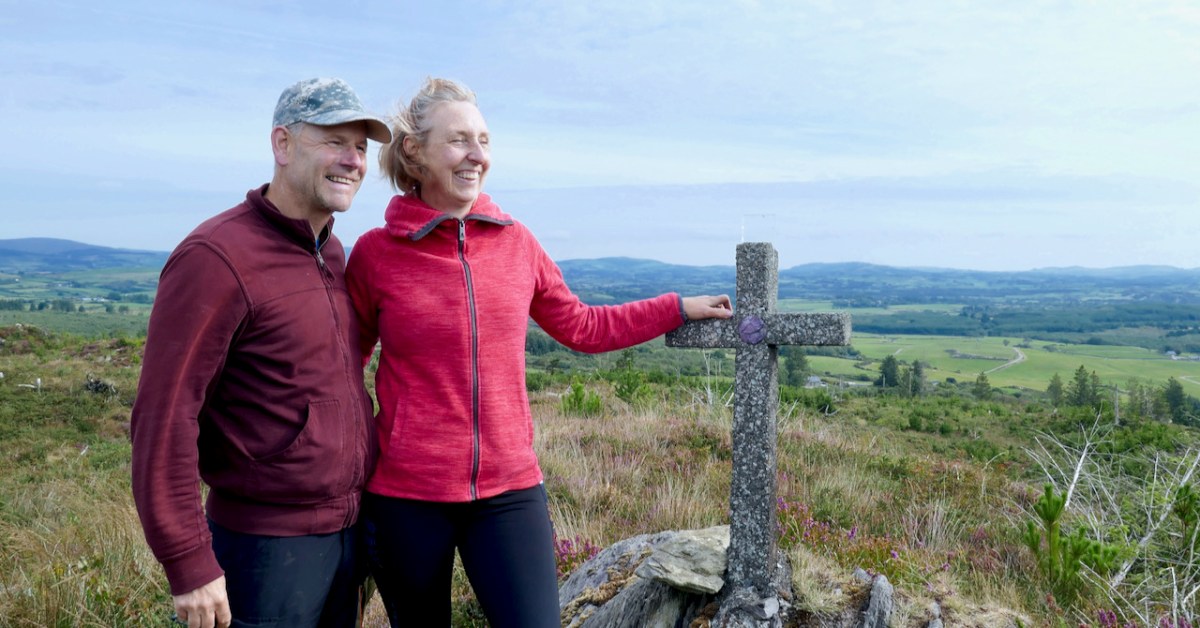
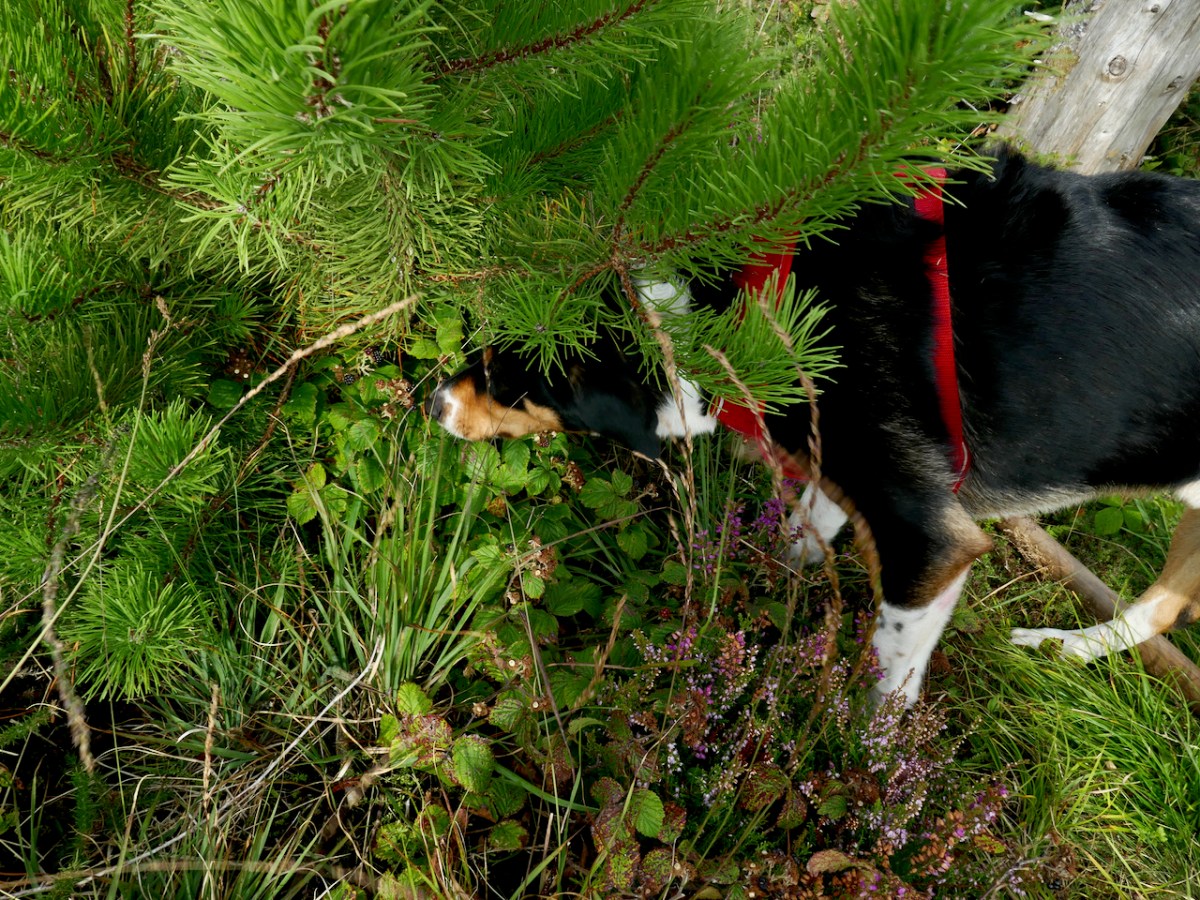
Would we like to see a Mass Rock? The question came from Oliver, and the answer was an enthusiastic YES! (The phrase Is the Pope Catholic may have been employed.) This particular mass rock has been re-discovered in recent times, but its origins are a bit of a mystery. It’s not listed on the National Monuments Record of Sites, and some elements are clearly dated to the early 1950s. There is no defined trail and it would be very easy to get lost, so we were very grateful indeed to our guides, Oliver Farrell and Tracey Daly (above), who live close by and use the trails frequently with their sons. Rio the Wonder Dog accompanied us.

Garrane (it’s Garrane on the OS maps, but often spelled Gurrane, especially locally, and it means ‘grove’) is a townland in the area between Ballydehob and Caheragh. The area is managed by Coillte, and starts among tall trees. As you ascend, though, you emerge into rocky scrub territory that was cleared in more recent times, leaving interesting stumps here and there, like stubby totems.

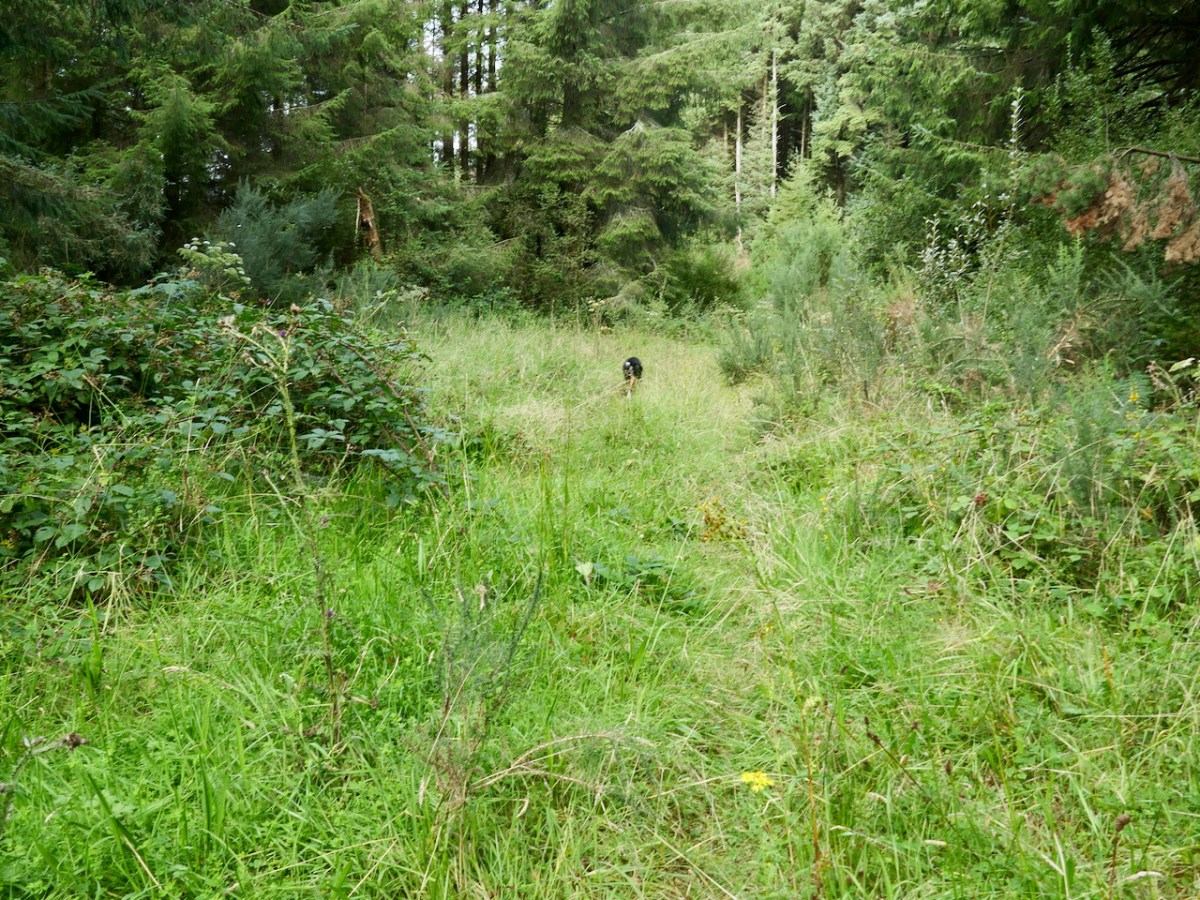
It’s a lovely hike up (although I’m not sure I could find it by myself again) and soon we were enjoying panoramic vistas across the countryside and over to Roaringwater Bay and Cape Clear beyond. Rio led the way, occasionally disappearing into the bushes but always coming back to his humans to make sure we were keeping up.

At this time the hills are covered in Western Gorse and heathers and butterflies were flitting through the shrubs as we ascended, attracted by the blooming Ling.

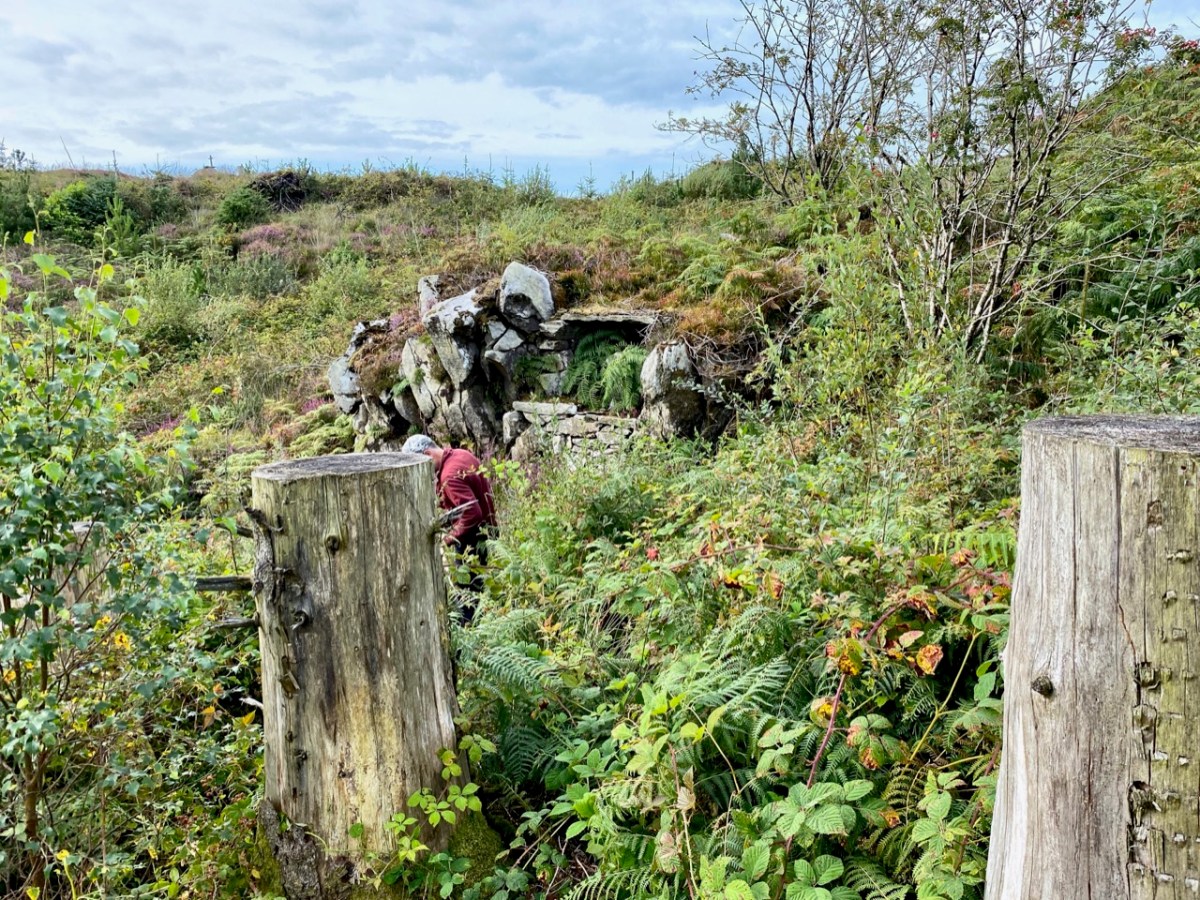
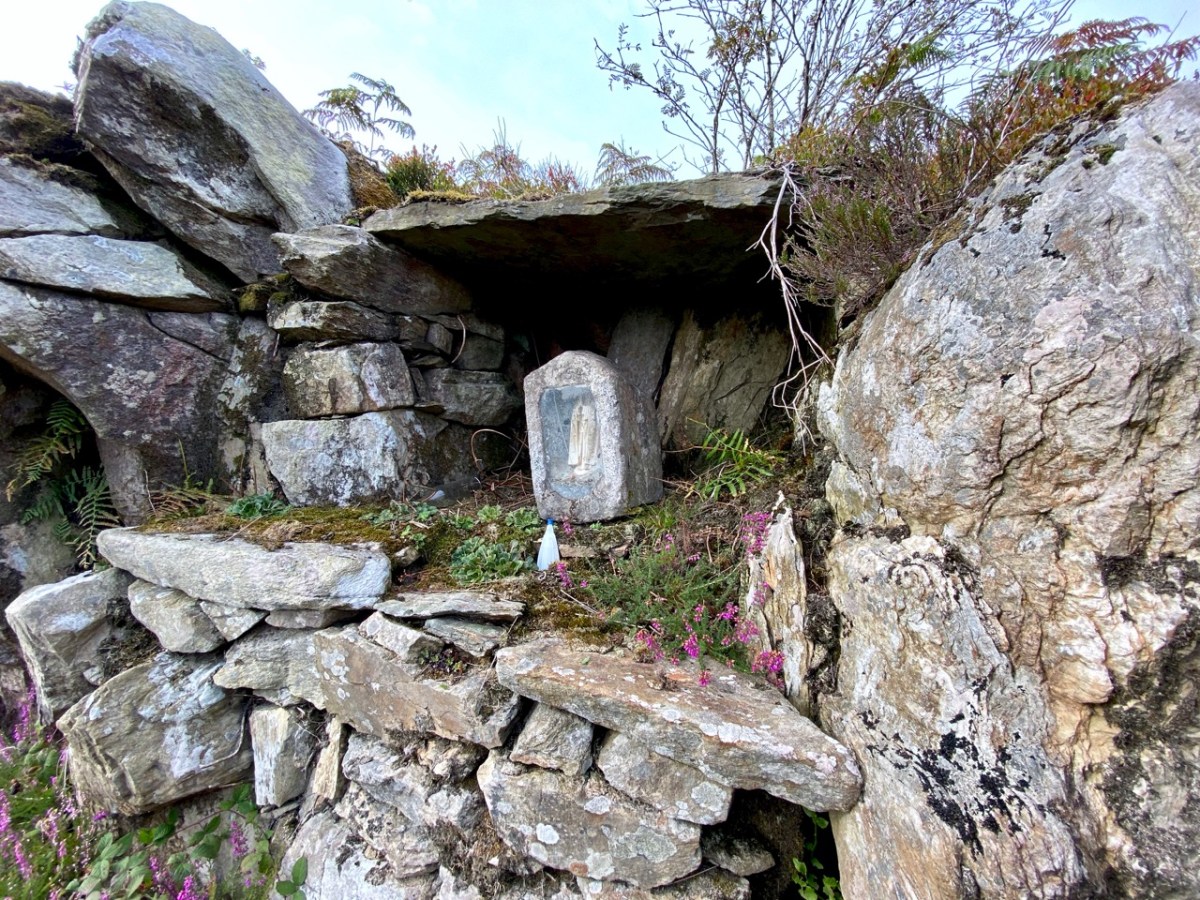
When Oliver said we’d arrived, I didn’t see anything except what looked like a pile of stones.. The bracken was everywhere, including within the mass rock itself. Oliver set to work and soon it was revealed – a flat, altar-like surface, with a niche in which a small shrine had been placed.

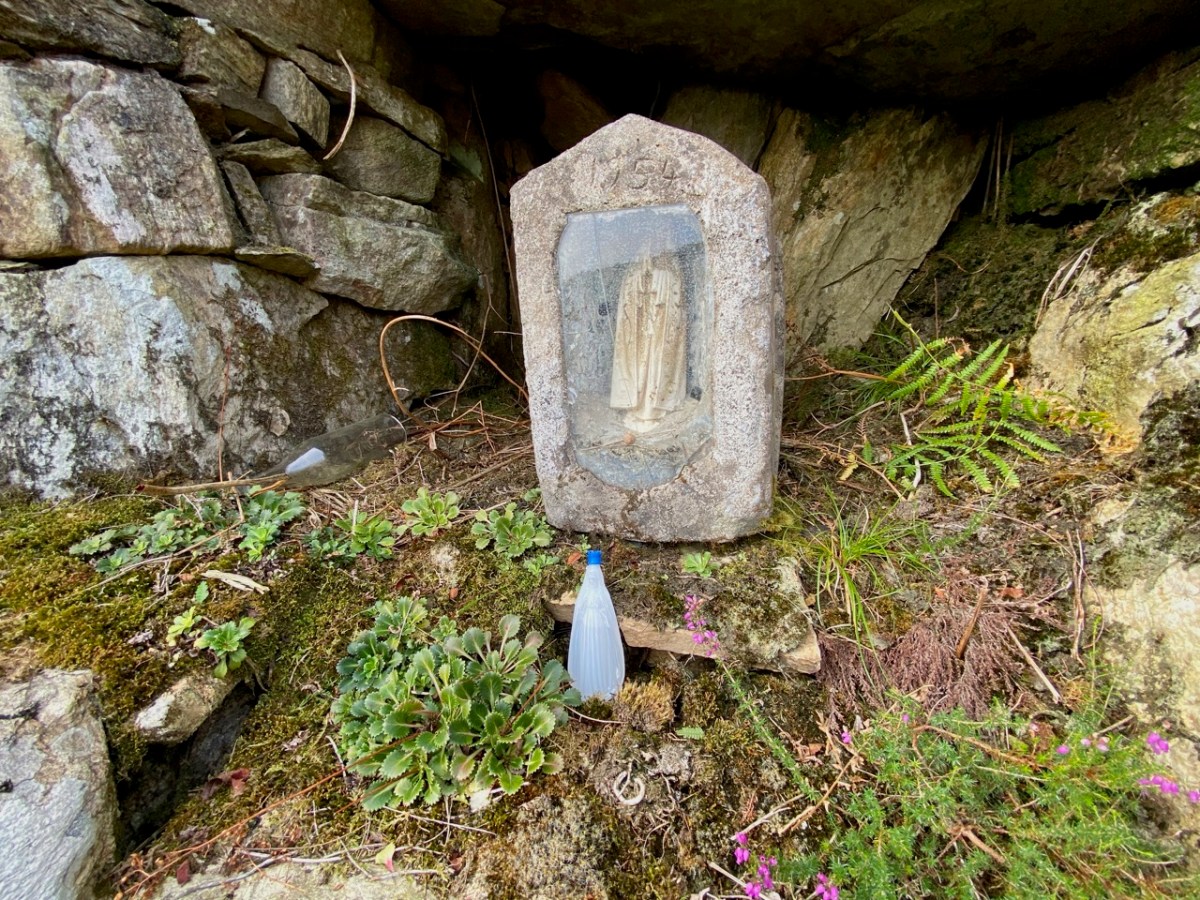
The shrine – a concrete box containing a statue of the Blessed Virgin Mary, was dated 1954. This marks it as having been inserted into the niche during the Marian Year. Most of the grottoes we see in every village and town across Ireland date to 1954 – for more on this see my post Mary Mary. It’s possible, perhaps, that the mass rock itself was refurbished during this time, to make it suitable to contain the shrine.

What exactly is a mass rock, I hear my non-Irish readers ask. Take a look at my post Were you at the Rock, or go to the wonderful Find a Mass Rock, an excellent site maintained by Dr Hilary Bishop of Liverpool University. 

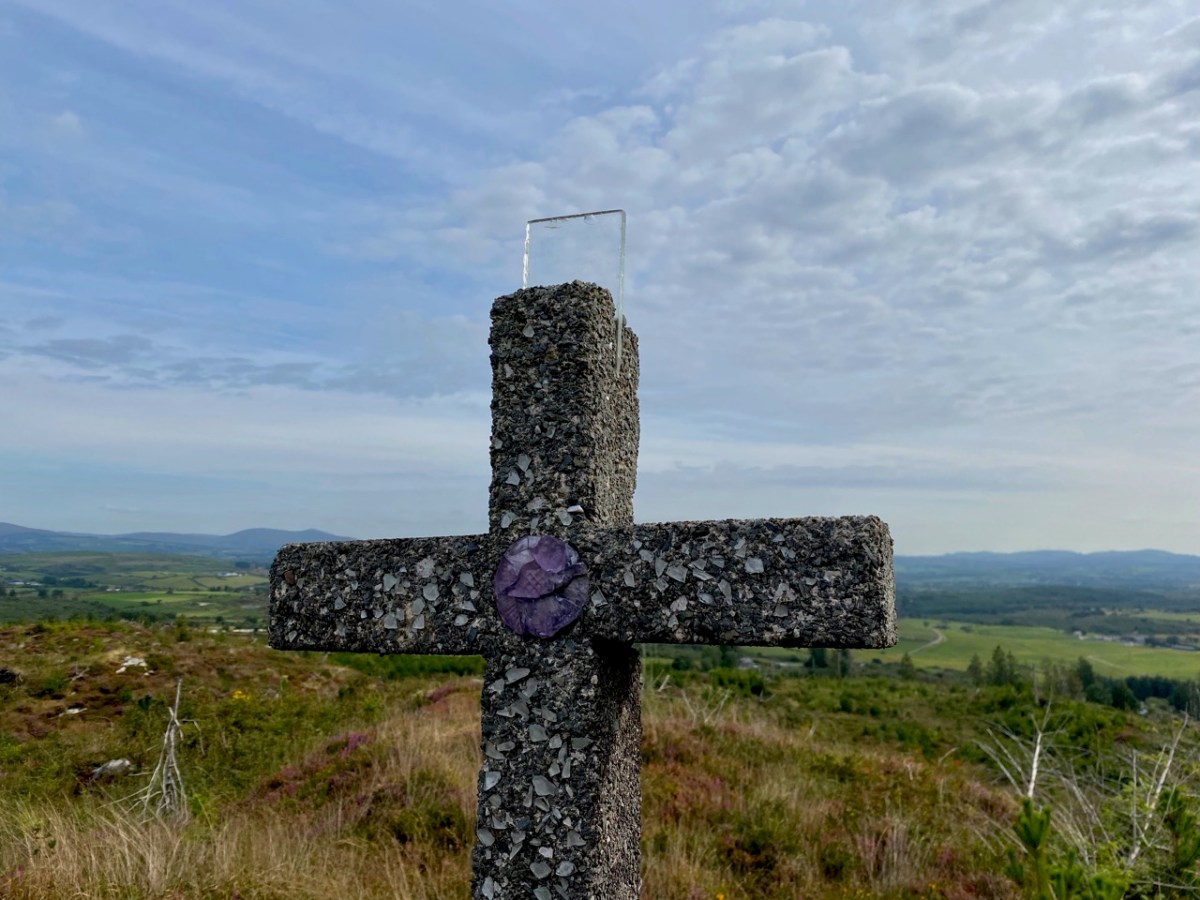
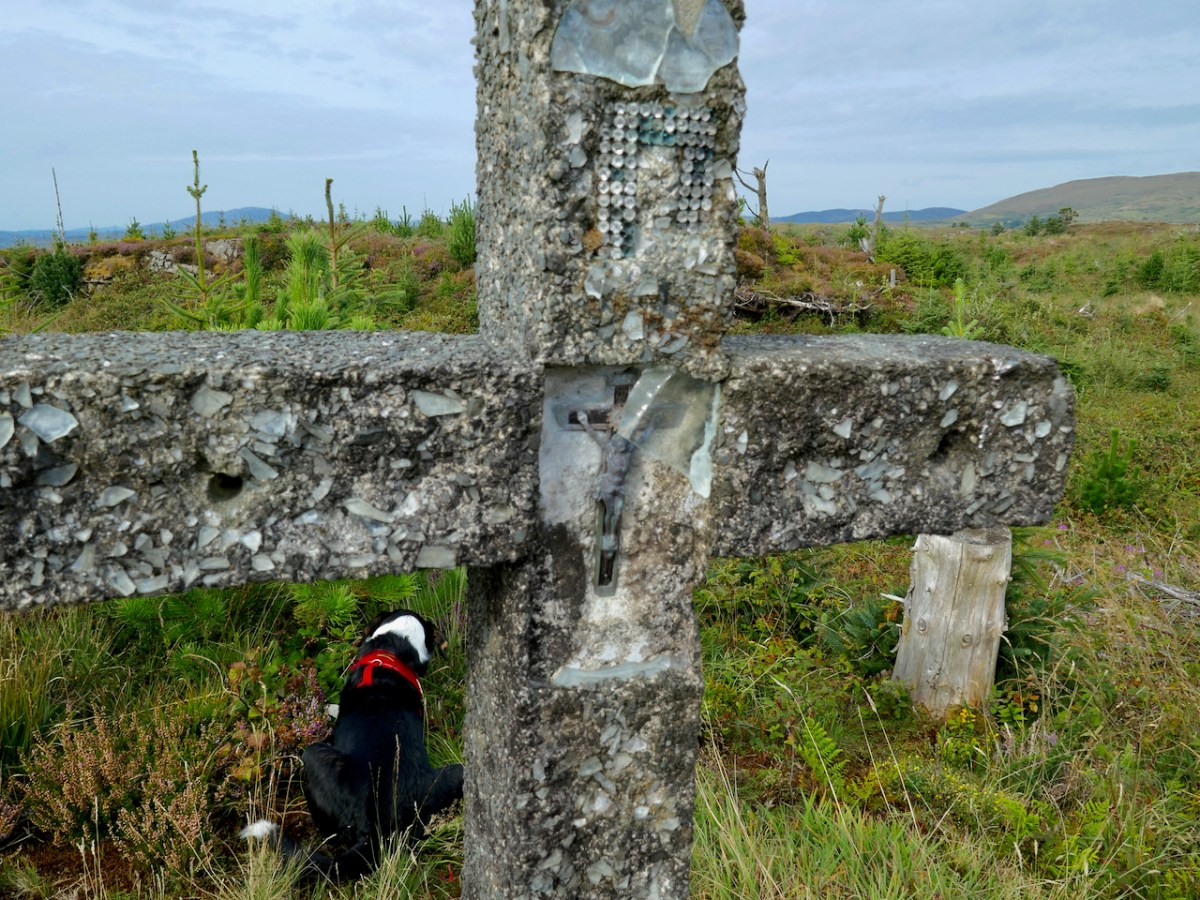
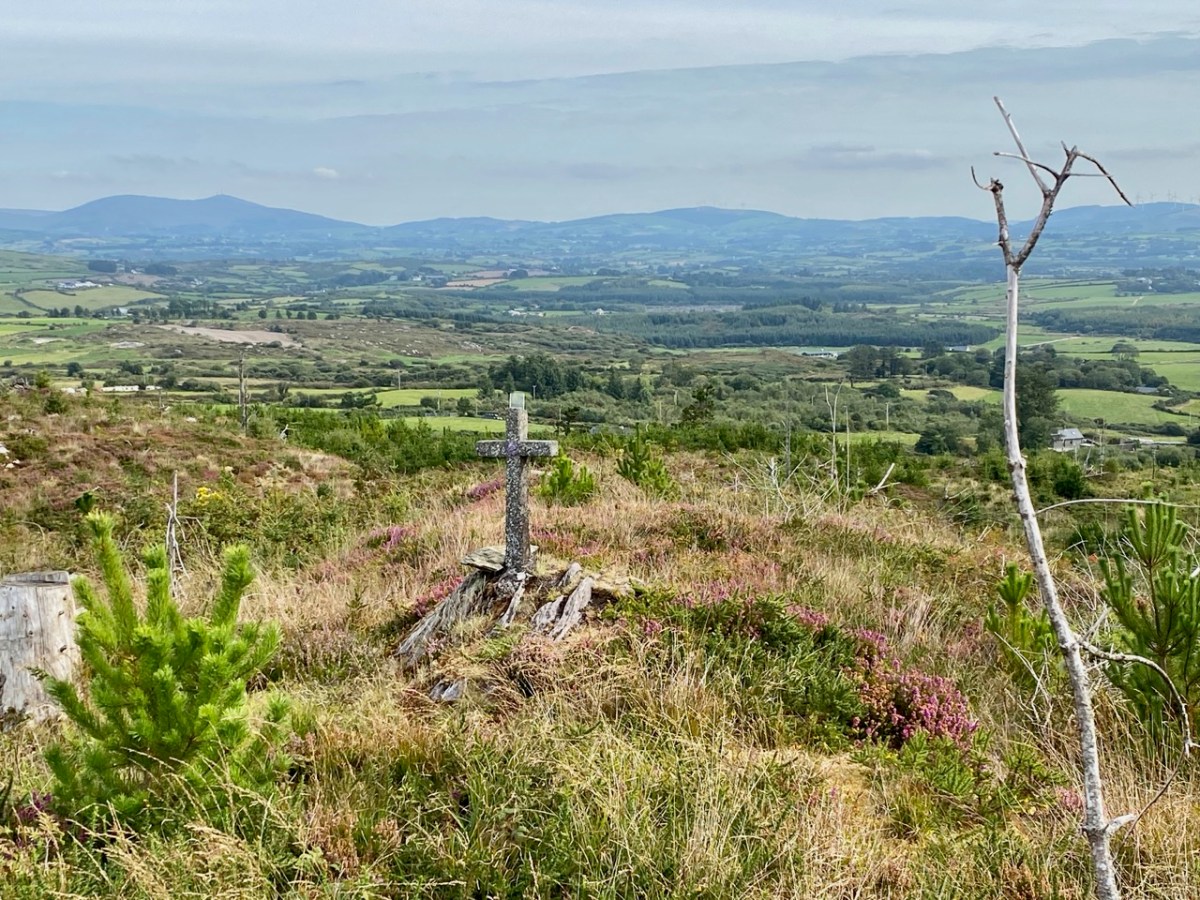
So we had found the mass rock, but there was more. Tracey and Oliver led us higher still to a spot overlooking the mass rock to a concrete cross. Although much battered, it retained much of the original decoration – glass, clear and coloured, and a small crucifix. Exploring this area, their sons had discovered the mass rock a few years earlier – it had likely been hidden for 50 years by forestry.

We wondered if this was erected at the same time as the shrine had been inserted in the mass rock, in 1954, or whether perhaps it had been erected in 1950, the Holy Year. And all around Ireland in 1950 villages and towns erected hilltop crosses – see my post Sanctifying the Landscape for more about the Holy Year and the Vatican directive that sent Irish communities up their local mountains to set up huge (and in this case not so huge) concrete crosses.

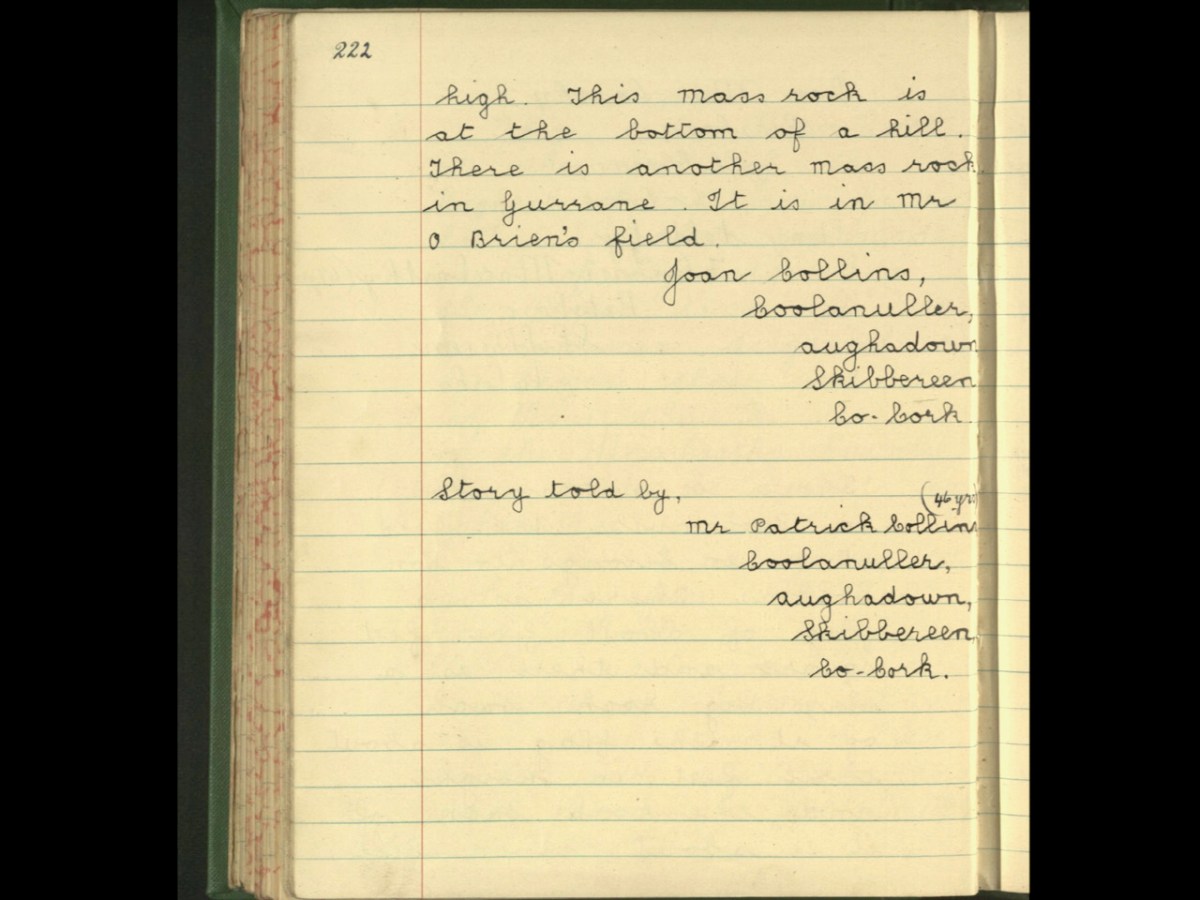
So – this spot was obviously the focus of devotional activity on the early 50s, most likely chosen because of the already existing mass rock. The memory of the mass rock was still held in the community, making it the perfect location for the Holy Year and Marian Year memorials. As we often do, we turned to the Schools Folklore Collection to see if we could find references to a mass rock in the record for the old primary school, now long closed, at Garrane. Here’s what we found:

That’s all, and frustratingly opaque, referring to the mass rock being in a ‘field.’ I would be interested in hearing from local people who might know more about the history of this particular mass rock, so that we can get it listed as a National Monument. If you know anything, please comment below, or get in touch via our contact page.

Rio led us back down the mountain, pausing occasionally to do something I had never see a dog do before – eat blackberries right off the brambles. He beat us to some of the best ones too as we headed down to the tall trees.

The Gurrane and Ballybane Trails Development Group is working on a plan for trails in the area, including this one – good news!

Well Off The Well-Trod Track

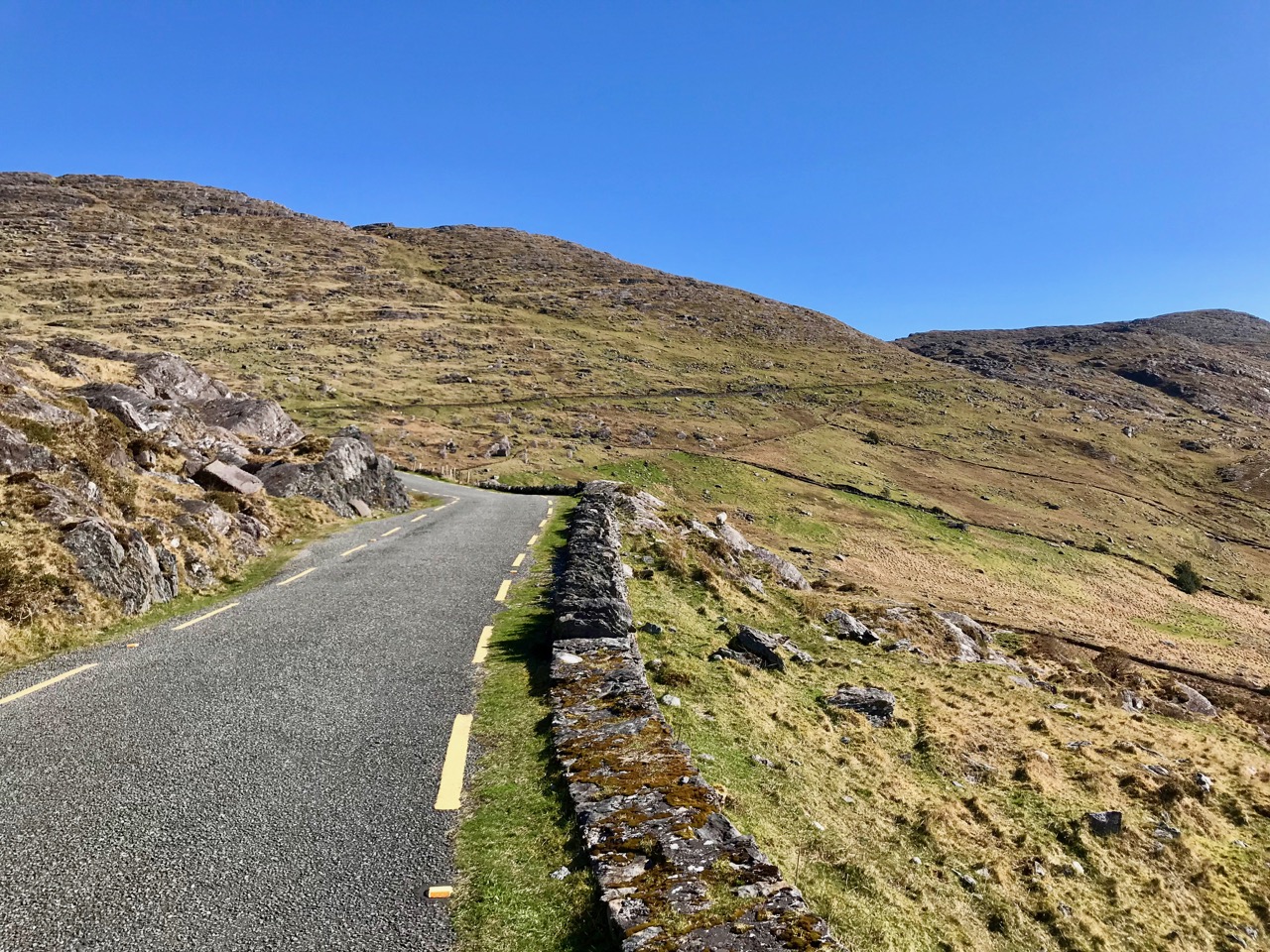
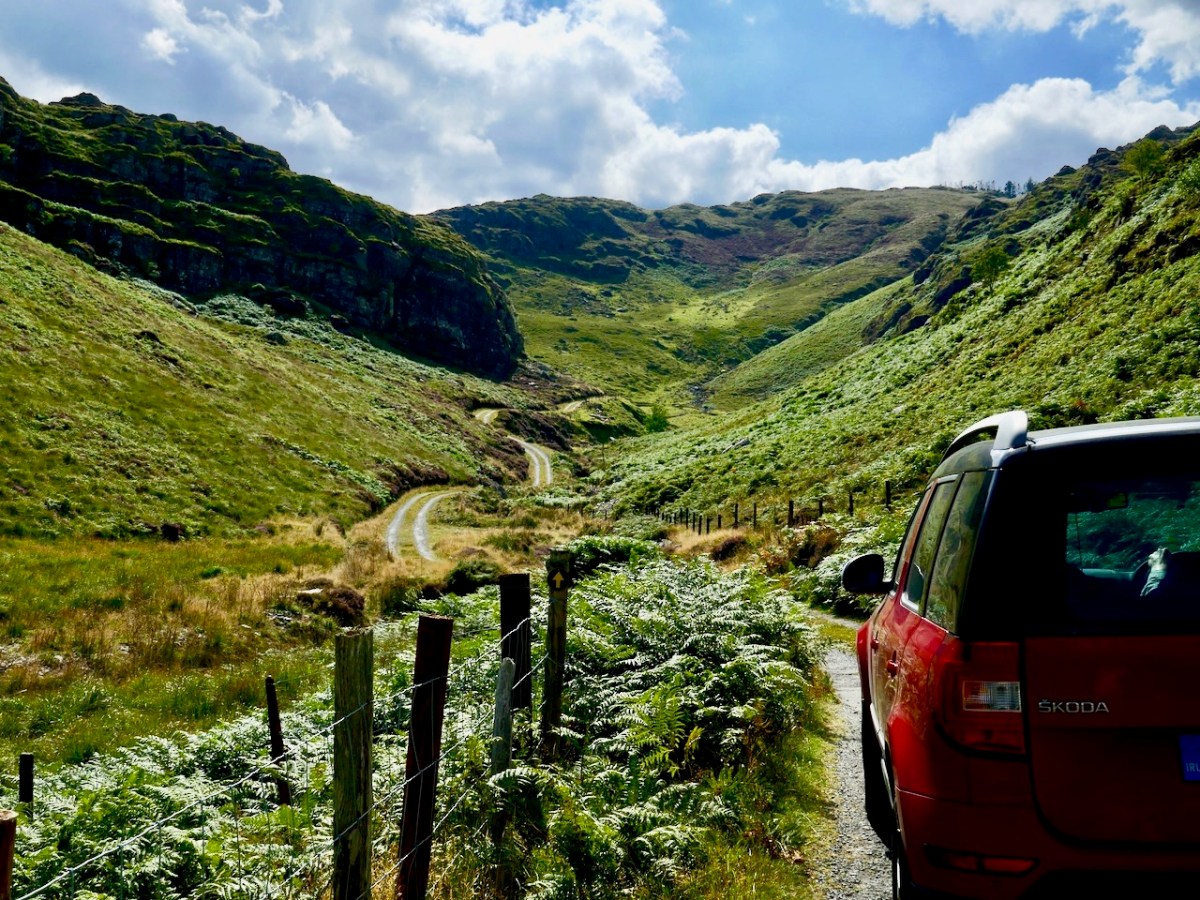
Not long ago I reported on some ‘small road’ works close by our home in West Cork. Whenever we travel here in Ireland, we are on the lookout for ‘byways’ … very narrow routes, seldom used, but which often traverse the most scenic landscapes. For some – such as today’s example – you have to be fairly brave, and prepared to travel a long way in reverse if necessary!

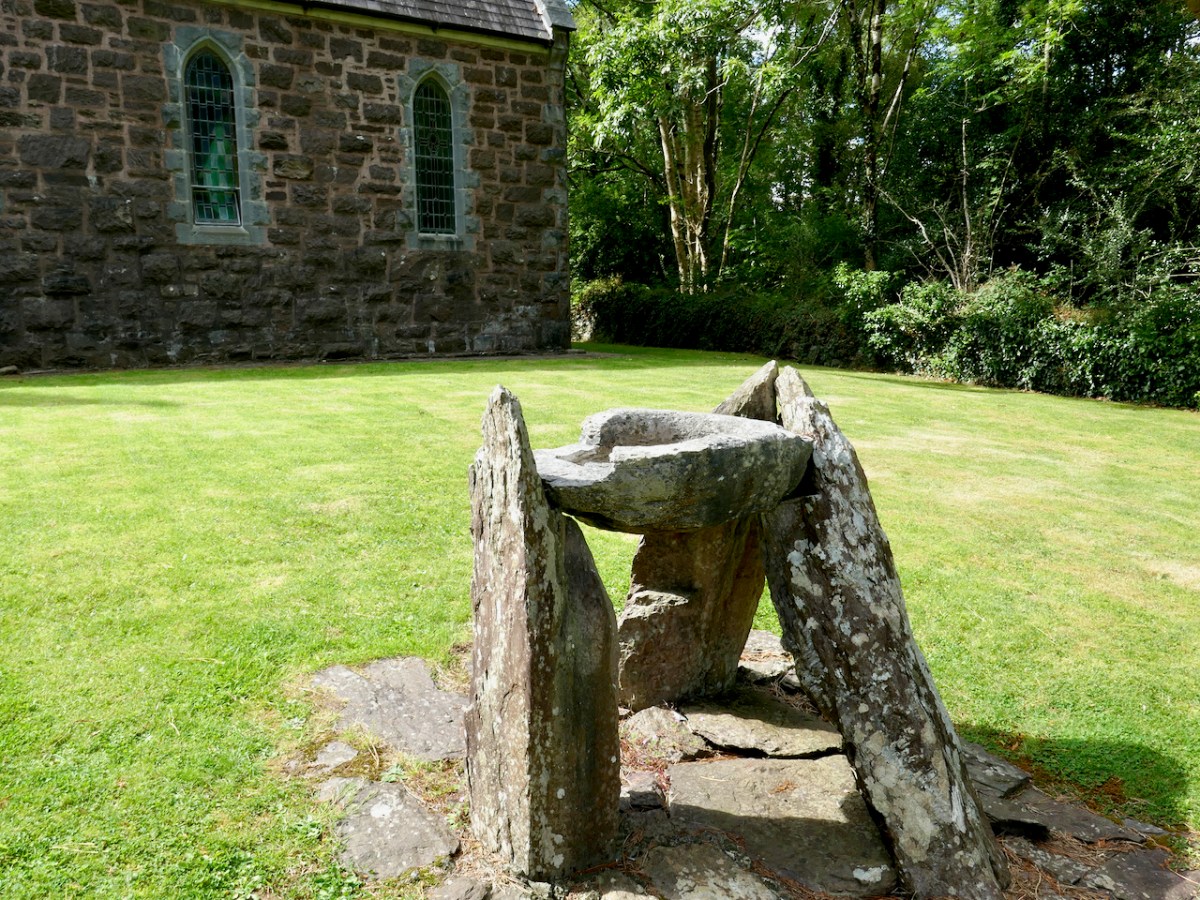
We were coming back from a day out in Kenmare, aiming for our West Cork home. There’s a corner of the Beara Peninsula – within Kerry – that we had never explored before so we headed out to revisit the little church at Dawros, Tuosist parish. We have always been fascinated by the stone basin that is in the church grounds, mounted on crude pillars – I have seen it described as a ‘baptismal font’:

From the church we went north, over a mountain road which eventually connected to the main N71 towards West Cork, Glengariff, and home.

It looks straightforward enough on the Google map – and there are no turnings, so you can’t get lost! The winding route from Dawros to the N71 is about 10 kilometres. If you could go in a straight line it would be about half that distance! During our whole journey on that mountain road we didn’t see a single vehicle (but we can’t guarantee that would always be the case).

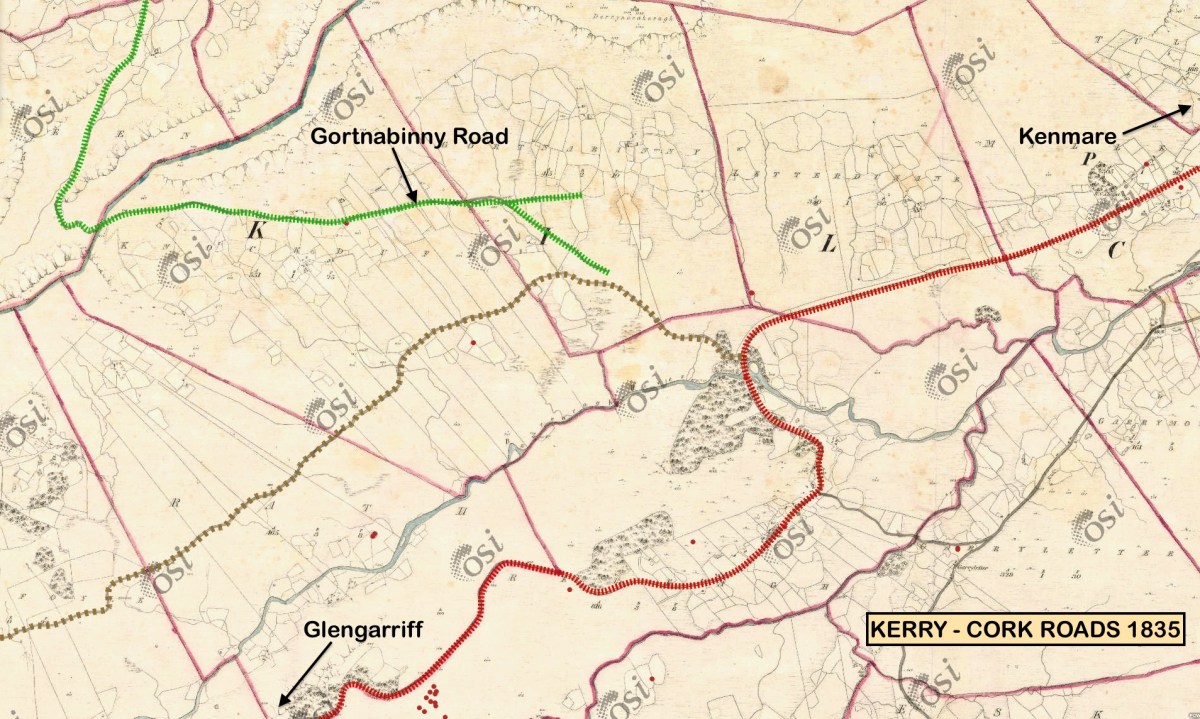
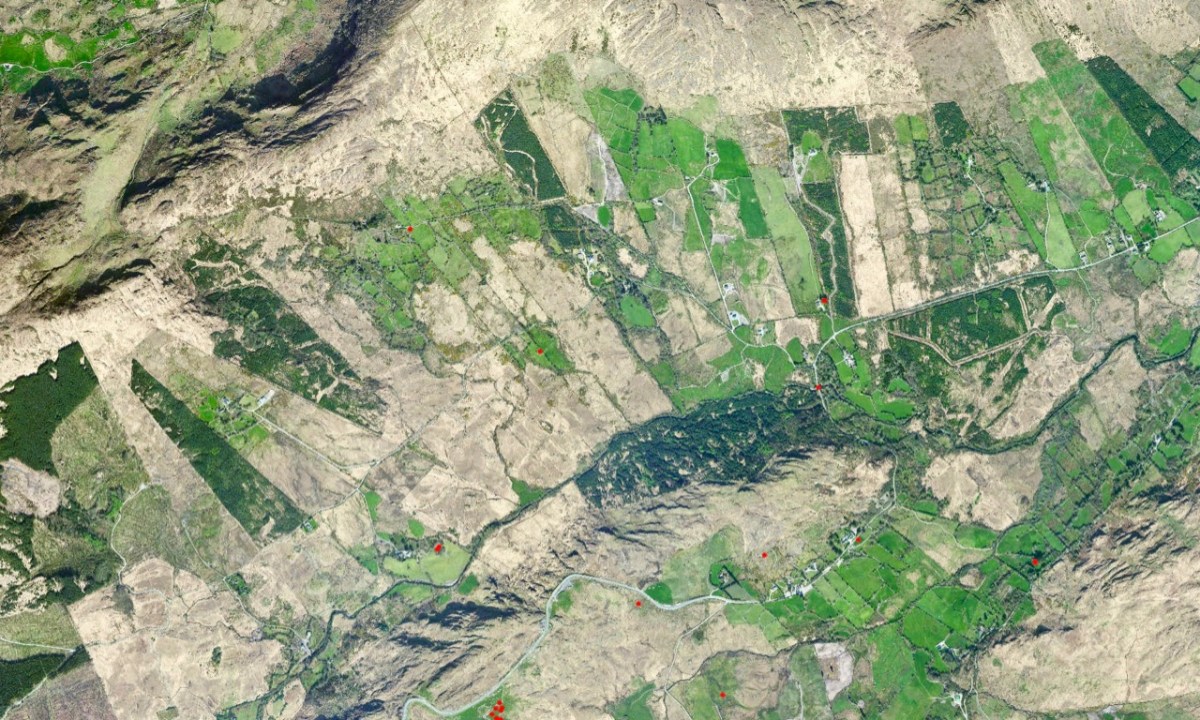
The early OS map (upper) and aerial view (lower) give an impression of the topography over part of the route. The field boundaries are fascinating – and obviously ancient: sweeping linear enclosures cascading down the slopes. From the early map we can see that the road we travelled (known in part as Gortnabinny Road – marked in green) did not actually reach the main Kenmare to Glengarriff road in those times. It presumably just served remote settlements and lonely holdings.

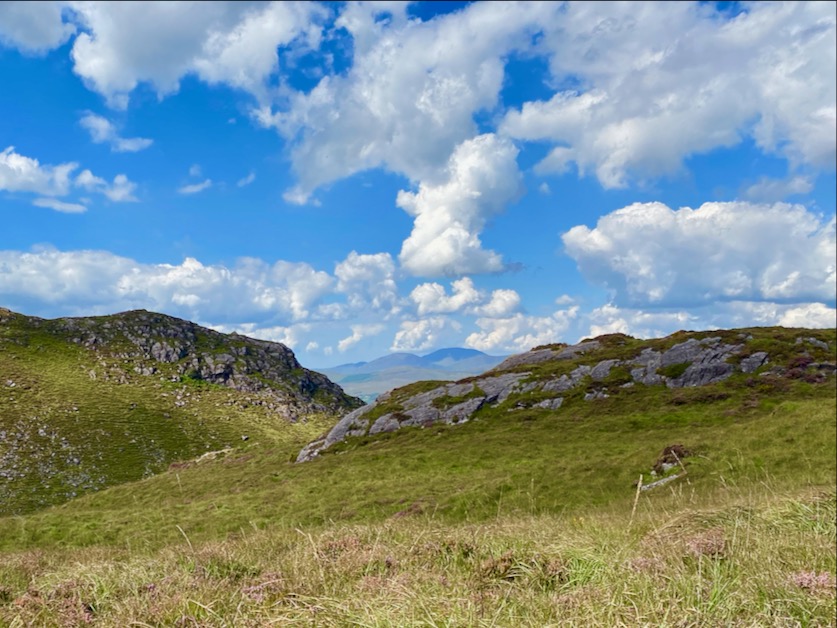
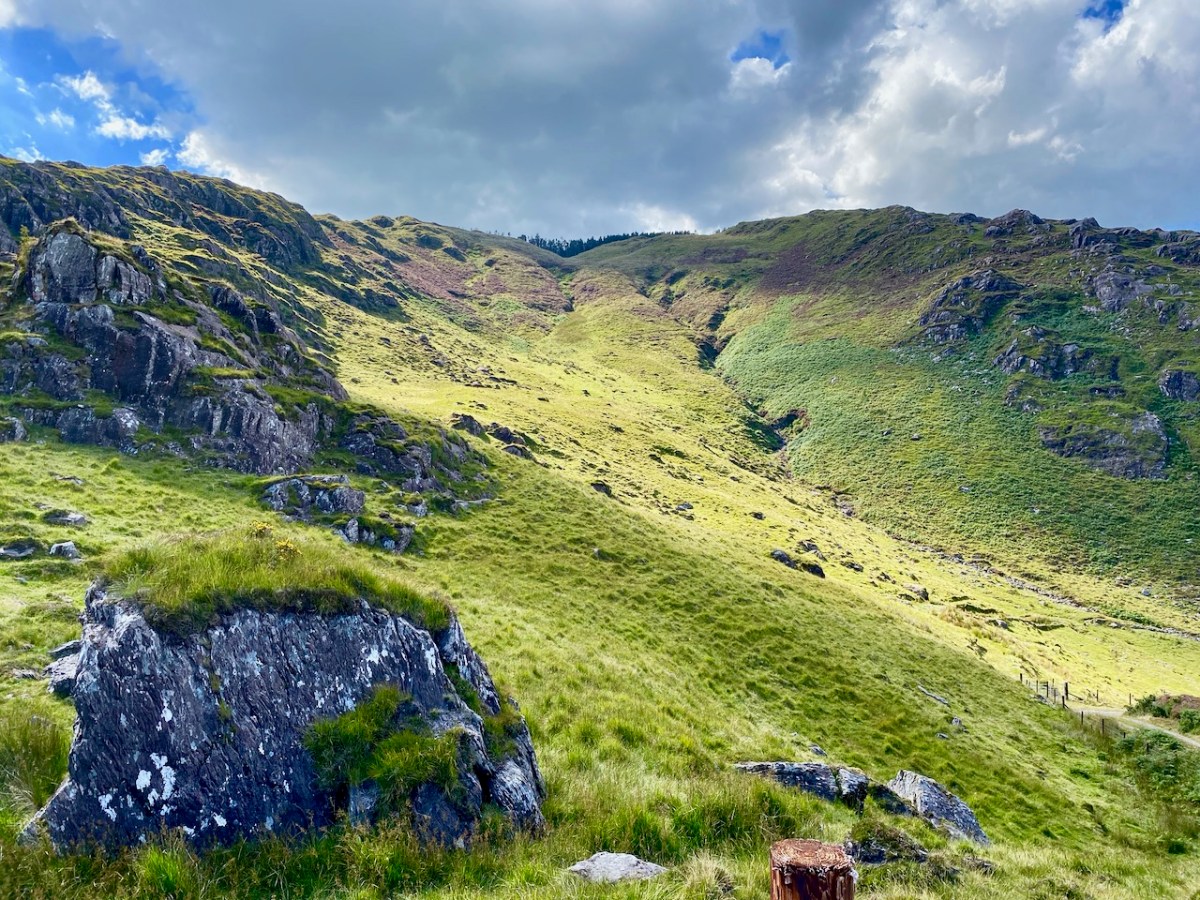
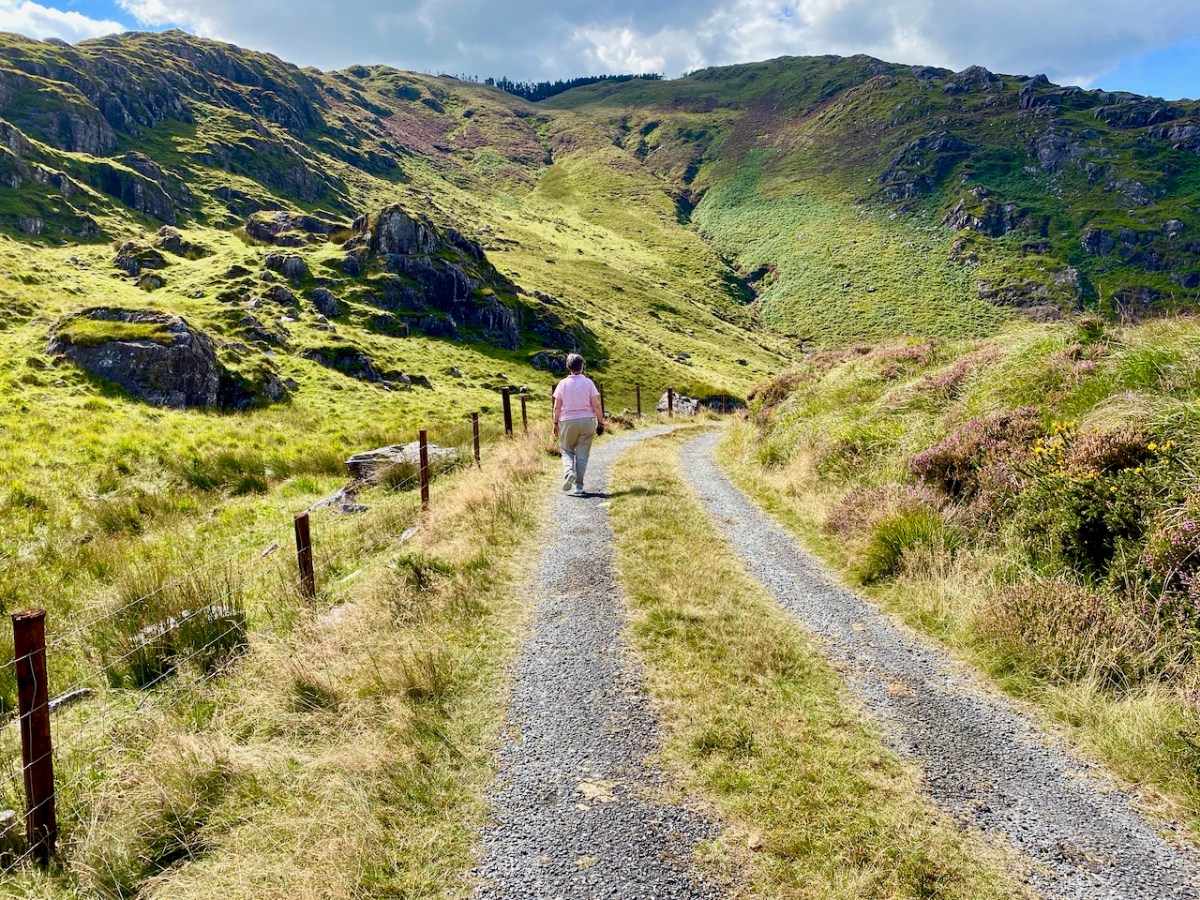
It couldn’t have been a better day for the drama of sunshine and clouds that outlined the valleys and hills. There is little sign, here, of a drought that is causing problems on farms and in town gardens. When distant views opened up, we were treated to some of the finest vistas in our counties.

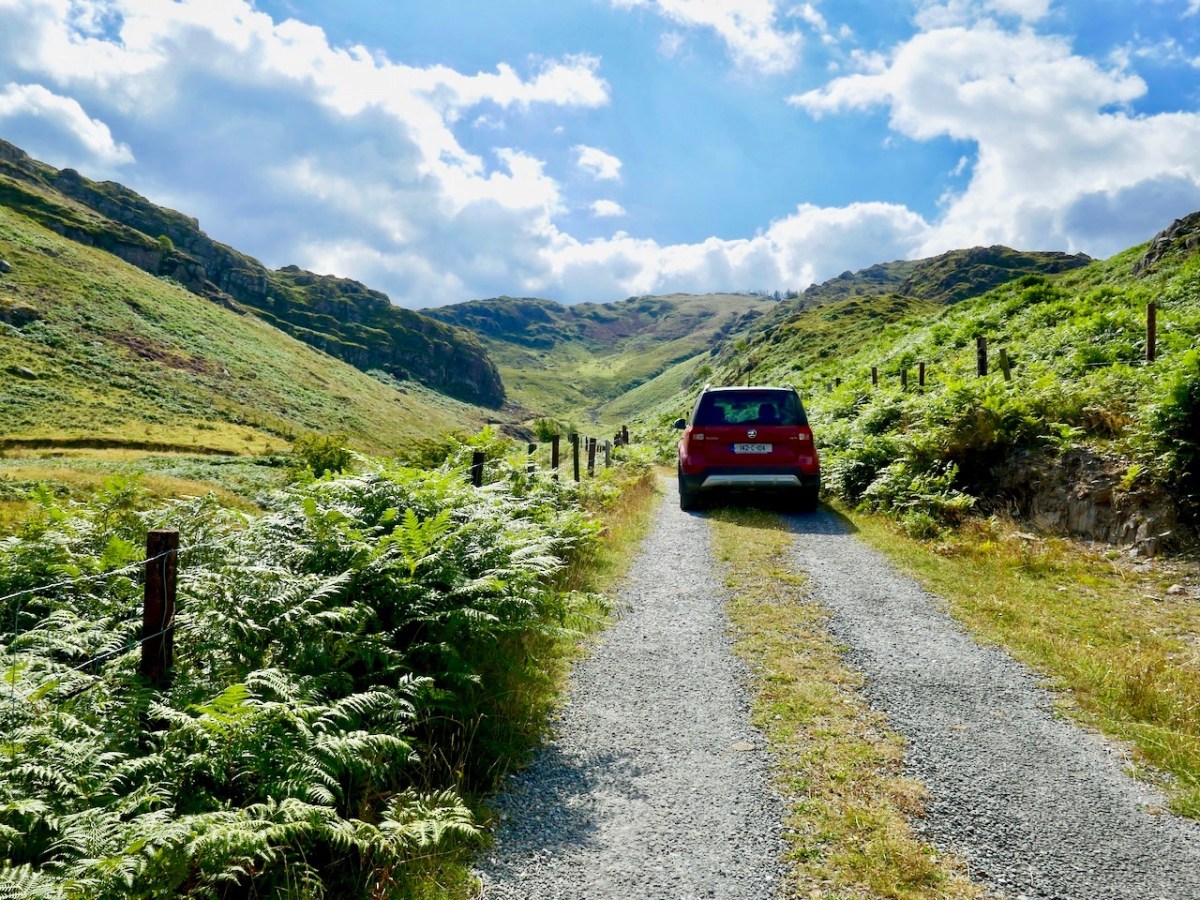
Against the drama of the surrounding peaks we felt secure in our little vehicle which progressed steadily along the narrowest of boreens. Our only living companions in this place were sheep, easy to discern because of their brightly dyed coats.

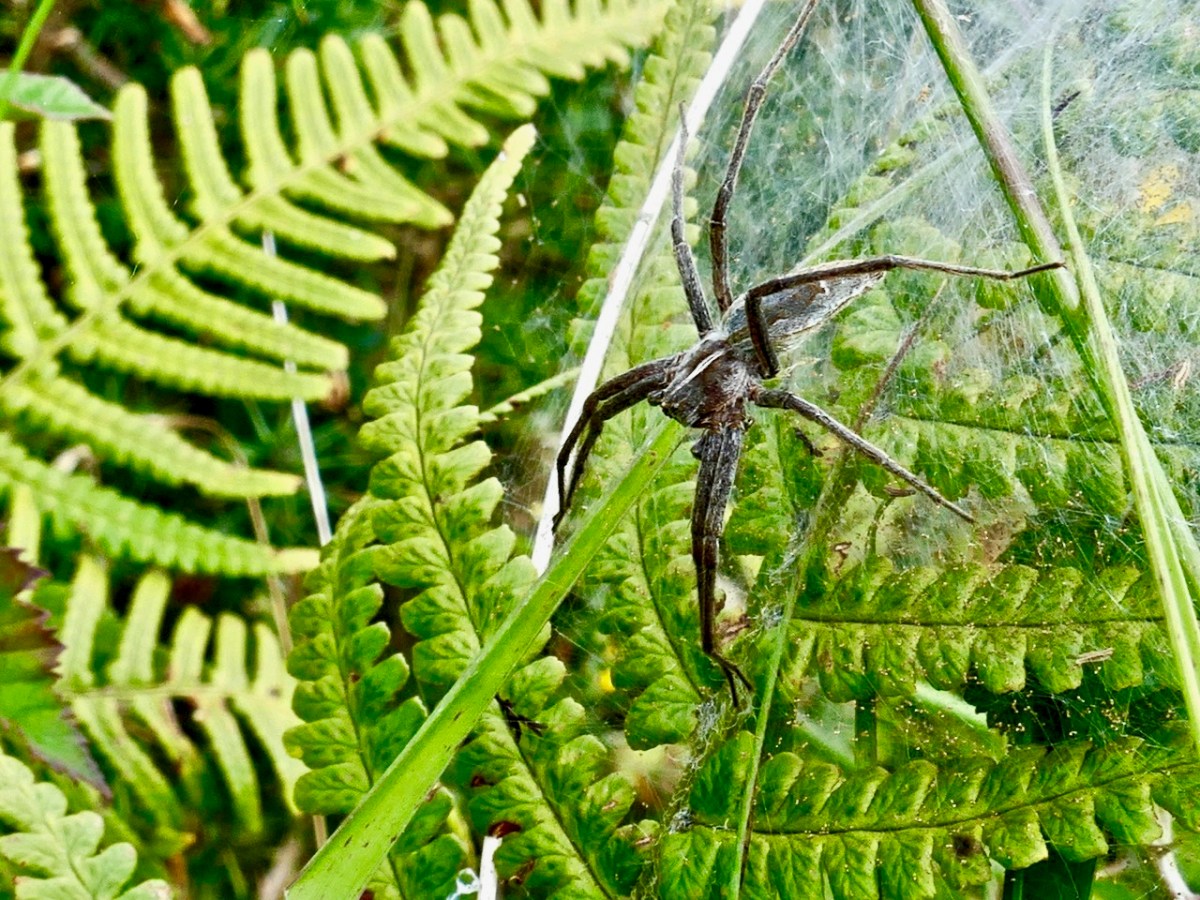
While driving on roads such as this is a richly rewarding experience, you also need to get out and encounter the wildlife close-up.

We are always on the lookout for adventures, and we don’t have to be travelling far away from home in order to find them. In our experience, the ‘small roads of Ireland’ – wherever they are – can take us to unexplored territory.

Michael Collins Commemoration

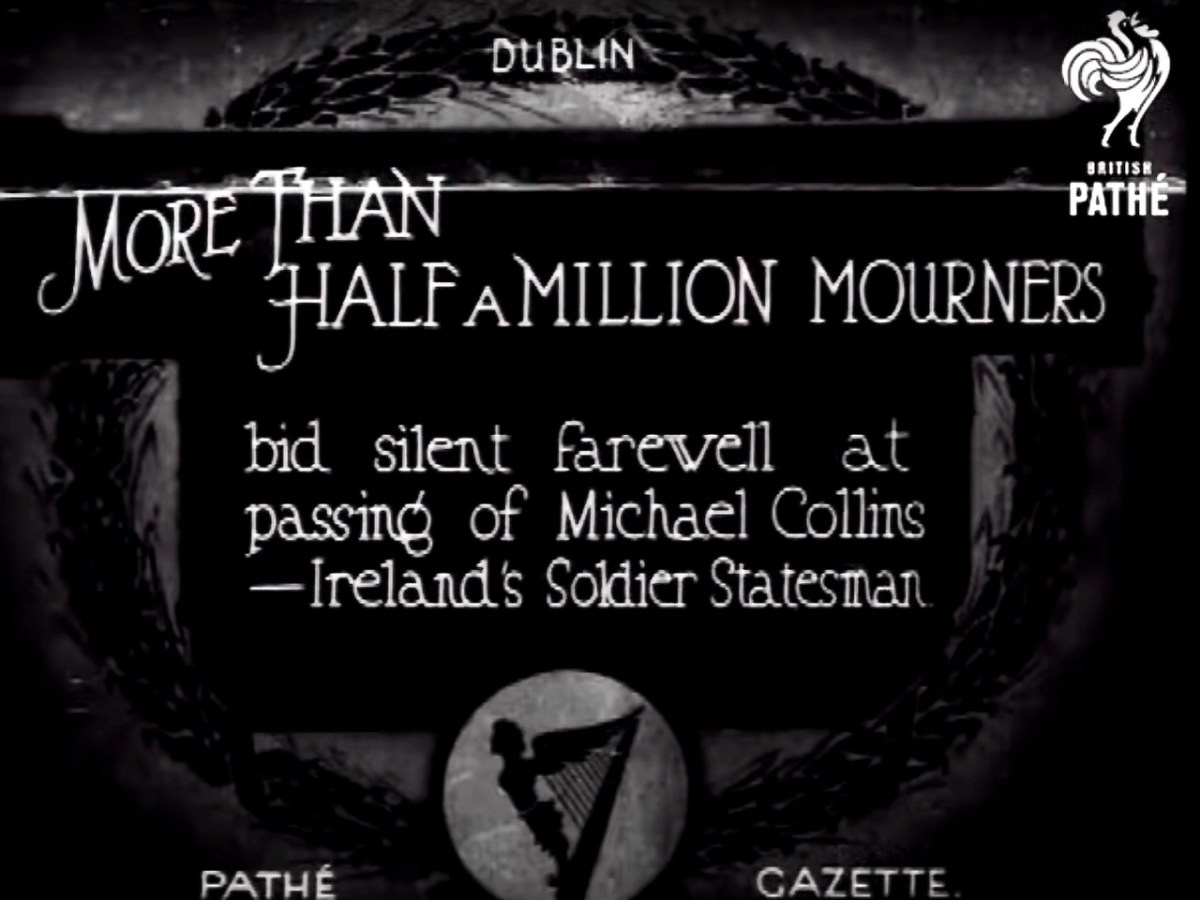
It would have been hard to miss the centenary of the death of Michael Collins over this past week. He was killed at Béal na Bláth, West Cork on 22 August 1922, during the Irish Civil War. His passing – and his life – has been the stuff of legend ever since. He’s buried in Glasnevin Cemetery, Dublin, but the events this week were focussed on the place where his life ended – not far from where we live.
Micheál Martin – Taoiseach and Head of Government in Ireland – (on the left, above) and Leo Varadkar – Tánaiste and Deputy Head of Government – (on the right) presided over the ceremony at Béal na Bláth this week (picture courtesy of The Independent). This was an historic get-together as both men lead different parties – Fianna Fáil and Fine Gael respectively: these are in coalition at the moment, together with the Green Party. The Taoiseach said in his speech that the willingness of those of differing political views to try to find common ground was one of the great strengths of modern Ireland. In Collin’s time, a century ago, such coming together would have seemed extremely implausible.

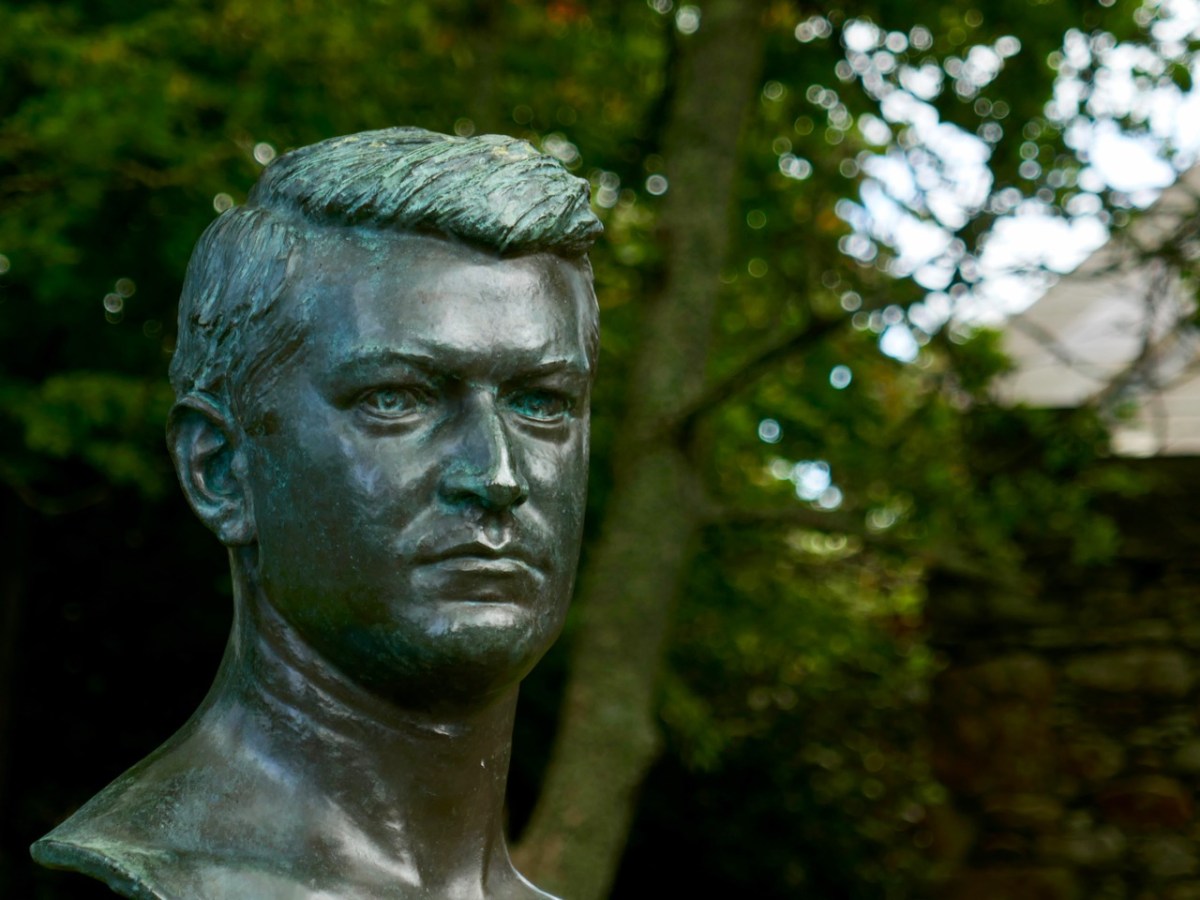
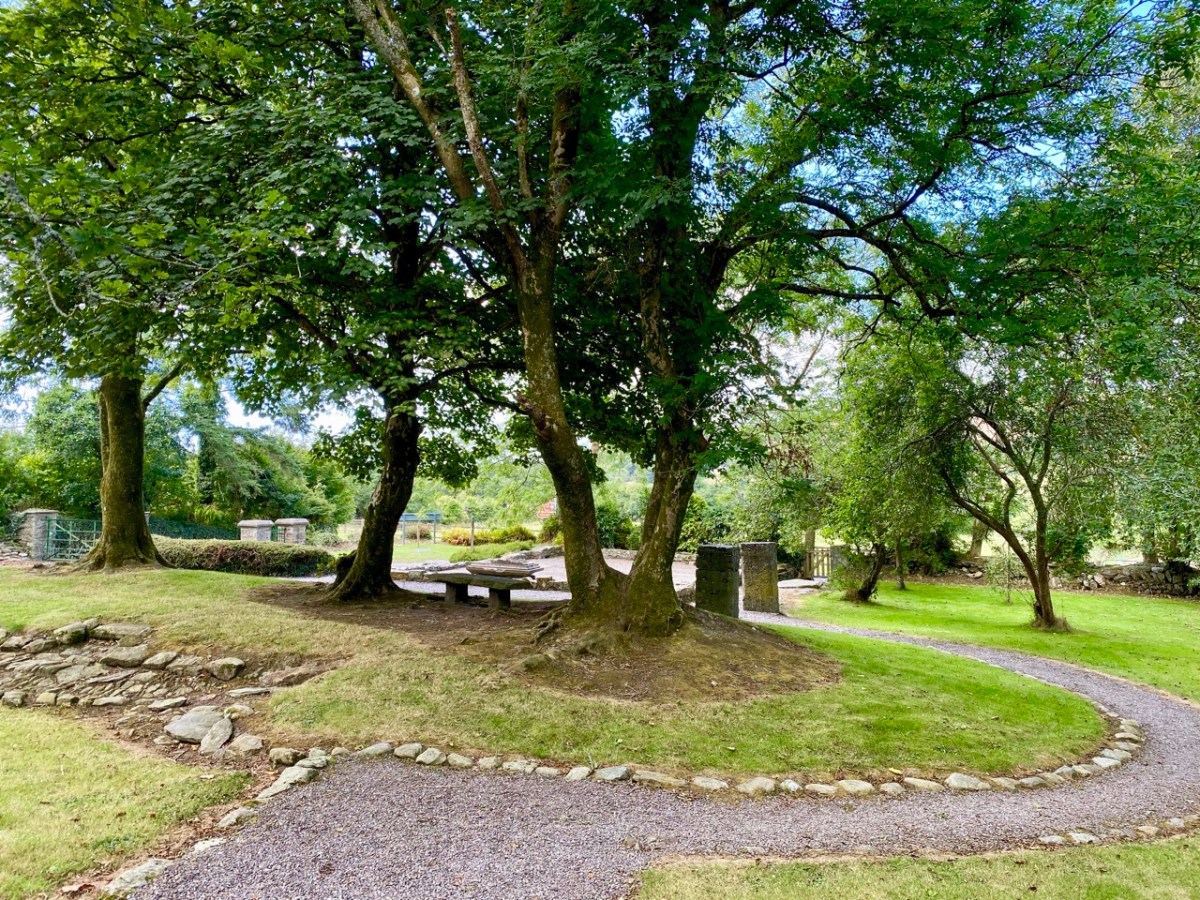
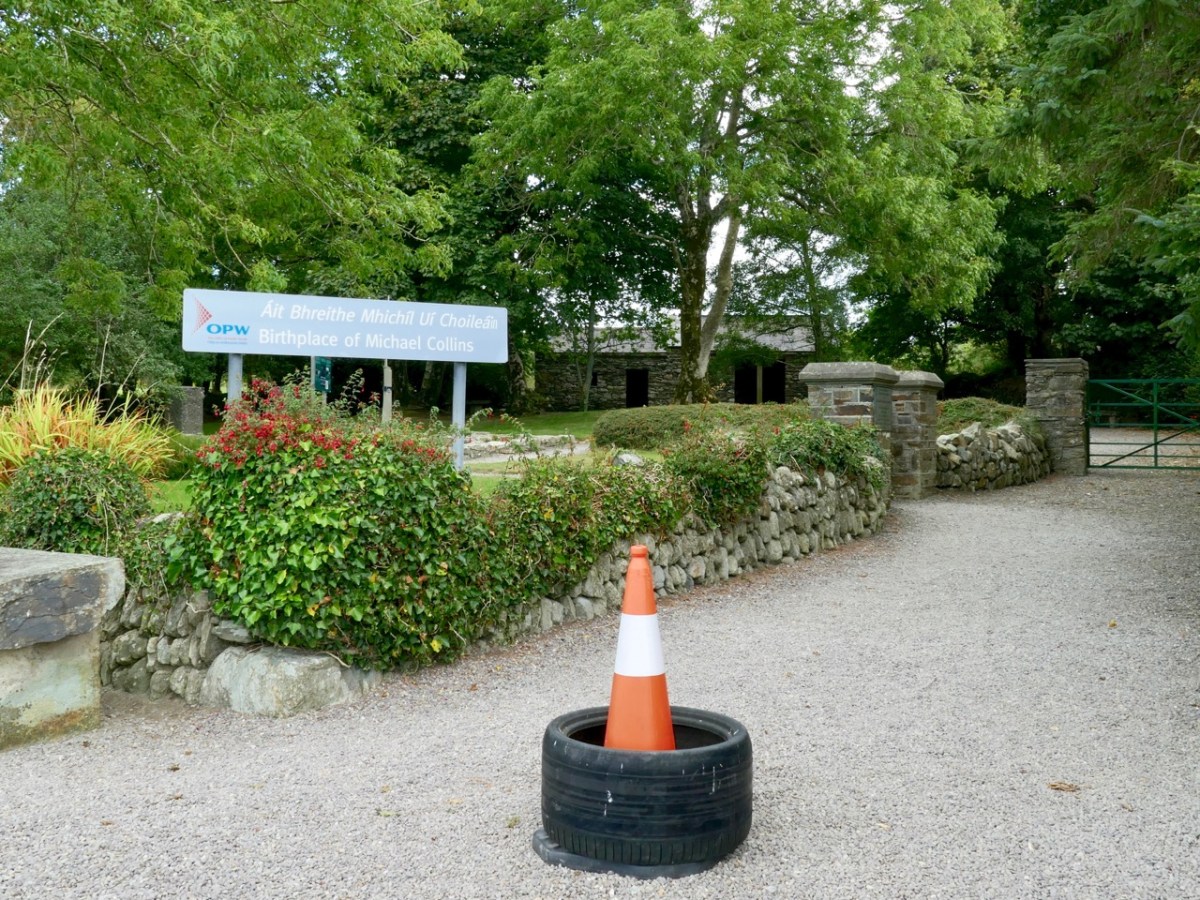
This bust of Michael Collins is sited at his home place, Woodfield, Sam’s Cross in West Cork. There’s nothing left of the main house now (below): it was burned down during the Irish Civil War. But the original cottage still stands as a shell (it’s behind the trees in the background of the lower photo, to the right of the Public Works signpost). It was there that Collins was born.

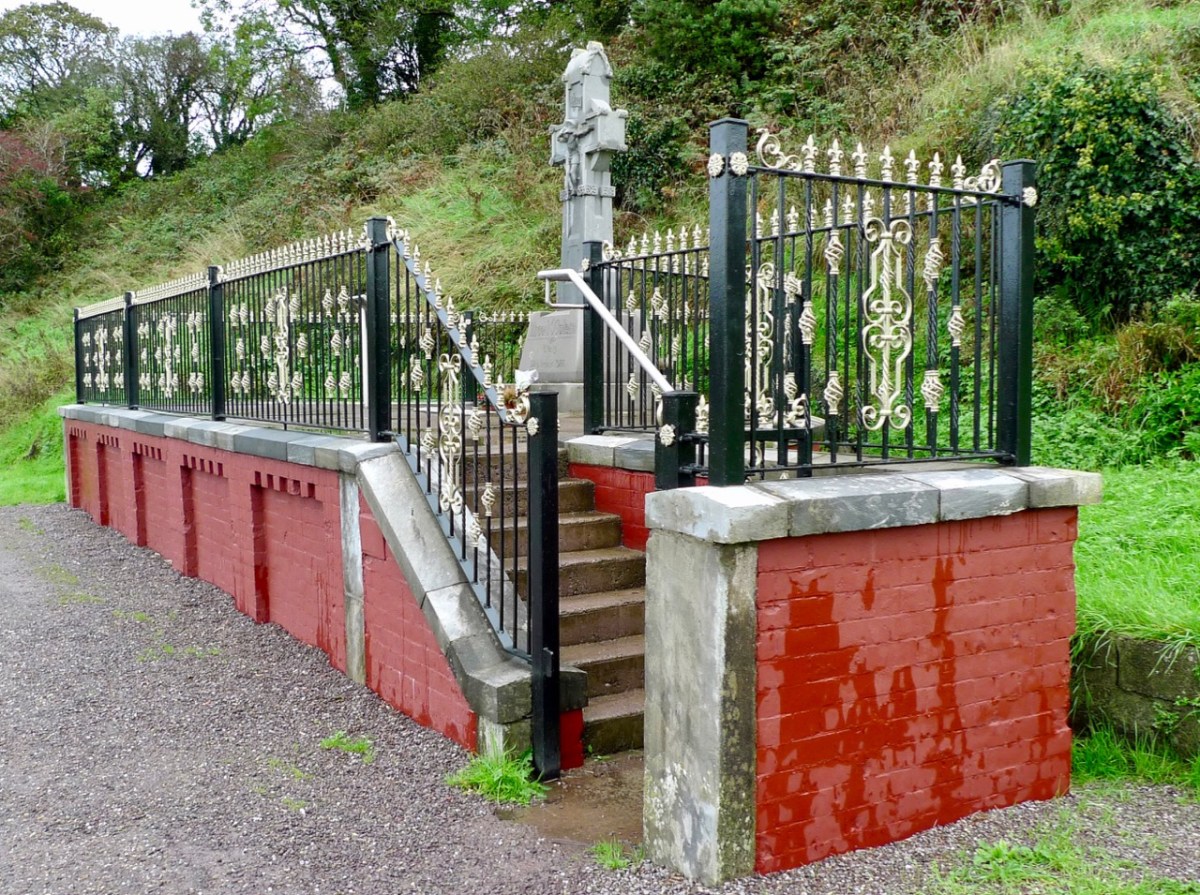
We didn’t go to the official ceremony at Béal na Bláth on the 21st: many thousands of people attended. We were interested to visit a bit later in the week, to see how the site has been upgraded to mark the centenary. Previously, the memorial itself was gaunt and severe: here’s a pic from our visit in 2013:

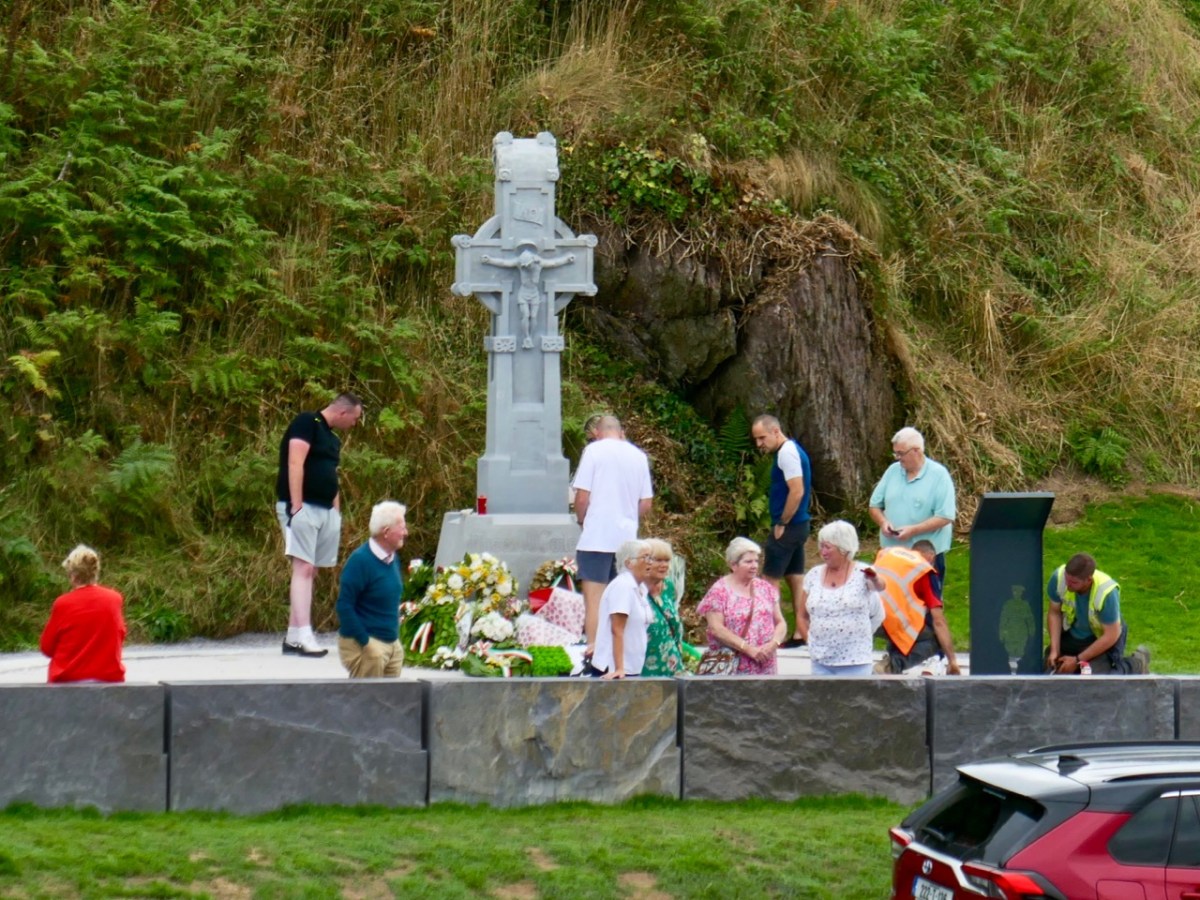
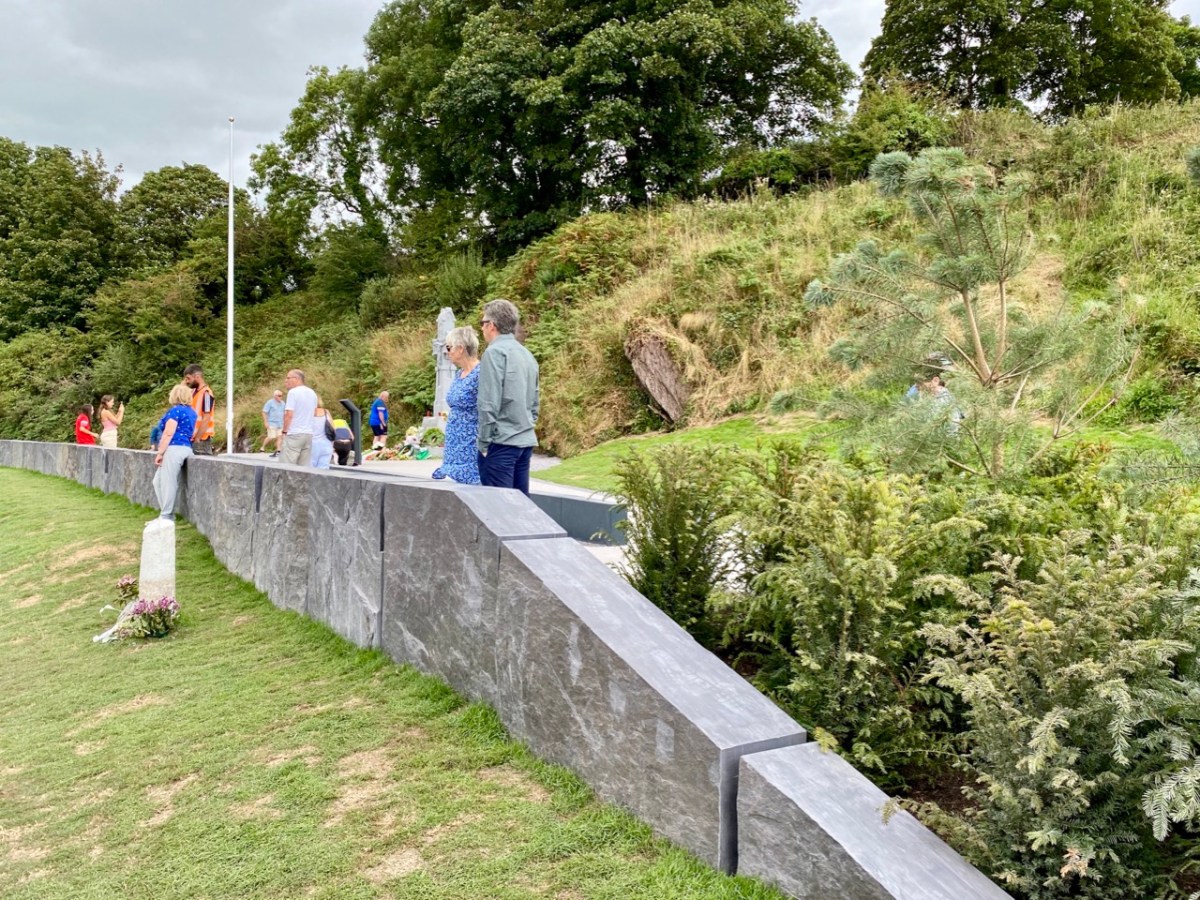
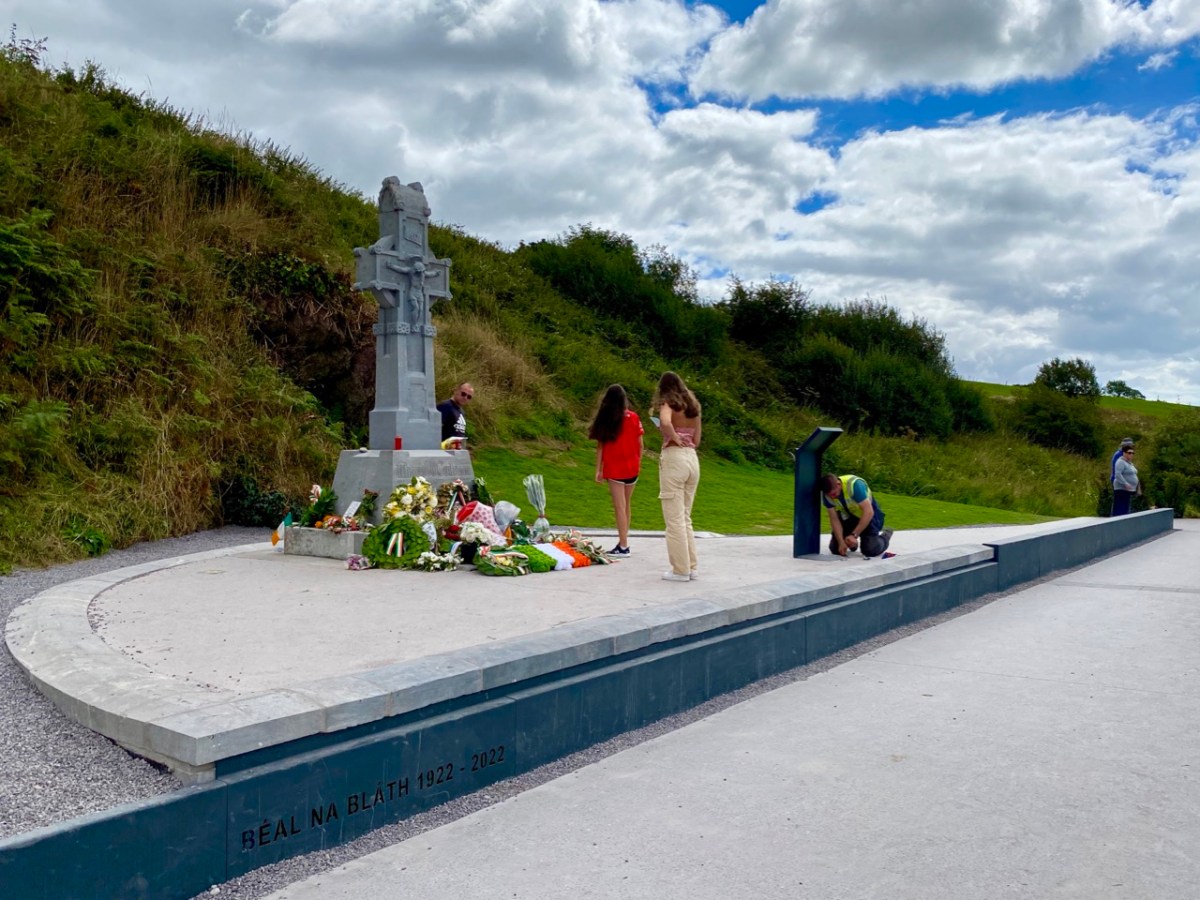
It’s significantly different now: car parking has been rationalised and the commemorative cross is the main focus, with some significant hard landscaping. In our opinion, the works (by Cork County Council) have succeeded in focussing the main elements, and the scale is more human.

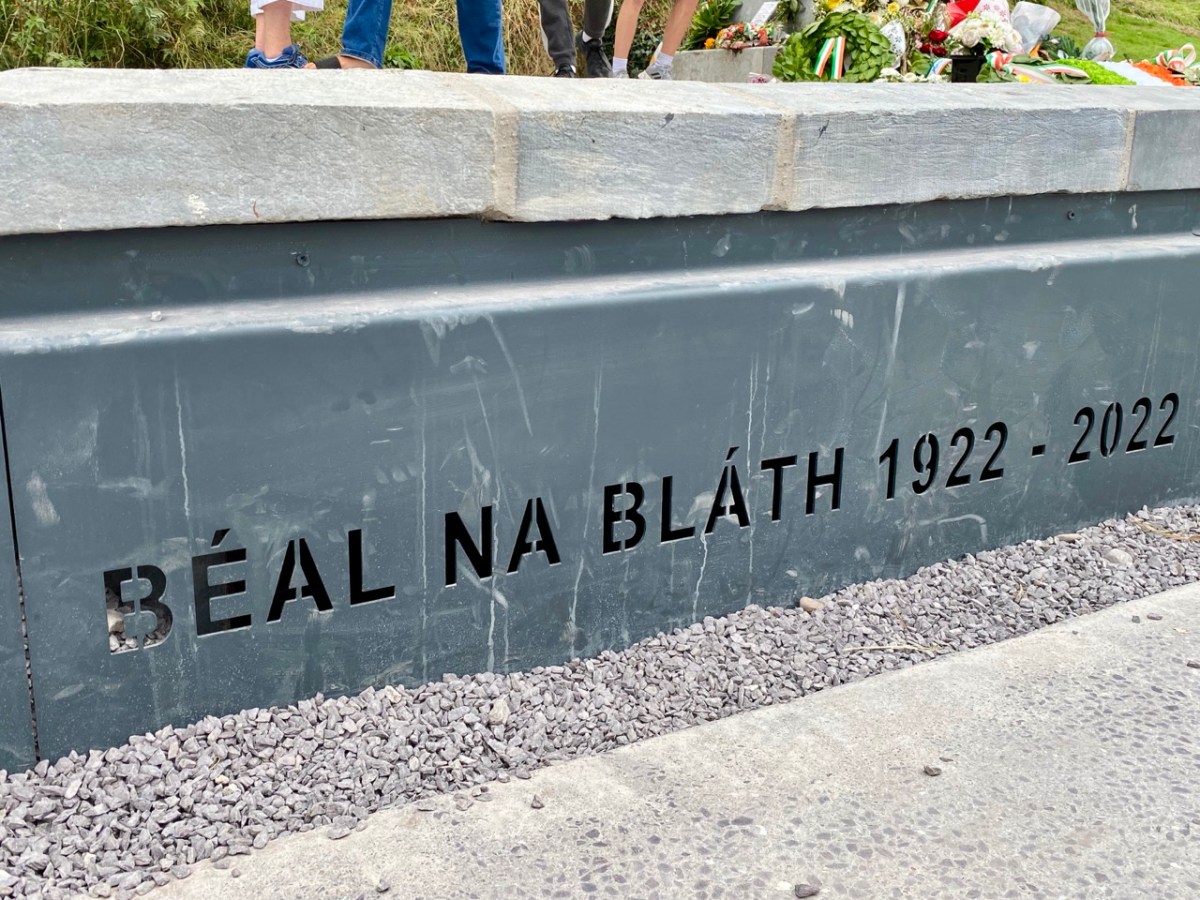
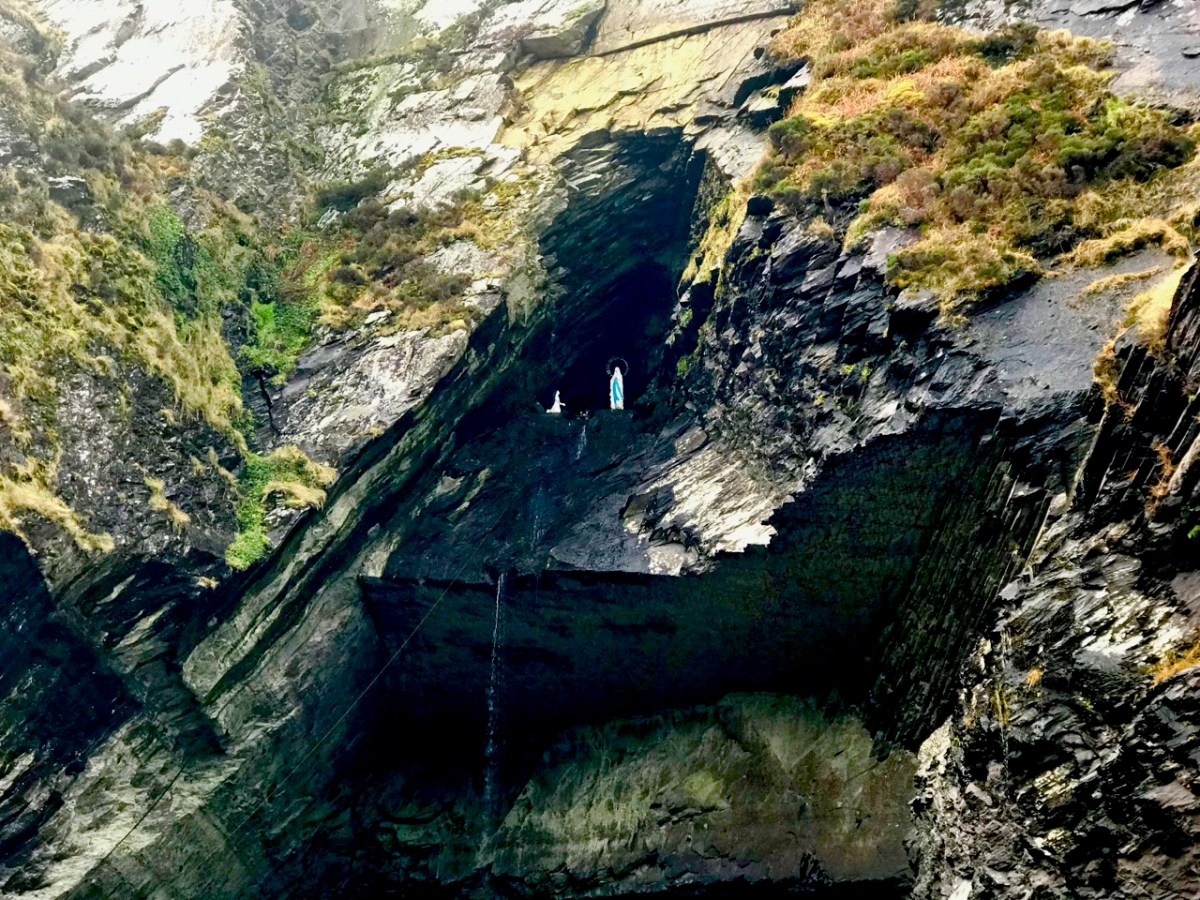
The new walling defining the edge of the memorial site is built from huge blocks of slate from Valentia Island Quarry, Co Kerry: “. . . the most westerly quarry in Europe . . .” The material is fittingly monumental. When we visited Valentia back in January 2019, we recorded the fact that this quarry has its very own Marian grotto:

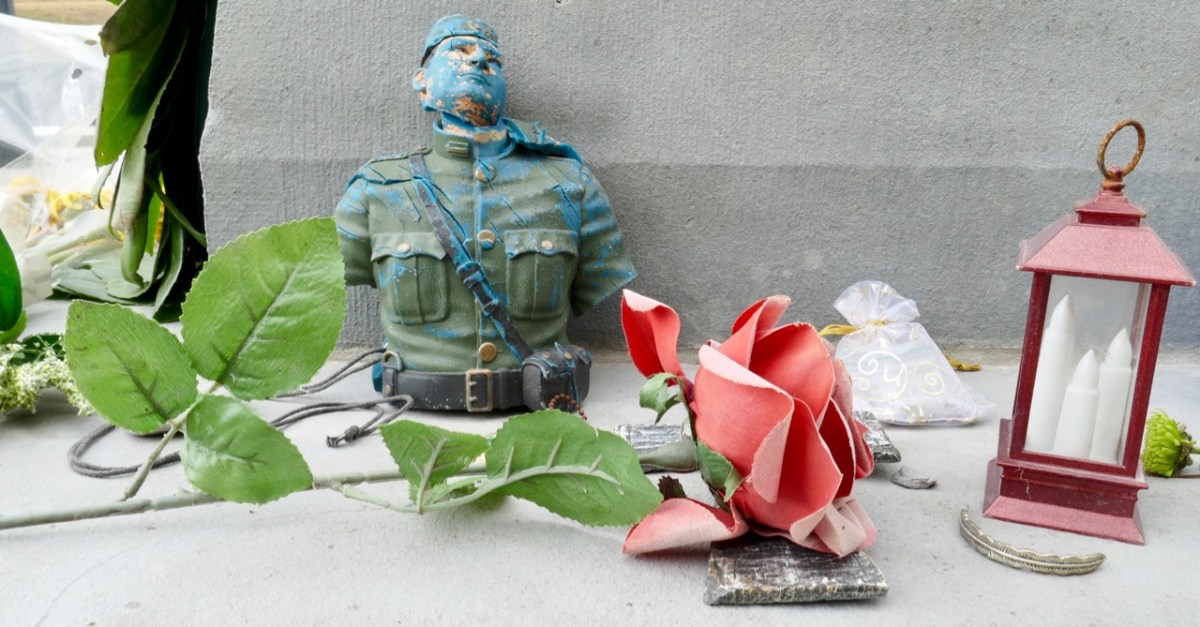
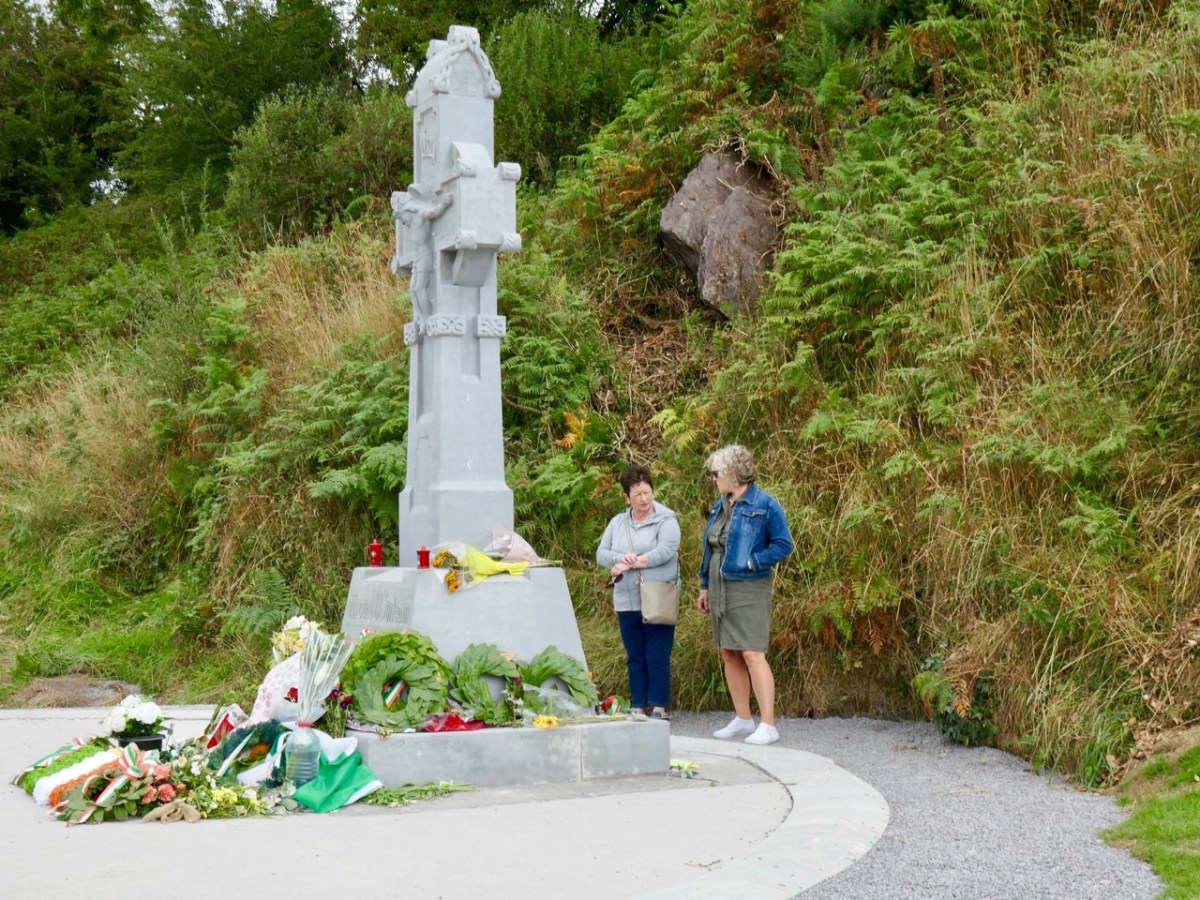
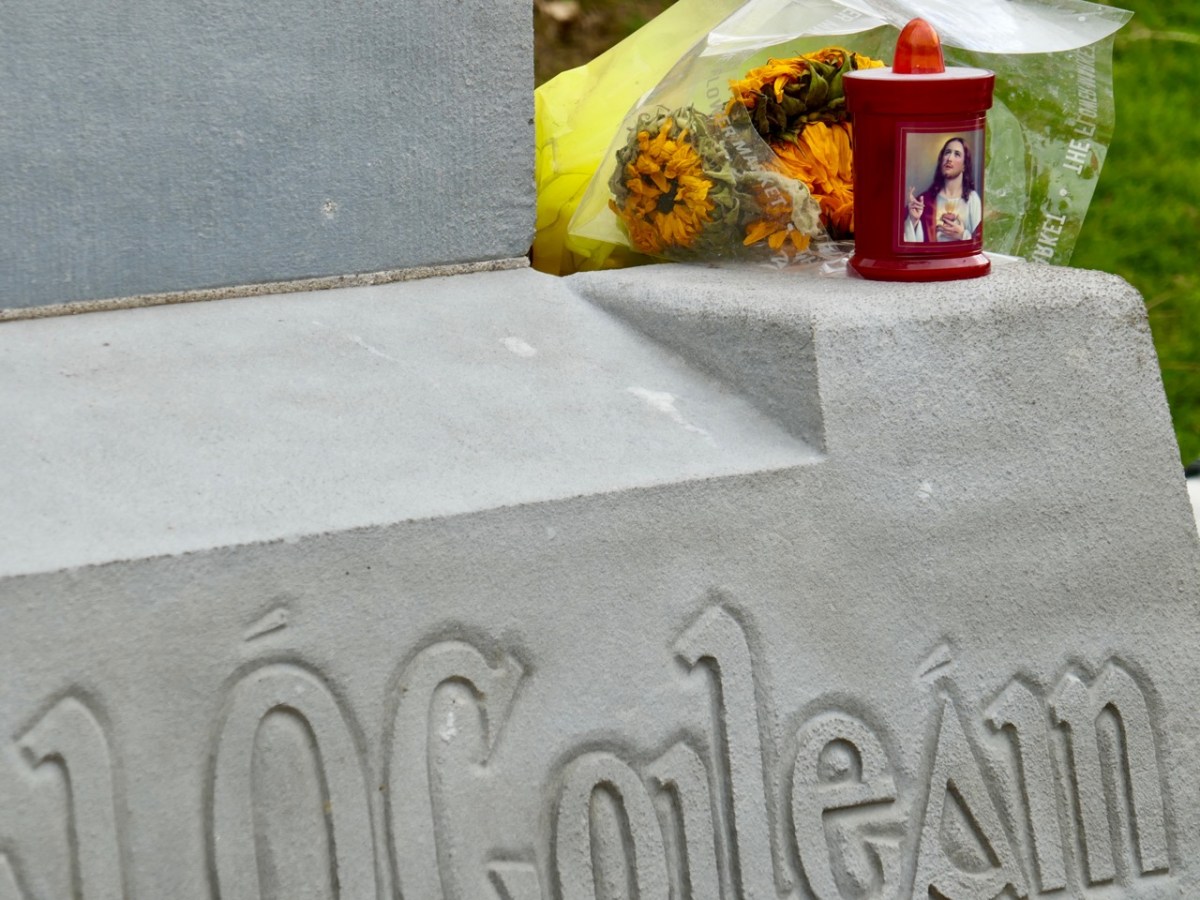
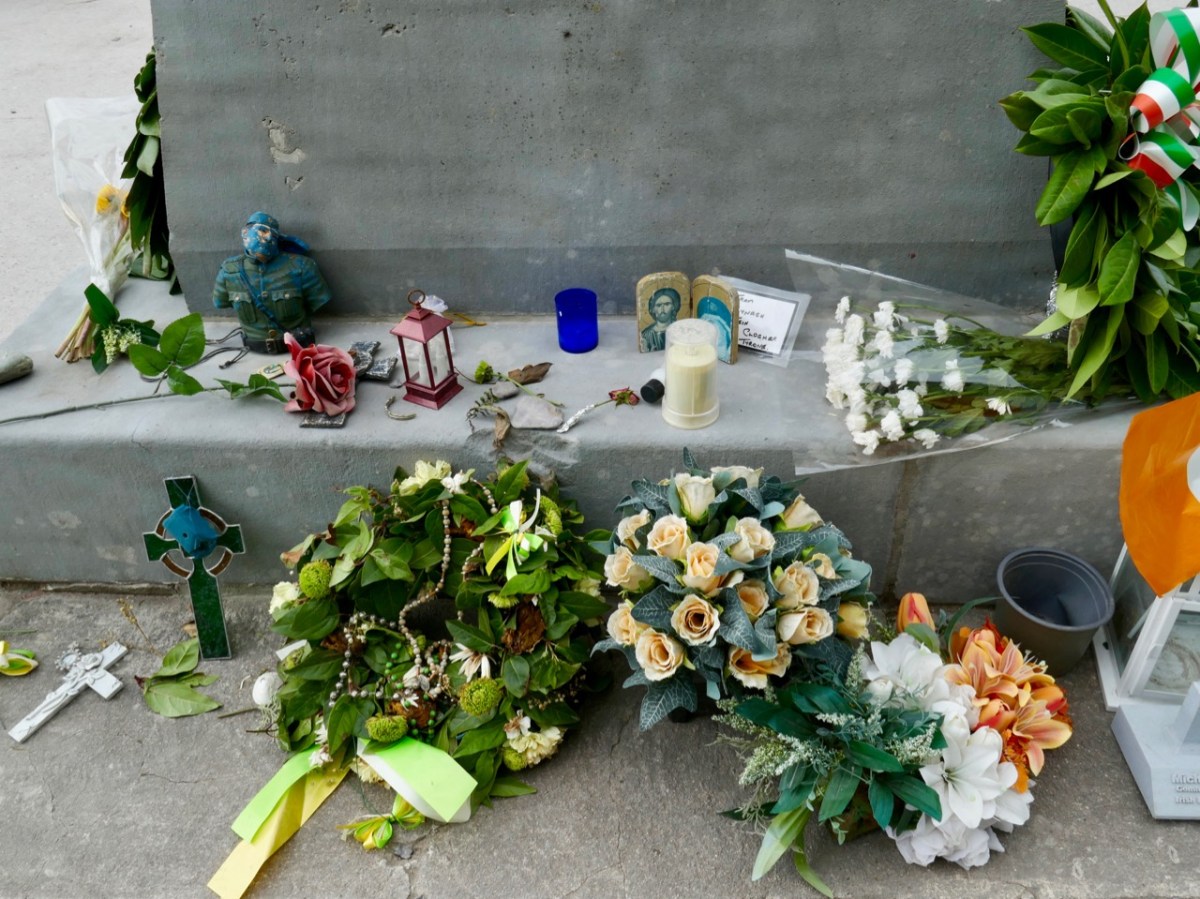
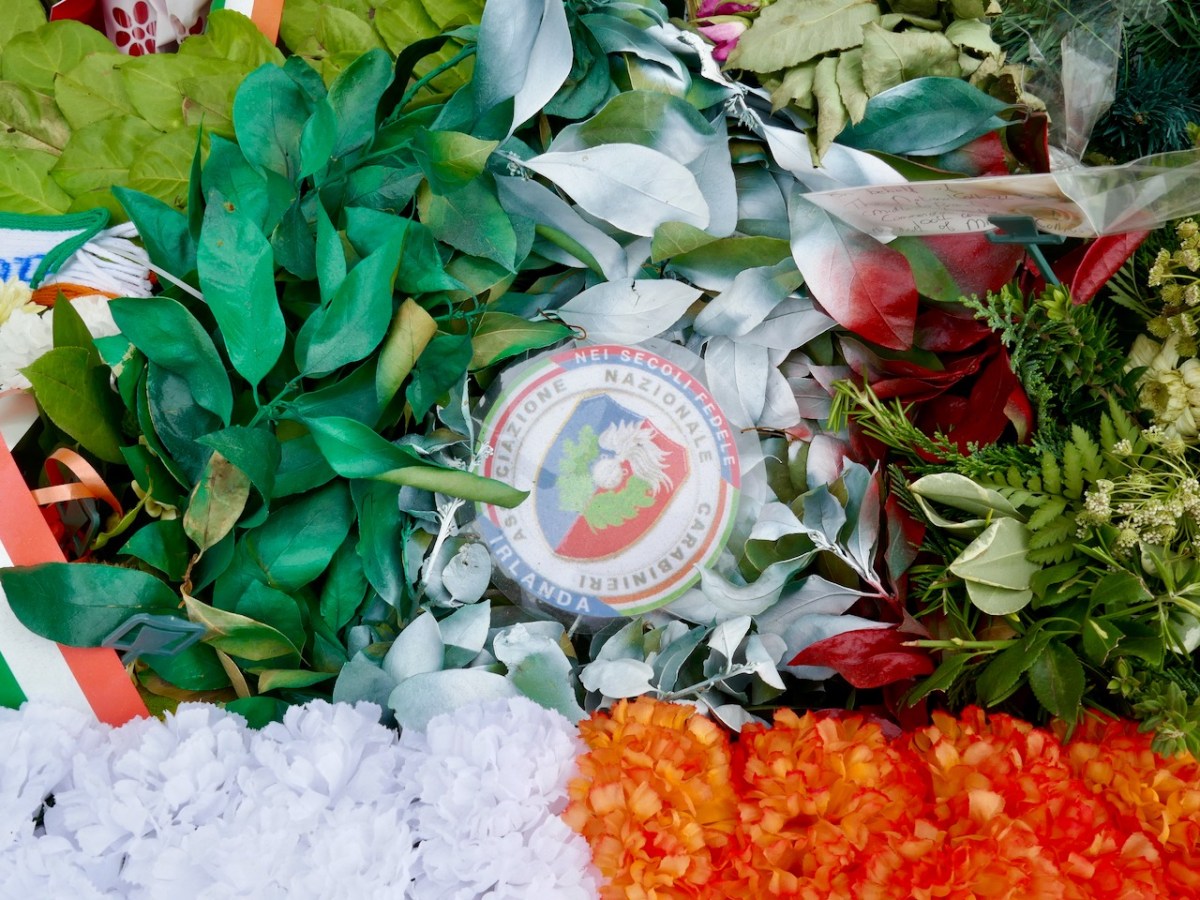
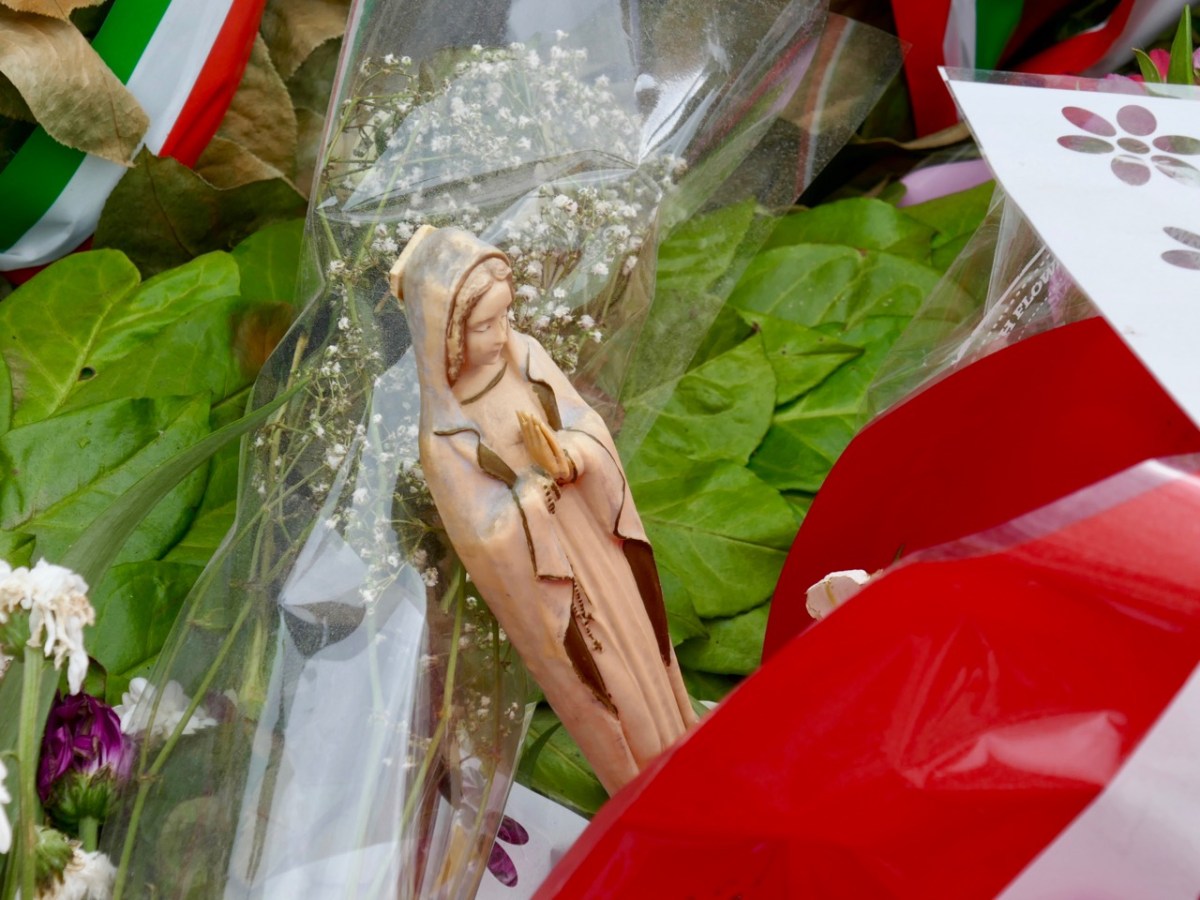
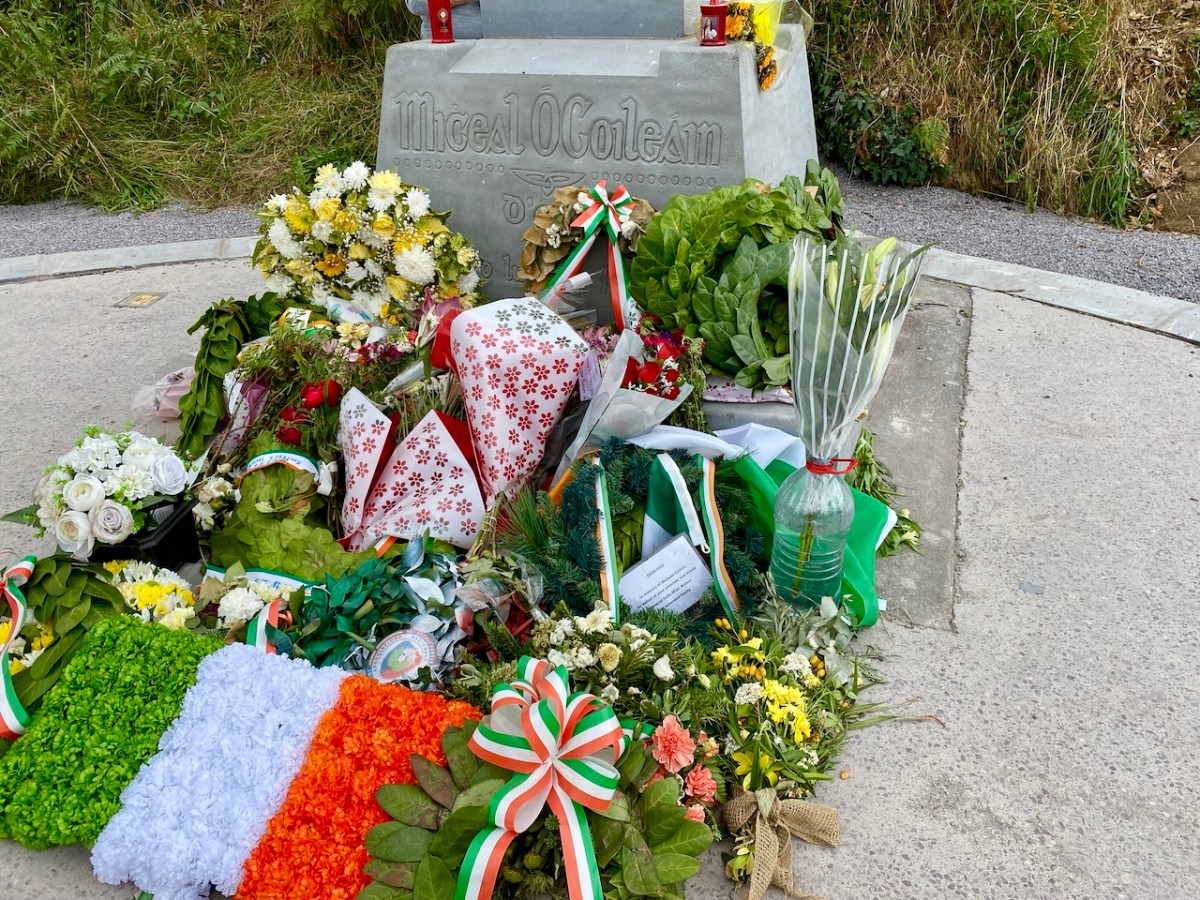
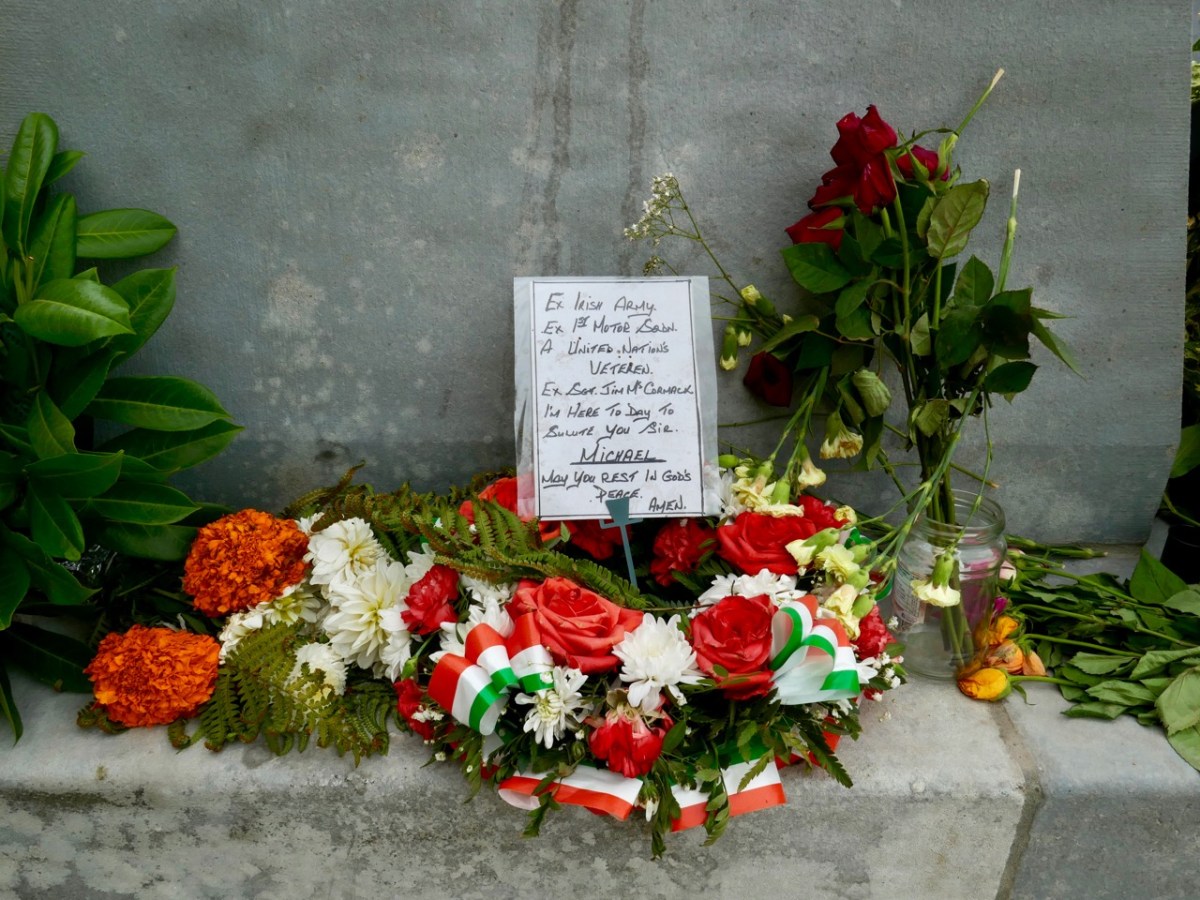
We were interested – and pleased – to see that the upgraded memorial still gives space to ‘popular’ offerings. We maintain that Michael Collins is on his way to beatification, and he is already being treated as more than a fallen warrior (although that status is, in itself, heroic). Amongst the floral tributes are religious symbols, messages, and ‘relics’.

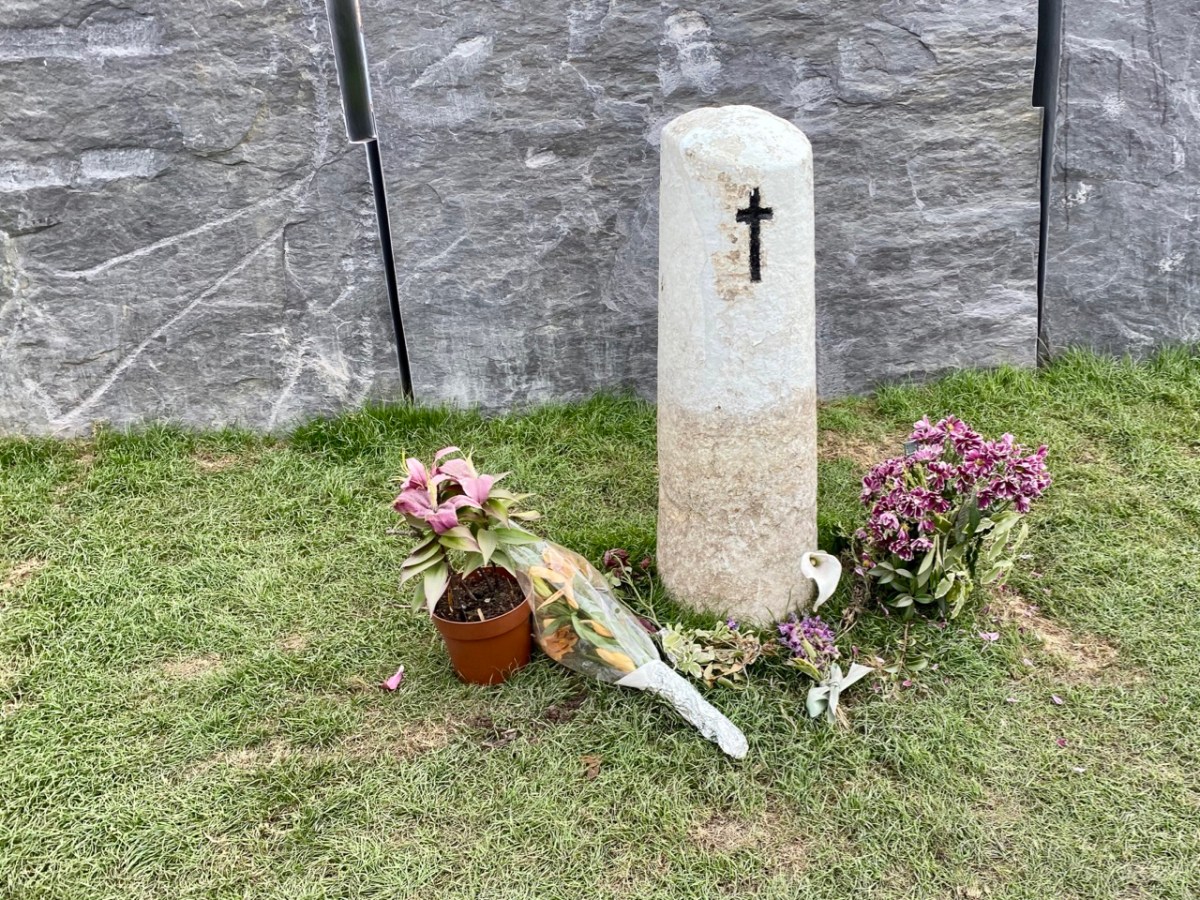
And – of course – the fateful spot (above) where Collins fell is still marked by the simple white stone which has been at this site for generations.

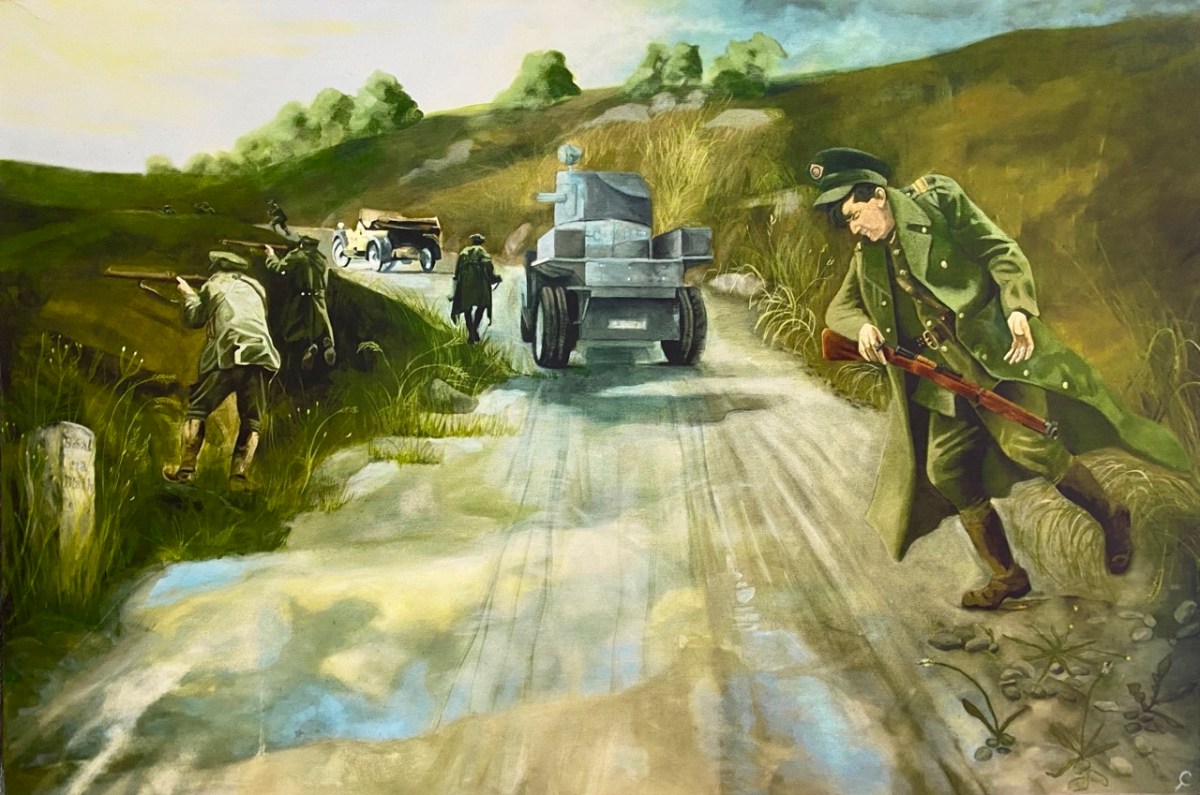
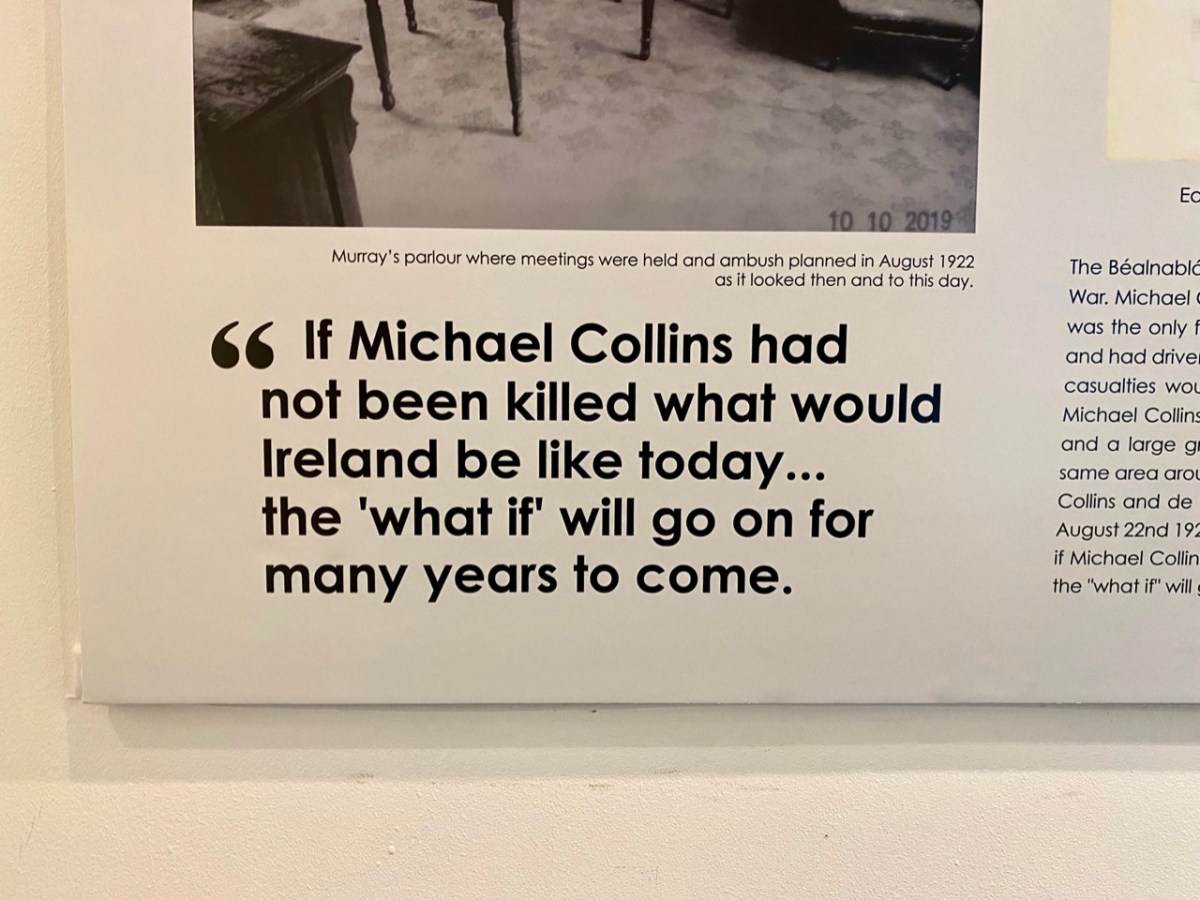
‘The Moment’ at which Collins was shot by an enemy bullet, captured in a dramatic painting (above), now on display in the Michael Collins Centre at Castleview, Clonakilty. No one has ever been held to account for the shooting, which was the only fatality on that day, and some have suggested that Collins was not intentionally targeted, and may have been the victim of an accidental ricochet. It’s most likely that we will never know the true story, but there’s no doubt that popular folklore has stepped in to fill the gaps.

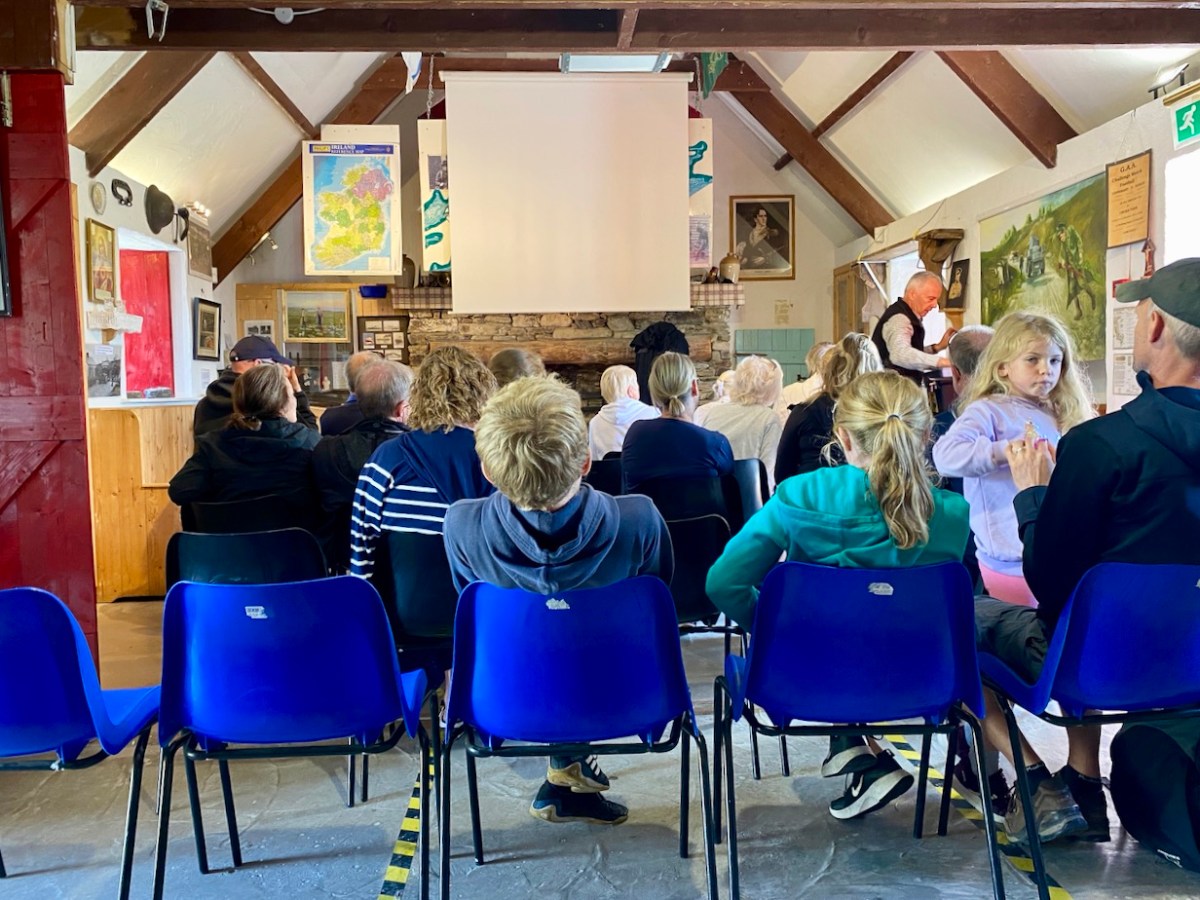
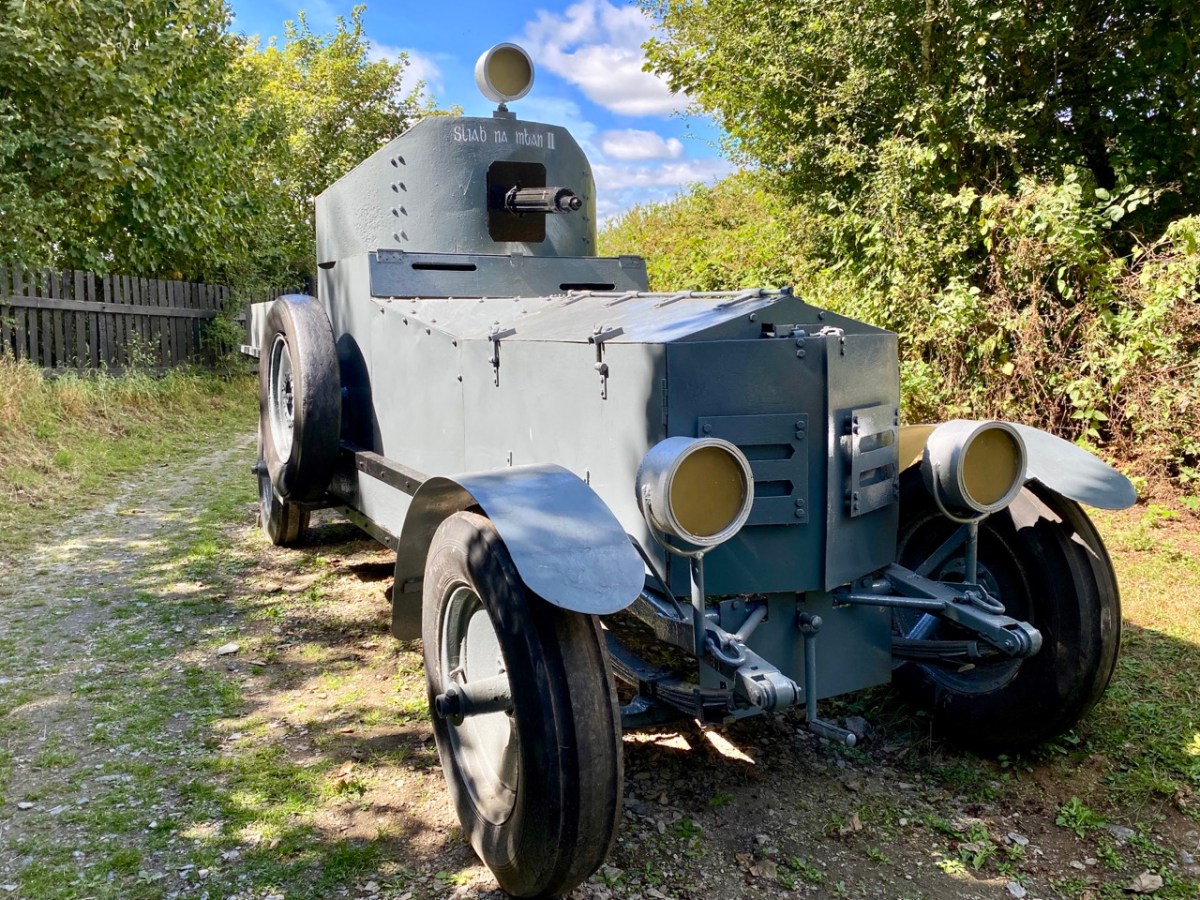
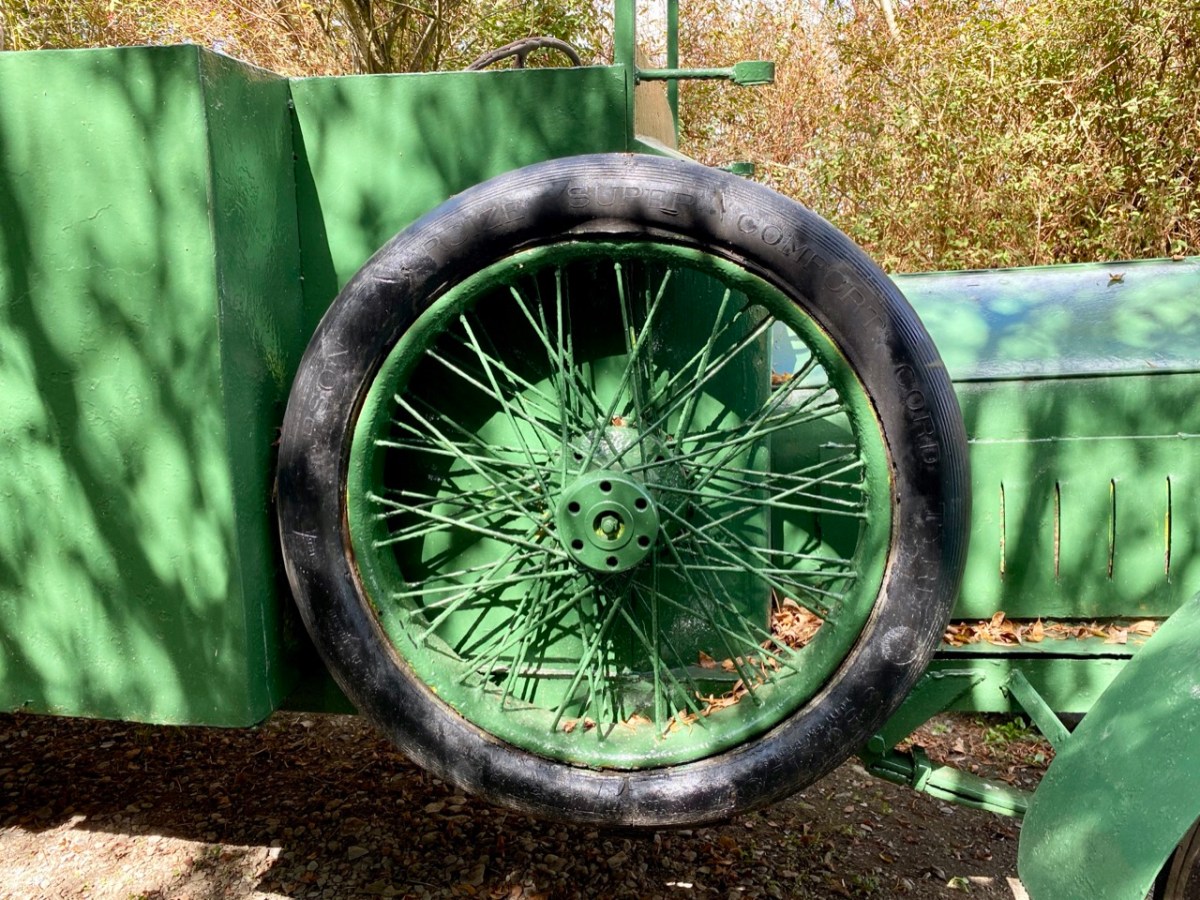
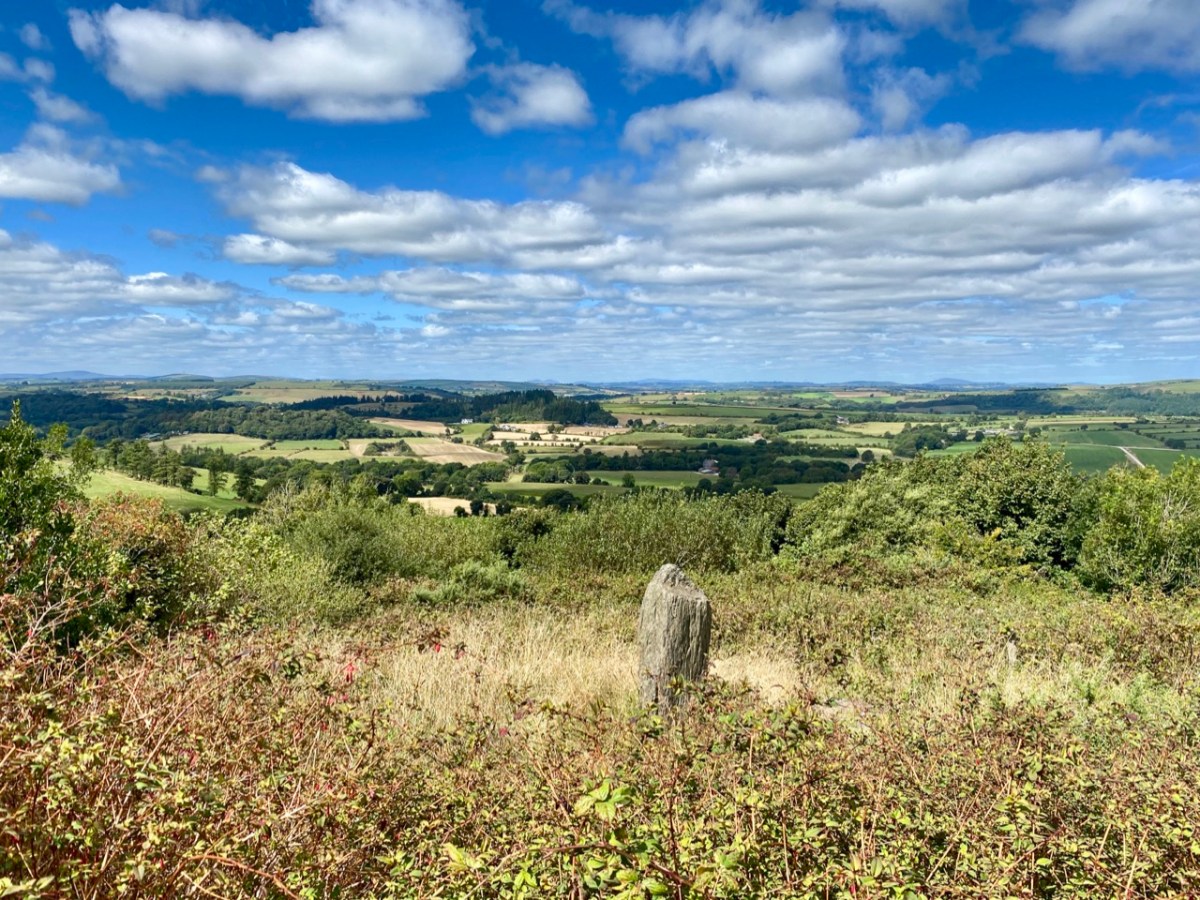
The Michael Collins Centre (above) has been run for over 23 years by members of the Crowley family who are directly related to Collins. Visitors are given a comprehensive presentation on his life and times – and his death. There are many artefacts and memorabilia, including replicas of the vehicles which were in the convoy at Béal na Bláth. It’s also well worth looking out from the Museum grounds to the spectacular view across the Argideen River valley (below). Argidín means Little Silver River, and it flows from Reenascreena to Courtmacsherry.

We are keenly watching the progression of Michael Collin’s journey towards sainthood – or further. During the narrations we attended, we noted the descriptions of some of his followers as ‘apostles’. Also, we can’t ignore the fact that he foretold his own death (after he was sent to England to negotiate and sign the Anglo-Irish Treaty). His sister Mary Collins was nine years old when Michael was born in what she said were ” … miracle conditions, as there was no doctor and no trained nurse … mother and baby were well and comfortable … ” Michael was adored by the family, with his old Uncle Paddy predicting the future upon his birth, saying: “Be careful of this child, for he will be a great and mighty man when we are all forgotten” …

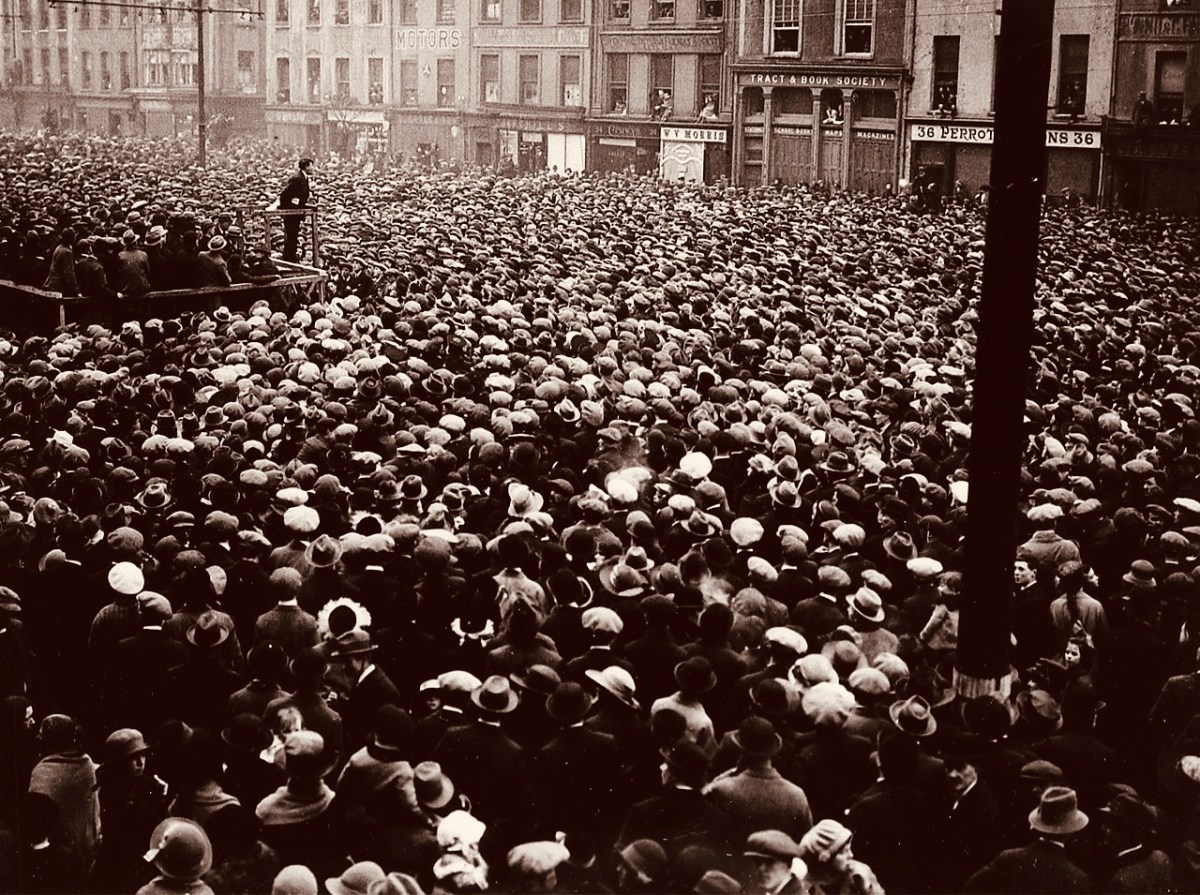
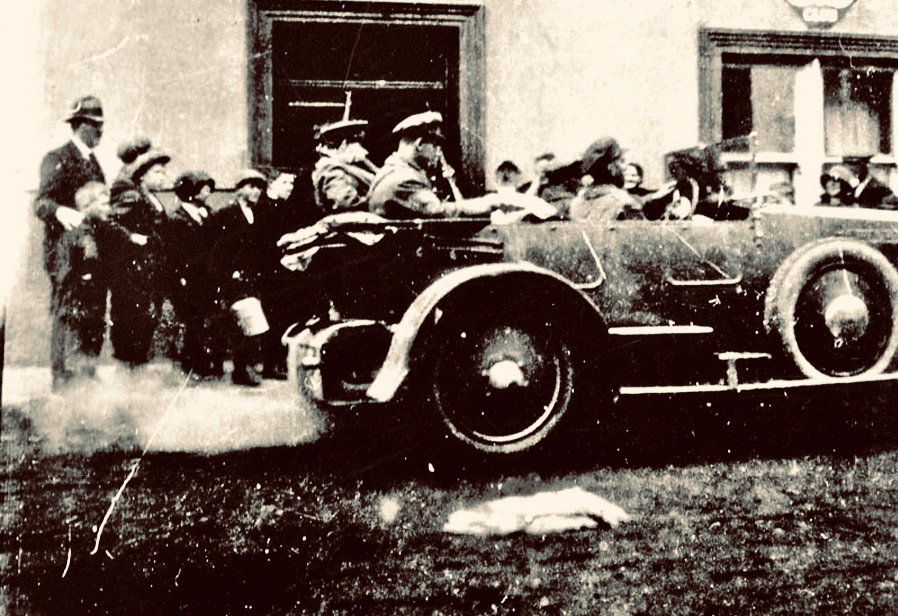
(Above) – a reminder of the ‘glory days’ – Michael Collins addressing huge crowds at a Free State demonstration in Cork City, 13 March 1922 (Wikimedia Commons). (Below) – Collins (behind the driver) leaving the Eldon Hotel, Skibbereen, 22 August 1922: the last known photograph of the hero (Cork Public Museum).