“The Wildest and Richest Gardens” – West Cork Bog Soaks

Henry David Thoreau, philosopher and naturalist, might be called the patron saint of swamps. He was in love with them. I know how he feels. Hope and the future for me he said, are not in lawns and cultivated fields, not in towns and cities, but in the impervious and quaking swampsthe wildest and richest gardens that we have.

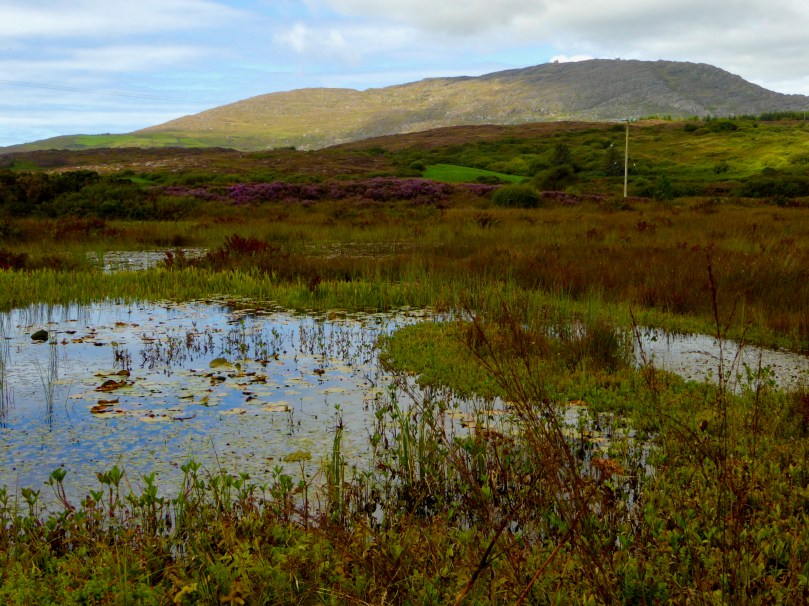
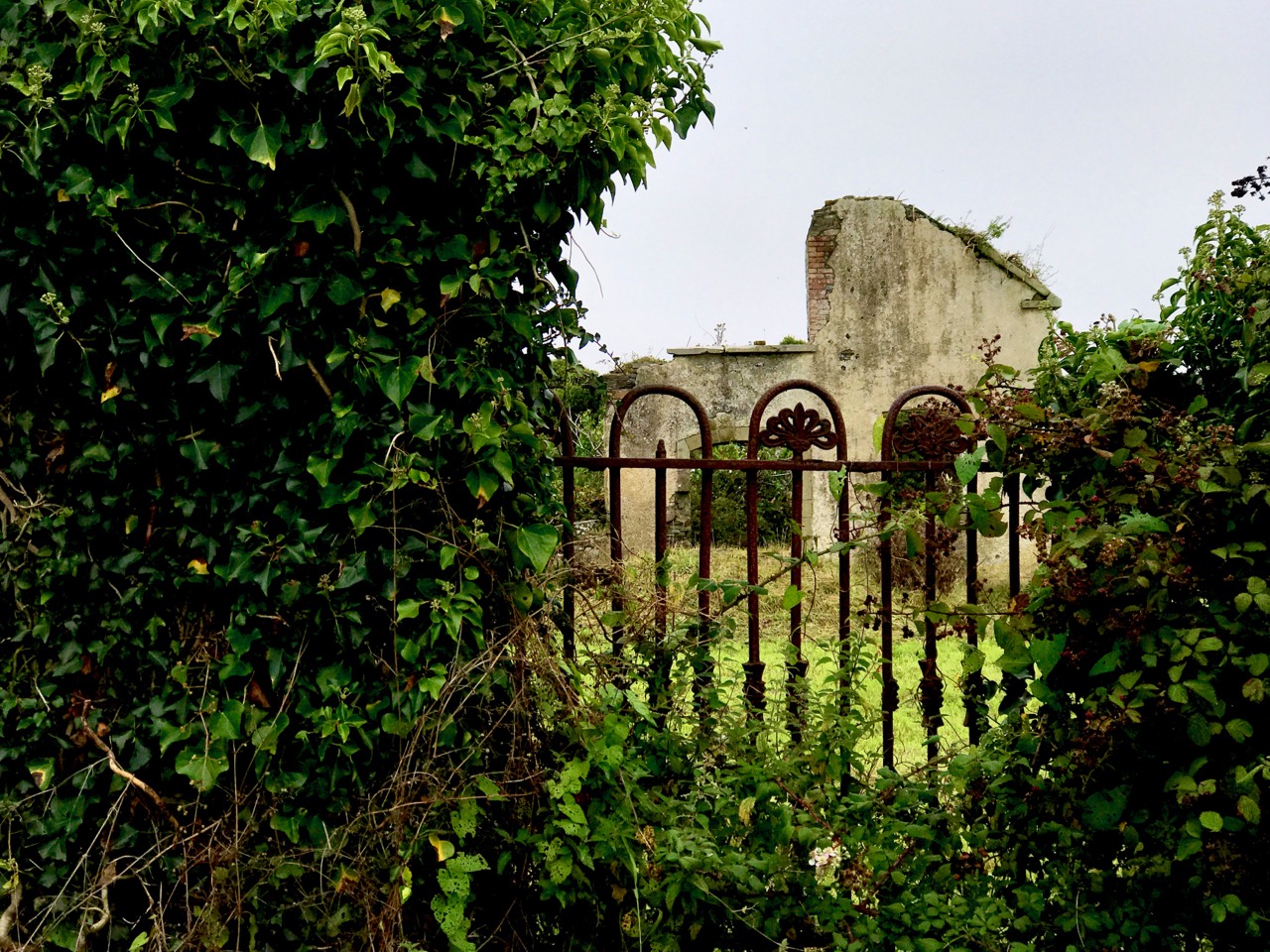
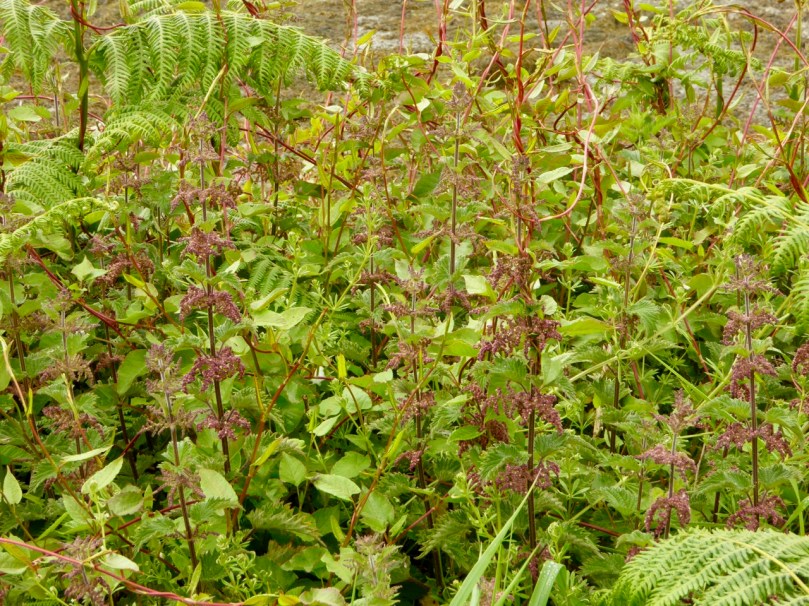
Top photo and above: Derreennatra Natural Heritage Area

Thoreau was talking about American swamps, but he could just as easily have been talking about an Irish bog, marsh, or wetland. I have two within easy walking distance of my home in West Cork and I am drawn to them like a magnet. One is tiny – a pond in the middle of a boggy area at the highest point in Foilnamuck townland. The other is more extensive – Derreennatra Bog, between Ballydehob and Schull.

Foilnamuck Bog Soak

A bog is a highly acid environment, and some plants, such as heathers, are specially adapted to deal with this habitat. The mineral-rich pools that form in the bog – technically known as bog soaks – are fed by groundwater and rain. Nutrients are more available in these patches of open water, they provide a less acidic environment and support a variety of plant life different from that of the surrounding bog.

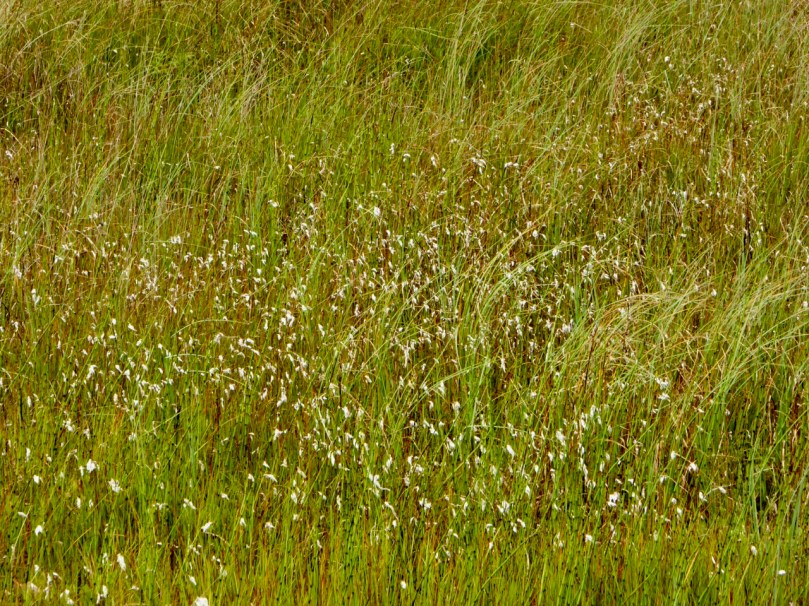
Rare Slender Cottongrass on Derreennatra Bog – one of the reasons for its designation and protected status

Derreennatra Bog has been recognised as a very special habitat of the lowland bog type. It has been designated as a Natural Heritage Area and is under the protection of the National Parks and Wildlife Service. While there are several reasons for its special status, the main one is that it is home to Slender Cottongrass, an extremely rare form of Bog Cotton that only grows in a few places in Ireland and Britain.

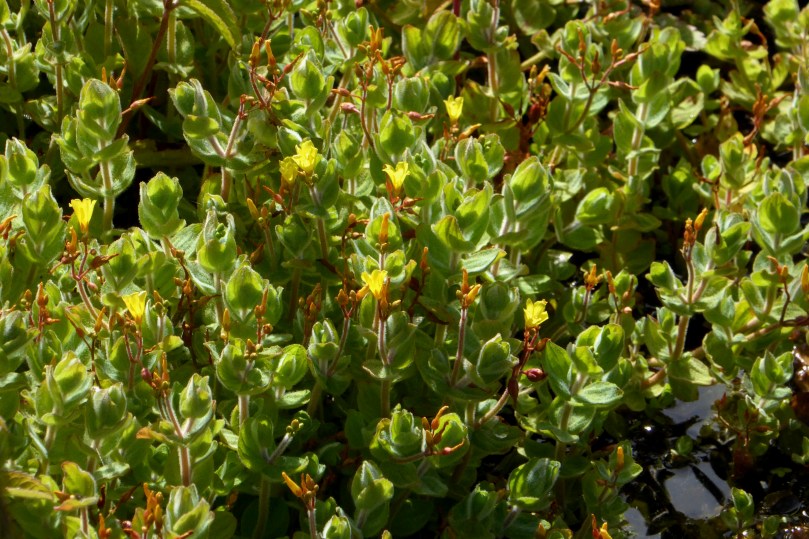
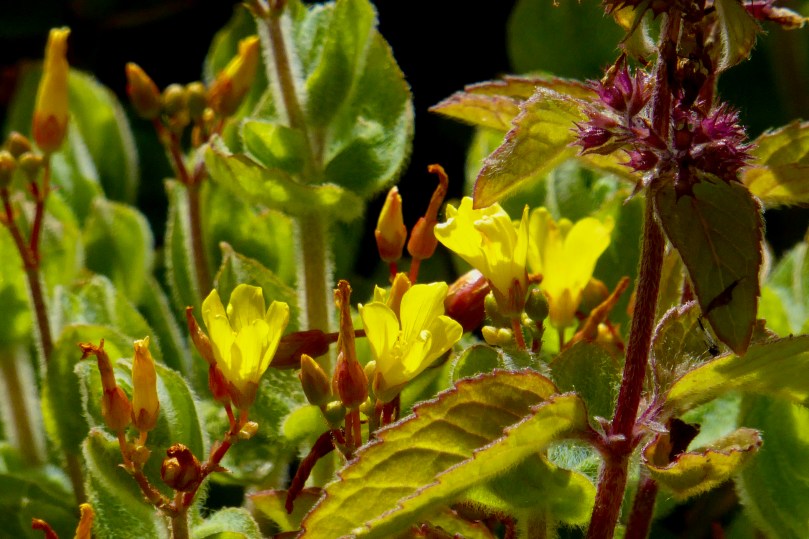
Marsh St John’s-wort, above and below, in its watery habitat

Derreennatra Bog has other uncommon species, but they are hard to photograph without a really good long lens. The one I did manage to get close to was Marsh St John’s-wort. I had to go back several times and wait until the flower opened before I could figure out what it was. It was worth the wait – a very beautiful native wildflower.

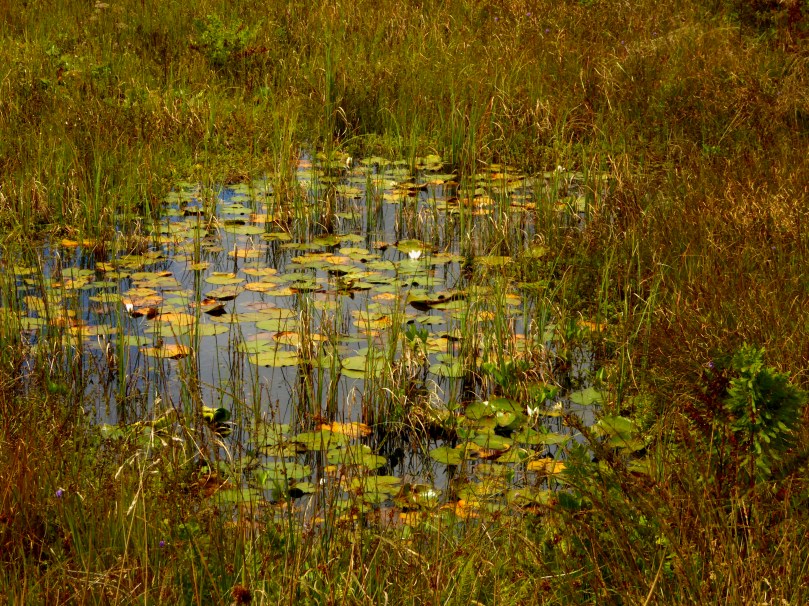
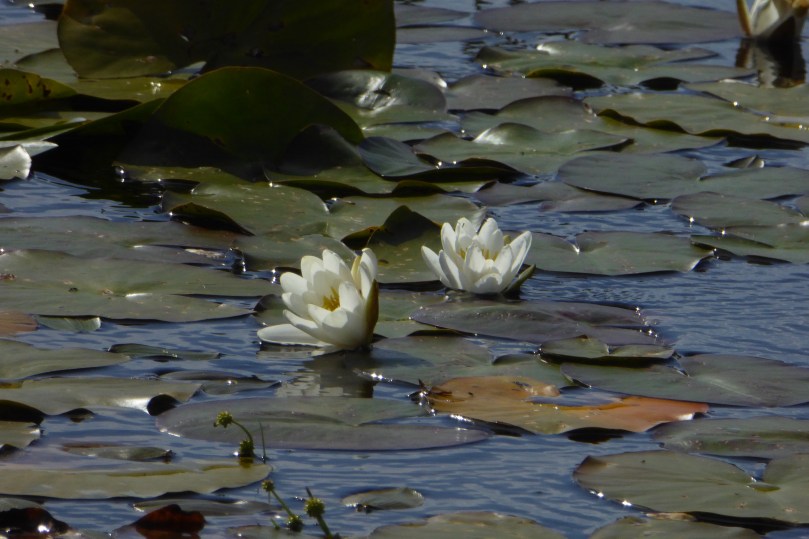
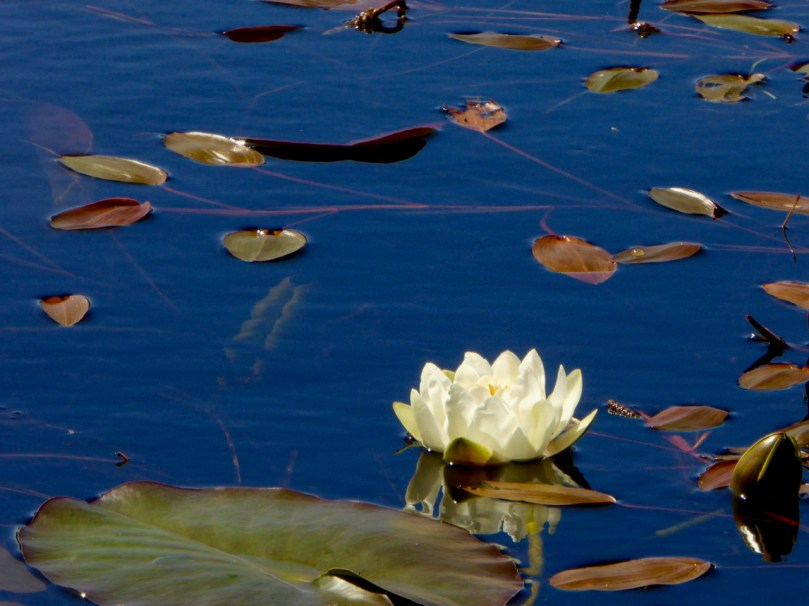
Another reason to hang out at Derreennatra Bog is that the lovely, native, White Water-lily flourishes here. It’s an exotic beauty that been here, apparently, since soon after the last ice-age.

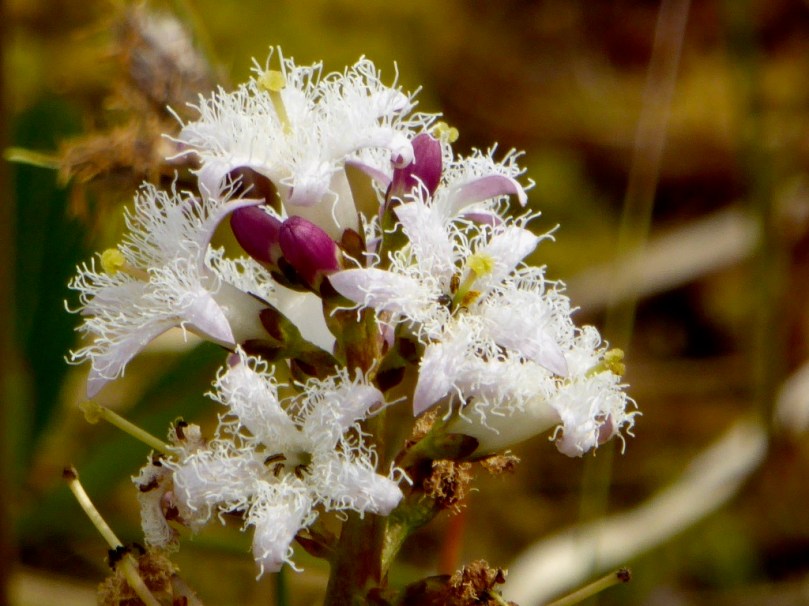
The soak in the bog at Foilnamuck is far less extensive – just a tiny wet patch – but it’s reliably present all the time, probably because it’s bounded by a natural amphitheatre of slightly elevated rocky ground. Here is where I was able to photograph Bog Bean for the first time, although not without getting my feet wet. It’s a fascinating plant – it sits in the water and holds the flower head well above the surface. The flower heads are pink before they open but inside the petals are pure white and fringed with long hairs.

The “regular” Bog Cotton, more correctly called Common Cottongrass surrounds the little soak and mingles with the Bog Bean.

The other plant that loves the environment of this little soak is the Round-leaved Sundew. Sundews are carnivorous – the sticky liquid on its hairy round leaves trap unwary insects, which are then digested by the plant. It’s a marvellous adaptation to the lack of soil nutrients in its habitat.

The spikes carry the flowers, not yet open in this shot, but it’s the leaves that do all the work in this plant

The other flowers of the bog – the heathers and asphodels, the mosses and mints – are equally beautiful and interesting, but I will leave them for another day.

Trish Punch – remember the workshop day I spent with her? She’s gone from teacher to friend and she’s into the wildflowers, just like I am! 

Now so, why don’t you wander on over to your local bog/swamp/fen/marsh soak and see what you can see! Just don’t fall in!


The Mountain Road

Over three years ago I wrote a piece about the mountain that’s on our doorstep – Mount Gabriel. This rocky high terrain is always in our view as we travel around West Cork, and we feel it must have had special significance in prehistoric times: it overlooks a majority of the archaeological sites that we have explored locally – perhaps they were placed because of that. Also, there are many stories attached to Mount Gabriel (find them in my previous post), including the fact that the Archangel himself touched down on its summit and left behind a footprint in the stone! Evidently, he was intrigued to hear about Ireland’s verdant beauty and knew that …in time to come, this honest island would never part with the worship and duty it owes to the Mother of God… and so was determined to get a look at the holy place.

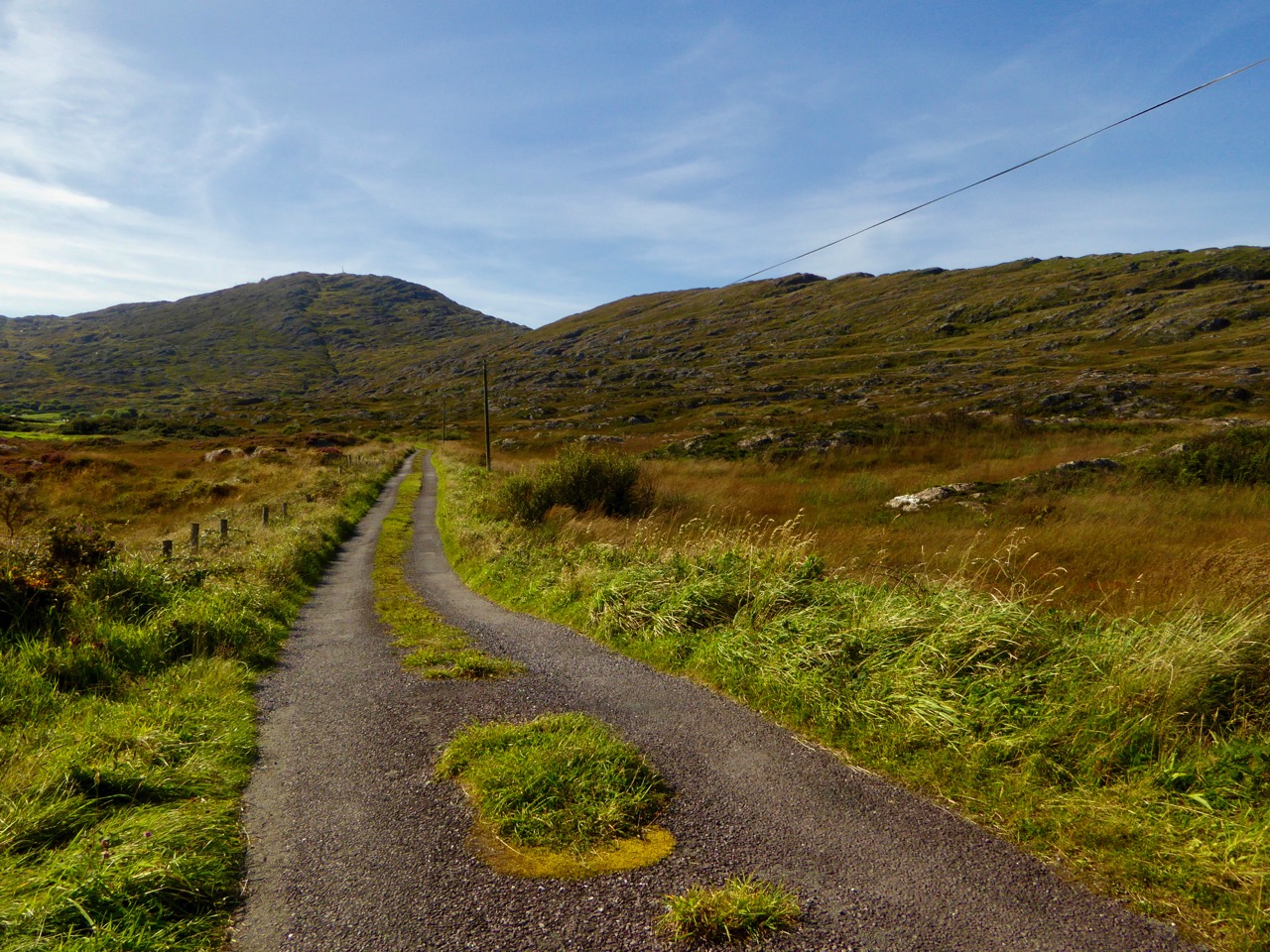
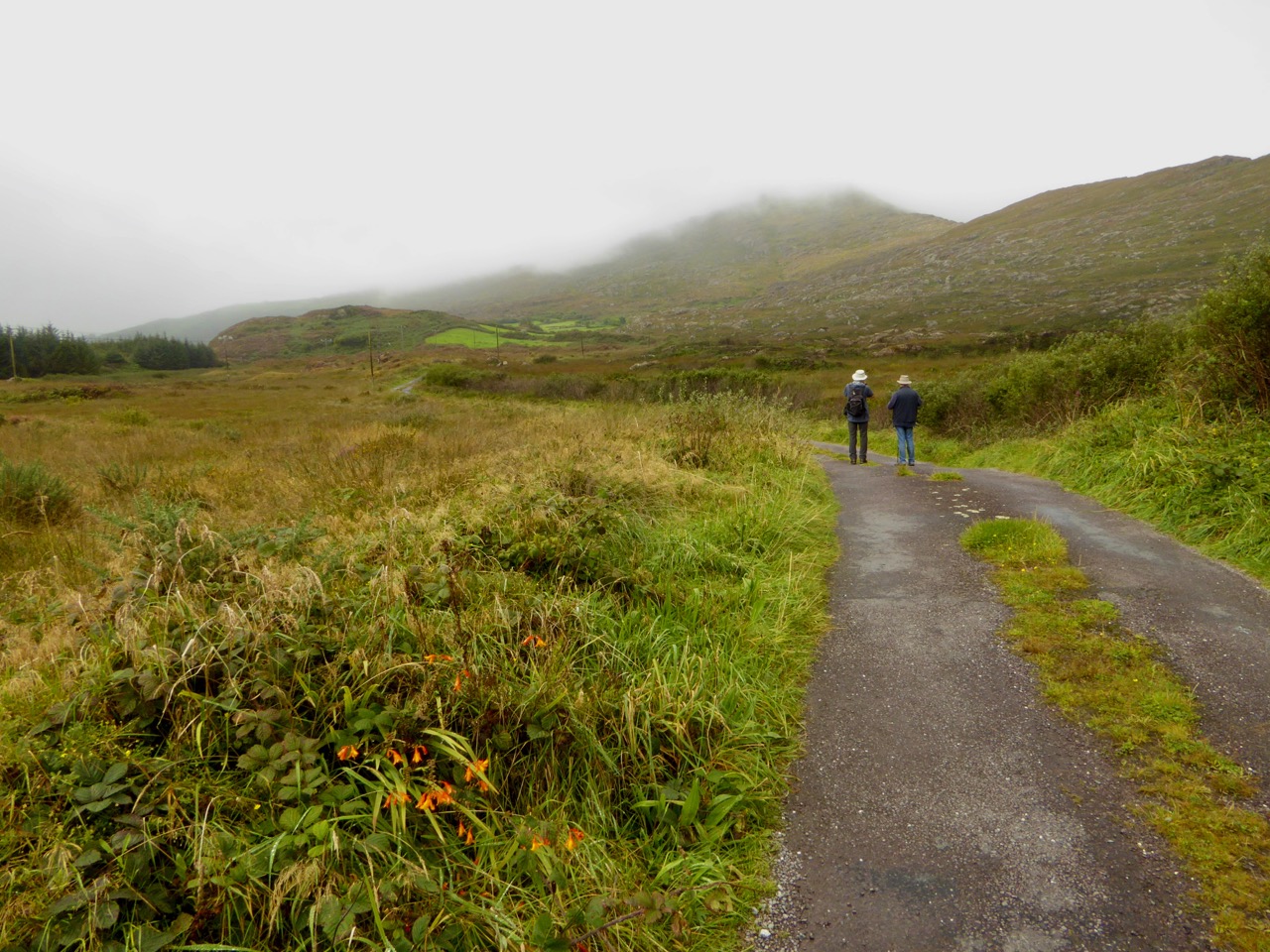
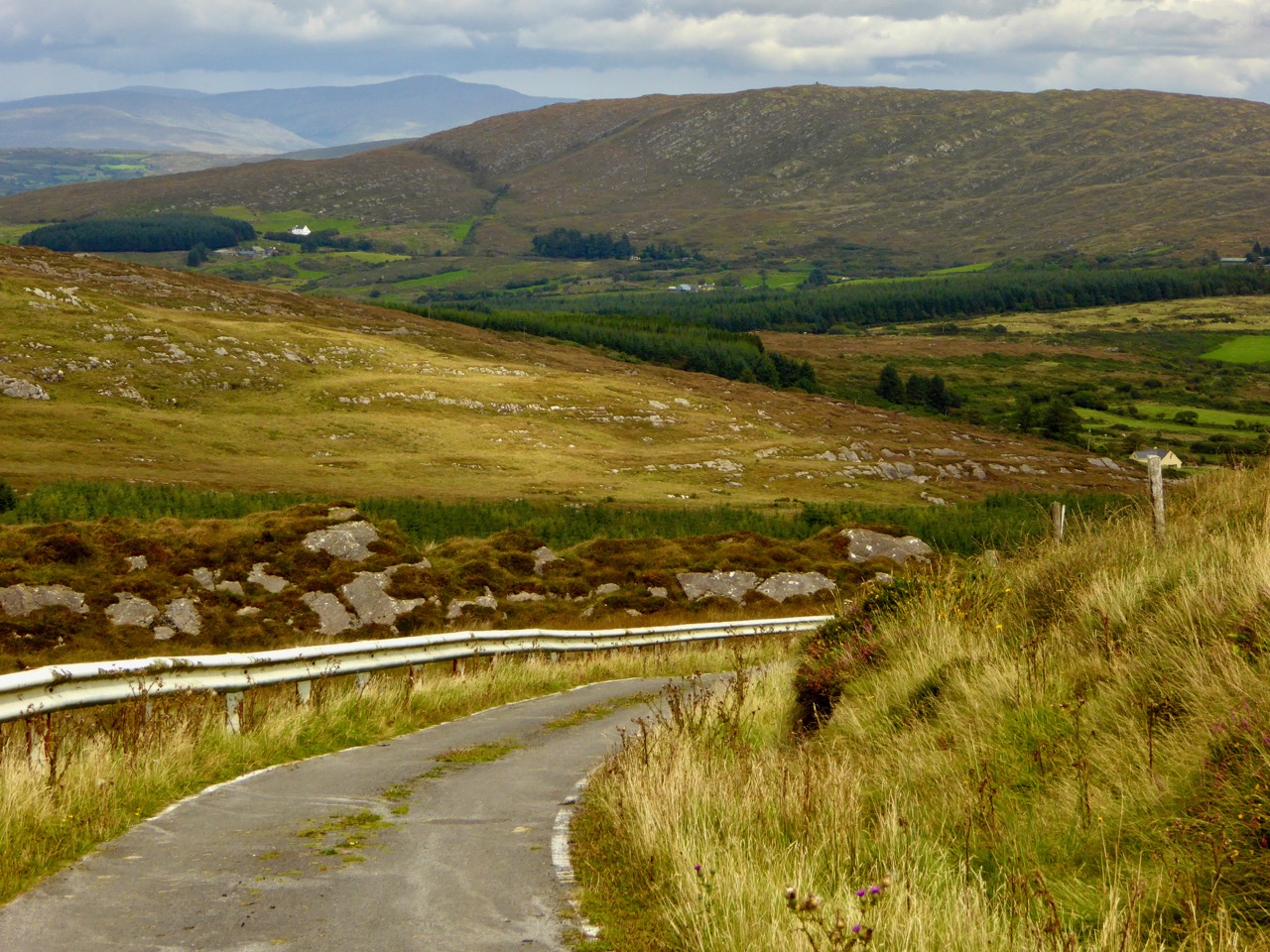
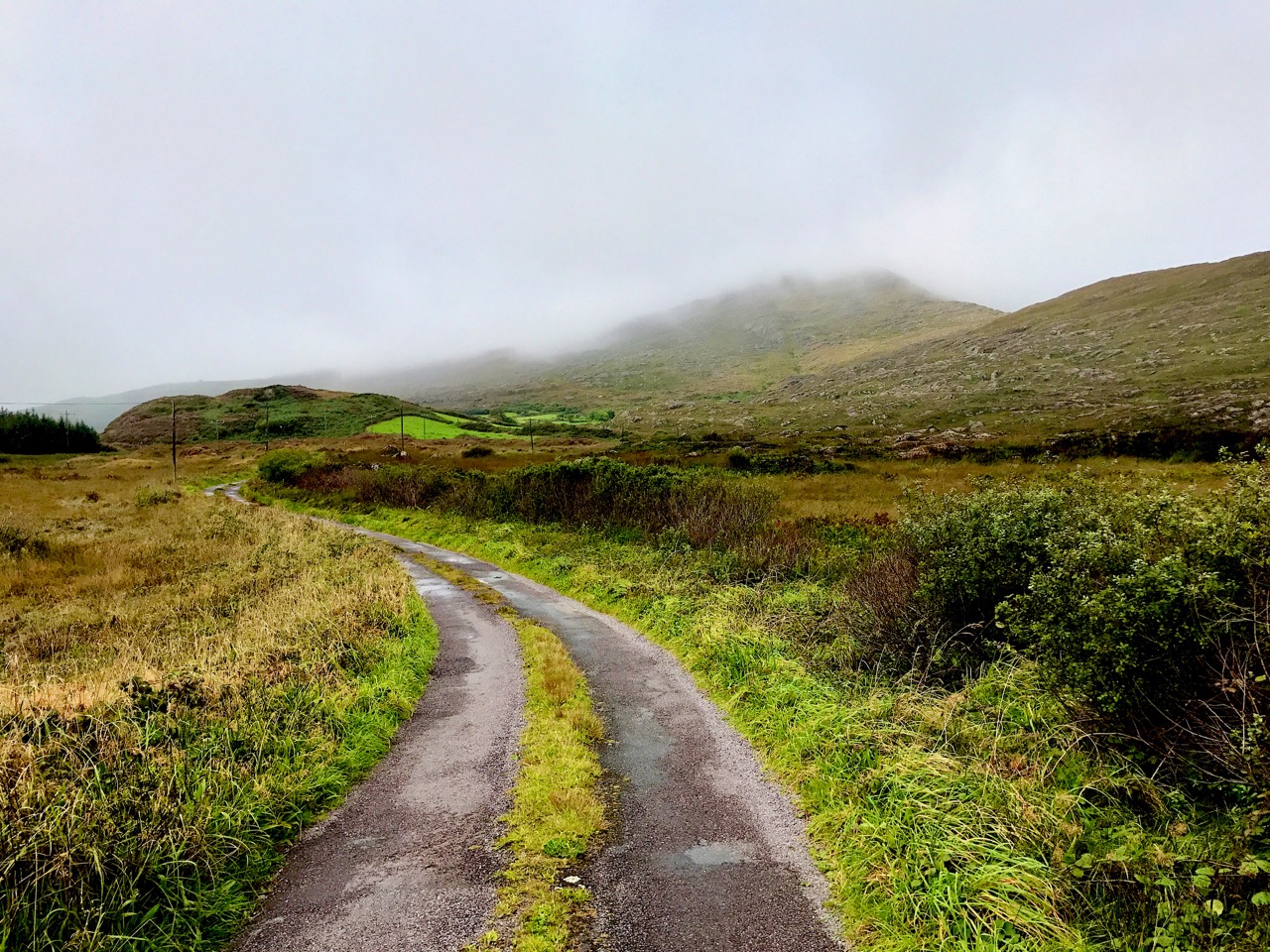
Derryconnell Loop Walk on the Fastnet Trails takes in the foothills of Mount Gabriel – seen here in contrasting weather conditions, but only a day apart!

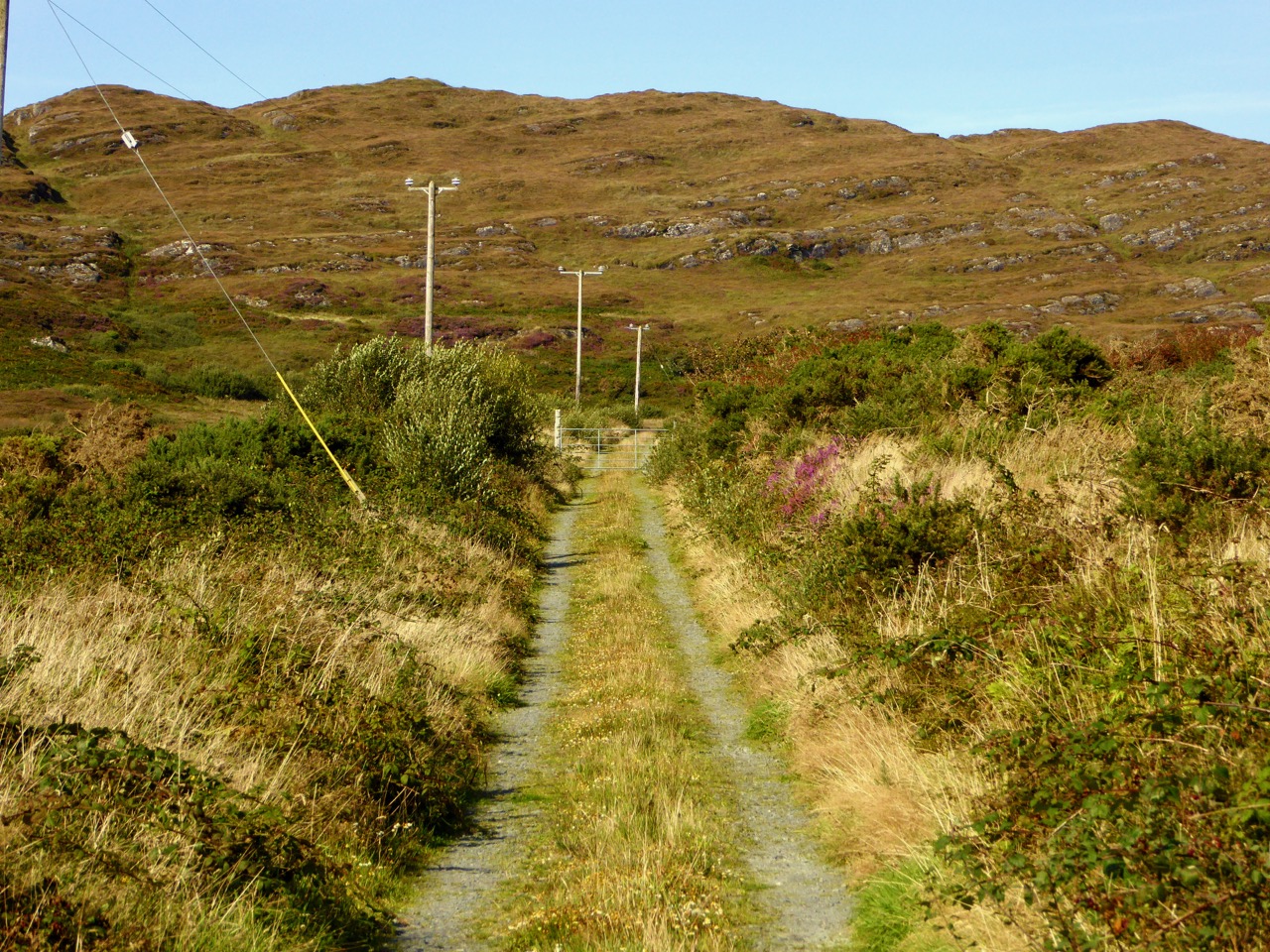
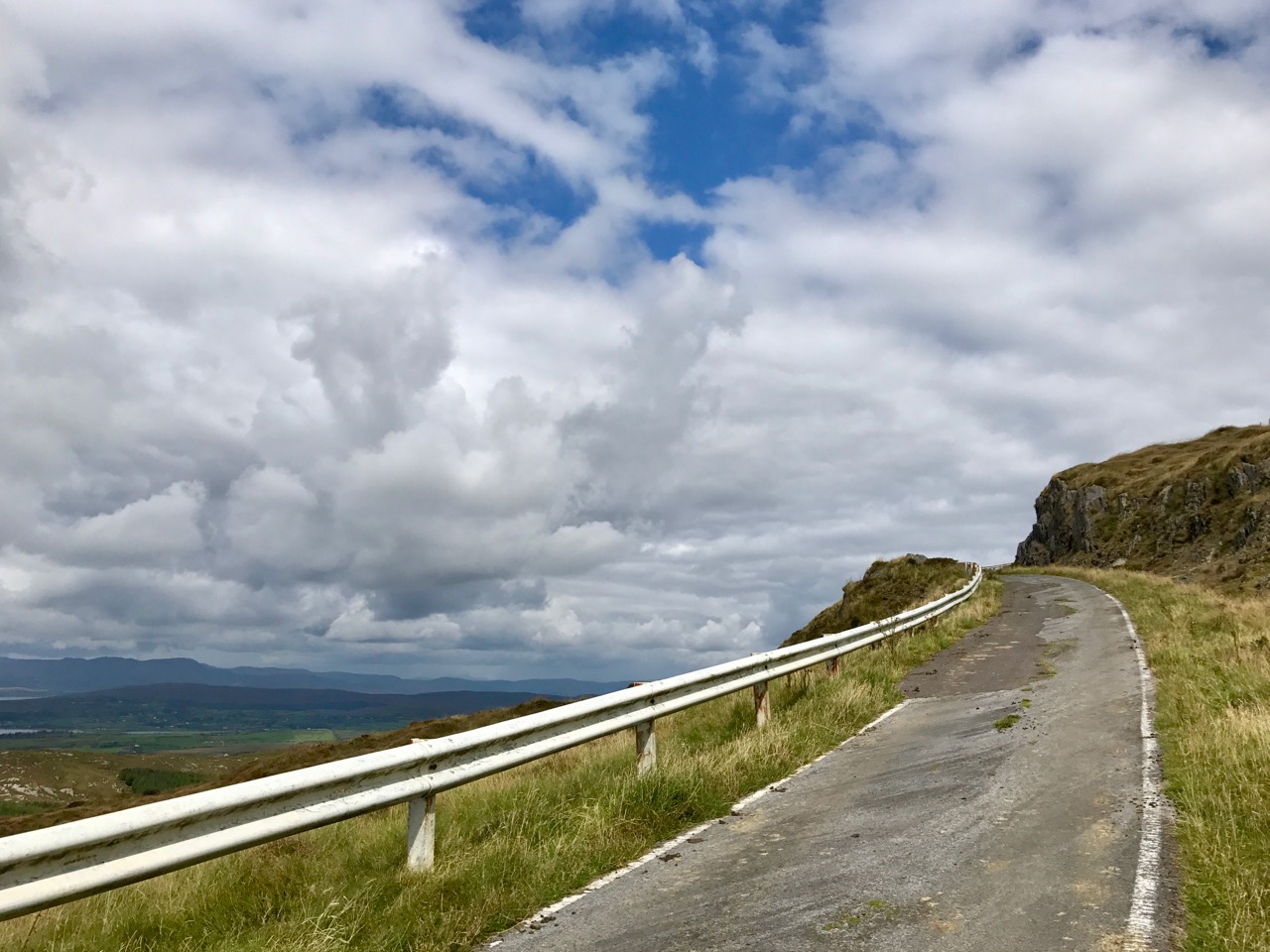
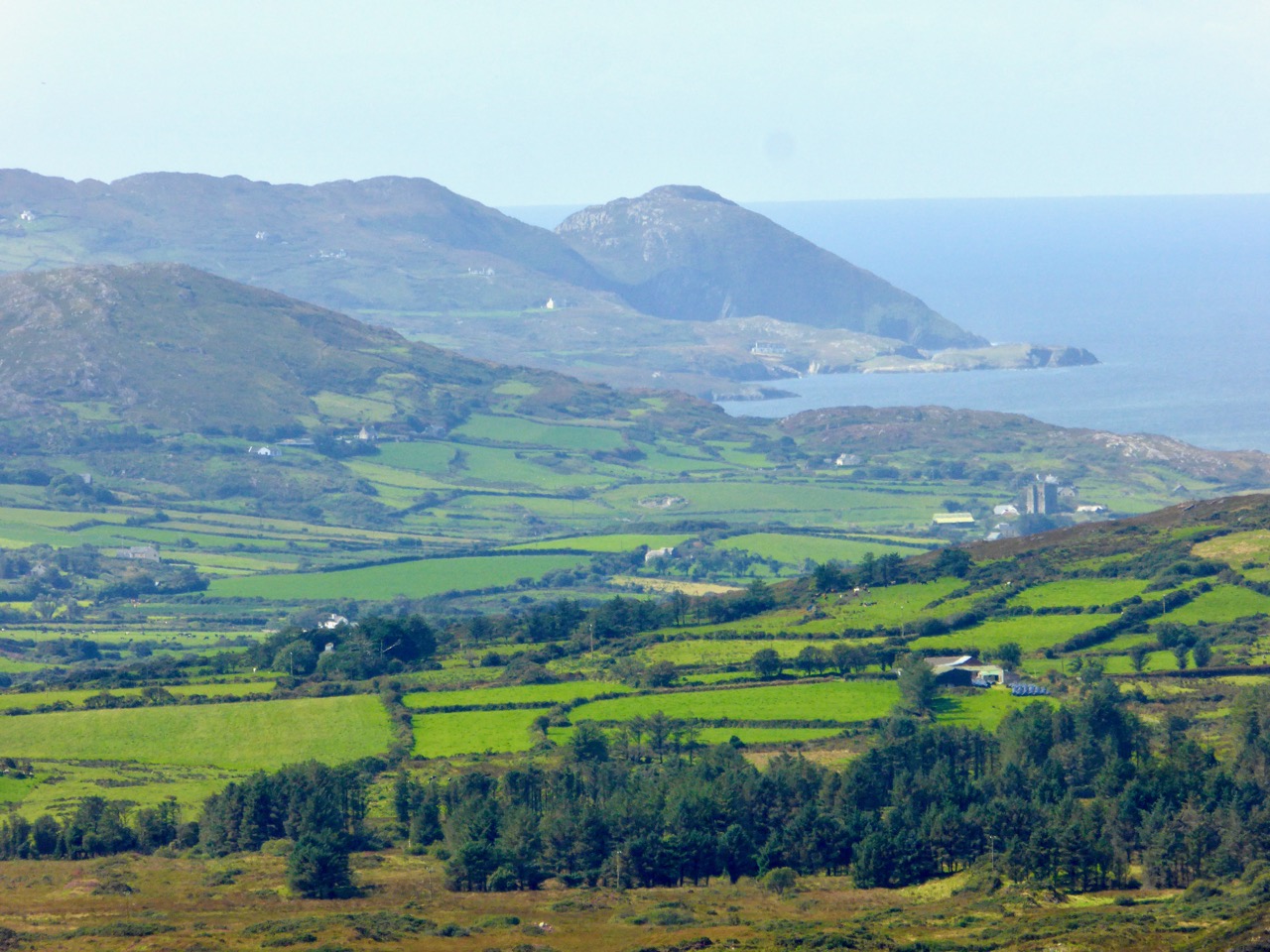
There is a little-known road which runs along the foothills of the mountain which, on a good day, is as beautiful a road as you will find anywhere in Ireland. It begins at the bog of Derreennatra (more of which can be found in Finola’s post today) and you can follow it up and through the Barnacleeve Gap. If you wish, from there you can go all the way up to the summit and get some of the most stunning views all the way over the Mizen, across the Sheep’s Head and even into Kerry.

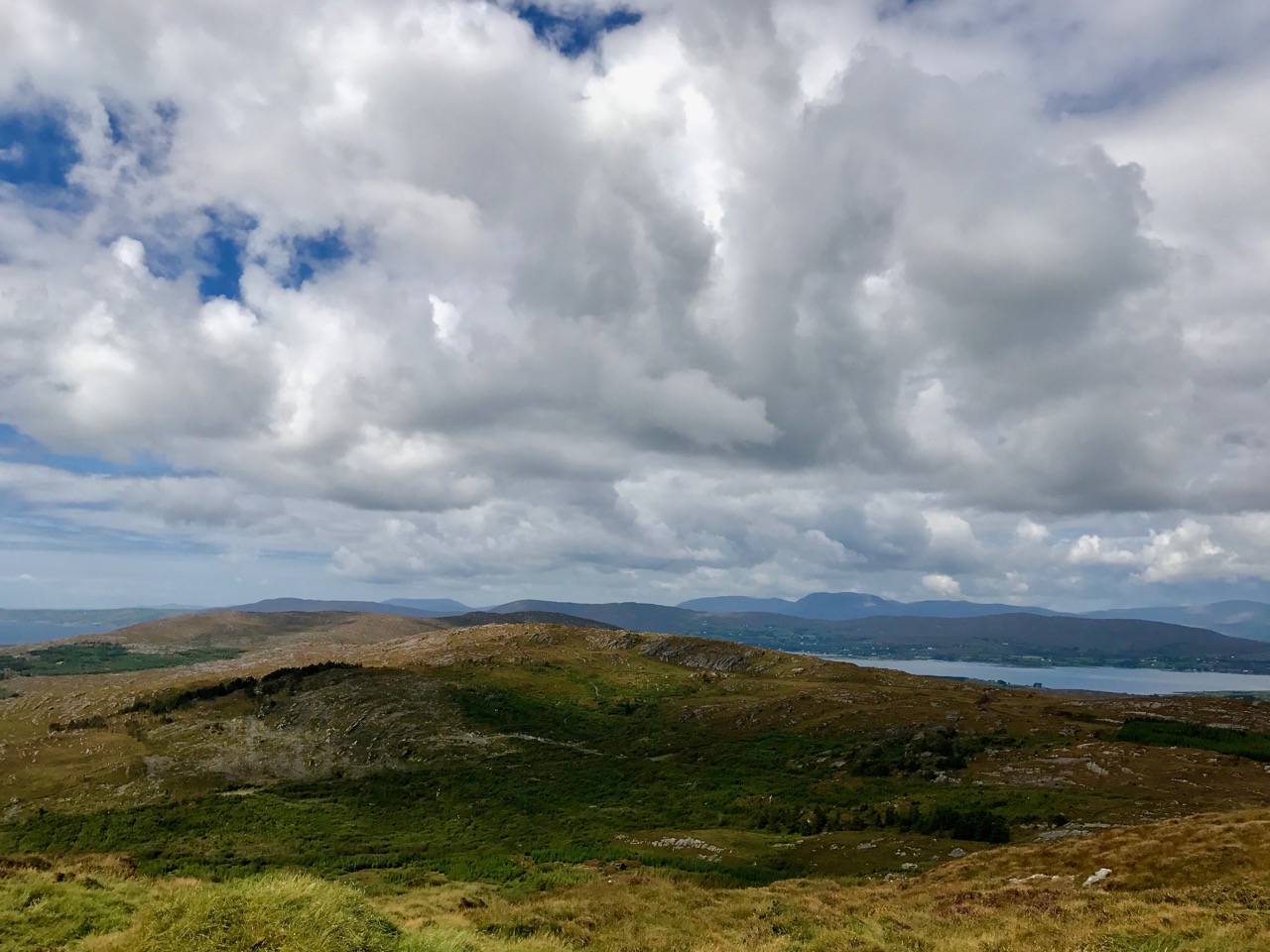
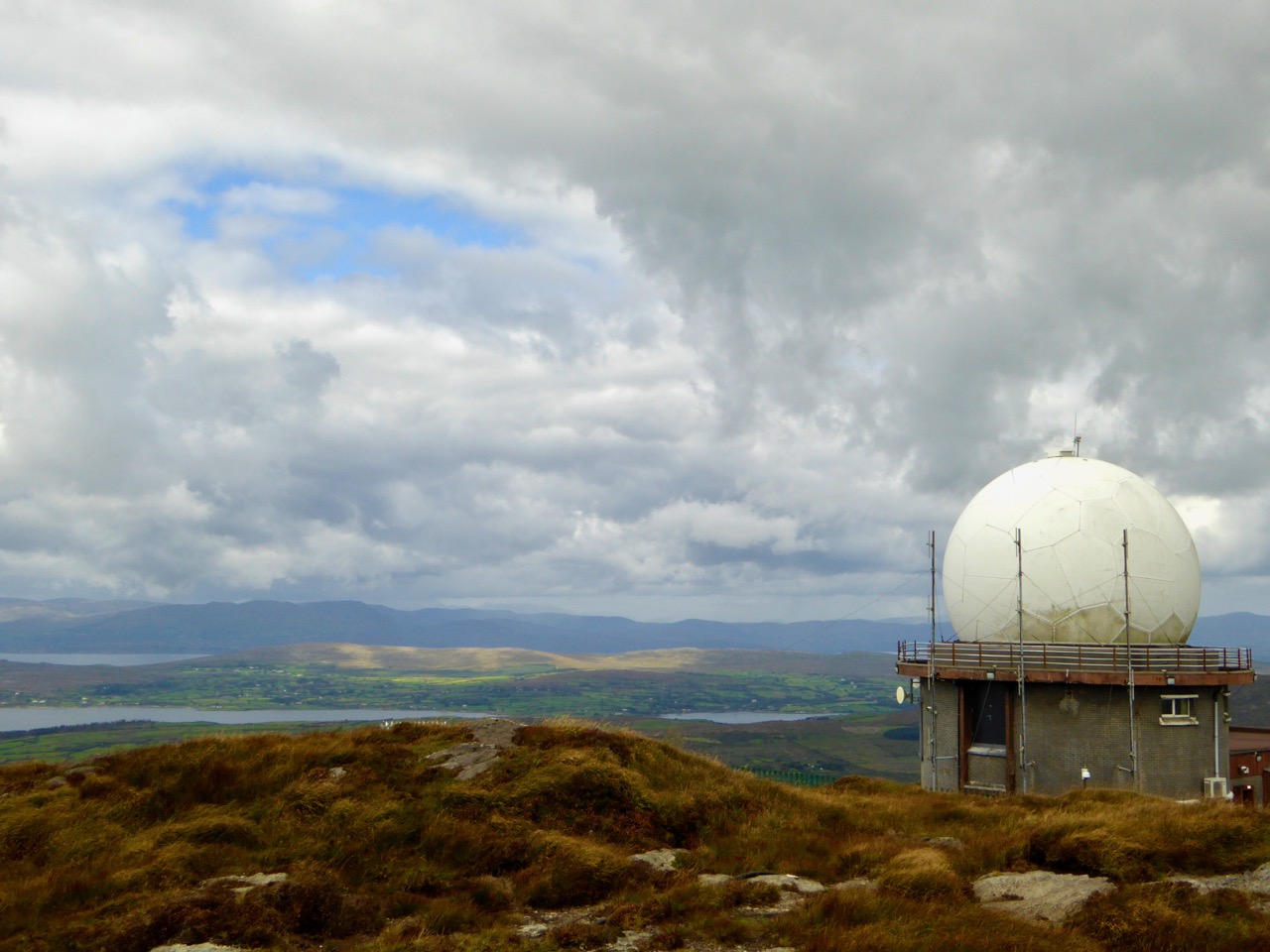
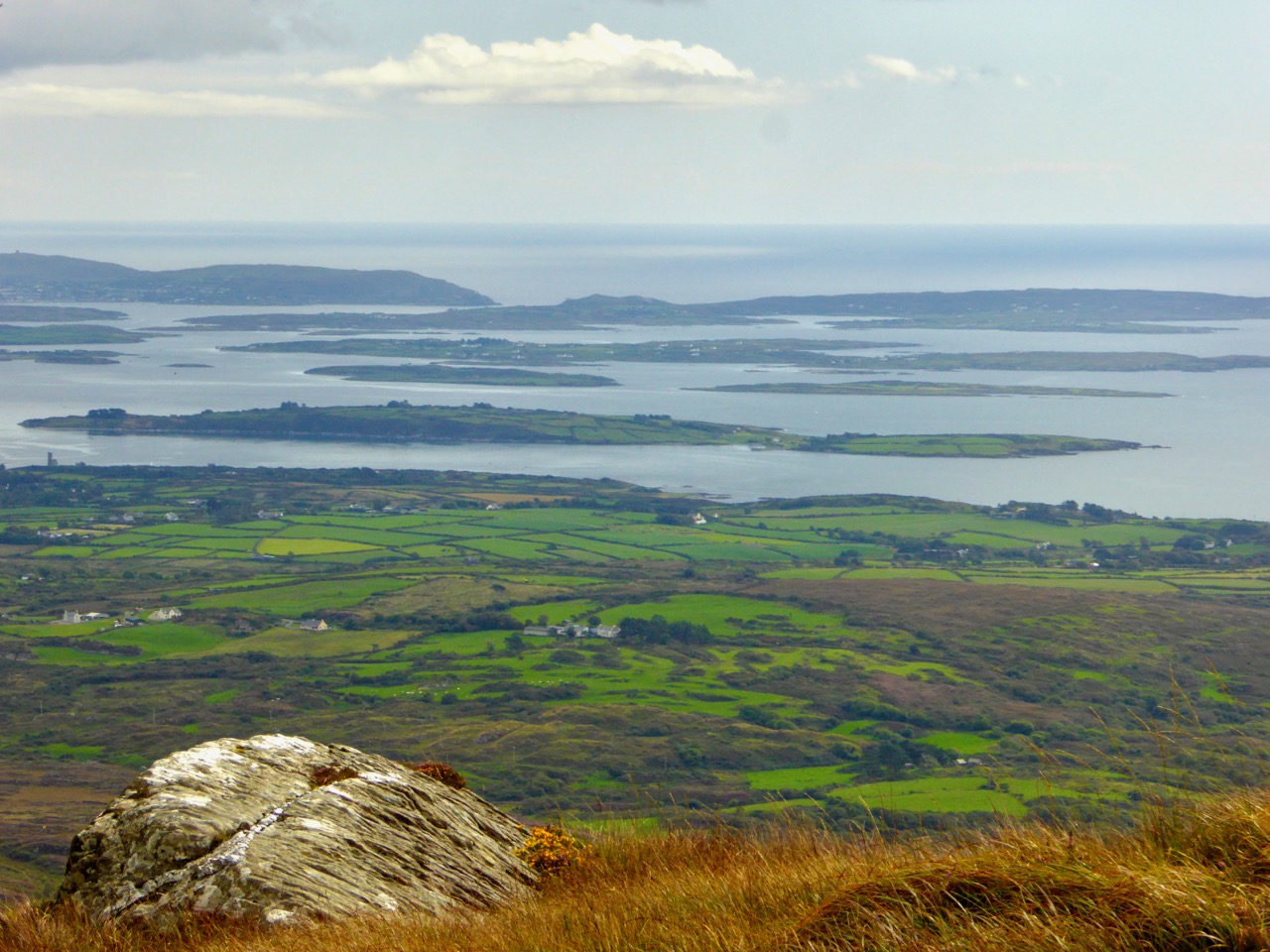
The climb to the summit of Mount Gabriel is always rewarding, with panoramic views to all points of the compass. Lower Picture: the Air Traffic Control Authority’s installations atop the mountain add an odd drama to the landscape

Part of our Mountain Road has been incorporated in the Derryconnell Loop Walk, one of the new group of the Fastnet Trails based around Schull. The whole of this loop walk is varied and picturesque, but the section from the bog is outstanding as it skirts the mountain – which always dominates the vista – and brings you to the junction with the Barnacleeve road. Keep on going, and take in the mountain itself, or follow the trail down to the old Schull Workhouse. Whichever way you go, you will be struck by the seeming remoteness of the boreens, and you will seldom encounter a vehicle.

In all weathers the Mountain is engaging: you can start out in the mist and finish up in sunshine!

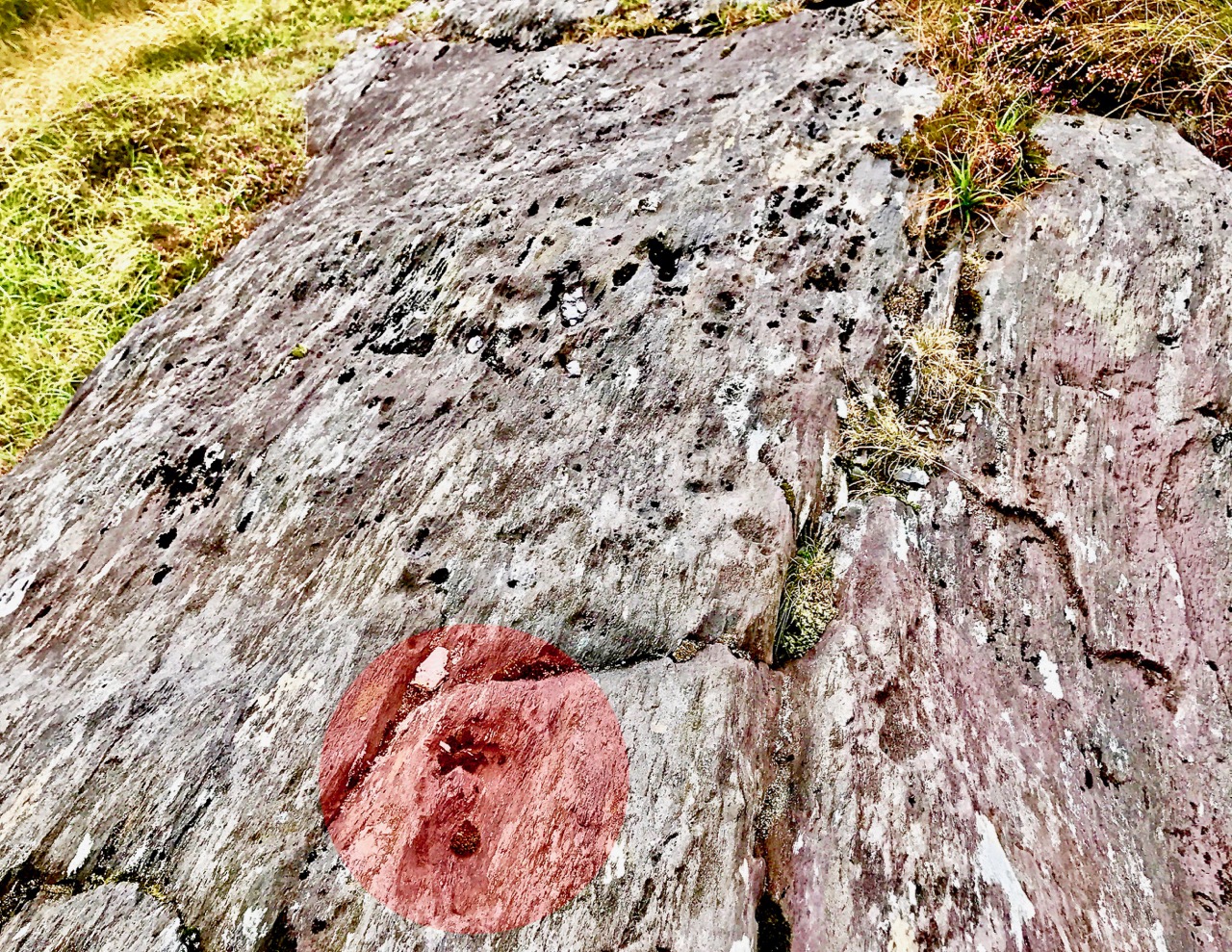
In the latter part of this summer we have explored the road in all weathers, and recorded the many moods of the mountain. Reaching the summit last week, we had a search for the Archangel’s footprint. I’m convinced we found it, but we couldn’t see the lake with its magical islands which – according to the legends ‘…float about up and down, east and north and south; but every Lady-day they come floating to the western point, and there they lie fixed under the crag that holds the track of the Angel’s foot…’ (John Abraham Jagoe, Vicar of Cape Clear – Church of Ireland Magazine 1826)

The peak of Mount Gabriel is strewn with rocks, any of which might contain the Archangel’s footprint. Upper – the view to the islands of Roaringwater Bay. Lower – could this be where he touched down? A definitely footprint shaped impression on this rock – highlighted on the photo in red

In my younger days I was fortunate to hear traditional Irish musicians Margaret Barry and Michael Gorman performing on the streets of Camden Town, London, when I worked in that city. Those streets were a far cry from the home I now have in West Cork, but I recall the duo’s rendering of the tune The Mountain Road: Margaret came from Cork herself, so perhaps our own mountain (or maybe it was Gabriel?) was an inspiration to her.

Descending from the summit, we finished our walk on the Mountain Road at the gauntly atmospheric ruins of Schull Workhouse

Down By The Old Caol Stream

Skibbereen has a flooding problem and the flood-relief project is in full swing now. A lot of it concerns the stream that runs through the town, under several bridges, past Field’s supermarket and the West Cork Arts Centre, to empty into the Ilen River by Thornhill’s Furniture Shop. The stream is tidal, creating flooding hazards from above and below.

The lush growth along the stream: Buddleia (Butterfly Bush), Valerian, Twiggy Mullein and Bindweed; Red Valerian and Twiggy Mullein; Twiggy Mullein close-up.
Clockwise  from Left: Field Bindweed and Meadowsweet; Hemlock Water-dropwort (yes, as it sounds, poisonous!); Red Valerian and Monkeyflower

While the stream has enormous potential to be an attractive part of Skibbereen’s urban environment, nobody could call it beautiful – it’s neglected, choked with ‘weeds,’ and full of rubbish. But wait – it also happens to be home to an astonishing variety of wildflowers!

A sea of yellow. Clockwise from Top Left: Marsh Marigold; Marsh Ragwort (not the unwanted Common Ragwort); Monkeyflower; Yellow Water-lily

Or rather, it WAS home to the wildflowers. As the project advances, the flowers have become collateral damage in the march forward of the steel barrier that will (we hope) keep flood waters contained. Most of us who shop in Skibbereen cross the bridges over the Caol Stream (pronounced Kale, Irish word for ‘narrow’) several times a week, normally without a glance over the side.

This is Water Figwort, closely related to Common Figwort but adapted to an aquatic environment
Clockwise from Left: Yarrow – although Yarrow is mostly white, this one is a lovely deep pink; Short-Fruited Willowherb; Snow-in-Summer or Dusty Miller

I decided to record the biodiversity of the stream flora before it disappeared and took photographs over the course of the spring and summer. It’s amazing really, what flourishes in such an unpromising environment. This photo-essay is an homage to what I observed.

Clockwise from Left: Ivy-leaved Toadflax (look for it on the wall); Common (or possibly Long-headed) Poppy; Marsh-bedstraw

Purple Loosestrife

Stream beds are a particular type of habitat. Tony O’Mahony in his magisterial Wildflowers of Cork City and County, points out that riverine habitats provide a welcome environment not only for native, but also for naturalised alien plants. Combined with the fact that the Caol Stream runs through a town with cultivated gardens backing on to it, this means that many of the wildflowers I saw are non-native, naturalised species. But all, native and non-native, are uniquely adapted to this watery channel, even tolerating periods under water.

The area behind the steel barrier is being filled in with gravel. I don’t know if it will be topped with soil. Hoping so.
Left: Below the uppermost bridge. Right: the stream where it empties into the Ilen – the vegetation has already been stripped

Wildflowers are incredibly resilient. One of their favourite habitats is waste ground – no sooner is a plot of land disturbed than the flowers move in. My prediction is that, despite the seemingly barren and hostile environment created by the sterile gravel fill behind the steel barriers, we will start to see, as early as next spring, the shoots of little plants moving in to colonize the available space. The Willowherbs first, perhaps, followed by Loosestrife and maybe Figwort.  And of course good old Herb Robert (below), which seems to survive and thrive just about anywhere


This is a highly poisonous plant called Lords and Ladies – perhaps we could do without this one, although no doubt there are critters that depend on this too

Direct access to the water will no longer be as easy, though, because of the steel barriers, so the flowers may take on a different character. It will be fascinating to see what happens over the next few years. Keep watching!

The Community Orchard seems to be far enough upstream that it may escape major flood works. This is a beautiful and contemplative place. I was shown around by an eager young boy who knew the names of all the plants

This is what it looks like now – the view from the upper of the two bridges leading to Fields

What can you identify in this picture?

Choughs – and their travels

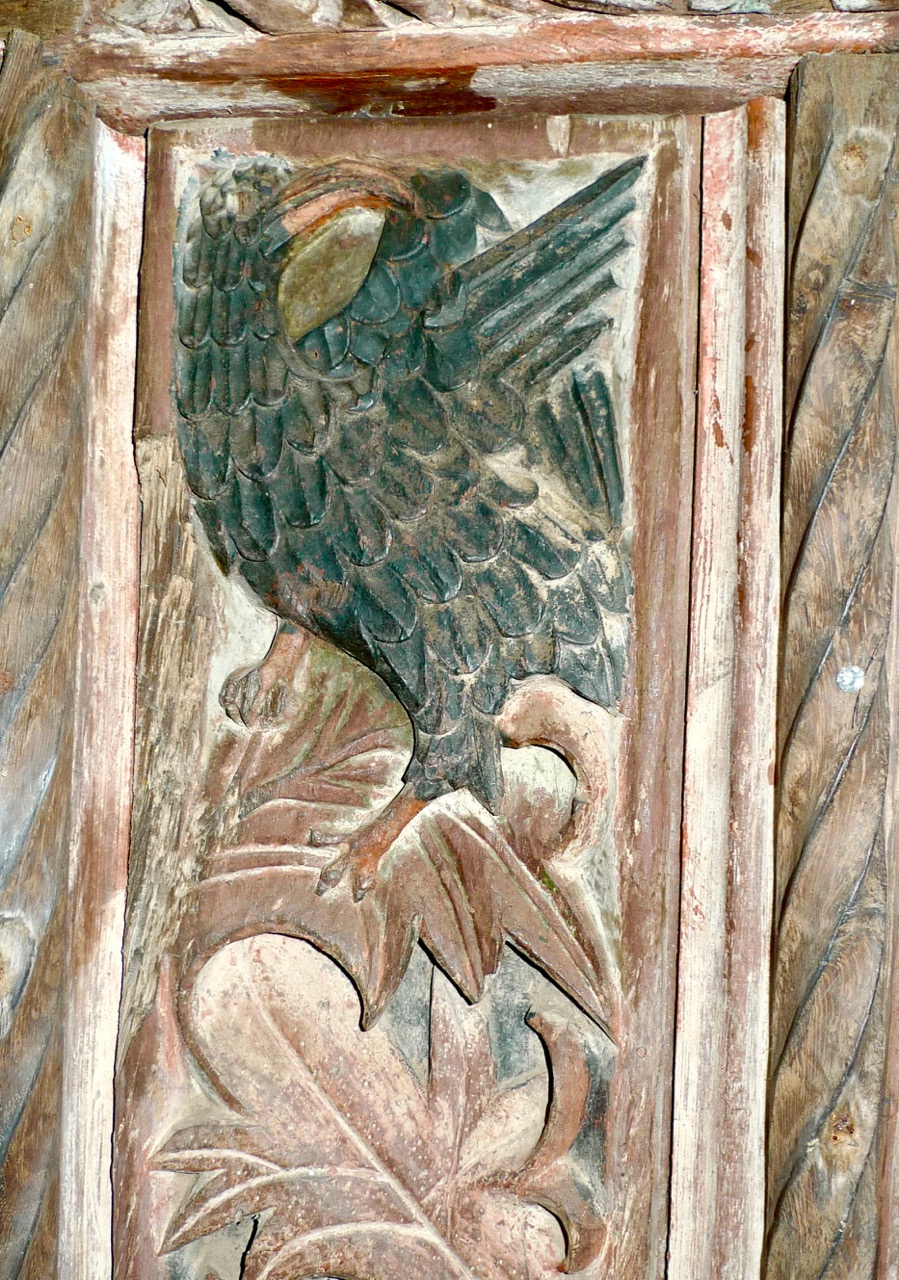
You’re looking here at a 500 year-old Chough! It’s a carving from a medieval rood screen in an ancient church at Sancreed, on the West Penwith peninsula in Cornwall. There’s no mistaking it: the curved red beak and the red legs make this the most distinctive of all the corvids. This is an accurate representation but, interestingly, on the rood screen it’s in the company of other curioser beasts and beings which we perhaps would not recognise. Were the others around once in Cornwall, but now vanished? You can have a look for yourselves in next week’s post. But first, a little more about our own Choughs.

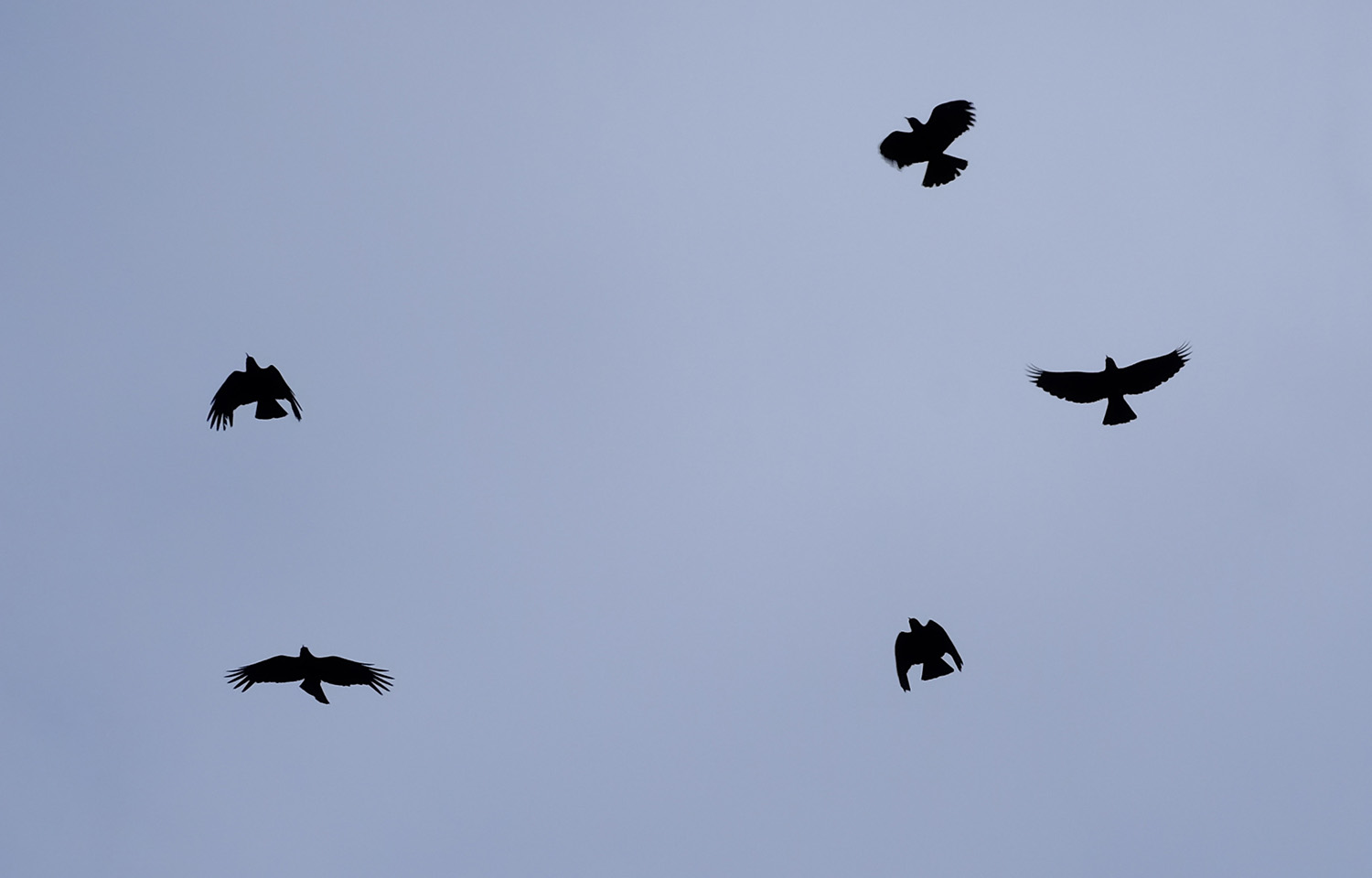
This wonderful photograph by our neighbour Oliver Nares (thank you, Oliver) shows Choughs in flight, and you can tell they are Choughs rather than any other sort of crow by the distinctive ‘finger’ feathers on the tips of their wings. But also their call is very particular – they tell you their name!

The pattern of their flight makes them stand out. The other day a chatter of twenty Choughs passed over us at Nead an Iolair and swooped down over and around Rossbrin Cove. They were wheeling and turning, performing acrobatics in the sky – even flying upside down! – clearly enjoying every moment of their airborne peregrinations. Why wouldn’t you, with such a beautiful landscape below you?

I have written about Choughs before, but there is a special relevance now, in my series on links between Ireland and Cornwall, sparked off by the West meets West exhibition currently running in the West Cork Arts Centre’s gallery in Skibbereen – Uillinn. The Chough has always been the ‘national bird’ of Cornwall – it has pride of place on the coat-of-arms of the county, alongside the fisherman and the miner:

It was somewhat ominous, therefore, when the Choughs disappeared from Cornwall, back in 1970, after a long period of decline. Attempts were made to reintroduce them artificially, over the following decades, but without success. And then, suddenly, the birds returned! It seems that changes in agricultural methods on the coasts – removing grazing cattle to inland sites – had upset their habitats. Now, following changed grazing patterns, Choughs are re-establishing themselves and – here’s the exciting thing – they have come over from Ireland to do that! It has been found that the entire new breeding stock originates from here, where the birds are plentiful. Just imagine those pioneering birds setting out to cross the Celtic Sea from Cork, Waterford and Wexford… Another gift from Ireland to Cornwall, following in the path of Saint Ciarán from Cape Clear who floated across himself (on a millstone) to convert the Cornish heathens and giving them their own patron saint, known as Piran in their own language.

Left – Chough fledglings, photo by Oliver Nares; right – Finola’s study of a bedraggled Chough sitting on our gatepost on a very wet day

In Cornwall, the Chough is said to carry the spirit of King Arthur, the Once and Future King who will return one day. In Ireland, however, Choughs are believed to start fires by carrying lighted sticks on to the roofs of houses. The latin name – Pyrrhocorax – means ‘fire raven’, perhaps because of the bright red bill and legs.

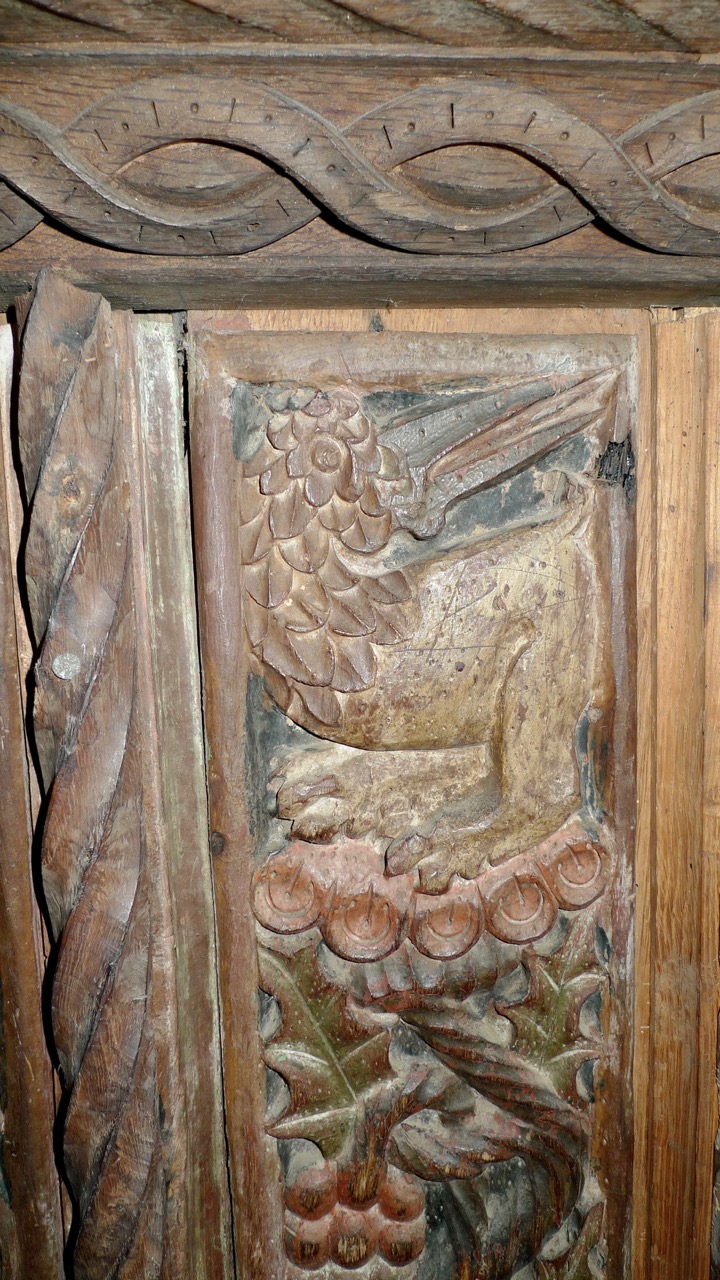
A taster for next week: another – curioser – bird-like creature from the Sancreed rood screen in Cornwall

The Lusty Month of May

The month of May was come, when every lusty heart beginneth to blossom, and to bring forth fruit; for like as herbs and trees bring forth fruit and flourish in May, in likewise every lusty heart that is in any manner a lover, springeth and flourisheth in lusty deeds.  For it giveth unto all lovers courage, that lusty month of May.

–  Sir Thomas Malory, Le Morte d’Arthur 

One of our local roads is lined with Ragged Robin

Walking the boreens in May there is a sense of potency, urgency even, in the landscape. We’ve been asleep long enough, the flowers are saying – it’s high time we put in an appearance.

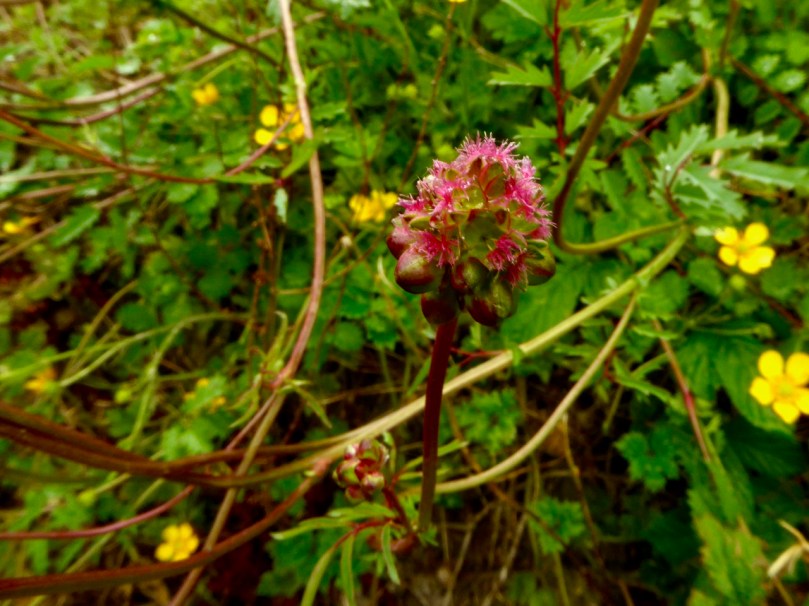
Another one has pignut on both sides. Pignut? Yes, there is such a flower – it’s widespread and the rounded roots which are said to taste like hazlenuts were a food source for pigs, and sometimes for humans too

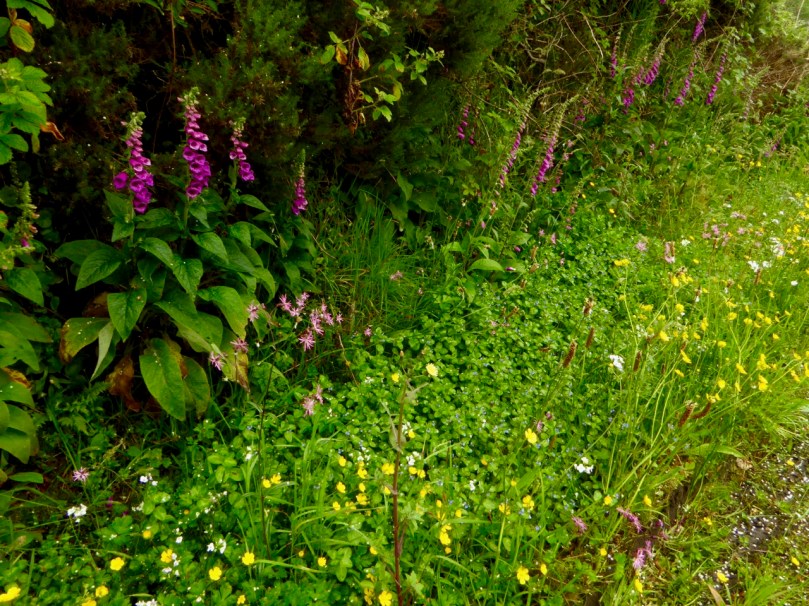
After a long dry spring, everything is early this year in West Cork this year – and earlier than in the rest of Ireland too, thanks to our southerly location and mild climate. The big flowers are happening – the irises and the foxgloves in all their boldness and drama, as well as the tiny ones that are peeping out along the hedgebanks.

Glimpsed along the way: Yellow Iris is a bold native plant that likes damp places; St Patrick’s Cabbage grows extensively around the Cork and Kerry Peninsulas; this Spotted Orchid was one of several at the Heron Gallery Garden; Red Campion grows just across from my house

The Big Event in May for us was the launch of the Wildflower Trail, which I wrote about a couple of weeks ago. The launch was lovely – it was a great honour to have Zoë Devlin come and declare the trail open, and then lead us in a wildflower walk. The brochure is now in the Tourist Centres and already people are picking it up and wandering the boreens.

Zoë had participants spellbound – she just knows SO much!

For me it was a special opportunity to learn from Zoë when we walked the course before the launch. It was a great experience and I learned very quickly that for Zoë the wildflowers are just one aspect of an interdependent whole that includes butterflies, moths, bees, birds, and flora and fauna of all descriptions.

Clockwise from top left: Green Veined Butterfly; bee in foxglove; Painted Lady Butterfly; Red Admiral

I also learned how dedicated she is to recording all the flowers she sees for the National Biodiversity Centre Database. This is not a difficult thing to do, but it does take a little practice and a little time. I am resolved to up my own game in this regard and start sending in more records.

Our native – and gorgeous – White Water-lily

But mostly I just want to spread the joy – and help people to see the incredible beauty and diversity of wildflowers that we have in West Cork. Our boreens should be celebrated as National Treasures!

This boreen leads out of Ballydehob – it’s alive with an enormous variety of flowers.

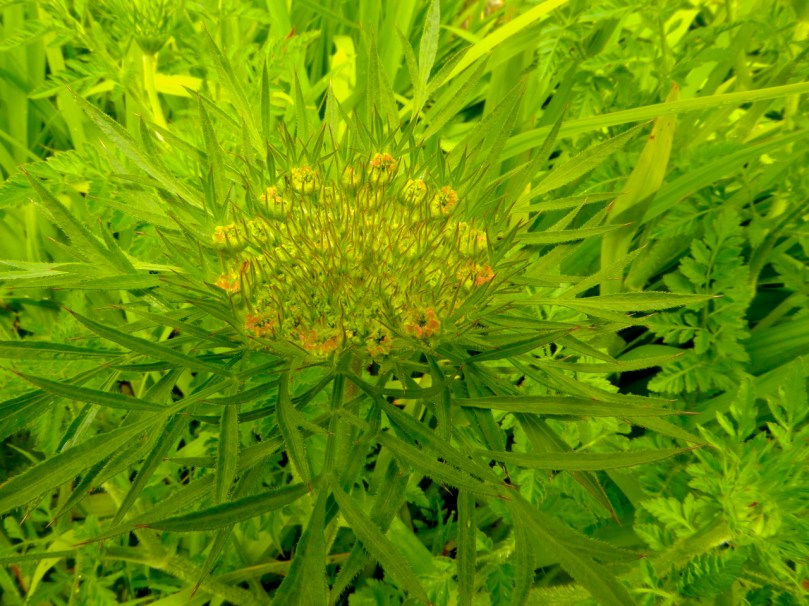
Above is Wild Carrot -as its name suggests, this is the wild version of our cultivated carrot. Very young wild carrots are edible, but you must take extreme care as the plant is very similar to Hemlock Water-dropwort (below) which is very poisonous. This one is growing along a stream in Skibbereen – also the location of the Yarrow in my lead image (top of post).

Irish Spurge, above, is an intense yellow green in April. In May it acquires this little yellow spaceship flower heads. You have to get in really close to see them.

Salad Burnet (above) was grown in kitchen gardens from Medieval times as a salad vegetable and herb. The leaves, they say, taste like cucumber. I’ve tried them, and I have to say you’d need a vivid imagination to get a cucumber taste out of them.

Zoë alerted us to Russian Vine (above, wrapping around flowering nettles) down at Rossbrin Cove. Also known as Mile a Minute, it’s an introduced plant that acts like Bindweed (only worse) and is related to Japanese Knotweed, so very difficult to kill. Bad news!

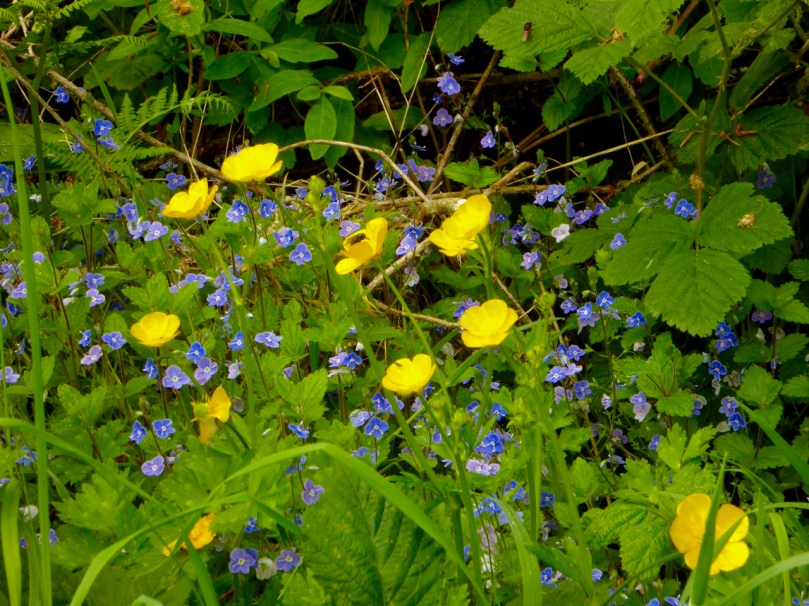
I love the colour combinations you find in the hedgebanks. Wouldn’t this – buttercup and speedwell – make a great dress material?

A baby waterlilly – I was struck by how it looks, as if lit from within.

A final, tiny, flower of the hedges – appropriately name Mouse-ear

Sheep’s Head: Searching for Cornish Miners

 Yesterday we did our favourite walk, along the Cahergal section of the Sheep’s Head Way. We had a goal – the remnants of the Gortavallig Mining Company which operated here briefly in the 1840s. Robert was researching this as part of all the West Cork/Cornwall connections related to the West Meets West Art Exhibition, which opens at Uillinn in Skibbereen next Friday (June 2).

Walking the Sheep’s Head Way, by Amanda Clarke, is our go-to book for everything on the Sheep’s Head. It’s an excellent resource and most of the information in this post comes from it. The stretch of the walk we did is described in two sections (as it’s part of the Way and also part of a loop walk), on pages 27 to 31, and pages 98-99 (Second Edition).

It was a fabulous day, sunny but not too hot – perfect for walking. The wildflowers were out in abundance – a serious hindrance to brisk walking as I cannot resist the temptation to photograph. At one point Robert thought he had lost me, but found me stretched out on the ground trying to get a close up of the tiny, exquisite, Heath Milkwort.

Later on, this hillside with be awash with pink Heather, but now the Foxgloves are everywhere, in all their purple glory, while Tormentil and Lousewort peep out from the among the grasses and heather.

Tormentil, above and Lousewort, below

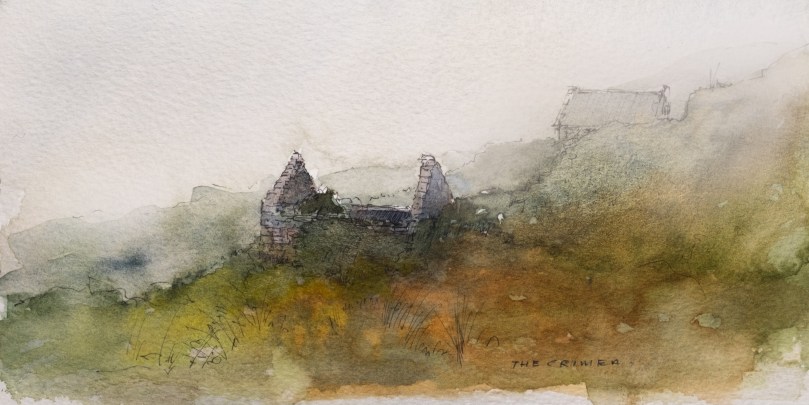
This was once a populated part of the world and there’s a tiny abandoned settlement known as Crimea. This may be a reference to an ongoing feud between families, or a corruption of an Irish place name. There’s no denying the dramatic scenery, but life must have been very hard indeed. A cluster of houses like this was known as a clachán (kla-hawn) – the land was held in common by the inhabitants, with each family having a potato patch and the rest being for grazing and whatever crops would grow.

The Crimea: Tade Carthy’s cottage in the foreground

One of the houses has been recently partially restored. According to Amanda:

It was done partly to show people what living conditions were like not so long ago, and in part to honour the last surviving occupant of the Crimea, who recently celebrated his 100th birthday. Jerh (Jack Owen) Daly grew up in one of these cabins which were family homes until the late 1940s.

This old house belonged to Tade Carthy’s family and has been sensitively restored, the original flagstones and well discovered whilst working on it, Inside there is no fireplace but an open hearth built against the wall with a hole in the roof to let out the smoke. Doors positioned east and west allowed a through draught to also deal with the smoke. Little oil lamps fitted into niches provided additional lighting and a bed platform gave extra space for sleeping.

The recently re-discovered well

It was from this clachán, and from all over the Sheep’s Head, that local people trekked, during the height of the famine, to the mine. They also built the road, for which they were paid in food, rather than money.

Approaching the 1840s mine – the reservoir is in the foreground and the Cornish Miners cottages on the far side of the cliff

Amanda quotes from the Report of the Gurtvallig Mine, by William Thomas, June 1847:

A complete wilderness and barren cliff, which for the past age has been the undisturbed resort of the Eagle, the Hawk and the Wild Sea Birds, has by our labours for the past 16 months been changed into a valley of native industry, giving reproductive employment, food and a comfort, to numbers of the hitherto starving, but peaceable inhabitants of one of the wildest districts in the United Kingdom. For you can hear now, on our well secured dressing floor (mingled with the roar of the Atlantic) the busy voices of men, women, boys and girls, all engaged in breaking, dressing and preparing the ore for market.

Ten or eleven small houses stood here to house the specialist miners recruited from Cornwall

The mine was an actually an outpost of Cornwall in Ireland. The two Mine Captains, William Thomas and James Bennett, were Cornish, and the miners – 24 of them – had been recruited in Cornwall. A row of houses was built to house them, while the Captains had more comfortable quarters in nearby Cove (a story for another day).

A retaining wall was build to hold the reservoir

It was a busy place during its short life (it close in 1848 after only a year of full operation), with a forge, a carpenters shop, a reservoir, and below, a dressing floor and a quay to transport the ore.

Now the reservoir is home to floating water-lilies, a native plant that was in full bloom yesterday and looking indescribably exotic. The tiny quay has disappeared, but its location can be glimpsed from the rope walk. This part of the hike is not for the faint of heart or vertigo-sufferers: the path is narrow, there’s a rope to hang on to one one side and on the other a yawning cliff falls dramatically away to the wild and roaring Atlantic described by William Thomas.

The rope walk and signage. The lowest photograph shows the location of the quay, reached by means of a steep path but no longer accessible

Our walk back, with the sun behind us, was splendid. To the north was Bantry Bay and beyond it is the remote and beautiful Beara Peninsula. I think I can safely say that this will remain our favourite walk – at least until we discover one even more remote, scenic, historic and thrilling. But then, that’s not difficult in West Cork.