Robert’s Favourite Posts

We had an unexpected – and unsolicited – accolade in the Irish Examiner last weekend! Tommy Barker wrote, in an article about Rossbrin (pictured above): “…The wonderful literary and visually rich website, http://www.roaringwaterjournal.com, by Rossbrin residents Robert Harris and Finola Finlay is a treasure, a sort of 21st century Robert Lloyd Praeger, online…” Of course, we went straight to our bookshelves to dip into our copy of Praeger’s The Way That I Went – An Irishman In Ireland, first published in 1937. Here’s an extract:

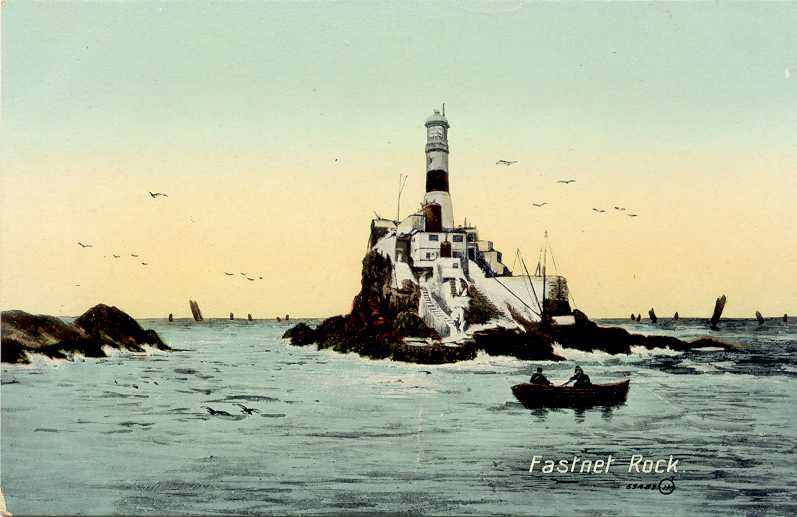
…At the southern end of this land of great mountain promontories, in West Cork, you find yourself in a little-known and tourist-free region of much charm. You stay on Sherkin Island (Inis Oircín, little pig’s island) or Cape Clear Island, at Schull (Scoil, a school) or far out at Crookhaven: and you walk and boat and fish and lounge and bathe, and enjoy the glorious air and sea; towns and trams and telephones seem like bad dreams, or like fugitive glimpses of an earlier and inferior existence. A meandering railway penetrates to Schull, and roads are as good as you could expect them to be in so lonely a country. All is furzy heath and rocky knolls, little fields and white cottages and illimitable sea, foam-rimmed where it meets the land, its horizon broken only by the fantastic fragment of rock crowned by a tall lighthouse which is the famous Fastnet…
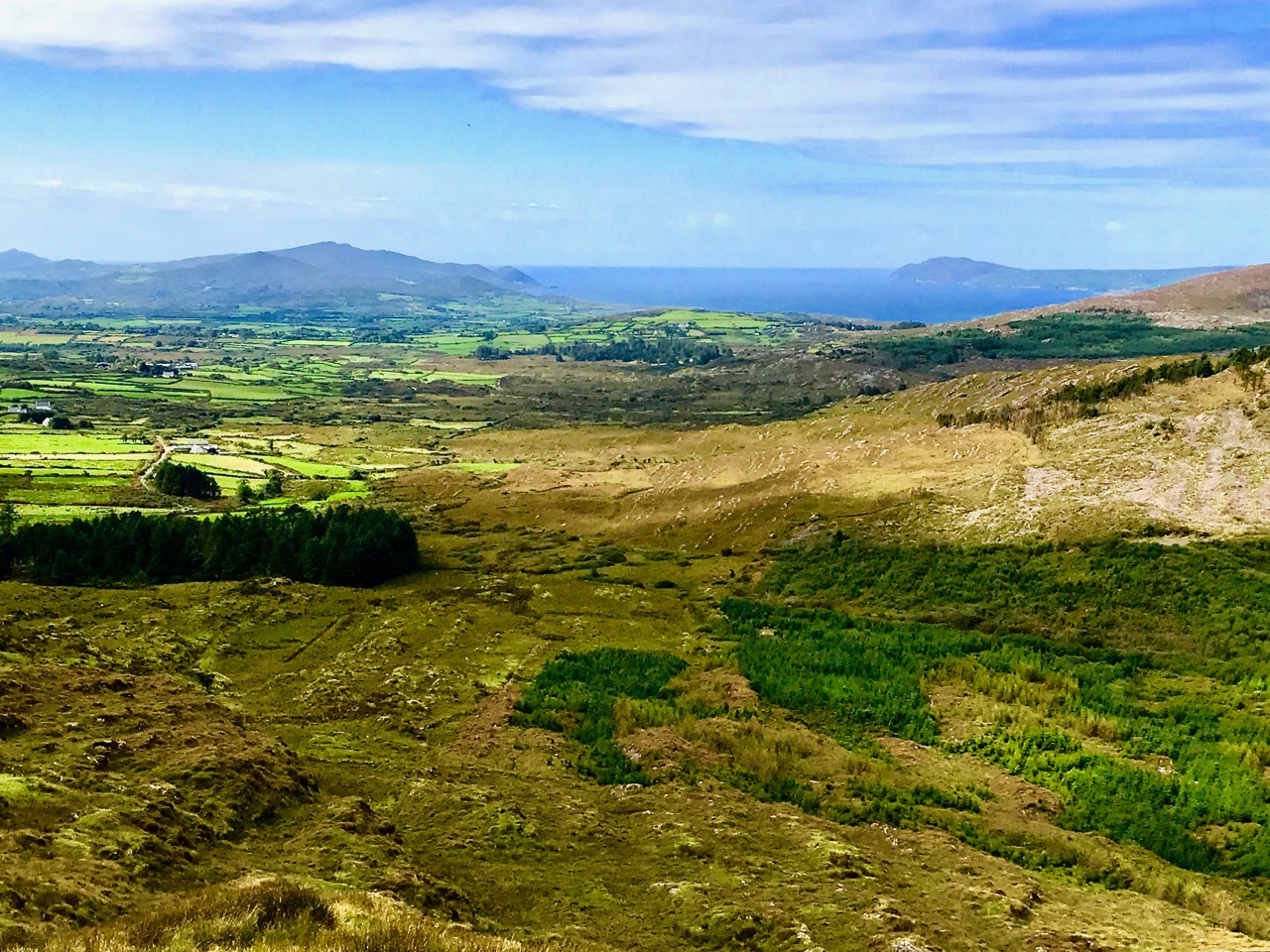
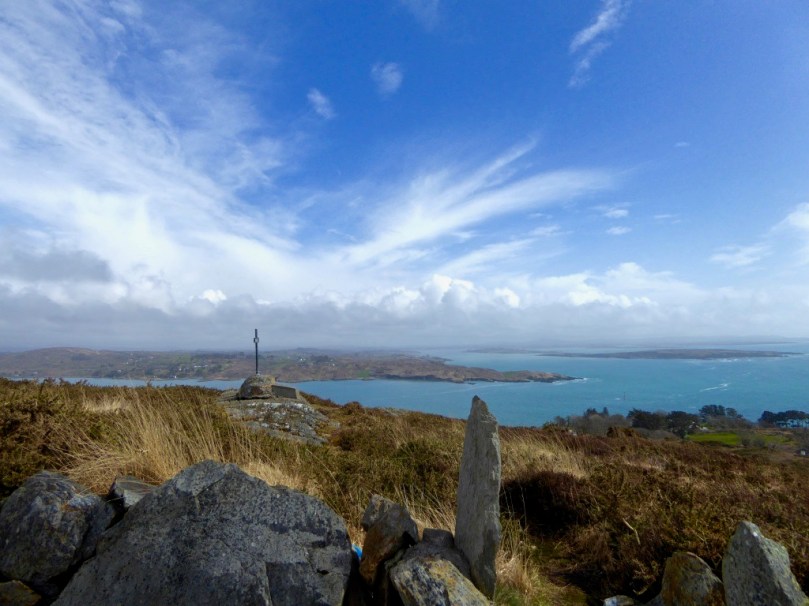
Yes – that’s our West Cork alright (above is a view of the Mizen taken from Mount Gabriel). We hope that, over five years of writing this journal, we have indeed given a good account of this wonderful place which we are privileged to call ‘home’. Certainly, there is nowhere we would rather be. But Roaringwater Journal has not just been about West Cork: we have covered a fair bit of Irish culture and history as well. Last week’s post set out the six most popular articles that we have written in terms of readership numbers; today we are both reviewing our own personal favourites (see Finola’s here) and there is lots to choose from: 466 posts to date! All of them are listed by category in the Navigation pages.
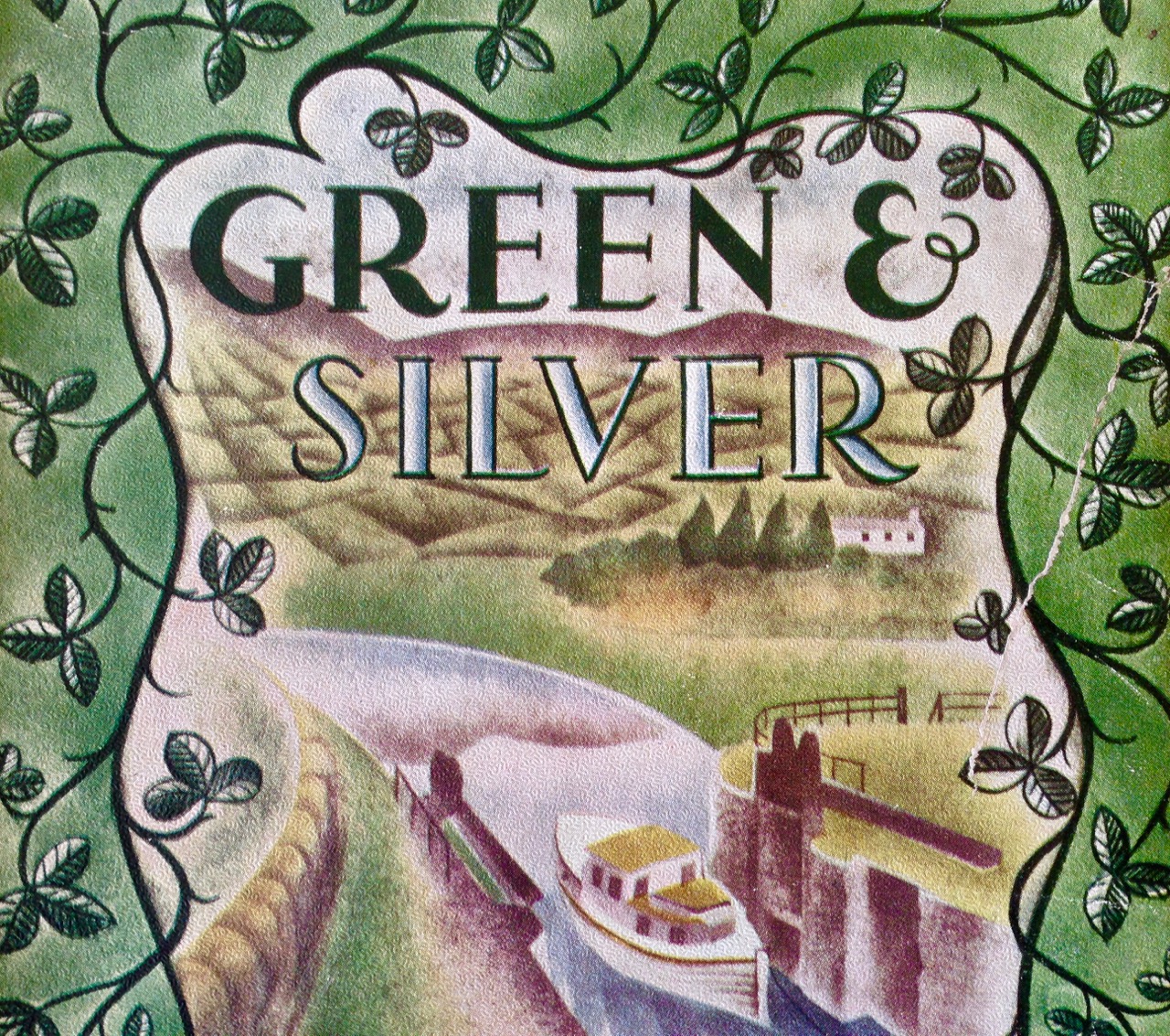
Foremost in my own mind in terms of personal satisfaction is the series I wrote last year: Green & Silver. There have been nine posts in all, starting with my review of a book which I first read in 1963, when I won it as an essay-writing prize at school. The book, Green & Silver, told the story of a journey around the Irish canal system in 1946 (the year I was born), undertaken by an English engineer and writer, L T C ‘Tom’ Rolt and his wife, Angela. When I wrote the review 70 years had passed since the Rolts made that journey. Finola and I conceived the idea of retracing the steps of the Rolts, although not by boat: we drove and walked. It was to be an exercise in tracking the passing of time. We would find the location of every photograph that Angela Rolt had taken in 1946, and take a new one, so that we could compare the changes that had occurred over seven decades. There were many: the canals themselves, which were then near-derelict in places have now been well restored, and the island of Ireland has today an amazing but probably under-appreciated asset: a cross-border system of navigable waterways which connects Waterford, Limerick, Dublin, Belfast and Coleraine.
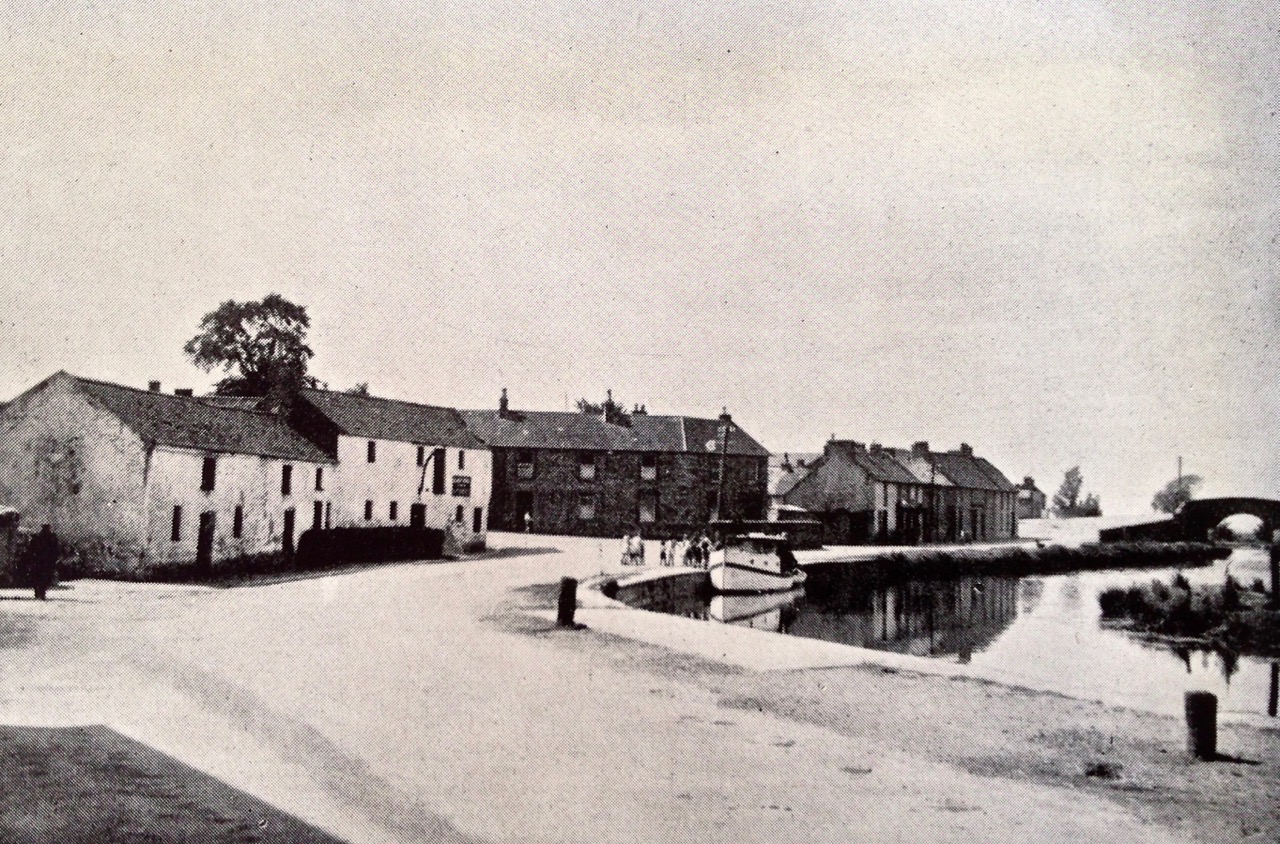
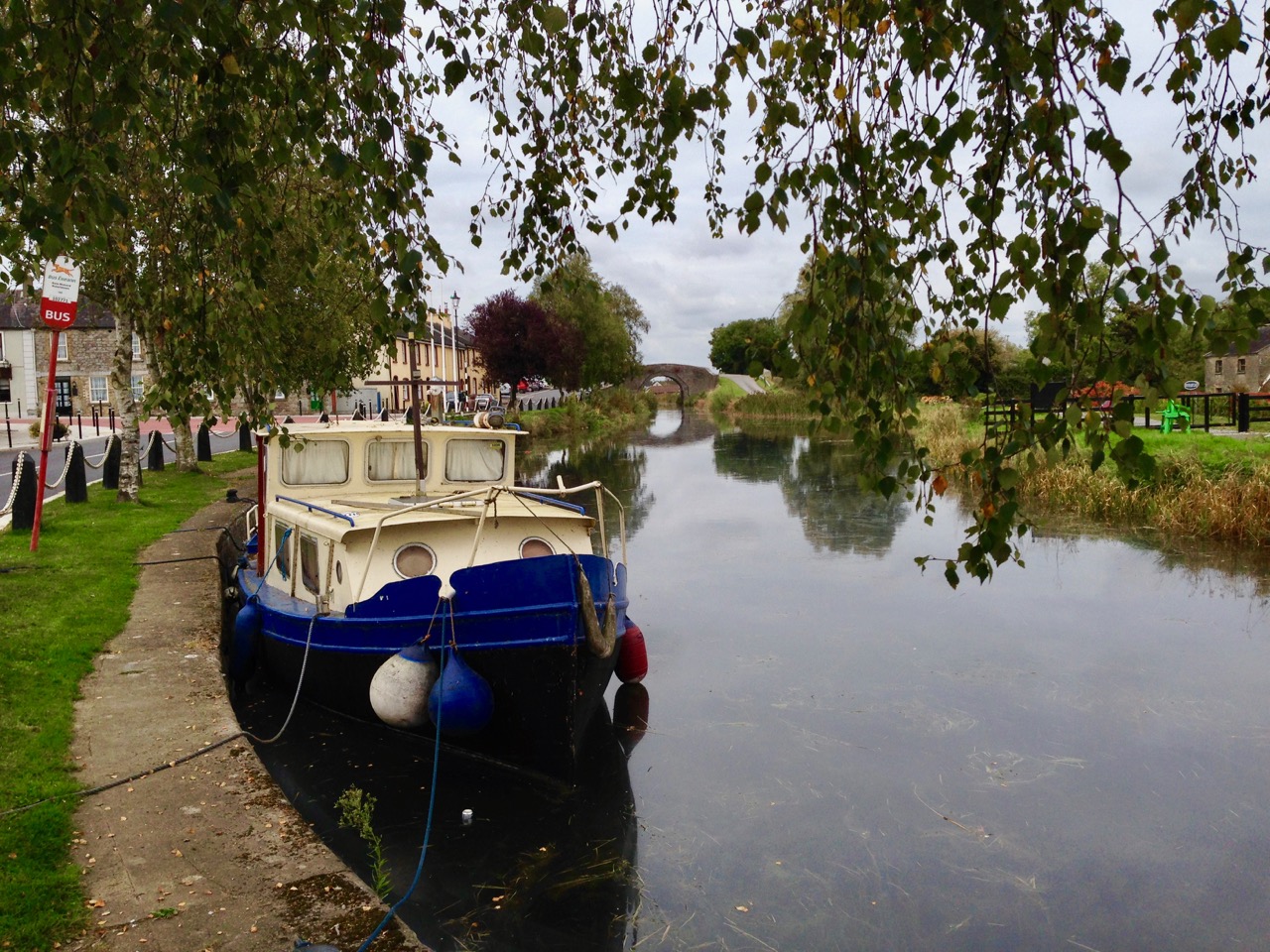
Canal port: Richmond Harbour, Co Longford. Upper picture taken by Angela Rolt in 1946; lower picture, the same view taken 70 years on

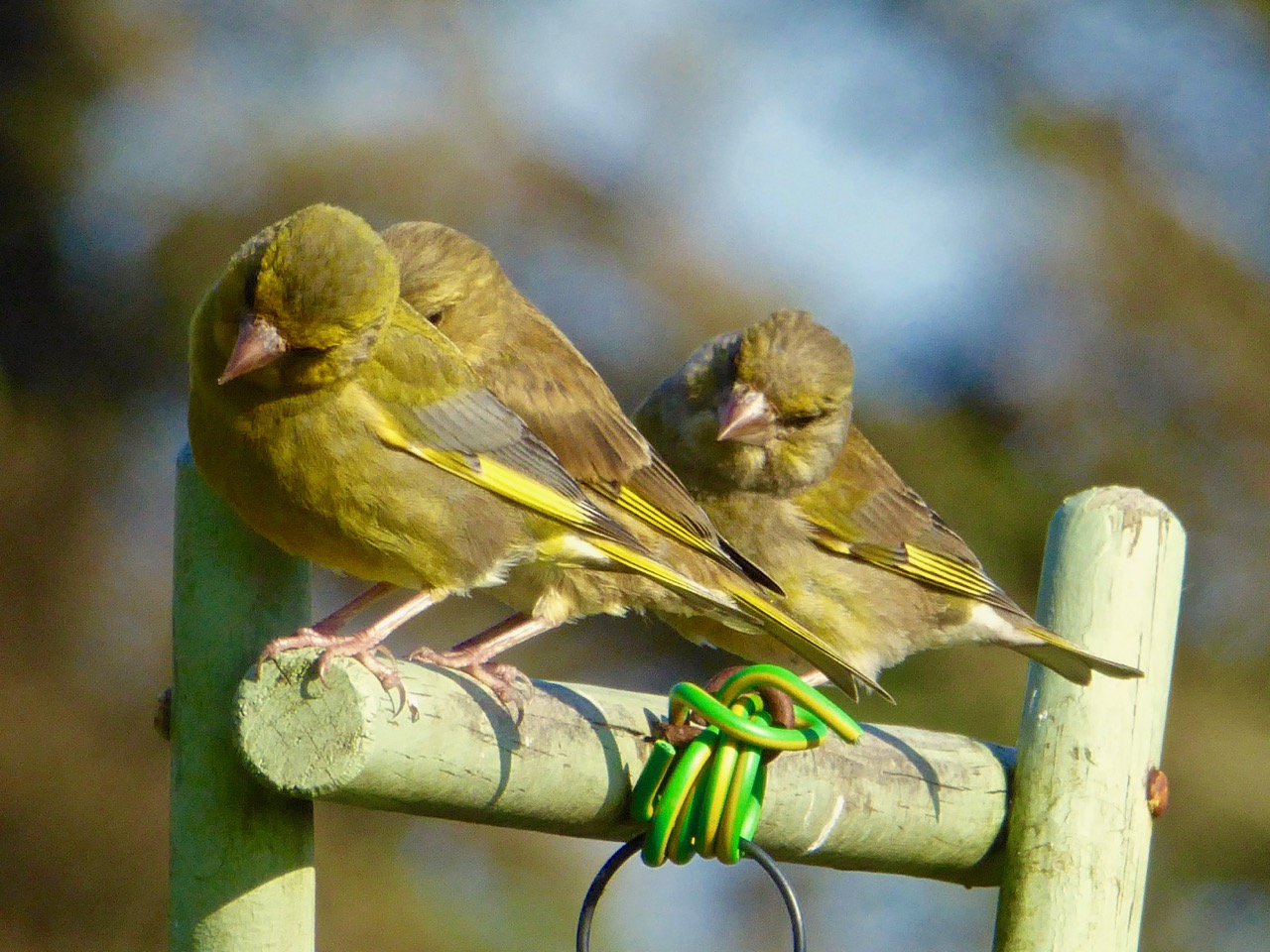
I have always had an obsession with wildlife, and one of my favourite posts summarises what wonderful natural things we have all around us here: The Wild  Side. We have written about the birds – choughs, eagles, sparrowhawks – and the little ones that come to our feeder and keep us entertained.
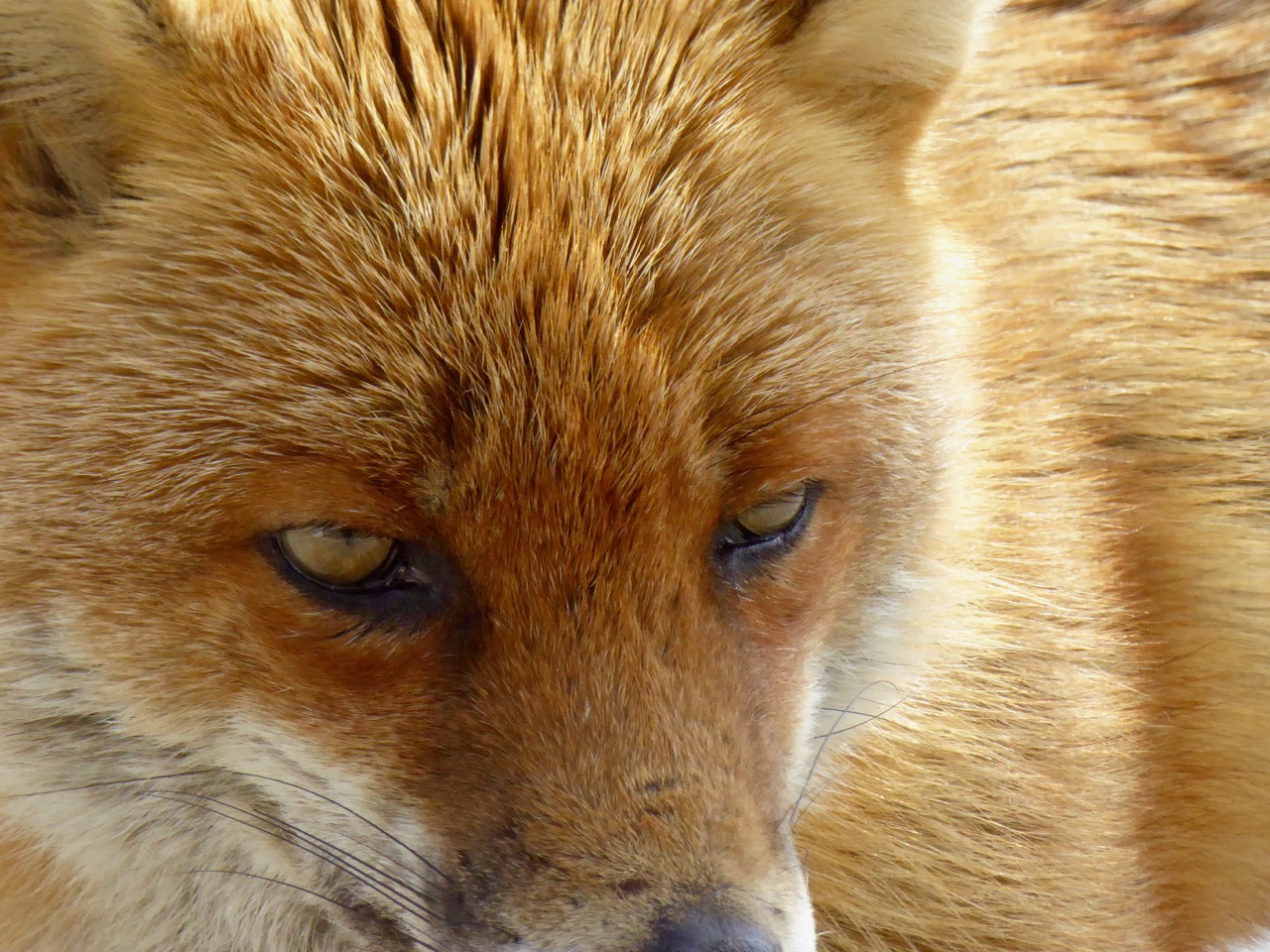
We will never forget our good friend Ferdia, who arrived on our doorstep on the day we moved into Nead an Iolair, and was a regular visitor (usually daily) over several years. Sadly, foxes don’t live for long in the wild, and he has now passed away. He was a very fine dog-fox and was undoubtedly the head of a large family. We hoped that one of his offspring might have taken his place on our terrace, but I suppose he just could never be replaced.
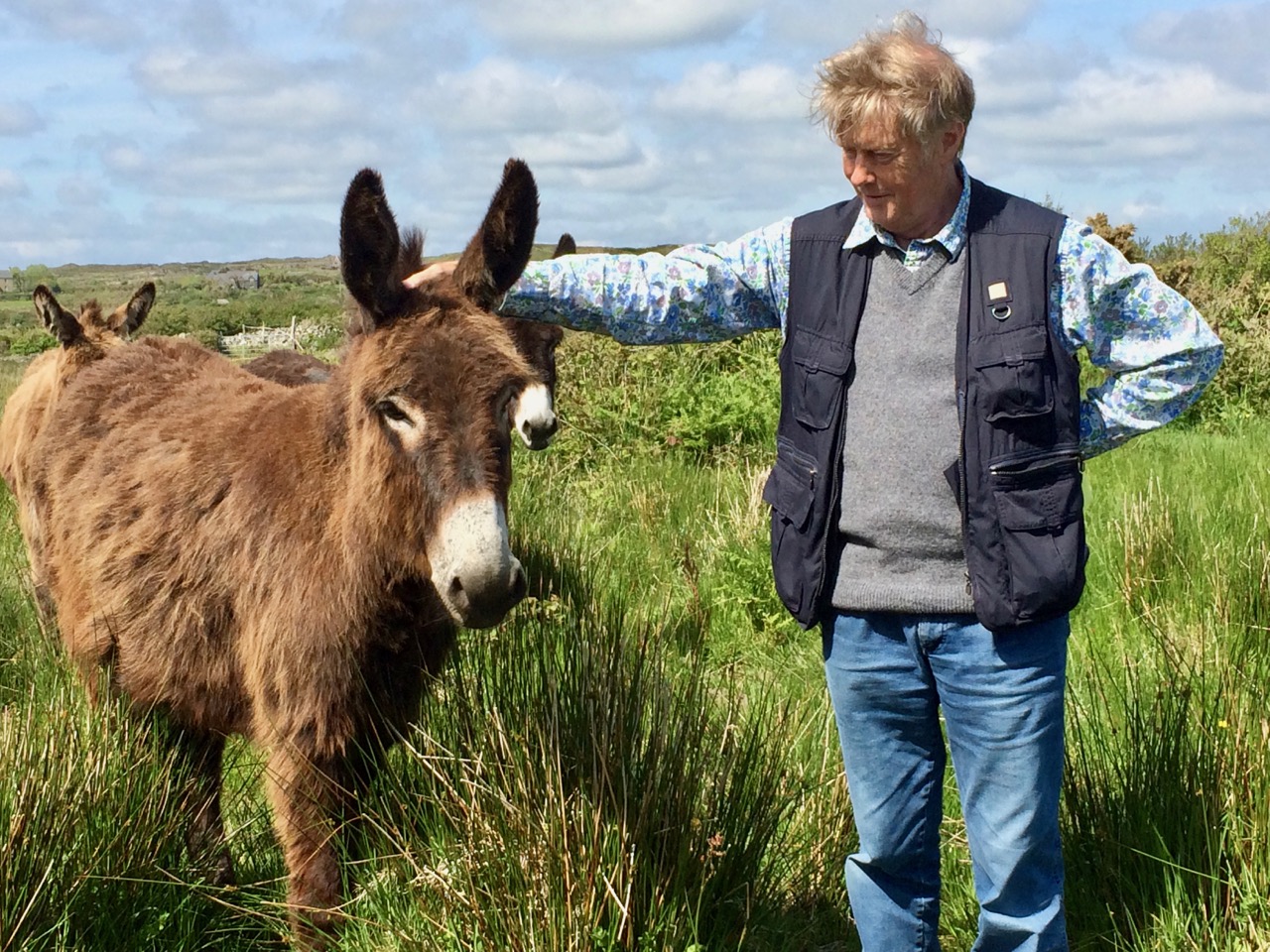
Of course, the pasture and coastline that surrounds us has fine creatures of the domesticated variety, too! (left and right below).
I have family roots in Cornwall and, during my time living here, I have become aware of many links between that westernmost peninsula of Britain and West Cork. In fact, those links go back into prehistory: in the Bronze Age – three and a half thousand years ago – copper was mined on the slopes of Mount Gabriel – a stone’s throw from where we live – and was mixed with tin from Cornwall to make the all-important ‘supermetal’ of Bronze. Another link which I was so pleased to find was that Cornwall’s Patron Saint – St Piran – was actually born and brought up on Cape Clear – the island we look out to across Roaringwater Bay. Read all about it here.
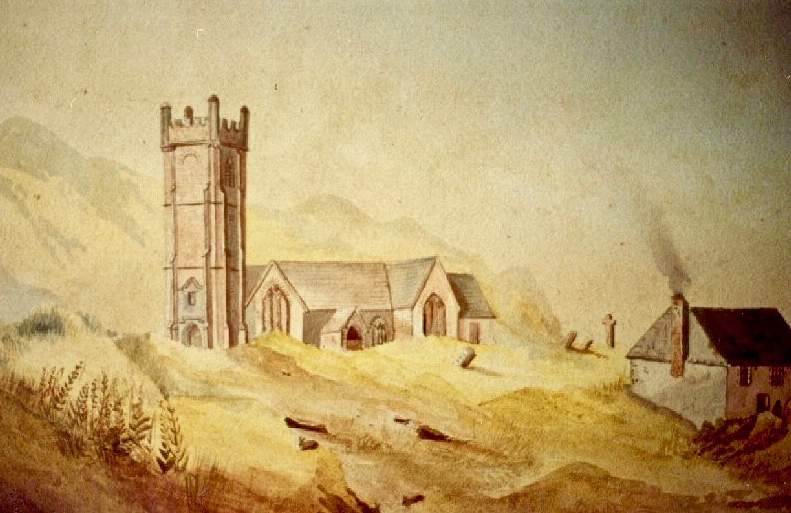
The little church at Perranzabuloe in Cornwall (now inundated by sand) marks the spot where St Ciarán from Cape Clear landed to start his mission. Because of a difference in the Irish and Cornish languages, he became known as St Piran over there. He lived to the age of 208!

Stirring up those links led to my life being taken over in the summer of this year by organising (together with Ann Davoren and the team at the West Cork Arts Centre) an exhibition of the work of three contemporary Cornish artists which was held in Uillinn, Skibbereen’s amazing new gallery. The exhibition ran with the title of West meets West and heralds future collaborations and visits to Cornwall by West Cork artists. This link opens the series of posts that report on all this.
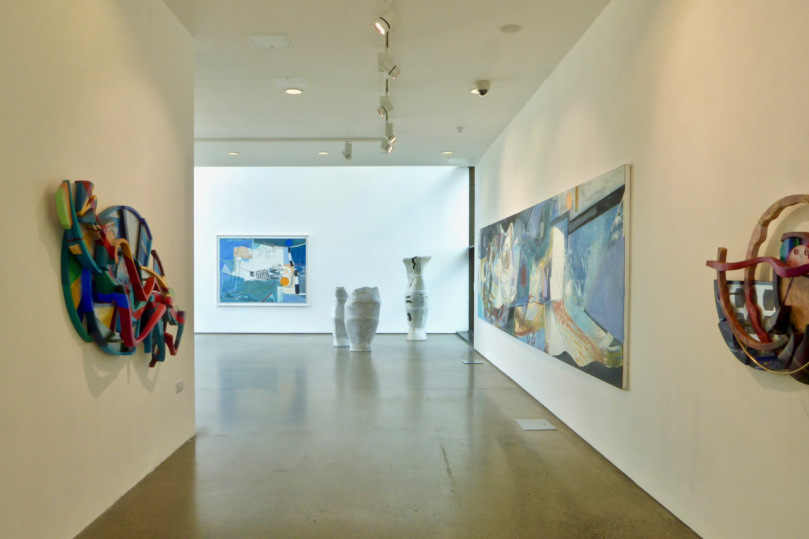
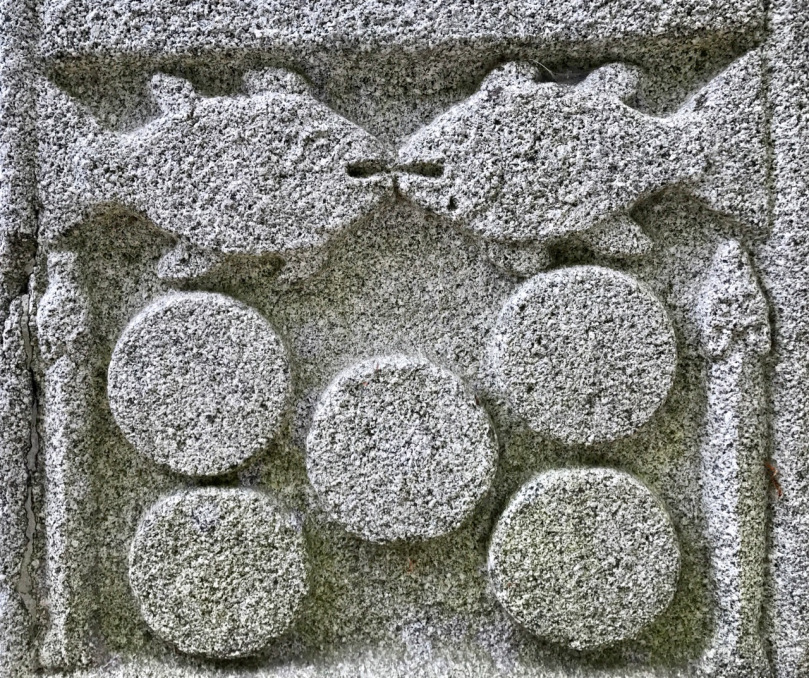
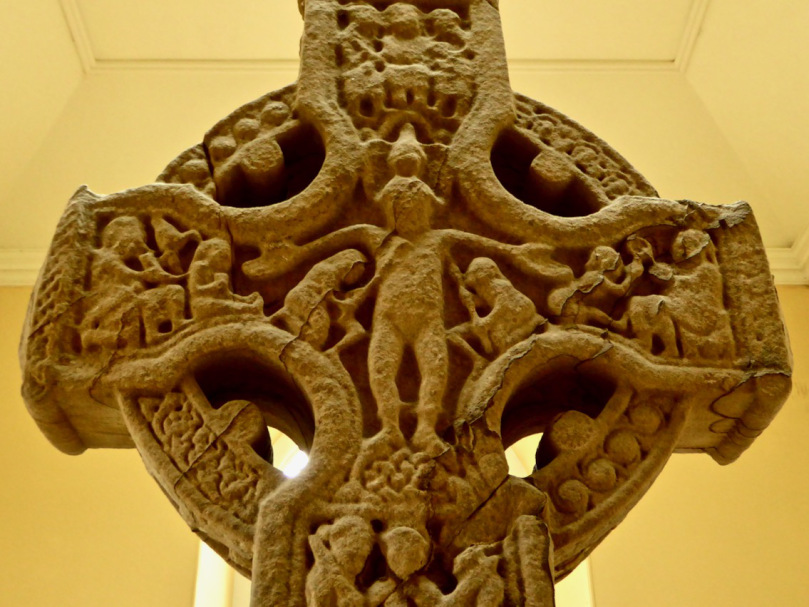
My time here in West Cork – and in Ireland – has heightened my interest in all things medieval, particularly architecture. Finola has written a highly researched and detailed series on the Irish Romanesque style, and our travels to carry out this research have been enjoyable and instructive. I have taken a liking to High Crosses, most of them probably over a thousand years old. They are always found in the context of fascinating early ecclesiastical sites. If you want to know more, have a look at the posts: so far we have explored Moone (above), Durrow (below), Monasterboice, and Castledermot. There are many more to add to this list – and to keep us busy over the next few years.
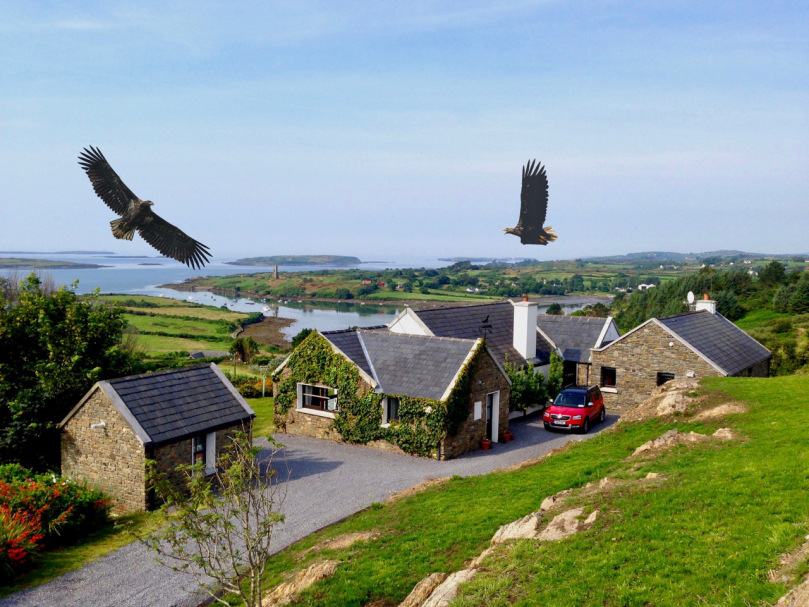
That’s quite enough for one post! It would be possible to write several on how we have been inspired by our explorations in search of material. Somehow, though, our hearts always come back to our very own piece of Irish soil: Nead an Iolair (Nest of the Eagles). Here it is, and here are the eagles flying over it! You’ll find more about them here.
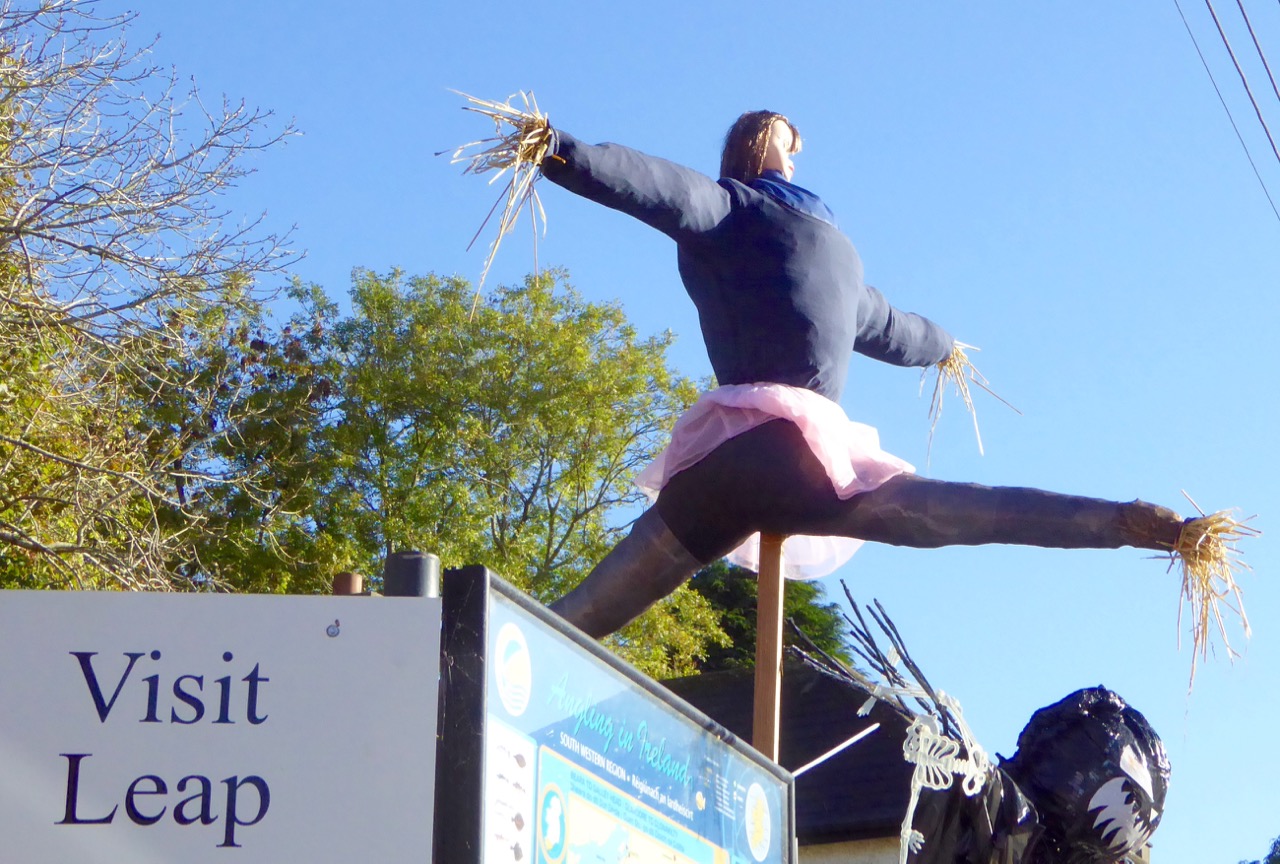
The Best of Five

It’s been five years! That’s a long time to have kept up a journal, with original pieces appearing every week – usually two, each of us writing a post. It keeps us busy: 464 posts to date. We thought we should do a review of the posts which have been most popular: viewed by the most people. These are not necessarily the ones we would consider to be our own favourites: we’ll let you know what we feel our ‘finest hour’ has been next week – while you are all preparing the Christmas lunch!

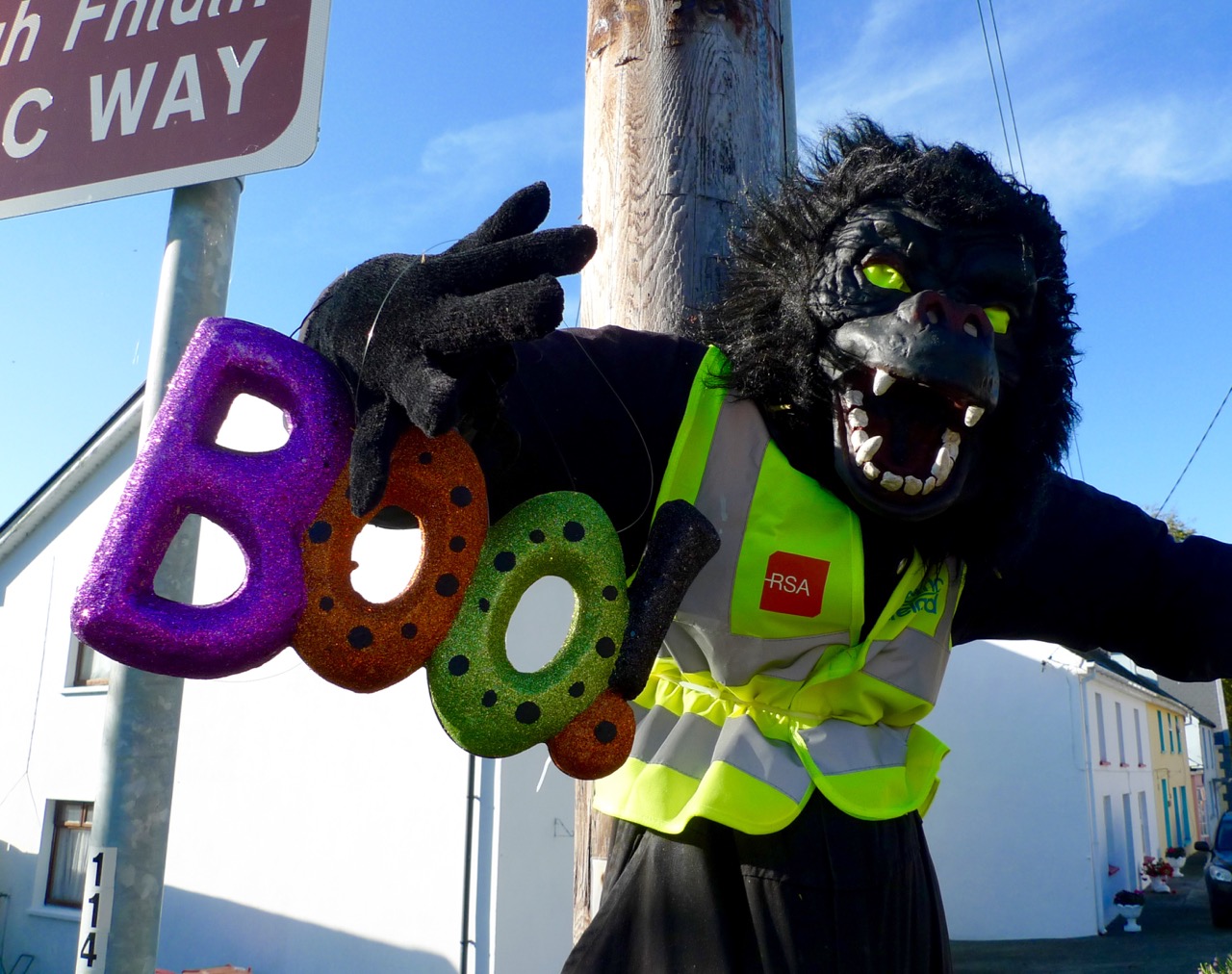
We never quite understood the all-time popularity of Beyond Leap, Beyond the Law, my post which was simply a collection of photos taken at the West Cork village’s 2015 Scarecrow Festival – with a little bit of history about the place added in. It was certainly a wonderful display of the imagination of the people of Leap. Have a look at the post: just one or two photographs don’t do it justice.

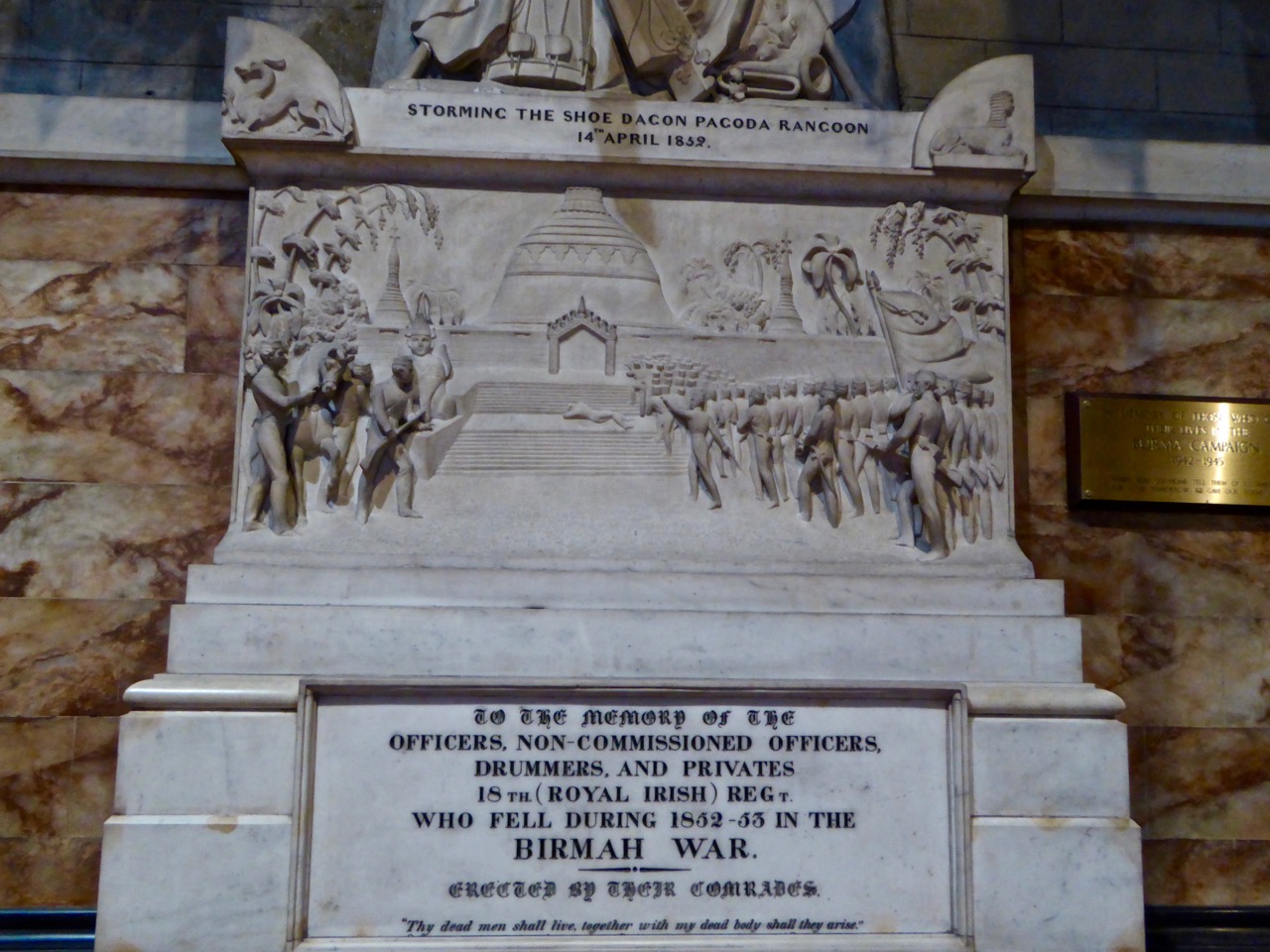
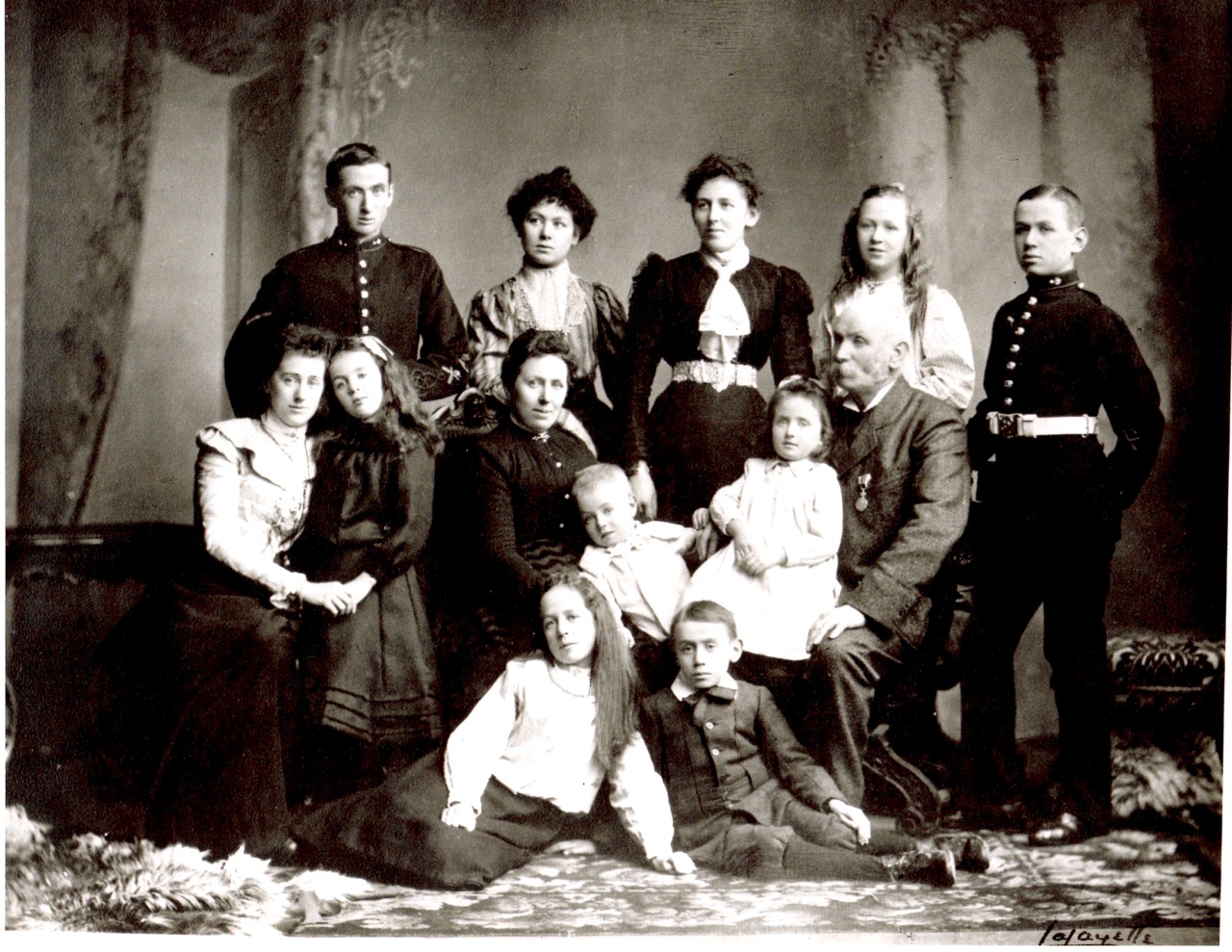
Up next is Finola’s piece from 2016 – Outposts of Empire. This was a much more scholarly article, and involved a lot of research. As you must know, we never pass a church or a burial ground without a full investigation: they provide a wealth of local history. Finola became fascinated by the memorials – mainly military – which appear in Protestant churches around the country. This led her down the path of her own ancestors, many of whom served in the Irish regiments of the British forces. She found this wonderful photo from around 1900 of her Brabazon forebears. Her grandmother Marie is in the centre of the back row, while her great grandfather John Edward Brabazon, who had served in India and Afghanistan, wears a military medal. The two younger men are Finola’s great uncles Michael and James, and they are wearing the uniform of the Royal Hibernian Military School.

Finola’s series on ‘how to speak like a West Cork person’ was a winner, the most popular being her fifth episode: How Are You Keeping? Here is a link to all of them. They make amusing reading, but at the same time they give a lot of insights as to how the Irish language has coloured the way English is spoken here. And here is Finola’s great picture from that post: two Skibbereen gentlemen who might well be asking how are you keeping?
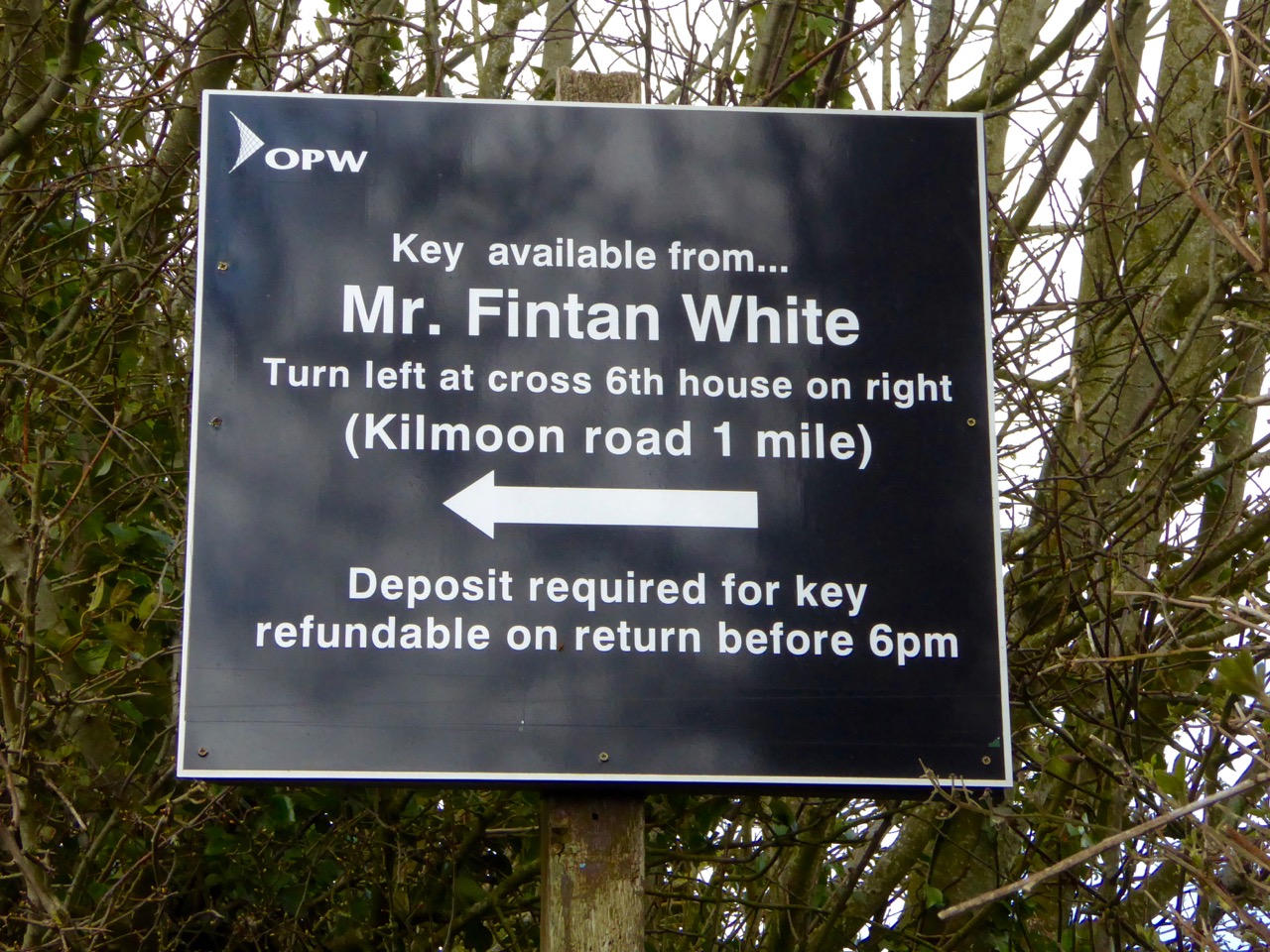
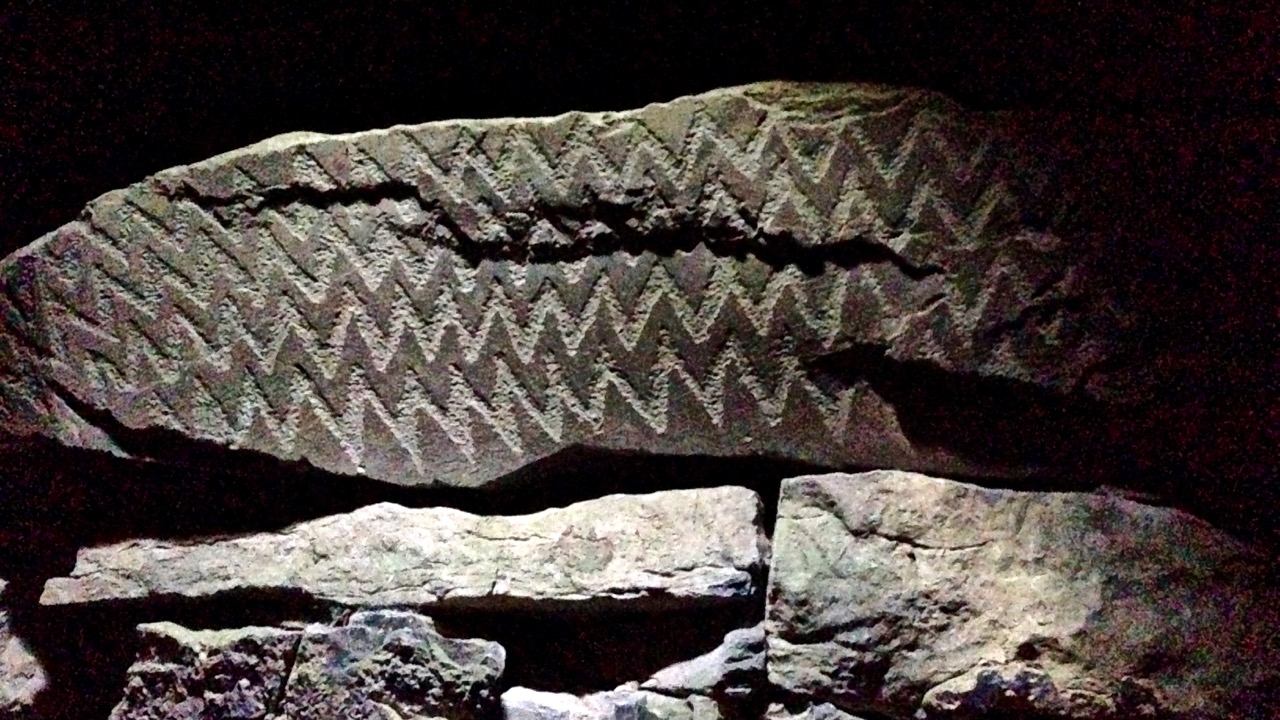
Archaeology comes next, with my account of a most eccentric decorated chambered cairn within the Boyne Valley complex: Fourknocks – the Little Giant. I was particularly taken with the adventure of visiting this tomb, from the first moment of having to collect the key from a farm a mile away in order to let ourselves in, to the experience of being inside with the door shut behind us: total darkness at first, but gradually becoming aware of the remarkable 5,000 year-old zigzag carvings on the rock surfaces within.

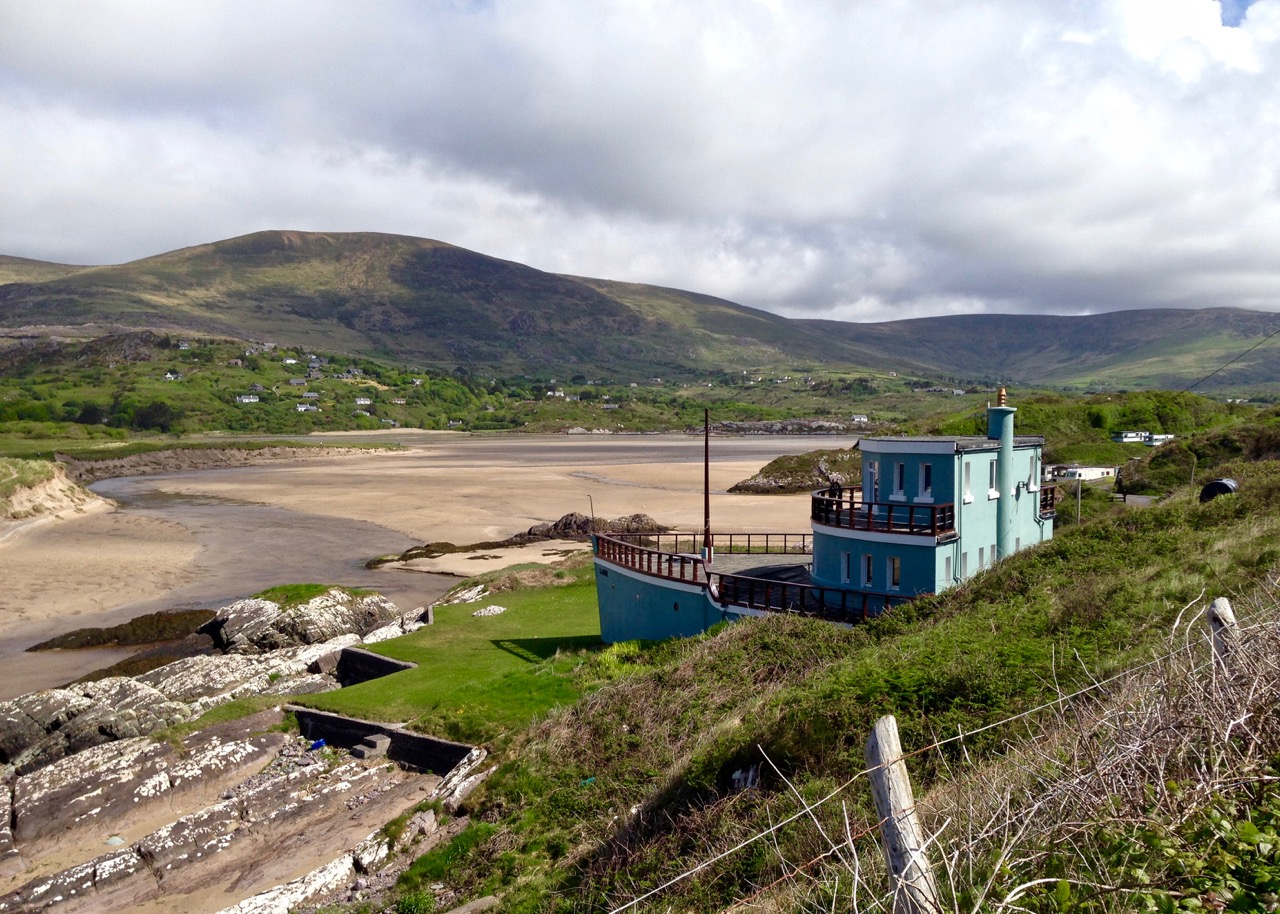
I’m pleased that the fifth most popular post of all time is also the one I most enjoyed writing: Aweigh in Kerry. This was all about a very unusual piece of architecture which we found while travelling in Kerry – a house shaped like a ship, sitting in the sand dunes on the shoreline of Ballycarnahan townland, facing a most spectacular view across to Derrynane, the home of ‘Ireland’s Liberator’ Daniel O’Connell. I was an architect in a former life, and I would have welcomed a commission such as this. It was built in the early 1950s.

Sixth and last in this little review is a post from Finola (happily, we had three each in this list of the top most popular posts!): Castle Haven. Such an account of a place in magical West Cork – which typically offers everything anyone could want in beautiful landscape, village architecture, archaeology, history, literary heritage, art and the omnipresent Atlantic coastline – is exactly what we aspired to for the foundation stone of Roaringwater Journal when we set out, in 2012 on this happy, continuing journey.


December in Rossbrin

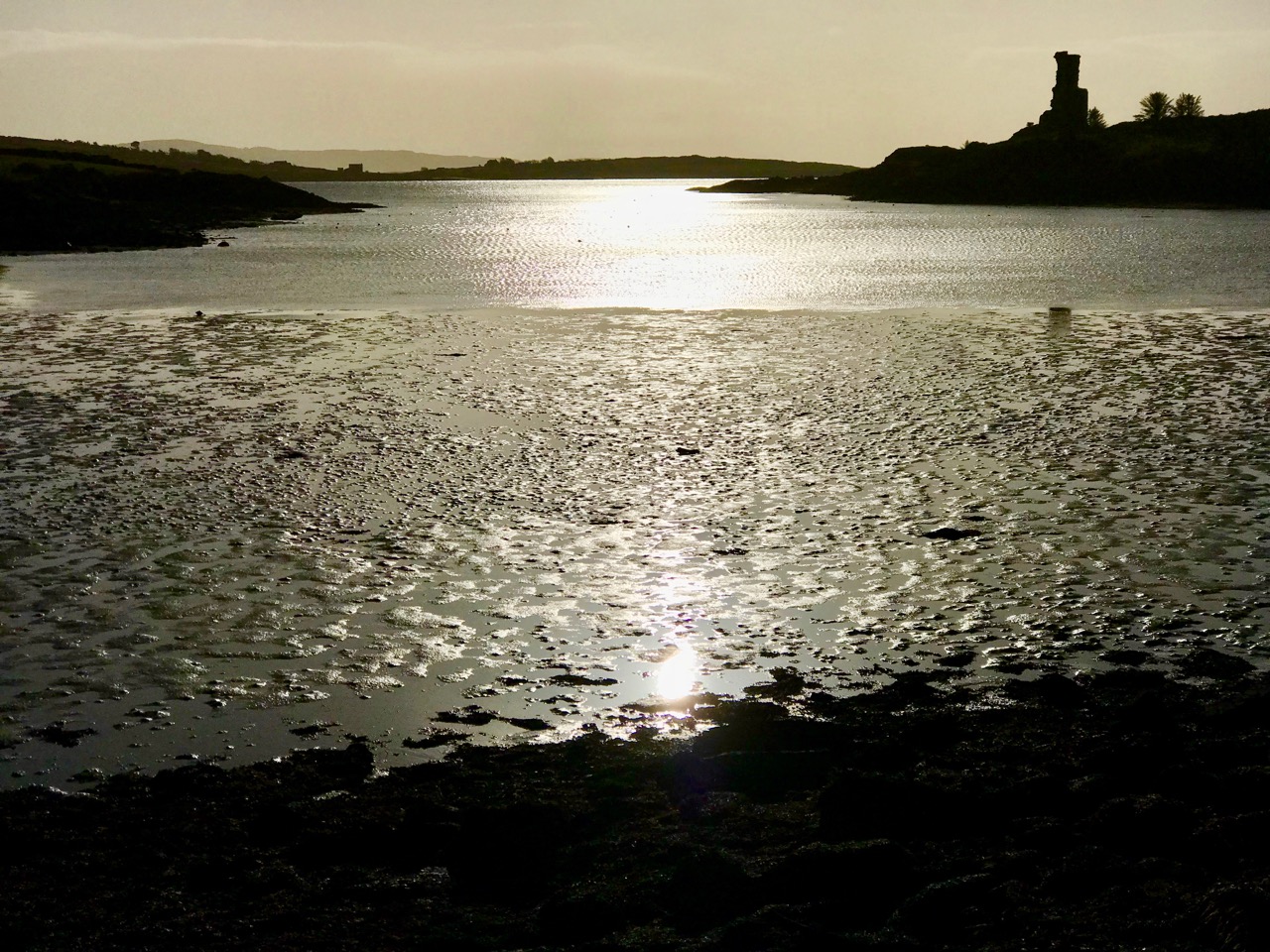
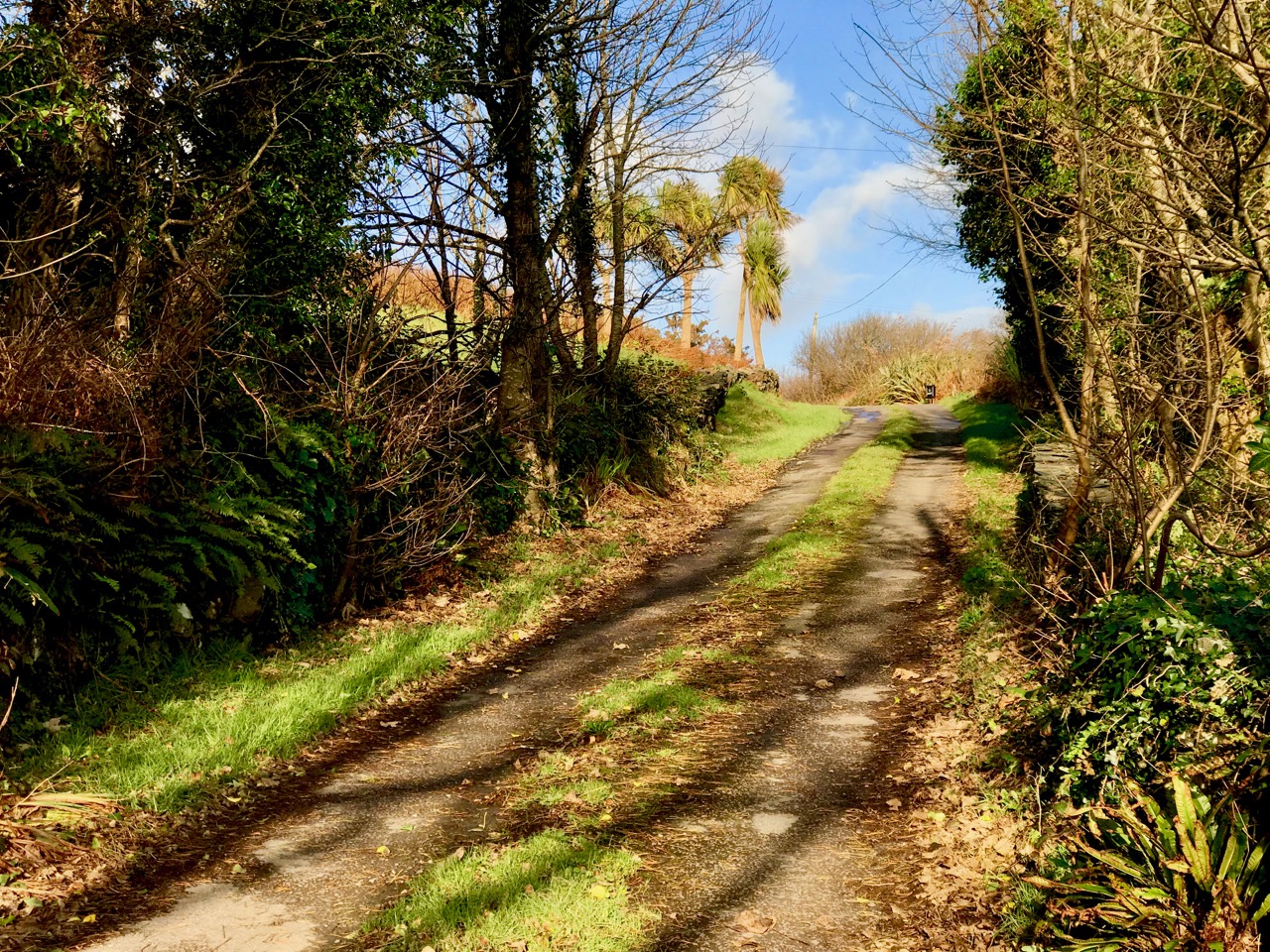
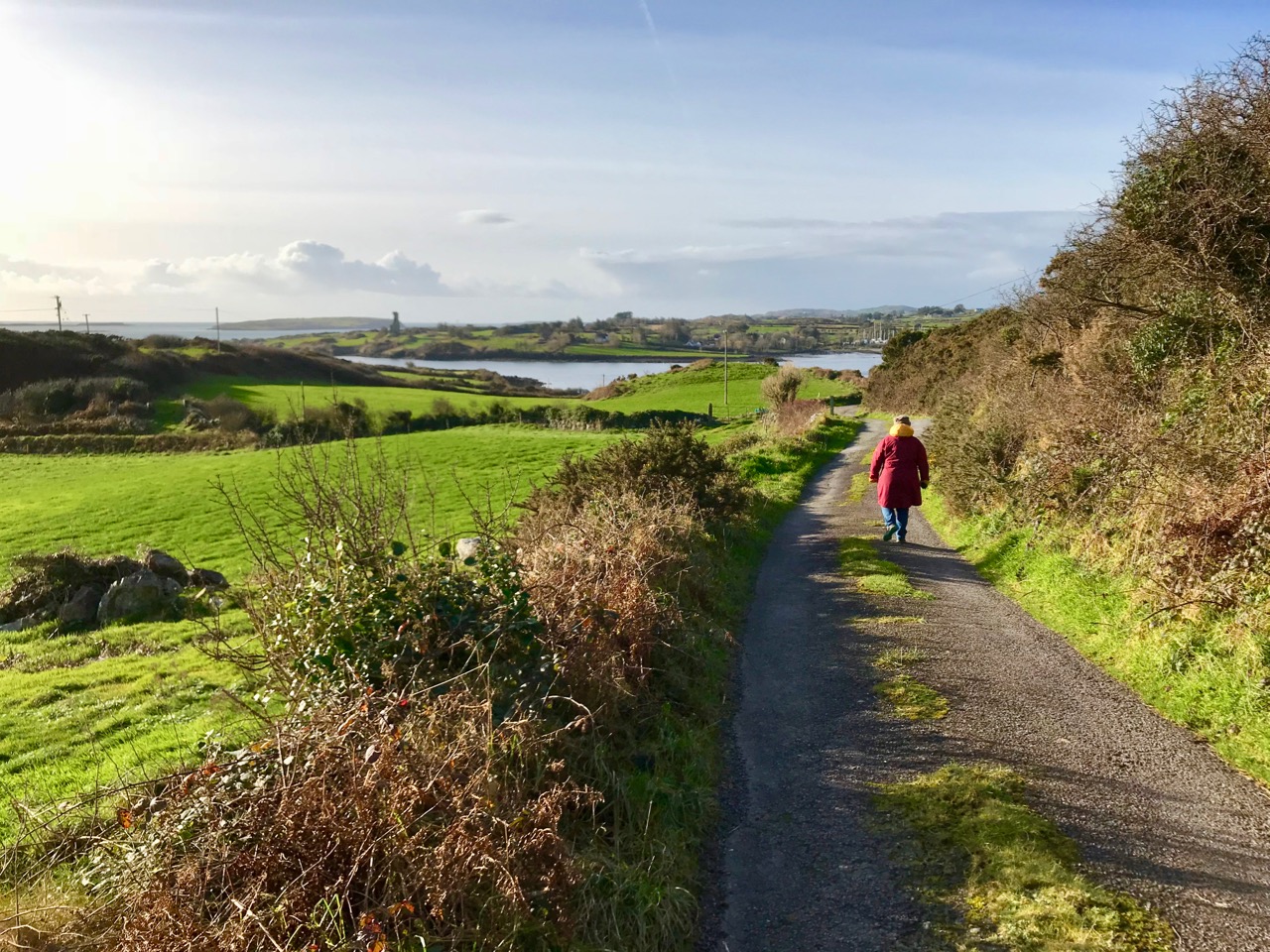
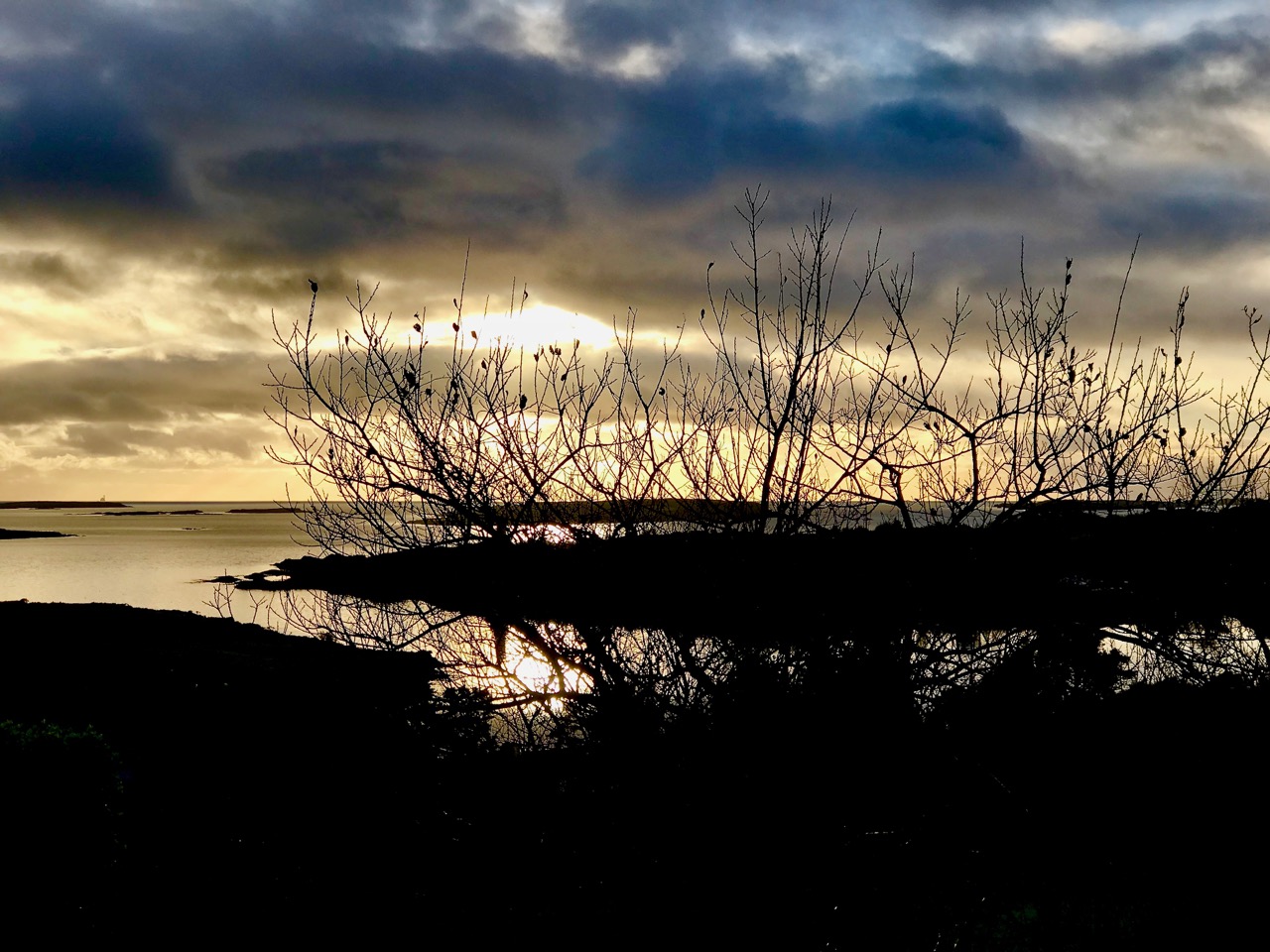
In the past year I have returned to Rossbrin again and again in my posts. That’s not surprising, as it’s just a short and always rewarding walk down our Beautiful boreens:

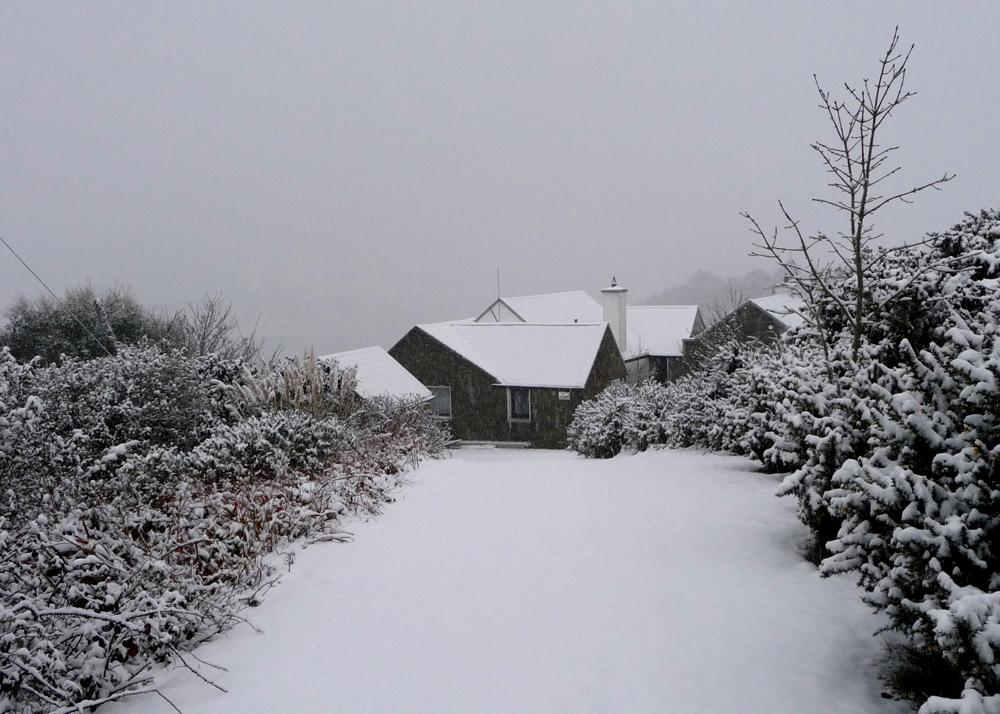
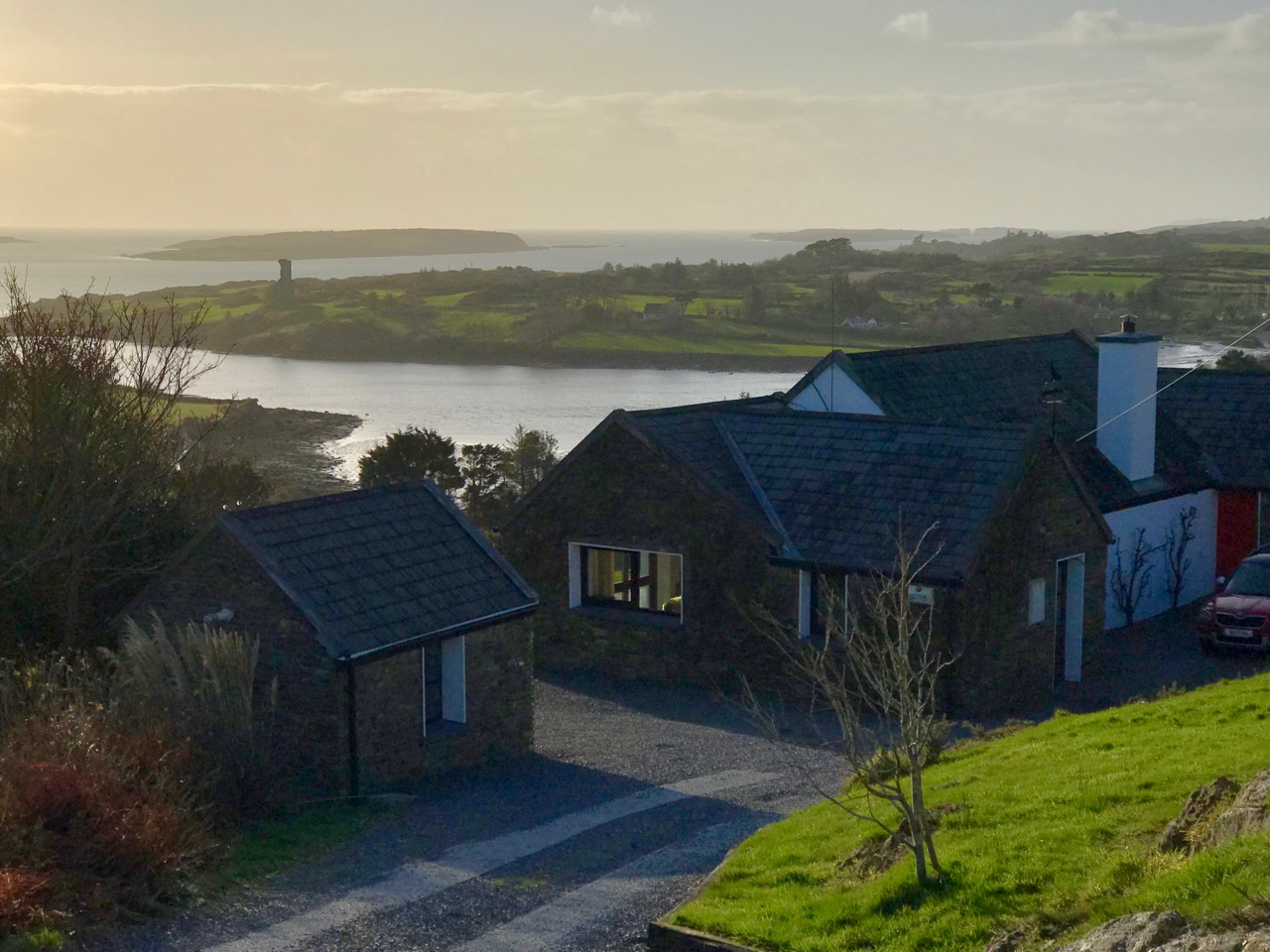
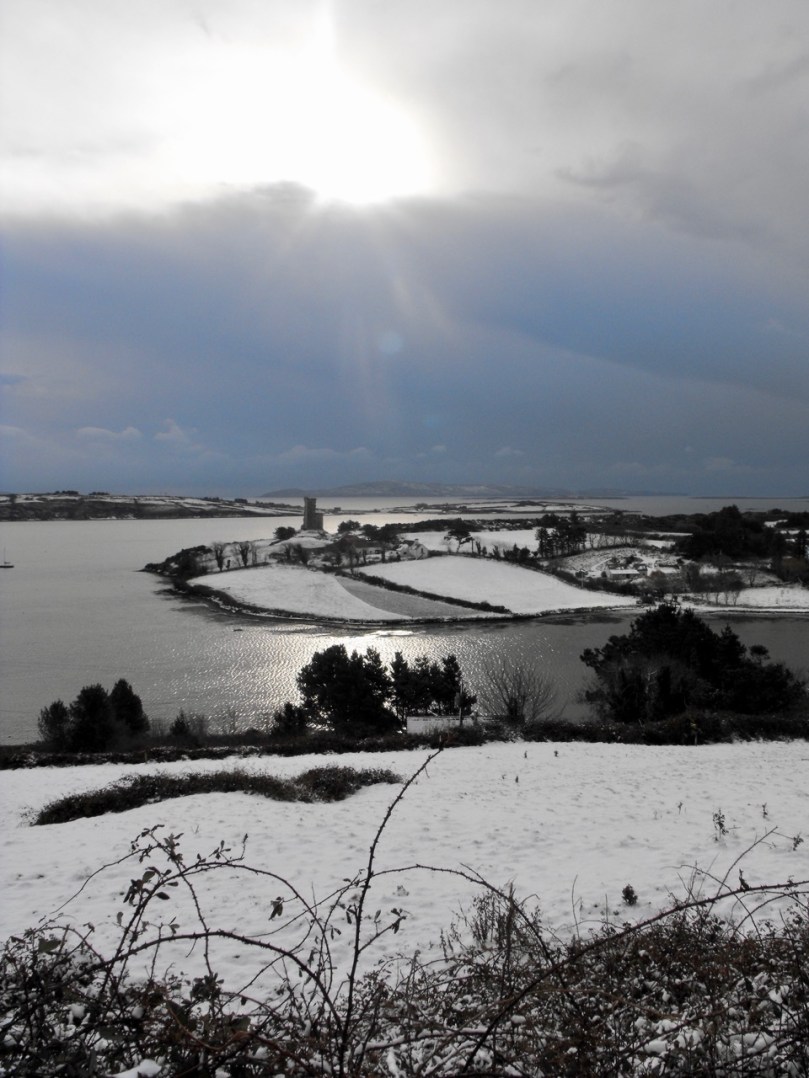
It’s December, and we can expect anything in the way of weather. This is the mildest corner of Ireland: further north and east of us today, spanning Cavan, Donegal and Wicklow, heavy snow is falling and temperatures are forecast to drop to minus 8 degrees C in the coming hours. The last real bit of snow in West Cork came along seven years ago but we weren’t here, then, to see it (image below of Nead an Iolair in 2010 courtesy of our neighbours Dietrich and Hildegard Eckardt with, below it, today’s view of the Cove seen from the house):

Whatever the weather, our cove has something to offer – and every day is guaranteed to bring a mixture. When the sun is out we can bask in it as if it was the middle of summer, but it’s just as likely that there will be a stiff and invigorating breeze to accompany our bracing walks.

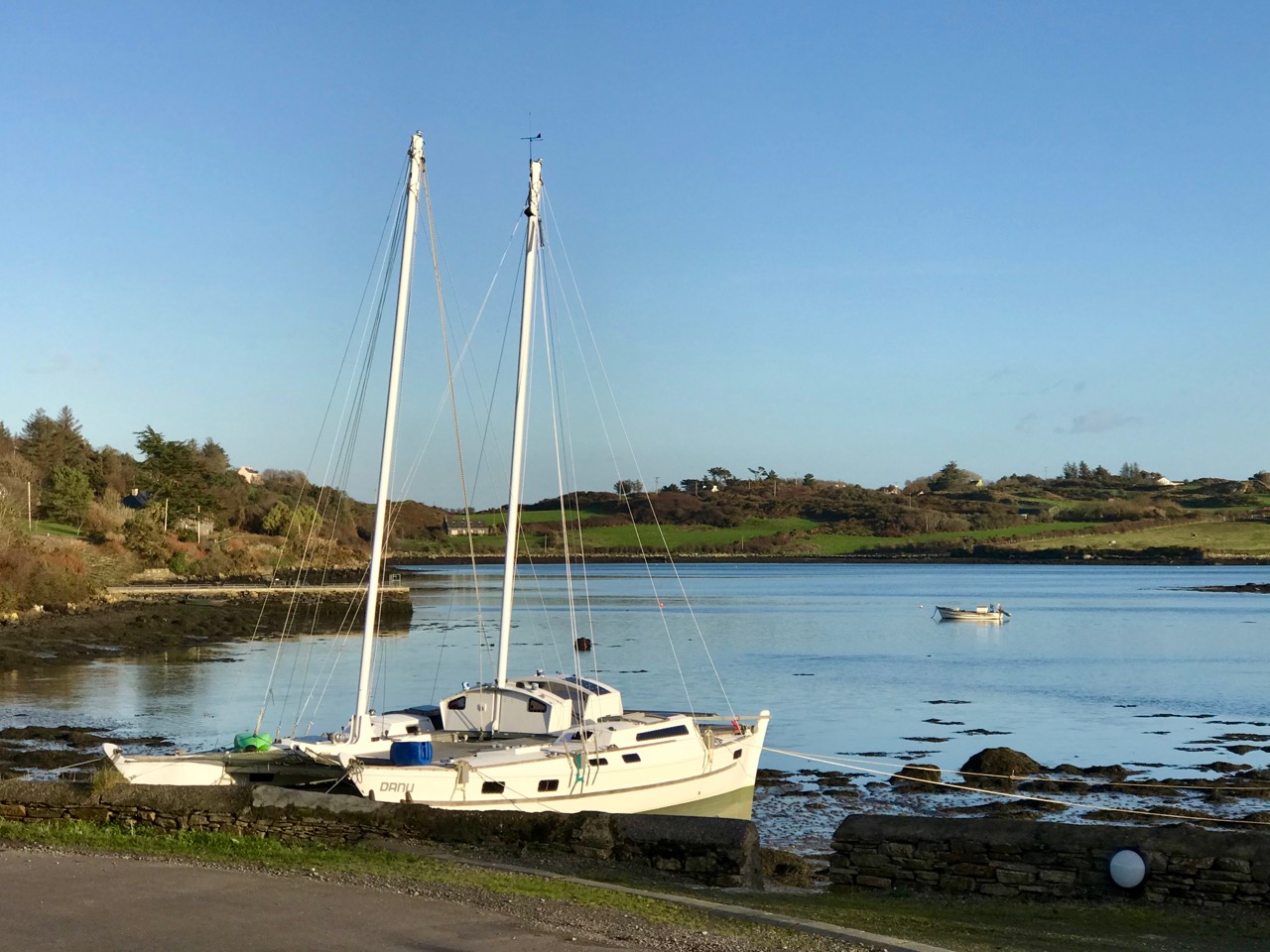
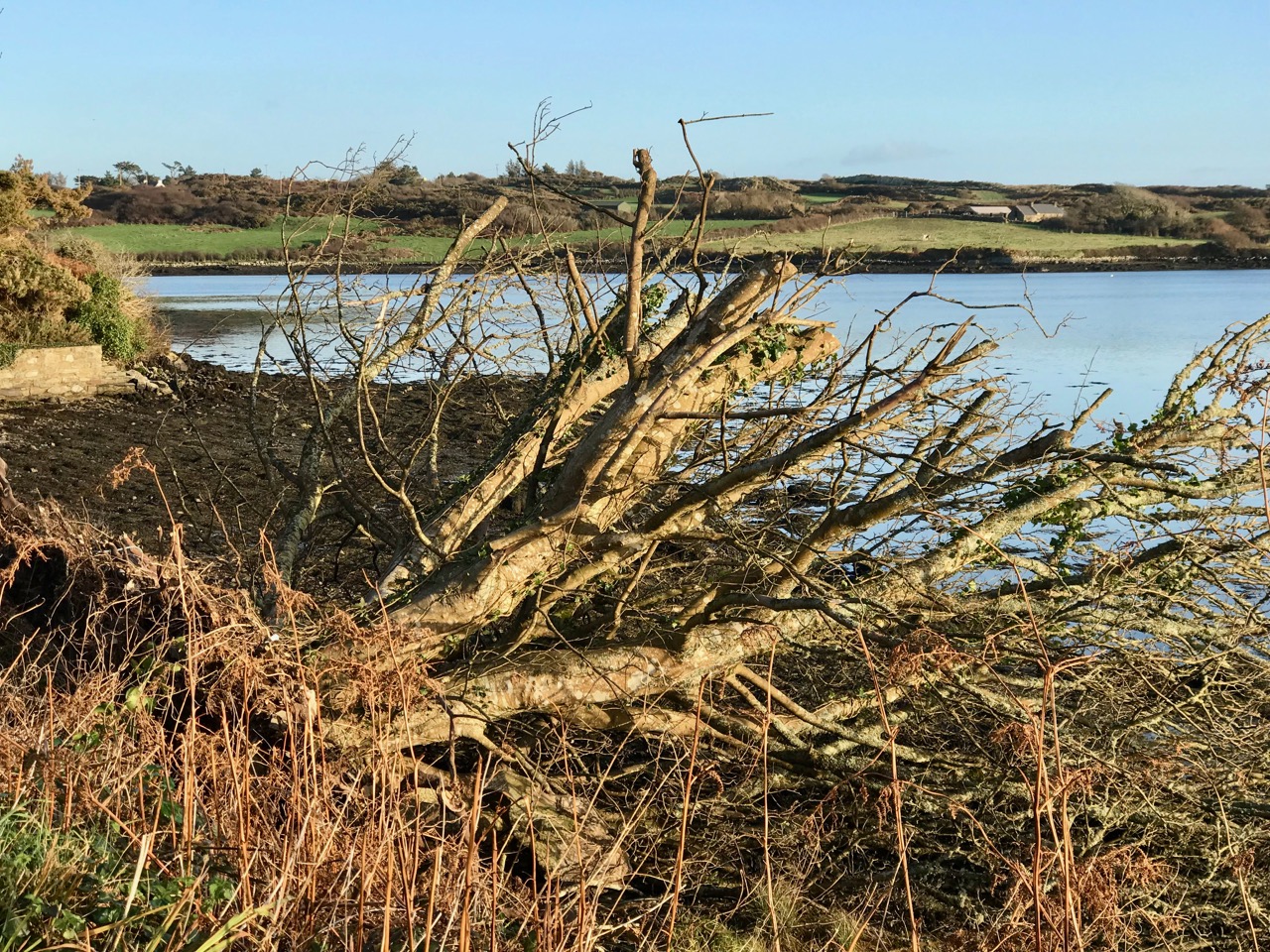
Above – reminders of summer pleasures to come as we wind down to the year’s end in Rossbrin: Andre’s catamaran – Danu – which he built himself, rides out the winter storms on a wet mooring in the Cove. The first of those storms – Ophelia – hit us last month, and there is a fair bit of wind damage still to be seen:

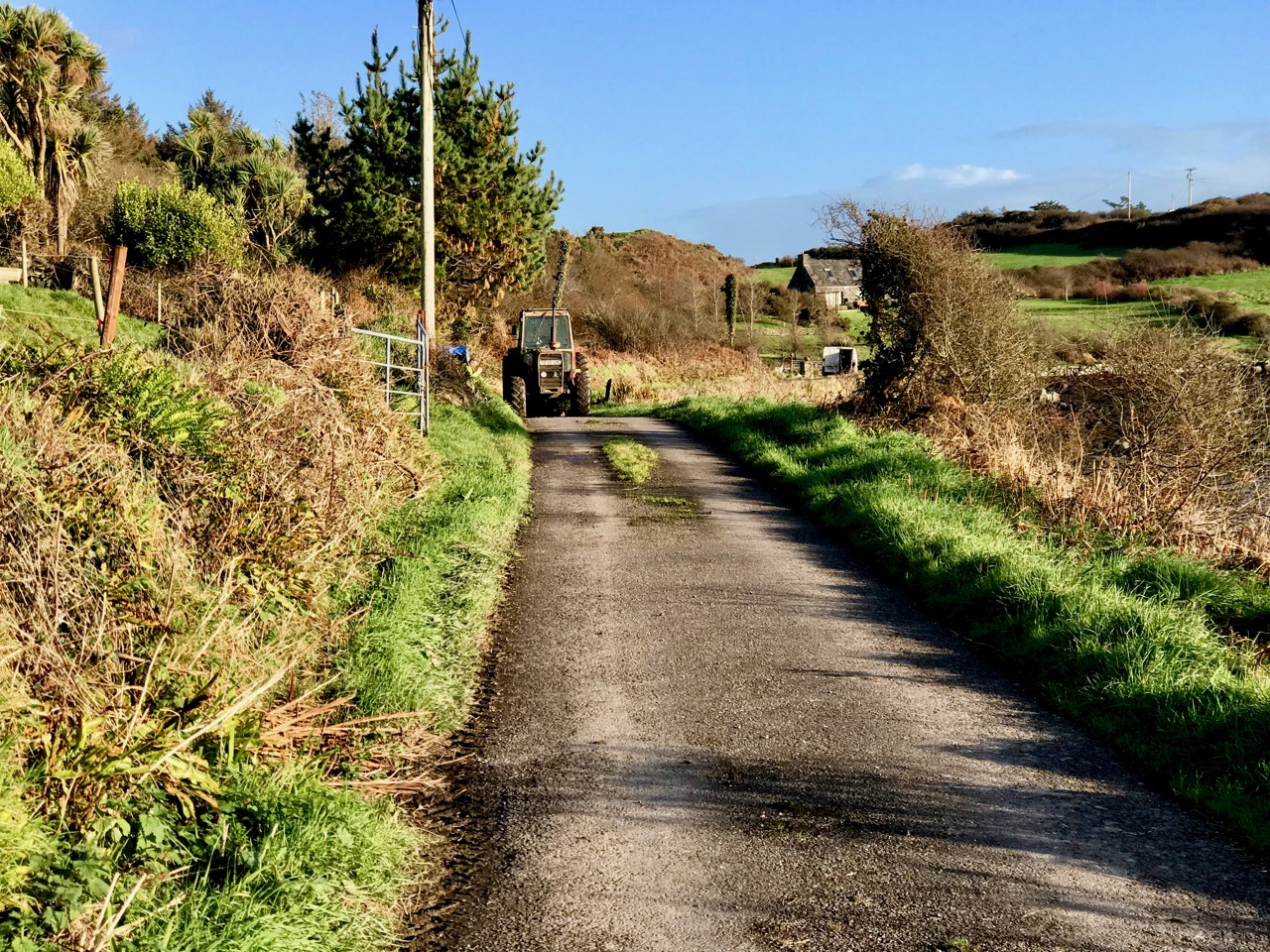
Traffic jam in Rossbrin!

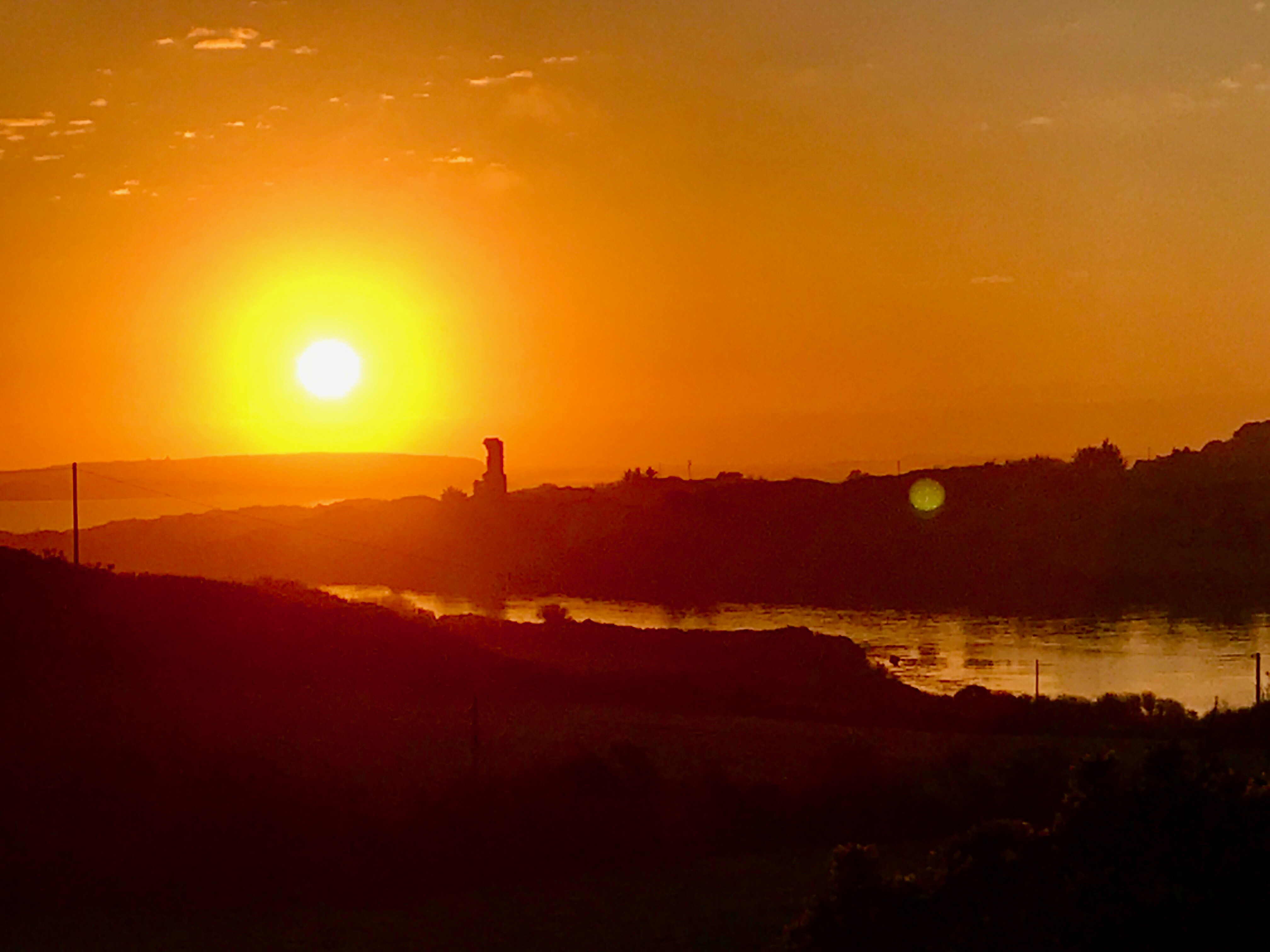
Often, I will start out on the downhill walk with my head buzzing from the inexplicable madness of the outside world: British ethnocentricity, North American absurdity and worldwide chaos. Within minutes these concerns are receding, and when I reach the waterside I am overtaken by the immersive experience of natural things all around me and I find the solace of constancy: not much changes here. This little townland of Rossbrin is above and away from that buzzing, reeking world. It is a far saner place.
Since publishing this post we have received a communication from our good neighbour Julian, who lives down on the Cove, including some excellent photographs of the winter of 2010. Here’s one of them – thank you, Julian…

Cove in the snow 2010

Mizen Magic 6: Schull to Castlepoint

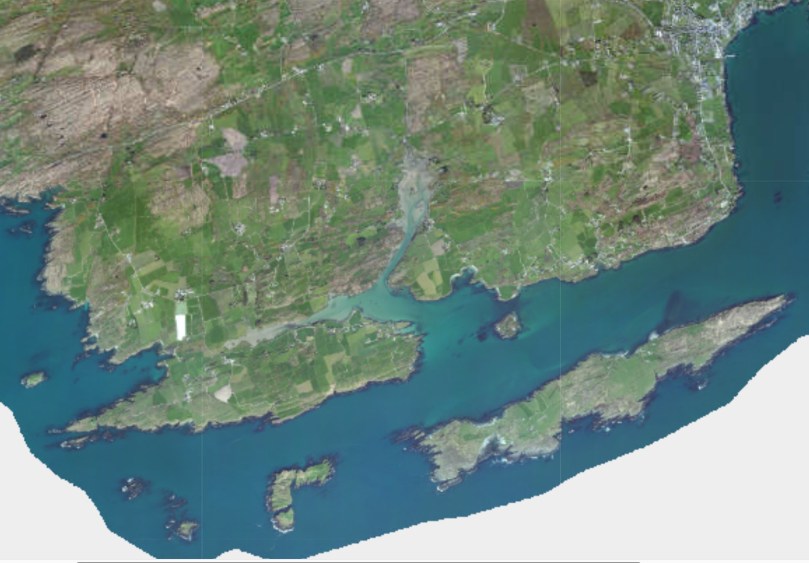
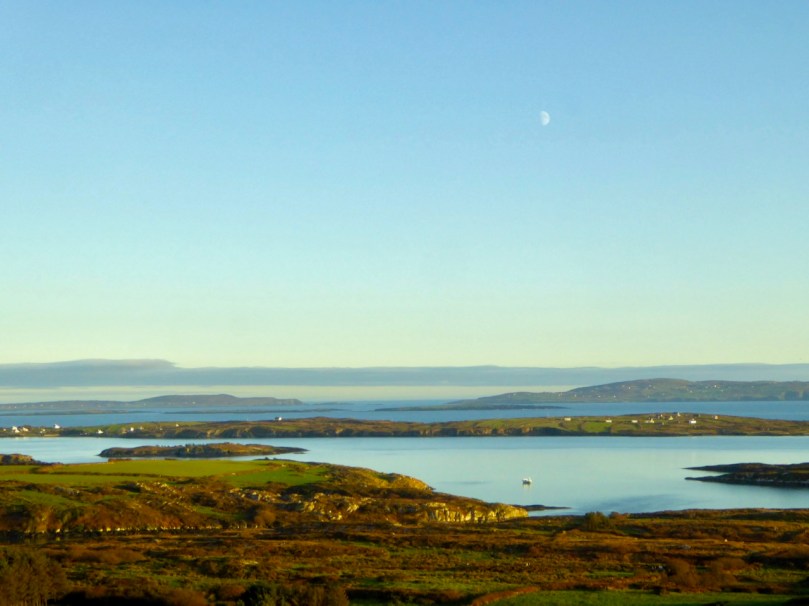
The Mizen is the Peninsula we live on, and of course we think it’s the most beautiful part of West Cork, and of Ireland. In previous Mizen Magic posts I’ve been exploring different aspects and areas, such as the Northside, or Brow Head, or our excellent beaches. This time I’m concentrating on the stretch from Schull to Castlepoint. The map below shows the area, with the village of Schull, our starting point, on the top right. The photograph above was taken from the top of Sailor’s Hill.

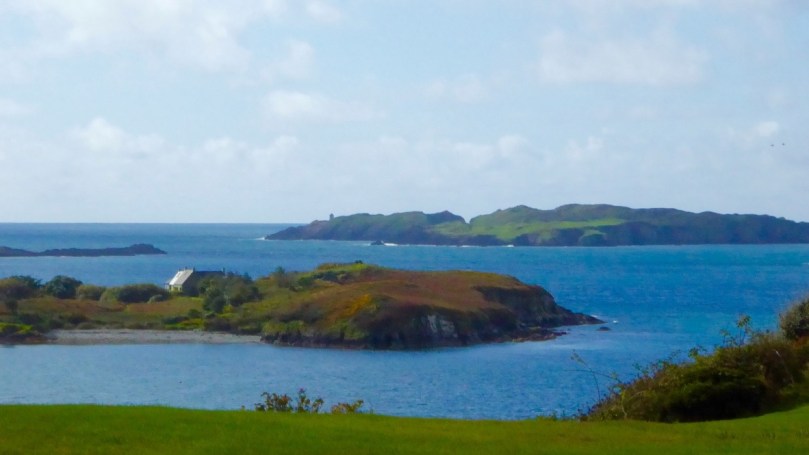
A winter view of Long Island Sound – Coney Island, Long Island,  the Calves, Cape Clear and Sherkin, with the entrance to Croagh Bay in the foreground

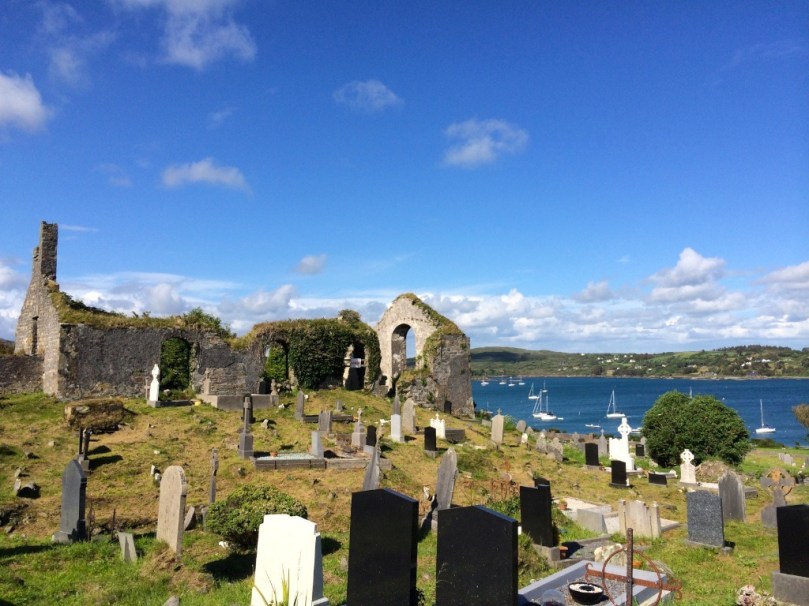
It’s only a few kilometres, and it would take you about ten minutes to drive straight to Castlepoint from Schull. But where’s the fun in that? No- let’s start by driving (or walking if you’d rather) out to St Mary’s Church on the Colla Road. It’s largely an eighteenth century church, although there are hints of a medieval structure here and there, and it stands in what must be one of the most scenic graveyards in West Cork.

Intriguing depictions of boats are inscribed into the render inside the church. How old are they? Who did them and for what purpose?

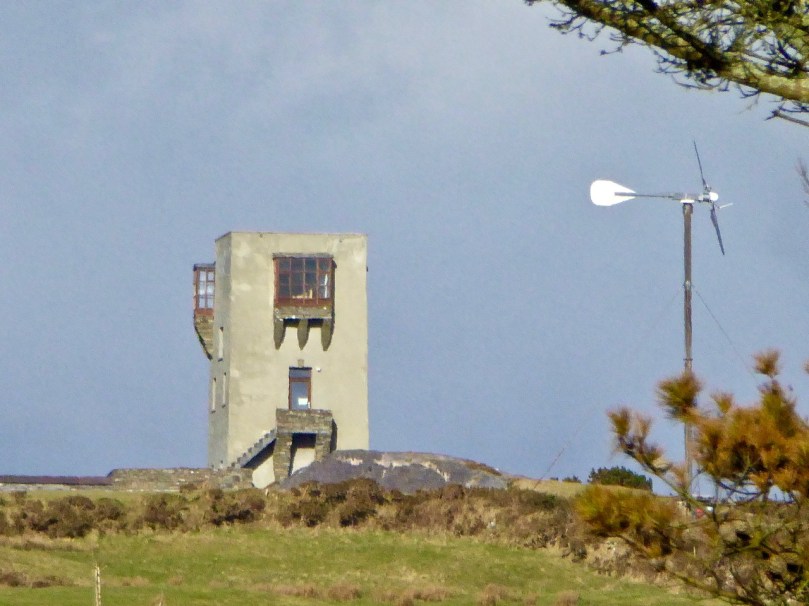
From there, I suggest you drive to the lookout on Sailor Hill – the trail arrows for the new extension of the Fastnet Trails will show you the way. We discovered Sailor’s Hill ourselves when I was researching belvederes – the redoubtable Connie Griffin has built his own modern version of a belvedere and there is no better place to get a view of Long Island Sound and the south side of the Mizen. Here’s the viewing house Connie built  – perfect for contemplation.

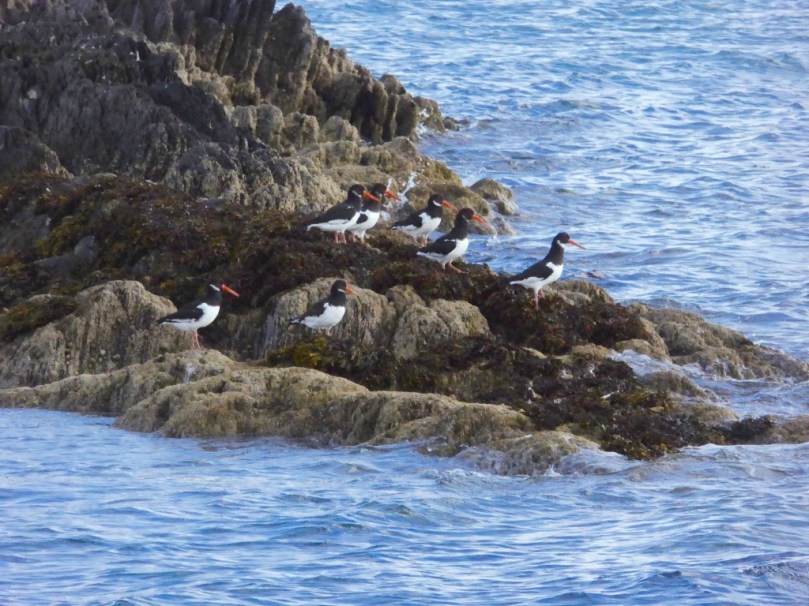
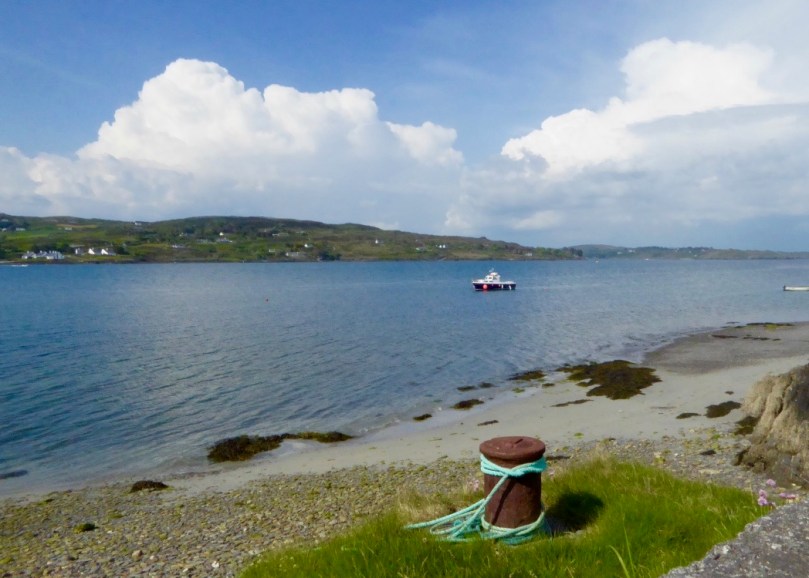
Back down to the Colla Road, continue to the scenic little Colla Pier, where you can take the ferry to Long Island. Robert and I do this every year as part of the Fastnet Film Festival. The ferry runs every day but you can also book special trips – it is, as they say here, a great day out. Pack a picnic and your camera – there’s lots of birdlife, including these oystercatchers on the rocks at Colla Pier.

The ferry leaves Long Island for the return trip to Colla Pier

From the Pier the road winds across country, overlooking the sea here and there, and always with Mount Gabriel looming in the background. From here you can see tiny Coney Island, privately owned, and with one house which is rented out to holiday makers.

Beyond Coney Island are the Goat Islands – Goat Island and Goat Island Little – probably once one island, but now split into two, with a narrow passage between. There are feral goats on these islands, but not much else. They appear to be completely inaccessible, with craggy shores that are impossible to land on. That, of course, only makes them all the more mysterious. I’d love to hear from anyone who knows more about the Goat Islands.

The narrow and treacherous channel that divides the Goat Islands, and the beacon on the smaller of the two islands

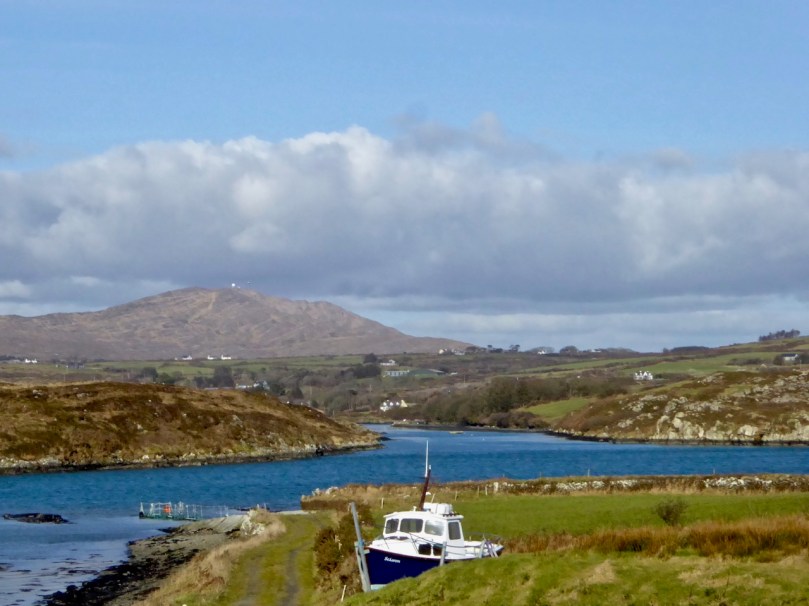
The road now winds down to Croagh Bay (locally pronounced ‘Crew’), a lovely tidal sheltered inlet with the romantically named Gunpoint at its head. On the higher ground to the right you will see that an enterprising individual has converted one of the old signal stations into a unique residence. It must have the best view – but all those stairs!

We are now in the territory described by Robert in Here Be Pirates and in Pilchards and PalacesCroagh Bay, or more correctly Leamcon House, was the site of William Hull’s house and a hotbed of piratical activity.

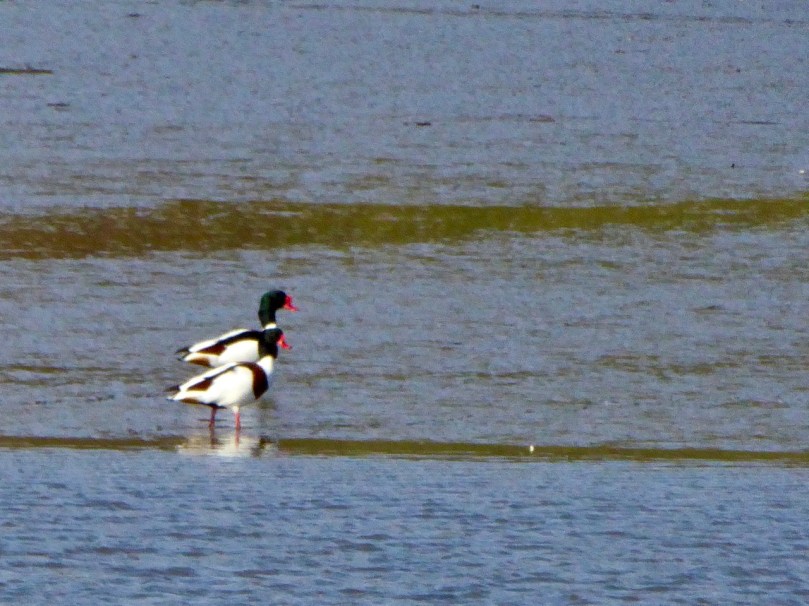
Nowadays it’s downright idyllic and the shallow waters of Gunpoint inlet provide sanctuary to wintering birds such as these shelducks.

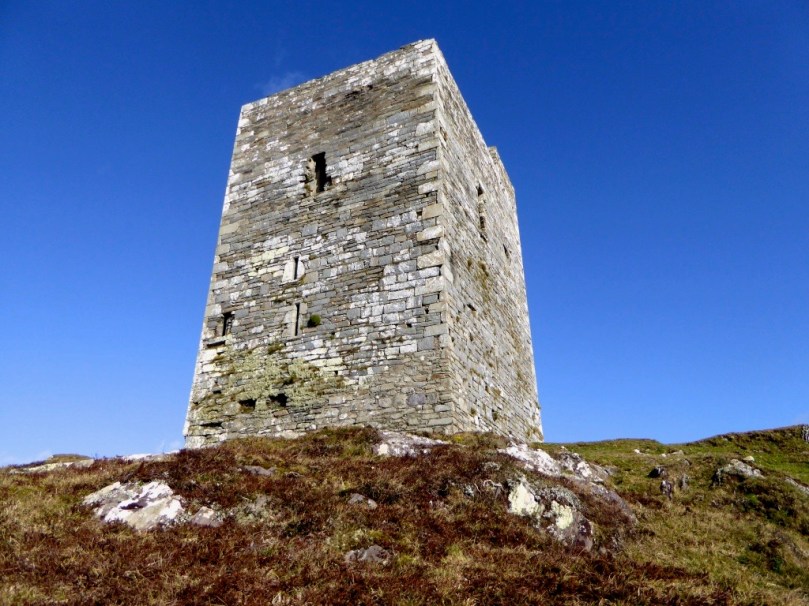
Our last stop is the little pier at Castlepoint, offering a dramatic view of Black Castle, one of the O’Mahony Tower Houses that dotted the coast of West Cork in the fifteenth and sixteenth centuries. This one is privately owned and the owner has stabilised and largely restored the castle, saving it for future generations from the all-too normal fate of dereliction that befalls West Cork Castles.

Robert looks across to Black Castle in the photograph above. The castle as the owner has stabilised it is shown below – he has done a first-rate job and we should all be grateful for his care of this important monument. The final photograph is of a small inlet by Castlepoint Pier.

Shay Hunston and the People of the Wild Atlantic Way

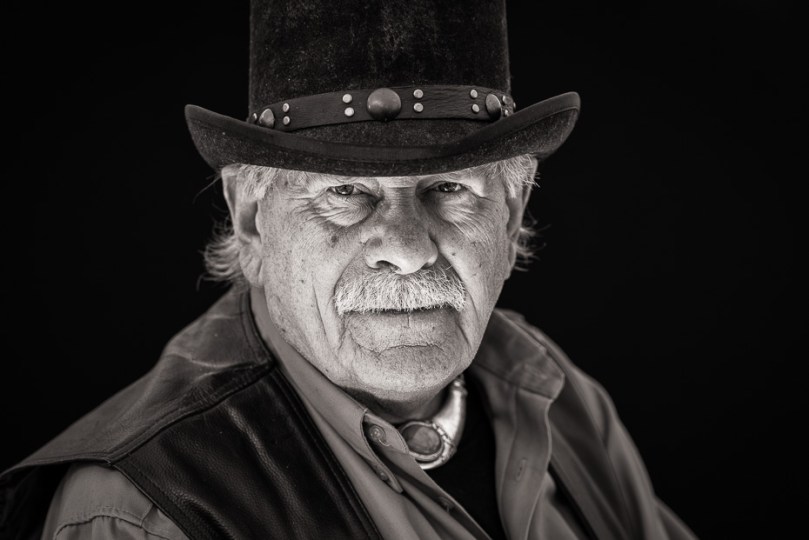
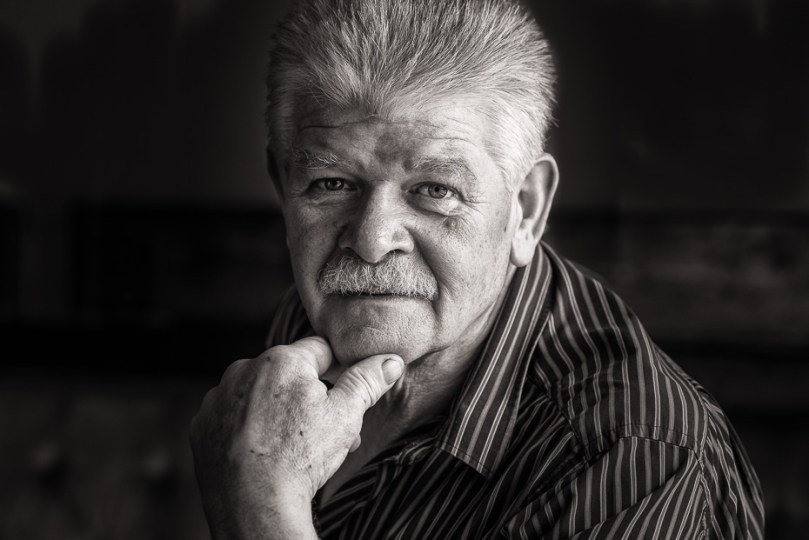
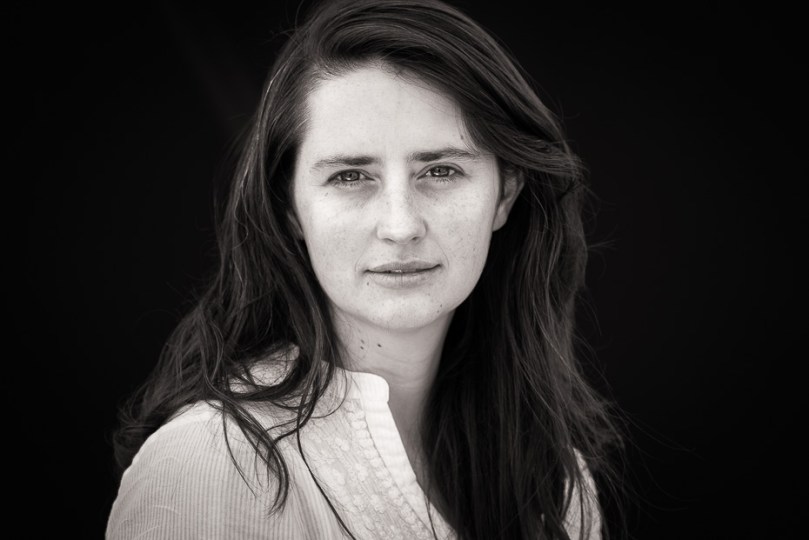
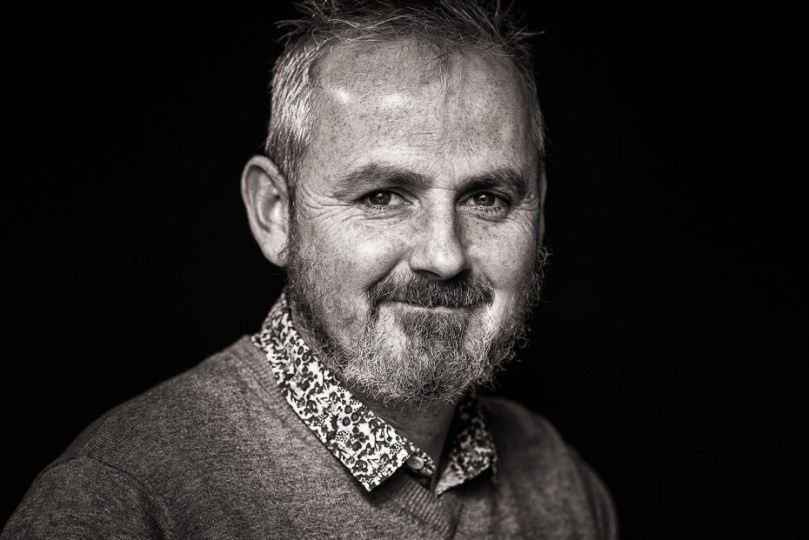
It’s the people! Shay Hunston is passionate about his subject. Sure, we have wonderful scenery, and every photographer is out capturing it. But time and again, what visitors tell us is that what makes Ireland special for them is the people they meet, their warmth, humour, empathy, poetic language, and the interest they take in others. So I set out to document those people – to show the faces and the personalities you will meet along the Wild Atlantic Way.

The first photograph above is part of that project – it’s Mike Watkins, the friendly face we pass most days as we drop into Budd’s of Ballydehob. He sits outside, drinking tea and greeting everyone. Here’s what he has to say about life: I have sunshine in my heart and I never, ever, ever get upset about anything. I’m happy every single day and everybody else should be the same, and we should all hug each other and talk to each other. This I have learnt from a lifetime of experience.

Tim Healy – Leap. The best advice I ever received in life was when I came to live in Leap in 1983. I knew of a local lad who had a reputation for liking a bit of a ‘Work Out’, he was well able to look after himself. So I said to him, just to wind him up, would you like to have a go, the two of us for 20 pounds. No, he said, I’ll tell you what, don’t be wasting your money, we’ll fight for pleasure.

So far, Shay’s project has been a Wild Atlantic Success, and he hasn’t even moved beyond Cork yet. He’s been going from community to community along the Wild Atlantic Way, photographing whoever volunteers. Once the prints are made, the town or village mounts an exhibition of his strong black and white images, in shop fronts, on the approaches to town, on walls and railings.

Caroline O’Donnell – Ballydehob. My grandmother once told me that as long as I have music and laughter in my life I would never grow old. I think about her every day and try not to grow old. She also said never marry a man you haven’t seen drunk… I’m still thinking about that advice.

We missed the shoot in Ballydehob as we were away, so we participated in Schull. It’s a nervous business, sitting for a portrait, but Shay creates an instantly warm and relaxing environment. He’s good humoured and patient and empathetic and he obviously loves doing this. He was also cool about my photographing him and his process (no pressure like, to be snapping away in the presence of genius!) and doing a blog post.*

Pat Murphy – Castletownbere. I started fishing at 13 years of age in open boats with a crew of three. We fished winter and summer in all kinds of weather. From October to March we fished for scallops, two rowing the boat and the third man looking after the dredge, by God you had muscles from pulling oars for six months…In summer we would fish for lobsters and crabs. To make the pots we would go to the mountains to cut hazel and sally rods. I use to make four pots a day. Besides the fishing we all had a bit of land to grow our own vegetables and potatoes. Come September, those of us who had a pig or a cow would slaughter them, butcher and salt the pieces and put them in a barrel, there they would be left for 6/8 weeks, they would then be hard dried or smoked, we would also salt fish. The best life advice I could give anybody is to be able to negotiate with people, to work together, not against each other.
Shay asks people to write a few words to go with the image. It’s lovely to meander down the street and read what people have said, so I’ve included snippets under each photograph.

Saoirse Canty – Ballydehob. My perfect day would be my friends and I hanging out around Ballydehob. We would do nothing and talk about nothing all day. The reason why that is so perfect to me is because it makes me truly happy and the familiarity of this beautiful town is very comforting. It is one of those things that I could do forever.

You will notice, of course, that this post is (not surprisingly) a little heavy on Ballydehob folk, so as part justification for that, here’s what Shay himself wrote about his experience working in Ballydehob:

Ballydehob is a remarkable place, a multicultural melting pot of creative activity and is home to artists, poets, writers, musicians, sculptors and craftworkers. The local community encourages people to pursue and develop their creative and artistic talents…With the influx of artistic people in the 70’s, Ballydehob became known as the ‘San Francisco of the Mizen’. Ballydehob is an inspiration to all and is a template for how a multicultural community can live in harmony, with sympathy and compassion for each others needs.

But just to show I am not totally biased, here’s Danny Smith, whose day job as a postman in Bantry allows him the space to observe and dream about his next painting. Next time you’re in Kilcrohane, drop into The Old Creamery and see the wonderful results.

Danny Vincent Smith – Bantry. I started painting as long ago as I can remember, this passion for painting started from there. Every hour I would be thinking and looking for some kind of angle for a painting, observing everyday life, watching people’s faces, their expressions, trying to capture movement in the moment, such as an old lady with shopping, old farmers or a fella sitting inside the pub by himself. I try to picture people’s life’s and transfer them to canvas. My environment has a massive influence on my work and I feel like I’m documenting a time and place in rural life from where I live for future generations.

Go visit Shay’s website NOW to see lots more of his people photography, including his project to photograph the people of Dublin’s Temple Bar. Or sign up to follow him on Facebook or on Twitter. The Schull images should be ready in a few weeks – I will let you know.

Callum Donnelly – The Ludgate Hub, Skibbereen. My Perfect Day – A frosty morning, circa 8am, the ground is firm. I wrap up in a coat, scarf, gloves and I bring my springer spaniels for a walk around our local woodland. The air is sharp, and you can take a deep breath, and try to ignore the daily bombardment of emails, messages & calls. To be able to walk in silence, absorb your surroundings is a fantastic way of  balancing your mind in a world where work can often take precedence. Young people feel enormous pressure to succeed, and perform, its good to take some time out in an environment that is a polar opposite to your usual surroundings.
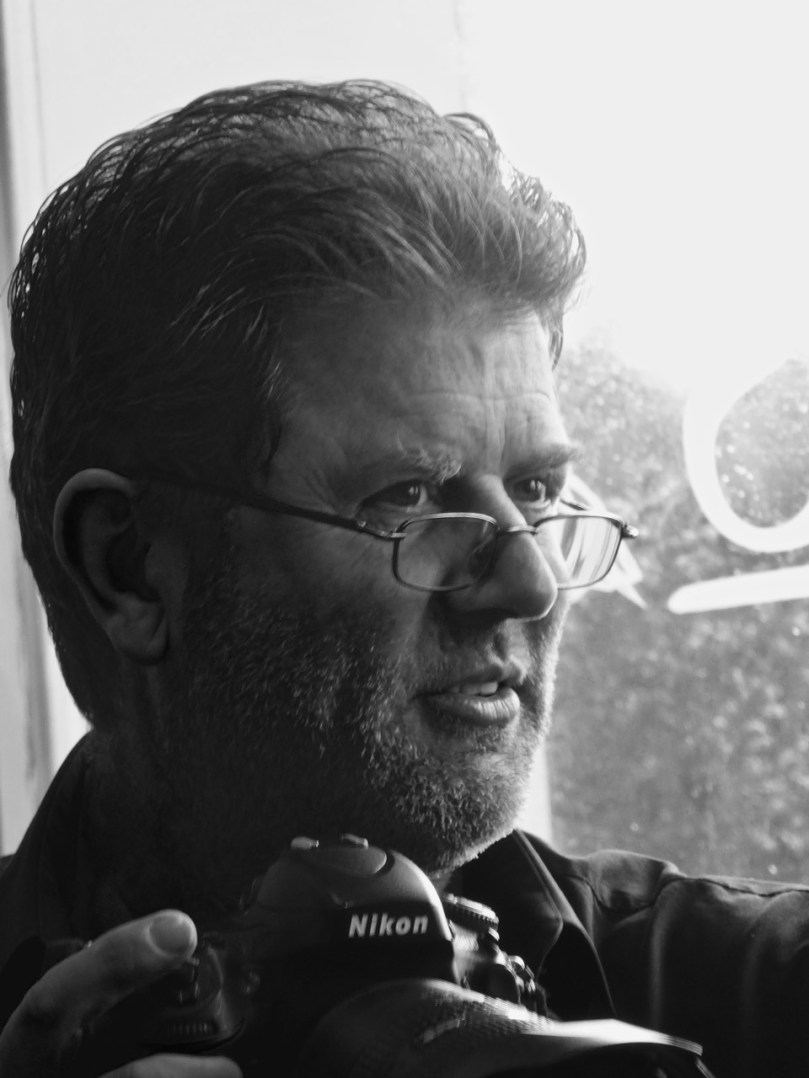
I will leave you with a couple of shots of Shay himself and his session with Robert. If he comes your way, you lucky people of the Wild Atlantic Way, take advantage of this opportunity! And as for everyone else – come and meet us for yourselves.

Shay and Robert

Himself

*Images were downloaded from Shay’s website with his permission. Please always credit the source for any image you download from the internet.

“The Wildest and Richest Gardens” – West Cork Bog Soaks

Henry David Thoreau, philosopher and naturalist, might be called the patron saint of swamps. He was in love with them. I know how he feels. Hope and the future for me he said, are not in lawns and cultivated fields, not in towns and cities, but in the impervious and quaking swampsthe wildest and richest gardens that we have.

Top photo and above: Derreennatra Natural Heritage Area

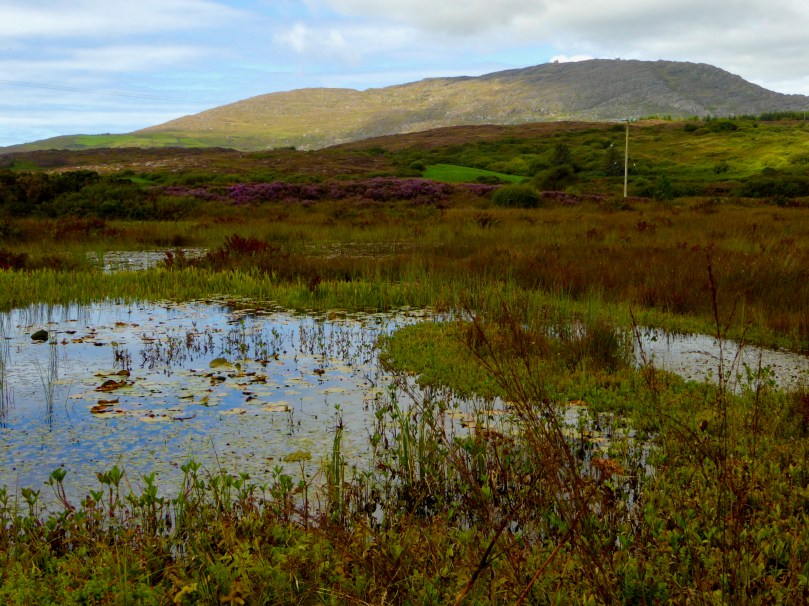
Thoreau was talking about American swamps, but he could just as easily have been talking about an Irish bog, marsh, or wetland. I have two within easy walking distance of my home in West Cork and I am drawn to them like a magnet. One is tiny – a pond in the middle of a boggy area at the highest point in Foilnamuck townland. The other is more extensive – Derreennatra Bog, between Ballydehob and Schull.

Foilnamuck Bog Soak

A bog is a highly acid environment, and some plants, such as heathers, are specially adapted to deal with this habitat. The mineral-rich pools that form in the bog – technically known as bog soaks – are fed by groundwater and rain. Nutrients are more available in these patches of open water, they provide a less acidic environment and support a variety of plant life different from that of the surrounding bog.

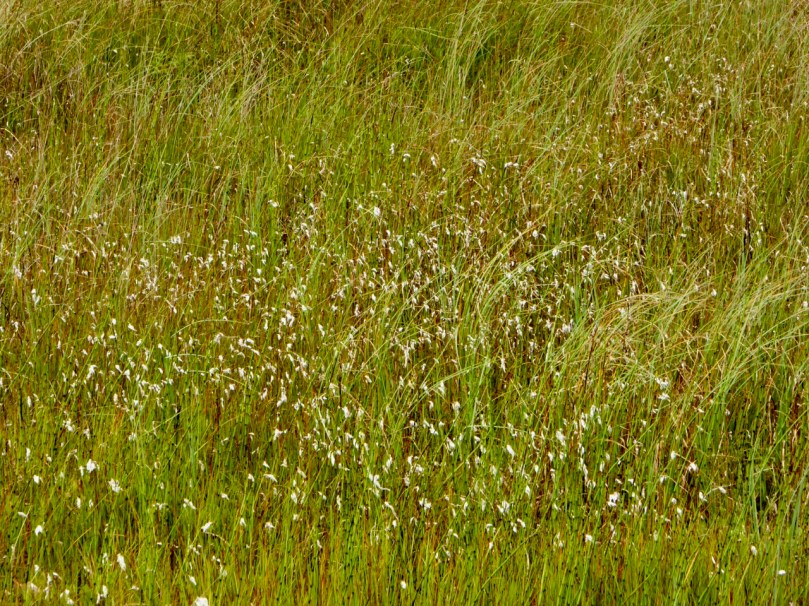
Rare Slender Cottongrass on Derreennatra Bog – one of the reasons for its designation and protected status

Derreennatra Bog has been recognised as a very special habitat of the lowland bog type. It has been designated as a Natural Heritage Area and is under the protection of the National Parks and Wildlife Service. While there are several reasons for its special status, the main one is that it is home to Slender Cottongrass, an extremely rare form of Bog Cotton that only grows in a few places in Ireland and Britain.

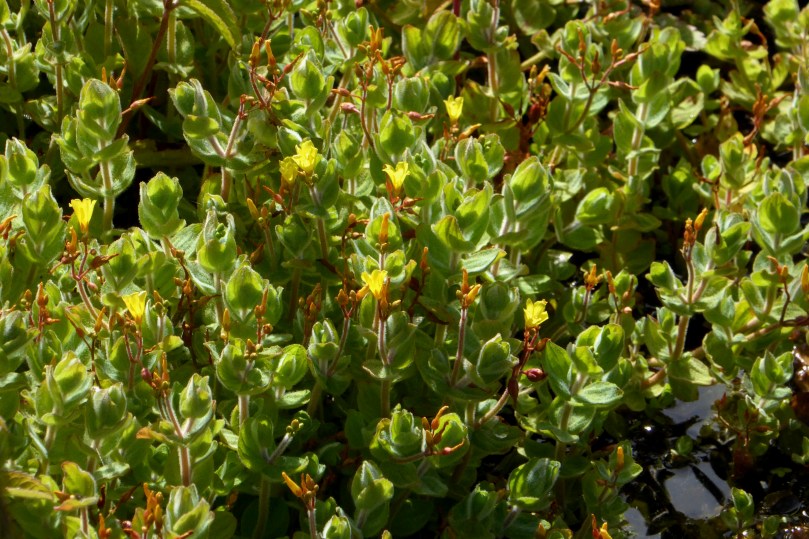
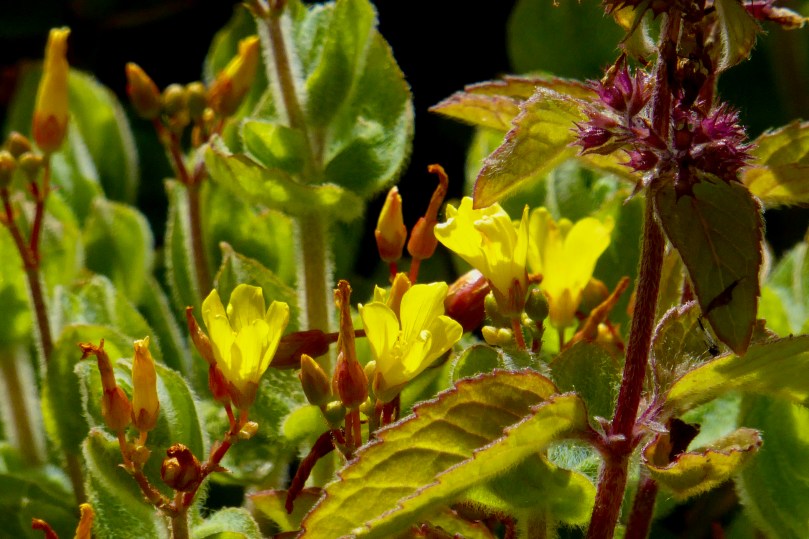
Marsh St John’s-wort, above and below, in its watery habitat

Derreennatra Bog has other uncommon species, but they are hard to photograph without a really good long lens. The one I did manage to get close to was Marsh St John’s-wort. I had to go back several times and wait until the flower opened before I could figure out what it was. It was worth the wait – a very beautiful native wildflower.

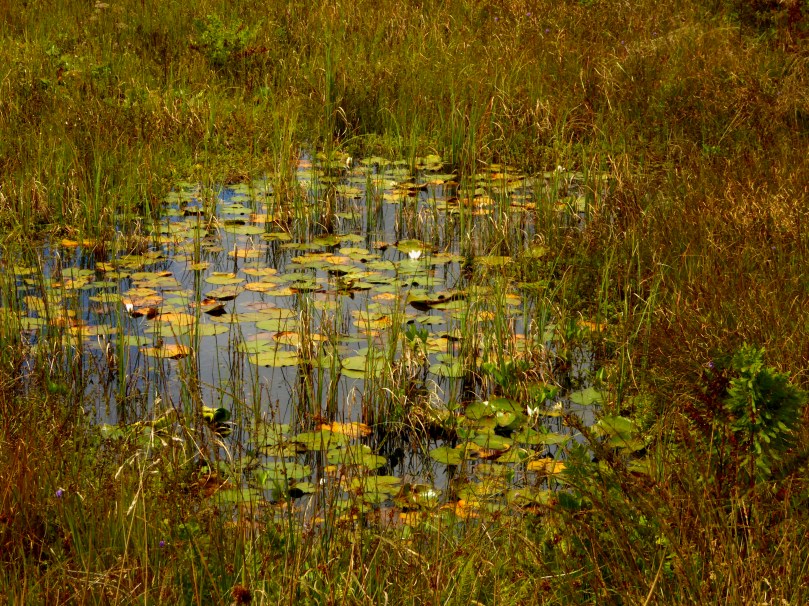
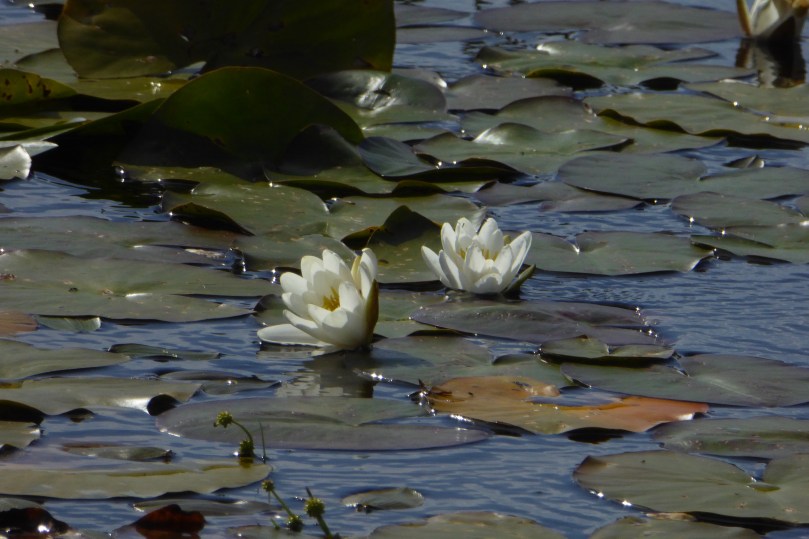
Another reason to hang out at Derreennatra Bog is that the lovely, native, White Water-lily flourishes here. It’s an exotic beauty that been here, apparently, since soon after the last ice-age.

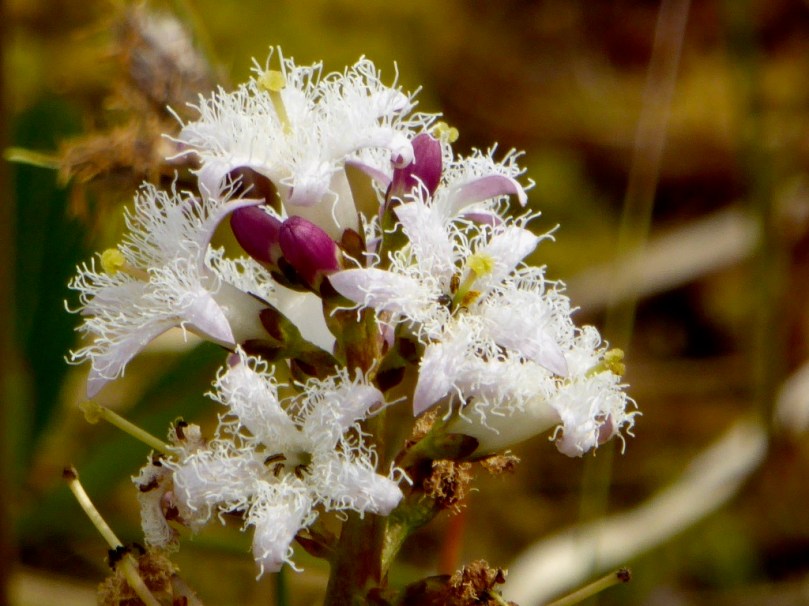
The soak in the bog at Foilnamuck is far less extensive – just a tiny wet patch – but it’s reliably present all the time, probably because it’s bounded by a natural amphitheatre of slightly elevated rocky ground. Here is where I was able to photograph Bog Bean for the first time, although not without getting my feet wet. It’s a fascinating plant – it sits in the water and holds the flower head well above the surface. The flower heads are pink before they open but inside the petals are pure white and fringed with long hairs.

The “regular” Bog Cotton, more correctly called Common Cottongrass surrounds the little soak and mingles with the Bog Bean.

The other plant that loves the environment of this little soak is the Round-leaved Sundew. Sundews are carnivorous – the sticky liquid on its hairy round leaves trap unwary insects, which are then digested by the plant. It’s a marvellous adaptation to the lack of soil nutrients in its habitat.

The spikes carry the flowers, not yet open in this shot, but it’s the leaves that do all the work in this plant

The other flowers of the bog – the heathers and asphodels, the mosses and mints – are equally beautiful and interesting, but I will leave them for another day.

Trish Punch – remember the workshop day I spent with her? She’s gone from teacher to friend and she’s into the wildflowers, just like I am! 

Now so, why don’t you wander on over to your local bog/swamp/fen/marsh soak and see what you can see! Just don’t fall in!