Queen of the May

May Eve activity: setting up the May Bush

May Eve activity: setting up the May Bush

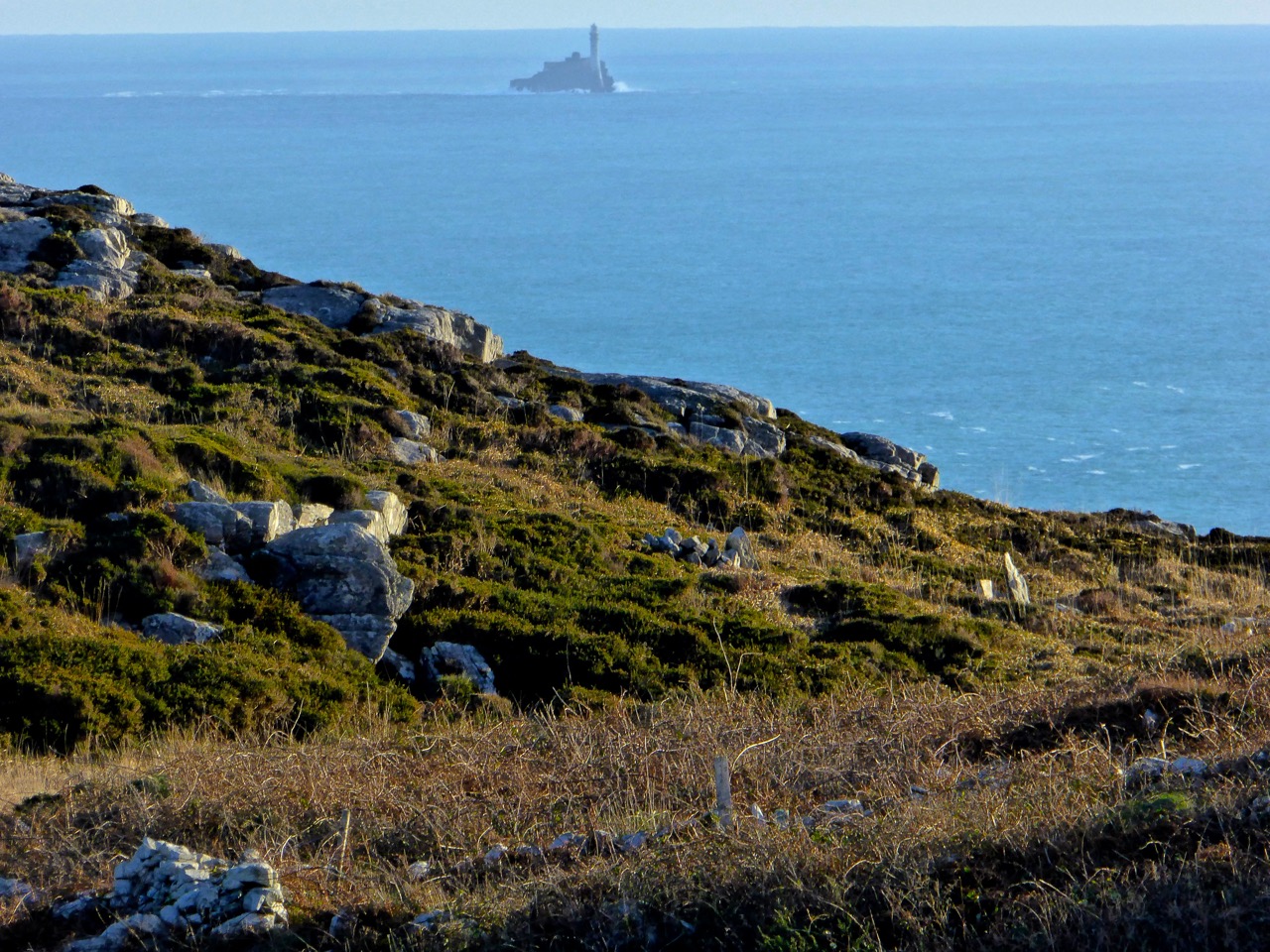
I was excited to learn – from one of my favourite and most faithful volumes on folklore: The Year in Ireland by Kevin Danaher (Mercier Press 1972) – that on May Day the Fastnet Rock weighs anchor, casts off her moorings and goes sailing about in Roaringwater Bay! I spent May Eve in a whirl of anticipation – and hot spring sunshine – awaiting the morrow which would present this wonderful spectacle to add to the feast to be seen from our window. The morrow that came, ostensibly the first day of summer, was a disappointment: the wind was in the east – and biting – and the whole bay was encased in damp, grey fog. The perambulations of the rock remained out of sight until nightfall, by which time the sweeping light had smugly returned to its rightful place twelve miles off shore.
Dancing Rock...

Dancing Rock…

My only consolation – again, according to Danaher – is that a cold, wet May morning heralds an excellent summer (and this certainly came about last year). I could write all day about Danaher’s observations on the subject of Mary’s month – in his book 42 pages are devoted to it: the longest section by far, indicating the importance given to this part of the year in the traditional calendar. But I’ll leave that for another time and concentrate on our own activity: putting up our May Bush.

When I lived in the west of England it was a toss-up between going to Minehead or Padstow on May Day – occasionally both. They were contrasting experiences: in Minehead, on the north coast of Somerset, you had to take pot luck – there was no fixed itinerary to the day and you never quite knew what you were going to see, or where or when. What you wanted to see was the Hobby Horse, sometimes known as the Ship-horse, or the Sailor’s Oss. I’ll refer you to another classic book – by chance also dating from 1972: A Year of Festivals – A Guide to British Calendar Customs by Geoffrey Palmer + Noel Lloyd (Frederick Warne):

…The head of the horse (or the mast and sails of the ship) is in the centre; and a long rope tail, once a real cow’s tail, is fastened to the ‘stern’. The man inside the contraption glides and sways through the streets, and sometimes swings his tail around anybody who refuses to contribute to the collecting-box… The ship form of the horse is said to date from 1772 when, on the evening before May Day, a ship sank in a storm off Dunster, three miles from Minehead. The only object to be washed ashore was a dead cow, the tail of which was used to decorate the horse…

Now, the early photograph below is one of my all-time favourites as an illustration of a folk custom: it’s optimistically captioned Hobby-horse Festival, Minehead, Somerset and says to me that such traditions will continue forever because ‘they have to be done’ – even if the rest of the world has lost all interest…

The First of May at Padstow is another matter altogether. It’s a huge gathering: all the roads are closed to traffic and at times it seems impossible that any more people could be fitted in to this modest Cornish fishing community. Here there are two ‘Obby Osses’: the Red Oss, sometimes known as the Original or Old Oss, is stabled in the Golden Lion, while the Blue Oss – or Temperance Oss has its headquarters in the (perhaps more temperance friendly) Public Library. Both horses come out in the morning of May Day, led by a ‘Teaser’ and accompanied by numerous dancers, drums and accordions, perambulate all around the town, and well beyond it, finally meeting in the evening at The Square, in the shadow of an elaborate and colourful May Pole.

Padstow taster… Photos from the 1960s and 2006:

Preparing the Maypole in Bavaria

Preparing the Maypole in Bavaria (Florian Schott, Ellbach)

While I was experiencing my first Padstow May Day in the 1960s, our Cappaghglass neighbour Dietrich was in Bavaria, watching the construction of an enormous Maypole: he also remembers all the children dancing around it holding up May Bushes. For our own May Bush we took our inspiration from Danaher:

…The children set up their May Bush in the same spirit in which we hang out our flags on a national holiday, to celebrate an occasion, but some – at least – of their parents were glad of the feeling of protection against unseen forces which the May Bush gave…

Oh yes! We have to be aware that…

…So powerful were the preternatural forces abroad in the night between sunset on May Eve and sunrise on May Day that almost anything might be expected to happen… (Danaher) while …The powers of evil, always on the alert to entangle and destroy souls, being most dangerous and powerful on May-Eve, on that day the maids were apt to be uneasy and rather sullen, watching us suspiciously lest we might, through our unbelief, frustrate their precautions against danger. They strewed primroses on the threshold of the front and back doors – no fairy can get over this defence – and in the cow-byres they hung branches of rowan while the head dairy-woman sprinkled holy water in mangers and stalls. The milkmaids, at the end of the evening milking, stood to make the sign of the cross with froth from the pails, signing themselves and making a cross in the air towards the cows… from The Farm by Lough Gur by Mary Carbery (Longmans, 1937).

Burning the land

Burning the land

We have had a long, dry spell and there have been a number of gorse fires recently in our neighbourhood: this one occurred on May Eve – traditionally a time in Ireland when bonfires were lit – although the gorse fires have nothing to do with that tradition. Here are the observations of William Wilde (father of Oscar) in Irish Popular Superstitions, Dublin, 1853
…Turf, coals, old bones, particularly slugs of cows’ horns from the tan-yards, and horses’ heads from the knackers, logs of wood etc were also collected, to which some of the merchants generally added a few pitch and tar-barrels. The ignitable materials were formed in depots, in back-yards, and cellars of old houses, long before the approaching festival; and several sorties were made by opposing factions to gain possession of these hoards, and lives have been lost in the skirmishes which ensued… With the exception of one ancient rite, that of throwing into it the May bush, there were but few Pagan ceremonies observed at the metropolitan fires. A vast crowd collected, whiskey was distributed galore… The entire population collected round the bush and the fire; the elder portion, men and women, bringing with them chairs or stools, to sit out the wake of the winter and spring, according to the olden usage… Fiddlers and pipers plied their fingers and elbows; and dancing, shouting, revelry and debauchery of every description succeeded, till, at an advanced hour of the night, the scene partook more of the nature of the ancient Saturnalia, than anything we can presently liken it to…

mass sign

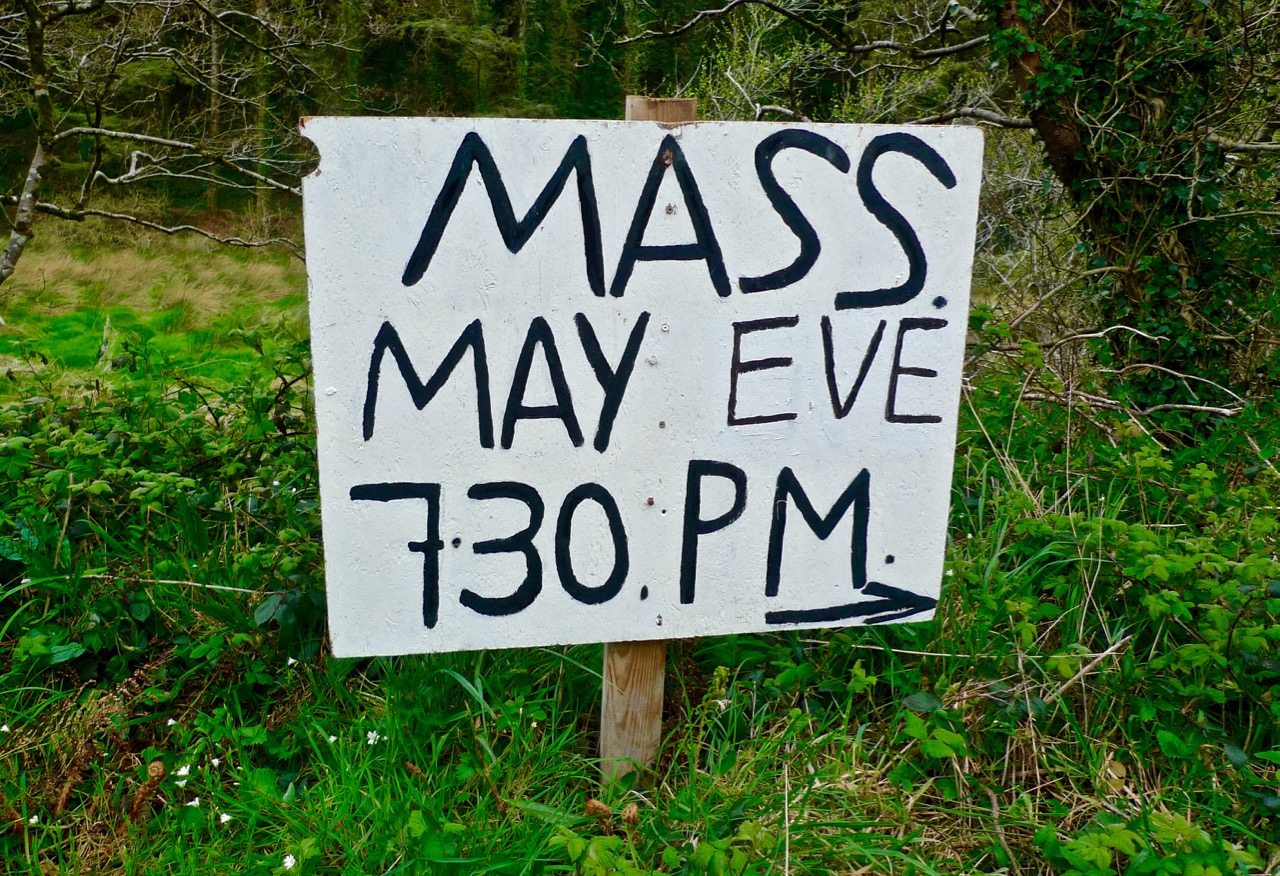
By contrast, our own rural activities were much more calm and constrained. I couldn’t miss out on an outdoor Mass celebrated at one of Lough Hyne’s Holy Wells – the Skour Well. On a beautiful evening – attractive to the midges – it felt the most natural thing in the world to be at a site which has been considered sacred for hundreds, if not for thousands of years, and to take part in a ceremony which is also ancient. I counted over eighty people, including a gentleman of 97, at this event – presided over by two priests and centred on a portable altar with cloth and candles, the revered well being the backdrop. Prayers were said and hymns were sung in English, Irish and Latin.

There’s a continuity here which defies any twenty first century rationale. I was very conscious that this was the way that faith was practiced in Ireland in the penal times (requiring that a watchful eye be kept out for the Redcoats) – but also it was an honouring of nature and a respect for the elements: earth, water, sun and rain – old ways carrying on regardless of new technologies.

A May garland – Hatherleigh, Devon:

Finola’s memory of May Day in her schooldays was of all the girls wearing veils and processing down to the grotto saying the Rosary; and, every day throughout Mary’s month, singing the refrain that was sung at the close of the Mass at Skour Well:

O Mary! we crown thee with blossoms today,
Queen of the Angels, Queen of the May.
9074db7eb01031a082d064758b8b18ba

Window on our World…

Our View to the Islands

Our view to the Islands

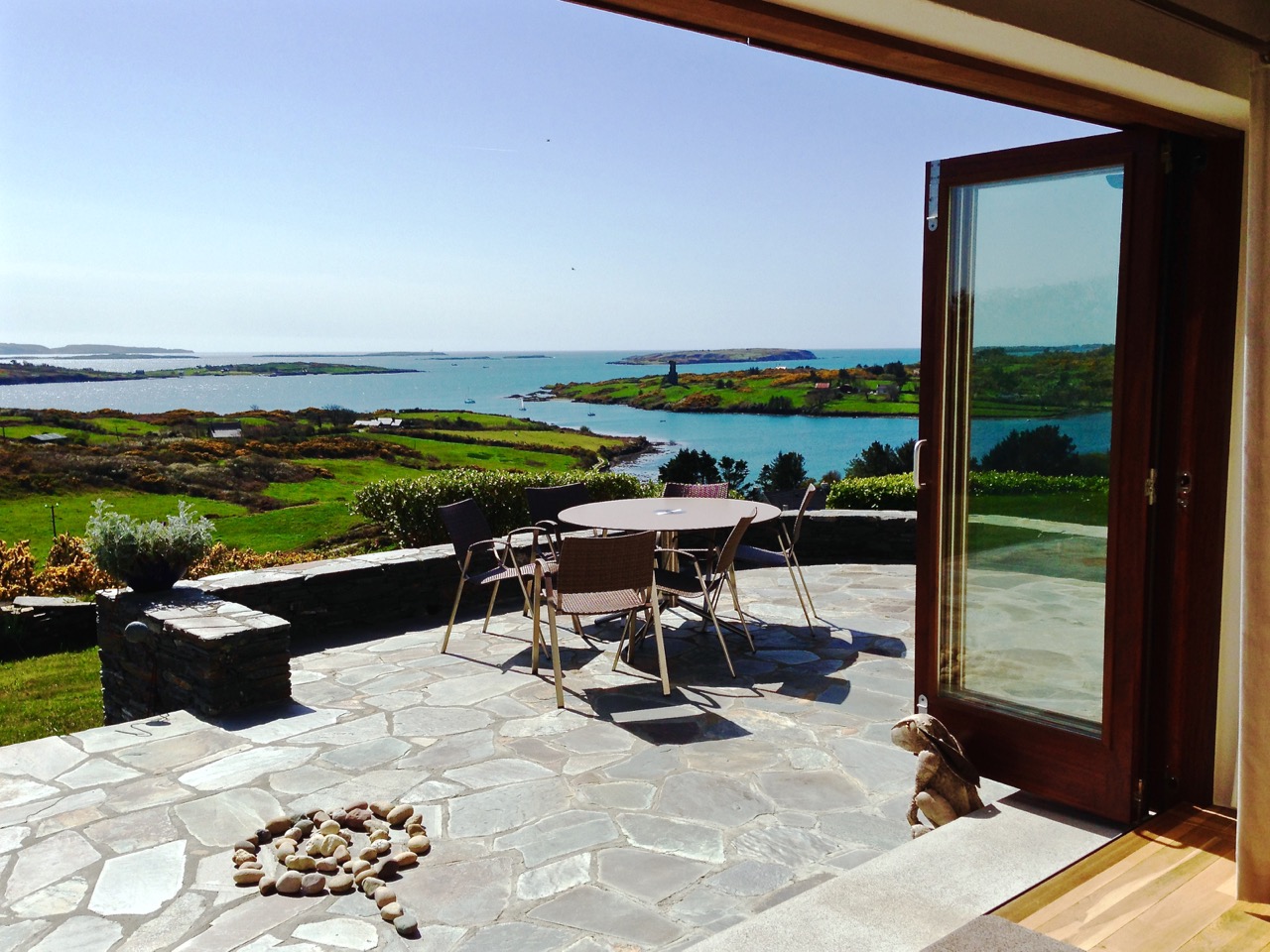
Sunlight and drama have been the key elements of the view from Nead an Iolair this week. The drama began at coffe time on Monday: whenever we are sitting having breakfast, lunch, tea, supper – or maybe just sitting – we are looking out over the scene you see above. Central in that prospect is our bird feeder, where we keep a constant eye on the comings and goings.

Suddenly, a bomb dropped out of the sky! It scattered the birds and there was such a twittering and chattering – squawks and alarm calls. The ‘bomb’ was a Kestrel – who had singled out a juicy victim from among the avian throng… I’m pleased to say that it missed its target and crashed ignominiously into the adjacent gorse bush. Seconds later it extricated itself and sloped off, trying not to look too foolish. I have to say I admire birds of prey, although I’d rather not see them lunching on our garden friends. In the past we have also had sight of a Sparrowhawk on our stone boundary wall.

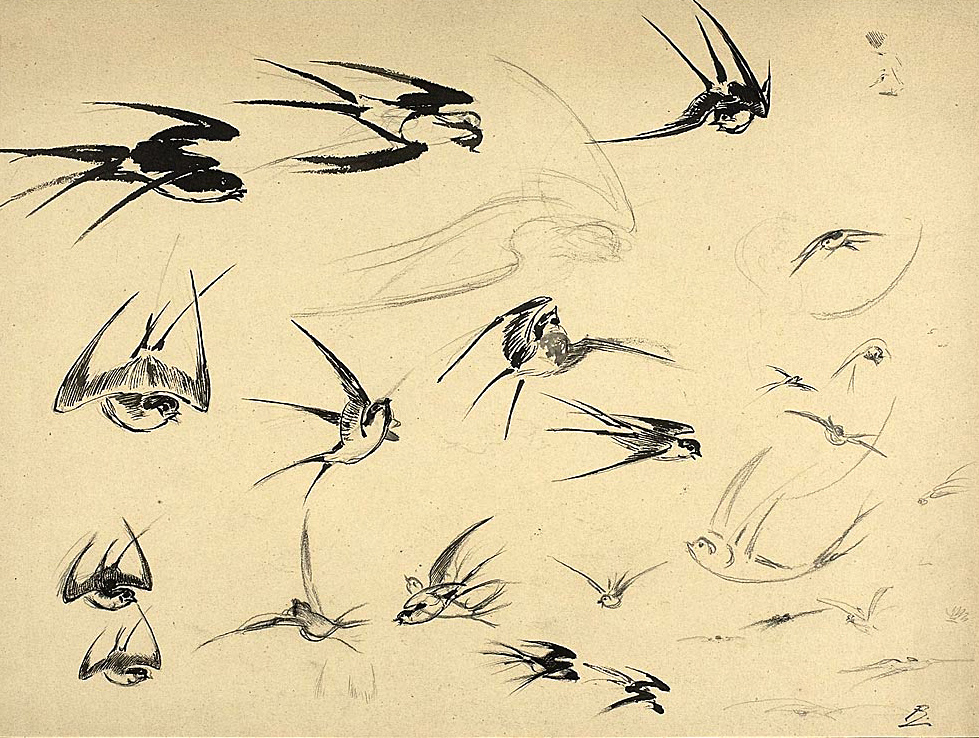
The Swallows: Felix Bracquemond, 1881

The Swallows: Felix Bracquemond, 1881

As I write this there are Swallows wheeling in the air above us: although we have had cloudless skies for several days the wind is in the east and it’s pretty chilly – however these harbingers of the Summer seem happy enough to have arrived on our shores in late April.

The Choughs are always with us!

The Choughs are always with us!

The Choughs are good friends of ours – they sit on the roof or tumble about in front of us, showing off their bright red bills and claws. At the moment they are foraging in the rocky land behind the house, pulling out roots and twigs for nest building. Another nester is the Starling family which inhabits the space in our eaves, creating a lot of noise and mess.

rabb

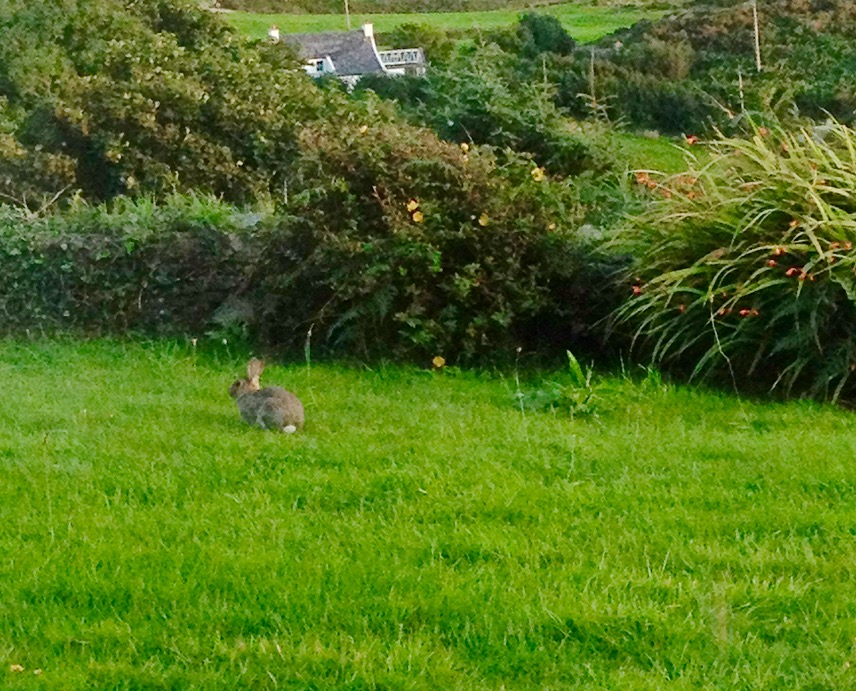
I was pleased to see a Rabbit in the garden: there has been an outbreak of mixomatosis in the surrounding countryside in recent times and over the last year we have hardly come across any of these mammals in the fields locally. Mixomatosis was introduced into the UK in the 1950s – apparently by accident – and then was used as a deliberate Rabbit control measure, by placing sick animals in burrows (then and now an illegal practice). By 1955 95% of Rabbits in the UK had been wiped out. I remember those days: seeing dead and dying animals every time I went out as a sensitive nine year old made me sickened and appalled, especially when I learned that we humans had initiated such cruelty. The virus recurs cyclically every few years, as has happened around here: I am still sickened and angered by it.

The next visitor was a female Pheasant. Although less colourful than her male counterpart she is nevertheless a handsome addition to our menagerie. The good weather has enabled us to have our doors open every day, but this does mean an influx of smaller guests, which have to be carefully rounded up and ejected before we go to sleep. They include spiders and flies, but also Native Irish Honeybees from our neighbour’s hives. Apis Mellifera Mellifera has evolved over thousands of years with a large body and long dark abdominal hairs which make it uniquely suited to survive in a harsh Irish climate. It will be found foraging early and late in the season and will fly in dull, drizzly and cold weather. I gleaned this information from the comprehensive website of the Native Irish Honeybee Society.

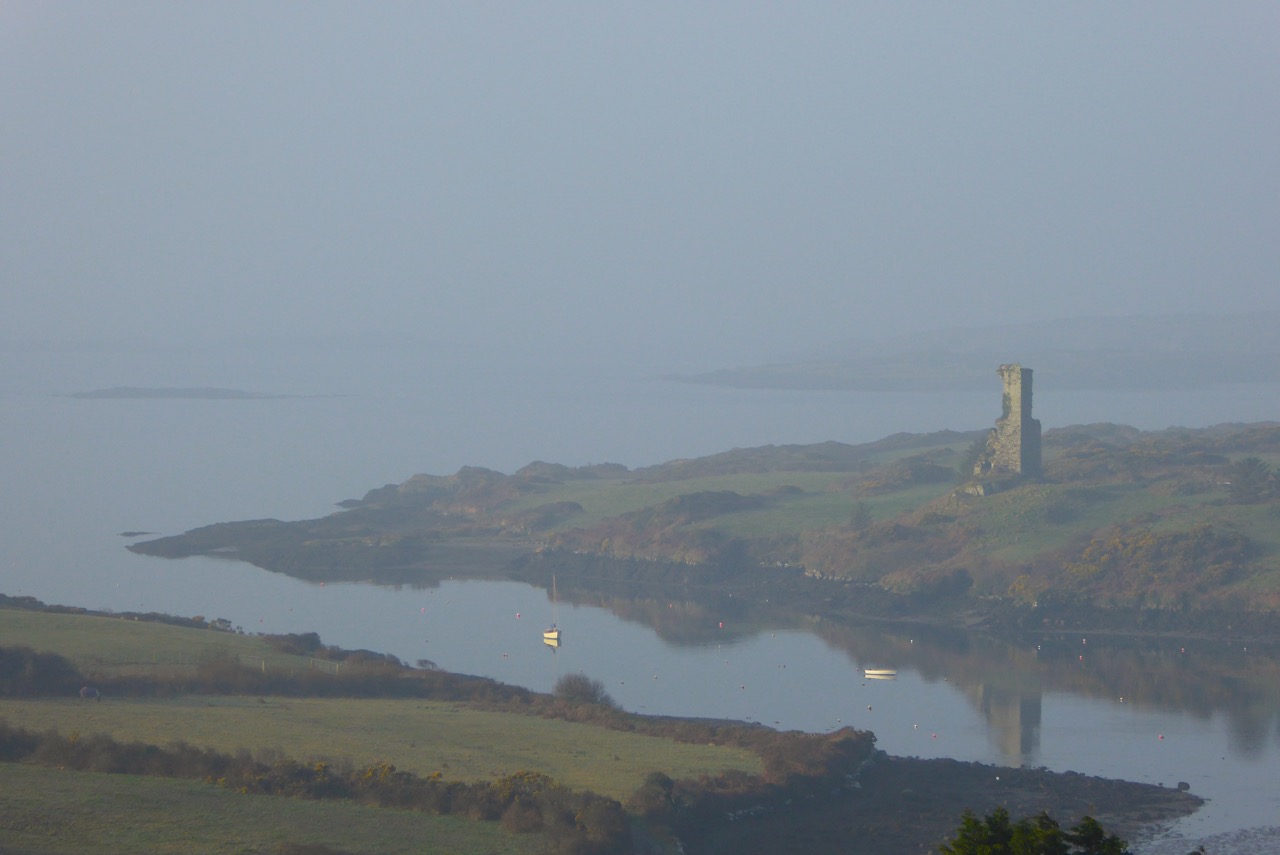
Castle in the Mist

Castle in the Mist

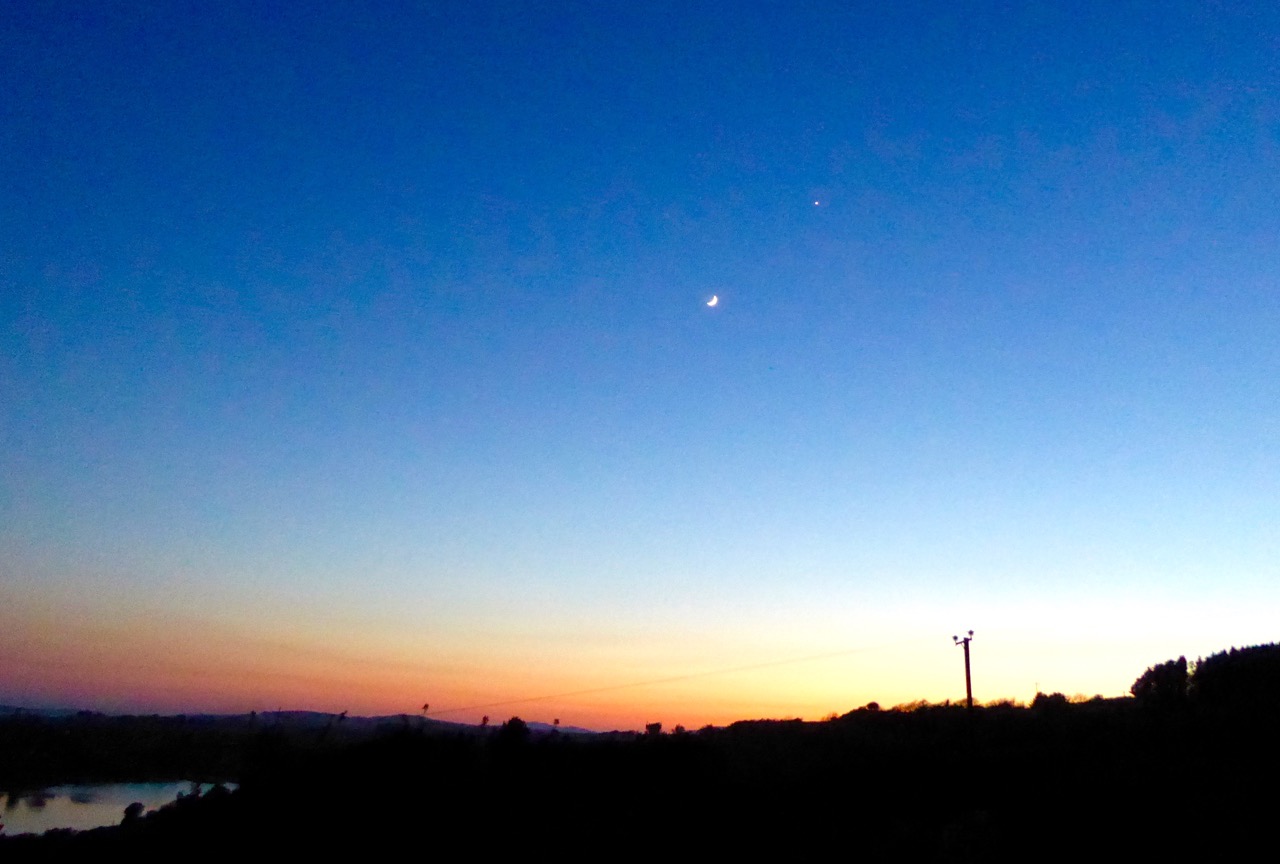
These wonderful spring days have been heralded by misty mornings. Evenings have been clear, with the crescent moon and Venus prominent over the western horizon. This is the time when we see our Bats. They might be either Common Pipistrelles or Soprano Pipistrelles: I’m sure you know that the former echolocates at a peak frequency of 45kHz while the latter echolocates at a higher frequency peaking at 55kHz. I keep listening out but can’t quite decide which is which… Anyway, they are both indigenous – and are probably sharing our eaves spaces with the Starlings.

crescent moon

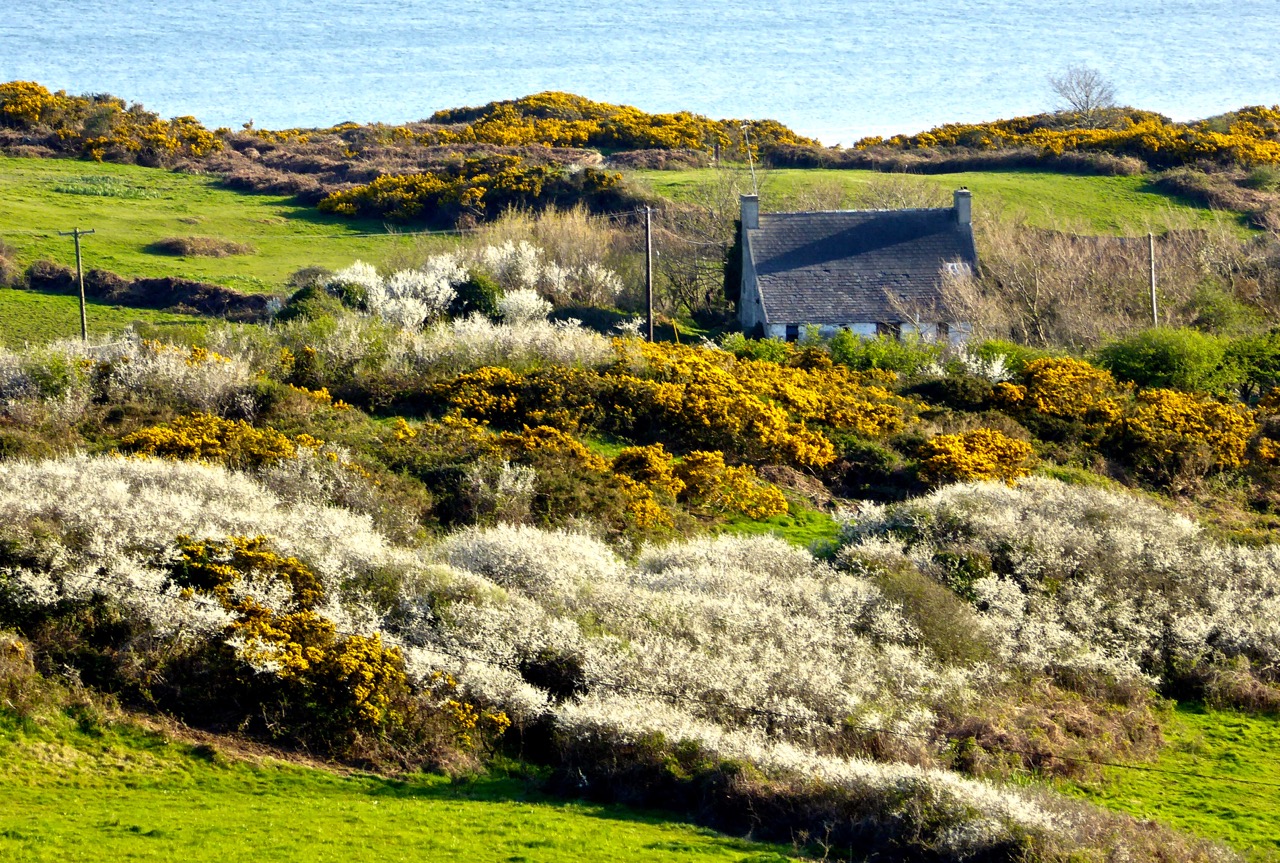
The gorse is in full bloom, as are the blackthorn hedges. Any picture of our surroundings at this time of the year has to show off the yellow and white – and, of course, the emerald green and azure blue.

looking out

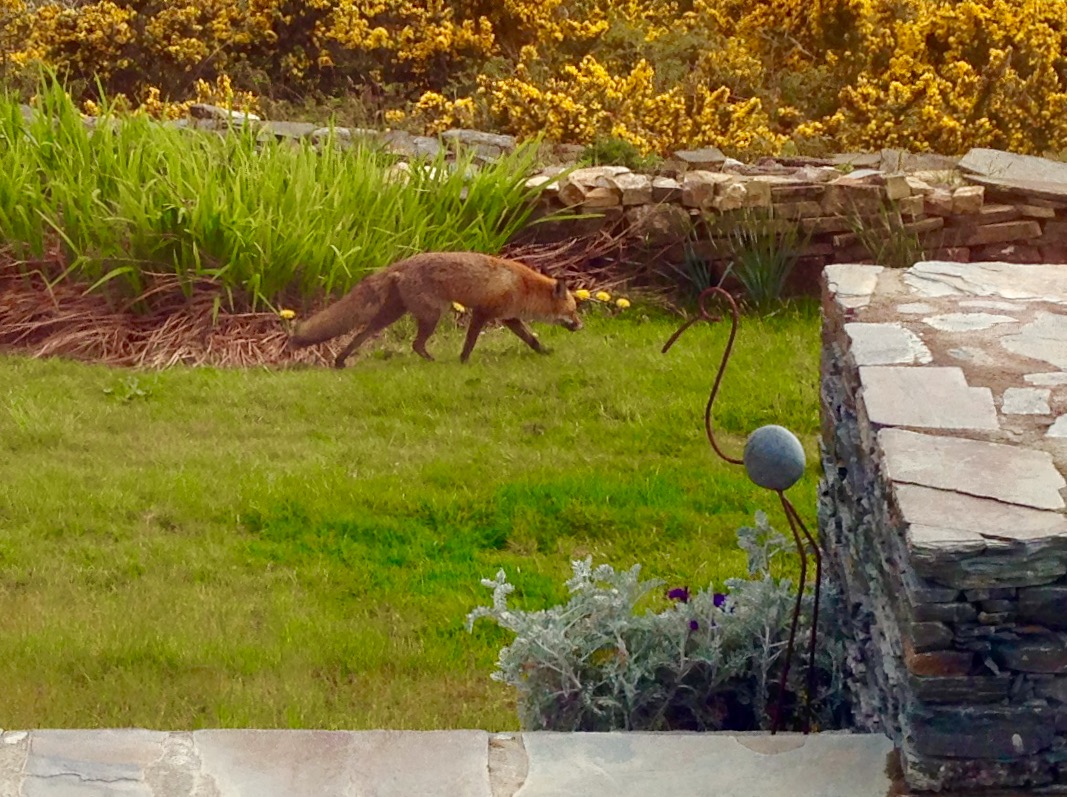
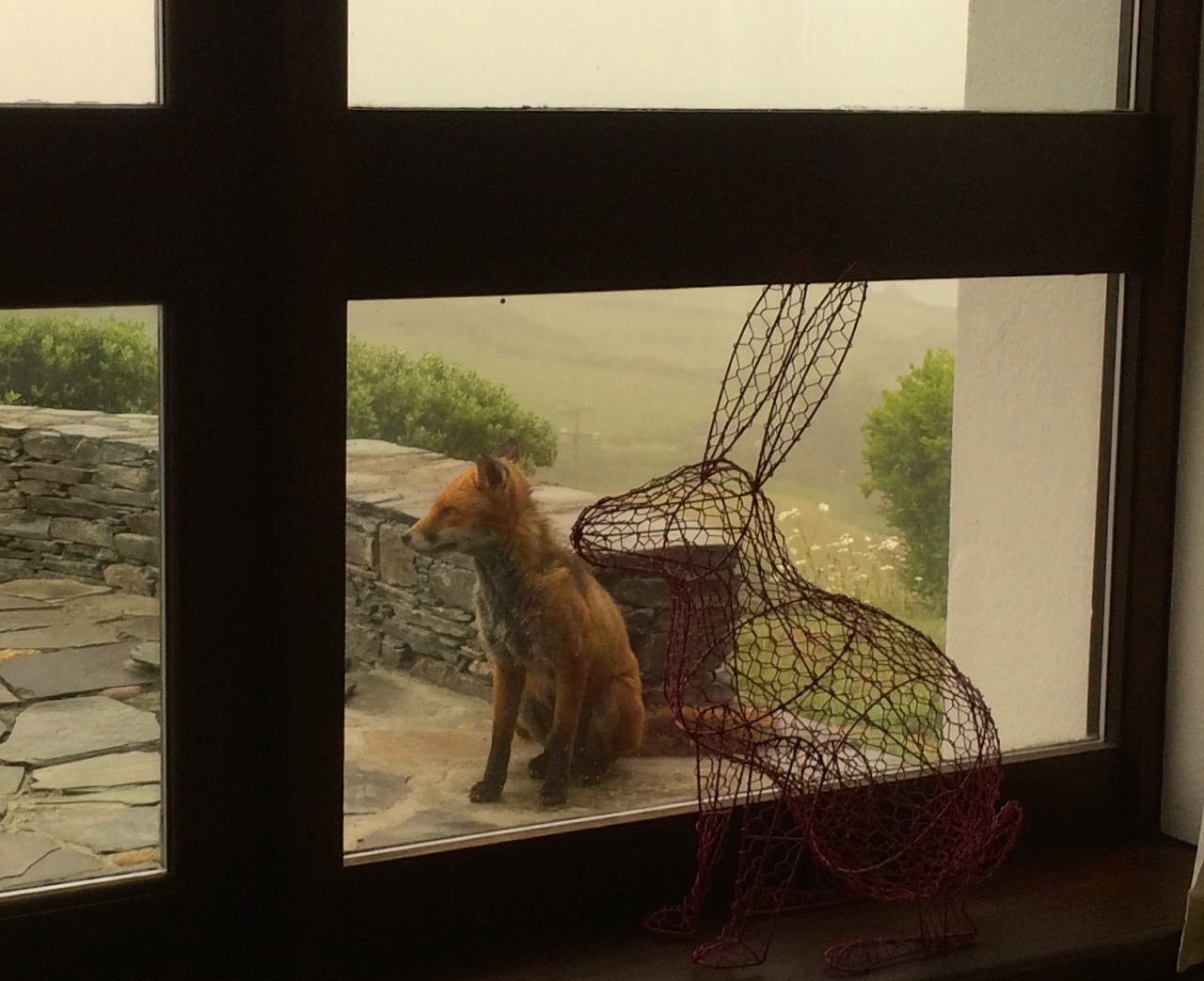
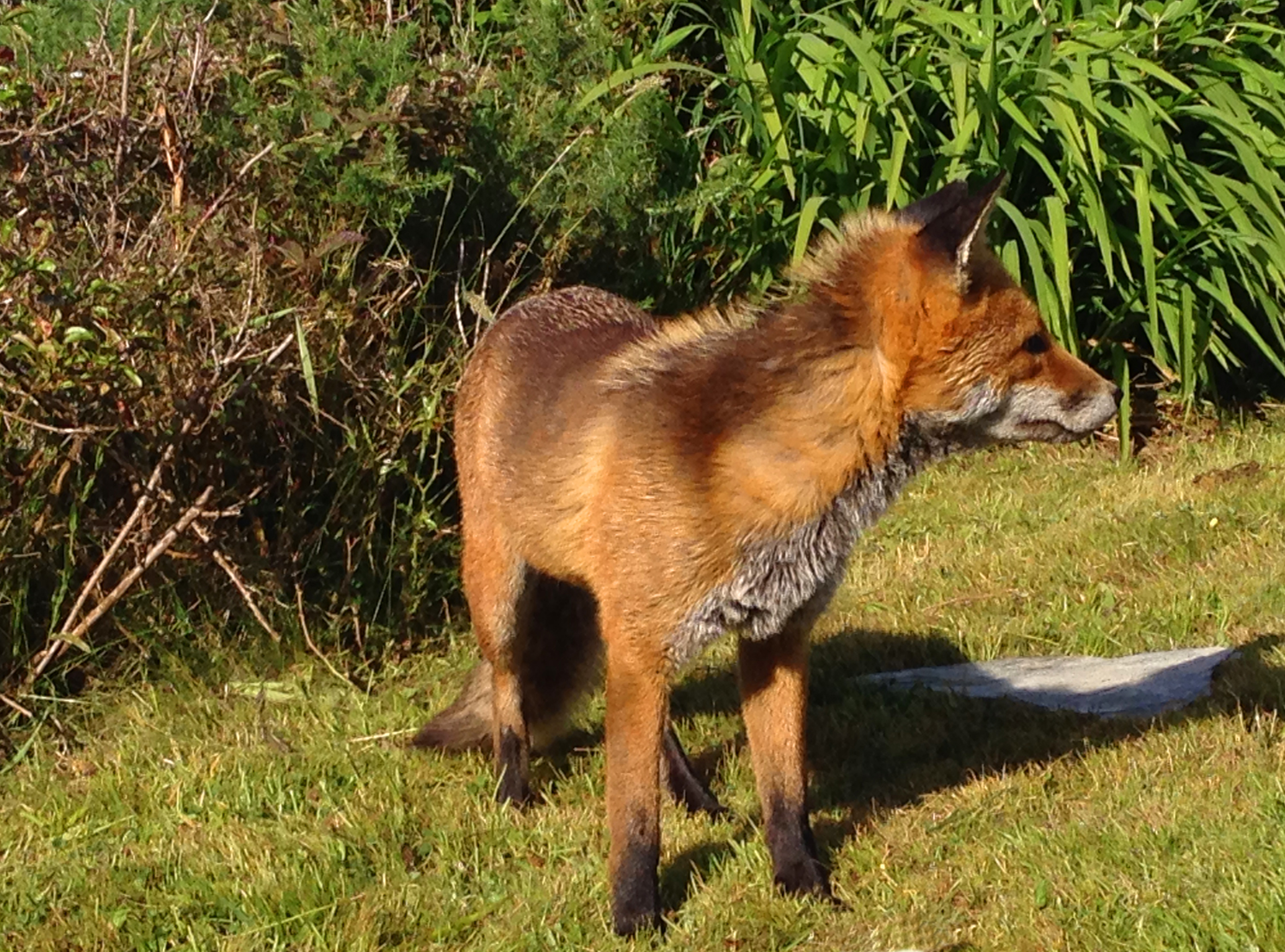
No ‘nature post’ here would be complete without mention of our own Red Fox, Ferdia. In fact, part of the drama of the week was the appearance of another Fox! As we hadn’t seen Ferdia for quite some time we worried that he might have gone the way of all Foxes: the average life of a Red Fox in the wild is only around five years – and our neighbours claim to have been hosting Ferdia for more like ten… The new Fox only made the briefest of appearances, just enough to be photographed. I think it is a Vixen – smaller and thinner – and very nervous. We couldn’t help thinking that she had come on to the scene because of Ferdia’s demise – but no! Yesterday evening, there was Ferdia knocking on the window, cocky as ever – although he does look a bit bedraggled at the moment, possibly because he’s beginning to lose his fine thick winter coat. Perhaps now we will have to find scraps for two foxes…

Fresh on the scene: a female Red Fox

Fresh on the scene: a female Red Fox

Seen through the window: a bedraggled Ferdia posing with one of our many household Hares!

Seen through the window: a bedraggled Ferdia posing with one of our many household Hares!

Finally, I was fascinated by another visitor to Nead an Iolair this week: a female Emperor Moth took up residence on our bedroom window cill. As you can see, her appearance is very striking. I wish I had been able to observe her all day, as evidently these Moths stretch themselves out in the sun waiting for a mate to arrive. The males are even more spectacular, but alas I didn’t see one. You’ll find this lady in an Irish folk tale: The Children of Lir.

Female Emperor Moth

Female Emperor Moth

I have to give a special word of thanks to Finola, who expertly took most of the photographs in this post with her excellent Leica-lensed camera

Shenanigans

running fox

The word shenanigan (a deceitful confidence trick, or mischief) is considered by some to be derived from the Irish expression sionnachuighim, meaning ‘I play the Fox’. That’s by no means the only definition of shenanigan that you’ll find, but – for me – it’s a good one.

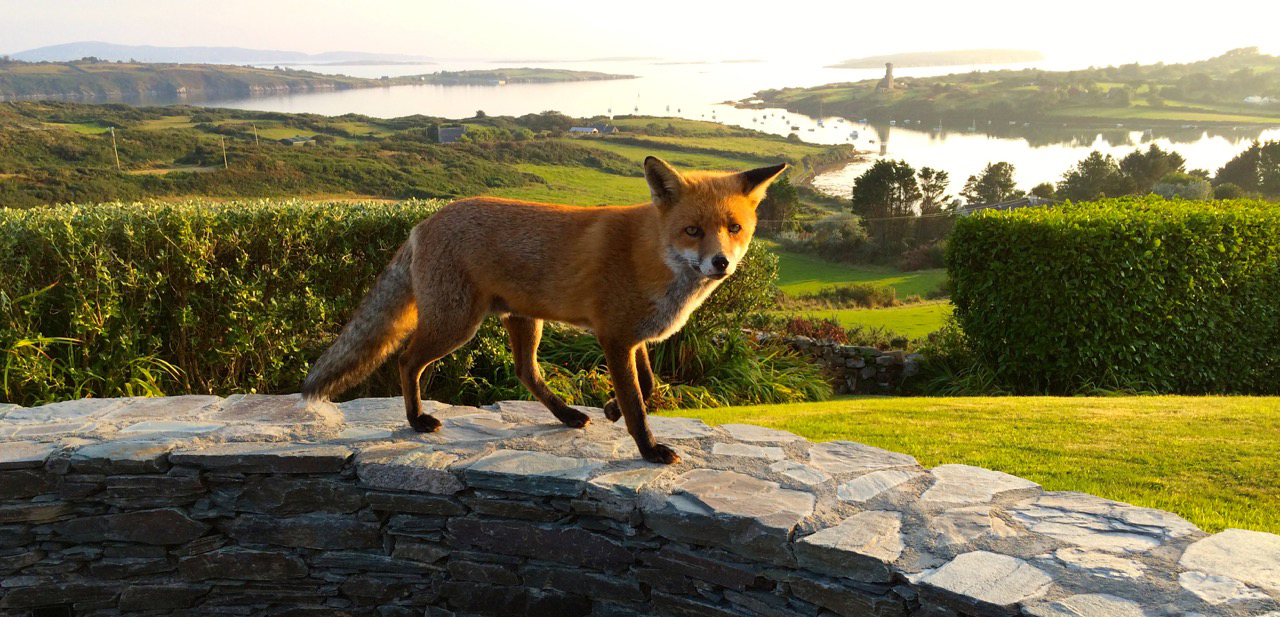
The Red Fox stops by Nead an Iolair on most days. He’s such a frequent visitor that he’s trodden a furrow across the lawn – which he follows meticulously in order to keep his feet dry: he’s a fastidious creature is our Ferdia.

It’s a bit unkind, perhaps, to always think that the Fox is up to some kind of shenanigans. That would be playing up to his reputation of being cunning or sly. Our Ferdia is pretty open about why he takes an interest in us – purely and simply, it’s his stomach. His patter is always the same: he stands at the window and presses his nose against the glass, managing to look somehow downtrodden or neglected (we know he isn’t at all – in fact his current winter coat is magnificent: not just red, but with a silver grey sheen, and his legs, paws and ears are a beautifully velvety black).

on the wall 2

The Irish word for Fox is Sionnach, and there are stories that this animal was brought over here by the Vikings, who reputedly used them for hunting. Now the tables are turned: in Ireland Fox hunting is a legal sport (which it no longer is in Scotland, Wales and England), and we have very occasionally seen The Hunt crossing the fields during our travels. If you read the highly amusing Irish RM by Somerville and Ross you will quickly gather that actually apprehending a Fox is something very rare for The Hunt: more usually it results in a loss of balance, life or dignity for the participants. This is probably a realistic picture: Edith Somerville was herself a MFH and therefore had considerable experience in the matter.

Well, Ferdia’s ploy usually works, and he frequently deprives us of the last morsel on our own plates. I’m sure I’ve heard him chuckling to himself as he disappears off into the fields clutching a bone or three. Foxes are good family animals: generations can live together for a few seasons, helping to look after the succeeding offspring – the collective noun for Foxes is A Skulk. Ferdia himself has got his act together: if we give him some scraps he’ll eat a good chunk first and then carry the rest off home – which I’ve worked out is quite a distance away. That’s fair enough: as Alpha Male and number one provider it wouldn’t do if he was debilitated with hunger.
We have on occasion seen Ferdia lead another Fox into the garden – either a wife or a daughter, but they are so nervous that their visits are rare and short. Ferdia, on the other hand, is totally confident that he’s got us wrapped around his little finger… In the summer he has been sitting out with us on the terrace, passing the time of day in a very relaxed fashion.

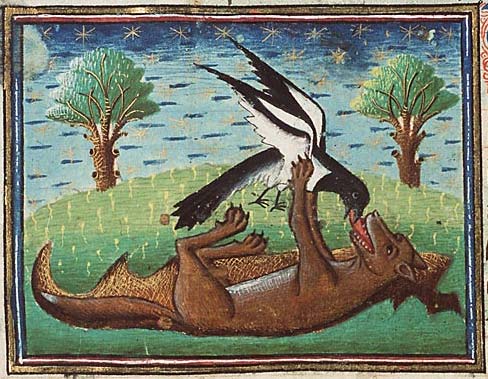
img4954Only yesterday I noticed our Fox sorting out some scraps on the lawn. Suddenly, there came into view two magpies. As I watched, one of them hopped around to the front of Ferdia and he stopped what he was doing to chase it away. Immediately, the other Magpie jumped in and took a good helping. Ferdia rushed at this competitor, and Magpie number One hopped in and had his share… From which I deduce that the cunning of Magpies is equal to that of the Red Fox.
In folklore, the Fox has a big presence. The animal is said to be able to foresee events including the weather and its barking is said to be a sure sign of rain (the only time we heard Ferdia bark was when we hadn’t noticed him standing at the window).

It is thought to be unlucky to meet a woman with red hair when setting out in the morning, especially if you are a fisherman. We may assume that the woman is a Fox in disguise.

There are legends about both St Ciarán and St Brigid finding and taming a Fox, and there are medieval carvings in churches showing Foxes: in one instance a Fox is in a pulpit preaching to Geese!

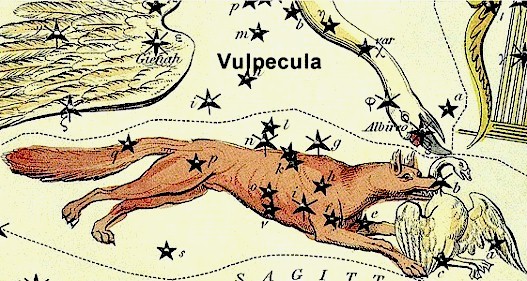
Where does the word Fox come from? One theory is that it derives from the French word faux – false. Interestingly there is also a possible link to the flower – Fuschia – so prolific in the Irish hedgerows. Theories abound, but we know that the Fox is above us in the night sky, in the constellation of Vulpecula – once known as Vulpecula cum Ansere – Fox and Goose.

Vulpecula

The story of Fox and Goose has been immortalised in what is reputedly one of the oldest folk songs in the English Language: The Fox or Daddy Fox. This version is from the 14th century:

‘Pax Uobis quod the fox,

‘for I am comyn to toowne’

It fell ageyns the next nyght

the fox yede to with all his myghte,

with-outen cole or candlelight,

whan that he cam vnto the town.

When he cam all in the yarde,

soore te geys were ill a-frede;

‘I shall macke some of youre berde,

or that I goo from the toowne!’

when he cam all in the croofte,

there he stalkyd wundirfull soofte;

‘for here haue I be frayed full ofte

whan that i haue come to toowne.’

he hente a goose all be the heye,

faste the goos began to creye!

oowte yede men as they myght heye,

and seyde, ‘fals fox, ley it doowne!’

‘Nay,’ he said, ‘soo mot I the

sche shall go vnto the wode with me;

sche and I wnther a tre,

e-mange the beryis browne.

I haue a wyf, and sche lyeth seke;

many smale whelppis sche haue to eke

many bonys they must pike

will they ley a-downe.’

2253385750

Here’s a more accessible version:

The fox went out on a chilly chilly night

He prayed to the moon to give him light

He had many many miles to go that night

Before he reached the town-o, town-o town-o,

Many many miles to go that night before he reached the town-o.

He ran ’til he came to a great big pen

Where the ducks and the geese were kept therein

He said a couple of you will grease my chin

Before I leave this town o, town o, town o

A couple of you will grease my chin before I leave this town-o.

He grabbed the grey goose by the neck

And he threw a duck all across his back

He never did heed the quivvy quivvy quack

Nor the legs all a dang-ling down-o, down-o, down-o

He never did heed the quivvy quivvy quack

Nor the legs all a dang-ling down-o.

Old mother Flipper Flopper jumped out of bed

Out of the window she pushed her little head

Cryin’ O John, O John the grey goose is gone

And the fox is away to his den-o, den-o, den-o

O John, O John the grey goose is gone

And the fox is away to his den-o.

Well, the fox he came to his very own den

And there were the little ones, eight, nine, ten

Saying Daddy you better go back again

‘Cause it must be a mighty fine town-o, town-o, town-o

Saying Daddy you better go back again

‘Cause it must be a mighty fine town-o.

Well, the fox and his wife without any strife

Cut up the goose without any knife,

They never had such a supper in their life

And the little ones chewed on the bones-o, bones-o, bones-o

They never had such a supper in their life

And the little ones chewed on the bones-o.

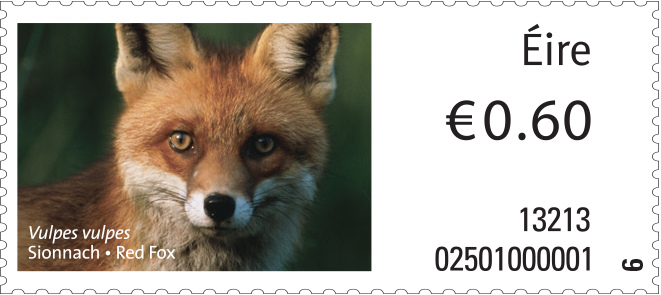
stamp

Midsummer Maunderings…

Beautiful Cappaghglass

Beautiful Cappaghglass

…or Life Seen Through a Lens… Things found, places visited, mainly in the environs of West Cork, often just a few steps from Nead an Iolair, although one or two are from further afield. We have been away in Tipperary this week, so these posts are ‘ones we have prepared earlier’.

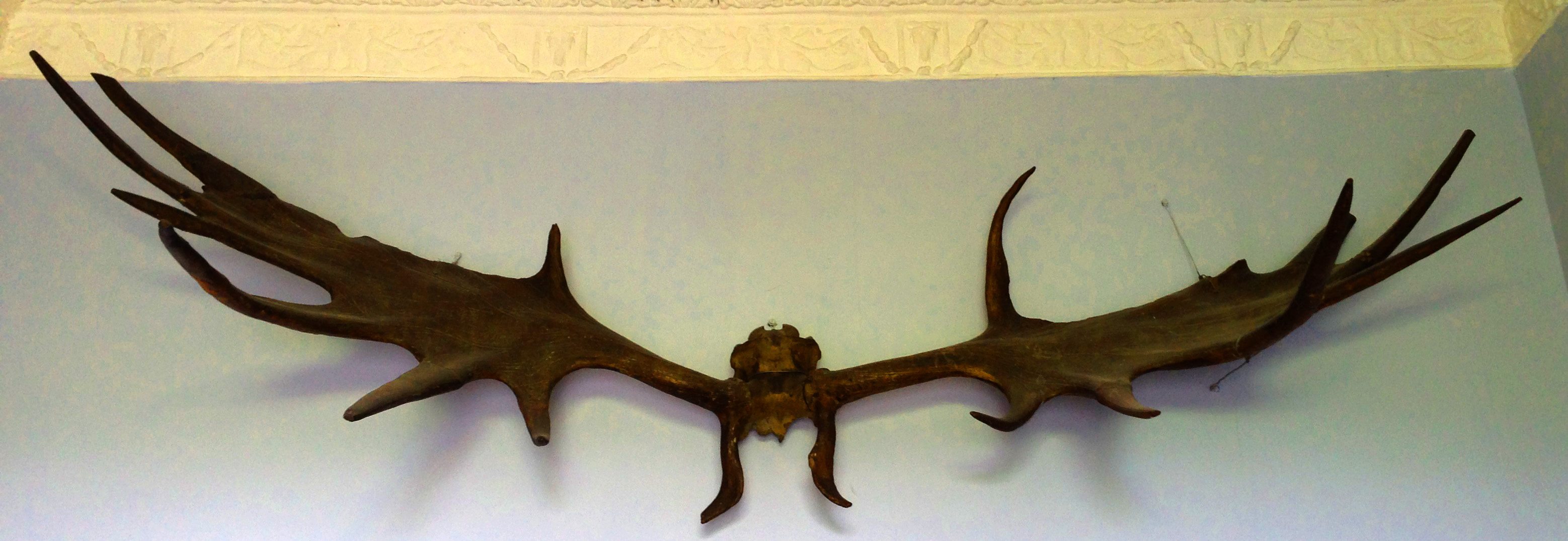
A reminder of Megaloceros - the extinct Irish Elk

A reminder of Megaloceros – the extinct Irish Elk, at Ballymaloe

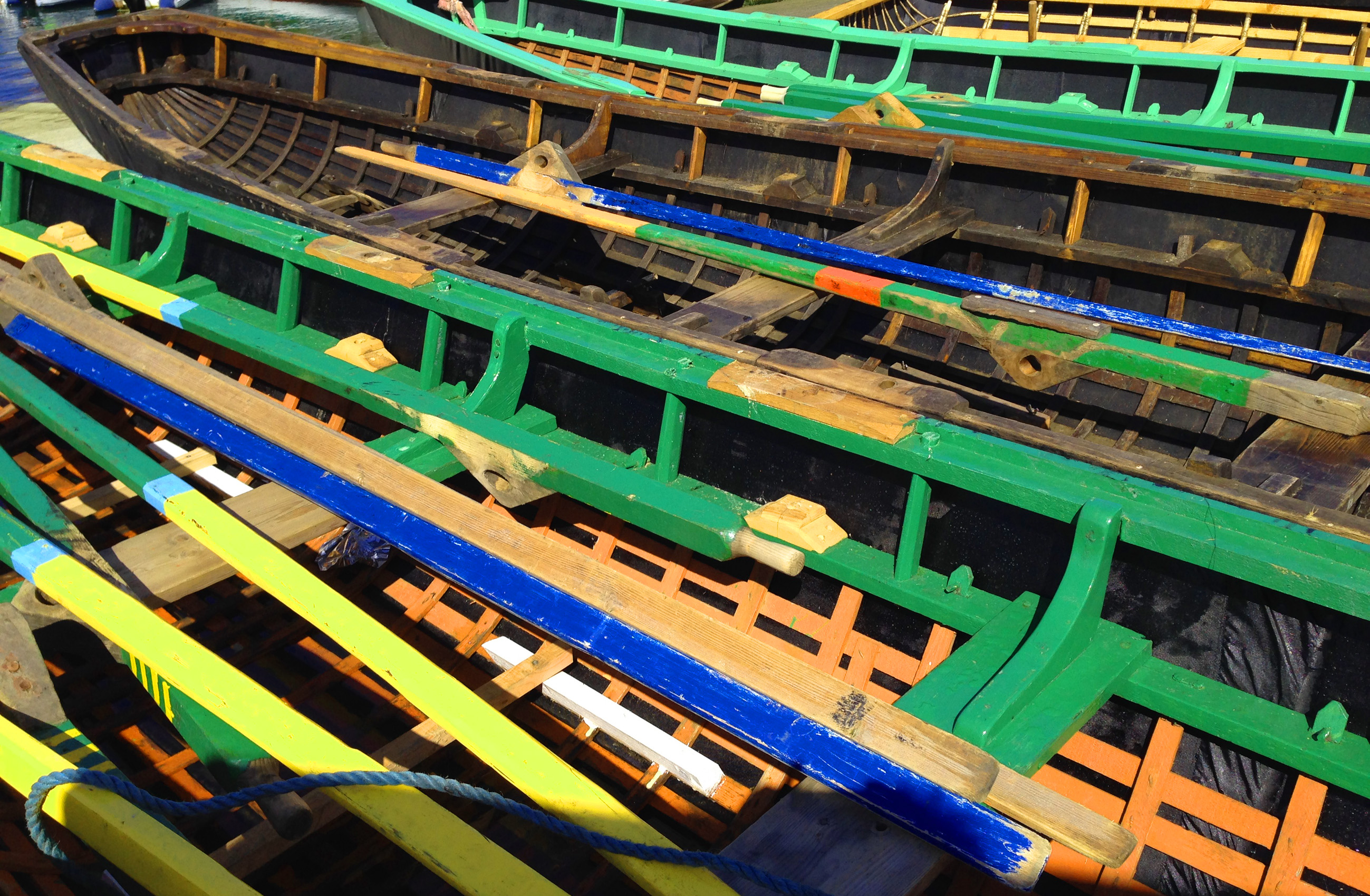
curraghs

Currachs at Baltimore

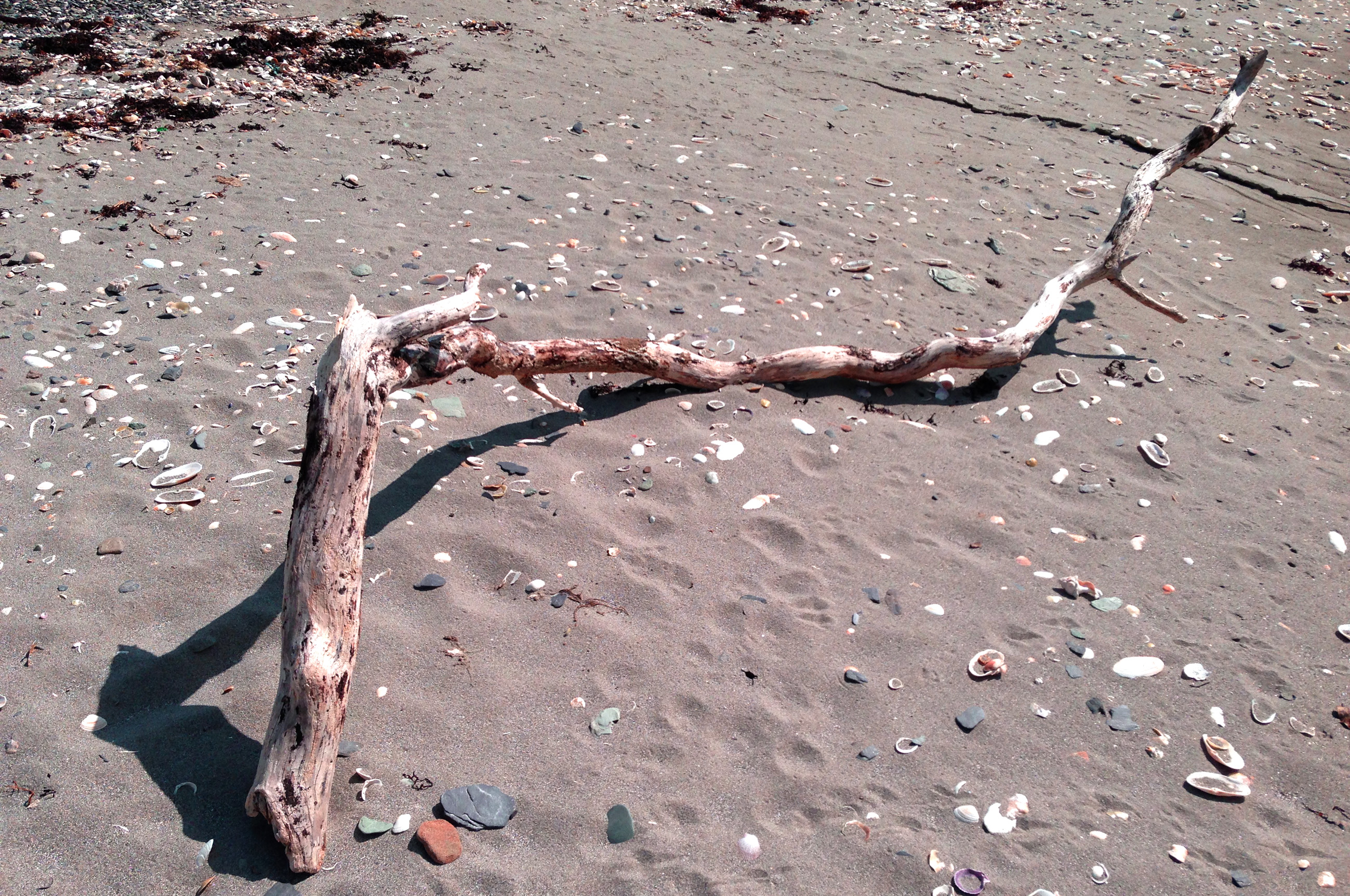
Shelly Beach - our local secret

Shelly Beach – our local secret

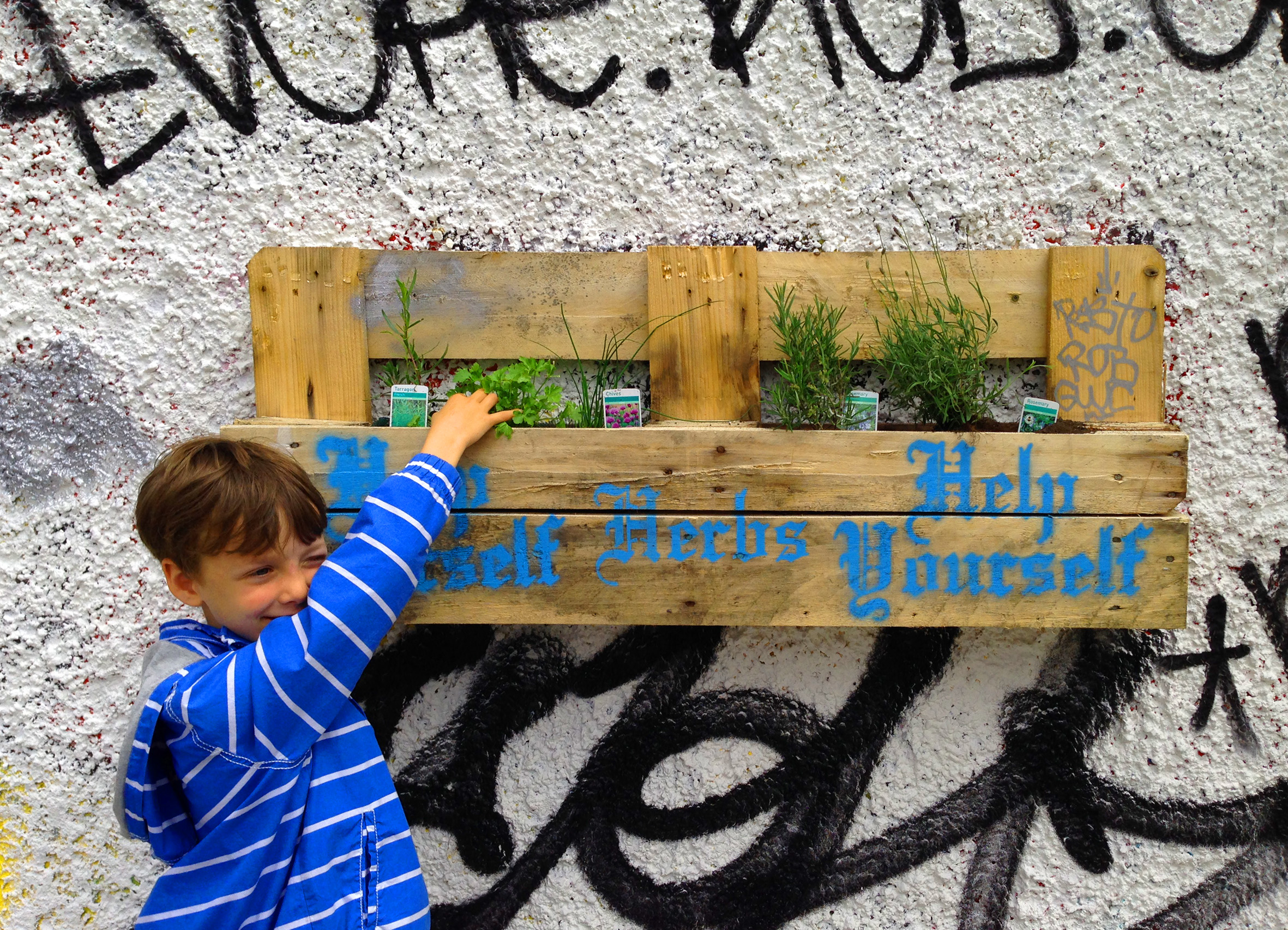
Hugo helps himself!

Hugo helps himself!

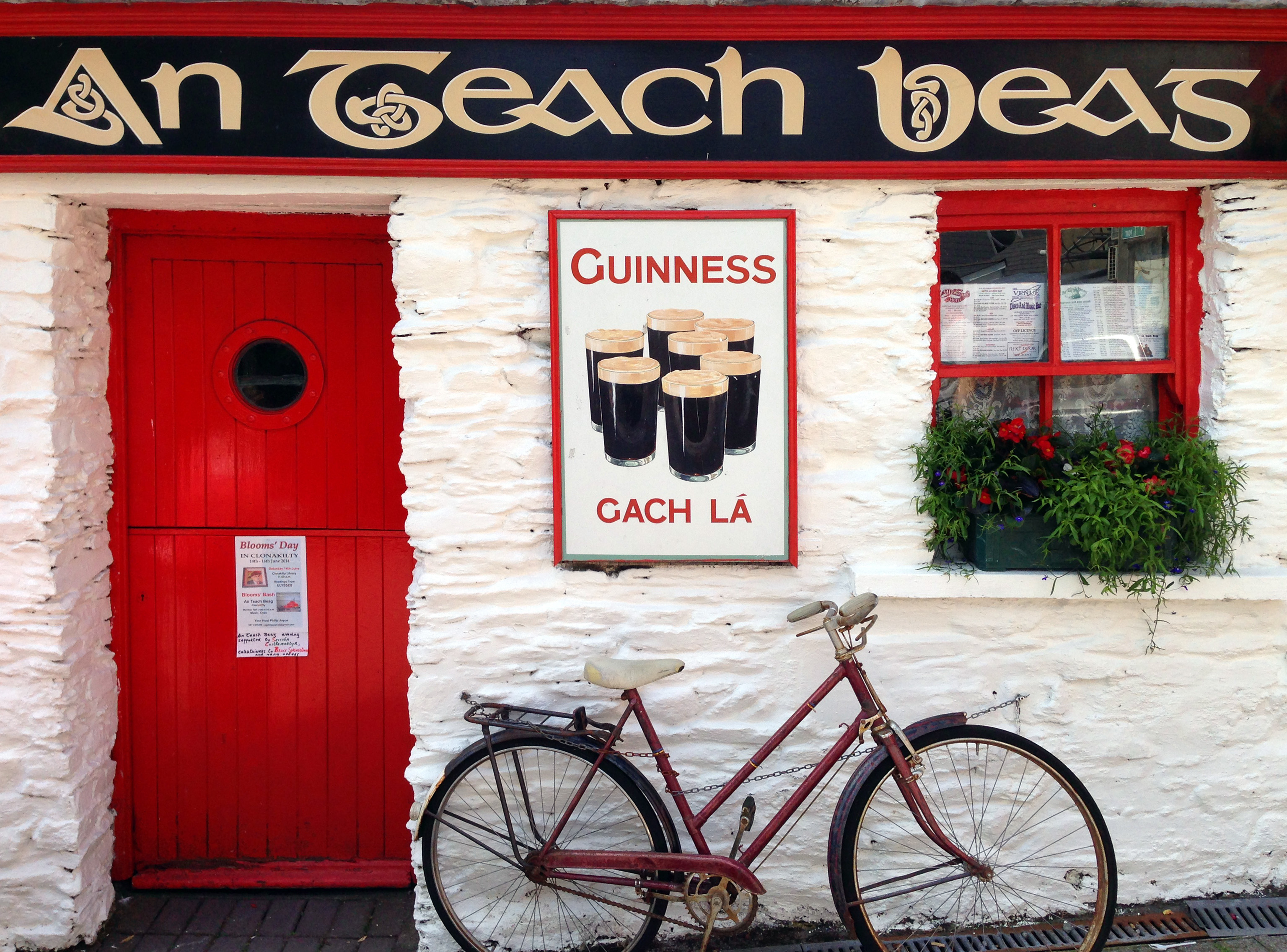
guiness

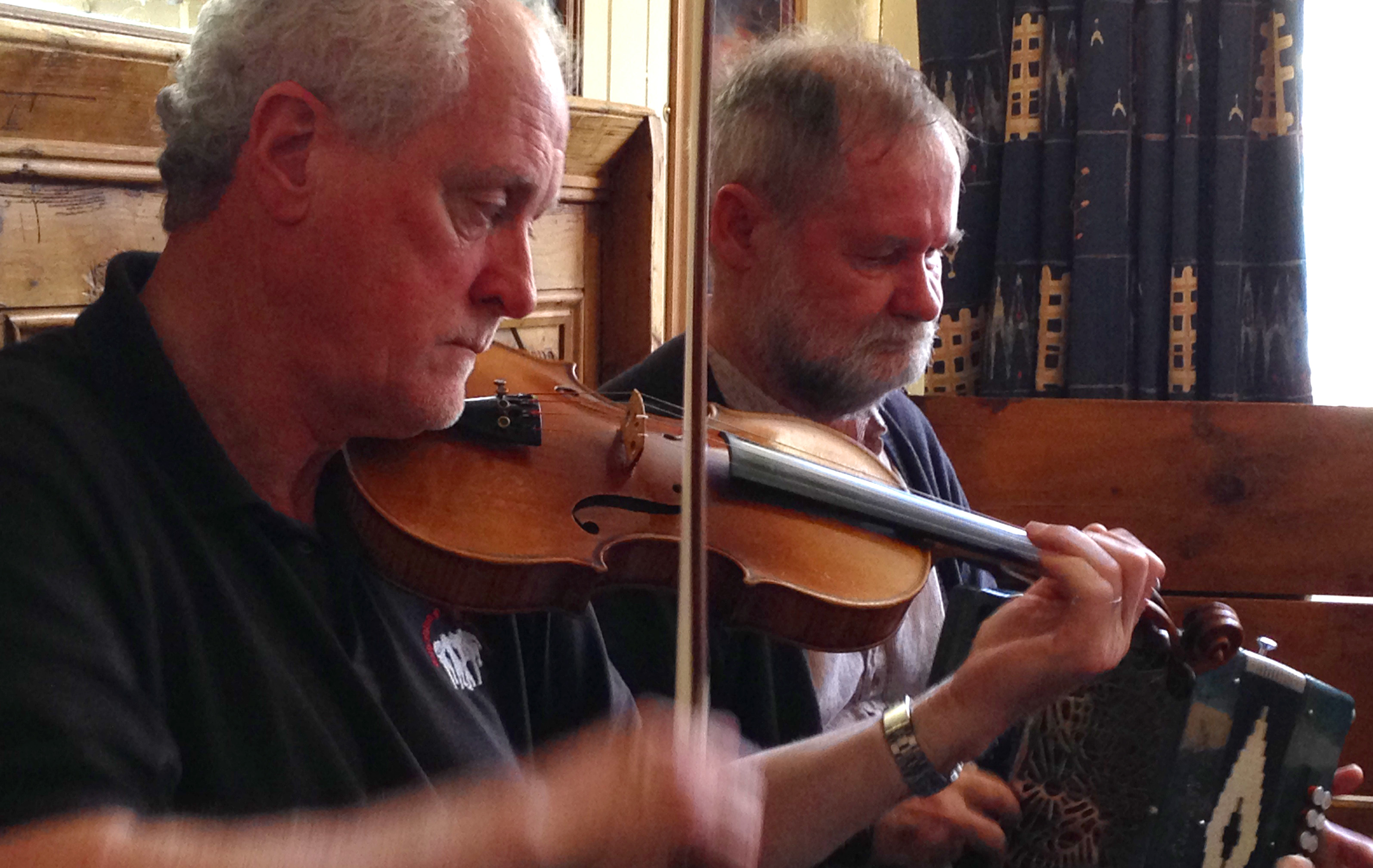
Maestros Matt Cranitch and Jackie Daly playing in Ballydehob

Maestros Matt Cranitch and Jackie Daly playing in Rosie’s

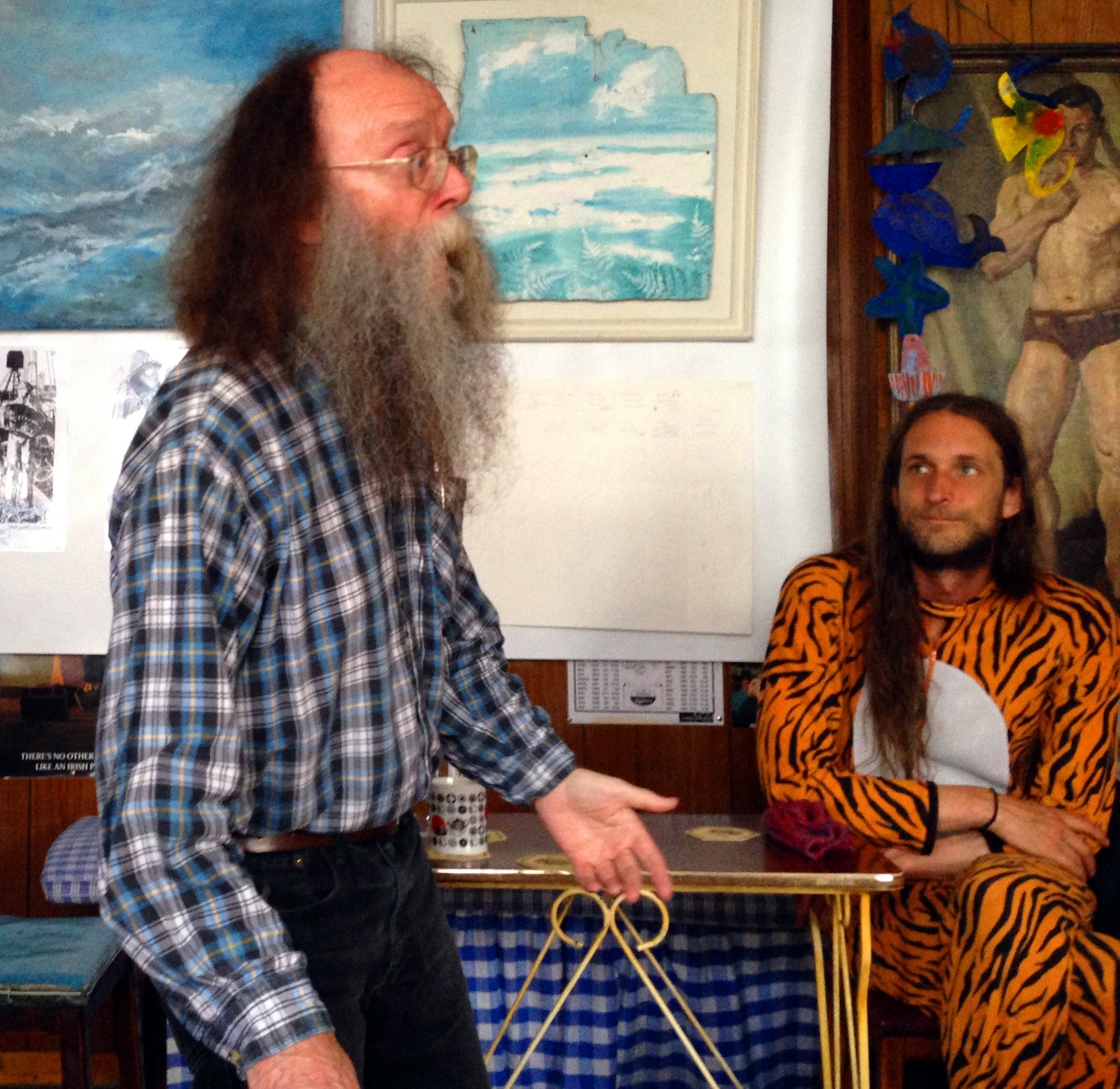
An ordinary day in Ballydehob - with seanchaí Eddie Lenihan

An ordinary day in Ballydehob – with Seanchaí Eddie Lenihan

Ferdia - our garden companion

Ferdia – our garden companion

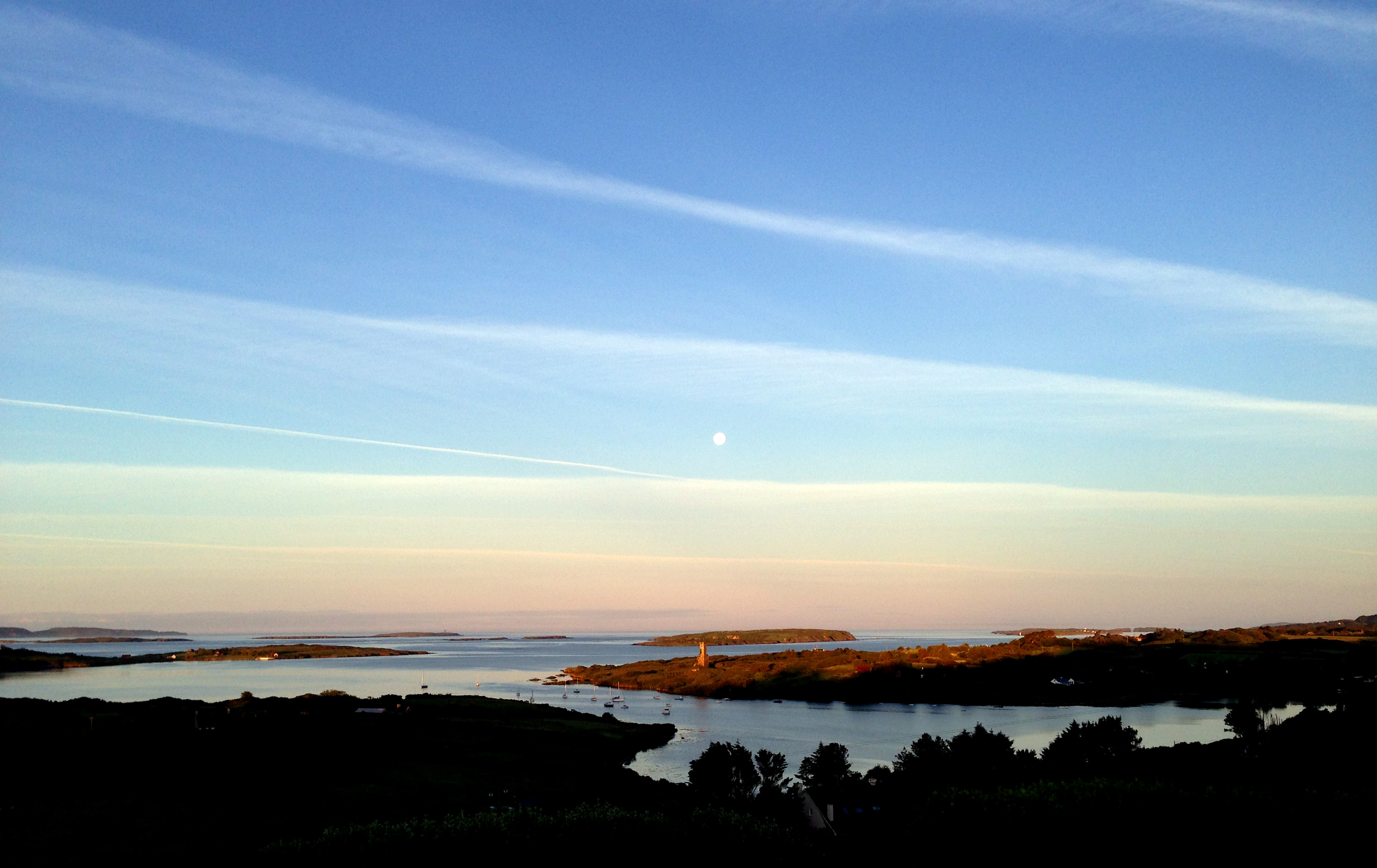
Dawn Moon over Rossbrin Castle

Dawn Moon over Rossbrin Castle

***

By the way… Dictionary definition of Maunder: to move or act in a dreamy, idle or thoughtful manner. Synonyms: wander, drift, meander, amble, dawdle, potter, straggle… Finola has only ever heard the word used in Ireland.

thady's

Thady’s window on the World

Copper Country

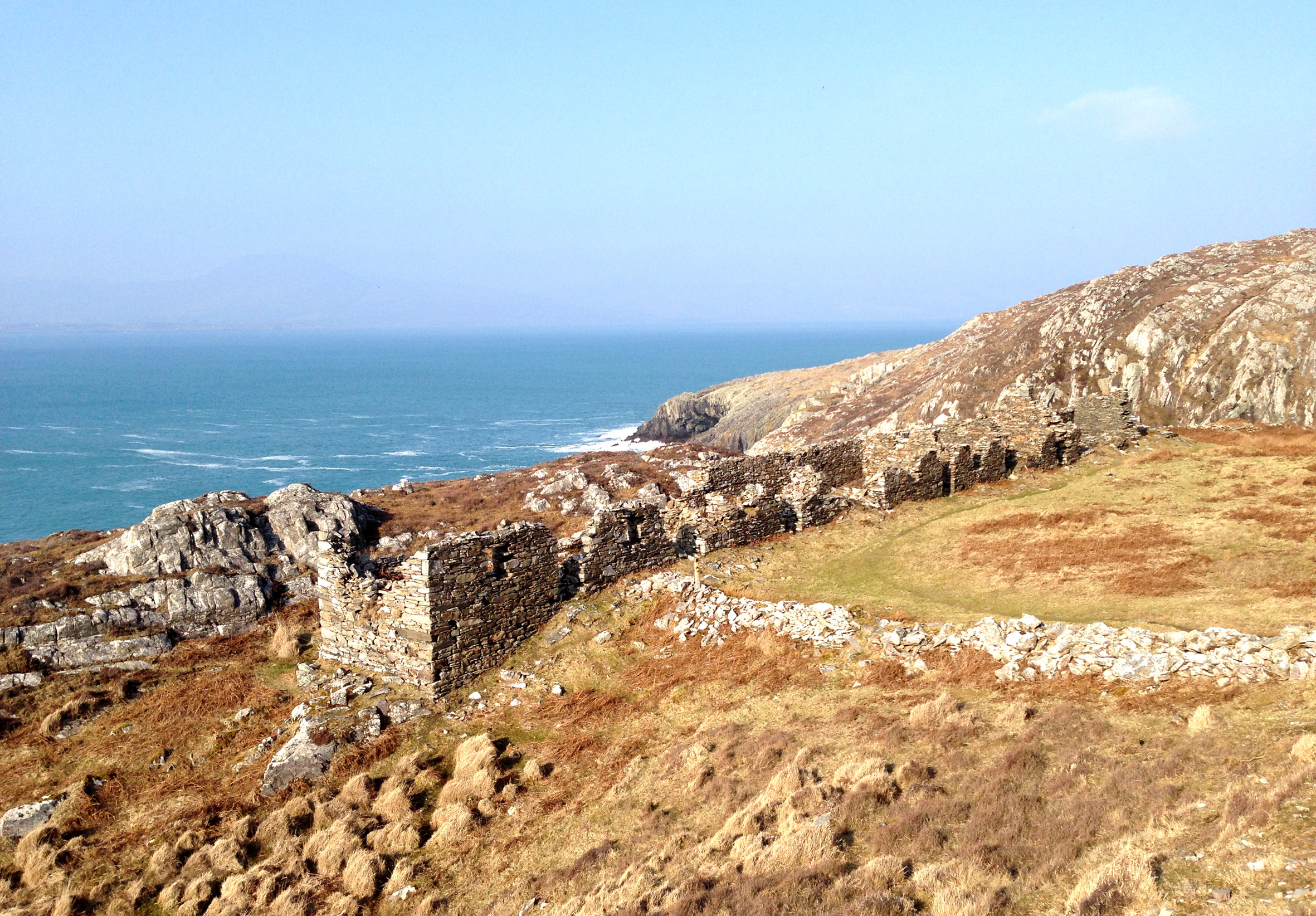
Sheep's Head Copper Mine: Cornish mineworkers' cottages

Gortavallig Copper Mine, Sheep’s Head: Cornish mineworkers’ cottages

We live in the townland of Cappaghglass. I would love to say that the name derives from the metal that makes up much of its geology – copper, but Finola tells me that way of looking at it comes from my English accent: the Irish word for copper is Copair, while Cappa actually means meadow. Glas or glass means green so – prosaically speaking – we live in ‘Green Meadow’. However, as in so many cases, the history of this little bit of Ireland is writ clearly on the landscape and Cappaghglass is very much ‘copper country’.

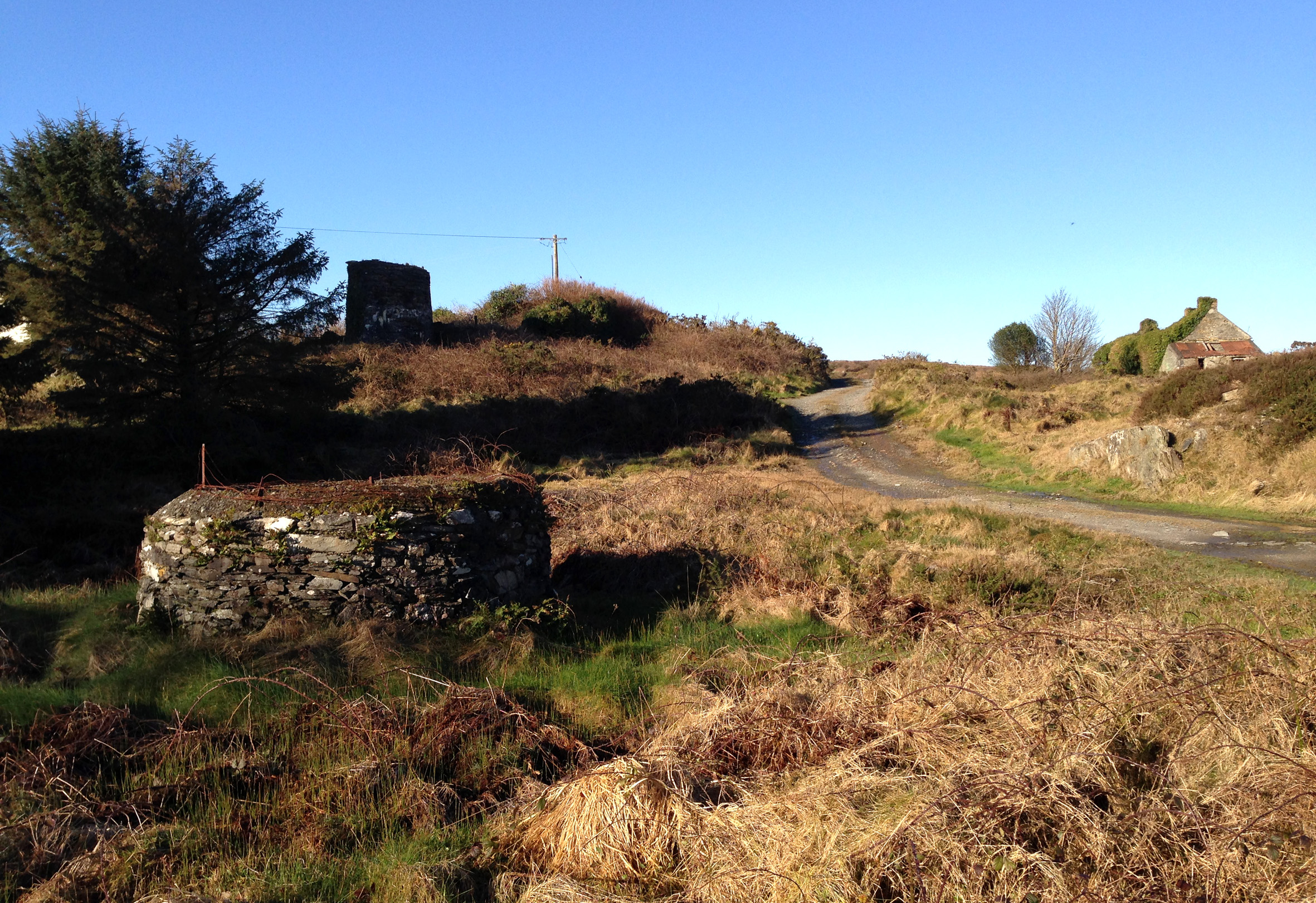
Stub of 9th century Irish round tower? - No: 19th century copper mine workings in Cappaghglass. In front is the head of a shaft, behind is the remains of the mine chimney that fell in 2002; to the right are the old mine cottages

Stub of 9th century Irish round tower? – No: 19th century copper mine workings in Cappaghglass. In front is the head of a shaft, behind is the remains of the mine chimney that fell in 2002; to the right are the old mine cottages

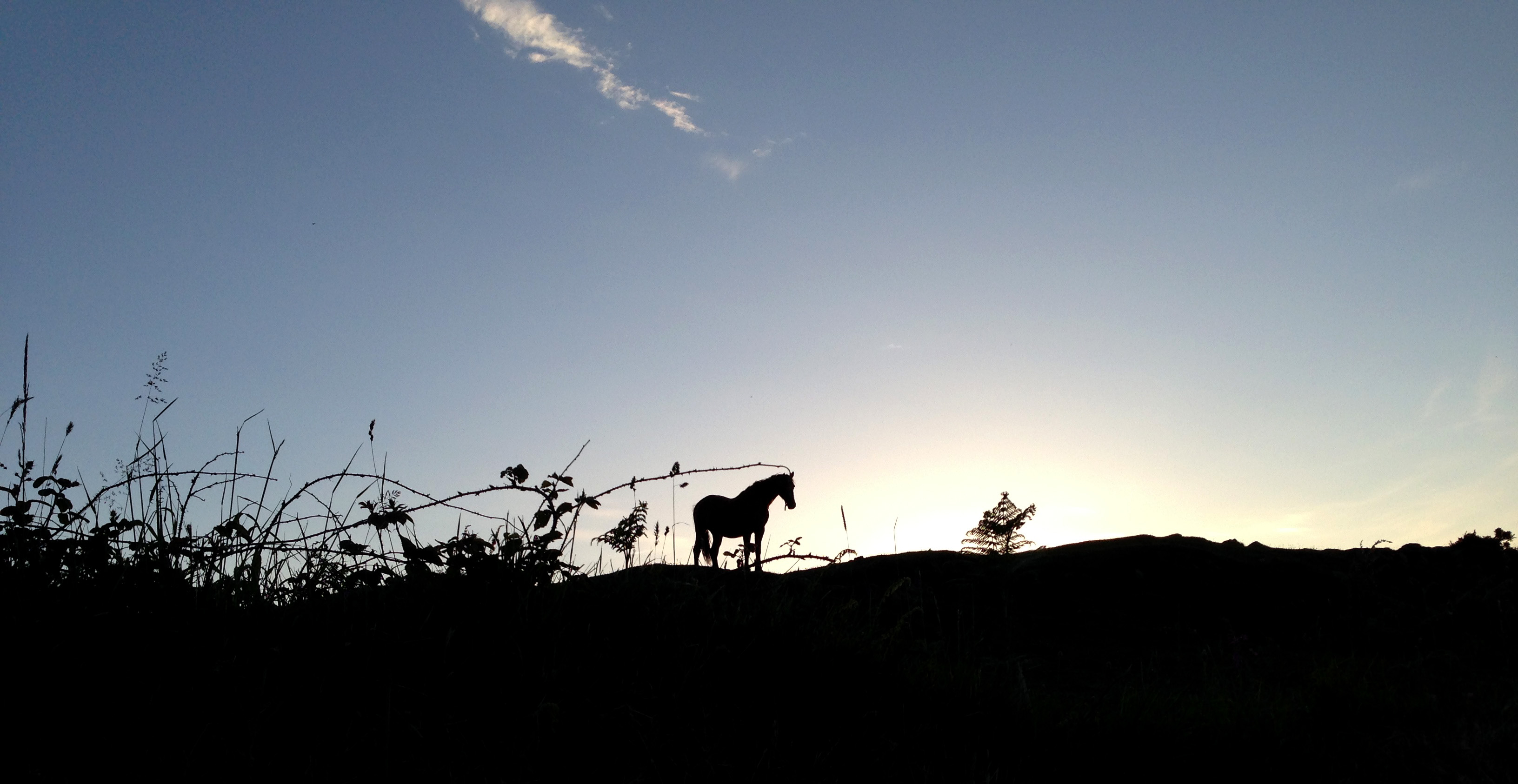
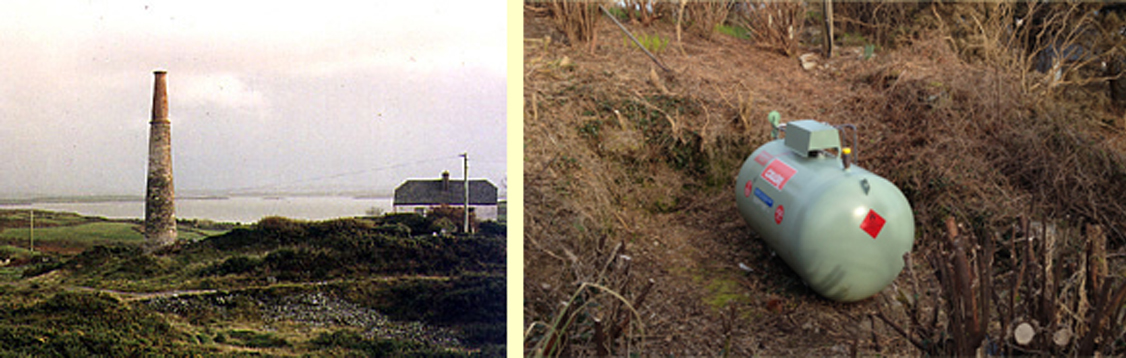
Our own house, Nead an Iolair, is built on territory that was once owned by a nineteenth century copper mine, and legend has it that our Calor gas tank is placed over an old mine shaft! We look out to Horse Island – one of Carbery’s Hundred Islands in Roaringwater Bay: it once supported a copper mine of the same period. Look at the photograph of the number of workers employed there at this time. Now there are merely a few holiday homes on the island.

Mineworkers on Horse Island: 19th century

Mineworkers on Horse Island: 19th century

Among the quiet fields and peaceful boreens our townland is strewn with evidence of the industry that once was here: old spoil heaps, barbed-wire protected shafts, supports for overhead ropeways and the base of a famous local landmark: the 20m tall Cappagh Mine chimney which came down in a lightning strike in 2002 which also severely damaged the Mine Captain’s House adjacent to it. Mining here commenced in 1820 and works ceased in 1874. Its best years were the decade 1863 to 1873, when 877 tons of bornite copper ore were produced.

cappamap2

Cappagh Mine: cross section, mine chimney (pre 2002) and our own mine shaft!

Cappagh Mine: cross section, mine chimney (pre 2002) and our own mine shaft!

***

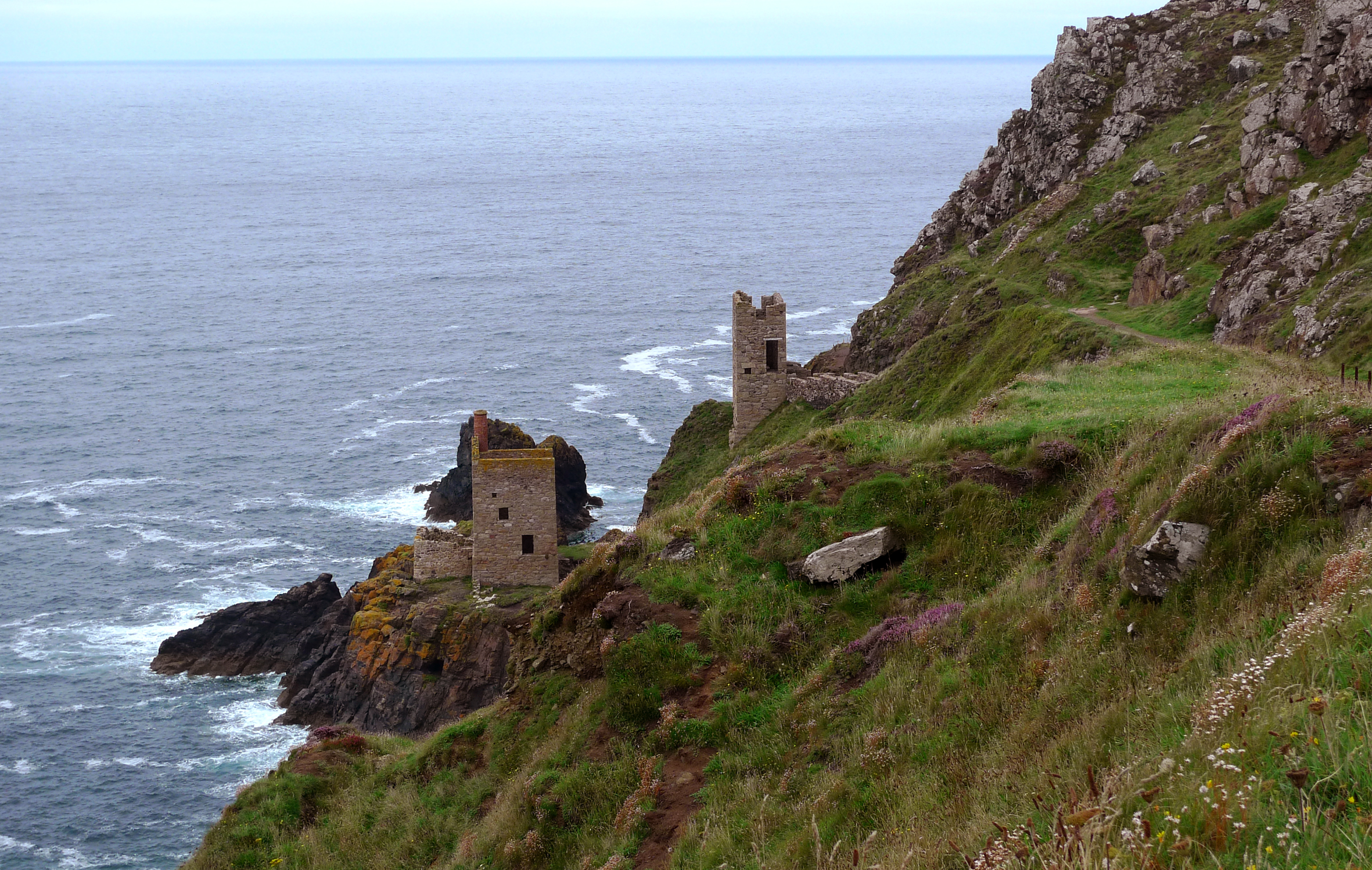
We went off to the Sheep’s Head last week – in idyllic weather – and were shown the Copper Trail by friends Peter and Amanda. It feels so remote out there, yet the place was a hive of industry when mining was at its height during the Victorian age. I was fascinated by the row of Cornish miners’ cottages there, and the similarity between this site and the cliff-edge setting of some of the mines in West Cornwall, Botallack in particular. When exploring these pieces of industrial archaeology in Cornwall I was always struck by the incongruity of the incredibly beauty of the places – set against the blue background of the Atlantic – with the hardship and danger of the working conditions that must have prevailed. Here in West Cork, as there in Cornwall, shafts and galleries extended out under the sea bed and the men toiled away in cramped and perilous conditions with the sound of the booming waters above them, while on the surface women (bal maidens) and children worked equally hard preparing the ore for crushing and smelting.

botallack

Botallack Tin Mine, West Cornwall - romantic site now, but less benign in earlier days

Botallack Tin Mine, West Cornwall – a romantic site now, but less benign in earlier days

Far longer ago than the nineteenth century, West Cork was being worked for copper ore. On the steep sides of our local Mount Gabriel there is evidence of copper mining dating back 3500 years to the Bronze Age. UCC Professor of Archaeology William O’Brien carried out research and excavations during the 1980s and traced a number of mine workings from this time. The extraction was a well organised process: a supply of  good roundwood had to be stockpiled and fires were lit against the rock face where traces of ore were apparent. A hot fire was kept burning for several hours followed by dousing in cold water (of which a good supply was also needed), causing the rock surface to fracture, and this disturbed face was hacked off with stone mauls allowing the accumulation of small quantities of  malachite. Constant working on good seams led to excavation into the mountain side, and some shafts have been found extending to several metres. Water ingress was a problem and it seems likely that a system of bailing or pumping was necessary. Eventually the drowned shafts were abandoned and, over time, they became filled with a type of blanket bog. This helped to preserve some of the wooden implements used and – presumably – discarded in them: hammer handles, wedges, picks and shovels as well as planks and ladders; also pine chips apparently used for illumination.

Bronze Age industrial landscape

Copper Country: Mount Gabriel – once the haunt of Wolves and miners

There’s a whole lot more to be said – about why metal was so important in the Bronze Age (wealth, in one word) and the whole context of distribution, trade and the technology of bronze itself: bronze production is only possible by combining copper ore with tin, and this was not available locally. In all probability our Cornish and Iberian cousins were making contact with Ireland’s metallurgists thousands of years ago. Interesting that the Rock Art we find in these same hillsides – and which could date from the same period – also has parallels in Britain, Brittany and Iberia.

Bronze Age industrial landscape?

Bronze Age industrial landscape?