There’s a village in West Cork called Leap – say “Lepp”. Where does that name come from? As is often the case in Ireland, it all starts with a story . . .
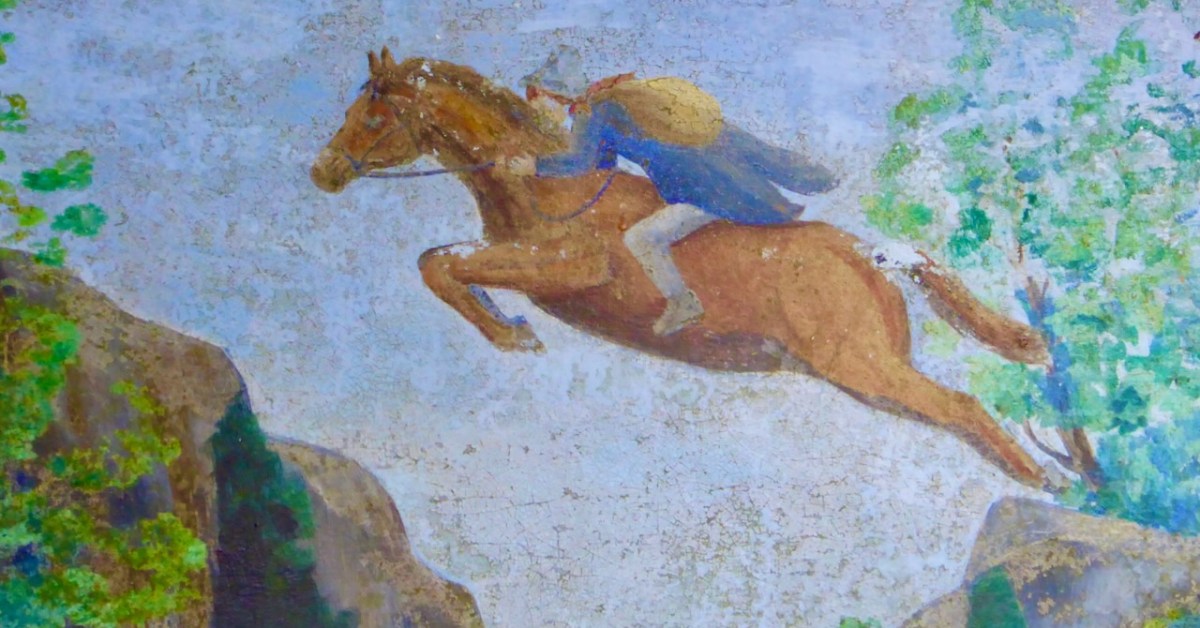
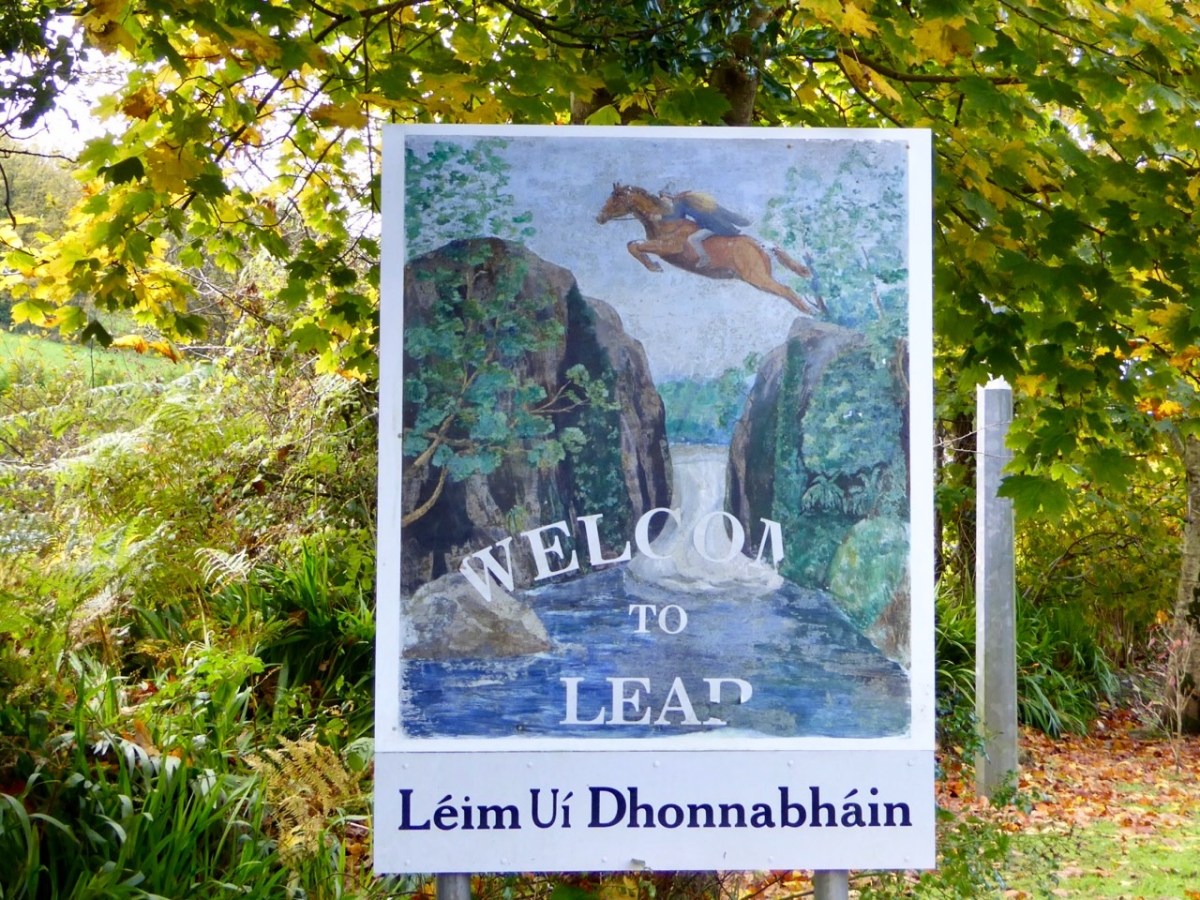
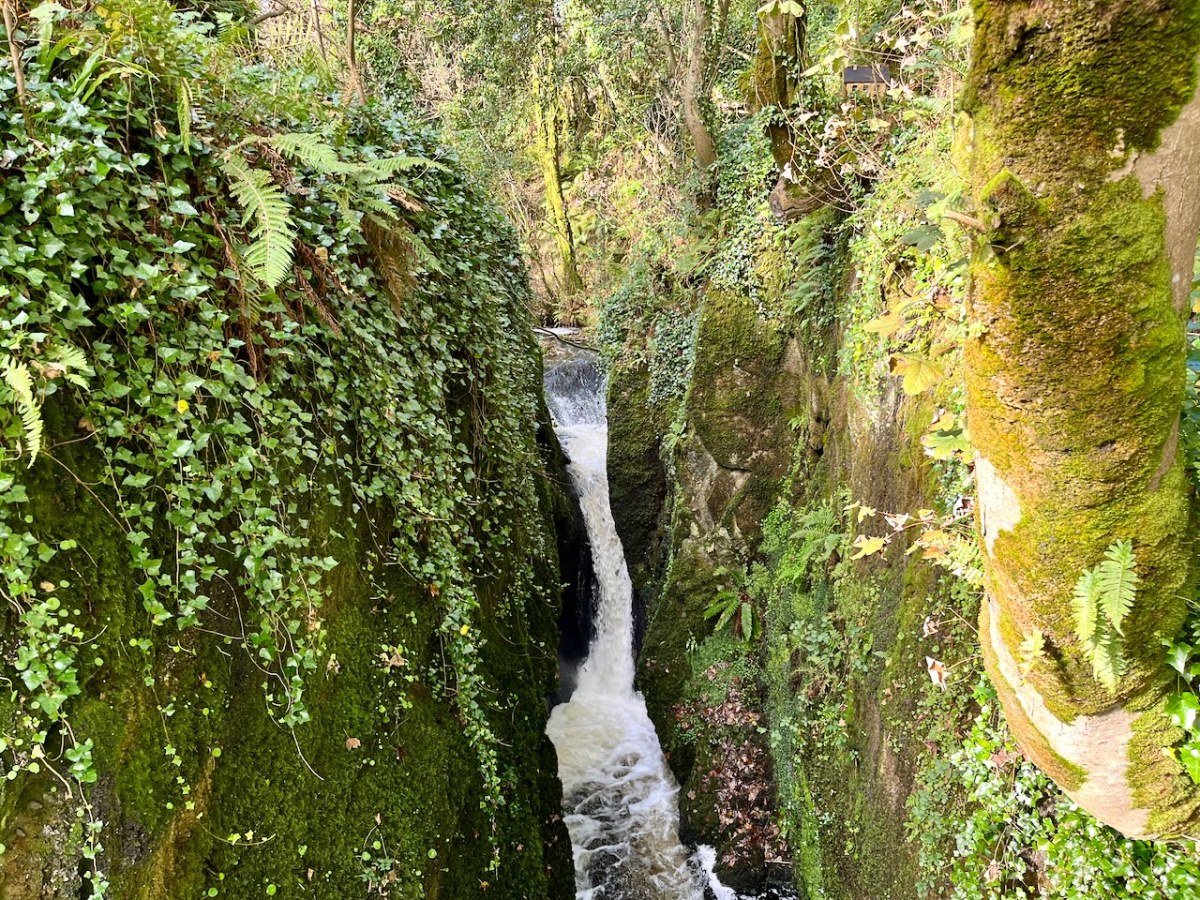
Tradition had it that St Patrick never went west of Leap (in Irish that’s Léim Uí Dhonnabháin, which translates literally as The Leap of O’Donovan), and that’s the sign at the entrance to the village, above. It was St Ciarán of Cape Clear who did all the converting in our part of the world: read about him here. So when The O’Donovan, pursued by British soldiers ‘leaped’ over the deep gorge which you can still see to this day, he was escaping into a much wilder country. The gorge (this is as it looks today – below) divides the West from East Carbery. So difficult was it to pass “beyond the leap” in those old days, that it was said: “beyond the leap, beyond the law”.
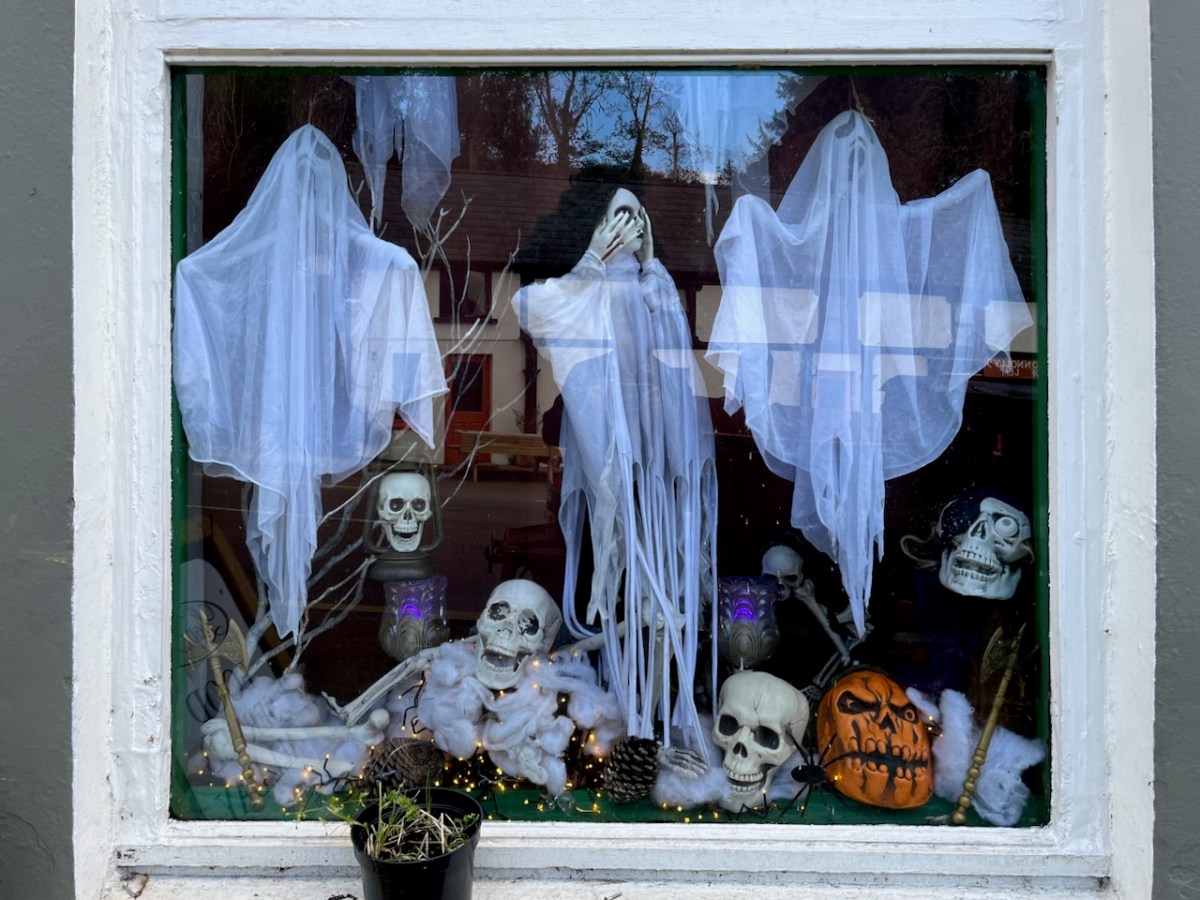
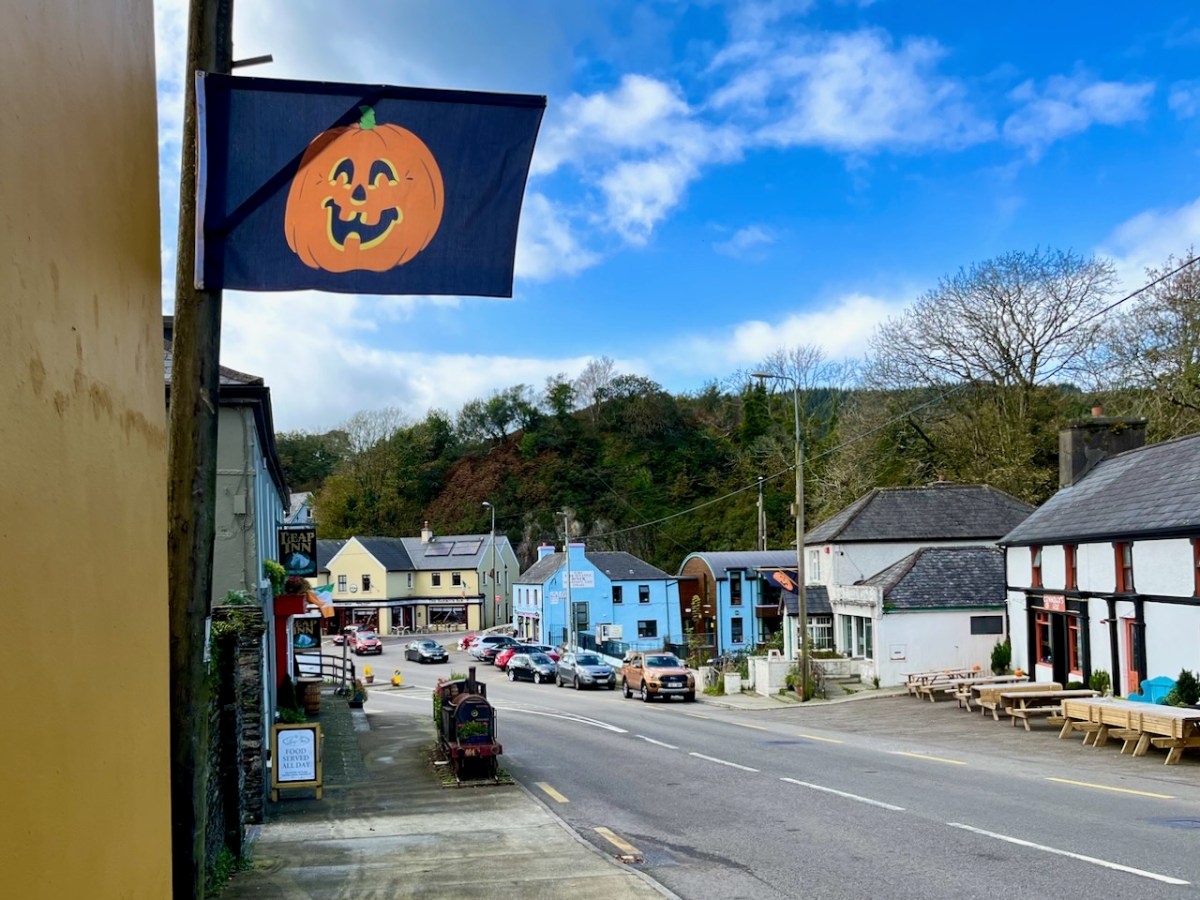
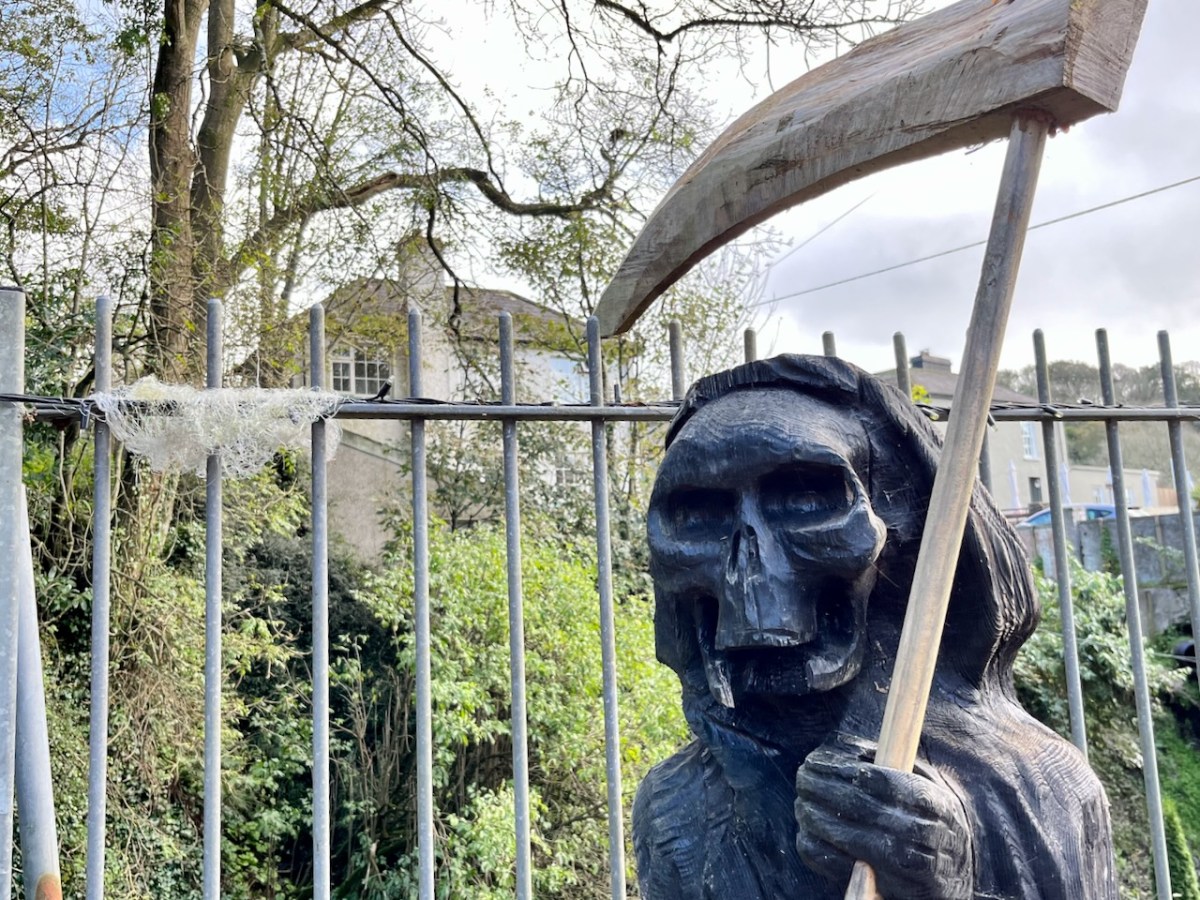
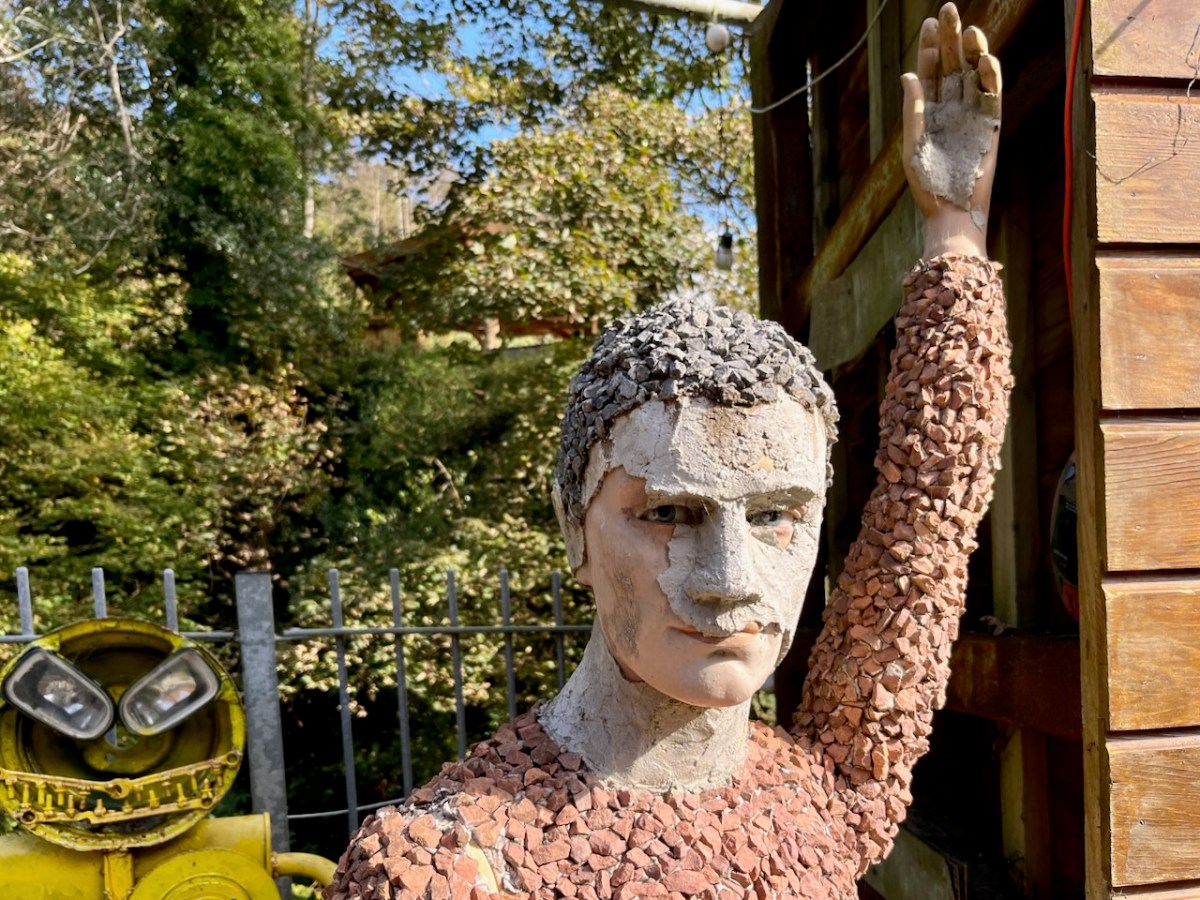
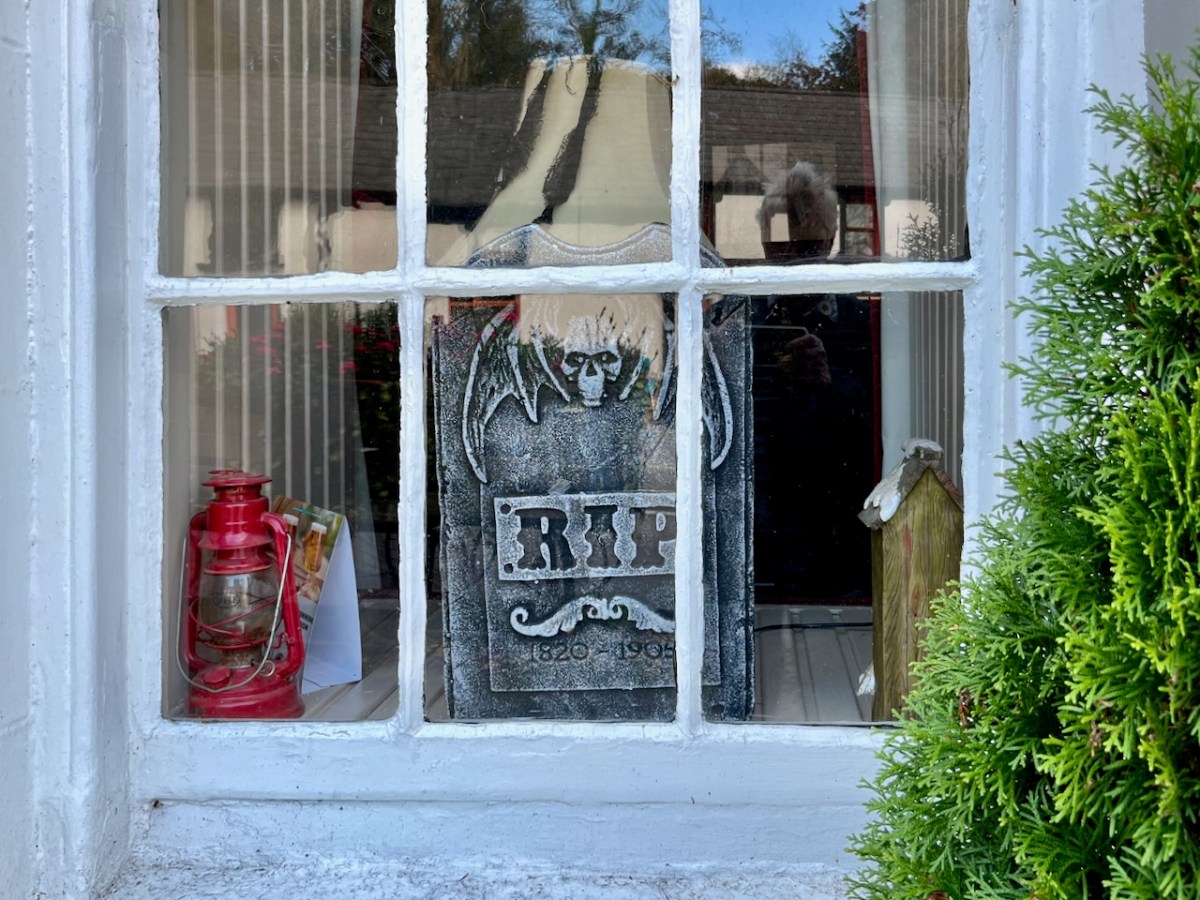
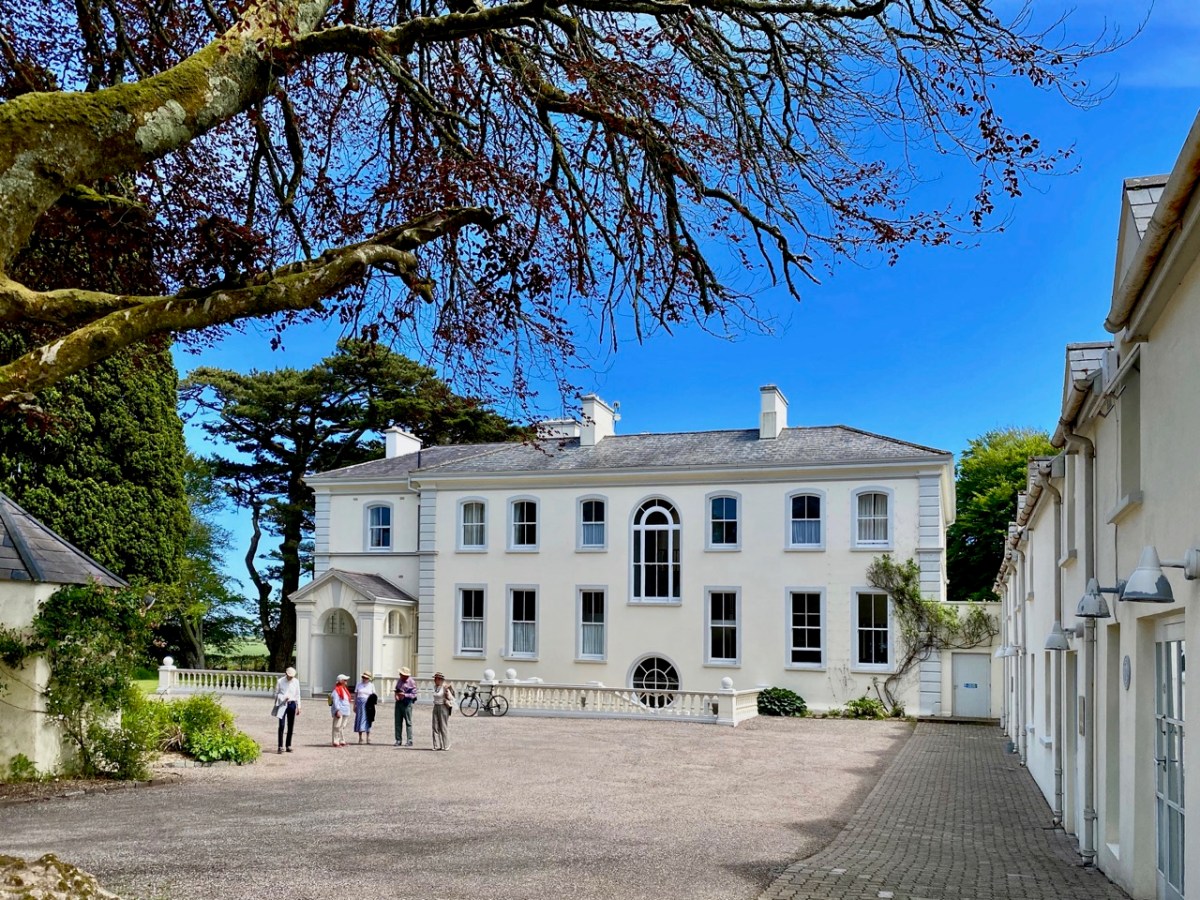
Apart from O’Donovans Leap, the village is celebrated today for its associations with Hallowe’en, Ghosts, and Scarecrows. And we are approaching the time of year when these phenomena come to the fore. At the present time, a few shopfronts are being decorated, but there are plenty of Scarecrows waiting in the wings for their moment to arrive!
You can see that Leap – in West Cork – will be worth a visit once the festivities are in full swing: that will be between Monday 23 October and Sunday 5 November this year. Back in 2015 we visited the Leap Scarecrow Festival and wrote this post about it (click here). Interestingly, it became the most popular post we had published up to that time – it’s had around 3,250 views since it first appeared. Have a look at it now – but also remember to go to the village of Leap at the end of this month!
The story of a Swiss Government foray into West Cork at the time of the Cold War has seeped into folk memory. When we settled in Ballydehob in the early twenty-first century we heard many accounts and – as is often the case – sensation takes preference over sober fact. Nevertheless, the tale is worth telling, and I have set out what I perceive to be accurate. It all centres around the man above – Colonel Albert Bachmann – and two locations: Murphy’s Cove, Tregumna, and Liss Ard House, just outside Skibbereen.
Contrasting atmospheric conditions: Murphy’s Cove, Tregumna, on this misty October day (upper pic) and Liss Ard House on a beautiful June day in 2021 (lower pic). Our story properly begins in 1962 . . .
The cover of Esquire magazine, January 1962 features an article headed ‘9 Places in the World to hide’: one of these places is “Cork – Ireland”. In fact, the article suggested that Cork was considered the safest place in all Europe in which to hide from the predicted nuclear holocaust. I was a teenager in the UK at the time, and remember the worries of everyday life through that year – in particular the Cuban Missile Crisis. 1963 was little better – dominated by Kennedy’s assassination. We didn’t have a television in those days – friends did; but our ears were glued to our wireless sets, not knowing what to believe, or expect. Now – sixty years later – I’m older and wiser. I survived.
. . . COLONEL ALBERT Bachmann, who has died in Cork at the age of 81, was the James Bond of Switzerland. He came to west Cork in 1963, fell in love with the area and bought property there. At the time he was rising through the ranks of Swiss military intelligence, though Switzerland is typically seen as the world’s most neutral state with few if any belligerent enemies. Bachmann took himself on a secret mission to Biafra, then trying to secede from Nigeria, where he implied mysteriously that he was involved in secret arms deals with the Shah of Iran. He passed himself off as an upper-crust Englishman called Henry Peel who smoked a pipe, though with his Germanic accent it is difficult to imagine this disguise was successful . . . He was promoted to Colonel in the intelligence and defence section of Switzerland’s Untergruppe Nachrichtendienst der Armee (UNA). This gave him authority over three units of secret Swiss military intelligence, including a special service set up to respond to any threat of Soviet invasion, which he felt very sure could happen . . . .He hunted with the West Carberry, where he was something of an embarrassment, having his own ideas about which fields he could gallop across without the permission of the owners . . .
Obituary in the Irish Times 14 May 2011
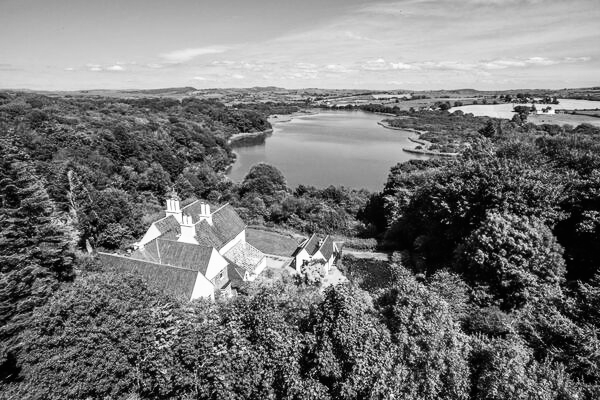
It has been said that, with Swiss military money, he bought 200 acres of land in West Cork, including Liss Ard House (above, from Skyscape). From 1976 onwards, Colonel Bachmann converted Liss Ard into an exile for the Swiss Federal Council (the governing body of the country, which has seven elected members). Known locally as “The Funk Hole of Europe”, it was equipped with all modern high-tech computer facilities long before such equipment was widespread in Ireland. The cellars were dug out and strengthened to store the massive Swiss gold reserves that the government would bring with them.
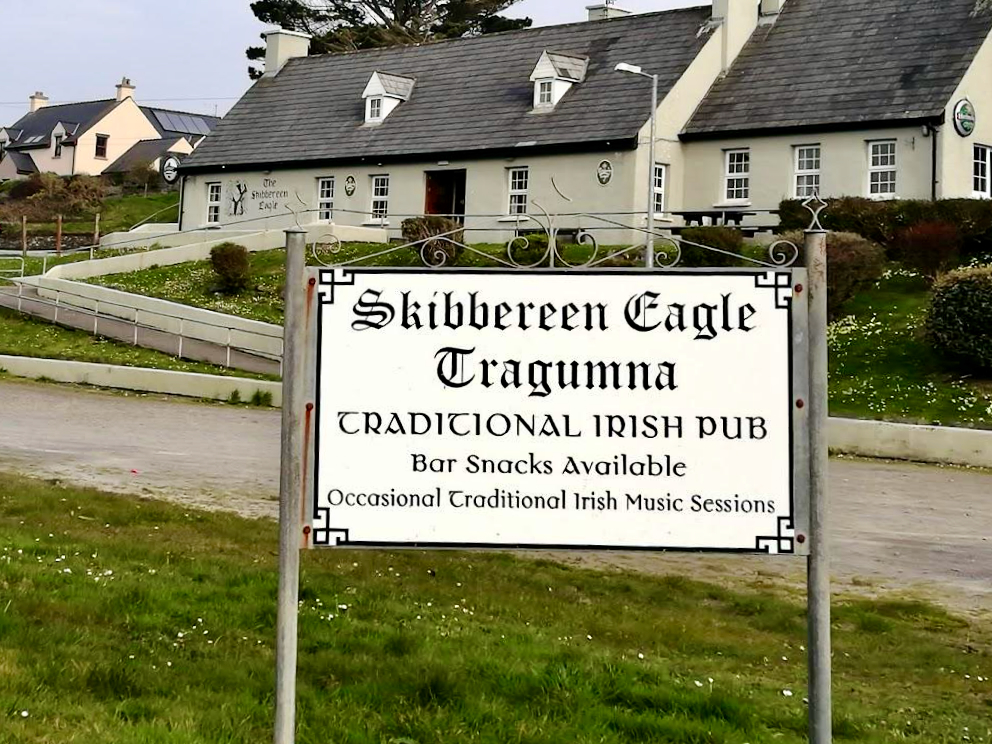
Above are some of the cottages in Murphy’s Cove that Bachmann bought, possibly also with Swiss money. Ostensibly they were to house fleeing diplomats in the event of the predicted collapse of civilisation. The Colonel’s interests, however were not always related to the Cold War. He set up a pub in Tragumna, the Skibbereen Eagle: named after an infamous local newspaper. Rumour has it that the kitchens were oversized because they would have to feed the exiled envoys. It’s still a popular establishment.
In fact, the more you try to delve into the life of Bachmann, the more enigmas you encounter. Some reports say that he raised the money himself to purchase Liss Ard: the historian Titus J Meier showed in a book that Bachmann acquired the property on the west coast of Ireland with the help of private and institutional sponsors. The Swiss Government only paid annual rent twice, each time amounting to 50,000 francs.
. . . Bachmann was obliged to retire in 1980. An official investigation criticised P-26 [a Cold War stay-behind army in Switzerland charged with countering a possible invasion of the country] as an illegal paramilitary programme, operating as a clandestine, parallel structure within the Swiss security network, and lacking governmental authorisation or control. When Bachmann’s secret army was finally dismantled, its war chest – gold worth six million Swiss francs – was donated to the Red Cross. But he always insisted that it served a vital function. “How vital,” Bachmann told the reporters who sought him out, “I cannot tell you.” . . .
Bachmann’s Obituary in The UK Daily telegraph
Another view of Liss Ard Estate (courtesy Irish Examiner)
Esquire Magazine January 1962
Col Albert Bachmann: born November 26, 1929; died April 12, 2011
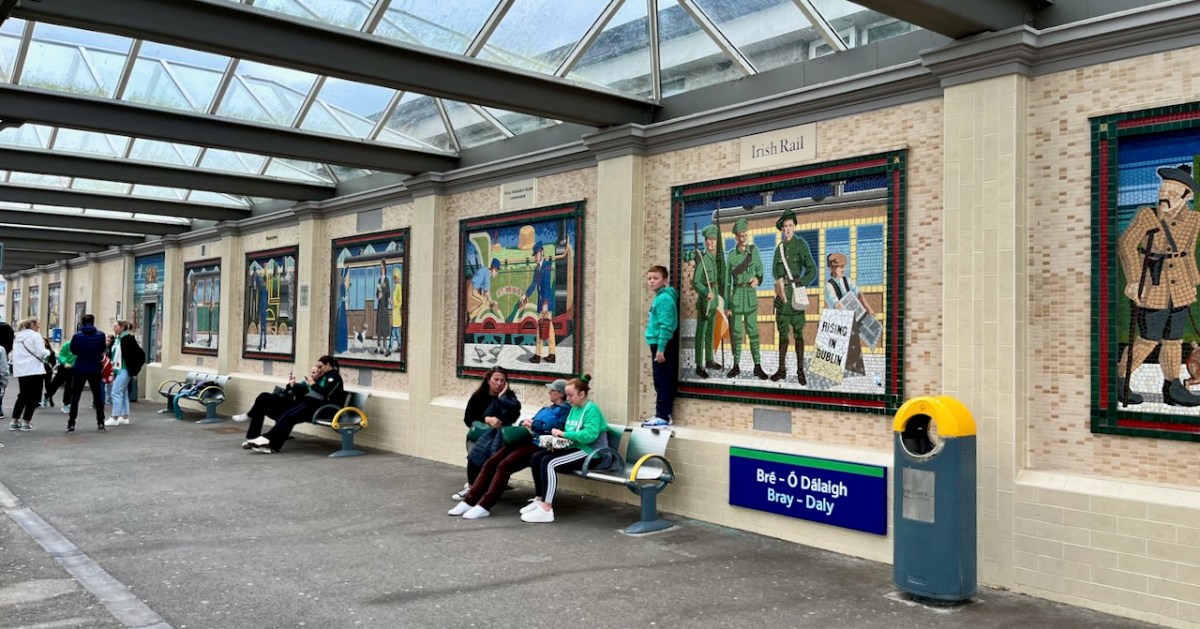
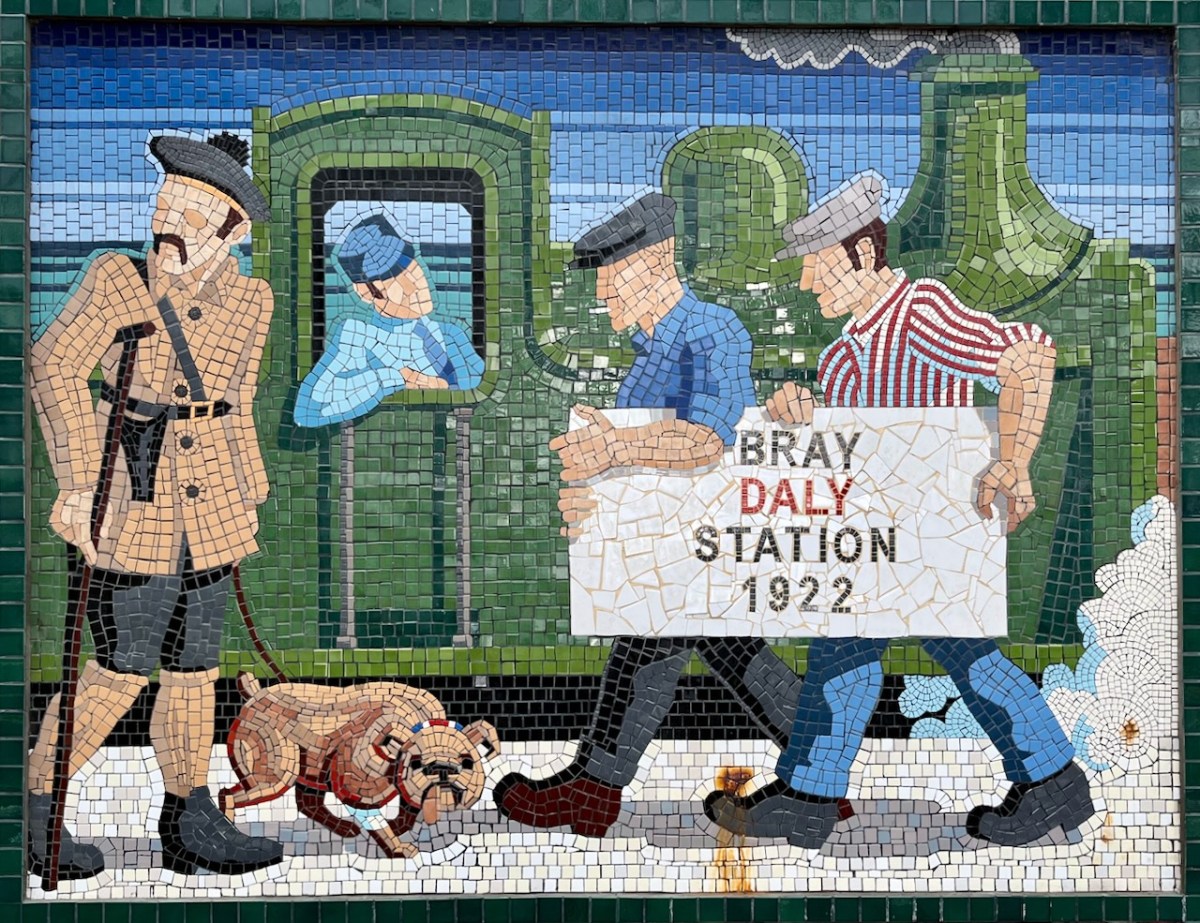
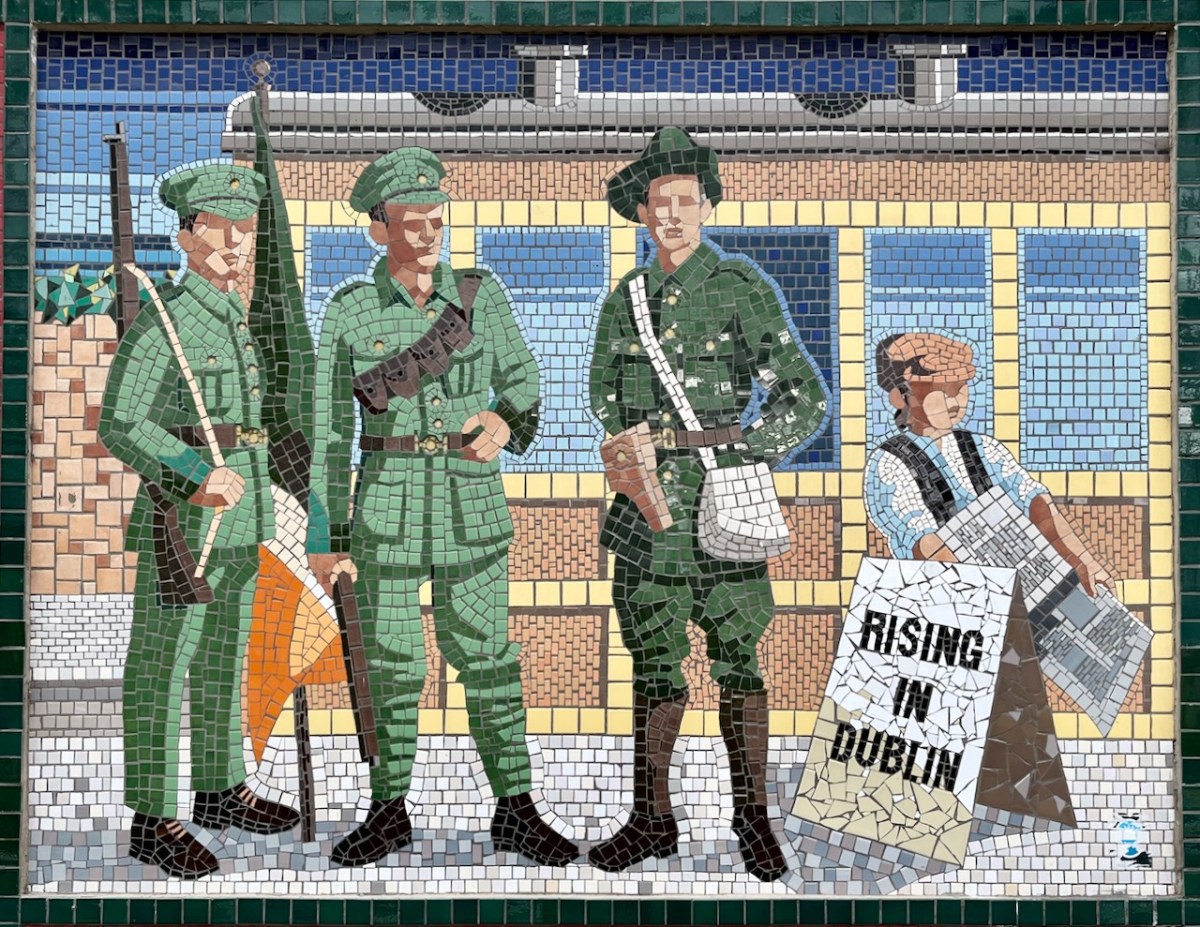
Regular readers will know that I am always on the lookout, in Ireland, for signs of all kinds. They may be humorous, informative or historical – like the one above. This is on the railway station in Bray, County Wicklow. Back in 1987 a competition to design painted murals to enhance the station platforms was won by Jay Roche and John Carter, who produced 19 panels to illustrate the railway through its history.
As you can see from this picture of Bray Station taken yesterday, the panels certainly brighten up this much-used civic concourse.
. . . Each panel is like a window into the past that tells a story about the people, dress or time of the mural. One mural signifying the 1920s, makes reference to a man in a Black and Tan uniform. On the website Mural to Mosaic, which chronicles the progress of the project, the artists state they are trying to show that dramatic events were unfolding around that significant time in Irish history . . .
The Daily Edge Newsletter 2012
You’ll have noticed that the panels are now made of mosaic. The painted originals suffered from wear and deterioration and the same artists, assisted by Anthony Kelly and Eileen Maguire, have in recent times transformed all of them into the new medium. I think the result of the earlier concept and its newer manifestation are excellent, and provide a great visual diversion for anyone waiting for a train or a Dart (Dublin Area Rapid Transport). In fact, it’s worth missing a train in order to fully appreciate the artwork!
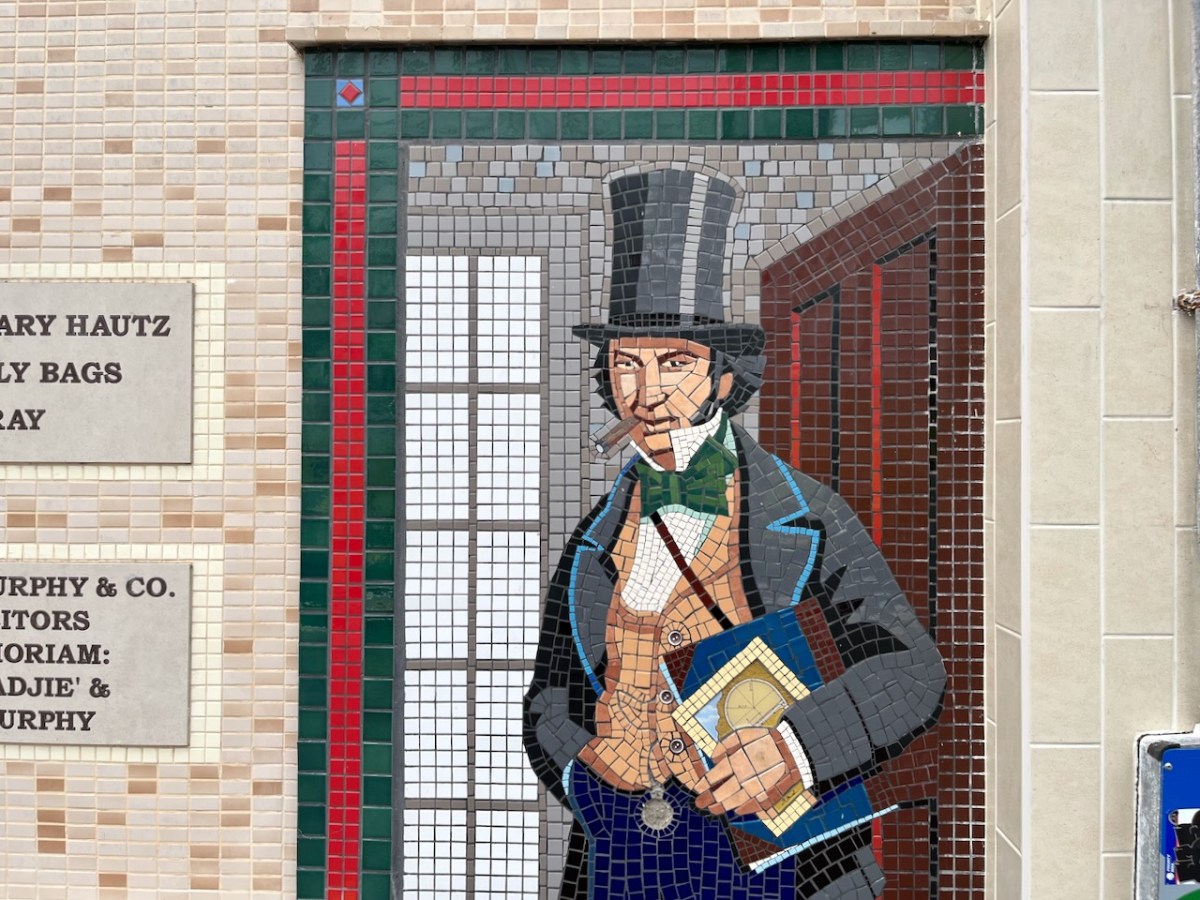
Isambard Kingdon Brunel is the engineer credited with planning the line which, in 1844, was intended to be ‘broad gauge’ all the way to Rosslare. Here he is in a Bray station mosaic, above. I’ll return to this railway in a future post as the full story of it is well worth the telling – even though it’s not West Cork (which, of course had its own interesting railway line).
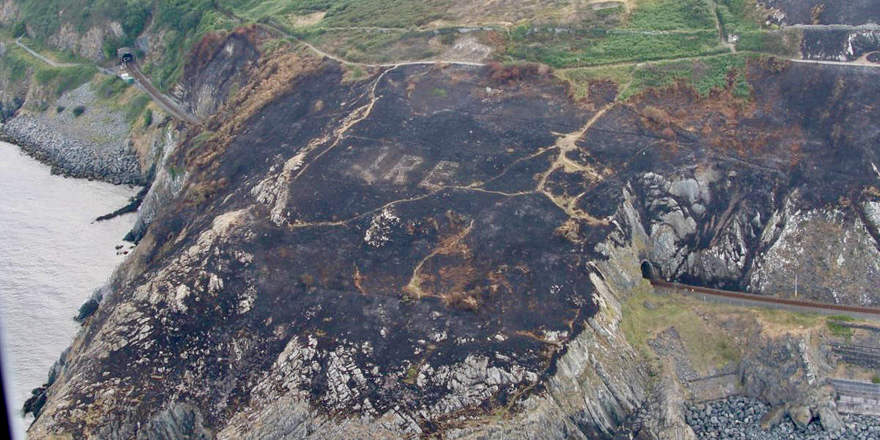
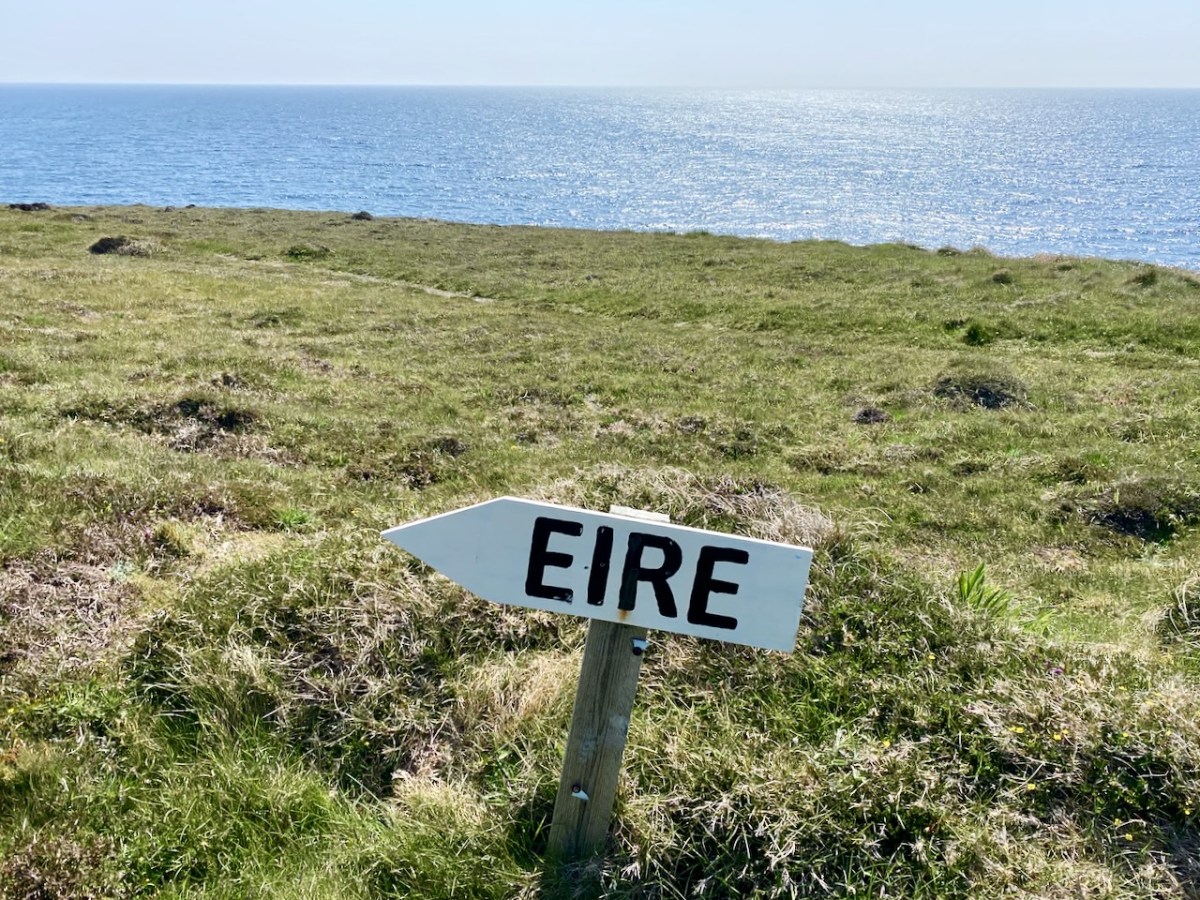
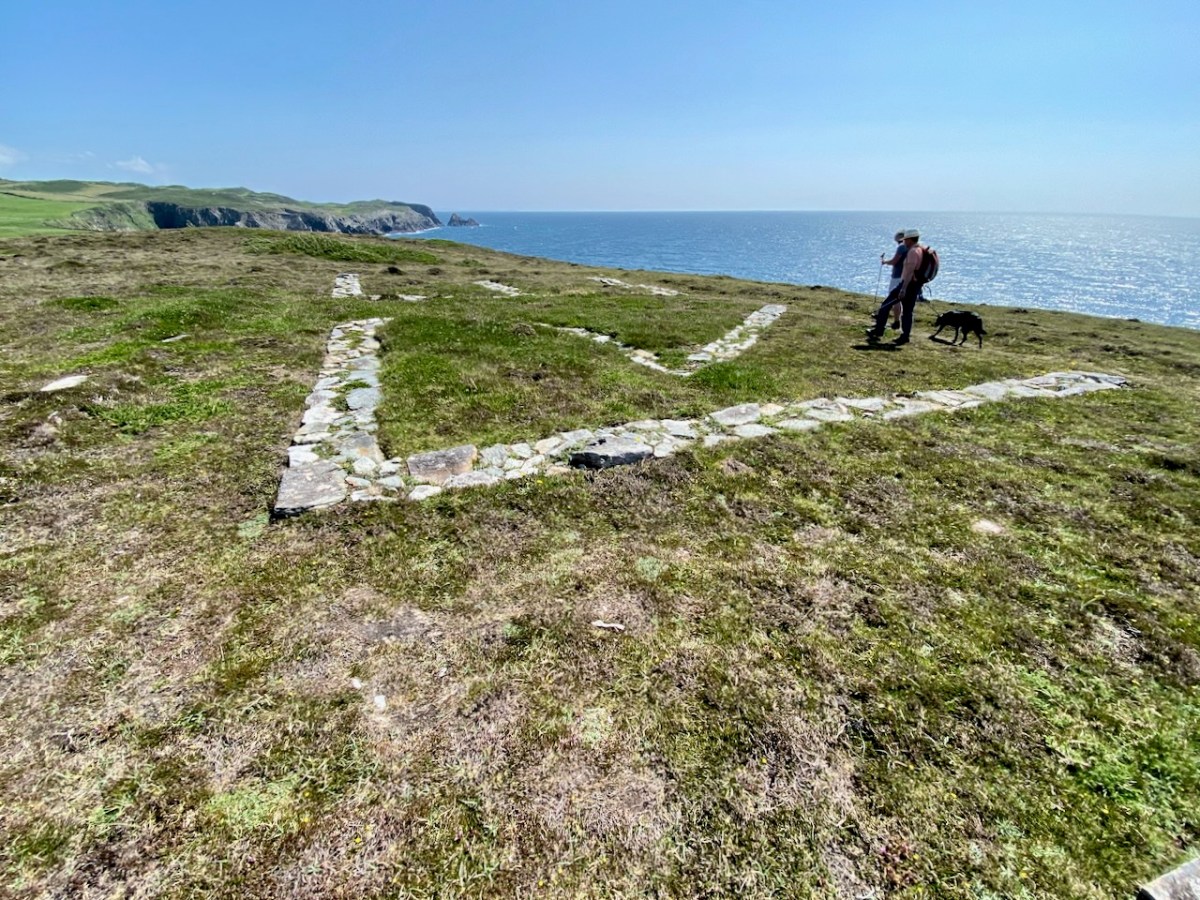
Before leaving behind the railway, here’s a photo of Bray Head (courtesy of Irish Defence Forces) taken after a gorse fire in the summer of 2018. As well as the Bray to Greystones line you can see the outline of the EIRE sign that was put there in ‘the Emergency’: one of over 80 such signs dotted along the coast, it was a warning to aircraft of all persuasions that they were flying over neutral Ireland.
. . . The ‘Éire’ signs were erected around the Irish coastline from the summer of 1943 onwards, a period when overflights of Irish territory and forced landings of belligerent aircraft (mainly Allied) had increased dramatically. In keeping with the De Valera* government’s policy of discreetly co-operating with the Allies, Allied air crews who landed in Ireland were assumed to be ‘non-operational’, and therefore were not detained (a fact that the Germans noted with displeasure). It made more sense to all concerned, however, if such forced landings could be avoided and so the ‘Éire’ signs were erected to ensure that pilots knew that they were flying over Irish territory . . .
Royal Irish Academy Newsletter
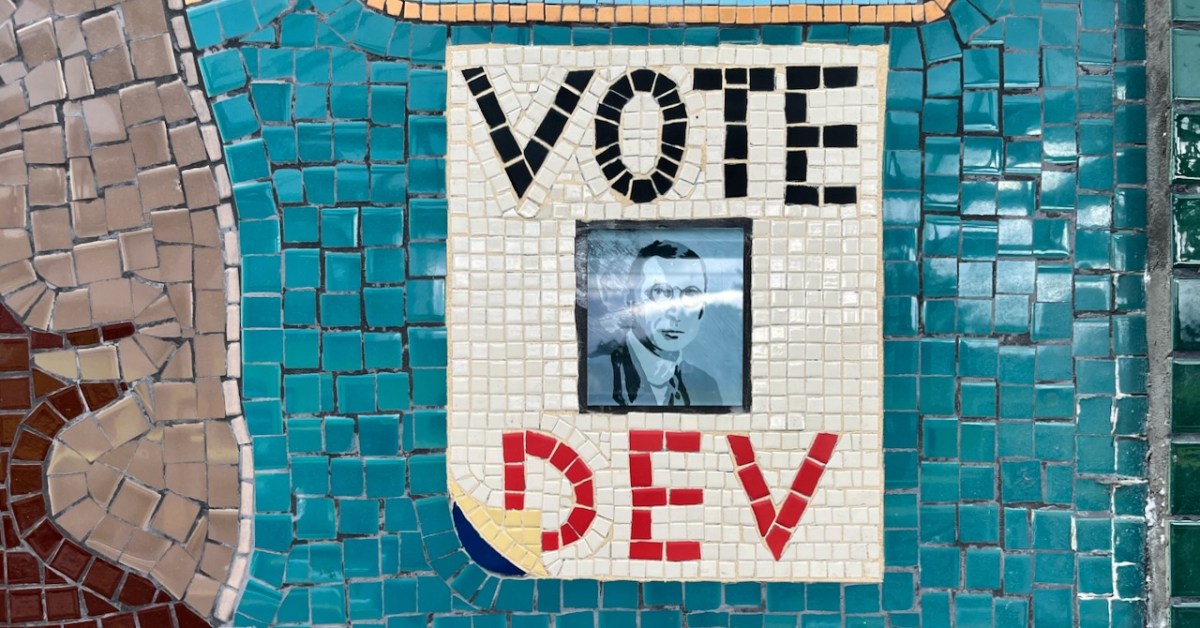
*See our header pic for another reference to Dev!
The EIRE sign above is very clearly delineated: it’s on the cliffs at Toe Head, in ‘our’ County Cork.
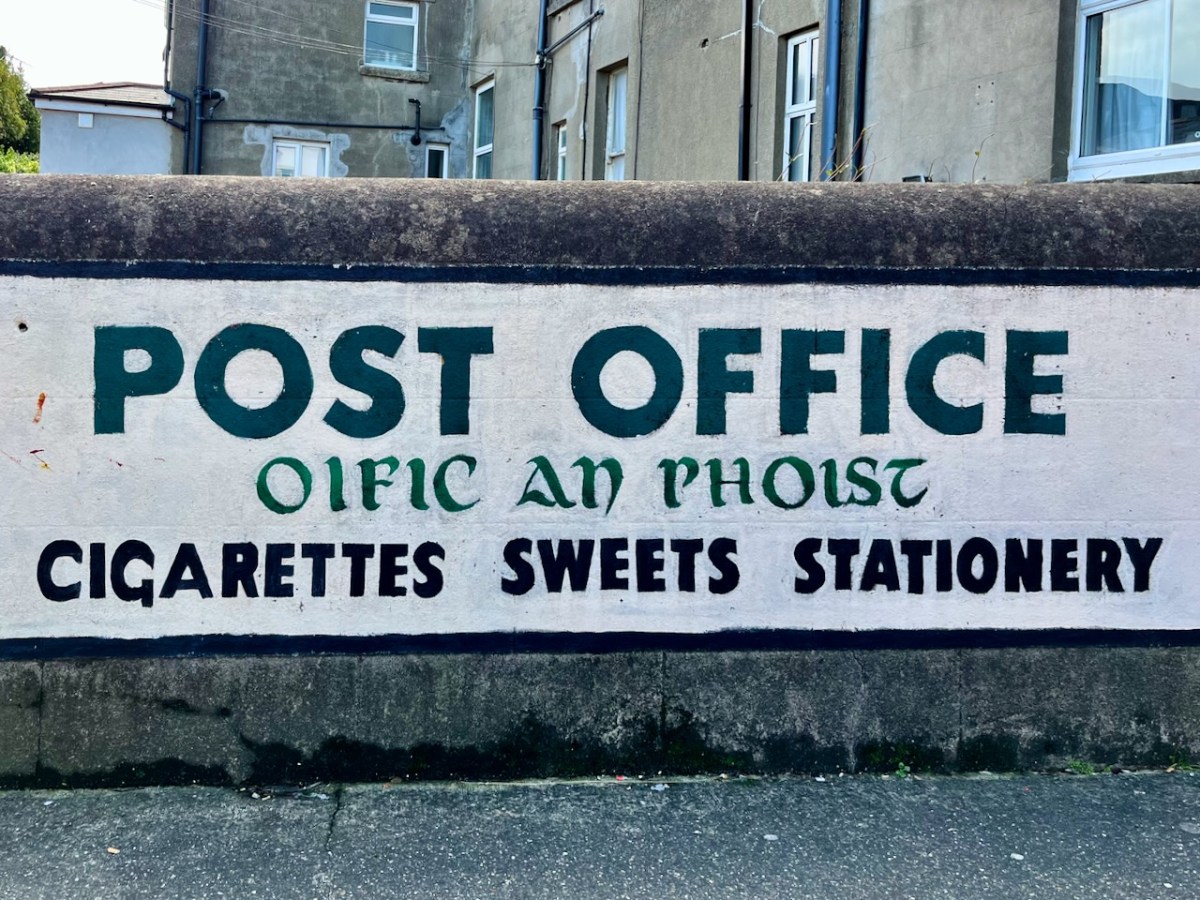
This Post Office sign has been kept intact, probably for reasons of nostalgia. I’d doubt there are many today who would proudly proclaim that the sale of cigarettes is one of their mainstays.
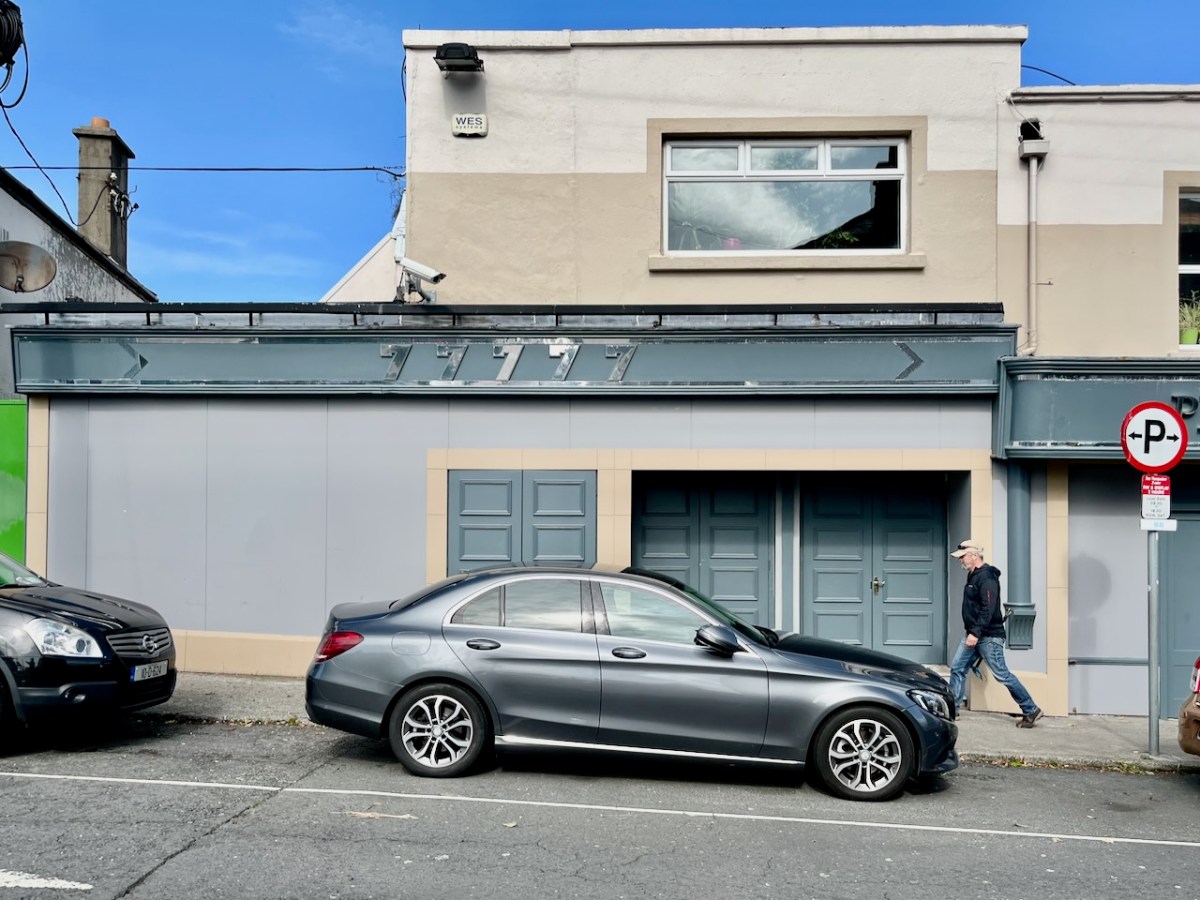
(Above) – I couldn’t resist the enigma of this signwriting . . .
. . . But I think the one above leaves us in no doubt who it speaks to.
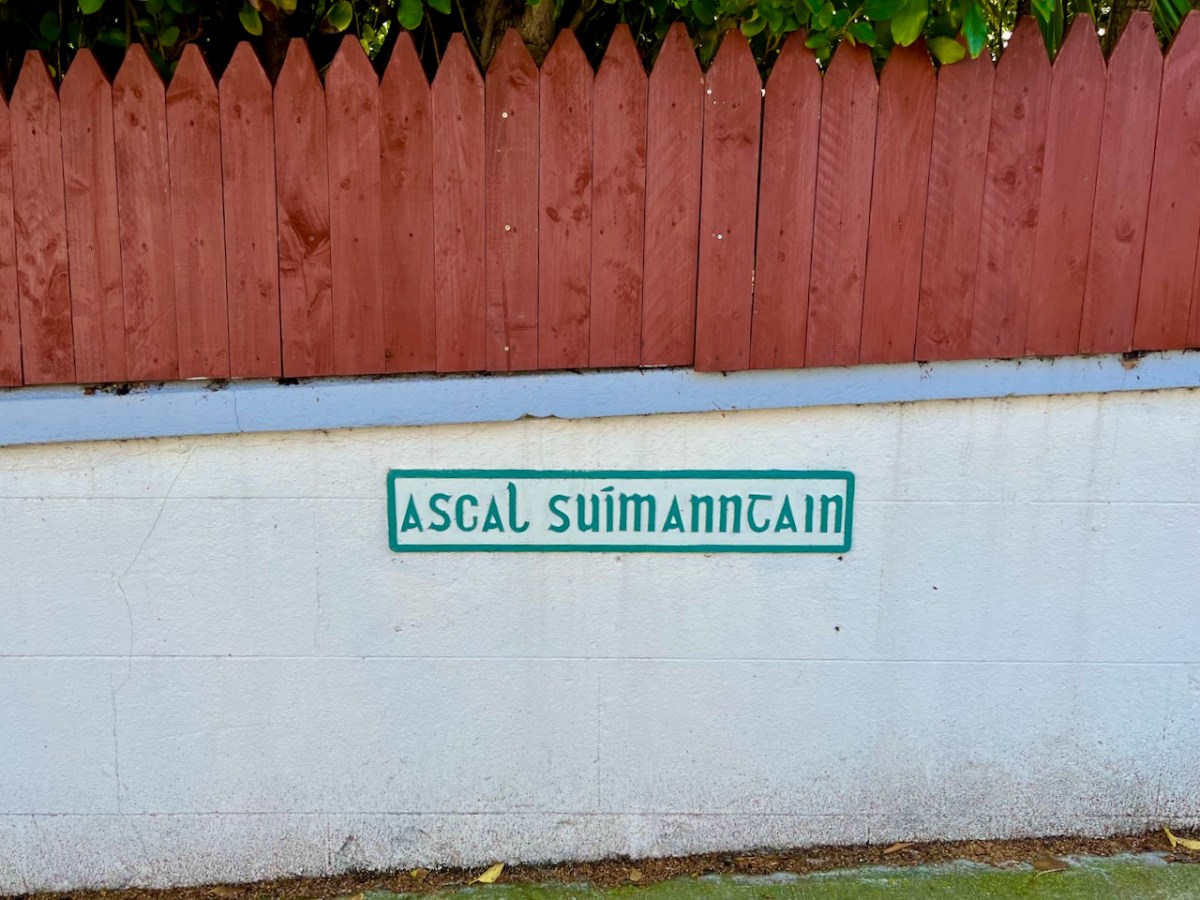
I’d like to understand the meaning of this Irish road name: one AI translator told me it is ‘thought position’, another ‘location avenue’ . . .
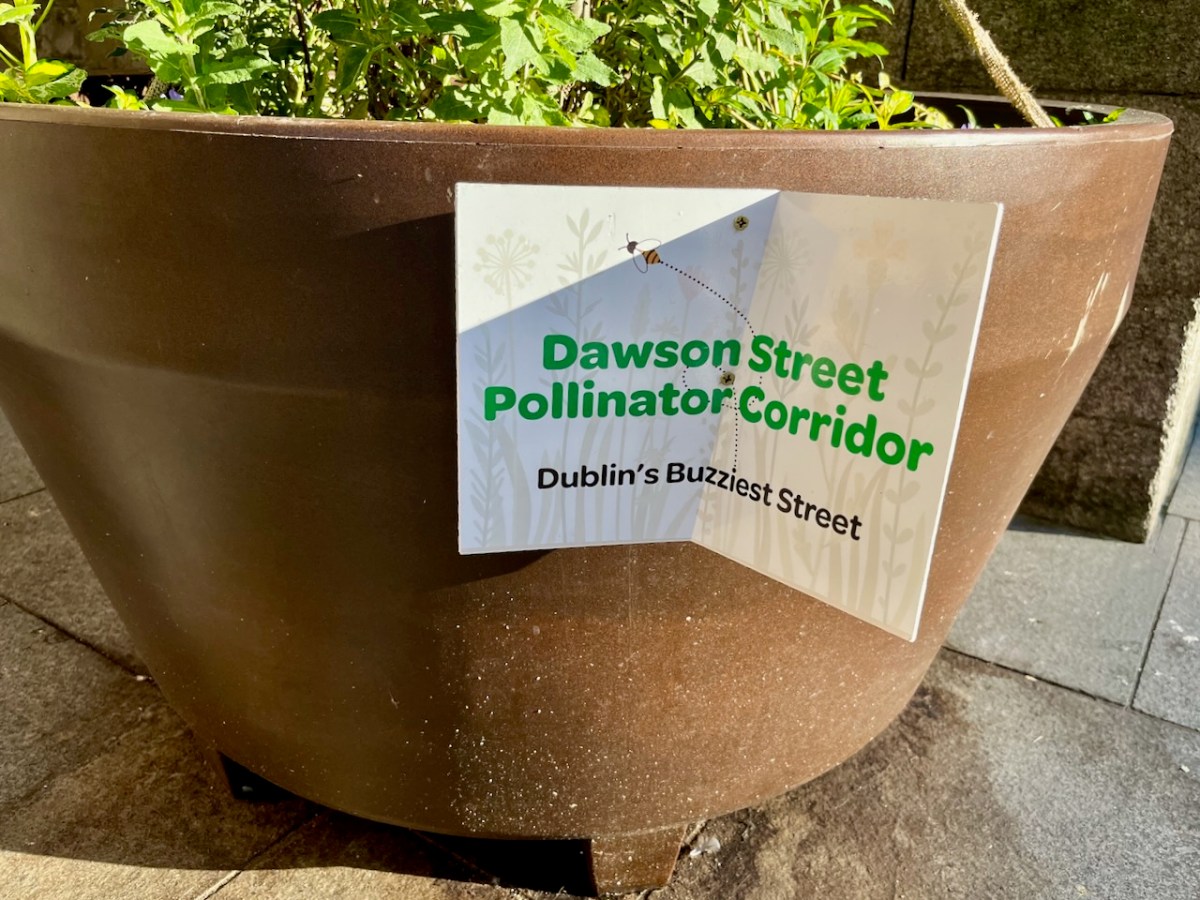
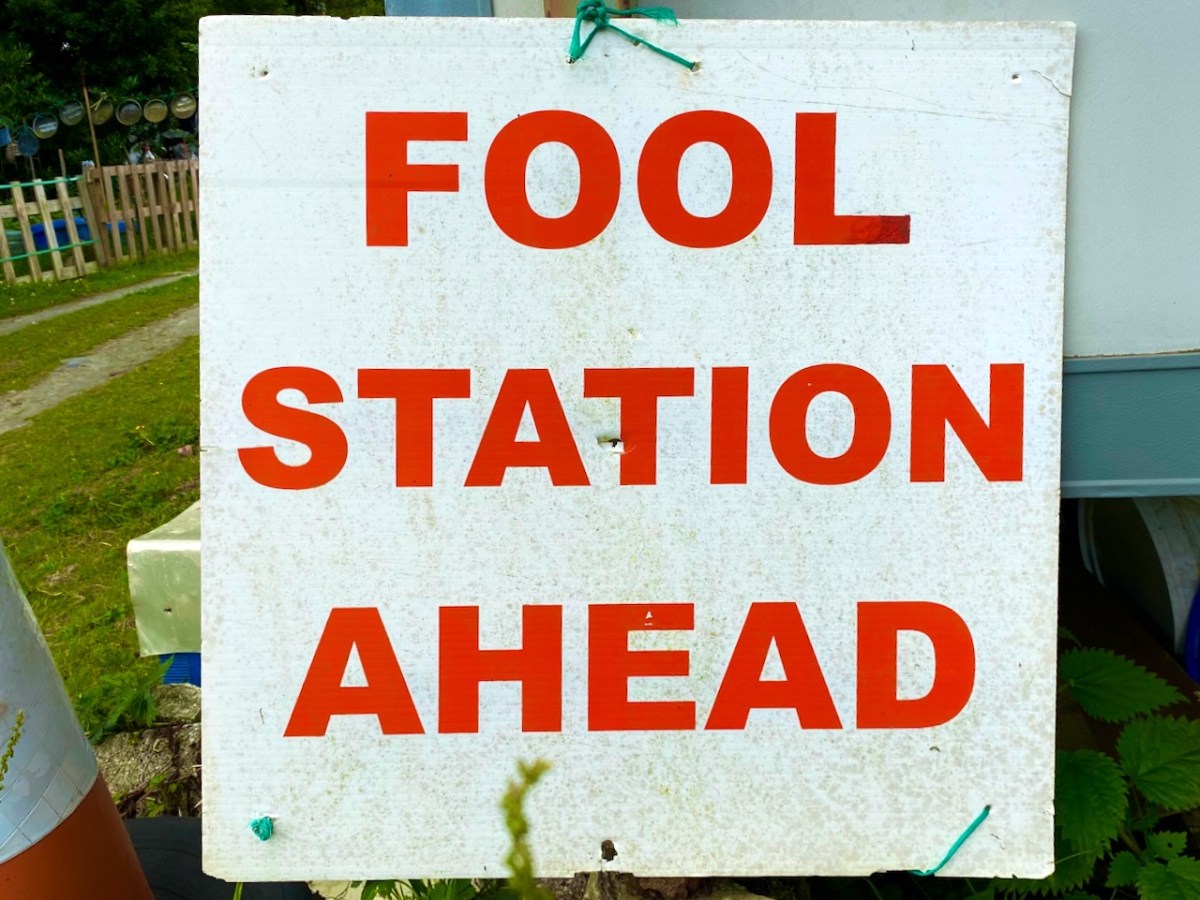
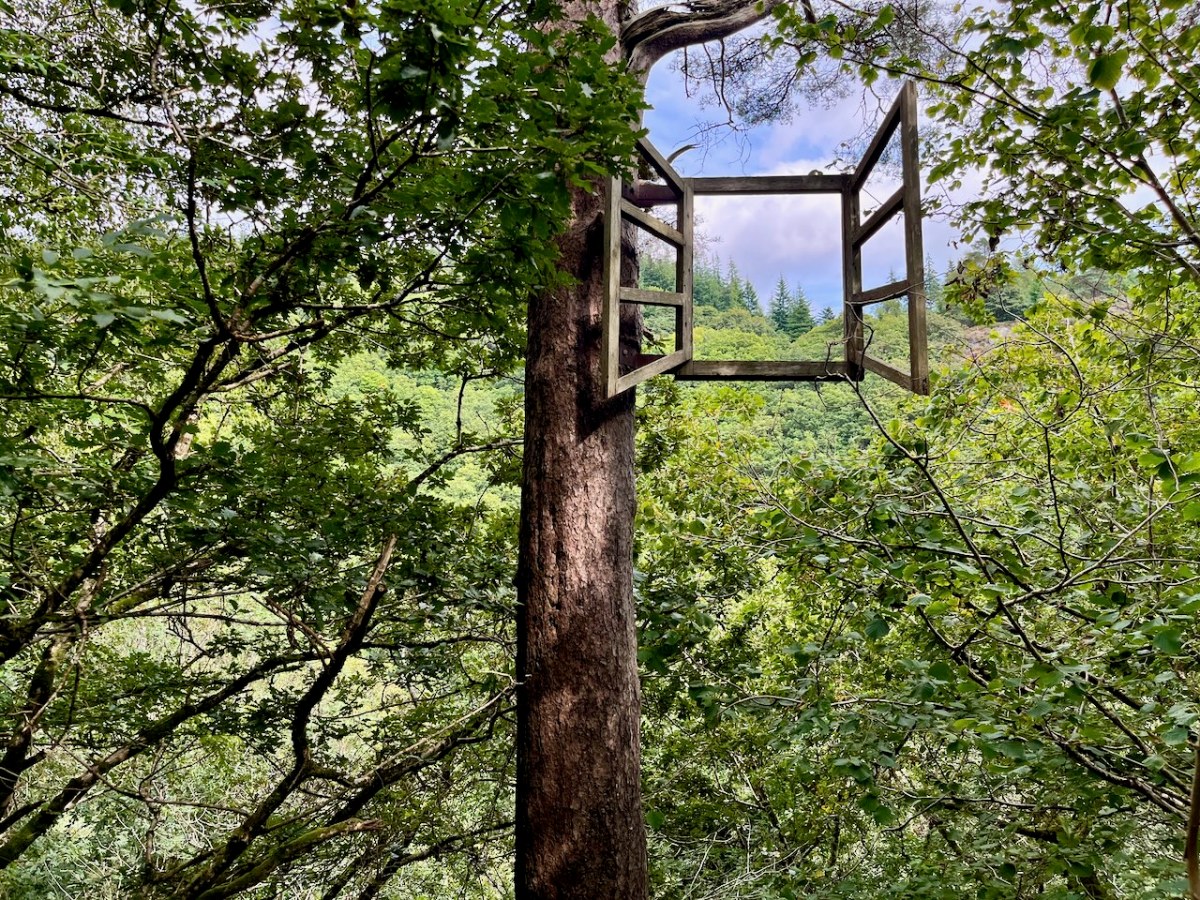
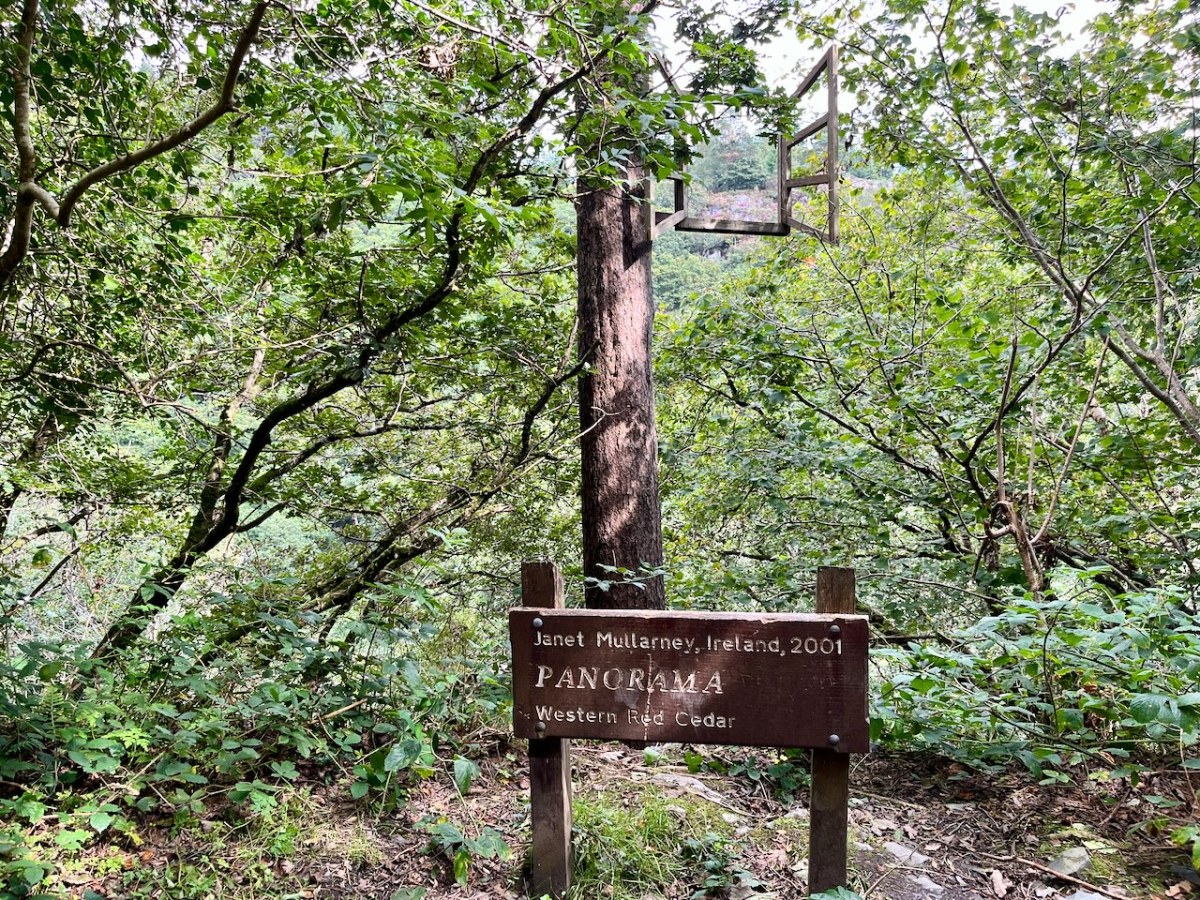
No comment on the two signs above. The following, however, provokes some questions – a window on someone’s world?
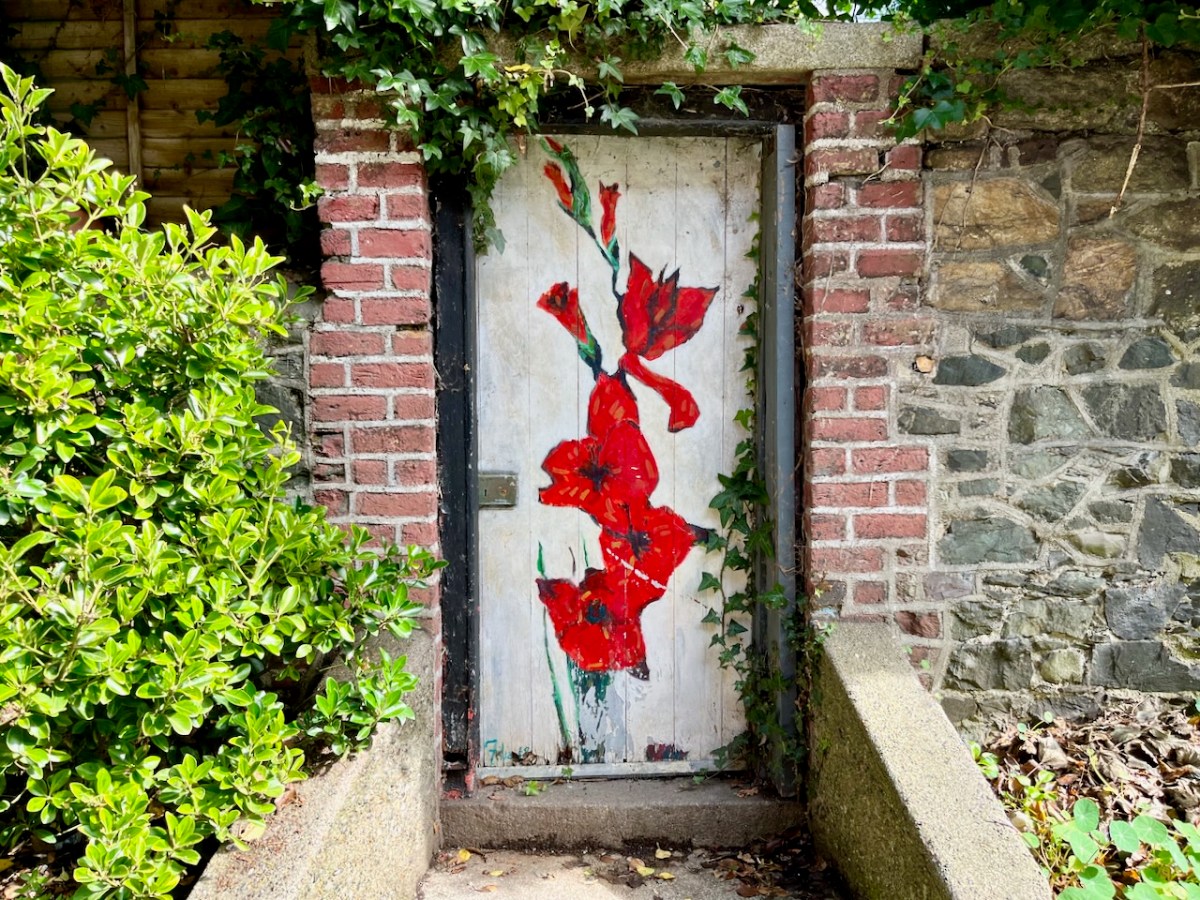
What world does this gate open up to?
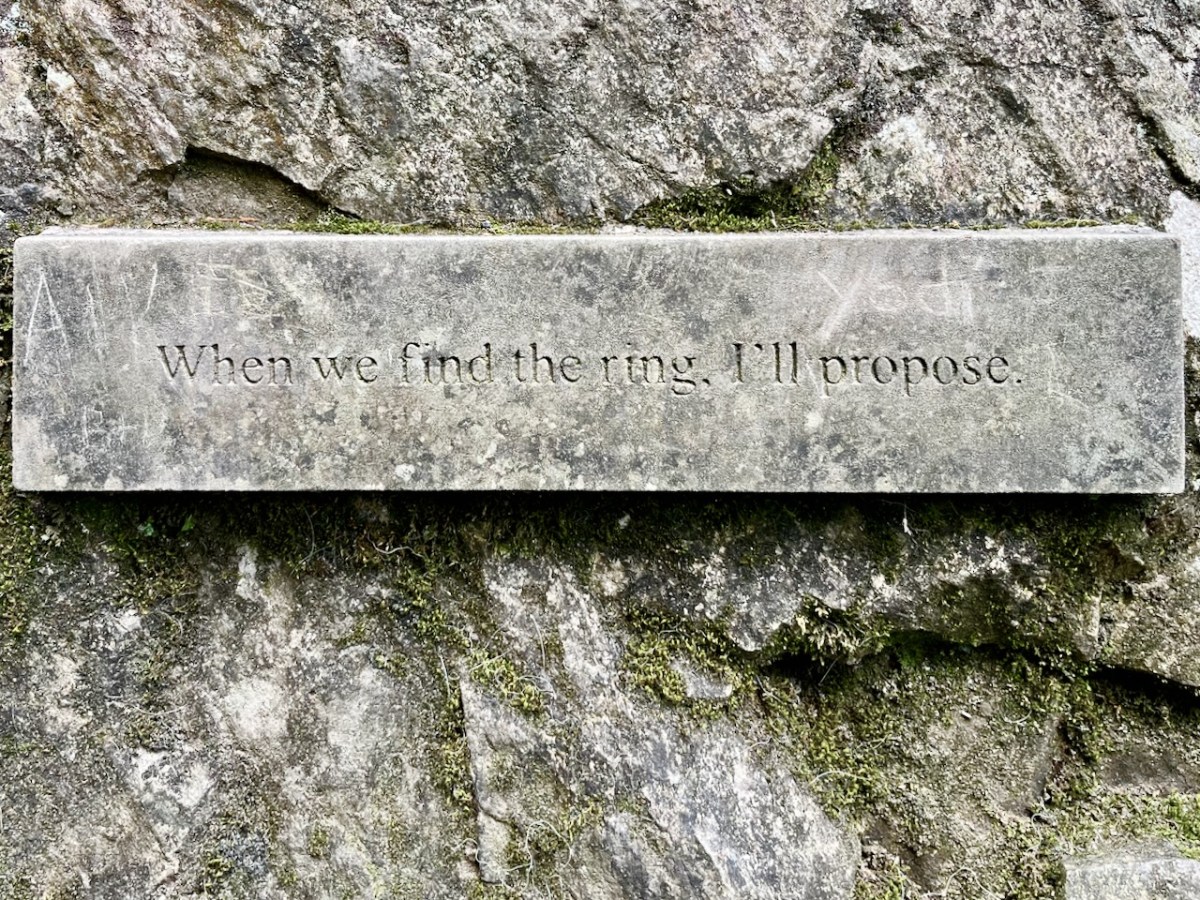
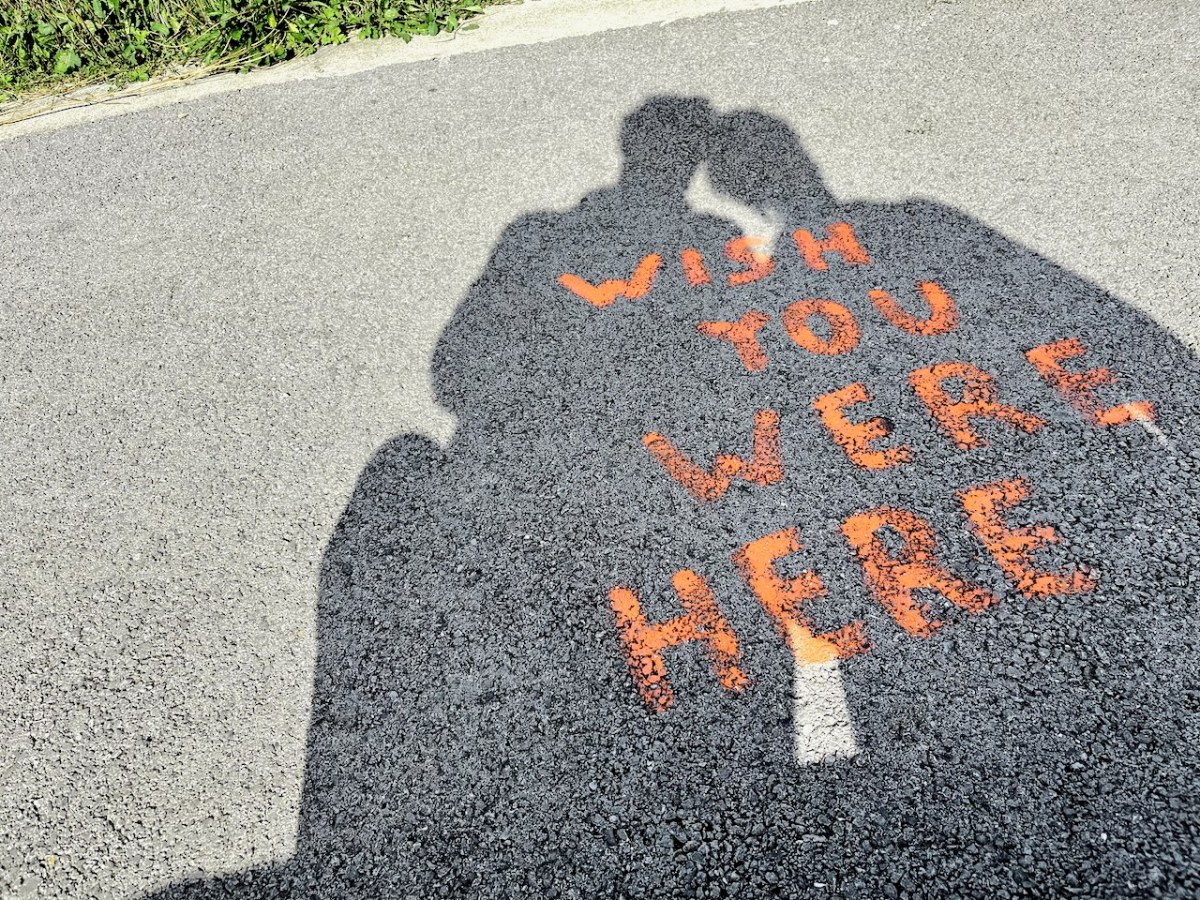
Promises, promises . . . But I think they found it:
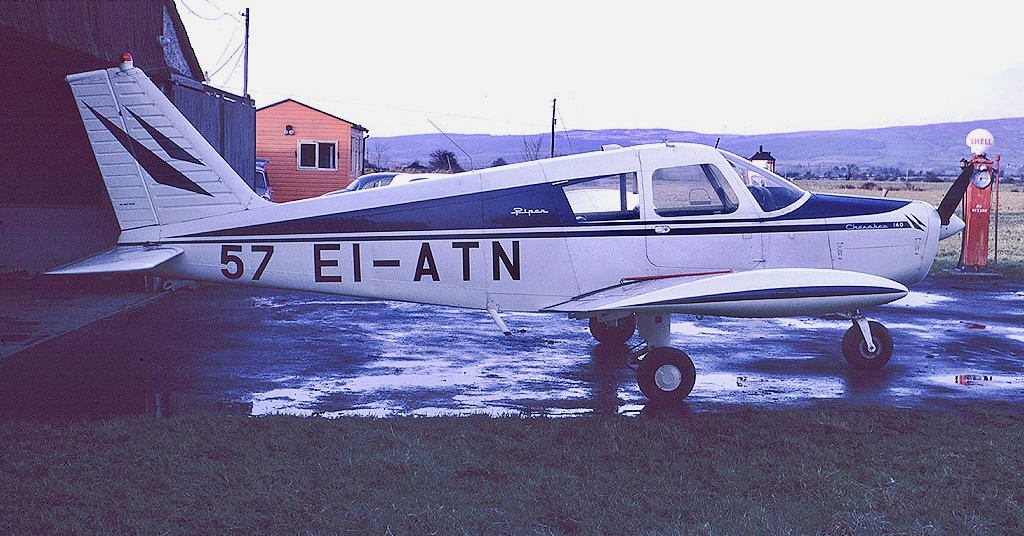
This Piper Cherokee plane set out on a flight from Luton in the UK to Cork exactly 50 years ago but didn’t make it! Instead it ended up in the waters of Roaringwater Bay just a few minutes away from where we live today. The pilot and all three passengers survived . . . It’s all part of the boundless jigsaw puzzle which is West Cork’s history. As you know, we love to discover the whole caboodle.
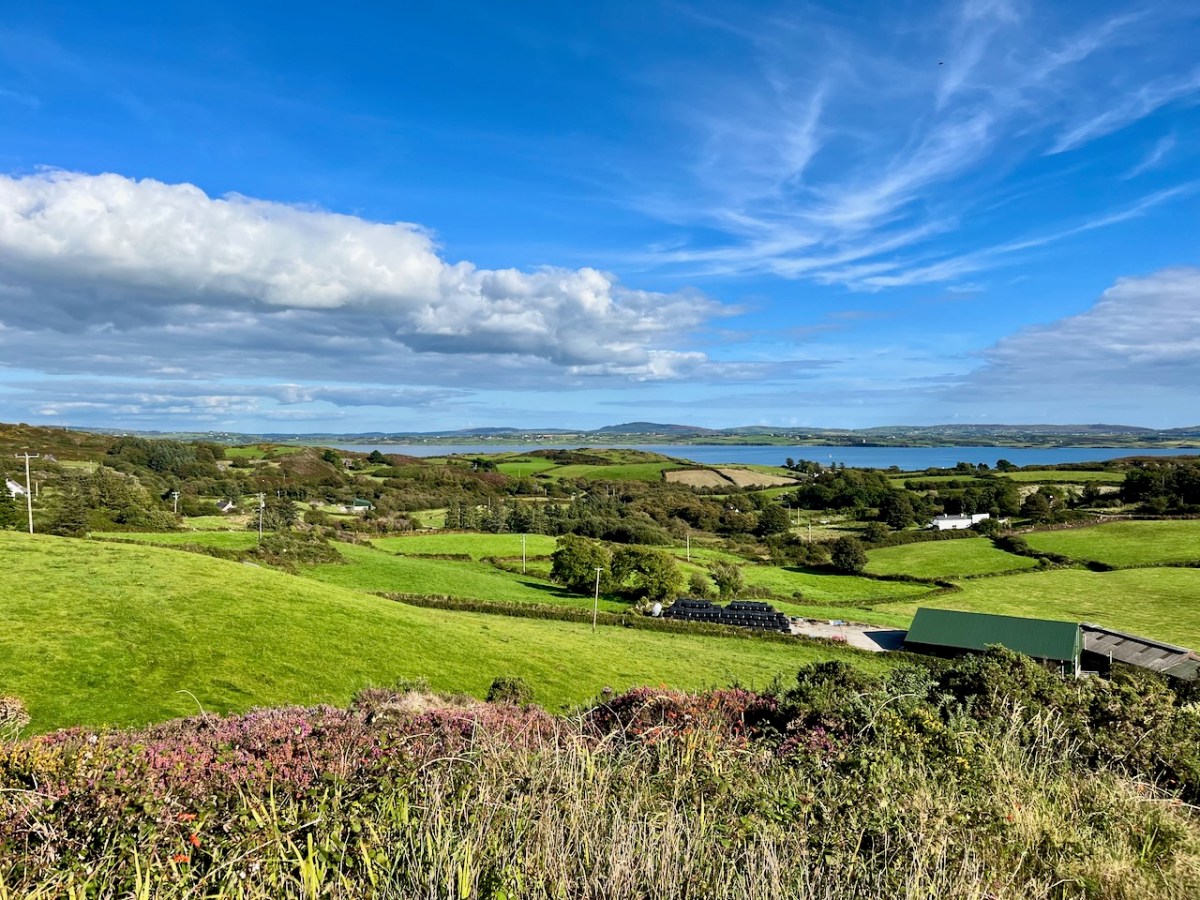
Here’s the view from just beside our house (Nead an Iolair) in the townland of Cappaghglass, looking across to the bay at Foilnamuck: a beautiful sunny day in September. Undulating country . . . Now, picture yourself piloting a small plane, lost, running out of fuel – darkness has come on – and you know you can’t get to any airport. You are going to have to ditch the plane. You can make out below you land and sea – a whole lot of islands. What do you do? You head for a stretch of sheltered water to cushion the inevitable blow.
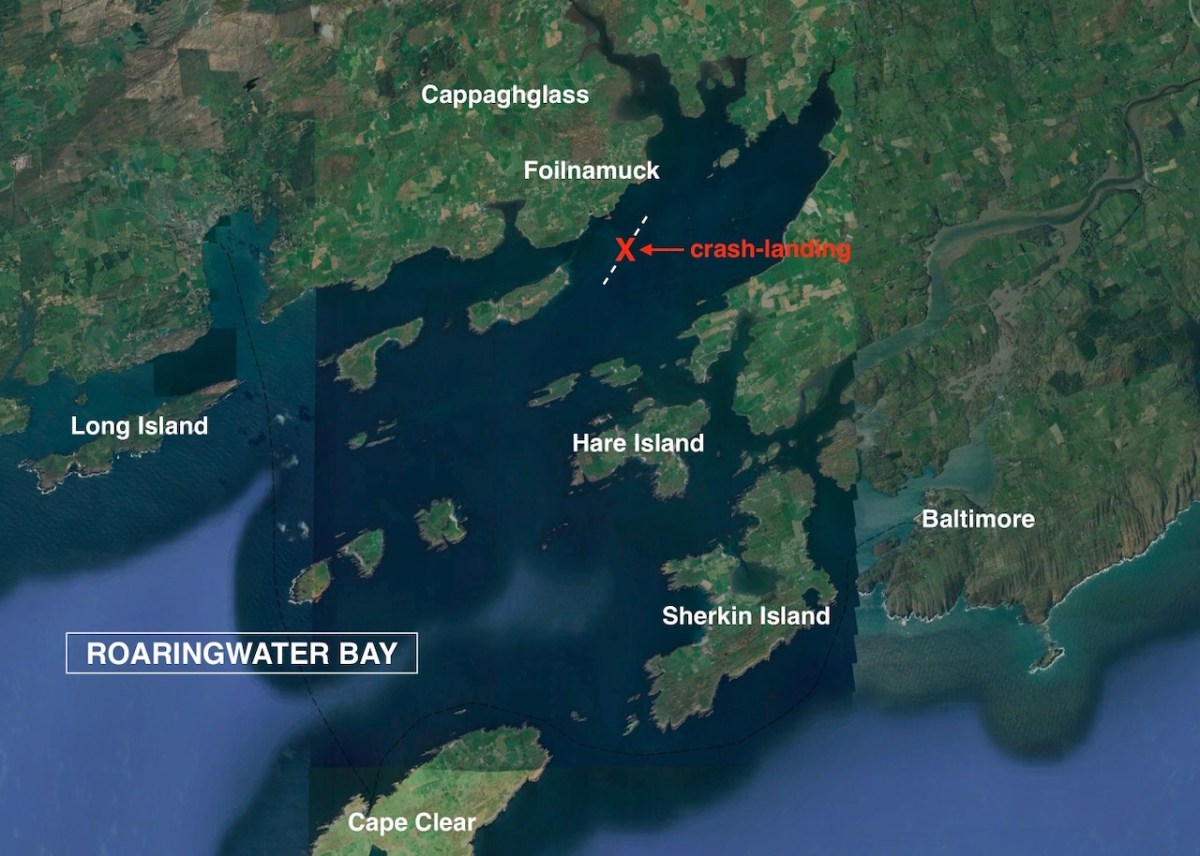
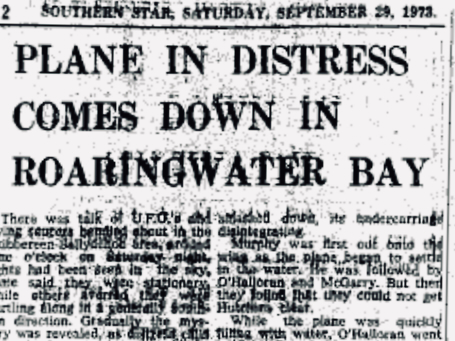
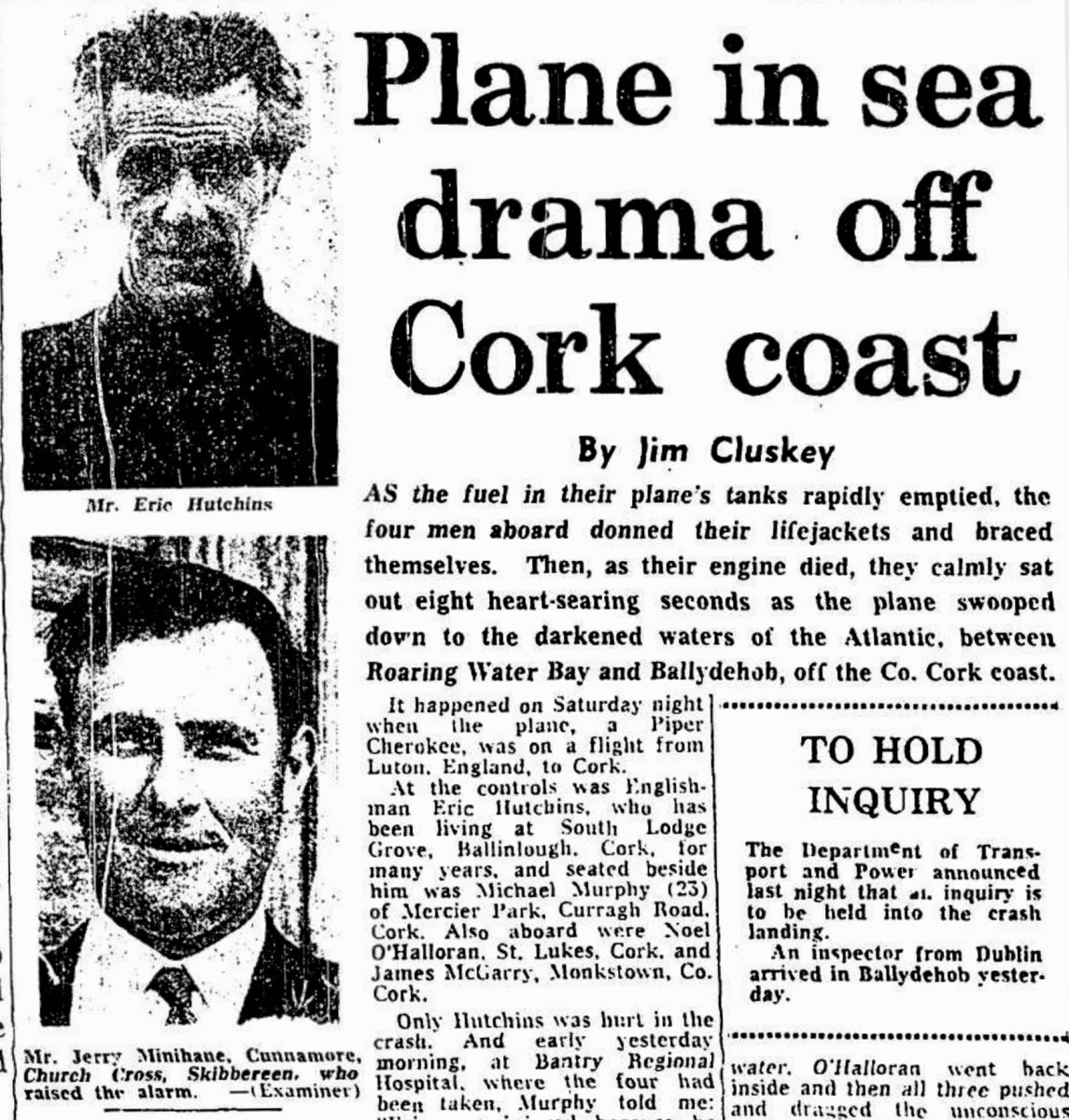
This Google Earth image shows – roughly – the site of the crash-landing that did occur on the night of 22 September 1973. In the coming days it was all over the papers. Thanks to Irish Newspaper Archives for the cuttings I have used.
. . . AS an inspector from the aeronautical section of the Department of Transport and Power arrived in Ballydehob to begin an investigation into Saturday night’s plane crash off the Cork coast, it was learned last night that the pilot of the Piper Cherokee almost lost his life in his efforts to save the other three men on board. Michael Murphy (23), of Mercier Park, Curragh Road, Cork, who was sitting next to the pilot, Eric Hutchins of Ballinlough, Cork, said that Mr Hutchins was concentrating so much on getting the plane down that he was knocked unconscious at impact. Mr Murphy, together with Noel O’Halloran, of St Luke’s, Cork, and James McGarry, of Monkstown, Co Cork, had been braced for the crash and scrambled free on to the wing. But then they found that they could not get out Mr Hutchins who was unconscious. Mr O’Halloran then went back into the rapidly sinking plane and between them they pulled Mr Hutchins free and threw him into the water. The three men then swam ashore taking 40 minutes to reach land at Fylemuck, as they had to support the injured man all the way . . .
Irish Press, Monday 24 September 1973
. . . Only Hutchins was hurt in the crash. And early yesterday morning, at Bantry Regional Hospital, where the four had been taken, Murphy told me: “Eric was injured because he was concentrating completely on getting the plane down. It is entirely due to his skill that we are all alive.” But Hutchins came close to paying dearly for his dedication, for he was knocked unconscious by the impact as the plane smashed down, spewing its undercarriage across the waters.
Murphy was first out onto the wing as the plane began to settle in the water. He was followed by O’Halloran and McGarry. But then they found that they could not manoeuvre the slumped Hutchins clear.
Regardless of the fact that the plane was quickly filling with water. O’Halloran went back inside and then all three pushed and dragged the unconscious man out on the wing and threw him in the water, with his lifejacket still not inflating.
With the plane tilting dangerously. O’Halloran dived under the wing and reached Hutchins. He was joined by the other two and, as the plane sank, they struck out for the shore. They reached it at Fylemuck after 40 weary minutes, still supporting the injured man between them . . .
(With Original Cutting, Above) From Irish Examiner, Monday 24 September 1973
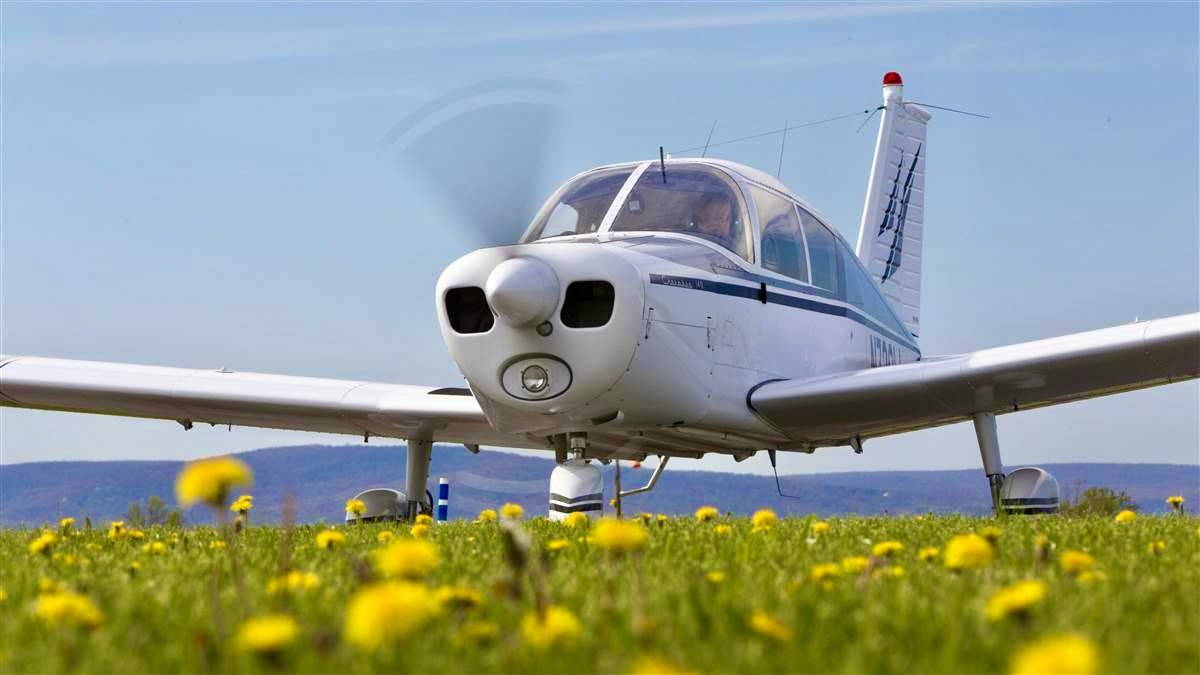
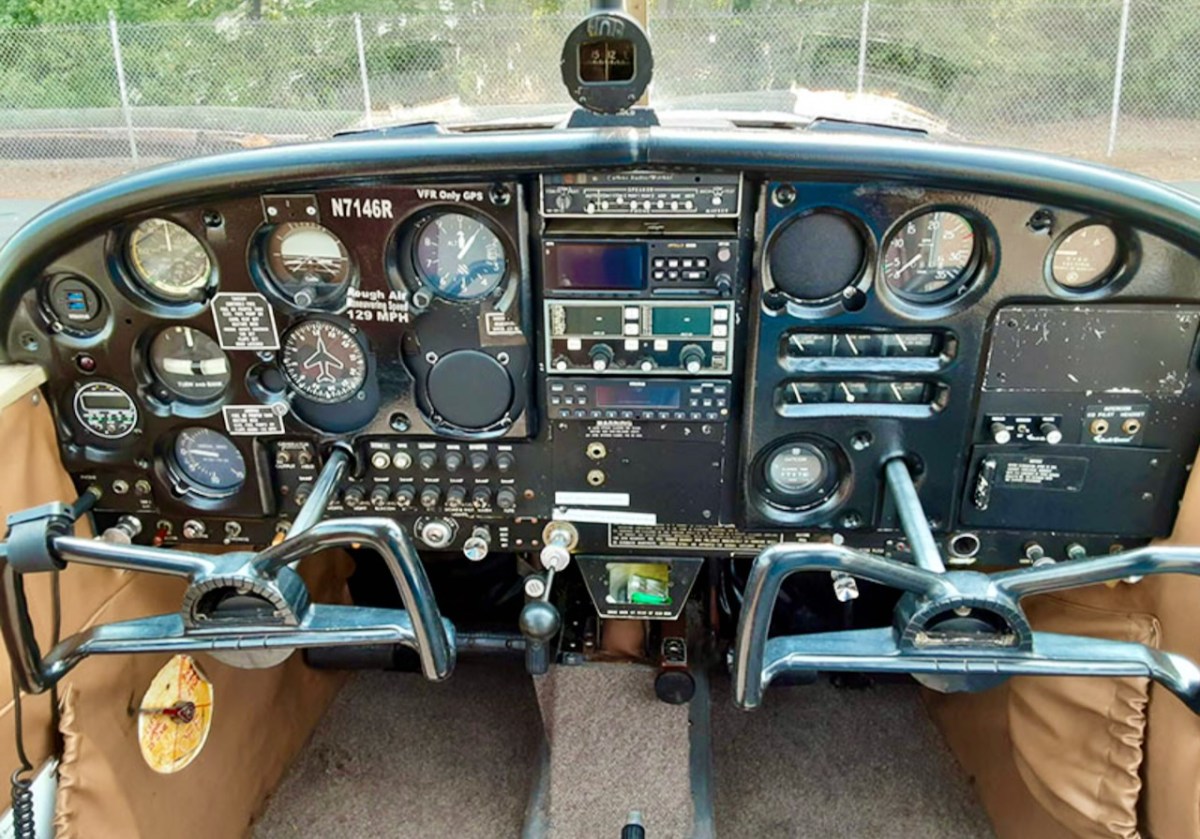
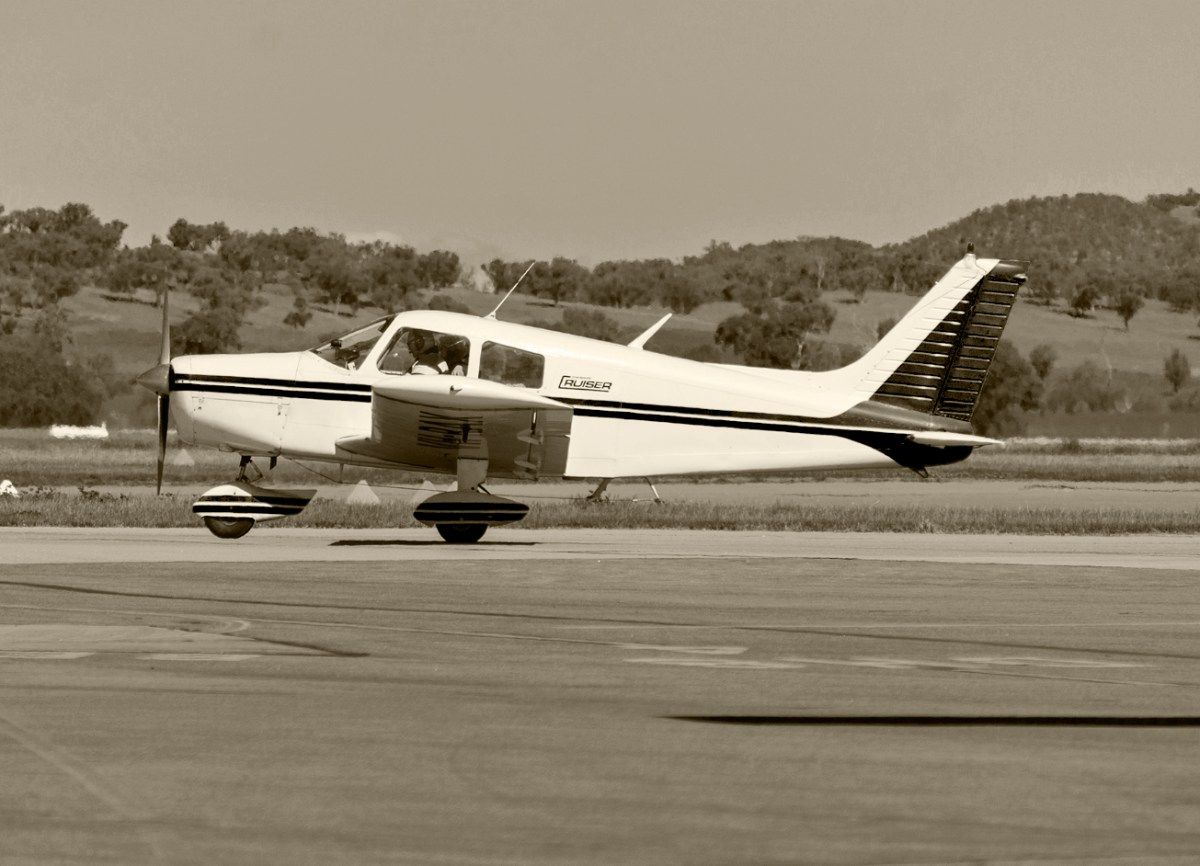
A Piper Cherokee in good times (top) with a view from the pilot’s seat (above – images courtsey AOPA). The plane has been in continuous production since 1961 and has included two, four and six seater versions. It was produced as a light affordable aircraft designed for flight training, air taxi and personal use. The 140 model piloted by Eric Hutchins on that fateful night in 1973 had an aluminium alloy semi-monocoque fuselage construction with a 150 horsepower four-cylinder engine. The standard fuel tank capacity was 136 litres, with an additional reserve of 54 litres. This was enough to cover the flight plan on that crucial day in 1973: the starting point was Luton, Bedfordshire, England, and the destination was Cork Airport, Ireland: a distance of 550km. In good conditions, with a direct flight (although in this case mainly against the prevailing wind) the plane was capable of covering over 900 km with a full tank. Things went awry when the plane’s navigation system failed during the flight. The group realised they were off-track, and they missed the Cork target, continuing westwards.
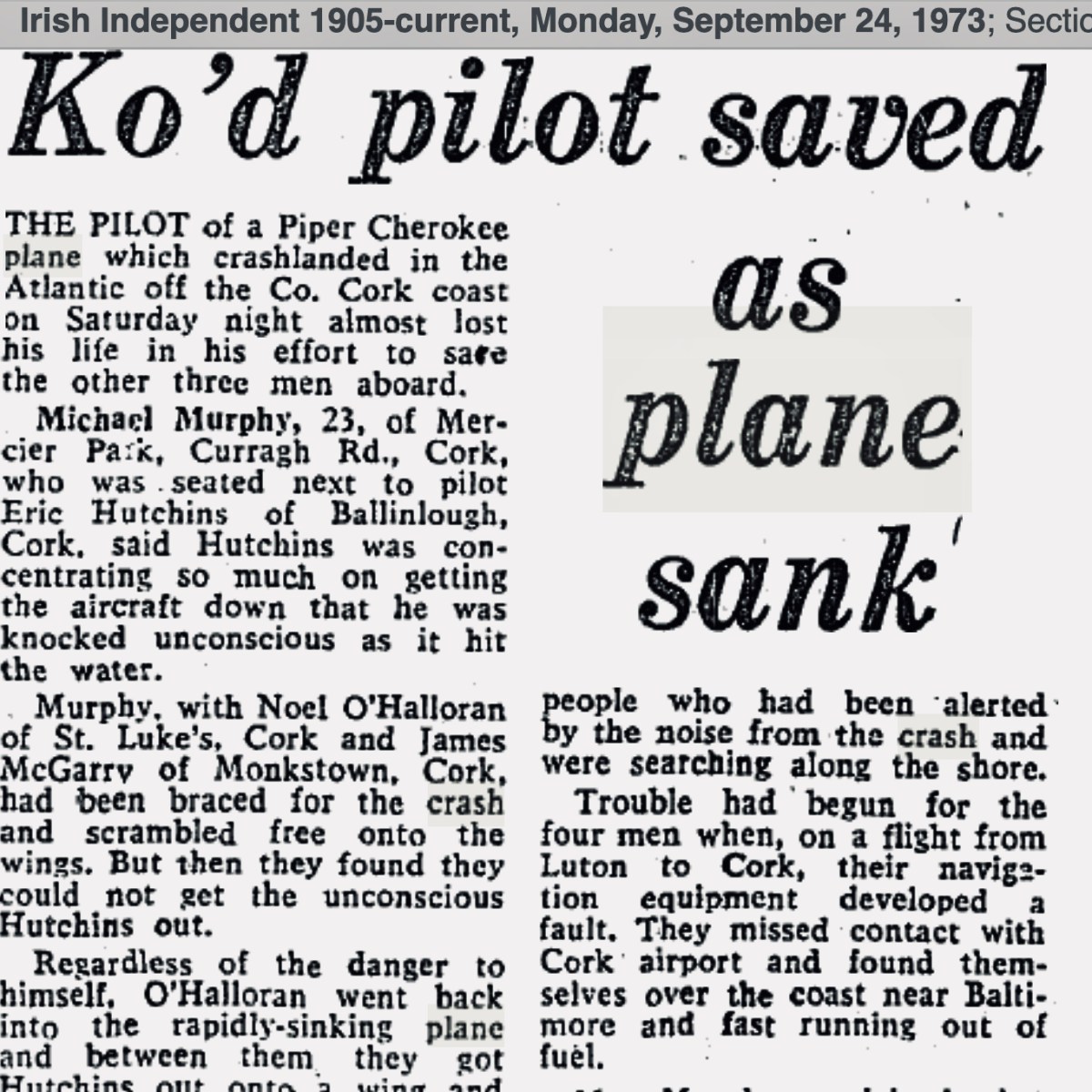
. . . Trouble had begun for the four men when, on a flight from Luton to Cork, their navigation equipment developed a fault. They missed contact with Cork airport and found themselves over the coast near Baltimore and fast running out of fuel. Mr. Murphy explained that coming down on land was out of the question because it was impossible to see the fields, adding “Eric picked an ideal place with calm water. None of us panicked, but took what precautions we could” . . .
IRISH Independent, September 24 1973
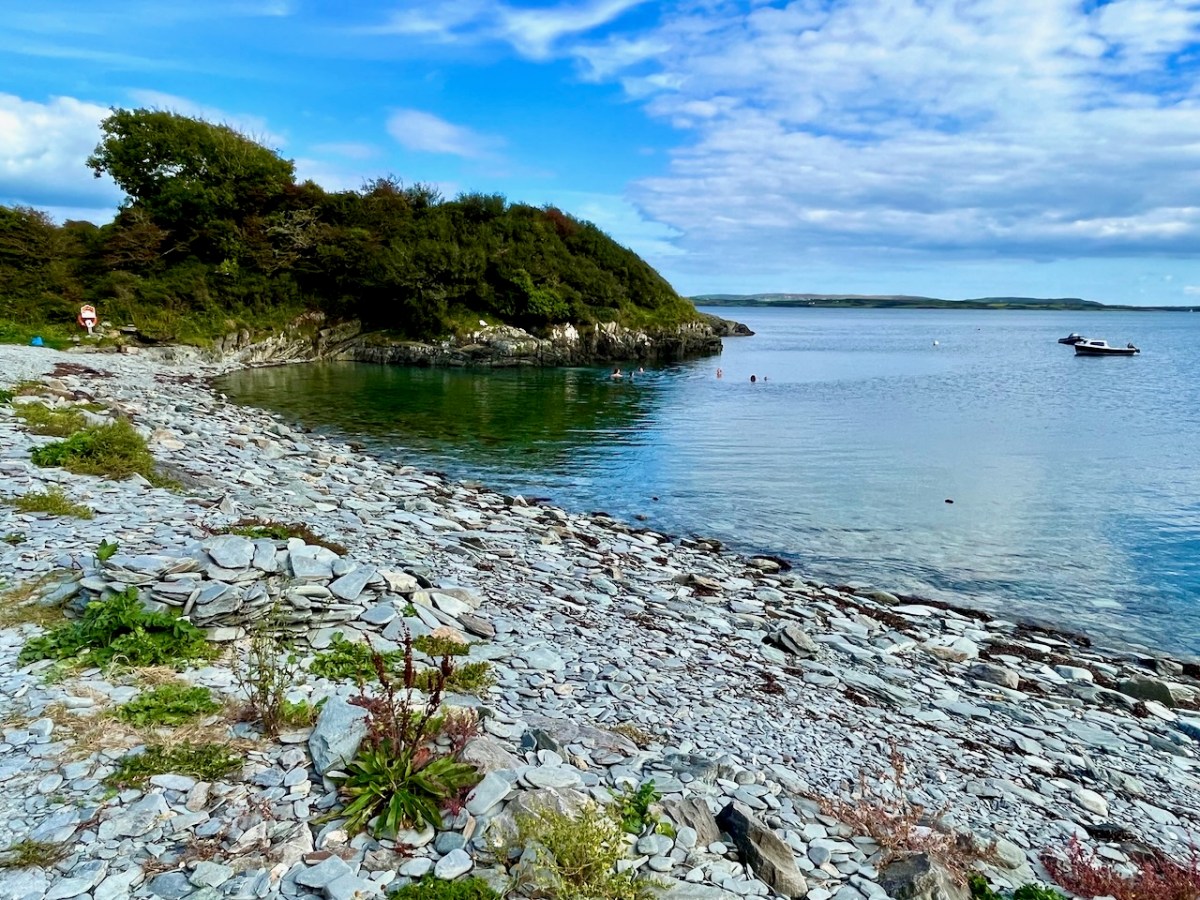
(Above) Calm water at Audley Cove, close to the crash-landing site. The water is exceptionally clear here. The four men were experienced flyers: they all belonged to an aero club and had received training in how to handle an emergency. They were also strong swimmers. They knew the drill regarding crash-landing on to water, and the actual experience would have been strictly routine, except that the pilot – Eric – was knocked unconscious during the impact. While still in the air they were sending out distress messages on the radio. The Piper Cherokee distress call was picked up by an Aer Lingus flight from London to Cork. The Marine Rescue Coordination Centre at Shannon was alerted immediately and a full-scale rescue operation was mounted, with helicopters and boats, including the lifeboat from Baltimore, under coxswain Christy Collins.
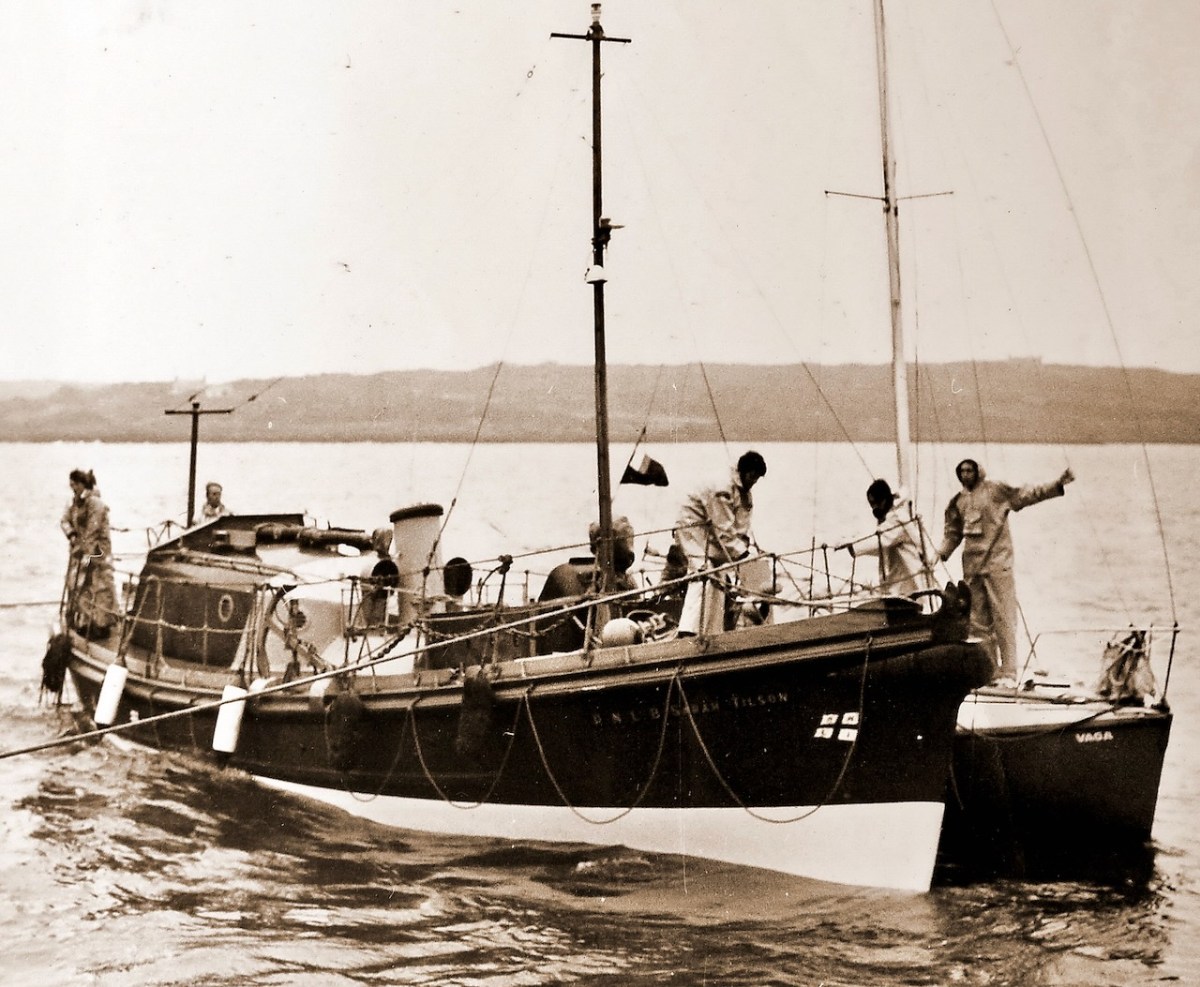
The Baltimore Lifeboat “Sarah Tilson” pictured (above – courtesy Cork Examiner Archives) in August 1973 rescuing the yacht Vaga close to Baltimore Pier. The 46ft 9in Watson class lifeboat was stationed at Baltimore between 1950 and 1978. She was launched on service 70 times and saved 21 lives. In fact her services were not needed on the night of the crash as the four men came to shore safely. The lights from the stricken plane had been seen locally and reported. The Ballydehob Garda – Paddy Curran – arrived in his Zephyr car and with the help of local neighbours was able to assist the men, who were taken to the hospital in Bantry, where Dr Larry O’Connor attended the injured pilot. Noel O’Halloran – who has given me much of this information (and the photo of the plane on the header) – told me that when the distress call was picked up it was initially thought that a large aircraft had come down, and an alert was sent out to all doctors and nurses in West Cork to attend at Schull to help with the envisaged emergency.
Two of the men – Michael Murphy and Noel O’Halloran are alive and well today – and I gather there will be a get-together for them in due course to mark the fiftieth anniversary. No doubt many stories will be shared. The pilot, Eric Hutchins, died a few years ago at the age of 84. He had been a professional flying tutor but, after the accident, retired and became a highly respected driving instructor. Michael and Noel lost touch with James McGarry and have recently discovered that he also died a while ago.
A vintage Cherokee (courtesy of Plane & Pilot Magazine)
What happened to the plane? She came to rest in approximately 7m of clear water, fairly close to the coast. On the Monday following – 24 September – she was dragged ashore. Following this, accounts are reminiscent of olden times when wrecked ships were scavenged: some locals dragged the plane on to the beach and began to dismantle it. The engine – a Rolls Royce – was pulled out using a mechanical excavator: it ended up at the Garda Barracks in Bantry. But it was too late to save the plane or the engine. When a machine has been immersed in salt water it needs to be immediately rescued and meticulously cleaned out if it is to be salvaged: unfortunately, this was not done.
I have no doubt that there are people living locally who remember all this. I was fascinated to learn about it, and that is all due to the worthy efforts of Noel O’Harrollan, who contacted Roaringwater Journal. Many thanks, Noel
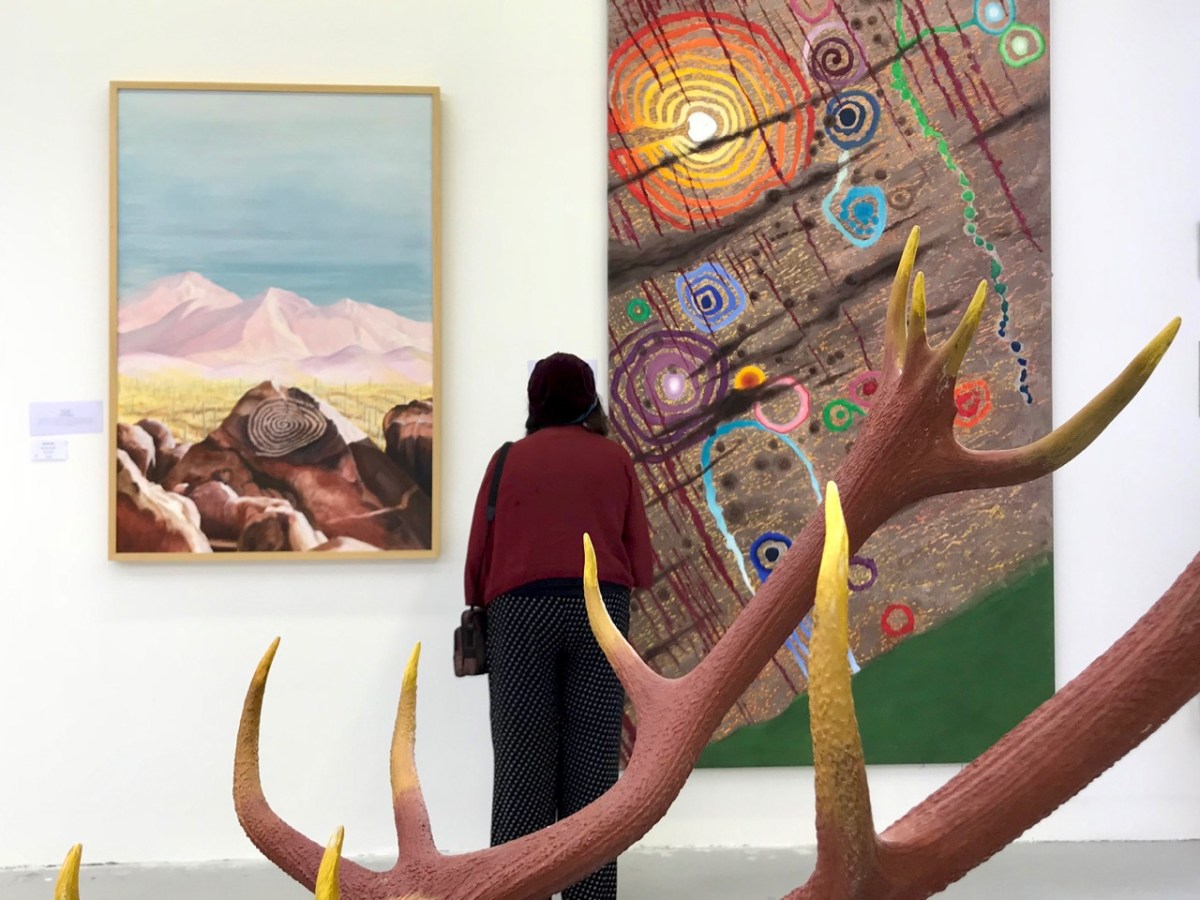
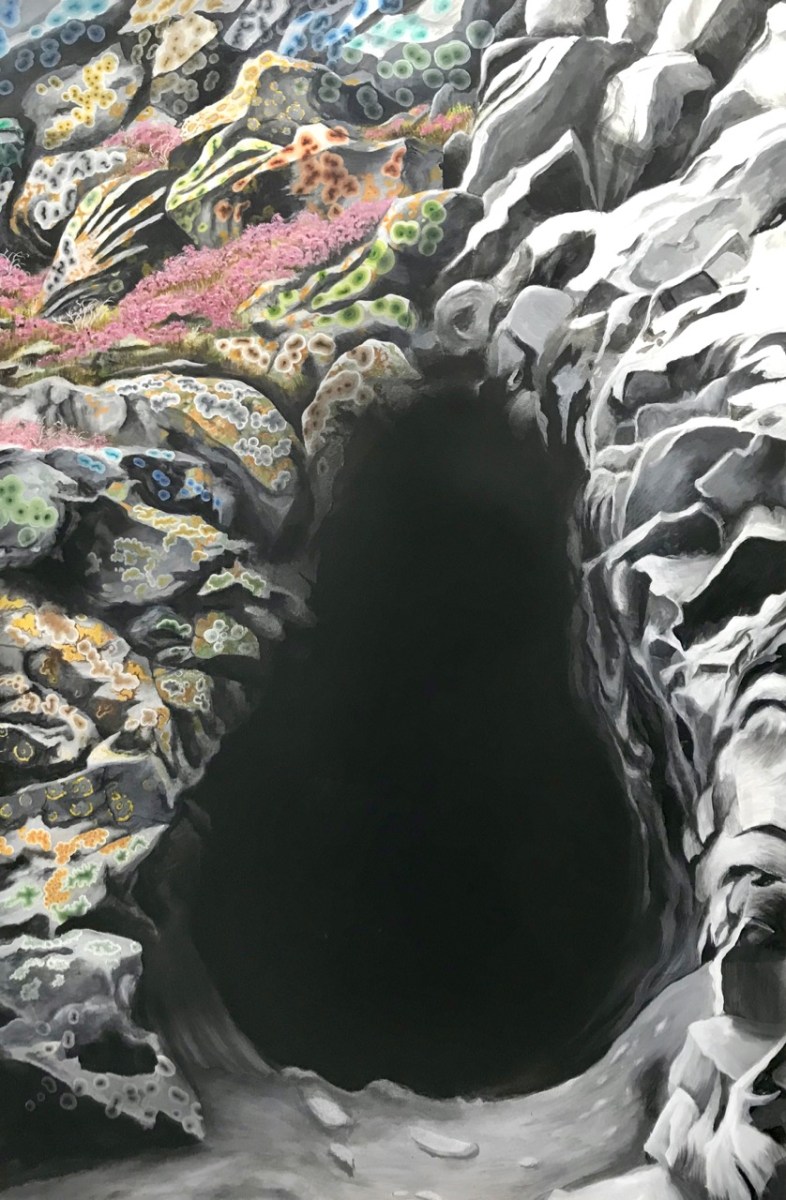
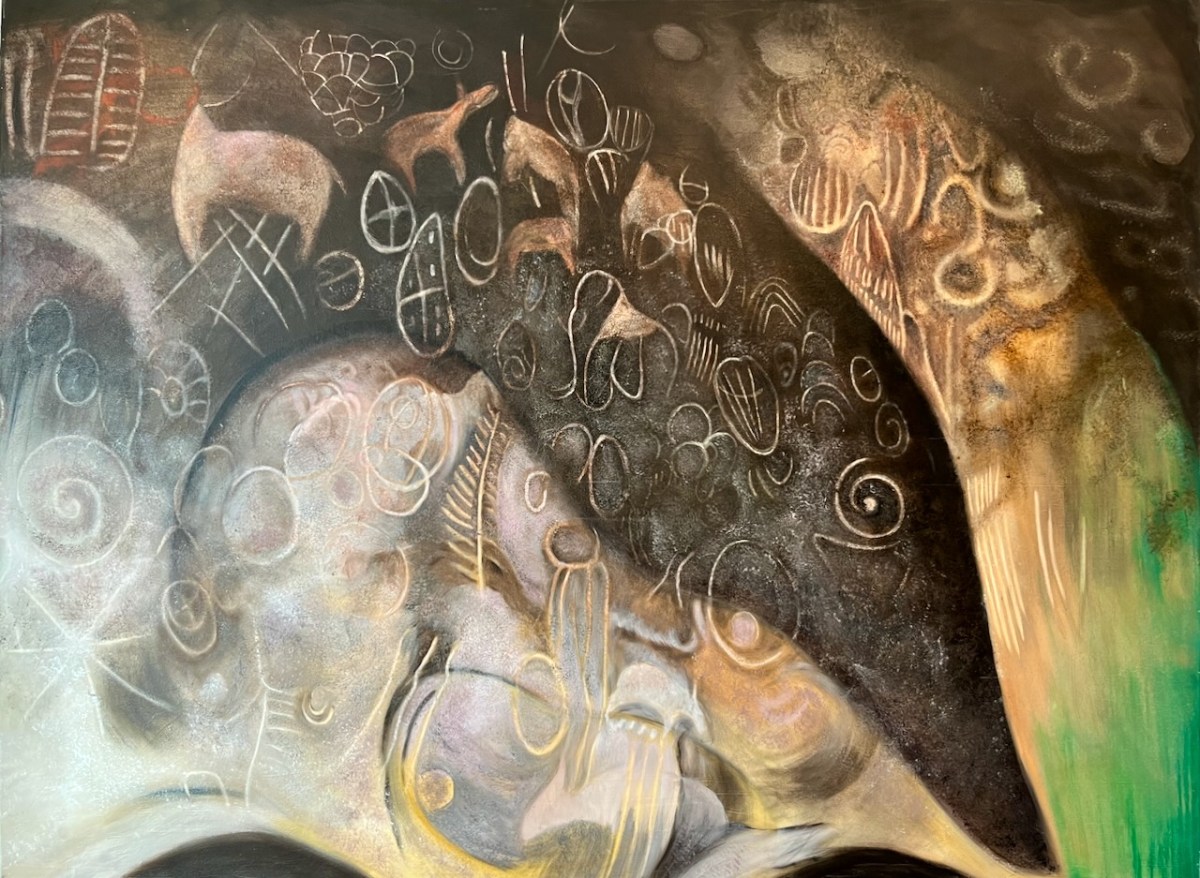
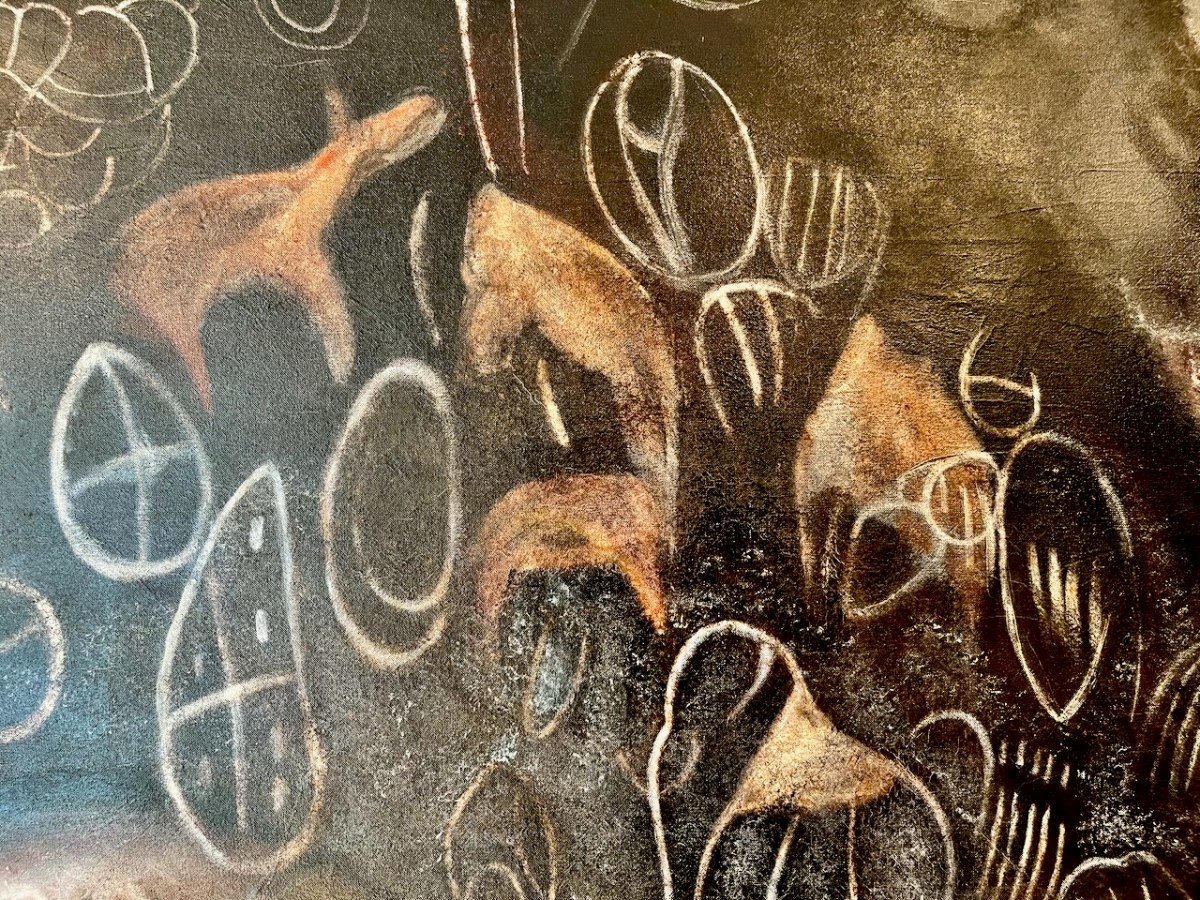
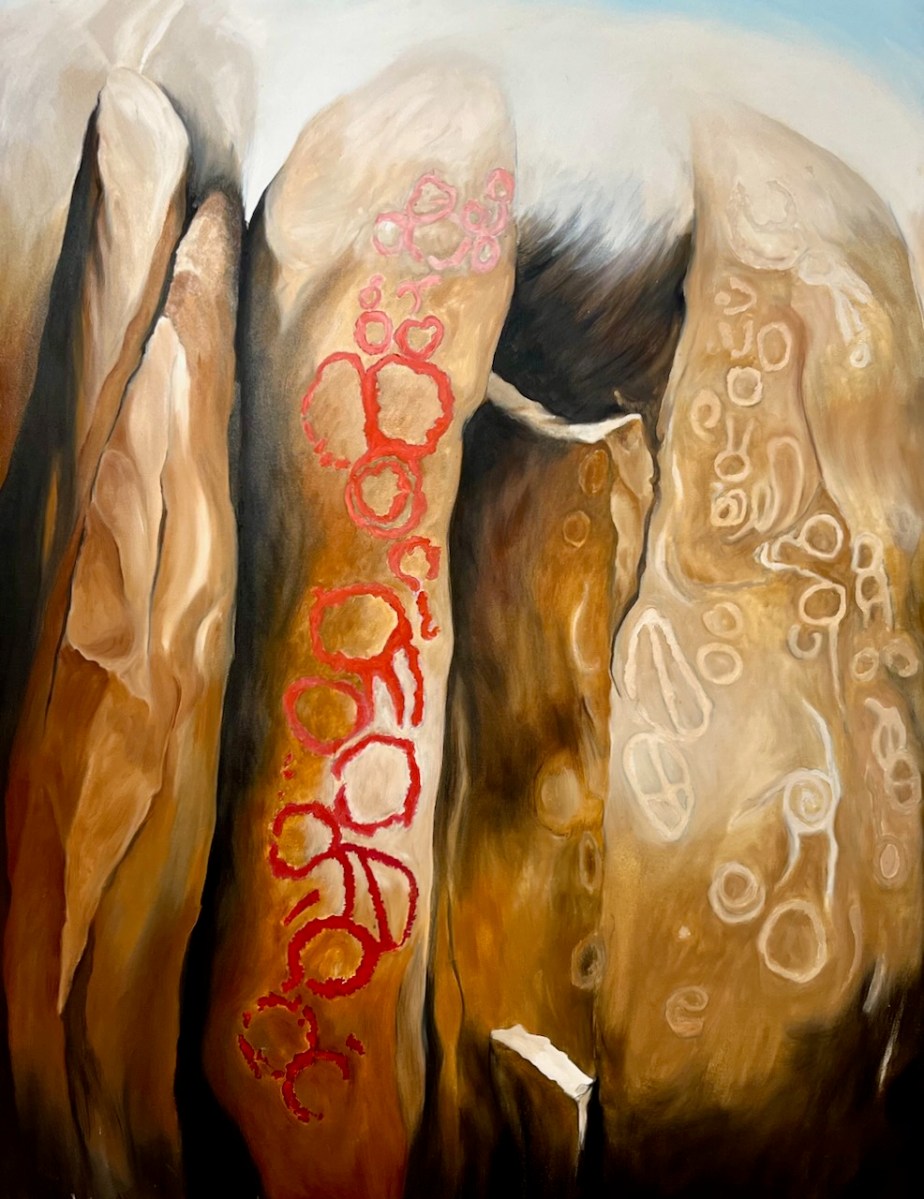
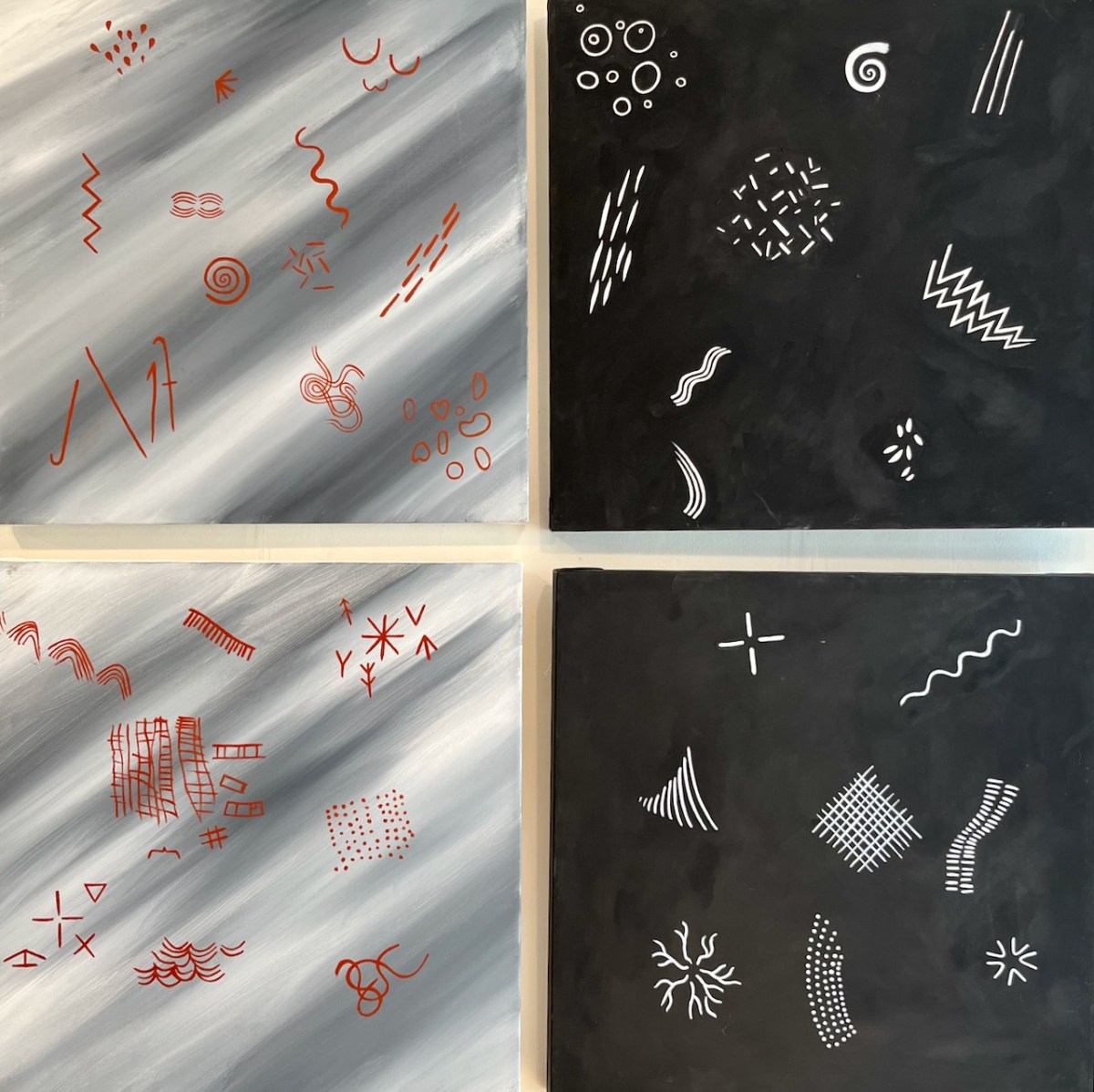
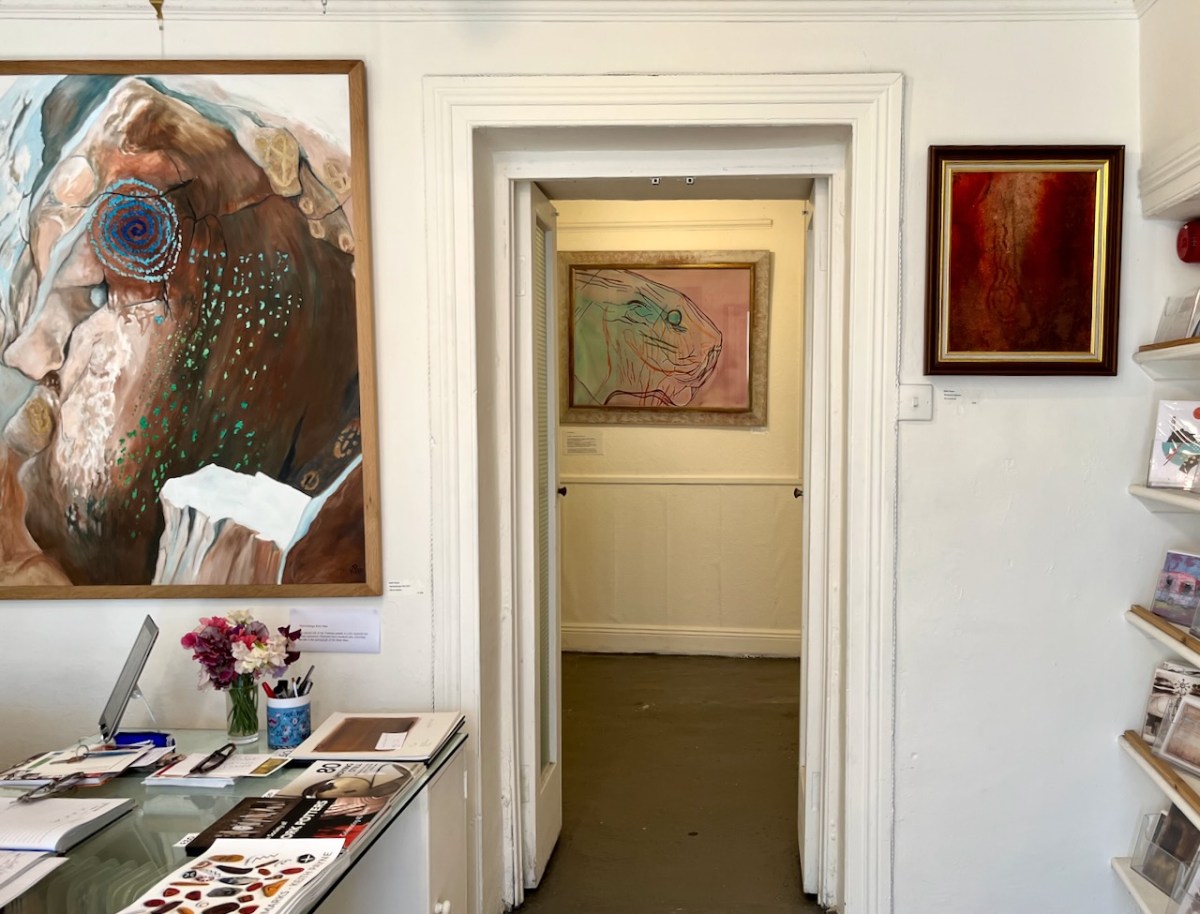
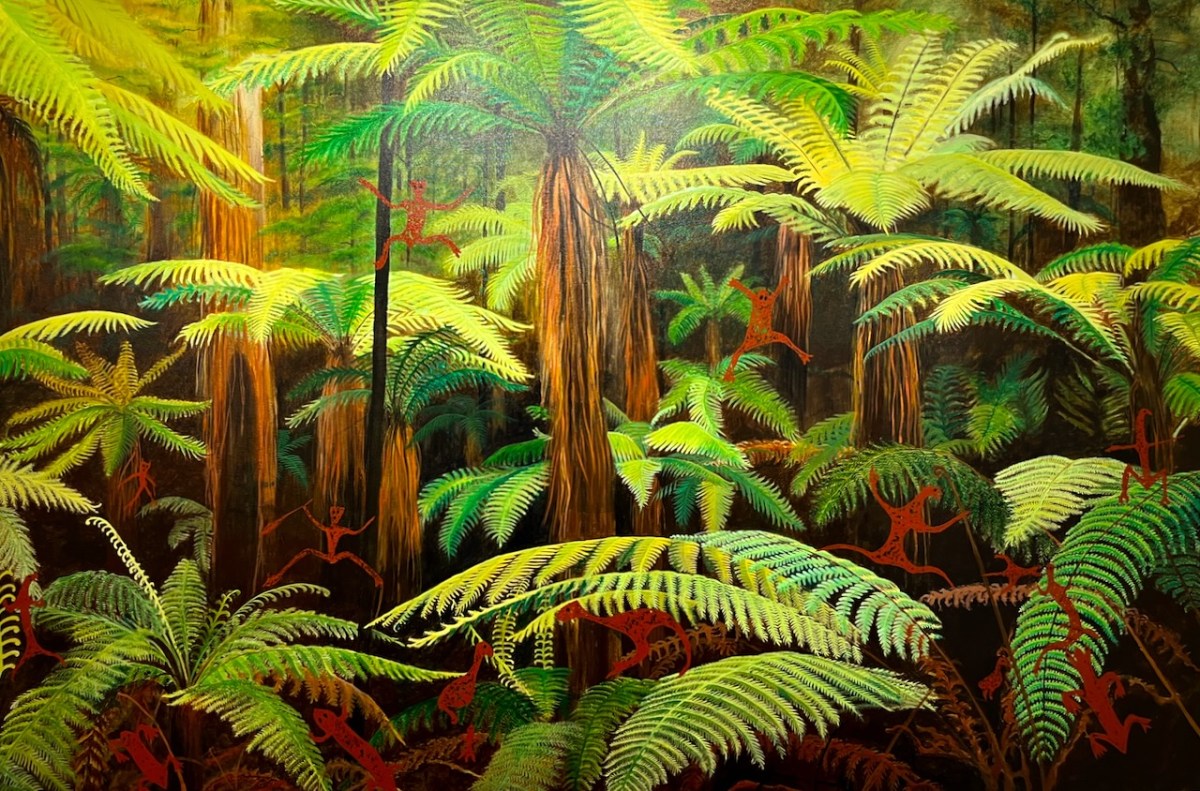
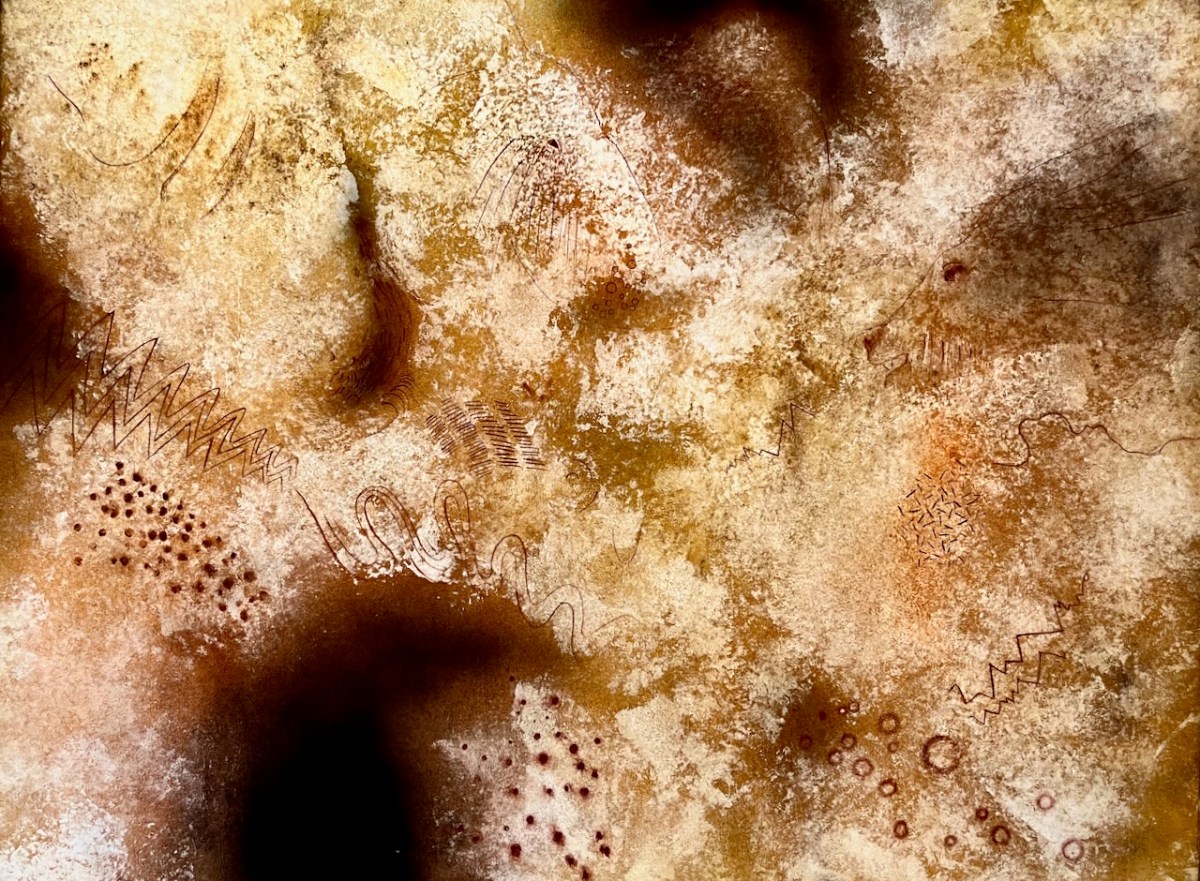
That’s Keith’s painting – based on the Rock Art at Derreenaclogh, close to where we live in West Cork – on the right, above. It was in the Clare exhibition and also our Cork Public Museum exhibition.
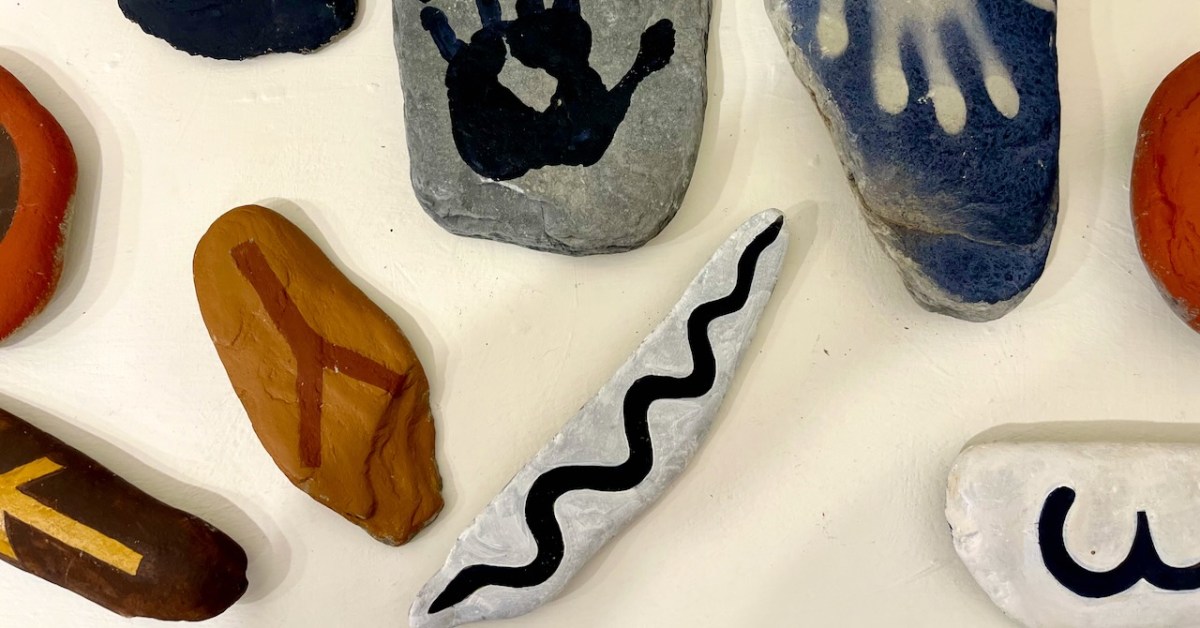
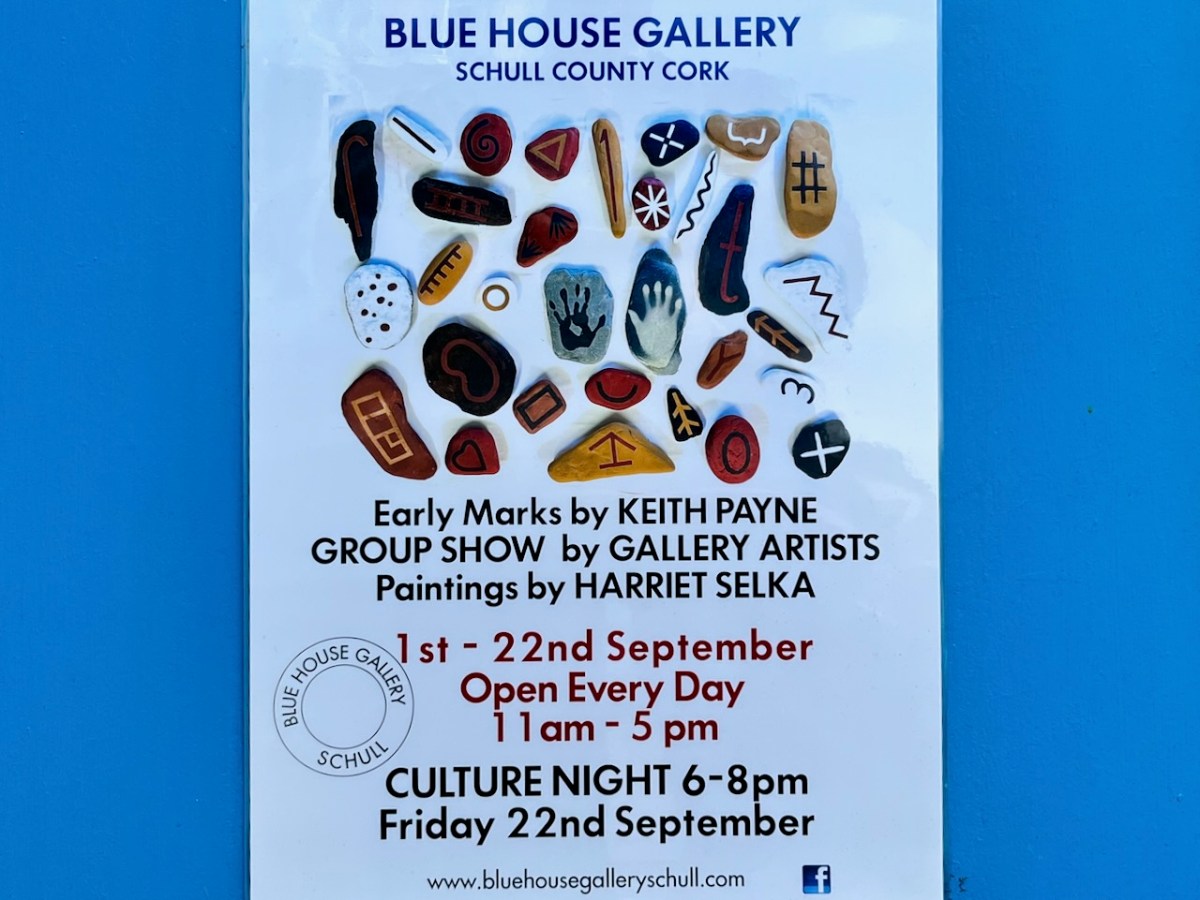
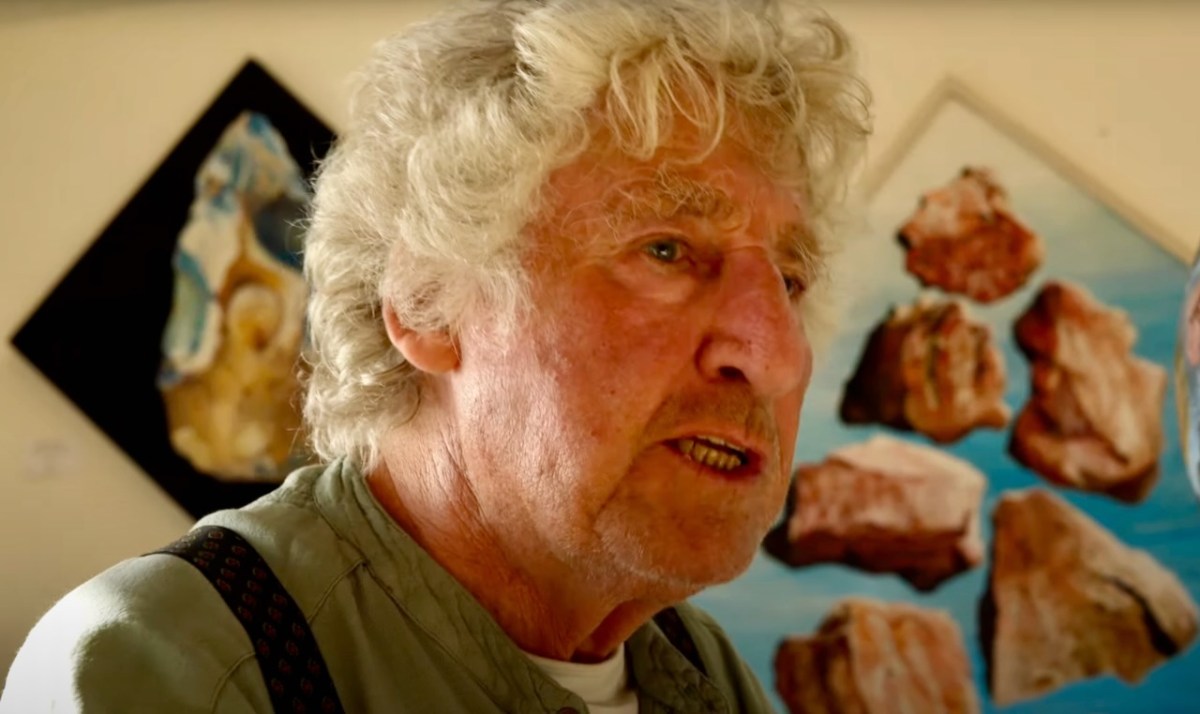
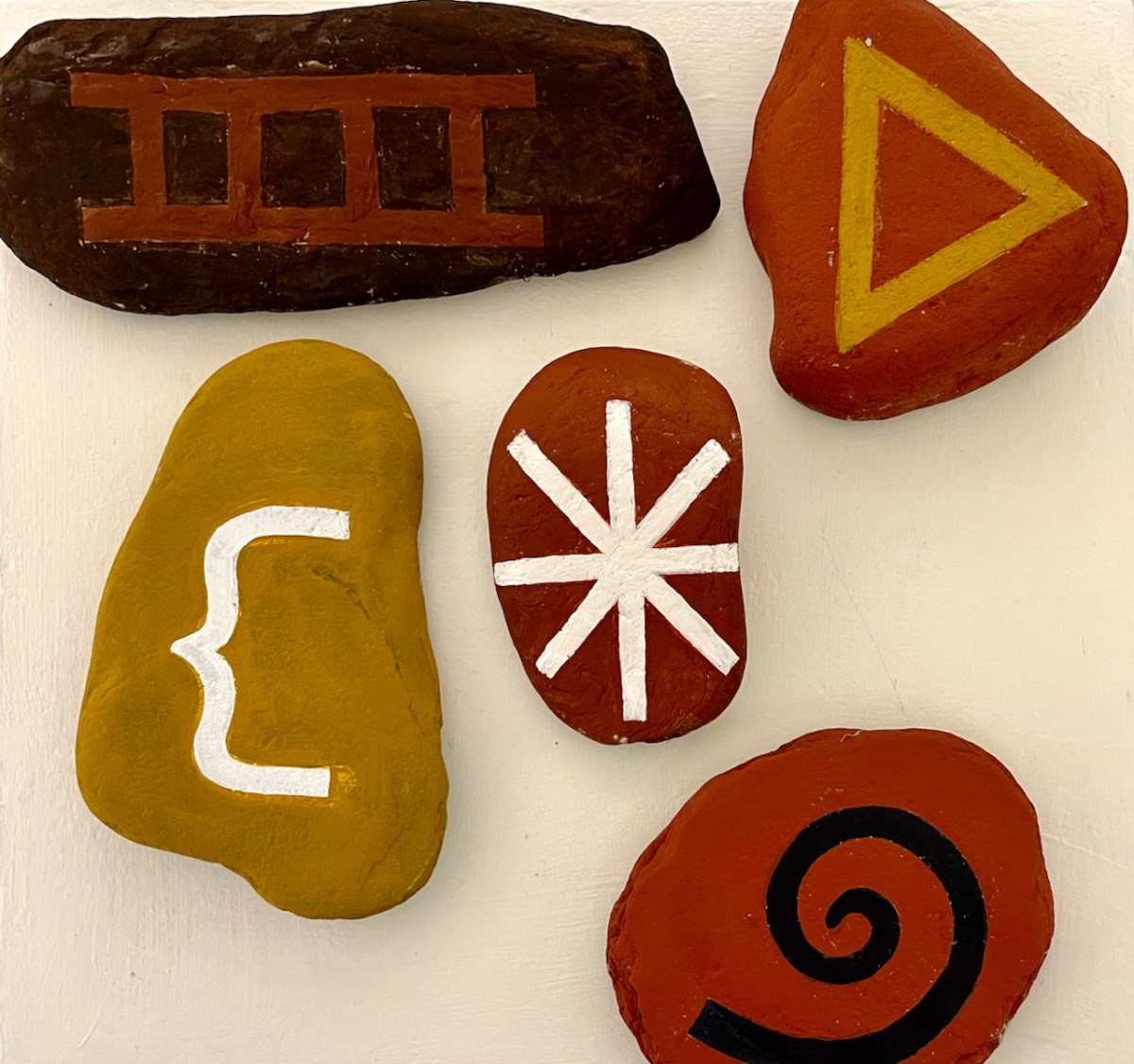
You have the opportunity to see the current show in Schull, as it’s on until Culture Night (Friday 22 September 2023). Early Marks is “…a study of the beginnings of art and the possible source of a prehistoric worldwide visual language…” That’s a huge subject, and Keith (below) tackles it with large, assured and spirited images.
. . . There is no Time associated with any of these works, as Time is a construct invented long after the images on exhibition. Hunter-Gatherers, the makers of Early Marks, lived in a visionary state now lost to western civilisation . . . The language of Early marks consists of imagery, symbols and patterns that have been left in the physical world but created in the ‘other world’ . . . Many of the forms are possible direct projections of electrical impulses from the brain seen during states of altered consciousness . . . ‘Entopic’ images that manifest as points of light in the absolute darkness of the mind in the cave . . .
Keith Payne – from the Exhibition Catalogue
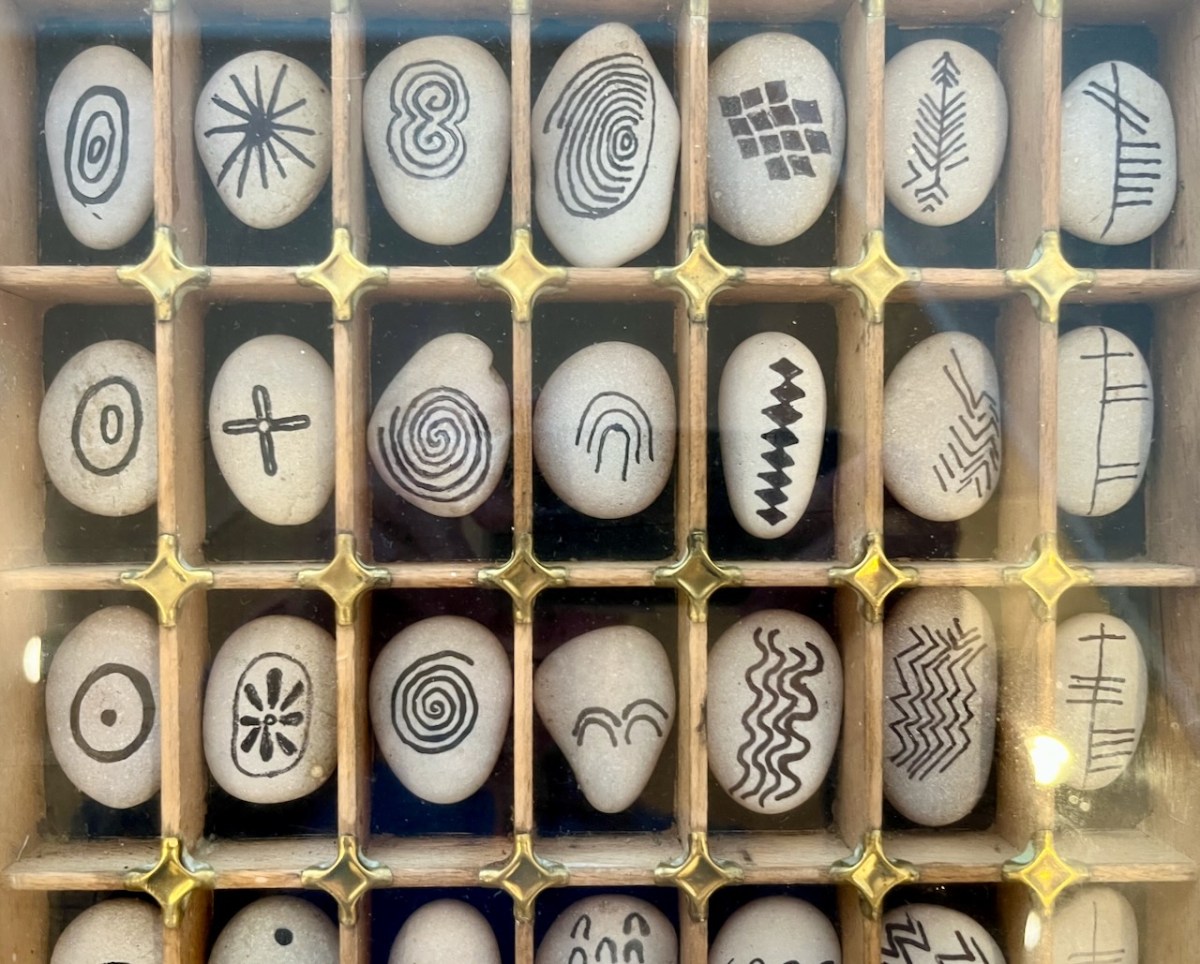
Font Tray – part of a larger work titled The prehistoric development of visual language:
. . . Reading from left to right are the earliest images from South African caves then through Palaeolithic, Neolithic, to a column of Ogham which reads from bottom to top: “Visual Language” . . .
Keith Payne – from the Exhibition catalogue
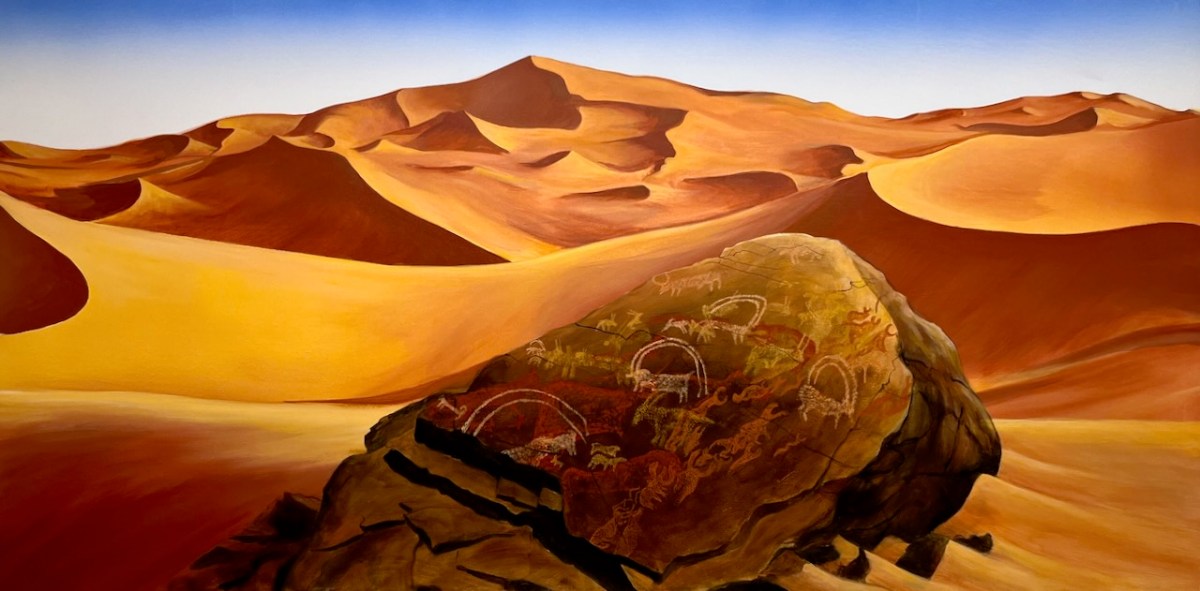
Empty Quarter (above) – a geographical region in the southern part of Saudi Arabia: the largest continuous sand desert in the world. Now scarcely populated it was in prehistory more temperate and the petroglyphs represent fauna of the time. Keith has painted the images in different colours to indicate the different periods of engraving.
Kakapel (and detail), Chelelemuk Hills, Uganda (above). Keith has travelled across the world to find his inspiration: in this painting – set at the entry point to the spirits living within the rock – are three styles: geometric images by the Twa people, pygmy hunter gatherers; these are overpainted with cattle by later Pastoralists.. The final abstract and geometrical designs were added by the ancestors of the Iteso people who migrated from Uganda.
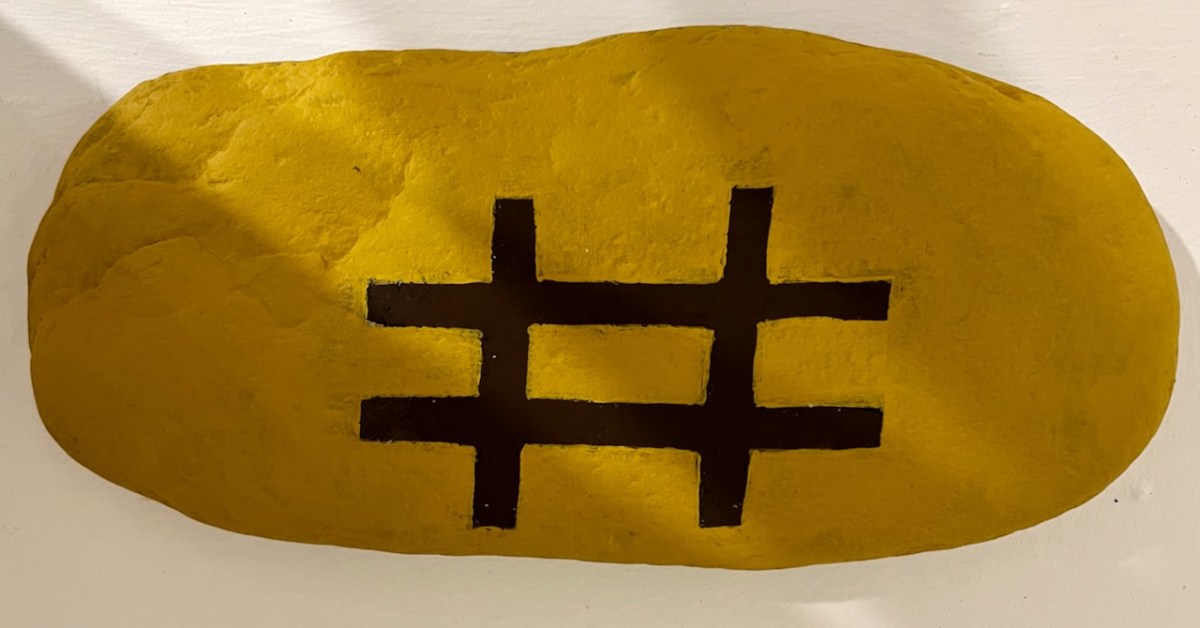
Lokori (above) – site of the Namoratunga rock art cemetery in Turkana Country of Kenya. Located on a basalt lava outcrop adjacent to the Kerio River.
Left side above: Paleolithic Images – found in paleolithic sites worldwide: Believed to be visual statements perceived during trance states. Right side: Entopic Images – produced in the visual cortex. Often geometric in form and linked to the nervous system, seen as a visual hallucination. Noted during altered states produced by the use of the entheogens and trance states, fasting and the total deprivation of all light.
Schull Blue House Gallery: Keith Payne’s Namoratunga Rain Man petroglyph on the left.
Teana Te Waipounamu, New Zealand
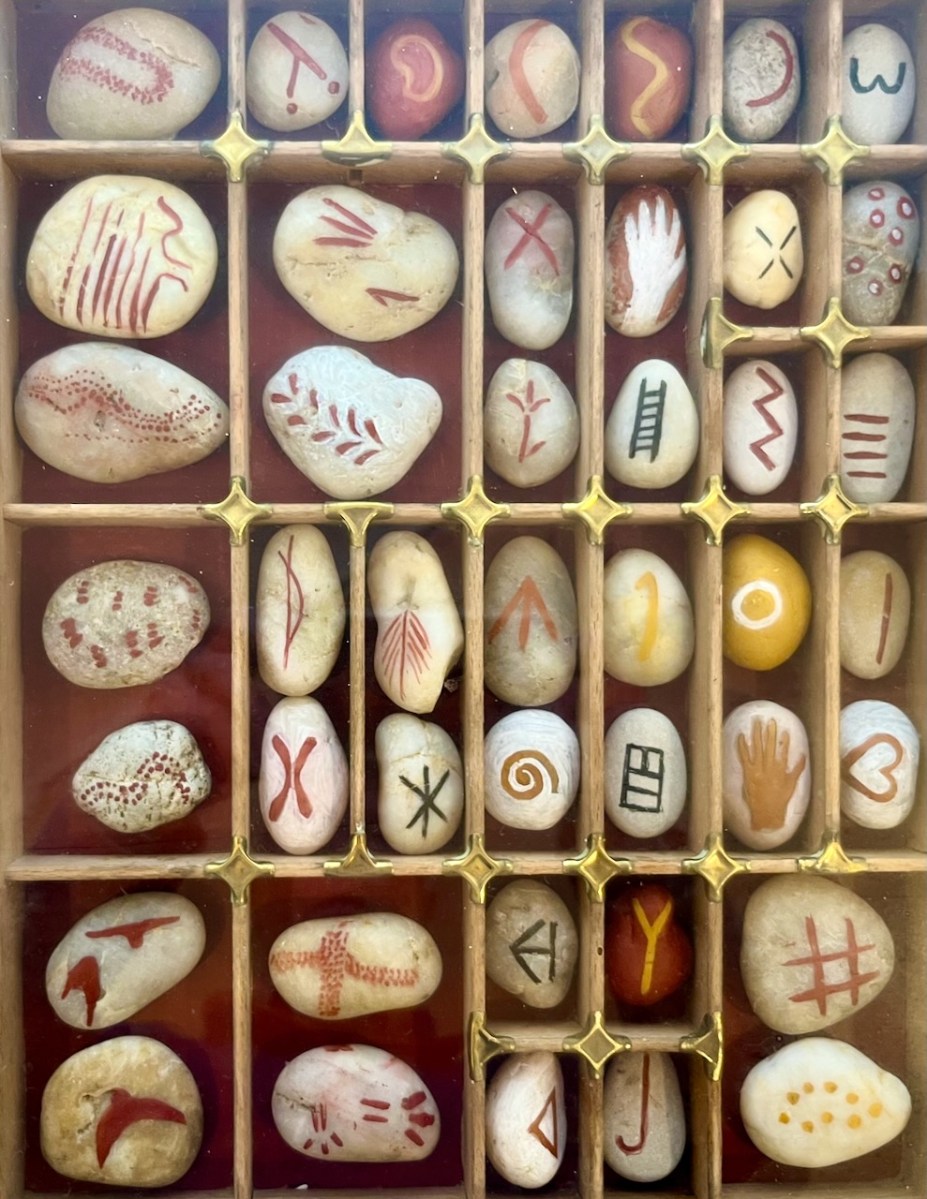
From Signs + Palette of Ice Age Europe: a possible Visual Language.
Waiting Room:
. . . Approaching the mystery of the sacred space one dwells, initially, in the First Chamber. Many caves of the Mid region of France are very deep with passages, rivers and massive chambers which stretch for miles. To enter is to commit to a journey into the Sepulchre. The first chamber is for adjusting to experience ahead, perhaps initiation into the mystery of total light deprivation with the sound of beaten lithophones and flutes, echoing through the darkness. Or the revelation of your totem in a state of trance, to then be led deeper to meet with the serpent force of the mountain and shown the way of the Shaman . . .
Keith Payne – From the Exhibition Catalogue
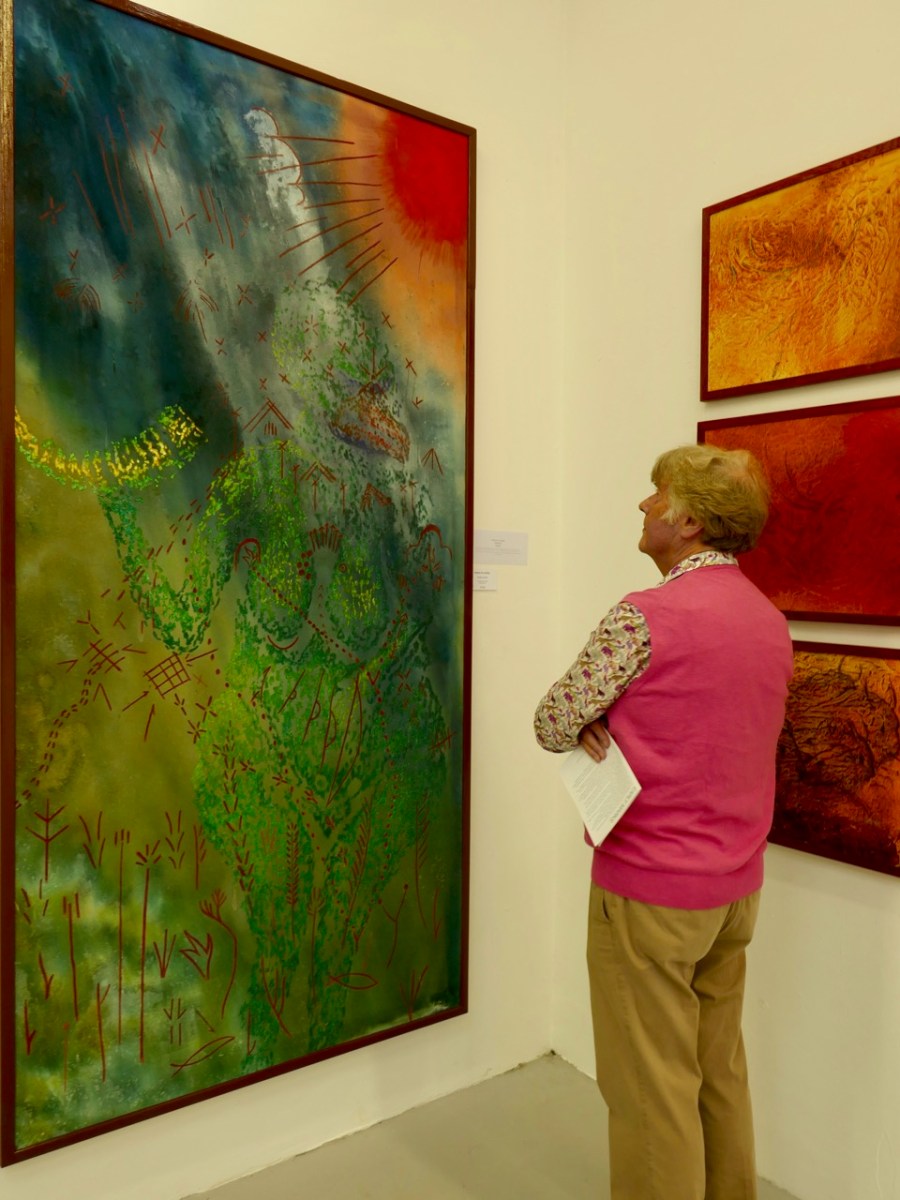
That’s me – at Keith’s Burren exhibition – awestruck by his Venus of Laussel.
Ronan Kelly discovered Keith Payne’s West Cork studio in this YouTube video
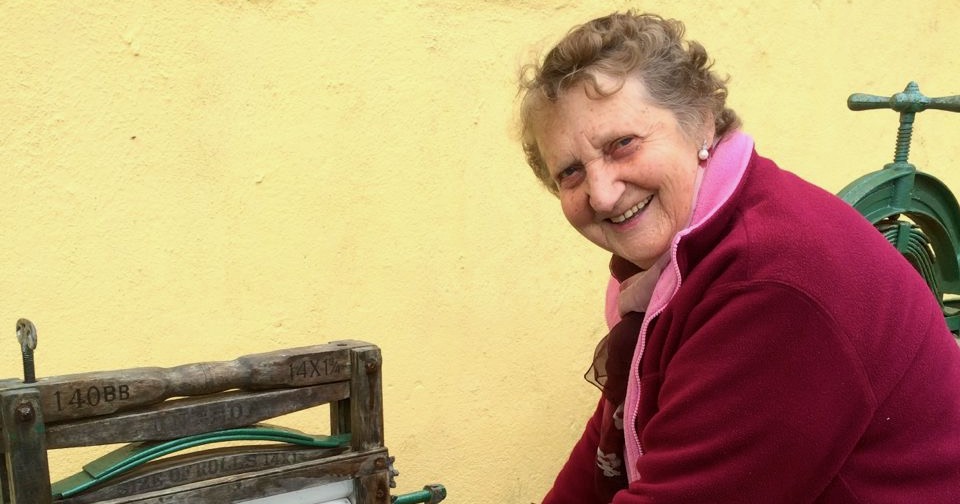
Our lovely friend Leita Camier died this week, aged 92 (although you wouldn’t have guessed it). Leita, and her husband Tommy, who predeceased her, were the marvellous couple who ran, up to a few years ago, the Gortnagrough Folk Museum. Tommy was quiet and gentle, where Leita was outgoing and chatty, and together they built an incredible collection of heritage artefacts. We were lucky we got to visit it before Tommy’s death made it all too much for Leita – it’s been closed for a few years now. In memory of Leita, I am reposting our account of our visit to their Folk Museum. You will see what a special place it was, and why Leita and Tommy were two more in our pantheon of Heritage Heroes.
What follows was written in 2014.
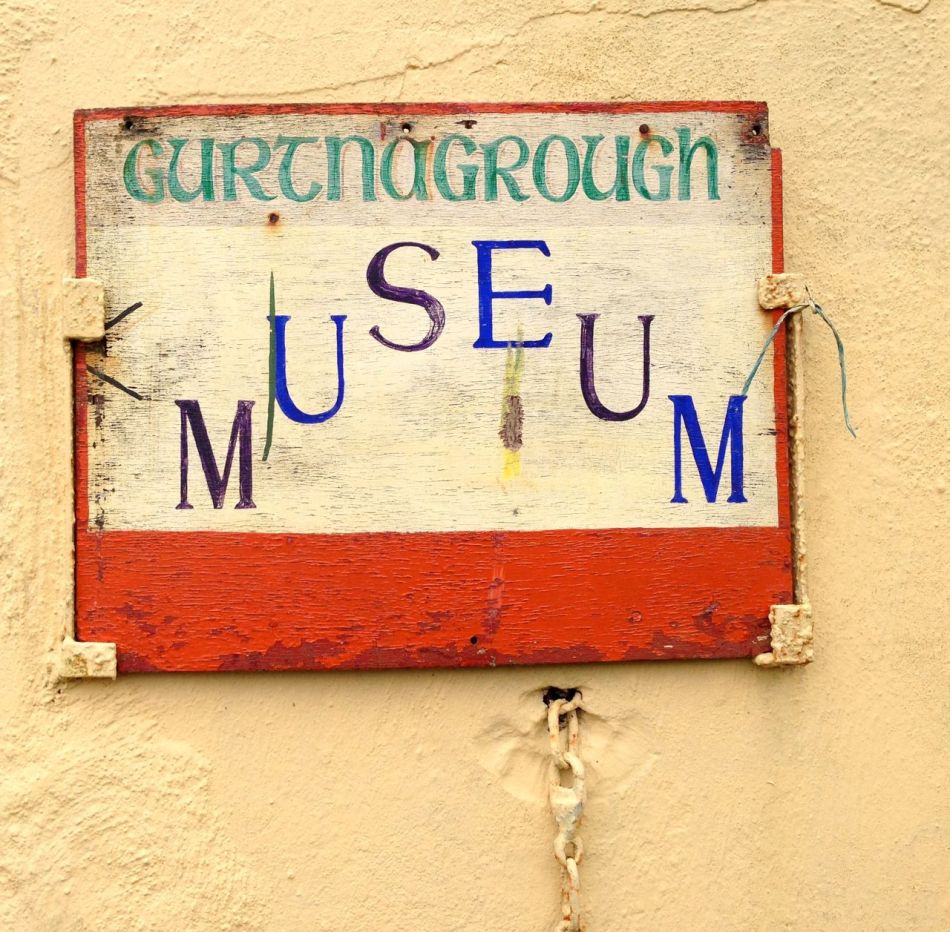
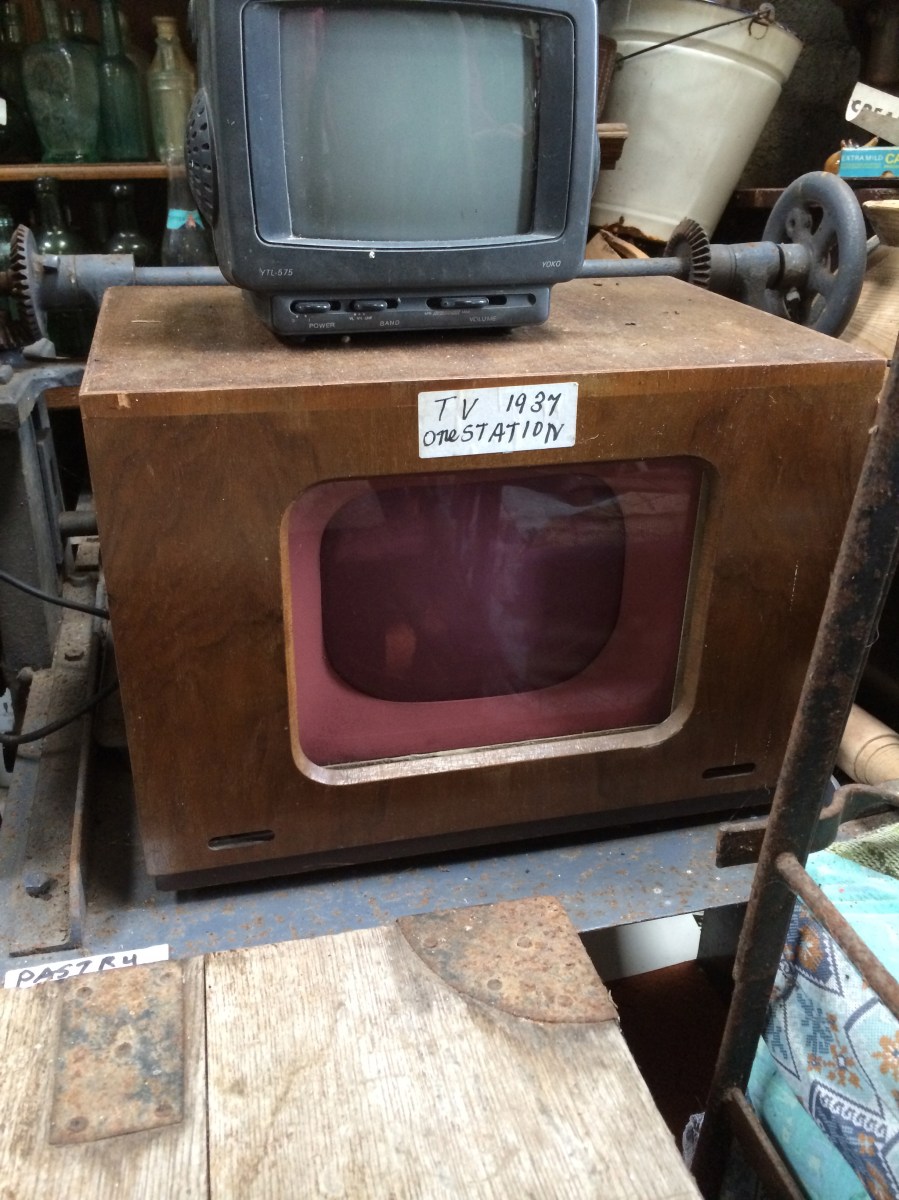
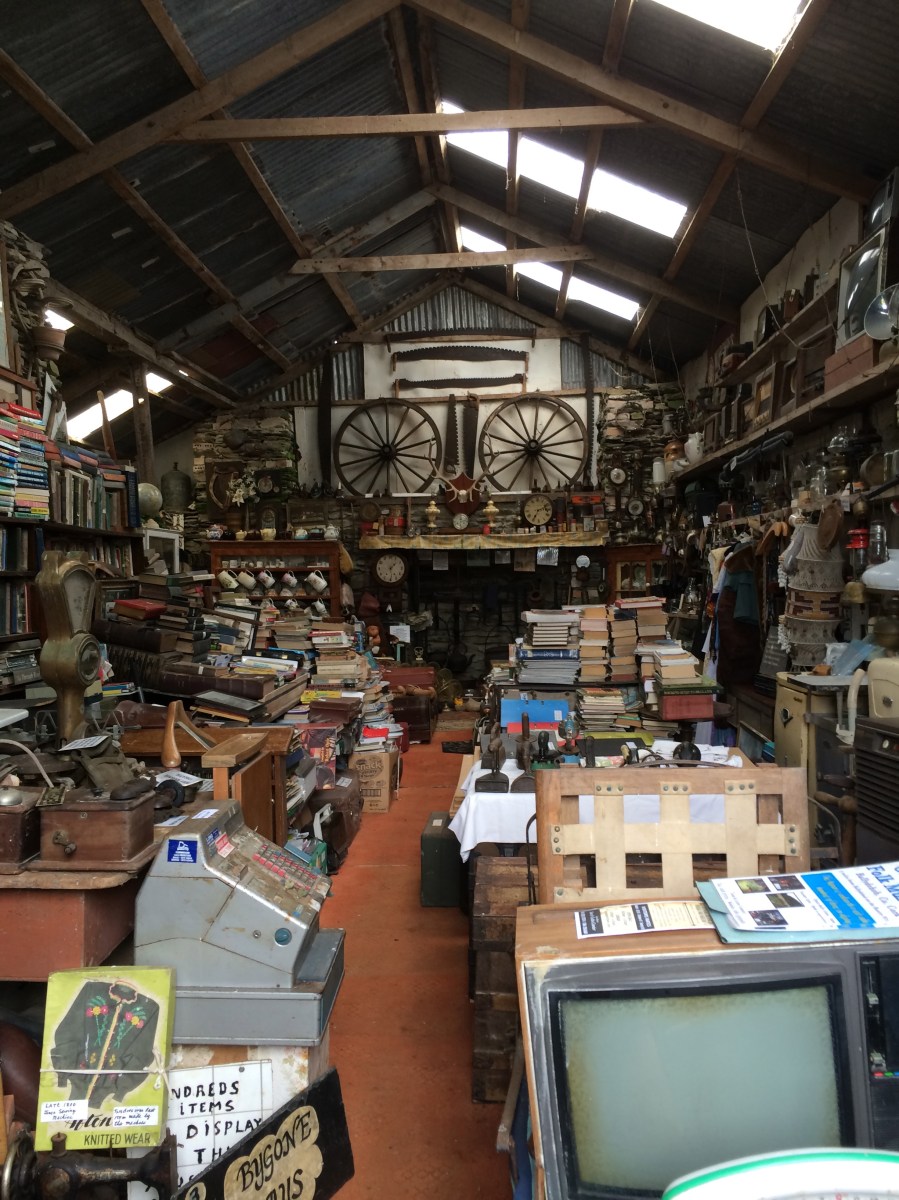
Gortnagrough Folk Museum has been called Ballydehob’s Best Kept Secret, but it could equally be called its Most Delightful Discovery. Leita and Tommy Camier have devoted years to building a huge, quirky, fascinating collection that will transport you back to your childhood, or perhaps your grandparents’ childhood. It’s pronounced Gurt-na-Grew.
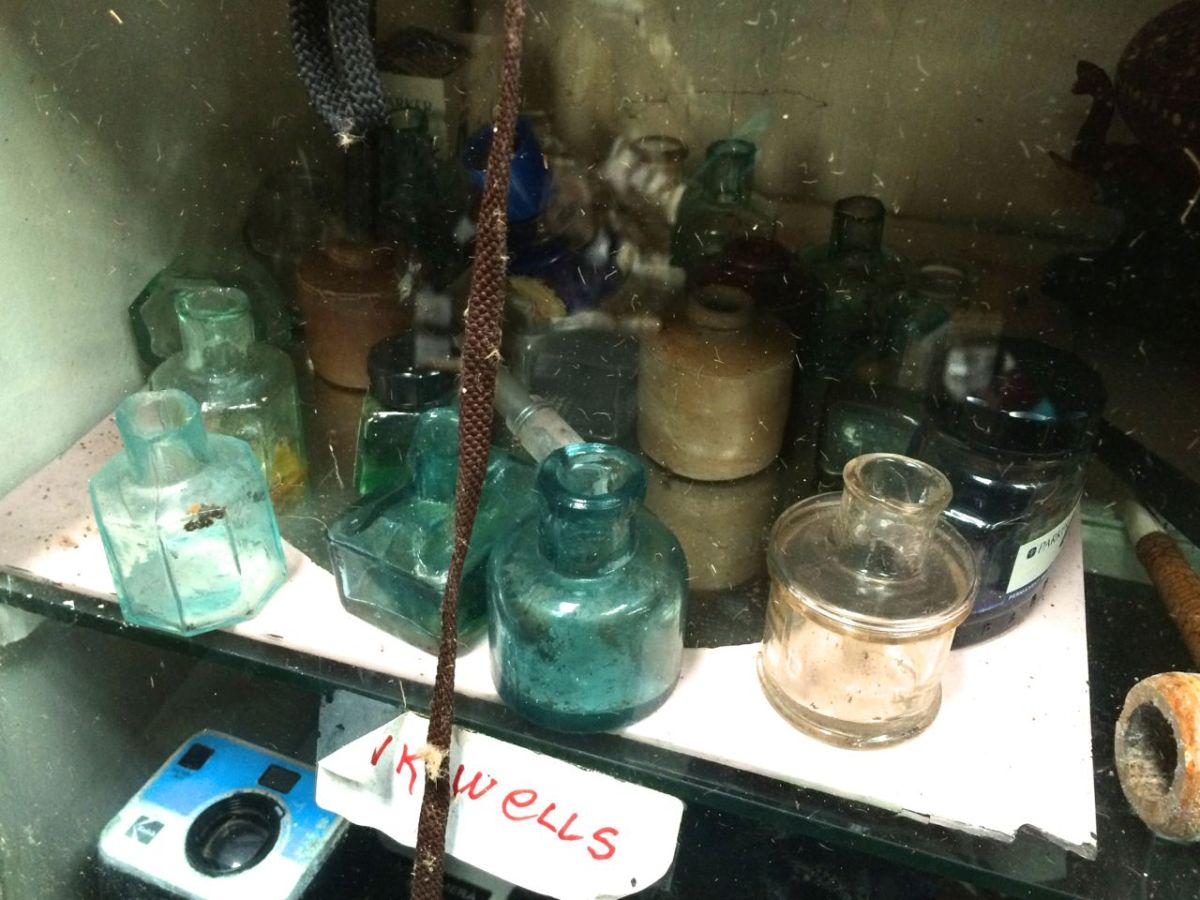
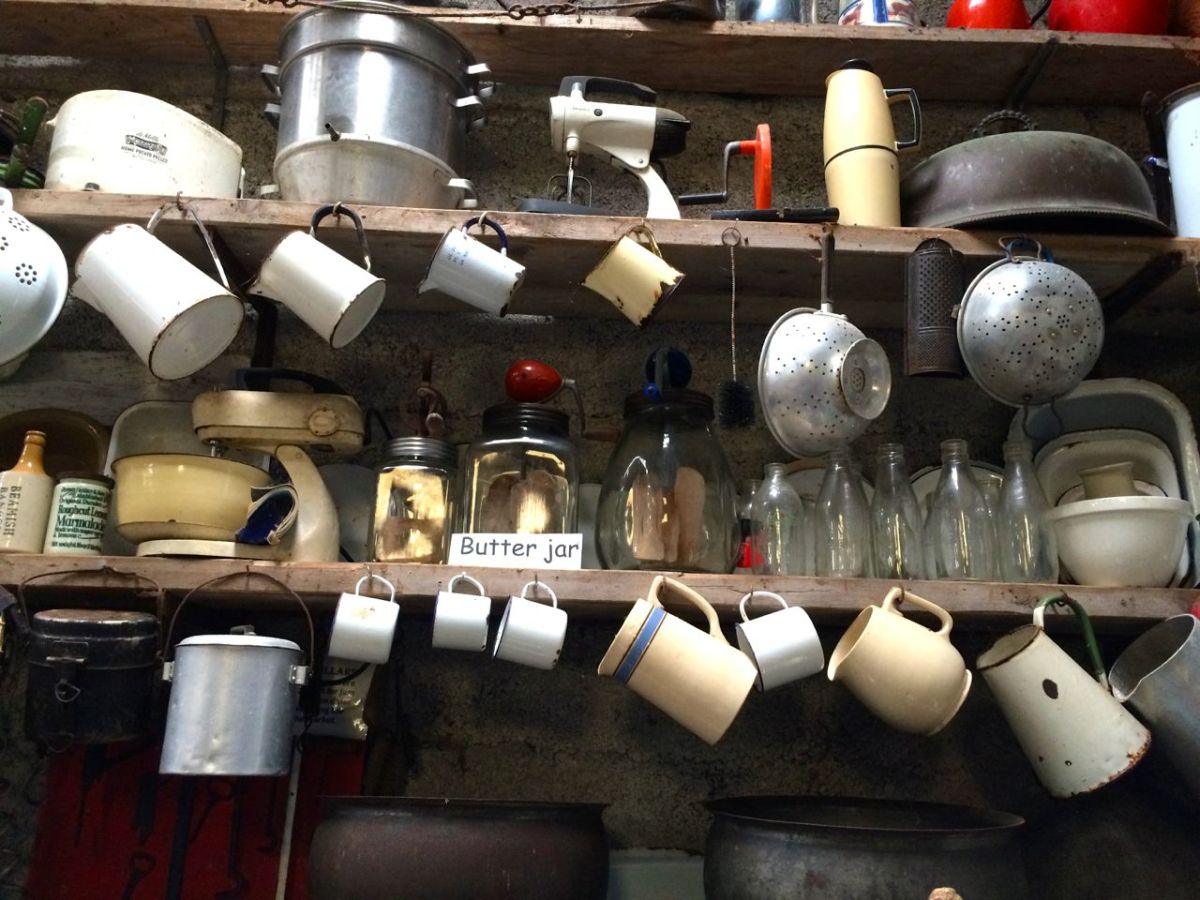
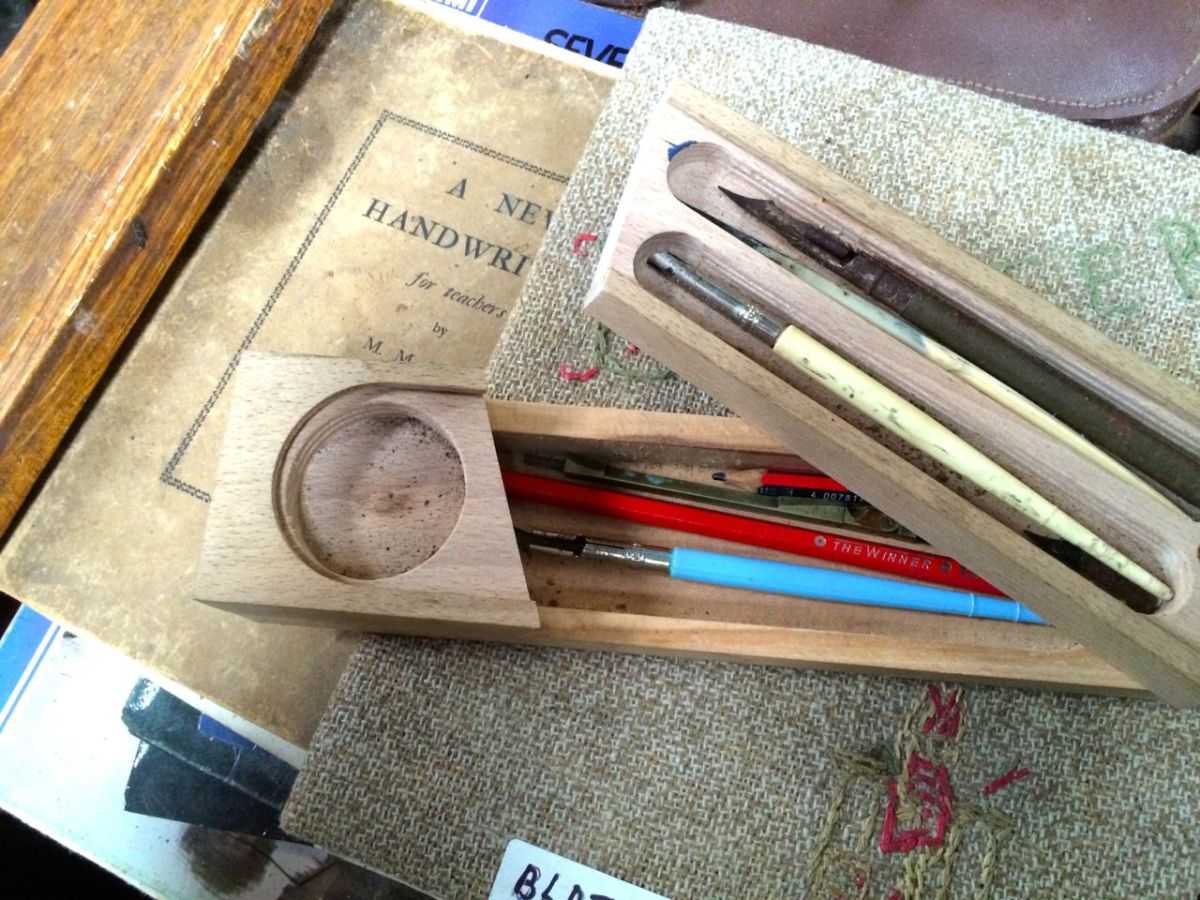
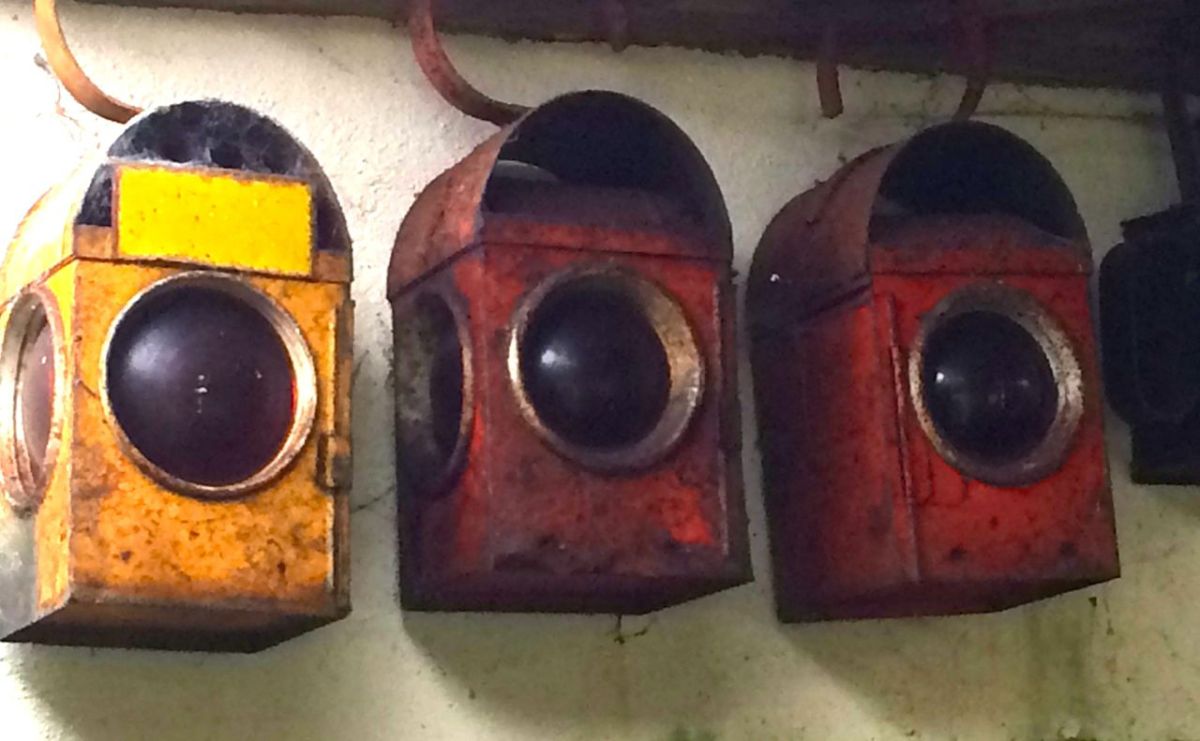
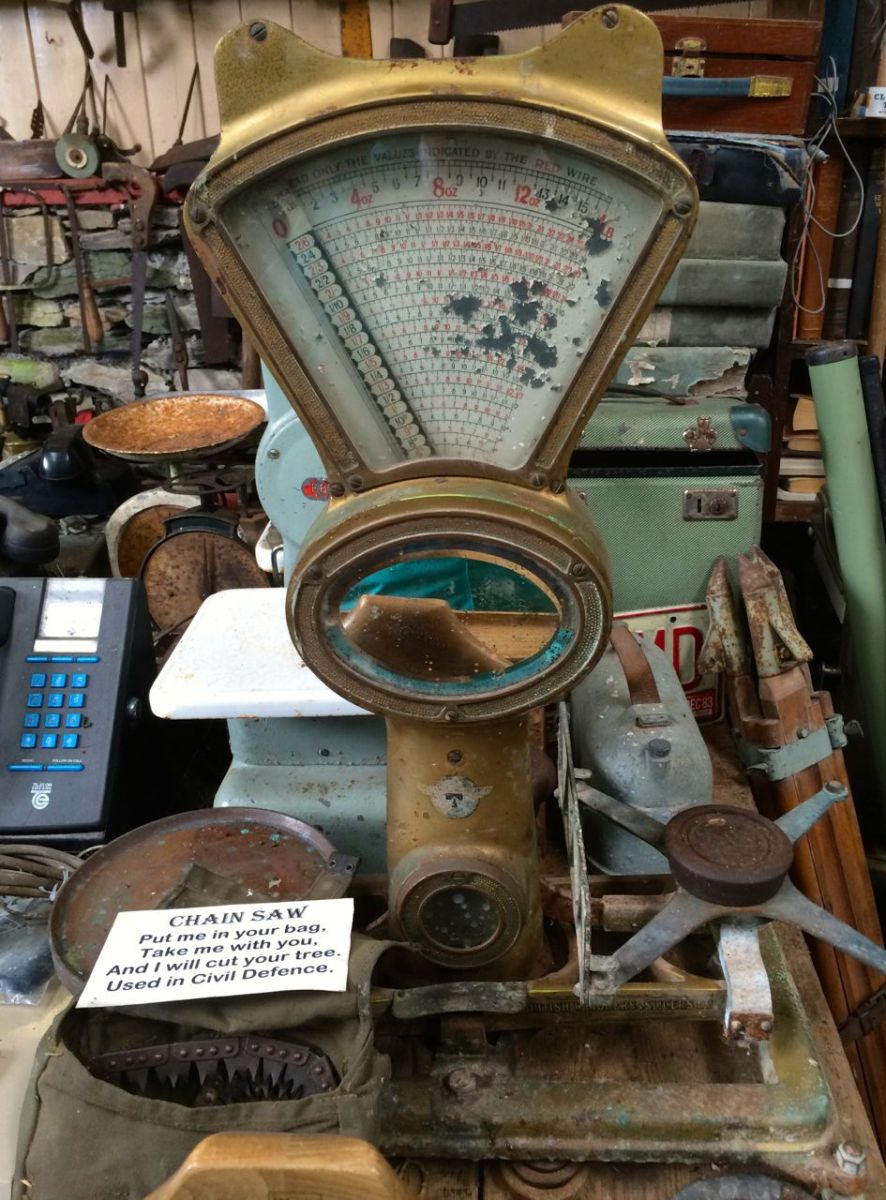
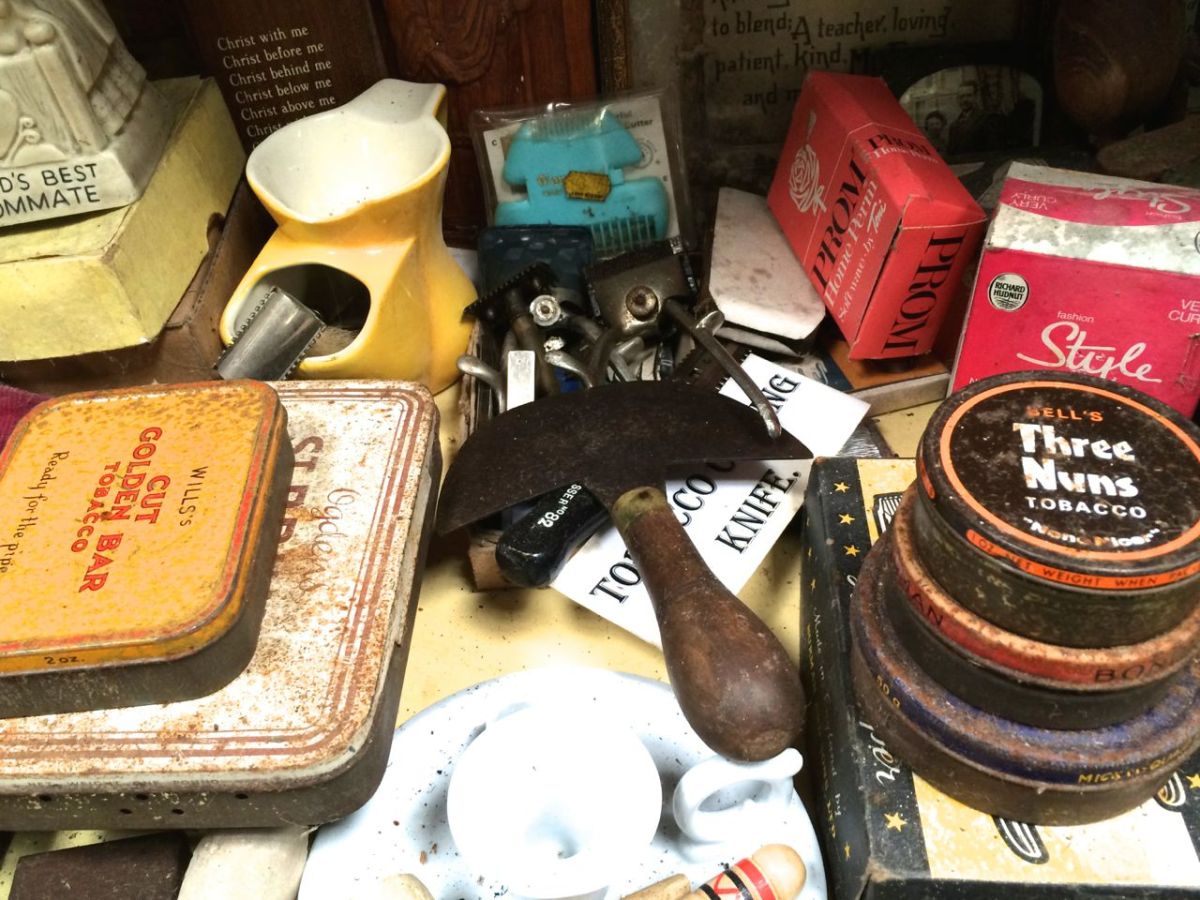
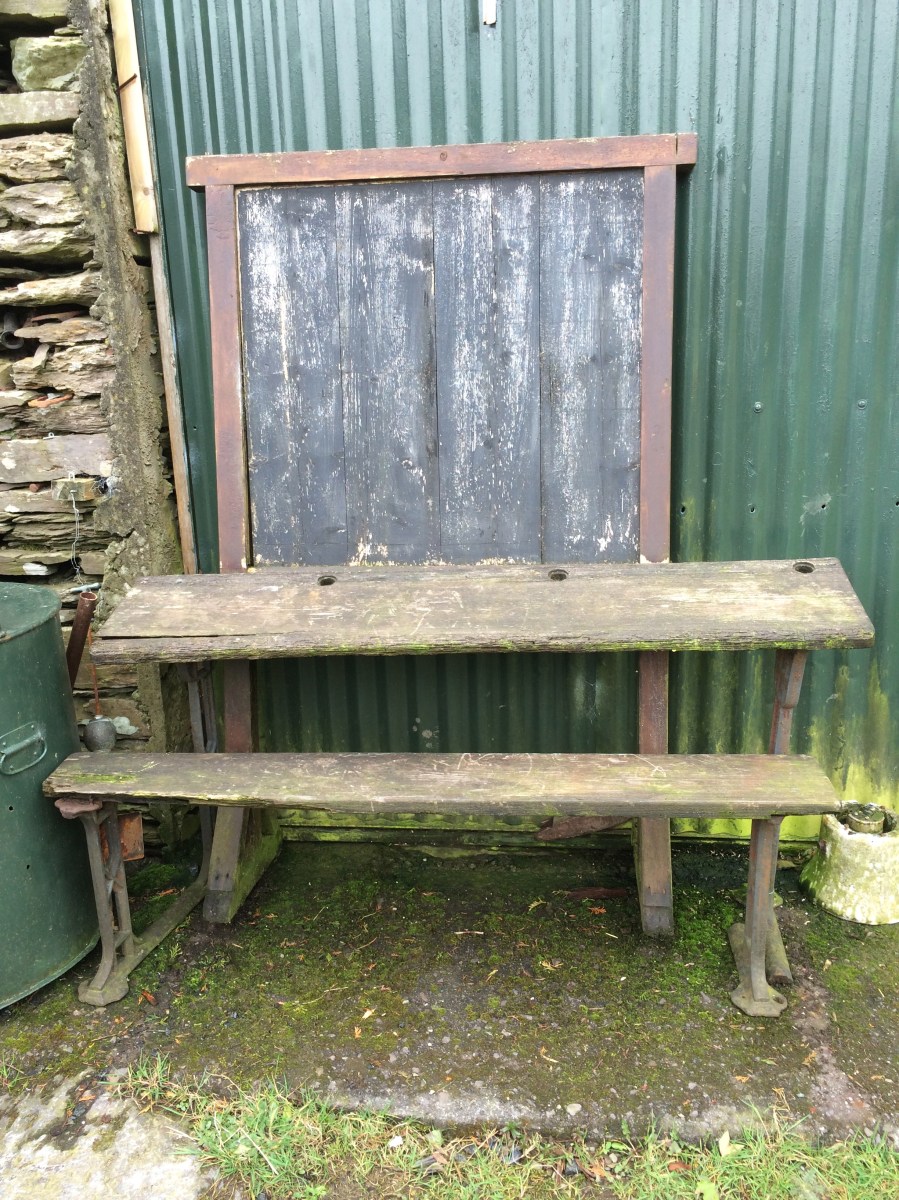
While the emphasis of the collection is on local and West Cork history and on farm machinery, many of the items will bring back memories, no matter where you grew up. Close your eyes for a minute and conjure up a picture of the little tin box that your father used to produce to fix the puncture on your bicycle tyre; or the tobacco tin your grandad opened when he needed to fill his pipe for a contemplative puff by the fire; or the funny old caddy your mother kept the tea in, that had belonged to her mother; or, if you’re as old as I am, the school desk you sat at, with the inkwell that was filled by the teacher once a week. You’ll find all of those here.
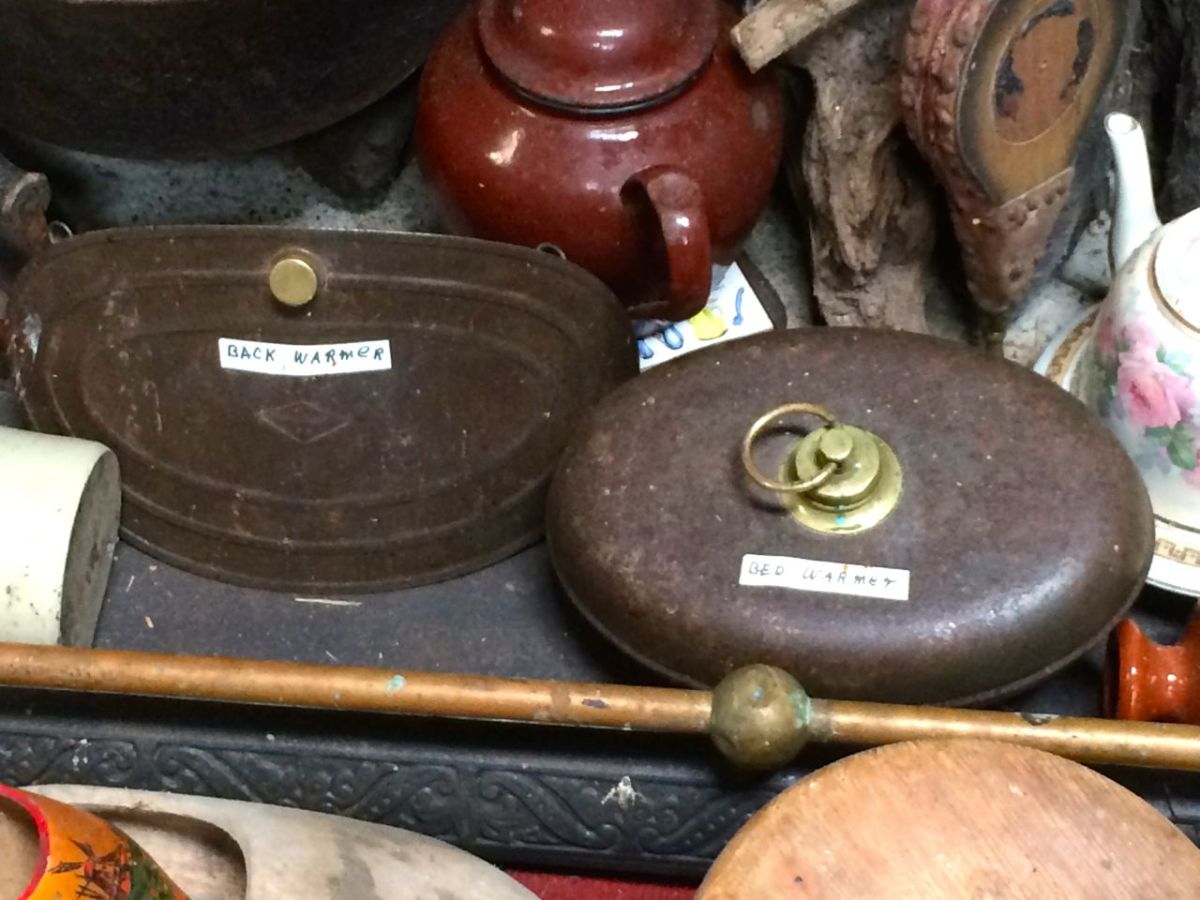
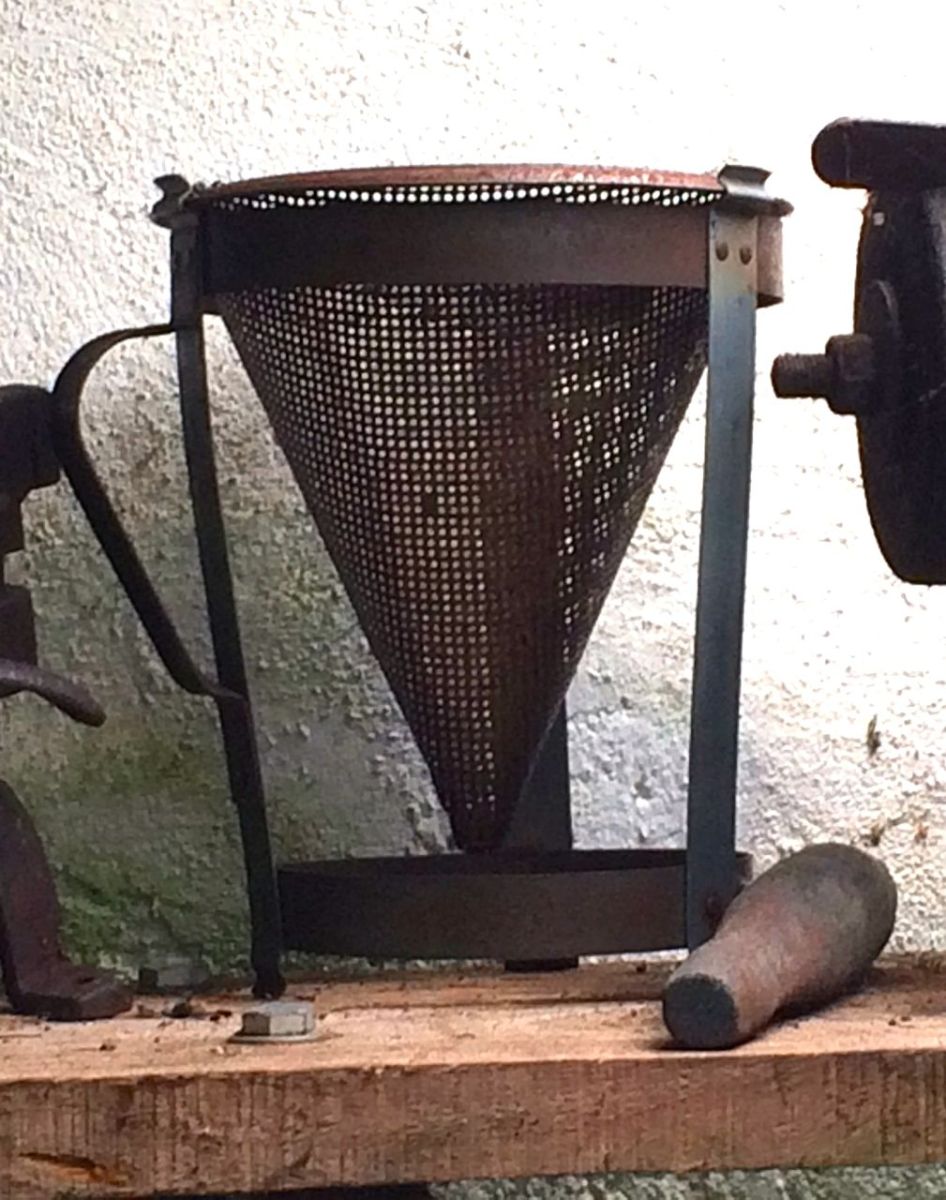
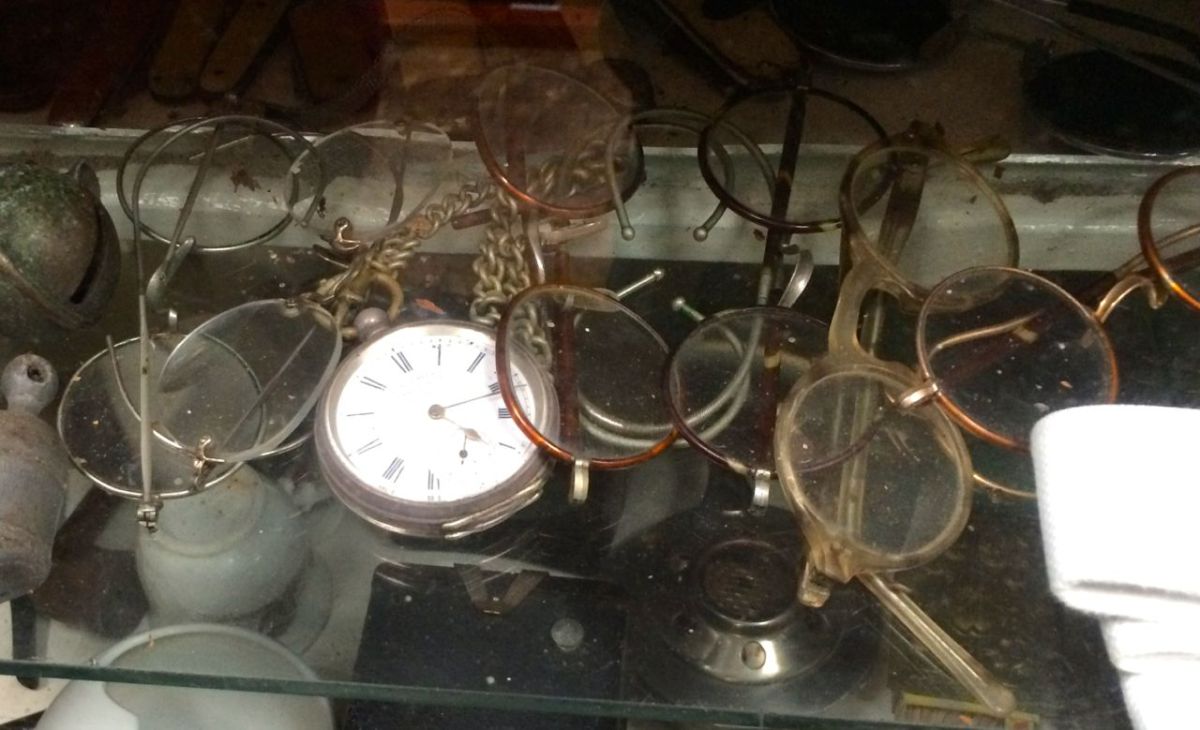
How many of these do you remember?
How about these?
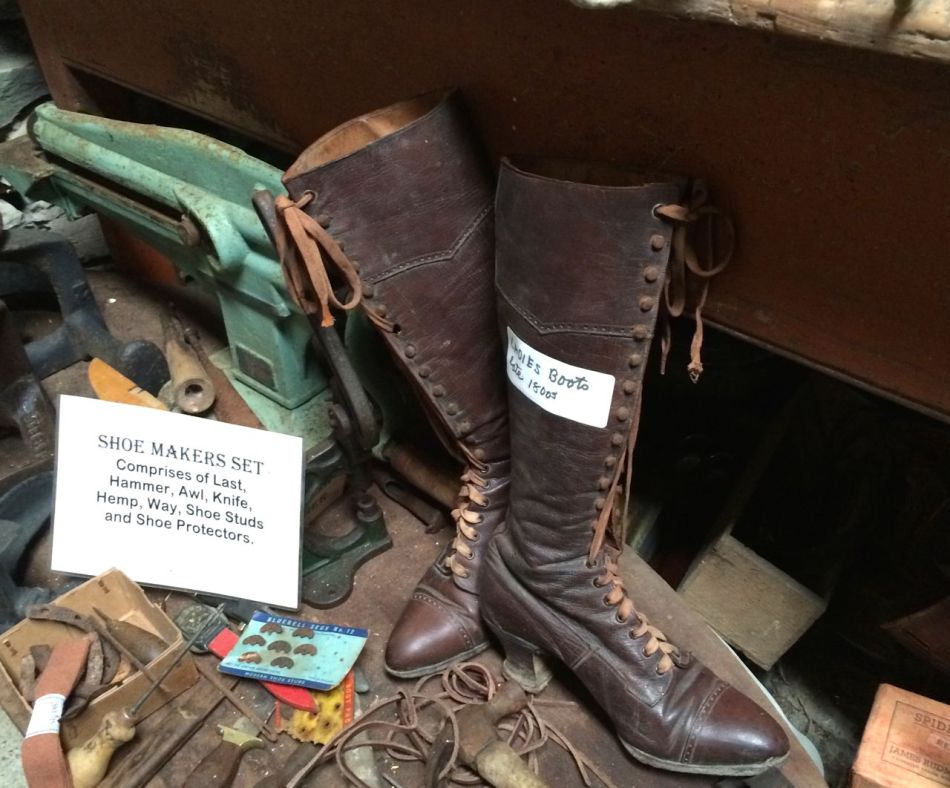
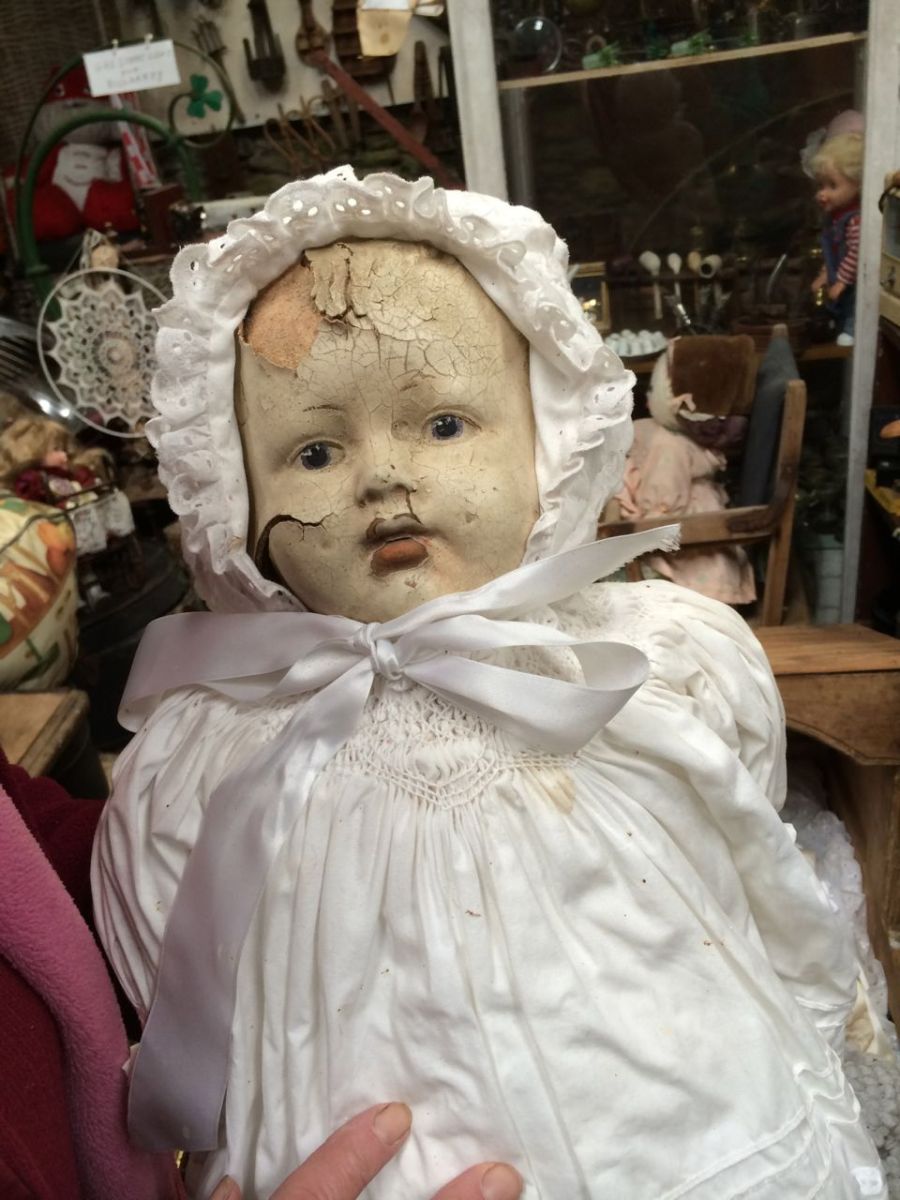
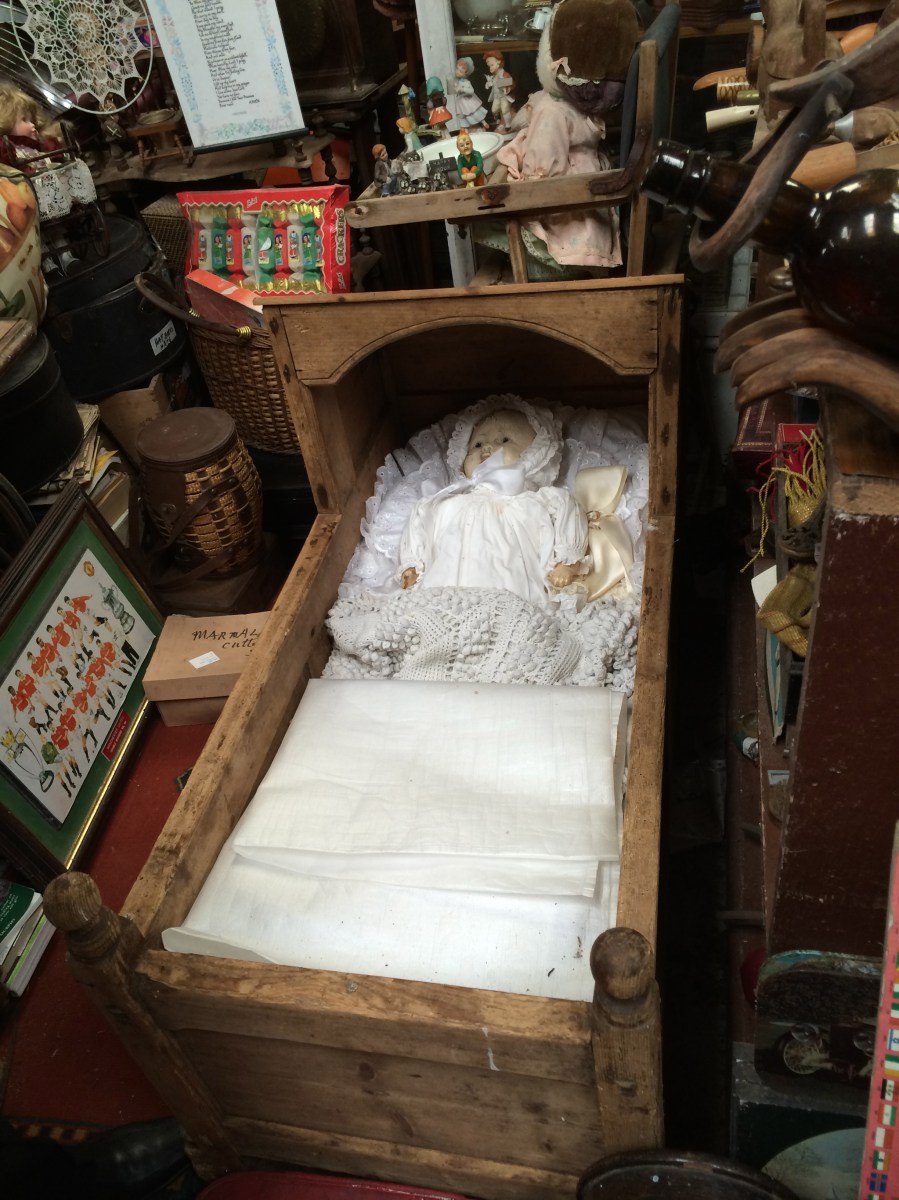
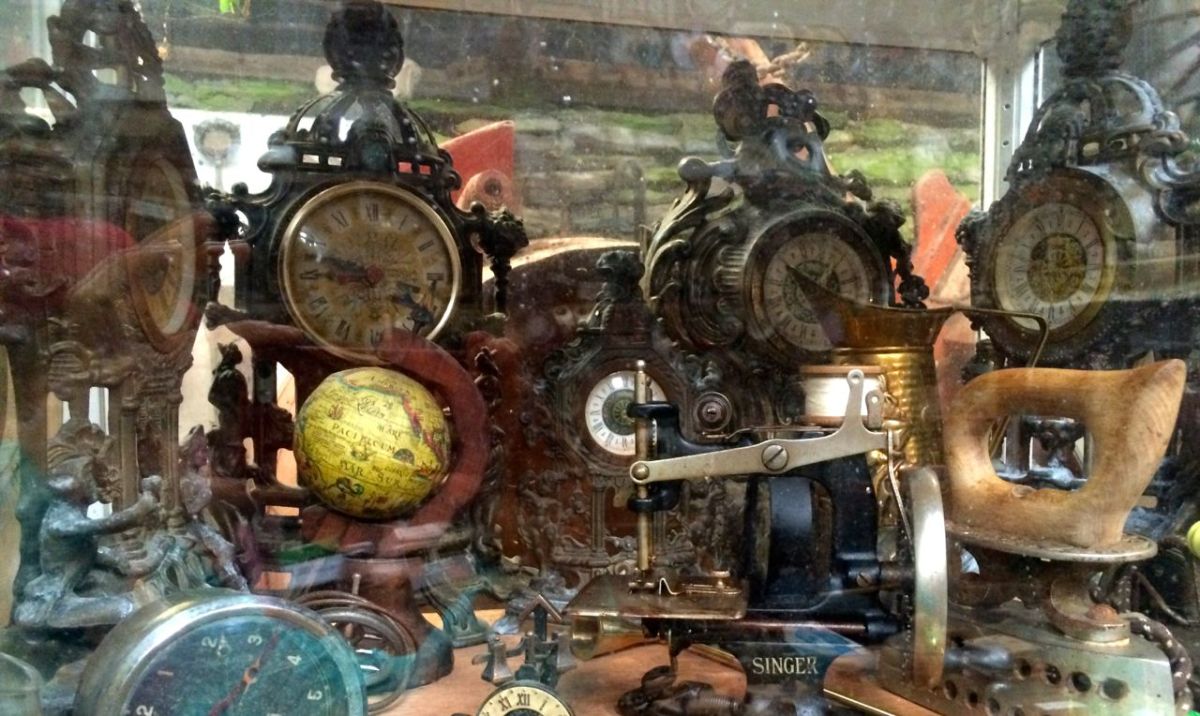
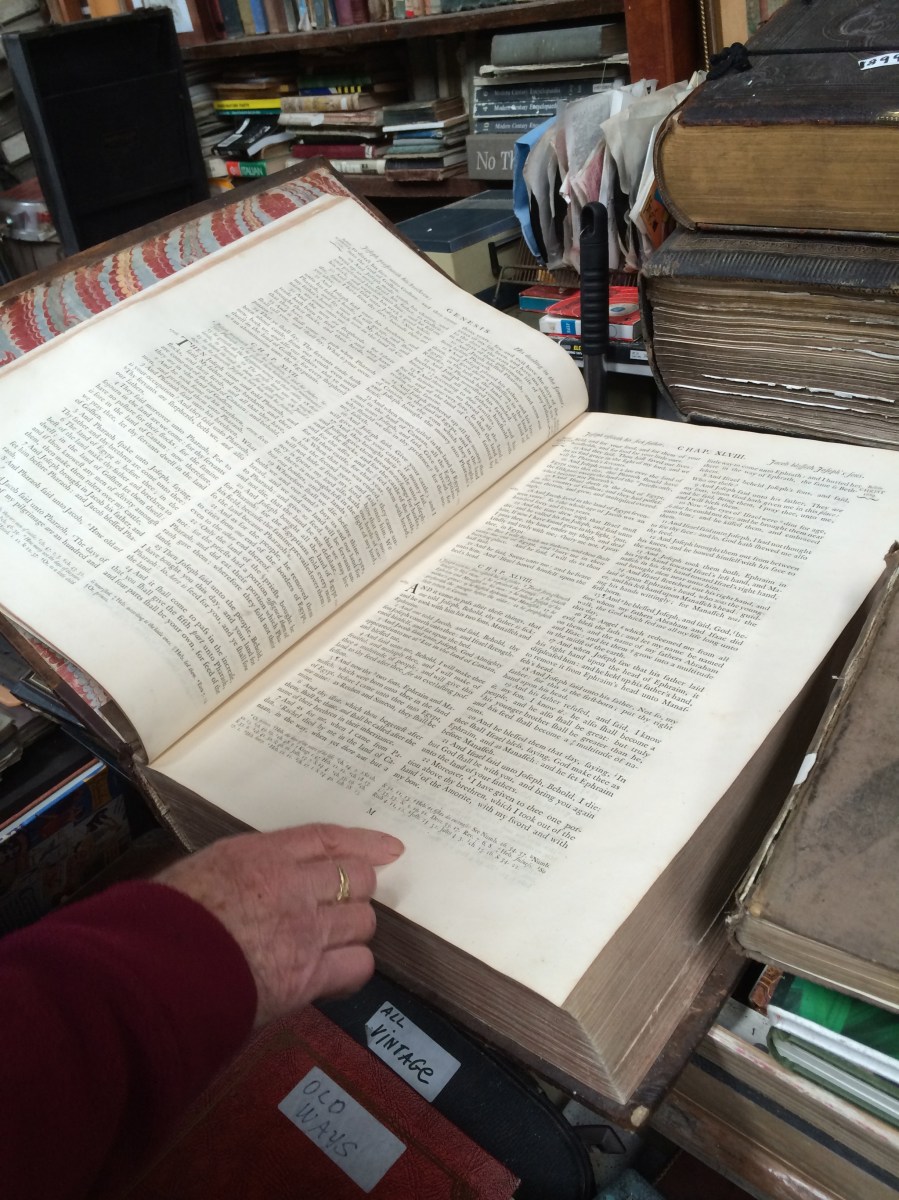
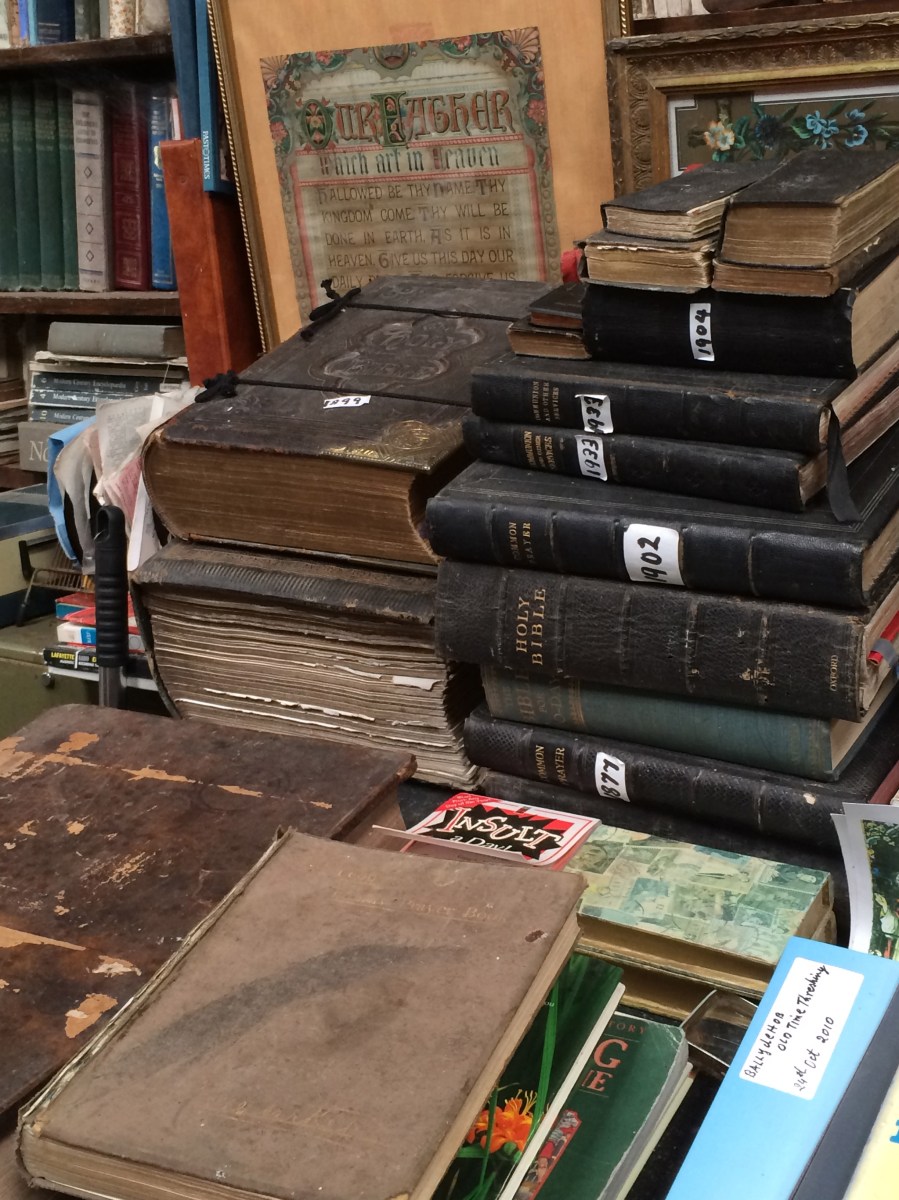
There are older items here too – eighteenth century bibles, little cages for coalmine canaries, famine soup pots, equipment used by tailors and cobblers, dolls loved by little Edwardian girls and clocks that adorned Victorian mantlepieces.
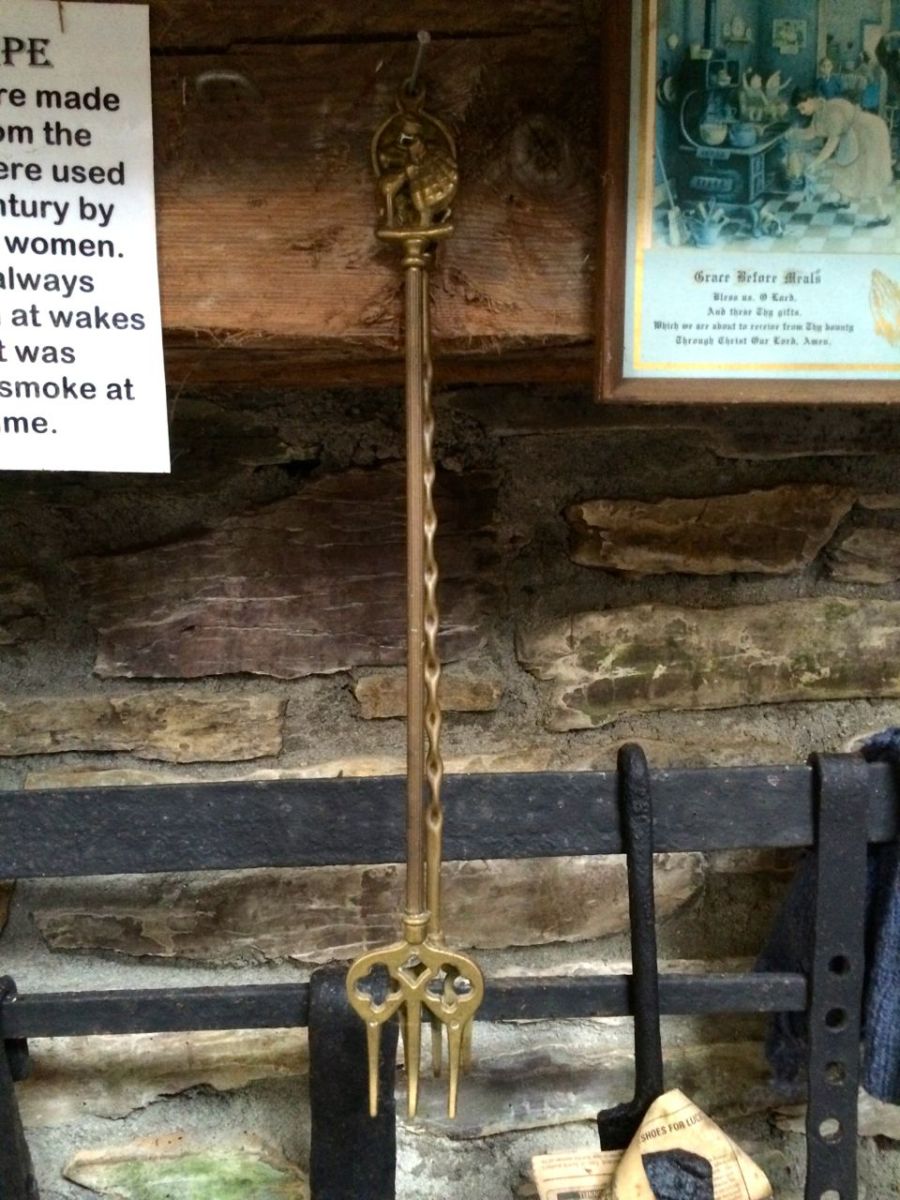
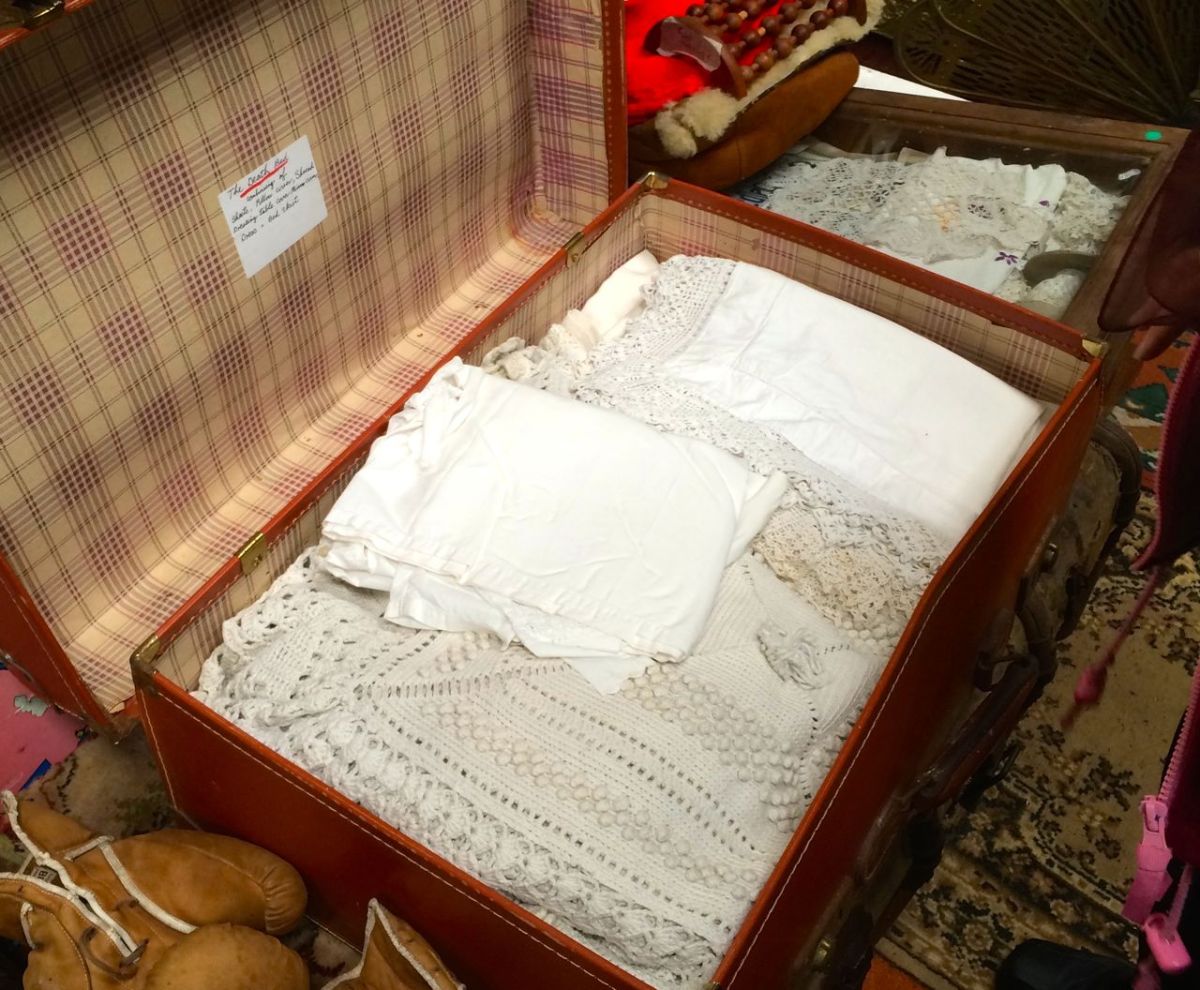
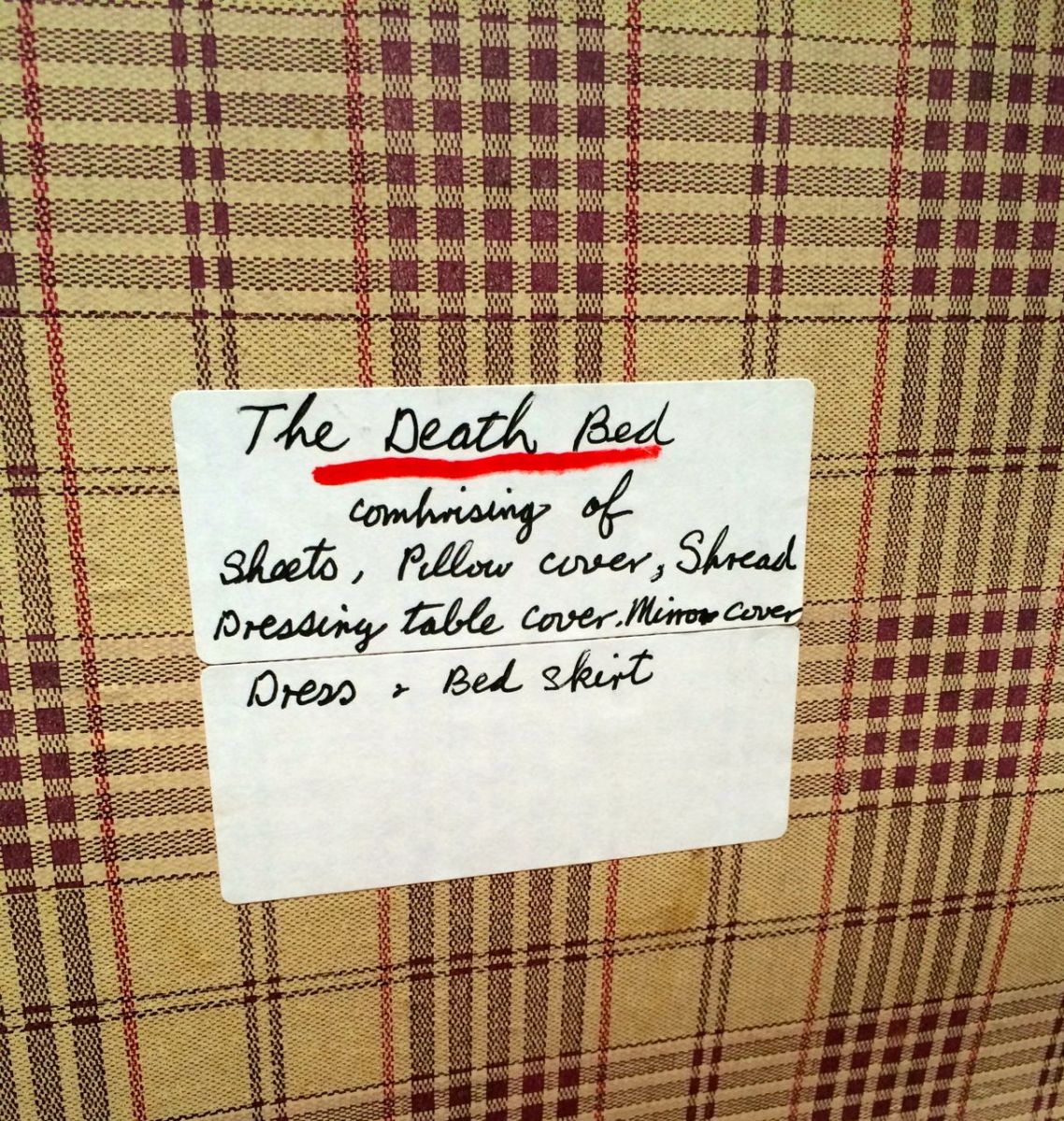
The Irish, as everyone knows, had a grand tradition of Waking the Dead. The body, first, had to be washed and dressed. Special linens, often passed down through generations and kept beautifully white, were used to dress the body, but also the bed and surrounding furniture. Mirrors and clocks, especially, had to be covered. Leita showed us an old suitcase that contained a treasure trove of this linen.
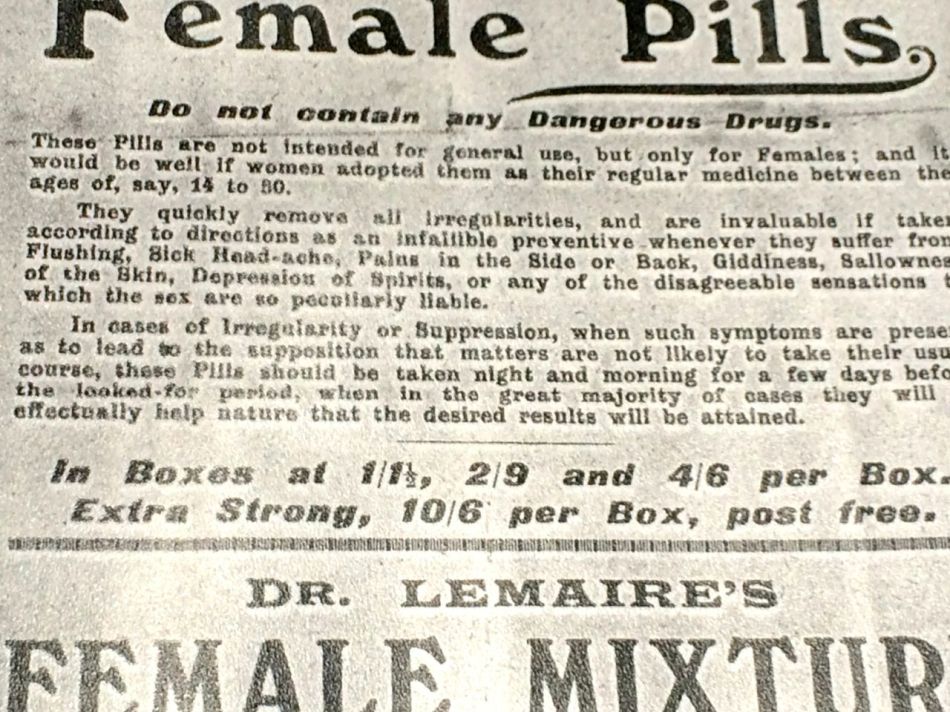
Among the artefacts are books and books of cuttings, old photographs, recipes, shop accounts, advertisements, journals and articles, all lovingly collated and saved in plastic covers.
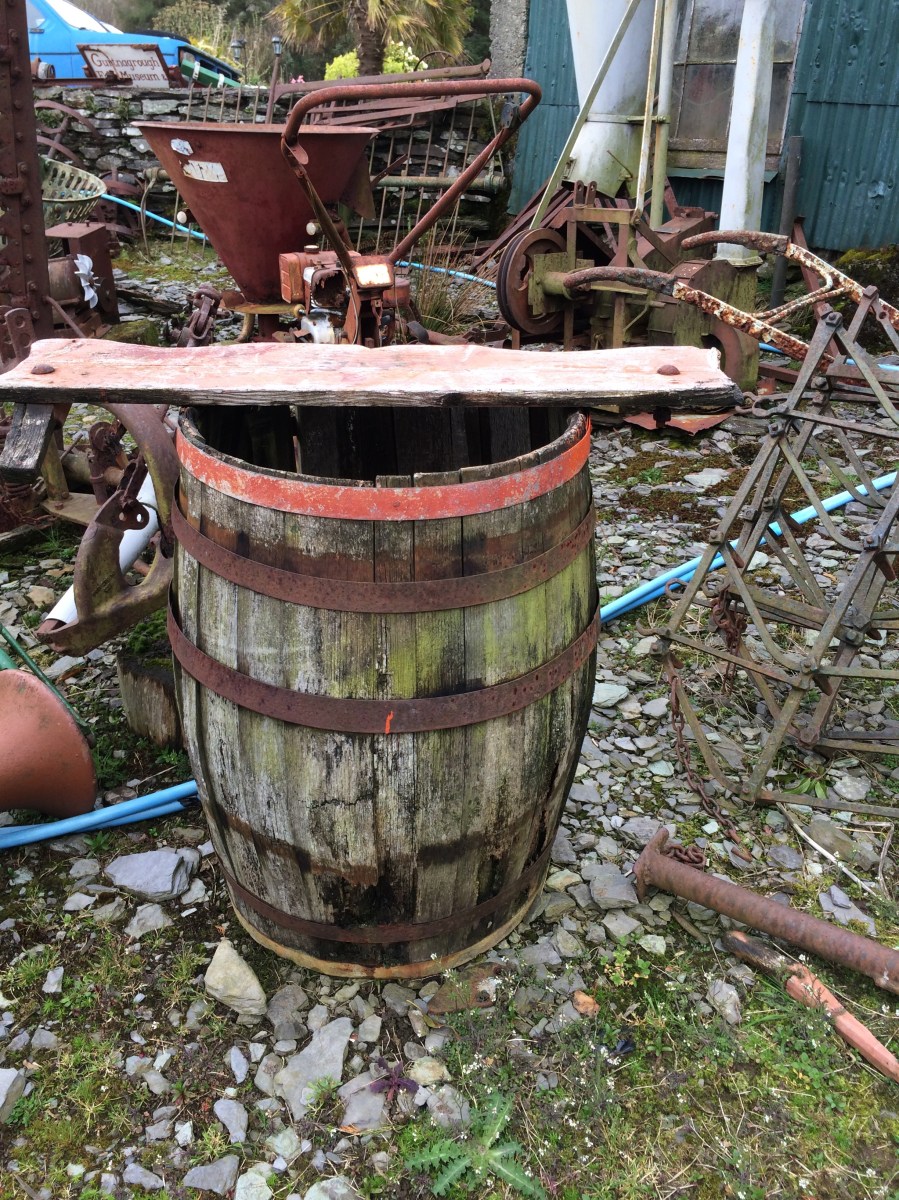
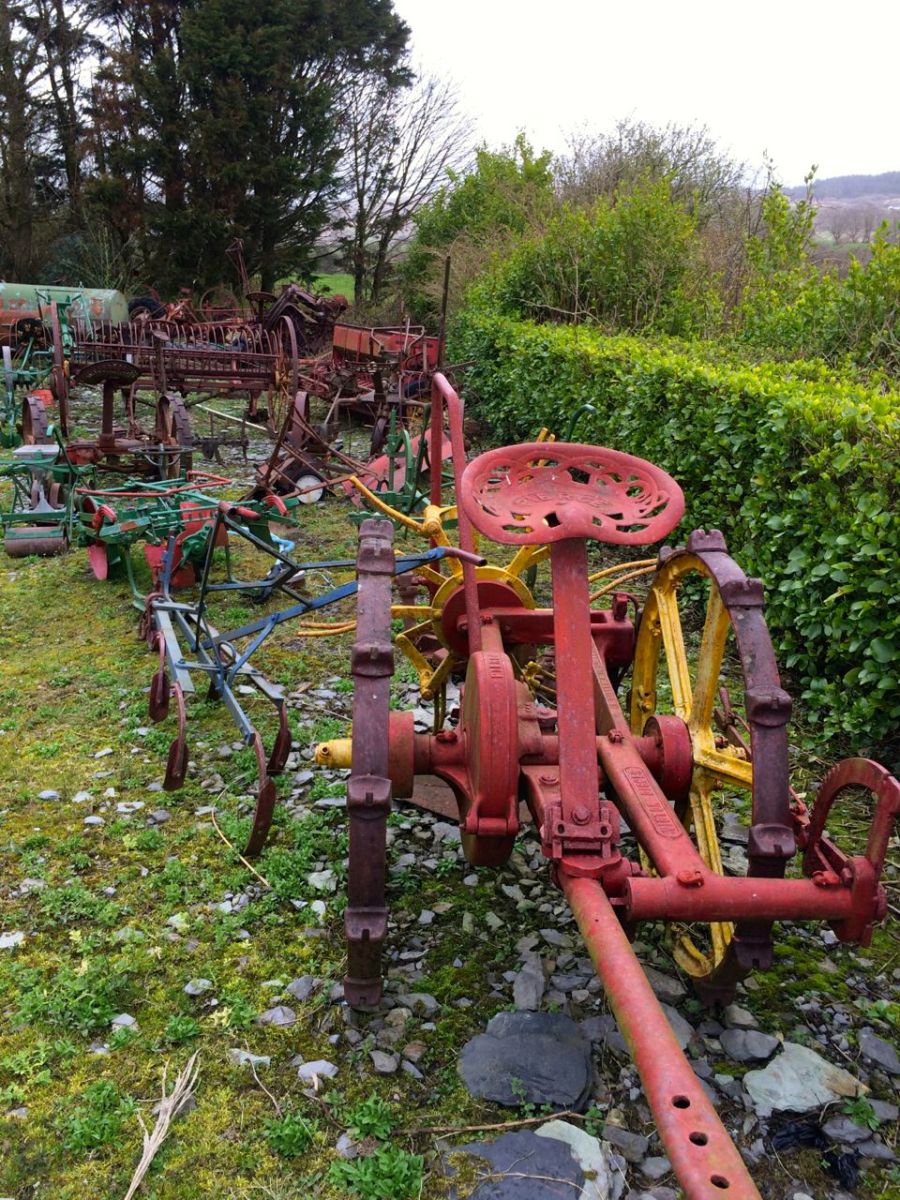
Outside is an equally interesting mixture of memories.
Careful – you might get so caught up in browsing among this eclectic collection that the rest of your party has moved on to the farm machinery before you notice.
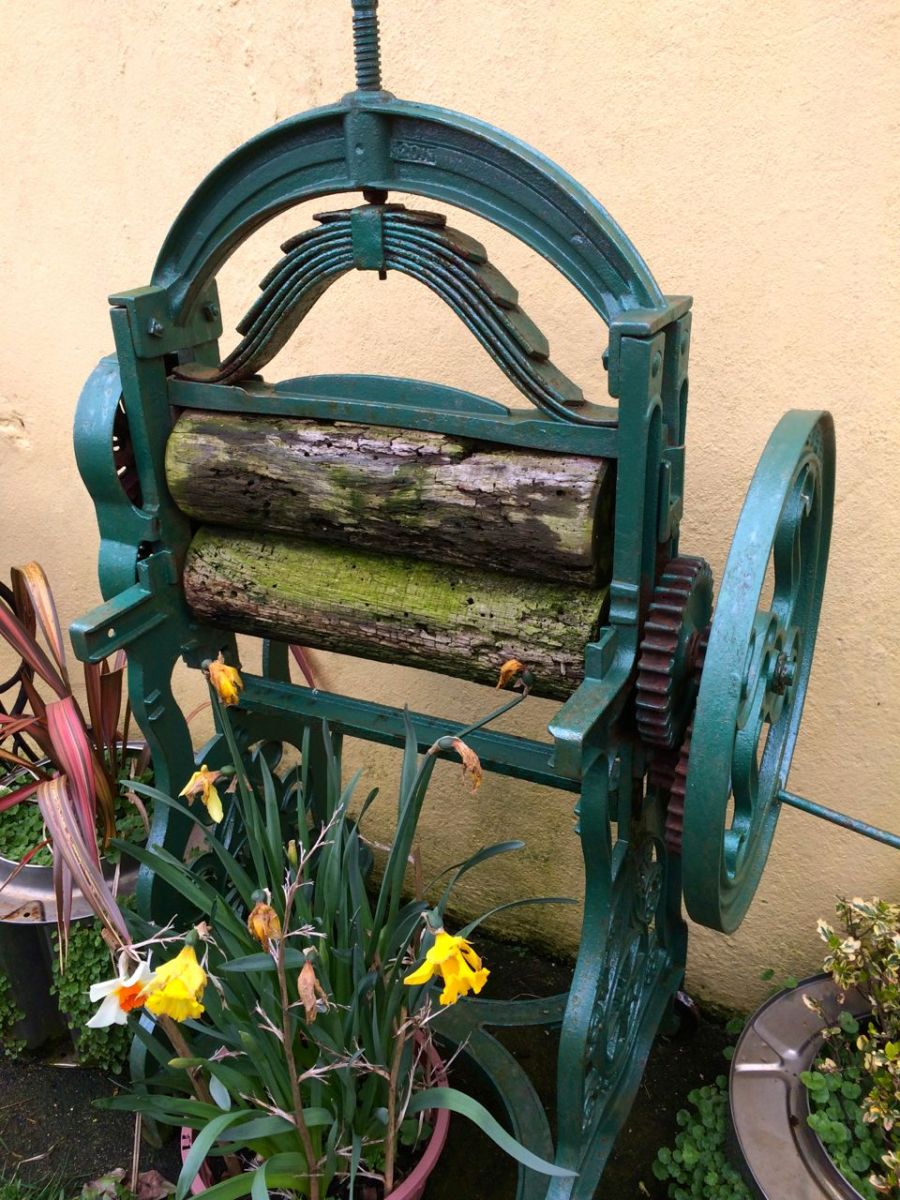
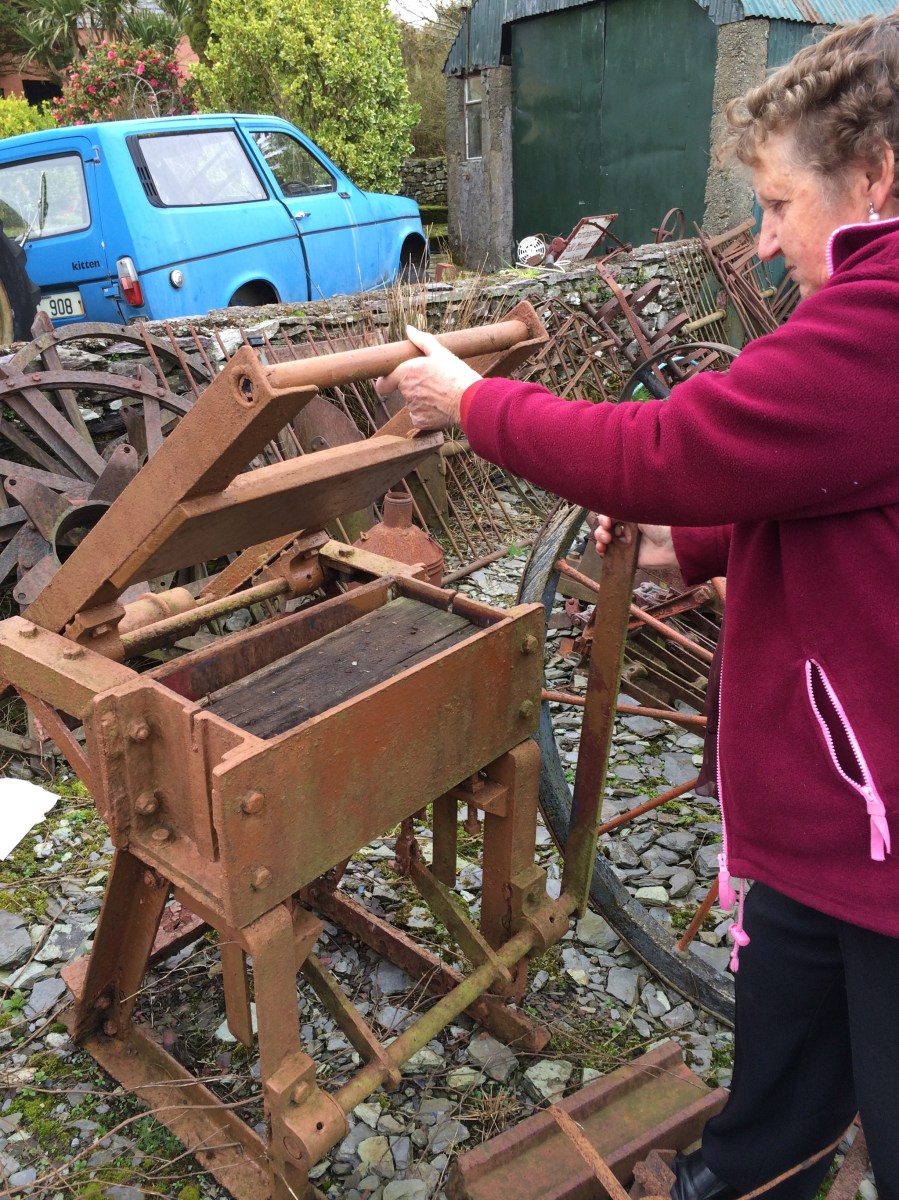
Tommy and Leita know the use of every item of machinery on their property. A lot of it is still in working order and they bring it to the Thrashing or to country fairs – to demonstrate old winnowing techniques, or to make butter.
Postscript
Looking back on these photos has been a joy, as we remember Leita and Tommy, how kind they were to us as recent blow-ins then, and how much they enjoyed their collections. We hope that this post gives other Ballydehob folk some fond memories too.
Welcome to the UCD Library Cultural Heritage Collections blog. Discover and explore the historical treasures housed within our Archives, Special Collections, National Folklore Collection and Digital Library