Landscaping – with Trish Punch

Brow Head

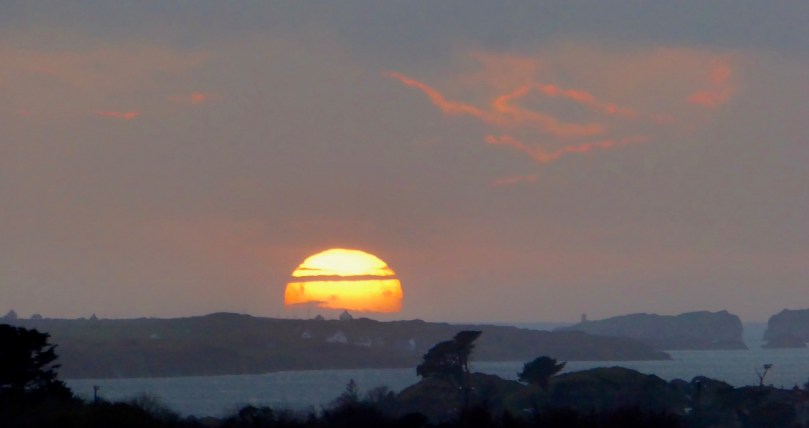
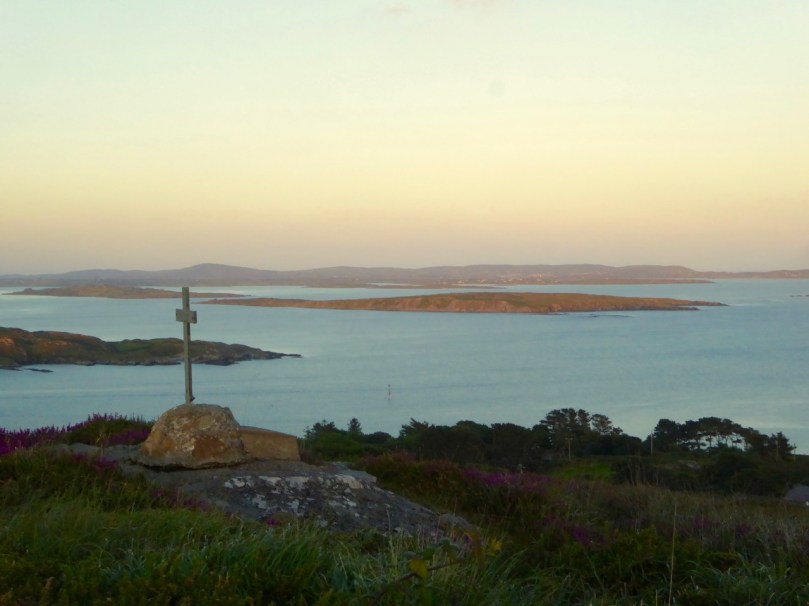
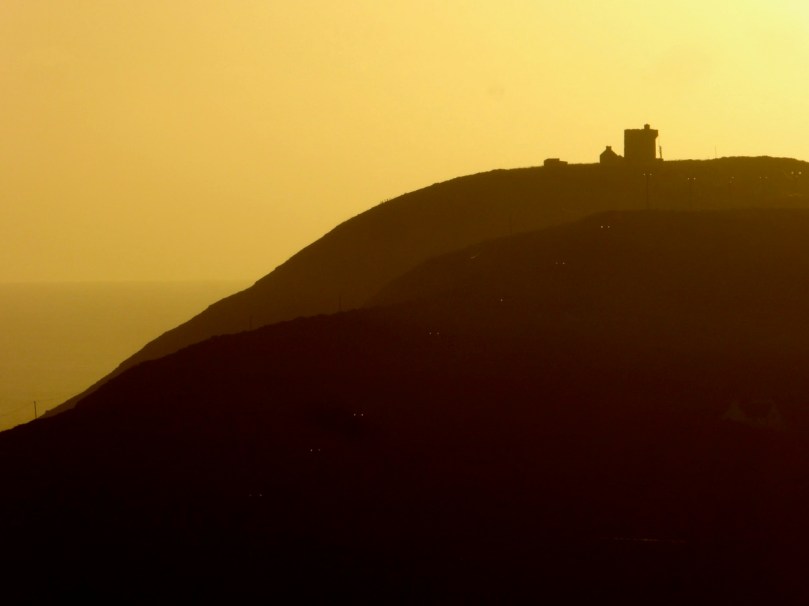
Brow Head silhouetted against the setting sun*

In our quest to bring you the best West Cork has to offer, we pepper our posts and our Facebook Page with photographs. After a great day-long course with Celia Bartlett (last year, highly recommended!) I managed to wean myself from the auto mode on my camera and have been taking pictures using the manual setting for more than a year now.

Rock Island

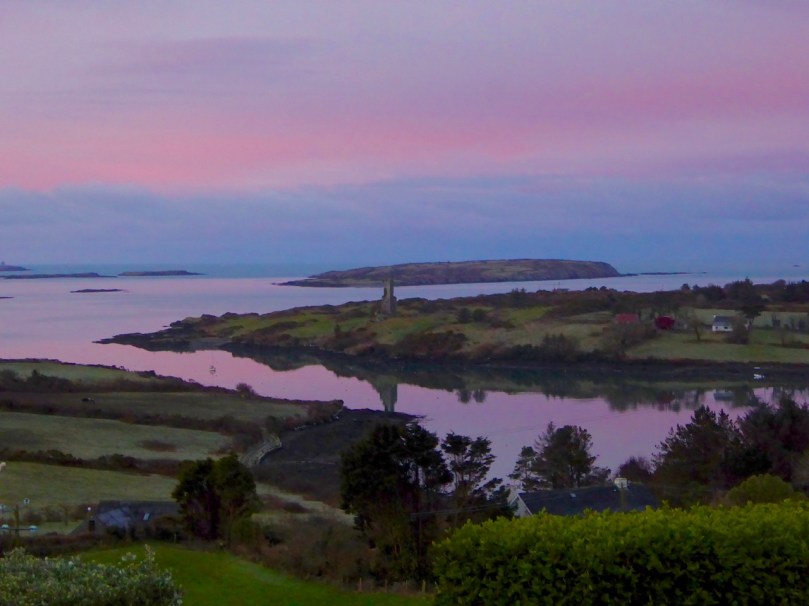
Rock Island and Crookhaven Inlet

And I’m hitting the wall again – knowing my camera is able to deliver so much more and that there’s a lot I need to learn about composition. So I signed up for a one-on-one workshop with Trish Punch and boy, am I glad I did!
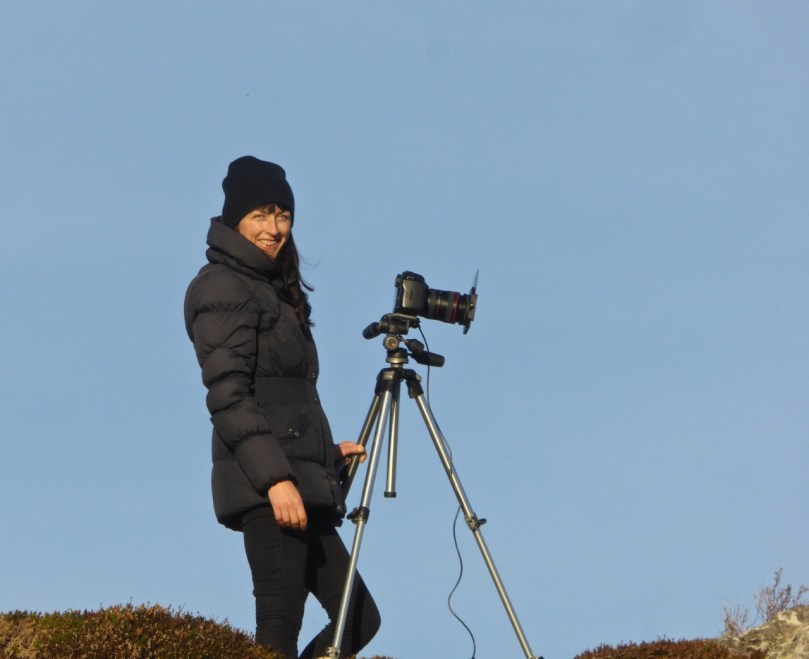
Trish 4

This is Trish – she’s a professional landscape photographer who supplies images to Lonely Planet (Lonely Planet!) among other prestigious publishers and travel sites. She specialises in the Wild Atlantic Way and is currently pursuing a project to capture the islands along the Way. Take a look at her website and be prepared to do some serious drooling.
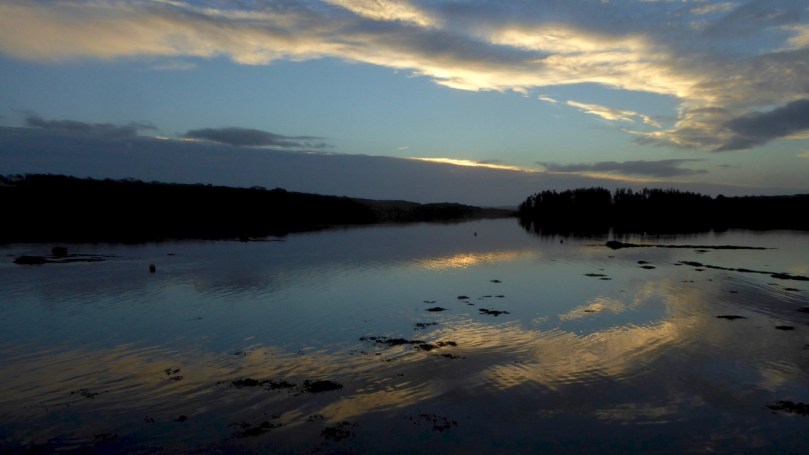
Crescent sky

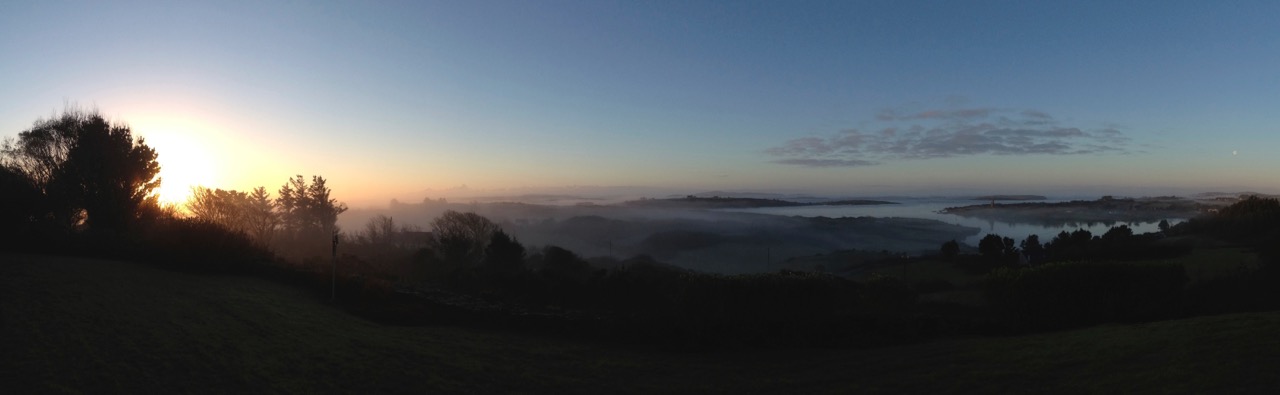
We started at dawn and watched the light appear over Ballydehob Bay

But Trish is also an inspiring, encouraging, and organised teacher – and a lot of fun to be with. We had a great day together, starting at dawn and ending when the sun set. Throughout the day she encouraged me constantly to slow down, think about my shots, use the principles of good composition, really examine where the eye was being led in the frame and check the light. 
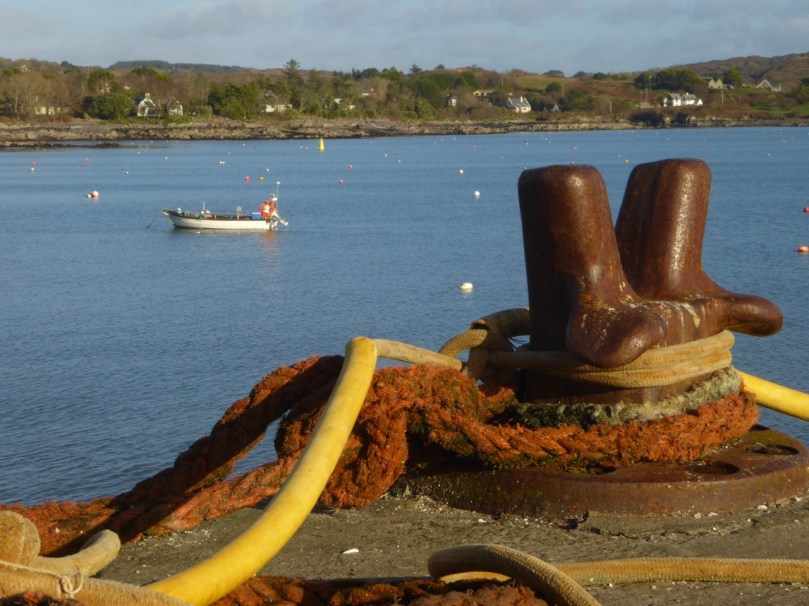
Schull Pier

This was taken on Schull Pier – the mooring bollard takes on a sculptural quality in the right lighting

I’ve been making all the classic mistakes, chief of which is to plonk the main subject right in the middle of the frame. I have also struggled with sharp focus, especially in low light, and Trish insisted on me using my tripod (something I have been reluctant to do – I don’t want to lug it around) and showed me how to use my timer to take the shot, since my camera won’t accommodate a cable or remote shutter release.
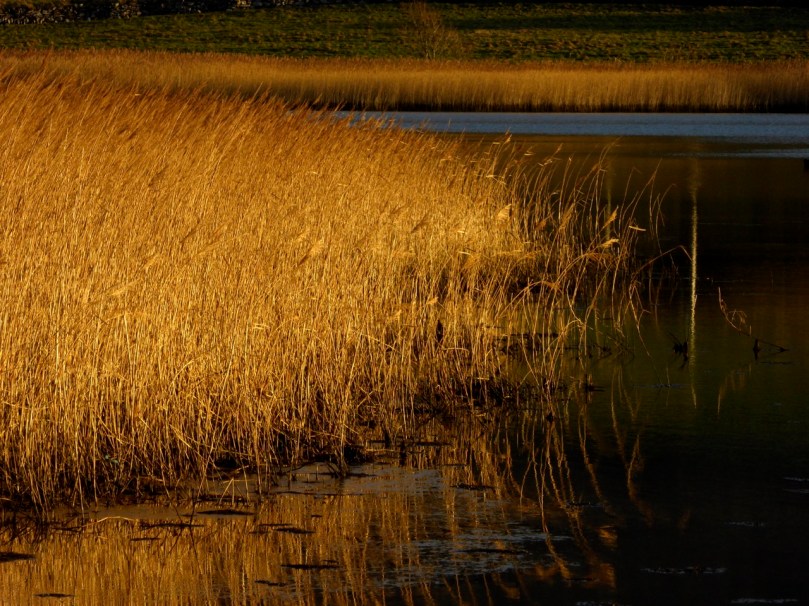
Barleycove Wetlands

Watching where the light comes from – these marsh grasses at Barley Cove glow golden in the low evening light

We were fortunate to have a really great day in December, with a long Golden Hour at each end. I’ve been practising what she taught me since then and I feel a little more confident each day. I hope you, our dear readers, will see a difference too, over time.
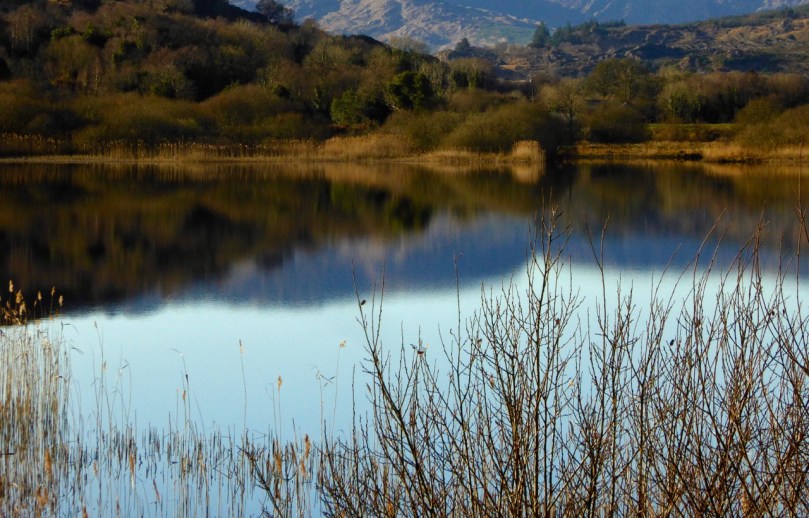
River Lee near Ballingeary 2

The River Lee near Inchigeelagh

We took a trip to Macroom the other day and I used the opportunity to practise what I learned with Trish. Mostly I just tried to slow down and think more about the composition of the shot. It was another amazing day with clear blue skies – but this time very cold with lots of frost where the sun hadn’t managed to penetrate.

Sunshine and Frost, West Cork

Sunshine and shadow on a frosty day in West Cork

If you’ve been thinking you’d like to improve your photography skills, give Trish a call or drop her an email. You can take one of her planned workshops or she can customise a day, or a weekend, for you no matter what level you’re at.

Coral House

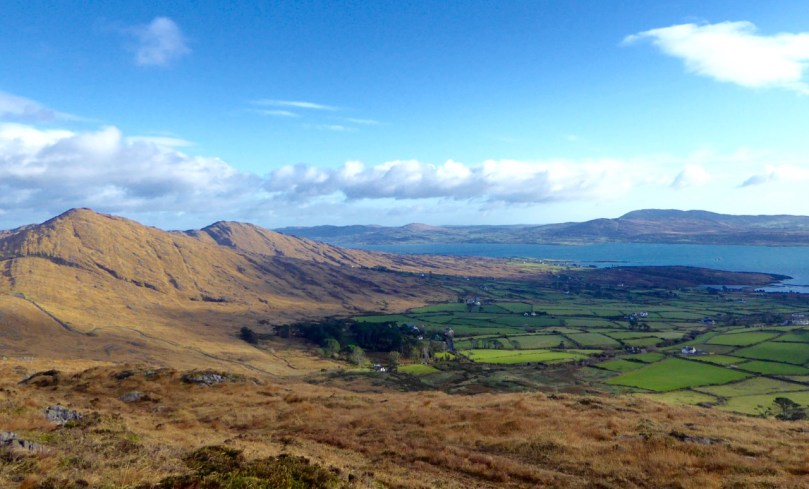
House in the Shehy Mountains

Don’t be intimidated if you’re operating on the automatic settings or if you don’t know the difference between shooting in RAW or JPEG (I didn’t) – you’ll come away knowing a lot more about how to move forward in your skills. And you’ll have time in the open with lots of laughter and surrounded by incredible landscape – now what could be better than that?

Pass of Keimaneigh

Heading up to the Pass of Keimaneigh

*I took the first five photographs above on the day of the workshop (Dec 16) and the next five in the last two weeks.
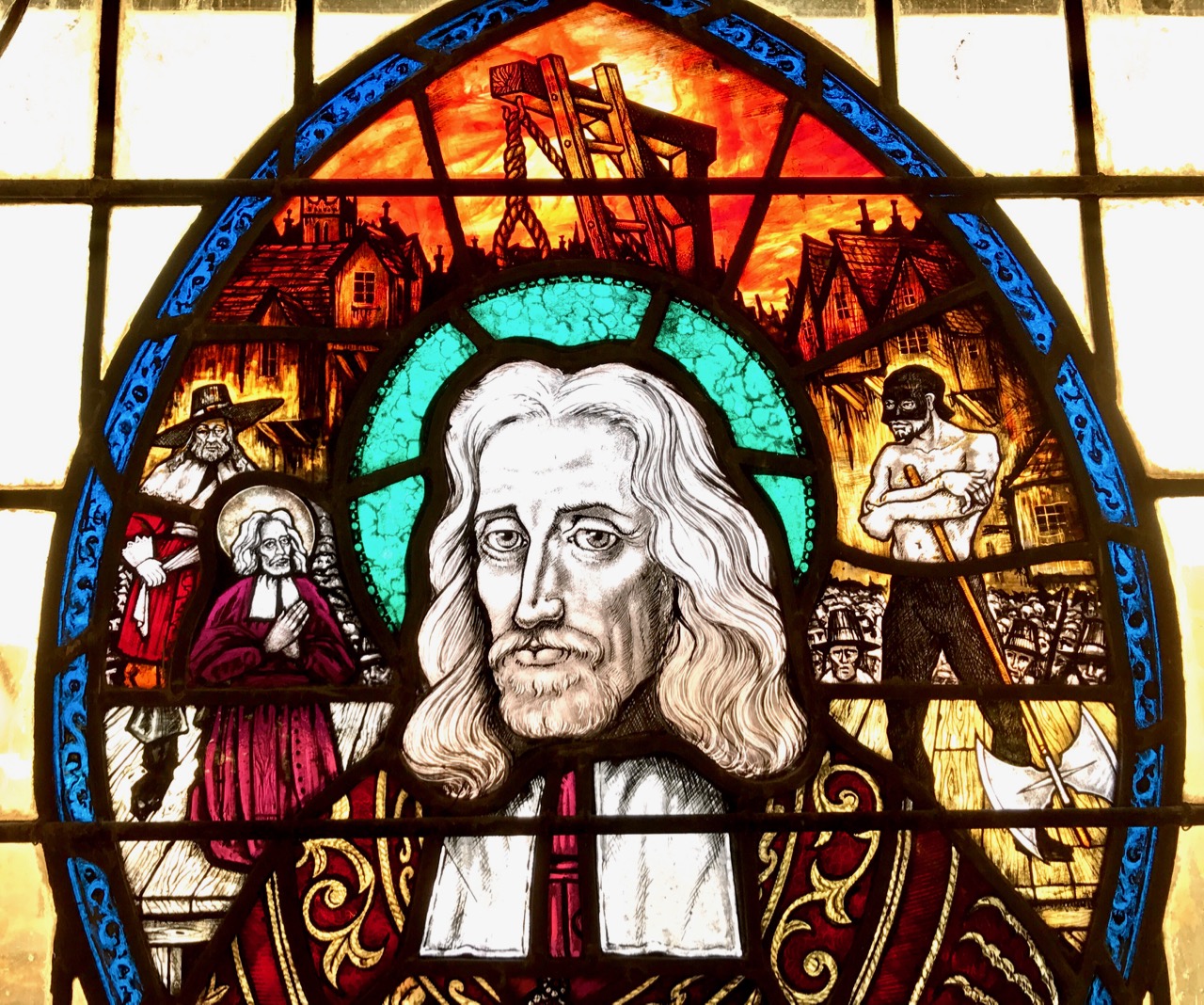
Saint Oliver

plunkett window close

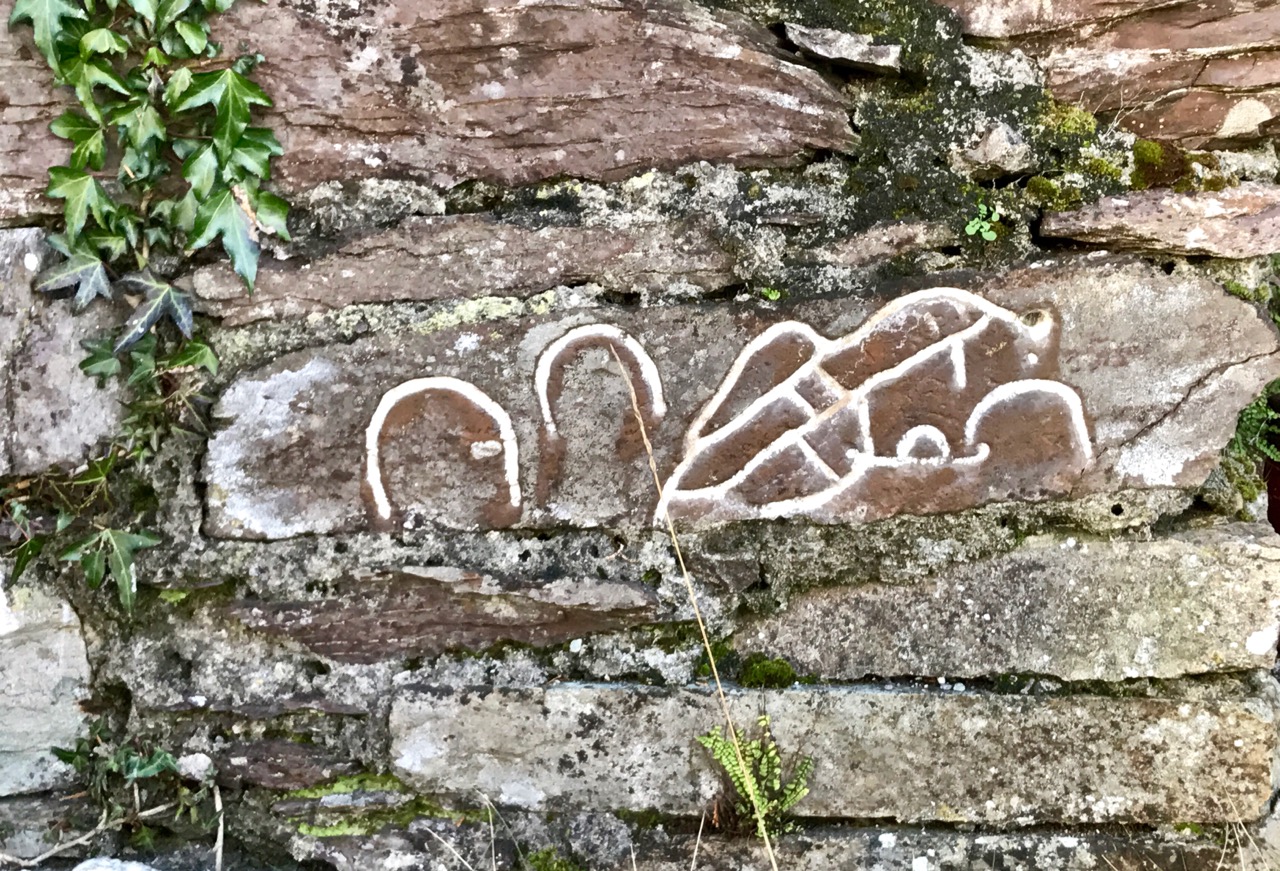
We revisited Inchigeelagh, in West Cork, as we remembered that the church of Saint Finbarr and All Angels had some fine examples of stained glass: Finola is preparing a talk on that subject and our travels are revealing an unexpected abundance of this art in our little bit of Ireland’s furthest reaches. Our last visit to Inchigeela was to inspect the unusual ‘rock art’ that has been built into the wall of the grotto just by the church door.
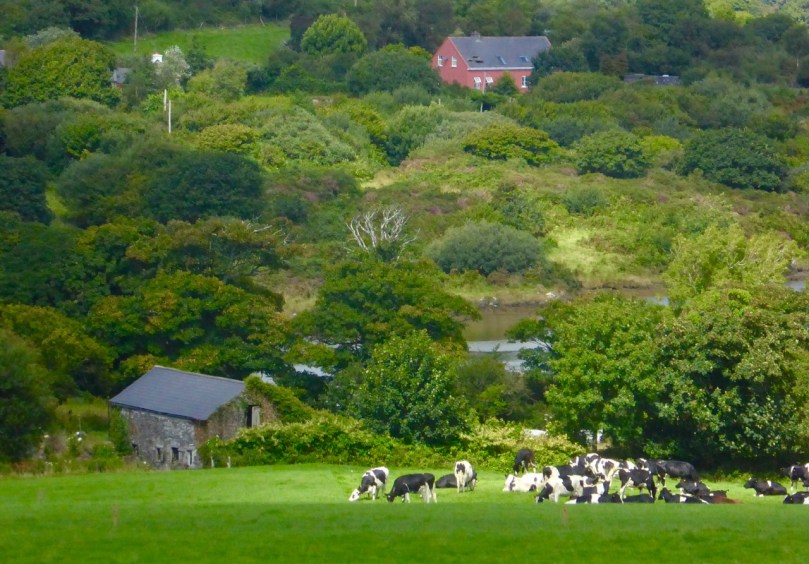
rock art inchigeela

We are none the wiser about the meaning of the ‘rock art’: suggestions include a dove of peace flying over mountains – but I have yet to be convinced. However, it was a good day for looking at the windows: the sun was streaming through the south facing glass panels and creating a kaleidoscope of colour on the surrounding walls.

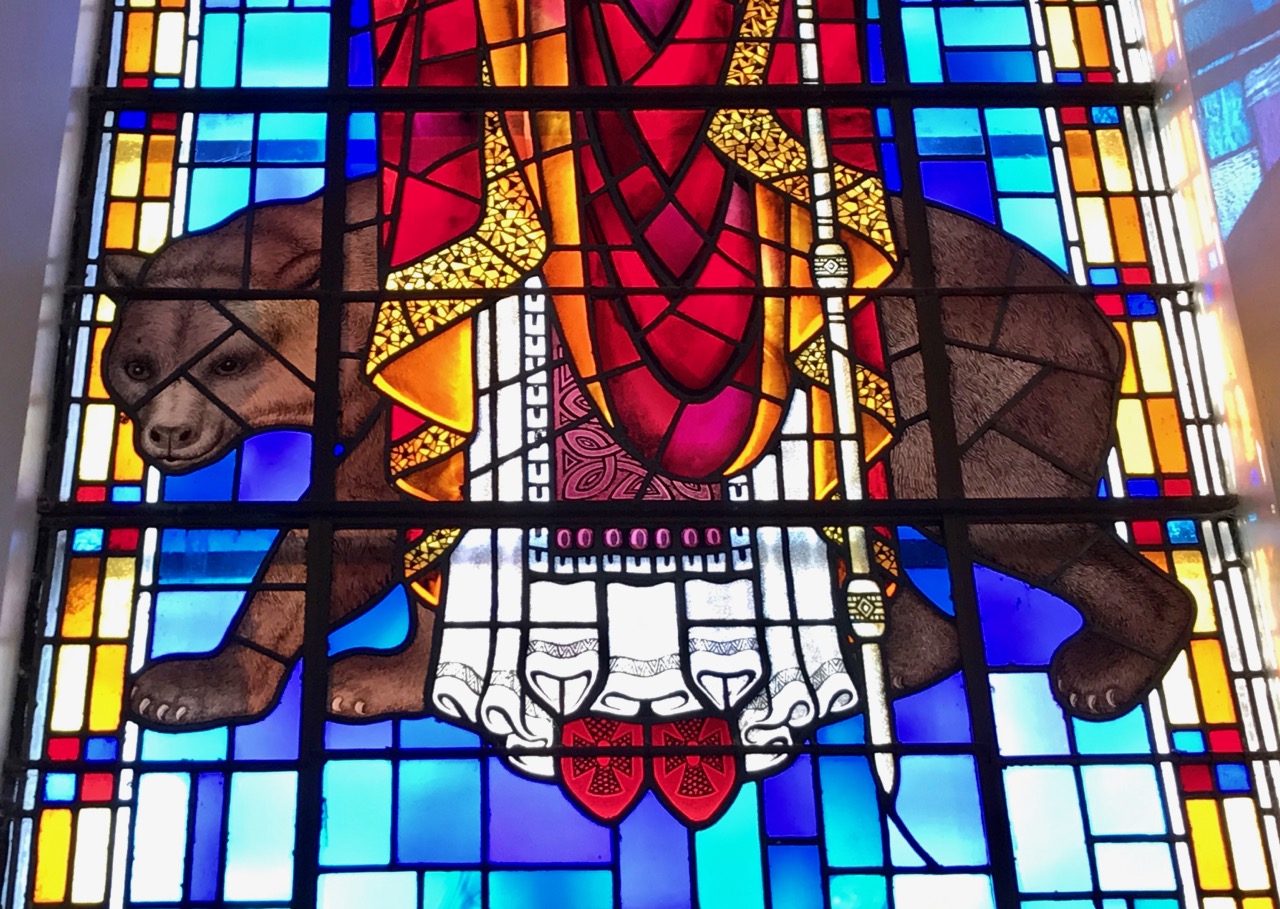
There was plenty to occupy my attention in this church: I had to admire the bear of St Columbanus. This Irish saint spent most of his life on missionary work on the continent and stories about him include taming the bear and yoking it to a plough, and establishing friendships with wolves. I’m not quite sure why, but St Columbanus is the Patron Saint of motorcyclists.

the bear

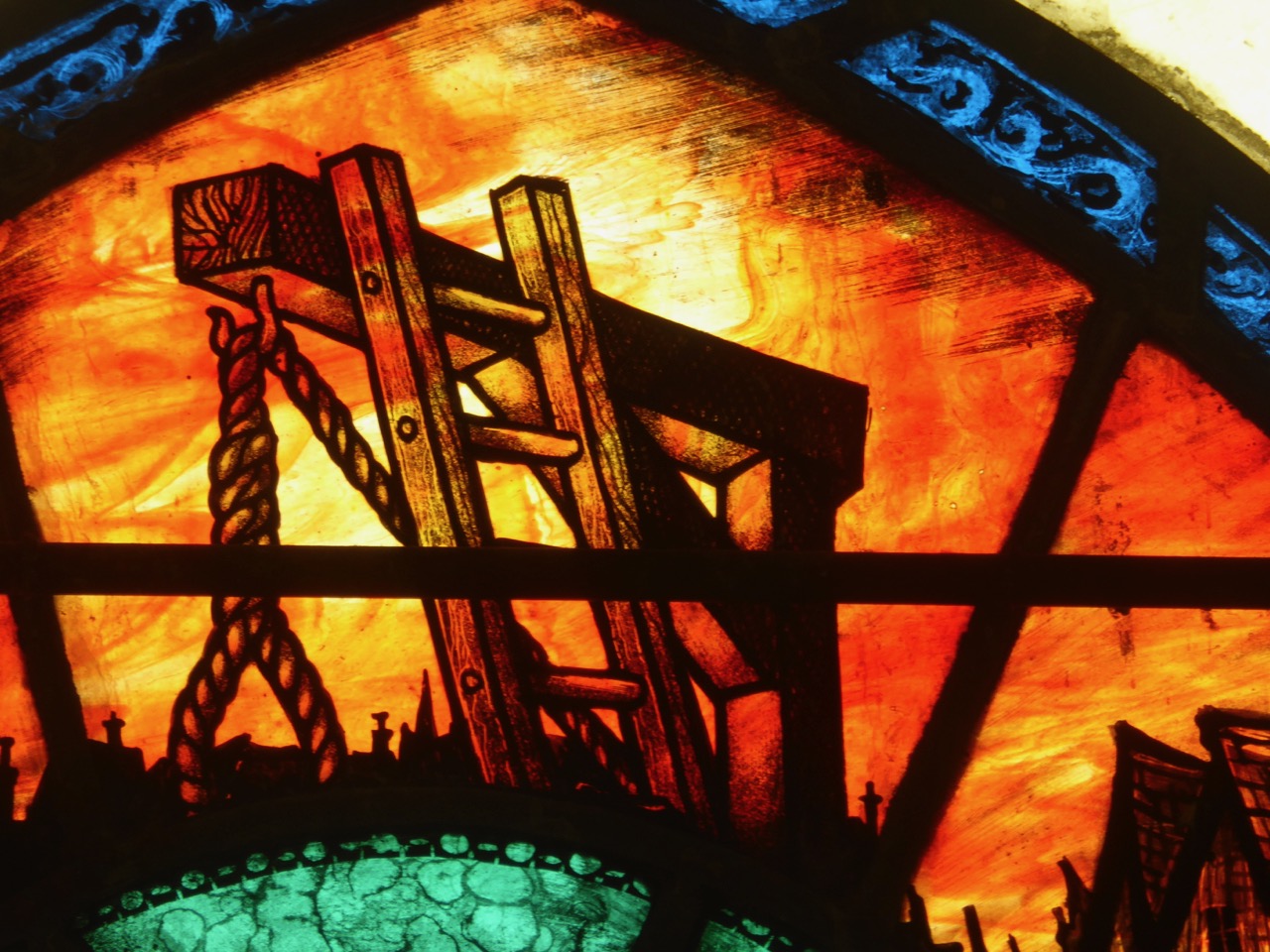
There was one window I had failed to notice amongst the panoply of saints on my previous visit to Inchigeelagh – tucked away at the back of the church: it’s the one at the top of this page – Saint Oliver Plunkett. In some ways it’s the most extraordinary of the windows as it depicts the gruesome death suffered by this Roman Catholic Archbishop of Armagh and Primate of All Ireland at the hands of turncoats and perjurers – and it’s a far cry from rural West Cork. Plunkett was born in 1625 in Loughcrew, County Meath and died at Tyburn, London: hanged, drawn and quartered, in 1681.

Gallows

He was a victim of the Popish Plot, concocted by Titus Oates, an English clergyman who contrived a story that Plunkett was to lead an uprising involving 20,000 French soldiers. Whichever account you read, it seems that no-one believed the story: a trial was held in Dublin but there was no conviction. Plunkett was then sent to Newgate and put on trial again: again the trial collapsed. A third trial, at which Plunkett had no counsel, found him guilty after the jury had retired for fifteen minutes. That it was a monumental miscarriage of justice became evident very quickly: Plunkett’s accusers were arrested – the day after his execution.

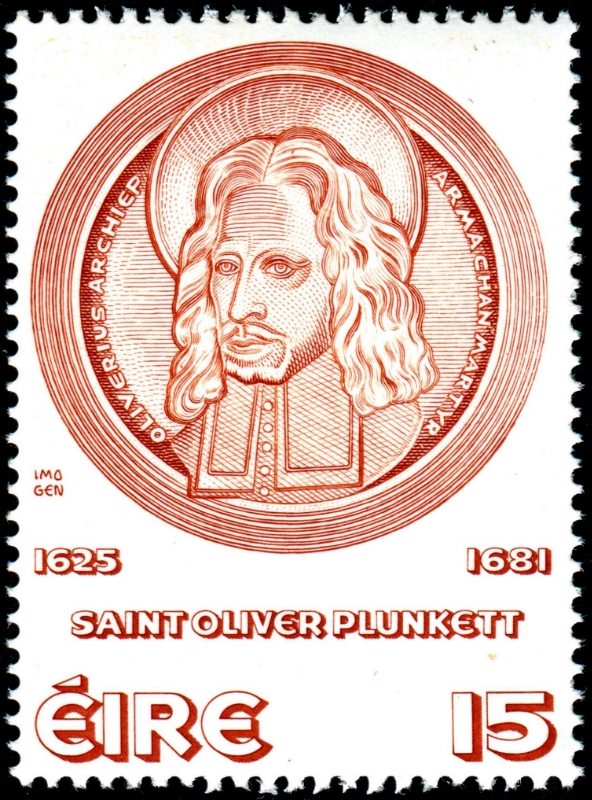
Perhaps the reason why Oliver Plunkett appears in Inchigeelagh is topicality: he was canonised in 1975, thus becoming the first new Irish saint for almost seven hundred years. Above is his shrine in St Peter’s Church, Drogheda, County Louth (his head is on display) and his Canonisation picture. St Oliver is the Patron Saint of Peace and Reconciliation, which in the mid-seventies was timely for Ireland. As ever, it’s timely for the world today. The Oliver Plunkett window was made by Abbey Stained Glass Studios, Dublin in 1992 and the artist was Kevin Kelly.

plunkett-15-stamp

The Wild Side

Tortoiseshell

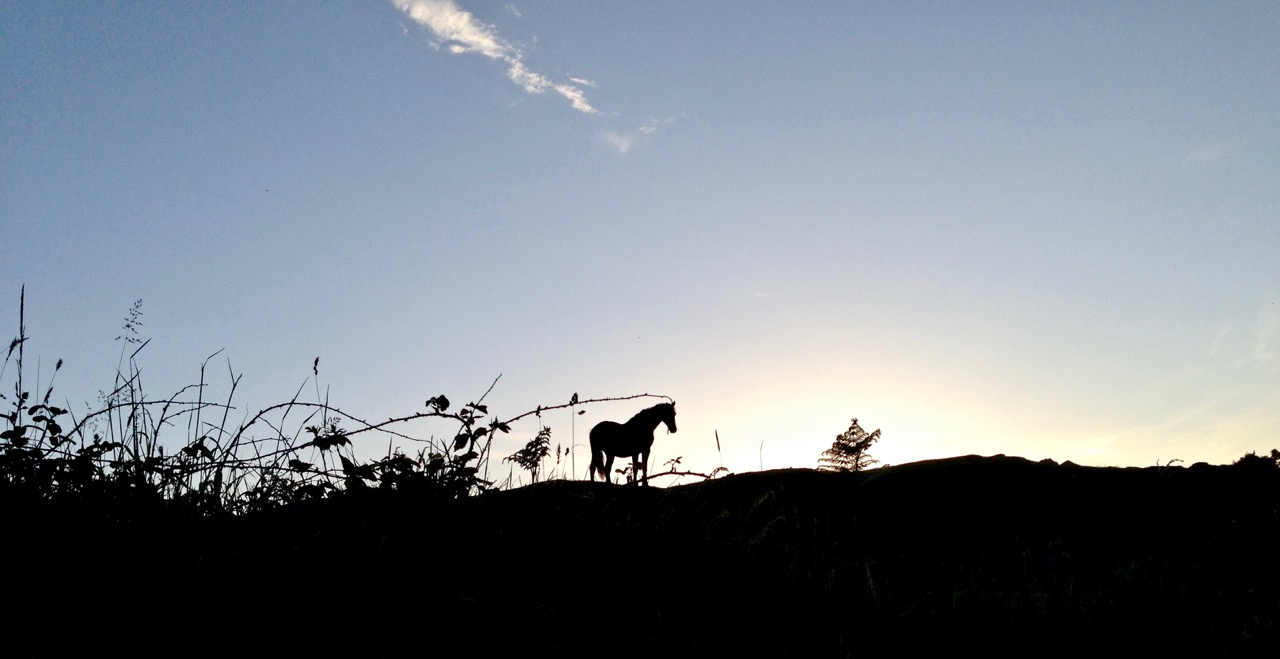
Up here in Nead an Iolair, in the townland of Cappaghglass, we luxuriate in the nature all around us. Our house was built in the 1980s on a piece of land which had belonged to the successors of the mining company – the copper mines were active for a few generations in the 19th century both here and on Horse Island, just across the water. The post-industrial landscape which surrounds us is alive: small, stone-enclosed fields are grazed by cattle, ponies and a few goats while in equal measure are large tracts of gorse, heather and rock. Here and there are the remains of the mine workings – a stump of a chimney, fenced-off and walled shafts, quarries, ruined workshops and cottages: the architecture of abandonment.

horse on horizon

Nick's Goat

nead birds

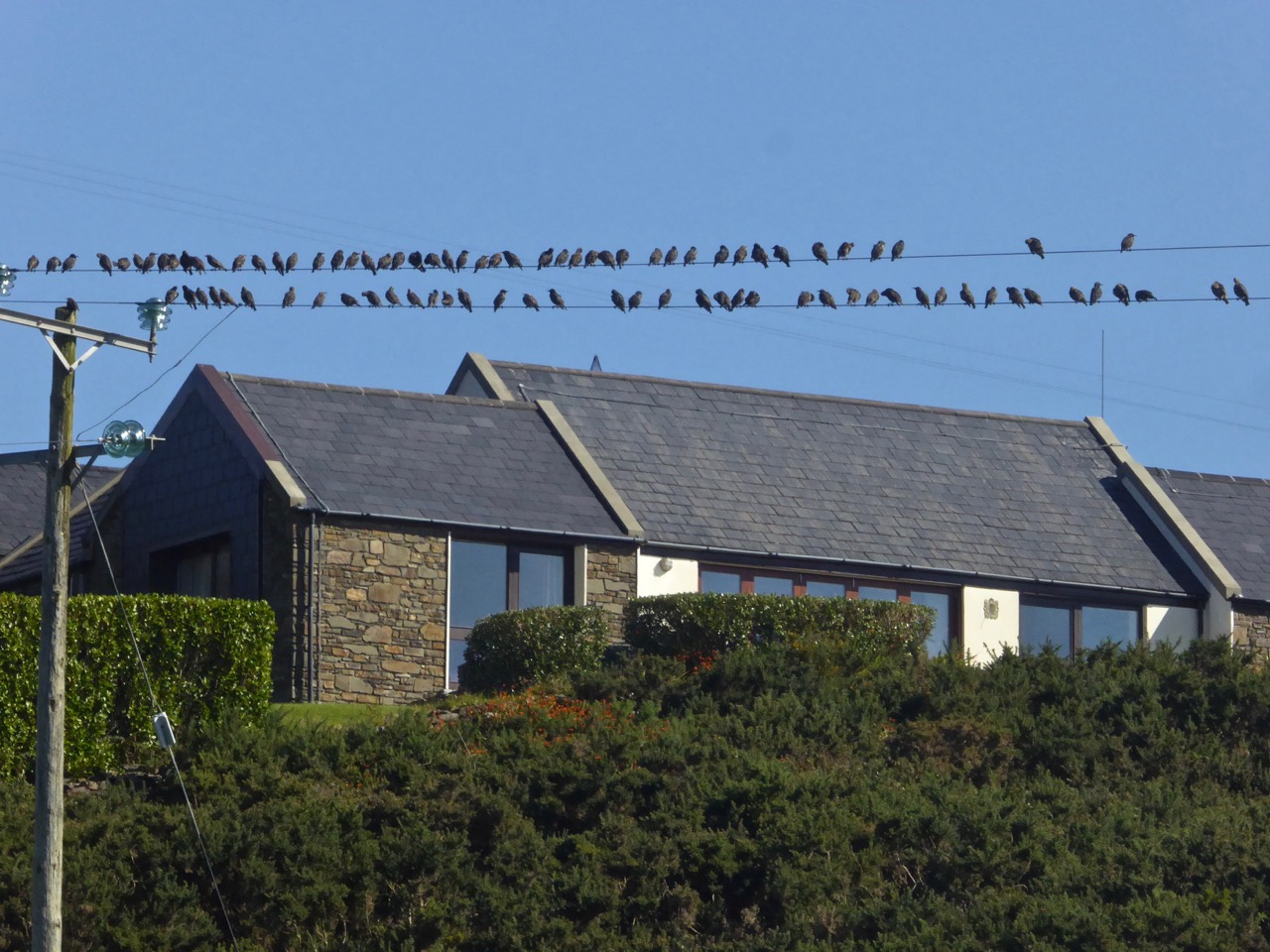
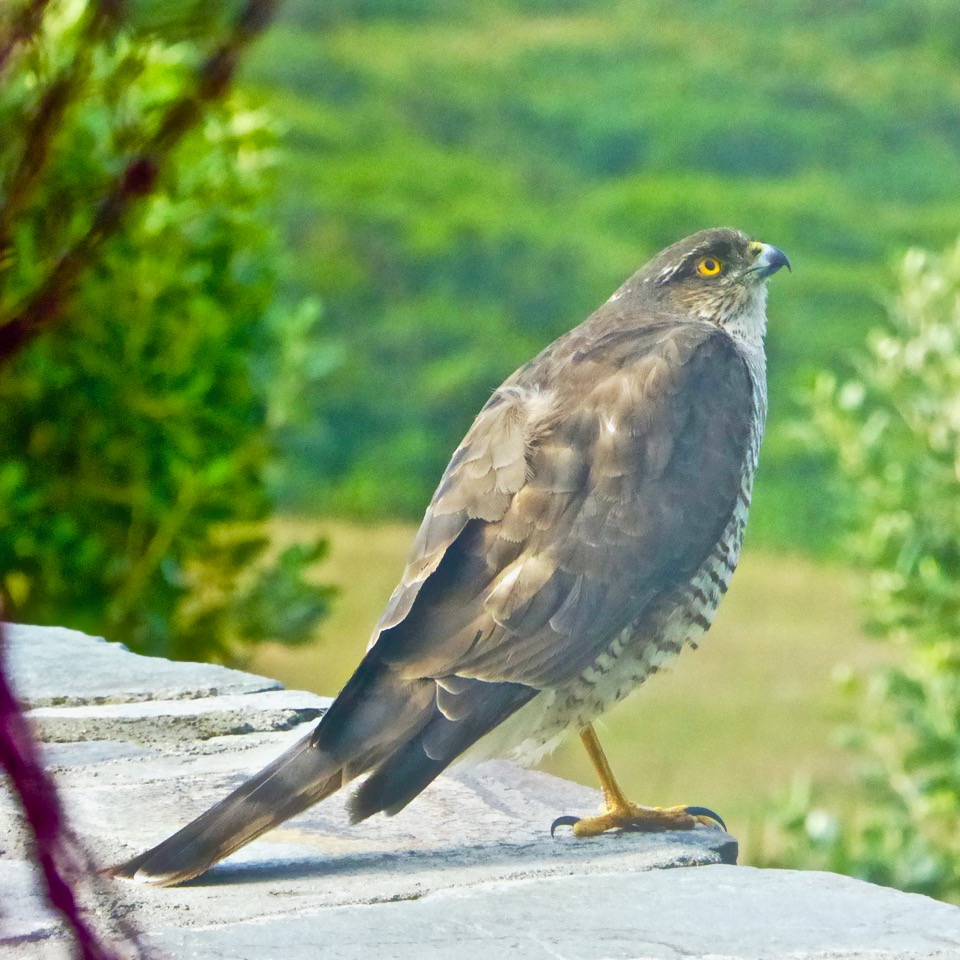
It seems to me that our house interrupts nature, with our lawns, our haggard, stone terrace, hedges and fences, but nature is well able to adapt and cope. Of course, we encourage this: we enthusiastically nurture all the little birds that visit our feeders – and the big ones: rooks, pheasants, magpies: they all get their share. And there are those that don’t come to the feeders but nevertheless forage the land – choughs (which perch on our roof and shout out their names – cheough – cheough… before flying off to give us an endless and entertaining display of dizzying acrobatics), starlings, blackbirds, thrushes and – always on a Sunday – Spiro the sparrowhawk who unsuccessfully dive-bombs the feeder, scattering – but never catching – the small birds. After the effort he rests on one leg on the low terrace wall and stares thoughtfully out to the Cove.

Can YOU see it?

Chough on the post

Spiro

From The Galleries

Michael, whose family has farmed the fields around us for generations, tells us that the land above us is known as The Galleries – possibly because there is such a spectacular view to be had from these fields to Rossbrin below us and to the islands of Roaringwater Bay beyond. The Cove itself is a paradise for the waders, especially at low tide, and for crustaceous life in the rock pools.

Muddy shanks

Curved beak

All around are the hedgerows that, in the spring, summer and autumn, support a wealth of wildflowers. In turn these are the haunt of nectar-seeking insects, especially bees and butterflies.

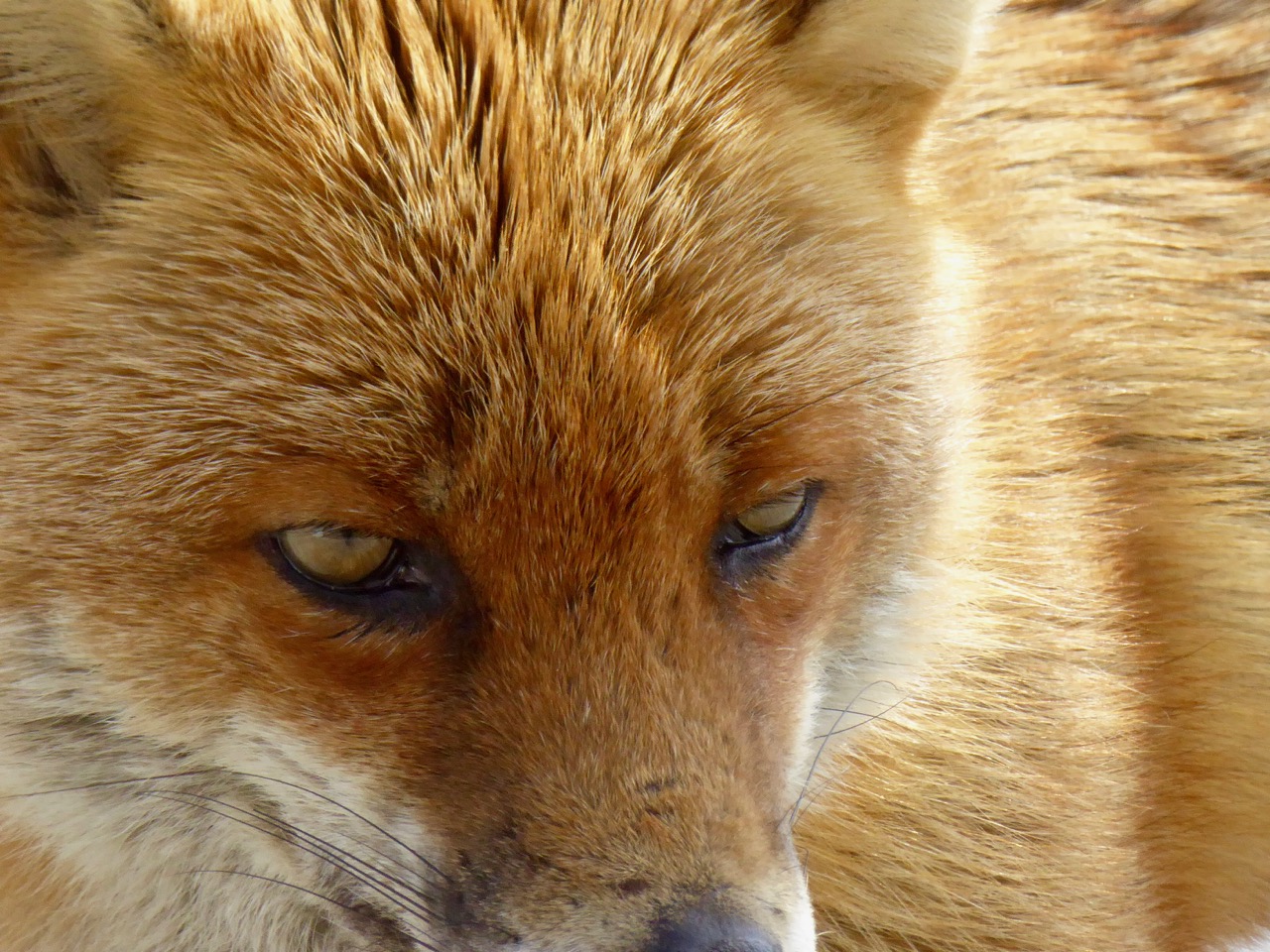
We are visited by four-legged mammals in all shapes and sizes: I’m pleased to see some of the decimated rabbit population returning after a recurrence of myxomatosis these past couple of years. We don’t get hares in the immediate neighbourhood: they seldom mix with the smaller Leporidae, but we sometimes catch a glimpse of them from the road that goes down to the village. Rats, mice and shrews are never far away, but are kept under control by our larger visitors – feral cats and foxes. Our own Ferdia has gone from us during this past year – he was an ancient fox who had made a pact with the human world: I’ll sit picturesquely on your terrace and entertain you provided you keep the food scraps coming – we did, of course. His descendants make fleeting visits, passing through but, as yet, never pausing to make our acquaintance.

Ferdia's Eyes

Bunny eyes a daisy

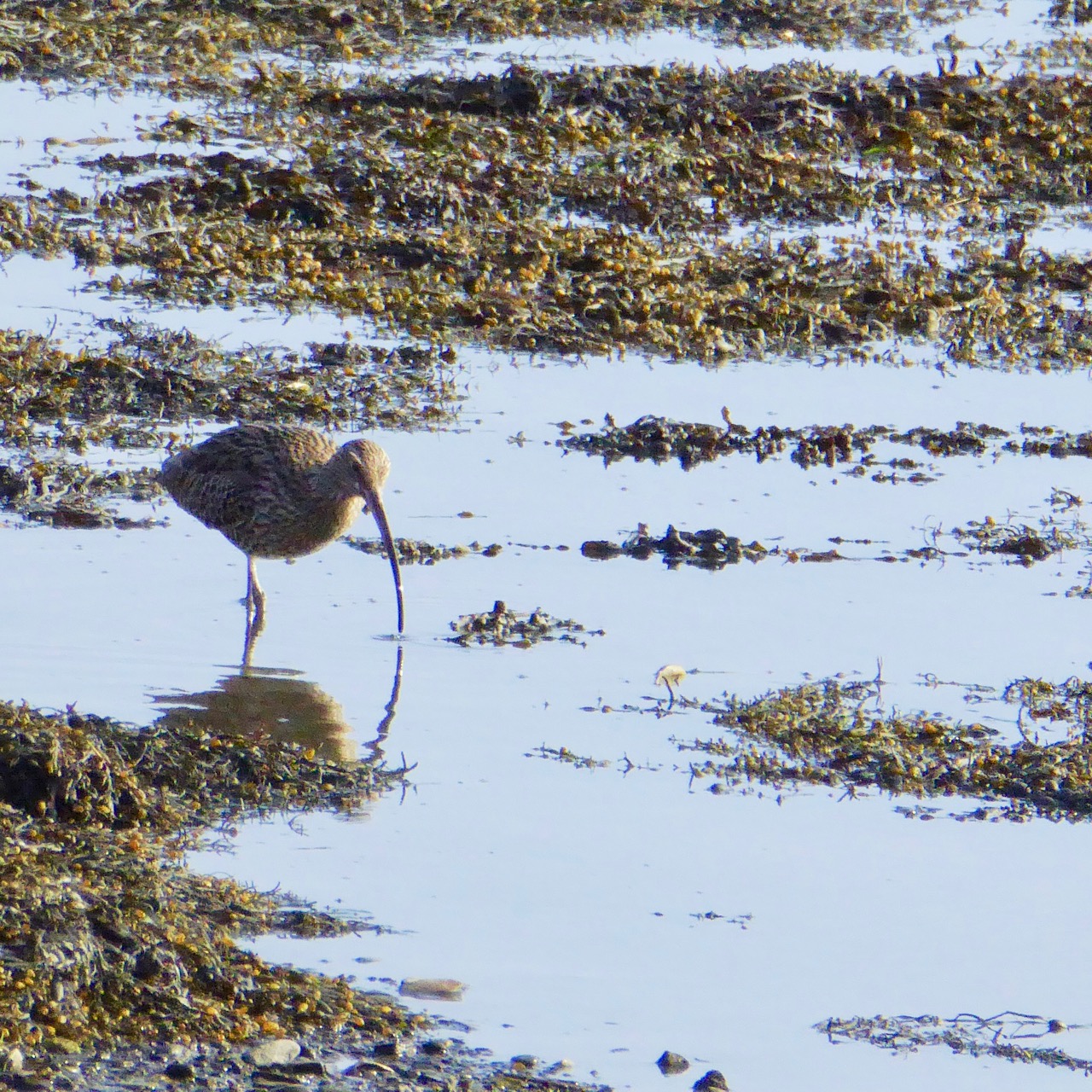
When it comes to observation of the natural world there’s never a dull moment here. We are fortunate that some globally threatened species seem to thrive around us – curlews can always be seen by the water, for example. The small birds crowd in, especially when I refill the feeders: sometimes we have to fight our way through the melee when we want to go out. It’s a great way to live, and a great place to live in. Thank you, Mother Nature.

RH and friend

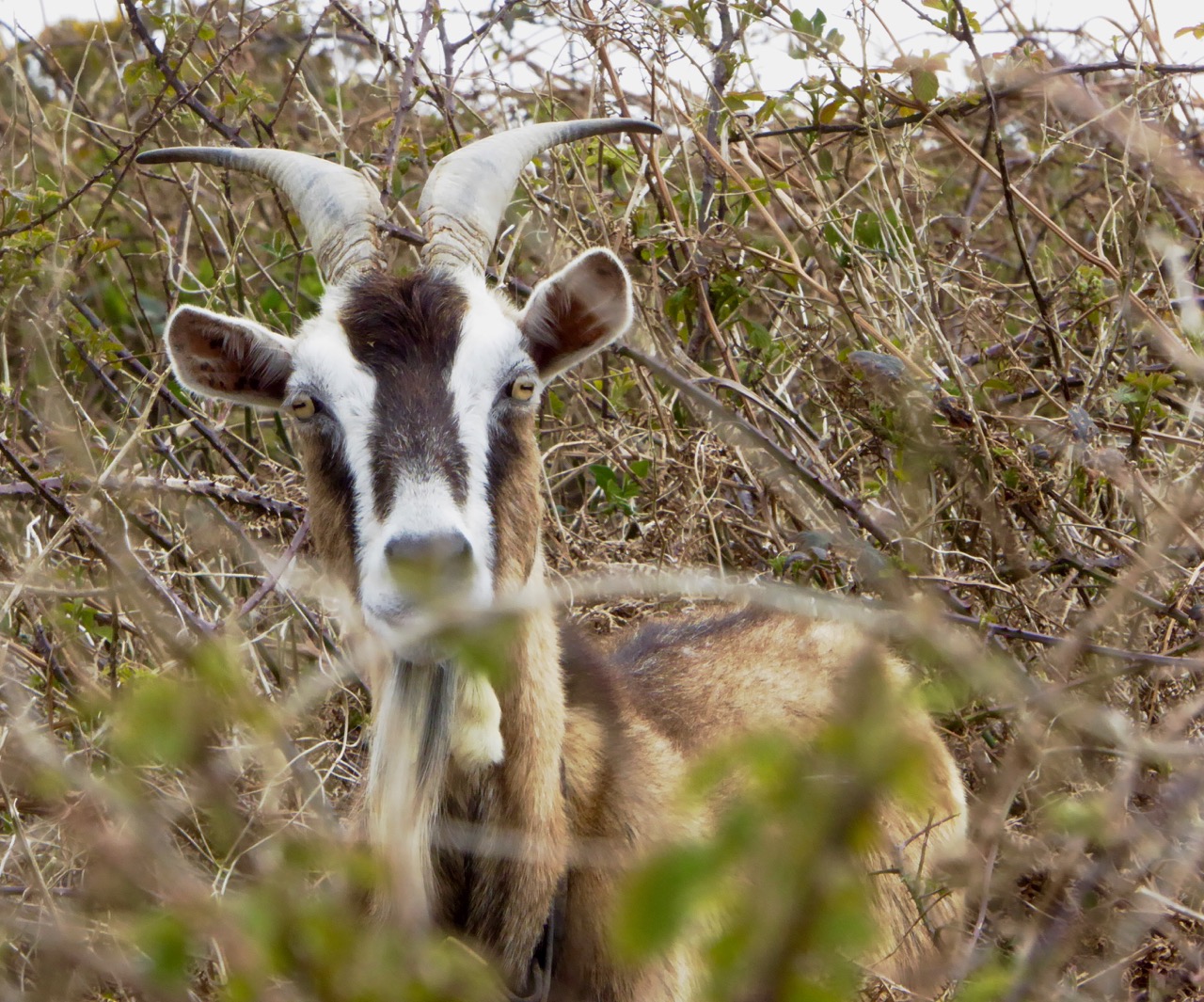
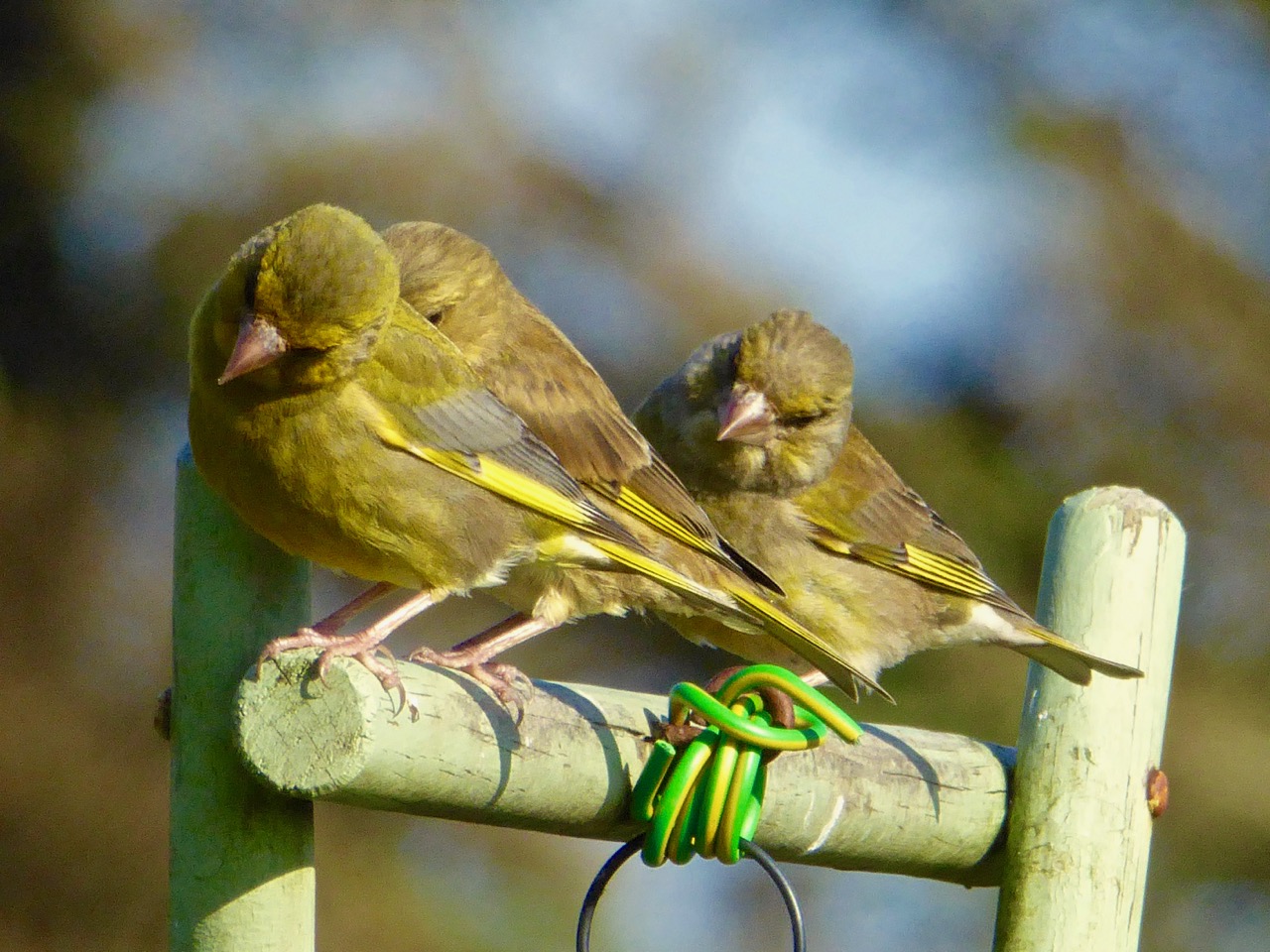
Photographs (from the top down): Tortoiseshell butterfly; Cappaghglass field; Nick’s goat; Nead an Iolair with starlings; greenfinches; chough on our gatepost; Spiro the sparrowhawk; view across Roaringwater Bay from The Galleries; muddy shanks; curlew in the Cove; 2 x bees; Ferdia the fox; rabbit; Nead bird feeder with goldfinches, greenfinch, bluetits and great tit – and pheasant; Robert and friends; heron hairdo. Grateful thanks to Finola for many of these pics

Heron Mullet

West Cork in Photographs – Your Favourites, Part 2

Courtmacsherry Bay

A winter walk in Courtmacsherry Bay

Part 2 of your (and our!) favourite West Cork photographs of 2016. If you’re not here already, as they say in West Cork – Where else would you want to be?

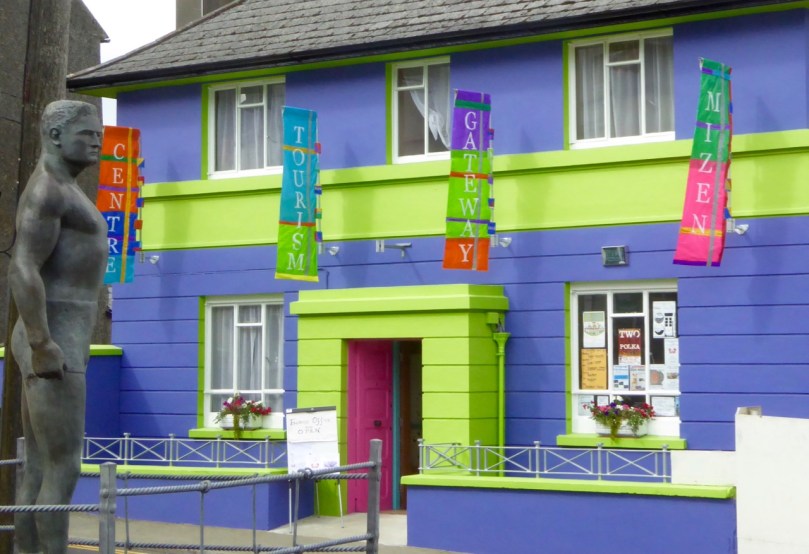
Banners up

The new Ballydehob Tourist Information Centre

Castle in the mist

Kilcoe Castle in the mist

Colours of West Cork

Toormore – the colours of West Cork

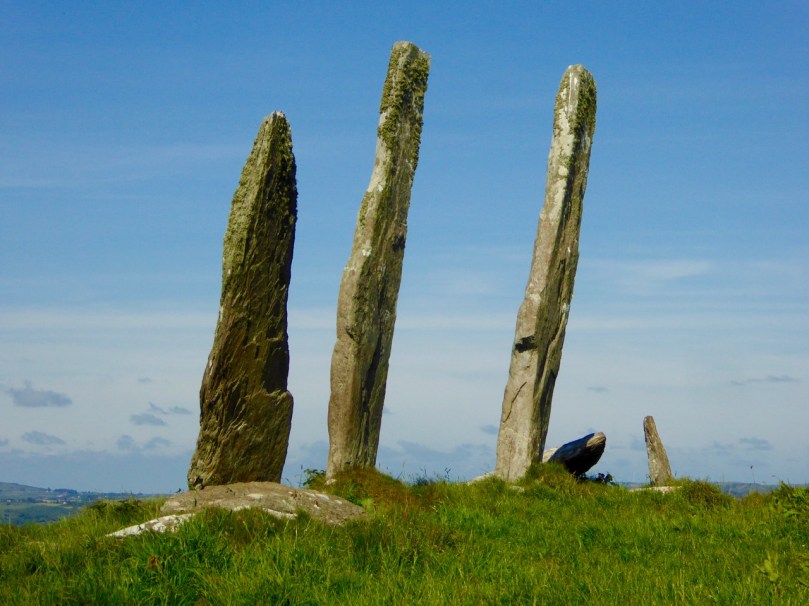
The Fingers

The Fingers, Gurranes, near Castletownshend

Summer in Goleen

Summer in Goleen

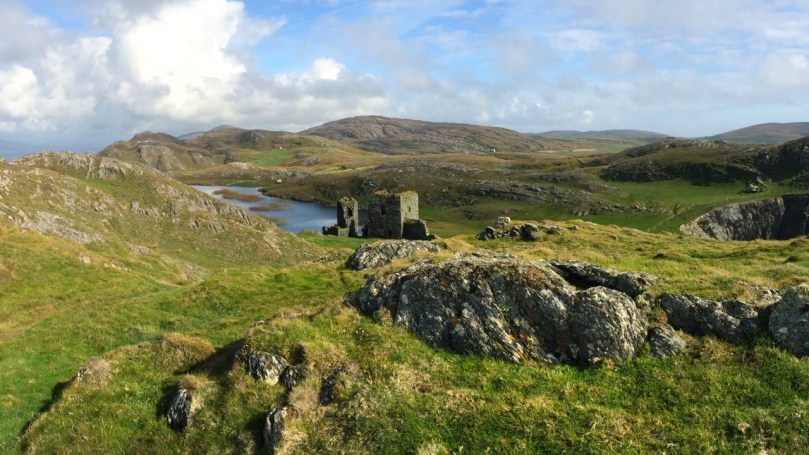
Three Castles

Three Castle Head

Black Castle

Black Castle, south of Lowertown

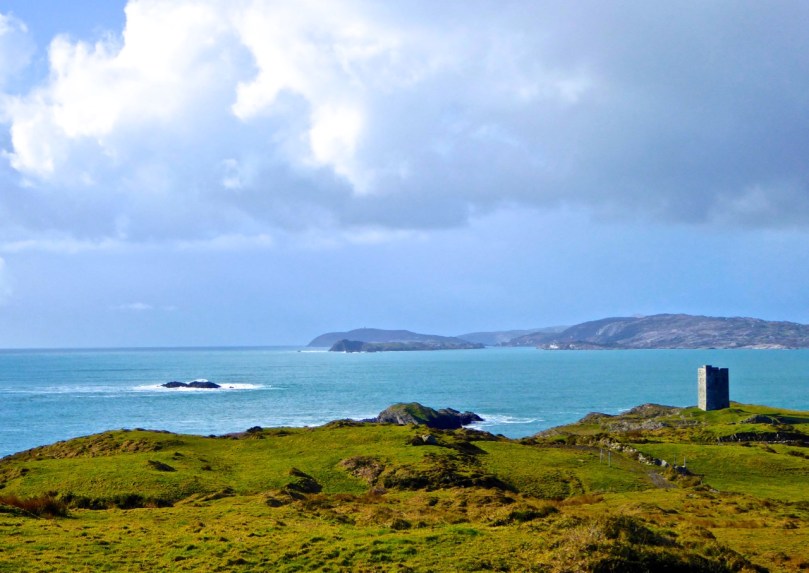
Mizen North Colours

North Side of the Mizen

Sun sets over Long Island

The sun goes down over Long Island

And an extra – one of my own favourites from this year. No drama – just a quiet sunlit meadow, an old stone barn and a colourful house. My West Cork.

Eugene and Margaret'sIn case you missed it, here’s a link to Part 1 of this two part exploration of West Cork in photographs.


West Cork in Photographs – Your Favourites, Part 1

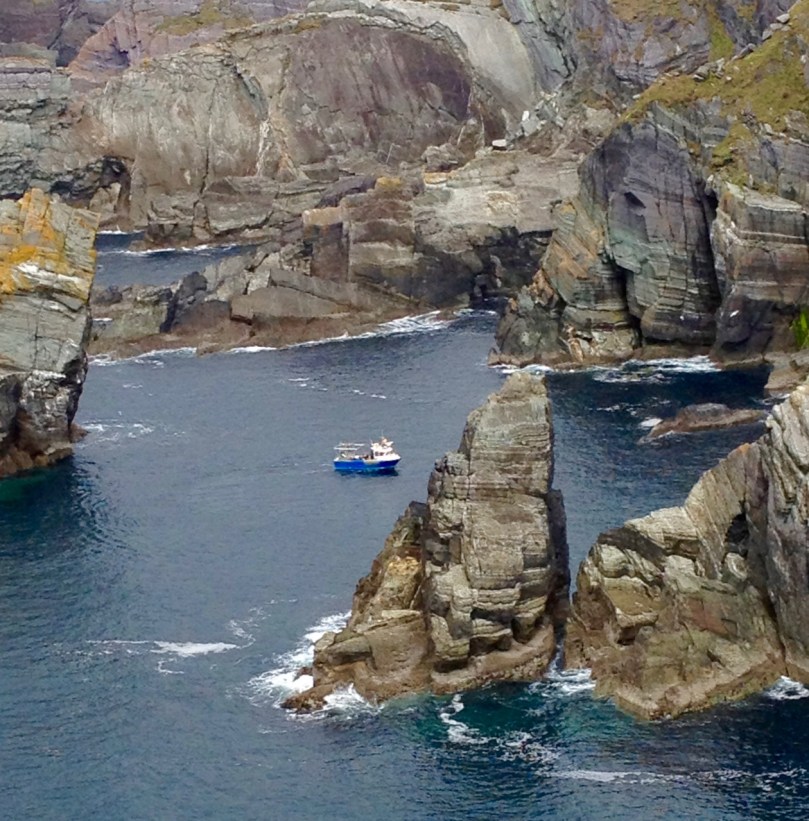
Navigating Mizen Head

A fishing boat navigates the rocks of Mizen Head

Our Roaringwater Journal Facebook Page features lots of our photographs of West Cork – two or three every week – and we know by the views and the ‘likes’ the ones that capture your imagination. It’s become a tradition here with us at the end of the year to go through them all and show you the top choices. Think of it as our Christmas present to you, our wonderful readers – nothing to read, just images of our gorgeous part of the world to drool over. Of course, we have our own favourites too, even if they didn’t get as many likes as others did, so we sneaked a few of those in here two. This is the first of two posts – the next one in a few days.

Sheeps Head November Day

Sheep’s Head

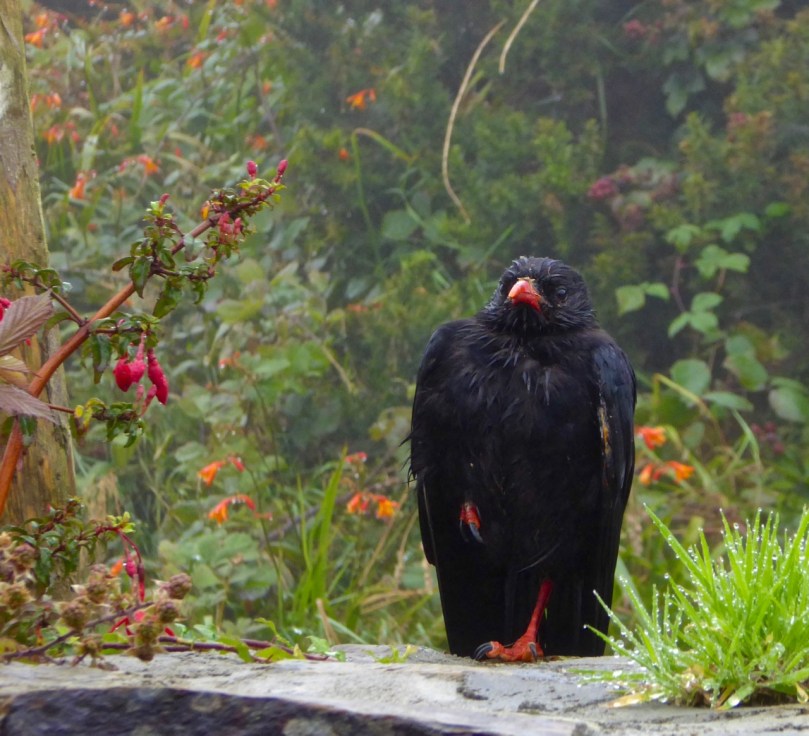
Chough by the Gate

Chough in the rain

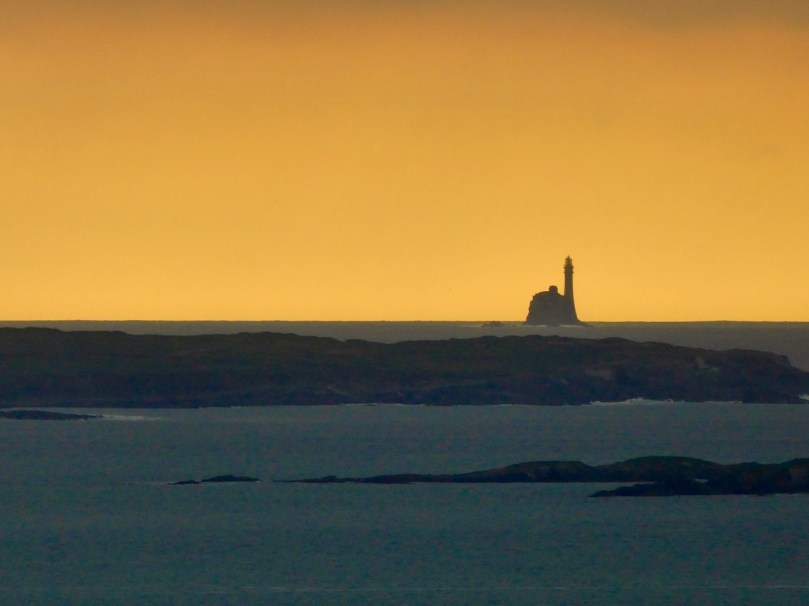
Fastnet in the sunset

Fastnet Lighthouse at sunset

2 0f the 12

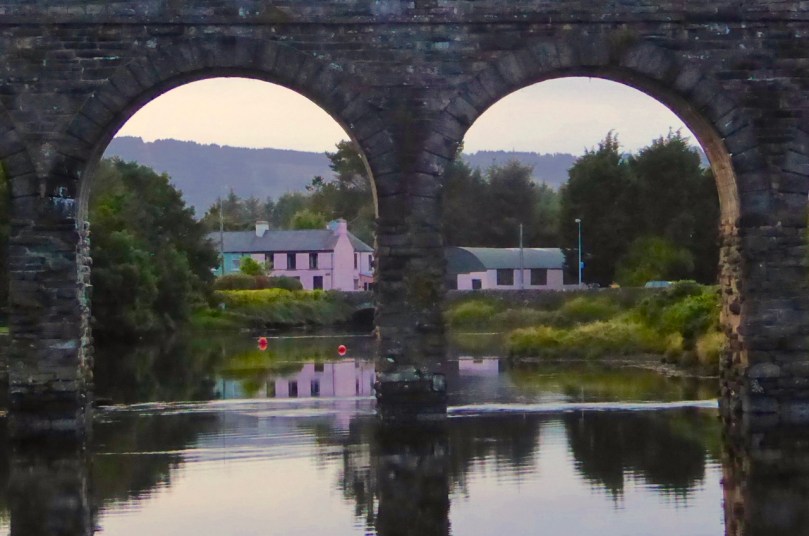
Two of the arches of Ballydehob’s famous Twelve Arch Bridge

Roaringwater Bay from Sailors' Hill

Roaringwater Bay from Sailor’s Hill above Schull

Gougane Oratory 2

Gougane Barra in the autumn

To the Mass Rock, Sheeps Head

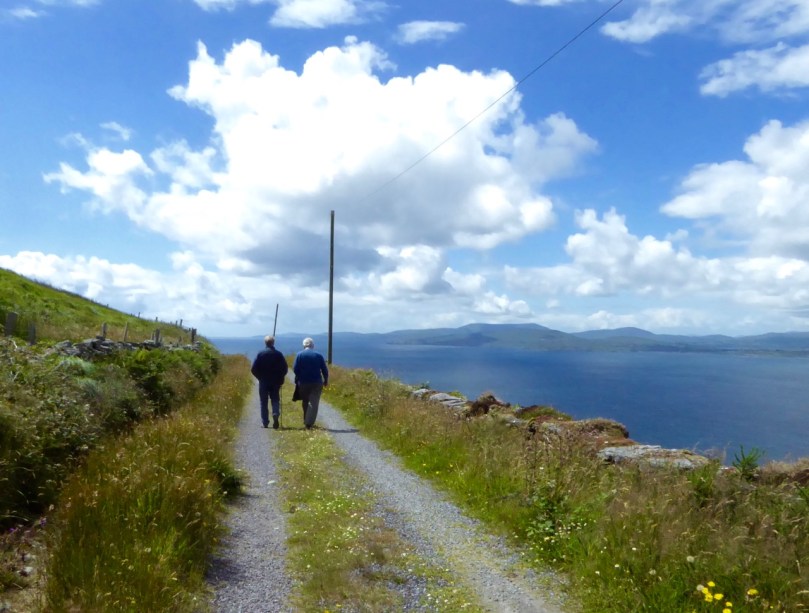
Walking to the Mass Rock, Sheep’s Head

Kealkill 2

The archaeological complex at Kealkill – a five stone circle, a standing stone pair and a radial cairn

Rossbrin Dawn

Rossbrin Cove dawn

The next batch (Part 2) is now up. Enjoy!

Drombeg Solstice Celebration

Setting

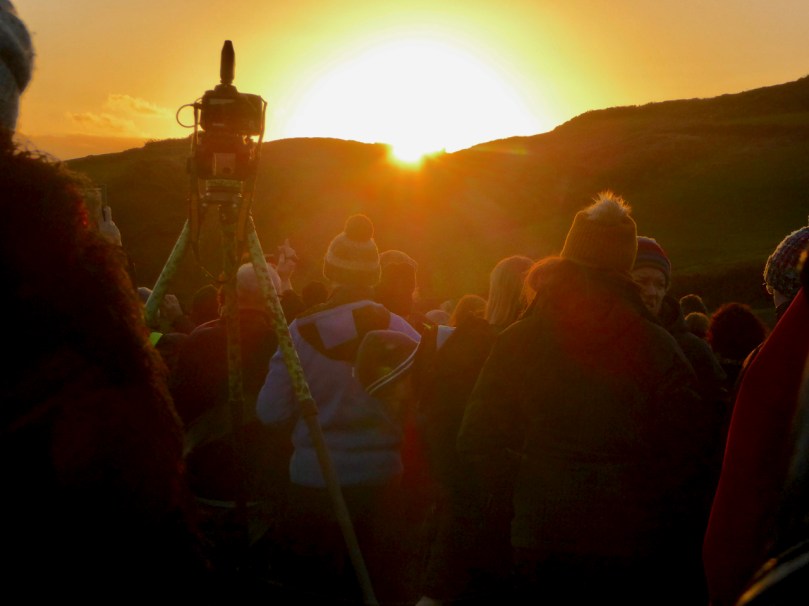
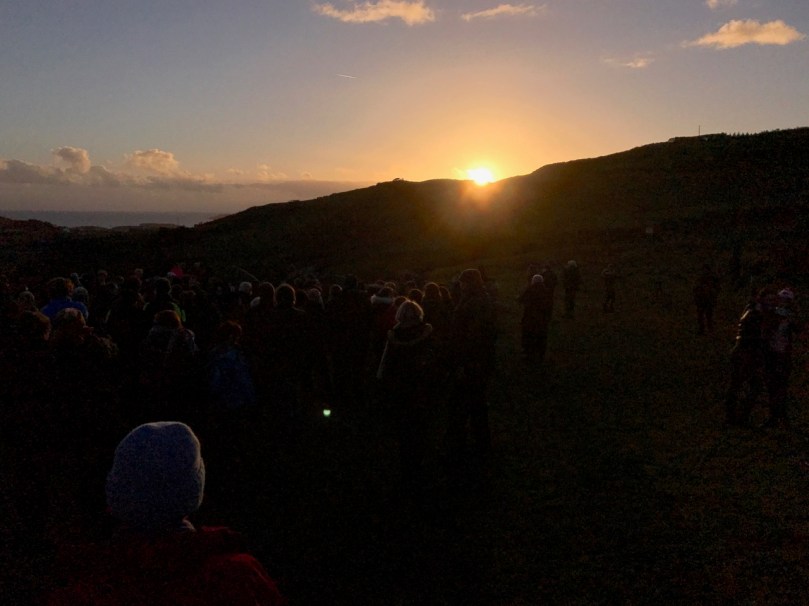
At sunset on the winter solstice the sun sets over the recumbent stone at Drombeg Stone Circle, near Glandore in West Cork. That is – if you stand looking between the two portal stones, you will see the sun set in a notch in the opposite hill and over the recumbent stone which is diametrically across from the two portal stones.

approaching 2 RH

For a full explanation of what I’m talking about here and for more about how and why stone circles were constructed, see our post Ancient Calendars. And take a look at Shadows and Stone in Action for our record of the same phenomenon, except at the autumn equinox, down the road at Bohonagh Stone Circle.

Watching

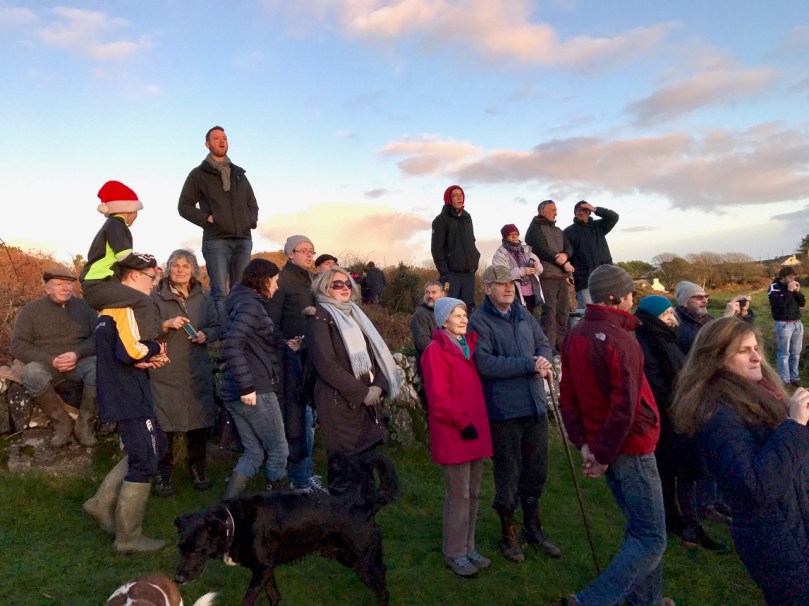
This solstice was the first opportunity Robert and I had to see the Drombeg phenomenon and what an evening we had for it – clear skies and a glowing sun. What’s lovely about this every year is that local people turn out to witness the solstice sunset at a stone circle designed by Bronze Age people perhaps three or four thousand years ago and still functioning the same way millennia later. It’s our West Cork Newgrange.

Meaden 2

Terrence Meaden (above) was there – a physicist and archaeologist, he’s been researching and writing about the calendrical aspects of Drombeg for several years now. Tirelessly visiting at all times of the year, his research compellingly illustrates how the builders planned the placement of the stones to maximise shadow-casting at the eight cardinal points of the calendar – solstices, equinoxes and cross-quarter days. While I don’t agree with a couple of his conclusions, he has done us all a service by encouraging us to look afresh at a monument we thought we knew.

Drummers

There was a lovely, community feeling to the hour we spent at Drombeg. People kept arriving and greeting one another in a sociable way. Kids ran around, a couple of drummers kept up a steady beat, and a group was holding a meditative circle that including some harmonious humming.

Final Moment

Anticipation mounted as the sun sank lower, there was a final good natured jockeying for position to get the best shots, and a collective sigh as the sun finally disappeared into the cleft.

Last Rays

It felt good to be part of something that West Cork people have been coming together to celebrate for thousands of years.