Foto Mizen!

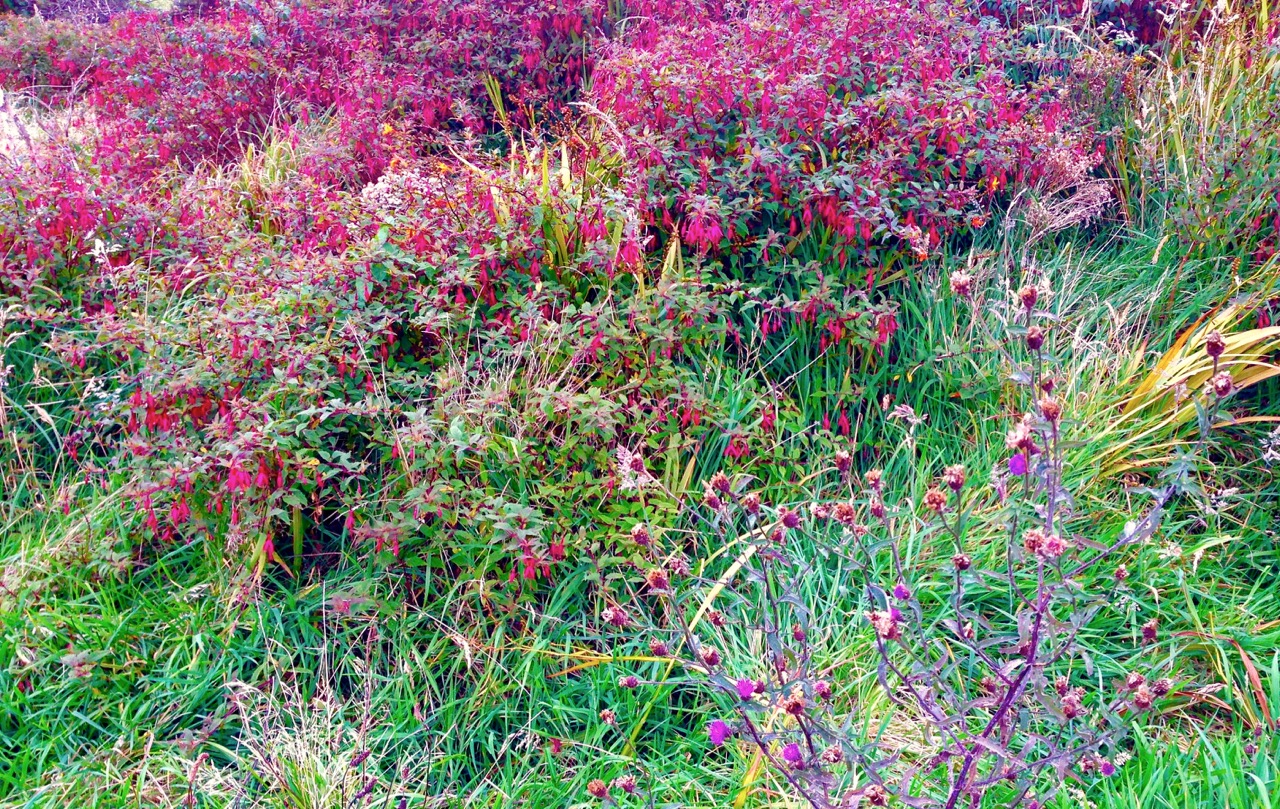
Hydrangea and Montbretia

Montbretia and Hydrangea (Ava)

Sunday August 7th is The Mizen on a Sunday Project Day. The what? 

Robin

This young robin was curious about our activities in the woods

The organisers of the new Photo Mizen Festival, which launches next year in Schull, have come up with a great fundraising idea. Here it is: a photo book of life on the Mizen Peninsula during the 24-hour period of a single day, Sunday, August 7, 2016.

Stream

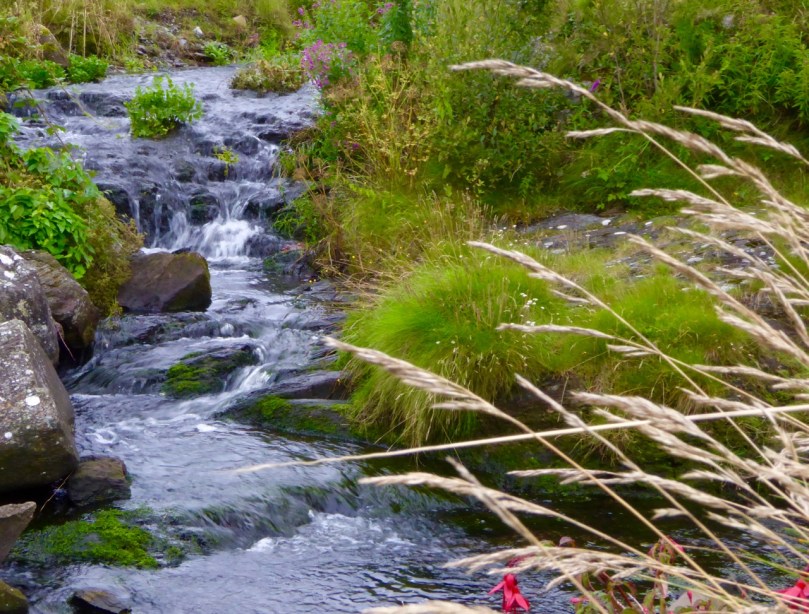
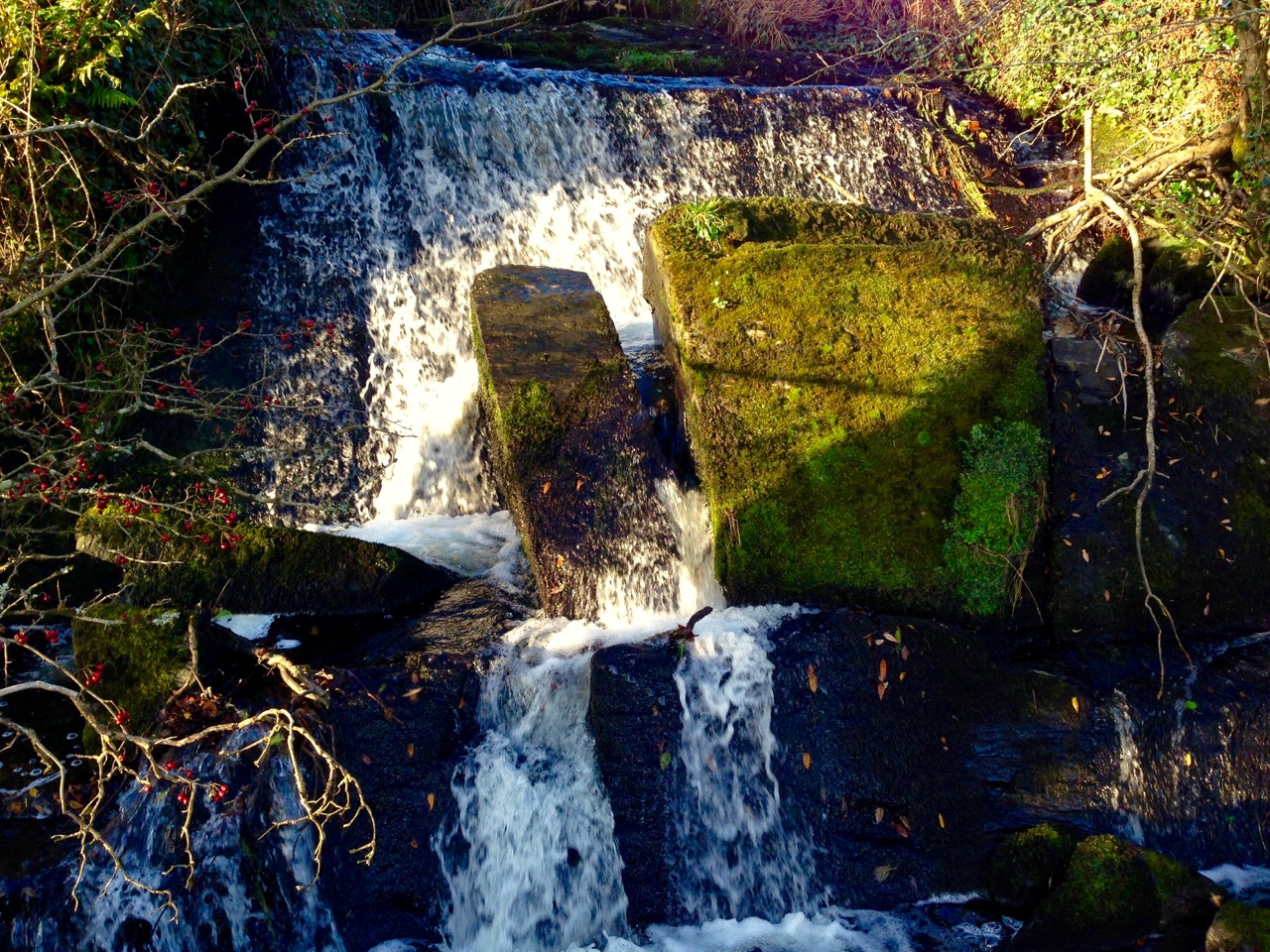
This little stream flows into the sea at Derreennatra

Derreenatra Bridge

The stream flows under this picturesque bridge (Ava)

My niece, Ava, and I decided to participate. Ava is almost 12 and she has a great eye and her parents’ camera. She and I rose at dawn this morning and set off to see what we could capture of life around us in Rossbrin.

My nephew Hugo, my sister Aoibhinn, and Marley, were happy to be photographed

Within three hours we had 250 images. Oh dear! We spent several hours deciding on the ones to submit to the Foto Mizen project and of course we had lots left over – we can only submit 5 each. So here is a selection of images that didn’t make the final cut.

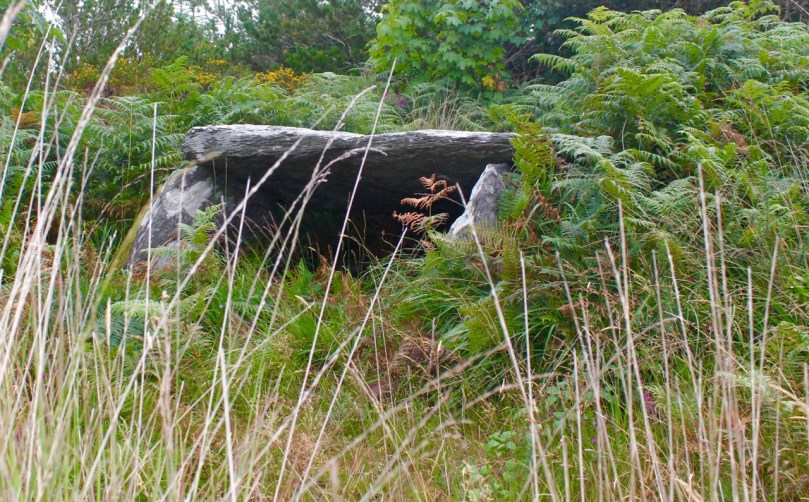
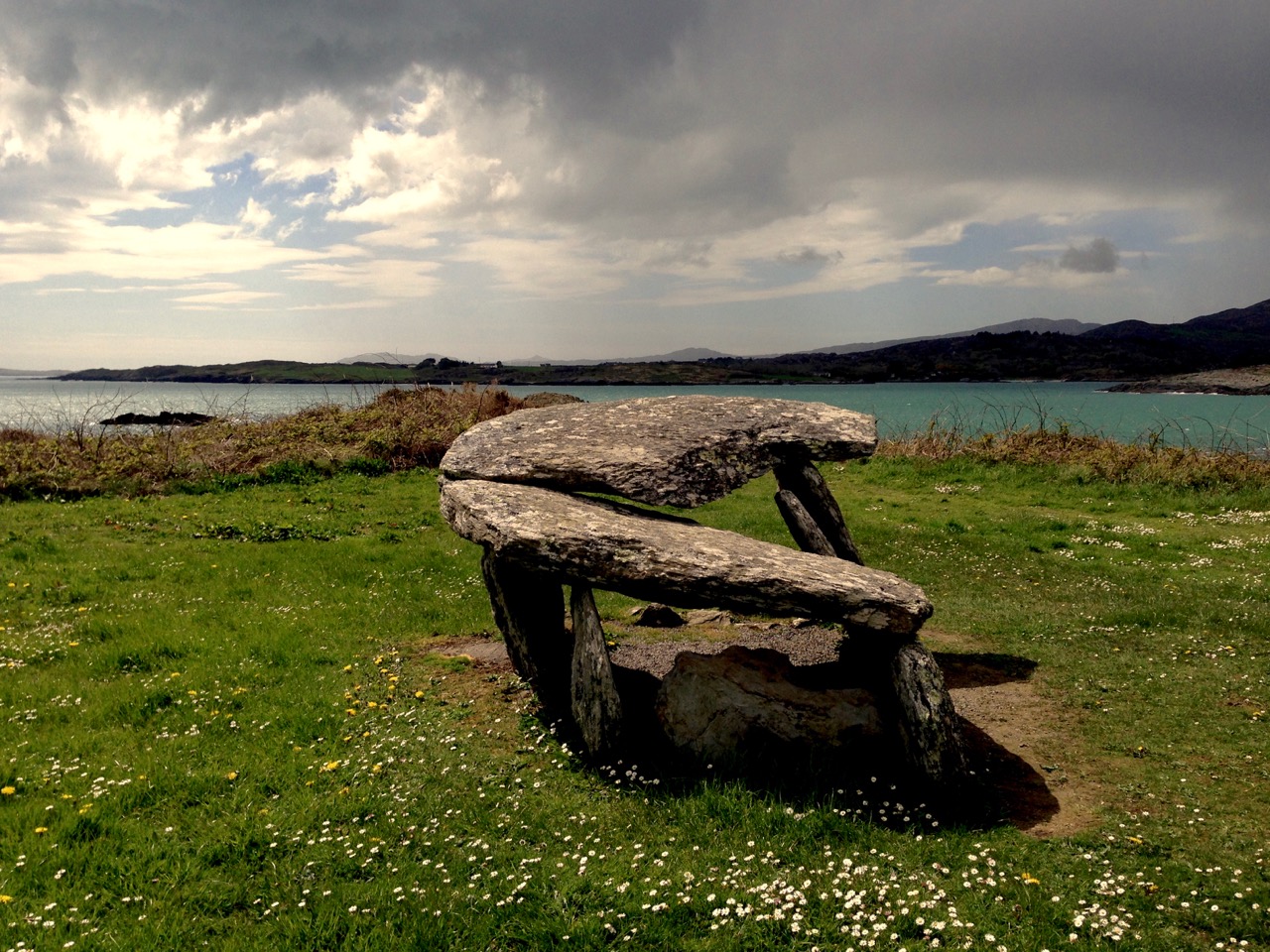
Kilbronogue Wedge Tomb

We walked up through the woods to the 3,000 year old wedge tomb at Kilbronogue (Ava)

The wildflowers were everywhere in abundance, some blowing in extravagant crowds and some tiny and hidden.

St John’s Wort, heather and gorse, and blackberry flowers

Ava took lots of photos but was a bit shy of having me take photos of her! Here she is doing her best imitation of a Jawa.

Ava the Jawa

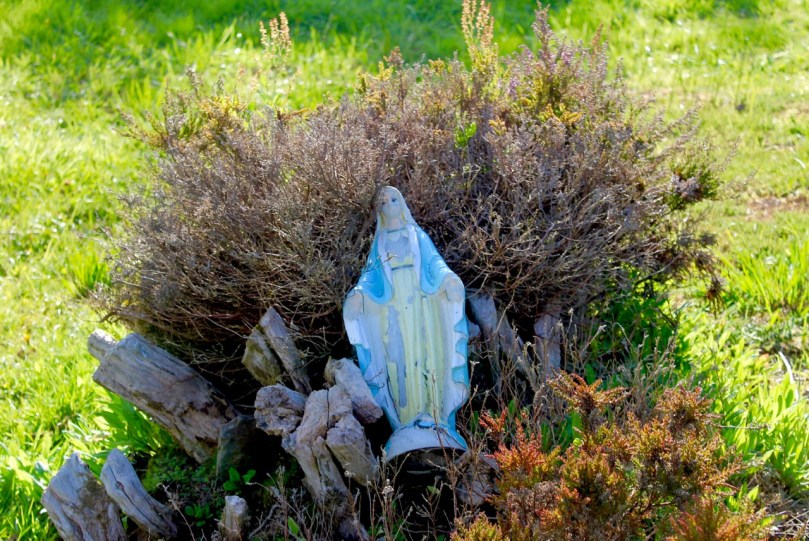
She was a little puzzled when I said our next stop was a graveyard, but got into the spirit of things right away when she found this statue.  She labelled it Creepy Mary, and I have to admit, those eyes are a little weird.

Creepy Mary

A tiny reminder from Stouke Graveyard that The Mizen is still a place where the past is sacred (Ava)

But she loved this little gate with its colourful postbox.

Gate and Post Box

And she took several photographs of the disused postbox at the old Rossbrin National School.

Rossbrin Post Box

It was a lovely way to spend time together, wandering companionably around the incredible Mizen countryside, snapping away at whatever took our fancy.

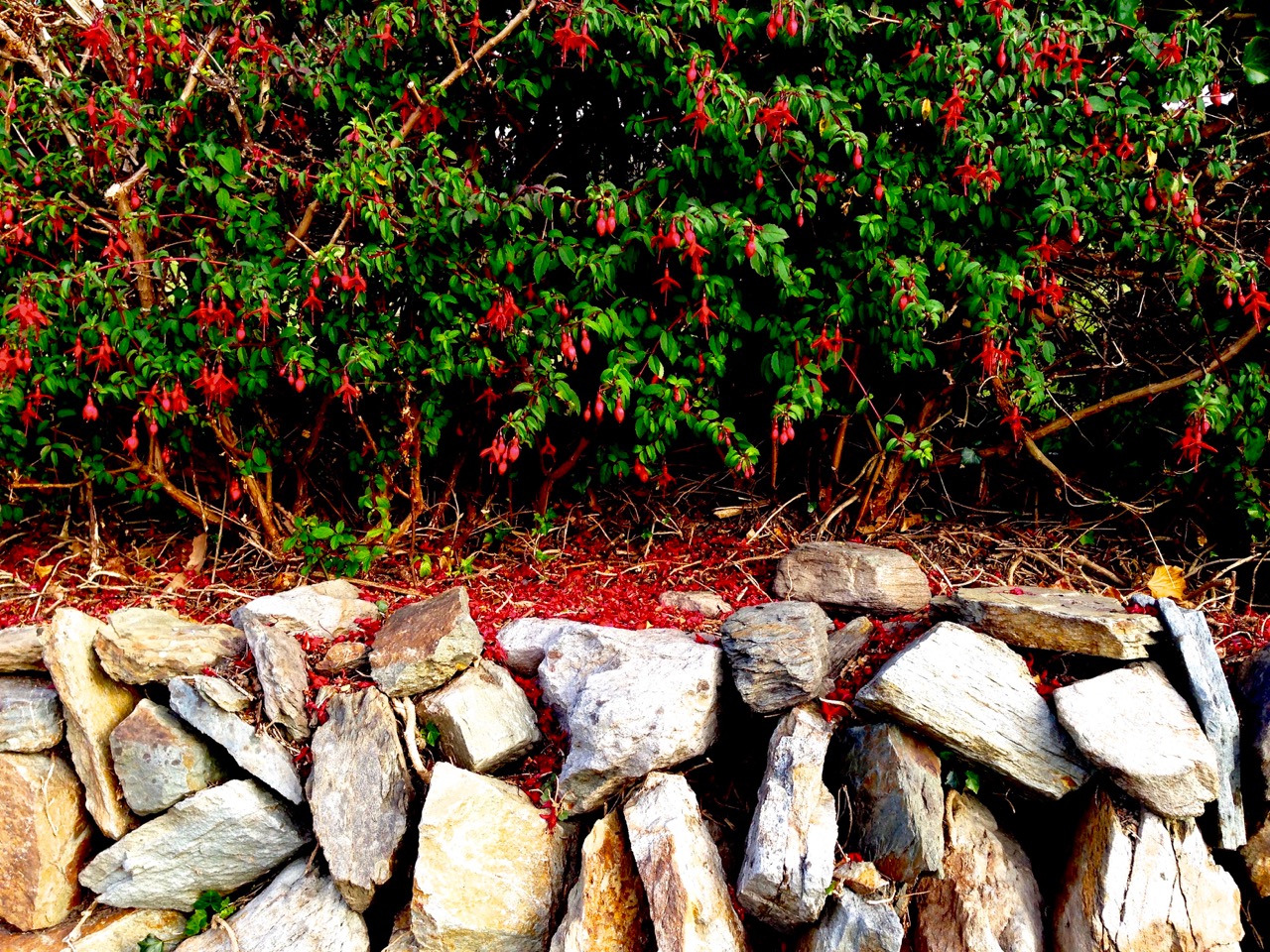
Rock wall with Montbretia

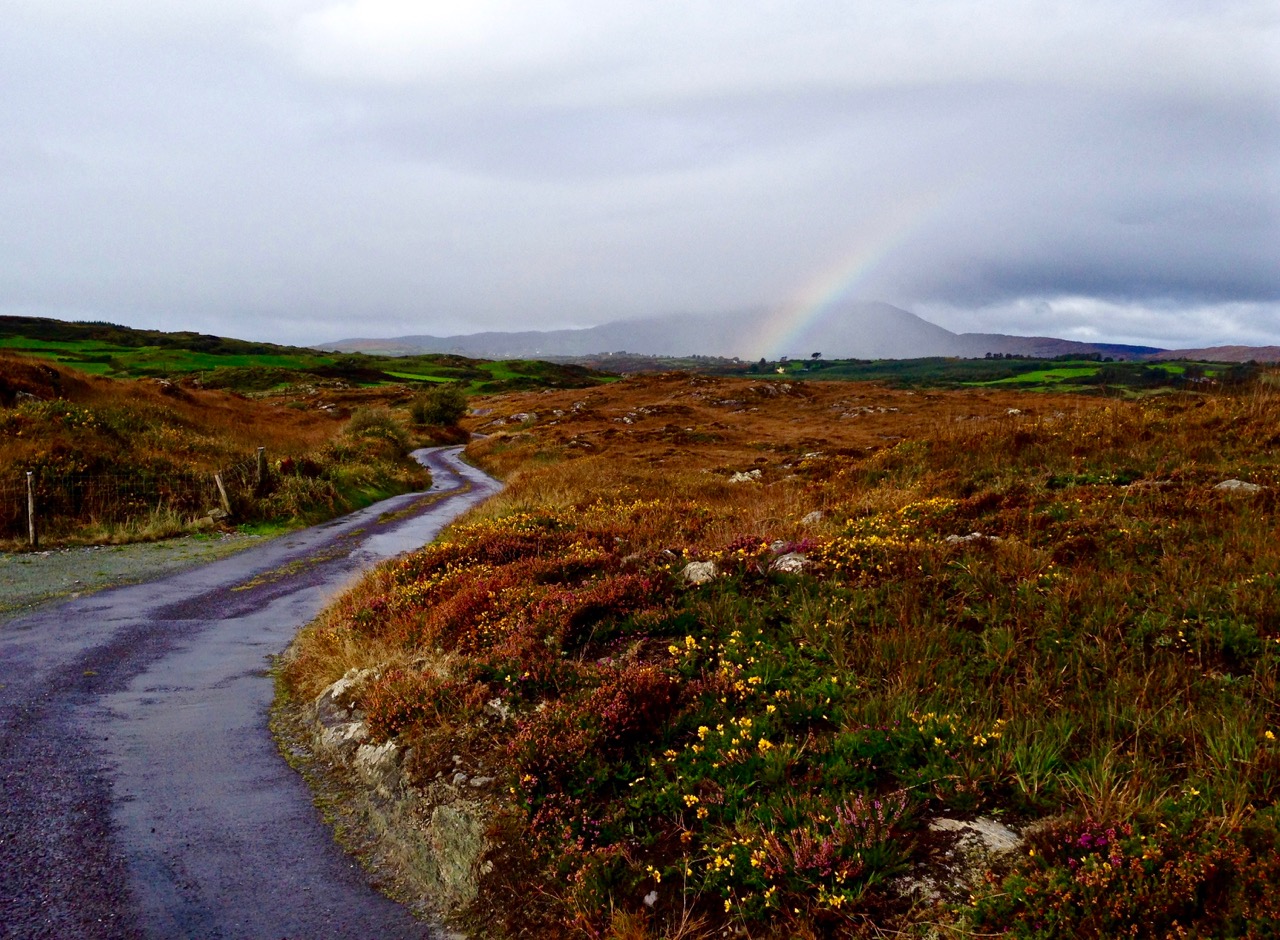
We didn’t have to go far – this is Ava’s picture of the little boreen outside our house 

Her younger brother, Hugo, got in on the act too, helping us to decide on our final five photos, which we will submit for the Photo Book Project. Turns out he has a great eye too – so next year there’ll be three of us roaming the hills of West Cork in the wee hours.

Fennel

Here Be Pirates!

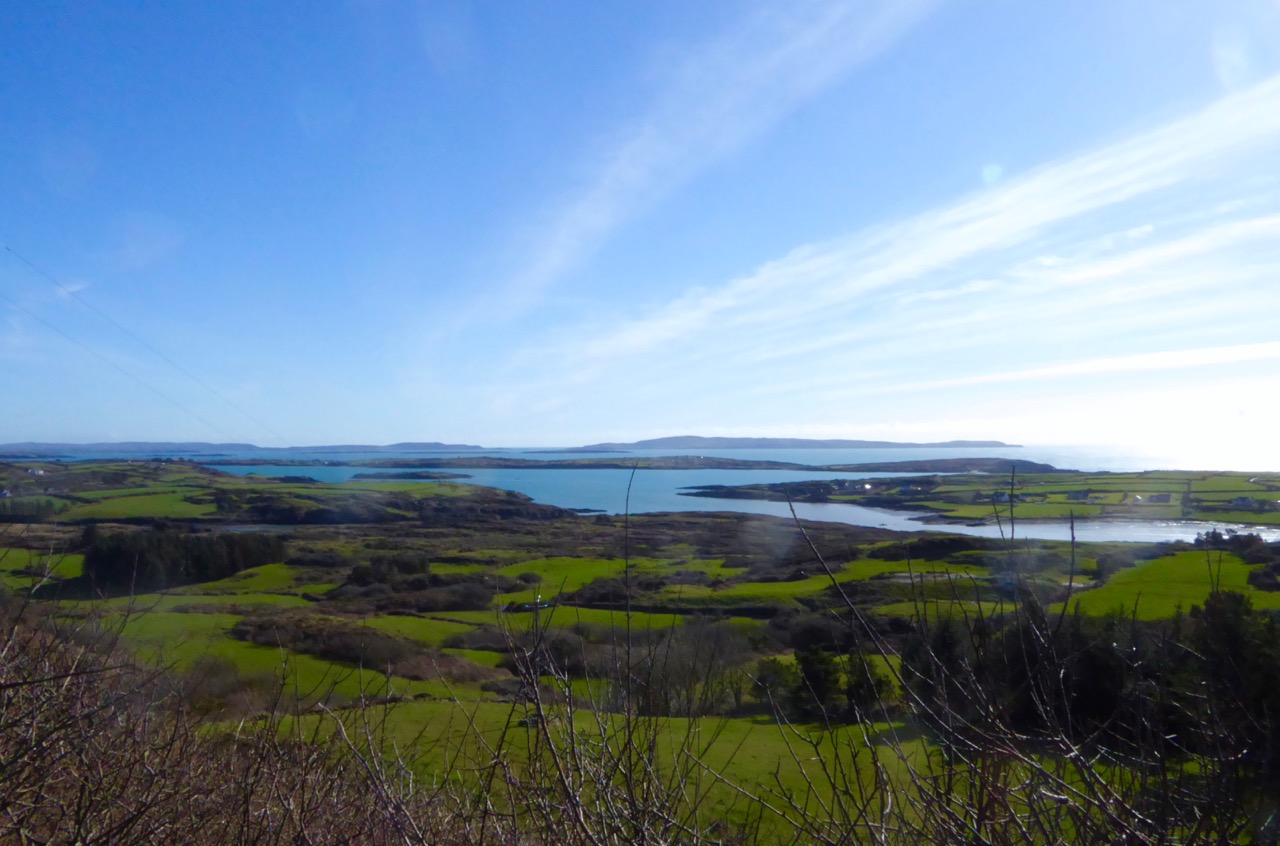
Crough Bay in the townland of Leamcon – one of the sheltered and hidden moorings which became known as a pirates’ nest in the late sixteenth and early seventeenth centuries. This is a view of part of the former estate of Sir William Hull who, as Vice Admiral of Munster, was charged with routing the pirates but in fact connived with them for his own financial gain

…Ireland may well be called the nursery and storehouse of pirates… wrote Sir Henry Mainwaring in a manuscript now in the British Museum (A Discourse of Pirates, on the suppression of piracy 1618). He had first-hand knowledge: this adventurer who was born in the time of Elizabeth spent most of his life at sea, survived the English Civil War – although on the losing side – and had been privateer, pirate and Royal Naval captain. He died at the age of 66 with his feet on dry land, although in poverty and exile in France.

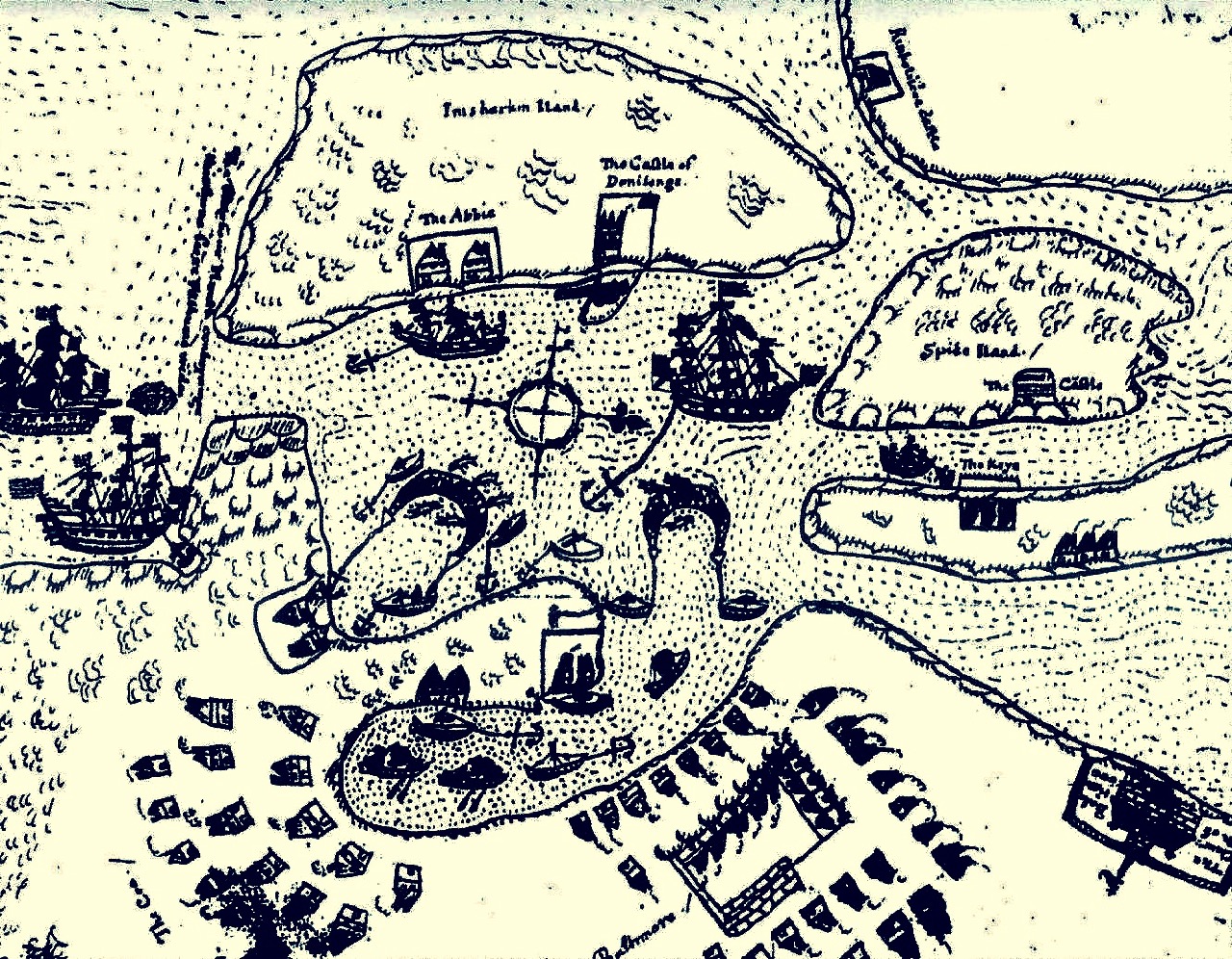
map of baltimore

The Earl of Cork’s map of Baltimore,1628 –  following well-founded fears of ‘Turk’ raids he petitioned the Admiralty to fortify the coastal settlements. He was ignored and in 1631 the town was sacked and burned by Barbary pirates who carried away over 100 of the residents to the slave markets in Morroco

My possible ancestor Captain James Harris of Bristol died with his feet in the air: he was hanged at Wapping, in the estuary of the Thames, with 16 other pirates in December 1609. They had been captured in Baltimore, in sight of Roaringwater Bay. Why was it that Ireland – and, in particular, this coastline of west Cork was the notorious harbourer of pirates from all over Europe?

behold leamcon

According to Mainwaring, the west of Ireland was enticing because food and men were abundant; fewer naval ships patrolled the coast [than in England]; many of the local inhabitants were willing to trade with the pirates; and there was a …good store of English, Scottish, and Irish wenches which resort unto them… 

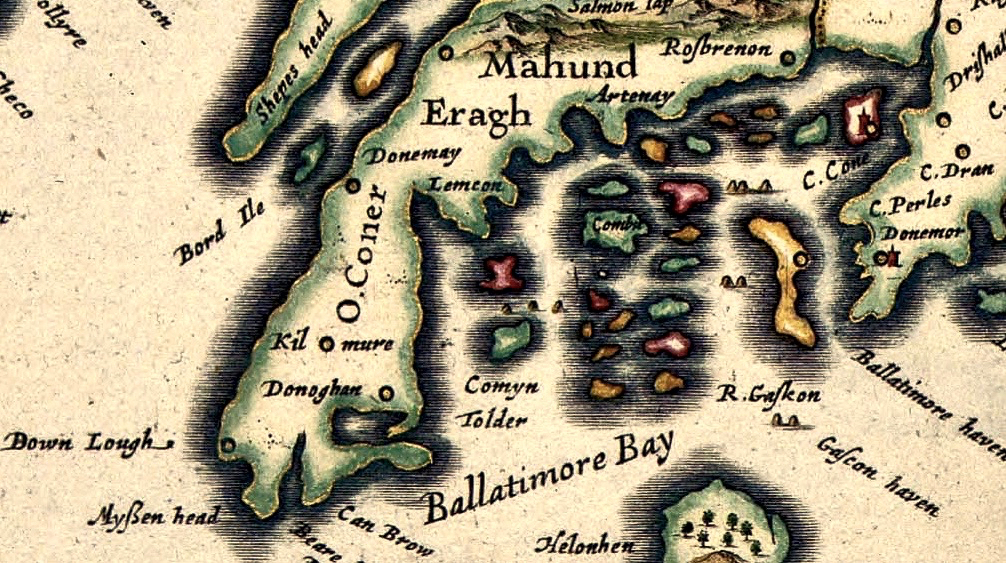
1611 John Speed map – Roaringwater

John Speed’s map of 1611 which portrays ‘Ballatimore Bay’ and Carbery’s Hundred Islands – ideal territory for concealing pirates. Note the curious geography, the names of the Irish clans and some of the places we recognise today: Rossbrenon (Rosbrin); Lemcon; Shepes Head and Myssen Head

The coast of west Cork, in particular, was eminently suitable for sheltering ships in need of careening and victualling: bays, coves, inlets and estuaries abound and Carbery’s Hundred Isles (in fact many more than a hundred but it depends on what you count as an island) offer refuges a-plenty. In Captain Harris’s time there was only one naval ship patrolling the whole area from Kinsale around to Bantry and beyond – and this was the Tremontane – an ancient leaky pinnace which could be easily outrun by any respectable pirate crew. All the more unfortunate, then, for my forebear and his band who fell into the hands of the authorities, no doubt through some act of treachery or double-dealing.

Captain Harris’s family paid to retrieve his body from the gallows at Execution Dock (above left) and gave him a Christian burial. It was more usual for the bodies to be immersed by ‘three high tides’ before being disposed of. In particularly notorious cases the corpses were tarred and then hung in gibbets (iron cages – above right) to remain in public view. Captain Kidd was displayed this way for at least forty years after his death in 1701.

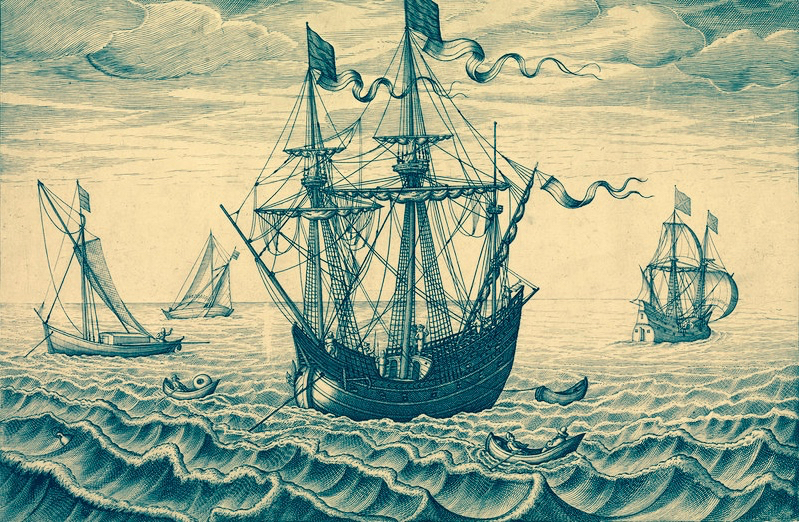
pirate ship

…The Irish folk surreptitiously colluded with pirates. When a captain needed supplies, he sent word of his needs. The reply to his note told him where he might find “so many Beeves or other refreshments as he shall need” on a specific night. When he and his men came ashore, they were to fire upon those who tended the herd, which allowed the herders to claim that they had been forced to hand over the cattle. Later on, he secretly landed “the goods or money in exchange, which by custom, they expect must be 2 or 3 times the value” If the pirates desired arms and/or ammunition and the Irish had any, they traded those items, too… (from Pirates and Privateers – The History of Maritime Piracy – an excellent online resource compiled by Cindy Vallar).

If you would like to learn more about Pirates in west Cork (and to listen to some great music) come along to the Fastnet Maritime + Folk Festival in Ballydehob this weekend 17th – 19th June: Robert is giving an illustrated talk on William Hull and the Leamcon Pirates’ Nest on Saturday 18th at 2.30pm in the Old Bank Building

Say Cheese!

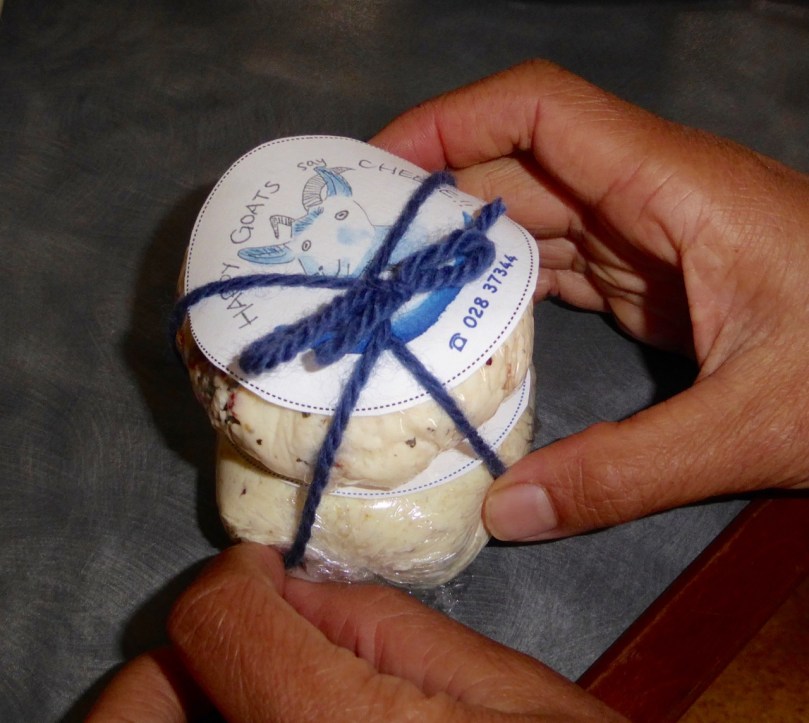
Cheese Bundle

Goats Cheese, that is: creamy, delicious – and home-made! Goats cheese is what I made today at our friend and neighbour Nick’s Rossbrin Permaculture Farm on the shores of Roaringwater Bay. The ingredients? Happy goats, a couple of ingenious WWOOFers and eager students.

Nick and Goats 2

Nick bringing the goats home in the evening

Nick has a smallholding and tries to be as ecologically sensitive, environmentally friendly and sustainable as possible. His WWOOFers seem to like the place and some stay for extended periods or keep coming back. (For those of our readers who are not familiar with the concept of WWOOFing – take a look at the WWOOF Ireland website.) Jasmine from Taiwan has become a keen forager and cheesemaker, and Helene from France loves to experiment with natural flavours. Recently there was a Slow Food event on the farm (wild garlic pesto – forage and make) which we couldn’t attend, so when this opportunity came up I jumped at the chance to sign up to learn how to make goats cheese.

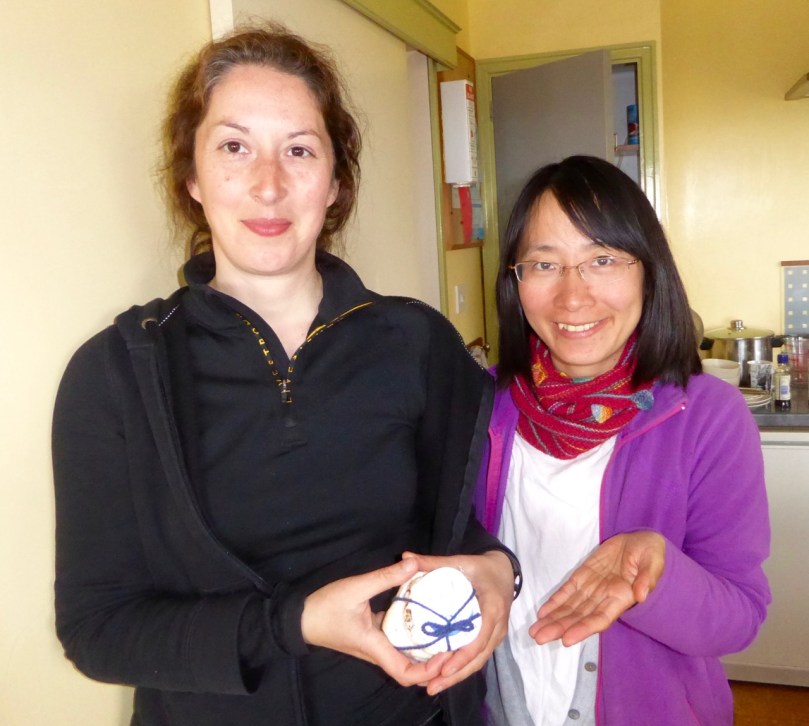
Helene and Jasmine

Helene and Jasmine – cheese makers extraordinaire!

I had this idea that cheese was a long slow process involving ageing in caves and something called rennet so I was intrigued that we would make and take away goats cheese in one afternoon.

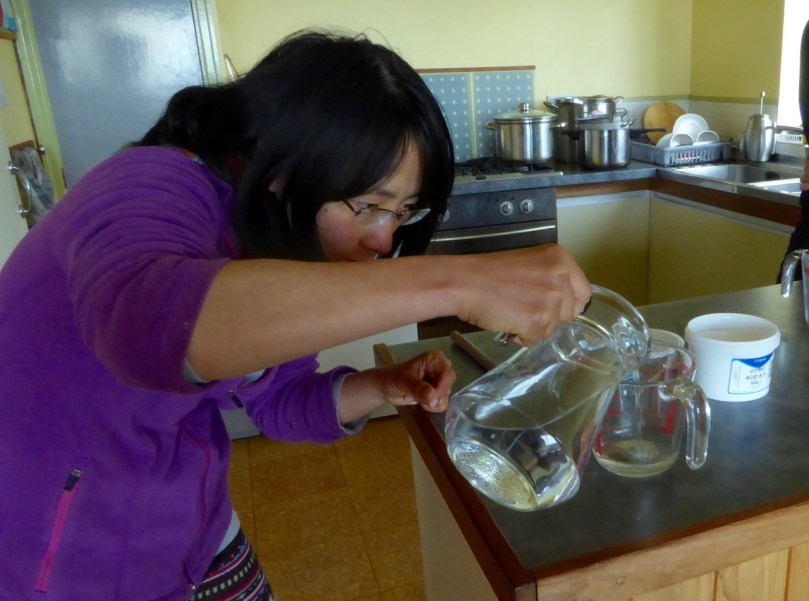
Diluting the citric acid

Jasmine dissolves the citric acid – available in any pharmacy

Jasmine and Helene had milked the goats that morning so the milk was fresh, although it can also be a few days old – the older the milk the stronger the distinctive chèvre taste. We started by adding dissolved citric acid to the milk, drop by drop, and stirring, while it sat on a moderate heat. The idea is to add the citric acid very slowly while the temperature rises to 180-190F. This process pasteurises the milk and starts the process of making curds.

Left: Jasmine and Helene and students Manon, Bríd and Maria. Right: adding the citric acid drop by drop and patiently stirring

Once it has reached the proper temperature the milk is allowed to cool a little then poured into cheesecloth-lined colanders to separate the curds and the whey. Since the next step is to let it drip slowly through the cheesecloth, we enjoyed some tea and cake and then we took ourselves off for a wander around Nick’s farm.

Julian straining

Through the cheeseclothUpper: Julian strains the heated milk. Lower: left to drain

We walked down to Jasmine’s seaweed-gathering beach and made a quick inspection of Nick’s ingenious vegetable island. Why grow vegetables on an island? Easy – no rabbits and no slugs! Nick practices Hügelkultur on this plot.

Once back in the kitchen we inspected the cheese and saw that the whey had drained away to our satisfaction. To continue the process we tied the cheesecloth up to make a ball and suspended the cheese over pots for a while longer.

All tied up

During the next wait period Jasmine and Helene showed us how to make seaweed appetisers. Jasmine had harvested sugar kelp and sea spaghetti that morning and together we made seaweed crisps and sea-spaghetti bruschetta. It sounds a bit weird, I know, but honestly, they were delicious.

Jasmine had washed the sugar kelp and hung it out to dry along with the other washing. The recipe for the crisps and bruschetta is at the end of the post

By then, we were ready to finish the cheese. First we added a little salt and then decided on the flavouring. On Helene’s advice we selected cumin and mustard for one and sundried tomatoes and basil for the other. A little tasting, a final lesson in wrapping, and we were done!

I love goats cheese and have several favourite recipes so I’ll be trying out a couple this week. It’s going to feel really good to casually drop into the conversation that, oh yes – I made it myself. And if that’s not totally and strictly true, I’m sure none of you will tell on me. Right?

Recipes

Tide’s Further Out!

cove gray day“Donn Fírinne was in the clouds last evening – today would be bad…” Donn Fírinne was a Munster fairy-king always connected with weather omens: …the people said that Donn collected the clouds on his hill (Cnoc Fírinne, Co Limerick) and held them there for a short while to warn of approaching rain, and from the reliability of this sign came his name, Donn of Truth… (from The Festival of Lughnasa, Máire MacNeill, University College Dublin 2008)

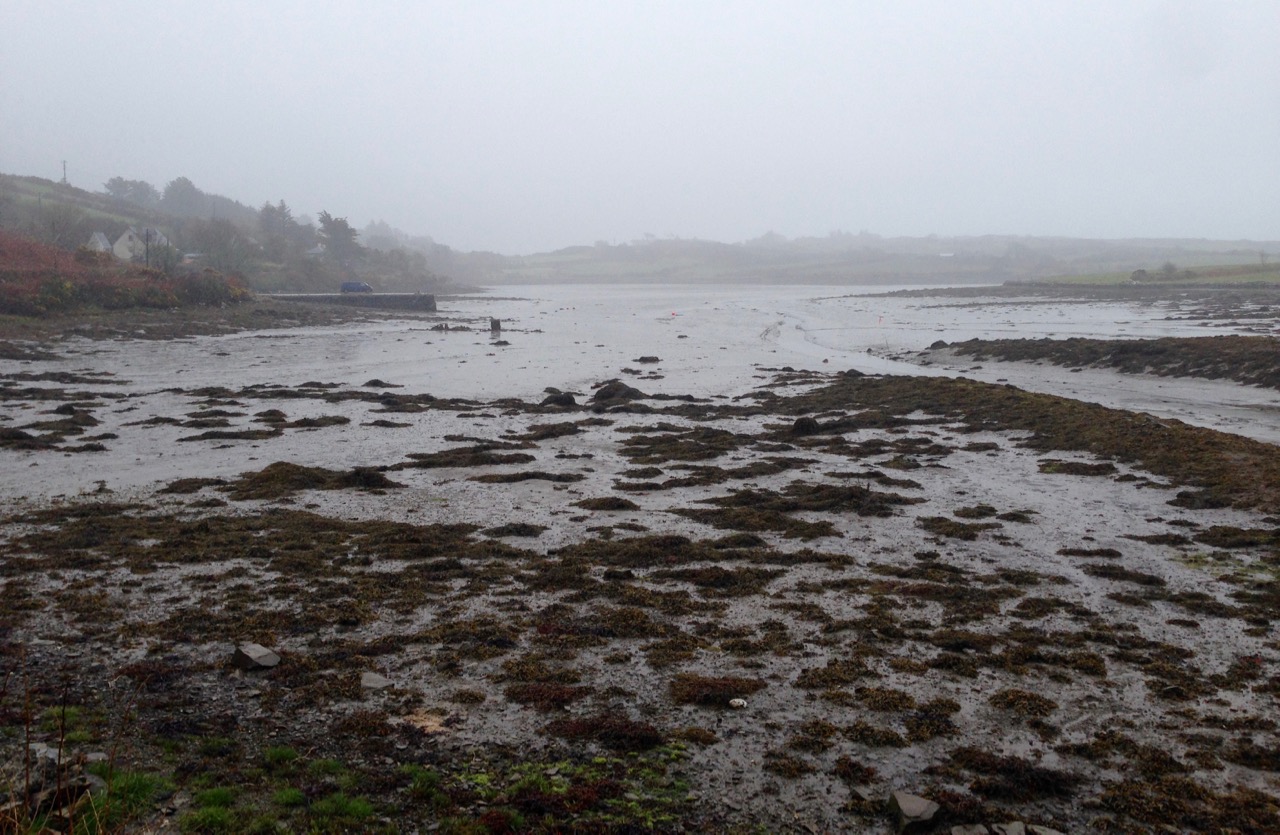
Only a month ago I wrote a post about a very low tide: I hadn’t realised that we were heading for an exceptional event, the lowest tide of the century! So I felt that our readers deserved to have this circumstance recorded as well, even though it involved braving what was probably the least hospitable weather that the spring has come up with so far! I should have taken notice of the omens from Donn, but instead I went out into the cold, pervading rain.

high road gray day

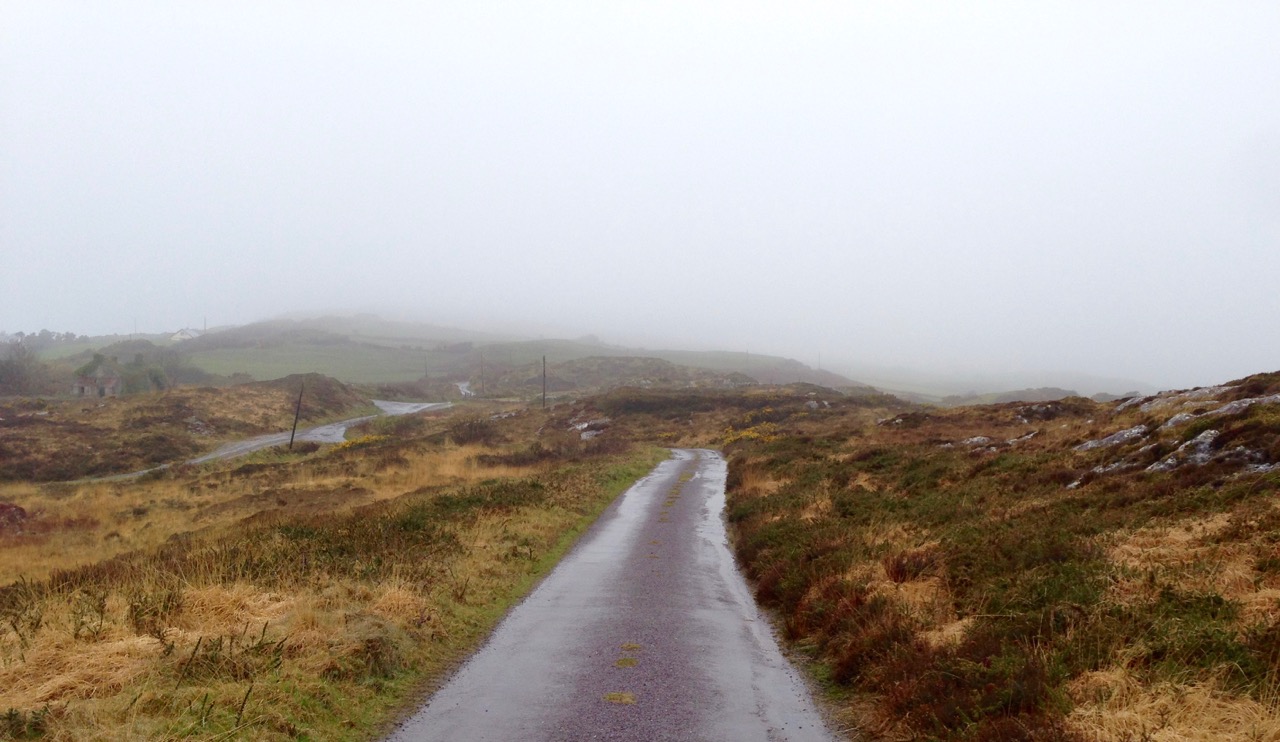
Out into the weather: the high road at Cappaghglass at its wettest

The day was last Thursday, 7th April, and the tide prediction was a low of 0.00, just after noon. 0.00! You can’t get much lower than that. But we have to remember that  tide predictions are just that – predictions. It’s a bit like weather forecasting – there are so many factors which can affect the outcome. Tides can vary from the predictions because of winds, atmospheric pressure, even the salinity and temperature of the sea, evidently. However, although I can’t vouch for the 0.00 (wouldn’t that mean that the sea was empty?) I can confidently state that the shoreline had receded further than I’ve ever seen it before.

ballydehob bay gray day

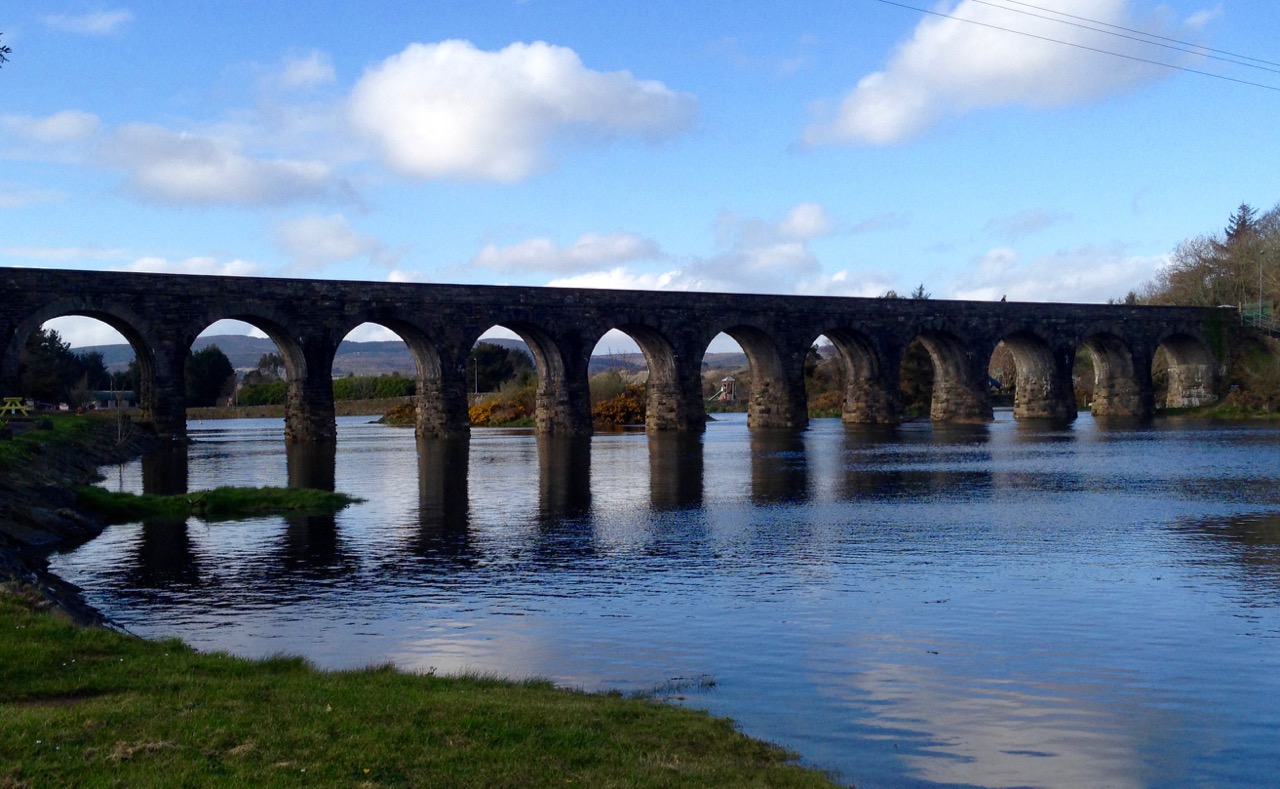
12 arch low tide 2

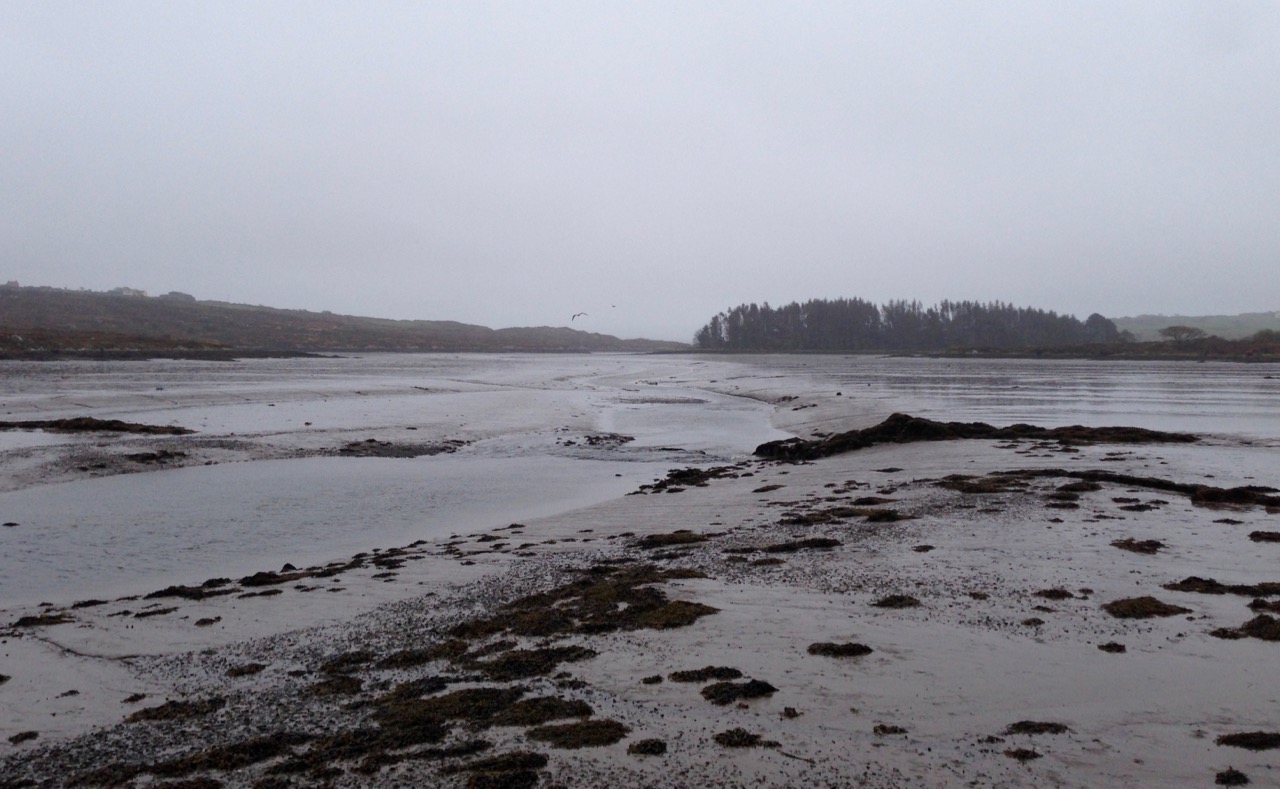
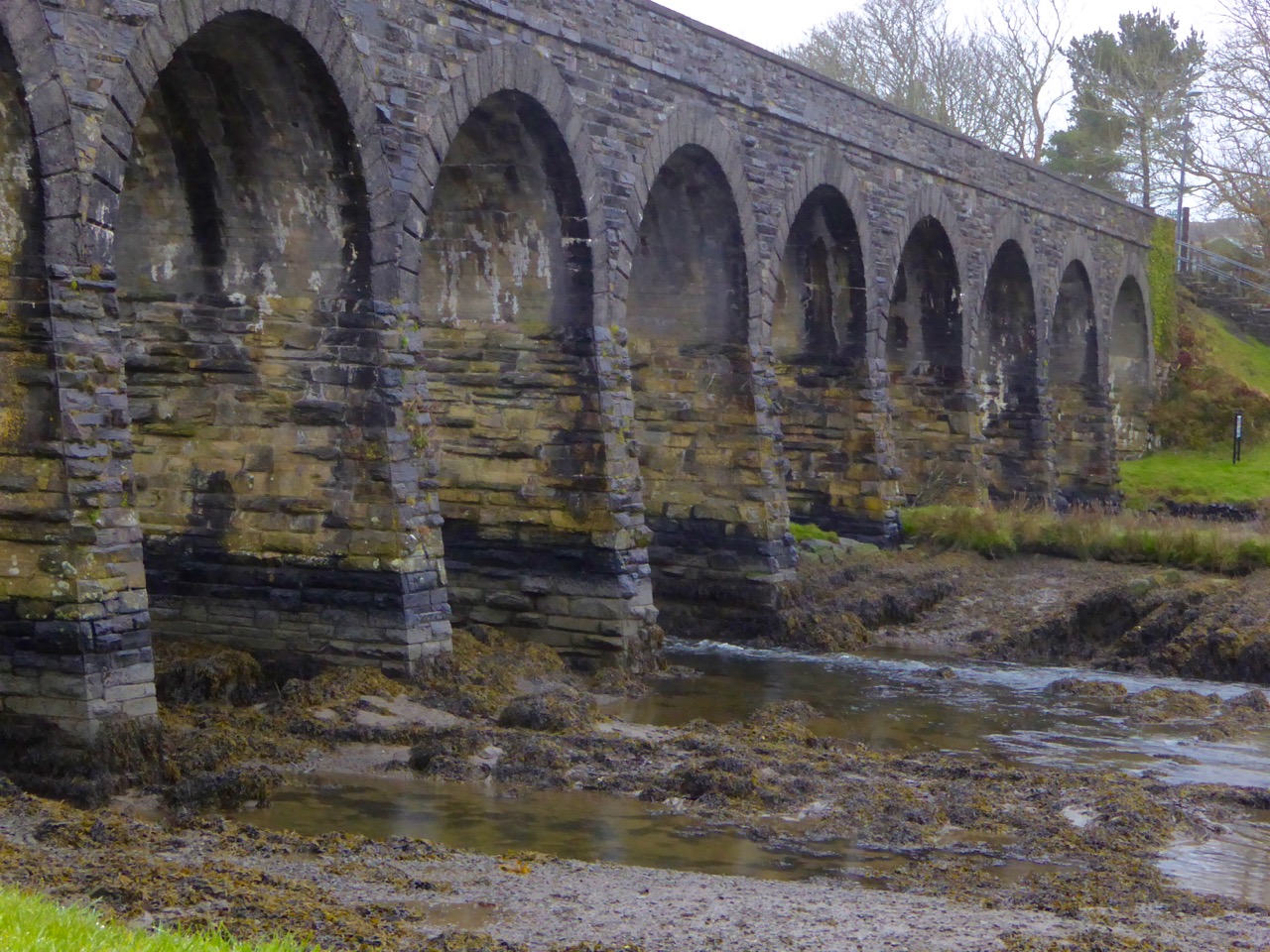
Top: Ballydehob Bay just a mud flat – Bottom: the 12-arched bridge has lost its river

I followed the coastline all the way from Ballydehob Bay to our own Rossbrin Cove. Sure enough, whenever you could glimpse the sea, it wasn’t to be seen! But that might have had something to do with the all encompassing fog that had descended.

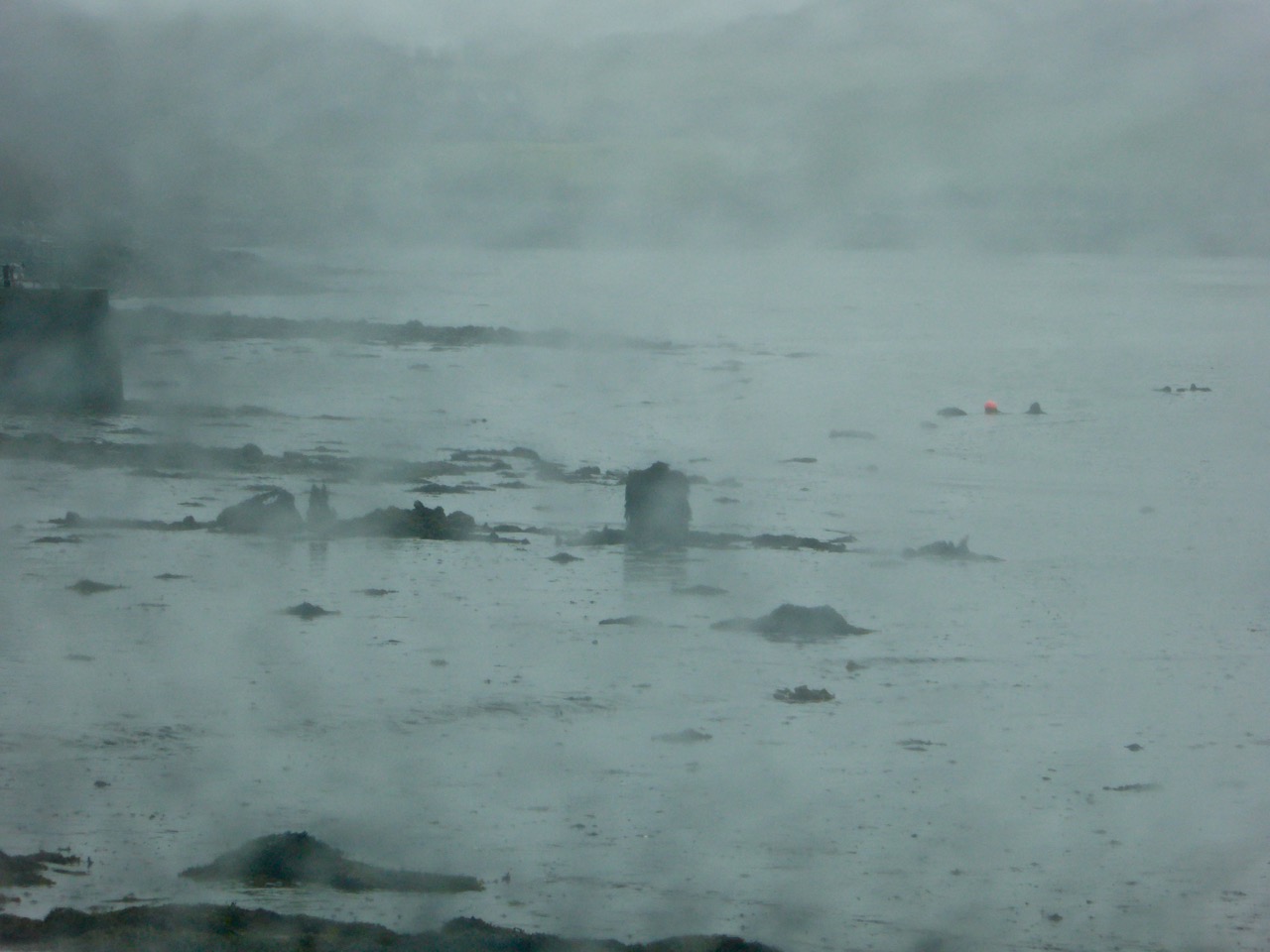
Sunken wreck

Is it a wreck? Or some debris discarded in the Cove?

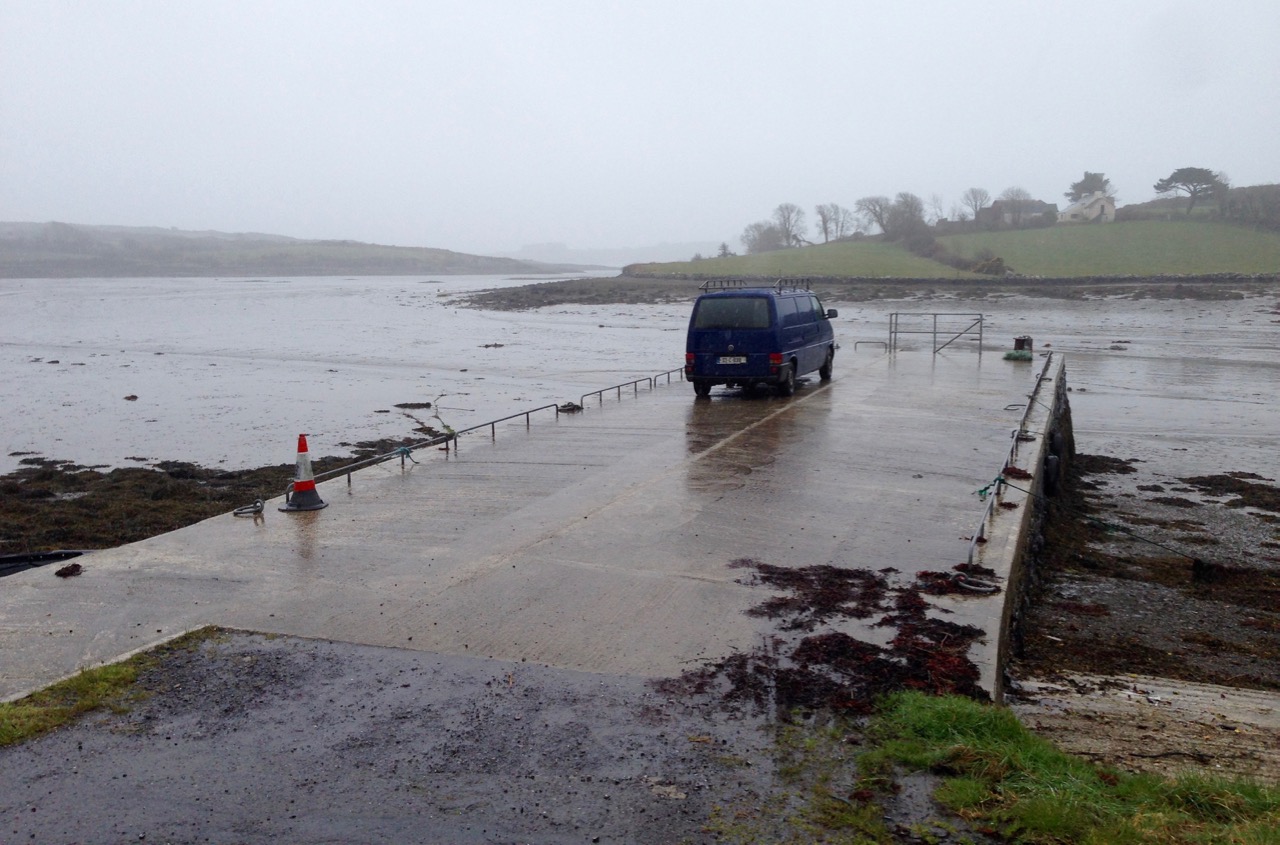
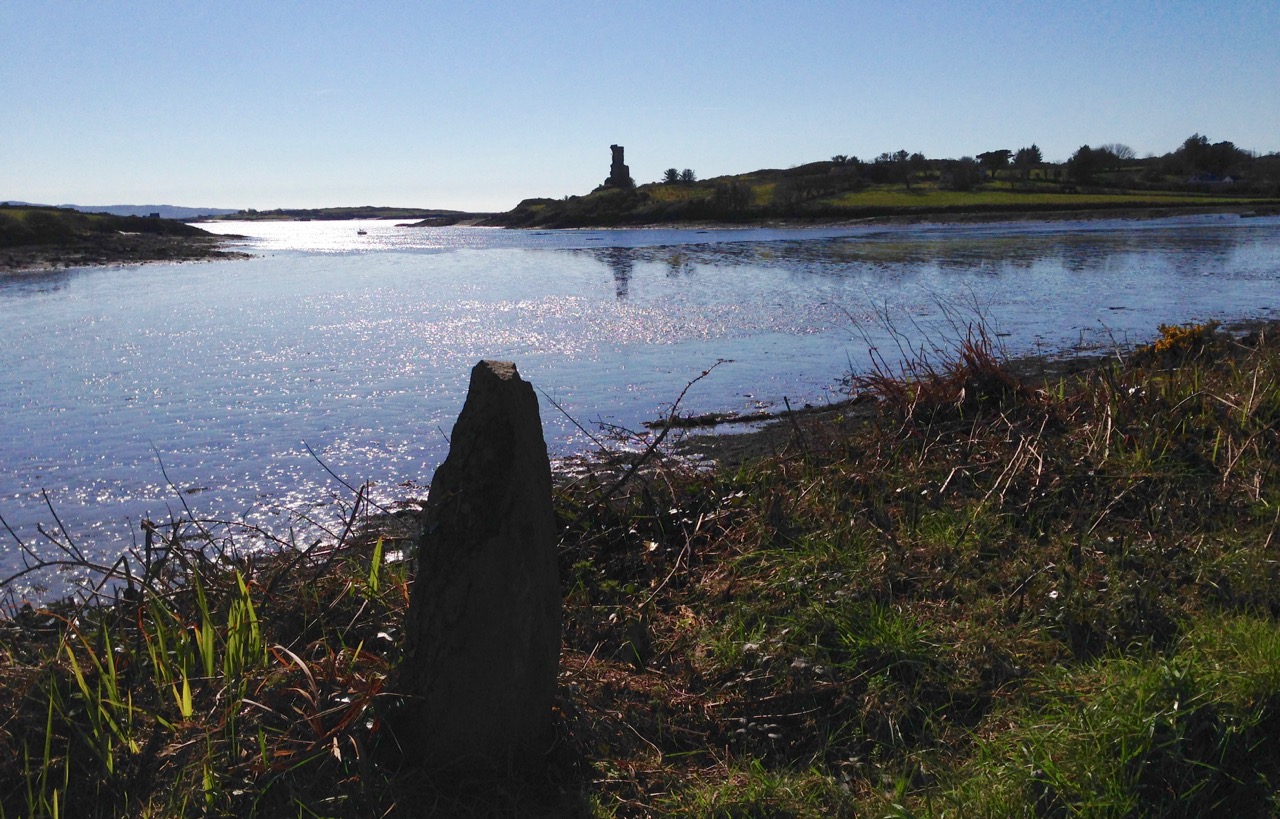
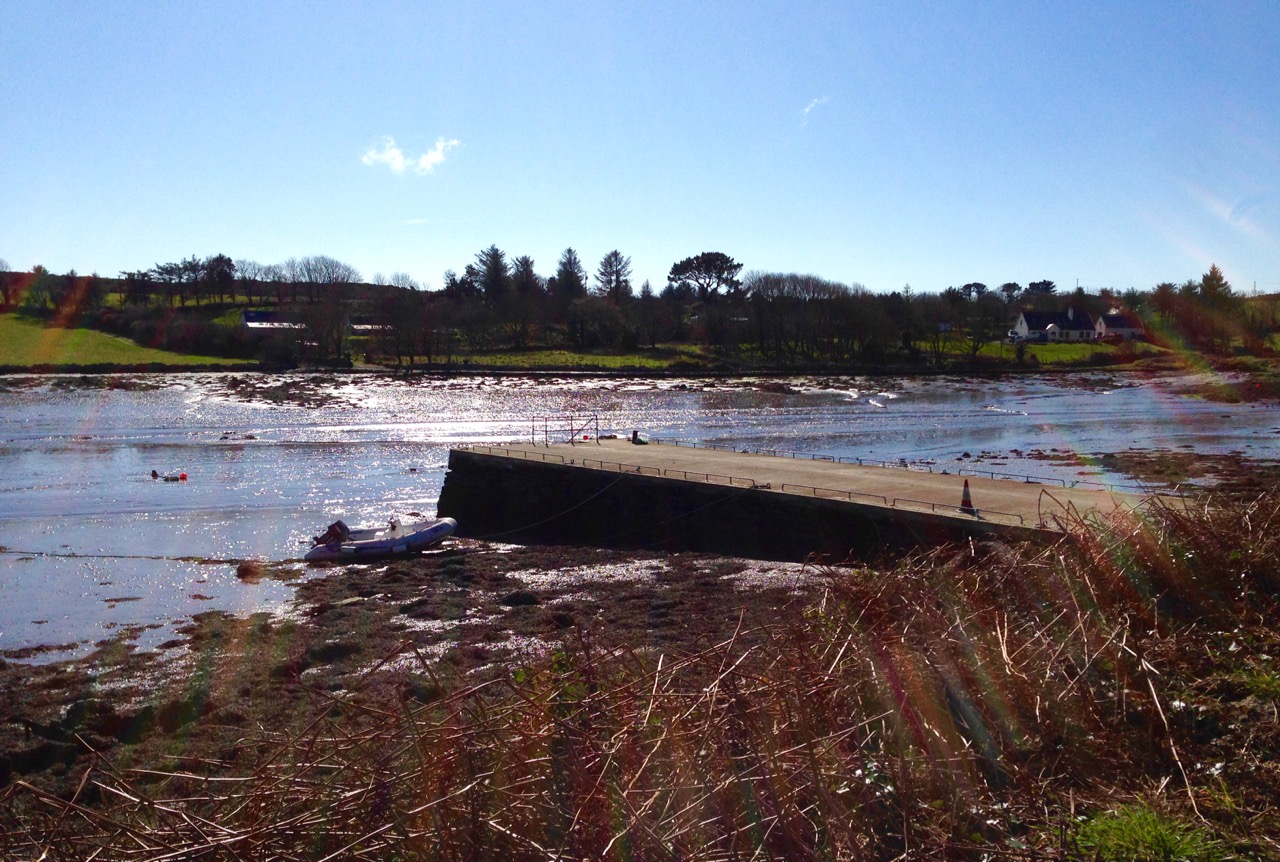
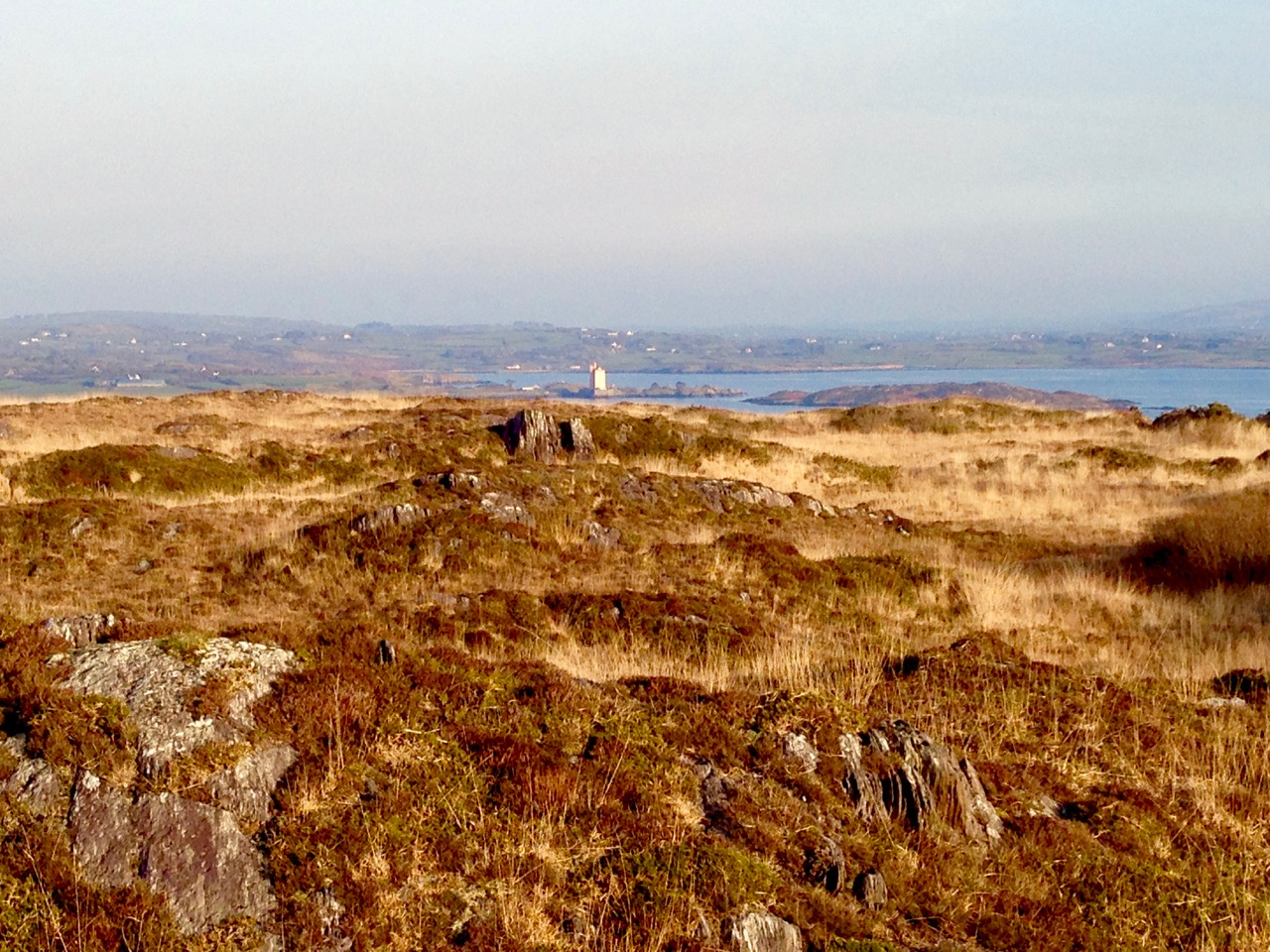
The modern quay in Rossbrin Cove seemed stranded and pointless, but Fineen O’Mahony’s tower house still managed to catch a reflection as the tide began to turn.

the quay gray day

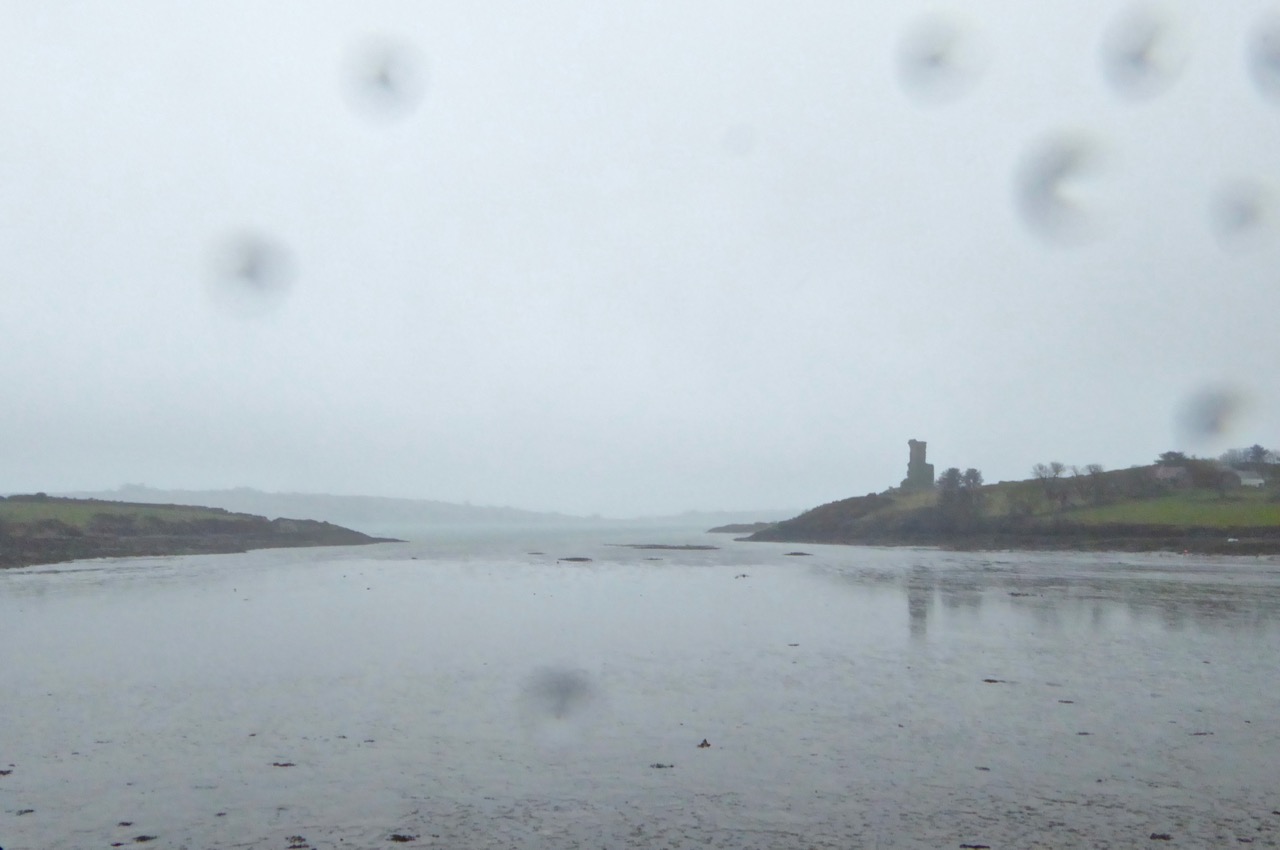
Rossbring through rain

Rossbrin Castle – Fineen O’Mahony’s tower house – seen through a spotted lens

Of course, what goes down has to come up and – in the evening – I ventured out again to see the ‘high’ of 3.30.

high tide 12 arched bridge

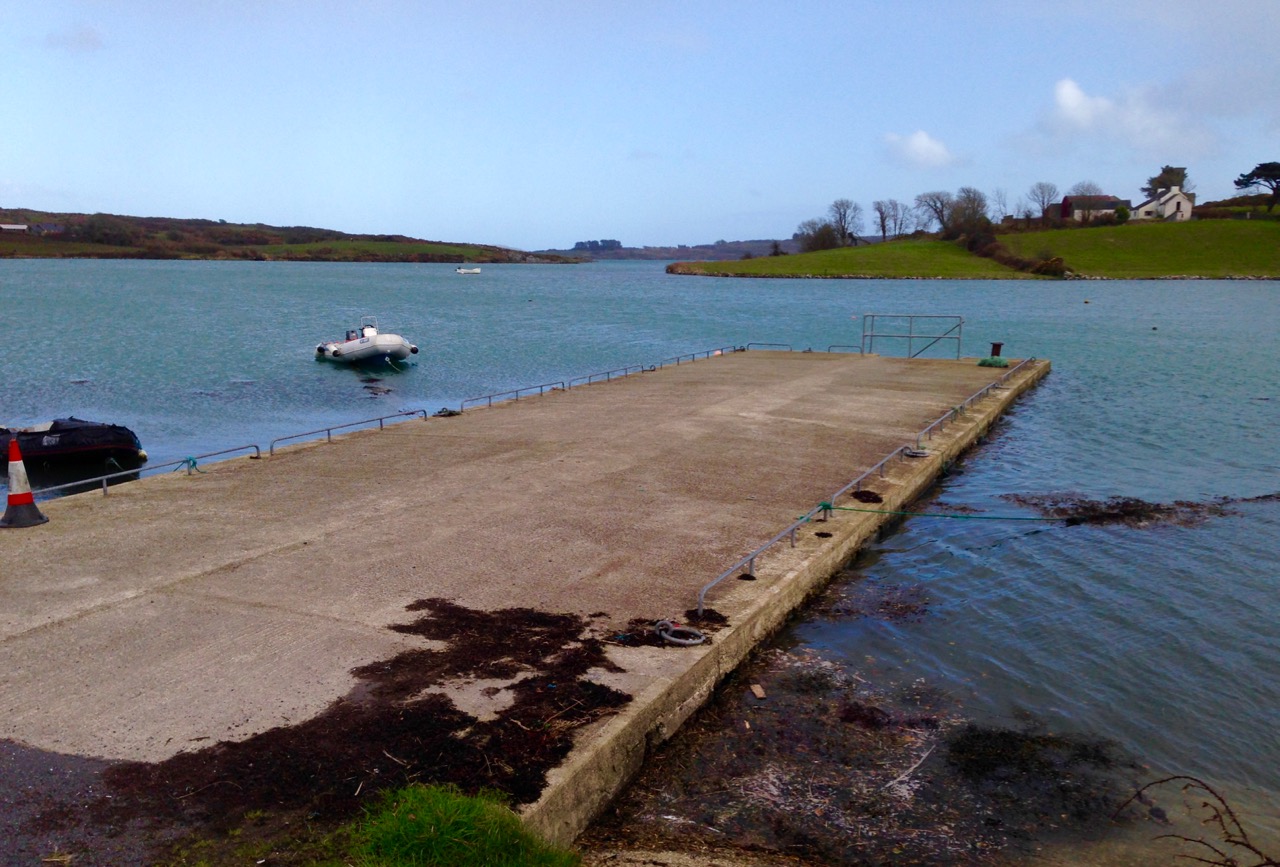
rosbrin pier high tide
Evening high water in Ballydehob (top) and at the quay in Rossbrin (below) – note the improvement in the weather!

This is Ireland, so the day that was in it had changed completely with the tide: now we enjoyed clear blue skies and (watery) sunshine. Walking the shoreline was a pleasure! To be honest, you have to find your pleasure here from taking to the trails whatever the weather (as many of our occasionally bedraggled visitors might testify). It’s fine, as long as you have a good fire in the hearth to come home to…

the road to julian's house

Above – when the tide goes up, the road to Julian’s house goes under! Below – a hot fire to come home to…

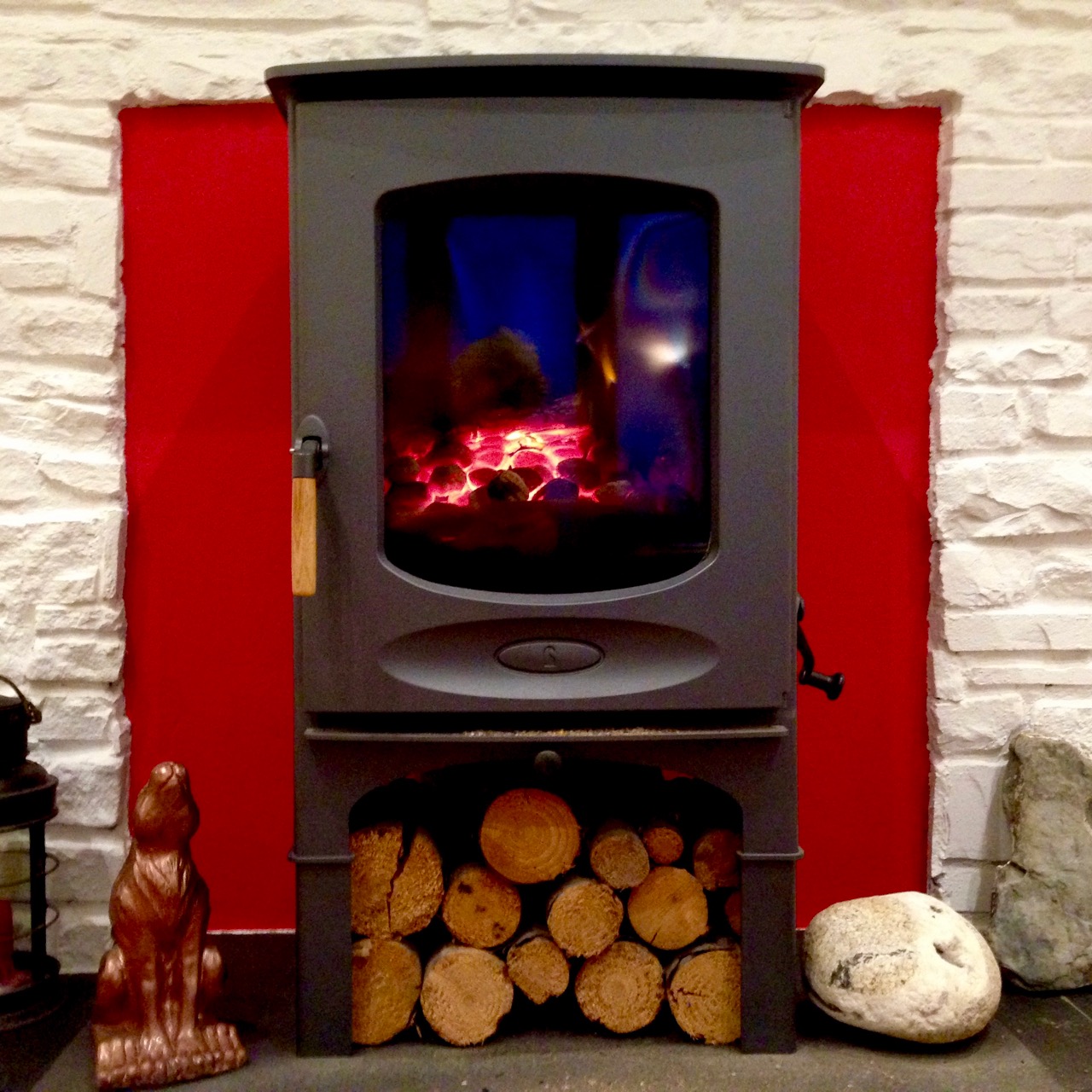
hot fire

Tide’s Out!

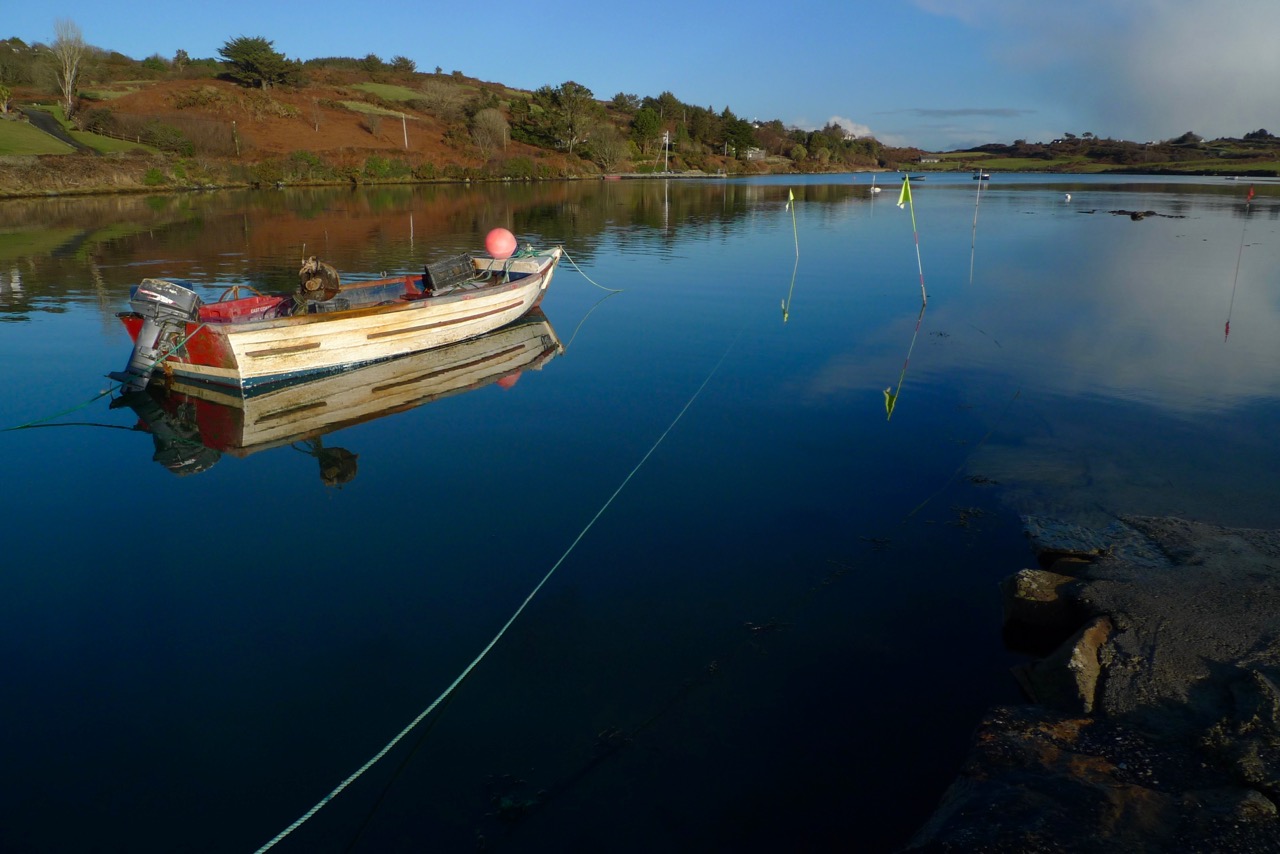
the Cove

Up here in Nead an Iolair we have a perfect view of the state of the tide in Rossbrin Cove, the natural harbour below us which is accessed from Roaringwater Bay. Just now it’s a Spring Tide – and an extreme one: we’ve never seen the Cove quite so empty. I think it’s because there was a ‘supermoon’ a day or two ago – that’s the point at which the moon’s orbit is closest to the earth, and this affects the rise and fall of the tides.

low tide

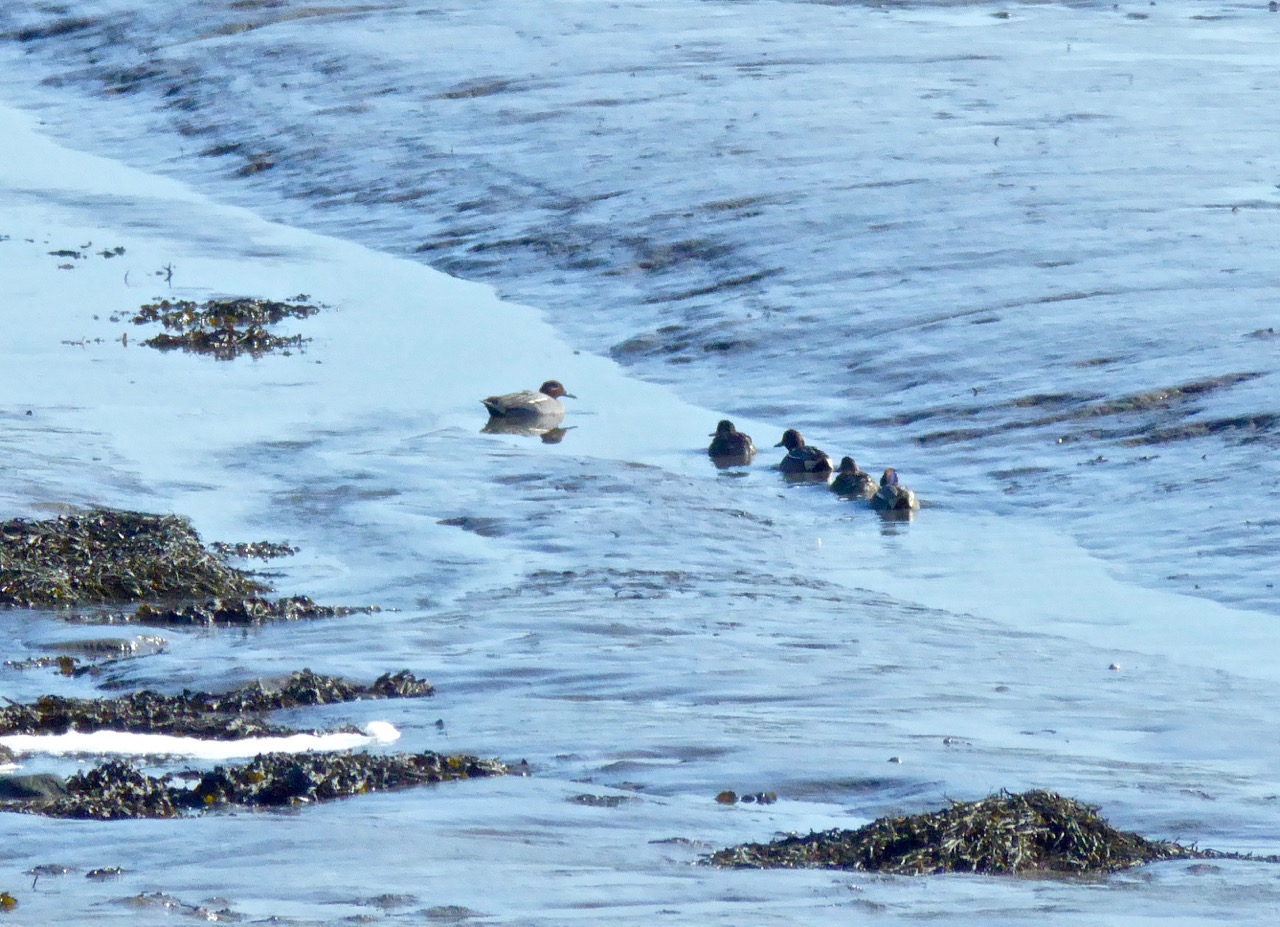
On a day when the sun does be splitting the stones we walk the long way over the hill and through the lanes to have a look at what the low tide has revealed. The surface of the boreens is hot to the touch, and it’s hard to recall that, during the last couple of weeks, we have had wild storms, some icy mornings and dank wintry fogs. Today the whole cove is a broad mud flat: a little rivulet runs through it and a family of Teals (Praslacha) is managing to make its way out to the bay, stopping every few yards to peck at tasty morsels in the silt.

Teals

Wading birds are everywhere, enjoying the rich pickings of nereid worms. We are particularly impressed with the handsome Redshank – Cosdeargán: Red Leg, Warden of the Marshes – who winters here, like the Teals – on holiday from Iceland. We have to make the most of him, and his piercing tew-hoo, tew-hoo call as he’ll be off back home shortly.

Redshanks 2

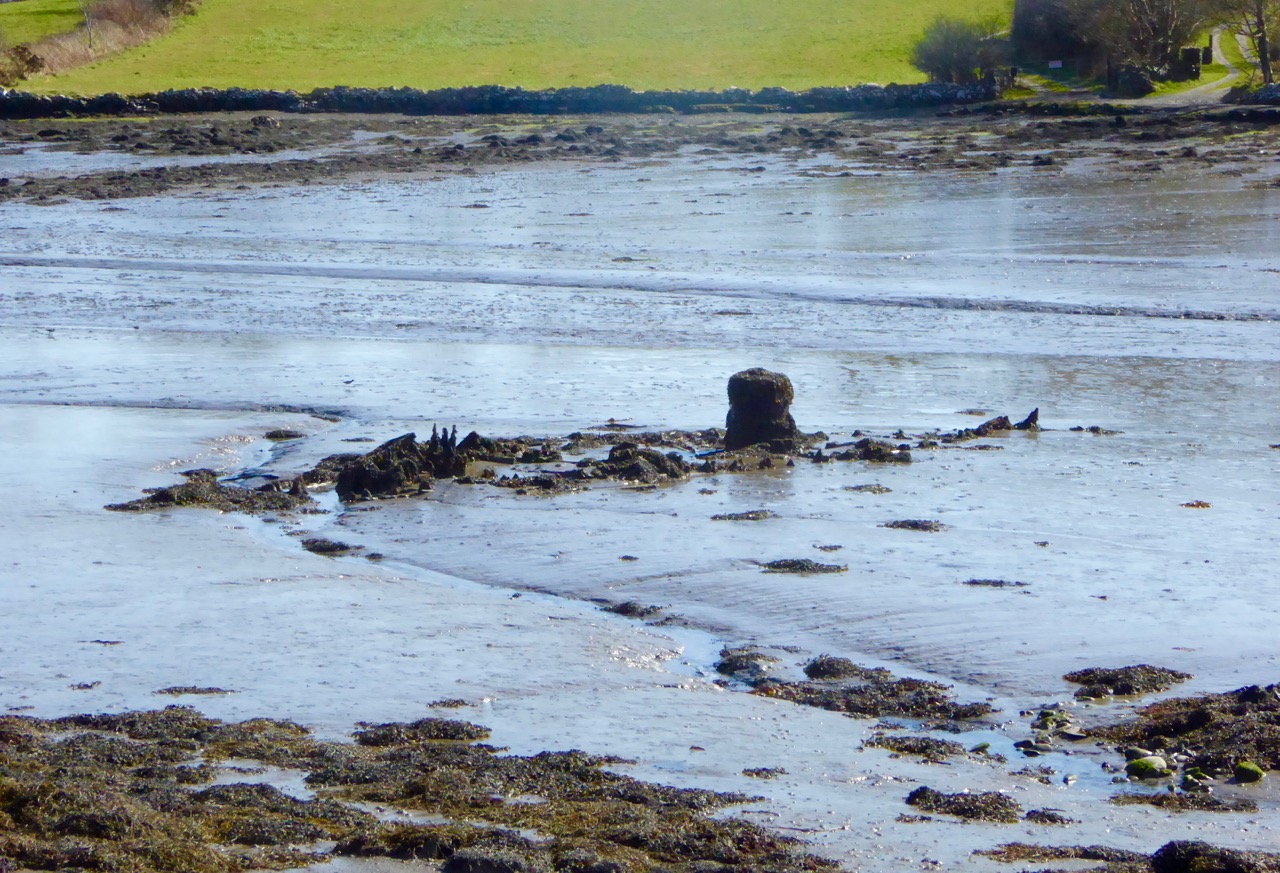
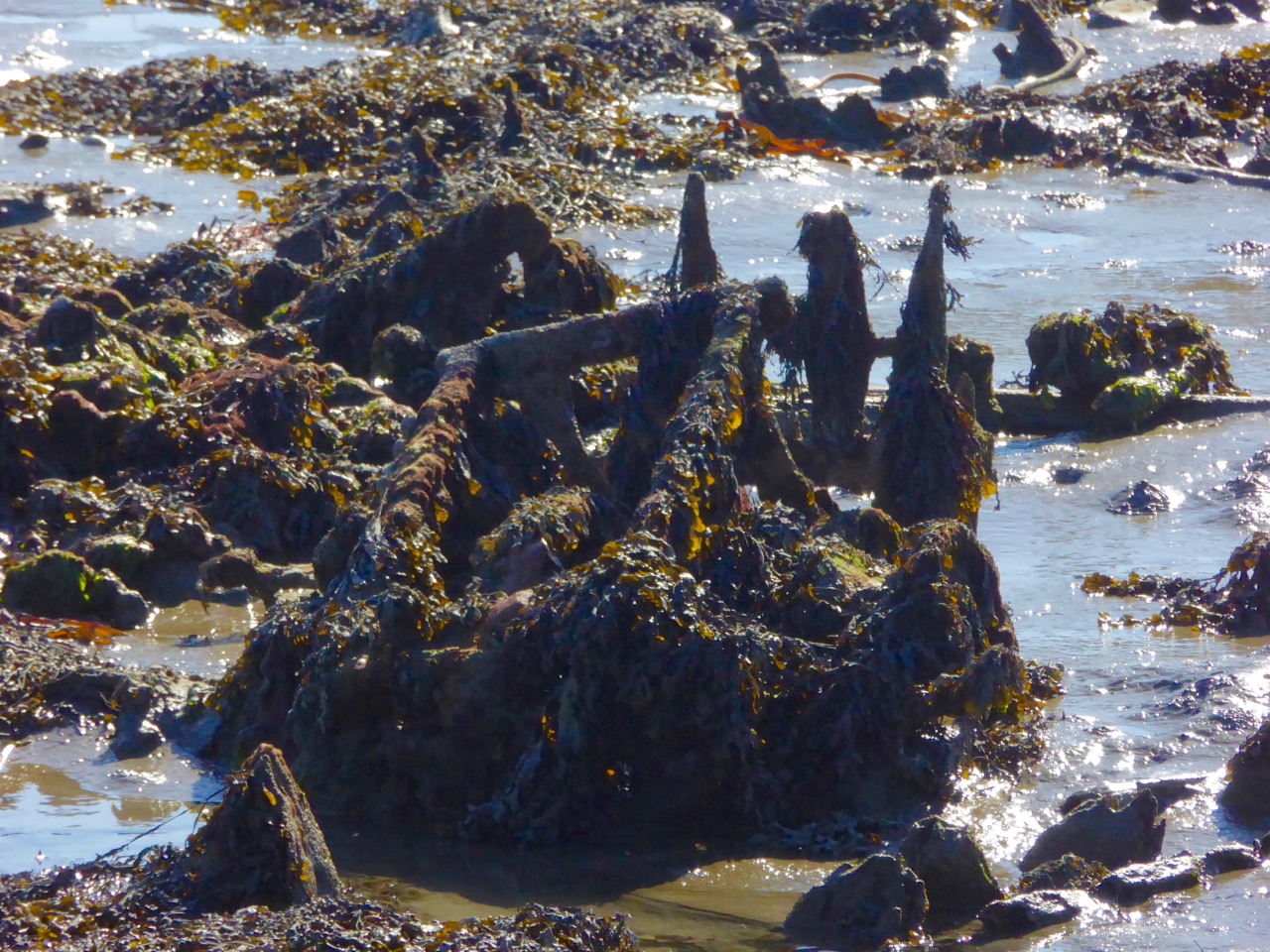
I think it’s exciting to see what the low tide has uncovered: down by the ‘new’ quay there’s something boat-shaped. It must have ended up here in living memory, so someone should know the story of it. An old engine block, perhaps, at one end – and a sort of metal frame at the other: a piece of fishing equipment, possibly. Of course, it could all be the skeletal remains of a great leviathan which has been stranded by the falling tide…

Drowned object

Enigma

On a tiny rock-pile which has never been an island before we catch sight of the Curlew, one of the Seven Whistlers. The Calloo, Courlie or Marsh Hen is declining rapidly and what we are seeing today is most likely to be a winter visitor from Scotland or Scandinavia, feeding on ragworms, crabs and molluscs. A few stay all the year round, mostly in the northern half of Ireland – although I’m pretty sure I have seen the occasional Curlew around here in the summer months: we live in a privileged place, after all.

Curlew

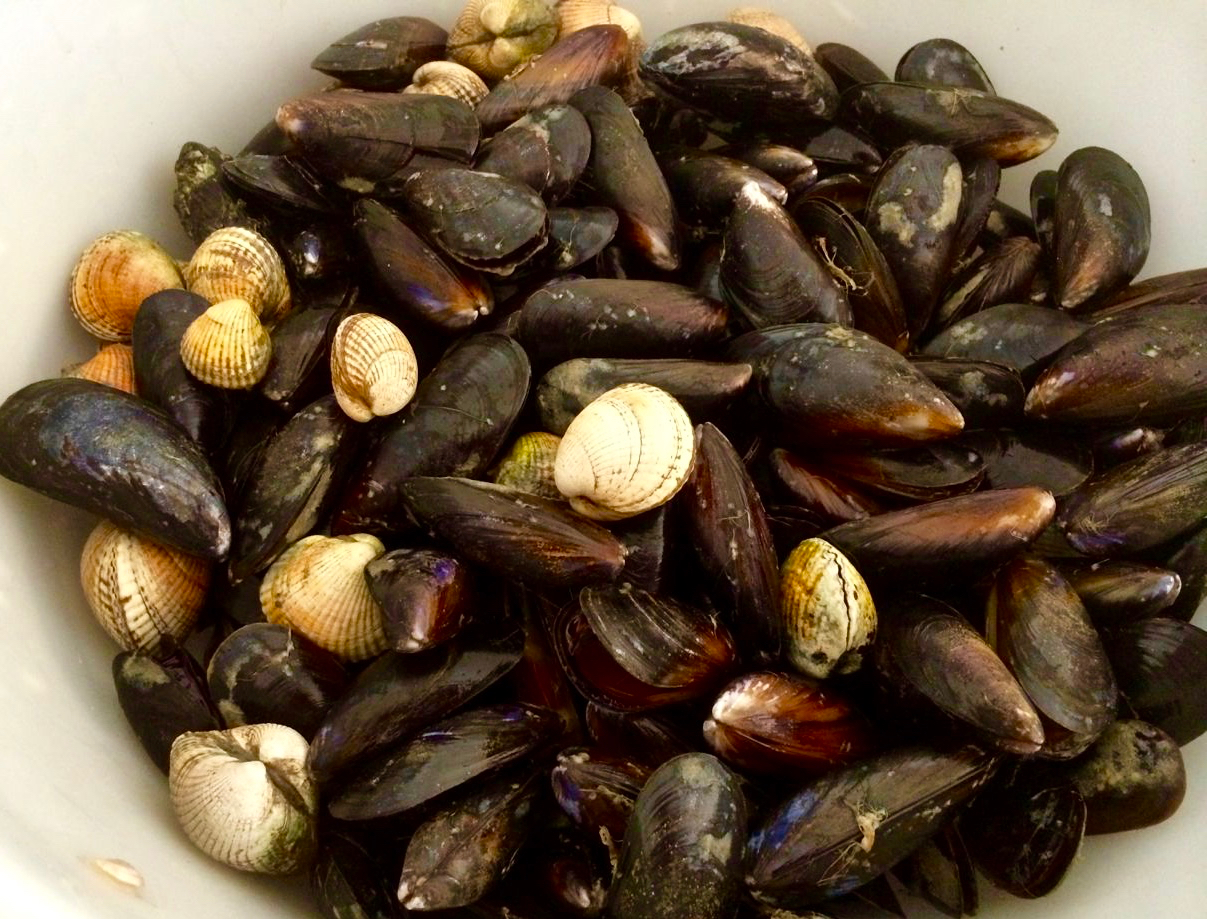
We are halfway through March now. We still have more extreme tides to look forward to, especially around Good Friday, when the Mussels will be harvested from the exposed rocks. That’s early this year – before the end of the month – and it’s a festival which is based around the seasons of the moon. Let’s hope that never changes (there has been some talk among officialdom of regularising the dates for Easter) because, if it does, all the customs and traditions associated with it will be thrown out of sync.

feast of mussels

We have a good ol stretch in the evening to look forward to. On the reasonable basis of what goes down must also come up we’ll be off to the Cove again to see it filled to the brim: it will be a particularly high tide as well, of course, and there will be another set of shore birds and waders foraging from the fresh influx of salt water.

muddy waters


Words on Roaring Water

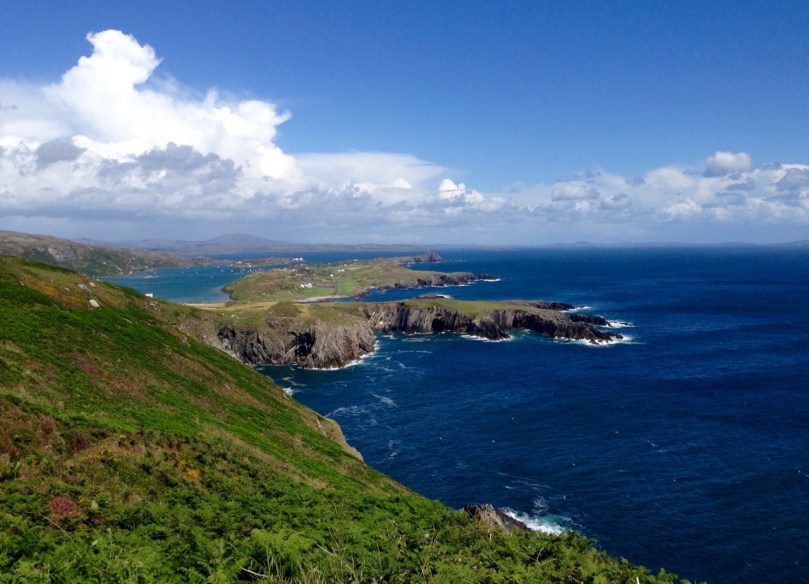
from Brow Head

…Anyone who has glanced even cursorily at the map of Ireland, will have noticed how the south-west corner of it has suffered from being the furthest outpost of European resistance to the Atlantic. Winter after winter the fight between sea and rock has raged on, and now, after all these centuries of warfare, the ragged fringe of points and headlands, with long, winding inlets between them, look as though some hungry monster’s sharp teeth had torn the soft, green land away, gnawing it out from between the uncompromising lines of rock that stand firm, indigestible and undefeated…

Naboth’s Vineyard, Somerville and Ross, Spencer Blackett, 1891
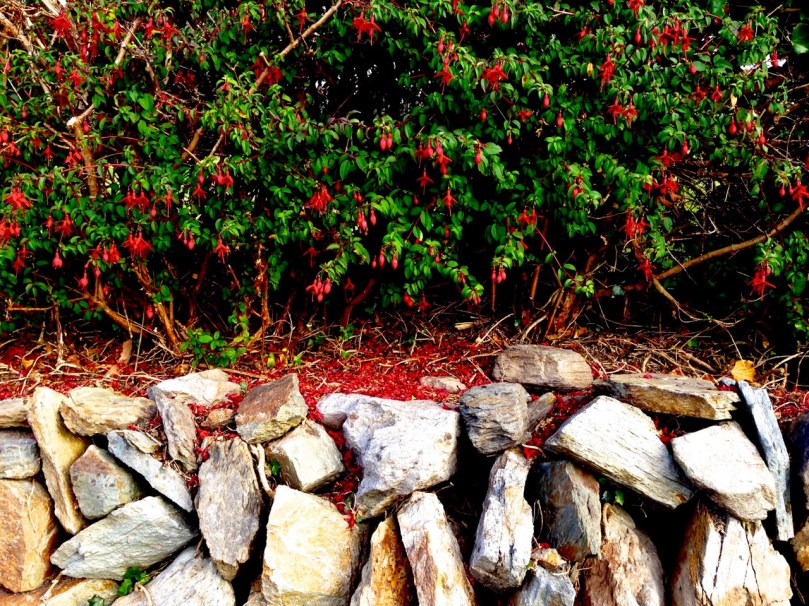
hedge and wall

So constantly entranced am I by the character of this remote corner in which we have chosen to settle (in my own experience – admittedly somewhat geographically limited – it is the most beautiful landscape in the world) that I am always excited when I discover that others have shared the same feelings. Consequently I am forever looking out for references to the coastline and country around Roaringwater Bay – particularly descriptive writing – in the wealth of books on West Cork that are harboured by local bookshops, libraries, and our own shelves here at Nead an Iolair: we are most fortunate that some of these books, especially the now out-of-print ones, came with the house! I have sifted through a few of the words: essays, extracts from novels, historical treatise and guidebooks that support my own feelings about the place. All are taken from writers I admire and thoroughly recommend. I present them here for you to take in, together with some hopefully seductive illustrations from the locality, in support of my thesis that there is no better place to be alive.
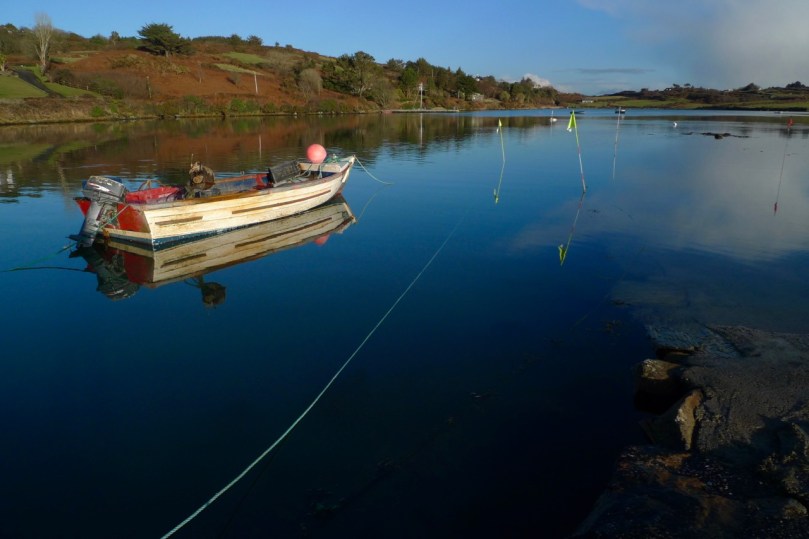
rosbrin cove days

…I believe that in West Cork water runs uphill. There is a small lake on the very summit of Mount Gabriel, nearly fourteen hundred steep feet above the Atlantic level. Small it is, but so deep that when, once upon a time, a heifer was lost in it, she came out in Schull harbour, on her way to America! (Or that is what the people tell you.)…

 ‘Happy Days!’ – Essays of Sorts, Somerville and Ross, Longmans, green and Co, 1946
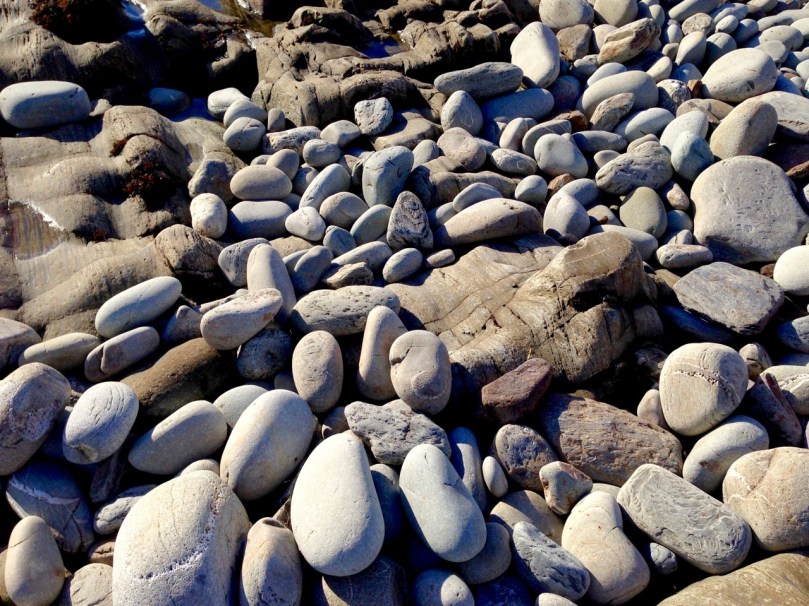
stone beach

…There was a line of tables up the middle of the pier, each with its paraffin lamp smoking and flaring in the partial shelter of a fish-box, and each with its wild, Rembrandtish group of women splitting the innumerable mackerel, and rubbing lavish fistfuls of coarse gray salt into each, before it was flung to the men to be packed into barrels. The lamps shone fantastically on the double row of intent faces, on the quickly moving arms of the women, crimsoned to the elbows, on the tables, varnished with the same colour, and on the cold silvery heaps of fish…

Naboth’s Vineyard, Somerville and Ross, Spencer Blackett, 1891
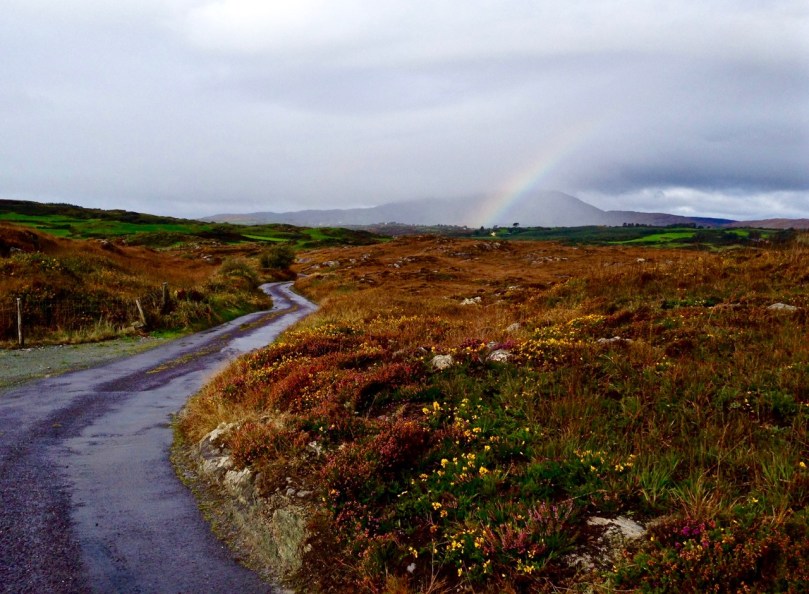
cappacolour

…Think of a wandering road in – let me say West Cork… The way is rough and stony, and (most probably) muddy, but it can claim compensating charms, even though it can hardly fulfil any of the functions proper to respectable roads. And in its favour I would claim the broken varying lines of the hills against the sky. The untidy fences, with their flaming furze bushes, or crimson fuchsia hedges; their throngs of vagabond wild flowers, that can challenge the smug respectability of a well-kept garden. And the inevitable creatures, the donkeys, the pigs, the coupled goats, the geese, that regard the highroad as their lounge and playground. No doubt they exasperate the motorist in a hurry (as are all motorists) but for more tranquil wayfarers they can offer entertainment, almost charm…

‘Happy Days!’ – Essays of Sorts, Somerville and Ross, Longmans, green and Co, 1946
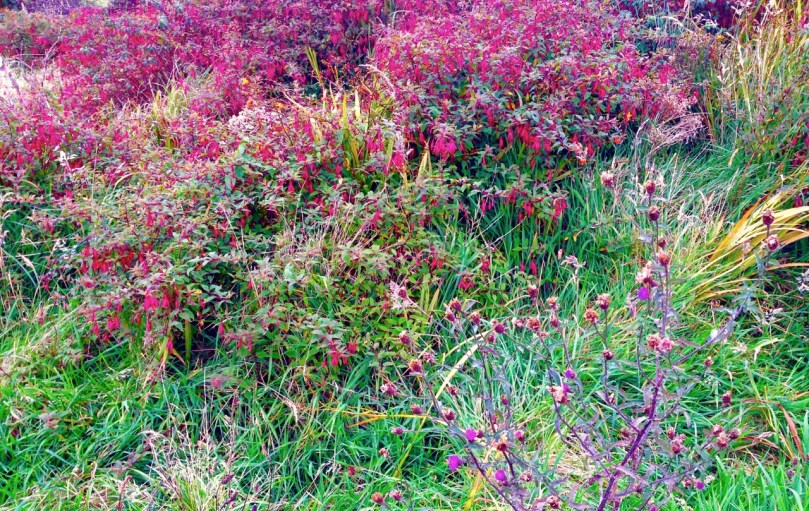
fuschia colour 2(Ireland) …is a land of surprises. She has the gift of unexpectedness, of uncertainty: her people, like her looks, and her weather, can be sometimes charming, often exasperating, but seldom commonplace. Is there another country, reasonably civilised, in which, in the course of a casual idle stroll, records of pre-history can be met with in any field, unconsidered, or found (as I have known) an immense cup-marked stone, built into the wall of a cow-house, ignored by the descendants of those who were once its worshippers? And yet, in characteristic contrariety – as is our way in Eire – in the field next to that cow-house, you can see that the plough has turned aside from its rightful course in respect for a little old deformity of a thorn-tree, which has asserted, for possibly a thousand years, its right to be reverenced and feared…

‘Happy Days!’ – Essays of Sorts, Somerville and Ross, Longmans, green and Co, 1946
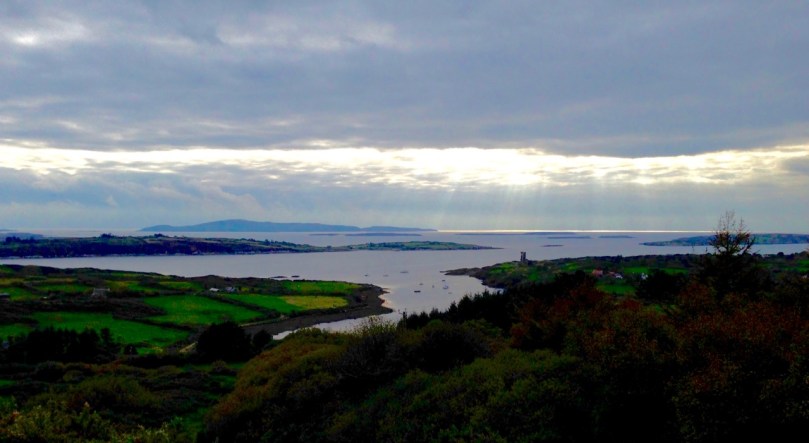
sun rays

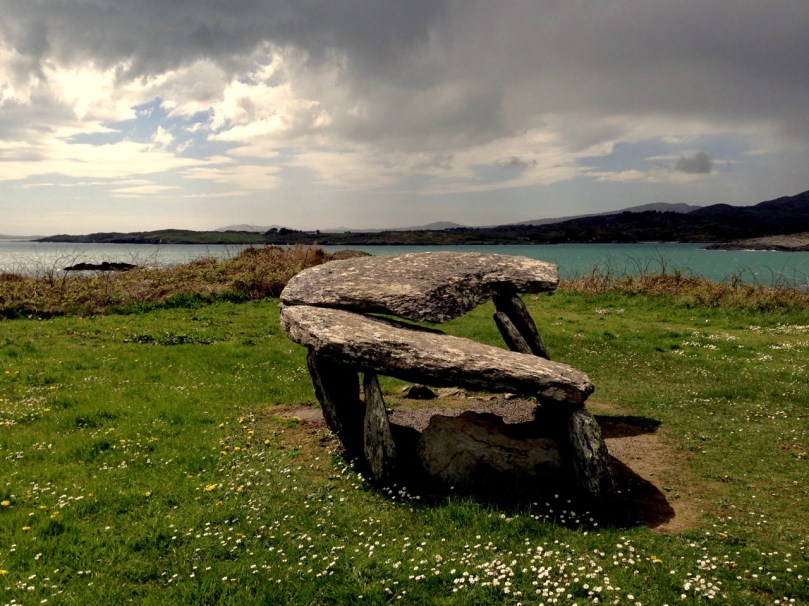
…In the mirror that memory will sometimes hold for us, I can see Rahyne Glen at four o’clock on a silver autumn morning before the sun has reached it. Opposite, just below the rim of the steep western side of the glen, there is one of the memorials of an older race and its religion. This is a broad slab of pale stone, leaning sideways against the hill, having, somehow slipped off the stones on which it had been supported. The sunlight falls full on it; it catches the eye and holds it. It is a dolmen, and the pale slab was its cap-stone. It marks the grave of a chief. He might have been content with his resting-place, had beauty of scene appealed to him (which seems improbable). Whether contented or no, he has lain there (if the archaeologists may be believed) undisturbed, through all the long centuries. If he were to look out now on those familiar hills he would see no change. His hills have defied civilization. All would look as it might have looked on any fair September morning during past thousands of years. And, I suppose, the pink ling, and the purple heather and the gold of the low-growing autumn furze, would then have spread the same carpet of colour over the hills… The wild stream comes storming through the thorn-bushes of the glen as fiercely as ever it did when the Chieftain and his warriors washed their spears in it… Beyond the glen the country rises, in long swathes of dim green, and purple, and misty blue, to a curving line of hills, and farther and higher still – for the viewpoint is a high one – a narrow flashing line tells of the silver plain below, which is the Western Ocean…

‘Happy Days!’ – Essays of Sorts, Somerville and Ross, Longmans, green and Co, 1946
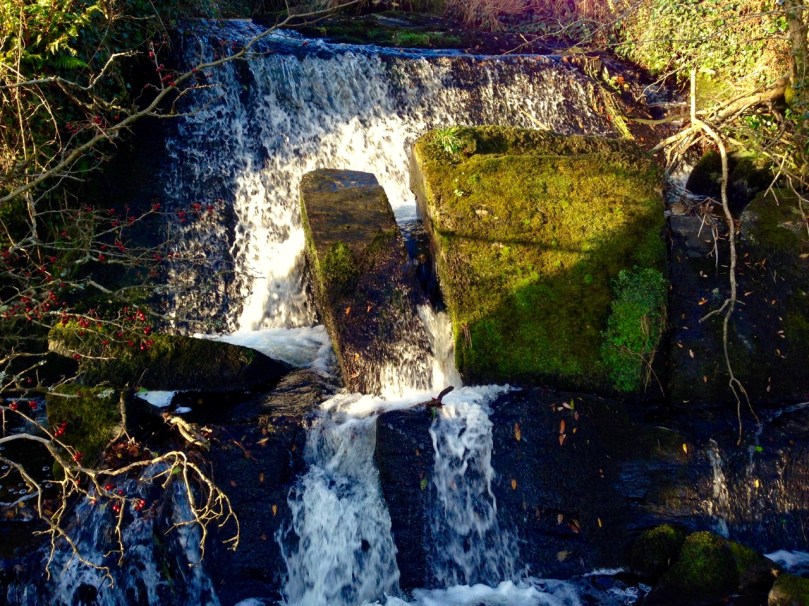
roaring water

…The indented contours of Raring Water Bay enclose a maze of minute inlets and islands. The name derives from a stream which flows down the side of Mount Kidd amidst a landscape of bracken and boulders. The torrent roars in the narrow gaps and gullies as it rushes towards the sea. The little inlets penetrate the land like miniature fjords and create a sense of safe haven from dangerous seas. Their piers, long abandoned except for the occasional fisherman’s or tourist’s boat, are overgrown and tumbled-down romantic ruins, quiet spots for sighting a lone heron at low tide, grey against grey water. In the narrow defile where the roaring water debouches into the bay nature has done much to reclaim the territory usurped by human purpose. Perhaps, like the closing of a wound, this former embarcation point, which saw many thousands flee a country unable to support them, is being bound in ivy and decorated with wild fuchsia to heal the scar…

West of West – An Artist’s Encounter with West Cork – Brian Lalor, Brandon Book Publishers, 1990
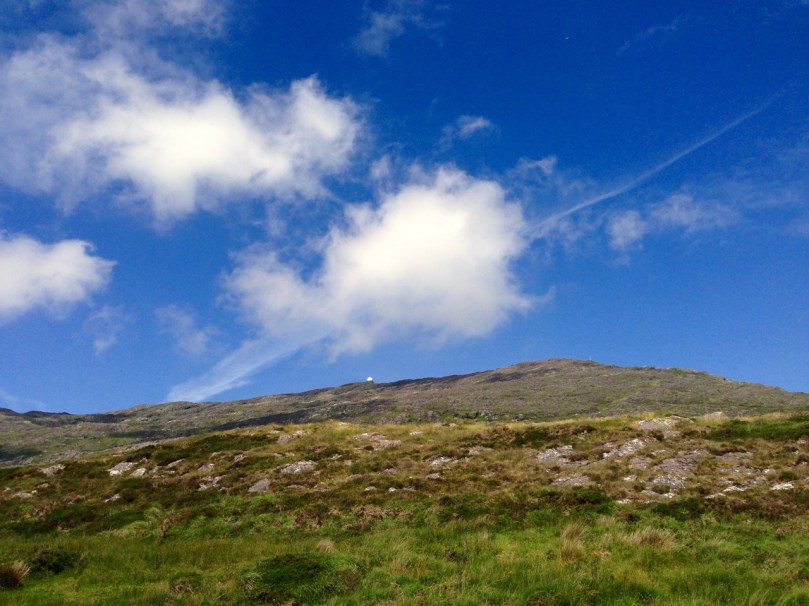
gabriel side

…The islands of the West Cork coast are rather grandly referred to as Carbery’s Hundred Islands, but only Clear Island and Sherkin now sustain a viable population – though, like the other islands off the west coast, there is a steady draining of young people to the cities on the mainland for education and employment. Horse Island off Schull is evocative of the vanished communities of these islands. Silhouetted against the skyline, this piece of low-lying land appears like an old-fashioned, gap-toothed saw; a dark bulk of rock with triangular projections – the gable ends of a row of roofless cottages – biting into the clouds…

West of West – An Artist’s Encounter with West Cork – Brian Lalor, Brandon Book Publishers, 1990
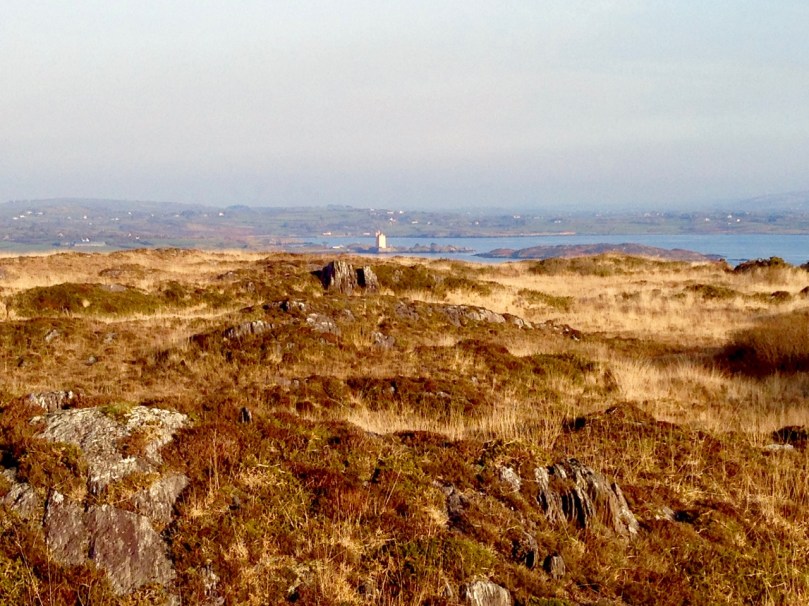
kilcoe days

…Three or more centuries ago, before the landscape of West Cork became bound by a web of roads and fences, its contours would have been best understood when seen from above, from the heights of Mount Kidd or Mount Gabriel. Parallel ribs of rocks and hills, dividing up the pasture land, extended from the base of the mountains to the coast, where long fingers of rocky promontories projected out into the sea. There was a natural order to everything…

West of West – An Artist’s Encounter with West Cork – Brian Lalor, Brandon Book Publishers, 1990
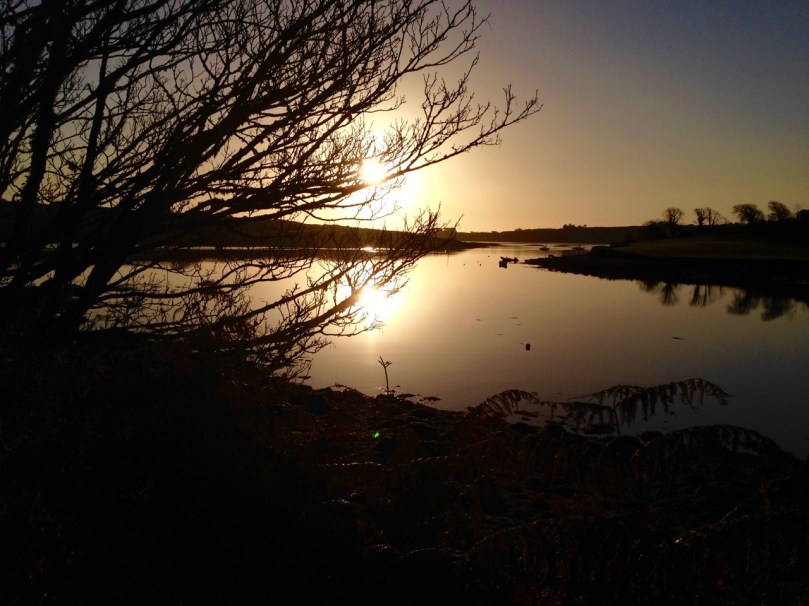
rosbrin shadows

… Beyond Whitehall I rode out to the point at Cunamore where the road ended at a small pier which was the nearest point to Hare Island, also known as Inishdricoll. There was no regular ferry across, but the post boat went over several days a week, and the schoolmistress crossed daily to teach the dozen remaining children. It is a much less dramatic island than Cape or Sherkin, a low-lying slab of land with golden beaches. One road leads to a little village nicknamed Paris – probably a derivation of ‘pallace’ – once the centre of a fleet of lobster boats. Now I listened to an old man lamenting the terrible decline.

   “John has gone and Dennis has died, and we’ll die too, and then the foreigners can have it all.” Already half a dozen of the houses had been bought up by strangers.

   One by one the smaller islands became deserted. It is a long time since they were densely populated, but until quite recently they supported a certain number of families. Only a few years ago I visited Horse Island, just opposite Ballydehob. The last people there, an elderly couple, were living all alone. It was summer, and the old man was sitting in a chair outside his house, his feet in a basin of water. His wife, behind him, fed hens. Next year they were gone. The house, still intact and comfortable, stood empty, the linoleum in place, last year’s calendar on the wall. Down by the pier a plough had been thrown into the water where it looked like a gesture of despair…

The Coast of West Cork – Peter Somerville-Large, Victor Gollancz Ltd, 1974
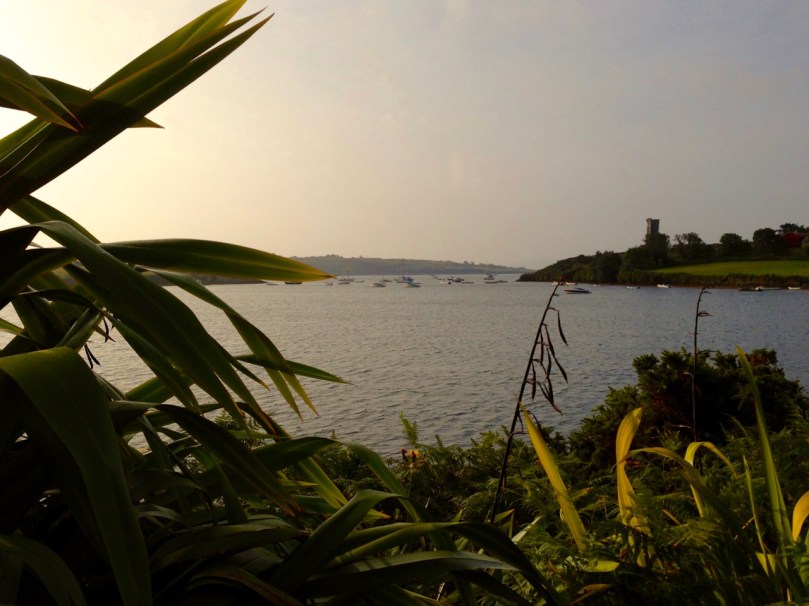
rosbrin cool

…West of Ballydehob the laneways ran into each other like the veins of a leaf. Many of them were untapped; they seemed empty, with little life except for cattle or a white horse browsing in watery fields beside them. Most seemed to end up at the sea, and each little turn had its own alignment to the bay. One looked across the islands with Kilcoe standing squat and menacing on its headland; the next inlet had a view across to Horse Island; another lane climbed to a hill to where one could see the sweep from Baltimore Beacon and the Gascanane to the shattered tower of Rosbrin castle…

The Coast of West Cork – Peter Somerville-Large, Victor Gollancz Ltd, 1974
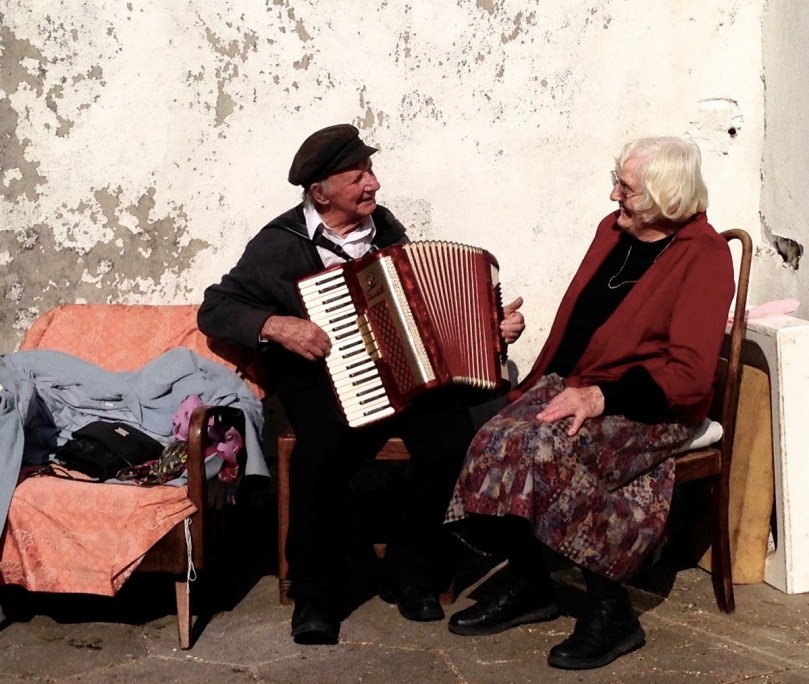
Afternoon in Ballydehob 04.2014

…May Day in Schull was the day for ‘bringing in the green’. But the ancient custom is dying out. Only a few branches of green leaves were tied on doors, and a twig of fuchsia dangled from the handle of a bike. “Old pishoges,” an old man muttered as he carefully arranged sycamore round a drainpipe…

The Coast of West Cork – Peter Somerville-Large, Victor Gollancz Ltd, 1974
altar

…Colla harbour and pier is the nearest point to embark for Long Island. Horse Island, Castle Island and Long Island lie in a line just outside Schull harbour. A tradition, quoted by Smith, claims that they were once all one island. “In the latter end of March, AD 830, Hugh Domdighe being monarch of Ireland, there happened . . . terrible shocks of thunder and lightning . . . at the same time the sea broke through the banks in a most violent manner. The island, then called Innisfadda, on the west coast of this country was forced asunder and divided into three parts”…

The Coast of West Cork – Peter Somerville-Large, Victor Gollancz Ltd, 1974
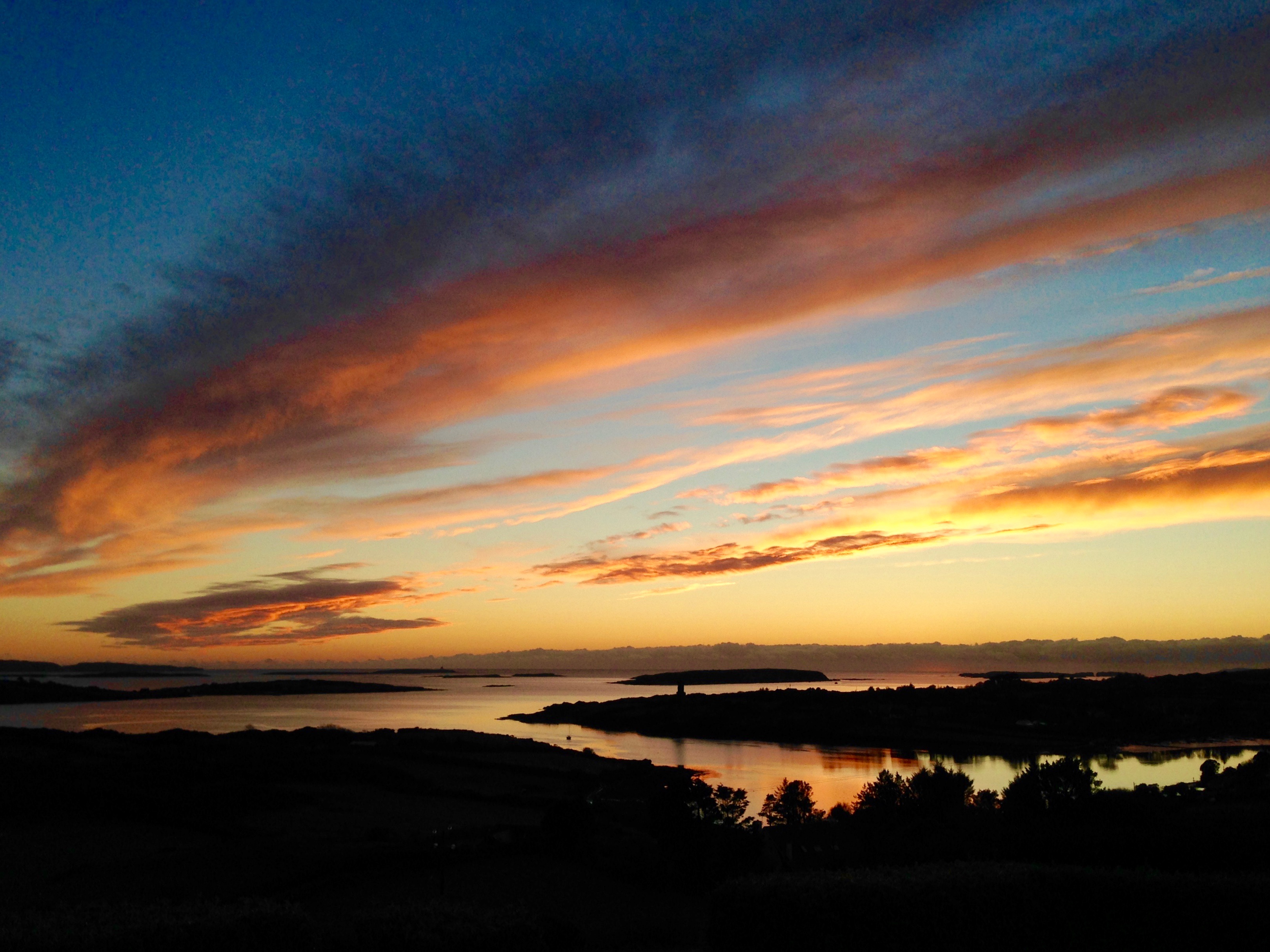
december sun over rossbrin

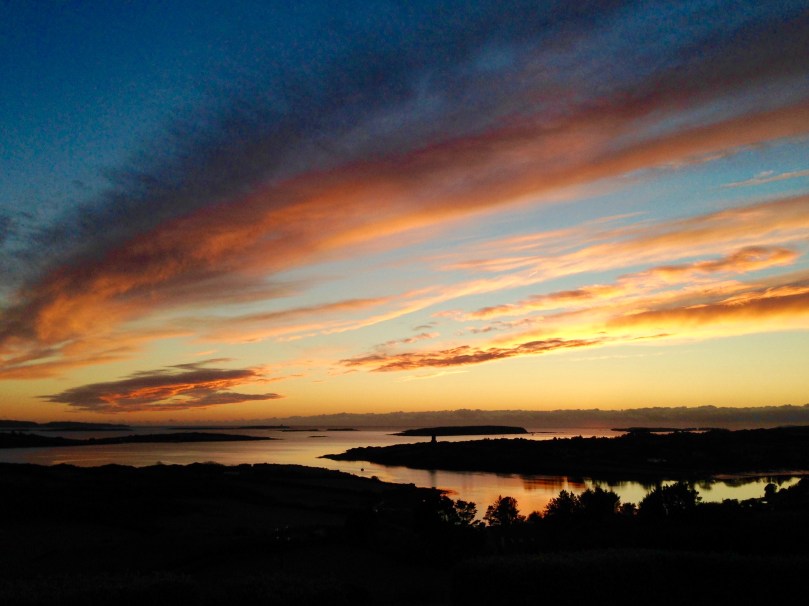
…From the vicinity off Dunanore, we obtain a view of the coast and the surrounding open, which is one of surpassing beauty, when the summer sun is setting in the far west. Towards the south, as far as the eye can reach, the broad expanse of the Atlantic is stretched before our gaze, the distant horizon dotted here and there by some white sail, or the dark hull of one of those leviathan steamers which ply their busy trades between the Old World and the New. Cape Clear is the first land which greets the American tourist or the returning emigrant on his approach to the old country, and the last cherished spot of his ‘own dear isle’ which bids adieu to the Irish peasant, when he parts, perhaps for ever, from his native country…

Sketches in Carbery, County Cork: its antiquities, history, legends, and topography – Daniel Donovan, McGlashan & Gill, 1876
down below