Off the M8 – The Great Dolmen of Kernanstown

Our ‘Off the M8‘ series is intended to make your journeys across Ireland far more interesting! We travel between Cork and Dublin fairly regularly and, each time, we determine to search out something new. It may be an aspect of medieval history, architecture, stained glass or – as in today’s example – archaeology.
How far you want to stray from the ease and directness of the motorway in your explorations is entirely up to you. This diversion will add about forty minutes to your journey: you will leave the M8 at Junction 3, head across to Carlow on the R430, and then, after Carlow, meet the M9 at Junction 4 and continue up to Dublin. You’ll have to take a little diversion east out of Carlow on to the Hacketstown Road (R726) to find today’s destination: the largest prehistoric portal tomb in Europe, and perhaps in the world!
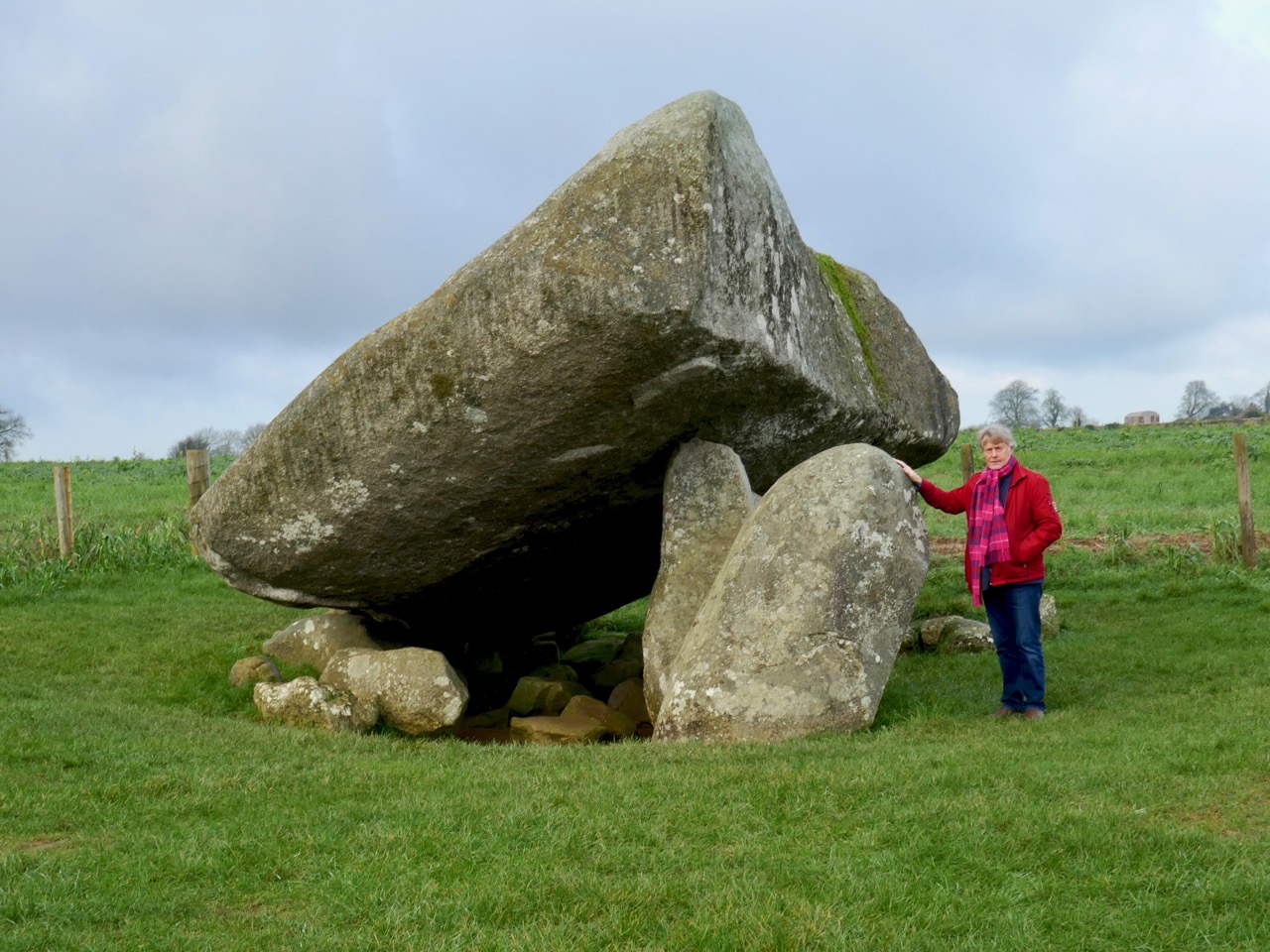
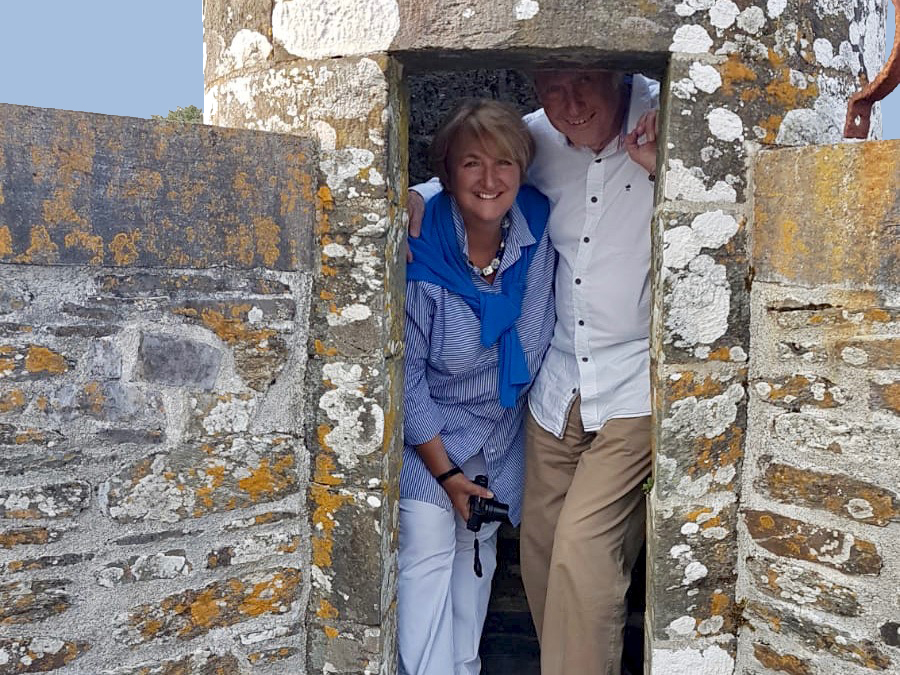
Robert stands at the east face of the megalithic structure: the orientation suggests a relationship to the rising sun, possibly at significant calendrical events

It’s known variously as the Brownshill Portal Tomb, or the Kernanstown Dolmen (Kernanstown is the name of the Townland, and the word ‘Dolmen’ was formerly used to describe megalithic structures which consist of a large stone slab resting on smaller boulders). The Irish National Monuments Service, in its listing of the Archaeological Survey of Ireland, has set out to regularise the names given to various structures. It does not recognise the once widely-used terms ‘Dolmen’ or ‘Cromlech’, but defines a variety of ‘Megalithic Tomb’ structures, of which the Portal Tomb is one:

. . . A single, short chamber formed by two tall portal-stones, two sidestones and a backstone. Sometimes a stone between the portals closes the entry. The chamber is covered by a roofstone, often of enormous size, which slopes down from the front towards the rear. Cremation was the preferred burial rite and these date to the Neolithic from 3800 to 3200 BC . . .
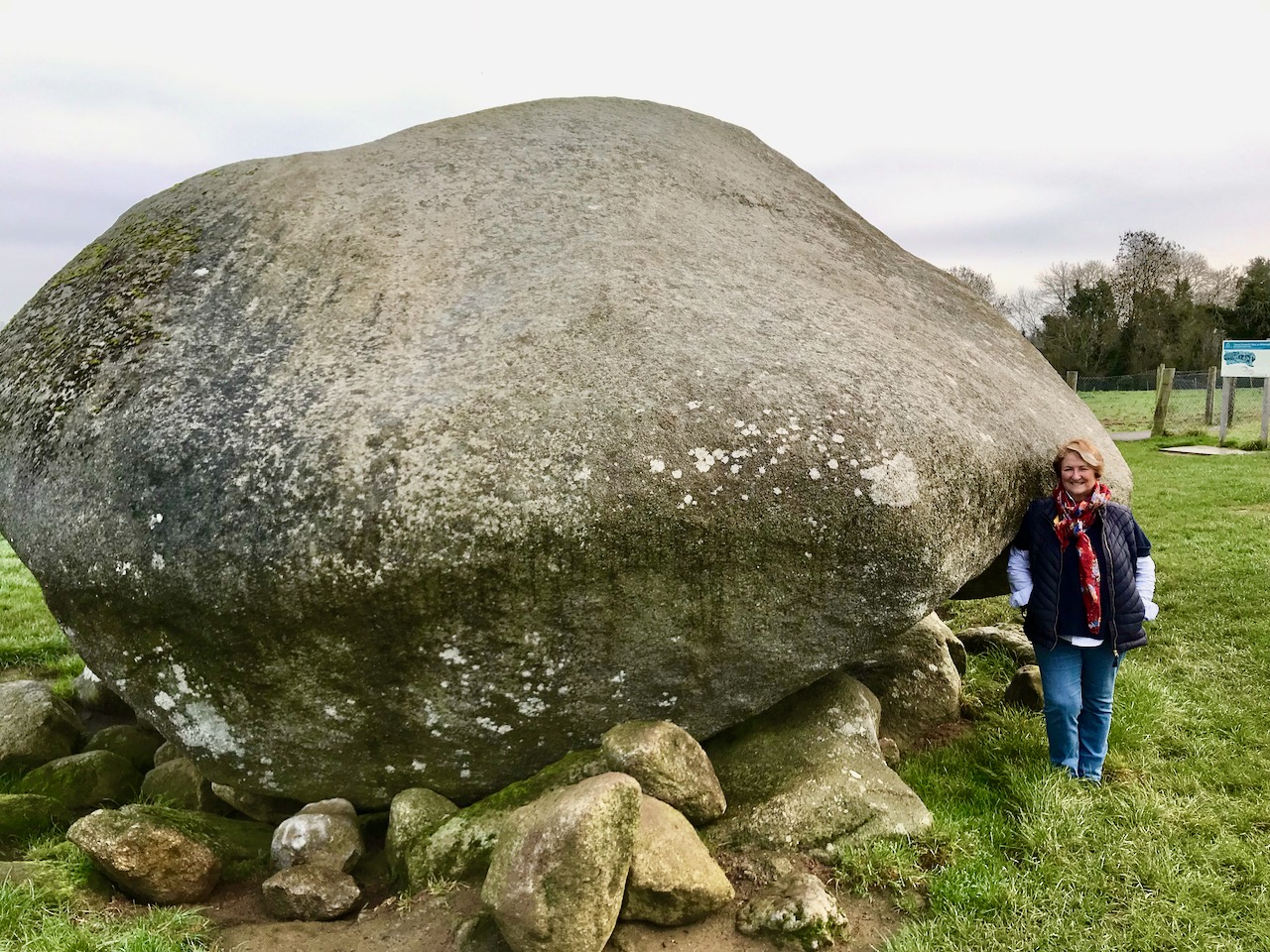
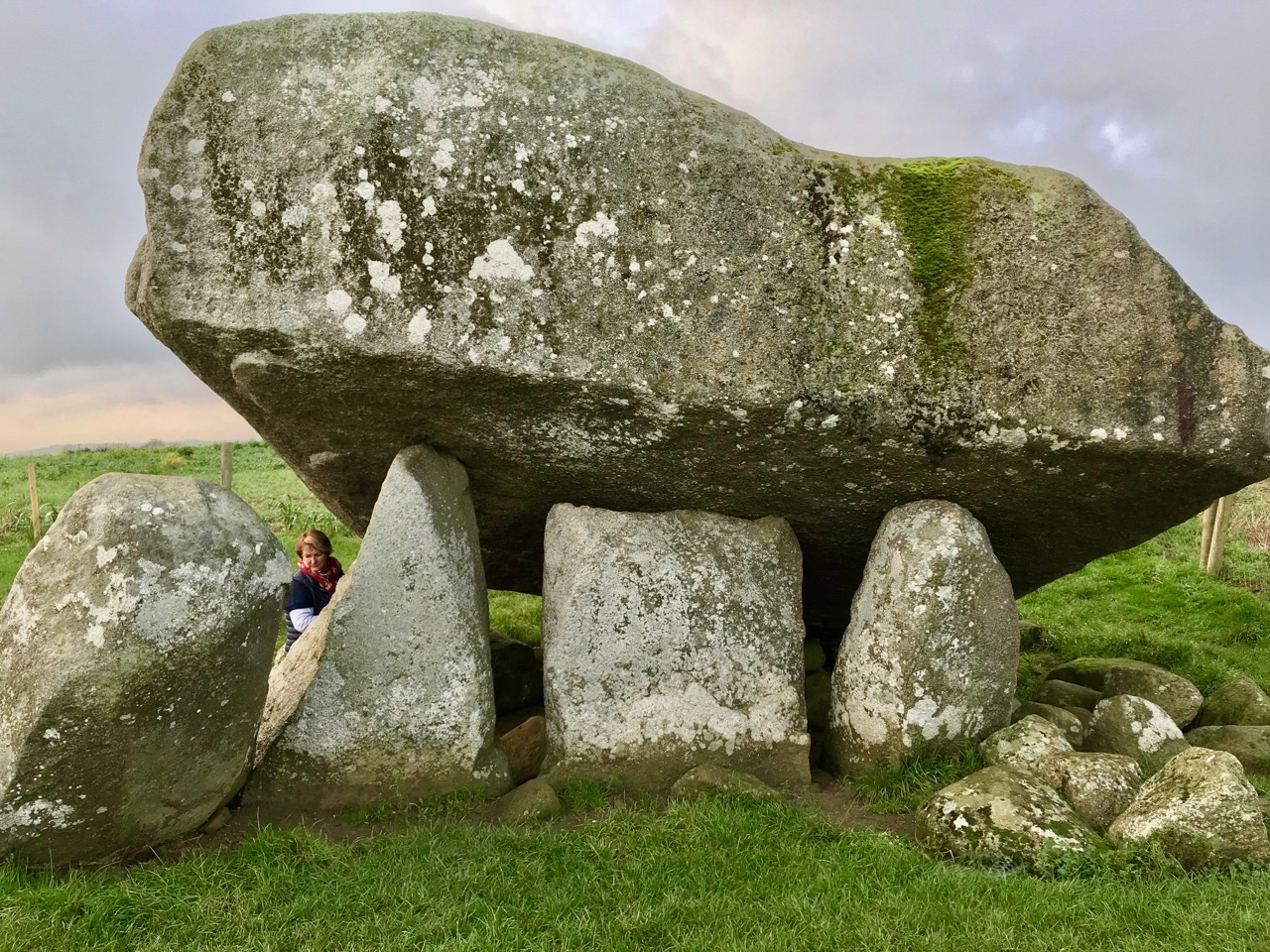
Finola is giving scale to the portal tomb in the header picture, where the two ‘portal stones’ and central ‘gate stone’ support the east side of the capstone: these features are common to these structures across Ireland, Britain and Europe. Above – the back (west face) of the capstone: Finola is standing at the southern tip

Historically, ‘Dolmen’ was the most common term for these archaeological structures. William Copeland Borlase (1848 – 1899) wrote a lengthy treatise in three volumes on The Dolmens of Ireland, their Distribution, Structural Characteristics, and Affinities in Other Countries; together with the folk-lore attaching to them and traditions of the Irish people published in 1897. In it, he describes the Brownshill / Kernanstown structure thus:

In the Barony of Carlow, in the Townland of Kernanstown, and Parish of Urghin, two miles E. of Carlow, to the N. of Browne’s Hill, or Browneshill House, also called Mount Browne, are three dolmens. The largest of the three is marked Cromlech in Ord. Surv. Map No. 7.

There are three dolmens on this hill. One is of enormous proportions, the two others are smaller. The former has been described by Ryan, Ledwich, and G. Du Noyer. Of one of the latter there is a drawing and plan in Miss Stokes’s collection of drawings of dolmens. The remaining one is situated a distance of 50 yards to the N. of the latter.

The great dolmen stands in the centre of a large flat field in permanent pasture, and has no trace of a bank or cairn near it. It consists of a splendid block of granite, the longer axis of which is N. and S., raised at an angle of 35 degrees to the horizon, upon four blocks, three of which, pillar-like, support the E. side, at a height of 6 feet above the floor, while one sustains its lower and W. side, at a height of only about 2 feet above ground.

The following are my measurements of the block thus elevated into position: Superficial measurement from N.E. to S.W., 23½ feet; ditto from N.W. to S.E., 22 feet; girth 65 feet; thickness at W. side, 6 feet; at S. side, 5 feet; at E. side, 6 feet; and at N. side, 4 feet.

. . . it is, I believe, the largest block raised from the ground by the dolmen-builders which is known, not only in the British isles, but on the continent of Europe
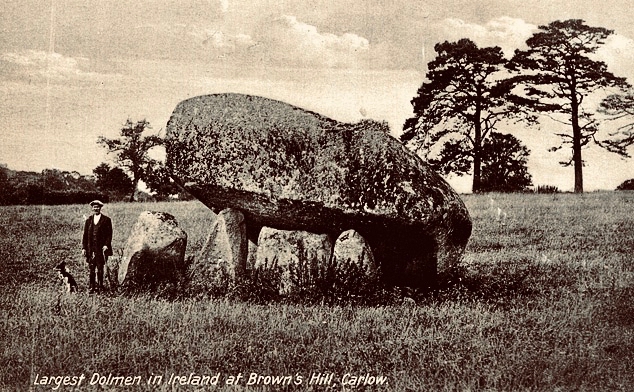
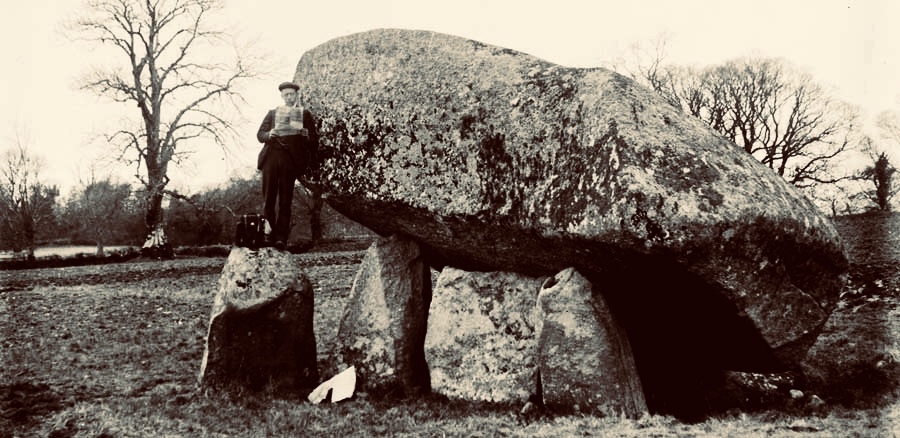
Two picture postcards of the ‘Brown’s Hill Dolmen’ probably dating from the late 19th or early 20th century

Today, there is only one portal tomb visible at Brownshill, although the National Monuments listing confirms that there were three in the area at one time. I was intrigued to find this engraving:
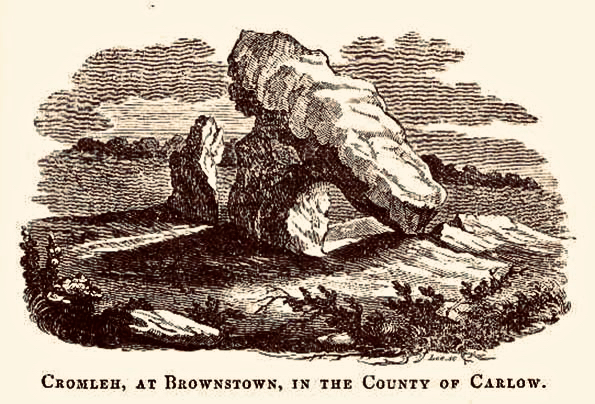
There is no ‘Brownstown’ in County Carlow, so it is likely that this engraving (above) is another version of ‘Brownshill’. It’s hard to see in this the portal tomb we have been describing, so it is possible it is an image of one of the other ‘lost’ dolmens. There is no further information attached to this illustration.
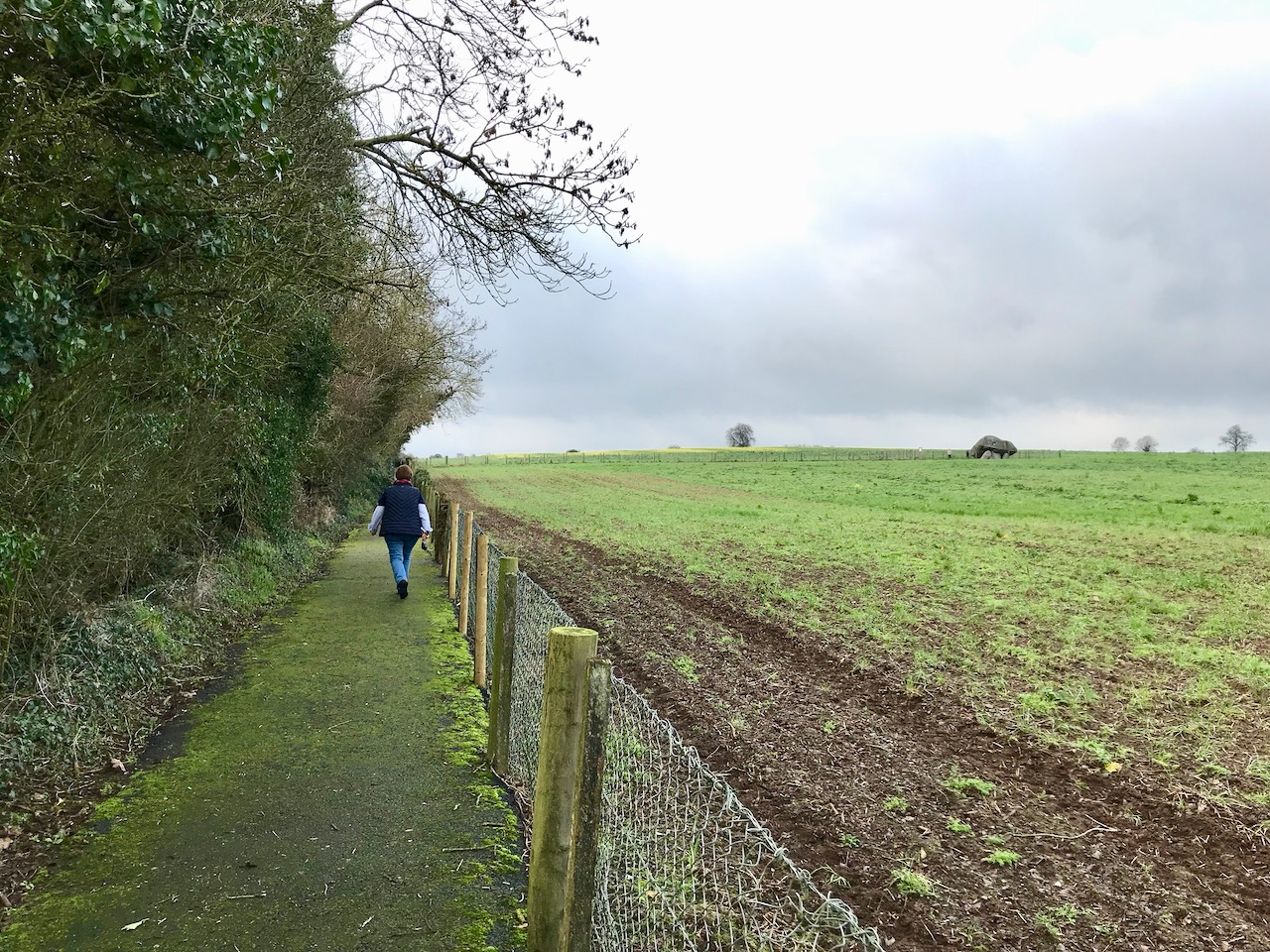
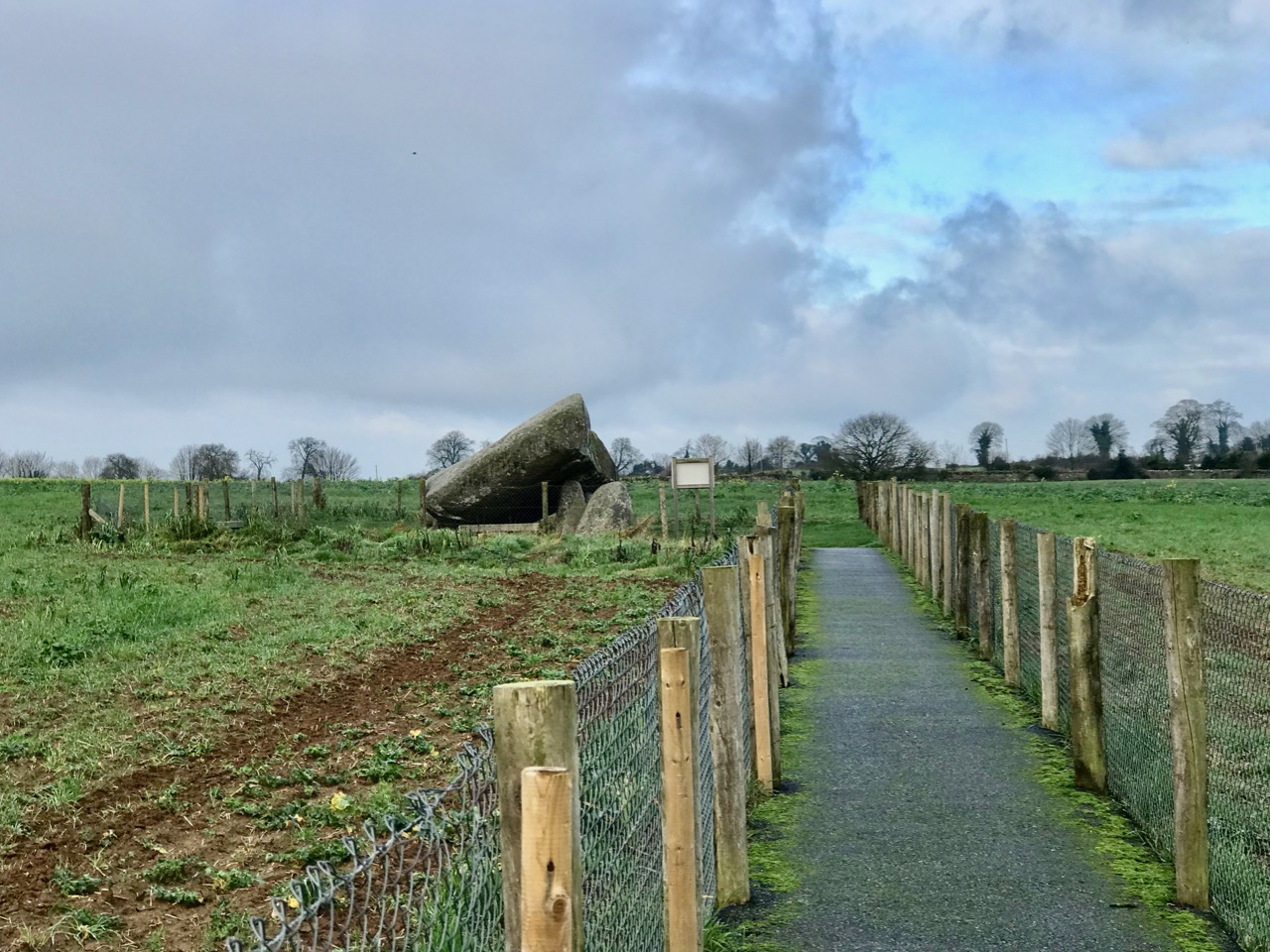
The two illustrations above show how the portal tomb is today enclosed and made accessible by means of a fenced pathway leading from the road to the east of the structure. This setting is not ideal: the impressive nature of the huge capstone is visually diminished by the fencing – although the provision of good disabled access to the monument is highly commendable. The massive granite stone has been estimated to weigh up to 160 tons, and we can only wonder at the methods used to lift it some 5,000 years ago. Here is an imaginative view (dating from the nineteenth century) of a megalithic tomb being built:
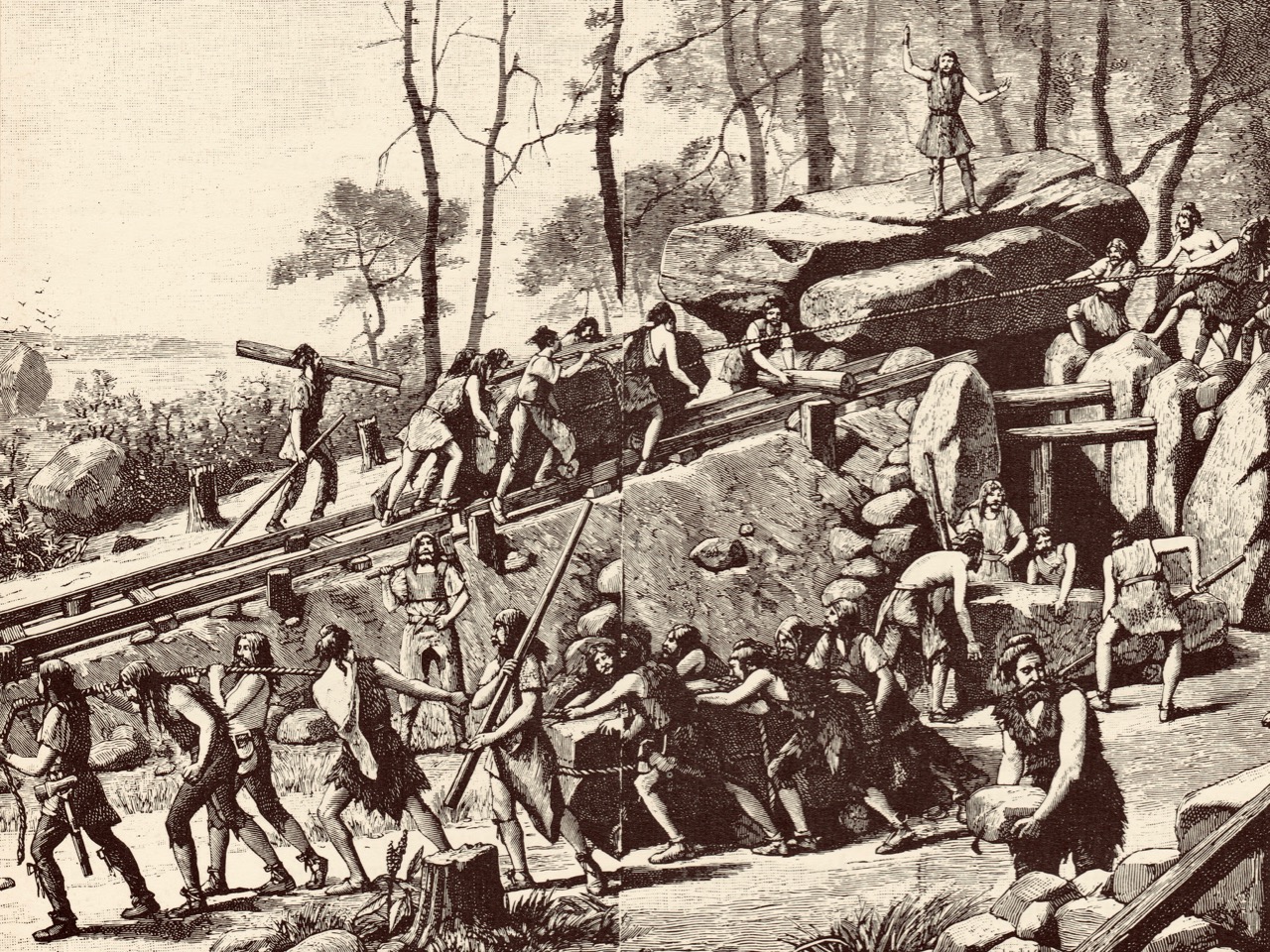
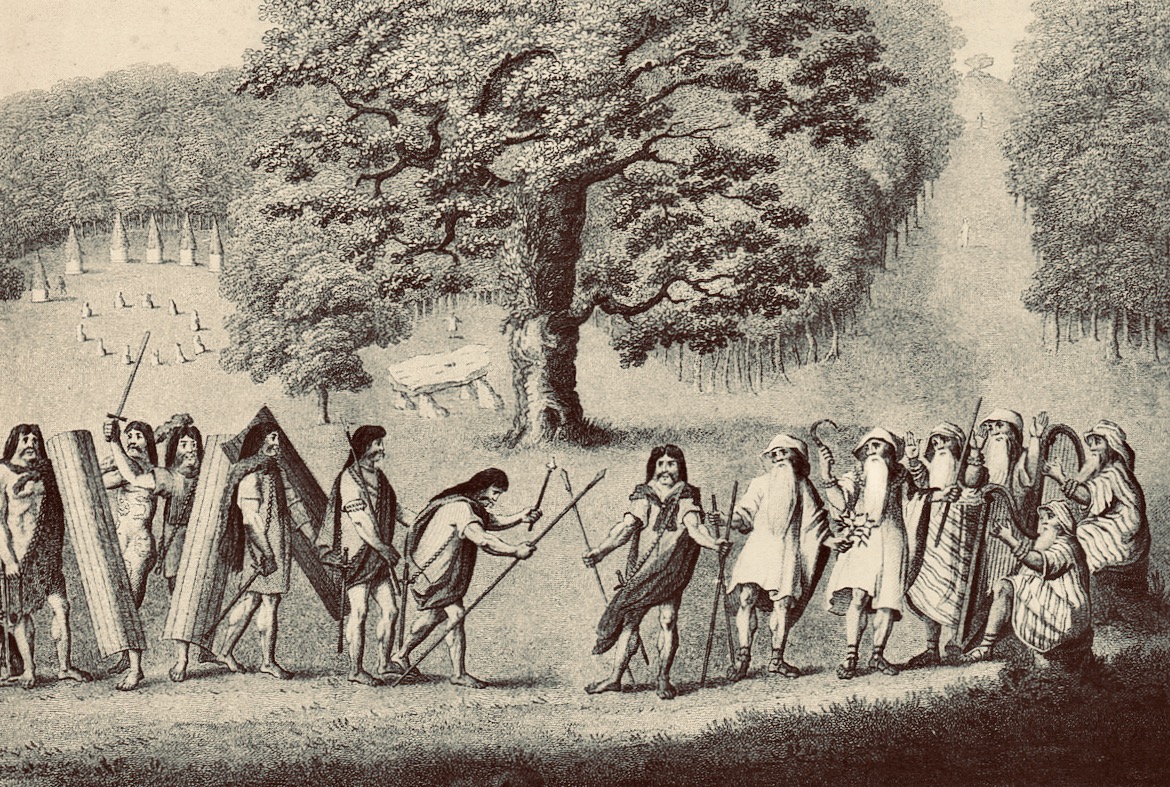
Celtomania is an expression which has been used by some antiquarians to describe the use of megalithic structures by ‘Druids’ and ancient races for ritual purposes. This fanciful scene by Edward King (above) shows ancient warriors, sickle-wielding and harp-playing druids, oak trees and standing stones – and a ‘dolmen’. It is taken from a 1969 book on megalithic structures in Brittany which I purchased in my travels there in the 1970s: Carnac ou les mésaventures de la narration by Denis Roche.
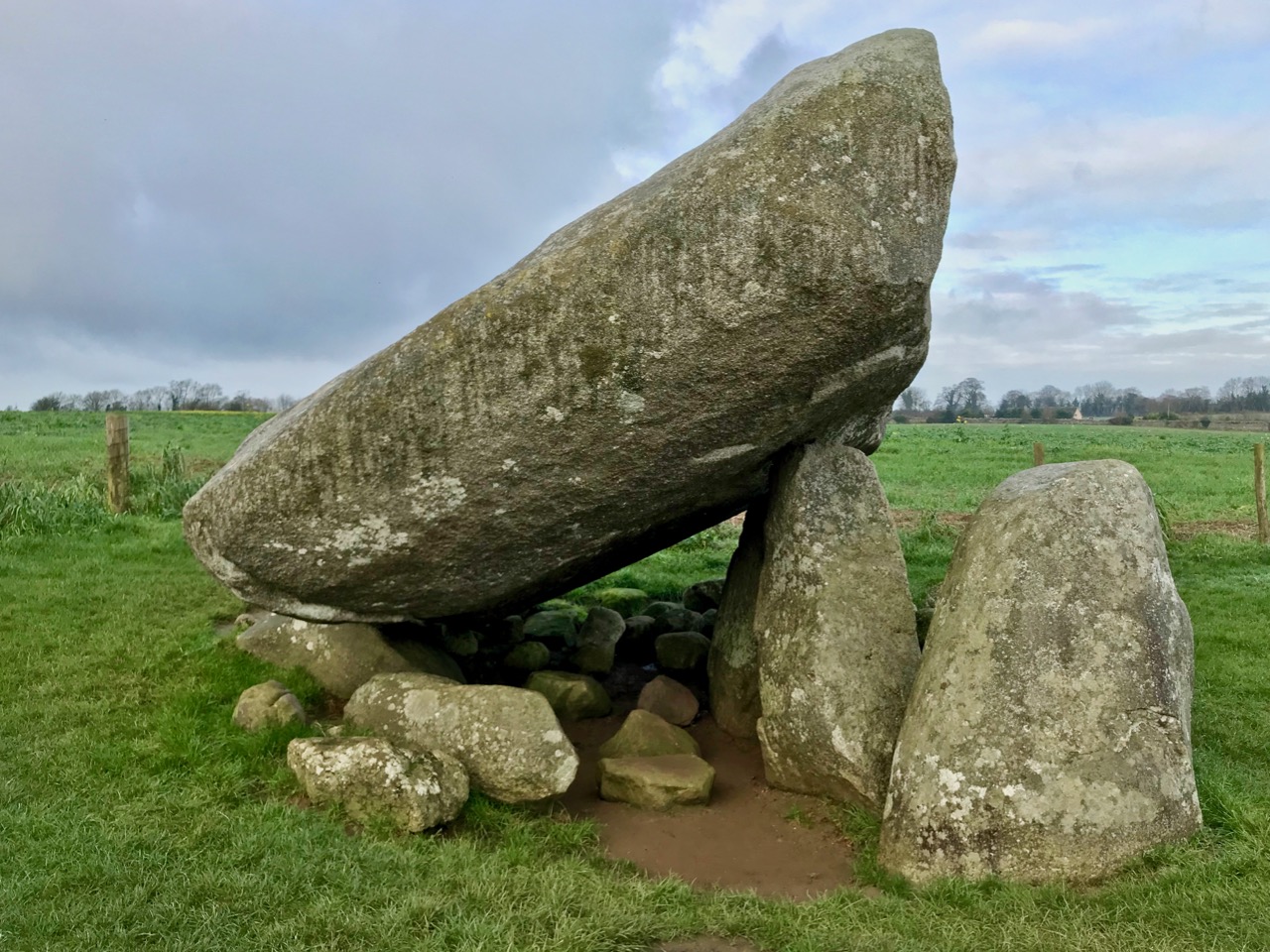
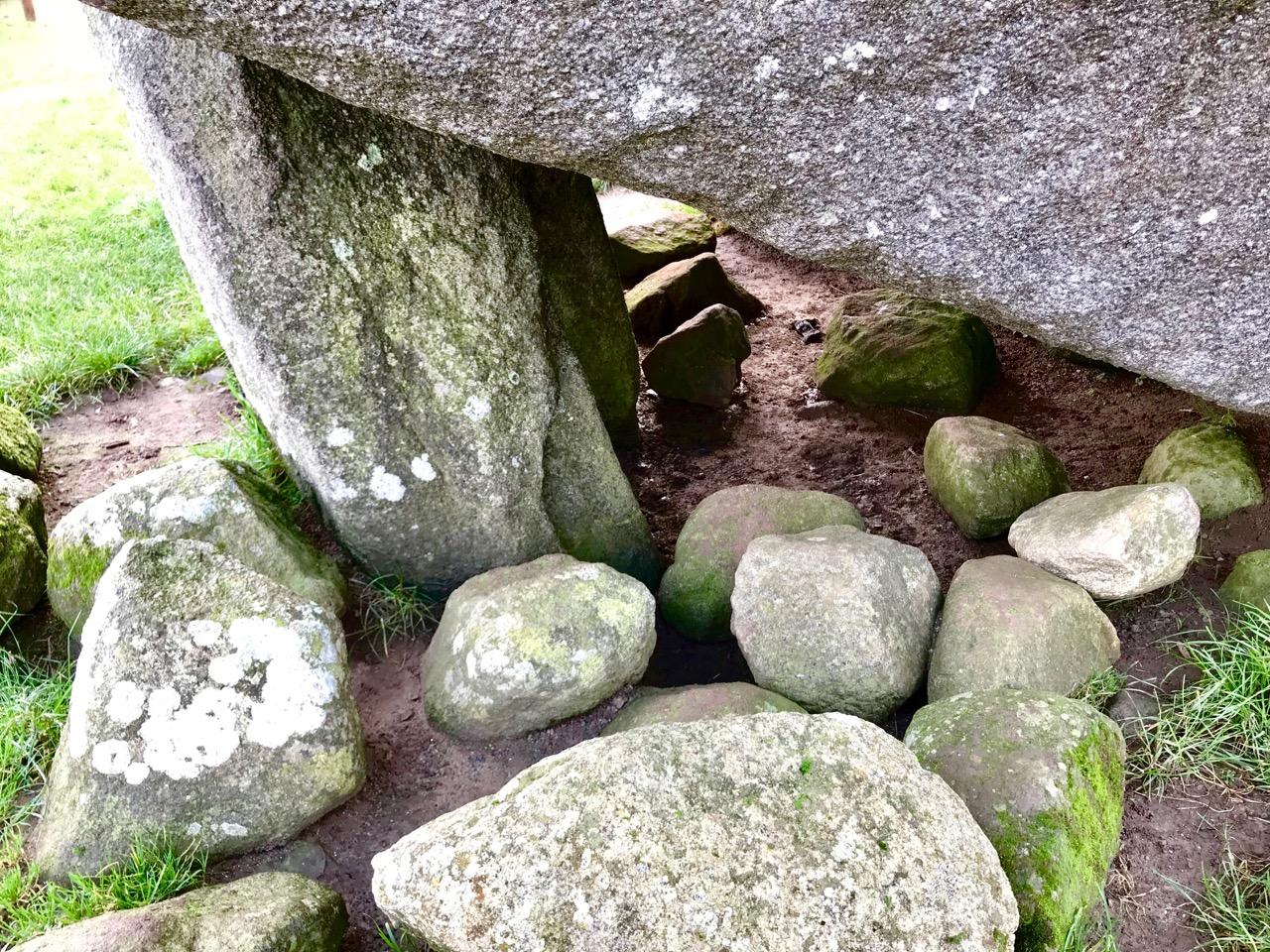
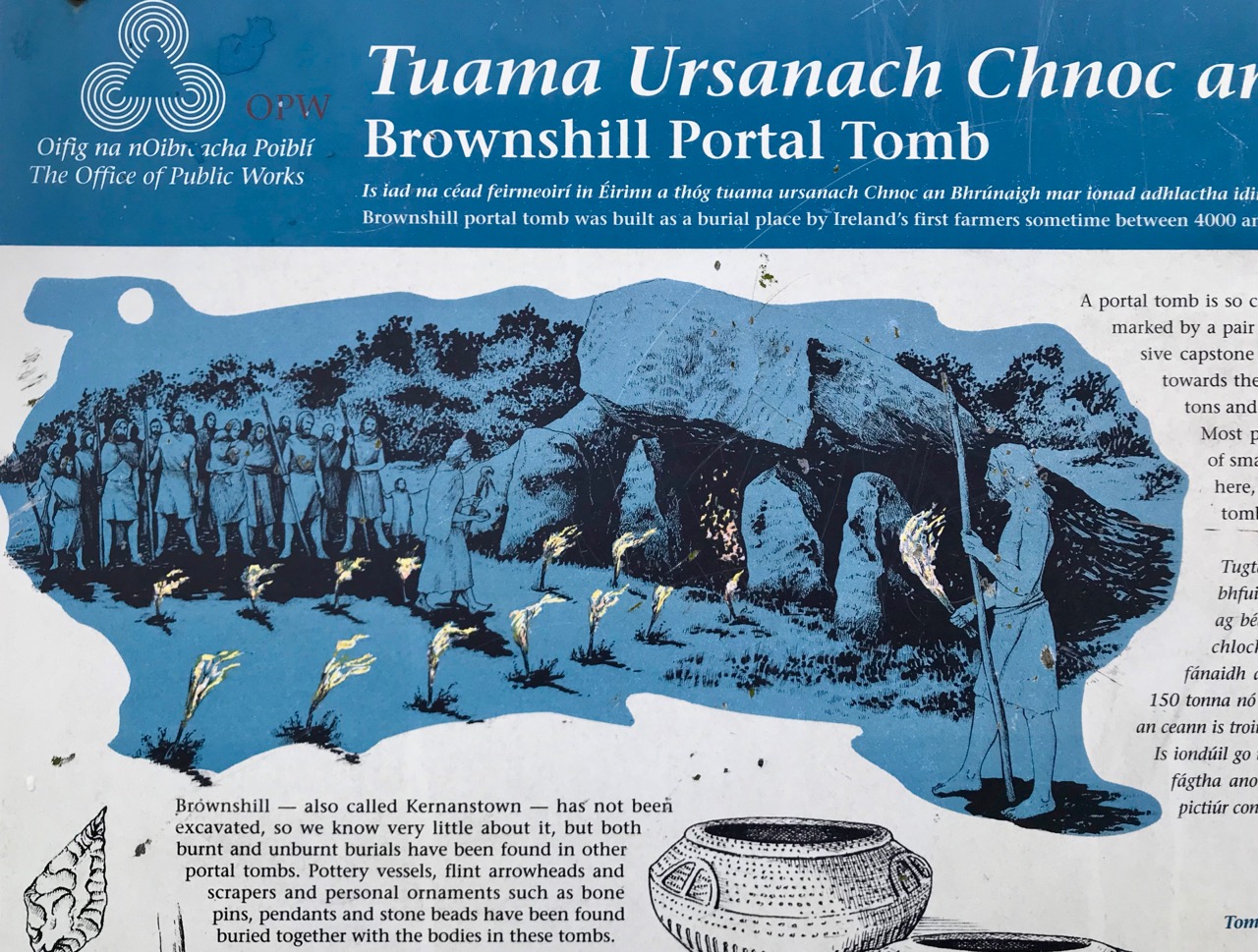
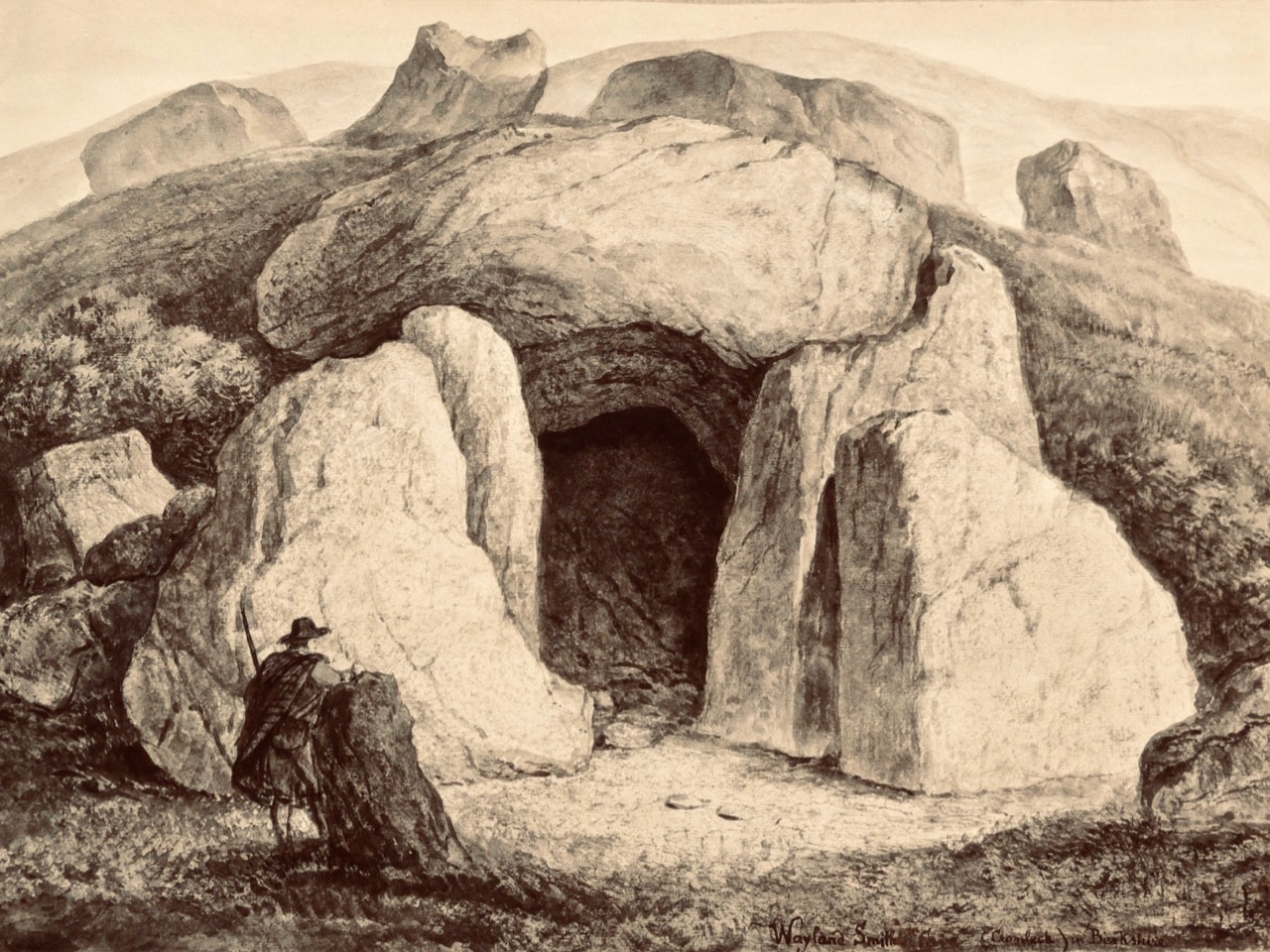
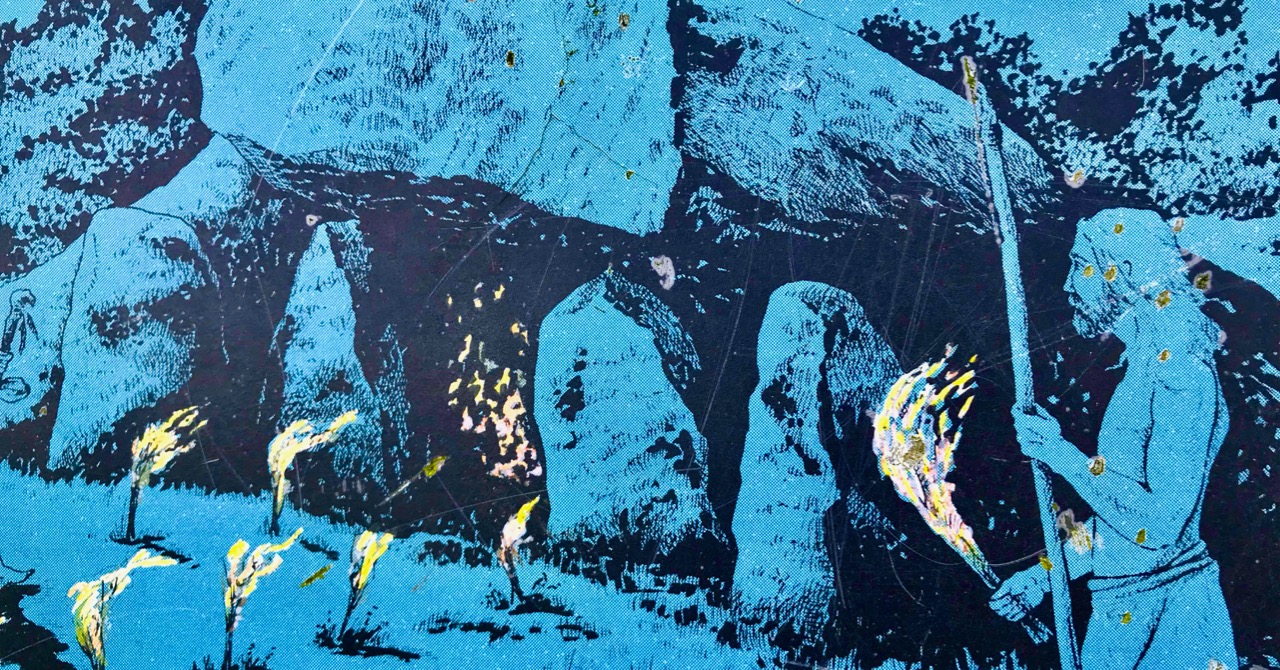
The ‘chamber’ of the Brownshill monument is visible when viewed from the south (top photo, above). This structure has never been excavated so we cannot say for sure that it was used to deposit human remains or cremations; in tombs elsewhere, excavations have revealed such a use in some, but not all. It has been suggested that all such structures were fully or partly covered in earth or stone, as implied in the example from Brittany below:
The structure at Brownshill, County Carlow must surely be one of the wonders of the megalithic world. It’s hard not to think that the sheer immensity of the raised capstone would require it to be seen so that the labour involved in its construction is appreciated. These stone edifices were the earliest architecture in the world of our settled ancestors, and the first examples of engineering prowess: one of the reasons for their existence must have been the demonstration of power and knowledge.
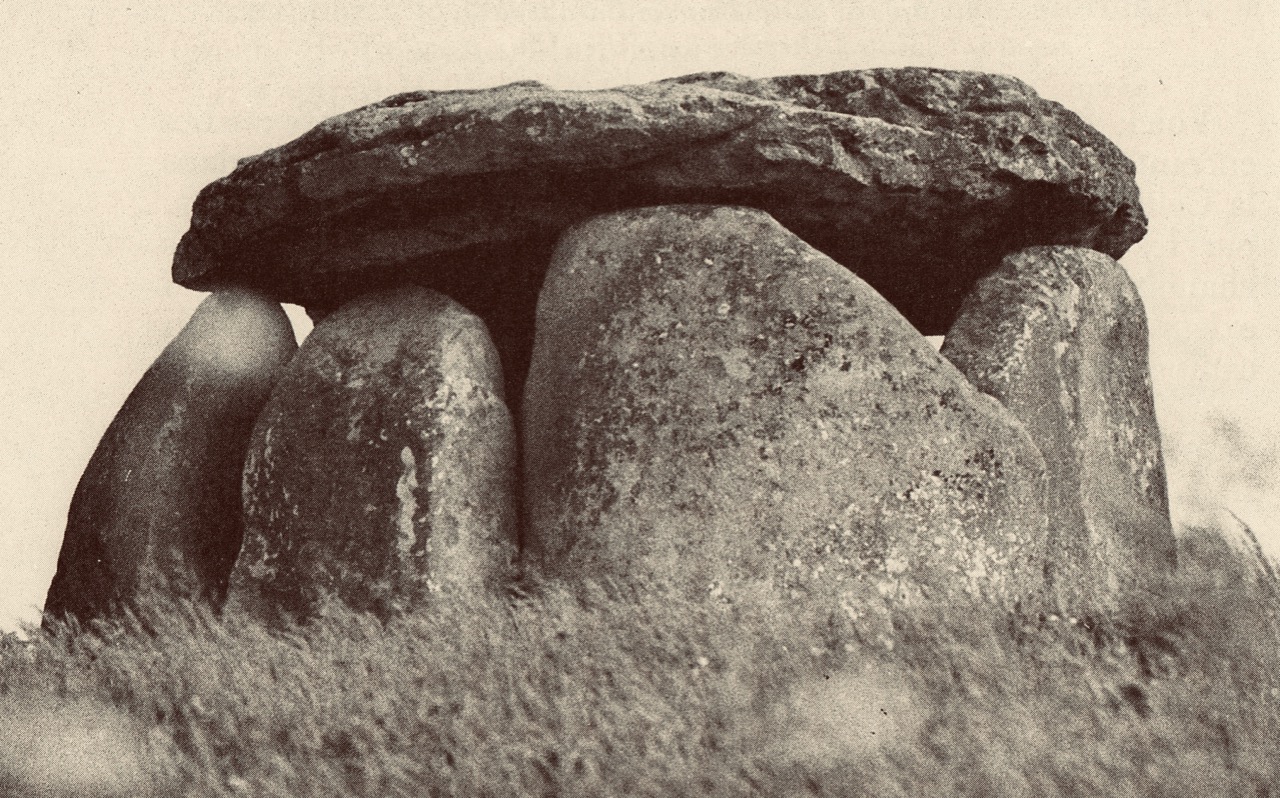
Above – a dolmen in Brittany (where they are still known by that name!) demonstrating a reversal of the principles of construction at Brownshill. In the Irish example, the huge capstone is supported by comparatively slender uprights; in France the capstone, although also substantial and heavy, sits on very large portal stones. The result is visually impressive in a different way.

Here in Ireland there are many more examples of portal tombs waiting to be visited and reported on: they are on our list.
Saints and Soupers: the Story of Teampall na mBocht (Part 4, the Protestants – Educators and Evangelists)

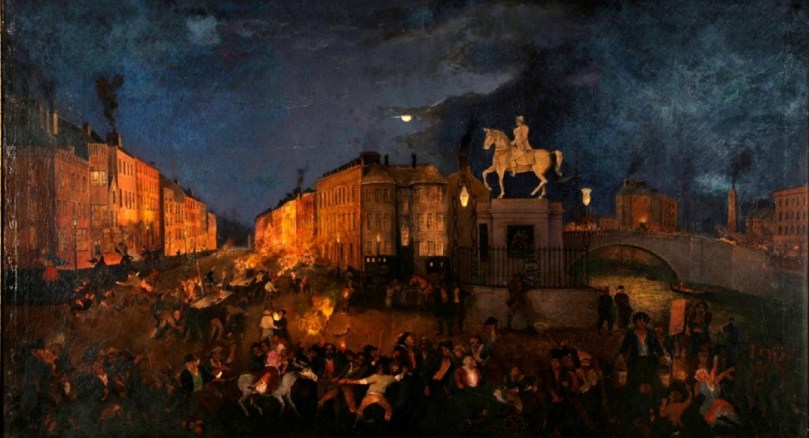
In the previous posts we looked at Catholicism in Ireland in the first half of the 19th century, and the position of the Protestant churches, especially the Church of Ireland. This period was marked by a shift to a more militant and evangelical philosophy in that Church: a determination, in fact, to make one final push to convince Catholics that their earthly and heavenly salvation lay in abandoning the pernicious faith of their forefathers and converting to the biblical-based beliefs of Protestantism. Once Protestant, they would reform their wicked habits of drinking and fighting (as in Skelligs Night in the South Mall above, by James Beale, courtesy of the Crawford Gallery) and would naturally see the errors of nationalistic agitation. 

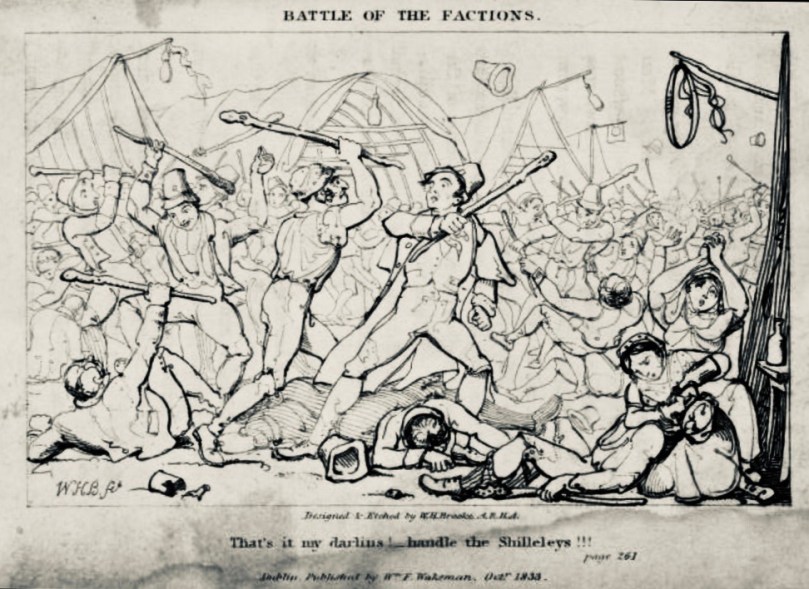
Faction Fighting, one of the evils that both Catholic and Protestants clergy railed against. The illustration, by W H Brooke, is from Traits and Stories of the Irish Peasantry by William Carleton

Irene Whelan, in her essay The Stigma of Souperism in The Great Irish Famine (The RTE Thomas Davis Lecture Series, edited by Cathal Póirtéir) writes about

the vast institutional and ideological machinery that lay behind the drive to make Ireland a Protestant country. This included not only a massive system of private philanthropy. . . but, more importantly, a fully developed political doctrine rooted in the belief that the source of Ireland’s social and political problems was the Catholic religion, and that the country would never be prosperous and developed until Catholicism and all its influences were eradicated.

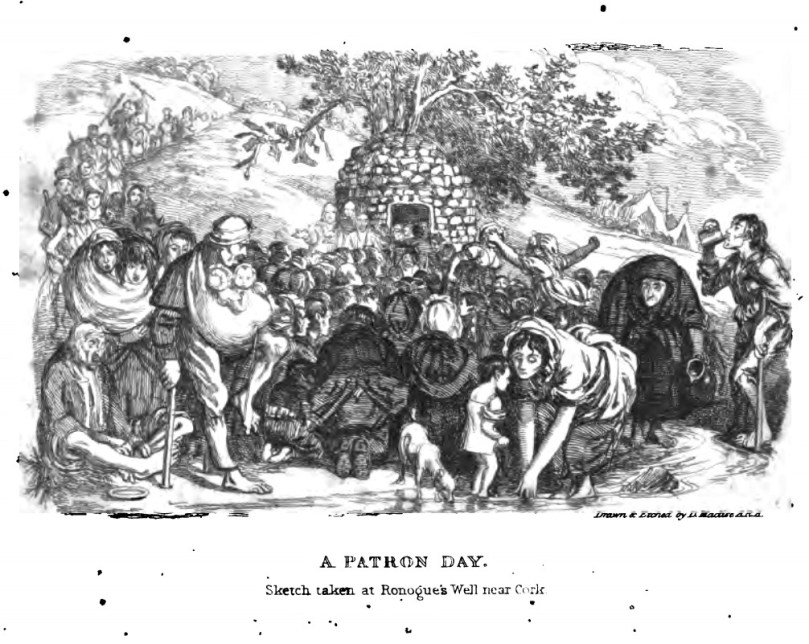
From John Barrow’s A Tour Round Ireland, 1835

It is ironic that, in fact, major reform efforts were underway within the Catholic Church at the same time, to depress the more exuberant of the old traditions of patterns at holy wells and seasonal celebrations, or to convert them into Marian feast days (Lughnasa, for example, was conflated with the Assumption of the Virgin Mary on August 15). For an excellent description of the goings-on at Patterns, see this post from Holy Wells of Cork. The great scholar John O’Donovan wrote in 1837 the priests, I am sorry to see and say, [are] inclining very much to Protestant notions, and putting an end to all. . . venerable old customs. William Wilde (father of Oscar and a noted antiquarian and folklorist) bemoaned, The tone of society is becoming more and more “Protestant” every year. . . The priests. . . have condemned all the holy wells and resorts of pilgrimage. (Both quotes from K Theodore Hoppen’s Ireland Since 1800: Conflict and Conformity.)

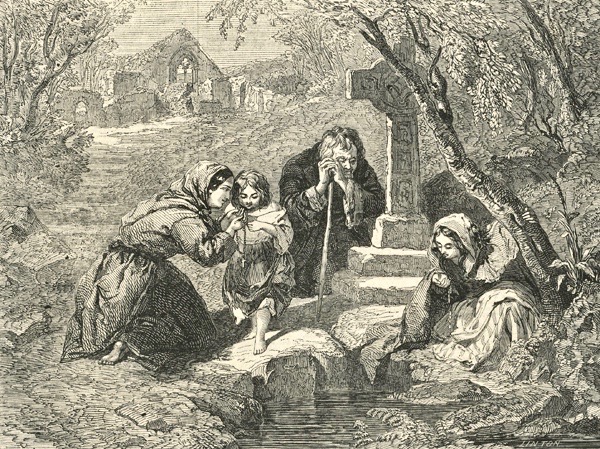
The Holy Well, an engraving of a painting by Frederick Goodall

The recognised authority on the evangelical surge of this period is Desmond Bowen. In his book The Protestant Crusade in Ireland, 1800-70, (published in 1978 but not yet superseded in its detailed examination of the religious environment of this period) he lays out the main factors in the hardening of the sectarian divide and the deepening divisions between what were essentially two separate cultures, looking to the separate education systems and the activities of firebrand preachers supported by both British organisations and committed local landlords. Of British evangelicals he writes:

Although their first desire was the purely religious one of freeing Catholics from the bondage of their sin by bringing them the blessings of biblical Christianity, they soon found it advantageous to combine their religious crusading with English ‘cultural imperialism.’ How could the Irish peasantry read the bible unless they attended schools? And how could they attend Evangelical schools and not be culturally influence by the alien but superior way of life they found there? . . .Proselytising . . . sought to bring them the twofold blessing of a reformed faith and British civilisation.

Education, as we saw in Part 2, became a field of contention with the establishment of the National School System in 1839, vigorously opposed by the Church of Ireland. The Protestant Church Education Society was founded with the object of providing an alternative education system but it struggled financially and was unable to provide enough funding to become a viable alternative to the National Schools.

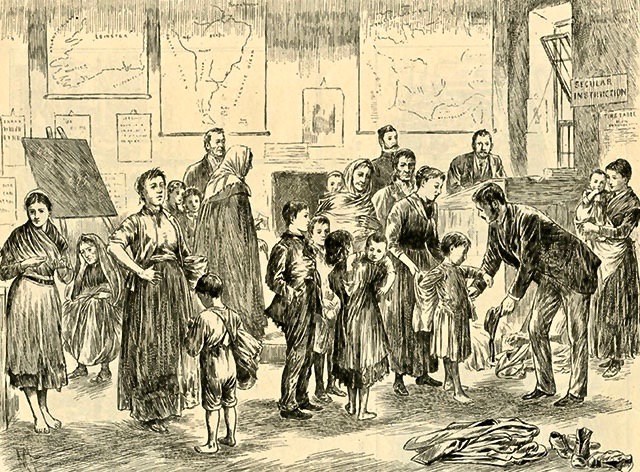
Poor children receiving clothing at a school in the West of Ireland

Up to 1839, schools on the Mizen were mostly miserable affairs with few resources and badly paid teachers. The Kildare Place Society was originally founded to provide non-denominational education to the poor, but after the establishment of the National School System, it affiliated with the Church of Ireland. This Society provided support to several schools on the Mizen Peninsula, including one in Ballydehob, another in Gortnagrough, and another in Rock Island. Other schools were maintained by the local Church of Ireland (e.g. parish schools at Gubbeen and Corravoley) and some received grants and aid from the Hibernian Society – an organisation specifically devoted to offering education with a proselytising ethos.

Now a private residence, part of this house in Durrus was the original school funded by the Association for Discountenancing Vice

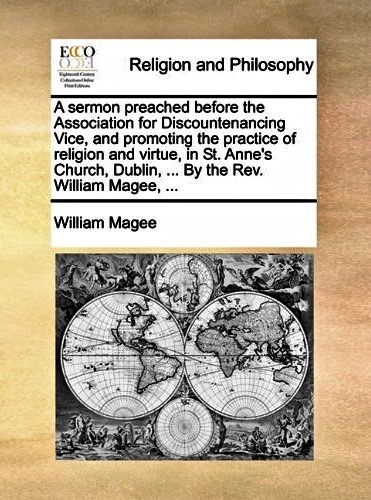
Yet another Protestant education society was the charmingly-named Association for Discountenancing Vice and Promoting the Knowledge and Practice of the Christian Religion, while another, The Irish Society, had a similar mission, to provide bibles to schools and to promote Protestant religious education.

A sermon by our old friend, William Magee (see Part 3)

All of these societies, to a greater or lesser extent, supported schools on the Mizen, most of them educating both Protestants and Catholics and stipulating that the curriculum would include biblical instruction. For those students who did not have access to a National School, these schools provided rudimentary instruction, but were frequently accused of offering that education contingent on conversion. During the famine, the provision of food supplies to children when attending schools became a particularly contentious activity – although it does strike one as a no-win situation – damned if you do and damned if you don’t.

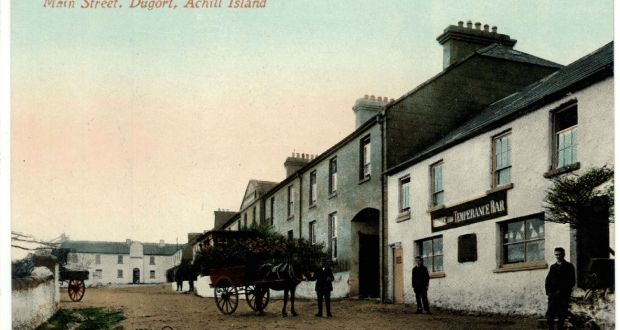
The Achill Colony. What do you think they served in the Temperance Bar?

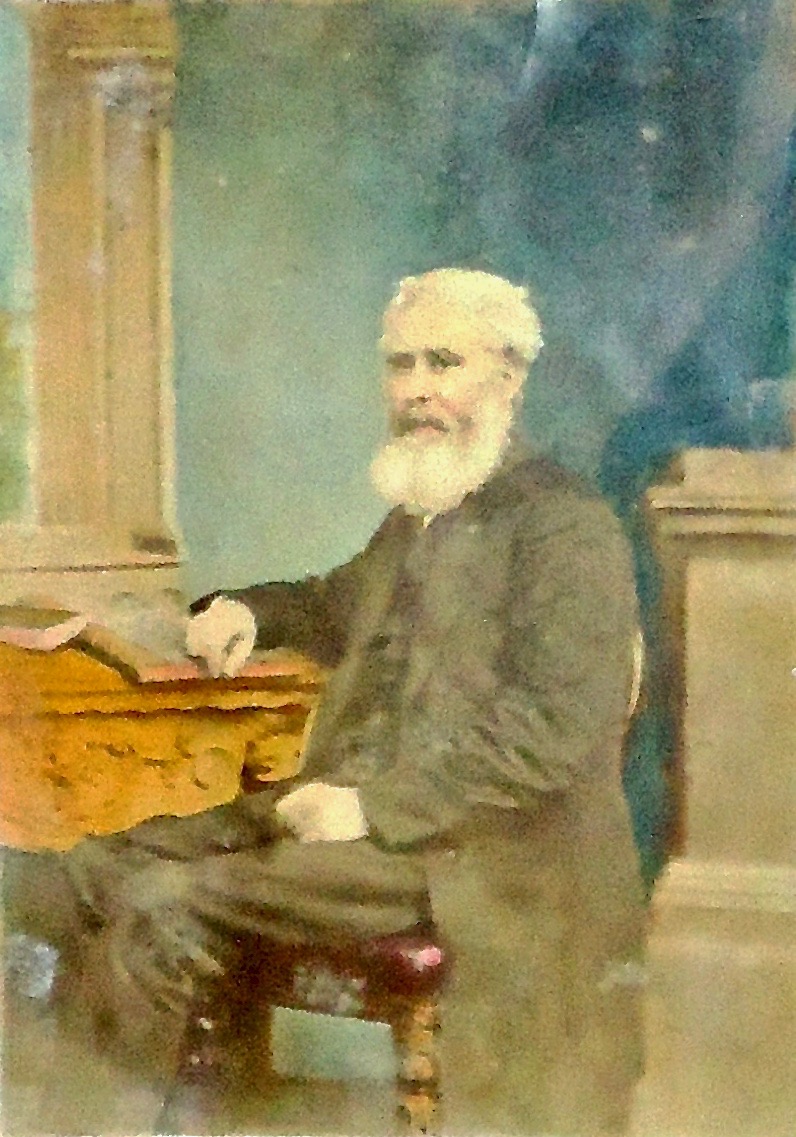
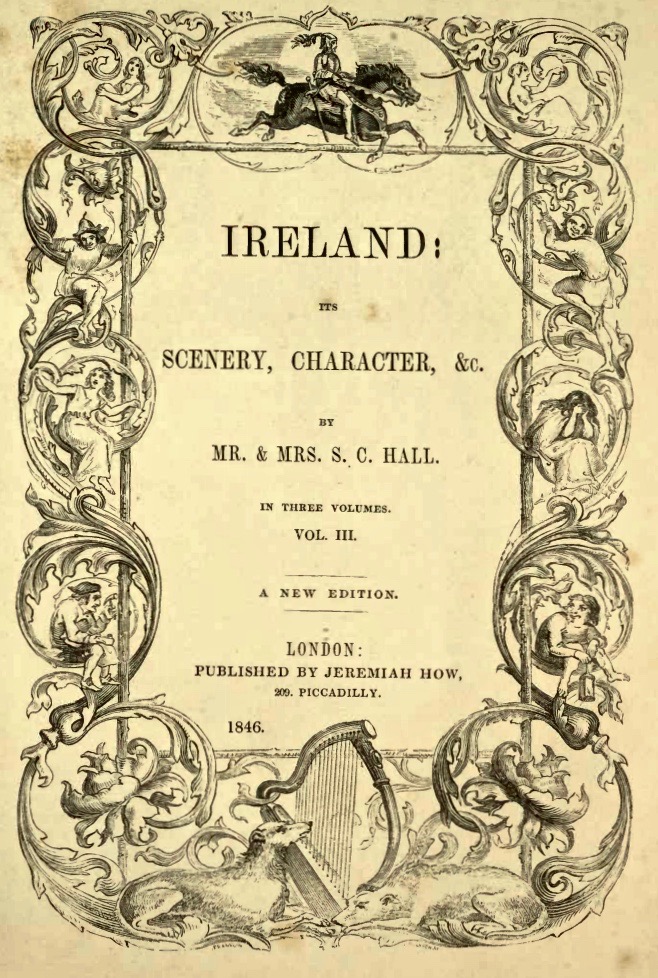
The new spirit of fervent evangelism imbued many of the Protestant clergymen in West Cork Parishes. Protestant ‘colonies’ had been established in Achill in Mayo by the Rev Edmund Nangle and in Dingle by the Rev Charles Gayer. Highly controversial, these settlements provided food, education and employment to Church of Ireland converts and were lauded as model villages by the more enthusiastic of the Protestant missionaries. The Catholic hierarchy, on the other hand, railed against them, accusing them of buying souls with the promise of financial security. There is a wonderful first-hand, and far from favourable, account of the Achill Island colony in Vol 3 of Ireland: Its Scenery, Character, etc  (pages 394 to 401) by the Halls. They describe a harsh and unforgiving Nangle (below) and a struggling colony that is despised by its neighbours.

West Cork was also a centre for Protestant missionary activities, who saw in its poverty and remoteness an ideal recruiting ground. The activities of the Irish-speaking Rev Edmund Spring on Hare Island and Cape Clear came under particular scrutiny due to the large number of conversions he claimed and his association with the Irish Islands and Coast Society, for whom he ran his parish as a ‘missionary station.’ He moved on to Cape Clear from Hare, in turn winning many converts but always under the accusation of offering ‘support’ to those who became his parishioners.

The Halls, Samuel Carter and Anna Maria, produced a superbly illustrated account of their tour of Ireland in three volumes. It’s an indispensable resource

On the Mizen, in Kilmoe Parish, the arrival of the Rev Thomas O’Grady signalled the advent of the spirit of evangelism and of many conversions. Patrick Hickey’s research indicates that there were five Protestant families in Toormore when O’Grady arrived, but by 1849, with O’Grady’s friend and successor, the Rev William Fisher, now as Rector, that number had risen to eighty.

Crookhaven on the eve of the Famine

How were these conversions won? By the example, dedication, hard work and self-sacrifice of these men, or by the souperism of the Rev Fisher? In the next post I will look at the conditions that led to the latter accusation: famine in Toormore and the building of Teampaill na mBocht.

The Achill Colony, a woodcut from John Barrow’s Tour of Ireland

This link will take you to the complete series, Part 1 to Part 7

New Year Resolutions 2019

Note of explanation from Finola and Robert: the Blog has taken on a mind of its own and decided he needs to make some resolutions for 2019.  He has asked us, his slaves faithful staff, to record these, as a means of keeping him accountable. Ours not to question why, ours but to do or die, so here goes, in his own words. . .

The Black Valley, Kerry

1. Spend more time in Kerry

It’s only next door, after all, and it’s in Finola’s blood, since her grandmother came from Killarney and she still has lots of lovely family there. So I’m determined they will take me there on outings a bit more often this year. There’s an ulterior motive too – you, my faithful readers, know that I often cosy up to that cheerful little Bloguette Holy Wells of Cork: she’s running out of wells in Cork but is enthusiastic about the idea that we can go jaunting off together on Kerry adventures.

2. Incorporate more music

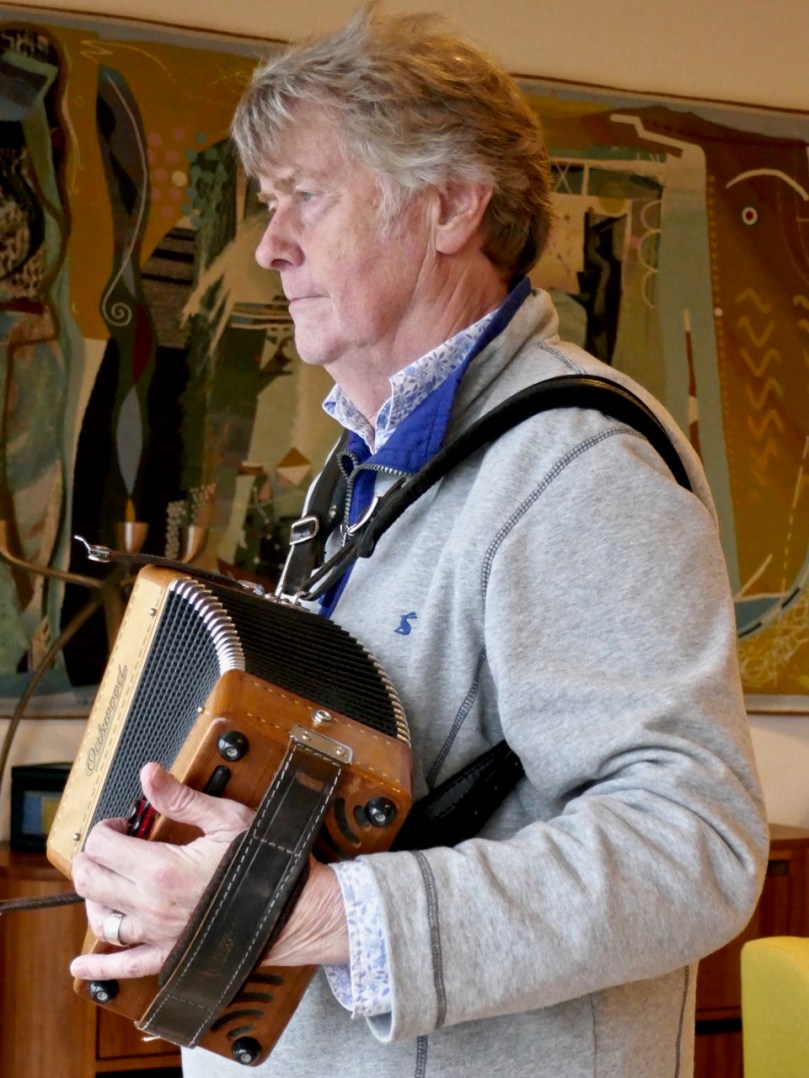
I have to let you in on a secret – Robert is forever promising to learn new tunes for me, but then he comes up with all kinds of excuses why he’s not getting on with it. He’s too busy, it’s too hard, it’s not in the right key, blah, blah, blah. He’s finally sort-of learned this one, after weeks. We live in the heart of Irish traditional music – come on, people!

Staff member Robert trying to get it right – it’s called Pearl O’Shaughnessy’s Barn Dance, learned from Clare concertina player Mary MacNamara

3. Get on with that Saints and Soupers story

Honestly, that Finola, she leads us deep into this fascinating study of whether or not that Fisher guy was a saint or a souper, and then she goes off on one of her tangents about stained glass or wildflowers or whatever. I’m dying to know what happens next, so I’m going to have to lean on her to put the nose to the grindstone and get back to all those Protestants and Catholics and the actual famine part.

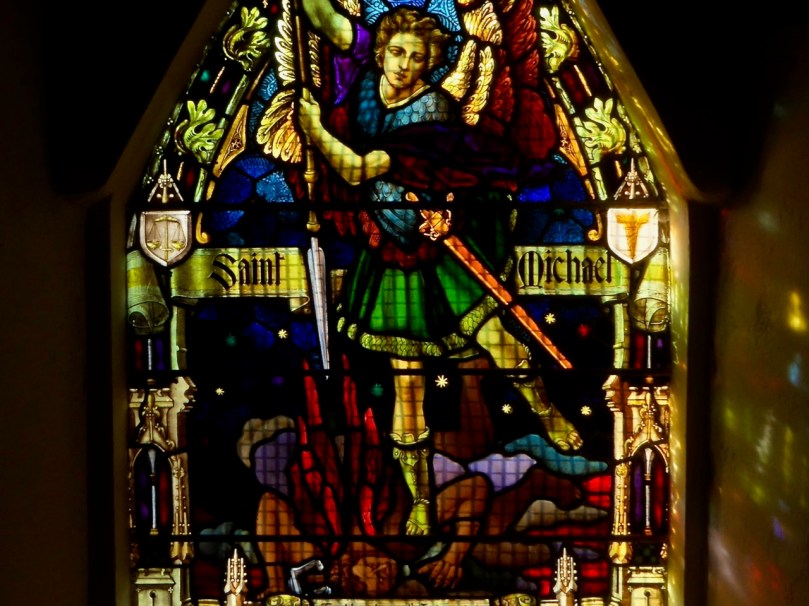
Michael the Archangel fights the devil – a powerful good versus evil metaphor in Altar Church

4. Get out to the Islands

It’s called Carberry’s Hundred Isles, for goodness sake – we can see them from the house (like Sarah Palin and Russia). Time to travel to more of them and get to know them. 

South Harbour on Cape Clear

I’ve been polishing up my Irish (or Blirish, as we Blogs like to say) and I need the practice, so Cape Clear needs to be on the agenda. I hear they have a good Blirish program out there, so ar aghaigh linn!

Staff member Finola and her sister on Cape Clear this summer

5. Finish the Fastnet Trail walks

This is a bit of a hangover resolution from previous years when I vowed to do all the Fastnet trails, but got a bit distracted with other walks and other projects. Besides, they’re adding to them all the time so if I don’t get off my desk and get out there soon the job will just get bigger and bigger.

Kilcoe Castle can be seen from several of the Fastnet Trails

6. Find more places to have breakfast

My staff loves going out for breakfast and I must say I am very partial to a nice plate of avocado toast and smoked salmon, with a good pot of tea to wash it down (although those two insist on lattés). They took me to the Box of Frogs in Bantry recently, and despite my misgivings about the name (I had a bad experience with a toad once) I had to admit the food was excellent. But, like all the humans I meet recently, I’ve been toying with the idea of eating less meat so I will persuade them to go to Antiquity Bookshop Café in Skibbereen for their tasty vegan food more often. BUT. . . see next resolution

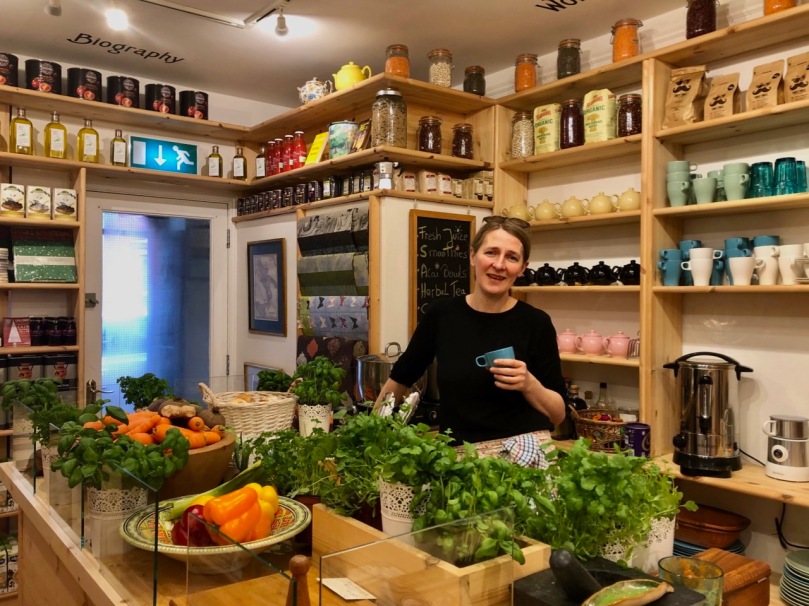
Nicola surrounded by her stock in trade in Antiquity, West Cork’s first vegan café

7. Read the books!

The staff keep bringing more books (especially from Antiquity) into the house and they pile up beside me, making me feel guilty that I’m not keeping up. They built a new set of shelves and they are already filled. Honestly, in this day and age, you’d think someone would have invented some kind of scanner-to-brain technology so that Blogs like me wouldn’t have to work so hard.

Just one shelf – yikes!

I have more, but the experts say not to make too many. Right, friends – a little encouragement and I’m sure I will be fine, despite all the malingering and complaining of my staff. Onwards and upwards into 2019!

The Bodhrán

Our good friend Danny – who sadly passed away in 2017 – was a bodhrán maker. There are still shelves of his instruments in his West Cork house (above) and he is well remembered by all the musicians who commissioned instruments from him – including the percussionist of the New York Metropolitan Opera Orchestra!

Danny McCormack – bodhrán builder – at Lovistone Barton in 1991

I first met Danny in the 1970s when we both lived in North Devon: a very ‘Irish’ part of the West Country in the UK. I was a frequent visitor to Lovistone Barton, a remote old farmhouse at the end of a long trackway, which Danny and Gill then occupied with their five daughters, surrounded by chickens, geese, goats, dogs and cats. There was always a warm welcome and chat to be had and over the years I became familiar with every stage in the production of the bodhrán.

The starting point is, of course, the goat. I hasten to reassure you all that Danny’s goats led good, full and productive free-ranging lives and, only when they were over, did their skins become candidates for Irish drums. I watched the process of curing, treating and de-hairing the hides, which were then scraped smooth before being cut to suitable sizes. I observed the rims for the single-sided drums being steamed and bent – the skin stretching, decorating and final finishing. I’m sorry that I never thought at the time to photographically document the whole sequence of bodhrán construction, something I would certainly do today. This video by contemporary maker Paraic McNeela summarises it very well:

Two details (above) from a painting by Cork-born artist Daniel Maclise (1806 – 1870): Snap-Apple Night, based on a Hallowe’en party in Blarney in 1833. The left-hand panel shows the musicians – pipes, fiddle and flute – and, above them, a glimpse of a rather demonic drum player, enlarged in the right-hand panel. Danny was fascinated by this portrayal of the instrument, to all intents and purposes looking like any other bodhrán, except that it is shown with jingles, like a tambourine. It has been suggested that the words Tambourine and Bodhrán are related but, other than this comprehensive Comhaltas essay, I have yet to read any definitive historical research that convincingly justifies an etymology for the term.

Danny made me a ‘bodhrán-tambourine’, based on the Maclise painting, and it’s now hanging in our music room in Nead an Iolair (above). For the jingles, Danny took a number of old penny coins and beat them out, giving them a slightly domed shape as well. When tapped or shaken they sound really good, and extend the possibilities of the instrument by adding a metallic, percussive sound. But I doubt that purist bodhrán players approve, although I have seen and heard other instruments made in this fashion.

As to the playing of the instrument in general, there are as many varying techniques as there are players (or so it seems) – and there is also great debate about whether the bodhrán is acceptable in Irish traditional music anyway! Personally, I think that a sensitive bodhrán player is an asset to any group of musicians – although that can apply to the exponents of all instruments! The duo in the video above give an impressive demonstration of possibilities and variations in style (well worth a watch), while many of the big Irish groups frequently include the bodhrán. Have a look at these two videos: the first is the legendary Chieftains opening the World Bodhrán Championships in Milltown, Kerry, a few years ago, and the second is an excellent example of the instrument used in an unusual context – accompanying song. In both cases the performer is Kevin Conneff:

If you want to get a feel for the full gamut of attitudes to bodhráns and their players, this discussion on The Session is salutary: there are rants galore! For me – as a squeeze box player – I am happy to have a bodhrán player contributing to our gatherings. As demonstrated in the examples above, ‘good’ players who have mastered their craft are well worth listening to . . .

Favourite Posts of 2018

At this end of the year we reflect with a critical eye on all our 2018 posts – there have been 102 of them – and select just a few which we think stand out in some way. A link is provided for each one, in case you want to have another look yourselves.

Firstly – not just one of our favourites, but the all-time most popular post we have ever published – Ireland’s Newest Stained Glass Window. Finola wrote this in January, and then went on to put together an article in the Irish Arts Review on the same subject later in the year. The window is in St John’s Church in Tralee, a Catholic church, but the project was a joint venture between the Catholic and Anglican congregations. It tells a story of reconciliation, from many angles. The window was designed and made by Tom Denny, one of Britain’s most eminent and respected stained glass artists. Tom is a direct descendant of Sir Edward Denny (1547 to 1599) who was one of the architects and enforcers of the Plantation of Munster. It’s a complex history, and this post is well worth a careful read.

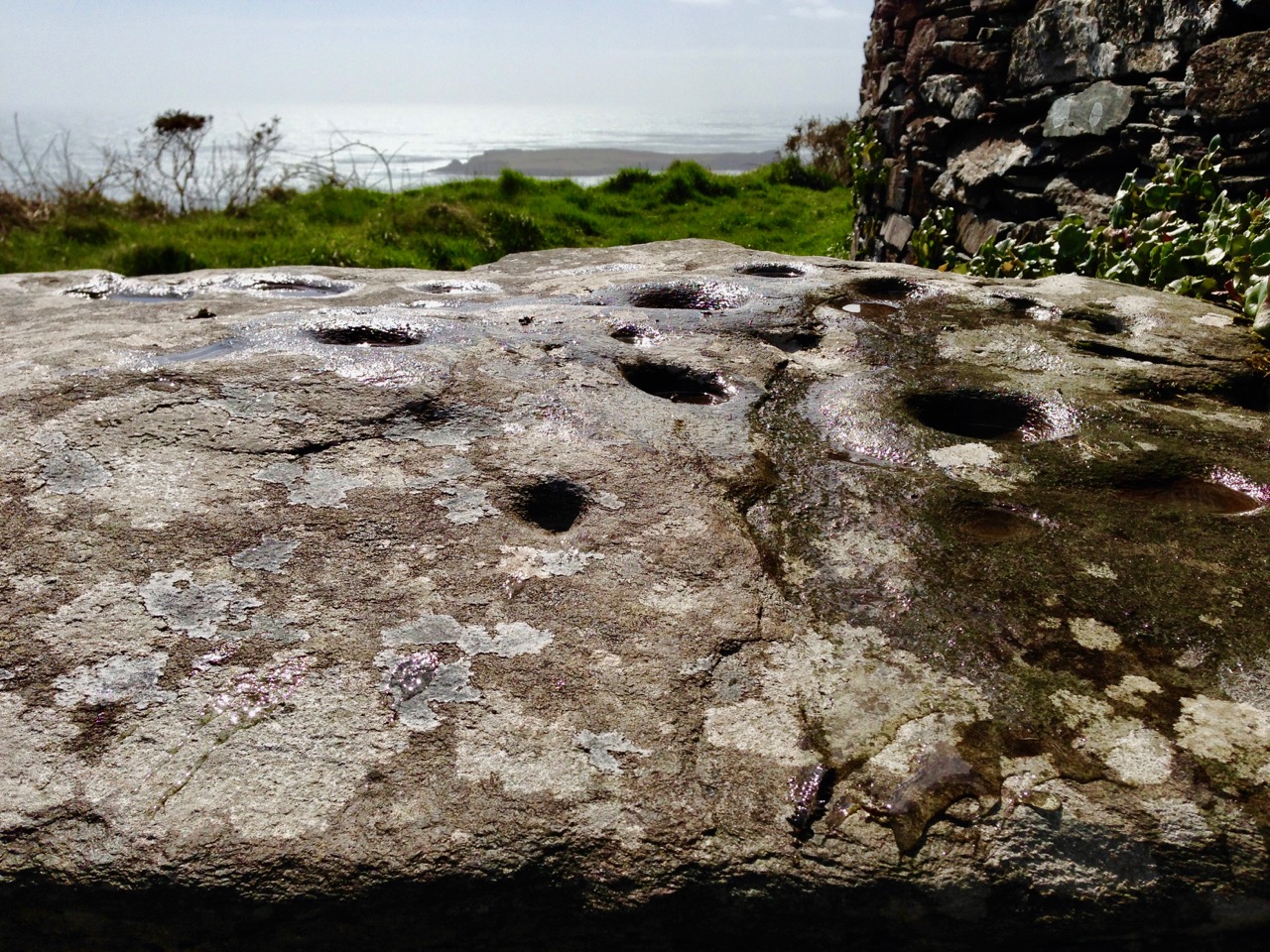
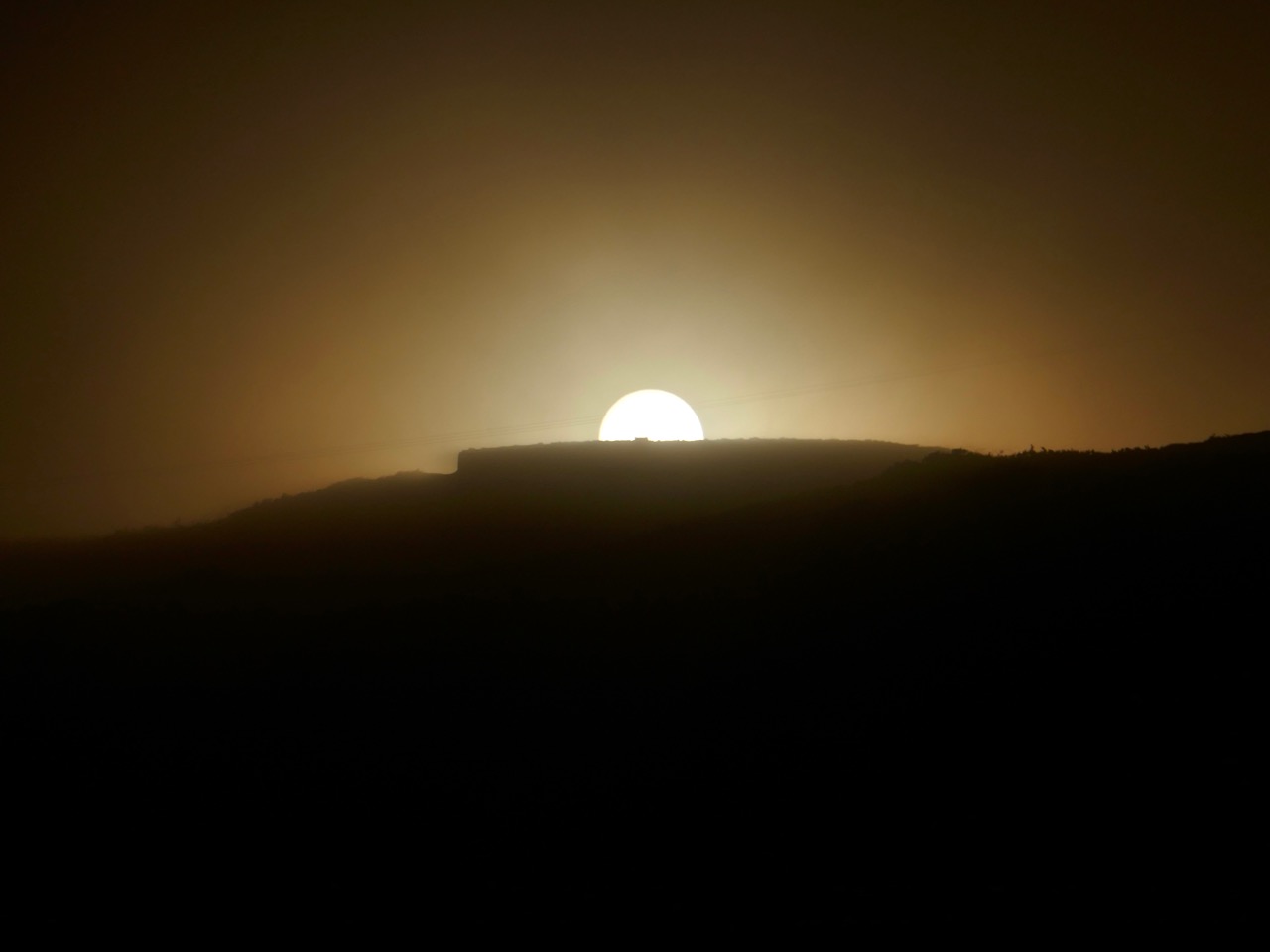
Another post which proved popular was Robert’s detailed account of an archaeological site in West Cork: Knockdrum Stone Fort. This place has everything – a substantial stone structure which probably dates from the first millennium AD; prehistoric Rock Art (one of our favourite subjects – the Knockdrum example is pictured above), likely to be around 5,000 years old; fabulous views (choose a clear day) – and a solar alignment discovered in 1930 by Vice Admiral Henry Boyle Somerville, the younger brother of writer and artist Edith Somerville. In a complementary post, Finola reported on Boyle’s life and tragic death – and gave us insights into the science of archaeoastronomy, expanding on this in a Bealtaine post, following our own experience of Boyle’s discovered alignment at Knockdrum (the sun setting exactly over the fort is pictured below).

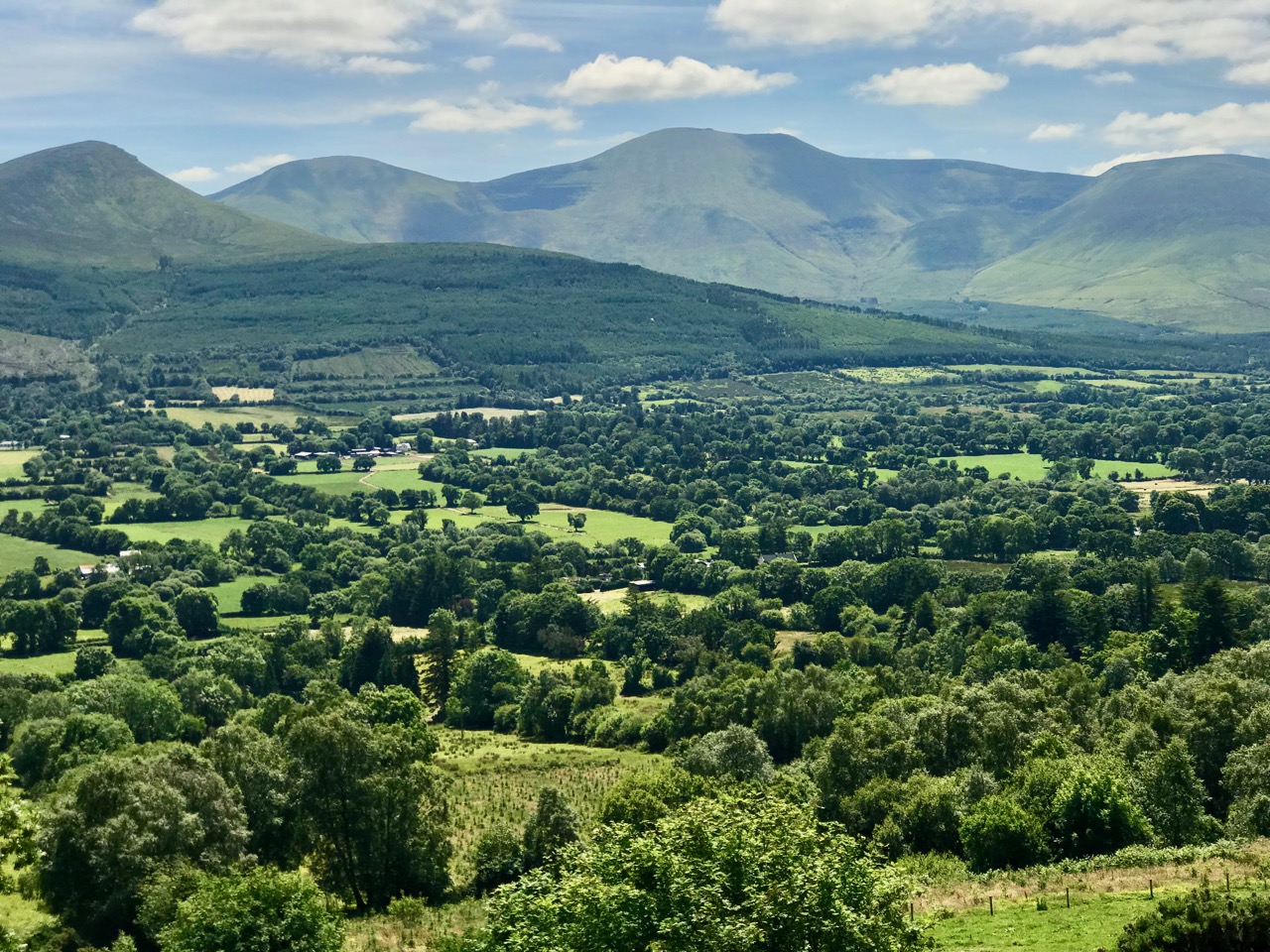
Way back in 2017 we started a series of occasional posts bearing the title . . . Off the M8 . . . We do a lot of travelling throughout Ireland (because it’s such a beautiful and historically rich country) and cover the ground between Cork and Dublin quite frequently. The M8 motorway has made this journey quite straightforward, but it has also provided the jumping off point for many an exploration to enhance the journey. One of my own favourite discovered places this year is the magical Glen of Aherlow (pictured above). We thank our good friends and travelling companions Amanda and Peter – she of Holy Wells of Cork and he of Hikelines  – for pointing us to this entrancing valley located between Slievenamuck and the Galtee Mountains in the western part of County Tipperary. We discovered there secret places and stories relating to obscure Irish Saints: have a look at the haunts of St Berrahert and St Péacáin in these posts from Robert.

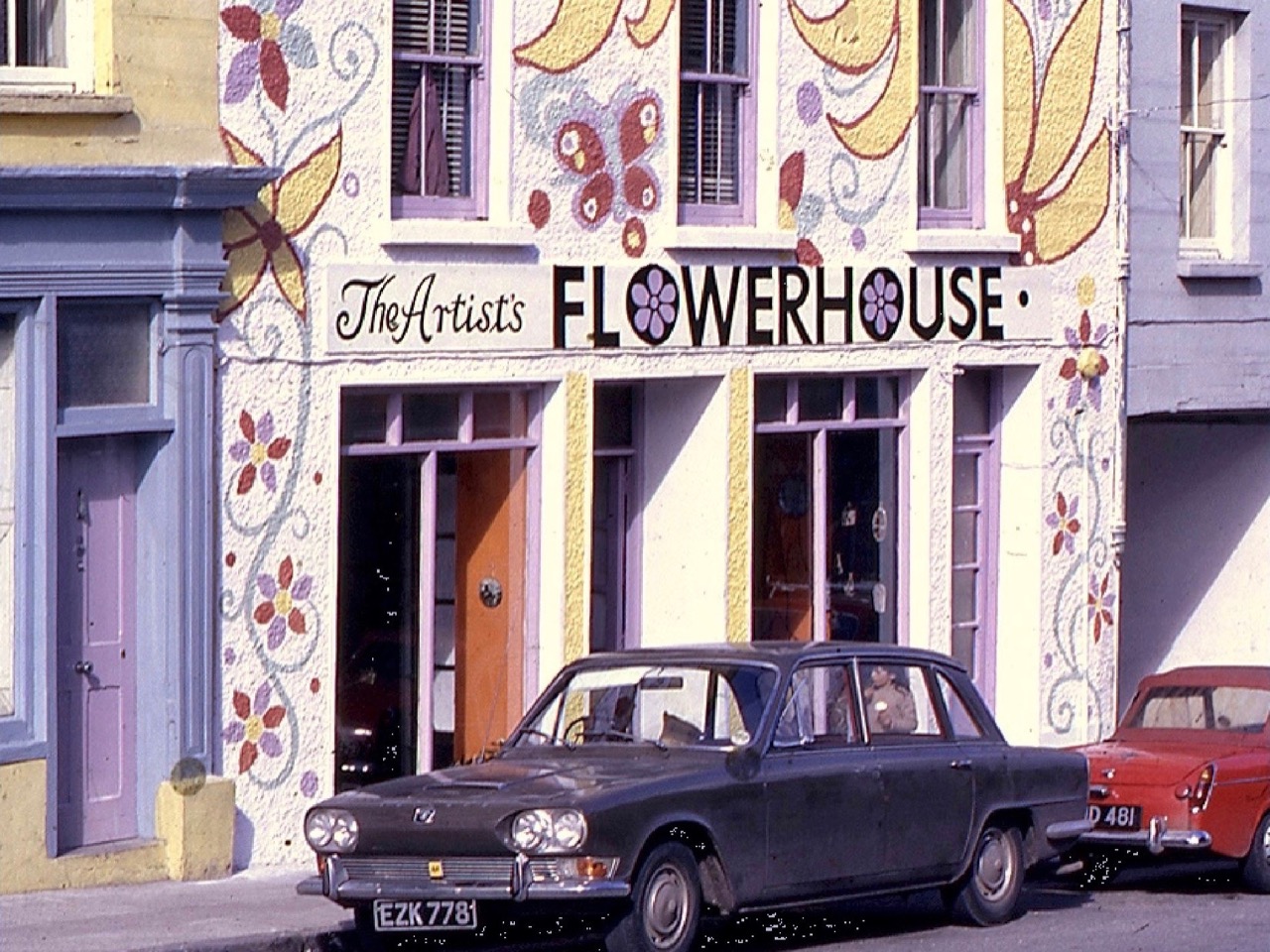
When I moved from Cornwall to West Cork some years ago I was delighted to find out that our lively adopted village of Ballydehob had a great artistic heritage during the second half of the twentieth century, to rival that of Britain’s westernmost county. West Cork became a cosmopolitan centre for artists, writers, craftspeople and musicians, renowned in its day but never properly celebrated – until this year. I was one of a small group locally who decide to rectify this by establishing the Ballydehob Arts Museum (BAM): our first exhibition . . . Bohemians in Ballydehob . . . using donated artworks, ceramics, storyboards and posters, was staged in Ballydehob’s community building, Bank House, and – presided over by Curator Brian Lalor (one of the surviving Bohemians!) – was the first incarnation of the new Museum, which will be followed up by new exhibitions every year. The picture above (courtesy of Andrew Street) from my post, shows the Flower House which, during the 1960s and 70s, became an iconic focus for the town’s artistic colony.

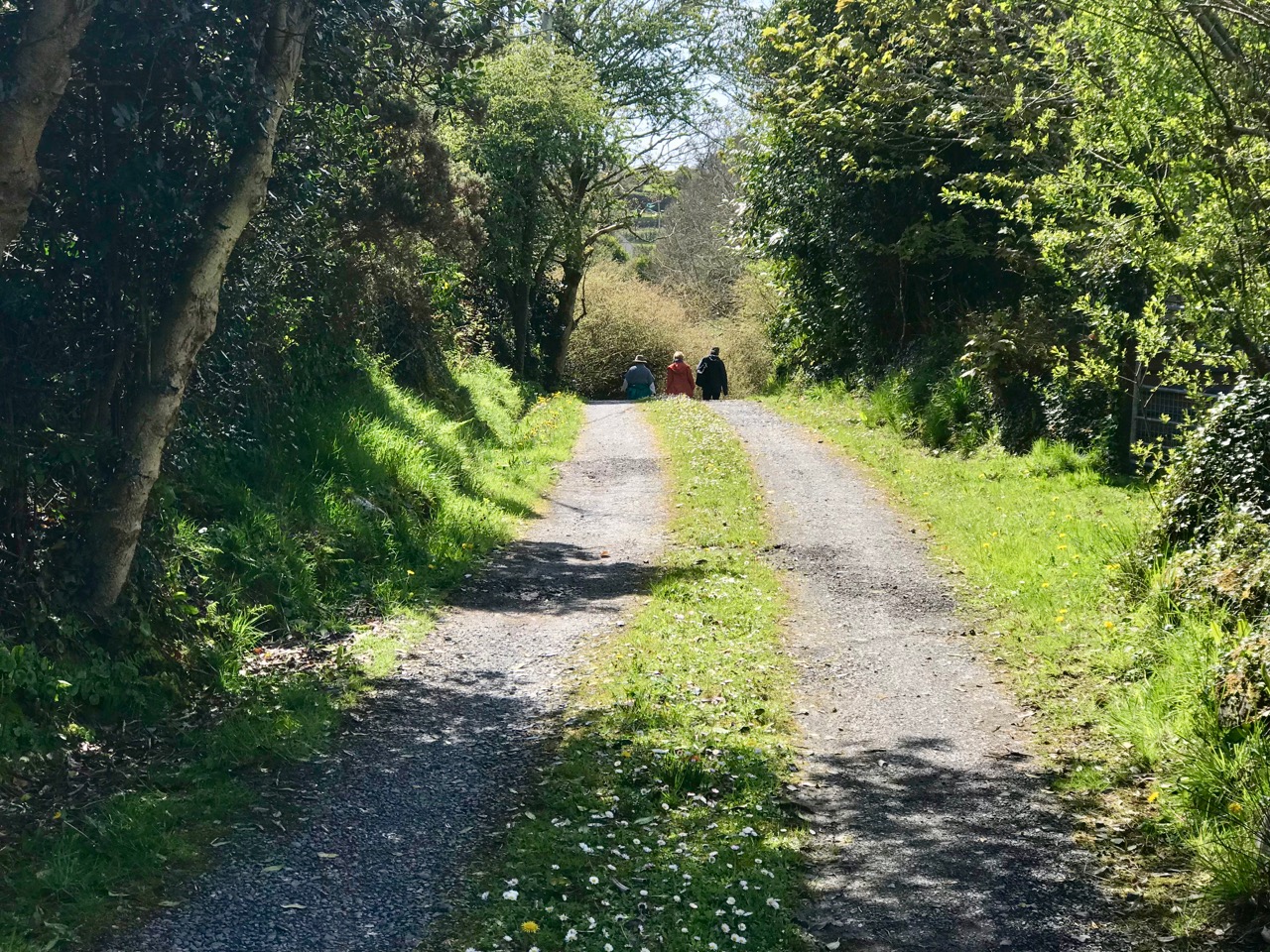
It was a grand summer altogether, and we were out walking the roads and footpaths of West Cork as much as possible. On a fine day in May we set off to explore the Toormore Loop which is only one of an excellent comprehensive system of trails which has been put in place locally in recent years. This post – Another Grand Day Out on the Fastnet Trails – documents that adventure and, hopefully, will encourage all of you to enjoy this wonderful free resource and immerse yourselves in the nature that’s all around us.

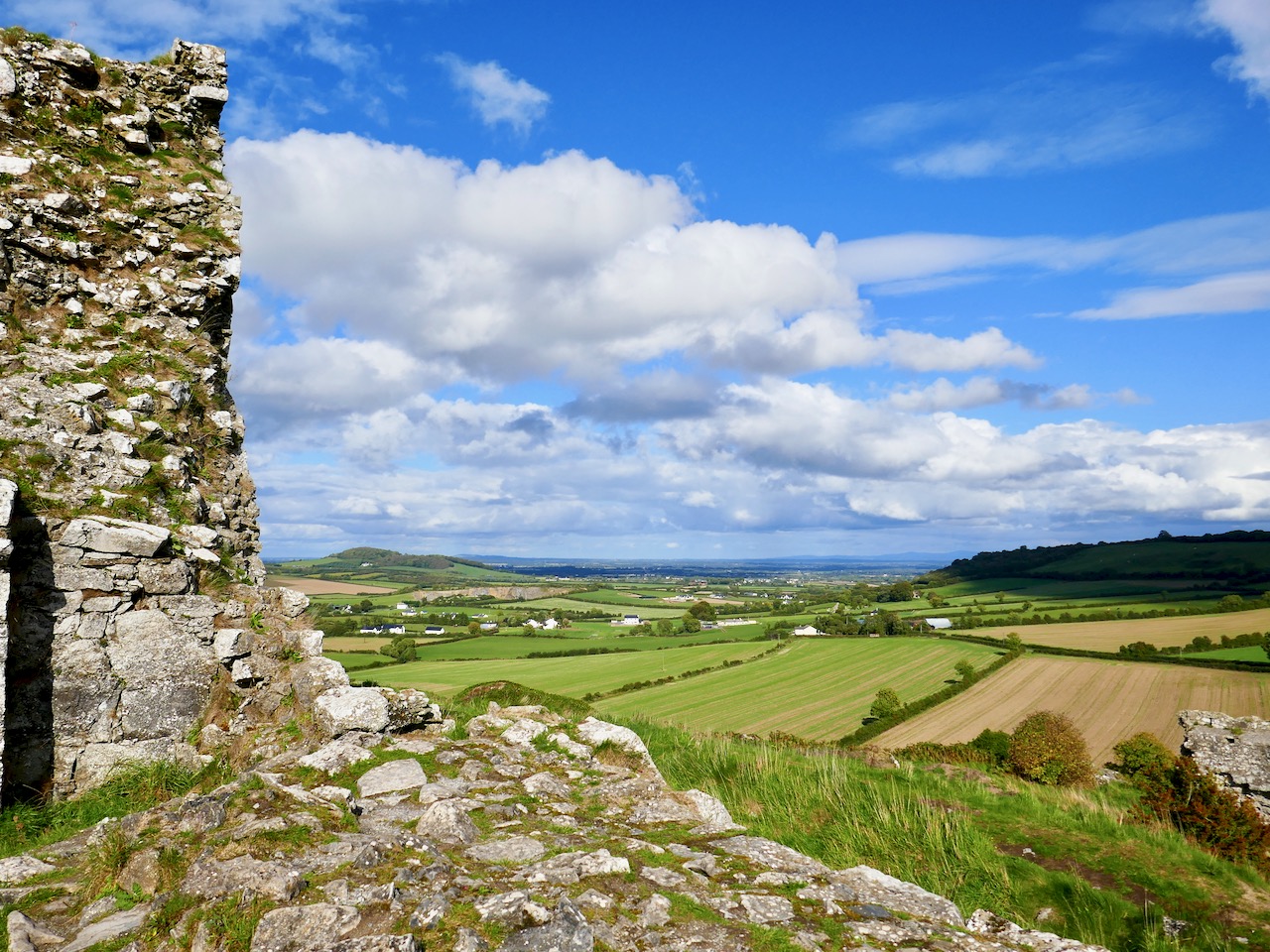
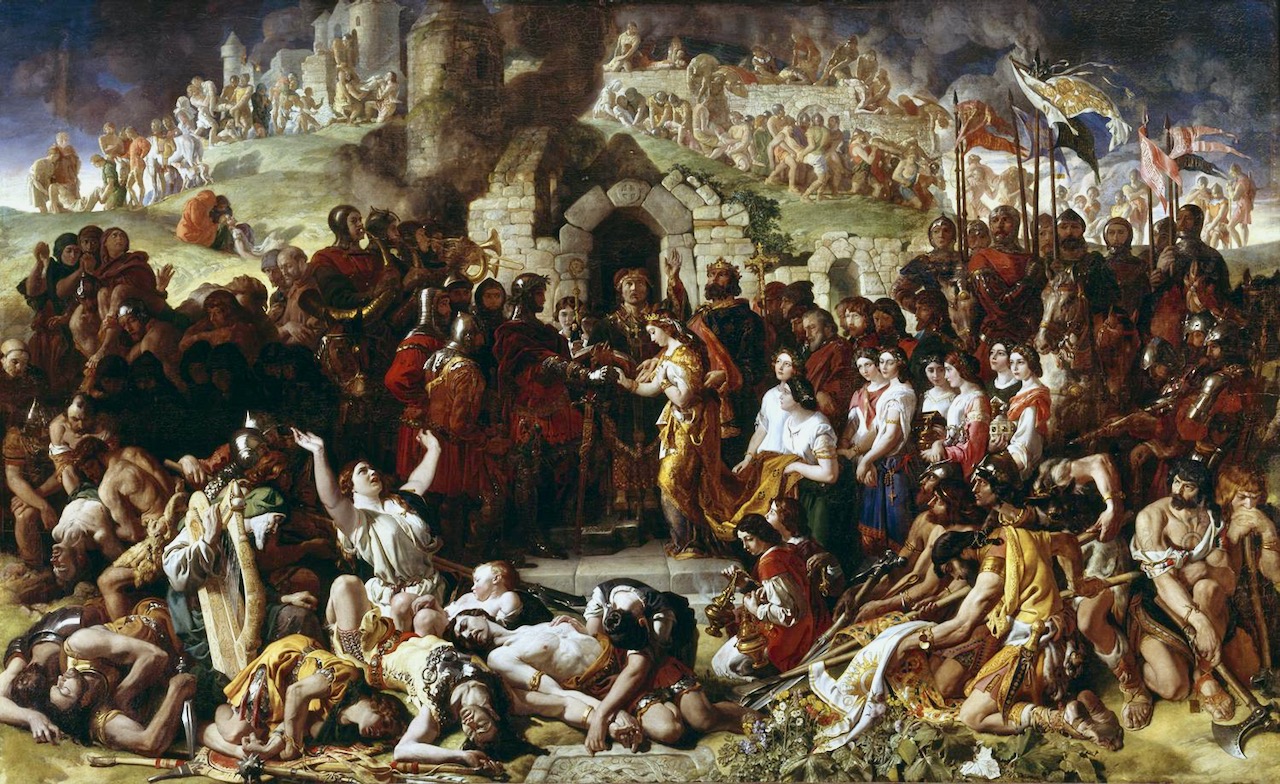
The second most viewed post this year was Finola’s fascinating account of the Rock of Dunamase and the history that it embodies. It’s a place that, for some reason, took us a few years to get to – and it’s Off the M8! But – as you can see from the picture above – climbing the Rock will give you a most rewarding and spectacular view across several counties. The ruin on its summit is inextricably associated with the most turbulent events in Irish History – the coming of the Normans to Ireland in 1169, and the famous marriage of Aiofe (daughter of Diarmuid MacMurrough, King of Leinster) to the Earl of Pembroke, immortalised in the painting by Daniel Maclise (below, courtesy of National Gallery of Ireland). The fortification with its Great Hall on the Rock was a MacMurrough stronghold, and accordingly was part of Aoife’s dowry when she married Strongbow.

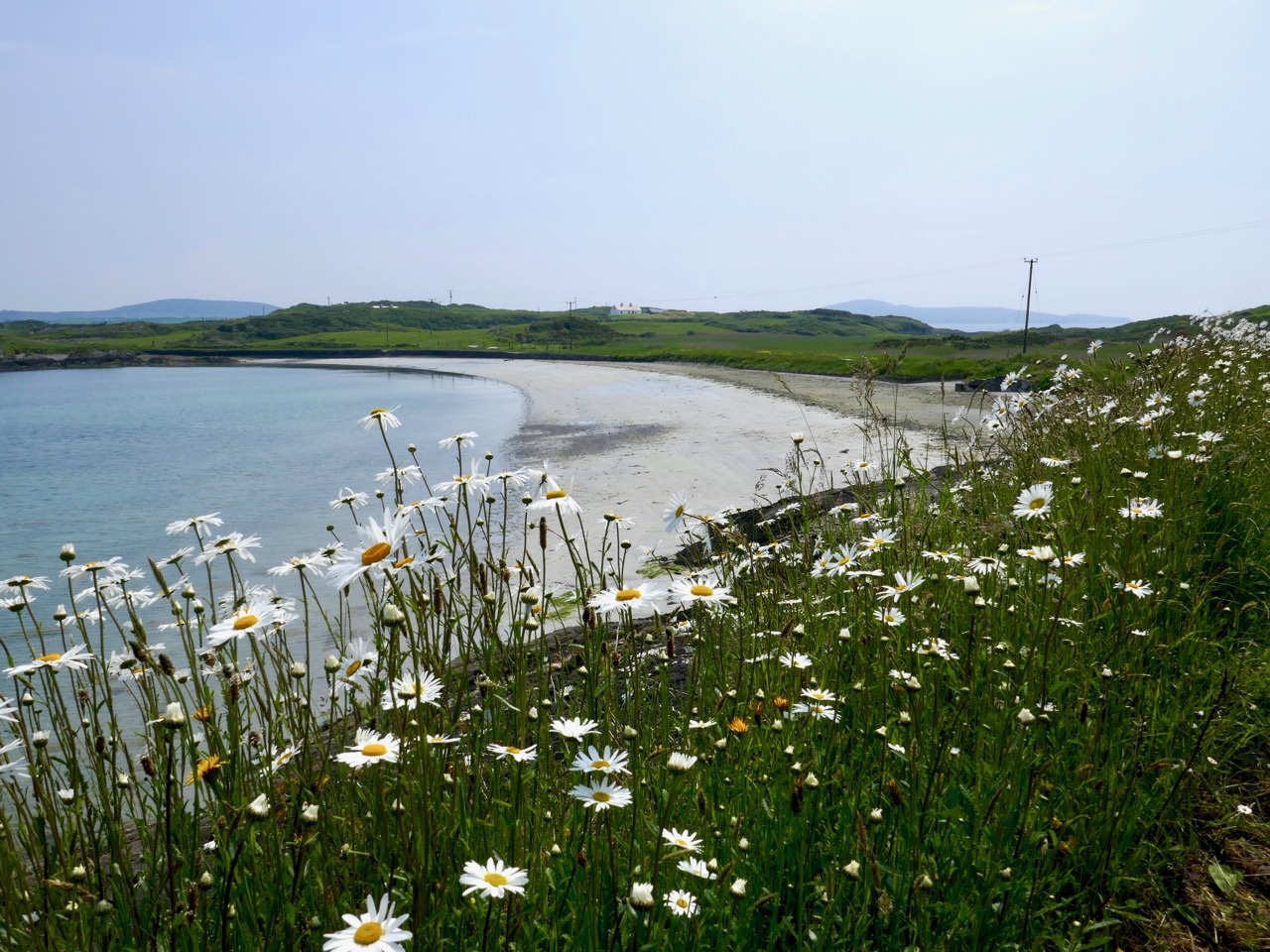
Finally (for today, anyway) we look at Finola’s post which comprehensively explores another West Cork treasure: Heir Island – a Modern Paradise (pictured above and below). West Cork has such a diverse landscape, including the inhabited islands of Roaringwater Bay, each one of which is unique. Finola teamed up with her photographer friend Trish Punch and they were shown around the island by islanders Christine Thery and Sarah Mathews, who run the Heir Island Wildlife Project. This post is a great example of how the diversity of life on the island – and here in West Cork generally – brings together so many disciplines and interests: photography, history, wildflowers, wildlife, colourful houses, and art. Everything that Roaringwater Journal tries to encompass, in fact.

Top Fifteen West Cork Photographs of 2018

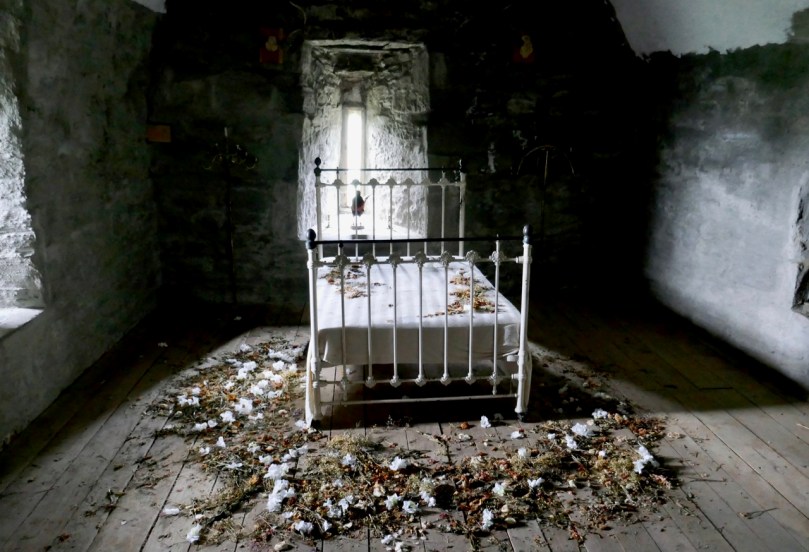
Photographs are vital to this blog, so we are always out and about with our cameras. This is a personal selection of images that pleased us in 2018. Some of these photographs have appeared in our posts, and some on our Facebook pages, but several are appearing here for the first time. Some of them remind us of places we’ve stumbled across, like the one above. It’s a room in the 15th century Castle Salem, all done up for a movie – a wildly romantic one, I bet.

From there to the iconic Fastnet Rock Lighthouse. They changed the bulb this year, to LED. We can still see the light at night, but it doesn’t sweep across the sky like it used to. On this trip, mostly photographed by my nephew, Hugo, the scaffolding was still up for the renovations.

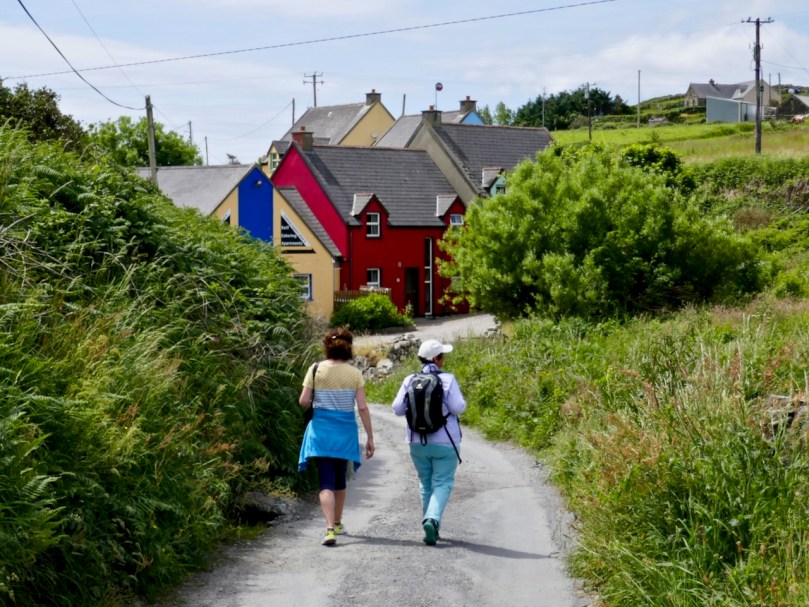
We love the Beara and try to get over there as often as possible. It’s famous for its colourful villages – this one is Ardgroom. And not too far away is a wonderful stone circle – Robert mentioned it in last week’s post. This photograph is of the outlier and shows how it seems to mirror the shape of the landscape on the Iveragh Peninsula.

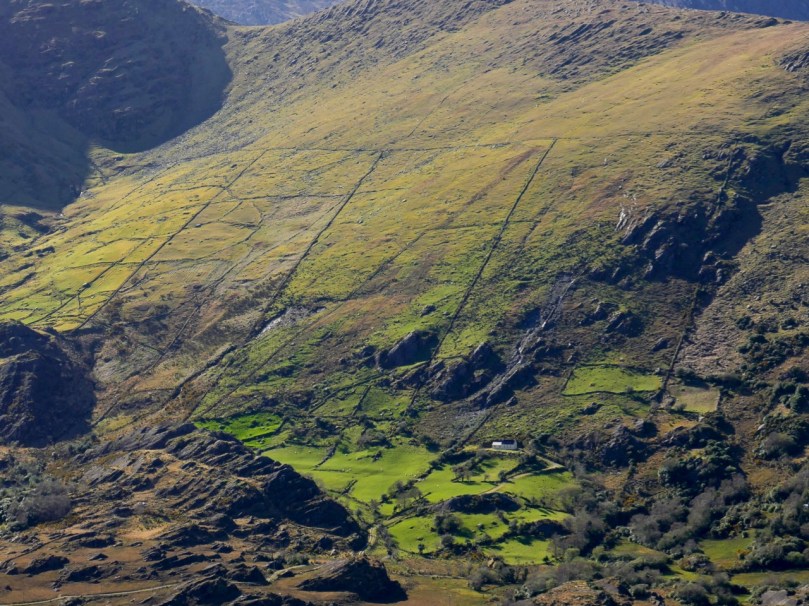
Coming back, or going, our route always takes us over the incredible Healy Pass. I’ve chosen the photograph below because the remoteness of the little farms take my breath away.

But if you look closely, this photograph also shows the old field patterns from tiny holdings long ago, including the lazy beds – ridges left from cultivating potatoes by hand.

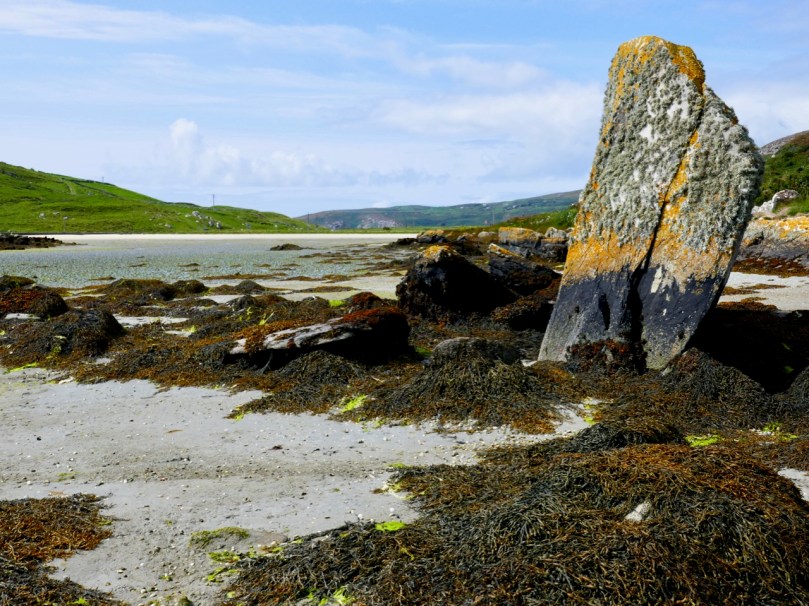
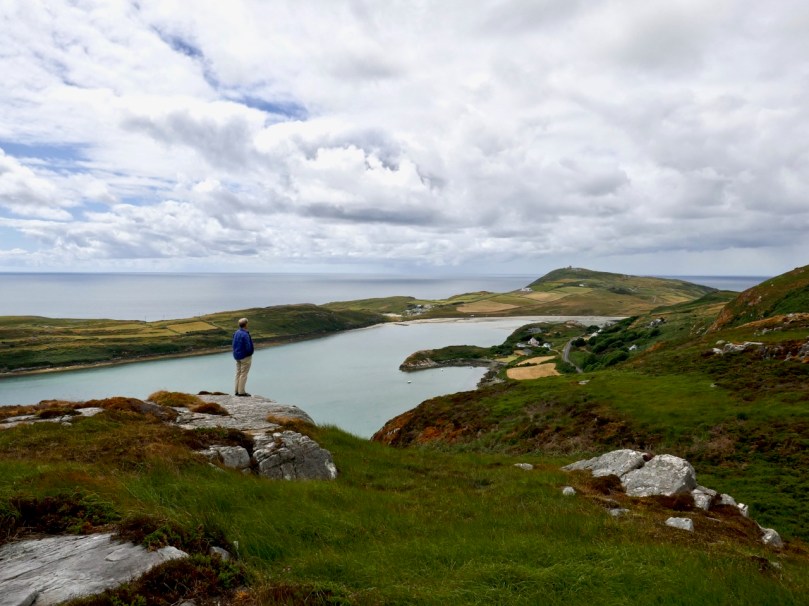
Our own Mizen Peninsula is fertile ground for exploration. This enormous standing stone, for example, can be seen in Crookhaven Bay. But even though it seems to be set in the sand deliberately, some authorities feel it is a natural feature. There’s what looks like an old stone field fence nearby, and lots of archaeology in the area.

We’re looking down on that area from this vantage point (above), and across to Brow Head, always great for a wander – we included it in our West Cork Obscura list.
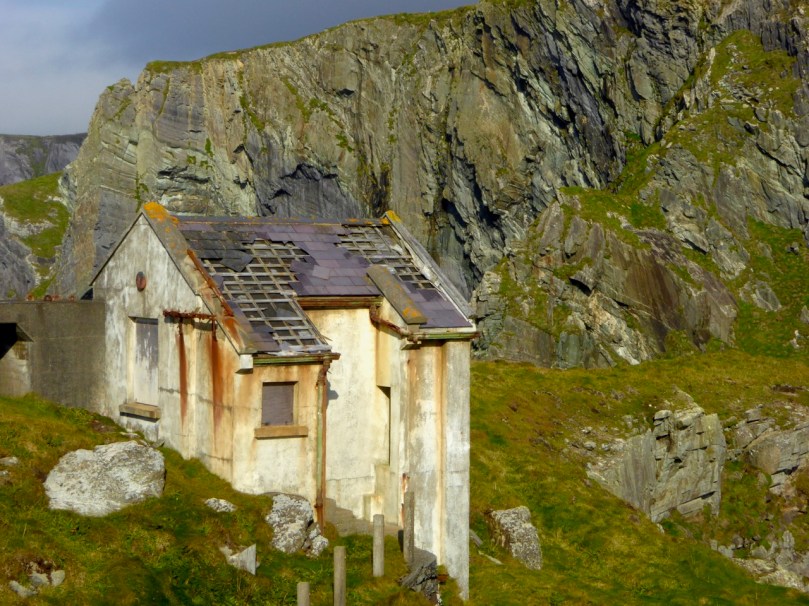
We love to bring our visitors out to the Mizen Head Visitor Centre too. It’s a wonderful experience, with dramatic scenery and vertiginous cliffs. There are lots of remnants still to remind us of the active past of this lighthouse and signal station, including this derelict, if picturesque, shed.

Of course, the weather isn’t always wonderful, even if it seems that way in a set of carefully-chosen images. But even when it’s wild, it’s worth taking the camera along – the photograph above was taken at the Altar in Toormore on a stormy day.

Robert, as our readers know by now, is a hare fanatic, and one of the highlights of his year (next to becoming a citizen!) was when little Berehert, a young hare, showed up on our lawn and hung around for a few days.

Meanwhile, nothing makes Finola happier than to wander around among the wildflowers. She runs a Facebook page on the Wildflowers of West Cork – so pop over there any time to see the amazing range of flowers that we get to enjoy here.

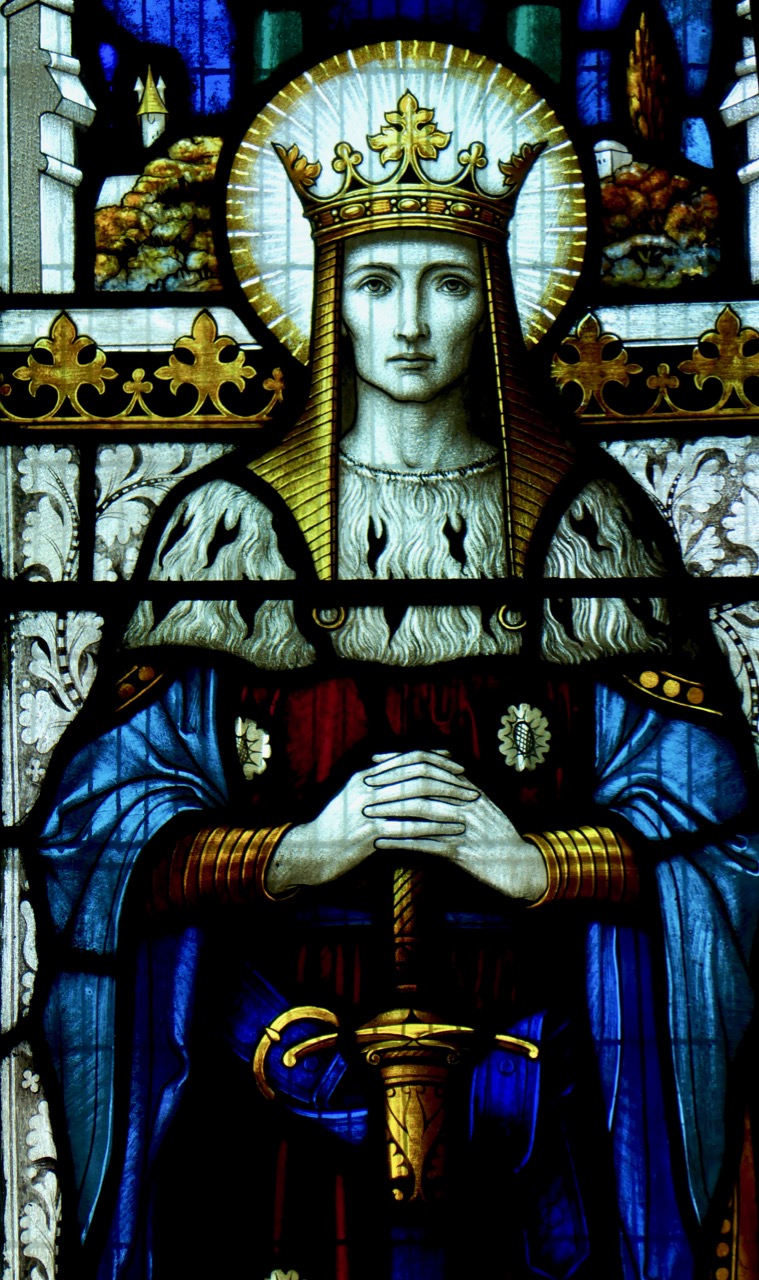
The other thing she loves is to drop into churches to study the stained glass. We’ve written about the fabulous George Walsh windows in Eyeries before, but there are lots of surprises wherever you go. She was quite taken with a wonderful three-light war memorial window in St Peter and Paul Church of Ireland in Bandon. Above is King David from that window, by the firm of Clayton and Bell. Gorgeous, isn’t it?

From March to October West Cork hosts a huge number of festivals. Everybody goes to everything – from the Ballydehob Jazz Festival (above), to events celebrating country and traditional music, history, wooden boats, the arts, short films, knitting (really), stone carving, food and more.

Our own view is a never-ending source of delight. This is sunset over the Goat Islands, Greater and Lesser, which lie west of Long Island. There’s a cleft down the middle, which is dangerous to try to navigate, and no place to land. As a result the islands are quite wild, with a herd of feral goats. For us, they have an air of profound mystery.
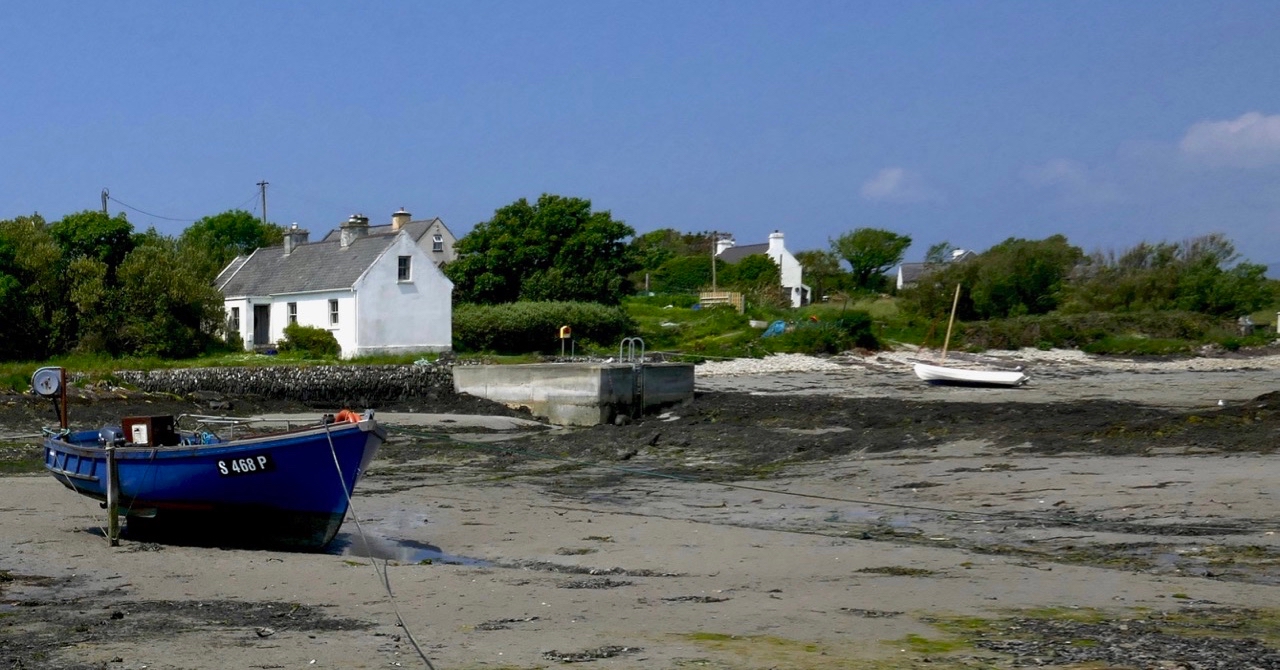
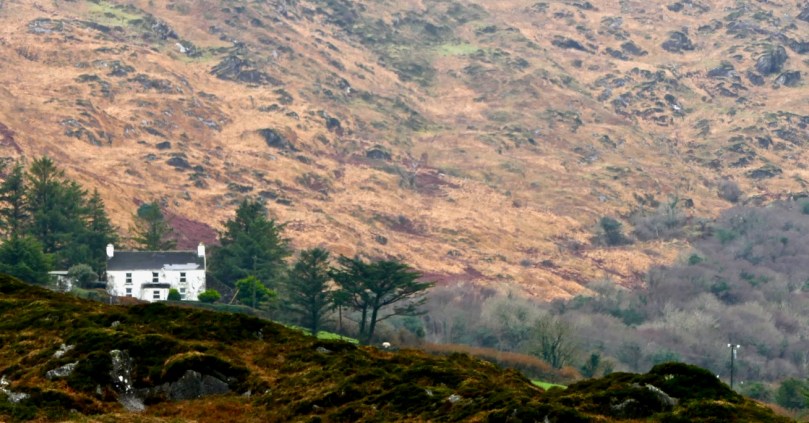
Our final photograph was taken yesterday – a traditional farmhouse on the slopes of Mount Gabriel. Lots more West Cork scenes in the months to come!