Priests and Poets, Part 2

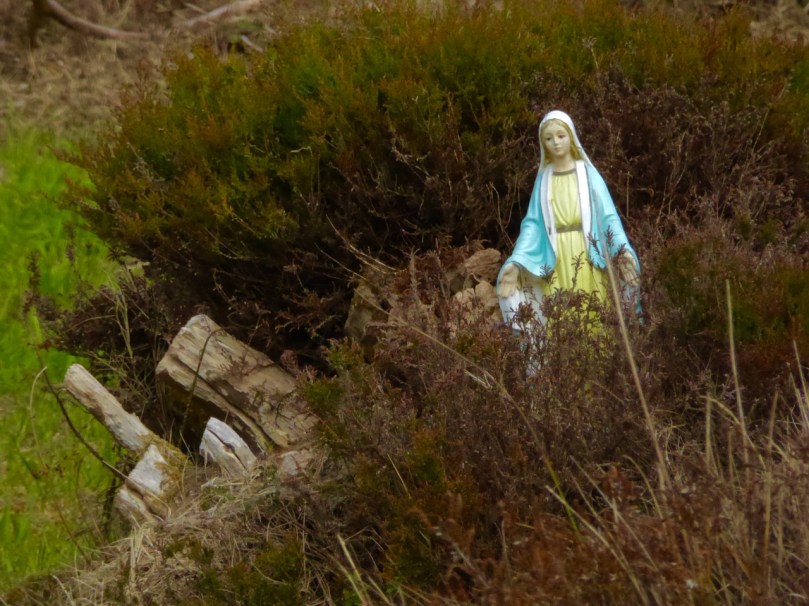
BVM

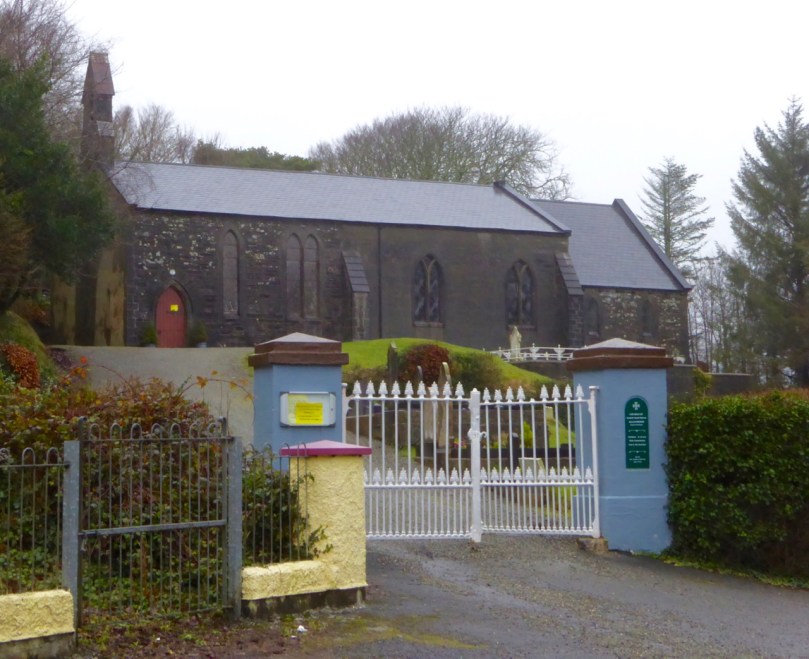
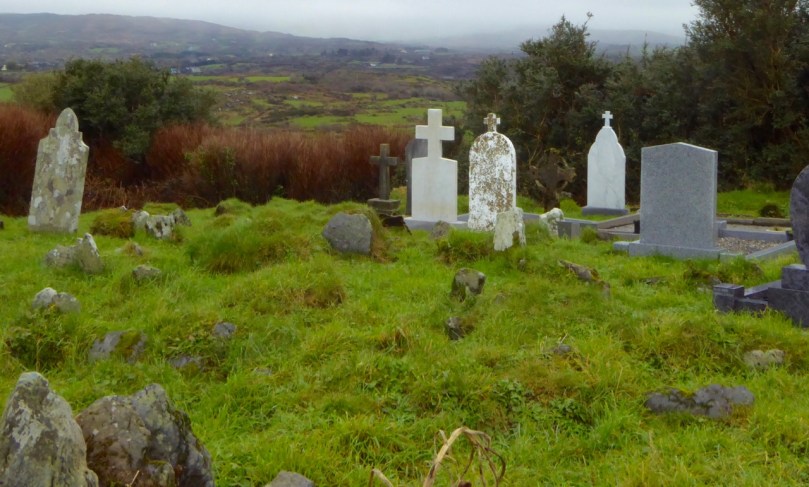
Last week we concentrated on Father James Barry and the poetry he could well have inspired. But there’s a lot more to Stouke graveyard and this post will cover some of the other history revealed  by a wander round this atmospheric place.
IMG_0988

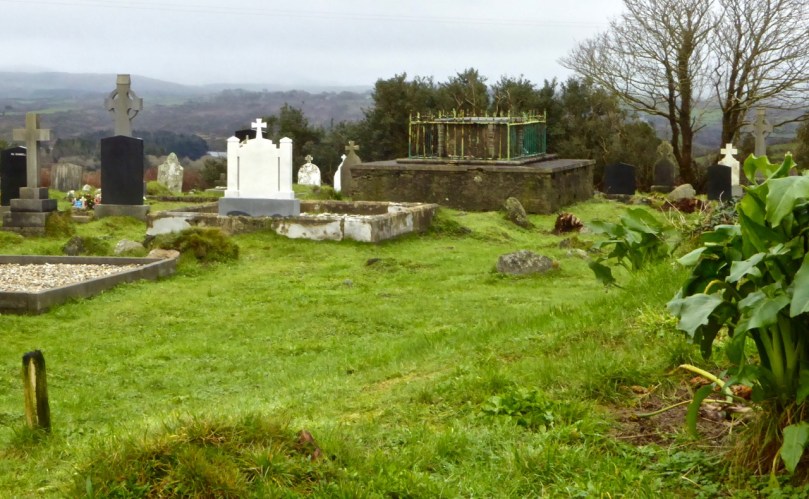
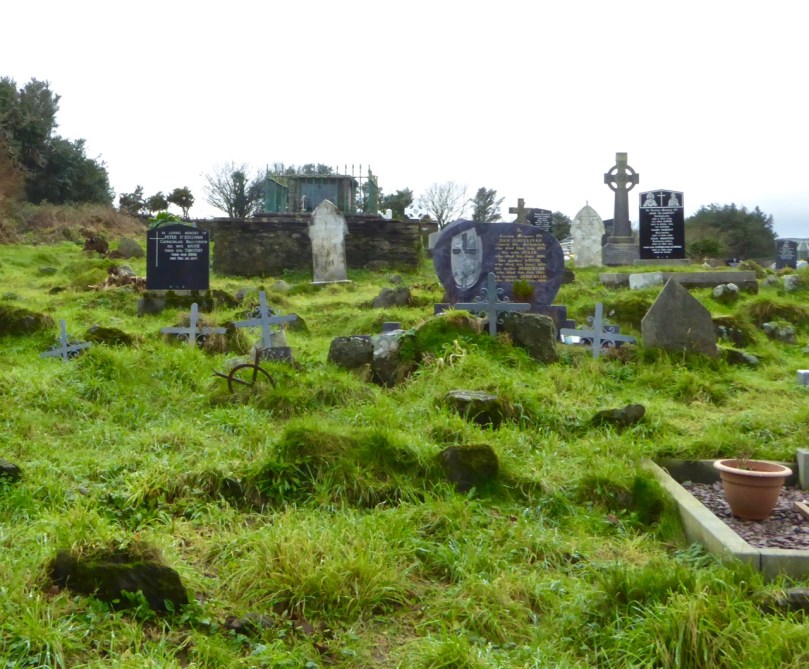
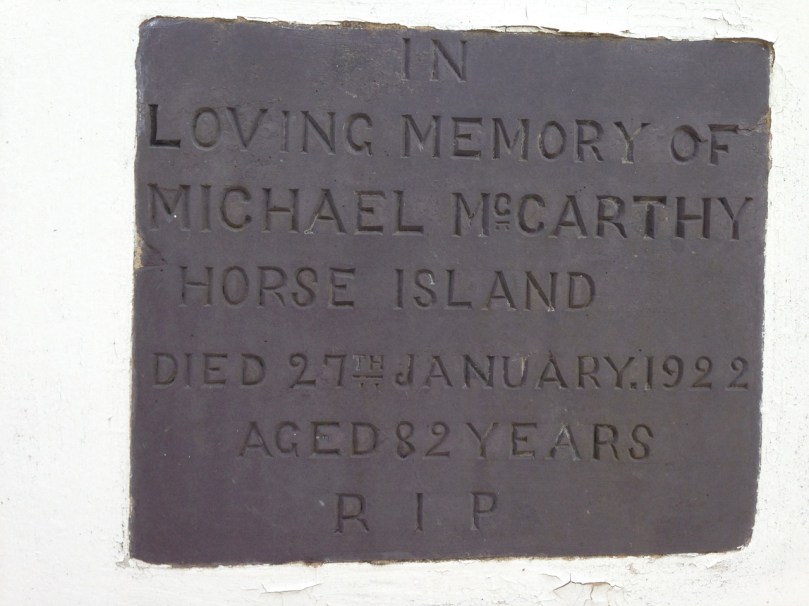
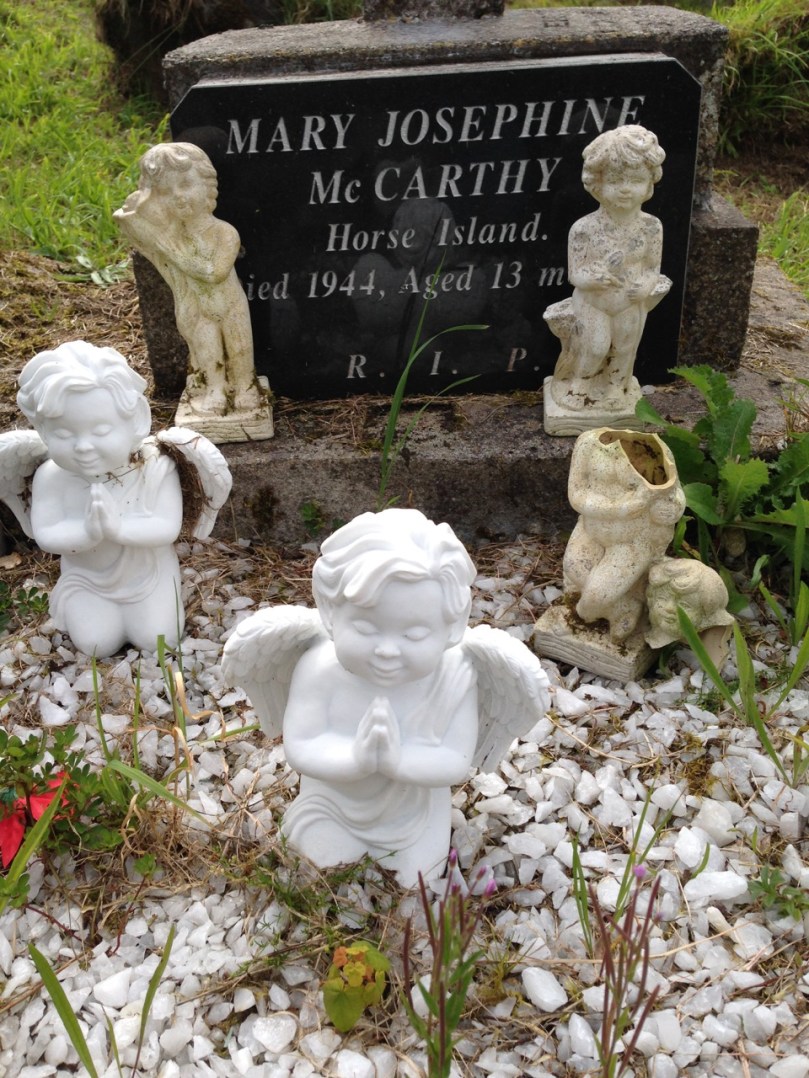
This graveyard is the traditional burial site of many from the islands of Roaringwater Bay. There’s a poignancy to the place names on the headstones – many of these islands are now uninhabited, so these are the last headstones that will bear such inscriptions. As with many West Cork graveyards, much of the ground is scattered with rough, uninscribed, stones, while other graves have modern memorials with full inscriptions. It is customary to visit graves on anniversaries, or at certain times of the year, and always you will find that a few graves still have fresh flowers or other evidence of recent visits.
IMG_0987

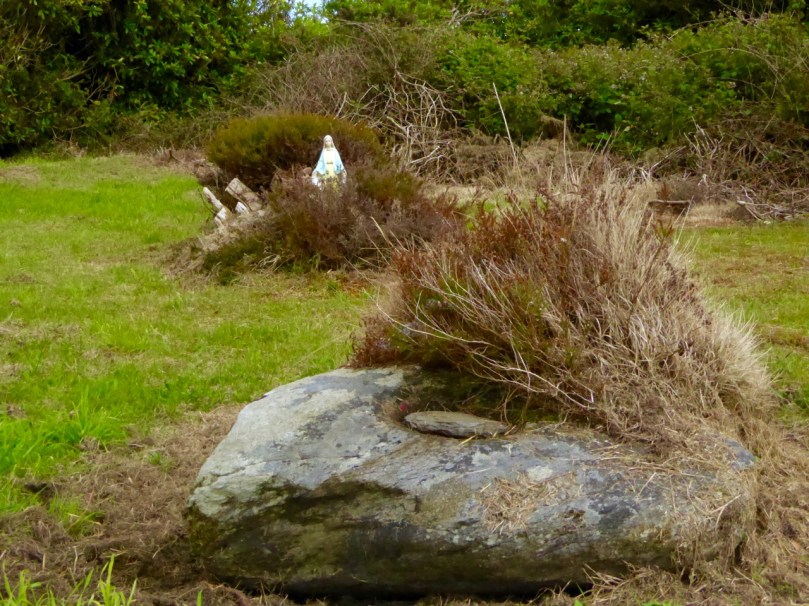
The old Irish name for this place is Cillín Stuaice, or Little Church of the HeightThere is a suggestion that somewhere in the graveyard is the site of an early church, but if it is here, there is no evidence of it. Except for one thing – a bullaun stone. Robert has written before about the folklore and beliefs associated with bullaun stones, but what exactly are they? Bullaun is an Irish word for bowl – these are bowl shaped depressions in rocks, sometimes portable, sometimes carved into rock outcrops. Although some may date to prehistoric times, many are believed to have originated in the medieval period for the purpose of grinding (acorns, for example) or for crushing ore. Whatever their origin, they are often found in association with medieval churches or other sacred sites such as holy wells, and have assumed their own sacred mantle of meaning. The water that collects in them is often believed to be curative.
P1110096

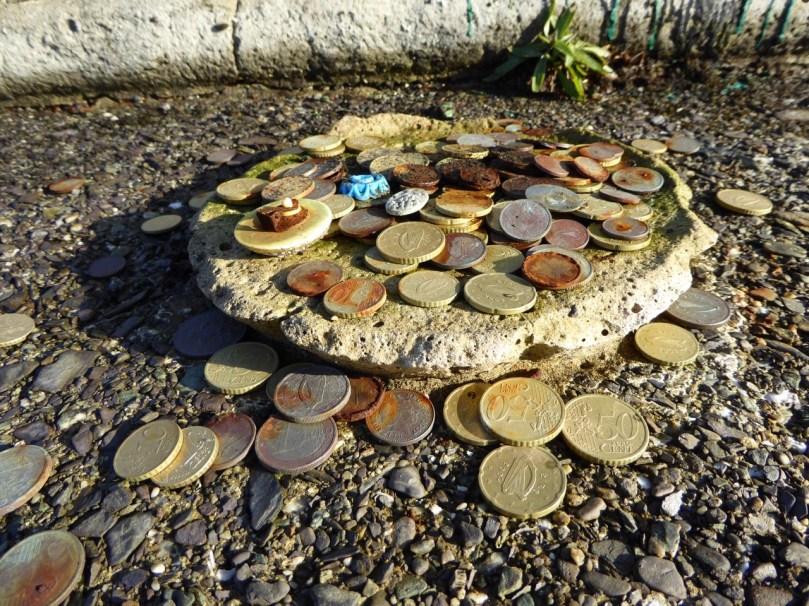
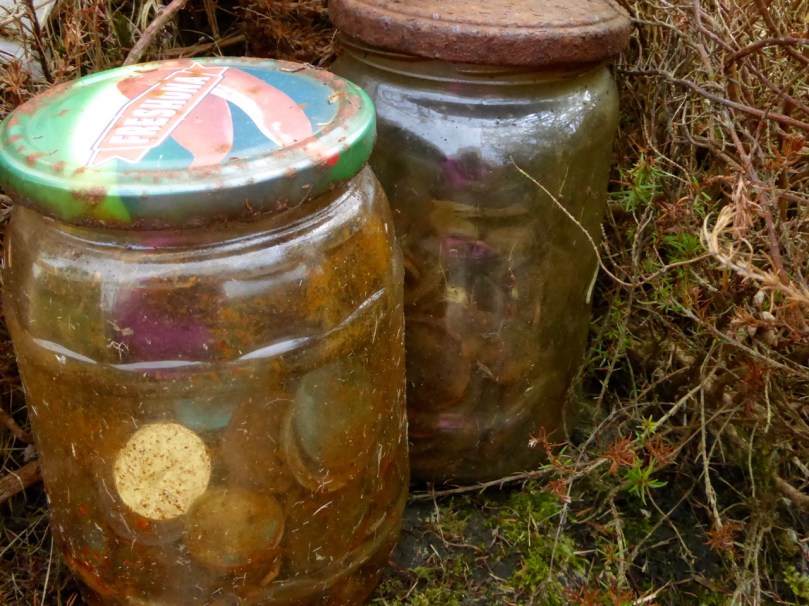
The bullaun stone in Stouke graveyard is known, according to the Historic Graves account, as the Bishop’s Head. The informative plaque erected by the Fastnet Trails folk tells us that an older name for the townland is Kilaspick Oen, meaning Church of Bishop John. Perhaps this was the Bishop for whom the bullaun stone is named. The story goes that during the time of the penal laws the Bishop was confirming children nearby when the redcoats got wind of his activities and came to arrest him. He was beheaded. The bullaun stone commemorates this act and has been a focus of devotion locally, with people leaving coins and tokens to pay respect and perhaps ask for consideration for special intentions. Additionally, rounds were performed here on St John’s Night – although I am not sure if this tradition has persisted.
Money jars

But last week I promised you more poetry! Inside the gate is a grave of the McGrath family, including the ashes of Liam McGrath who emigrated to Australia but never forgot growing up in Skeaghanore, near Ballydehob.

Although he was active on a number of fronts, his delight was to remember the old times and to capture his memories in verse. He was a true ‘folk poet’ – recalling the past with nostalgia and trying to capture what he saw as the golden scenes of his young life in rural West Cork. Over the years, several of his poems were published in the Southern Star. Local historian Teresa Hickey generously shared with me those she has collected over the years – a real treasure since they are not available online.
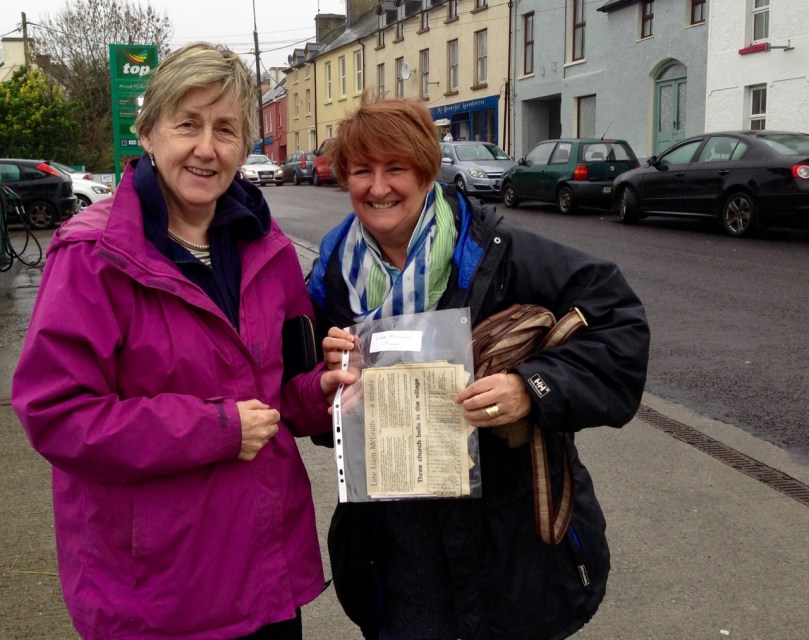
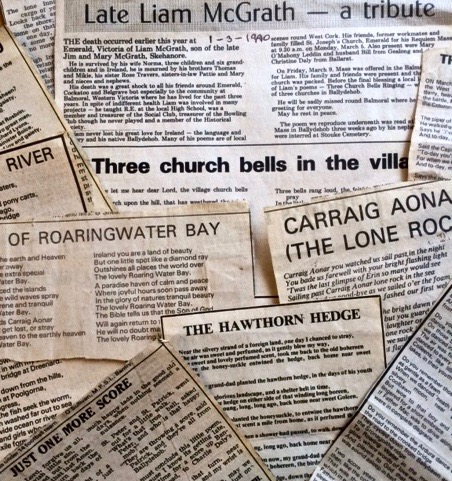
Teresa Hickey and poems

Liam McGrath cuttingsTeresa’s personal favourite is Three Bells. It describes the sound of the bells on Sunday morning from Ballydehob’s three churches – Catholic, Church of Ireland and Methodist. Sounds, of course, trigger deep memories, and this poem captures Liam’s recollections of traditional Sunday mornings in the village. Sadly, the Methodist Church has fallen into ruin, so those bells will never again peal over Ballydehob.
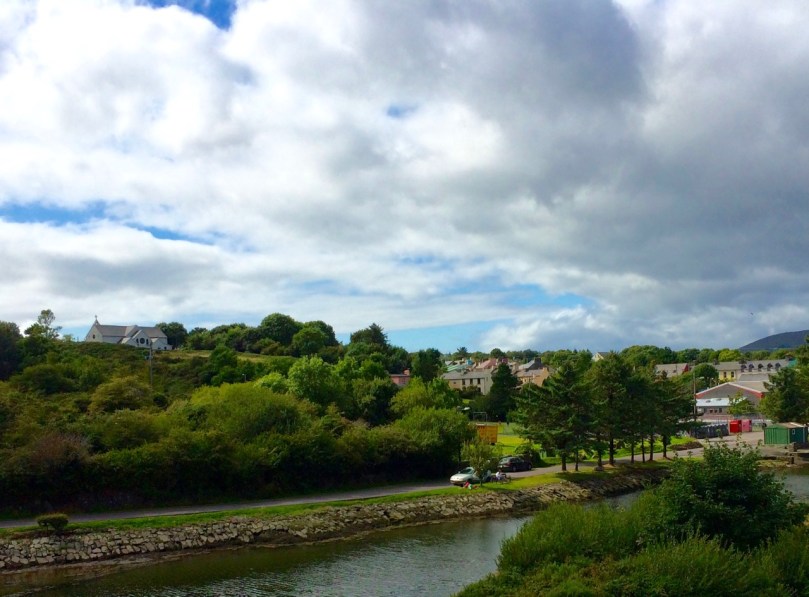
Ballydehob showing church on hill


St Matthias CoI Ballydehob

Above: The Catholic Church dominates the skyline of Ballydehob. Middle: St Matthias Church of Ireland. Below: The Ballydehob Methodist Church, gradually falling into dereliction

The one I’ve decided to reproduce here is called One more Score and it’s about the unique West Cork pastime of Road Bowling (rhyme bow with cow). For Liam, it was a precious memory, made all the sweeter by a recitation of the roads and locations where the game was played. 
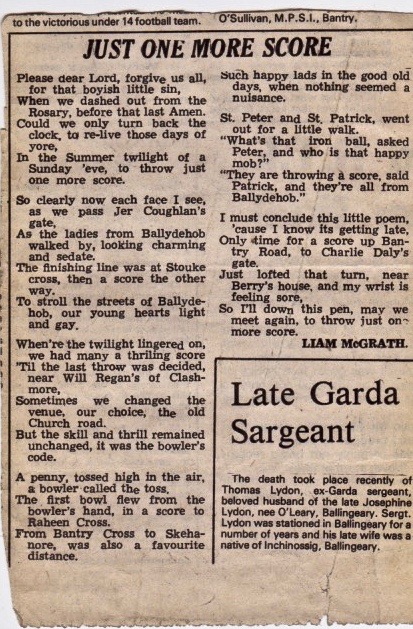
McGrath Poem Just One More Score

The sport of Road Bowling – the object is to get the bowl down the road to the target in as few throws as possible

No doubt I will drop by Stouke Graveyard many more times in the future. I wonder what further history lessons will be revealed…
Priests and Poets, Part 1

outlookOften, while walking the Fastnet Trails, I stop to wander around the old graveyard at Stouke, near Ballydehob. I am struck each time by the lonely beauty of the site, on an elevated hillside with vistas of the countryside and distant hills. I have also come to realise that this one small place resounds with echoes of the past – a past that in Ireland seems always so intricately woven into our present that it can never be ignored or forgotten.

From the wall

The Barry tomb dominates the graveyard

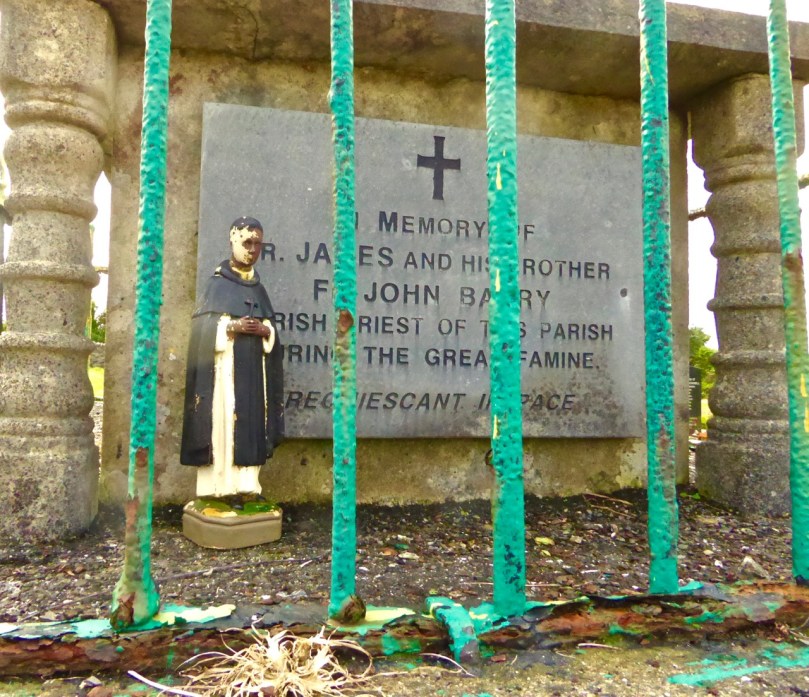
There is much to say about Stouke Graveyard and my theme of Priests and Poets but I will start with one grave in particular and leave the rest to a second post. This is the grave of Father James Barry, his brother, Father John Barry, their sister, Margaret, and their housekeeper, Julia Roberts. I have mentioned this grave before briefly, but I have now had an opportunity to look at it more closely.

offerings

Coins and tokens have been left on the tomb

Why does this large chest tomb occupy the most elevated and central place in the graveyard? Why are coins and tokens left as offerings on it? Why, according to notes made by the Historic Graves Project, do people come to pray here on St John’s Day (June 24th) every year? Although I didn’t find all the answers, researching the questions led me to Father James Barry, Parish Priest of Schull before and during the Great Famine.

Frs Barry, Stouke

James was obviously a man of learning and compassion, and one who was called upon locally to be a spokesperson and advocate for his flock. Even before the Famine he gave evidence to boards of inquiry about the conditions in West Cork, pointing out the miserable diet, lack of proper clothing and housing, poor prospects for employment, the uncertainty of a lease being continued, the lack of compensation to tenants when lands were taken to build new roads, the desire of many to emigrate and the good account they gave of their experiences in their new homes.  He would have read their letters to them, since many of his parishioners were illiterate – his remarks focused on the many advantages of the New World, including a pointed reference to the absence of tyranny. In what seems like a very modern concern with income inequality, he commented on how the rich got richer as their tenants’ lives became ever more difficult. (Reported in British Parliamentary Papers)

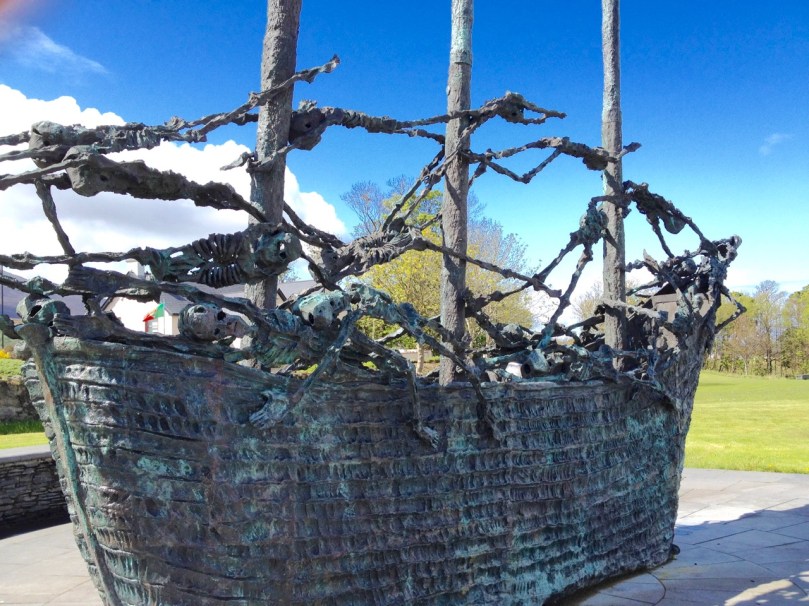
Famine Memorial at Murrisk

The Famine Memorial at Murrisk in Mayo. The ‘coffin ships’ that carried a generation of people to North America were notorious but for those who chose to go the voyage was preferable to the nightmare of famine at home

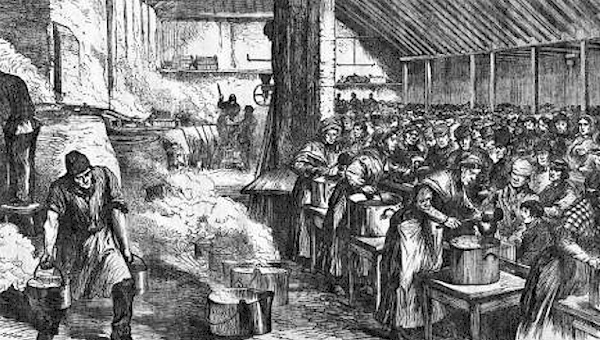
During the Famine, he and his brother, Father John, also of Schull parish, worked to help establish soup kitchens but insisted that more than soup be served, since the soup was not nutritious enough. Called eating houses, these places fed many people who would otherwise have died, and replaced the hated and ineffective Board of Works schemes that put weak and starving people to hard labour so they could buy their own corn, thus supposedly salvaging their dignity and rescuing them from the evils of pauperism.

soup-kitchen1

Famine Soup Kitchen

The efforts of the eating house committees crossed religious boundaries and appear to have been effective in slowing the rates of starvation to such an extent that in one of his depositions James states that “deaths were now so few that the slide-bottomed coffins were no longer in use.”

Among the unmarked graves

Many unmarked graves dot the Stouke graveyard, some no doubt dating to the Famine years

James advocated tirelessly for his parishioners, through giving information and evidence and through submissions to authorities. His anger is unconcealed when he describes his visit to the village of Kilbronogue near Ballydehob: Fever consequent upon starvation was spreading among the clusters of cabins…the townland  [will] soon be at the immediate disposal of the head landlord, Lord Bandon. There will be no need of extermination or of migration to thin the dense swarm of poor people…; this will take place without his lordship’s intervention or agency, I hope, to a better world. Indeed his words were prophetic – there is no longer a village in Kilbronogue.

Trench’s book, Realities of Irish Life, is available online. The illustration is of an incident in which tenants are down on their knees begging for a reduction in rent.

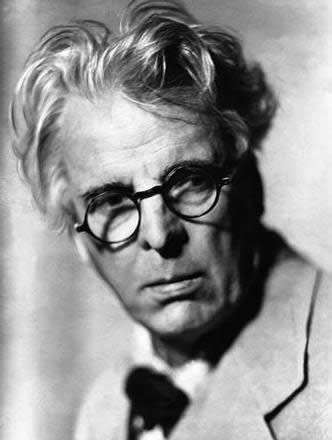
Fr Barry acted as a guide for William Steuart Trench, a controversial land agent who later described his visit to the famine-stricken area of Schull in the book Realities of Irish Life (available to read online). In cottage after cottage he found families sick, dying or dead. The account is heart-rending. It led me to wonder if James Barry could have been the model for Peter Gilligan in WB Yeats’ poem The Ballad of Father Gilligan.

yeats2The old priest Peter Gilligan
Was weary night and day;
For half his flock were in their beds,
Or under green sods lay.

Once, while he nodded on a chair,
At the moth-hour of eve,
Another poor man sent for him,
And he began to grieve.

‘I have no rest, nor joy, nor peace,
For people die and die’;
And after cried he, ‘God forgive!
My body spake, not I!’

He knelt, and leaning on the chair
He prayed and fell asleep;
And the moth-hour went from the fields,
And stars began to peep.

They slowly into millions grew,
And leaves shook in the wind;
And God covered the world with shade,
And whispered to mankind.

Upon the time of sparrow-chirp
When the moths came once more.
The old priest Peter Gilligan
Stood upright on the floor.

‘Mavrone, mavrone! the man has died
While I slept on the chair’;
He roused his horse out of its sleep,
And rode with little care.

He rode now as he never rode,
By rocky lane and fen;
The sick man’s wife opened the door:
‘Father! you come again!’

‘And is the poor man dead?’ he cried.
‘He died an hour ago.’
The old priest Peter Gilligan
In grief swayed to and fro.

‘When you were gone, he turned and died
As merry as a bird.’
The old priest Peter Gilligan
He knelt him at that word.

‘He Who hath made the night of stars
For souls who tire and bleed,
Sent one of His great angels down
To help me in my need.’

‘He Who is wrapped in purple robes,
With planets in His care,
Had pity on the least of things
Asleep upon a chair.’

Although this is an unusual poem for Yeats (he was not a Catholic and he did not often publish simple quatrain-based ballads) it reflects his interest in the Irish stories he collected and loved. It was a favourite, as you can imagine, of the nuns who taught us English, combining as it did ease of memorisation,  the religious fervour they hoped to inculcate in their convent classrooms and the unassailable respectability of having been composed by Ireland’s Nobel Laureate.

Brothers' grave

But back to the grave…the priests’ housekeeper, Julia Roberts, who died in 1838 was the first to be buried here. James and John’s sister, Margaret, died at the height of the Famine in 1848 (although we do not know if her death was in any way associated with this event). The Historic Graves record contains this intriguing note: When his sister died and was also buried here Sarah’s (should be ‘Julia’s’) coffin was in perfect condition. She was reburied with the parish priest even though she was not a Catholic.

James went on to serve as Parish Priest of Bantry and died in 1853. James’ brother, John was apparently similarly active but not much has survived recording his life. He took over from James as Parish Priest in Schull, where he served until his own death in 1863.

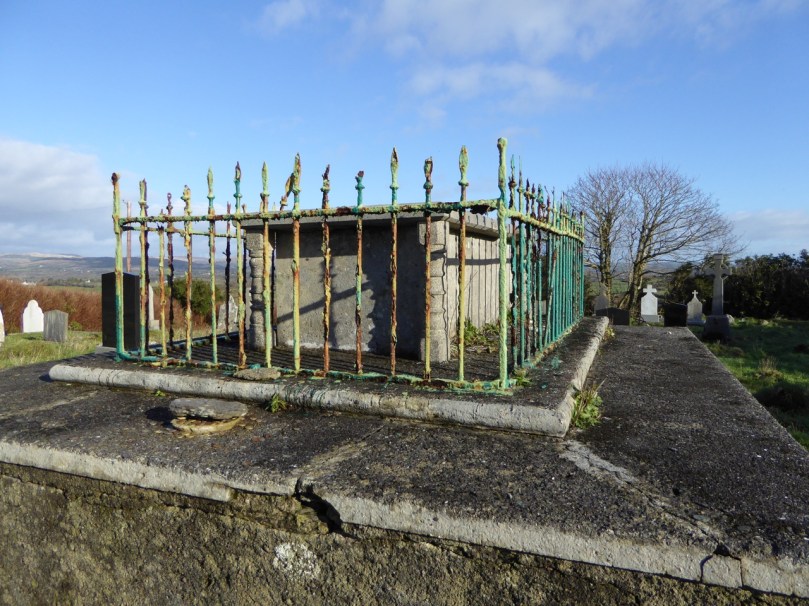
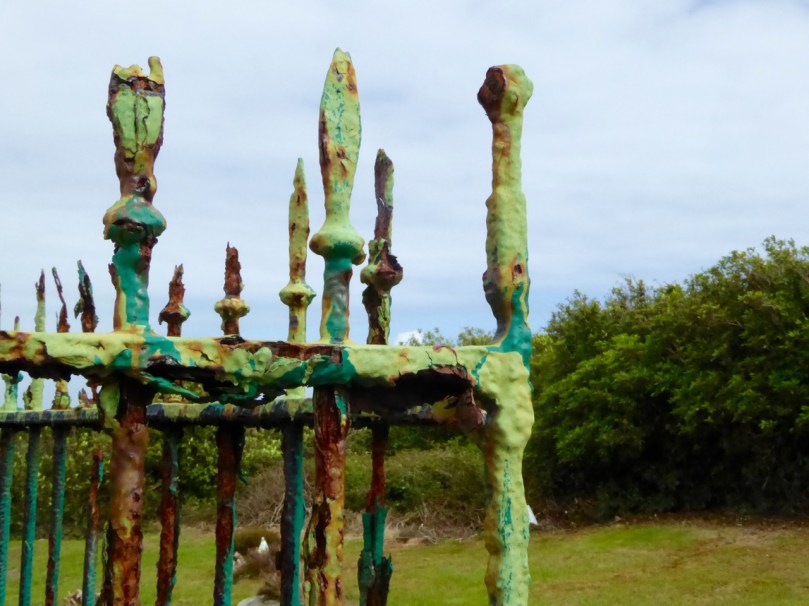
railings

Next week I will continue my tour of this wonderful spot – and we’ll have a little more poetry – although from a different source.

‘Going to the Skelligs’

star wars on the skelligs

My eye was taken by an article in the Irish Times this week which stated that the Archbishop of Canterbury and the Pope have agreed to work towards a fixed date for Easter. Currently, that festival can occur anywhere between 22 March and 25 April – this year it will be an early one: Easter Sunday will be on 27 March. This has meant that, in Ireland, the Easter school holiday will last for three weeks, from St Patrick’s day (17 March – and always a day off school) until 4 April. Evidently the church leaders believe that a fixed date for all Christians around the world to celebrate Easter would be logical and practical. So much for logic – what about history and tradition?

It’s all about the sun and the moon, and the Vernal Equinox. That’s the point in the first half of the year when day and night are of exactly equal length. We are used to thinking of the equinox occurring on 21 March but this won’t happen again until the 22nd century! From now until 2044 the equinox will be on 20 March, then on the nineteenth. This is in part because our Gregorian calendar is inaccurate, but also because the Earth’s axial precession is gradually changing. In 325 the Council of Nicaea established that Easter would be held on the first Sunday after the first full moon occurring on or after the Vernal Equinox, but that was taken to be 21 March. You can begin to see the complications…

As you might expect, Ireland has had a lot to say about all this. The early church here, established by Saint Patrick, didn’t necessarily agree with the Roman church over certain issues, including the date of Easter. Matters came to a head in 664 when a synod was convened in Whitby, Yorkshire attended by delegates from the Ionian tradition and the Roman tradition. The Ionians were led by the Irish Saint Colmán, Bishop of Lindisfarne. They supported the older traditions, but the debate was won by the Romans and Saint Colmán resigned his post and returned to Ireland, where he founded abbeys in Inishbofin and Mayo and – presumably – continued to celebrate Easter in the ‘old way’.

The situation today is still confused. While Roman Catholic and Protestant churches use the ‘Alexandrine rules’, agreed in the 7th century and adapted when the Gregorian calendar was introduced (1582), Orthodox churches generally follow a method based on the earlier Julian calendar but, in fact, there are different systems used by the many different branches of Orthodoxy around the world so the Easter festival in any year may be celebrated on varying dates in divergent places.

Let’s look at tradition, especially in Ireland. Although the churches here did eventually conform to the Roman calculations, there was always some dissent. Folklore tells us that the monks on the Skelligs – isolated rocks off the Kerry coast which housed a monastery back in medieval times – followed a calendar which was several days behind the rest of the country – this sounds as though they were still basing themselves on the Julian system. This was useful, however, if you missed out on getting married before the beginning of Lent (you couldn’t marry during Lent): the period we are in now – between Little Christmas (6 January) and the beginning of Lent – was in Ireland always the most popular time for weddings. ‘Going to the Skelligs’ was a joking expression used unkindly against confirmed bachelors and spinsters.

From Danaher The Year in Ireland – Mercier Press 1972:

In much of the south-west of Munster there is a vague tradition that the festival of Easter was celebrated a week later on the island sanctuary of Sceilg Mhichil than on the mainland. Whether this tradition is a distant echo of the ancient controversy on the date of Easter is a matter of speculation, but it did give the occasion of another form of disapproval of the unmarried. These had lost their chance of marrying this year on the mainland, but they could still be married on the Skellig, and steps must be taken to send them there… All over County Kerry, in parts of west County Limerick, in much of County Cork, especially along the coast, and in west County Waterford the negligent were greeted, in the first days of Lent, with a barrage of chaff and banter. ‘You’re off to the Rock, I suppose?’ ‘Don’t miss the boat!’ ‘Is it Mary or Katie you’re taking on the excursion’ etc etc. The victims had to grin and bear it… In many places the custom was carried further, and local poets were encouraged to compose verses on the occasion, verses which told of a grand sea excursion to the Skelligs, praised the splendid vessel which would take the party there and gave a long list of the participants, linking together the names of the bachelors and old maids as incongruously as possible. These verses – most of them mere doggerel – were written out and circulated about the parish so that all might enjoy them, and were sung to popular airs, often in the hearing of those lampooned in them… The custom has in more recent times taken the form of large posters, giving details of the ‘Grand Excursion’ with a list of the couples taking part in it. These notices were hung in prominent positions on the first Sunday of Lent, where they might be read by all on their way to church… In south-east County Cork the Skellig joke appeared in its most extreme form. Here bands of young men went about on Shrove Tuesday evening, and if some inveterate bachelor ventured out and fell into their hands he was bound with ropes and had his head ducked under a pump or in a well; this drenching was called ‘going to the Skelligs’

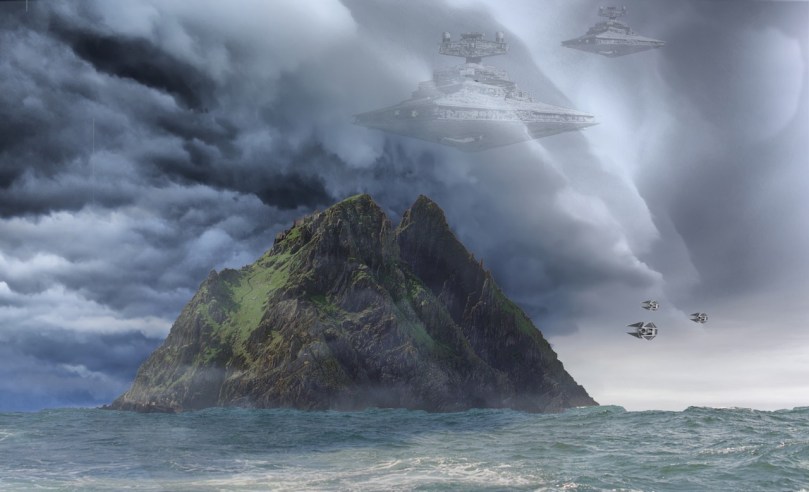
The Skelligs have been in the news recently, as the setting for a scene in the new Star Wars film: The Force Awakens. Filming on the historic site provoked considerable debate and discontent among archaeologists and conservationists. Despite our own reservations, Finola and I went to watch the film in Vancouver and – although we had to wait until the very end (the Skelligs appear only in the last scene) – we were delighted to see one of the West of Ireland’s most magnificent seascapes on the big screen – and in 3D!

Shrovetide is nearly upon us. If you haven’t arranged your pre-Lent weddings yet don’t forget there’s always the Skelligs!

With thanks to mavek-cg (http://mavek-cg.deviantart.com) for the fine image on the header

Pioneers

distant winter

Irish people have always been great travellers and, wherever you go in the world, you can be pretty sure that someone from Ireland got there before you. That’s certainly the case here in Canada: I was pleased to find that it was Irish fishermen from County Cork who discovered the country back in 1536! Although we must not forget Saint Brendan, who had already been there in the sixth century. In both cases the early explorers landed on the east coast, today known as Newfoundland – the name says it all. Irish writer Tim Pat Coogan has described Newfoundland as “the most Irish place in the world outside of Ireland” – in terms of language, surnames, place names and traditional music.

lumbermen's camp

the drive

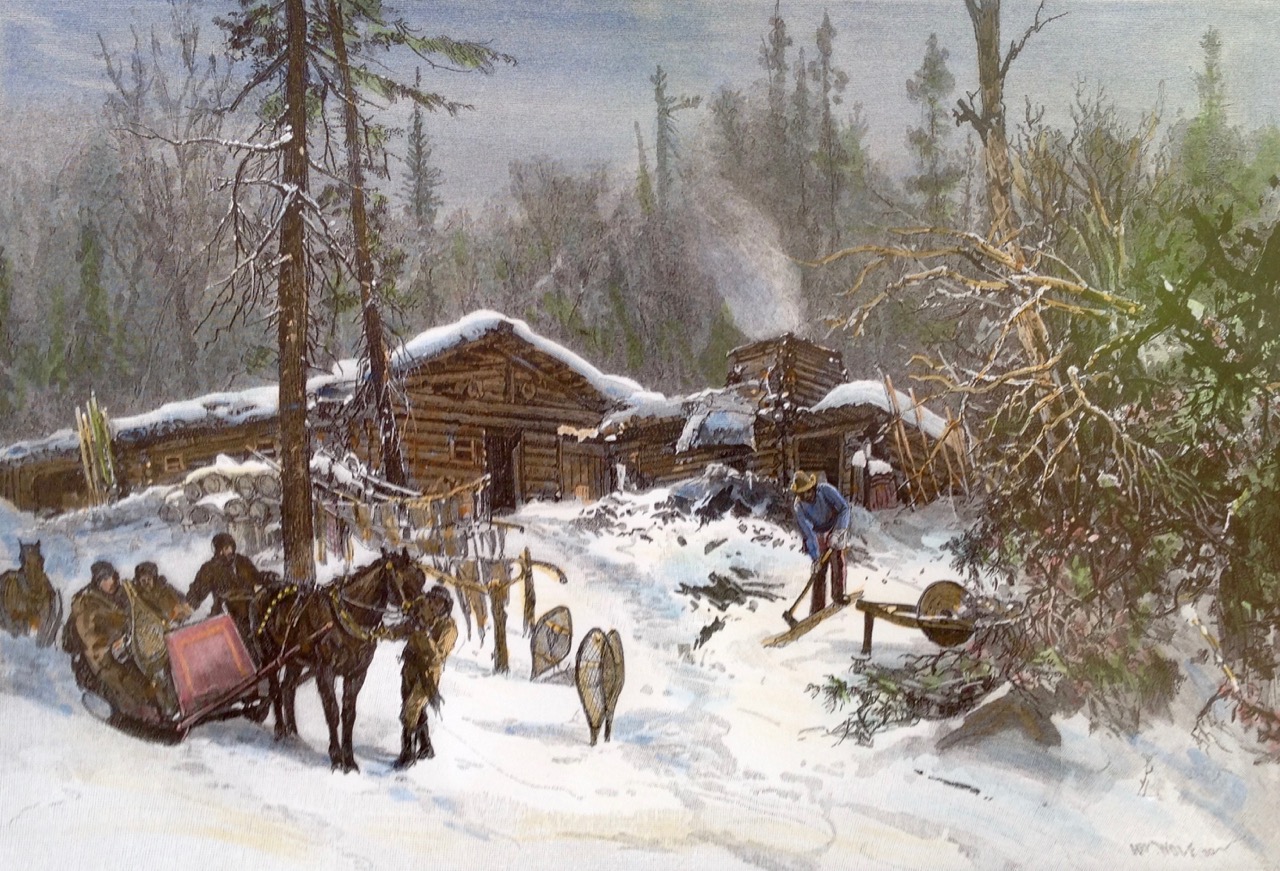
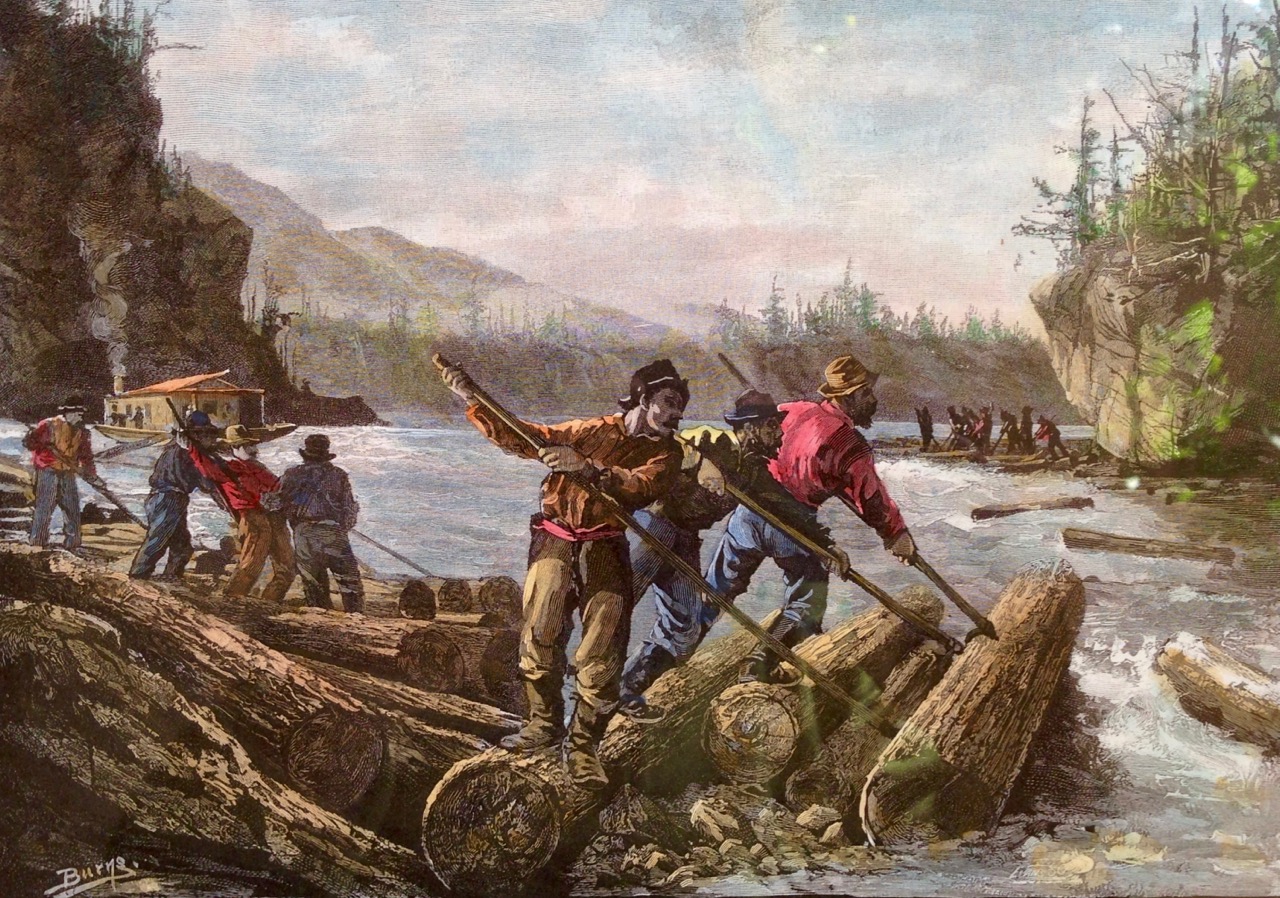
Canada – a new country built on fur and timber: ‘The Lumbermen’s Camp’ (top), and ‘The Drive’ (bottom) – thanks to Frank Runnels for letting us use these prints

Of course, what we today called Canada has been inhabited since ancient times by the First Nation peoples. Although initially there were levels of cooperation in trading furs and in intermarriage, the indigenous people have suffered from the advance of pale skinned invaders who worked their way across the continent from the east. They brought new values and new diseases which imposed on their simpler ways of life, hitherto in harmony with the unspoiled natural environment. It has taken many generations for the First Nations to gain a level of respect and tolerance – and to win back their own lands, an uphill struggle in which they are still engaged and will be for a long time. I am a great admirer of the survival of their culture, particularly their exceptional art skills and myth making.

moodyville, burrard inlet 1872

gordova street 1887

the city today

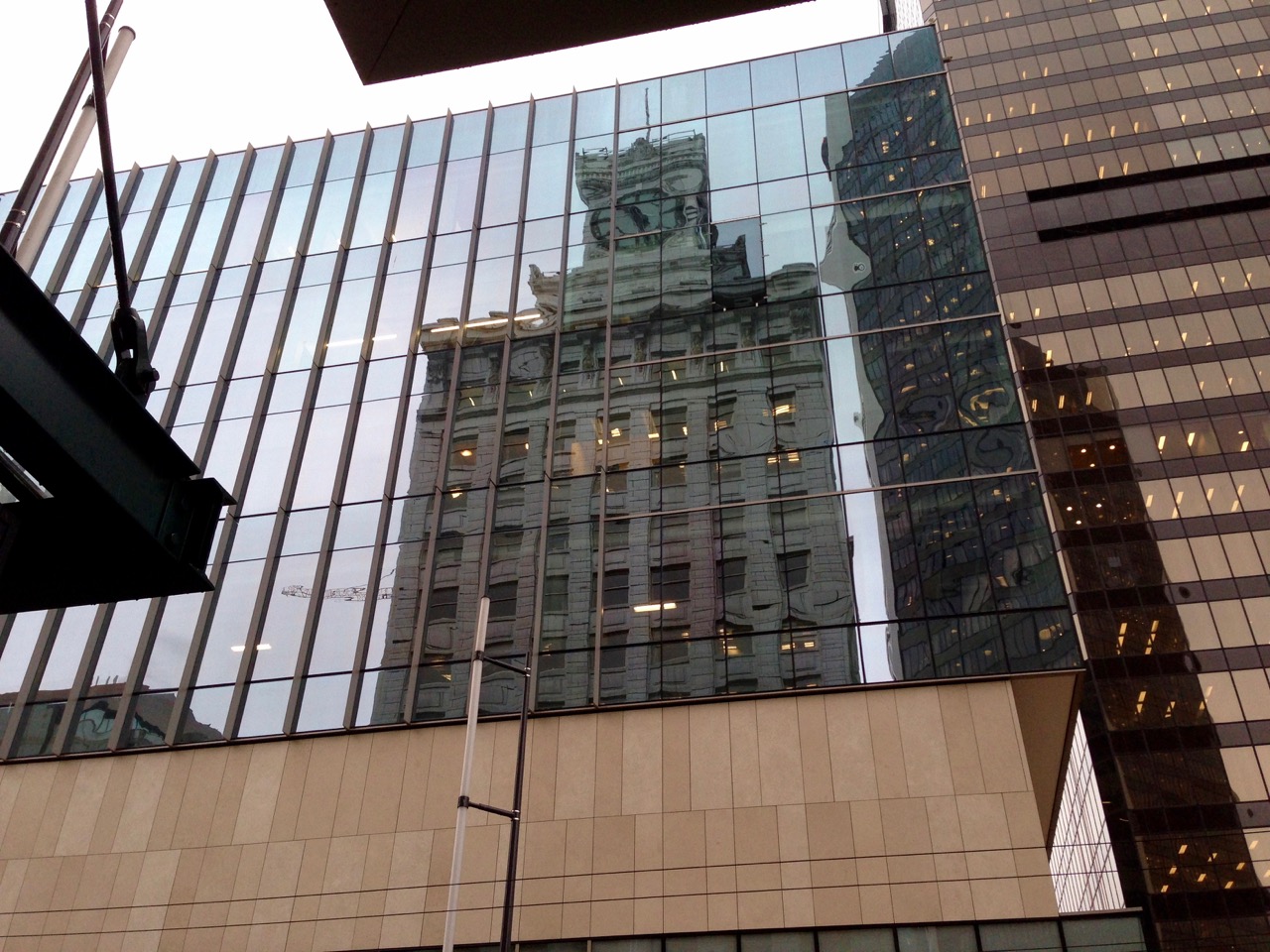
A little history of the city: Burrard inlet in 1872 (top), Cordova Street in 1887 (middle) and Downtown Vancouver in January 2016 (bottom) – the old photographs are from ‘Vancouver – A City Album’ edited by Anne Kloppenborg, Alice Niwinski and Eve Johnson, published by Douglas + McIntyre 1991

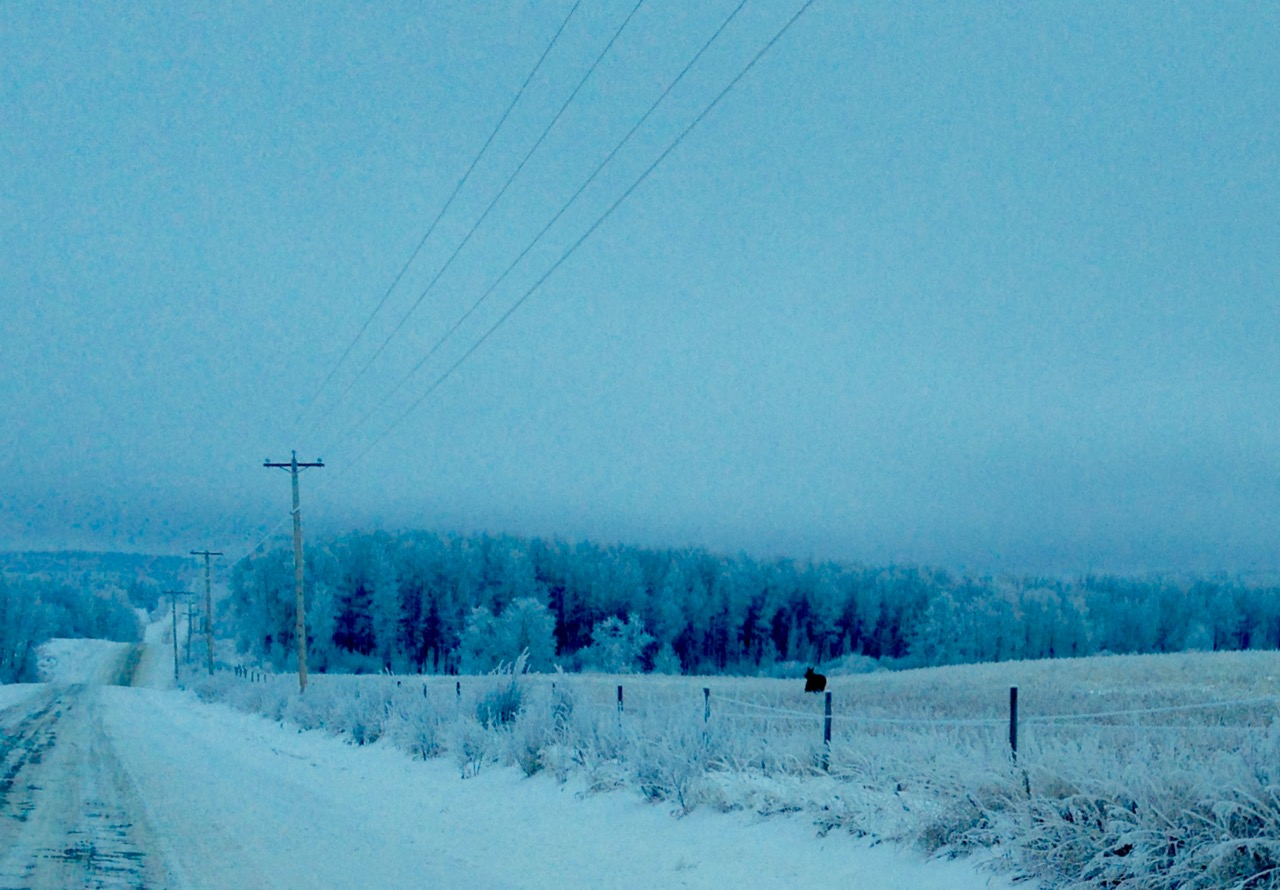
As you will see from Finola’s post, our intrepid travellers from Roaringwater Journal have been staying over on the west side of the country, centred around Vancouver, with forays to the north-east side of the Rockies – Fort St John (where the air was heavy with hoar frost and the temperature hovered around minus 18 centigrade) – and Whistler, which is a haven for winter sports. There the temperature was a mild minus 8 below, but out in the sharp wind it felt far chillier than in Fort St John.

northern home

moose getting away

Towards the Alaska Highway: traditional home in Fort St John (top) and a northern landscape (bottom) – there’s a moose in that picture!

We have been away long enough to pine for Ireland: we can’t wait to see our own Atlantic ocean again, in spite of the news of severe storms, flooding and the promise of snow! When I’m back I will miss Canada, naturally: it will be a while before we have another adventure on the other side of the world. My reflections on that country will be coloured by my (probably romantic) imaginings of those brave early explorers who, taking their small and frail canoes through unknown waterways discovered and inhabited a very ‘New World’: even today there are huge swathes of the continent which appear so wild that, surely, no human can ever have set foot there.

the road to pemberton

railway station
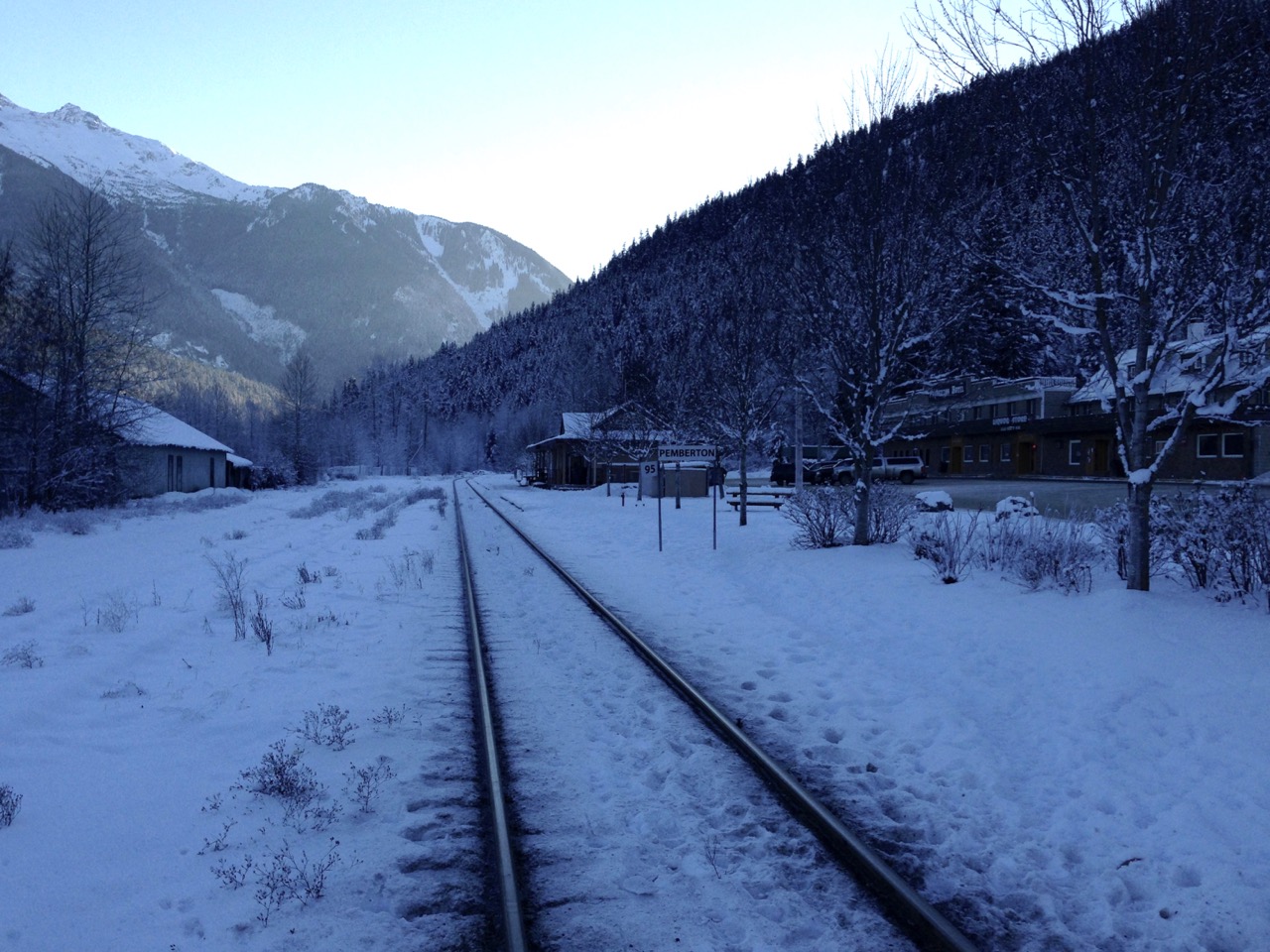
Northern outpost – the road from Whistler (top) and the railroad station at Pemberton (bottom) – below is ‘Exploring for New Limits’ which sums up the pioneering spirit of the New World – thanks to Frank Runnels for use of this print

exploring for new limits

Atlantic Winter

Dingle Beach

When St Brendan of Clonfert set out to discover America in 512 he and his fellow monks had to face the enormity of the Atlantic Ocean in tiny boats built out of wood and oxhides, sealed with animal fat. Up here in Nead an Iolair our view out to the islands of Roaringwater Bay and beyond is dominated by that same ocean and – sometimes – we feel just as small. This year the winter gales have started early, and spates of fierce westerlies have been throwing the Atlantic straight at our windows. The tiles rattle alarmingly while we are tucked up in bed at night. At these times I think of the Saint and what he had to face. But, like Brendan, we always survive the storms, and often wake up in the morning to a calm, clear day – except that you can hear the constant ‘roaring’ of the open sea out over the bay.

celebrating massOn their way to the New World – Saint Brendan and his companions take advantage of a passing Atlantic denizen to celebrate Mass…

The Atlantic has shaped Ireland. The sea is omnipresent: poets have written about it, storytellers have woven tales around it, and composers have tried to capture its spirit in music. Here’s a small section from the impressive ‘Brendan Voyage’ written by Shaun Davey for orchestra and Uillinn pipes – it’s the haunting second movement, played by Liam O’Flynn with the Irish National Youth Orchestra, at a performance in Cork City Hall. It makes me think of the wonderful sunrise on that calm day after the storm…

Brendan Voyage

Long Island Beacon

Brow Head

Mizen Head

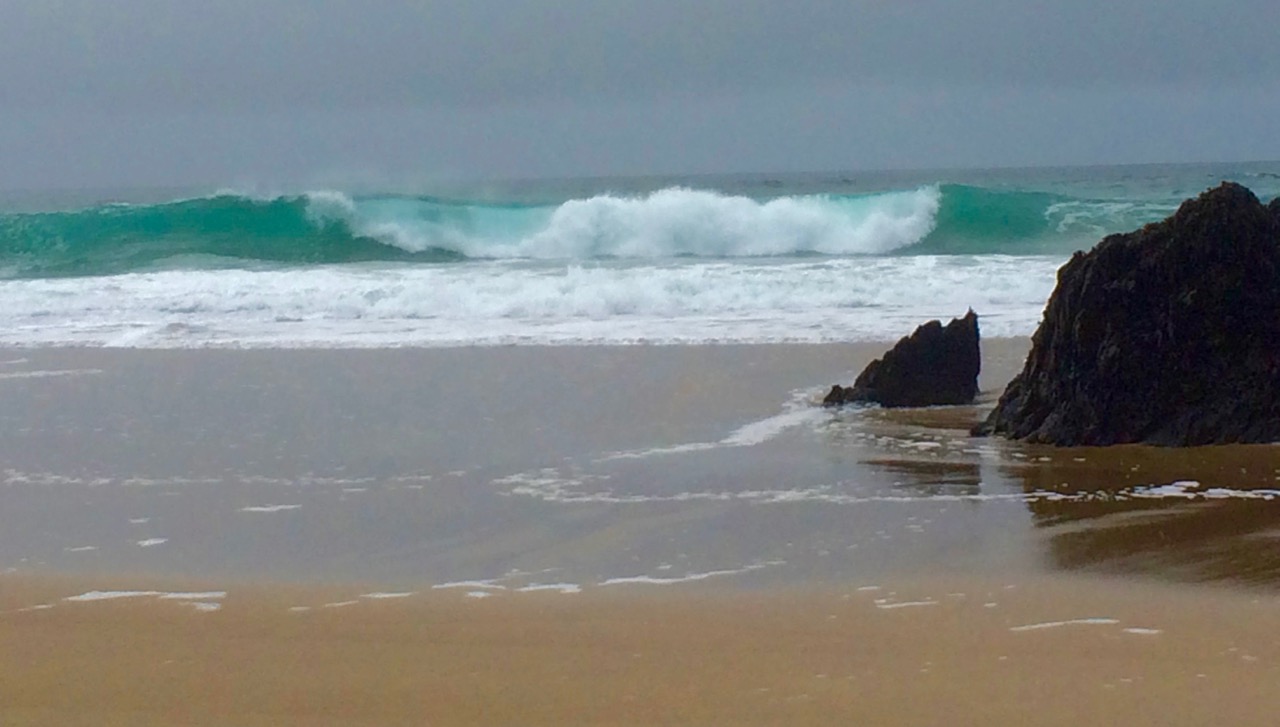
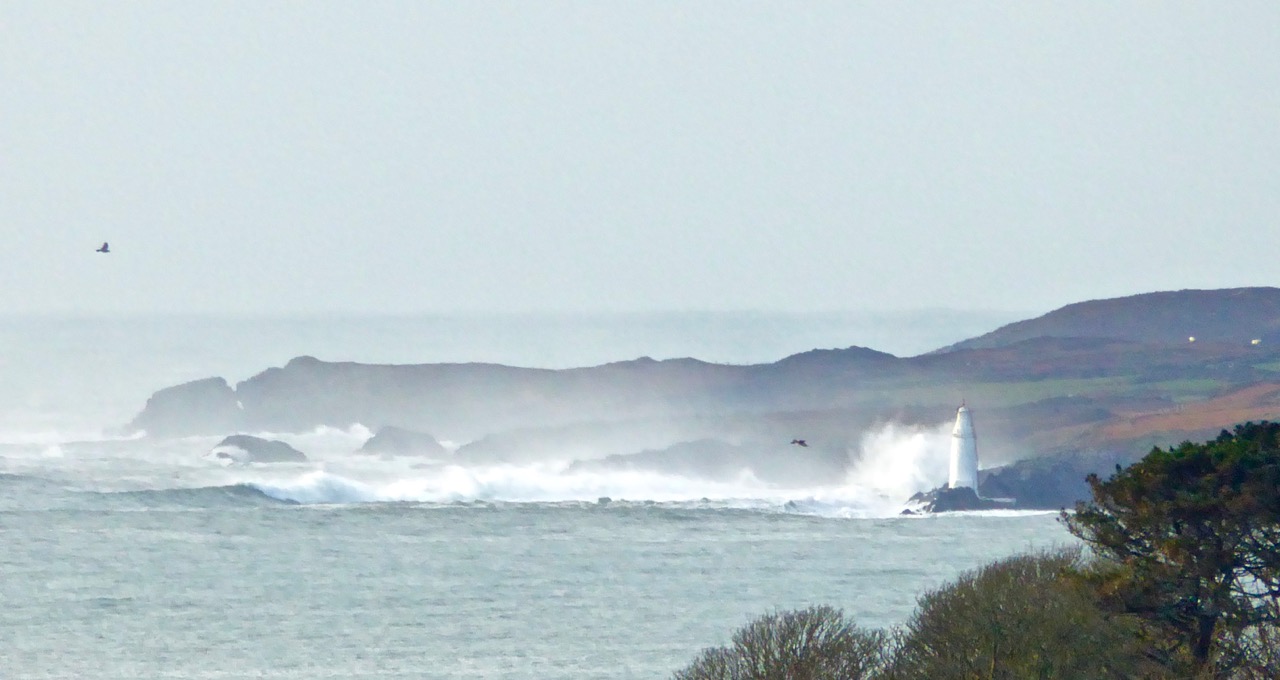
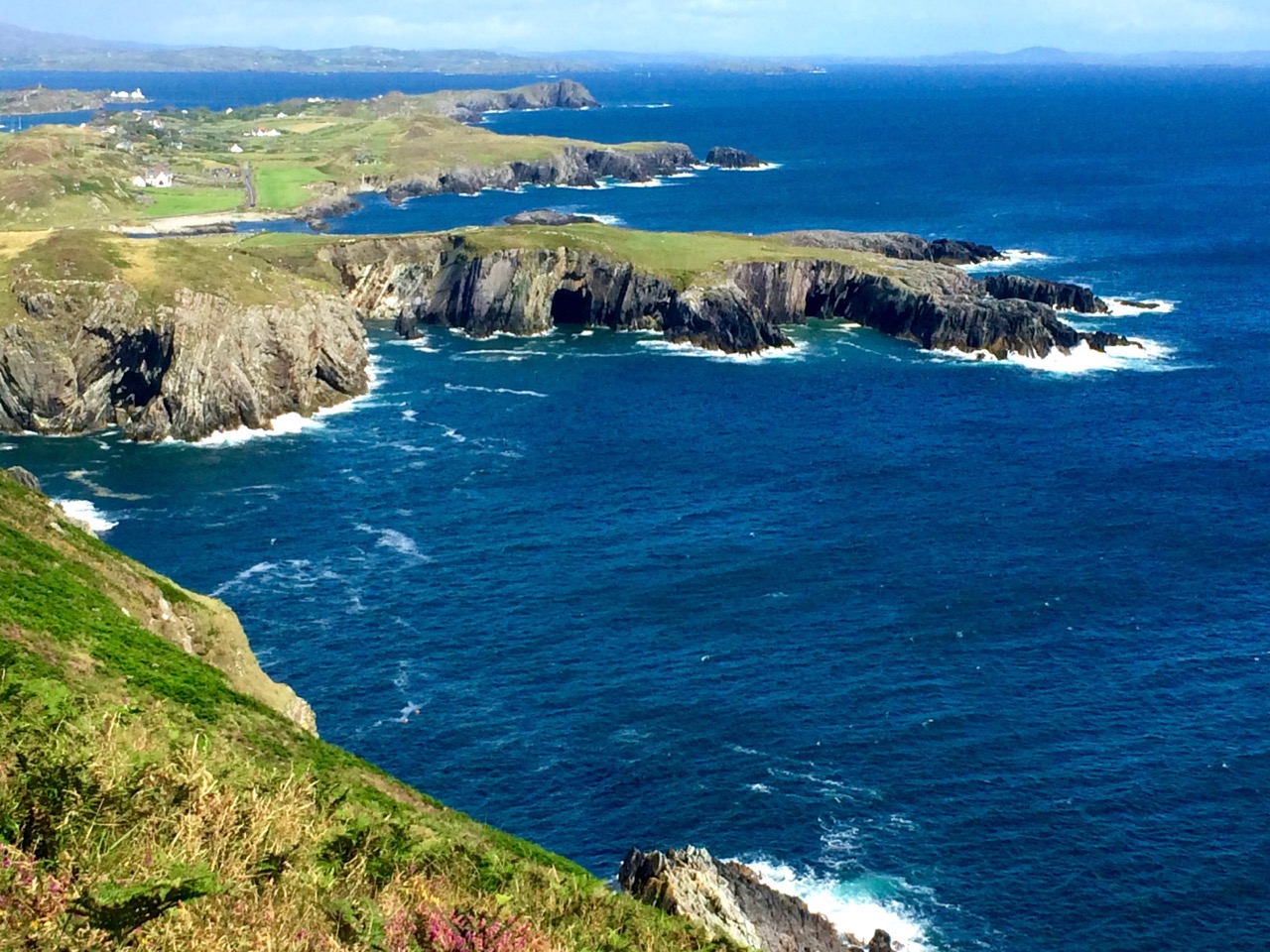
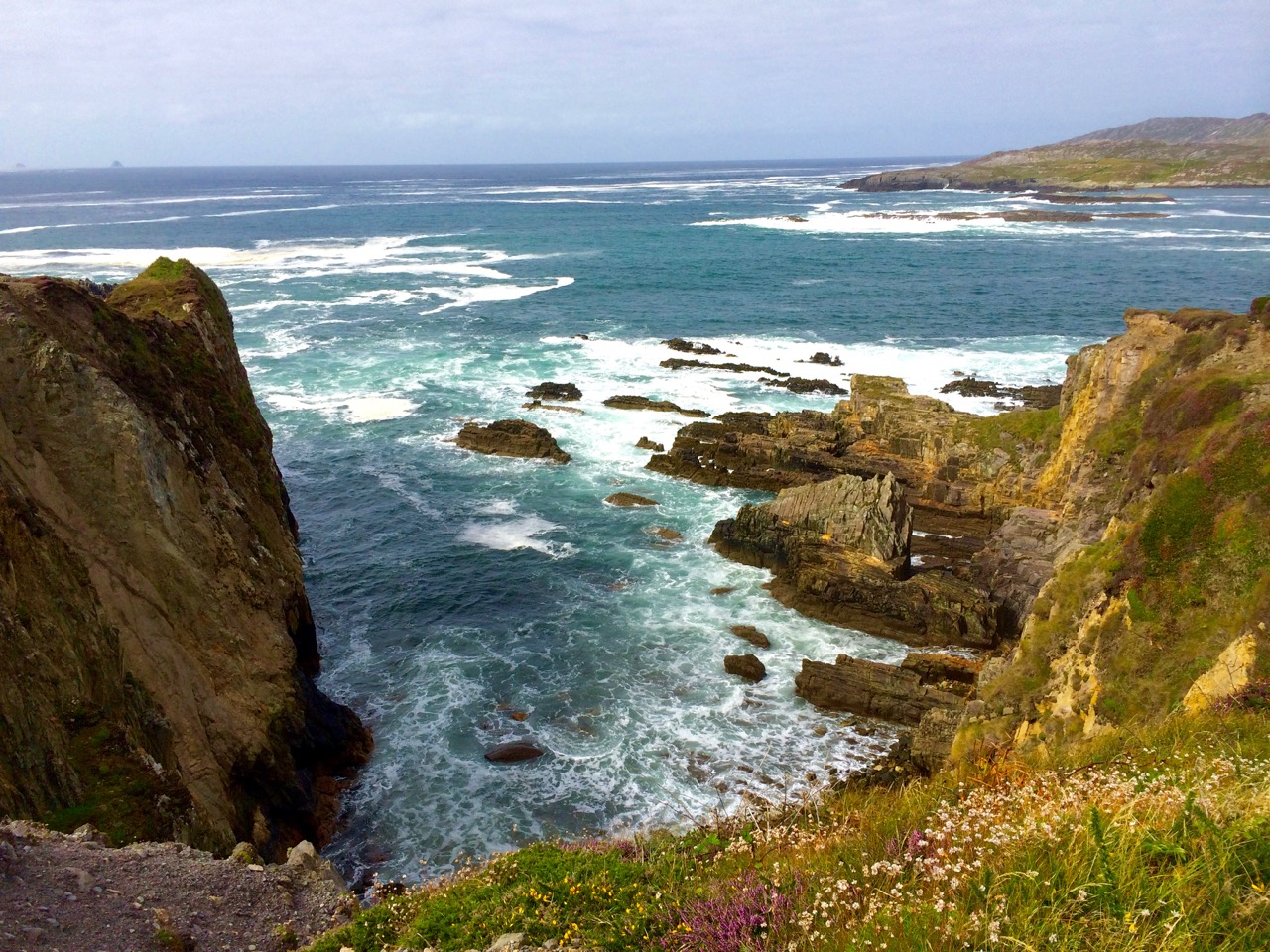
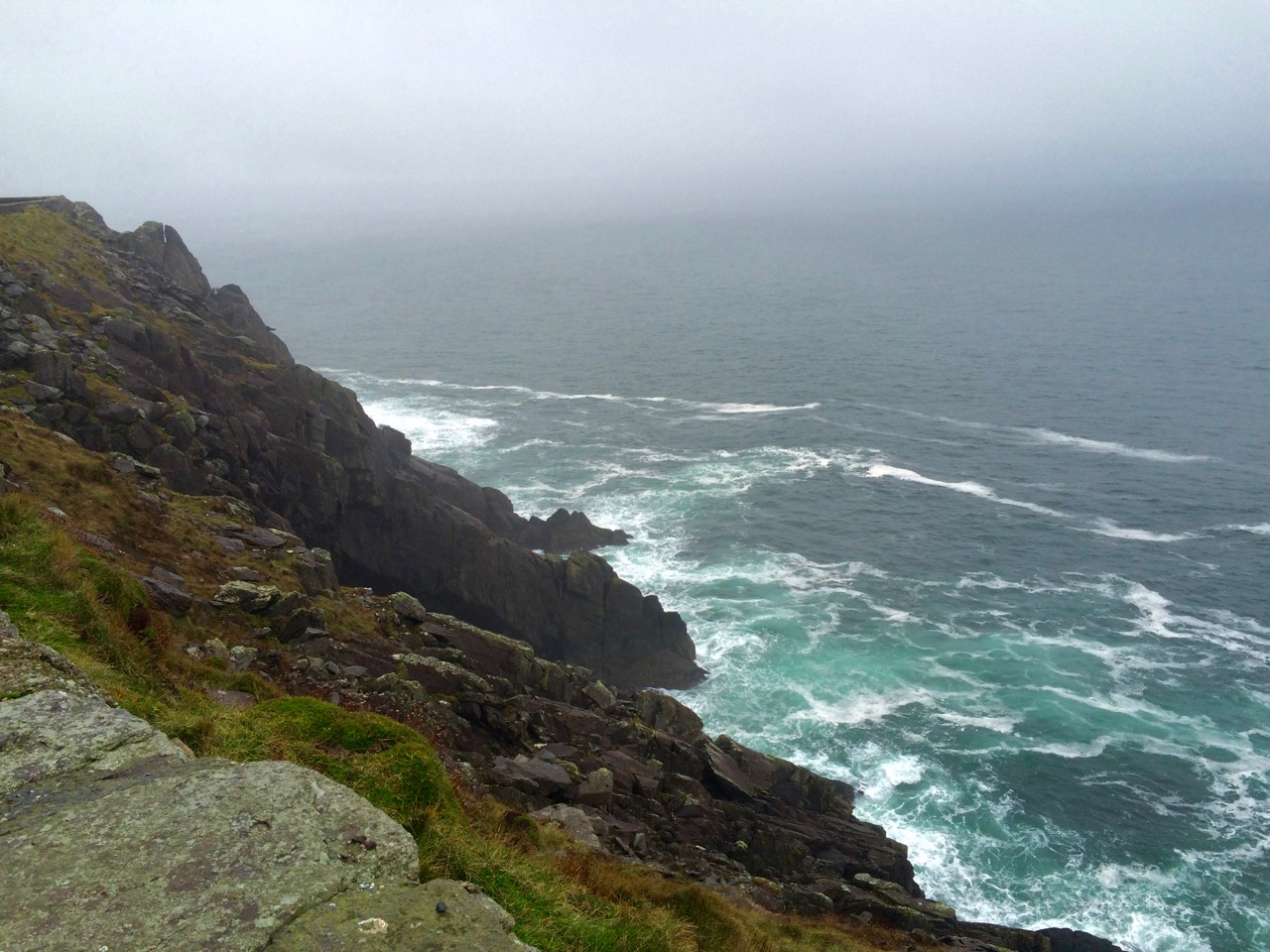
Our own Atlantic: telescopic view of a storm battering Long Island, taken from our garden at Nead an Iolair (top), Brow Head, near Crookhaven (centre), and the impressive land and seascape at Mizen Head – Ireland’s most south-westerly point (lower picture). At the head of this page you can see the huge rollers that come into Dingle Bay, Co Kerry

Dogger, Rockall, Malin, Irish Sea:
Green, swift upsurges, North Atlantic flux
Conjured by that strong gale-warning voice,
Collapse into a sibilant penumbra.
Midnight and closedown. Sirens of the tundra,
Of eel-road, seal-road, keel-road, whale-road, raise
Their wind-compounded keen behind the baize
And drive the trawlers to the lee of Wicklow.
L’Etoile, Le Guillemot, La Belle Hélène
Nursed their bright names this morning in the bay
That toiled like mortar. It was marvellous
And actual, I said out loud, “A haven,”
The word deepening, clearing, like the sky
Elsewhere on Minches, Cromarty, The Faroes.

Glanmore Sonnets VII, taken from Field Work by Seamus Heaney, published by Faber and Faber Ltd

Seamus Heaney was deeply affected by the seascape of his native Ireland. Anyone who works on or beside the sea is aware of the resonant names from the Shipping Forecasts, and the poet has used those names here to introduce his word-picture of the elemental Atlantic.

Near Malin Head 2

On the Beara

Donegal Beach

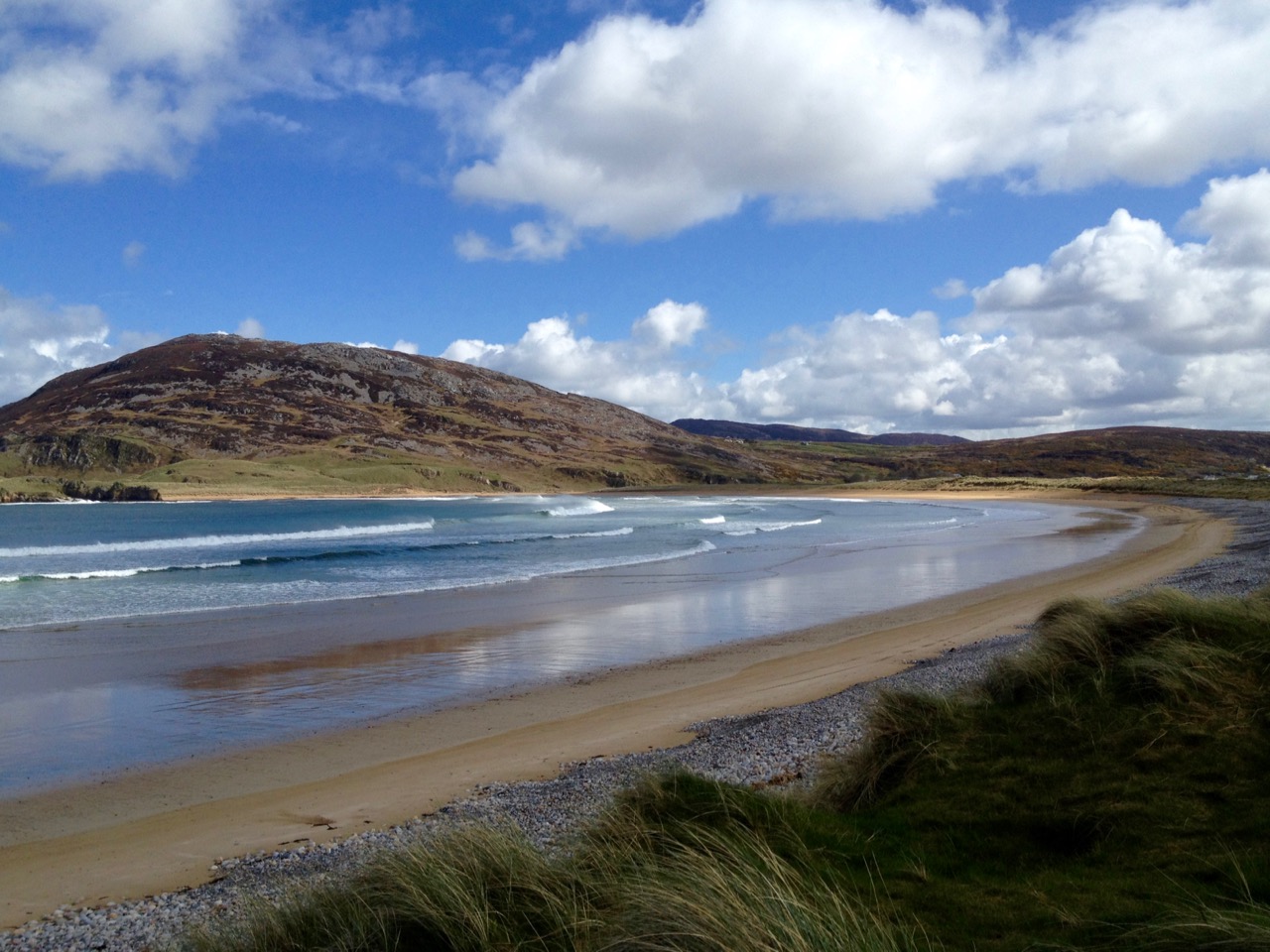
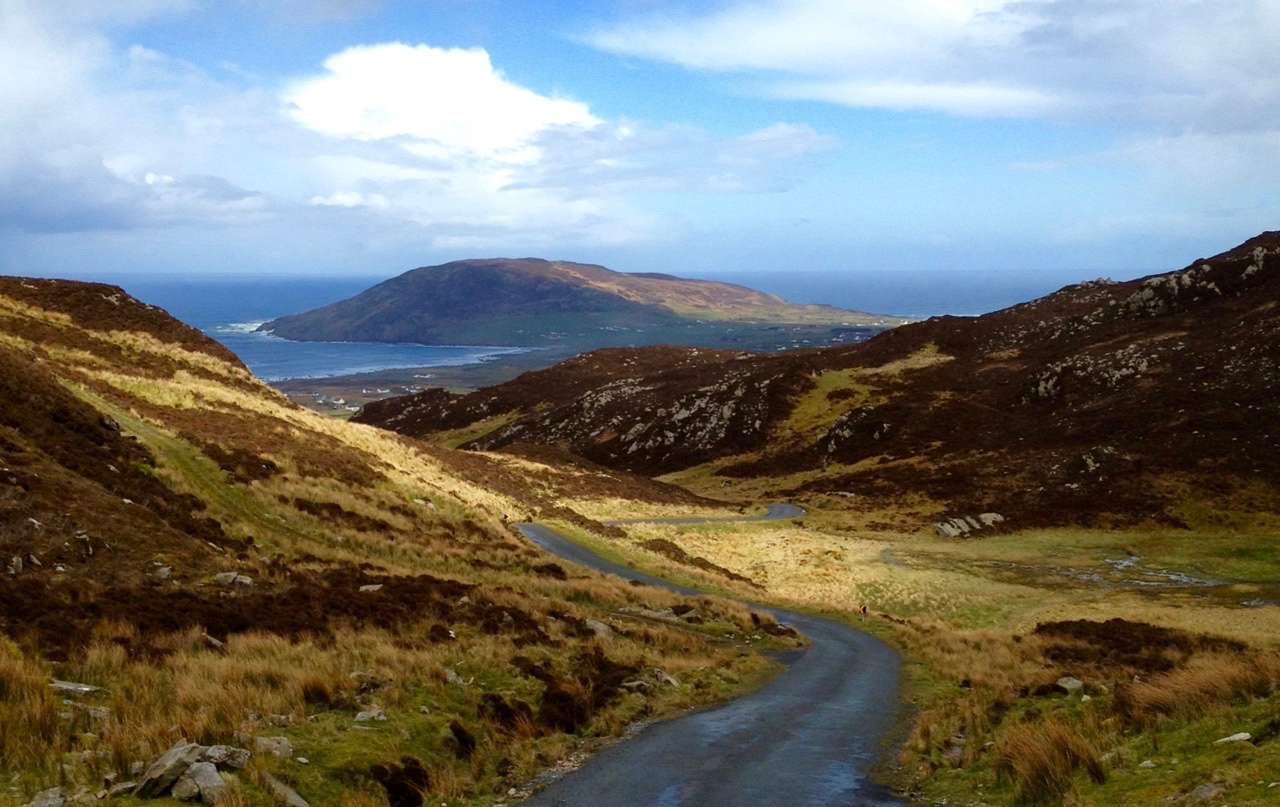
Atlantic contrasts from Mizen to Malin: near Malin Head – Ireland’s most northerly point (top), off the Beara (centre) and a beach in Donegal (lower)

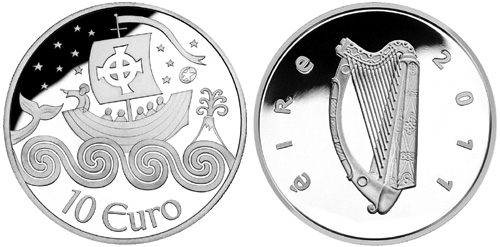
A later traveller over the Atlantic waters was Chistopher Columbus in the 15th century. On the way he looked out for St Brendan’s Isle, a spectral island situated in the North Atlantic somewhere off the coast of Africa. It appeared on numerous maps in Columbus’ time, often referred to as La isla de SamborombónThe first mention of the island was in the ninth-century Latin text Navigatio Sancti Brendani Abatis (Voyage of Saint Brendan the Abbot), from whence it became firmly implanted into Irish mythology. St Brendan took a little party of monks to the island to say Mass: when they returned after a few days to the rest of the flotilla, they were told that they had been away for a year! The phantom island was seen on and off by mariners for years until in 1723 a priest performed the rite of exorcism towards it during one of its apparitions behind low cloud… You can see St Brendan’s Isle for yourselves, above the wonderful giant fish in the second picture down.
Dingle Peninsula

Coast Road

Dingle peninsula (top), and Coast Road in Donegal (lower)

I was pleased to find this Irish Times video made by Peter Cox when he was fundraising for his book Atlantic Light: spectacular photographs of the coastline on Ireland’s Wild Atlantic Way. The excellent aerial views in this film are all taken by a drone… Look out for places you will have seen in our blogs!

atlantic video

We are privileged that the Atlantic Ocean is the abiding but ever-changing feature in our daily lives. It must affect us in unknown ways: I do know that, wherever I go in this world, I will – like Saint Brendan – always be drawn back here to our wonderful safe haven…

St-Brendan-Coin1


Murphy wins by a neck!

High Stakes

Romping home! Dirty Dick Murphy winning the Salthill Fiesta, Galway, in June 1977 (photograph Connacht Tribune)

In the All-Ireland Name Stakes we’ve always known that Murphy is the front runner. In fact it’s the most popular surname, significantly outnumbering the next in line: Kelly. This was the case in 1890 – when the Registrar General of Births, Marriages and Deaths, Robert Matheson, compiled the first comprehensive analysis of names for the whole of Ireland. Then, there were 62,600 Murphys and 55,900 Kellys in a population of 4.7 million. More recently the phone network company Eircom published A Survey of Irish Surnames 1992-97 compiled by Sean J Murphy from telephone directory records in the Republic and Northern Ireland (making it comparable to the 1890 study): this showed 70,900 Murphys and 59,800 Kellys in a total population of 5.3 million.

The race

Runner-up! A Kelly, perhaps… from the collection of photographer Tomás Ó Muircheartaigh, who documented life in rural Ireland between the 1930s and the 1950s

So Murphy wins – by a margin. Let’s have look at the name: Ó Murchadha (or in modern Irish Ó Murchú) means ‘sea warrior’ (Irish Medieval History gives Murchú as ‘hound of the sea’). Most of the Murphys are evidently here in County Cork, with Counties Wexford and Kilkenny next up. There are O’Murphys – mainly confined to Ulster, where the family were part of the tribe claiming descent from Eoghan, son of Niall of the Nine Hostages, who was responsible for kidnapping St Patrick and bringing him to Ireland. Otherwise the Murphys usually trace their ancestry back to Diarmait Mac Murchadha – King of Uí Cheinnsealaig and King of Laigin (Leinster) who lived in the twelfth century and was himself descended from the High King Brian Boru through his father’s grandmother.

Key players in Murphy geneaology and Irish history: Brian Boru, Diarmait Mac Murchadha and Henry II

Diarmait Mac Murchadha was deprived of his titles by the then High King of Ireland, Ruaidrí Ua Conchobair, and asked the English King, Henry II, to help him retrieve them. In return, Mac Murchada pledged an oath of allegiance to Henry, who sent troops in support. As a further thanks for his reinstatement, Mac Murchada’s daughter Aoife was married to Richard de Clare, the second Earl of Pembroke, popularly known as ‘Strongbow‘. The result of all this was that the Normans came to Ireland – and stayed – and it’s all thanks to the Murphys!

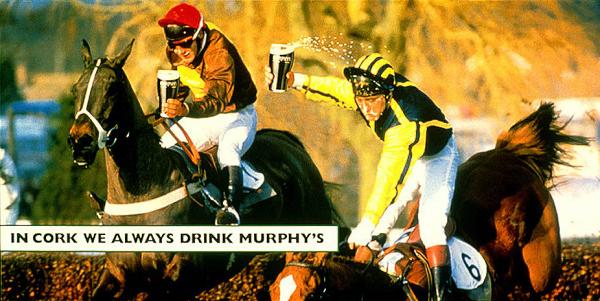
murphy's irish stout

We mustn’t forget Murphy’s Irish Stout! (advertisement by BBH London)

Now let’s look at some famous Murphys. Father John Murphy – an Irish freedom fighter – is immortalised in the ballad Boolavogue. Fr John was born in 1753 and studied for the priesthood in Seville as this was the time of the Penal Laws when Catholics were persecuted in Ireland. He returned to his homeland in 1785 and there he was only known as ‘Mister Murphy’: Irish priests were not styled as ‘Father’ until the 1860s. John Murphy led a group of rebels against English forces in the 1798 uprising. He was captured, tortured and brutally executed at Tullow, Co Carlow. Here is a rendering of the beautiful elegy Boolavogue composed by Patrick Joseph McCall in 1898, the centenary of the Rebellion, played on the pipes by Davy Spillane, with Aly Bain on fiddle:

Boolavogue is a town in Co Wexford where the rebels secured their first victory before they were captured. Here are the words to the ballad:

At Boolavogue, as the sun was setting
O’er the bright May meadows of Shelmalier,
A rebel hand set the heather blazing
And brought the neighbours from far and near.
Then Father Murphy, from old Kilcormack,
Spurred up the rocks with a warning cry;
“Arm! Arm!” he cried, “For I’ve come to lead you,
For Ireland’s freedom we fight or die.”

He led us on against the coming soldiers,
And the cowardly Yeomen we put to flight;
‘Twas at the Harrow the boys of Wexford
Showed Booky’s Regiment how men could fight.
Look out for hirelings, King George of England,
Search ev’ry kingdom where breathes a slave,
For Father Murphy of the County Wexford
Sweeps o’er the land like a mighty wave.

We took Camolin and Enniscorthy,
And Wexford storming drove out our foes;
‘Twas at Sliabh Coillte our pikes were reeking
With the crimson stream of the beaten Yeos.
At Tubberneering and Ballyellis
Full many a Hessian lay in his gore;
Ah, Father Murphy, had aid come over
The green flag floated from shore to shore!

At Vinegar Hill, o’er the pleasant Slaney,
Our heroes vainly stood back to back,
And the Yeos at Tullow took Father Murphy
And burned his body upon the rack.
God grant you glory, brave Father Murphy
And open heaven to all your men;
The cause that called you may call tomorrow
In another fight for the Green again.

Two of my Murphy heroes are musicians: Denis Murphy (1912 – 1974) was a great fiddle player from the Sliabh Luachra area of Cork and Kerry. There were so many Murphy families in that area that Denis’s father Bill was always known as ‘Bill the Waiver’ because his people had been weavers of flax in olden times. I have Denis in my collection of Irish music cd’s but was never able to hear him playing live. I did meet my other hero, however, on my first visit to Ireland back in 1975. That’s Paddy Murphy (1913 – 1992), the renowned concertina player from Co Clare. I was privileged to be taken out to a private session in a remote townland somewhere north of Kilmihil. There, in a bar which seemed like someone’s front parlour, I heard Paddy play and talk of his family history and his very individual virtuoso style of playing an instrument which I have been trying to master for the last 50 years!

Noted traditional musicians: Denis Murphy (left) from the Sliabh Luachra and Paddy Murphy (right) from County Clare

Next is someone we have met before, in our posts on Saint Gobnait and The Tailor and Ansty: that’s the sculptor Seamus Murphy (1907 – 1975). This Murphy, from Burnfort near Mallow, Co Cork, became Professor of Sculpture at the Royal Hibernian Academy. He is also known for his book, Stone Mad, which was published in 1950.

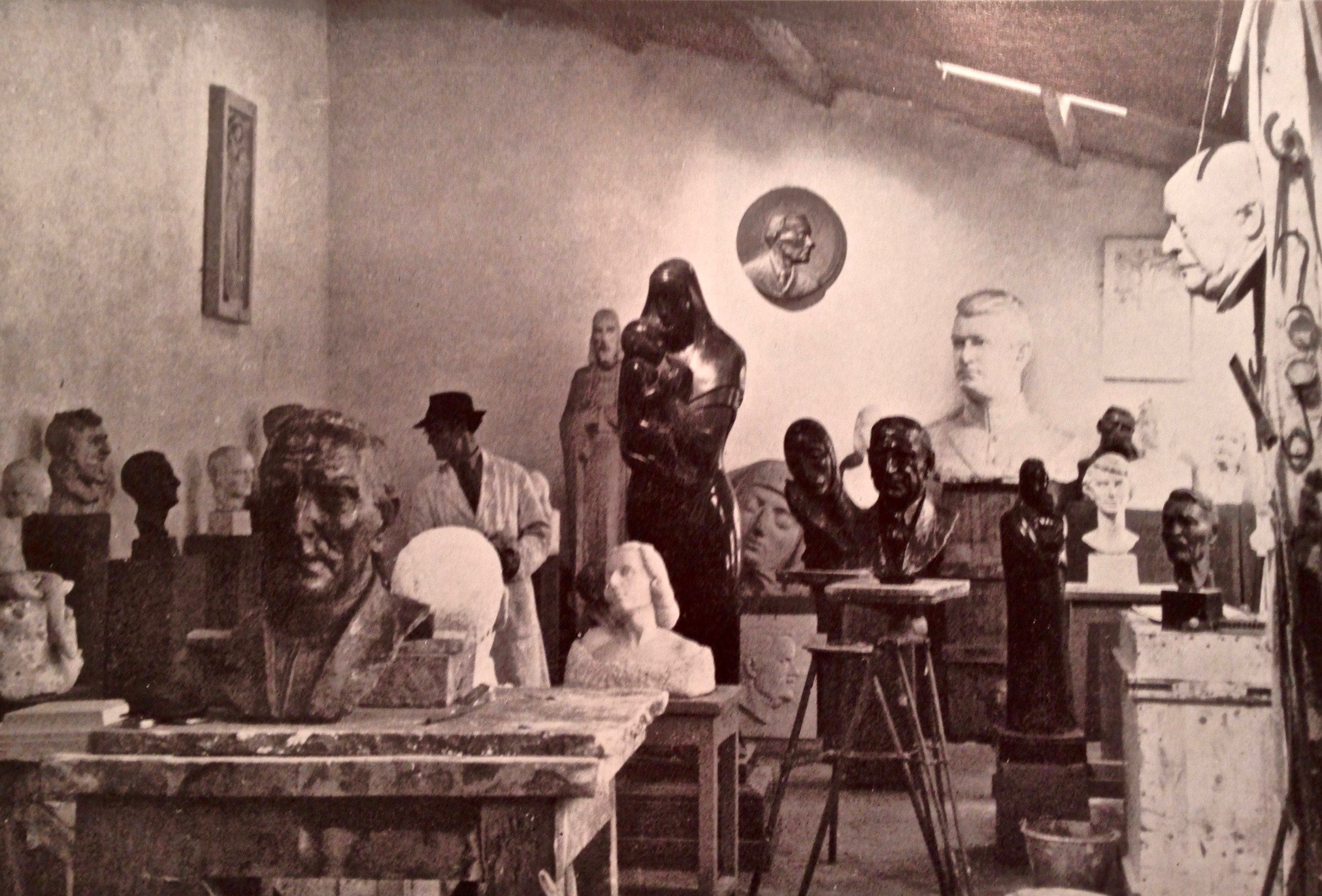
Murphy in studio

Seamus Murphy in his studio: pictures top and lower left are from the collection of photographer Tomás Ó Muircheartaigh, who documented life in rural Ireland between the 1930s and the 1950s

The last Murphy that I want to mention (and there could be so many) is, perhaps, an unexpected one – she is Marie-Louise O’Murphy, who lived from 1737 to 1814. Although she was born and died in France she was of Irish extraction: her grandfather Daniel, a former army officer, had left his home in Cork for Rouen, where he worked as a master shoe-maker. When just in her teens, the physical features of young Mlle O’Murphy were spotted by Giacomo Casanova, who recommended her to King Louis XV. As a result she became the King’s Petite maîtresse – little mistress (or, rather, one of them) and bore him a daughter. However, the King’s favourite, Madame de Pompadour, decided that Marie-Louise’s presence in the royal household was too challenging and she was sent off to the country to marry a nobleman – and also received a handsome dowry for life. Marie-Louise O’Murphy (who was given the name of Marie-Louise Morphy de Boisfailly – possibly to raise her status in Versailles) is familiar to us as the artist’s model for François Boucher’s Resting Girl, painted in 1751. The canvas is now in the Wallraf Richartz Museum, Cologne.

A colourful note on which to end our survey on the Murphys of Ireland (and beyond), perhaps. We apologise to all the thousands of Murphys who we have not mentioned, but we’d like to hear from any of them…

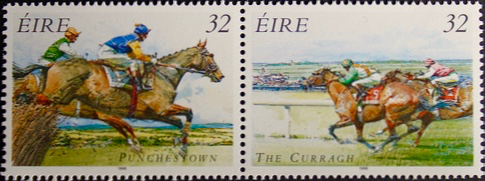
Racing stamps