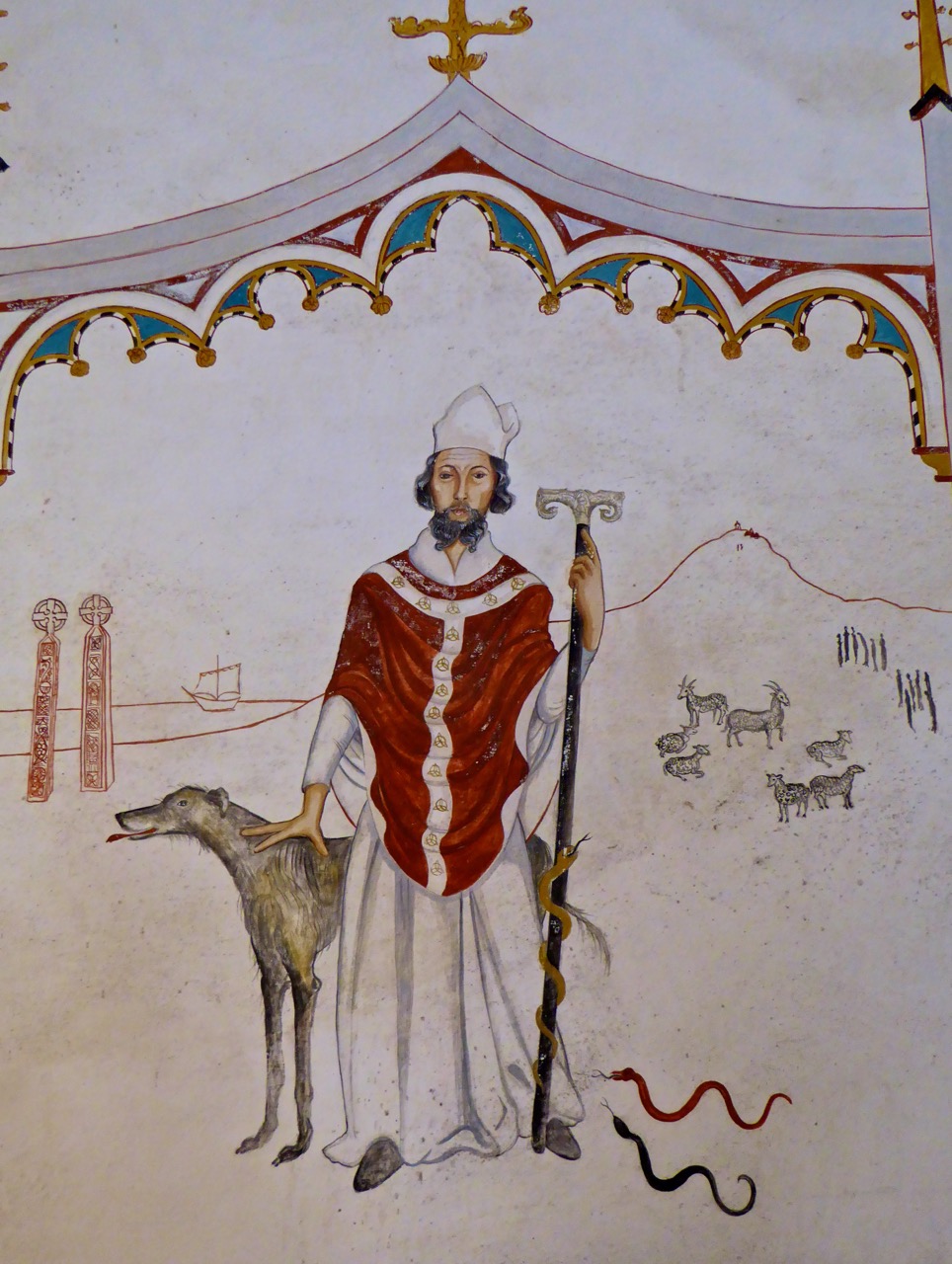
And did those feet…

We discovered St Patrick in Glastonbury!

We discovered St Patrick in Somerset!

Finola had never been to Glastonbury, so I thought a visit on our way back home to Ireland was in order. Like me, she found the town itself fascinating: every shop seems to have a ‘mystic’ theme, and even the coffee is imbued with an otherworldly aura…
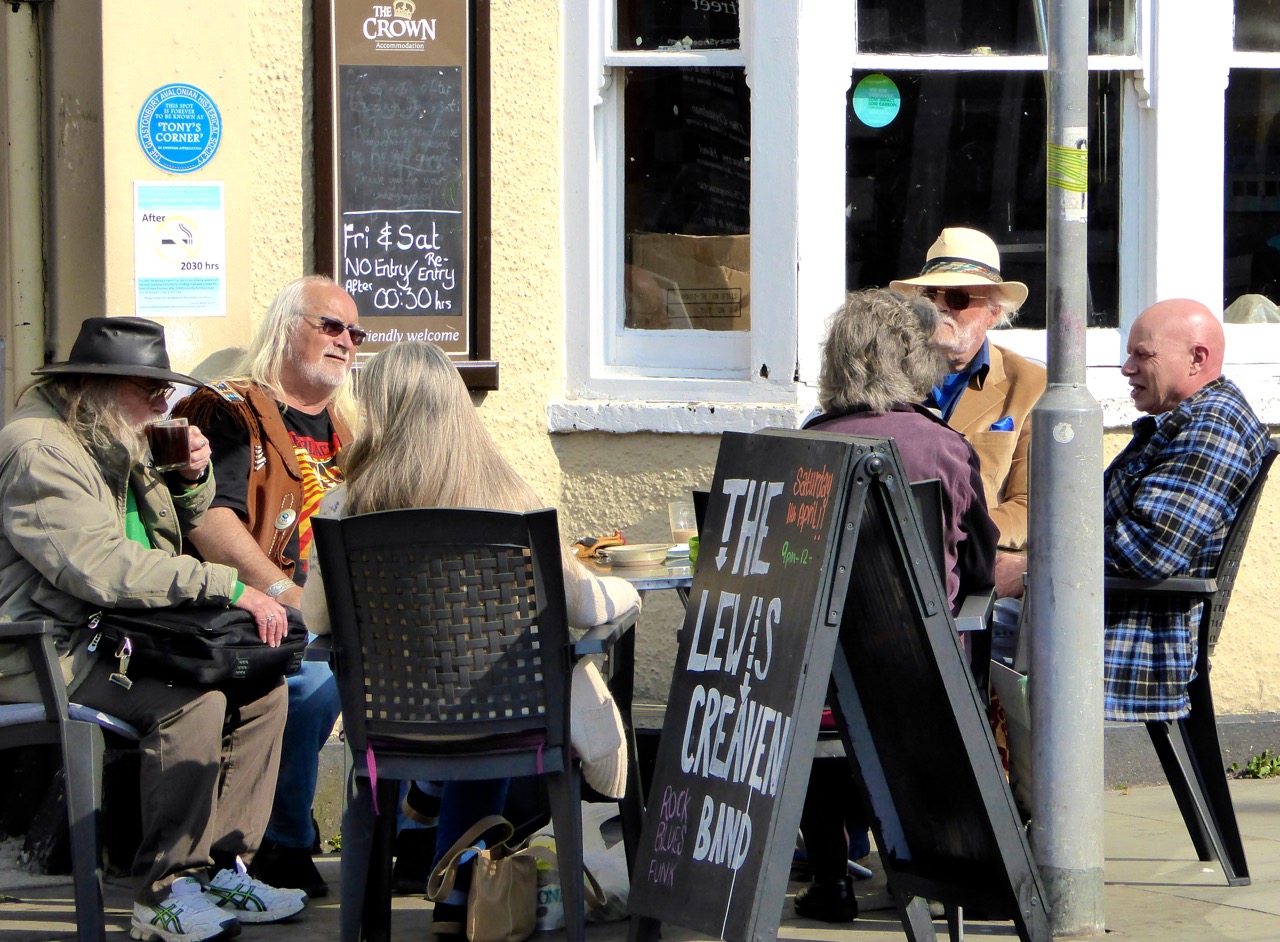
Coffee time in Glastonbury

Modern Pilgrims? Coffee time in Glastonbury

Why is this Somerset town so steeped in esoterica? It attracts ‘New Age’ adherents, pagans and Christians. Perhaps because it was a place of pilgrimage centuries ago – one of the most important in Britain. The biggest surprise for us was to find a chapel there dedicated to St Patrick!

St Patrick's Chapel - one of the earliest buildings at Glastonbury
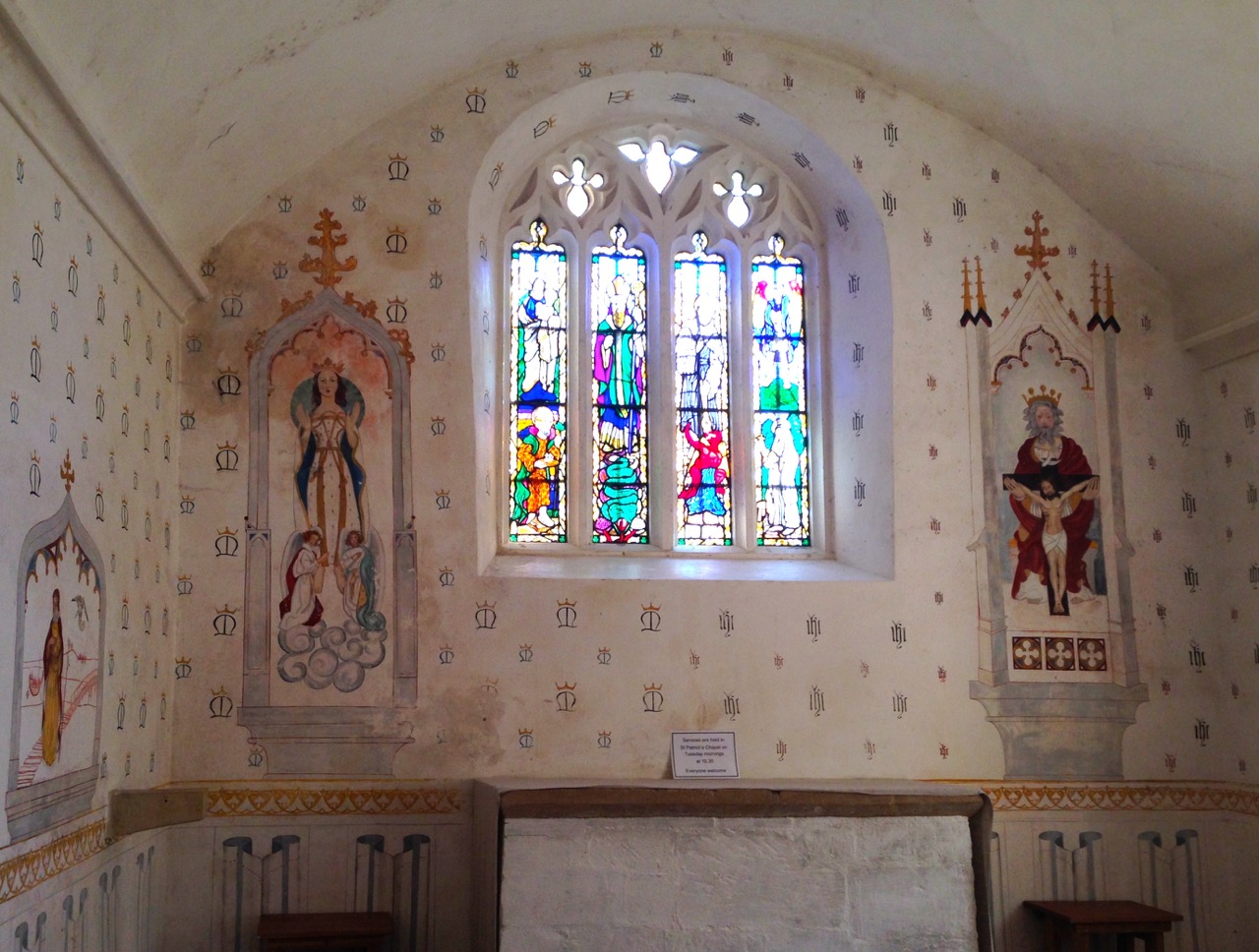
St Patrick’s Chapel – one of the earliest buildings at Glastonbury

Inside St Patrick's Chapel

Inside St Patrick’s Chapel

The chapel is in the grounds of Glastonbury Abbey and – like the Abbey itself – the little building has had a chequered history. It is well preserved, however, although the wall paintings and glass are from a modern renovation.
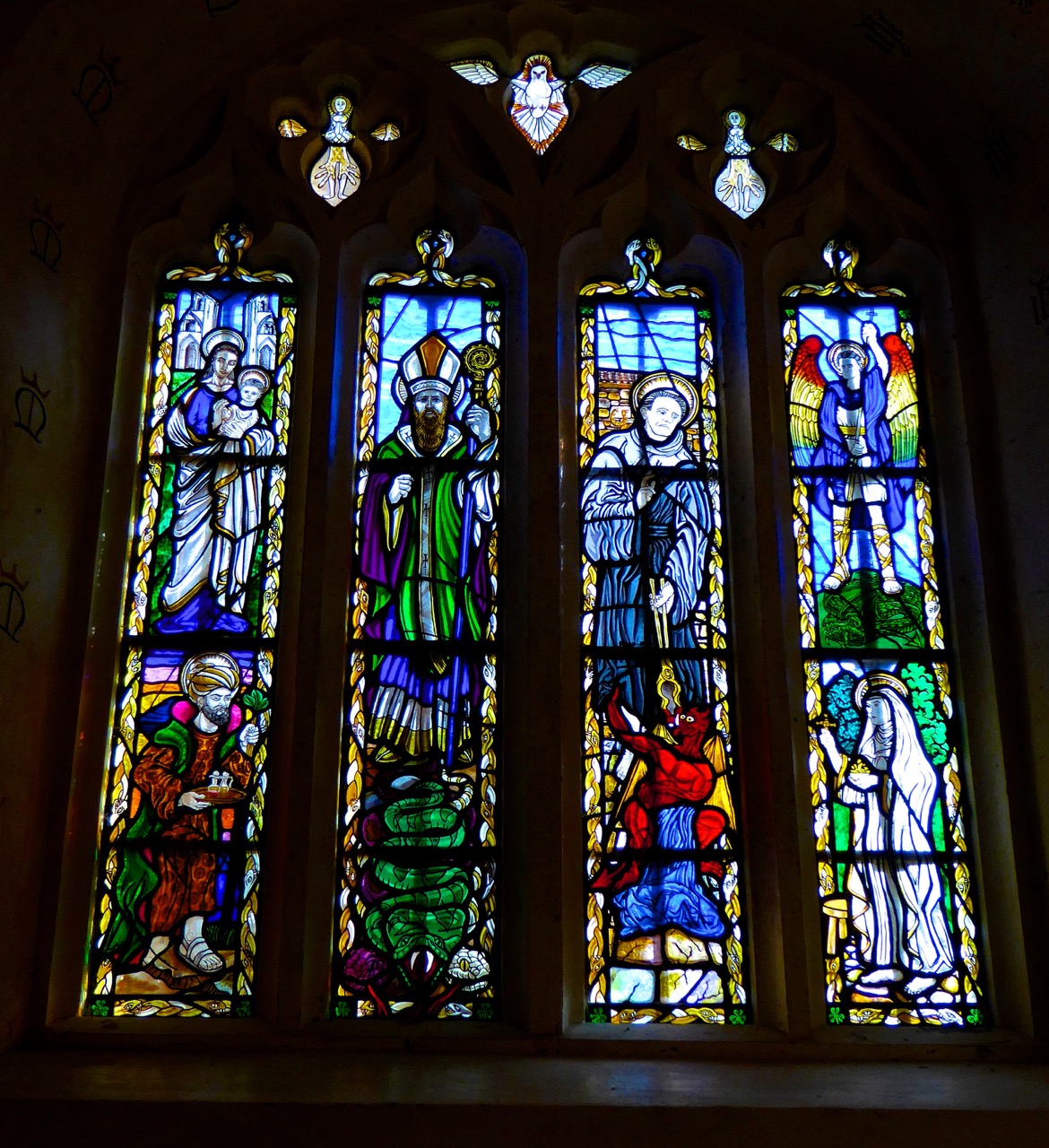
The chapel window - note St Patrick's wonderful snake!

The chapel window – note St Patrick’s wonderful snake!

Glastonbury is a place of history and of legend. The most important of these has to be the one that William Blake immortalised in his poem Jerusalem:

And did those feet in ancient time walk upon England’s mountains green…

‘Those feet’ are the feet of Jesus himself who – tradition insists – was brought to this site as a boy of twelve by his great-uncle, Joseph of Arimathea, a tin trader. Jesus in Britain? No wonder the Abbey was such a glorious place, and a rich and powerful one in medieval times. Even in ruins, the buildings have a presence and elegance which for me is unmatched in any of the other ancient monastic sites I have visited. With that history there couldn’t be anywhere more important outside of the Holy Land.

Back to the story – When Joseph landed on the islands that were Somerset in those days, he climbed to the top of Wearyall Hill and planted his staff there. It took root and grew into a thorn tree. Magically, that tree always flowered on Christmas Day. The original thorn has gone from the hill, but cuttings have been taken over time and they exist elsewhere: one such is within the Abbey grounds, just outside St Patrick’s Chapel. They still flower on Christmas Day, and the Queen is always sent one of the blooms.
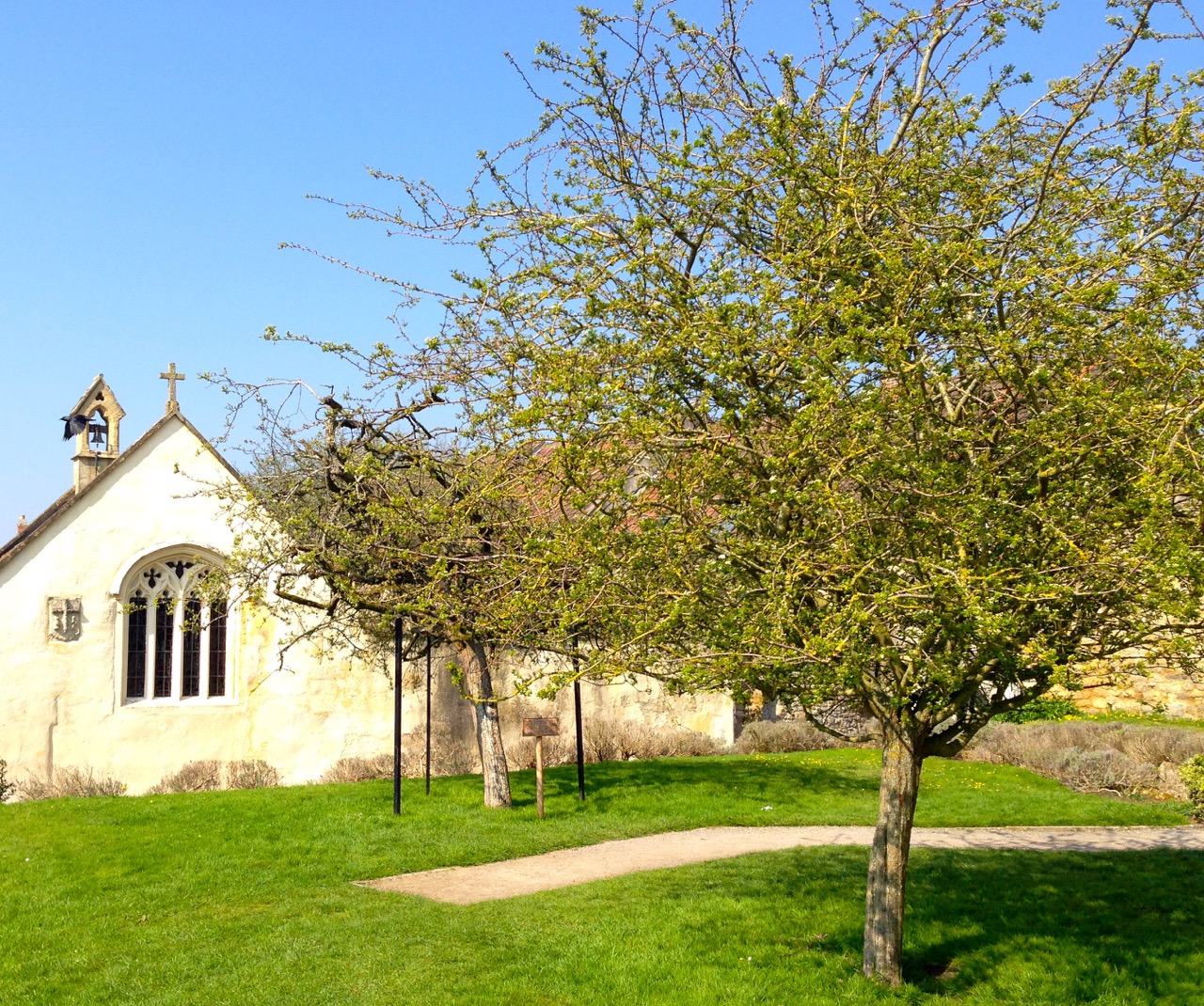
Glastonbury's Holy Thorn, planted by Joseph of Arithamea

Glastonbury’s Holy Thorn, planted by Joseph of Arithamea

A tradition tells us that St Patrick grew weary of his work in Ireland and returned to Britain in old age. He went to Glastonbury because of its importance, and he was joined there by a band of monks who elected him their Abbot. After a few years he died and was buried in the Abbey grounds. Other important visitors here included St Brigid – who is pictured milking her cow on the wall of St Michael’s Tower on the Tor. St Brigid is also considered a Goddess – suitable for a town in which Paganism and Christianity seem to co-exist quite happily.

Typical Glastonbury shopfront
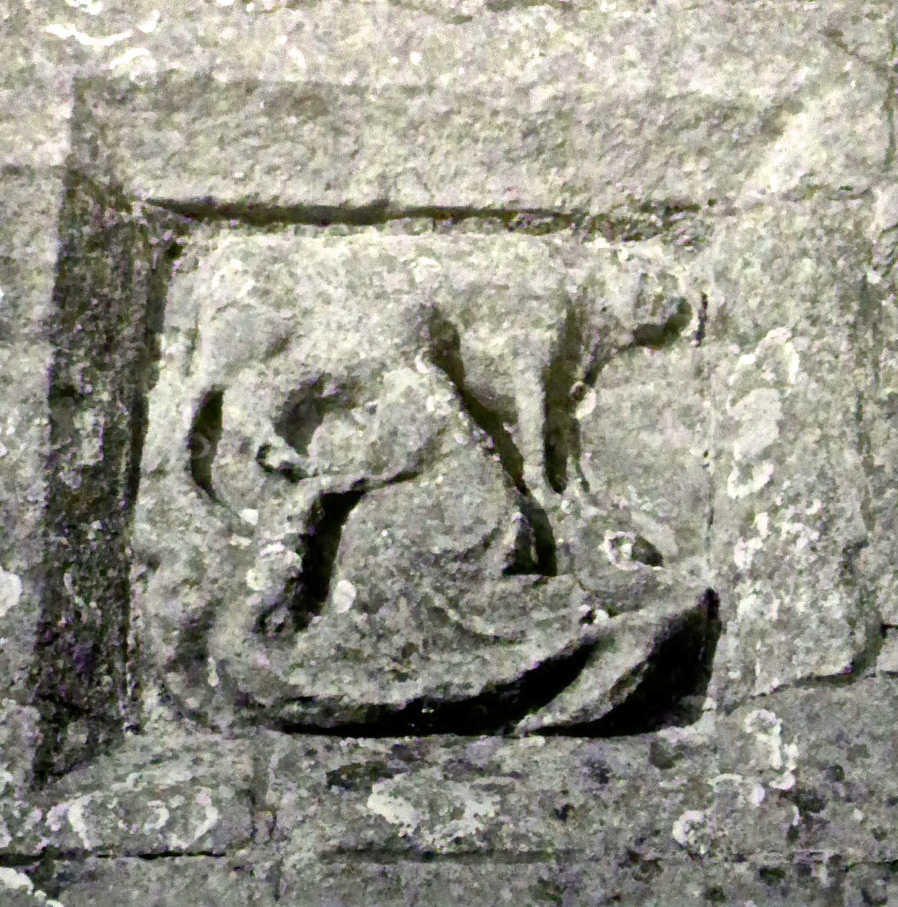
Typical Glastonbury shopfront

St Brigid - another Irish Saint in Glastonbury

St Brigid – another Irish Saint in Glastonbury

The stories go on and on: a multitude of Saints is buried around the Abbey evidently – and the Virgin Mary herself visited – with her Uncle Joseph – and (some say) is also buried there…

We musn’t forget another Glastonbury VIP – King Arthur. In the twelfth century the grave of Arthur and Guinever was found by monks when carrying out restoration works in the nave of the Abbey. This added to the notoriety – and the fortunes – of the monastic establishment…

sign

Time Warp

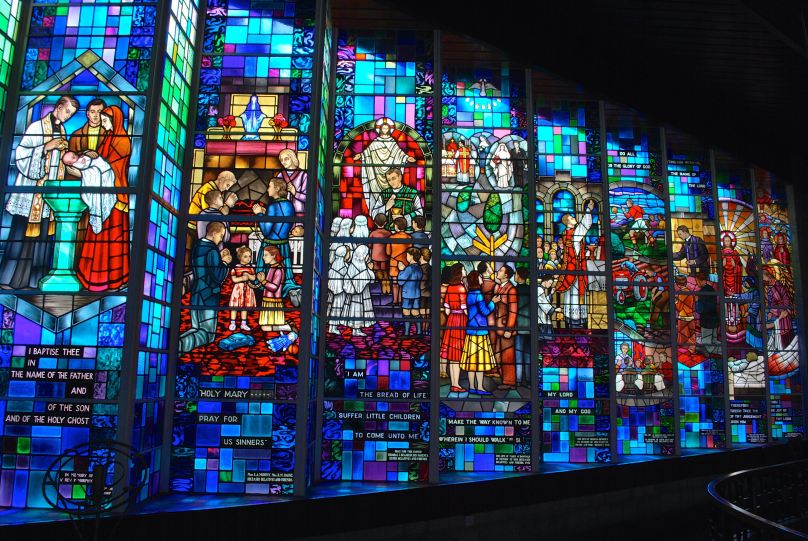
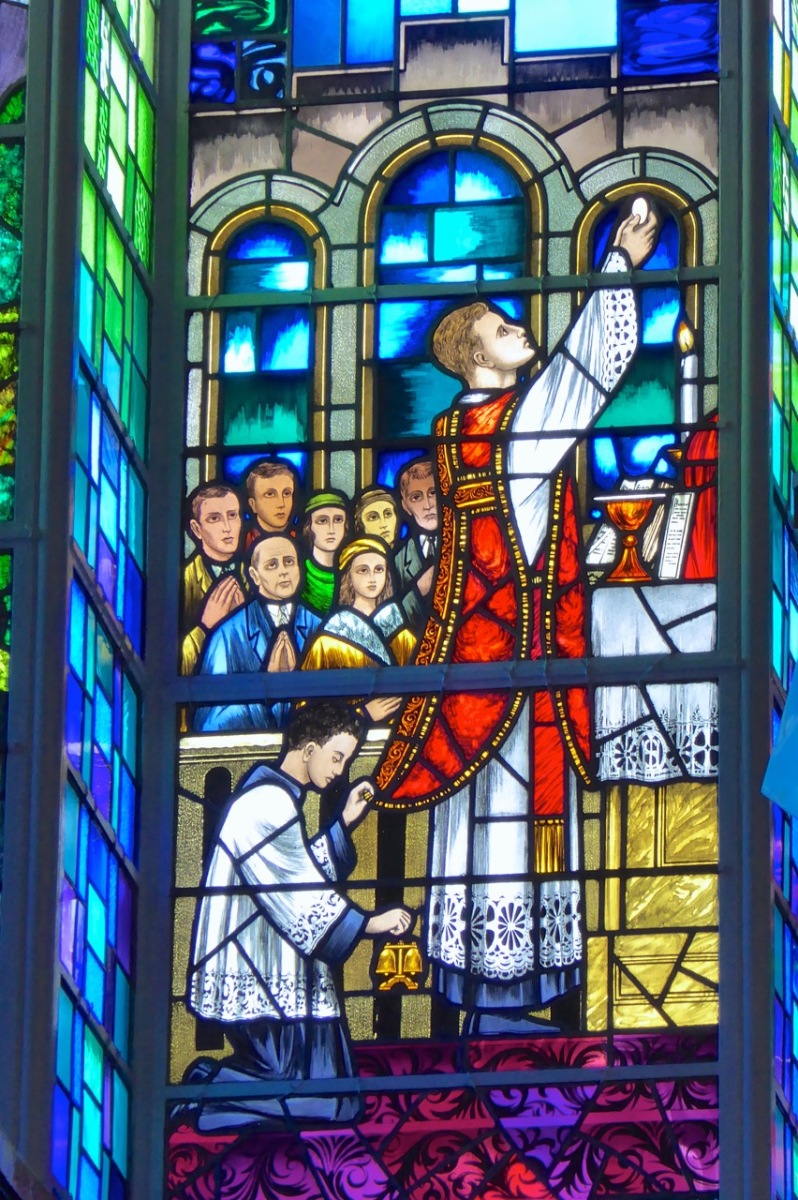
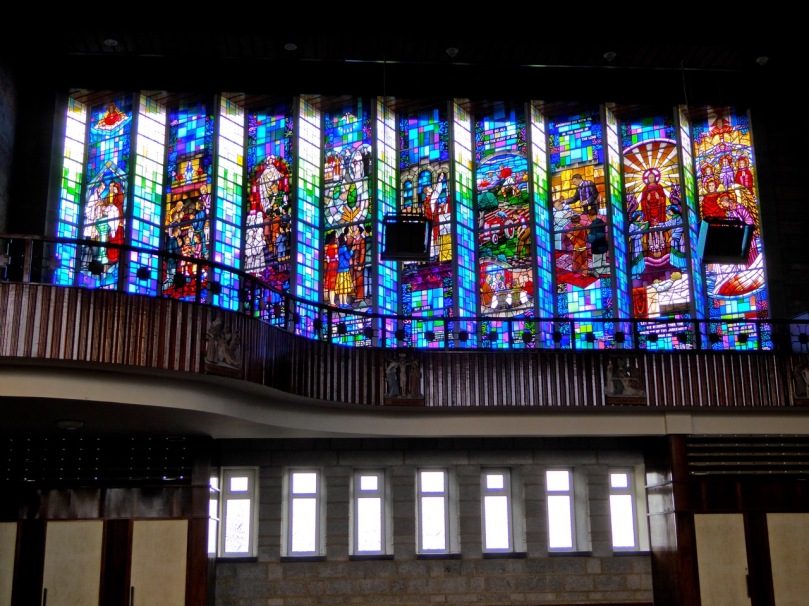
Stained Glass Wall in All Saints Church, Drimoleague

Stained Glass Wall in All Saints Church, Drimoleague

It was the early 1960s and I was sitting in class in my convent school while Mother Francisca explained the purpose of our education and gave us a glimpse of our futures. “What we want for you, girls,” she said, “is to be Good Wives or Nuns.” This week, I landed back in that classroom with a bang. Did I visit my old school? No – I strayed into a time warp. In doing so I rediscovered part of my heritage I had almost forgotten and I met a brilliant young scholar who helped me access those dim memories again.

All Saints, Drimoleague - 1950s modernist architecture

All Saints, Drimoleague – 1950s modernist architecture

All Saints Catholic Church in Drimoleague is one of the most extraordinary buildings in West Cork. First of all, it’s a fine example of mid-century modern architecture (and there aren’t a lot of those in West Cork) and an engineering triumph. Built in the 1950s of concrete and limestone, its cavernous interior has no need for pillars: nothing intrudes between worshippers and altar. It’s like stepping into an enormous, curiously bright, almost empty box. Secondly, it has extraordinary artwork in the form of a giant mural behind the altar and a panel of stained glass windows above the balcony on the south wall. It was the stained glass that stopped me in my tracks.

All Saints, the interior

All Saints, the interior

The glass is laid out in a series of frames that takes the viewer from birth to death – no, beyond death, to heaven. The church was built in the 1950s and each frame represents the values of rural Catholic Ireland of that time. In a strange way it reminded me of a High Cross, in that the illustrations that we see on High Crosses were meant to tell a story – a biblical one in that case – and to instruct the viewer in the tenets of the religion. The purpose of this wall of glass was also educational – to provide a primer to mass-goers on the aspirations and actions that should guide their lives.

The Stained Glass panel, image © Richard James Butler

The Stained Glass panel, image © Richard James Butler

My parents, imbued with the message that the family that prays together stays together, developed an intermittent enthusiasm for saying the rosary. We would gather in the kitchen after dinner, each with our beads, and kneeling on the hard tiles we would tell off the Sorrowful or the Glorious Mysteries. The second frame shows just such a family, and I particularly love the toys on the floor and the statue of Mary on the mantlepiece. There’s a grandmother and a baby in a cot, and a little girl being inducted into the Mysteries by her older sister.

The next frame shows First Communion, with the girls in miniature bride outfits (as they are to this day) and the boys in their Communion suits with the short trousers and knee socks that all boys wore at that time. Since my godson in Dublin is about to make his First Communion I have been hearing about the process and I understand that apart from the length of the boy’s trousers not a lot has changed in 60 years.

First Communion

First Communion

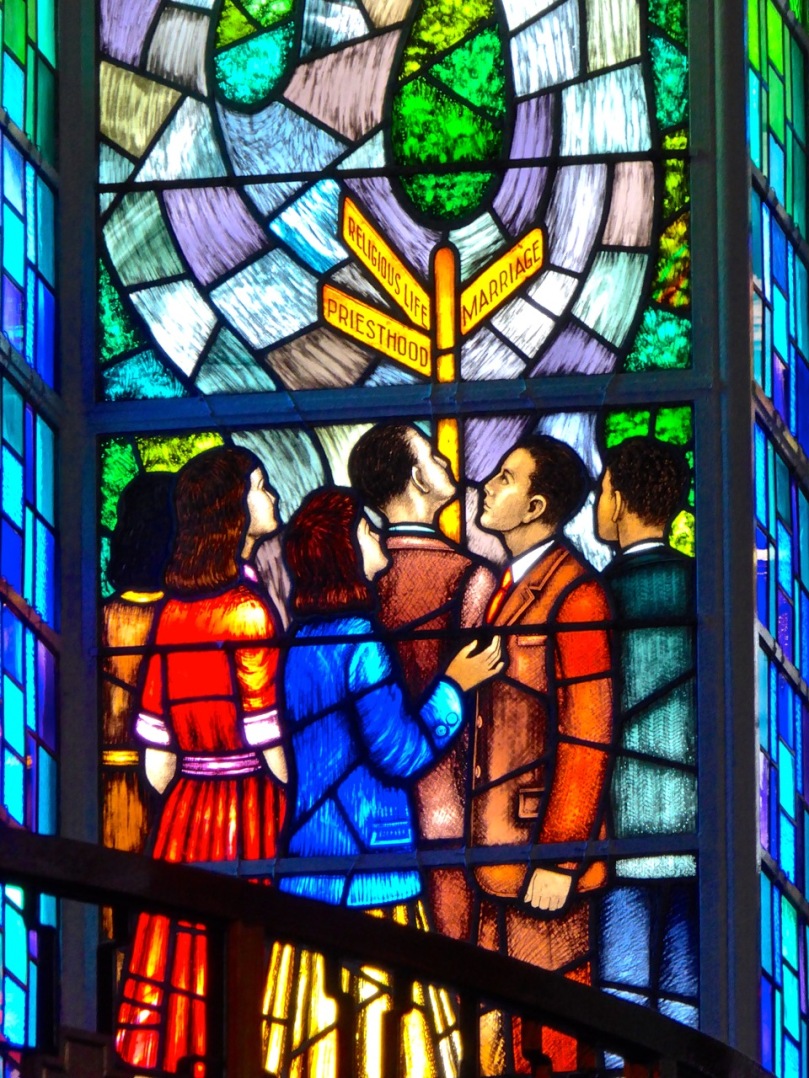
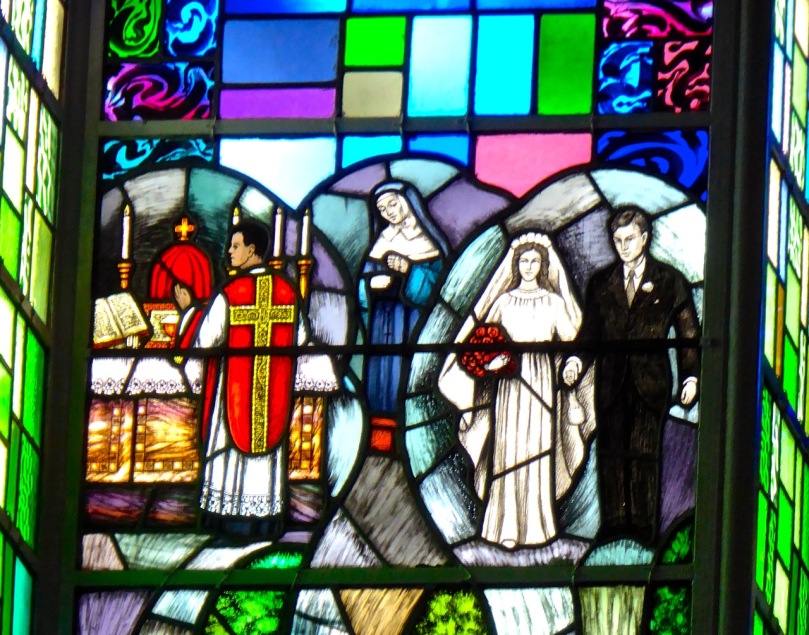
The one that brought me back to Mother Francisca shows earnest young men and women gazing at a directional sign which shows them their choices – marriage or the religious life. That was it! To hammer home the point the top of the panel shows a wedding, a priest and a nun. I’m casting my mind over the group of girls I went to school with – we didn’t produce any nuns and while most of us married I can’t think of a single one who hasn’t worked – we count among us an ambassador, teachers and principals, a town planner, an artist, a college dean, office administrators, a medical doctor, an international expert on child protection, a veterinary nurse, a parliamentary reporter, a lawyer…the list goes on. But none of this was discussed at school: we had no career guidance, no aptitude tests, no encouragement of any kind to think of ourselves as people who would work for a living. What’s curious is that we developed those careers in the complete absence of any kind of conscious preparation for them at the secondary school level.

Choices

Choices

Choices made

Choices made

The sixth frame might be my favourite. It’s the ‘work, rest and play’ lesson. At the bottom of the frame a happy family sits around the tea table. Above them men work on the fields and on top those men are playing Gaelic football while their wives sit on a bench on the sidelines and chat to each other. Men were to head the family, work and play hard, and women were to provide the supportive role. I doubt if anyone foresaw when that glass was designed in the 1950s that in the next century (only a few days ago in fact) two Irish rugby squads – the men AND the women – would bring home the Six Nations Cup for Ireland.

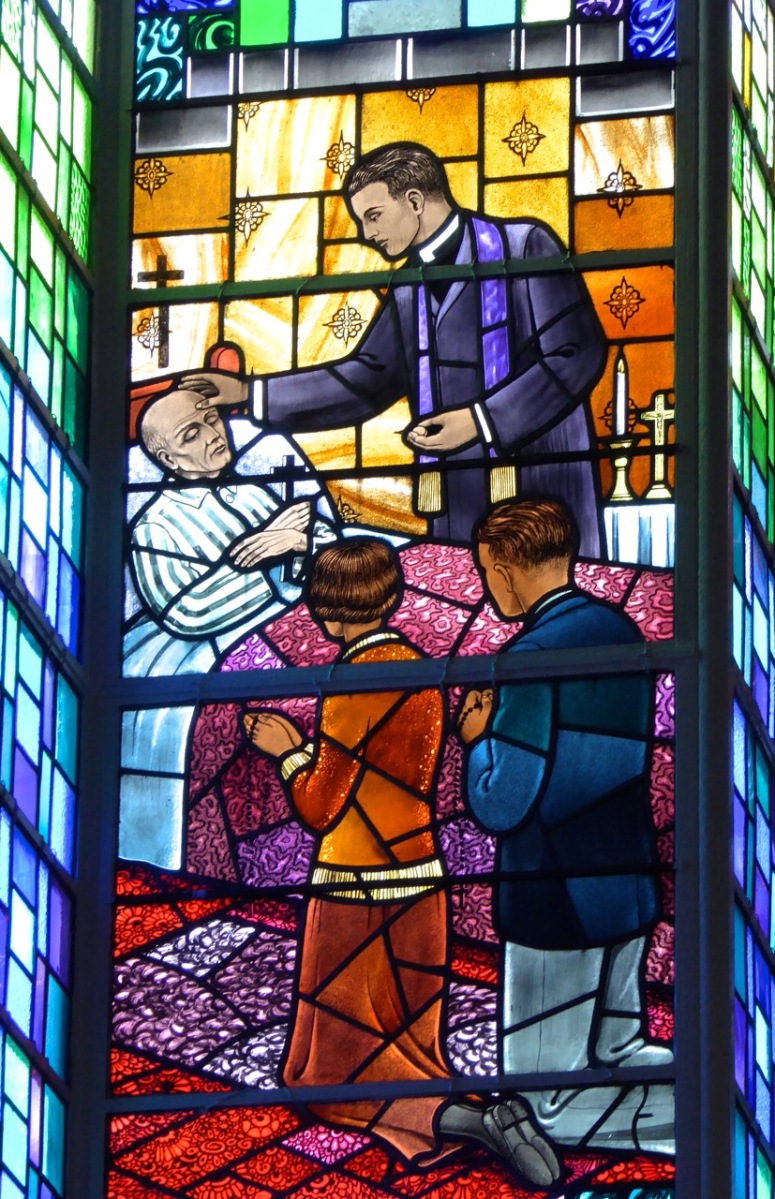
The last three frames deal with end of life, including Last Rights, death, and reception into heaven – the reward for living the exemplary life presented in the stained glass wall.

Last Rites

Last Rites

If you grew up like I did in 1950s Ireland, or if you are interested in the art and architecture or the social history of this period, the Church of All Saints in Drimoleague tells a fascinating story. There is little available online about this church – I couldn’t even find out who designed the windows. But my research revealed that one other person was as struck as I was by this church, although in a more scholarly way. Richard James Butler is a gifted young art historian from Bantry who is completing doctoral studies at the University of Cambridge. We were lucky to hear him speak at the Bantry Historical Society recently on the subject of the courthouses of West Cork – a topic we had no idea could be as interesting until we heard his erudite and engaging presentation. He has written a paper, All Saints, Drimoleague, and Catholic visual culture under Bishop Cornelius Lucey in Cork, 1952-9, which will be published in the next issue of the Journal of the Cork Historical and Archaeological Society. I’ve had a sneak peak, thanks to Richard’s generosity in sharing his findings with a fellow enthusiast. His paper deals with the Catholic ethos within which that era of church construction operated, with the role of the local community in commissioning such an unusual edifice, with the enormous mural, and with the windows. It was only after communicating with Richard that I learned that the windows were the work of the Harry Clarke Studios* and how unusual they were for their day in not being concerned solely with images of saints, the life of Christ, or Mary. If you get a chance to read his paper when it’s published, do so – it may make you take a fresh look at the legacies of 1950s Ireland by which we are still surrounded.

Devotion in 1950s West Cork

Devotion in 1950s West Cork

* For a discussion of the difference between Harry Clarke windows and Harry Clarke Studio windows, see this post.

Cork’s Rebel Daughter

most dangerous

The Most Dangerous Woman in America

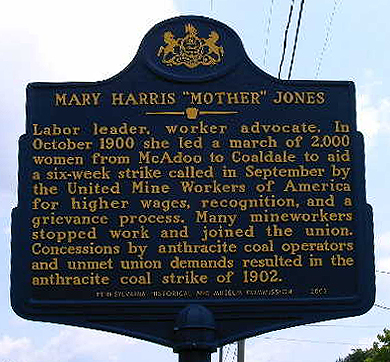
Mary Harris was born in Cork City in 1837. Like the lady herself, that’s a bit controversial: she claimed to have been born on 1st May 1830 – probably because that enabled her to celebrate her 100th birthday in 1930 – but also because the first day of May has always been associated with workers’ rights. She didn’t make a huge impact in Ireland, as she emigrated with her parents as a child. The first paragraph of her autobiography (published 1925 by C H Kerr + Co, Chicago) succinctly summarizes the early years of her life:

…I was born in the City of Cork, Ireland, in 1830. My people were poor. For generations they had fought for Ireland’s freedom. Many of my folks have died in that struggle. My father, Richard Harris, came to America in 1835, and as soon as he had become an American citizen he sent for his family. His work as a laborer with railway construction crews took him to Toronto, Canada. Here I was brought up but always as the child of an American citizen. Of that citizenship I have ever been proud…

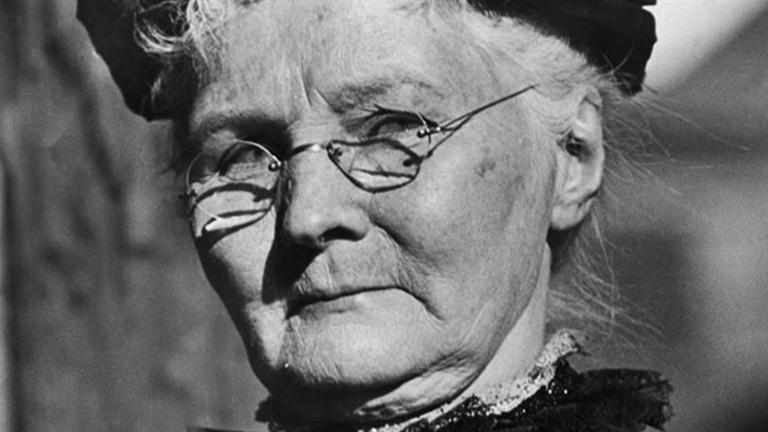
Mary Harris – Mother Jones – remembered in Cork (left) and in the US (right)

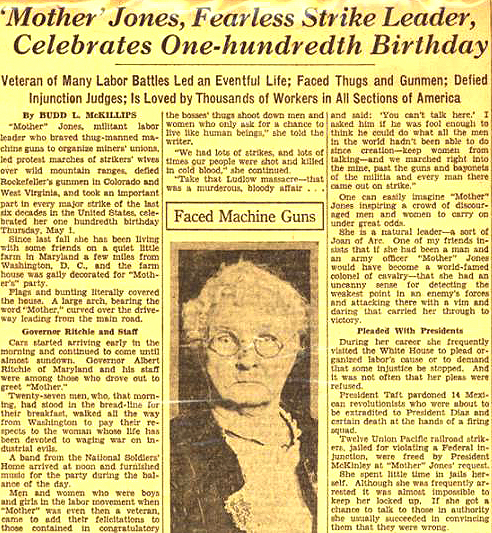
Mary was a ferocious socialist – perhaps influenced initially by her husband George E Jones, a member of the Iron Molders Union in Memphis. She lost her husband and four young children to a yellow fever epidemic in 1867, and seemed to take the emerging Labor Movement as her family thereafter. She re-created herself as ‘Mother Jones’ and spent the rest of her life supporting the rights of workers in the railroad, steel, copper, brewing, textile, and mining industries. The five foot tall white-haired Irish lady participated in hundreds of strikes all over America, and attracted public attention by mobilising miners’ wives to march with brooms and mops in order to block strikebreakers from entering the mines.

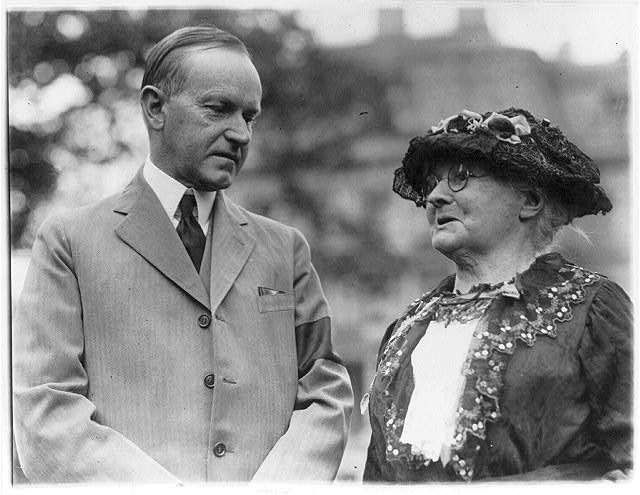
Mother Jones meets President Coolidge in 1924 (Library of Congress)

Mother Jones meets President Coolidge in 1924 (Library of Congress)

Mother Jones helped found the US Social Democratic Party (1898) and the Industrial Workers of the World (1905); she published articles in the International Socialist Review, met and lobbied (and gained the respect of) several Presidents and spent time in jail. On one occasion when violence broke out during a mine strike in West Virginia, a state military court convicted her of conspiracy to commit murder.  Nationwide protest led the Governor to commute her twenty-year sentence.

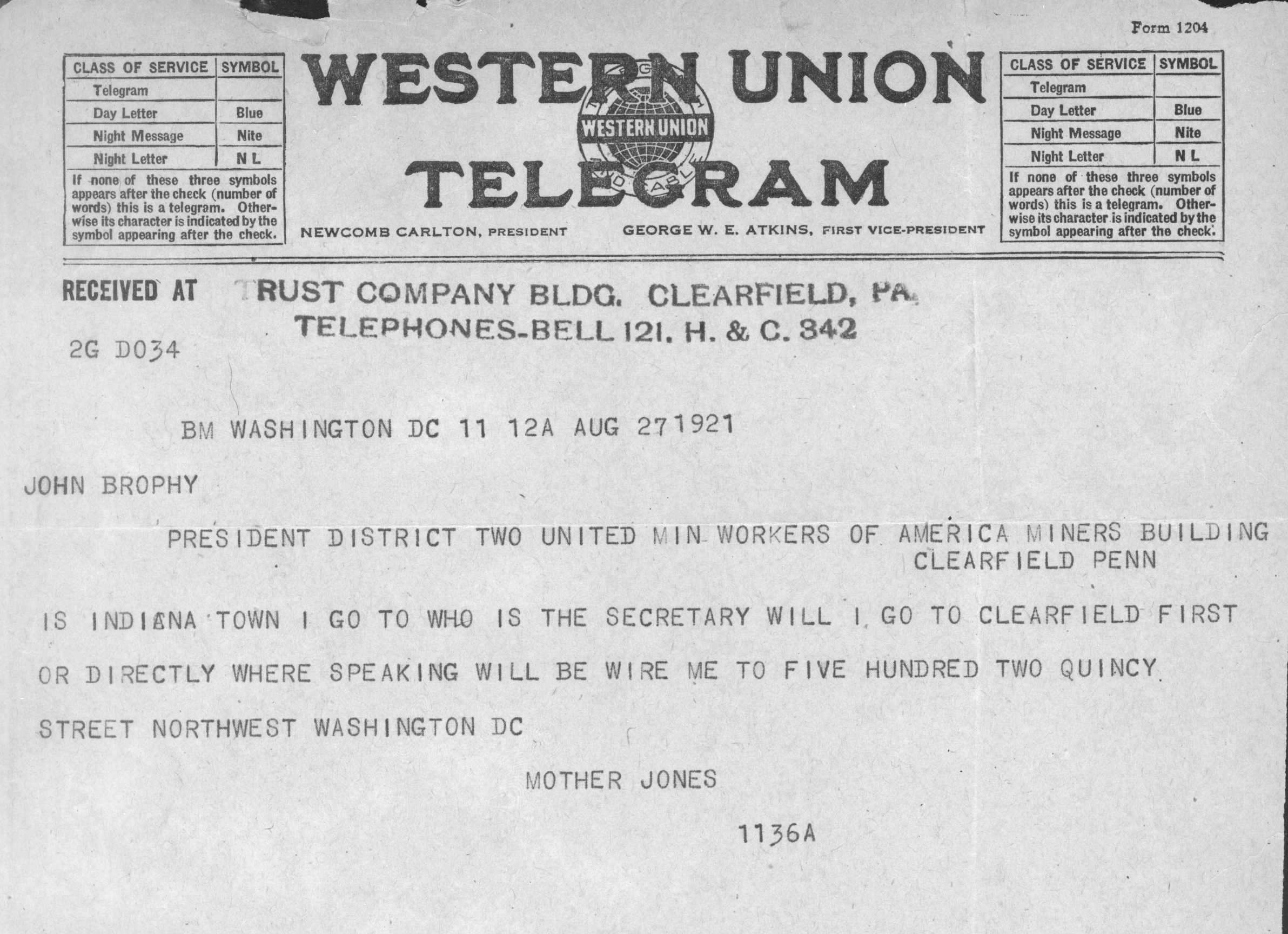
Mother Jones in action in 1921

Mother Jones in action in 1921

Some quotations ascribed to Mother Jones:

A lady is the last thing on earth I want to be.  Capitalists sidetrack the women into clubs and make ladies of them

Pray for the dead and fight like hell for the living

My address is like my shoes. It travels with me. I abide where there is a fight against wrong

No matter what the fight, don’t be ladylike! God almighty made women and the Rockefeller gang of thieves made the ladies

I asked a man in prison once how he happened to be there and he said he had stolen a pair of shoes. I told him if he had stolen a railroad he would be a United States Senator

The employment of children is doing more to fill prisons, insane asylums, almshouses, reformatories, slums, and gin shops than all the efforts of reformers are doing to improve society

I’m not a humanitarian, I’m a hell-raiser

memorial

Strangely, Mary did not support the women’s suffrage movement in the United States: she considered it a middle class diversion taking the focus away from the fight against social injustice and basic universal rights for all workers. In her eighties she was still actively supporting strikes involving streetcar, garment and steel workers.

Mary Harris Jones died on November 30, 1930.  After being celebrated by a mass in Washington DC, she was buried at the Union Miners’ Cemetery in Illinois, next to victims of the Virden, Illinois mine riot of 1898.  Her funeral was attended by thousands of labour supporters, mine workers and other mourners.

Cork remembers this daughter of revolution: we found a commemorative plaque in the Shandon district, close to the old Butter Market – historically the city’s most notable industry. In the States her name lives on also: Mother Jones is an independent, non-profit making magazine and website reporting on politics, the environment, human rights, and culture ‘…that in its power and reach informs and inspires a more just and democratic world…’

MoJo – the liberal Mother Jones Magazine

Bravo, Mary Harris of Cork, for being so committed to the fight for the basic rights of humanity in general and the working population in particular. And watch out, capitalists and oppressors – as she is reported as saying frequently ‘…the kaisers of this country are next, I tell ye…’

motherjones1


New Archaeology

Unexpected Discovery...

Unexpected Discovery…

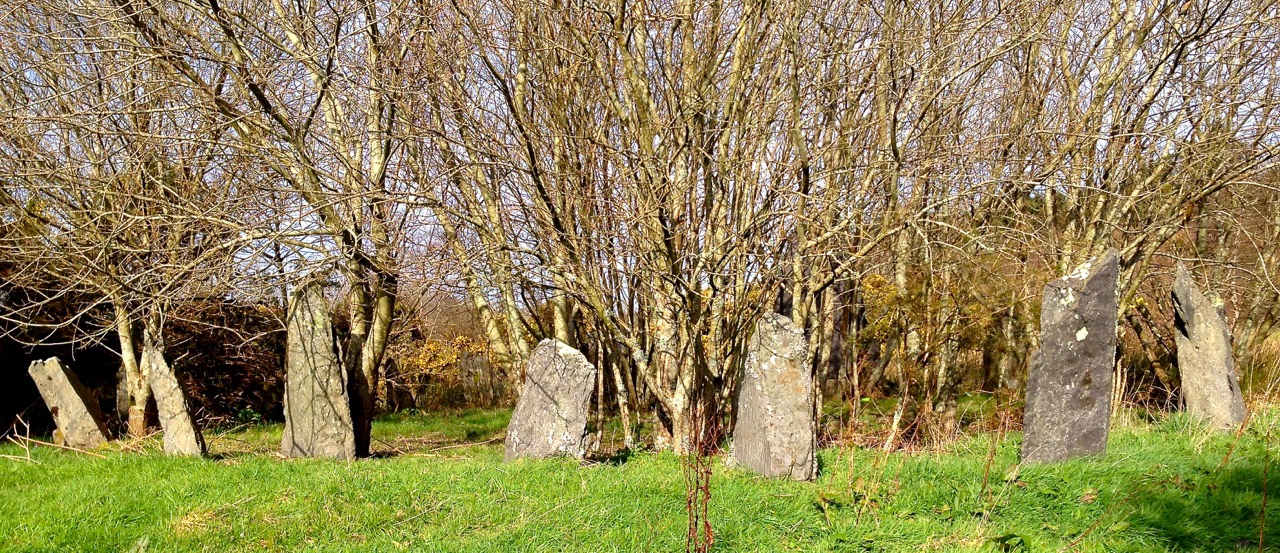
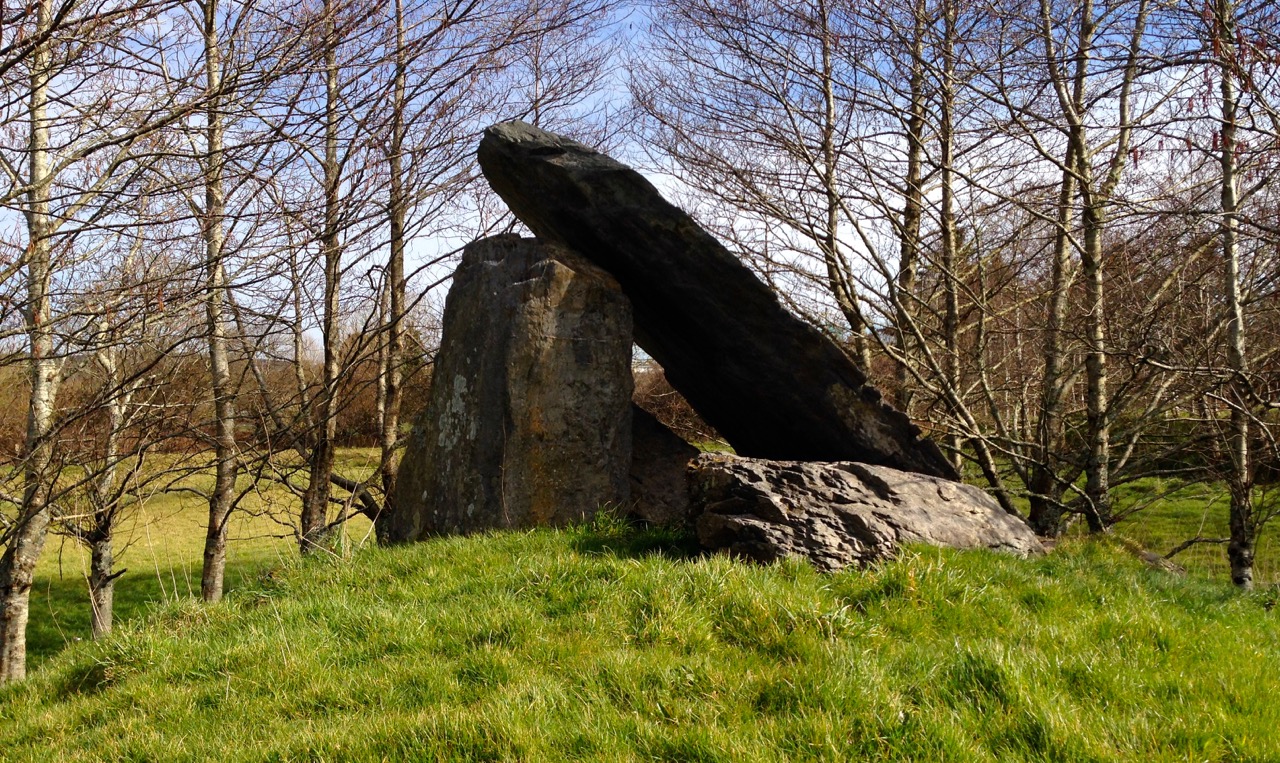
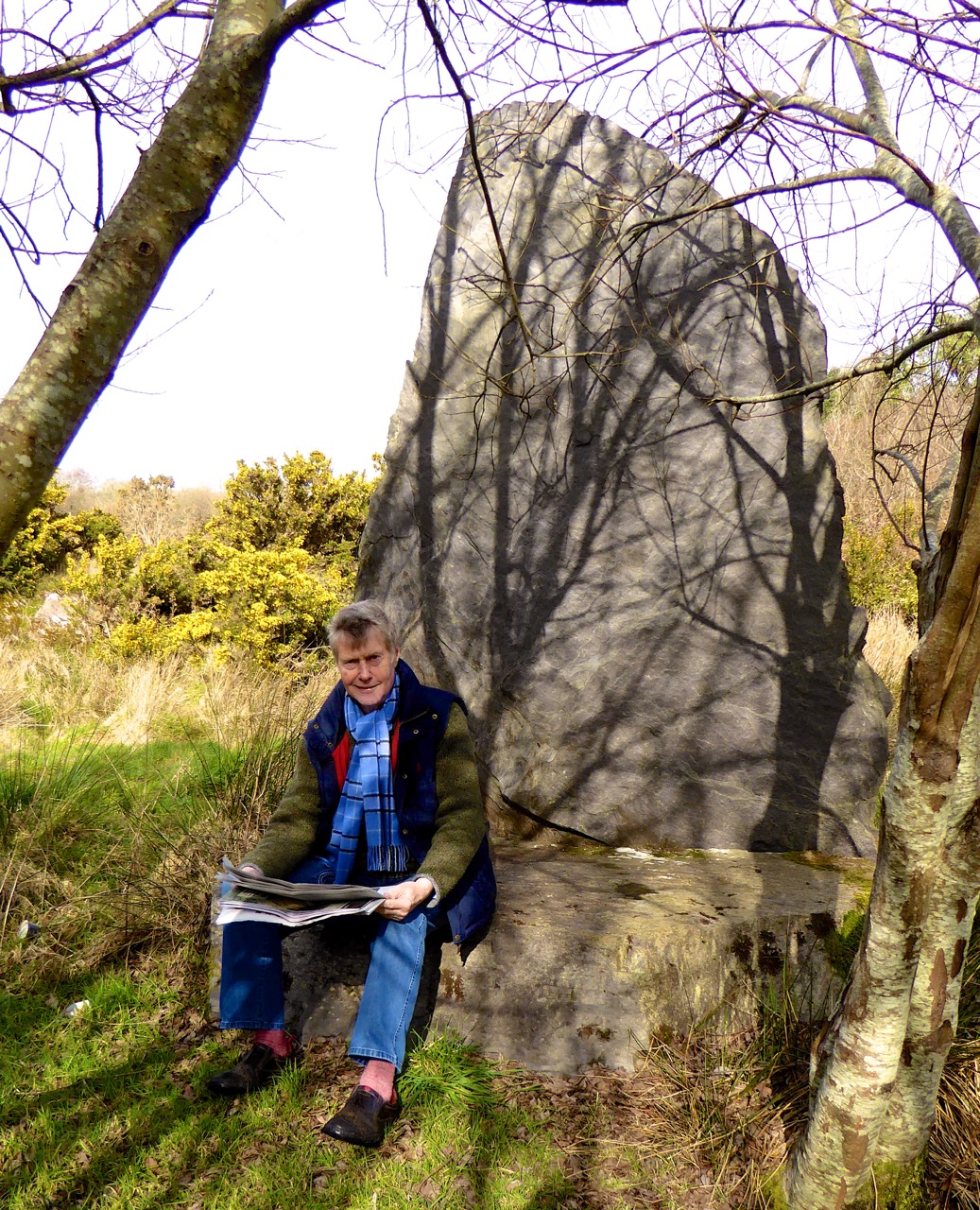
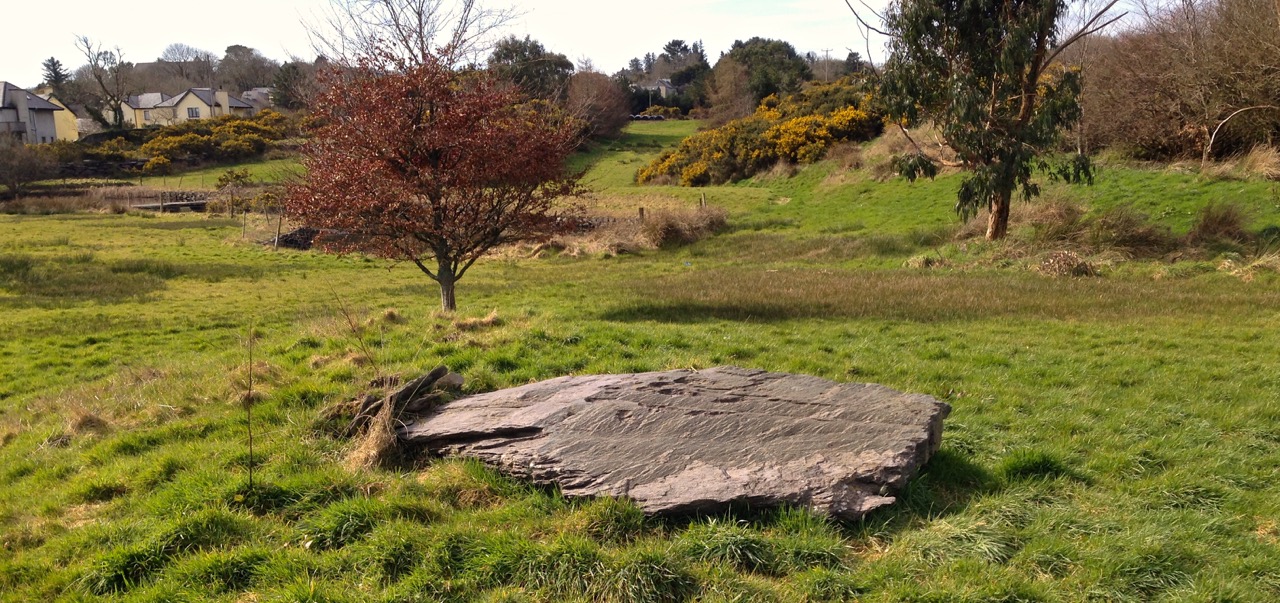
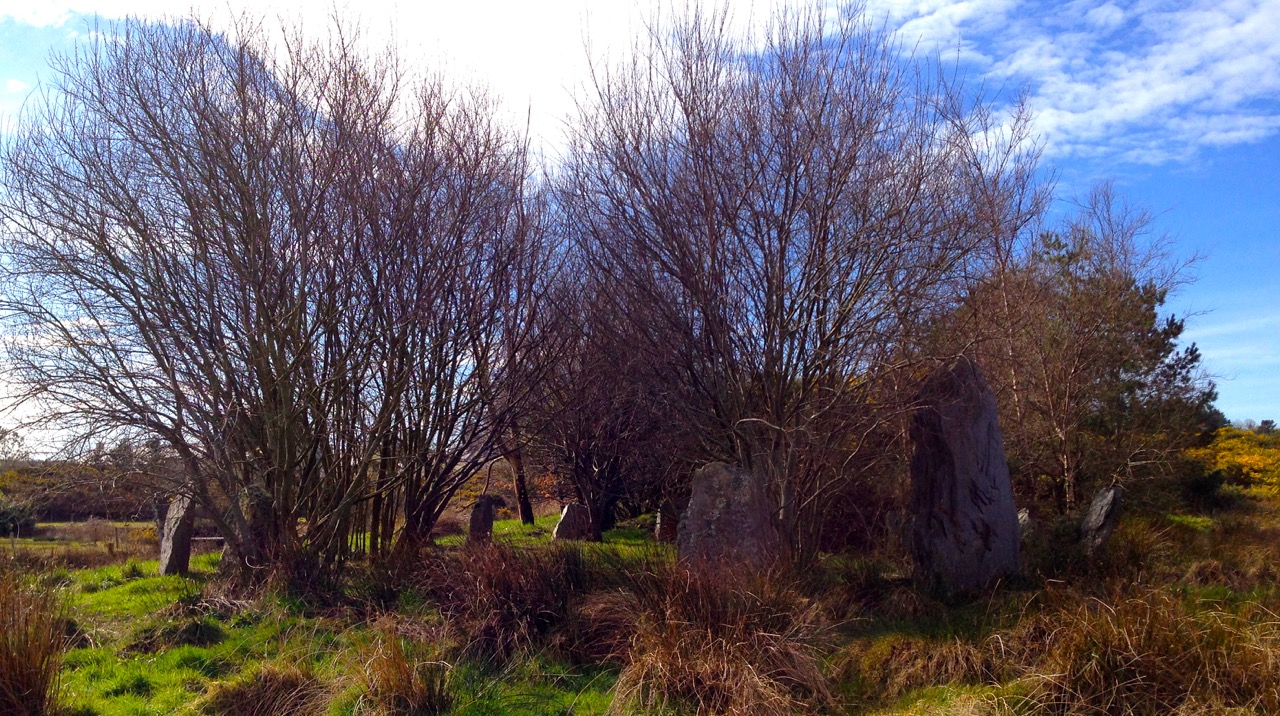
Wow! A hitherto unrecorded stone circle, a boulder burial, a gigantic standing stone and a dolmen… all found on a Saturday morning walk.

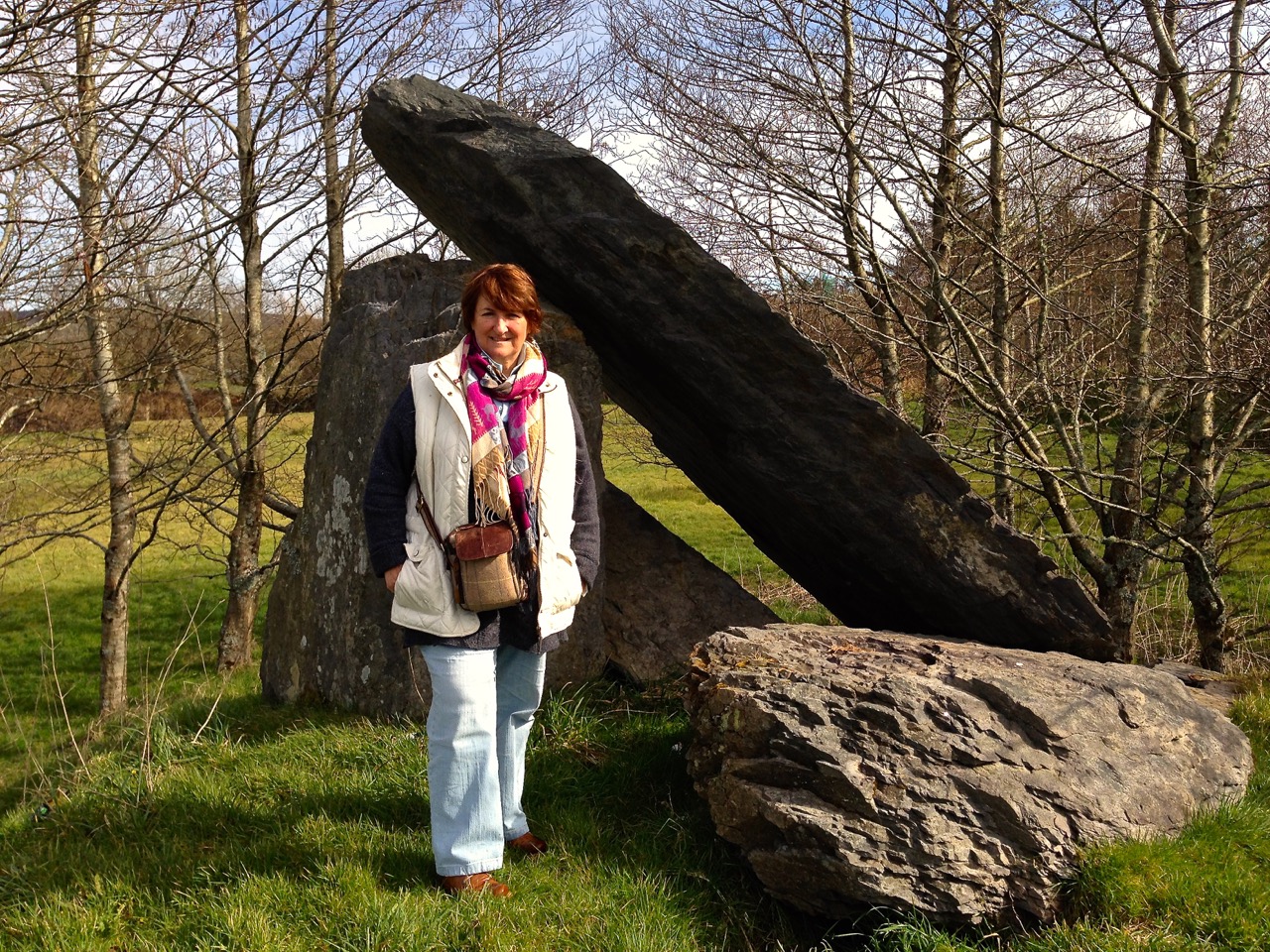
Ballydehob's Dolmen

Ballydehob’s Dolmen

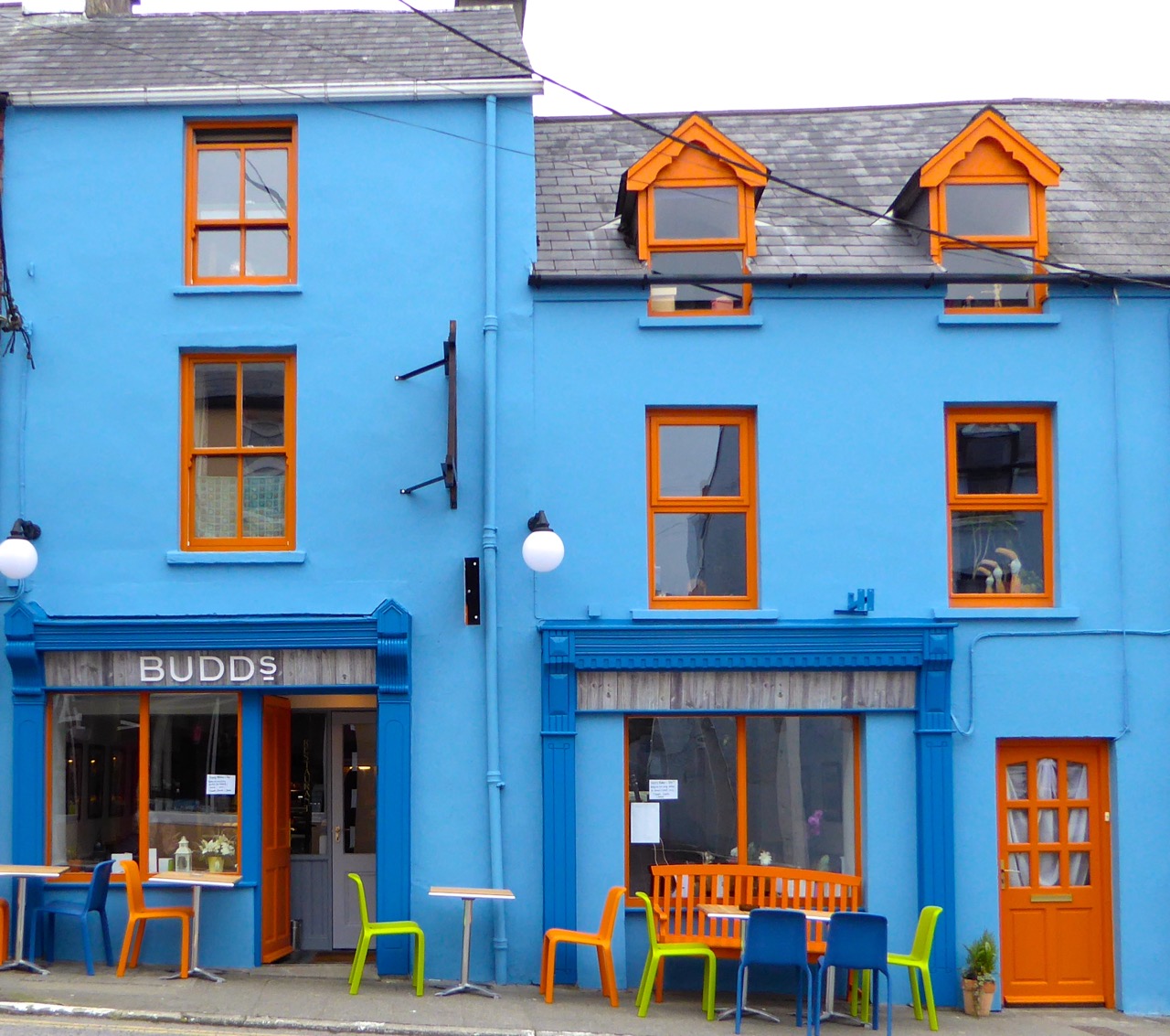
Budds

Our expedition began after a great breakfast in Budds – Ballydehob’s newest eating venue: try it out – it has an attractive cheerful atmosphere and the food is excellent. After this sustenance we set out to explore – for us – uncharted territory. Did we travel miles out into the wild hills of West Cork to find these remarkable pieces of archaeology? No, we walked a few metres down the road…

Time for the weekend paper - Robert takes to the Druid's Chair

Time for the weekend paper – Robert takes to the Druid’s Chair

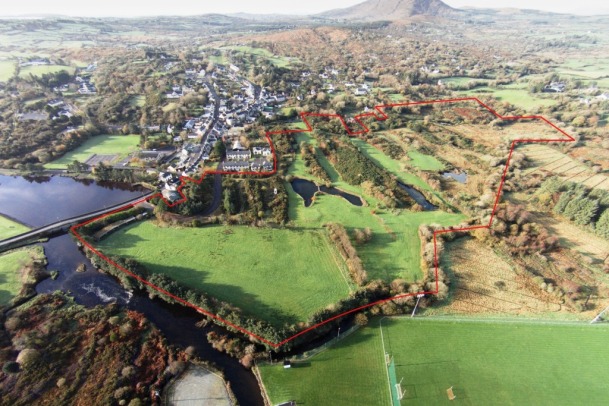
Right behind the main village street in Ballydehob is a spectacular example of twentieth century Irish history: a golf driving range with a prehistoric theme!

Aerial view of the site

Aerial view of the site

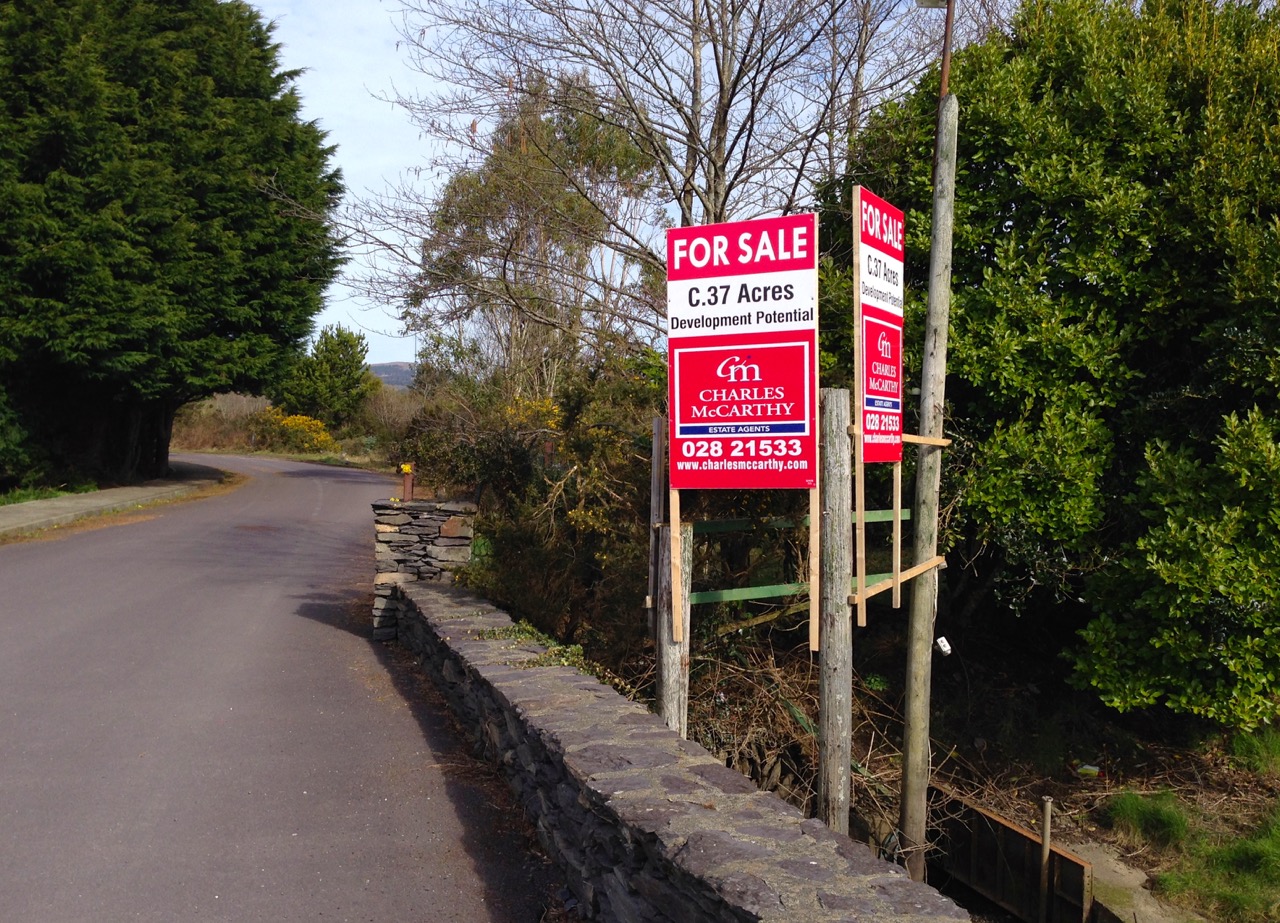
Ballydehob’s Golf enterprise came with the Celtic Tiger – and went when the Tiger collapsed. It’s now a site looking for a buyer – you could have it!

for sale

But we do hope that if someone does buy the site, then they keep all the features: the winding paths by the river, the parkland which feels so rural and secluded, yet is within a stone’s throw of the main N71 highway – and all the New Archaeology...

Riverside Walk...

Riverside Walk…

Boulder Burial...

Boulder Burial…

Circle within an 'ancient grove'...

Circle within an ‘ancient grove’…

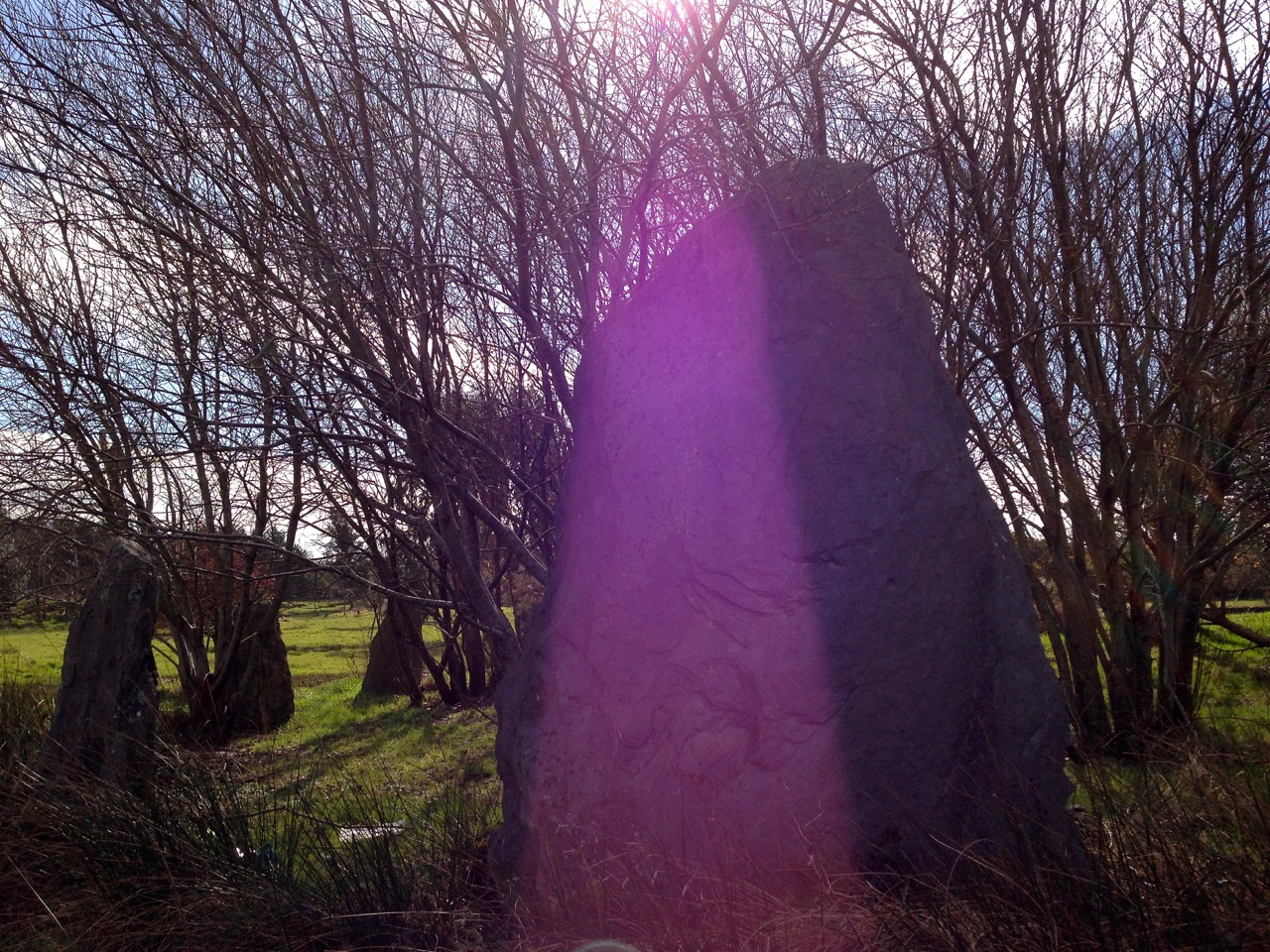
Megalith, enjoying a trick of the sun...

Megalith, enjoying a trick of the sun…

The unfortunate demise of the West Cork Golf Academy has left Ballydehob with an unofficial ‘town park’ – a very pleasant place to walk on a balmy spring morning. If only there was a way that this could become a permanent amenity for the community. But the land has a value and – presumably – potential for some worthwhile development. Who knows what the future holds? Meanwhile, we enjoyed our chance discovery of New Archaeology right on our doorstep!

PS – since publishing this post earlier today, I realise from comments received that some readers have been puzzled by it: rest assured that all this ‘new’ archaeology dates from the twentieth century – and was constructed as part of the golf project! They made such a good job of it that it could just prove very confusing for archaeologists of the future…

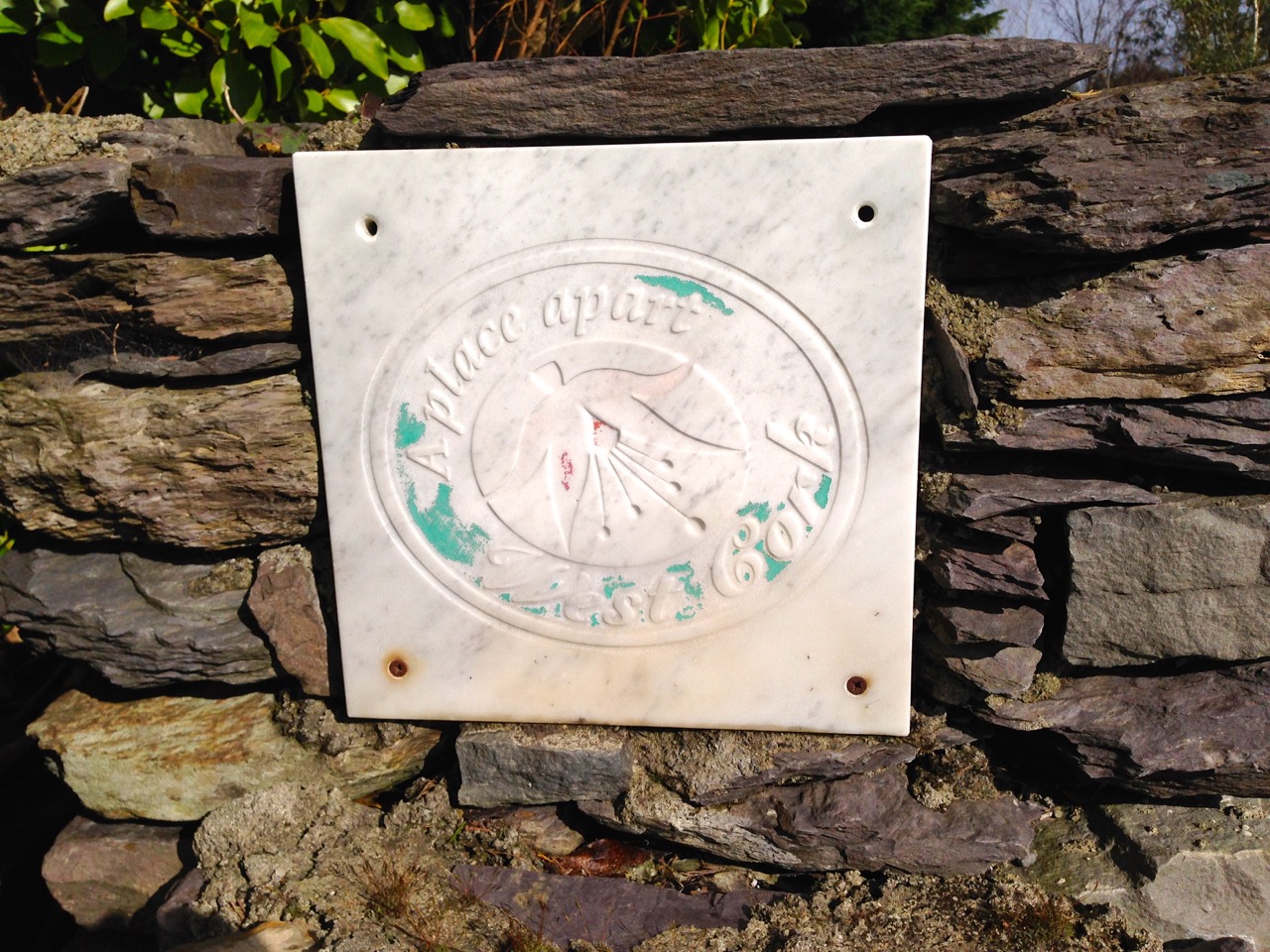
A Place Apart certainly - the Fuscia Brand labelling dating from better times

A Place Apart certainly – the Fuschia Brand labelling dating from vanished times

Finola enjoys the spirit of 'A Place Apart'

Finola enjoys the spirit of ‘A Place Apart’


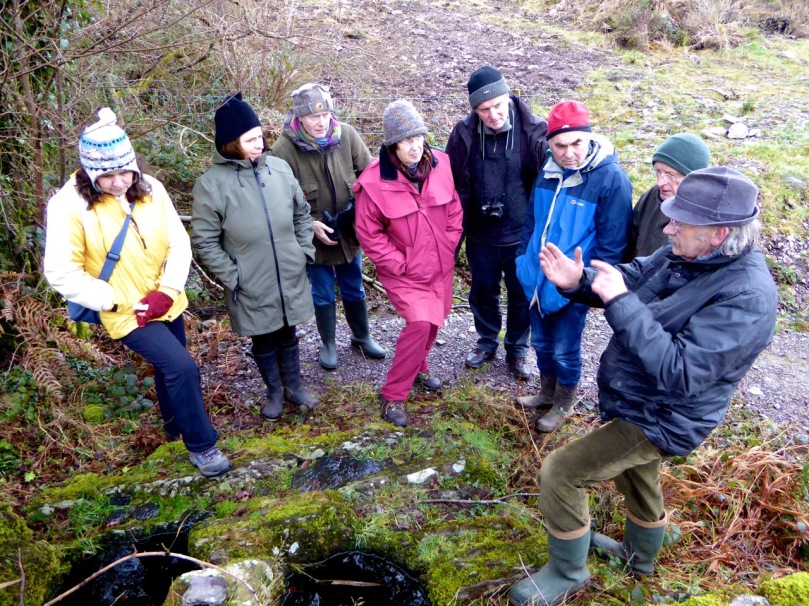
Field Trip – with Jack Roberts

Jack Roberts expounds on holy wells

Jack Roberts expounds on holy wells

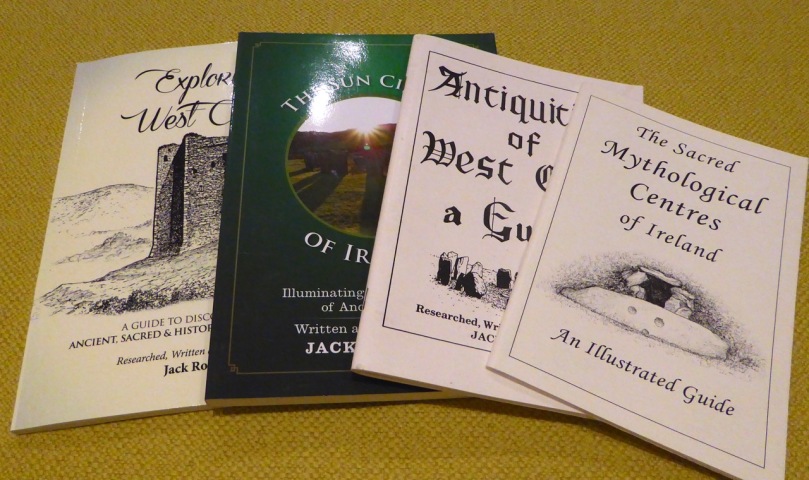
Anybody interested in exploring West Cork will have copies of Jack Robert’s books in their libraries. We have several but until this weekend we hadn’t really known the man himself. We were fortunate to be invited along on a field trip organised by old friends of his, on the occasion of one of his visits to West Cork.

Some of Jack's books

Some of Jack’s books

Jack arrived from England in 1975 as a fisherman. As he describes it, he was immediately intrigued with the landscape and the deep sense of history he saw all around him. He worked with Martin Brennan at Newgrange and Loughcrew, learning about the ancient monuments and observing first hand the astronomical alignments of passage graves and stone circles. Eventually returning to West Cork, he started to write guides to the ancient and spiritual sites of the area, illustrating them with his own charming and highly accurate pen and ink drawings. Well researched, delightfully succinct and displaying his vast knowledge of the area, these guides came to be prized possessions of those who purchased them. They’re still available, from Jack’s website, from Whyte Books in Schull and other bookstores, and on Amazon.

Jack lives in Galway now and has branched out. His latest book, The Sun Circles of Ireland, covers the whole country, as does his research into Sheela-na-Gigs. He makes jewellery based on prehistoric, Celtic and Early Christian motifs and has a stall in the Galway market.

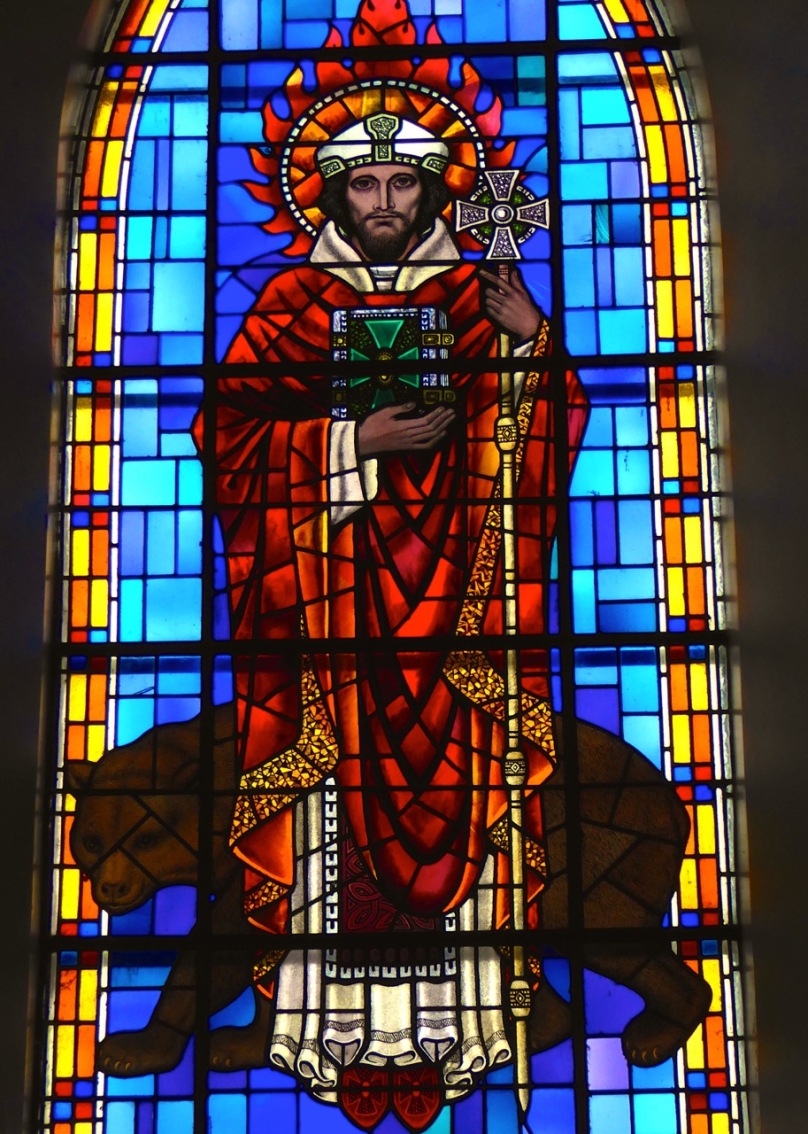
Our field trip took us into parts of West Cork unfamiliar to Robert and me, to visit a wide variety of monuments. In Inchigeelagh we stopped to examine a strange stone built into a grotto in the grounds of the Catholic church. Listed under Rock Art in the National Monuments site inventory, it is an anomalous piece of carving that is as mysterious as it is interesting. Of course Robert and I can never resist a peek inside churches, and this one contained some very fine stained glass. Lots of lovely windows but my favourite was this one of St Columbanus, an early Irish missionary who founded monastic houses throughout Europe. One of his miracles was to tame a bear – and somehow he ended up as the patron saint of motorcyclists! 

Saint Columbanus

Saint Columbanus

A couple of holy wells followed, the first dedicated to St Lachtan had two stone bowls and a large concrete cross. The second was the complete opposite – a quiet little spot in a wood with a simple bullaun stone (more about bullaun stones in a future post), white quartz pebbles, and two cups to use for drinking. It was part of an ancient monastic site of which little remains.

We stopped to walk over an old clapper bridge, recently restored, and tramped through a field to where a standing stone loomed over us, standing guard in the landscape, and ended the day with a visit to a cross slab.

Restored clapper bridge

Restored clapper bridge

The next day Jack came to us for lunch followed by a trip to the Derreennaclogh and the Ballybane West rock art sites. At Derreennaclogh Gary, the discoverer of this spectacular site, showed us the lines of ancient field fences he is tracing through the bog. 

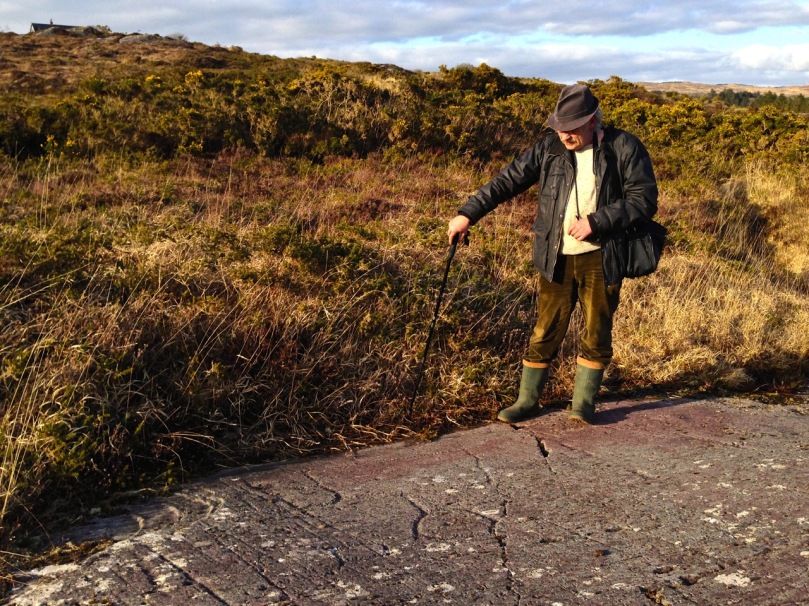
While Derreennaclogh was new to Jack, he had visited the Ballybane site many times and had cleared away scrub there, to reveal hitherto hidden carvings. We were particularly interested to hear this, as my drawings of the site, done in the early 70s, were missing some of the motifs that are now obvious and we had long wondered why.

Jack shows us where he cleared away the undergrowth

Jack shows us where he cleared away the undergrowth

It’s always a treat to put a face to a well-known name and with Jack it was a rare privilege. We enjoyed very much continuing our education into the wonders of West Cork, through his eyes. We highly recommend his books to anyone who wants to do the same.

Jack Roberts, author, artist, and one man encyclopedia of West Cork

Jack Roberts, author, artist, and one man encyclopedia of West Cork

Celtic Cousins

Jonathan Ball (right) - Architect, Co-Founder of the Eden Project - and Chorus Master

Jonathan Ball (right) – Architect, Co-Founder of the Eden Project – and Chorus Master

This weekend, West Cork was invaded by Celtic Cousins from Cornwall! By longstanding tradition, a group from Bude and its environs visits Courtmacsherry and the area surrounding it to join Irish neighbours in a feast of music and song: the hospitality is reciprocated when the Irish contingent goes over to Cornwall. The reason? The lifeboat based in Courtmacsherry has long been ‘twinned’ with the lifeboat based in Bude.

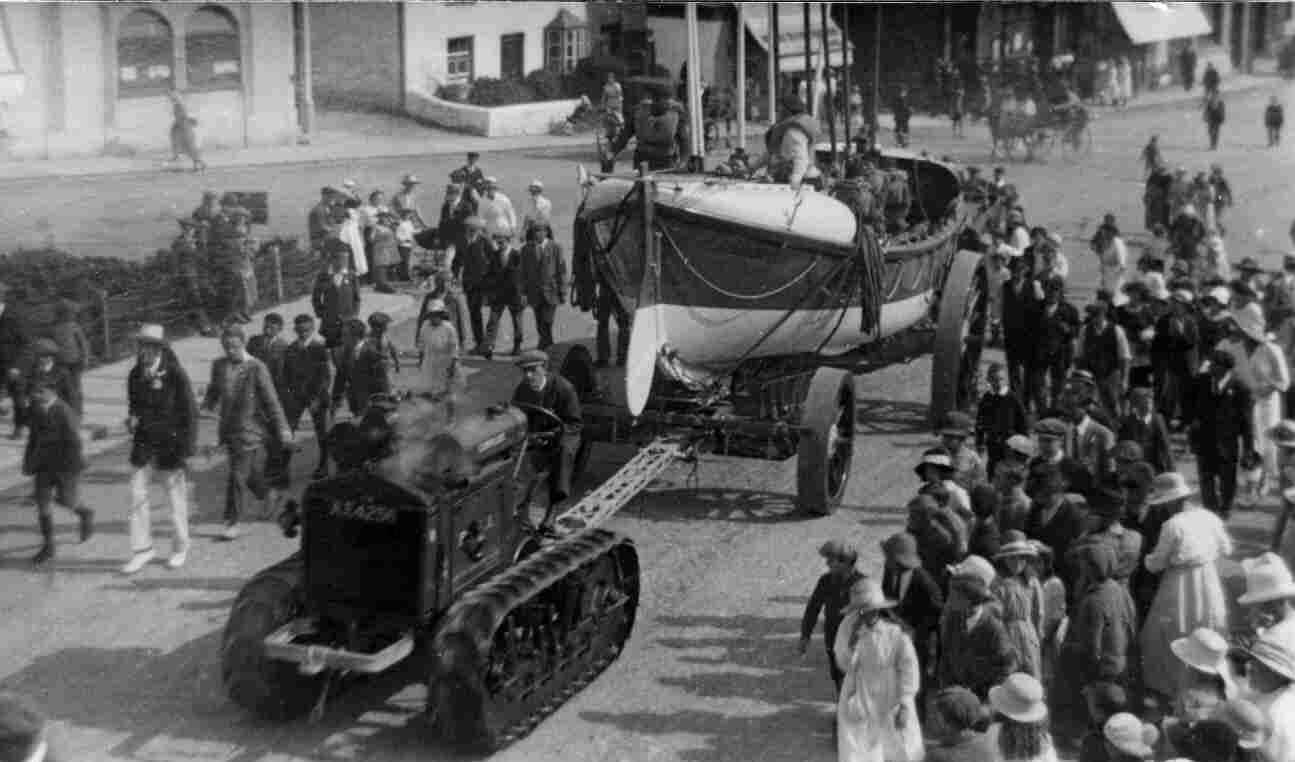
Images from the past: Bude’s Lifeboat in earlier years

Images from the past: Bude’s Lifeboat in earlier years (historic images courtesy of Bude RNLI)

The event is becoming an annual treat for us – because I worked in Bude for many years, with the Jonathan Ball Practice. The group that comes over is overseen by Jonathan himself, who won’t mind me saying that he is a Cornishman born and bred who believes that Bude is the centre of the Universe. I know, of course, that it’s actually West Cork that’s the centre of the Universe – so we have to have an annual get-together to sort out our differences…

logo-rnli

First, a bit of background. There are 236 lifeboat stations around the coasts of these islands, and 43 of these are in Ireland. The RNLI has operated life saving facilities in the Republic and the UK since 1824, when the National Institution for the Preservation of Life from Shipwreck was founded as a charity by Sir William Hillary, a soldier who lived on the Isle of Man. The Institution today is supported almost entirely by donations and legacies, and the crews are unpaid volunteers.

Bude, on the north coast of Cornwall, had its first lifeboat as early as 1837. This boat was presented to the town by King William IV and paid for by the Duchy of Cornwall: the cost was 100 guineas. The lifeboat at Bude was withdrawn in 1923, and not reinstated until 1966. At the same time the Bude Lifeboat Singers came into being: this was conducted by crew member Jonathan Ball, and over the next 25 years was much in demand across Britain and into West Cork, and during that time many thousands of pounds were raised for the RNLI and other charities.

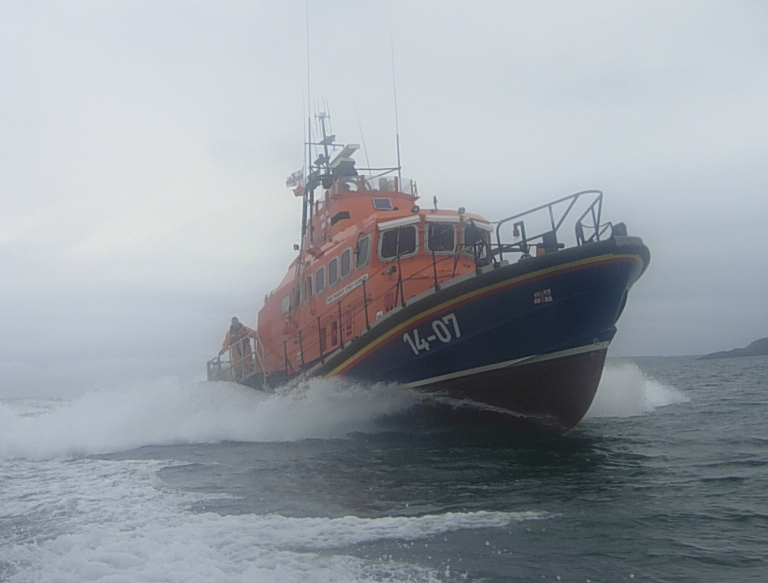
Meanwhile, the lifeboat station at Courtmacsherry was established in 1825 – one of the first to be founded in Ireland – and has been active ever since, its Trent class Lifeboat being on hand at all times to save lives and rescue mariners in trouble. The Trent lifeboats are true all-weather vessels in the RNLI fleet, and are exclusively designed to operate in Europe’s most hostile waters.

Courtmacsherry 'Trent' class Lifeboat: Frederick Storey Cockburn

Courtmacsherry ‘Trent’ Class Lifeboat: Frederick Storey Cockburn

As you know, West Cork is also home to many people steeped in music and tradition, so it was only natural that Bude and Courtmacsherry should get together to share tunes and songs – and hospitality.

four alls

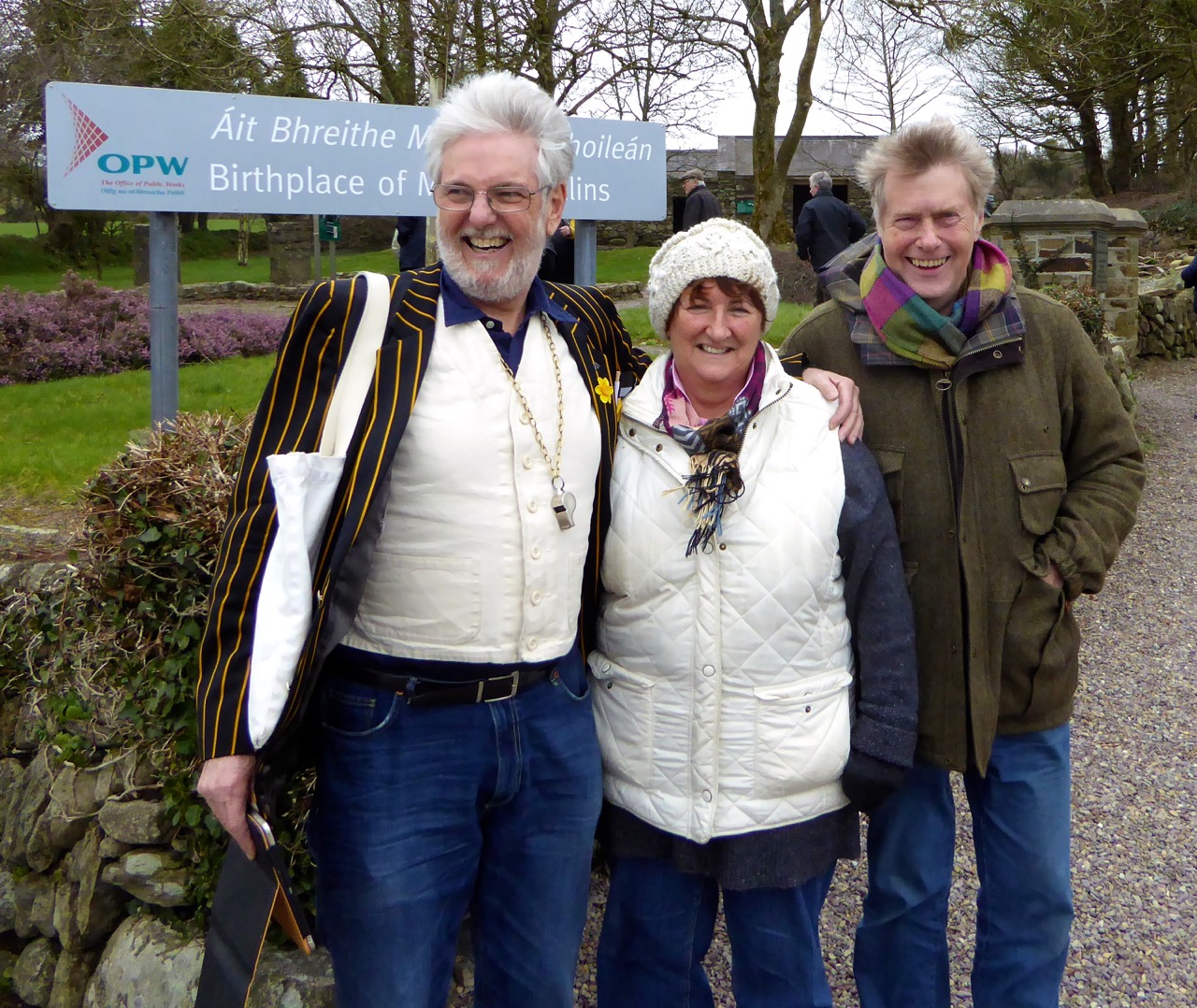
For us the ‘getting together’ happened on Friday, when we travelled up to Sam’s Cross: Michael Collins country. We had to visit his birthplace, of course – have a look at our previous post on this great Irish folk-hero. Collins’ local pub was the Four Alls, and that’s where the singers and musicians settled down for a lively session, joined by some of the pub regulars, who added their own contributions.

Jonathan, Finola and myself, having a Michael Collins moment...

Jonathan, Finola and myself, having a Michael Collins moment…
Although a little hoarse from the previous night’s revels, Cornwall gave of its best, with Jonathan himself still conducting – 48 years on! West Cork was well represented by Dan O’Donovan and colleagues – former show band members – and the locals. I felt privileged to be allowed to join in with my own European mixture of English / Irish / French dance tunes.

As dusk began to settle, the next venue beckoned, and we became part of a convoy snaking its way through the most remote parts of County Cork: we had no idea where we would end up! When we finally arrived at Hickey’s Bar in the fine village of Aherla we were completely disorientated.

hickeys

But at Hickey’s we were welcomed with open arms and led into a back room full to the brim with musicians! I counted well over twenty from the Irish contingent and, as the evening progressed into night and then morning, more locals came in to add to the entertainment with songs and recitations.

Somehow, we found our way back to Nead an Iolair – it was a drive of an hour and a half – exhausted, but thoroughly elevated by all the music and conviviality. Only in Ireland (and Cornwall) could you find such a sharing: we are all Celtic Cousins, of course…
RNLI1