Mine Ghost

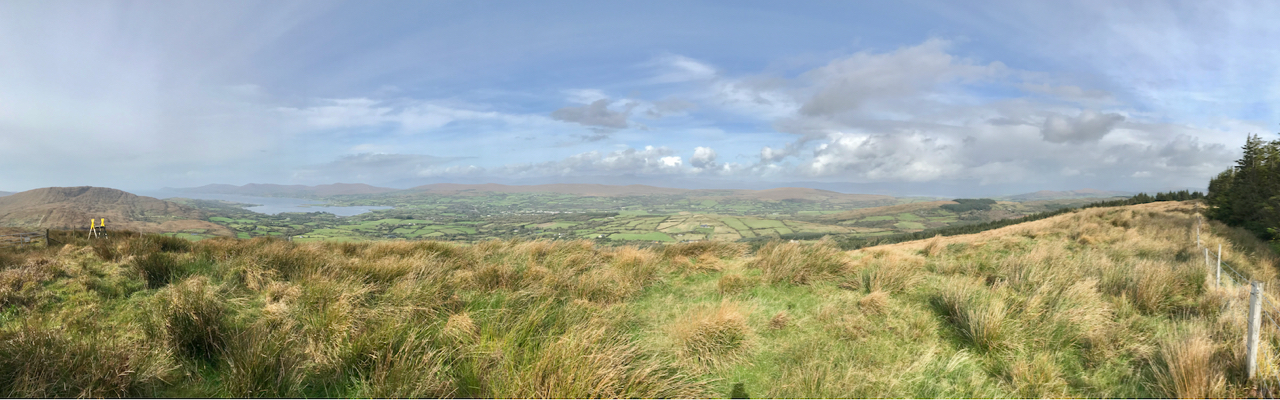
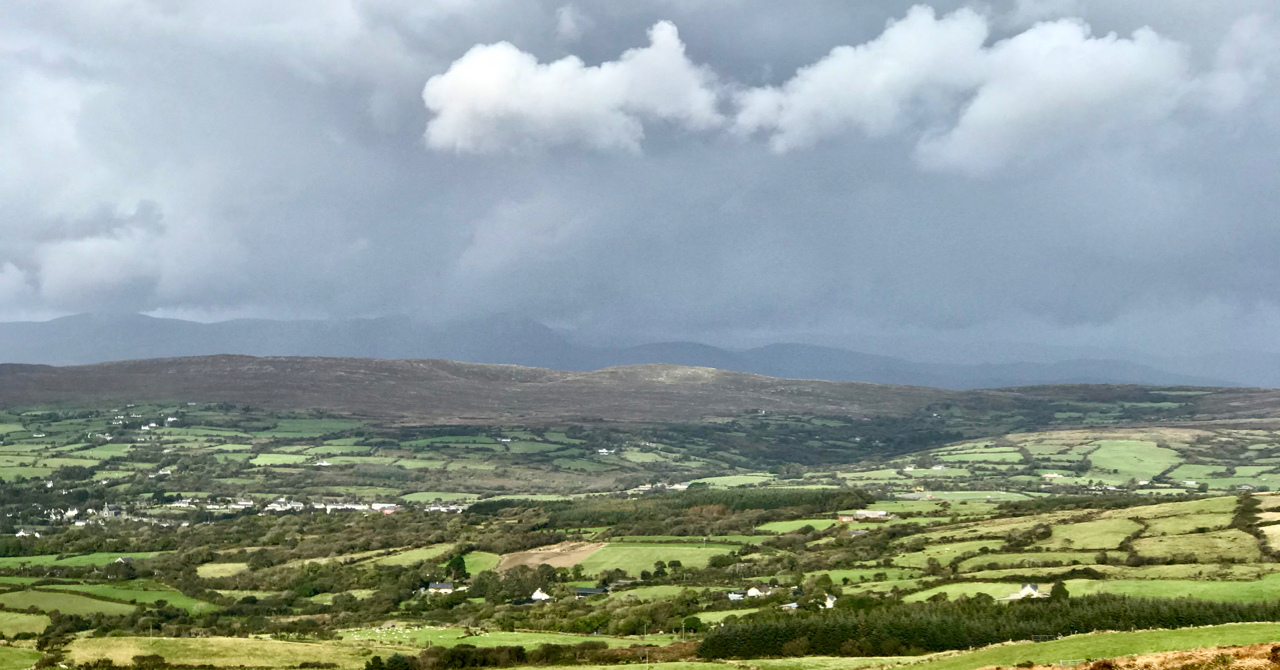
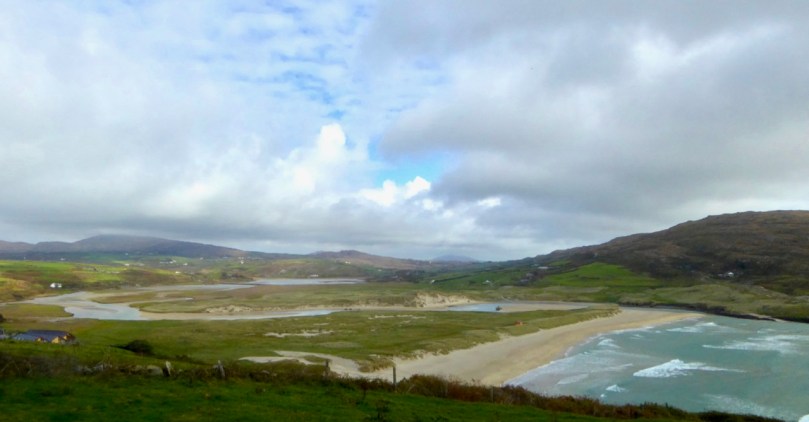
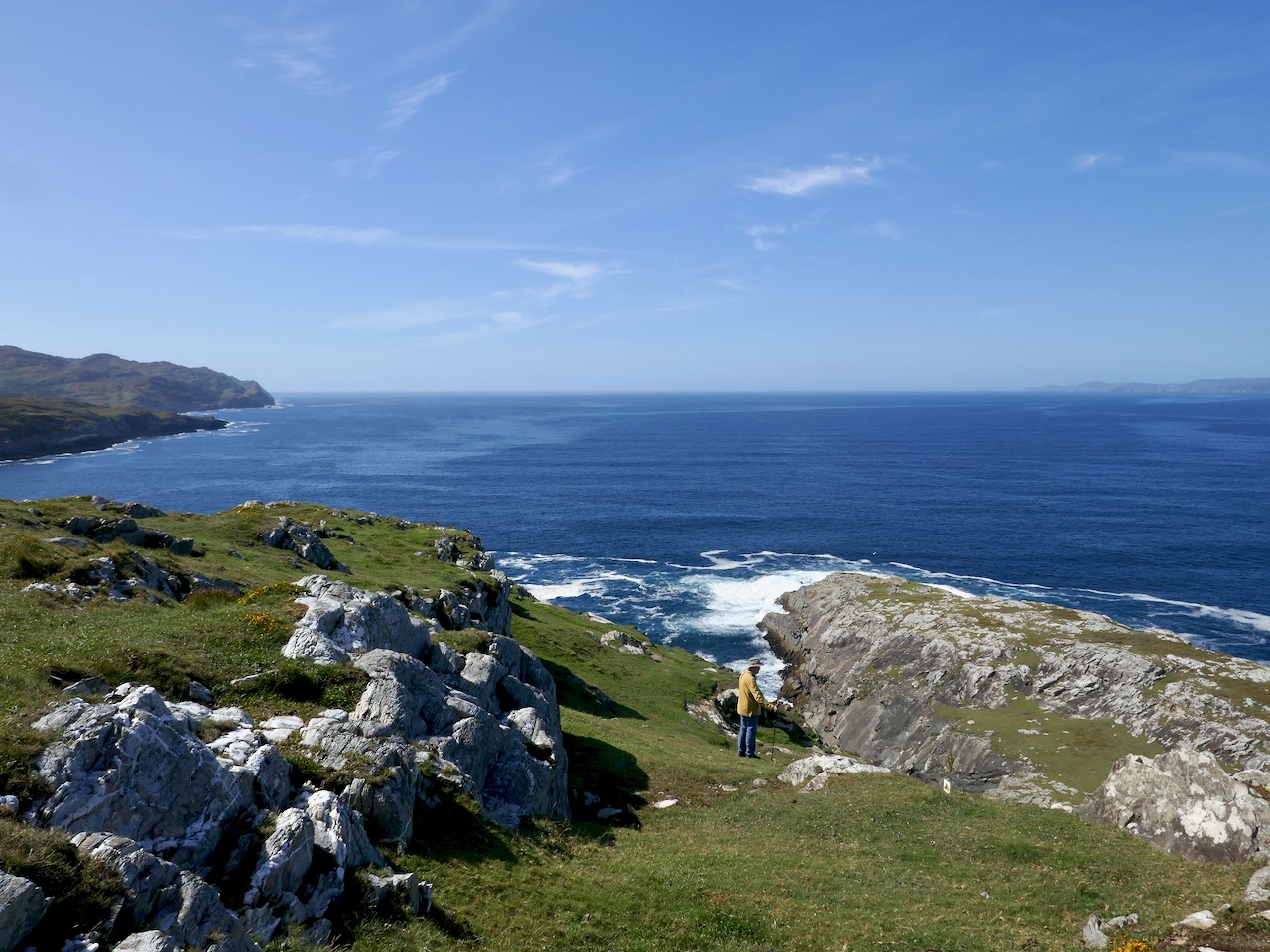
My name is Thomas – William Thomas. When I’m at the mines they call me Captain Thomas – because I’m in charge! I’m visiting some of my old ‘haunts’, and thought you might join me, to see what a working day was like in ‘ . . . one of the wildest districts in the United Kingdom . . . ‘ – Gortavallig, on Rinn Mhuintir Bháire. I know you call this place The Sheep’s Head now: that amuses me. I’m always trying to pick up on the Irish words – it’s such a poetic language. My grandfather was a natural Cornish speaker, but the language was gone by the time I was born – it’s only used by the Bards nowadays.

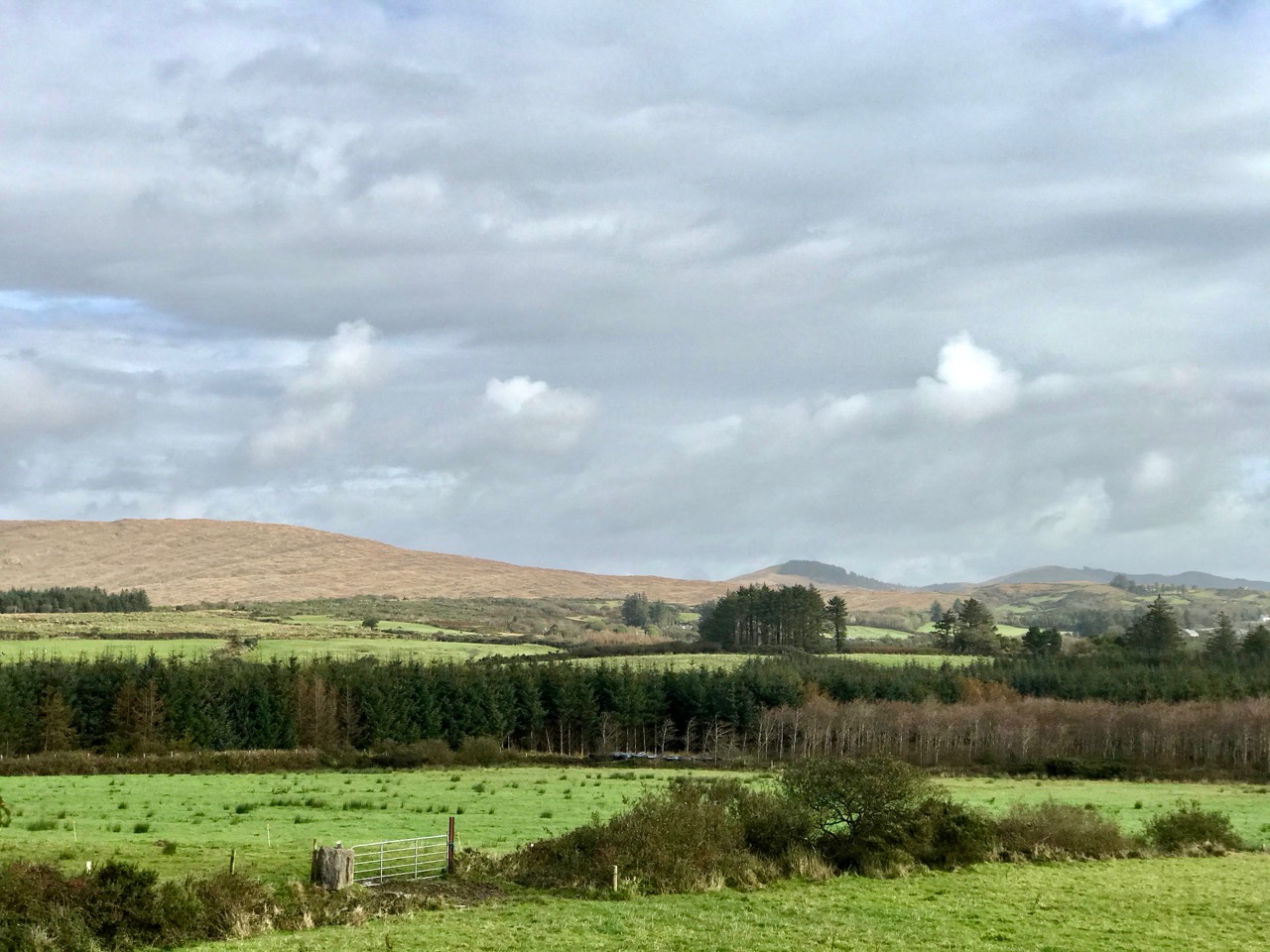
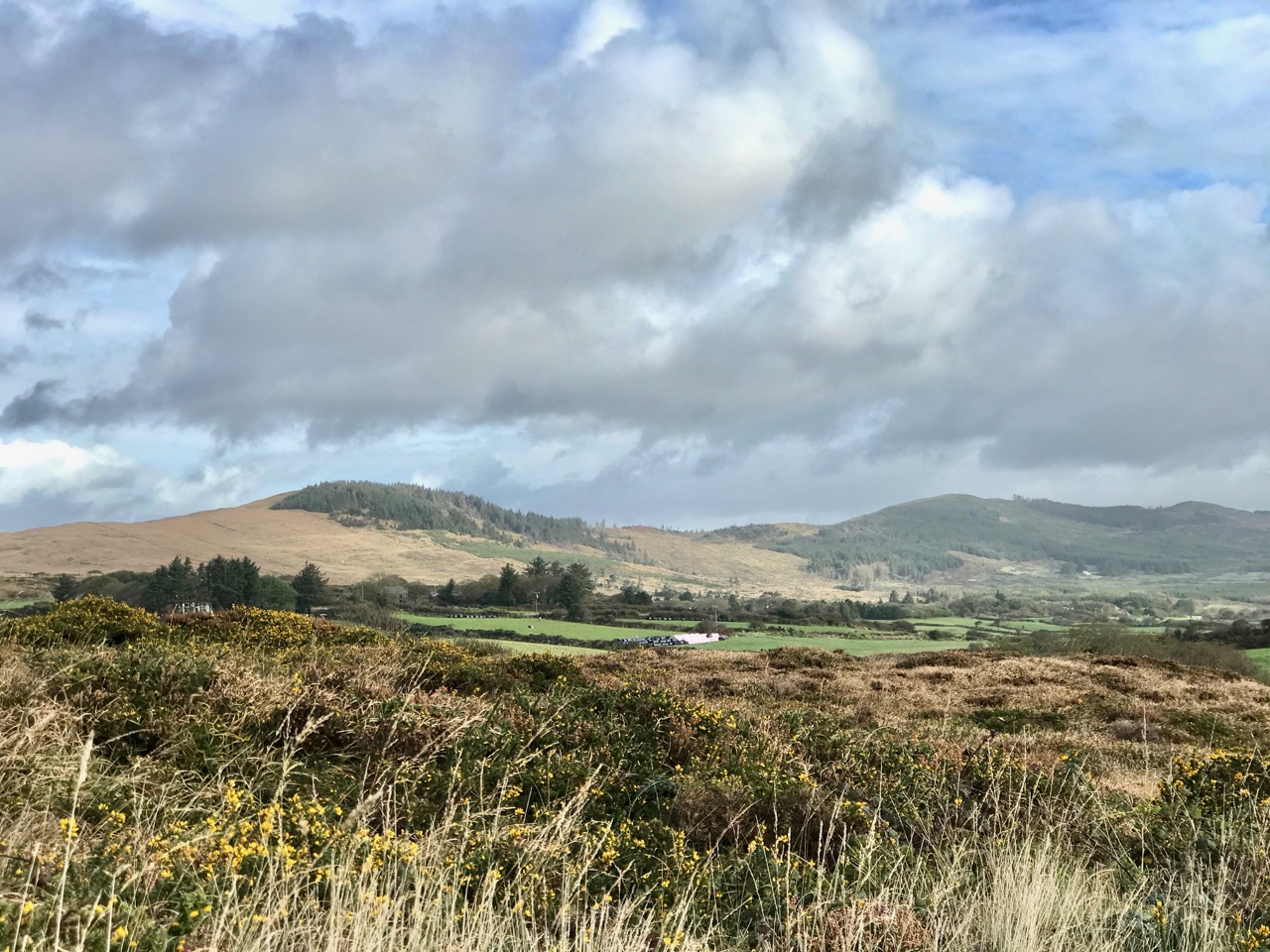
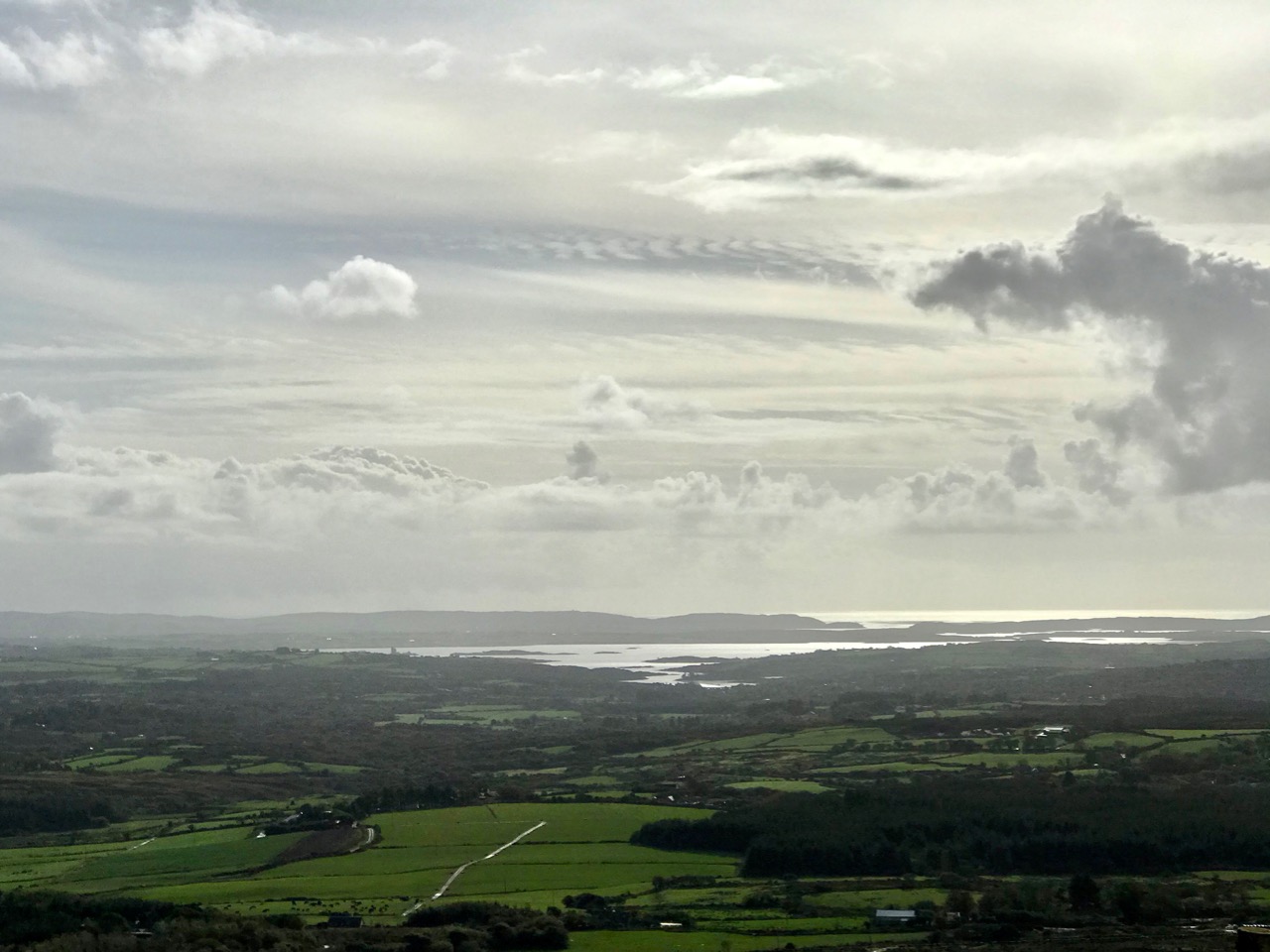
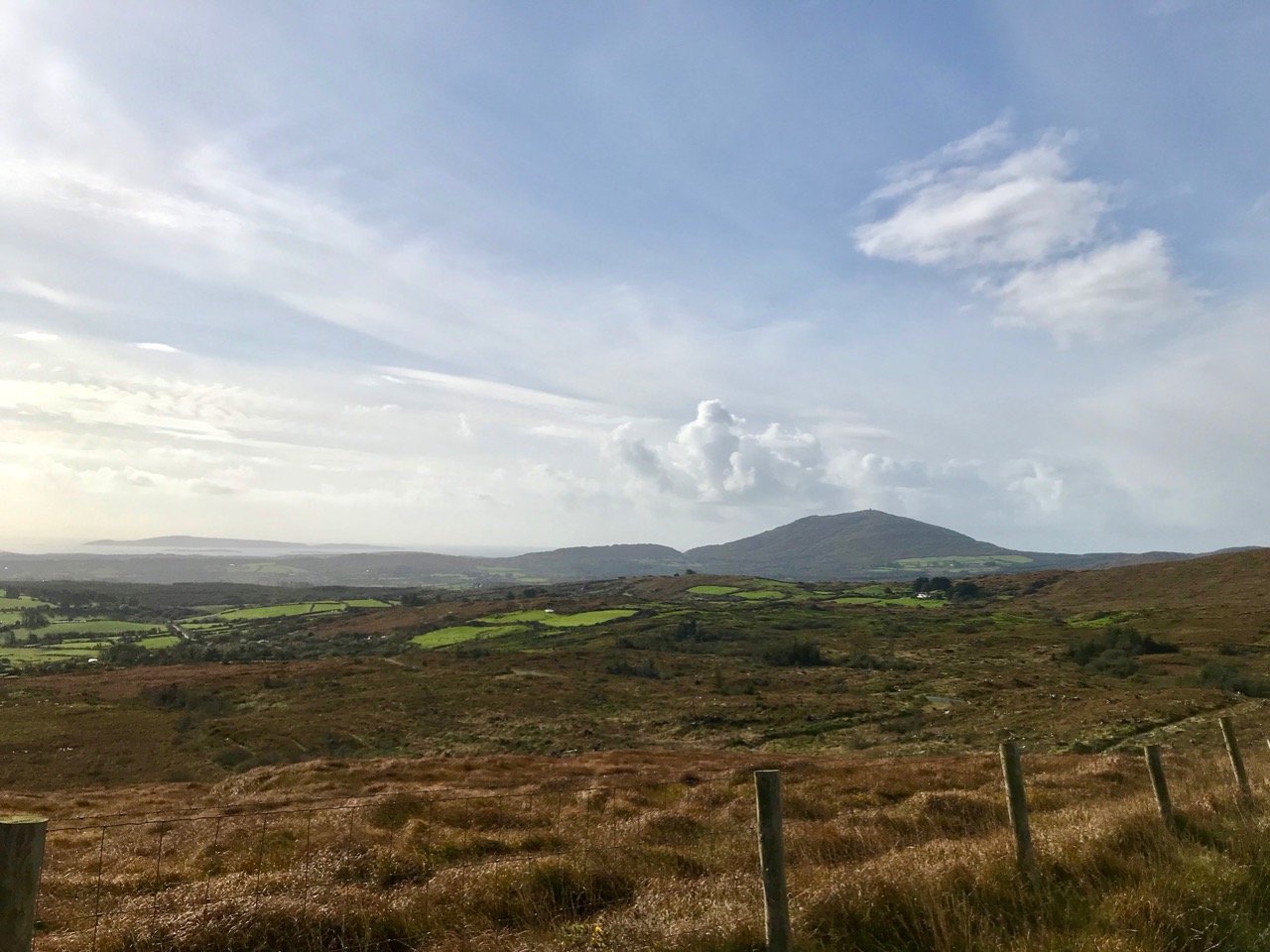
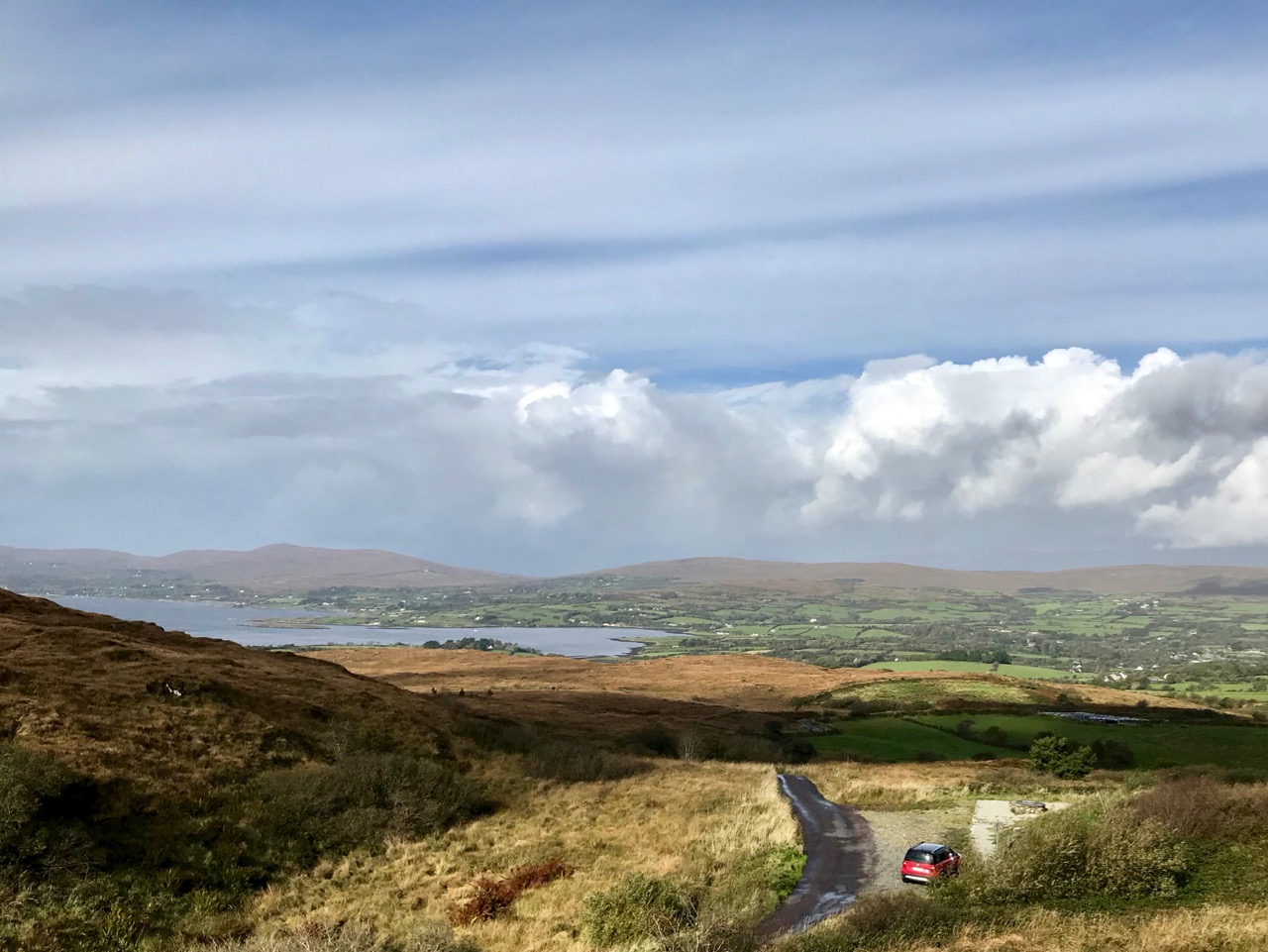
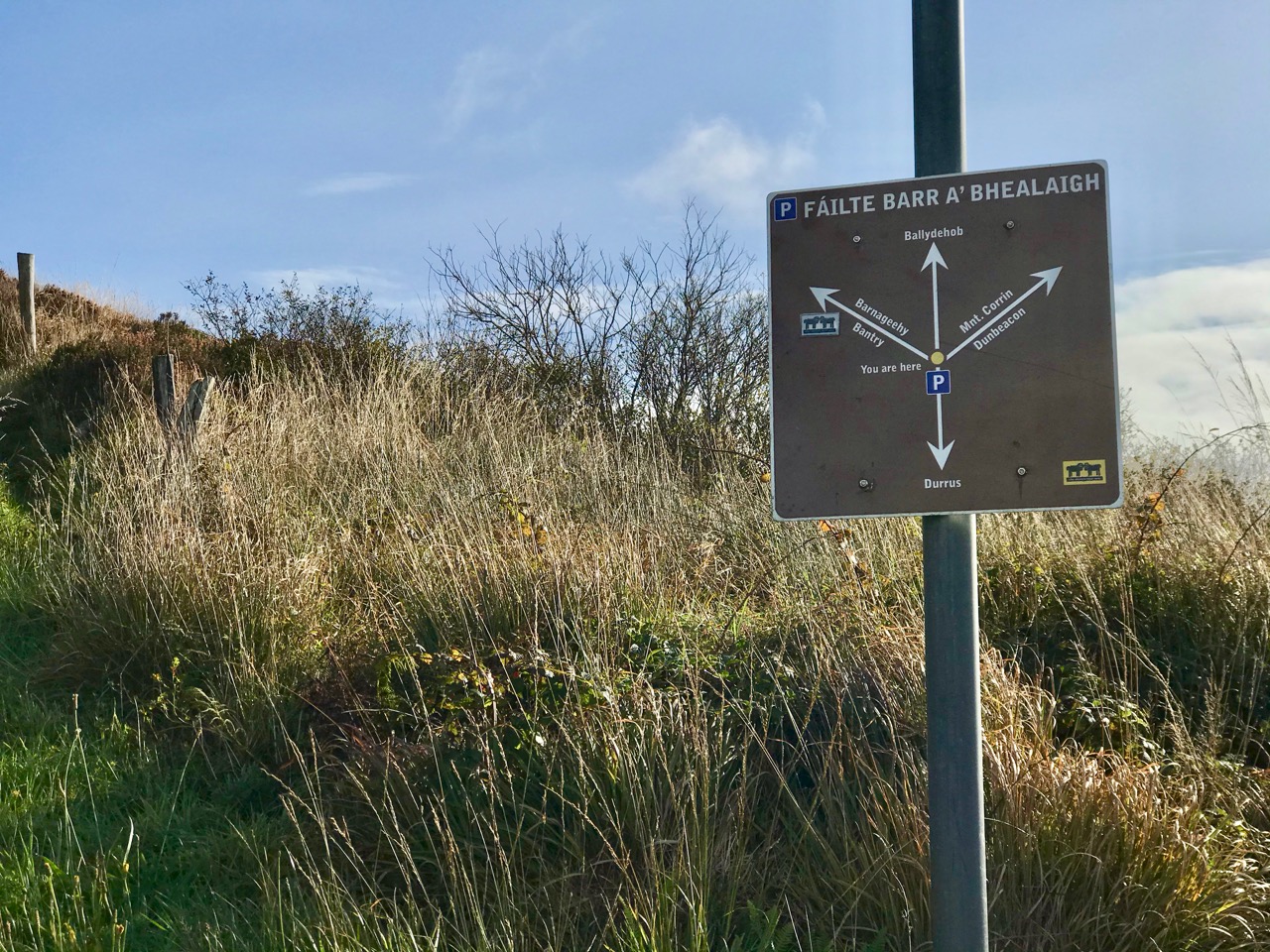
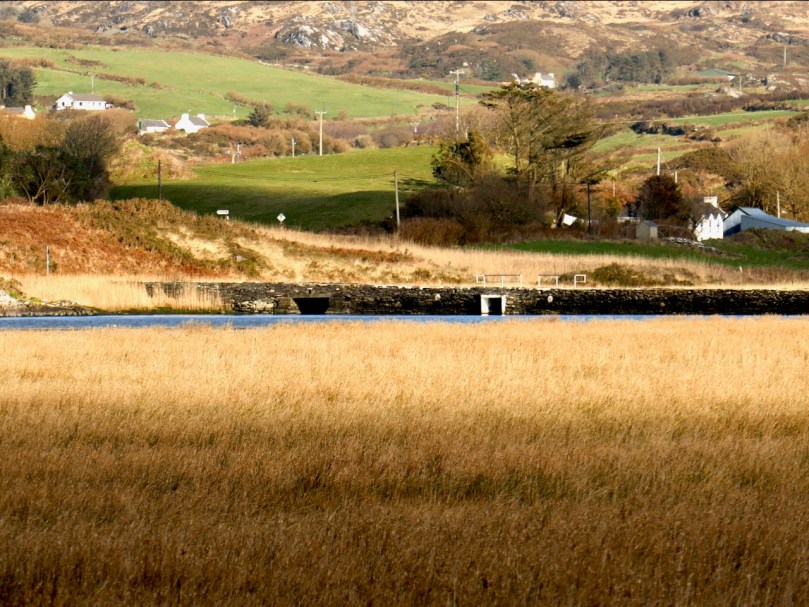
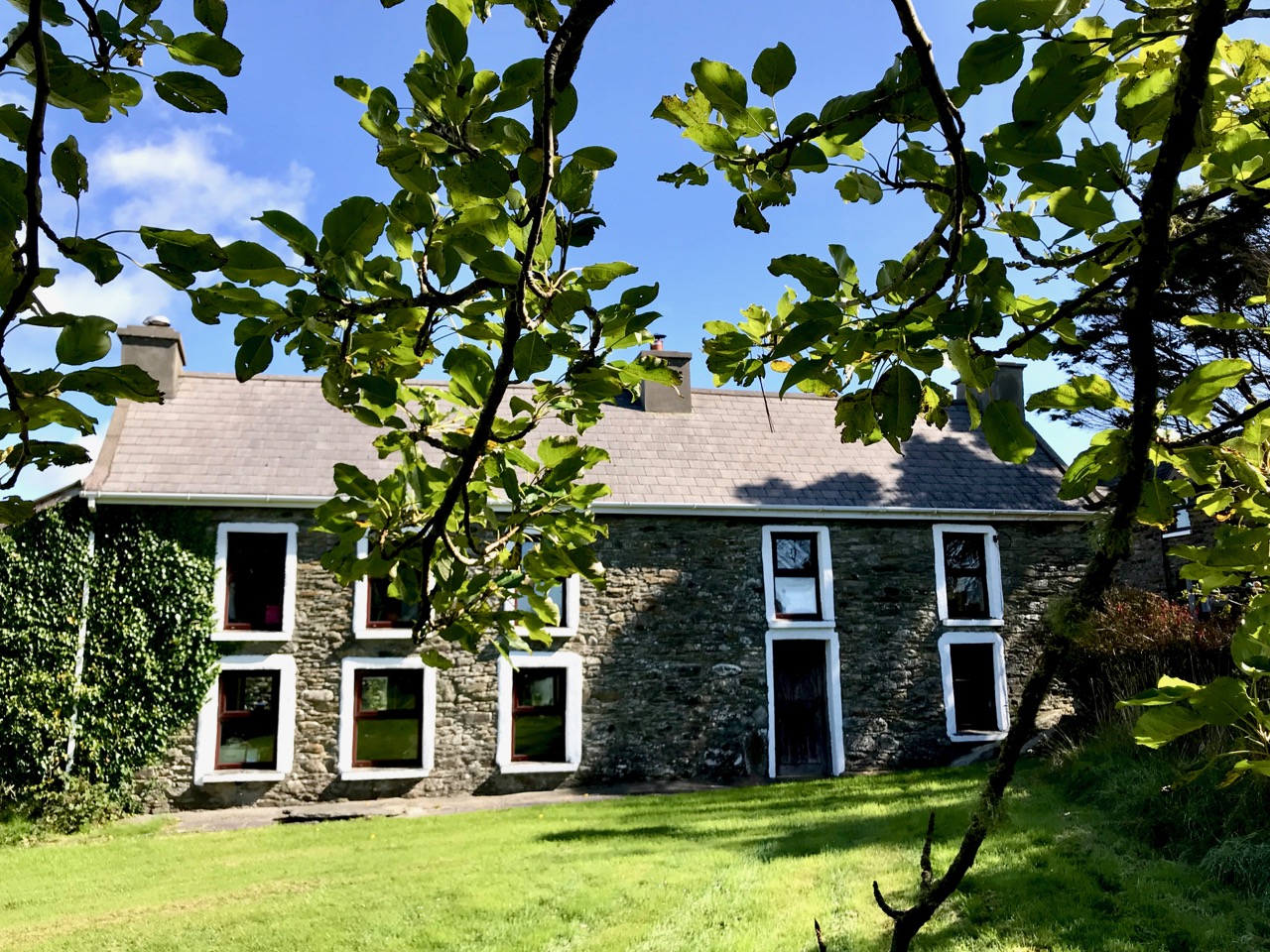
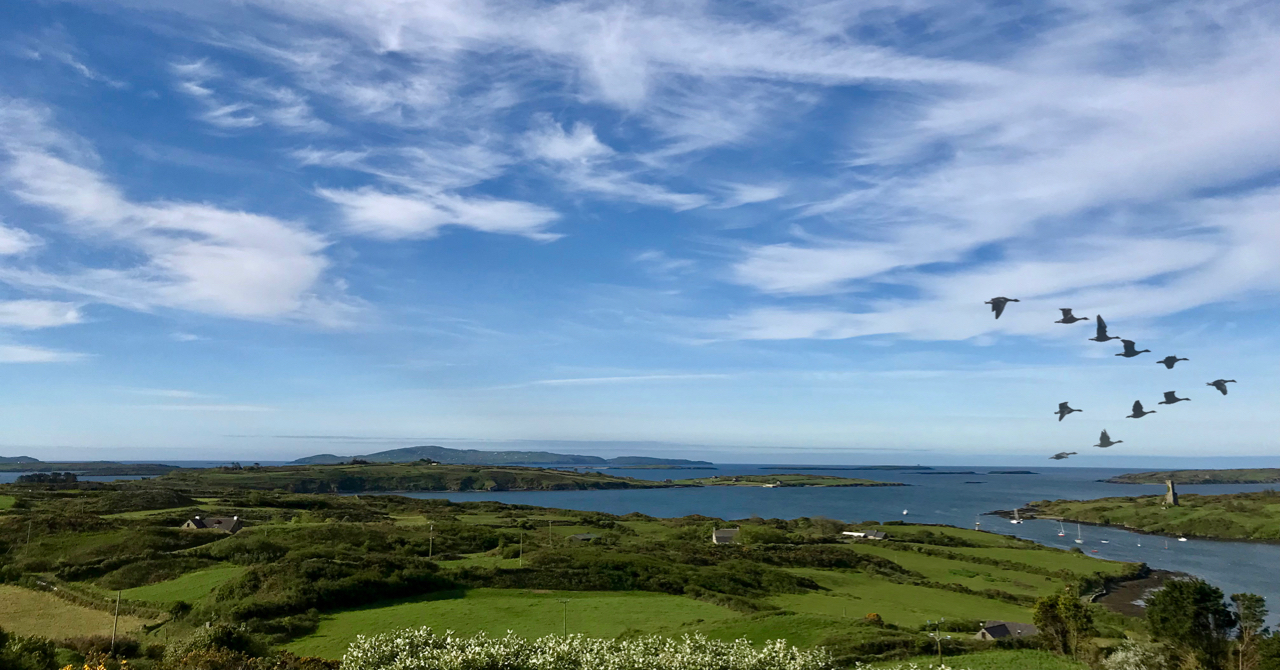
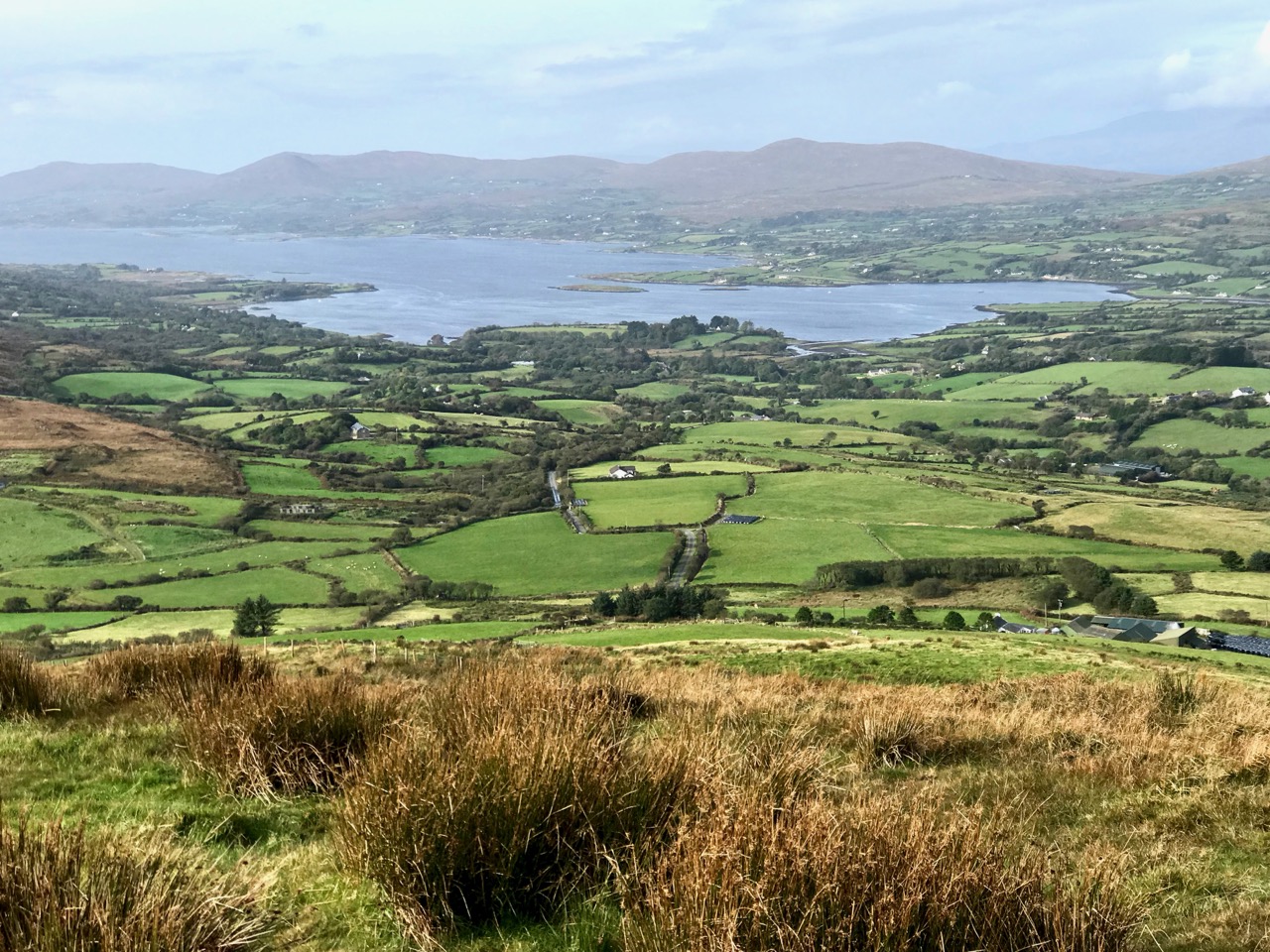
That’s my house – above – in the townland of Letter East. That’s where I stayed with my family when I was Captain at Gortavallig. It was rough going when I had to get to the mine – a solid hour’s trek across rough country, and the same back again. As part of the work that we did while developing this mine we built a good ten miles of road, which helped with communications in that untamed north-coast country.

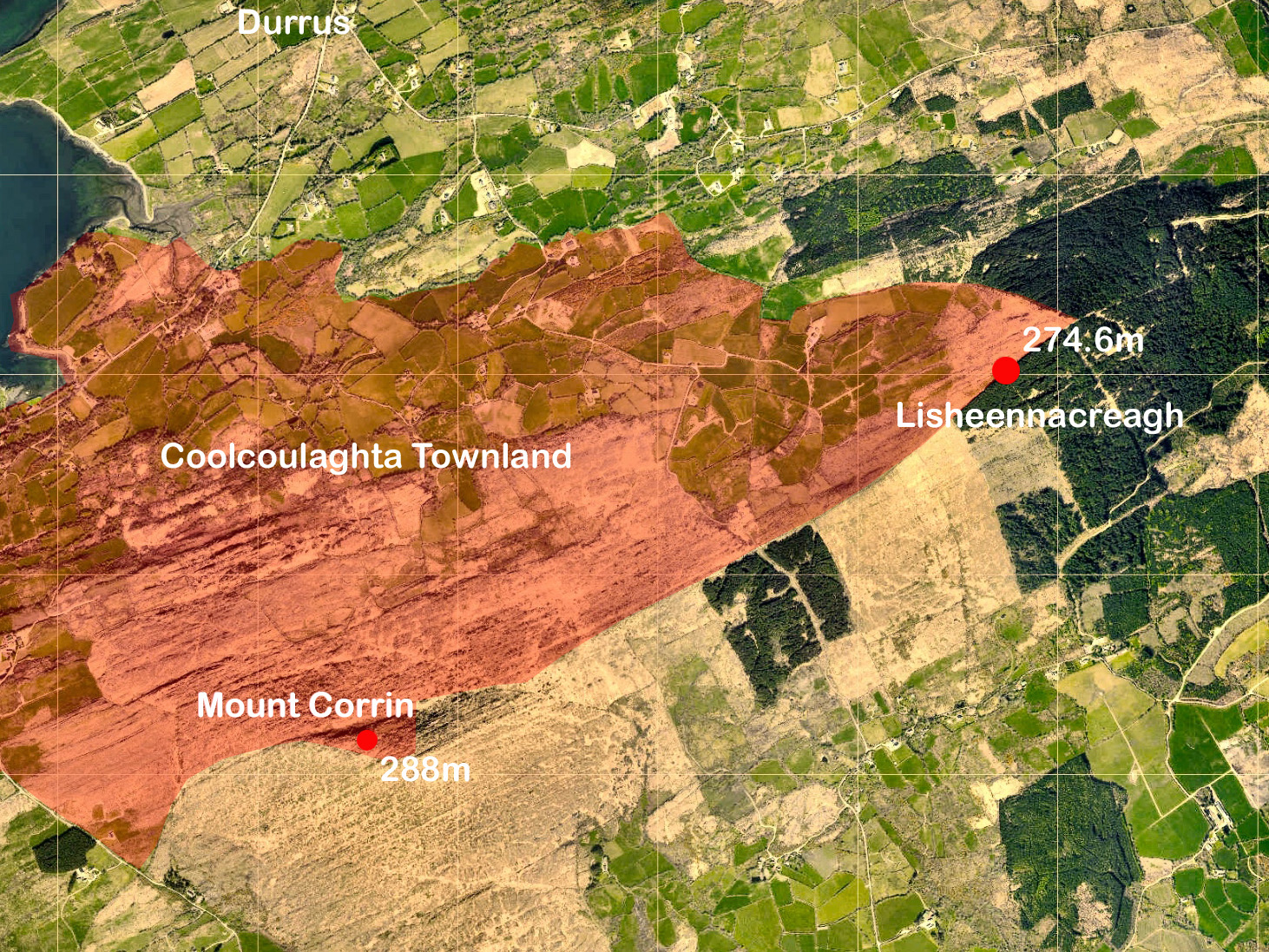
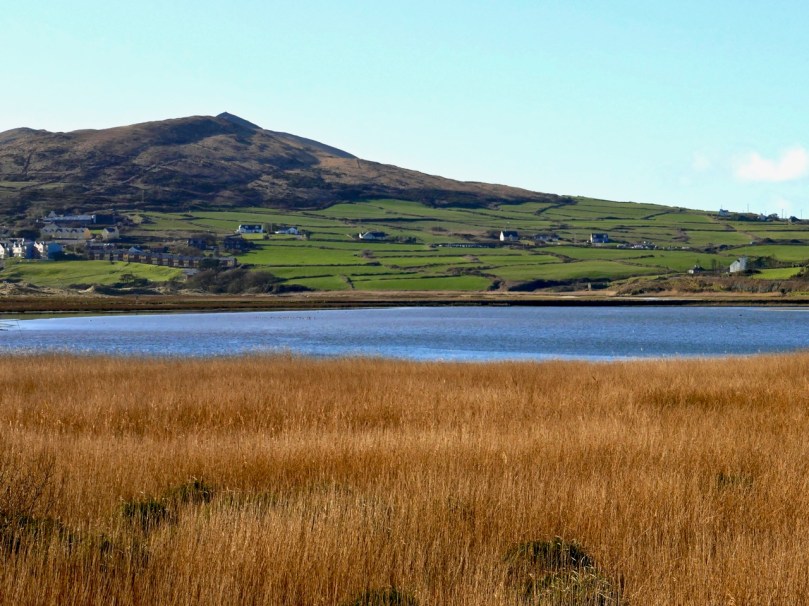
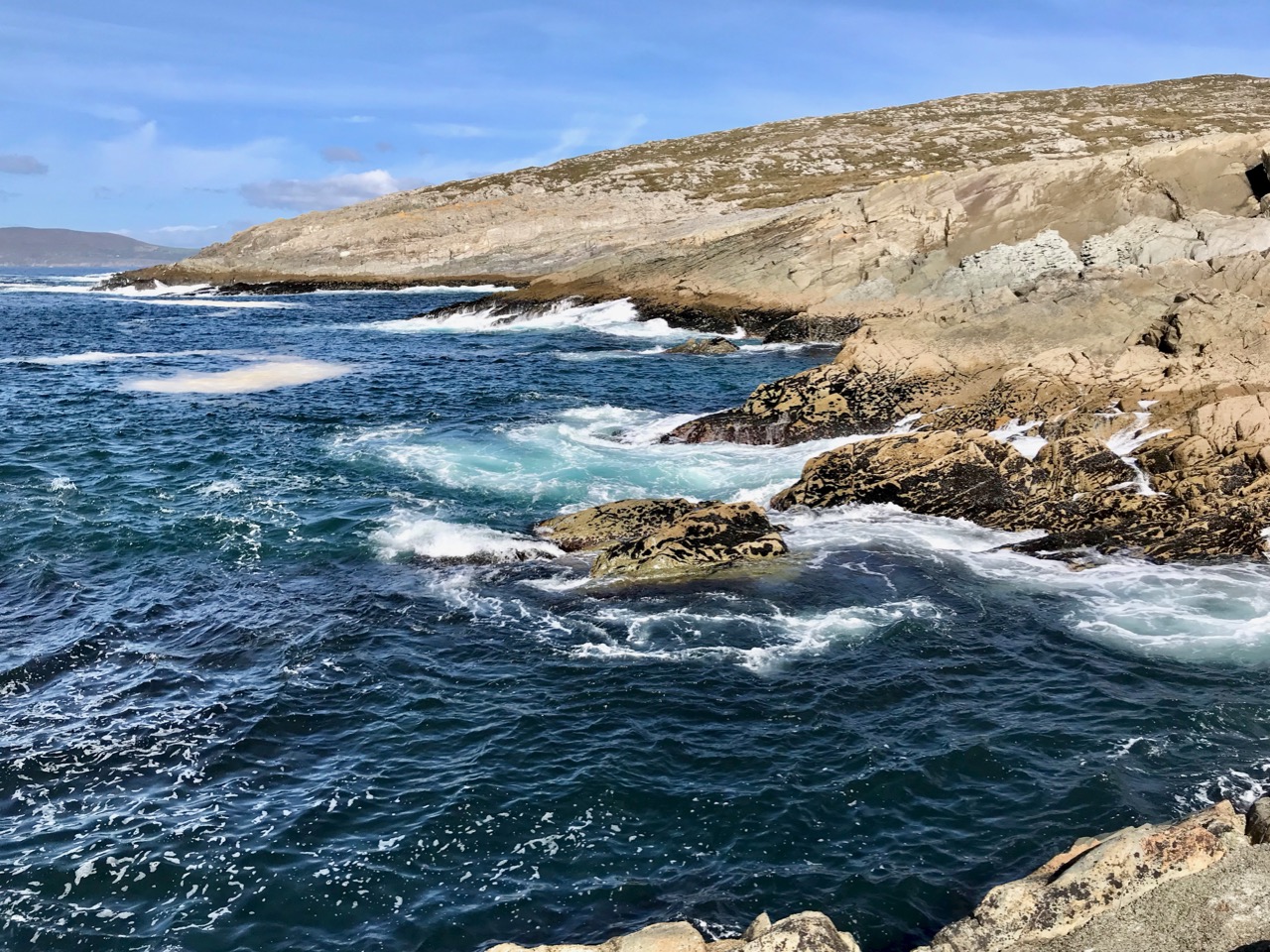
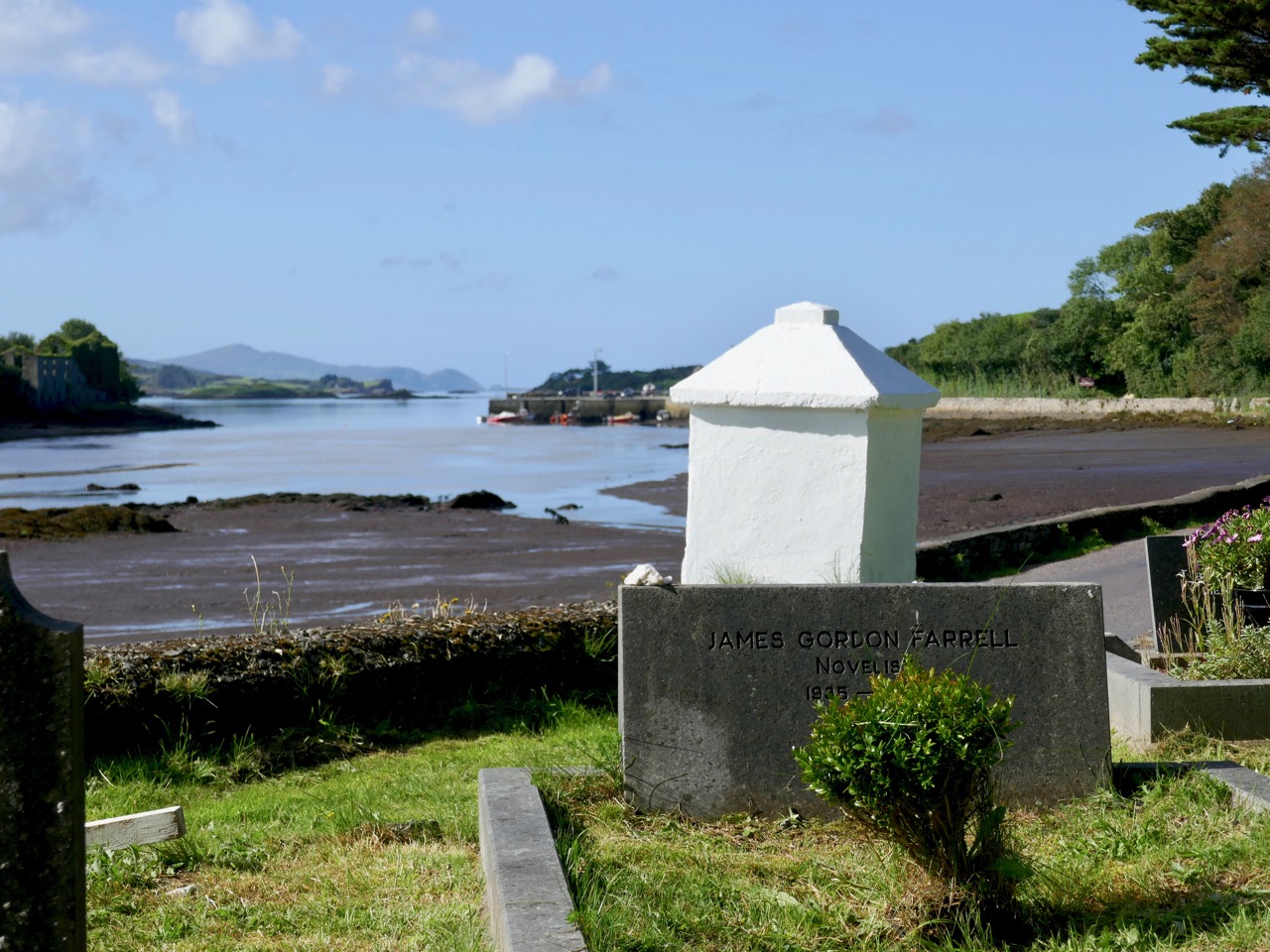
Come with me now on the way that leads down, firstly, to the cove at Bunown in Eskraha townland: there’s a slipway there, and a house where my assistant Superintendent, Mister Bennett, lodges. It was once a coast-guard station. This cove has also been the scene of some tragedies in your own time. There was the writer, James Farrell, who drowned while fishing off the rocks there in 1979. He’s buried beyond by the church of St James in Durrus, looking out forever over Dunmanus Bay. The sea is a dangerous element: I know, because I’ve had to work with it. But it’s your friend, as well as your foe. If it wasn’t for the sea we would have no chance of transporting ore from the remoteness of Gortavallig.

The rocks at Bunown – on a good day! James Gordon Farrell is buried facing the water of Dunmanus Bay at St James’, Durrus

They say that, wherever you are in the world, if there’s a mine – or even a hole in the ground – you’ll find a Cornishman at the bottom of it! That’s because pulling the metal out of the ground – and from the cliffs – and even from under the sea – was our lifeblood in that far western peninsula. But the land was ravaged. This scene (below) is where I grew up and learned my trade: Dolcoath, near Camborne in Cornwall, in its heyday one of the busiest mining areas in the world. My father James was agent there and I enjoyed ‘ . . . a liberal education and had the very great advantage of being taught dialling and the whole routine of the profession by the most eminent miners of the day and worked for several years as a tributer – an admirable practical school . . . ‘

I was pleased to get away from the noise, the grime and the stench of that place when I was called to Ireland with my own family in 1845, firstly to Coosheen on the Mizen – where I revived an ailing venture by successfully rediscovering the copper-bearing lode. After that I came here to the Sheep’s Head where the surveyors, travelling on board small inshore vessels, could see promising ore-bearing strata on the cliff-faces which were being eroded on this coastline. My job was to work those veins – a gargantuan one bearing in mind the uncompromising nature of the landscape and the remoteness of the geography.

Looking back across silver waters as we walk together on the rough pathway to Gortavallig: nature has been tamed by the fields that go down to the coast west of Bunown, whereas the way to the east is across rough, wild country

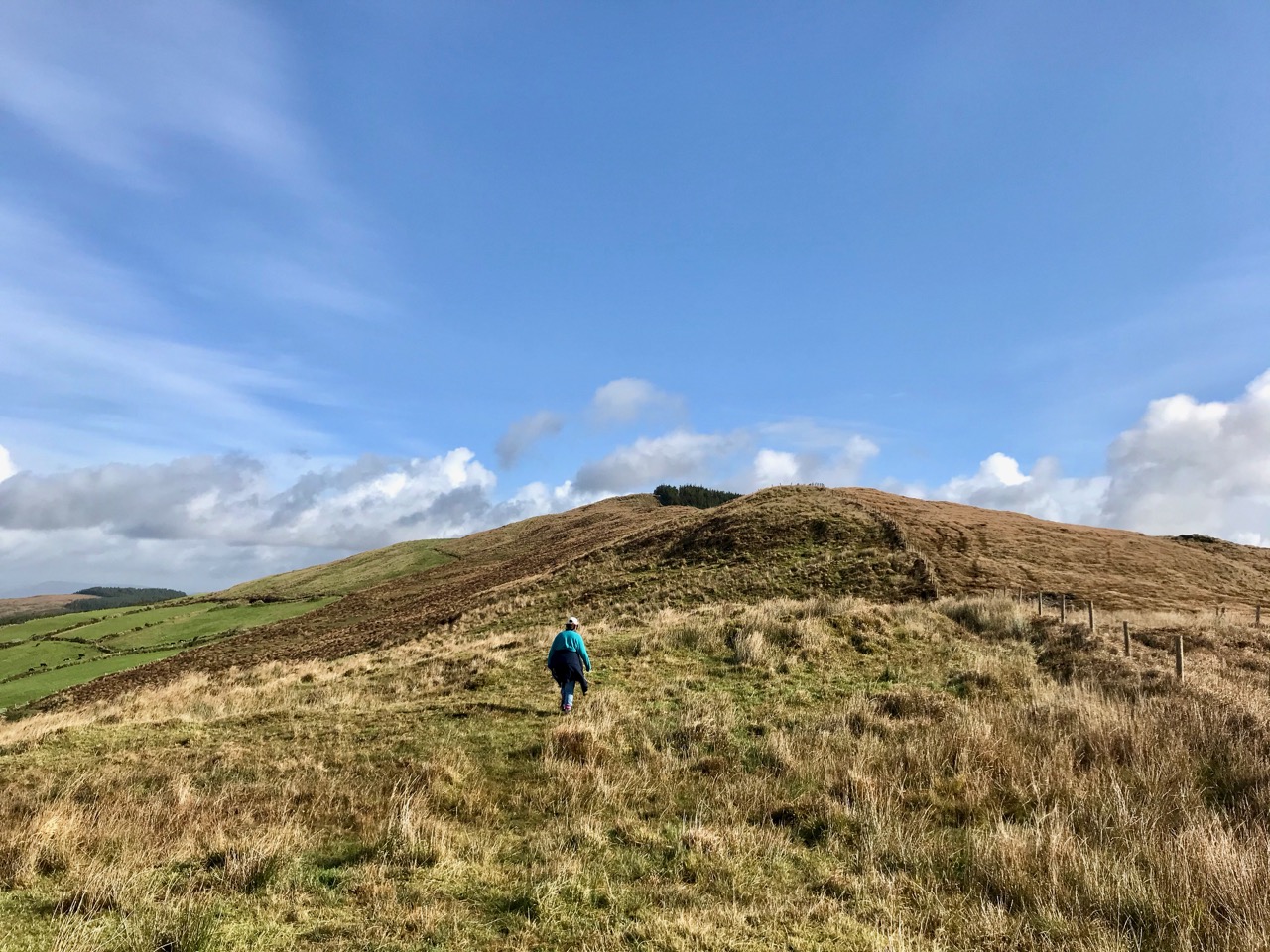
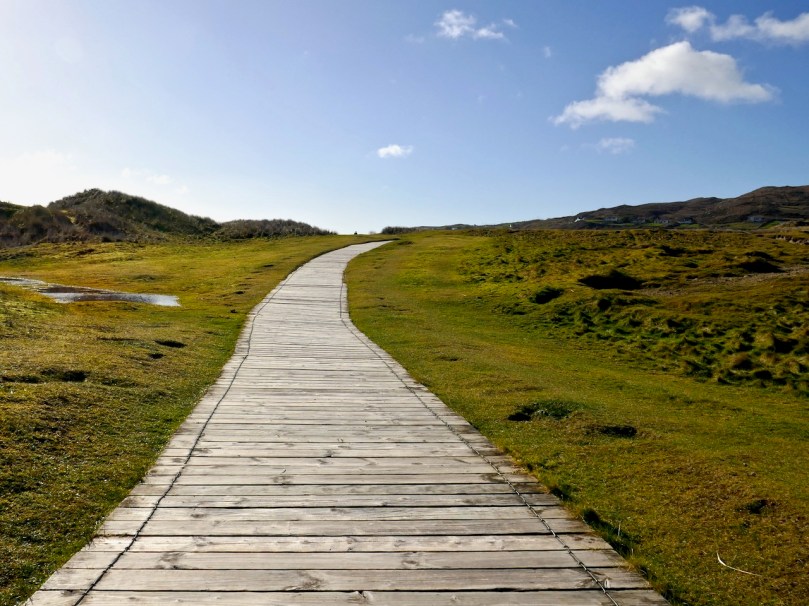
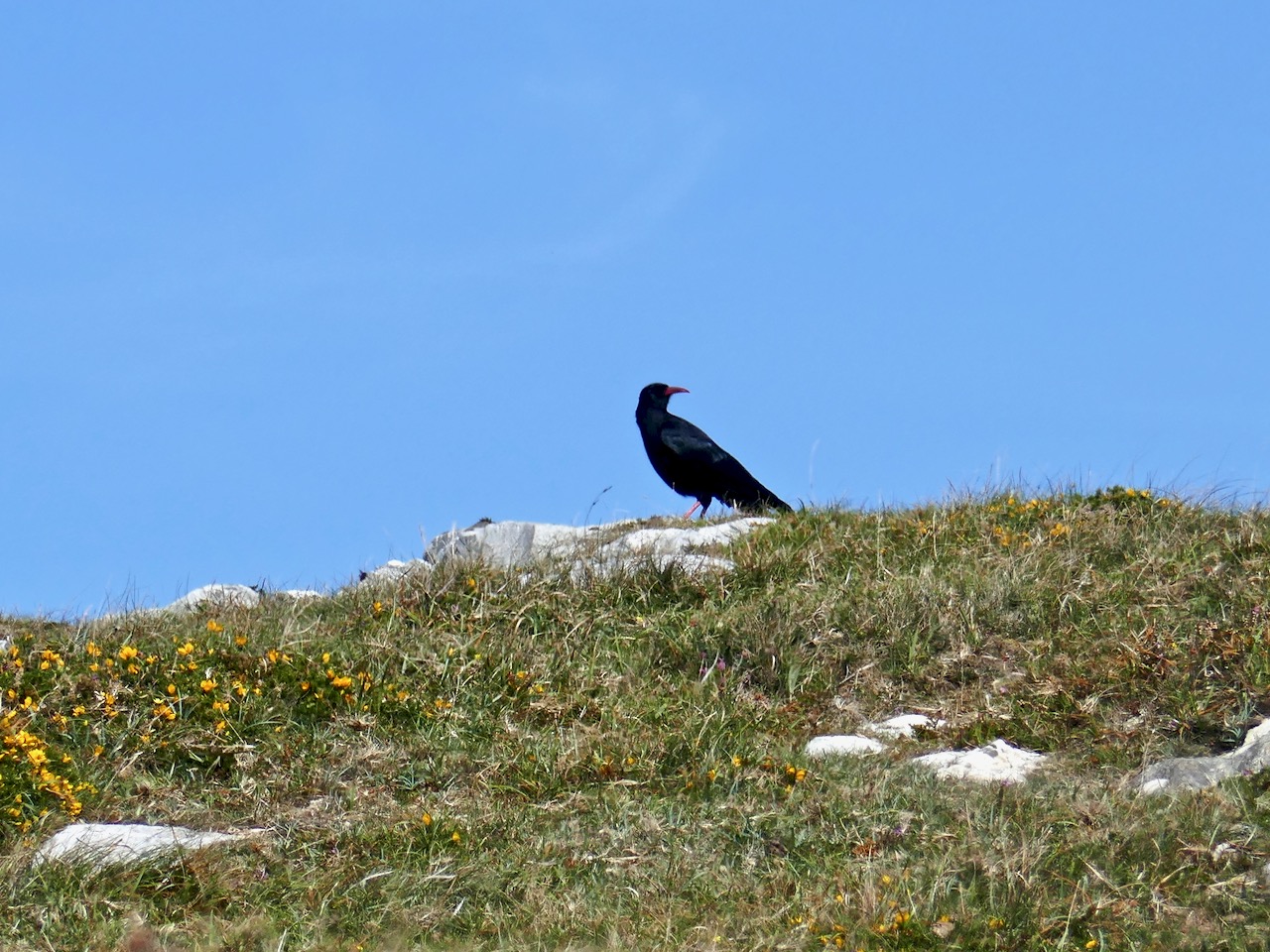
If you follow this path with me you will have to have good shoes and a steady gait, and the will to clamber upwards and downwards on sometimes steep and rough rock faces. But you will be rewarded by the remarkable vistas and the untamed surroundings. Your only companions will be the choughs: these sleek red-billed birds are a comfort to me as they have always been a symbol of Cornwall, sharing pride of place on that county’s coat-of-arms, together with an image of the Cornish miner! Did you know that the chough is the embodiment of old King Arthur, who is ready to rise again and save our nations in times of trouble?

A chough espied on our walk to Gortavallig, and the Coat-of-Arms of Cornwall which is shared between bird, fisherman and miner

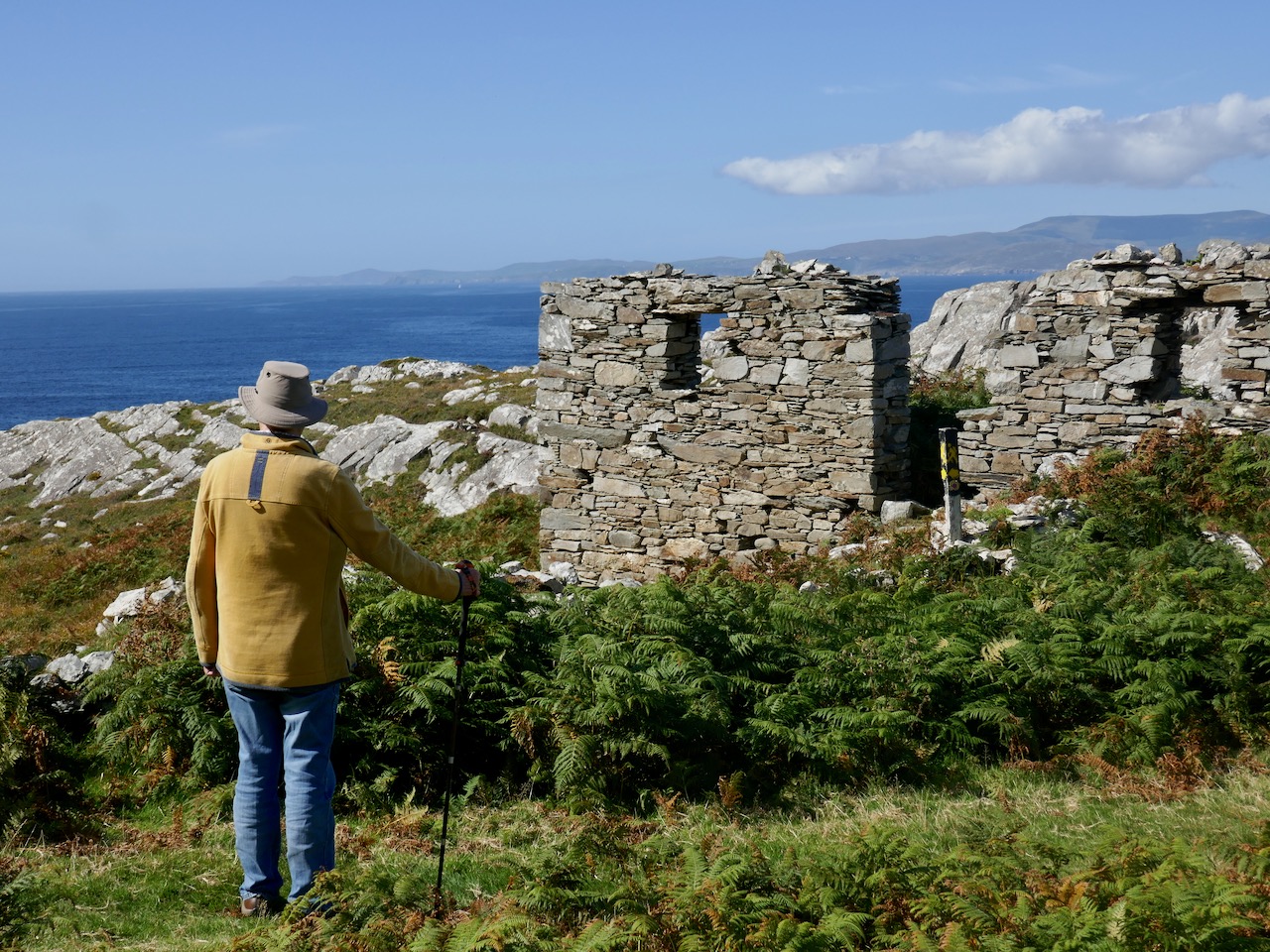
After a vigorous hour’s trekking over the rough terrain we will catch our first glimpse of the mining works at Gortavallig: a row of small stone cottages perched on the cliff-top. This is known today as the Cornish Village, although it wasn’t just Cornish mine-workers who lived here. Good, strong Irishmen came to the place and earned their keep, and everyone here had to pay rent for the single-roomed lodgings. If there had been windows on the seaward side of these dwellings they would have enjoyed magnificent views, but we were more concerned at keeping out the extremes of the weather, and the few small windows only faced inland. There was plenty of ocean to be seen while you were working your hearts out to extract the minerals!

‘Cornish’ cottages close by the mine workings at Gortavallig

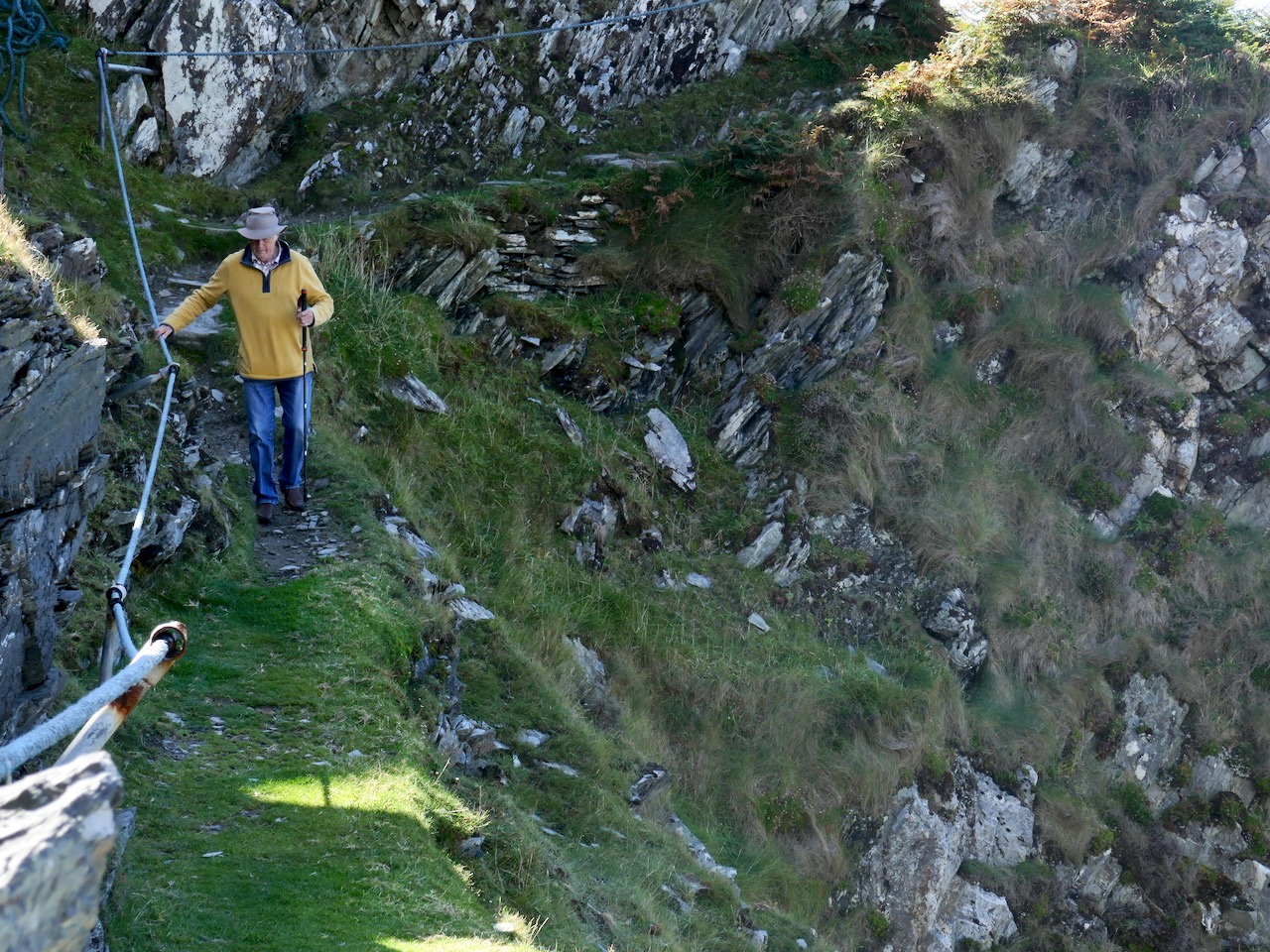
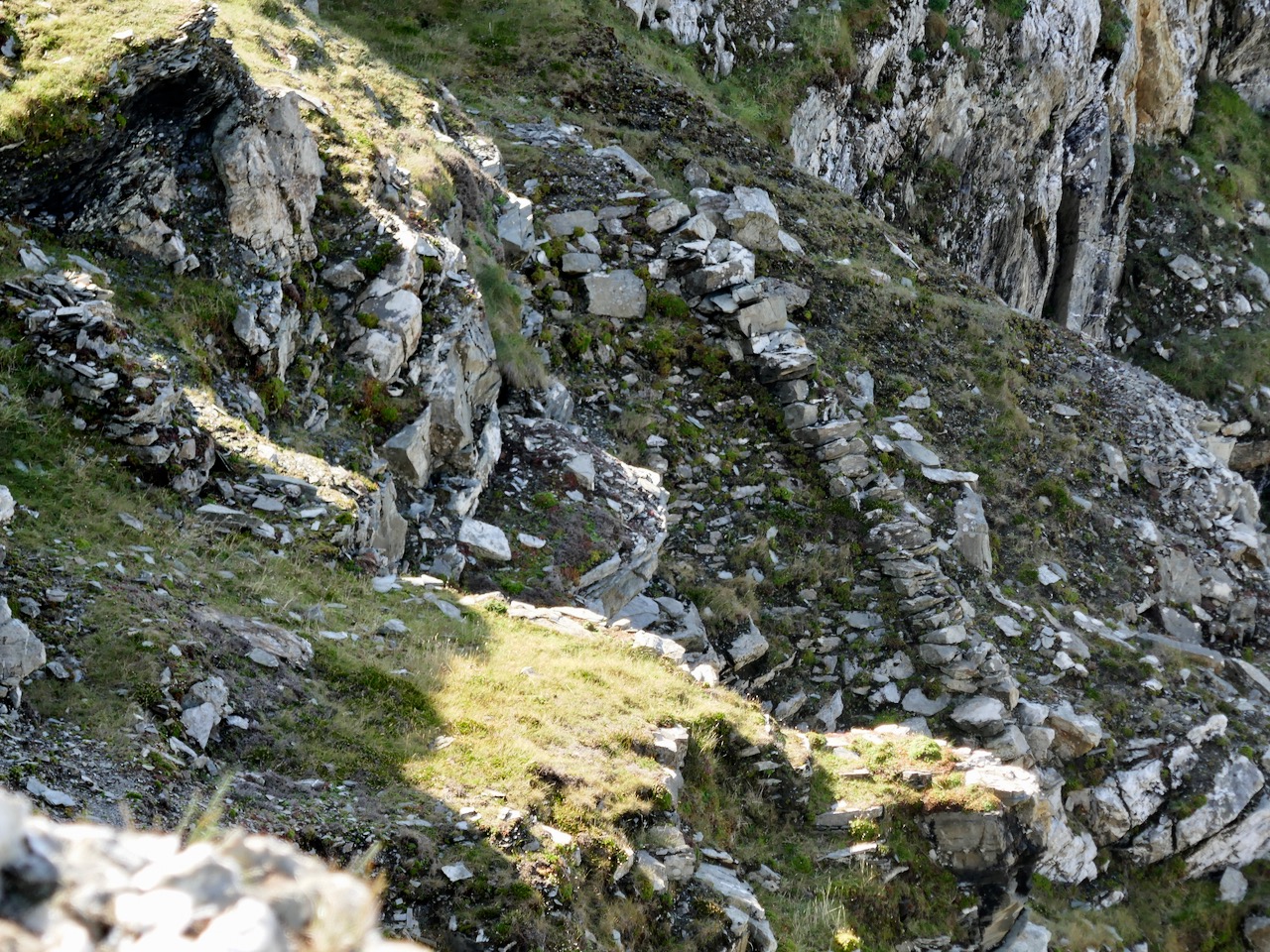
Once we have passed by the cottages we find ourselves traversing a sheer cliff edge. Below us the sea roars, but it’s down there that we built two quays, one 73 feet long and 40 feet high, the other 92 feet long and 36 feet high and, at the base of the cliff, a dressing floor 180 feet long and 50 feet wide, while above it we put in a stone dam and sluice so that we could wash the ore. Water was such an important element to us: in Cornwall we used its power to turn wheels and drive machinery such as crushers. We were never short of it here in Ireland.

Hold on to that rope or you might go over the edge!

Now, of course, on an idyllic day of blue sky and sunshine, you couldn’t find a place more picturesque, peaceful and redolent of nature’s beauty, but imagine what it was like in my time when men, women (we called them Bal Maidens in Cornwall) and children laboured long hours to bring out the precious ore and break, dress and prepare it for market: there was always the movement of ropes and machinery as trucks were pushed out of the mine-galleries on the rail-way, and figures constantly toiled up and down the precipitous rough stepways to and from the quays so far below. Although built in as sheltered a position as possible, they were constantly battered by heavy swells and breakers. In fact, they have now disappeared altogether.

Finola braves the cliff edge to get a view of the site of the old quays below, accessed by the rough and steep stone lined path

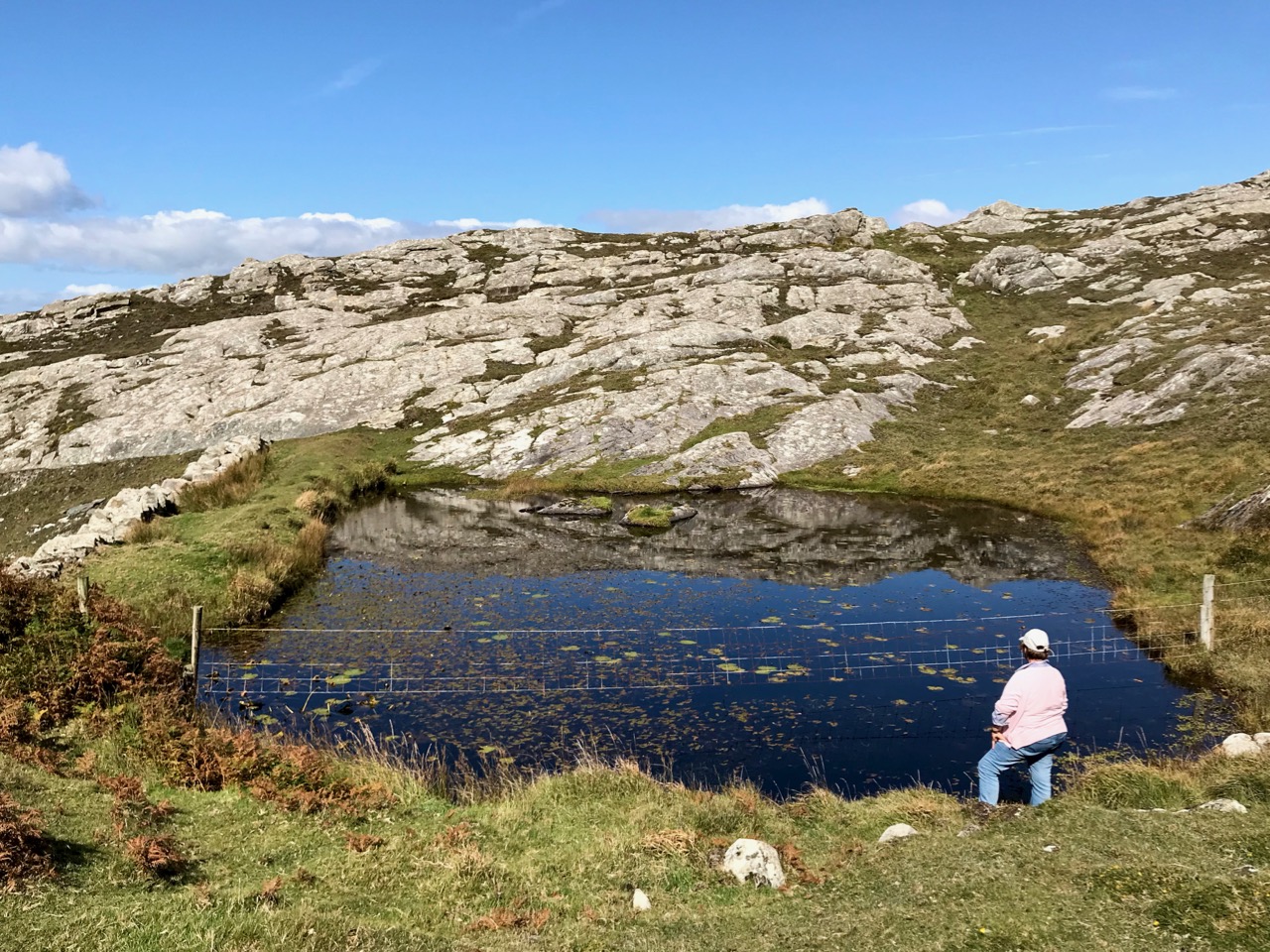
If we go up to the hillside above the mine workings we can look out over the reservoir, and we can also see the fenced-off openings of shafts. Most of the engineering took place, of course, underground: hard work in restricted spaces. We did our best to ensure safety, but there were accidents.

A lot of people have said that our mine was a ‘failure’, but I wouldn’t necessarily share that view. In May 1847 I presented my first report to the directors of the company:

. . . We have set bounds to the Atlantic waves, for though they lash and foam sometimes over craggy rocks, our works have withstood the furious storms of two severe winters. A complete wilderness and barren cliff, which had been for past ages the undisturbed resort of the Eagle, the Hawk and Wild Sea Bird, has by our labours for the past 16 months been changed into a valley of native industry, giving employment, food, and comfort, to numbers of the hitherto starving, but peacable inhabitants. We have in the course of 16 months, with an average number of 24 miners, whose earnings ranged from 9 shillings to 12 shillings a week, explored 174 fathoms of ground. We have also employed about 26 surface men, at the rate of 10 pence and one shilling a day . . .

In May 1848 the SS William and Thomas collected 88 tons of copper ore from the quay of our mine at Gortavallig. It sold for £269 14s in Swansea. Yes – it was the only shipment that the mine ever exported, but it gave employment and food to families in one of the remotest areas of the West of Ireland during the ‘Great Hunger’. In my time at Rinn Mhuintir Bháire I was able to set up – at my own cost – the Coosheen Fishery Association over on the Mizen, which also helped with food production through those bad years. With my brothers Charles and Henry, and my son John, we helped to bring industry to the remote fastnesses of West Cork and Kerry – including the mine at Dhurode, on the Mizen. I feel satisfaction that our lives have benefited our neighbours here in these far western peninsulas which bear such a similarity to our own native Cornwall . . .  Now you will want to return to civilisation: thank you for your company and mind your step – I think I’ll rest a while here pondering on old times with my pipe and tobacco.

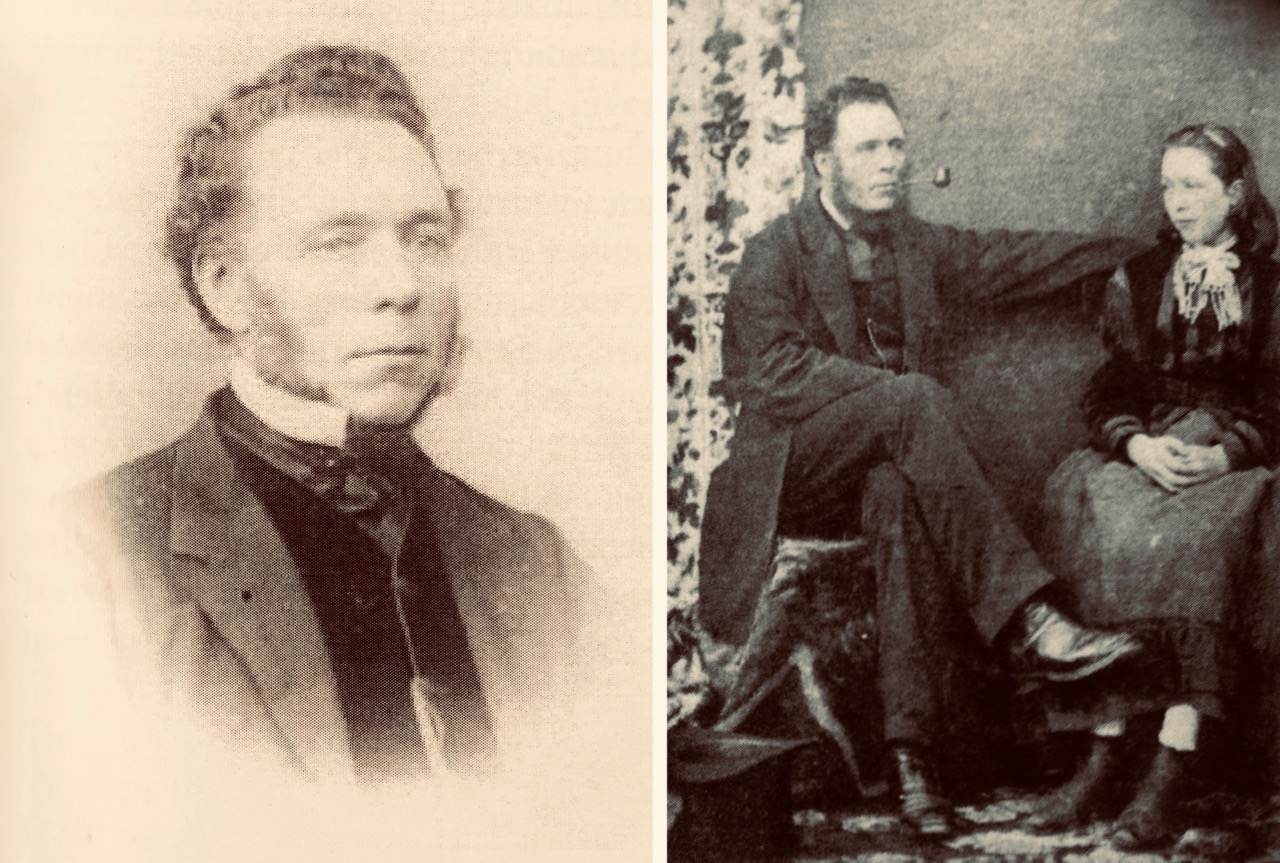
Captain William Thomas possibly in 1843 (left) and right, with one of his daughters in 1852. The latter photograph was taken by Hastings Moore in Ballydehob

From the Skibbereen Eagle, 7 June 1890:

Died, May 22nd at Coosheen, Schull, William Thomas, of Bolleevede, Camborne, Cornwall, aged 82 years, manager of mines in Cork and Kerry for nearly 50 years. He truly believed in Irish men and Irish mines. He wrote and spoke on their behalf to the utmost of his ability . . .

Forest Bathing

Excuse me – forest what? Don’t worry, it doesn’t involve any actual bathing (the clothes stay on) – perhaps immersion is a more apt word.

The whole idea is Japanese and comes from the concept of shinrin-yoku, which translates literally as ‘forest bathing’ but really conveys the idea of immersing yourself in a woodland environment for a while and reconnecting with that part of you that needs this experience.

And we do need it – it’s buried in our genes and our psyche that we are creatures who used to live close to nature and who feel good when we are back in that place. Forest bathing has been developed as a kind of therapeutic return to the natural world as well as an escape, for a while at least, from the civilised one.

Future forest – tree planting is ongoing at Caherbeg farm, native species only

The event itself was part of the Taste of West Cork Food Festival and it took place on Caherbeg Free Range Pork Farm, home of Avril Allshire-Howe and her family. I’ve written about Avril before, in my post on black pudding way back in 2015. A leader in the thriving West Cork food scene and a very busy woman, Avril discovered that her way of relaxing and centering was to take a walk down into the woods on the Allshire farm, and so the idea of introducing other people to the healing power of time with the trees was born.

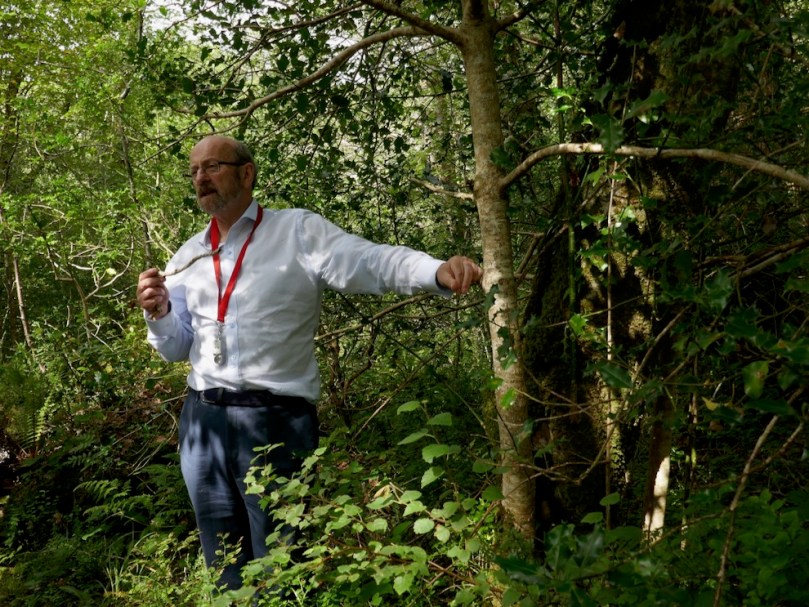
As we walked, Avril explained she and William’s philosophy of farming and how they hoped to plant more trees over time. They are pioneers in the new discipline of agri-forestry – a true mixture of trees and agriculture, where the trees are planted far enough apart to allow for agricultural activities (such as hay-making) to take place among and between them.

Here is an example of agri-forestry, with trees widely-spaced. We were fascinated by the grass growing up the tree-tube along with the tree

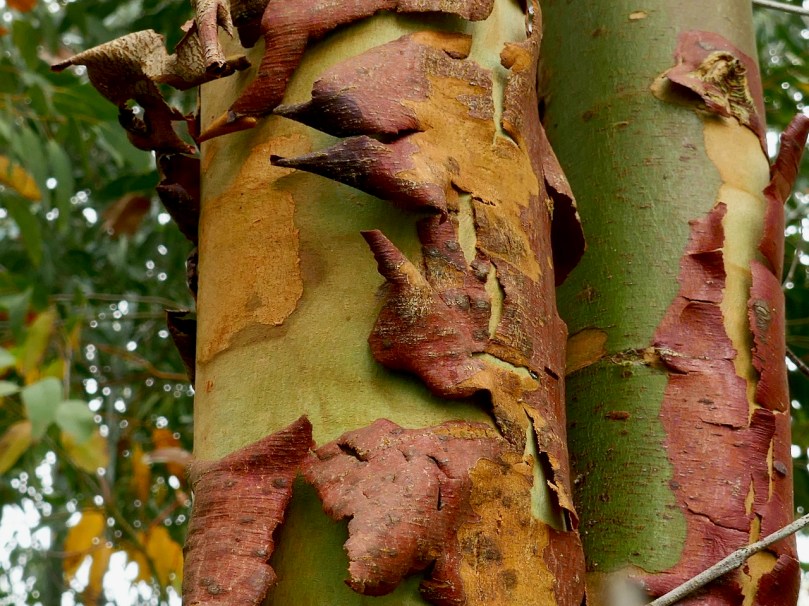
One of the trees they have found thrives in our ever-damp West Cork environment is the water-thirsty eucalyptus. So our first stop (after saying hello to the piggies) was through the eucalyptus grove.

The aroma all around us was incredible and here we stopped and breathed deeply, rubbing the leaves and the bark with our hands and taking in the sinus-clearing benefits.

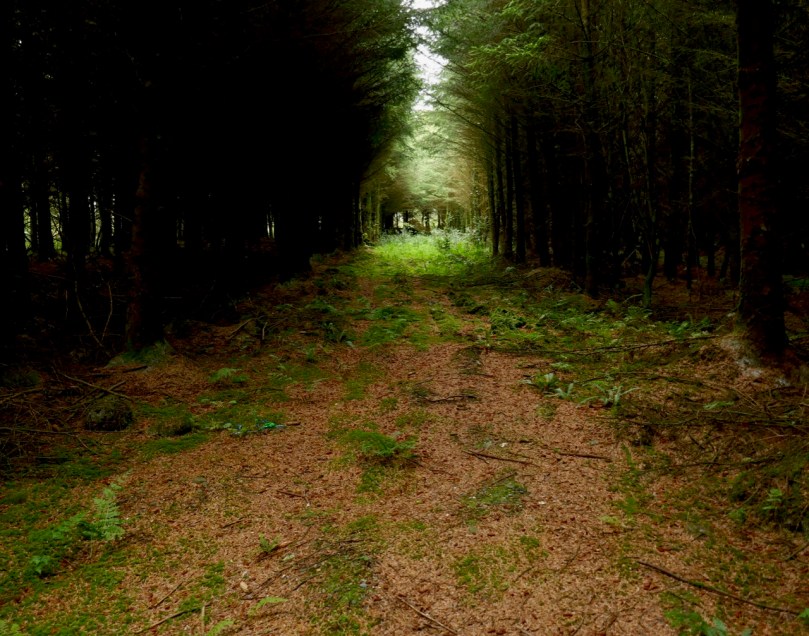
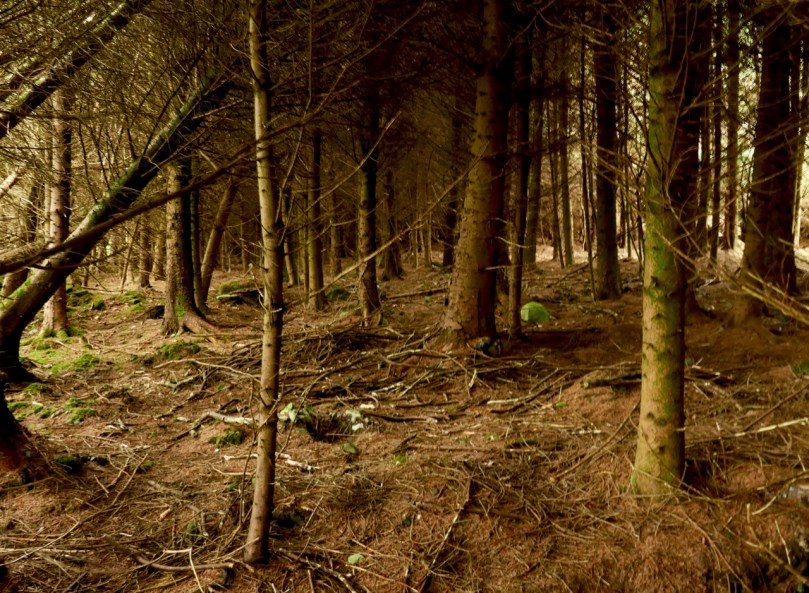
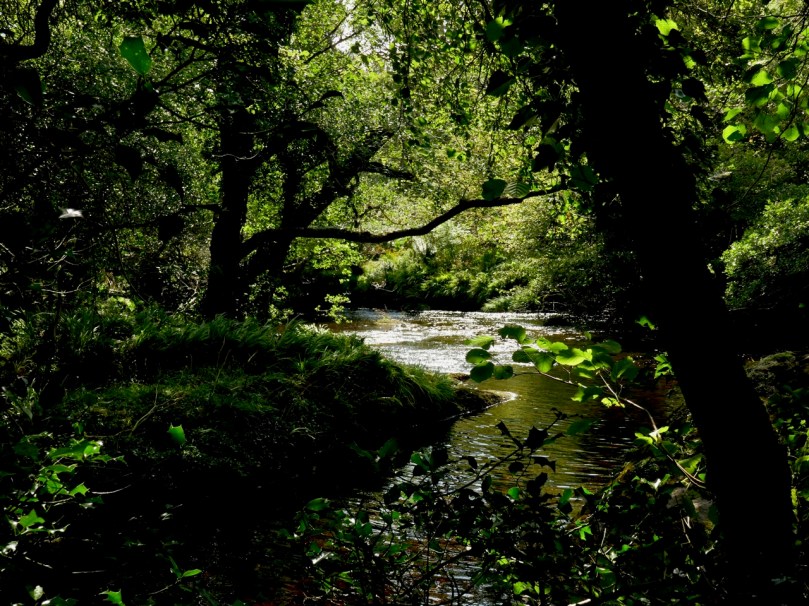
Then down beside a rippling brook – the air became still and the noises of the farm and pork plant disappeared. We came to a conifer plantation that was put in before the Allshires bought the land. It had not been properly managed so it is not commercially viable but it’s perfect for a dark forest immersion experience. Very little light penetrates the canopy and the air is perfectly still, almost spookily so. We wandered the path through it, saying very little and concentrating on the suddenly-cool air, the feel and texture of the tall straight trunks and the soft, sterile ground underfoot.

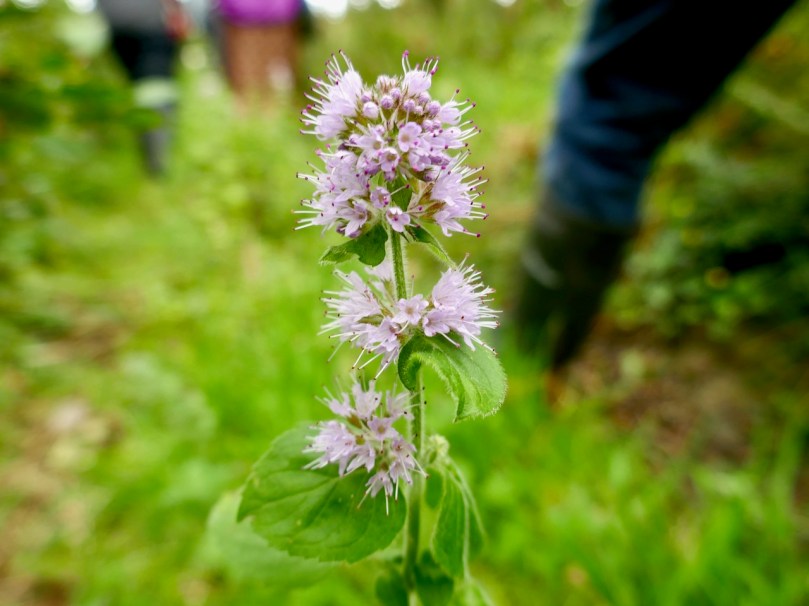
Where light could pierce the darkness ferns took hold and along the pathways as we emerged we found wildflowers taking advantage of every beam to put down their tenacious little roots. Although the Foxglove was finished we could still see their basal rosettes getting ready for next year, and along the little watercourses running through the trees Water-mint took hold wherever it could – more leaves to crush and savour.

Of course, no country walk in Ireland is complete without the obligatory ruin – this one a highly satisfactory house that must have been quite fine in its day.

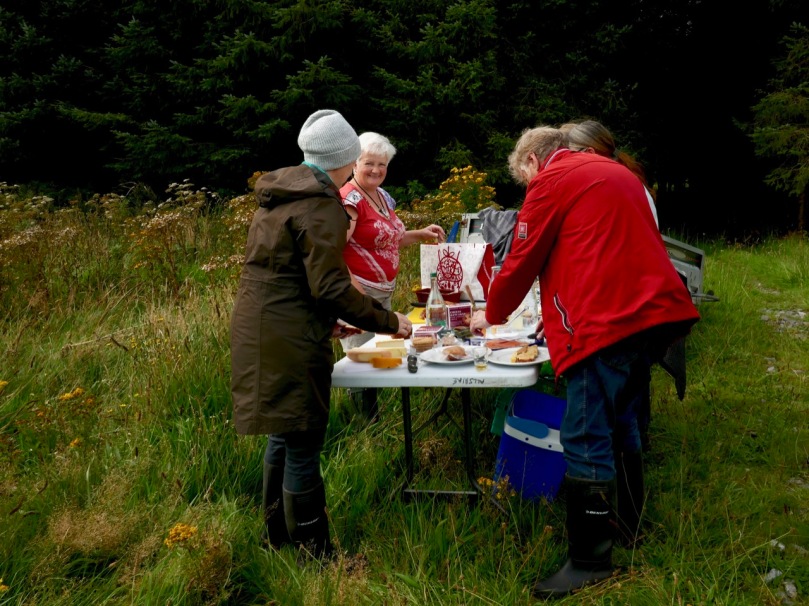
And then, what was this? At the bottom of a field was a table, laden with West Cork goodies, and Avril invited us to browse and make a sandwich using her own home-made challah bread. A picnic has never tasted so good!

I have my eucalyptus and mint leaves by me as I write this – aroma is a sure-fire memory stimulant and I am back in my head walking through the trees, time slowed down, breathing and listening, with the rough bark under my hands.

Ethel Mannin, W B Yeats – and Wild Flights

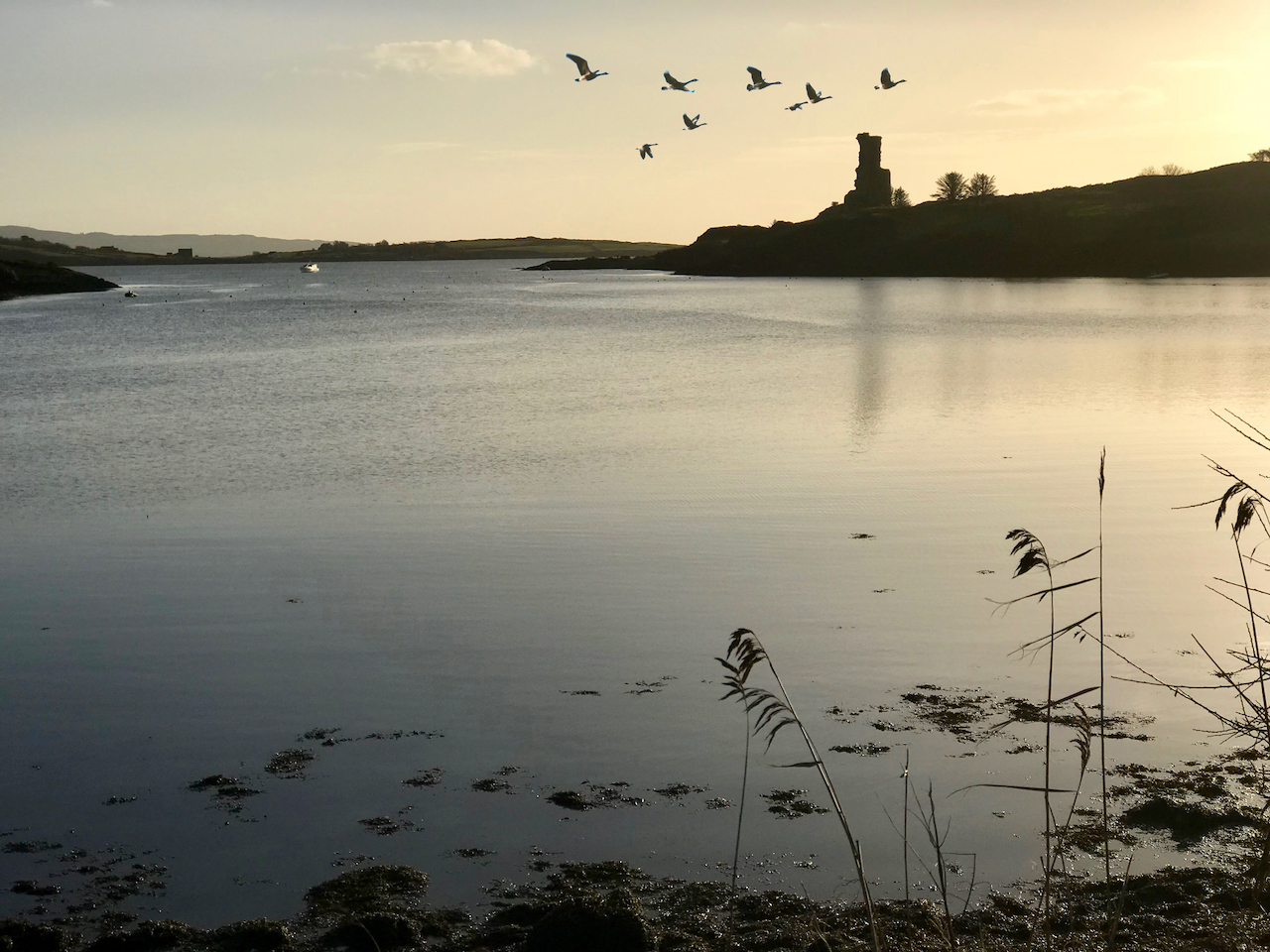
If you read my post last week you will recognise this autumnal view of Rossbrin Castle. I took the photo in November 2017 and looked it out after I watched the magic of a skein of wild geese flying over Nead an Iolair just a few days ago – at the end of August. There’s something wistful about that spectacle – birds coming to winter on our west coasts – and Irish weather lore has to be heeded about these early advents:

It was generally believed that the early arrival of wild geese meant that a prolonged and severe winter was in store. This is a very old belief, as the ninth-century Irish work ‘Cormac’s Glossary’ states that the brent goose usually arrived at the coasts of Erris and Umhall between 15 October and 15 November, and that when it appeared earlier, it brought storms and high winds. Similarly, in Counties Donegal and Galway, when the wild geese arrived, it was a sign that cold and frosty weather was on the way. In Donegal, a sign of an approaching wind was when a goose stuck its neck up into the air and beat its wings against its stomach. Fishermen would watch out for this and if they saw it would not go out, believing that a storm was on the way . . .

(Niall Mac Coitir – Ireland’s Birds: Myths, Legends and Folklore, Collins Press 2015)

Today’s post – while inspired by my sighting of the wild geese – is more connected to swans: these large and graceful birds are a constant down on Rossbrin Cove, and plentiful along our West Cork coastlines. Niall Mac Coitir also has much to say about them:

In Ireland it was generally believed to be very unlucky to kill a swan, and many tales were told of the dire consequences for those who did so. For example, the mysterious death of one of their farm animals often occurred soon afterwards. In County Mayo the whooper swan was never interfered with, on account of a tradition that the souls of virgins, who whilst living had been remarkable for the purity of their lives, were after death enshrined in the form of these birds . . . In Donegal it was believed that swans were people under enchantment, so that bad luck would come to anyone who interfered with them . . .

(Ibid)

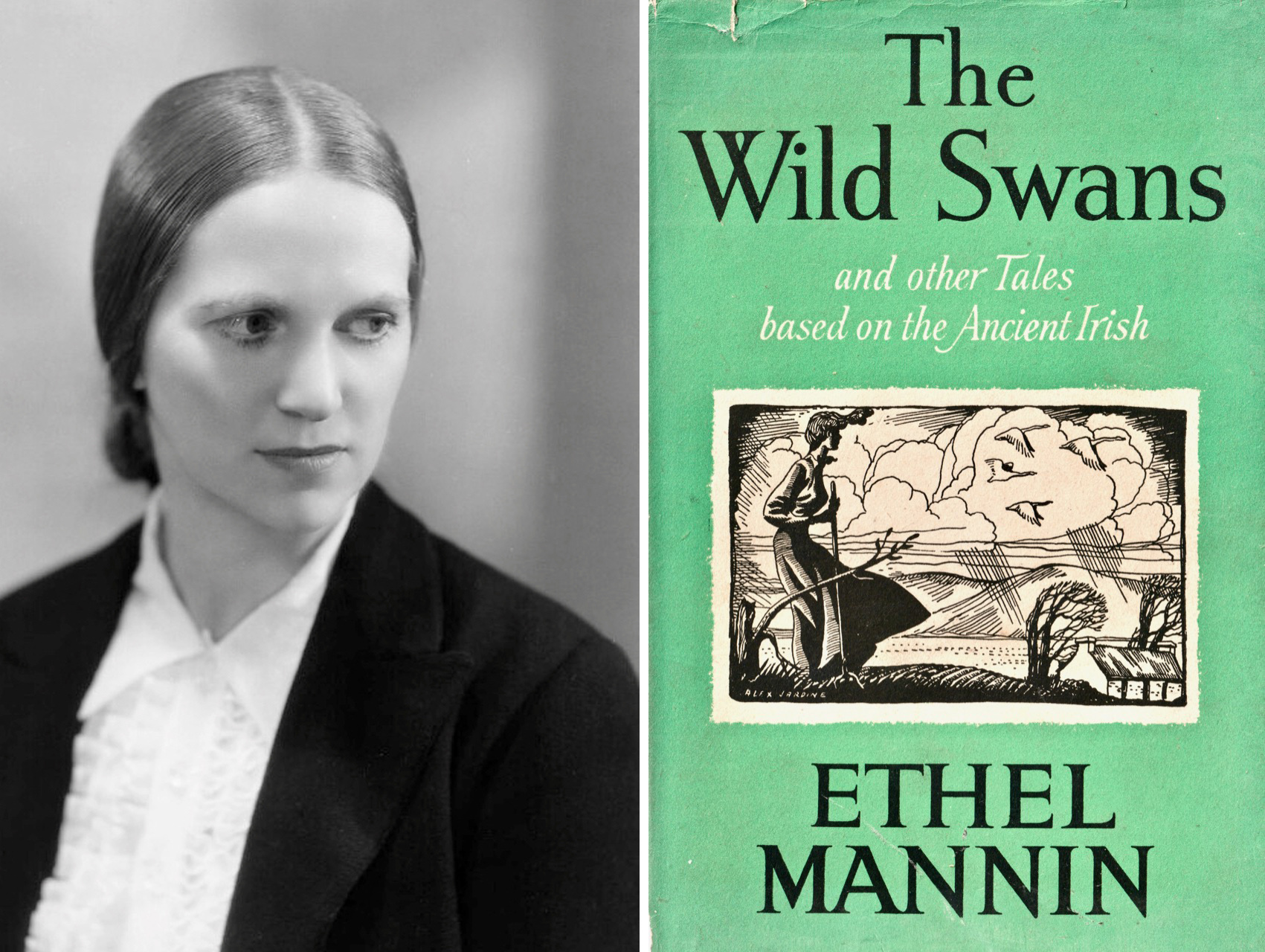
We know all about the tradition of people being turned into swans from the legendary Children of Lir – one of whom was Finola: you may remember the stained glass window we have in our house. A few years ago I found the above book in the wonderful Time Traveller’s Bookshop in Skibbereen (which has now transformed itself into the Antiquity Bookshop Café, the first all-vegan Cafe in West Cork: it’s well worth a visit – for books and food!). I was attracted initially by the cover and the illustrations, and then was delighted to find that the first story in the book was all about Finola and is a modern ‘take’ on the Irish legend. I had to buy the book, of course, for our Finola and I immediately thought of ‘The Wild Swans’ when I saw those wild geese. This post results from those wandering encounters.

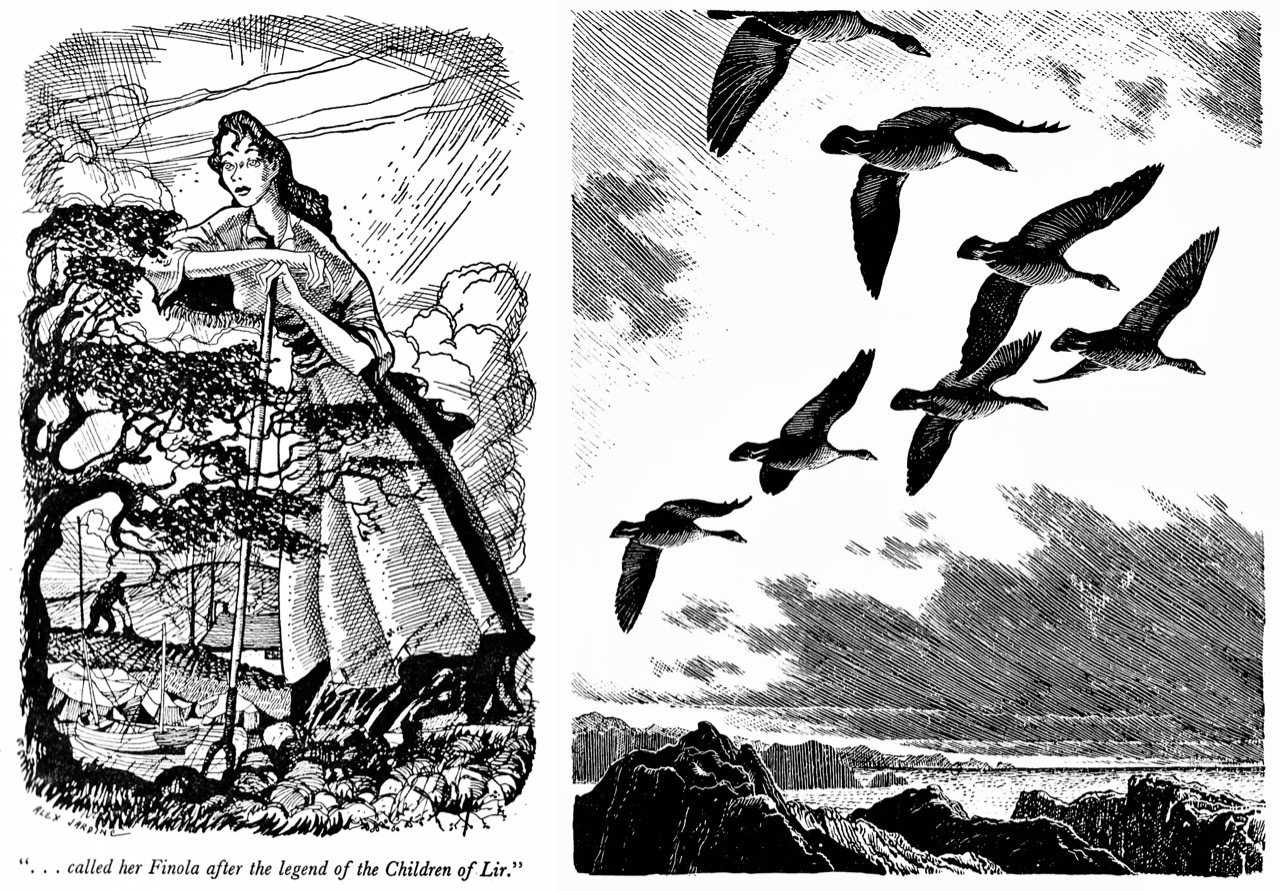
Another of the illustrations from The Wild Swans – used on the cover: do you see the swans? The second picture above – of the four swans – is also from the book. The illustrator is Alex Jardine, about whom I have been able to find very little, other than he was British, lived from 1913 to 1987, wrote and illustrated books on angling, and designed a number of postage stamps. I was also keen to find out more about the author of this book – Ethel Mannin (shown above next to the book cover) – and initially came across scant information, until I discovered a connection with W B Yeats. Then, by dipping and diving through letters and articles specifically by and about Yeats, I was able to put together some often surprising details on her life.

Above left – Alex Jardine’s illustration for The Wild Swans showing Finola – beautifully detailed and with intriguingly distorted perspective (suitable for a ‘modern’ legend?); above right – for comparison, an illustration from the same period (1950s) of wild geese by prolific British illustrator Charles Tunnicliffe: a scene which looks uncannily like a peninsula from the west coast of Ireland

Ethel Mannin was born in 1900 in London, and died in 1984. None of her writings is in print today and she is now little regarded, yet in her lifetime she wrote and had published well over a hundred volumes, half of which were novels and others which included short stories, children’s books, travel books, autobiographies and works on literature, politics and her contemporary world. On the fly-leaf to The Wild Swans – published in 1952 – is the statement:

Her reputation as a writer is founded on her honesty and unorthodoxy. For some years past she has done most of her writing in retreat in a cottage in the remotest west of Ireland, the country of her ancestors . . .

Mannin traced her family background to the O’Mainnin owners of Melough Castle, Co Galway. In 1940 she settled close to Mannin Bay in Connemara, renting a cottage which she eventually bought in 1945. She spoke at public meetings against the Partition of Ireland – ‘the imperialist problem nearest home’ – and was elected Chairman of the West London Anti-Partition Committee. Her travels included India (where she attended a World Pacifist Conference and tore up her diary en route, throwing it overboard in the Indian Ocean, and found Hinduism repellent ‘with its lingam cult’), Burma, Morocco, Sweden, the Soviet Union, Brittany, where she befriended Cartier-Bresson.

I found more wild swans in this illustration by Charles Tunnicliffe from the 1927 best-seller and Hawthornden Prize winner Tarka the Otter: His Joyful Water-Life and Death in the Country of the Two Rivers by nature writer Henry Williamson. Tarka captured the public imagination and has never been out of print, even though Williamson himself became unpopular following his support for Oswald Mosley and fascism

Ethel Mannin met W B Yeats in the 1930s and they became lovers. Their relationship was reported by Brenda Maddox in Yeats’s Ghosts: The Secret Life of W B Yeats, Harper Collins 1999:

Ethel Mannin was a rationalist and skeptical, he mystical and credulous. Politics divided them too. She was left-wing, just short of being a Marxist, and had recently returned starry-eyed from the Soviet Union; his leanings were firmly the other way. But that hardly mattered when, as a companion, she was brilliant, fun, and full of the salty talk that Yeats adored. She was not worried about his cultural baggage: “Yeats full of Burgundy and racy reminiscence was Yeats released from the Celtic Twilight and treading the antic hay with abundant zest.”

In 2014, to mark the 75th anniversary of Yeats’ death, Jonathan deBurca Butler wrote in the Irish Independent newspaper an article titled The Many Women of W B Yeats. This is an extract:

In 1934, Yeats, who had been suffering from both sexual and artistic impotence for three years, had a Steinach operation, a type of vasectomy, which was said by its supporters to increase energy and sexual vigour in men. According to Yeats, the procedure worked and he claimed to go through what he called “a second puberty”. Shortly after the operation, Ethel Mannin, a 34-year-old writer and member of the World League for Sexual Reform, was called on to “test the operation’s efficacy”. The test was by all accounts unsuccessful but it showed Yeats was still inclined towards trying his hand. If all else failed he could still arouse his mind . . .

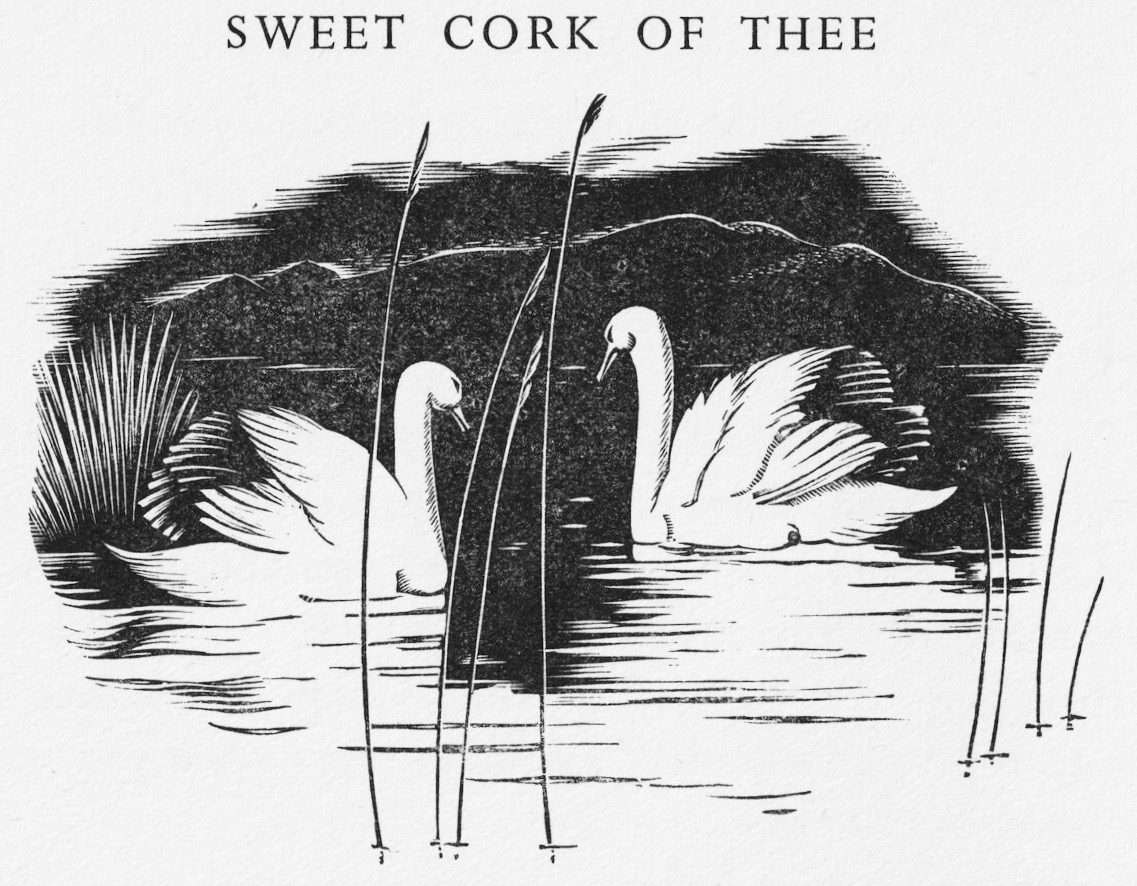
This ‘swans’ illustration is almost exactly contemporary with Ethel Mannin’s The Wild Swans. Robert Gibbings wrote and beautifully illustrated Sweet Cork Of Thee, which was published by J M Dent in 1951

Ethel Mannin married twice, and had one daughter, Jean, after which ‘ . . .she espoused the idea that a masculine mind better suited women writers than motherhood . . . ‘ Apart from W B Yeats she also had an affair with Bertrand Russell. In her later years, Ethel returned to England and lived out her life in Devon – also, incidentally, the home of Henry Williamson. I have been chasing the works of Ethel Mannin, and have succeeded in recently locating some very inexpensive used copies on the internet – including some of her biographical works. Once I have these I may have more to report on her connections with Ireland. Meanwhile, I can only recommend The Wild Swans for its romanticism and imagination – and its seductive illustrations. And, of course, for its connections with Finola!

Because of the Yeats connection, it seems appropriate to quote his poem The Wild Swans at Coole (1916):

The trees are in their autumn beauty,

The woodland paths are dry,

Under the October twilight the water

Mirrors a still sky;

Upon the brimming water among the stones

Are nine-and-fifty swans.


The nineteenth autumn has come upon me

Since I first made my count;

I saw, before I had well finished,

All suddenly mount

And scatter wheeling in great broken rings

Upon their clamorous wings.


I have looked upon those brilliant creatures,

And now my heart is sore.

All’s changed since I, hearing at twilight,

The first time on this shore,

The bell-beat of their wings above my head,

Trod with a lighter tread.


Unwearied still, lover by lover,

They paddle in the cold

Companionable streams or climb the air;

Their hearts have not grown old;

Passion or conquest, wander where they will,

Attend upon them still.


But now they drift on the still water,

Mysterious, beautiful;

Among what rushes will they build,

By what lake’s edge or pool

Delight men’s eyes when I awake some day

To find they have flown away?

Lichens and Little Things in the Woods

The wonderful Ellen Hutchins Festival for 2019 has just finished – now in its fifth year and going from strength to strength in celebrating all the aspects of botany that Ellen practised. You can read about Ellen in my post Ellen Hutchins: The Short and Remarkable Life of Ireland’s First Female Botanist. We participated again in 2016 and I wrote about our fascinating walk Into the Woods with Pádraig Whelan and Howard Fox.

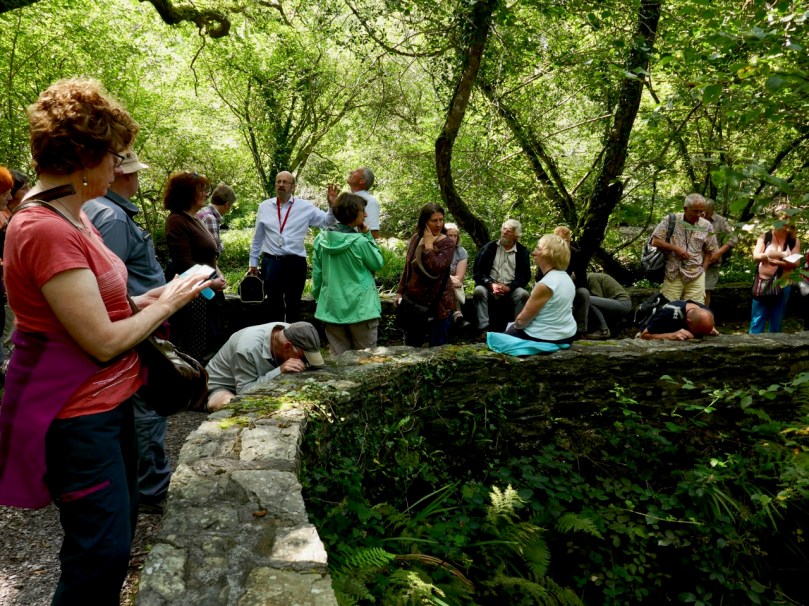
This year there was the same wide variety of botany-related activities, including an impressive array of events for children. We attended (above) a talk by Madeline Hutchins (Ellen’s GGG-Niece) about her life, with an emphasis on her letters and a talk on letter writing of the period by Carrie O’Flynn and then, last weekend, a Lichen Walk in beautiful Glengarriff Woods (first photograph, top).  Been there yet? If not, you’re missing a real treat.

The focus of the walk was lichen of course (apparently it is acceptable to say lyken or litchen so take your pick) with Paul Whelan (above). Paul has a website at Lichens of Ireland which seems to be down for maintenance, but there’s another one, Irish Lichens, run by Jenny Seawright, which I’ve been using and finding easy to follow, especially for a neophyte like me. But even though the subject was lichens, once you enter the woods it’s easy to get distracted by other things, so for me the day was as much about the insects and flowers that we saw (sorry, Paul) on our short, but incredibly rich, walk.

What are these people doing? This is how close you have to get, with a hand lens, to see the tiny patches of lichen on the rocks of the bridge

So what is a lichen? It’s a fungus, but one that works with another organism (usually green algae but sometimes a cyanobacteria) to produce something neither can do on their own. Since lichens can’t photosynthesise, they depend on the other organism to do that. The fungus contributes by consuming dead matter and this mutually beneficial and necessary relationship is called symbiotic.

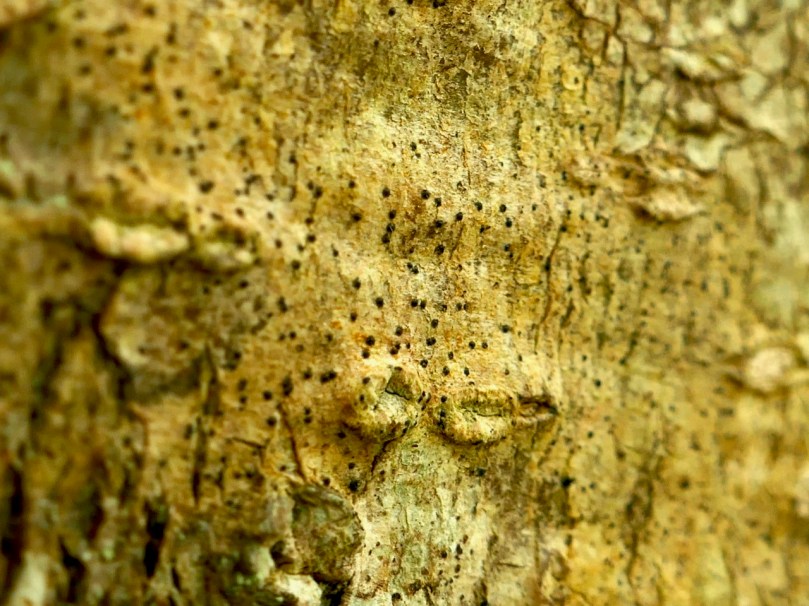
And this is what we were seeing

The lichen body is called a thallus, and it produces spores (which is how it reproduces) through an apothecium (which looks like a tiny cup) or a perithecium (which looks like a tiny volcano). We saw mostly lichen with perithecia on our walk, some of which were just tiny black dots.

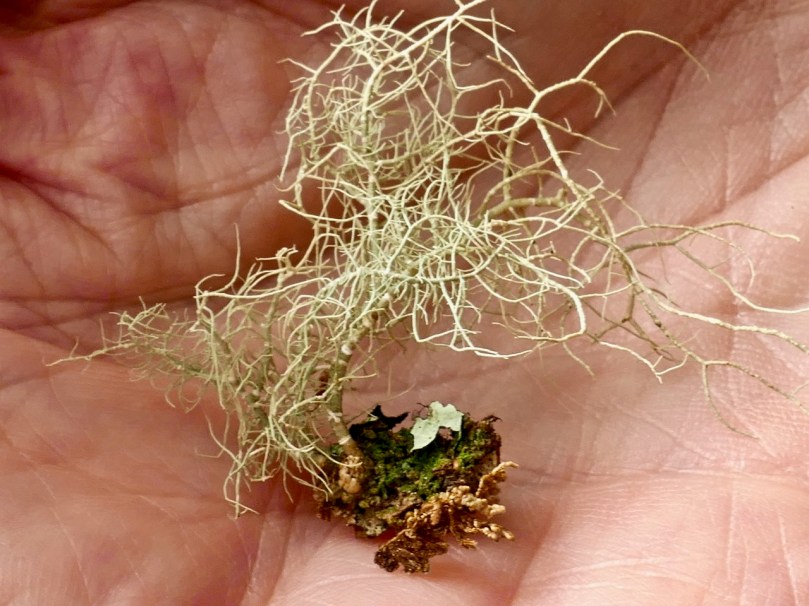
We also saw some foliose lichens – leaf like things such as the one immediately above, although you had to get very close with a hand lens to even see the leafy structures of some of them. Others were bigger and more obvious – these Usnea lichens (below) are like tiny bonsai leafless trees and attach to rocks and trees by a single contact point.

I had already written (in my post Miniature World) about the Cladonia Lichen such as the Devil’s Matchstick, and now that I know a bit more about lichens I’ve been browsing around our own garden and I found some on a rock wall (below) – not only Devil’s Matchsticks but the ones called Pixie Cups as well.

And the ‘other things’ on the walk? Clare Heardman from the National Parks and Wildlife Service, who seems to know about the whole gamut of wild organisms, was excited to see a fly land on Robert’s back. No ordinary fly, it turns out, but a Dark Giant Horse Fly (Tabanus sudeticus) – the largest and heaviest fly in Europe! We know it’s a female by the space between her eyes (males have no space) and it’s the female that bites and sucks your blood. One source I consulted says: Unlike insects which surreptitiously puncture the skin with needle-like organs, horse flies have mandibles like tiny serrated scimitars, which they use to rip and slice flesh apart. Charming, but fortunately she flew away before inflicting that on Robert.

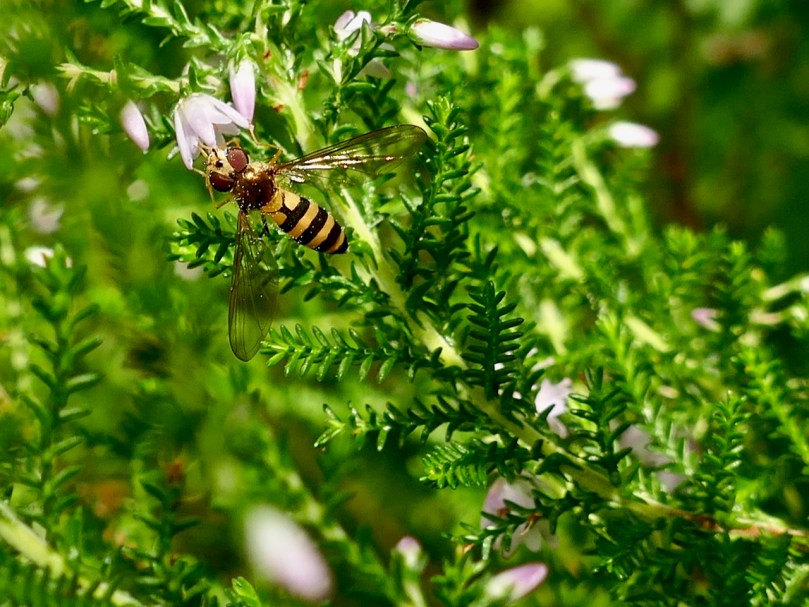
Nearby, another fly was feeding on some Ling Heather, this time a hoverfly. Trying to identify hoverflies is a head wreck, there are so many different types, but I think this one is called parasyrphus lineola, one of the little forest hoverflies that like a conifer environment. Hoverflies are next to bees in importance as pollinators – it’s not that they carry as much pollen, but they are so busy and make so many visits to flowers that they do a sterling job. They also keep aphid populations under control.

You can see the dusting of pollen on this hoverfly

When we arrived at the pond Paul showed us the Usnea lichens – one tree over the water was entirely decorated with them, although they also like to grow on rocks as well. They belong to the Fruticose Lichens and on his website he describes them thus: Fruticose lichen appear tufted and shrubby and are usually erect or pendant and attached to the substrate at a single point. Filamentous lichen are soft and hair-like and some form felt-like mats comprised of very fine filaments.

The pond itself was alive with water striders, amazing little creatures that walk on water. A little Googling led me to this short video about how exactly they accomplish this, and what they live on (don’t watch if you’re squeamish).

As I was watching them, my eye was caught by a flash of brilliant blue and down came a damselfly to rest on one of the long reeds overhanging the pond. It was the aptly named Beautiful Demoiselle and a male, which has the striking metallic blue colour. This reed was its perch, from which it guarded its territory and kept an eye on passing edible insects, leaving it to chase them and then return. (There’s a good Wikipedia page on them.)

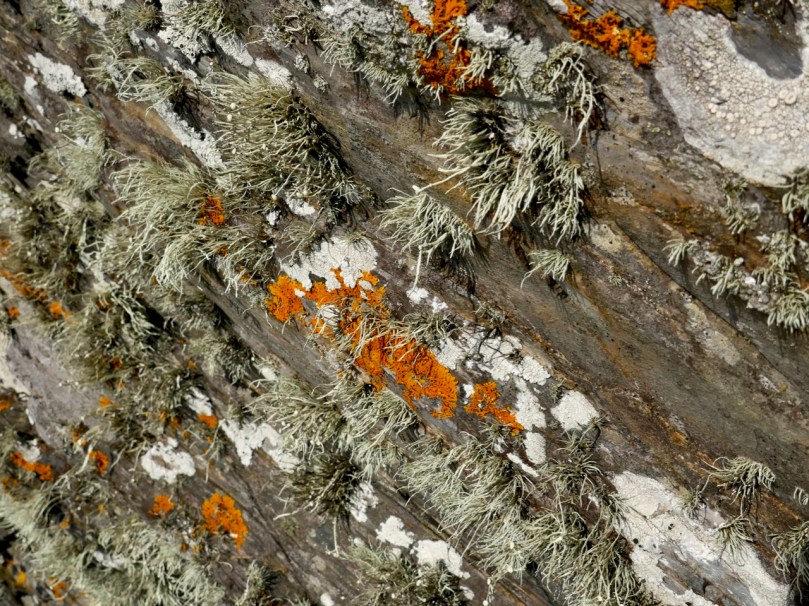
It was a great walk, all in all, and we can’t now go anywhere without checking out our surroundings for lichen. On a walk on Long Island yesterday I was attracted to the patches of bright orange and white lichen on the rocks. Here’s what I saw, at a distance and close up:

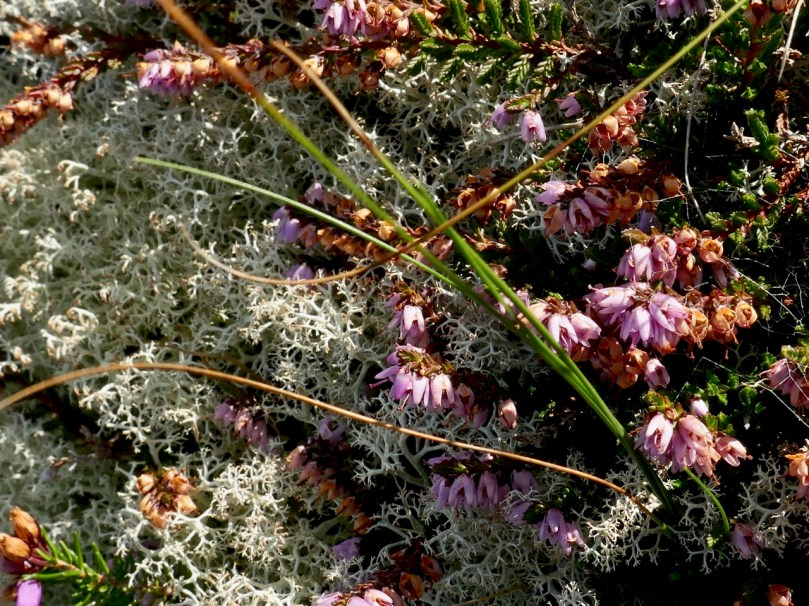
I was also delighted to see heather and lichen growing on one rock surface, and very attractive it looked together. The lichen might be one of the Cladonias, but please correct me if I’m wrong.

My previous feelings for lichen were all negative, since they obscure rock art and headstones, but now – have we caught the lichen bug? I hope not, since it already takes me an hour to walk around the block, stopping to look at flowers. What do you think, Dear Reader – is there any hope for us?


Rossbrin Calendar

We know Rossbrin Cove intimately – more so than any other part of West cork. That’s because it’s right on our doorstep, and there is seldom a day when we don’t walk or drive along the Cove; and, even if we fail to get out, the views from our windows at Nead an Iolair will always be looking down on the Cove and its castle. I conceived the idea of sorting through all our pictures and selecting a ‘calendar’ of Rossbrin, taking us consecutively through the months of the year so that we can follow the seasons and the changes that every day brings. That’s Rossbrin Castle above, a view taken in January – which can often be atmospherically misty. But the picture below was also taken in that month, when we explored an abandoned house in the environs of Rossbrin: just as atmospheric in its own way – and bursting with a story to tell . . . But we’ll never know it.

Low tide at Rossbrin, taken from the pier and looking towards the boatyard – an important aspect of the Cove as the winter laying-up and maintenance of pleasure boats brings all-year-round life to the area and provides a livelihood. The picture above was taken in February, on a good clear day. In the middle distance you can just make out a wrecked boat uncovered by the receding water: this is the ‘Flying Foam’ – still rather enigmatic – which I wrote about a little while ago. We expect our strongest gales in February, and the picture below was taken when storm clouds began to gather.

March can also be a month when the weather is inclement (above), but we had a surprise in 2018 when snow covered the land around us (below) – a climatic event seldom experienced in Roaringwater Bay, which is more usually kept mild by the Gulf Stream. That’s Castle Island beyond the Cove – once inhabited (and with its own castle which you can see in the picture) but now just used to run sheep and cattle.

You can see how quickly the weather changes in West Cork: Rossbrin Castle Farm is enjoying blue sea and skies in April, and the gorse is in bloom, showing that love is in season! In the detail below, at the edge of the Cove and also in April, we can see the new spring growth beginning to overtake last year’s seed-heads.

By the time May arrives, boats are already being taken out of winter storage and are anchored in the Cove. We get fabulous skyscapes perched up here above Rossbrin, and these mares’ tails herald windy weather ahead.

This is one of my favourite pictures – taken by Finola from Nead an Iolair in June. Late evening sun paints the sky and sea in almost implausible colours – although the photo has not been doctored. The whole effect beautifully outlines the Fastnet Rock lighthouse on the horizon with some of Carbery’s Hundred Isles silhouetted as if floating; Rossbrin is in the foreground. By day you can see that wildflowers are abundant this month (below).

The sea in July is at its bluest. Here is Roaringwater Bay out beyond the shelter of Rossbrin on a calm day. There is hardly a ripple on the surface, except for the elegant wake of the yacht motoring in.

Nead an Iolair – our house – taken in August. You can see that Rossbrin Cove is central to our view out over the Islands. The name of the house means ‘Nest of the Eagle’, and the birds have obligingly flapped their way into the photo, courtesy of Photoshop. White-tailed Sea Eagles do survive in Kerry – not too far away – and they have occasionally been seen in West Cork. Once they were common across the west of Ireland. Below is another August picture – a wild apple tree close to the shore of Rossbrin.

I couldn’t resist adding this picture to the August tally (above): it’s an abandoned post box set into the wall of the old Rossbrin School, now closed. The school building survives as a private house and retains some of the architectural features of its previous use.

This magnificent machine is a remote-controlled boat-lift and was photographed on the large slipway which is at the western end of the Cove, last September. The Cove is a natural harbour and has been used as a resource for sheltering fishing boats and providing facilities for fish processing since medieval times. This post outlines how ‘fish palaces’ worked: there was at least one here in Rossbrin.

By October most of the boats have been taken off their moorings (above), and the weather changes again. We sometimes have the first of the winter storms this month, although it can equally be benign. Autumn brings with it dramatic skies and sunsets – and a feeling of melancholy, because the holiday houses down by the water are empty and shuttered for the onset of winter. But the weather can continue to surprise and November sunshine (below) can be as warming as any other time of year. It’s a good time for us to watch out for the wading birds – such as the curlews – who come in close to shore and forage on the mud flats.

And so we come to the end of the year in Rossbrin. This has been a fairly random selection of images, picked out because each was taken in a particular month. We know how fortunate we are to live in this rich and constantly changing environment. Not only are we surrounded by nature, but the immediate history is alive with stories – of Fineen O’Mahony, the Scholar Prince of Rossbrin, who lived at Rossbrin Castle in the 15th century and surrounded himself with a university of monks and scribes and made a fortune out of fishing dues – and of Sir William Hull and the Great Earl of Cork who exploited Rossbrin in the 17th century, also for fish. Now we look down on a sparsely populated townland and the bay beyond it: it’s a most beautiful place to know and to live in. For December I have chosen a classic view of the castle with a wintry sky and late sun creating patterns on the half-tide.

Mizening

What do you do when a fine day dawns and you want something totally relaxing? You go Mizening, of course! OK, it’s not a real word, but it should be – for the act of wandering at will around our wonderful peninsula.

We’ve been tied up a lot lately with the West Cork History Festival – it was a great success, by the way, with a wide variety of speakers and topics. We really enjoyed leading two of the field trips, including one that involved much dodging rain showers. But now it’s time to get back to our true avocation – meandering lazily around our own patch of heaven.

So what follows is a record of a blissful day on the Mizen, doing not much of anything, drinking coffee, visiting new friends, observing the wildlife, popping into the Blue House Gallery – well, you get the picture.

Those new friends? Judi and Pete Whitton, both artists, with a home and Gallery near Schull. Judi and I felt we knew each other already although we had never met in person, just through the wonders of the internet. She has a gorgeous show, Easel in the Ditch, running at the moment (follow the signs from Lowertown) – we were bowled over by her beautiful watercolours.

Above – Newcourt Bridge – Judi had seen my post on this ‘hidden wonder’ of West Cork and had to paint it

Then it was off for a walk in the countryside. You think you’ve been down all the little roads before, but there are always surprises.

Cobwebs in an abandoned church

It’s August now and many of the flowers have finished blooming, but others have come along to take over and the boreens are still a delight.

We’ve had an invasion of Painted Lady butterflies. Normally, this is a phenomenon that happens once a decade, but it’s starting to happen more often now, and scientists feel it may be down to general climate warming. The butterflies are especially attracted to the Knapweed, which is abundant, although they have to compete with the bees for it.

We were seeing lots of dragonflies too, although they wouldn’t stay still enough to allow a photograph – I finally snuck up on this one (above, both images), which it turns out is a Ruddy Darter. Well named!

After more obligatory wildflower photography (example above, Eyebright), we dropped into Schull to see the latest Exhibition at the Blue House Gallery. Titled cleverly Blau Haus/Bauhaus, the downstairs show is based on the Bauhaus, the German arts, crafts and design school, founded a hundred years ago, that dragged us all into the twentieth century, .

A tiny taster of the Bauhaus-inspired pieces above – a detail from a tall fused glass and bronze collaboration by Angela Brady and Holger Lönze, and a teapot by David Seeger

Upstairs was an entirely different show – The Drawn Line, curated by Catherine Weld. I was particularly taken with this line drawing by Christina Todesco-Kelly, titled simply Satchel.

A lovely day! I did mention coffee, so I will end with a detail from Judi Whitton’s portrayal of our favourite local, place to get coffee (or lunch or dinner!) – Budd’s of Ballydehob. It captures so well what Mizening is all about and it’s the first thing we see as we approach Ballydehob from Nead an Iolair.