The Fiddle-Maker’s Ghost

ballycowan sunset

We were chasing ghosts on our whole journey, following in the wake of Angela and Tom Rolt who travelled the waterways of Ireland exactly 70 years ago – in 1946; their odyssey was described in Rolt’s book Green & Silver. I received this book as a prize for essay writing when I was at school in the early 1960s and it fanned my interest in canals but also in Ireland. I had always intended to explore the canals of Ireland and this year Finola and I did just that – to mark the seventieth anniversary of the Rolts’ voyage, and to mark my own seventieth birthday.
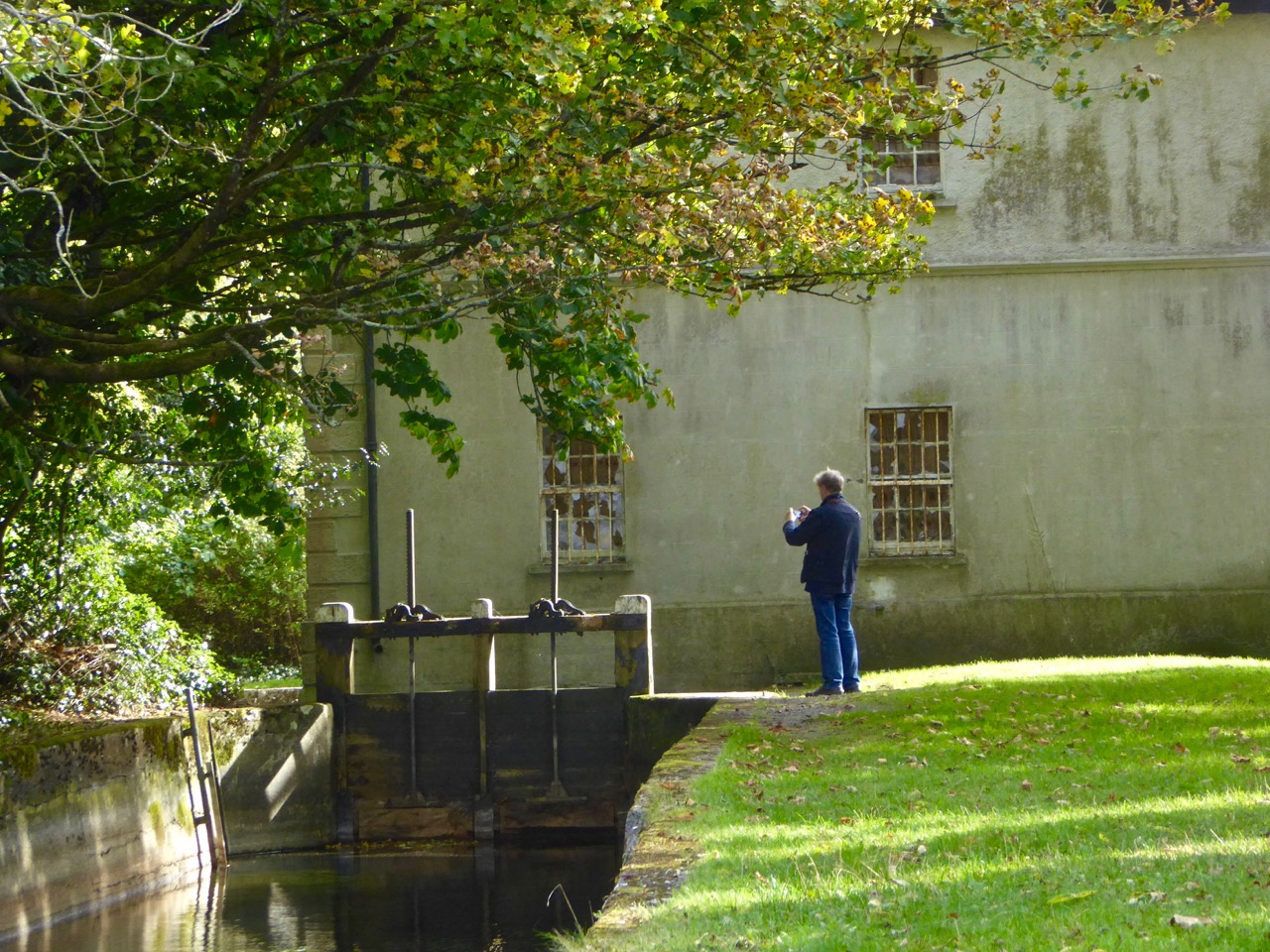
Robert at the feeder house

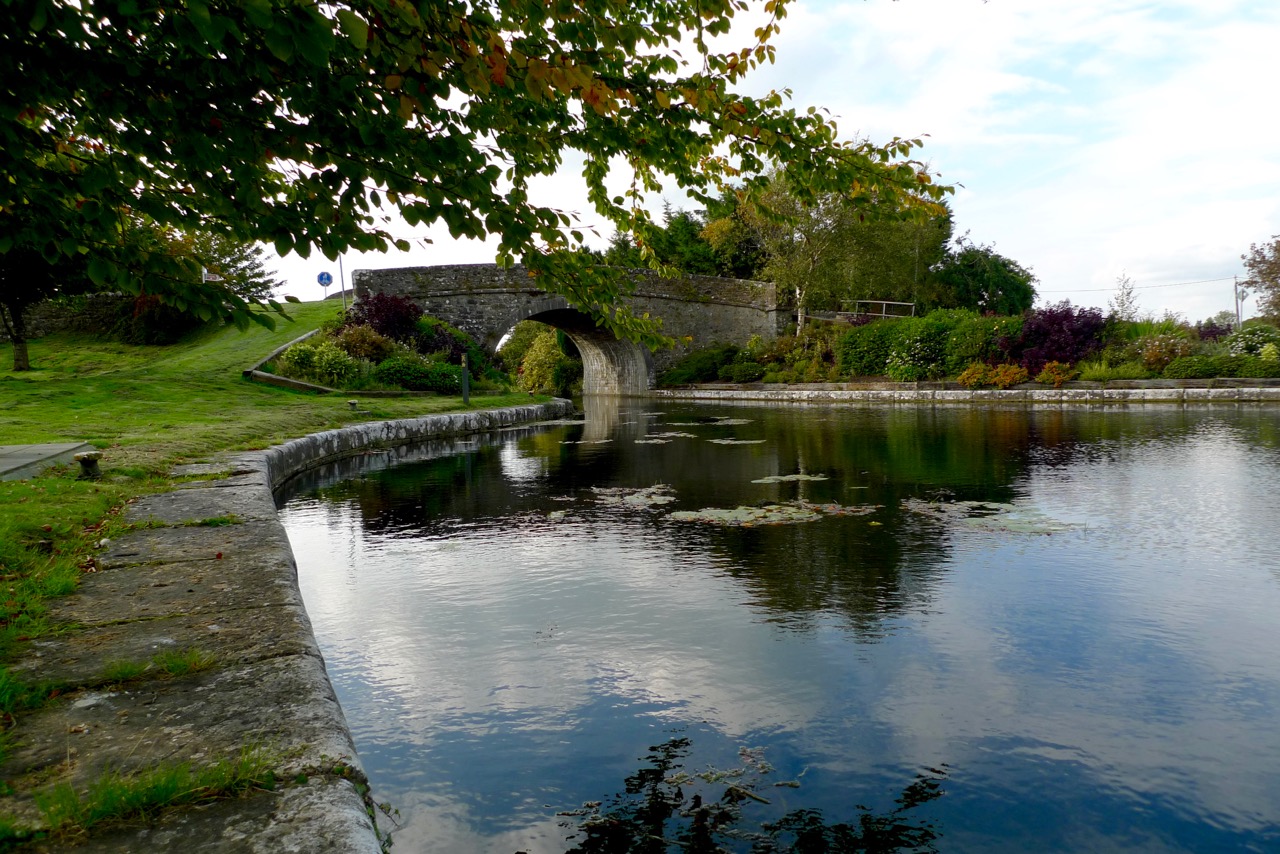
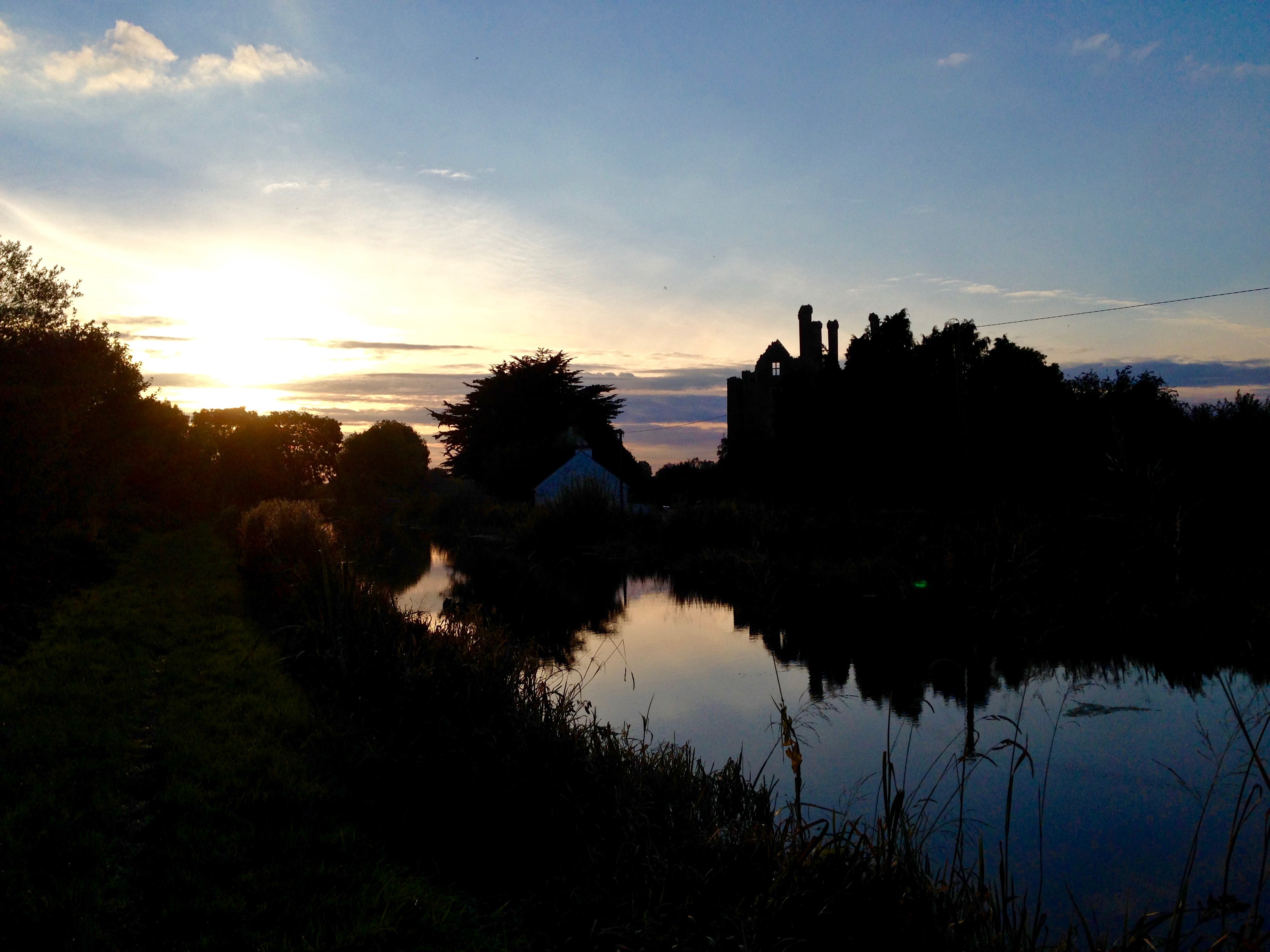
Top picture – ghostly reflections beside the Grand Canal at Ballycowan. Above – Robert photographing the impressive sluice house on the Royal Canal Feeder at Lough Owel: sadly, the house is empty and now deteriorating

The first ghosts we looked out for were the Rolts themselves. Would anyone have remembered them? Did they make enough of an impression – two eccentric English travellers intent on discovering a way of life in Ireland which had almost ended at that time? Their book is remembered today by canal enthusiasts; in fact there is a plaque given to anyone who completes the circumnavigation of the Royal Canal, the Shannon and the Grand Canal. It’s known as the Green & Silver Route. As the Inland Waterways Association of Ireland says, …with the closure of Ireland’s Royal Canal in 1961, Rolt’s Green and Silver offered successive generations of boaters the only opportunity to experience this journey by boat. His book offered a glimpse of what might be experienced if, and when, the canal was restored. Rolt was the first to document a successful transit of the route in Green & Silver, a book which had such a positive influence on the development of the Irish waterways… The book has gone into five editions, so the journey is certainly not forgotten. However, we did not meet anyone who had stories to tell about the Rolts; nothing seems to have passed down through the generations about them – perhaps this post might bring something out?

Left – the frontispiece of my copy of the Rolts’ book. Right – the Green & Silver Plaque, presented to boaters making a circumnavigation of the now restored route that the Rolts followed seventy years ago

But there are other ghosts in the pages of Green & Silver. The Rolts passed through Draper’s Bridge Lock on the Royal Canal:

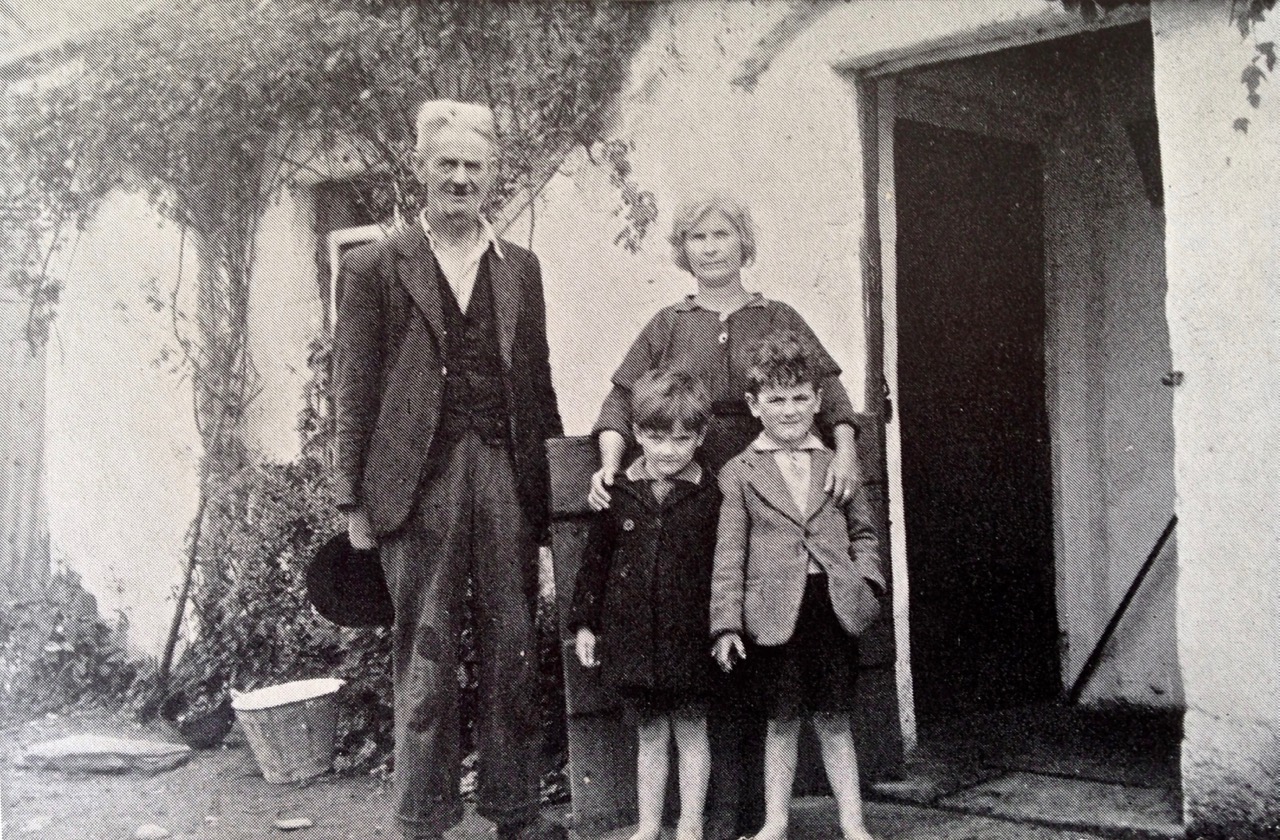
…The canal bore a more and more disused appearance the farther we went westwards, and at Draper’s Bridge lock beyond Abbeyshrule it was obvious that the chamber was rarely filled. Clumps of yellow musk in full blossom were growing out of the chinks in the masonry and looked so beautiful that we were sorry to drown them. The lock-keeper insisted on presenting us with some magnificent new potatoes which he dug from his garden while we were locking through. He refused to accept payment but, noticing Angela’s camera, asked if she would take a picture of himself with the family. She gladly agreed and took a photograph of ‘himself’ with his handsome silver-haired wife and two small boys standing before the half-door of the lock cottage. I hope he was satisfied with the print we sent him…
keeper and family

Angela Rolt’s photograph of the lock-keeper’s family at Draper’s Bridge Lock, Co Longford, taken in 1946

The children in this photograph could well still be alive, in their seventies. Some of the lock cottages on the canals are still lived in by families who have connections with the canals through generations. We were hopeful that we might discover someone at the lock who could point us to these young faces, a lifetime away?
Draper's Bridge Lock House

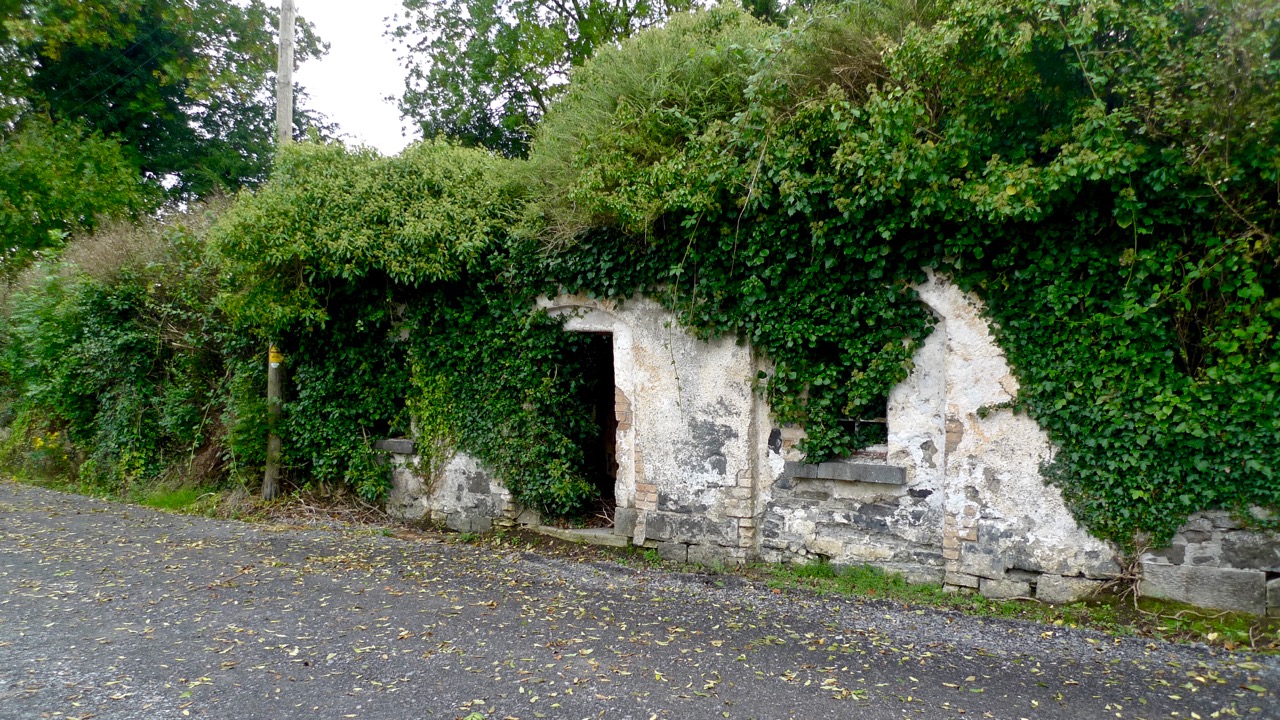
Only ghosts, alas… The cottage is in ruins today. This is unusual, as most of the original lock cottages on the Royal Canal have been retained. There is no sign of why this one has not survived. The Rolts did not name the lock keeper in the book, but I have since discovered that he was Jack Keenaghan. A ghost now with a name, at least.

drapers bridge lock

Lock 39 on the Royal Canal, at Draper’s Bridge. Samuel Draper was Secretary to The Royal Canal Company during the construction of the canal

The Rolts were able to include part of the lower Shannon and Lough Derg in their voyage. They met up with a friend who lived at Kilgarvan, and I was intrigued by this description of a visit to Ballinderry:

…That afternoon our friend and I walked into the nearby village of Ballinderry where we visited Dick Stanley the local baker and proprietor of the village shop…

…In the intervals of baking bread and minding his shop, Dick Stanley makes violins. His art is entirely self taught, he uses the crudest of tools, and he finds and seasons his own materials. He showed us one instrument which he had recently completed and another which was in the course of construction. Though my companion had already told me something of his activities I had expected something which, though praiseworthy enough, bore all the evidence of amateur workmanship. Consequently, even if I had been told nothing I could scarcely have shown more surprise when Dick Stanley put own my hands the beautiful, perfectly finished violin that he had made. Had I not seen the same fine craftsmanship exhibited in the other instrument which was under construction, I doubt if I should have believed that he really had made it. The sound-board was cut from a pinewood beam salvaged from a ruined mill nearby, the body was of sycamore, the pegs of holly wood, while the bridge and frets were of black bog oak dug from the neighbouring bog. None of the instruments he had so far made were exactly the same. He had begun by copying an old fiddle, but he had discovered the improvement and differences in tone which were produced by subtly varying the shape and depth of the sound-box or the thickness of the sound-board. No doubt these critical dimensions are well known and have been standardised by commercial makers but Dick Stanley took nothing for granted. Like all true craftsmen he strove for perfection and expressed a dissatisfaction with his violins which was not false modesty. He admitted, however, that each instrument he had made had a better tone than its predecessor, and his latest one certainly sounded the mellow soul of sweetness as he ran the bow over it. Unfortunately, however, he could not give us an adequate idea of its capabilities because, strange to relate, he was no performer on the violin. He played the flute, using an old finger-stopped instrument with which he often obliged at local gatherings and it was his son who played his fiddles…

…When we had taken our leave of this accomplished craftsman we adjourned to John Tierney’s bar close by, where, to the accompaniment of much village gossip and racy badinage, we fortified ourselves against our walk through the rough weather with pints of porter. Then back to Kilgarvan where we were once more royally entertained despite our protestations that we had surely outstayed our welcome. Never were storm-bound travellers so fortunate in their haven…

We determined that this self-taught fiddle maker was one ghost we were definitely going to track down. Sadly, no photograph of the man or his fiddles is included in the book; nevertheless we felt an exploration was worth making: it would be impossible that no-one in the village remembered the existence of such a craftsman. I even entertained the hope that someone might still have one of his fiddles – and give us a tune!
ballinderry

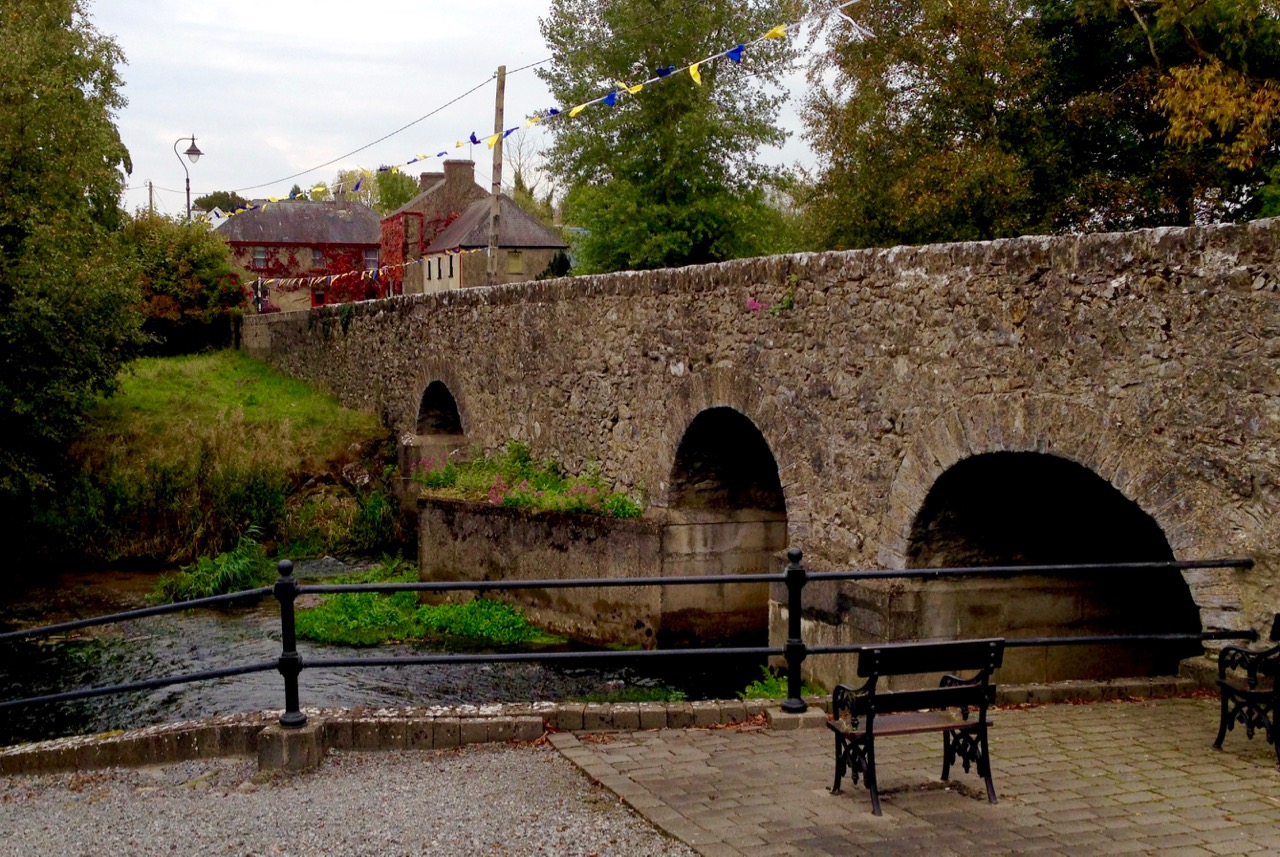
The ancient bridge at Ballinderry over the Ballyfinboy River, built c 1790

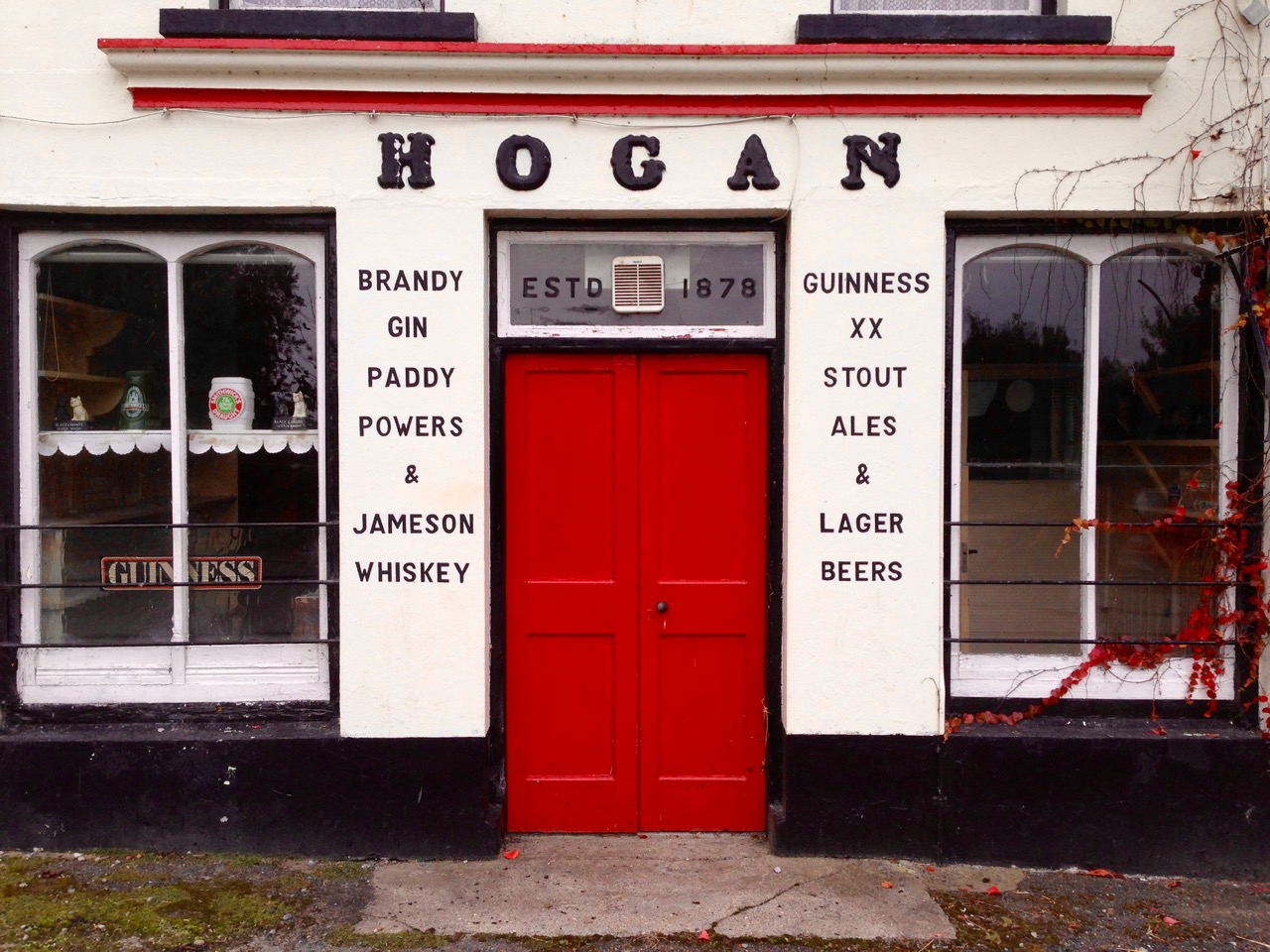
We arrived at the village and admired the old stone bridge over the Ballyfinboy River before walking up through the single street of the settlement. On the right was what had obviously once been the village shop and bar: Elsie Hogan’s. Attached to it was a fine stone residence, resplendent with red painted doors and window surrounds, although now fading.
hogan shopfront

The fallen shop sign was not a good omen. We peered through the windows and could see empty shelves and an old weighing machine. It felt desolate, but its abandonment – if it was abandoned – could only have been recent. Was this Dick Stanley’s shop? Or might we have been on the wrong track? We pressed on up the village street. There were other houses, and another pub – The Tavern. This also appeared deserted.

the tavern

No sign of life: the deserted village of Ballinderry was determined not to give up its ghosts

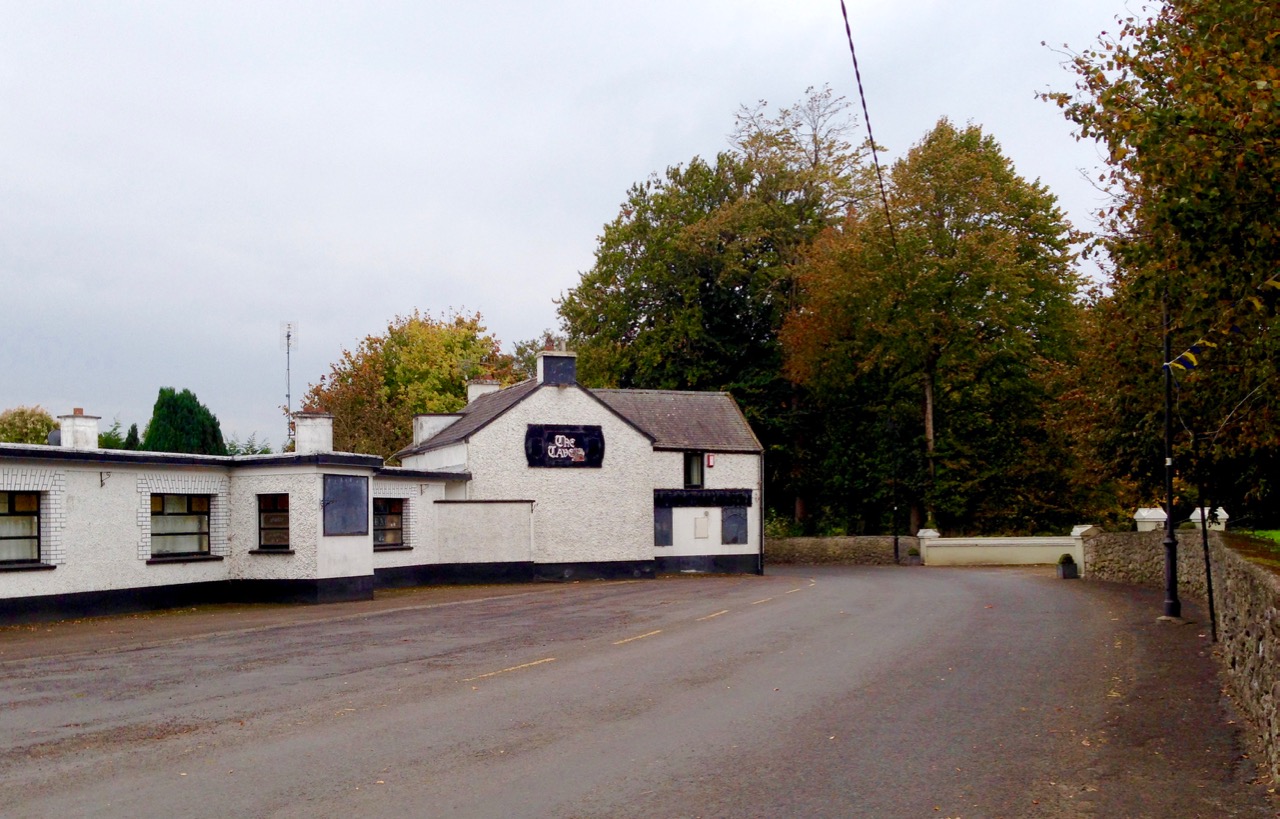
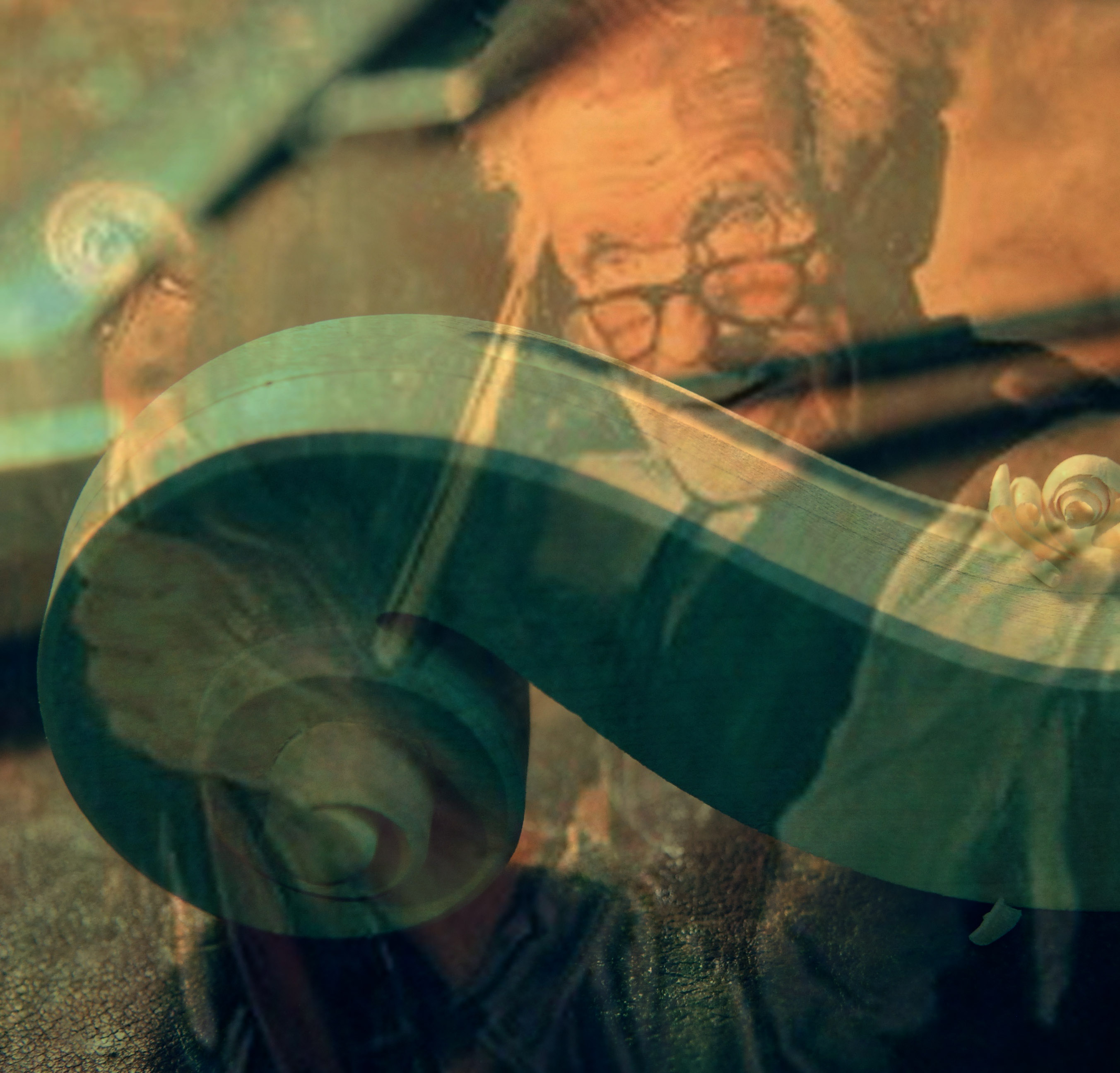
We walked the length of the village. We knocked on doors. We shouted: no shout echoed back. A car repair shop was locked up, in the middle of the afternoon. Houses were obviously occupied but, on that day, no-one was at home. We listened – silence. Yet, did we hear or did we imagine – far off, perhaps on the wind – the thin, ghostly sound of a fiddle being tuned up?
scroll

Footnote:

Have a look at the comments below – this story has generated many responses from folks who have memories of this place and these times. One contributor (Les Abbot) sent me a photo of an unfinished fiddle made by Dick Stanley, which I have added below. Les is the great-nephew of Dick Stanley so it’s wonderful to have this direct link with Rolt’s adventures in 1946! Many thanks, Les, for adding colour to this post, and to everyone else who has contributed . . .

The work of Dick Stanley

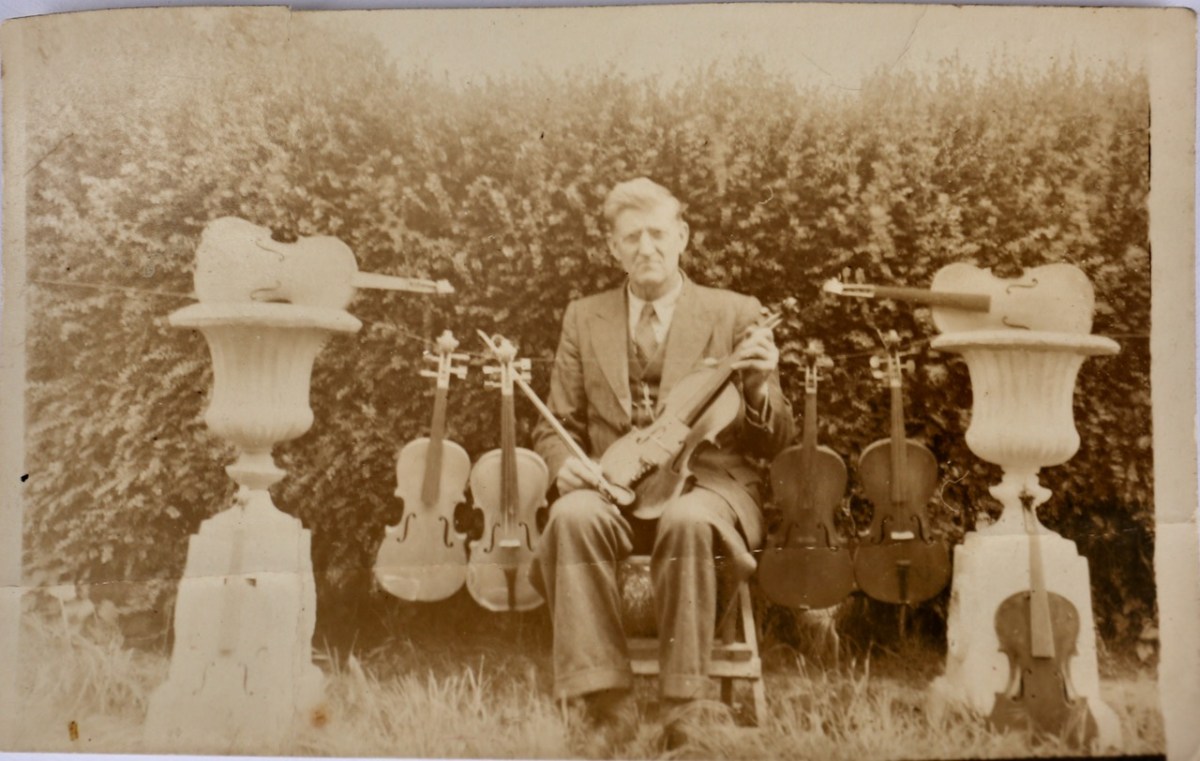
Note added July 2024 – and we have a photo of the man himself! Kindly sent to us by Tony Donoghue, this is Dick Stanley with some of his fiddles. Tony adds that Dick also made the garden ornaments. As his Godson, Tony knew him as an older man, not given to the softer emotions. He had been, and remained, an ardent republican. He was interred in Gormanstown Internment Camp during the civil war and Tony has donated his certificates from there to the National Museum, Collins Barracks.
Travel by Water 2 – A Tale from Trollope

Drumnsa Bridge

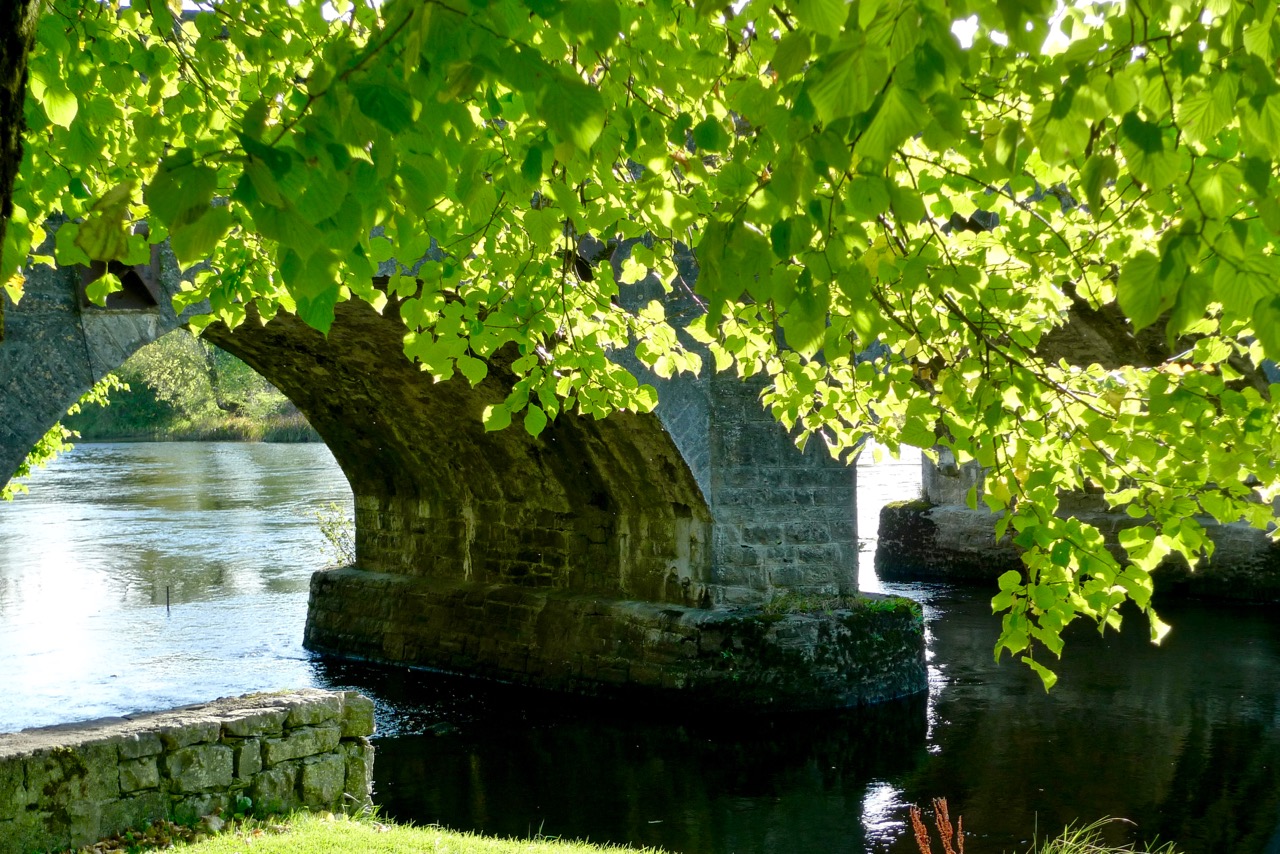
If you travel by water on the Shannon, you can still take your boat up to the bridge at Drumsna, Co Lietrim (above). Just below the bridge is a stone wharf which is the present limit of navigation on that part of the river, a great loop which was bypassed in 1848 by a 2.6km canal. The towns of Drumsna and Jamestown were once thriving river ports but went to sleep once the canal was built. When Tom and Angela Rolt arrived in Drumsna in 1946 the quay there was in ruins, and they had to anchor their boat Le Coq in the shallows and row their small dinghy into the village.

Drumsna (Trollope)

drumnsa-2016

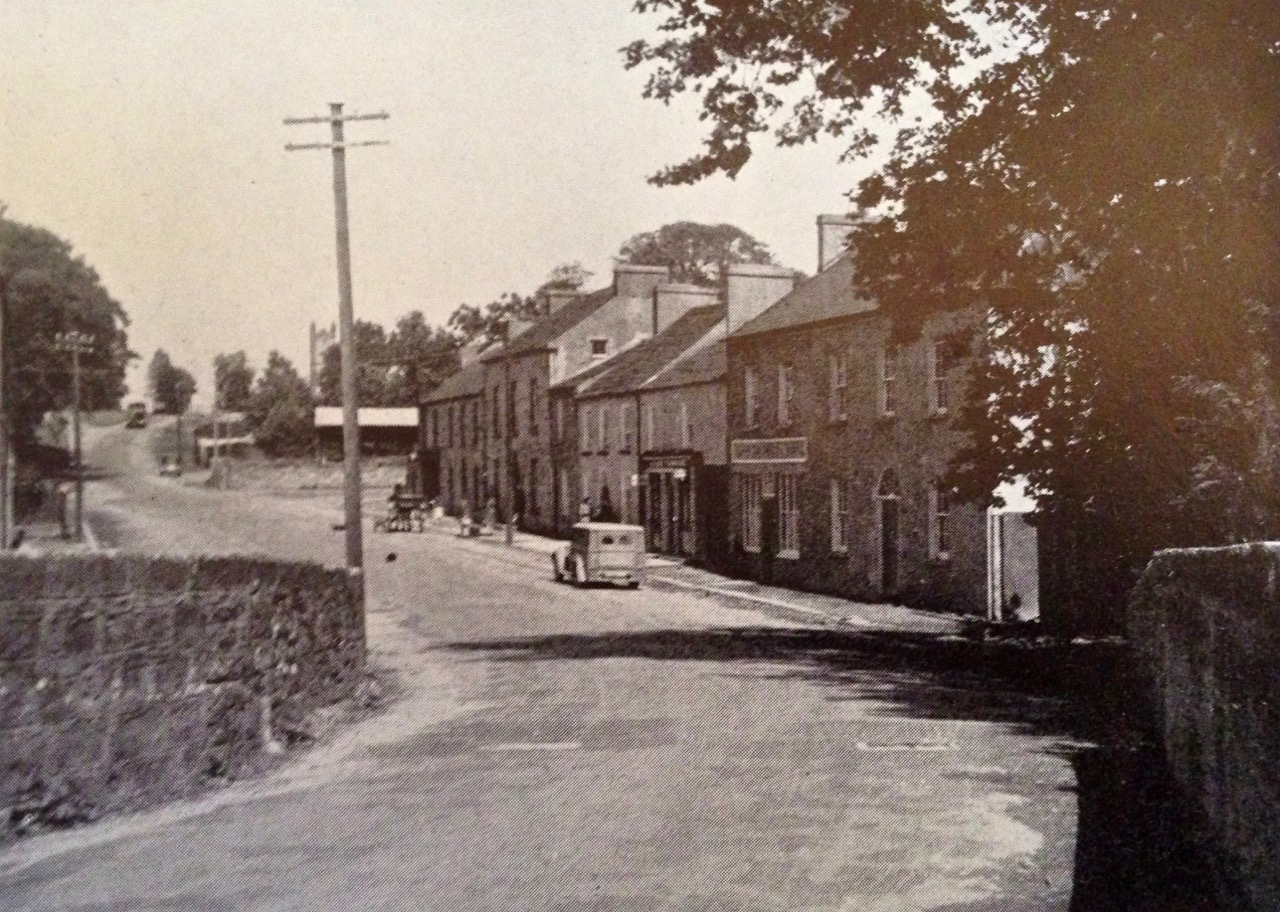
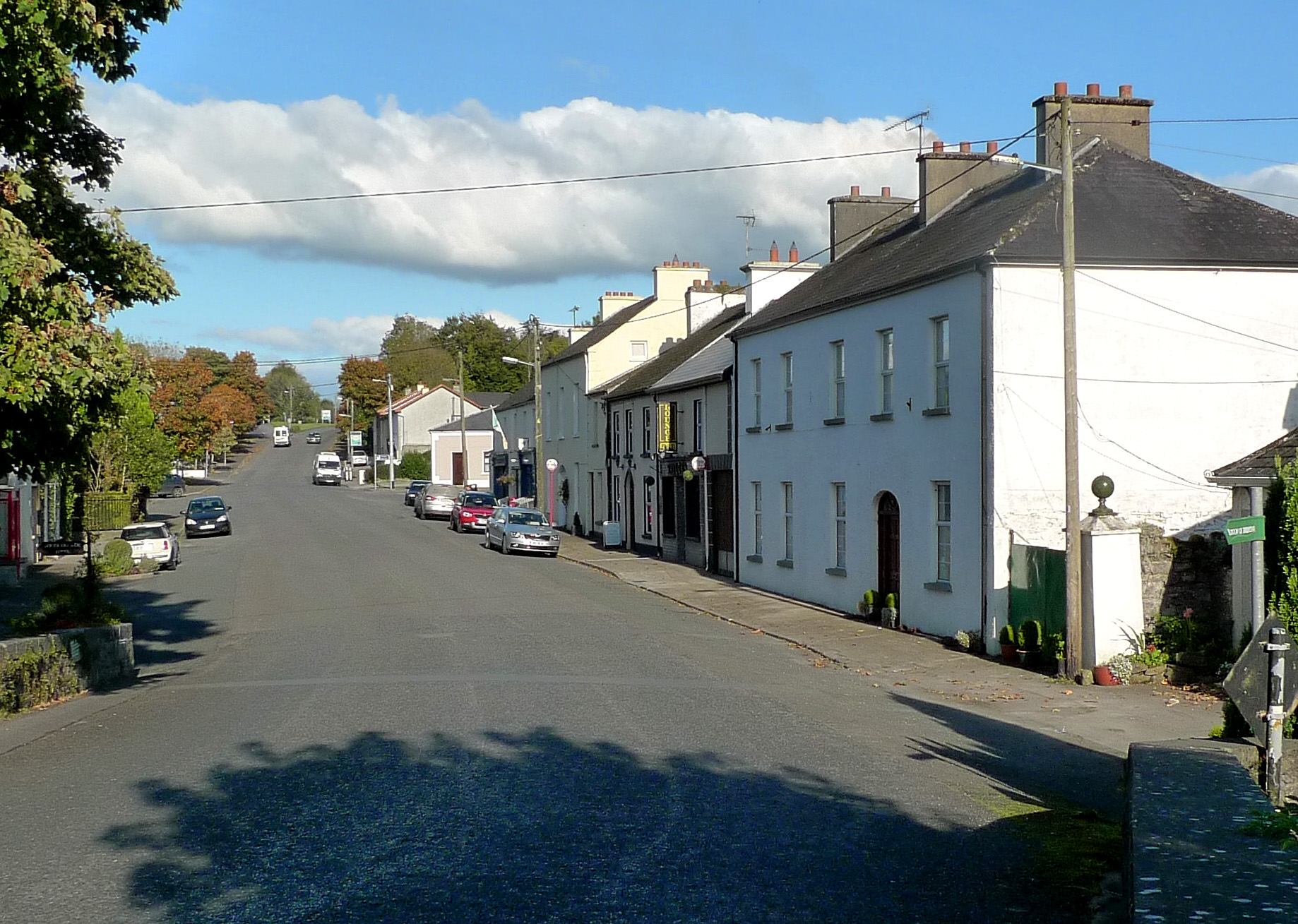
Upper picture – Drumsna in 1946, a photograph taken by Angela Rolt. Lower picture – the same scene in 2016; 70 years have passed but there have been few changes in the fabric of the village

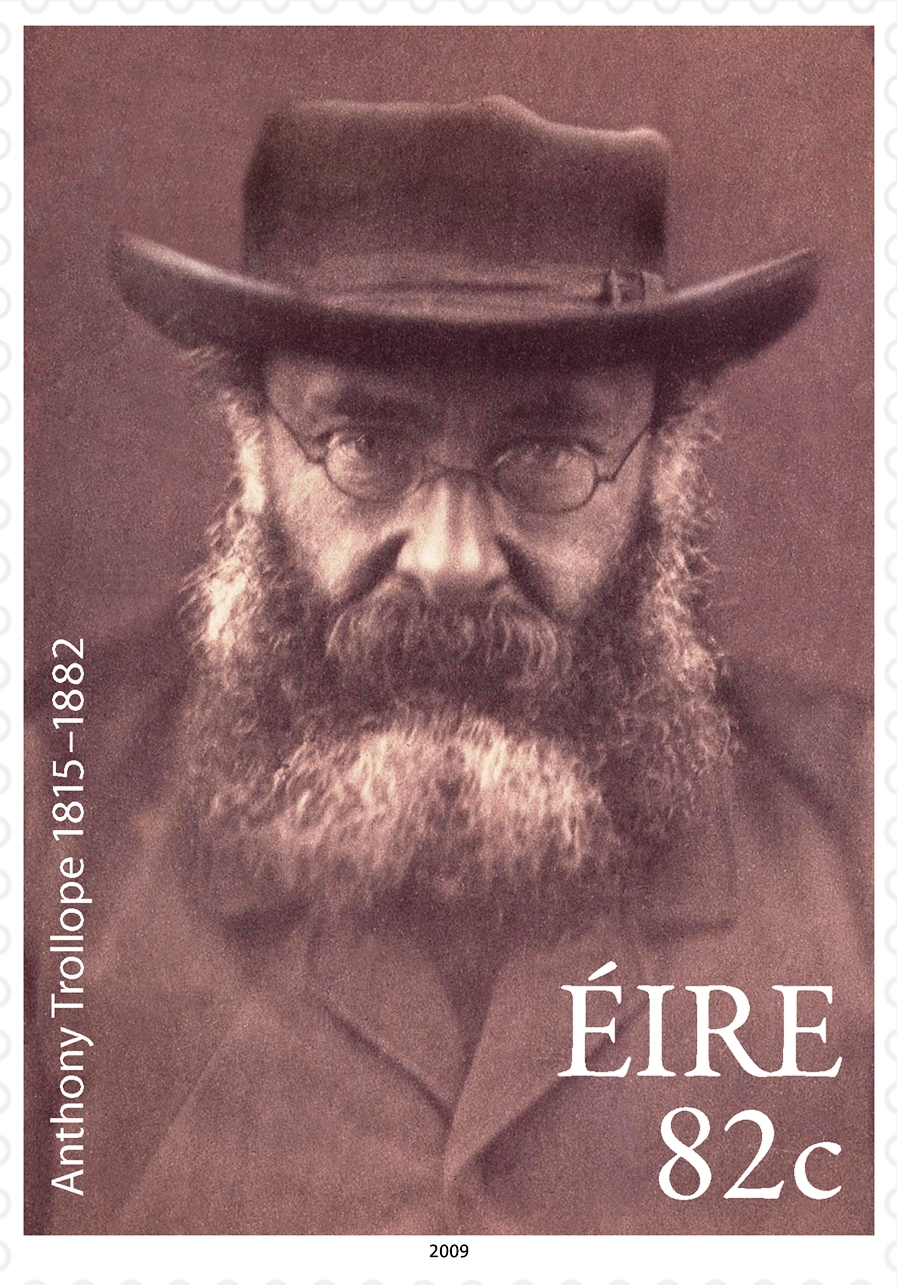
The Rolts were interested in Drumsna because of its associations with Anthony Trollope, who readers will remember for his introduction of post boxes into Ireland. While working as a Post Office Surveyor he was stationed in Drumsna during the 1840s, before the Great Famine, and began his writing career with the novel The Macdermots of Ballycloran (published in 1847). It was not a success but he persevered and became one of the most prolific writers of all time, publishing no less than 47 novels and many more short stories and works of non-fiction during his lifetime. He died in London in 1882, aged 67.

1795 battle Drumsna

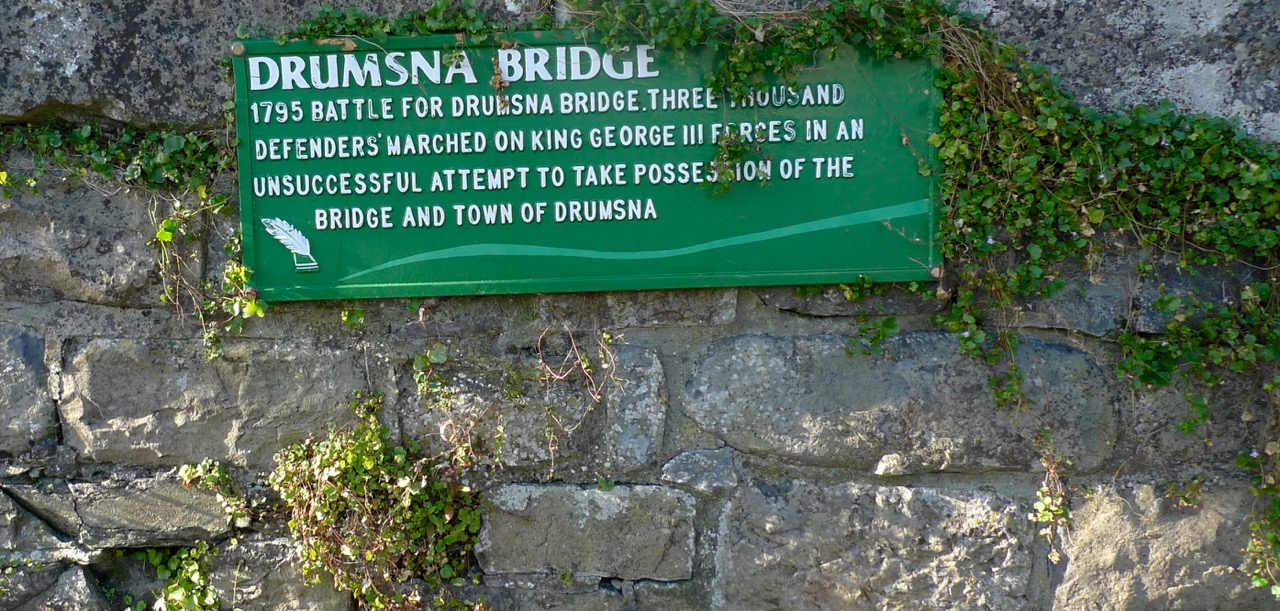
Drumsna was historically important as one of the crossing points of the Shannon: it was the site of a ford until the stone bridge was built, probably in the 18th century. This bridge, one of the oldest on the river, once had a blind eye arch where prisoners were jailed and, reportedly, a handball alley on the side where many a  famous championship was held. The plaque on the bridge today (above) remembers an uprising from 1795

Trollope was living in Ireland at the time when the canal system was thriving. He was certainly familiar with travelling by water on the canals, as we can see through this excerpt from his second novel, The Kellys and the O’Kellys (also inspired by his experience of life in Ireland and a success – it was published in 1848 and sold 140 copies). Trollope was 33 when he wrote this book and he must have had direct personal experience of the passenger boat services running out of Dublin on the Grand Canal:

…MR MARTIN KELLY RETURNS TO DUNMORE

We will now return to Martin Kelly…. Hstarted for home, by the Ballinasloe canal-boat, and reached that famous depot of the fleecy tribe without adventure. I will not attempt to describe the tedium of that horrid voyage, for it has been often described before; and to Martin, who was in no ways fastidious, it was not so unendurable as it must always be to those who have been accustomed to more rapid movement. Nor yet will I attempt to put on record the miserable resources of those, who, doomed to a twenty hours’ sojourn in one of these floating prisons, vainly endeavour to occupy or amuse their minds. But I will advise any who from ill-contrived arrangements, or unforeseen misfortune, may find themselves on board the Ballinasloe canal-boat, to entertain no such vain dream. The ‘vis inertiae’ of patient endurance, is the only weapon of any use in attempting to overcome the lengthened ennui of this most tedious transit. Reading is out of the question. I have tried it myself, and seen others try it, but in vain. The sense of the motion, almost imperceptible, but still perceptible; the noises above you; the smells around you; the diversified crowd, of which you are a part; at one moment the heat this crowd creates; at the next, the draught which a window just opened behind your ears lets in on you; the fumes of punch; the snores of the man under the table; the noisy anger of his neighbour, who reviles the attendant sylph; the would-be witticisms of a third, who makes continual amorous overtures to the same overtasked damsel, notwithstanding the publicity of his situation; the loud complaints of the old lady near the door, who cannot obtain the gratuitous kindness of a glass of water; and the baby-soothing lullabies of the young one, who is suckling her infant under your elbow. These things alike prevent one from reading, sleeping, or thinking. All one can do is to wait till the long night gradually wears itself away, and reflect that, Time and the Hour Run through the Longest Day.

I hardly know why a journey in one of these boats should be much more intolerable than travelling either outside or inside a coach; for, either in or on the coach, one has less room for motion, and less opportunity of employment. I believe the misery of the canal-boat chiefly consists in a pre-conceived and erroneous idea of its capabilities. One prepares oneself for occupation–an attempt is made to achieve actual comfort–and both end in disappointment; the limbs become weary with endeavouring to fix themselves in a position of repose, and the mind is fatigued more by the search after, than the want of, occupation.

Martin, however, made no complaints, and felt no misery. He made great play at the eternal half-boiled leg of mutton, floating in a bloody sea of grease and gravy, which always comes on the table three hours after the departure from Porto Bello. He, and others equally gifted with the ‘dura ilia messorum’, swallowed huge collops of the raw animal, and vast heaps of yellow turnips, till the pity with which a stranger would at first be inclined to contemplate the consumer of such unsavoury food, is transferred to the victim who has to provide the meal at two shillings a head. Neither love nor drink – and Martin had, on the previous day, been much troubled with both – had affected his appetite; and he ate out his money with the true persevering prudence of a Connaught man, who firmly determines not to be done.

He was equally diligent at breakfast; and, at last, reached Ballinasloe, at ten o’clock the morning after he had left Dublin, in a flourishing condition. From thence he travelled, by Bianconi’s car, as far as Tuam, and when there he went at once to the hotel, to get a hack car to take him home to Dunmore…

Long distance travel within Ireland by inland waterways was the preferred form of transport in the first half of the 19th century. The alternative was the stage coach: this was no faster than canal travel because of the sometimes tortuous routes which roads took, and the conditions of the roads themselves, particularly in the winter. It must be significant that in the early years of stage coach travel only departure times were advertised: the journey would take as long as conditions permitted. Coaches were notoriously uncomfortable. At least the canal packet boats were relatively smooth and passengers had the opportunity to stretch their legs on deck. Everything changed, of course, with the coming of the railways as the century progressed.

Duchess Countess

The last days of the former express passenger boat Duchess Countess, photographed by Angela Rolt in the late 1940s. The Rolts initiated attempts to have the boat preserved, but these were unsuccessful

Rolt mentions passenger packet boats or ‘fly boats’ in England in his later book which was published in 1950. In The Inland Waterways of England, George Allen and Unwin, he describes:

…the miraculous preservation by sinking of the Bridgewater Canal passage boat Duchess Countess (a name recalling the titles of the Bridgewater family). This old boat was eventually raised and, still in substantially original condition even to her cabinwork, began a new lease of life as a houseboat. She was moved on to the Welsh section of the Shropshire Union Canal near Frankton Junction where she is still occupied at the time of writing although, owing to the deterioration of her hull, she has now been drawn out of the water. The Duchess Countess was the last packet boat in regular service. In the heyday of her career as a packet boat she proudly mounted a great curved knife-blade on her bow. This was of much more than symbolic significance, for it was so contrived that it would sever the towline of any boatman who failed to give way to her… …Very soon the Duchess Countess must inevitably disintegrate, and with her passing the last tangible link with these once extensive but little known canal passenger services will be irretrievably lost…

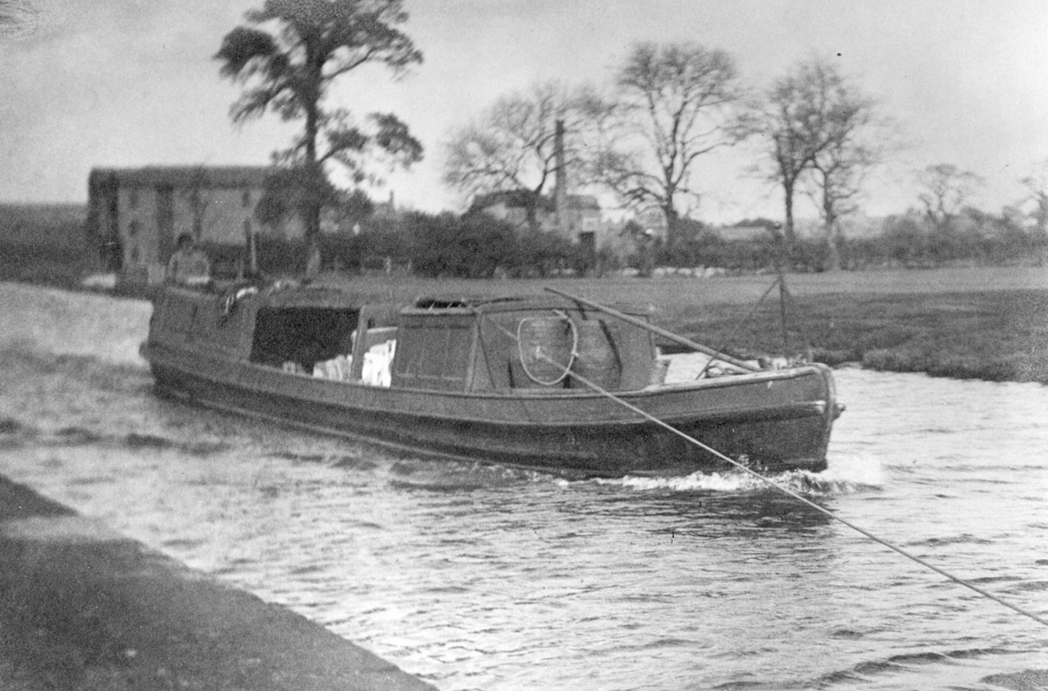
dc_on_water

dcountess_-_line_drawing_boat

Upper picture – a rare photograph of the Duchess Countess still in use  on the canals (courtesy British Waterways Archive – date unknown) and , lower picture – a modern line drawing of the boat. Both images show the blade on the prow which could slice through the towlines of any unfortunate boat which did not get out of the way in time!

Angela Rolt photographed the Duchess Countess on the canal bank and, fortunately, an early photograph of the boat in its working days is preserved. This shows the scythe-like blade on the prow and confirms that the express boat service had priority over all other traffic on the canals. I am not aware that any of the Irish passenger boats were so equipped but, using teams of horses which were frequently changed along the route, they were evidently able to keep up a continuous speed of around 10 miles per hour, which was no mean feat at the time.

trollope-irish-stamp

We will revisit passenger travel on the Irish Canals in a future post continuing this series…

Travel by Water

Ballynacarrigy Bridge

We have been on a voyage of discovery – or, perhaps, rediscovery. You remember that recently I reviewed a book which I received as a school prize in 1963: Green & Silver by L T C Rolt? That was a book about travelling by water through some of the canals and rivers of Ireland. The book was published in 1949 but I found out that the journey was undertaken in 1946 – exactly 70 years ago and, also, the year in which I was born. Tom Rolt was a good travel writer and a good observer, and the book is full of descriptions of the places and people that he and his wife Angela came across: it’s a valuable social document and it is rather significant that three score years and ten have passed since they completed their explorations.

Tom Rolt (left) and Angela and Tom Rolt (right) aboard Le Coq, the boat with which they set sail from Athlone to circumnavigate the inland waterways of Ireland between June and September 1946. The photos are taken on the Grand Canal

Back in my more youthful days I also travelled by water, but around the English canal system, a journey of nearly 2,000 miles, taking several months. I also wrote a book after the journey: Canals and their Architecture. Tom Rolt was to have written the introduction to that book but he was unable to, because of illness. As a tribute to him, and to mark his journey through Ireland, Finola and I have been retracing his steps. We should have travelled by water, too, but that would have impinged overmuch on our busy lives here in West Cork. Instead, we covered in a couple of weeks by car what Tom and Angela had taken three months to achieve. Their’s were difficult times, too, immediately after The Emergency when fuel was virtually unobtainable.

navigable waterways

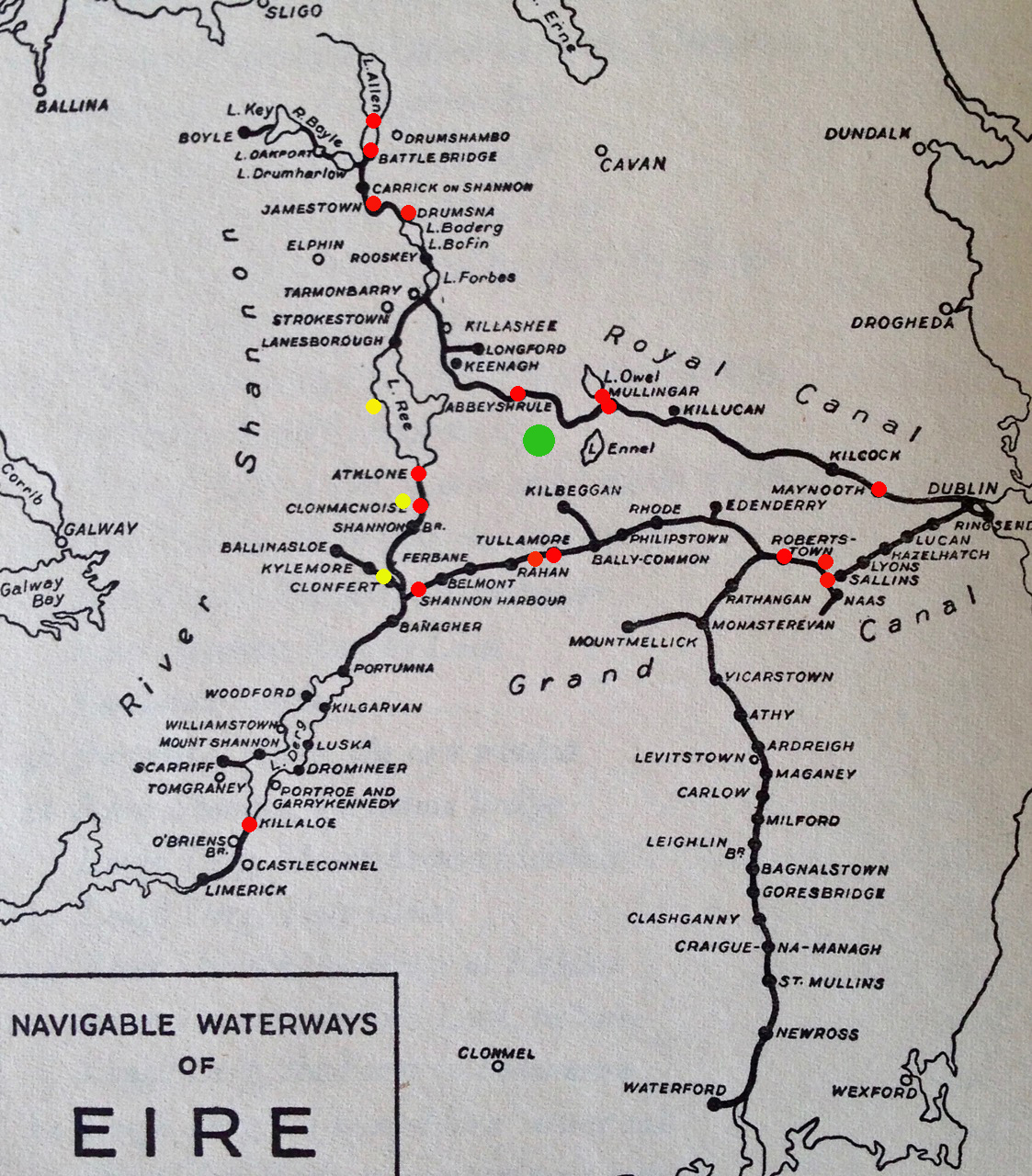
Map of the journey taken from Green & Silver. We have marked on it the sites which we wanted to visit, either because Angela had photographed them or because there was a ‘story’ about the place in the book

Angela Rolt recorded the journey in her own way – through the lens of her camera. Her wonderfully evocative monochrome photographs illustrate Green and Silver, and provided a goal for each leg of our own travels. Armed with the book and digital scans of all her pictures we set out to retrace the watery steps of Le Coq – the little boat which the Rolts borrowed – and take a new photograph at every place they visited. The aim was to set up each photograph of 2016 to exactly match those of 1946 and, through the lens, to record the differences that have taken place in Ireland during all those years. Of course, there is much more to this exercise than the photos: Rolt’s book contains many stories, of people and places not necessarily illustrated but well described, so we also looked out for those: would anyone today have any memories of the people talked about in the book? And would the descriptions of the places that the waterways served in those days ring true in the present?

harbour town

Tullamore 2016

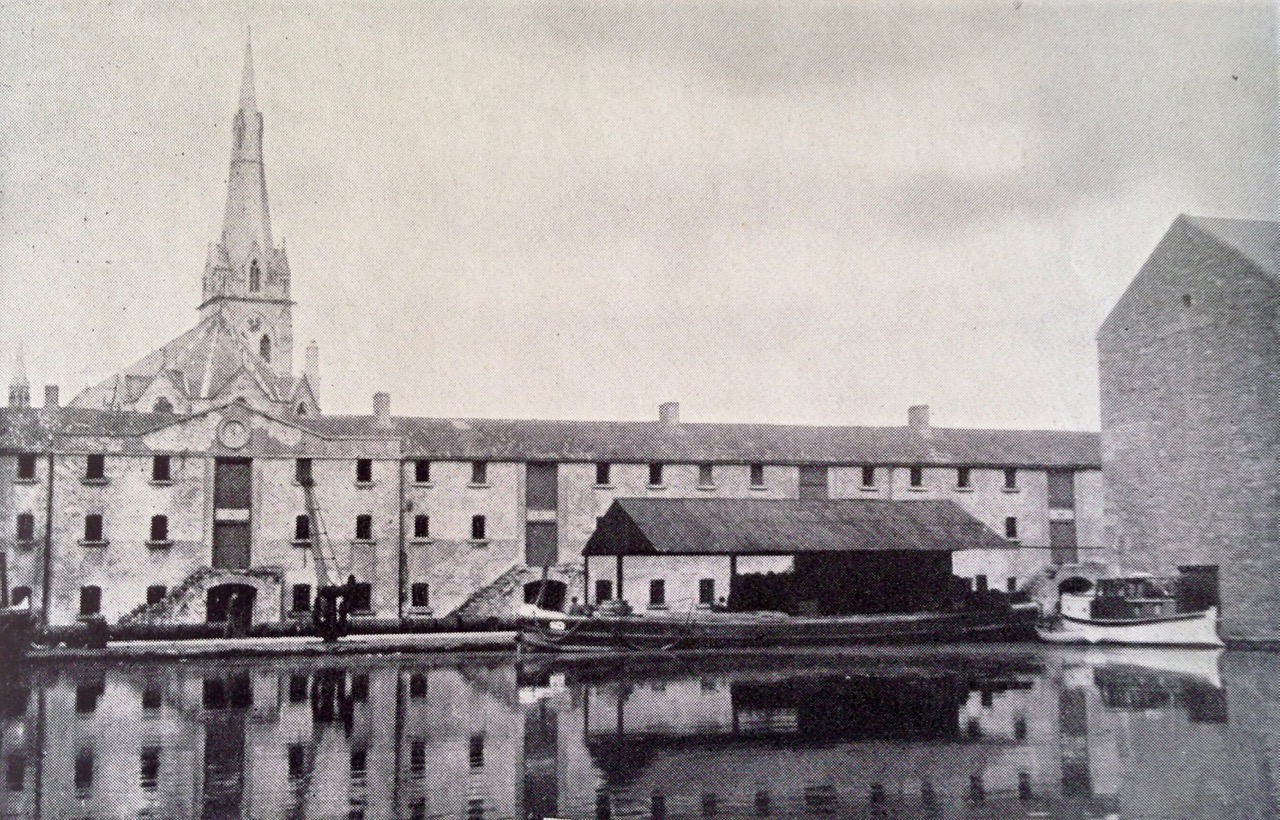
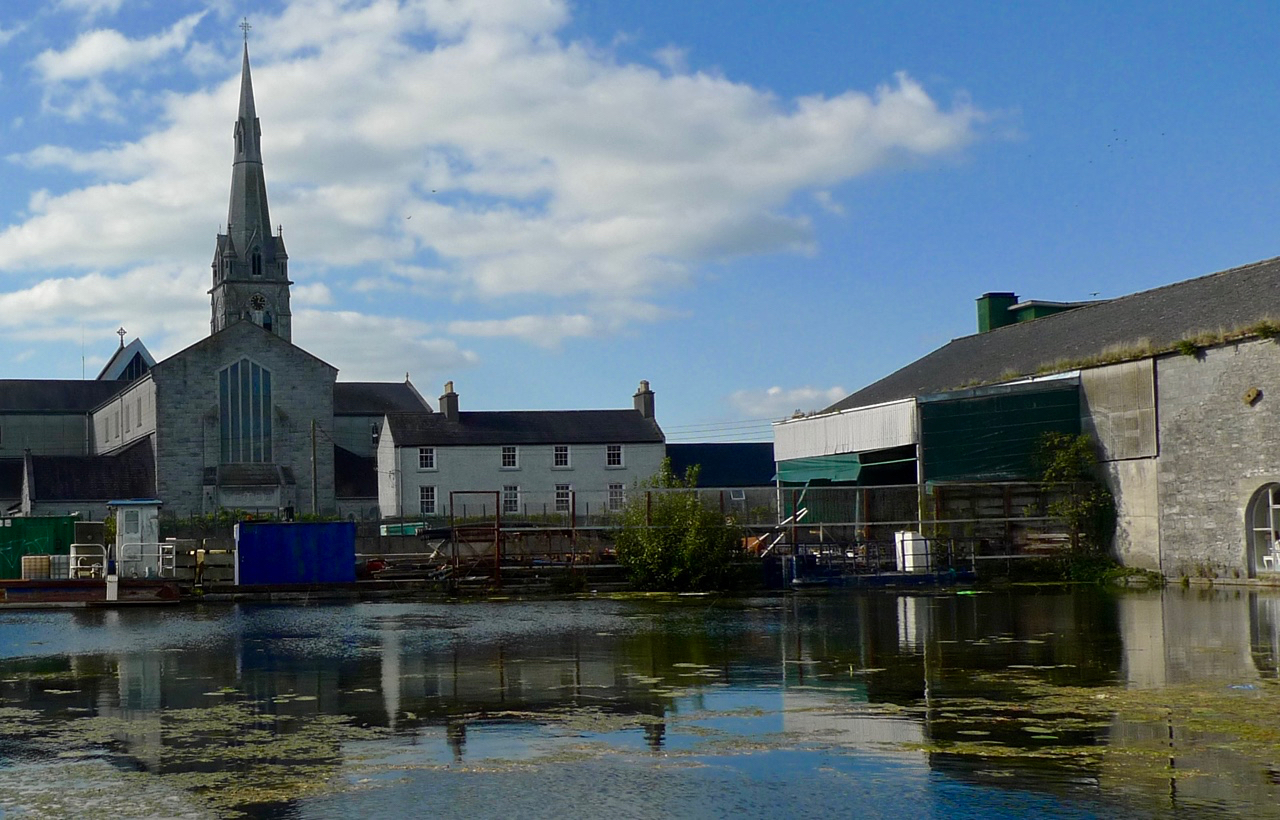
Just one example of our efforts to retrace the steps of the Rolts and record a changing Ireland. Upper photograph – taken by Angela Rolt in 1946 at Tullamore Harbour, Grand Canal. Lower photograph – taken by Robert at the same site. Although the canal harbour itself is intact today – it is an administrative centre for Waterways Ireland – there have been some significant changes. The fine three storeyed warehouses which faced on to the canal 70 years ago have gone, demolished in the 1960s. The Church of the Assumption beyond the harbour was destroyed by fire in 1983 and has since been rebuilt to a modern design except for the tower, which survived the fire

This project will take a little time to fully document. It might occupy a few blog posts! This one is by way of introduction. One thing that struck me most forcefully is the change which the waterways of Ireland have undergone in seventy years. Now all the navigable waterways of Ireland are administered by a single cross-border authority – Uiscebhealaí Éireann (Waterways Ireland); some of the canals which were derelict or near-derelict in 1946 have been fully restored, and many are equipped with modern electric lock gear – something which the Rolts could never have envisaged in their time. However, the volatile economic situations which Ireland has been subjected to in the late twentieth century, and into the twenty-first, have also had their effects, and we found this reflected in some of the stories which we followed during our travels.

Shannon Erne Waterway

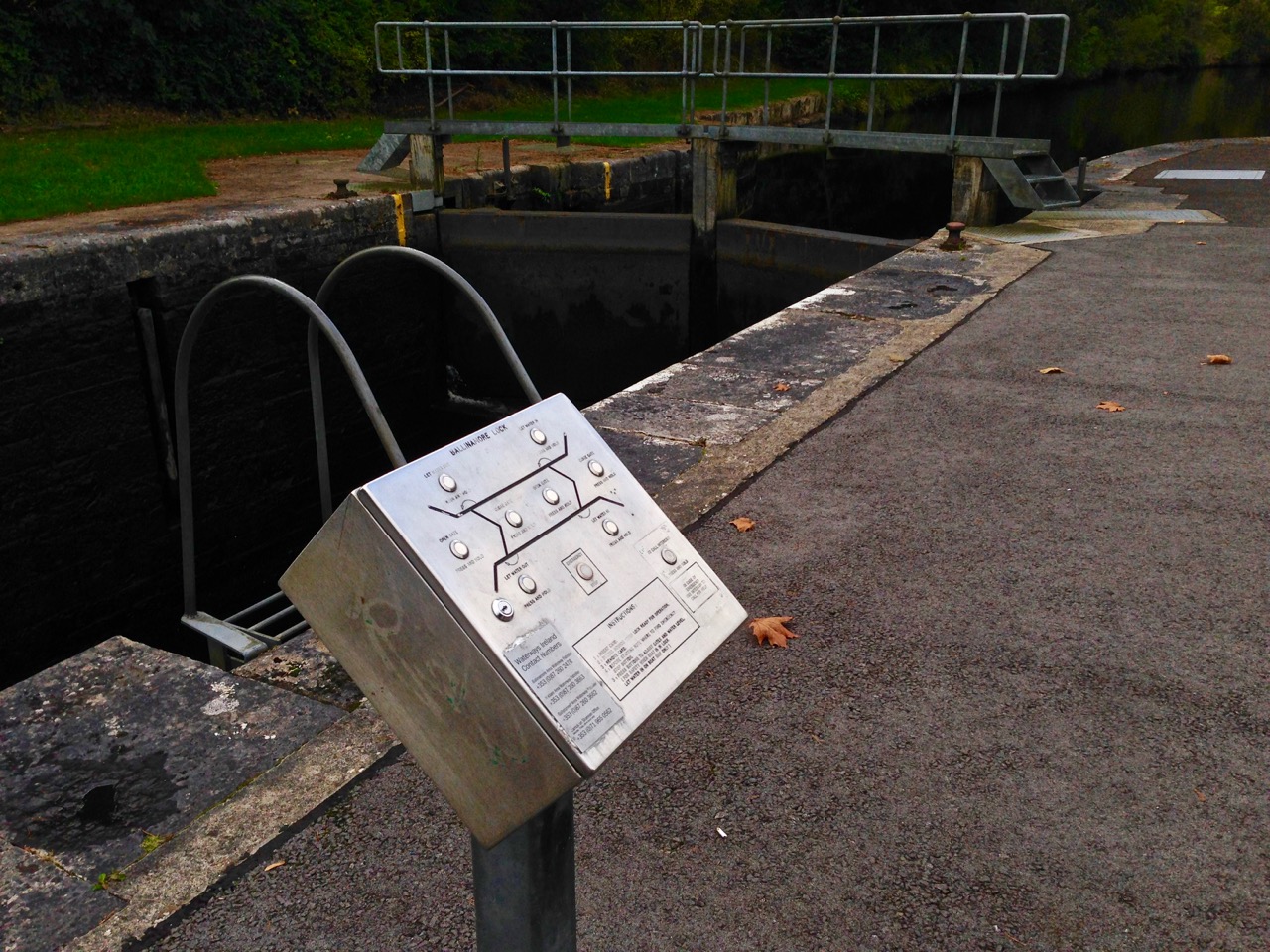
The restored Shannon-Erne navigation links waterways between the Republic of Ireland and Northern Ireland. The 63km canal was constructed originally in the mid nineteenth century but became moribund by 1865. The navigation was reopened in 1994. All sixteen new modern locks are operated electronically by hydraulics: boaters are issued with a key which activates the control panels (above)

Another surprise for me was the quality of the engineering and the scale of the undertakings which Ireland displays on its system of navigations. These were massive construction projects in their day, but they nonetheless manage still to convey a sense of respect for their settings, an appropriateness of all materials used, and a constant appreciation of human scale. The architecture of Ireland’s canals is truly vernacular, something I hope to demonstrate during these explorations.

Mullawornia Lock

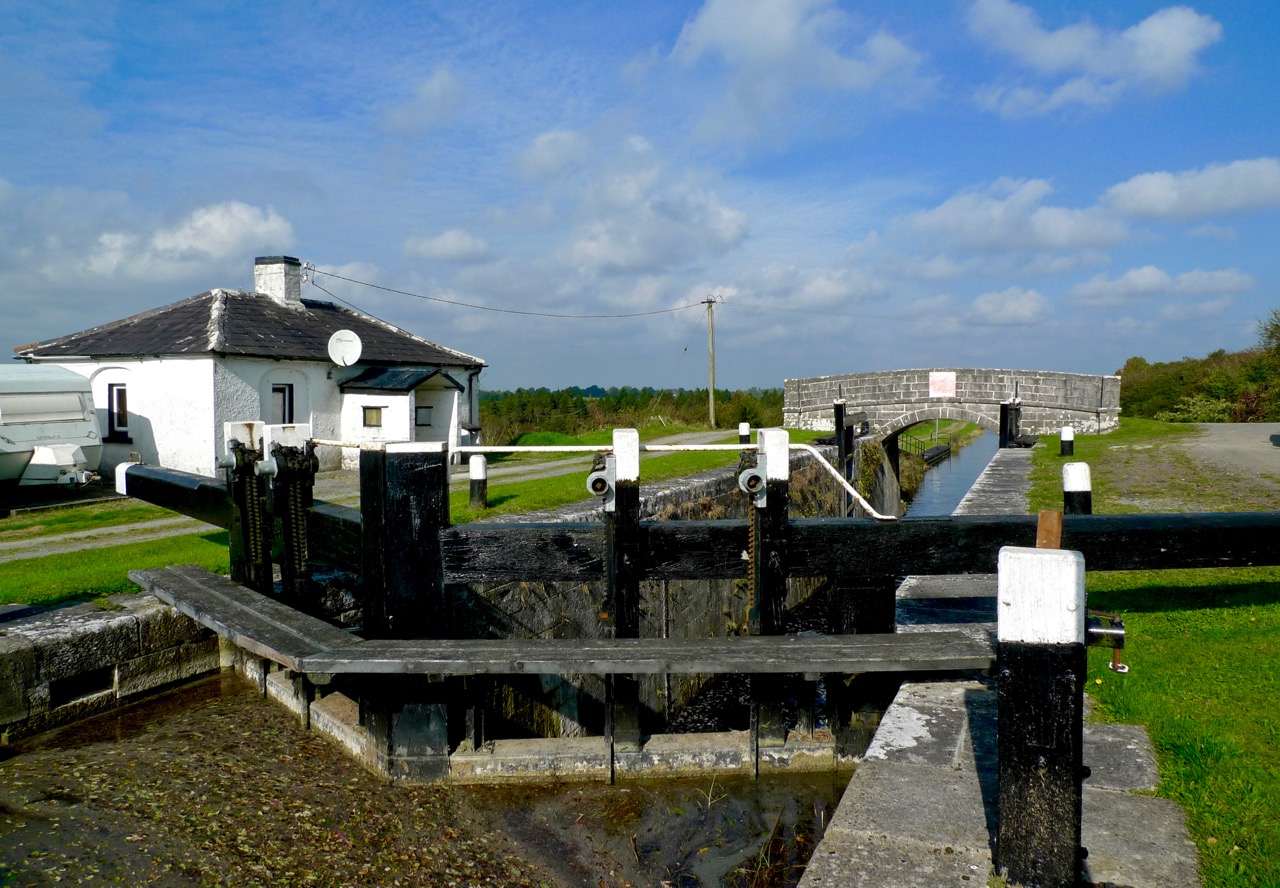
Mullawornia Lock, Lock 40, Royal Canal, County Longford. The lock-keeper’s house is an unspoilt example of a vernacular architecture which can be seen across Ireland’s canals

To be continued…

The Golden Hour at Bantry House

Urns

You know that amazing quality of light just after sunrise and before sunset?  Well, photographers call it the Golden Hour (or Magic Hour), when the light takes on particular hues and becomes softer and more diffuse. There are scientific explanations, of course, but for most of us, we just know it when we see it.

Long Shadow

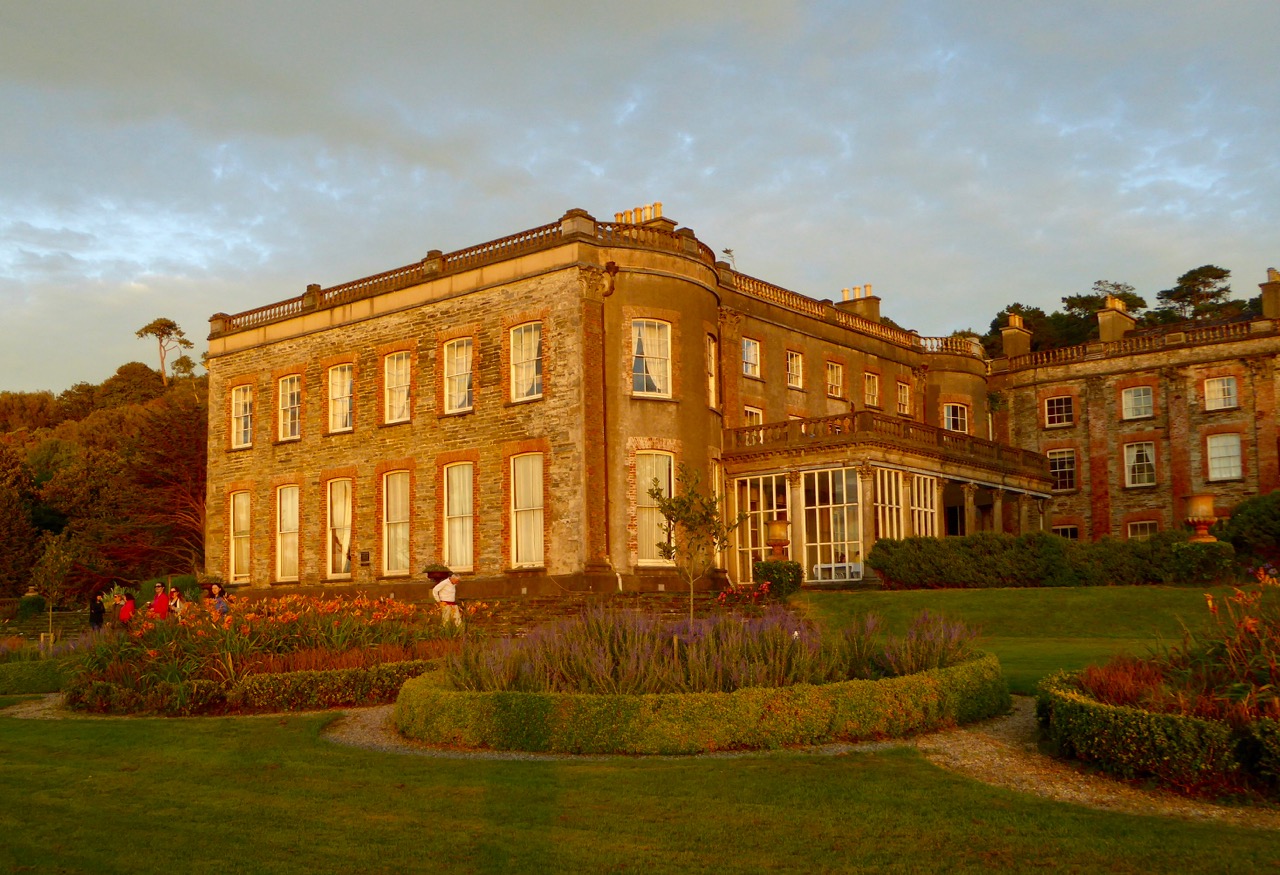
The low sun produces a golden glow and anything lit by it takes on those same reddish and amber hues. The harsh midday sun, which results in glaring highlights and deep shadows, is replaced by  gentler and longer shadows. Everything looks warmer, more romantic.

Roses

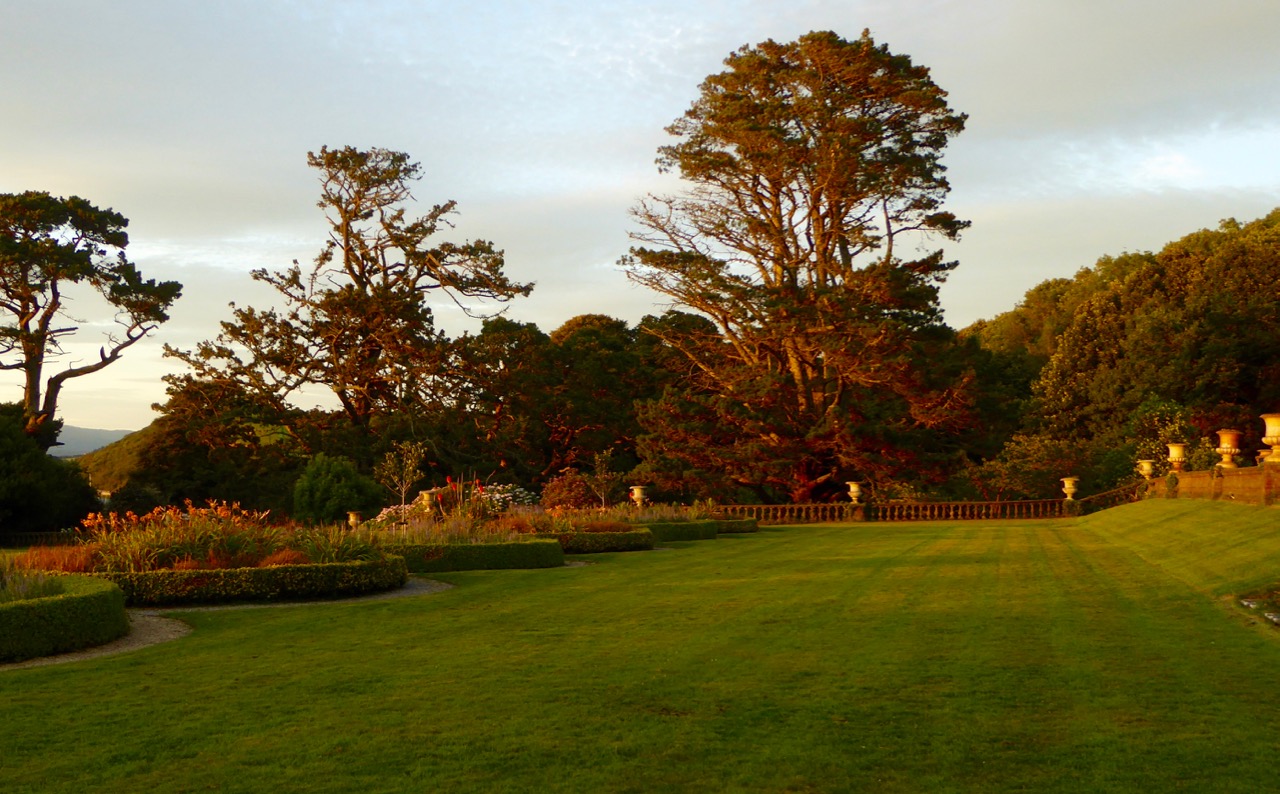
The perfect place to see this in West Cork is Bantry House. Because it faces due west, it is bathed in the low evening light. The construction materials, stone and brick, are warm-toned to begin with, but in the twilight hour they take on a mellow blush that is particularly entrancing. The sunsets over Bantry Bay, needless to say, are spectacular.

Ready for Zorro

Waiting for Zorro

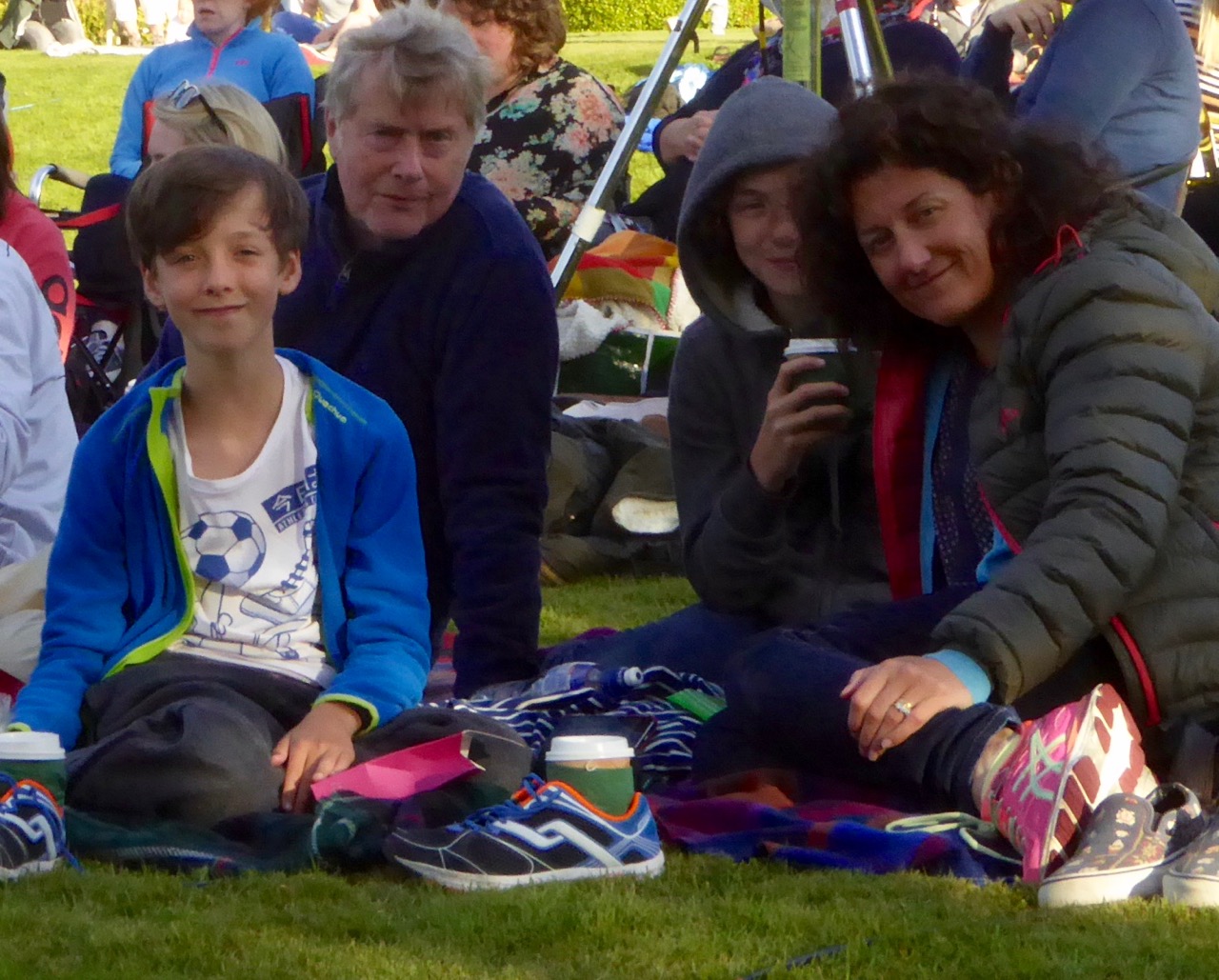
We  had the perfect opportunity to observe this on several occasions. We attended a performance of Zorro on the lawn in August, and we usually take in several of the concerts at the Masters of Tradition Festival each year.

Back of the House

This photograph was taken during an interval at a Masters of Tradition Concert: the Library, at the back of the house, is the concert hall

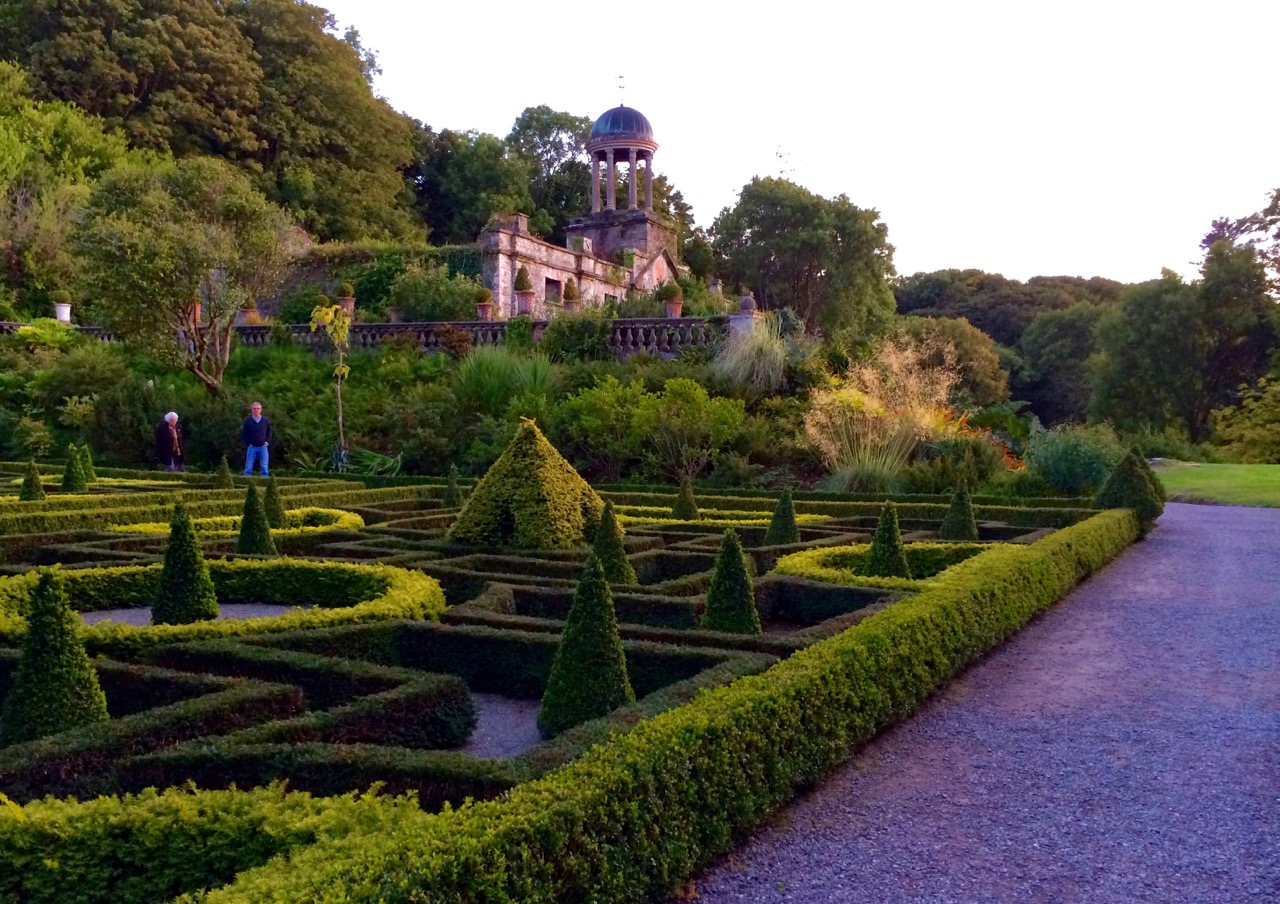
Bantry House dates from the 18th century. The gardens were laid out in the second half of the 19th century in the formal continental style, with parterres, stepped lawns and avenues of statuary. The Second Earl was a great traveller and came back from his grand tour with ideas and artefacts to make the best use of the elevated site.

Up the steps

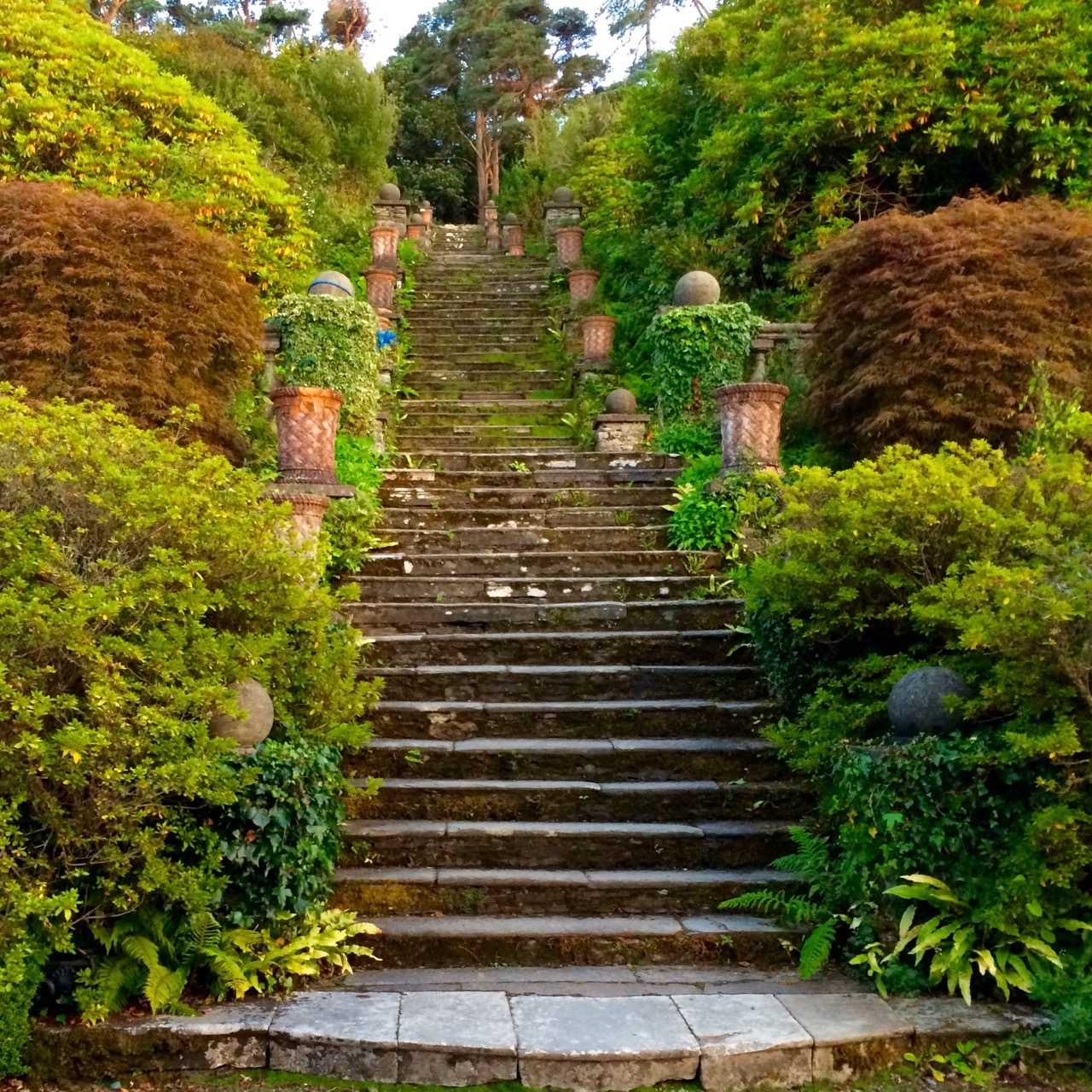
Rear Garden and StableIt  was he who added the stable yards with the cupolas, and laid out the gardens, including the hundred steps. All of this was somewhat at variance with the prevailing fashions in garden design at the time, which favoured more naturalistic settings with sweeping lawns dotted with groves of trees. However, it suited the restricted site and its formality has stood the test of time.

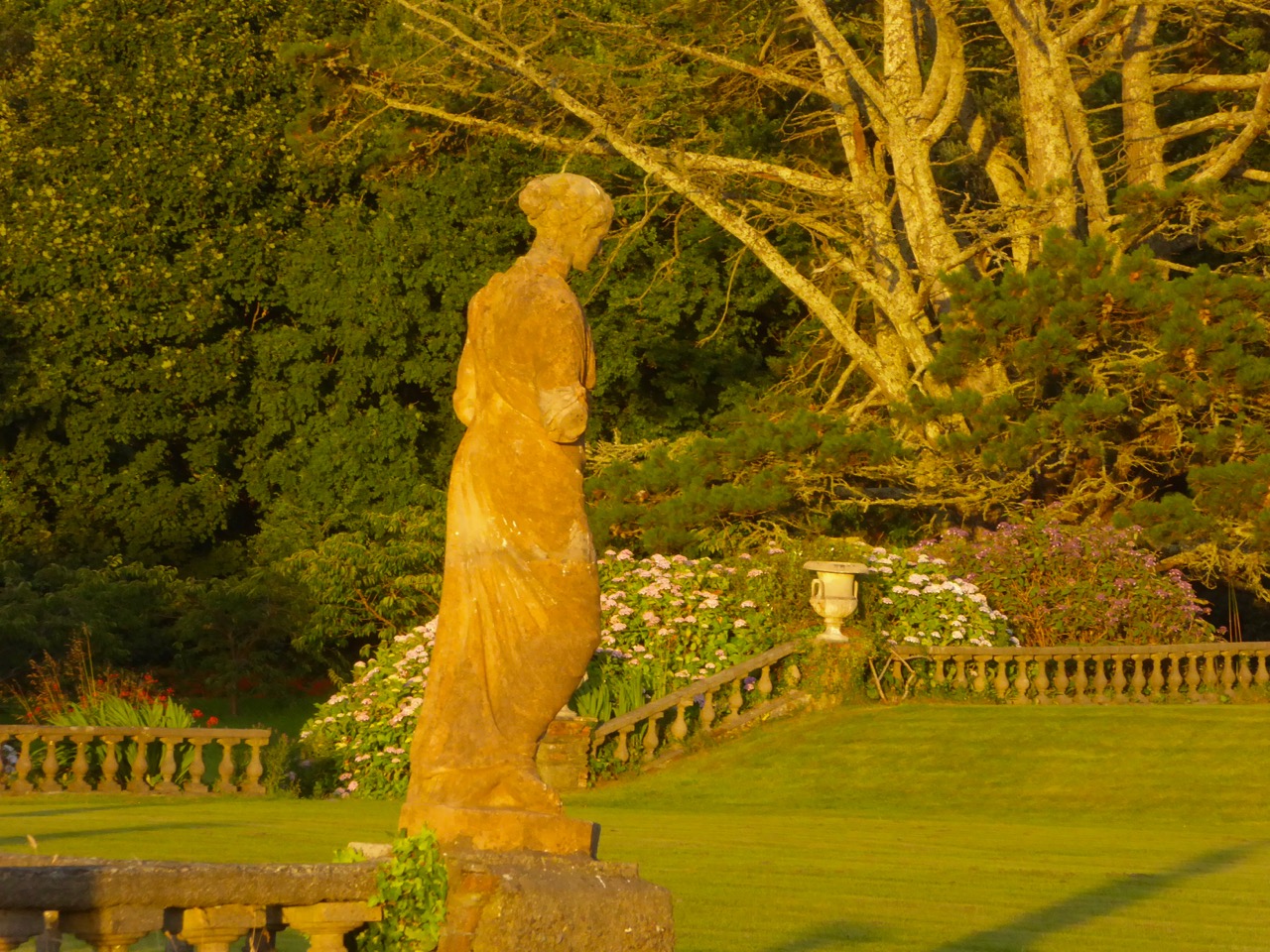
Statuesque

Restored Stable BlockA visit to the gardens at Bantry House is a wonderful experience. It’s open from March to October but the gates close at 5, so if you want to experience the Golden Hour, you’ll have to attend an evening event. Fortunately, these are abundant in the summer, as it’s a favourite venue for festivals and concerts.

Palms and HouseDuring the break, stroll about and just, well, bask. 

Trees and Flowers

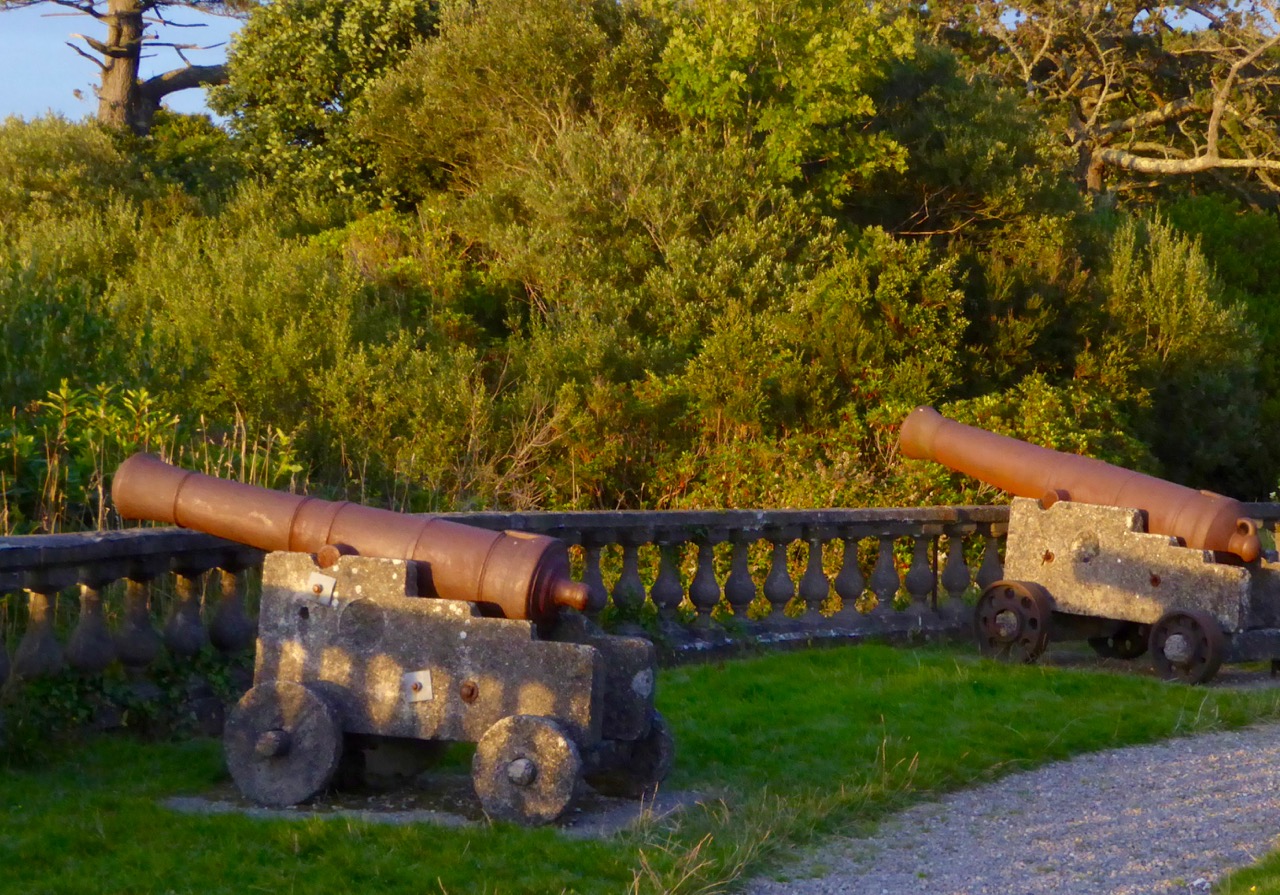
Canons

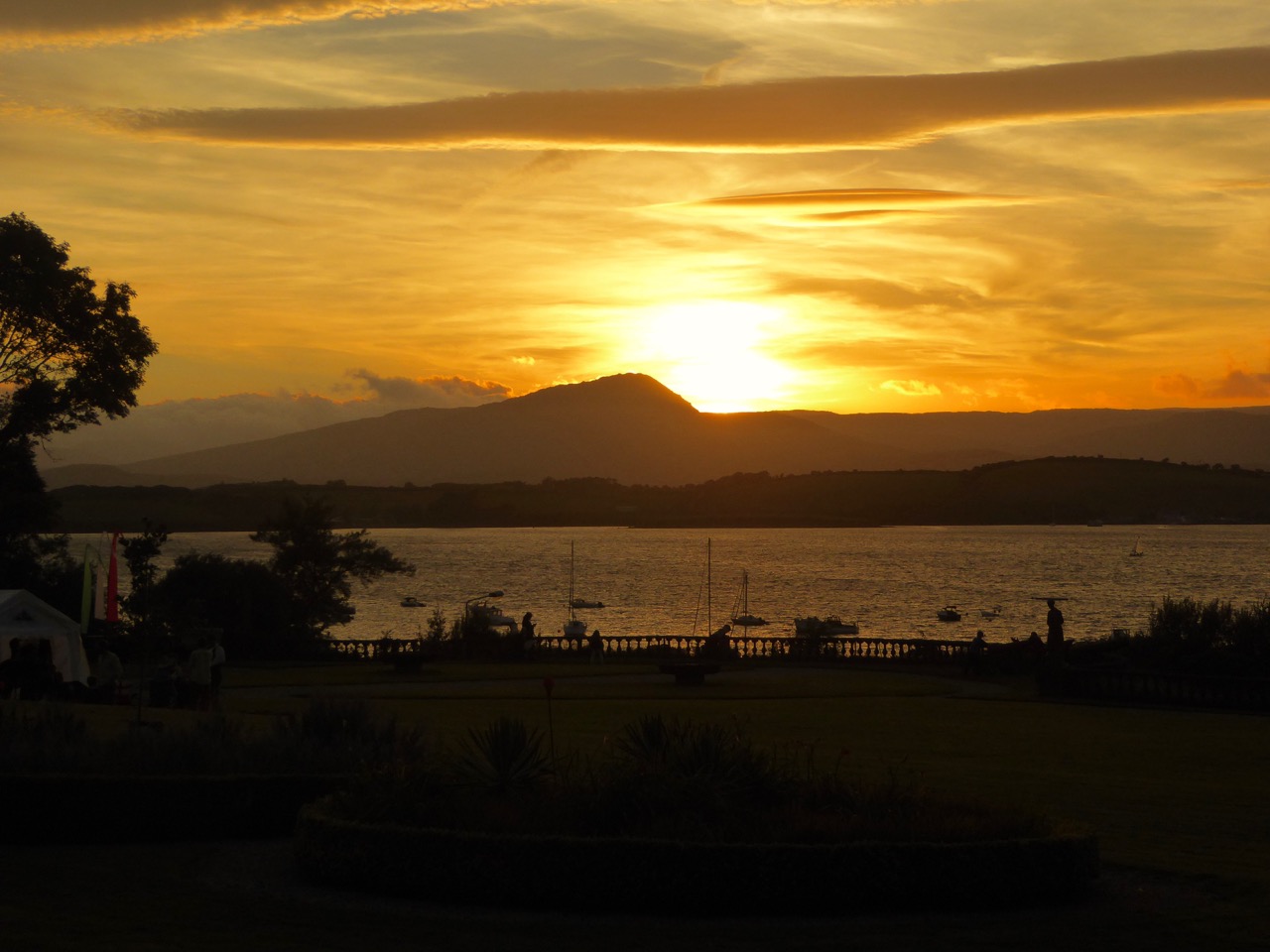
And don’t forget to admire the sunset itself.

Sunset over the Bay

‘Auf der Walz’ – The Journeymen

on the summit

I am always happy to find longstanding customs and traditions still going strong, especially when they are as relevant today as they have been over countless generations. This summer we chanced upon two strangers from Germany who passed through Ballydehob. They were journeymen blacksmiths: lads who had completed their apprenticeships at home and were now ‘Auf der Walz’ (on the road) – gaining experience in the wider world.

inese-journeymen

Here are the two Journeymen who travelled the west of Ireland’captured’ by photographer Inese MJ – she came across them in her local supermarket! I am very grateful to Inese for allowing me to use her excellent photograph which comes from her own blog, here.

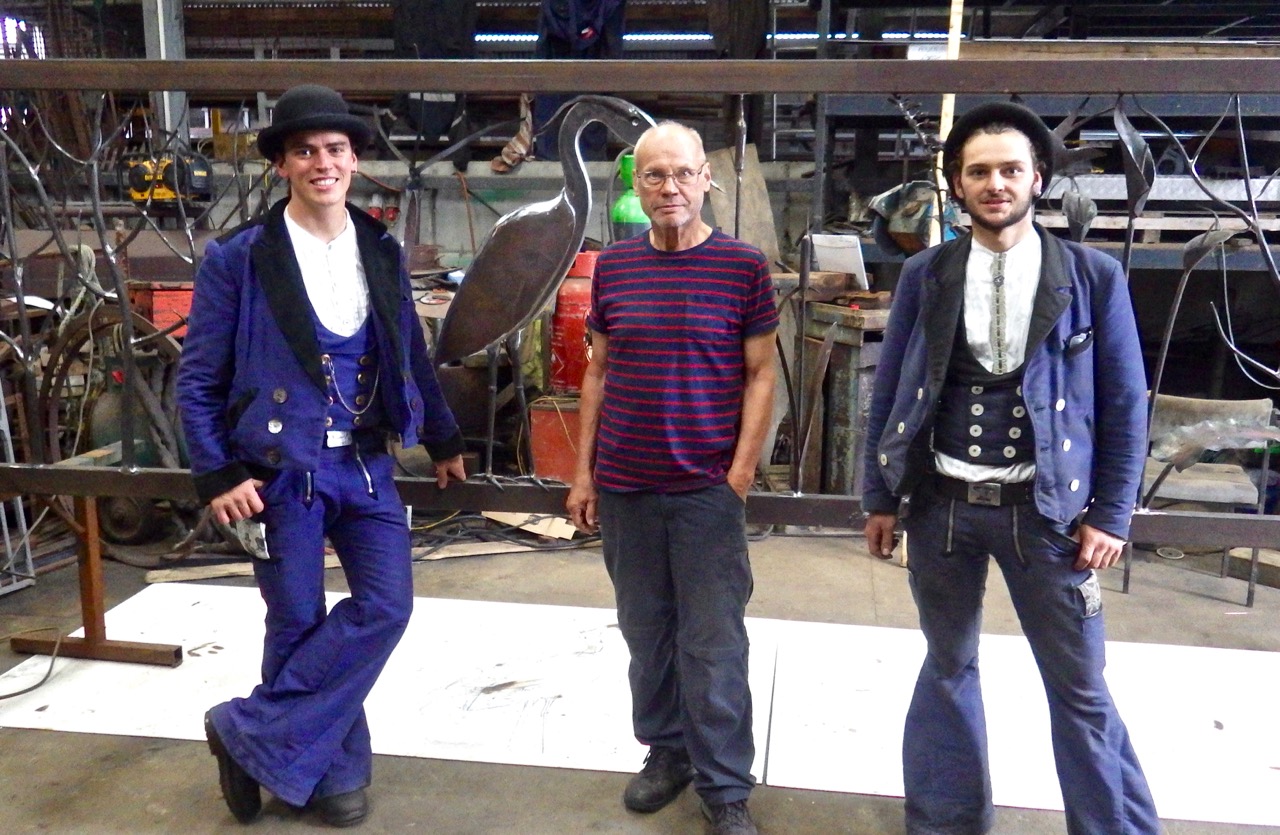
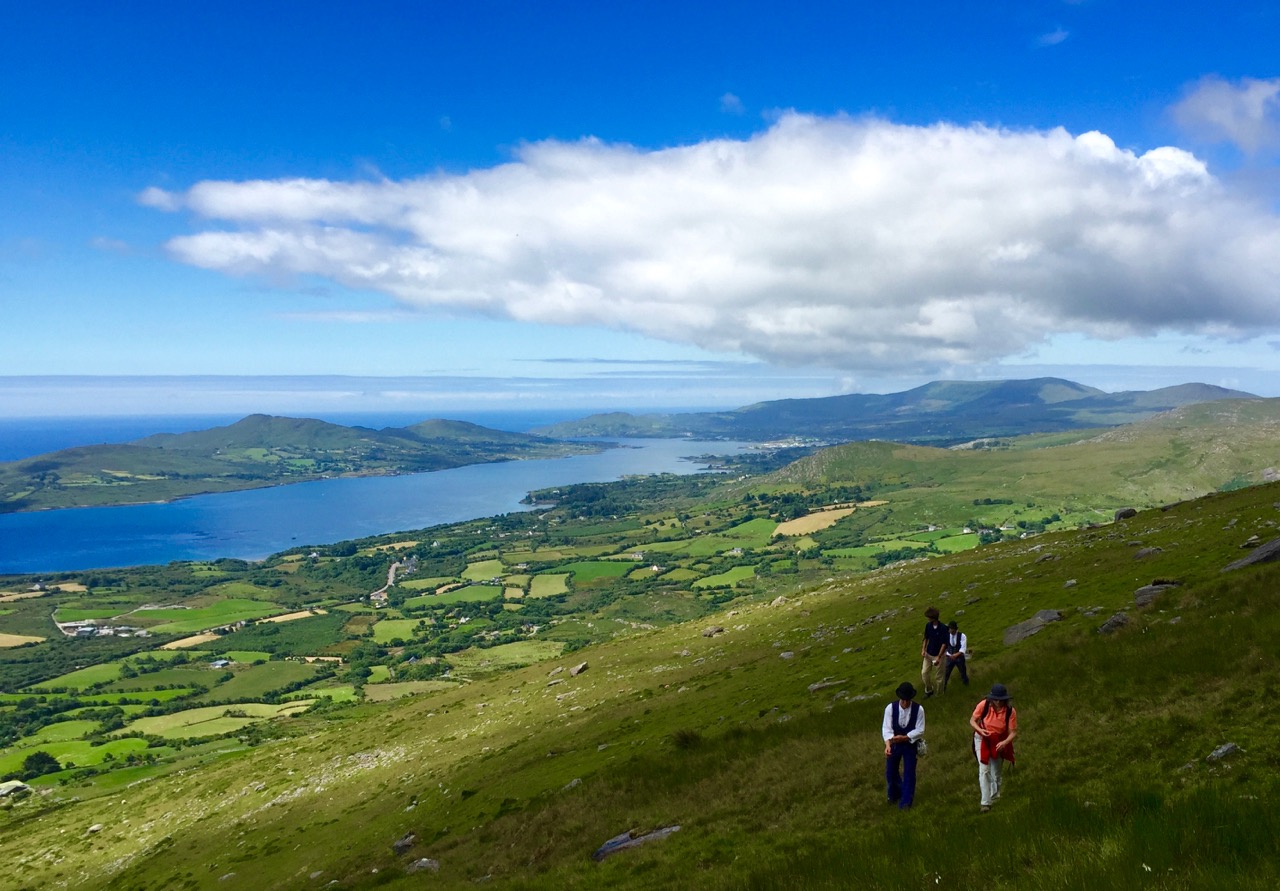
The tradition of the Journeyman Brotherhood is centuries old, originating in the Craftsmen Guilds of Europe during the Middle Ages and it is still practiced. In the past every young craftsperson who aspired to be a Master was, following his apprenticeship, required to leave home and not return for three years and a day. They had to stay at least 50 km away, but the journeys of the more adventurous candidates involved crossing oceans and continents. Simon and Benjamin – seen in the top picture after an exploratory climb to the summit of Hungry Hill on the Beara Peninsula – are from Munich and Frankfurt. They are wearing the uniform of their trade, known as the Kluft: this is how they are required to dress during their travels. The number of buttons on their waistcoats show the number of hours in a day they expect to work – in this case eight. When they leave home they have only a token sum of money each, and they must return with the same sum, no more. The purpose of the journey is not to seek their fortune, but to improve their knowledge and skills and give them a rich life experience, preparing them for becoming masters of their craft. It is a prerequisite that Journeymen cannot set out unless they are unmarried, childless and debt-free.

Left – a typical Charlottenburger used to carry the Journeyman’s possessions. Right – group of three in Germany looking for their preferred mode of transport

Other traditions which have to be observed by the true Journeymen include carrying only the most basic possessions with them: clothes to work in and the tools of their trade. These are wrapped in a small blanket, 80 cm square, known as a Charlottenburger. They also often carry a crooked walking stick, called a Stenz, which they have made themselves. Mobile phones are not allowed! Notably, Journeymen usually have gold bracelets and earrings: these may be pawned or sold, but only in cases of dire emergency… I learned that the earring tradition refers back to a time when each apprentice had a nail hammered through his earlobe to mark that he had reached the stage of his apprenticeship which allowed him to go out into the world and remain a stranger until he had completed his journey. Some sources suggest that the term Journeyman comes from the French Journée, meaning ‘journey’ – but this is not correct. Journée means ‘day’ in modern French, but its medieval root is the latin diurnata, which in fact means ‘a day’s work’ or ‘a day’s travel’.

Journeymen surrounded by the tools of their trade in the forge at Lowertown

Simon and Benjamin were fortunate that in Ballydehob they bumped into our neighbour Dietrich: although he and Hildegard have lived here for much of their working lives they were brought up in Germany and were aware of the Journeyman tradition. They immediately found a project for the two young blacksmiths: constructing a new gate for their entrance. John Joe Bowen of the local forge at Lowertown was very helpful in allowing a space in his workshops for the boys to set to work.

blank canvas

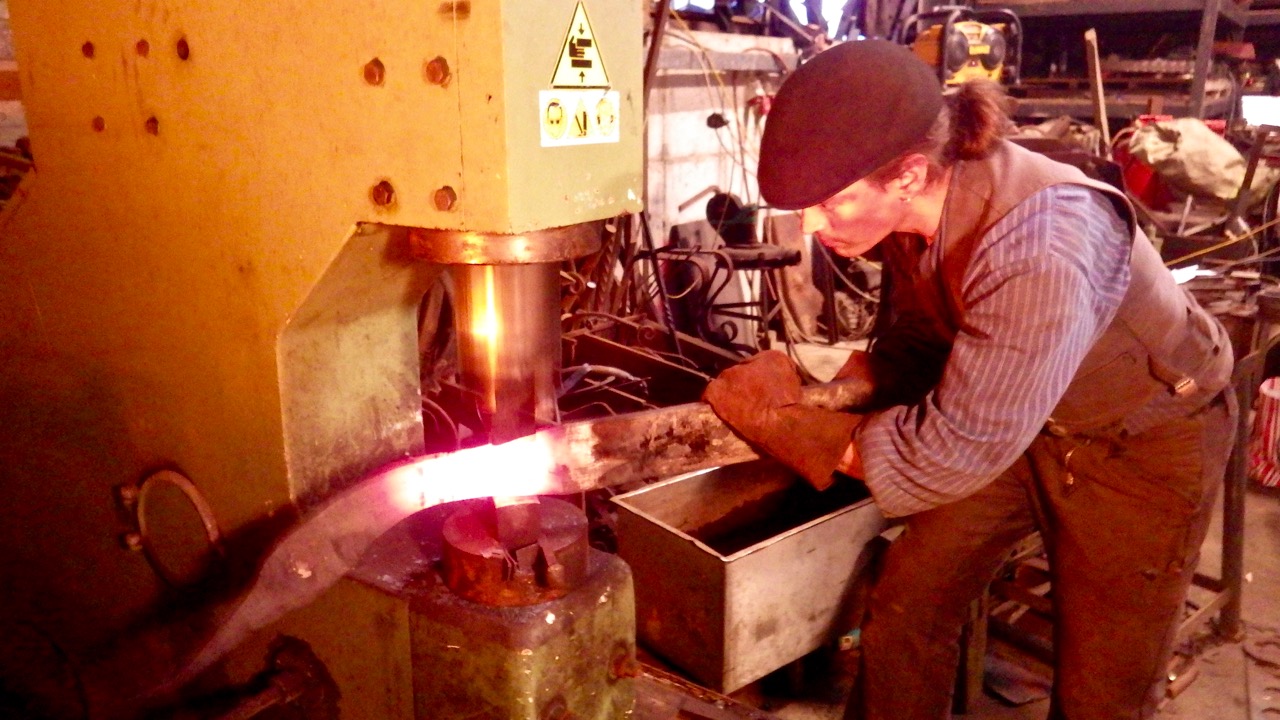
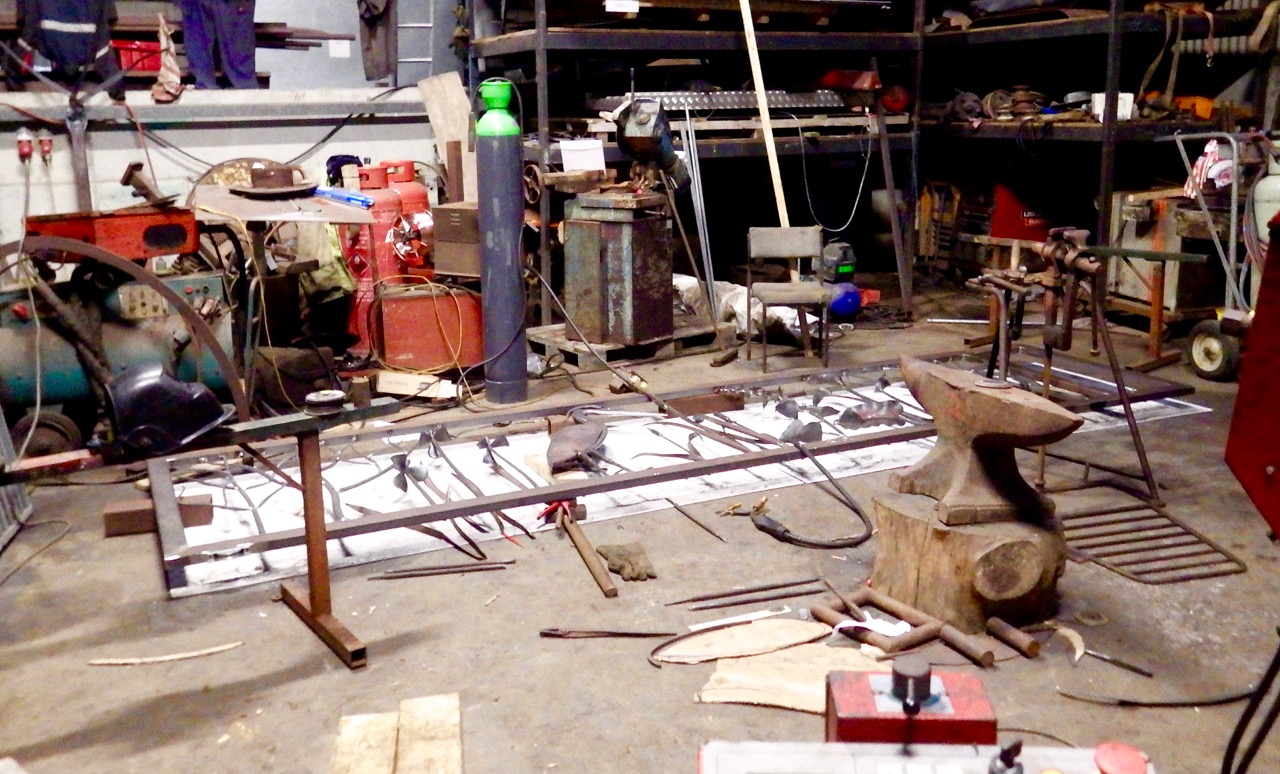
The process. Top – blank canvas: laying the full-size design out on the workshop floor. Above – learning from real life: how to fabricate a metal foxglove

We followed reports of the gate-making process with great interest, but were not allowed to see the completed design until the ‘official unveiling’. Dietrich and Hildegard recorded the various stages and have most kindly allowed me to use their photographs of the construction process (and the hike up Hungry Hill) reproduced here.

hammering

making the heron

From design to reality. Top left – Hildegard supervising the assembly and – top right – her design concept drawings. Above – a metal heron takes shape

The gate is a masterpiece. Made in West Cork, it reflects the environment of the place. It’s elegant, and unique. Although it appears complex, it is very understated: I think Dietrich and Hildegard have perfectly summed up the zeitgeist of our own time here in our small townland. Its inspiration is in nature, yet it is a technologically up-to-date piece of fine engineering.

piecing it together

on the floor

sanding the gate

dietrich, journeymen and gate

The construction process, and Dietrich and ‘The Boys’

We were privileged to be at the ‘launch party’. I have never been to a formal gate opening before! Dietrich cut the ribbon and then revealed the finished product to our eager eyes. This work must surely have been the highlight of the travels of these Journeyman from afar: they learned so much about observation and the translation of ideas into practical form.

the gate

Benjamin and Simon were not at the ‘launch’; they were already far away, continuing with their travels and their education. But they must carry with them good memories of the West of Ireland. Good luck to them both!

on hungry hill

Experiencing beautiful West Cork – the Beara Peninsula, summer 2016

Presenting Rock Art

A joint post by Finola and Robert

keith's dnc

On  Friday, the Blue House Gallery in Schull launched The Rock Art Show. It included everything that was in the exhibition at the Cork Public Museum, but with more of Ken William’s extraordinary photographs, and with the addition of some exquisite drypoint engravings from Brian Lalor.

The opening night was lovely. It was great to celebrate with friends and the community and to see their reactions to the show.*

Once the show was completely installed we were struck immediately by the way art and archaeology intersected on the walls. It’s designed partly as a museum exhibit, in which you walk around the panels, reading the information and digesting the accompanying illustrations. However, in this iteration, it is much more than that, and has truly turned into a show not just about the rock art per se, but about the power of these ancient and mysterious carvings to inspire an artistic response in others.

Some examples of what we mean…

dnc kp

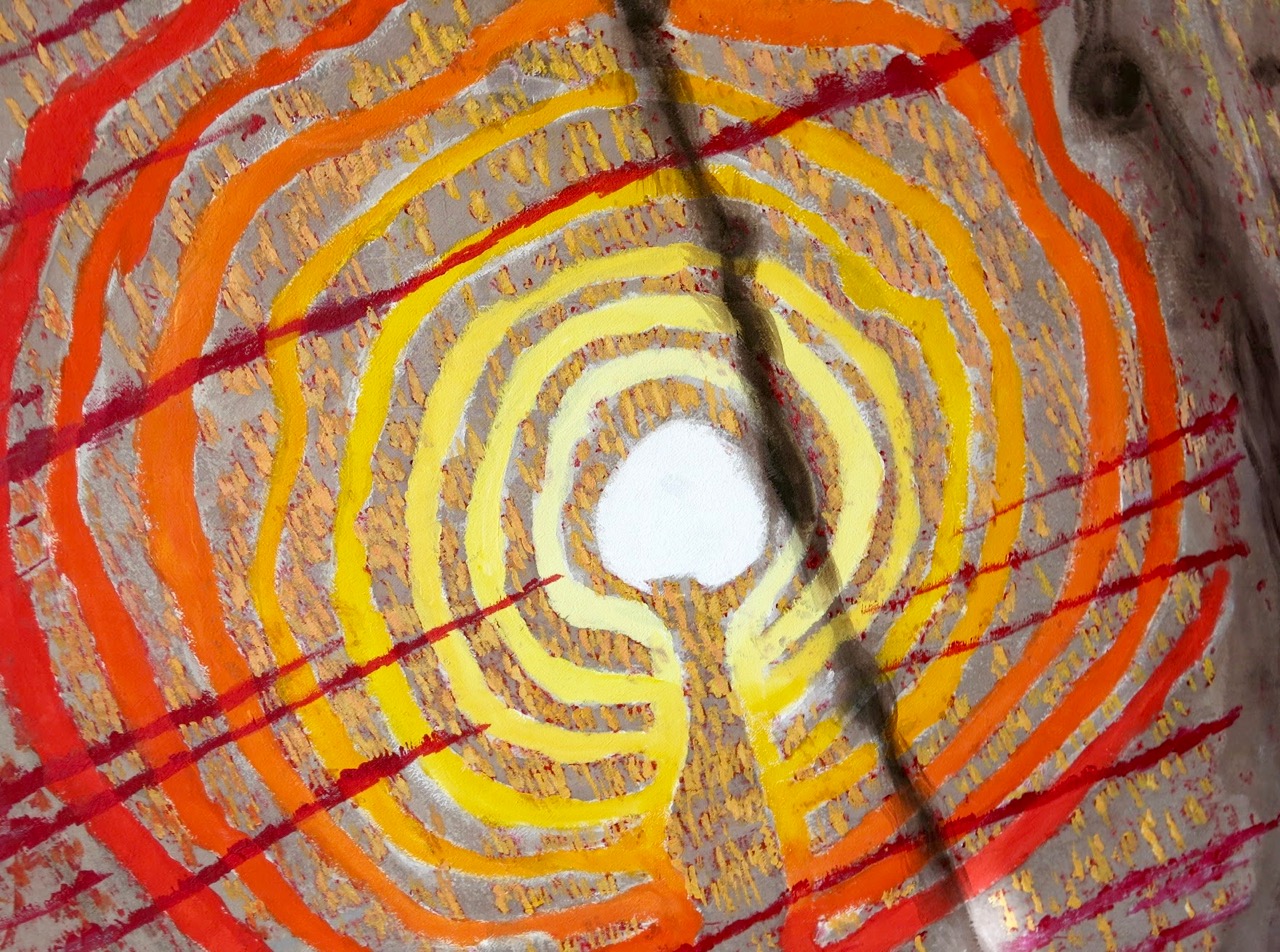
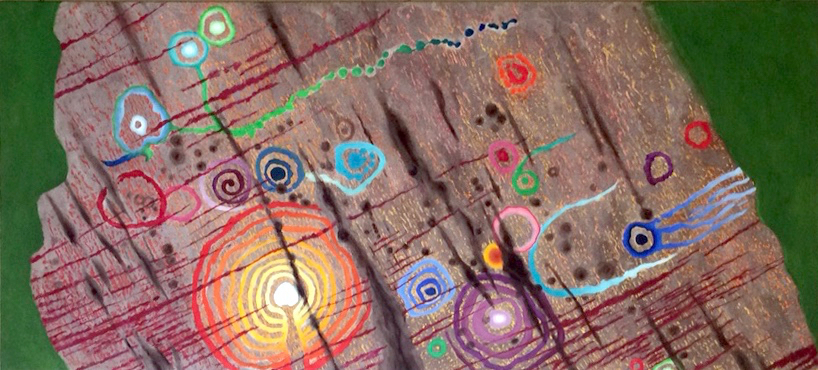
derreennaclogh rhKeith Payne’s wildly colourful painting contrasts with Robert’s sober CAD drawing

gort

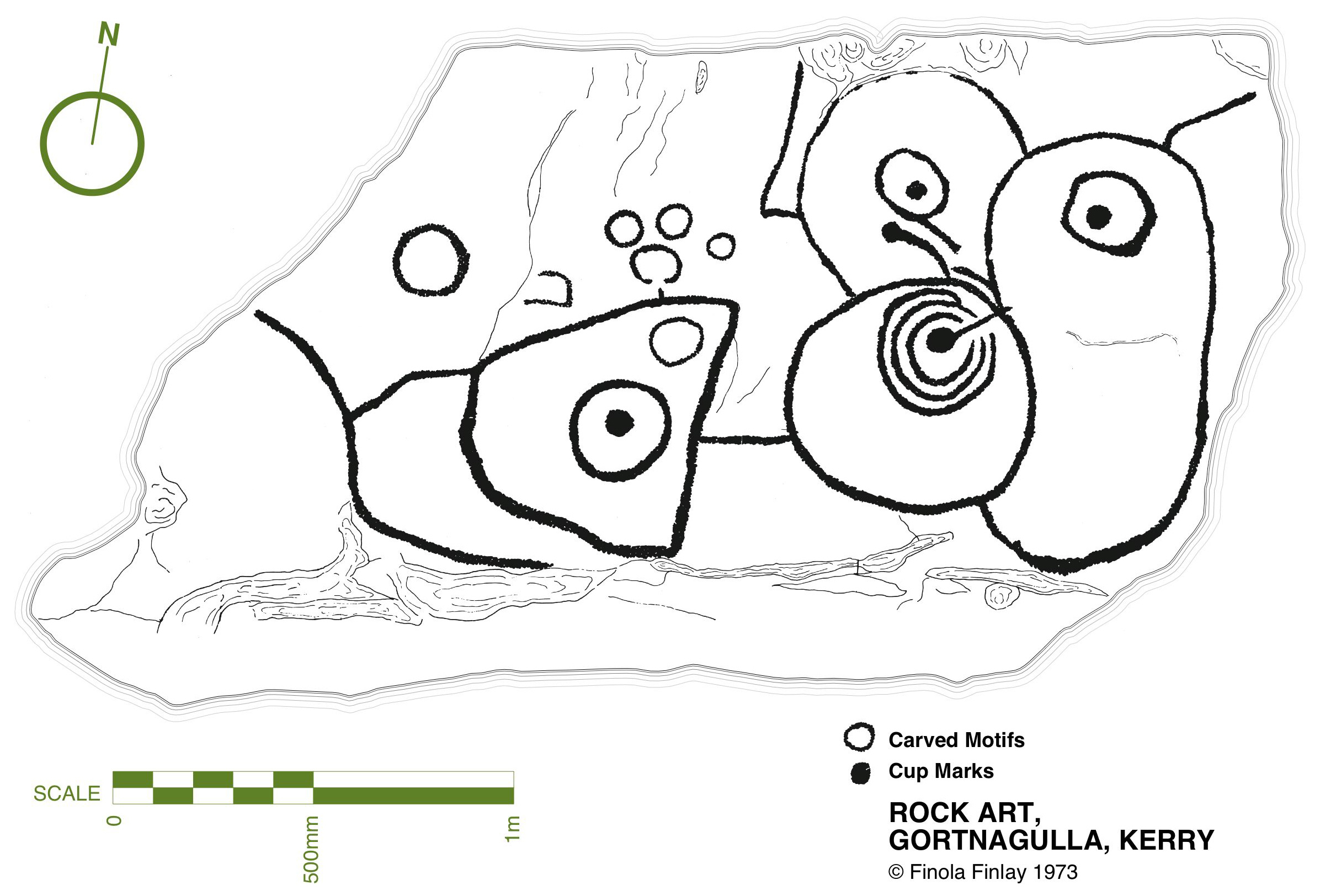
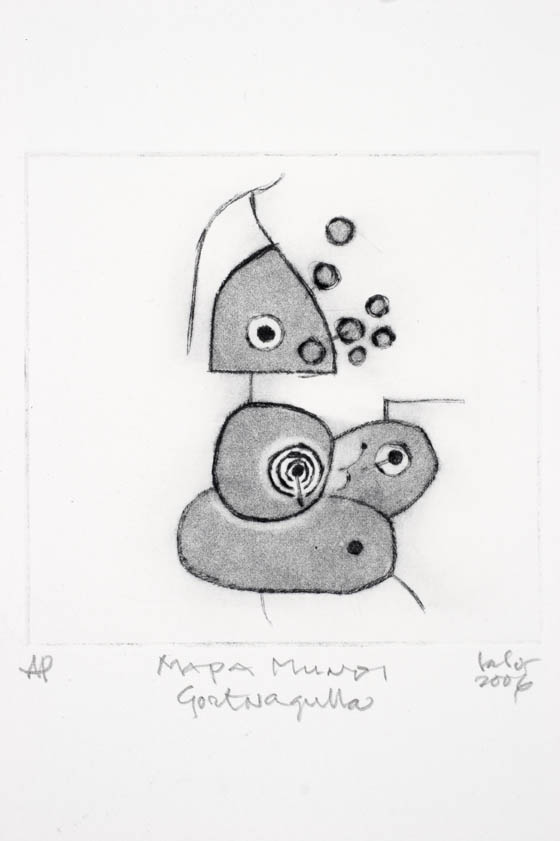
gortnagulla-lalorThe first drawing of the Gortnagulla stone was done 40 years ago by Finola, using a tracing technique no longer approved. Brian Lalor’s engraving is of the same piece
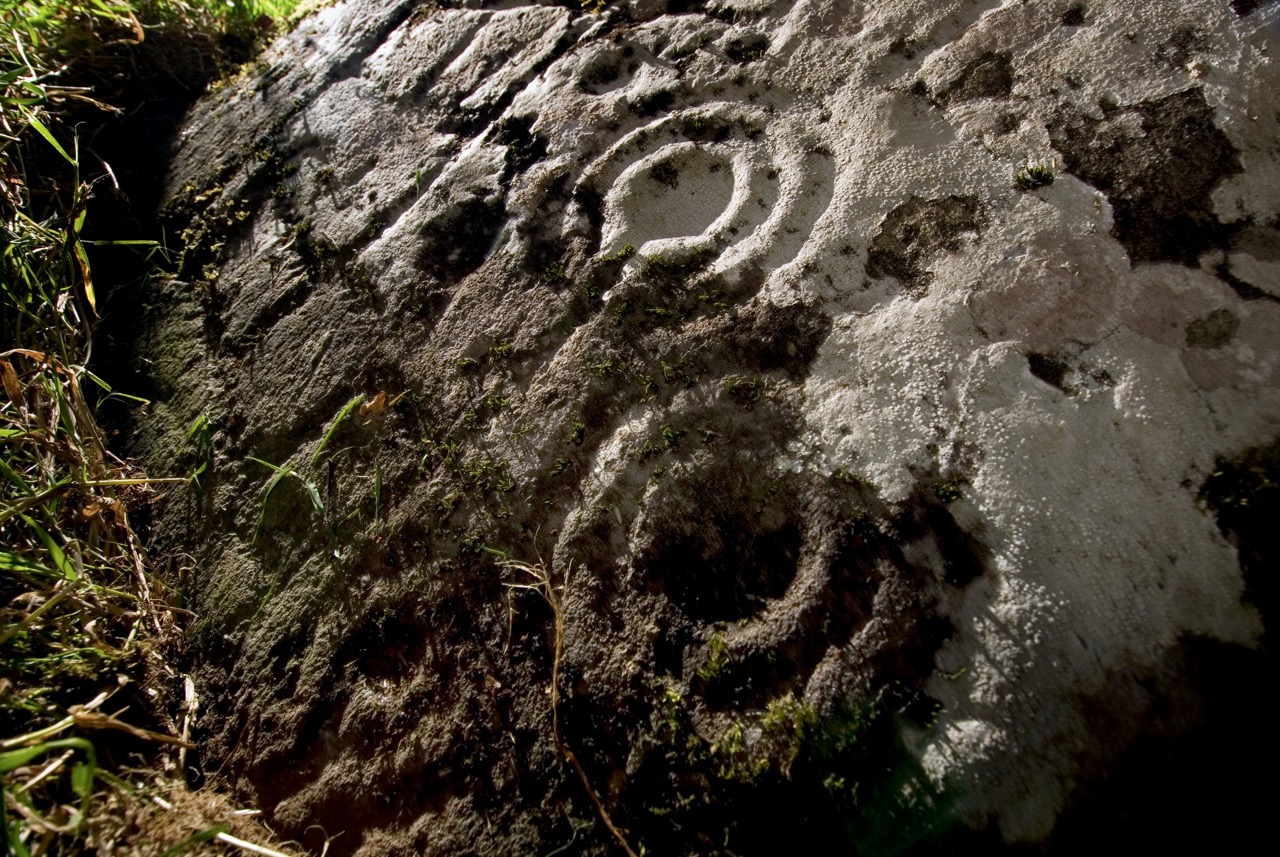
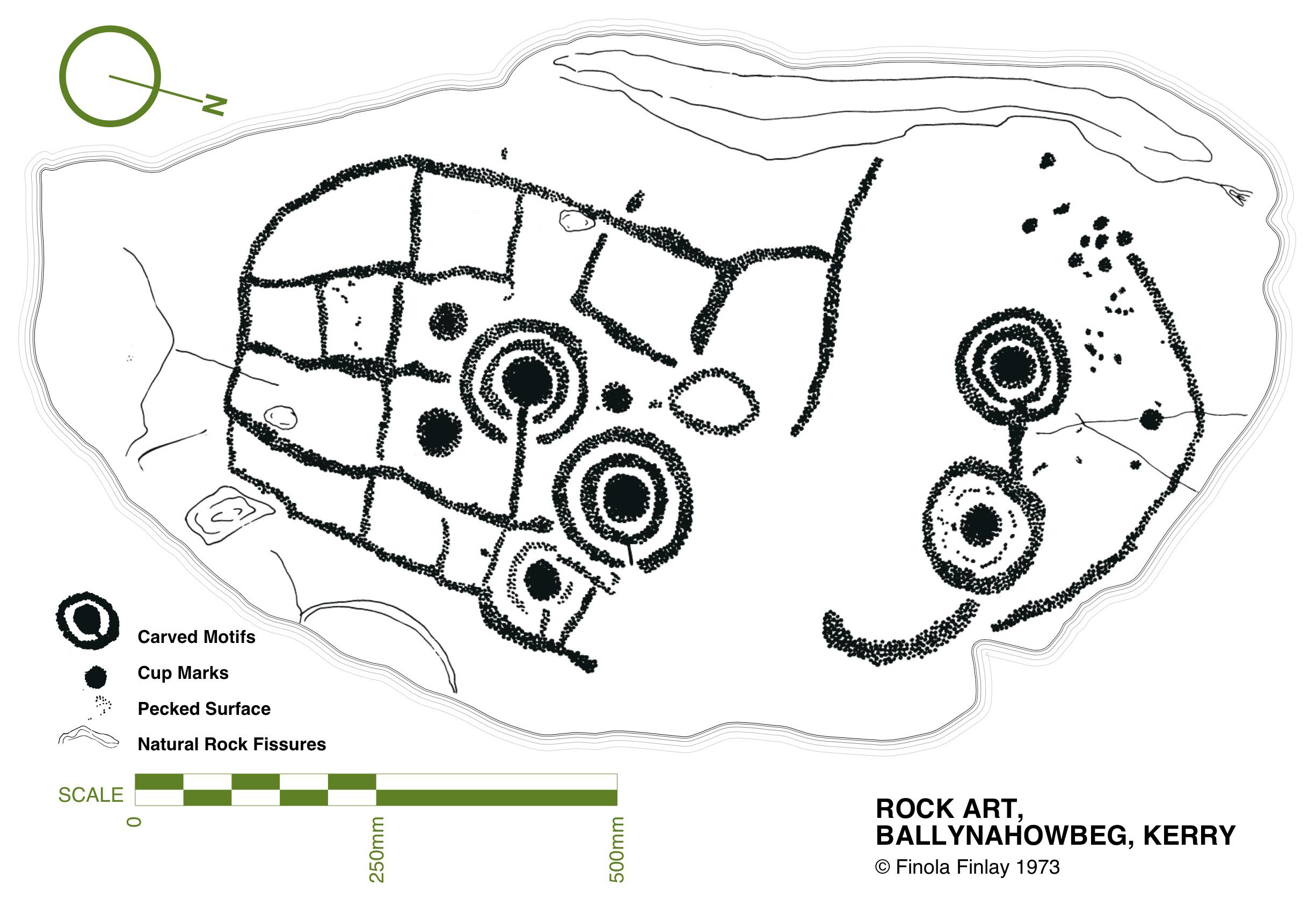
ballynahowbeg kw
ballynahowbeg ff
Can you recognise the same stone in Ken William’s photograph and Finola’s drawing?

But in the end, images on a wall will only go so far in helping us to appreciate rock art. Ultimately, you have to get out into the countryside and see the rocks in their landscape.

magheranaul kw

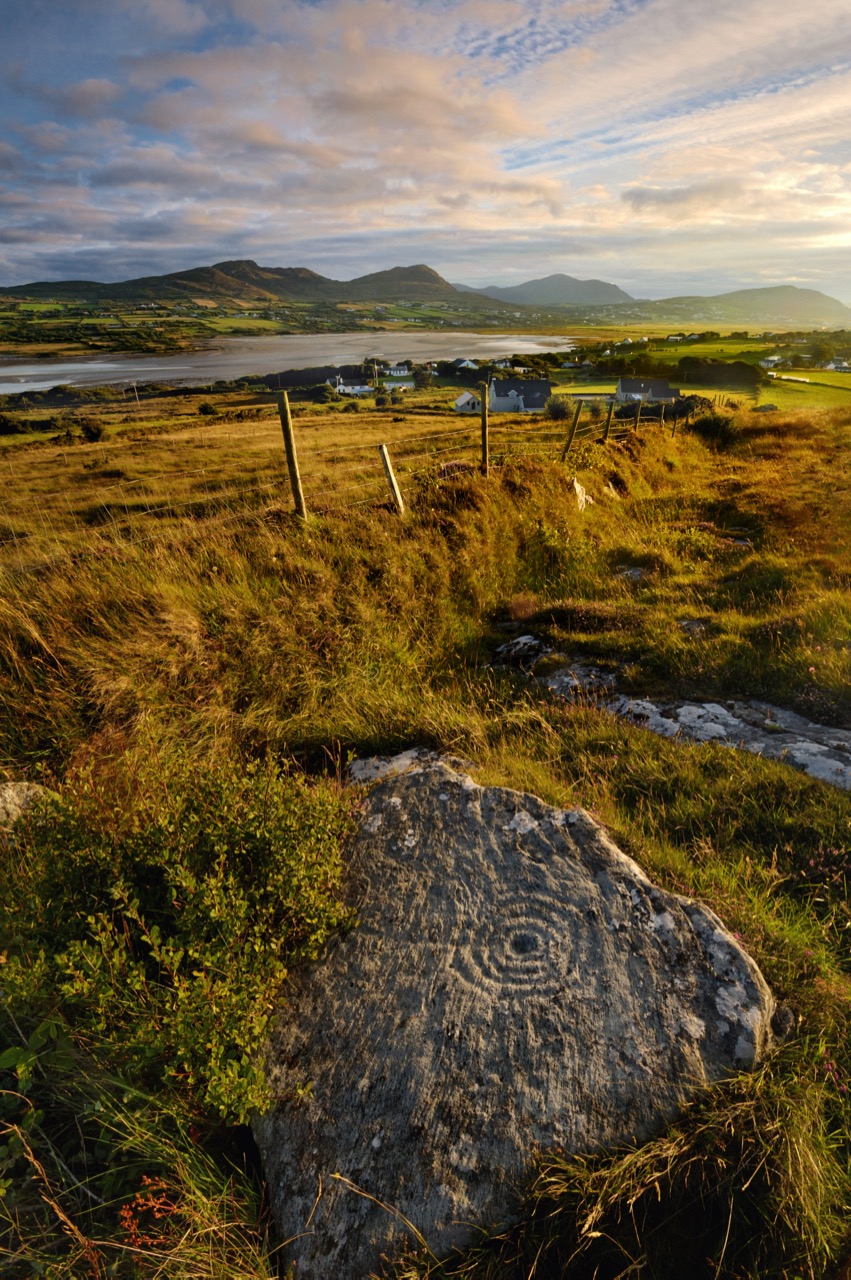
One of Ken’s superb photographs showing how this particular stone sits in its landscape  

Only then will you realise how hard they can be to see if the lighting is not good, to how difficult it can be to distinguish between natural and human markings on a rock surface, or how they all seem to be located in beautiful places with panoramic views. Or – to have an experience like this one, in which we made a breathtaking and unexpected discovery about one of our favourite rock art panels, and quite by accident recorded it all on video.

Derreennaclogh equinox circles

So  if you’re in West Cork before the end of September, drop by the gallery. We’d love to see you.

*With grateful acknowledgement of additional photographs of the opening night by Peter Clarke, Amanda Clarke and Miranda Payne.