Nollaig na mBan

This post was first published many years ago – in 2014! The subject matter – Women’s Little Christmas – is just as relevant today. So, have another look…
Sounds like ‘Nullig ne mon’ and translates as ‘Christmas of the Women’, but is also known as ‘Little Christmas’. It’s today – the 6th of January – and is celebrated in Ireland and wherever else in the world there are Irish communities. There are other traditions surrounding this day (quite apart from the arrival of the Three Wise Men), and they are confusing. I was brought up knowing that the Christmas decorations have to come down today otherwise there will be some bad luck in the year. Finola, however, knows that they have to stay up all through the day as it’s still part of Christmas – so she would have them down tomorrow instead. Maybe this is a Catholic / Protestant divide? And when is Twelfth Night: 5th or 6th of January? Either one, it seems, depending on which of the many traditions you choose to follow, or which part of the world you live in.

Layout 1

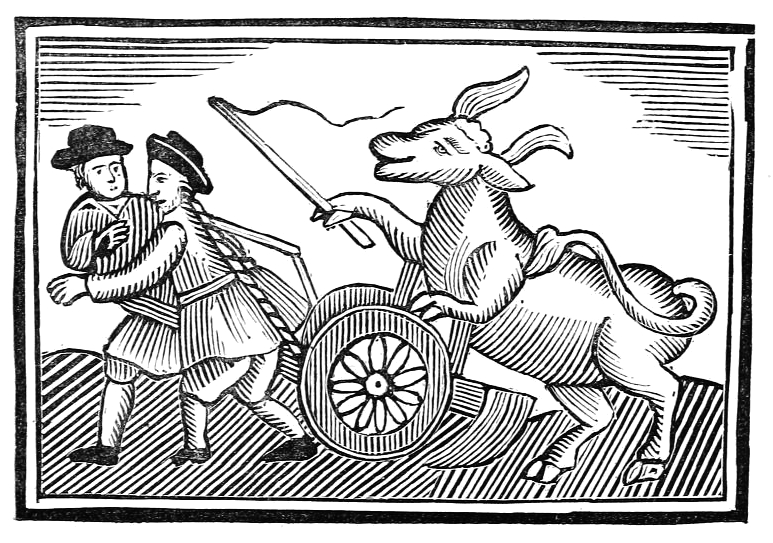
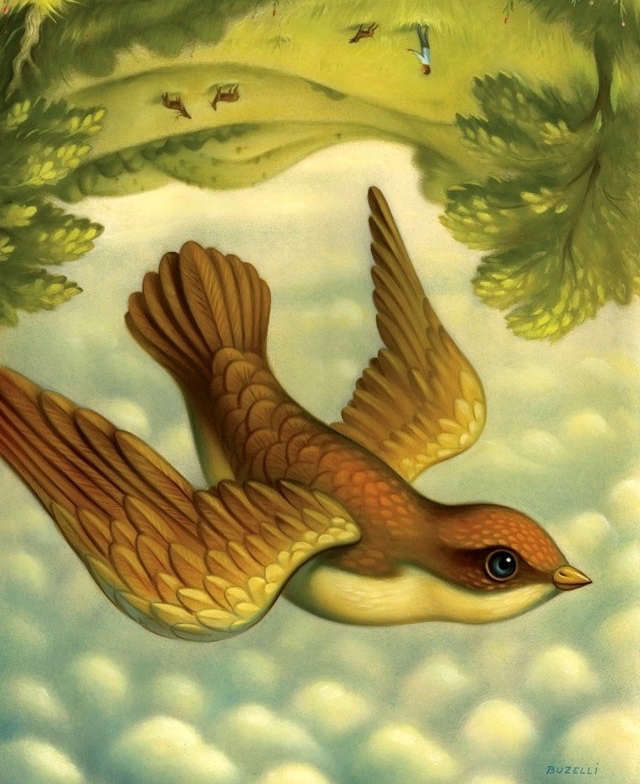
In Tudor Britain the whole winter festival started on All Soul’s Eve (Halloween) and lasted until Twelfth Night. On the first day a cake was baked with a bean in it. Whoever had the slice with the bean was elected Lord of Misrule and presided over a topsy turvy time when the peasant ruled the master and so on. The World Turned Upside Down is a wishful thinking concept that has inspired many artists ever since.
8597011641_560e181106_o

In some parts of Europe a custom of house-blessing takes place today. Dried herbs are burnt and their scents fill the building. Doorways are sprinkled with holy water and the master of the house writes with chalk above the house and barn doors the initials C M B enclosed within the year (eg 20 C  M  B 14). According to the ritual he says: Caspar, Melchior, Balthasar, protect us again this year from the dangers of fire and water. Alternatively it could stand for “Christus Mansionem Benedicat” (May Christ bless this home).

Some traditions closer to home: McCarthy + Hawkes write in Northside of the Mizen

…On Nollaig na mBan (Woman’s Christmas or Epiphany), the women put all the scraps and leftovers from Christmas onto the kitchen table and it was then up to everyone else to cope the best they could. At midnight, on the eve of Nollaig na mBan, the water in the spring well turned to wine. Now that was a great thing! Ne’er a man or woman has ever supped any and that was because it was only for the Little People…

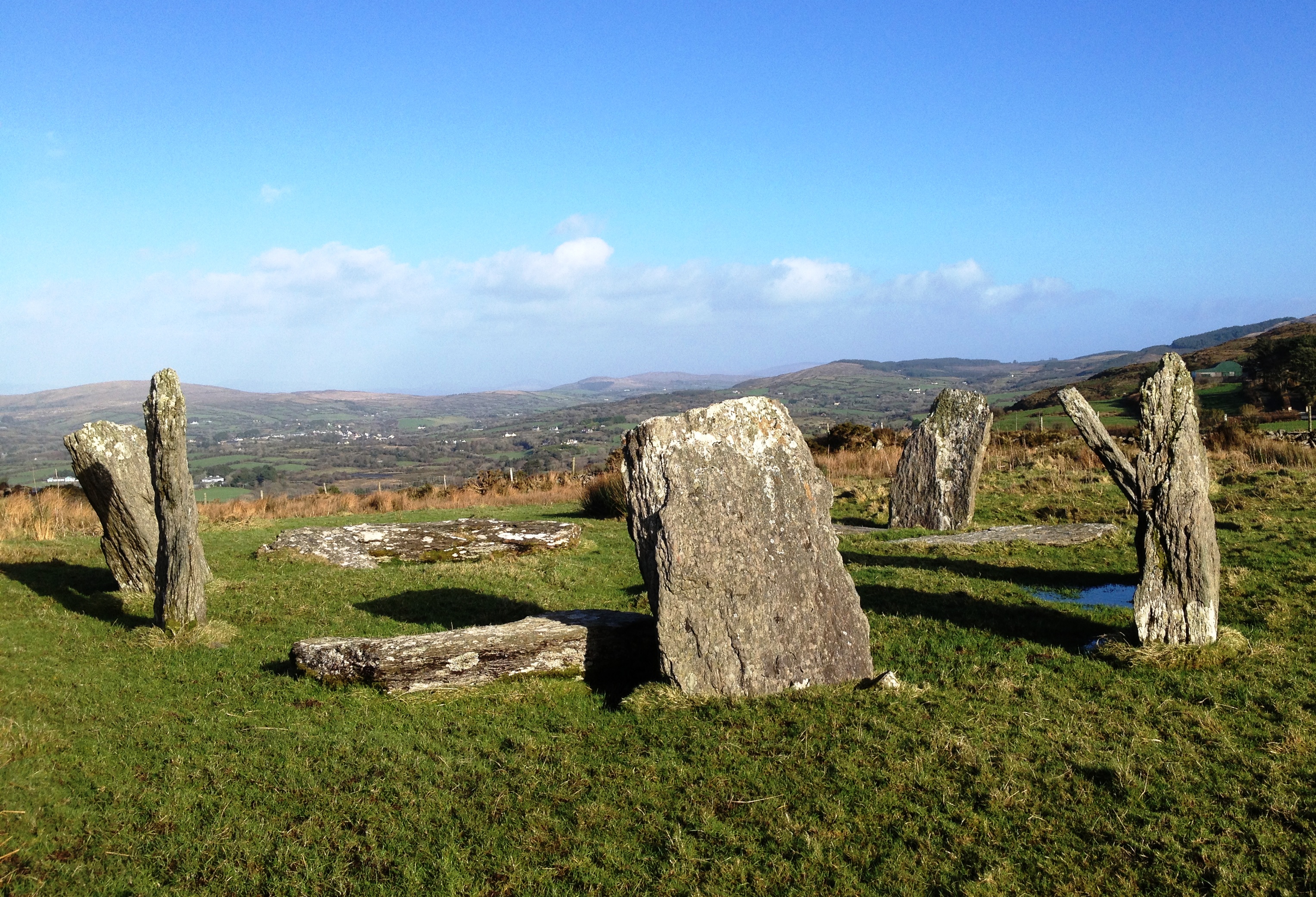
Perhaps to emphasize that such miracles should be the preserve of only the Fairy Folk, there is a tale told of the blessed well of St Brendan in Cill a ‘Ruith, near Ventry in County Kerry: here in days of yore Three Unwise Men sat up to drink their fill of wine at the appropriate hour and were turned into three large boulders which stand there as a warning to this day.
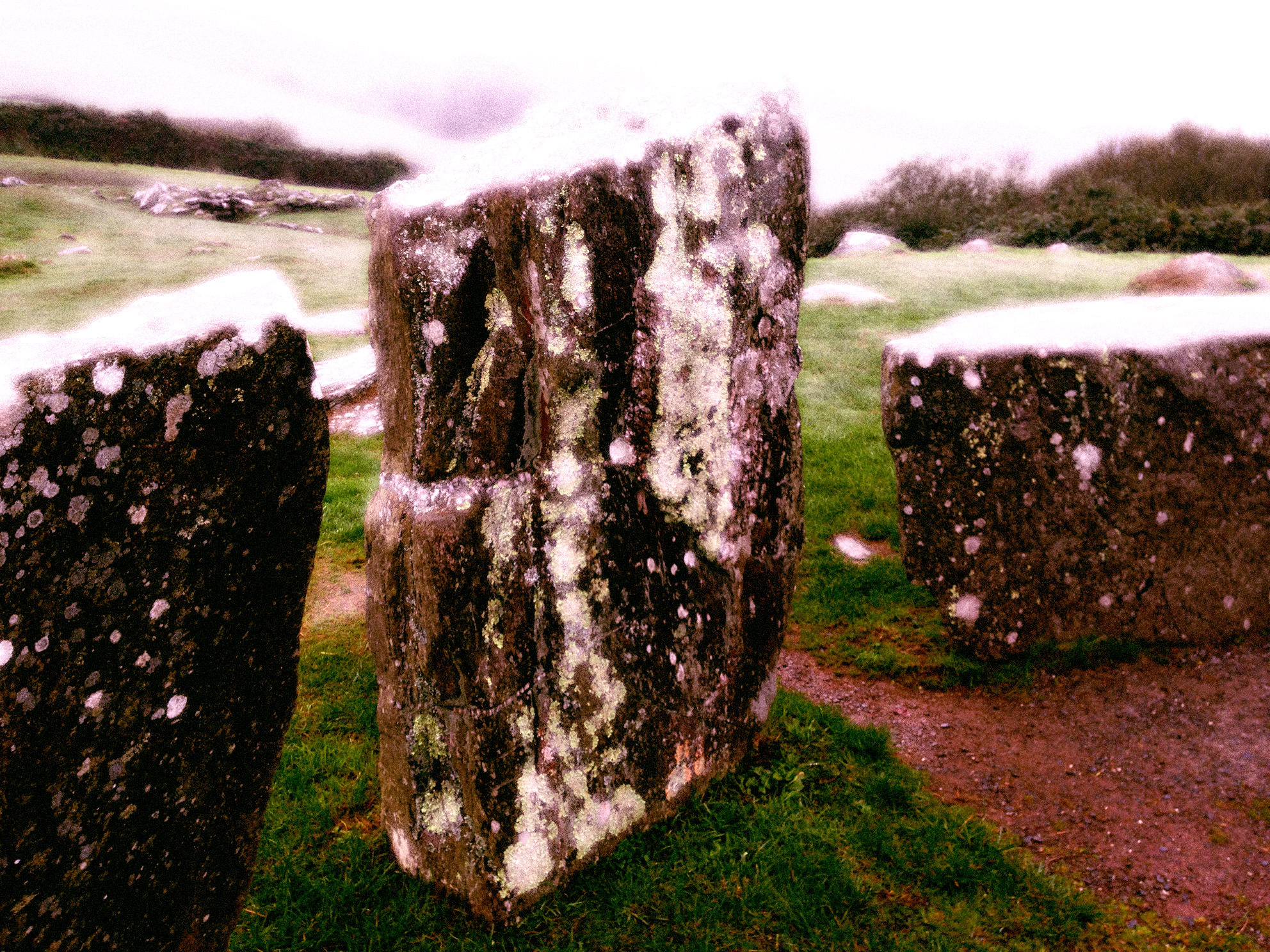
rocks

As this is a Monday, and the first one of the new year, it is also known as Handsel Monday, when children used to visit neighbours and friends and ask for money or cakes. Such a gift was known as a suggit which may derive from the Irish so dhuit – ‘here’s for you – here you are’.
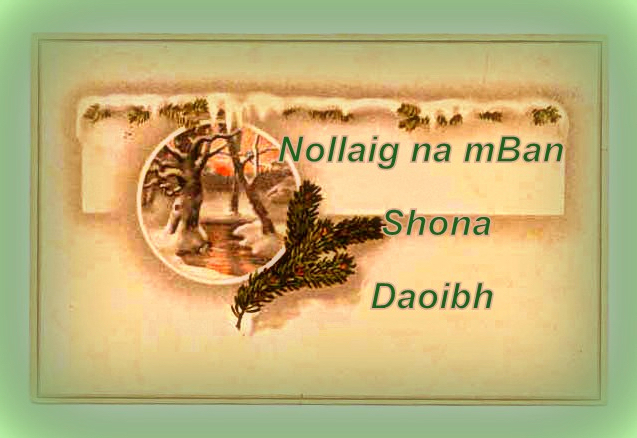
Finola is off out tonight with friends to celebrate Nollaig na mBan, as she used to in Vancouver where the tradition was strongly followed in the Irish community. It is said that the term ‘Women’s Christmas’ can be explained because Christmas Day was marked by beef and whiskey – men’s fare – while on Little Christmas Day the dainties preferred by women – cake and tea – were more in evidence. Finola will no doubt tell me whether this is still the case.
Stormy Weather

neadwinter

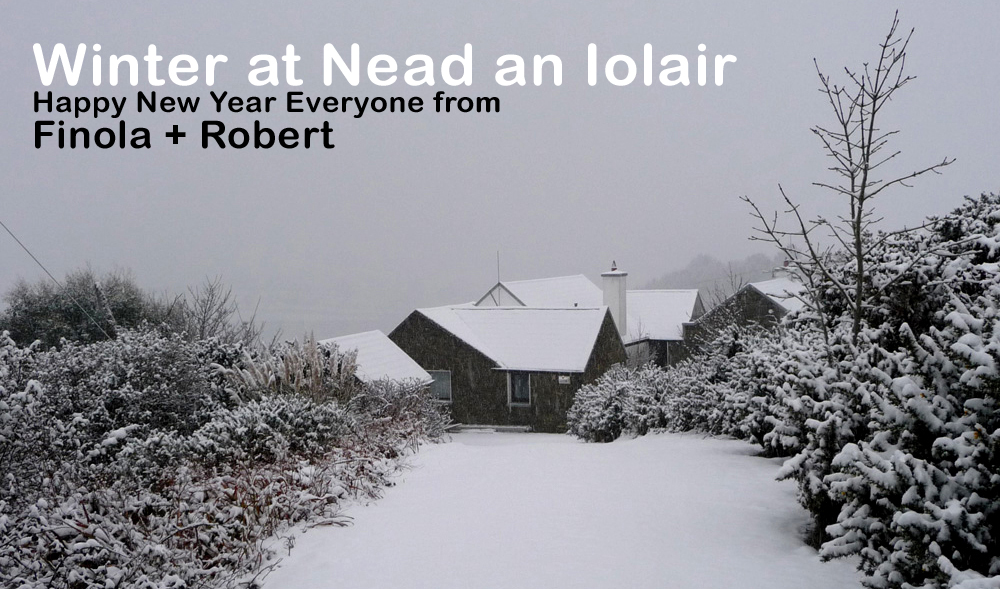
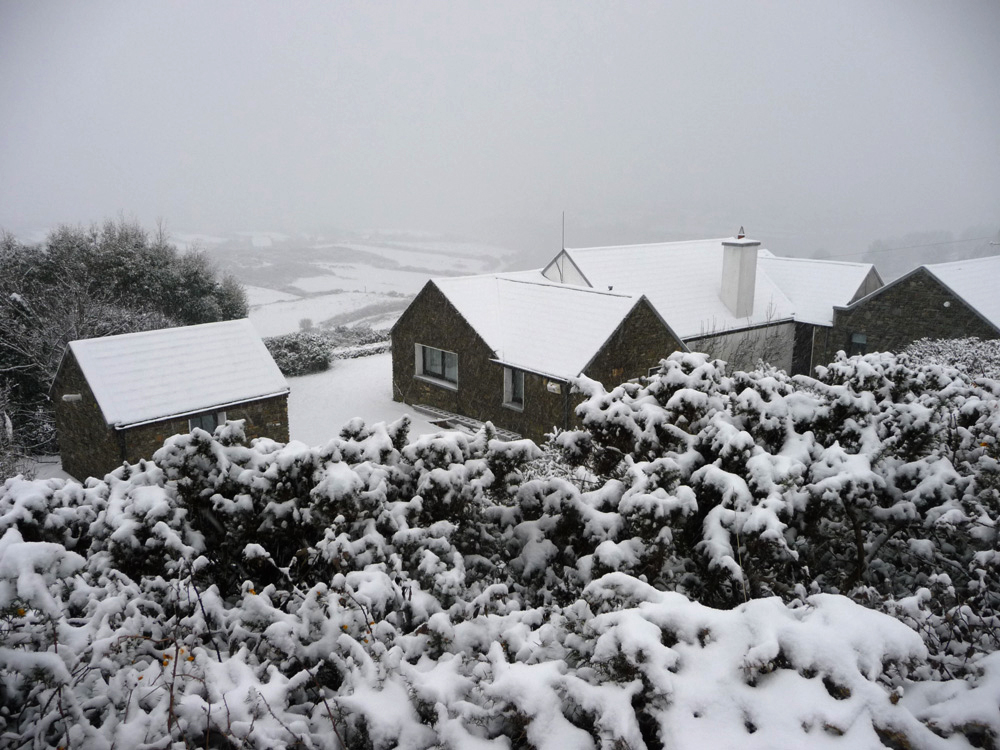
This picture of Nead an Iolair is here to create a seasonal feel: it was taken by our neighbour Dietrich in the Great Winter of 2010 – 2011 when the extremes were all about deep snow, frozen roads and frozen pipes, unusual for this little corner of the island normally kept mild by the Gulf Stream. This winter we have a different extreme – hurricane force winds!

spiked

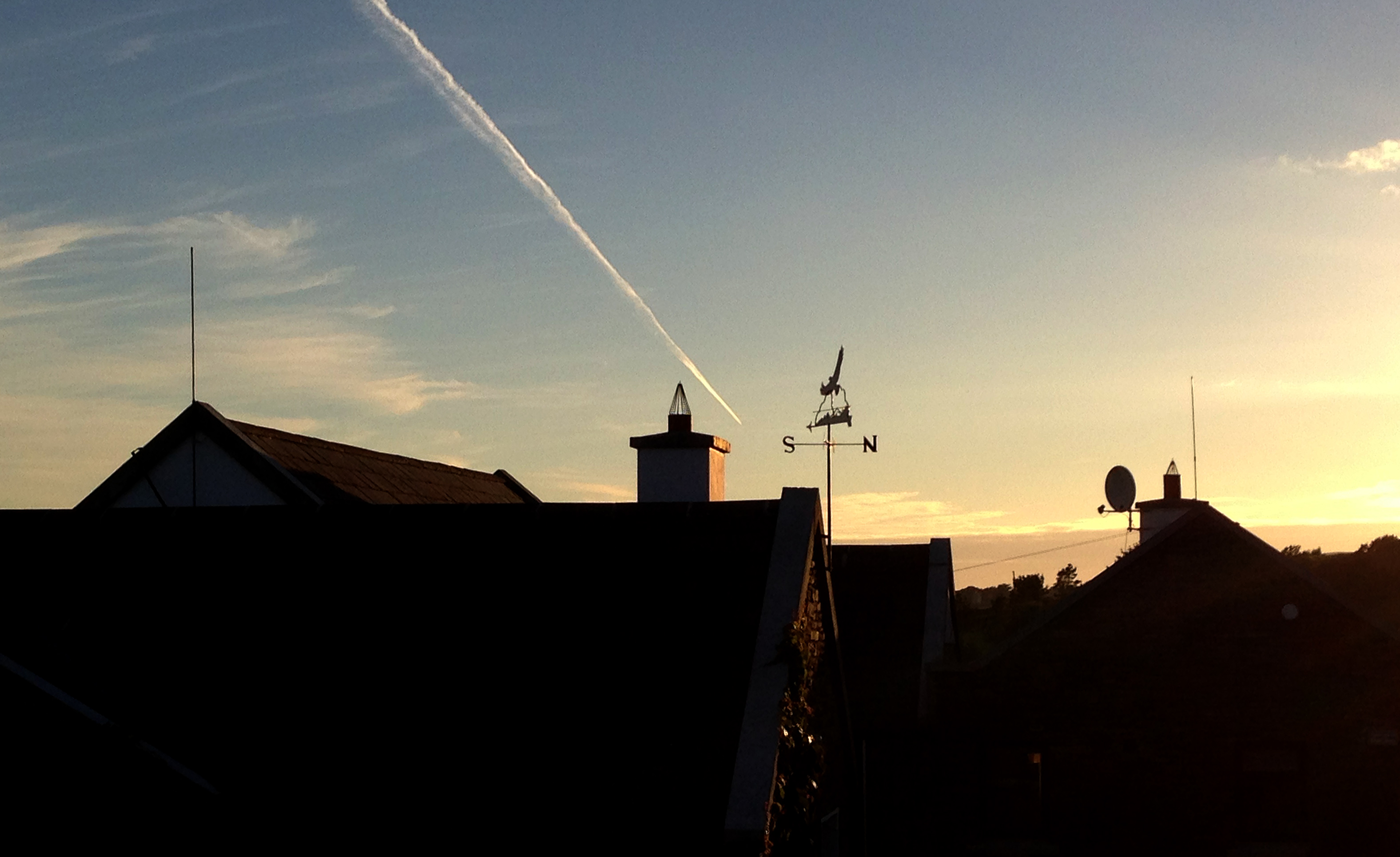
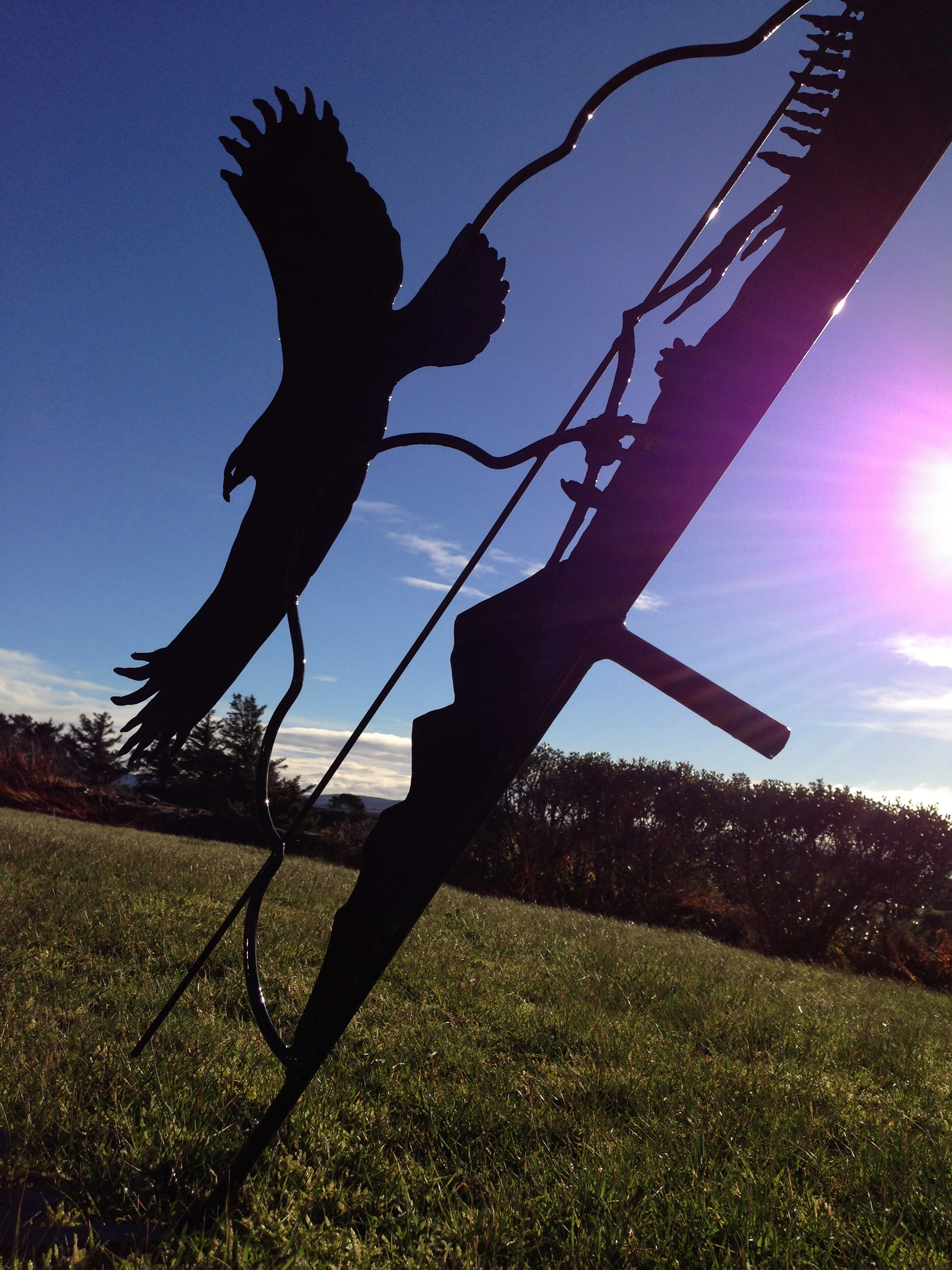
‘Hurricane’ on the Beaufort scale means wind speeds of 118 km/hour or more. We went to bed on St Stephen’s Day evening, having measured the wind speed outside as 87 km/h. That seemed wild to us: the trees were bent over and the salt laden rain and sleet were coming in horizontally and lashing our south west facing windows. It was hard to sleep: the slates were rattling loudly above us and the aerials and lightning conductors on our roof were shrieking and bending. The noises got louder and more terrifying as the night went on. I wanted to venture outside with my little hand-held anemometer but I couldn’t face it. The violent storm began to abate only in the early hours of the morning and, when we did creep out, it was to find some damage: two trees down in the haggart, sadly, and our beautiful weather vane collapsed. It was as well that we weren’t underneath when the flying Eagle and its sharply pointed arrow came crashing on to the lawn, just missing our door.

levissession

St Stephen’s Day Session, Ballydehob


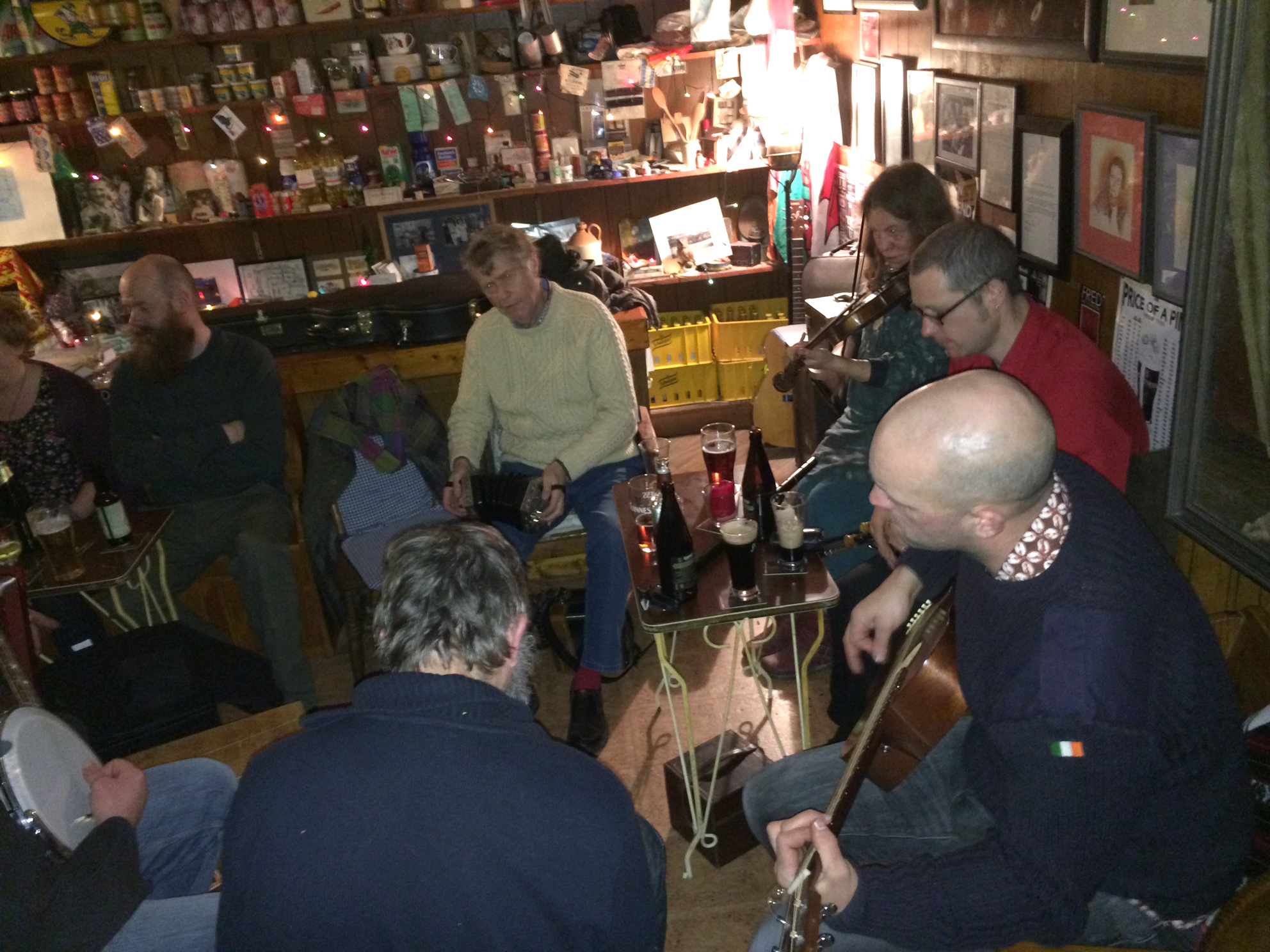
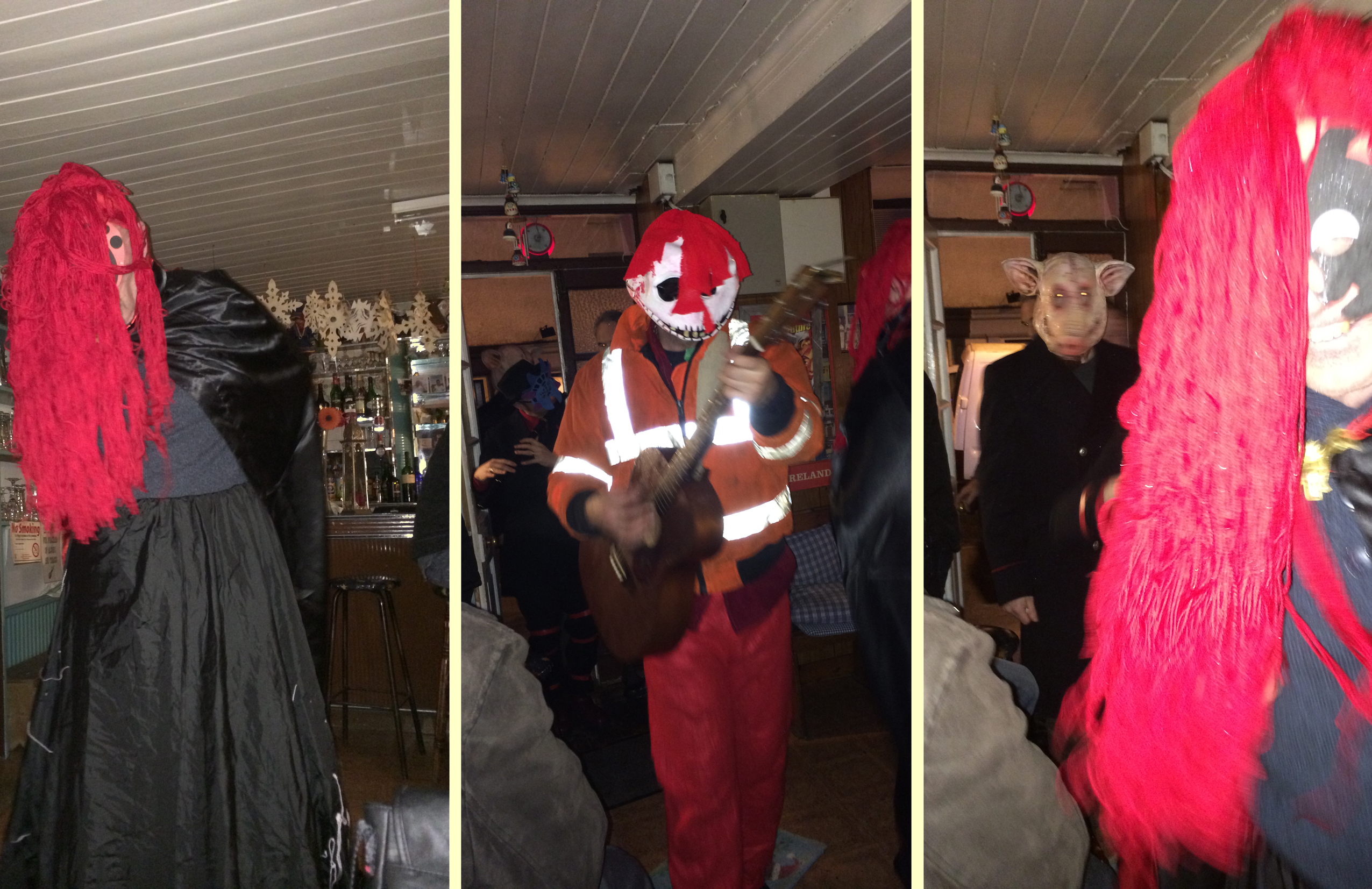
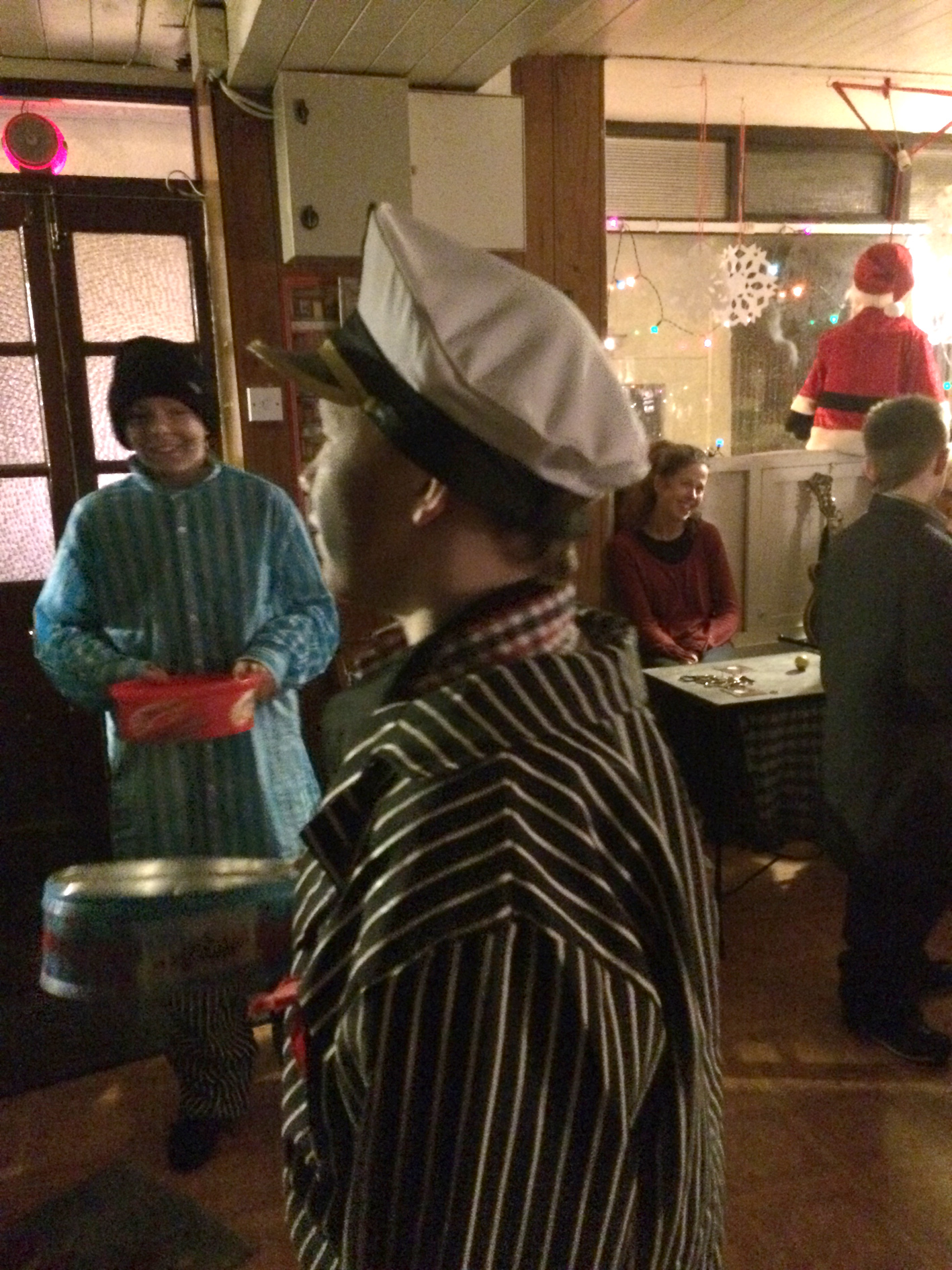
Earlier in the day we had enjoyed an unexpected visit by the Wren Boys to Levis’s pub, where we were involved in an improvised session. Two groups of Wren Boys in fact: the first an adult company with musicians, colourful costumes and bizarre masks, and the second a group of boys dressed in old coats turned inside out, pyjamas and sailor caps, carrying large collecting tins. All were welcomed and the festivities grew merrier as the wind strengthened.

wrenners

wrenboys

Keeping traditions going: outlandish Wrenners visiting Ballydehob – top – and local lads collecting in Levis’s Bar – below

As I lay in bed at the height of the storm I found myself worrying about our birds: how on earth could the Goldfinches, Chaffinches, Robins and Wrens (any Wrens who had escaped the St Stephen’s Day hunt that is) have survived that terrible gale – which stripped the bird feeders of everything moveable and the bushes and shrubs of their sheltering leaves? In the morning, there they were back again, and noisily demanding a refill which, naturally, I was delighted to provide.

message

Theme and Variations

November sky at Nead an Iolair

Prelude: November sky over Nead an Iolair

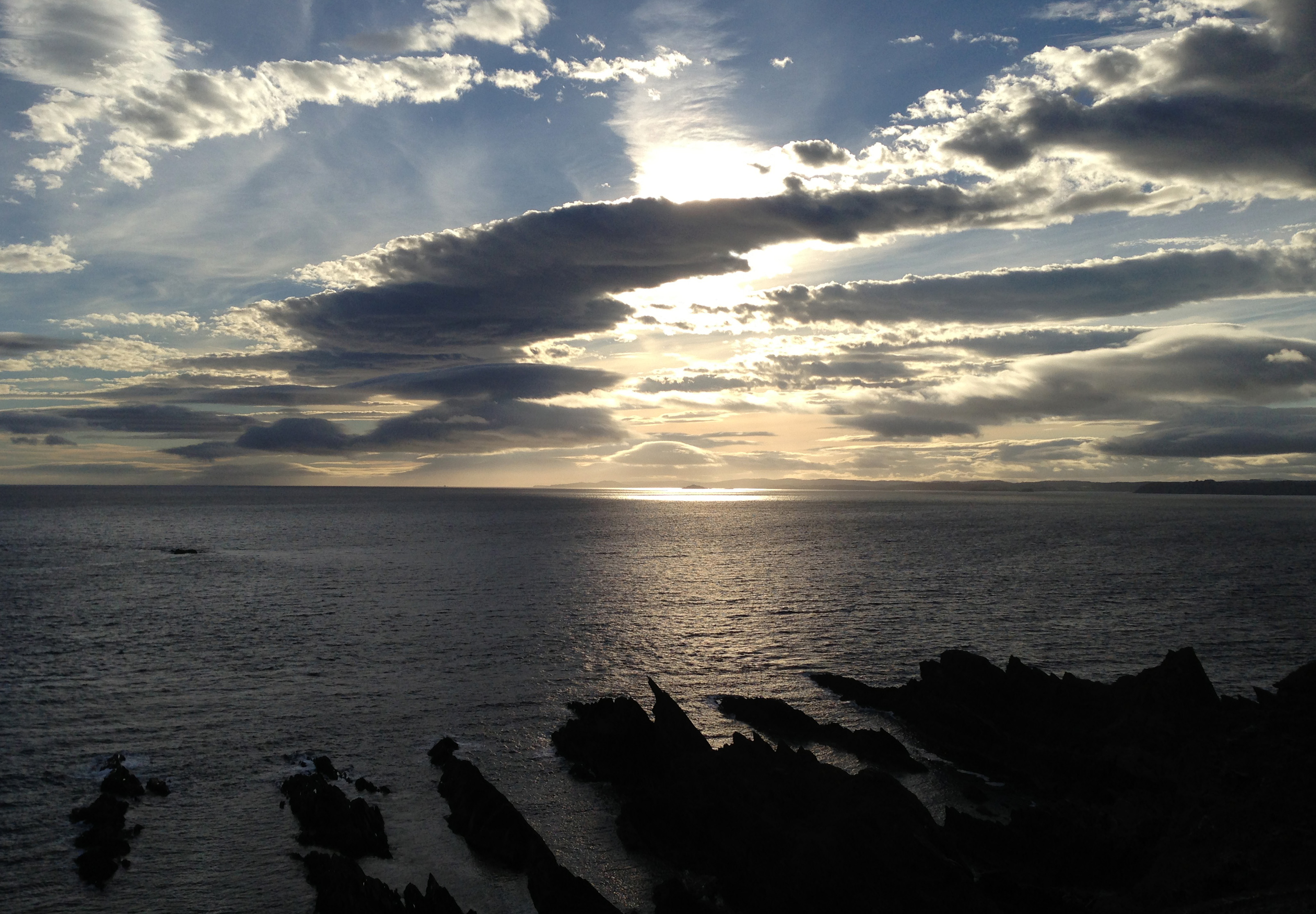
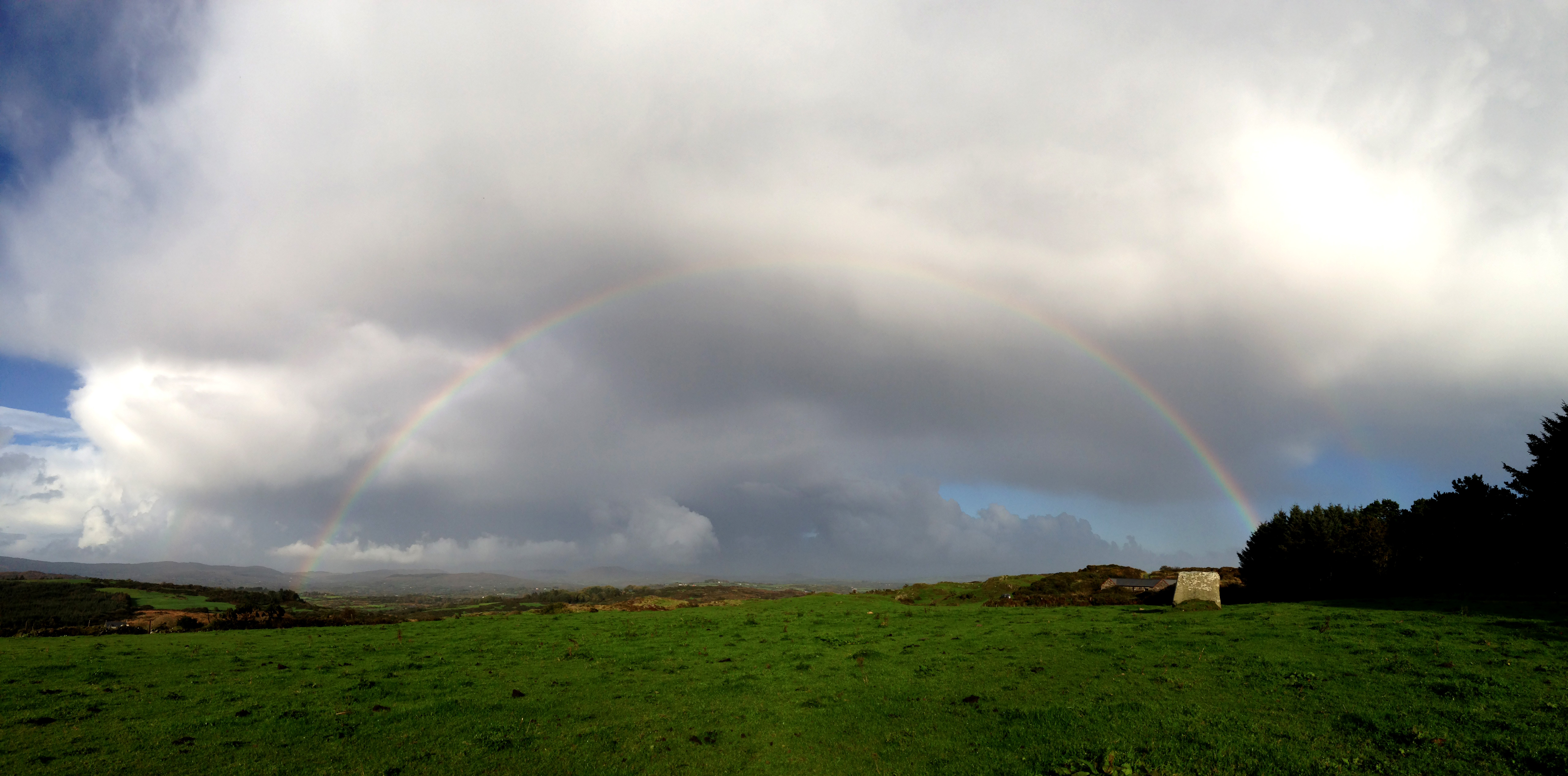
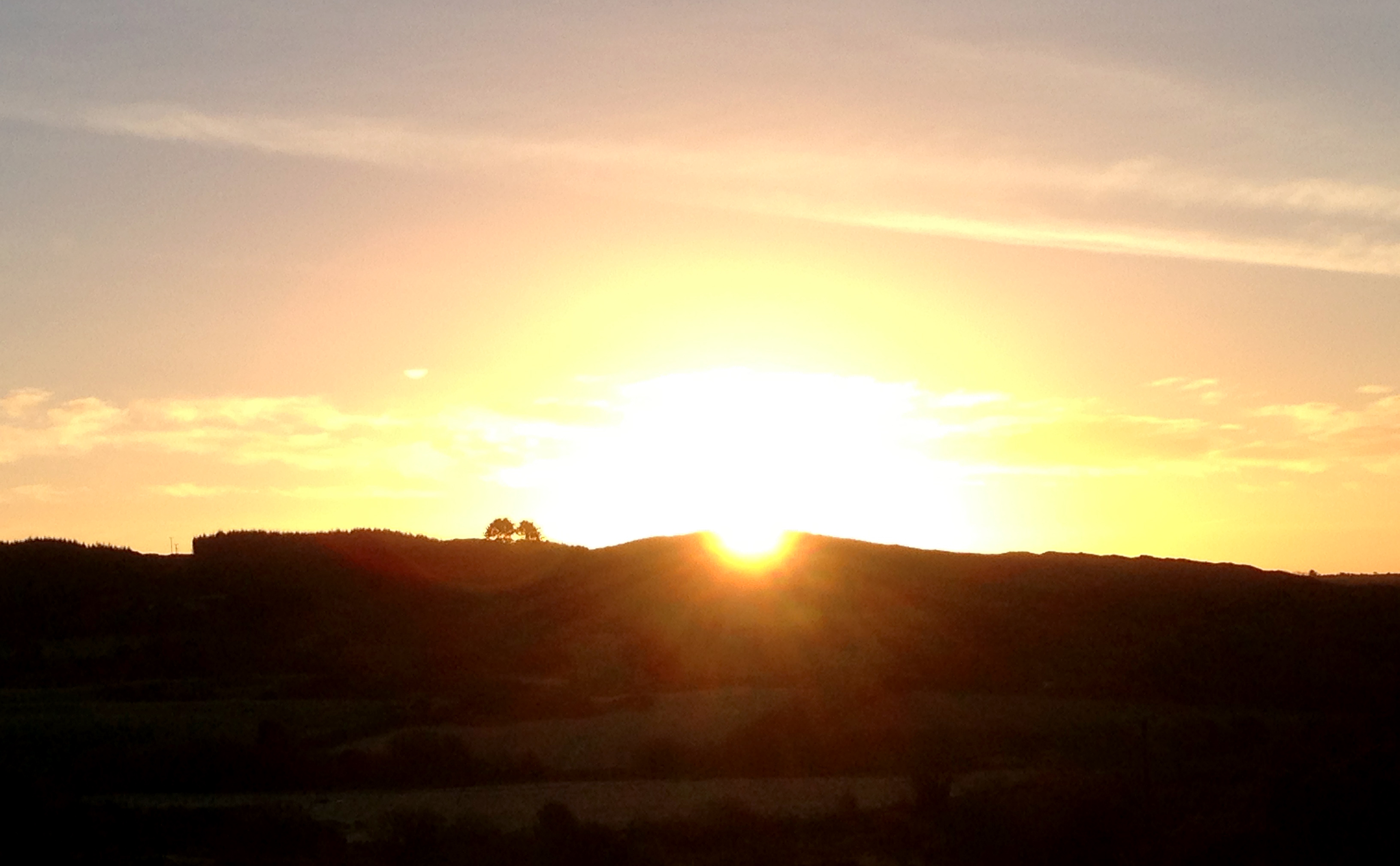
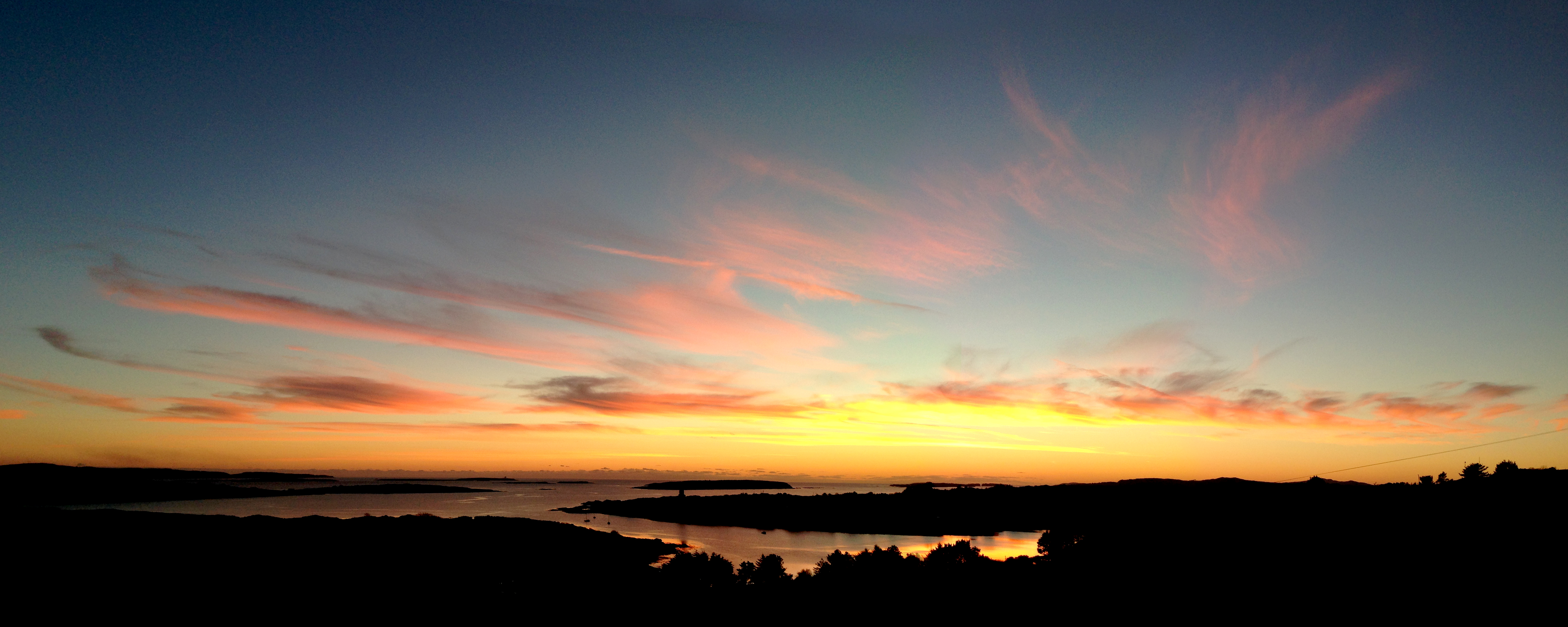
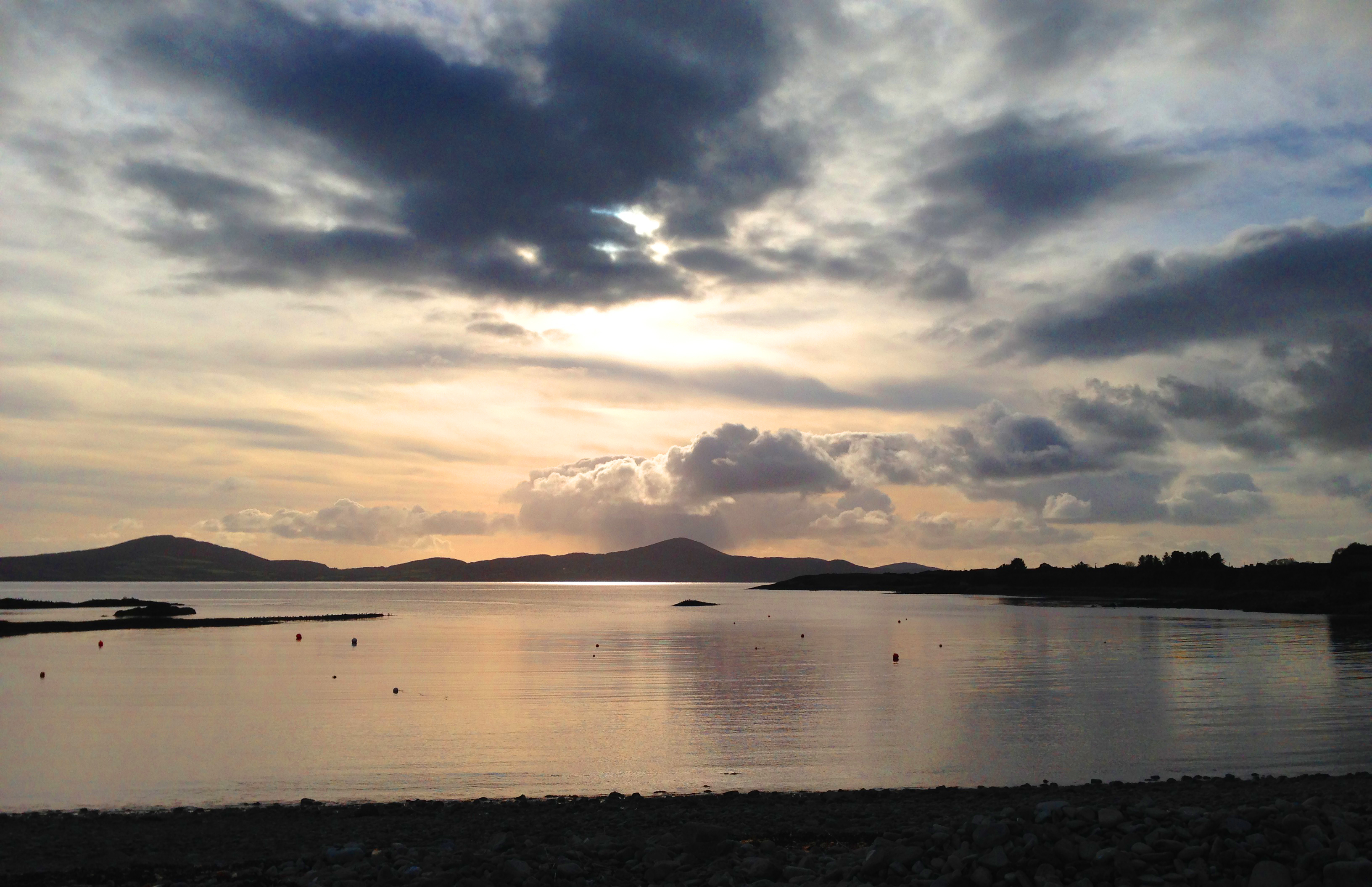
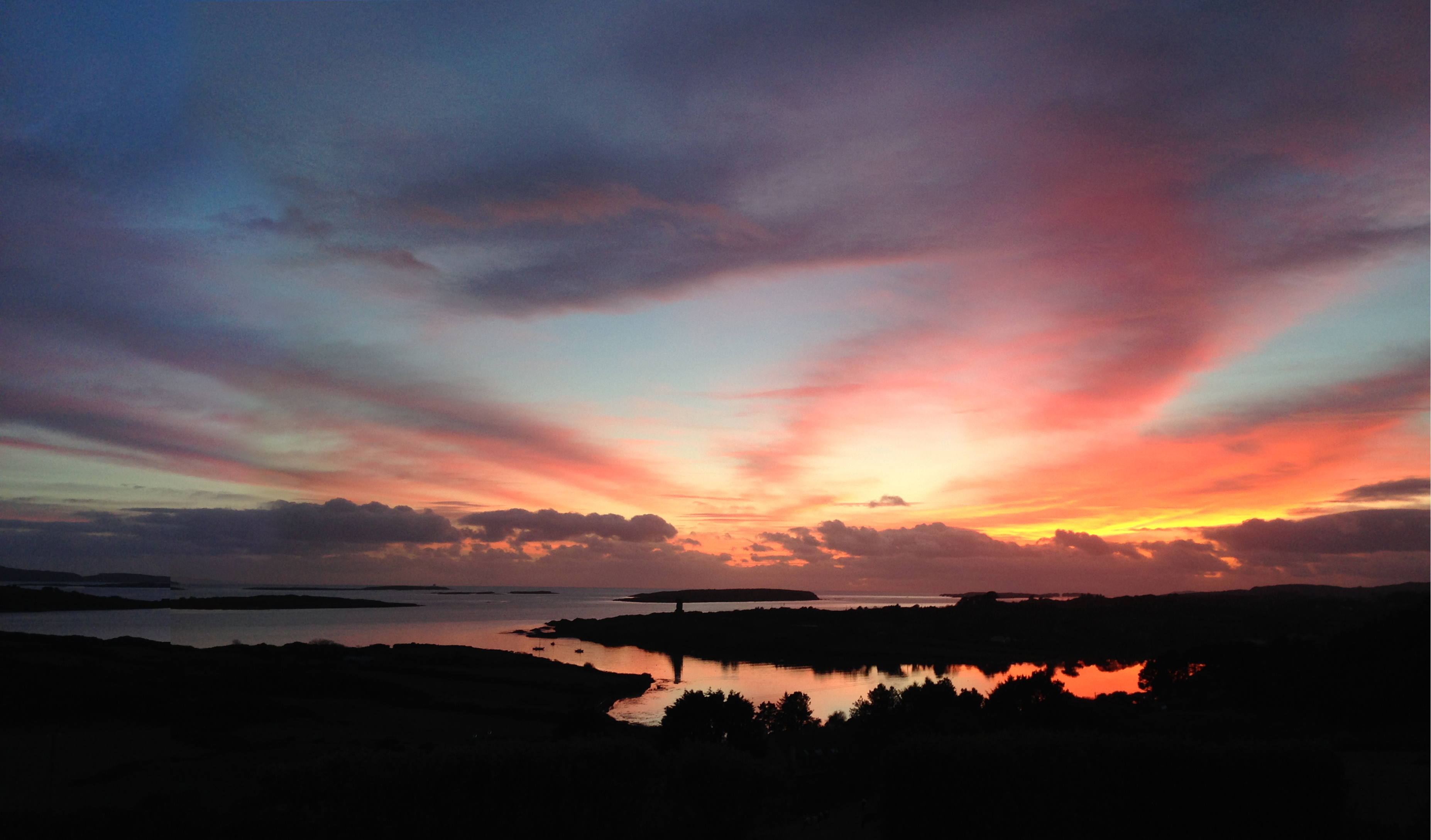
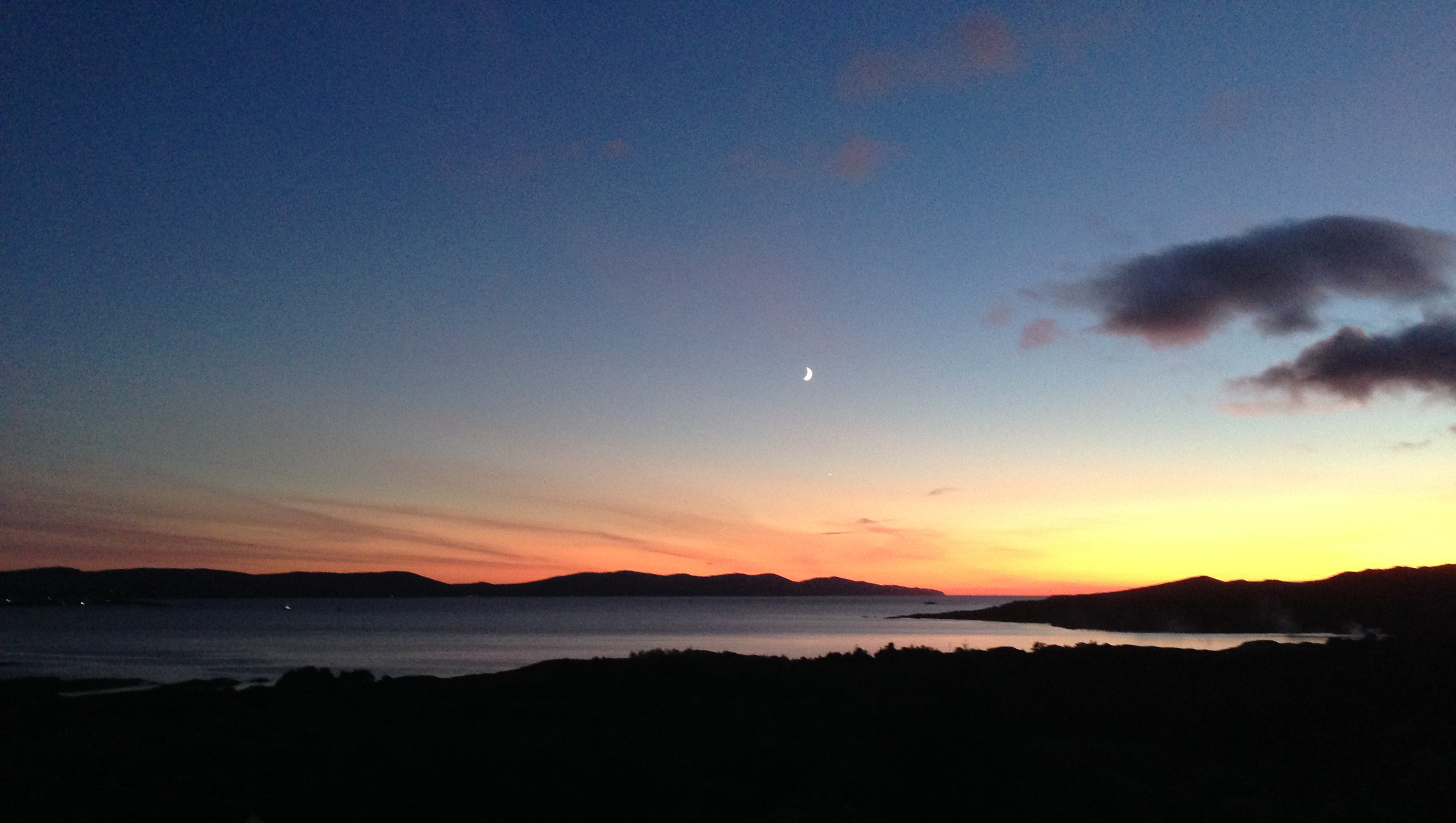
Up on our hill above the Cove we are constantly treated to painterly skies. We could fill a whole blog with these changing skyscapes, and now – in late November – we have an extended period of clear cold weather which offers us spectacular sunsets: each day seems to outdo the previous one. On our walks we can’t resist using our cameras to record the wide West Cork skies, although these pictures are barely adequate to recreate the full celestial symphony. We have tried to come up with words to express to ourselves how magnificent these are: somehow the words seem trivial…. Stunning crops up frequently, as do mesmerising, awe-inspiring, exquisite, sublime, unsurpassed. Perhaps it’s best just to let the images speak for themselves: we feel privileged to be living in this incomparable land.

Bay rainbow

Overture: Bay rainbow

Sheep's Head sky

Arietta: Sheep’s Head horizon

Bow over Bishops Luck

Intermezzo: Bow over Bishops Luck

Ballybane sunrise

Crescendo: Ballybane sunrise

Silver sky

A bocca chiusa: silver Mizen sky

Sky trail

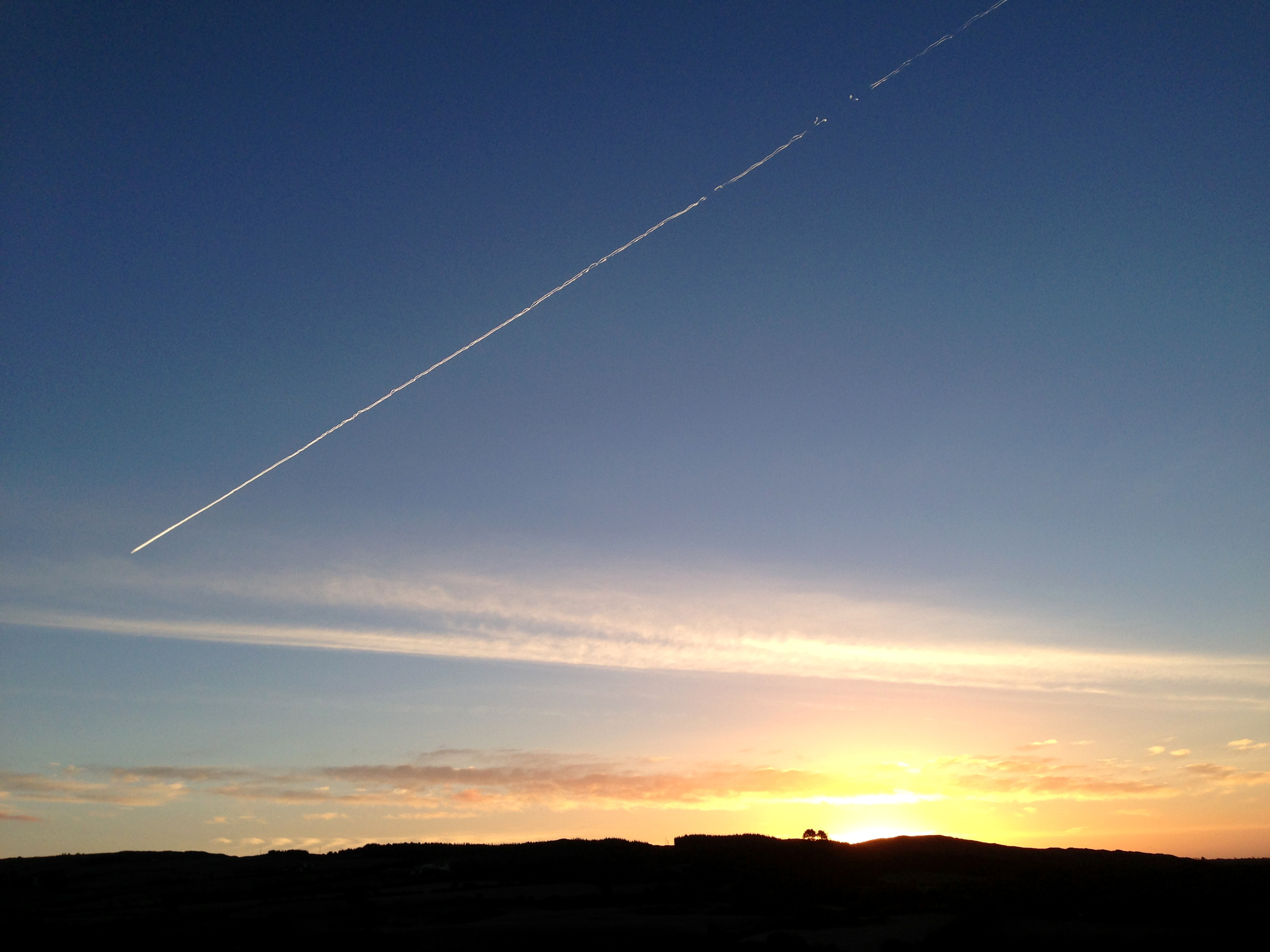
Segue: Meteoric dawn

Rossbrin, dusk

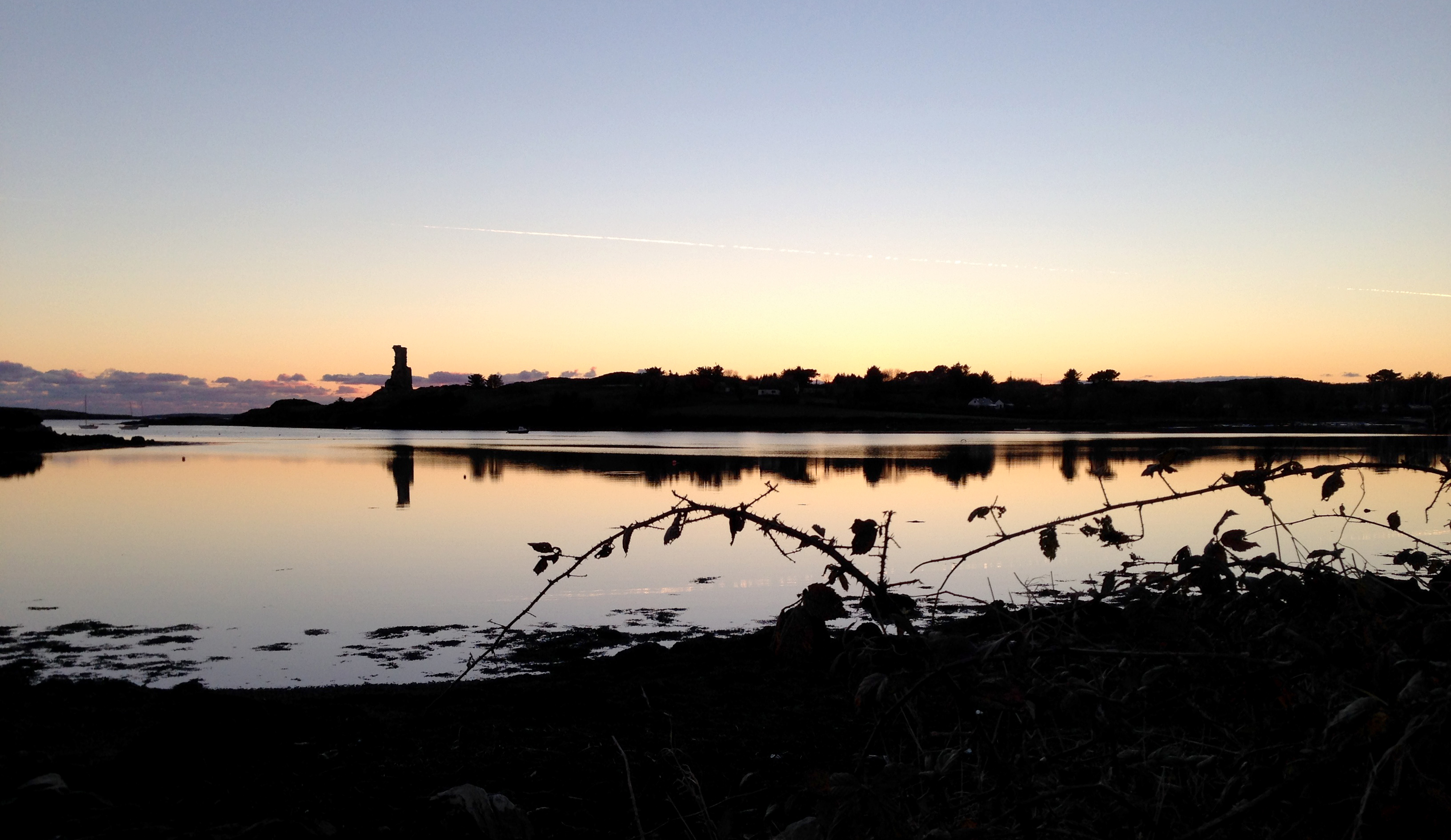
Tranquillo: dusk at Rossbrin

Two suns

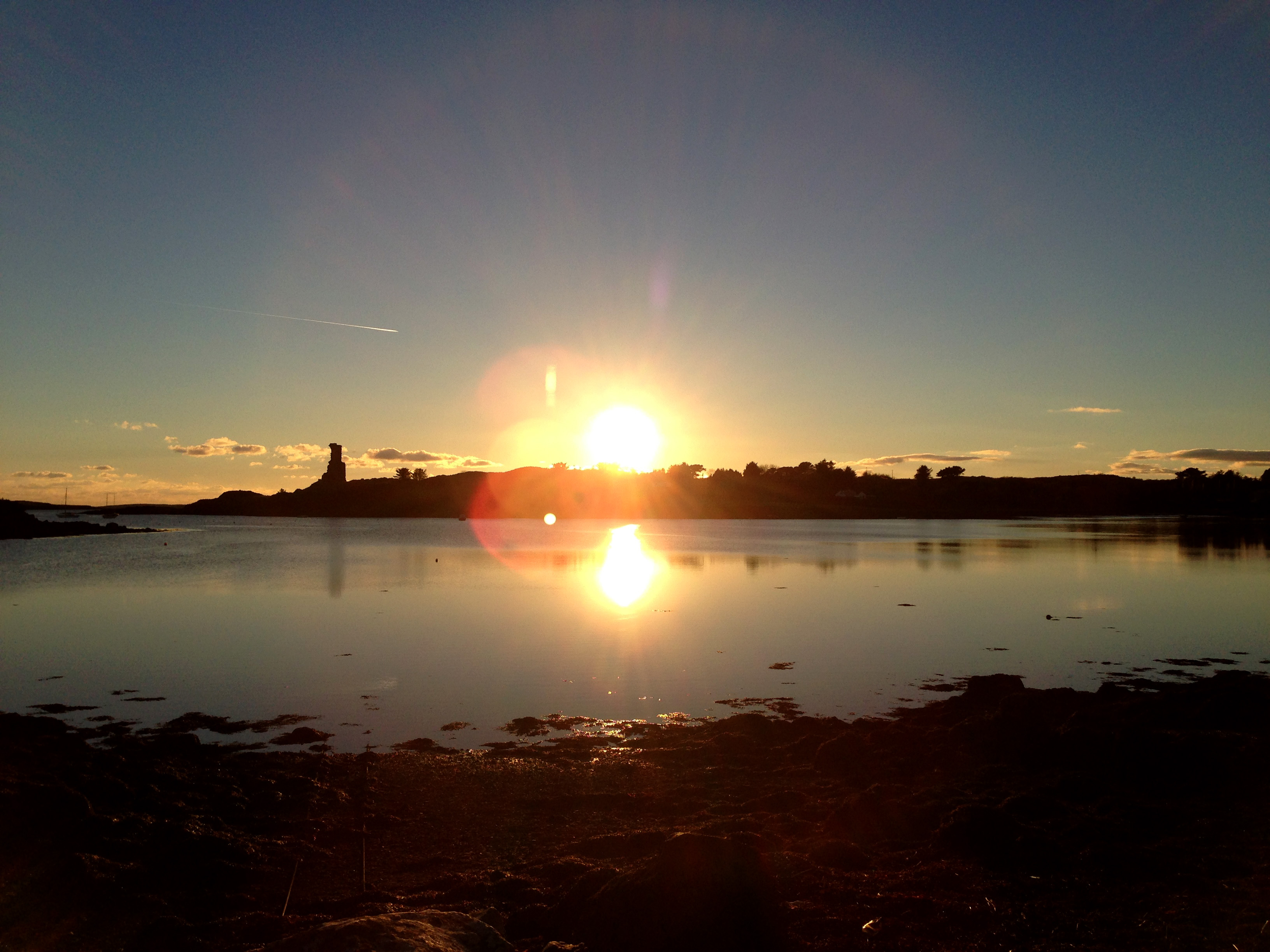
Caballeta: two suns

Wide sky

Con fuoco: Roaring Water resplendent

Peninsula

Cadenza: transcendental times

Finale

Finale and Coda

Bay of Rainbows

rbphoto

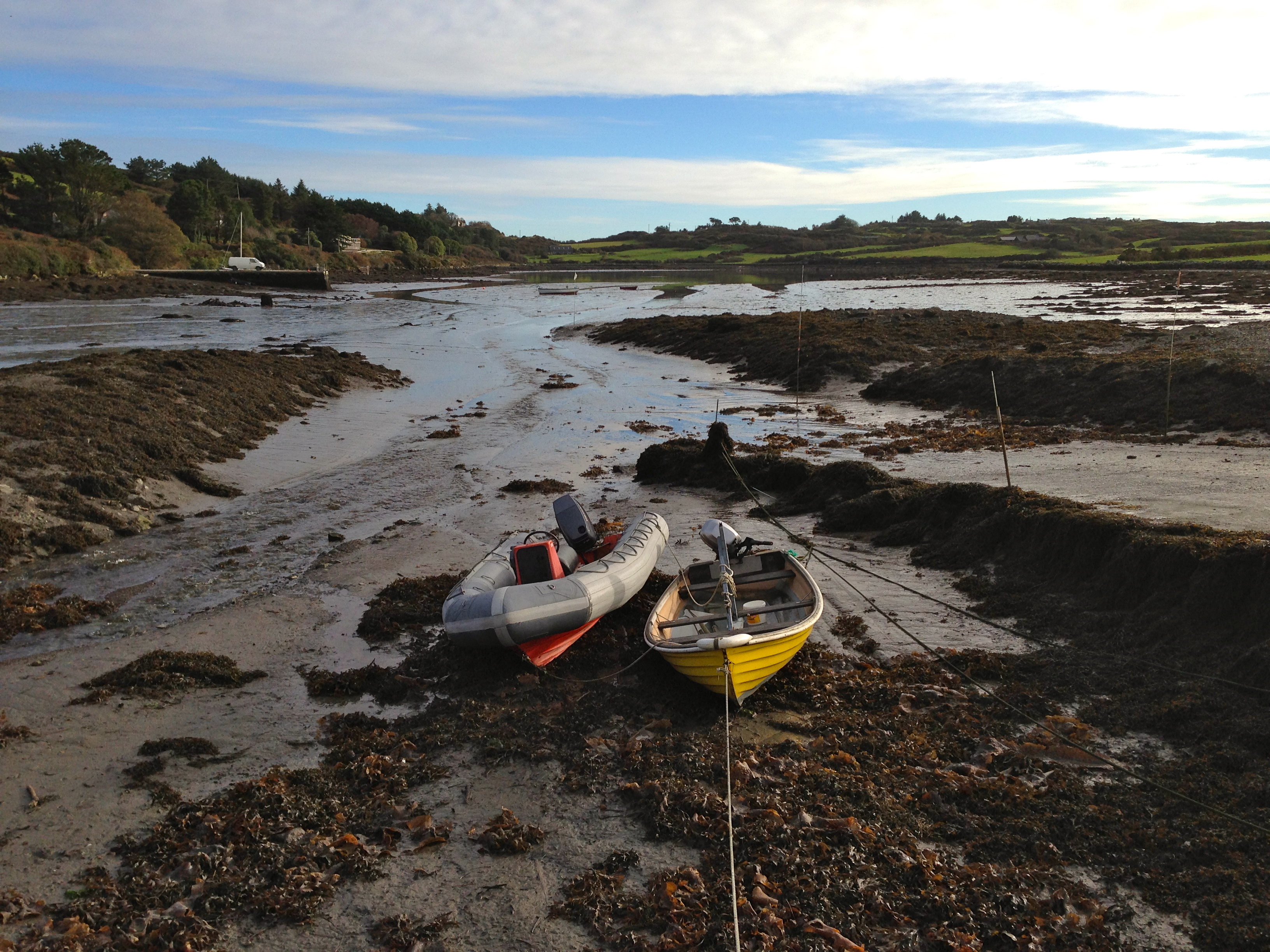
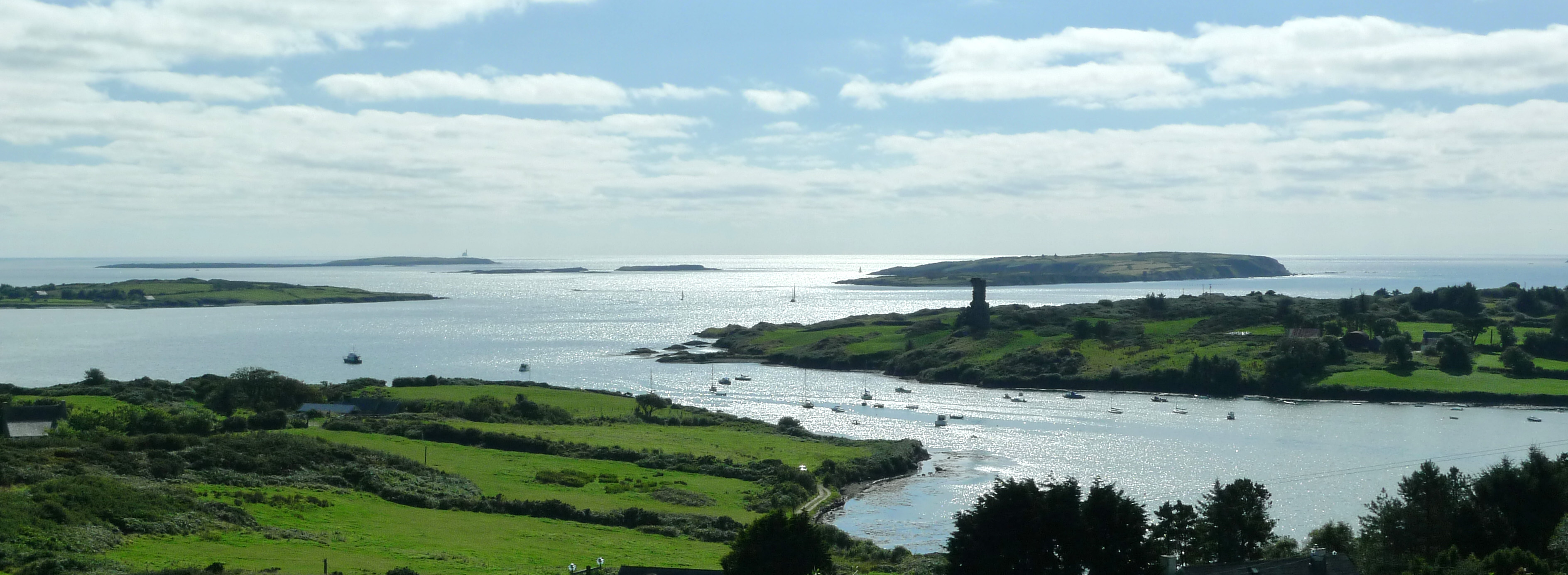
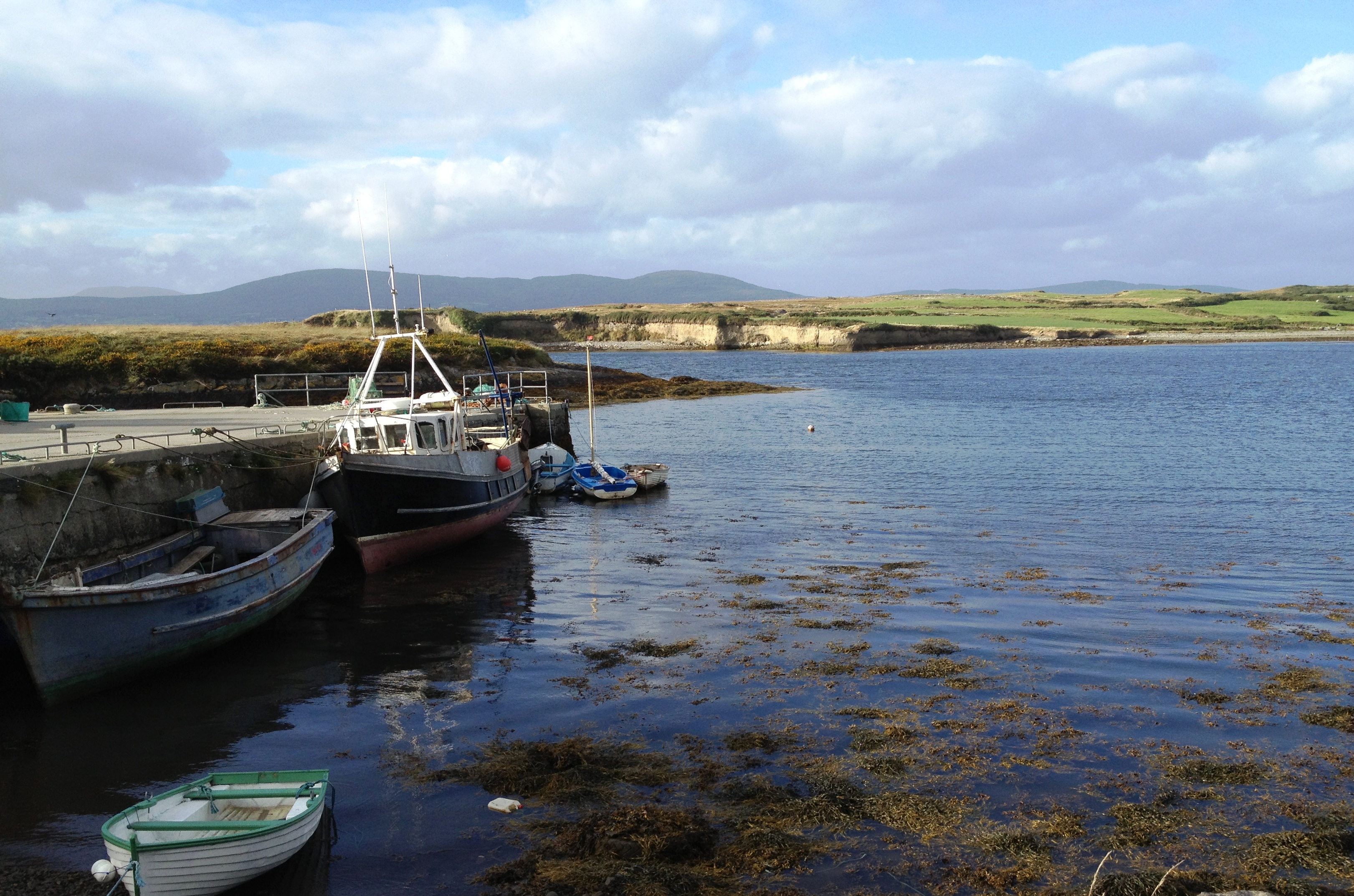
It’s a five minute walk down the hill from Nead an Iolair to the water at Rossbrin Cove (and a ten minute walk back up!). I do that walk as often as possible, and I grow ever fonder of this secluded place. I’m always on the lookout for birds: when the tide is low the natural inlet is a large mudflat – ideal territory for waders (Curlews, Oystercatchers), Gulls, Ducks and – occasionally – Divers. I often see the mussel boat working just outside the Cove: there is a network of mussel beds in Roaringwater Bay. The mussels Mytilus Edulis are grown in polyester ‘socks’ hanging from ropes attached to buoys, long lines of which can be seen on the surface of the water between the Cove and the islands. The mussel boat is a strangely complicated piece of floating machinery, having on board heavy winches and drums for winding in the ropes. Altogether smaller are the lobster and shrimping boats – one-man operations which also set out buoys to identify where their pots are put down. I know when the lobster boat is out: there is a white van down on the pier, usually with an elderly Collie asleep underneath it.

low tide

Low tide

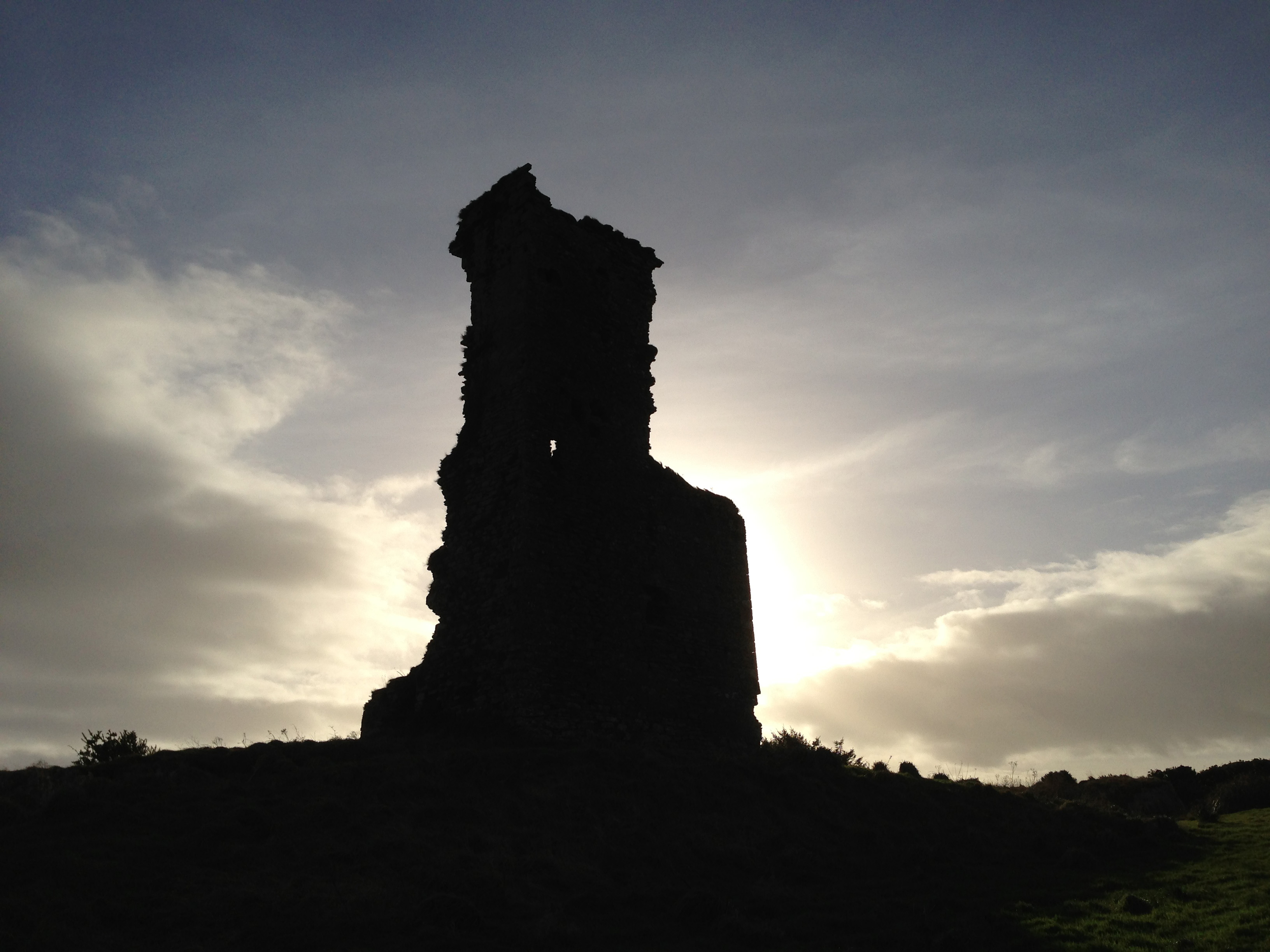
From our perch up here we can see six castles, the most prominent being Finghinn O’Mahony’s which once guarded the entrance to the Cove. It’s in a poor state now – quite a lot of the stonework has fallen in the last ten years. The castle and its acreage were recently sold and there is talk of some strengthening of the ruin being put in hand to prevent its complete loss. It’s a great piece of history, well worth preserving. In medieval times Finghinn – the Scholar Prince – presided, here, over one of the great centres of learning in Europe, and in the British Museum there is a leather bound volume scribed at the castle during his time which has never been translated from the Irish. It’s strange to walk along the shoreline, to experience the peace and remoteness, and to remember that this was once a hotbed of knowledge and also a hub for large French and Spanish fishing fleets in the fifteenth and sixteenth centuries, all paying their dues to the O’Mahony septs (Irish clans) for rights and protection. These rights were worth thousands: West Cork was a wealthy place then – far away from the tax collector!

Rossbrin Castle - at the centre of the Medieval world

Rossbrin Castle – at the centre of the Medieval world

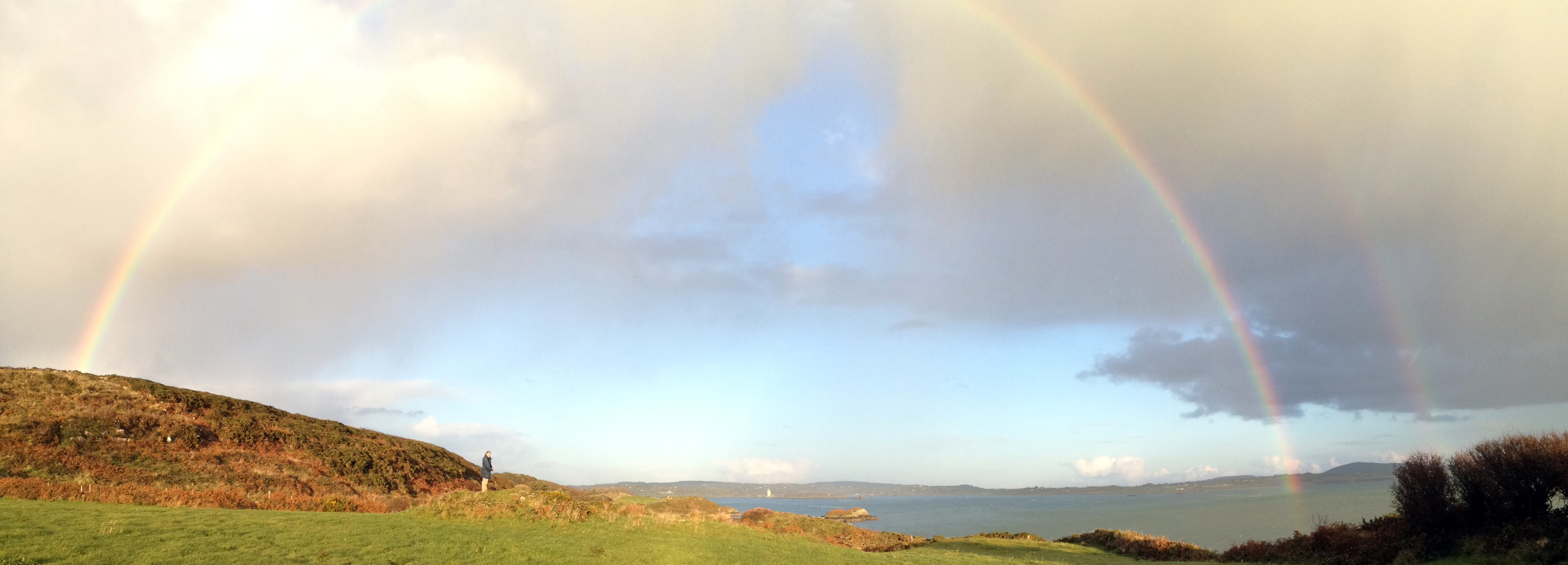
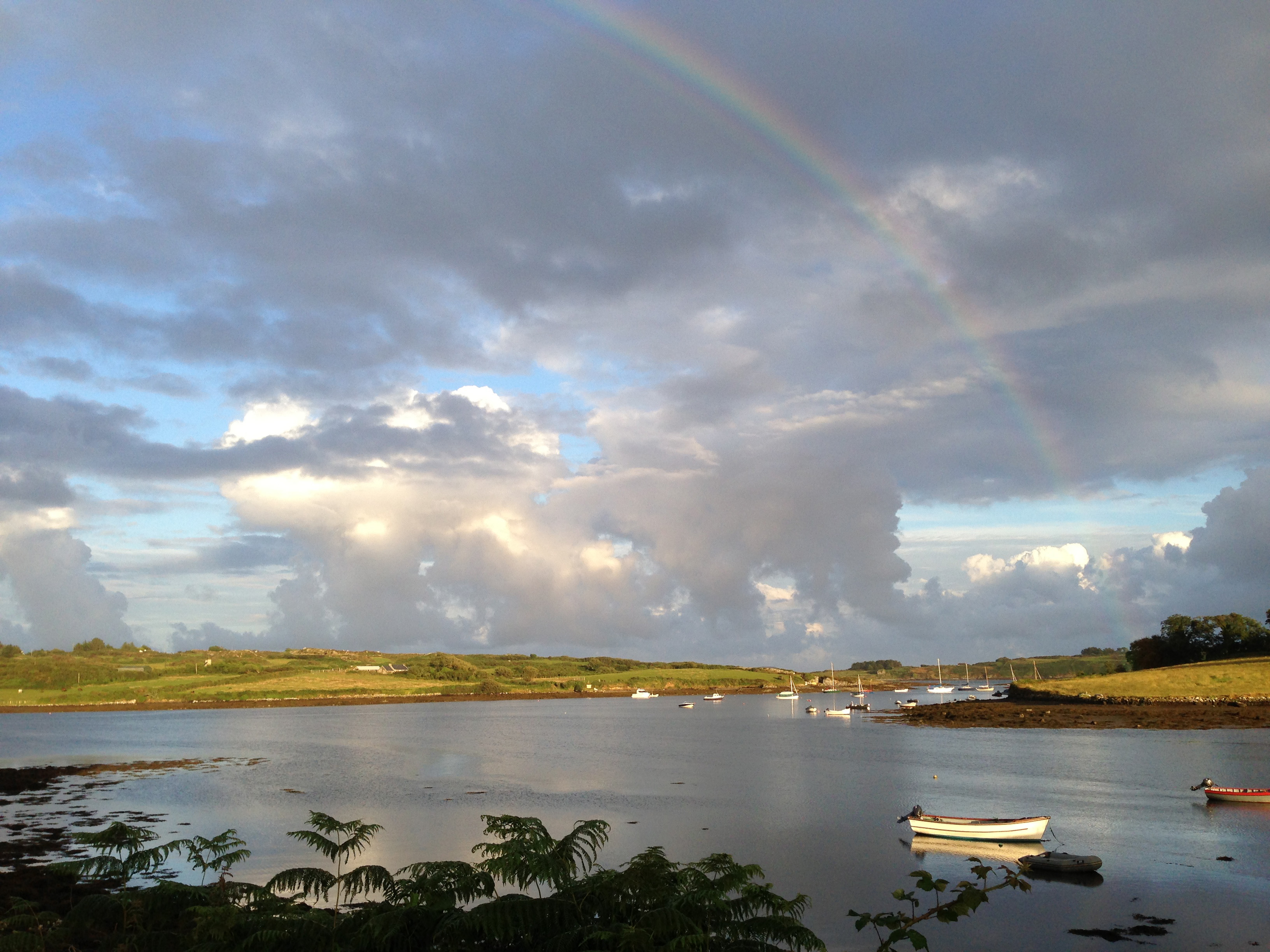
Today we walked out to the edge of the Cove, searching for an ancient cillín (look out Finola’s post for a definition). We are not sure whether we found that, but we did see some very strange field boundaries and a possible unrecorded cup-marked stone. We started out in sunshine but – as often happens here – we were caught out by a sudden storm squall blowing across from the Atlantic: we were soaked. But the reward was a superb rainbow spanning from south to north horizons. Central to it was a shaft of sunlight lighting up Jeremy Irons’ castle at Kilcoe.

Holy well

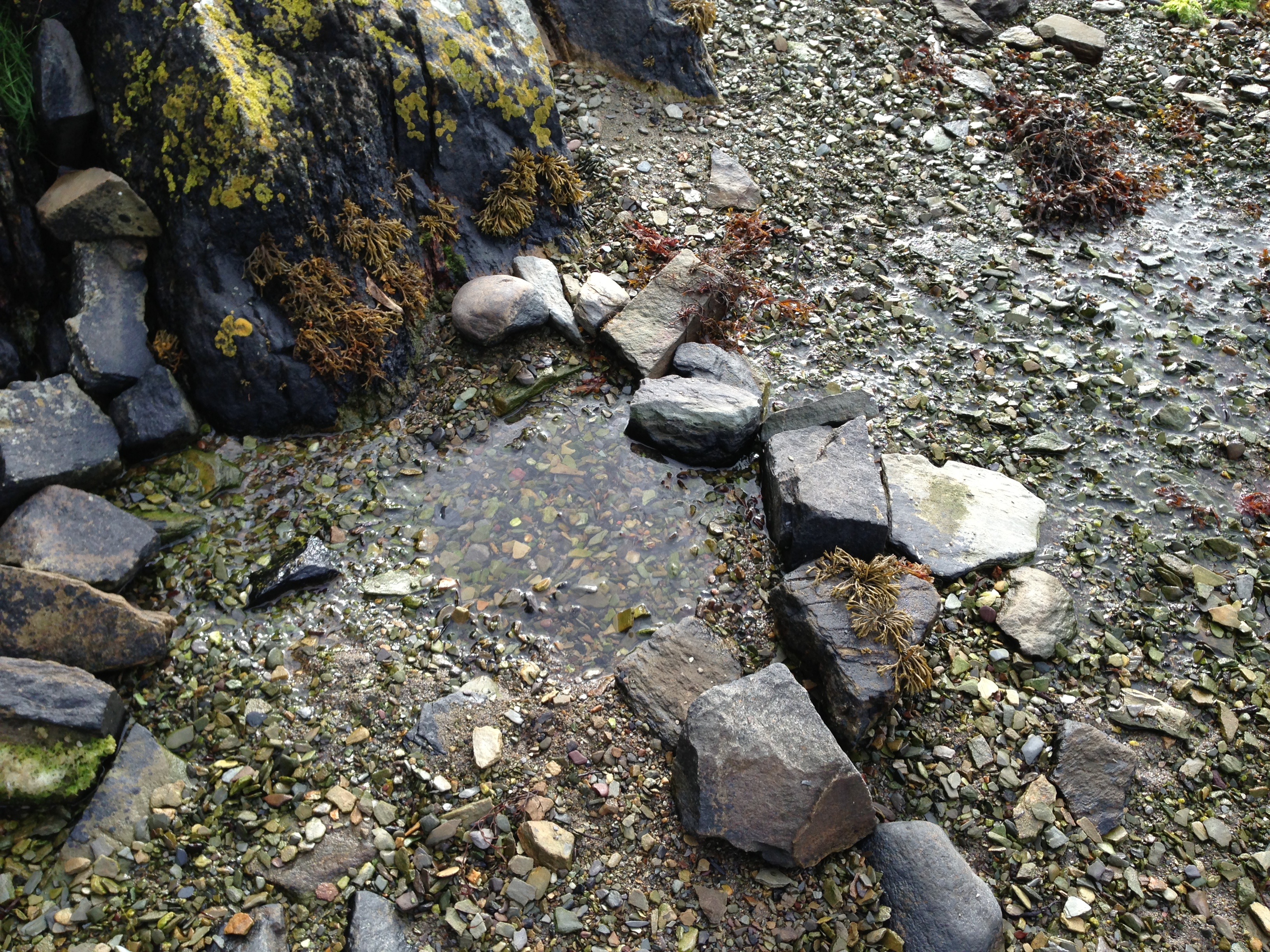
Holy well (well, possibly the site of one…)

The Cove abounds in history: there is a holy well marked on the old maps, right on the north shore. All that can be seen there now is a spring – presumably of fresh water – which is immersed at high tide. It’s fascinating to think what meaning this once had for those who dwelled here – and long before the time of the Scholar Prince. There is at least one Fairy Fort close to the water, while high above and overlooking the Cove is the enigmatic Bishops Luck standing stone. In more modern times there was extensive copper mining – our Calor gas tank at Nead an Iolair is supposed to be situated over an infilled shaft!

cove

Mines; standing stones; Fairy Forts; medieval castles and manuscripts; holy wells; mussel farming; lobsters, shrimps et al… We are surrounded by evidence of human endeavour going back thousands of years. Through it all the natural world continues regardless: the sun rises, the moon wanes, storms blow in, seasons turn; the tides bring daily changes to the shoreline – and the rainbows are our evanescent doorstep miracles…

cove1

moon2

Mizen Magic

We’ve done several posts on the Sheep’s Head and the marked hiking trails that crisscross that peninsula. But we actually live on a different peninsula, The Mizen, and it is just as glorious and wild and beautiful.

Map of Mizen and Goleen

The road to the Mizen Head starts at Ballydehob, runs along the southern side of the peninsula through Schull and Toormore and on to Goleen and Crookhaven. At the far or western end are the beaches of Barley Cove and the Mizen Head Lighthouse and Visitor Centre. There are no villages on the northern side of the peninsula until you reach Durrus, which also marks the start of the Sheep’s Head Peninsula. It is bounded on the south by the waters and islands of Roaringwater Bay and on the north by Dunmanus Bay. The whole peninsula is rich in history and archaeology and we plan future posts about many aspects of life here.

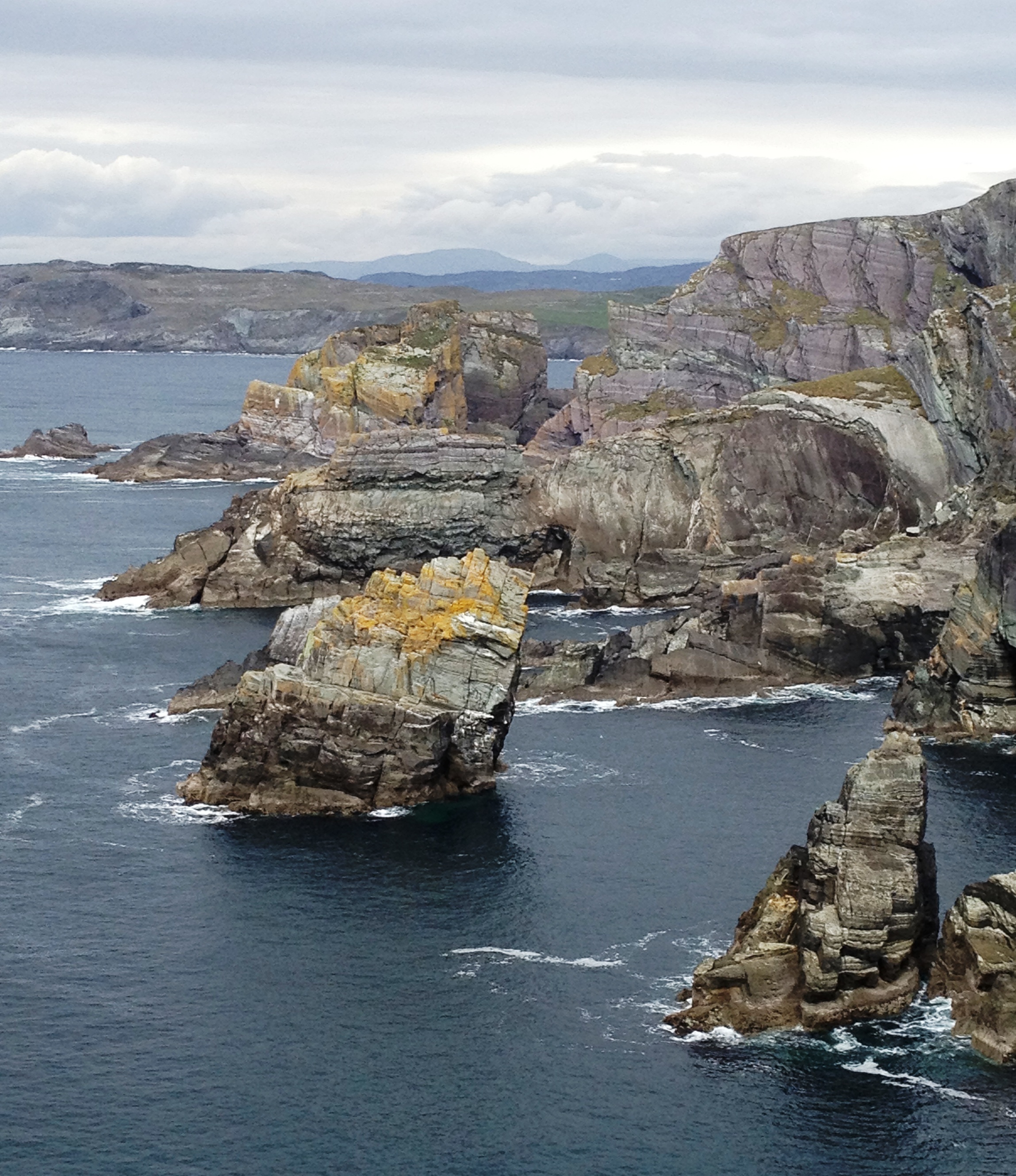
For the moment, a flavour in photographs of what The Mizen landscape has in store for visitors.

Dunbeacon Stone Circle

Dunbeacon Stone Circle

Ballyrisode Beach

Ballyrisode Beach

Dunmanus Bay

Dunmanus Bay

Mizen Head

Mizen Head

Dunmanus Harbour

Dunmanus Harbour

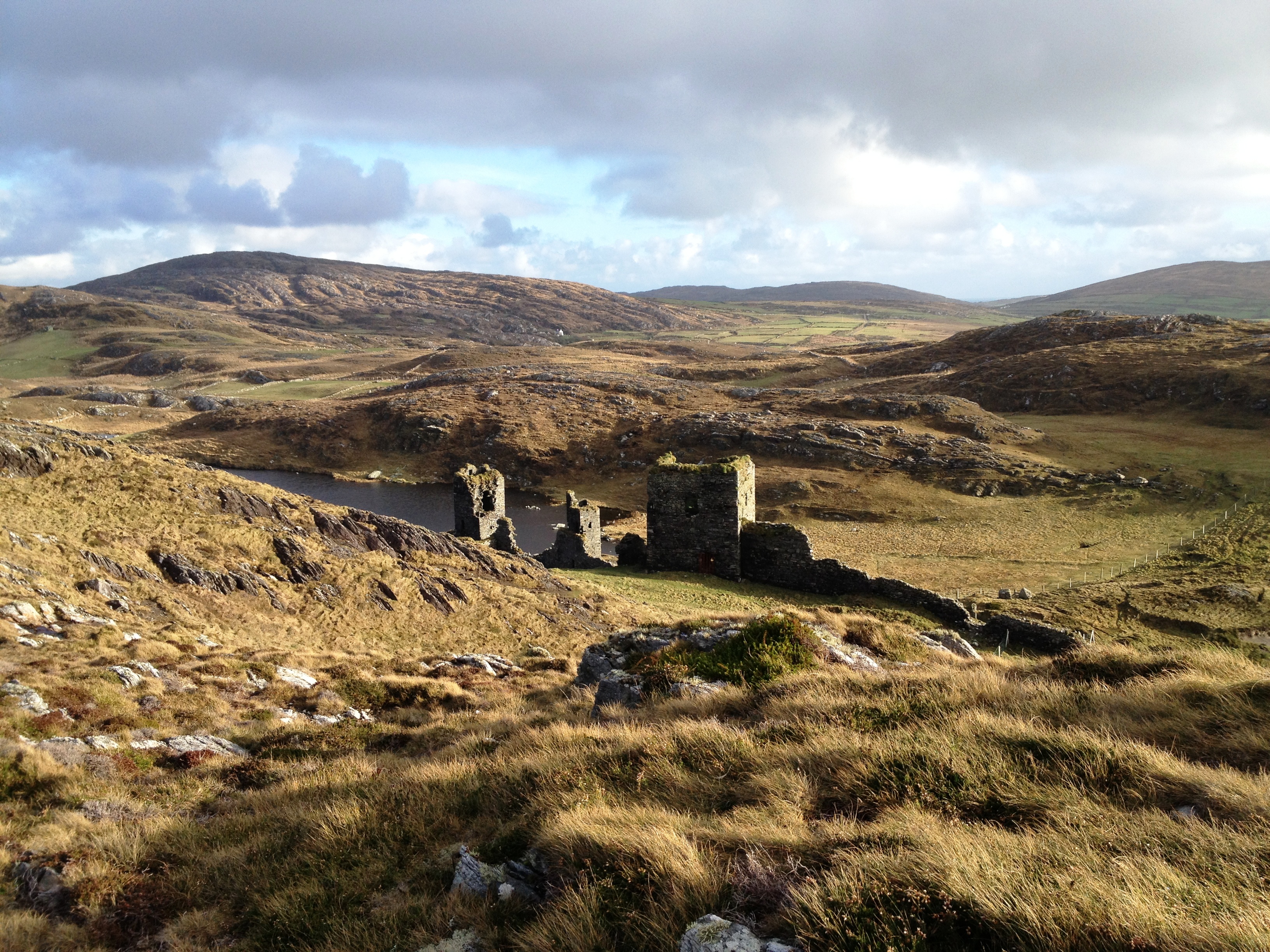
Three Castle Head

Three Castle Head