Irish Farming – 6,000 Years Ago

The Céide Fields Visitor Centre

The Céide Fields Visitor Centre


How did we farm in Ireland in Neolithic times? Turns out, much as we do now!

We’re just back from an inspiring trip to Mayo, the highlight of which was a visit to the largest Neolithic site in the world – the Céide Fields (pronounced Kay-jeh, for our non-Irish readers).
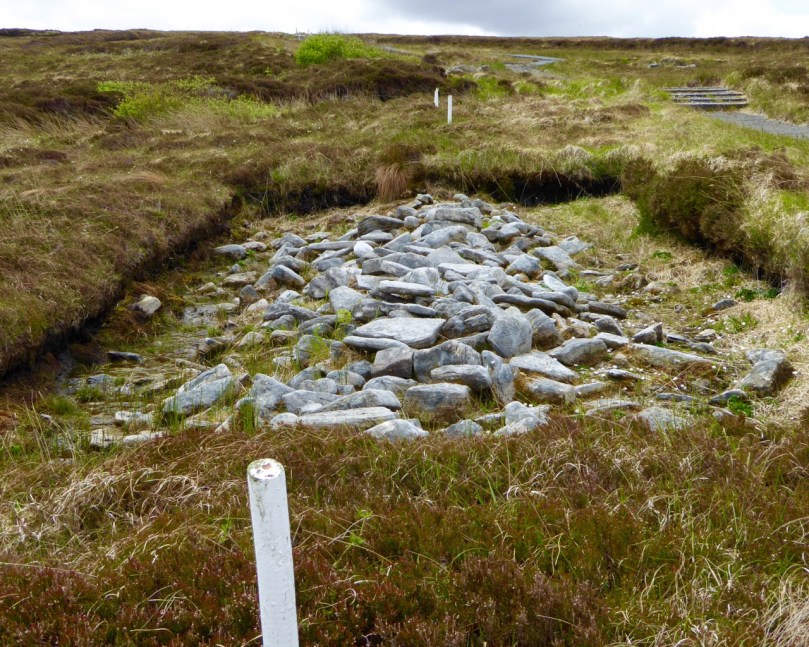
Collapsed field walls under the bog. The white stakes mark the line of the uncovered wall

Collapsed field walls under the bog. The white stakes mark the line of the uncovered wall

When we think of the Neolithic (or New Stone Age, or Early Farming) period in Ireland, we automatically think of the megalithic tombs – spectacular sites like Newgrange and Loughcrew, or the smaller portal tombs, like Poulnabrone or Arderrawinny. But how did these people make their living? What were their daily lives like? We found the answers, going back almost 6,000 years, at the Céide Fields.

The extent of the fields around the Visitor Centre

The extent of the fields around the Visitor Centre

The Céide Fields is an extensive system of enclosures, stretching for kilometres from the sea over the hills, used for livestock farming. Occasionally, besides grazing fields, there is evidence for corrals, grain-growing, and farmhouses. In fact, much like we see around us in West Cork nowadays, people lived in their own farmhouses, surrounded by their fields, within sight of their neighbours.

This enclosure surrounded a farmhouse

This enclosure surrounded a farmhouse

Society was cooperative – it had to be, in order for such an enormous network of fields to be constructed. And life was peaceful: there is no evidence of defensive structures. The weather was warmer than now – warm enough so cattle could graze outside all winter – and there was enough land and food for everyone.

They quarried rocks for fences and for structure like court tombs

They quarried rocks for fences and for structure like court tombs

They had a spiritual life, building their own version of megaliths – the Court Tombs. We were fortunate to meet the manager of the Céide Fields site, Gretta Byrne, who gave us directions to Rathlackan Court Tomb – a site she had excavated. Court tombs are a type of chambered tomb, generally oriented towards the east and featuring a forecourt at the front of a long mound that covered the chambers. Rathlackan is a fine example, with three chambers and a nicely preserved forecourt. It took a highly organised society to build a complex structure such as this.

In the 1930s a local schoolteacher, Patrick Caulfield, first discovered what were clearly pre-bog collapsed walls when cutting peat in the deep blanket bog that covers this part of Mayo. Decades later his son, Seamus, now an archaeologist, headed the investigations that led to the realisation of how extensive the field system was. Mostly this was done by probing – sending a thin metal bar down through the soft peat until it hit a rock. This technique was so successful that miles of walls could be charted without the need to excavate. Excavation focussed on uncovering small sections of wall and features like enclosures and house-sites.
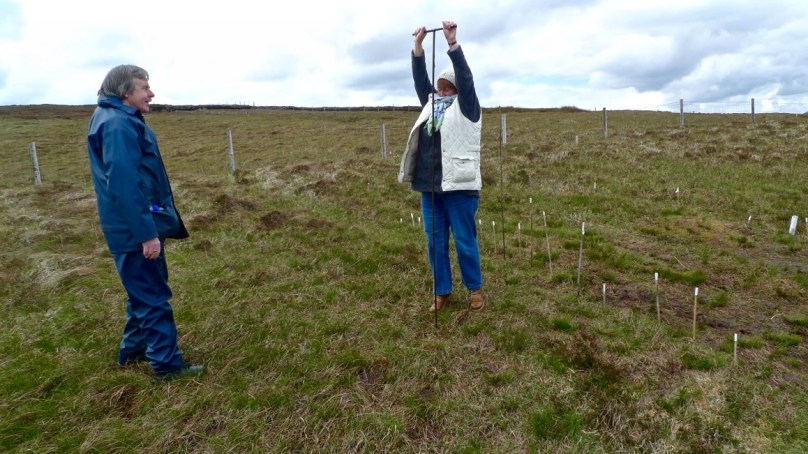
I take a hand at probing

I take a hand at probing

About 5,200 years ago, a combination of climate change and forest clearance led to the development of the blanket bog that covers the land today and ultimately forced these Neolithic people, after 500 years of successful farming, to abandon their fields. The ecology of bogland and the conditions that create it are the subject of some of the museum exhibits and also of the excellent guided tour that covered two hectares behind the Visitor Centre.

A section of wall disappears under the bog

A section of wall disappears under the bog

If you find yourself in this part of Ireland, do plan a visit to the Céide Fields. Take some bug spray – although they weren’t in evidence when we were there, the Céide midges have a reputation for ferocity. Enjoy the display in the award-winning Visitor Centre first and fortify yourself with a coffee and cake.

This pine came from the bog

This pine came from the bog

Once outside, as you walk along beside the ancient stone walls, look across the valley towards Downpatrick, and marvel at the continuity of a way of life – small cattle farms among stone-walled fields – that began almost 6,000 years ago.

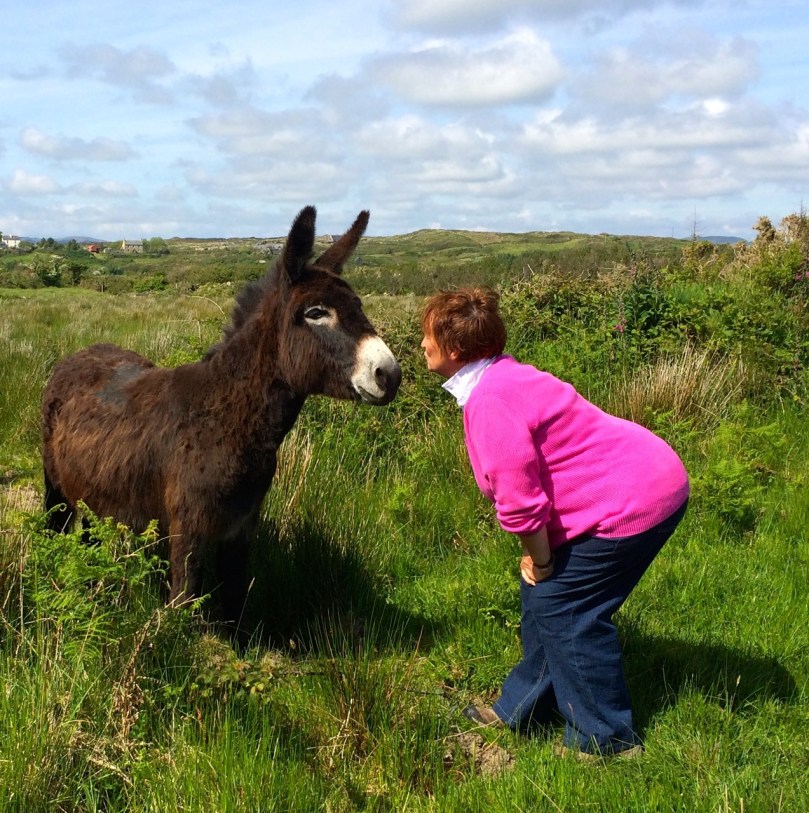
This scene, in Galway, could have happened 6,000 years ago in North Mayo

This scene, in Galway, could have happened 6,000 years ago in North Mayo

We’ll let Seamus Heaney have the last word. His poem, Belderg, was inspired by the Céide Fields:

When he stripped off blanket bog

The soft-piled centuries

Fell open like a glib;

There were the first plough-marks,

The stone-age fields, the tomb

Corbelled, turfed and chambered,

Floored with dry turf-coomb.

A landscape fossilized,

Its stone wall patternings

Repeated before our eyes

In the stone walls of Mayo.

Looking towards Downpatrick Head from the Visitor Centre
Looking towards Downpatrick Head from the Visitor Centre

Ewe-nique Experience

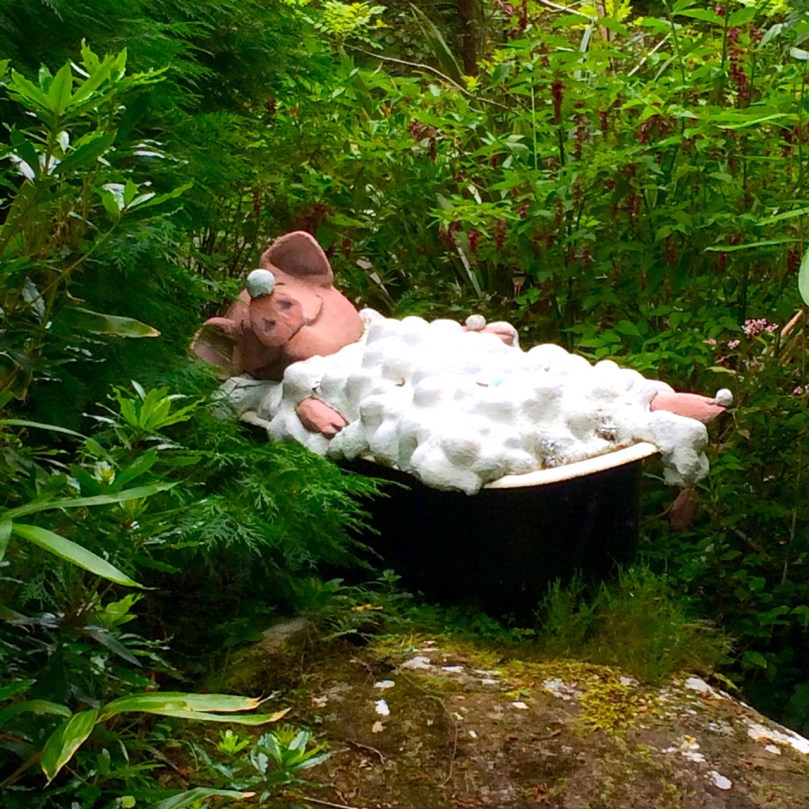
Pig in tub

Between Glengariff and Kenmare, amid old-growth forest and tumbling streams, lies an enchanted garden. Hewn from rock, trees, and sheer imagination  – this is The Ewe Experience.

Sheena Wood: artist and ecologist

Sheena Wood: artist and ecologist

Kurt Lyndorf, a former war correspondent, and Sheena Wood, an artist, started the project in Goleen and moved it to this challenging spot several years ago. Their aim was twofold – to beguile and to educate and they have accomplished both in the most delightful way.

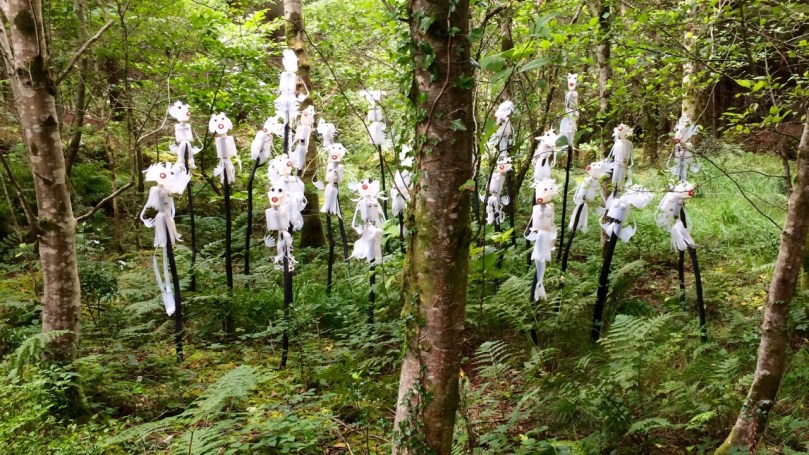
First and foremost this is a sculpture garden in which Sheena’s quirky sculptures of animals and spirits are discovered around every turn. Sometimes they are obvious, and sometimes only sharp eyes will pick out a hint of something hidden in the undergrowth. Made from discarded clothing, old tyres, fallen branches, even plastic bags, the figures are more than they seem at first glance – they carry the message of conservation and sustainability that is one of the themes of this garden.

Ghosts among the trees

Ghosts among the trees

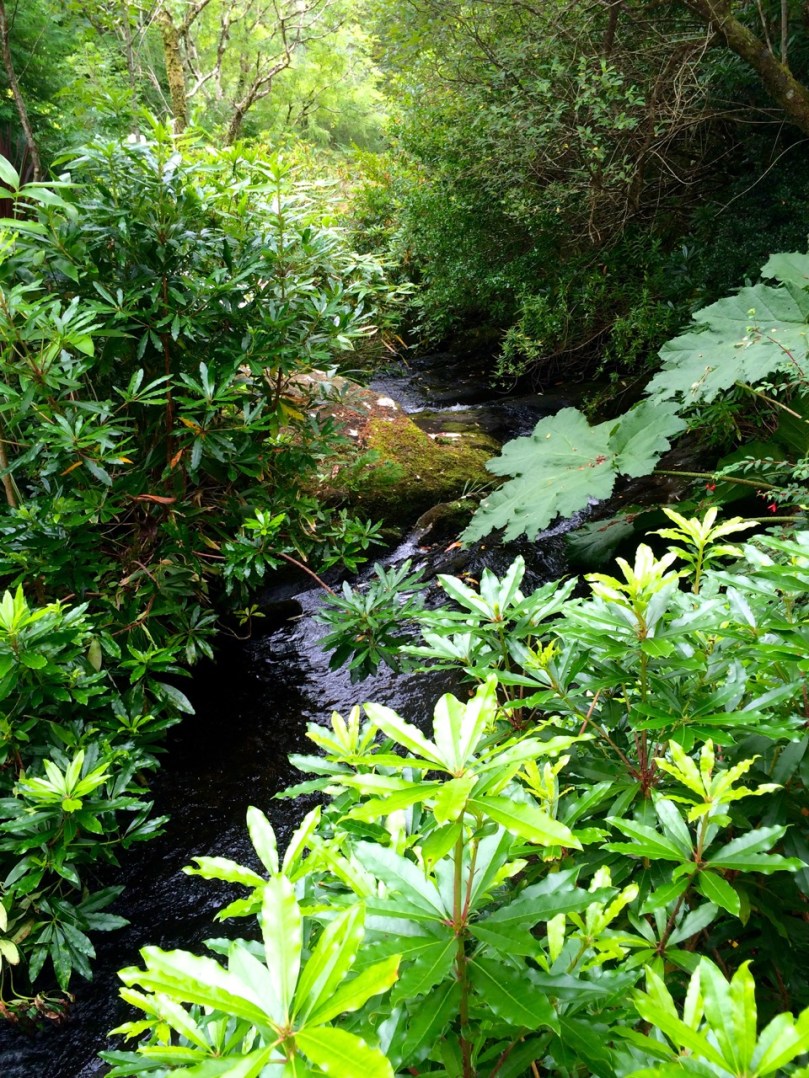
The pathways lead up and down and meander beside a sparkling stream.

Stream

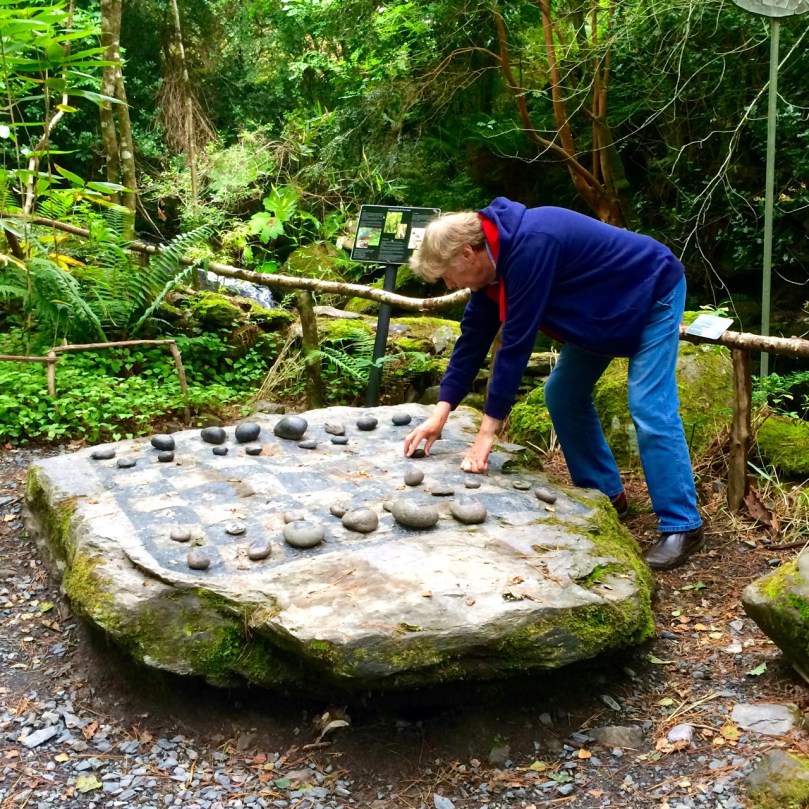
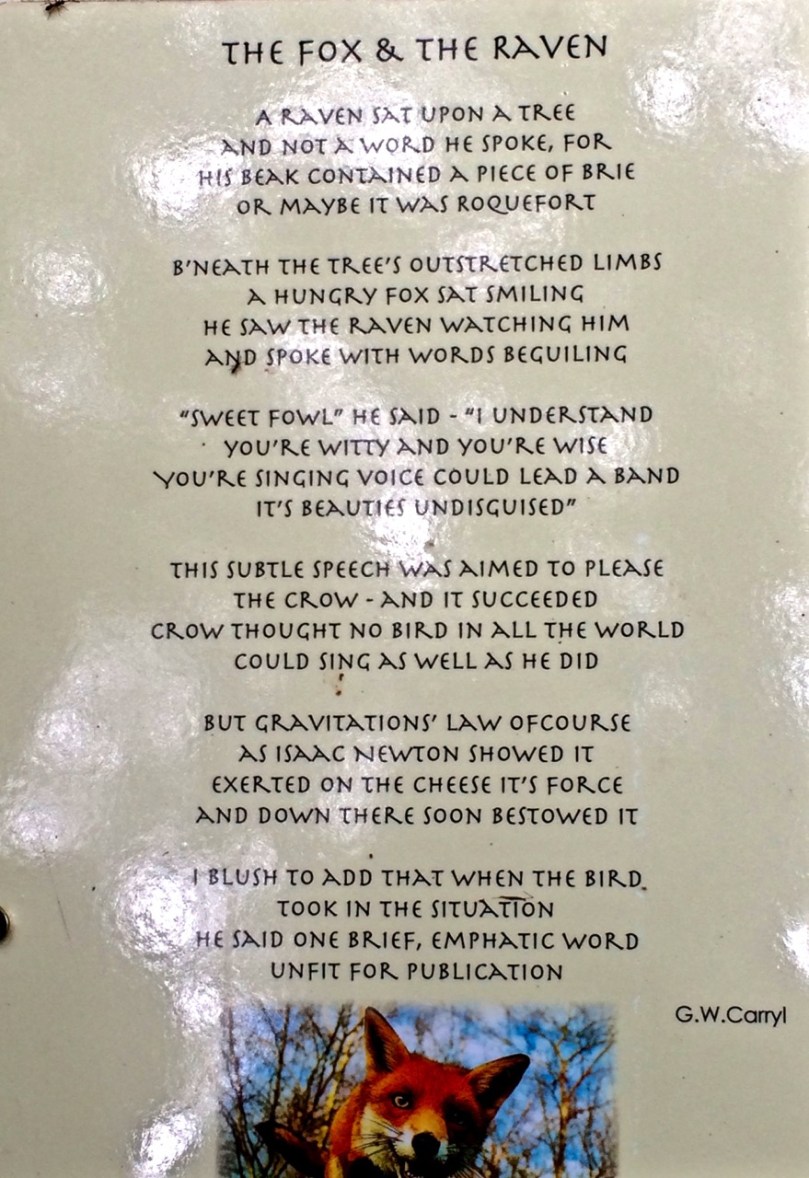
Along the way there are places to stop and play games (we spent a long time trying to beat each other at Stixs) or read snippets of verse. Information panels encourage us to think about how we interact with the natural world and how we understand it.

Your move!

Your move!

Fox and RavenChildren will love this place as much as adults. The photos you see here are but a tiny fraction of the ones I took on the day we visited last year, just at the end of their season. It’s open again now, and I know Sheena and Kurt spend the winter planning new installations, so you may or may not see exactly what we saw.

Prepare to be captivated!

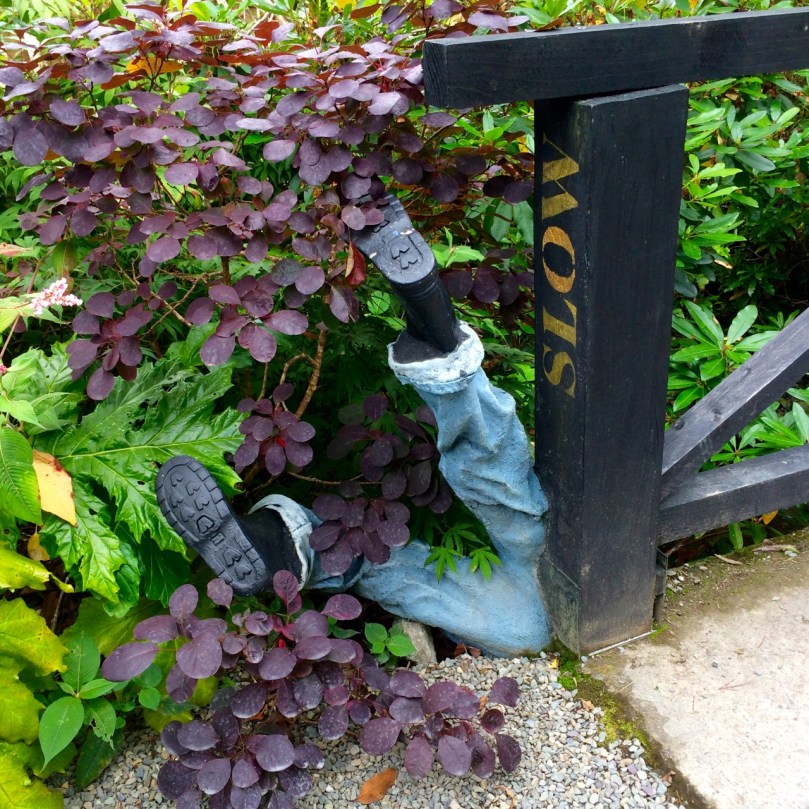
Careful on the way out!

Careful on the way out!

You’re Grand

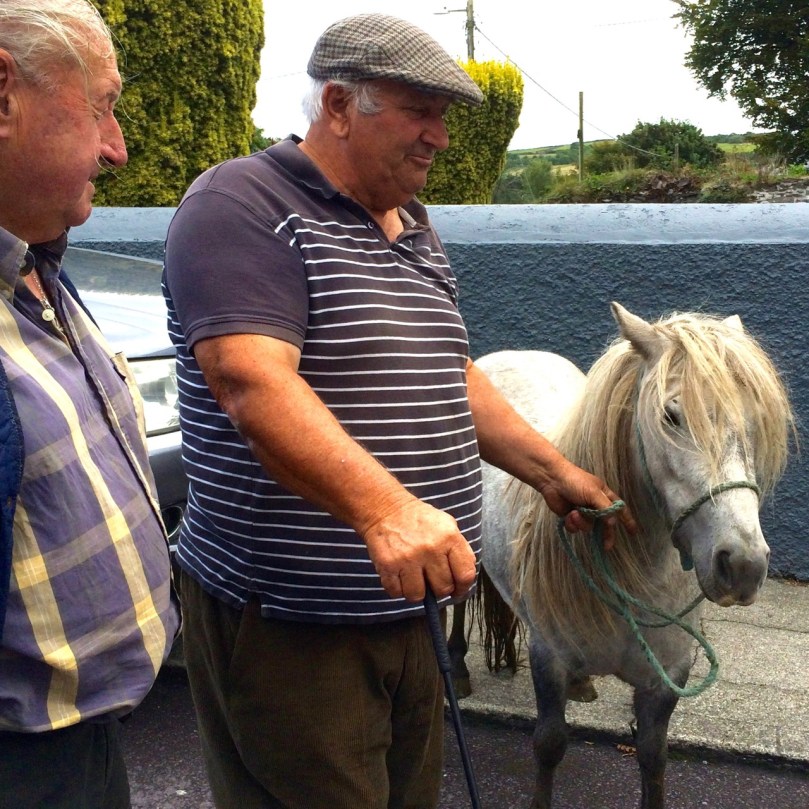
Tis a grand horse

‘Tis a grand horse

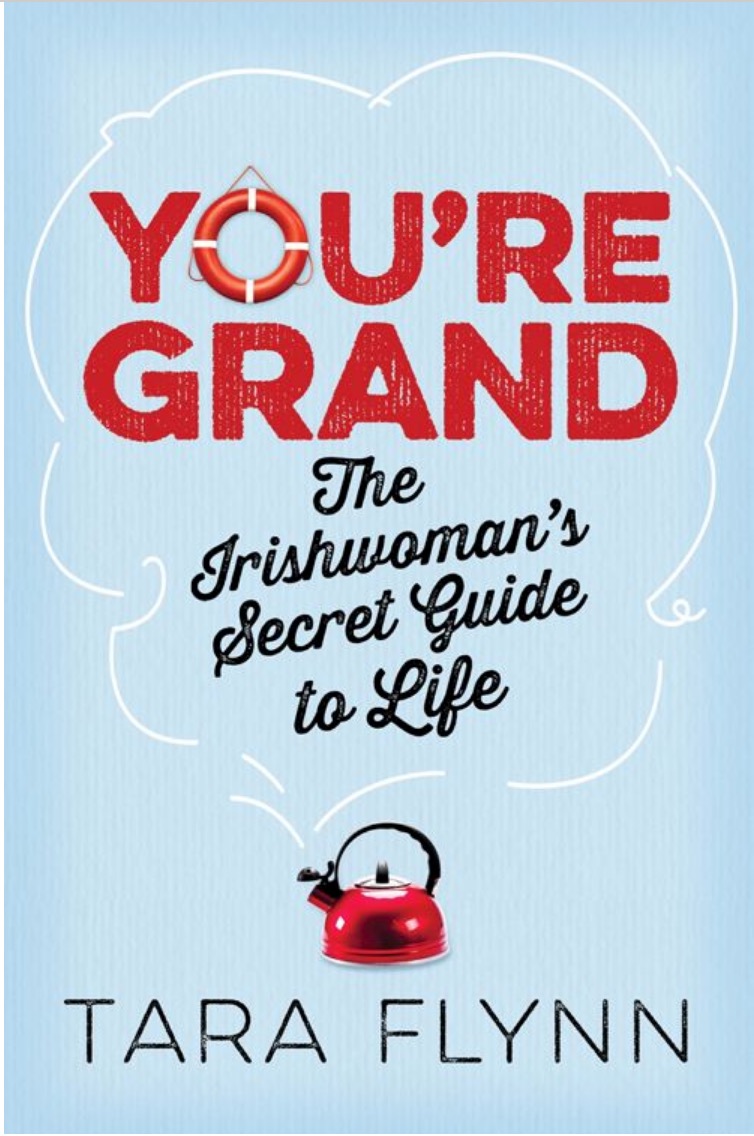
My very first lesson in how to speak like you’re from West Cork featured the many ways in which we use the word grand. (Skip to the end to see links to previous posts on West Cork Speak.) It seems, though, that I really didn’t do it justice, as it turns out that You’re Grand is, in fact, a phrase that sums up an entire philosophy and way of life. To understand this better, I highly recommend the comedian Tara Flynn’s book You’re Grand: The Irishwoman’s Secret Guide to Life.

You're Grand

Tara tells us:

no matter how bad things get, sooner or later everything will be Grand. Even when it won’t. In fact, especially then. Simply asserting that “You’re Grand” puts you in a state of mind that instantly makes you feel better… 

She goes through the variations: Grand Out, Grand Altogether, Grahnd, That’s Grand, and Graaaand, so that you can use each one with confidence, and offers a lesson in connecting with your Inner Grandness.

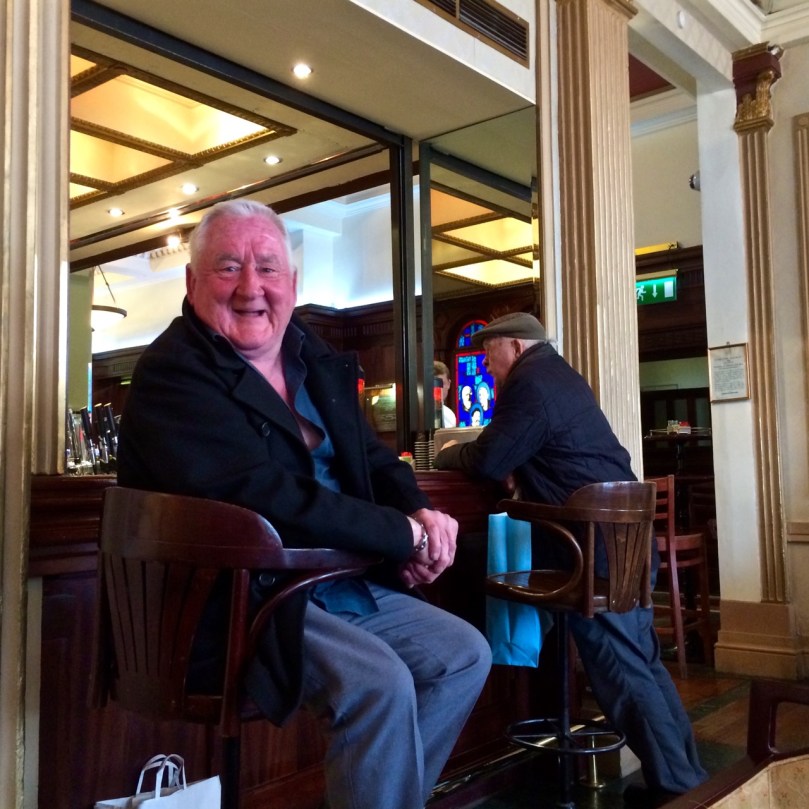
At the bar

Isn’t it a grand ould bar?

As you know, as a returned Irish person who spent 40 years in Canada before deciding to live in West Cork, I take very seriously my duty towards any of who you are planning to visit Ireland, to prepare you for the culture you will encounter here. First and foremost, it’s a culture of TALK, of relating to others and making them feel welcomed, helped and listened to. So what follows are the top ten essential instructions from Tara and from me that will help you understand what it is to be an Irish woman and how, at the end of the day, you’ll be Grand.

1.  If you agree with something or you’re willing to at least put up with it, the proper phrase is Grand Job.

Ah sure, feck it. I'll start the diet again tomorrow.

Ah sure, feck it, I’ll start the diet again tomorrow

2. A most useful expression is Ah sure, feck it. You’ve just embarked on a strict diet and your friend invites you to tea and produces fresh scones. Ah sure, feck it, you might as well have one.

3. ‘Tis far from X you were reared. This will indicate to your listener that you, along with the country, has grown in incredible sophistication since the Ould Days (see 7 below). For X substitute, for example, cappuccinos, fancy cheeses, hair straighteners, salad, cell phones, avocados, skinny jeans, holidays in Thailand.

'Tis far from induction hobs you were reared

‘Tis far from induction hobs you were reared

4. Try not to lose the run of yourself. In other words, don’t get carried away. You might do this by asking if they have a wine menu in a country pub, or by spending more than €10 on a handbag, or by having too many drinks and leading the singing at a session.

Put in an offer on this place? Ah now, don't be losing the run of yourself

Put in an offer on this place? Ah now, don’t be losing the run of yourself

5. Use the word the instead of my in front of nouns. You will go to get the hair done. You’ll just drop in to see the Mammy. Tara paints this picture of bus travel: The Irish women who make the best use of the bus are the little old ladies with the free travel. They put on the good dress and the good coat and meet their friends down the back of the bus and go on an outing. (Tara also has a great piece of advice on transportation: Don’t hitchhike, it’s too dangerous. You will inevitably be picked up by a chatty driver who will take you an hour out of your way in case you miss out on a single detail of their life story.)

Ah sure aren't they only gorgeous?

Ah sure aren’t they only gorgeous?

6. Weddings are a fixture of Irish life (along with First Communions, which is the other time in your life when you get to wear a bridal outfit). If it’s yourself that’s getting married, Tara has one important piece of wisdom to impart: Invite EVERYONE…It’s not your day, it’s theirs.

7. Add the word OLD (pronounced ould) before nouns. Time to get th’ould hair done. Enough of your ould blather, now. Would you be after singin’ me an ould song?

Come here to me now...hoooo might Your People be?

Come here to me now…hoooo might your people be?

8. Learn how to interrogate strangers to get the maximum information out of them.  We’re interested, not nosy and we need to establish who your people are. Funeral teas may consist almost entirely of establishing the genealogy of the deceased to the most distant of connections so we can be categorical about who is encompassed by his people. If you’re a visitor, looking for your roots, expect an inquisition. We’d be failing in our duty to our neighbours if we couldn’t recount your life history to them in graphic detail, followed by an hour of enjoyable speculation on who your people might have been. (Interestingly, in West Cork, this will result in the exact knowledge of who your relatives are to many removes, but also, and equally importantly, who you are NOT related to, despite any similarity of name or location. Time after time we have inquired of somebody with an unusual last name whether they are related to someone else of the same name, only to be told that there is no relationship that can be established. There is, however, one huge exception to this. It seems that everyone of the last name of Collins is related to Michael Collins.)

My People

My People

9. If someone you know has bought a new car (or a house or an extra-nice new suit) the proper greeting is well wear.

10. But most of all, learn how to make a grand cup of tea. There are few things that a grand cup of tea and a little sit down won’t make better.

I’ve only just skimmed the surface of Tara’s book for you. I laughed until the tears ran down my cheeks. I will leave you with an excerpt from her disquisition on salads.

Yes, Sir, we do call that a salad

Yes, Sir, we do call that a salad

For the longest time Irish women NEVER had salad at home. You wouldn’t even think of it. You got salads in hotels, usually at funerals: already in the throes of grief, you’d be given salad. On that grim funereal plate would invariably be:

  • one hard-boiled egg
  • some sad ham
  • beetroot out of a jar
  • one really, really limp leaf of lettuce.

Just the one – you wouldn’t insult people by giving them too much lettuce to deal with at such a sad time.

This “salad” is the main reason why Irish vegetarians still sometimes have to explain to relatives that ham isn’t a vegetable.

Irish women do eat more salad these days. But we make sure to have it with chips. For balance.

Only in Ireland? Chips with pizza

Only in Ireland? Chips with pizza

Go buy the book, then curl up with a grand cupán tae, and plan your trip.

To read more about how to speak like the Irish, see these posts:

West Cork Speak: Lessons 1 and 2

West Cork Speak: Lessons 3 and 4

West Cork Speak: Lessons 5 to 7

Celtic Cousins

Jonathan Ball (right) - Architect, Co-Founder of the Eden Project - and Chorus Master

Jonathan Ball (right) – Architect, Co-Founder of the Eden Project – and Chorus Master

This weekend, West Cork was invaded by Celtic Cousins from Cornwall! By longstanding tradition, a group from Bude and its environs visits Courtmacsherry and the area surrounding it to join Irish neighbours in a feast of music and song: the hospitality is reciprocated when the Irish contingent goes over to Cornwall. The reason? The lifeboat based in Courtmacsherry has long been ‘twinned’ with the lifeboat based in Bude.

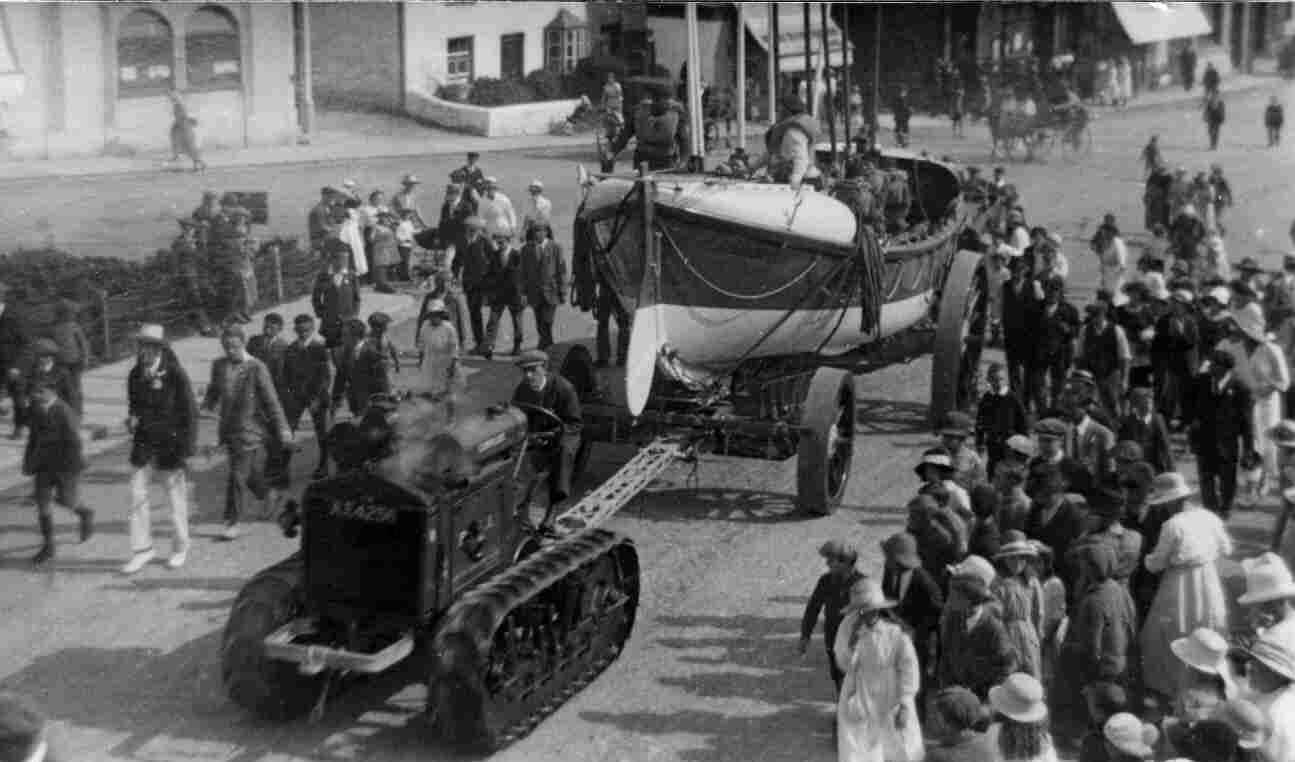
Images from the past: Bude’s Lifeboat in earlier years

Images from the past: Bude’s Lifeboat in earlier years (historic images courtesy of Bude RNLI)

The event is becoming an annual treat for us – because I worked in Bude for many years, with the Jonathan Ball Practice. The group that comes over is overseen by Jonathan himself, who won’t mind me saying that he is a Cornishman born and bred who believes that Bude is the centre of the Universe. I know, of course, that it’s actually West Cork that’s the centre of the Universe – so we have to have an annual get-together to sort out our differences…

logo-rnli

First, a bit of background. There are 236 lifeboat stations around the coasts of these islands, and 43 of these are in Ireland. The RNLI has operated life saving facilities in the Republic and the UK since 1824, when the National Institution for the Preservation of Life from Shipwreck was founded as a charity by Sir William Hillary, a soldier who lived on the Isle of Man. The Institution today is supported almost entirely by donations and legacies, and the crews are unpaid volunteers.
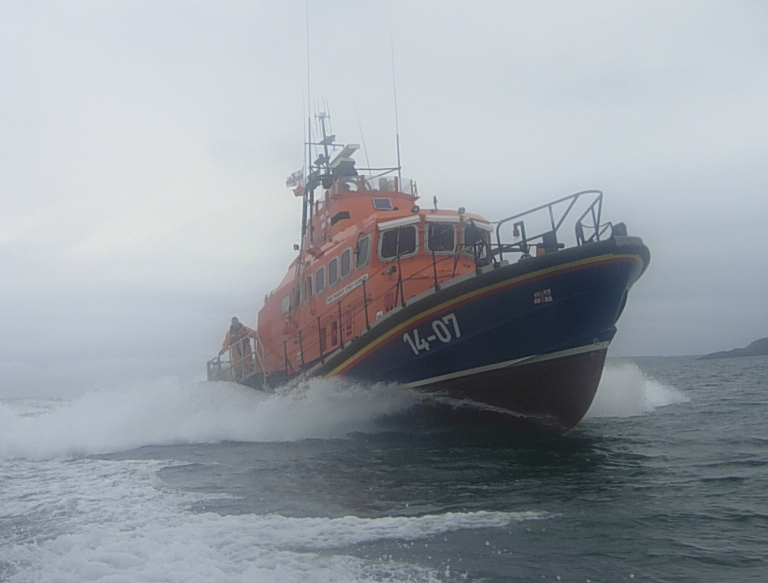
Bude, on the north coast of Cornwall, had its first lifeboat as early as 1837. This boat was presented to the town by King William IV and paid for by the Duchy of Cornwall: the cost was 100 guineas. The lifeboat at Bude was withdrawn in 1923, and not reinstated until 1966. At the same time the Bude Lifeboat Singers came into being: this was conducted by crew member Jonathan Ball, and over the next 25 years was much in demand across Britain and into West Cork, and during that time many thousands of pounds were raised for the RNLI and other charities.

Meanwhile, the lifeboat station at Courtmacsherry was established in 1825 – one of the first to be founded in Ireland – and has been active ever since, its Trent class Lifeboat being on hand at all times to save lives and rescue mariners in trouble. The Trent lifeboats are true all-weather vessels in the RNLI fleet, and are exclusively designed to operate in Europe’s most hostile waters.

Courtmacsherry 'Trent' class Lifeboat: Frederick Storey Cockburn

Courtmacsherry ‘Trent’ Class Lifeboat: Frederick Storey Cockburn

As you know, West Cork is also home to many people steeped in music and tradition, so it was only natural that Bude and Courtmacsherry should get together to share tunes and songs – and hospitality.

four alls

For us the ‘getting together’ happened on Friday, when we travelled up to Sam’s Cross: Michael Collins country. We had to visit his birthplace, of course – have a look at our previous post on this great Irish folk-hero. Collins’ local pub was the Four Alls, and that’s where the singers and musicians settled down for a lively session, joined by some of the pub regulars, who added their own contributions.

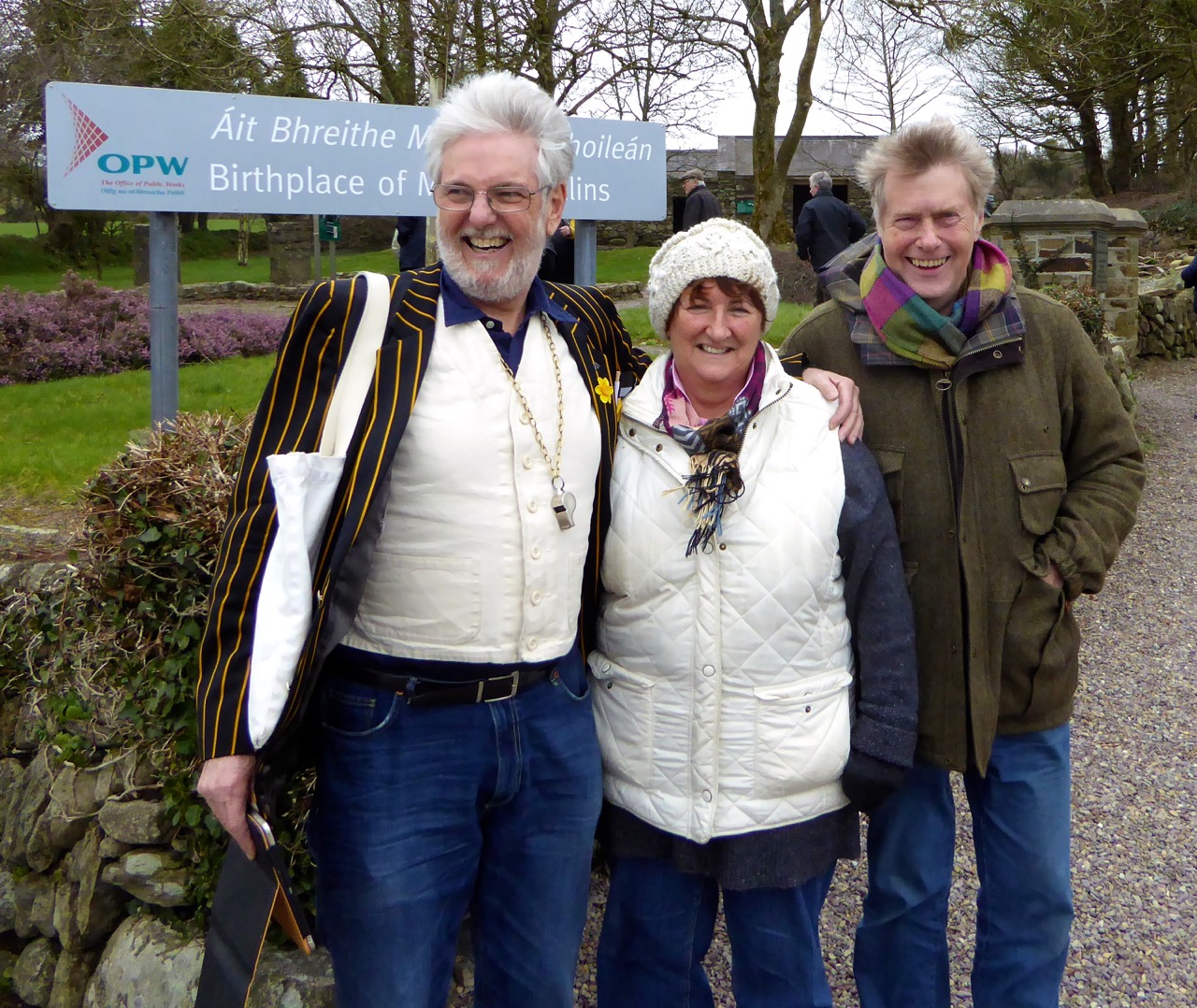
Jonathan, Finola and myself, having a Michael Collins moment...

Jonathan, Finola and myself, having a Michael Collins moment…

Although a little hoarse from the previous night’s revels, Cornwall gave of its best, with Jonathan himself still conducting – 48 years on! West Cork was well represented by Dan O’Donovan and colleagues – former show band members – and the locals. I felt privileged to be allowed to join in with my own European mixture of English / Irish / French dance tunes.

As dusk began to settle, the next venue beckoned, and we became part of a convoy snaking its way through the most remote parts of County Cork: we had no idea where we would end up! When we finally arrived at Hickey’s Bar in the fine village of Aherla we were completely disorientated.

hickeys

But at Hickey’s we were welcomed with open arms and led into a back room full to the brim with musicians! I counted well over twenty from the Irish contingent and, as the evening progressed into night and then morning, more locals came in to add to the entertainment with songs and recitations.

Somehow, we found our way back to Nead an Iolair – it was a drive of an hour and a half – exhausted, but thoroughly elevated by all the music and conviviality. Only in Ireland (and Cornwall) could you find such a sharing: we are all Celtic Cousins, of course…

RNLI1


Body and Soul

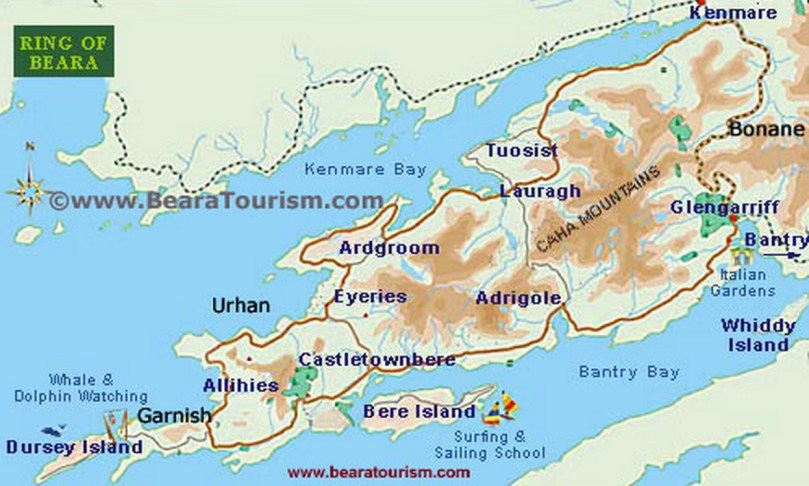
The Beara Peninsula

The Beara Peninsula

Last week I promised you an account of our time on the Beara Peninsula – it’s the third of the West Cork Peninsulas (shared with County Kerry) and the most remote. To the north is the Iveragh Peninsula, better known as the Ring of Kerry, and to the south is the Sheep’s Head.

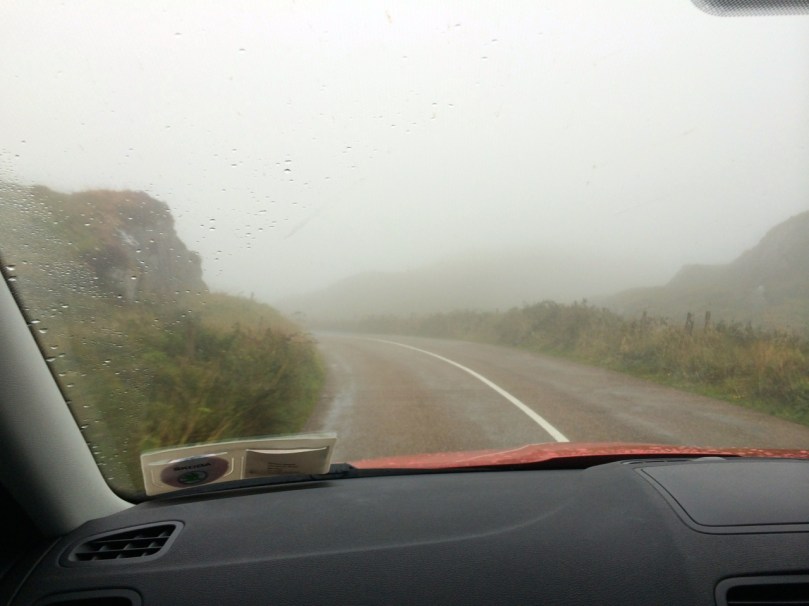
OK, so it does rain occasionally

OK, so it does rain occasionally

Readers have teased me in the past about doctoring my photographs or carefully choosing only those that show blue sky. After all, everyone knows that it rains all the time in Ireland. While I haven’t done any doctoring, or over-careful selecting (honest!) – even I have to admit that yes, it does rain in Ireland and the first day of our trip was pretty much a washout. (In fairness, like, we have devoted much bandwidth to talk of the variable weather we encounter here – cast an eye back over here, here and here.)

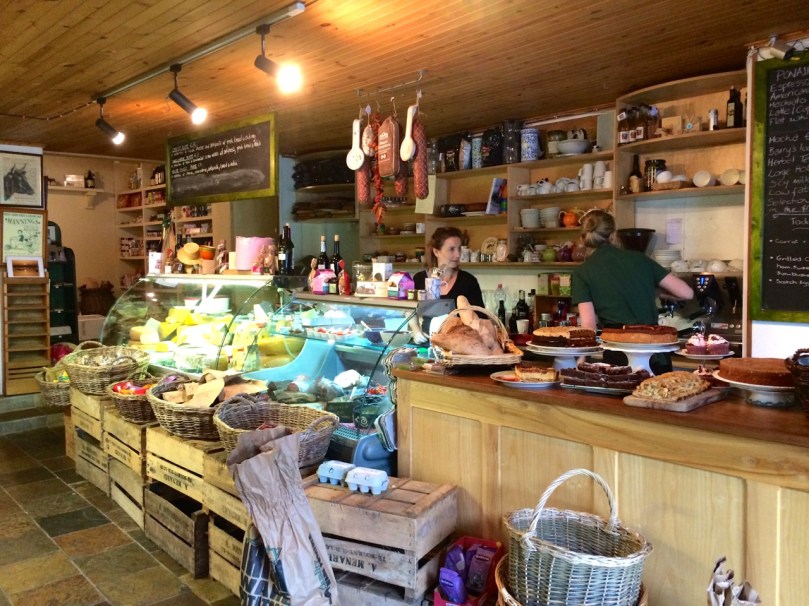
Manning's Emporium - the counter

Manning’s Emporium – the counter

Despite the weather, we managed to have a truly marvellous first day on our mini-break: it was a delight for the body and for the soul. First the body part – a stop in the famous Manning’s Emporium in Ballylickey. In the Manning family for 70 years and under the guidance of Val Manning, this little shop turned from a post office and grocery store into a mecca for food lovers, with wines, cheeses, meats and baked goods to die for. Val’s niece and her husband, Laura and Andrew Heath, have joined the business, introduced a new hot menu and expanded the range of foodie items. I’ve never yet left empty handed and, after a cappuccino and scone, we browsed the shelves and chose some excellent aged cheddar, a jar of their own chutney, and some locally made and heavenly-scented soap. The place was heaving, and Val himself was chatting sociably with everyone – always a bonus to enjoy a laugh with him.

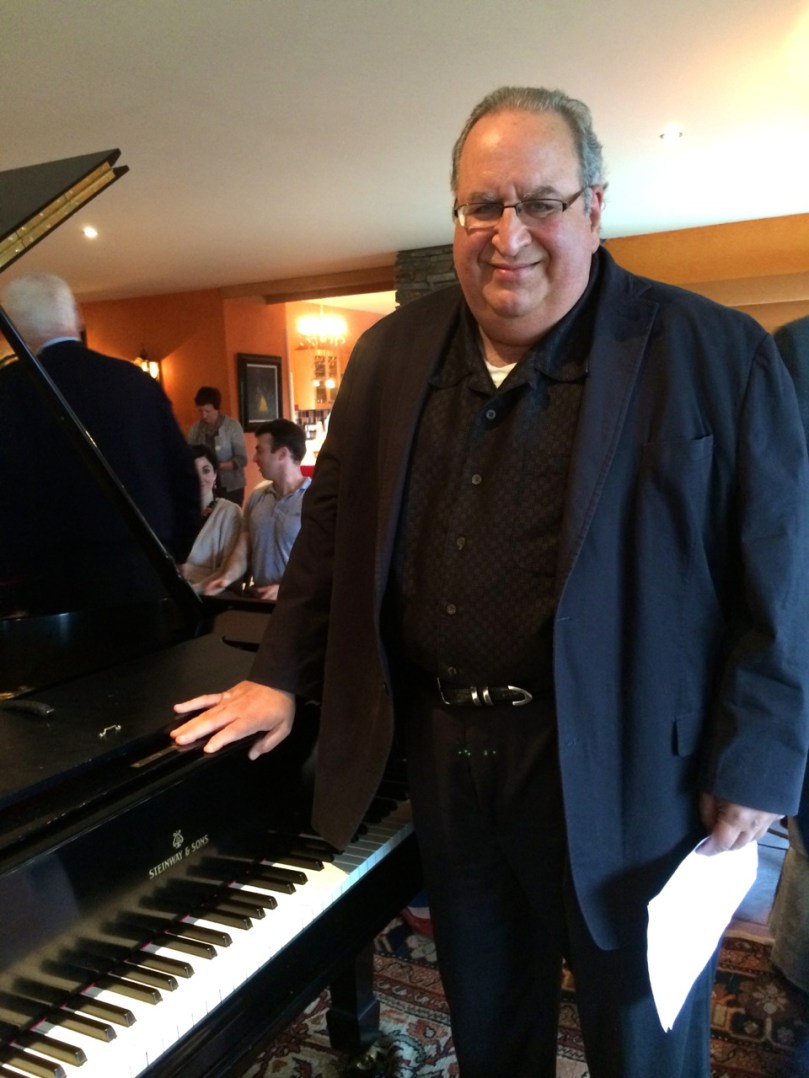
Now for the soul! We had booked two tickets for that afternoon to the Ahabeg Vista Concert Series, on the advice of a friend. We weren’t quite sure what to expect, but what we experienced took our breath away. David Syme, a Juilliard-trained and internationally acclaimed American concert pianist has made his home on the Beara, between Adrigole and Castletownbere, and every Sunday afternoon in the summer he gives a concert in his living room.

David Syme

David Syme

With Bantry Bay as the backdrop (except we couldn’t see it on this occasion), he played first a long and complex piece, Schumann’s Carnaval. Although I am no pianist even I could see the technical prowess demanded by the 22 short movements. David explained it to us, and even identified some of the motifs as he was playing. He took requests from the audience (ours was Clair de Lune) and played pieces by Beethoven, Liszt, Gershwin and Ravel. But then he delighted us with Carolan’s Concerto, Elton John’s Candle in the Wind and finally Danny Boy, in honour of Maureen O’Hara. We learned that Maureen, a long-time resident of Glengarriff, is to be honoured with a special Oscar next year – so watch out for that next February 22nd! David’s wife, Suzanne, puts on an amazing spread during the interval. To get a sense of what we encountered, watch the RTE Nationwide program devoted to this concert series.

This was only our first day and we encountered fog and drizzle everywhere. But it didn’t matter – when you find such nourishment for the body and the soul, who cares about the weather! I will write more about the Beara in a future post: meanwhile, check out Robert’s account of an unexpected discovery in Eyries.

Anniversary

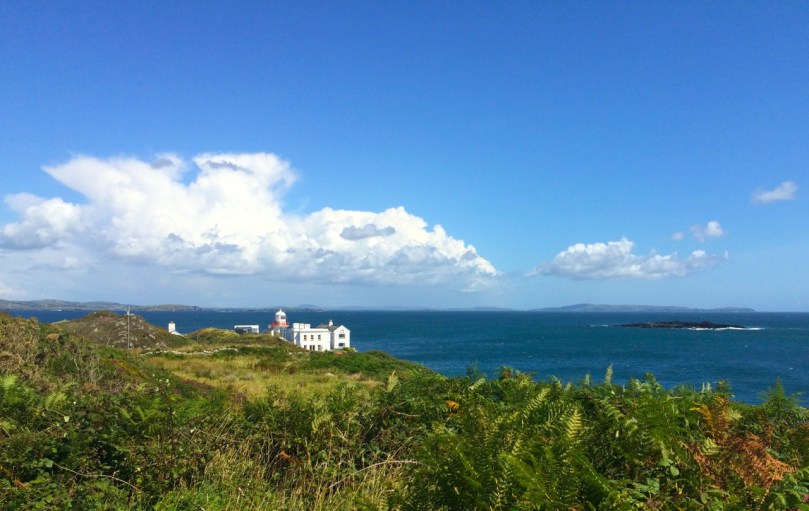
Rock Island Lighthouse

Rock Island Lighthouse

 Now so! A joint post from Robert and Finola…

It’s been exactly a year since we rebranded (that sounds so cool and corporate) and relaunched the blog. Roaringwater Journal: Six Months in West Cork became Roaringwater Journal: At Home in West Cork. What follows is a selection of links to some of our favourite topics of the past year (each link covers posts grouped under those tags), and some photos that didn’t make it into blog posts but which capture for us some of the magic of West Cork.

Carrigadrohid Castle

Carrigadrohid Castle

You, our dear readers, have taken the journey with us as we explored and settled into our new home, falling more in love with it with each passing week. 

Kiss Kiss

Kiss Kiss

Well, perhaps Finola didn’t fall in love with irish bureaucracy – but, in fairness, like, St Gobnait herself wouldn’t be able to accomplish that. Although we experienced different aspects of bureaucracy, it was all the driving stuff that nearly did her in.

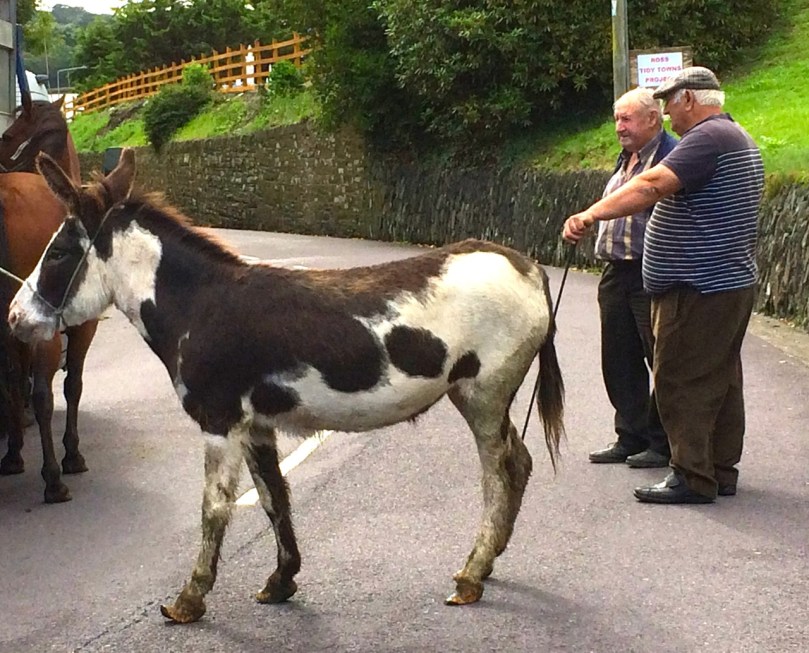
Roscarbery Horse Fair

Rosscarbery Horse Fair

We certainly fell in love with traditional music! And with the food of West Cork, the birds and the gardens. We learned a little bit about talking like a native, and a lot more about how to cope with the weather.

Yes, it's always raining here. You wouldn't like it.

Yes, it’s always raining here. You wouldn’t like it.

We explored the archaeology of this region, the folklore and the history – from the most ancient monuments, to the stone circles and standing stones, the forts and the castles, and more recent sites like the Schull workhouse. Above all, we visited rock art sites, appreciating more and more about them and about the conservation challenges they face.

Shelly Beach

Shelly Beach

Mostly we have spent our time on two peninsulas – the Mizen and the Sheep’s Head. And yet we have only scratched the surface: there is so much more to discover about this beautiful part of the world.

Cottage window, Rathbarry

Cottage window, Rathbarry

Before we embark on year two – a huge thank you to all our loyal readers from both of us! We love that you drop by to visit and we hope you continue to enjoy this gorgeous part of the planet.

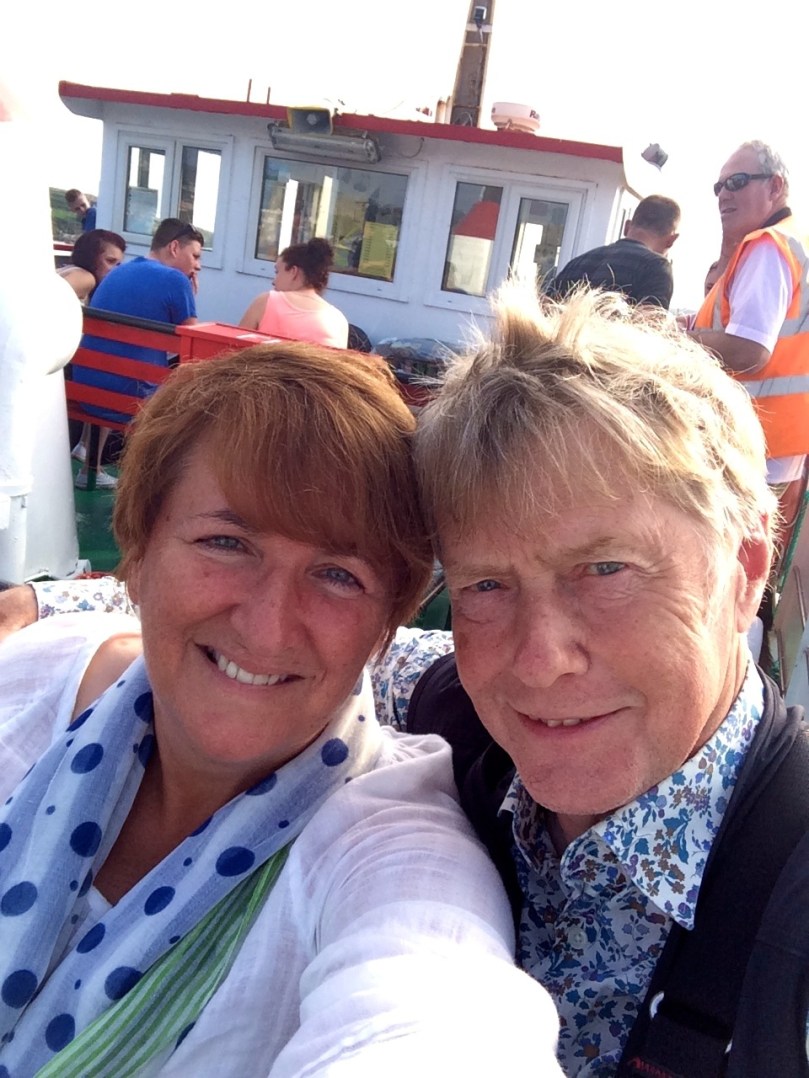
On the ferry to Sherkin

Selfie, on the ferry to Sherkin

We leave you with a little slideshow – a few remaining images to whet your appetites for a trip to West Cork.

This slideshow requires JavaScript.

We’re off to the Beara Peninsula today – look out for more about the Beara in future posts.