Whiddy Island

Whiddy Island from Sheeps Head

Whiddy Island from Sheep’s Head

On a sunny Sunday in March, we were lucky to find out about a guided tour around Whiddy Island and enthusiastically signed up. Our guide, Tim O’Leary, runs the ferry to the island and its only pub, the Bank House. He is a native Islander and extremely knowledgeable about the island’s history, traditions, stories, flora and fauna. 

Off to Whiddy Island on a beautiful day in March

Off to Whiddy Island on a beautiful day in March

It was a gorgeous day for a tramp – a good thing as it’s a six mile walk – and the weather allowed us to drink in the glorious views and to stand at various spots listening to Tim as he shared stories of life on the island.

Whiddy Island Graveyard

Whiddy Island Graveyard

In the graveyard he told us about the island tradition of burial: a coffin has to be lifted from the boat at a particular quay and laid on a special coffin rock. From there it is shouldered uphill to the burial ground by four men of the same last name as the deceased. Nothing but human power can be used on the long uphill climb, or to dig the grave or conduct any part of the service. “We will carry this tradition on,” he said, “as long as we can.” The burial ground itself is part of an ancient ecclesiastical site and commands views across the island.

View out to Bantry Bay from the Island high point

View out to Bantry Bay from the Island high point

We learned that many island families made a good living in times past from fishing and fish processing, and it still an important part of the economy, although now mussel beds have replaced fishing lines and ‘pilchard palaces.’

Tim shows us the 'hairy rope' used to grow mussels. Mussel beds ring the Island.

Tim shows us the ‘hairy rope’ used to grow mussels. Mussel beds ring the Island.

The land was famous for being fertile and one historical document talks about the earliest potatoes always being grown on Whiddy. All this activity supported up to 800 people but like many places in West Cork the population was decimated by the Great Famine. Now, fewer than 30 people live here year round.

The Island can no longer support a school

The Island can no longer support a school

We walked up to the remains of O’Sullivan Beare’s castle, which functioned more as a prison than a dwelling as it housed those who needed to be ‘encouraged’ to pay the taxes he imposed for fishing rights. We explored the area that had once been a thriving American Air Force base for a brief period at the end of World War I – nothing remains except acres of concrete and memories of the vibrant life that the service personnel brought to this small community. Other defensive structures exist on the island too – several ‘batteries’  with huge guns were built after the French invasion of 1796 but alas they are too unsafe to visit.

O'Sullivan Beare's stronghold

O’Sullivan Beare’s stronghold

The west end of the island contains enormous tanks that now house the Irish national oil reserves. It was built as a Gulf Oil terminal in the late 60s and was the scene of a horrifying accident in 1979 when an explosion sank a French tanker, the Betelgeuse, and 50 people lost their lives. The enormous tanks, behind their barbed wire barriers, loom darkly against the landscape, a permanent reminder of this awful tragedy.

The oil tanks at the west end of the Island

The oil tanks at the west end of the Island

Take the ferry across to Whiddy Island any time and hike around the hills and the beaches. But if you can, catch one of Tim’s guided walks, and finish with a well-deserved pint in the Bank House at the end of the day.

There's nothing like a guided tour with Tim!

There’s nothing like a guided tour with Tim!

One thing, though…when Tim sat in this desk back in the day, his teacher forgot to teach him about distances. So just take it with a grain of salt when he tells you there’s “only another half mile to go.”
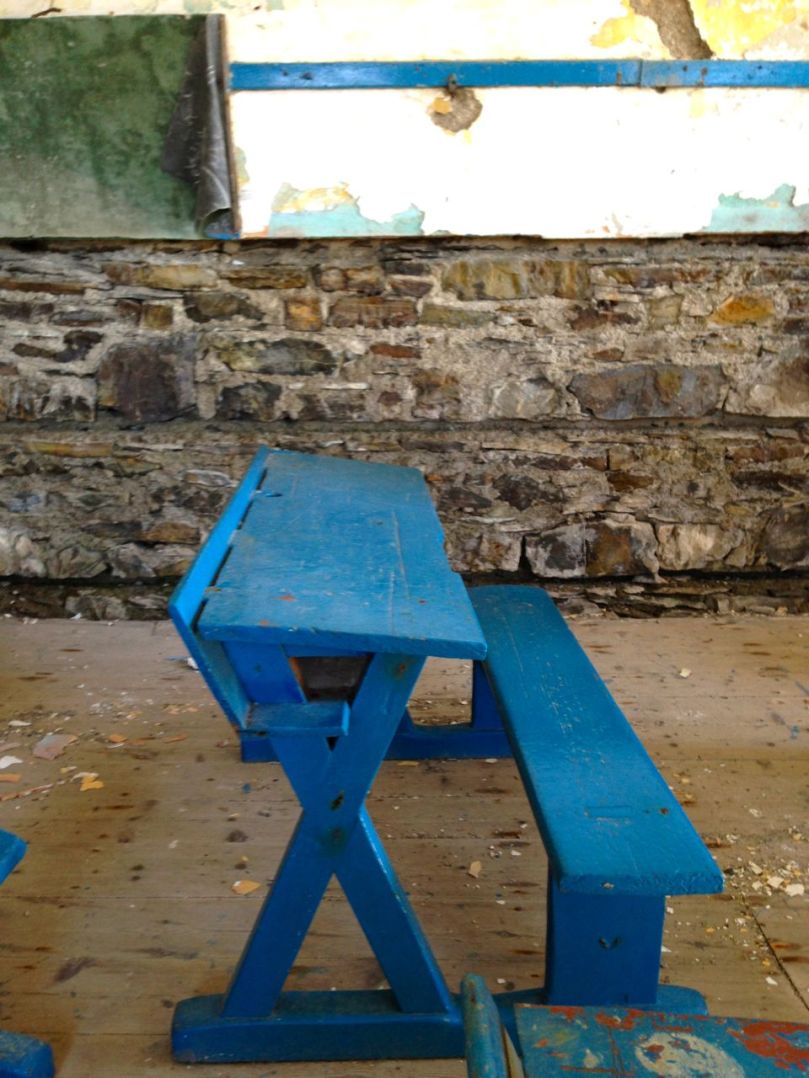
desk

A note on the West Cork Speak Competition! Deadline extended to the end of next week. Only one entry so far, so don’t be shy and get those conversations in!

March Miscellany

shovel

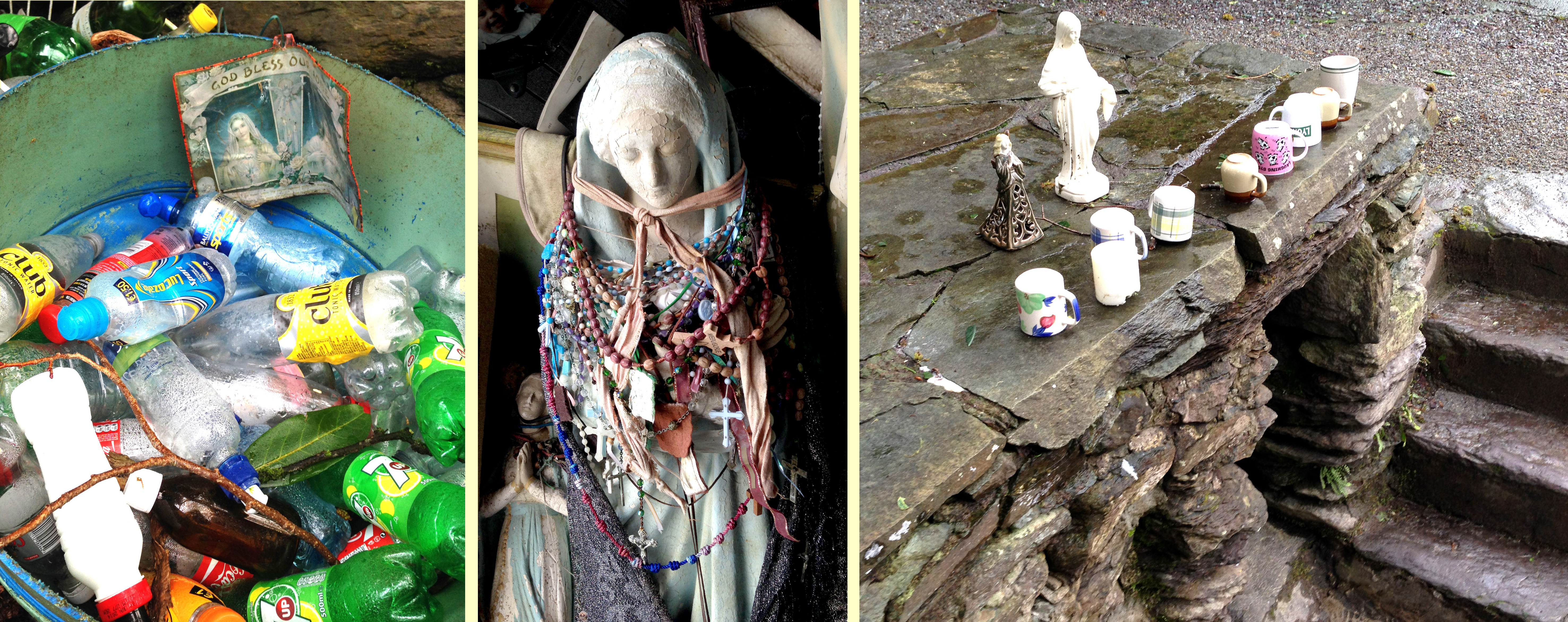
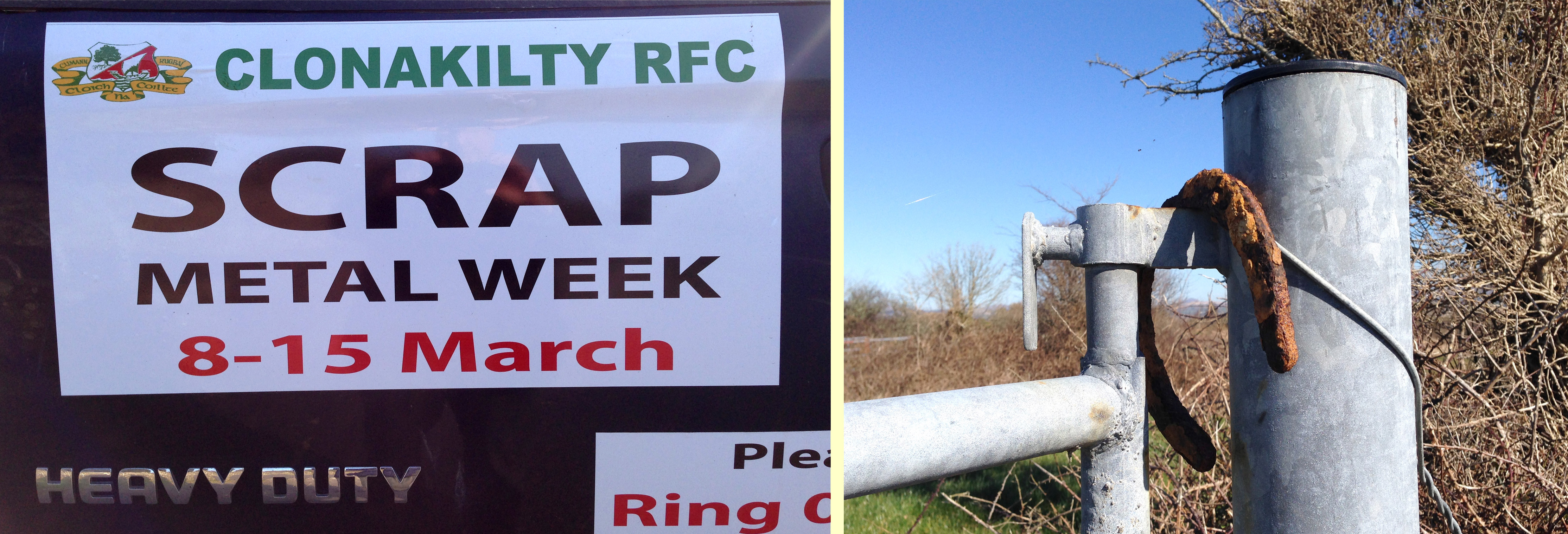
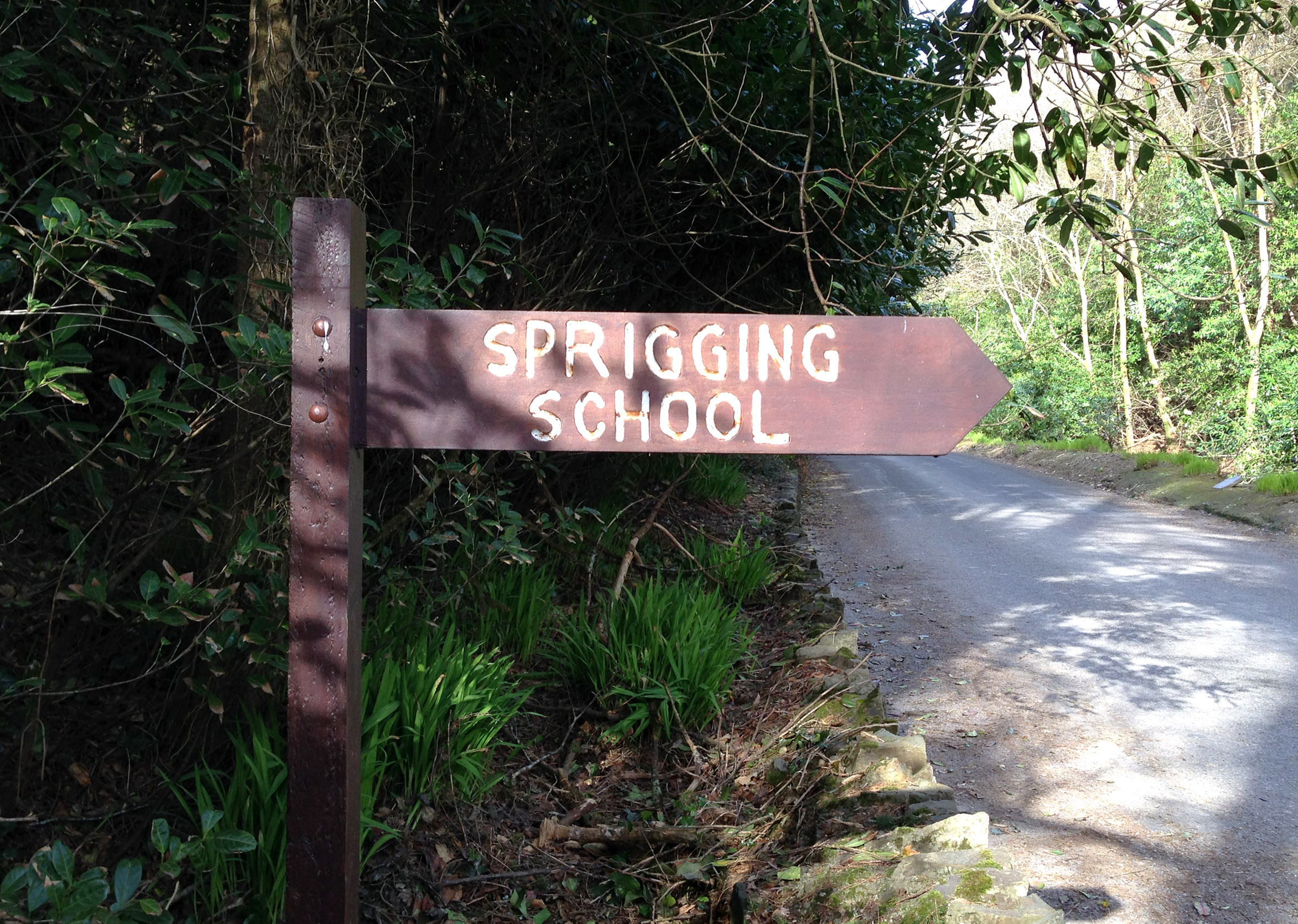
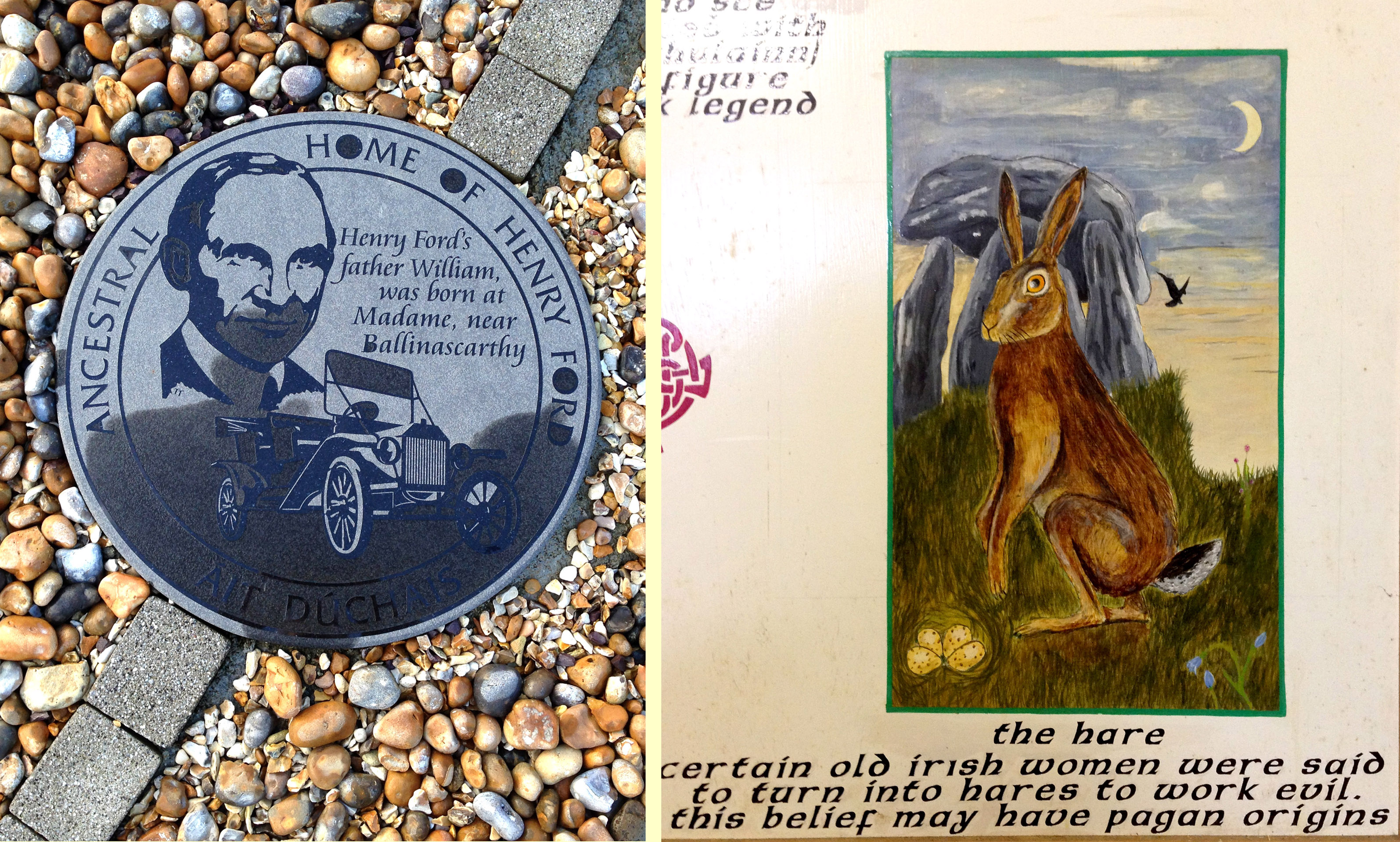
Another selection of Irish ‘normalities’ which have caught my English eye over the last few months (the previous selection is here). They have amused me, surprised me and sometimes baffled me. I have the greatest respect for their ‘Irishness’ – a unique outlook on life and culture from a small island which has made a big mark on the world. Mostly the images need no commentary but I have provided a little information for the curious at the end of the post.

them jobs

holy water

scrap

sprigging

ford hare

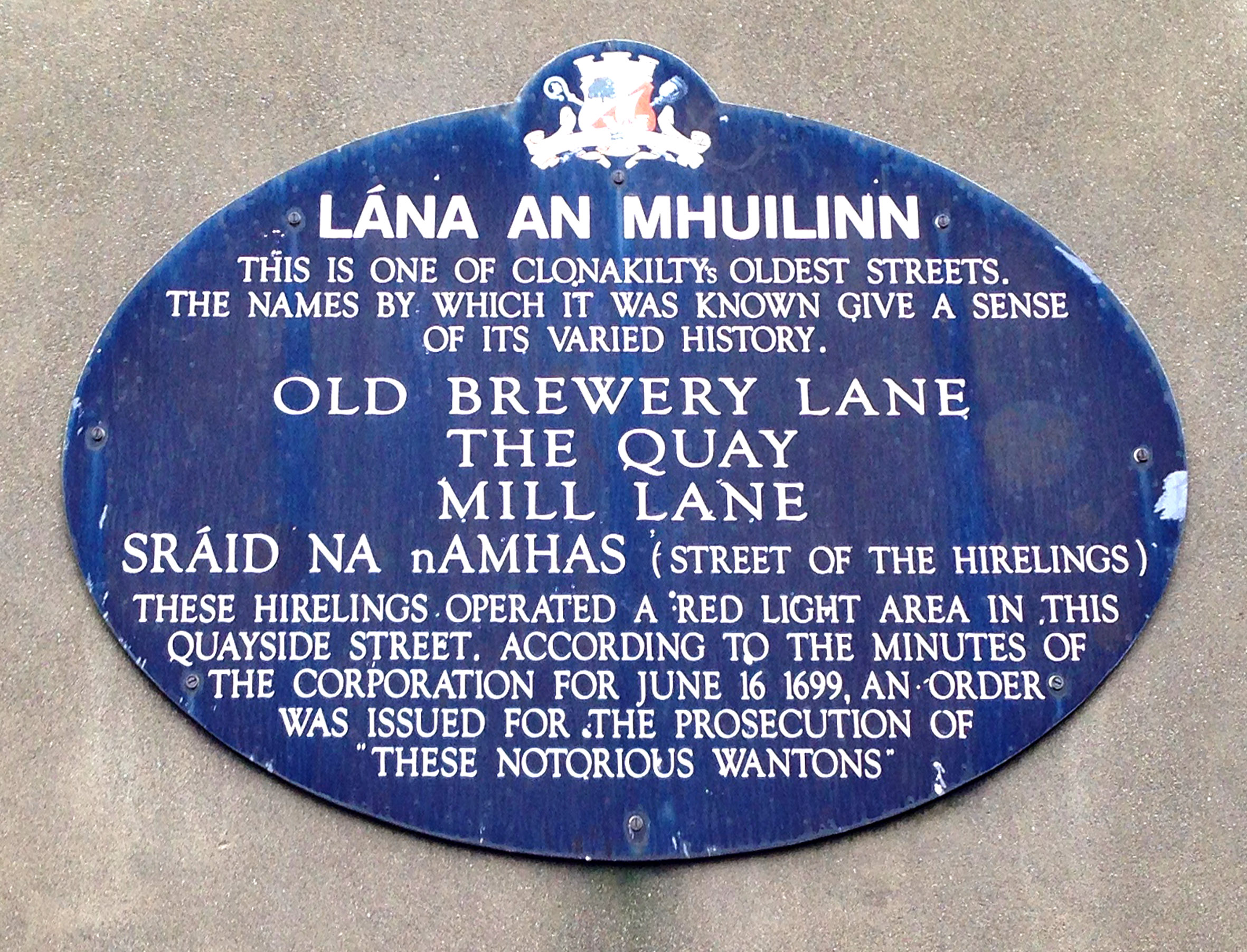
red light

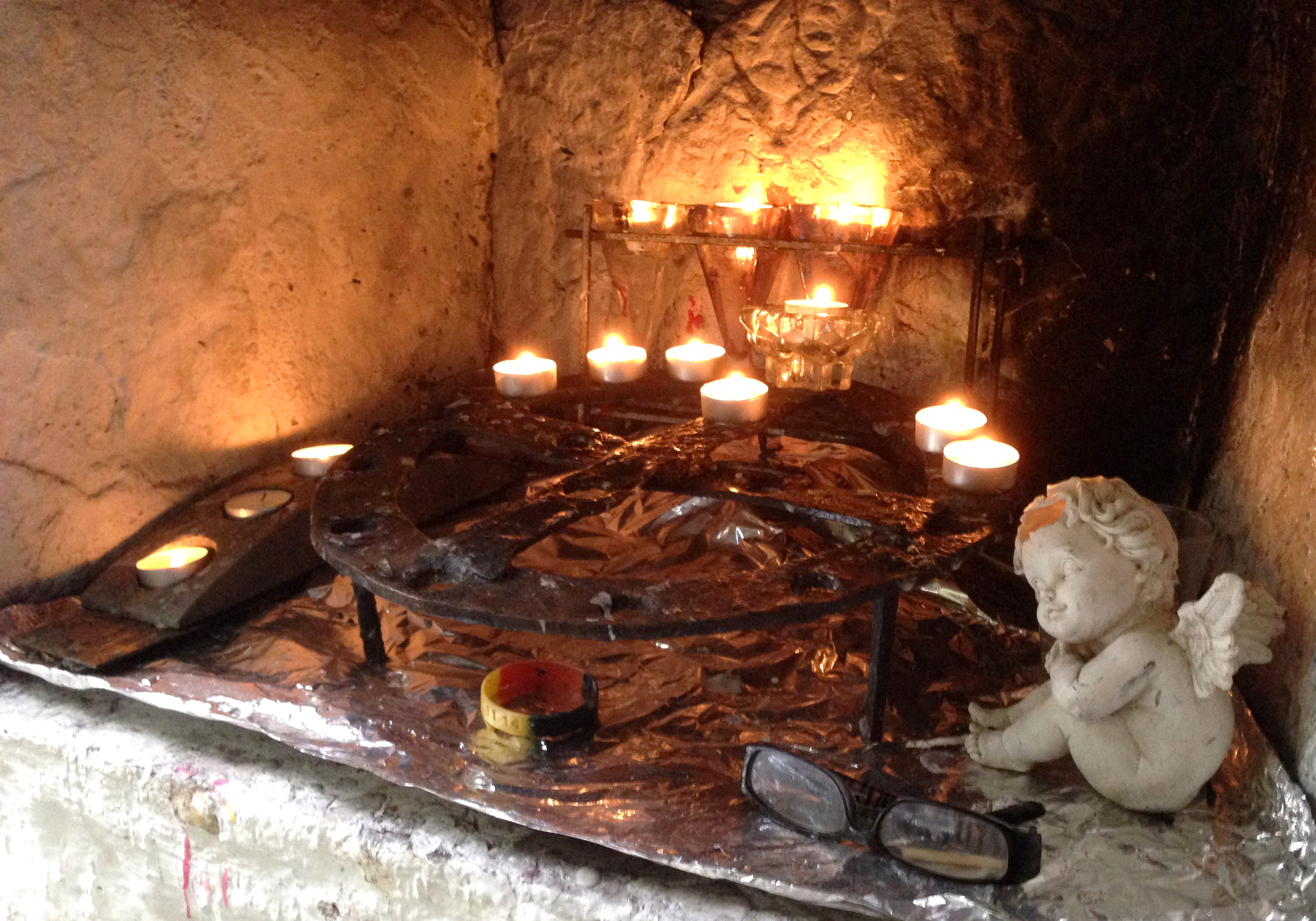
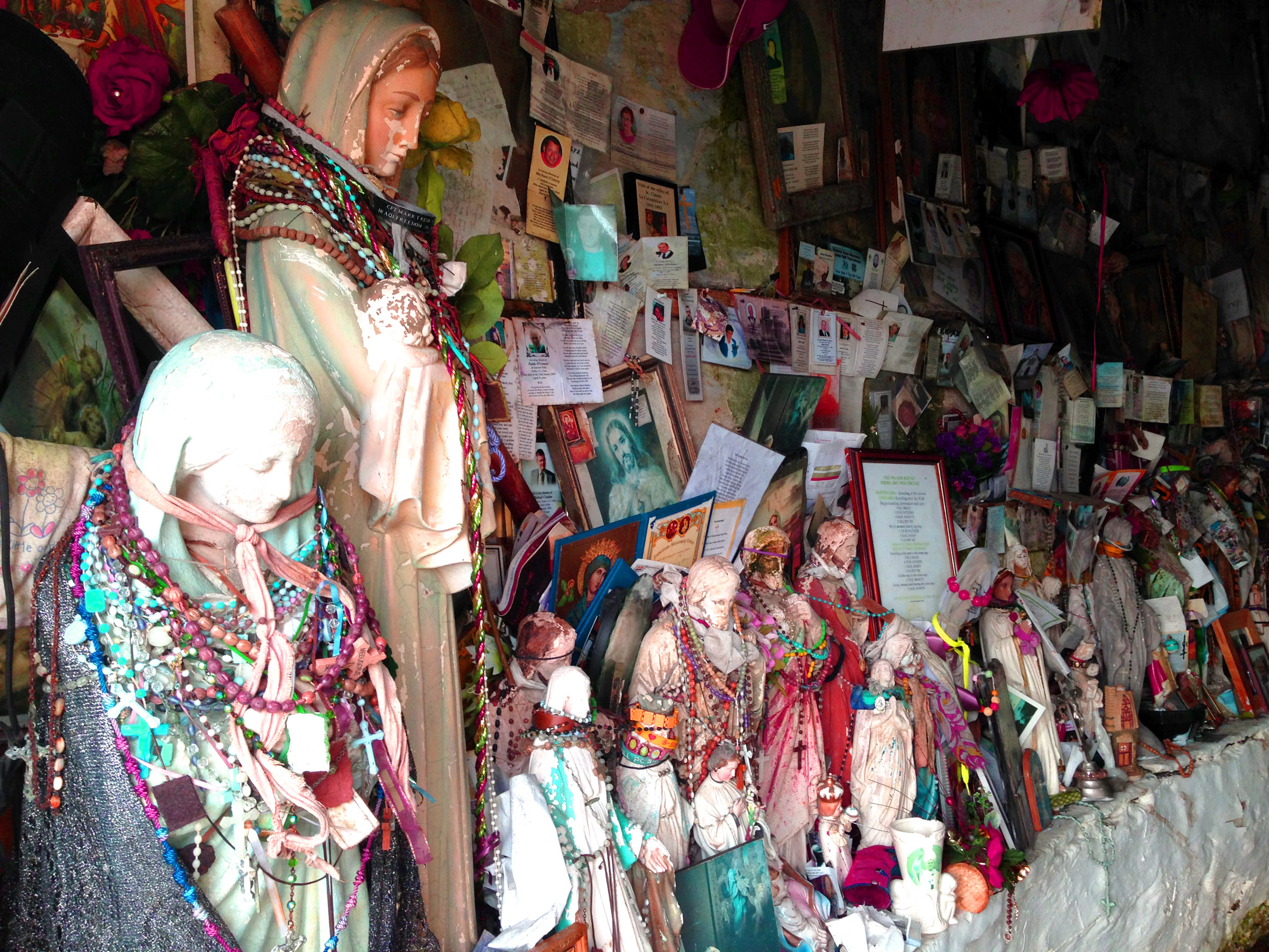
shrine

luckyhouse

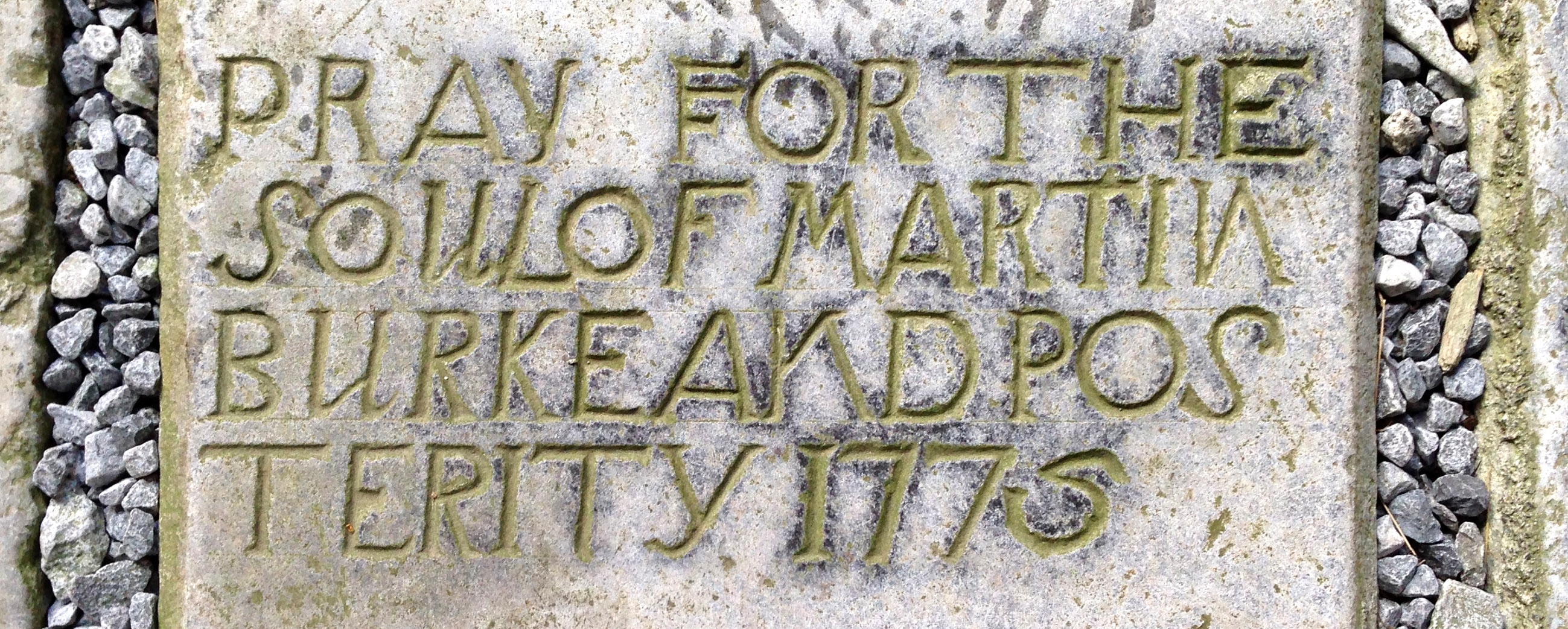
posterity

till he comes

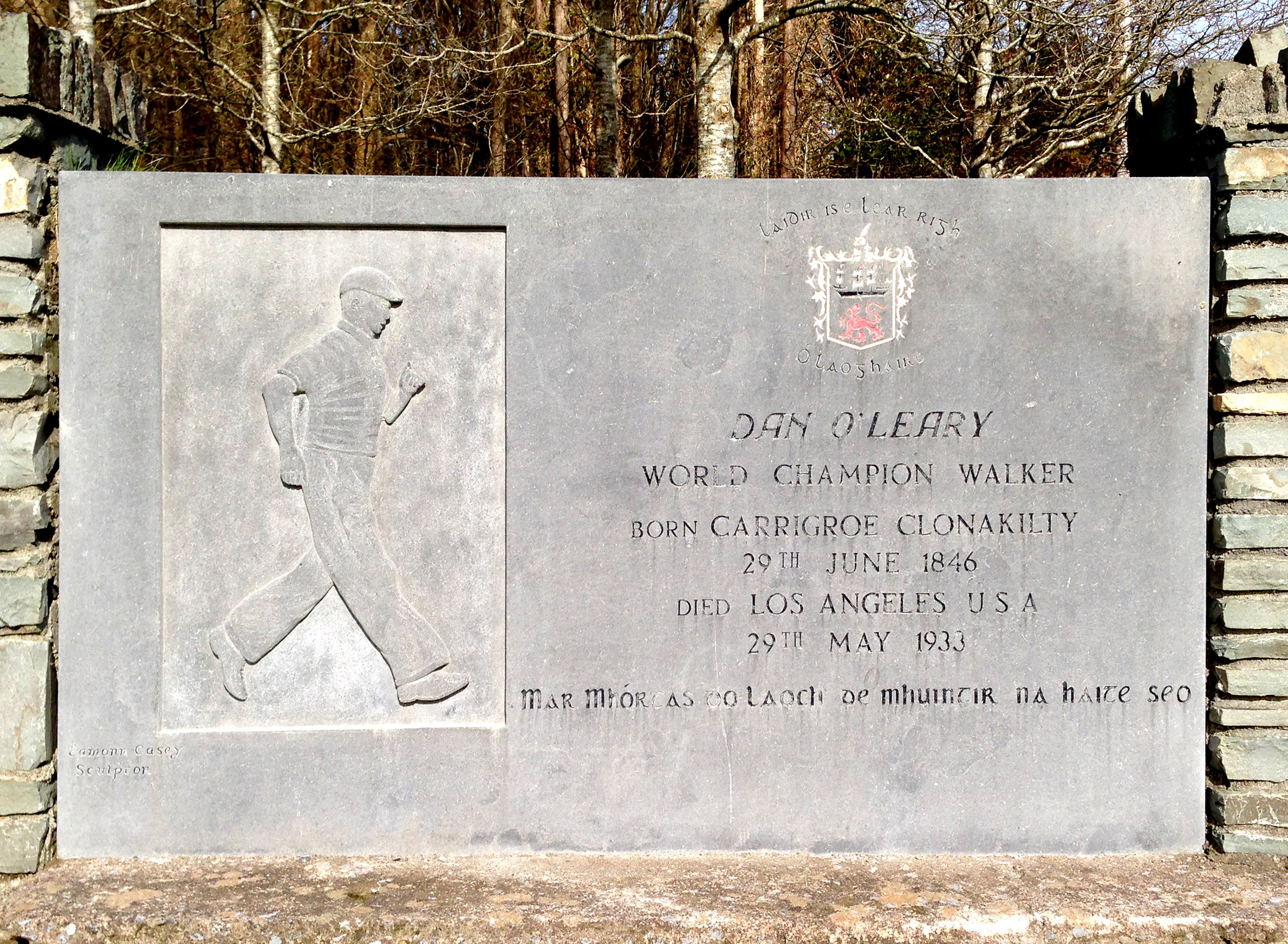
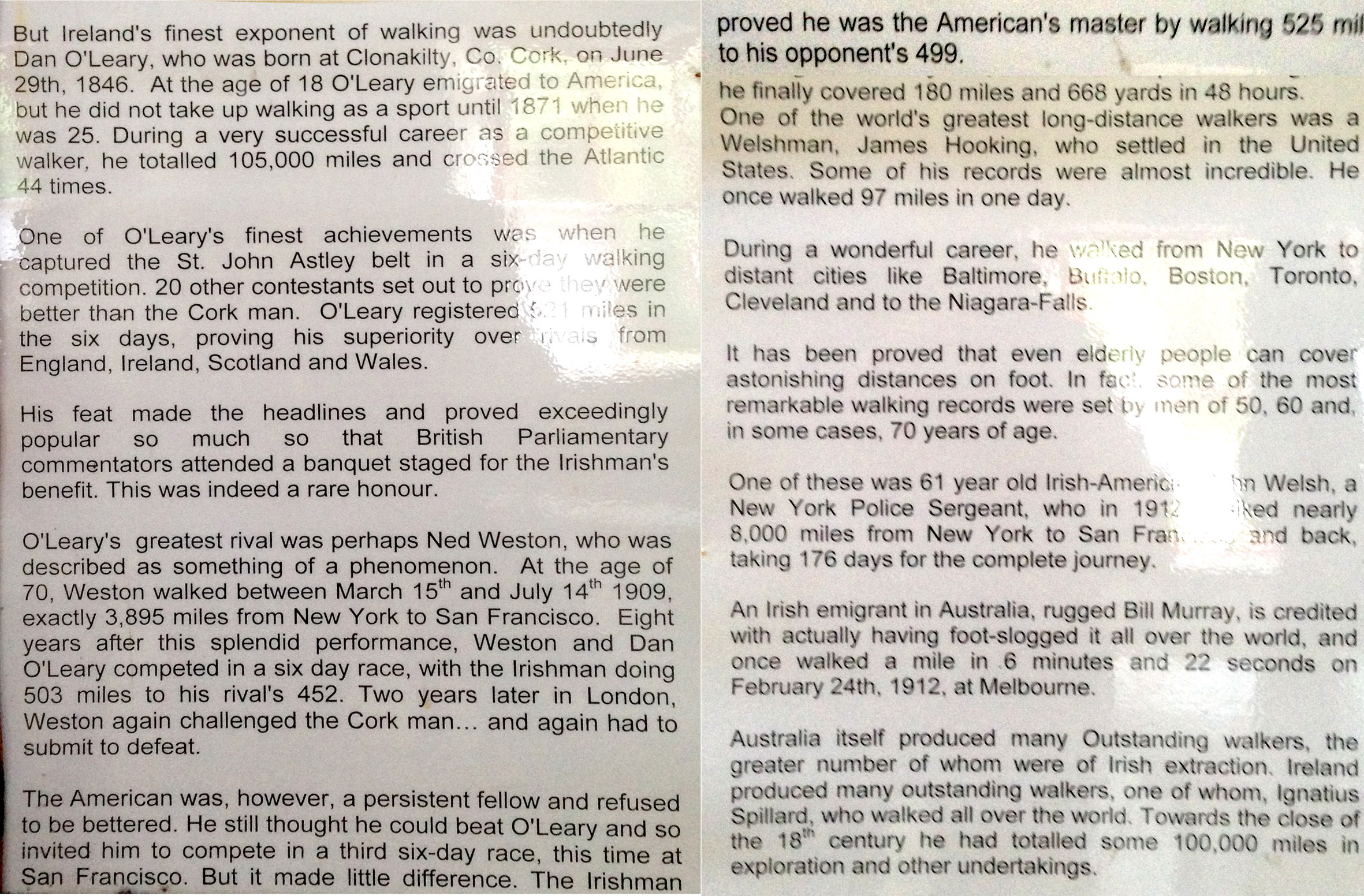
walker

walking

offerings

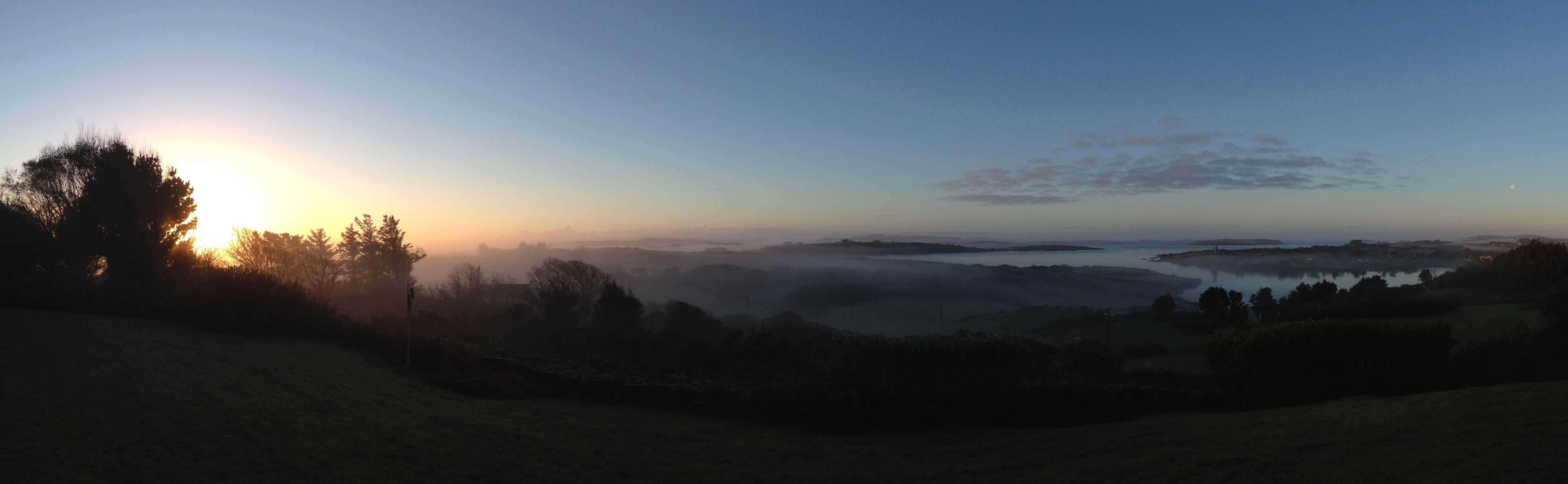
Most of the images are from our own neighbourhood, but the spectacular wells and shrines – including the one above (to St Brigid) were seen on our trip to Clare. Can’t resist just one more image: it’s the view we enjoy every day from Nead an Iolair, constantly changing and always arresting.

panorama

West Cork Speak: Lessons 5 to 7. And PRIZES!

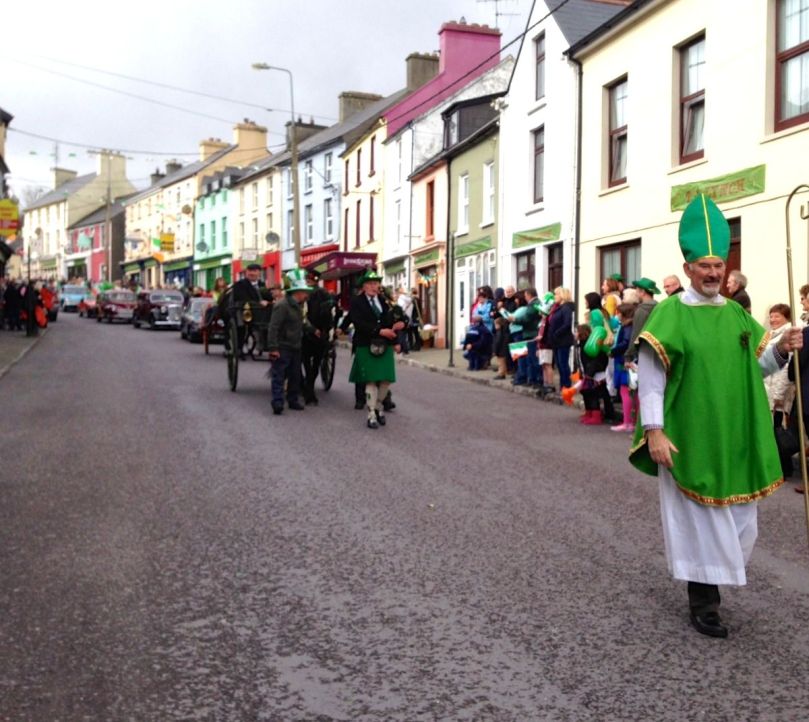
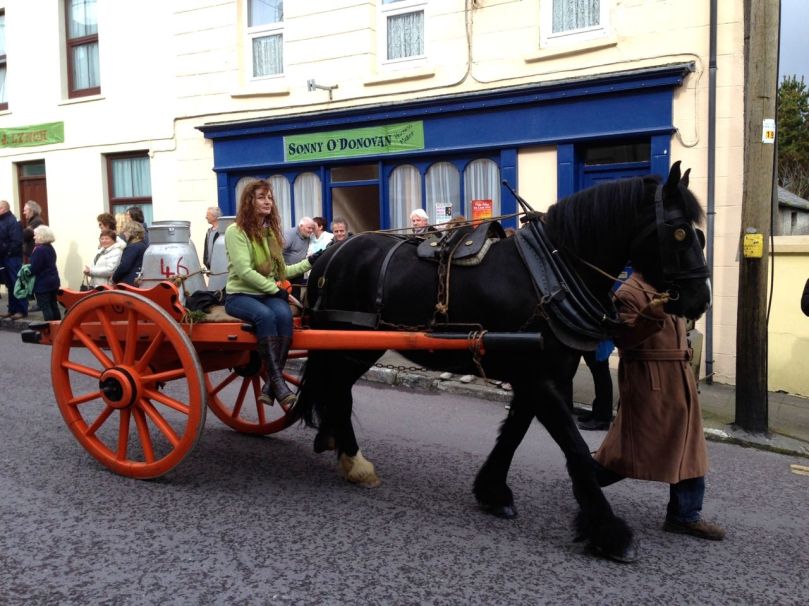
Here comes himself at the head of the parade

Here comes himself at the head of the parade

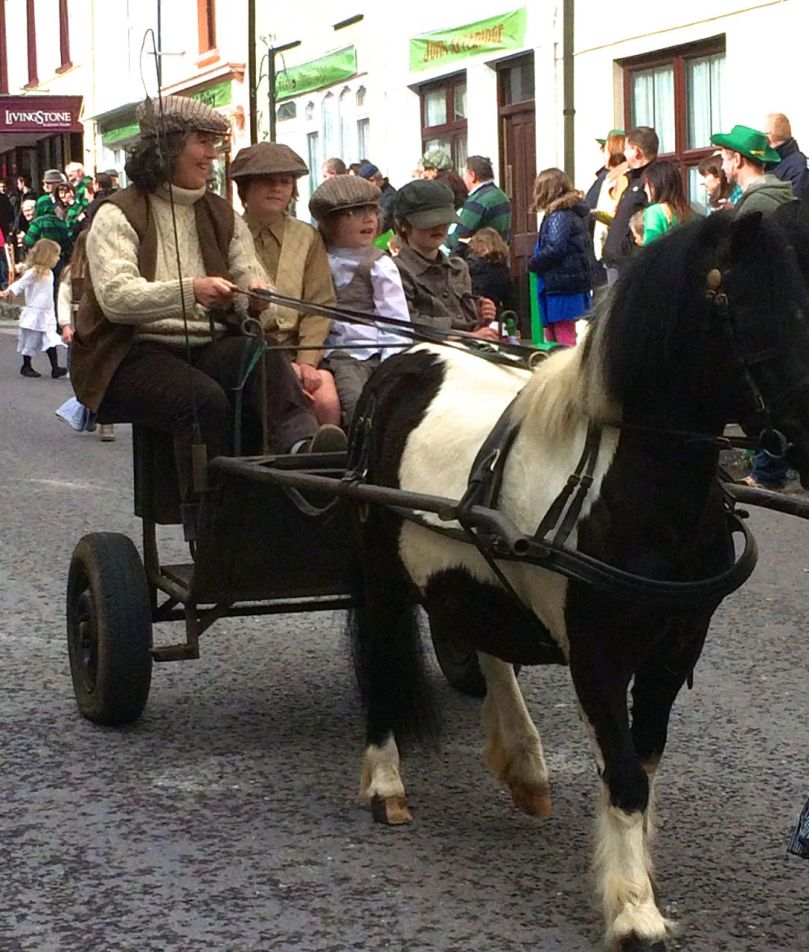
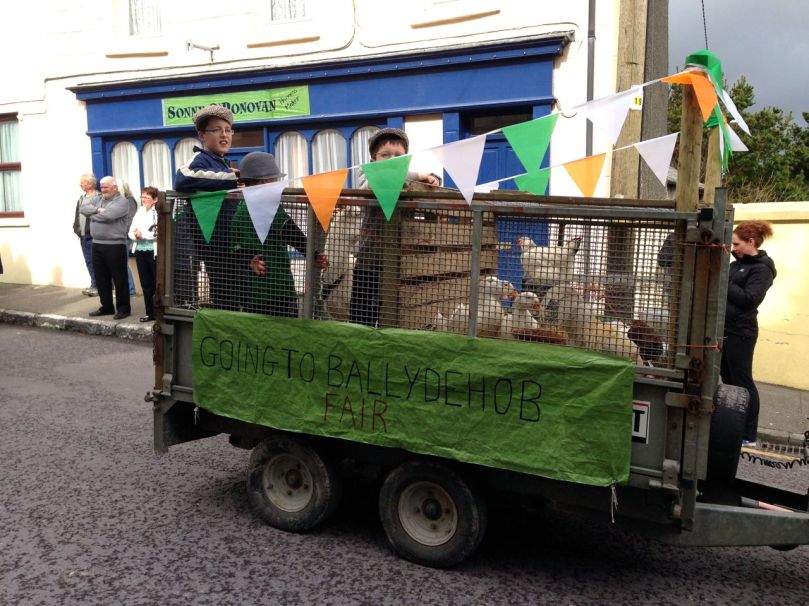
Time for the next lesson in how to sound like you’re from West Cork! In Lessons 1 and 2 we covered like and grand, now and so – versatile words that will take you a long way in any conversation around here. Then in Lessons 3 and 4 we looked at how you would frame your sentences in the conditional tense, and how to use the pronouns ye, and himself, herself and yourself. I hope you have been practising, in preparation for your visit. You ARE coming, right? Good – well so, you would need to be moving along to the next important steps in your language development. And to help you see where you’re coming, I will illustrate these lessons with pictures of the St Patrick’s Day parade last Monday in Ballydehob.

Vintage tractors galore

Vintage tractors galore

Lesson 5: In Fairness

Nothing distinguishes the West Cork denizen like the phrase in fairness. Occasionally rendered as in fairness, like or even to be fair, it is tacked on to the end of sentences with total abandon, whether it matches with the sense of what’s been said or not. If you meet someone on your walk, don’t be surprised to hear him say “’Tis a grand evening, in fairness like.” It’s as if it’s important to give God His due – He’s sent us lots of storms lately and endless days of rain, but sure, He’s doing His best to make it up to us now, isn’t He?

Sometimes you are left wondering about what’s not being said. If you hear “She’s a terrific dancer, in fairness,” you might wonder if there’s another part to the sentence, that has been left out – “even though she can’t sing,” maybe. But no, it’s probably just been added for some kind of emphasis, or to round out the sentence in some way. So go ahead, just drop it in here and there, and you’ll be grand.

Going to the creamery

Going to the creamery

Lesson 6: Modifiers

Nobody in West Cork is very happy – no, we are happy out. And why wouldn’t we be, living in this beautiful place? We might also, if we have a lot to do, be busy out. If we badly need a pint, we might be thirsty out.

If using out as a modifier doesn’t trip off your tongue, try altogether instead. Or entirely.

We saw a good movie the other night. “It was great fun altogether.”

A recent story in The Examiner tells of a local hero, a student who found a toddler wandering late at night and made sure he was safe. Since the story is told mostly in dialogue, it’s an excellent example of Irish speech.

And the student, I think you will find yourself saying, “Wasn’t he a fine lad entirely?”

Don't they look happy out?

Don’t they look happy out?

Lesson 7: The diminutive

In Irish, the diminutive is formed by putting –ín (pronounced een) at the end of a word. We tell people that we live down a boreen (Irish word for road is a bothar, pronounced bo-her, and a bothairín is a small road). I’ve written about the children’s graveyards here: a cillín, pronounced killeen, actually means a small cill or church.

Some West Cork people routinely add -een to the end of a word to convey a sense of its size. Our landscaper asked if he should put the tools in our shedeen. Our neighbour, when I asked him about a certain piece of land said it was “nothing but a fieldeen.” You may well be asked by a waitress if you’d like a biteen more coffee.

Isn't that a grand careen?

Isn’t that a grand careen?

Now so – there you are! I think you might be ready to put all of that into practice.

Announcing our second ever COMPETITION (the first one was about place names). Your task, Dear Reader, is to construct a short conversation between two individuals. They are driving in opposite directions, but meeting on the boreen they roll down their windows to pass the time of day. The big topic of the moment is the St Patrick’s Day parade in the village and this, therefore, is the subject of their conversation. Reconstruct the chat, using what you’ve learned in the seven lessons so far, and your own imagination. An astute panel of judge will pick the winners and excellent prizes will be dispatched. Actually, prize-eens, in fairness. Good luck!

'Tis a lovely float, in fairness, like

‘Tis a lovely float, in fairness, like

Equinox at Bohonagh

Sunset over the recumbent, Spring Equinox 2014

Sunset over the recumbent, Spring Equinox 2014

We don’t normally post midweek, so this is a special edition, coming to you courtesy of the spring equinox. In my post Ancient Calendars, I explained about the orientation of the stone circles of West Cork. Bohonagh, just outside Rosscarbery, is oriented east-west. On the spring equinox, if you stand behind the recumbent, you will see the sun rise between the portal stones. If you stand behind the portal stones you will see the sun set behind the recumbent.

Around here, there is no guarantee that sunrise or sunset will be visible, due to the variable weather conditions, so you have to watch the forecast carefully. This week, sunshine was forecast only for Tuesday the 18th, so that is the day these photographs were taken. Curiously, this is also the day, according to my calendar, when sunset and sunrise divide the day into two equal halves. The official equinox, however, happens today: March 20th 2014.

Equinoctial sky

Equinoctial sky

The top photograph shows the moment when the sun set across the valley, sinking down directly above the recumbent as seen from between the portal stones. The second photo is taken from further down the hill, after the sun had disappeared. Silhouetted are the stone circle, especially the tall portal stones, and to the left, the boulder burial. Finally, I have included an image showing the east-west oriention.

east-west orientation

east-west orientation

We felt very privileged to be witnessing this event, thousands of years after the builders had planned it. With us earler in the day were Amanda and Peter, and you can see Amanda’s description of the site here.

Copper Country

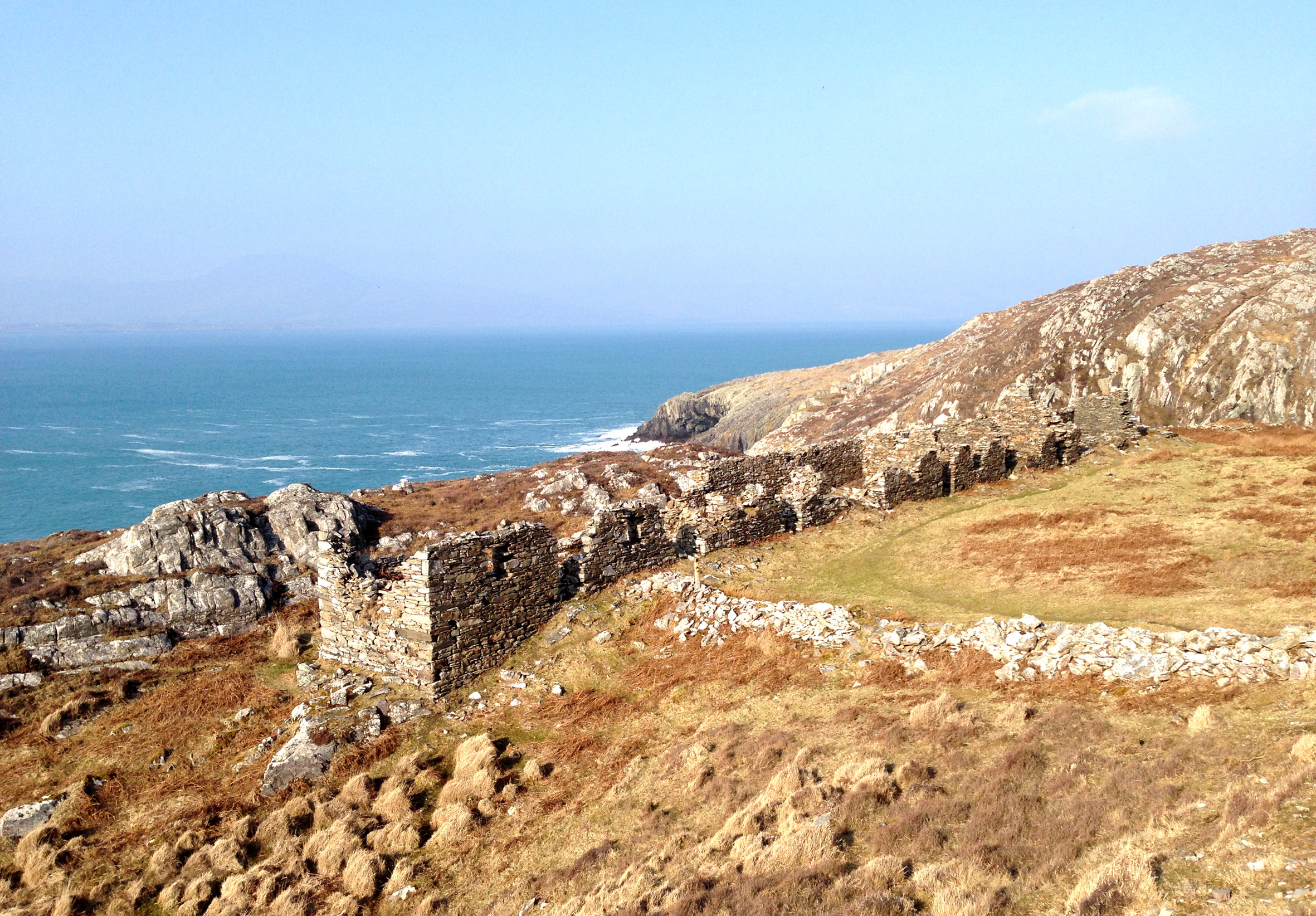
Sheep's Head Copper Mine: Cornish mineworkers' cottages

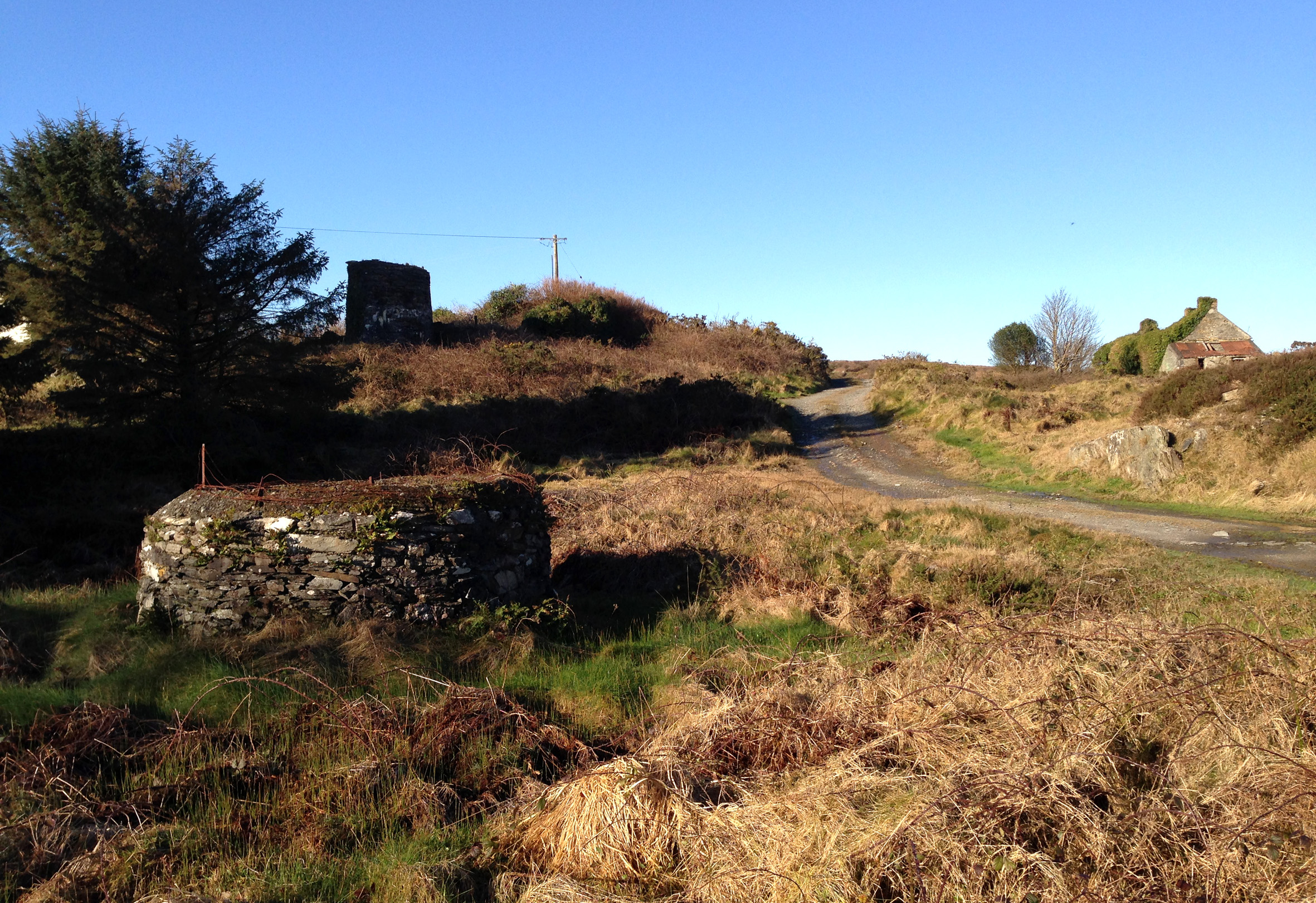
Gortavallig Copper Mine, Sheep’s Head: Cornish mineworkers’ cottages

We live in the townland of Cappaghglass. I would love to say that the name derives from the metal that makes up much of its geology – copper, but Finola tells me that way of looking at it comes from my English accent: the Irish word for copper is Copair, while Cappa actually means meadow. Glas or glass means green so – prosaically speaking – we live in ‘Green Meadow’. However, as in so many cases, the history of this little bit of Ireland is writ clearly on the landscape and Cappaghglass is very much ‘copper country’.

Stub of 9th century Irish round tower? - No: 19th century copper mine workings in Cappaghglass. In front is the head of a shaft, behind is the remains of the mine chimney that fell in 2002; to the right are the old mine cottages

Stub of 9th century Irish round tower? – No: 19th century copper mine workings in Cappaghglass. In front is the head of a shaft, behind is the remains of the mine chimney that fell in 2002; to the right are the old mine cottages

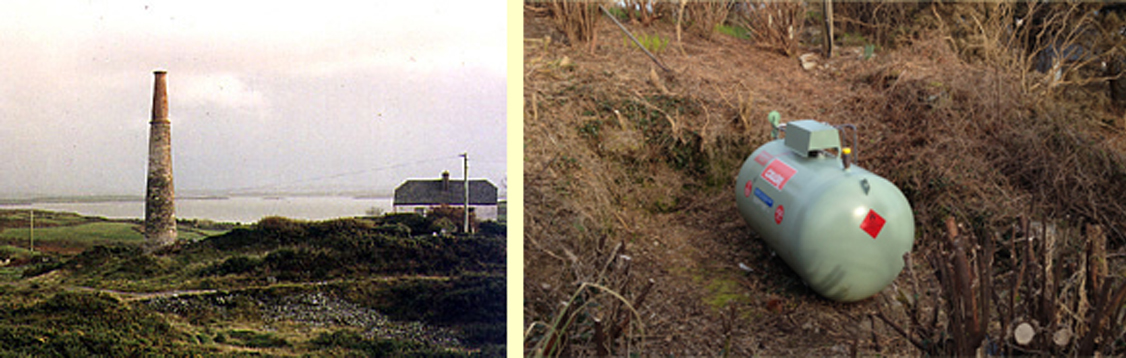
Our own house, Nead an Iolair, is built on territory that was once owned by a nineteenth century copper mine, and legend has it that our Calor gas tank is placed over an old mine shaft! We look out to Horse Island – one of Carbery’s Hundred Islands in Roaringwater Bay: it once supported a copper mine of the same period. Look at the photograph of the number of workers employed there at this time. Now there are merely a few holiday homes on the island.

Mineworkers on Horse Island: 19th century

Mineworkers on Horse Island: 19th century

Among the quiet fields and peaceful boreens our townland is strewn with evidence of the industry that once was here: old spoil heaps, barbed-wire protected shafts, supports for overhead ropeways and the base of a famous local landmark: the 20m tall Cappagh Mine chimney which came down in a lightning strike in 2002 which also severely damaged the Mine Captain’s House adjacent to it. Mining here commenced in 1820 and works ceased in 1874. Its best years were the decade 1863 to 1873, when 877 tons of bornite copper ore were produced.

cappamap2

Cappagh Mine: cross section, mine chimney (pre 2002) and our own mine shaft!

Cappagh Mine: cross section, mine chimney (pre 2002) and our own mine shaft!

***

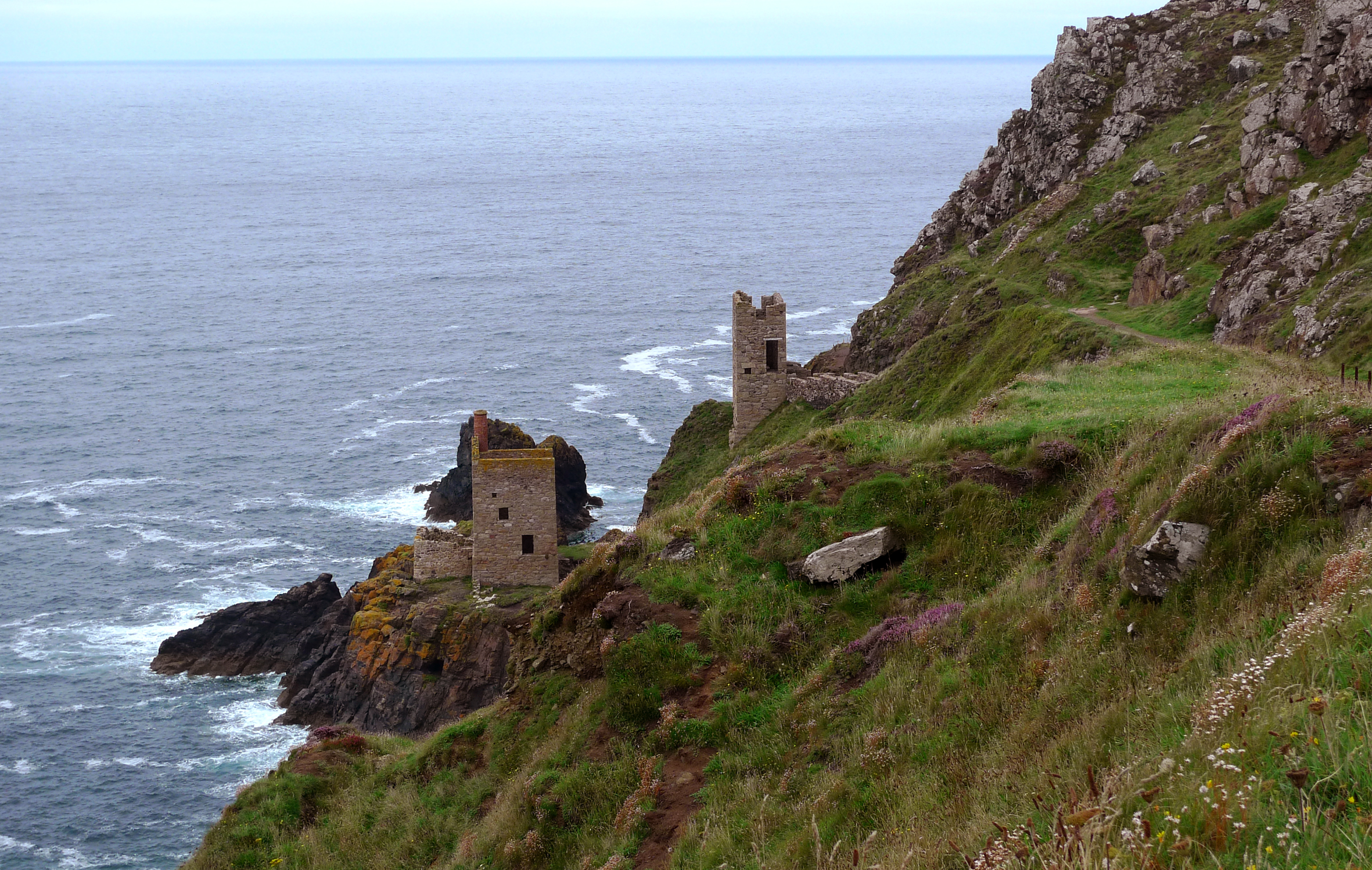
We went off to the Sheep’s Head last week – in idyllic weather – and were shown the Copper Trail by friends Peter and Amanda. It feels so remote out there, yet the place was a hive of industry when mining was at its height during the Victorian age. I was fascinated by the row of Cornish miners’ cottages there, and the similarity between this site and the cliff-edge setting of some of the mines in West Cornwall, Botallack in particular. When exploring these pieces of industrial archaeology in Cornwall I was always struck by the incongruity of the incredibly beauty of the places – set against the blue background of the Atlantic – with the hardship and danger of the working conditions that must have prevailed. Here in West Cork, as there in Cornwall, shafts and galleries extended out under the sea bed and the men toiled away in cramped and perilous conditions with the sound of the booming waters above them, while on the surface women (bal maidens) and children worked equally hard preparing the ore for crushing and smelting.

botallack

Botallack Tin Mine, West Cornwall - romantic site now, but less benign in earlier days

Botallack Tin Mine, West Cornwall – a romantic site now, but less benign in earlier days

Far longer ago than the nineteenth century, West Cork was being worked for copper ore. On the steep sides of our local Mount Gabriel there is evidence of copper mining dating back 3500 years to the Bronze Age. UCC Professor of Archaeology William O’Brien carried out research and excavations during the 1980s and traced a number of mine workings from this time. The extraction was a well organised process: a supply of  good roundwood had to be stockpiled and fires were lit against the rock face where traces of ore were apparent. A hot fire was kept burning for several hours followed by dousing in cold water (of which a good supply was also needed), causing the rock surface to fracture, and this disturbed face was hacked off with stone mauls allowing the accumulation of small quantities of  malachite. Constant working on good seams led to excavation into the mountain side, and some shafts have been found extending to several metres. Water ingress was a problem and it seems likely that a system of bailing or pumping was necessary. Eventually the drowned shafts were abandoned and, over time, they became filled with a type of blanket bog. This helped to preserve some of the wooden implements used and – presumably – discarded in them: hammer handles, wedges, picks and shovels as well as planks and ladders; also pine chips apparently used for illumination.

Bronze Age industrial landscape

Copper Country: Mount Gabriel – once the haunt of Wolves and miners

There’s a whole lot more to be said – about why metal was so important in the Bronze Age (wealth, in one word) and the whole context of distribution, trade and the technology of bronze itself: bronze production is only possible by combining copper ore with tin, and this was not available locally. In all probability our Cornish and Iberian cousins were making contact with Ireland’s metallurgists thousands of years ago. Interesting that the Rock Art we find in these same hillsides – and which could date from the same period – also has parallels in Britain, Brittany and Iberia.

Bronze Age industrial landscape?

Bronze Age industrial landscape?

Gobnait

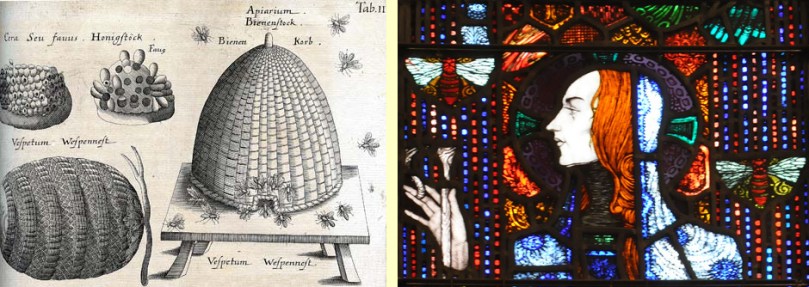
Right: Harry Clarke's St Gobnait

Right: Harry Clarke’s St Gobnait

  • With all the excitements of the hurricanes this week bringing down trees and taking out power and telephones, we almost forgot to celebrate Saint Gobnait’s Day.
  • Saint who?
  • Saint Gobnait – 11th February.
  • But what sort of a name is Gobnait?
  • It sounds like Gubbnet. Not an unusual girl’s name in Ireland: Finola went to school with one. She seemed happy enough with it.
  • But imagine calling a little baby Gobnait… What does it mean, anyway?
  • Er, not sure really: there’s a suggestion that it’s similar to Deborah. That means Honey Bee. Also there’s an Irish word Gabhan which means Blacksmith, and our Saint is supposed to be the patron of ironworkers.
  • So what’s the story of Saint Gobnait?
  • Um, there isn’t one. There’s no history or hagiography about her… But she is mentioned in the ‘Lives’ of St Abban and St Finbarr.
  • But no doubt you are going to tell me that there’s lots of folklore about her?
  • Exactly! This is Ireland after all. She’s celebrated in Ballyvourney, in the Gaeltacht area of Cork. She’s Cork’s local saint. However, she came from somewhere else – possibly Clare, maybe the Aran Islands. She was visited by an angel who told her to travel until she came upon nine white Deer, and that would be the place for her to settle.
  • Did she find the nine white Deer?
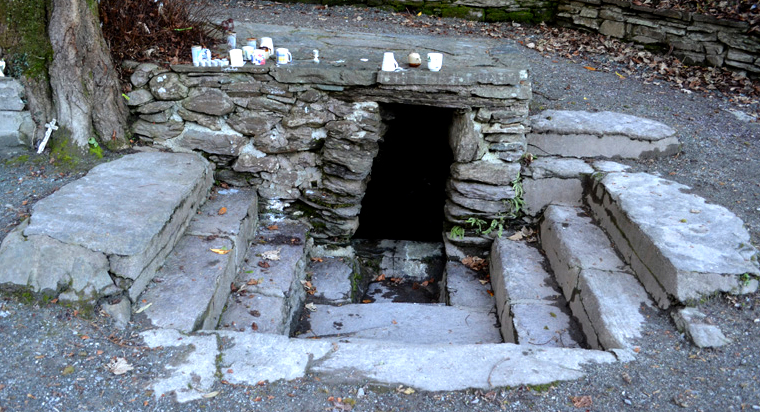
  • She did. But not until she had met three white Deer – in Clondrohid, and then six white Deer – in Ballymakeera, both in County Cork. But she carried on until she reached Ballyvourney; that’s where she met the nine white Deer and so founded her religious community there. It’s a site of pilgrimage today: there’s a church and a Gobnait’s Well which is dried up now, and which is said to be haunted by a white Stag. There is evidence that the well is still venerated today – rags and ribbons are tied to the trees and offerings are left there. Interestingly, excavations around the site in Ballyvourney revealed evidence of ancient ironworkings.
St Gobnait's Well

St Gobnait’s Well

  • So it looks as if Saint Gobnait was superimposed on some pre-Christian traditions?
  • Yes, very much like Saint Brigid.
  • Anything else which sets her apart?
  • Bees! She is always depicted with her Bees: she is supposed to have had great powers of healing and could even cure the plague with a medicine made from honey. Interestingly there are folk traditions that the soul leaves the body in the form of a Bee or a Butterfly. Bees could therefore be incarnations of our ancestors; perhaps that is why it’s important to ‘tell’ the Bees our family history – births, marriages and deaths. There were also once laws called Bech Bretha – Bee Judgments.
  • So what am I supposed to do on Saint Gobnait’s Day?
  • Think about Bees, ancestors, iron and healing… And do the ‘Rounds’ on Pattern Day. This involves going around the well or church either three times or three times three times, always clockwise. At Ballyvourney the pilgrims also touch the Sheela-na-gig as part of the turas (journey).
  • Sheela-na-gig?
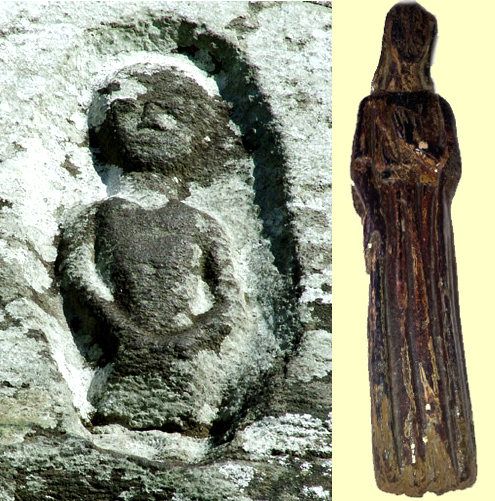
  • That’s a statue of a female figure with prominent genitalia. There’s one carved on the wall of the church at Ballyvourney, which is supposed to be a representation of the Saint.
Sheela-na-gig and medieval statue

Sheela-na-gig and medieval statue

  • That certainly sounds pagan!
  • Possibly something to do with fertility. There are a lot of examples in Ireland and Britain, almost always associated with churches. Perhaps just a medieval joke – or something which has a meaning now lost to us.
  • So, is that everything that there is to know about Saint Gobnait?
  • No – at Ballyvourney the Parish priest looks after a 13th century carved wooden figure of the Saint, and this is brought out on her day and also on Whit Sunday. Some people supposedly still use a Tomhas Ghobnatan: a length of ribbon or thread which is measured against the carved figure and then used as a healing charm. There are other sites in Ireland dedicated to her: a shrine and well in Dunquin, and Tobar Ghobnait, another well in a ruined oratory at Kilgore on the Dingle Peninsula, County Kerry. Here is found a simple ancient stone bowl which is always full.
  • How active is the pilgrimage at Ballyvourney?
  • Very active: the church is always crowded on the day, and there are long queues waiting to measure their ribbons against the wooden statue after doing the ‘rounds’.
  • Well, thank you: I will take a trip up to Ballyvourney…
  • It’s worth going on a Sunday to hear the Mass sung in Irish. Sean O’Riada formed a choir  there which is still going strong today, now led by his son Peadar.

cludach-naomh-gobnait