Bluebell Time in West Cork

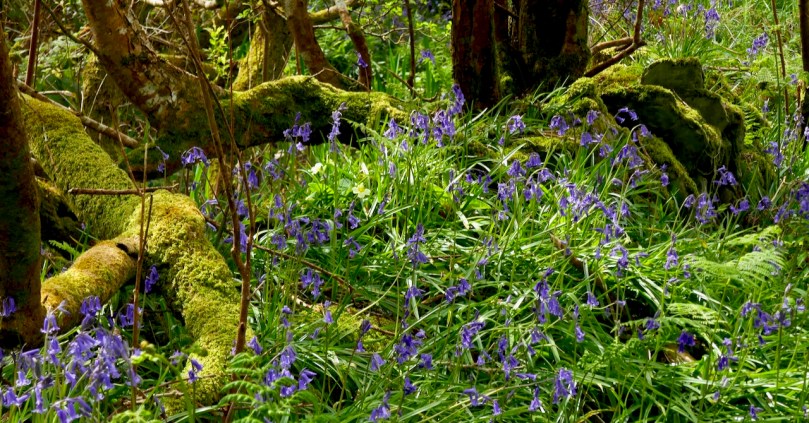
What is it about a bluebell wood that re-charges the batteries and lifts the heart? Perhaps it’s that amazing blue carpet that stops us in our tracks: it’s so unlike anything else in our natural world.
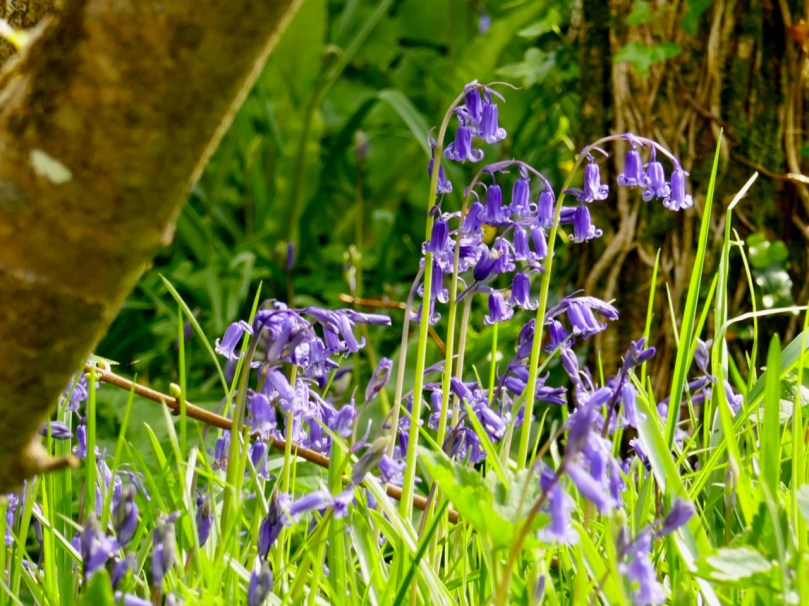
Or maybe it’s the fact that it lasts only a little while that makes it special. Like Easter eggs or Christmas carols, we would get tired of them if they were always with us – it’s their brief seasonality that makes us look forward to them (OK, maybe the Christmas carols don’t appeal to everyone in the same way).

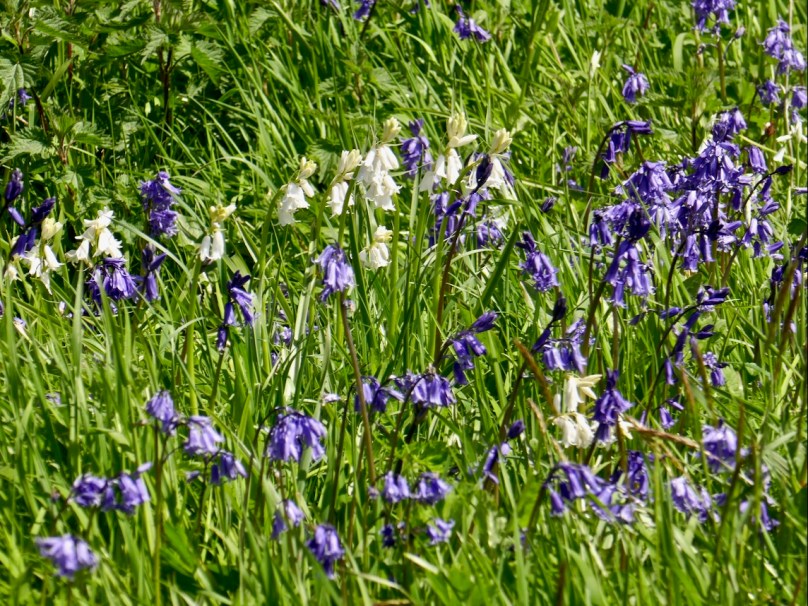
Lower: Bluebells and Three-cornered Garlic

Even when it’s bluebell time, as it is right now, it’s not always easy to find a bluebell wood, because we don’t have expansive deciduous forest cover here in West Cork. I love the bluebells that line the boreens in places, growing up the hedgebanks, but it’s not quite the same thing as a woodland carpet.
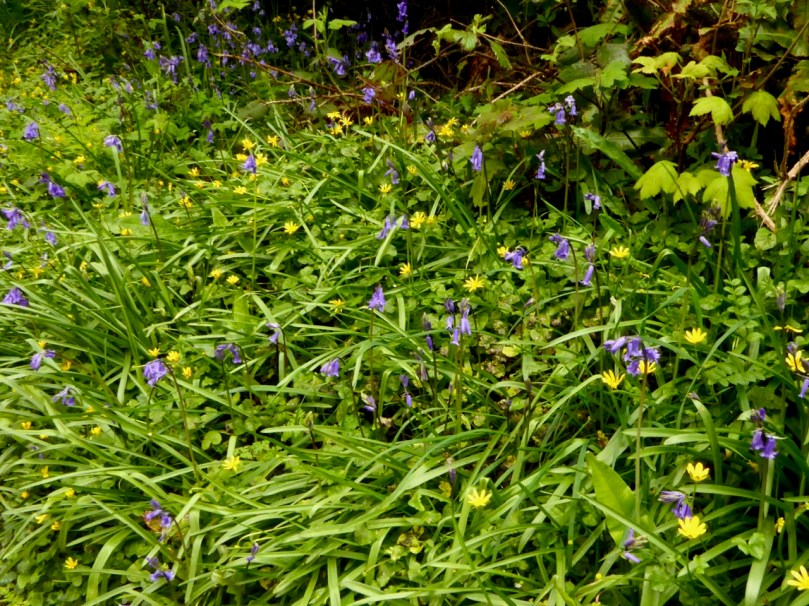
Bluebells and Celandine growing on the bank on one of my favourite boreens

Let’s start with what a bluebell is – I’m talking here about our native bluebells (Bluebell/Hyacinthoides non-scripta. Or in Irish Coinnle corra, pronounced quinn-la curra). As you probably know, the imported Spanish Bluebell is everywhere now, and to add insult to injury has started to hybridise with our native Bluebell.
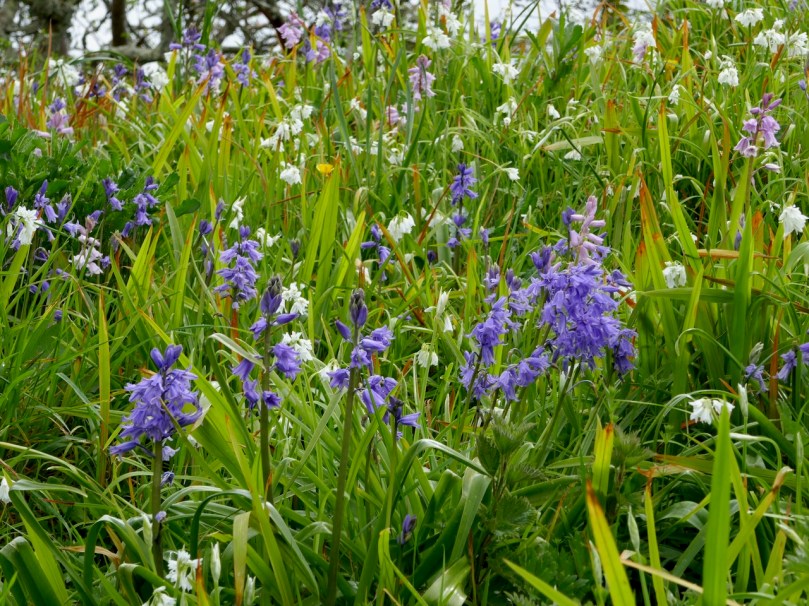
A garden near us has a lovely display of blue and pink Bluebells and Three-corned Garlic – unfortunately these are the non-native Spanish Bluebells, or possibly hybrids

Take a look at this excellent video from the Irish Wildlife Trust for a guide to how to distinguish between them.

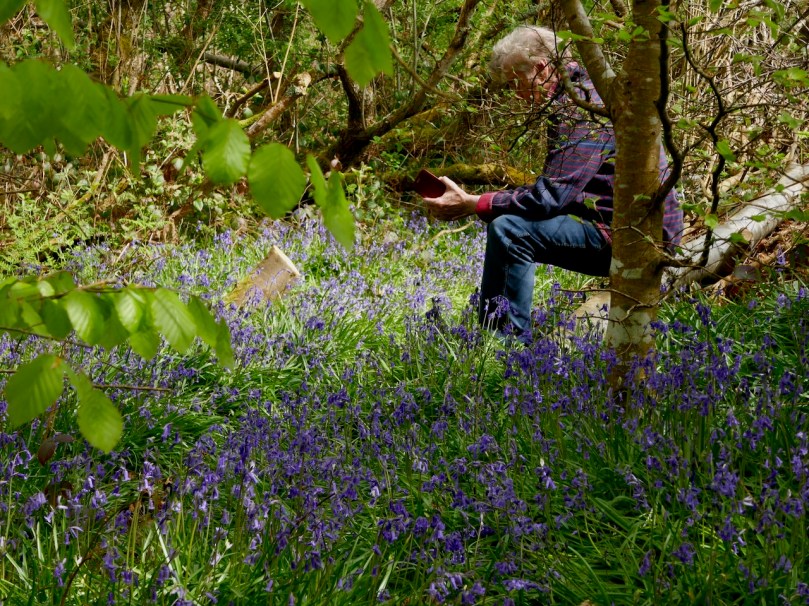
Fortunately, we still have lots of native bluebells and I was lucky this week to get permission to stroll in my friend, Nick’s, little wood, and also to take a walk with Robert and Gill up the hill behind Long Strand. For more about what we were after, see Robert’s post on the cross today.

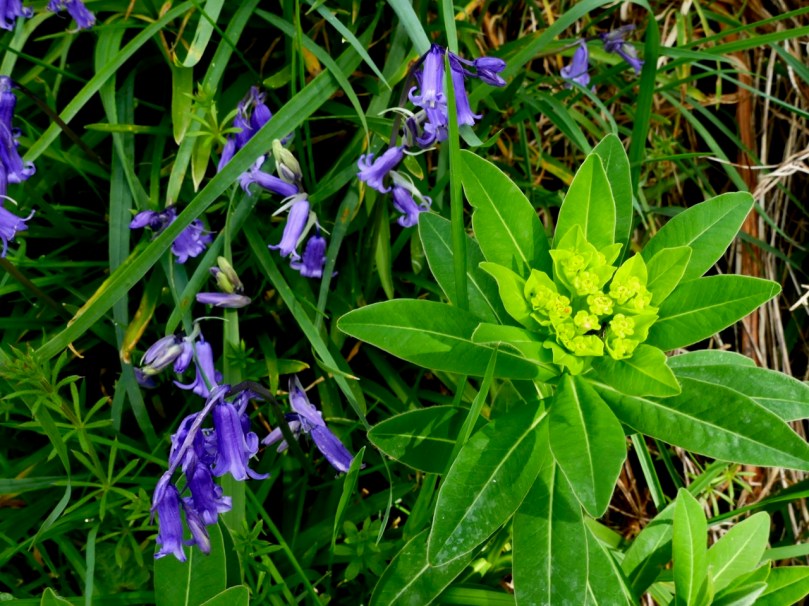
Upper: One of the little bridges over the stream. Lower: Bluebells and Irish Spurge

Nick’s little wood is down beside the sea on what was once an old homestead – you pick your way through a heritage orchard to get in there. It felt like an immense privilege to be the only ones there, to wander through the trees and over the tiny bridges.
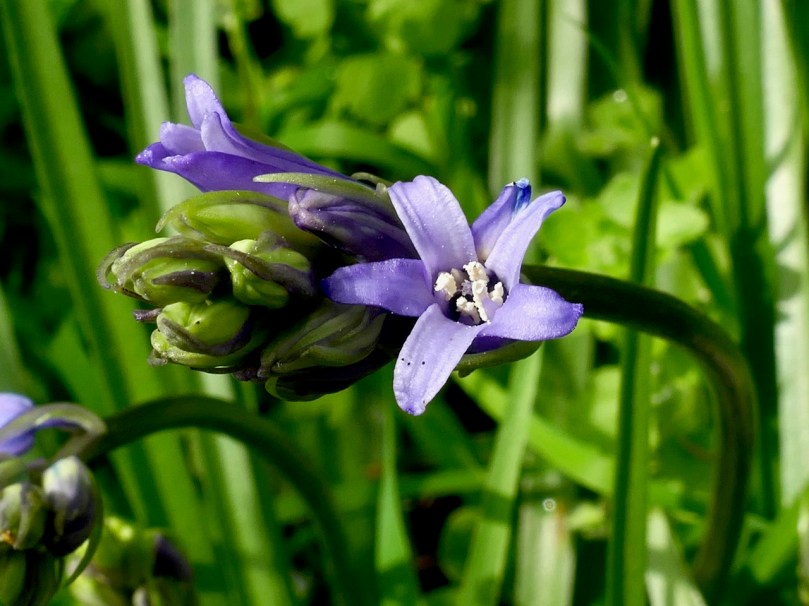
Upper: one of the way to recognise a native Bluebell is to look at the anthers – they’re white or cream-coloured. Lower: a spontaneous white Bluebell in among the blue ones. It happens

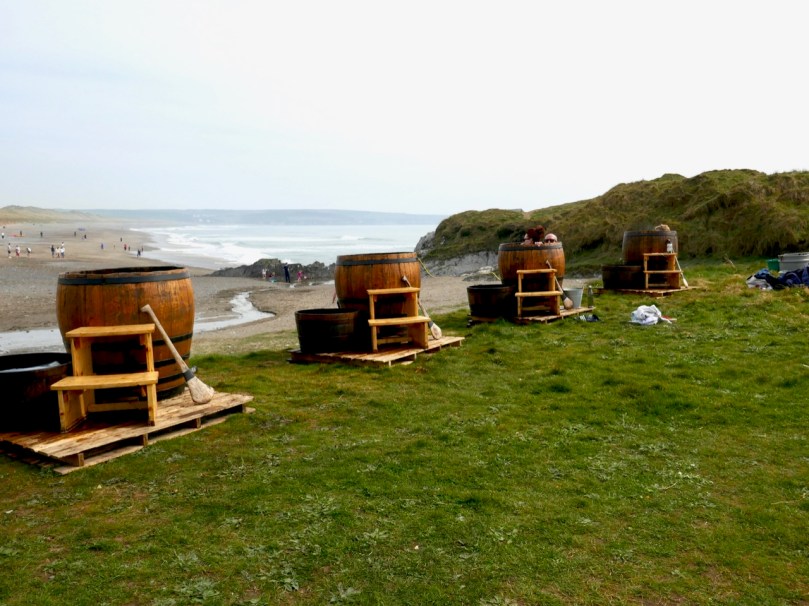
Yesterday, because Robert wanted to see Lady Carbery’s Cross, we walked up Croachna Hill, behind Long Strand, near Rosscarbery. The strand was heaving with swimmers, surfers and loungers, the coffee truck and restaurant were packed and the guy who does the Wild Atlantic Seaweed Baths was out – it all looked so festive and summery.
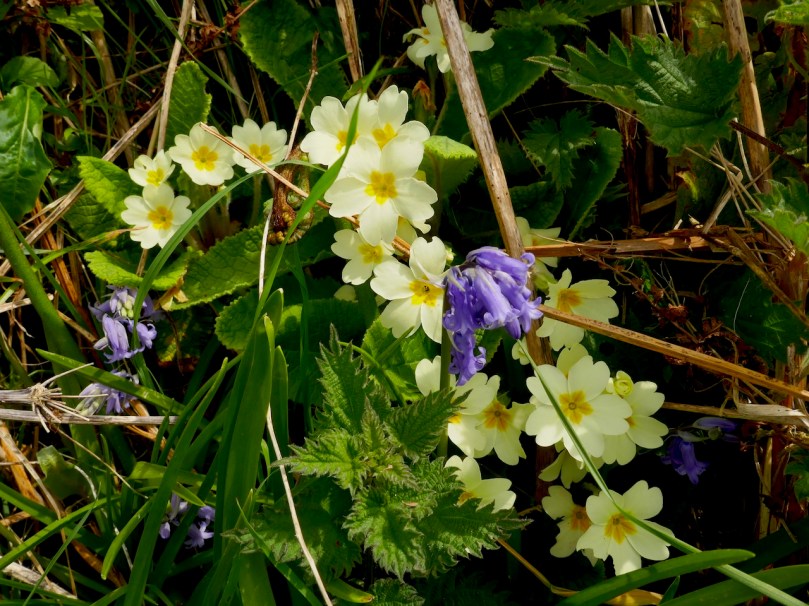
Primroses and Bluebells

The walk up the hill was awash with wild flowers, besides the ones I’ve illustrated here we saw Common Dog-violet, my first Ragged-Robin of the season, Yellow Pimpernel, Ribwort Plantain, Navelwort, Ground-ivy and Herb-Robert.
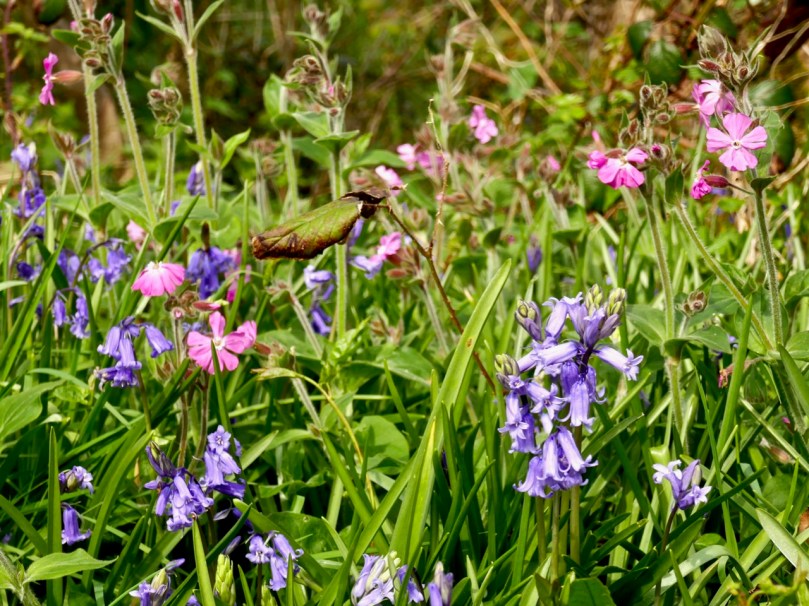
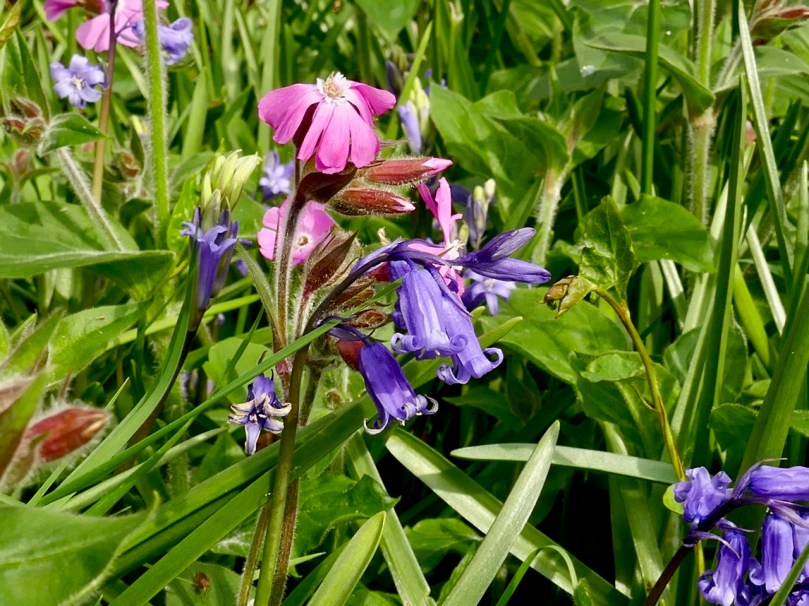
I’d never seen that combination of Bluebell and Red-campion before (above). It’s pretty spectacular, and a reminder that colours in nature always harmonise. Together with the yellow of Celandine and Buttercup, and the lovely woodsy smells, it was a sensuous experience.
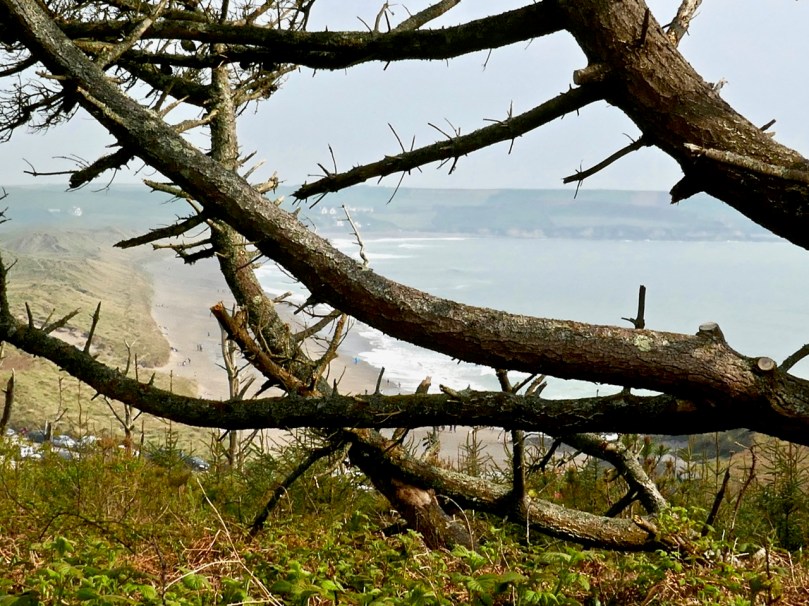
Upper: Looking back to Long Strand from Croachna Hill. Lower:  Bluebells, Celandine, Buttercup, and a lone Red Campion

Where are your favourite bluebell haunts, dear readers?
 

Mizen Magic 14: Lissagriffin

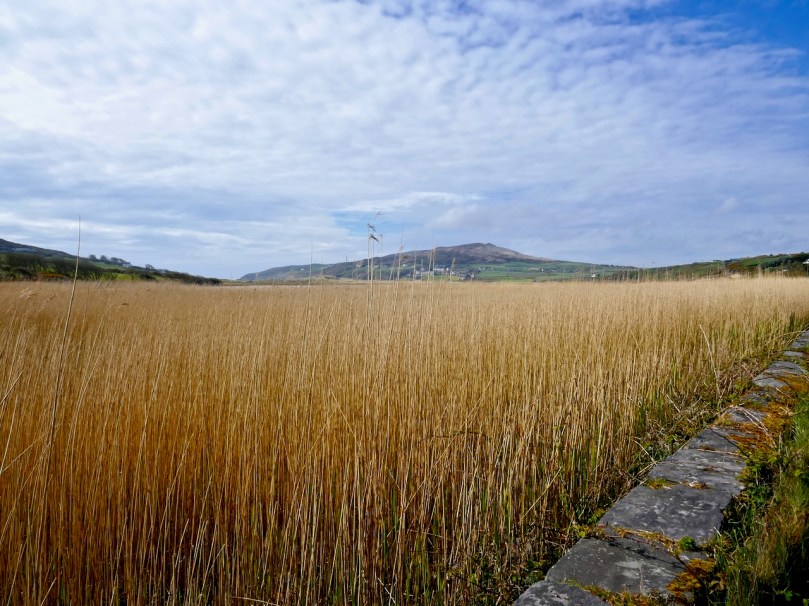
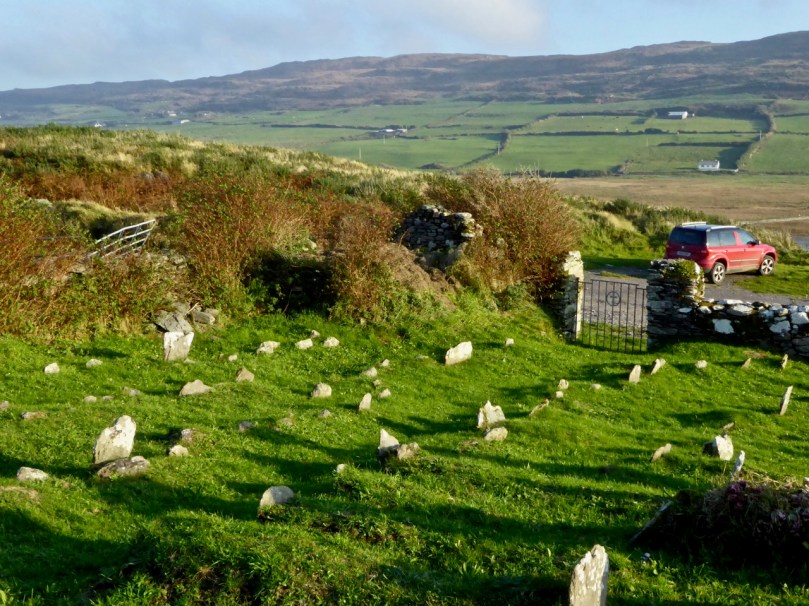
Lissagriffin (the fort of Griffin) lies on the south-facing slope on the northern side of the salt marshes behind Barley Cove. It is a sunny spot with panoramic views back to the hills beyond Goleen and across the salt marshes below to the dunes of Barley Cove and the sea beyond.

The Barley Cove salt marshes – sit on the wall and just listen to the breeze in the reeds

Nowadays, it’s a peaceful place of farms and pasture land, but there are clues in the landscape and the old maps and records that there was much more going on here in times past.

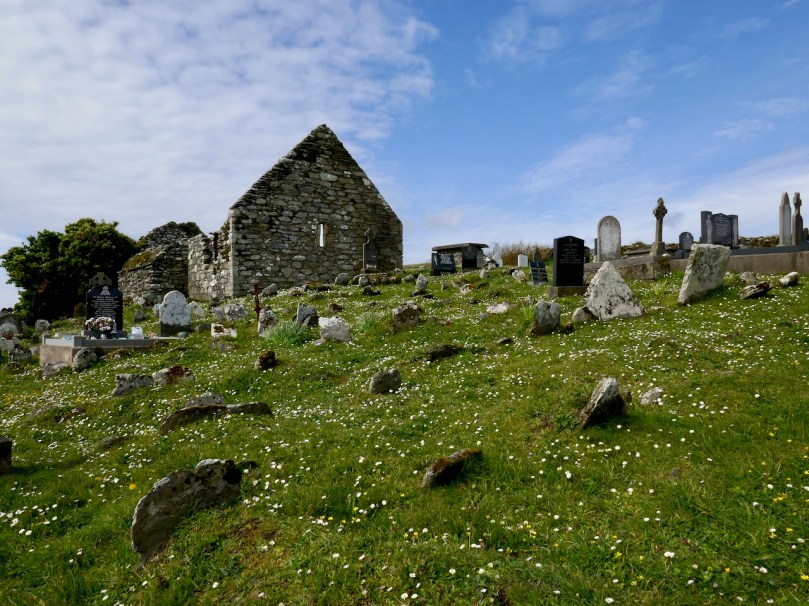
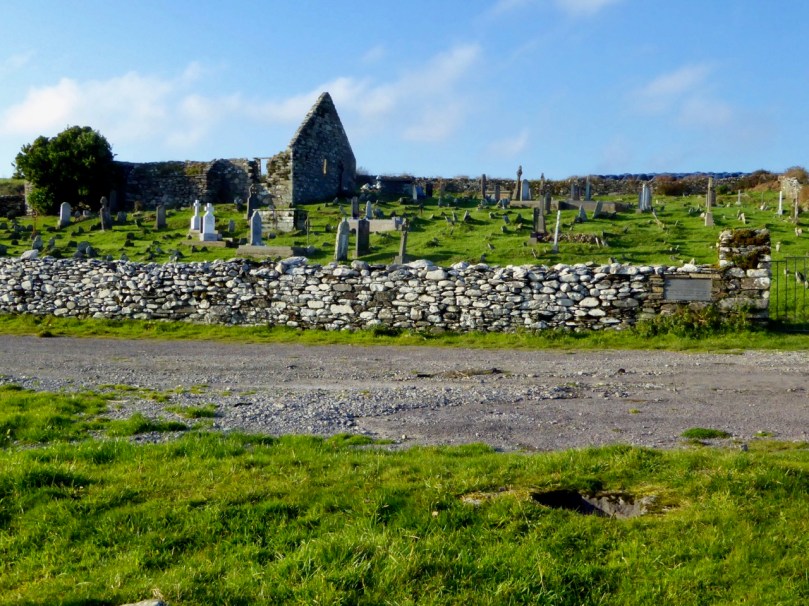
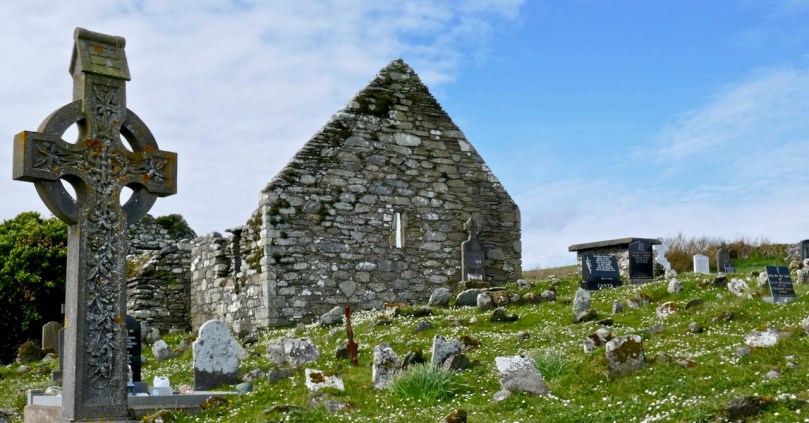
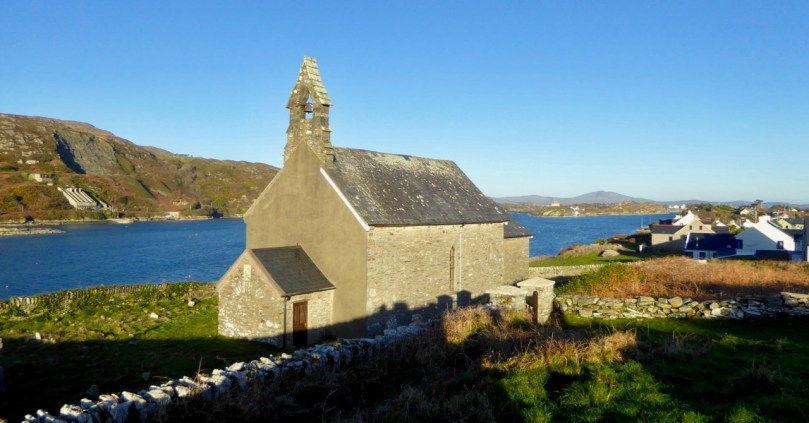
The most visible reminder is the ruined church, surrounded by a graveyard. Once, these lands were in the possession of the Rev Fisher  – remember him from my Saints and Soupers saga? They were associated with the Glebe Lands accruing to the Church of Ireland, which means that the rector was also the administrator of the graveyard, to whom you had to apply for permission for burial. The church and graveyard is known as Kilmoe (pronounced kill moo, meaning the the church of Muadh, although I haven’t been able to identify this saint), like the parish of the same name which occupies most of the Mizen west of Schull.

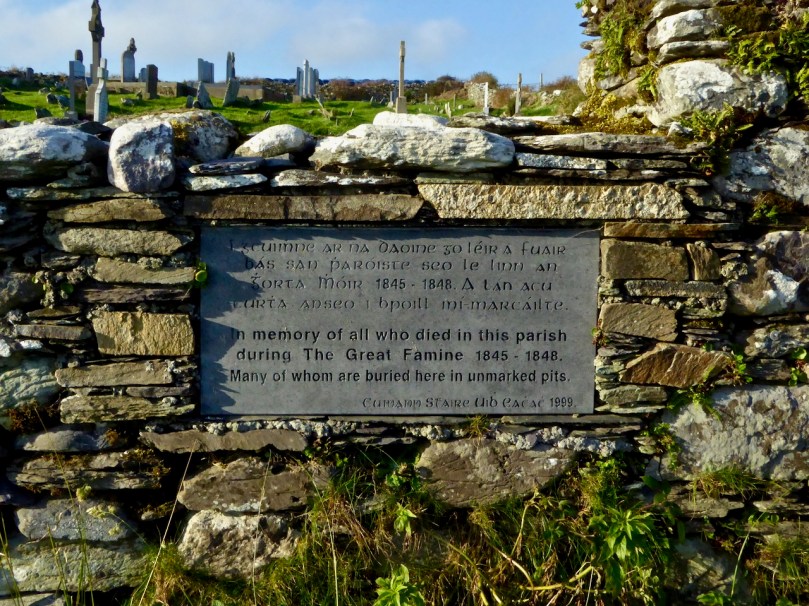
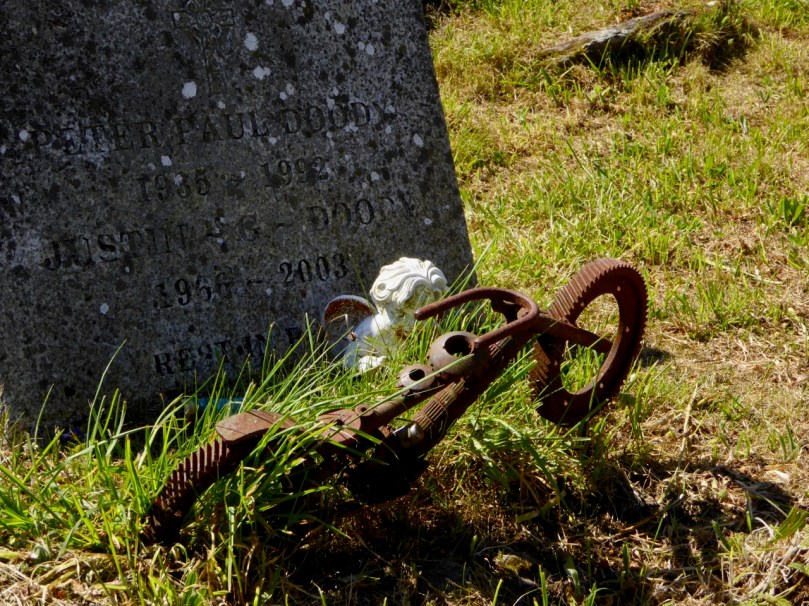
The graveyard has headstones going back to the 1700s, although I couldn’t find any from that era on my searches. All the local names are represented here, including the Burchills and the Wilkinsons of my Cousins Find Each Other post. It was in use as a burial plot during the Famine – a memorial plaque on the wall attests to this.

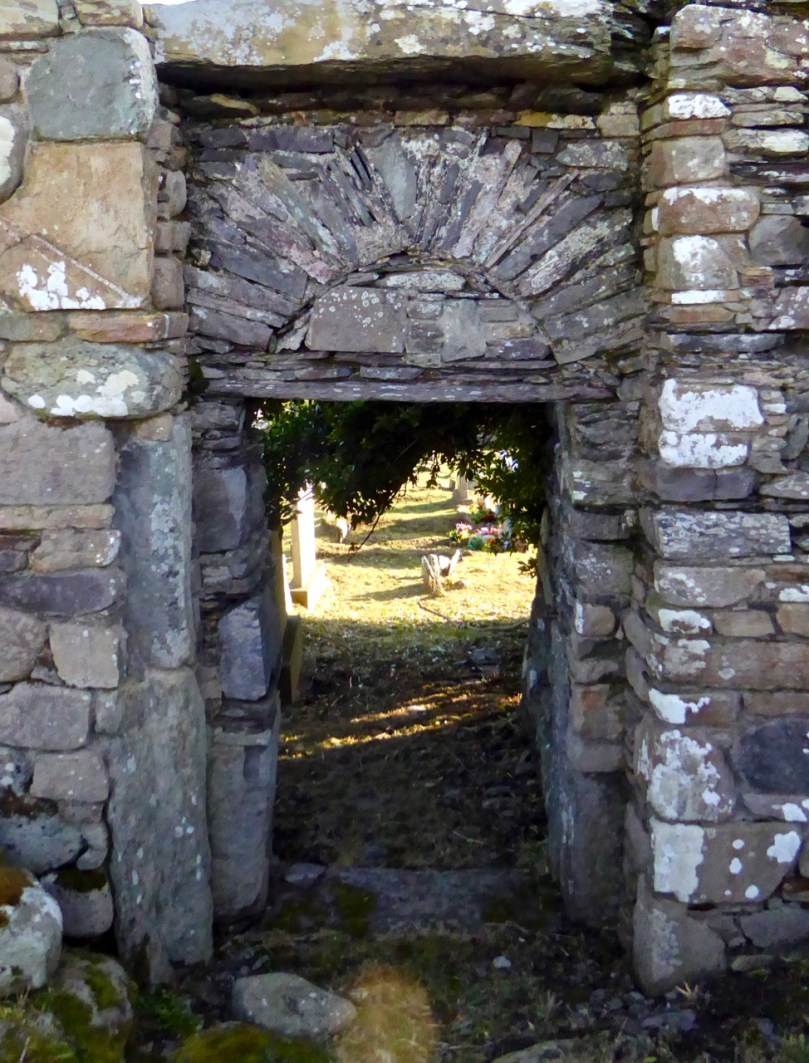
A feature of graveyards from this time was a watch-house, a reminder that bodysnatching was a lucrative trade. During the famine watch-houses also enabled people to be on the look out for dogs – there are accounts of dogs attempting to get at bodies barely covered by soil during this terrible time. There’s a ruined structure just inside the gate at Kilmoe (below), probably a watch-house from this time.

Like all historic graveyards around here there are many plots marked by simple stones, headstones and foot-stones, where people could not afford the services of an engraver. Remarkably, the knowledge of who is buried in some of those unmarked graves still resides somewhere, whether in church records or in the folk memory of local people. You can browse the listings of the graves here.

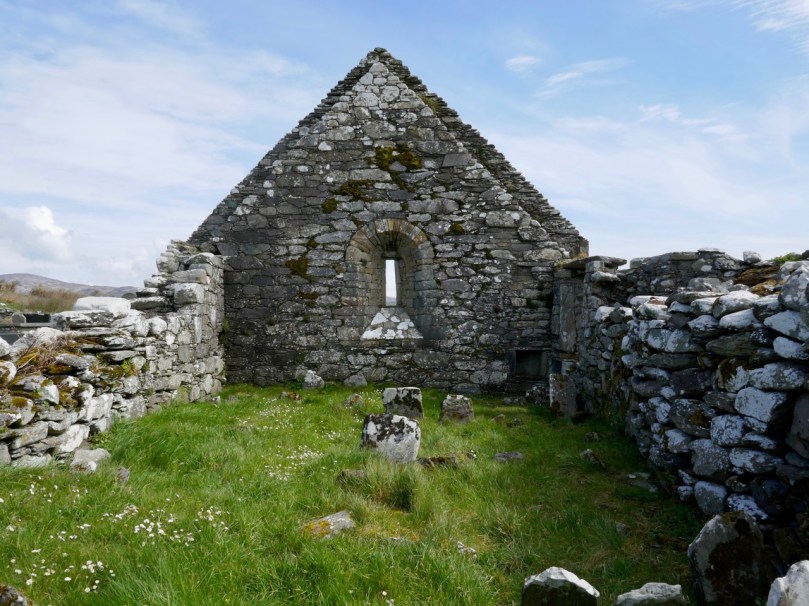
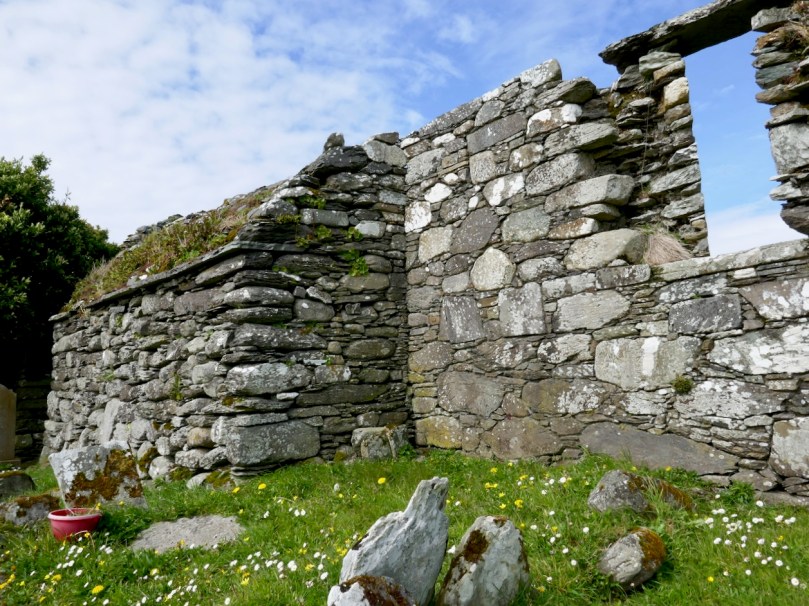
At the centre of the graveyard is a ruined church. It’s a very interesting structure to me, because I believe it is actually older than its normally-ascribed date. It was occupied, according to Brady’s Clerical and Parochial Records in 1581, when Dermot McCormack McCarthy was the rector and the church belonged to the College at Youghal and was dedicated to St Brendan. The Down Survey described it thus in 1700: Kilmoe : the church is ruinous, the walls that are standing are bad, built with stone and clay. The church stands about a mile from Crookhaven, to the westward near the head of Barlycove bay. 8A. of glebe on the north of the church; good land, set for £20 per an. There are the ruins of a vicaridge house joining to ye church-yard.

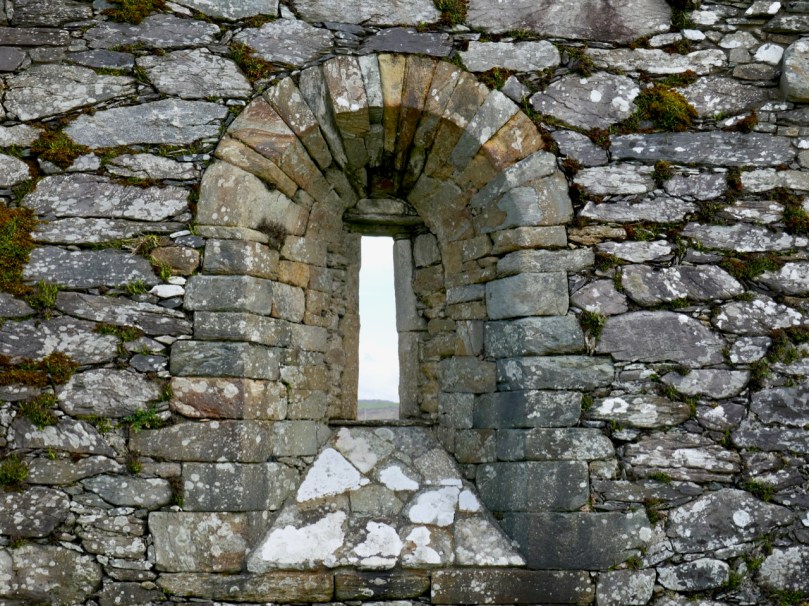
There are hints in the structure of the Romanesque style, which would place it in the 12th century. The east window is clearly Romanesque in construction, while the door, with its plain lintel and ‘relieving arch’ also appears so.

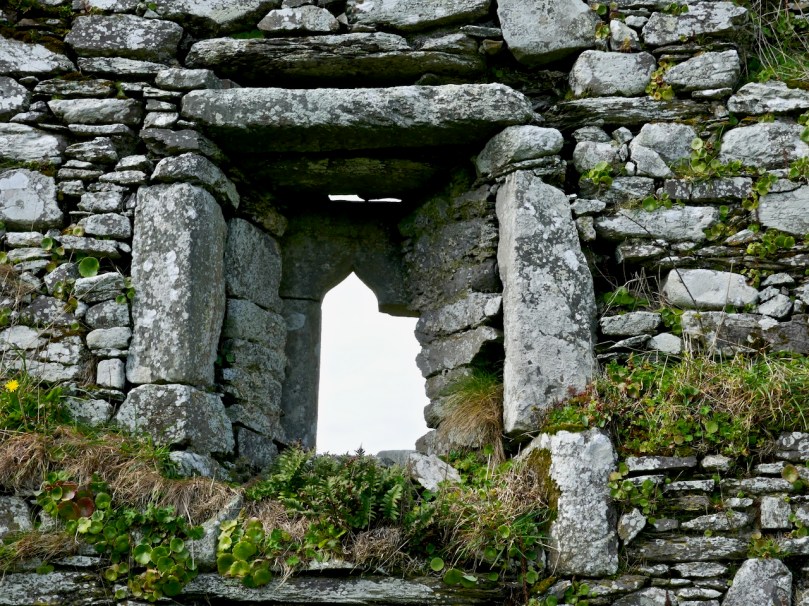
I am seeking some confirmation of this and will update this post if or when I get a response. The west end appears to have been two storey – the joist supports are still projecting from the wall, which means that the old ground level was lower than it is today and that the window was in the second storey. That window (below) is ogee-headed – a clearly gothic element, which means (if I am right about the west end) that it was inserted later. The whole church may have been modified many times over the years it was in use.

There is a record of a cross-inscribed stone inside the church – we have looked for this but cannot find it. It may be gone, or it may be partially buried in the long grass. There’s no sign of the vicaridge house joining to ye church-yard.

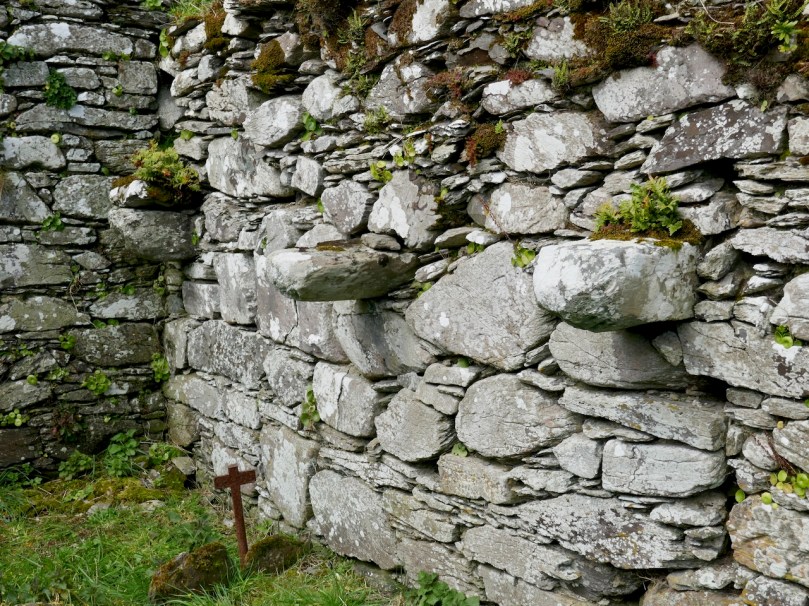
The unusual ‘buttress’ feature on the north wall

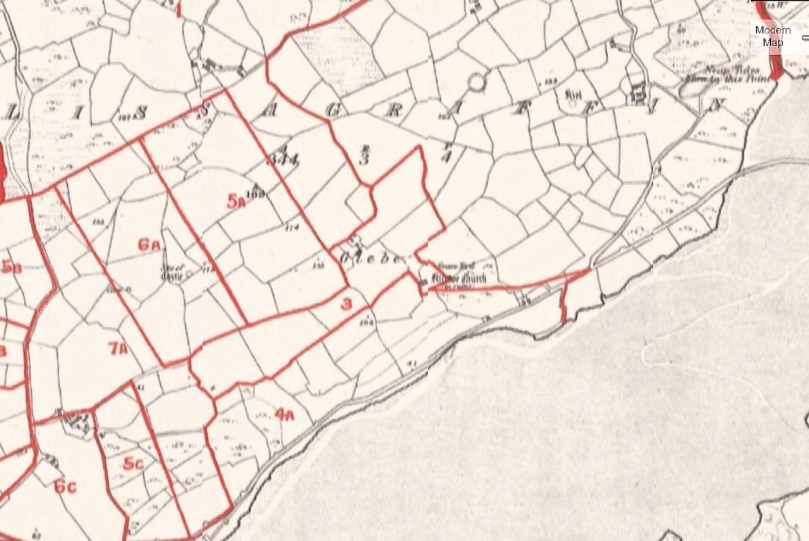
But the landscape around has other elements too – or rather had other elements. There used to be an O’Mahony Castle just to the east of the church, of which no trace remains today. We know of it from Griffiths map of the 1840’s, (below: apologies for the blurriness, it seems to be the best resolution one can get) where it is clearly marked as a ruin. While many of the O’Mahony castles were closer to the shore, this one would have benefited from all-encompassing views of both land and sea, and from proximity to the church, for worship. According to James Healy’s The Castles of County Cork, it was probably tenanted by the O’Meighans, a bardic family associated with the O’Mahony clan. Although there is nothing left, local people told Healy in the 1980s that the site was cursed and that bad luck attached to it.

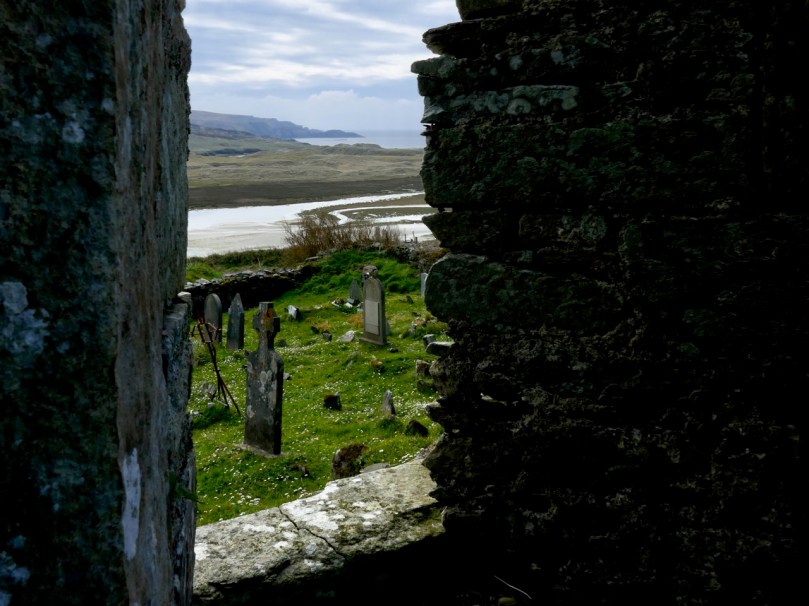
The view out to sea from the church

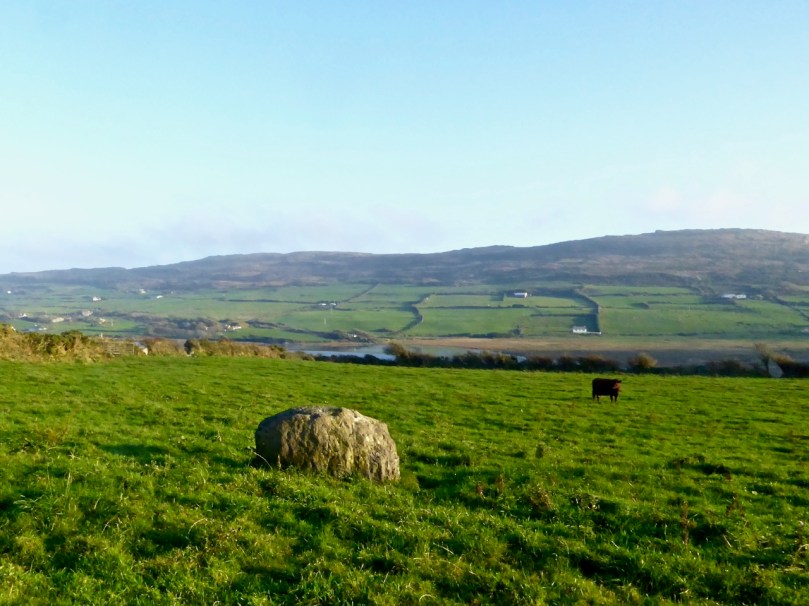
Even older still are the numerous standing stones that dot the hillside to the east and north. The photograph below shows one – a rather stumpy example. And probably even older than those are the cupmarks reported on the rock face just to the east of the graveyard. We have searched for these too, but were defeated by the gorse and brambles.

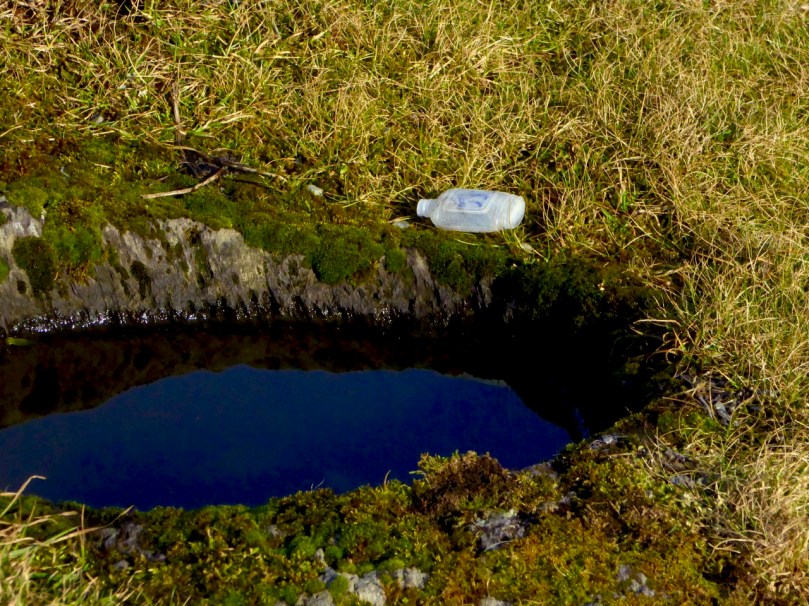
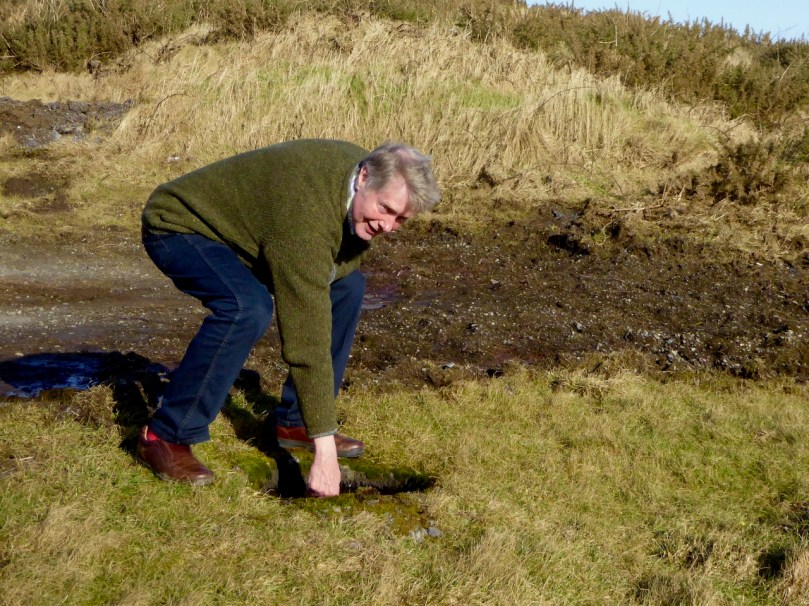
Of unknown vintage is the bullaun across from the graveyard gate. Although bullauns are often carved in free-standing boulders, this one was scooped out of the bedrock: it is known locally as a wart well. Dip your finger in, say the requisite prayers, and your wart will disappear. We even found a small bottle for Lourdes holy water left by it on one of our visits, showing that it is believed to still possess curative powers. Robert agrees! Amanda has included it in her Holy Wells blog.

Next time you’re headed out to Barley Cove on a fine day, take a little detour up to Lissagriffin church. The views alone are worth it, although a little wander around the graveyard will do a lot to soothe your soul. 


Signs of Spring

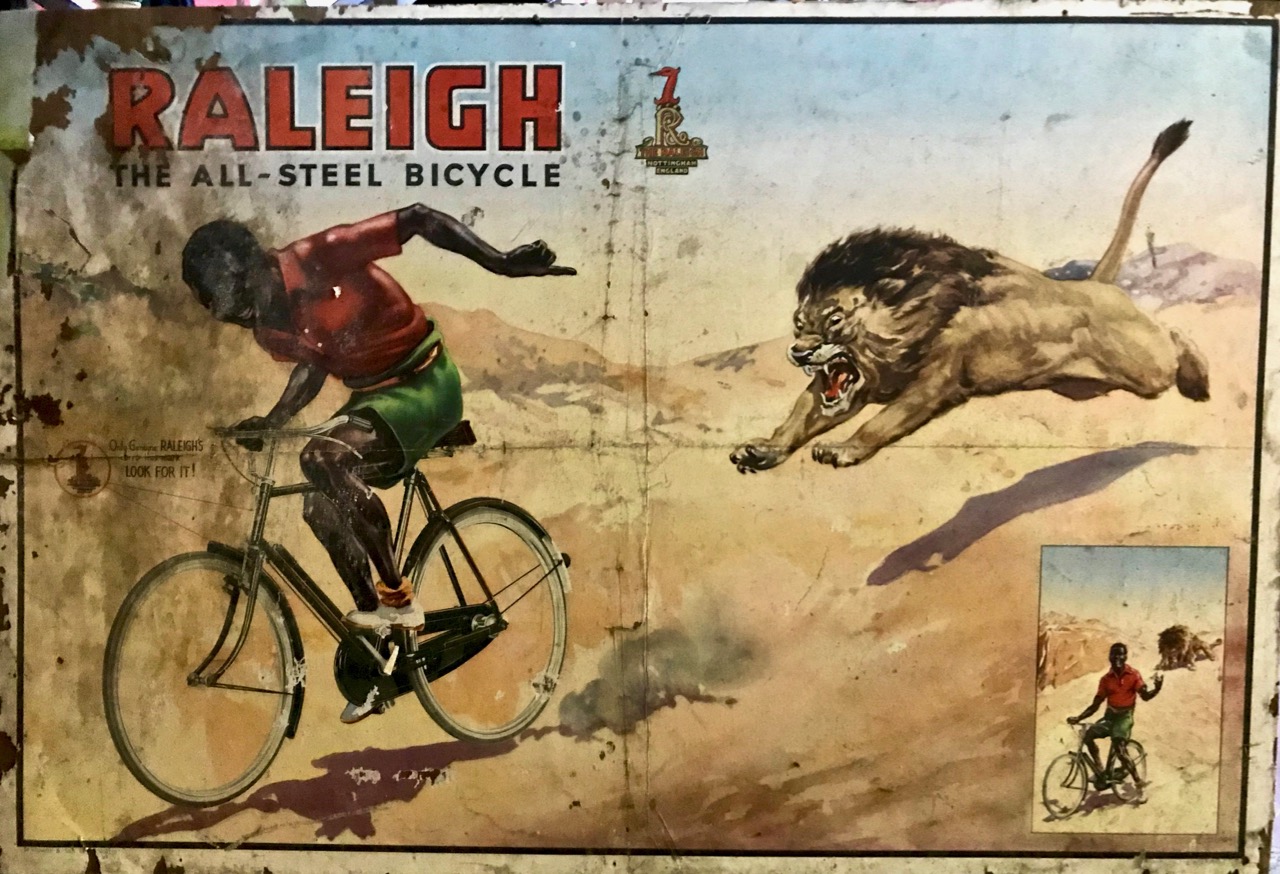
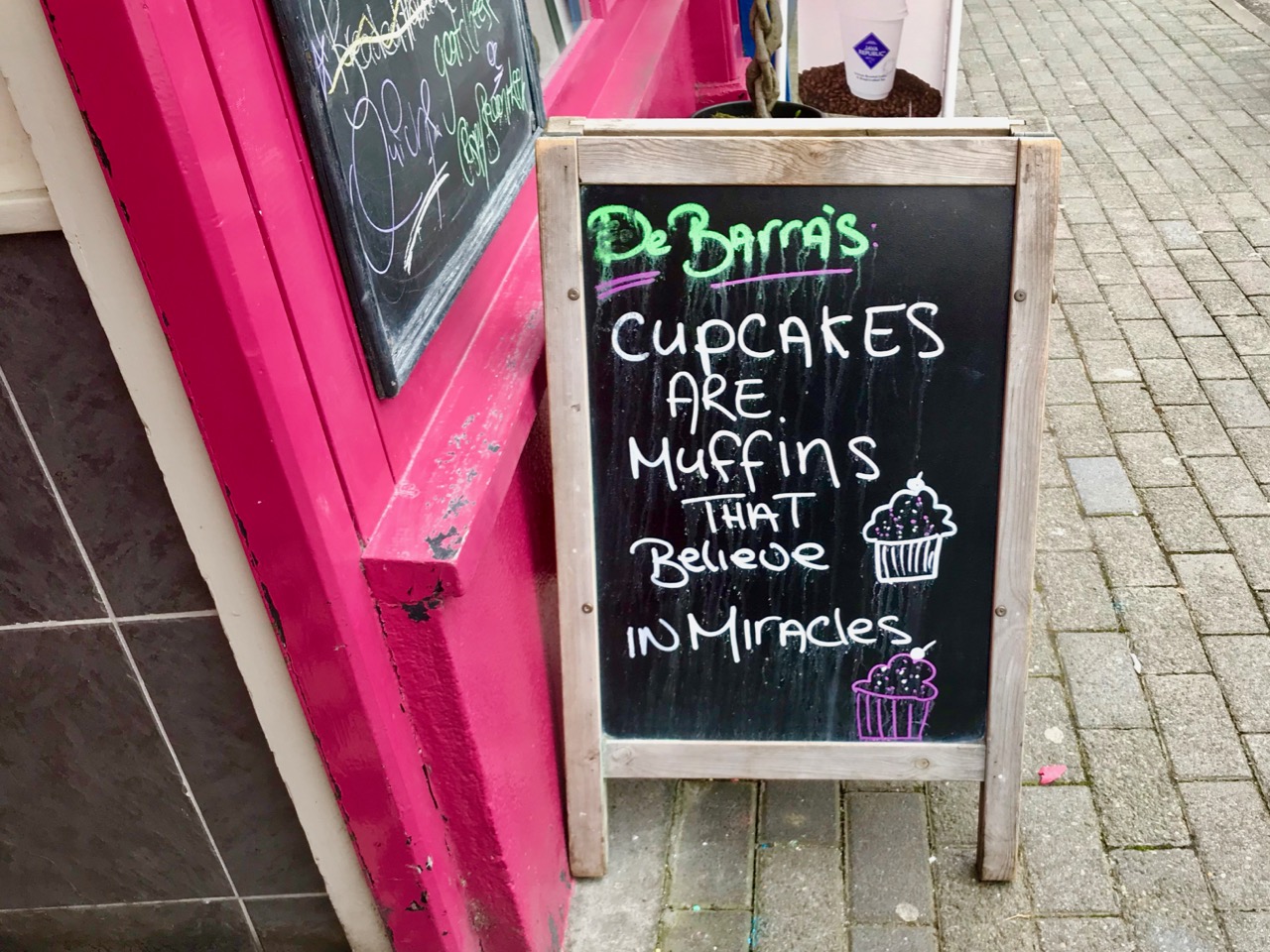
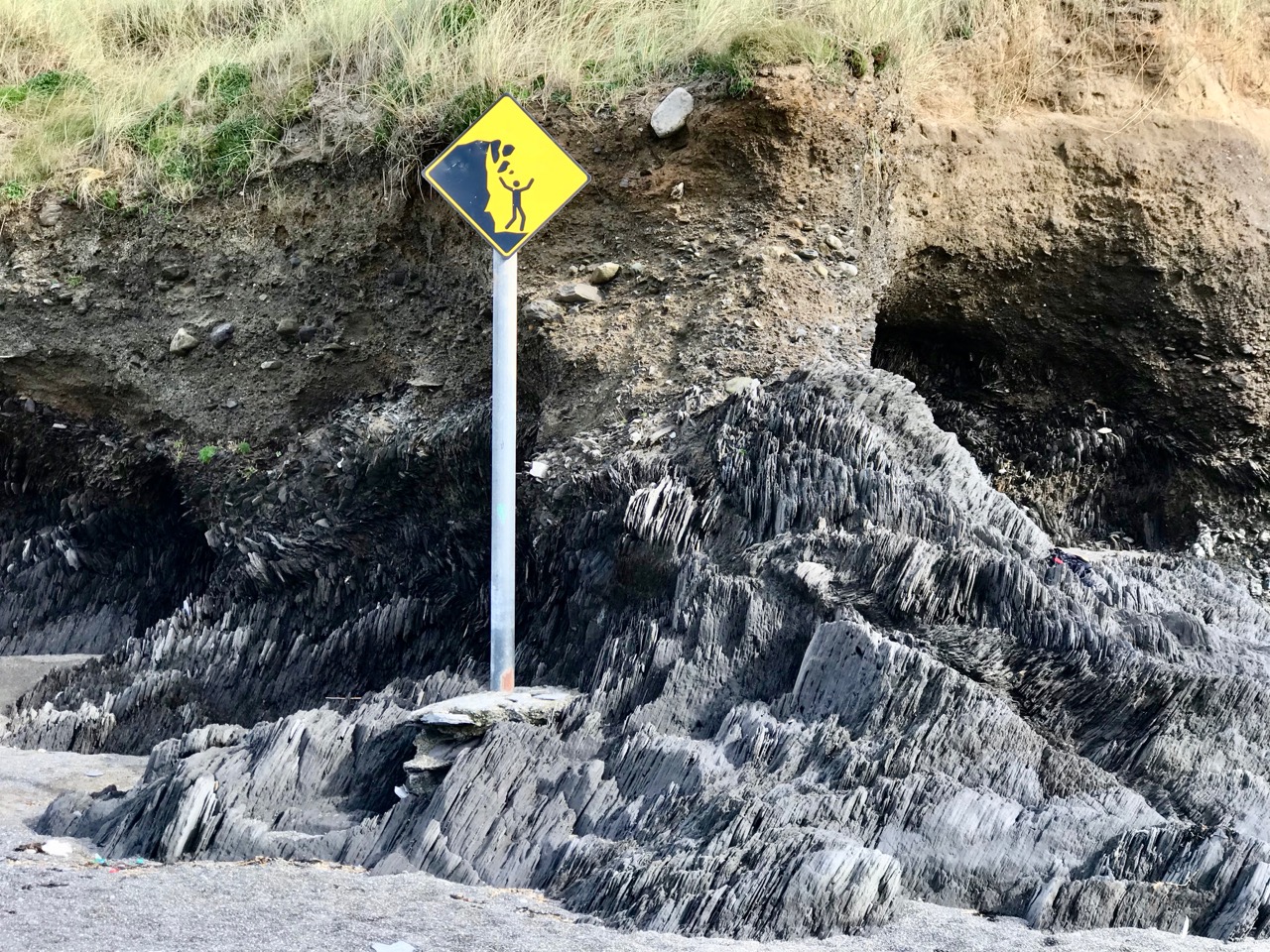
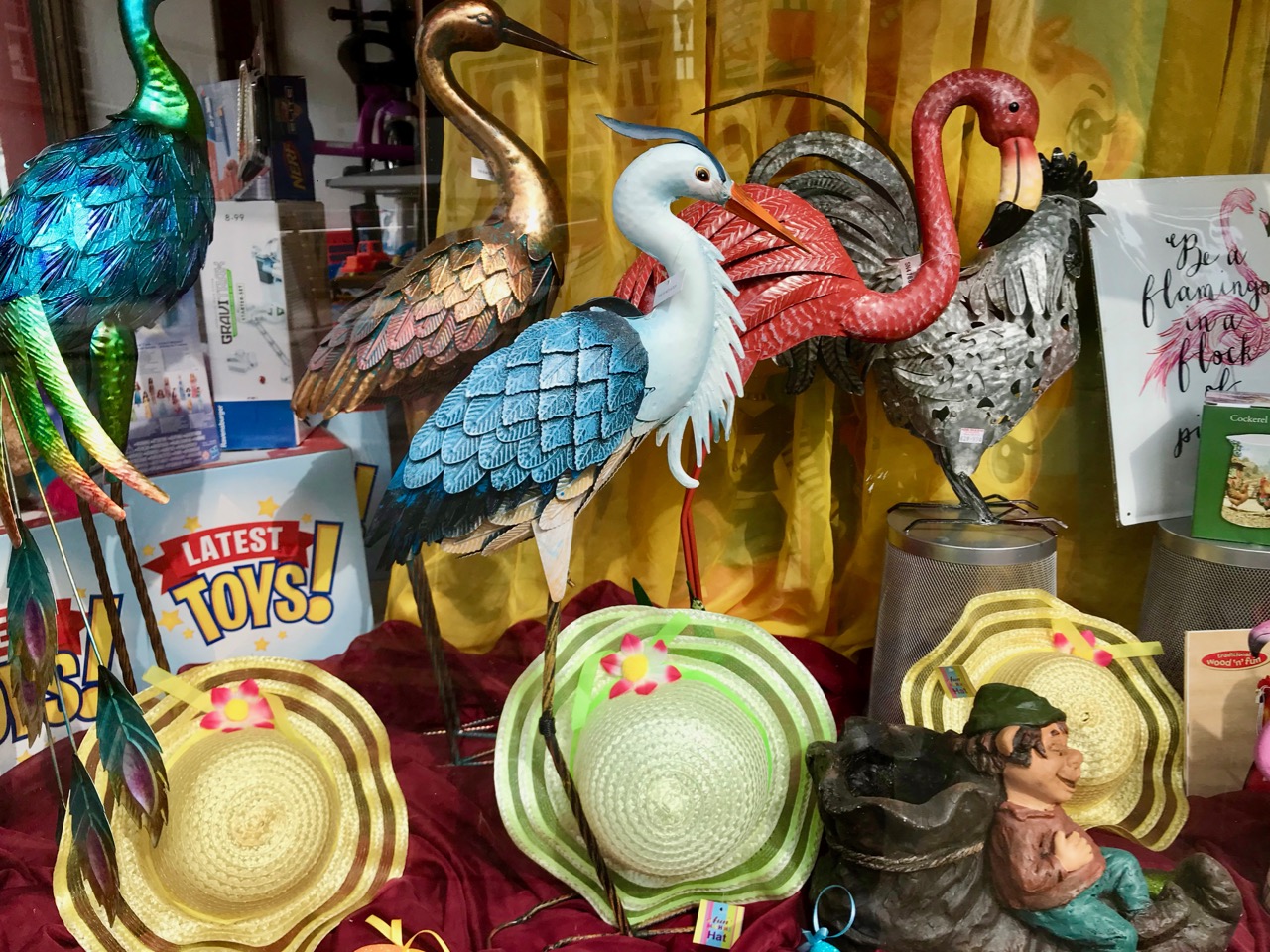
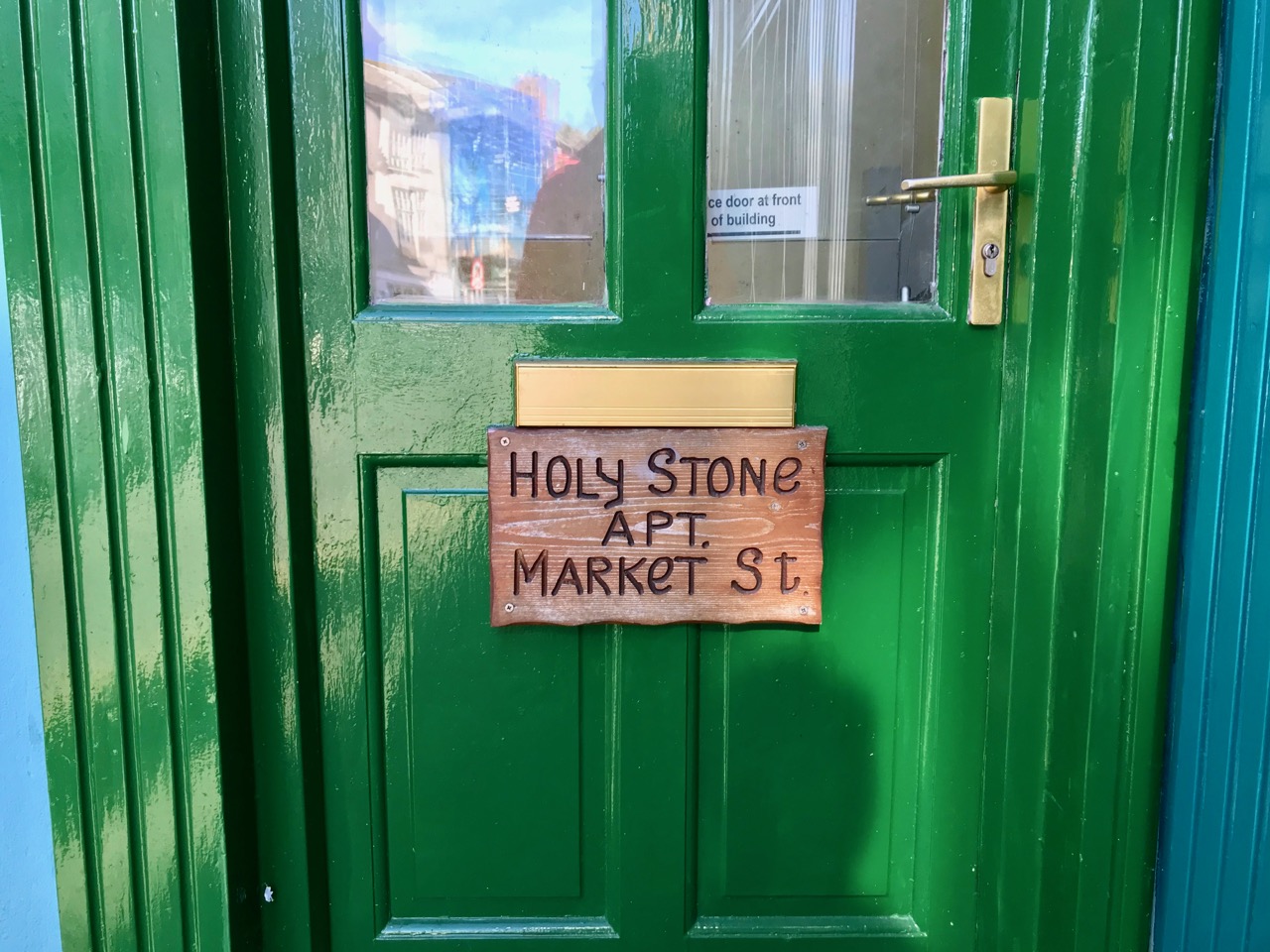
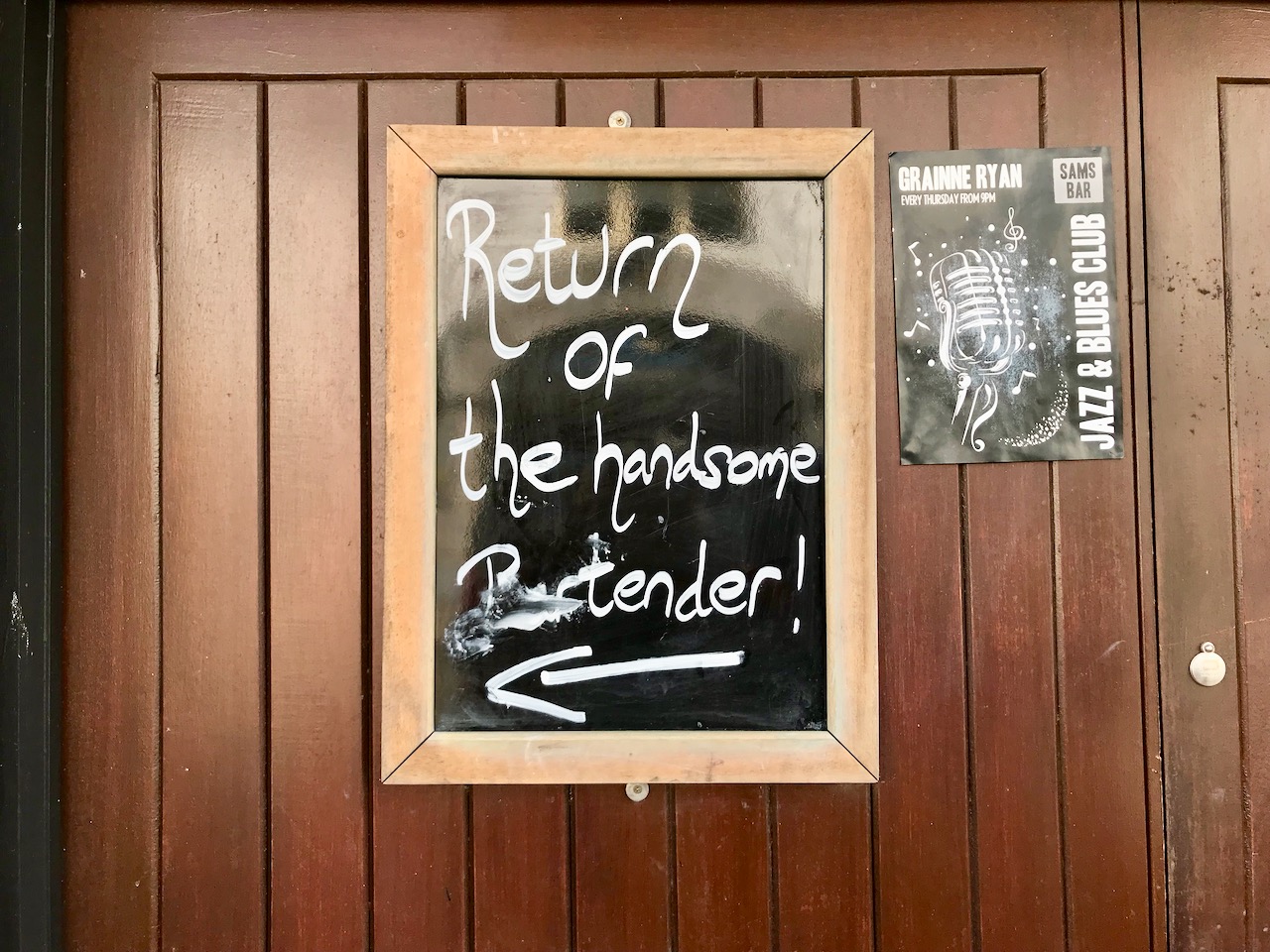
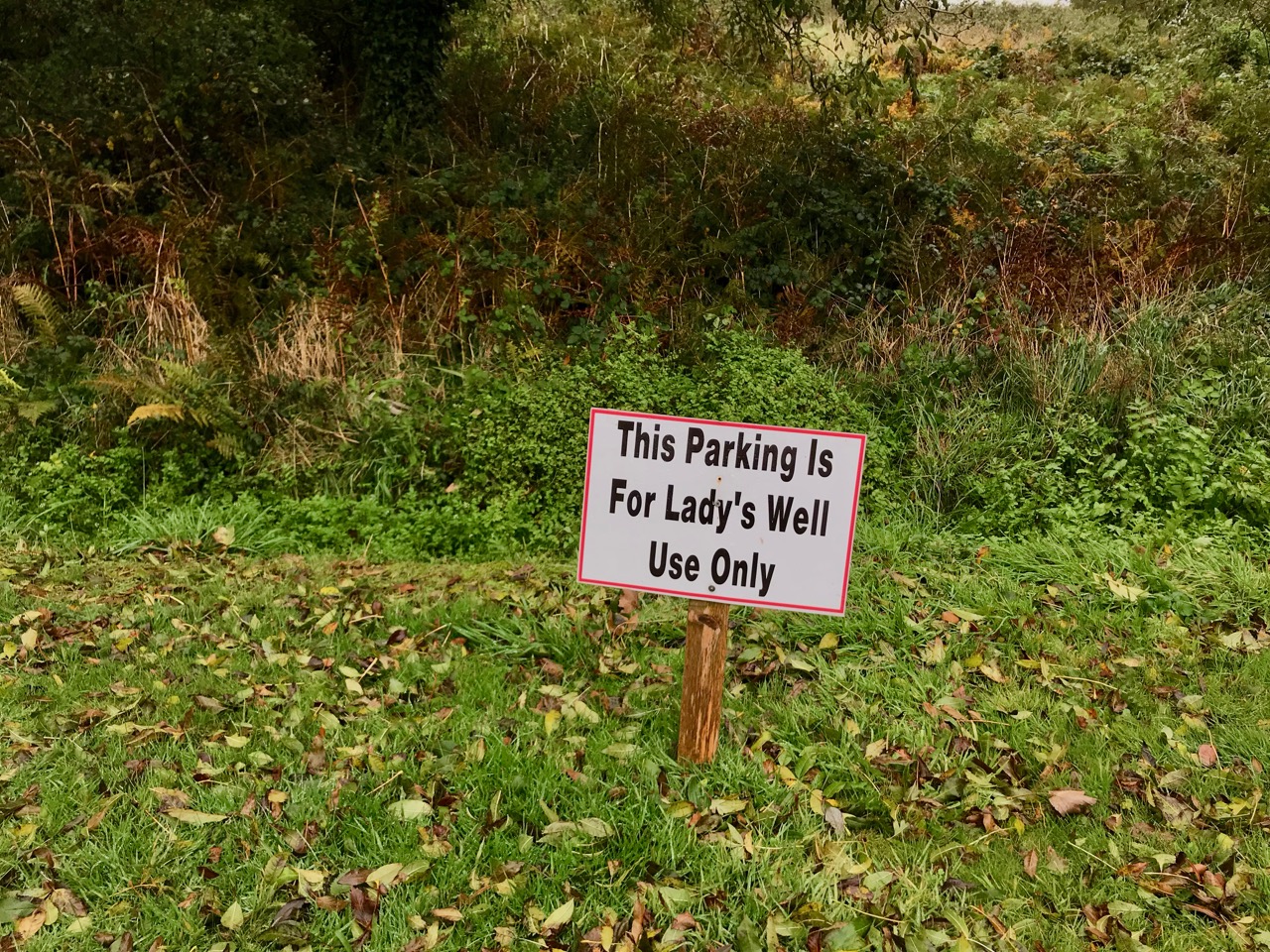
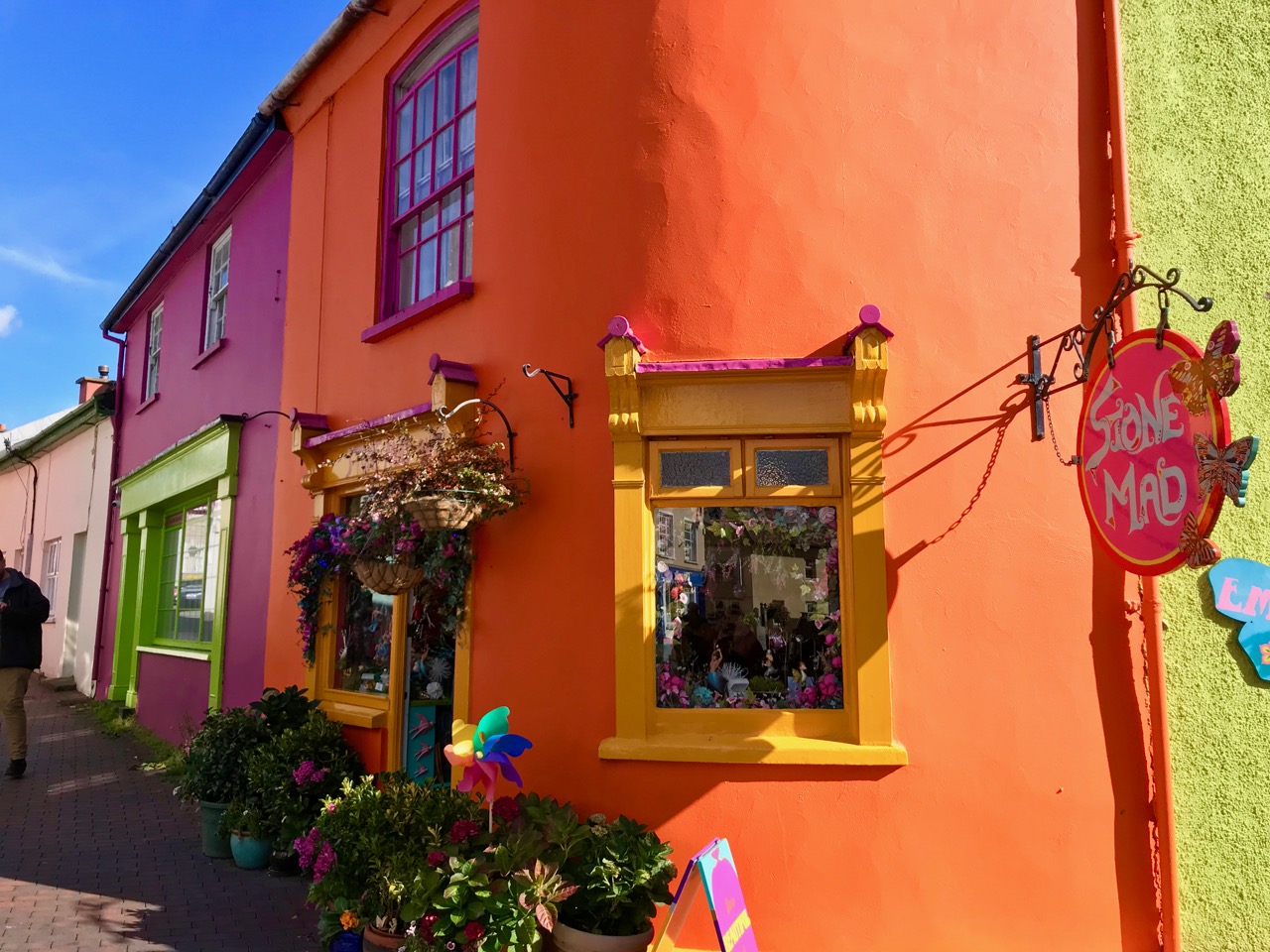
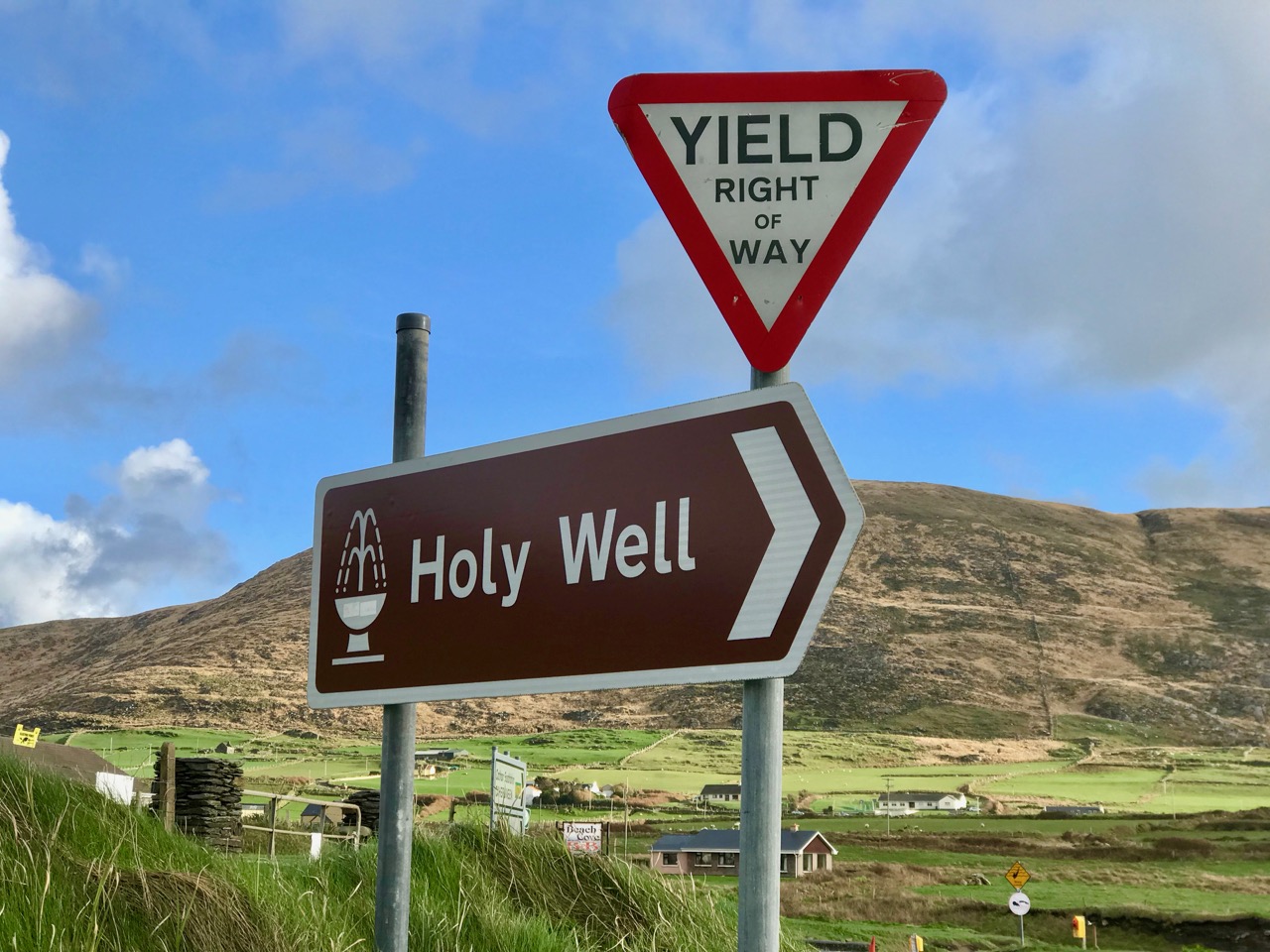
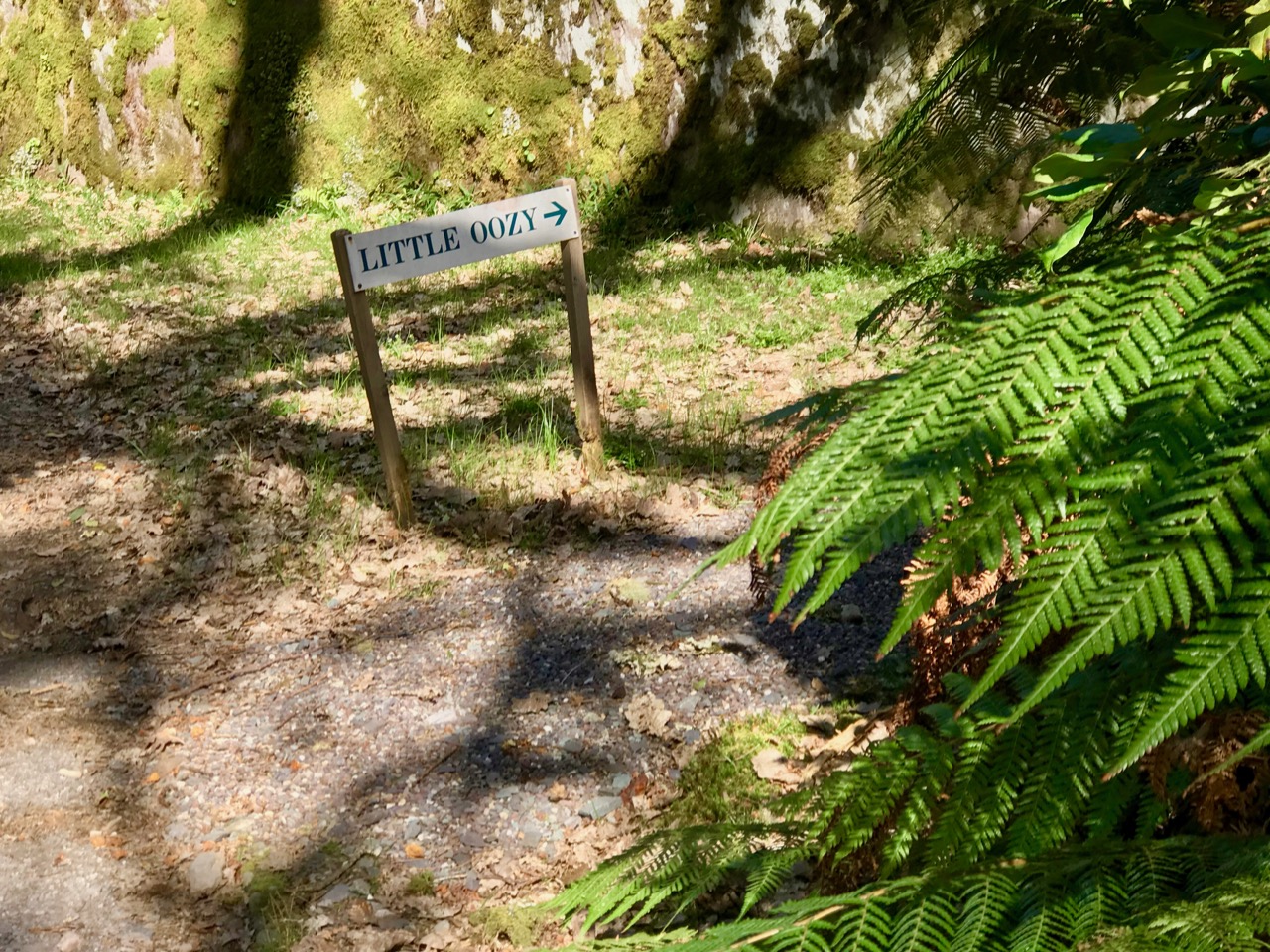
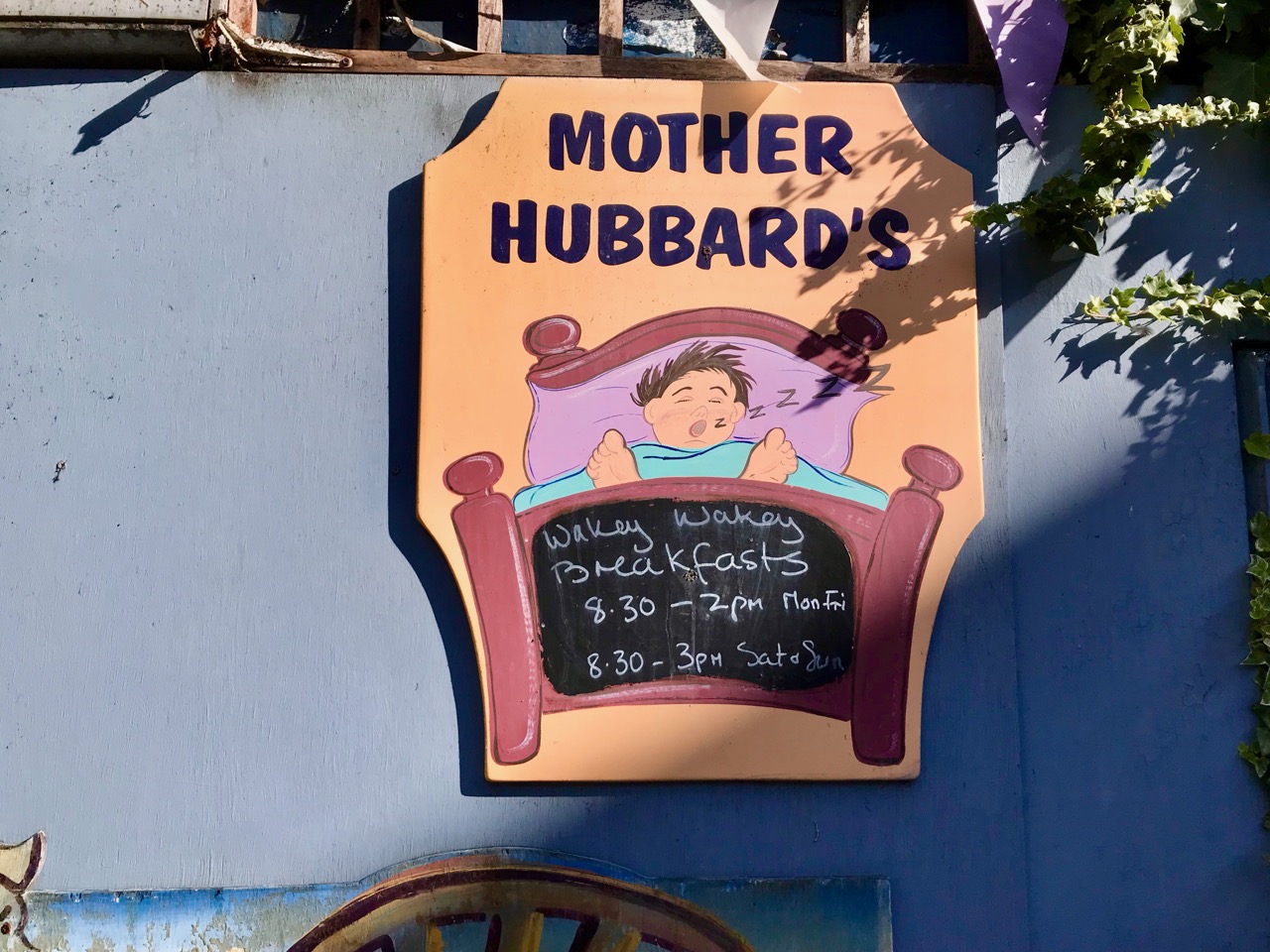
A curious advertising sign from a disused bicycle shop. Perhaps the ‘springing’ lion is sufficient to justify the title of today’s post . . . It’s been a good few months since I last sampled my ever-growing collection of Irish signs and curiosities. I cannot say why, but these latest examples – and all the previous ones – amused me or attracted me when I saw them, sufficiently enough to put them on record. The humour of some of them is profoundly Irish – but also universal – whereas the ‘curiosities’ are examples of the love of colour, or just eccentricity. Anyway, that’s quite enough commentary from me: the images will, hopefully, speak for themselves.


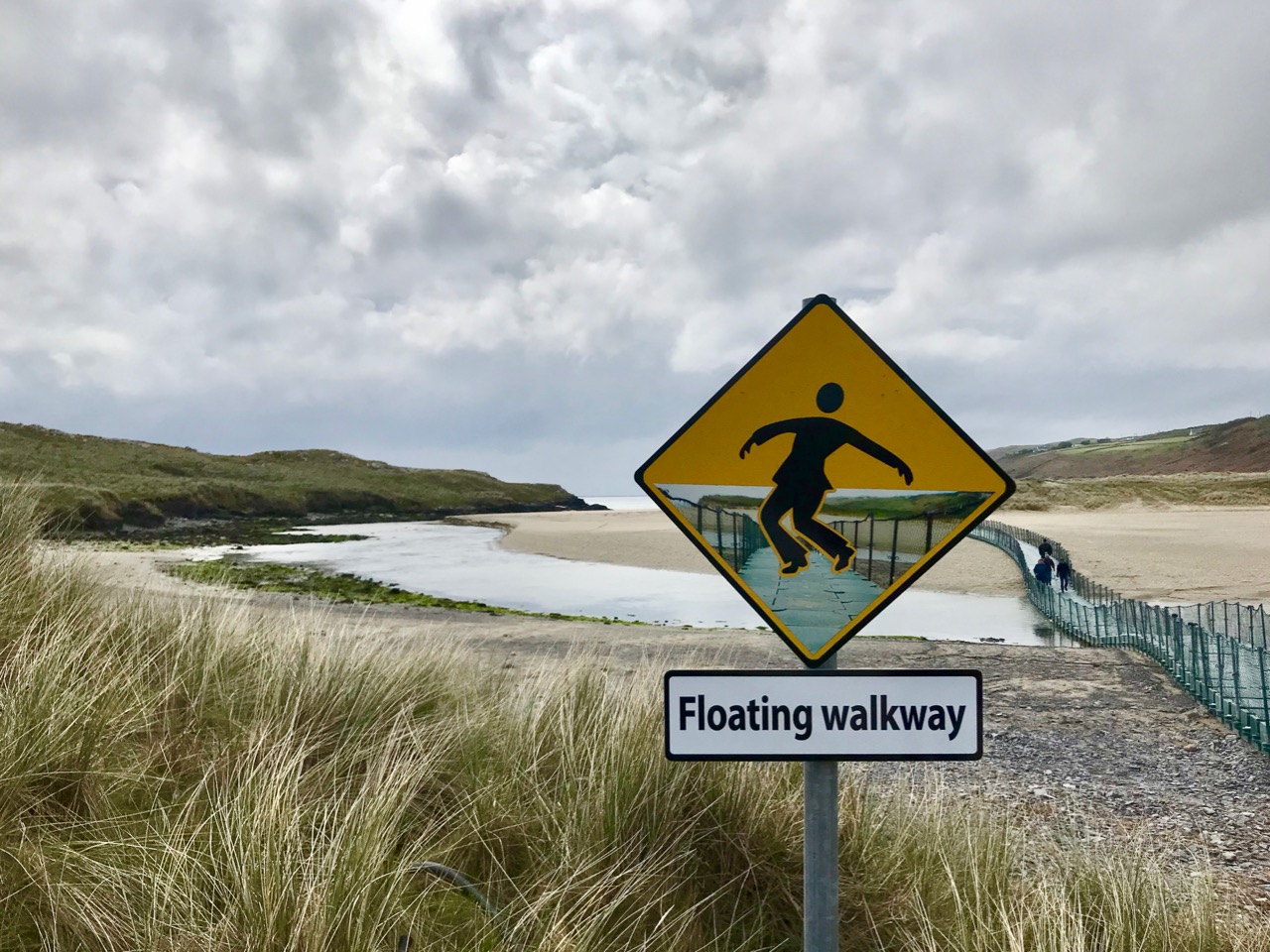
I think the ‘Floating walkway’ must be a unique sign – purpose-made just for that one location, on the dunes at Barley Cove, here in West Cork. When the tide is in, walking across can be a seasickness-inducing business: you have been warned!

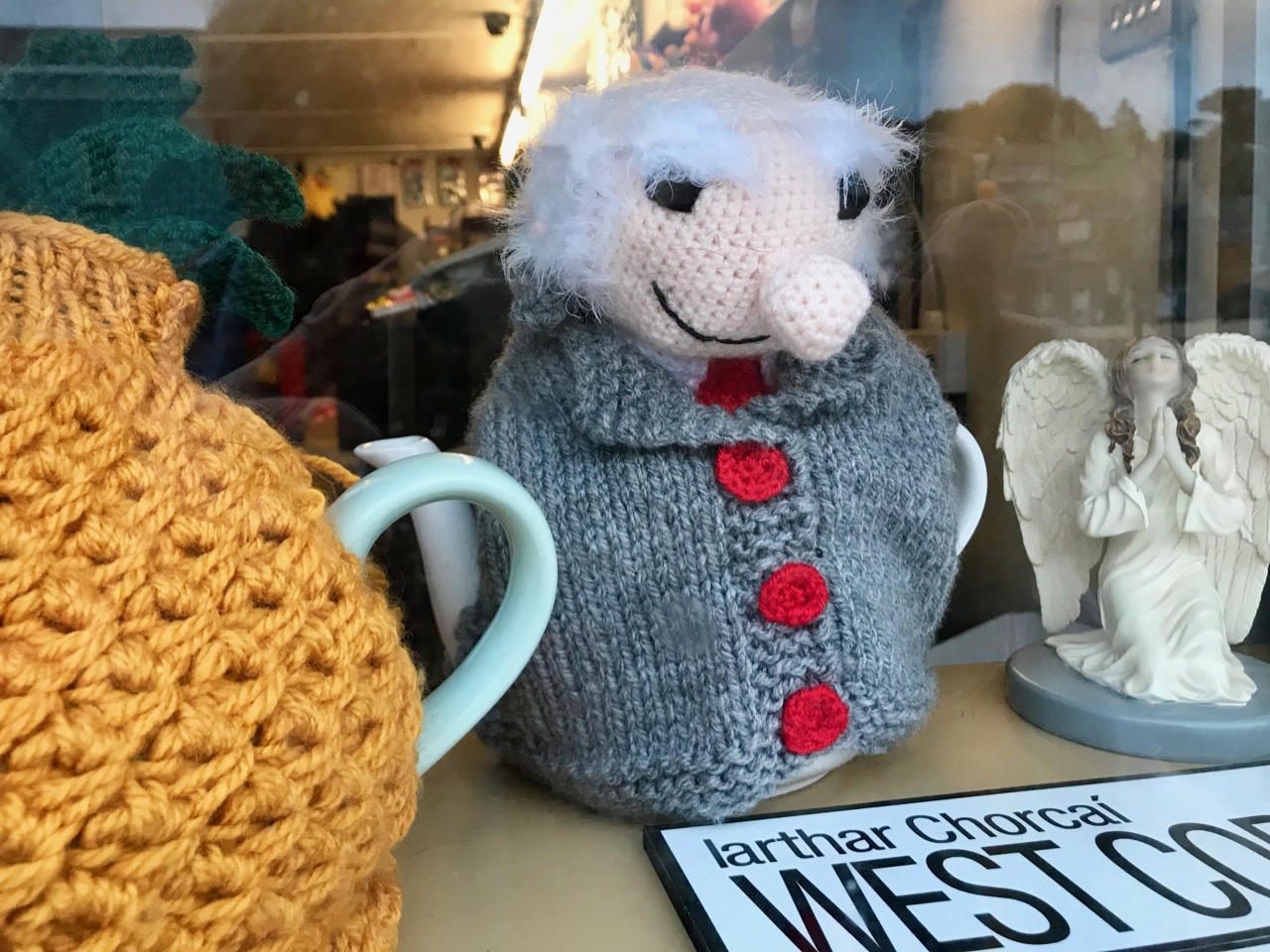
Michael ‘Tea’ Higgins here – Ireland’s President. Honoured, I’m sure, to be thus celebrated as a part of his nation’s tea-drinking ceremonies.

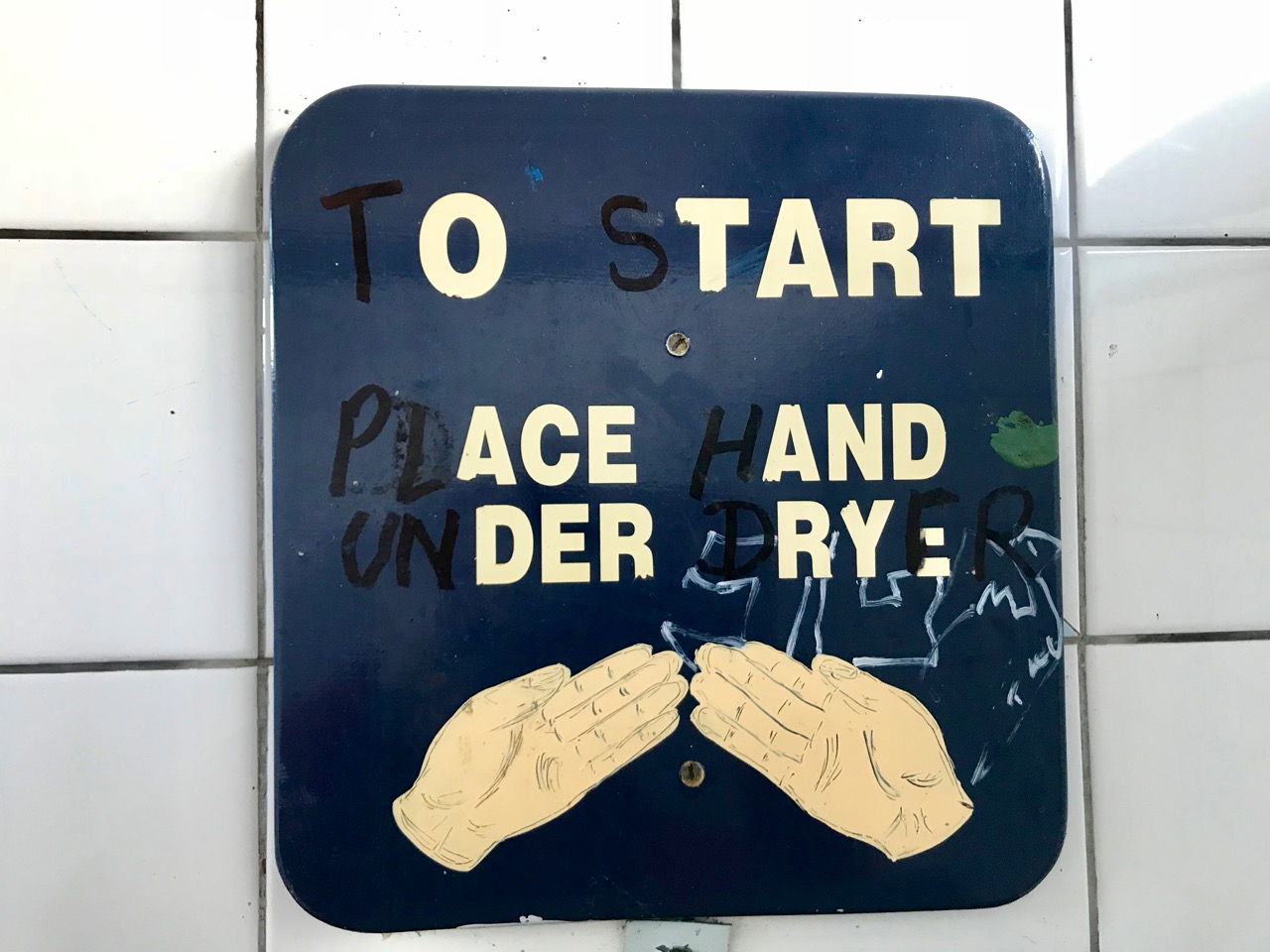
Partly obliterated signs can be intriguing. With some, the intention is easy to guess – with others, one can only contemplate . . .

I couldn’t resist these pics showing Ireland in its best colours. However, if you want to see a lot more of that, have a look at Finola’s posts here.

I could go on . . . but I don’t want to send you to sleep! That’s quite enough for now – look out for more in the future.

Mizen Magic 13: Dunmanus Promontory

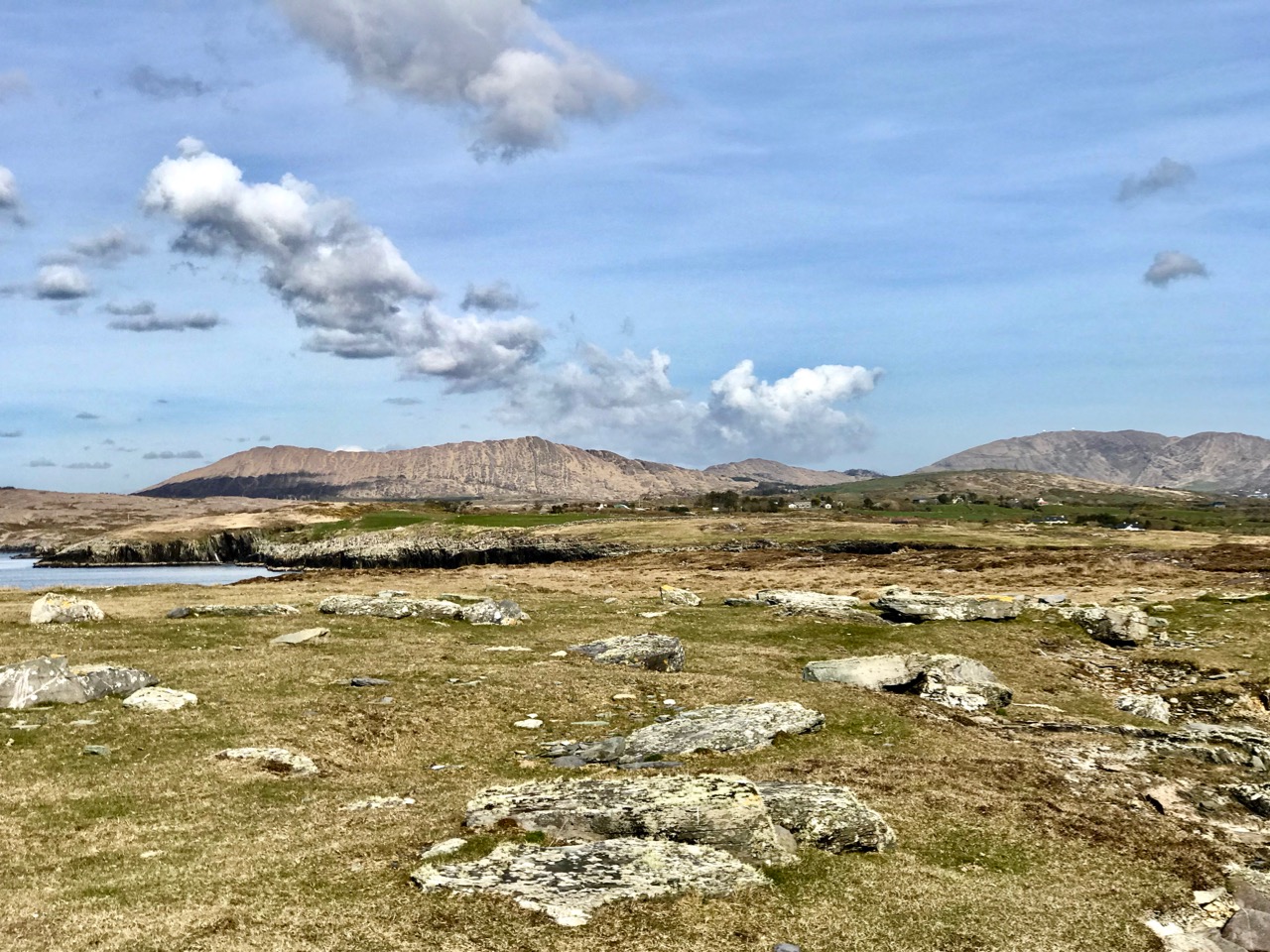
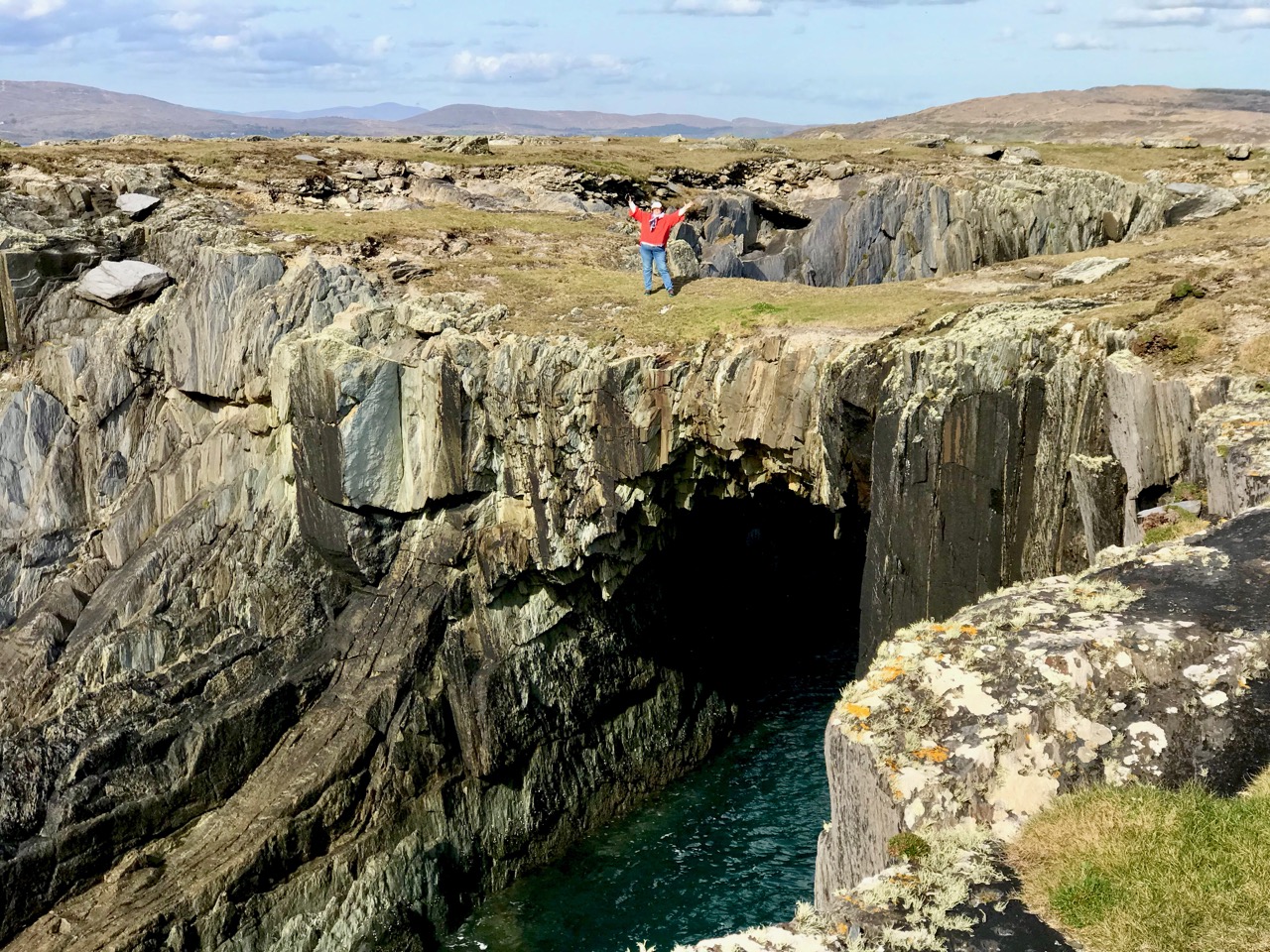
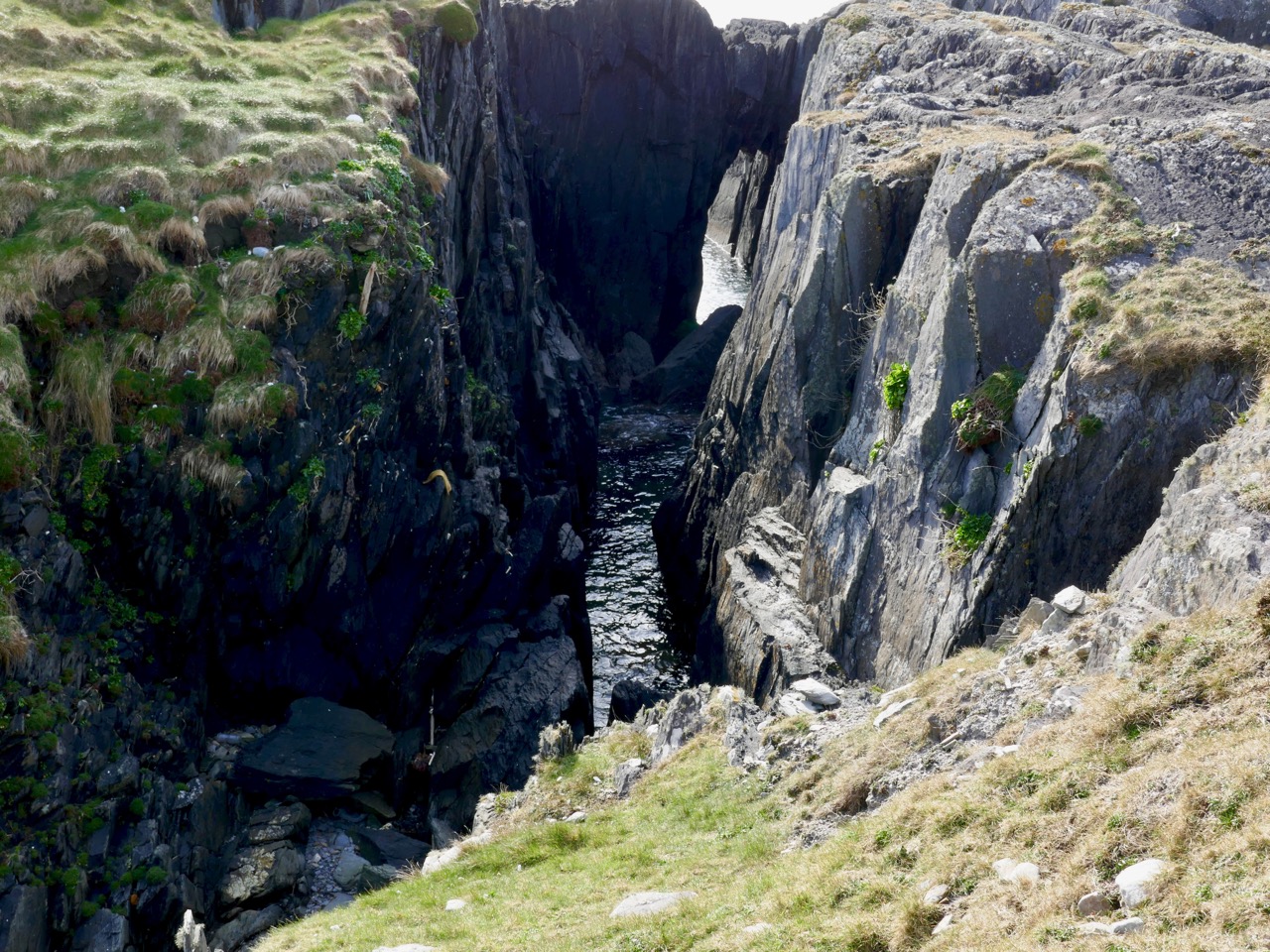
It’s geologically and archaeologically fascinating – a substantial natural promontory just to the north of Dunmanus Castle: well worth an exploration. But, do be warned – there are cliff edges, exposed fissures, ankle-wrenching undulations and bogs to overcome. Also – it’s private, so please seek permission before crossing the land.

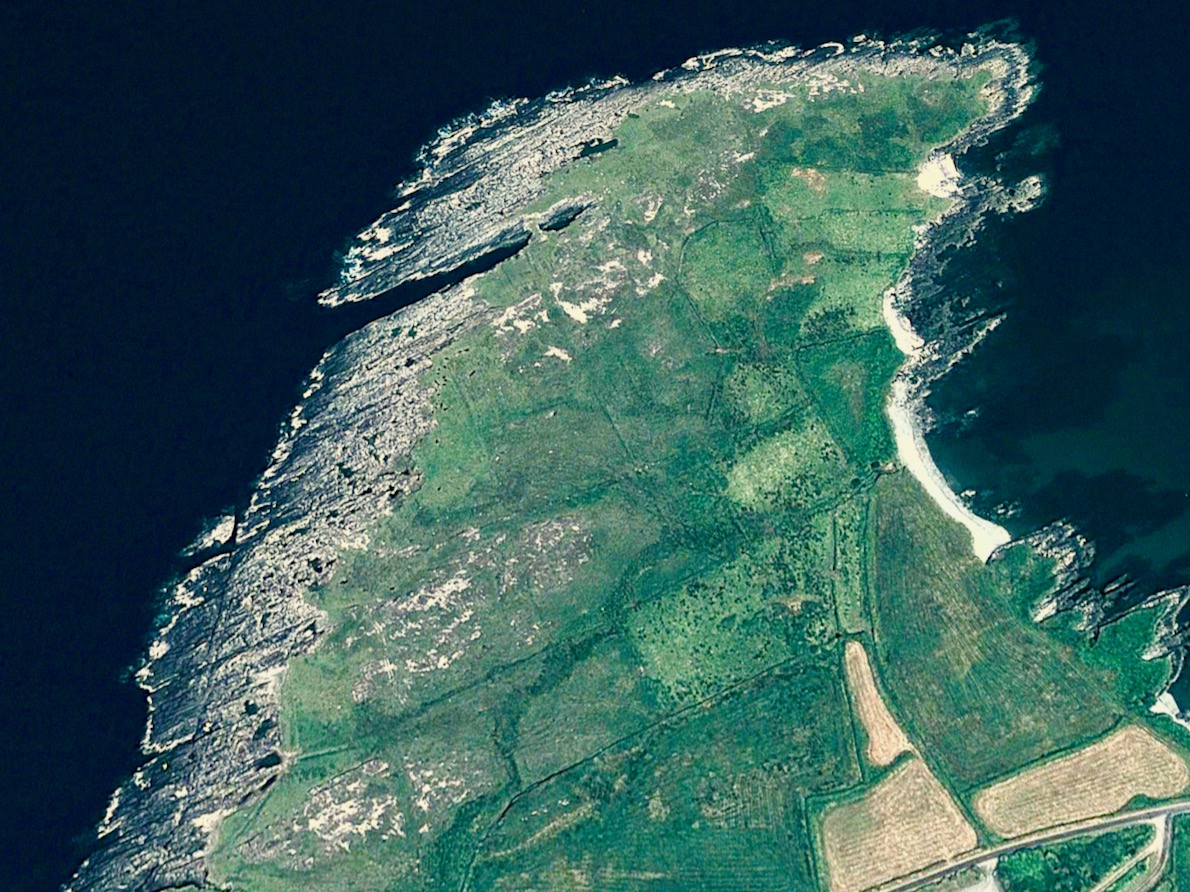
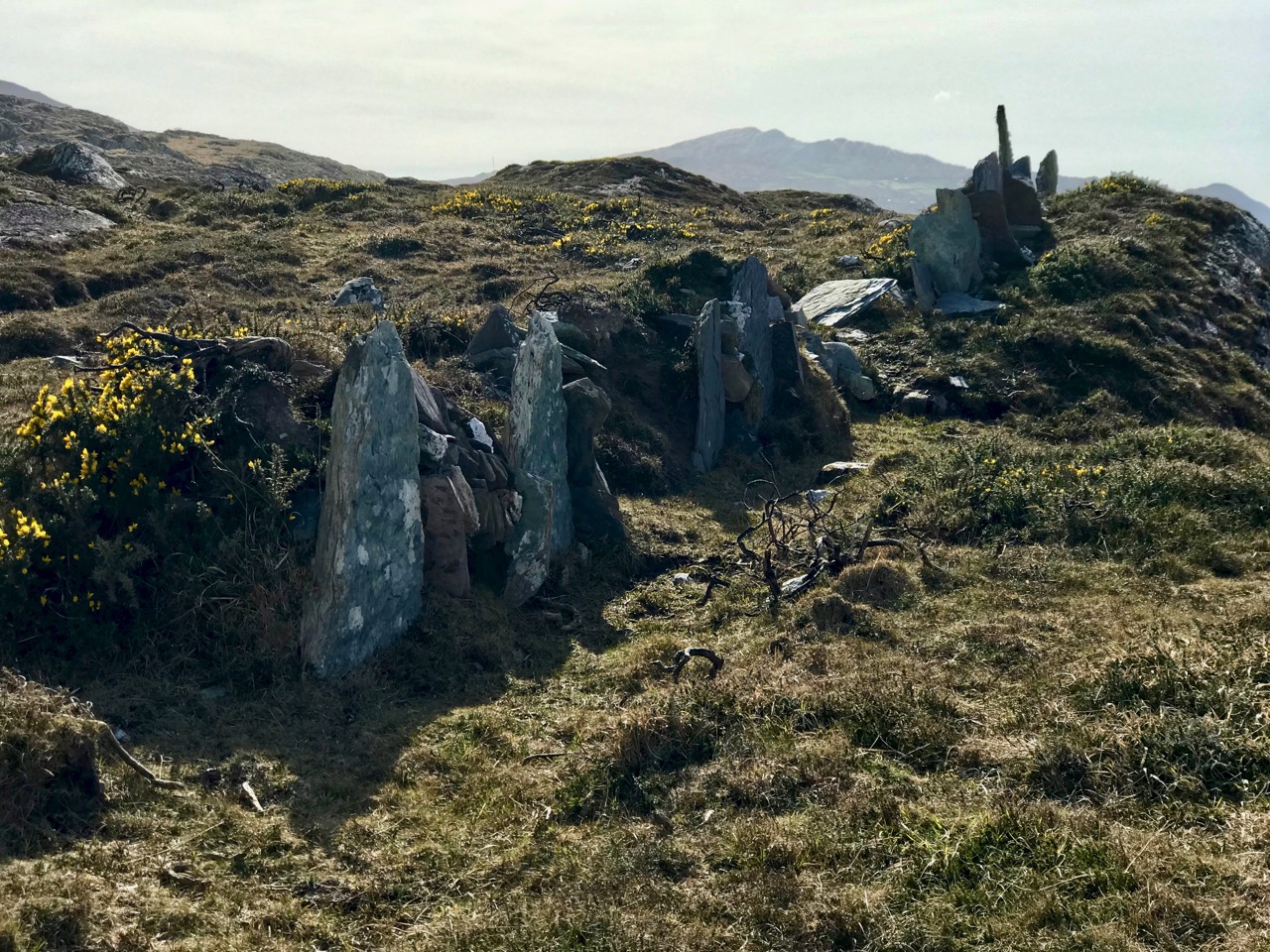
The west side of this shark’s fin-shaped promontory is wildly exposed to the ocean and its gales. You can see from the aerial views, above, how the rock bed is bare and visible, and the vestigial fields which occupy – or once occupied – the east side peter out, and the walls and banks which once formed them fade away altogether over on the left. In fact, these Google Earth images give a better impression of the oddly shaped enclosures than can be seen on the ground.

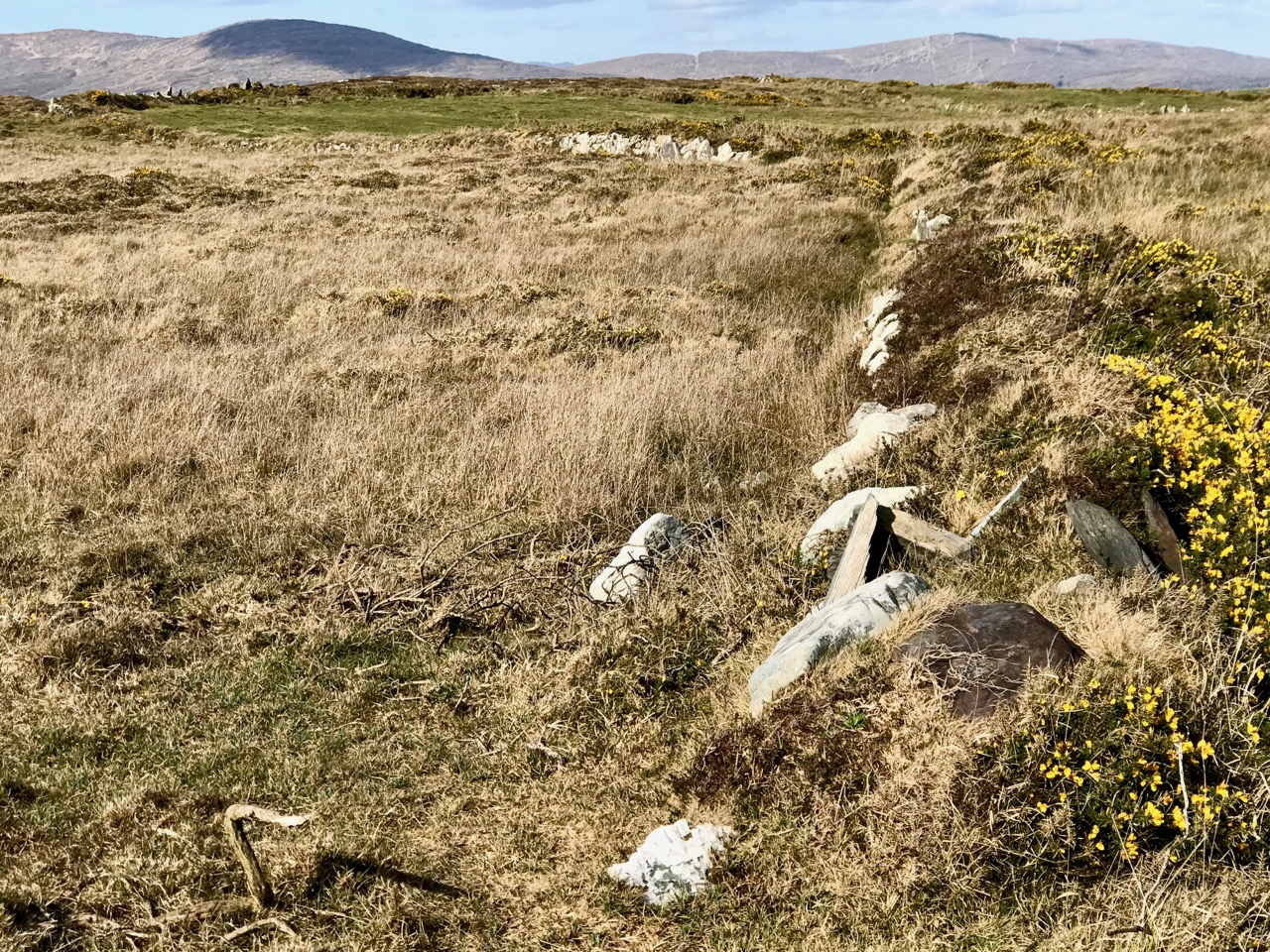
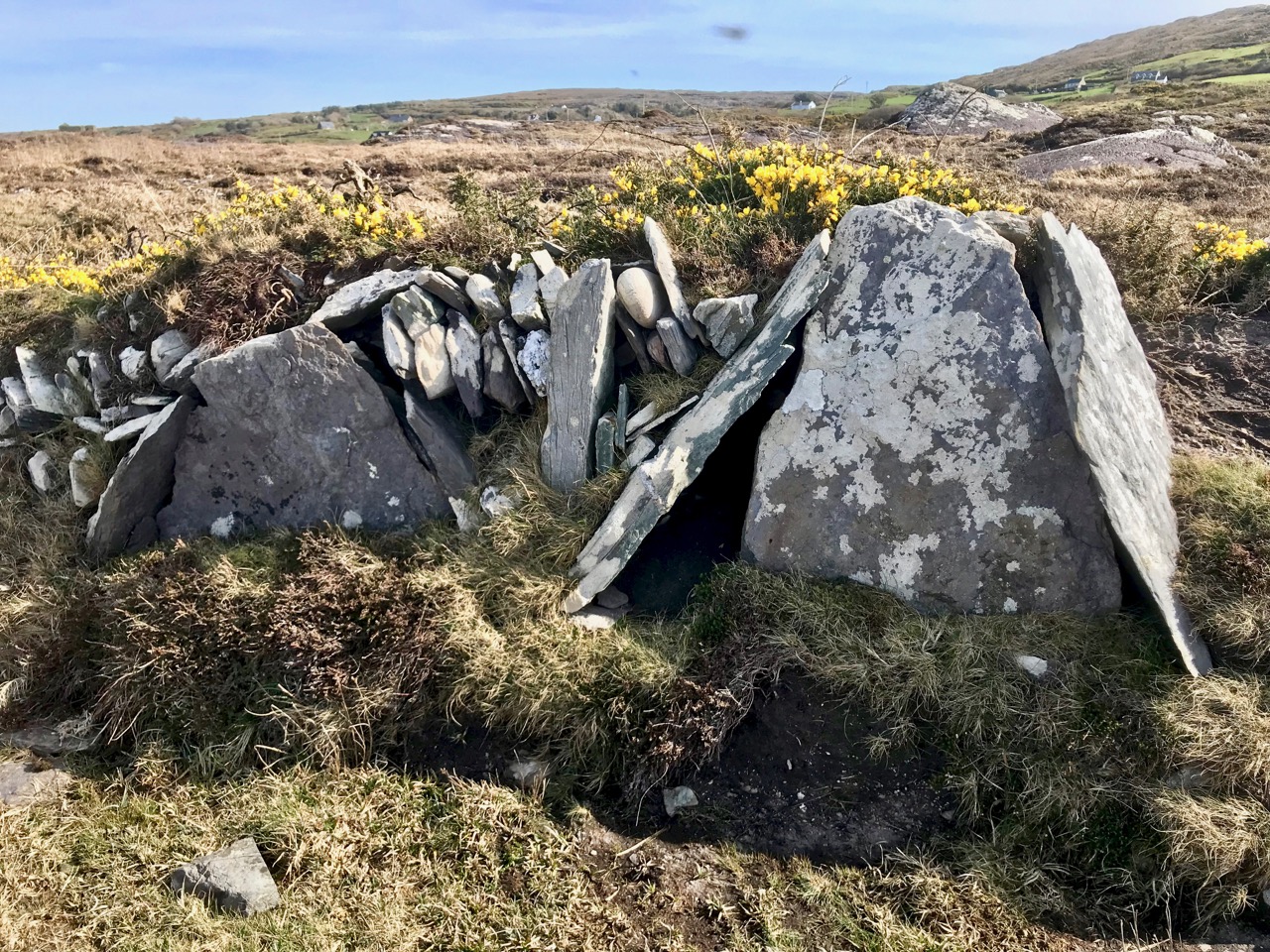
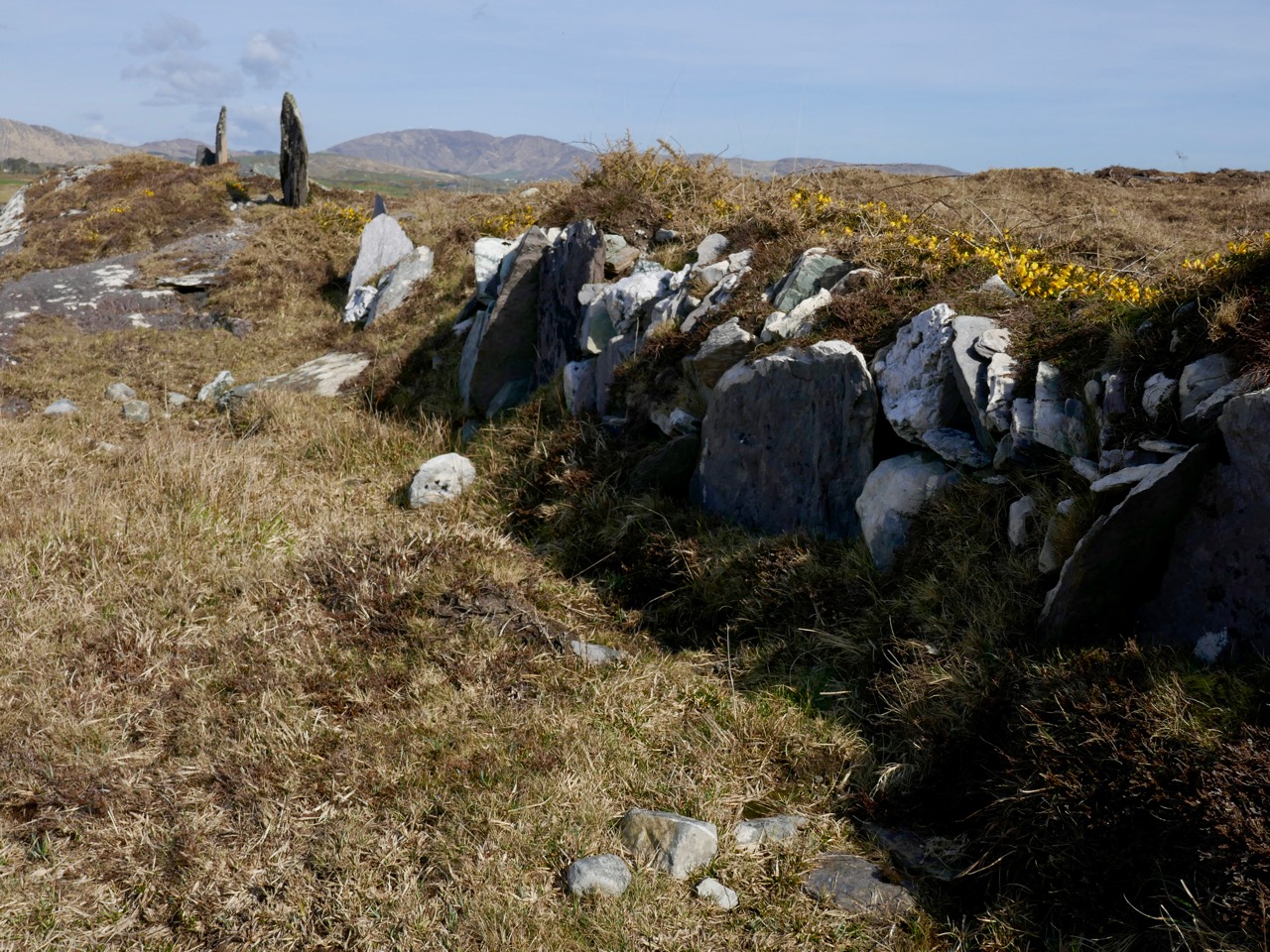
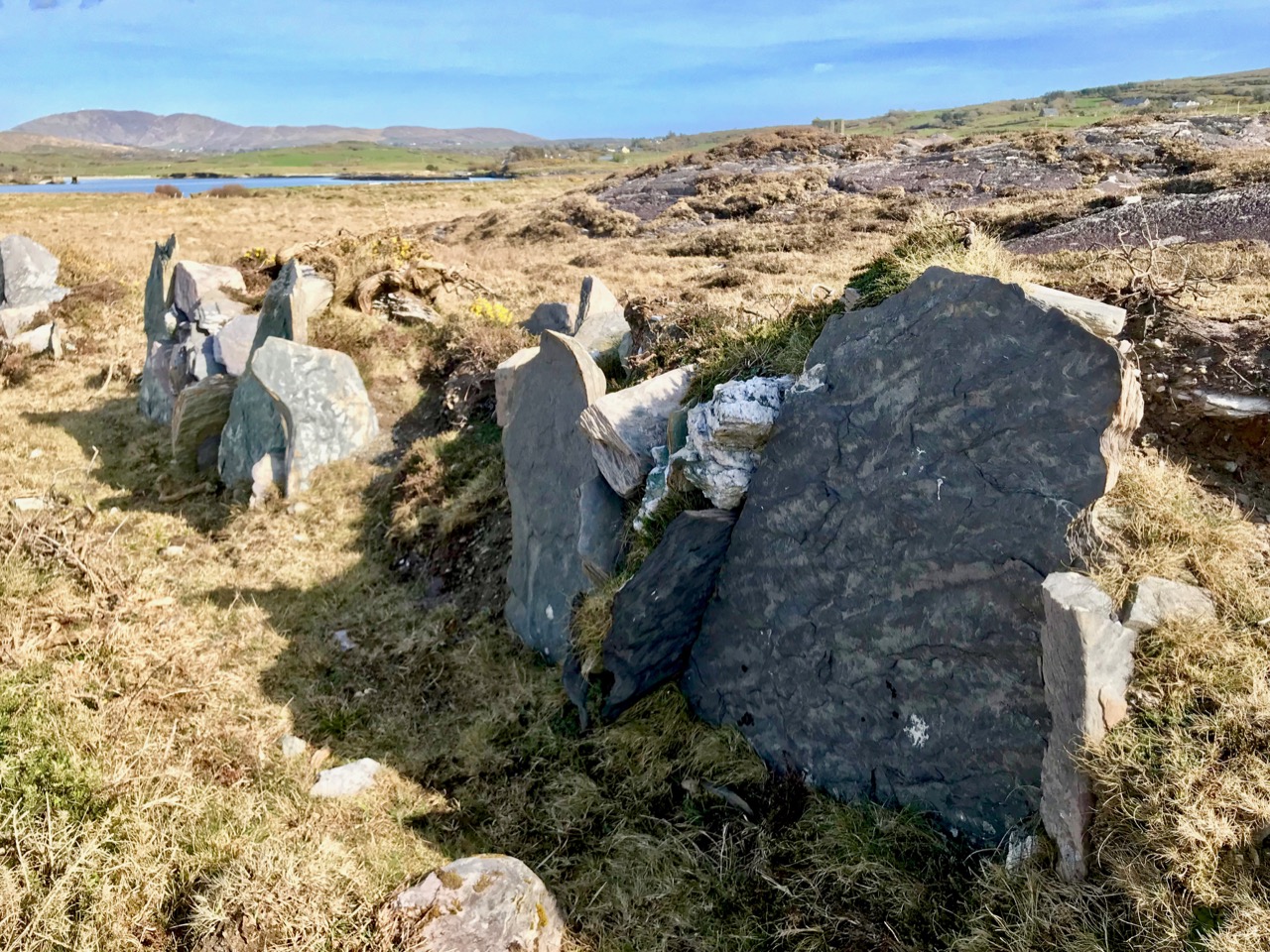
Three examples of many varied boundary features on the promontory are shown above. Each is differently constructed and they range from a series of vertically-set slabs to rocks-and-rubble and a raised bank reinforced with stones. In the picture below, follow with your eye the boundary as it traverses the scrub and makes a large S-bend on to the ridge facing the distant horizon.

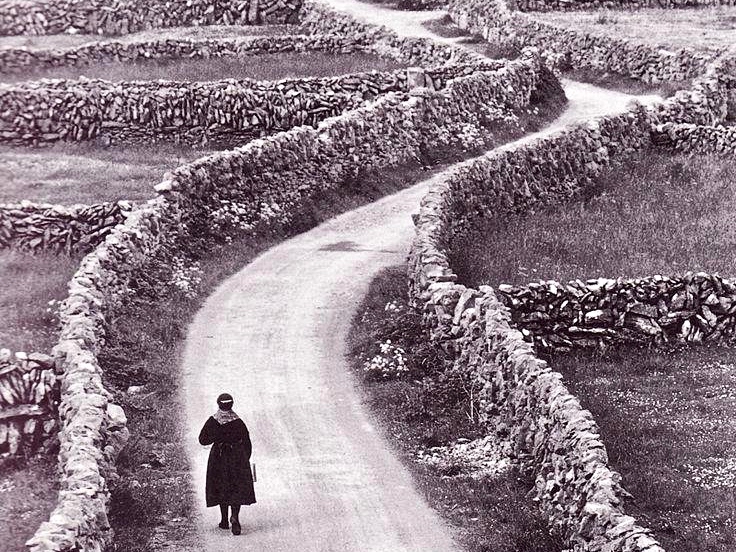
Ireland – especially the west of it – is a huge stone landscape. Wherever people have settled, they have moved the stone and used it. To make fields, or any enclosures, they have had to clear the land. The stone taken from the land is used – sometimes to build shelter, often to build myriad walls to define the holdings. Here’s a striking example from the Aran Islands:

Nothing is recorded on the National Monuments Survey about these land boundaries at Dunmanus – or the significance of the promontory as a whole. Was it once a promontory fort? There are others on this coast. It could easily have been defended along the line of the present road running across the south. However, the land is flat and low, and there is no shelter.

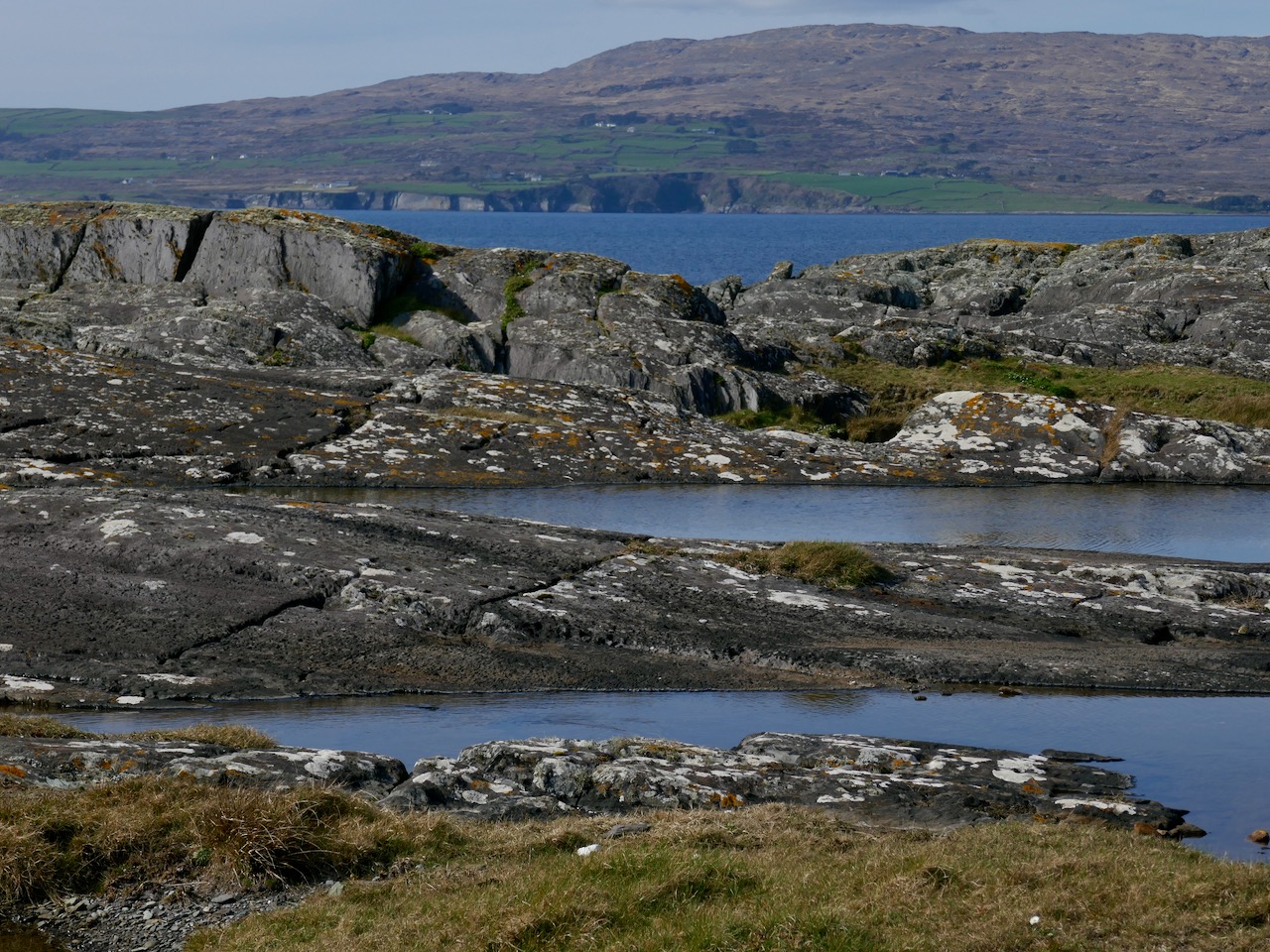
Flat stone surfaces – of old red sandstone – remind us of the Burren landscape in Clare, and we can suppose that the present windswept bog and scrub could once have supported agriculture. But when? In medieval times, perhaps, when the nearby Dunmanus tower house was a thriving centre of occupation and, probably, commerce. In the shelter of the bay the little quay at Dunmanus survives and is still used by small boats searching out shellfish and scallops.

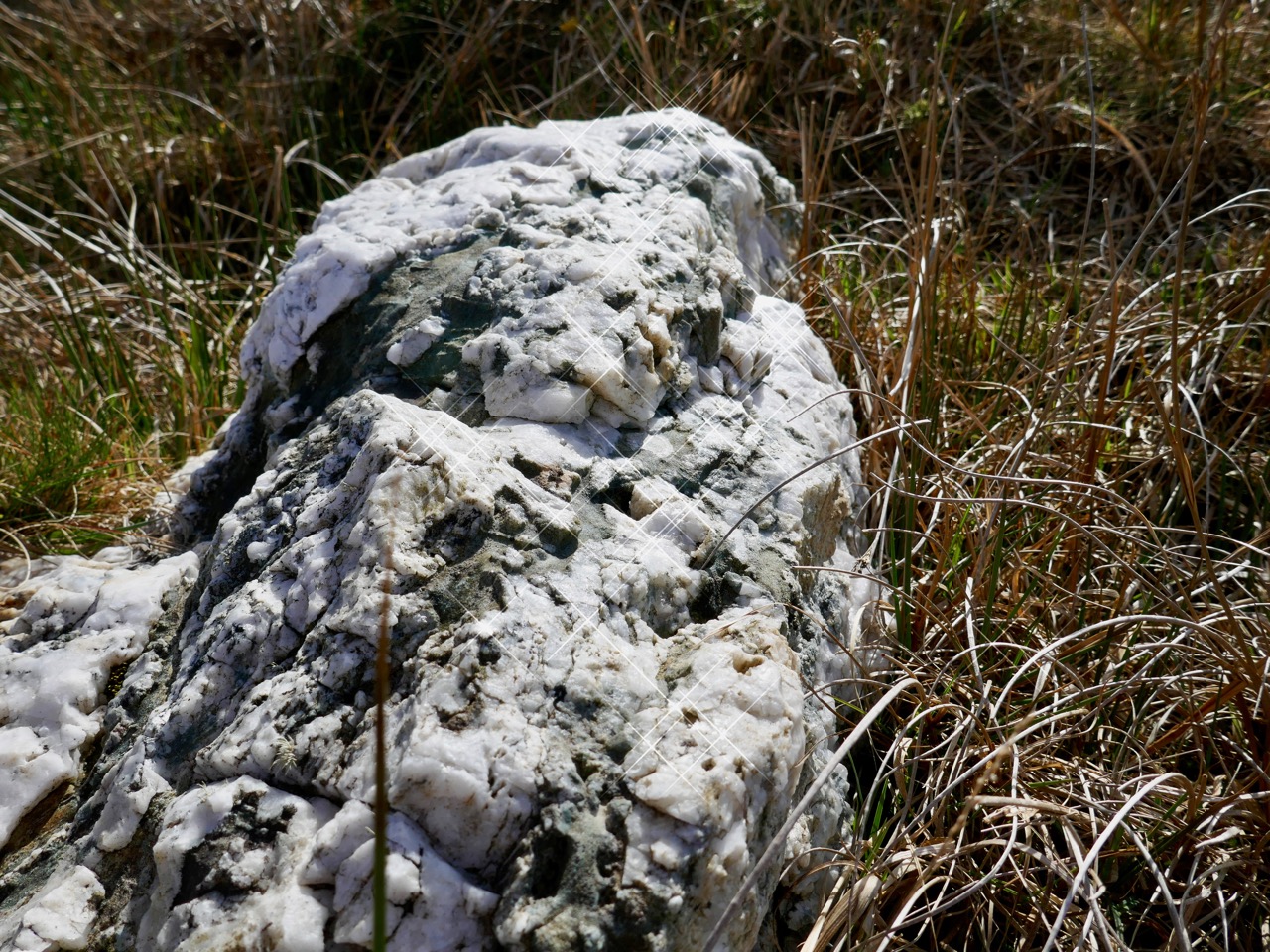
In some places the old walls seem to have a prehistoric feel: the use of slabs embedded vertically like standing stones is quite unusual in West Cork. The presence of large quartz rocks, too, is reminiscent of ancient sites, although they are natural geological occurrences here.

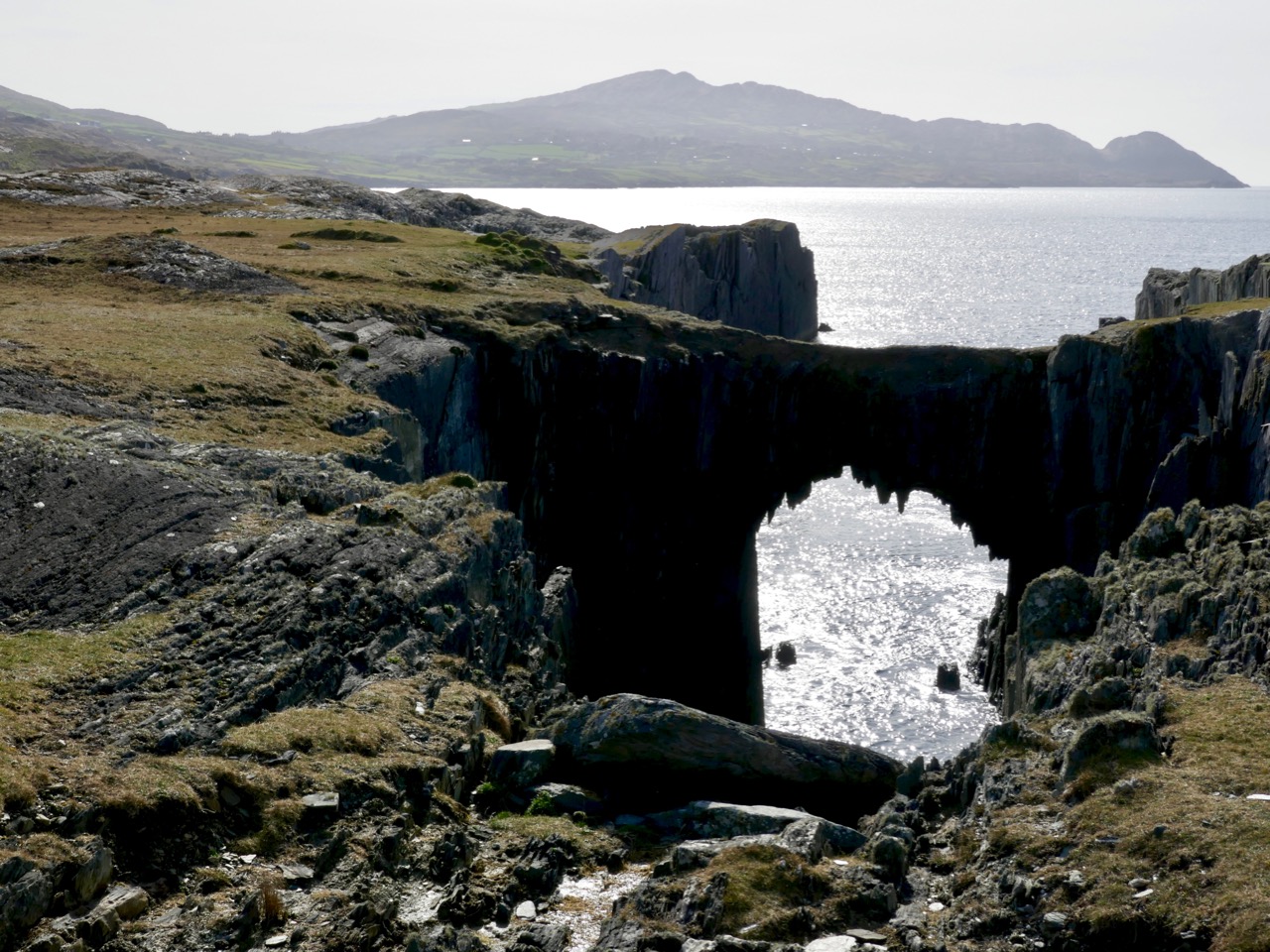
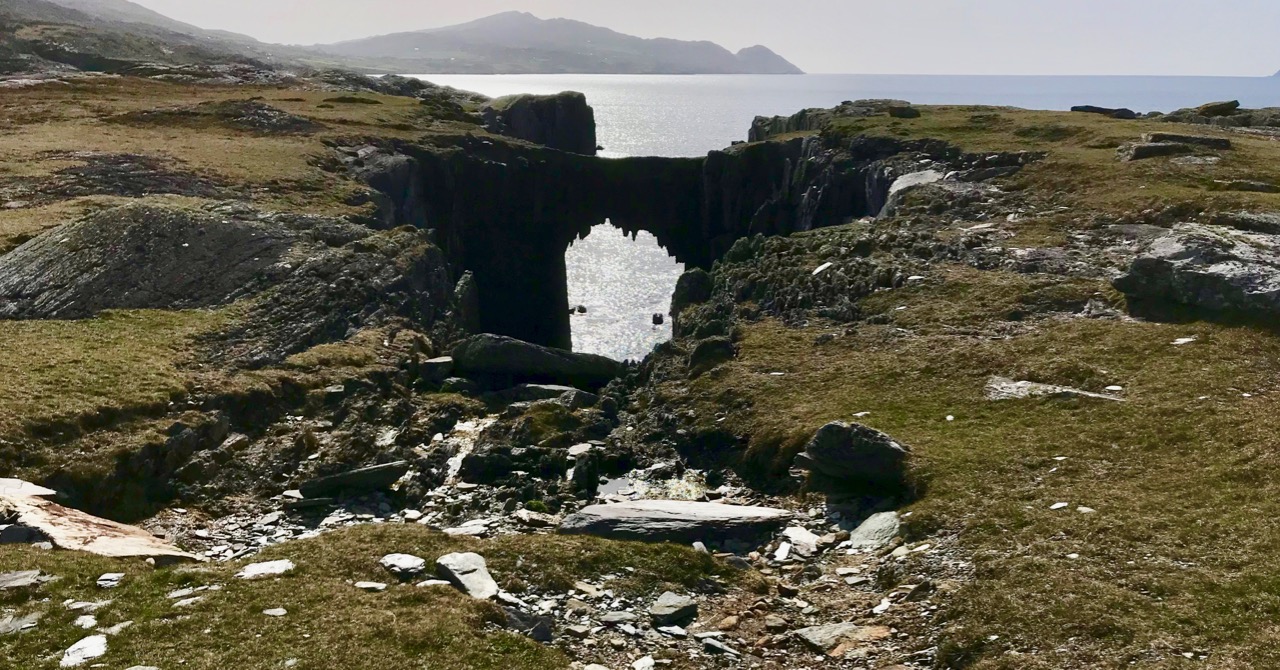
Other natural features on the peninsula include two ‘sea arches’ – bridges formed through erosion of the rocks and chasms by the ocean.

It’s a landscape of vestigial fields, sea – and stones. Nothing more. But I find it a mesmeric place; partly because we can see that it bears the marks of human toil, and we want to know more about who was there and how they lived. It’s a remote piece of Ireland to call ‘home’. Those marks remain after how many years – hundreds, thousands? They intrigue us, and compel us to explore.
Cousins Find Each Other – Through Roaringwater Journal!

I don’t know how to put it in words, but it it means so much to have this connection to our past and our common ancestors.

These are the words of Barbara Baxter, who found her cousin, Sylvia Whitmore-Jones, when they both responded to my post on Rock Island. Their common ancestors were the Burchills of Crookhaven. Here’s the story, as they have each sent it to me, and as I have put it together. It is deeply embedded in the history of this part of West Cork and directly related to the building of that iconic lighthouse, the Fastnet Rock.

Two brothers, Charles and Arthur Nicholls, experienced stonemasons, came from Penzance in Cornwall to help build the Fastnet Lighthouse. According to Aidan Power’s book on Rock Island (Available from the author, we can put you in touch), they were employed by  John Albert Freeman who supplied all the granite for the Fastnet Lighthouse from his quarry at Penryn, Cornwall. Nicholls’ job was to assist in the erection of the tower.

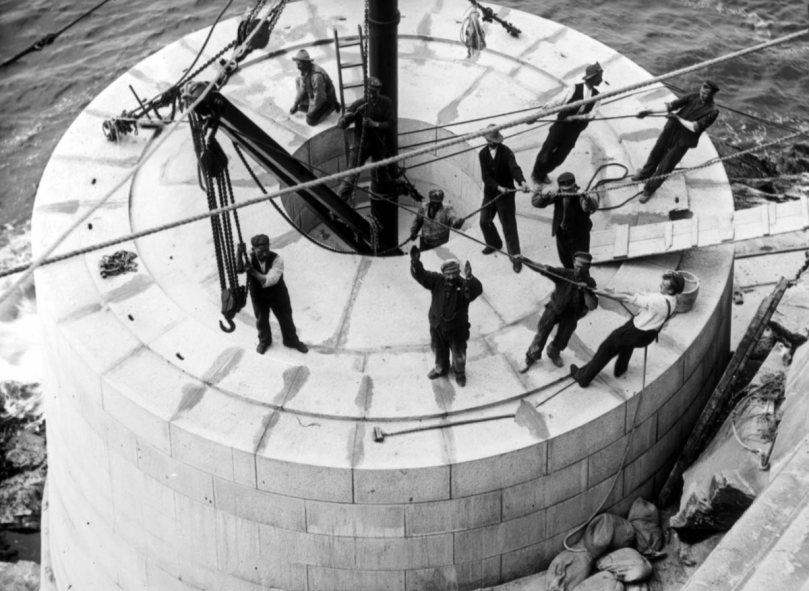
The building of the Fastnet. I’d like to think that the Nicholls brothers are in this picture (Photo courtesy of Irish Lights)

It took five years to build the Lighthouse (read more about the Fastnet here) and during that time all the men were housed locally and it seems integrated well into the local community. So well, in fact, that the Nicholls brothers married two sisters: Charles married Elizabeth Burchill and Arthur married Sarah Burchill. The Burchill sisters’ parents, Michael and Sarah (Hegarty) were Church of Ireland, and lived in Crookhaven.

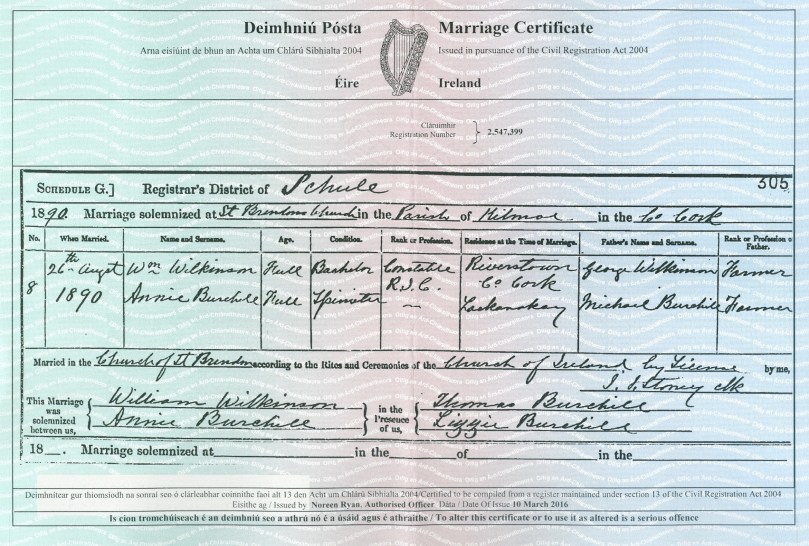
A third sister, Anne, married William Wilkinson (more on her below). If I am understanding the history correctly, her aunt, Michael’s sister, also called Anne, had herself married a George Wilkinson. That Wilkinson family had a farm at Gortnacarriga, just outside Goleen. The photo below is of Barbara Baxter on a visit to that Wilkinson farm a couple of years ago. 

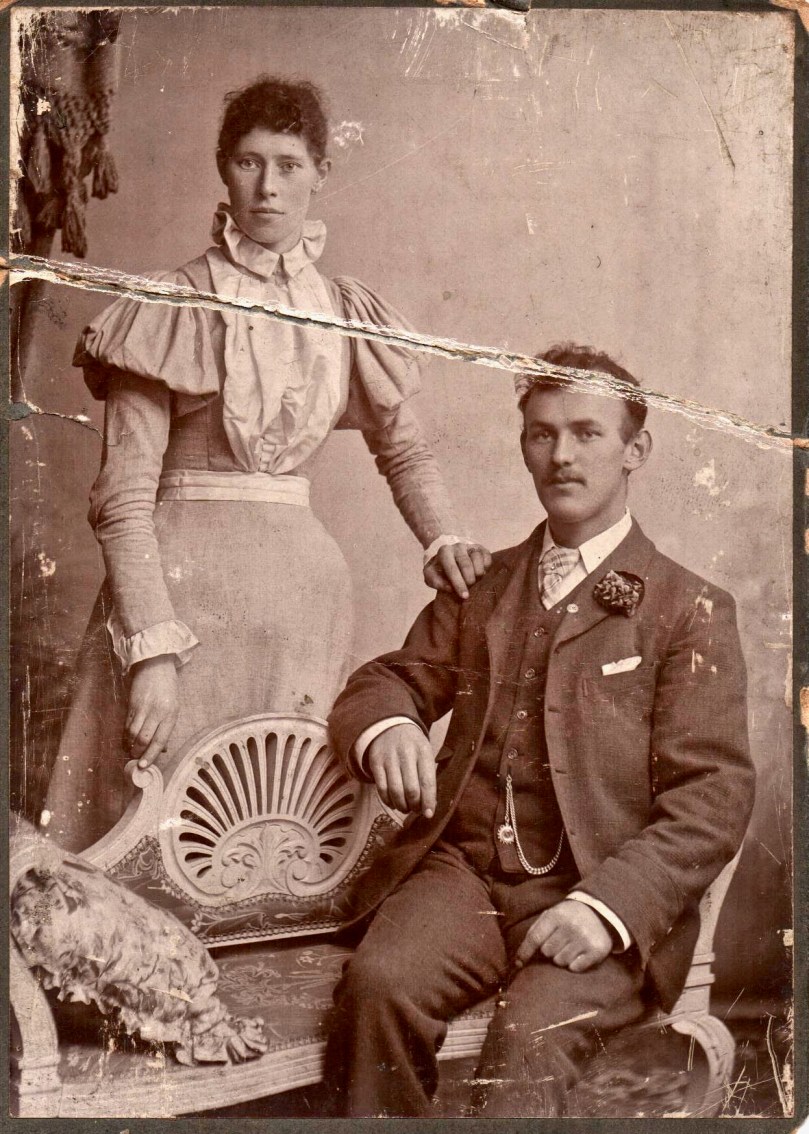
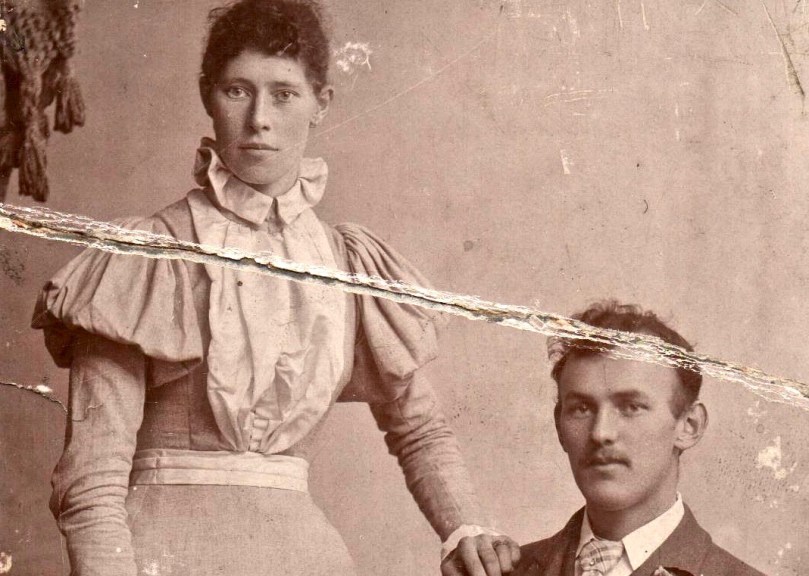
Let’s start with Charles and Elizabeth – they are the couple in the photograph at the beginning of the post. The 1901 census has them in House number 8 on Rock Island, with a baby daughter, Annie, who is just one. When the Fastnet project was finally over, in 1904, Charles and Elizabeth went to live in Wales where they had at least one more child, a son, in 1911. Sadly, Charles, who had served in the First World War, died in the Spanish Flu epidemic in 1919 (echoes of my own family history here – same thing happened to my grandfather).

The Rock Island lighthouse and housing, seen from Crookhaven. Charles and Elizabeth lived in one of these houses

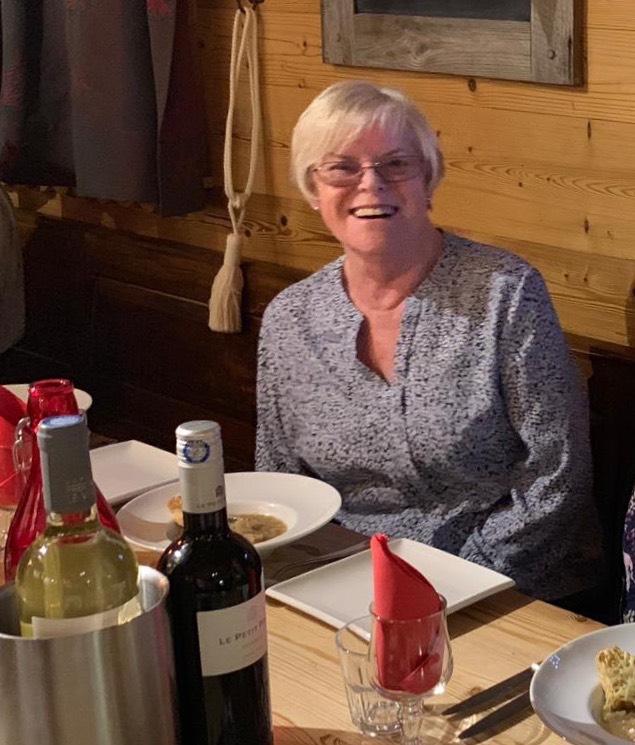
Charles and Elizabeth’s son eventually moved to Southhampton, and worked as a draughtsman in Thornycroft’s shipbuilding firm, married and had four children. The eldest of these was Sylvia Whitmore-Jones, an active and youthful 78 year-old. Here she is.

But let’s go back to Charles and Elizabeth, living in the Fastnet housing on Rock Island in 1901. Did you notice they had a daughter named Annie? I think she was so named after yet another of Elizabeth’s sisters – Anne Burchill. Anne married William Wilkinson (I think they were cousins – not uncommon in those days), an officer in the Royal Irish Constabulary.
They had a daughter, Sarah Anne. They were great at keeping names in the family – no doubt Sarah Anne was called after her aunt, the Sarah Burchill who married Charles’ brother, Arthur, as well as the numerous Annes in the family. Sarah Anne Wilkinson must have been close to her Aunt Elizabeth Nichols because eventually, as a young married woman, she and her husband, John Miller, from Bantry, moved to Wales.

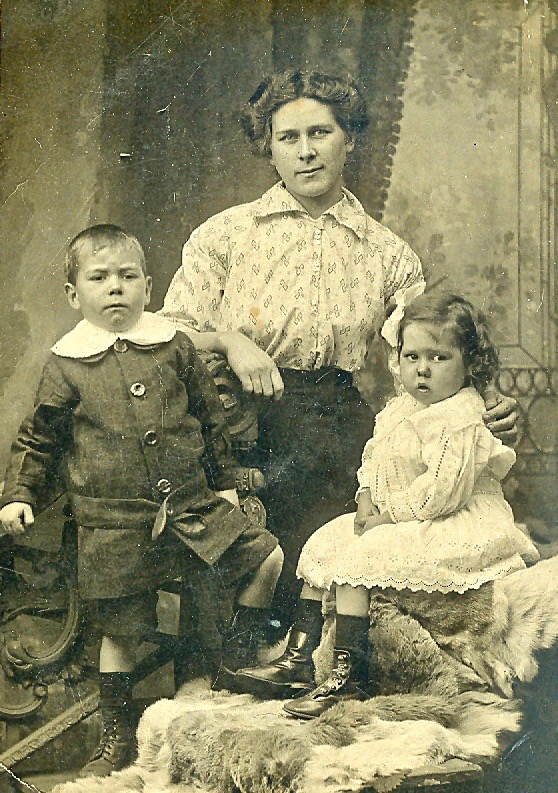
Sarah Anne Miller, nee Wilkinson, with her children

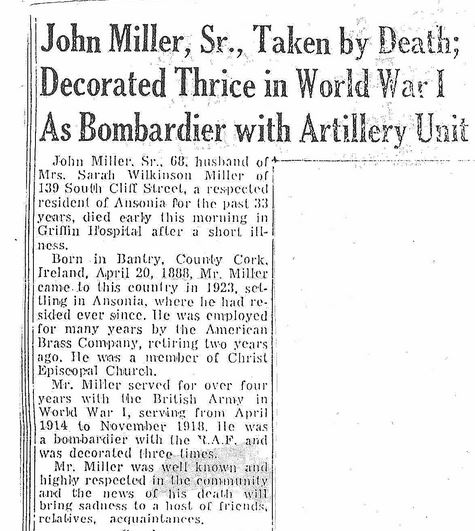
This photo (above) must have been taken then, when Sarah Anne and John had two children. Sarah Anne is Barbara Baxter’s great-grandmother and her grandmother is the little girl in the photo. Perhaps this was during the time when John was away in the war – he was apparently decorated three times for his service as a bombardier.

Eventually the family emigrated to America, finally settling in Connecticut, which is where Barbara Baxter grew up. Barbara is now 57 and lives in Virginia. She has led an active life filled with animals, especially horses. She wonders if her love of horses might be connected to John Miller – apparently before he left for Wales with Sarah Anne he worked with horses at Drombrow House, near Bantry. Drombrow, not surprisingly, was owned by the Wilkinson family.

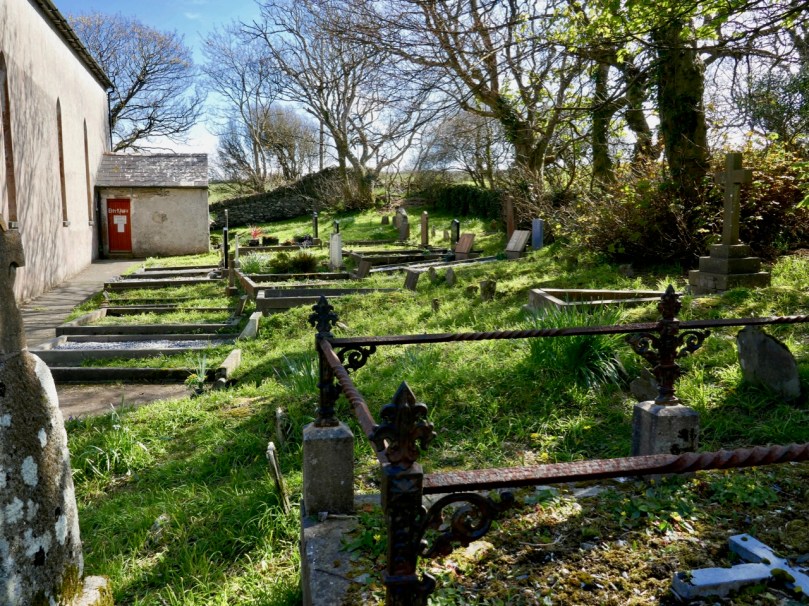
Graveyard attached to the Church of Ireland (no longer in use as a church) in Goleen – Babara said in one of her emails: ‘I am related to all of the Wilkinsons and Burchills buried at the Goleen Church’ 

Sylvia and Barbara had been independently interested in their family history but had never known of each other or met (at least virtually) until both of them contacted us at Roaringwater Journal when they each saw our Rock Island post.

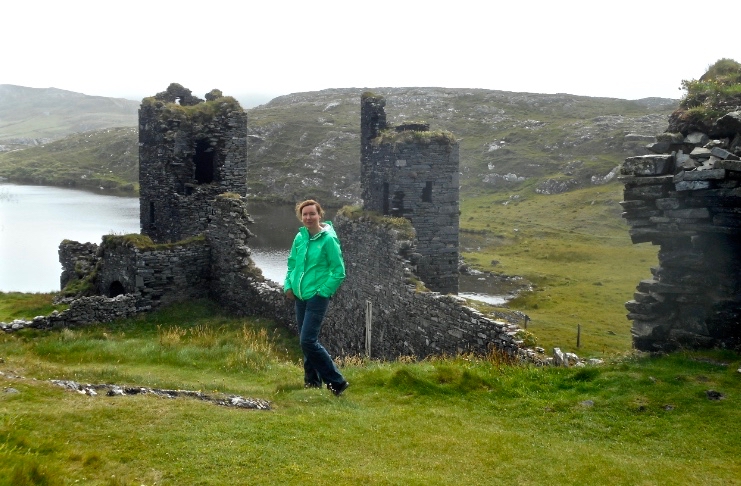
On her trip to West Cork in 2017, Barbara visited Three Castle Head. The Wilkinson farm is close by

I am beyond pleased that Roaringwater Journal has been the cause of bringing these two cousins together, but there’s another reason for my interest. My own dear cousin, Shauna, is also a Burchill! Although she has lived in the United States most of her adult life she is Irish and her father grew up in Bandon as a Prebyterian. She is likely to be connected to Sylvia and Barbara at some point way back in the family tree – the Burchills first came to West Cork in the 1620s as part of the Plantation of Munster. It’s a tenuous connection, but it adds an additional frisson for me – we are all connected somehow.

Shauna (right) and I, on one of her visits to Ireland

Thank you to Sylvia and Barbara for generously sharing their family stories, and to Aidan Power, whose book on Rock Island was the ultimate catalyst for all of this. It’s been a privilege to be a tiny part of it. If I have made mistakes in my relating of their stories, I hope they will weigh in with the corrected version. 

Now all we need is for the descendants of Arthur Nicholls and Sarah Burchill to join the party. C’mon – we know you’re out there.

Drawn to the Beara

The spectacular landscapes of the Beara Peninsula draw us again and again: have a look at some of our past explorations here and here. There’s no doubt that for fine, distant views, tranquil coastlines and variety in geology, history and archaeology this part of Ireland takes some beating. And, for us, it’s ideal: near enough that we can have a full day out absorbing all these things, yet still being home in time for tea!

This is the weekend when clocks ‘spring forward’ – giving us longer evenings. But also the sun is getting noticeably stronger, colours are getting more intense, and the shadows are hardening. It’s a great time to be out on our travels.

That’s Hungry Hill above – highest peak in the Caha Mountain range, Co Cork – and the background setting for Daphne du Maurier’s 1943 novel of that name. The story is based on the real-life Puxley family who set up and ran Allihies copper mines in the first half of the nineteenth century. Du Maurier weaves the tale to give the name of the hill a symbolic meaning – the mines ‘swallow up’ the lives of those who work them and the plot is charged with tragedy and unhappiness.

We crossed the peninsula on the Healy Pass, one of Ireland’s great road journeys, with breathtaking views towards Bantry Bay in the south and the Kenmare River to the north as you traverse the 334 metre summit. The road, known in Irish as Bealach Scairte, was originally cut as a nineteenth century famine relief project, and improved in the 1930s, when it was named in honour of Tim Michael Healy, a Cork man who served as the first governor general of the Irish Free State.

We had a mission: to visit Dereen Garden, which is open all year round. We were there before the tourist season got going, and we mainly had the beautiful walks and vistas to ourselves. The woodland garden was laid out 150 years ago with sub-tropical plants from around the world and has been improved and added to since then; it is famous for its huge Arboreum rhododendrons. Evidently there is a variety of wildlife to be seen, including red squirrels, sitka deer and hares, but they were all keeping out of the way when we visited.

We were hoping to sample some of the fine eateries which have been set up on the Beara but, again, we were a little too early in the year: an excuse for another trip when they open up. So we reluctantly turned our way back towards the Healy Pass – to get the views from the other direction – and were stopped in our tracks by a sign pointing to ‘stone circles’. This is in a townland named Cashelkeelty and is near Lauragh, Co Kerry. Finola had a look at her archaeological records on the phone and found it was somewhere we had to go! It involved a long, uphill walk through a forest, but was very well worth it. Read Finola’s post to find all the details.

I will show only one picture as a taster (above) – but also to point out the proximity of the high grade overhead powerline which runs right by the ancient stones. Does it add or detract from the monument itself?

There were many more vistas to be taken in on our few hours spent on this dramatic peninsula, where mountains so spectacularly meet the sea. We can never tire of this, our own little part of the world.