Window on our World…

Our View to the Islands

Our view to the Islands

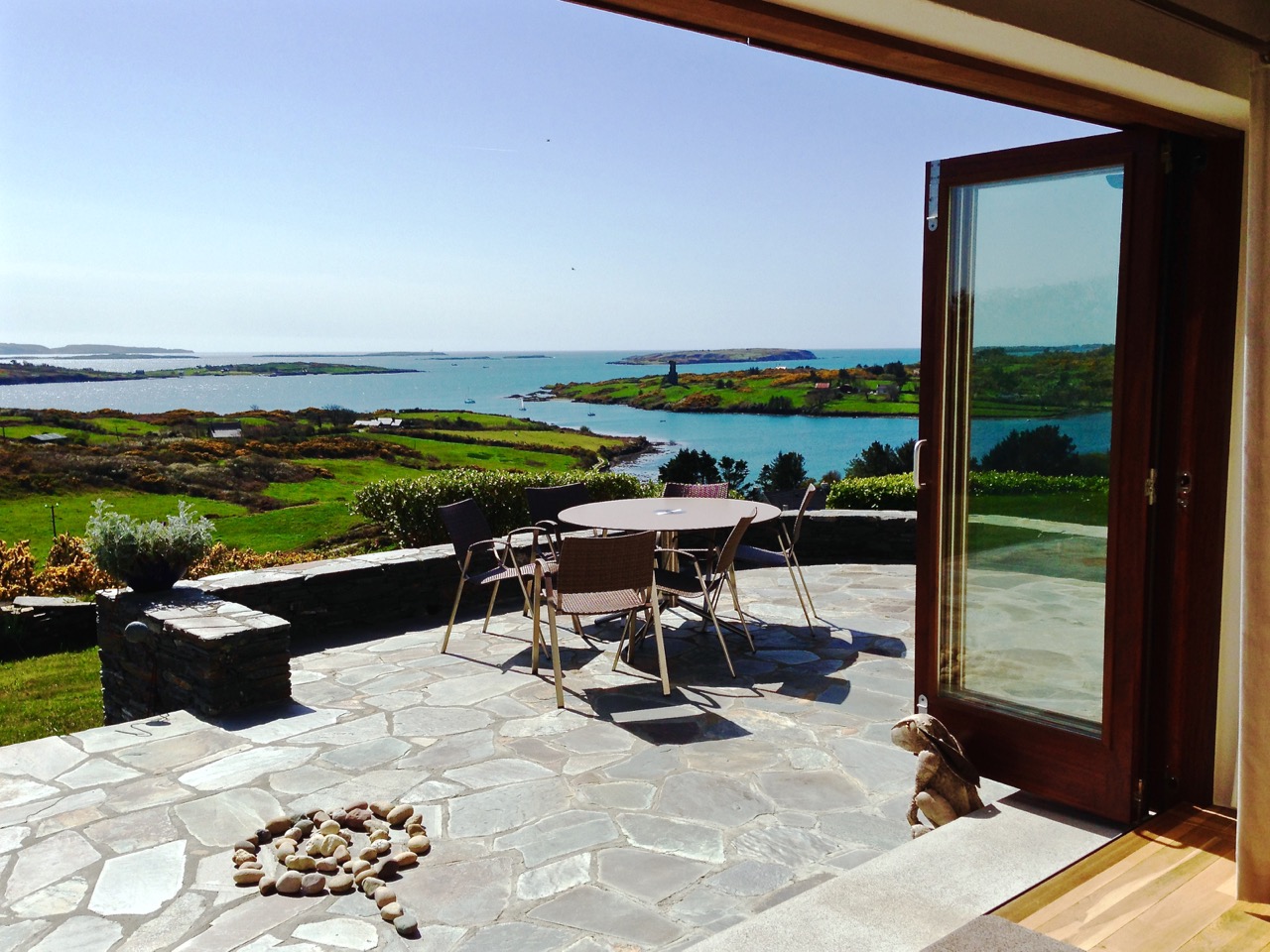
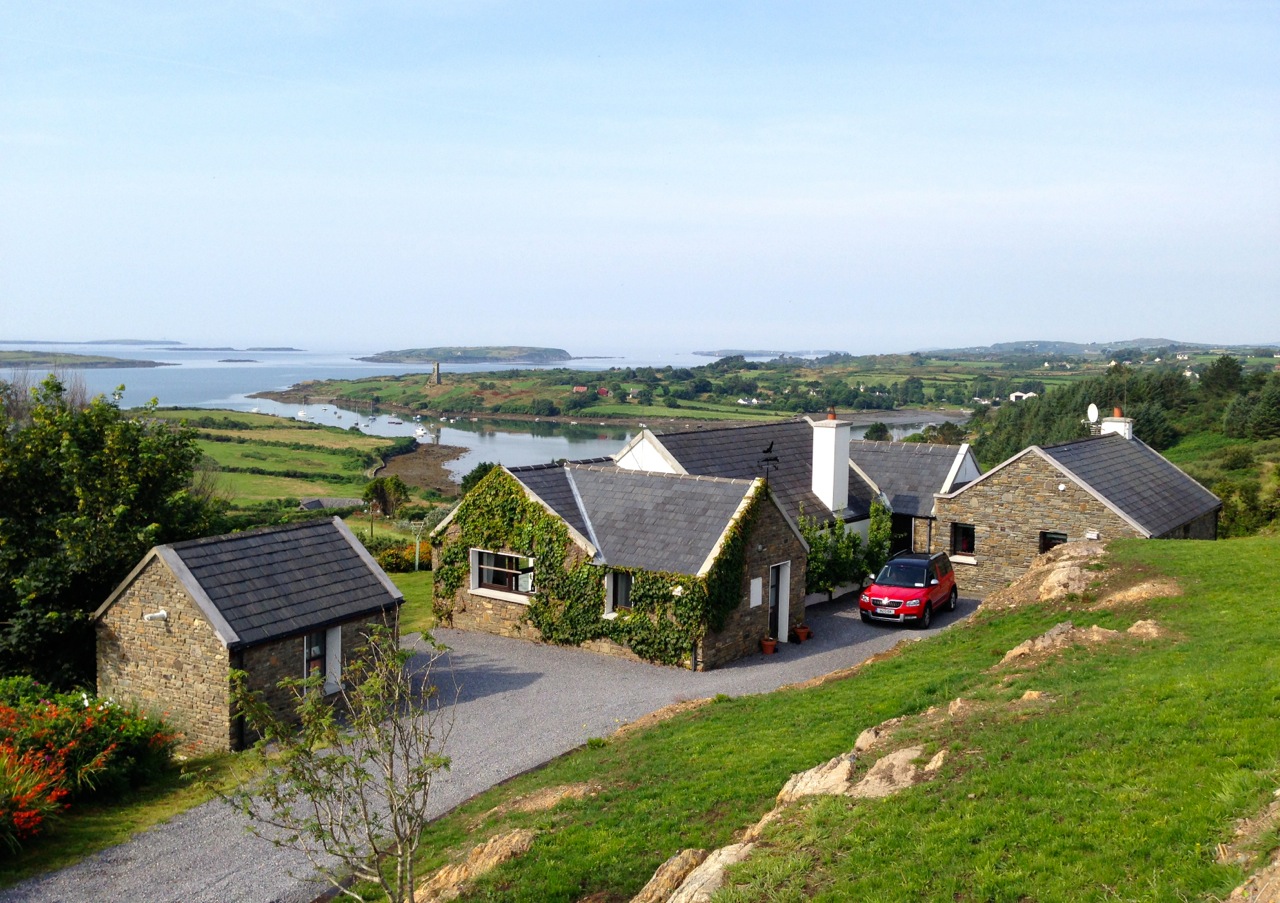
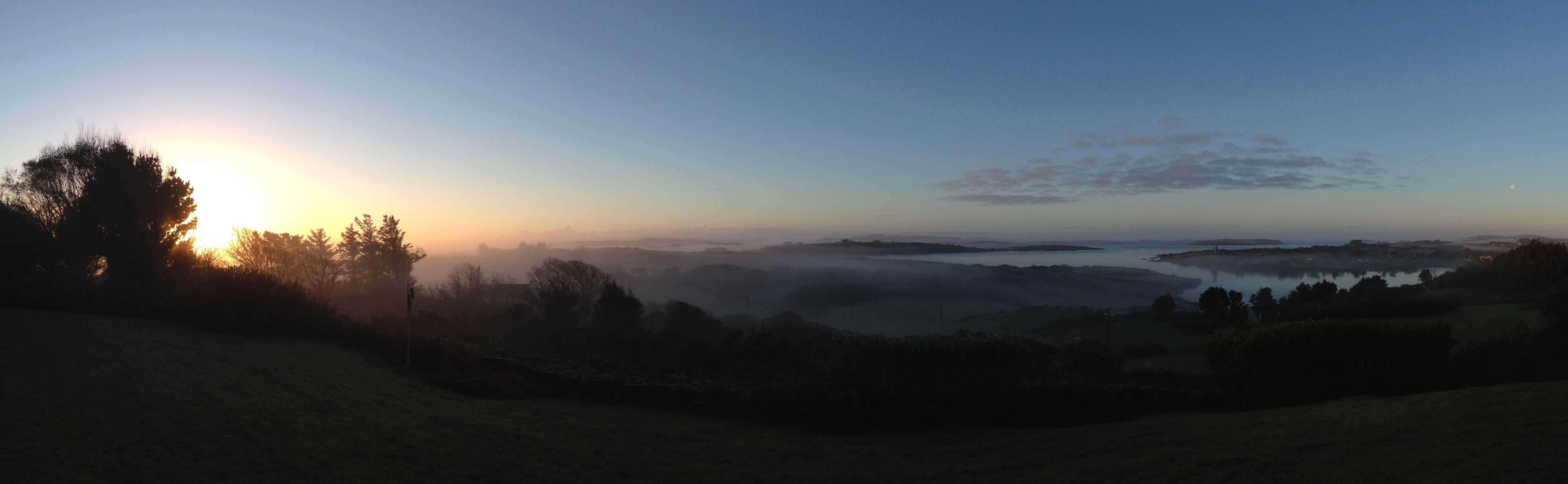
Sunlight and drama have been the key elements of the view from Nead an Iolair this week. The drama began at coffe time on Monday: whenever we are sitting having breakfast, lunch, tea, supper – or maybe just sitting – we are looking out over the scene you see above. Central in that prospect is our bird feeder, where we keep a constant eye on the comings and goings.

Suddenly, a bomb dropped out of the sky! It scattered the birds and there was such a twittering and chattering – squawks and alarm calls. The ‘bomb’ was a Kestrel – who had singled out a juicy victim from among the avian throng… I’m pleased to say that it missed its target and crashed ignominiously into the adjacent gorse bush. Seconds later it extricated itself and sloped off, trying not to look too foolish. I have to say I admire birds of prey, although I’d rather not see them lunching on our garden friends. In the past we have also had sight of a Sparrowhawk on our stone boundary wall.

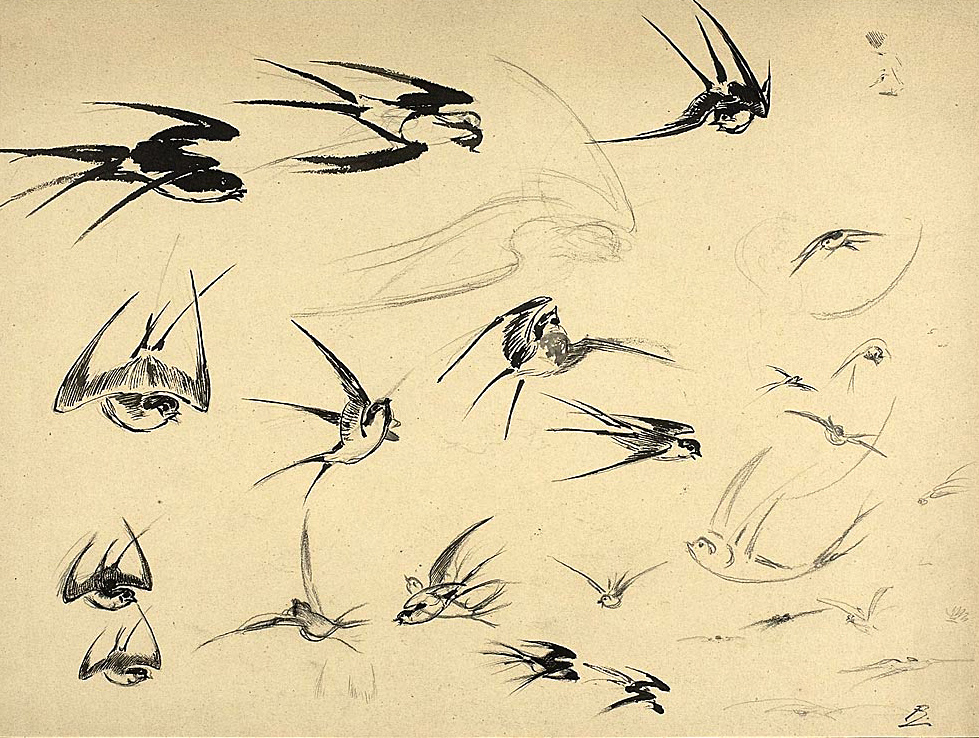
The Swallows: Felix Bracquemond, 1881

The Swallows: Felix Bracquemond, 1881

As I write this there are Swallows wheeling in the air above us: although we have had cloudless skies for several days the wind is in the east and it’s pretty chilly – however these harbingers of the Summer seem happy enough to have arrived on our shores in late April.

The Choughs are always with us!

The Choughs are always with us!

The Choughs are good friends of ours – they sit on the roof or tumble about in front of us, showing off their bright red bills and claws. At the moment they are foraging in the rocky land behind the house, pulling out roots and twigs for nest building. Another nester is the Starling family which inhabits the space in our eaves, creating a lot of noise and mess.

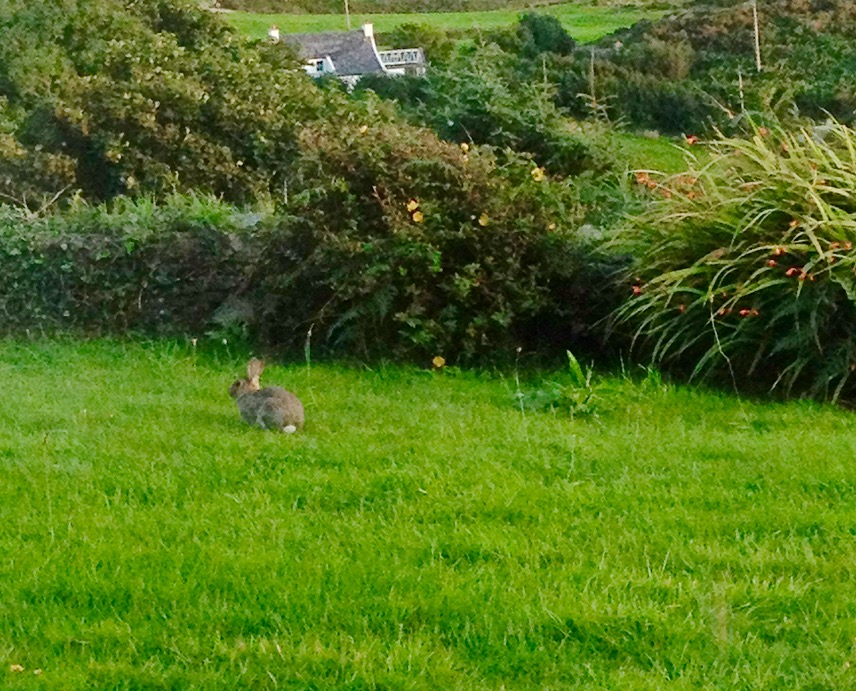
rabb

I was pleased to see a Rabbit in the garden: there has been an outbreak of mixomatosis in the surrounding countryside in recent times and over the last year we have hardly come across any of these mammals in the fields locally. Mixomatosis was introduced into the UK in the 1950s – apparently by accident – and then was used as a deliberate Rabbit control measure, by placing sick animals in burrows (then and now an illegal practice). By 1955 95% of Rabbits in the UK had been wiped out. I remember those days: seeing dead and dying animals every time I went out as a sensitive nine year old made me sickened and appalled, especially when I learned that we humans had initiated such cruelty. The virus recurs cyclically every few years, as has happened around here: I am still sickened and angered by it.

The next visitor was a female Pheasant. Although less colourful than her male counterpart she is nevertheless a handsome addition to our menagerie. The good weather has enabled us to have our doors open every day, but this does mean an influx of smaller guests, which have to be carefully rounded up and ejected before we go to sleep. They include spiders and flies, but also Native Irish Honeybees from our neighbour’s hives. Apis Mellifera Mellifera has evolved over thousands of years with a large body and long dark abdominal hairs which make it uniquely suited to survive in a harsh Irish climate. It will be found foraging early and late in the season and will fly in dull, drizzly and cold weather. I gleaned this information from the comprehensive website of the Native Irish Honeybee Society.

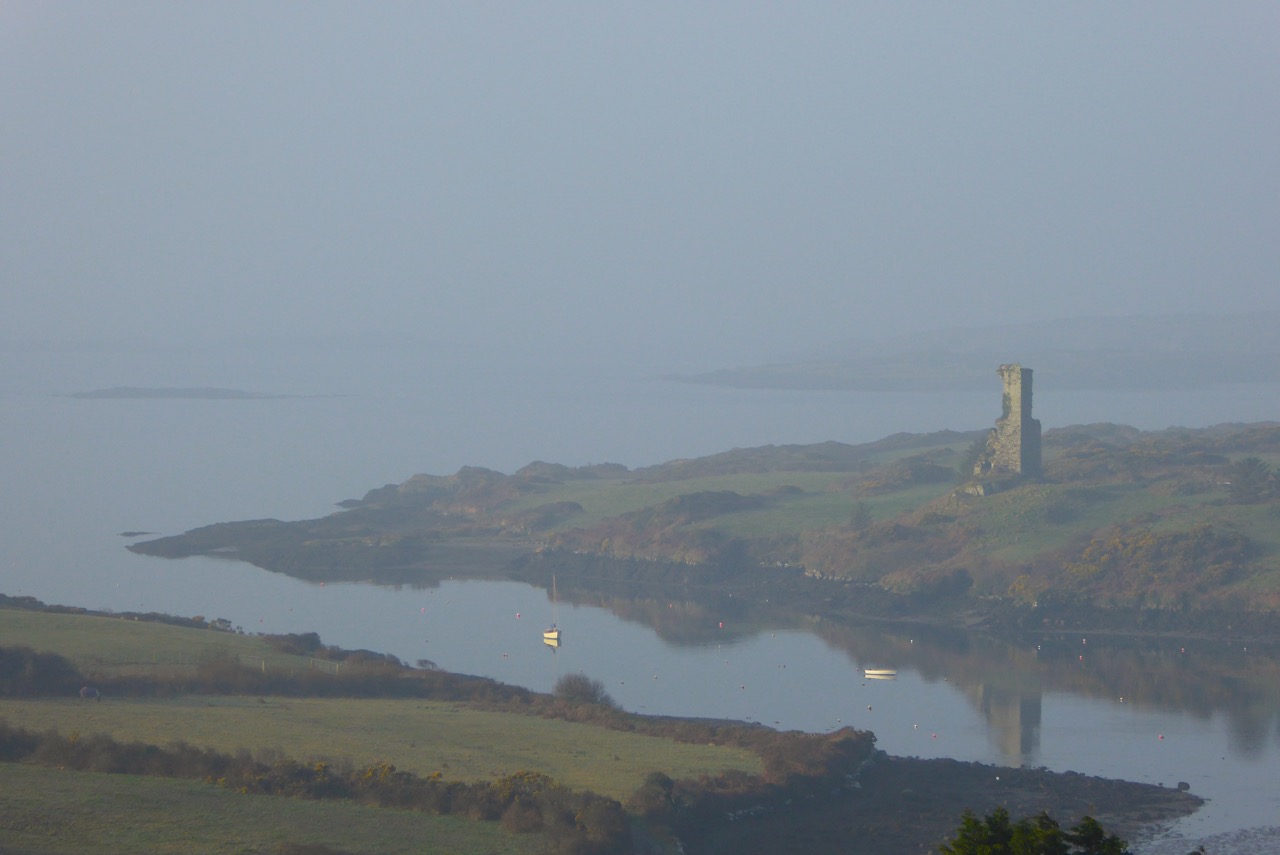
Castle in the Mist

Castle in the Mist

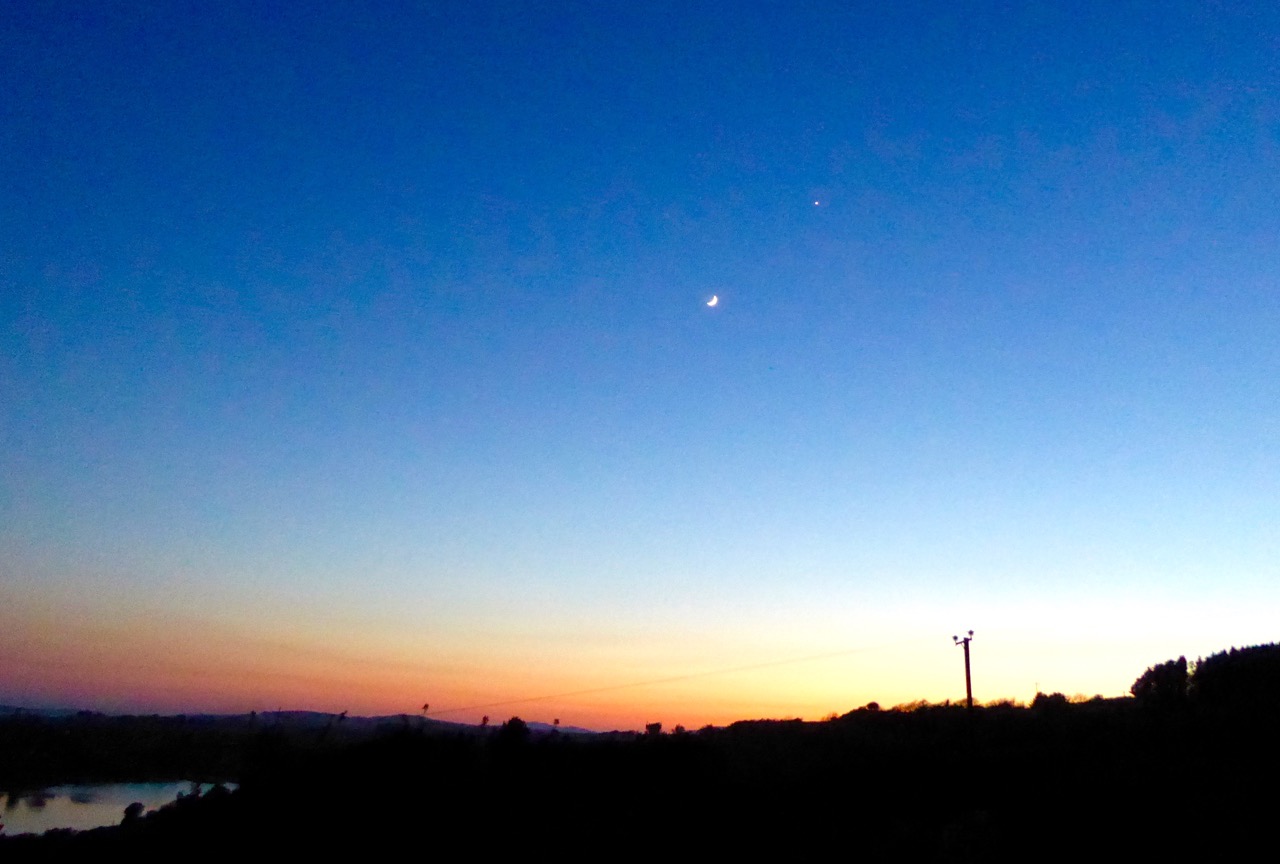
These wonderful spring days have been heralded by misty mornings. Evenings have been clear, with the crescent moon and Venus prominent over the western horizon. This is the time when we see our Bats. They might be either Common Pipistrelles or Soprano Pipistrelles: I’m sure you know that the former echolocates at a peak frequency of 45kHz while the latter echolocates at a higher frequency peaking at 55kHz. I keep listening out but can’t quite decide which is which… Anyway, they are both indigenous – and are probably sharing our eaves spaces with the Starlings.

crescent moon

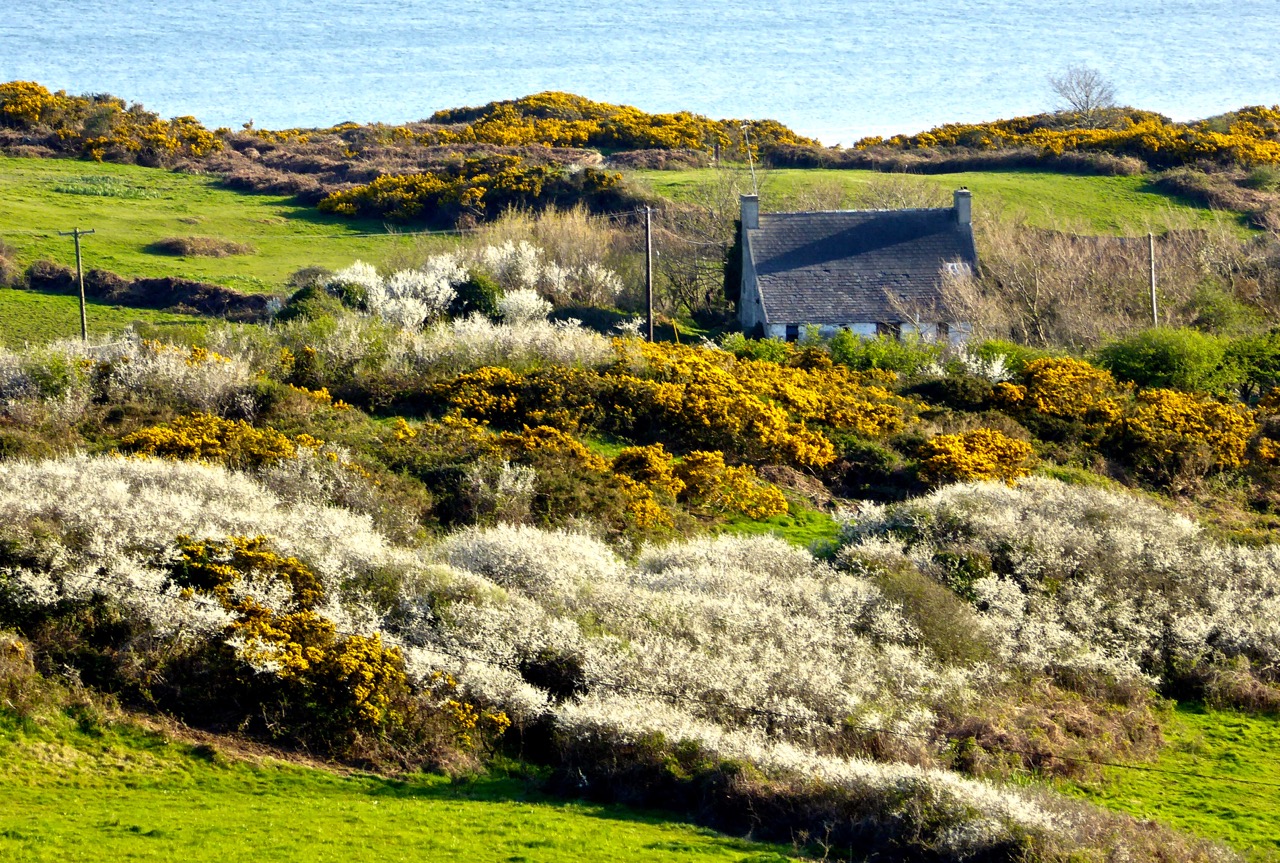
The gorse is in full bloom, as are the blackthorn hedges. Any picture of our surroundings at this time of the year has to show off the yellow and white – and, of course, the emerald green and azure blue.

looking out

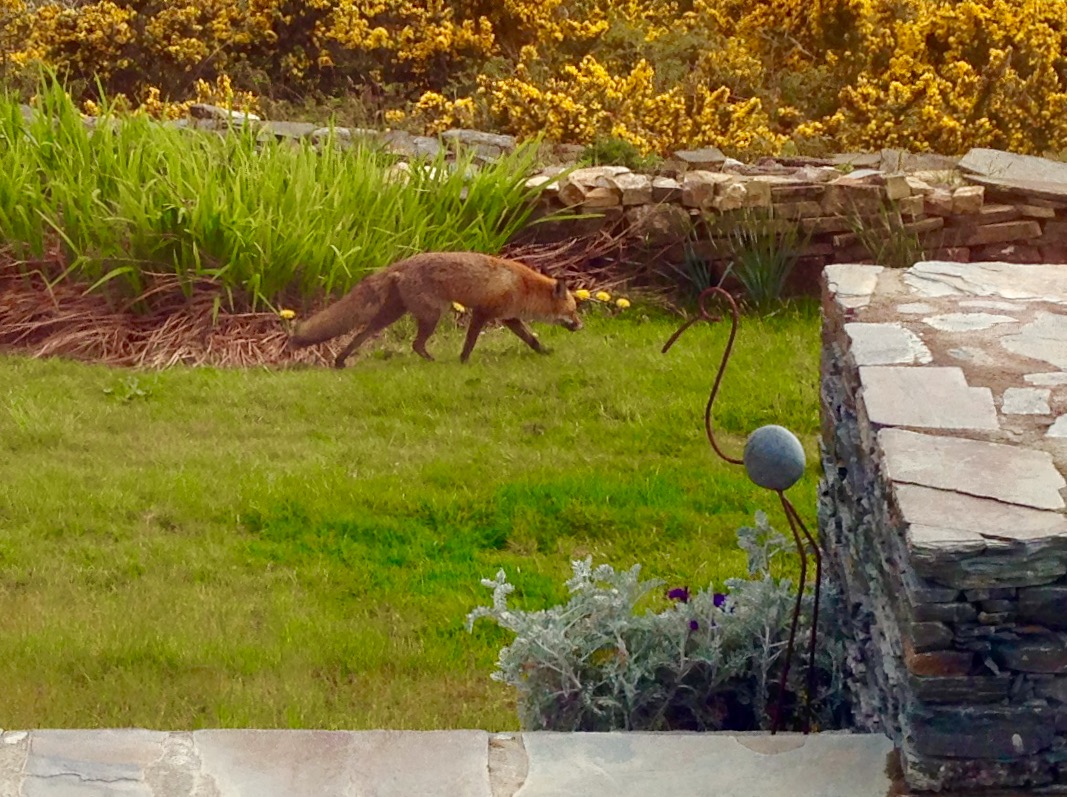
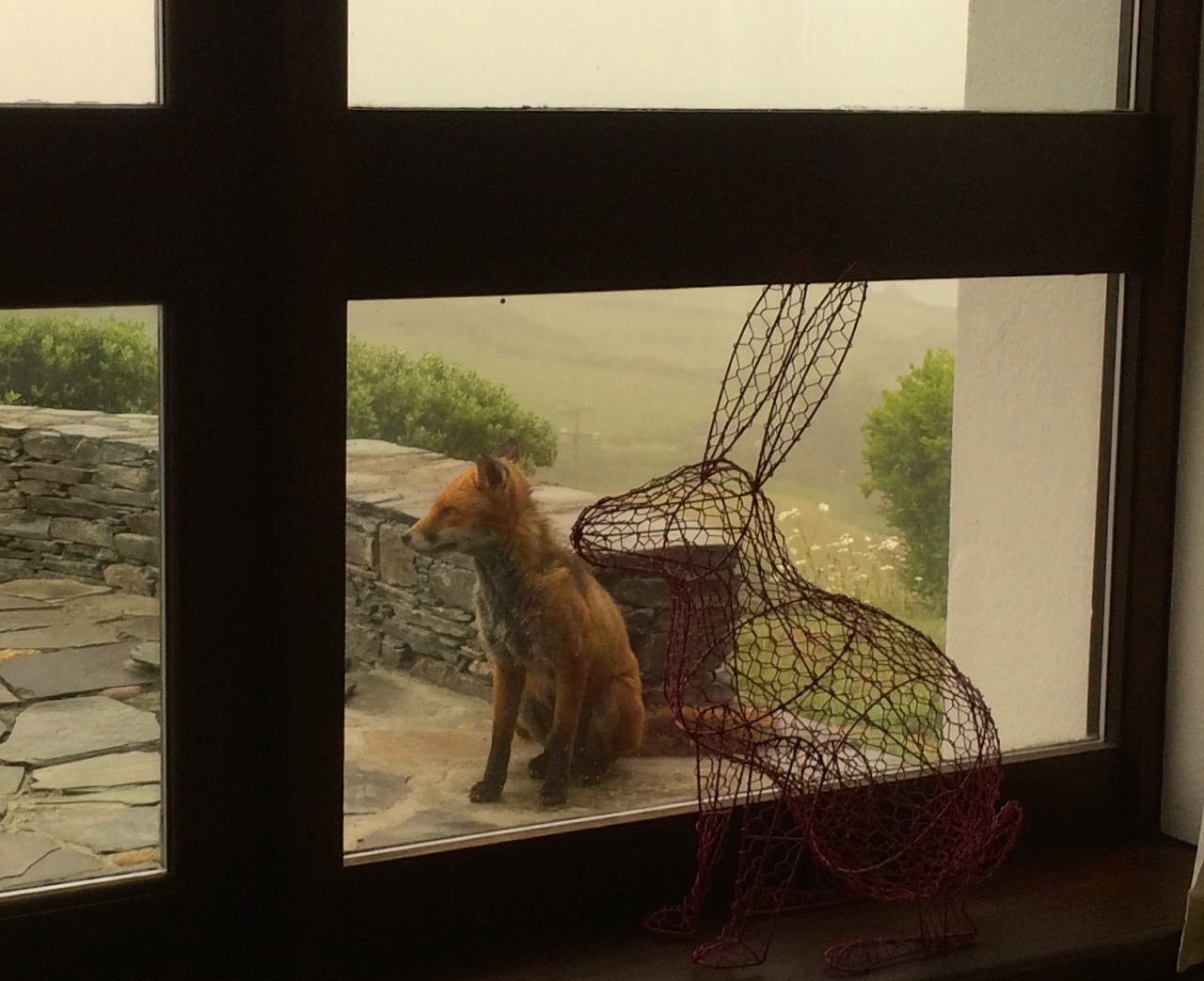
No ‘nature post’ here would be complete without mention of our own Red Fox, Ferdia. In fact, part of the drama of the week was the appearance of another Fox! As we hadn’t seen Ferdia for quite some time we worried that he might have gone the way of all Foxes: the average life of a Red Fox in the wild is only around five years – and our neighbours claim to have been hosting Ferdia for more like ten… The new Fox only made the briefest of appearances, just enough to be photographed. I think it is a Vixen – smaller and thinner – and very nervous. We couldn’t help thinking that she had come on to the scene because of Ferdia’s demise – but no! Yesterday evening, there was Ferdia knocking on the window, cocky as ever – although he does look a bit bedraggled at the moment, possibly because he’s beginning to lose his fine thick winter coat. Perhaps now we will have to find scraps for two foxes…

Fresh on the scene: a female Red Fox

Fresh on the scene: a female Red Fox

Seen through the window: a bedraggled Ferdia posing with one of our many household Hares!

Seen through the window: a bedraggled Ferdia posing with one of our many household Hares!

Finally, I was fascinated by another visitor to Nead an Iolair this week: a female Emperor Moth took up residence on our bedroom window cill. As you can see, her appearance is very striking. I wish I had been able to observe her all day, as evidently these Moths stretch themselves out in the sun waiting for a mate to arrive. The males are even more spectacular, but alas I didn’t see one. You’ll find this lady in an Irish folk tale: The Children of Lir.

Female Emperor Moth

Female Emperor Moth

I have to give a special word of thanks to Finola, who expertly took most of the photographs in this post with her excellent Leica-lensed camera

A Moment in Time

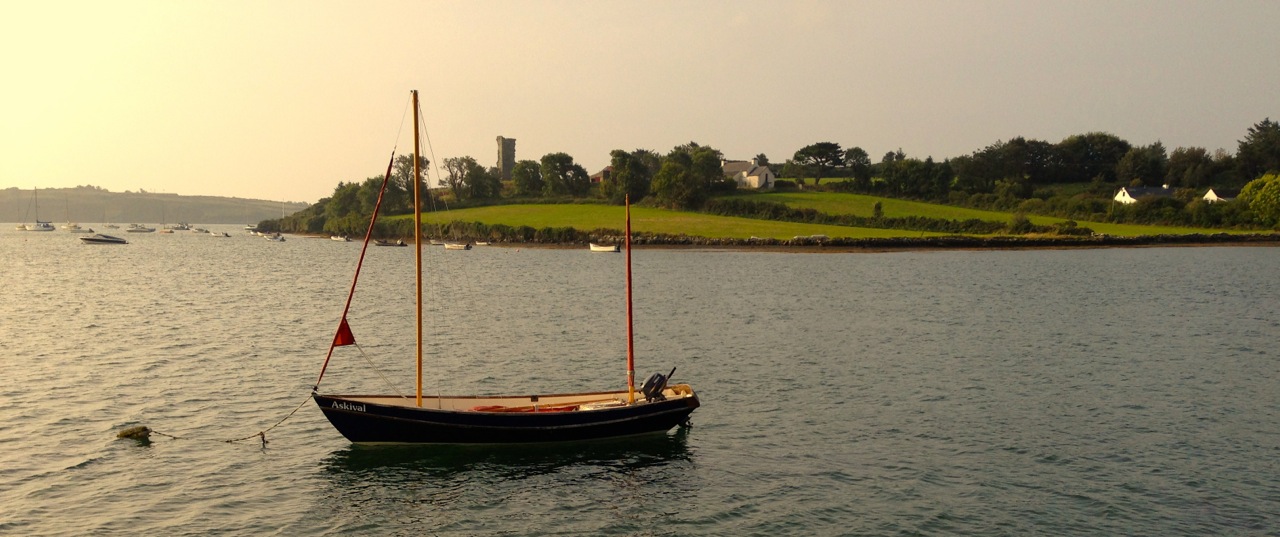
Beautiful Rossbrin Cove

Beautiful Rossbrin Cove

It happens so suddenly. One day you will go down to the Cove and the sounds of summer will be in the air: childrens’ voices and laughter from gardens and beach, excited dogs, perhaps a clop of ponies from the riding stable, the flap of sails getting under way and the whirr of outboards on ribs. Then, the end of August comes, and it’s as if a shutter drops mechanically. Gates are shut and blinds are drawn at the many holiday houses along the water; there’s a chill in the morning air and a haze hangs over everything. An ever so slight feeling of melancholy accompanies the Oystercatchers pieu-ing as they glide in.

fuschia

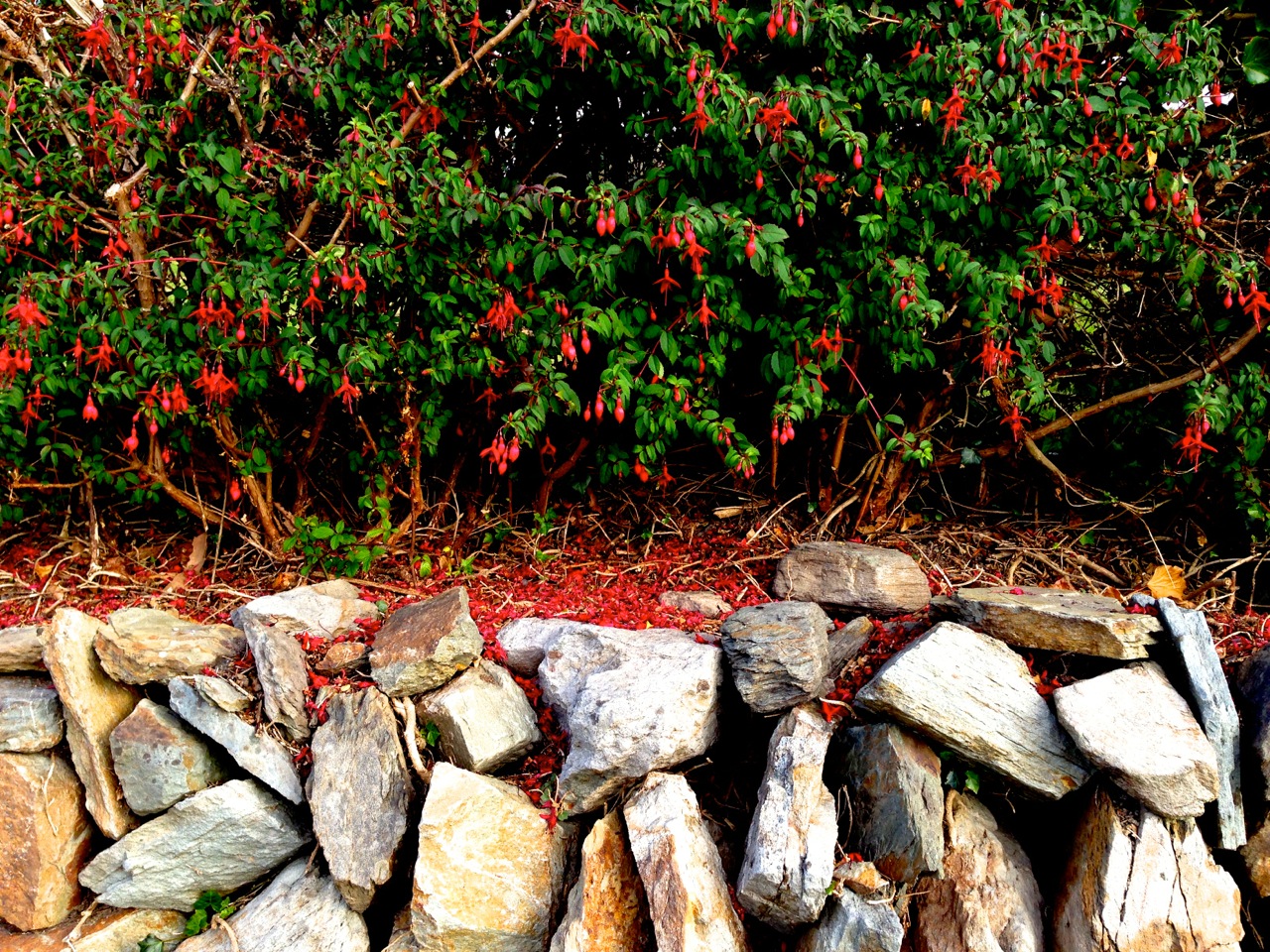
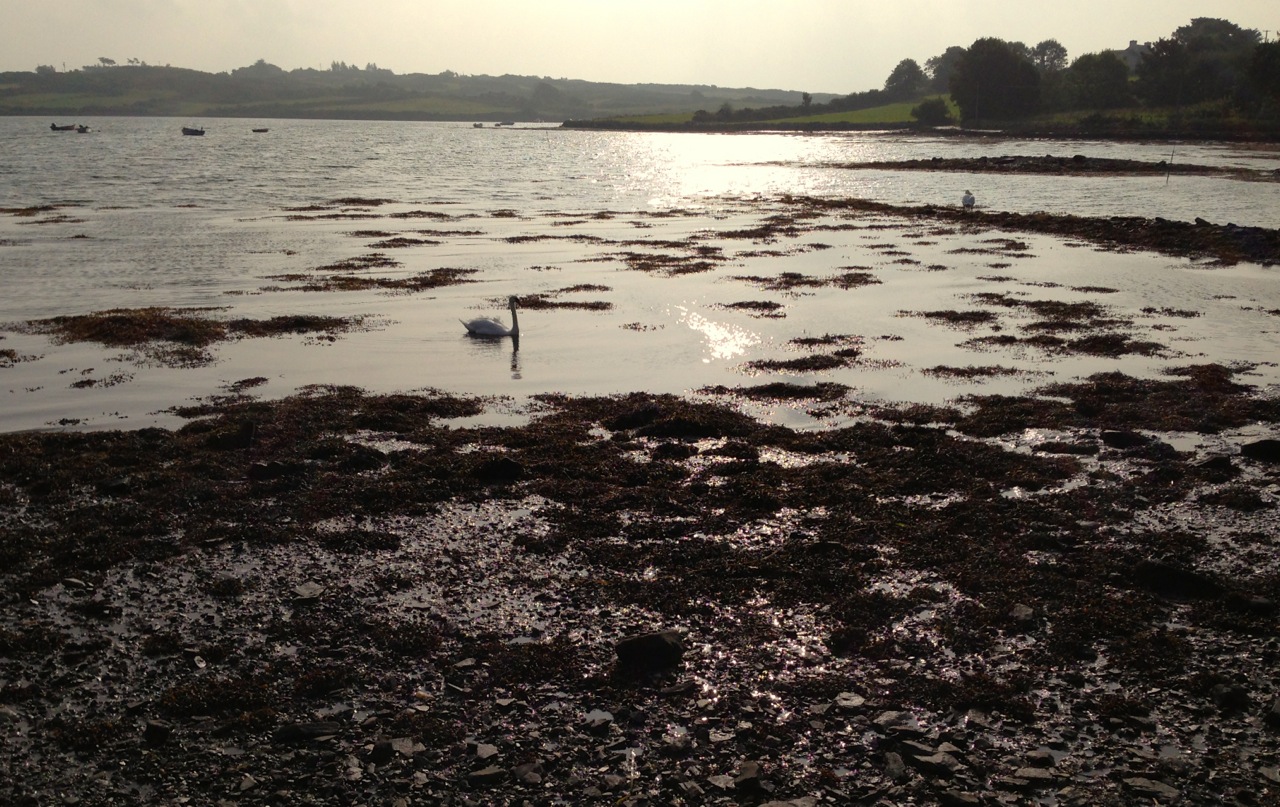
But there’s abundance all around: fat, luscious berries and hips dominate the hedgerows and wild fuschias are as rampant as ever. Bees are constantly in evidence. The sun still comes uninterrupted every day in this record-breaking year while, in the evening, the biggest moon of the season rises magnificently in the east, bringing with it a huge tidal variation: low water empties the Cove almost completely, providing a feasting ground for the little waders, while the Swans are compelled to sit on their single legs forlorn on a mud-bank, or to sail off out to the open water beyond the castle.

haze

On a day last week we perambulated the full rim of the Cove, pausing by Julian’s house at the very end, just before reaching the landmark of Finghin O’Mahony’s ruined tower. Like us, Julian is a year-round resident: there are just a few others. There is activity in the boatyard at the end: they are preparing to receive, over the coming month, all the sailing craft that are currently moored to buoys in the mouth of the inlet: upwards of thirty. Yacht insurance generally runs out at the end of October. Last winter – the stormiest in living memory – saw a single boat ride it all out undamaged on the water, while high and dry in the boatyard several fine yachts were toppled and broken by westerly gales. For some reason (perhaps its because of the now sleeping houses) the birds’ chattering and serenading seems to be louder and more insistent.

When I first came through Rossbrin Cove – many years ago – it didn’t make a positive impression on me. It seemed a bit of a scrappy place, with its huge, muddy slipway at the far end and rusting trailers and discarded dinghies growing in to the encroaching sedges. The shoreline itself, edged with home-hewn jetties and concrete landing places, seemed a little urban: I passed on, looking for a bit more in the way of West Cork scenery and character. Now, the Cove is our daily garden path: with familiarity it has elbowed its way into our hearts and we appreciate every detail. At low tides the rocks are a hunting ground for Mussels (although we have to wait for Good Friday), and sunlit pools are inhabited by scurrying crabs and bewildering varieties of seaweed.

misty

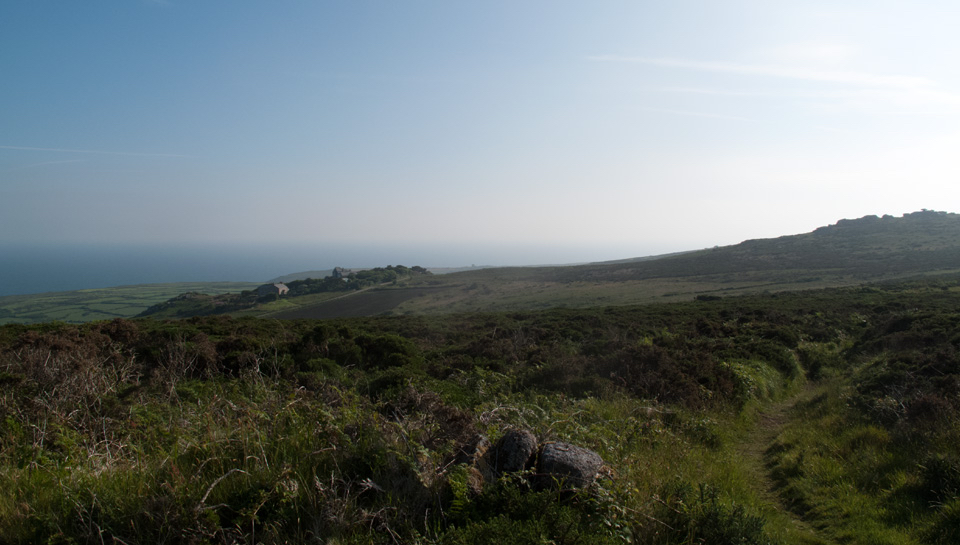
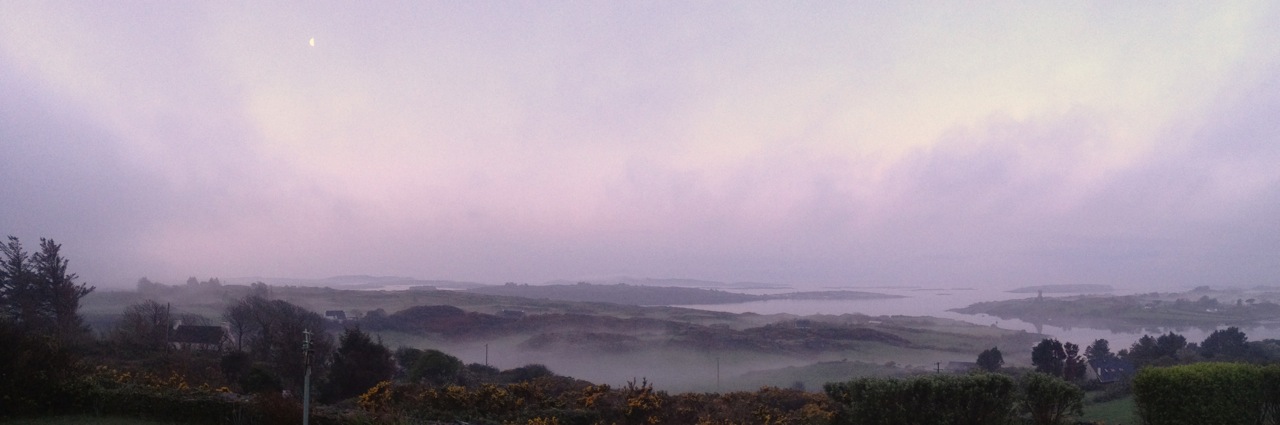
Before the haze burns off, sky and water merge and the islands drift in and out of view. The sea itself is a frontier of the untameable Atlantic but, here in this land of inlets, coastal hills and castles it mirrors the sunlight from its barely rippled surface, and our summer will never end.

Enjoying Rossbrin

Enjoying Rossbrin

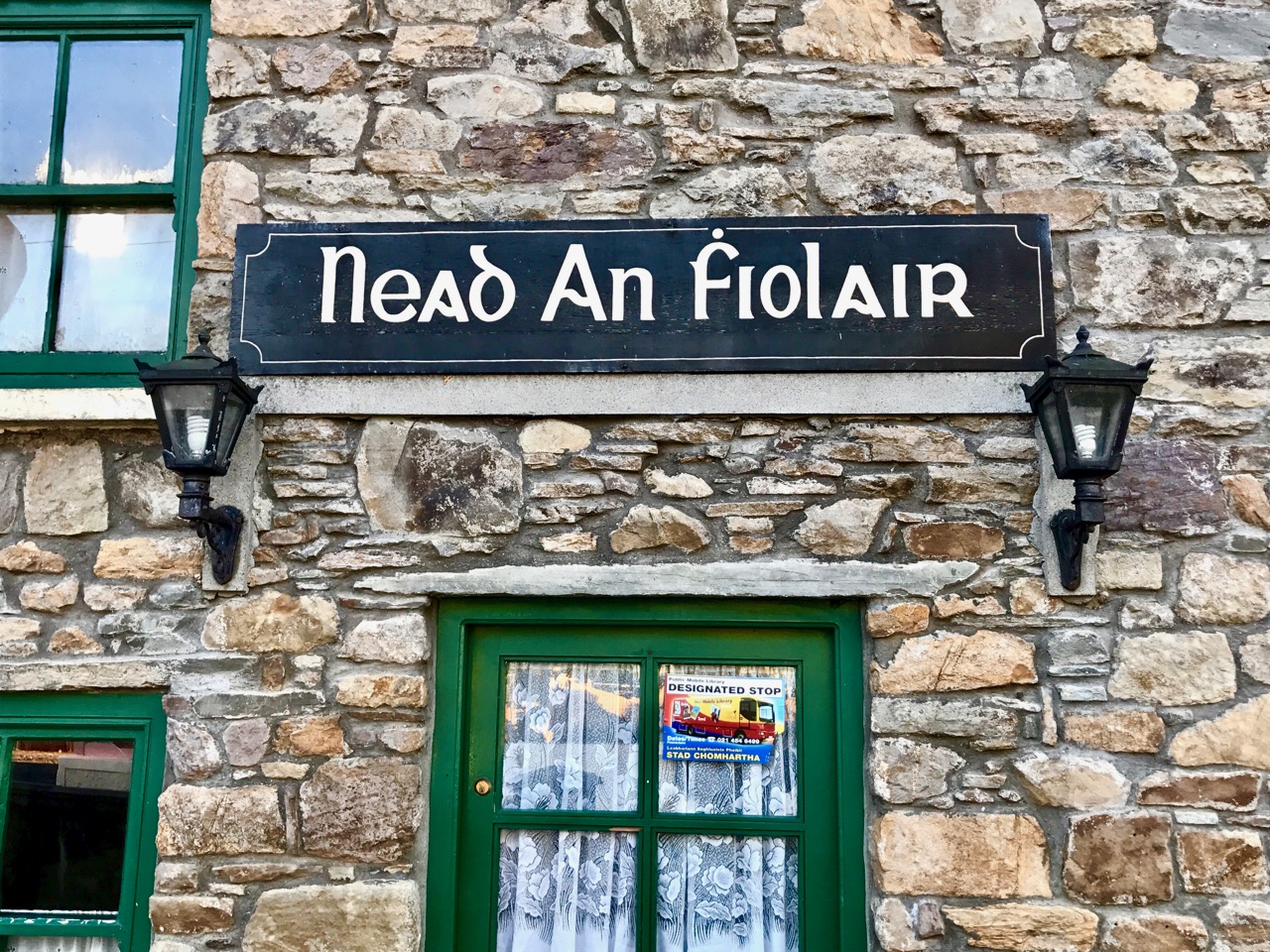
Nead an Iolair  - the view to RoaringwaterNead an Iolair – the view to Roaringwater

March Miscellany

shovel

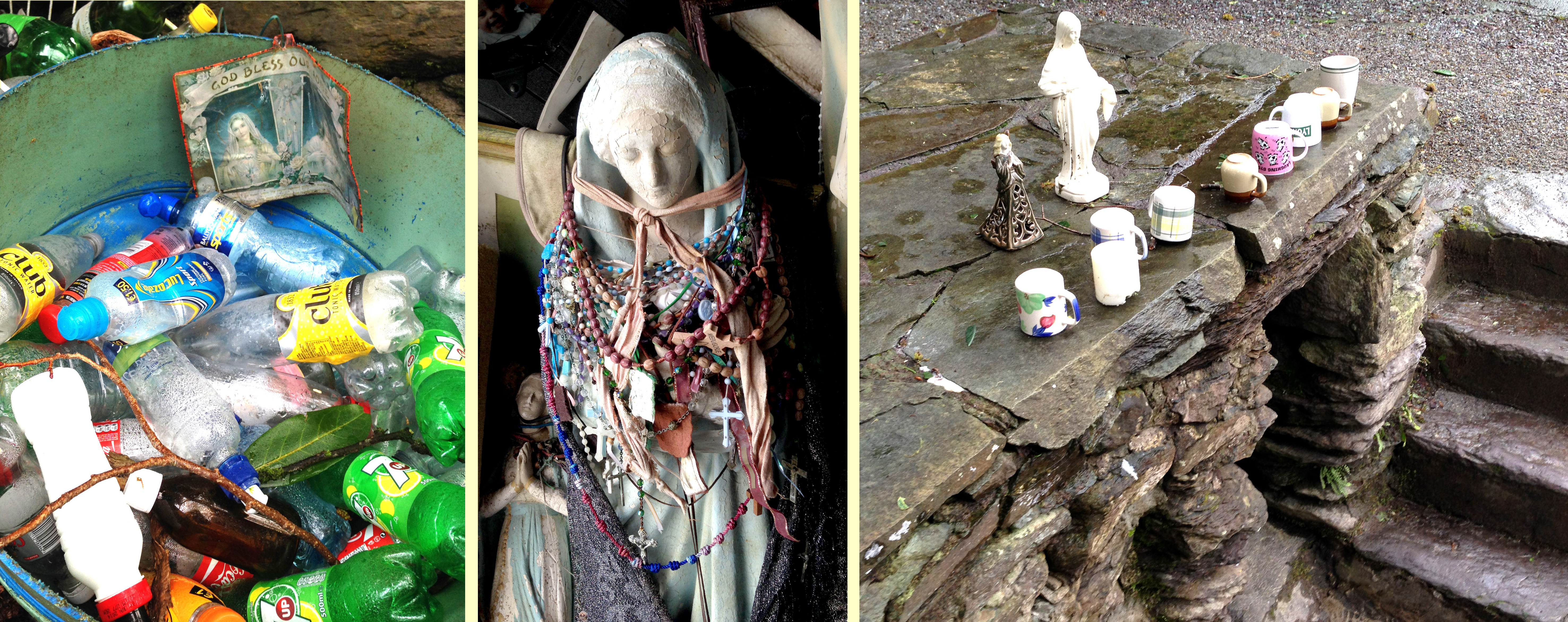
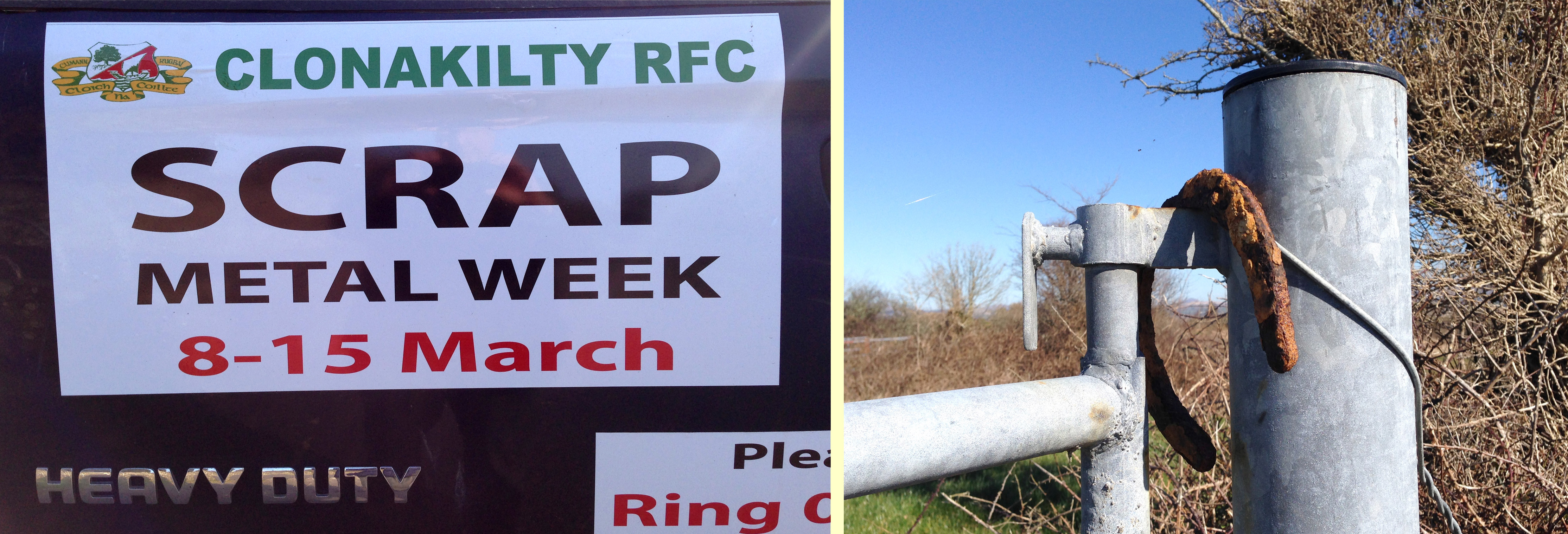
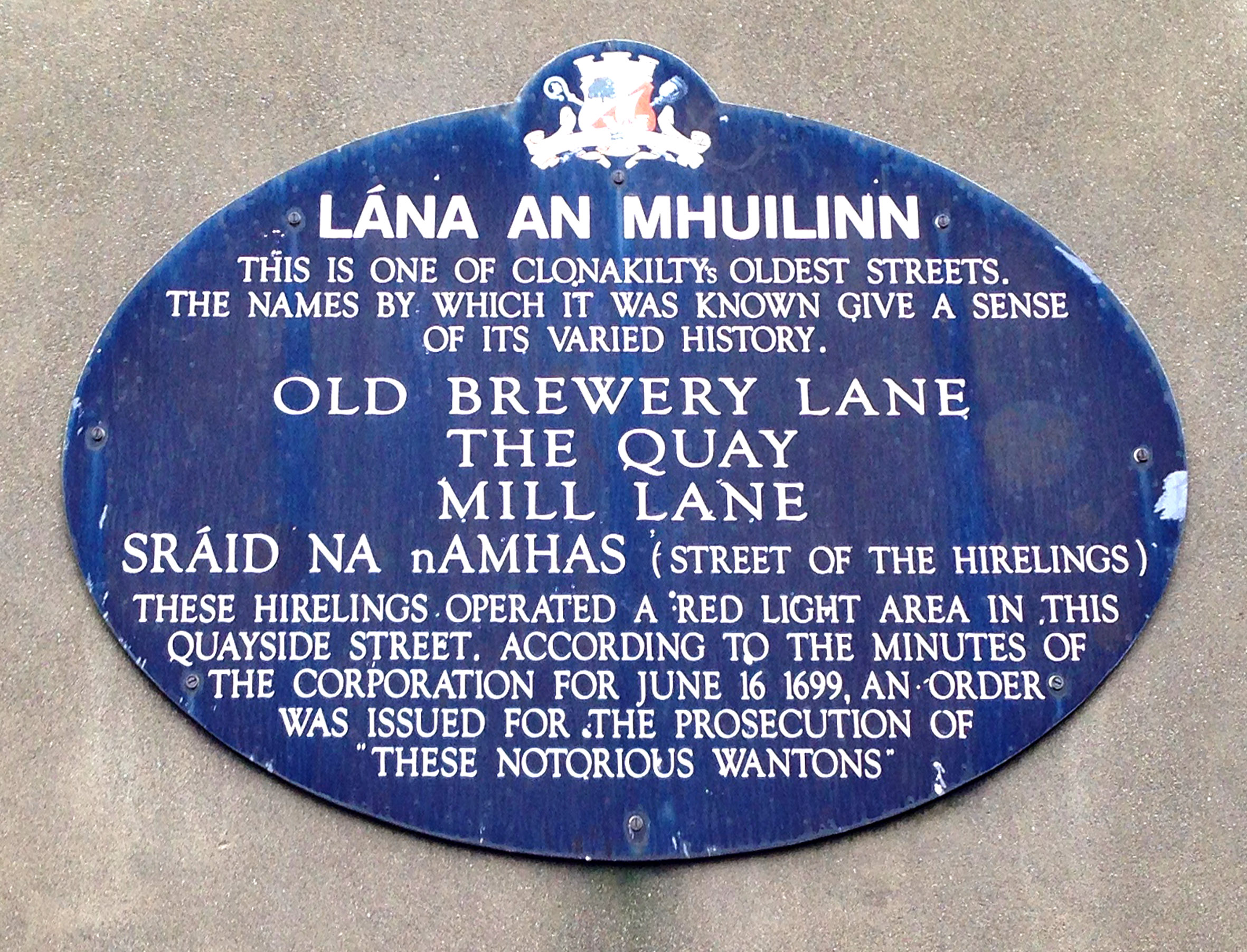
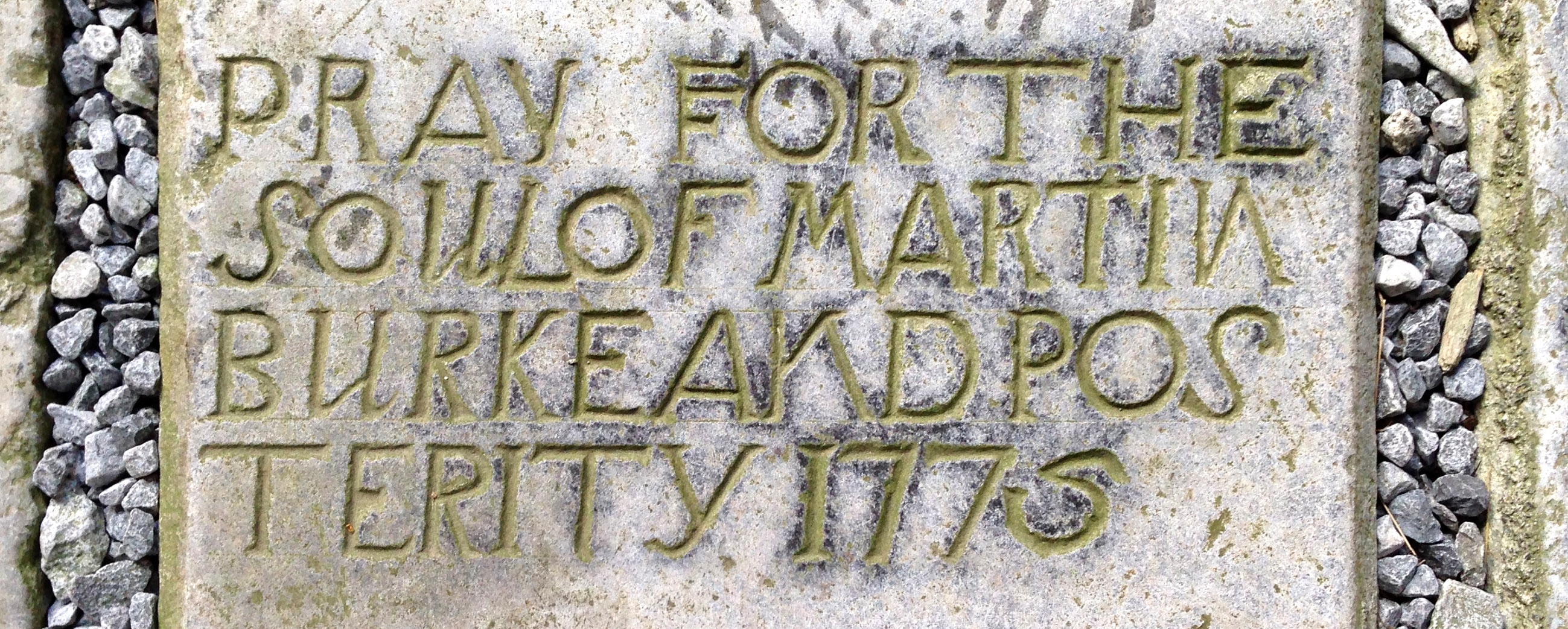
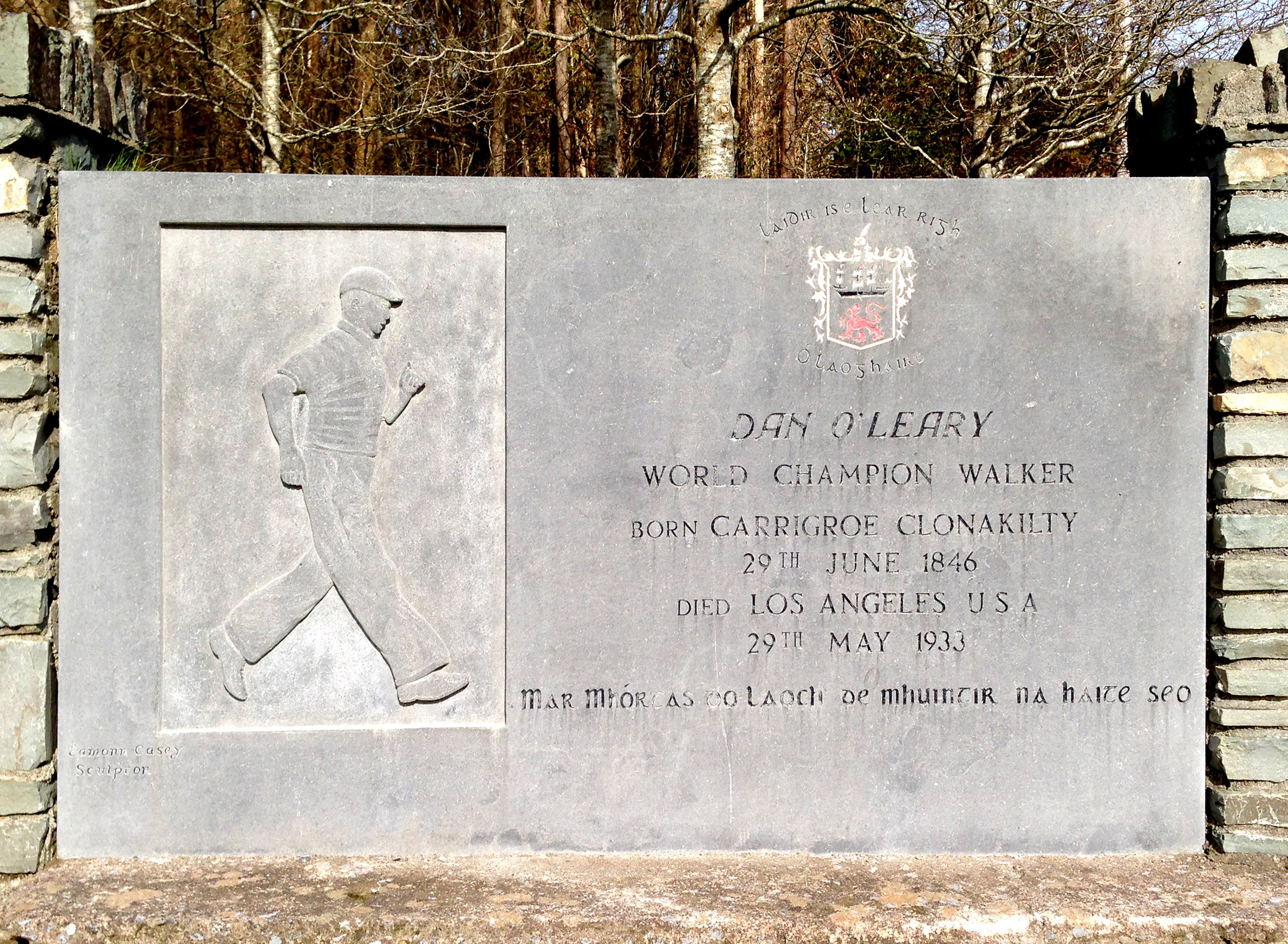
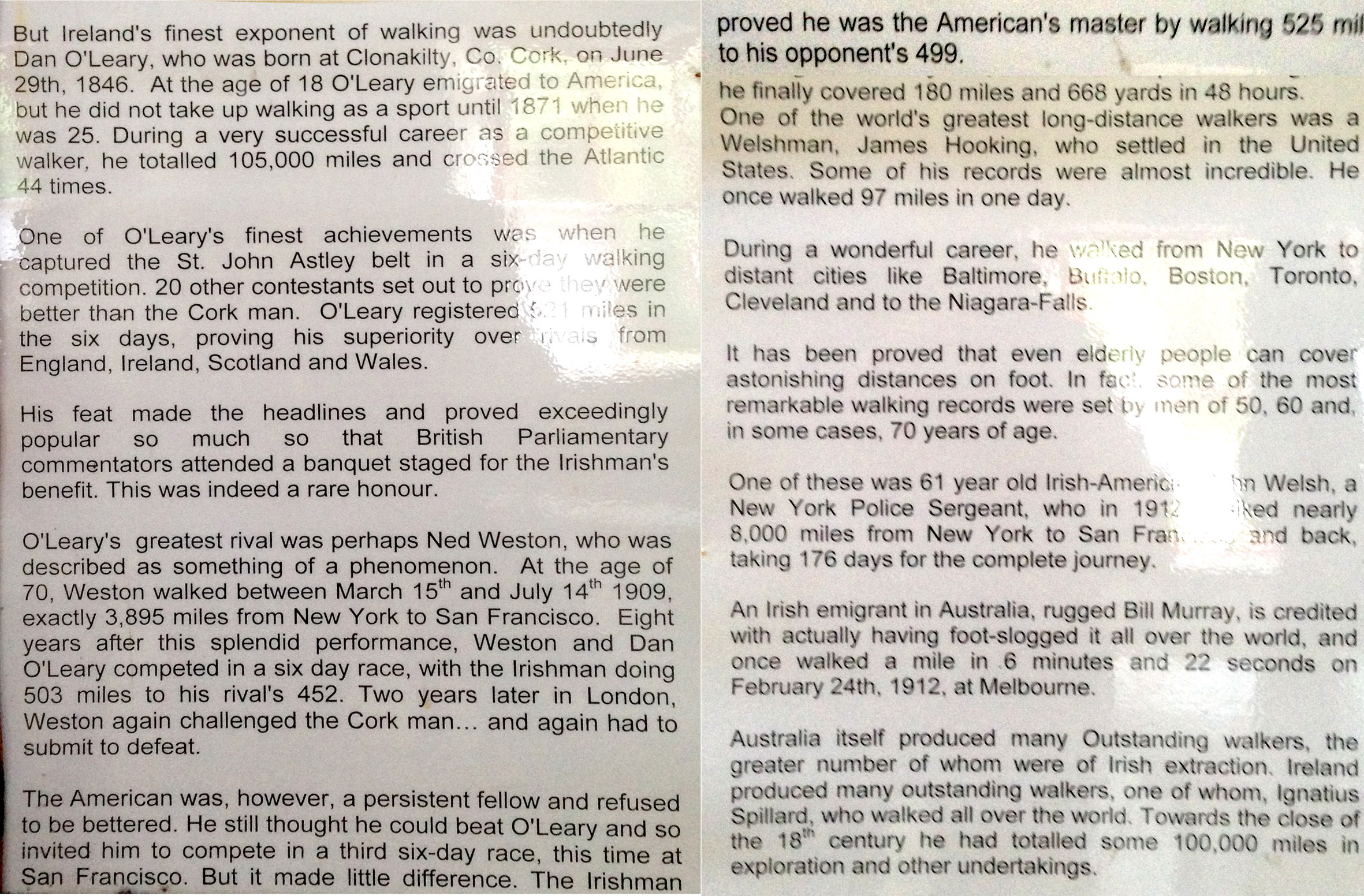
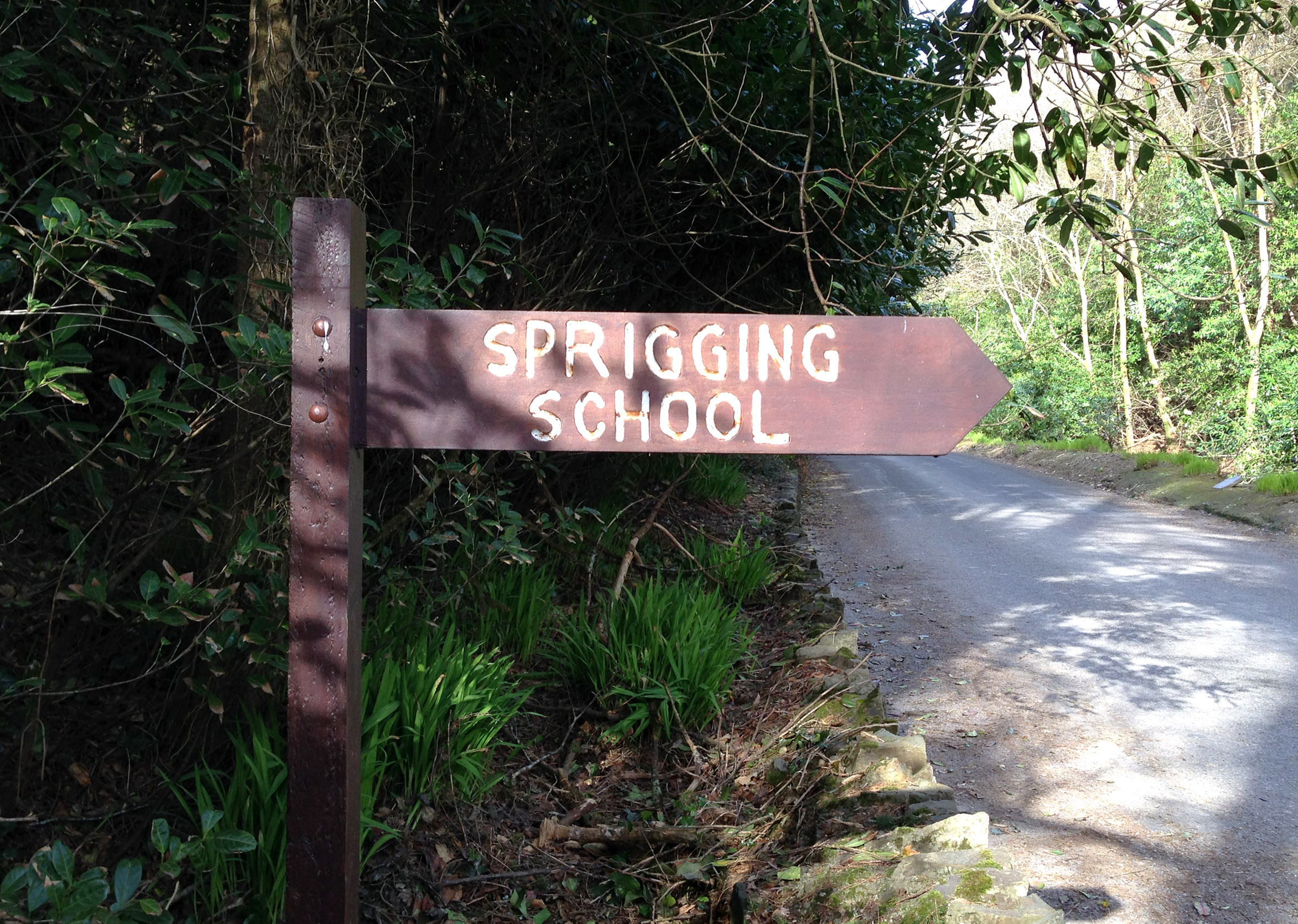
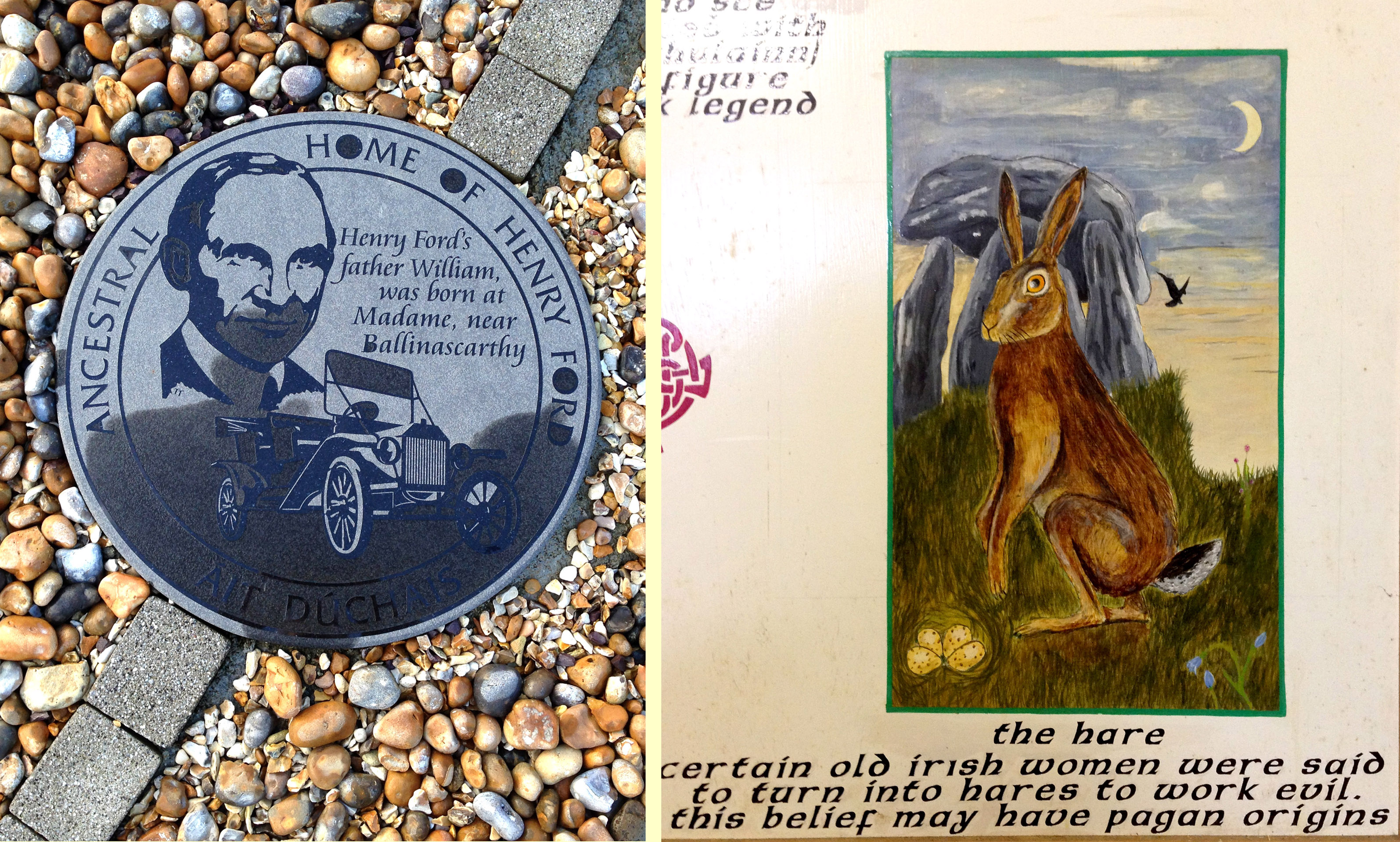
Another selection of Irish ‘normalities’ which have caught my English eye over the last few months (the previous selection is here). They have amused me, surprised me and sometimes baffled me. I have the greatest respect for their ‘Irishness’ – a unique outlook on life and culture from a small island which has made a big mark on the world. Mostly the images need no commentary but I have provided a little information for the curious at the end of the post.
them jobs

holy water

scrap

sprigging

ford hare

red light

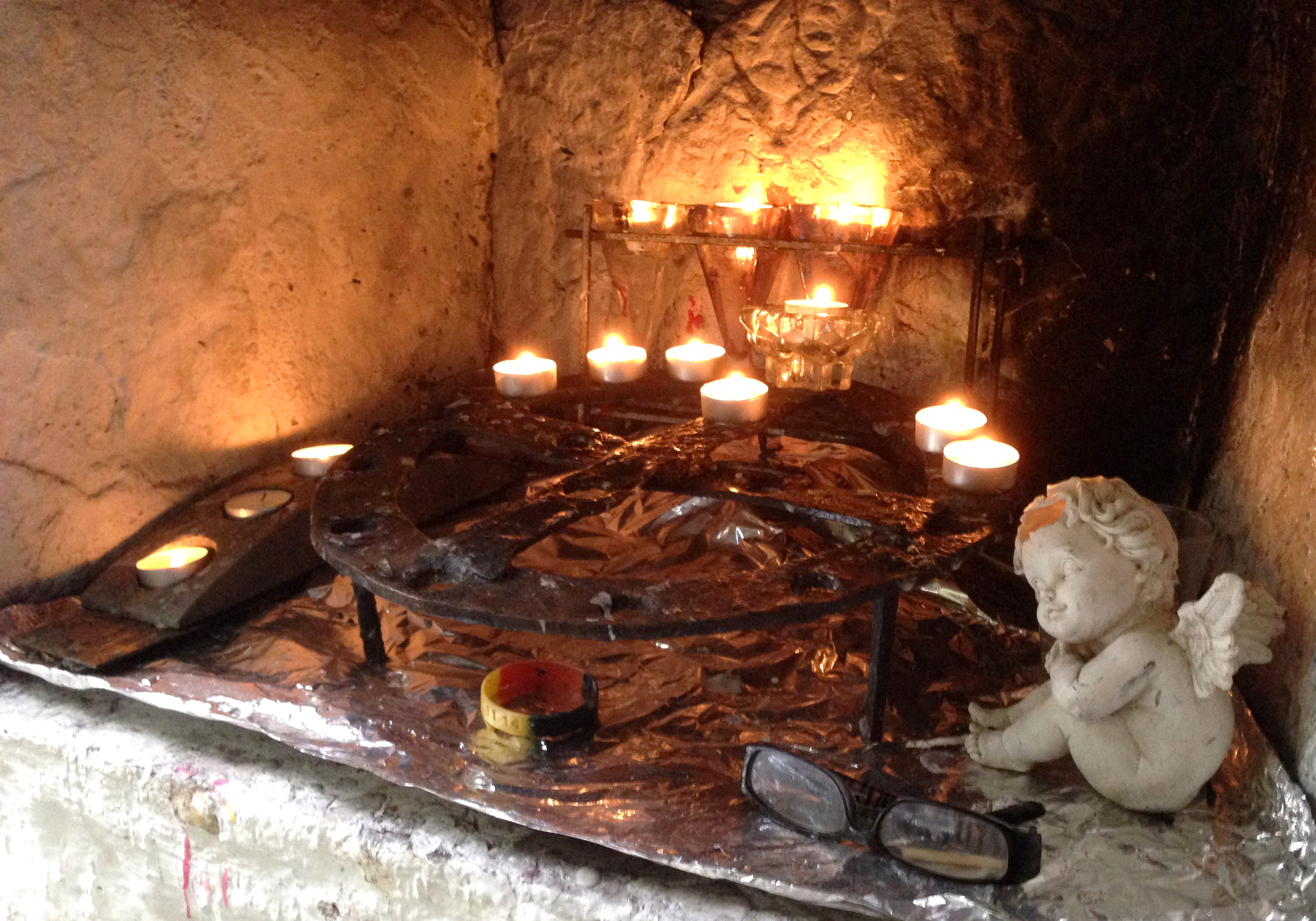
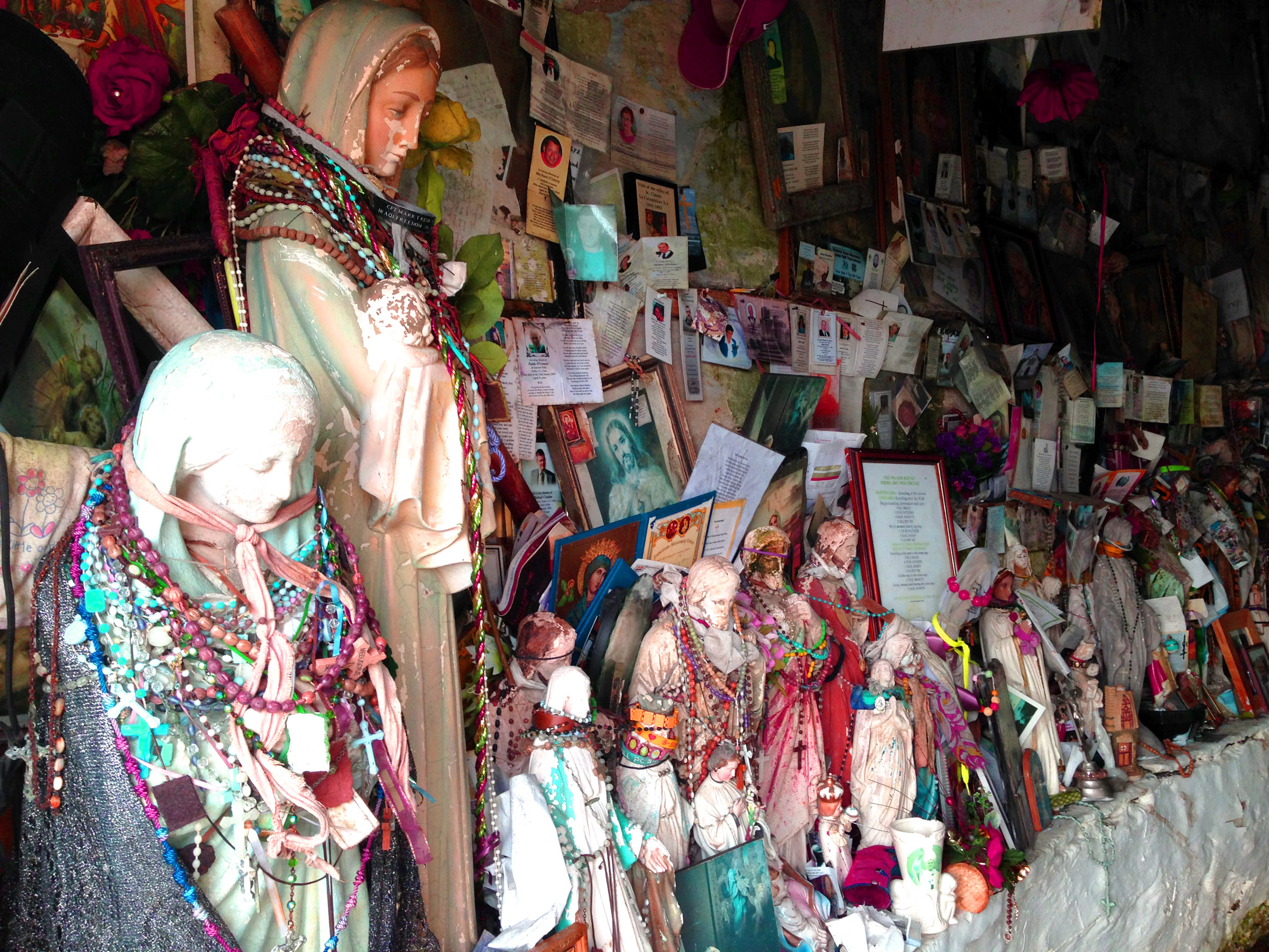
shrine

luckyhouse

posterity

till he comes

walker

walking

offerings

Most of the images are from our own neighbourhood, but the spectacular wells and shrines – including the one above (to St Brigid) were seen on our trip to Clare. Can’t resist just one more image: it’s the view we enjoy every day from Nead an Iolair, constantly changing and always arresting.
panorama

Nollaig ar Nead an Iolair

December 25th! Must be global warming

December 25th! Must be global warming

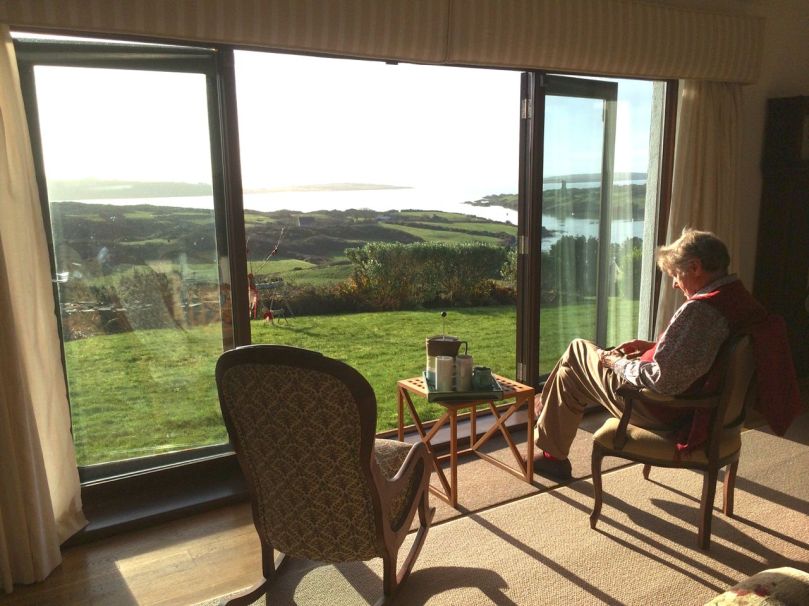
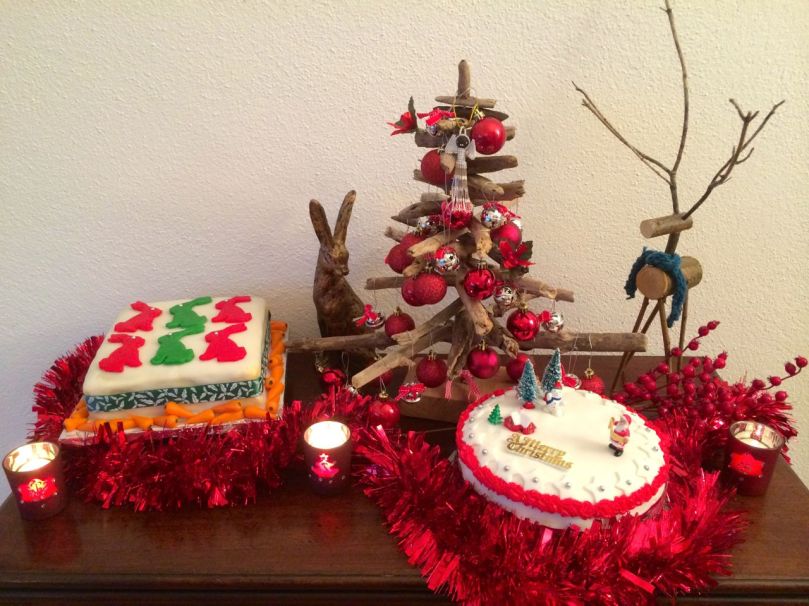
Our first Christmas at Nead an Iolair and it’s been everything we could have wished for. The day itself was bright and sunny. We threw the French doors wide open and exchanged our gifts in the sunshine. It’s a good job we enjoyed it while we could, as the wild weather set in on St Stephen’s Day (Boxing Day outside Ireland).

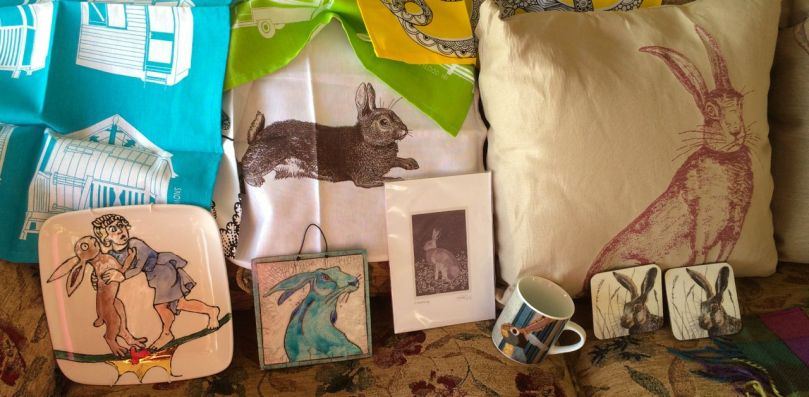
Is there a theme developing here?

Robert’s gifts: is there a theme developing here?

Of course, we had to have the ceremonial first cut of each of our Christmas cakes. Readers will remember that I made Monica Sheridan’s recipe while Robert made Delia Smith’s. The verdict? Mine was way better! (This is MY post.)

The avant garde and the traditional approach

The avant garde and the traditional approach

Our new stoves were installed just in time for Christmas. This kind of supplemental heating is essential for the winter months in West Cork, where fuel is very expensive. Together with our decorations, newly purchased from the Christmas markets and hung on twigs culled from nearby hedgerows, they created a cosy and seasonal ambience in the house. Also perfect for a house-warming party, which we are finally hosting this weekend.

Ready for the house-warming party!

Ready for the house-warming party!

Now so, at the end of 2013, we have to say that it’s been a grand year, like. And to our readers, Bliain nua faoi mhaise agus shona dhaoibh – a Prosperous and Happy New Year to you all.

From Roaringwater Bay to all our friends and readers - a Happy New Year!

From Roaringwater Bay to all our friends and readers – a Happy New Year!

Stormy Weather

neadwinter

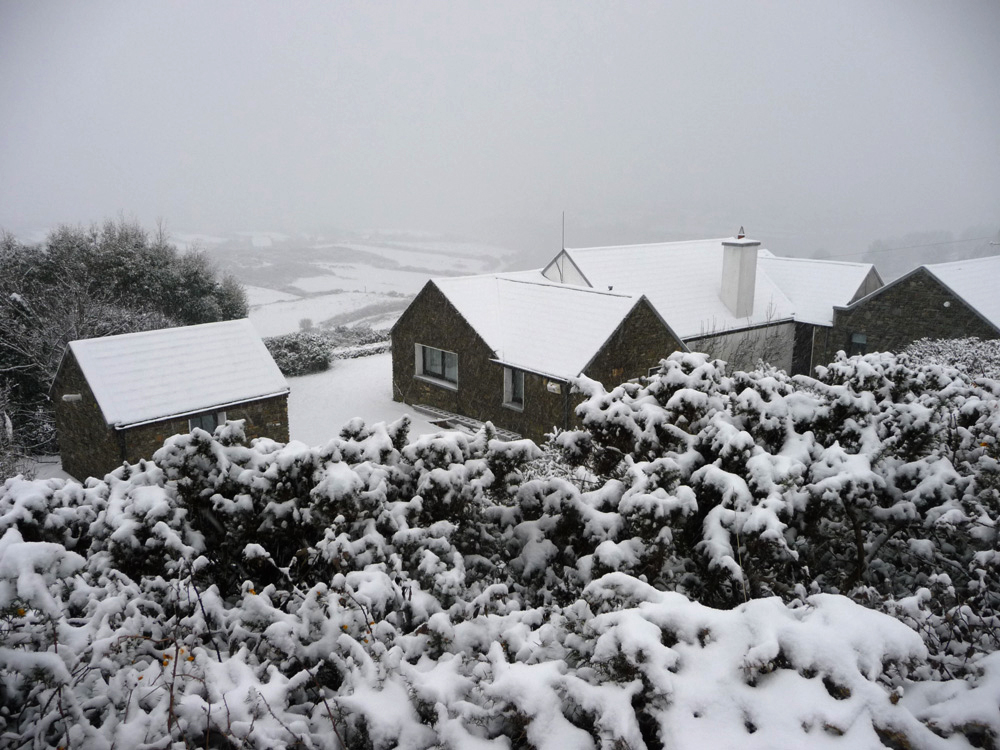
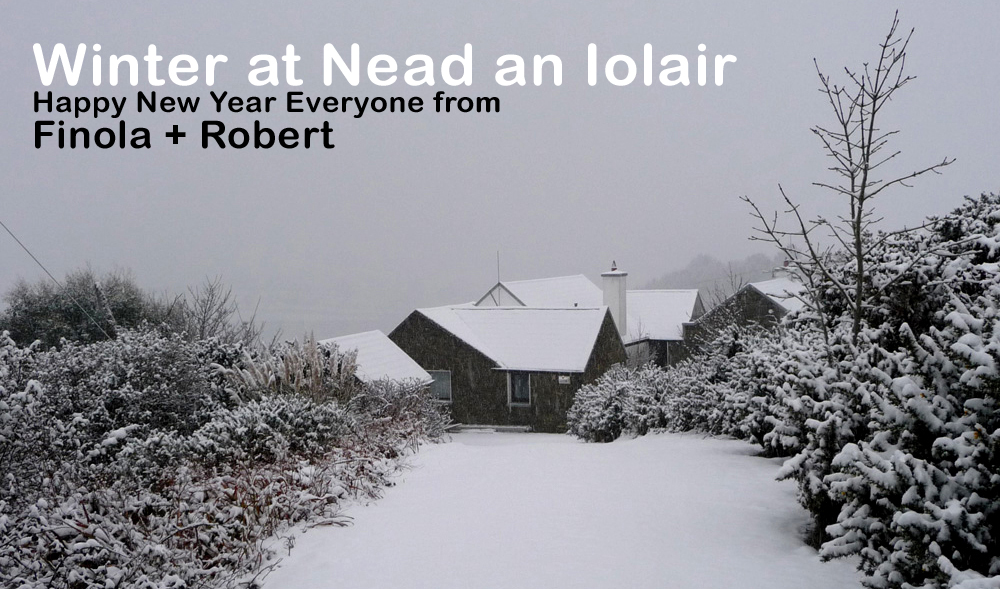
This picture of Nead an Iolair is here to create a seasonal feel: it was taken by our neighbour Dietrich in the Great Winter of 2010 – 2011 when the extremes were all about deep snow, frozen roads and frozen pipes, unusual for this little corner of the island normally kept mild by the Gulf Stream. This winter we have a different extreme – hurricane force winds!

spiked

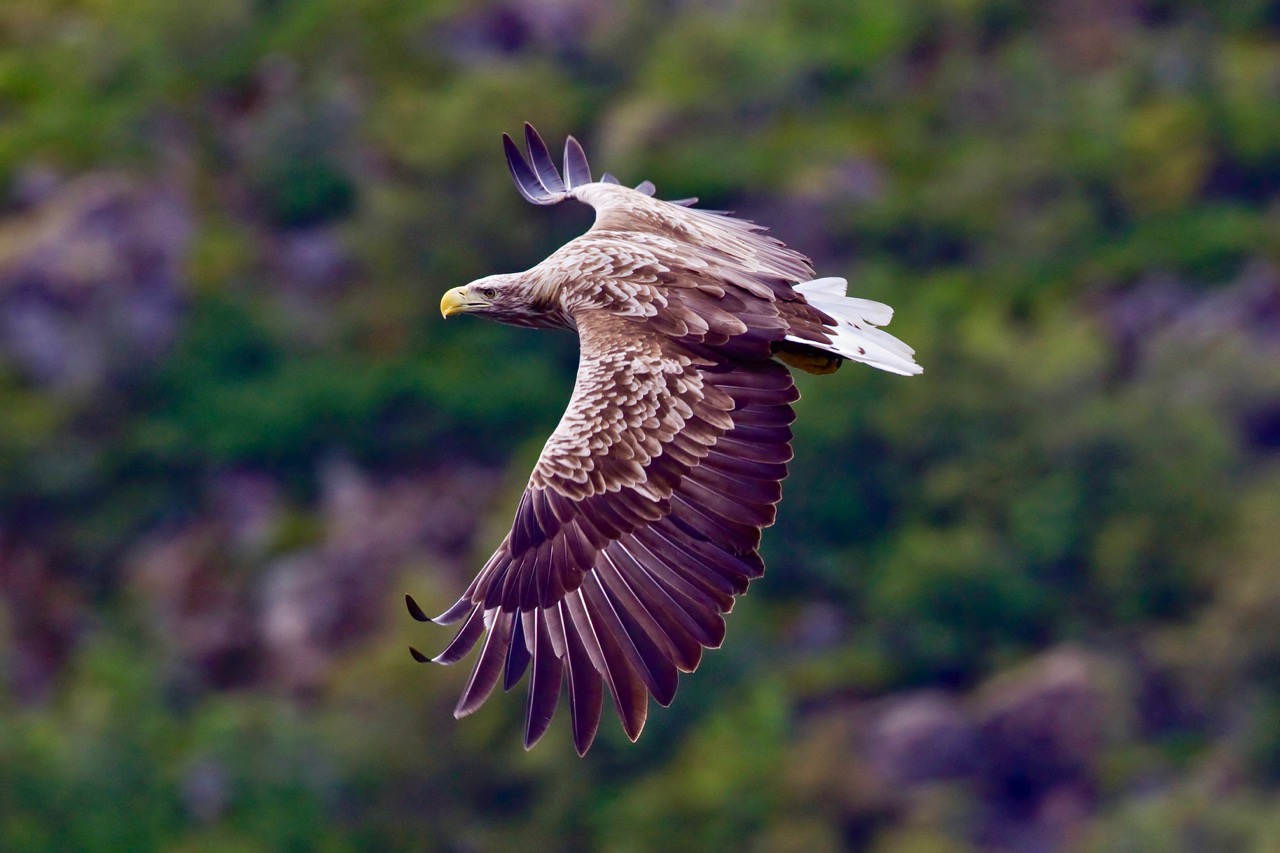
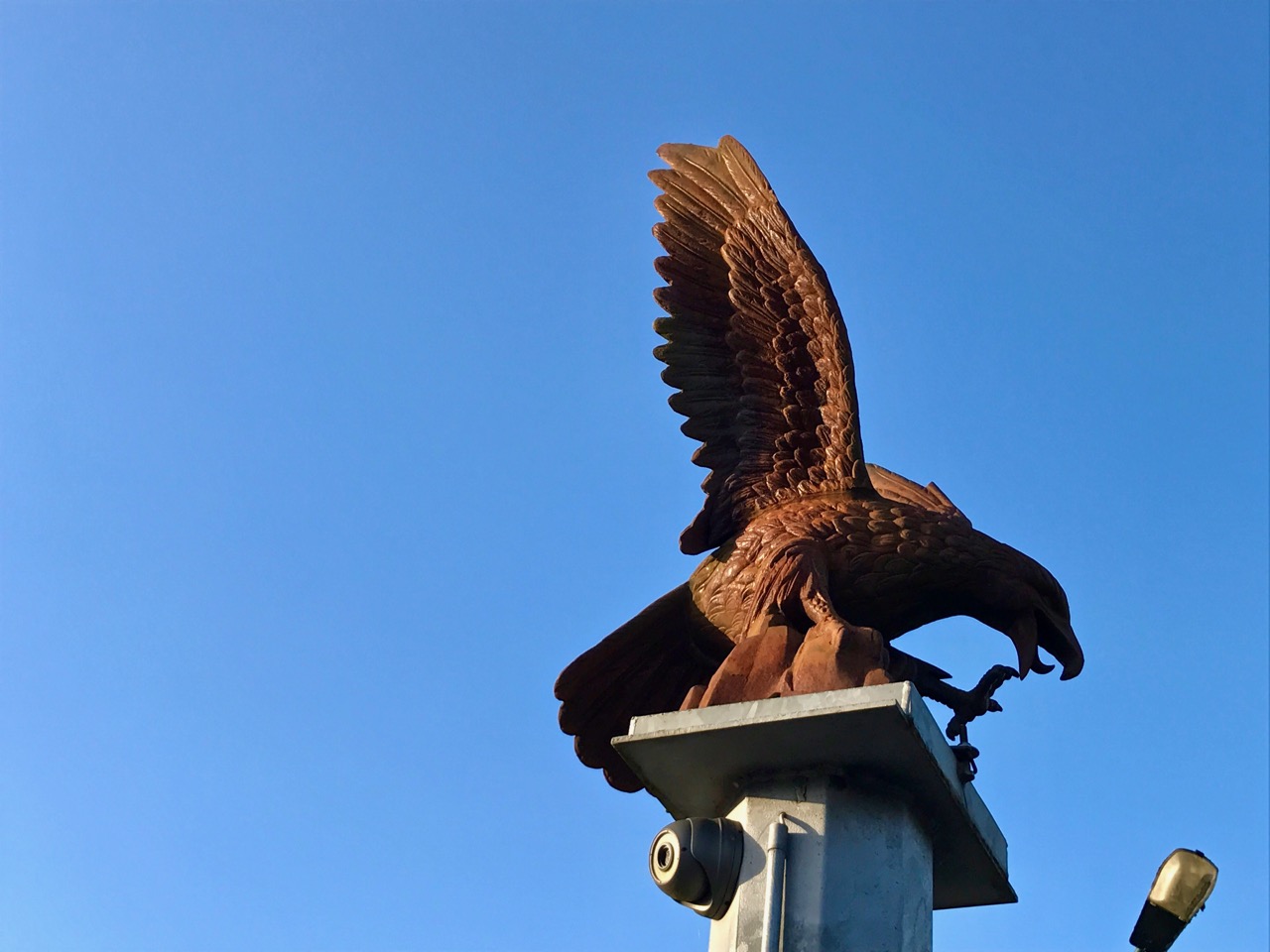
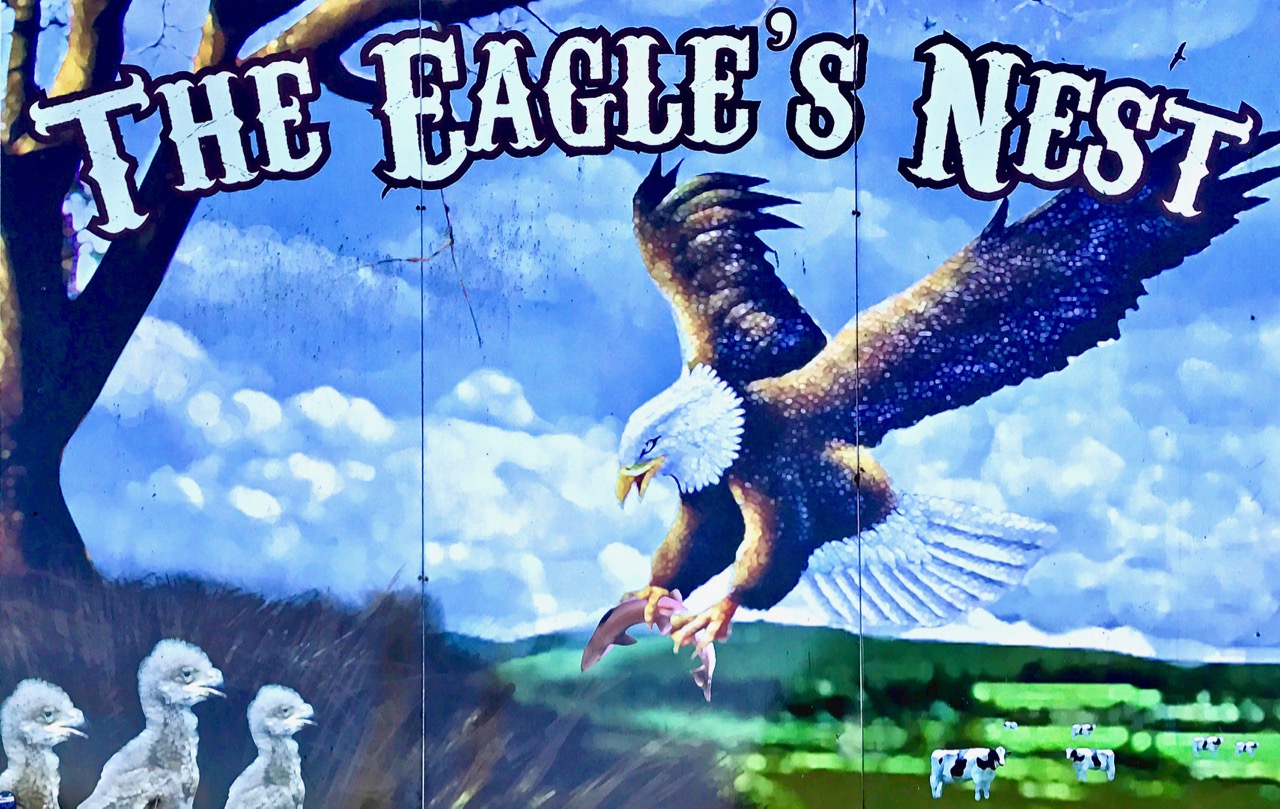
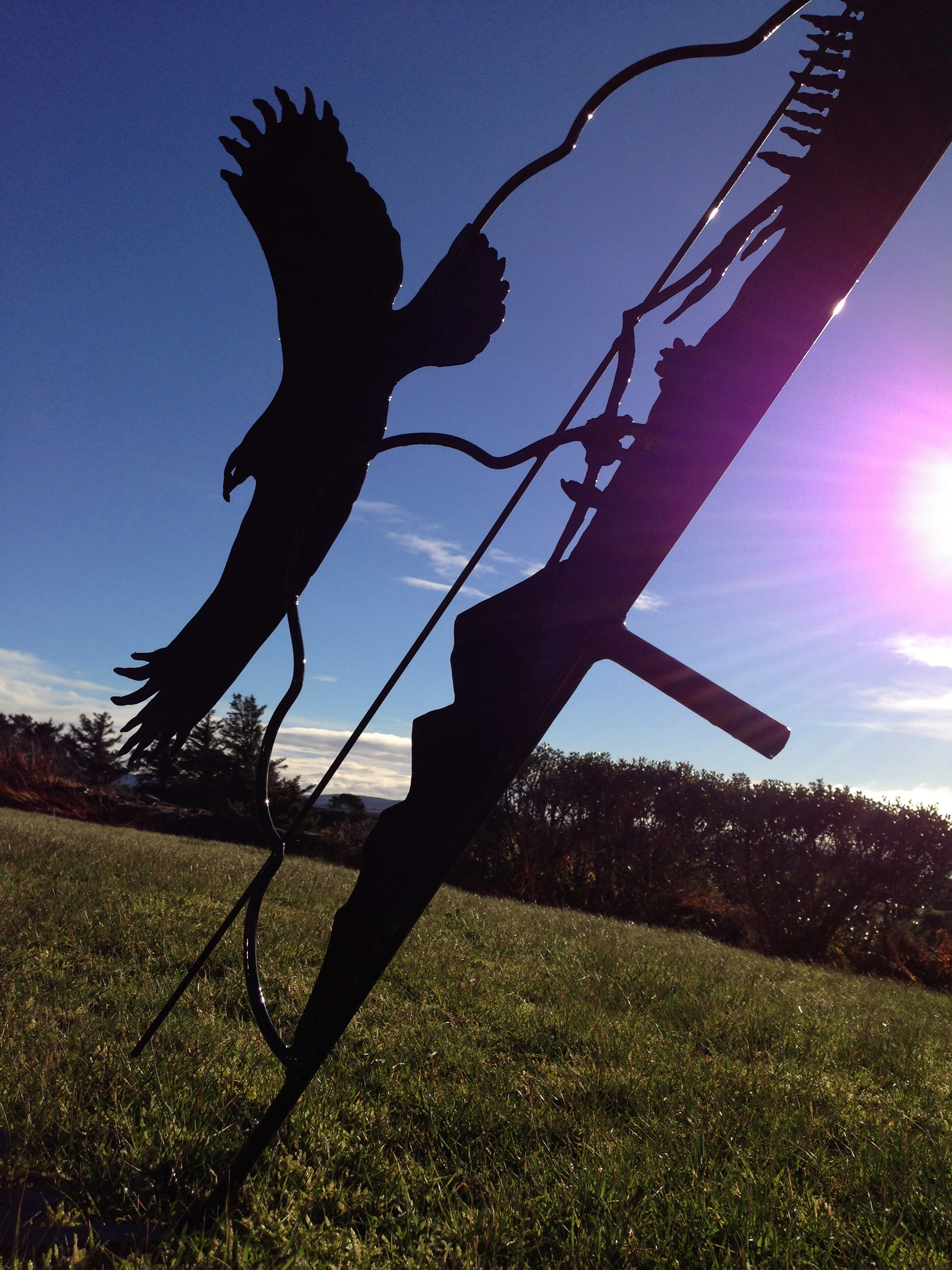
‘Hurricane’ on the Beaufort scale means wind speeds of 118 km/hour or more. We went to bed on St Stephen’s Day evening, having measured the wind speed outside as 87 km/h. That seemed wild to us: the trees were bent over and the salt laden rain and sleet were coming in horizontally and lashing our south west facing windows. It was hard to sleep: the slates were rattling loudly above us and the aerials and lightning conductors on our roof were shrieking and bending. The noises got louder and more terrifying as the night went on. I wanted to venture outside with my little hand-held anemometer but I couldn’t face it. The violent storm began to abate only in the early hours of the morning and, when we did creep out, it was to find some damage: two trees down in the haggart, sadly, and our beautiful weather vane collapsed. It was as well that we weren’t underneath when the flying Eagle and its sharply pointed arrow came crashing on to the lawn, just missing our door.

levissession

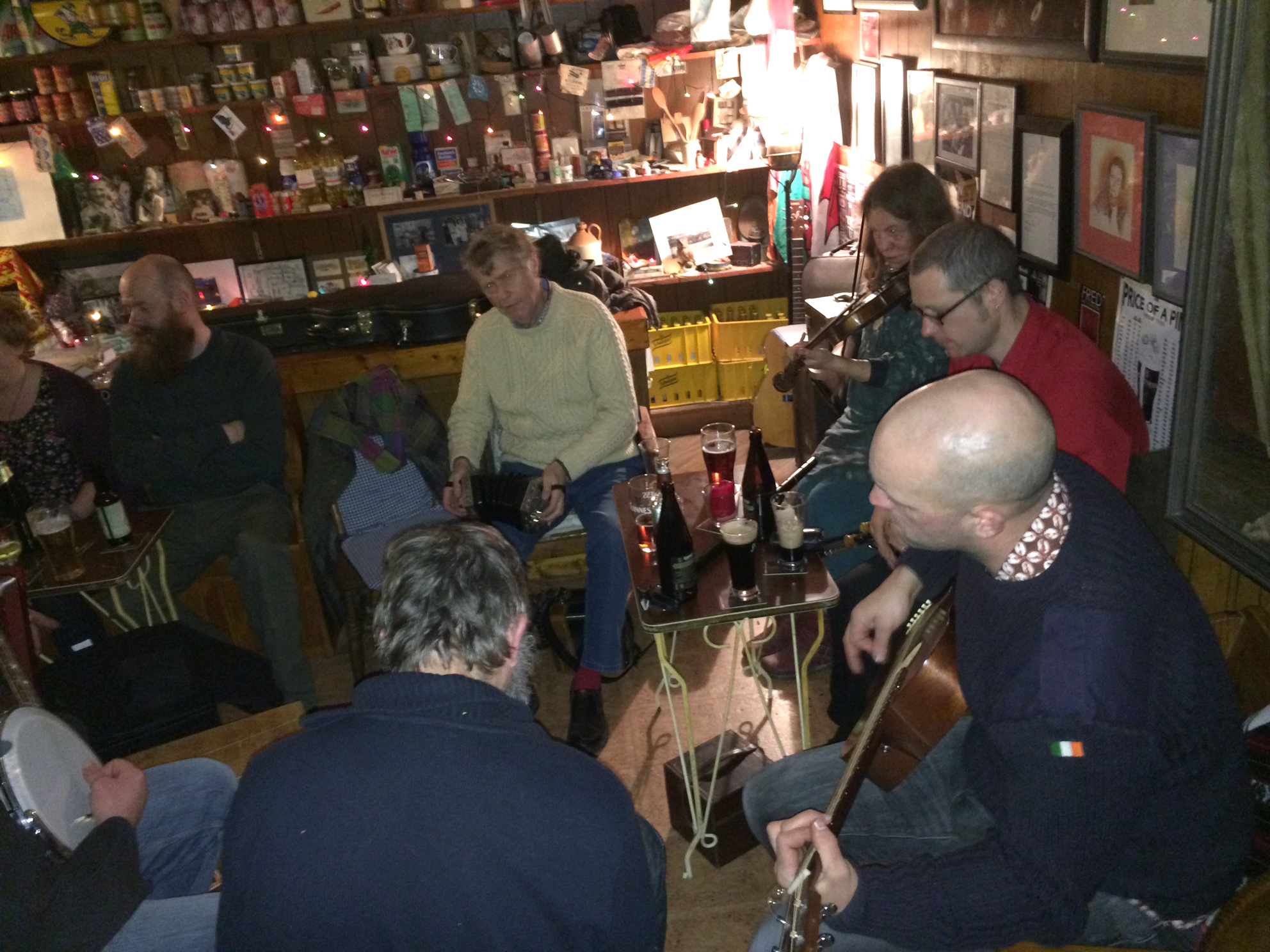
St Stephen’s Day Session, Ballydehob


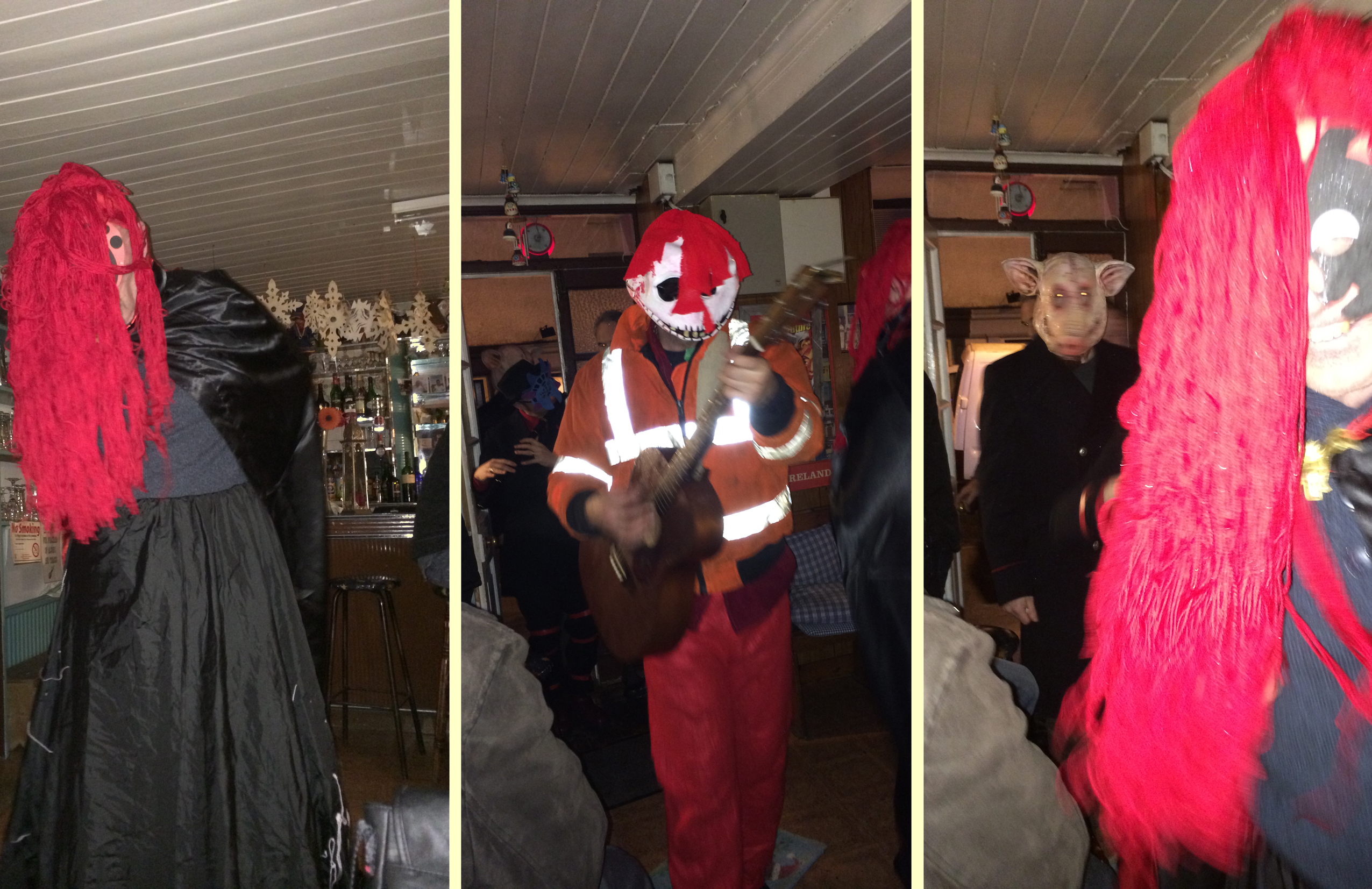
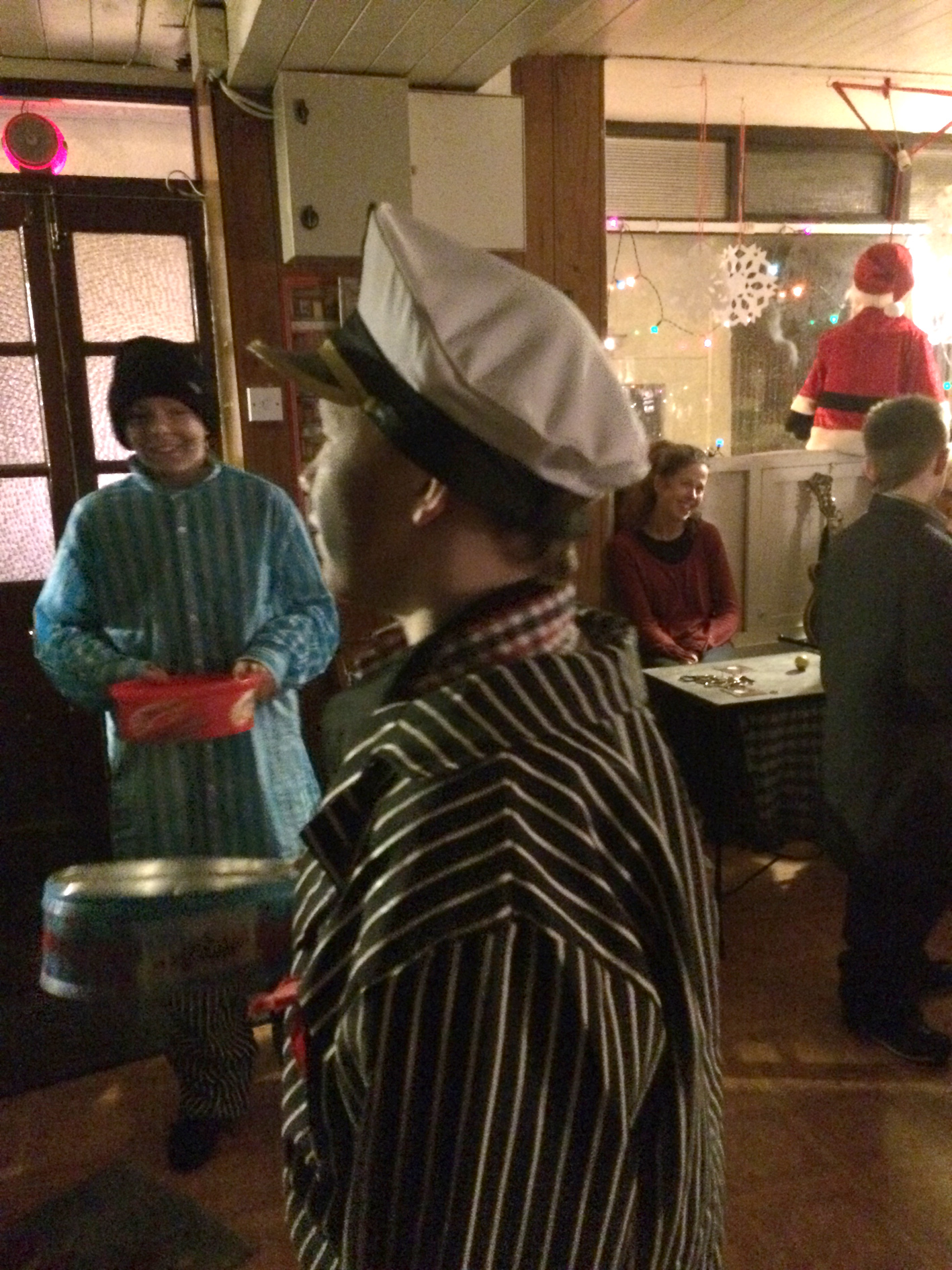
Earlier in the day we had enjoyed an unexpected visit by the Wren Boys to Levis’s pub, where we were involved in an improvised session. Two groups of Wren Boys in fact: the first an adult company with musicians, colourful costumes and bizarre masks, and the second a group of boys dressed in old coats turned inside out, pyjamas and sailor caps, carrying large collecting tins. All were welcomed and the festivities grew merrier as the wind strengthened.

wrenners

wrenboys

Keeping traditions going: outlandish Wrenners visiting Ballydehob – top – and local lads collecting in Levis’s Bar – below

As I lay in bed at the height of the storm I found myself worrying about our birds: how on earth could the Goldfinches, Chaffinches, Robins and Wrens (any Wrens who had escaped the St Stephen’s Day hunt that is) have survived that terrible gale – which stripped the bird feeders of everything moveable and the bushes and shrubs of their sheltering leaves? In the morning, there they were back again, and noisily demanding a refill which, naturally, I was delighted to provide.

message

Gorse, of Course

The battle begins

The battle begins

In a previous post Finola mentioned gorse wine and it struck us that non-Irish readers may not be familiar with gorse – that ubiquitous, loved and hated shrub that covers the Irish countryside above a certain elevation.

gorse and heatherWe love gorse because of the flowers – bright yellow flowers that bloom all year long and lend vibrancy to the landscape. In summer and autumn when the heather is also in bloom the contrast between the yellow of the gorse and the purples and pinks of the heather makes the countryside come alive with colour. In the spring and early summer when the flowers burst forth the hillsides look as if they are lit from within, but many bushes hold on to hints of yellow right through the winter. This property of gorse is immortalised in the Irish saying when gorse is not in blossom, kissing’s out of fashion.

We hate gorse for two reasons – the thorns and the way it takes over everything. To cut it back, chop it down, venture near it, you have to wear a suit of armour. Hiking through it is painful or impossible – even the low-growing strands manage to weasel their way into your socks and the thorns can pierce a sturdy boot and make every step torture.

Before and after

Before and after

Here at Nead an Iolair the garden has grown wild over the years. In a garden on an Irish hillside, this means that the gorse has taken over. The hill behind the house was covered in it, some even encroaching on the back wall. Given the local farmers’ habit of setting fire to the hillsides in the spring, this was a significant hazard.

Burning hills

Burning hills

The area to the left of the driveway was sporting enormous stands of gorse, some as tall as trees. We could see the tips of other plants struggling for survival in this jungle but, apart from a small island of grass, the area was impenetrable.

We can see the house!

We can see the house!

This week we tackled the problem. It has taken several days, a digger, chainsaws and copious amounts of sweat but by Friday victory was declared and where there had been a gorse forest there is now a haggart (an Irish word for a small field beside the house) surrounded by a beautiful stone wall that we knew was in there but couldn’t see. We also unearthed a standing stone, giving us our own enigma to ponder. While we are not contemplating a goat herd for the haggart, we do have dreams of a field of bluebells one day. And maybe some gorse wine.

Our haggart emerges

Our haggart emerges