‘Going to the Skelligs’

star wars on the skelligs

My eye was taken by an article in the Irish Times this week which stated that the Archbishop of Canterbury and the Pope have agreed to work towards a fixed date for Easter. Currently, that festival can occur anywhere between 22 March and 25 April – this year it will be an early one: Easter Sunday will be on 27 March. This has meant that, in Ireland, the Easter school holiday will last for three weeks, from St Patrick’s day (17 March – and always a day off school) until 4 April. Evidently the church leaders believe that a fixed date for all Christians around the world to celebrate Easter would be logical and practical. So much for logic – what about history and tradition?

It’s all about the sun and the moon, and the Vernal Equinox. That’s the point in the first half of the year when day and night are of exactly equal length. We are used to thinking of the equinox occurring on 21 March but this won’t happen again until the 22nd century! From now until 2044 the equinox will be on 20 March, then on the nineteenth. This is in part because our Gregorian calendar is inaccurate, but also because the Earth’s axial precession is gradually changing. In 325 the Council of Nicaea established that Easter would be held on the first Sunday after the first full moon occurring on or after the Vernal Equinox, but that was taken to be 21 March. You can begin to see the complications…

As you might expect, Ireland has had a lot to say about all this. The early church here, established by Saint Patrick, didn’t necessarily agree with the Roman church over certain issues, including the date of Easter. Matters came to a head in 664 when a synod was convened in Whitby, Yorkshire attended by delegates from the Ionian tradition and the Roman tradition. The Ionians were led by the Irish Saint Colmán, Bishop of Lindisfarne. They supported the older traditions, but the debate was won by the Romans and Saint Colmán resigned his post and returned to Ireland, where he founded abbeys in Inishbofin and Mayo and – presumably – continued to celebrate Easter in the ‘old way’.

The situation today is still confused. While Roman Catholic and Protestant churches use the ‘Alexandrine rules’, agreed in the 7th century and adapted when the Gregorian calendar was introduced (1582), Orthodox churches generally follow a method based on the earlier Julian calendar but, in fact, there are different systems used by the many different branches of Orthodoxy around the world so the Easter festival in any year may be celebrated on varying dates in divergent places.

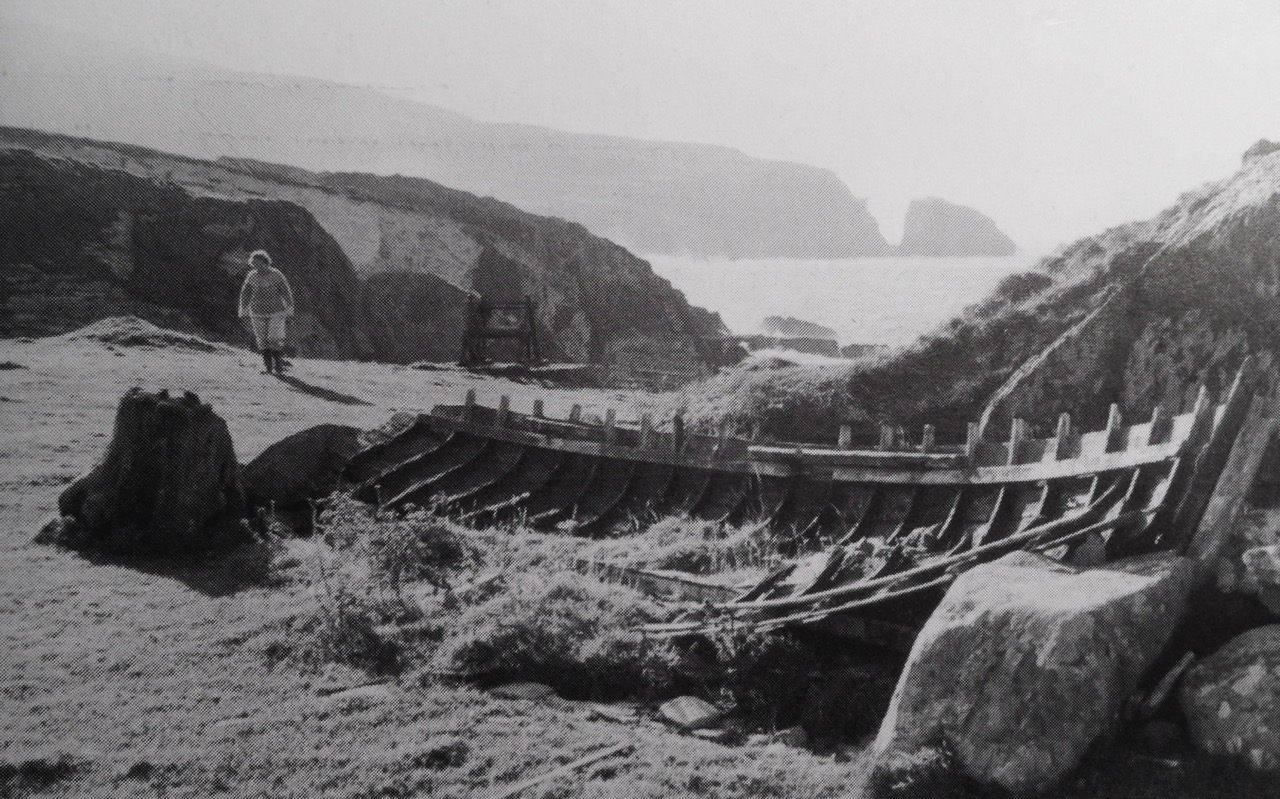
Let’s look at tradition, especially in Ireland. Although the churches here did eventually conform to the Roman calculations, there was always some dissent. Folklore tells us that the monks on the Skelligs – isolated rocks off the Kerry coast which housed a monastery back in medieval times – followed a calendar which was several days behind the rest of the country – this sounds as though they were still basing themselves on the Julian system. This was useful, however, if you missed out on getting married before the beginning of Lent (you couldn’t marry during Lent): the period we are in now – between Little Christmas (6 January) and the beginning of Lent – was in Ireland always the most popular time for weddings. ‘Going to the Skelligs’ was a joking expression used unkindly against confirmed bachelors and spinsters.

From Danaher The Year in Ireland – Mercier Press 1972:

In much of the south-west of Munster there is a vague tradition that the festival of Easter was celebrated a week later on the island sanctuary of Sceilg Mhichil than on the mainland. Whether this tradition is a distant echo of the ancient controversy on the date of Easter is a matter of speculation, but it did give the occasion of another form of disapproval of the unmarried. These had lost their chance of marrying this year on the mainland, but they could still be married on the Skellig, and steps must be taken to send them there… All over County Kerry, in parts of west County Limerick, in much of County Cork, especially along the coast, and in west County Waterford the negligent were greeted, in the first days of Lent, with a barrage of chaff and banter. ‘You’re off to the Rock, I suppose?’ ‘Don’t miss the boat!’ ‘Is it Mary or Katie you’re taking on the excursion’ etc etc. The victims had to grin and bear it… In many places the custom was carried further, and local poets were encouraged to compose verses on the occasion, verses which told of a grand sea excursion to the Skelligs, praised the splendid vessel which would take the party there and gave a long list of the participants, linking together the names of the bachelors and old maids as incongruously as possible. These verses – most of them mere doggerel – were written out and circulated about the parish so that all might enjoy them, and were sung to popular airs, often in the hearing of those lampooned in them… The custom has in more recent times taken the form of large posters, giving details of the ‘Grand Excursion’ with a list of the couples taking part in it. These notices were hung in prominent positions on the first Sunday of Lent, where they might be read by all on their way to church… In south-east County Cork the Skellig joke appeared in its most extreme form. Here bands of young men went about on Shrove Tuesday evening, and if some inveterate bachelor ventured out and fell into their hands he was bound with ropes and had his head ducked under a pump or in a well; this drenching was called ‘going to the Skelligs’

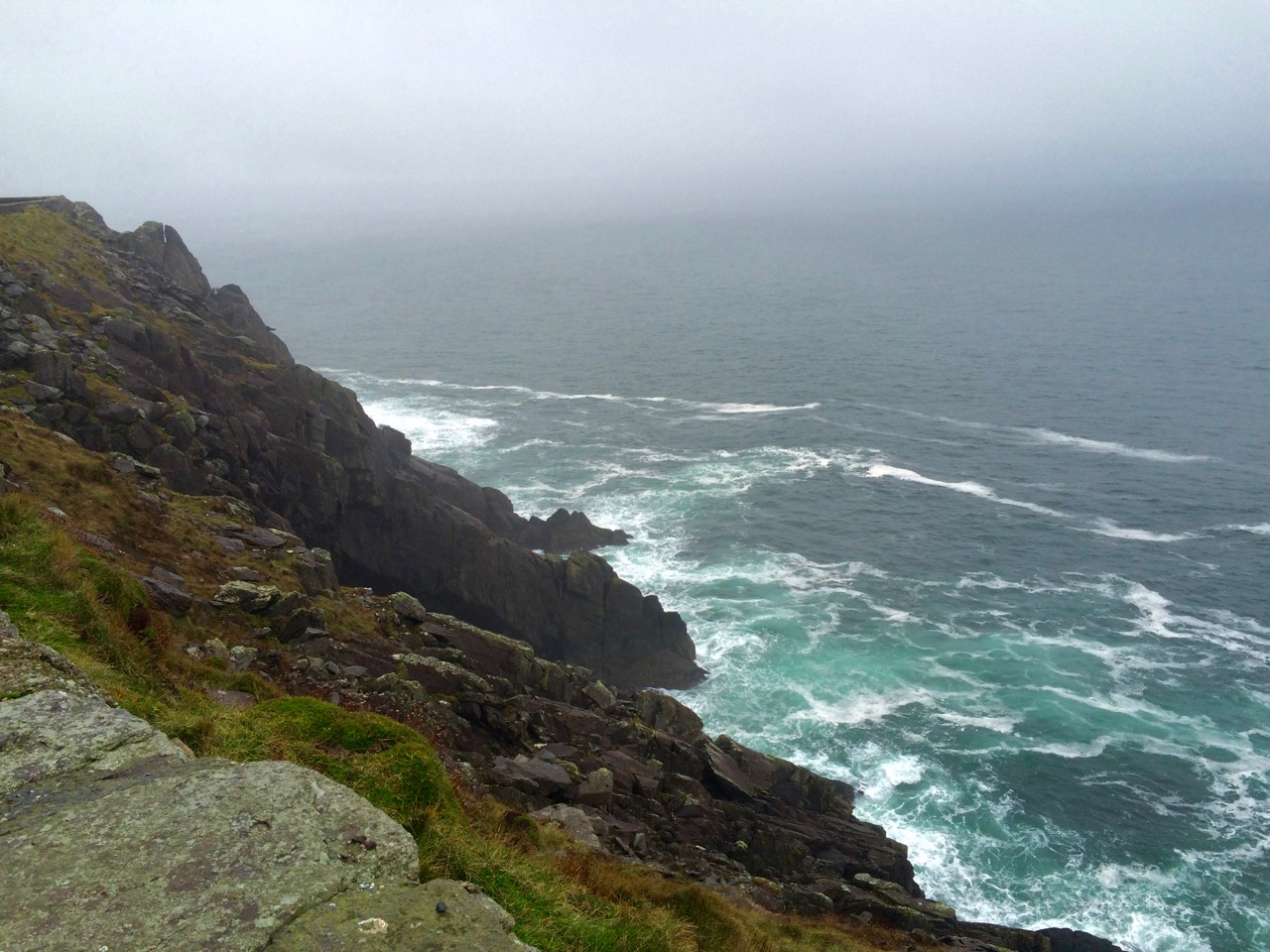
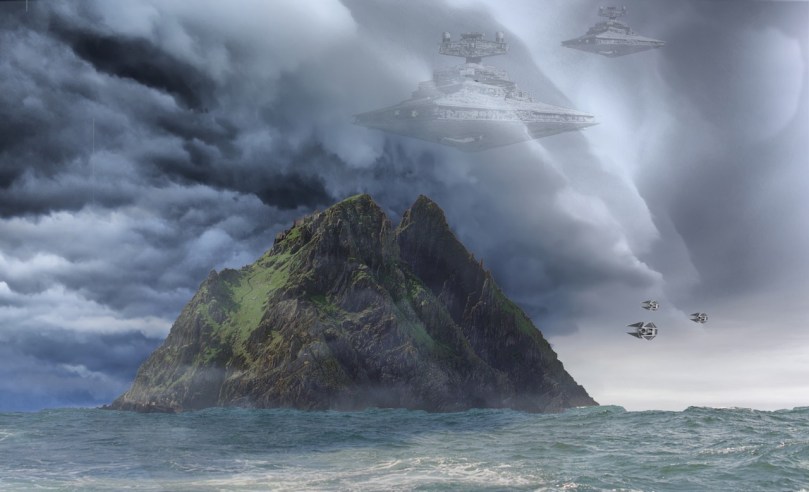
The Skelligs have been in the news recently, as the setting for a scene in the new Star Wars film: The Force Awakens. Filming on the historic site provoked considerable debate and discontent among archaeologists and conservationists. Despite our own reservations, Finola and I went to watch the film in Vancouver and – although we had to wait until the very end (the Skelligs appear only in the last scene) – we were delighted to see one of the West of Ireland’s most magnificent seascapes on the big screen – and in 3D!

Shrovetide is nearly upon us. If you haven’t arranged your pre-Lent weddings yet don’t forget there’s always the Skelligs!
With thanks to mavek-cg (http://mavek-cg.deviantart.com) for the fine image on the header

Atlantic Winter

Dingle Beach

When St Brendan of Clonfert set out to discover America in 512 he and his fellow monks had to face the enormity of the Atlantic Ocean in tiny boats built out of wood and oxhides, sealed with animal fat. Up here in Nead an Iolair our view out to the islands of Roaringwater Bay and beyond is dominated by that same ocean and – sometimes – we feel just as small. This year the winter gales have started early, and spates of fierce westerlies have been throwing the Atlantic straight at our windows. The tiles rattle alarmingly while we are tucked up in bed at night. At these times I think of the Saint and what he had to face. But, like Brendan, we always survive the storms, and often wake up in the morning to a calm, clear day – except that you can hear the constant ‘roaring’ of the open sea out over the bay.

celebrating massOn their way to the New World – Saint Brendan and his companions take advantage of a passing Atlantic denizen to celebrate Mass…

The Atlantic has shaped Ireland. The sea is omnipresent: poets have written about it, storytellers have woven tales around it, and composers have tried to capture its spirit in music. Here’s a small section from the impressive ‘Brendan Voyage’ written by Shaun Davey for orchestra and Uillinn pipes – it’s the haunting second movement, played by Liam O’Flynn with the Irish National Youth Orchestra, at a performance in Cork City Hall. It makes me think of the wonderful sunrise on that calm day after the storm…

Brendan Voyage

Long Island Beacon

Brow Head

Mizen Head

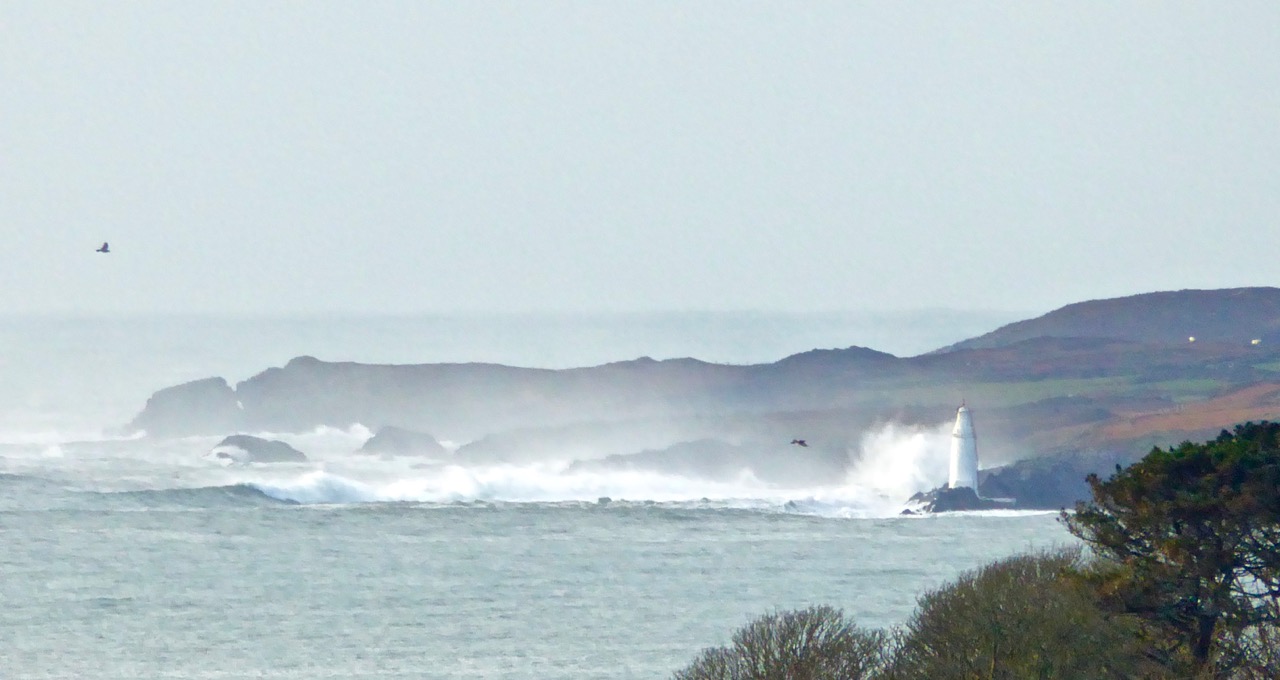
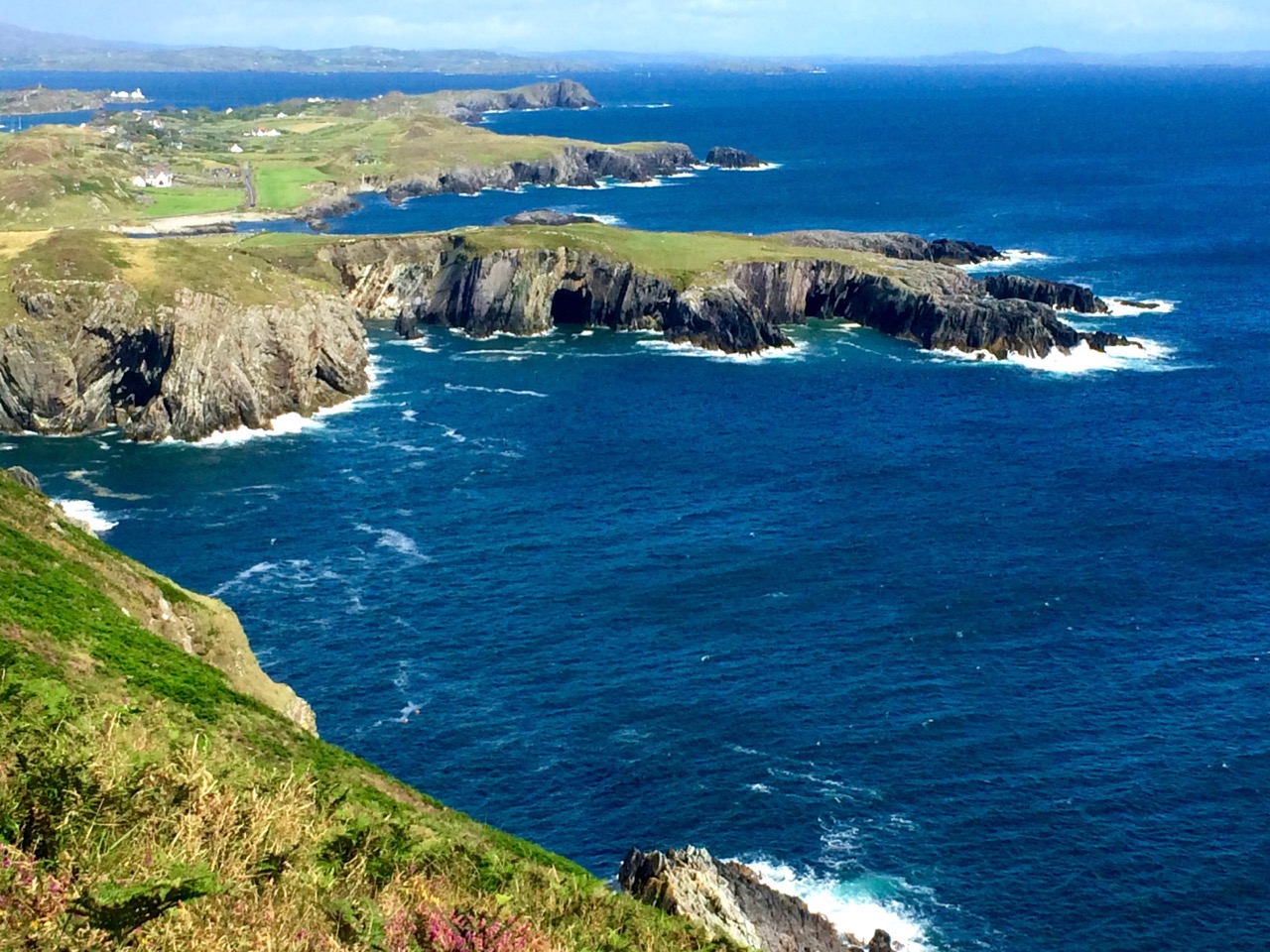
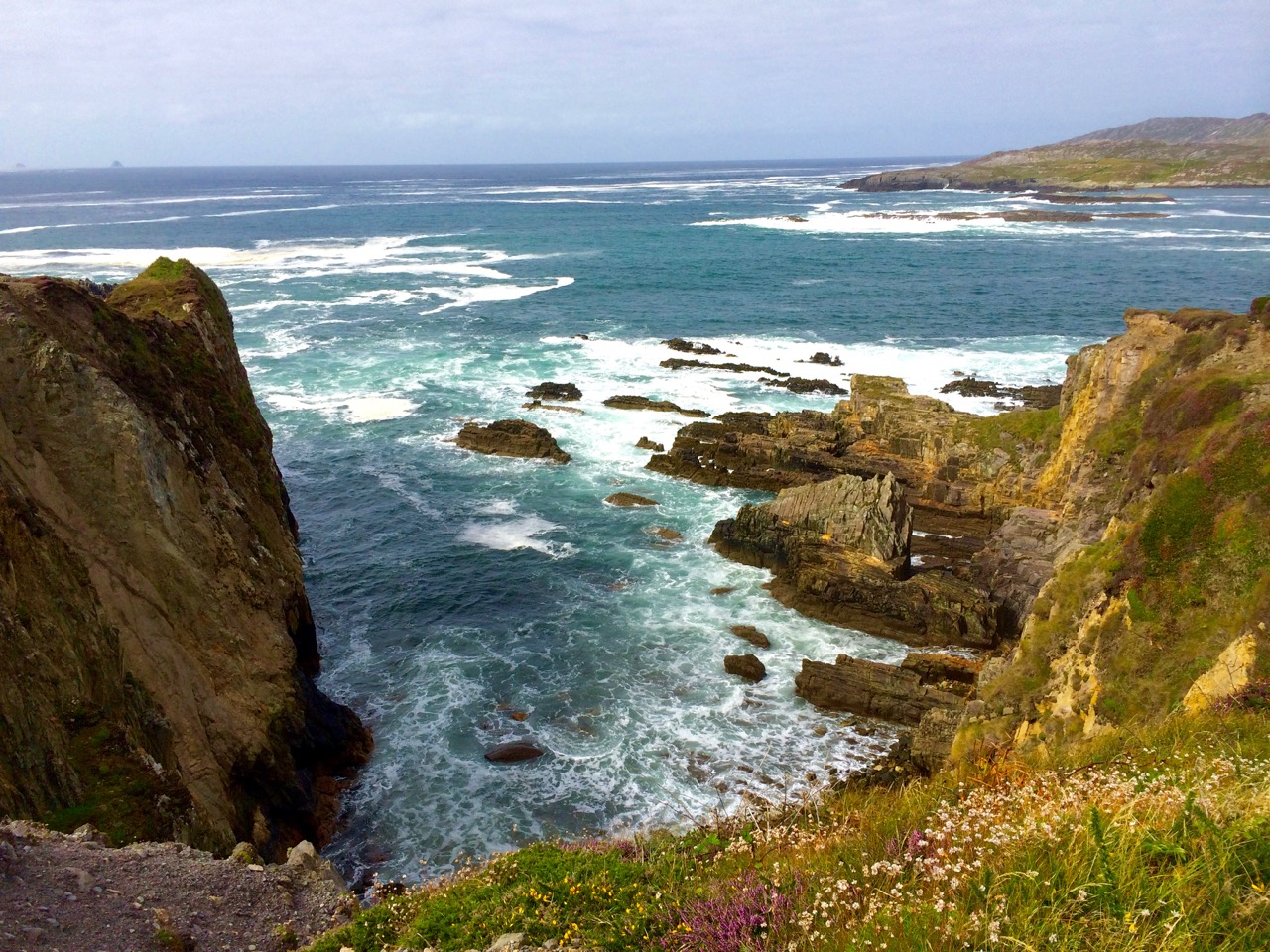
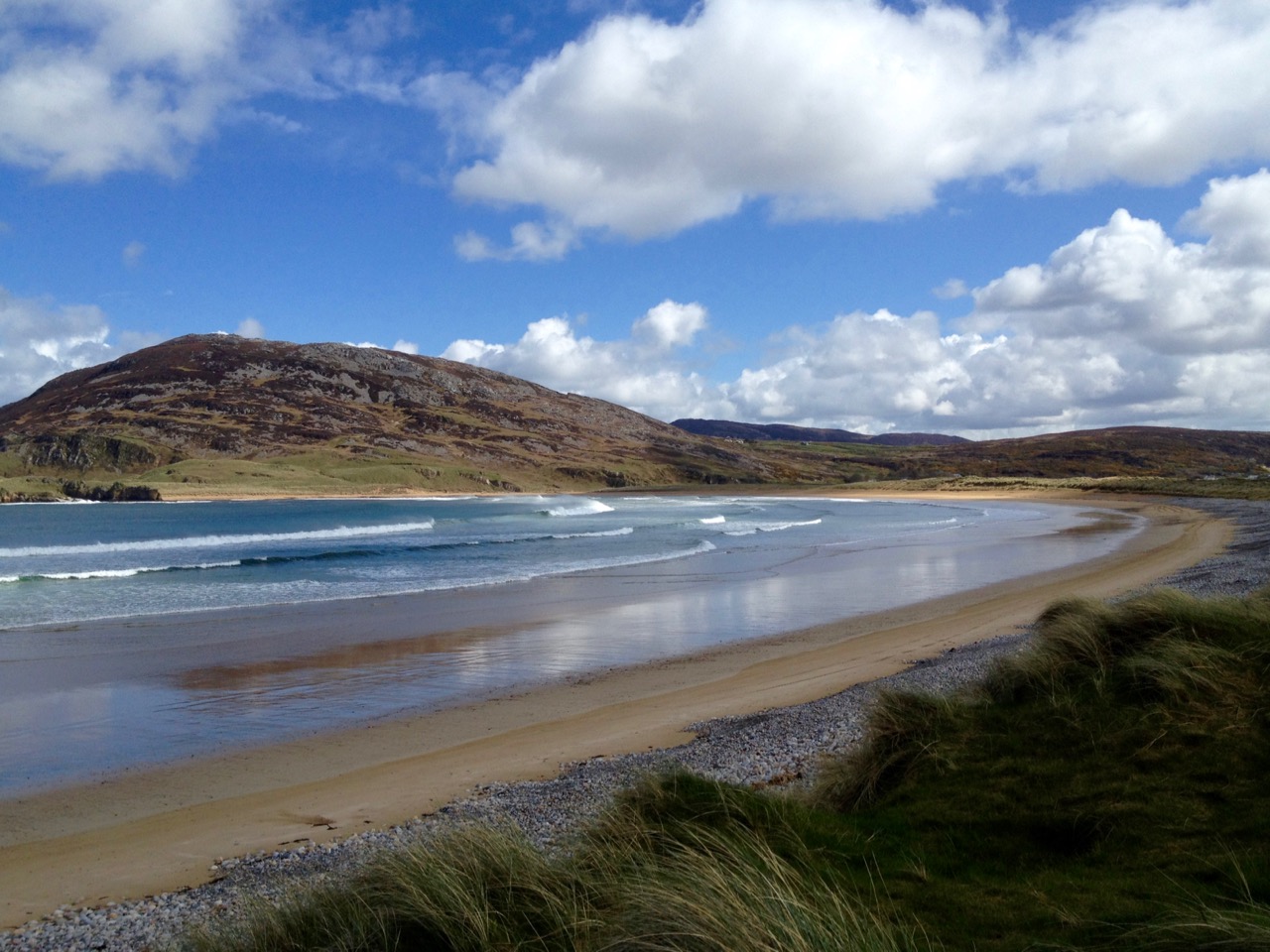
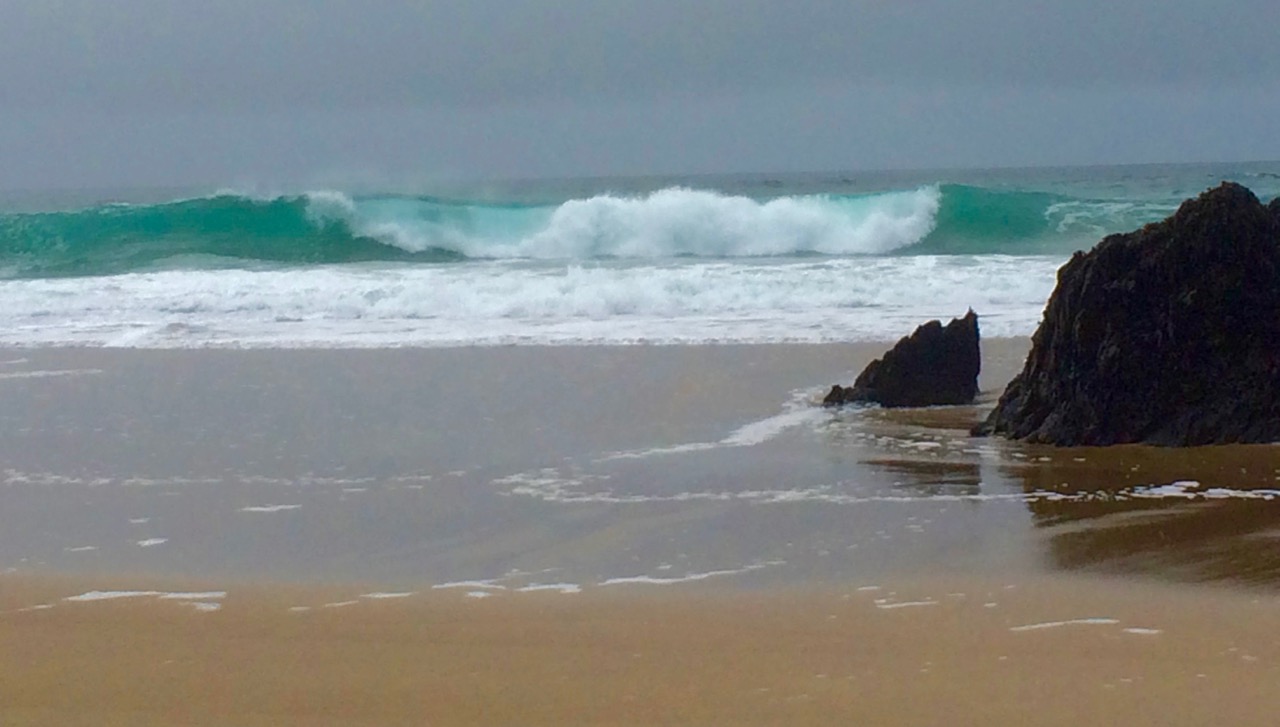
Our own Atlantic: telescopic view of a storm battering Long Island, taken from our garden at Nead an Iolair (top), Brow Head, near Crookhaven (centre), and the impressive land and seascape at Mizen Head – Ireland’s most south-westerly point (lower picture). At the head of this page you can see the huge rollers that come into Dingle Bay, Co Kerry

Dogger, Rockall, Malin, Irish Sea:
Green, swift upsurges, North Atlantic flux
Conjured by that strong gale-warning voice,
Collapse into a sibilant penumbra.
Midnight and closedown. Sirens of the tundra,
Of eel-road, seal-road, keel-road, whale-road, raise
Their wind-compounded keen behind the baize
And drive the trawlers to the lee of Wicklow.
L’Etoile, Le Guillemot, La Belle Hélène
Nursed their bright names this morning in the bay
That toiled like mortar. It was marvellous
And actual, I said out loud, “A haven,”
The word deepening, clearing, like the sky
Elsewhere on Minches, Cromarty, The Faroes.

Glanmore Sonnets VII, taken from Field Work by Seamus Heaney, published by Faber and Faber Ltd

Seamus Heaney was deeply affected by the seascape of his native Ireland. Anyone who works on or beside the sea is aware of the resonant names from the Shipping Forecasts, and the poet has used those names here to introduce his word-picture of the elemental Atlantic.

Near Malin Head 2

On the Beara

Donegal Beach

Atlantic contrasts from Mizen to Malin: near Malin Head – Ireland’s most northerly point (top), off the Beara (centre) and a beach in Donegal (lower)

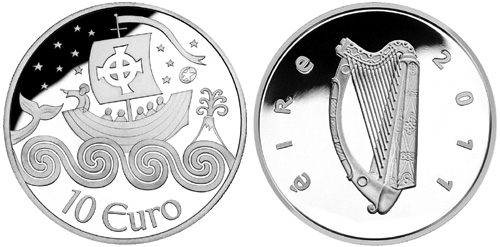
A later traveller over the Atlantic waters was Chistopher Columbus in the 15th century. On the way he looked out for St Brendan’s Isle, a spectral island situated in the North Atlantic somewhere off the coast of Africa. It appeared on numerous maps in Columbus’ time, often referred to as La isla de SamborombónThe first mention of the island was in the ninth-century Latin text Navigatio Sancti Brendani Abatis (Voyage of Saint Brendan the Abbot), from whence it became firmly implanted into Irish mythology. St Brendan took a little party of monks to the island to say Mass: when they returned after a few days to the rest of the flotilla, they were told that they had been away for a year! The phantom island was seen on and off by mariners for years until in 1723 a priest performed the rite of exorcism towards it during one of its apparitions behind low cloud… You can see St Brendan’s Isle for yourselves, above the wonderful giant fish in the second picture down.

Dingle Peninsula

Coast Road

Dingle peninsula (top), and Coast Road in Donegal (lower)

I was pleased to find this Irish Times video made by Peter Cox when he was fundraising for his book Atlantic Light: spectacular photographs of the coastline on Ireland’s Wild Atlantic Way. The excellent aerial views in this film are all taken by a drone… Look out for places you will have seen in our blogs!
atlantic video

We are privileged that the Atlantic Ocean is the abiding but ever-changing feature in our daily lives. It must affect us in unknown ways: I do know that, wherever I go in this world, I will – like Saint Brendan – always be drawn back here to our wonderful safe haven…

St-Brendan-Coin1


The Booley

Bucolic

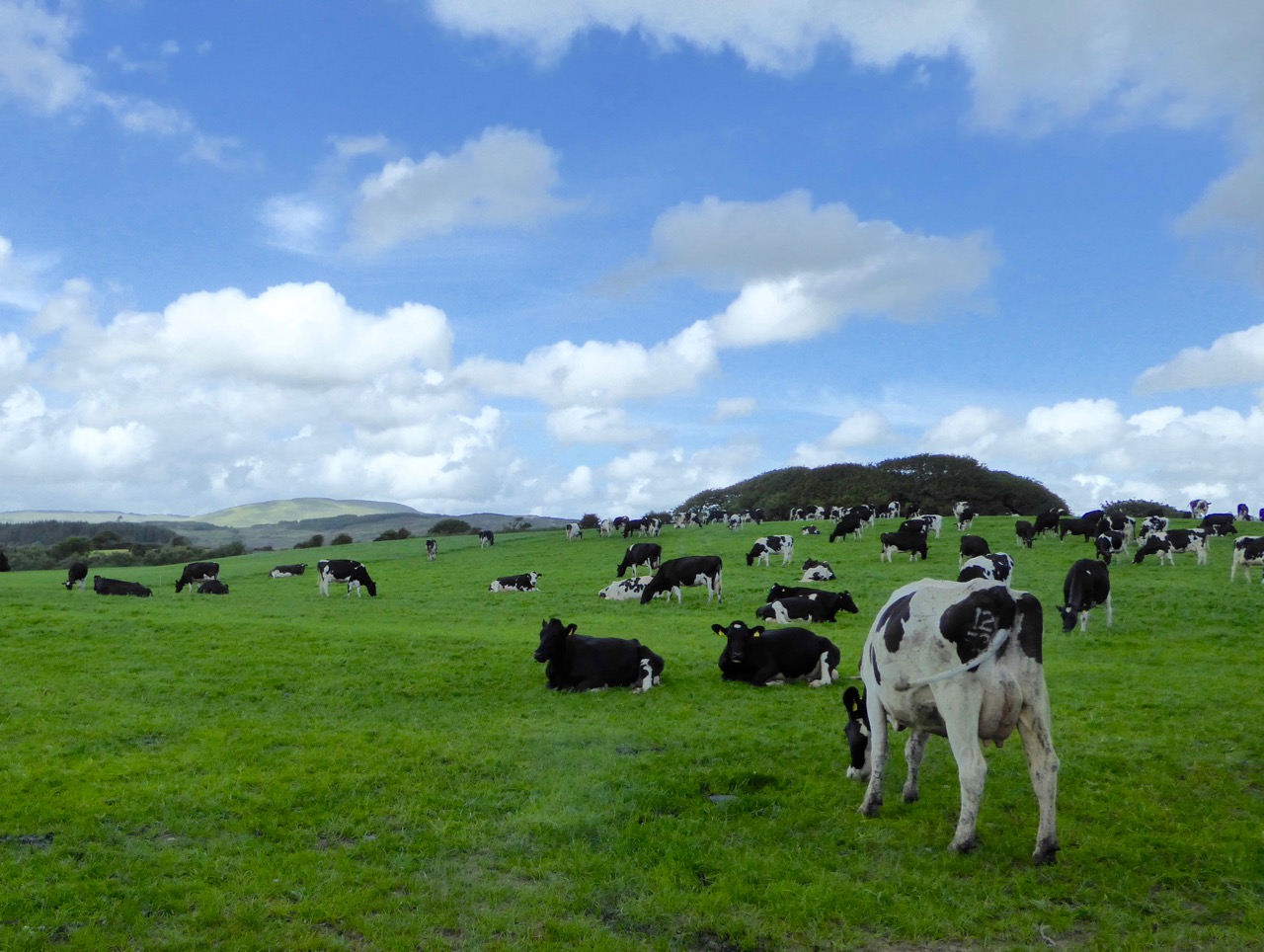
Booleying is an Irish term for transhumance – the agricultural tradition of taking cattle up to the high open lands to graze during the summer months.

booley farm

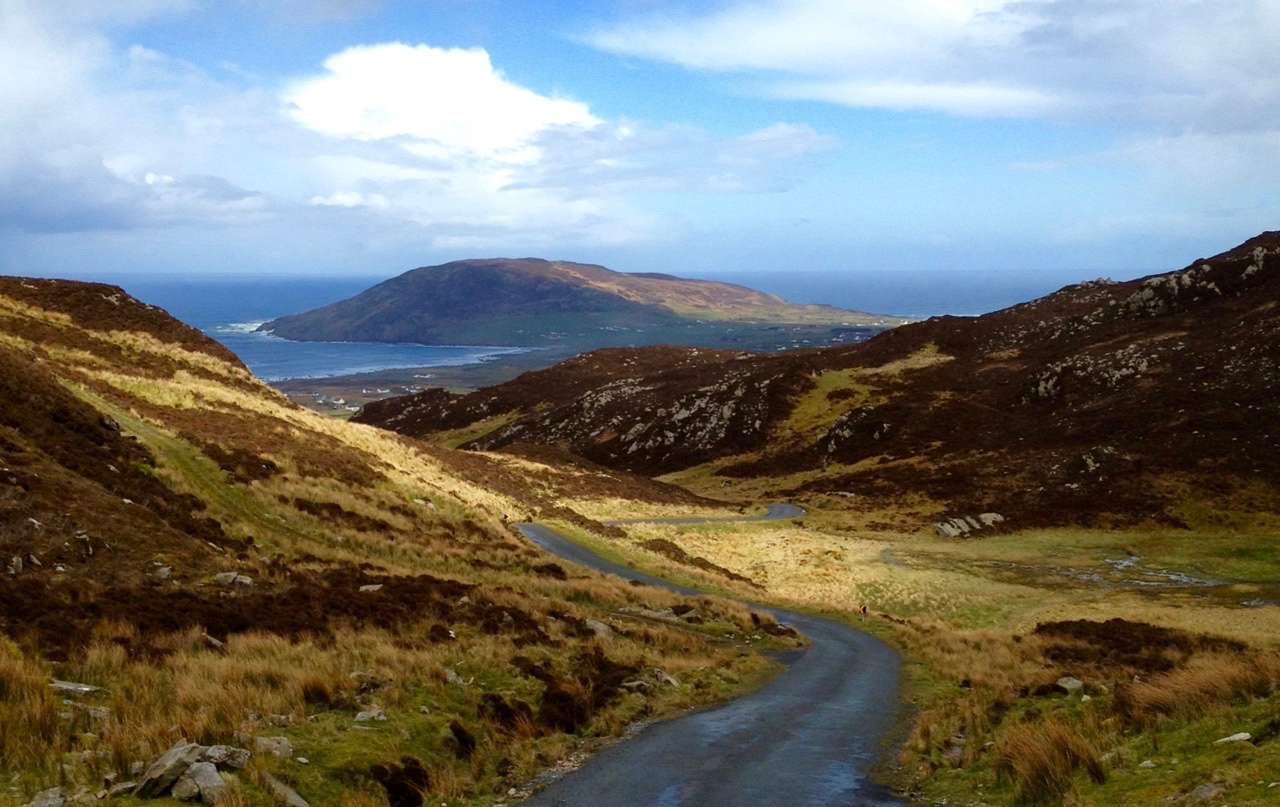
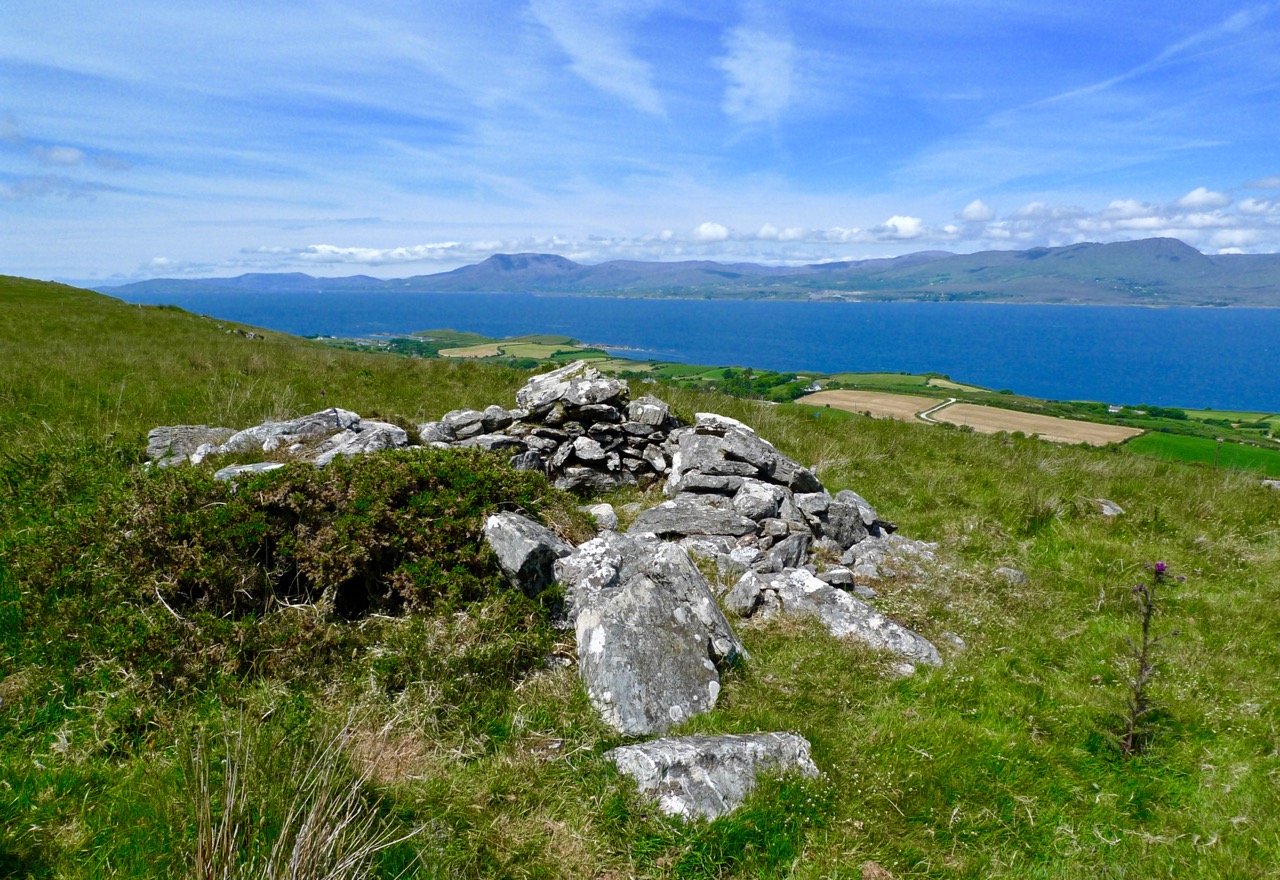
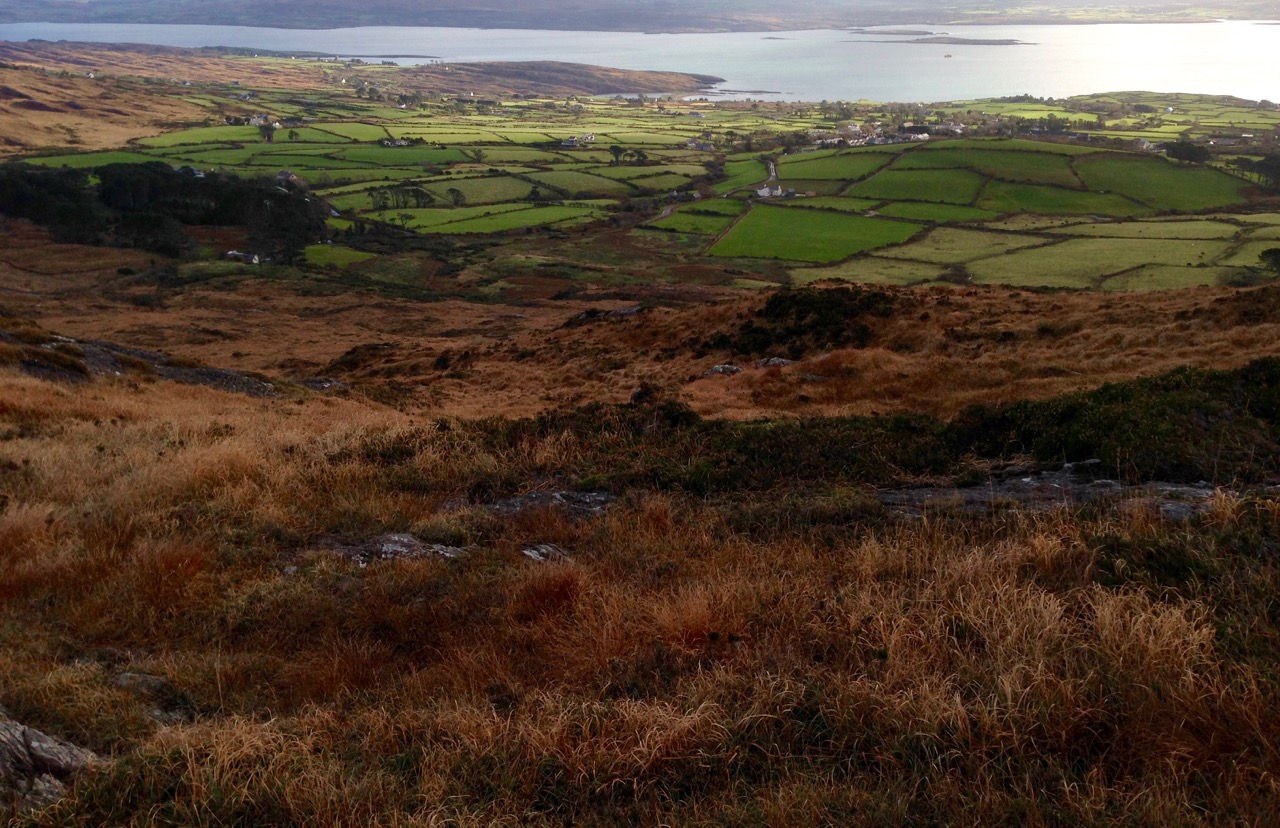
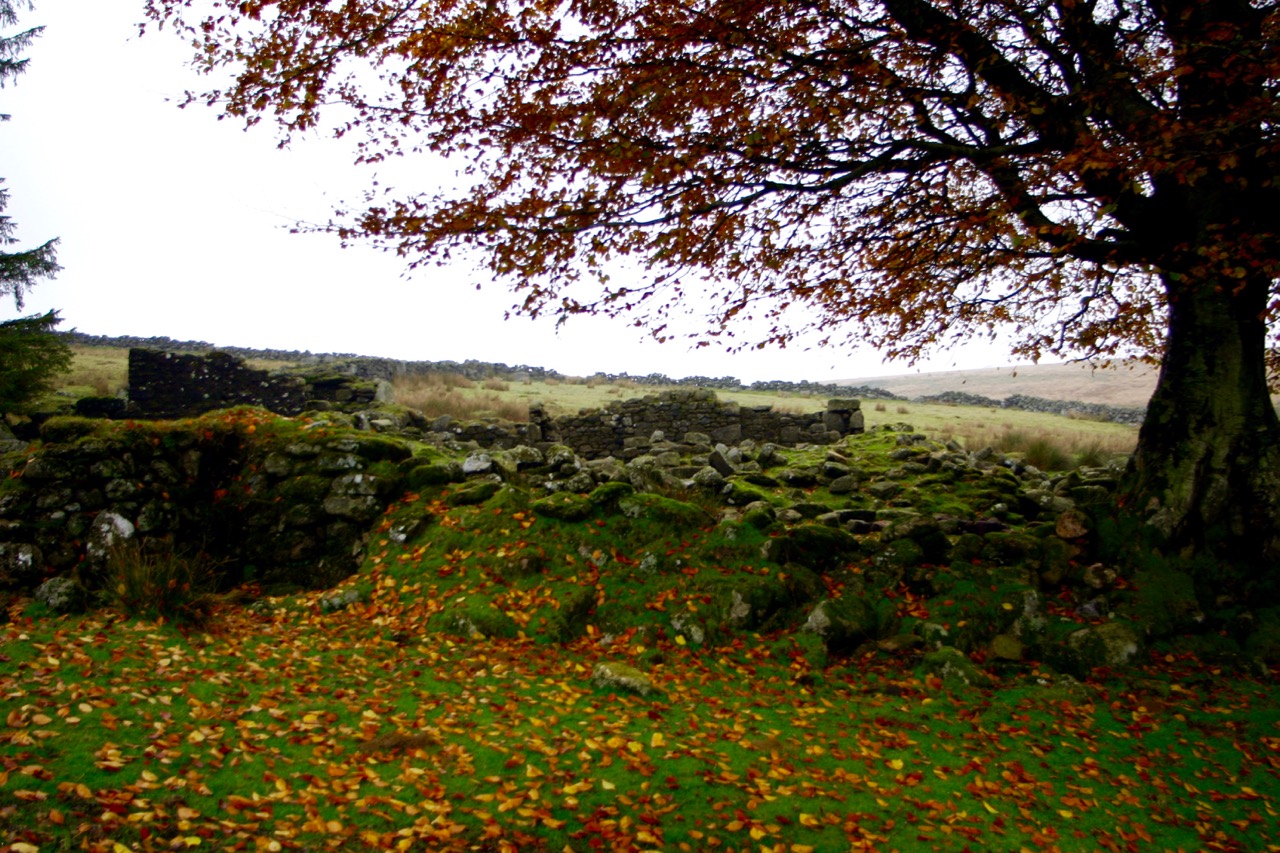
Booleying territory: on the upland moors of the Sheep’s Head the ruins of a simple cottage in a lonely glen tell of bygone farming practices

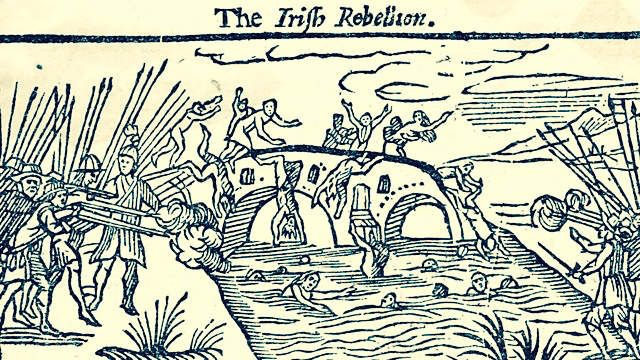
The English poet Edmund Spenser went to Ireland in 1580 and was given lands in County Cork that had been confiscated in the Munster Plantation. (His fellow colonialist Sir Walter Raleigh was also granted large areas of land, which he sold to Sir Richard Boyle who later became Earl of Cork and one of the richest men in the British Isles). In 1596 Spenser wrote a pamphlet – A View of the Present State of Ireland – based on his experiences. This piece is highly regarded as a historical source on 16th century Ireland although it refers somewhat inaccurately to booleying: …the Irish country people keep their cattle and live themselves the most part of the year in bollies, pasturing upon the mountains and wild waste plains, and removing to fresh lands as they had depastured the former… 

irish rebellion

16th century Ireland: the Munster Plantation

Our trusted commentator Kevin Danaher devotes a chapter in Irish Customs and Beliefs (Mercier Press 1964) to ‘The Summer Pastures’: …If you could take away the cattle from the fields around the house all during the summer and autumn, you could have more hay and a bit of winter pasture. Therefore you could keep more cattle and were a richer man. But where could you put the cattle in summer and autumn?

peak

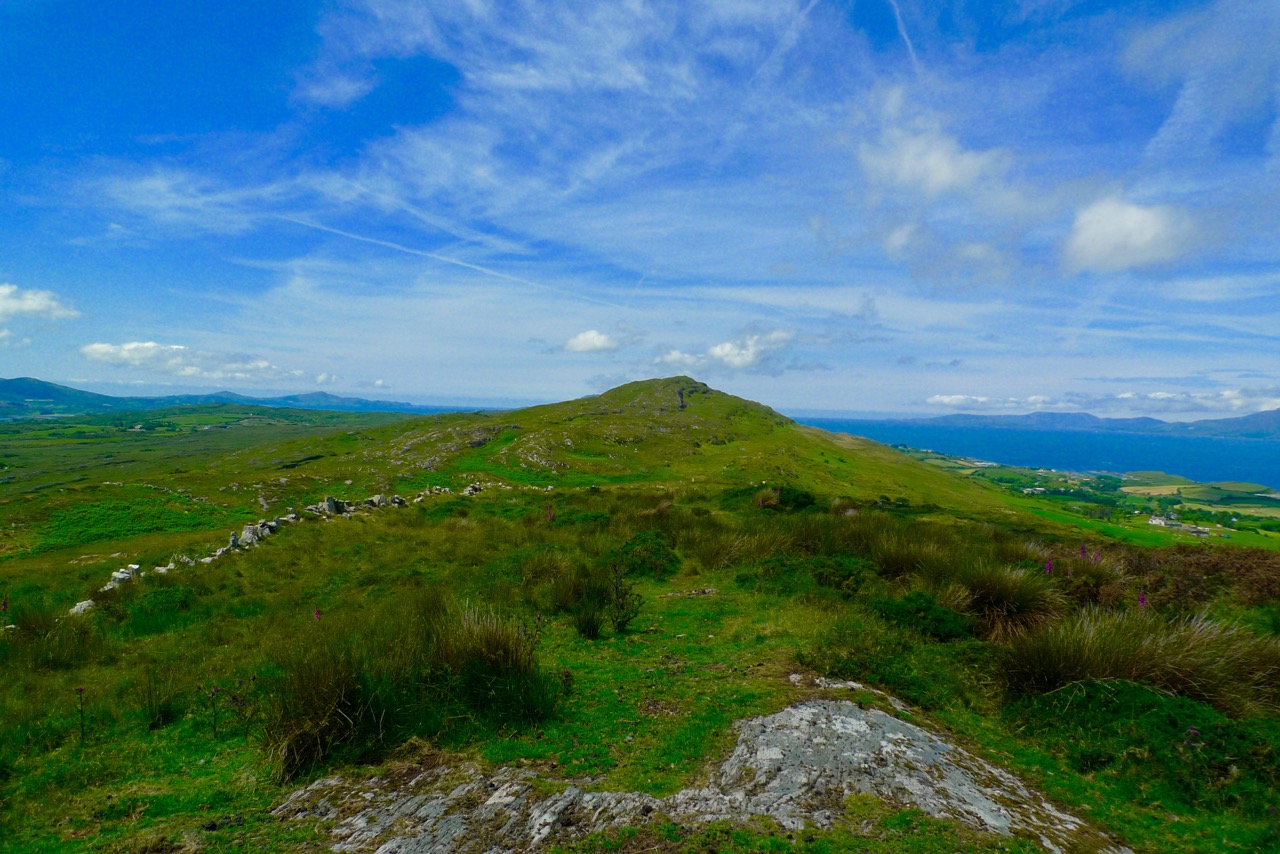
Old walls on the Coomkeen ridge tell of early land divisions

(Danaher) …In Ireland there are big areas of the countryside which have some value during the better part of the year but none at all during the winter and spring. These are, of course, the mountains and moor lands. In the cold season they are barren and desolate, but when the milder part of the year comes they provide grazing which may be sparse but is very sweet. Our farming ancestors knew this and a system was worked out which gave the milch-cows the benefit of them. They were away in the mountains or the moors, far from the homestead over bad roads or no roads at all, so that the cattle could not be driven home for milking. Some of the family went and lived with the cows on the mountain. Some sort of dwelling was built there for them, they milked the cows morning and evening and made the butter which could be stored until the men from the home farm came for it once a week…

Varieties of simple shelters – ancient beehive style (left from George Walsh’s window in St Kentigern’s Church, Eyeries, on the Beara Peninsula and – top right – from Dingle, County Kerry – both were used by contemplative hermits but some booley huts were built in similar style) and, bottom right, an example of an Irish cabin

Of the booley houses – or huts – Danaher writes: Most of them were just rough copies of the kind of houses ordinarily used as dwellings, smaller and simpler but made of the same materials and by the same methods. Usually they had only one room, with a simple fireplace, often without any chimney, only a hole in the roof over the hearth… In fine weather their occupants could live out of doors all through the long period of daylight, coming in only to sleep or to cook food and eat it, and the buaile houses were used as sleeping-places only…

booley hut

This structure on the Sheep’s Head is recorded on the National Monuments Record as a Booley Hut

Farming practices have changed in the modern day and I am not aware that any booleying still happens – but the custom lives on in memory and in place names. The Irish word Buaile (pronounced bool-yeh), is translated as a feeding or milking place for cows – so it refers to the dairy as well as the summer pastures. There is a townland near us called Corravolley: that’s the anglicised name. Two roads lead there, and on each road is a signpost:

Do you notice the subtle difference in the Irish rendering of the name on these signs? One reads ‘An Chorrbhaile’ and the other ‘An Chorrbhuaile’. One letter is different in the second sign, but it makes all the difference in the way you might translate its meaning. An Chorrbhaile combines corr – round hill, pointed hill, hollow, pointed, conspicuous with baile – townland, town, homestead, but the alternative suffix buaile means cattle-fold, or summer-pasture. As Corravoley is way up in the hills it is very likely that it was the place of the booleying.

cattle in the wild

Other examples of Irish names which may have derived from the booley include Coill na Buailidh, Kilinaboley, Kilenabooley, Both Théith, Boheagh, Knocknaboley, Buaile h’Anraoi, and Cnoc an tSamhraidh (which actually translates as Summerhill – a place name associated with transhumance in Britain).

bullocks

In Scandinavia, transhumance is still practiced: there the common mountain or forest pasture used for transhumance in summer is called seter or bod / bua. The same term refers to a mountain cabin, which is used as a summer residence. In summer (usually late June), livestock is moved to a mountain farm, often quite distant from a home farm, in order to preserve meadows in valleys for producing hay. Livestock is typically tended for summer by girls and younger women, who also milk and make cheese. As autumn approaches and grazing becomes in short supply, livestock is returned to the home farm. Note the Norse word būð which sounds like ‘both’ as in ‘bothy’, and the use of that word in Scotland to mean a basic shelter on the high moors, unlocked and available for anyone to use free of charge.

from the uplands

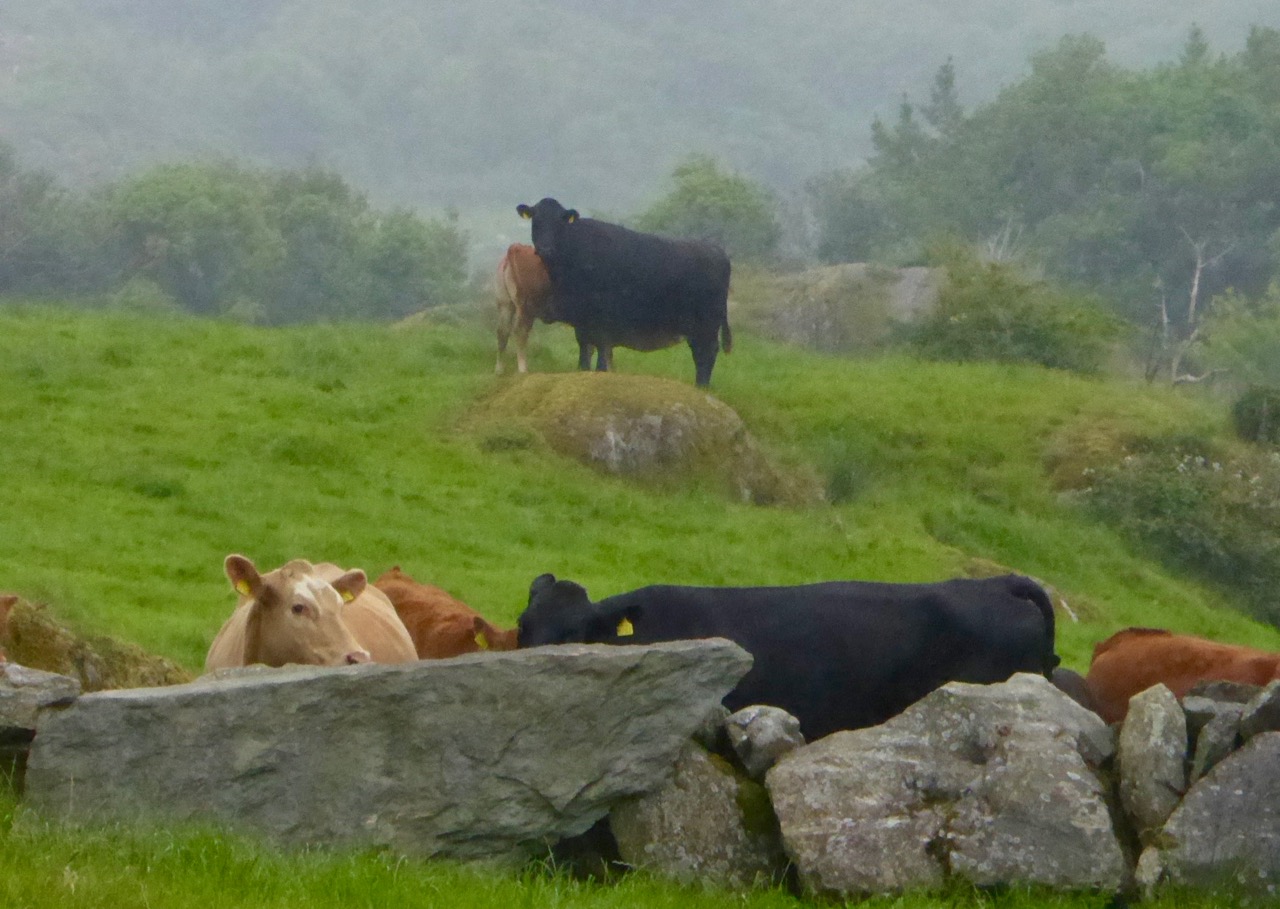
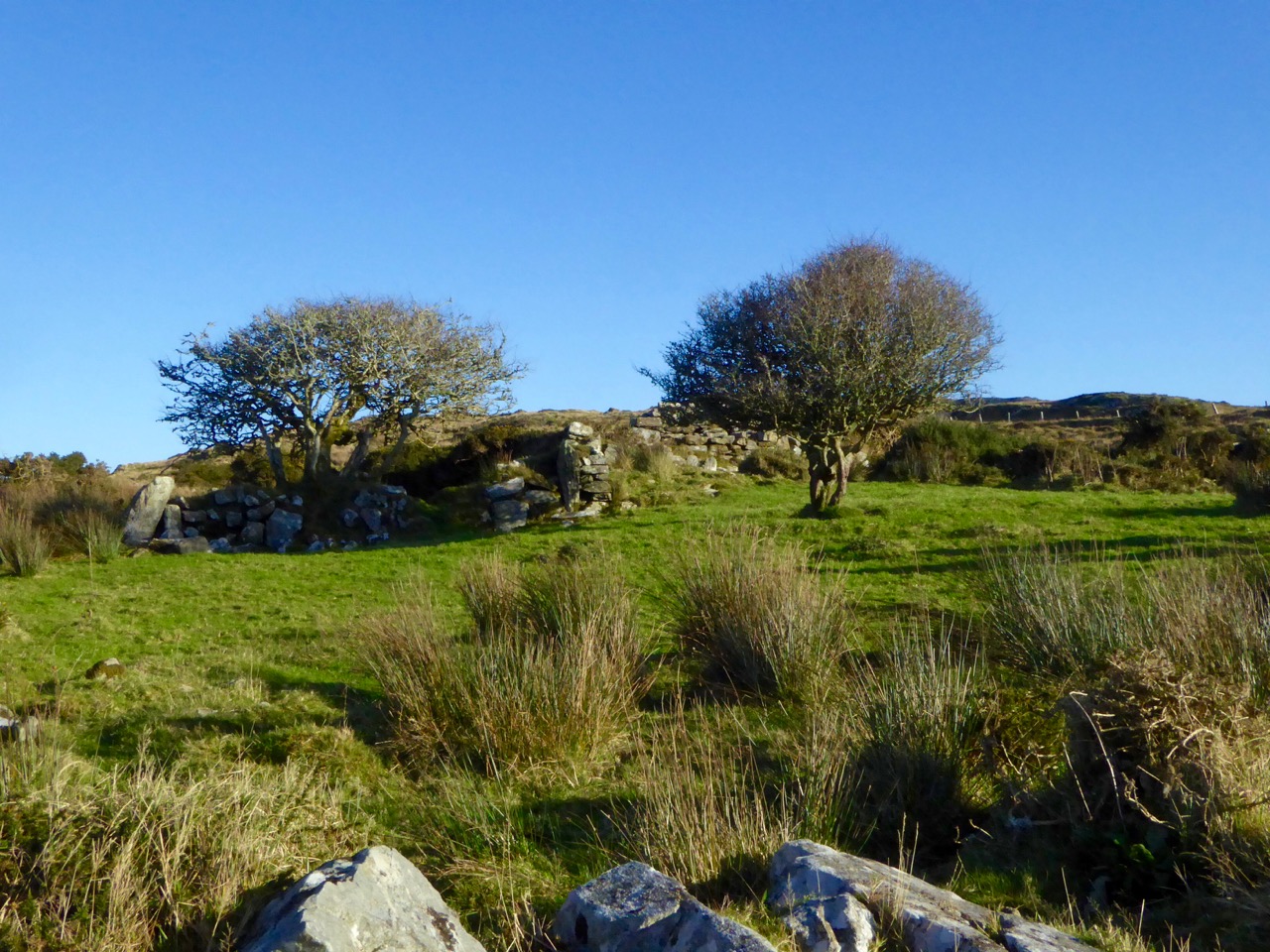
There is physical evidence of the booleying in Ireland. On the Coomkeen route of the Sheep’s Head Way we found a little glen high up on the mountain, a setting for a ruined small stone house which could well have been used by those herding the cattle on the summer pasturage in bygone days. It’s a beautiful sheltered site, guarded by two ancient thorn trees, and we could easily imagine – through our romantic 21st century vision – the hard but simple lifestyle invoked there.

booley thorns

Guardians of the Booley – two ancient thorn trees stand by the abandoned cottage

I feel particularly close connections to that way of life as my Dartmoor ancestors were transhumers. They kept a remote farm out on the moor uplands, well away from the nearest centre of civilisation. The enclosure had been established towards the end of the 18th century and involved the building of miles of stone boundary walls (which caused dissent among the commoners) and my forebears who lived there for a few generations were paid to run cattle from other farms on the pastures during the summer months. By the early 1900s the farm had been abandoned and nature has gradually taken over and created an attractive antiquity which I loved to wander over and recreate in my mind’s eye the scenes of family life: my maternal great-grandmother was one of fourteen children born on the farm in one generation.

teignhead today

Family home: Teignhead Farm on Dartmoor – used as a summer run for cattle, although it was  a permanent residence way off the beaten track for the large family of my forebears – an early 19th century print (top left), a photograph dated 1889 (top right) and the ruins of the house today (below)

Novelist Philip Robinson writes:

…The ghostly footprints of ancient sod walls still mark the sites where families once moved with their cattle up to uplands in county Antrim during the summer months (from May to October). They built temporary ‘booley’ huts to live in, usually beside a water burn or spring… The families that took their cattle to booley places on the Commons like Ardboley (High Booley), Carnbilly (Booley Cairn) or Milky Knowes had their home farms down on lower ground in clusters or villages called ‘clachans’. The arable land around each clachan was shared out between the group in a jigsaw of tiny plots and strips each year, and when the cattle returned before the 1st November, the field markers were torn down and the land around the clachans returned to common winter grazing. The homecoming to the clachan at harvest time was another great time of celebration and seasonal customs, closely tied up with Halloween bonfires and gatherings on 31st October.

on the move

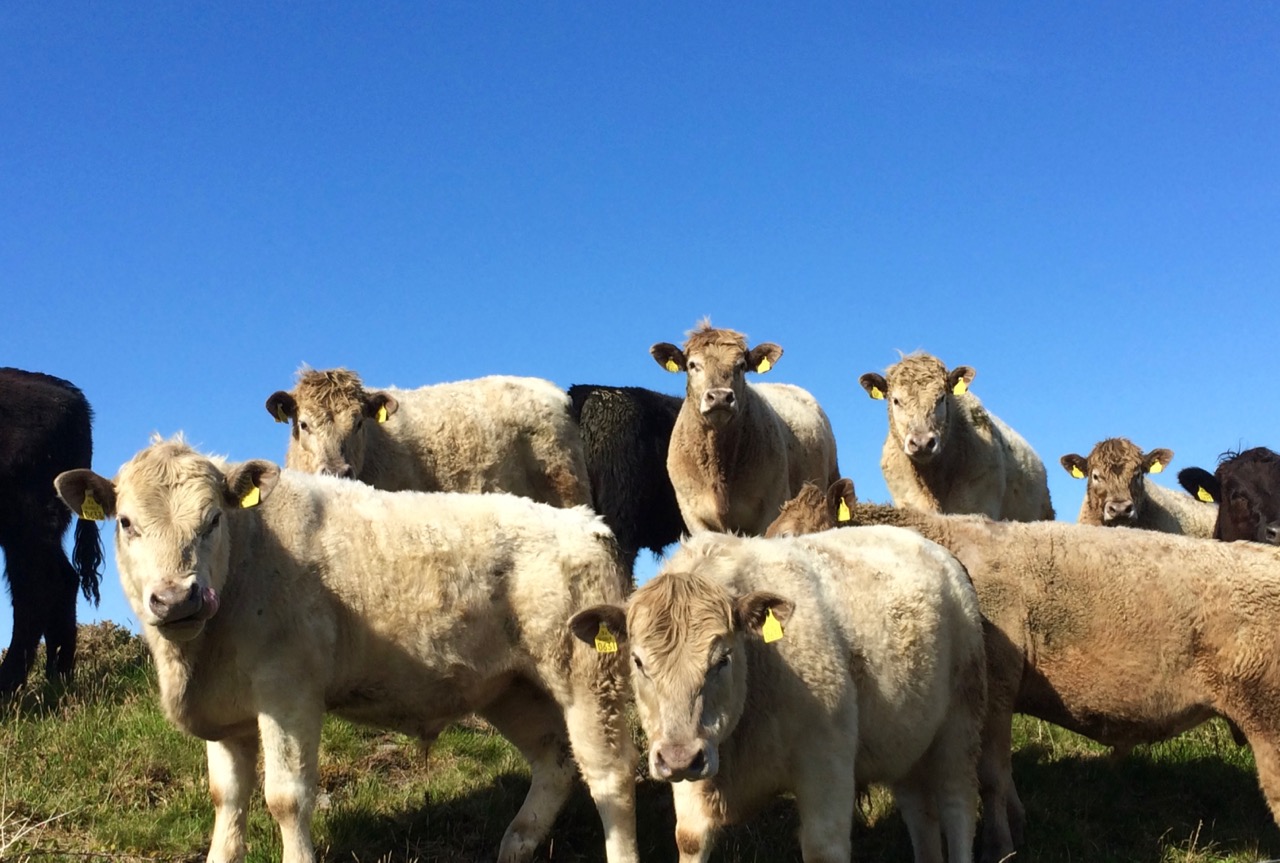
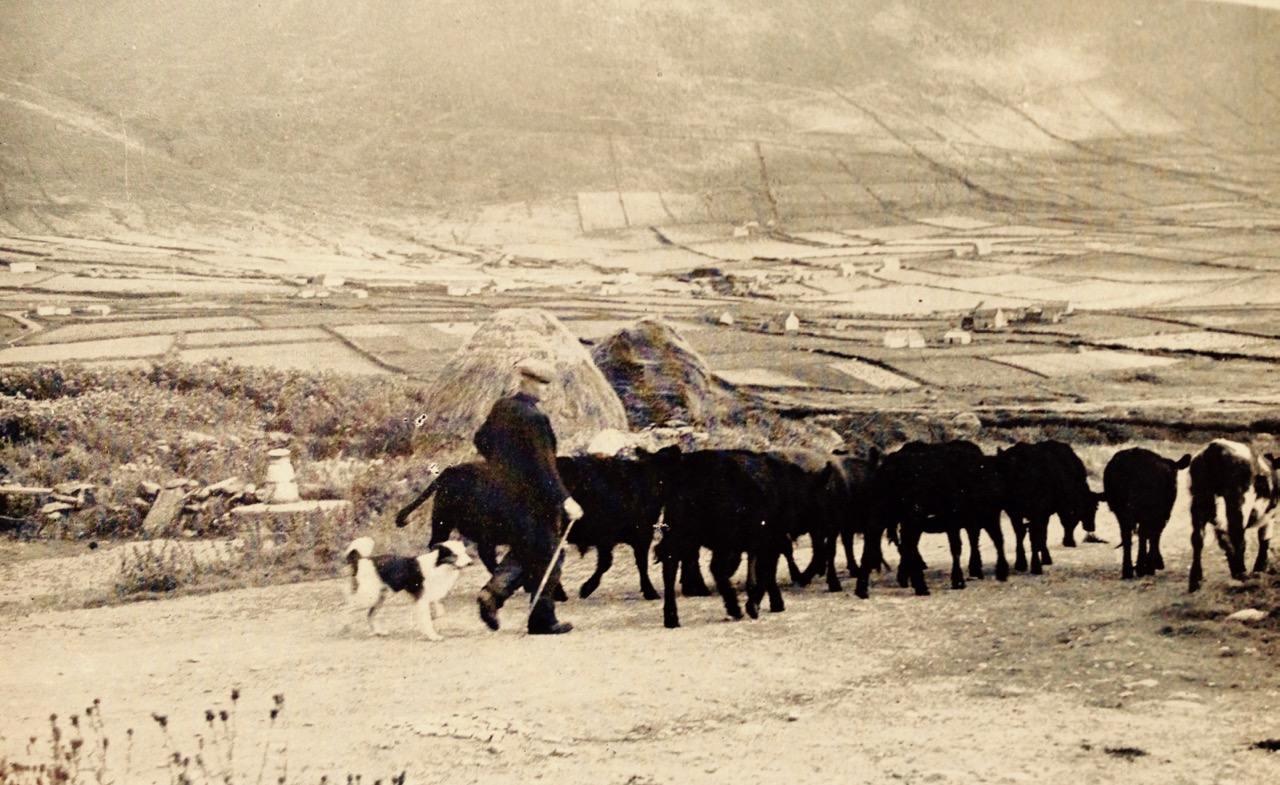
On the move – Kerry cattle (believed to be Ireland’s most ancient breed) from the collection of photographer Tomás Ó Muircheartaigh, who documented life in rural Ireland between the 1930s and the 1950s

We know that Booleying was an ancient practice as it is mentioned in the Brehon Laws – which takes it back at least to the time of St Patrick. Later, under the 14th century Statute of Kilkenny the Irish ...were forbidden to booley or pasture on those of the march lands belonging to the English; if they did so the English owner of the lands might impound the cattle as a distress for damage; but in doing so he was to keep the cattle together, so that they might be delivered up whole and uninjured to the Irish owner if he came to pay the damages… The historian, John O’Donovan (1806-1861) noted (in his Ordnance Survey Letters of 1838) that the people owned houses in two townlands, one of which was a booley. …It is a great habit among the people of the island to have two townlands and houses built on each where they remove occasionally with their cattle. The townlands are held under one lease and one of these farms is called a Bouley…

booley house

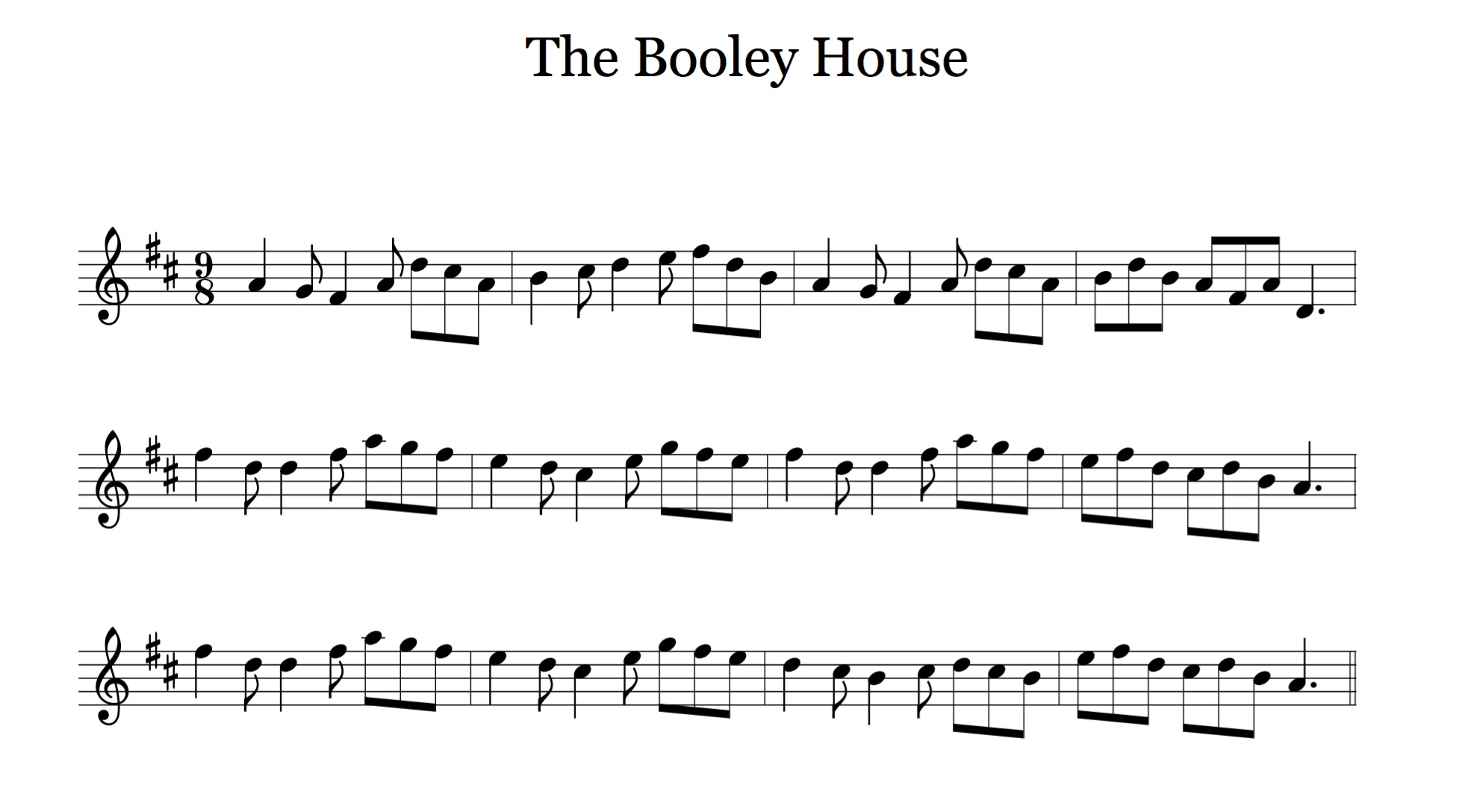
In Ireland The Booley is relegated to the tune books but there are those alive today who remember the tradition in their own families. Danaher relates: …old people tell of the buaile as a very happy place, full of song and laughter. On Sunday evenings the girls from several buailes would come together and the young men came up from the farms to be with them, and there was music and dancing and gaiety on hillsides that now hear only the bleat of the sheep and the cry of the grouse and the curlew…

boley fair poster


November Dark

November Dark

Dramatic sky over Nead an Iolair on November Dark this year

The month opened with Snap-apple night and tales of pucás and little folk. From the rising of the moon on November Dark the mackerel would make their way to deeper water; it was the end of the seine season. With the crops all in and hill grazing finished, fires were set on the hills and preparations made for the winter. There was little employment for the months ahead… (from Northside of the Mizen by Patrick McCarthy and Richard Hawkes 1999)

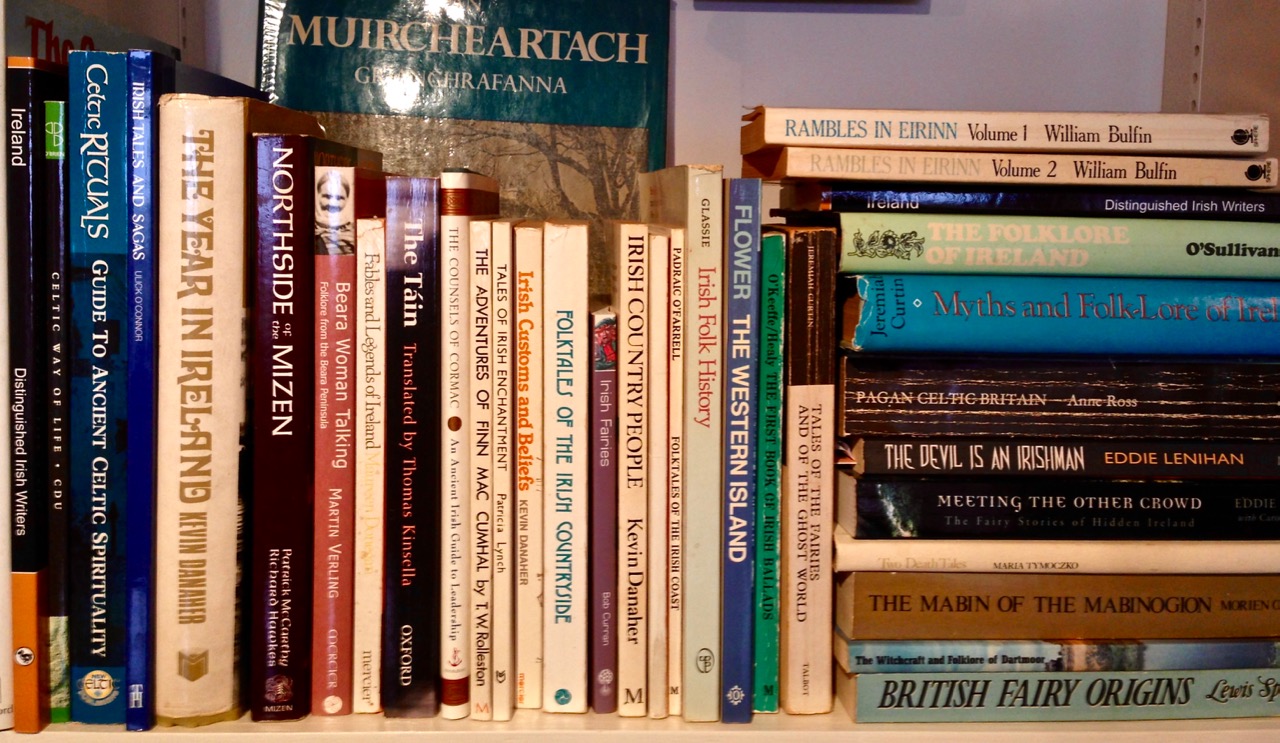
I have mentioned this reference to ‘November Dark’ in previous posts but, apart from the Northside book, I have been unable to find any other allusions to the term – either on the internet (which is usually a sure source of every conceivable fact or fiction) or on our bookshelves (which are overflowing with volumes on Irish culture, traditions and folklore). According to McCarthy and Hawkes it points to the appearance of the November new moon: this year it occurred last Wednesday – the 11th – which was also Martinmas.

bookshelf

gallimaufry on the bookshelves at Nead an Iolair

Once, the day had particular significance: …With the rising of the moon from November Dark the mackerel made their way to deep water; it would be the end of the seining season. Most of the barrels of fish were collected by ships from September onwards. Limerick Steam coasters and ships from England and America anchored offshore, and the barrels would be taken to them. The faller boats took five to eight barrels per trip to the ships. They were hauled up by a derrick, two at a time, into the hold. Often 300 barrels would be loaded onto one ship… Although the barrels of fish were taken throughout the season by the fish buyers, it was on November Dark that the seine crews received their money… (from Northside)

Seining: the huer (top) watched for the arrival of the shoals and then signalled their location to the boats at sea; the lower photograph shows seine netting on the beach at Greystones, Co Wicklow

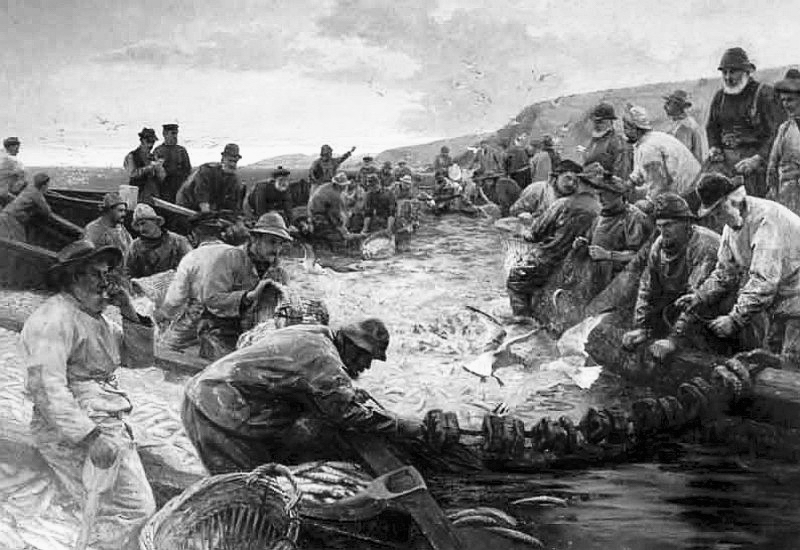
Historical evidence documents seining in the South West Coast of Ireland from County Waterford, to County Kerry, from the 16th century onwards. This was an important industry with Baltimore, Dunmanus, Schull, Sherkin, Kinsale, Bantry and Whiddy Island as centres, together with outlying curing stations called Fish Palaces or Pallices, of which there were significant numbers along the Southern coast. The fish – usually pilchards – were caught by means of a seine net: two boats, the seine boat and the so-called follower (locally called the ‘faller’) were used. The seiner, a large boat pulled by perhaps a dozen or more oars, carried the net, which was often 300–400 yards long. An experienced fisherman acted as a huer by directing fishing operations from a suitable vantage point ashore. From high land, the huer could see the shoals of pilchards clearly, and he alerted the seine boat, by shouting (the ‘hue and cry’) or making suitable signs as to the location of the shoal. Often the shoals were too far out to be seen from the land, and one of the crew – known as  a spyer – had the job of locating them from on board. On a given signal, the net was shot around the shoal by the seine boat, and in the meantime, the free end of the net was picked up by the faller, with a crew of perhaps five or six, pulling the ends of the net together. The footropes of the net were gradually drawn up until the fish were completely enclosed, and by means of baskets the fish were transferred from the net to the boats.

Tucking

Cornish ‘Tucking’ – gathering in the pilchards from the seine net – by the Newlyn School artist Percy Robert Craft: the original painting is in the Penlee Gallery, Penzance. As the seining season advanced, the Cornish boats followed the shoals to the west coast of Ireland

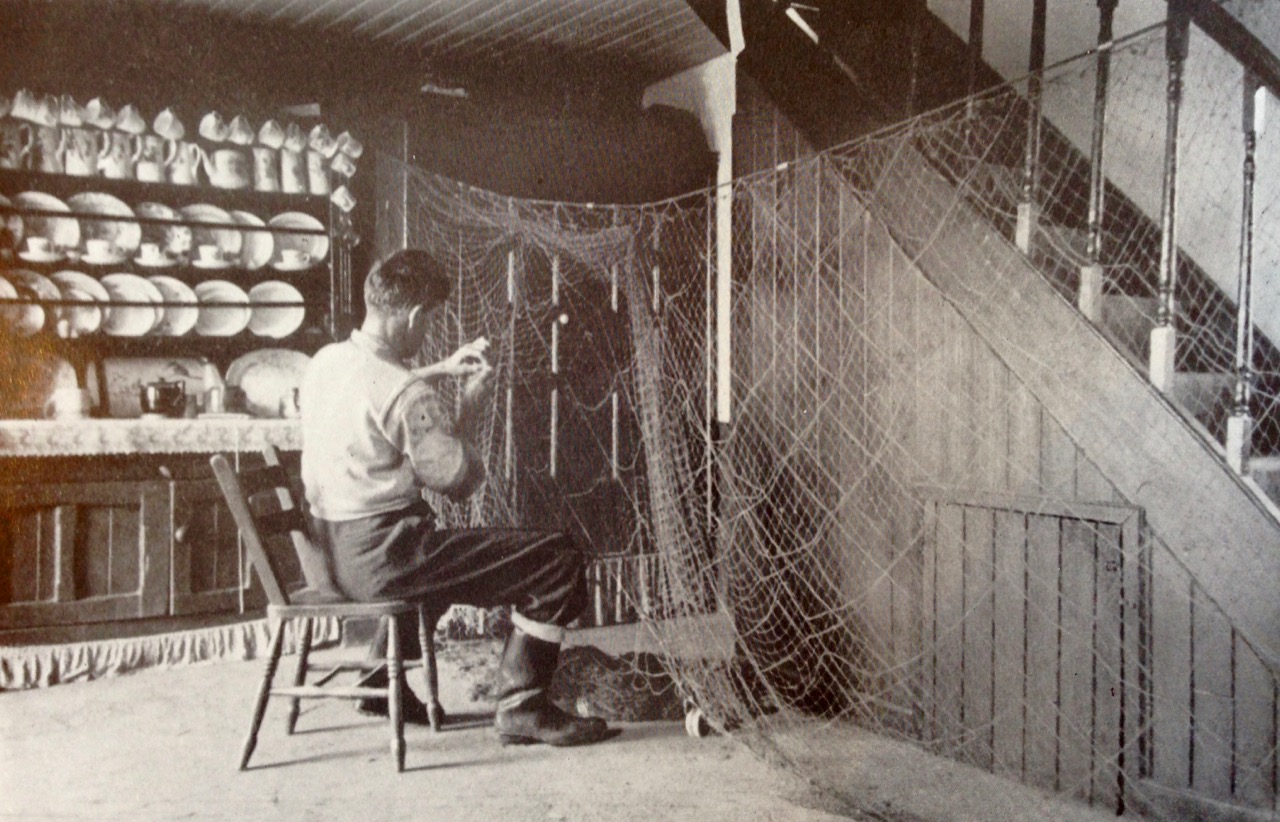
…After the season’s fishing all the nets were barked in a ceiler (a flat bottomed iron pot) at Dunmanus or Goleen… The ceiler would be full of boiling water and bark (a non-sticky type of tar), and the nets were steeped for a good spell. Barking drove out the salt and would preserve the cotton mesh for the next year’s fishing. The nets, when being repaired, were spread out in a field. In Dunkelly the field was called the Seine Field, and at Gurthdove it was at Willie’s Paircnafarriga. Only the experienced and older men were allowed to repair the nets, as the younger lads rarely had enough care for a job that had to be done so well… (from Northside…)

The Barking Pot at Goleen has been restored as a historic site: sadly the pot is no longer in use

Seining was used to catch pilchard, mackerel, herring and pollock off the Irish coast. A ‘Kerryman’ article by Ted Creedon in the Irish Independent back in 2003 gives a very comprehensive account of the living made in pre-war years – this is a short extract:

…Mike Séamus O’Sullivan of The Glen, St Finan’s Bay, was a member of the crew of the last seine boat to land a catch in South Kerry. Mike began fishing lobsters with his father when he left school aged sixteen.

“That was before the war and lobsters were making four shillings a dozen in those days, but when the war came the fishing really got going in these parts,” Mike told The Kerryman this week.

“We were catching mackerel, pollock, herring and they were cured and boxed at Renard Point before going by train to England. The seine boats were catching all mackerel in the war years and prices were about two shillings per hundred, but one day in 1942 an English buyer arrived at Renard Point and offered £3 a hundred!” Mike recalled.

“There was a fortune made in those days then and the local buyers put their prices up to £4 a hundred for the mackerel to keep the English buyer out!” he said…

mending nets

Mending the nets – in this case in a traditional Irish kitchen: a photograph by Tomás Ó Muircheartaigh, who documented life in rural Ireland between the 1930s and the 1950s. The Irish caption to this photo suggests that the net was damaged by a shark

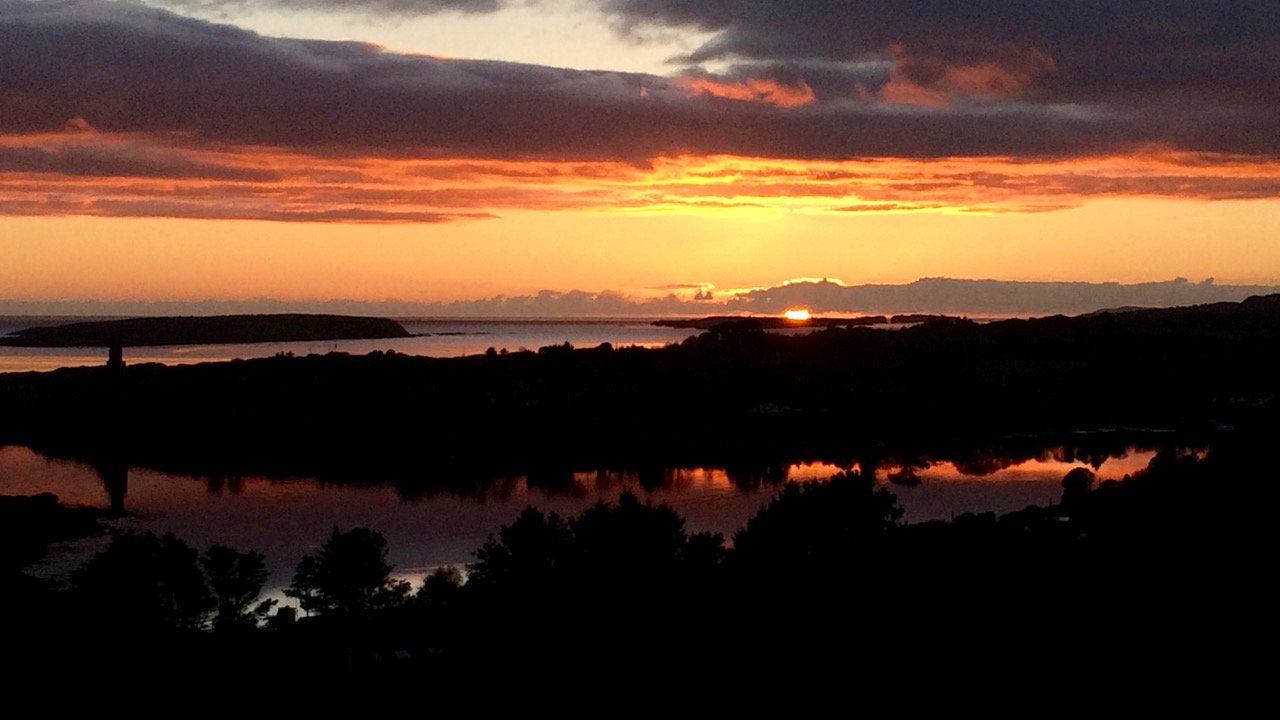
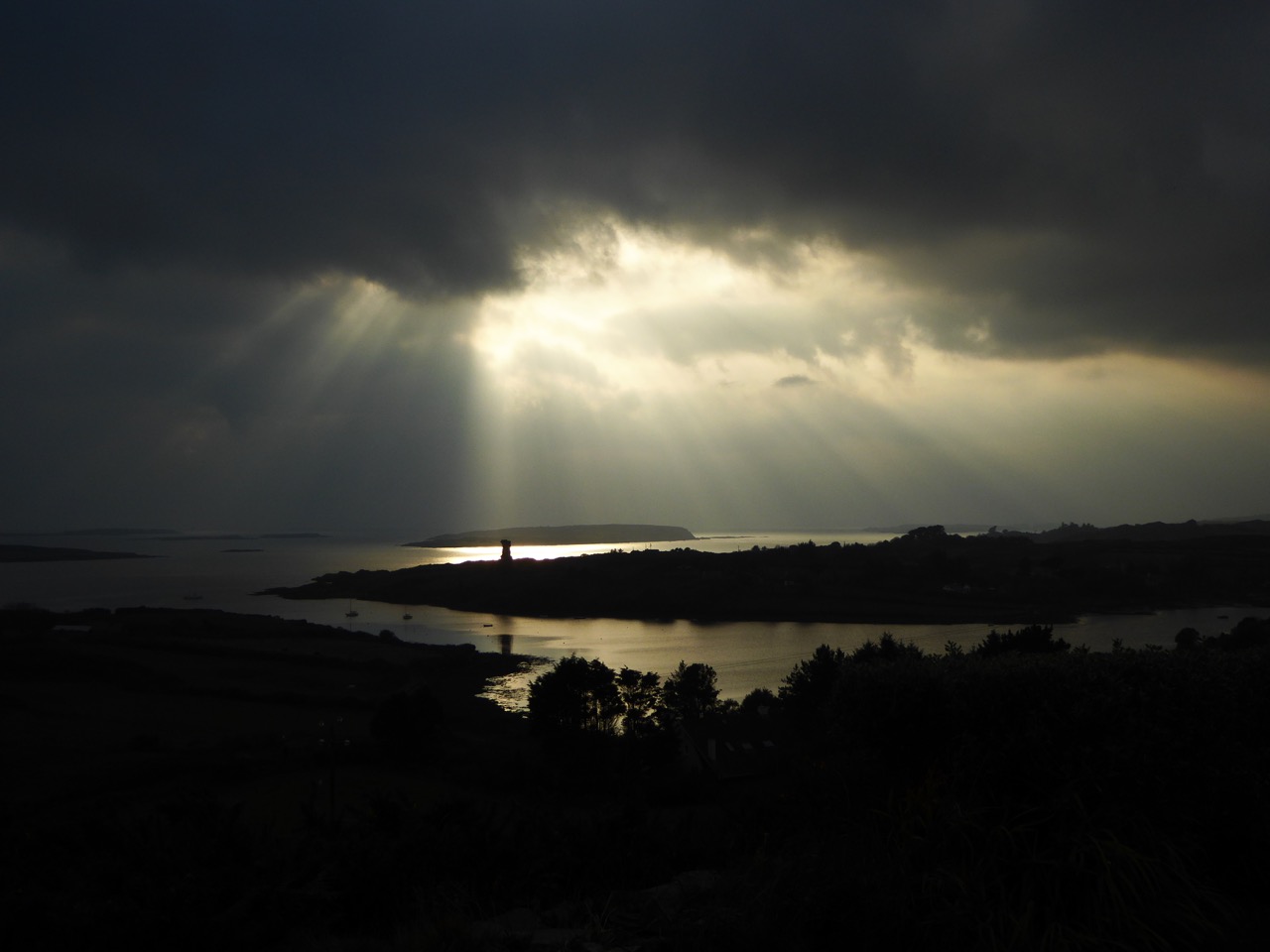
We have been looking back through our archive of the photographs which we’ve taken here on or around ‘November Dark’ in past years. There’s quite a contrast: we have had times of golden sunsets and warm days when we could sit out, while this year has brought a period of wild storms and grey skies.

Mizen Sunset November

November evening

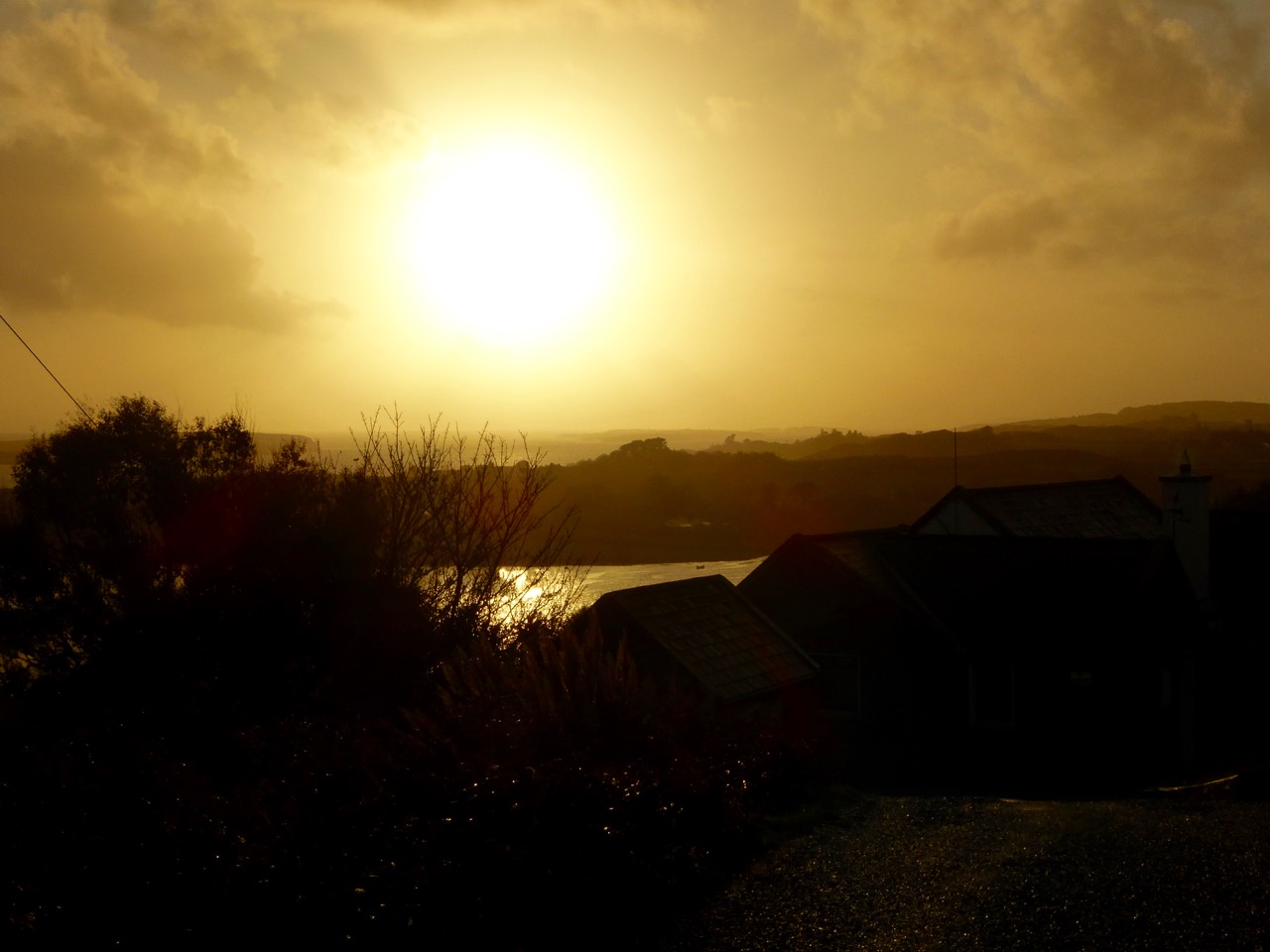
November contrasts: our view a year ago (above) and (below) in the last day or two, brief respite from a period of Atlantic storms

November Dark – have any readers a recollection of this term? We’d like to know – and record – memories of the day and its significance here in West Cork…

sad end for a seine boat

From Northside of the Mizen – the photo is captioned ‘A sad end for a seine boat’

Beyond Leap, Beyond the Law…

spooky

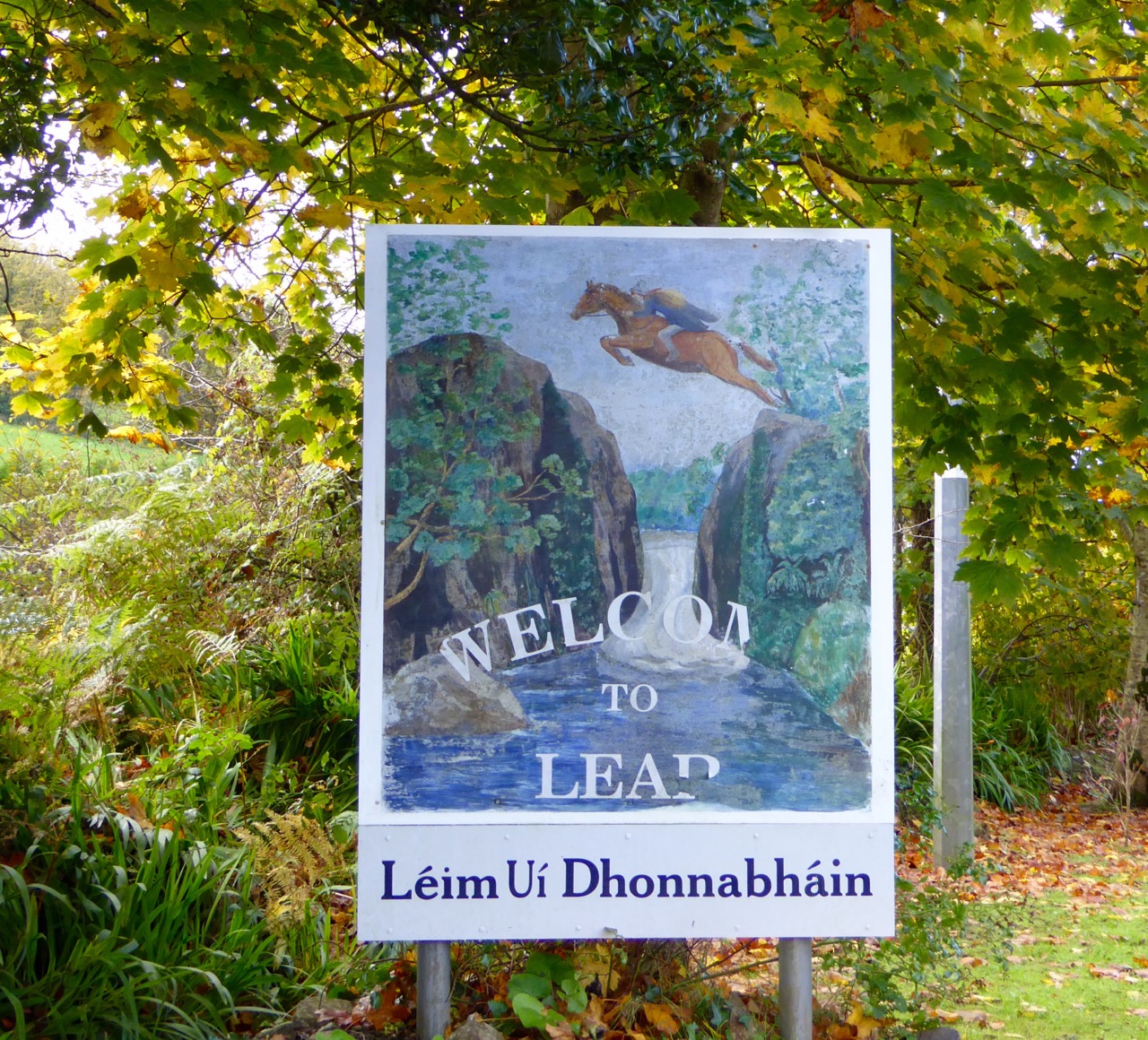
A West Cork village is named after an athletic achievement that happened 400 years ago: this must be an unusual appellation… The next stop after Skibbereen on the N71 road going east to Cork is Leap. Locally, this settlement is always called ‘Lepp’ – perhaps in defiance of the English epithet, and in defiance of the English forces who, after the Battle of Kinsale in 1601, pursued the Irish chieftains – no doubt intending to make examples of them on the gallows.

The leap?

Lift to the jazz Festival

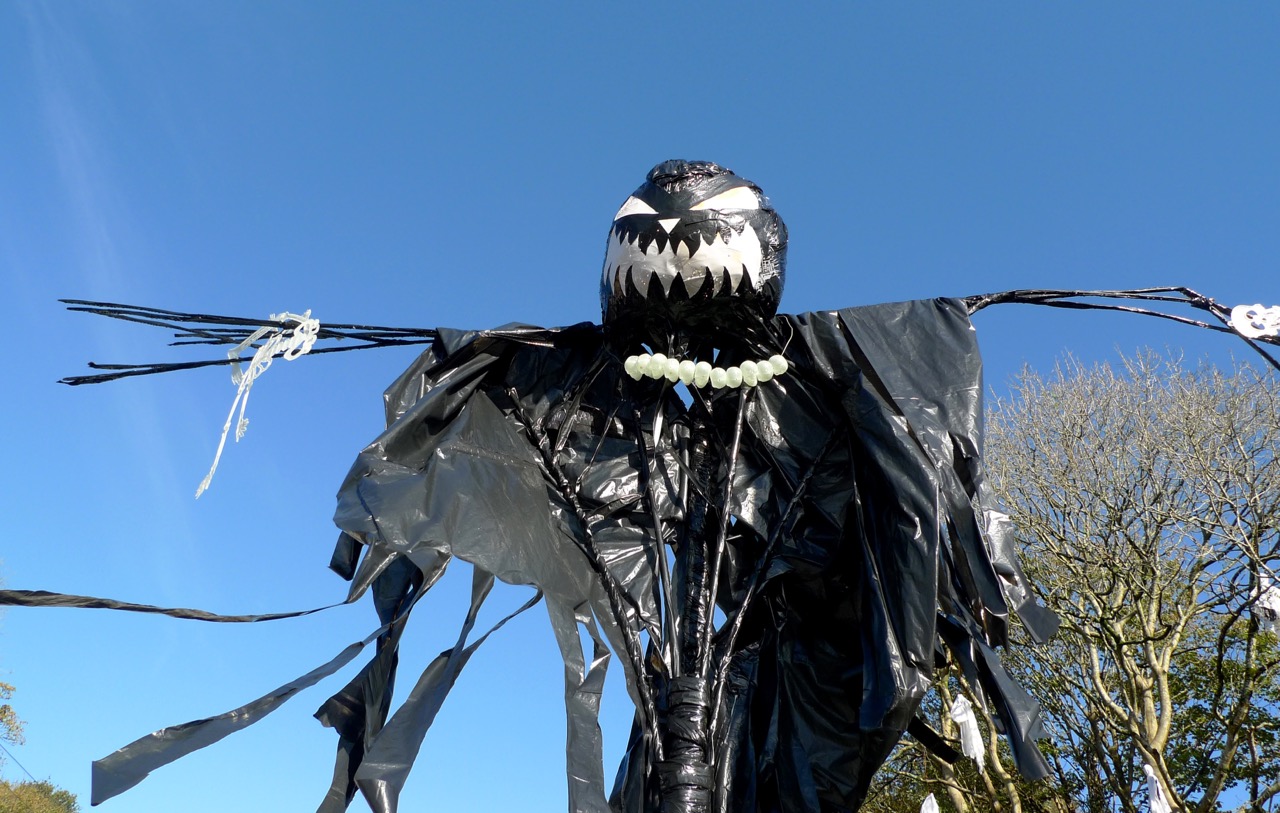
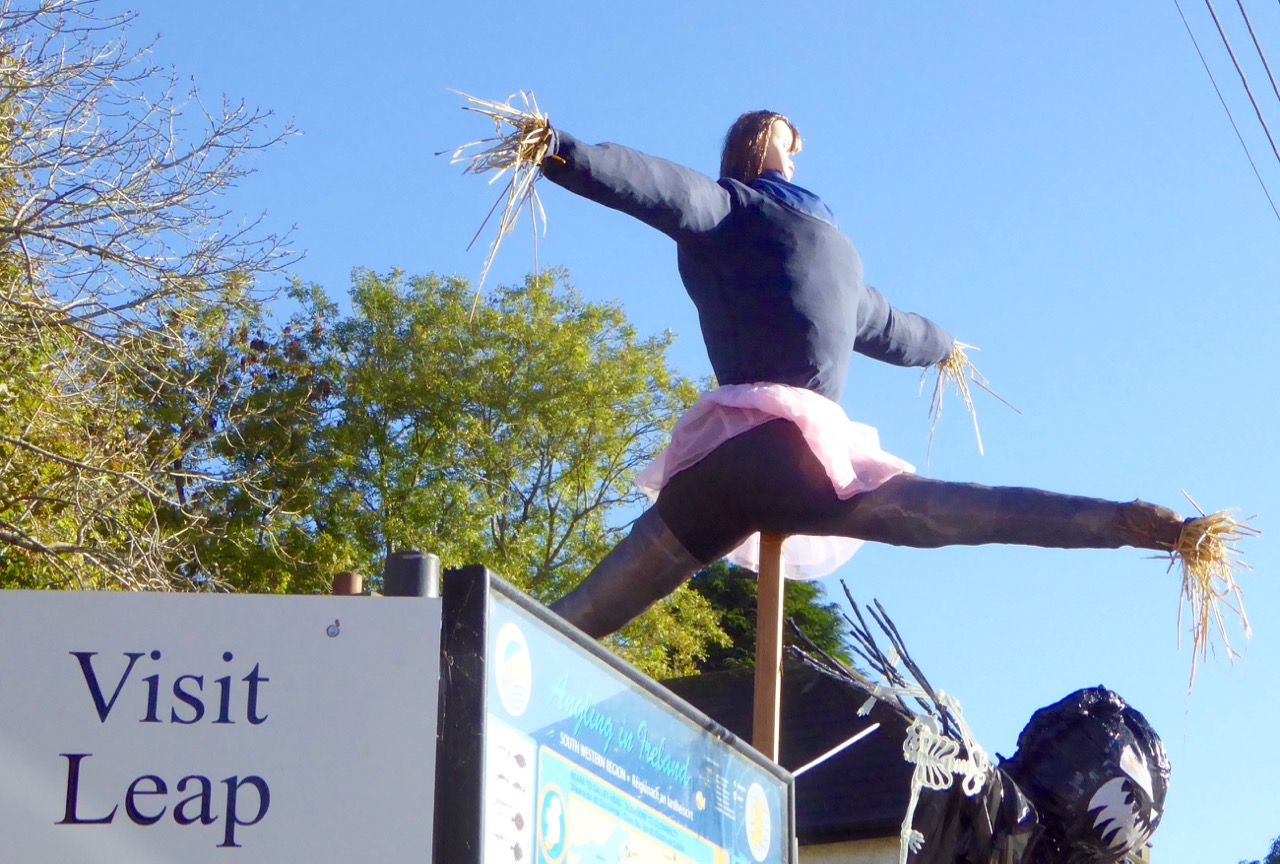
Strange things are happening in the village of Leap… These hitchikers are trying to get out of town!

In the west, an O’Donovan (we don’t know which one) was being chased by an English contingent and reached the 12m wide gorge over the Mullaghnagowan River that flows out into Glandore Bay. It was a point of no return, and O’Donovan took the risk and urged his horse on… He (and his horse) made it, and we may assume the pursuers didn’t, as O’Donovan escaped and his feat became a legend, and the village of Leap has made sure that it won’t be forgotten.

Leap sign

O’Donovan leaped into the wild lands of West Carbery and, the story goes, from that day onwards the phrase beyond Leap, beyond the law… entered into the local parlance. We live beyond Leap, so I suppose we are also beyond the law!

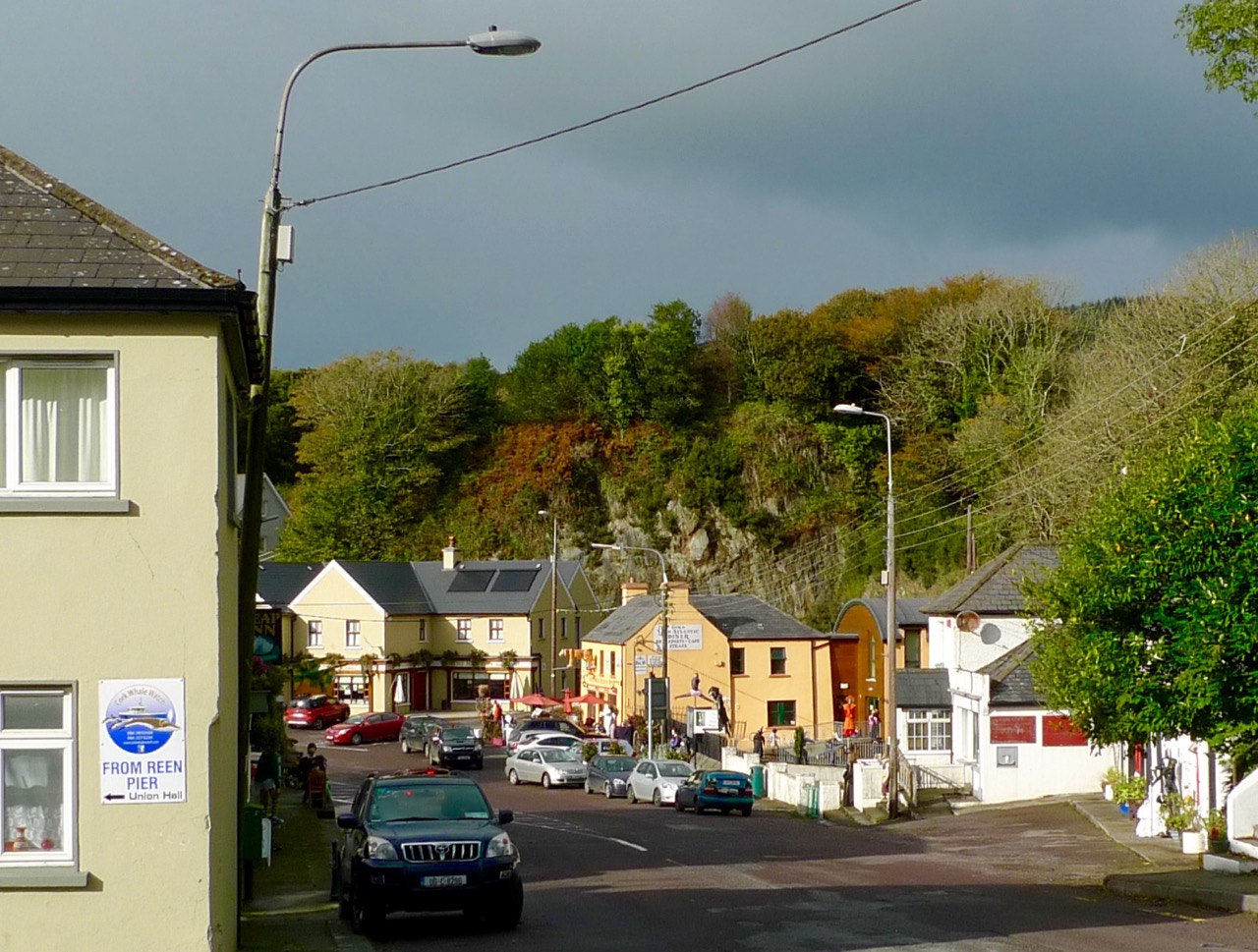
Leap street

Leap’s busy main street (top); the gorge where the famous ‘leap’ took place (left) and a visitor from the bay holding up the pub sign

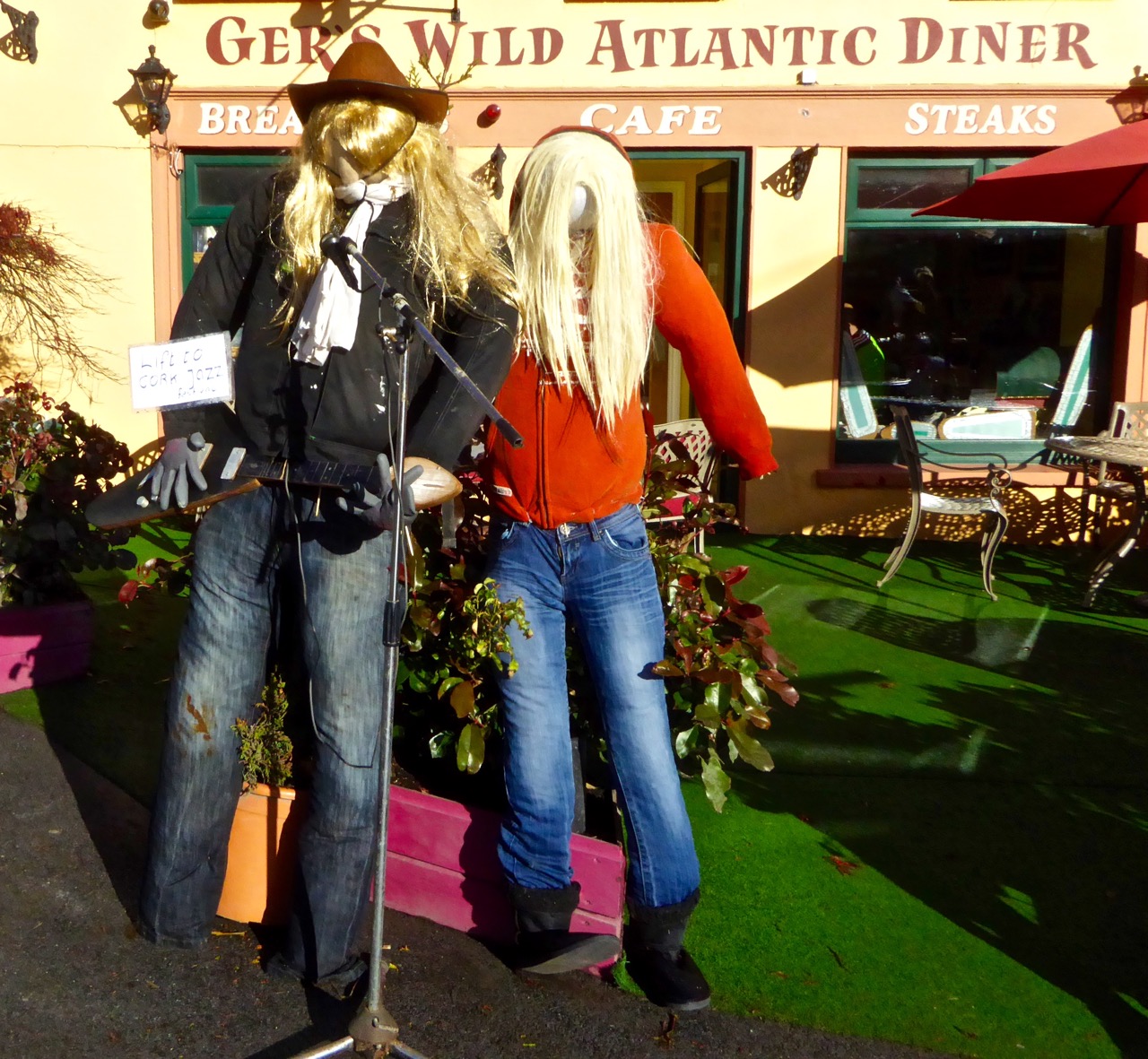
Leap is a good stopping point if you are travelling the Wild Atlantic Way. We called in there on Saturday and filled up with a hearty breakfast in Ger O’Sullivan’s Wild Atlantic Diner. There are a number of other equally good hostelries to cater for all tastes, as well as a large furniture shop (O’Donovan’s), a petrol station, a builders’ merchant and a fascinating ‘collectibles and curios’ store. It’s a lively place and hopefully benefits commercially from the considerable traffic on the main road, although that aspect might also be seen as a downside to those who live within its environs.

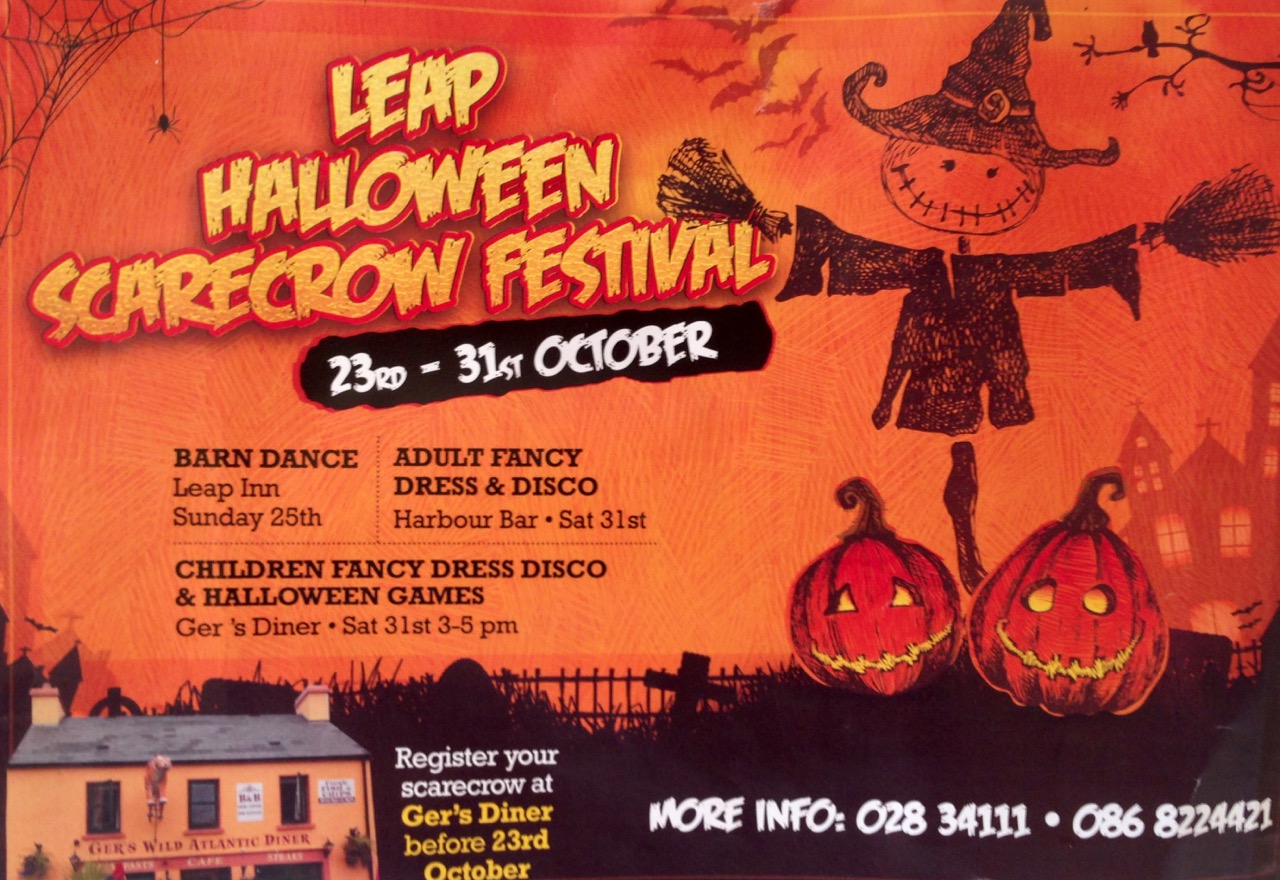
poster

Dining out in Leap…

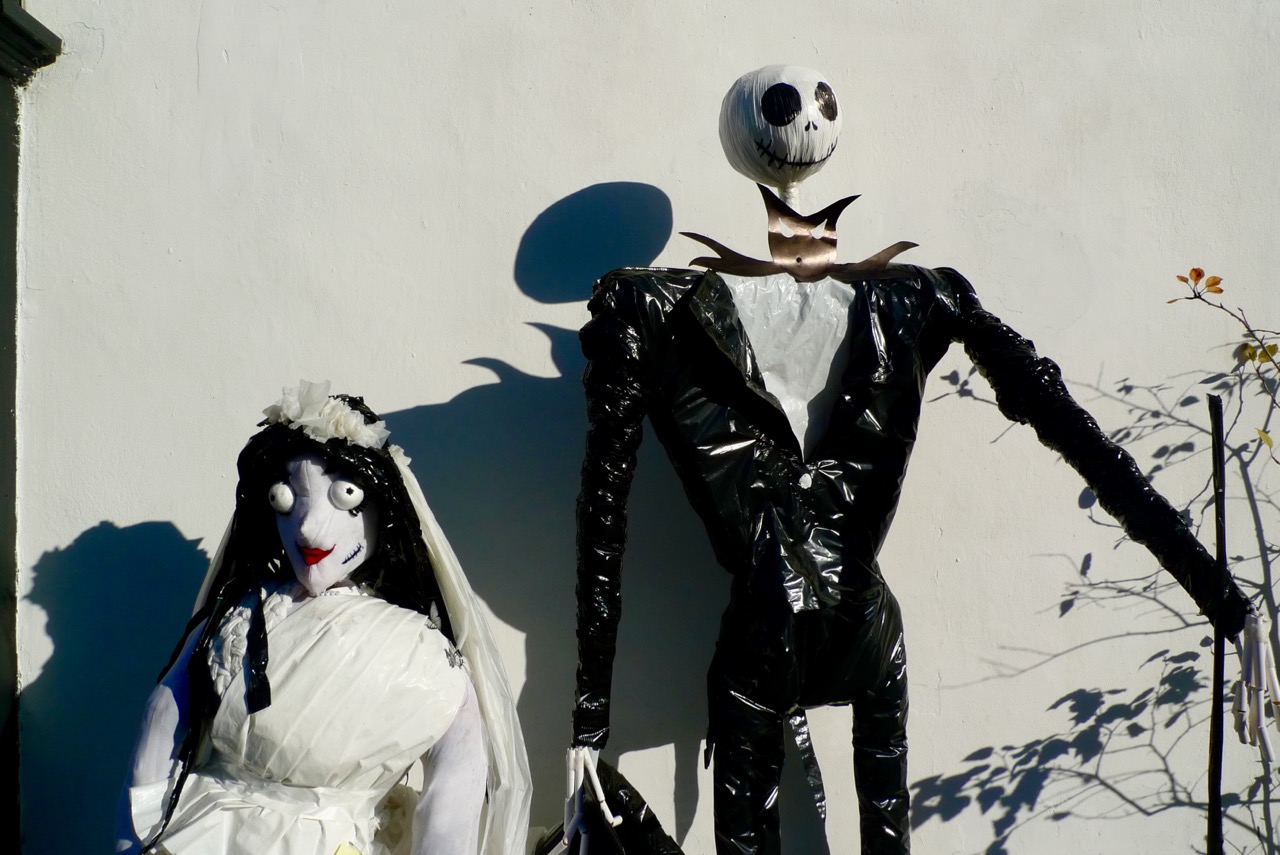
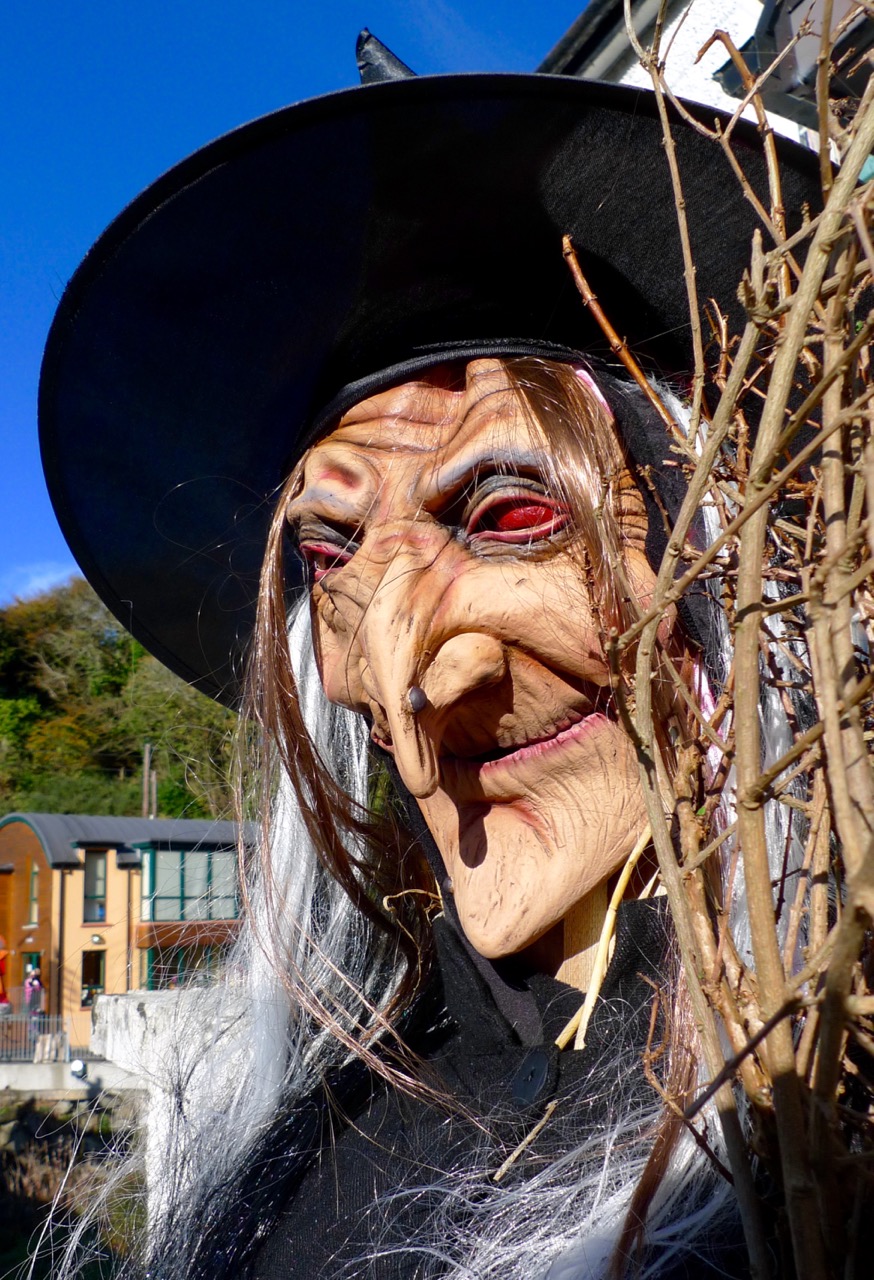
We chose our day in Leap to coincide with a Scarecrow Festival: a competition to see who can produce the wittiest or spookiest scarecrows – bearing in mind it’s Hallowe’en next weekend. The people of the village have completely embraced the idea, with something over 80 imaginative (and hilarious) entries set up in all available locations: along with us there were many families out on Saturday enjoying the entertainment.

As with anywhere in West Cork – and, indeed, in Ireland – there is plenty more history relating to Leap. Dean Swift spent some time in the area in the early 18th century, and I found much information relating to Myross Wood House, a large residence close to the water which was built by the Rev Arthur Herbert in the mid 1700s. In 1826 this house passed to the Townshends, the first of whom was John Sealy Townshend, a Trinity educated lawyer and Master of Chancery. I was intrigued to find that John had suffered from consumption as a child and had been cured by an aunt who dosed him with slugs taken in sugar and honey…

The Myross Wood Estate remained with the Townshends until 1946, when there was no male heir. It was bought by the Missionaries of the Sacred Heart and has been used as a retreat and study centre for priests. The community is still at Myross.

Big cat small cat

bride and groom

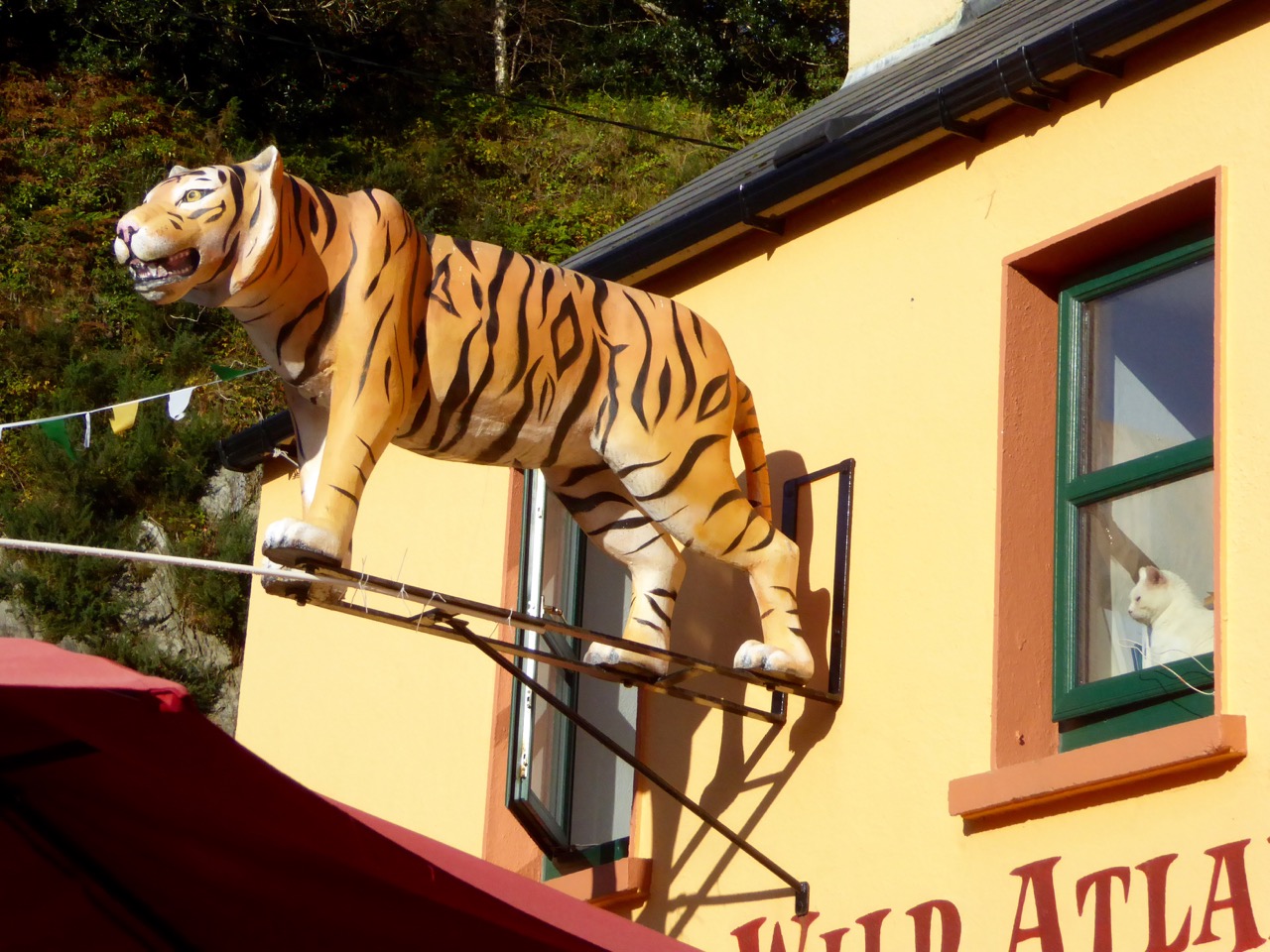
The Tiger is a permanent fixture at Ger’s Wild Atlantic Diner (top) – the white Cat may not be… Worth considering getting married in the village (above)?

Ger O’Sullivan has created a dizzying viewing platform over the gorge where the O’Donovan leaped into legend. Keep an eye – perhaps at Hallowe’en his ghost will make an appearance!

witch

Infant of Prague

church shop

It may seem excessive to travel to the centre of Europe to check out an old Irish tradition, but we hope you’ll agree that this shows the dedication of your team here at Roaringwater Journal!

Robert and infant

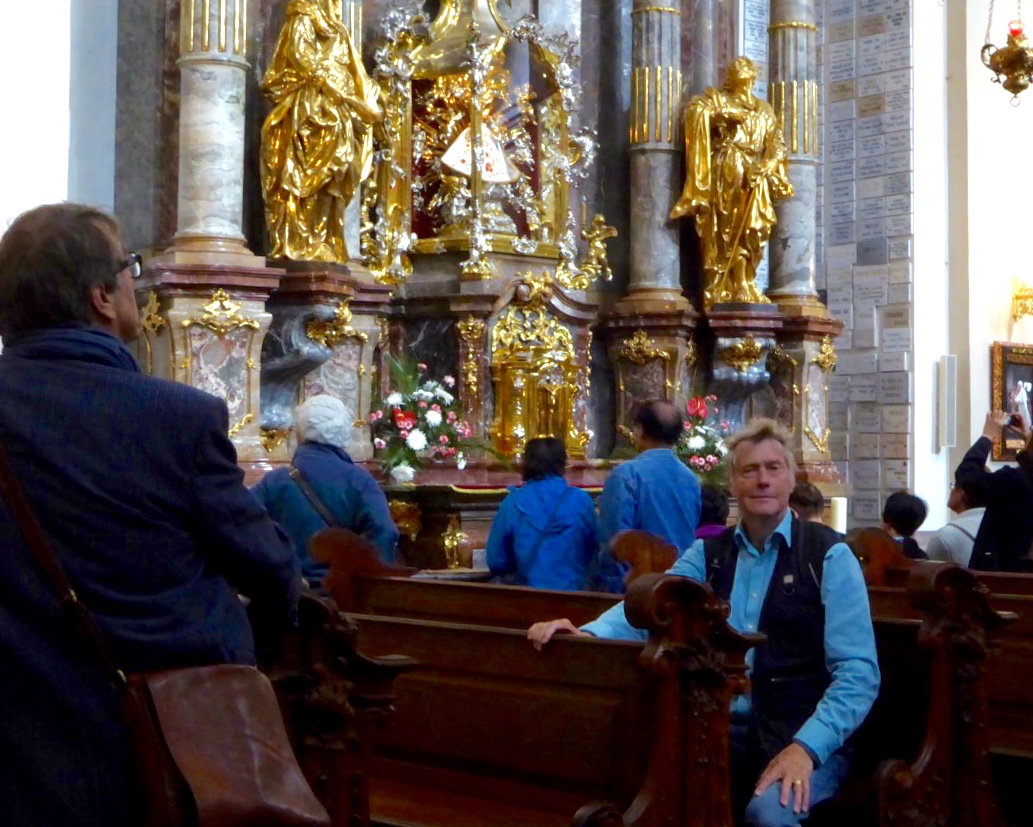
The Infant surveying a visitor from Ireland at the Carmelite Church of Our Lady Victorious in Prague

Prague, in old Bohemia (now the Czech Republic), is a beautiful historic city, once considered the cultural and economic hub of Europe. The architectural integrity of the medieval centre presents unparalleled vistas by day and by night.

Cathedral at night

The tourist trail in Prague takes you past palaces, cathedrals and embassies, through crowded squares and across ancient monumental bridges over the Vlata River. But no visitor from Ireland could miss the Carmelite Church of Our Lady Victorious located in Malá Strana – the ‘Lesser Quarter’ of the city. Why? Because that’s where you will find the original Infant of Prague – a statue which is ubiquitous in every traditional Irish household. 

The traditional Irish parlour invariably includes an Infant of Prague

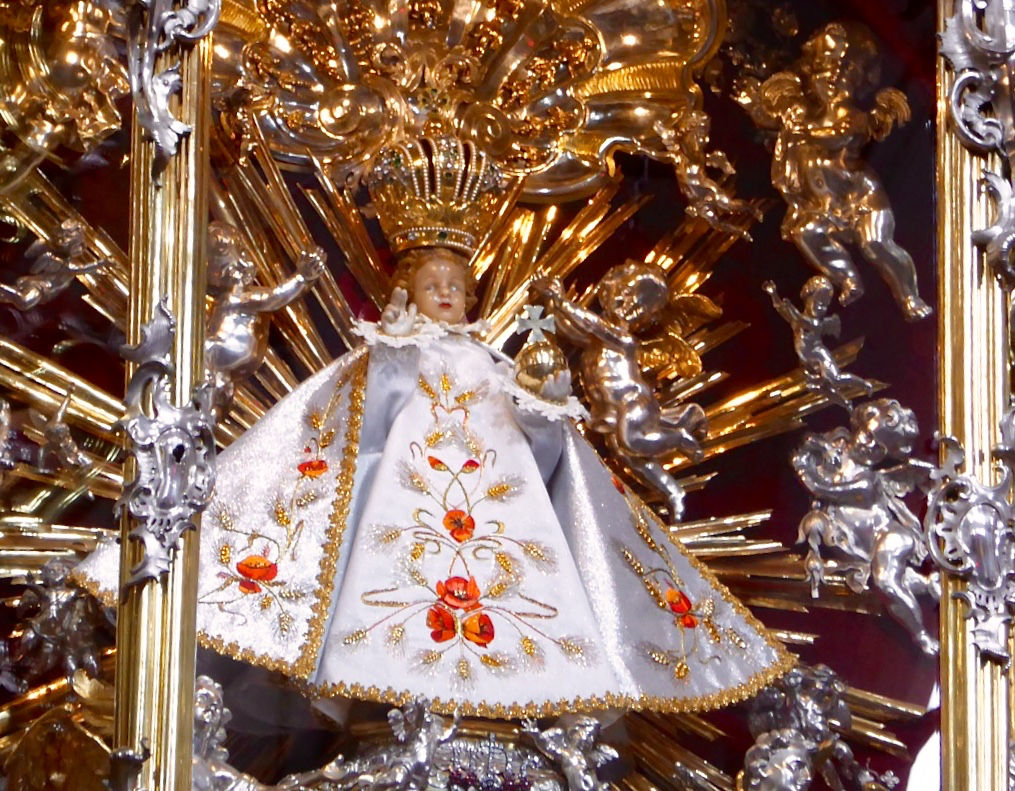
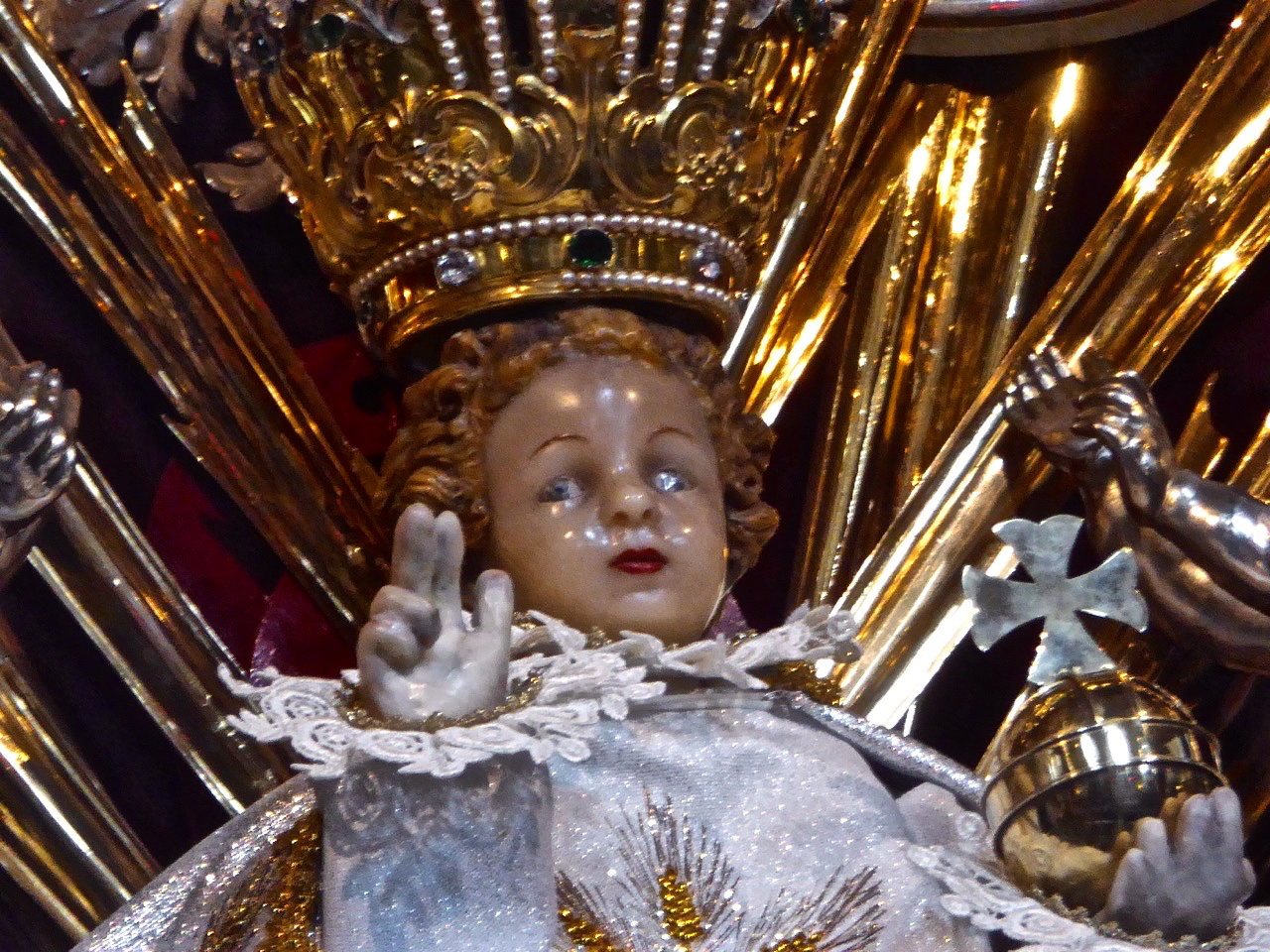
Nowadays the Infant – a 45cm high effigy of the Christ Child dressed as a king fashioned in waxed wood – is displayed in a glorious shrine of gold, glass and marble, but it has a long and complex history.

big infant

head detail

In 1556 Maria Manriquez de Lara, a Spanish princess, was engaged to Vratislav Pernstyn, a Czech nobleman and brought with her to the marriage the statue, a family heirloom which was said to have been made in Spain by a friar who had a vision of Christ as a king. 

Christ as King – images based on the Prague statue

Maria passed on the statue to her splendidly named daughter Polyxena, who was married to Baron Zdenek Vojtech Popel de Lobkowitz, Great Chancellor of the Kingdom, Knight of the Golden Fleece, and Prince of the Holy Roman EmpirePolyxena gifted the statue to the Carmelite Monastery and the adjoining church in Prague, stating “I bring you my dearest possession: honour the Infant Jesus and you shall never want.” The friars attributed miracles and blessings to the statue, which became an object of veneration.

the real infant

The chapel in the Church of Our Lady Victorious where the Infant is now venerated

During the Thirty Years War which devastated much of central Europe between 1618 and 1648 the monastery and church were sacked and the statue was broken and thrown on a rubbish heap. The Infant was forgotten until its remains were found by a Father Cyril many years later. The hands were missing and Fr Cyril heard the Infant say, “Have pity on Me, and I will have pity on you. Give Me My hands, and I will give you peace. The more you honour Me, the more I will bless you.” The statue was repaired and in 1655 the Infant was given a coronation and placed in the Carmelite Church where it has remained to this day, looked after now by an order of nuns who ensure that the statue wears vestments appropriate to the religious festivals. On every first Sunday in May a copy of the statue is carried in procession through the streets and re-crowned, implying perhaps that the Infant is now the centre of a seasonal custom.

dress detailExquisite detail of the vestments worn by the Infant on the day of our visit

We were surprised to find Prague so full of tourists – and of shops selling souvenirs for tourists. Prominent among these souvenirs are Infant of Prague statues: there are shelves, cabinets, whole shops full of them – just as there are in Ireland.

Gracious Jesus

Christian Shop close

Quite how the connection between the Infant, weddings and the weather has come about I’m not sure but there’s no doubt that an Infant of Prague statue is essential to an Irish wedding – to ensure good weather… Variously, you have to put your Infant of Prague outside the house, or outside the church – or even bury it in the garden to make certain that it won’t rain on the big day. I’m sorry that Finola and I were unaware of this custom at the time of our own wedding – but we were fortunate anyway in having a very good day (in every respect).  I have been told by Infant of Prague experts that’s it’s important to knock the head off the statue for maximum efficacy! Perhaps that’s some sort of confusion over the original statue having lost its hands?

wedding photo

Have a look at this Irish wedding photographer’s site

But it’s not just weddings: in Ireland the Infant of Prague is considered to bring good luck in many ways. Small coins are often kept under the statue to make sure that the house ‘never runs short of money’ and, in keeping with the older traditions of cures and miracles having been attributed to the Prague effigy, the Infant is also a bringer of good health. The presence of the statue over every Irish hearth seems to be as essential as a St Brigid’s Cross

coaster