The Melodeon

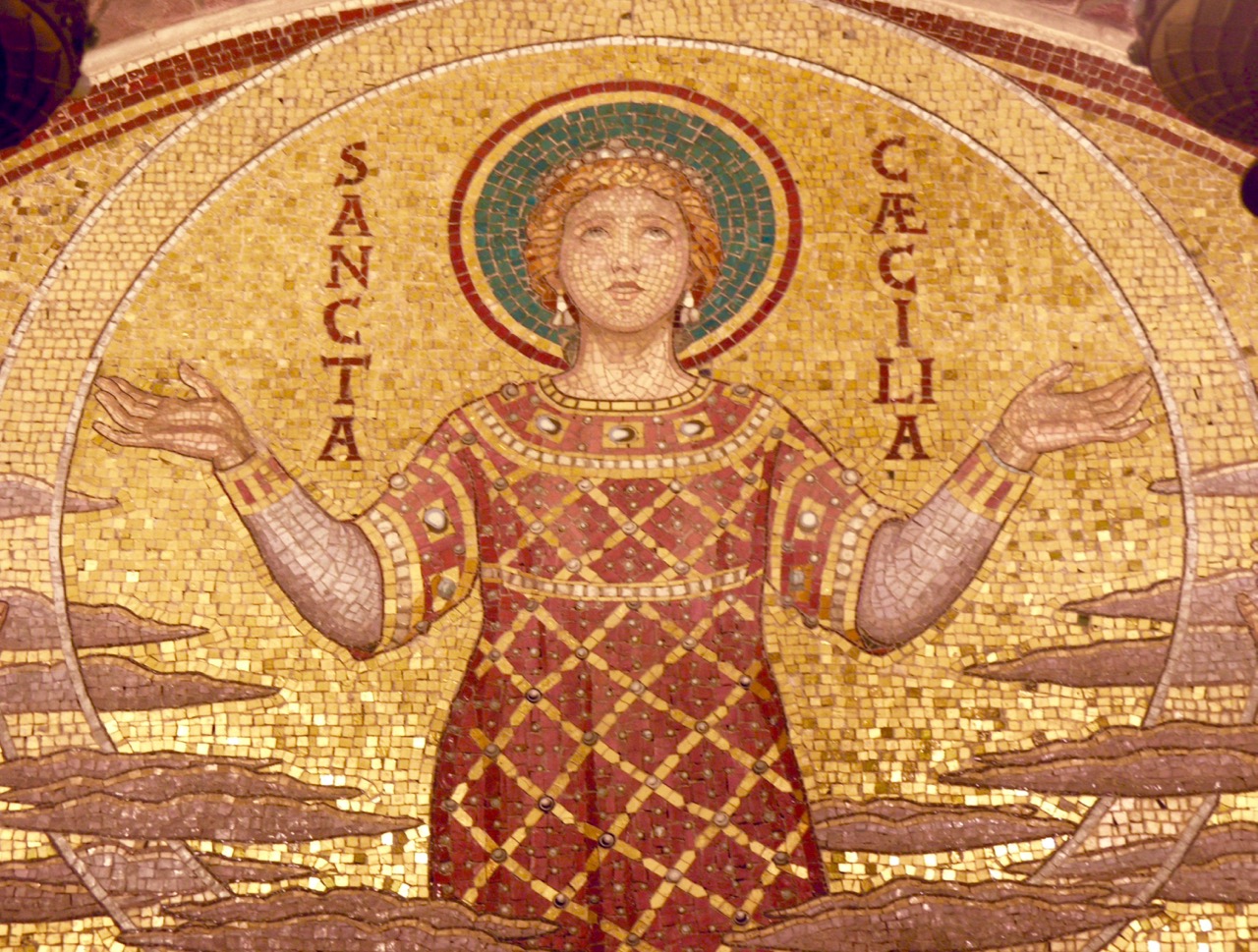
A personal perspective – by Robert – to celebrate St Cecilia, the Patron Saint of music, on her day: 22nd November

Girl with Melodeon

…My father played the melodeon
Outside at our gate;
There were stars in the morning east
And they danced to his music.

Across the wild bogs his melodeon called
To Lennons and Callans.
As I pulled on my trousers in a hurry
I knew some strange thing had happened.

Outside the cow‑house my mother
Made the music of milking;
The light of her stable‑lamp was a star
And the frost of Bethlehem made it twinkle.

A water‑hen screeched in the bog,
Mass‑going feet
Crunched the wafer‑ice on the pot‑holes,
Somebody wistfully twisted the bellows wheel.

My child poet picked out the letters
On the grey stone,
In silver the wonder of a Christmas townland,
The winking glitter of a frosty dawn.

Cassiopeia was over
Cassidy’s hanging hill,
I looked and three whin bushes rode across
The horizon — The Three Wise Kings.

An old man passing said:
“Can’t he make it talk” —
The melodeon. I hid in the doorway
And tightened the belt of my box‑pleated coat.

I nicked six nicks on the door’post
With my penknife’s big blade—
There was a little one for cutting tobacco,
And I was six Christmases of age.

My father played the melodeon,
My mother milked the cows,
And I had a prayer like a white rose pinned
On the Virgin Mary’s blouse.

from A Childhood Christmas by Patrick Kavanagh 1943; the photo of the girl is from the collection of Tomás Ó Muircheartaigh, who documented life in rural Ireland between the 1930s and the 1950s
Traditional musicians playing ‘squeeze boxes’ – top: Fred Pearce from Norfolk and Johnny Connolly from Connemara, both playing ‘The Melodeon’ – a single row instrument, while below: Jackie Daly from the Sliabh Luachra area (Cork / Kerry borders) and Joe Burke from Galway play the Irish Button Accordion

I have been playing the melodeon for well over 50 years: I should be a lot better at it than I am… My father didn’t play it: I didn’t even know that melodeons existed until I saw a secondhand one on sale in my local music shop when I was a teenager. I was fascinated by the look of it – it beckoned me; it was ten pounds, and in those days I earned seven shillings and sixpence a week from my paper round. Eventually I had saved enough to buy it, took it home and scratched my head over it.

Spot the difference: Robert then (playing a one-row melodeon) and now (playing a two-row button accordion – photo by Peter Clarke)

There’s a logic to playing a melodeon, but it’s not an immediately obvious one. Perhaps I’d better explain that a melodeon is one sort of accordion, and the definition varies depending what country you are in. I was in England then, and the term ‘melodeon’ there covers pretty well everything that has a button keyboard, bellows, and produces different notes when you move the bellows in or out; it doesn’t refer to a ‘piano accordion’ where the keyboard has – well – piano keys, and the movement of the bellows in either direction doesn’t make any difference to the notes.
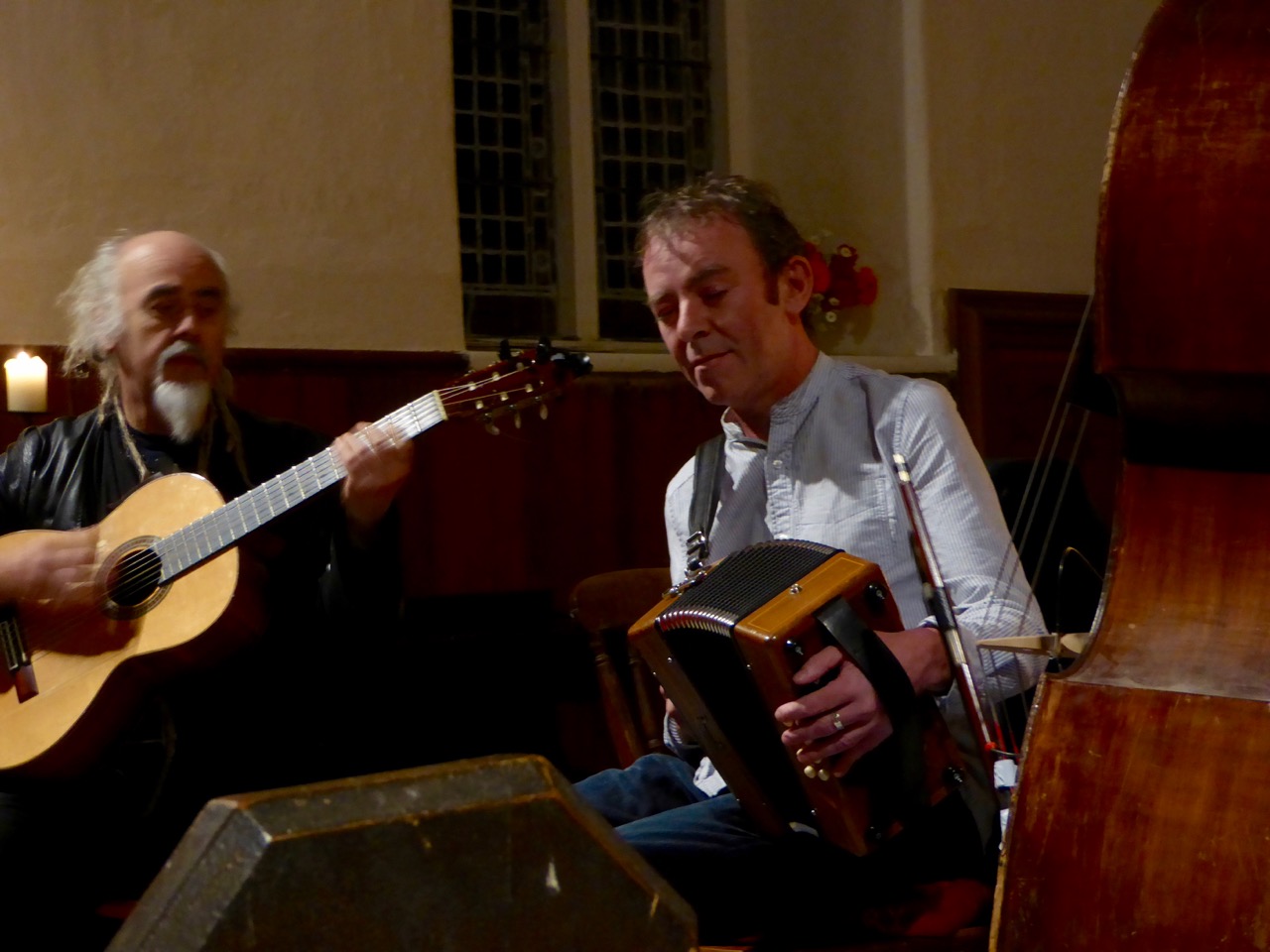
Dermot Byrne and Steve Cooney

Expert Irish button accordionist Dermot Byrne, accompanied by Steve Cooney at a recent Baltimore Fiddle Fair event here in West Cork: Dermot is playing a rarely seen Briggs diatonic instrument

Now I am in Ireland and the term ‘melodeon’ only refers to an instrument with a single row of buttons on the keyboard; anything with more than one row is known as a ‘diatonic button accordion’, and you will probably most often come across the latter when listening to traditional music here, although nothing is ever simple, and there are a number of Irish players (including many really good ones) who play instruments with a single row of buttons.

Sharon Shannon

Sharon Shannon from Corofin, Co Clare has taken Irish button accordion playing to a different level: her concerts often include magical lighting effects and state-of-the-art electronic accompaniments

By chance, that first instrument that I saved up for had only one row, so it would be a ‘melodeon’ in both England and Ireland. I now tend to play mainly instruments with two rows, and I can’t stop calling them ‘melodeons’ even though that’s incongruous to players here.

Kerryman Seamus Begley – noted Irish accordion player and entertainer; in the right hand picture he is joined by concertina maestro Noel Hill at last year’s Corofin Festival, Co Clare

In an earlier post – The Clare Trumpet – I talked about concertinas, and the invention of those instruments by Charles Wheatstone in England, getting on for two hundred years ago. He took out a patent in 1829. In the same year Cyrill Demian – an Armenian organ and piano maker – filed a patent in Vienna for an ‘accordion’ which was exactly the same as today’s melodeon:

…In a box 7 to 9 inches long, 3½ inches wide and 2 inches high, feathers of metal plates are fixed… with bellows… even an amateur of music can play the loveliest and most moving chords of 3, 4 and 5 voices with very little practice… Each claves or key of this instrument allows two different chords to be heard, as many keys are fixed to it, double as many chords can be heard, pulling the bellows a key gives one chord, while pushing the bellows gives the same key a second chord…  many well known arias, melodies and marches, etc. may be performed similar to the harmony of 3, 4 and 5 voices, with satisfaction of all anticipations of delicacy and vastly amazing comfort in increasing and decreasing sound volume… it is easy and comfortable to carry and should be a welcome invention for travellers and parties visiting individuals of both sexes, especially as it can be played without the help of anybody…
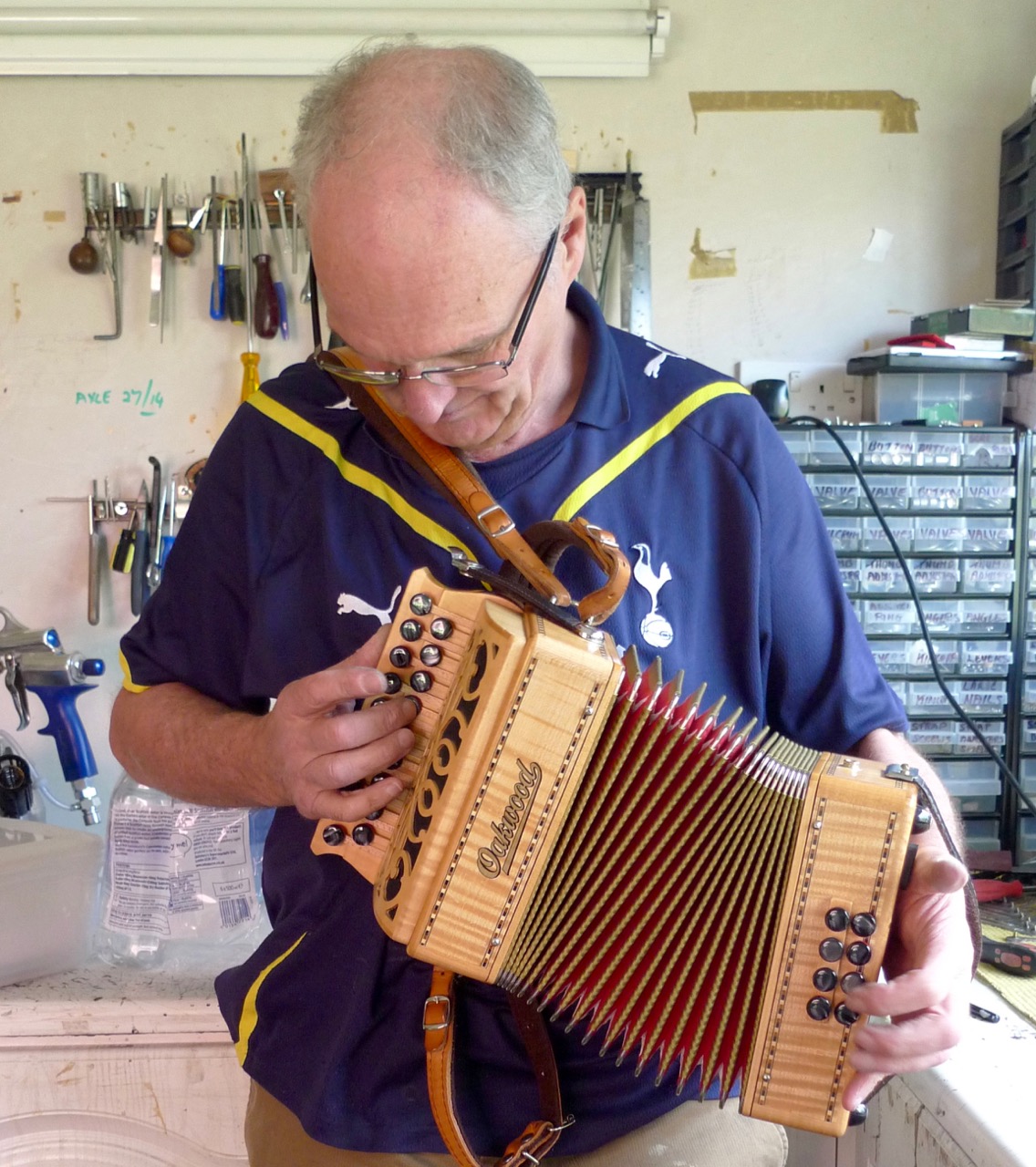
martin connolly

Excellent accordion maker and mechanic Martin Connolly of Ennis tests out Robert’s Oakwood 

That’s true: the ‘squeeze box’ is one of those instruments which you have to learn to play just by doing it. Of course, you can get books of instructions – and you can get experienced players to help you get started – but in the end it comes down to instinct – and a lot of practice, preferably out of earshot of anyone else. You can pick up the diatonic system inexpensively by picking out tunes on a mouth-organ – which is a melodeon without the buttons or bellows!

Concertinas / melodeons / button and piano accordions are different instruments but all share certain characteristics including the means of producing a note through a vibrating ‘free reed’ – a small metal leaf held at one end in a frame. A bellows pushes or pulls air through the frame and the reed vibrates, producing a musical note. The size and weight of the frame and leaf governs the pitch of the note. The quality of metal used for the vibrating reed – its density, flexibility  and tempering – determines the overall sound quality of the instrument. The best instruments use hand made reeds.
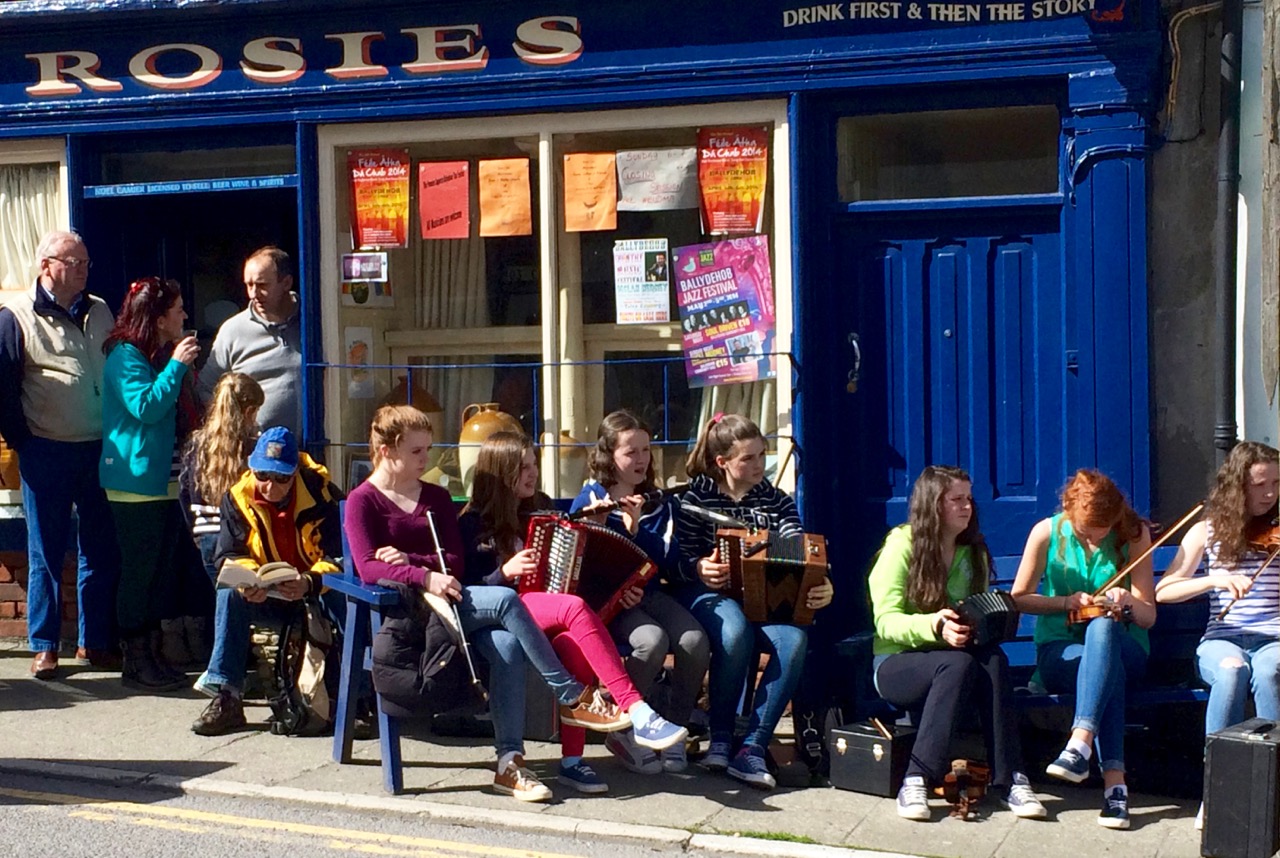
Outside Rosies

Squeeze boxes in evidence in this recital from young members of Comhaltas Ceoltóirí Éireann outside Rosie’s, Ballydehob, during the Trad Festival

Enough of the technicalities! What matters is the music that can be got out of an instrument. I like the push-pull (bisonoric) squeeze boxes because you have to move the bellows so much to get the changing notes. This adds dynamics to the music: movement and rhythm. As so much of traditional music is used for dancing, this is a definite advantage – there is already ‘dancing’ in the music itself.

800px-Bourrée_d'Auvergne

There are so many really good traditional music players in Ireland: you will know that because of our reports on the festivals we go to. Who are the best players today of melodeons and diatonic accordions? You have to decide that yourself by going out and listening to as many as you can. Or, second best, you can stay at home and use the internet – Youtube is a seemingly endless resource. There’s also The Session, which is a very good site for finding tunes and discussions on music and musicians. I also recommend ITMA – the Irish Traditional Music Archive – an invaluable free resource of information including thousands of sound recordings, videos, images and manuscript collections all related to the music tradition here in Ireland.

post-436-1116811091

If you’re twisting my arm as to who are my melodeon ‘heroes’, I’ll reel off a list of players I would (and do) go out of my way to listen to: Johnny Connolly, Bobby Gardiner, Jackie Daly, Joe Burke, Seamus Begley, Dermot Byrne, Sharon Shannon… However, I seldom have to go far because they all seem to come, sooner or later (and often frequently) to our little corner of the world here in West Cork.
OLYMPUS DIGITAL CAMERA

Hail Cecilia!

Digital Skibbereen!

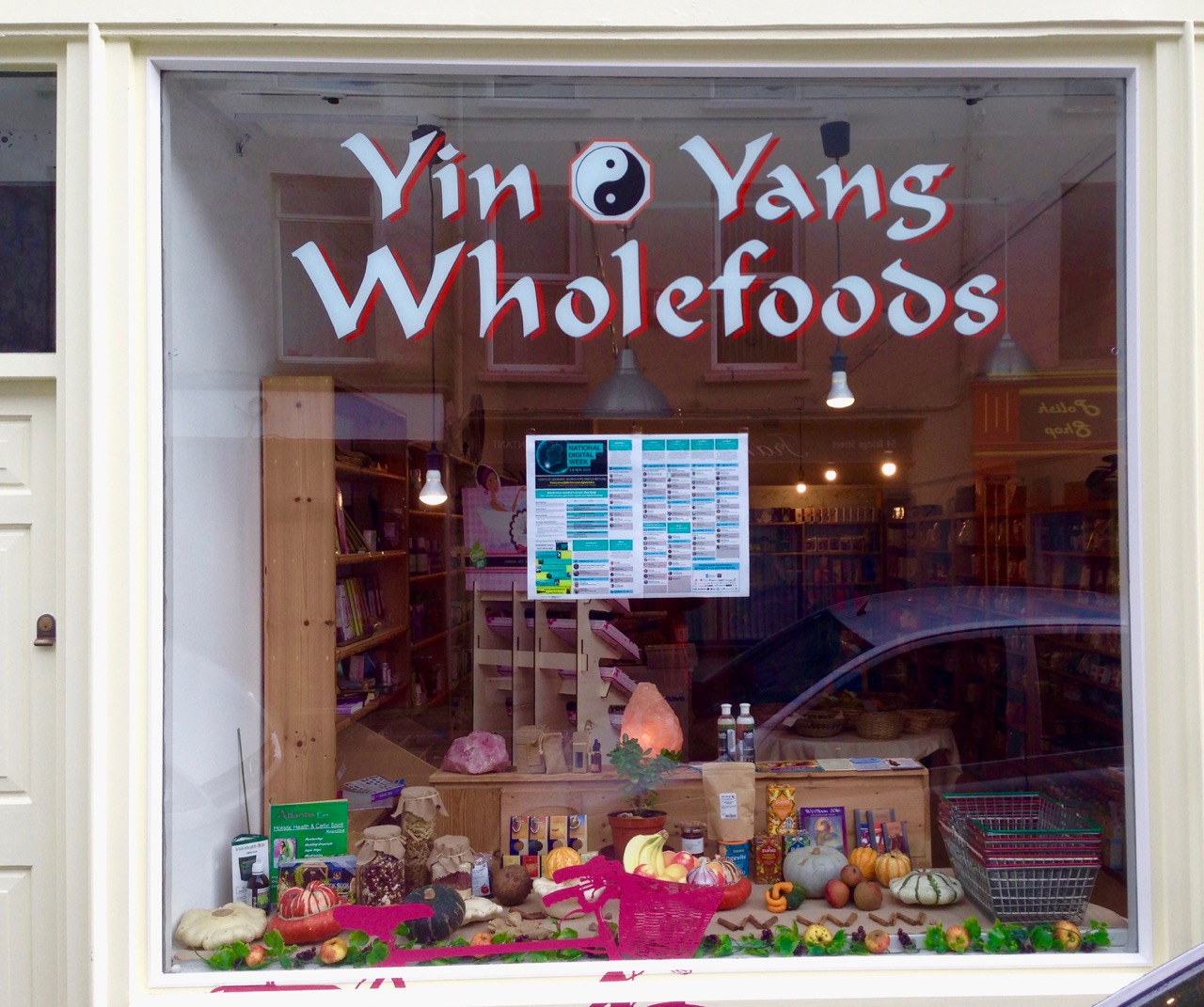
The Digital Week programme has appeared all over town...
The Digital Week programme has appeared all over town…

Who has ever heard of Percy Ludgate? And who would have thought that a man born in 1883 in a little West Cork town was a computer pioneer?

apple_i_computer620
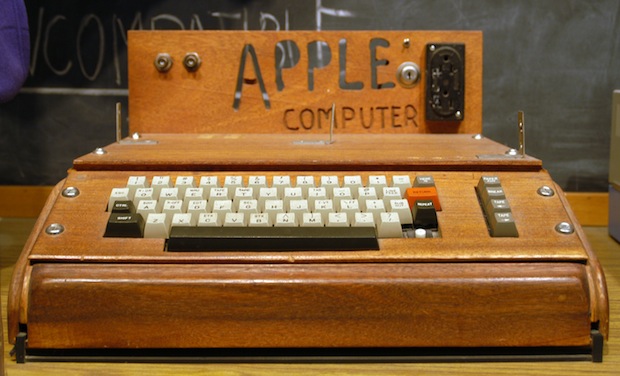
Early ‘computing’ – Percy Ludgate (top left); a conjectural diagram of his invention; the Schicard calculator (known as Napier’s Bones), arguably the first mechanical calculator and created in 1623; the very first Apple computer (above)

In Skibbereen, now, everyone knows about him – because he has given his name to a new initiative which has swept the town. And – breaking news – National Digital Week has just taken over this modest community, doubling its population for a few days and bringing innovation and promise of much needed life and work opportunities.

Skibb busy street

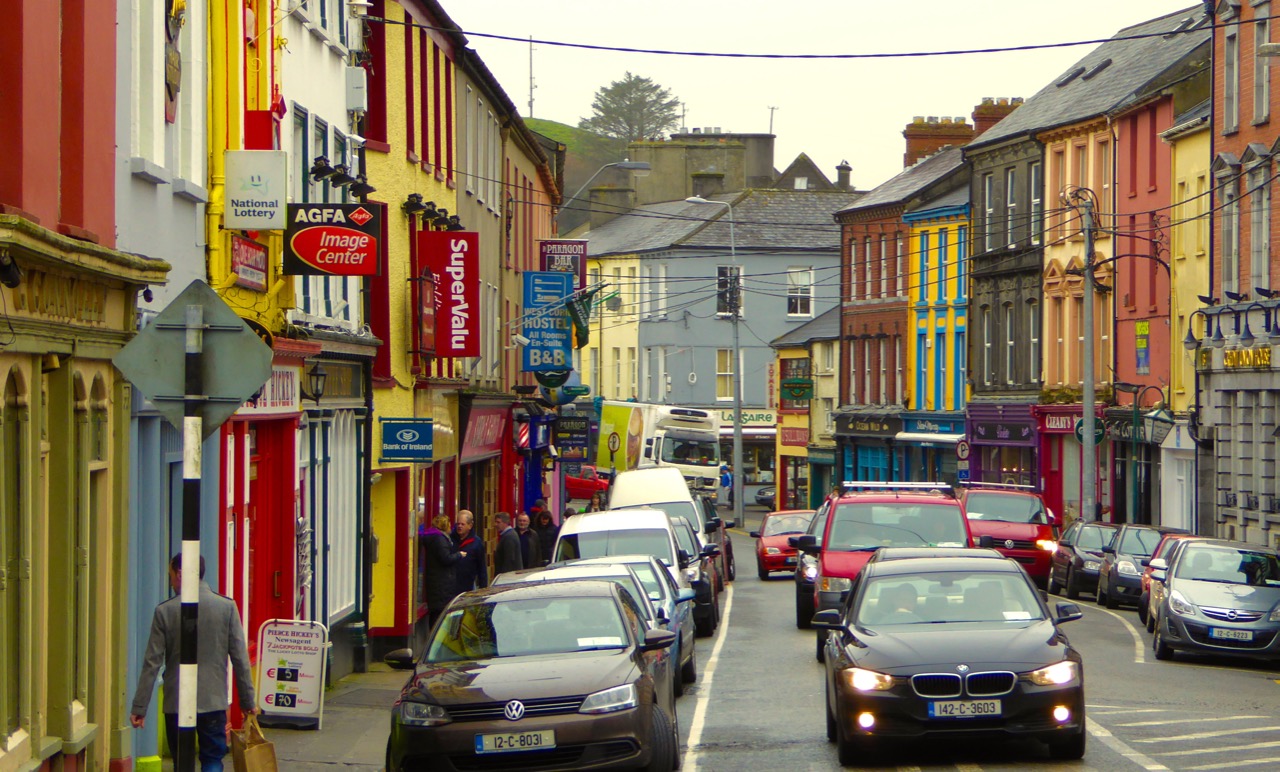
21st century Skibbereen

Skibbereen has become one of the first towns in Ireland outside Dublin to create for itself a ‘Digital Hub’: a centre where businesses will have access to high-speed fibre broadband – something which is long overdue in rural Ireland. We all remember the promises rolled out in the Celtic Tiger years that every last corner of the island would be given access to state-of-the-art phone and internet connection so that businesses could operate competitively from small communities, thus ensuring their economic survival… Well, two decades later, this ‘last corner’ here in Cappaghglass is still waiting: our broadband is always slow and ‘down’ as often as it is ‘up’, and a mobile phone signal is non-existent – politicians take note, please! And this is not uncommon in all the remoter fringes of this land.

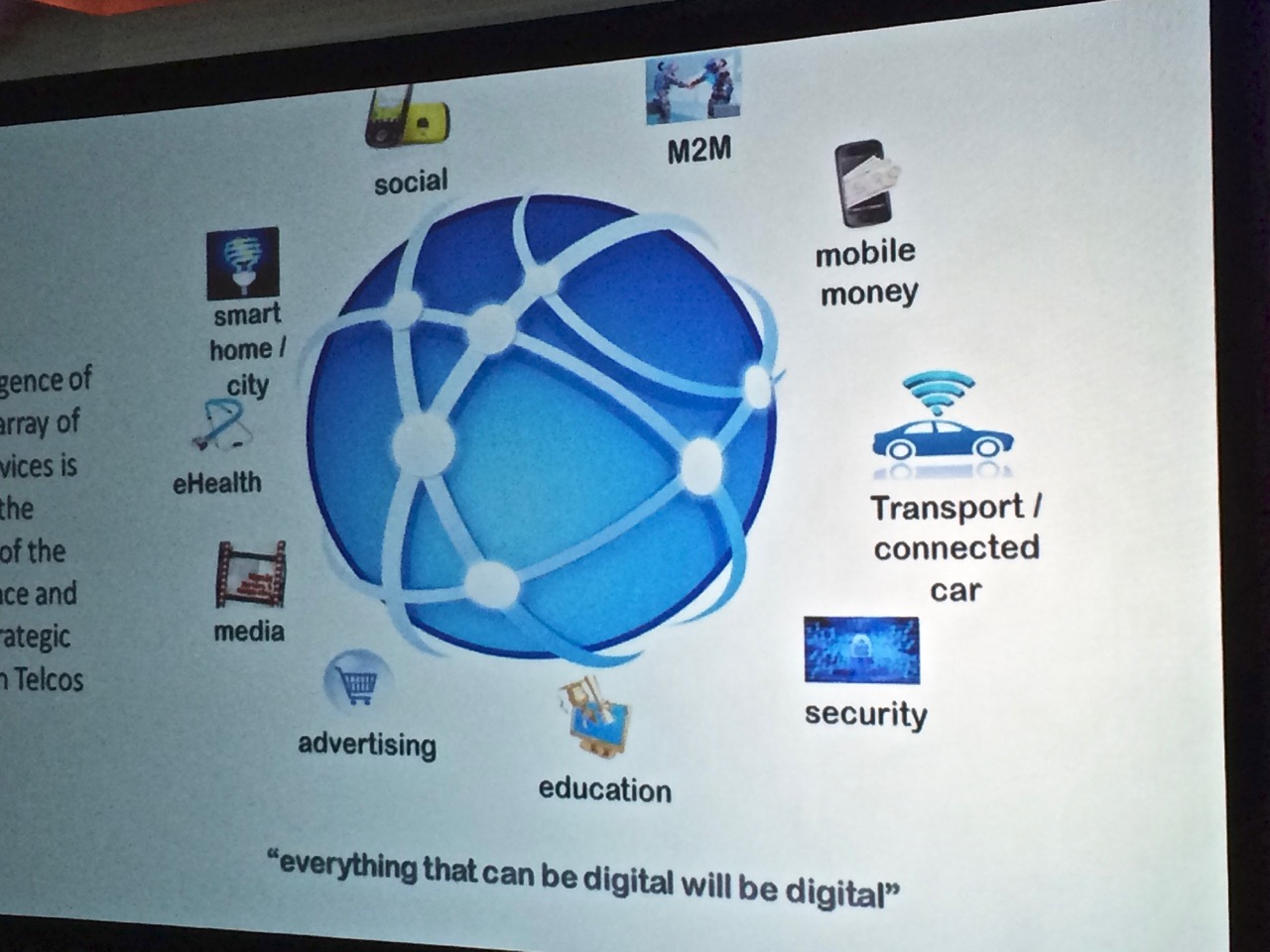
Everything that can be digital

All the more reason to applaud the initiatives now happening in Skibbereen. It’s only twenty minutes up the road from Cappaghglass, so perhaps there is hope that once real high-speed connectivity reaches that town some of its potency may dribble down the lines to us…

Finola and

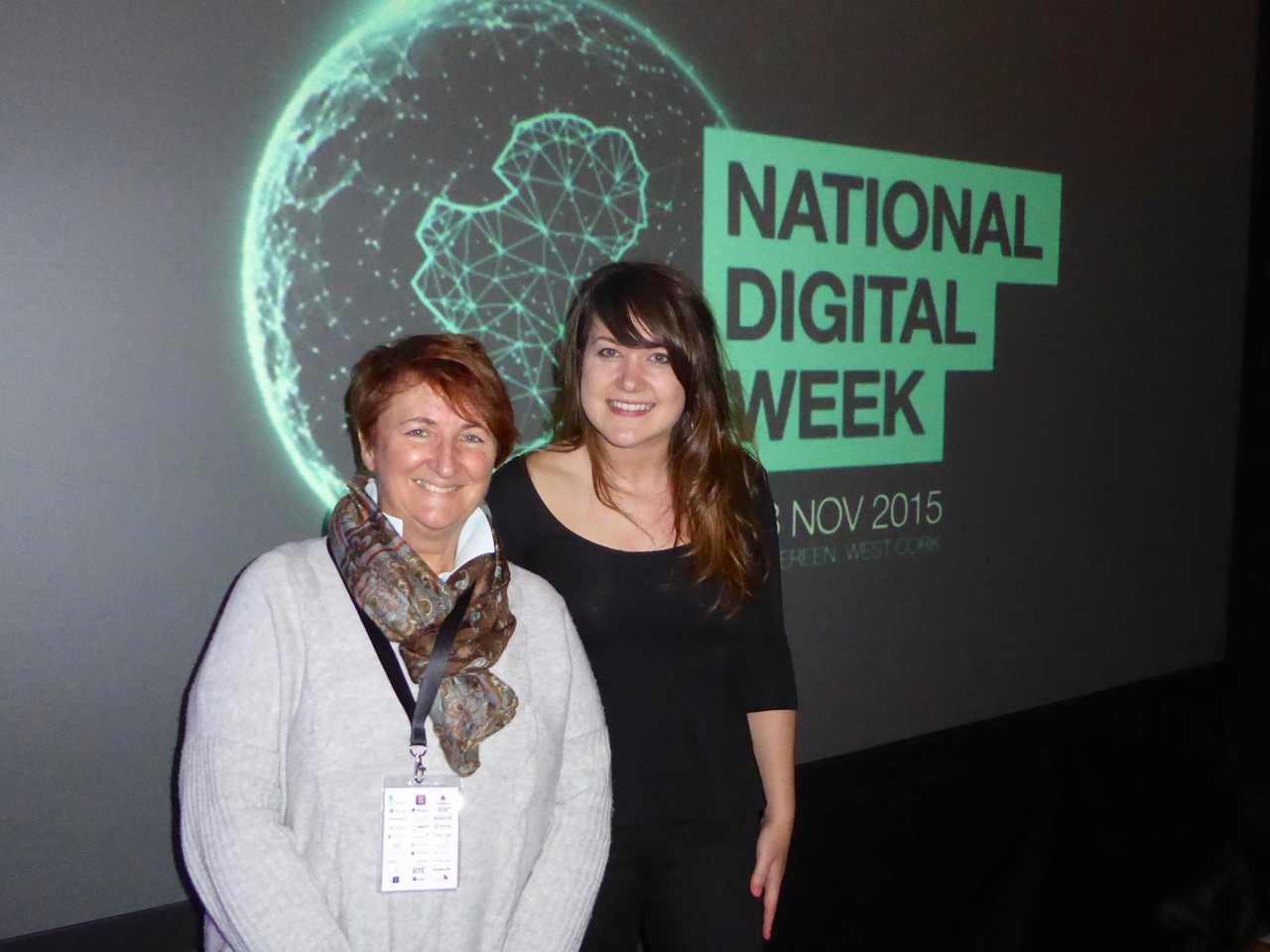
Finola was particularly impressed that there was a day dedicated to female leaders in digital media – women who are ‘making the impossible possible’... Here Finola is mentored by Denise Brown, an Account Manager at Google

Skibbereen’s initiative is being led by local businessmen and women who want their own families – and the whole younger generation now growing up in rural Ireland – to have the opportunity of a viable working future without having to migrate to the cities or abroad – which is currently the norm. And they have no doubts that the future is digital; it is possible to run any sort of business nowadays online, and to compete in national and international markets from anywhere in the world, provided that the place is digitally ‘connected’.

Robert and Giacomo

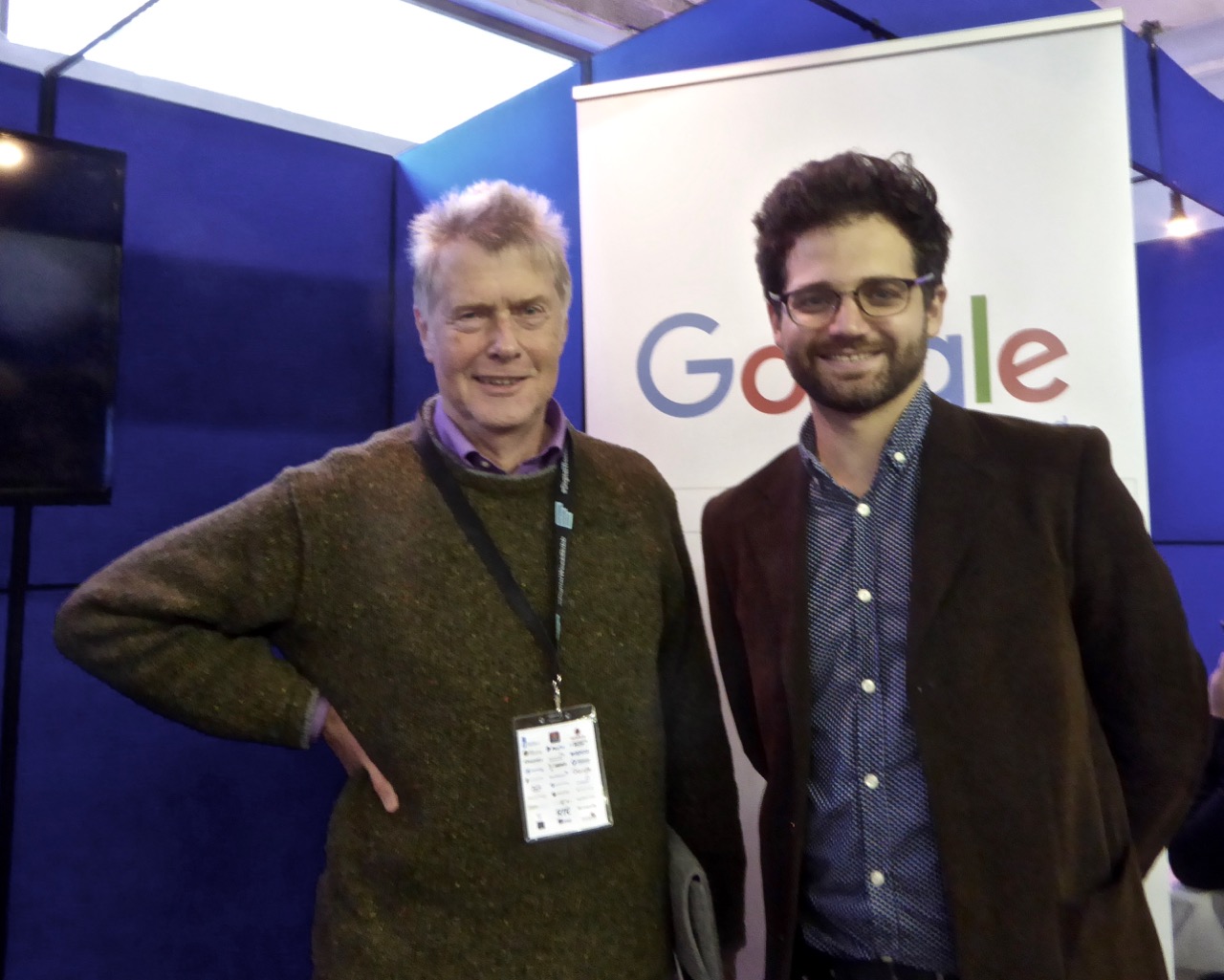
Robert at a one-to-one clinic with Google’s Giacomo Gnecchi-Ruscone

Ireland has a long-running association with the digital world, probably for the very same reason that it’s now important for communities in rural Ireland to embrace it: we are a very small country with a tiny population trying to survive and make our mark in the huge world economy. Giants like Apple and Google have long had a big presence in the Irish Republic – partly because they get good tax deals but also because Ireland’s working community has made itself good at being digital.

google dublin

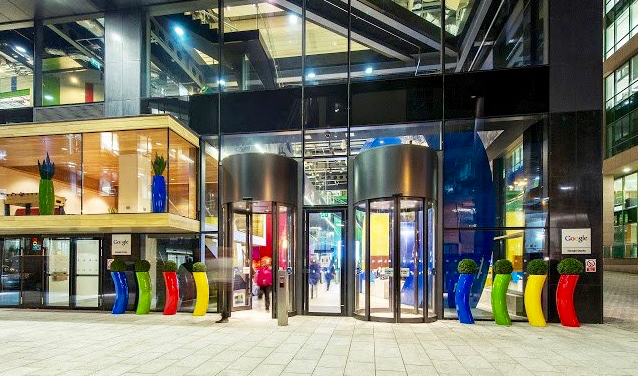
Google has a huge presence in Ireland: the Dublin office

Skibbereen’s John Field comes from a family which has made its mark on the town: the local central supermarket – still always called ‘Fields’ – thrives because it focusses on local producers and also provides a very good friendly shopping experience. John believes that West Cork producers are central to the new ‘Irish food culture’. Now he is a prime mover in the digital initiative and has donated a premises – that used to be the town’s bakery (one of the oldest in Ireland) – as the first Digital Hub to be fitted out. By chance (or not!) this premises is just around the corner from where computer pioneer Percy Ludgate was born.

img2.thejournal

A digital image of Field’s old bakery converted to the new Hub

Percy Ludgate was convinced of the importance of mathematical computing devices, and came up with his own design for an ‘analytical machine’ in 1909. He was well respected and lectured universities and learned societies in the early part of the twentieth century. He knew the work of Englishman Charles Babbage (1791-1871) who had built programmable calculating machines using a system of punched cards. Ludgate took a different approach: his design had all the elements of a modern computer – data storage, programmable data input, a printer, and an ‘operating system’. In theory, Ludgate’s automated engine would multiply two 20-digit numbers in under 10 seconds, and take two minutes to determine the logarithm of a number. It would also solve algebraic equations and geometric problems. It was to be powered by an electric motor, and the device would be ‘portable’ – a cube measuring about two feet on each side. Sadly, Ludgate did not live long enough to complete a prototype: he died from pneumonia at the age of 39. It’s great, though, that this whole 21st century digital project carries his name.

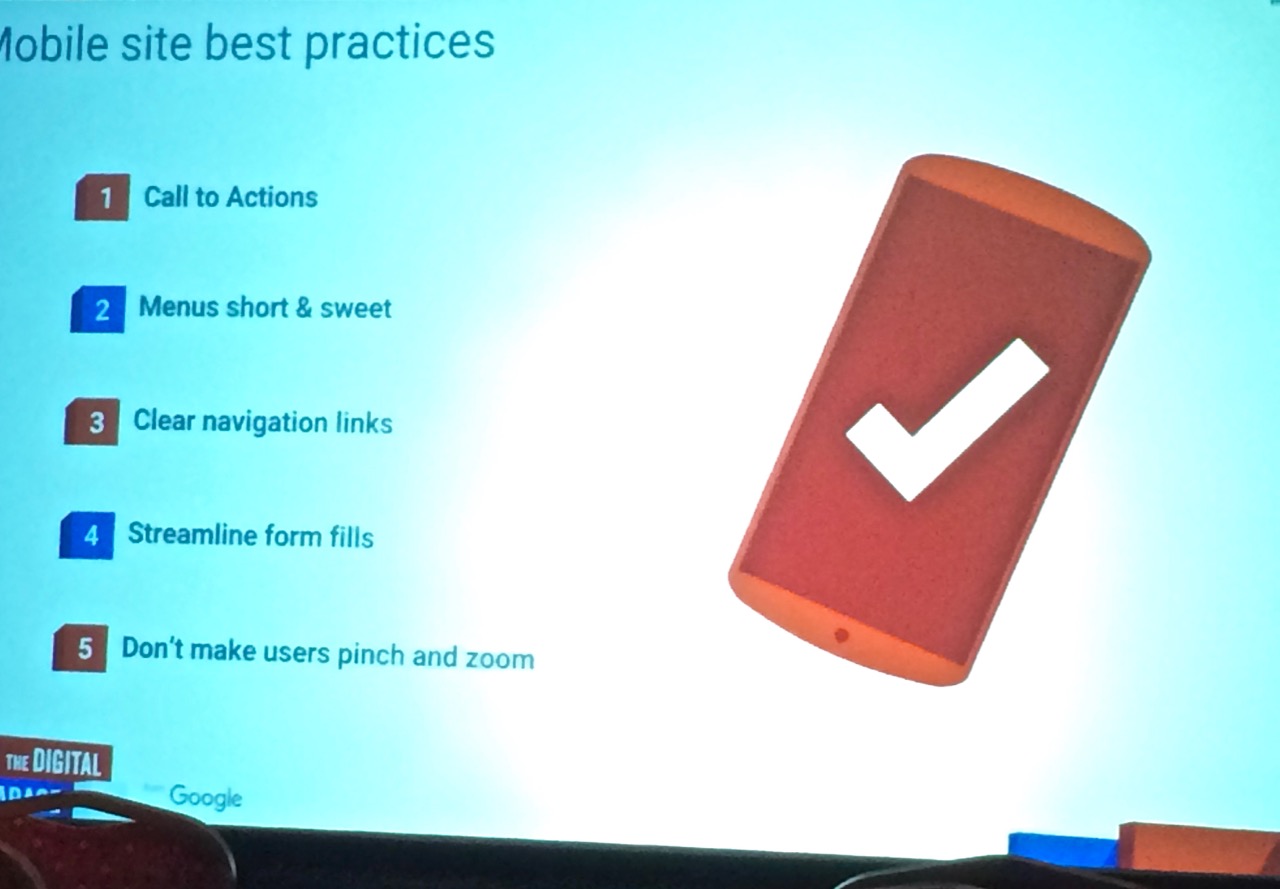
Mobile best practice

Last week’s venture involved a series of conferences and workshops designed to introduce anyone who wanted to attend to the concept of the Digital Hub – and to give insights into how the use of the superspeed technology could benefit all businesses. We attended – partly because we wanted to be in the know on the whole venture – but also because we could see how it would help us in producing this blog – and in getting it seen by more people! As with any business, it’s important if you have something to promote (in our case) or to sell (in the case of a producer), you need to know how to get your message across in the most accessible and attractive way. You also need to know that the message is getting to where you want it to be. This is where ‘Analytics’ come in. We already knew it was possible to see how many people were reading our blog and – more or less – where they came from. Now we have discovered that it’s possible to analyse a whole lot more about where our work is reaching, and who looks at what and for how long. This could be sen as frightening, I suppose, in a ‘Big Brother’ context, but it’s all anonymous and – in the end – it’s all just data. Anyone in commerce nowadays who has a command of that data will be best placed to make sure that their own business will offer what the markets seem to be looking for – and that’s what a thriving economy is all about.

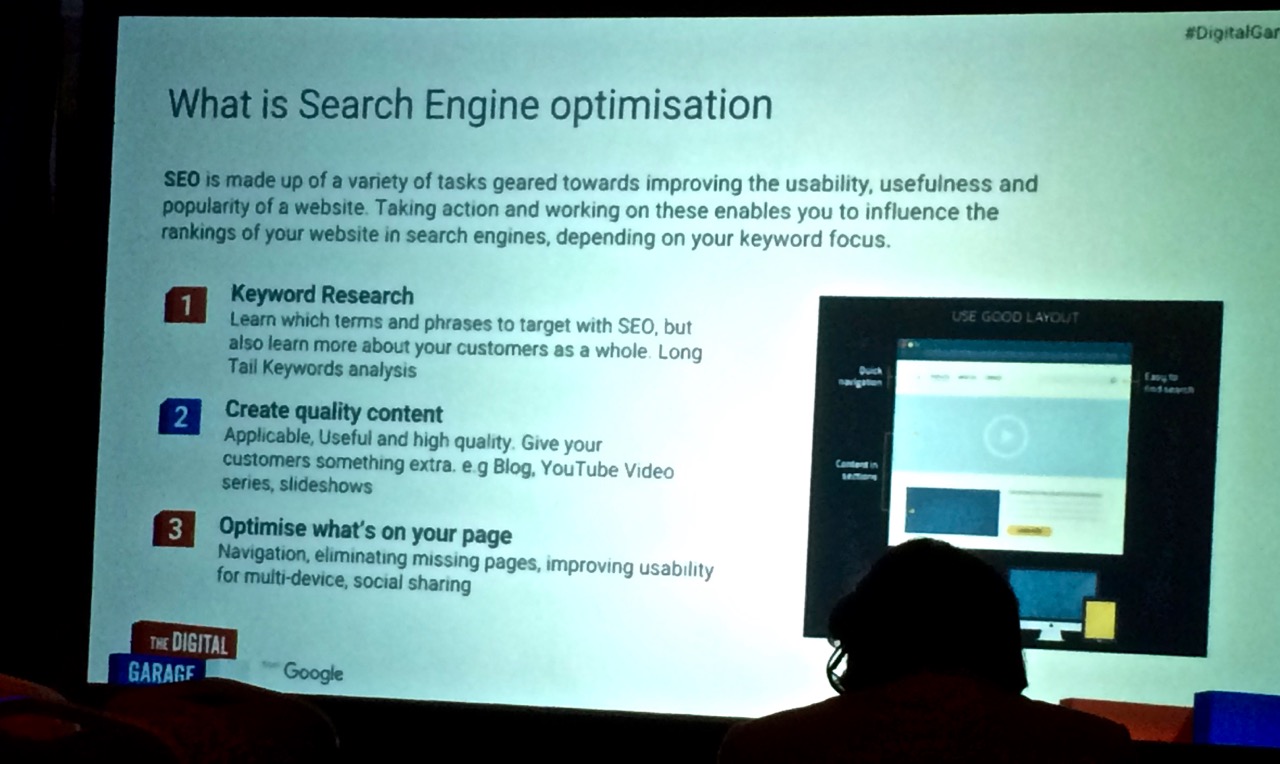
SEO

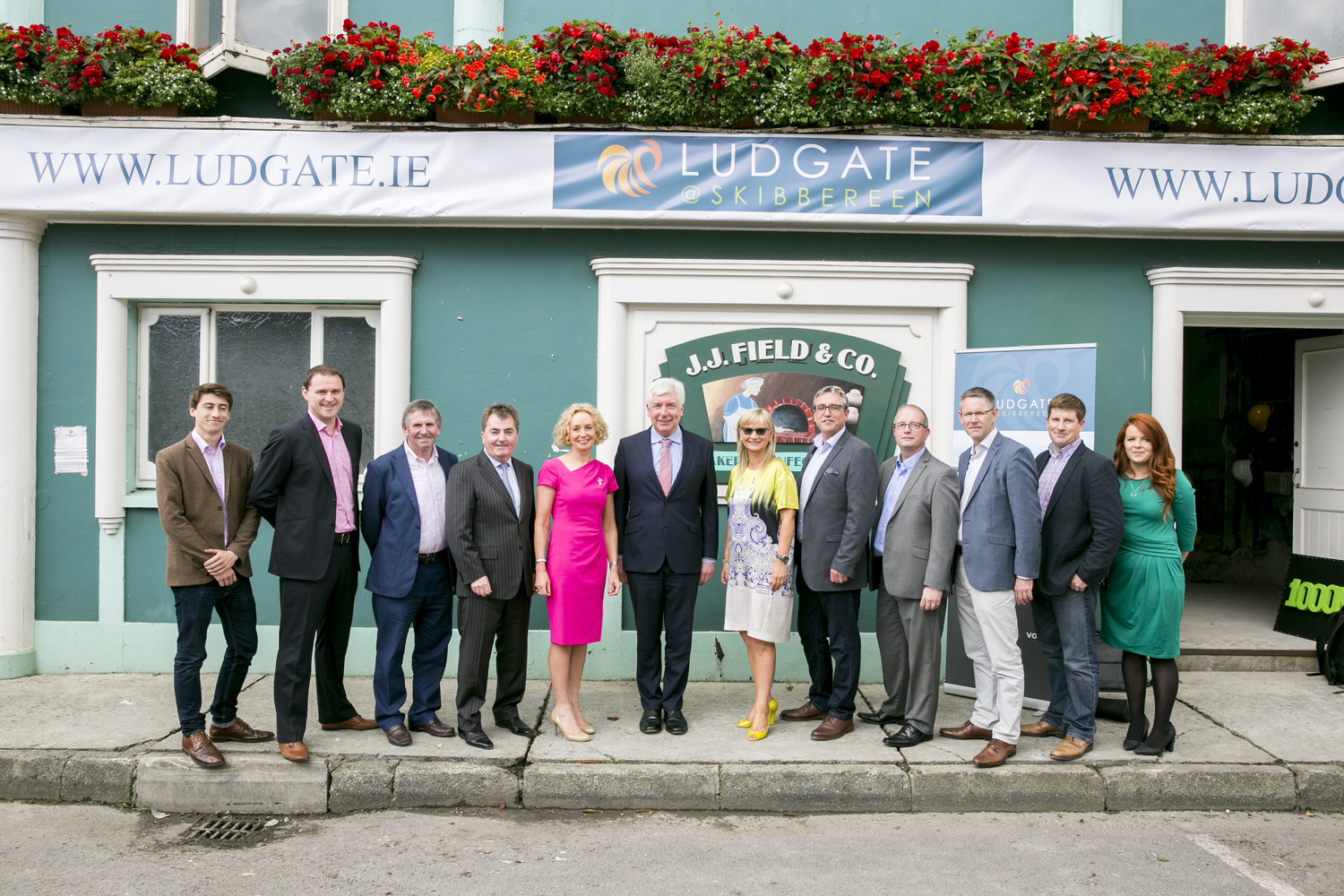
A special mention has to be made of the many young people involved in this venture. In the digital world it seems that it’s the youth who are mentoring the not-so-young! Think – who are the most computer-savvy members of your family? Important faces here include Project Director Gráinne Dwyer and Corporate Development Director Callum Donnelly, seen here (far right and far left) with the rest of the team at the launch of the Ludgate Centre:

NO REPRO FEE Pictured at the 'sod turning' launch of the Skibbereen's Ludgate Hub at the old fields bakery on Friday 7th August 2015 Picture: Emma Jervis Photography
The ‘sod turning’ launch of Skibbereen’s Ludgate Hub at the old Field’s Bakery, August 2015 (Emma Jervis Photography)

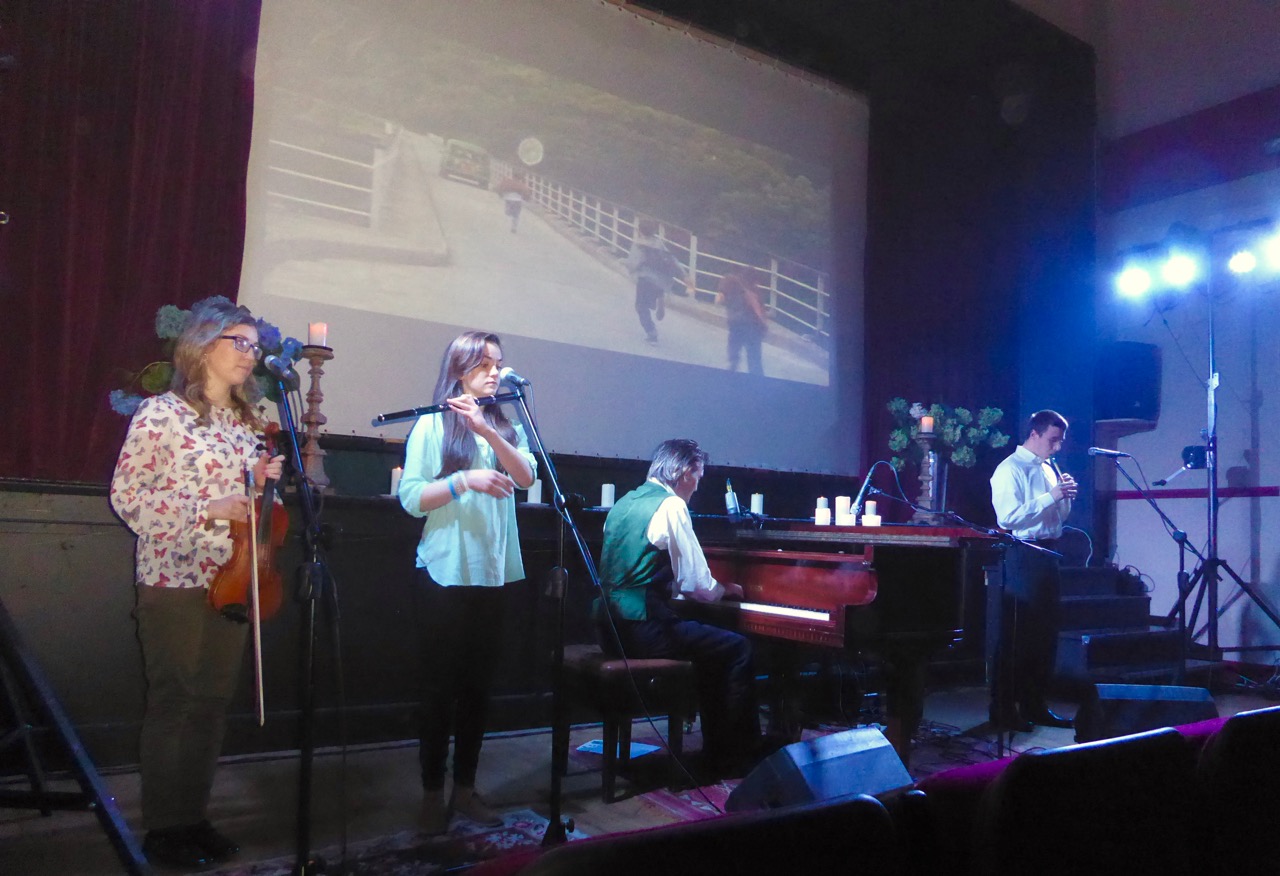
One of the many great things about Ireland is that there’s always a creative side and a human side to every venture. So – after every day’s lecture sessions and masterclasses – it was time for relaxation and social activities. Skibbereen came up trumps, thanks in no small measure to one of the town’s most treasured human assets – Declan McCarthy. Declan runs the world-renowned Baltimore Fiddle Fair every year and also organises a whole raft of first class musical events in West Cork: with the help of many others during Digital Week he ensured the smooth running of quite outstanding evenings to turn minds away from digital matters. On the first night we had Jessie Kennedy’s Carbery Songs; then, on Friday, what could have been more inspiring than an evening in the Skibbereen Town Hall with our favourite traditional music makers Martin Hayes, Dennis Cahill and Kevin Burke? And this fabulous concert was broadcast live online right across the world! The following evening we were royally entertained again, this time by Sacha Puttnam, son of the renowned film maker Lord David Puttnam (remember Chariots of Fire – The Mission – the Killing Fields – Midnight Express?). Both Puttnams live here in West Cork (why would they live anywhere else?), and Sacha – ably accompanied by some local young musicians – gave us some superb renderings of film music from his father’s movies on the Skibbereen Town Hall grand piano (which, incidentally, was donated to the town by the family, having been played previously in 10 Downing Street amongst other venues). Behind it – on the big screen – we could watch stills from the movies – and there were orchestral accompaniments all synchronised digitally: again, everything was broadcast live to the world over the internet.

Puttnam and friends

Worldwide web broadcasts from Skibbereen: Burke, Hayes and Cahill (above) and Sacha Puttnam and friends (below) – anyone recognise the scene from War of the Buttons?

David Puttnam (below), who holds the honorary title Digital Champion for Ireland, is the chair of Atticus Education, an online education company based in Ireland which delivers interactive seminars on film and a variety of other subjects to educational institutions around the world. The Puttnam involvement in Skibbereen’s pioneering digital venture is therefore most apt.

imgBannerHome2

Keynote statement from Ludgate@Skibbereen: Digital will negate the conventional disadvantages of working and living outside cities; creating real jobs, real commerce while real people enjoy the superior lifestyle option of living in rural Ireland.

apple-logo11-248x300

Ah! Sweet Fiddler…

paddysmoke

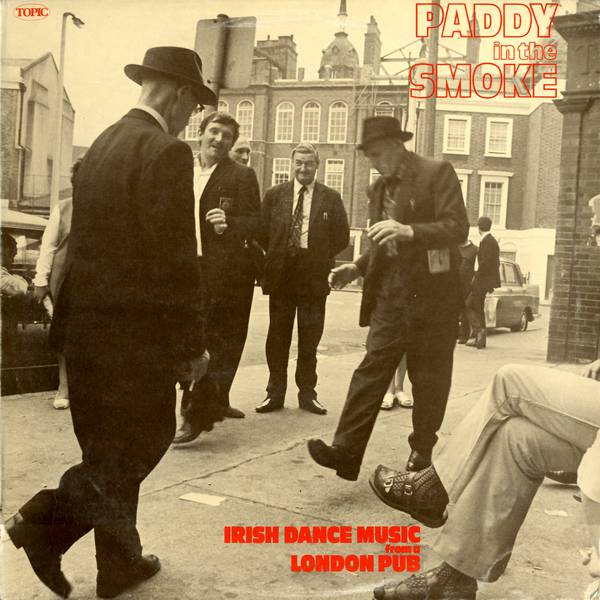
How did I first become aware of Irish Traditional Music? Probably through this Long Player (remember those?) released by Topic Records in 1968. Paddy in the Smoke was – still is – central to my collection of folk music on vinyl and is available today as a CD or a download.  The recordings were made during the mid 1960s in a London pub, The Favourite, in Holloway. Irish musicians gathered there every Sunday between noon and 2pm (such were the licensing laws of the day!) and those sessions are now legendary, probably representing the epitome of ‘folk music to aspire to’ – certainly that was the case for this wet-behind-the-ears 22 year old attempting to play along with these wonderful tunes on an ancient single-row Hohner melodeon. Here’s a sample of one of the tracks on YouTube: you can hear how the atmosphere of the occasions has been wonderfully captured.

More from my collection of fiddle recordings

Jump forward a few years and in the mid 1970s I was making my first trip to Ireland, visiting Cork, Clare and Longford – looking for The Music: I found it in abundance. By then I was playing an Anglo Concertina, but I was very aware that wherever you went to in Ireland – or whatever you listened to from the Irish tradition – it was above all else the fiddle that seemed to be the king-pin.

Fiddles at the Chief O'Neill's Festival, Tralibane

Fiddles at the Chief O’Neill’s Festival, Tralibane

Now – dare I say it – almost 50 years on from hearing those first notes, here I am living on the shores of Roaringwater Bay and I am more than ever immersed in the music. Still it’s the fiddle that’s ubiquitous, wherever I go and whatever I listen to.

Fiddles to the fore: Friday night session in Ballydehob

I started to learn the ‘violin’ when I was 11 years old. It wasn’t a fruitful venture – I had given it up within the year and moved on to the piano. I suppose I have just always been happiest with an instrument that only requires you to press a key or a button to get exactly the right note. But I am filled with admiration for anyone who plays the fiddle – who is able to perfectly pitch the notes, and then ‘bend’ the music when the mood requires it. You can’t ‘bend’ steel reeds!

The Rakes dance band, founded in 1956 – Reg Hall, Michael Plunkett and Paul Gross. They introduced me to Irish dance music back in the day… They are still going strong! Reg Hall was responsible for the Paddy in the Smoke recordings, together with Bill Leader

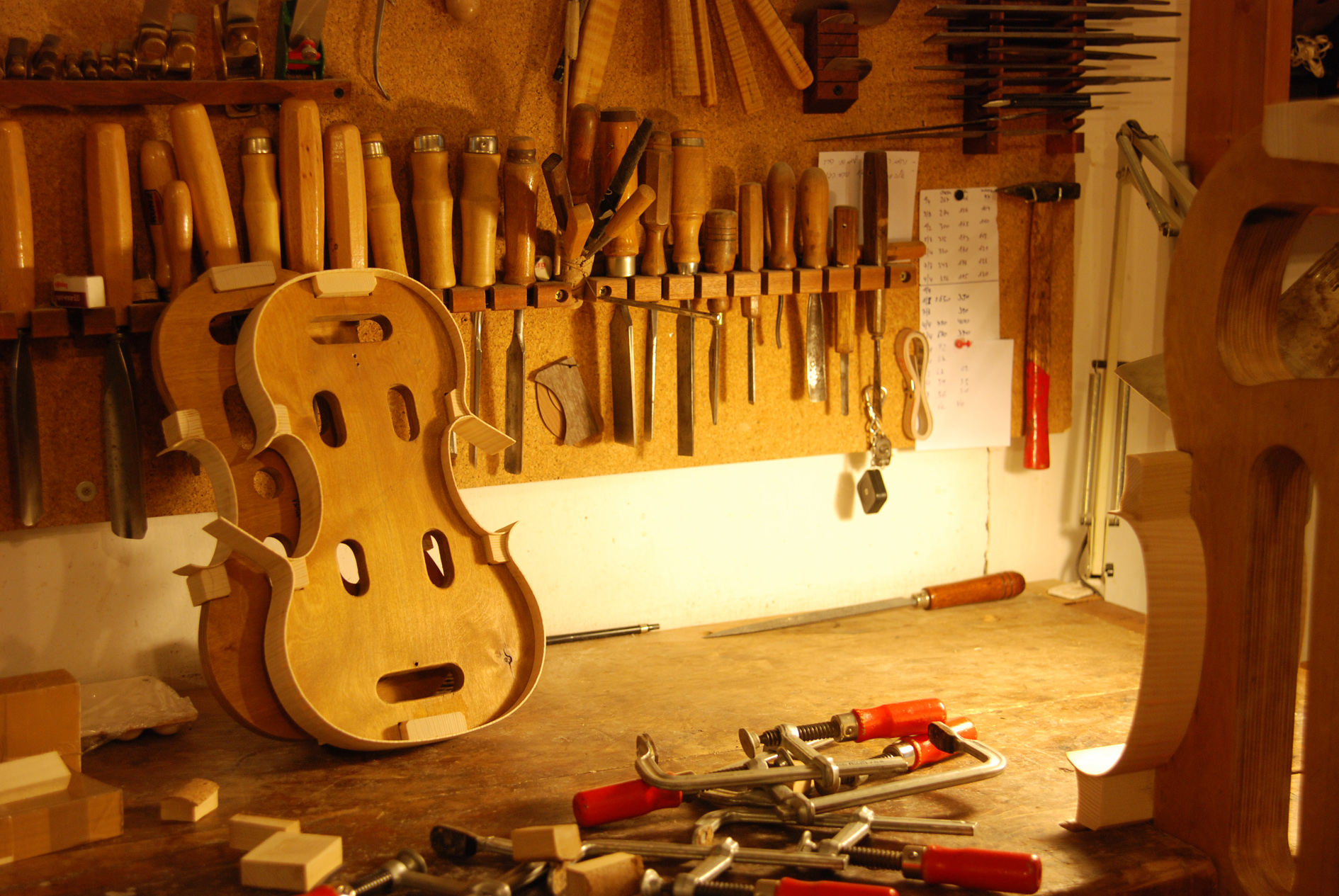
A fiddle is a violin – it’s the same instrument. Generally, classical players of the violin call it by either name, but traditional music players invariably call it a fiddle. It’s a beautifully constructed instrument with a feminine, flowing shape – a piece of craftsmanship which has been made the same way for 500 years. A seventh century Irish poem The Fair of Carman describes ‘…Pipes, fiddles, chainmen, Bone-men and tube players…’ but we don’t know what the fiddle was at that time. An excavation in Dublin during the 18th century uncovered a fiddle and bow dating from the 11th century: this is the oldest bow known in Europe – the bow is of dogwood and has an animal head carved on the tip.

workshop

The violin maker’s workshop (www.violinist.com)

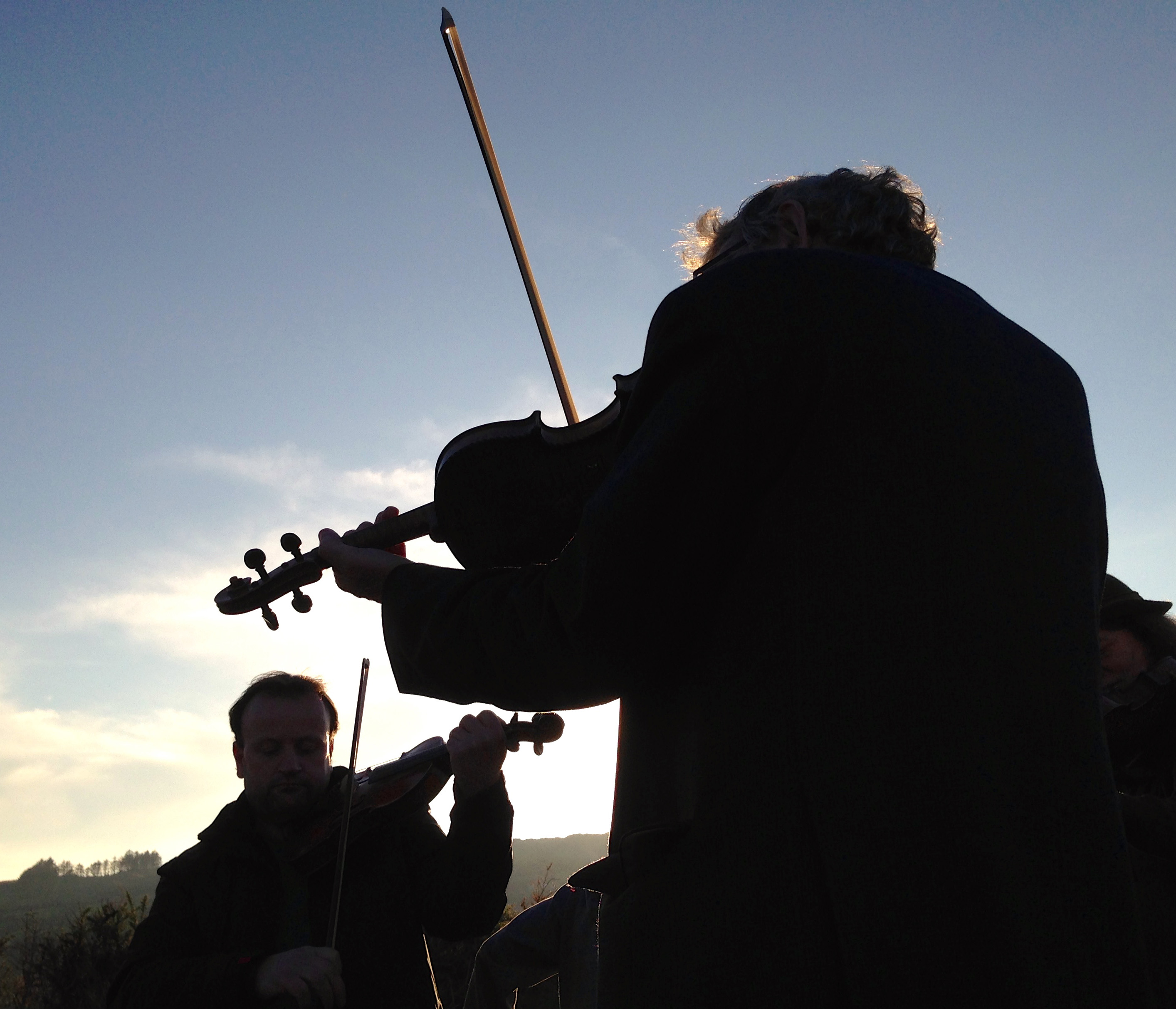
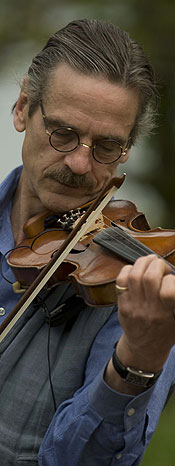
Can anyone learn to play the fiddle? Probably – with sufficient patience and perseverance – and a bit of musicality. But it takes very particular skills to put The Music into the instrument. We are immersed in good fiddling around here: we have so many music festivals – Baltimore Fiddle Fair, Masters of Tradition, Chief O’Neill’s, Ballydehob Trad Fest – right on the doorstep. The whole gamut of different regional styles and techniques is here for us to take in. If you have half an hour or so to spare, it’s well worth looking at this YouTube video dating from 2008: firstly, you’ll see Jeremy Irons learning to play traditional Irish fiddle, and you’ll see his mentors, including maestro Martin Hayes. But Jeremy lives in Kilcoe Castle, just over the hill from us – so you can also get a flavour of life down here in Roaringwater Bay – immersed in the sweet fiddle music…

left


Celtic Cousins

Jonathan Ball (right) - Architect, Co-Founder of the Eden Project - and Chorus Master

Jonathan Ball (right) – Architect, Co-Founder of the Eden Project – and Chorus Master

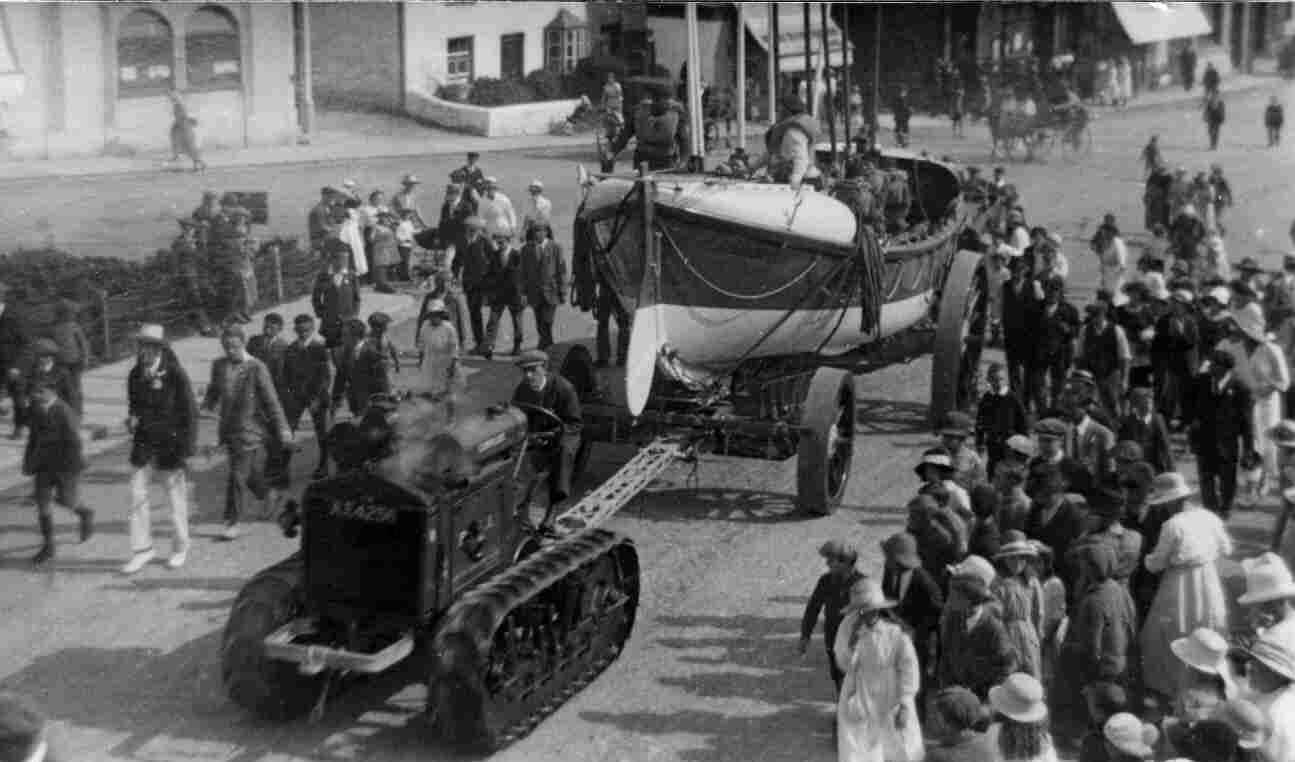
This weekend, West Cork was invaded by Celtic Cousins from Cornwall! By longstanding tradition, a group from Bude and its environs visits Courtmacsherry and the area surrounding it to join Irish neighbours in a feast of music and song: the hospitality is reciprocated when the Irish contingent goes over to Cornwall. The reason? The lifeboat based in Courtmacsherry has long been ‘twinned’ with the lifeboat based in Bude.

Images from the past: Bude’s Lifeboat in earlier years

Images from the past: Bude’s Lifeboat in earlier years (historic images courtesy of Bude RNLI)

The event is becoming an annual treat for us – because I worked in Bude for many years, with the Jonathan Ball Practice. The group that comes over is overseen by Jonathan himself, who won’t mind me saying that he is a Cornishman born and bred who believes that Bude is the centre of the Universe. I know, of course, that it’s actually West Cork that’s the centre of the Universe – so we have to have an annual get-together to sort out our differences…

logo-rnli

First, a bit of background. There are 236 lifeboat stations around the coasts of these islands, and 43 of these are in Ireland. The RNLI has operated life saving facilities in the Republic and the UK since 1824, when the National Institution for the Preservation of Life from Shipwreck was founded as a charity by Sir William Hillary, a soldier who lived on the Isle of Man. The Institution today is supported almost entirely by donations and legacies, and the crews are unpaid volunteers.

Bude, on the north coast of Cornwall, had its first lifeboat as early as 1837. This boat was presented to the town by King William IV and paid for by the Duchy of Cornwall: the cost was 100 guineas. The lifeboat at Bude was withdrawn in 1923, and not reinstated until 1966. At the same time the Bude Lifeboat Singers came into being: this was conducted by crew member Jonathan Ball, and over the next 25 years was much in demand across Britain and into West Cork, and during that time many thousands of pounds were raised for the RNLI and other charities.

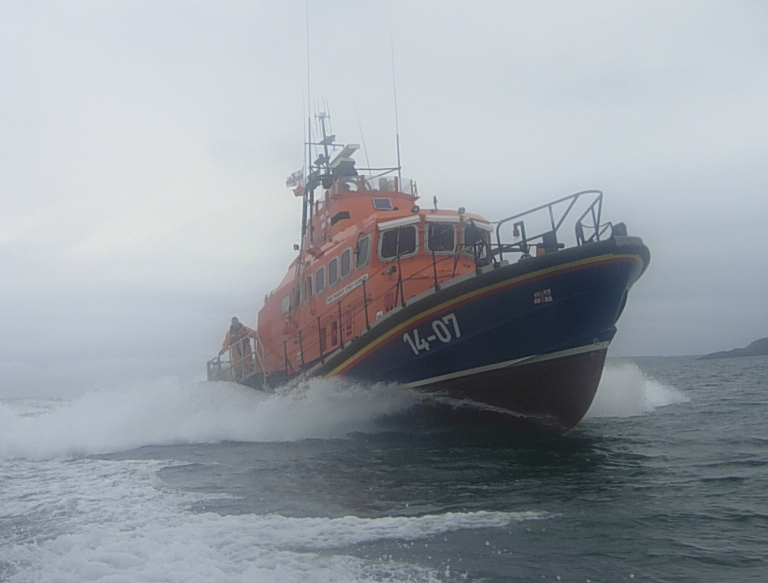
Meanwhile, the lifeboat station at Courtmacsherry was established in 1825 – one of the first to be founded in Ireland – and has been active ever since, its Trent class Lifeboat being on hand at all times to save lives and rescue mariners in trouble. The Trent lifeboats are true all-weather vessels in the RNLI fleet, and are exclusively designed to operate in Europe’s most hostile waters.

Courtmacsherry 'Trent' class Lifeboat: Frederick Storey Cockburn

Courtmacsherry ‘Trent’ Class Lifeboat: Frederick Storey Cockburn

As you know, West Cork is also home to many people steeped in music and tradition, so it was only natural that Bude and Courtmacsherry should get together to share tunes and songs – and hospitality.

four alls

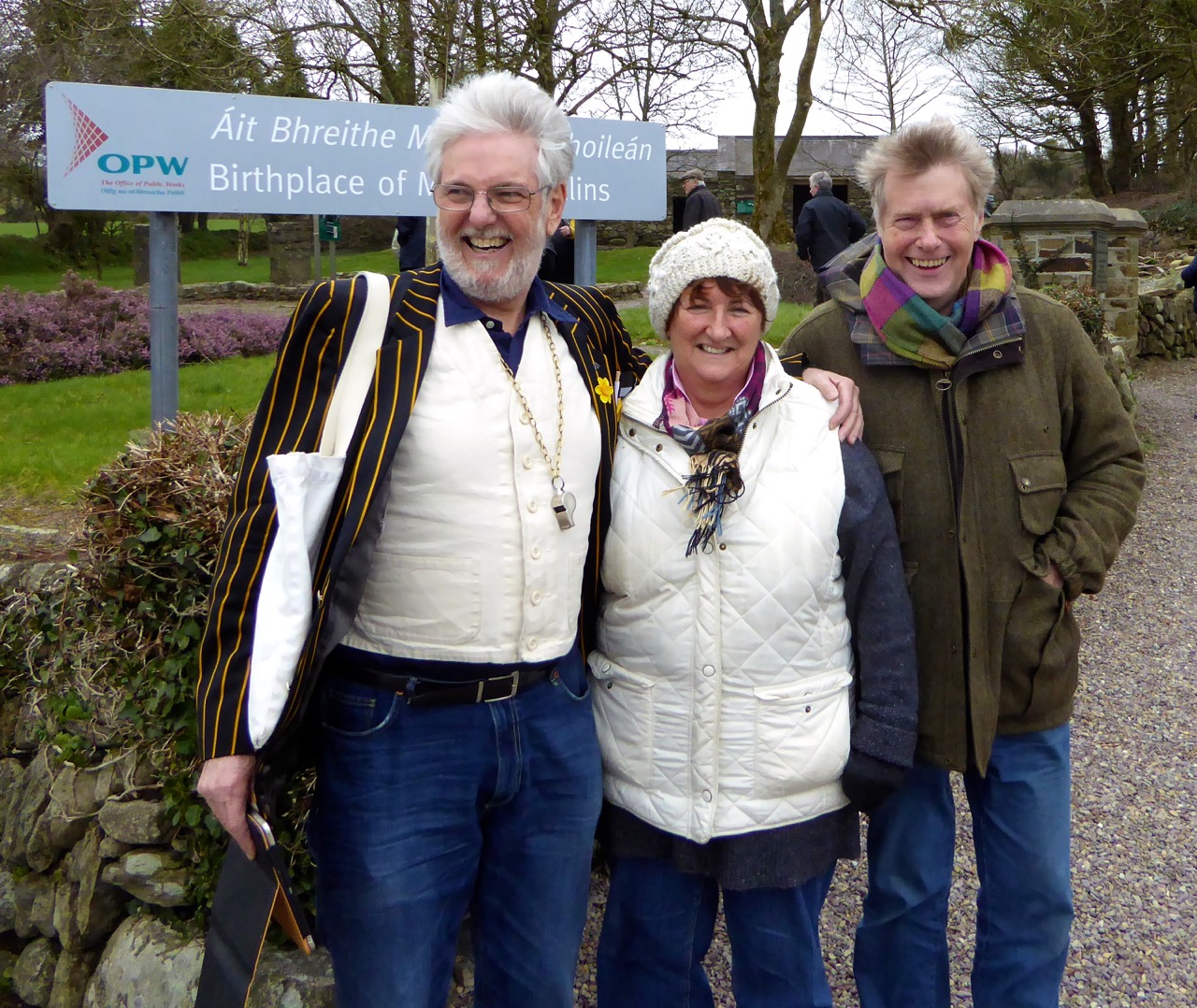
For us the ‘getting together’ happened on Friday, when we travelled up to Sam’s Cross: Michael Collins country. We had to visit his birthplace, of course – have a look at our previous post on this great Irish folk-hero. Collins’ local pub was the Four Alls, and that’s where the singers and musicians settled down for a lively session, joined by some of the pub regulars, who added their own contributions.

Jonathan, Finola and myself, having a Michael Collins moment...

Jonathan, Finola and myself, having a Michael Collins moment…

Although a little hoarse from the previous night’s revels, Cornwall gave of its best, with Jonathan himself still conducting – 48 years on! West Cork was well represented by Dan O’Donovan and colleagues – former show band members – and the locals. I felt privileged to be allowed to join in with my own European mixture of English / Irish / French dance tunes.

As dusk began to settle, the next venue beckoned, and we became part of a convoy snaking its way through the most remote parts of County Cork: we had no idea where we would end up! When we finally arrived at Hickey’s Bar in the fine village of Aherla we were completely disorientated.

hickeys

But at Hickey’s we were welcomed with open arms and led into a back room full to the brim with musicians! I counted well over twenty from the Irish contingent and, as the evening progressed into night and then morning, more locals came in to add to the entertainment with songs and recitations.

Somehow, we found our way back to Nead an Iolair – it was a drive of an hour and a half – exhausted, but thoroughly elevated by all the music and conviviality. Only in Ireland (and Cornwall) could you find such a sharing: we are all Celtic Cousins, of course…

RNLI1


Your Favourite Posts of 2014

Cape Clear Harbour

Cape Clear Harbour

What were your favourite Roaringwater Journal blog posts of 2014?

Our blogging software provides a running count of visitors to Roaringwater Journal and it’s always fascinating to see which ones receive the most views. Some of them are our own favourites as well, and some can attribute their high numbers to being re-blogged by others, or to being shared on social media. So tell us, Dear Reader – did the software capture it – or do you have a different favourite from our top posts of 2014?

From the Whiddy Island high point

From the Whiddy Island high point

The top two posts of 2014 were the ones we wrote about our trips to Cape Clear and to Whiddy Islands. We loved our time on the islands and intend to go back often – our enthusiasm probably shone through. But it may also be that islands hold a mystique for us that is hard to define – out there in the dawn mist, mysterious and peaceful, whole worlds unto themselves. The islanders of West Cork are worried at the moment by cuts to their development officer funding, and need all the support we can give them. So if you live here, or are planning a trip, include one or more of these beautiful islands in your plans.

Timoleague Friary

Timoleague Friary

Next in popularity was our post on the Timoleague Friary. It’s an iconic piece of West Cork history and architecture – the only sizeable medieval religious ruins we have, perched on a picturesque estuary of the Arigideen River.

I've learned to look carefully for road signs

I’ve learned to look carefully for road signs

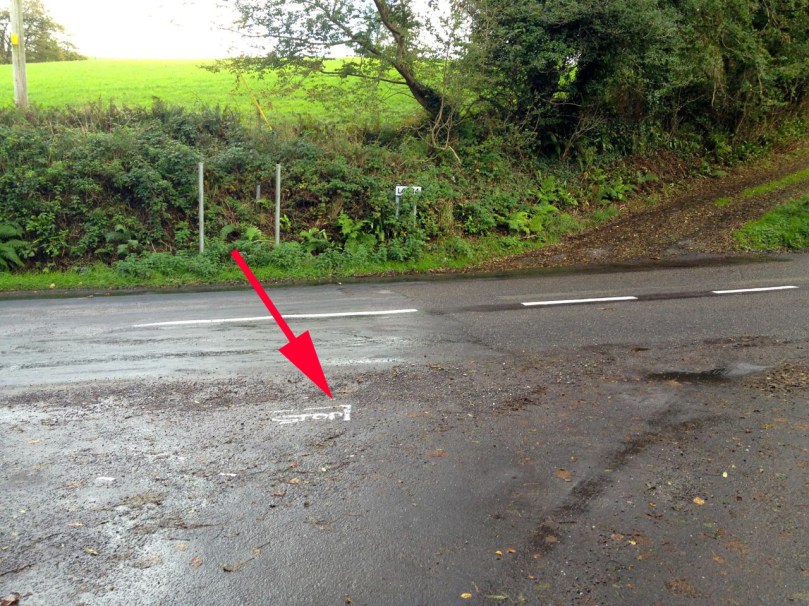
Finola’s frustration at the inflexible regulations that treated her like a novice driver, despite forty years of driving experience, must have struck a chord with you. Maybe you dropped by Driving Home the Point to sympathise with her plight, or maybe it was to chuckle over the numerous example of the routine flouting of the Irish rules of the road, or the bemusing driving conditions of many rural roads.

Evans of Bantry

Evans of Bantry

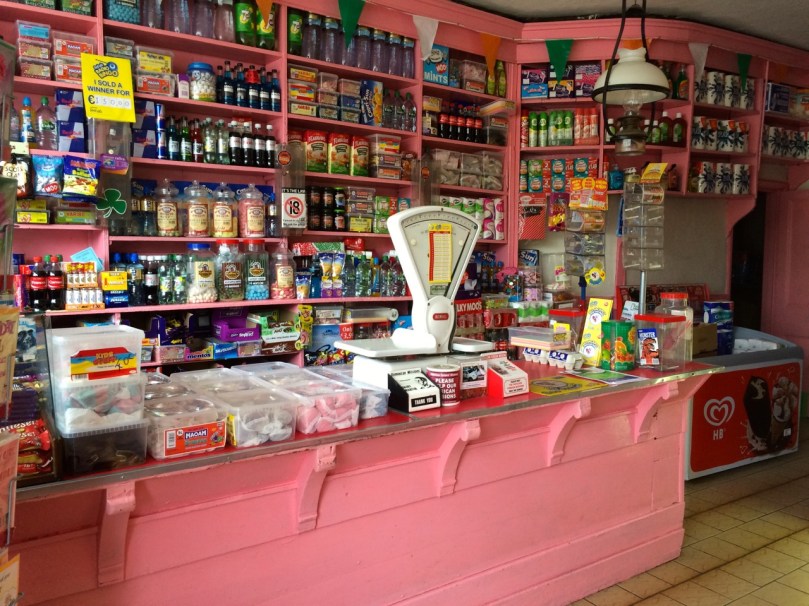
We have enormous nostalgia for the things we remember from our childhood, don’t we? In that vein, it’s not surprising that Shopping for Memories was such a popular post. These lovely old shops evoke a time when a whole variety of shops lined the main streets and our mothers went from the butchers to the greengrocers to the chemists to the haberdashers and, if we were lucky, to the sweet shop on a daily basis.

Carraig Abhainn Gardens

Carraig Abhainn Gardens

But sadly, the numbers of these old-fashioned shops are dwindling. This year we said goodbye to Wiseman’s in Durrus, no longer able to compete against the hardware shops of Bantry. Fortunately, their wonderful Carraig Abhainn Gardens are still open behind the shop – and our description of this hidden gem was one of your favourite posts of the year.

A group of posts on festivals came next. We wrote about the question our friends asked us when we decided to move here, What on earth will you find to DO? We answered in a series of posts describing some of the local events and festivals we have taken in this year – the Ballydehob Jazz Festival and Arts and Culture Festival (which included our own Rock Art Exhibition), traditional music Festivals in Baltimore, Bantry and Ballydehob, and a host of musical and theatrical events. One day all of you retirees out there are going to discover that moving to West Cork is the best decision you can make!

The next group of posts centred on the Mizen – the Mizen Magic posts where we concentrated on aspects of the Mizen Peninsula that delight us – the Beaches, Brow Head, the Butter Road, Mount Gabriel, the Gortnagrough Folk Museum, and the history and archaeology of this beautiful part of Ireland.

How are ye?

How are ye?

In fairness, like, it looks like ye would have enjoyed our take on how to speak like ye’re from West Cork. Those little posteens made you happy out.

Ye must be a fierce active crowd altogether because you really got a kick out of Finola’s description of her day of sailing and (perhaps her personal favourite in the activities department) her moonlight kayaking on Lough Hyne.

Happy New Year from Robert and Finola!

Happy New Year from Robert and Finola!

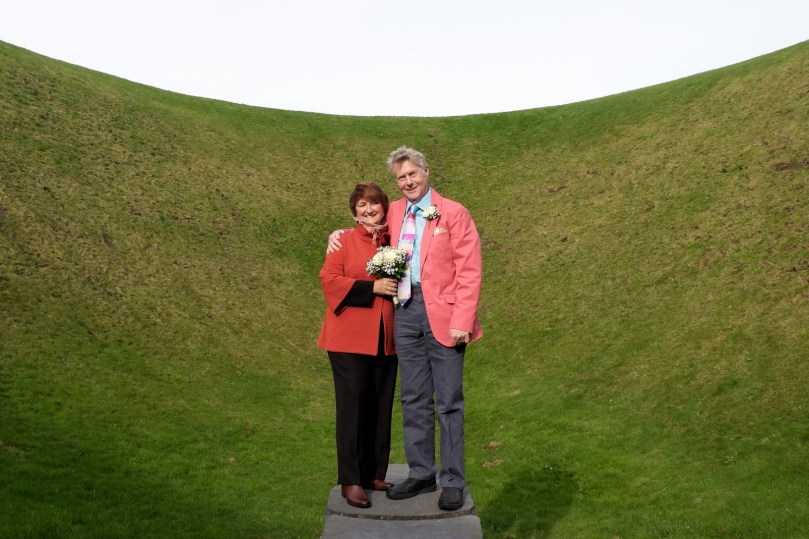
And our own personal favourite of 2014? Robert’s post on the Sky Garden, of course! If you haven’t read it yet, you’ll have to do so to find out why this was the highlight of our year in West Cork.

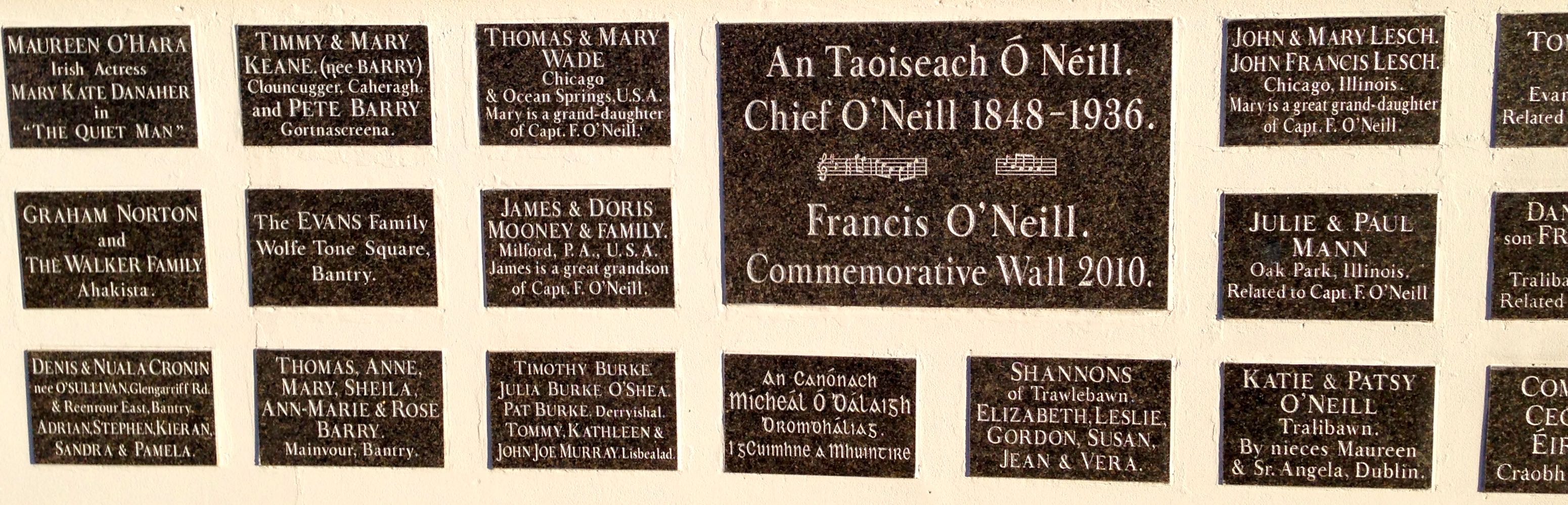
The Chief

fiddlers

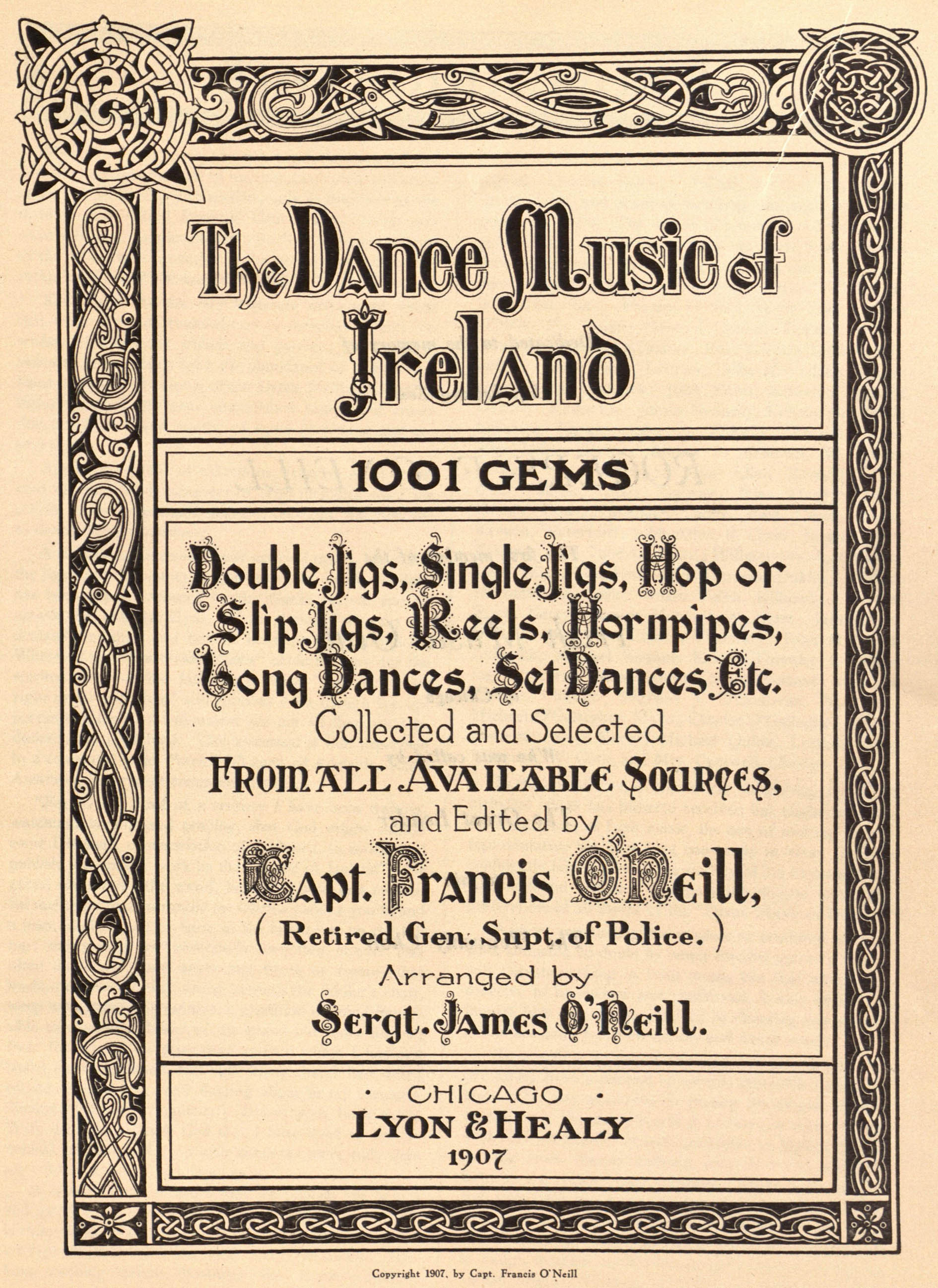
Way back in 2013 I wrote about our chance discovery of the Captain Francis O’Neill Memorial – out in the deep countryside west of Bantry Bay. Just to remind you, O’Neill – always referred to locally as The Chief – was a West Cork hero who championed Irish traditional music, and many students of The Music have a copy of ‘1001 Gems: The Dance Music of Ireland’ – O’Neill’s best known collection of tunes, published in 1907. I acquired my copy over thirty years ago and so far I have learned only a fraction!

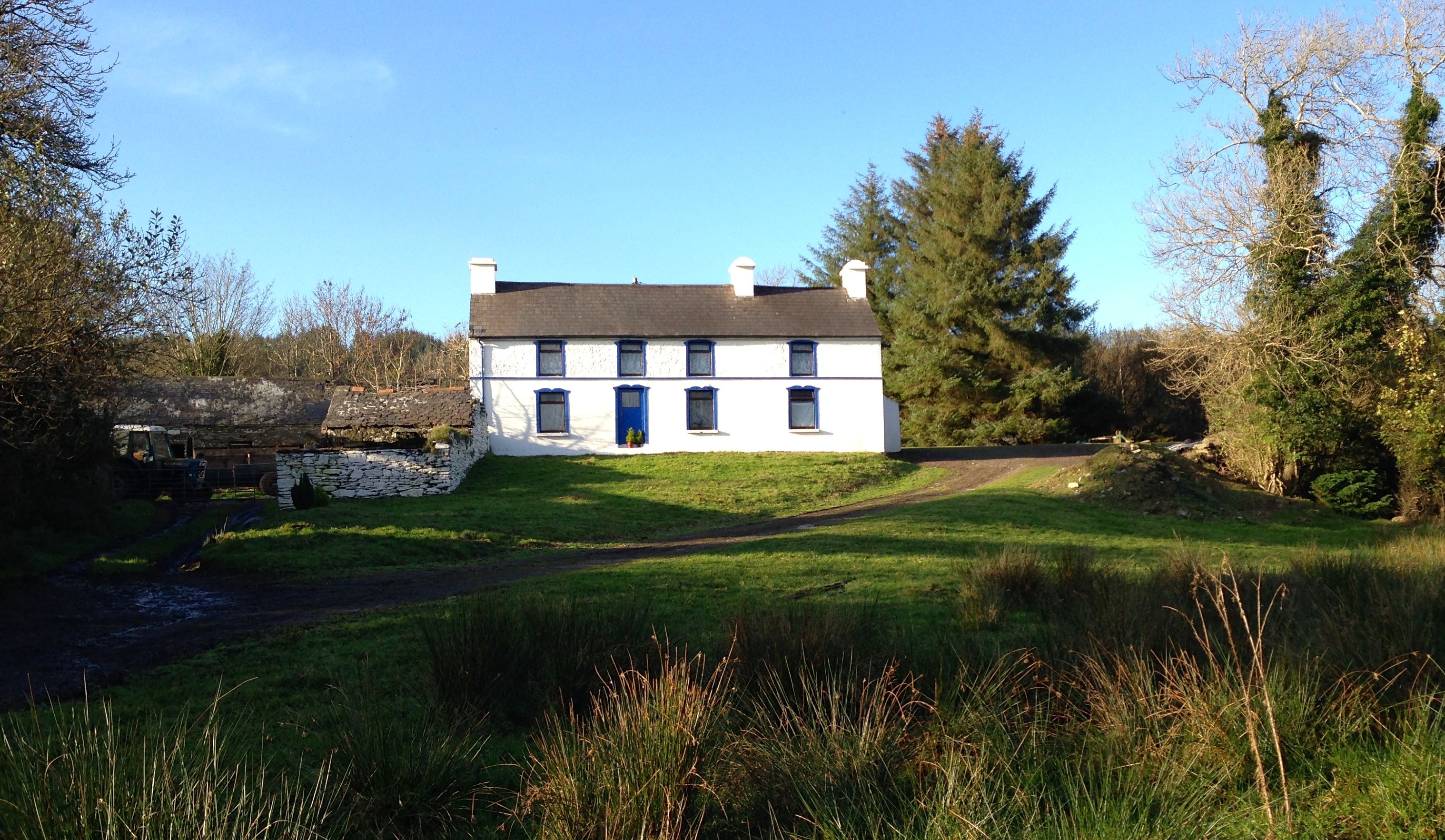
Birthplace and Homestead of Francis O'Neill, Tralibane

Birthplace and Homestead of Francis O’Neill, Tralibane

Ireland has a great tradition of honouring its heroes, and ‘The Captain Francis O’Neill Memorial Company’ was set up in 1995 to do just that for The Chief. It was timely, as the 150th anniversary of his death came in the summer of 1998, and the Company was responsible for erecting a plaque at Tralibane Bridge – the place of his birth – and on that day also reviving the ‘pattern dancing’ at the crossroads by the bridge, after an absence of very many years.

Dancing at the Crossroads, Tralibane Bridge

Dancing at the Crossroads, Tralibane Bridge

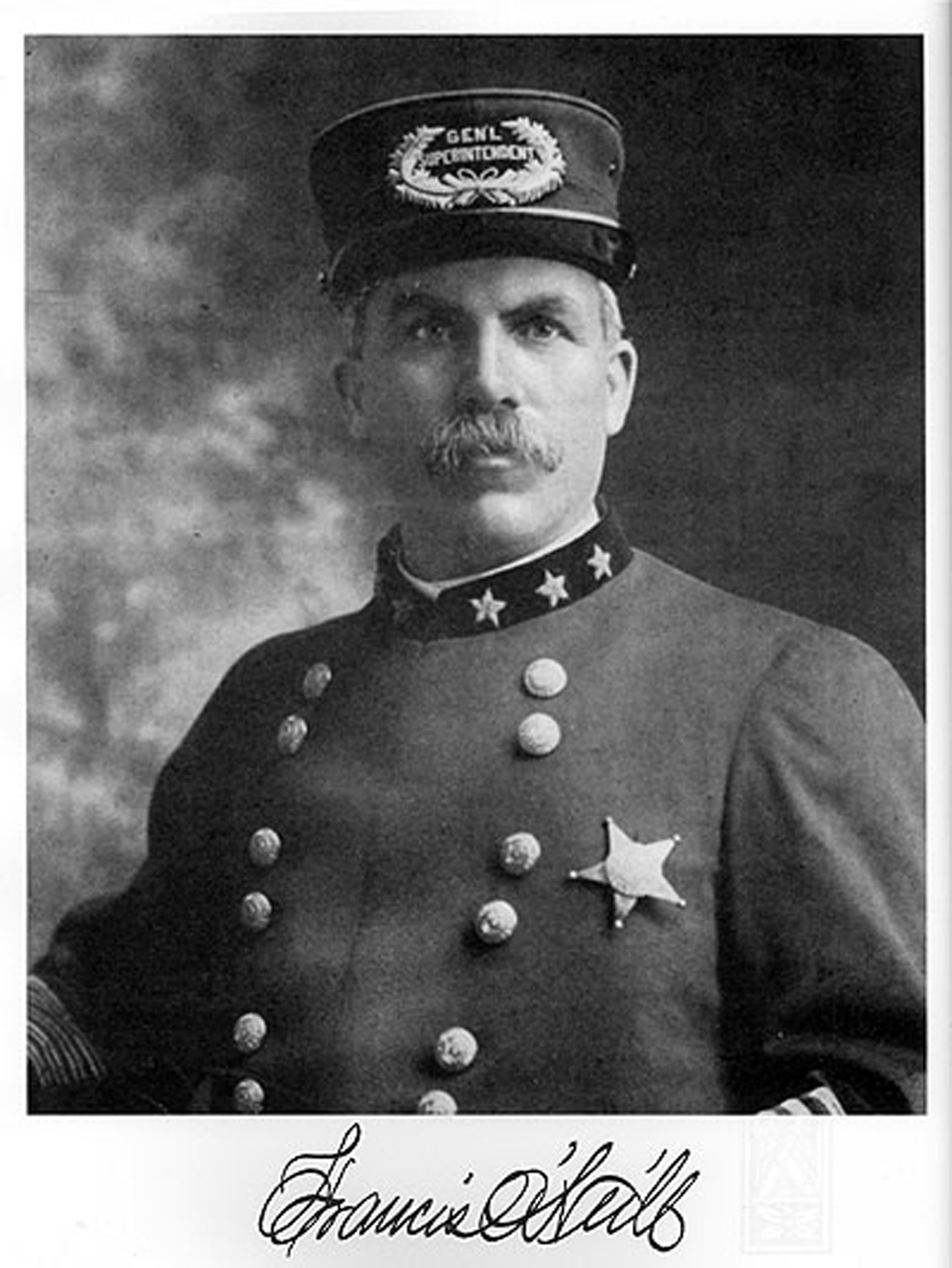
I’d better briefly recap on the man himself… He was born on August 28, 1848 at Tralibane in the Parish of Caheragh – the youngest of seven children. His parents had a very strong background in Irish music, and Francis grew up in a household which was a gathering place for musicians sharing and exchanging tunes, and accompanying the dances. Like so many of his peers he left home at the age of 16, embarking in Cork city on a sailing vessel bound for England and from there found work on other ships which took him around the world. Among his many adventures was a shipwreck while aboard the Minnehaha in the South Pacific. He was rescued by a passing ship which eventually docked in San Francisco, where he decided for the time being to stay on dry land. His journeyings took him on to Chicago, where he joined the Police Force in 1873. At that time 40,000 residents of the city were Irish: by 1900 there were over a quarter of a million there: a huge reservoir of Irish music for Francis to garner – something he revelled in. During his first months of service he was shot and seriously wounded in the course of duty. One of the bullets lodged in his spine and could not be removed: he carried it with him for the rest of his long life.

badge

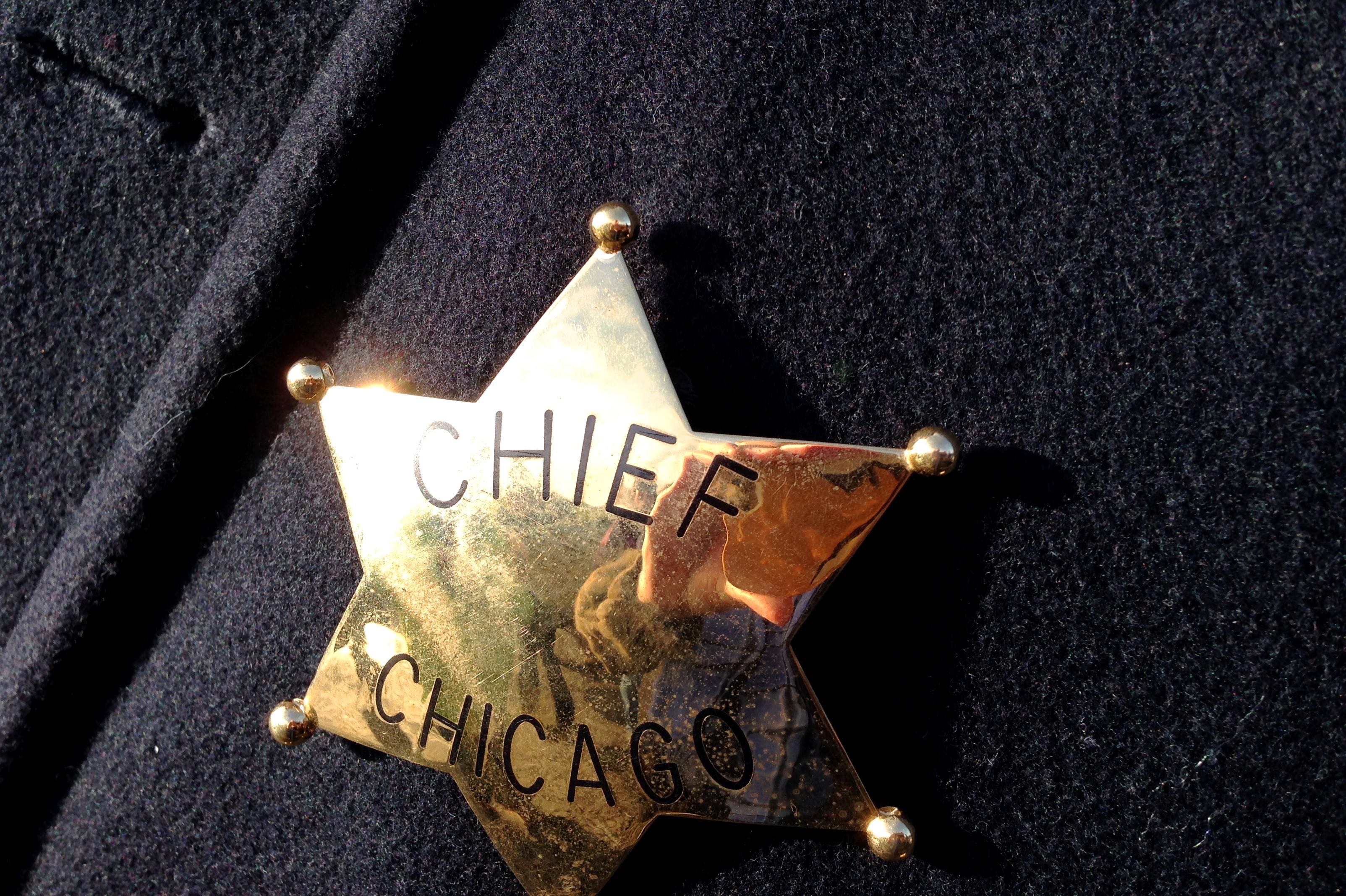
Francis was good at his job: he was promoted to Lieutenant, Captain and, finally, to Chief of the Chicago Police in 1901. He had 3,300 men under his command – the vast majority of them were Irish, and one suspects that many of them were employed by The Chief because of their musical abilities and resources! All through his adult life Francis O’Neill collected and wrote down tunes; he was also an early champion of the phonograph, which helped him in his transcriptions.

Timmy McCarthy as The Chief

Timmy McCarthy as The Chief

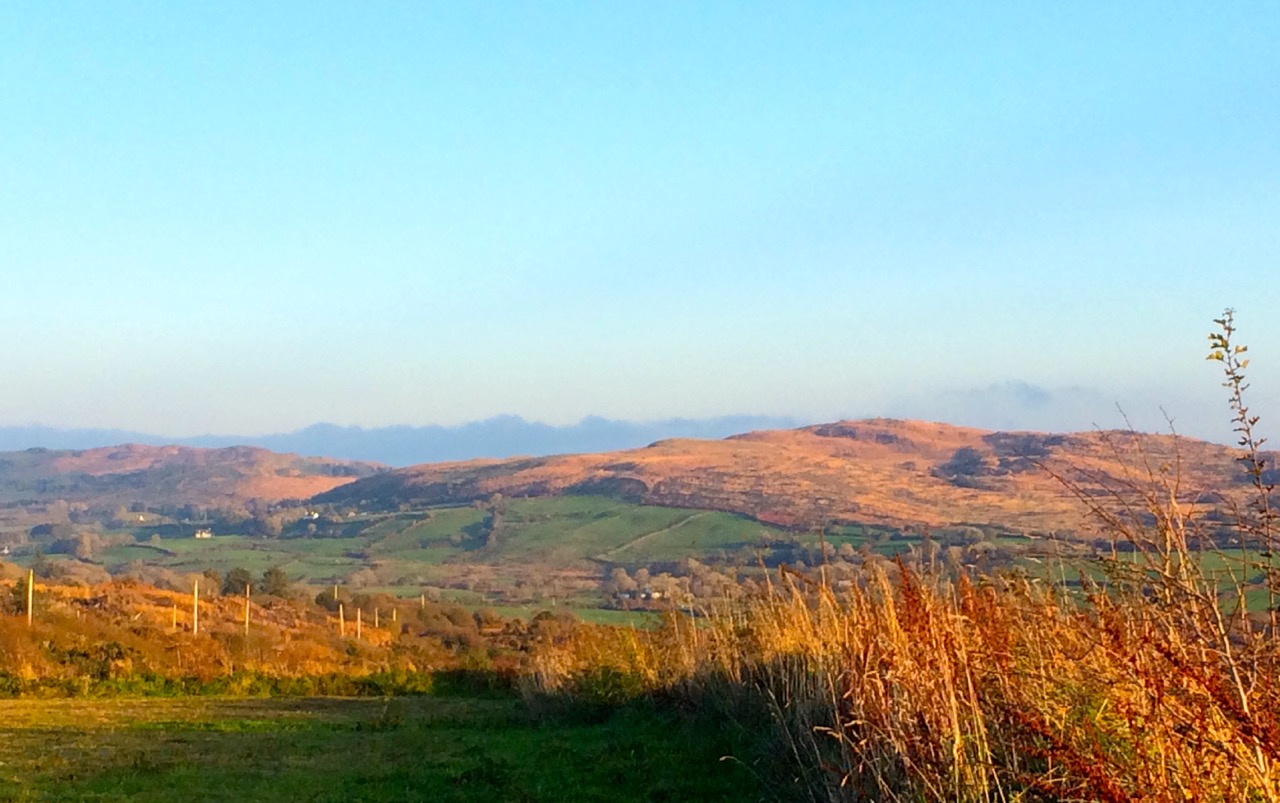
We went out to Tralibane today and – sure enough – enjoyed music and dancing at the crossroads, but we were also entertained by The Chief himself, resurrected by Timmy McCarthy – a descendant and a fund of information. I am indebted to him for the above and for many tales and anecdotes which I don’t have room to include here. He was dressed the part: a Police Chief’s uniform complete with polished badge – and he wielded a truncheon! He walked us from the Bridge (where we had been treated to outdoor music and dancing) to the house where Francis had been born, and then on to the site of the O’Neill Memorial. There was food, drink, tales and more music and dancing. It’s the middle of November, and the sun beamed down on us, lighting up the mountains in the distant view. You must tire of me telling you how beautiful it is here in rural Ireland, but we can never get enough of this wonderful landscape.

The Parish of Tralibane

The Parish of Caheragh

O’Neill’s tune collections have been published under different titles in his lifetime and ever since. They are considered the most valuable source material for all students. Some say that The Chief ‘saved’ Irish music, but I am inclined to think that it would have survived regardless. It is certainly very much alive today, as our weekly sessions demonstrate – along with the very many festivals which we are fortunate enough to have right on our door step.

1001gems

Francis and his wife Ann had ten children, but sadly five died young. After an active retirement which was filled with fishing, pottery and photography as well as The Music, the Chief died of heart failure at his Chicago home: he was 87.

Plaques at the Memorial Site

Plaques at the Memorial Site

Statue of The Chief at the Memorial Site

Statue of The Chief at the Memorial Site

Francis O’Neill has left a legacy which is commemorated at Tralibane. There is a life-sized statue of him looking out over his own family countryside: he plays his flute throughout eternity. The large Memorial site often hosts meetings, music and dancing. We will return again next year…

photo