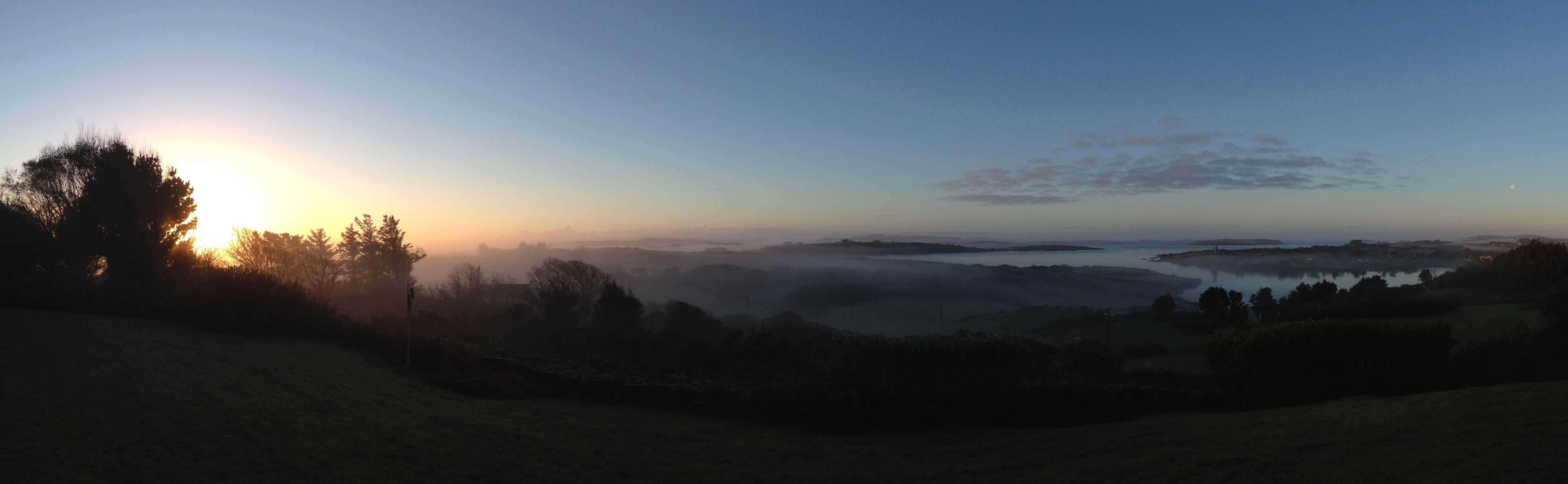
Dancing Sun

Dancing Sun, Roaringwater Bay

Dancing Sun, Rossbrin Cove

“Where does that road lead?” said I, pointing to a road on the left of the one we were pursuing. “The road is it?” said the man with the cloak, “why, then, what road should it be, but the road to Sunday’s Well, a fine well it is, and a blessed place, for sure they say, though myself never seen it, that if one was to go there at peep of day on an Easter Sunday, they’d see the sun dancing a jig on the rim of the sky for joy; and I suppose that’s the reason they calls it Sunday’s Well” [Thomas Crofton Croker, Legends of the Lakes: or Sayings and Doings at Killarney, 1829]

When I lived in Devon I was told that the sun danced on Easter morning, but also that the ancient stone at the crossroads above the house where I lived could be seen to move at dawn on that day. I never caught the dawn when I lived there but here’s evidence that the sun does, indeed, dance at Roaringwater Bay. According to Kevin Danaher children in Ireland were shown the sun on Easter morning reflected in water – perhaps in the sea or a well – and this ensured that it would be seen to dance.

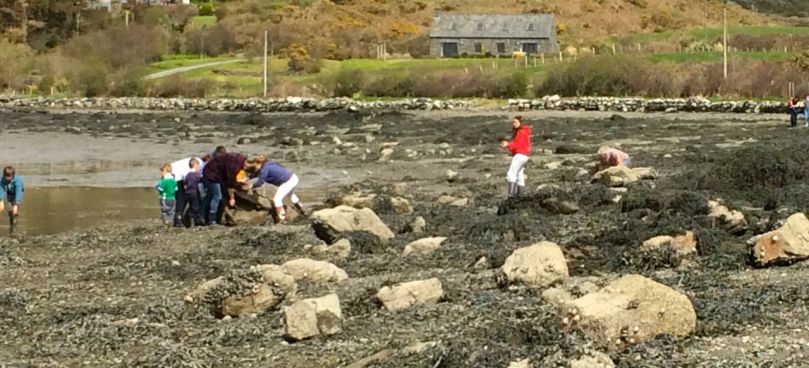
Gathering Bia Tragha at Rossbrin: the house on the skyline is Nead an Iolair

Gathering Bia Tragha at Rossbrin: the house on the skyline is Nead an Iolair

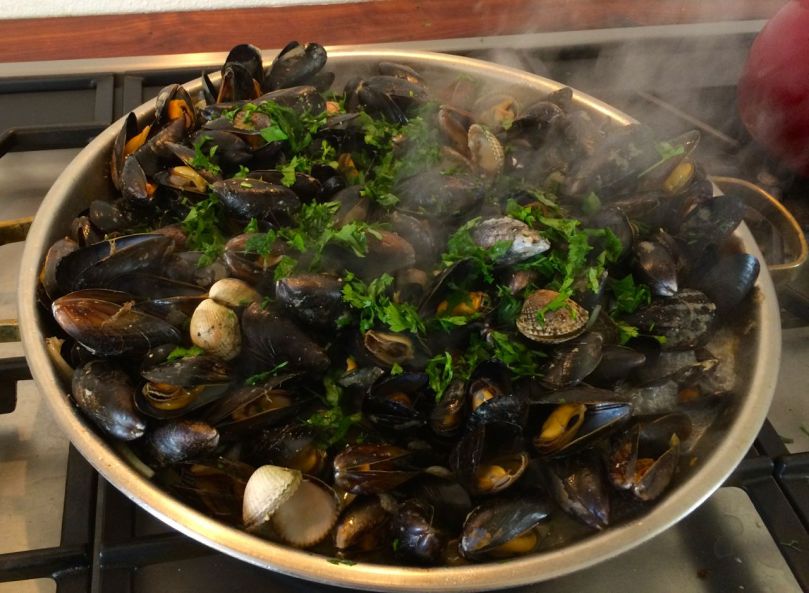
There are so many Easter customs: Finola is writing about the bia tragha – the custom of gathering shellfish and seaweed on Good Friday, the culmination of the austerity of Lent. Down in the Cove we joined several families collecting mussels. When I asked them why people in Ireland carry out this Good Friday tradition I always got the same answer – ‘…because we have always done it…’
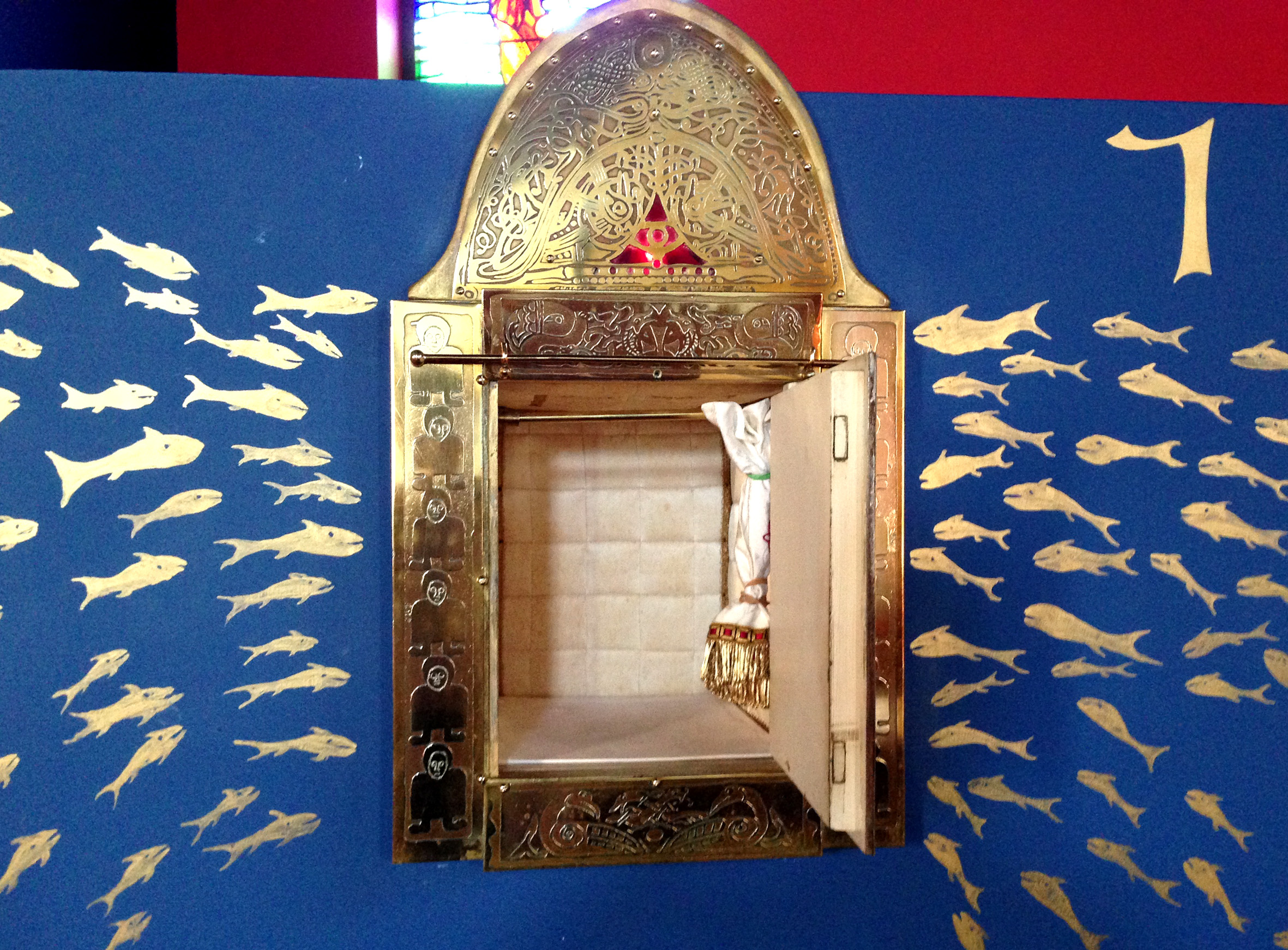
Good Friday - and the Tabernacle in Ballydehob Church is empty

Good Friday – and the Tabernacle in Ballydehob Church is empty

There is a lot of respect for the observance of Good Friday here. No alcohol is consumed: the pubs close at midnight sharp on Thursday evening (it’s not unusual on a normal day for them to stay open until two or three in the morning – especially if there is a session going on) and don’t reopen until Saturday. Ireland is probably the only Catholic country in the world where this tradition is still kept up. Not so long ago no work was done on the land, and ‘…no blood should be shed, thus no animal or bird could be slaughtered, no wood should be worked or burned and no nail should be driven on the day on which the Saviour was crucified…’ (Danaher)

Burning the Mountain on Good Friday

Burning the Mountain on Good Friday

Bearing this in mind we were surprised to encounter a ‘controlled burning’ of the gorse on the Sheep’s Head when travelling back from visiting friends on Good Friday evening. It was spectacular: the whole mountainside seemed to be engulfed.

On the Mizen – according to McCarthy + Hawkes – ‘…Early on Easter Sunday morning all the lads from the townlands would go around in a big group, blowing a trumpet made from a cow horn. The women of the houses visited would give them boiled hen’s eggs to eat, sometimes coloured yellow from boiling with furze petals or onion skins. After Easter Mass everyone went home for a quiet day of rest and a good feed after Lent. The night would bring a ball with much drink and dance…’
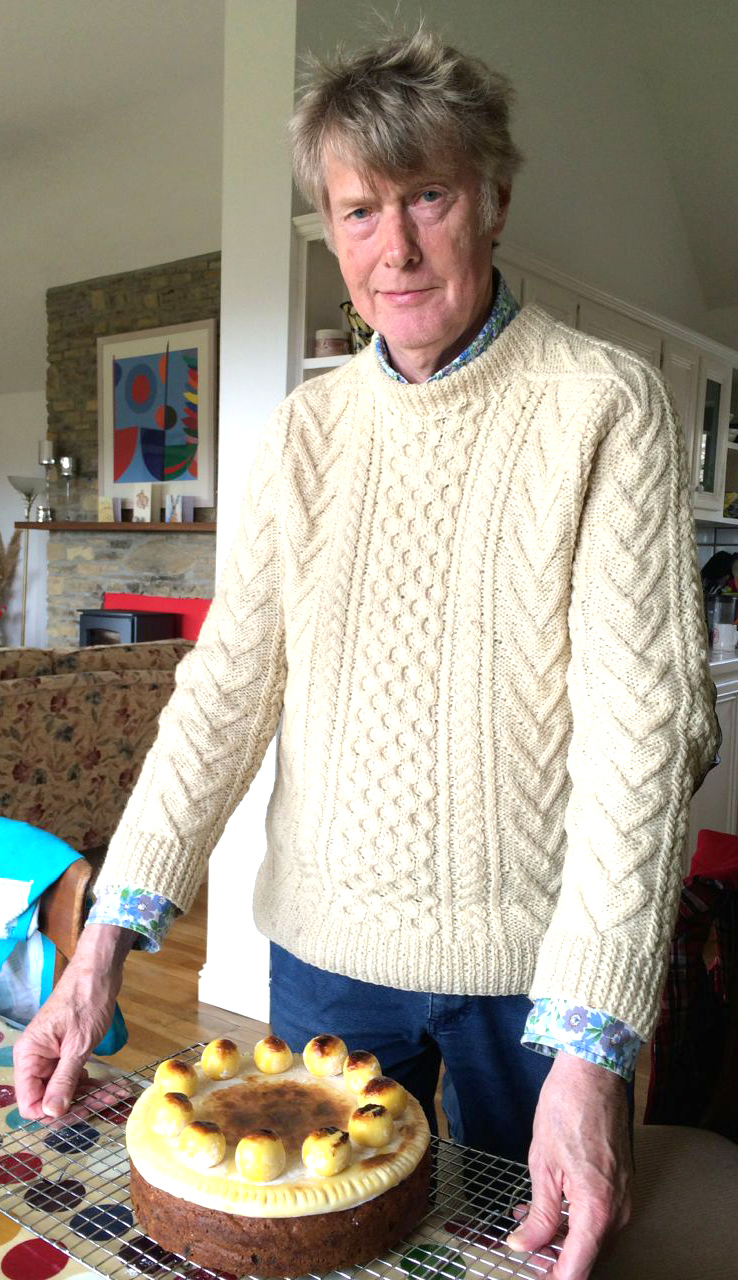
simnel

We are observing some of our own traditions today: we’ll be eating the Simnel Cake which I have made – more of an English tradition than an Irish one: the eleven marzipan balls represent the twelve Apostles (minus Judas) – and then we’re off to the Ballydehob Road Trotting races. Oh – and there are some eggs involved.
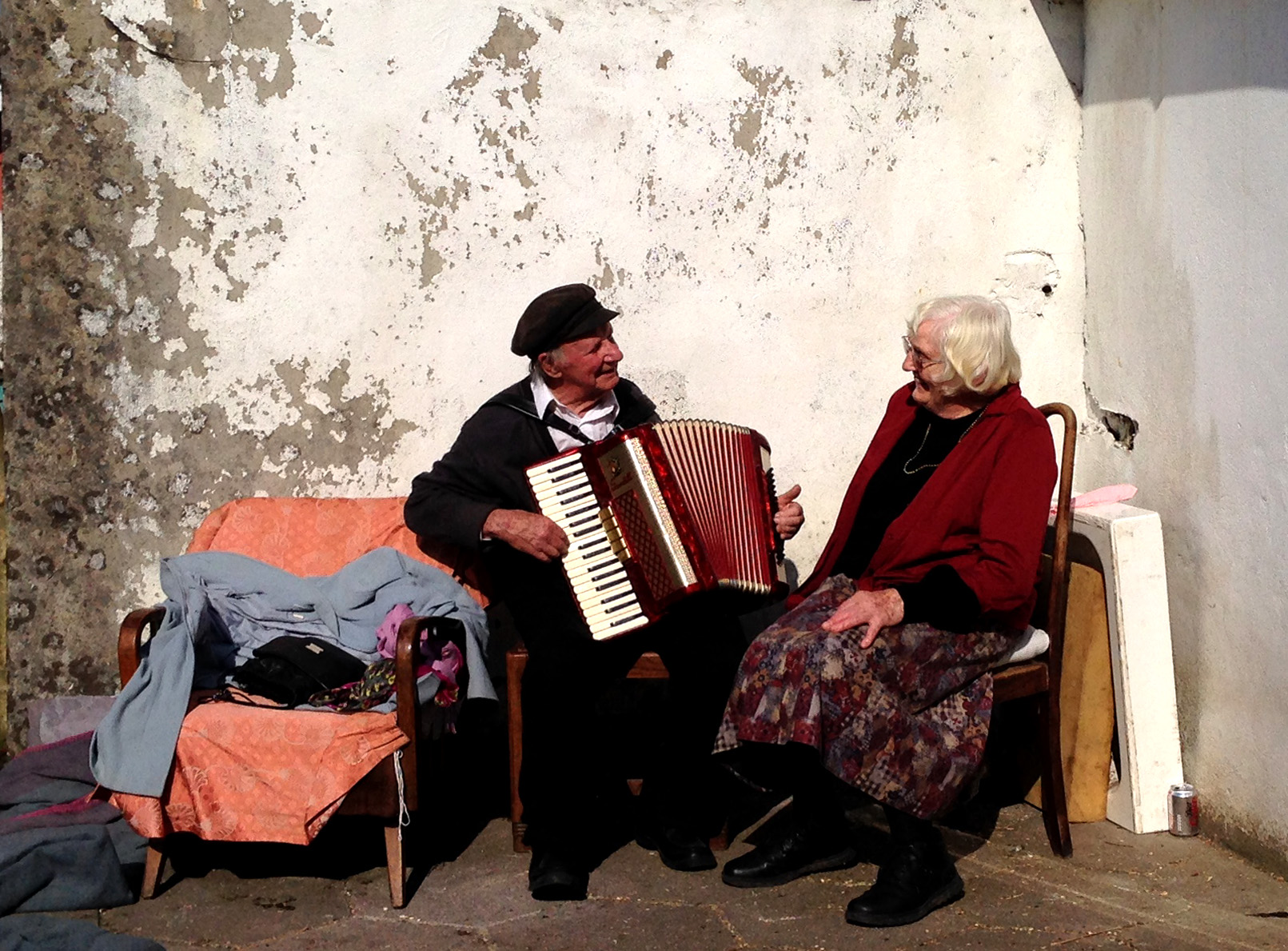
A scene in Provence? No - a sunny corner in Ballydehob on Easter Saturday
A scene in Provence? No – a sunny corner in Ballydehob on Easter Saturday


Good Friday – Foraging and Feasting
Fresh from the Shore!

Fresh from the Shore!

This post dates from 2014. Since we first published it, Tommy Camier is no longer with us and sadly the Gortnagrough Museum has had to close.

One of the Easter traditions Robert writes about this week is the practice of gathering shellfish on Good Friday. Traditionally, Good Friday was a day of complete austerity – the very apex of the Lent period when people gave up treats and went on a simple diet for the 40 days before Easter Sunday. In Ireland, Good Friday is the only day of the year apart from Christmas Day when the pubs are closed. No meat was eaten, and because fishermen would not put their boats out to sea on Good Friday, it was customary to gather whatever was available on the shore – seaweed and shellfish – for dinner.
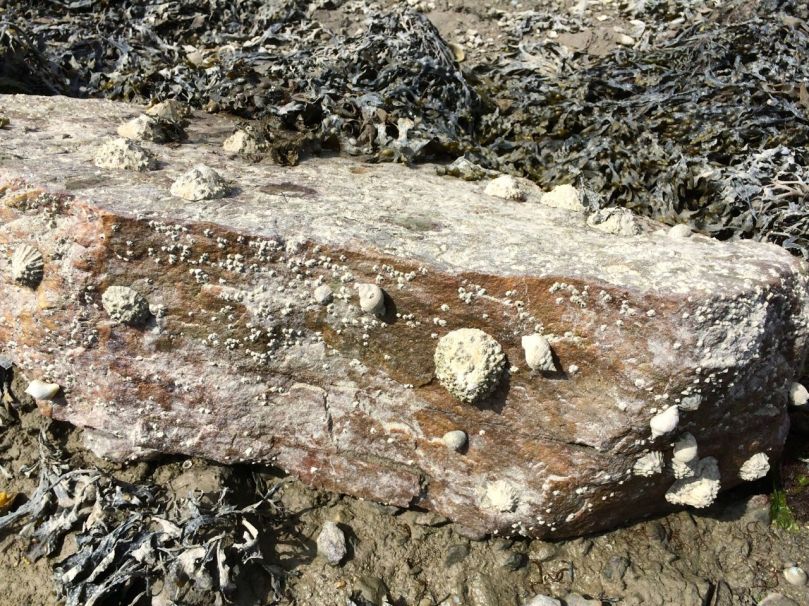
Limpets are edible too, but  difficult to dislodge

Limpets are edible too, but difficult to dislodge

To our amazement, we have discovered that this tradition persists, here in West Cork. It has evolved, as such traditions do, into a family day on the shore, with everyone gathering shellfish, followed by a mussel feast back home.

On the shore

On the shore

We tagged along with friends, walking down to Rossbrin Cove, with wellies and buckets. We met Leita and Tommy Camier of the Gortnagrough Folk Museum, who were leaving with a full bucket of mussels. They told us they had gathered mussels on Good Friday as long as they could remember. There aren’t as many mussels now as in the old days, they said, and they’re smaller.

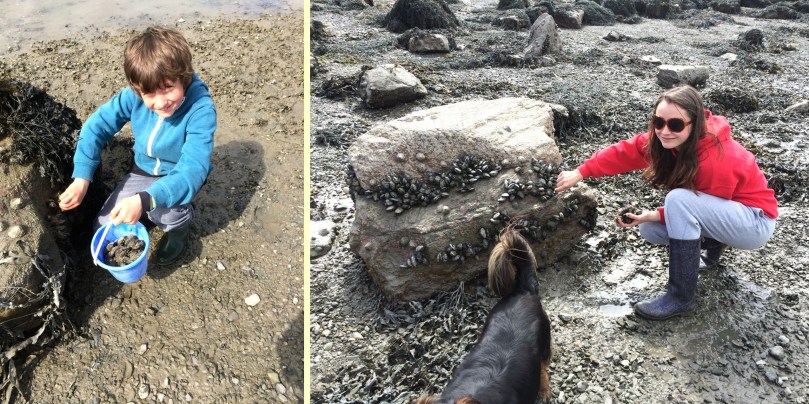
Gabriel and Matilda - hard working mussel pickers!

Gabriel and Matilda – hard working mussel pickers!

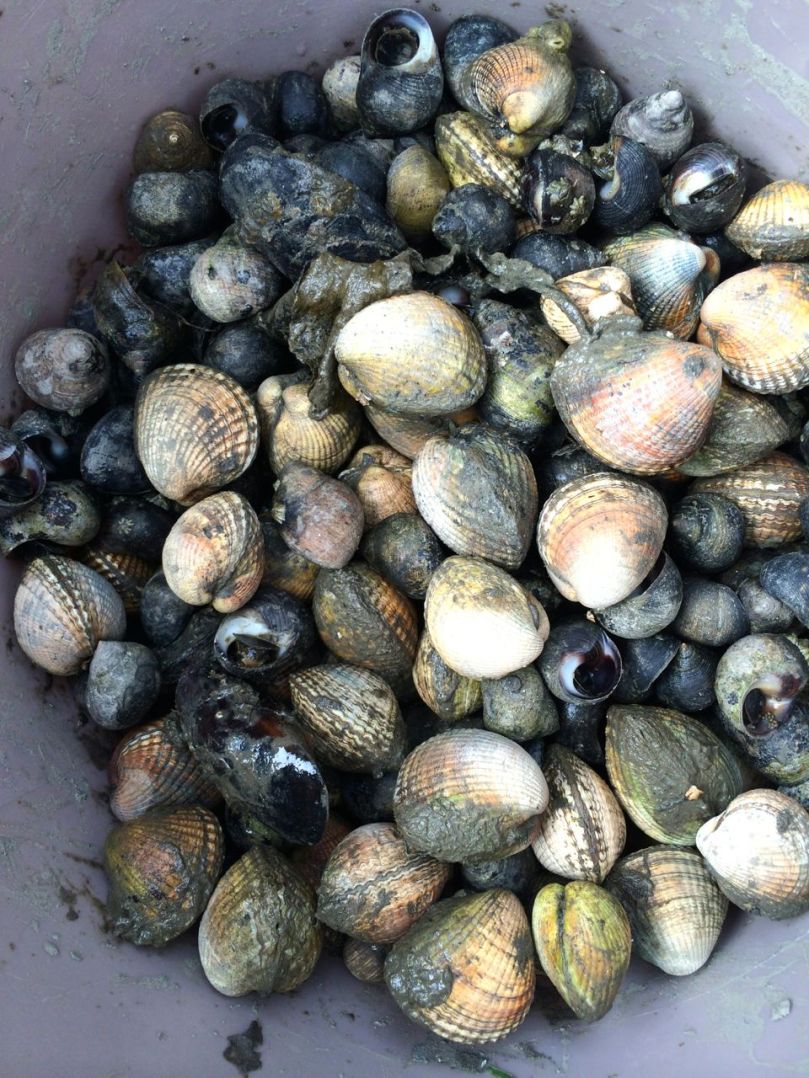
Mussels were the shellfish of choice for most of the folks who had come to the Cove. Picking was fairly easy, off the rocks, taking pains to avoid ones with barnacles. Our neighbour Hildegard and her family also gathered cockles and winkles.

Cockles and mussels, and winkles too

Cockles and mussels, and winkles too

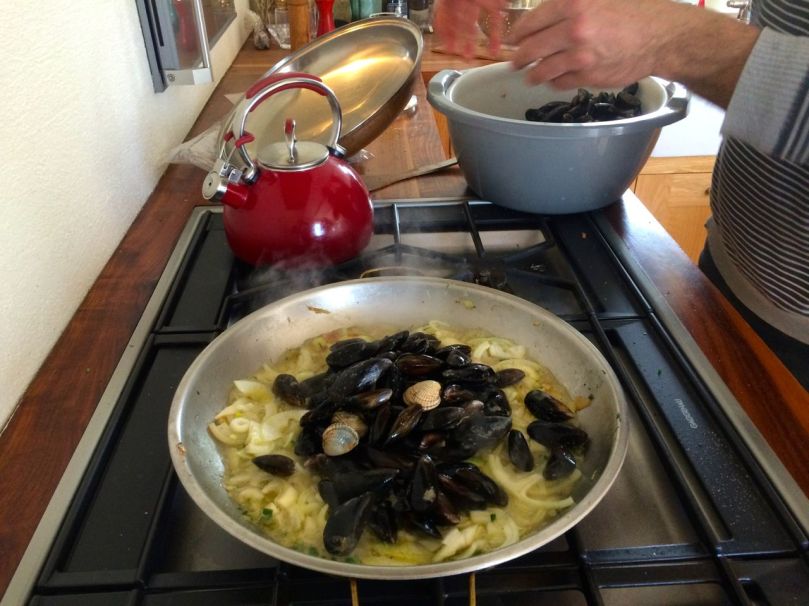
Afterwards, we ended up at Dietrich and Hildegard’s house for a feast. Robert and I are not mussel eaters – or so we had told each other. Robert stuck to bread and cheese, but I thought I should be polite and at least try some when presented with a plate of fresh steaming cockles and mussels and some warm French bread. Surprise! As cooked by Rui with onions and garlic and herbs, they are delicious! Two plates later, I am a firm convert.

Rui cooks up a feast

Rui cooks up a feast

I like this austerity business!

Good Friday abstinence

Good Friday abstinence

But enough of this deprivation! I wonder if Robert has remembered to get me a chocolate Easter Egg…

Diving for Petroglyphs

Finola unravels the mysteries of Rock Art

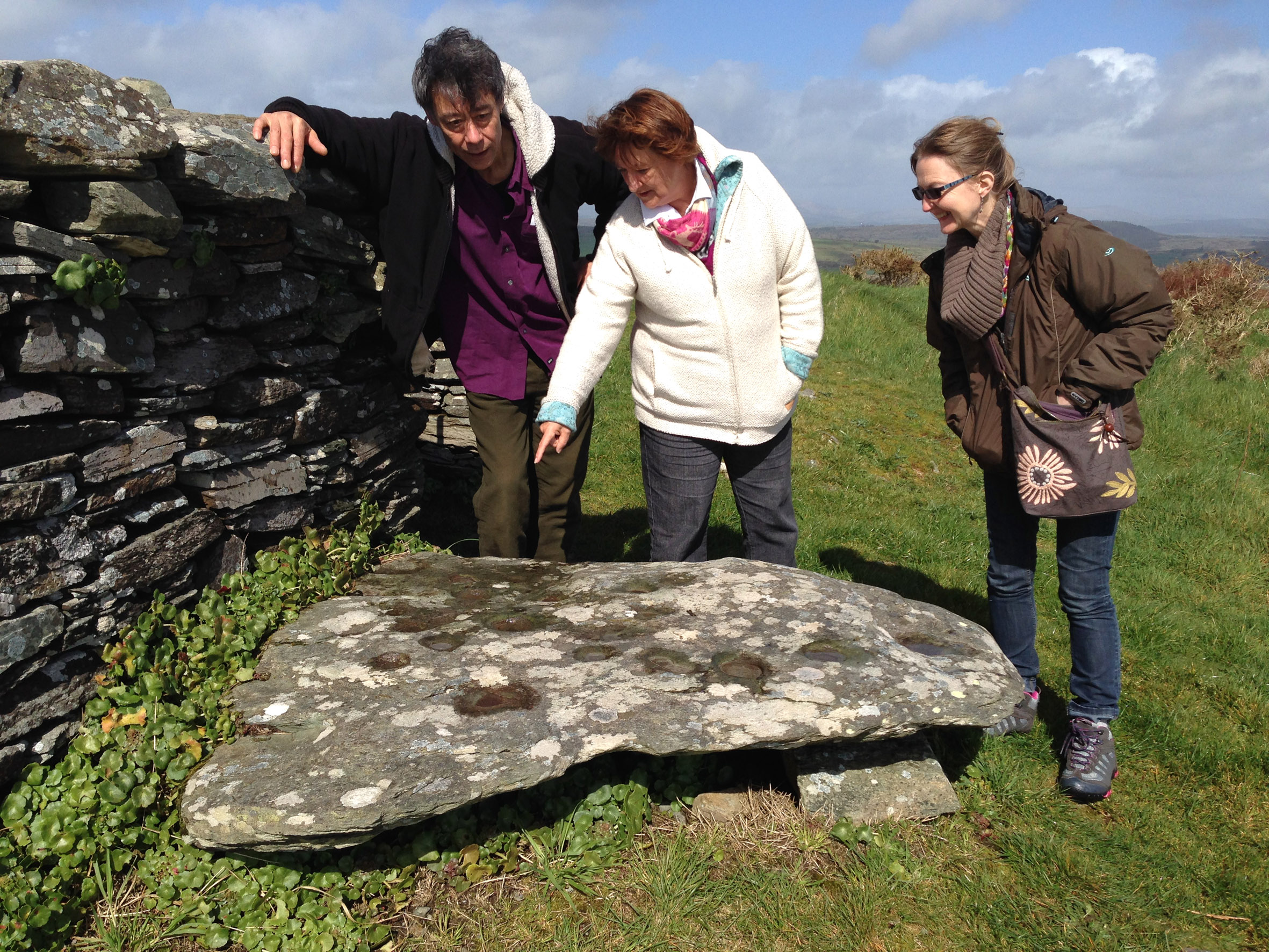
Finola unravels the mysteries of Rock Art at Knockdrum

Our friends Chris and Gill from Devon are staying with us at the moment, so we took them on the mandatory Rock Art tour: be warned, anyone who comes to see us…

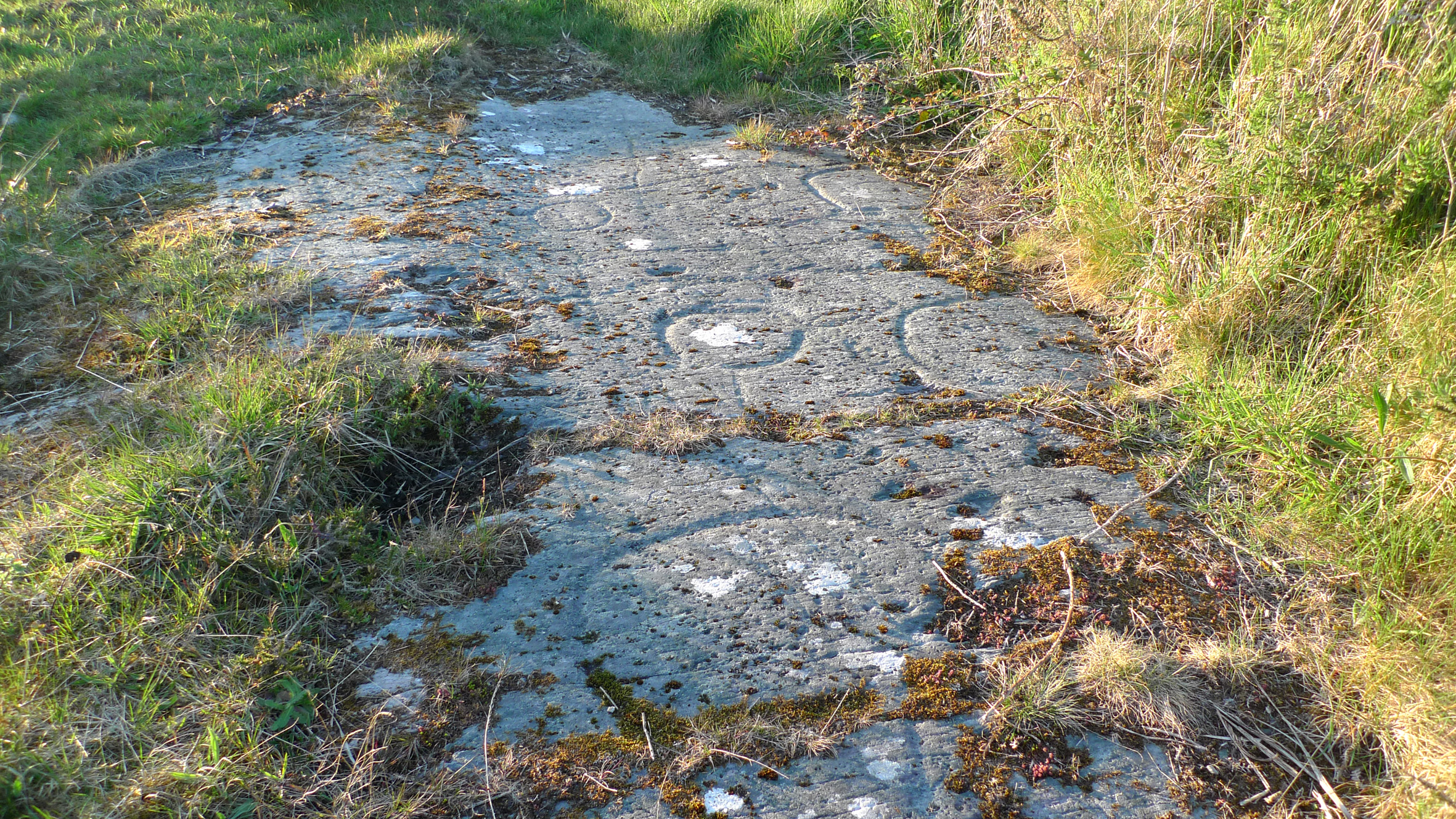
The Rock of the Rings at Ballybane West

The Rock of the Rings at Ballybane West

Visible signs of newly discovered Rock Art

Visible signs of newly discovered Rock Art: note the building on the right

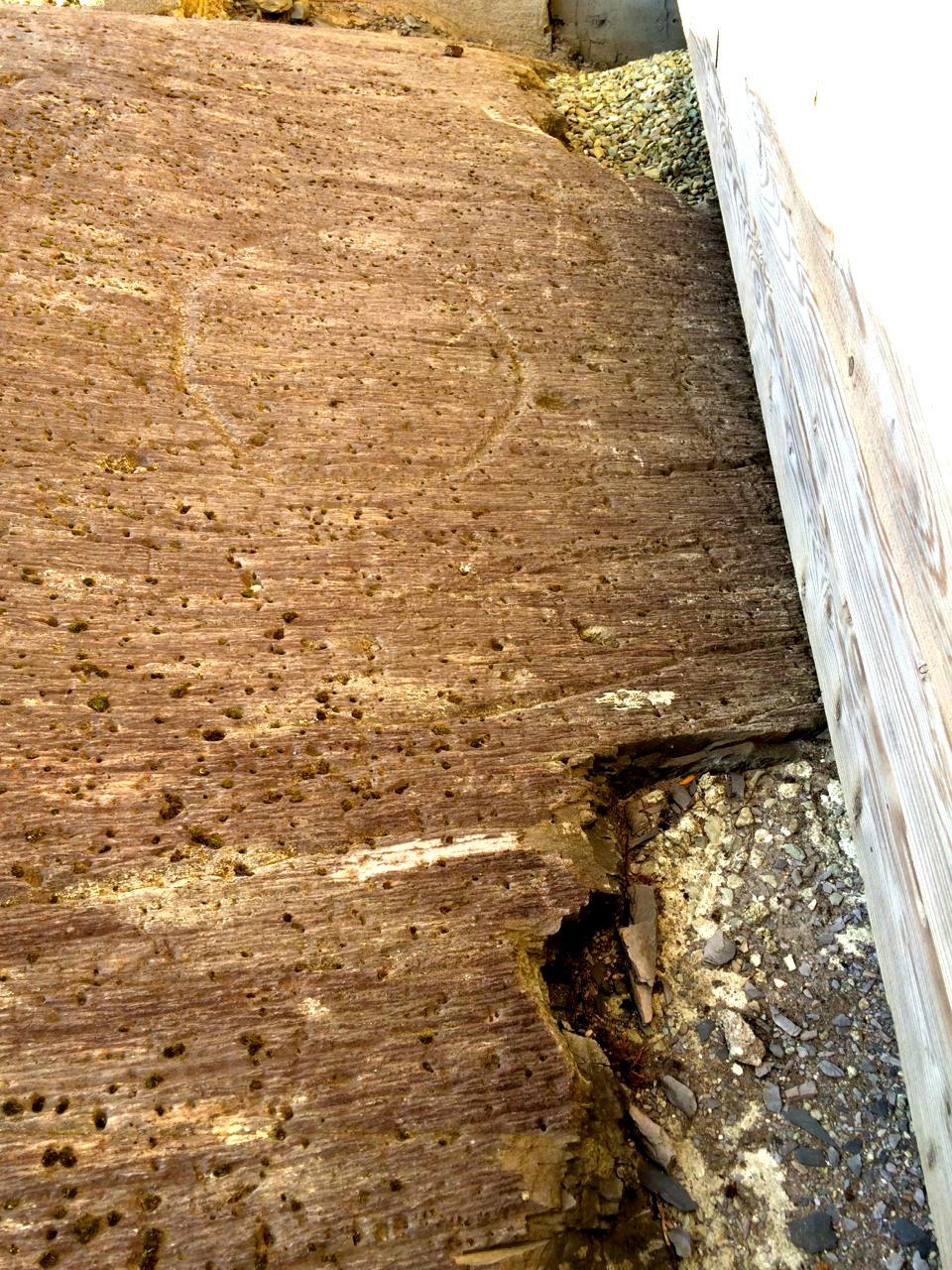
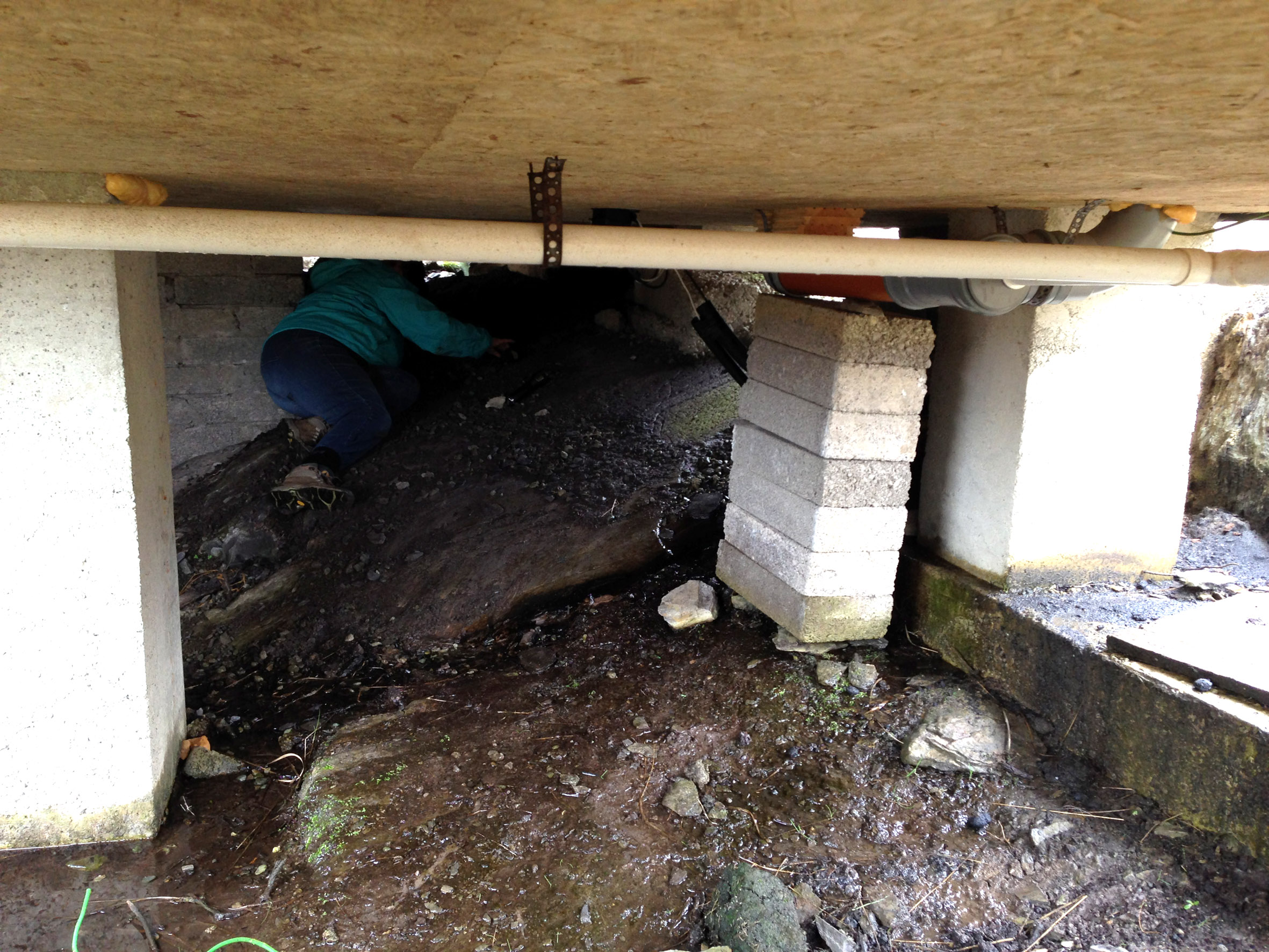
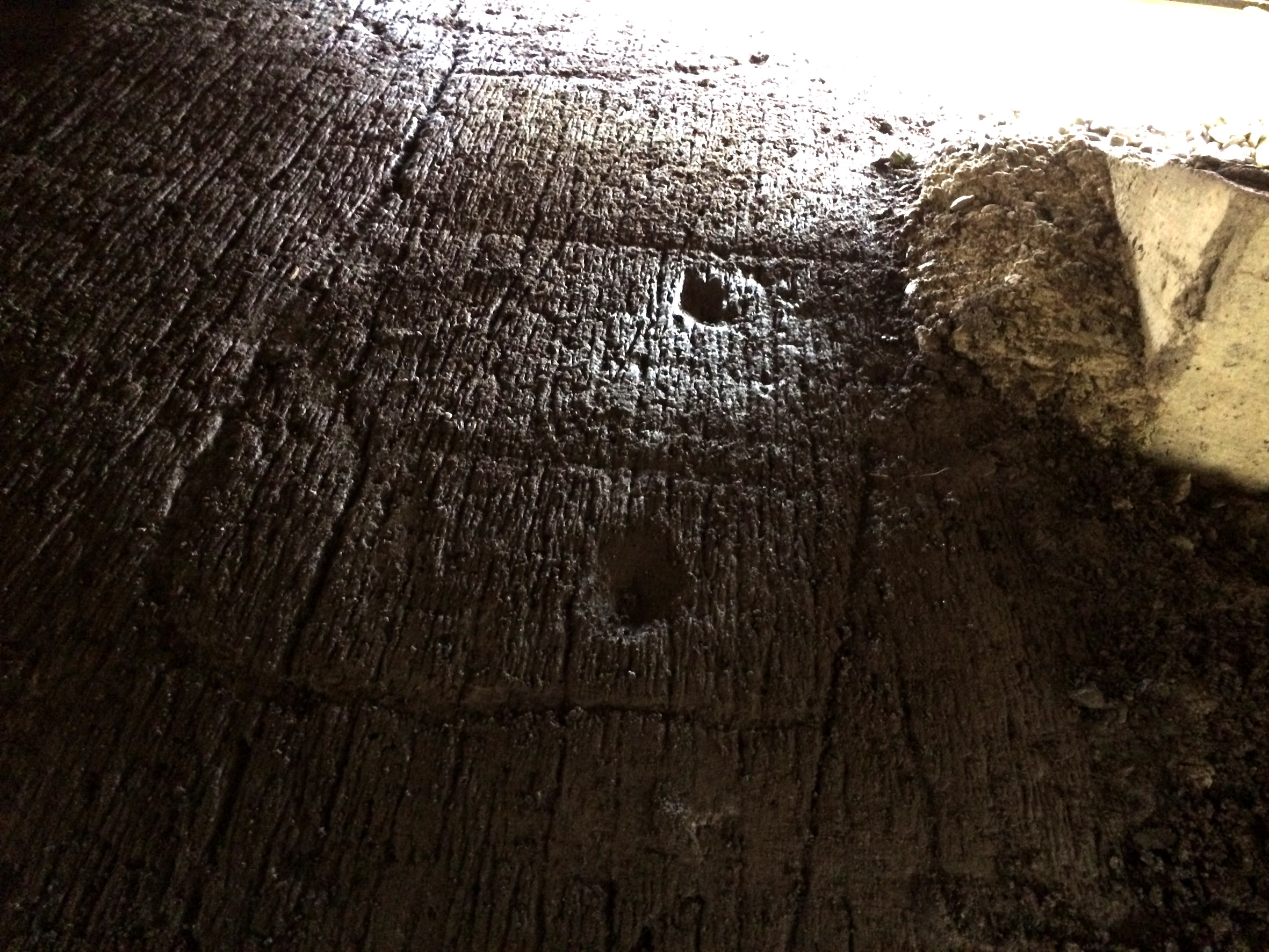
There have been rumours of a new discovery in the Ballybane West area – not far from the Rock of the Rings and the piece on Danny and Gill’s land (and within spitting distance of the Derreennaclogh find), so we set out to track it down. And discover it we did: a distinct but unexciting single ring, right beside a newly built timber studio in someone’s garden. For me this was all fine and neat and tidy: we measured and photographed it and I was ready to move on to the next location without any loss of dignity. Finola, however, was like a dog with a bone – you’ve heard of Truffle Hounds: Finola is like a Petroglyph Hound with a bone – she won’t let it go. She was convinced there was more of the Rock Art – underneath the building! Of course not, said I, uncomfortably eyeing the very small space between the timber framed walls and the muddy wet rock underneath. But too late! Within seconds all you could see were Finola’s feet sticking out from the foundations and muffled shouts of enthusiasm from some deep and murky place. I gingerly stuck a few fingers in the crevice and quickly realised that I have always suffered badly from claustrophobia. Chris, however,  smartly and snazzily dressed as always in something totally unsuitable for pot-holing was away down there in no time, and we soon heard calls for torches, paper and measuring tape.

Finola goes underground

Finola goes underground

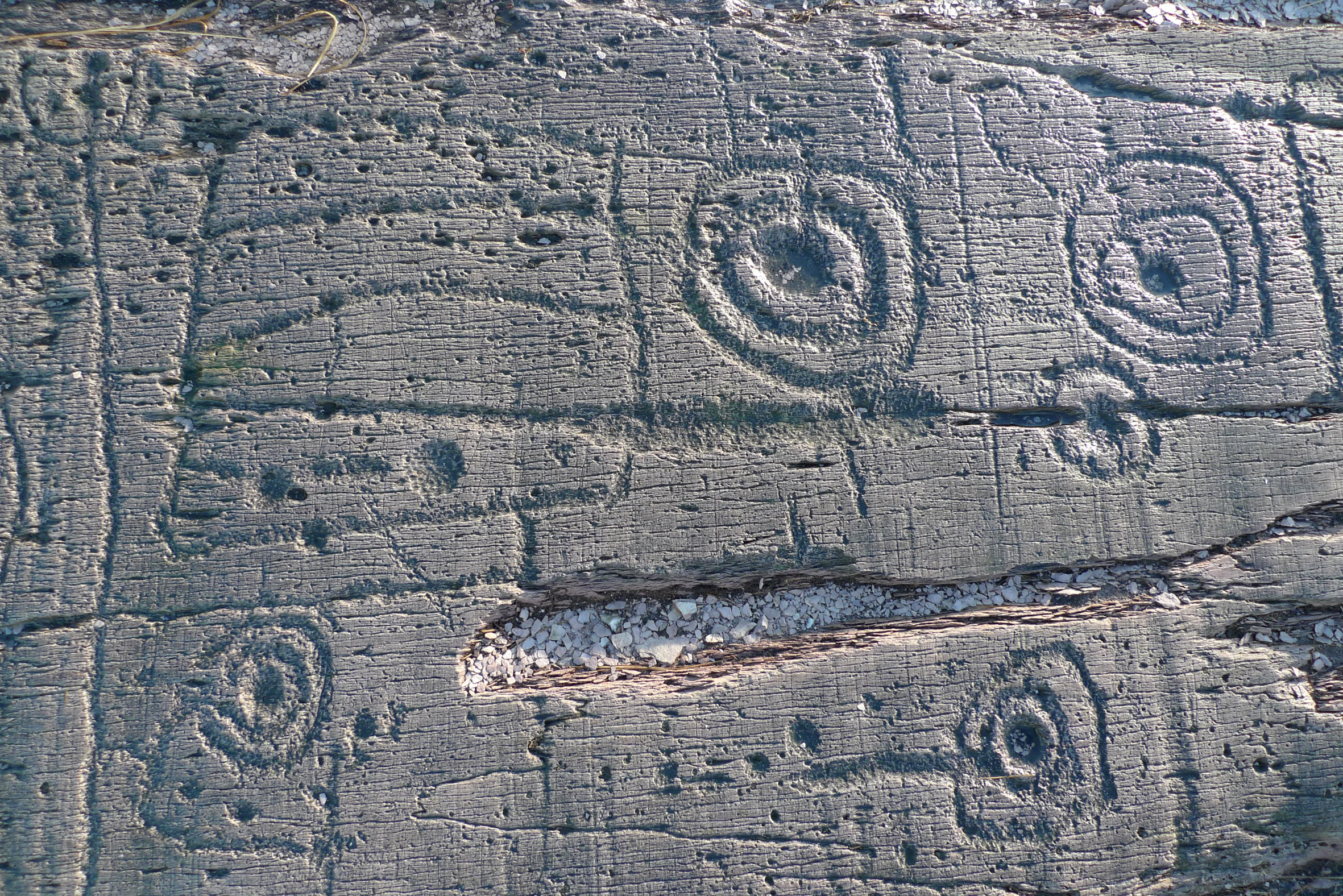
We will have to go back another time to somehow accurately measure and record this example, but Finola and Chris emerged mud-encrusted but triumphant with some photographs and sketches of another unusual panel containing circles, rectangles and cup-marks. These are very much in the style of the panels at Derreennaclogh and Ballybane West, themselves atypical of the more usual cups and circles which show a pattern of Bronze Age carving extending through the Atlantic seaboard from Scotland, Britain, Ireland to the Iberian coast, and pose so many questions on the culture and communications of those times.

The find: a piece of carving with similarities to motifs seen at Derreennaclogh (below)

The find: a piece of carving with similarities to motifs seen at Derreennaclogh (below)

derreennacloghBut this discovery does highlight the vulnerability of Rock Art – perhaps the ‘poor relation’ of archaeology in Ireland. Examples can go unnoticed (as in this case), can become overgrown, and can be so easily damaged or obliterated by weather or human intervention. They can also be underwhelmingly low key: a few circles or marks faintly visible on a rock surface. Farming practices are changing, and the transformation of rocky rough land into ‘pasture’ through grants which encourage large scale rock-breaking is a great potential threat to examples of petroglyphs which have only a paper protection through being listed on the Archaeological Survey of Ireland. As yet, we are unsure of how we can best look after this heritage: this is clearly an area of discussion for the future.

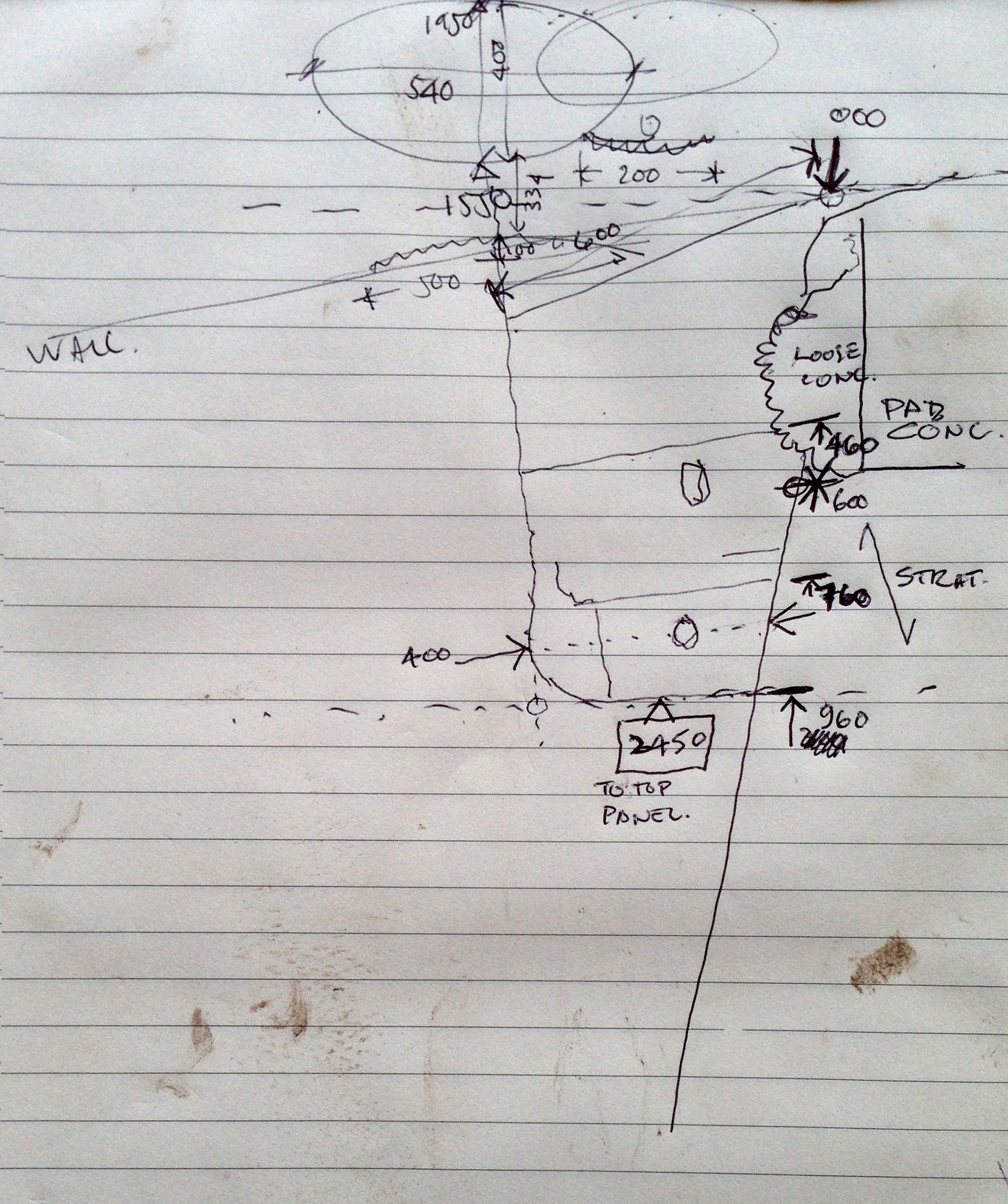
Trophy: Chris produced a valuable sketch of the 'hidden' motifs

Trophy: Chris produced a valuable sketch of the ‘hidden’ motifs

Ballydehob Trad Fest

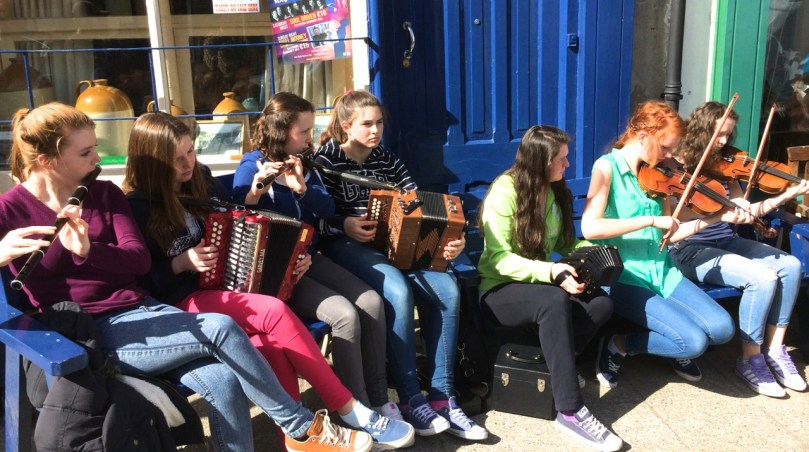
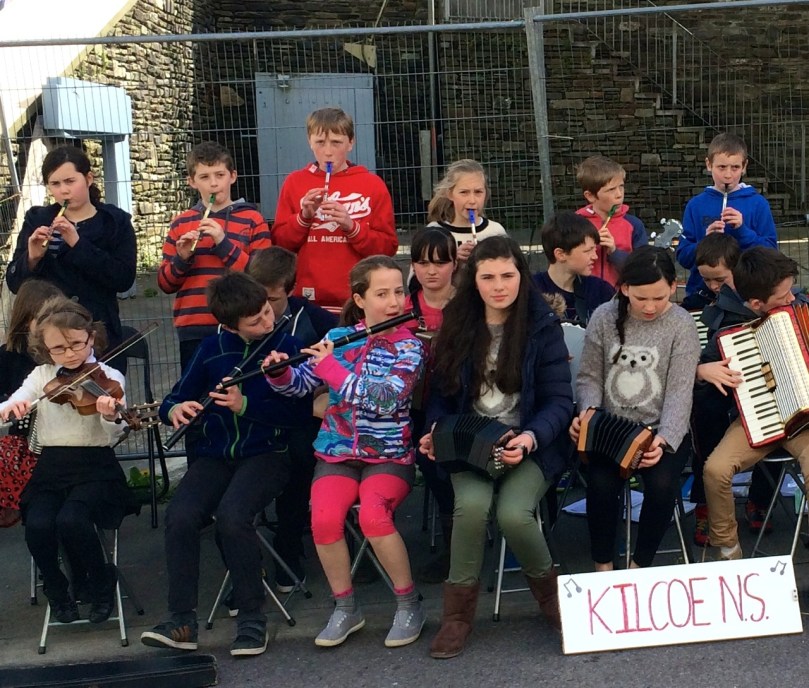
Young Traditional Musicians at the Ballydehob Trad Fest

Young Traditional Musicians at the Ballydehob Trad Fest

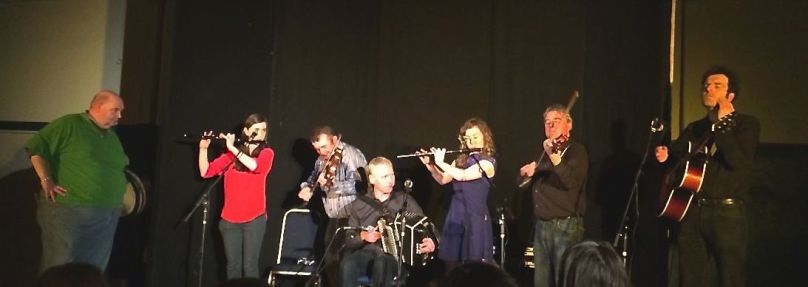
If you like traditional music, then Ballydehob was the place to be this weekend. Féile Átha Dá Chab, the Ballydehob Traditional Music Festival, had us bouncing on our bar stools, hooting and cheering in our concert seats, and applauding the talent of hoards of youngsters.

Finale of the Four Men and a Dog Concert

Finale of the Four Men and a Dog Concert

The Festival kicked off with an outstanding concert by Four Men and a Dog. Playing, singing, telling stories, and with the unique wit of Gino Lupari (an Italian bodhran player with an Irish accent) they entertained us for over three hours in the village hall. They invited two talented local girls to play with them, and with Mairead and Maria Carey on their flutes, we were on our feet for an intense finale that left us exhilarated.

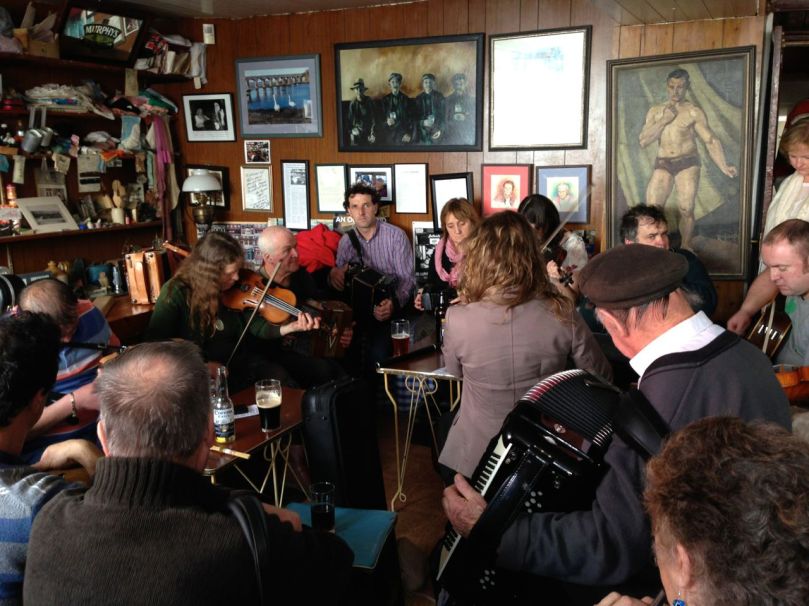
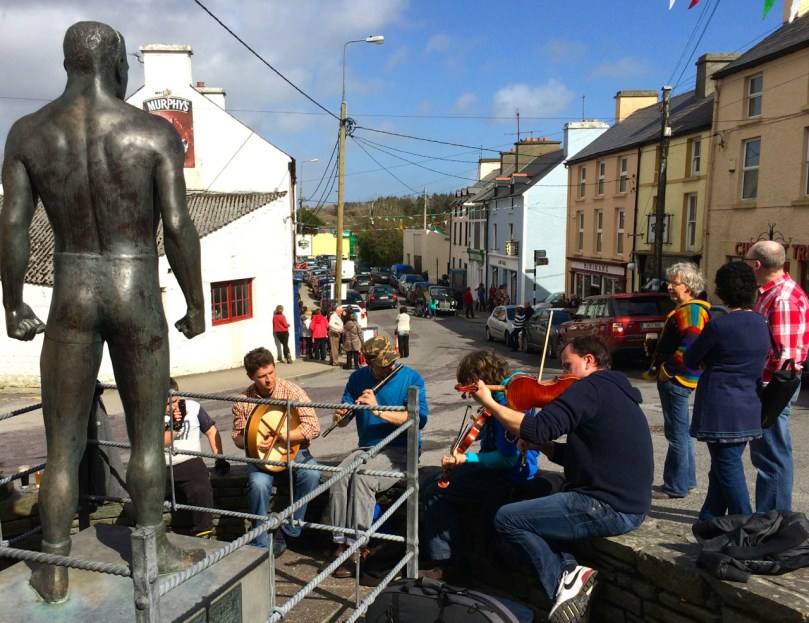
Sunday afternoon session at Levis's

Sunday afternoon session at Levis’s

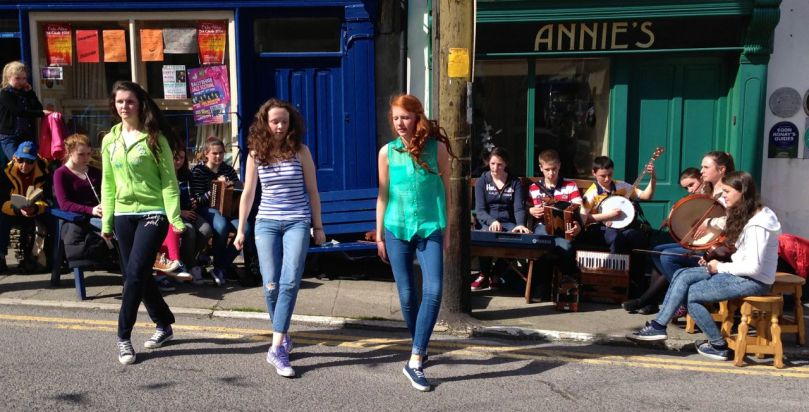
Once the concert is over, where do you go? To the pubs, of course, where there were sessions going on till all hours. We were in Levis’s, but we could have been in any one of half a dozen pubs, all with great music.


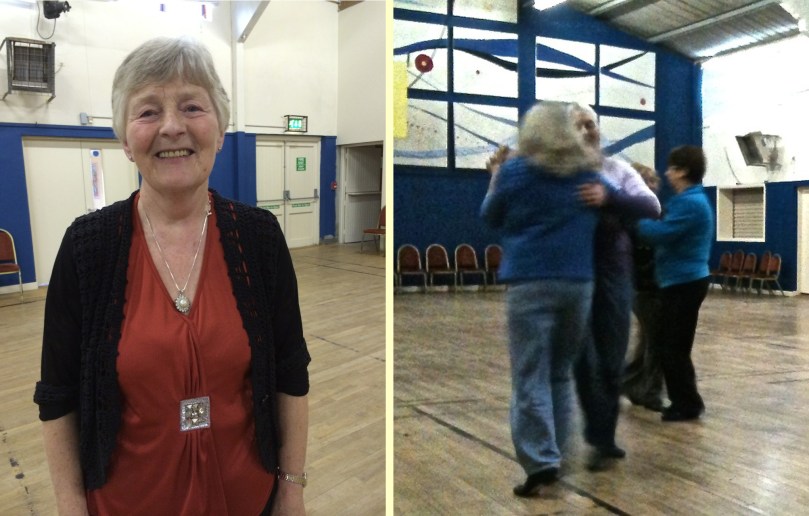
Maureen Culleton/Learning how to twirl

Maureen Culleton/Learning the steps

Our friends from Devon, Chris and Gill, who are staying with us, bravely signed up for the set dancing workshop next day, along with sixteen others. They are tango dancers and in great shape, but by noon they were exhausted and had a whole new respect for this form of dancing. Maureen Culleton, highly experienced and very encouraging, introduced some new dances to the locals and put everyone through their paces. The day culminated in a Céilí (pronounced kaylee) where the set dancers danced into the wee hours to the music of the Striolán Ceilí Band from Kerry. People around here love set dancing and are very good at it. It’s an activity that brings together all ages in country villages. Here’s a good example of set dancing, with the Striolán Ceilí Band playing in the background.

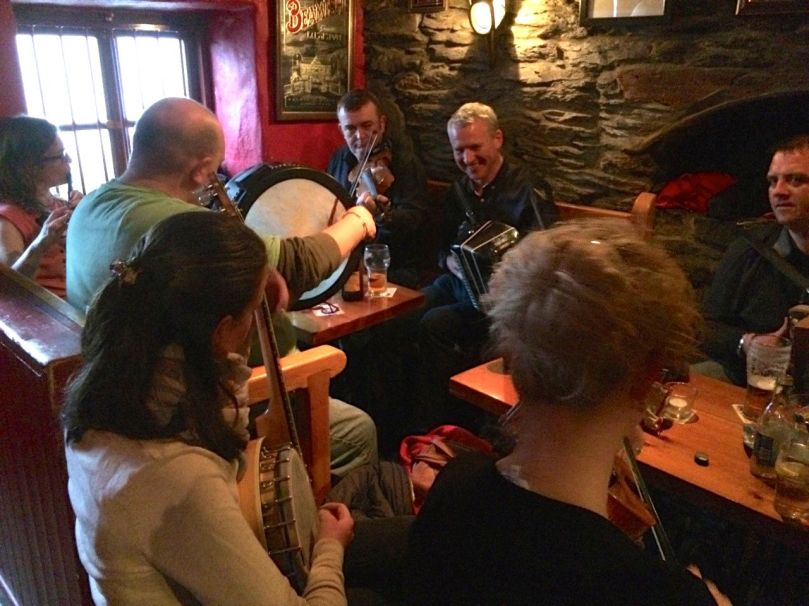
In Rosie's

In Rosie’s

Robert and I aren’t set dancers so we took to the pubs (amazing how much time a couple of non-drinkers can spend in pubs!) for the sessions that were going on in most of them. Members of Four Men and a Dog were in Rosie’s, playing with local musicians. Getting to see them in such an intimate setting was great.

The Kilcoen Kids

The Kilcoe Kids

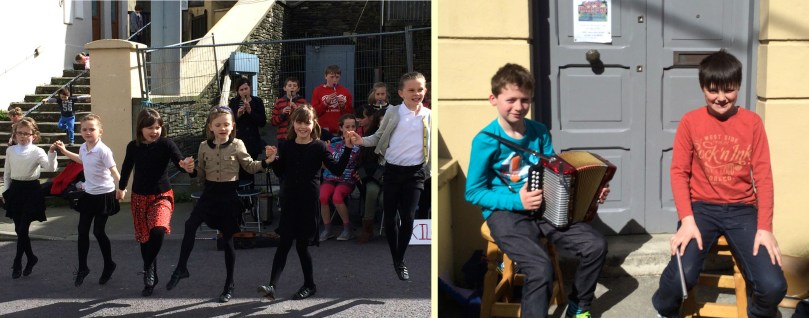
Today, Sunday, the sun came out and the streets of Ballydehob filled up with young musicians competing in the Street Seisiún Competition. Seisiún, pronounced seshoon is the Irish word for session. And a session, in case I haven’t explained this before for our non-Irish readers, is the word used for a bunch of traditional musicians getting together to make music. The younger children, of course, stole our hearts, singing, dancing and playing music on the streets. The teens were remarkably accomplished: many of them have been studying in the Comhaltas system for years.

Dancing in the streets

Dancing in the streets

As I type, people are wandering from pub to pub on the session trail in Ballydehob. When you love something, you just don’t want it to stop! Fortunately, in this part of Ireland, the music is alive and well – and in good hands for the future.


The future is assured!

The future is assured!

Well done, Ballydehob, on another fantastic traditional music festival!

Danno enjoying a private concert

Danno enjoying a private concert


Whiddy Island

Whiddy Island from Sheeps Head

Whiddy Island from Sheep’s Head

On a sunny Sunday in March, we were lucky to find out about a guided tour around Whiddy Island and enthusiastically signed up. Our guide, Tim O’Leary, runs the ferry to the island and its only pub, the Bank House. He is a native Islander and extremely knowledgeable about the island’s history, traditions, stories, flora and fauna. 

Off to Whiddy Island on a beautiful day in March

Off to Whiddy Island on a beautiful day in March

It was a gorgeous day for a tramp – a good thing as it’s a six mile walk – and the weather allowed us to drink in the glorious views and to stand at various spots listening to Tim as he shared stories of life on the island.

Whiddy Island Graveyard

Whiddy Island Graveyard

In the graveyard he told us about the island tradition of burial: a coffin has to be lifted from the boat at a particular quay and laid on a special coffin rock. From there it is shouldered uphill to the burial ground by four men of the same last name as the deceased. Nothing but human power can be used on the long uphill climb, or to dig the grave or conduct any part of the service. “We will carry this tradition on,” he said, “as long as we can.” The burial ground itself is part of an ancient ecclesiastical site and commands views across the island.

View out to Bantry Bay from the Island high point

View out to Bantry Bay from the Island high point

We learned that many island families made a good living in times past from fishing and fish processing, and it still an important part of the economy, although now mussel beds have replaced fishing lines and ‘pilchard palaces.’

Tim shows us the 'hairy rope' used to grow mussels. Mussel beds ring the Island.

Tim shows us the ‘hairy rope’ used to grow mussels. Mussel beds ring the Island.

The land was famous for being fertile and one historical document talks about the earliest potatoes always being grown on Whiddy. All this activity supported up to 800 people but like many places in West Cork the population was decimated by the Great Famine. Now, fewer than 30 people live here year round.

The Island can no longer support a school

The Island can no longer support a school

We walked up to the remains of O’Sullivan Beare’s castle, which functioned more as a prison than a dwelling as it housed those who needed to be ‘encouraged’ to pay the taxes he imposed for fishing rights. We explored the area that had once been a thriving American Air Force base for a brief period at the end of World War I – nothing remains except acres of concrete and memories of the vibrant life that the service personnel brought to this small community. Other defensive structures exist on the island too – several ‘batteries’  with huge guns were built after the French invasion of 1796 but alas they are too unsafe to visit.

O'Sullivan Beare's stronghold

O’Sullivan Beare’s stronghold

The west end of the island contains enormous tanks that now house the Irish national oil reserves. It was built as a Gulf Oil terminal in the late 60s and was the scene of a horrifying accident in 1979 when an explosion sank a French tanker, the Betelgeuse, and 50 people lost their lives. The enormous tanks, behind their barbed wire barriers, loom darkly against the landscape, a permanent reminder of this awful tragedy.

The oil tanks at the west end of the Island

The oil tanks at the west end of the Island

Take the ferry across to Whiddy Island any time and hike around the hills and the beaches. But if you can, catch one of Tim’s guided walks, and finish with a well-deserved pint in the Bank House at the end of the day.

There's nothing like a guided tour with Tim!

There’s nothing like a guided tour with Tim!

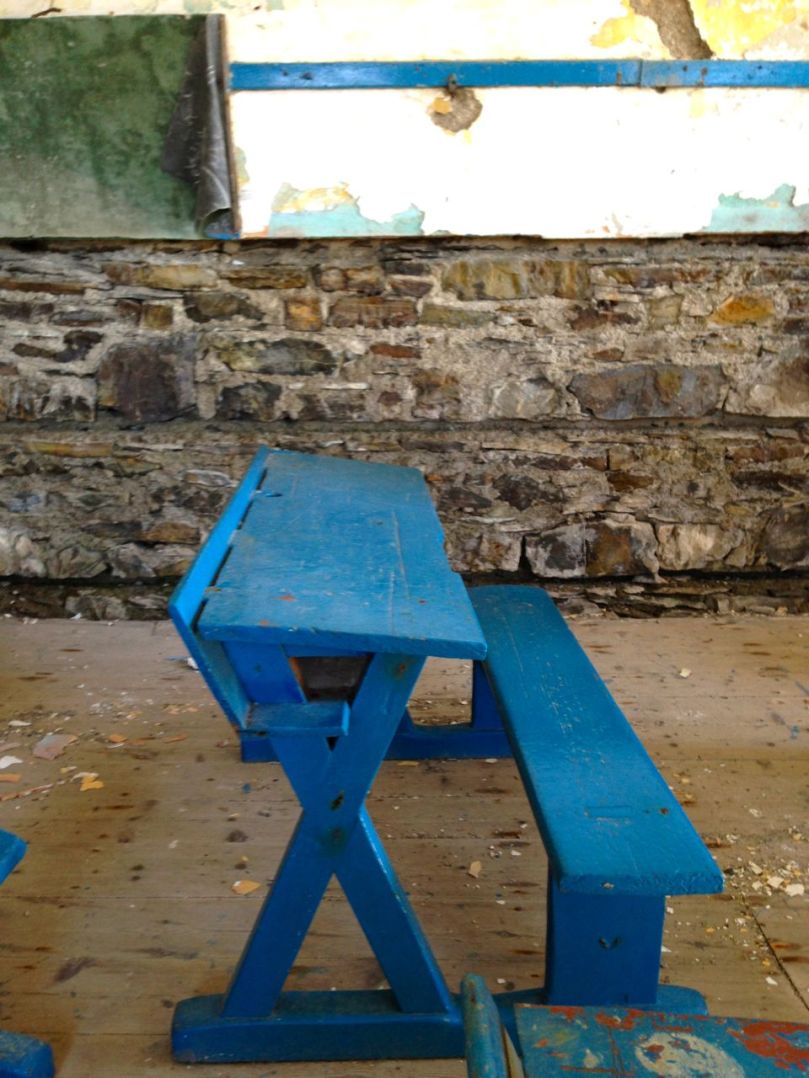
One thing, though…when Tim sat in this desk back in the day, his teacher forgot to teach him about distances. So just take it with a grain of salt when he tells you there’s “only another half mile to go.”

desk

A note on the West Cork Speak Competition! Deadline extended to the end of next week. Only one entry so far, so don’t be shy and get those conversations in!

March Miscellany

shovel

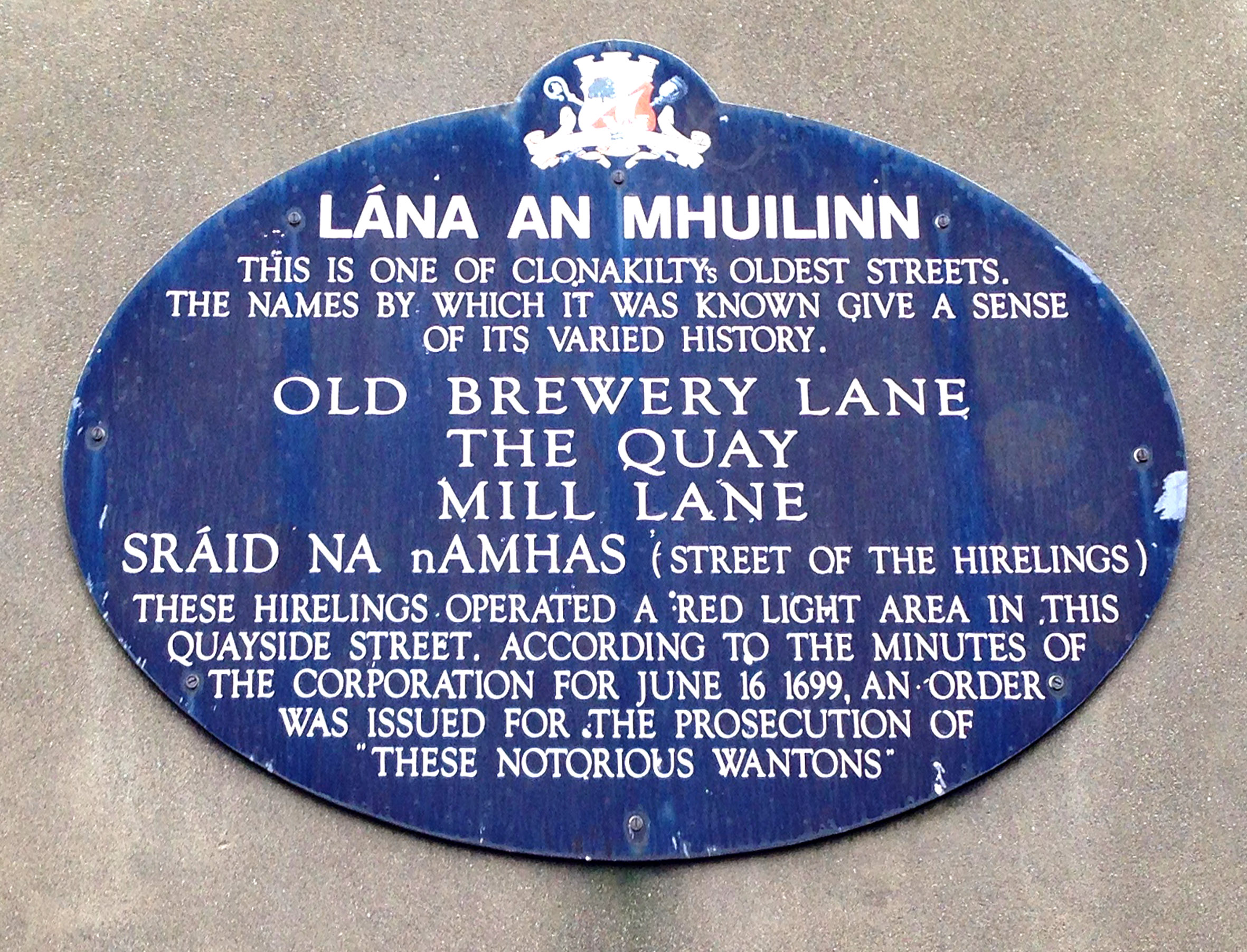
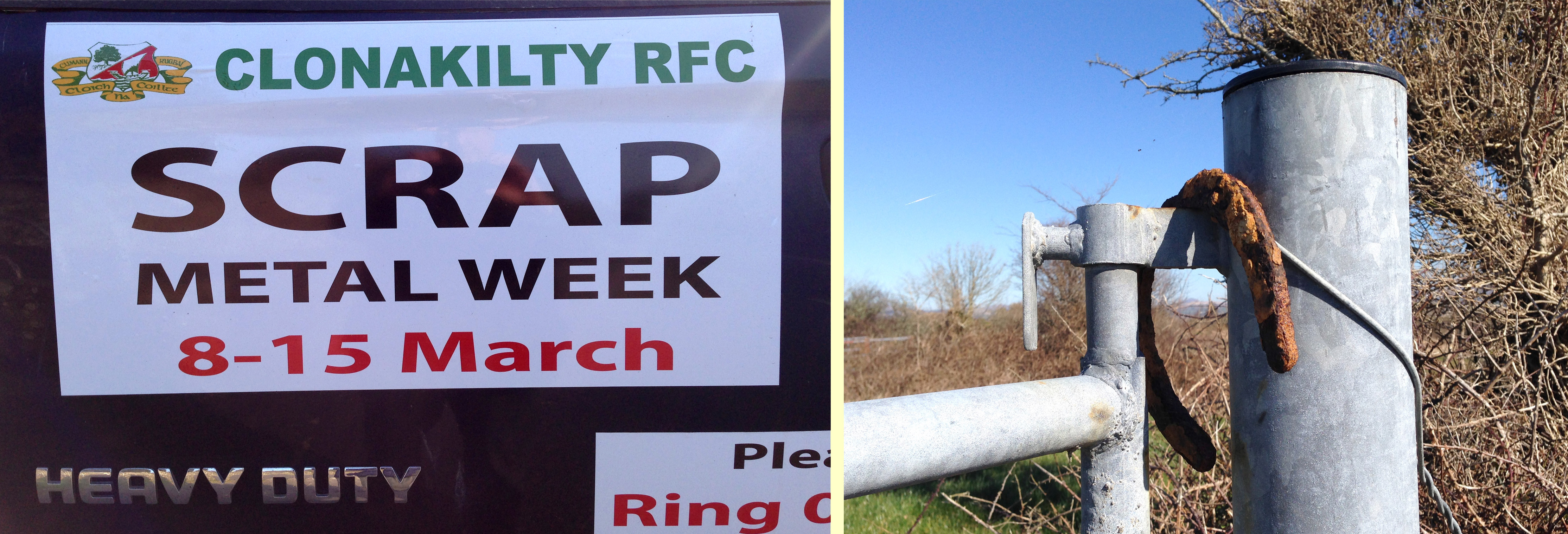
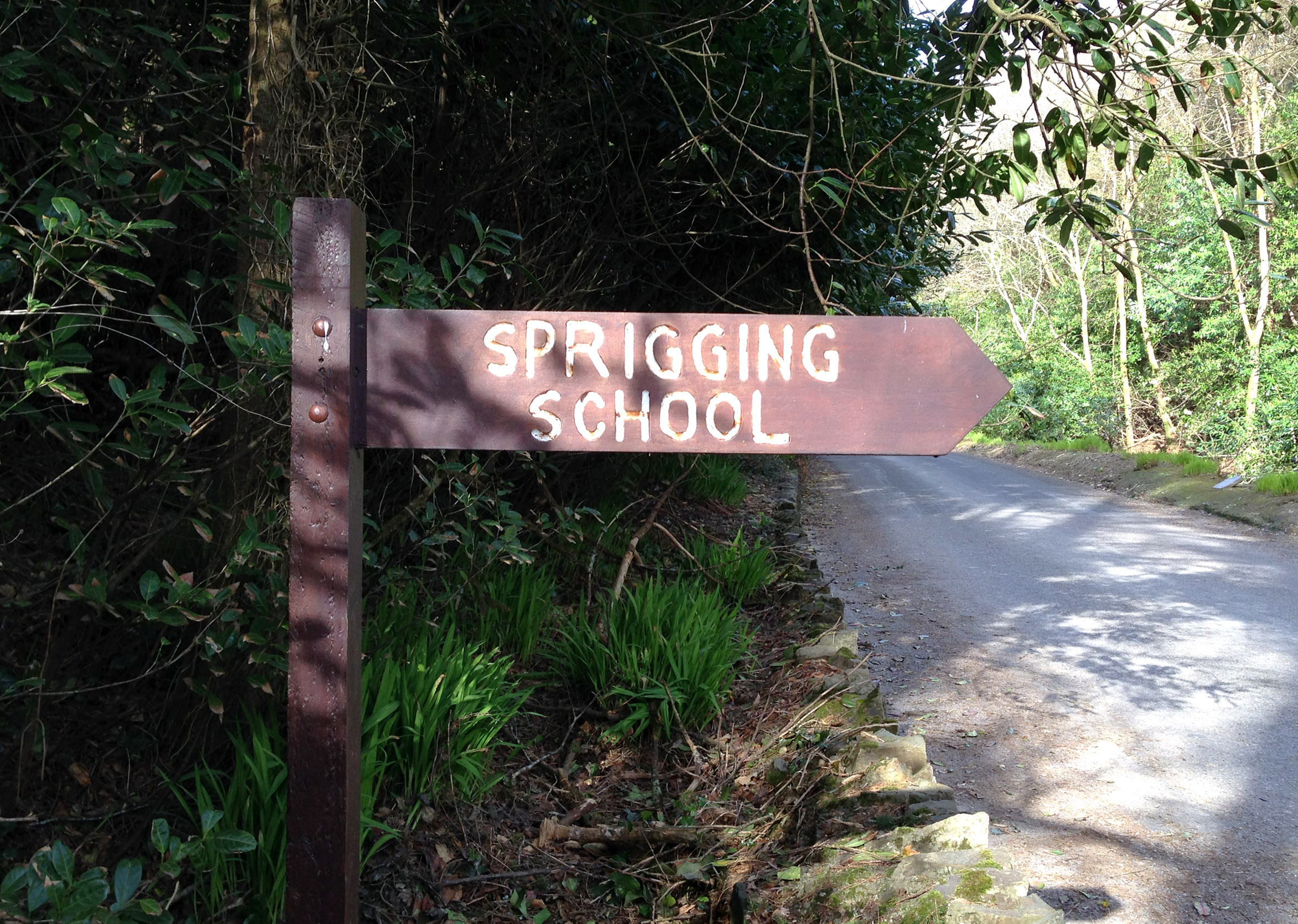
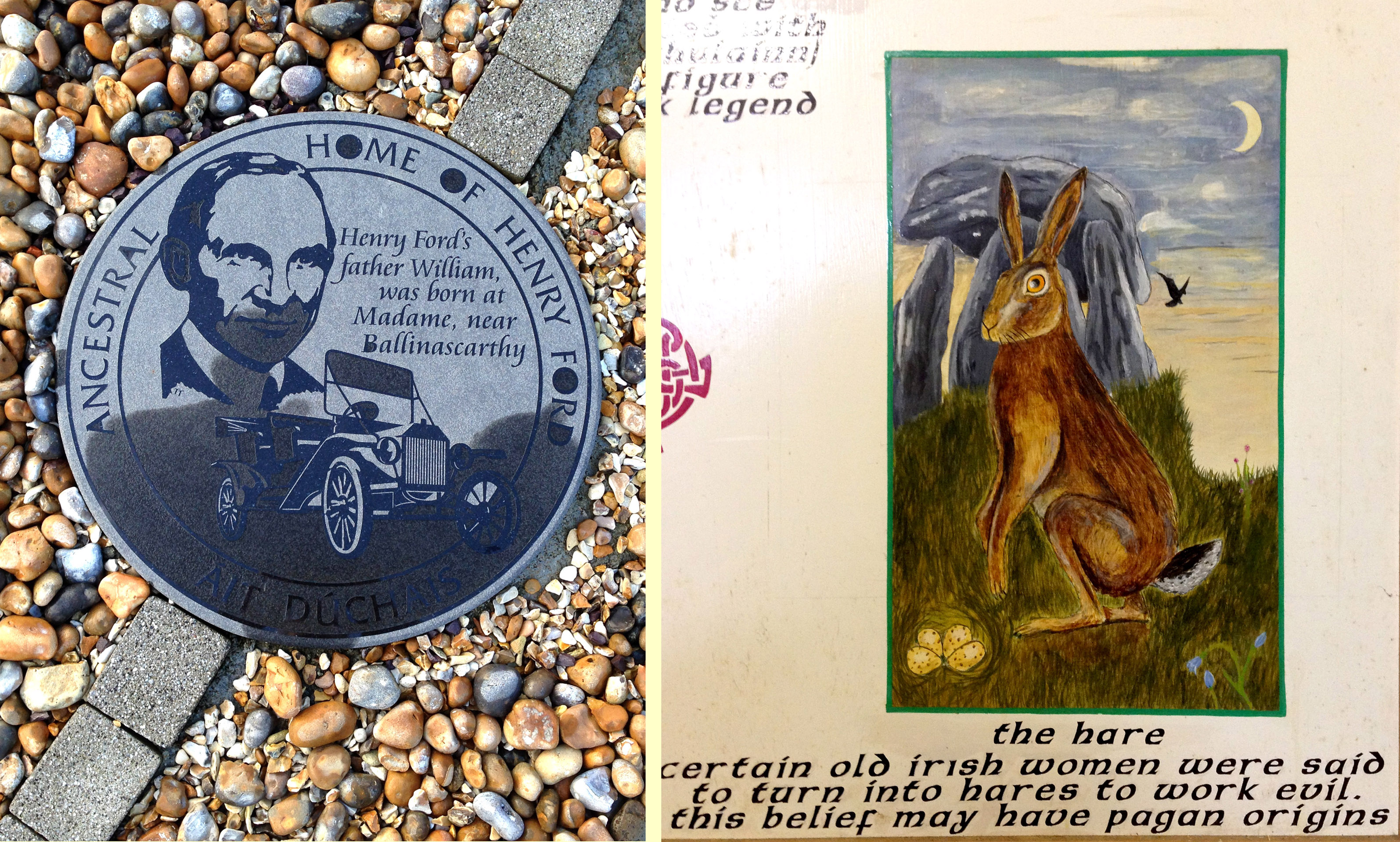
Another selection of Irish ‘normalities’ which have caught my English eye over the last few months (the previous selection is here). They have amused me, surprised me and sometimes baffled me. I have the greatest respect for their ‘Irishness’ – a unique outlook on life and culture from a small island which has made a big mark on the world. Mostly the images need no commentary but I have provided a little information for the curious at the end of the post.

them jobs

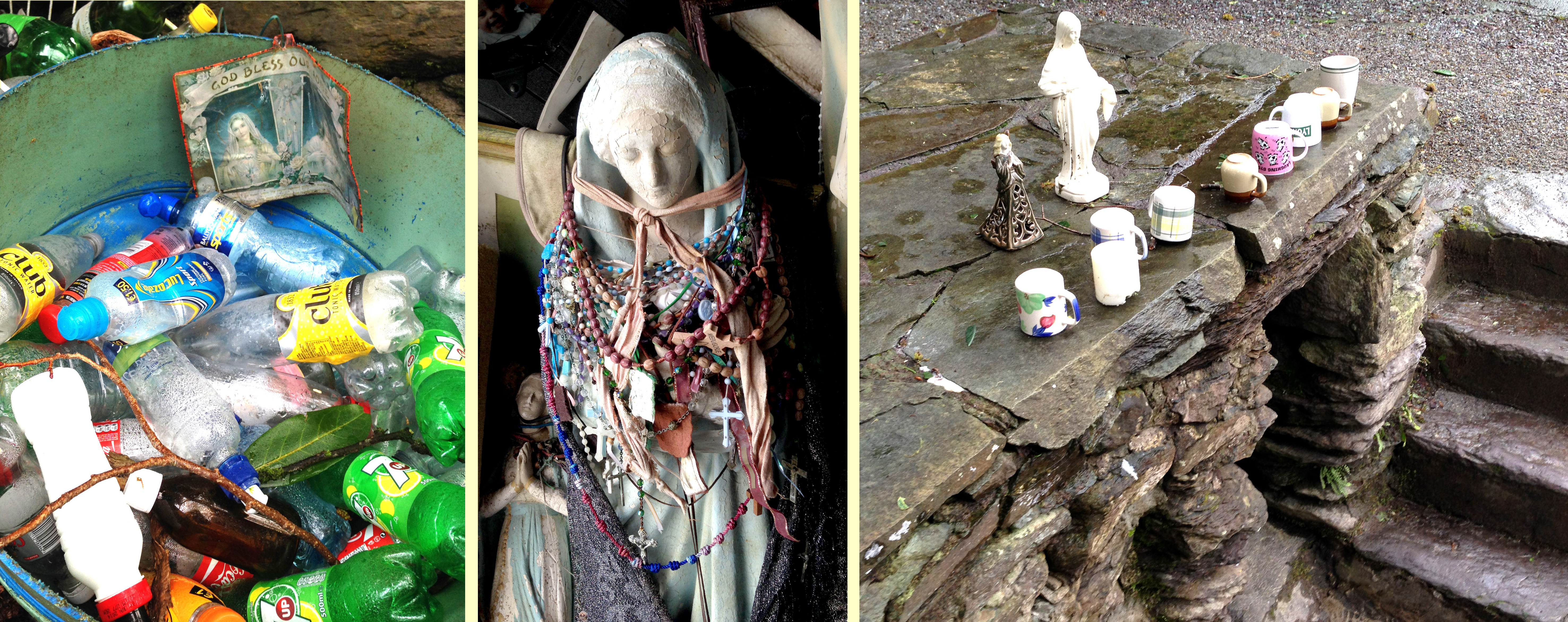
holy water

scrap

sprigging

ford hare

red light

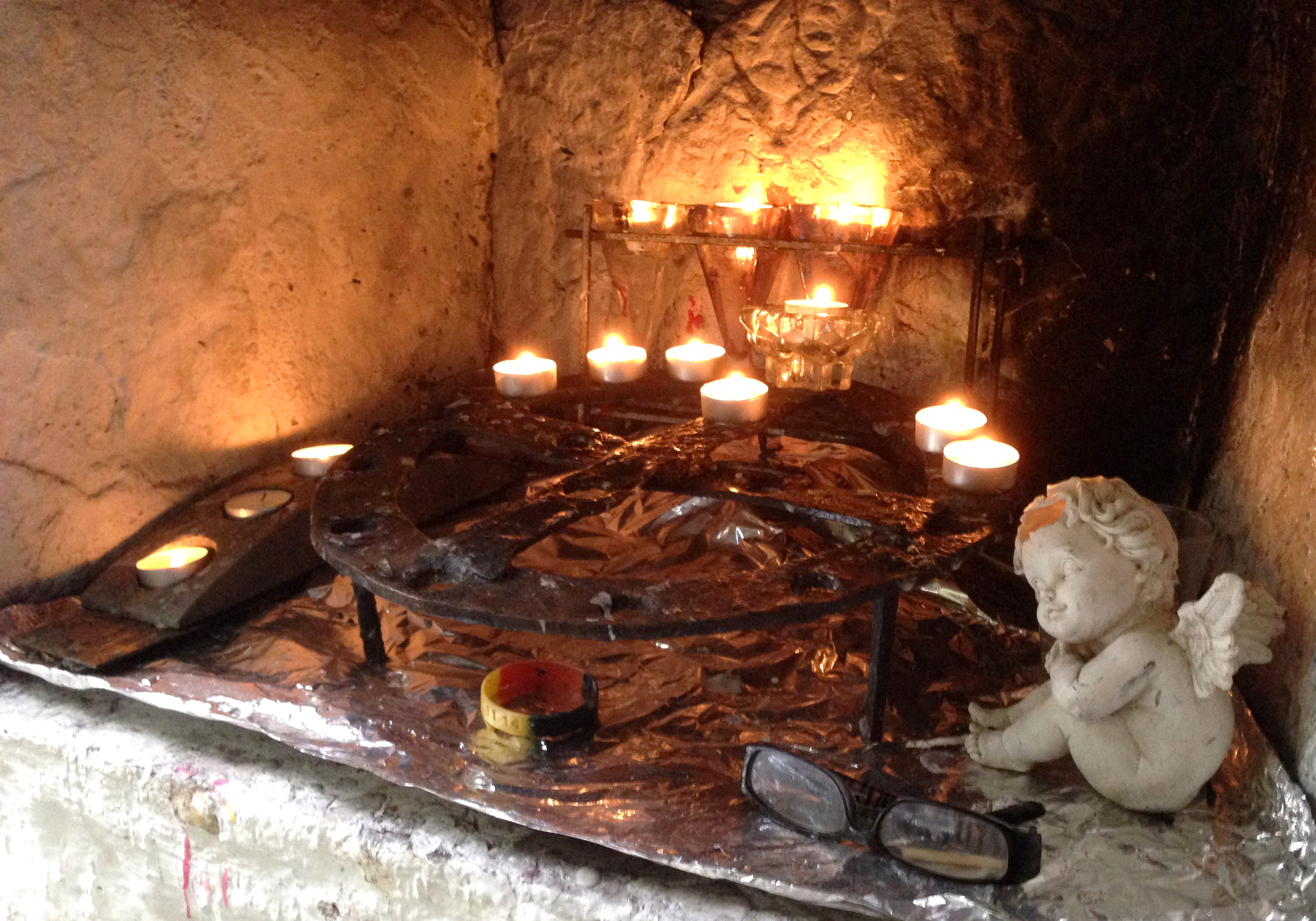
shrine

luckyhouse

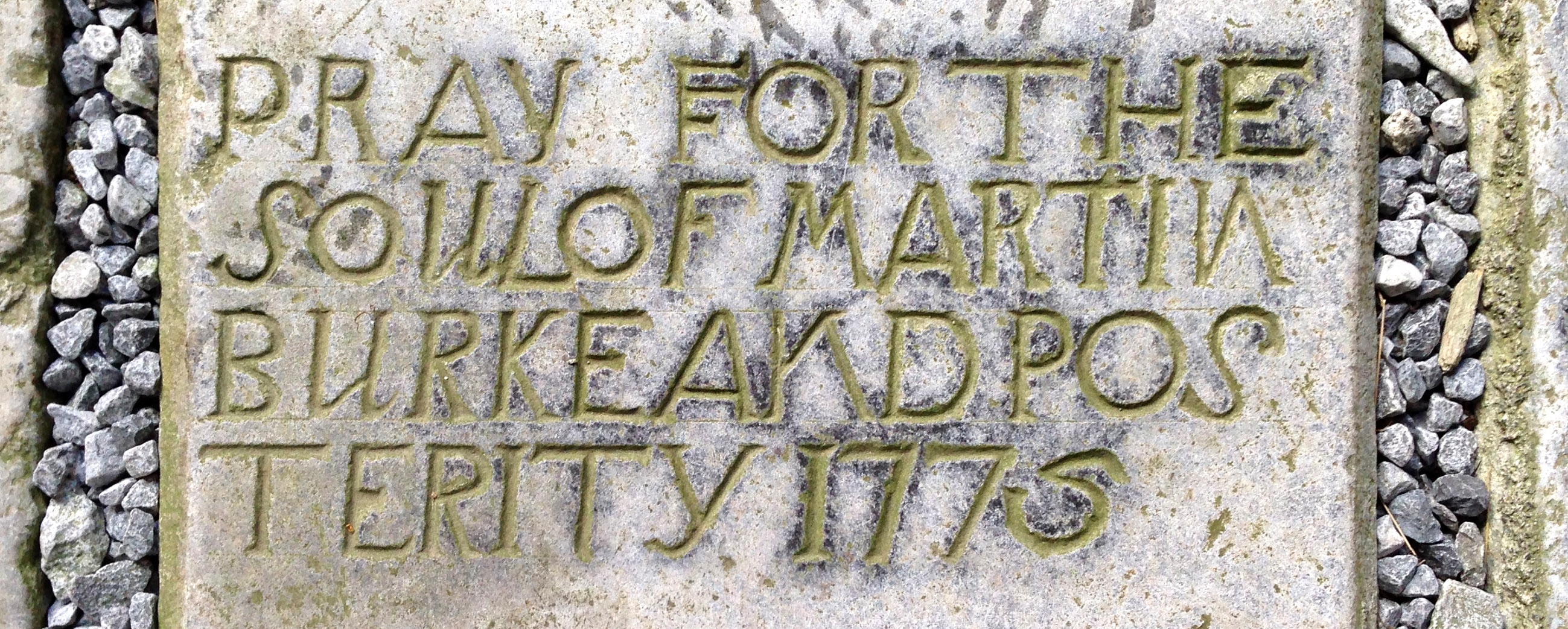
posterity

till he comes

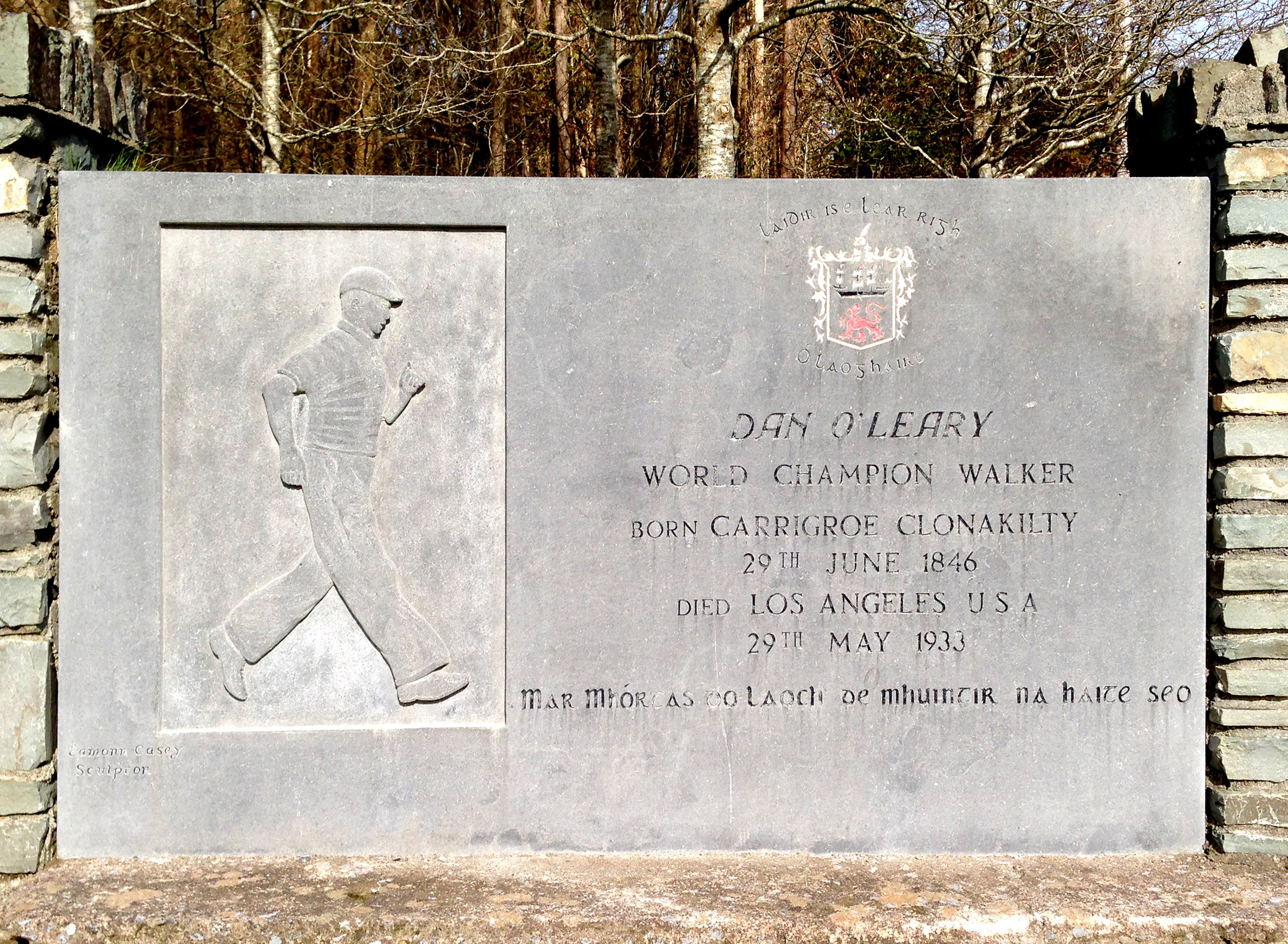
walker

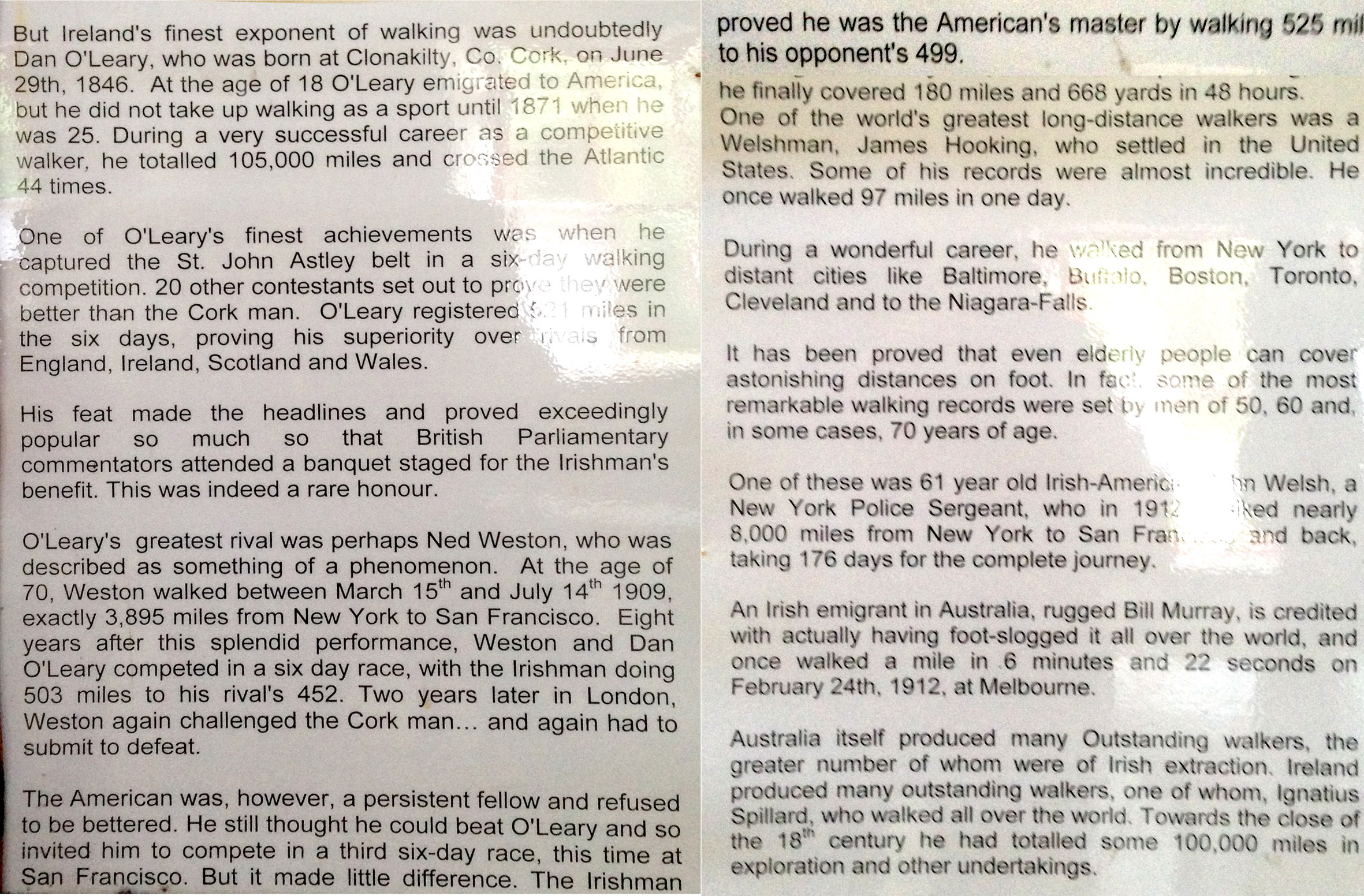
walking

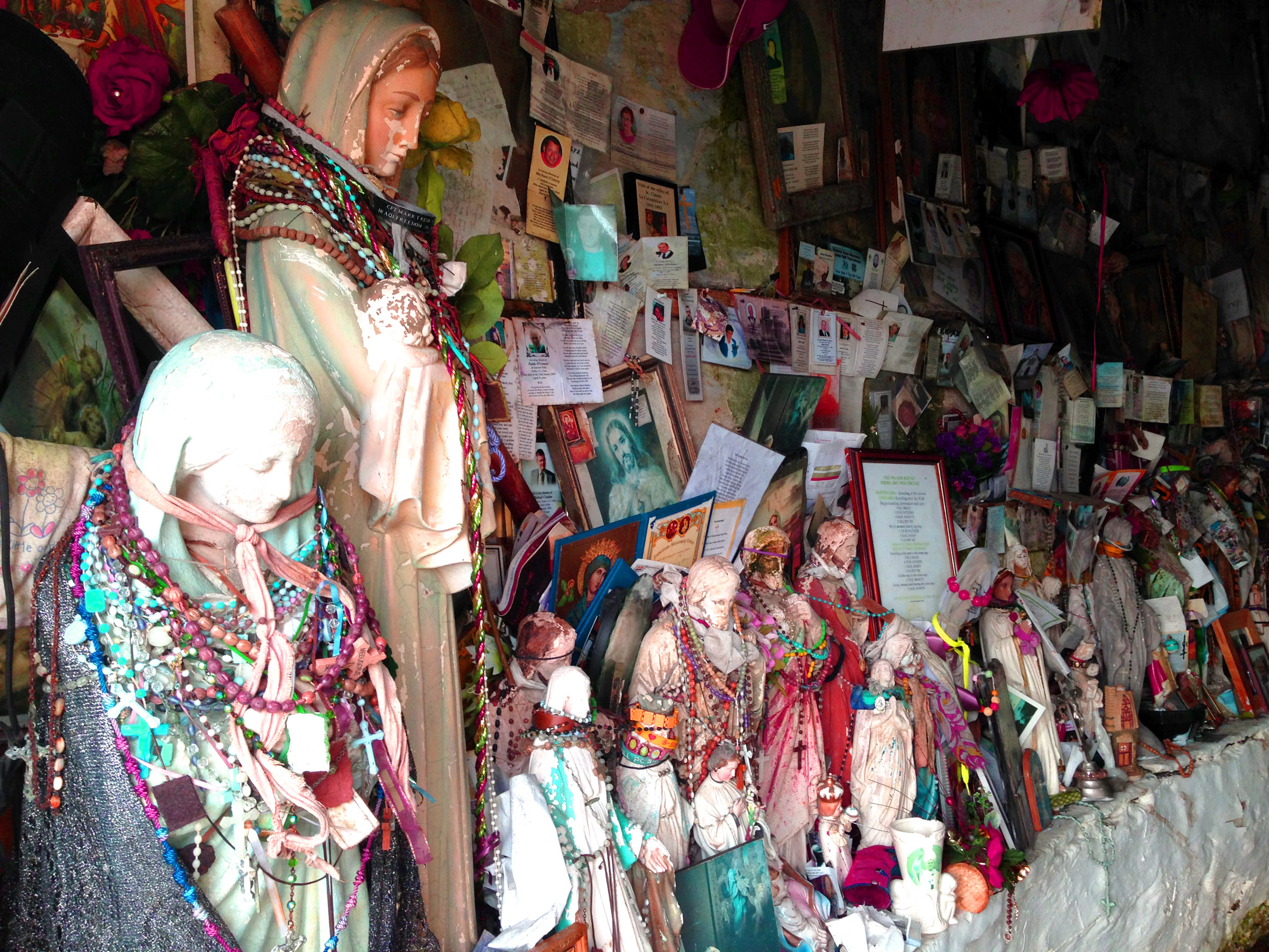
offerings

Most of the images are from our own neighbourhood, but the spectacular wells and shrines – including the one above (to St Brigid) were seen on our trip to Clare. Can’t resist just one more image: it’s the view we enjoy every day from Nead an Iolair, constantly changing and always arresting.

panorama