Equinox Adventure

equinox

September 21st – the Autumn Equinox. Day and night are exactly the same length. This event must have some significance for any society which watches the sky. We can never know for sure, but it does seem possible that the enigmatic stone structures we find out in the remote landscapes of Ireland: megaliths, circles, stone rows and – dear to us – Rock Art, could have been inspired by celestial observations.
the rock

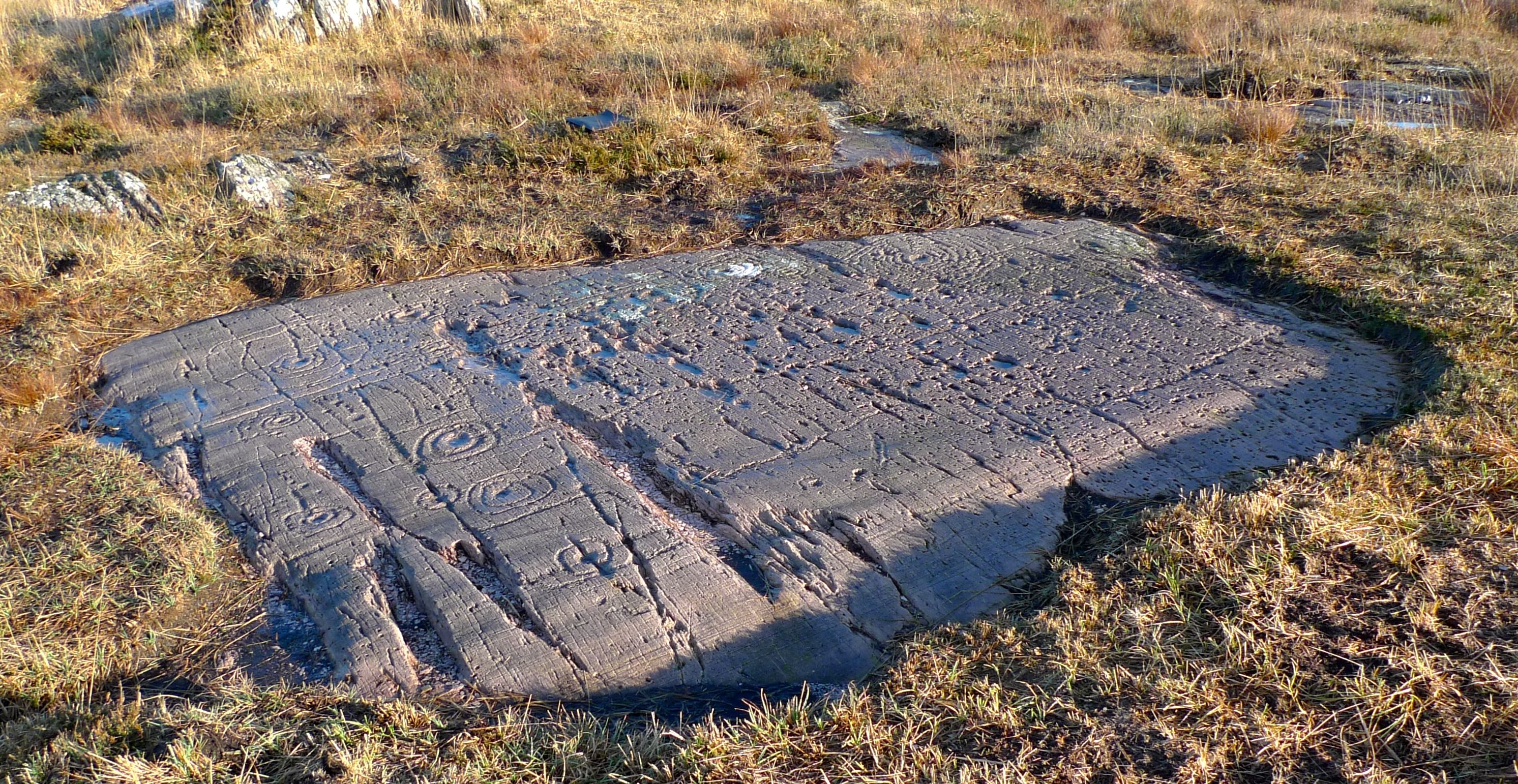
Bronze Age carvings at Derreenaclogh

Finola put up a post on the Spring Equinox at Bohonagh, and we have written about the Spring Cross Quarter (Imbolc). We are fortunate that today’s weather has been idyllic – cloudless and with a clarity of light – so we headed out to Derreenaclogh to watch the sun setting. We have studied this rock in depth, throughout the year and in all conditions. Our work has produced a detailed measured drawing of the intricate markings on the surface, carved by our ancestors perhaps three or four thousand years ago.

During our many visits we have noted – but perhaps neglected – the other carved rock at Derreenaclogh, which is situated only a few metres to the east. This has suffered considerable weathering and surface erosion which the first rock escaped, somehow or other, by being preserved for years – centuries – perhaps millennia – under a covering of soil and furze. Nevertheless, today the very faint markings seemed to be more alive – as if the low sunlight on this evening was exactly right for observation. We could see marks on this surface we had never made out before. Derreenaclogh Number 2 deserves a detailed study of its own – something else to keep us busy for a while!
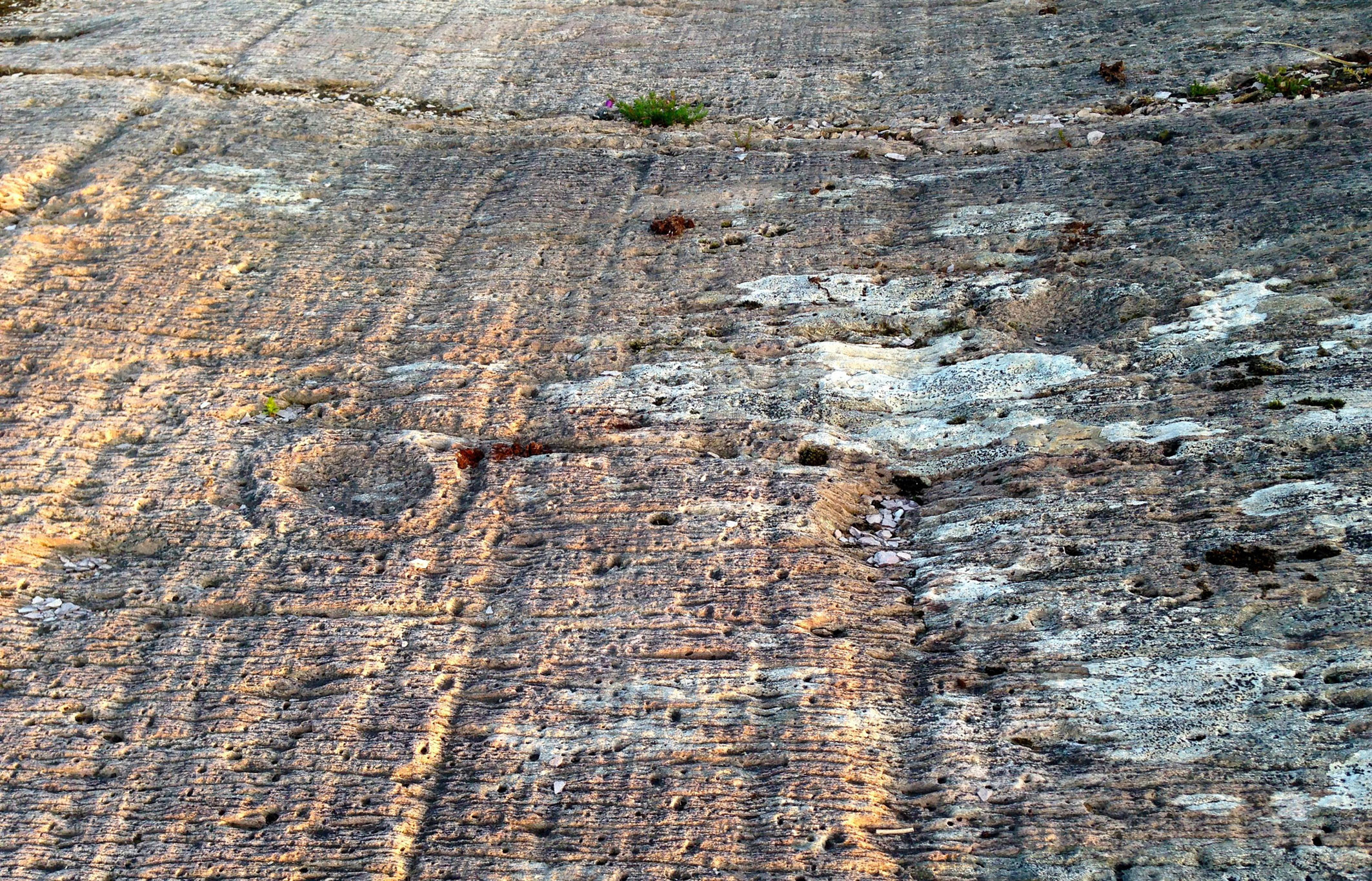
Heavily weathered motifs on Derreenaclogh 2

Heavily weathered motifs on Derreenaclogh 2

The sun duly sank below a hill – not a particularly significant part of the horizon. Mount Gabriel, meanwhile, further to the south, gathered some rather spectacular clouds around itself: it could be that this landscape profile is a sunset marker at another calendar point. We did see that the ‘ray’ on the large motif with eight concentric circles seemed to be aligned with the setting sun – could that have been important?

It was such a beautiful evening that wherever that sun had landed, or whatever alignments may or may not be visible, we would have been perfectly happy. As we made our way back to Nead an Iolair we said to ourselves – again – that this West Cork scenery is unbeatable: we are so fortunate to be immersed in it.
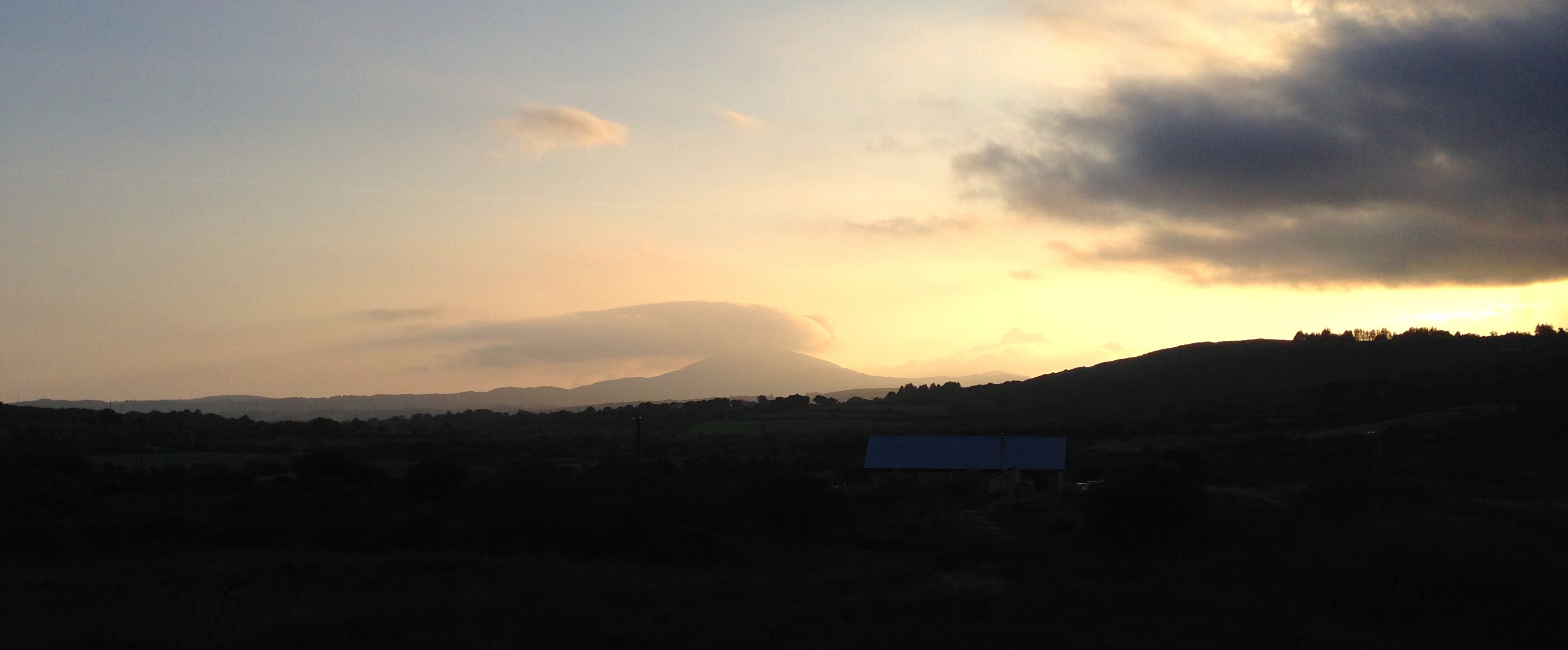
Mt Gabriel


Beara – the Lie of the Land

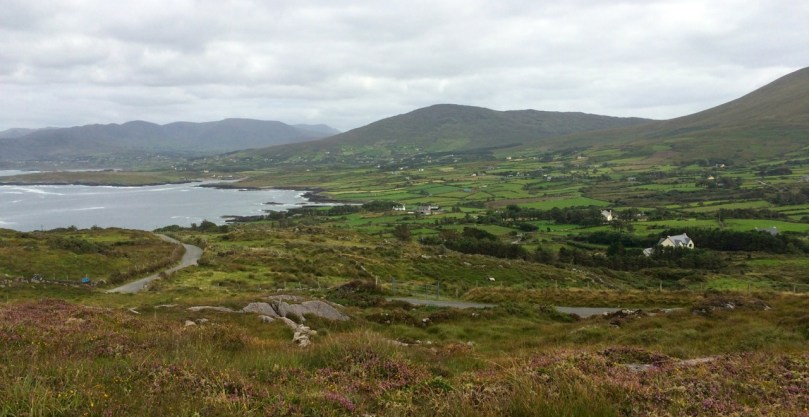
On the north side of the Beara, looking across to the Kerry Mountains.

On the north side of the Beara, looking across to the Kerry Mountains

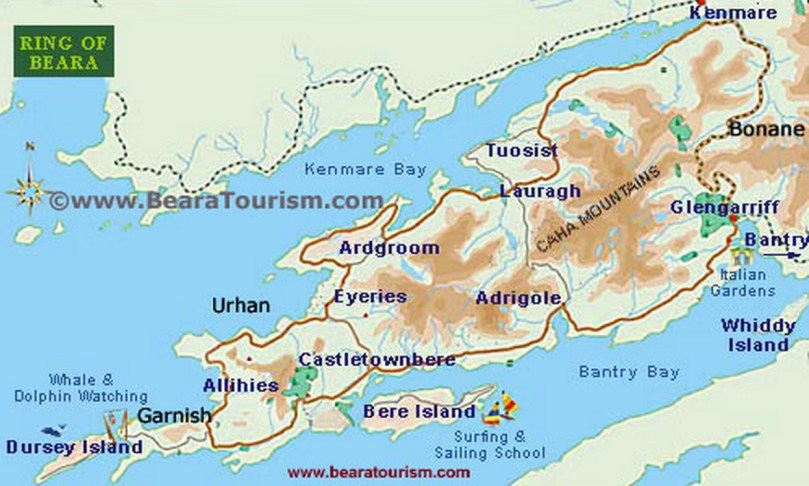
The Beara Peninsula is the largest and perhaps the wildest of the three West Cork Peninsulas. (See last week’s post for the map.) Two mountain chains, the Caha Mountains and the Slieve Miskish Mountains make up the spine of the Peninsula. You can traverse it via the spectacular Healy Pass, which runs from Adrigole north to Lauragh. On this occasion, because we had limited time, we confined ourselves to driving the main coastal route and to getting the general lie of the land. This meant we missed out on several landmarks – Bere Island, for example, and Dursey Island, besides the Healy Pass – so of course we must go back soon!

Near Cod's Head

Near Cod’s Head

After the inspiring piano recital by David Syme, described last week, we stayed overnight in Allihies and enjoyed an excellent dinner in O’Neill’s pub. The local Gaelic Football team had won a championship match that afternoon and the town was celebrating well into the night. Our first stop the next day was the Allihies Mining Museum. Housed in an impressively converted old Methodist Chapel, it tells the story of copper mining on the Beara, evidence of which can still be seen in the vicinity.

Note the green copper veins on the cliff face

Note the green copper veins on the cliff face

From there we carried on to the Cod’s Head, through a small pass which brought us out to a jaw-dropping vista across Coulagh Bay to Kilcatherine Point, and beyond to the Mountains of the Iveragh Peninsula in Kerry. We took the time here to hike up a waymarked trail that brought us up to breathtaking views high into the mountain slopes, home of purple heather, enormous boulders and curious sheep.

The sentinel

The sentinel

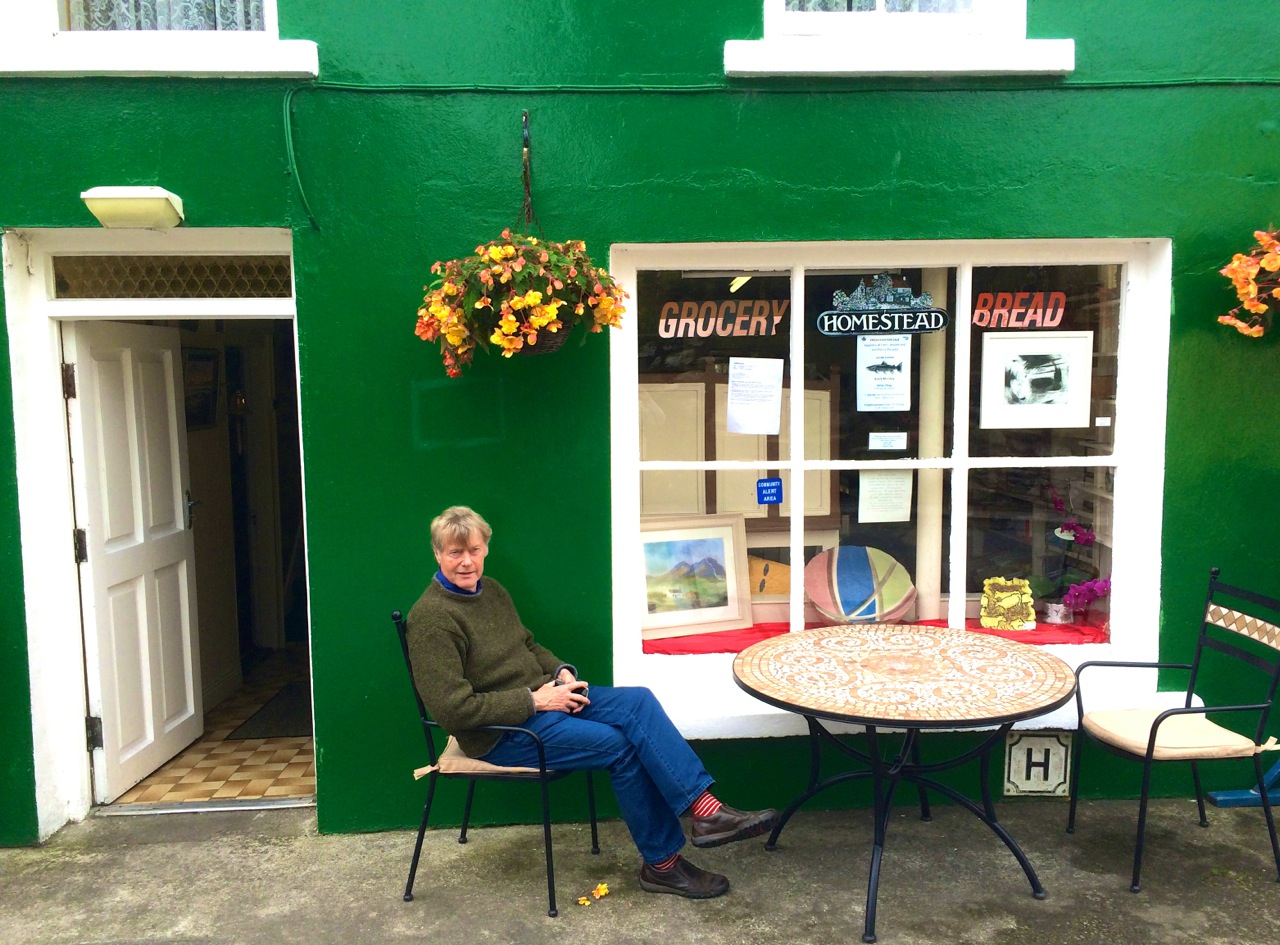
Eyries village is a pure delight: a riot of colourful houses and sleepy streets. We stopped at Ms Murphy’s traditional shop for tea and delicious sandwiches, strolled along the main street taking pictures and chatting to friendly residents, and finally by chance dropping into the startlingly beautiful St Kentigern’s church.

The north side of the Peninsula offers glorious vistas across the Kenmare River (an enormous sea inlet but called, oddly, a river). We took the coastal route from Kilcatherine to Dog’s Point and back to Ardgroom and on to Lauragh – lovely villages with seaside settings.

Mountain and sea

Mountain and sea

We stopped to visit the Cailleach Beara, the Hag of Beara. A powerfully symbolic site from Irish mythology, this rock is associated with many legends. People leave votive offerings – coins, rosary beads, a set of old glasses, shells and ribbons in honour of the spirit of the ancient goddess. Our next stop was the Ballycrovane Ogham Stone – the tallest in the world, and still in the wild, as Robert was glad to note.

Alright – so we have our bearings now and we’ve scratched the surface of this fascinating part of West Cork. Look out for future posts on the Beara – we can’t wait to return!

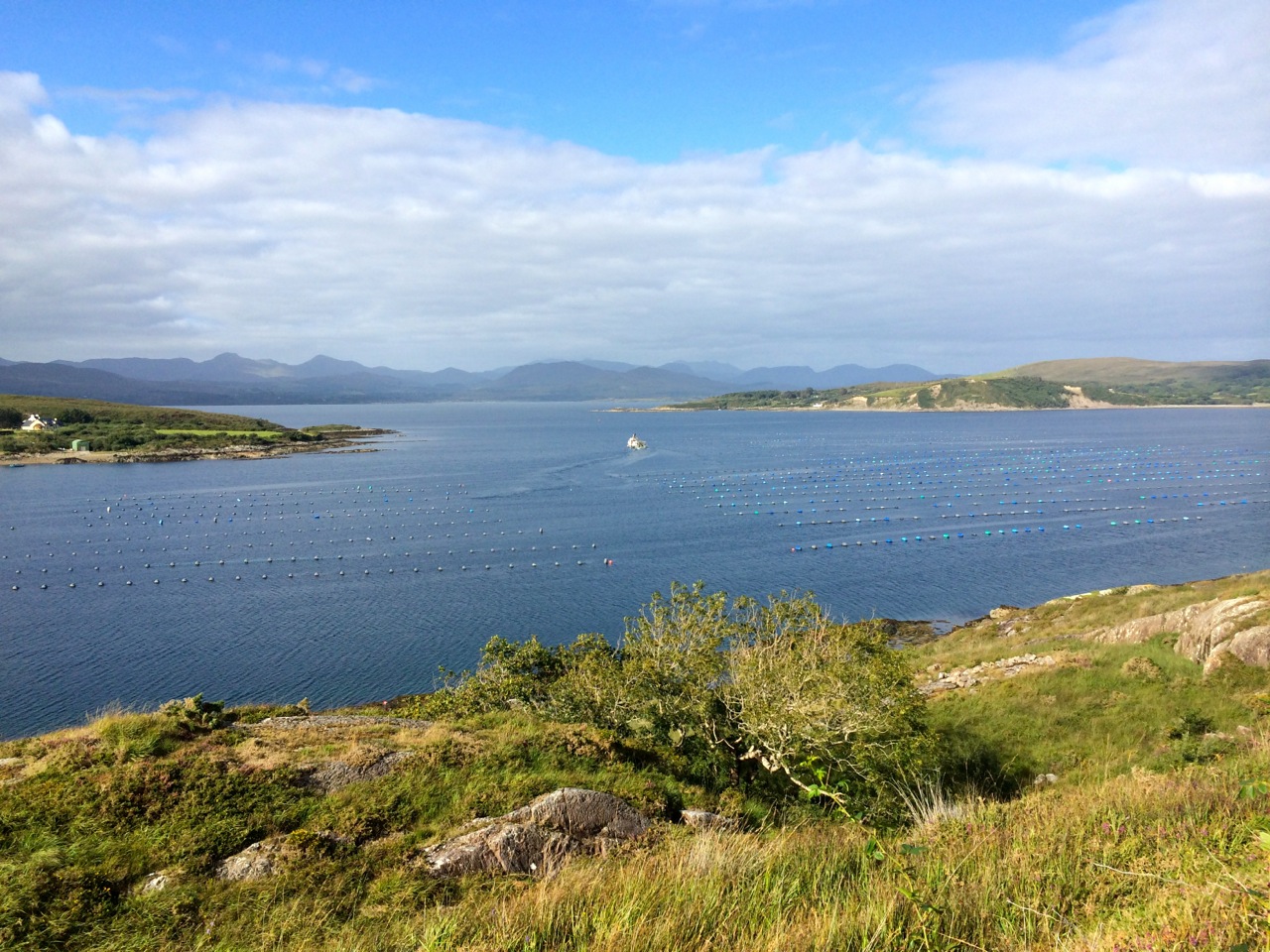
Beara mussel beds

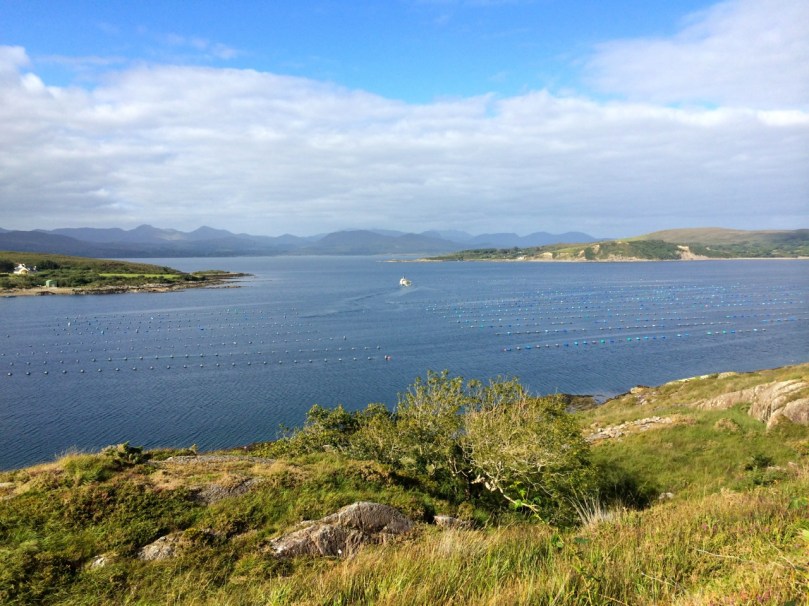
Mussel beds, looking out to the Kenmare River

A Moment in Time

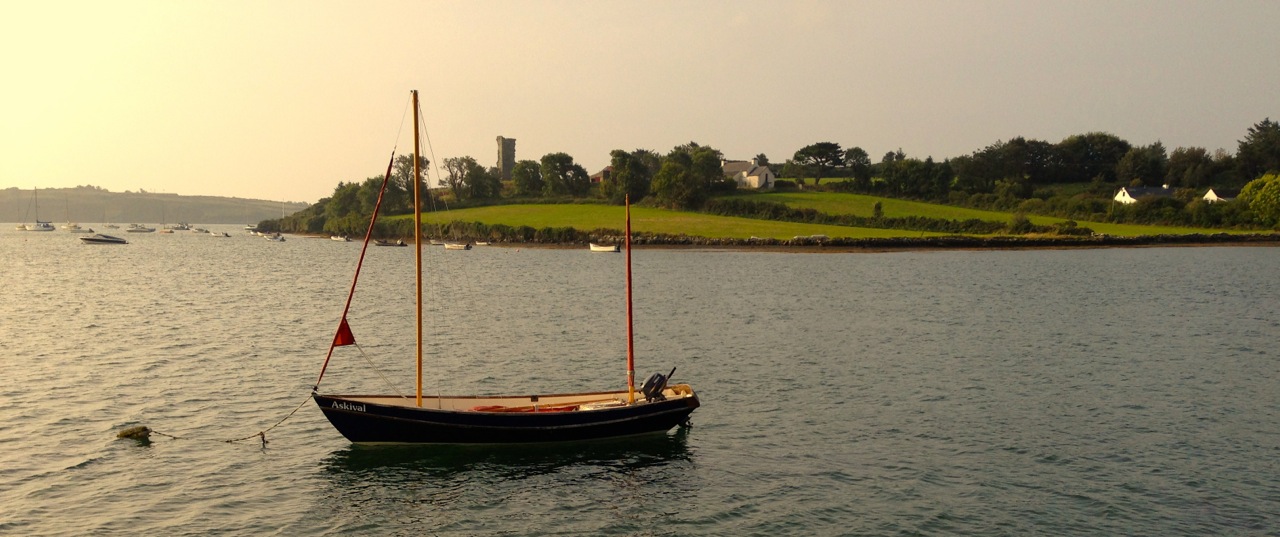
Beautiful Rossbrin Cove

Beautiful Rossbrin Cove

It happens so suddenly. One day you will go down to the Cove and the sounds of summer will be in the air: childrens’ voices and laughter from gardens and beach, excited dogs, perhaps a clop of ponies from the riding stable, the flap of sails getting under way and the whirr of outboards on ribs. Then, the end of August comes, and it’s as if a shutter drops mechanically. Gates are shut and blinds are drawn at the many holiday houses along the water; there’s a chill in the morning air and a haze hangs over everything. An ever so slight feeling of melancholy accompanies the Oystercatchers pieu-ing as they glide in.

fuschia

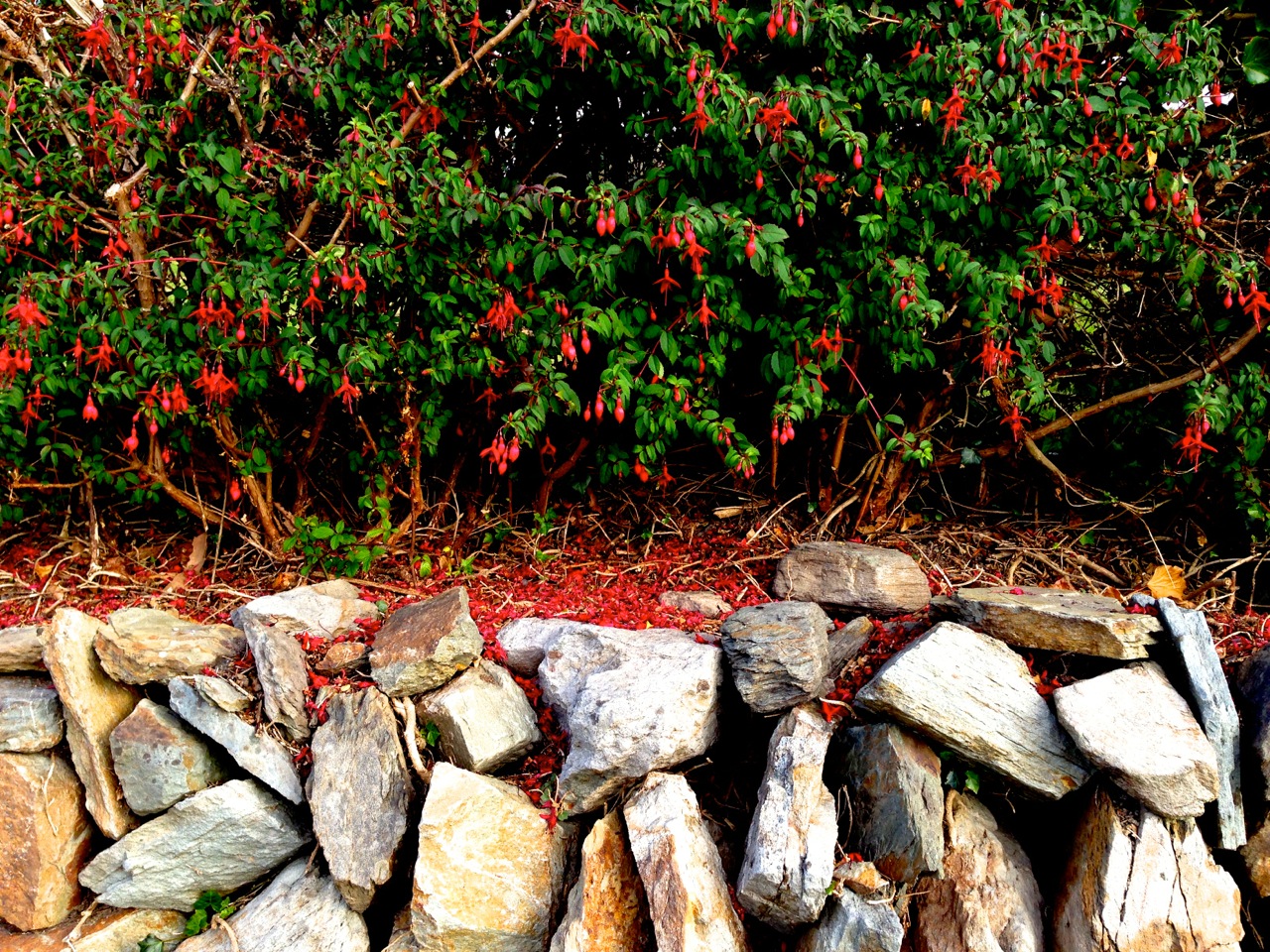
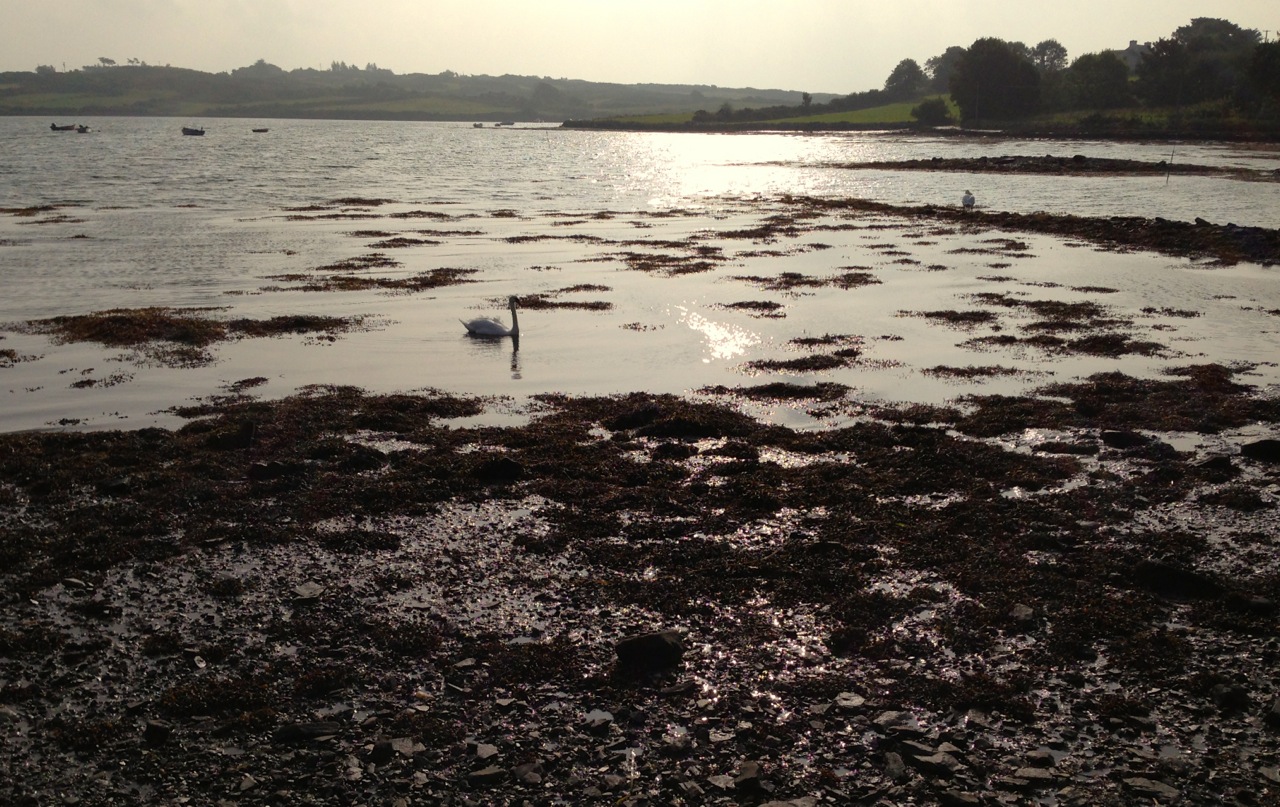
But there’s abundance all around: fat, luscious berries and hips dominate the hedgerows and wild fuschias are as rampant as ever. Bees are constantly in evidence. The sun still comes uninterrupted every day in this record-breaking year while, in the evening, the biggest moon of the season rises magnificently in the east, bringing with it a huge tidal variation: low water empties the Cove almost completely, providing a feasting ground for the little waders, while the Swans are compelled to sit on their single legs forlorn on a mud-bank, or to sail off out to the open water beyond the castle.

haze

On a day last week we perambulated the full rim of the Cove, pausing by Julian’s house at the very end, just before reaching the landmark of Finghin O’Mahony’s ruined tower. Like us, Julian is a year-round resident: there are just a few others. There is activity in the boatyard at the end: they are preparing to receive, over the coming month, all the sailing craft that are currently moored to buoys in the mouth of the inlet: upwards of thirty. Yacht insurance generally runs out at the end of October. Last winter – the stormiest in living memory – saw a single boat ride it all out undamaged on the water, while high and dry in the boatyard several fine yachts were toppled and broken by westerly gales. For some reason (perhaps its because of the now sleeping houses) the birds’ chattering and serenading seems to be louder and more insistent.

When I first came through Rossbrin Cove – many years ago – it didn’t make a positive impression on me. It seemed a bit of a scrappy place, with its huge, muddy slipway at the far end and rusting trailers and discarded dinghies growing in to the encroaching sedges. The shoreline itself, edged with home-hewn jetties and concrete landing places, seemed a little urban: I passed on, looking for a bit more in the way of West Cork scenery and character. Now, the Cove is our daily garden path: with familiarity it has elbowed its way into our hearts and we appreciate every detail. At low tides the rocks are a hunting ground for Mussels (although we have to wait for Good Friday), and sunlit pools are inhabited by scurrying crabs and bewildering varieties of seaweed.

misty

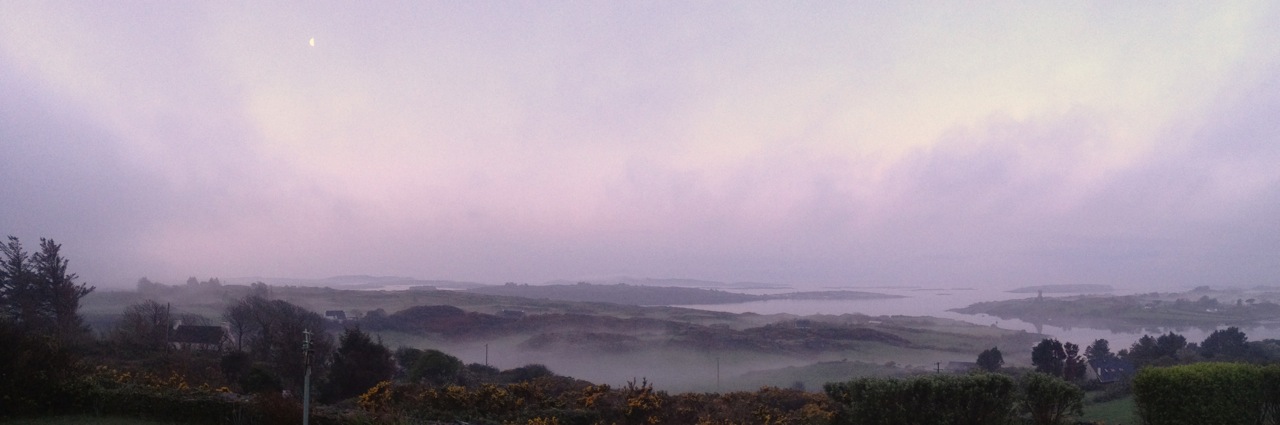
Before the haze burns off, sky and water merge and the islands drift in and out of view. The sea itself is a frontier of the untameable Atlantic but, here in this land of inlets, coastal hills and castles it mirrors the sunlight from its barely rippled surface, and our summer will never end.

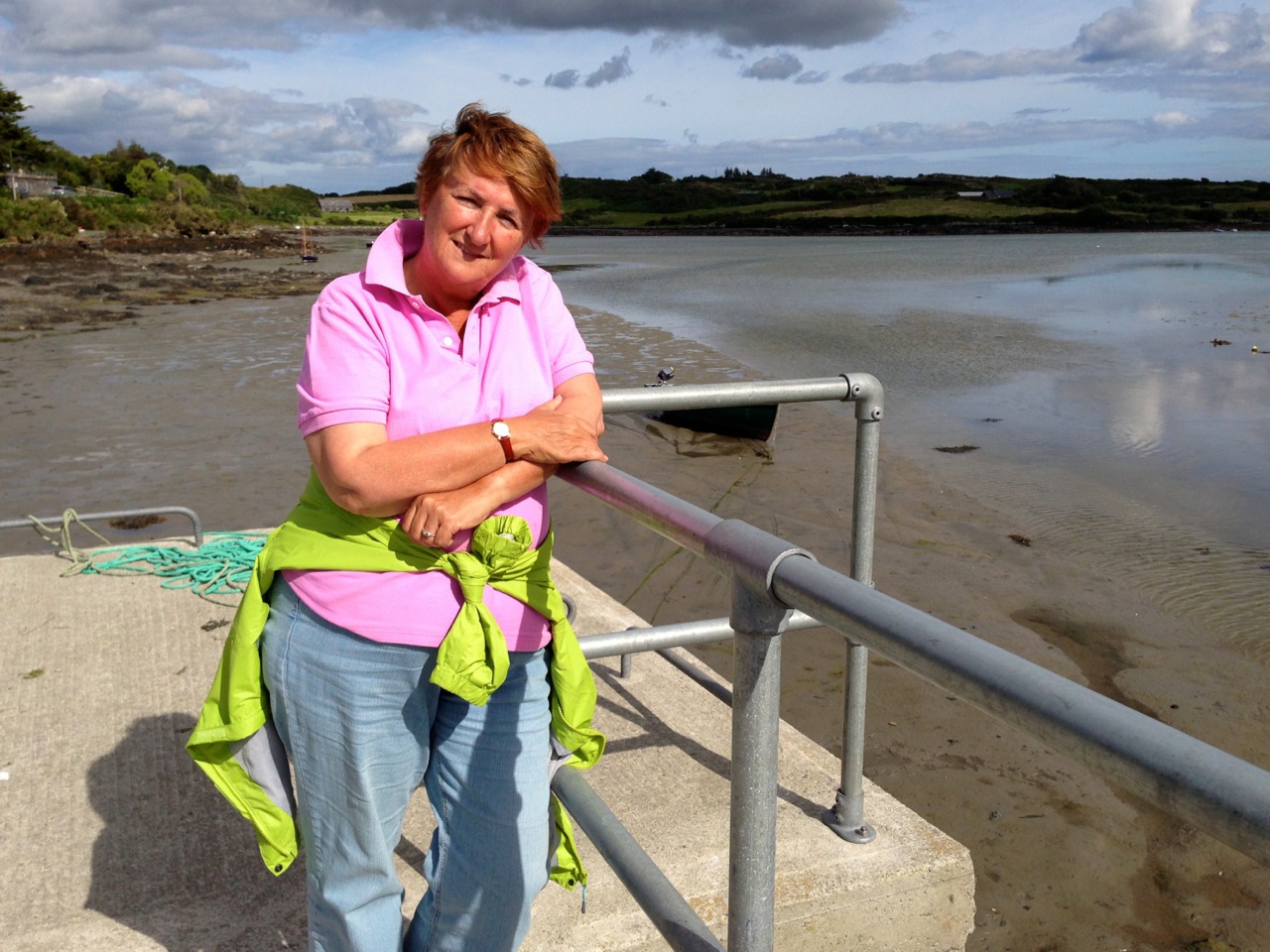
Enjoying Rossbrin

Enjoying Rossbrin

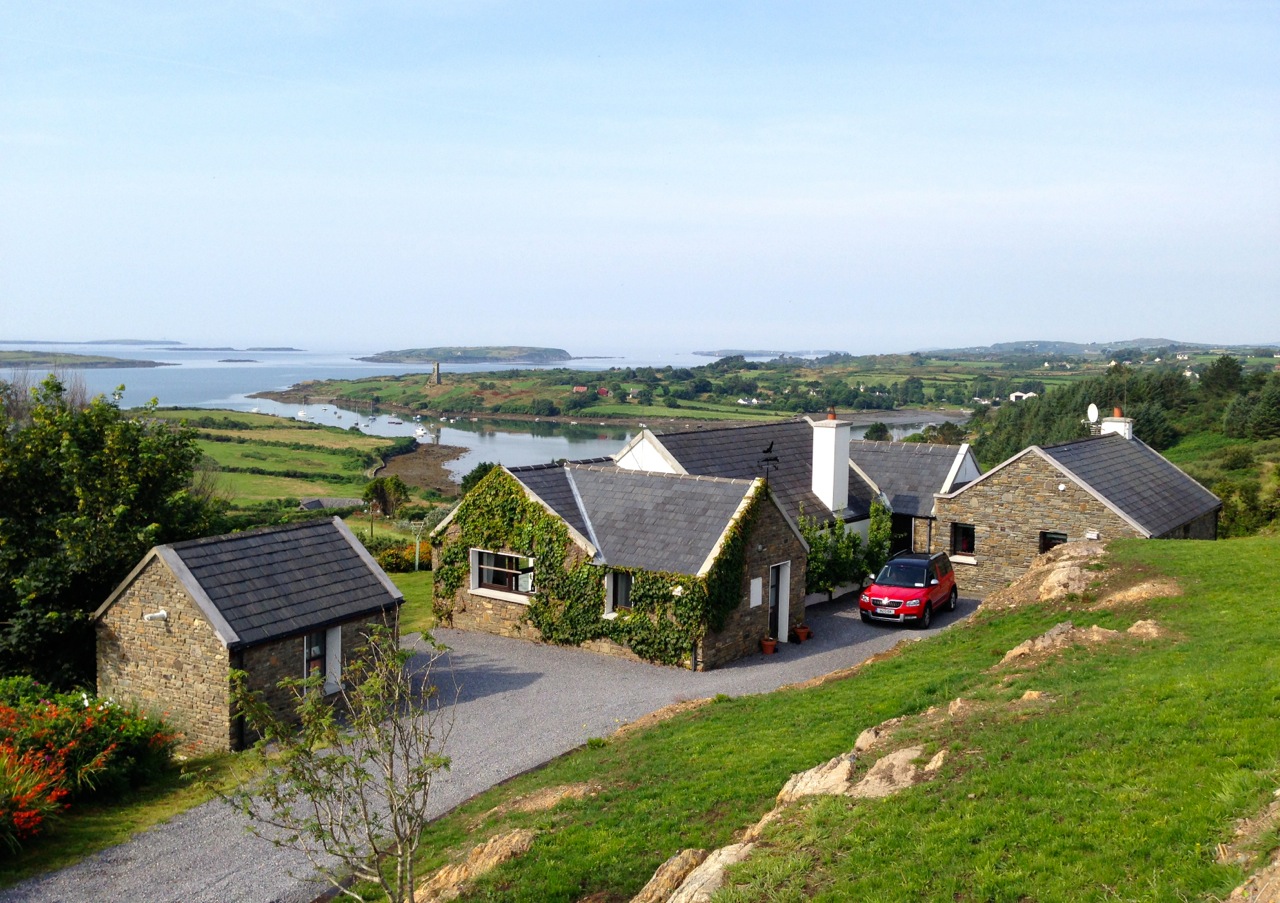
Nead an Iolair  - the view to RoaringwaterNead an Iolair – the view to Roaringwater

We’re on Facebook

Our Facebook page

Our Facebook page

We have heard from some readers that they prefer to access blogs through Facebook, so after a year of thinking about it (Ah sure you wouldn’t want to be rushing into things, would you now?) we have taken the plunge and set up a Facebook page for Roaringwater Journal.

Besides links to our regular weekly blog posts, this page will feature photographs that haven’t made it into a post, or items that catch our eye as we continue to explore our West Cork home. If you’re on Facebook, do drop by and hit the LIKE button so that we will show up in your news feed. If you’re not, or you’d rather just get the weekly posts, don’t forget to enter your email address in the box on the right: you’ll get an email every time we post something new on the blog.

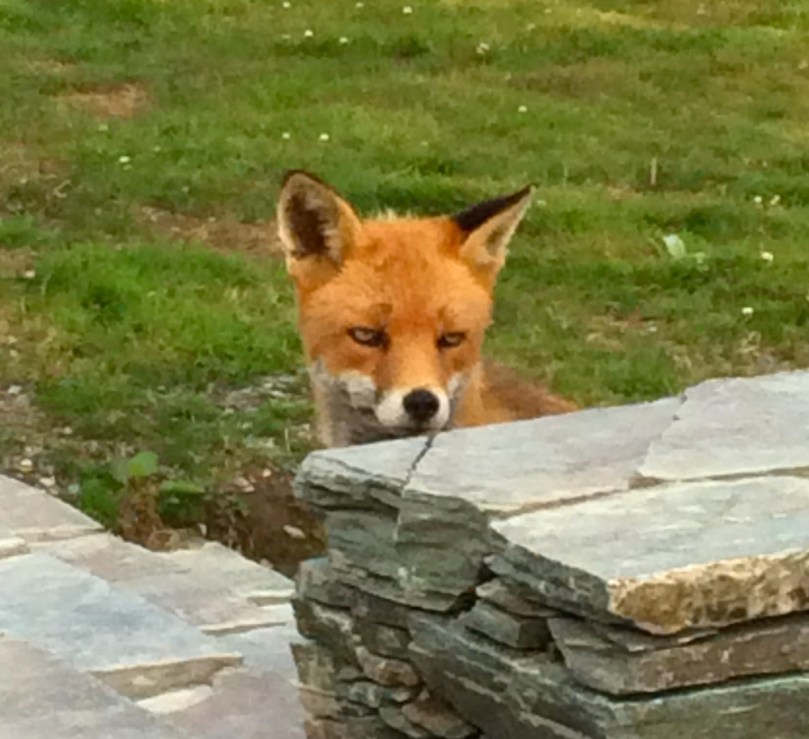
Ferdia's not on Facebook - he just wanted to say hi.

Ferdia’s not on Facebook – he just wanted to say hi.


A Misplaced Saint

detail 11

Partly in West Cork, and partly in Kerry, the Beara Peninsula is a majestic place to explore. Some of Ireland’s highest mountains are here, and in places they sweep sheer down to the Atlantic to create dramatic landscapes, hard to match – in my own limited traveller’s view – with anything else in the world, But it’s not just landscape: the Beara offers surprises in the way of rainbow-hued village houses, off-the-beaten-tracks pubs with lively music and conversation, and the occasional gem of an altogether different kind. My post today is simply about one place – one church, in fact – which we found by chance in the village of Eyeries situated on the recently implemented long distance drive around the whole magnificent west coast of this country: the Wild Atlantic Way.

Wild Atlantic Way...

Wild Atlantic Way…

‘…Come to Eyeries Village. Embrace the tranquility…’ That’s the advice of this little community’s website. We did just that and, as we were enjoying our coffee outside Miss Murphy’s cafe in the centre of town we were only disturbed by one or two cars and diverted by the sound of the street sweeper’s brush. But the focus of our attention for this visit became the church: St Kentigern’s.

notice

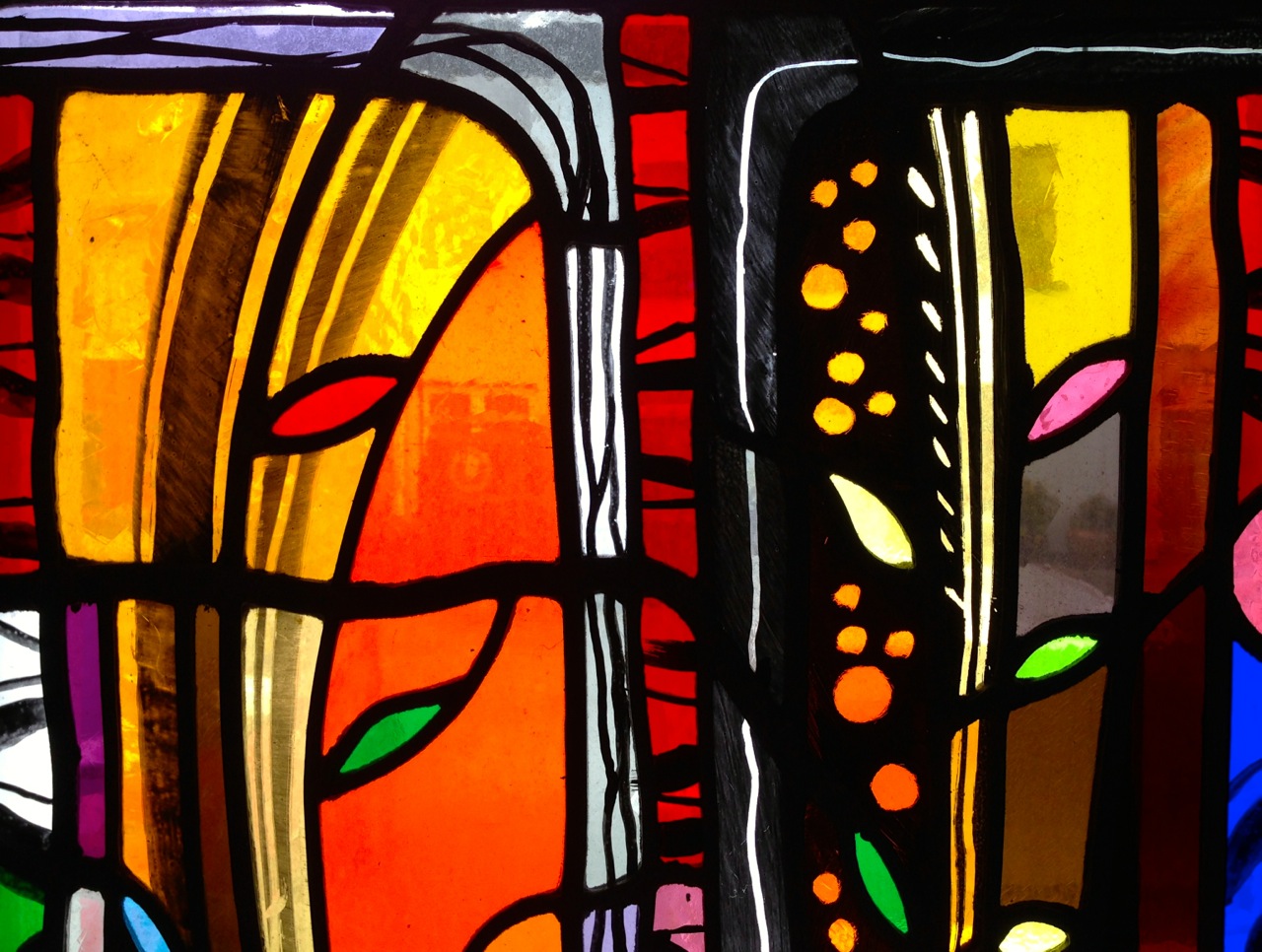
As you will know, I am always on the lookout for Irish Saints, and I had never heard of St Kentigern, so I went inside expecting to find a new story. My eyes were assailed by a riot of colour! This unassuming little building hides a magnificent set of coloured glass windows telling the story of the world from prehistoric times and Ireland’s central part in that history… I have put a precis of the artist’s explanation of the designs below, but the windows must speak for themselves.

There are eleven windows in all: eight in the main body of church, two in the Sanctuary, and the last in the west wall, over the entrance doors.

So – why are they here? A very good question. I have gleaned no information from the usual sources. The best I could find (based on a chat with a passer by) was that the windows were commissioned in the 1980s, and each one is dedicated to the memory of a local person, and they were all paid for by friends and relatives of the dedicatees. It seems that there was a wish at the time to ‘brighten up’ the interior of the formerly nondescript building. I think this aspiration has been completely successful, but it’s a shame that there’s hardly a mention of the church or its windows in any of the information I could find about Eyeries.

Regarding the stained glass artist himself – George Walsh: I have found mentions of him as an artist working in Dublin. His father, George S Walsh, worked in the studios of Harry Clarke. He has carried out commissions in Kerry, Kildare, Kilkenny, Dublin, Galway and as far afield as Newfoundland and Florida. My source thought that he is now retired and living in Dublin. It seems odd that he hasn’t gained more public recognition (unless I am missing something – comments please).

Here are the notes of George Walsh giving an ‘explanation’ of the Eyeries windows: it would be easy to miss, as it is a single fading typewritten sheet on a window cill on the south side of the aisle:

 ‘…The windows… begin with the elements sun, rain wind etc. The next depict fishing and the tradition of work on seas and rivers… Next, farming and husbandry, sowing seed etc. the final windows on this side show Saint Finbar – emigration, both going and returning old and new. The windows on the right side begin with the Dark Ages and pre-history to the next which remembers our Megalithic and Celtic past. Following on to the Christian period – Eucharist, Gospel Missionaries etc and finally to Resurrection… Sun and birds symbolise renewal and hope… The Sanctuary windows show Baptism, Water, Fish, Shell etc. Next is Mary in the form of Annunciation… the balcony windows are seen as we go out from the Church into the world in renewed spirit…’

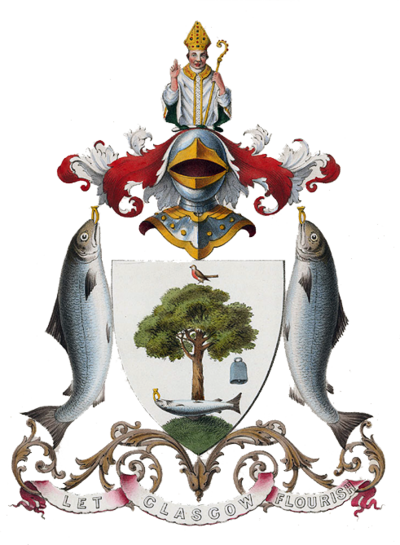
What of Saint Kentigern? You may well ask that – he gets no mention in the church, nor in the Irish Saint Hagiographies. He is mentioned as a Scottish Saint (more commonly known as Saint Mungo) who founded the city of Glasgow in the 6th century. Look for him on that city’s coat-of-arms. I could only glean (from another local source after a bit of a grumble) that when the church was restored and the new windows were commissioned a priest of the time decided to give the church that dedication. He evidently had unearthed some obscure link, but this has apparently never been put on record. There is another possibility: he might have been the local saint whose name is now more commonly given as Chaitighern or Catherine. There is a ruined church of this dedication on the Beara, not far from Eyeries.

Church of Catherine, Close to Eyeries

Kilcatherine Church, close to Eyeries

Our elusive Saint on Glasgow's coat-of-arms

Our elusive Saint on Glasgow’s coat-of-arms


Body and Soul

The Beara Peninsula

The Beara Peninsula

Last week I promised you an account of our time on the Beara Peninsula – it’s the third of the West Cork Peninsulas (shared with County Kerry) and the most remote. To the north is the Iveragh Peninsula, better known as the Ring of Kerry, and to the south is the Sheep’s Head.

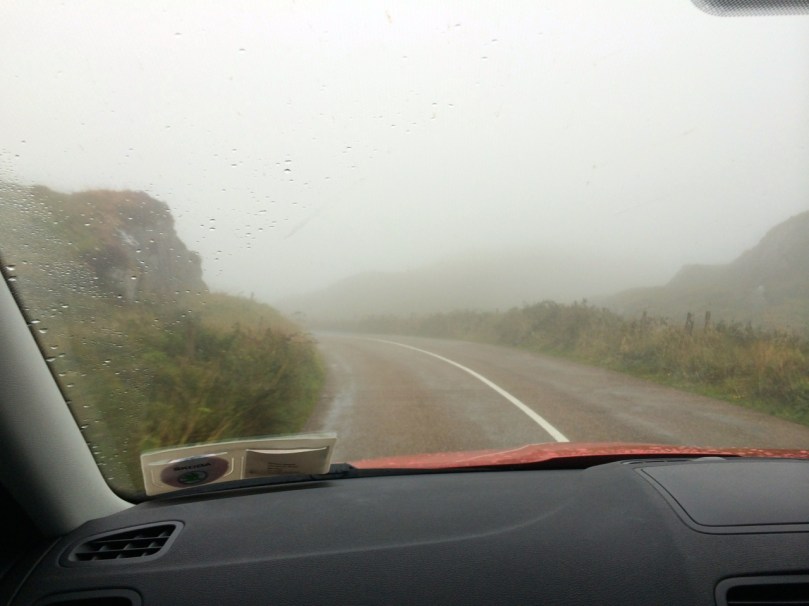
OK, so it does rain occasionally

OK, so it does rain occasionally

Readers have teased me in the past about doctoring my photographs or carefully choosing only those that show blue sky. After all, everyone knows that it rains all the time in Ireland. While I haven’t done any doctoring, or over-careful selecting (honest!) – even I have to admit that yes, it does rain in Ireland and the first day of our trip was pretty much a washout. (In fairness, like, we have devoted much bandwidth to talk of the variable weather we encounter here – cast an eye back over here, here and here.)

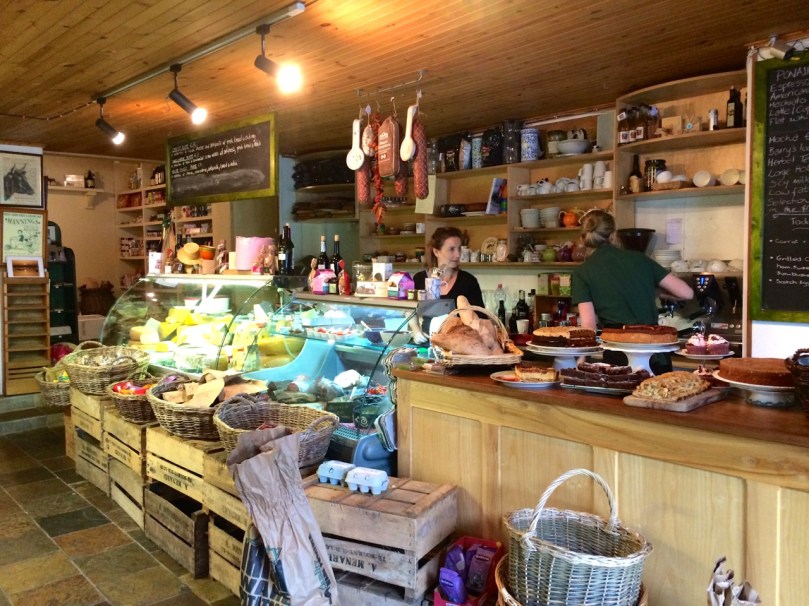
Manning's Emporium - the counter

Manning’s Emporium – the counter

Despite the weather, we managed to have a truly marvellous first day on our mini-break: it was a delight for the body and for the soul. First the body part – a stop in the famous Manning’s Emporium in Ballylickey. In the Manning family for 70 years and under the guidance of Val Manning, this little shop turned from a post office and grocery store into a mecca for food lovers, with wines, cheeses, meats and baked goods to die for. Val’s niece and her husband, Laura and Andrew Heath, have joined the business, introduced a new hot menu and expanded the range of foodie items. I’ve never yet left empty handed and, after a cappuccino and scone, we browsed the shelves and chose some excellent aged cheddar, a jar of their own chutney, and some locally made and heavenly-scented soap. The place was heaving, and Val himself was chatting sociably with everyone – always a bonus to enjoy a laugh with him.

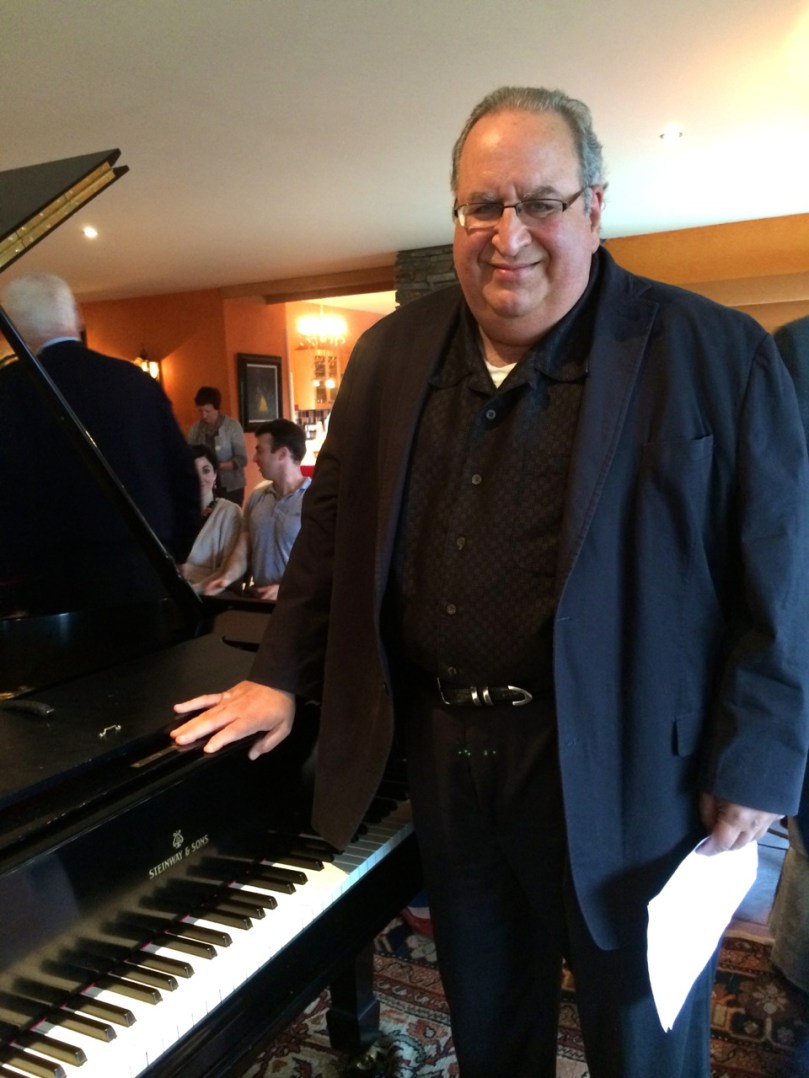
Now for the soul! We had booked two tickets for that afternoon to the Ahabeg Vista Concert Series, on the advice of a friend. We weren’t quite sure what to expect, but what we experienced took our breath away. David Syme, a Juilliard-trained and internationally acclaimed American concert pianist has made his home on the Beara, between Adrigole and Castletownbere, and every Sunday afternoon in the summer he gives a concert in his living room.

David Syme

David Syme

With Bantry Bay as the backdrop (except we couldn’t see it on this occasion), he played first a long and complex piece, Schumann’s Carnaval. Although I am no pianist even I could see the technical prowess demanded by the 22 short movements. David explained it to us, and even identified some of the motifs as he was playing. He took requests from the audience (ours was Clair de Lune) and played pieces by Beethoven, Liszt, Gershwin and Ravel. But then he delighted us with Carolan’s Concerto, Elton John’s Candle in the Wind and finally Danny Boy, in honour of Maureen O’Hara. We learned that Maureen, a long-time resident of Glengarriff, is to be honoured with a special Oscar next year – so watch out for that next February 22nd! David’s wife, Suzanne, puts on an amazing spread during the interval. To get a sense of what we encountered, watch the RTE Nationwide program devoted to this concert series.

This was only our first day and we encountered fog and drizzle everywhere. But it didn’t matter – when you find such nourishment for the body and the soul, who cares about the weather! I will write more about the Beara in a future post: meanwhile, check out Robert’s account of an unexpected discovery in Eyries.