Three Pilgrims in West Cork

Glebe Church, on the Ilen River

Glebe Church, on the Ilen River

The guest speaker at this Thursday’s Skibbereen Historical Society meeting was Louise Nugent, speaking on the topic of Pilgrimage in Medieval Ireland. We became familiar with Louise’s work though her blog of the same title – a blog which manages to be consistently erudite and down-to-earth and entertaining all at once – and suggested her as a speaker. This also gave us the opportunity to meet Louise in person (she is as engaging and as knowledgeable as her blog) and, the next day, show her a little bit of our part of West Cork.

One of the great delights of following Louise’s blog is realising that the concept of pilgrimage – a spiritual journey undertaken for a variety of purposes – is still very much alive in Ireland. Local veneration of shrines, relics and holy wells is common and often involves a mass or prayers on special days. The “journey” involves going to the shrine, and sometimes moving around it in a set pattern or round. Larger scale pilgrimages, such as the annual trek up Croagh Patrick or a stay at Lough Derg in Donegal or a Novena at Holy Cross Abbey, transcend the local and attract pilgrims from around Ireland. In her talk, Louise also described the popularity of pilgrimage in Medieval times to holy sites outside Ireland such as York, Santiago de Compostela, Rome, or Jerusalem. Those who completed the Santiago Camino wore scallop shells to signify their pilgrim status, an image we had just seen the previous weekend in Cork in the Cathedral of St Mary and St Anne, where we came across a shrine to Blessed Thaddeus McCarthy. There was a statue, a painting, scrolls, but most fascinating of all a reliquary containing a leg bone! Blessed Thaddeus lived in the 15th Century and was appointed a bishop twice but was never able to take up his see because of the activities of the rival clan O’Driscoll.

On our day with Louise we concentrated on the area around Skibbereen. We started off by visiting the 18th Century Church at Glebe, on the banks of the River Ilen. The church and graveyard enjoy a picturesque and peaceful setting and a wander around the graveyard yielded interesting headstones.
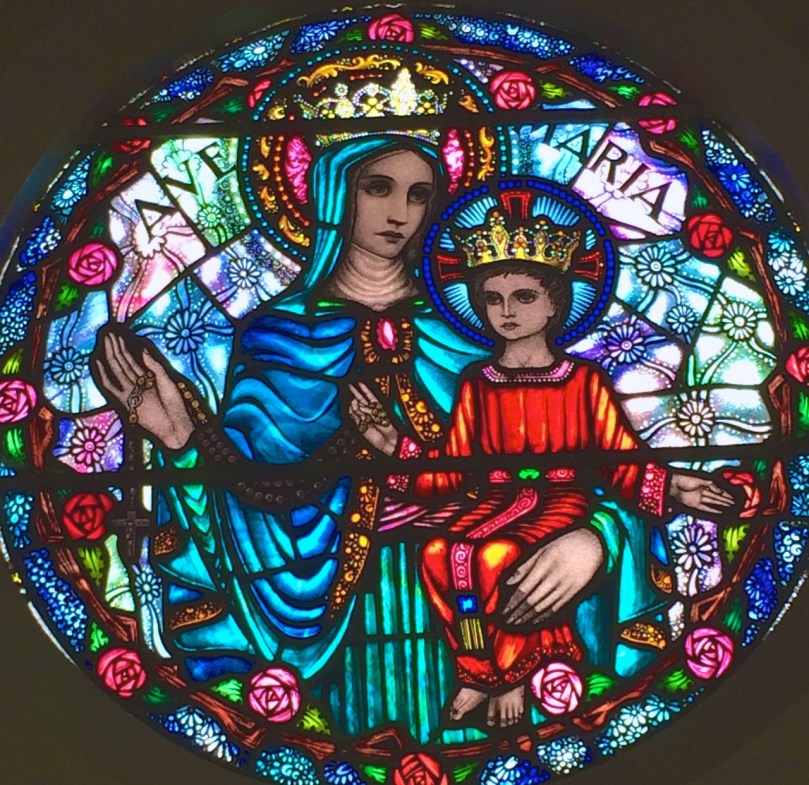
Holy Rosary Church at Aughadown, window detail

Holy Rosary Church at Aughadown, window detail

From there we went to the ruined medieval church at Kilcoe, stopping for a quick peak at the notable windows in the Church of the Most Holy Rosary at Aughadown. They deserve a fuller description at a future date, so for now I will include a detail from the rose window at the back of the church, designed and executed by the Harry Clarke studios in 1941.

The church at the tip of the Kilcoe Peninsula was already a ruin in the early 17th century. Although a simple rectangular structure, the pointed arched doorway and the tiny ogival windows mark it as medieval, perhaps as early as 14th or 15th century. Romantic and atmospheric as it is, it has the added advantage of a clear view of Kilcoe Castle, famously restored by Jeremy Irons and gently glowing in the afternoon light as we were there.
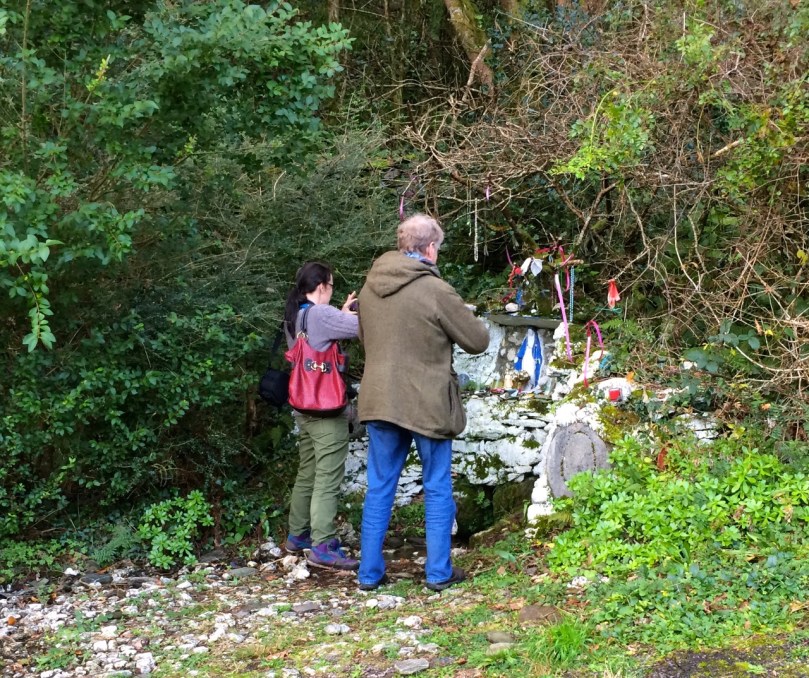
Two of the three pilgrims at a holy well

Two of the three pilgrims at a holy well

Louise’s special interest is in holy wells and several audience members the night before had come forward with information about local wells and the practices and beliefs associated with them. Two of the best known and most beloved local wells are situated close to each other at Lough Hyne. Robert is writing about these wells this week so I will leave the detailed description to him.

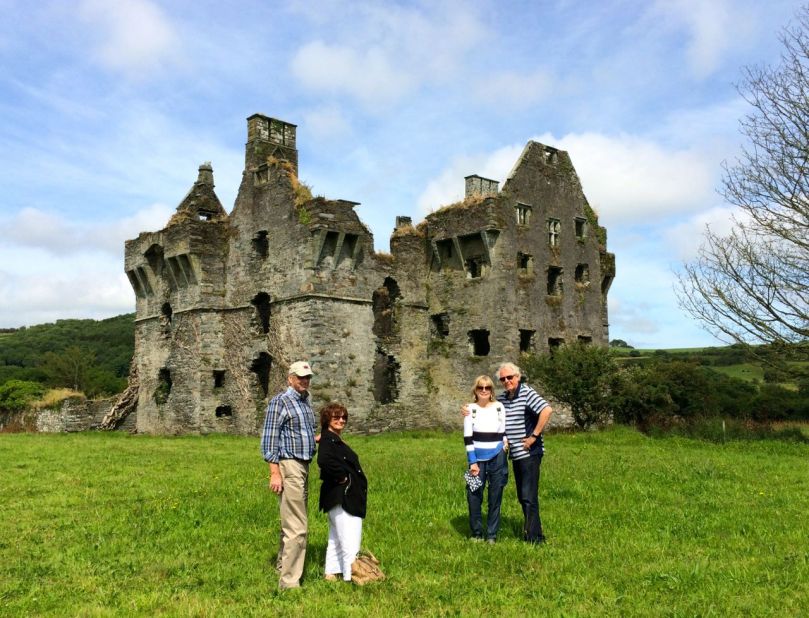
Our final stop was the village of Castletownshend and the Church of St Barrahane, filling two different functions. First, Louise had been to visit a holy well dedicated to St. Martin of Tours in Clare, and we wanted to show her the Harry Clarke window that Robert had described in his Martinmas post. Second, a trip to St Barrahane’s is always a pilgrimage of a different sort for me, as it is the final resting place of three of my heroes. The first two, of course, are the writing team of Somerville and Ross – more about them in this post. The third is Vice-Admiral Boyle Somerville, brother of Edith and a keen amateur archaeologist worthy of a post to himself in the future.
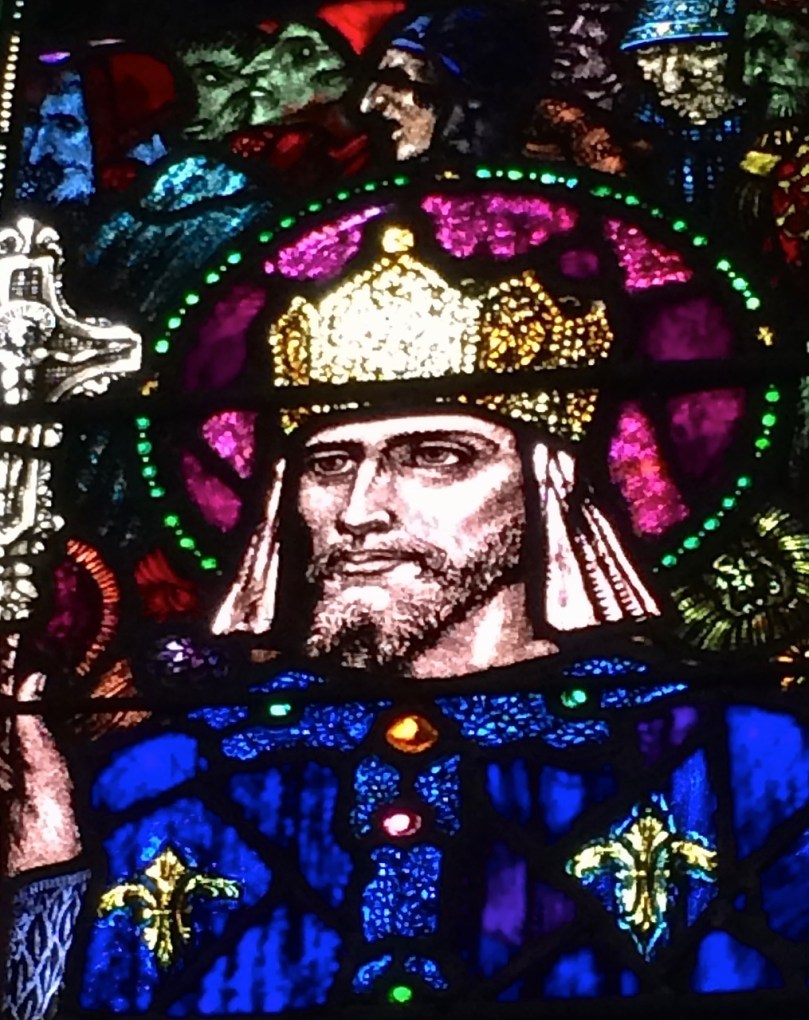
St Louis: detail of Harry Clarke window in St Barrahanes, Castletownshend

St Louis: detail of Harry Clarke window in St Barrahanes, Castletownshend

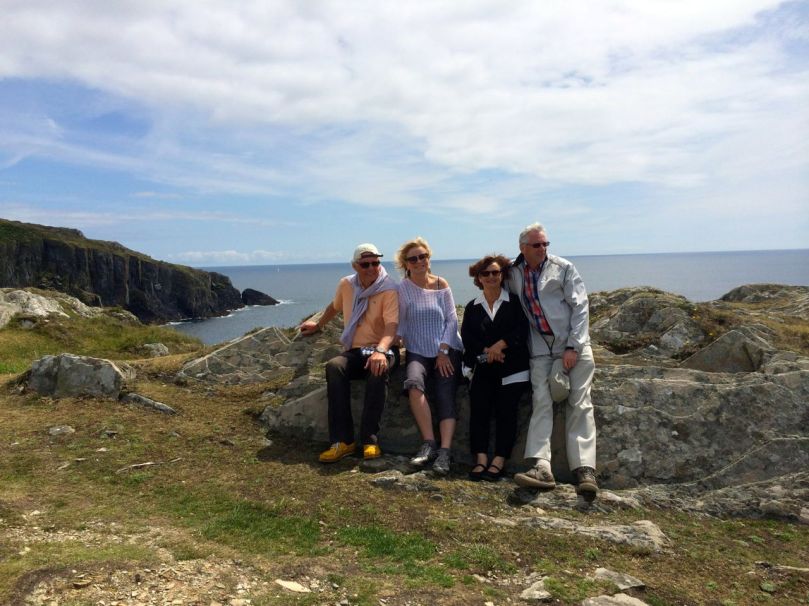
Come back soon, Louise – these two pilgrims have lots more to show you!
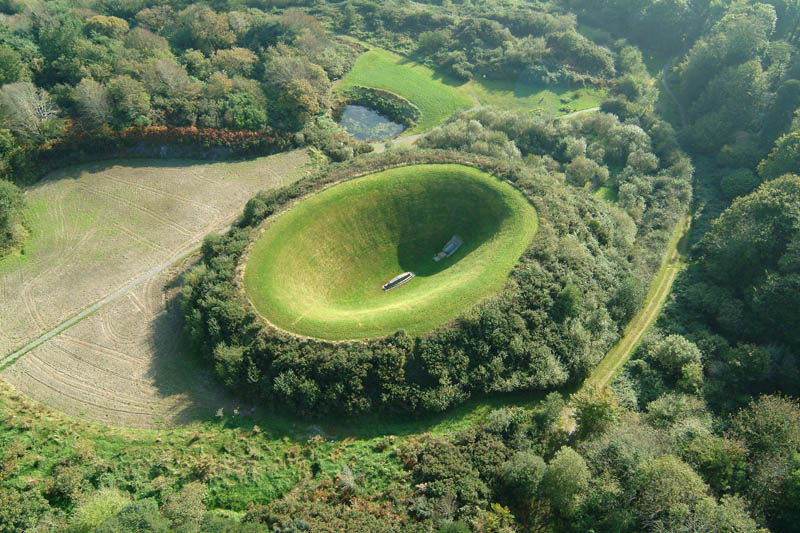
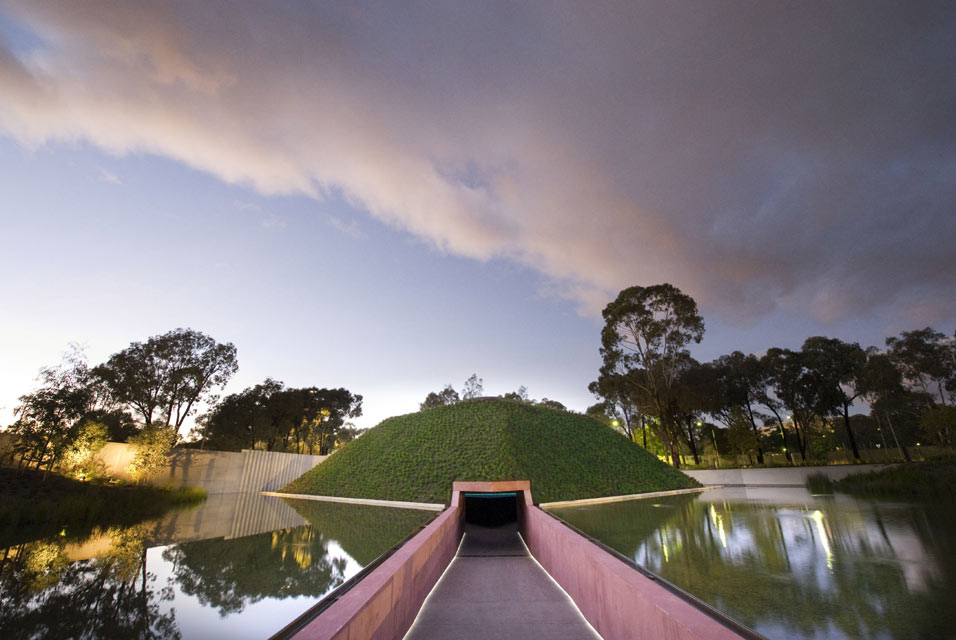
Sky Garden

Iris Sky Garden (photo by Liss Ard Estate)

Irish Sky Garden (photo by Liss Ard Estate)

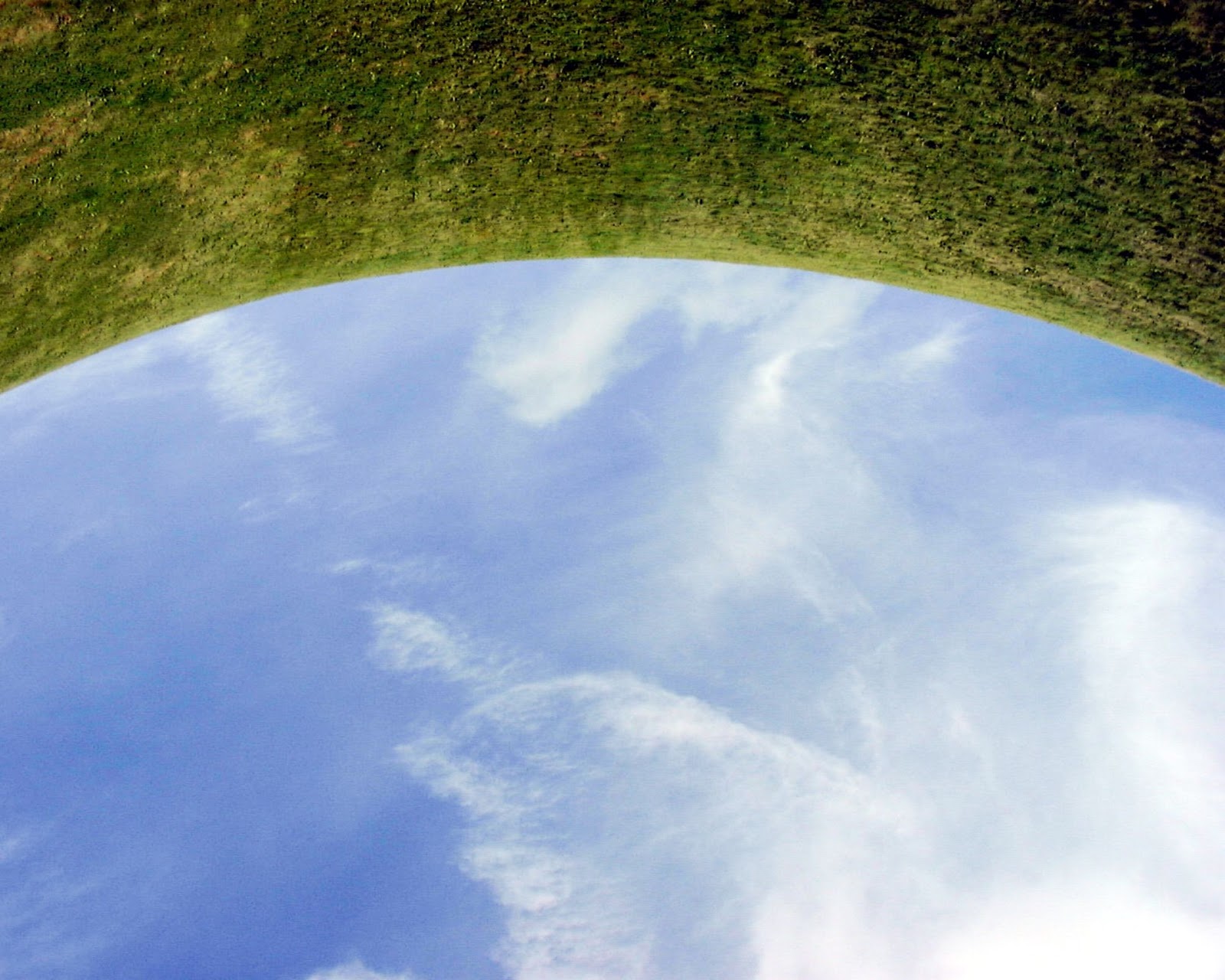
Just outside Skibbereen – a stone’s throw from Nead an Iolair – is a work by Californian artist James Turrell: the Irish Sky Garden. It’s a piece of landscaping which explores light by both night and day: an observatory. The structure is an artificial crater with a stone plinth at its centre from which two participants can view the sky framed by the perimeter of the oval enclosure.

Sky view from the plinth

Sky view from the plinth

In Turrell’s own words describing the experience “…The most important thing is that inside turns into outside and the other way around, in the sense that relationships between the Irish landscape and sky change…”

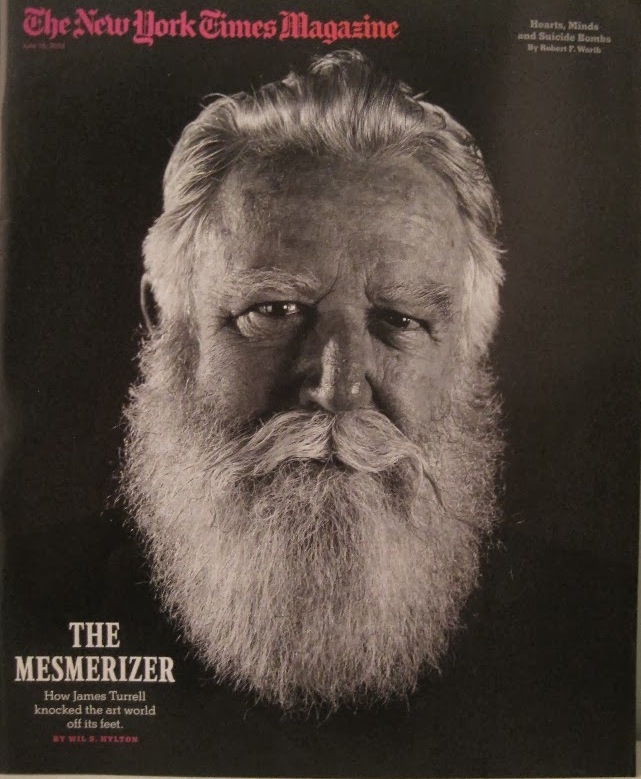
Turrell CoverJames Turrell was born in 1943 – in Pasadena. His father was an aeronautical engineer and James obtained his pilot’s license when he was just 16. He has been exploring landscapes by flying over them ever since. He studied perceptual psychology, mathematics, geology and astronomy. He enrolled in the graduate Studio Art program at the University of California, Irvine, in 1966, when he began to explore light projections. At the same time Turrell, a Quaker and conscientious objector, was jailed for a year for encouraging young men to avoid the Vietnam War draft.

All the artist’s work is focussed on light and space. In an interview of 2002 for the International Sculptor Center he explained:

“…I was raised a Quaker, and now I have come back to being active. I’m not sure whether that has impacted my art-making, because my work is not about specific issues—perhaps being a Quaker influences how I live my life and what I value. People tend to relate any work in light to the spiritual. I don’t think this is actually correct, yet, in terms of our lives, we greet light in three major ways that aren’t necessarily partitioned. There is a psychological aspect, a physical aspect, and a spiritual aspect. In terms of the physical, we drink light as Vitamin D, so it’s literally a food that has a major effect on our well-being. The strong psychological effects of light can readily be felt in particular spaces…” 

Some examples of Turrell’s work in light and space:

Finola’s post on Liss Ard Gardens gives a good background to the setting of this artwork: a Georgian house (now also an excellent hotel and restaurant – check for opening hours) surrounded by formal and informal landscaping and lakes interlaced by tracks and footpaths which offer ever changing vistas. When she wrote the post a year ago she probably had no idea that it would be the setting for our marriage – which took place this week!
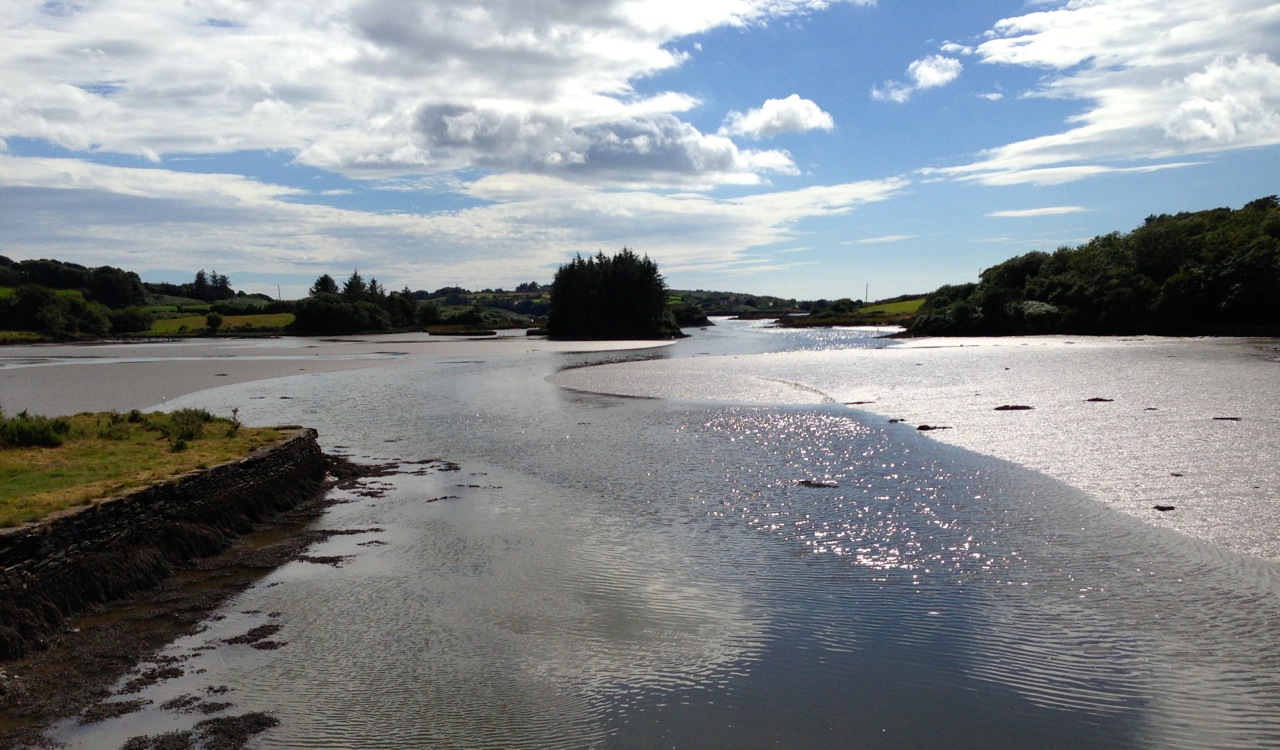
Liss Ard House

Liss Ard House (photo by Peter Clarke)

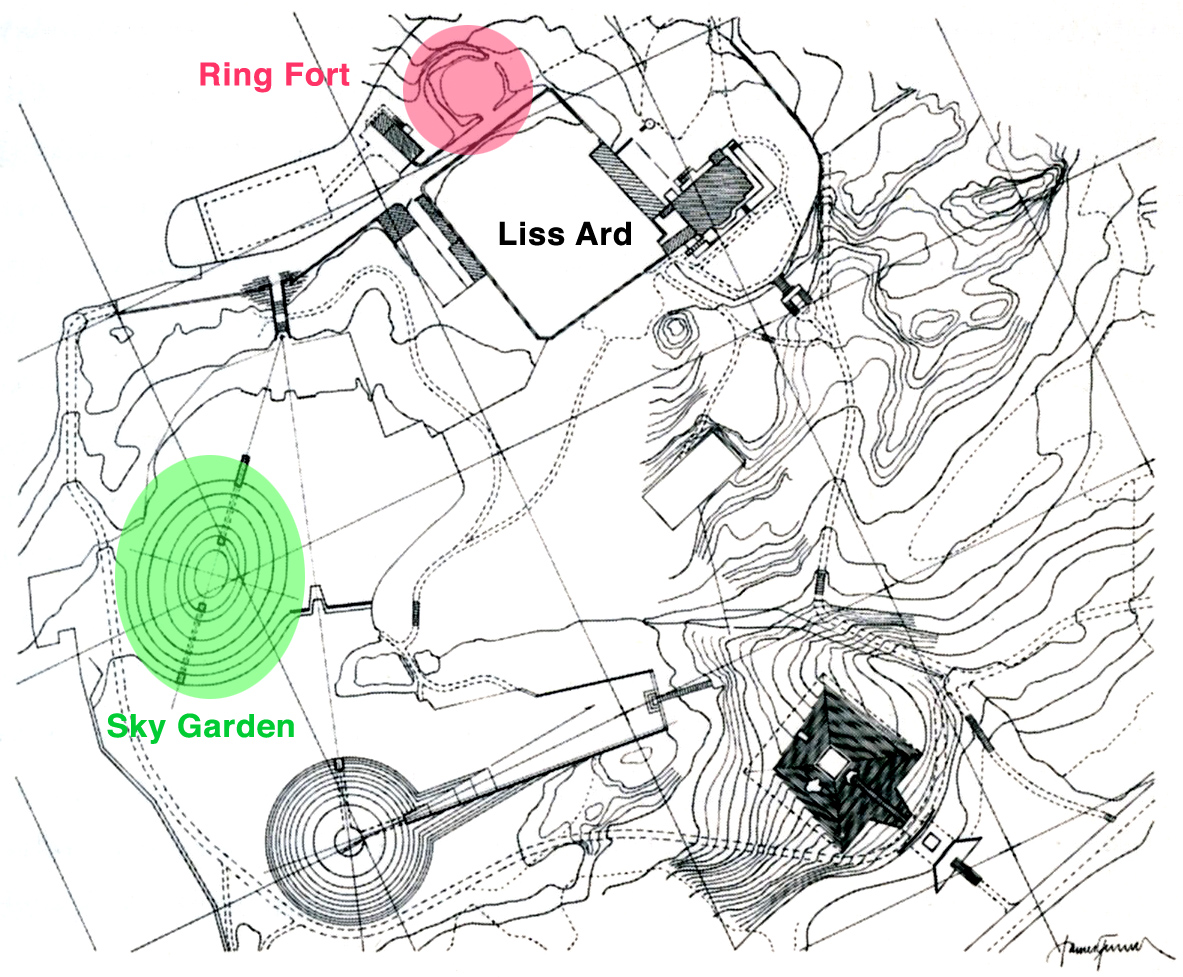
The name Liss Ard comes from Lios Ard, ‘lios’ being an Iron Age ring fort and ‘ard’ meaning high – hence high fort. The ring fort is still extant as a magical space – a grass circle surrounded by trees; there is also, under it, a souterain – a system of low tunnels and chambers which are often found in association with structures of this type. When we discovered that Liss Ard was licenced to hold weddings – and that licence covered all of the grounds – we jumped at the opportunity to ‘tie the knot’ within an Irish archaeological site…

James Turrell's concept drawing for the Liss Ard project, showing Ring Fort and Sky Garden

James Turrell’s concept drawing for the Liss Ard project, showing Ring Fort and Sky Garden

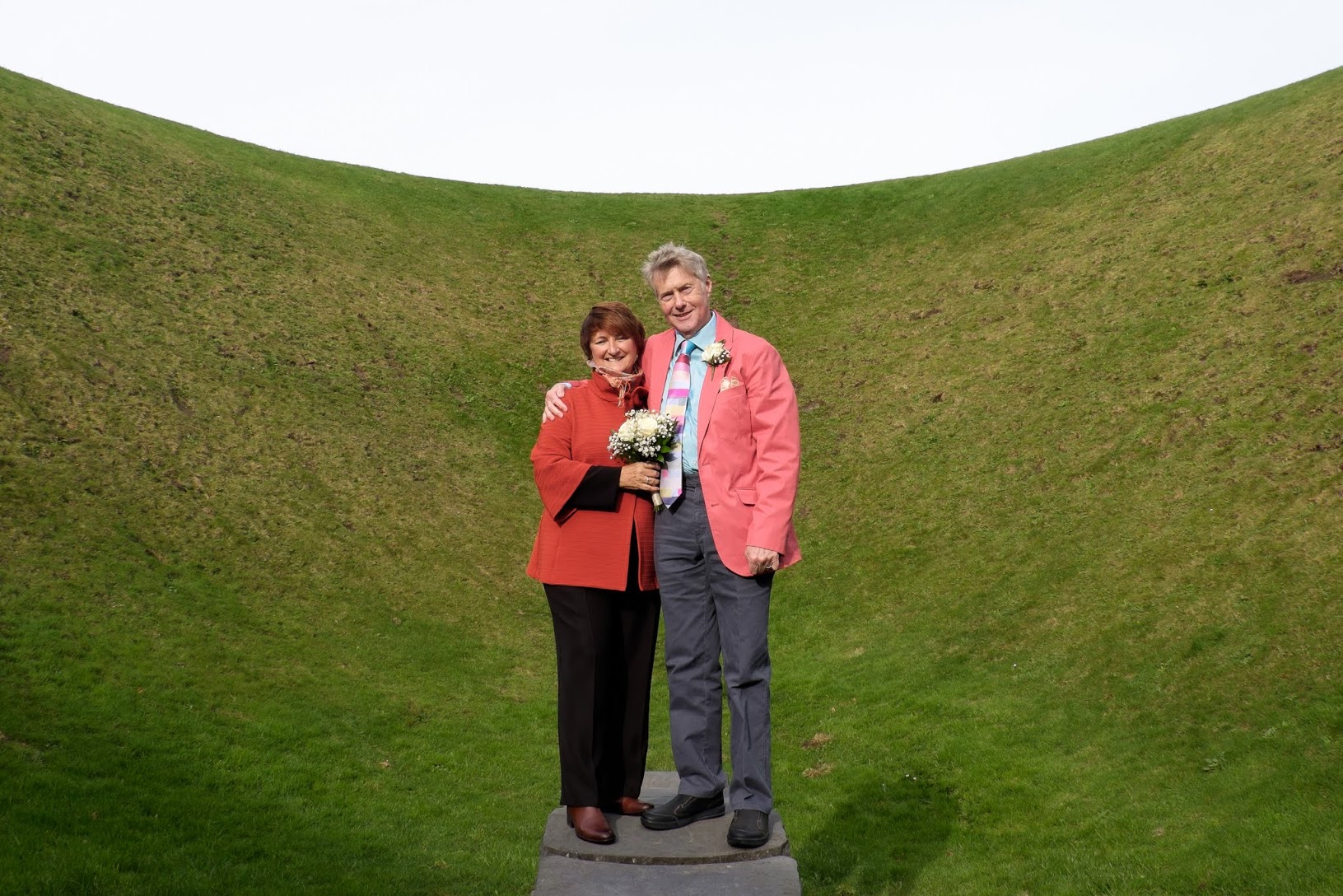
Our ceremony was simple – a humanist celebrant and just a few guests who have been important to our lives in Ireland. After the official bits we wandered down to the Sky Garden and admired Turrell’s vision from the altar-like plinth. We were blessed with blue sky and sunshine.

Wedding Day...

Wedding Day… (photo by Peter Clarke)

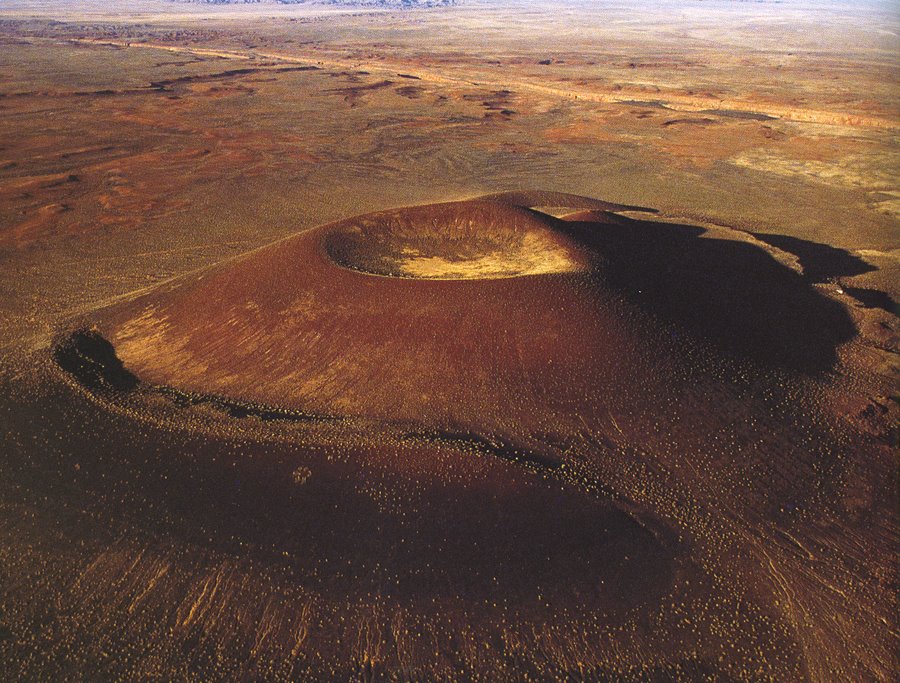
In 1979 James Turrell acquired a vast natural cinder crater located outside Flagstaff, Arizona. This – the Roden Crater – is possibly his best known work, and it is still in progress. He is turning this volcanic crater into a massive naked-eye observatory, designed specifically for the viewing of celestial phenomena. There are other ‘sky’ works in a number of countries: a ‘Turrell Tour‘ has been mapped out which takes in an least 23 of them.

Roden Crater

Roden Crater, Arizona

Skyspace, Scotland

Skyspace, Scotland

Within-Without

Within-Without, Canberra 2010

Celestial Vault, Stroom, Holland 1996

Celestial Vault, Stroom, Holland 1996

*

It’s a big leap – from Liss Ard to Arizona and beyond. The full concept of the Sky Garden has never been completed: two more installations were planned. But how exciting that here in West Cork we have a stunning example of the work of this world-renowned artist.

Sensory Upload

Skibbereen Arts Festival

In the words of one of the organisers, Robert and I have been doing a marathon – an arts marathon. The Skibbereen Arts Festival has been running all week and we’ve taken in as many exhibitions, concerts, events and experiences as we could. Last year we missed most of this festival, as we had just arrived and were occupied with settling in. This year we wanted to remedy that.

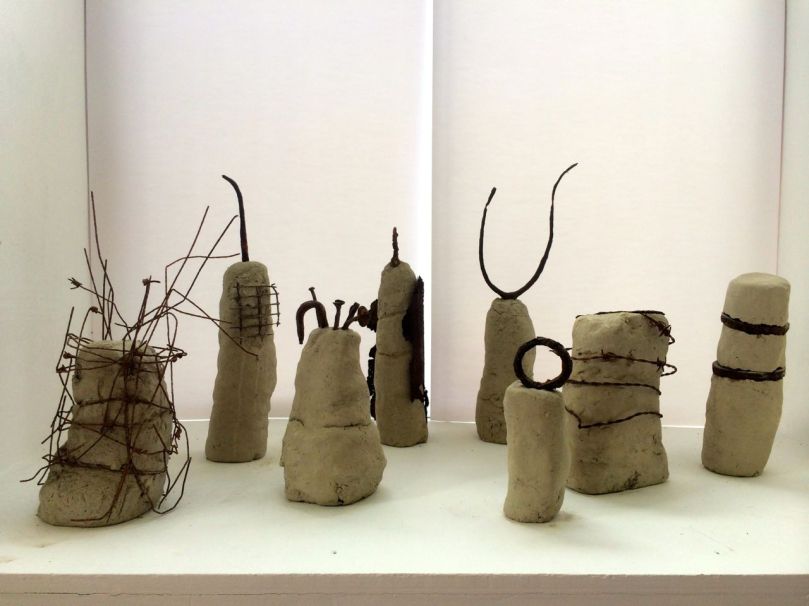
In the bottling plant*

In the bottling plant*

And what a sensory feast it was: music, art, dance, drama and various items that defied categorisation. There was something for everyone, no matter what your age and taste. We took two days to cover the art walks. There were several pop-up galleries – empty houses converted into pro tem exhibition spaces ideal for the kind of modern installations that leave you scratching your head and worrying that you’re not sophisticated enough. The Working Artist Studios, a building run by artists for artists, had opened all their rooms for the duration of the Festival. Some of the rooms functioned as galleries, while others provided a glimpse into the working process of an emerging canvas.

In one room we discovered Caoine by a young local woman, Michelle Collins, which explored the ancient practice of keening, the Irish funerary custom of women lamenting over the dead. In a darkened room, among scented candles, we listened to the sorrowful songs and sounds of an age-old tradition. To give you an idea of a keening song, listen to Iarla O Lionaird singing the Lament of the Three Marys, with its repetition of the phrase  Óchón agus óchón ó – which can translate as alas and alas, or my grief, my grief.

At the other end of town an old bottling plant had been cleared out to become a perfect space for showing artists’ work. Several of these exhibitors had graduated from an innovative visual arts degree program offered on Sherkin Island by the Dublin Institute of Technology. We talked to Janet Murran and Donagh Carey who were enthusiastic about their experiences in the Sherkin Program – their work clearly showed mature artists seeking meaning in a variety of media. In one corner an intriguing little installation by Tess Leak featured Haiku written by Sherkin Islanders and inspired by island life. And in an adjacent building photographs, by Yvette Monahan, of Bugarach in France – where a new arcadia was supposed to begin once the world ended on December 21st, 2012. Moody and elegaic, the colour reminded me of the Agfa prints of my youth.

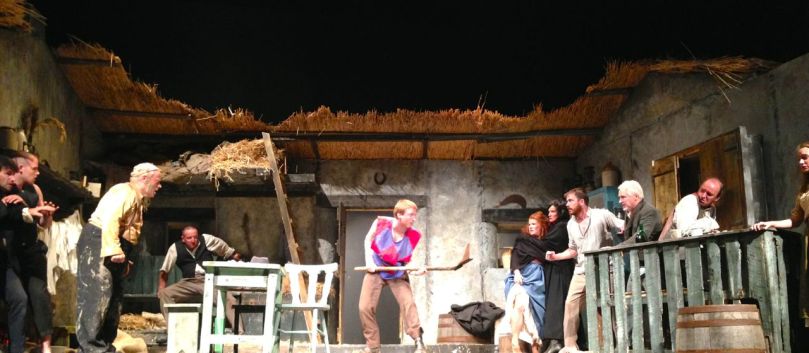
Robert is writing about Canon Goodman – see his post for more on the concert in his honour (and in his church) that has become a staple of this Festival. Another highlight for us was the staging of The Playboy of the Western World by J M Synge, a classic of Irish theatre: one which caused riots when first performed. This was an amateur production but it was hard to tell – the Kilmeen Drama Group had won the All-Ireland Drama finals with this production, had performed it at the Abbey Theatre (Ireland’s National Theatre) and are taking it to New York next. It was superb – full of energy and humour with each line singing with poetic expression.

The Playboy of the Western World

The Playboy of the Western World

To illustrate the sheer variety of what was on offer we also attended:

Men Without Names: a poignant exploration in poetry and music of the Irish diaspora. 

Sunrise/3Epkano: a classic silent movie with soundtrack provided by the group 3Epkano. A surreal experience, different from what I was expecting but in the best way.

The Vespertine Quintet: in the beautiful setting of Lissard House, an afternoon of gentle, haunting, minimalist music from Iceland mixed with baroque.

Croi Glan Dance: I have written about this marvellous dance company before – these two dances looked at the challenges of finding our place in the world and once again brought lumps to our throats.

We couldn’t go to everything and I was sorry to miss the dancing at the crossroads and the sean-nós evening. Sean-nós is a traditional style of highly ornamented unaccompanied singing – here is Nell Ní Chróinín showing how it’s done. There were events for families, a river day, a drama day, outdoor movie screenings…But most of all I was disappointed that Starlight Serenade sold out before I could get a ticket. Moonlight kayaking on beautiful Lough Hyne with musical accompaniment. For a taste of what I missed, take a look at this, and add music. 

‘Paddling Through Stars’ on Lough Hyne

Next year! But I might have to call that one Sensory Overload.

*Sorry, I don’t know the name of this artist. Can anyone supply it?

Man of Music

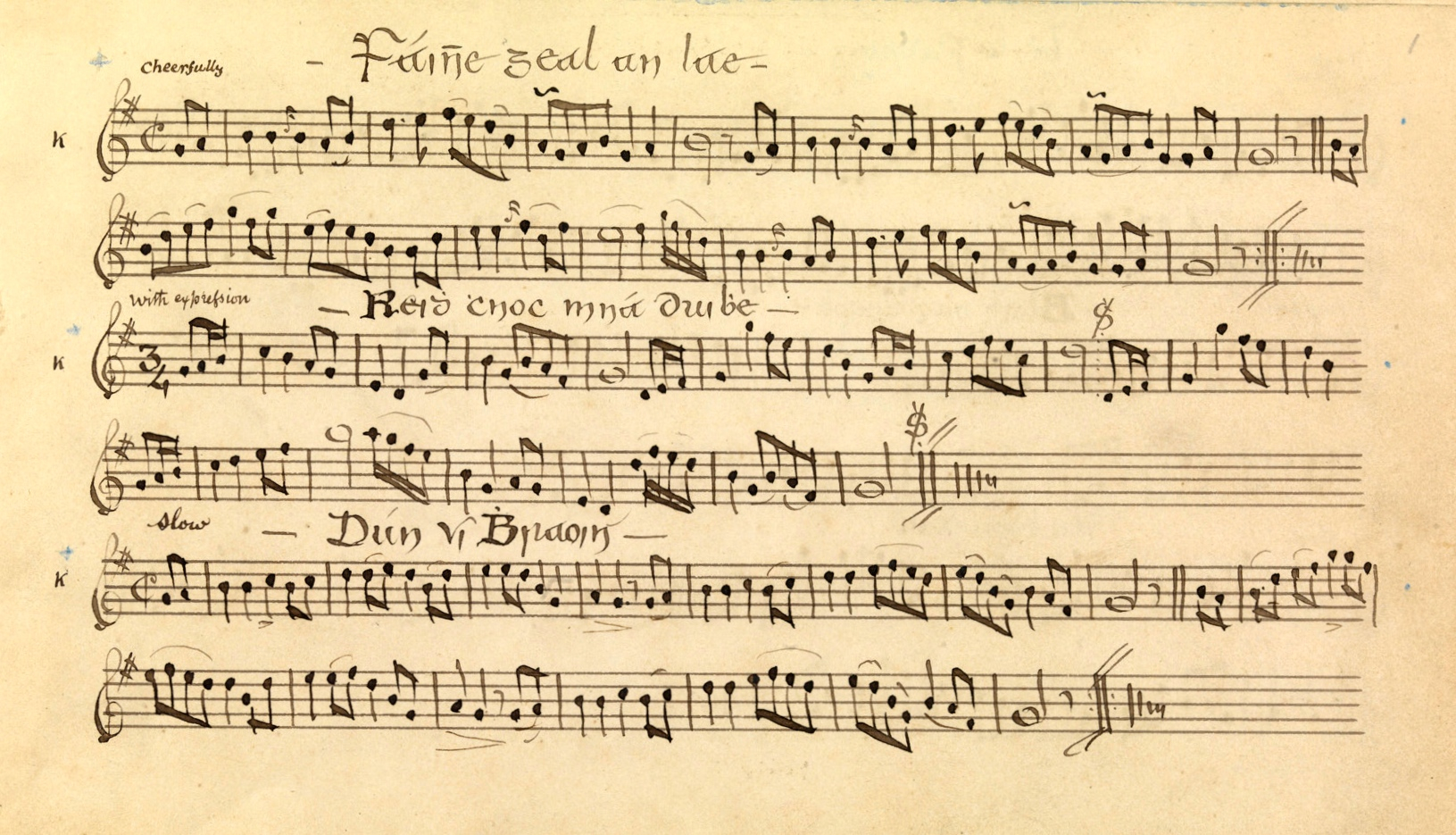
A page from the manuscript of Canon Goodman - Trinity College Library

A page from the manuscript of Canon Goodman – Trinity College Library

Long-term readers of our posts will have encountered Canon James Goodman already – in our first post after we moved in to Nead an Iolair we covered the 2013 Canon Goodman Concert, an annual affair which takes place in Abbeystrewry Church, Skibbereen. This means we have lived here for exactly one year now, as the 2014 Concert took place last Sunday. In the intervening 12 months I have researched this Skibbereen hero in greater detail, and he deserves a whole post to himself!

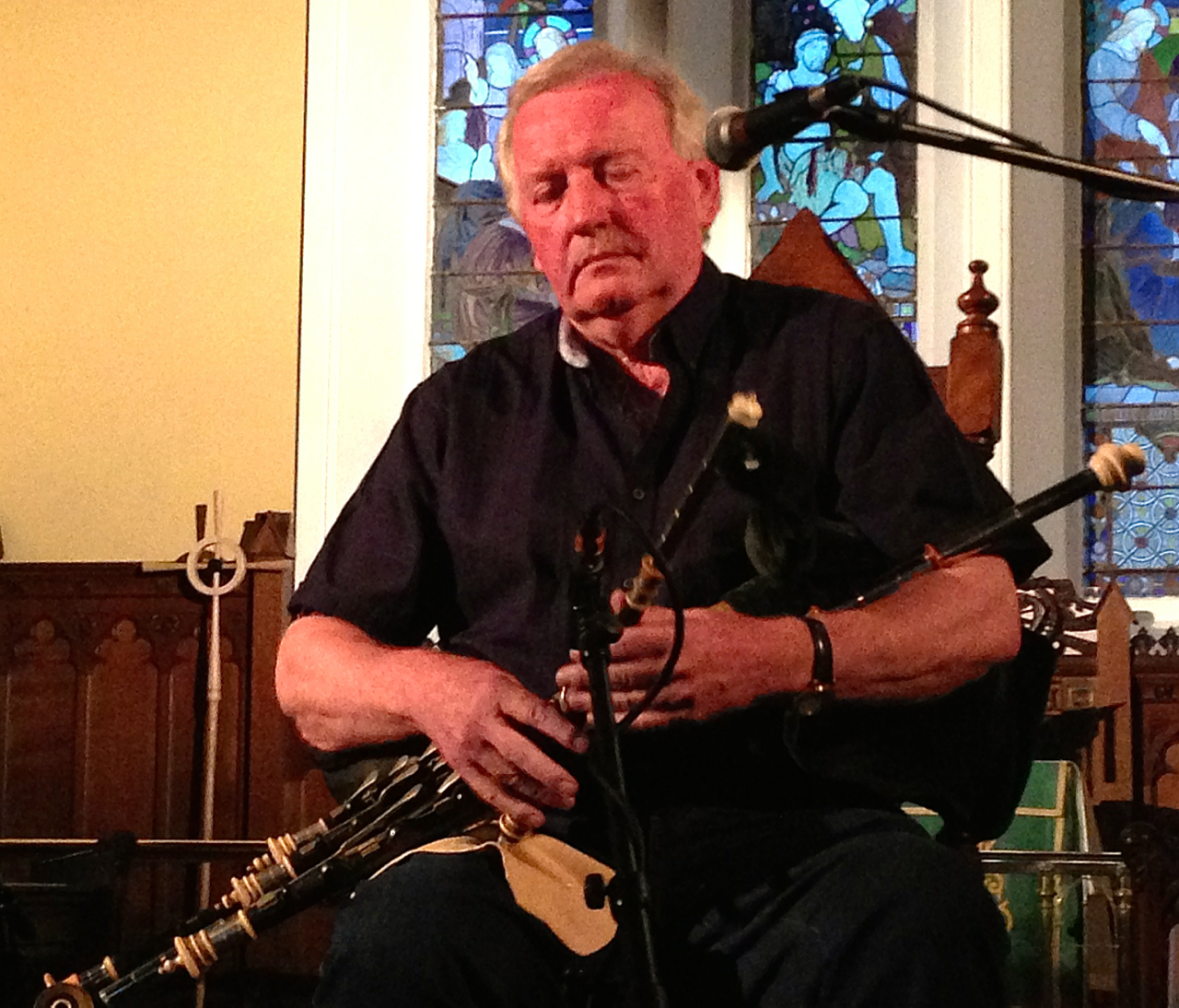
Uilleann Pipes Maestro Liam O'Flynn plays Skibbereen

Uilleann Pipes Maestro Liam O’Flynn plays Skibbereen

The Annual Canon Goodman Concert is part of the Arts Festival which Skibbereen hosts every year: Finola has reported fully on this event, which has kept us on our toes for the whole week. Stars of the concert were Liam O’Flynn and Paddy Glackin. I first saw Liam in Exeter back in the 1970s – we’ve both aged a bit since then…

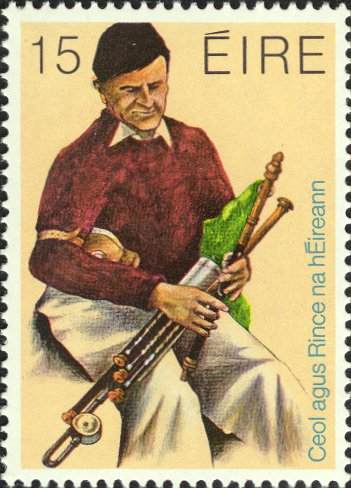
The Canon is remembered particularly for his expertise in playing the Uilleann Pipes – Ireland’s national instrument. If you’ve never seen this played, have a look and a listen to the extract from the Skibbereen concert below: it is a complex instrument, whose component parts include windbag, bellows, a chanter, drones and regulators – also the piper’s apron (sometimes known as a popping strap), which is a cloth placed on the knee of the player to form a seal with the open end of the chanter – as the lifting of the chanter from the knee is one action which can alter the sounding of the pipe between legato and staccato. It’s hard to simply explain the methodology of the pipes – just consider that the player has to keep the bellows moving with one elbow, maintain correct inflation of the bellows with the other (the Irish píobaí uilleann literally means ‘pipes of the elbows’), use the fingers of both hands to form the melody on the chanter, and to lift it from the knee, and use the wrist or fingers (or, as I have seen on occasion, the end of the chanter) to ‘play’ the regulators, forming chords and adding rhythm – not forgetting to make sure the drones are in tune.

James Goodman was born in 1828 in Ventry, County Kerry – then a Gaeltacht area: he was raised as a native Irish speaker, and this stood him in good stead as, in later life, he became Professor of Irish at Trinity. In his youth he was described as ‘…having an attractive personality and was well-liked and popular…’ He took a great interest in traditional life and, particularly, The Music. He learned to play the flute and the pipes while growing up. His father was Rector of Dingle and, after studying at Trinity, James was himself ordained into the Church of Ireland in 1853, moving with his wife Charlotte  to the living of Creagh Parish, between Baltimore and Skibbereen.

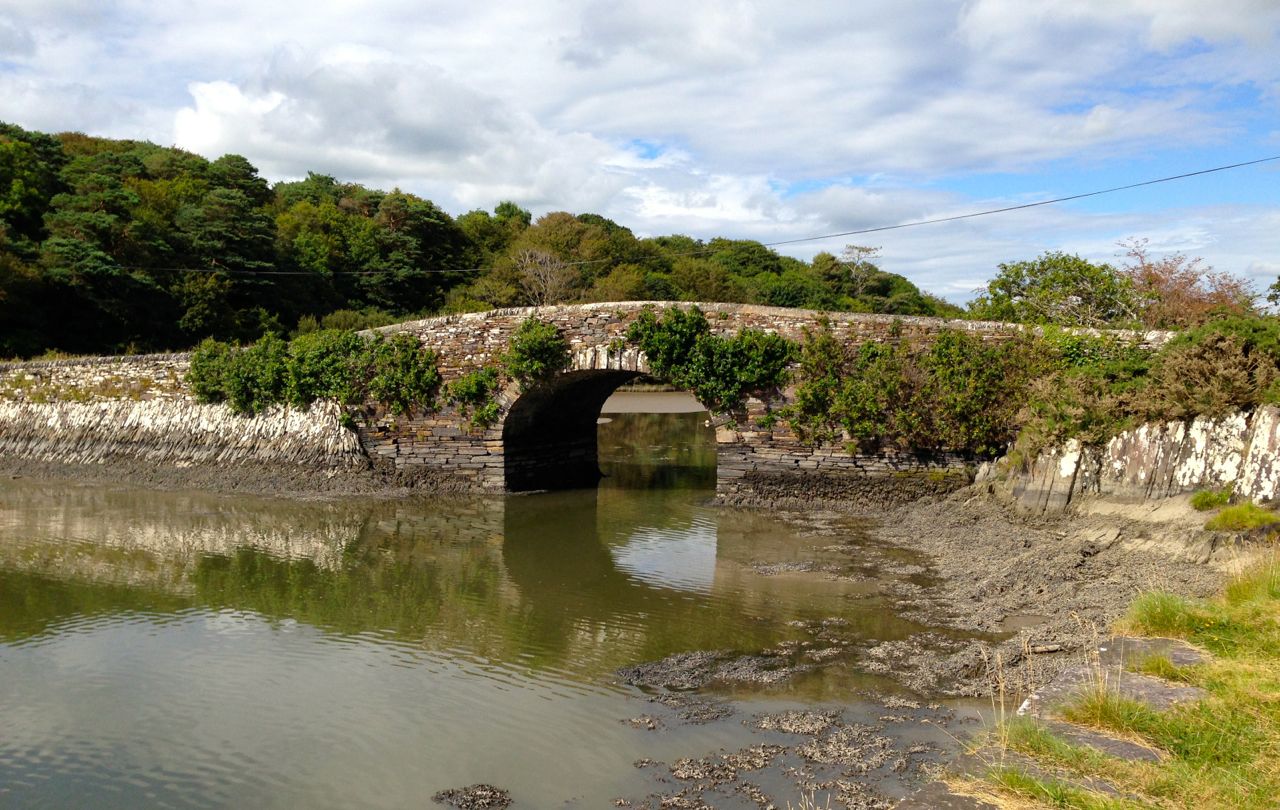
The bridge at Creagh

The bridge at Creagh

Creagh: River Ilen

Creagh: River Ilen

In 1860 the Goodman family (by now they had three sons) moved to Ardgroom, also in the Gaeltacht, where he took the post of Curate of Kilaconenagh. While there, he began his collection of Irish traditional melodies, learning hundreds from Tom Kennedy, a blind piper whom he had known back in Ventry. The Goodman Collection is the first great body of Irish traditional music ever to have been gathered: it numbers over 2,300 tunes and songs. For many years these lay dormant in the archives of Trinity College Library and they have only recently been  studied and published. Every year at the Skibbereen concert some of the tunes are included in the programme, allowing us to hear the music of Ireland being played just as it was in town and townlands many generations ago.

A story is told of his time in Ardgroom: one weekend an impressive steam yacht anchored in Castletownbere Harbour; on the Sunday, James Goodman was aghast to be told that a distinguished company, including a well-known historian, was coming ashore to attend morning prayer in his church. He felt very nervous at the thought of having to preach to such important people so he delivered his sermon in Irish, knowing that they would not understand it. Shortly afterwards an article appeared in an English periodical stating that Irish was still so much in use in outlying districts in Ireland that it was Customary for clergymen in some Church of Ireland churches to conduct the service in English and to preach in Irish!

rectors

Enigma: the register in Abbestrewry Church, showing Canon Goodman as Rector in 1857; his inauguration there wasn’t until 1867

James Goodman returned to the environs of Roaringwater Bay when he was made Rector of Skibbereen and Canon of Ross. His church was Abbeystrewry, which now hosts his memorial concerts. He was responsible for the building we have today: he initiated a project to demolish all but the tower of the old building and provide a modern worship area, and he paid for much of it himself. It was in 1879 that Goodman was appointed Professor of Irish in Trinity College Dublin  and combined this position with his clerical duties in Skibbereen, spending half of every year in each location.

The Canon died in 1896 and was buried, at his own request in Creagh – his first living. Finola and I searched out the burial ground and his grave. We had previously glimpsed the four pinnacles of the Church of Ireland tower rising mysteriously among the trees on the banks of the Ilen river: when we walked down the long green trackway that is the only access we were struck by how beautiful and yet how poignant the place is.

Side by side are Catholic and Protestant churches – both in ruins. The gravestones give away which is which: old Irish names  define the former, and the church there has returned almost completely back to nature. The Protestant church still stands, but its windows are uselessly boarded up: there are holes in the roof and the crumbling building is prey to the weather. There is an inescapable air of desolation at the site, yet the nearby newer burial ground beside the water is idyllically located and wonderfully peaceful.

Canon Goodman wrote of his life: …ionnus nach raibh aon nidh dob annsa liomsa óm óige, ná bheith ag éisteacht le seaneachtraighthe agus sgéalta fiannuigheachta; ná ceól ba bhinne am chluais ná ceol sármhilis na hÉirionn.  (…so that there was nothing dearer to me from my youth than to be listening to the old tales of adventure and the stories of Fionn, nor any music sweeter in my ears than the surpassingly sweet music of Ireland). The story goes that James Goodman was buried at Creagh along with his own Uilleann pipes: in the silence of the place we had a good listen…

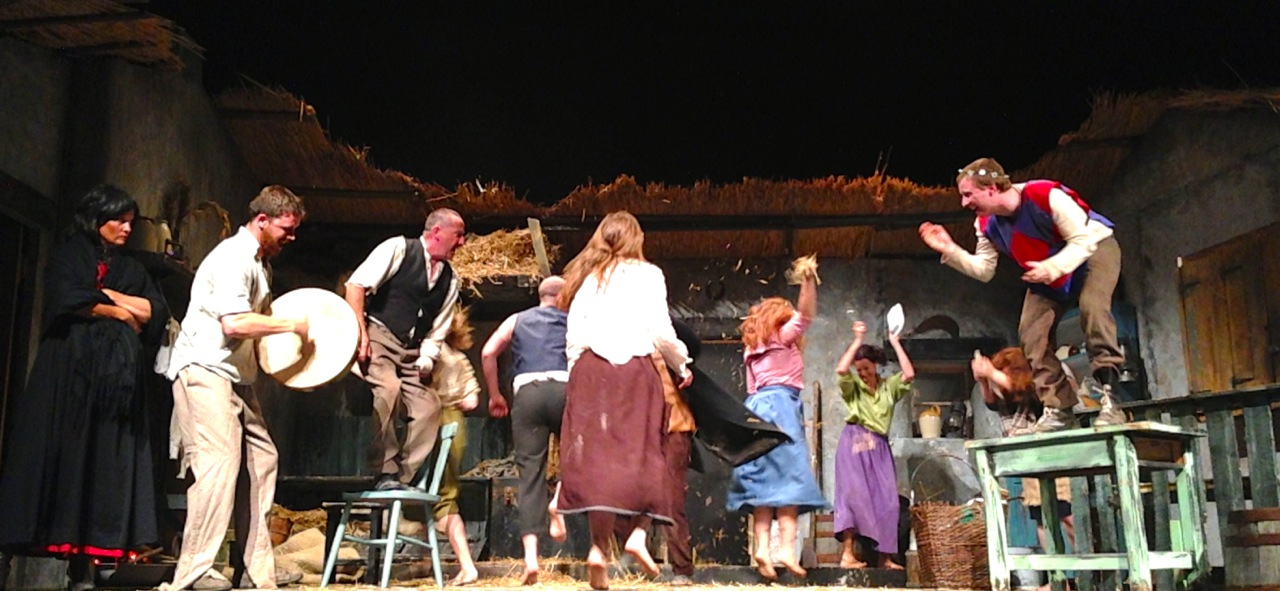
Playboy...

Playboy…

While Goodman was Professor at Trinity he had a student who became renowned: John Millington Synge. Synge was also an Irish scholar and spent much time in the Gaeltacht – particularly in the Aran Islands. It was there he wrote his most famous work, The Playboy of the Western World. Finola has already mentioned that this was also performed – superbly – during the Skibbereen Arts Festival this year: a treat for us – and for the Canon, perhaps.

st0024

Out and About with Visitors in West Cork

At Coppinger's Court

At Coppinger’s Court

Vi and Grant and Jan and Brian came to stay last week – good friends from Canada here to see the Real Ireland. 

We had some challenges right away. First, the rental car Grant had booked was under repair and the substitute, although it nominally held all six of us, was too cramped and uncomfortable to venture too far afield. Second, muscle wear and tear issues among the group dictated that walks not be too long or arduous. 

No problem! The weather was (mostly) fine, we got in one good hike on the Sheep’s Head, and then set about discovering the delights of flatter terrain, local amenities and cultural events. Robert and I hadn’t toured Bantry House before, although we had been there for concerts. The house will be a future post in itself, but for the moment it’s worth recording that this may be the last summer to see it with its original furniture, as much of it is on the auction block later this year.

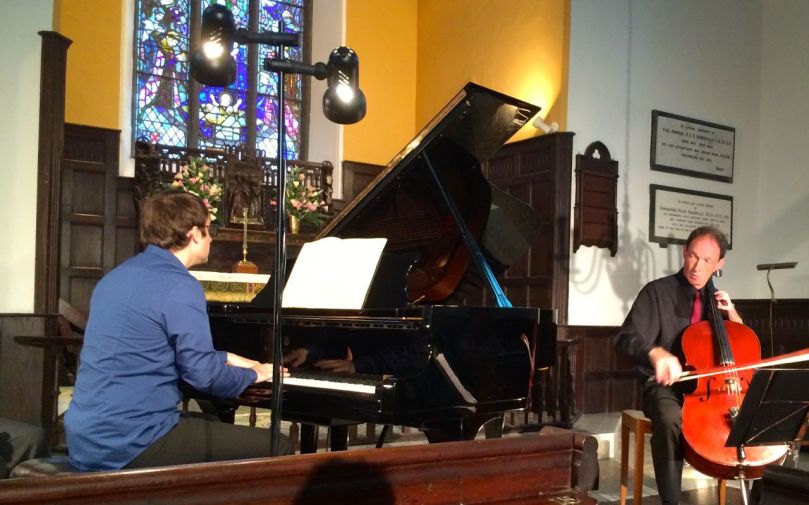
One day we spent exploring the area south east of Skibbereen. We started with lunch at Glandore overlooking the harbour, then on to the obligatory stop at the Drombeg Stone Circle, one of the better-know recumbent stone circles that dot West Cork. On to Coppinger’s Court (another subject for a full post), a 17th century fortified house and home to one of the fearsome characters in West Cork history. Back then to Castletownshend and dinner in Mary Anne’s, followed by a concert in the little church of St Barrahane’s. This was an evening of Beethoven, Debussy and Rachmaninov with Christopher Marwood of the Vanbrugh Quartet on the cello, and the brilliant young American Alexander Bernstein on the piano. It was truly a world-class performance, eliciting a standing ovation from the appreciative audience.

At Drombeg, Jan and Brian

At Drombeg, Jan and Brian

Concert In St. Barrahane's, Castletownshend

Concert In St Barrahane’s, Castletownshend

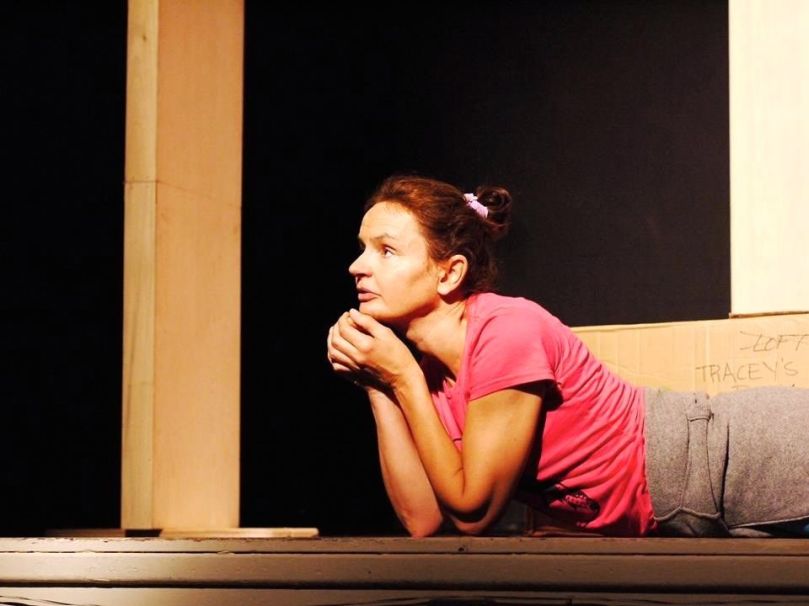
Another day, we wandered around Schull, dipping into the shops and stopping for coffee. Later that evening we attended PlayActing Theatre’s two one-woman shows in the local parish hall. Karen Minihan brought us up to date with her character, Eileen, going through a midlife crisis – it was moving, sad and funny all at once. Then Terri Leiber took us into the experience of eight-year-old Stacey negotiating the dysfunctional lives of the adults around her in 1960s Britain – a tour de force in which she played every role, with a minimalist stage set, a soundtrack from the times, and a beautiful nuanced performance.

Terri Leiber in May the Force

Terri Leiber in May the Force

Shopping at the local markets always makes food preparation easier and fresher and we all took turns. 

In Baltimore, we walked out to the Beacon, with its marvellous views of Sherkin Island and the faraway mountains of Kerry. We hope it’s a good memory to take away of this special part of Ireland. 

At the Baltimore Beacon

At the Baltimore Beacon

Vi and Grant, Jan and Brian – Ferdia has been missing you already!

Ferdia

Ferdia

Off to Skibbereen!

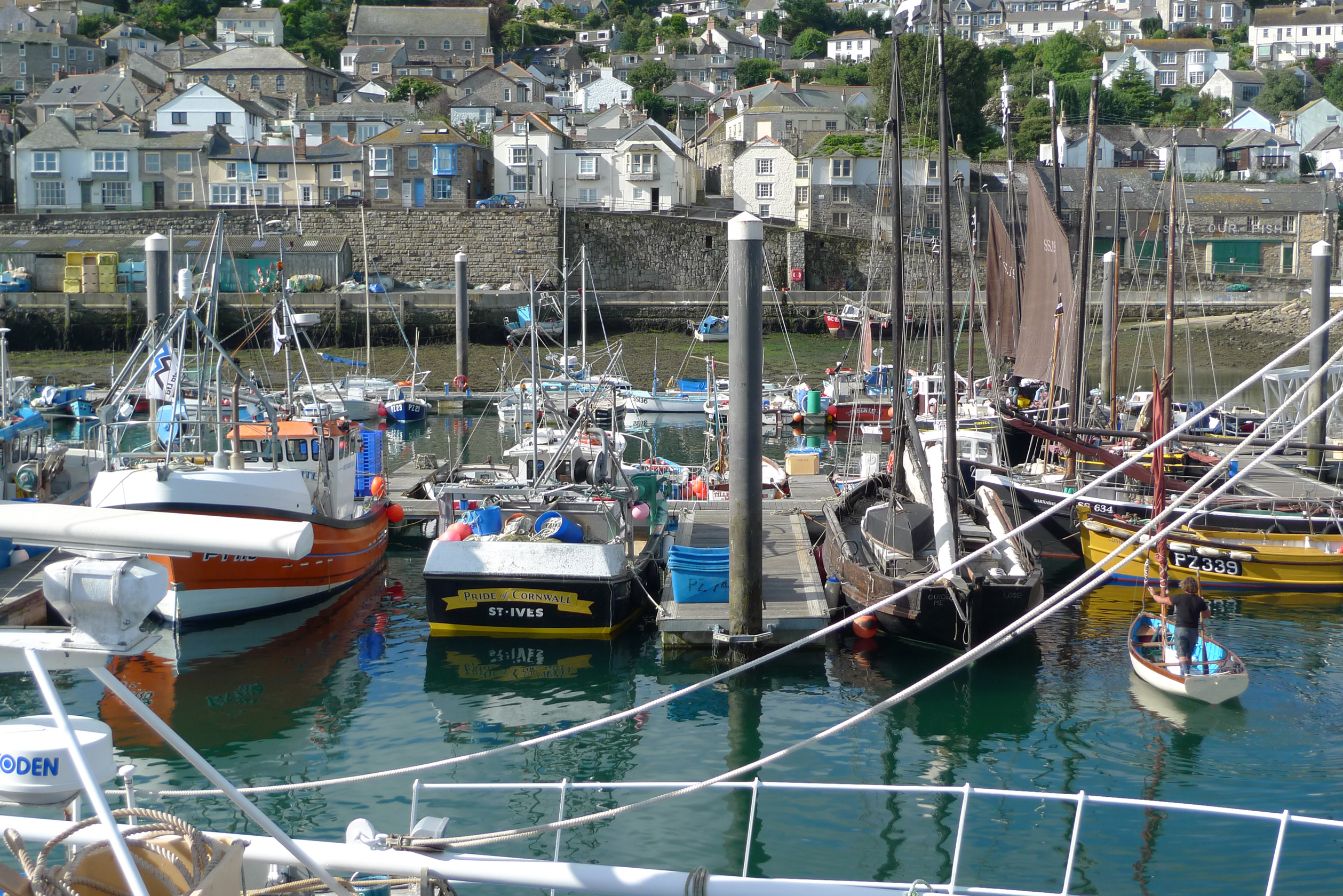
Newlyn Harbour, Cornwall

Newlyn Harbour, Cornwall

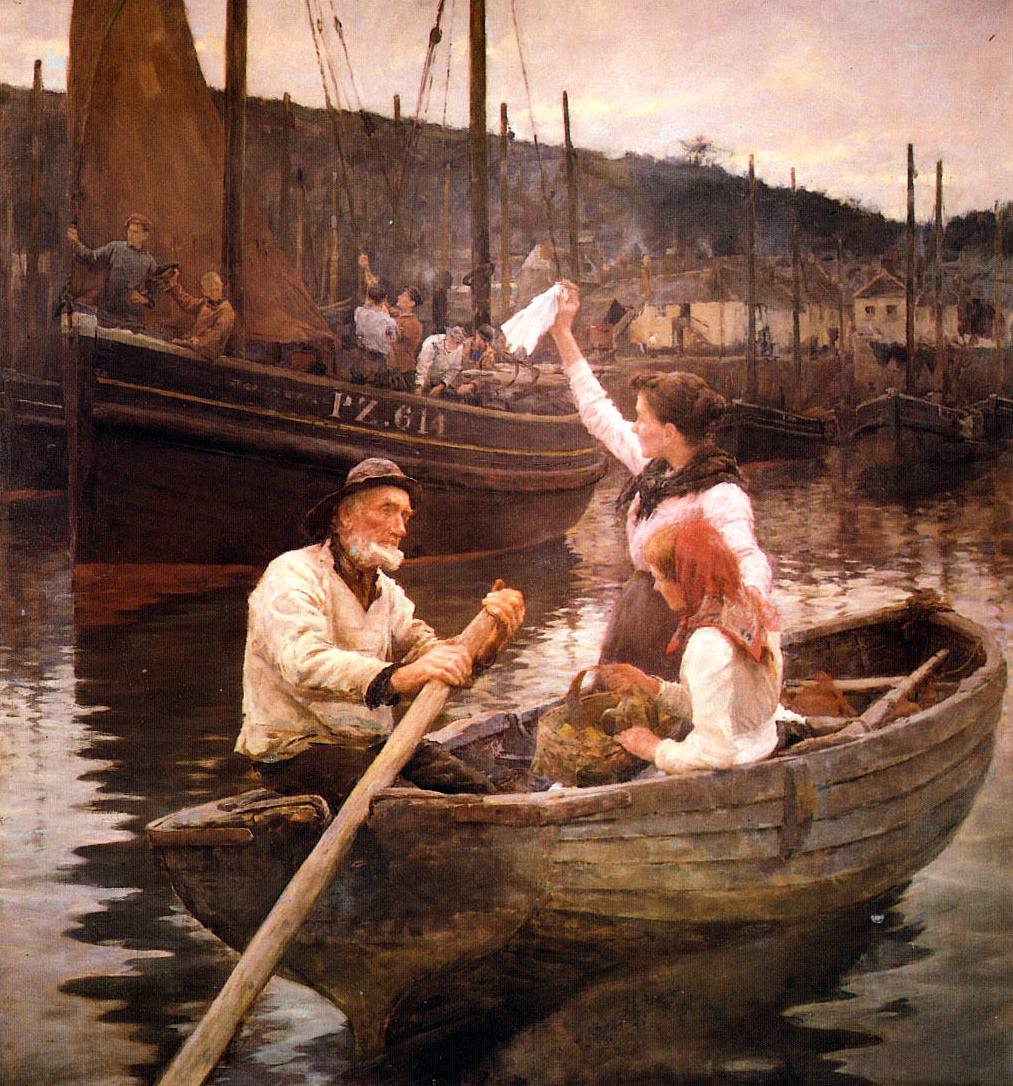
What’s the link between Newlyn in Cornwall – where I had a fisherman’s cottage for 20-odd years – and Skibbereen, our nearest town here in West Cork? The answer is ‘art’, and the painting below by Alexander Stanhope Forbes sums it up: Off to Skibbereen from Newlyn.

offtoskibb1

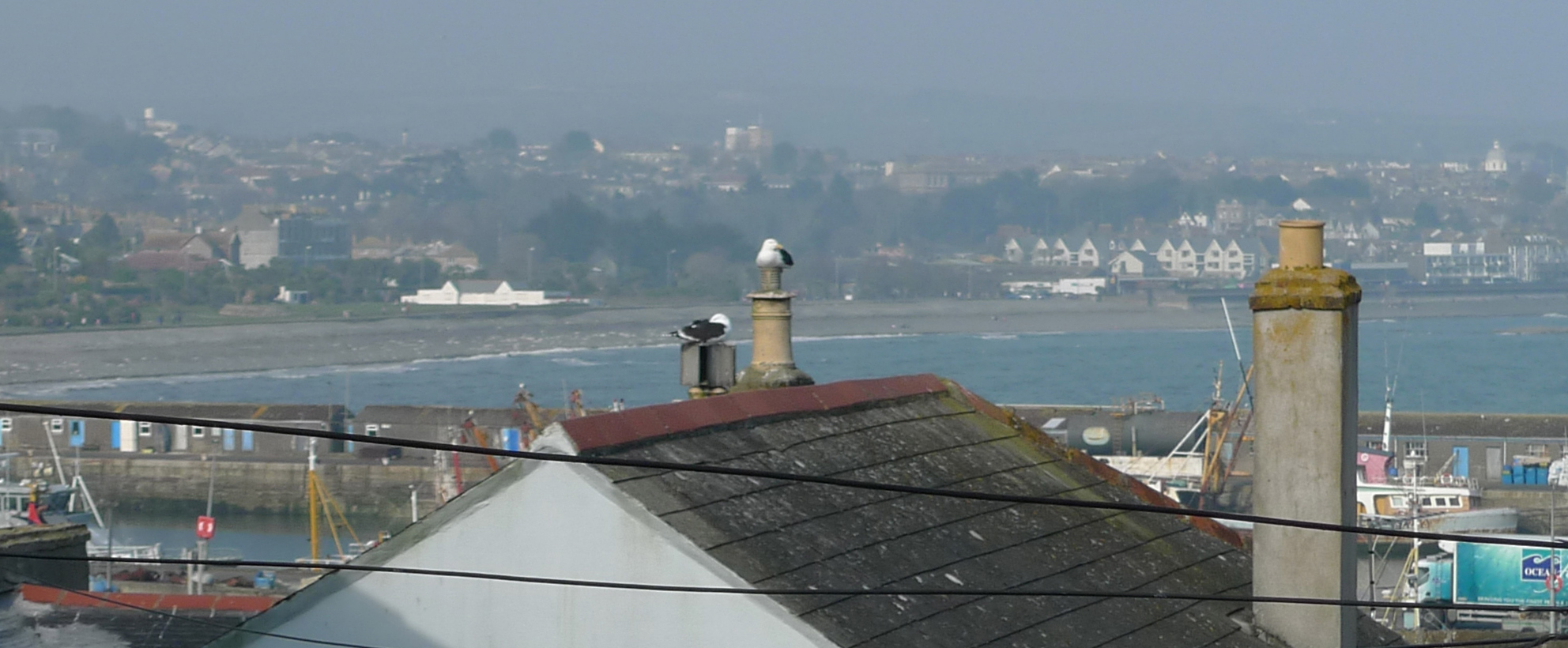
Stanhope Forbes was born in 1857 in Dublin and worked in the en plein air technique of painting, first in Brittany and then in Cornwall, where he settled and founded the Newlyn School of artists. He died in Newlyn (a day or two short of my first birthday) in 1947. If you want to see a collection of Newlyn School paintings visit the Penlee Gallery in Penzance: they are superbly detailed depictions of everyday life in a working fishing community during the late nineteenth and early twentieth centuries. En plein air was all about light, sun and clarity: the artists chose places where the light was at its best, usually close to the sea. My cottage looked out over Mounts Bay in West Penwith, on the far south western tip of Britain. Like the lugger in the picture I have crossed the Celtic Sea from Cornwall, and I now live on the far south western tip of Ireland.

View from my cottage in Cornwall

View from my cottage in Cornwall

I am intrigued by the Off to Skibbereen painting. It tells a story, but we can’t guess that story. It’s presumably PZ 614 that’s on its way to Ireland, and not the ladies in a small open punt with a basket of sandwiches… But why Skibbereen? Records show that from the 1820s Newlyn fishermen were chasing the Herrings off the coast of County Cork. On the whole the fishermen of Newlyn were active most of the year. In January and February they fished for Mackerel off South Devon, following the shoals westwards to Mounts Bay for the next couple of months. Then they moved to Irish waters for the Herring season, returning in July to catch Pilchards until December. They were away from home for weeks at a time so a departure could be a poignant time for their families.

Skibbereen at the end of the 19th century: can you spot the cat?

Skibbereen at the end of the 19th century: can you spot the cat?

Skibbereen was a settlement served by water. The River Ilen is tidal and in the early 19th century boats of up to 200 tons could navigate to Oldcourt, within two miles of the town centre. From there goods were transferred into ‘lighters’ (unpowered barges) and then brought into the quays where there were warehouses and a Customs House. Now, sadly, Skibbereen’s waterfront is a bit neglected and its active past shipping history is no longer obvious. Five historic quays have been identified along the river: Steam Mill Quay, Long Quay, Levis Quay, Minihane’s Quay and Chapel Quay. The Skibbereen Town Development Plan has this to say about them:

…Historic Quays – Comprising of old disused stone quays along the town side of the River Ilen between the two road bridges, these quays were once the primary means to transport goods and people in and out of Skibbereen. Some of the quays are in private ownership, others are unrecognisable and some have been blocked with stone and deposits. However,what is unquestioned is the historic significance and value of the quays and therefore their protection should be considered as part of this plan. In the past, communities and public bodies turned their back on water bodies but now the tide is turning in this regard. Therefore an opportunity presents itself … by ensuring that the quays are redeveloped as part of any proposal on adjoining land…

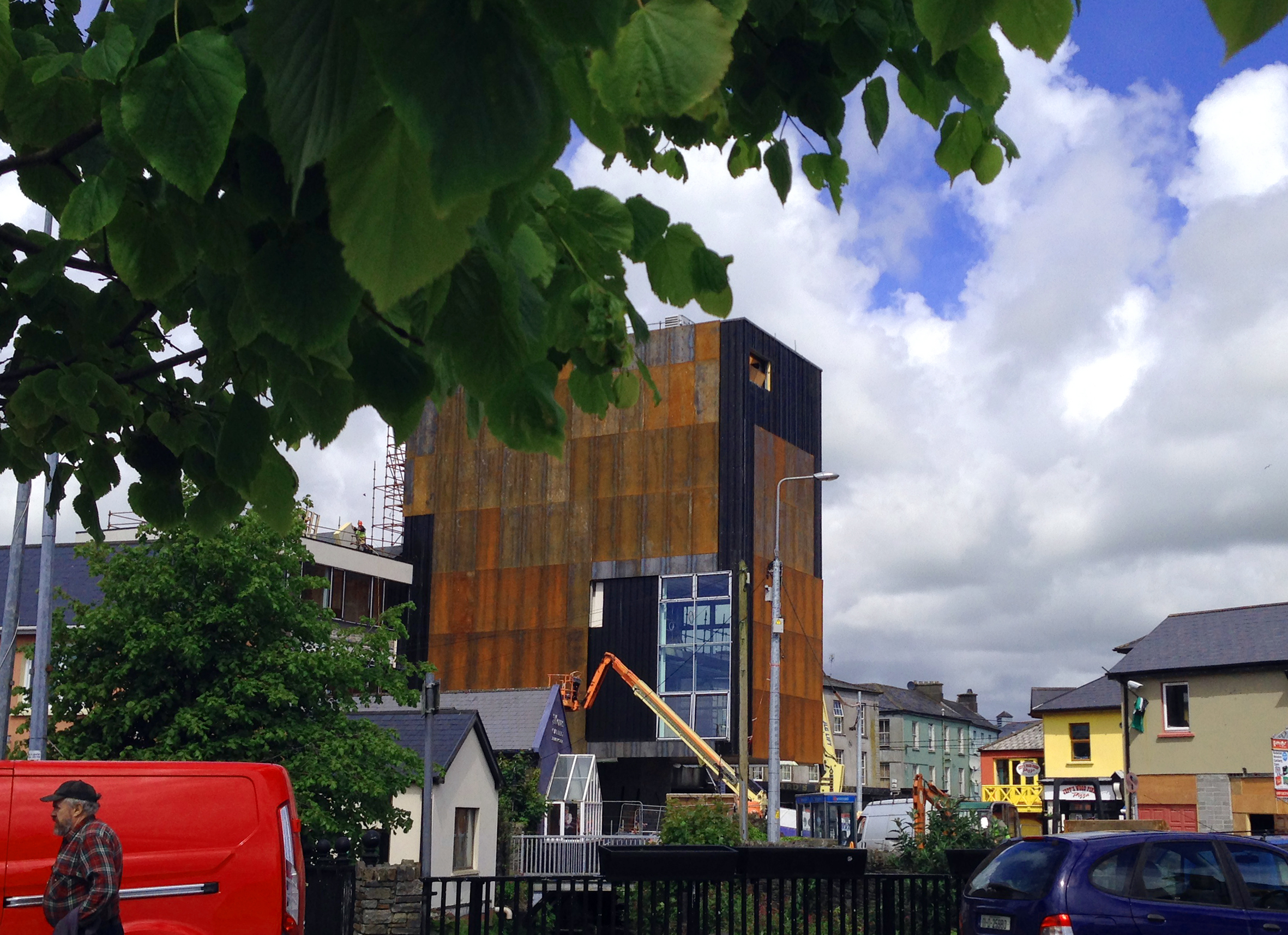
Building work progresses in Skibbereen

Building work progresses in Skibbereen

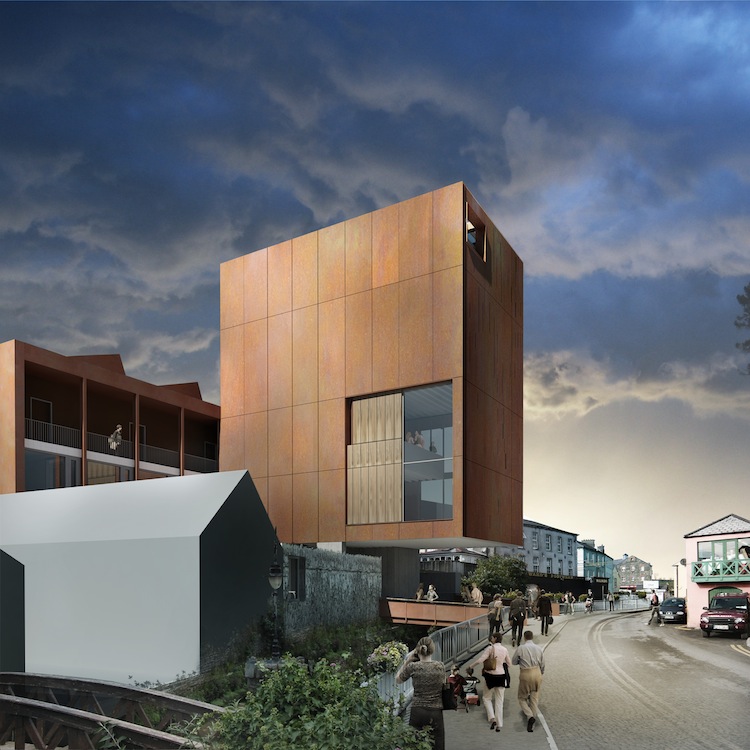
There is a new development going up in the centre of Skibbereen right now, just by the old Levis Quay. It’s on the site of a rather bleak four-storey warehouse structure (now demolished) known most recently as Wolfe’s Bakery. This new building is all about art – rather neatly for my thesis on the artistic links between West Cornwall and Western Ireland.

WCAC_north_view_final-sized

Competition Winner – Skibbereen’s new Arts Centre

The people of Skibbereen are very fortunate to have secured funding for a major arts building, especially in the present climate of austerity. The West Cork Arts Centre will house exhibition space and studio space for artists and social spaces for the community, including enhanced workshop, dance, performance and film club facilities providing a ‘centre for excellence’ in the visual arts at local, national and international levels. The building occupies the ghost of the earlier warehouse and is on five storeys, all fully accessible. Valuable extra space is cleverly gained by cantilevering a portion of the main block out over the Caol Stream. An international design competition was held for the design of the new centre, and this was won by Architects Donaghy and Dimond of Dublin. Visually the building is stunningly contemporary – and this works well in a small town with a diverse architectural language spanning many centuries. So often, new buildings are not allowed to be ‘of their time’ and resort to pastiches of older styles with the result that present day town centres can lack any dynamic character.

The building is being clad with a material known as ‘Corten‘. It’s actually rusted steel! It’s an attractive and durable finish which matures and stabilizes as time goes on. The appearance of a large rusty steel box in the centre of town is exciting some comment but – as always with anything new – judgement is best reserved until the project is completed. In my opinion it will add to the attractions of Dear Old Skibbereen and provide very welcome new facilities in the heart of this creative community. Well done Skibbereen!

Taking Shape - 21 May 2014

Taking Shape – 21 May 2014

Here’s an idea: several of the Newlyn School artists were Irish – or had Irish connections. Perhaps in West Cork we should put on an exhibition highlighting artistic links – old and new – between Cornwall and Ireland?

Wolfe’s Bakery – site of the new Arts Project