Up and Running!

I was allowed behind the scenes to experience the exhibition of Cornish artists – West meets West – being unpacked and arranged. It’s quite a process. All the works are large scale and were packaged for protection during the journey across sea and land from Cornwall. For a while Uillinn’s spacious ground floor gallery seemed overwhelmed, and it was hard to envisage how the various elements (two dozen substantial pieces) would come together in harmony with each other.

Header: first day. Upper picture – the layout is under discussion with Gallery Director Ann Davoren, technical maestro Stephen Canty and Robert Harris; lower picture – the work is gradually unpacked and mounted

The work comprises paintings, a tapestry and a laminated glass piece by Matthew Lanyon; relief sculptures by Philip Booth, and ceramic sculptures by Tony Lattimer. Many are heavy, and they all have to be handled safely and carefully (white gloves only!).

The exhibition runs over Uillinn’s two galleries, and there was a bit of ‘trial and error’ involved in deciding how the dynamics of the pieces would interact. In fact, I believe all the exhibits are strong enough to stand alone but also relate to others when, inevitably, the viewer moves around and experiences the various juxtapositions.

Juxtapositions: upper picture – Lattimers and a Lanyon create excitement when seen together. Lower picture – Booth, Lattimer and Lanyon sing to each other, and perhaps we can see something of the shared elemental nature of all the works, which have a Cornish conception in common

There are a few ‘firsts’ in West meets West – it’s the first time that Cornish artists have visited Uillinn in a group show; this is, hopefully, a first step in a collaborative venture which will see the works of contemporary artists crossing between Cork’s west coast and Cornwall’s westernmost peninsula. Both communities have strong historic links and both have supported creative centres for arts and crafts going back a century and more – and still do. It’s also the first time that some of these works have been publicly shown.

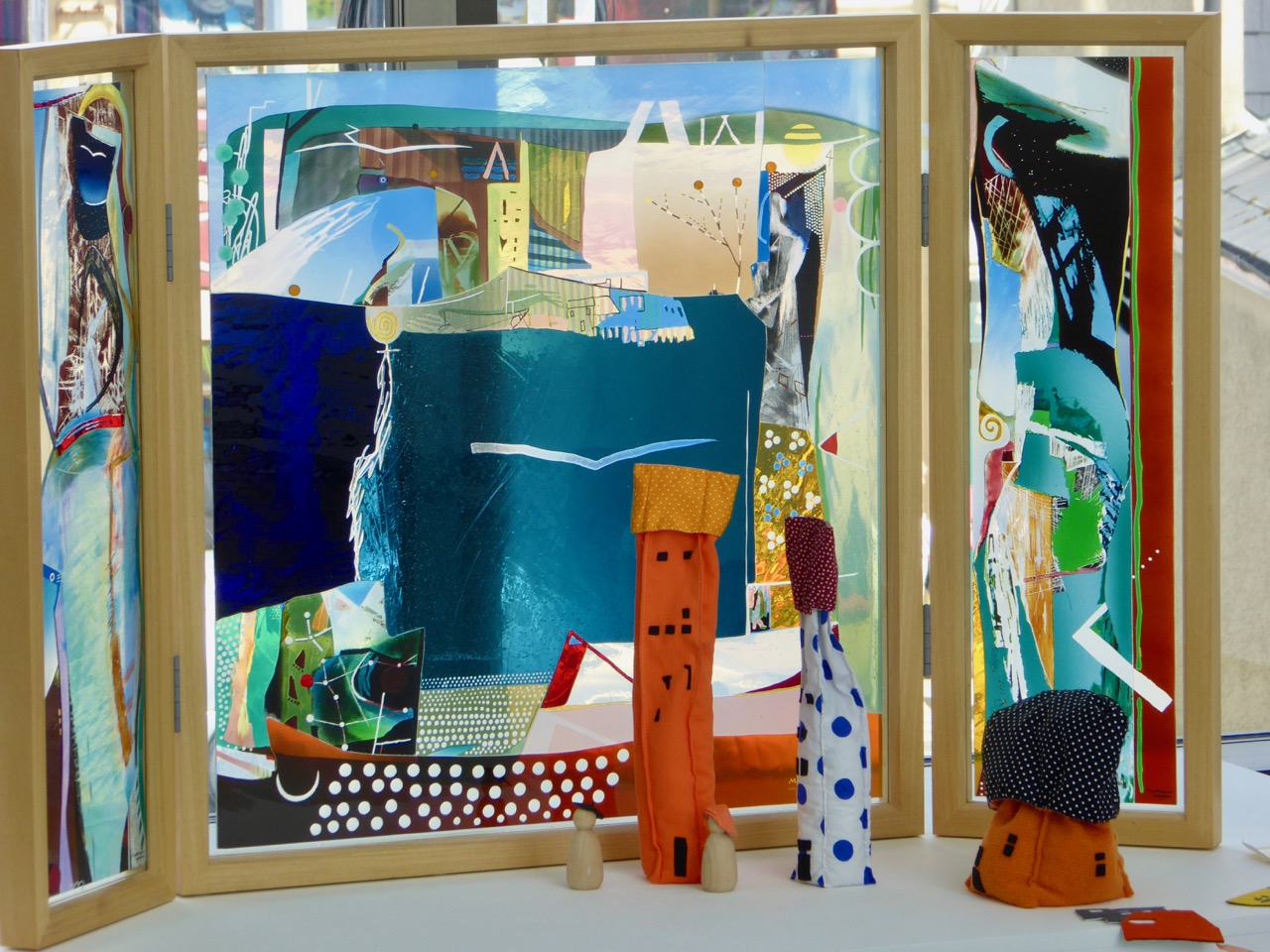
Upper – Philip Booth’s dramatic enormous triptych, inspired by the landscape around Gwennap Head, Cornwall, displayed for the first time ever at Uillinn. It is constructed from an array of materials and uses a complex pallette. Also exhibited for the first time here is the newly completed ‘Altar Piece’ (Lower picture), a laminated glass triptych by Matthew Lanyon, here in use during the young childrens’ art exploration programme

Every exhibition has a formal opening. West meets West was opened by the Mayor of Cork County, Seamus McGrath, who spoke of the importance of maintaining links across the sea, particularly in these divisive times of ‘Brexit’. On the following day, there was a very well attended panel discussion where the artists were given free rein to relate their experiences in conceiving and creating their work: Matthew’s widow, Judith, represented him and gave us some wonderful insights into why the Lanyon works were made and how they might be interpreted. Philip Booth talked us through the processes involved in designing and building his complex constructions, while Tony Lattimer effusively expressed his working methodology.

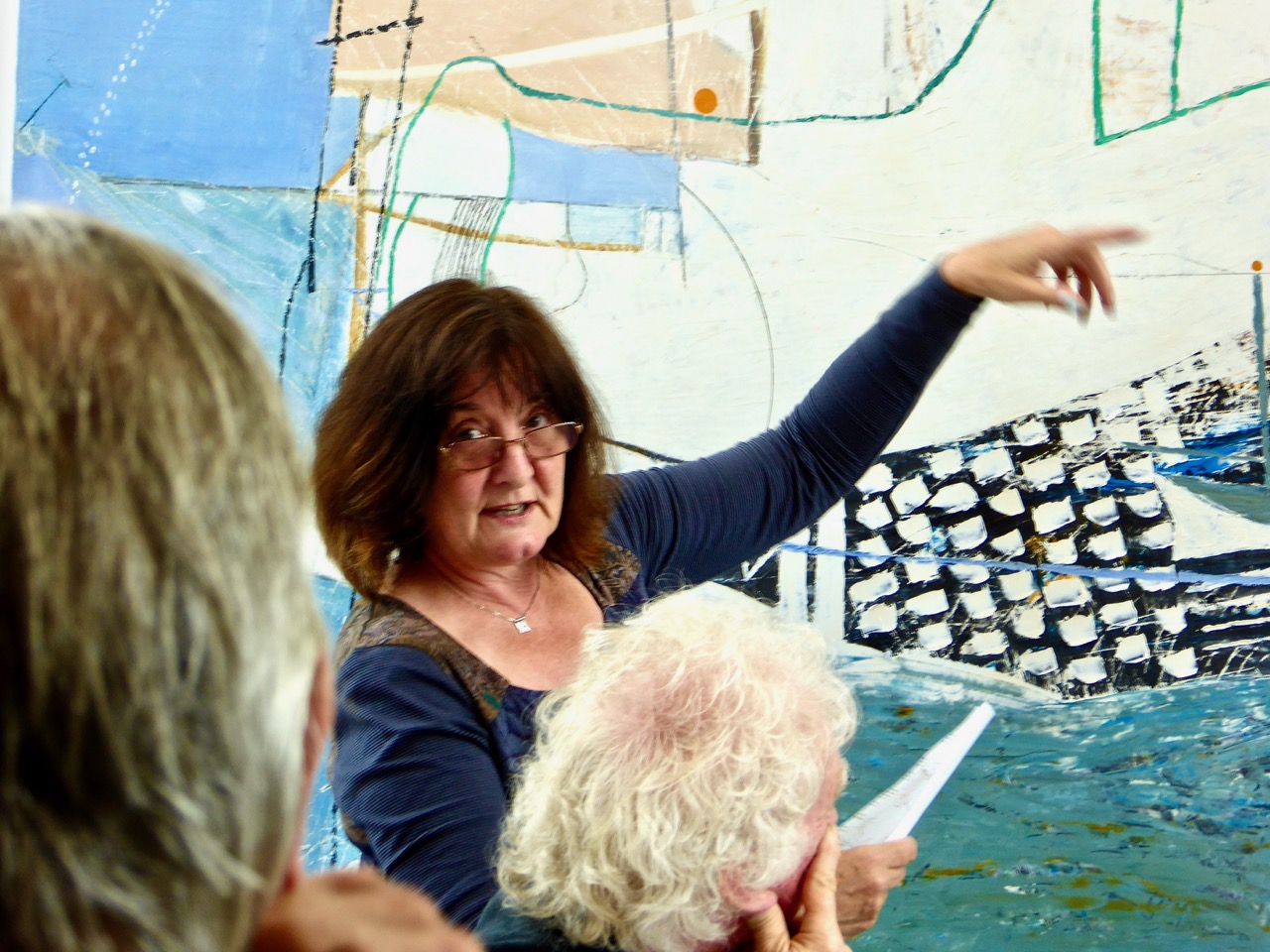
The panel discussion (top), with Judith Lanyon, Phil Booth and Tony Lattimer

It has been a great achievement to get this dynamic, vibrant and colourful exhibition into the galleries at Uillinn. Please don’t miss it – it runs until 8 July – and look out for some extra events: I will be giving a talk following a guided gallery tour on Saturday next, 10 June, commencing at noon. Tony will be giving a ‘walk and talk’ on his work at 3pm this Thursday, 8 June – keep an eye on the Arts Centre website or Facebook. We are also planning a coach tour of sites in West Cork which have Cornish connections (there are many!). Please ask at the gallery if interested.

The Lusty Month of May

The month of May was come, when every lusty heart beginneth to blossom, and to bring forth fruit; for like as herbs and trees bring forth fruit and flourish in May, in likewise every lusty heart that is in any manner a lover, springeth and flourisheth in lusty deeds.  For it giveth unto all lovers courage, that lusty month of May.

–  Sir Thomas Malory, Le Morte d’Arthur 

One of our local roads is lined with Ragged Robin

Walking the boreens in May there is a sense of potency, urgency even, in the landscape. We’ve been asleep long enough, the flowers are saying – it’s high time we put in an appearance.

Another one has pignut on both sides. Pignut? Yes, there is such a flower – it’s widespread and the rounded roots which are said to taste like hazlenuts were a food source for pigs, and sometimes for humans too

After a long dry spring, everything is early this year in West Cork this year – and earlier than in the rest of Ireland too, thanks to our southerly location and mild climate. The big flowers are happening – the irises and the foxgloves in all their boldness and drama, as well as the tiny ones that are peeping out along the hedgebanks.

Glimpsed along the way: Yellow Iris is a bold native plant that likes damp places; St Patrick’s Cabbage grows extensively around the Cork and Kerry Peninsulas; this Spotted Orchid was one of several at the Heron Gallery Garden; Red Campion grows just across from my house

The Big Event in May for us was the launch of the Wildflower Trail, which I wrote about a couple of weeks ago. The launch was lovely – it was a great honour to have Zoë Devlin come and declare the trail open, and then lead us in a wildflower walk. The brochure is now in the Tourist Centres and already people are picking it up and wandering the boreens.

Zoë had participants spellbound – she just knows SO much!

For me it was a special opportunity to learn from Zoë when we walked the course before the launch. It was a great experience and I learned very quickly that for Zoë the wildflowers are just one aspect of an interdependent whole that includes butterflies, moths, bees, birds, and flora and fauna of all descriptions.

Clockwise from top left: Green Veined Butterfly; bee in foxglove; Painted Lady Butterfly; Red Admiral

I also learned how dedicated she is to recording all the flowers she sees for the National Biodiversity Centre Database. This is not a difficult thing to do, but it does take a little practice and a little time. I am resolved to up my own game in this regard and start sending in more records.

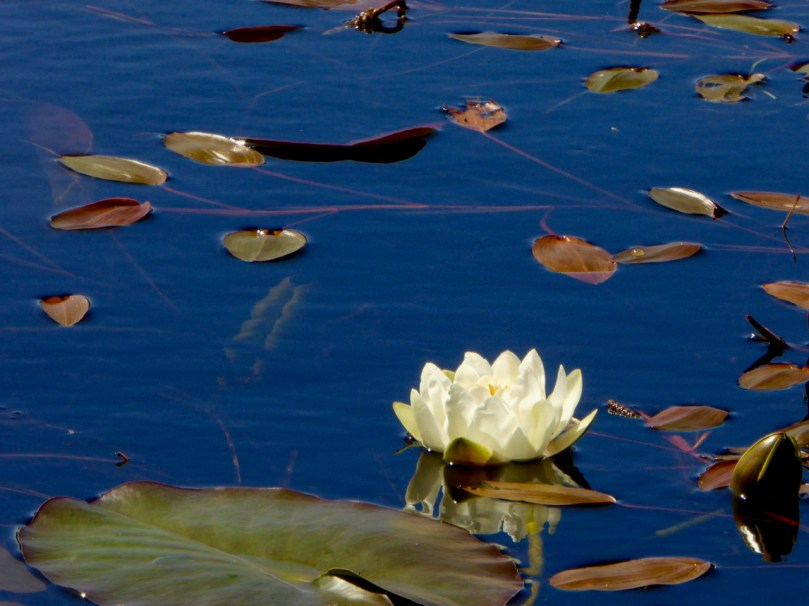
Our native – and gorgeous – White Water-lily

But mostly I just want to spread the joy – and help people to see the incredible beauty and diversity of wildflowers that we have in West Cork. Our boreens should be celebrated as National Treasures!

This boreen leads out of Ballydehob – it’s alive with an enormous variety of flowers.

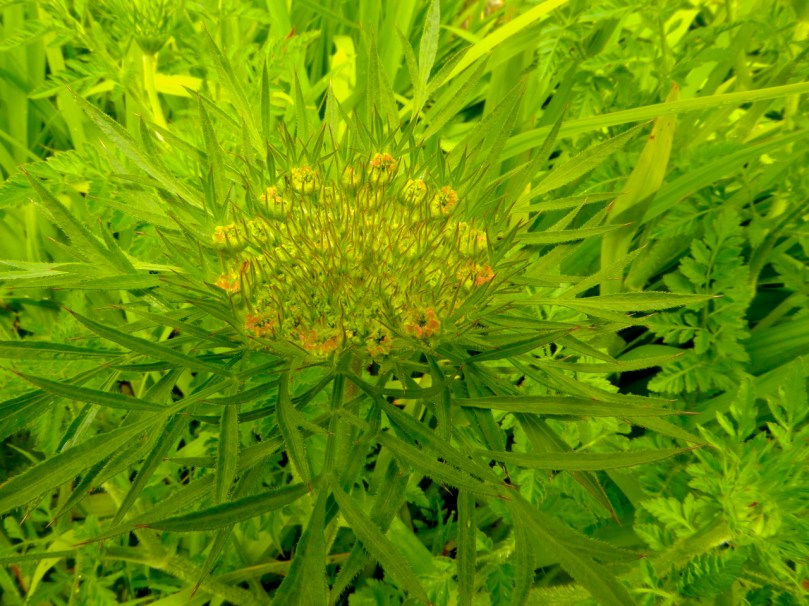
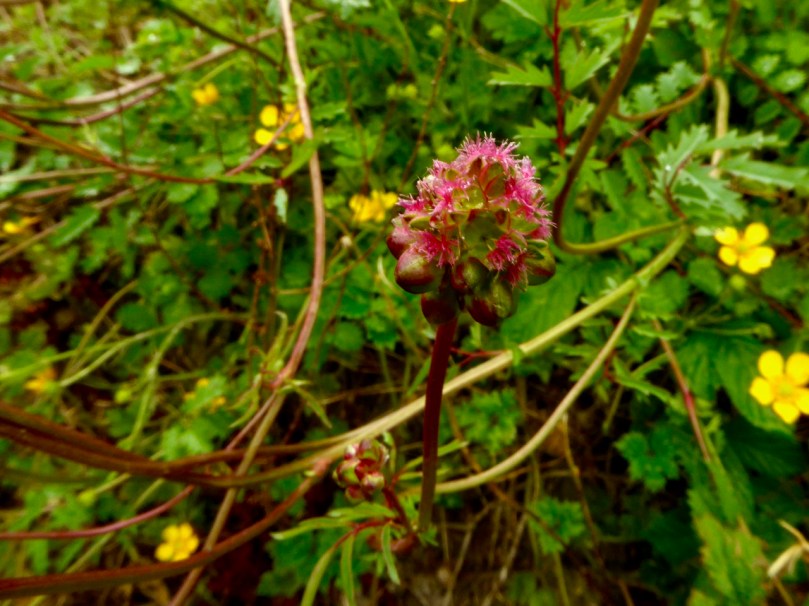
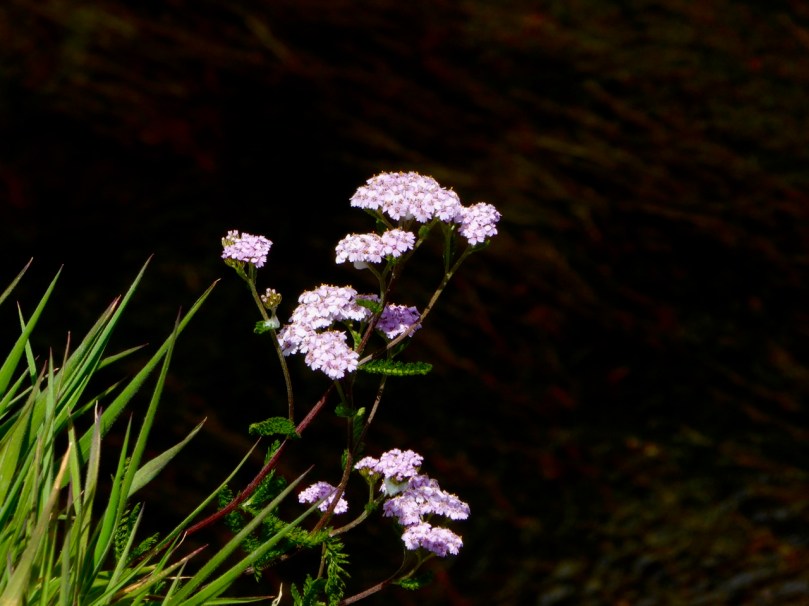
Above is Wild Carrot -as its name suggests, this is the wild version of our cultivated carrot. Very young wild carrots are edible, but you must take extreme care as the plant is very similar to Hemlock Water-dropwort (below) which is very poisonous. This one is growing along a stream in Skibbereen – also the location of the Yarrow in my lead image (top of post).

Irish Spurge, above, is an intense yellow green in April. In May it acquires this little yellow spaceship flower heads. You have to get in really close to see them.

Salad Burnet (above) was grown in kitchen gardens from Medieval times as a salad vegetable and herb. The leaves, they say, taste like cucumber. I’ve tried them, and I have to say you’d need a vivid imagination to get a cucumber taste out of them.

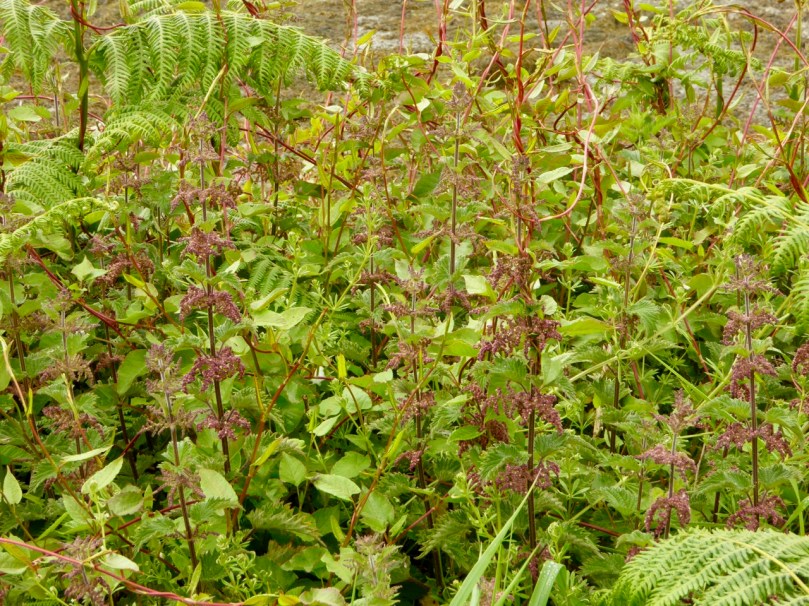
Zoë alerted us to Russian Vine (above, wrapping around flowering nettles) down at Rossbrin Cove. Also known as Mile a Minute, it’s an introduced plant that acts like Bindweed (only worse) and is related to Japanese Knotweed, so very difficult to kill. Bad news!

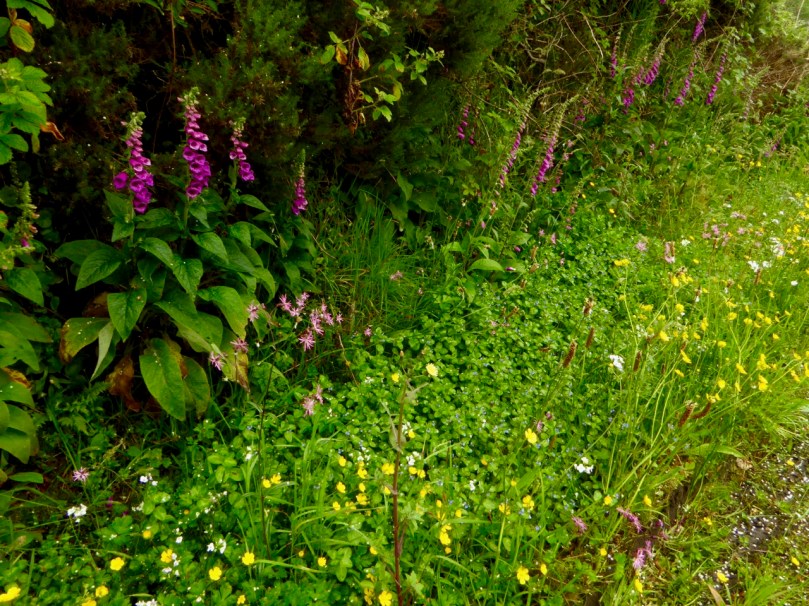
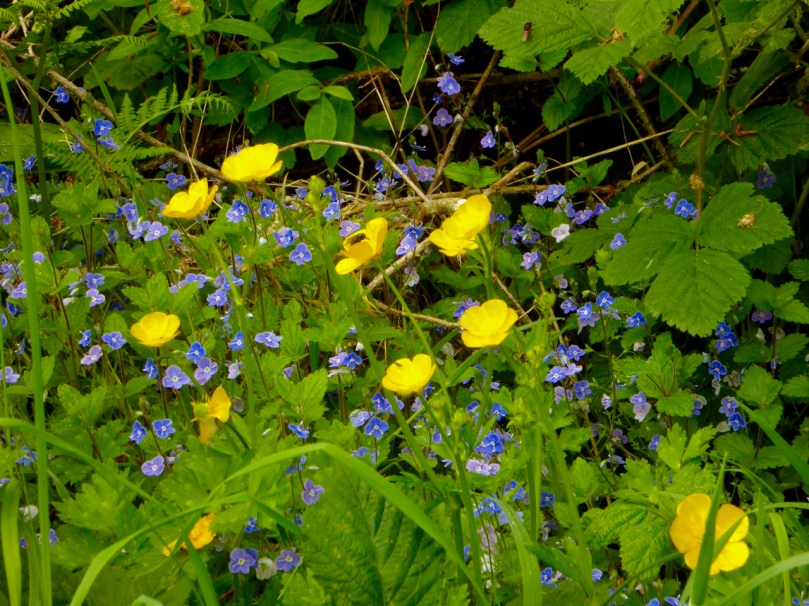
I love the colour combinations you find in the hedgebanks. Wouldn’t this – buttercup and speedwell – make a great dress material?

A baby waterlilly – I was struck by how it looks, as if lit from within.

A final, tiny, flower of the hedges – appropriately name Mouse-ear

Artists of the Western Coasts

We look forward to welcoming our guest Cornish artists to Uillinn for the West meets West exhibition which opens this Friday – 2 June at 6pm – and runs through to 8 July. The three artists are excellent representatives of the vibrant arts scene in Cornwall, which was established from the late 19th century in Newlyn and St Ives and has been burgeoning through the late 20th century and into the 21st, especially with the opening of the spectacularly successful Tate St Ives gallery in 1993.

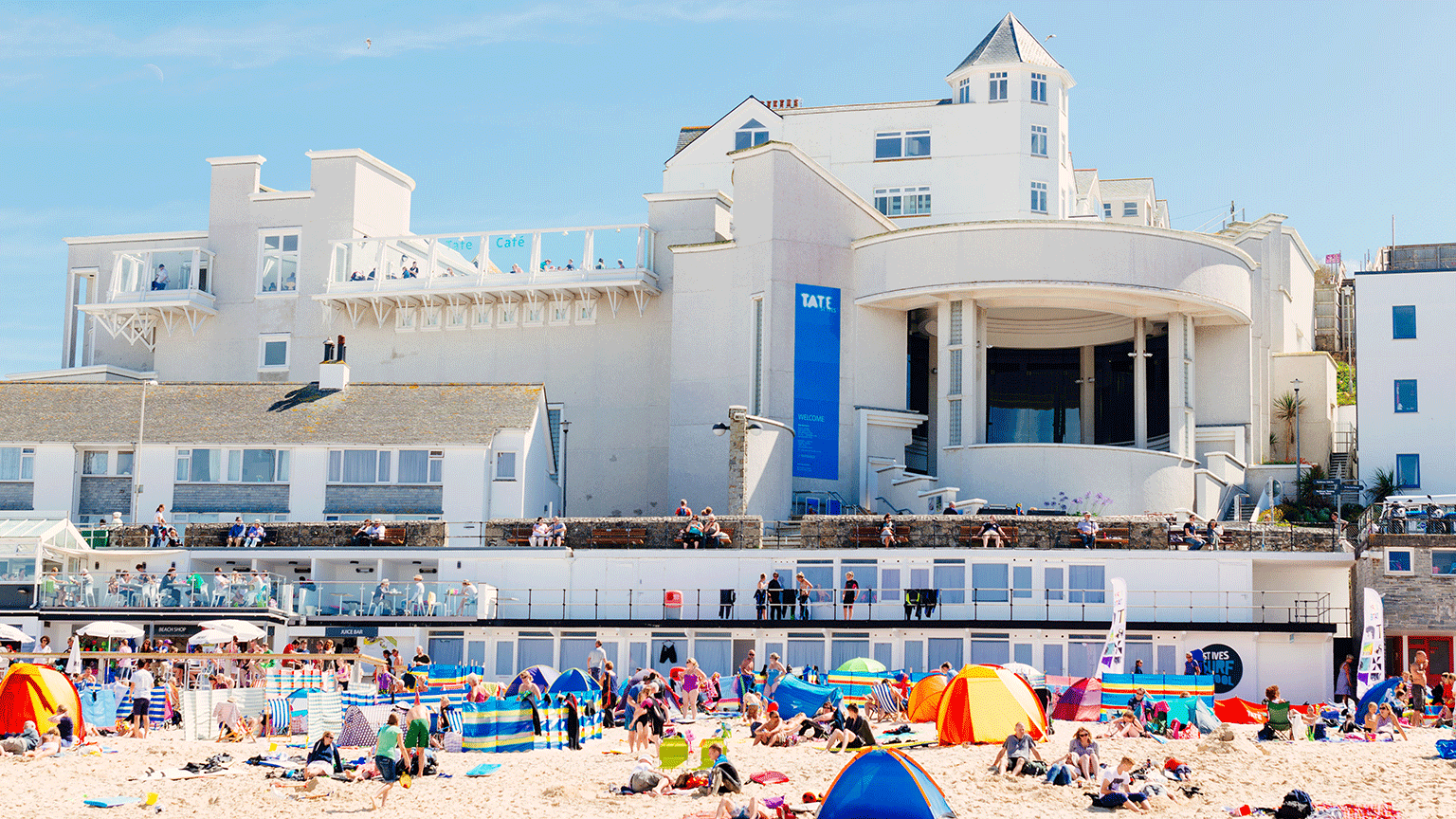
Header: Looking towards The Land’s End – Cornwall’s beautiful scenery has attracted artists and tourists for over a hundred years (photo by Phoebe Harris). Above: Tate St Ives – opened in 1993 – a spectacularly successful venue for cultural art tourism (photo by http://www.artfund.org)

Our artists are all from the West Penwith peninsula – the furthest landfall in the UK’s westernmost county of Cornwall. Phil Booth, Lamorna, will be showing some of his large sculptural relief constructions. Phil is known for these works but is also a talented landscape designer. His has spent many years teaching design and sculpture in Japan: he has intensively researched the form and meaning of traditional Japanese Gardens in Kyoto and is able to provide a high quality design service for anyone who is planning to construct a Japanese garden, or who might want to introduce Japanese elements into their own gardens.

Above left: Philip Booth. Above right: one of his relief constructions which will be shown at Uillinn – Beach Boulder

Matthew Lanyon sadly passed away while preparing work for our Uillinn exhibition. We will be showing many of his larger paintings (some are seven metres long!), but also some tapestry and a laminated glass piece which will be seen for the first time here in Skibbereen. Matthew’s father – Peter Lanyon – was one of the notable members of the St Ives School of Artists in the mid twentieth century. Peter was a painter and a teacher, and had a strong influence on many artists – not only in Cornwall and the UK but in Ireland as well. Matthew’s Cornish heritage, therefore, is very special in the context of West meets West.

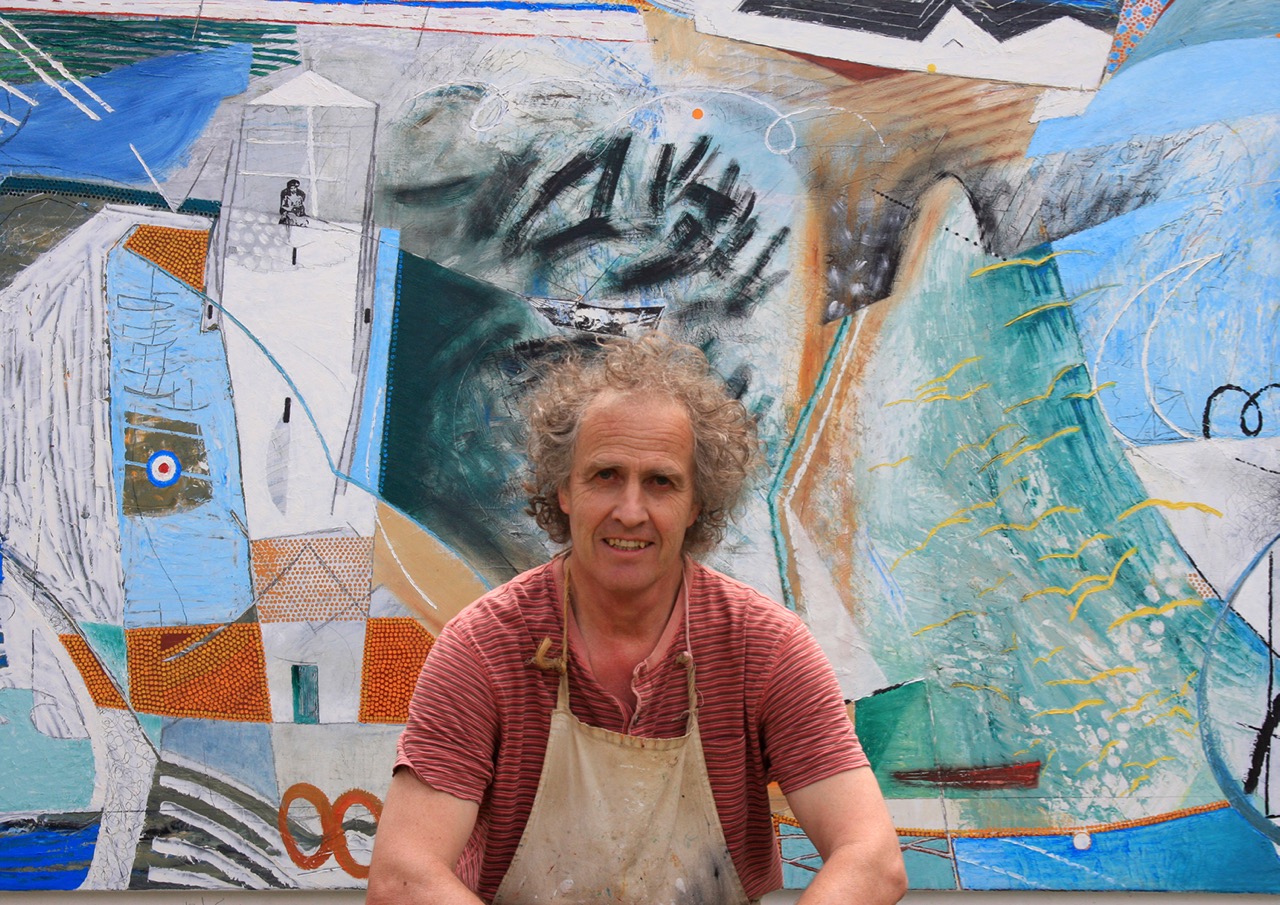
The Late Matthew Lanyon with one of his huge paintings – The Listening Sea

Tony Lattimer lives in Penzance and has his studios and kilns on a beautiful wild acreage close to The Land’s End. His ceramic sculpture is large and visually stunning. Like the other exhibiting artists, he is recognised internationally. Tony has won the prestigious Emilia-Romagna Prize at Premio Faenza International Ceramic Art Competition, Italy twice – in 2005 and 2013. The MIC – International Museum of Ceramics in Faenza – is reputed to be the world’s largest ceramics museum and one of the liveliest art institutions in Italy. Tony has also exhibited at the Tate St Ives and many other UK galleries, and we are pleased that he is able to bring a selection of his new works over to Skibbereen.

Above left: Tony Lattimer preparing work for the kiln in his Land’s End studio. Above right: some of Tony Lattimer’s recent smaller works

Phil Booth and Tony Lattimer will be at the opening, and in the gallery at noon on Saturday 3 June to take part in a panel discussion on the artists’ work. Matthew will also be represented at this event. Please come! The following week – on Saturday 10 June, also at noon, I (Robert Harris) will be giving an illustrated talk titled Chasing the Light – Why the Artists Moved West. I will outline the historic connections and remarkable similarities between the two most westerly peninsulas of Britain and Ireland over a three and a half thousand year timespan, and explore the lives and work of artists who settled in both communities.

While this exhibition focusses on contemporary art from Cornwall it is part of a larger project envisaged by Uillinn (the West Cork Arts Centre). It is hoped that artists from West Cork will visit Cornwall to exhibit their work next year, and that this will become part of a regular cultural exchange between Cork and Cornwall in the future. There is a fascinating story to be told about the artists and craftspeople who arrived in West Cork from the late 1950s onwards and helped found a cosmopolitan, creative and free-thinking community here. Ceramicists, textile designers, printmakers, painters and writers all contributed to the mix. Because of that heritage there are many artists and creative people who continue to be attracted to the area today. Believe me, it’s the most stimulating place to live!

Don’t miss – West meets West – the work of contemporary Cornish artists, at Uillinn, Skibbereen, from 3 June to 8 July. Opening at 6pm on Friday 2 June.

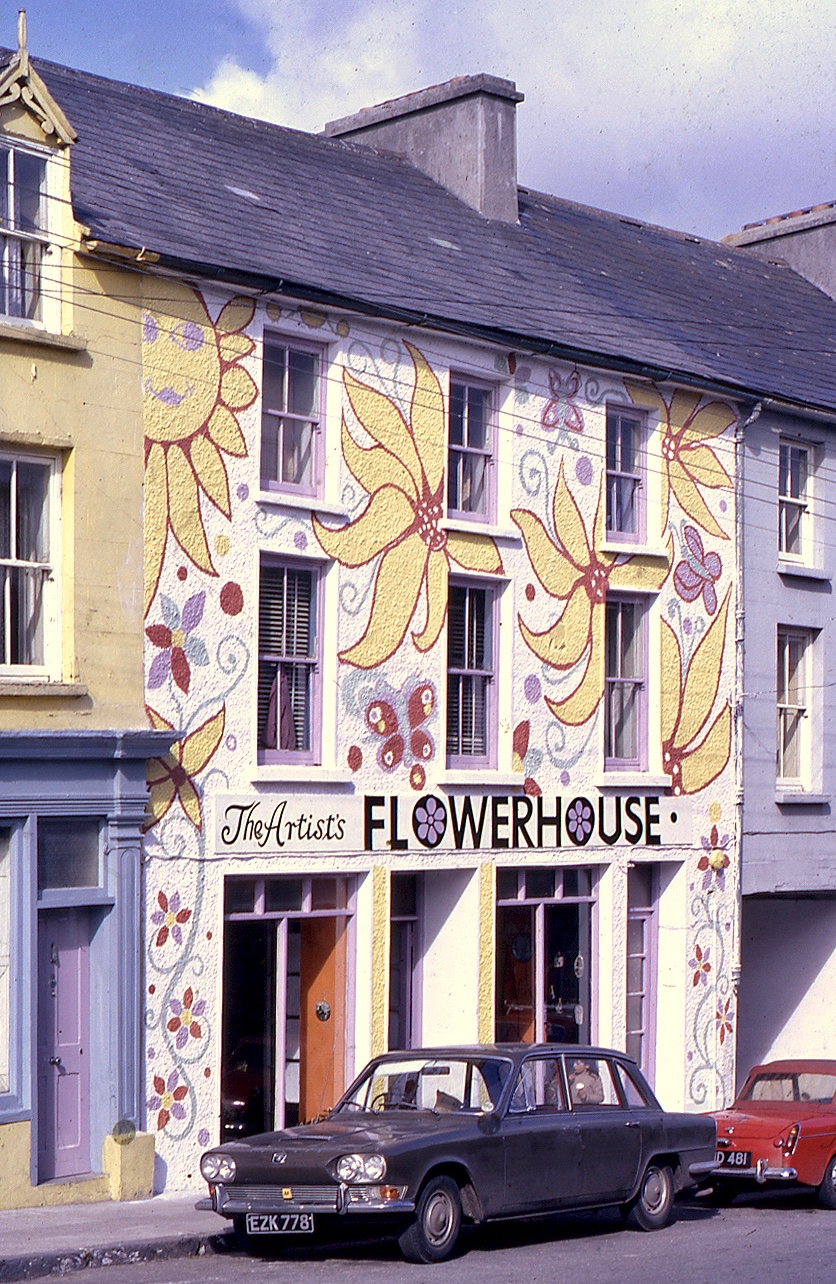
Below: stirrings in Ballydehob: in the 1960s potter Christa Reichel and batik artist Nora Golden set up The Flower House as a shop, studio, cafe and haven for artists. “…Word spread that West Cork was a beautiful, creative place waiting to be discovered…” (Alison Ospina – West Cork Inspires) Photo courtesy Andrew Street

A Wildflower Trail for West Cork

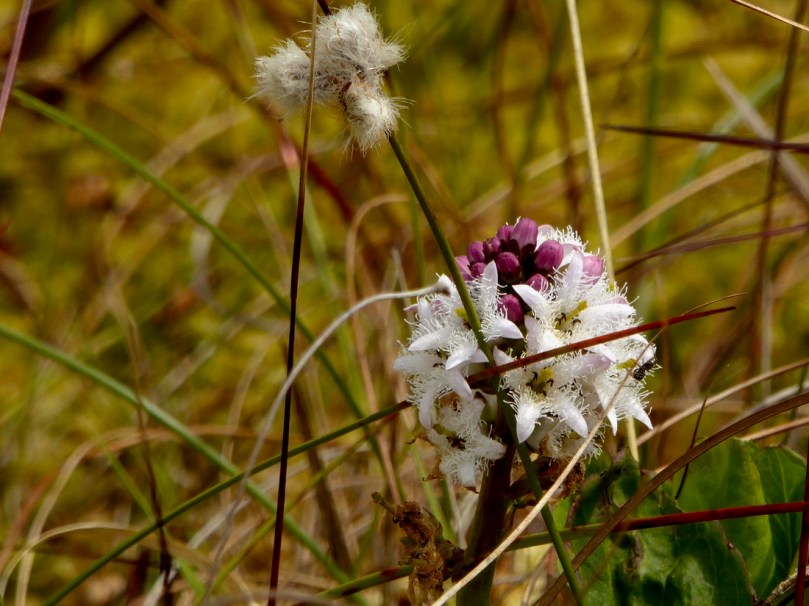
Wildflowers are a spectacular part of our environmental heritage in West Cork. Many of us are aware of them in the background, although we couldn’t name more than half a dozen. It’s only when visitors come along and swoon over the abundance of colour in the hedges that we realise what an incredible natural resource we have on our doorstep. We have a little patch of bog beside us, for example, and a few days ago Bog Cotton and Bog Bean (above) were merrily blooming side by side there. I had never realised how attractive they were until I lingered for close observation. 

St Patrick’s Cabbage is part of the Lusitanian Flora we wrote about in our post Into the Woods. It grows abundantly on the North Side of the Mizen.

We at Roaringwater Journal are exceptionally pleased to have been involved with developing West Cork’s first ever Wildflower Trail System – it launches this Tuesday, but it’s been a while in the planning. The Trail System and its associated brochure is an educative tool that helps us appreciate and learn more about the wildflowers that surround us.

These little beauties are called Mexican Fleabane, but also known as Wall Daisies. The opposite of lawn daisies, they go pink as they age, rather than when they emerge. They’re an introduced species but have naturalised widely. These ones are on the wall of the stream that runs through Drimoleague.

We are particularly happy to welcome Zoë Devlin to do the honours of launching the trails. When I first got interested in wildflowers our friend Amanda (yes, she of Holy Wells of Cork fame) gave me a copy of Zoë’s book, The Wildflowers of Ireland, and it instantly became my bible. It’s laid out by colour, you see, and then by form (four petals, five petals, round clusters, etc) so it’s easy to navigate and to find what you’re after. The illustrations are clear and there’s lots of information about each plant to help you figure out what you’re looking at.

Better still, there’s Zoë’s website. Because it’s constantly updated, it has even more flower species in it, and more information on each one – including herbal uses, folklore references, and details on whether it is native or alien. And finally, there’s her Facebook page where she posts news, recent finds or currently blooming flowers, using her own superb images.

This is Yarrow. I didn’t recognise it at first because I thought Yarrow was always white, but apparently it can be this colour too. In addition, it’s supposed to like dry ground, but this one was overhanging a stream

The Wildflower Trail builds on the fact that there is already a system of waymarked trails around Ballydehob and the Mizen. Robert wrote about the Fastnet Trails in our post Closer Encounters – Fastnet Trails, and I followed up with a two-part post on the Rossbrin Loop Trail, here and here.

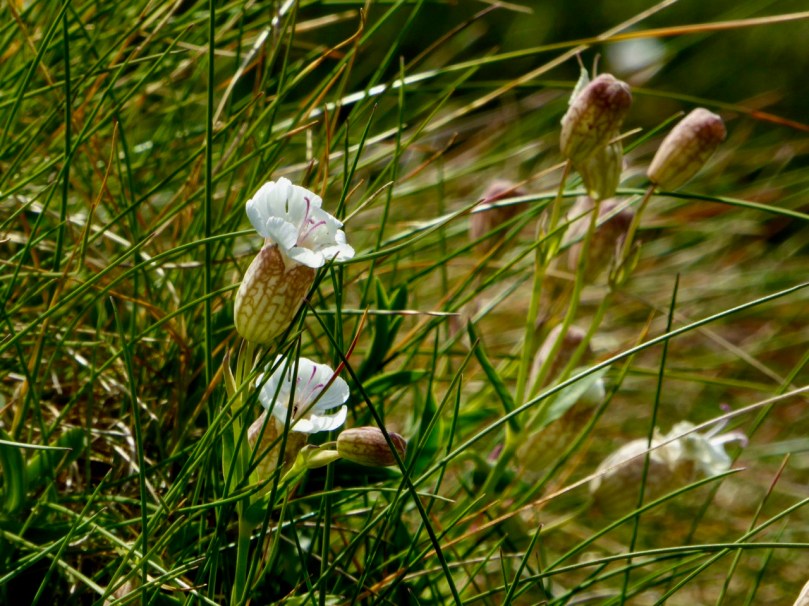
Sea Campion, a native plant adapted to a coastal habitat. It often occurs in drifts.

Using the specially-designed brochure, walkers can identify wildflowers along their chosen trail, then return to the Tourist Office and add their finds to the Master List on the wall. The Tourist Centres at Ballydehob and Schull will have resources available to help them identify any other flowers they have found. If you can’t pick up a brochure, you can find a link to it here.

May belongs to the May Tree – AKA the Hawthorn or Whitethorn. Online forums this year reveal it has been an exceptional year for Hawthorn right across the country

To support the Trails we have started a new Facebook Page – Wildflowers of West Cork – where we will post updates and images of what’s in bloom and what to look out for. If you’re a Facebook user, head over and give us a Like and a Share.

Water Cress, seen on the Colla Road just beyond Schull. Wild Water Cress is edible but you have to be very careful where you gather it as it can be infected with parasites

Everyone is welcome to the Launch – 5PM at the Rossbrin Boatslip on Tuesday the 23rd – and to join Zoë afterwards on a Wildflower Walk. If you can’t make the launch, we hope you’ll go for a stroll along one of the trails soon, brochure in hand, and try your luck at identifying a few wildflowers. Our trails are spectacular right now and will only get better as the summer advances.

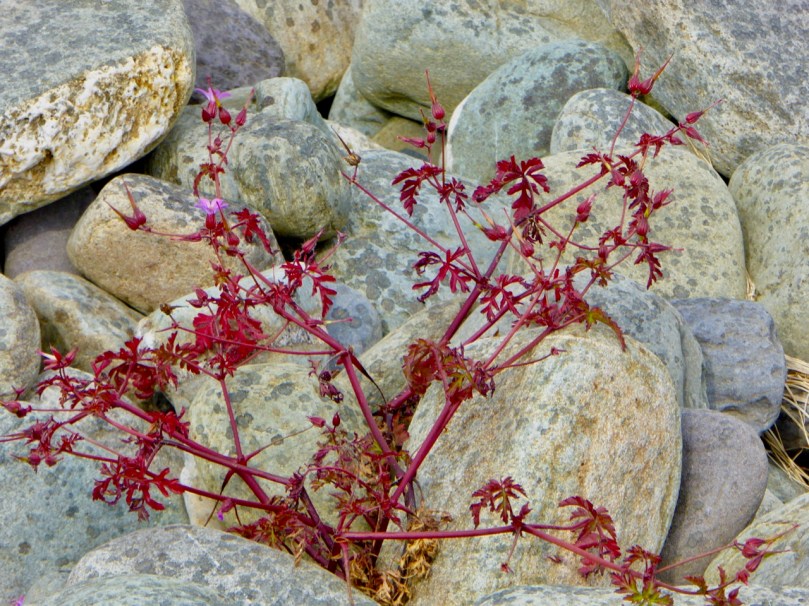
Herb Robert – I love those red stems and leaves as much as the little pink flower. Hard to believe there’s enough soil between those rocks to nourish a plant

But you don’t even need to walk a trail – in West Cork the wildflowers are everywhere. Here’s a photo taken right by Fields of Skibbereen – just look over the fence at the stream.

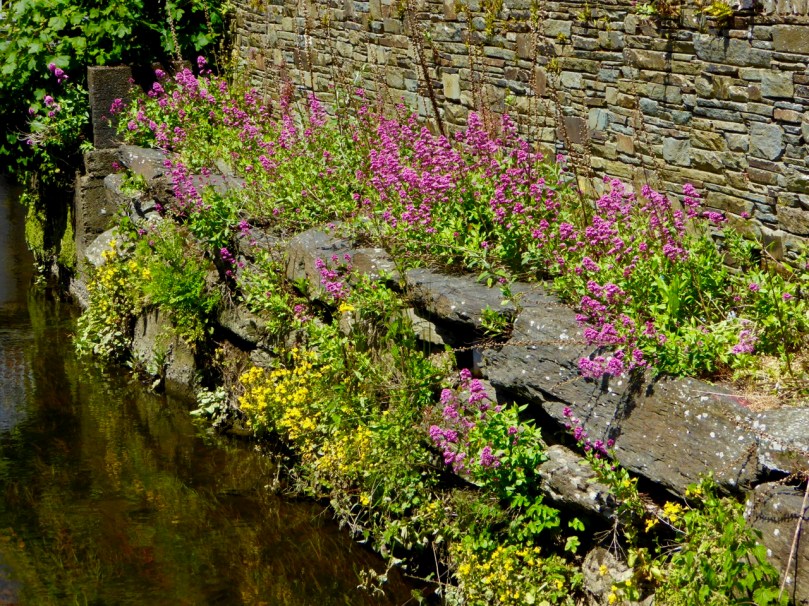
Red Valerian and yellow Monkeyflower. Both are introduced species but obviously right at home on the walls of the Caol Stream in Skibbereen

All the other images were taken in May, all in West Cork, and many of them in unpromising places such as waste ground, urban streams, old walls and rocky shores. Every day, we walk right by a wealth of beauty without really stopping to look.

Mouse-ear Hawkweed and Ivey-leaved Toadflax on the wall containing a stream in Drimoleague. Below in the water is Stream Water-crowfoot

Happy wildflowering! (Start by seeing how many kinds of flowers you can see in the image below – photo taken at Lake Faranamanagh on the Sheep’s Head.)

Ways West!

Many of you will know that I was a frequent traveller between Cornwall and West Cork from the 1990s and onwards – until I happily met with Finola and we came and settled permanently here in Nead an Iolair just a few years ago. We have never looked back! But I have often wondered about the various ways in which that journey was made – not just in the last century, but three or four thousand years ago… For we do know that tin mined in Cornwall was brought across to the west of Ireland then, in order to manufacture Bronze – the ‘supermetal’ of those advanced times: it symbolized strength and gave wealth and status.

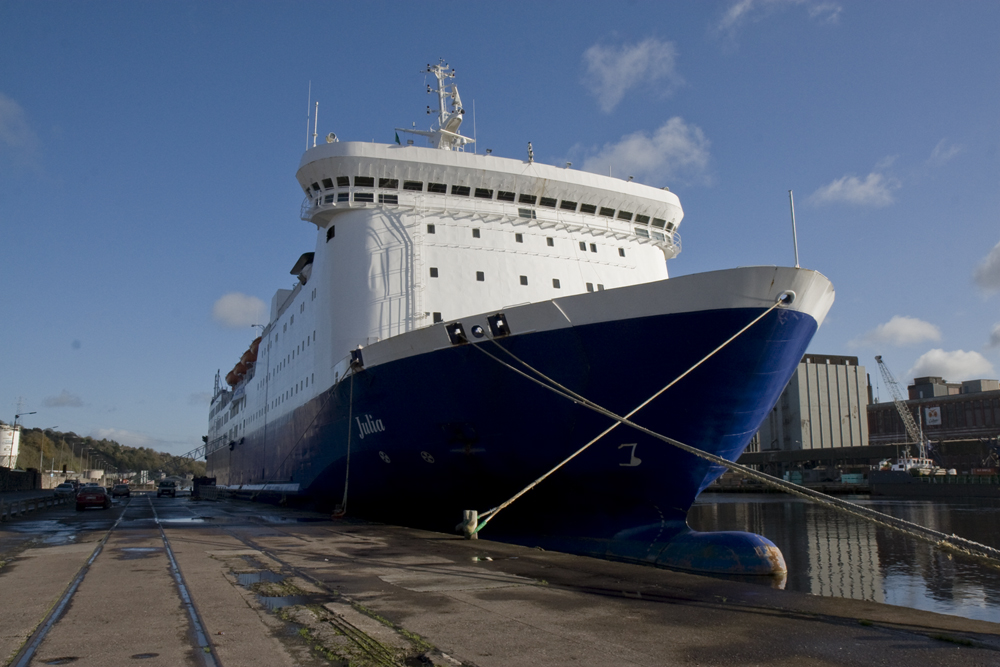
MV Julia, the car ferry which plied between Cork and Swansea: top picture – in her heyday, when she operated throughout the year. Above – Julia leaving Cork in 2012 after the closure of the Fastnet Line. Her name was changed to Wind Perfection and she became a floating dormitory for workers on the offshore wind farms in the North Sea

Not only tin was brought from Cornwall. A study carried out in 2015 by universities in Southampton and Bristol – (using laser ablation mass spectrometry) – concluded that many of the gold artefacts in the National Museum of Ireland and dating from the Bronze Age were manufactured from gold imported from Cornwall – even though there were rich supplies of gold being extracted in Ireland. Author Chris Standish suggests: 

…It is probable that an ‘exotic’ origin was cherished as a key property of gold and was an important reason behind why it was imported for production…

Gold artefacts from Ireland: left – Tyrone Lunula, early Bronze Age; right – Gleninsheen gold gorget, late Bronze Age (photos courtesy National Museum of Ireland)

I would really like to know what type of boat was used all that time ago to bring that precious metal across the Irish Sea. Some have suggested that it would have been a forerunner of the currach – implying a small hide-covered boat. But metal was heavy – even if it was smelted into ingots before the journey: something larger than a currach must surely have been needed. My own not-too-distant memories of having survived a night crossing in the MV Julia, from Swansea to Cork, in a Force 9 storm – with the thudding of huge waves against the steel hull and ominous creakings and crashings coming from the car decks below – lead me to think that any craft that had to traverse those seas in all weathers had to be substantial and sturdy.
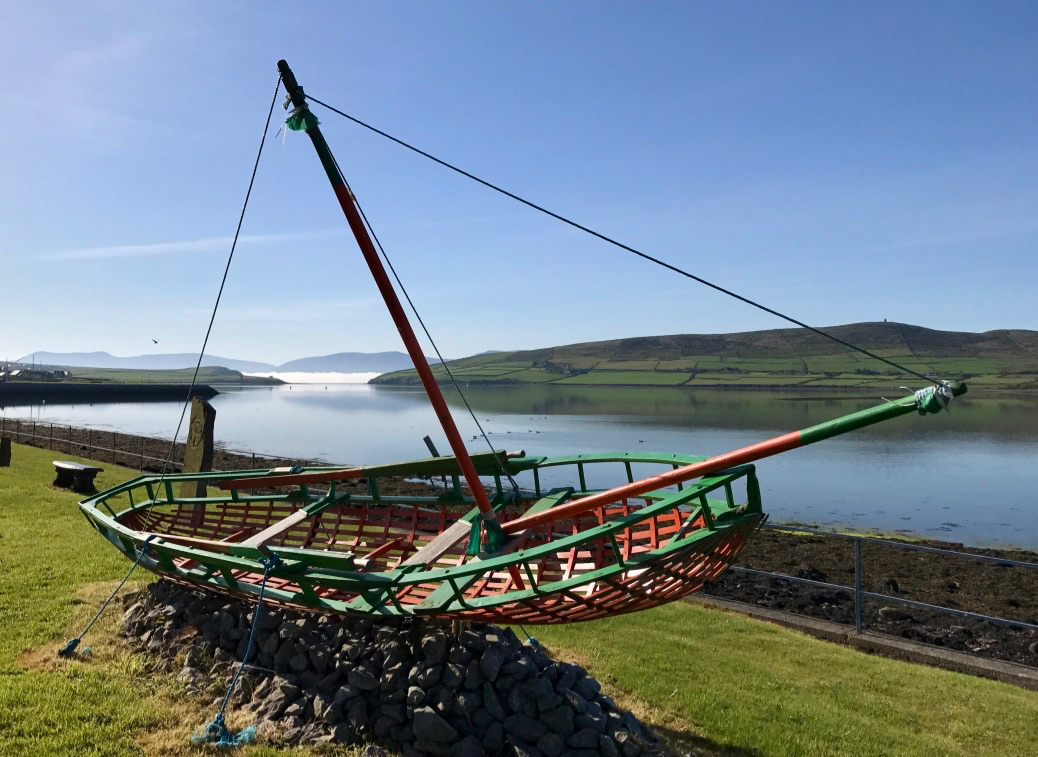
A traditional currach in Dingle, Co Kerry – without its covering skin of hide or canvas

I began to research types of craft that were used in the Bronze Age: examples have been found, some preserved underwater or in bogs. These included ‘log boats’ such as the 14 metre long Lurgan Canoe in the National Museum, which doesn’t seem ideally suited to cargo carrying – especially on open sea. The most likely candidate comes from the Mediterranean: the Uluburun Shipwreck, found underwater in Turkey in 1982.

The Uluburun was a cargo boat: we know this because much of its load was intact when the wreck was found. Amazingly, archeologists were able to pinpoint its route: the ship set sail from either a Cypriot or Syro-Palestinian port and was probably heading for a Mycenaean palace on mainland Greece. It was wrecked in the late 14th century BC. The boat was constructed of cedar planks with morticed and tenoned joints and carried a huge cargo: 500 copper ingots; one ton of tin (which when alloyed with the copper would make around 11 tons of bronze); around 150 Canaanite jars, some filled with glass beads, many others with olives and some with an ancient form of turpentine; 175 glass ingots; African blackwood (ebony); ivory; tortoise-shells; ostrich eggs; Cypriot pottery and oil-lamps; a trumpet; quartz, gold, faience, amber, weapons, tools, pan-balance weights and a gold scarab… The list goes on.
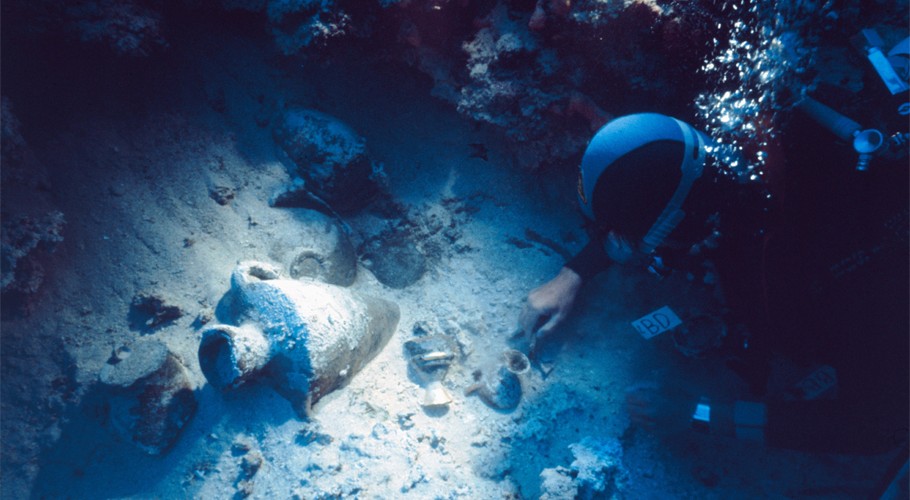
Underwater archaeology: it took ten years to excavate and recover the cargo of the Uluburun vessel

This was in the Mediterranean, not in the Irish Sea. But it’s perfectly possible that the marine technology of those times extended to the northern outposts of Bronze Age Europe. We have to be very clear in our minds that we are looking at a sophisticated society capable of metallurgy, communication and long-distance travel.

Coming back to my own journeys from Cornwall to Ireland, I mourn the passing of the Swansea Cork Ferry, in those days by far the best way to get me and my car to the west of Ireland: I have good memories of arriving in the Lee estuary at daybreak and, excited to be here, watching the sun rise as we sailed up through Cobh to Ringaskiddy. On other journeys I also came over by air: there was a wonderful flight in a small aircraft from Exeter going to Cork. The homespun Devon airport in those days was unsophisticated: on one occasion I lined up to have my luggage checked by security and was asked to take my concertina (a constant travelling companion) out of its case for inspection. I was then asked to play it – in front of the queue – and everything stopped so that the serenade could be heard! It was a small aeroplane – about a dozen seats in the cabin, with the pilot up front – no partition. As he started the engines his broad Cork accent came over the speakers: “…let’s see if we can get this thing off the ground…” He succeeded and – once in the air and cruising at a lowish altitude – got out packs of sandwiches and passed them around. I thoroughly enjoyed watching the outline of Cornwall (exactly as it’s shown in the atlas!) passing below us, to be replaced shortly by the distinctive – and similar – geography of south-west Ireland, soon followed by a sketchy and invariably bumpy landing on Cork’s runaway – especially in any sort of stiff breeze.

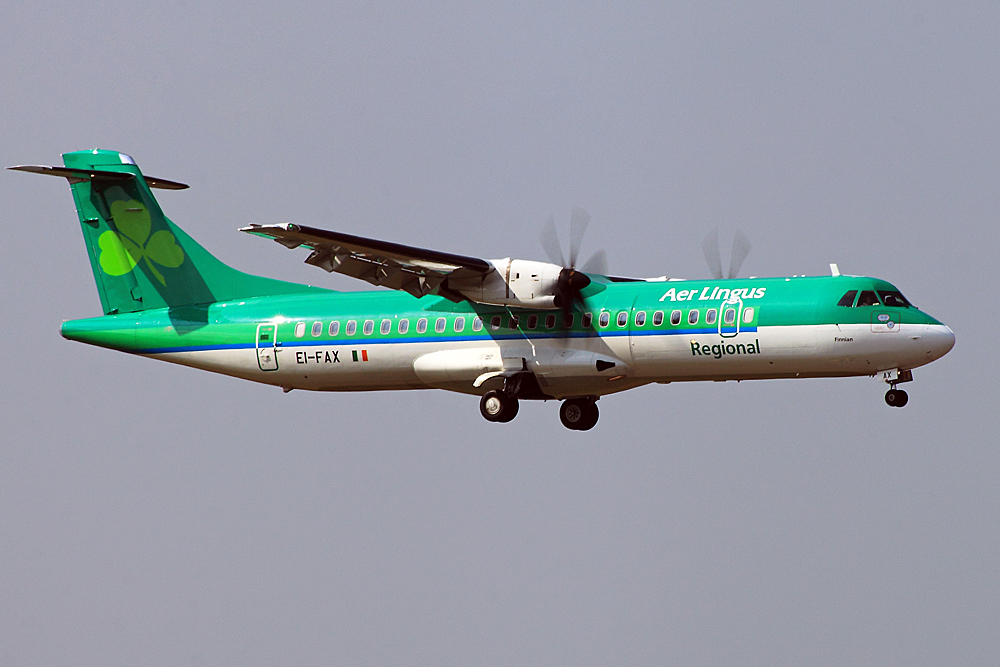
Air Lingus Regional flights – operated by Stobart Air – now directly connect Cornwall with Cork. Photo – Trevor Hannant

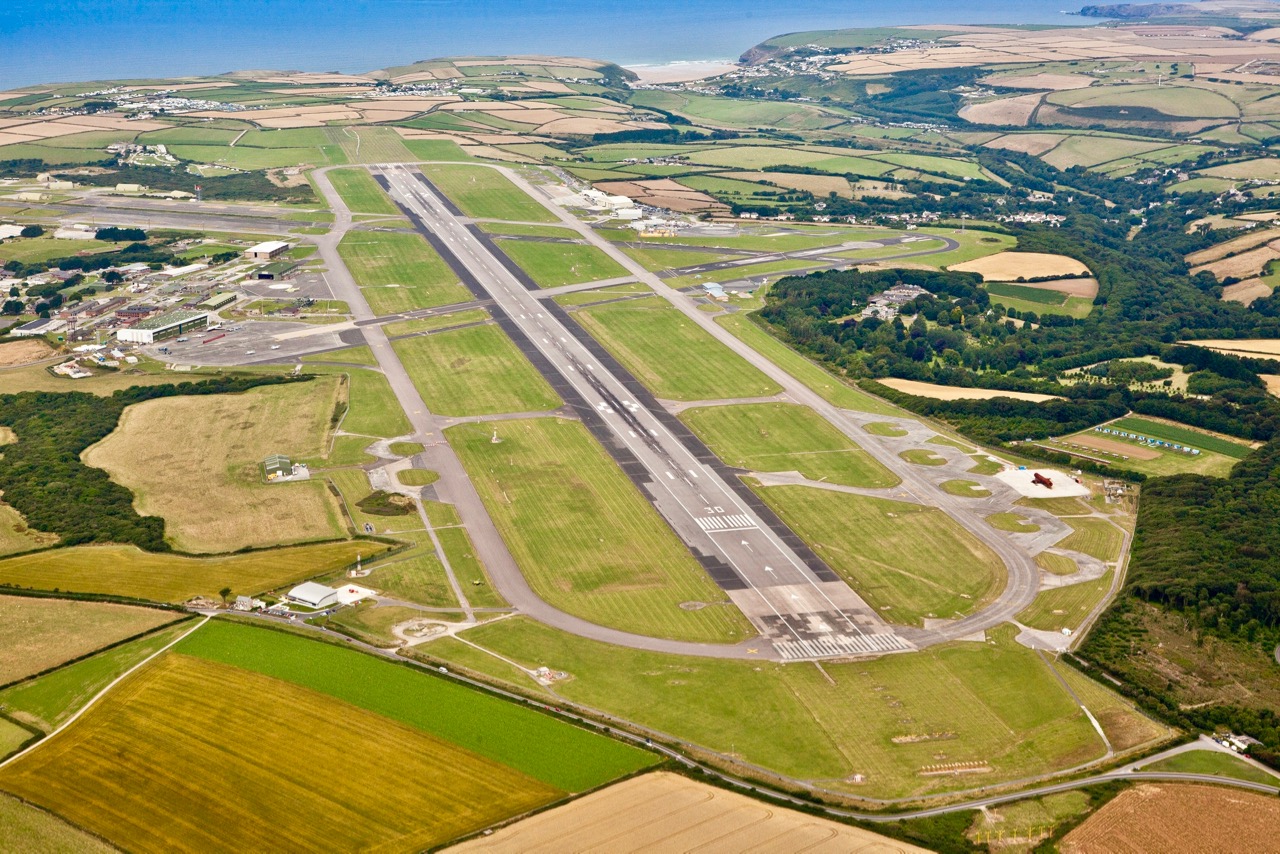
It’s exciting that – just in time for Uillinn’s West meets West exhibition of Cornish artists, there is finally a direct link from within Cornwall to Cork! A new Air Lingus Regional flight – operated by Stobart Air started operating this month and it’s already popular: extra flights have been added to the planned timetable to cater for higher than expected demand. These flights leave from Newquay Airport and are very reasonably priced. I wish them every success… Back in the day, my journey from Newlyn to Skibbereen via the ferry took all day and a night: the new flight barely takes an hour.

Depart here for West Cork! Newquay Airport, in Cornwall

When the Swansea to Cork ferry stopped running the West of Ireland felt the loss: tourism numbers dropped significantly and businesses which relied on visitors suffered. Things have improved since then, particularly with the Wild Atlantic Way initiative. Hopefully the new air link will lead to increased business between the two western outposts of Britain and Ireland, hearkening back to historical times when close links were first forged. Meanwhile, please don’t forget to come along to West meets West and see the work of contemporary artists from Cornwall. The artists (some of whom will have flown over on the Newquay service!) will be speaking about their work at 12 noon on Saturday 3 June, and I will be giving a gallery talk on Saturday 10 June – also at 12 noon – about the many historic links between Cornwall and the West of Ireland. West meets West – the work of contemporary Cornish artists, at Uillinn, Skibbereen, from 3 June to 8 July. Opening at 6pm on Friday 2 June.

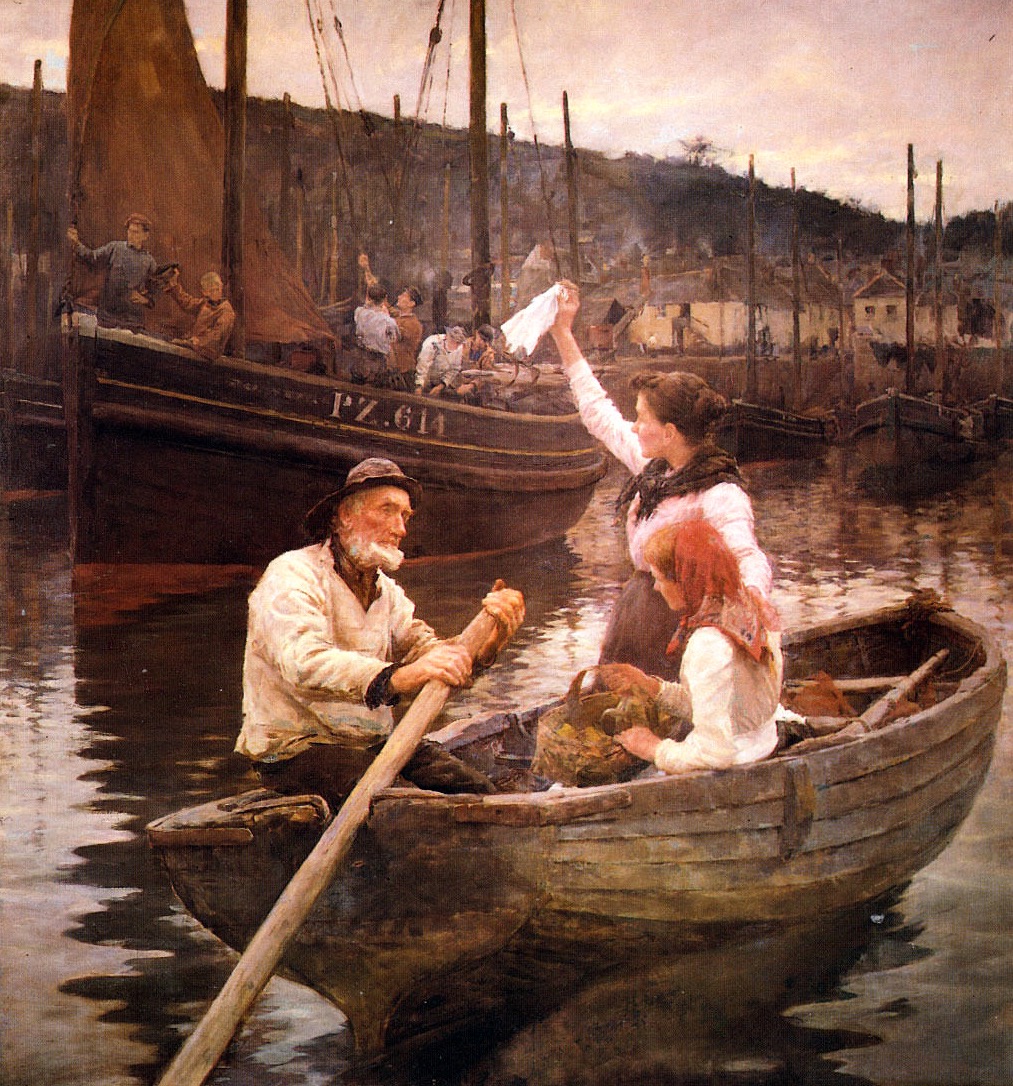
Travelling from Cornwall to Cork: Off to Skibbereen – painted by Newlyn Artist  (and Irishman) Stanhope Alexander Forbes in 1901

West Cork Finally Gets a History Festival!

For a place that’s dripping in history and archaeology, and with several active historical societies, it’s a wonder this hasn’t happened before.

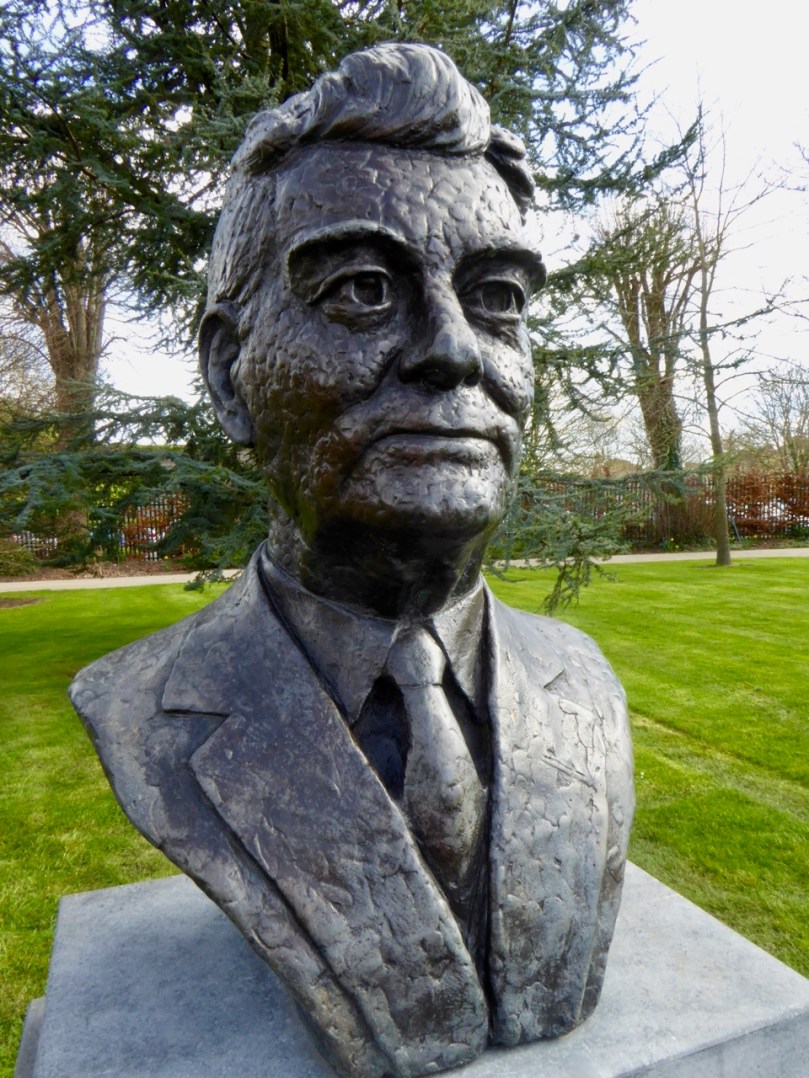
Tom Barry, bust by Seamus Murphy

The inaugural festival of the West Cork History Festival will take place just outside Skibbereen on the last weekend of July this year. Take a look at their website – it’s a great program, offering sessions from medieval to modern, from pirates and adventurers to soldiers, revolutionaries and poets.

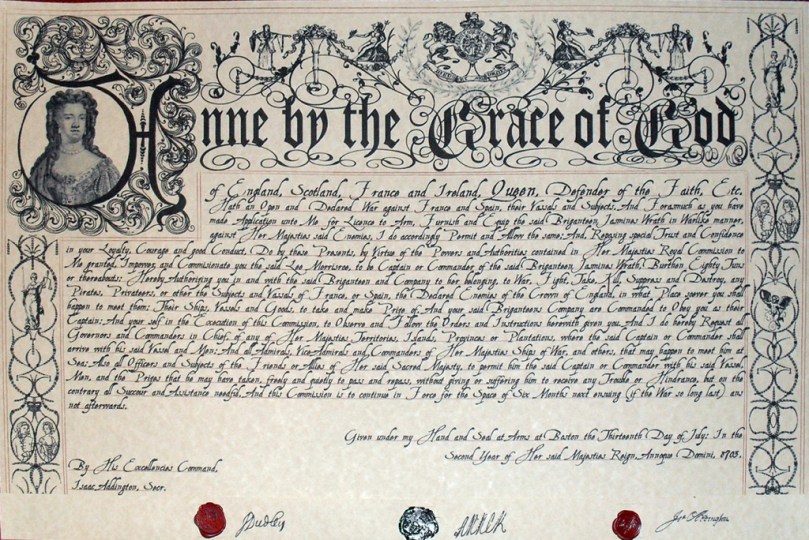
A Letter of Marque gave an individual permission to be a privateer – a form of legalised piracy

Although it’s got West Cork in the title, this is not only West Cork History. The organisers emphasise its eclectic nature and call it a festival of intellectual delights. National dimensions are obvious in discussions on the War of Independence and international ones in sessions on the First World War. West Cork gets a good look-in, though, with a thorough re-examination of Hart’s work on the Bandon Valley Killings (see here for a good summary of the events and the controversies surrounding the scholarship), in the light of the most recent research. Several active and respected local historians will contribute in their area of expertise.

War graves such as this one have been springing up all over Cork in the last few years. For most of the 20th century we maintained a form of collective amnesia about the Irish fighting in the First World War – see my piece Outposts of Empire

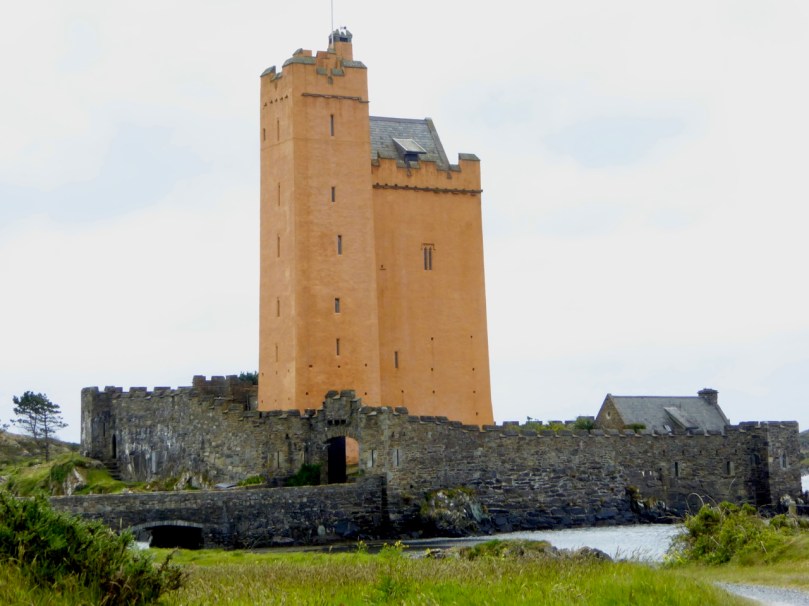
National and local topics are happily juxtaposed – tower houses, for example, will be the subject of two sessions, one of which places them in an all-Ireland context and the other in a West Cork context. (For more on tower houses, follow this link.)

Kilcoe Castle – an impressive example of the Irish Tower House, now magnificently restored by Jeremy Irons

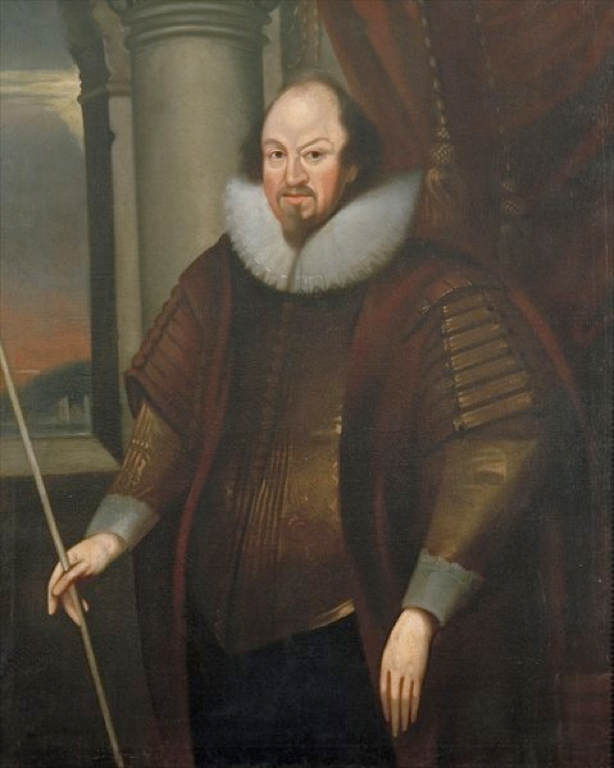
I’m very much looking forward to learning more about Richard Boyle, the Great Earl of Cork – a tremendous figure in the history of this area. But the Festival takes it one step further with a talk on the vital roles in Irish history played by the children of the Great Earl. I’m also going to make sure I take in a presentation on the Knights Templar by Dominic Selwood, yet another of the multi-talented speakers on the schedule.

Richard Boyle, Great Earl of Cork (1566-1643)

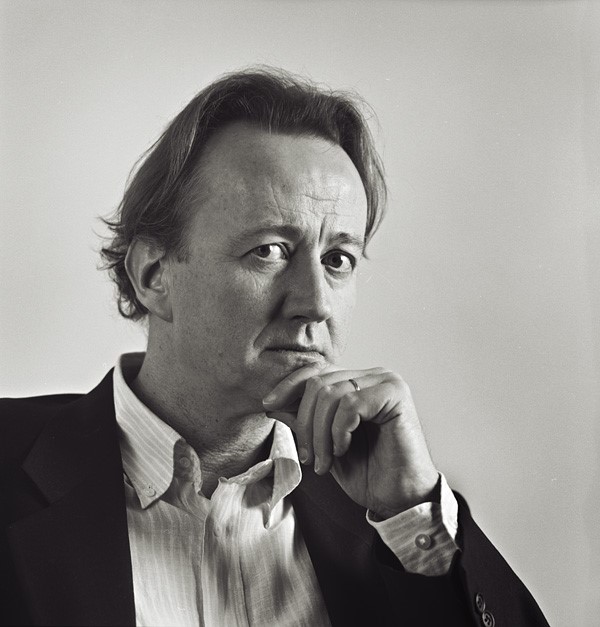
The opening and closing sessions will be major highlights. Prof Roy Foster will deliver the introductory lecture. How fitting – Roy Foster is surely among the most respected historians of his generation. Author of numerous books and influential articles, including Modern Ireland (1600-19720) and a justly famed two volume Life of W B Yeats. His topic, ”A Fair People”: antagonism and conflict in Irish history, will set the tone for a weekend that will not shy away from controversial and thought-provoking sessions.

Prof Roy Foster, considered by many to be one of Ireland’s greatest contemporary historians

The closing session features the writer (and highly entertaining speaker) Michael Dobbs, creator and author of the House of Cards series of books and TV shows. Titled Life, Lust and Liquor: how House of Cards wrote itself, this should bring things to a close with a bang.

And in between, there’s a host of academics, researchers, film-makers, journalists, writers and editors – and even a couple of ambassadors! It’s an eclectic mix and sure to be provocative and engaging.

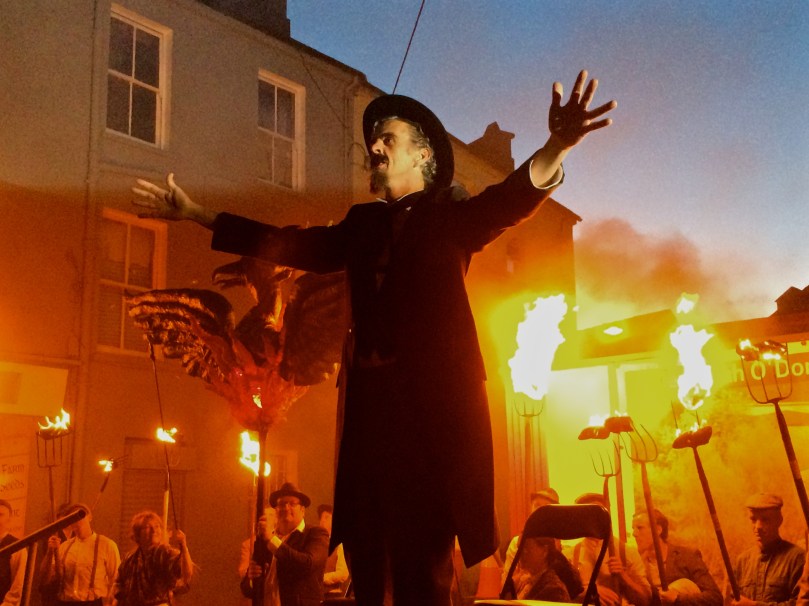
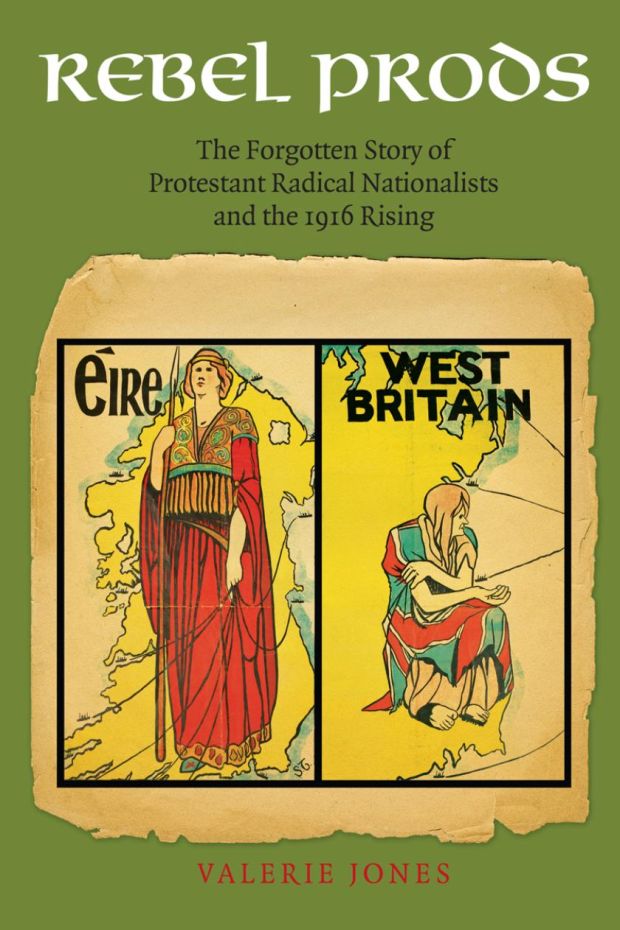
The Festival features a screening of the Film Rebel Rossa, made by the great-grandsons of Jeremiah O’Donovan Rossa. A West Cork man, Rossa became famous and infamous for his Fenian activities. See my three-part account of him here.

The Festival is the brainchild of Simon Kingston, who, with his wife Victoria (a professional historian) has a long association with West Cork, which culminated in their settling at Rosebank, the dower house of Liss Ard Estate, just outside Skibbereen. Simon is a graduate of Trinity and of Oxford and describes himself as an historian at heart, although he makes a living in the world of executive recruitment. He’s put together an amazing program, sure to become an ongoing feature of the West Cork heritage landscape for years to come.

I’ve only managed to give you a tiny taste of what’s in store at this Festival – you will have to come and experience the terrific range on offer for yourself. Meanwhile, they’ve set up a Facebook page so you can keep up to date on all the latest news and announcements. Head on over and give it a Like and a Share. And are you a member of the Twitterati? There’s a Twitter feed just for you!

 Right so – on July 28 – see you there?