Late Bloomers: Invasive, Naturalised and Native

Creeper on white cottage wall

This is my last wildflower post! You must be getting tired of my wildflower obsession by now. So, no more after this one. (Well, at least not in 2016.) The thing is, I had assumed that there was nothing left to see at this point. We are in October after all, and autumn is coming early this year after a cool and misty summer. But a walk today put flight to that notion.

Bee on Ivy Flower

Bracken undergrowthThe ivy flowers are alive with bees right now (above) and the bracken is putting on its winter coat

The predominant colour of the countryside is changing now as the brackens take on their winter amber-brown. The ivy is in full flower. Stand near a patch and you will be instantly aware of the hum. Our little black Irish bees are gathering while they still can and depend on this late flowering and ubiquitous plant for the last remaining nectar. Ivy honey is darker in colour and can smell a little rank, but it has a great reputation as a soothing cure for coughs and colds (especially if mixed with a little whiskey).

Bee on Ivy 2

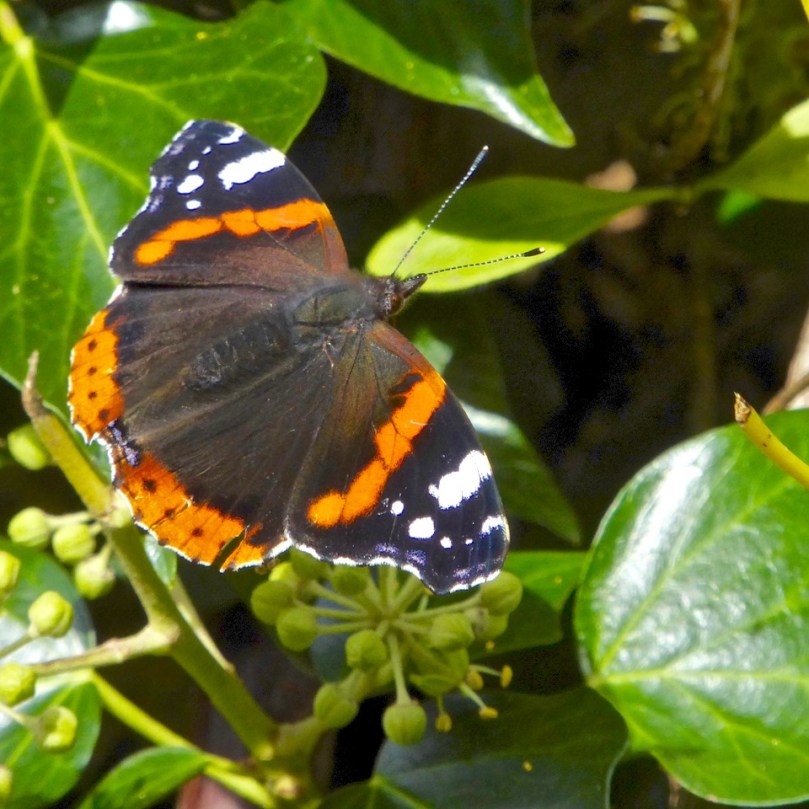
Red Admiral on IvyThe bees and the Red Admiral Butterflies depend on this late flowering ivy

The trees haven’t quite started to turn yet, but brambles and creepers are in brilliant autumn reds. On our walk today this white cottage wall with its scarlet creeper caught my eye.

Creeper on cottage wall

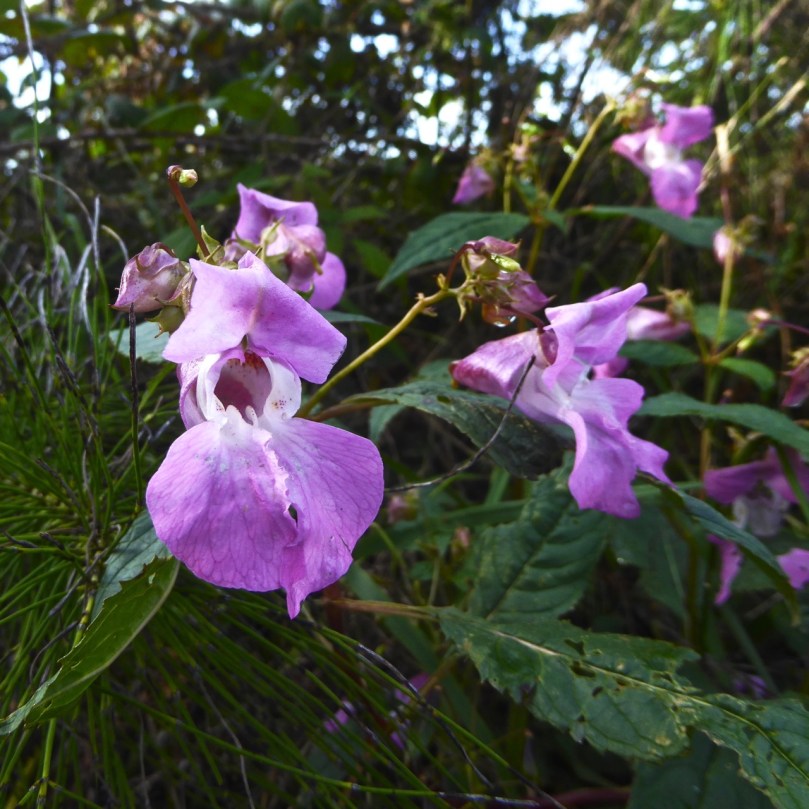
A couple of surprises awaited us today. The first one was to come across a stand of Indian Balsam. This alas, is an invasive species, introduced as far back at 200 years ago from the Himalayas. The distribution map at the Botanical Society of Britain and Ireland does not show it in West Cork, but I guess I can now say it’s here. In fact, I submitted a report to Invasive Species Ireland – anyone can do this via their Alien Watch Program. Although it is certainly beautiful, it’s a divil – read all about its negative impacts on the Invasive Species Ireland website. Among its other attributes, it has a explosive seedpod that can throw seed up to six metres!
Indian Balsam

Indian Balsam – Invasive Species Ireland lists it with Rhododendron, Japanese Knotweed and Giant Hogweed as the most damaging invasive species

So  what’s the difference between non-native plants that are labelled invasive versus this that are called simply naturalised? Although it can be a matter of debate and perception, in the main we use the term invasive for those non-native plants that spread to such a degree as to exclude native species from the habitat they favour, or cause damage to the environment or the economy. Happily, the only invasive species we encountered on our walk was the Indian Balsam. However, we did come across lots of non-native, naturalised flowers too.

Greater Periwinkle

The Greater Periwinkle – seen a few days ago on The Mizen

The first one (actually seen a few days ago) is this beautiful Greater Periwinkle. It’s not a native plant but has been here a long time. It’s supposed to have great medicinal properties, especially as a laxative and, in an ointment it’s good for, er, piles. According to Zoe Devlin’s Wildflowers of Ireland (my go-to guide) The 17th century herbalist, Nicholas Culpeper wrote ‘that the leaves eaten by man and wife together, cause love between them. Ooh – think I might head back to where I saw it…

Ivy-leaved Toadflax

Ivy-leaved Toadflax

Another non-native species is the Ivy-Leaved Toadflax – not an attractive name for a very pretty little creeper found commonly on rock walls. During the 1600s, wealthy Brits started to import Italian marble into England in the form of building material and statuary. The Toadflax came along for the ride and is now so completely naturalised that few people realise it’s not a native plant. They look wonderful on rock walls but it’s not usually necessary to plant them yourself. According to one source I read, seeds, complete with a starter-pack of organic growing medium, are usually delivered by birds.
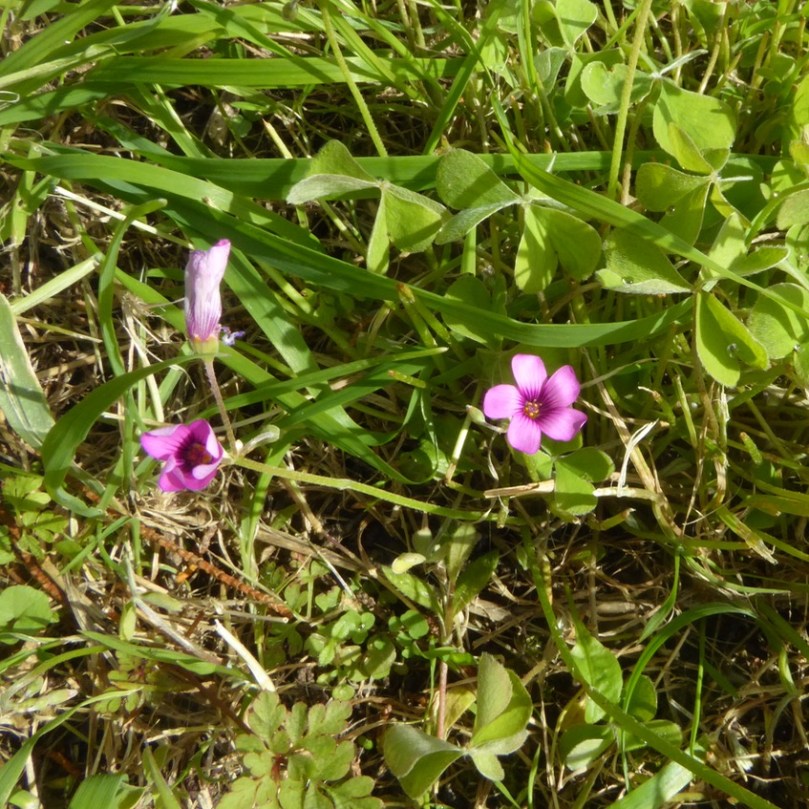
Pink Sorrel

Pink Sorrel

The final non-native flower we saw today was the pink sorrel. I thought at first it was Herb Robert, which is a native plant that grows everywhere and is still blooming, but closer examination revealed  a deeper pink, a more massed growth pattern and very different foliage. It’s a garden escape, now naturalised across the south and south east of Ireland.

Fuchsia on bare branches

Actually, I suppose I also have to add the fuchsia to the naturalised non-native list, even though we think of it as the quintessential West Cork flowering shrub. It’s still hanging in there, even though most of the leaves have dropped already.
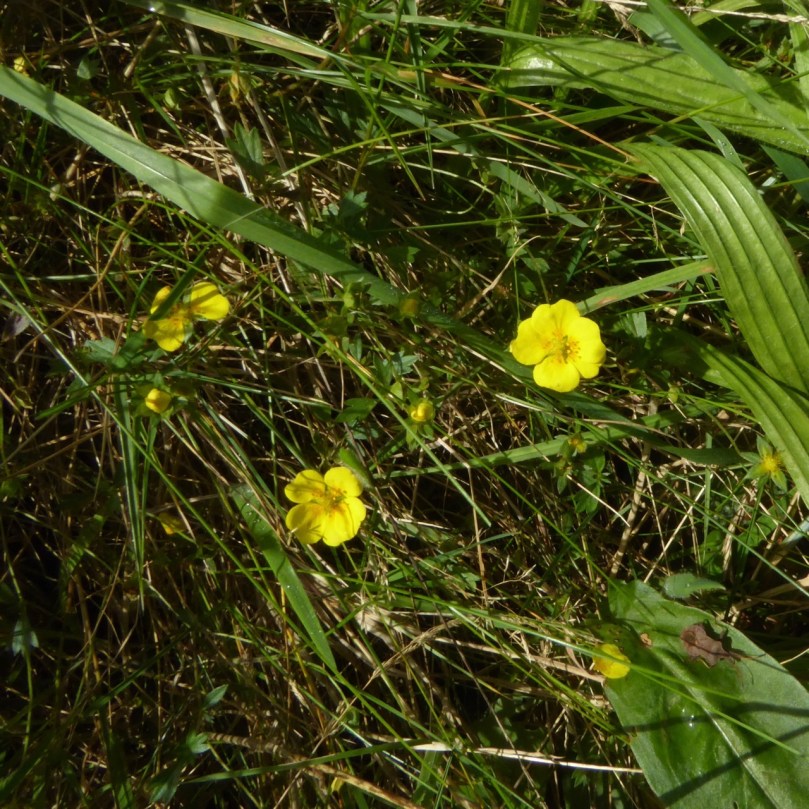
Creeping Buttercup

Tormentil

The native plants still bravely blooming to delight us tended to be tiny, but bright enough among the grasses, brambles and bracken to immediately catch the eye. We saw Herb Robert, Prickly Sowthistle, Tormentil and patches of what might be Sea Radish (or perhaps not). 

Prickly Sowthistle

Prickly Sowthistle

Herb Robert is such a hardy little flower – it seems to peep out and last longer than almost everything else in the hedgerows. Birds love the seeds of the Prickly Sowthistle – it has guaranteed its survival by appealing to them and providing food when other sources are fading.
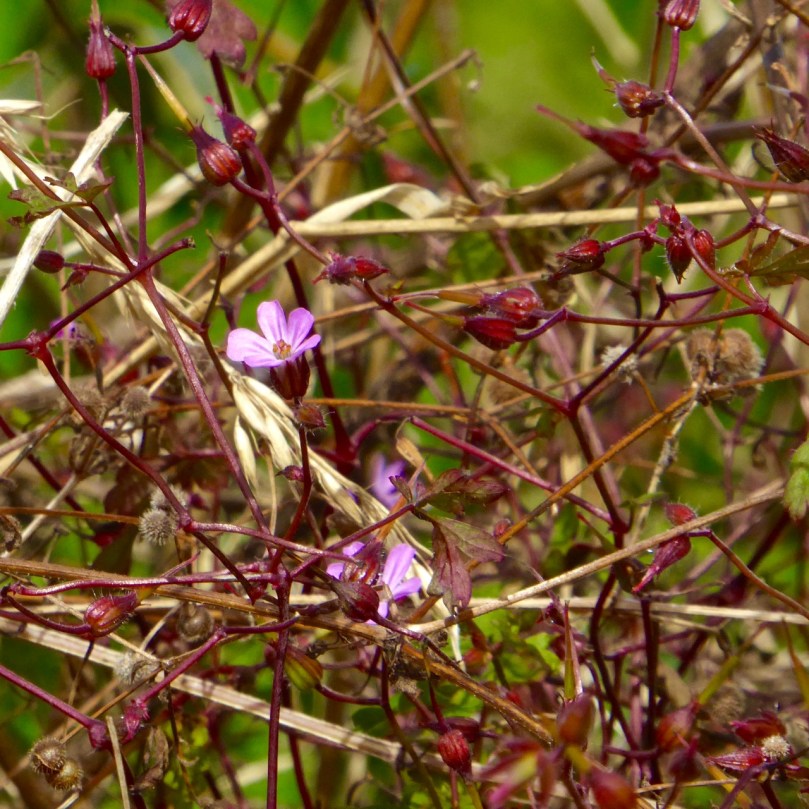
Herb Robert

Sea Radish

Herb Robert (top) and possibly Sea Radish

As  a member of the cabbage family, the leaves of the Sea Radish are edible, if a little peppery. Interestingly, it normally finishes flowering in July, so the ones we found today must be in a particularly sheltered spot. But this also raises the possibility that this is a different plant. Can anyone help identify it?

Tormentil Patch

And finally the strangely named Tormentil – it sounds like it may cause pain but in fact it’s the opposite. There are all kinds of medicinal uses for this little flower and its parts, some of which relieve the ‘torment’ of pain. It also, according to this website,  imparts nourishment and support to the bowels and the fresh root, bruised, and applied to the throat and jaws was held to heal the King’s Evil. You heard it here first!

Ballycummisk Coppermine and Gabrial

Our walk today, along one of the Fastnet Trails, took us past the old Ballycummisk mine site and gave us distant views of Mount Gabriel

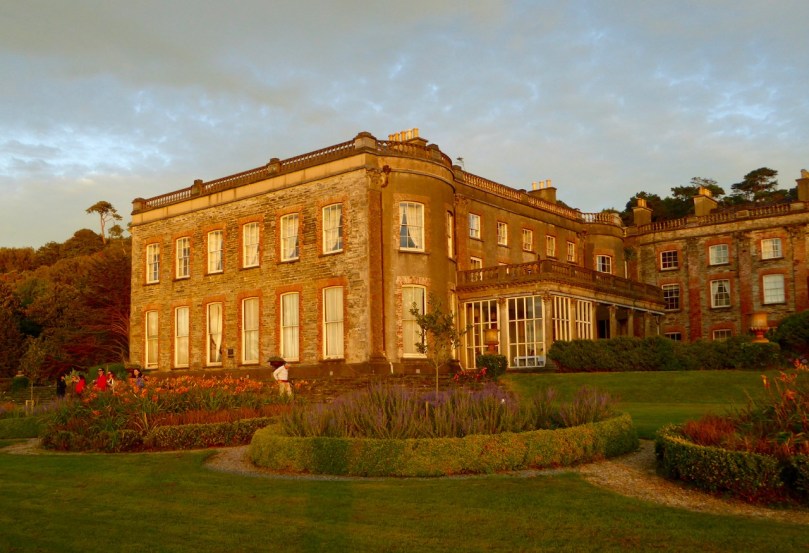
The Golden Hour at Bantry House

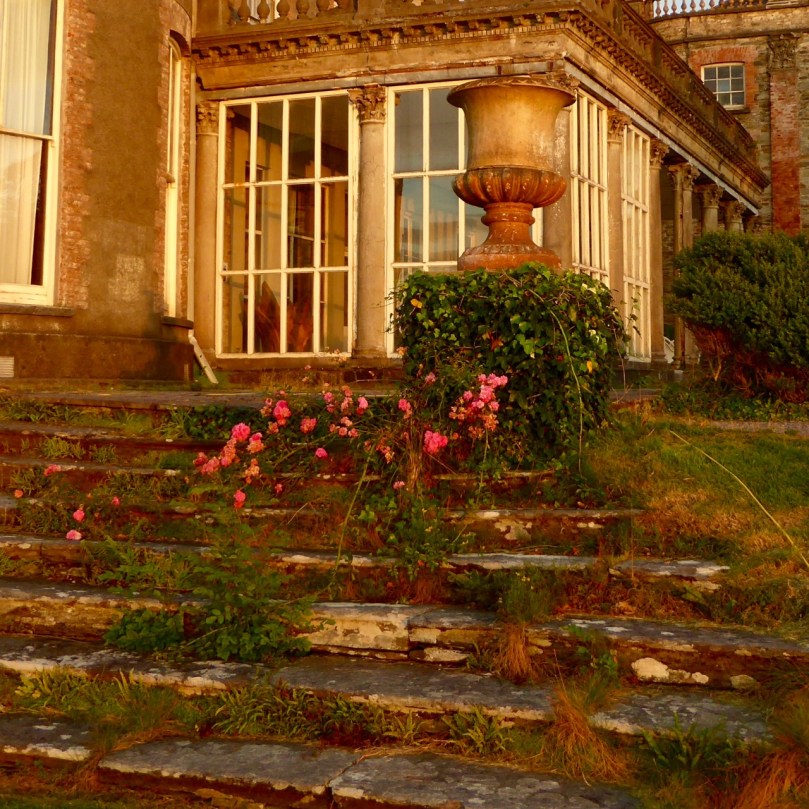
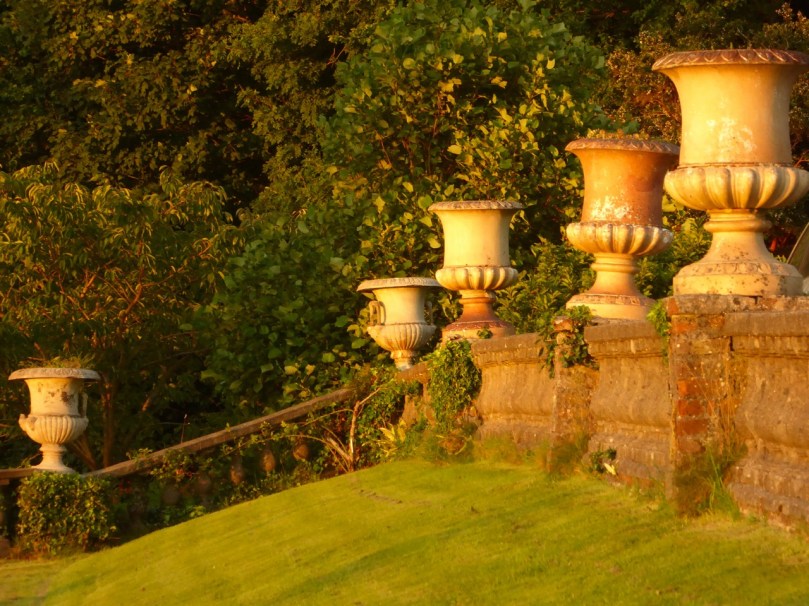
Urns

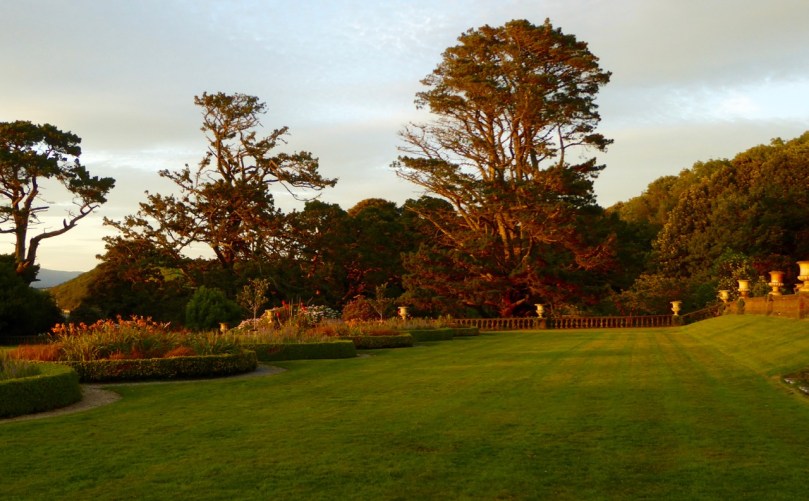
You know that amazing quality of light just after sunrise and before sunset?  Well, photographers call it the Golden Hour (or Magic Hour), when the light takes on particular hues and becomes softer and more diffuse. There are scientific explanations, of course, but for most of us, we just know it when we see it.

Long Shadow

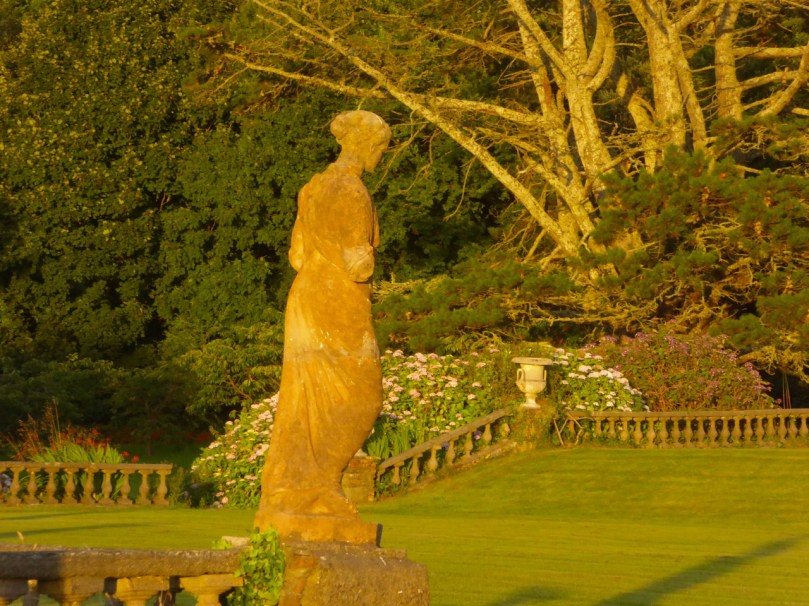
The low sun produces a golden glow and anything lit by it takes on those same reddish and amber hues. The harsh midday sun, which results in glaring highlights and deep shadows, is replaced by  gentler and longer shadows. Everything looks warmer, more romantic.

Roses

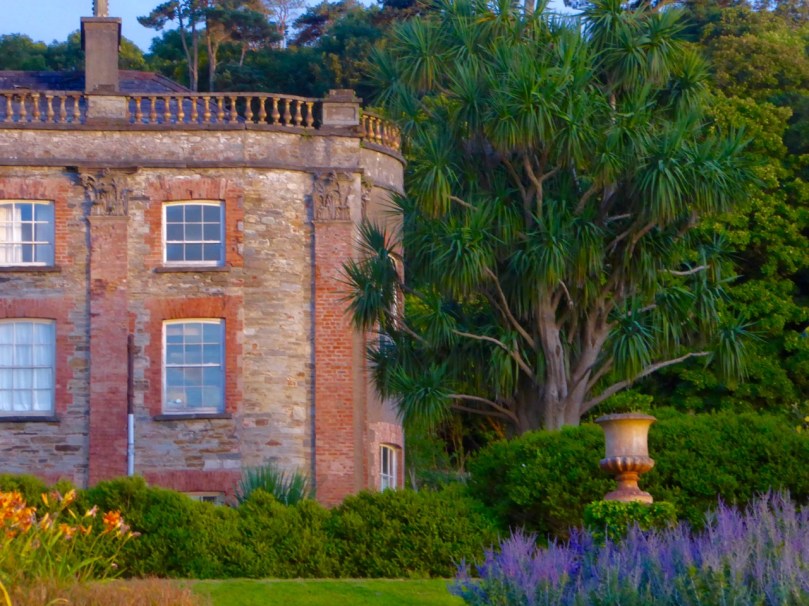
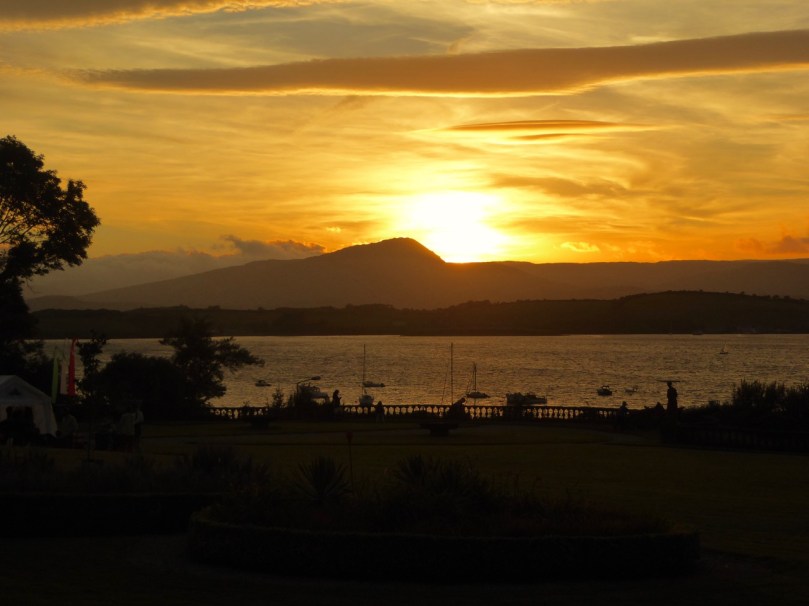
The perfect place to see this in West Cork is Bantry House. Because it faces due west, it is bathed in the low evening light. The construction materials, stone and brick, are warm-toned to begin with, but in the twilight hour they take on a mellow blush that is particularly entrancing. The sunsets over Bantry Bay, needless to say, are spectacular.

Ready for Zorro

Waiting for Zorro

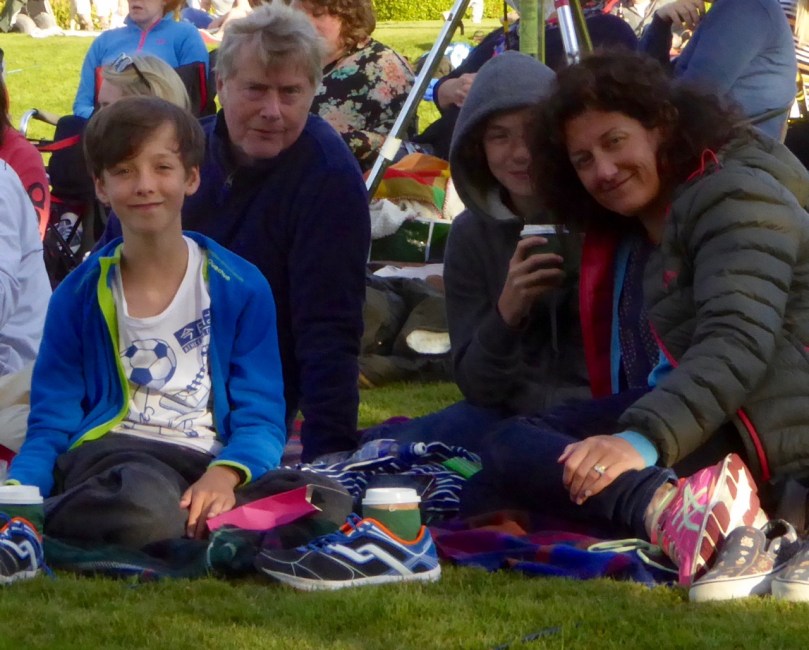
We  had the perfect opportunity to observe this on several occasions. We attended a performance of Zorro on the lawn in August, and we usually take in several of the concerts at the Masters of Tradition Festival each year.

Back of the House

This photograph was taken during an interval at a Masters of Tradition Concert: the Library, at the back of the house, is the concert hall

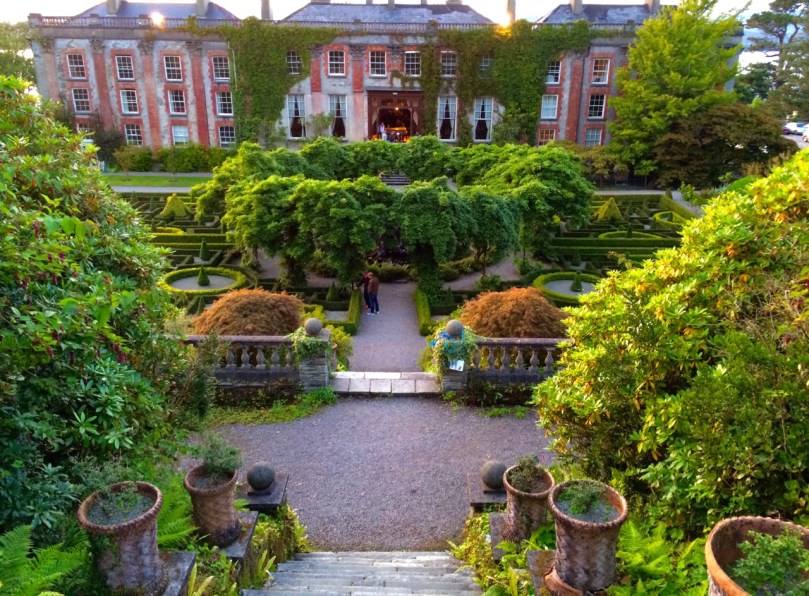
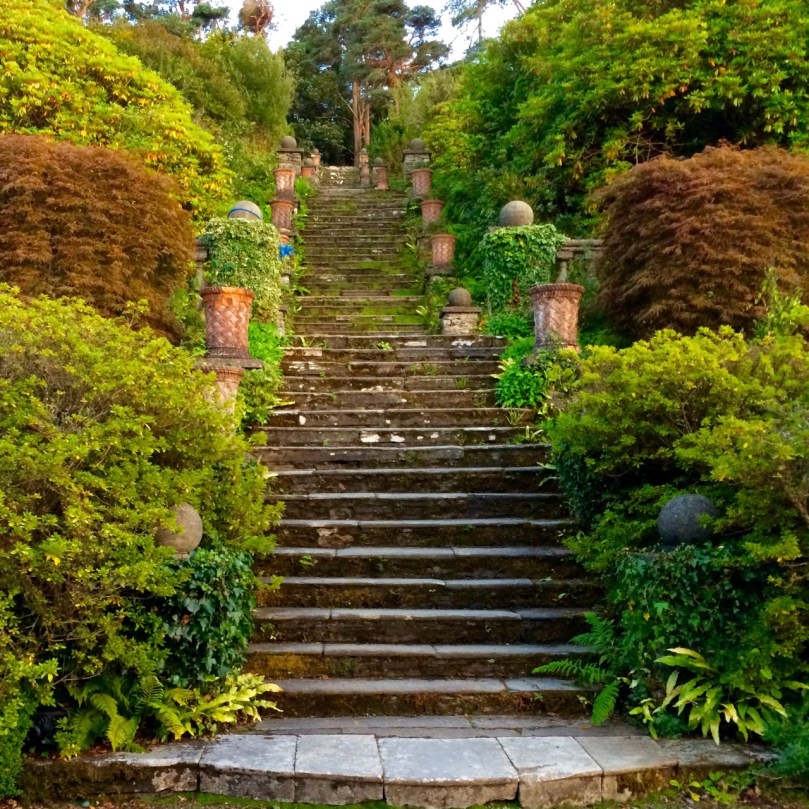
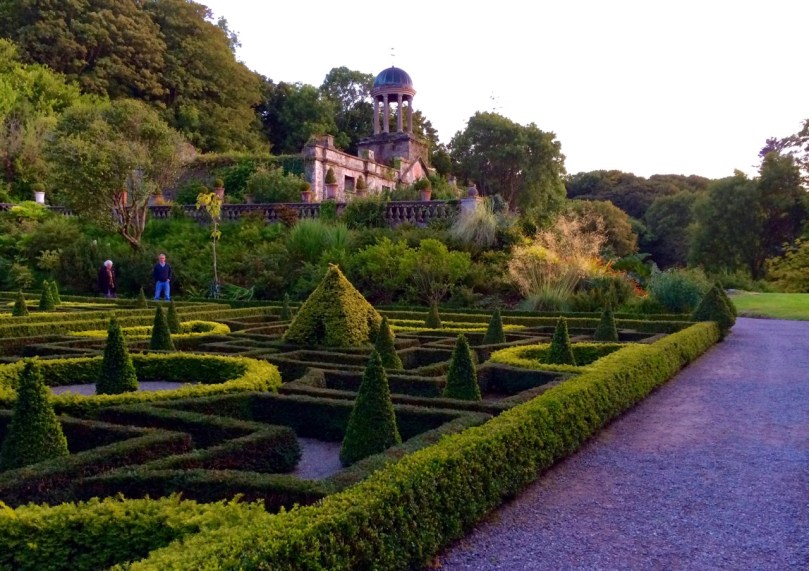
Bantry House dates from the 18th century. The gardens were laid out in the second half of the 19th century in the formal continental style, with parterres, stepped lawns and avenues of statuary. The Second Earl was a great traveller and came back from his grand tour with ideas and artefacts to make the best use of the elevated site.

Up the steps

Rear Garden and StableIt  was he who added the stable yards with the cupolas, and laid out the gardens, including the hundred steps. All of this was somewhat at variance with the prevailing fashions in garden design at the time, which favoured more naturalistic settings with sweeping lawns dotted with groves of trees. However, it suited the restricted site and its formality has stood the test of time.

Statuesque

Restored Stable BlockA visit to the gardens at Bantry House is a wonderful experience. It’s open from March to October but the gates close at 5, so if you want to experience the Golden Hour, you’ll have to attend an evening event. Fortunately, these are abundant in the summer, as it’s a favourite venue for festivals and concerts.

Palms and HouseDuring the break, stroll about and just, well, bask. 

Trees and Flowers

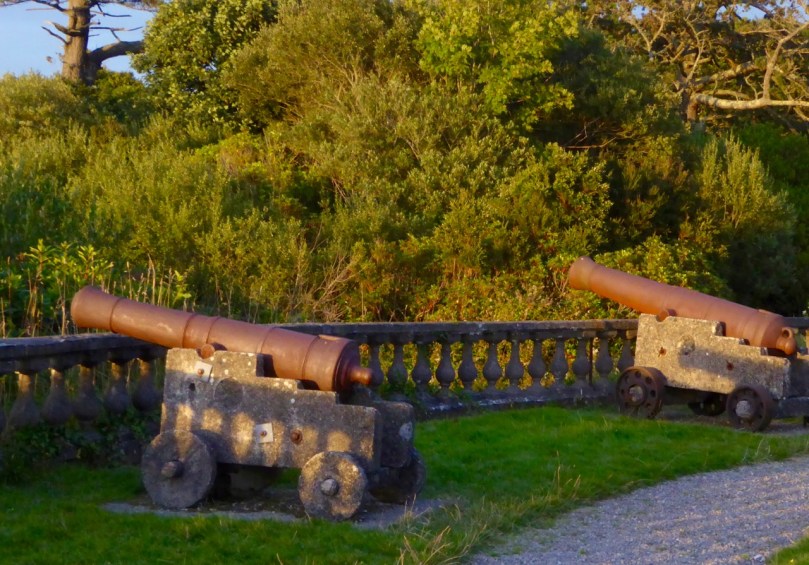
Canons

And don’t forget to admire the sunset itself.

Sunset over the Bay

Feed the Bugs

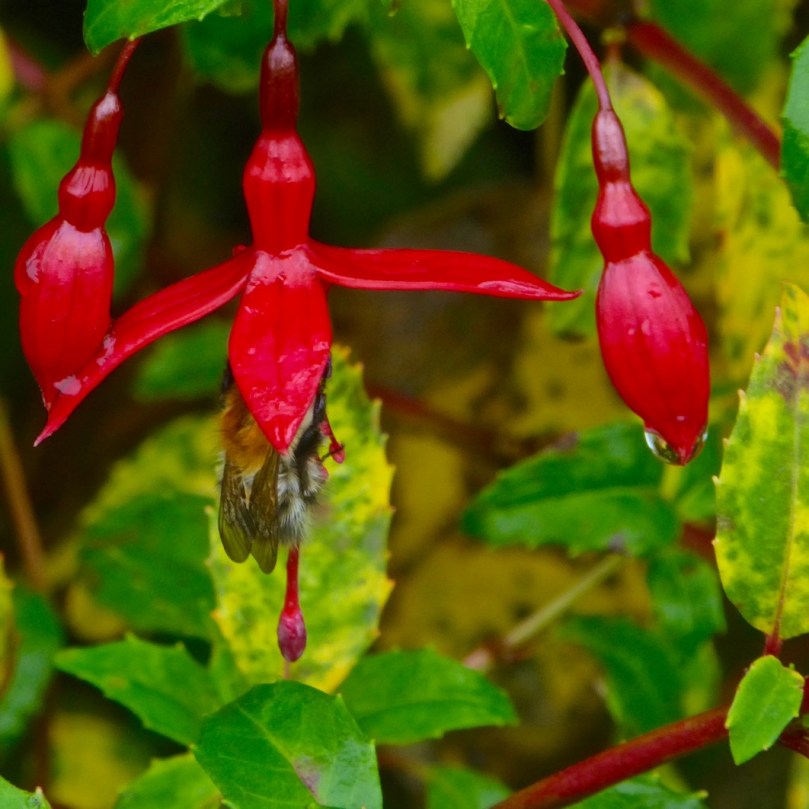
Bee in Fuchsia

Our walk in Glengarriff Woods opened my eyes to the challenges facing us in regards to ensuring the continuing biodiversity of Ireland. Loss of habitat, invasion of alien species, climate change, and modern farming practices all combine to present our insect life with increasing difficulty in obtaining what they need to thrive. Perhaps the best-known (although not the best understood) example currently is the enormous die-off of the bee population, known as colony collapse.

Hildegard's Shrub

With this in mind, I have been observing the bees, butterflies and bugs in our neighbourhood, and the role of flowers, both wild and cultivated, in supplying the food and the nectar they need. We have the advantage here that the hedgerows are rich in flowering plants, and that by regulation they must remain uncut until the end of August.

Fly on yellow flower

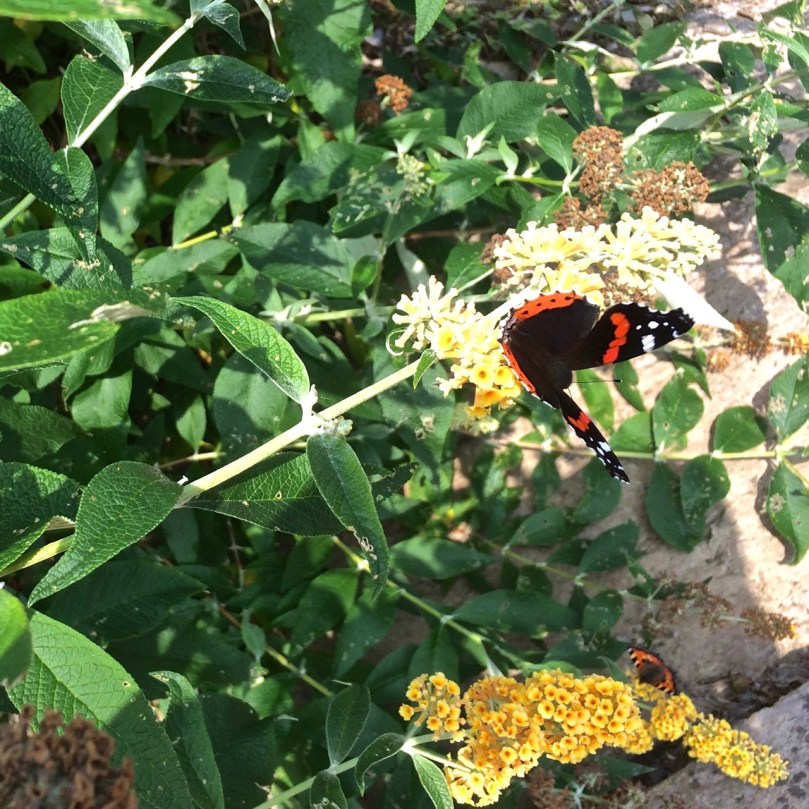
But this has been a short, cool summer and already the flowers that we saw last year in September have gone, to be replaced with the browning bracken. Our Budleia, for example, also known as the Butterfly Bush, was still attracting butterflies in September last year but this year it’s been flowerless since late August.

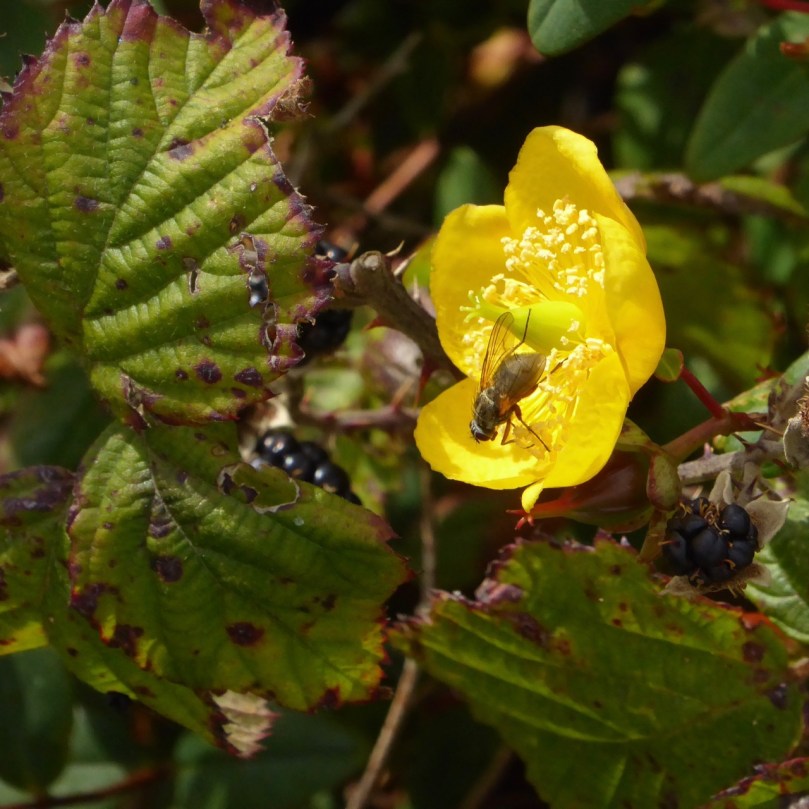
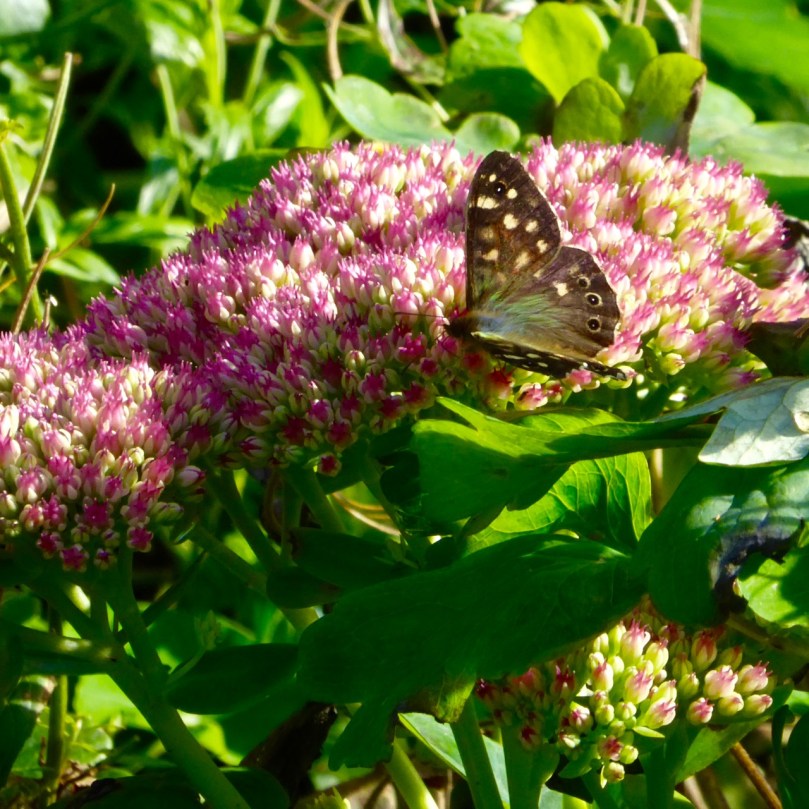
A speckled Wood Butterfly and a Hoverfly enjoy some blackberry time

On the upside, we’re enjoying a bumper blackberry crop, and lots of insect seem to love blackberries as much as we do. Because of the way blackberries grow, ripening at different times, some brambles are only flowering now, providing nectar for the bees.

Great Willowherb 2015

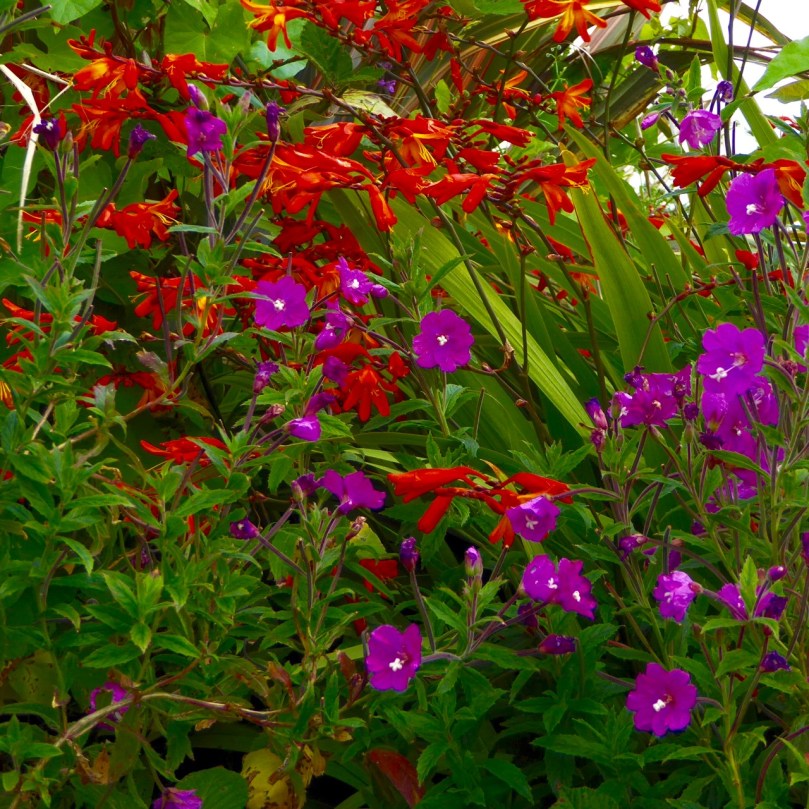
This photograph, showing a riotous mixture  of Great Willowherb and Montbretia (Crocosmia) was taken at this time in 2015: this year all these flowers have finished already.

holly close to flowering

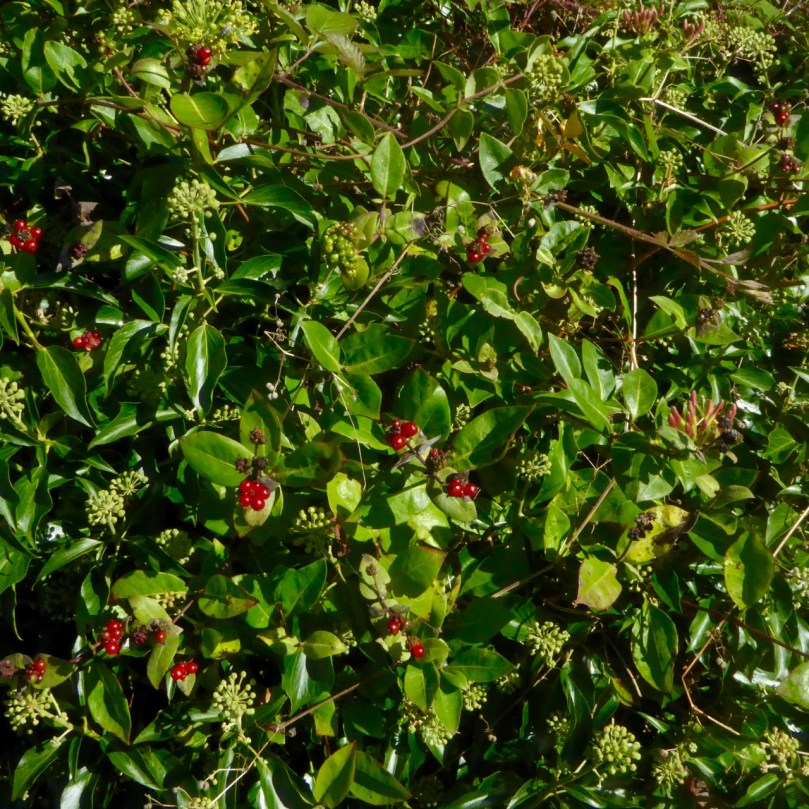
This year the holly flowers are abundant – here they are about to bloom. The berries are honeysuckle berries

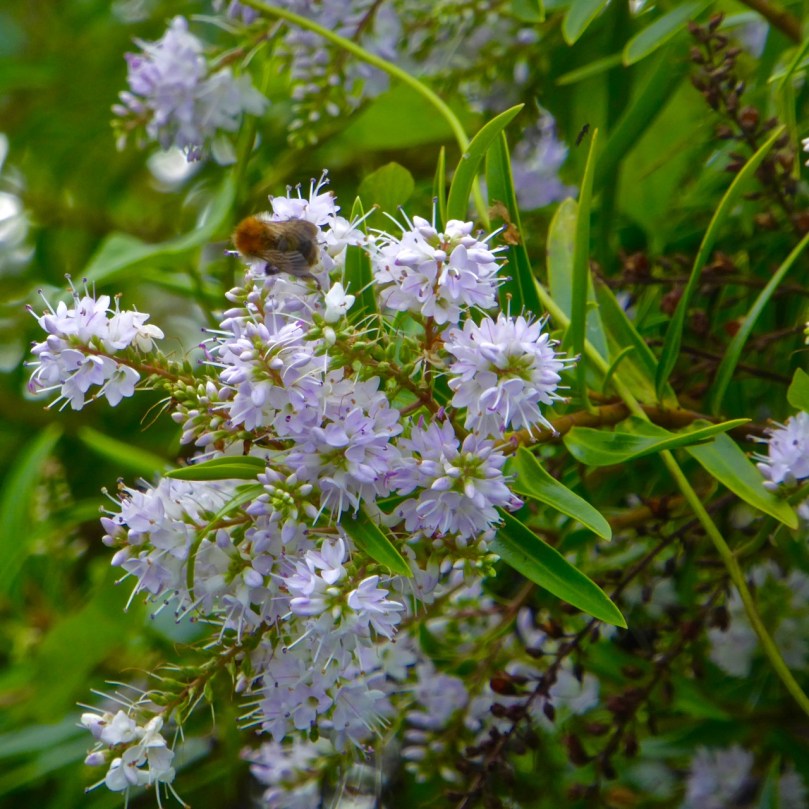
The fuchsia is still flowering, providing that gorgeous blush along the boreens that we love. One of the advantages of the fuchsia flower is that it is down-facing. This helps to keep it dry and preserve the nectar (see photo at beginning of post).

We have two types of bindweed here: hedge bindweed in the upper photo; a subspecies, the uncommon hedge bindweed ‘roseata’ is lower right ; lower left is sea bindweed, which grows along sandy shores

We might hate bindweed but it is an important flower for the bees. The hedge-bindweed we see around here has pretty pink and white stripes – apparently the white stripes act like a runway, guiding the insects into the heart of the flower.

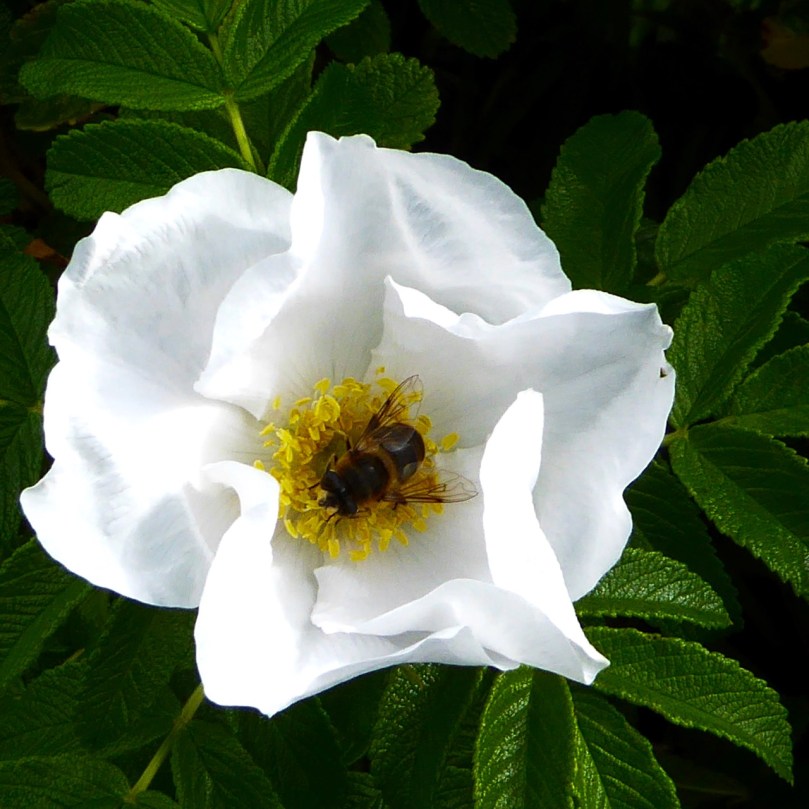
rose with bee

Wild and cultivated roses are still blooming, here and there. This little guy is appreciative.

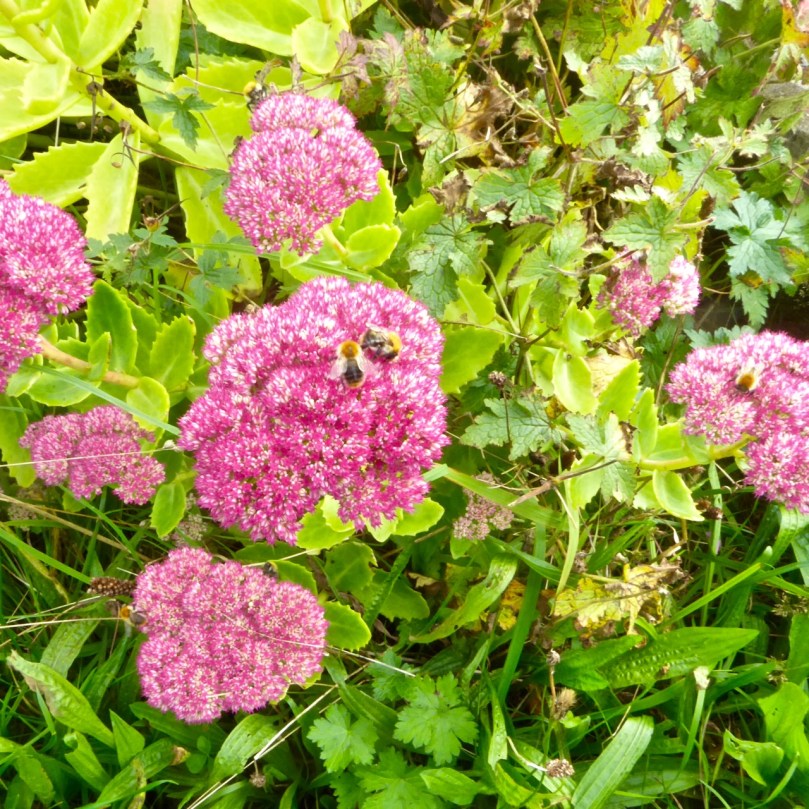
Speckled Wood Butterfly on sedum

How many bees?Red admiral at Helen's GardenMy  friend Gill grows sedum (upper two photos) and the bees love it. You can hear the hum from ten feet away. Meanwhile, Helen and William’s garden (lower photo) attracts butterflies by the score. I saw my first Red Admiral there last year.

Small Tortoiseshell on oregano

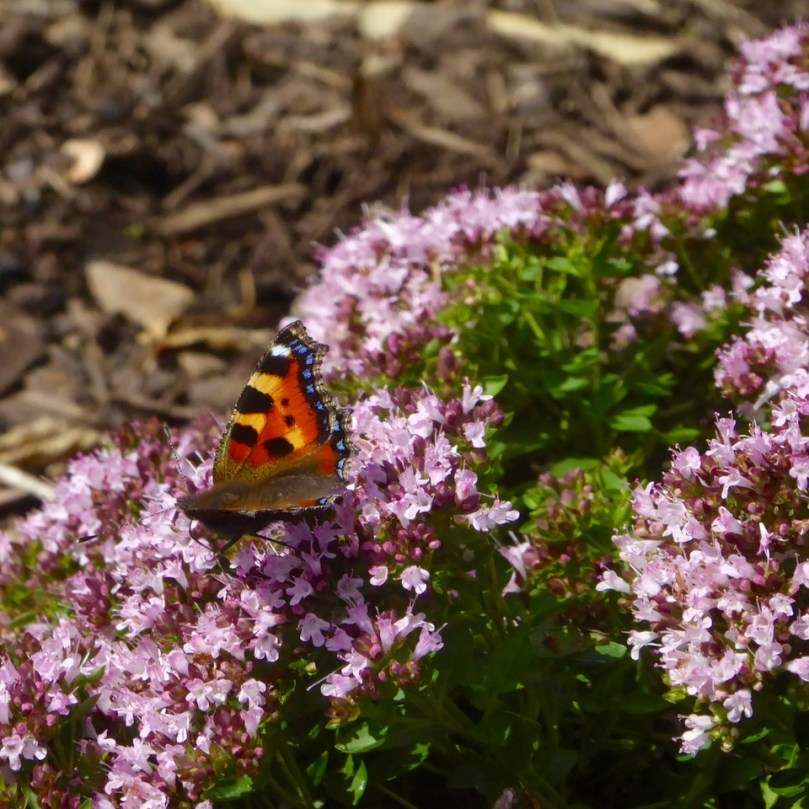
A Small Tortoiseshell Butterfly enjoys my Oregano, along with the bumbles bees

In my herb garden it seems to be the Oregano that is attractive to both bees and butterflies. It’s just finishing its flowering period now, but I still have to be careful when I pick a bunch, not to pick a bee as well.

Flies and spiders need the flowers too. Hoverflies are an important part of the ecosystem, helping to pollinate and preying on aphids and thrips. They (and the wasps!) seem to prefer my fennel. They also like the little pink Herb Roberts that are still to be seen in the hedgerows.

Honeysuckle

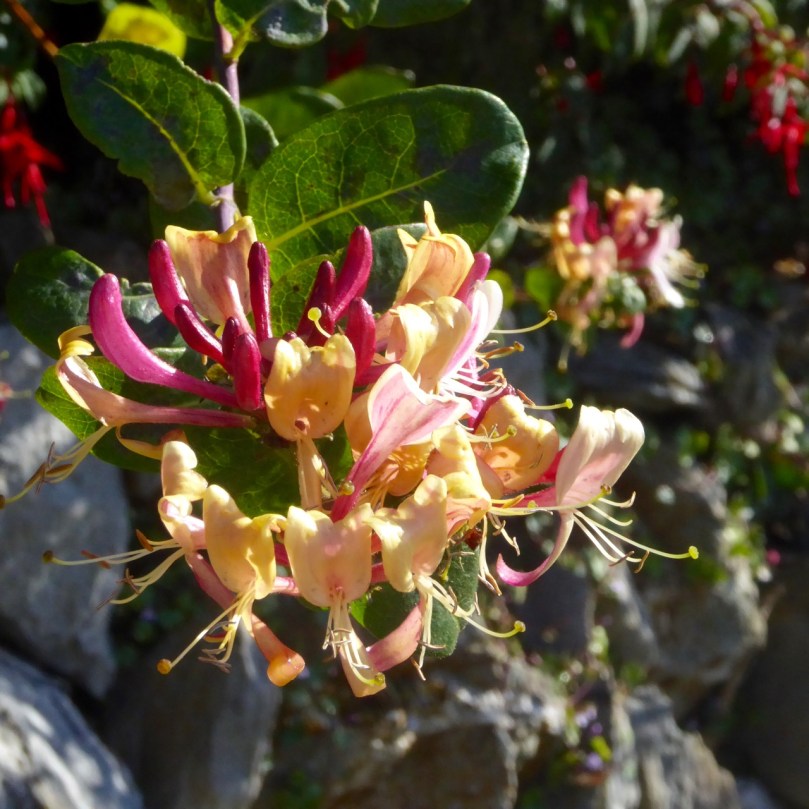
And what about the Honeysuckle? It’s abundant and beautiful, and with a name like that surely it’s a-buzz with bees? No – apparently the flower is too long and the bees can’t reach in far enough to gather the nectar. But the sweet scent, which gets even more intense towards the evening, calls in the moths who take their fill.

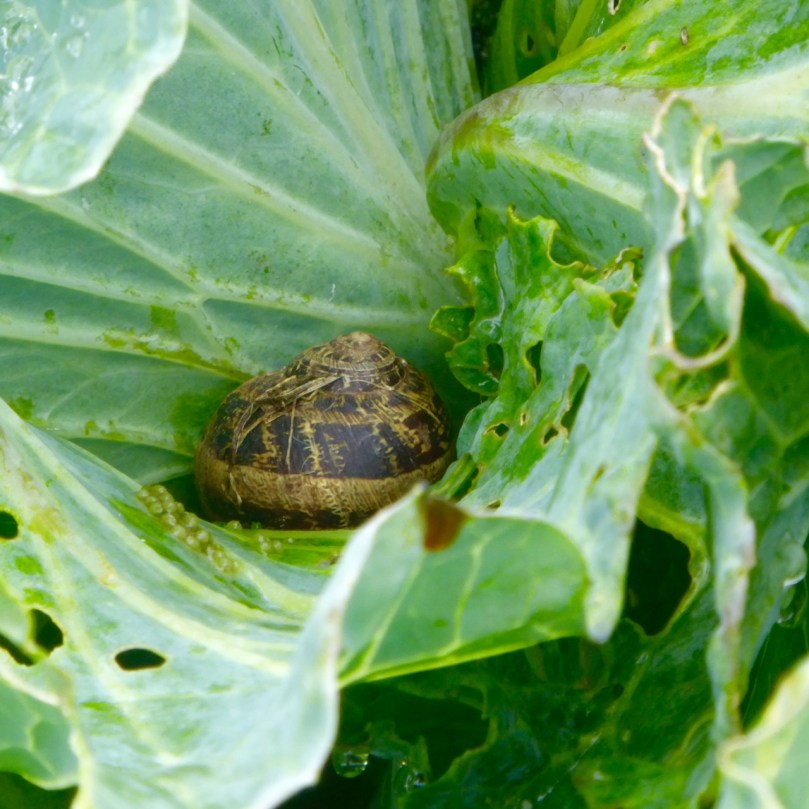
Snail on cabbage

Ah, but y’know – you can’t always welcome little critters to your plants. Sometimes, it’s us against them.

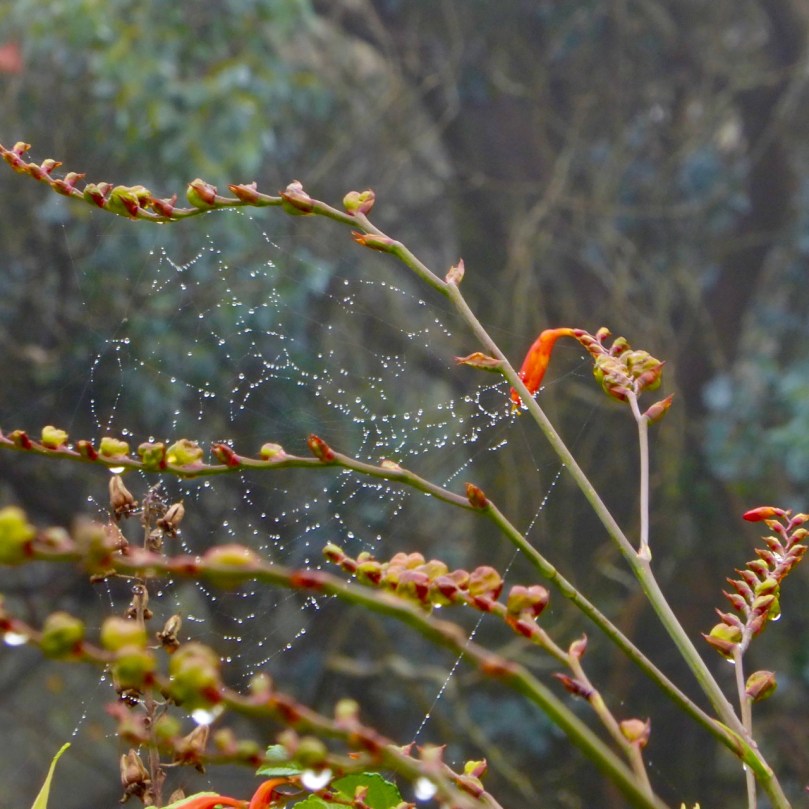
Cobweb on Montbretia

And of course, sometimes the plant isn’t so much food, as a means to an end…

Into the Woods

Pools

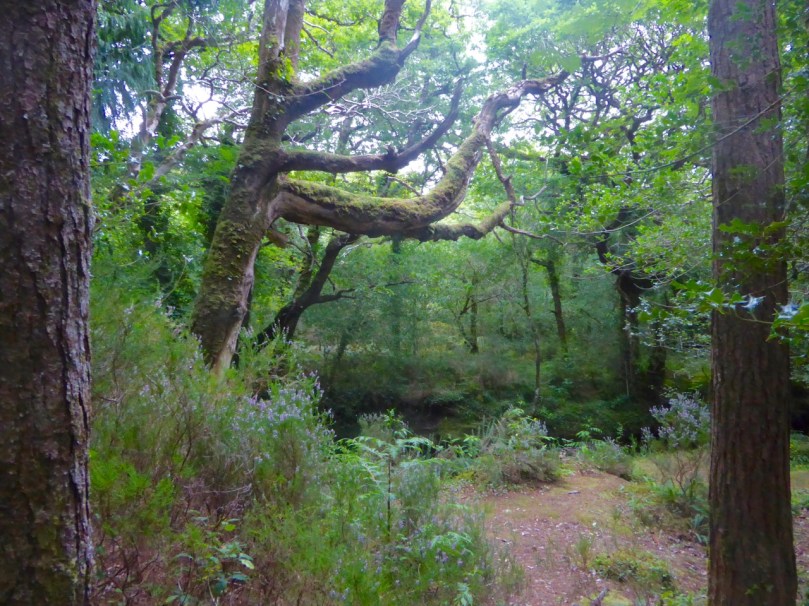
Glengarriff Woods – serene, beautiful and incredibly diverse

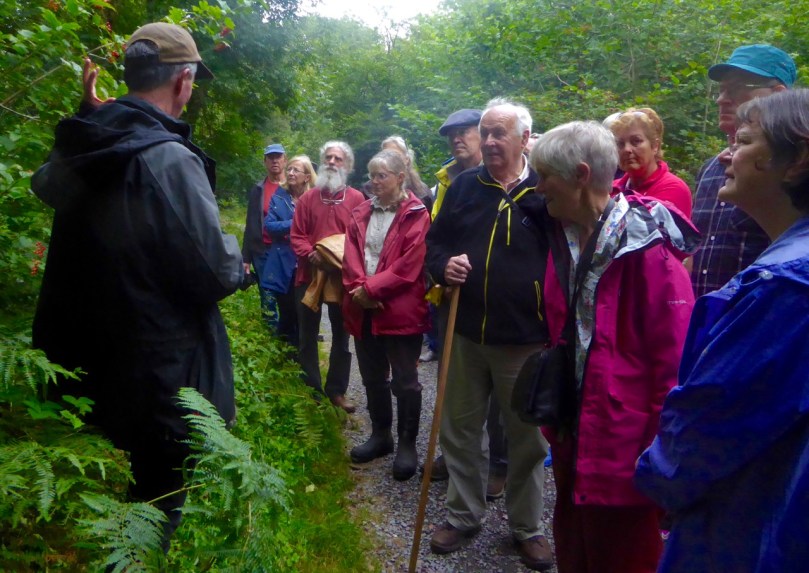
The second (now annual) Ellen Hutchins Festival has just concluded in West Cork. We wrote about this exciting new festival last year in the post Ellen Hutchins: The Short and Remarkable Life of Ireland’s First Female Botanist. This year there were all sorts of events and activities once again but we were able to participate only in one, a guided walk through Glengarriff Woods. Robert and I agree that we learned more about plants in that three hour walk than we had in most of our lives to date!
Teaching 2: Guelder Rose

Padraig pauses in front of the Guelder Rose (see below for more on this species)

Our guide and educator was Dr Padraig Whelan, a former Chief Scientist at the Charles Darwin Research Station on the Galapagos Islands, and now with the School of Bio, Earth and Env Sciences at UCC. Erudite and encyclopaedic in his understanding of individual species and in the interactions between the living organisms in the woods, Padraig’s talk was riveting. Nothing was above our heads, everything was explained in the simplest terms, but we came away with something approaching a profound appreciation for biodiversity. (Padraig is also camera-shy – I am honouring his request not to use full photographs of him.)

Howard Fox

Dr Howard Fox, the lichen expert

Along on the walk also, and contributing on the way, were Dr Howard Fox of the Office of Public Works, who had earlier given a sold-out two day workshop on Lichens, Algae, Fungi & Bryophytes (mosses and liverworts), as well as Clare Heardman, a Conservation Ranger with the National Parks and Wildlife Service, and Madeline Hutchins, great great grandniece and biographer of Ellen.

St Patrick’s Cabbage – there are three varieties of it here

The talk started with an outline of what makes Glengarriff Woods such a special habitat. It’s the rain, of course, combined with a mild climate, that leads to the perfect conditions for a temperate rain forest. We learned that these woods are home to many Lusitanian species that are mysteriously only found here, or on the Iberian Peninsula. One of these is St Patrick’s Cabbage, a member of the Saxifrage family. The attractive flowers had finished, but you can see what they look like here. In Irish they are called Cabáiste an Mhadra Rua, or Fox Cabbage. Nobody yet knows how plants that grow in Spain and Portugal managed to flourish in the south west of Ireland, skipping France and Britain entirely on their traverse, but it’s probable that they arrived after the last ice age.

Strawberry tree

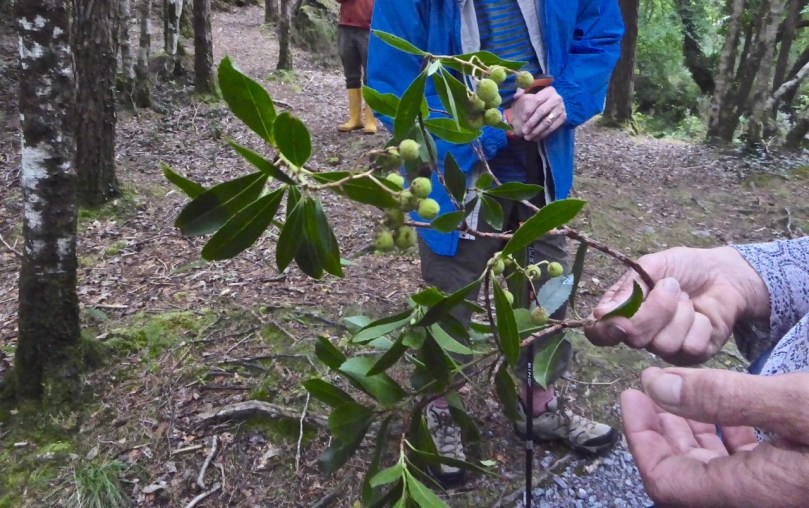
Another Lusitanian tree we encountered was the strawberry tree, which apparently is a member of the heather family, but grows to tree height in our West Cork climate. There was some discussion about the edibility of the fruit – it’s supposed to taste fig-like, but only one person present had tasted it and wasn’t recommending the experience. The examples we saw hadn’t ripened yet – it really does have the hue of a strawberry once fully ripe.

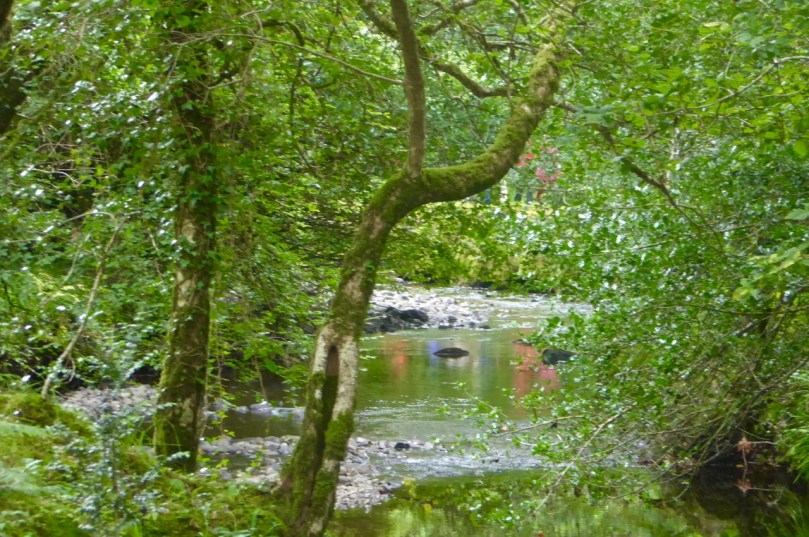
Walkers reflected

Walkers are reflected in the stream that flowed along our route

A second theme of the walk was ‘alien’ species – those non-native plants that have colonised the area as a result of importing activities. In this regard, the Glengarriff Woods are facing a double whammy – the botanic gardens at Garnish, and the arboretum at Ardnagashel, ironically started by the Hutchins family. Padraig pointed us to a young myrtle tree as an example of just such an alien intruder – they belong in Chile and Argentina, not in Ireland.

Myrtle grove

The Myrtle Grove at Ardnagashel

The culprit, of course, is the famous Myrtle Grove at Ardnagashel, which we visited last year and where myrtle trees imported by a Hutchins ancestor flourish. In Glengarriff it was threatening to take over all the available space for trees and measures had to be undertaken to limit them, as they create so much shade that little can grow underneath them. It was painstaking work, but there are now very few growing actively in the Woods and they can be eliminated more easily.

Bog Myrtle

Bog Myrtle

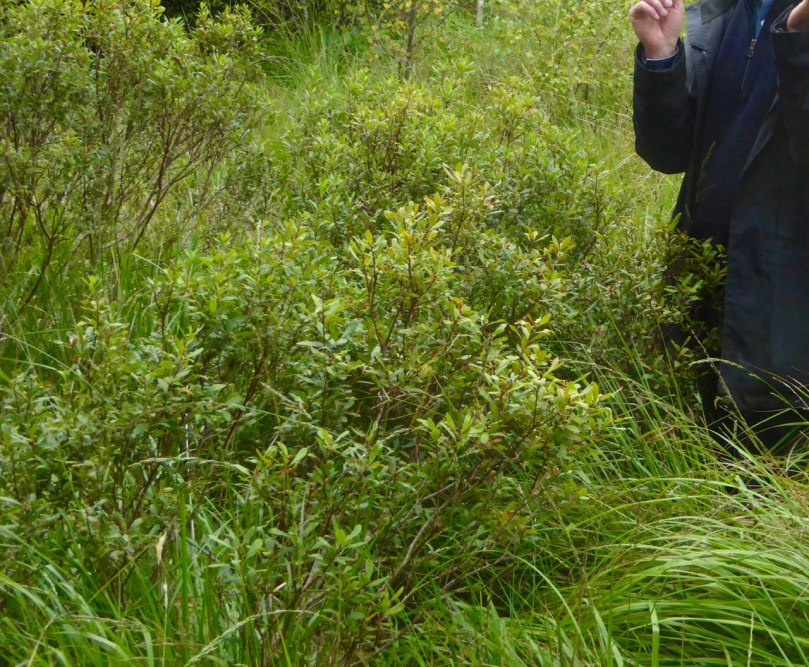
Interestingly, there is a native myrtle – the Bog Myrtle, an aromatic shrub. We passed around crushed leaves to inhale the woodsy scent. According to my favourite wildflower source, Bog Myrtle was used to flavour beer before the advent of hops.

Fuchsia Montbretia and blackberries

Fuchsia and Montbretia (or Crocosmia) flourish in the West Cork Hedgerows, but are actually alien species

Ironically also, the colourful and attractive wayside flowers that we think of as quintessentially West Cork, Fuchsia and Montbretia, are introduced species. Rhododendron was introduced in the 19th century and is considered a terrible threat to native species in Kerry. The same is true for Gunnera (that giant rhubarb disaster that has colonised vast tracts of Connemara), and Griselinia (ubiquitous for hedging). None of them would have been known to Ellen Hutchins. As Clare Heardman pointed out, Ellen recorded over a thousand plants, with no mention of them.

Holly Flowers

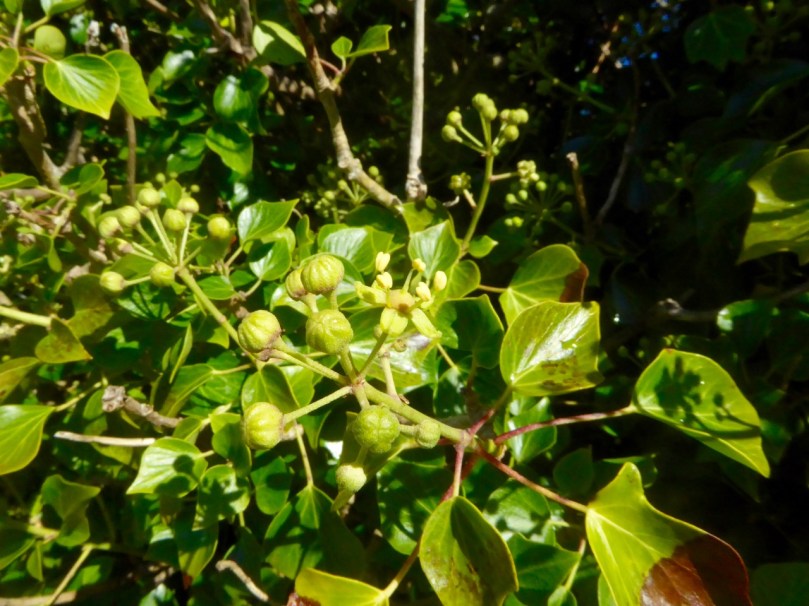
Ivy is just on the brink of flowering – we found one open bud after much searching

A third theme was the inter-dependence of species, both floral and faunal. About now, ivy starts to bloom, just as other flowers finish, and the ivy flower becomes an important food source for bees, moths, butterflies and other insects, such as hover flies. Unfortunately, ivy gets a bad rap for its habit of covering and damaging archaeological sites, such as medieval castles and churches and I wouldn’t have been sympathetic to it before our walk. Now I look at it in a whole new light. Pollinators also depend on holly, and the berries can also be a food source for field mice.

Royal Fern

The Royal Fern – an unusual native fern

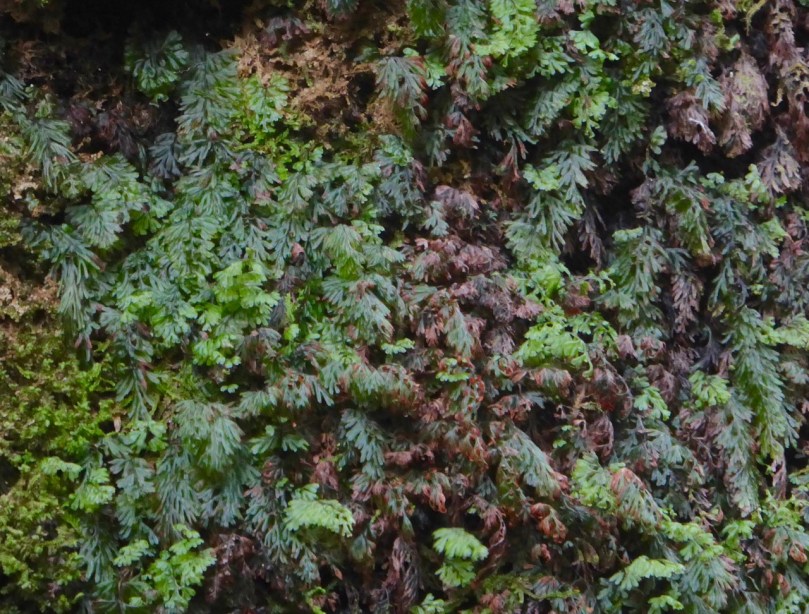
There are a huge number of native plant species in Glengarriff Wood, and the conservation work that goes on there is of national importance. Padraig pointed out the filmy ferns that grow here and are rarely found in the rest of Ireland. He also showed us the native Royal Fern, which is unusual in that the spores grow not on the underneath of the fronds but on separate stalks.

filmy ferns

Filmy Ferns

Howard introduced us to a macro-lichen that, because the underneath bears a resemblance to lung tissue, was once tried as a cure for breathing ailments. Lichens, of course, are normally microscopically tiny, so an enormous one like this is rare, and exciting to visiting lichen-specialists. Like ivy, I gained a new appreciation for lichens – up to now, my normal emotion in regards to lichen has been frustration, since it functions to obscure rock art and stone carvings.

Large lichens like this one are very unusual, but Glengarriff Woods provide perfect conditions for them

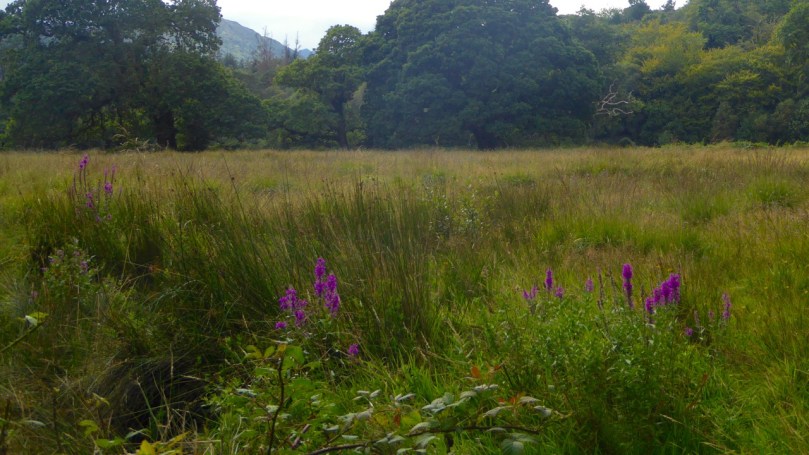
Glengarriff Woods has preserved meadowland as well as woods. Important species use this habitat, such as the hairy wood ant and frog species that may be specifically Irish.

Meadow

The meadow

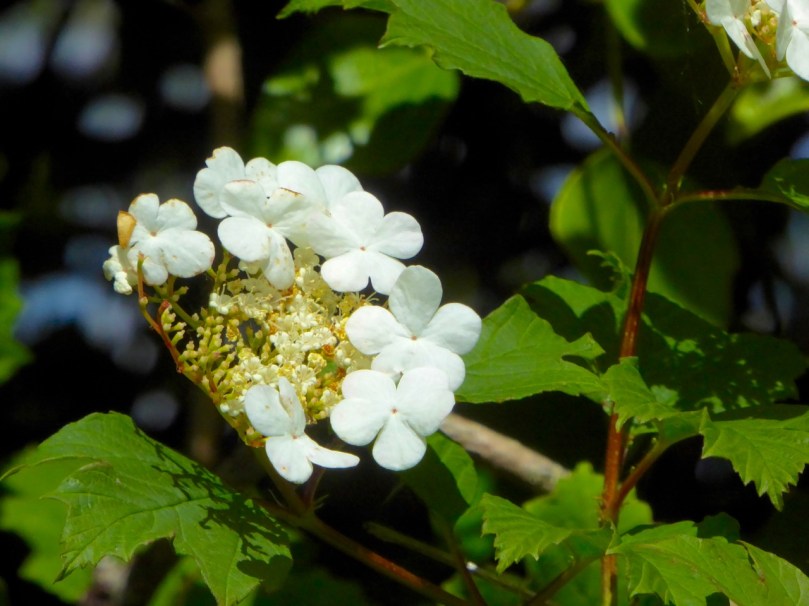
There was more, much more, but I will mention only one – the Guelder Rose tree. The dense and intensely red berries provide winter food for birds, but the flowers make it an attractive shrub in the early summer. There are some growing wild in the hedgerows just below us here along the Fastnet Trail Rossbrin Loop. I hadn’t been able to identify it until now. Pointing out that it would make a wonderful and ornamental garden plant, Padraig made a plea to us to insist on such native varieties when we develop our own gardens.

Guelder Rose Flower, June

A Guelder Rose tree found near our house in early summer

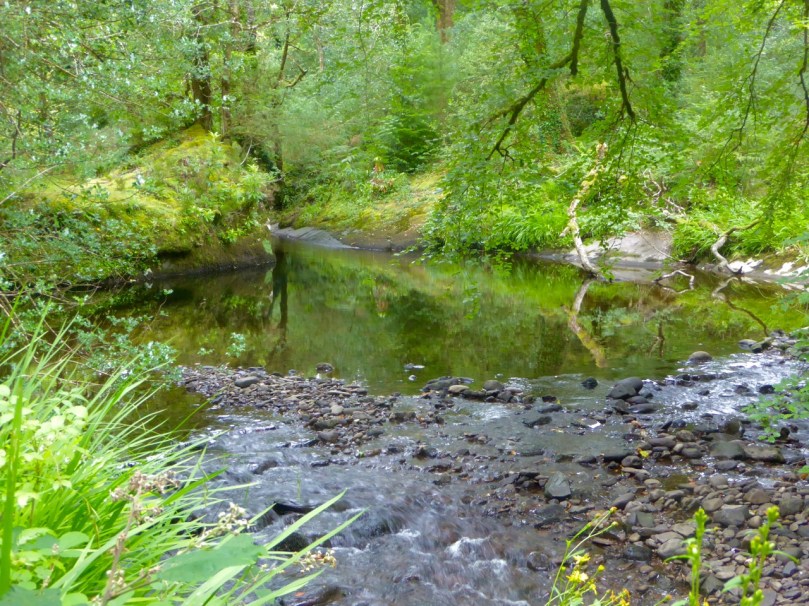
Throughout the walk, we meandered by the river that runs through these woods. It’s an important factor in the lush growth here, carrying high acidity levels from the bogland above. It’s also beautiful, serene and musical, adding immeasurably to the pleasure afforded by a walk in this woodland national treasure.

Still and Moving stream

Thank you to the Ellen Hutchins team for yet another fascinating botanical adventure!

By the stream

Cycling the Sheep’s Head

Group at Ahakista

The joy of cycling! The fresh air! The wind in your face! The sun on your back! The sights, the sounds, the smells! Wait – those killer hills! The wobbly legs, the burning lungs! No problem – we have Kalkhoffs!

Is  that enough exclamation marks for any decent blog post? And what on earth is a Kalkhoff?

DSC_0073

Sheeps Head light
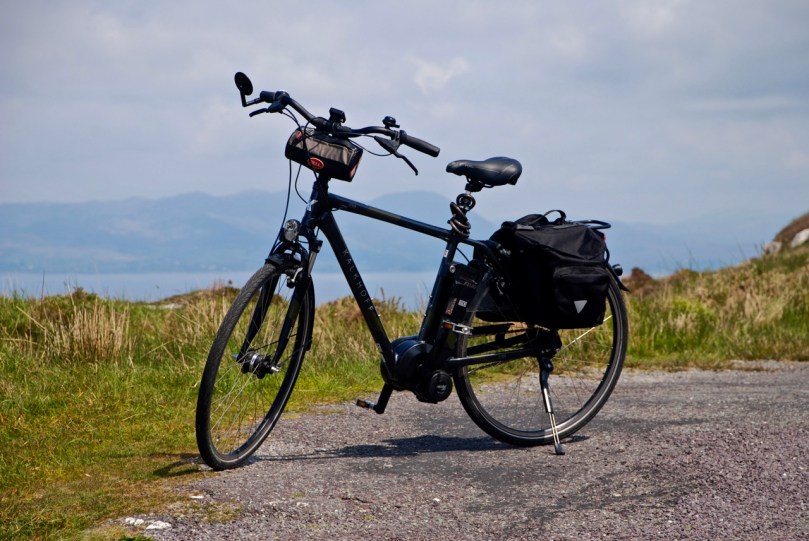
Above, a Kalkhoff electric bicycle and below, the Sheep’s Head – the perfect combination

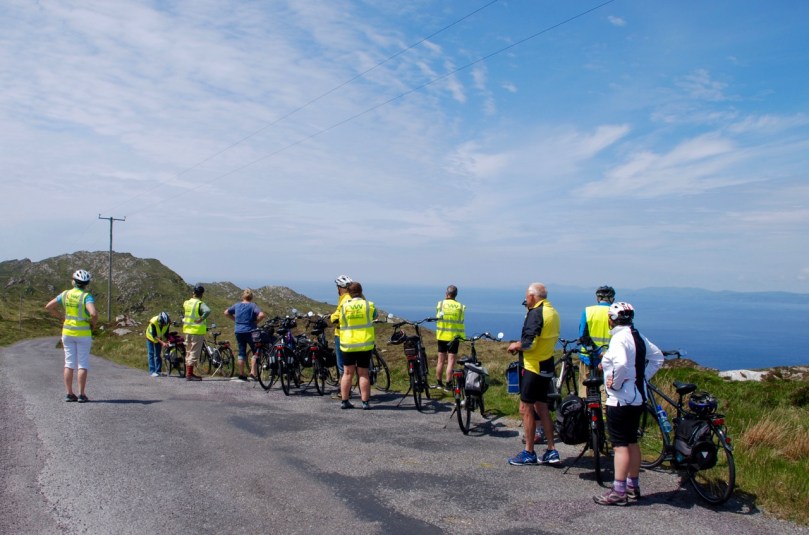
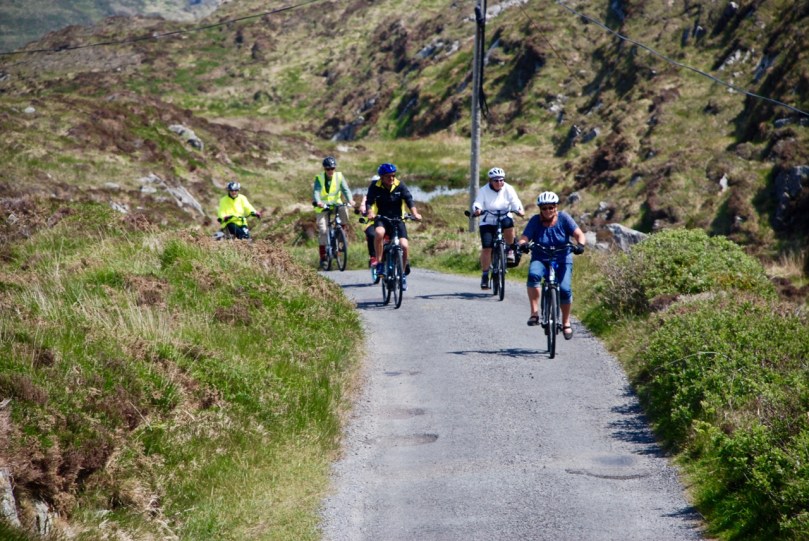
Earlier this year we cycled the length of the Sheep’s Head and back, all of us on electric bicycles, mostly Kalkhoffs. The day was organised by Patrick Murray and Helen Guinan of City View Wheels in Cork, and a masterpiece of organisation it was, featuring stops for coffee, lunch and a pint at the end of the day, followed by a lovely dinner in the Maritime Hotel in Bantry.

stopping for the view

Riding an electric bike has revolutionised cycling for me and for many others. Let’s face it, West Cork is nothing but hills, and huffing and puffing up one of them, pushing a bike, can take the joy out of a day’s adventure. But with some battery-powered help, you can stay on the bike and arrive at your destination still able to breathe.

The Old Creamery at Kilcrohane is a great place for lunch

It’s like having the wind at your back, giving you a gentle push when you need it. It’s still a work-out (you don’t stop peddling) but it just makes the whole venture doable. No, more than doable – pleasurable!

Lighthouse Loop

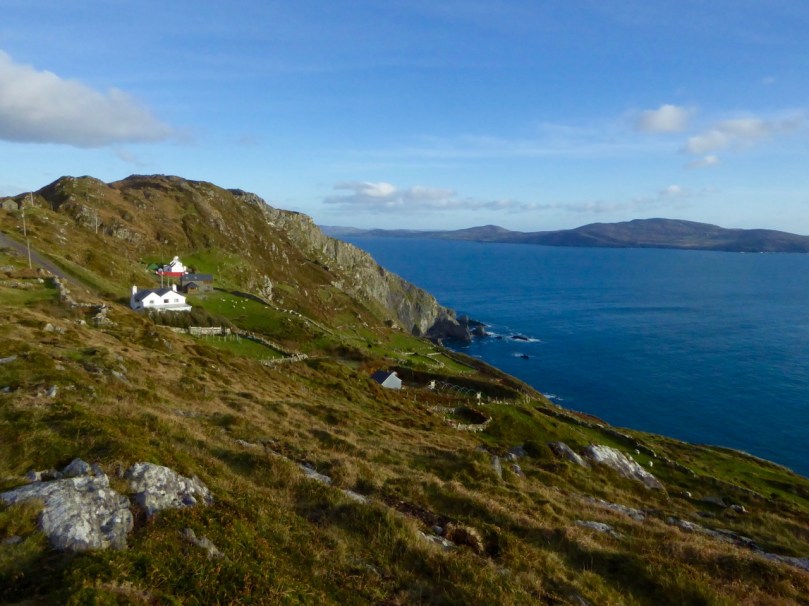
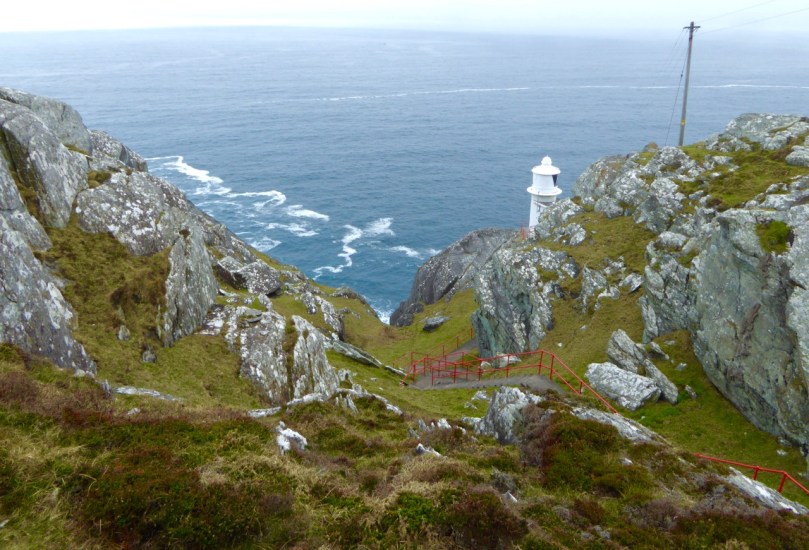
Sheeps Head LighthouseAbove: This is as far as you can drive or ride on the Sheep’s Head – after this, it’s a goodly walk to the lighthouse (below)

The Sheep’s Head is the perfect destination for a day’s cycling – incredibly scenic, lots of places to stop for refreshment, lots of things to see and do along the way, and relatively flat. Note that word relatively – if you start at Durrus and cycle along the south side to the end of the road and back, you don’t climb over any mountains but you do gain considerable altitude – enough to ensure that you deserve lunch by the time you reach Bernie’s Cupán Tae.

up the last hill

The good news is that it’s mostly downhill all the way back to Durrus.

Leaving Cupán

It  was a congenial bunch and the day was full of chats and laughter. As the ‘locals’ in the group, it was lovely to be able to show off West Cork. We made a detour down to Lake Faranamanagh and told everyone about the Bardic School and the King of Spain’s sons.

sheeps head view


Lake Faranamanagh
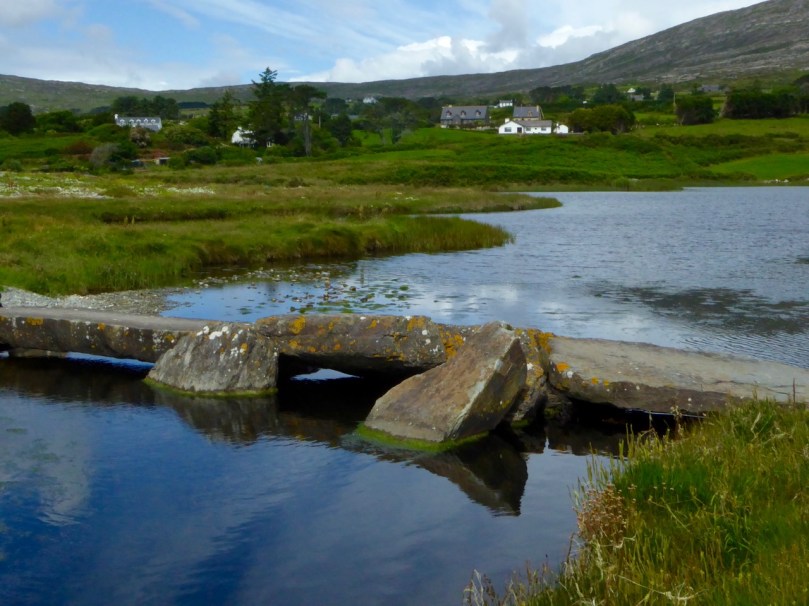
The Sheep’s Head , Lake Faranamanagh

When you’re cycling with a group you can’t really stop to take photos whenever you want, so the photographs in this post are a mixture. Photos of the day itself were taken either by Patrick (thank you, Patrick!) or by me, while general photographs of the Sheep’s Head come from my own collection and were taken at various times of the year. They will give you a feel for what’s to do and see along the way.

Air India Memorial Site


Top: The beautiful and moving Air India Memorial site at Ahakista; bottom: Critters encountered along the way

We were blessed with a lovely day for our bike trip. But then, as you know, the sun always shines in West Cork. And sure, if it doesn’t, you can hole up in a pub and sing, or stay home and cook up some fresh eggs from the happy hens at Faranamanagh.

eggs

If  you love to get out on a bicycle but aren’t the iron-man type, fear not – there is life after lycra!

road into Durrus

And if you just want to explore the Sheep’s Head, bike or no bike, take a look at our post on Walking the Sheep’s Head Way or head on over to Living the Sheep’s Head Way, the website of the Sheep’s Head and Bantry Tourism Co-operative, for lots of information the peninsula and places to stay. Or take a browse through The Sheep’s Head Way for all the walking routes – it’s the website of the voluntary committee that takes responsibility for the way-marked trails.

convoy

rainbow over mizen from Sheep's Head

Summer Markets

Long Island

Our West Cork markets – Skibbereen, Bantry and Schull – are thriving. Each has a distinct character and all of them are fun for wandering, browsing and buying.

Top right: A basket of scotch eggs from West Cork Pies; bottom left: April Danann from Rebel Foods

Skibbereen Market on Saturday mornings has become the iconic foodie market of West Cork. Everyone goes – it’s a social occasion as much as a shopping trip. Yesterday, Darina Allen of Ballymaloe breezed through when I was chatting with Eithne McCarthy, and rumour had it that Saoirse Ronan had been spotted earlier.

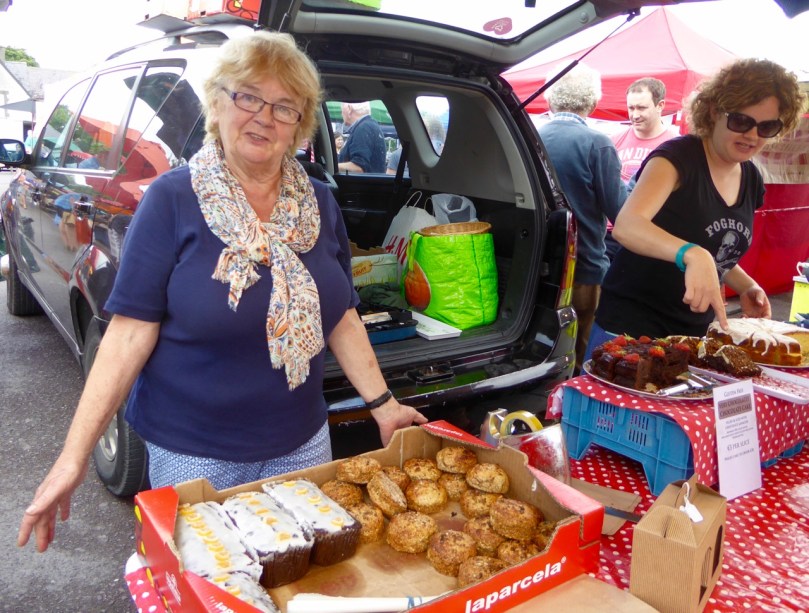
Eithne

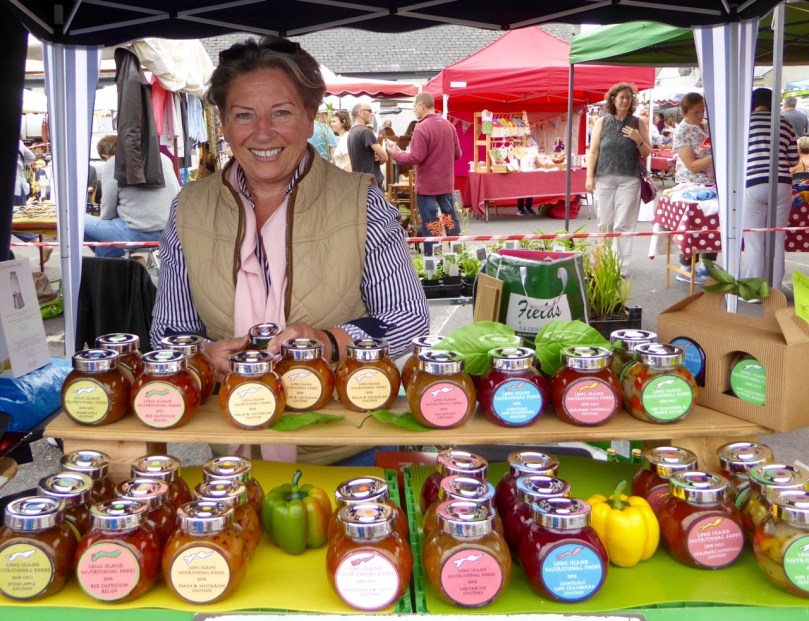
Everybody loves Eithne McCarthy’s home made cakes, breads, jams and chutneys.

There’s music and coffee and crepes and bean burgers and sausages and cupcakes and scotch eggs and anything else you can happily munch on as you wander.

Many stall are devoted to locally produced and artisan foods. Perhaps the best known is Gubbeen, famous for cheese and smoked meats, but not far behind is West Cork Pies, Brown Envelope Seeds, April Danann’s Rebel Foods (wild, foraged and fermented), and Union Hall Smoked Fish.

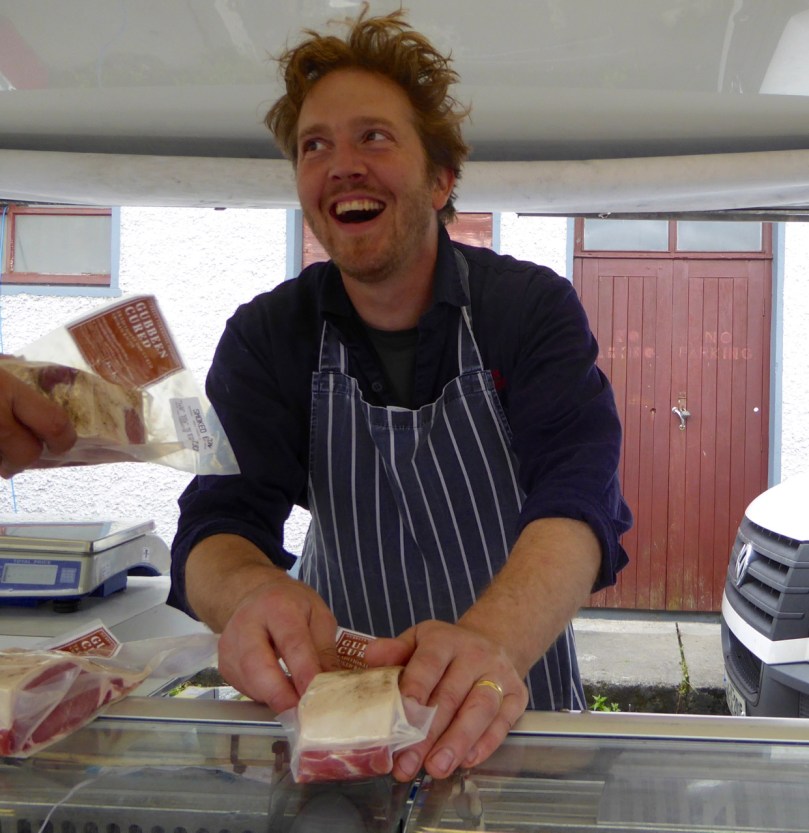
Fingal

Top: Fingal Ferguson of Gubbeen; Lower left: Union Hall Smoked Fish; Lower Right; Madeline McKeever of Brown Envelope Seeds

But there’s also a whole array of stalls selling chocolates, baked goods, chutneys and pickles, free range eggs and the hens who lay them, vegetables, honey, vinegars, sausages, quiches, berries, olives, seaweeds, and more cheese.

It’s not just food, of course. There are flowers and bedding plants, wooden chairs, magic wands, dolls, jewellery, wool, carved bowls, antiques, books, junk, and yes, knitted tea cosies.

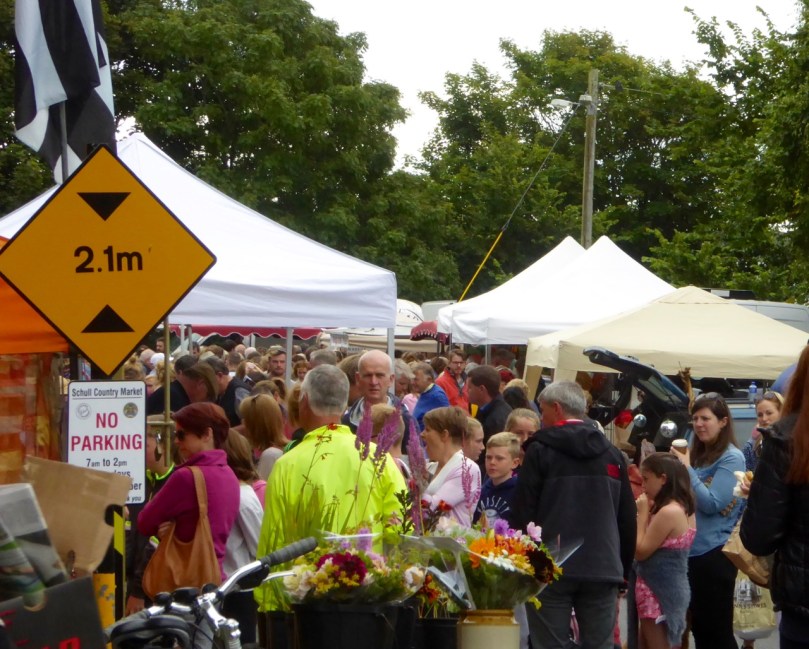
The Schull market is much smaller but has many of the same stalls. Schull is the quintessential tourist town – heaving in the summer – and the market here goes from Easter to October. It’s on Sunday mornings and has a lovely, casual, local vibe, with people dropping down after mass and everyone getting caught up on the latest news.

Schull Crowds

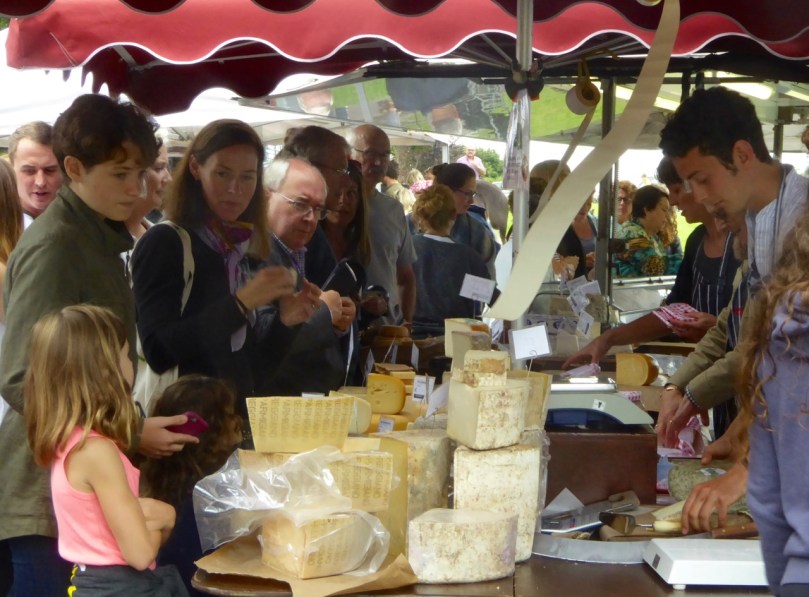
Like Skibbereen, it’s madly busy, so expect to queue and just enjoy the ambience and the music.

Cheese Queue

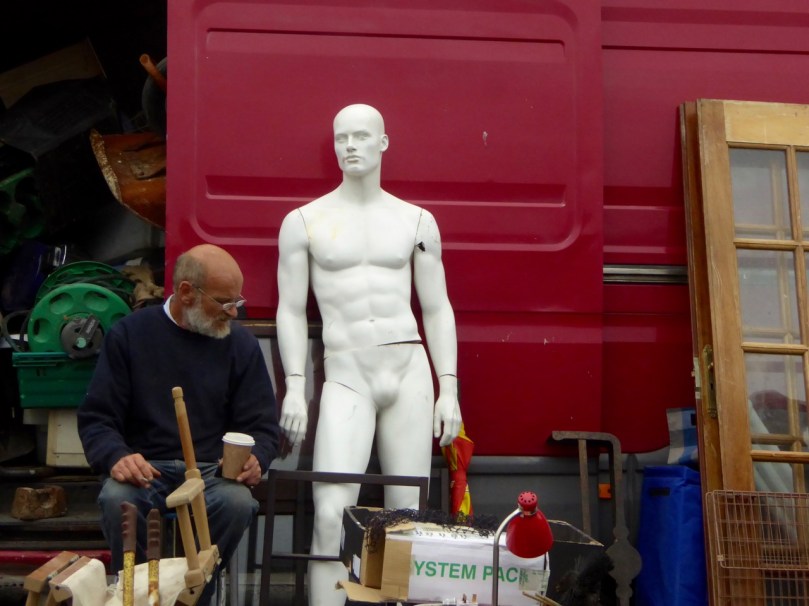
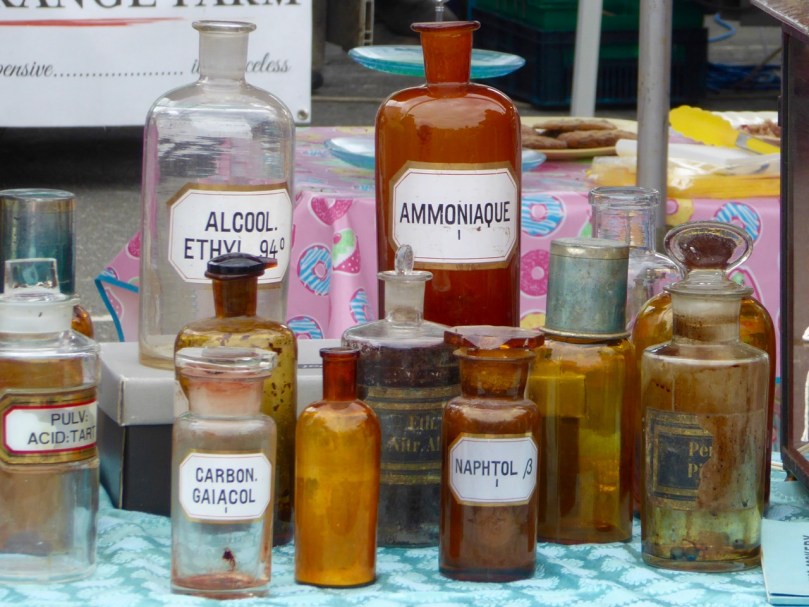
Bantry, on Friday mornings, is the largest market. Although there are some of the same food stalls, it seems to attract different vendors than the other two. This is the market where people shop for second hand goods, curios and collectibles, tools, carpets, clothing, work boots, trees and shrubs, and Michael Collins posters.

Bantry Market

A visit to West Cork wouldn’t be complete without making a trip to the market. Heck – make it to all three of them!

Vials