Timoleague Friary

Timoleague Friary

If you take the coast road from West Cork to Cork City, you go through Timoleague, a beautiful village at the top of Courtmacsherry Bay. This little town has a main street of colourful houses and shops, a large and imposing Catholic church with notable stained glass windows, a medieval bridge spanning the inlet, and lovely walkways by the Arigideen River.

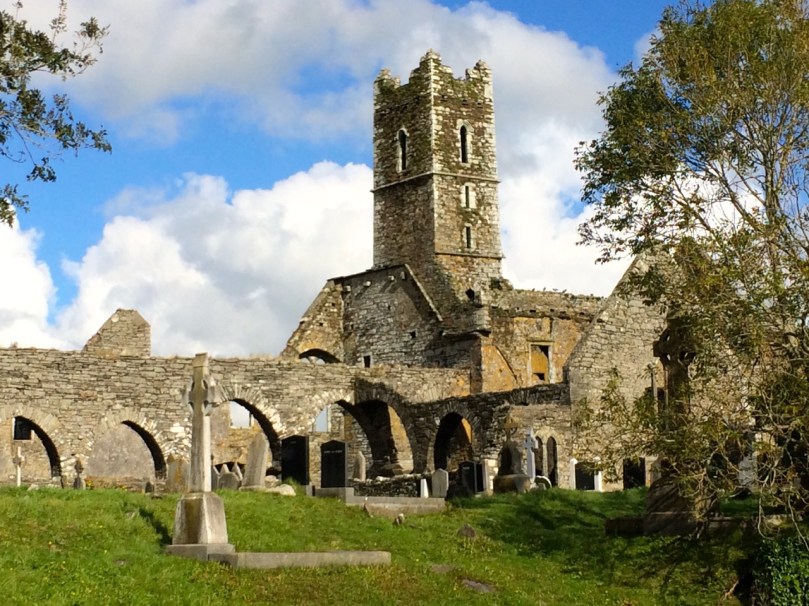
Looking across the river to the Friary

Looking across the river to the Friary

What makes us stop, though, no matter how often we have visited it before, is the Friary. Perched on a knoll overlooking the river, this Franciscan establishment was built in the 13th or 14th Century, and subsequently enlarged and extended. It somehow managed to survive the reformation but was finally abandoned when it was burned in 1642.

The Franciscans first arrived in Ireland about 1230. The order spread quickly and in time there were many Franciscan houses in Ireland. Followers of the Rule of St. Francis, they lived in fellowship in the friary, but went out every day to work among the people. Unlike monks in abbeys or monasteries, they did not shut themselves away to follow a strict regimen of prayer and work. Instead, the friars depended upon their parishioners for sustenance, devoted themselves to their flock during the day and returned to the friary for their simple meals and prayers.

The Cloisters

The Cloisters

Despite this avowed simplicity, the friary is large and imposing. The remains of the cloisters give evidence of the daily meditation and recitation of the Divine Office. Their living quarters included a chapter room, refectory and infirmary.
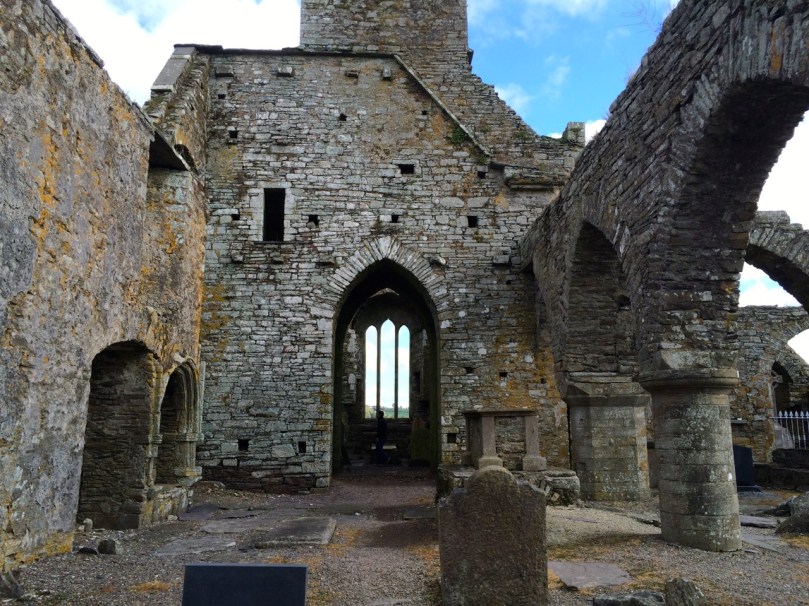
Nave and choir

Nave and choir

The church would have been impressive in its day, with large and elaborate windows, a long nave and a sizeable transept. The columns between the nave and the transept are massive: the cut stone demonstrates the high quality of masonry that went into the building of the Friary.

A wander through the ruins is a delight. There is a wart well, old gravestones (while away half an hour deciphering some inscriptions!) and niches that would have held the tombstones of dignitaries. Lichen of every colour clings to the stones while low archways appear around every corner, with inviting vistas of further corners to explore.

Timoleague is named for St Molaga, who is also associated with other locations in Ireland. Many stories are told of St Molaga. Here is one, recorded by Colonel James Grove White and provided online by Cork City Librarians.

Close to Temple Molaga is a copious spring well, which was always held sacred by the people and should be used only for drinking and curative purposes; but on one occasion, the lady of the manor, an unbeliever, would insist on cooking her husband’s dinner in the water of the sacred spring. When the water had time to boil, the cook remarked it was icy cold; more logs were placed on the fire, still to no effect. The logs were still being piled on, the fire blazed, but when the dinner hour arrived, the water was still as cold as ever. The lord waxed hungry, and, like other mortals, became angry; he rushed into the kitchen to ascertain for himself the cause of the delay, had the cover lifted off the huge pot, and, although the fire was crackling and blazing high about it, he felt the water was quite cold; but what astonished him more was to behold a beautiful trout swimming about in it, without apparently suffering the least inconvenience. He became wonder-stricken, and had his advisers called in. They told him to take the water back to the well without delay and pour it in. This being done, the trout again became invisible, and is since rarely seen, except by certain votaries.

In the district it is a common saying when water is slow to boil, “perhaps the Molaga trout is in it.”

Timoleague Friary, as the largest medieval religious ruin in West Cork, is a unique and special part of the West Cork landscape.

friary silhouette

Ballydehob Rocks Art and Culture

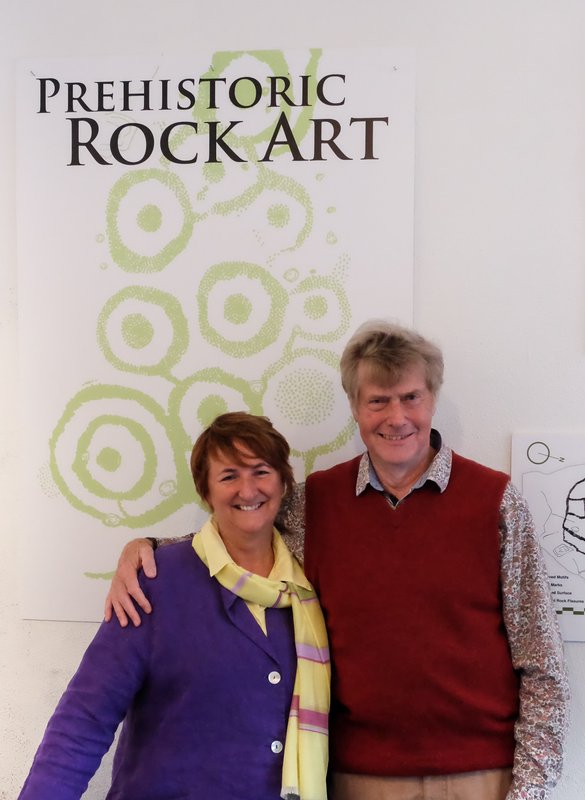
Looking pleased with the exhibition!

Looking pleased with the exhibition!

I’ve posted before about the amazing variety of events and festivals that West Cork towns host. The latest, and this is a new one, is Ballydehob’s Art and Culture weekend. It’s just over and it was great fun.

For the most part the venues were intimate (think pubs, cafes, An Sanctoir) or outdoors. The weather was variable – we got everything from gales to sunshine – but only one event had to be cancelled because of it.

There was a bus tour to the delightful Gortnagrough Museum, and another to the Rock of the Rings (local rock art!) and an historic walking tour of the town. There was a poetry trail, storytelling, plays, dance performances, a dozen different art exhibitions (including our own), kids’ workshops and movies, a cabaret, and of course music – lots of music from trad to country to world music to drumming to classical.

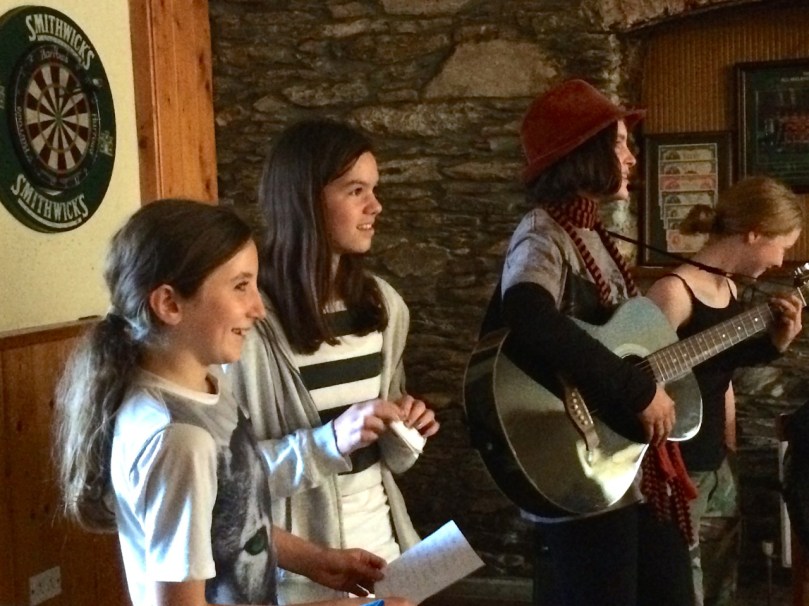
Young songwriters

Young songwriters

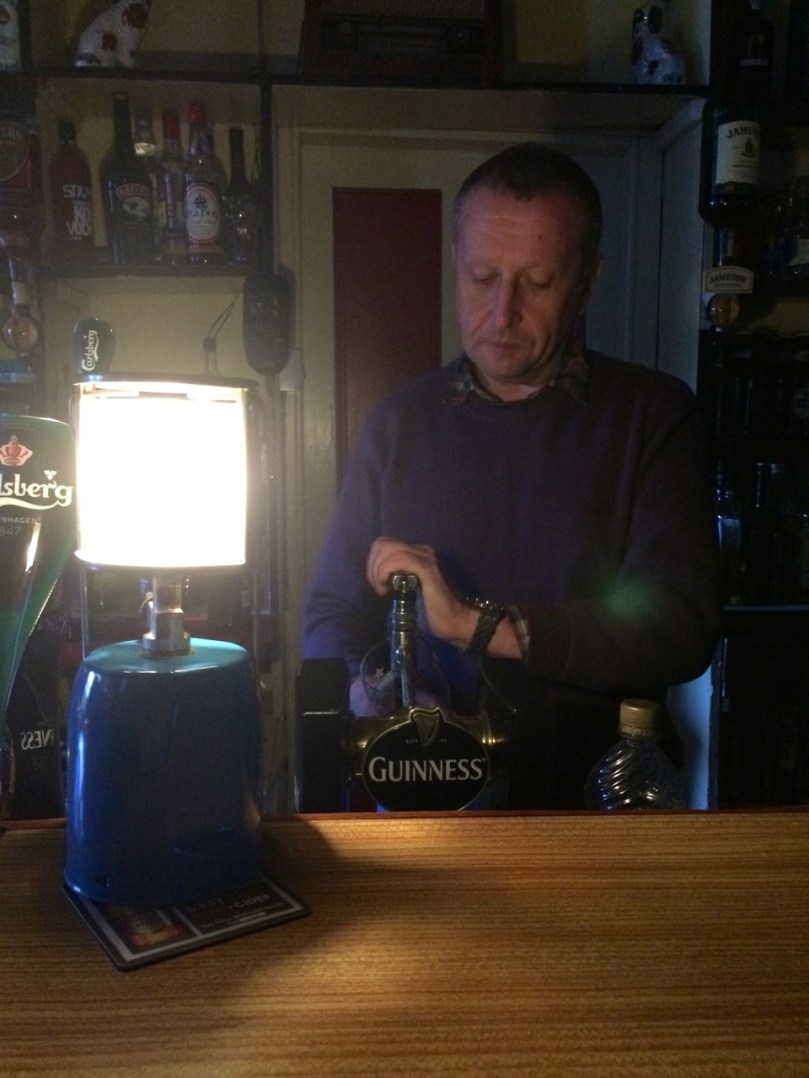
Perhaps one of my favourite moments was watching the girls who had taken the songwriting workshop, which had been led by a 12 year old, perform the songs they had written. We’ve been having fierce gales and the whole of Ballydehob was without electricity, so the pub was lit by candles and gas lamps. It was like going back to the rare old times when we made our own entertainment for gatherings of neighbours and friends. The lack of power didn’t bother anyone – the following act simply switched from electronic to acoustic with no fuss and soon we were singing again. The Choir I (try to) sing with, A Capella Bella, had a sing-along too – it was great to hear so many voices belting out our African rythms, enthusiastically conducted by the talented Caz Jeffreys.

By lamplight

By lamplight

Our own event, the Prehistoric Rock Art Exhibition, proved to be popular. The talk was packed and people lingered afterwards and peppered us with questions. There is a lot of interest here in anything to do with our heritage, and rock art is a little-known aspect of it: many people commented that they had no idea it existed or what it was like. People also liked Robert’s account of rock art in other parts of the world. For those of you who would have liked to be there but couldn’t, we are planning a permanent blog page on rock art which will contain some of the images we used as well as the program we produced for the show. You can also read our friends Amanda and Peter Clarke’s accounts of the exhibition here and here – they supplied the photographs of the exhibition I’ve used in this post.

These small local festivals can make a huge difference to a place. I’ve written before about the economic downturn in Ballydehob and the depressing effect it has had on local business, but the community has never lost its positive attitude and its volunteering spirit. One of our local writers, Sarah Canty, illustrates, in her documentary Down But Not Out, the challenges facing small villages like ours.

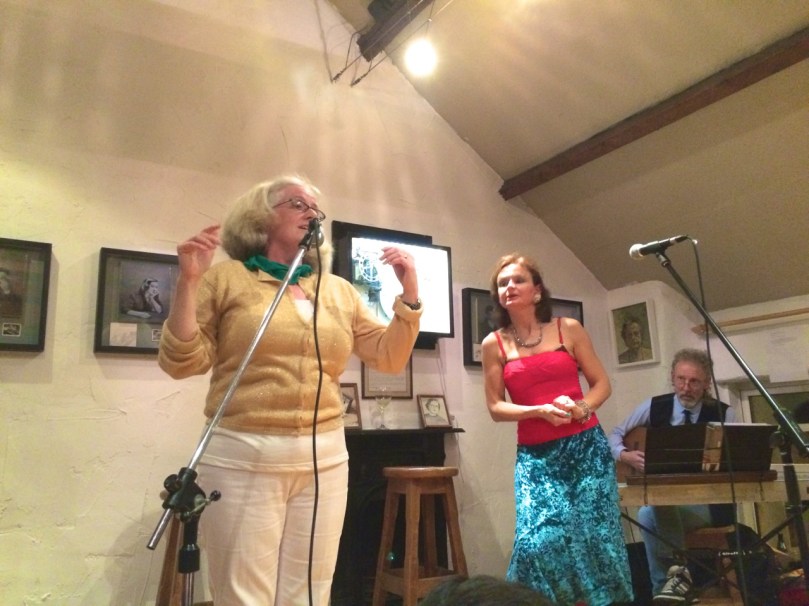
The Eileen and Marilyn Experience

‘The Eileen and Marilyn Experience’ Caberet

This festival was spearheaded by a great team, many from the Ballydehob Social Club, with lots of other volunteers pitching in. A huge thank you to the pubs and other venues for providing free space and paying for entertainers. And a special shout out from us to Joanne Cassidy at the West Cork Gourmet Store for providing a wonderful gallery for our Rock Art Exhibition. 

The Weekend ended with a huge party – more music, more dancing, more laughter and camaraderie.

Ballydehob – you rock!

Rock Art Ramblings… away from home!

Ireland? No - it's Rock Art in Italy

Ireland? No – it’s Rock Art in Italy

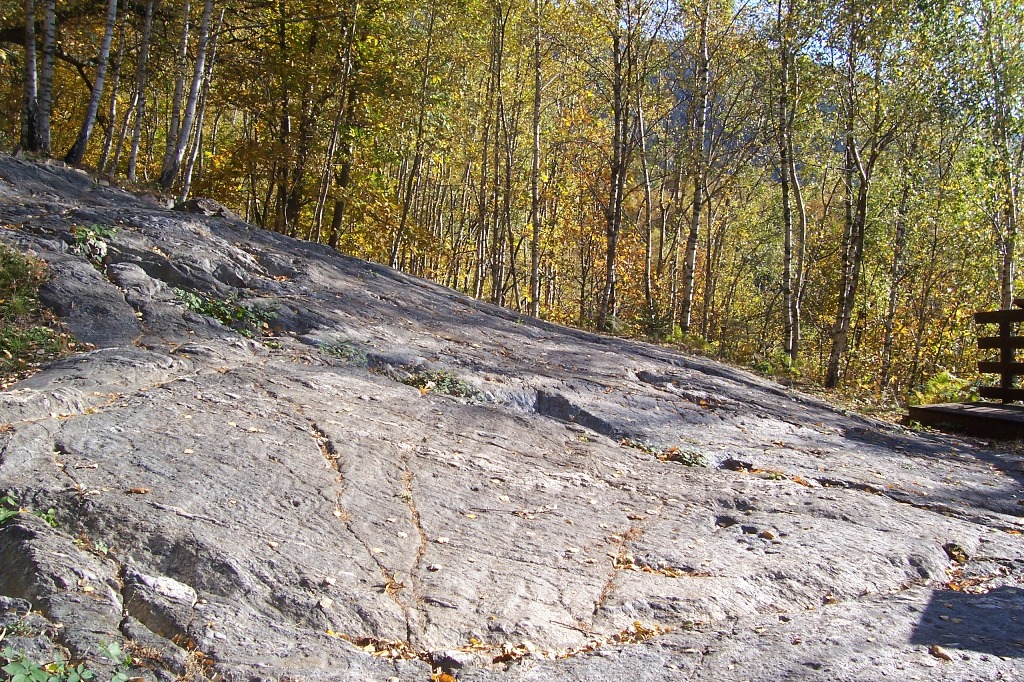
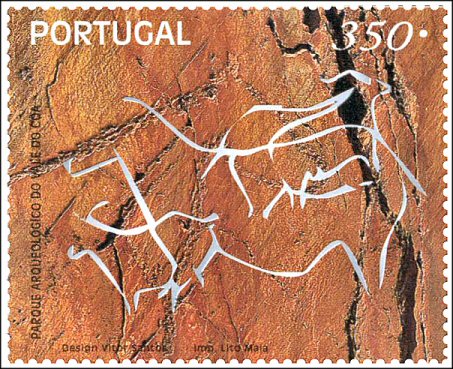
At our talk in Ballydehob yesterday I mentioned briefly the world-wide context of Rock Art: this generated a lot of interest during and after the event so I thought it worthwhile to write a post about non-Irish Rock Art. portugal stamp The carvings in Ireland appear to be part of a cultural phenomenon that runs down the Atlantic coast – from Scandinavia to Iberia – taking in Ireland and Britain on its way. However, Rock Art is widespread across the world, and over the whole time spectrum of human occupation of land. There is a UNESCO World Heritage site in Portugal – the Côa Valley Archaeological Park – which is based on finds of Rock Art. When the project was opened in 1996 its Director stated: “…The Upper Paleolithic art of the Côa Valley is an exceptional illustration of the sudden development of creative genius at the dawn of human cultural development…” That’s quite an announcement! The Park is home to some 25,000 carvings created at various periods over the last 10,000 years. Some of it is visually similar to our own Neolithic / Bronze Age examples (which were probably made within the last five Millennia) but other earlier examples seem – surprisingly – more sophisticated: mainly very beautiful representations of animals.

Canary Island example

Canary Island example

Where do we find the oldest Rock Art? Possibly in India: the Bhimbetka Caves show evidence of human habitation dating back more than half a million years, and in one particular site – known as the Auditorium Cave – carved cupmarks were found under human debris deposits that could be dated to at least 290,000 years ago. This means that the cupmarks must be as old as that date. Some scientists claim that they could be twice this age. Those cupmarks are exactly the same as the ones we have in Europe – and when found they contained traces of red pigments, suggesting that the carvings might have been painted.

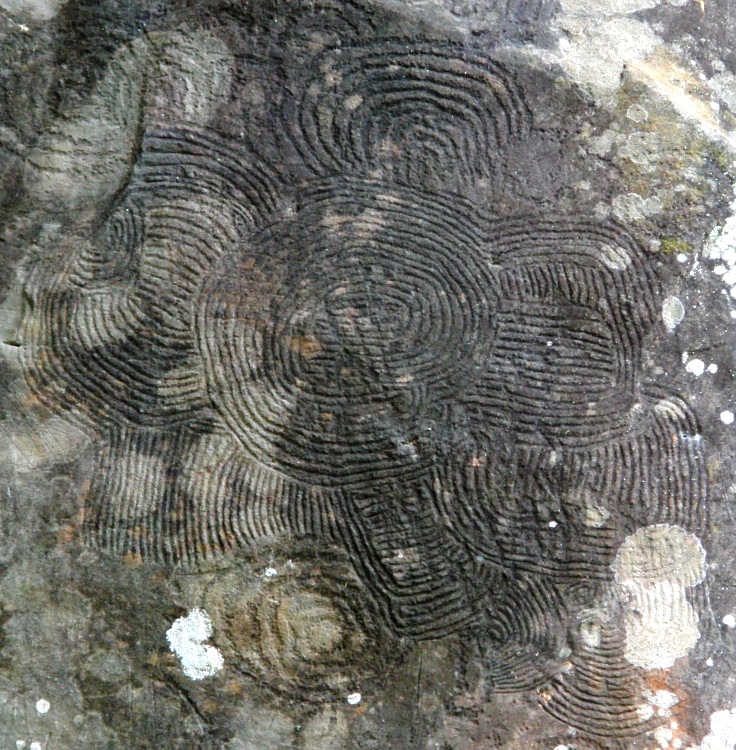
India – Norway – Africa – Europe – the Americas – Australia… Ancient rock carving has been found in all continents of the world excluding Antarctica. It’s not all the same as Irish prehistoric Rock Art – where the simple motifs are familiar to regular readers of this blog – but cupmarks do seem to predominate as a common occurrence, and are usually apparently carved in the same way wherever you find them: shallow circular indentations are picked out using one hard stone tool striking another.

What does it all mean? Finola did a good job of sidelining that question during yesterday’s talk but came up with some plausible pointers: it is, of course, impossible to be certain when we are so out of touch with the peoples who produced the marks. We should also be careful of making any assumptions based on our own cultural ways of thinking. An archaeologist (Mountford) witnessed cupmarks being carved in central Australia in the 1940s: he reports that these were made as an increase ritual for the Pink Cockatoo (Kakatoe leadbeateri). The particular rock the cupmarks were hammered into was thought to contain the life essence of these birds, so the mineral dust rising from the activity was believed to fertilise the female cockatoos and thus increase their production of eggs, which the Aborigines valued as food.

I have mentioned before the cupmarks which are found carved into the lava stone in Hawaii’s Volcanoe National Park: it’s worth noting again that they are very similar to those we find in Ireland and Britain – even to the extent of having concentric rings around some of them. Hawaian families who go a long way back will tell you that they are made to receive the umbilical cords of newly born babies – to ensure health, long life and fertility. The carvings are known as ‘Puka’.

Rock Art is fascinating. I want everyone to be excited by it. It’s a ‘poor relation’ archaeologically speaking: it’s very easy to miss. It’s also an ‘endangered species’: in Ireland, some examples which have been recorded in the past can no longer be found. Perhaps our exhibition and talk will at least have raised awareness.

Our Rock Art Exhibition!

A joint post by Robert and Finola…

Derrynablaha A2.PC9

For all of you who are fortunate enough to live within reach of our beautiful part of West Cork we are pleased to invite you to our exhibition, which is being shown as part of the Ballydehob Art and Culture Weekend, running from 17th to 19th October. The exhibition is being held in the West Cork Gourmet Store (go left at the statue of Danno and it’s just up on the right, behind the Post Office), and it will continue to run there during opening hours for the two weeks after the Art and Culture event.

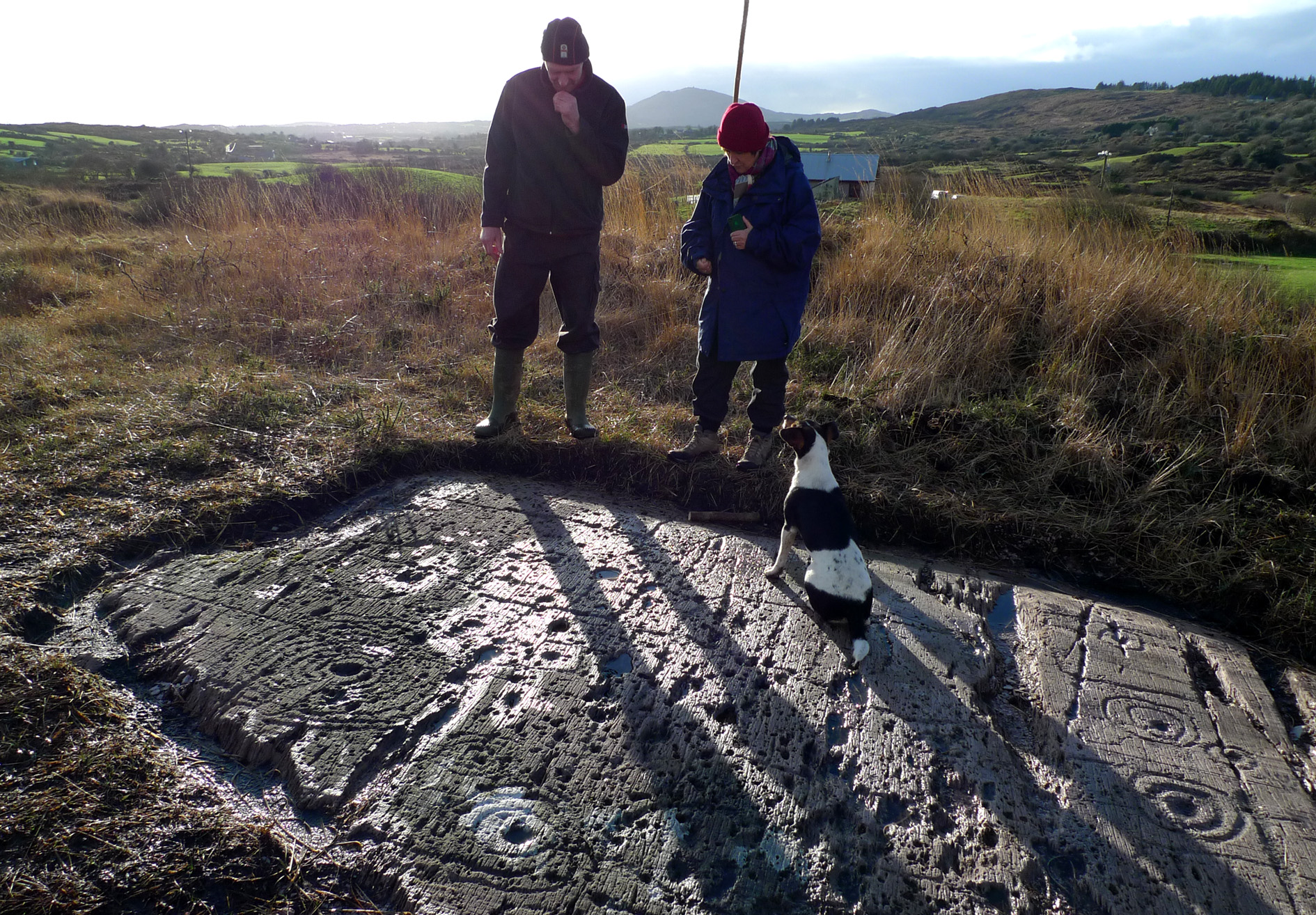
Finola studied for her Archaeology degree at the University of Cork, and her thesis was written on the Rock Art of Cork and Kerry. For her research – in the early 1970s – she travelled across the two counties on a borrowed Honda 50, visiting every piece of Rock Art known at the time, and recording each piece using a tracing technique which would not be allowed today. The thesis is a unique and valuable archive of the rock carvings, which date back anything from three to five thousand years. We believe that this is the first time a comprehensive exhibition of Irish Rock Art has been shown.

knockdrum detail.PC9

Regular readers of Roaringwater Journal know that we are still working on Rock Art: Robert has recorded some more recently found examples using a ‘non-invasive’ technique, and we are involved with CRAG – the Cork Rock Art Group – under the aegis of the University, where our aim is to produce a website which lists and illustrates all known examples of Rock Art in the west of Ireland. Eventually the work may extend further afield: there are Rock Art sites elsewhere in the Republic. Similar carvings are found on the Atlantic coast, from Scandinavia down to Iberia.

Finola, Gary and companion study the Art

Finola, Gary and companion study the Art

On Saturday 18th October the exhibition will be formally opened at 4pm, and we will be giving a talk on the subject and on our adventures studying it. Some refreshments will be on hand: please come if you can!

Title poster.PC9

Were You at the Rock?

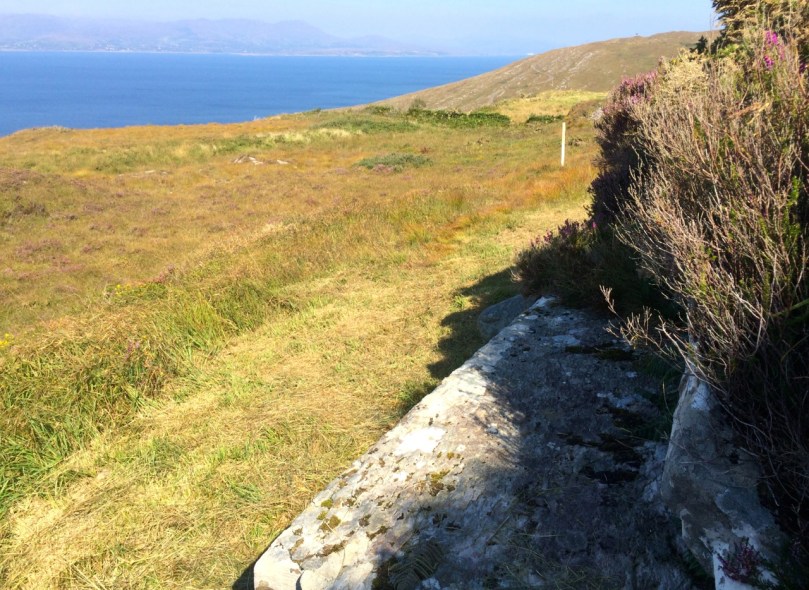
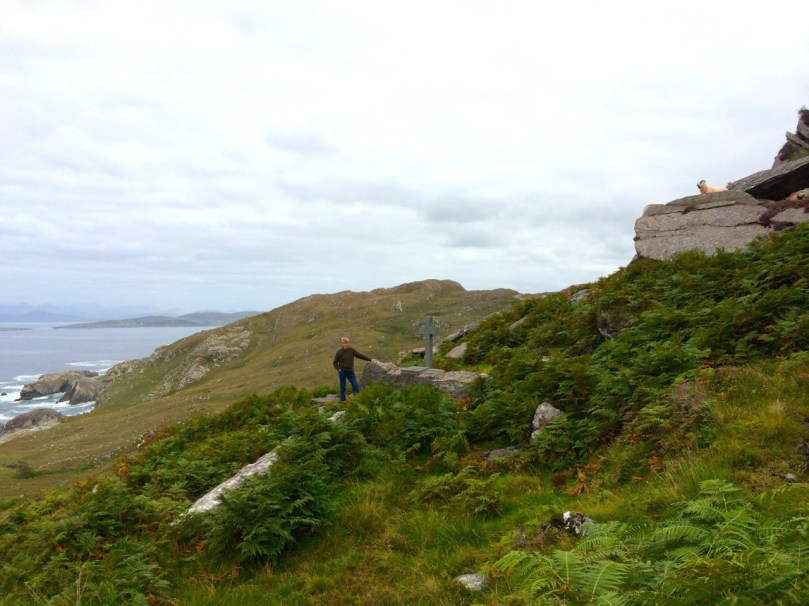
Mass rock along the Beara Way (see the look out above)

Mass rock along the Beara Way (see the lookout above)

An raibh tú ag an gCarraig? / Were You at the Rock?

nó a’ bhfaca tú féin mó grá / Or did you yourself see my love,

nó a’ bhfaca tú gile, / Or did you see a brightness,

finne agus scéimh na mná? / The fairness and the beauty of the woman?

This beautiful song speaks to a revered tradition in Irish history and folk custom – the mass rock. During the period of the Penal Laws (late 17th and first half of 18th Century) when the practice of Catholicism was outlawed, parishioners would gather at a secret location to attend mass. The priest travelled from community to community in disguise, a lookout was posted, and mass was celebrated on a lonely rock far from the reach of the law. The song encodes the message that the people still find ways to attend mass, despite the harsh prohibition against it.

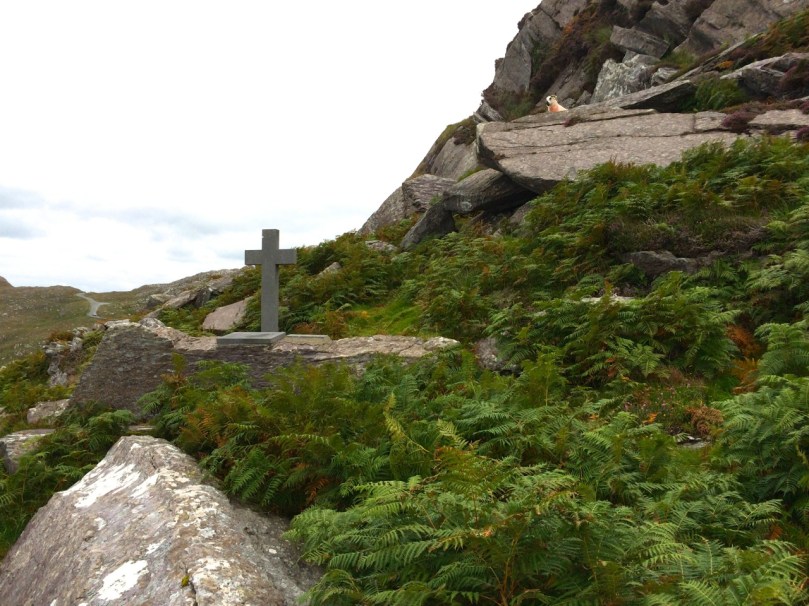
Mass rocks are often in remote locations

Mass rocks are often in remote locations

Dr. Hilary Bishop, in her excellent website Find a Mass Rock says, “As locations of a distinctively Catholic faith, Mass Rocks are important religious and historical monuments that provide a tangible and experiential link to Irish heritage and tradition.” She also points out that, because of the imperative for secrecy, mass rocks are difficult to find. We certainly experienced this when we set out for a day of mass rock hunting recently. Working from a list generated from the National Monuments Service database we spent a day on the Sheep’s Head and the Mizen and had trouble finding all the rocks on the list. One, if it was still there, had disappeared under impenetrable layers of gorse. A second rock was last recorded in the 1980s: residents were no longer familiar with it.

Beach Holy Well and mass rock

Beach holy well and mass rock

Knowledge of mass rocks has passed down from generation to generation. In the deep countryside, the sites maintain a mystique and a sense of the sacred. Last year we wrote about the mass rock and holy well at Beach, where Mary conjured up a blanket of fog to confuse the English soldiers and allow the priest to escape. At Beach and at our first stop, the mass rock at Glanalin on the Sheep’s Head Way, mass is still celebrated occasionally.

The Glanalin rock, and the one we visited on the Beara Peninsula, are good examples of the remote locations typical of many mass rocks, high on a hillside or hidden in an isolated valley. You can picture the procession of worshippers, in ones and twos, slipping silently through the bracken, pausing to make sure they are not being watched, climbing higher, following an overgrown trail, arriving at the meeting place where the hushed crowd awaits the arrival of the priest.

Beara mass rock

Beara mass rock

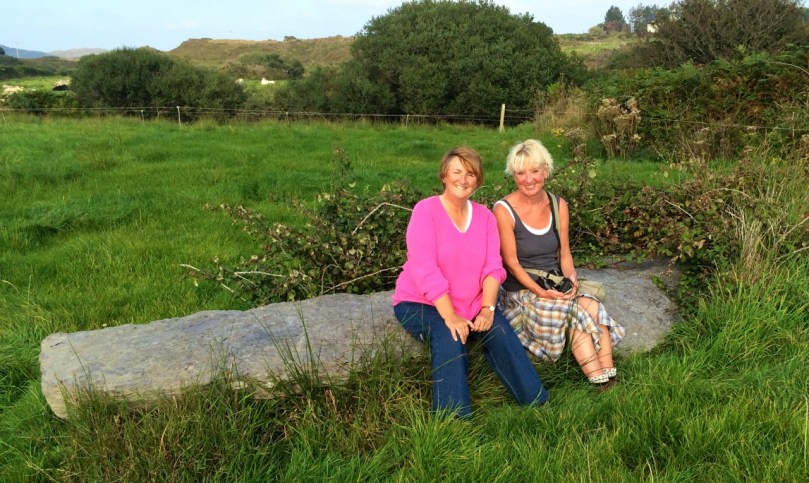
One of the rocks we found looked for all the world like a fallen standing stone – and that’s probably what it was. (I wonder if I should go to confession, though – I’m sure that sitting on a mass rock would qualify as at least a venial sin.)

Fallen standing stone?  Mass rock? Both?

Fallen standing stone? Mass rock? Both?

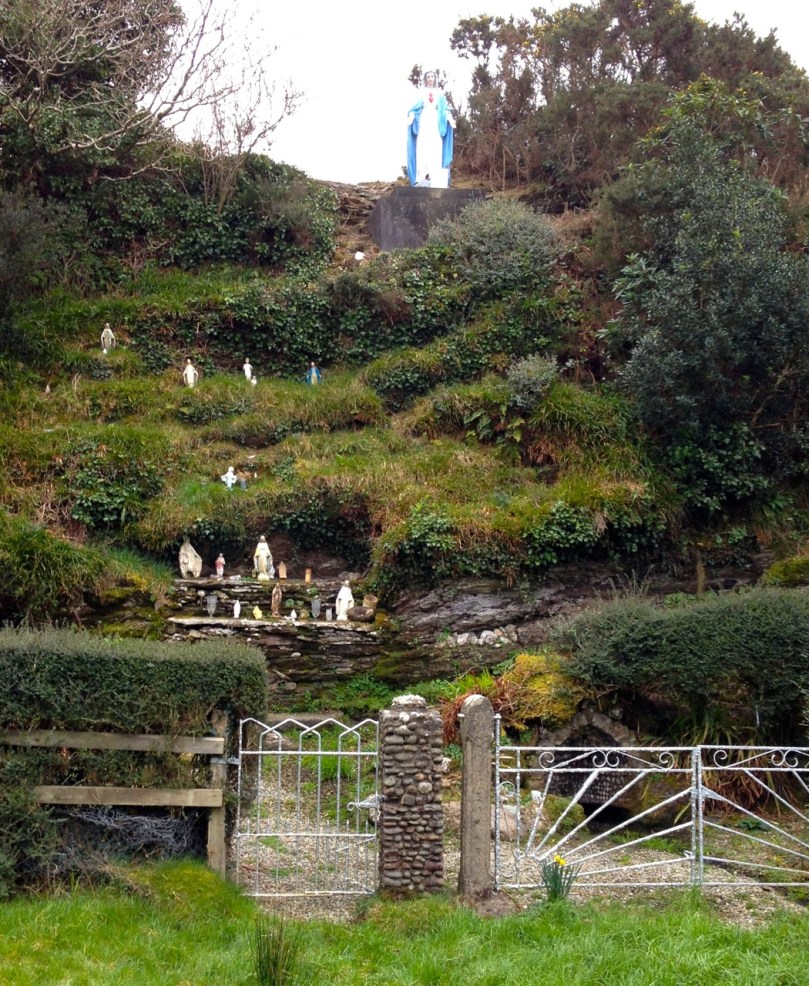
A mass rock that is easily visited is the one at Cononagh Village, right at the side of the main road into West Cork, the N71. This site is beautifully maintained – Cononagh is obviously proud of its heritage: signage and flowers invite the passerby to take a closer look.

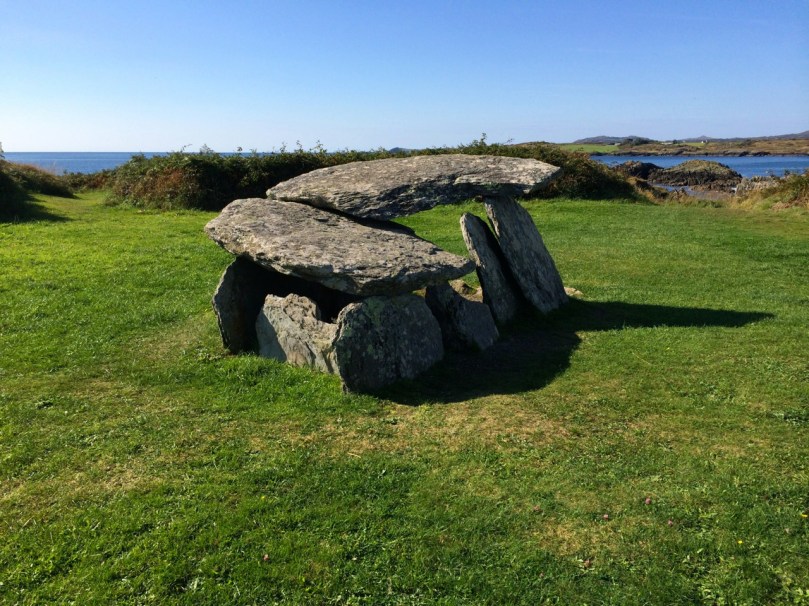
Another easily accessible site is Altar, at Toormore. This is a wedge tomb, probably over 4,000 years old and excavated in 1989. It remained in use through the Bronze Age and into the Iron Age. Dr. William O’Brien, in his book on the archaeology of County Cork, Iverni, says of this site: “…over time this tomb came to be regarded as a sacred place, housing important ancestral remains in what was a type of community shrine.” How fitting, then, that the flat capstone of the Altar wedge tomb became, in the Penal Days, a mass rock. And how intriguing to think of the continuation of this sacred space over the course of thousands of years.
Altar Wedge Tomb, later used as a mass rock

Altar Wedge Tomb, later used as a mass rock

The Children of Lir

Artist Warren Osborne's depiction of the enchanted Swans

Artist Warren Osborne‘s depiction of the enchanted Swans

It was the mission of the Bards and the Seanchaí to keep alive the ancient stories of Ireland: I am always eager to hear these wonder tales: if they are well told, they will make the hairs stand up on the back of your neck. Your storyteller is being watched and listened to by a generation gone before, who in turn carried that story forward from their ancestors – a chain of continuity which for all we know could go back to the time of the Bronze Age rock carvers and Megalith builders – or even before that. History books are mere speculation and short lived; stories encompass the spirit of the people, and last forever.

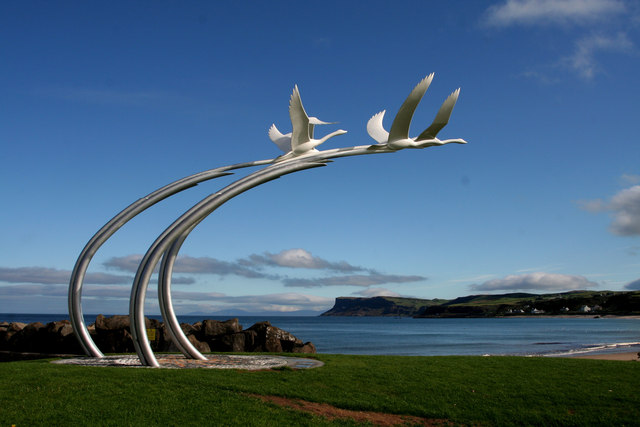
The story captured in sculpture at Ballycastle, County Mayo

A story captured in sculpture at Ballycastle, County Antrim

Have you ever wondered why Swans are such special birds? Did you know that in Ireland no-one can harm the Swan? Some say that law was made by the Milesians, who are said to have arrived in Ireland from Galicia (northern Spain) around four thousand years ago, and heard about The Children of Lir.

It’s a Wicked Step-Mother Tale. Finola is a Step-Mother and is sensitive to such stories, but interestingly she herself appears in this story – in fact she is its heroine! The twins Finola (…as beautiful as sunshine in blossomed branches…) and Hugo and the twins Fiachra and Conn were the children of King Lir and Queen Aoibh.

l_1069ca_20121008_1587912131

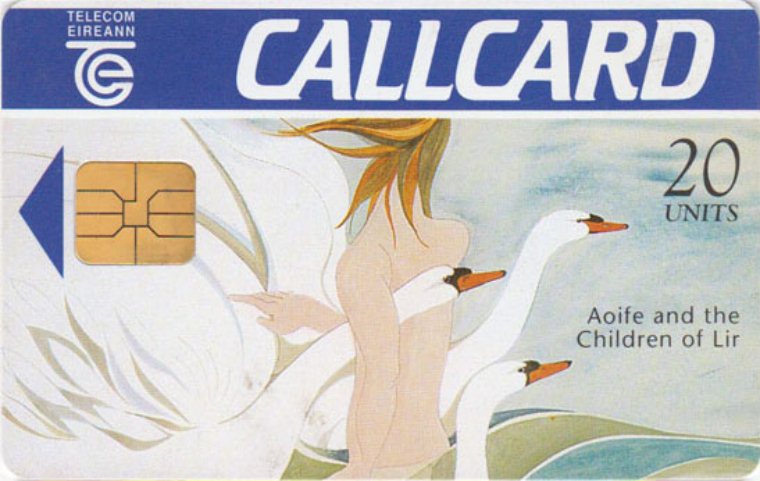
When the children were very young their mother died, and the King married Aoifa, a sister of Aoibh. All was well until Aoifa noticed that Lir was spoiling his children: each one of them was given a beautiful white horse and a pair of white hounds and the King spent most of his time in their company. In true step-mother fashion, Aoifa became jealous and determined to intervene. Just as in the story of Snow White, she planned a dire end for them: she took them off to the wild shores of Lake Derryvaragh and threw them into the waters. But her magical powers were not strong enough: Finola gathered her brothers around her and, as Aoifa looked on, the children were transformed into beautiful Swans. In a final curse their step-mother said that they would live out three hundred years on the lake, then three hundred years more in the Sea of Moyle (the narrowest part of the Atlantic Ocean between Ireland and Scotland), then a final three hundred years on Sruth Fada Conn or Irrus Domnann – Stream of the Long Hound – in County Mayo. The spell could only be broken when the sound of the first Christian bell was heard by the Swans.

Sruwaddacon Bay - also known as Sruth Fada Conn

Sruwaddacon Bay – also known as Sruth Fada Conn

Aoifa might have suffered some last minutes pangs of guilt, for she allowed the Swans to retain their human voices. They also had the gift of music and while they were on Lake Derryvaragh people flocked to hear them singing. In fact, it is said that all of Ireland’s great musical tradition originated from the Children of Lir.

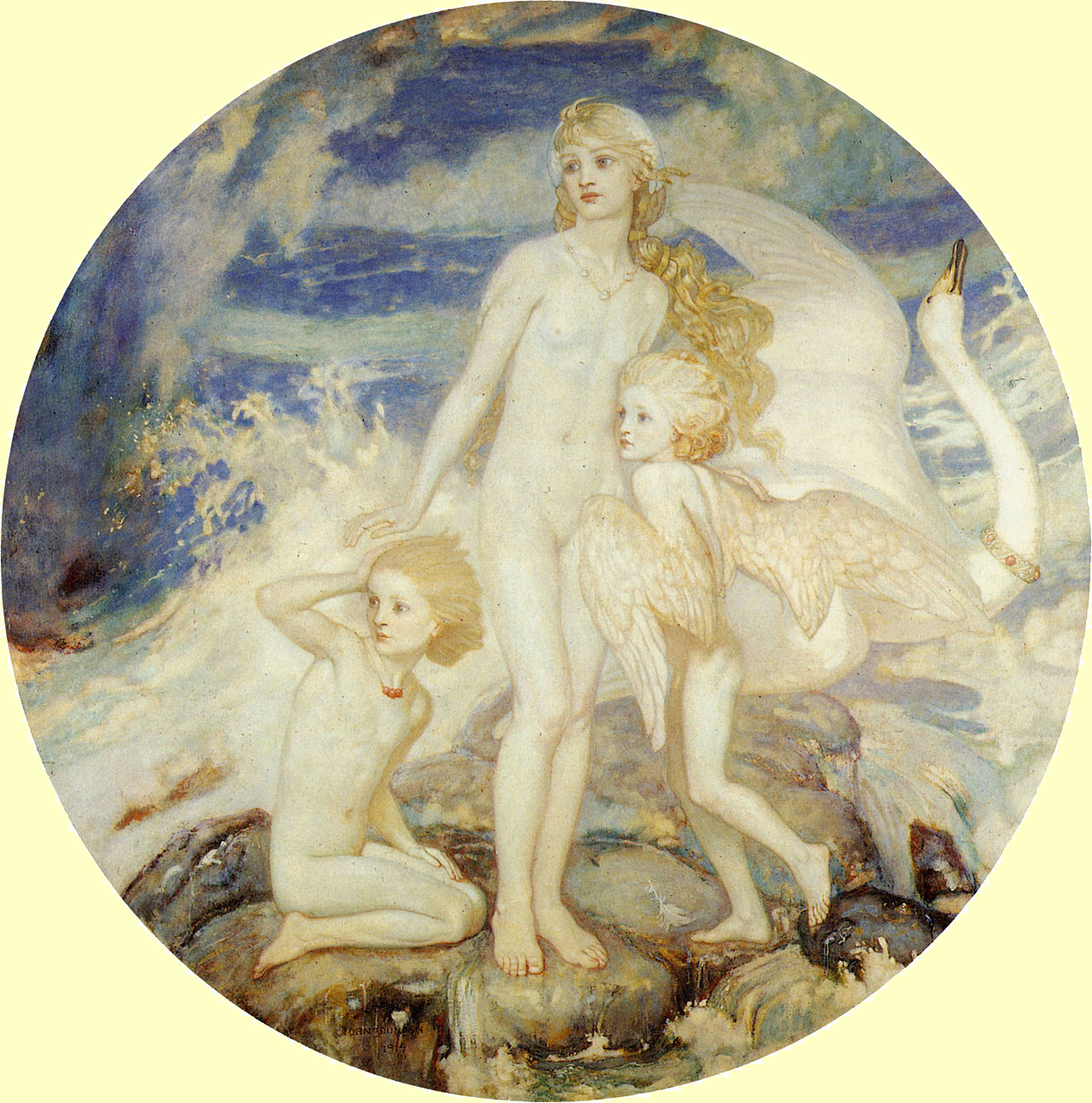
Children of Lir by John Duncan, 1914

Children of Lir by John Duncan, 1914

When the King found out about Aoifa’s treachery he turned her into a ‘night demon’ – a Moth, and she’s still around: we see her frequently down here in Nead an Iolair.

Aoifa - the Emperor Moth

Aoifa – the Emperor Moth

One of the most poignant parts of the story (and I am telling only the briefest of versions here) pictures the Swan children revisiting their father’s tower house on their journey to the Sea of Moyle – only to find grass covered ruins and no traces of the family’s heritage:

…when they looked down they saw no light in the house, they heard no music, no sound of voices. The many-coloured house was desolate and all the beauty was gone from it; the white hounds and the brightmaned horses were gone, and all the beautiful glad-hearted folk of the Sidhe… (http://www.sacred-texts.com)

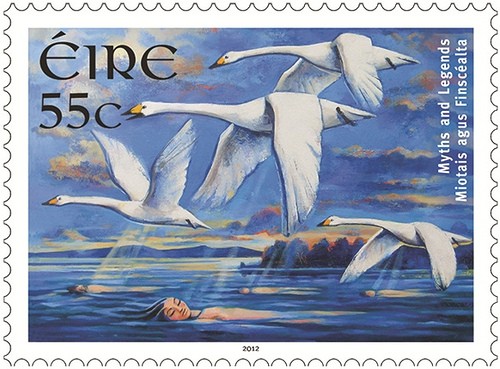
stamp children of lir

We watch the Swans in Rossbrin Cove. On occasion we are fortunate enough to see them taking off from or landing on the water – a noisy and energetic affair: it’s hard to believe that such large and heavy birds can actually take to the air, and migrate over huge distances. Swans appear in folktales all over the world: usually they are associated with light and beauty. A tradition that the Swan only sings when dying has been captured in a madrigal by Orlando Gibbons:

The Silver Swan who, living, had no note,
When death approach’d, unlock’d her silent throat.
Leaning her breast against the reedy shore,
Thus sung her first and last, And sung no more:
“Farewell all joys, O death come close mine eyes.
More geese than swans now live, more fools than wise”

children of lir

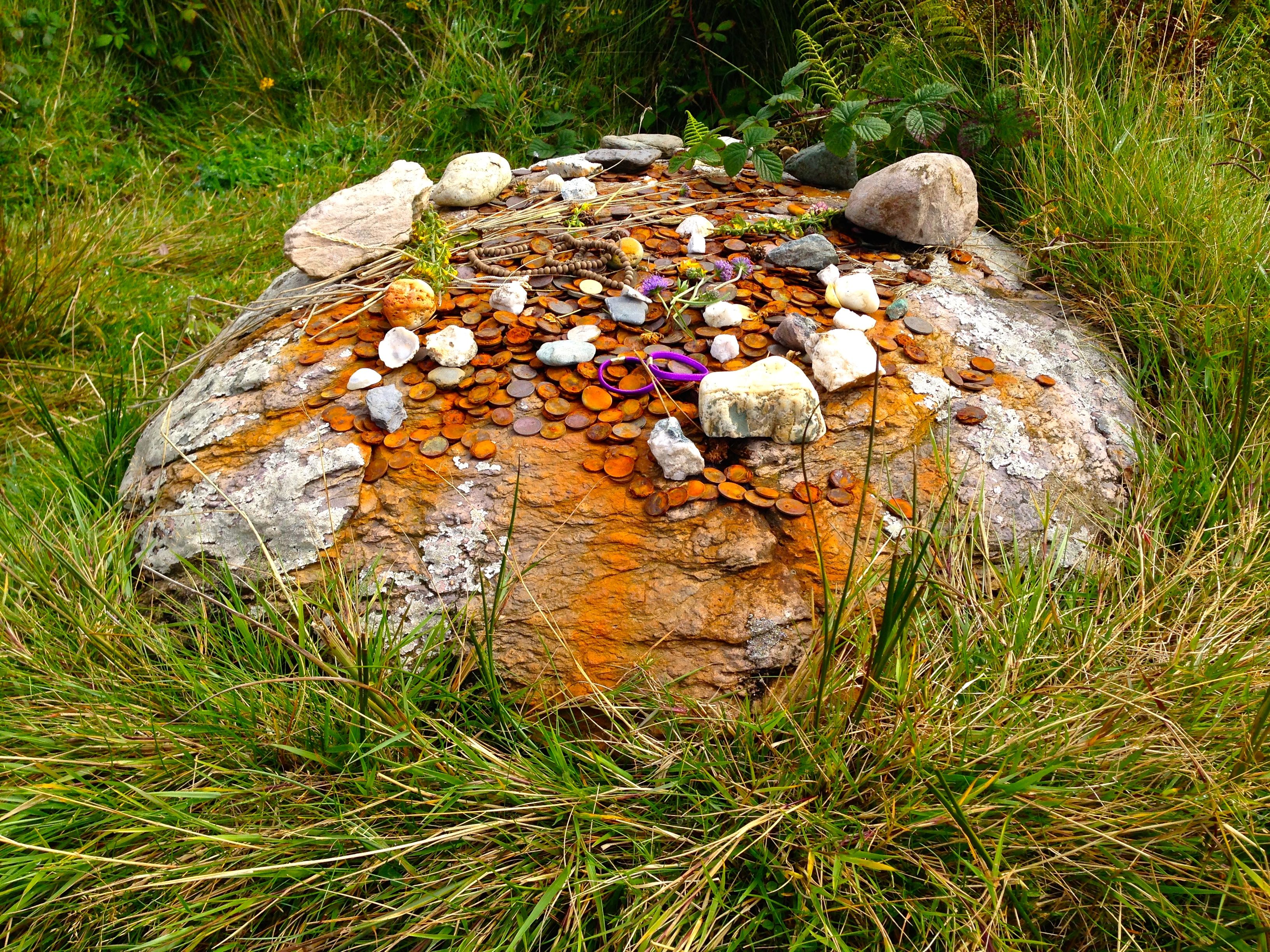
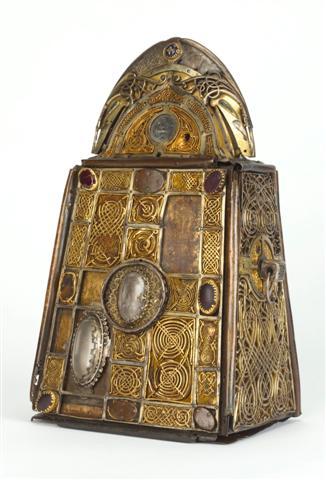
To return to our tale – the Children of Lir took their final journey to the far west of Ireland: to the Beara peninsula in West Cork. There they heard St Patrick’s bell and were transformed to human shape again. A hermit – Saint Kemoc – found them, four ancient, withered people. He baptised them just before they crumbled to dust. This place is marked now by a stone where offerings are made: their story is alive today.

The Lir Stone, near Allihies on the Beara

The Lir Stone, near Allihies on the Beara

patricks bell

St Patrick’s Bell