Ancient Calendars

One of West Cork's ancient calendars

One of West Cork’s ancient calendars

We’ve been catching up on our rock art project this week and it’s brought us out into the field. On Saturday the weather was spectacular – crisp, but with a totally blue sky and vibrant colours. See Amanda’s photo of the day here. We spent most of the day just east of Rosscarbery, a picturesque settlement above the water at Rosscarbery Bay, where the birdlife viewing is always a delight.

One of the sites we visited was Bohonagh. Not only does it boast cupmarked stones, but a very fine boulder burial and a stone circle.
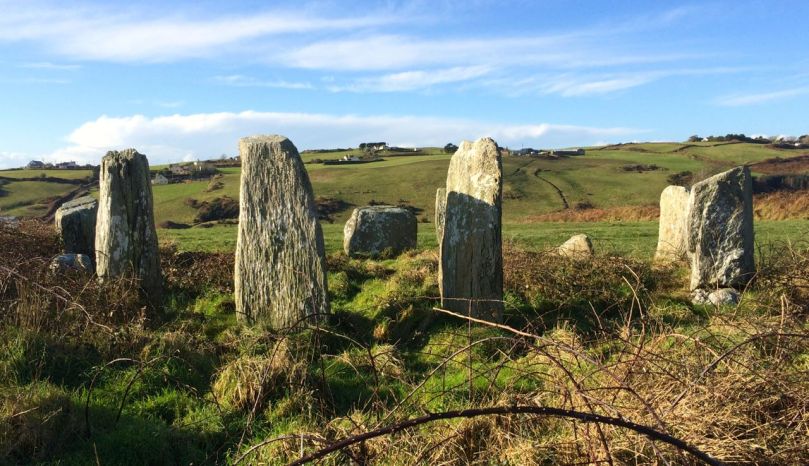
Bohonagh Stone Circle

Bohonagh Stone Circle

West Cork is particularly rich in 3000 year old Bronze Age stone circles and most of them are of the ‘axial’ or ‘recumbent’ type. This means that the circle is laid out on an axis that is oriented in a particular direction. On one side of the circle is a stone laid longways – the recumbent stone. Across from the recumbent are the portals: two tall stones that appear to create a doorway into the circle. Sometimes the stones rise in height from the recumbent to the portals, and the portal stones may be set ‘end-on’ to the circle. There are always, therefore, an uneven number of stones – up to 17 have been recorded, although many circles are incomplete, with fallen or missing stones. The purpose of the axis was to provide a line of sight on a sunrise or sunset (and perhaps even moonrise and moonset) at important calendrical points such as solstices and equinoxes.

The portal stones at Bohonagh

The portal stones at Bohonagh

Bohonagh quartz

Quartz at Bohonagh

A feature of these circles is that many of them include quartz rocks: sometimes as one of the circle stones, sometimes as an additional rock in the interior or exterior of the circle, and sometimes on a nearby monument such as a boulder burial. At Bohonagh there were several quartz rocks, including one lying outside the circle and two supporting the boulder burial. In one case, at Ballycommane, we have seen an enormous quartz rock function as the capstone of a boulder burial – quite awe-inspiring in its visual impact. Interestingly, this same phenomenon occurs in a stone circle in Cornwall – Boscawen-Un in the West Penwith Peninsula, not that far from West Cork! As we watched the quartz under the boulder burial glisten in the sun (impossible to capture on a photograph) we knew it had to be seen as a very special stone to the builders of these circles.
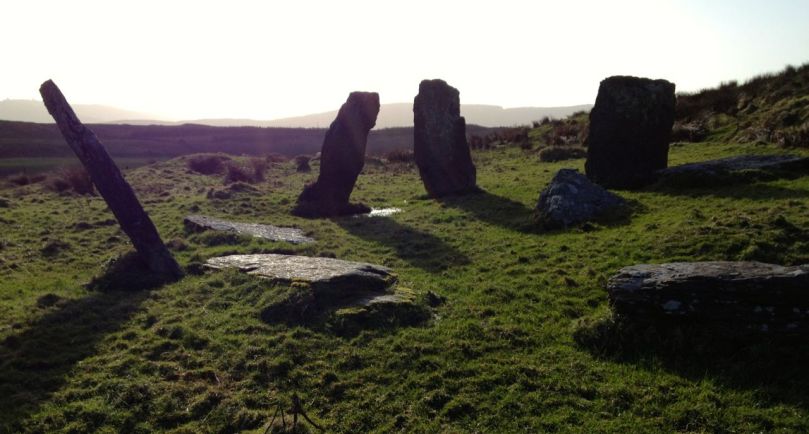
Brooding stones at Dunbeacon

Brooding stones at Dunbeacon

Stone circles often command sweeping views of the surrounding countryside. This makes them well worth visiting, even if a goodly hike is involved. Because they are invariably located on private land, it is good practice to try to track down the landowner and request permission, and of course to always close gates and observe good field etiquette on a visit. Don’t be surprised to find that many are no longer intact: the centuries have taken their toll and many of the stones have fallen or disappeared over time. On the upside, this adds to the romantic wildness of the scene.

Gorteanish Stone Circle, re-discovered in the laying out of  the Sheep's Head Way

Gorteanish Stone Circle, re-discovered in the laying out of the Sheep’s Head Way

One of the most famous of the West Cork stone circles is Drombeg, near Glandore. Here, people gather on the winter and summer solstices to witness sunrise and sunset.
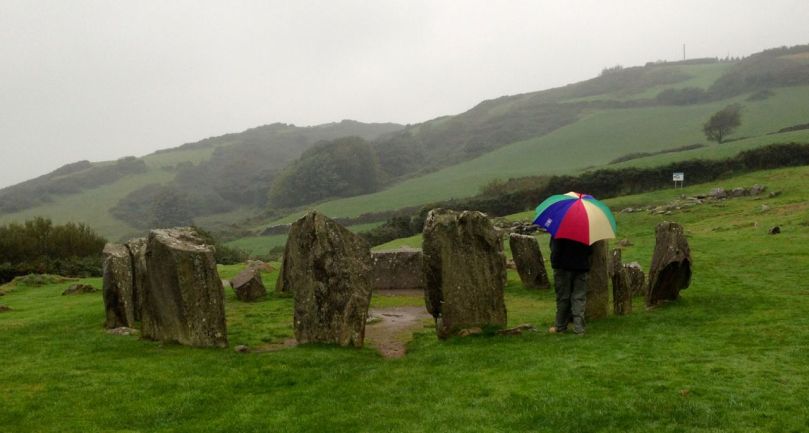
Drombeg on a wet day

Drombeg on a wet day

At Bohonagh, the alignment is to the spring equinox sunrise and sunset, due east and west. We plan to be there!

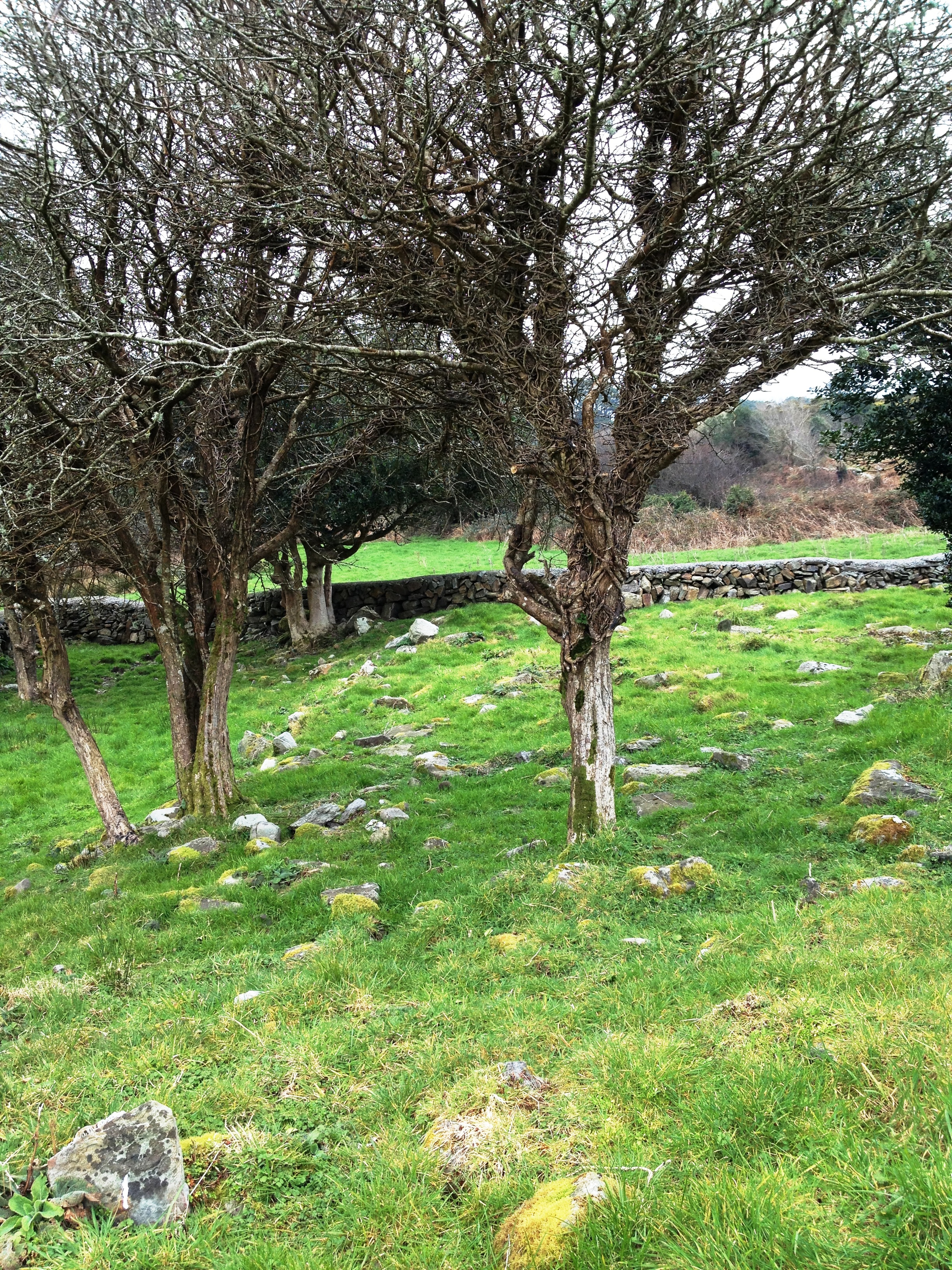
Unknown Souls

Unmarked gaves

Unmarked graves in a section of a Protestant churchyard

Dotted across the countryside around us, and throughout Ireland, are the loneliest places on earth. These are the cillíní – the children’s graveyards. A cill (kill) is a monk’s cell or church site, cillín (killeen) is the diminutive and cillíní (killeenee) is the plural: small churches. Ironically, the cillíní despite their names were usually non-church sites. They were burial grounds reserved for unbaptised children (those who died before they could be baptised or were perhaps born out of wedlock), pregnant women (because they were carrying unbaptised children), unrepentant murderers, suicides, shipwreck victims and strangers – anyone, in short, who was not ‘saved’ or whose baptismal status was ambiguous or unknown. They were used into the twentieth century. Some cillíní were also used for mass burials during the time of the famine.

Also used for mass famine burials

This burial ground was used as a mass grave during the famine

This week we attended a fascinating talk on cillíní by William Casey, a local historian. As he explained it, the teachings of the Catholic Church on where unbaptised babies go after death had evolved from a position of ‘they go to hell’ (Augustine, 4th century) to a more moderate invention of the concept of Limbo (Thomas Aquinas, 13th century) – an in-between place where these lost souls would dwell eternally, never to suffer but never to reach heaven.

An 11th century round tower watches over the wandering souls

An 11th century round tower watches over a graveyard; a recent plaque commemorates lost souls

This ‘placelessness’ extended to their burial: cillini were normally situated away from the what the church considered ‘consecrated ground.’ Locations often contain poignant echoes of other trapped or wandering souls: boundaries, for example, of parishes or townlands were chosen.  Sometimes cillíní are found in ring forts. Known in Ireland as ‘fairy forts’ these ancient sites were believed to be the domain of the , the fairy folk who also inhabited the world in between earth and heaven. The association of the ring forts with the fairies guaranteed their security – if you interfered with a ring fort bad luck would dog you from that day on.  Protestant churchyards were also used, or areas within or near abandoned or ruined church sites. Perhaps, as William put it, these choices reveal an attempt by parents to ensure their children were buried in holy ground, while still adhering to the strict rules of the Catholic Church

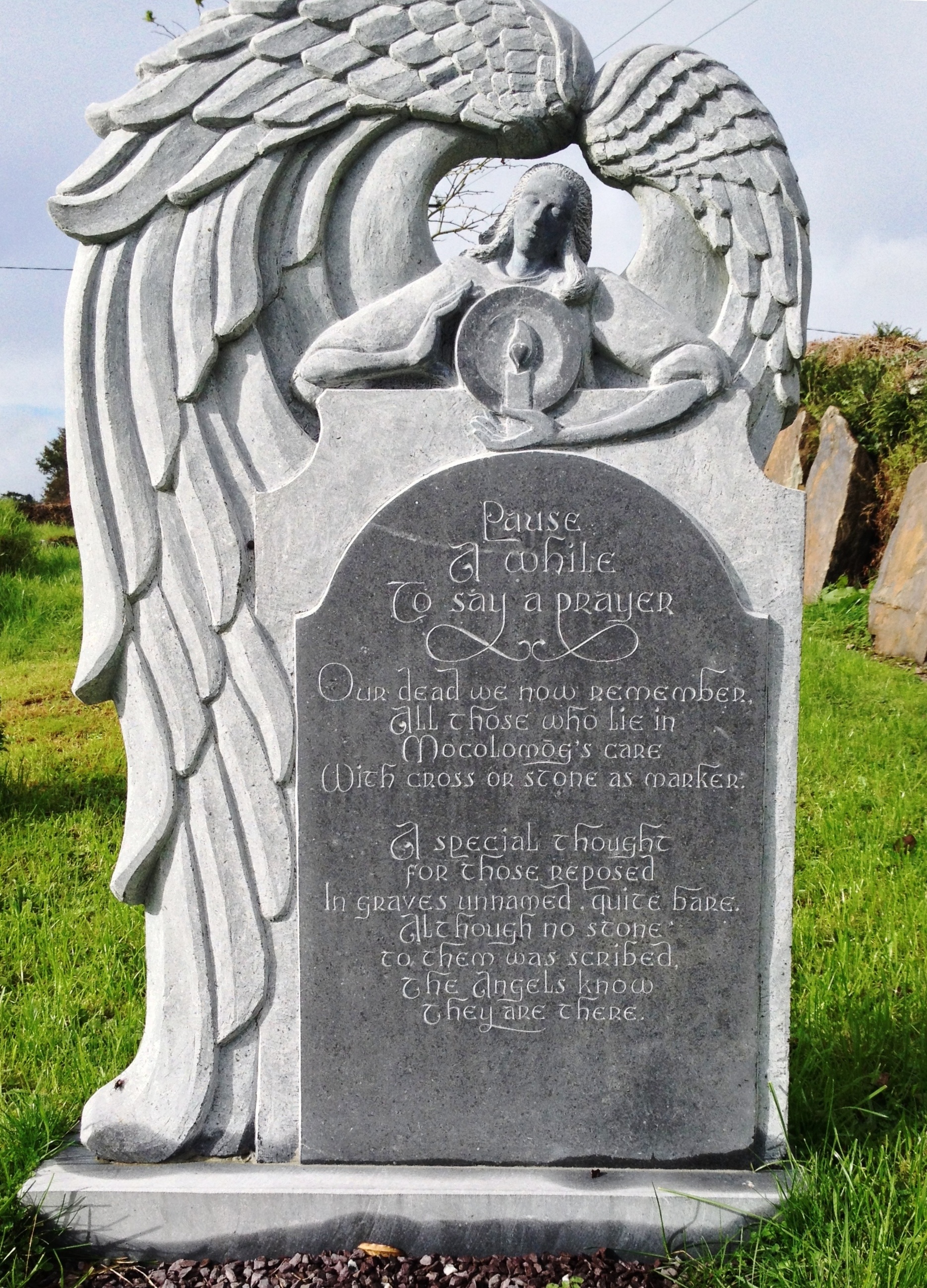
Let us not forget them

Pause a while

Maybe the saddest thing we learned from William’s talk was that tiny children who had died before baptism were buried at night, by lantern light, by the father and male relatives. Women had no role to play and the mother was not present. The grave was placed east-west, alongside other babies who had been buried in the same way and marked, if at all, with a small uninscribed stone. Over time many cillíní melted into the surrounding landscape and are now impossible to find. Others have been restored so that these lost souls will not be forgotten. Here, simple monuments invite us to remember. They attempt to reinstate the dignity and hope that were once robbed by the rigid beliefs of another age.

This medieval church was used as a cillin and most recently as a grotto

This ruined church was used as a children’s burial ground and most recently as a grotto

Old Stones

A classic piece of Rock Art - on display in Dublin's National Museum

A classic piece of Rock Art – on display in Dublin’s National Museum

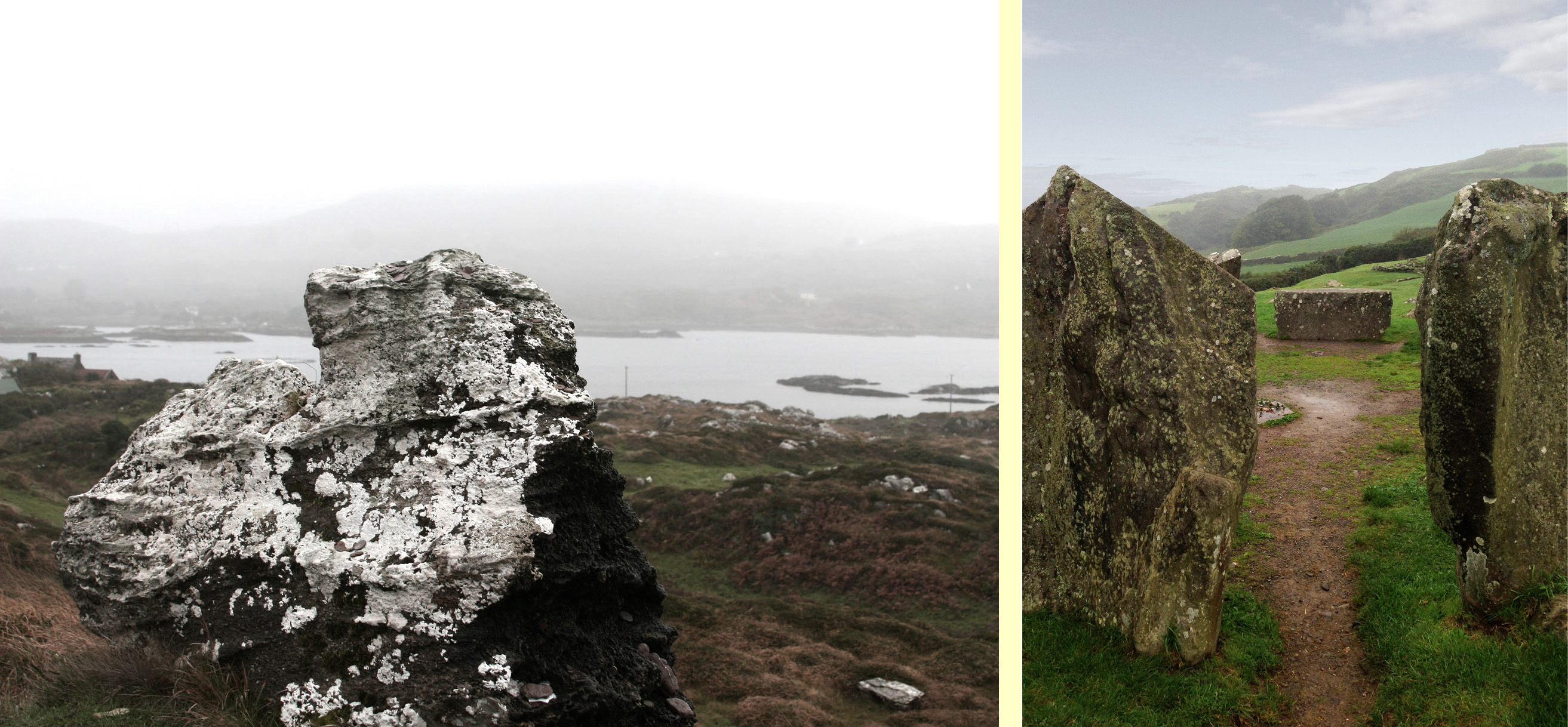
As we enter October, we begin to look towards the dark part of our year – and to think of the Cailleach who, in these western parts of Munster, is known as The Hag of Beara: in early tales she is pictured as a prolific figure responsible for shaping the landscape by carrying huge stones in her apron and dropping them to form hills and outcrops, as well as ancient standing stones, circles and alignments. She is also seen wielding a great hammer with which she sculpts and refines her geological creations. She has had seven periods of youth, one after another, so that every man who lived with her came to die of old age. Her grandsons and great grandsons are so many that they make up entire tribes and races. She falls asleep on Bealtaine (May 1st) and wakes again on Samhain (November 1st) – we will be looking forward to the storms which will herald her coming. Until then she rests on a hillside overlooking Coulagh Bay, beyond Allihies on the remote Beara Peninsula, where her rocky incarnation depicts her as both a young maiden and an old crone.

Monuments in the mist: The Hag of Beara and Drombeg Circle

Monuments in the mist: The Hag of Beara and Drombeg Circle

Ireland is stuck in a stream of warm air coming up from the tropics at the moment: this makes temperatures two or three degrees higher than the norm for early autumn, but also causes a damp landscape shrouded in fog: we have missed our view of the Fastnet for several days.

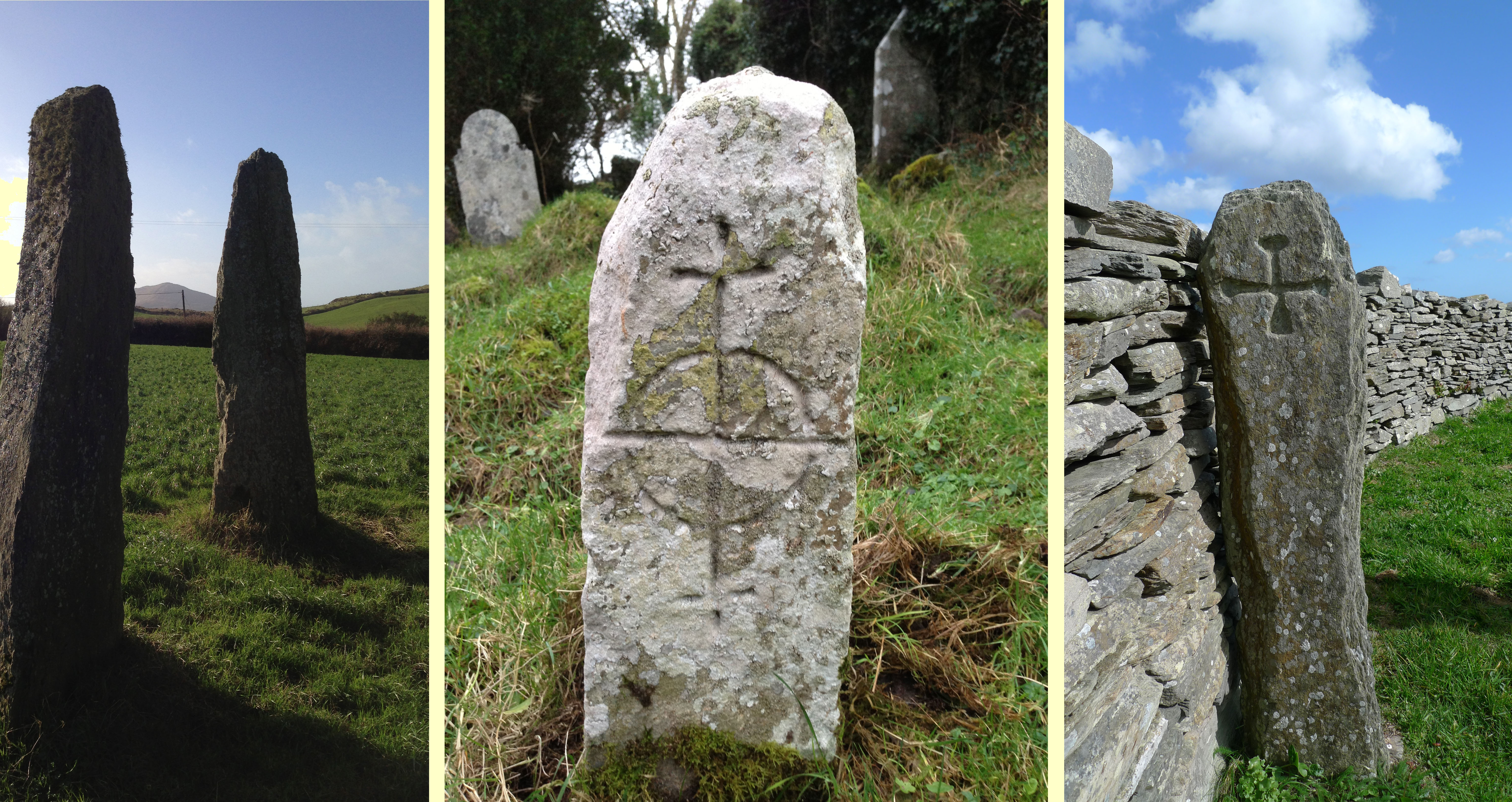
Standing stones

Some West Cork standing stones

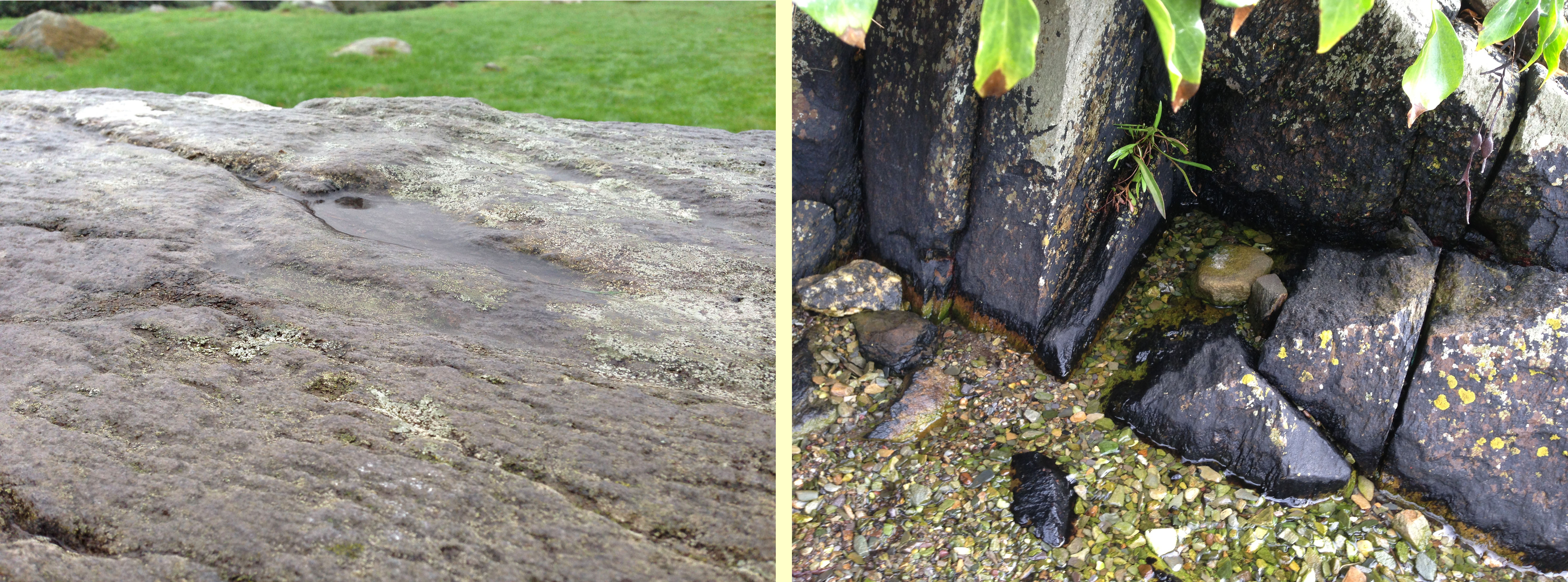
The weather hasn’t hindered our exploration of Ireland’s old stones – the terrain created by the Hag. Yesterday we went to Drombeg Circle: a popular site for tourists. Many visitors will fail to notice the rock art carved on the recumbent stone that points out this megalithic monument’s alignment with the winter solstice. At the foot of another stone we found some enigmatic markings which I readily interpreted as a dancing Hare.

Drombeg Rock Art - and a mysterious Holy Well in Rossbrin Cove

Drombeg rock art – and a mysterious holy well in Rossbrin Cove

Bishops Luck - a megalithic close by Nead an Iolair: according to local legend, a

Bishop’s Luck – a megalith close by Nead an Iolair: according to local legend, a bishop is buried under this!

Ireland’s history is written in stone: the natural landscape; megalithic monuments; buildings – cottages, castles, farms, churches, lighthouses; every townland is rich in examples. Building material, track surfacing, grave marker and artists’ canvas (perhaps): stone has been a resource to aid human occupation for thousands of years.

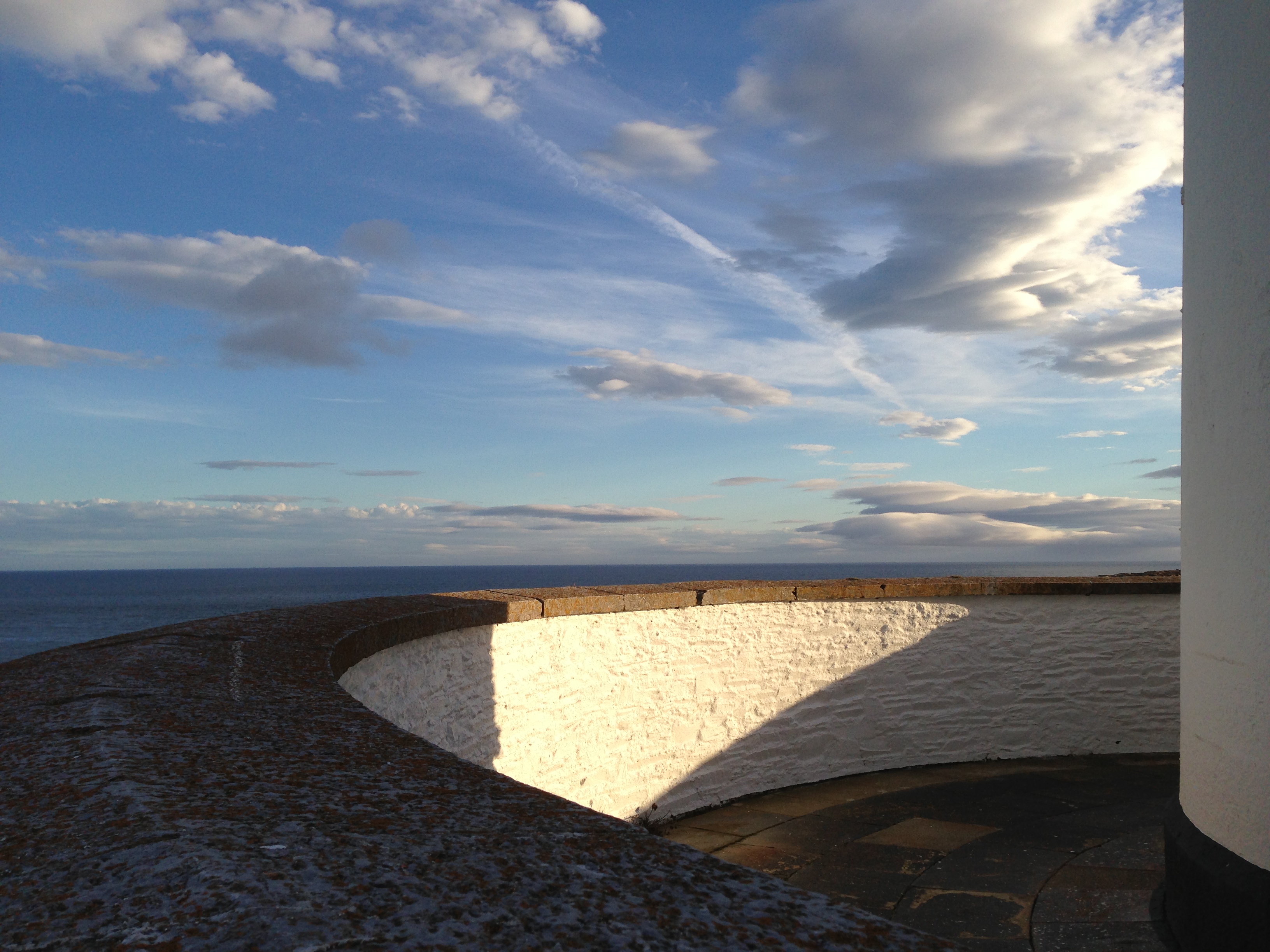
Stone in context: Galley Head Lighthouse

Stone in context: Galley Head Lighthouse

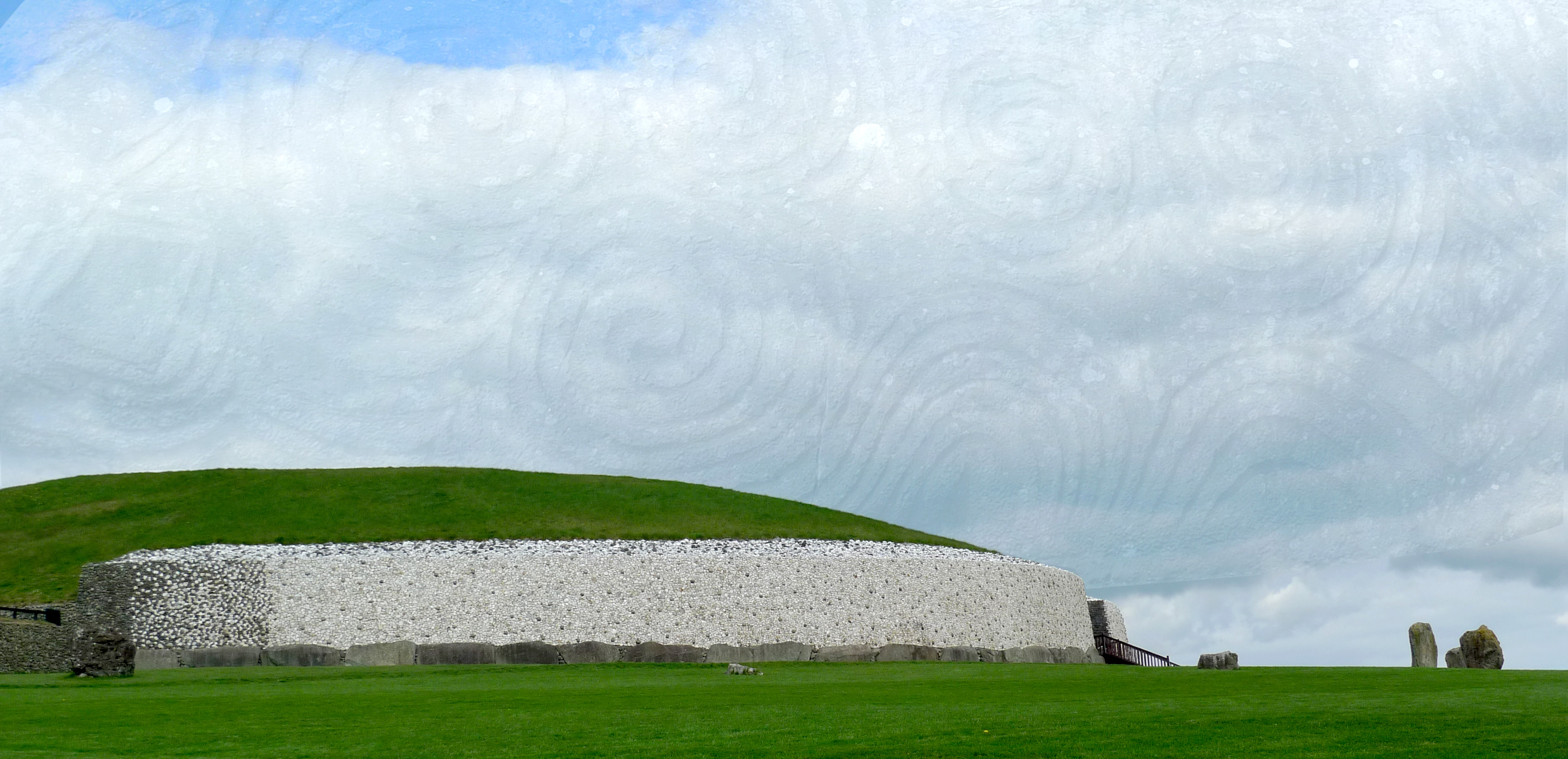
The ultimate stone monument - Newgrange Passage Grave, County Meath - the spectacular quartz facing is a conjectural reconstruction

The ultimate Neolithic stone monument – Newgrange Passage Grave, County Meath – the spectacular quartz facing is a conjectural reconstruction

At Sea Level

mysticwaters

THE SUMMER sun is falling soft on Carbery’s hundred isles,

The summer sun is gleaming still through Gabriel’s rough defiles;

Old Innisherkin’s crumbled fane looks like a moulting bird,

And in a calm and sleepy swell the ocean tide is heard…*

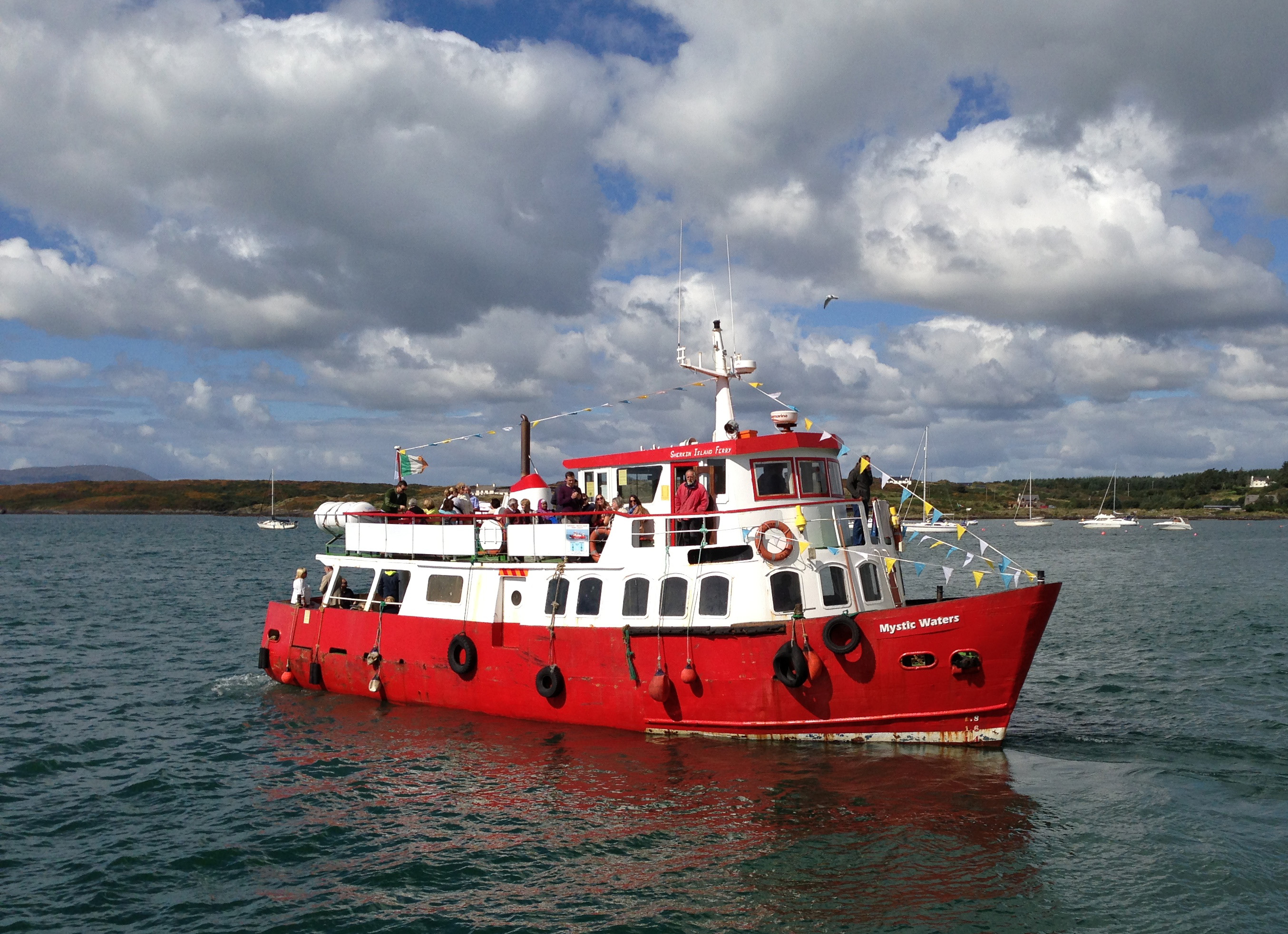
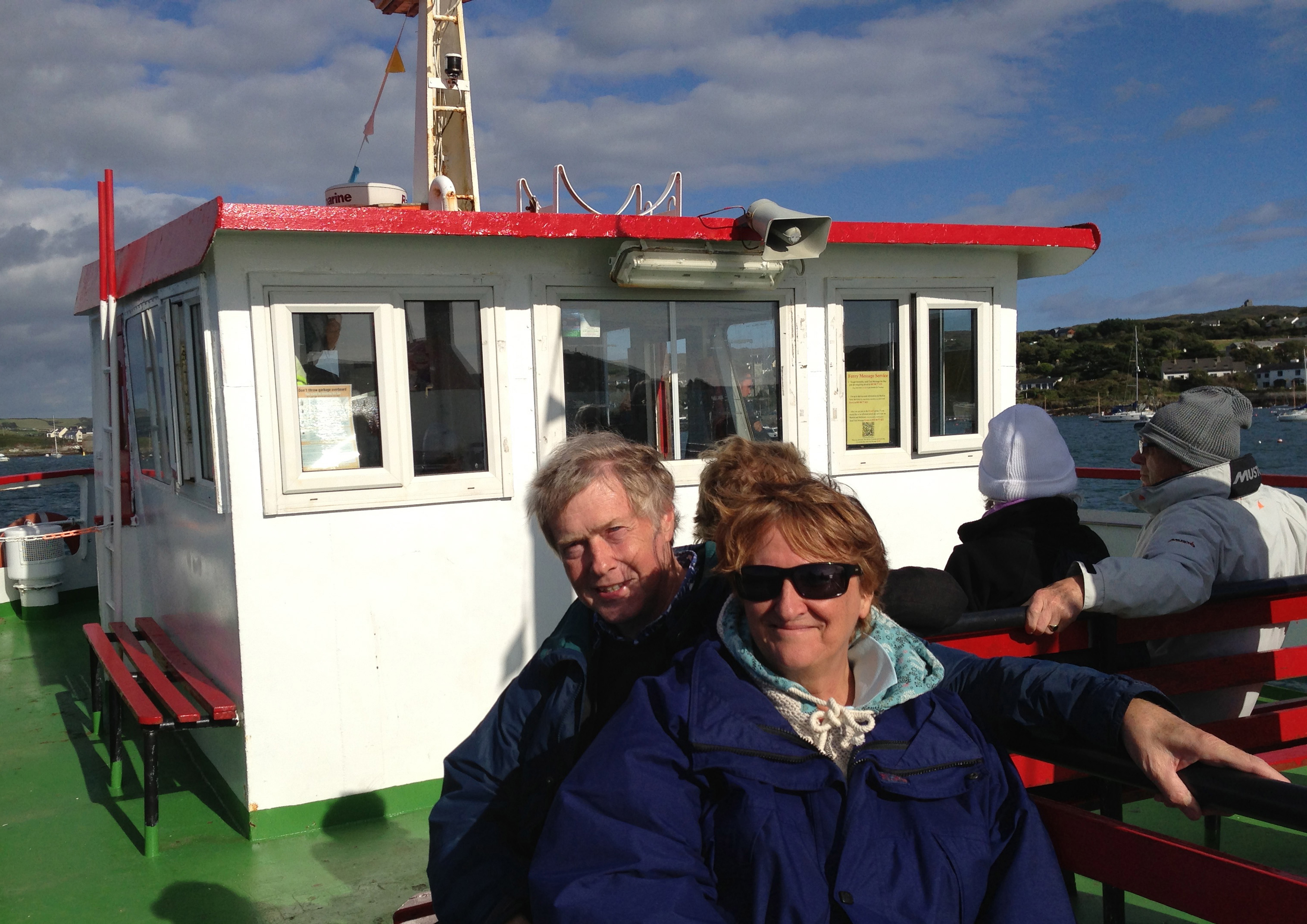
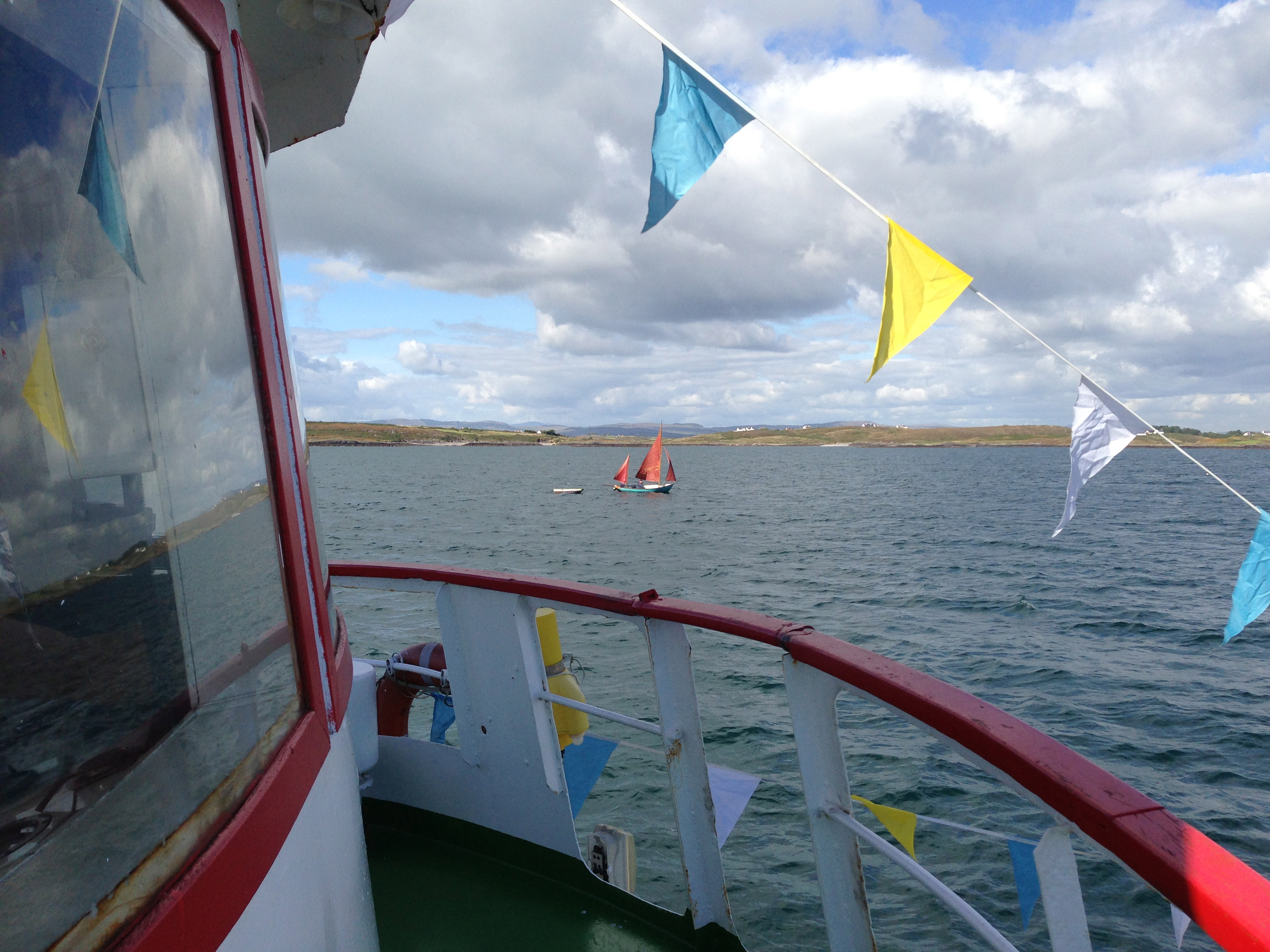
The little red boat that spends most of its days plying the ten minute crossing between the mainland and Sherkin island is occasionally let off its leash to go further afield and explore the Islands of Roaringwater Bay – ‘Carbery’s Hundred Isles’. We signed up for yesterday’s voyage: every day we look down over these waters from our nest up on the hill, and we welcomed the opportunity to explore our view from within it. This event was organised as part of the Taste of West Cork Food Festival, and we had the bonus of enjoying trays of good food and drink as we savoured the scenery.

carbery isles

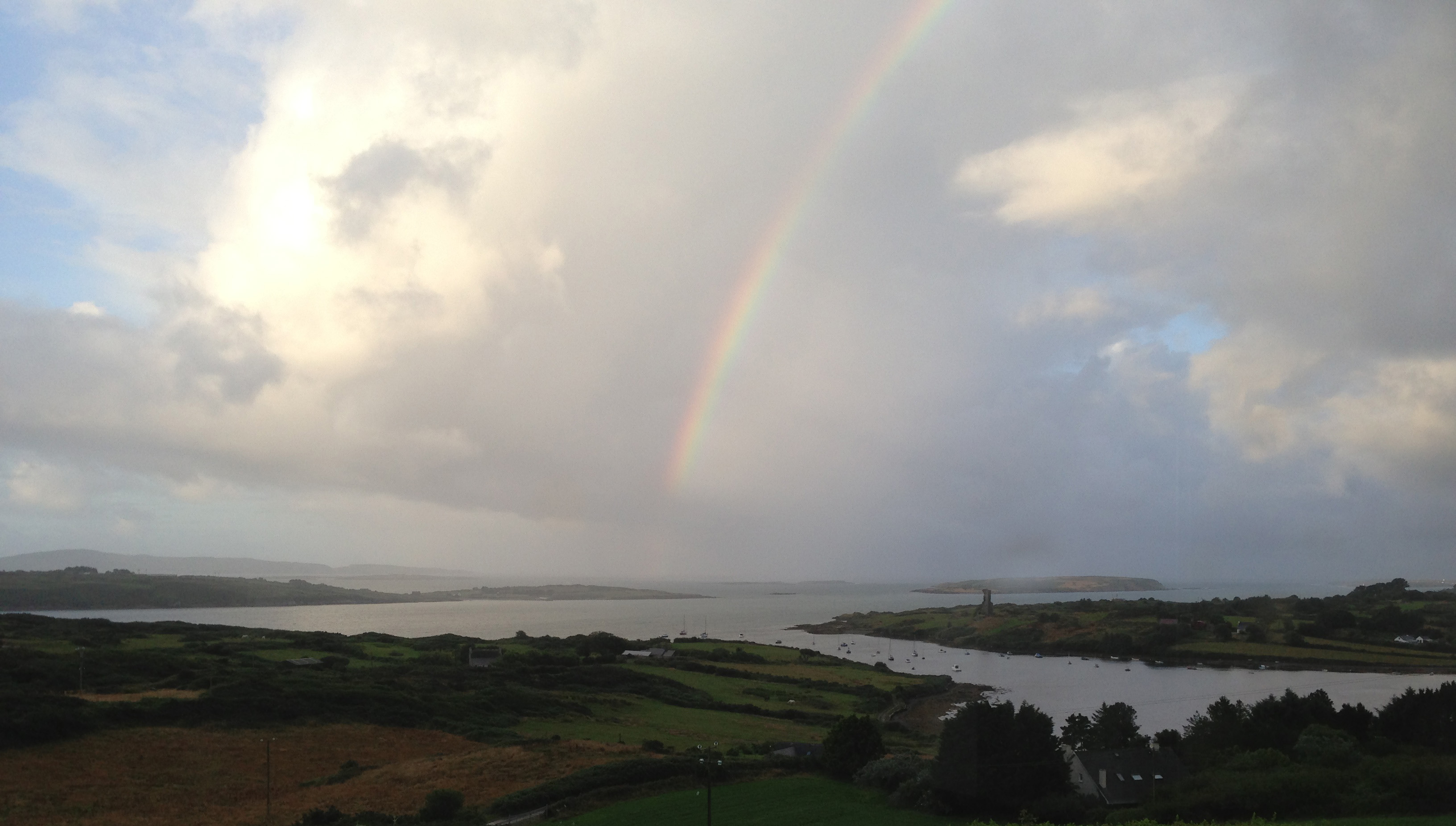
The late summer sun was certainly ‘falling soft’ as Mystic Waters pulled away from Baltimore. Perhaps it was the last of the summer sun as our view from Nead an Iolair today has gone! There’s not one island to be seen through the driving rain, and the Atlantic storm is sending our weather-vane spinning…

aboard

Some of the ‘Hundred Isles’ are little more than perches for gulls and cormorants, but a few are still inhabited – Clear, Sherkin, Hare and Long Island – while ruined evidence remains to show that many more have once supported small farmsteads – The Skeams, The Carthys, Calf Islands and Castle. Horse Island is the residence of one family – with plans to establish a distillery there.

A traditional Hare island lobster boat - sailing past Hare Island

A traditional Hare Island lobster boat – sailing past Hare Island

Middle Calf

Middle Calf

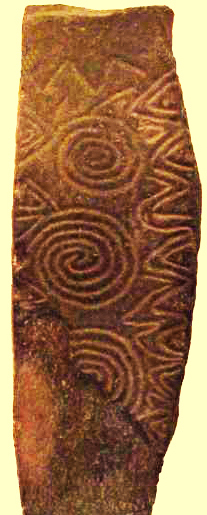
capeclearstone3We didn’t land on any of the islands yesterday: we hope to visit some in the future. My first goal is the Middle Calf – a Hare Haven! But we do need to catch up on some Rock Art. There are marked stones on Horse Island while Clear (an Irish speaking community – part of the Gealtacht) supports a Neolithic chambered tomb which once contained a remarkable artefact: a carved stone with spirals, lines and zigzags, much more akin to the decorated boulders of the Boyne Valley Culture than the cups and rings of West Cork and Kerry. The stone (now – sadly – removed to the Cork City Museum) was part of a passage grave sited on the highest point of the island. Like the huge Newgrange monuments, the passage here is aligned on a solstice sunrise. As we look out through the mist today it’s a sobering thought that a sophisticated, scientifically aware society resided on these remote islands over 5,000 years ago.

* This poem was written by Thomas Osbourne Davis (1814 – 1845) and records the Sack of Baltimore of 1631 when Barbary pirates raided the town and took over 100 residents into slavery.

Ghosts of the Past

An abandoned village slowly returns to the bog

An abandoned village slowly returns to the bog

Amanda, Bardic School

Amanda, Bardic School

Amanda and Peter Clarke were our hosts yesterday for a Sheep’s Head Day. They know the peninsula intimately and were able to take us to places we would never have found on our own. They also love it: they have made their lives in Ahakista in a beautiful old farmhouse with a productive garden, and between them manage several projects that are great local resources.

We have written about the Sheep’s Head Peninsula in previous posts. It’s a wild and beautiful place, criss-crossed by a network of world-class marked trails, and full of prehistoric and historic sites. Part of our tour took in the Bardic School, about which Robert wrote in his Kings and Poets piece. But mostly what we saw was new to us: an impressive stone circle and a stone alignment, a lonely and moving famine graveyard, the remains of a pre-famine village, and finally a holy well and mass rock site.

The stone circle is probably the recumbent type, in which two tall portal stone stand opposite a stone with its longest axis parallel to the earth. The sightline from the portals over the recumbent stone is often focused on a solstice sunrise. Stone alignments in this area tend to be three to five stones in a row and may also be part of the solar and lunar observatory system that is characteristic of many Neolithic and Bronze Age monuments.

2013-03-02 11.04.30

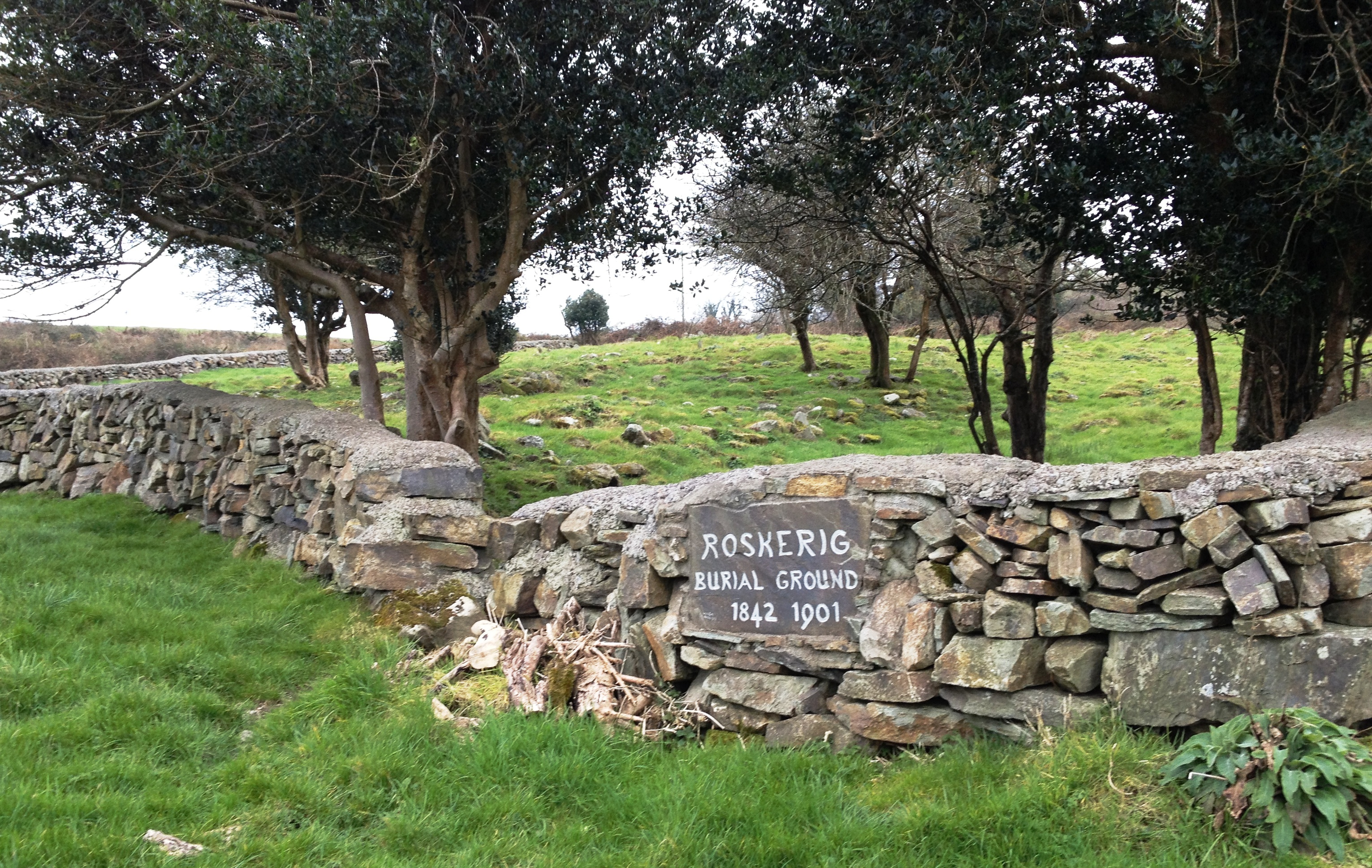
Ireland before 1845 had a population of 8 million people. Over a million died of starvation and disease and another million emigrated in the period of the Great Famine, from 1845 to 1852. West Cork was one of the epicentres of the disaster. It is still alive in the folk memory of the people and we saw two graphic reminders of it on our tour. The first was the Roskerig burial ground. Although stones were scattered around the graveyard, not a single inscription was visible, as if it had been hastily used in a chaotic time and then forgotten. The second reminder was the remains of a long-abandoned village, now slowly returning to the bog.

2013-03-02 11.23.39

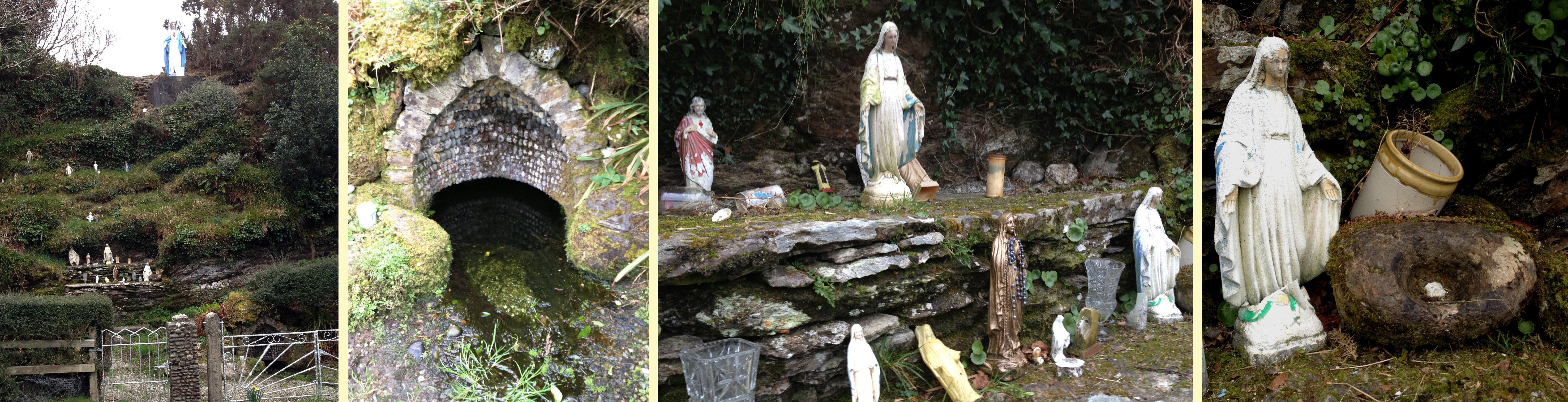
The holy well and mass rock are dedicated to Mary and are adorned with multiple images of her. The well is still in use and credited with miracle cures. The mass rock, where a crowd would gather outdoors in the days of the Penal Laws that outlawed Catholicism, to hear mass, is well preserved. When the Redcoats got wind that a mass was in progress and came to arrest the priest, Mary threw up a thick mist around the area to confuse the soldiers and allow the priest to escape. In acknowledgement, we deposited our coins in the well and said a prayer for something close to our hearts.

well

Uisce Beatha

fishy

Ireland is an island – a fairly small one. There’s a lot of water surrounding it (3,500 miles of coastline) and coming out of the sky. This abundance of water has shaped the natural landscape and coloured it emerald green. Not surprisingly, traditional life, history, culture and folklore in this country are imbued with watery references.

Schull Pier

Schull Pier

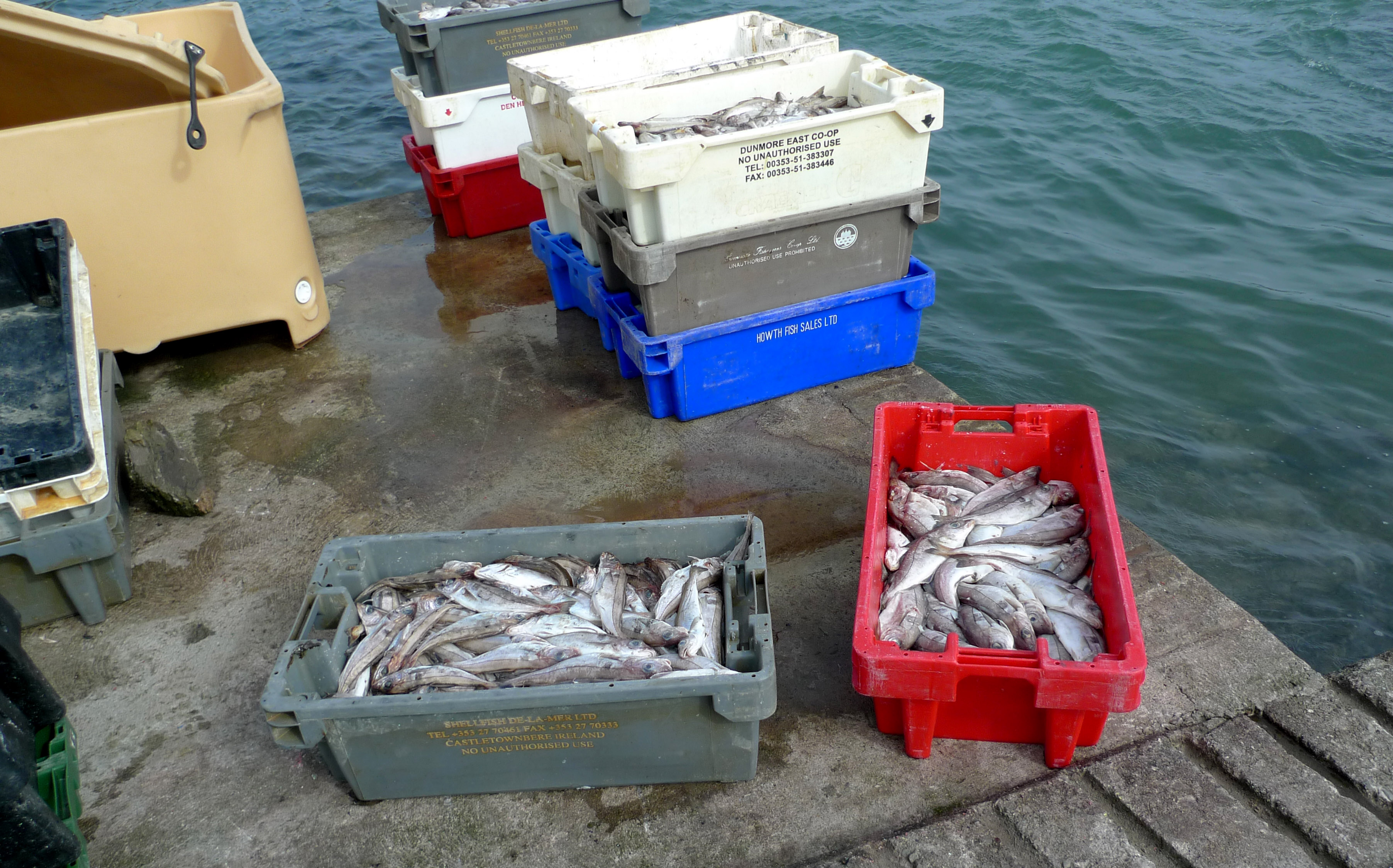
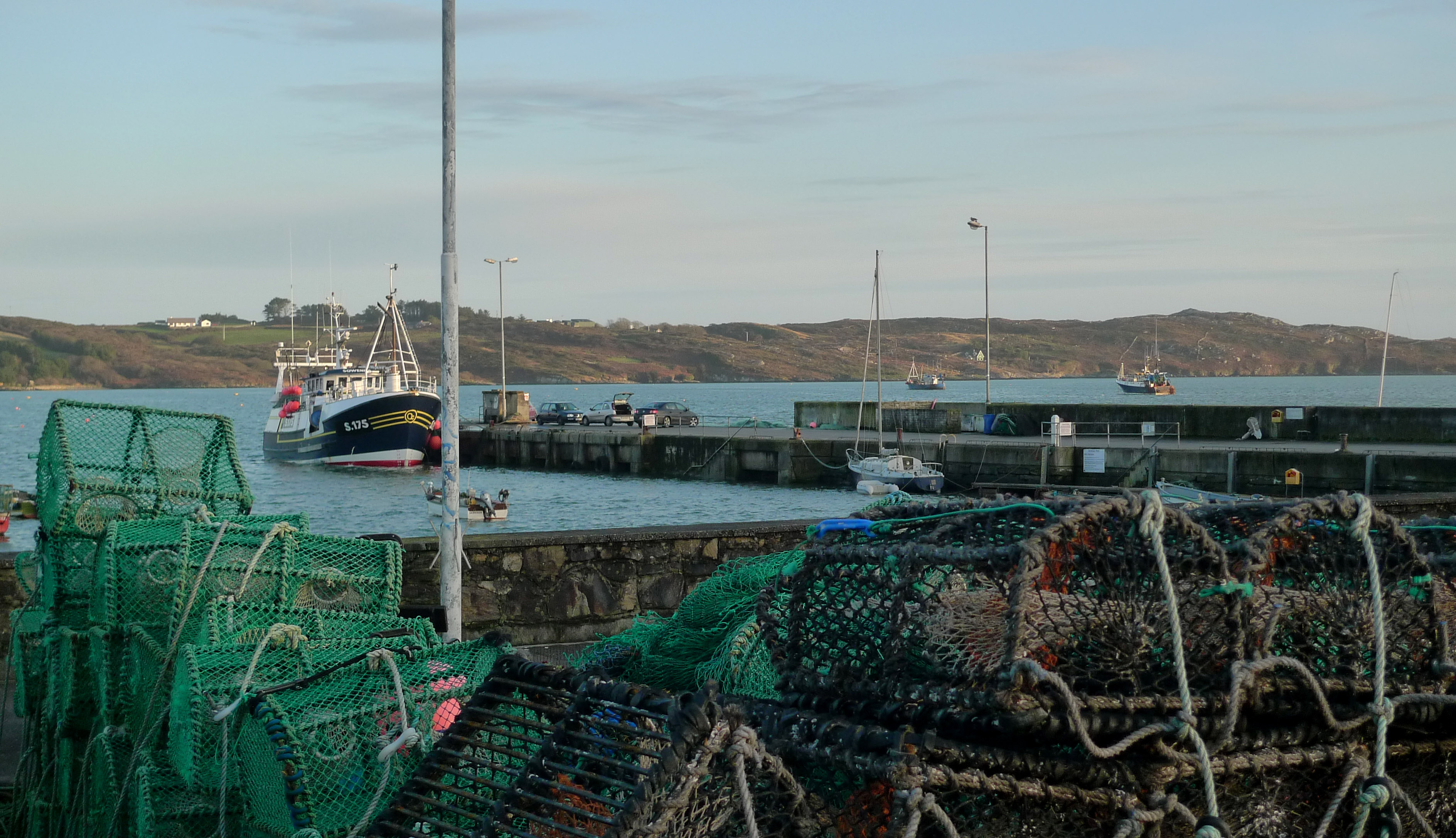
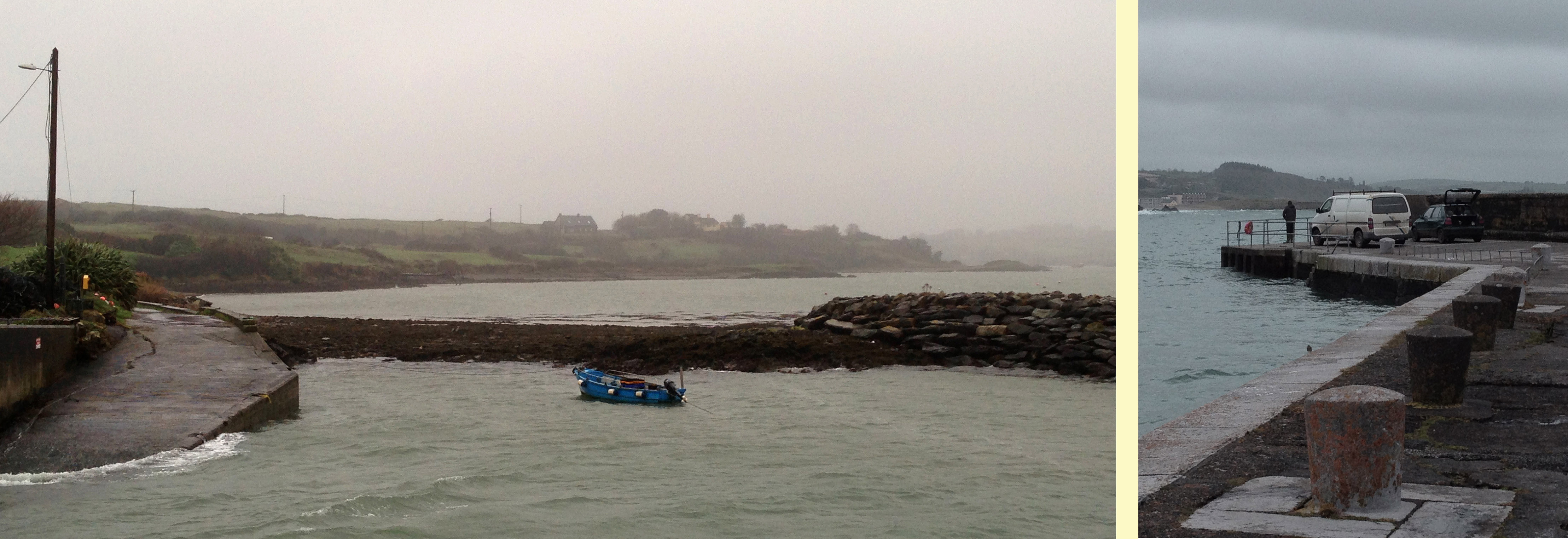
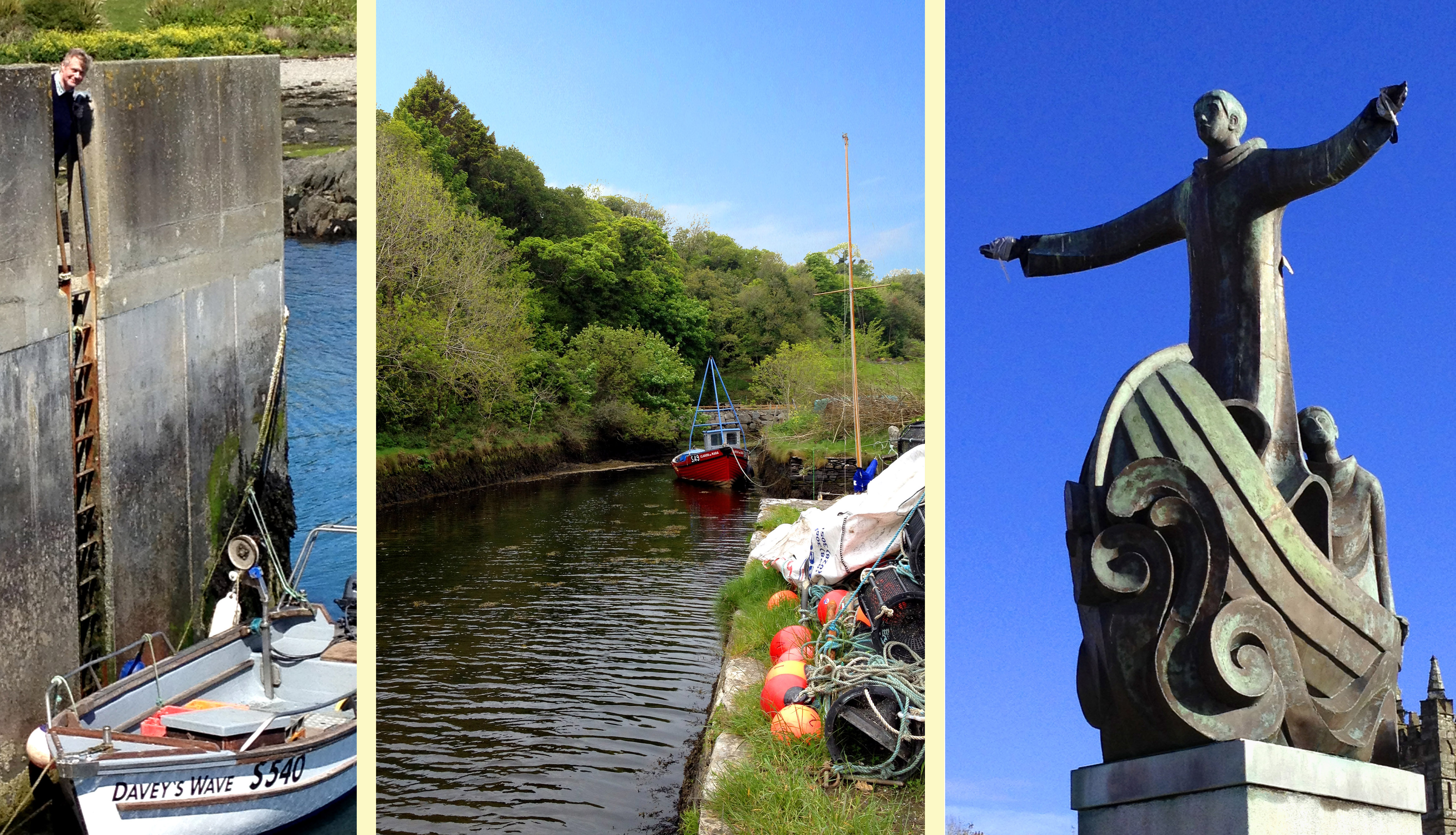
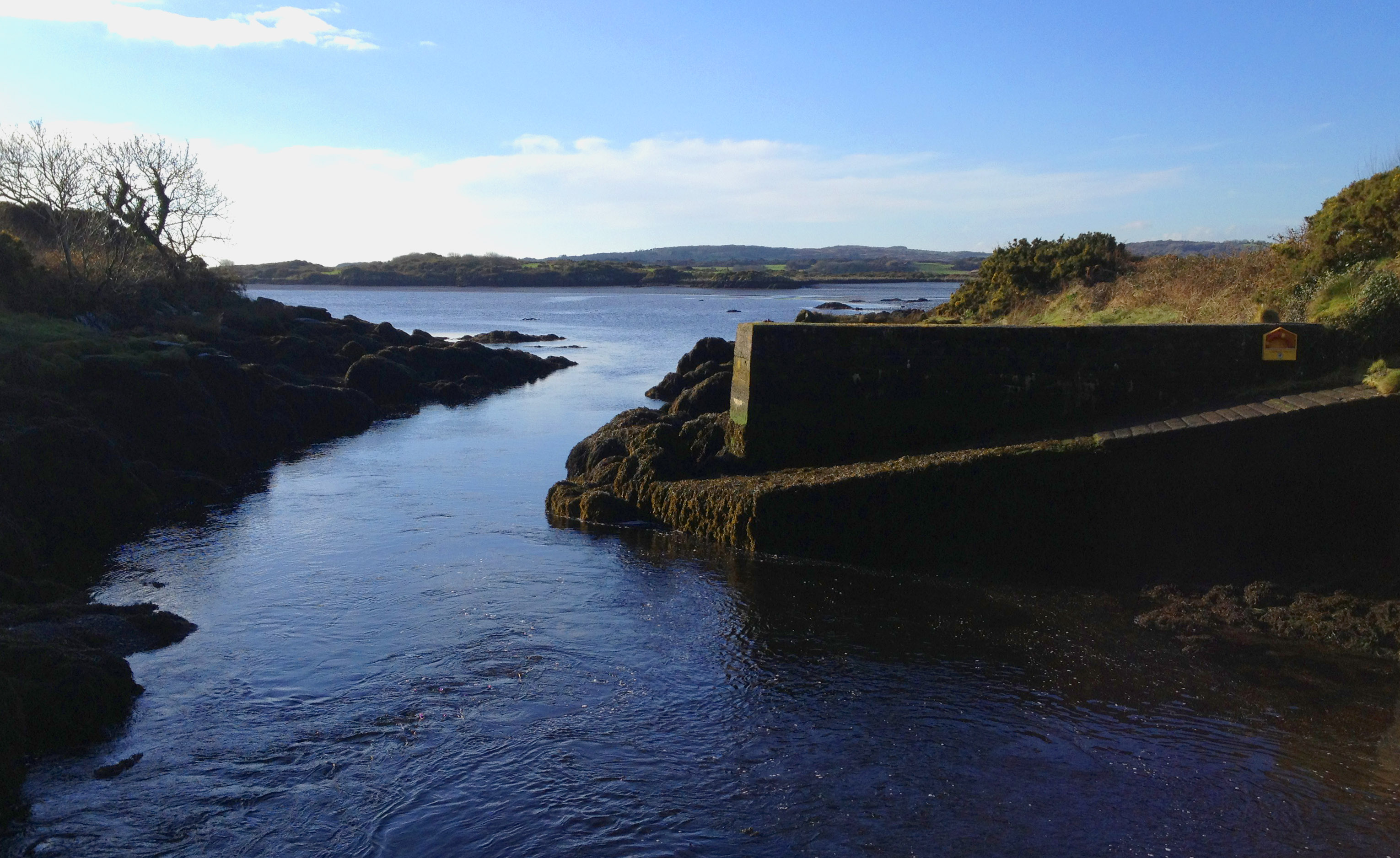
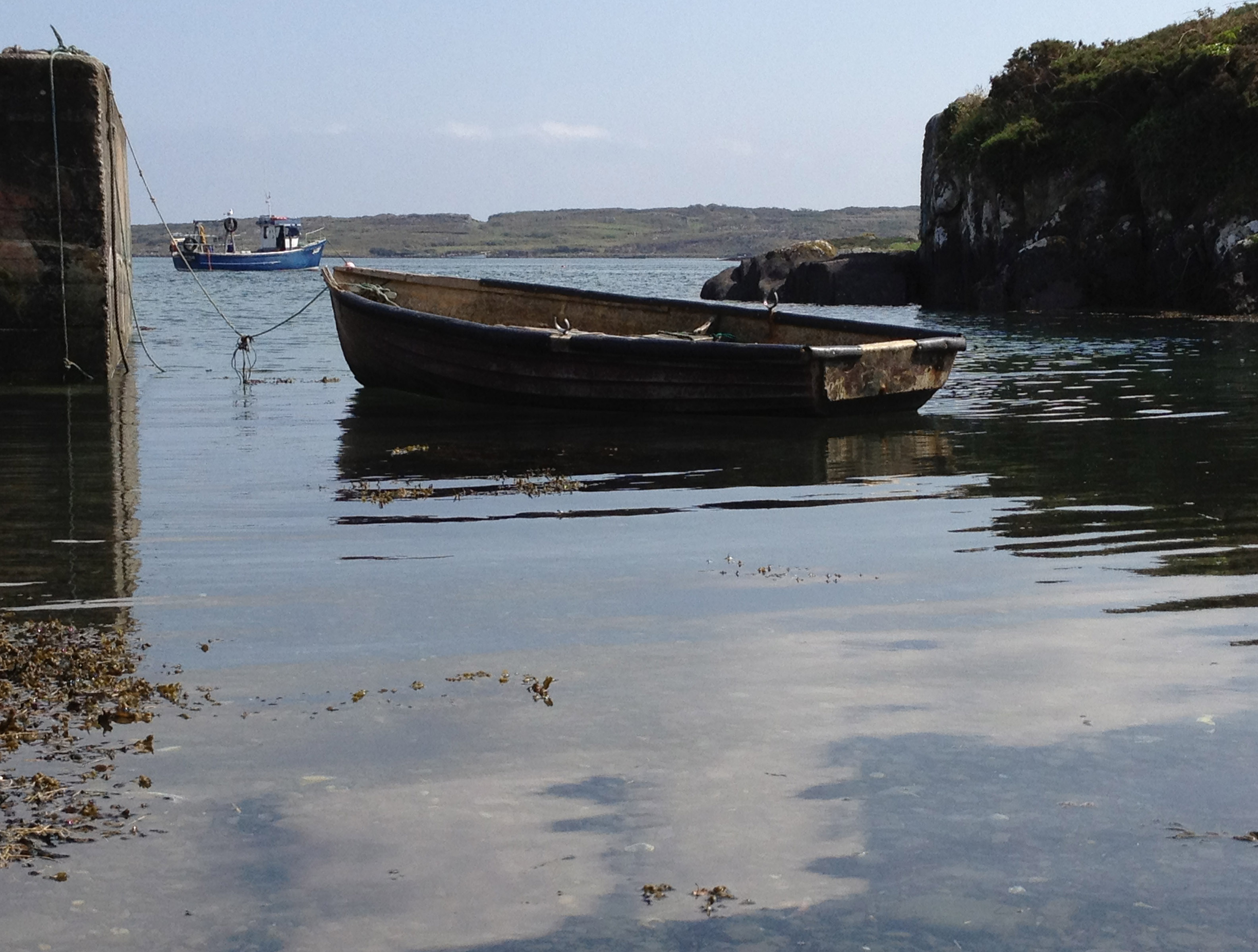
Down here in West Cork you are never more than a mile or two from the sea: it has historically provided defence, sustenance, isolation and wealth. When the O’Mahony and O’Driscoll clans ruled here in the fifteenth and sixteenth centuries it was recorded that more than 500 large fishing boats from France, Spain, and Portugal were constantly harvesting the fish shoals off the Mizen. Each chieftain’s income from the foreign ships surpassed £1,000 annually by way of fishing rights, harbour dues and protection money (that’s about 3,000 cows in trading terms in those days). Today you can still see evidence that the bays, inlets and islands have long provided income and a means of transport to the local communities: there are small piers everywhere. There’s an ancient one – ruined but still visible – just below us at Ard Glas, and an hour’s walk along the water would take in half a dozen others mostly still maintained in good order and regularly used.

cunnamore-roscarberry

Piers at Cunnamore and Roscarberry

When we go up to the market in Bantry on a Friday morning to get our own fish fresh from the local quays we pass by the statue of St Brendan the Navigator. In the sixth century Brendan set out with forty other monks in a little boat to find the Island of Paradise; instead, they discovered America, returning after seven years to tell of their many adventures with sea monsters, miraculous islands and sirens. In the 1970s Tim Severin recreated Brendan’s twin masted boat using Irish ash and oak lashed together with two miles of leather thong and wrapped with 49 traditionally tanned ox hides sealed with wool grease. In this he sailed for a year via the Hebrides and Iceland to reach Newfoundland, thus proving that the legend could have been based on fact.

Colla Pier, Roaringwater Pier and St Brendan

Colla Pier, Roaringwater Pier and St Brendan

The 'lost' pier at Bealaclare

The ‘lost’ pier at Bealaclare

In 2010 two fishermen found a small canoe in the Boyne River. It’s reckoned to be 5,000 years old and may have carried stone for the building of the great passage tomb at Newgrange (that predates the Pyramids). That boat is only 3 metres long, but another canoe discovered in 1901 in Co Galway is even older and much bigger: 15 metres long, hollowed out from the trunk of a single oak tree that was over 2 metres in diameter: something that couldn’t be found in Ireland today. It probably had outriggers and could have been used to bring tin from Cornwall to mix with the locally mined copper, enabling the Bronze Age to take off. Fascinating.

Bronze Age Canoe

Bronze Age Canoe

Every day we look out over the water, and on all our walks we have glorious views over the bays, the Celtic Sea and the Atlantic. That’s a constant in our lives that I don’t think we could ever do without.

Oh – by the way: Uisce Beatha (pronounced Ish-kah Baahaa) – that translates literally as Water of Life – and, in Ireland, also as ‘Whisky’.

Turk Head Pier

Turk Head Pier