The Children of Lir

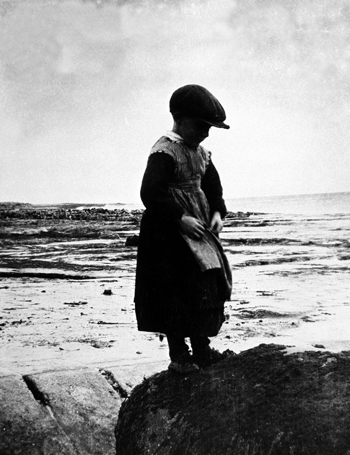
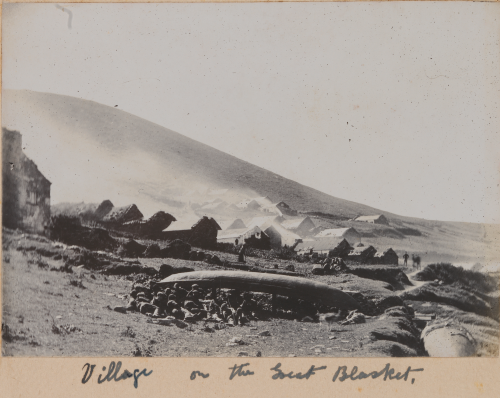
Artist Warren Osborne's depiction of the enchanted Swans

Artist Warren Osborne‘s depiction of the enchanted Swans

It was the mission of the Bards and the Seanchaí to keep alive the ancient stories of Ireland: I am always eager to hear these wonder tales: if they are well told, they will make the hairs stand up on the back of your neck. Your storyteller is being watched and listened to by a generation gone before, who in turn carried that story forward from their ancestors – a chain of continuity which for all we know could go back to the time of the Bronze Age rock carvers and Megalith builders – or even before that. History books are mere speculation and short lived; stories encompass the spirit of the people, and last forever.
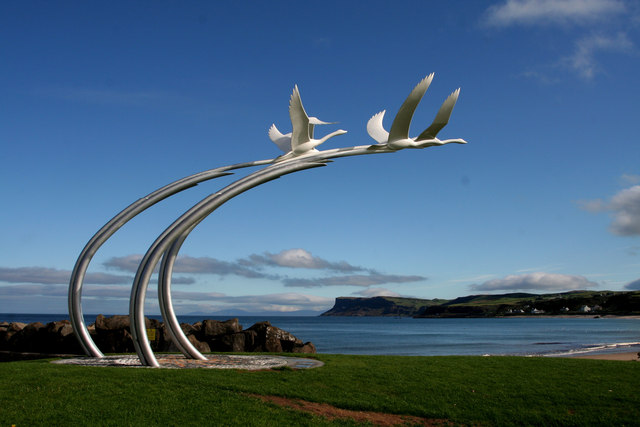
The story captured in sculpture at Ballycastle, County Mayo

A story captured in sculpture at Ballycastle, County Antrim

Have you ever wondered why Swans are such special birds? Did you know that in Ireland no-one can harm the Swan? Some say that law was made by the Milesians, who are said to have arrived in Ireland from Galicia (northern Spain) around four thousand years ago, and heard about The Children of Lir.

It’s a Wicked Step-Mother Tale. Finola is a Step-Mother and is sensitive to such stories, but interestingly she herself appears in this story – in fact she is its heroine! The twins Finola (…as beautiful as sunshine in blossomed branches…) and Hugo and the twins Fiachra and Conn were the children of King Lir and Queen Aoibh.
l_1069ca_20121008_1587912131

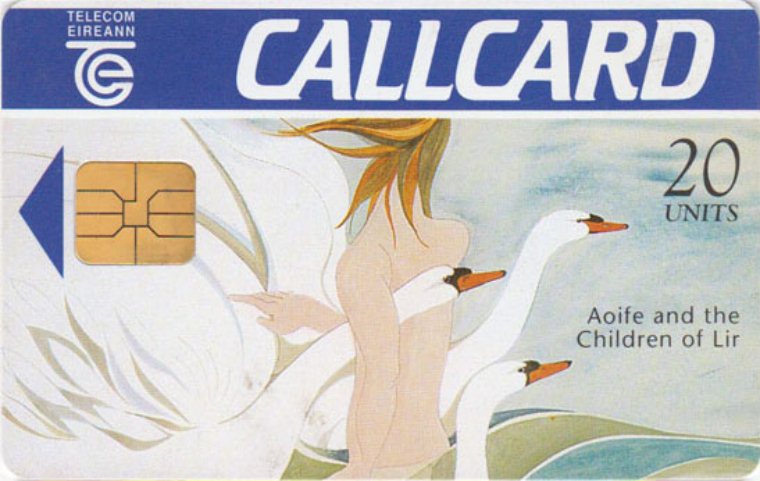
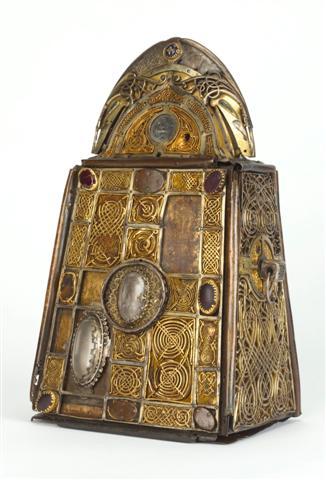
When the children were very young their mother died, and the King married Aoifa, a sister of Aoibh. All was well until Aoifa noticed that Lir was spoiling his children: each one of them was given a beautiful white horse and a pair of white hounds and the King spent most of his time in their company. In true step-mother fashion, Aoifa became jealous and determined to intervene. Just as in the story of Snow White, she planned a dire end for them: she took them off to the wild shores of Lake Derryvaragh and threw them into the waters. But her magical powers were not strong enough: Finola gathered her brothers around her and, as Aoifa looked on, the children were transformed into beautiful Swans. In a final curse their step-mother said that they would live out three hundred years on the lake, then three hundred years more in the Sea of Moyle (the narrowest part of the Atlantic Ocean between Ireland and Scotland), then a final three hundred years on Sruth Fada Conn or Irrus Domnann – Stream of the Long Hound – in County Mayo. The spell could only be broken when the sound of the first Christian bell was heard by the Swans.

Sruwaddacon Bay - also known as Sruth Fada Conn

Sruwaddacon Bay – also known as Sruth Fada Conn

Aoifa might have suffered some last minutes pangs of guilt, for she allowed the Swans to retain their human voices. They also had the gift of music and while they were on Lake Derryvaragh people flocked to hear them singing. In fact, it is said that all of Ireland’s great musical tradition originated from the Children of Lir.
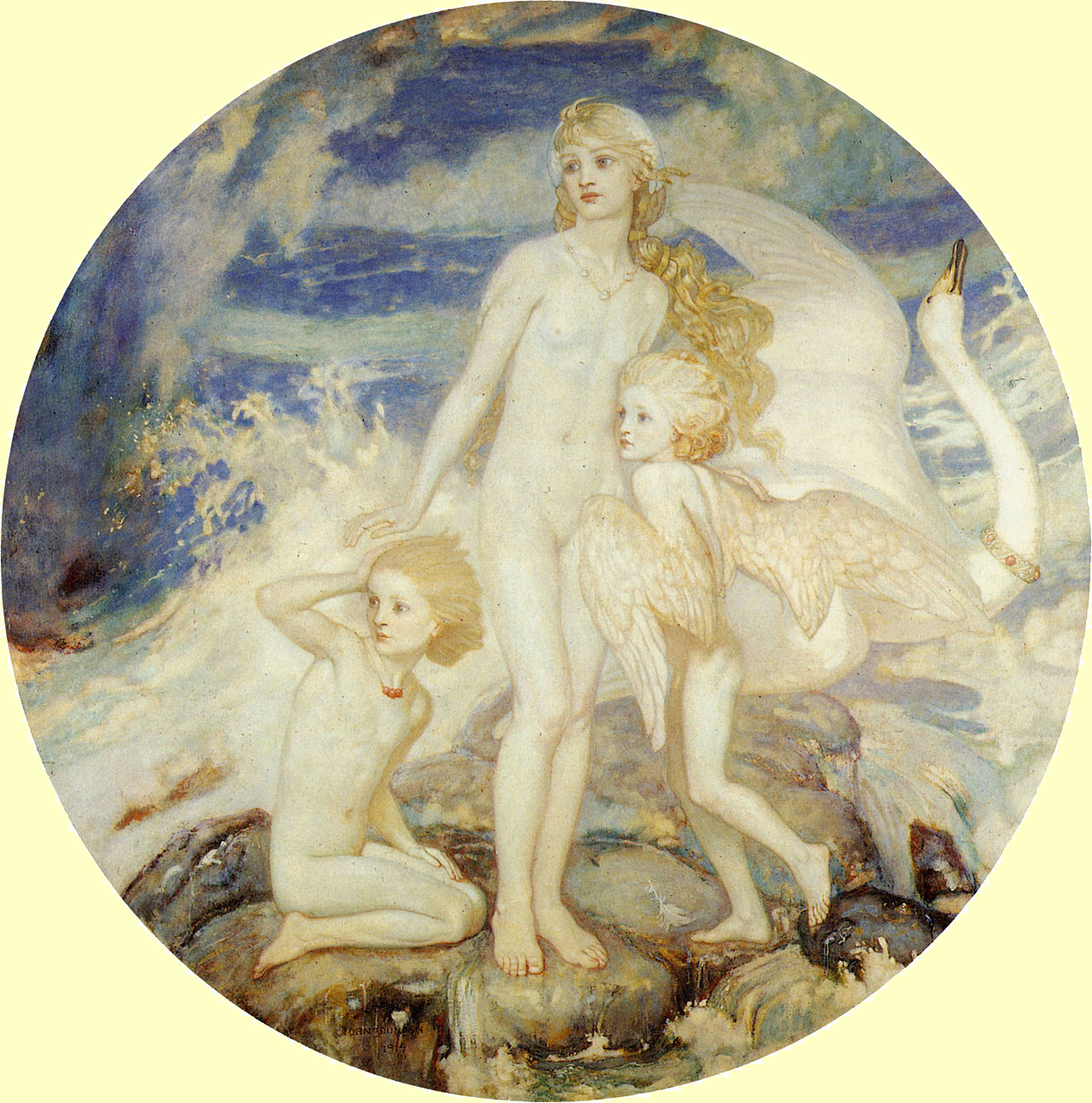
Children of Lir by John Duncan, 1914

Children of Lir by John Duncan, 1914

When the King found out about Aoifa’s treachery he turned her into a ‘night demon’ – a Moth, and she’s still around: we see her frequently down here in Nead an Iolair.

Aoifa - the Emperor Moth

Aoifa – the Emperor Moth

One of the most poignant parts of the story (and I am telling only the briefest of versions here) pictures the Swan children revisiting their father’s tower house on their journey to the Sea of Moyle – only to find grass covered ruins and no traces of the family’s heritage:

…when they looked down they saw no light in the house, they heard no music, no sound of voices. The many-coloured house was desolate and all the beauty was gone from it; the white hounds and the brightmaned horses were gone, and all the beautiful glad-hearted folk of the Sidhe… (http://www.sacred-texts.com)
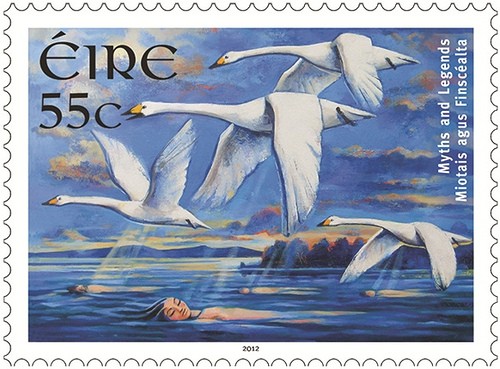
stamp children of lir

We watch the Swans in Rossbrin Cove. On occasion we are fortunate enough to see them taking off from or landing on the water – a noisy and energetic affair: it’s hard to believe that such large and heavy birds can actually take to the air, and migrate over huge distances. Swans appear in folktales all over the world: usually they are associated with light and beauty. A tradition that the Swan only sings when dying has been captured in a madrigal by Orlando Gibbons:

The Silver Swan who, living, had no note,
When death approach’d, unlock’d her silent throat.
Leaning her breast against the reedy shore,
Thus sung her first and last, And sung no more:
“Farewell all joys, O death come close mine eyes.
More geese than swans now live, more fools than wise”

children of lir

To return to our tale – the Children of Lir took their final journey to the far west of Ireland: to the Beara peninsula in West Cork. There they heard St Patrick’s bell and were transformed to human shape again. A hermit – Saint Kemoc – found them, four ancient, withered people. He baptised them just before they crumbled to dust. This place is marked now by a stone where offerings are made: their story is alive today.
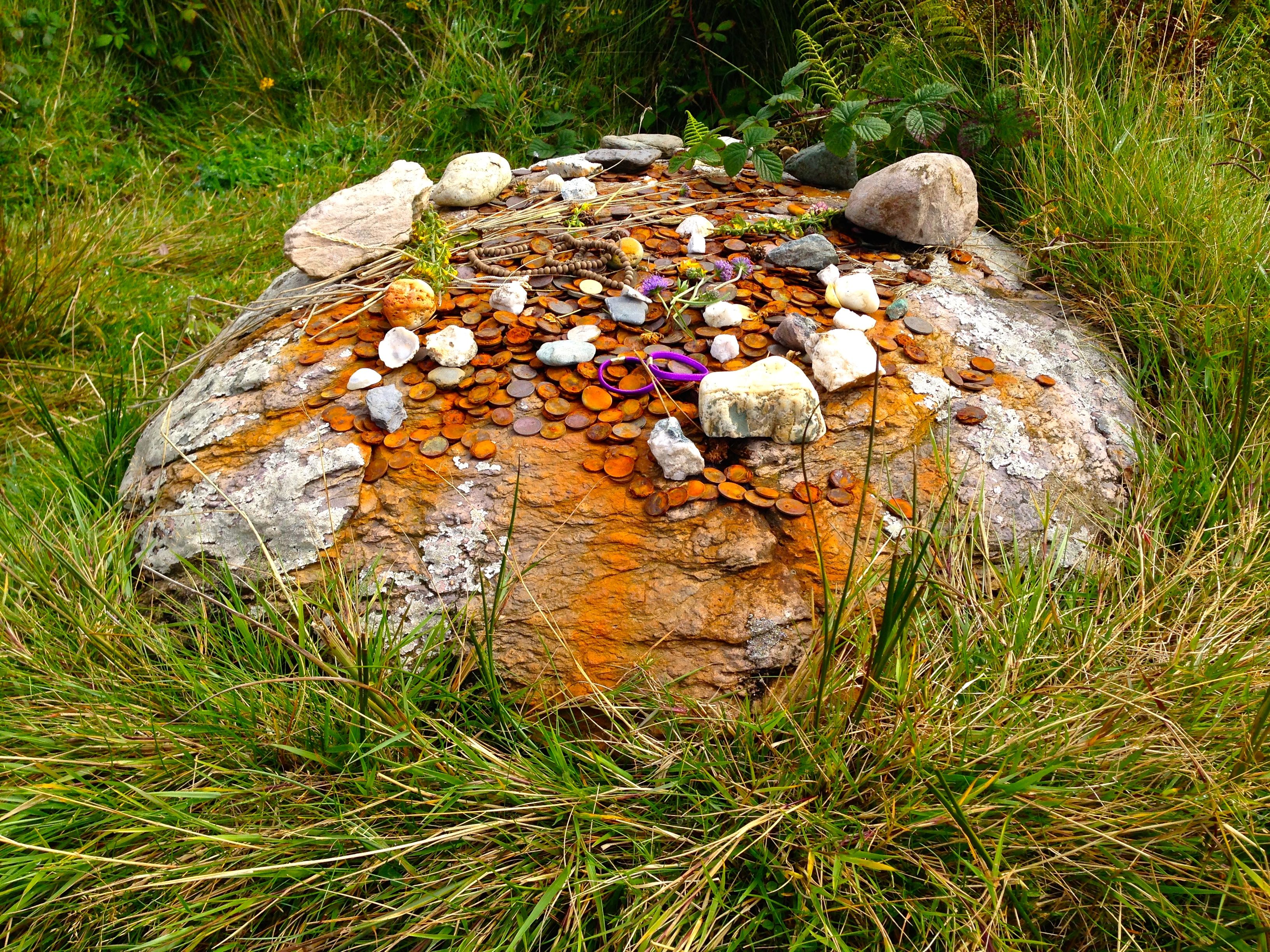
The Lir Stone, near Allihies on the Beara
The Lir Stone, near Allihies on the Beara

patricks bell

St Patrick’s Bell

Ancient Tones – New Directions

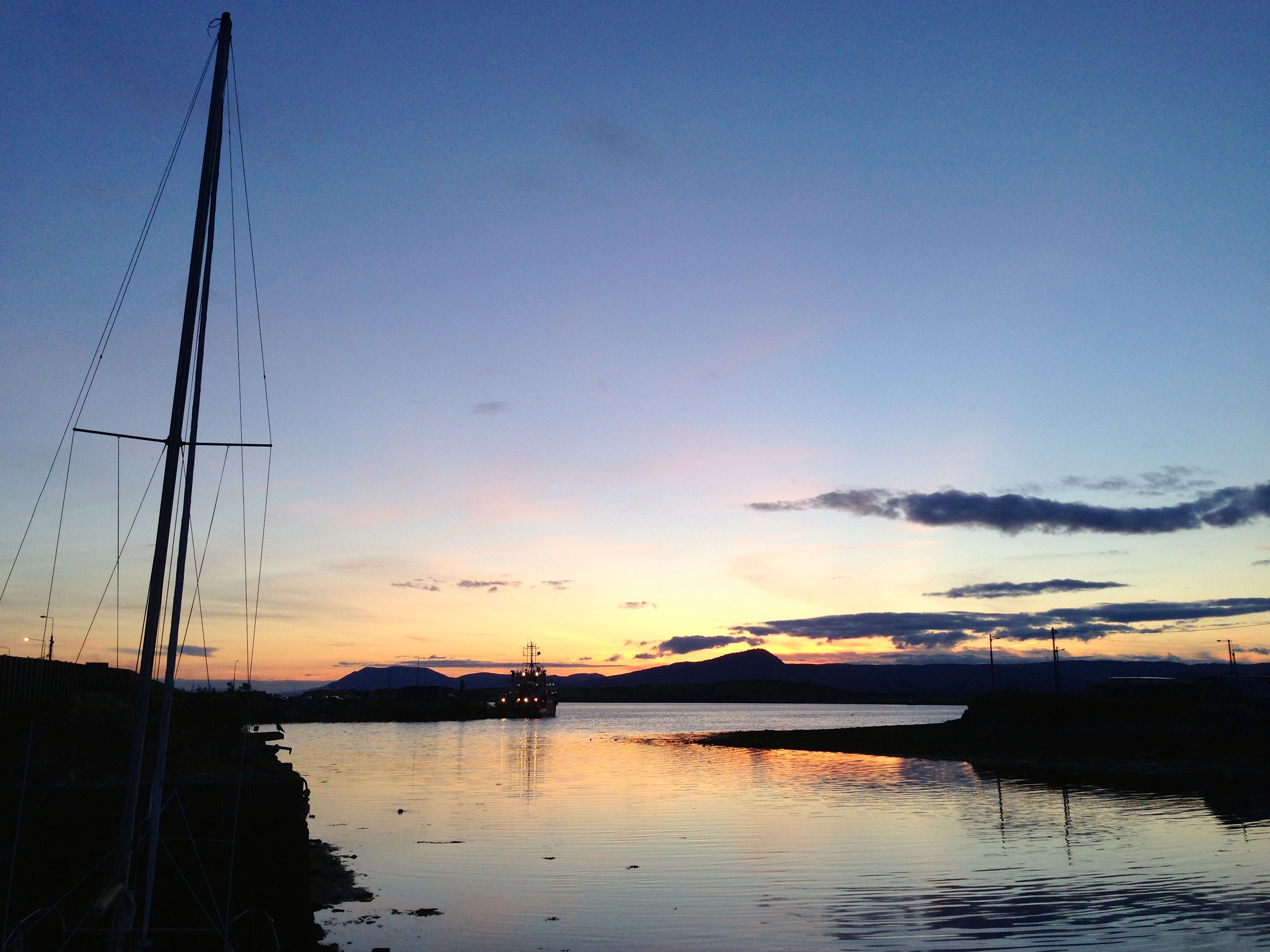
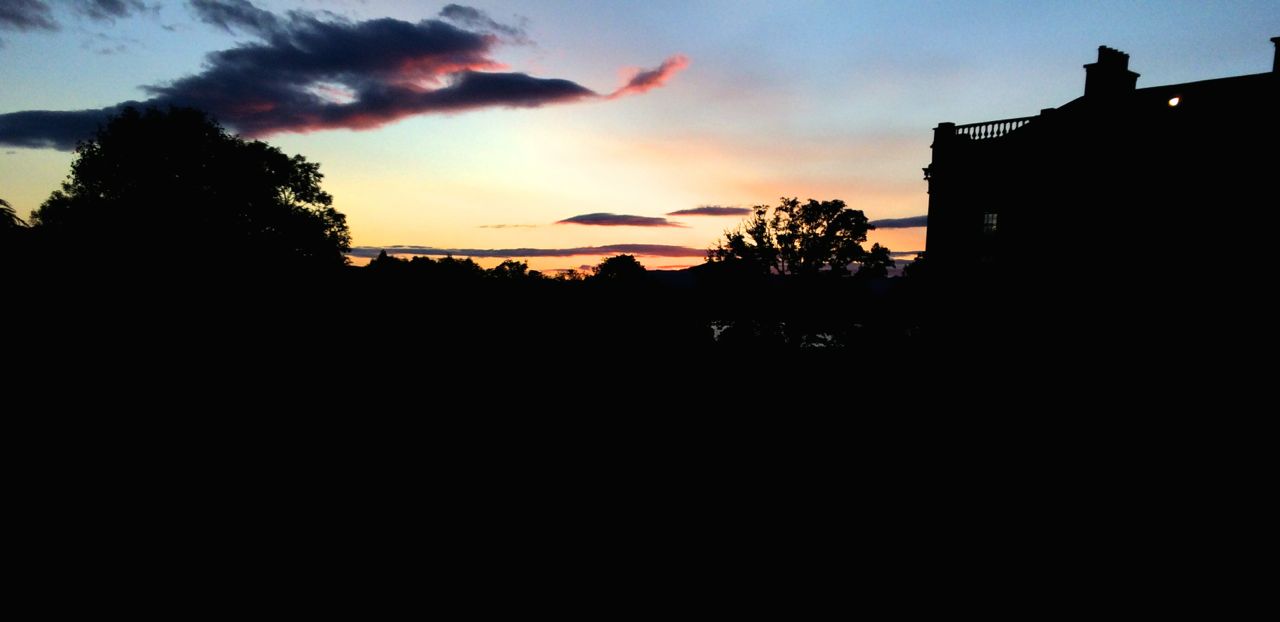
After the opening concert... Sunset over Bantry Bay

After the opening concert… Sunset over Bantry Bay

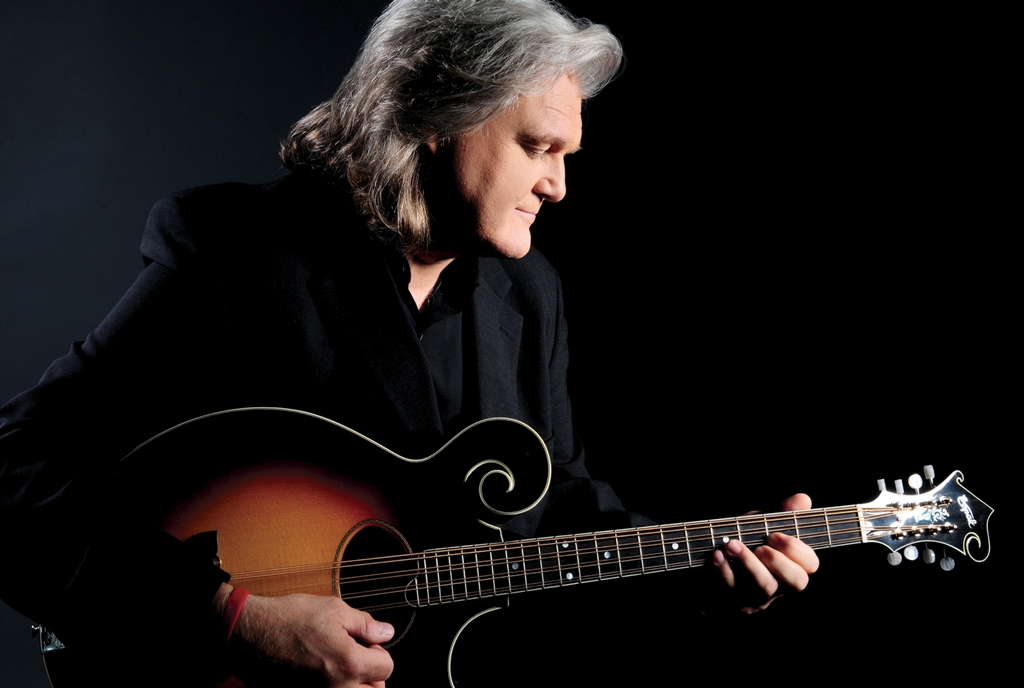
This year’s Masters of Tradition Festival (which closes tonight) had an unusual headline act – Ricky Skaggs – at its opening gig.. This giant of ‘country’, ‘bluegrass’ or ‘old timey’ music flew over from Nashville at his own expense to join Festival Director Martin Hayes and a host of traditional musicians on stage in the Maritime Hotel, Bantry. Why? Because there are big adventures going on in the world of Irish music today, and this Festival is at the leading edge of all this. Here’s a snatch of Ricky Skaggs: regardless of the film quality it’s well worth watching…
Ricky Skaggs

Ricky Skaggs

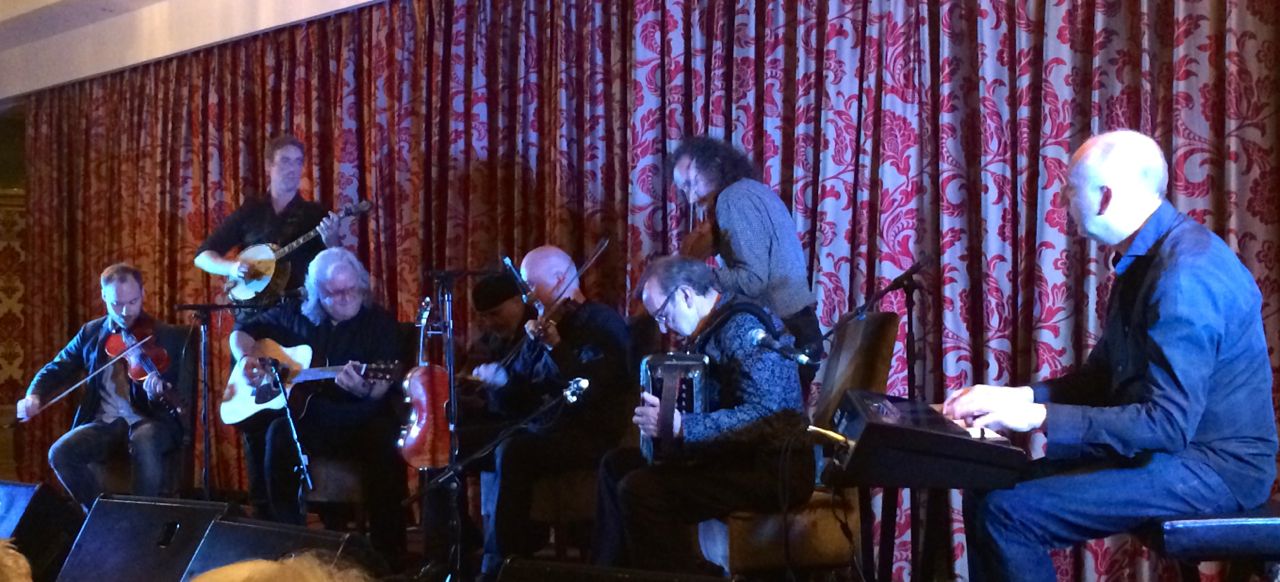
Skaggs, Hayes, Cahill,  Schrey and the Brock McGuire Band bring the house down in Bantry

Skaggs, Hayes, Cahill, Schrey and the Brock McGuire Band bring the house down in the opening concert

So, Ricky Skaggs got a good start in life, playing on the stage with the likes of Bill Monroe and the Foggy Mountain Boys (aka guitarist Lester Flatt and banjo player Earl Scruggs) at the age of seven! But at last Wednesday’s concert the biggest chord that was struck for me was Skaggs talking about Ancient Tones – his words for the the common roots of the music that they were all playing together:
“I’ve told people for years Celtic music is the foundation stone for bluegrass, even country music generally — though it is admittedly hard to hear the Irish influence in ‘new’ country today. Certainly, you can detect it in the old country ballads — it’s in the heart of the songs.” Bill Monroe was in agreement, he recalls. Without Irish music, there would never have been a bluegrass movement. “Mr Monroe talked about the old sounds and the ancient tones. He was referring to the sounds from Scotland and Ireland — he believed very much his music was a hybrid of that. He’s right of course — you hear bluegrass and you know the Irish influence is there. It’s in the fiddle and the mandolin, the harmonies and the guitar. In all of it, really.”

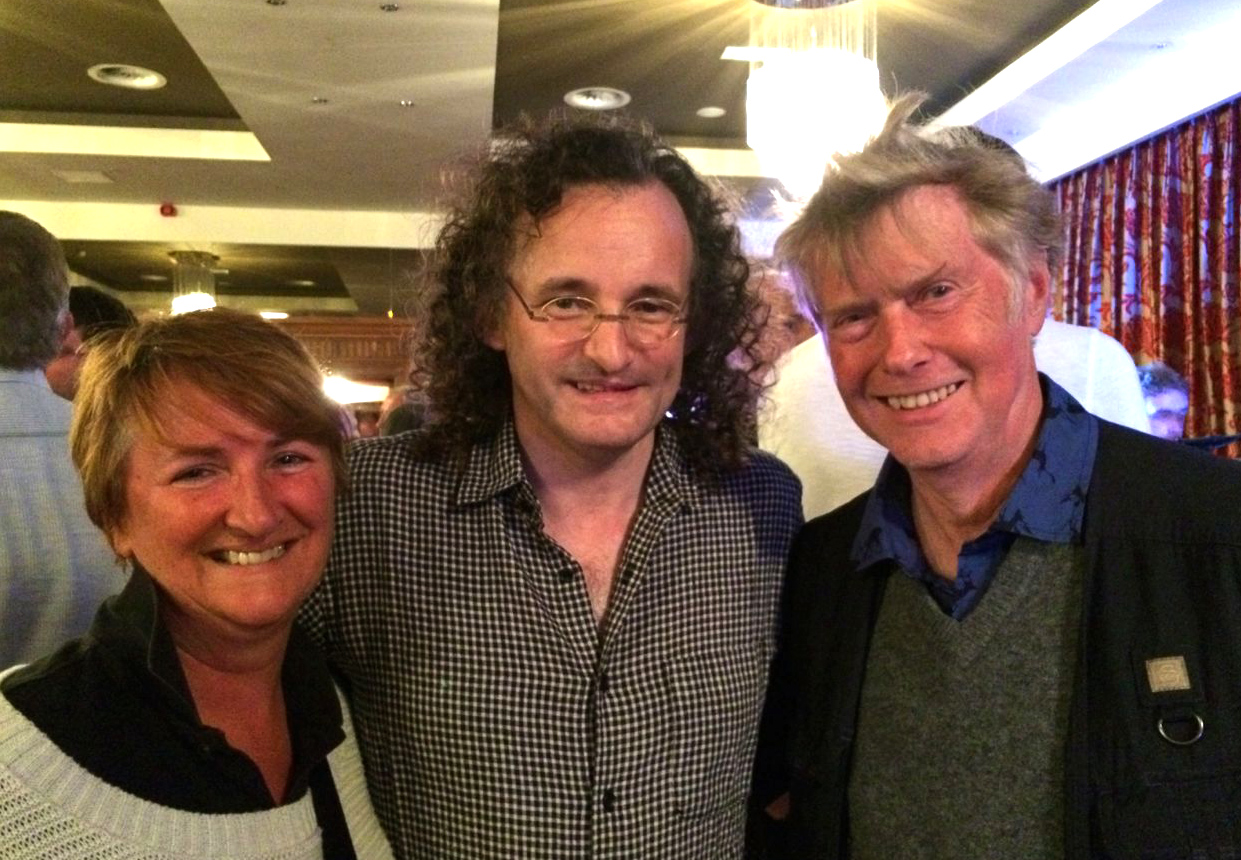
Festival Director Martin Hayes with groupies...

Festival Director Martin Hayes with groupies…

That first concert blew us away. We thought that it couldn’t get any better. It probably didn’t, but the energy, enthusiasm and innovation continued through the events of the week. Innovation in Irish Traditional Music? Oh, yes: we didn’t know what was in store for us, but we did know Martin Hayes’ philosophy:

“The main aim of this festival is to expose the unique artistic craft of various musicians. It’s also a kind of response to the fact that the country is full of festivals. I feel it’s important to highlight individual artistry in music rather than putting on a lot of bands that we’re all familiar with. International musicians have been a feature of the festival in the last few years.The festival is called Masters of Tradition rather than masters of Irish music or Irish traditional music because the idea is to have at least one act from abroad to see how other traditions stand in relation to our own. I want to offer something really different. I’m not saying that what I’m doing is better. It’s just a different way of approaching a festival. I certainly don’t see the point in replicating other festivals.There’s only a percentage of the population that gets seriously involved and connected with this festival. I think that’s fine. The festival is about highlighting the uniqueness of each musician’s voice. We try to choose musicians that have found their unique voice. I’m not looking for the latest blazing hot craze. Some of what the musicians express can be quite humble but effective and very touching as well.”

Máire Ni Cheileachair, Sean Nós singer

Máire Ni Cheileachair, Sean Nós singer

Among the – perhaps – ‘humble, effective and very touching’ performances were Sean Nós singers: carrying the tradition forward from its most ancient roots and presenting it in the simplest form – the unaccompanied human voice, a continuity of cultural expression which has passed through countless generations. We enjoyed the contribution of Máire Ni Cheileachair from West Cork and were impressed, as always, with critically acclaimed Iarla Ó Lionáird who grew up in the musical heartland of Cúil Aodha in the West Cork Gaeltacht. Like Ricky Skaggs, his fame came early: here’s his performance of Aisling Gheal dating from 1978 – when he was 14.

Finola has a link to another of Iarla’s iconic renderings on her post here – The Lament of the Three Marys. Throughout Ireland sacred songs such as this one were felt to function both as prayers and as direct substitutes for the caoineadh (‘keening’, women’s funeral lament) which was suppressed by the Church.

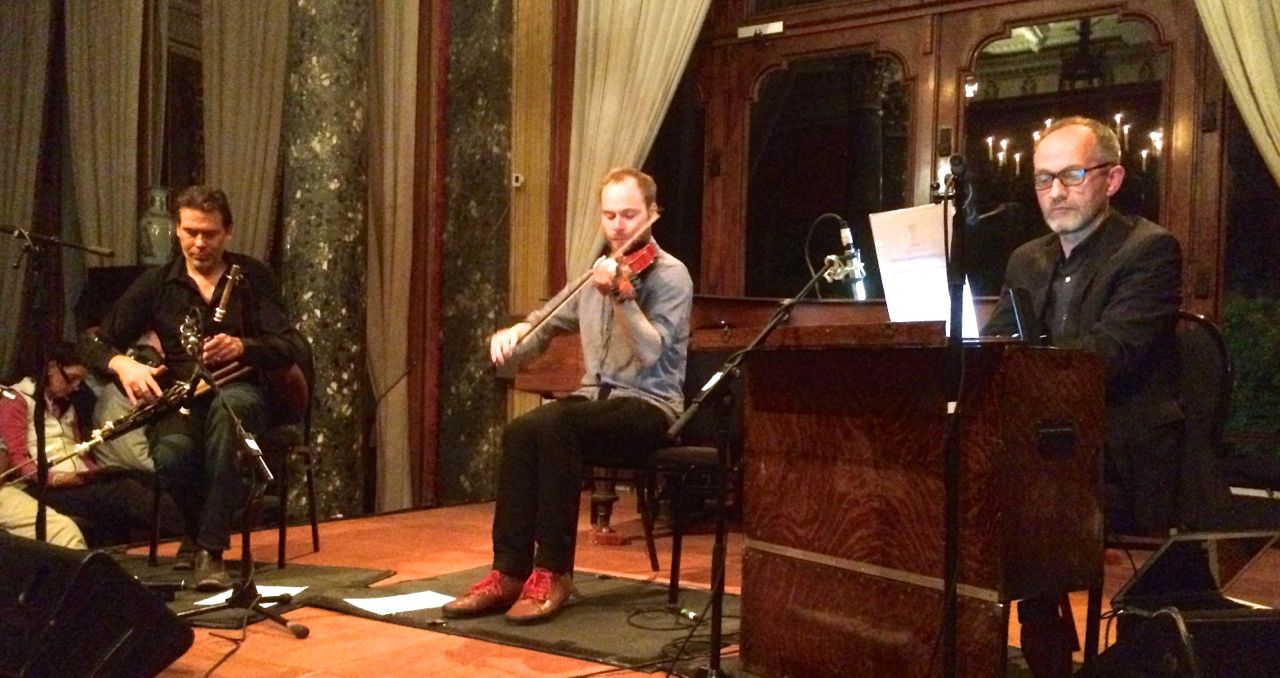
Ivan Goff, Cleek Schrey and Iarla Ó Lionáird - The Ghost Trio

Ivan Goff, Cleek Schrey and Iarla Ó Lionáird – The Ghost Trio

Finola says that I should have called this post ‘Ancient Tones – and Drones’. Iarla Ó Lionáird also heads up The Ghost Trio – which gave us Friday’s late night candlelit concert in Bantry House – Siobhan Long of the Irish Times described her impressions:

…”Drone City” is how Iarla O’Lionaird describes the antics of Ghost Trio, and he isn’t far off. Pipes, Hardanger Fiddle and harmonium coalesce to shape an atmospheric set that speaks more of the space and time inherent in traditional music than it does momentum. And what a welcome alternative take that is.This is a fine reminder of what atmosphere lurks within and without our tunes and songs

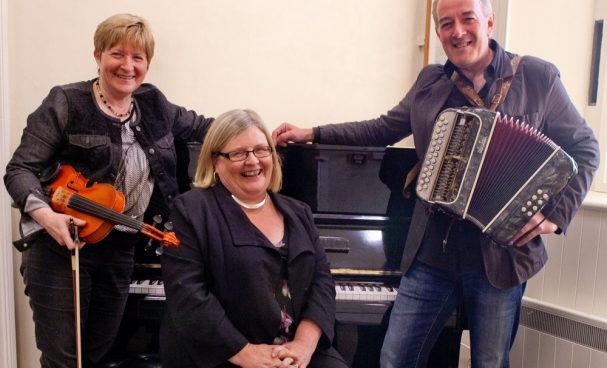
Boruma Trio

Boruma Trio – Eileen O’Brien, Geraldine Cotter and Andrew MacNamara

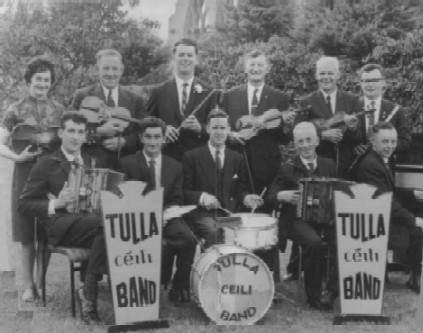
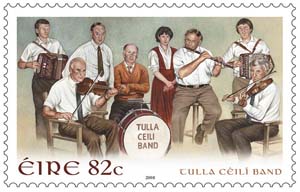
In a sharp swing back to pure tradition we were impressed by The Boruma Trio in Saturday night’s first concert. Straight music played on accordion, fiddle and piano, directly descended from the years when legendary Ceilidh bands such as the Tulla reigned supreme: Martin Hayes himself was reared on this kind of irish music as his own father – P Joe Hayes – led that band for 50 years. Martin wrote of his upbringing in Maghera, County Clare:

Tulla Ceilidh Band 1952

Tulla Ceilidh Band 1952

…However difficult it is to imagine my own life without music it is impossible for me to even know my father without his music. Music is part of his life in the same way that the land is part of him or in the way that we are Irish. It is inevitable and unalterable, we can never identify ourselves apart from our past as he could never identify himself apart from his music. His music fits comfortably into his life, there has always been balance, he never saw music as being anything other than normal and ordinary, a part of life that fits comfortably with his family, farm, religion and politics. He has a strong passion for music that has been tempered and maintained by equal and loyal devotion to the other interests in his life…

Martin’s earliest memories are of his father getting dressed up and being picked up to go and play somewhere, and in his child’s imagination it was always somewhere far away, exciting and important. On other nights the band practiced in the kitchen and when he had to go to bed Martin would leave the bedroom door open, a little bit, and listen to them play until he fell asleep.

I haven’t room on this post to list all the concerts (the full programme is here) – and we still have one to go! The standard of performances throughout has been consistently high. Perhaps the Harris/Finlay award for the most memorable experience – so far – has to go to Ensemble Ériu. In his introduction of this 7-strong group, Martin Hayes reminded us that we now have generations of young musicians who are very aware of their traditional heritage, but who are also being exposed to mainstream influences such as jazz and minimalism. Degrees, Masters and PhDs are offered in no less than 14 universities and colleges in Ireland at present in traditional music, song, dance, Ethnomusicology and Ethnochoreology. Students with backgrounds or deep interests in the folk traditions are exploring other contemporary voices and this ensemble – or ‘Project’ as its progenitors Jack Talty and Neil O’Loghlen prefer to call it – is a step in the New Directions so keenly being watched by Martin Hayes:

…The septet draws on a wealth of creative sources to perform arrangements of Irish traditional music rooted in the styles of West and North County Clare. This group brings together a chamber ensemble of some of Ireland’s most exciting young musicians from a range of performance backgrounds. The result is a unique combination of the fresh and familiar, a soundscape that is creatively progressive, yet rooted in tradition… (from the group’s website)

It’s hard to describe the musical experience that Ériu gave us last night. You’ll get some impressions from this film.

It brought to my mind the works of Steve Reich and Philip Glass, but was nevertheless unique. Who would have thought that such creative things could happen in this quiet West Cork backwater? It was stimulating, energetic – dynamic. I wonder what Martin has in store for us next year?

Quiet West Cork backwater? Bantry House - Festival venue

Quiet West Cork backwater? Bantry House – Festival venue

tulla stamp

Man of Music

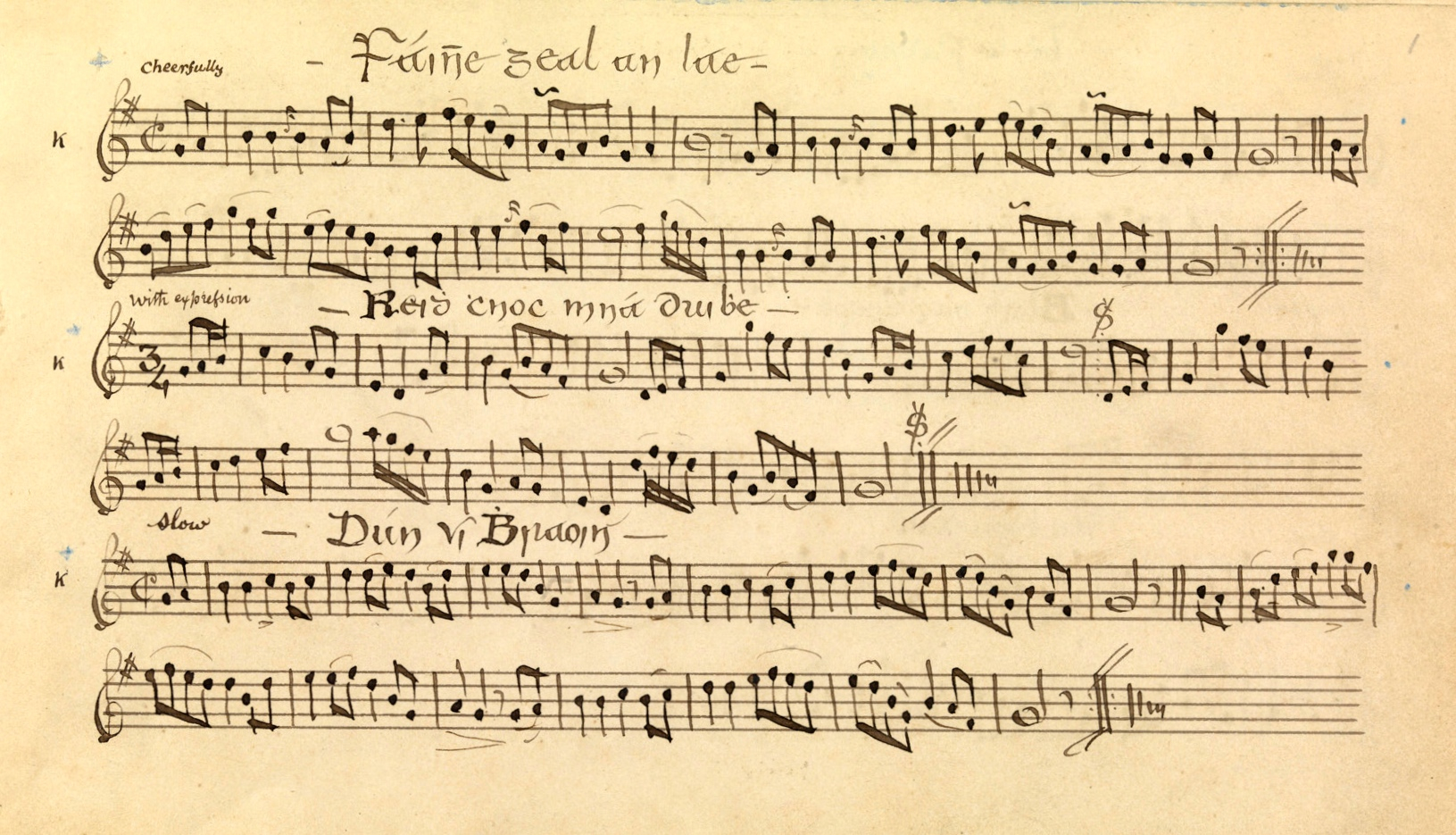
A page from the manuscript of Canon Goodman - Trinity College Library

A page from the manuscript of Canon Goodman – Trinity College Library

Long-term readers of our posts will have encountered Canon James Goodman already – in our first post after we moved in to Nead an Iolair we covered the 2013 Canon Goodman Concert, an annual affair which takes place in Abbeystrewry Church, Skibbereen. This means we have lived here for exactly one year now, as the 2014 Concert took place last Sunday. In the intervening 12 months I have researched this Skibbereen hero in greater detail, and he deserves a whole post to himself!

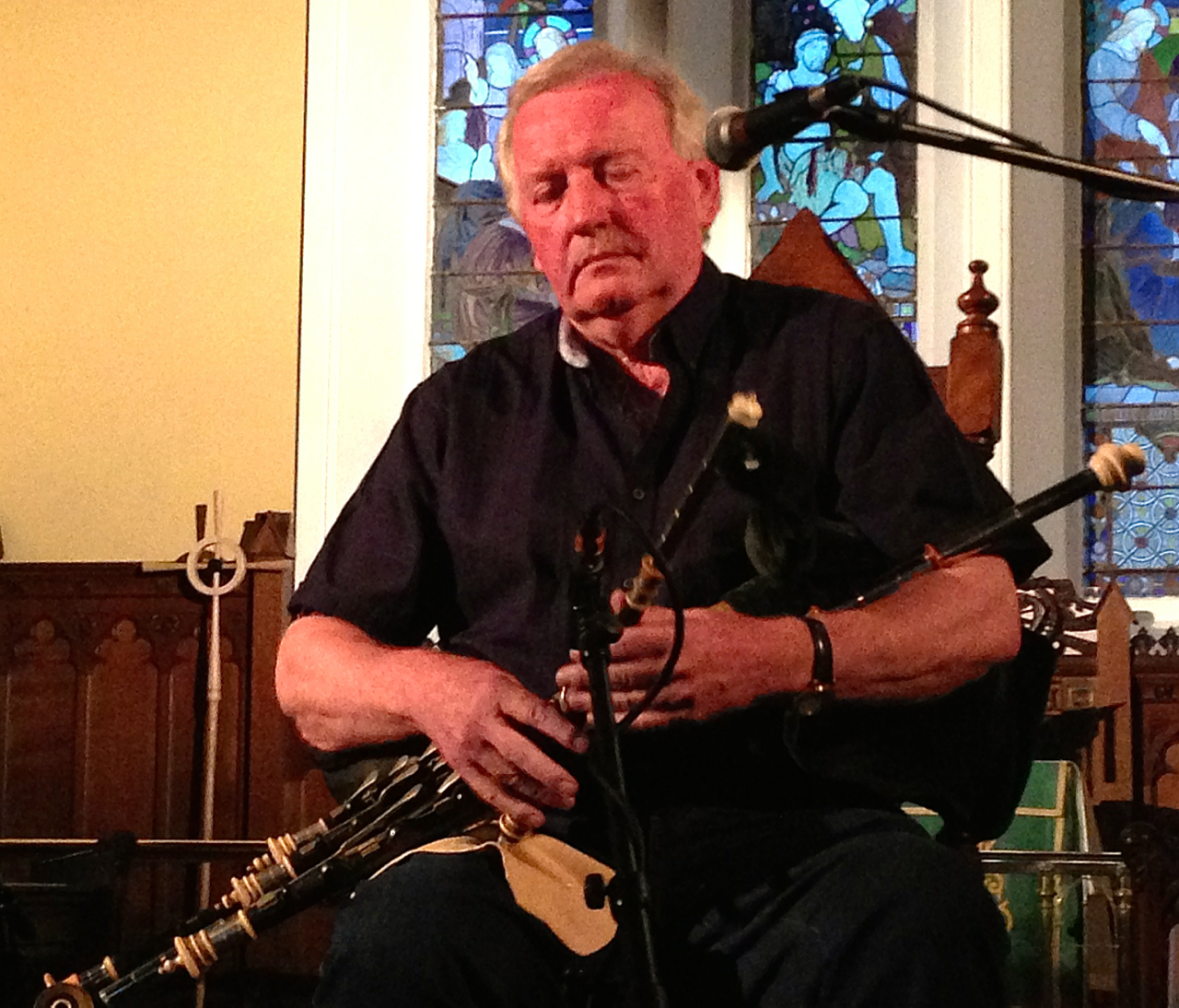
Uilleann Pipes Maestro Liam O'Flynn plays Skibbereen

Uilleann Pipes Maestro Liam O’Flynn plays Skibbereen

The Annual Canon Goodman Concert is part of the Arts Festival which Skibbereen hosts every year: Finola has reported fully on this event, which has kept us on our toes for the whole week. Stars of the concert were Liam O’Flynn and Paddy Glackin. I first saw Liam in Exeter back in the 1970s – we’ve both aged a bit since then…

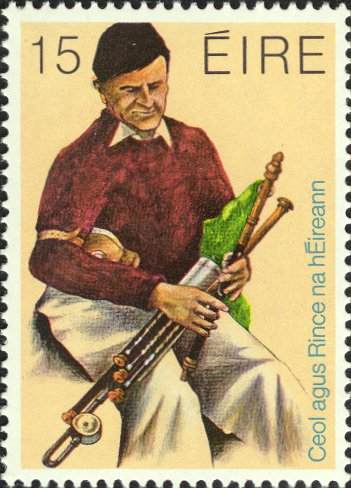
The Canon is remembered particularly for his expertise in playing the Uilleann Pipes – Ireland’s national instrument. If you’ve never seen this played, have a look and a listen to the extract from the Skibbereen concert below: it is a complex instrument, whose component parts include windbag, bellows, a chanter, drones and regulators – also the piper’s apron (sometimes known as a popping strap), which is a cloth placed on the knee of the player to form a seal with the open end of the chanter – as the lifting of the chanter from the knee is one action which can alter the sounding of the pipe between legato and staccato. It’s hard to simply explain the methodology of the pipes – just consider that the player has to keep the bellows moving with one elbow, maintain correct inflation of the bellows with the other (the Irish píobaí uilleann literally means ‘pipes of the elbows’), use the fingers of both hands to form the melody on the chanter, and to lift it from the knee, and use the wrist or fingers (or, as I have seen on occasion, the end of the chanter) to ‘play’ the regulators, forming chords and adding rhythm – not forgetting to make sure the drones are in tune.

James Goodman was born in 1828 in Ventry, County Kerry – then a Gaeltacht area: he was raised as a native Irish speaker, and this stood him in good stead as, in later life, he became Professor of Irish at Trinity. In his youth he was described as ‘…having an attractive personality and was well-liked and popular…’ He took a great interest in traditional life and, particularly, The Music. He learned to play the flute and the pipes while growing up. His father was Rector of Dingle and, after studying at Trinity, James was himself ordained into the Church of Ireland in 1853, moving with his wife Charlotte  to the living of Creagh Parish, between Baltimore and Skibbereen.

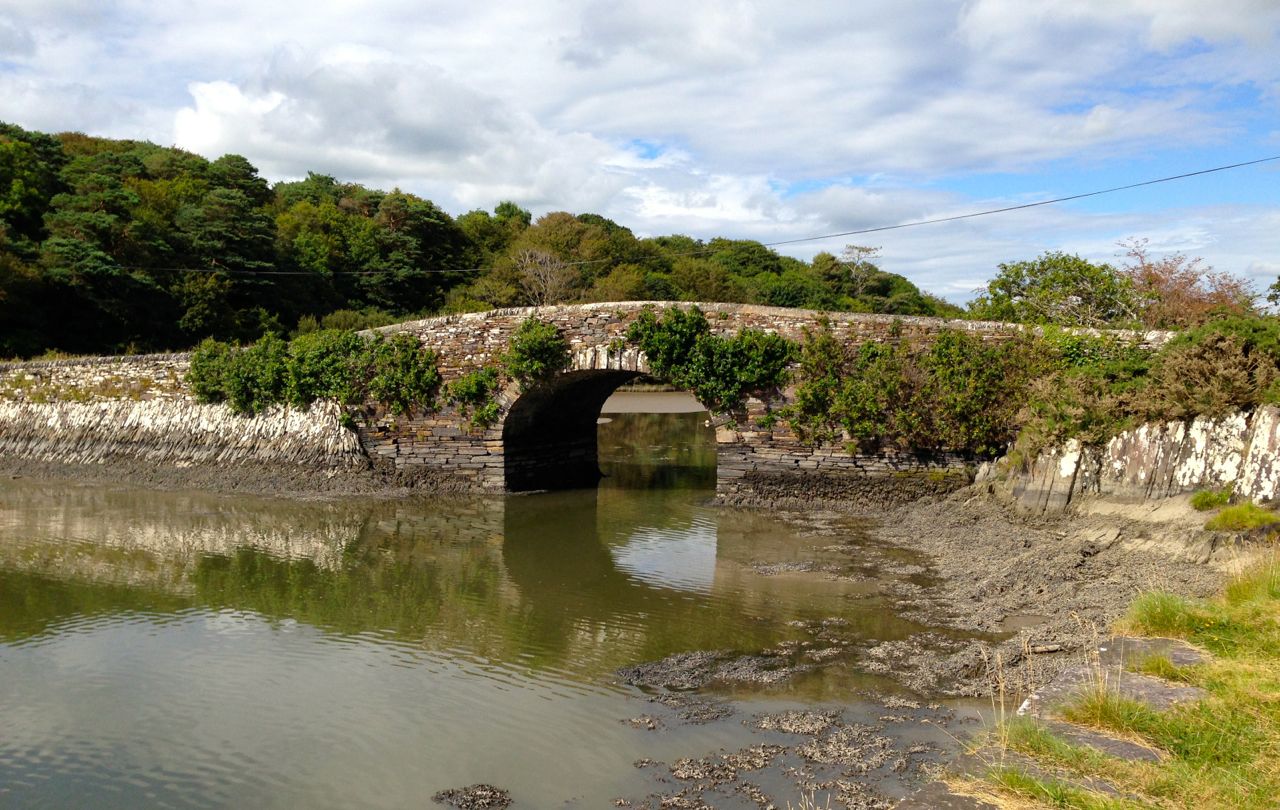
The bridge at Creagh

The bridge at Creagh

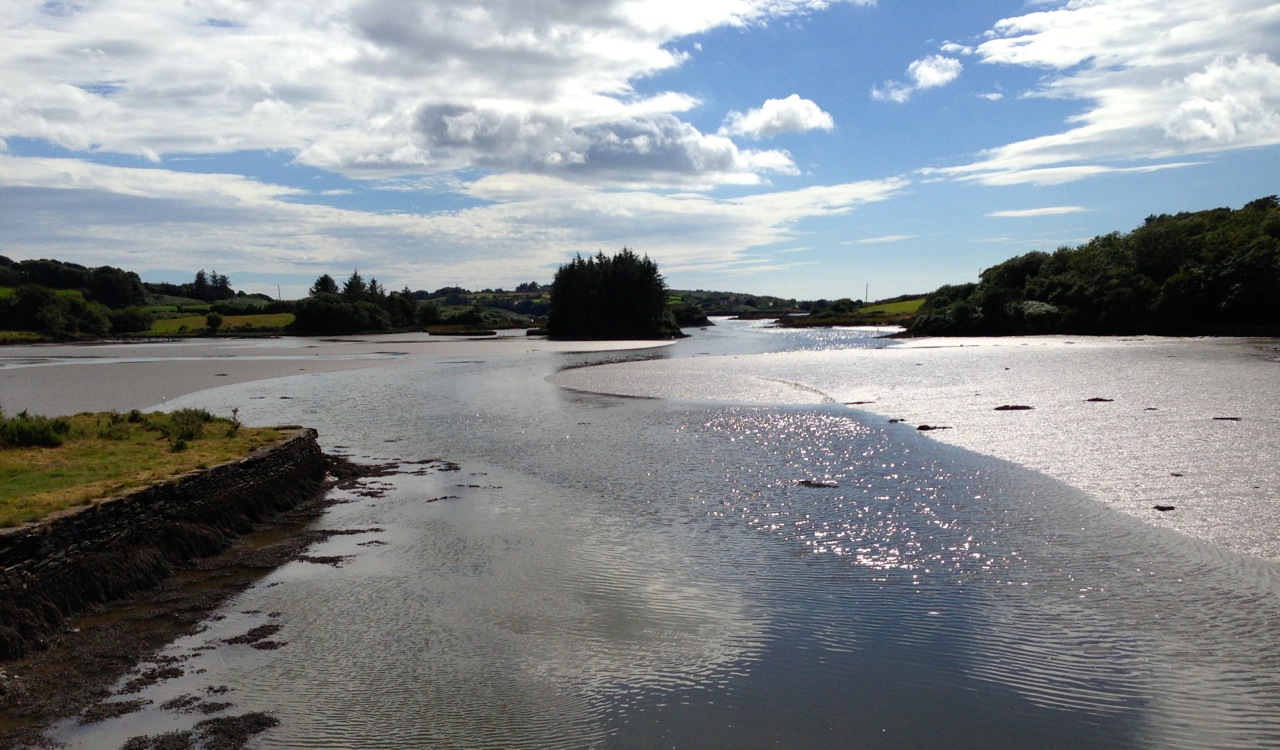
Creagh: River Ilen

Creagh: River Ilen

In 1860 the Goodman family (by now they had three sons) moved to Ardgroom, also in the Gaeltacht, where he took the post of Curate of Kilaconenagh. While there, he began his collection of Irish traditional melodies, learning hundreds from Tom Kennedy, a blind piper whom he had known back in Ventry. The Goodman Collection is the first great body of Irish traditional music ever to have been gathered: it numbers over 2,300 tunes and songs. For many years these lay dormant in the archives of Trinity College Library and they have only recently been  studied and published. Every year at the Skibbereen concert some of the tunes are included in the programme, allowing us to hear the music of Ireland being played just as it was in town and townlands many generations ago.

A story is told of his time in Ardgroom: one weekend an impressive steam yacht anchored in Castletownbere Harbour; on the Sunday, James Goodman was aghast to be told that a distinguished company, including a well-known historian, was coming ashore to attend morning prayer in his church. He felt very nervous at the thought of having to preach to such important people so he delivered his sermon in Irish, knowing that they would not understand it. Shortly afterwards an article appeared in an English periodical stating that Irish was still so much in use in outlying districts in Ireland that it was Customary for clergymen in some Church of Ireland churches to conduct the service in English and to preach in Irish!

rectors

Enigma: the register in Abbestrewry Church, showing Canon Goodman as Rector in 1857; his inauguration there wasn’t until 1867

James Goodman returned to the environs of Roaringwater Bay when he was made Rector of Skibbereen and Canon of Ross. His church was Abbeystrewry, which now hosts his memorial concerts. He was responsible for the building we have today: he initiated a project to demolish all but the tower of the old building and provide a modern worship area, and he paid for much of it himself. It was in 1879 that Goodman was appointed Professor of Irish in Trinity College Dublin  and combined this position with his clerical duties in Skibbereen, spending half of every year in each location.

The Canon died in 1896 and was buried, at his own request in Creagh – his first living. Finola and I searched out the burial ground and his grave. We had previously glimpsed the four pinnacles of the Church of Ireland tower rising mysteriously among the trees on the banks of the Ilen river: when we walked down the long green trackway that is the only access we were struck by how beautiful and yet how poignant the place is.

Side by side are Catholic and Protestant churches – both in ruins. The gravestones give away which is which: old Irish names  define the former, and the church there has returned almost completely back to nature. The Protestant church still stands, but its windows are uselessly boarded up: there are holes in the roof and the crumbling building is prey to the weather. There is an inescapable air of desolation at the site, yet the nearby newer burial ground beside the water is idyllically located and wonderfully peaceful.

Canon Goodman wrote of his life: …ionnus nach raibh aon nidh dob annsa liomsa óm óige, ná bheith ag éisteacht le seaneachtraighthe agus sgéalta fiannuigheachta; ná ceól ba bhinne am chluais ná ceol sármhilis na hÉirionn.  (…so that there was nothing dearer to me from my youth than to be listening to the old tales of adventure and the stories of Fionn, nor any music sweeter in my ears than the surpassingly sweet music of Ireland). The story goes that James Goodman was buried at Creagh along with his own Uilleann pipes: in the silence of the place we had a good listen…

Playboy...

Playboy…

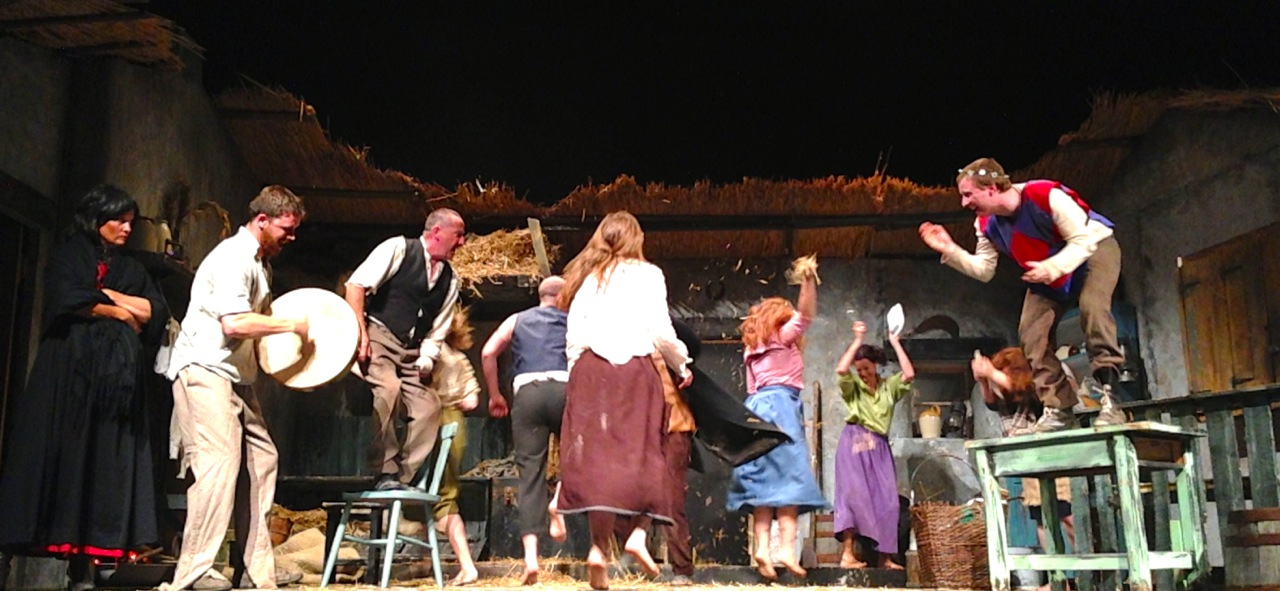
While Goodman was Professor at Trinity he had a student who became renowned: John Millington Synge. Synge was also an Irish scholar and spent much time in the Gaeltacht – particularly in the Aran Islands. It was there he wrote his most famous work, The Playboy of the Western World. Finola has already mentioned that this was also performed – superbly – during the Skibbereen Arts Festival this year: a treat for us – and for the Canon, perhaps.

st0024

Midsummer Maunderings…

Beautiful Cappaghglass

Beautiful Cappaghglass

…or Life Seen Through a Lens… Things found, places visited, mainly in the environs of West Cork, often just a few steps from Nead an Iolair, although one or two are from further afield. We have been away in Tipperary this week, so these posts are ‘ones we have prepared earlier’.

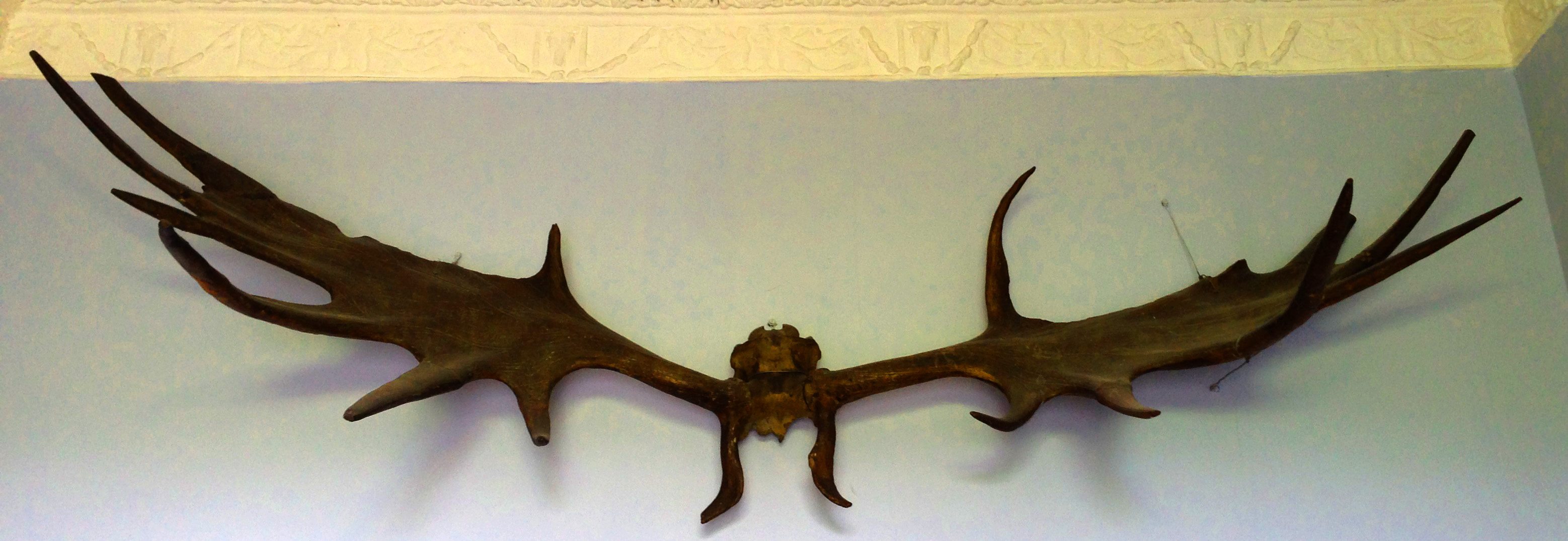
A reminder of Megaloceros - the extinct Irish Elk

A reminder of Megaloceros – the extinct Irish Elk, at Ballymaloe

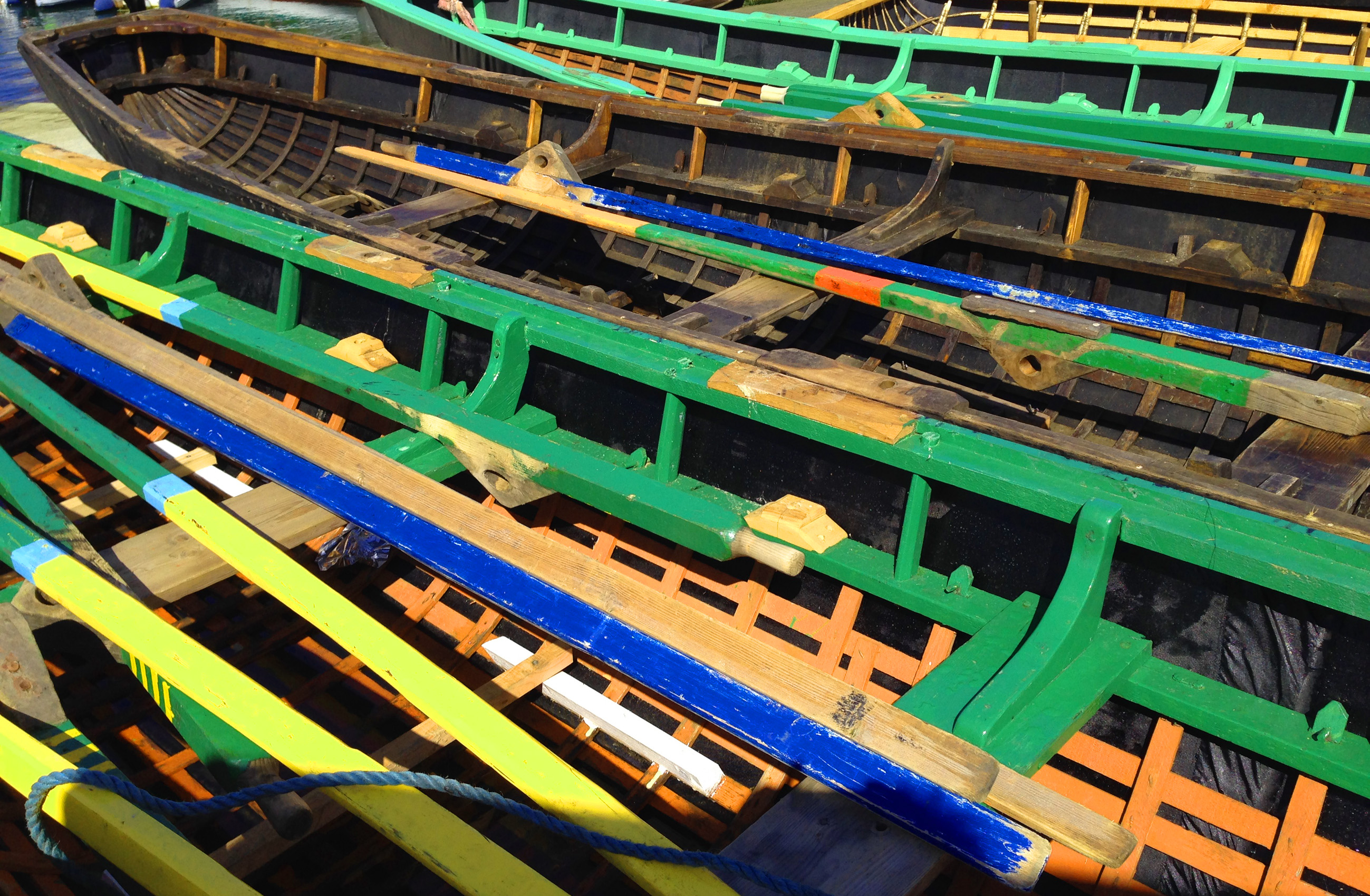
curraghs

Currachs at Baltimore

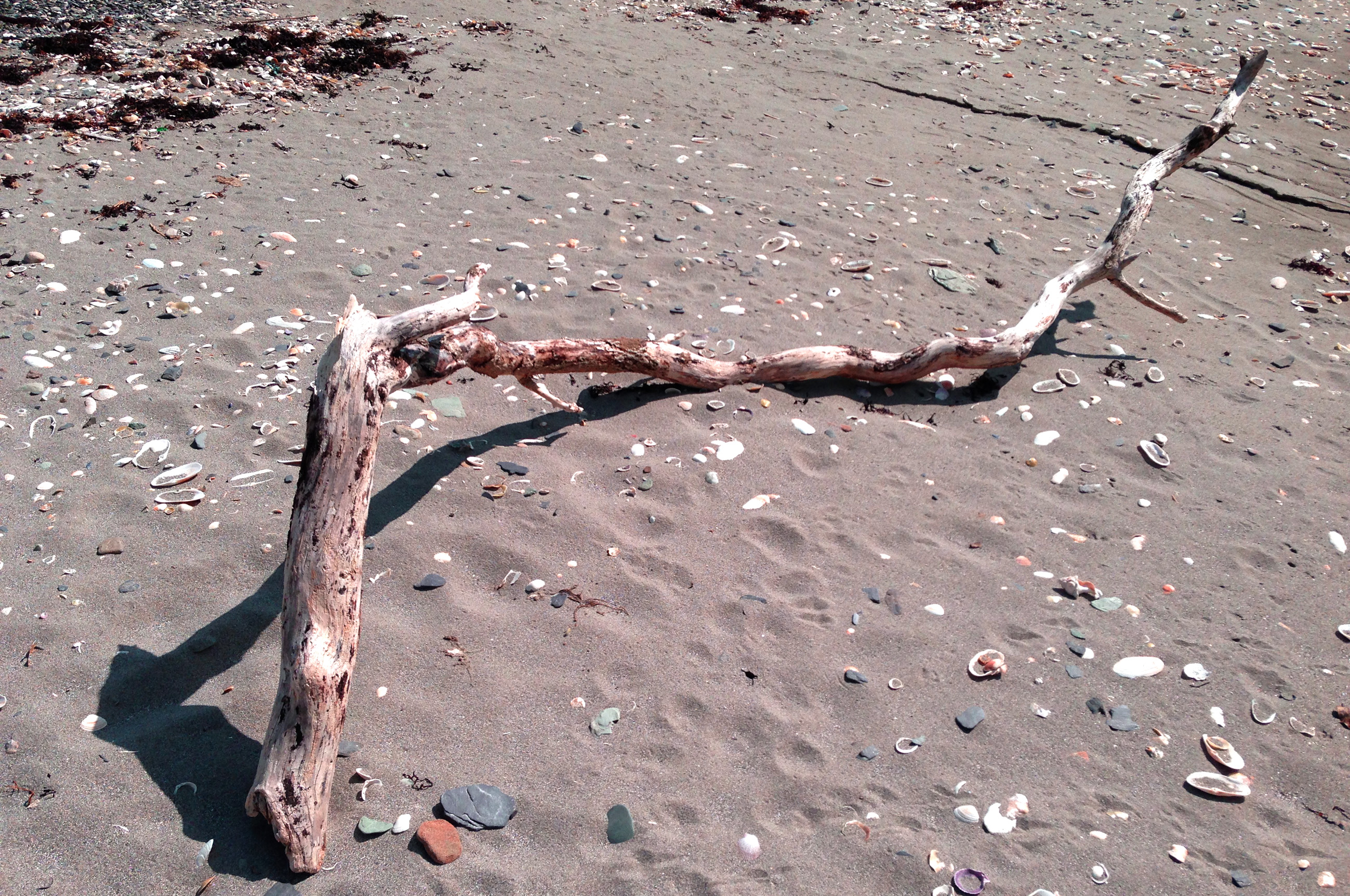
Shelly Beach - our local secret

Shelly Beach – our local secret

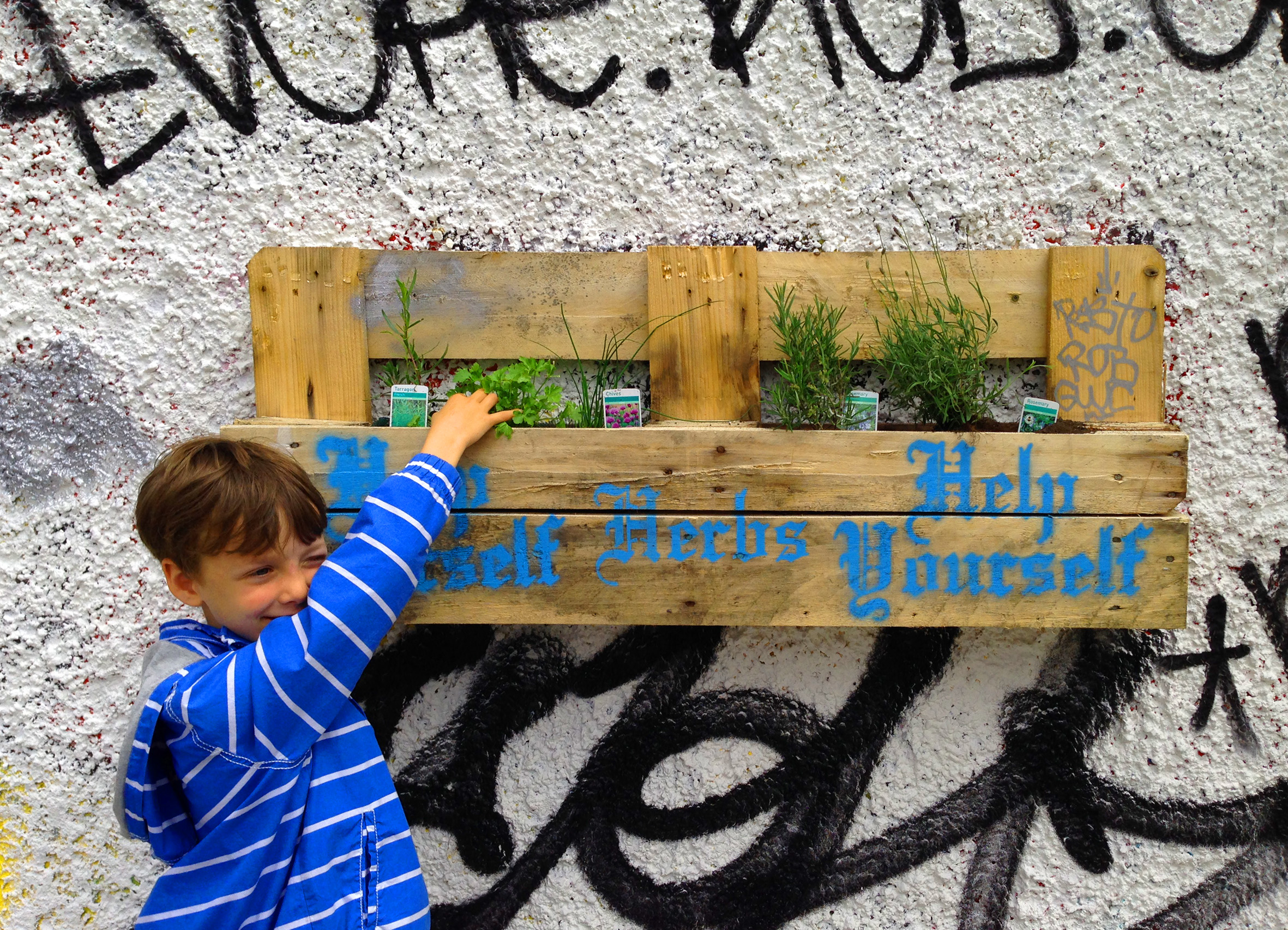
Hugo helps himself!

Hugo helps himself!

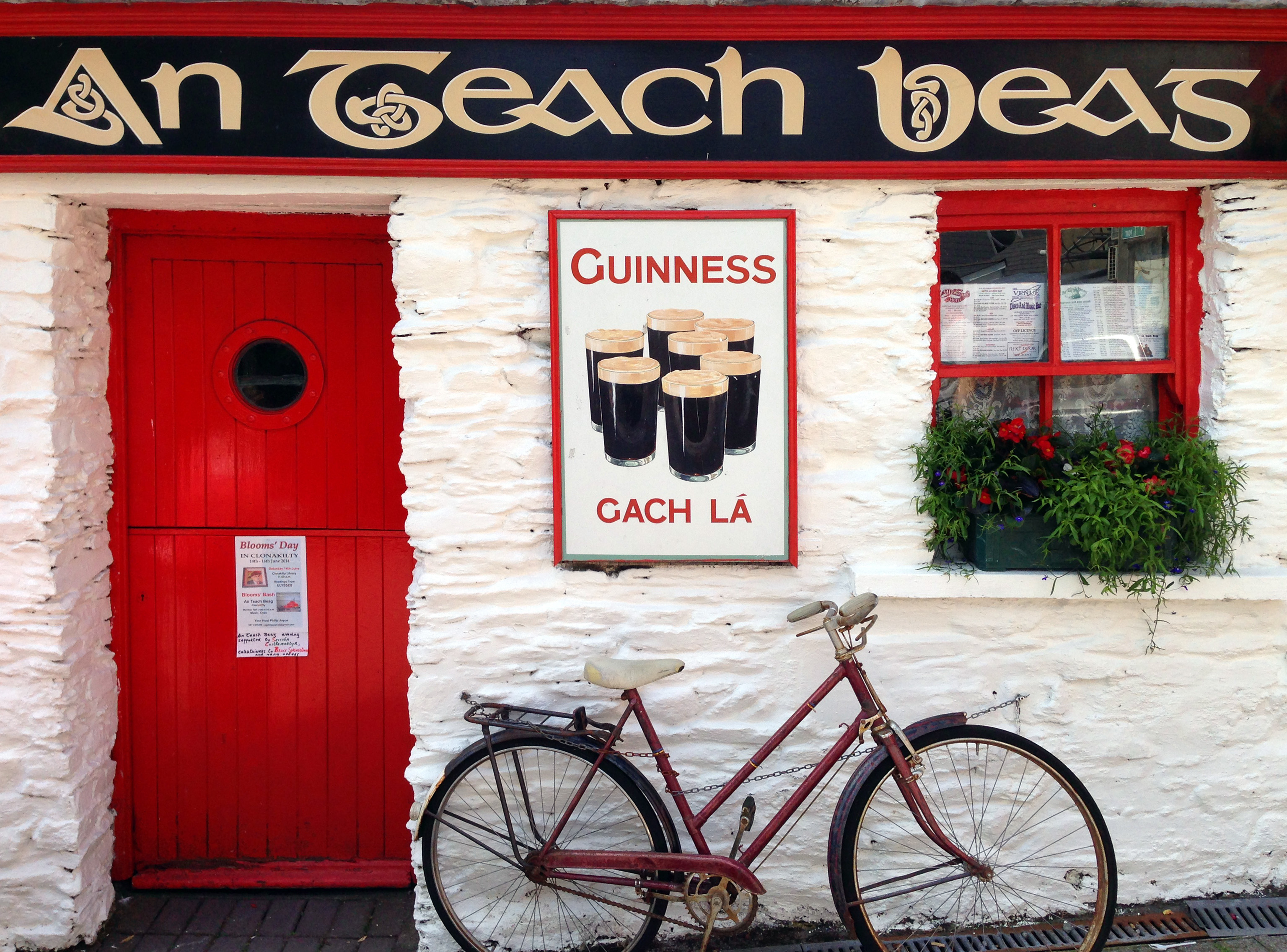
guiness

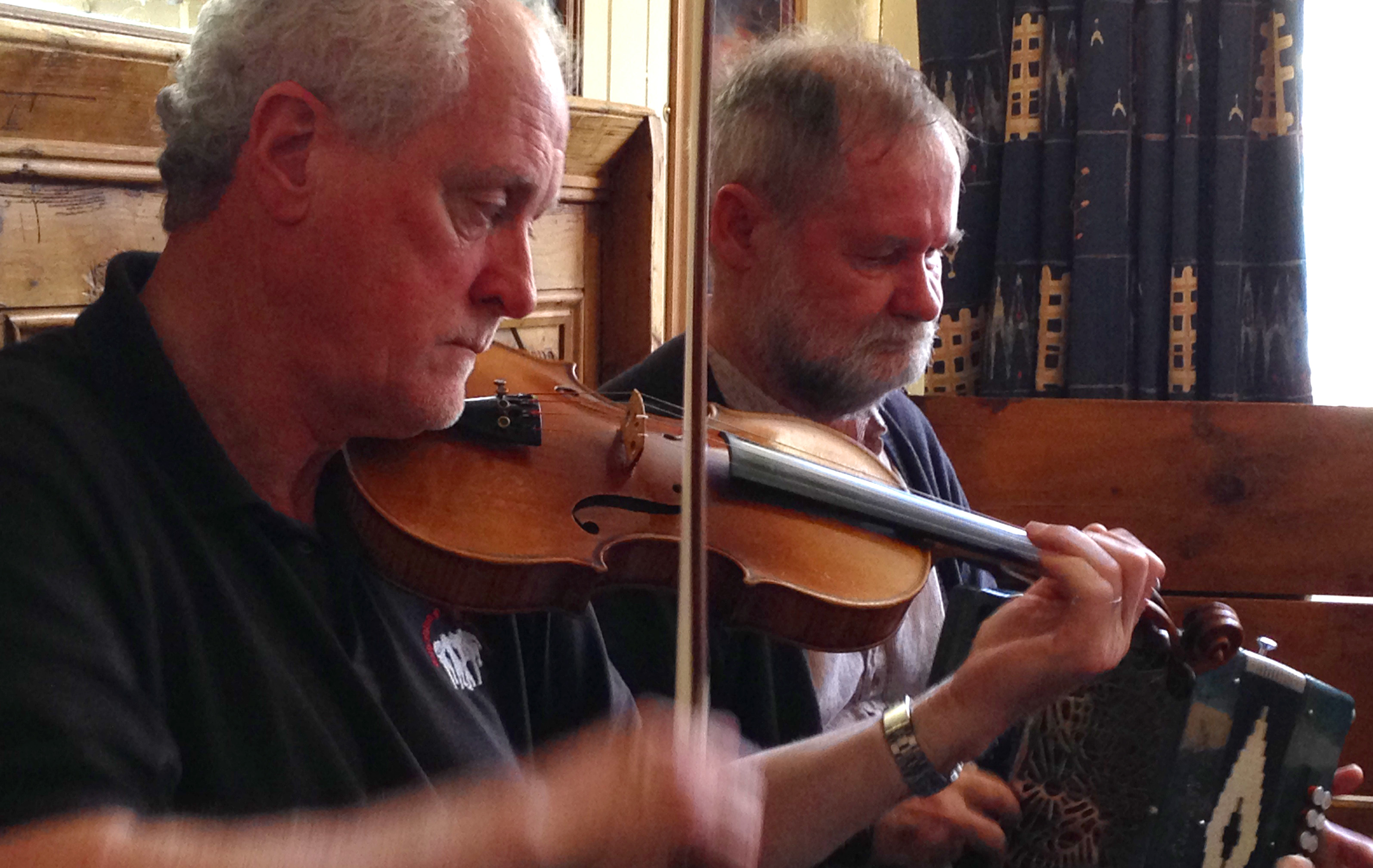
Maestros Matt Cranitch and Jackie Daly playing in Ballydehob

Maestros Matt Cranitch and Jackie Daly playing in Rosie’s

An ordinary day in Ballydehob - with seanchaí Eddie Lenihan

An ordinary day in Ballydehob – with Seanchaí Eddie Lenihan

Ferdia - our garden companion

Ferdia – our garden companion

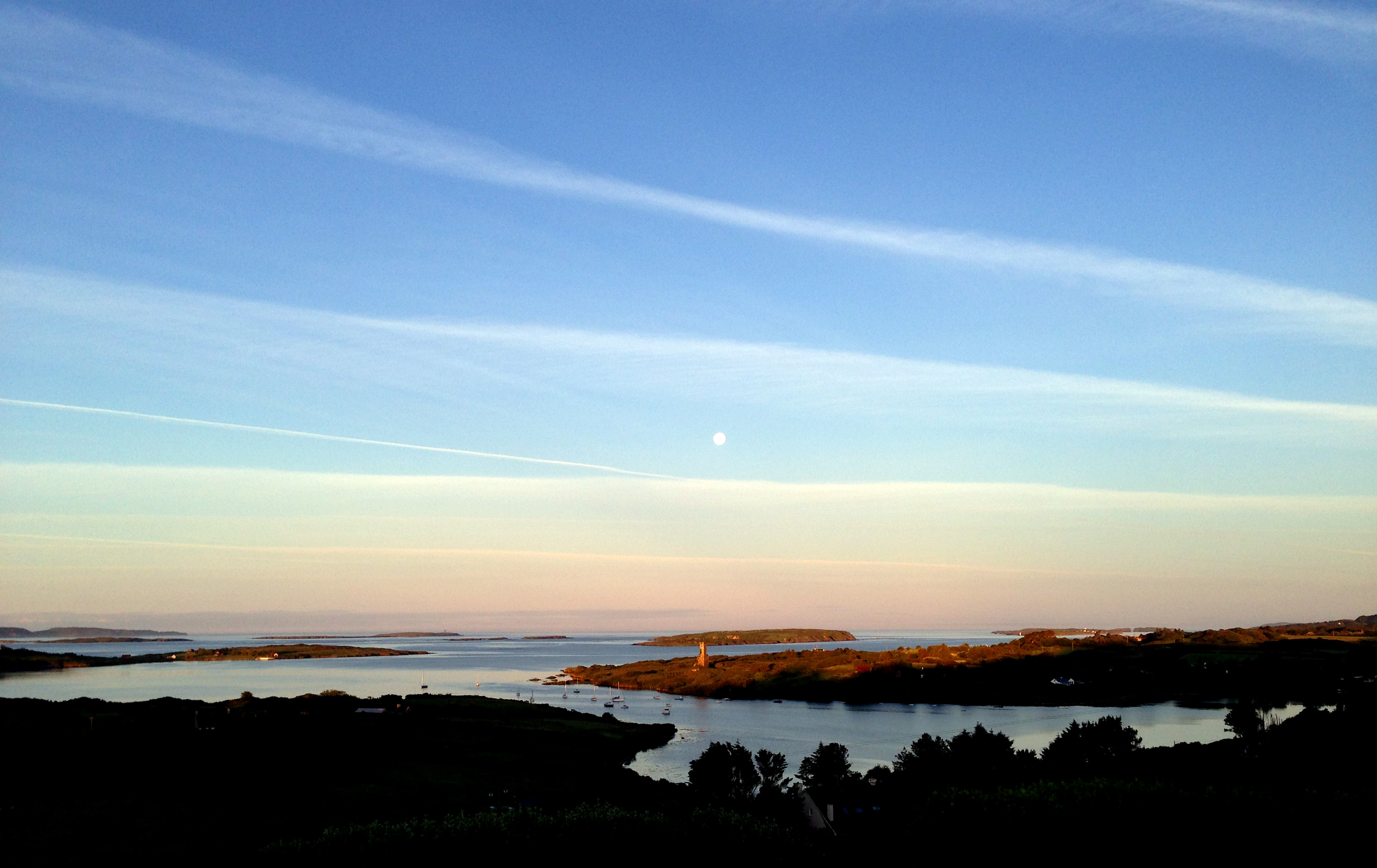
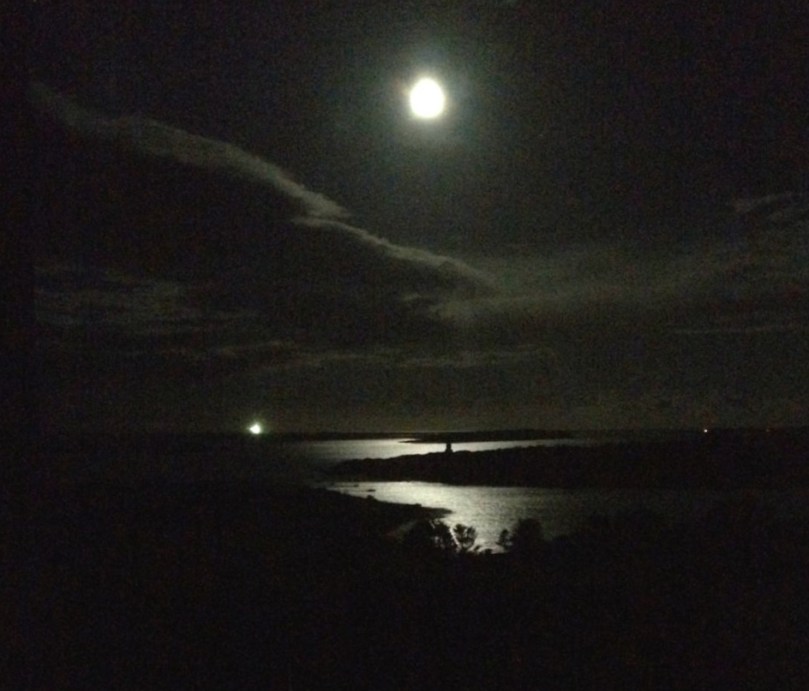
Dawn Moon over Rossbrin Castle

Dawn Moon over Rossbrin Castle

***

By the way… Dictionary definition of Maunder: to move or act in a dreamy, idle or thoughtful manner. Synonyms: wander, drift, meander, amble, dawdle, potter, straggle… Finola has only ever heard the word used in Ireland.

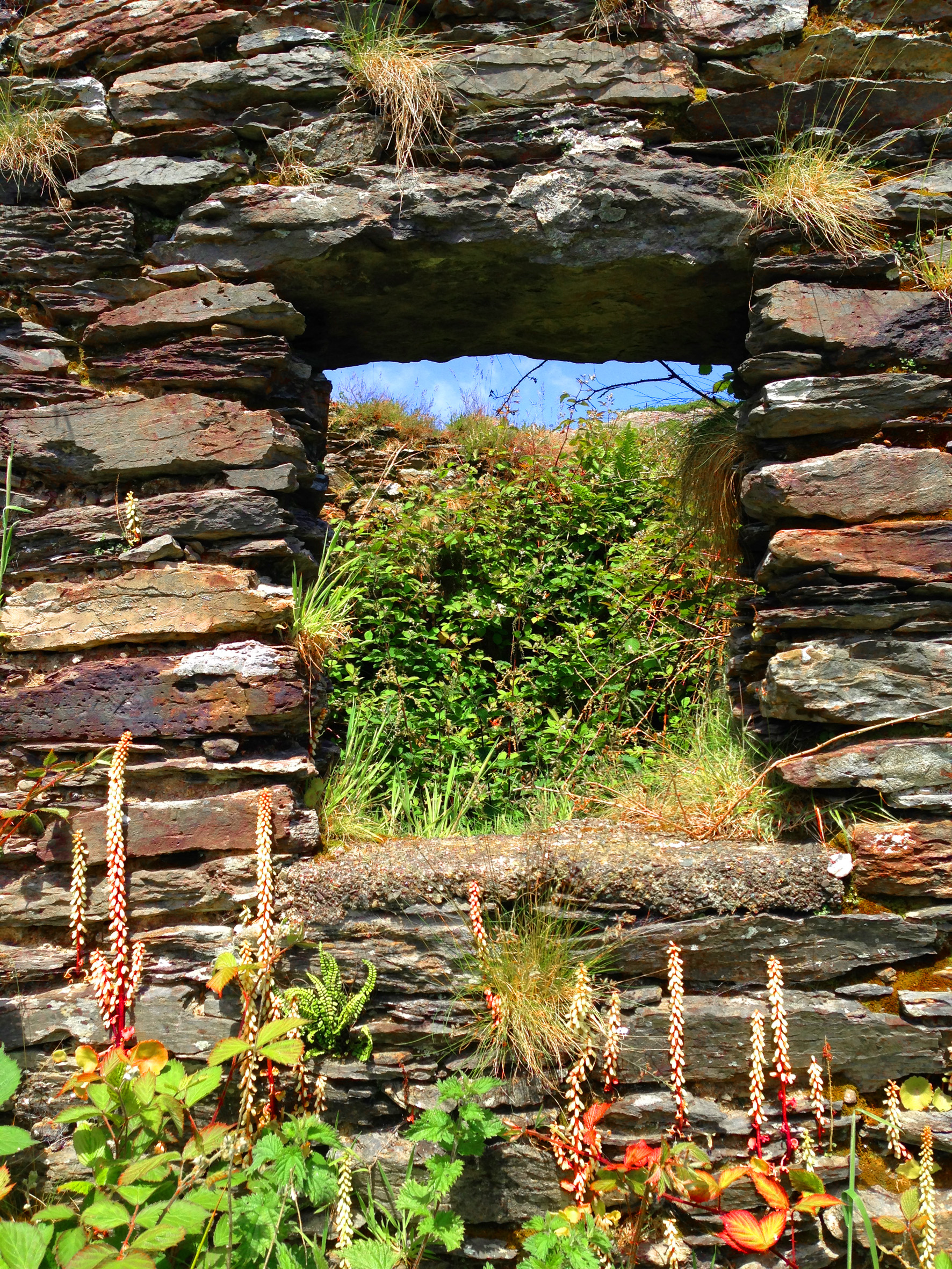
thady's

Thady’s window on the World

In the Wilds of West Cork

West Cork night life

West Cork night life

What on earth will you find to do in the wilds of West Cork? One friend asked me this when I announced my plans to move here. Others may have been too polite to express the thought, but the question hovered. They needn’t have worried, of course. I don’t think I have ever lived anywhere else where there was so much going on and so much to do. If that was true in the winter, it’s more so now. It’s spring and summer’s around the corner, so West Cork Festival Season has gone into high gear. I wrote about the Ballydehob Trad Festival six weeks ago. Since then, there have been two more – a jazz festival in Ballydehob and the Fiddle Fair in Baltimore. 

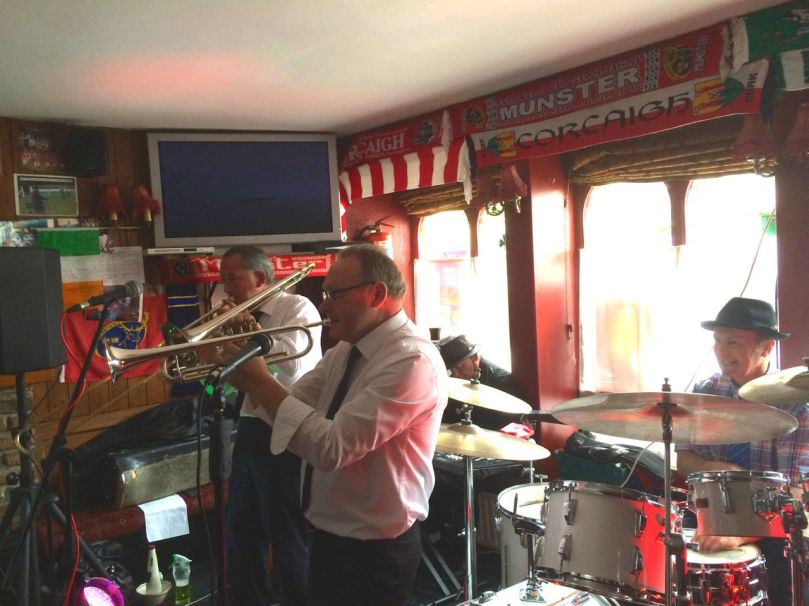
Live jazz in the Irish Whip Bar

Live jazz in the Irish Whip Bar

The Jazz Festival featured a street market, and jazz sessions in most of the pubs all afternoon and well into the night. The village hall was decked out as a night club one night, with dancing into the wee hours. There were musicians and jazz aficionados from all over Ireland, and the pubs were bursting at the seams and spilling over onto the sidewalks.

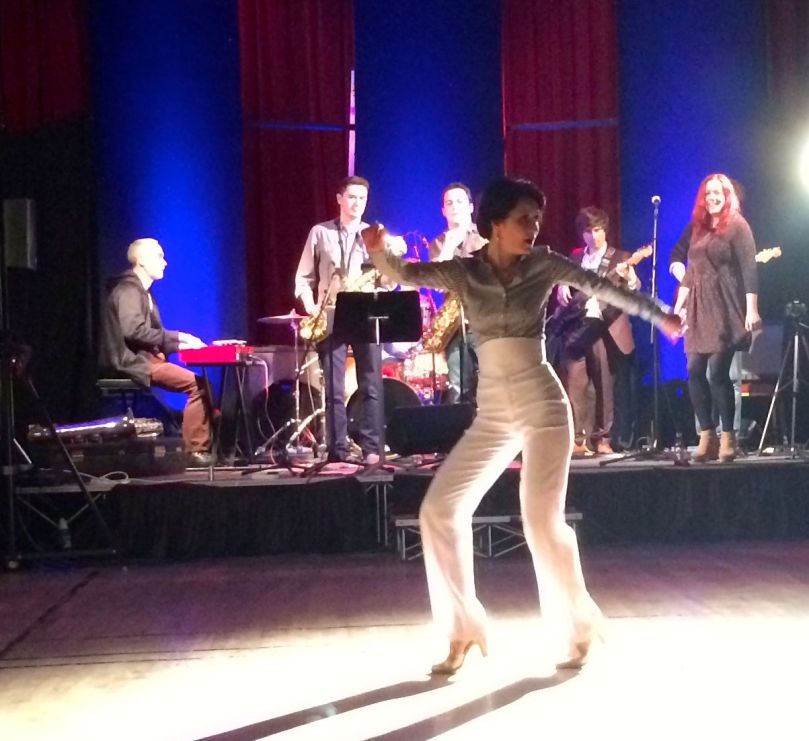
Soul Driven and the riveting dancer Ksenia Parkhaskaya

Soul Driven and the riveting dancer Ksenia Parkhaskaya

This is the second time we have been here for the Baltimore Fiddle Fair, which has ben going now for over 20 years, under the brilliant direction of Declan McCarthy. World class acts come to play in this tiny village. The audience is diverse too – we met people who had come from Britain, Germany and the USA just for this weekend. We had season tickets, which meant we weren’t asleep before 2 in the morning for four nights in a row – probably earlier than most of the attendees!

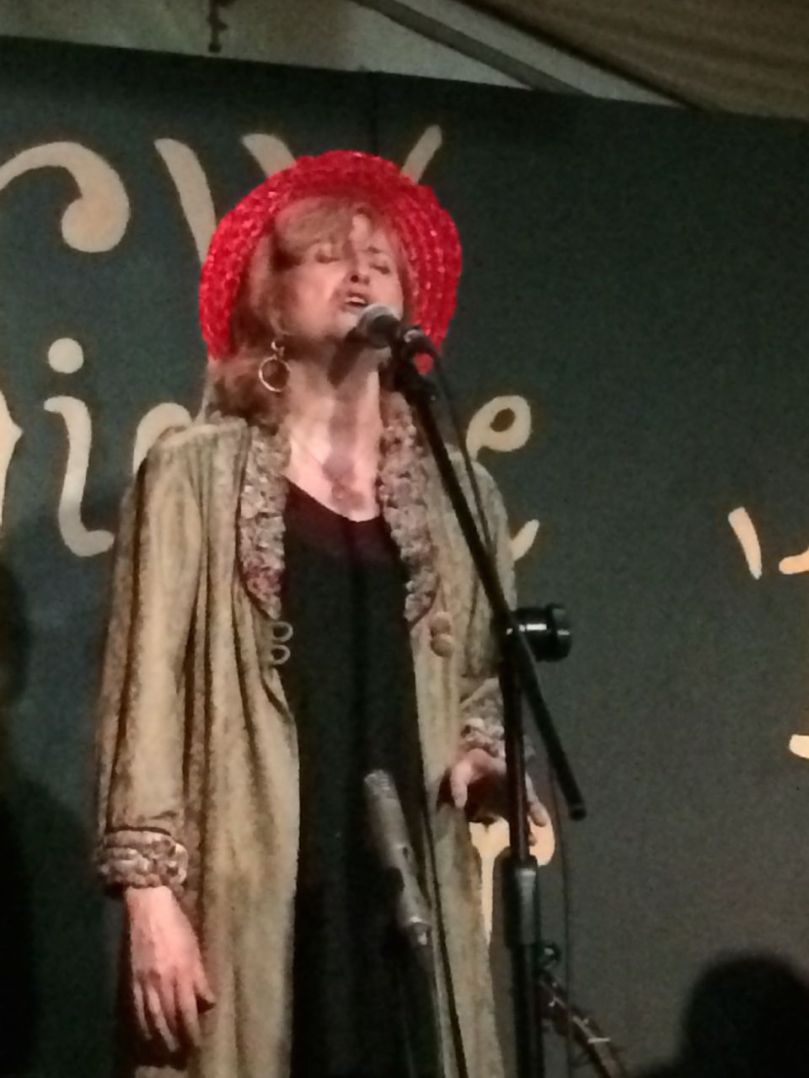
Eddi Reader

Eddi Reader

A highlight was Eddi Reader, a Scottish singer/songwriter with a larger than life stage presence, a great line in stories, and a soaring voice. Robert loved seeing Aly Bain, one of his musical heroes, in concert and we both appreciated the wide range of music on offer, from Appalachian old time fiddling to Swedish polskas, Scottish and Irish tunes, and an entertaining group call the New Rope String Band who kept us laughing with their slapstick humour. For the readers who have been requesting videos, I recorded one lively number and uploaded it to YouTube – take a look. It’s a tiny taste of what we experienced.

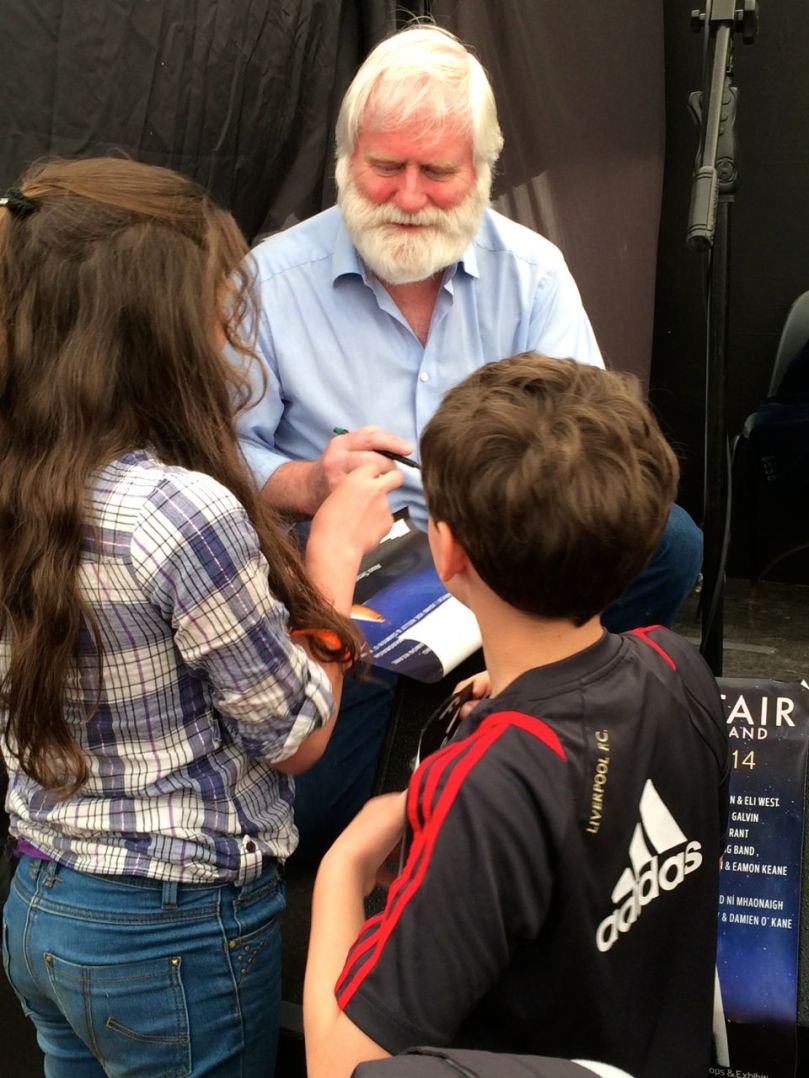
John Sheahan with young fans

John Sheahan with young fans

One unforgettable afternoon was devoted to a concert by John Sheahan, the sole surviving member of the legendary Dubliners. Accompanied by Eamon Keane on the keyboard, he told stories, read us his poetry, and played his own compositions. He is truly an Irish icon, and it felt like a real privilege to hear him in such an intimate venue. He played a wide variety of music and I recorded this one: St Patrick’s Cathedral.

Of course all these late nights and bouncing around on seats takes a toll on the body, leading to the need for a rejuvenating day at a spa. Fortunately, there is a marvellous one in West Cork, on Inchydoney Island, where my friend Amanda and I repaired for a girly day of pampering. You can read her account of our hedonism here. 

The strand at Inchydoney Island

The strand at Inchydoney Island

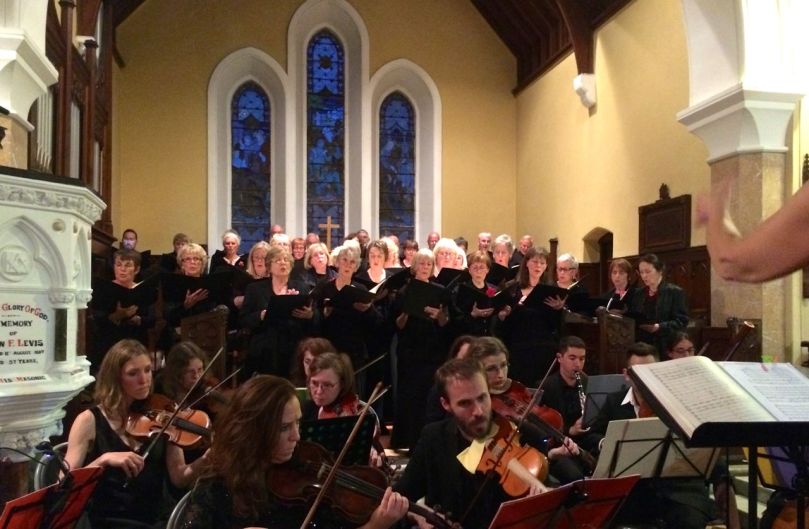
And in case you might feel that the entertainment described above is not highbrow enough, last night we attended a performance of a Haydn mass and Mozart’s Requiem by the West Cork Choral Singers. Accompanied by an excellent small orchestra (we recognised some of the players from our regular Firday night trad sessions: fiddlers turned violinists) and four outstanding soloists, the choir rose to the challenge of an ambitious program magnificently, garnering a well-deserved standing ovation by the appreciative audience.

West Cork Choral Singers present Mozart's Requiem in Skibbereen

West Cork Choral Singers present Mozart’s Requiem in Skibbereen

We won’t have much time to recover from all those late night – next weekend is the Fastnet Short Film Festival in Schull as well as a Skibbereen Historical Society trip to Cape Clear, and the one after that is the Ballydehob Country Music Festival (where I may have a small role to play). More on those events in an upcoming post. If I survive it all…It’s a tough life, out here in the wilds!

Troll Tuning

Baltimore - with Dún na Séad before restoration - painted by Val Byrne

Baltimore – with Dún na Séad before restoration – painted by Val Byrne

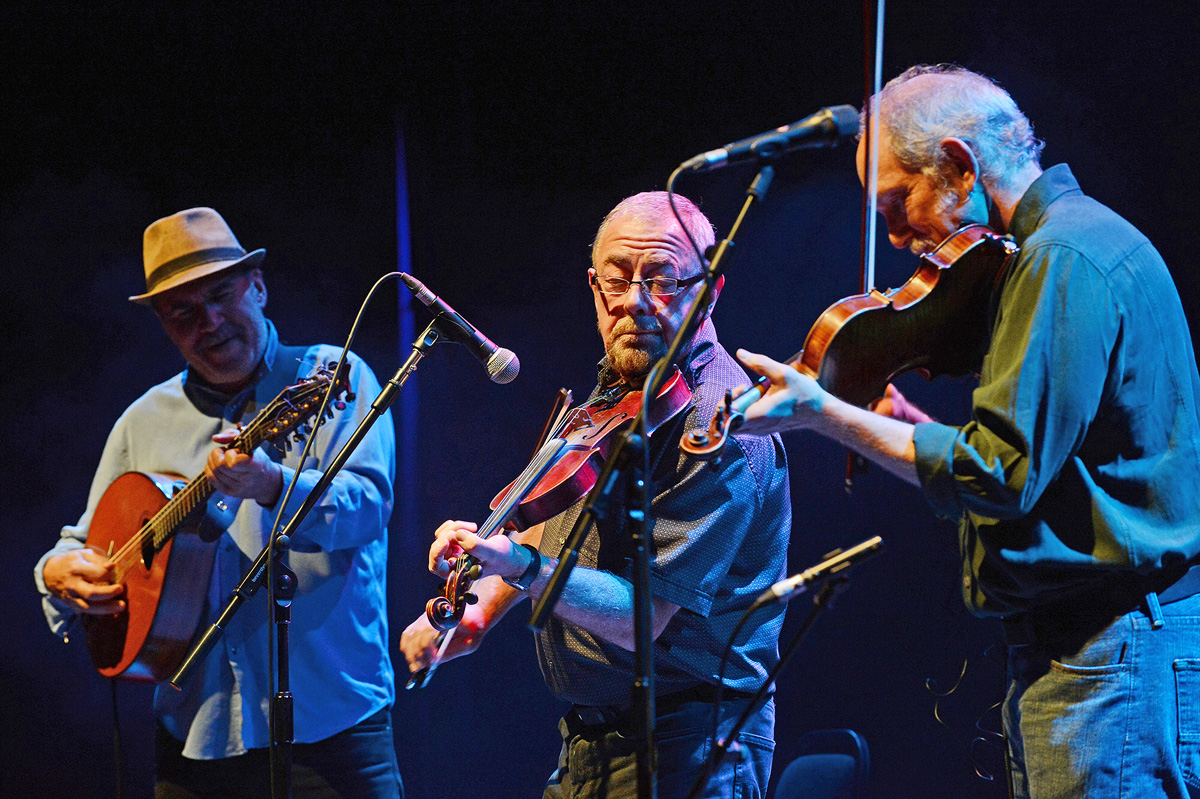
It’s May, and time for the Baltimore Fiddle Fair, still in progress as I write this, and keeping us up well into the nights with world class concerts: music from so many cultures that involves the ubiquitous violin. My post today has been sparked off by the opening event held in the restored Dún na Séad – the name means fort of the jewels, which may be a reference to the building’s role in the collection of taxes levied on foreign vessels entering the harbour. The Anglo-Norman castle was built in the early 13th century, was besieged and sacked many times, became a garrison for Oliver Cromwell in 1649 and fell into ruin until it was rescued and underwent a superb full restoration only completed in 2005. Friday’s candlelit opening concert featured a fiddle master from the Shetlands, Aly Bain, and his long term musical collaborator Ale Möller, a multi instrumentalist from Sweden. 

One piece in their programme immediately caught my attention: Hjaltadans – literally translated as ‘lame’ or ‘limping’ dance. It’s also the name of a Bronze Age stone circle near Houbie in the Shetlands. It’s said that the two central stones of that circle are a fiddler and his wife who were entertaining a group of Trowies (trolls) and were interrupted in their music making by the rising sun which turned them all to stone. Trolls are undoubtedly related to The Other Crowd in Ireland, and also inhabit the shadows in Scandinavia.

Here is an extract from the latest album from Bain, Möller and Molsky – Troll Tuning: King Karl’s March


The Shetland troll dance was followed by a Swedish ‘Troll Tuning Set’. Aly and Ale explained that Troll Tuning is a particular way of setting up a fiddle where the strings are tuned AEAC♯, rather than the more usual GDAE. This tuning is sometimes used in Scandinavia, Shetland and in American old-time music (this probably because there were so many settlers from Sweden in North America). The tuning produces very distinctive, haunting music: ‘…Once you’ve heard a trowie tune you can never forget it…’ Even more interesting is the legend that playing such tunes connects the musicians with magical powers.

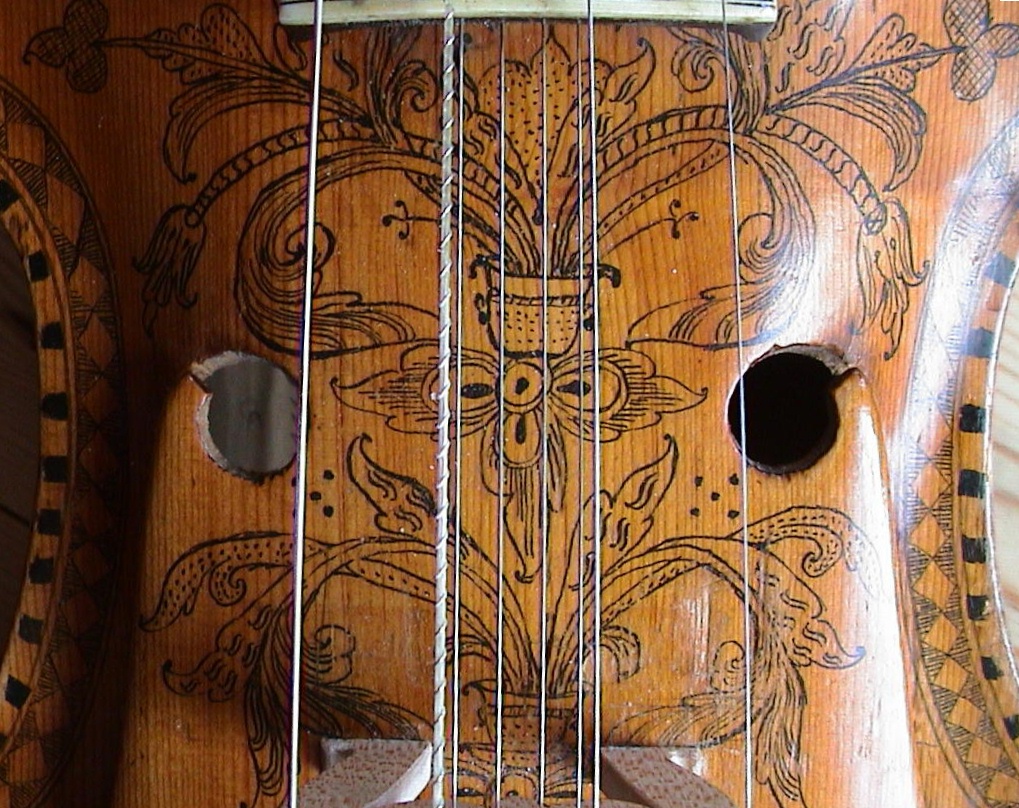
The Devil's Music: Hardanger Fiddle

The Devil’s Music: Hardanger Fiddle

All this reminded me of traditional stories involving musicians and characters from the Otherworlds: they are pretty universal over many cultures. I also thought about a particular type of fiddle from Norway (regularly seen and heard at the Fiddle Fair) which has ‘magical’ associations: the Hardanger Fiddle or Hardingfele in Norwegian. This traditional instrument is usually magnificently carved and inlaid, and has understrings which are not actually bowed, but are tuned to vibrate when other notes are sounded. The tone and ambience of the instrument is unique and compelling: it is easy to imagine the Trowies or Sióg (pronouced Sheeogue: Irish Fairies) requiring such striking sounds for their festivities. But some have thought the Hardingfele has diabolic connections, and in fact many good players were reputed to have been taught to play by the Devil himself. During the 1800s many fiddles were destroyed or hidden both by fiddlers and laypeople who thought ‘…that it would be best for the soul that the fiddle be burned…’ as it was viewed as ‘… a sinful instrument that encouraged wild dances, drinking and fighting…’

In Ireland, boys were sometimes dressed as girls to stop the Sheehogue from stealing them away

In rural Ireland, boys were sometimes dressed as girls so the Sióg would not steal them away

At this time of the year it’s not just the instruments and the music we have to be wary of: throughout the month of May the Sióg are active. Yeats tells how an old man saw them fight once: ‘…they tore the thatch off a house in the midst of it all. Had anyone else been near they would merely have seen a great wind whirling everything into the air as it passed. When the wind makes the straws and leaves whirl, that is the Fairies, and the peasantry take off their hats and say, God bless them…’

The wind is certainly whirling and tearing at the trees outside as I write this: May has seen the return of strong gales – the trees are bending again and Roaringwater Bay is alive with white breakers. Looking out to the islands I bring to mind a tune from the Blaskets, over on the coast of Kerry. Port na pBucai (Music of the Fairies) is a haunted song if ever there was one. It’s said that the islanders were out fishing in their currachs when a storm broke out. It turned into a gale and they feared for their lives as the canvas hulled craft became swamped. Then, the wind suddenly died and they became aware of music playing somewhere around them – an unearthly music. The island fiddler was amongst the crew; when they got safely back to land he found he could remember the tune they had heard. It has passed into the traditional repertoire and has been played ever since.

My own rendition of Port na bPucai on the concertina –


To close, a verse by Seamus Heaney which was inspired by this story of the Fairy music:

The Given Note

On the most westerly Blasket
In a dry-stone hut
He got this air out of the night.

Strange noises were heard
By others who followed, bits of a tune
Coming in on loud weather

Though nothing like melody.
He blamed their fingers and ear
As unpractised, their fiddling easy

For he had gone alone into the island
And brought back the whole thing.
The house throbbed like his full violin. 

So whether he calls it spirit music
Or not, I don’t care. He took it
Out of wind off mid-Atlantic. 

Still he maintains, from nowhere.
It comes off the bow gravely,
Rephrases itself into the air.

Blaskets