The Circus Comes to Town!

We are spoilt for entertainment...

We are spoilt for entertainment…

When I saw this poster I hurried down to the Community Hall to see the Big Top setting up. There was no Big Top – this touring circus wisely uses village halls and other ‘solid’ venues during the winter months. Nevertheless, I wasn’t disappointed – any circus is a nostalgia trip for me. In another lifetime (it seems) I travelled far and wide to get to The Circus: even as far as Romania, where I had many adventures – but that is another story…

Circus in a box...

Circus in a box…

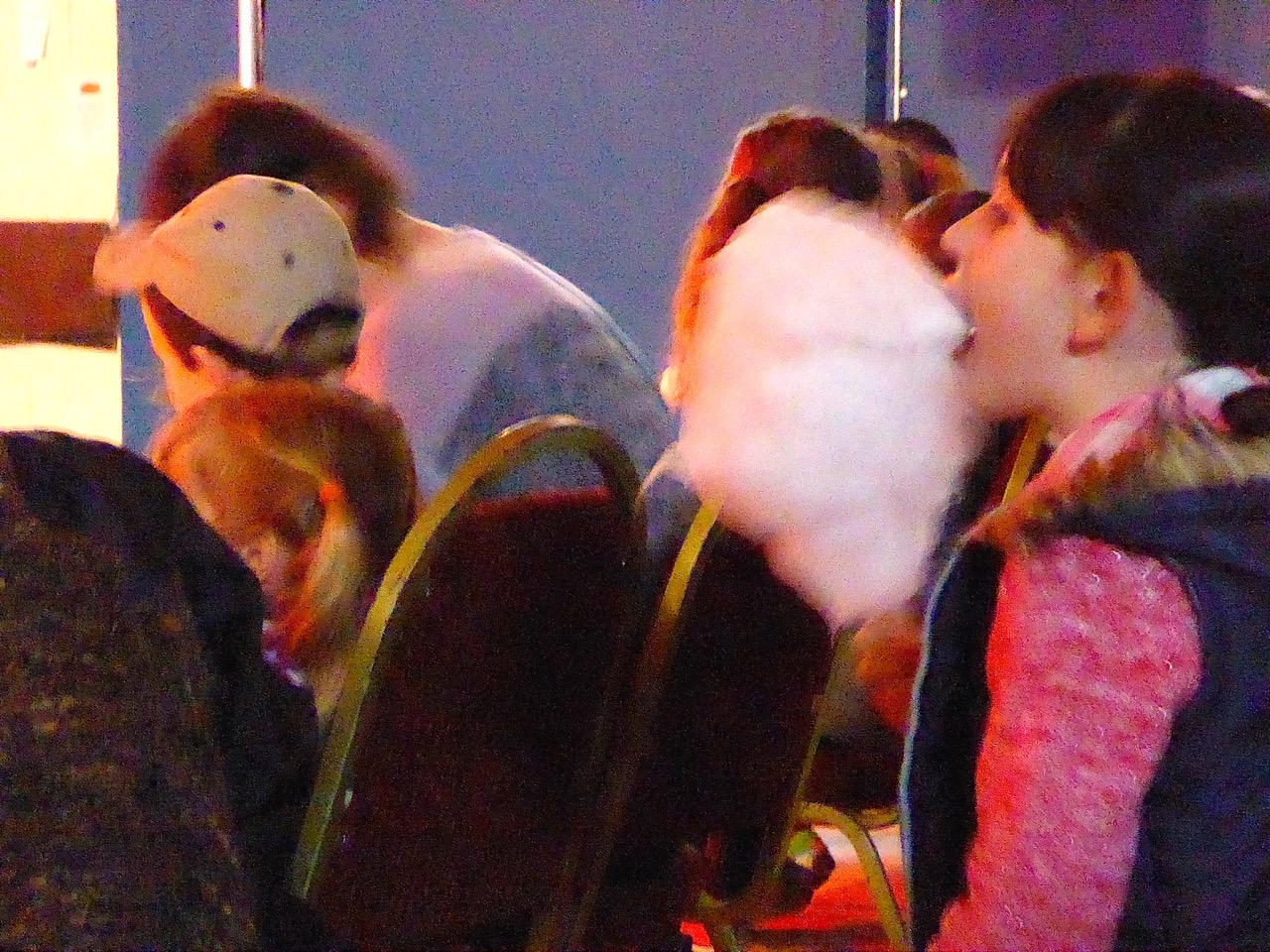
I have always been fascinated by how The Circus works. It’s an evanescent thing: here today and gone tomorrow. All the hard labour and the human skills fall on fewer and fewer shoulders nowadays, and you are likely to notice the person selling you tickets – and popcorn and candyfloss – later dressed in glitter and enthralling you with balancing feats and juggling fire in the Ring, which they had already been hard at work unpacking from the trailer and assembling at an early hour to transform the utilitarian interior of the local hall into a surreal palace of entertainment.
candy floss

This was certainly the case with Circo Corvenieo – we saw only two faces – but many different costumes – throughout the high quality two-hour performance. After a bit of research, I discovered that one of these two was Brandon Corvenieo, descended from an illustrious dynasty: the families of Corvenieo and McCormick have been associated with Circus and live entertainment since the early eighteenth century.

Corvenieos Circus in 1926 (Corvenieo Family Archive)

Corvenieo’s Circus in 1926 (Corvenieo Family Archive)

Brandon’s forebears ran a large touring circus in Ireland in the 1920s – one which included a full circus band: the last time I saw such a band was at the Blackpool Tower Circus many years ago. Circo Corvenieo relied on sophisticated electronics for sound and light – more easily managed on a scaled down touring show.

The show may have been compact – but it was spectacular! And admirable, in bringing first class skills to rural Ballydehob. The five chair tower balancing act had us on the edge of our seats, while the quality of juggling was impressive – you don’t often see five clubs or six rings being wielded as expertly as this outside of the most expensive venues. In some ways I thought that it’s a shame the audience was so young: small children would not have realised the years of practice required to achieve these professional performances. However, it may perhaps whet their appetites for later career choices… The highly skilful three tier Rolabola was something I had never seen before and – as always – the fire juggling, eating and breathing acts were transfixing: all this, and unicycling and stilt walking as well!

The ‘Father of Circus’ is recorded as Philip Astley (1742-1814), a former cavalry Sergeant-Major turned showman. During his military service he had displayed a remarkable talent as a horse-breaker and trainer – perhaps he was a Whisperer? Upon his discharge and return to London, Astley found there was a living to be made in equestrian demonstrations. In 1768 he set up an indoor amphitheatre (with a circular performing space) and The Circus as we know it was born!

Astley's Amphitheatre, 1807

Astley’s Amphitheatre, 1807 (Capon, V + A)

We know, of course, that in Ireland’s history horsemanship has always been practised and respected. It was also the case that riding skills and training provided profitable entertainment back in those times. Circus seems to have taken off in a big way all across Europe in the 1700s, providing employment for acrobats, rope-dancers, and jugglers, interspersing their acts between equestrian displays. Another addition to the show was ‘…a character borrowed from the Elizabethan theatre, the clown, who filled the pauses between acts with burlesques of juggling, tumbling, rope-dancing, and even trick-riding…’

show business

Thank you, Corvenieo’s, for bringing the spirit of The Circus back to our corner of Ireland – I gather this is the first time in 19 years you’ve been to West Cork… I think we gave you a good audience (I counted between 60 and 70 full seats): please come back in the summer, and bring the Big Top! Meanwhile, I’ll go out to the shed and dust off my fire juggling clubs – I only ever managed three; now I’m feeling sorry that I left behind my tall unicycle and my high stilts.

CEPT--Circus-1

CEPT--Circus

A Lick of Paint

blue long distance

What does it mean to say that a house is “set well into the landcape?” On the West Coast of Canada, where I used to live, it usually meant that a house was invisible, often made of wood and blending into the trees. But here in rural West Cork, buildings are more assertive – we ARE the landscape, they seem to say, or at least an important part of it. Therefore we should stand out and be seen. Part of being seen, for many houses in the countryside, is choosing a bright colour. Ah sure, they say, all it needs is a lick of paint.

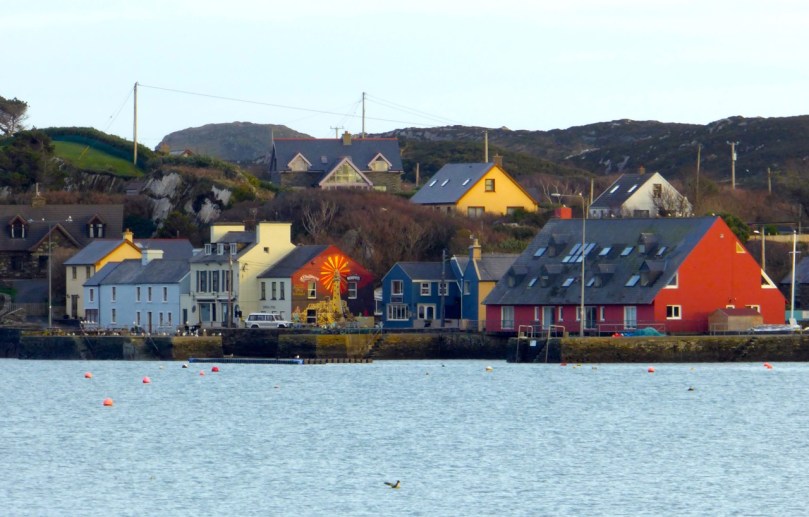
Crookhaven

Crookhaven


I’ve written before about the colourful towns and villages dotted all over Ireland. Coming around a bend in the road and catching sight of a village is a cheering experience: flashes of colour spread in a line across a backdrop of green fields or rugged mountains. But colour isn’t confined to towns – farmhouses in the deep countryside can suddenly demand attention – pops of colour in a predominantly green terrain. 

Blue seems to be a favourite – and we are not talking here about a pale blue or grey blue. No – duck egg or cobalt blues predominate. The blue is weathering and fading a bit in the house below but it still packs a punch in its isolated setting.

Sometimes blue is used on one side of the house only, or on selective aspects – a gate post or a shutter.

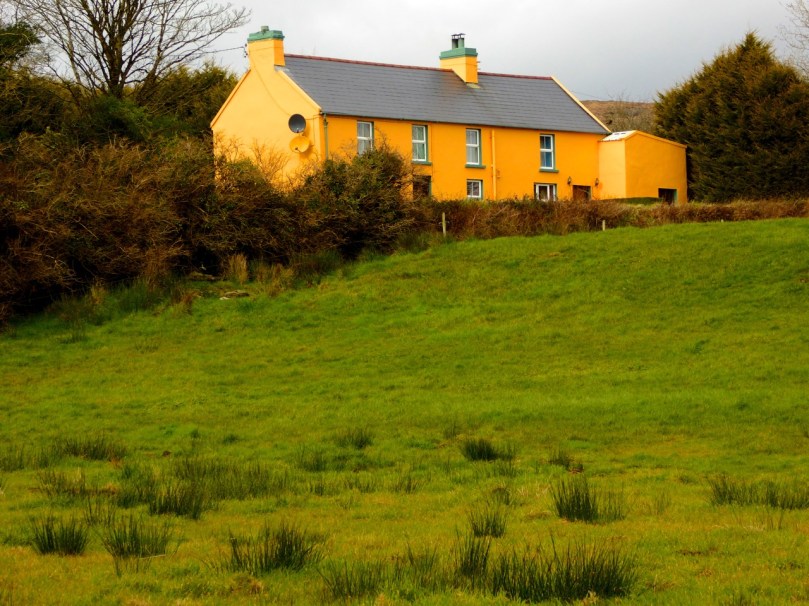
One of my favourites is this house, the colour of a ripe apricot. It is visible from a long way off and always seems to be incandescent on its hillside, as if permanently lit by a setting sun. Close up, I found it has jade green trim, making it even more handsome than it appears from a distance.

apricot distant

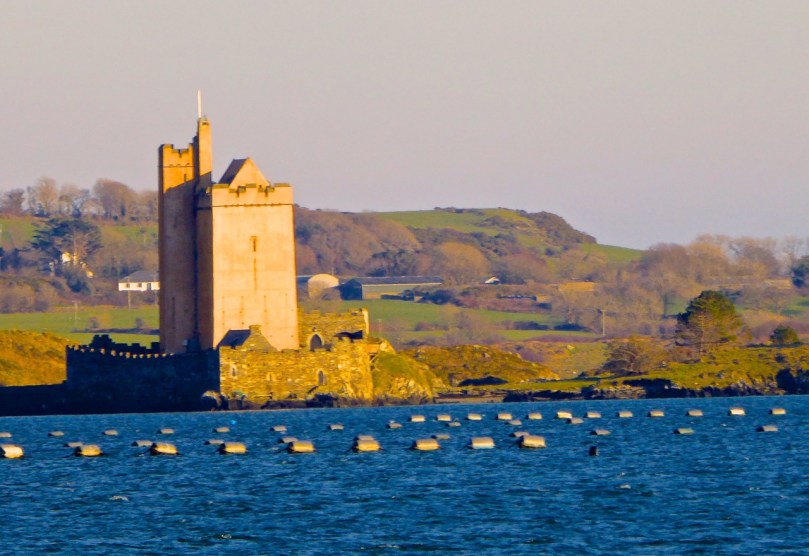
That colour is also one of the most recognisable in West Cork because it’s the colour of Jeremy Irons’ Kilcoe Castle. When the castle was being rendered, Irons used a lime mortar in order to waterproof the masonry: the mortar has a distinctive peach tone. Although controversial at the time, it is fair to say that West Cork folk have come to enjoy the sight of this wonderful restored 13th Century castle permanently glowing on its tiny island.

Kilcoe Castle

Kilcoe Castle

Pinks range from soft and pastel to the colour of fuchsia.

I particularly like the pink-on-pink trim of the farmhouse below left, and the candy-coloured house with its blue trim.

Yellow shows up well against a green hill. The first house below belongs to our friends the Camiers, who run the marvellous Gortnagrough Folk Museum. The second one is on the Sheep’s Head (photo by Amanda Clarke).

There are shades of salmon and coral that seem to suit old houses very well. Left, below, is the old school house in Rossbrin, now a private residence, and right is the Ballydehob Rectory, particularly attractive with its green trim.

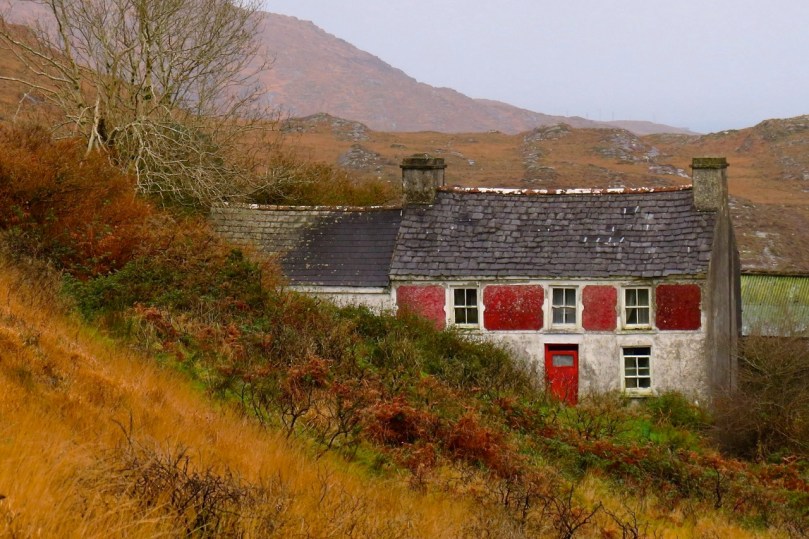
I’ve found red to be reserved mostly for doors, trim and spot colour, but my friend Amanda Clarke found this old farmhouse on the Sheep’s Head. Take a look at her site, Sheep’s Head Places for examples of vernacular farm buildings. 

Old farmhouse, Sheep's Head

Old farmhouse, Sheep’s Head*

Renovations never stop – I did wonder what colour this one would end up. Now I know!

Going through the spectrum

Going through the spectrum

But this one, unless miracles happen, will see no more paint. Then again, it’s right beside a holy well, so maybe…

Generations of colour

Generations of colour

 *Many thanks to Amanda Clarke for the use of the asterisked photographs

Your Favourite Posts of 2014

Cape Clear Harbour

Cape Clear Harbour

What were your favourite Roaringwater Journal blog posts of 2014?

Our blogging software provides a running count of visitors to Roaringwater Journal and it’s always fascinating to see which ones receive the most views. Some of them are our own favourites as well, and some can attribute their high numbers to being re-blogged by others, or to being shared on social media. So tell us, Dear Reader – did the software capture it – or do you have a different favourite from our top posts of 2014?

From the Whiddy Island high point

From the Whiddy Island high point

The top two posts of 2014 were the ones we wrote about our trips to Cape Clear and to Whiddy Islands. We loved our time on the islands and intend to go back often – our enthusiasm probably shone through. But it may also be that islands hold a mystique for us that is hard to define – out there in the dawn mist, mysterious and peaceful, whole worlds unto themselves. The islanders of West Cork are worried at the moment by cuts to their development officer funding, and need all the support we can give them. So if you live here, or are planning a trip, include one or more of these beautiful islands in your plans.

Timoleague Friary

Timoleague Friary

Next in popularity was our post on the Timoleague Friary. It’s an iconic piece of West Cork history and architecture – the only sizeable medieval religious ruins we have, perched on a picturesque estuary of the Arigideen River.

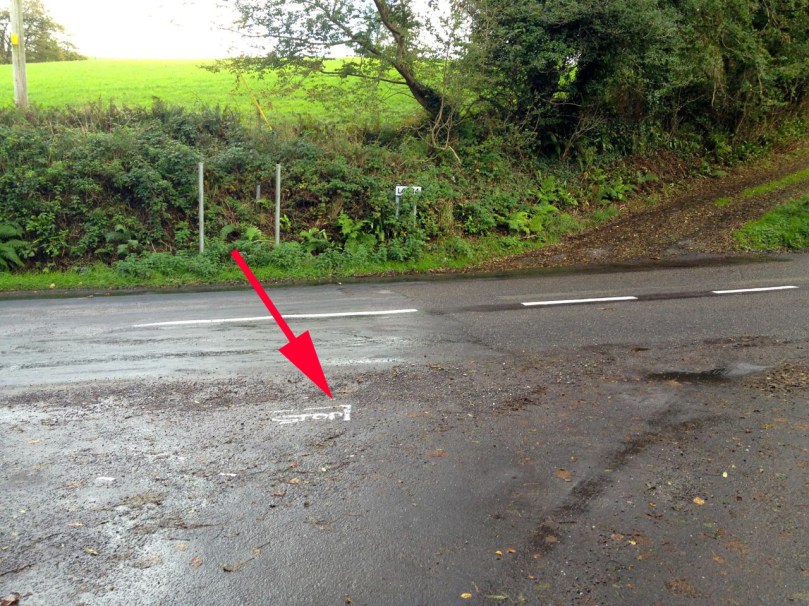
I've learned to look carefully for road signs

I’ve learned to look carefully for road signs

Finola’s frustration at the inflexible regulations that treated her like a novice driver, despite forty years of driving experience, must have struck a chord with you. Maybe you dropped by Driving Home the Point to sympathise with her plight, or maybe it was to chuckle over the numerous example of the routine flouting of the Irish rules of the road, or the bemusing driving conditions of many rural roads.

Evans of Bantry

Evans of Bantry

We have enormous nostalgia for the things we remember from our childhood, don’t we? In that vein, it’s not surprising that Shopping for Memories was such a popular post. These lovely old shops evoke a time when a whole variety of shops lined the main streets and our mothers went from the butchers to the greengrocers to the chemists to the haberdashers and, if we were lucky, to the sweet shop on a daily basis.

Carraig Abhainn Gardens

Carraig Abhainn Gardens

But sadly, the numbers of these old-fashioned shops are dwindling. This year we said goodbye to Wiseman’s in Durrus, no longer able to compete against the hardware shops of Bantry. Fortunately, their wonderful Carraig Abhainn Gardens are still open behind the shop – and our description of this hidden gem was one of your favourite posts of the year.

A group of posts on festivals came next. We wrote about the question our friends asked us when we decided to move here, What on earth will you find to DO? We answered in a series of posts describing some of the local events and festivals we have taken in this year – the Ballydehob Jazz Festival and Arts and Culture Festival (which included our own Rock Art Exhibition), traditional music Festivals in Baltimore, Bantry and Ballydehob, and a host of musical and theatrical events. One day all of you retirees out there are going to discover that moving to West Cork is the best decision you can make!

The next group of posts centred on the Mizen – the Mizen Magic posts where we concentrated on aspects of the Mizen Peninsula that delight us – the Beaches, Brow Head, the Butter Road, Mount Gabriel, the Gortnagrough Folk Museum, and the history and archaeology of this beautiful part of Ireland.

How are ye?

How are ye?

In fairness, like, it looks like ye would have enjoyed our take on how to speak like ye’re from West Cork. Those little posteens made you happy out.

Ye must be a fierce active crowd altogether because you really got a kick out of Finola’s description of her day of sailing and (perhaps her personal favourite in the activities department) her moonlight kayaking on Lough Hyne.

Happy New Year from Robert and Finola!

Happy New Year from Robert and Finola!

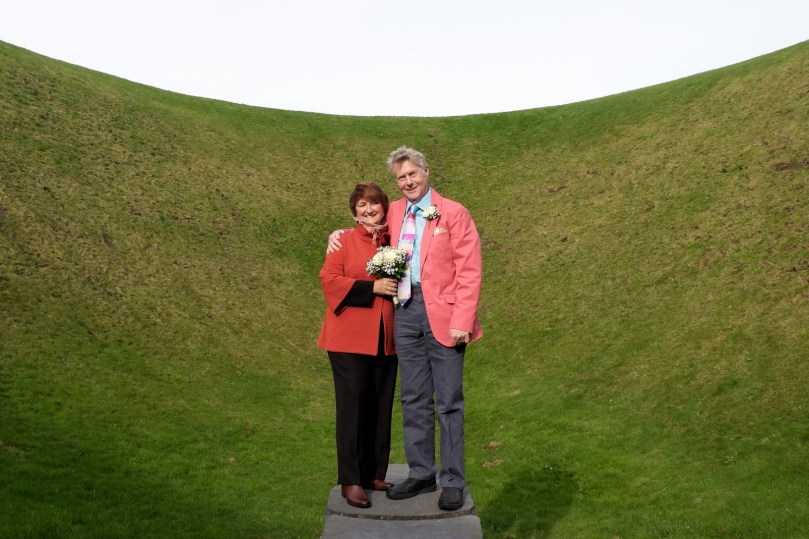
And our own personal favourite of 2014? Robert’s post on the Sky Garden, of course! If you haven’t read it yet, you’ll have to do so to find out why this was the highlight of our year in West Cork.

Shopping for Memories

Miss Clerke

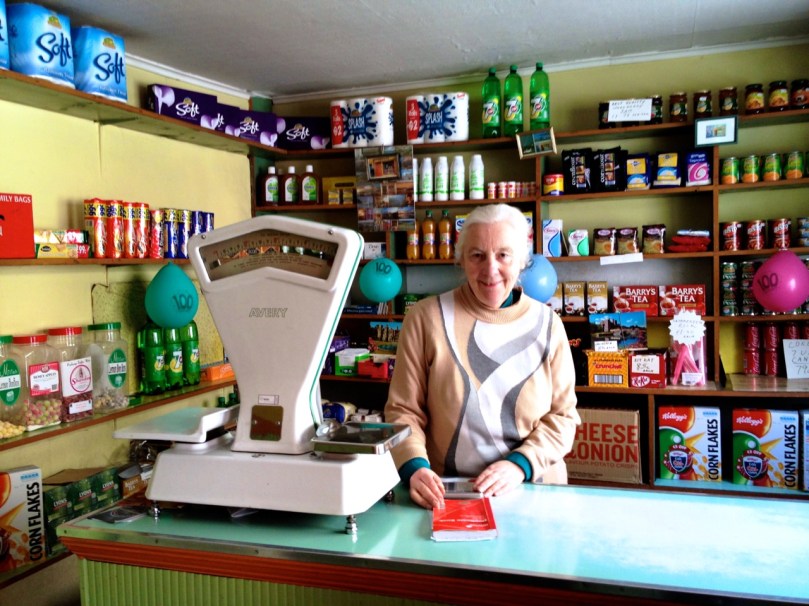
In my post Going for the Messages I told you about rediscovering the shops of my childhood here in West Cork. Since then, Miss Clerke’s shop, lightly photoshopped but totally recognisable, graced the front page of the Irish Times Magazine as their illustration for their Ireland’s Best Shops competition. So it’s not just me, then. I’m not the only one with a nostalgia for the old-time shopping experience.

Evans of Bantry

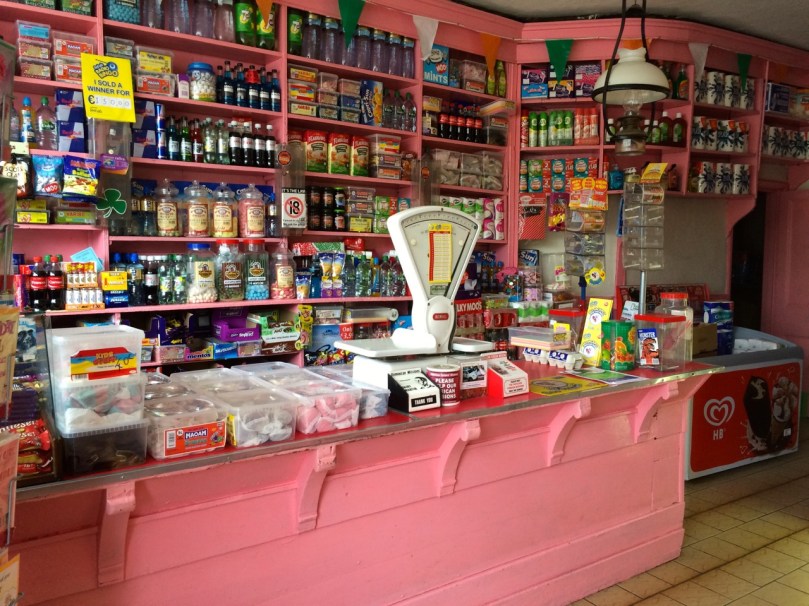
In that spirit, I am revisiting a few of my favourites traditional shops. I have discovered two more shops like Miss Clerkes. First, there’s Evans, In Bantry. Proudly run by Miss Evans, it has the same look and feel of a place unchanged since the 50’s, although perhaps the pinkness of it all might be more modern. It has a lovely atmosphere – when I was in there a couple of kids were trying to decide how to spend their pocket money on sweets from the big glass jars.

MIss Murphy in her traditional shop

MIss Murphy in her traditional shop, Eyeries


Lunch is served outside

Lunch is served outside

On the Beara Peninsula we stopped for lunch at Miss Murphy’s store in Eyries and chatted with her about my Great Uncle who had married an Eyries woman. Since I couldn’t remember her name Miss Murphy was unable to help, but she tried, and she made us a delicious basket of sandwiches.

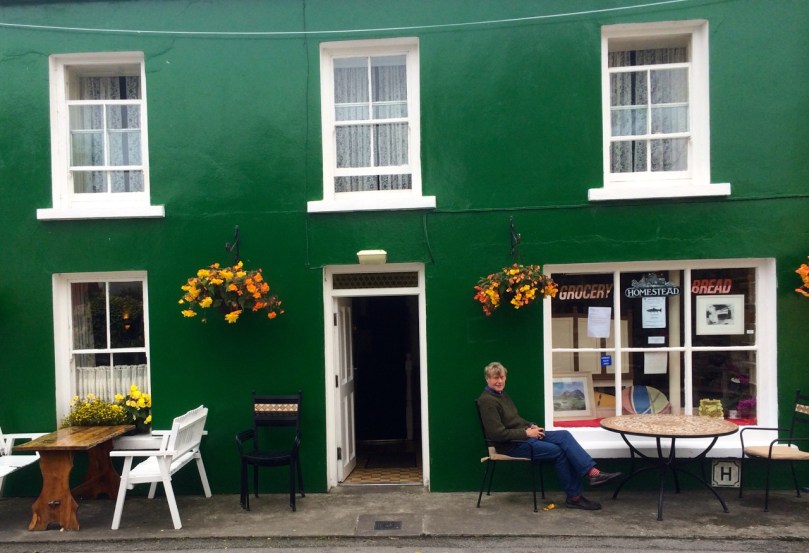
Some shops are a little puzzling – for example, P. Cronin Carpenter in Skibbereen. I’ve never seen it open and I’m not sure what it would sell if it did open its doors. The photo of the interior was taken through the window.

In Bantry one of the Undertaking establishments has a shop. At first I found this idea a little startling, but it makes a lot of sense once you come to appreciate Irish graveyard traditions, including how often people visit graves and leave tokens at them.

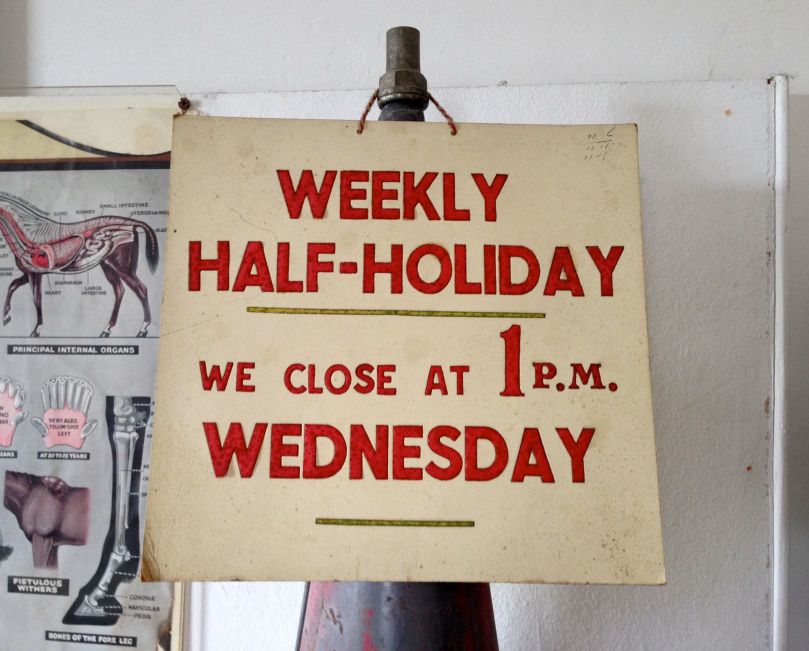
half holiday

Shops in Irish country towns follow traditional opening hours. They invariably close for lunch (1PM to 2PM) and generally follow a five-day-a-week opening schedule. This can mean they are closed, besides on Sundays, on Mondays – but other days are possibilities too. None nowadays follows the old tradition of the half day. Remember that? 

messenger bike

And remember how the groceries would be delivered – by a young lad on a messenger boy bike? You can still get delivery but now the messages come in a van.

Levis's Pub in Ballydehob: the traditional grocery section is still intact

Levis’s Pub in Ballydehob: the traditional grocery section is still intact

Of course, one of the traditions we remember about country towns was that of pubs also selling groceries or dry goods – whatever people needed. You went in for a pair of wellies and a dozen eggs, and took your ease with a pint on the bar stool, or a whiskey in the snug, before you left. Levis’s Corner House in Ballydehob has preserved the grocery counter. You can hear Joseph talking about it, and about the great history of this historic pub in the excellent radio documentary “Keeping the Door Open.” It’s about far more than just this one pub – it’s about a whole way of life in rural Ireland. A way of life that still lingers in West Cork…so far.

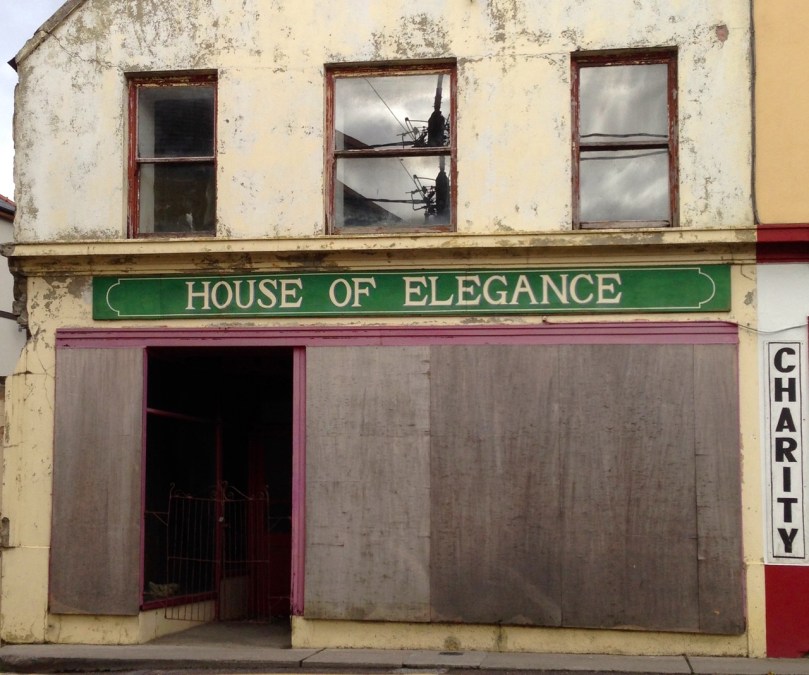
elegance

Ballydehob Rocks Art and Culture

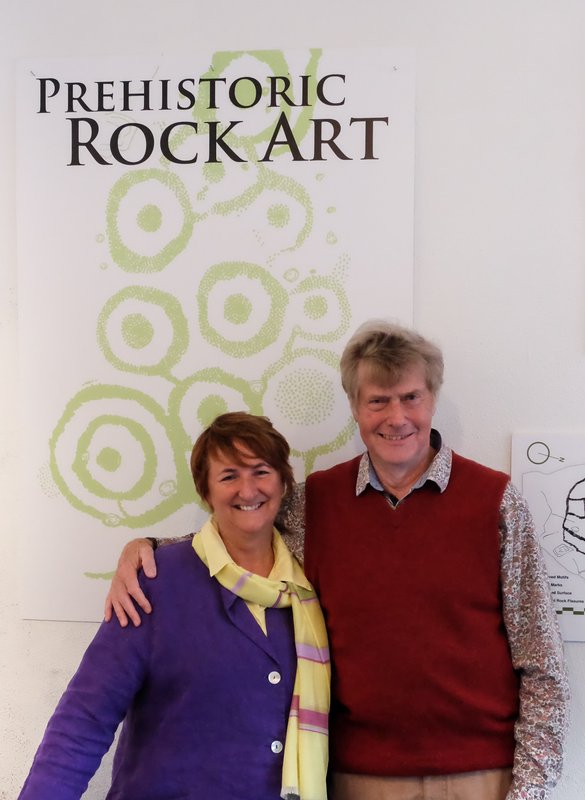
Looking pleased with the exhibition!

Looking pleased with the exhibition!

I’ve posted before about the amazing variety of events and festivals that West Cork towns host. The latest, and this is a new one, is Ballydehob’s Art and Culture weekend. It’s just over and it was great fun.

For the most part the venues were intimate (think pubs, cafes, An Sanctoir) or outdoors. The weather was variable – we got everything from gales to sunshine – but only one event had to be cancelled because of it.

There was a bus tour to the delightful Gortnagrough Museum, and another to the Rock of the Rings (local rock art!) and an historic walking tour of the town. There was a poetry trail, storytelling, plays, dance performances, a dozen different art exhibitions (including our own), kids’ workshops and movies, a cabaret, and of course music – lots of music from trad to country to world music to drumming to classical.

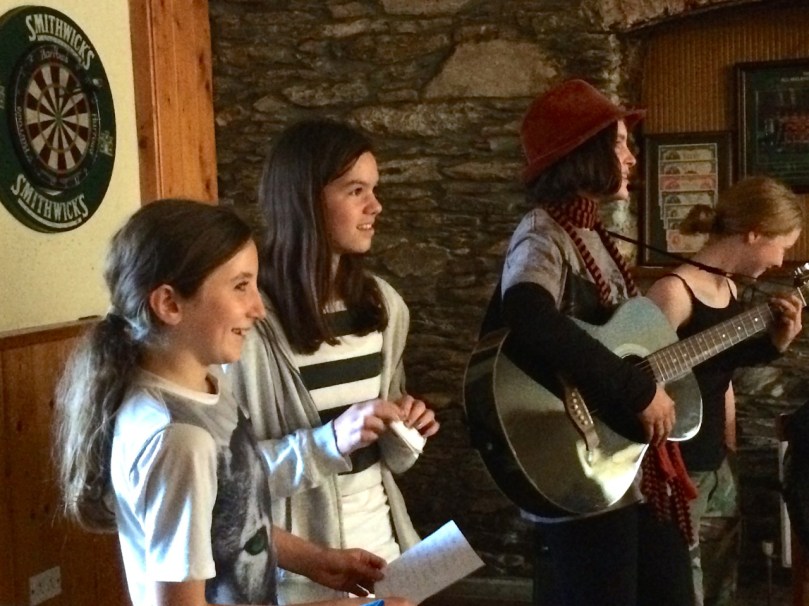
Young songwriters

Young songwriters

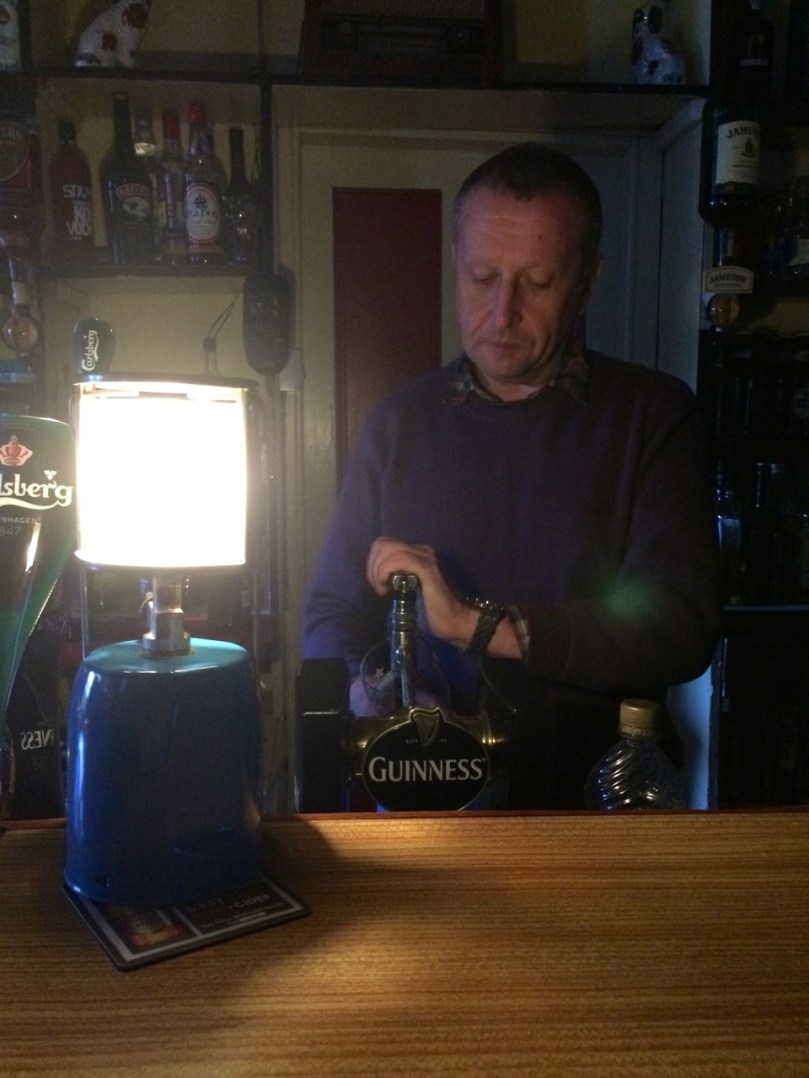
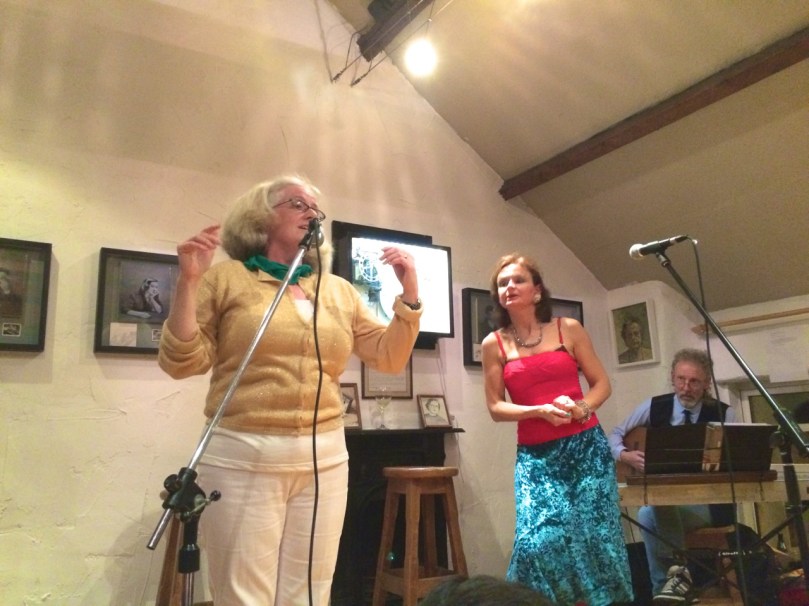
Perhaps one of my favourite moments was watching the girls who had taken the songwriting workshop, which had been led by a 12 year old, perform the songs they had written. We’ve been having fierce gales and the whole of Ballydehob was without electricity, so the pub was lit by candles and gas lamps. It was like going back to the rare old times when we made our own entertainment for gatherings of neighbours and friends. The lack of power didn’t bother anyone – the following act simply switched from electronic to acoustic with no fuss and soon we were singing again. The Choir I (try to) sing with, A Capella Bella, had a sing-along too – it was great to hear so many voices belting out our African rythms, enthusiastically conducted by the talented Caz Jeffreys.

By lamplight

By lamplight

Our own event, the Prehistoric Rock Art Exhibition, proved to be popular. The talk was packed and people lingered afterwards and peppered us with questions. There is a lot of interest here in anything to do with our heritage, and rock art is a little-known aspect of it: many people commented that they had no idea it existed or what it was like. People also liked Robert’s account of rock art in other parts of the world. For those of you who would have liked to be there but couldn’t, we are planning a permanent blog page on rock art which will contain some of the images we used as well as the program we produced for the show. You can also read our friends Amanda and Peter Clarke’s accounts of the exhibition here and here – they supplied the photographs of the exhibition I’ve used in this post.

These small local festivals can make a huge difference to a place. I’ve written before about the economic downturn in Ballydehob and the depressing effect it has had on local business, but the community has never lost its positive attitude and its volunteering spirit. One of our local writers, Sarah Canty, illustrates, in her documentary Down But Not Out, the challenges facing small villages like ours.

The Eileen and Marilyn Experience

‘The Eileen and Marilyn Experience’ Caberet

This festival was spearheaded by a great team, many from the Ballydehob Social Club, with lots of other volunteers pitching in. A huge thank you to the pubs and other venues for providing free space and paying for entertainers. And a special shout out from us to Joanne Cassidy at the West Cork Gourmet Store for providing a wonderful gallery for our Rock Art Exhibition. 

The Weekend ended with a huge party – more music, more dancing, more laughter and camaraderie.

Ballydehob – you rock!

Rock Art Ramblings… away from home!

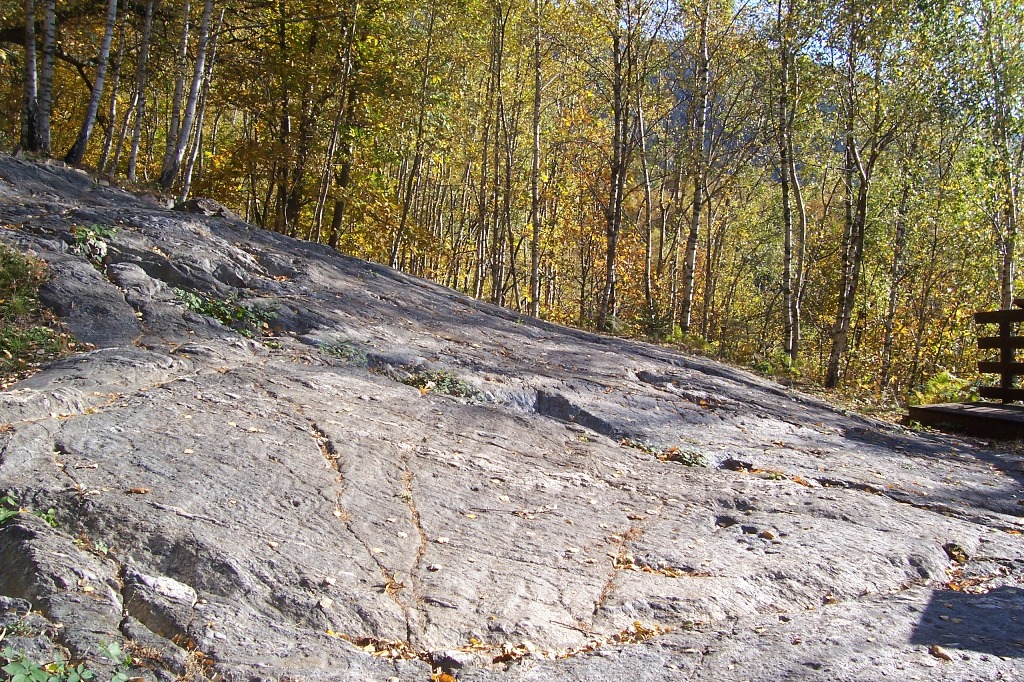
Ireland? No - it's Rock Art in Italy

Ireland? No – it’s Rock Art in Italy

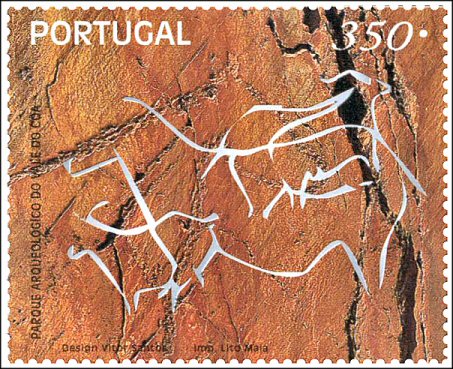
At our talk in Ballydehob yesterday I mentioned briefly the world-wide context of Rock Art: this generated a lot of interest during and after the event so I thought it worthwhile to write a post about non-Irish Rock Art. portugal stamp The carvings in Ireland appear to be part of a cultural phenomenon that runs down the Atlantic coast – from Scandinavia to Iberia – taking in Ireland and Britain on its way. However, Rock Art is widespread across the world, and over the whole time spectrum of human occupation of land. There is a UNESCO World Heritage site in Portugal – the Côa Valley Archaeological Park – which is based on finds of Rock Art. When the project was opened in 1996 its Director stated: “…The Upper Paleolithic art of the Côa Valley is an exceptional illustration of the sudden development of creative genius at the dawn of human cultural development…” That’s quite an announcement! The Park is home to some 25,000 carvings created at various periods over the last 10,000 years. Some of it is visually similar to our own Neolithic / Bronze Age examples (which were probably made within the last five Millennia) but other earlier examples seem – surprisingly – more sophisticated: mainly very beautiful representations of animals.

Canary Island example

Canary Island example

Where do we find the oldest Rock Art? Possibly in India: the Bhimbetka Caves show evidence of human habitation dating back more than half a million years, and in one particular site – known as the Auditorium Cave – carved cupmarks were found under human debris deposits that could be dated to at least 290,000 years ago. This means that the cupmarks must be as old as that date. Some scientists claim that they could be twice this age. Those cupmarks are exactly the same as the ones we have in Europe – and when found they contained traces of red pigments, suggesting that the carvings might have been painted.

India – Norway – Africa – Europe – the Americas – Australia… Ancient rock carving has been found in all continents of the world excluding Antarctica. It’s not all the same as Irish prehistoric Rock Art – where the simple motifs are familiar to regular readers of this blog – but cupmarks do seem to predominate as a common occurrence, and are usually apparently carved in the same way wherever you find them: shallow circular indentations are picked out using one hard stone tool striking another.

What does it all mean? Finola did a good job of sidelining that question during yesterday’s talk but came up with some plausible pointers: it is, of course, impossible to be certain when we are so out of touch with the peoples who produced the marks. We should also be careful of making any assumptions based on our own cultural ways of thinking. An archaeologist (Mountford) witnessed cupmarks being carved in central Australia in the 1940s: he reports that these were made as an increase ritual for the Pink Cockatoo (Kakatoe leadbeateri). The particular rock the cupmarks were hammered into was thought to contain the life essence of these birds, so the mineral dust rising from the activity was believed to fertilise the female cockatoos and thus increase their production of eggs, which the Aborigines valued as food.

I have mentioned before the cupmarks which are found carved into the lava stone in Hawaii’s Volcanoe National Park: it’s worth noting again that they are very similar to those we find in Ireland and Britain – even to the extent of having concentric rings around some of them. Hawaian families who go a long way back will tell you that they are made to receive the umbilical cords of newly born babies – to ensure health, long life and fertility. The carvings are known as ‘Puka’.

Rock Art is fascinating. I want everyone to be excited by it. It’s a ‘poor relation’ archaeologically speaking: it’s very easy to miss. It’s also an ‘endangered species’: in Ireland, some examples which have been recorded in the past can no longer be found. Perhaps our exhibition and talk will at least have raised awareness.