Landscaping – with Trish Punch

Brow Head

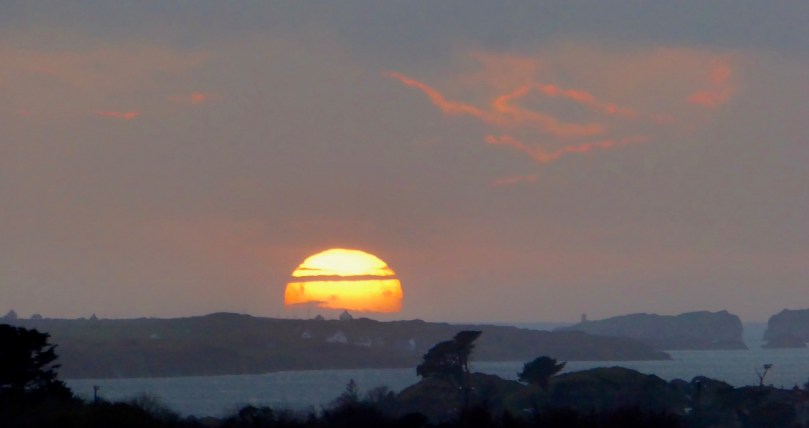
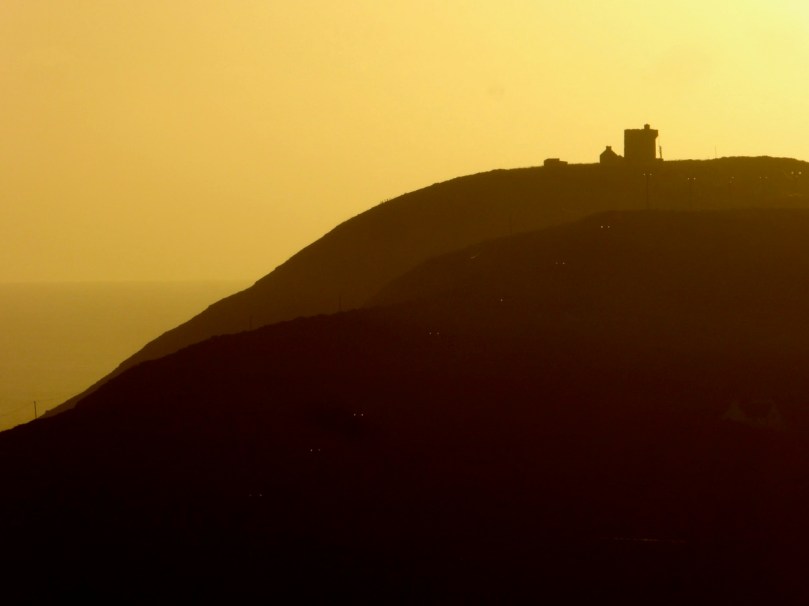
Brow Head silhouetted against the setting sun*

In our quest to bring you the best West Cork has to offer, we pepper our posts and our Facebook Page with photographs. After a great day-long course with Celia Bartlett (last year, highly recommended!) I managed to wean myself from the auto mode on my camera and have been taking pictures using the manual setting for more than a year now.

Rock Island

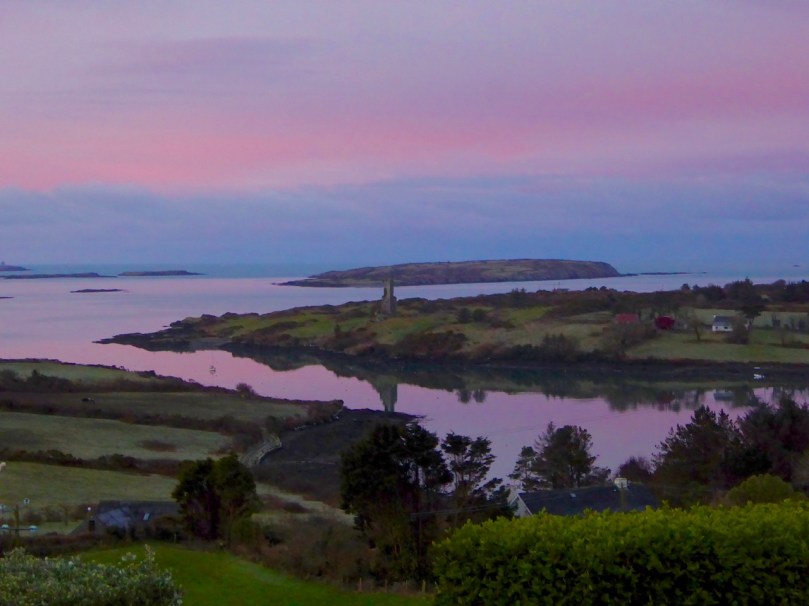
Rock Island and Crookhaven Inlet

And I’m hitting the wall again – knowing my camera is able to deliver so much more and that there’s a lot I need to learn about composition. So I signed up for a one-on-one workshop with Trish Punch and boy, am I glad I did!
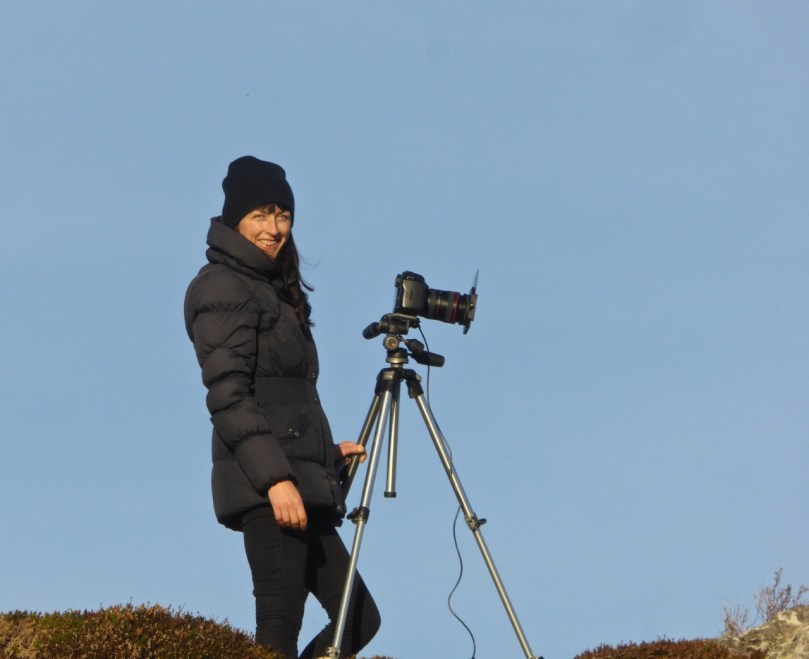
Trish 4

This is Trish – she’s a professional landscape photographer who supplies images to Lonely Planet (Lonely Planet!) among other prestigious publishers and travel sites. She specialises in the Wild Atlantic Way and is currently pursuing a project to capture the islands along the Way. Take a look at her website and be prepared to do some serious drooling.
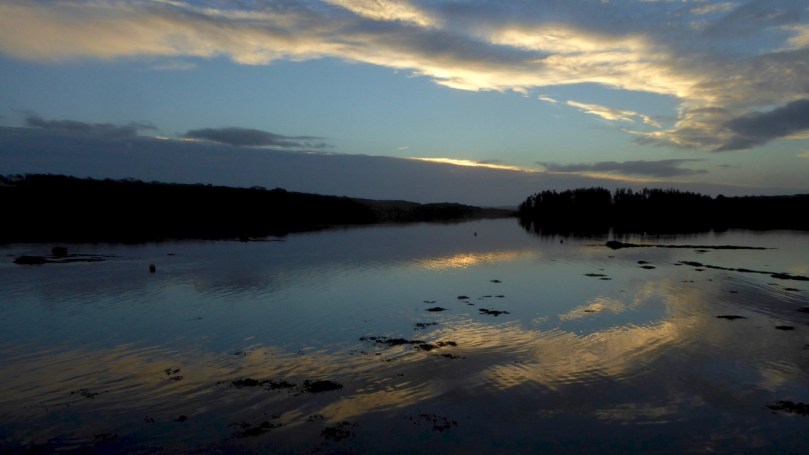
Crescent sky

We started at dawn and watched the light appear over Ballydehob Bay

But Trish is also an inspiring, encouraging, and organised teacher – and a lot of fun to be with. We had a great day together, starting at dawn and ending when the sun set. Throughout the day she encouraged me constantly to slow down, think about my shots, use the principles of good composition, really examine where the eye was being led in the frame and check the light. 
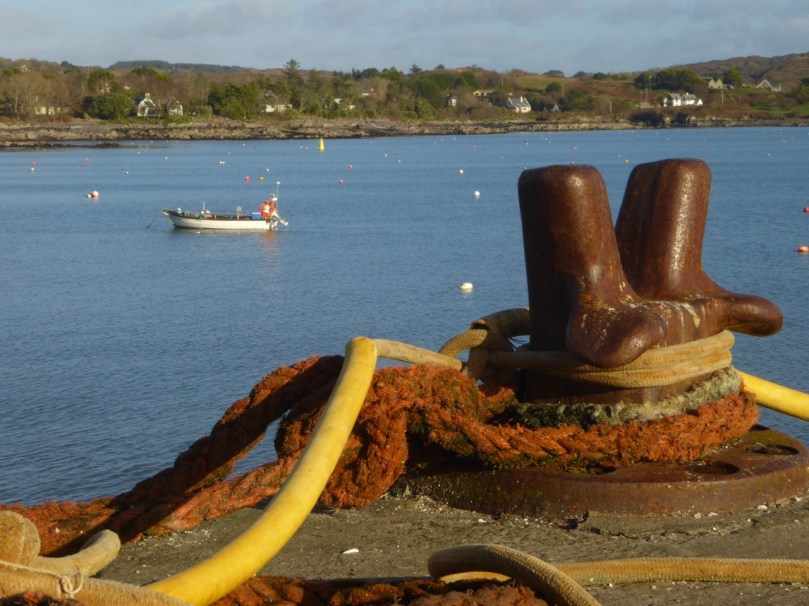
Schull Pier

This was taken on Schull Pier – the mooring bollard takes on a sculptural quality in the right lighting

I’ve been making all the classic mistakes, chief of which is to plonk the main subject right in the middle of the frame. I have also struggled with sharp focus, especially in low light, and Trish insisted on me using my tripod (something I have been reluctant to do – I don’t want to lug it around) and showed me how to use my timer to take the shot, since my camera won’t accommodate a cable or remote shutter release.
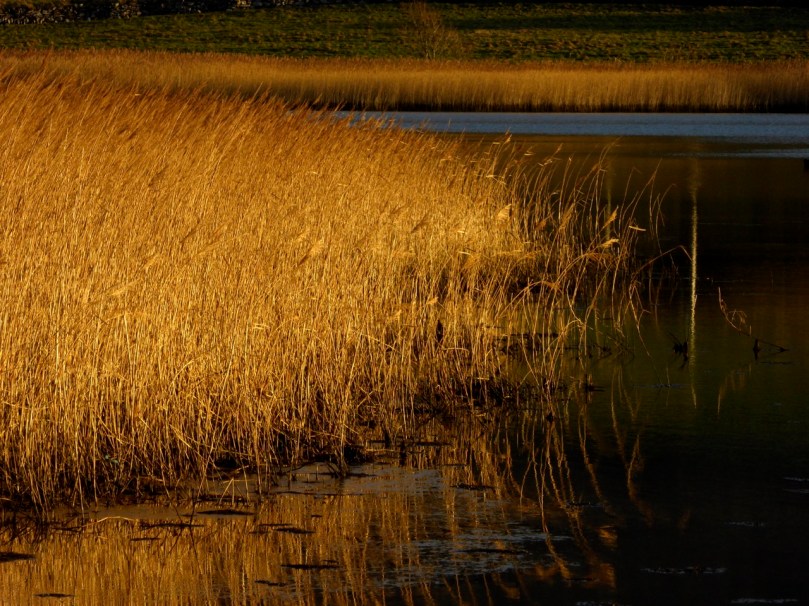
Barleycove Wetlands

Watching where the light comes from – these marsh grasses at Barley Cove glow golden in the low evening light

We were fortunate to have a really great day in December, with a long Golden Hour at each end. I’ve been practising what she taught me since then and I feel a little more confident each day. I hope you, our dear readers, will see a difference too, over time.
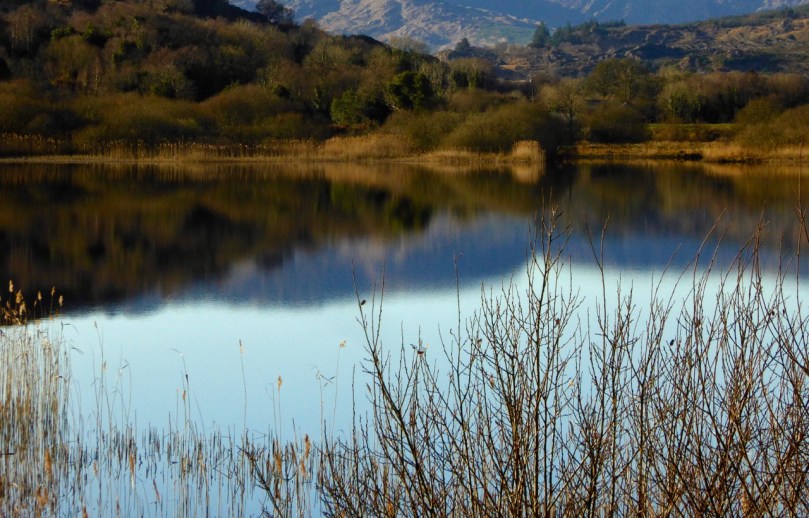
River Lee near Ballingeary 2

The River Lee near Inchigeelagh

We took a trip to Macroom the other day and I used the opportunity to practise what I learned with Trish. Mostly I just tried to slow down and think more about the composition of the shot. It was another amazing day with clear blue skies – but this time very cold with lots of frost where the sun hadn’t managed to penetrate.

Sunshine and Frost, West Cork

Sunshine and shadow on a frosty day in West Cork

If you’ve been thinking you’d like to improve your photography skills, give Trish a call or drop her an email. You can take one of her planned workshops or she can customise a day, or a weekend, for you no matter what level you’re at.

Coral House

House in the Shehy Mountains

Don’t be intimidated if you’re operating on the automatic settings or if you don’t know the difference between shooting in RAW or JPEG (I didn’t) – you’ll come away knowing a lot more about how to move forward in your skills. And you’ll have time in the open with lots of laughter and surrounded by incredible landscape – now what could be better than that?

Pass of Keimaneigh

Heading up to the Pass of Keimaneigh

*I took the first five photographs above on the day of the workshop (Dec 16) and the next five in the last two weeks.

West Cork in Photographs – Your Favourites, Part 2

Courtmacsherry Bay

A winter walk in Courtmacsherry Bay

Part 2 of your (and our!) favourite West Cork photographs of 2016. If you’re not here already, as they say in West Cork – Where else would you want to be?

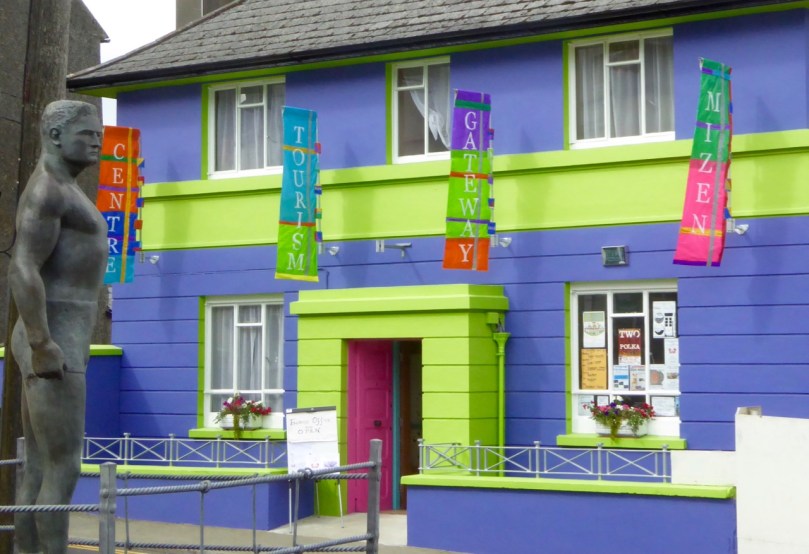
Banners up

The new Ballydehob Tourist Information Centre

Castle in the mist

Kilcoe Castle in the mist

Colours of West Cork

Toormore – the colours of West Cork

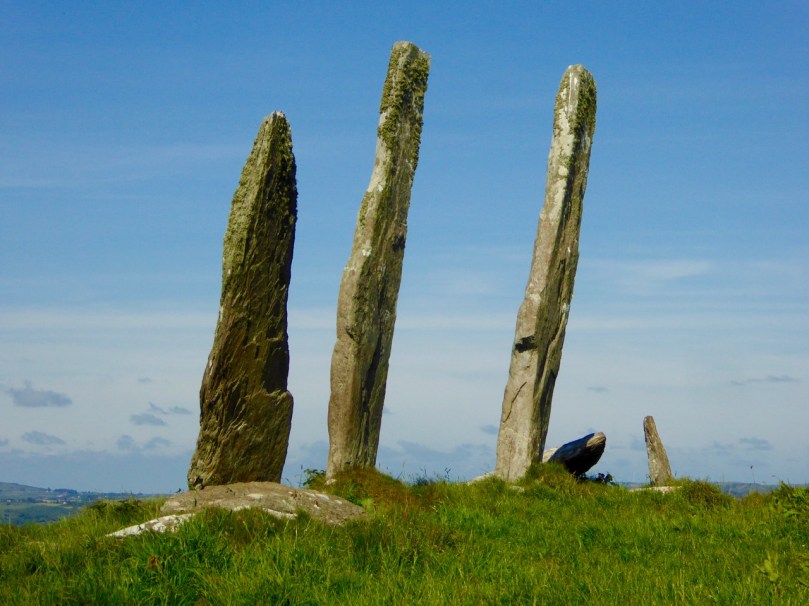
The Fingers

The Fingers, Gurranes, near Castletownshend

Summer in Goleen

Summer in Goleen

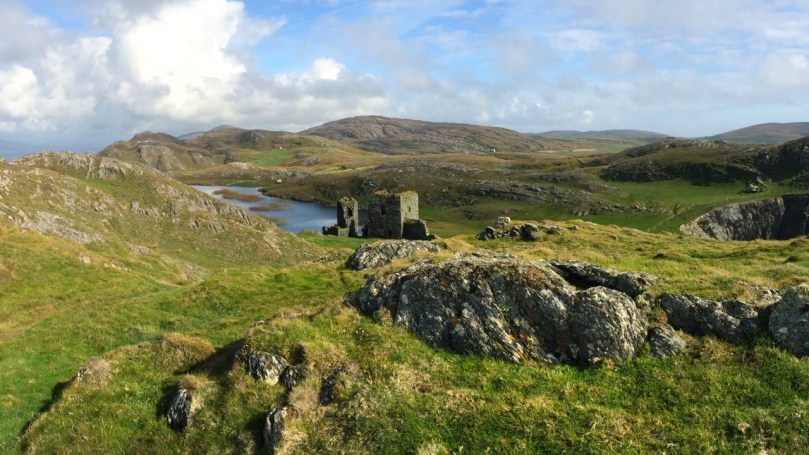
Three Castles

Three Castle Head

Black Castle

Black Castle, south of Lowertown

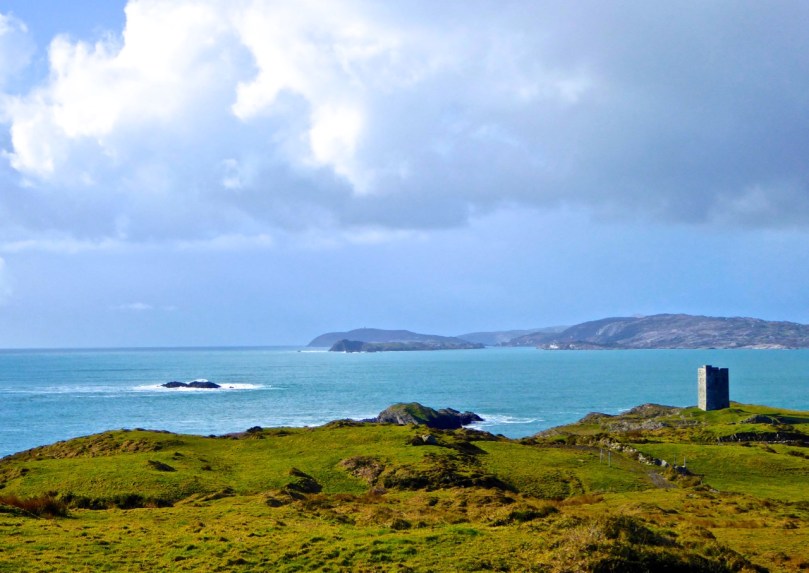
Mizen North Colours

North Side of the Mizen

Sun sets over Long Island

The sun goes down over Long Island

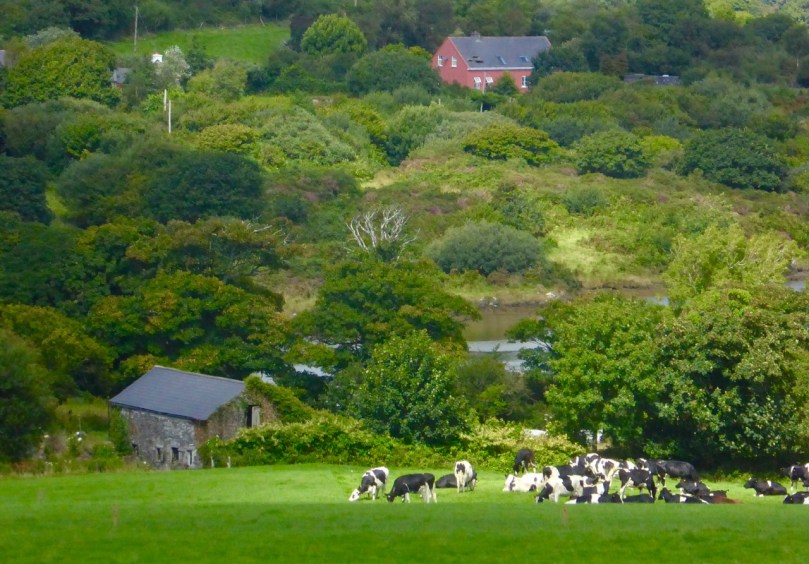
And an extra – one of my own favourites from this year. No drama – just a quiet sunlit meadow, an old stone barn and a colourful house. My West Cork.

Eugene and Margaret'sIn case you missed it, here’s a link to Part 1 of this two part exploration of West Cork in photographs.
 

West Cork in Photographs – Your Favourites, Part 1

Navigating Mizen Head

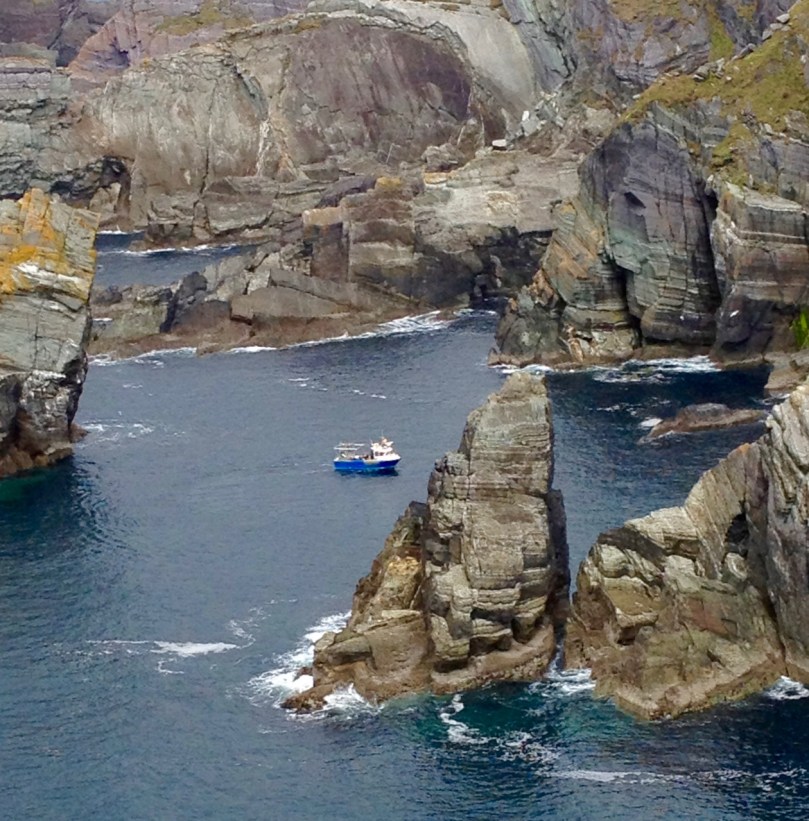
A fishing boat navigates the rocks of Mizen Head

Our Roaringwater Journal Facebook Page features lots of our photographs of West Cork – two or three every week – and we know by the views and the ‘likes’ the ones that capture your imagination. It’s become a tradition here with us at the end of the year to go through them all and show you the top choices. Think of it as our Christmas present to you, our wonderful readers – nothing to read, just images of our gorgeous part of the world to drool over. Of course, we have our own favourites too, even if they didn’t get as many likes as others did, so we sneaked a few of those in here two. This is the first of two posts – the next one in a few days.

Sheeps Head November Day

Sheep’s Head

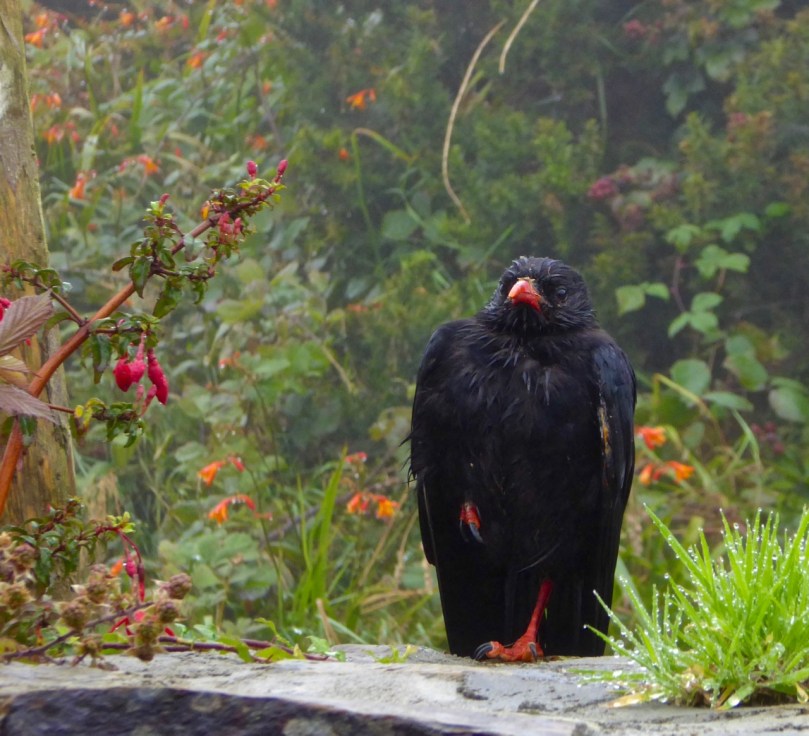
Chough by the Gate

Chough in the rain

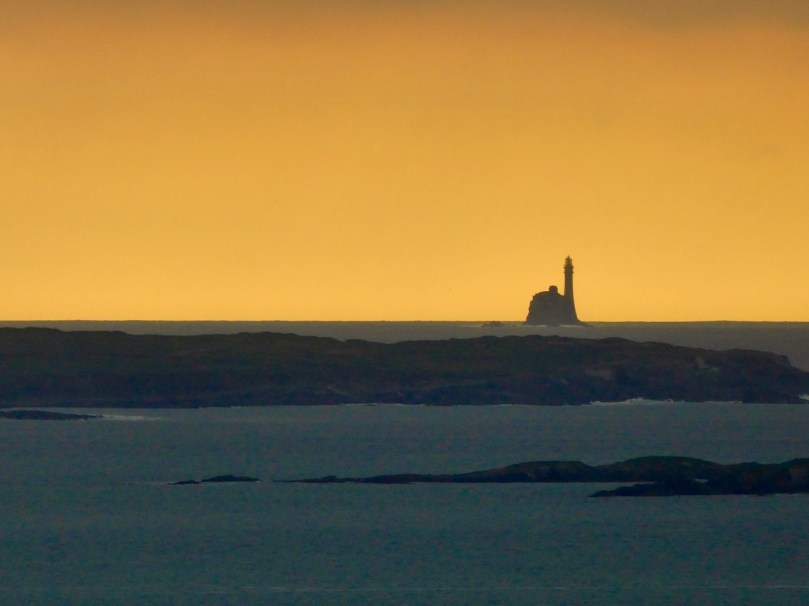
Fastnet in the sunset

Fastnet Lighthouse at sunset

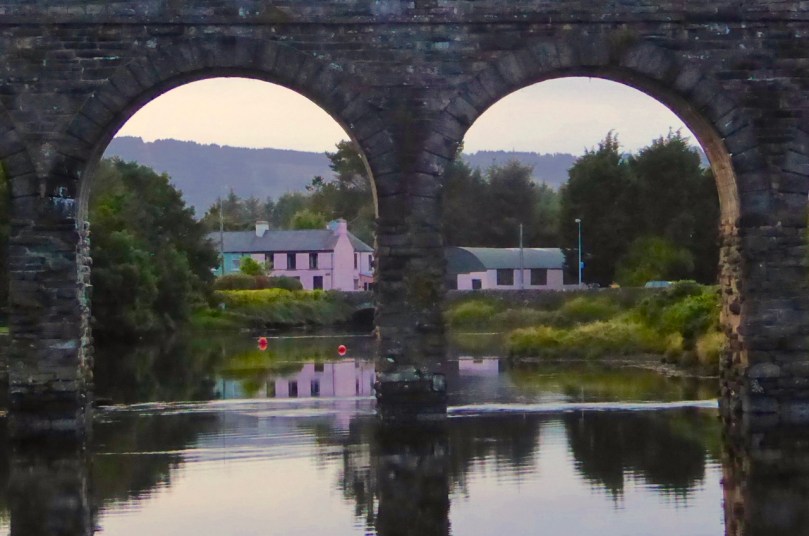
2 0f the 12

Two of the arches of Ballydehob’s famous Twelve Arch Bridge

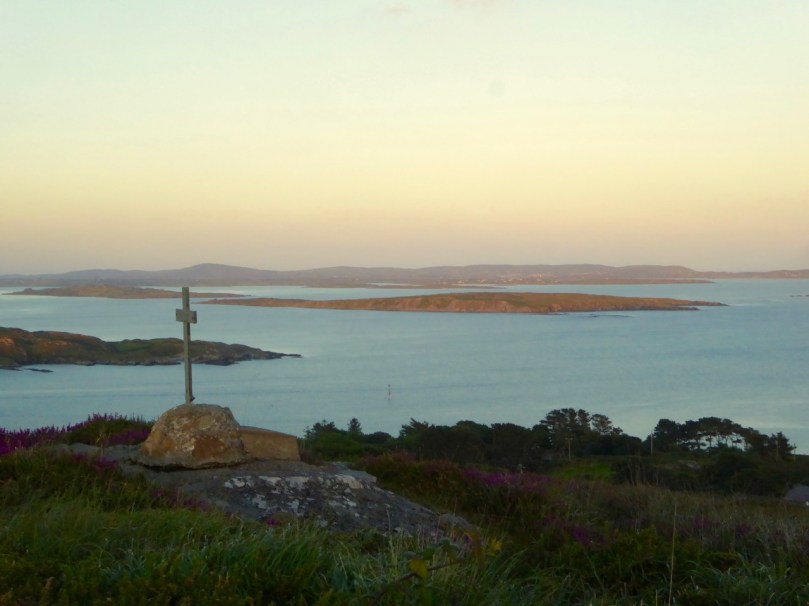
Roaringwater Bay from Sailors' Hill

Roaringwater Bay from Sailor’s Hill above Schull

Gougane Oratory 2

Gougane Barra in the autumn

To the Mass Rock, Sheeps Head

Walking to the Mass Rock, Sheep’s Head

Kealkill 2

The archaeological complex at Kealkill – a five stone circle, a standing stone pair and a radial cairn

Rossbrin Dawn

Rossbrin Cove dawn

The next batch (Part 2) is now up. Enjoy!

Drombeg Solstice Celebration

Setting

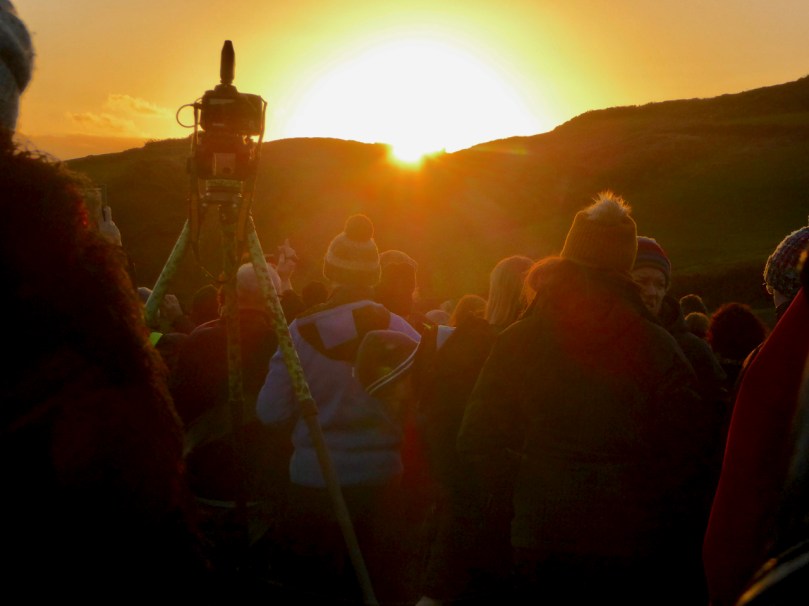
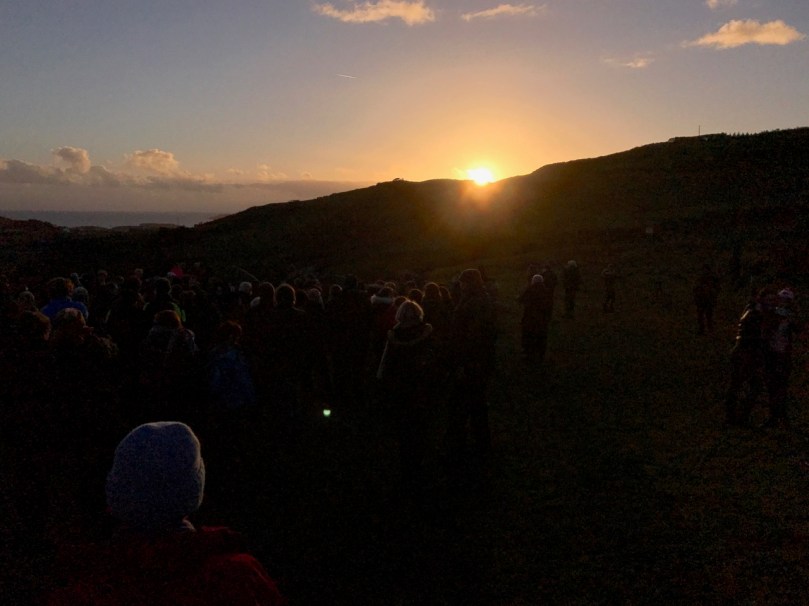
At sunset on the winter solstice the sun sets over the recumbent stone at Drombeg Stone Circle, near Glandore in West Cork. That is – if you stand looking between the two portal stones, you will see the sun set in a notch in the opposite hill and over the recumbent stone which is diametrically across from the two portal stones.

approaching 2 RH

For a full explanation of what I’m talking about here and for more about how and why stone circles were constructed, see our post Ancient Calendars. And take a look at Shadows and Stone in Action for our record of the same phenomenon, except at the autumn equinox, down the road at Bohonagh Stone Circle.

Watching

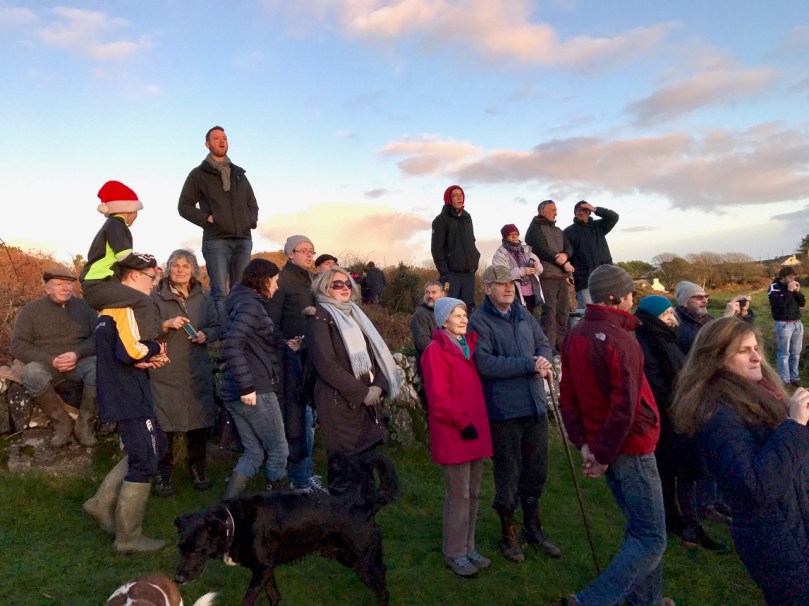
This solstice was the first opportunity Robert and I had to see the Drombeg phenomenon and what an evening we had for it – clear skies and a glowing sun. What’s lovely about this every year is that local people turn out to witness the solstice sunset at a stone circle designed by Bronze Age people perhaps three or four thousand years ago and still functioning the same way millennia later. It’s our West Cork Newgrange.

Meaden 2

Terrence Meaden (above) was there – a physicist and archaeologist, he’s been researching and writing about the calendrical aspects of Drombeg for several years now. Tirelessly visiting at all times of the year, his research compellingly illustrates how the builders planned the placement of the stones to maximise shadow-casting at the eight cardinal points of the calendar – solstices, equinoxes and cross-quarter days. While I don’t agree with a couple of his conclusions, he has done us all a service by encouraging us to look afresh at a monument we thought we knew.

Drummers

There was a lovely, community feeling to the hour we spent at Drombeg. People kept arriving and greeting one another in a sociable way. Kids ran around, a couple of drummers kept up a steady beat, and a group was holding a meditative circle that including some harmonious humming.

Final Moment

Anticipation mounted as the sun sank lower, there was a final good natured jockeying for position to get the best shots, and a collective sigh as the sun finally disappeared into the cleft.

Last Rays

It felt good to be part of something that West Cork people have been coming together to celebrate for thousands of years.

Your Favourite Posts of 2016

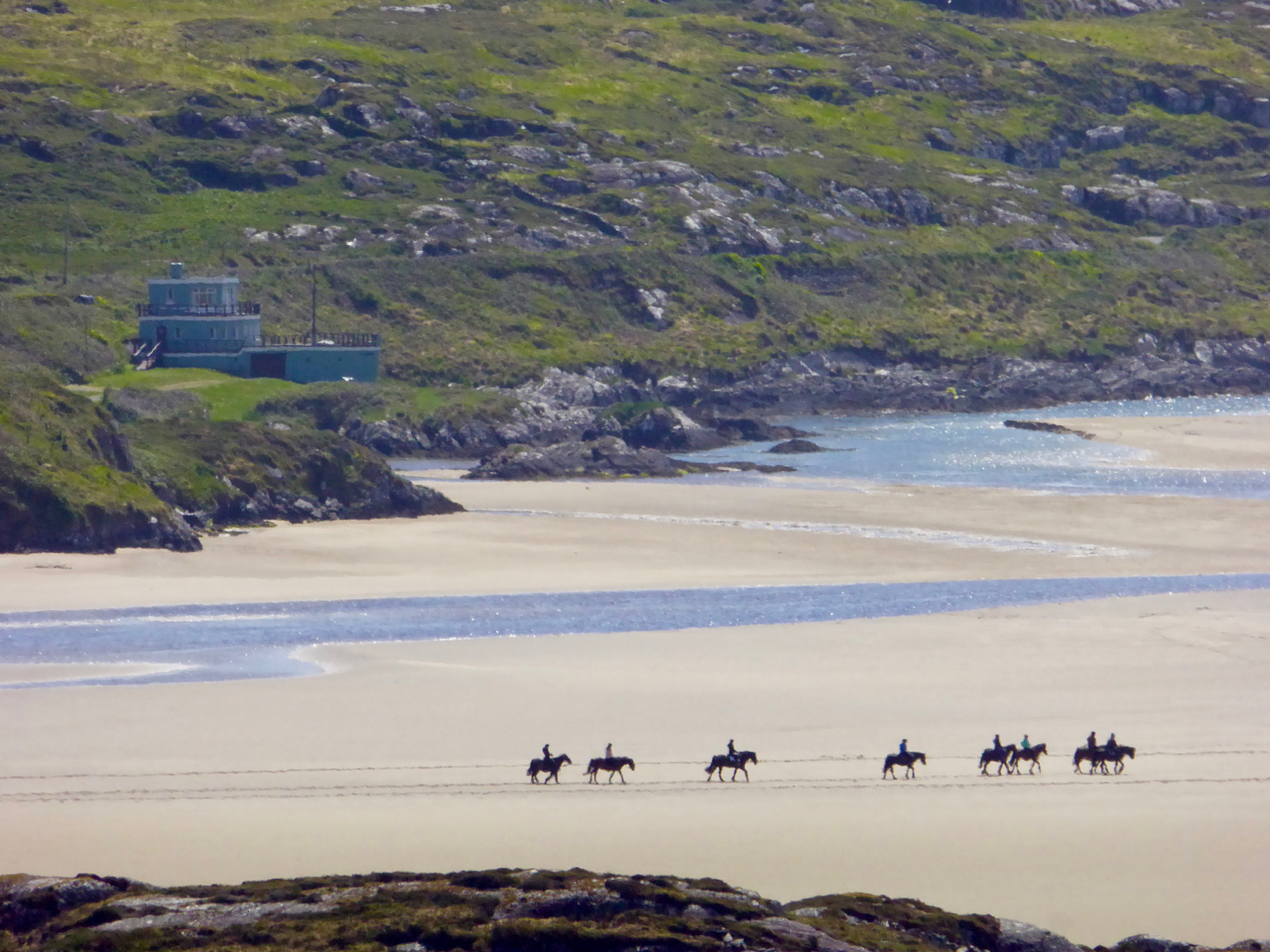
Horses at Caherdaniel

It’s that time of the year again! The wonders of technology enable us to know which of our posts have received the most views: we can see how many people clicked on each article although we don’t specifically know who you are! This is great for us, because we can get an idea of what you – our readers – like to see and this helps us when considering what to write in the future. Not that we necessarily always respond to the statistics, because sometimes we just think there are things that you need to know about, regardless of their potential popularity or otherwise!

Not in the ‘top ten’ – but through the year Finola has expanded – and passed on to you – her knowledge of the wildflowers that make the hedgerows and verges of West Cork so colourful (bee in fuschia, left), while Robert has used the Olympic year of 2016 to examine the history of some sporting events in Ireland (Tailteann Games 1924, right)

So, during this year, Finola and I have published exactly 100 articles for Roaringwater Journal: that’s almost one each every week. It’s fascinating for us to look back and see where we have been, what turns our interests have taken, and of course to see how well (or otherwise) our writing was received. Statistics are one thing, but it’s your comments that really inform us – so keep them coming…

From Outposts of Empire: memorials in St Barrahane’s Church, Castletownshend (left) and St Patrick’s Cathedral, Dublin (right)

Top of the board are two posts from Finola: one from the beginning of the year – Outposts of Empire, which researched and reviewed some of the monuments that are to be found in Protestant churches, cathedrals and graveyards in County Cork and Dublin. It’s a rich history of often only distantly remembered soldiers and battles. Why is this such a popular post? Perhaps because 2016 has been the focus for commemorations: the centenary of the Easter rising, and the fact that one hundred years ago many Irishmen were dying in the Great War. That has rather coloured the whole year in Ireland and Finola’s post – which also mentions some of the experiences of her own family – probably touches on many fertile memories.

Skibb men

How are ye keeping?

The next post in popularity dates only from last week: Finola’s latest humorous exploration of how people speak in West Cork – How are you keeping? This has become our top ‘viral hit’ on our Facebook page with thousands of views and 69 shares to date… Finola describes it as her ‘latest instalment of the How to Sound Like You’re From West Cork course’. The fifth of the series so far, it’s hilarious and has clearly captured the imaginations of our local readers.

key

Fourknocks, Boyne Valley: fetch the key and let yourself in…

To balance things out a bit the next two posts in popularity have come from Robert: Aweigh in Kerry – which delighted in the discovery of a boat-shaped house (pictured on the page header – an architectural gem) – and Fourknocks – the Little Giant, an account of a very unusual archaeological site in the Boyne Valley, north of Dublin. We were very taken by this site and its eccentricities: in order to gain access we had to collect the key (from a farm a mile away – and leaving a deposit of 20 euros) and let ourselves into the tomb which has some beautiful rock carvings.

East Window and Apse

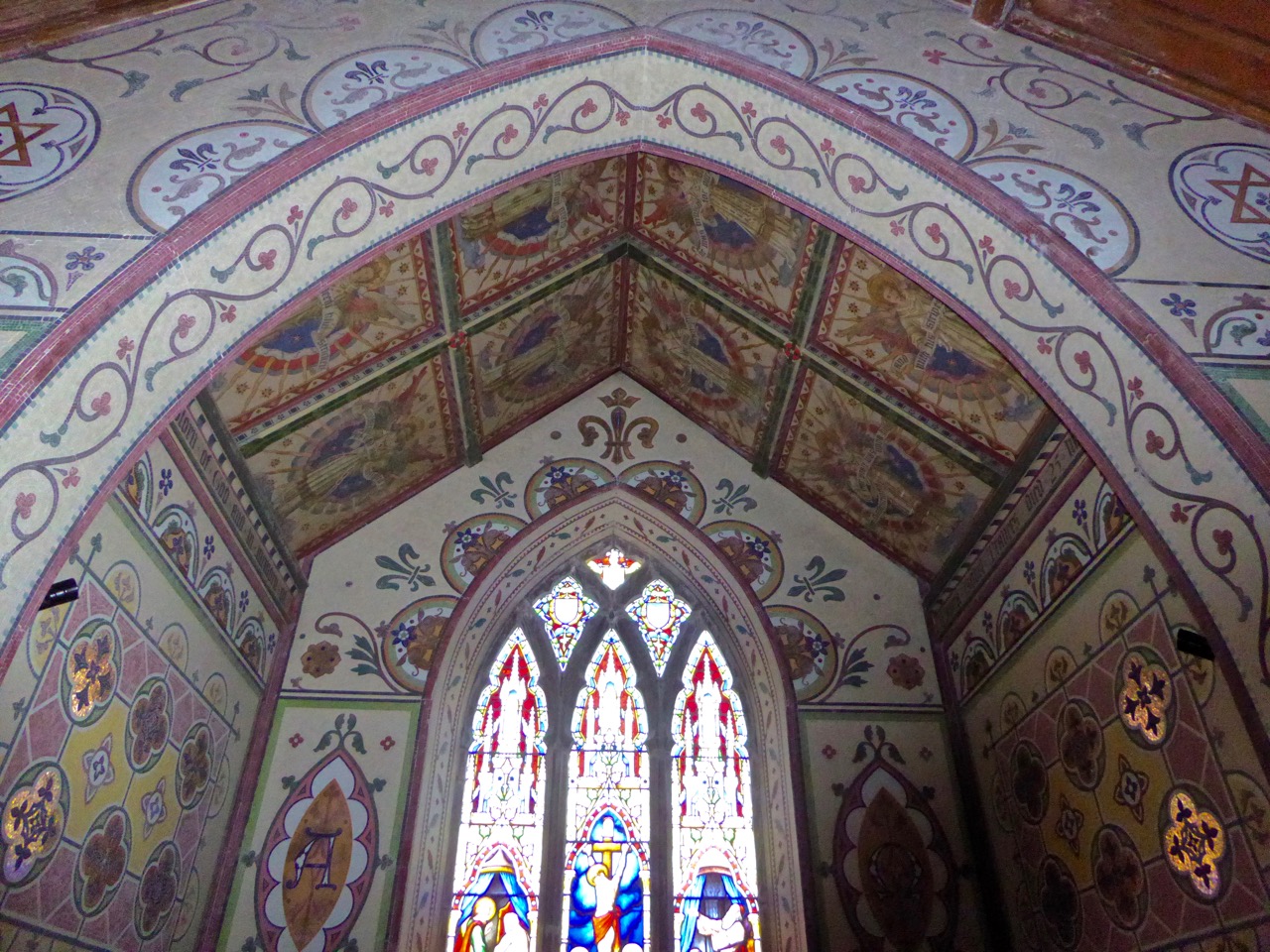
Magnificent mosaic work in the Church of the Ascension, Timoleague

Next up is Finola’s Mosaics and Maharajas – an exploration of a wonderful church in Timoleague with walls decorated in mosaic tiling. But there’s also a strange and poignant story which this church reveals to us (read the post)… And – what’s in a name? Well, perhaps the more bizarre – or seductive or beguiling – the title of a post is, the more hits it gets! Finola’s The Murdering Glen (a valley north of Bantry, again, with a story attached) certainly attracted a lot of attention.

On the walk

looking towards west

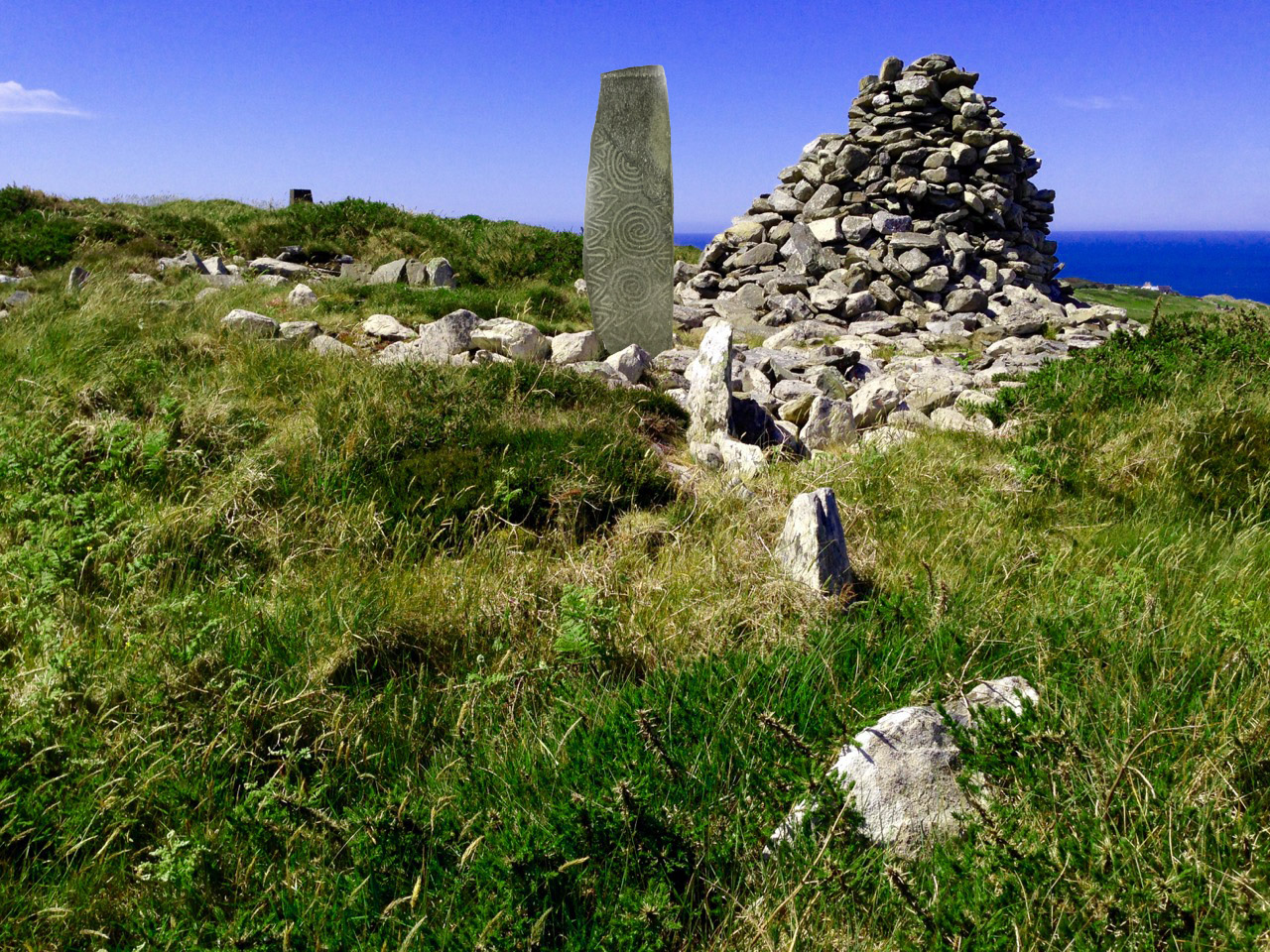
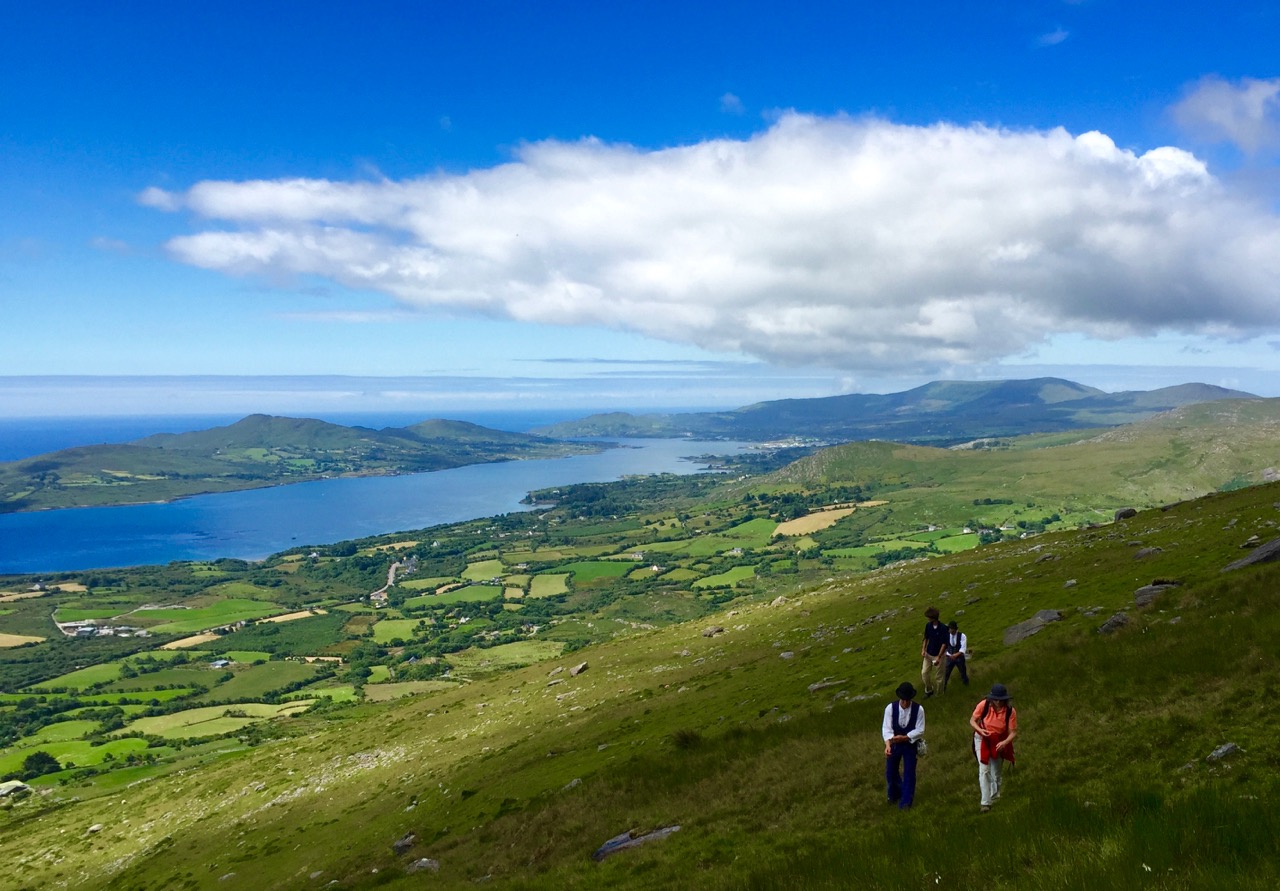
Upper picture – the murdering Glen; lower picture – Robert’s imagining of the Cape Clear Stone restored to its rightful place on the island…

Robert’s report on the passage tomb on the summit of Cape Clear – and the story of the carved stone that’s now in the Cork Public Museum comes next: Cape Clear – the Stone that Moved, closely followed by Finola’s post on the historic walled town of Youghal in East Cork: Youghal’s Walls. Then we had ‘Auf der Waltz” – The Journeymen, a popular piece about two German apprentice blacksmiths who passed through West Cork this summer as part of their three year travels through Europe gaining experience towards becoming masters of their trade. This was also written by Robert.

on hungry hill

The Journeymen exploring beautiful West Cork: Hungry Hill (photo by Dietrich Eckardt)

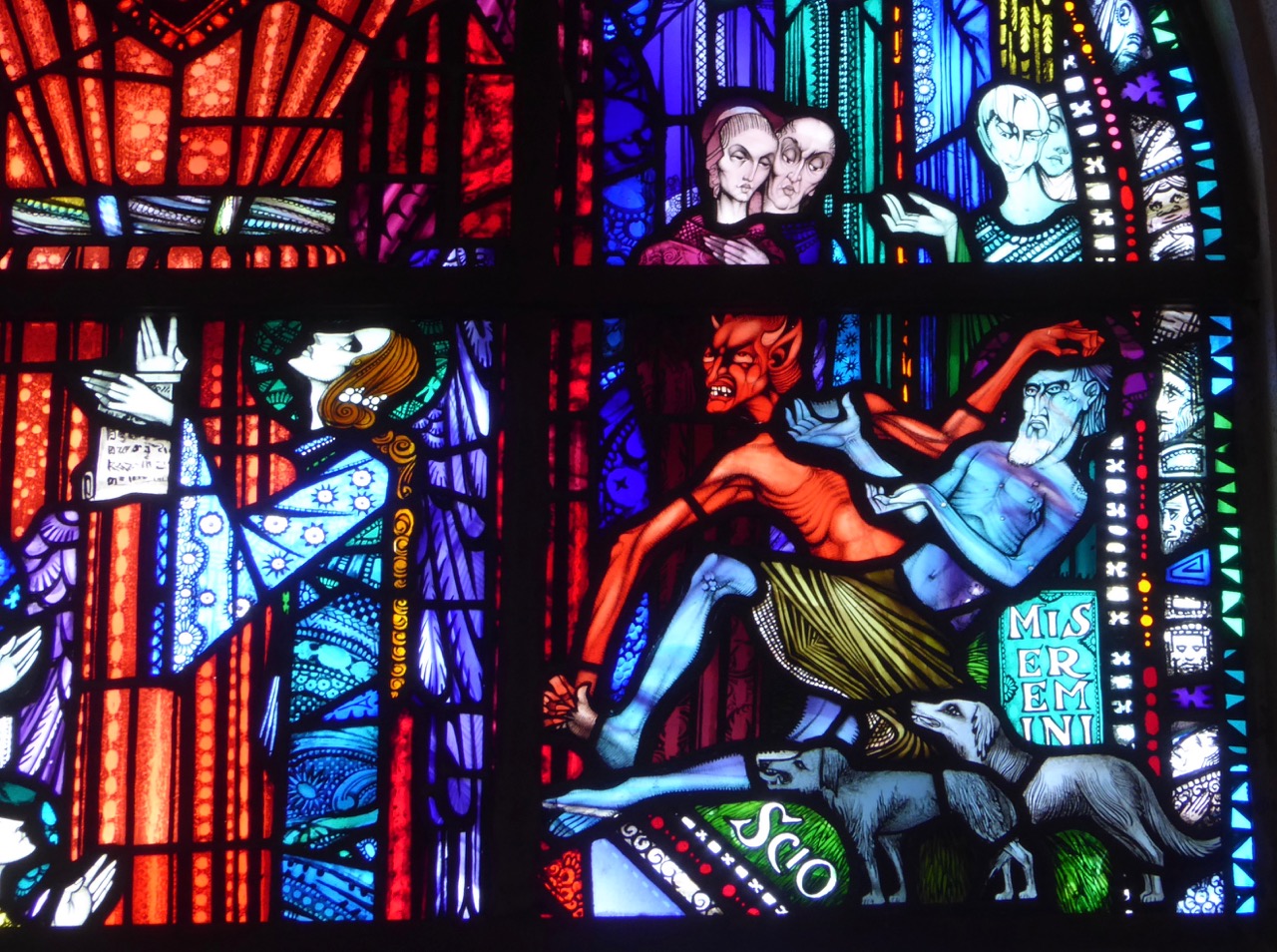
Rather than list all the other posts in some sort of ‘order of popularity’, let’s round up with our own favourites. Finola has been enthusiastically researching stained glass windows in churches – wherever we travel. Besides her continuing respect for Harry Clarke – probably Ireland’s finest artist in this medium – she has discovered the identity and work of artists who inherited his mantle when he passed away (far too young) in 1931. The Harry Clarke Studios continued on until 1973 and also produced some stunning work. Have a look at Discovering Richard King to appreciate just one of the artists who followed after Harry. Another of Finola’s great posts on this medium – The Christmas Story, One Window at a Time – appeared only two weeks ago.

HC Studio, Athlone

The spectacular stained glass work of Richard King, a small detail from Sts Peter and Paul’s Catholic Church in Athlone

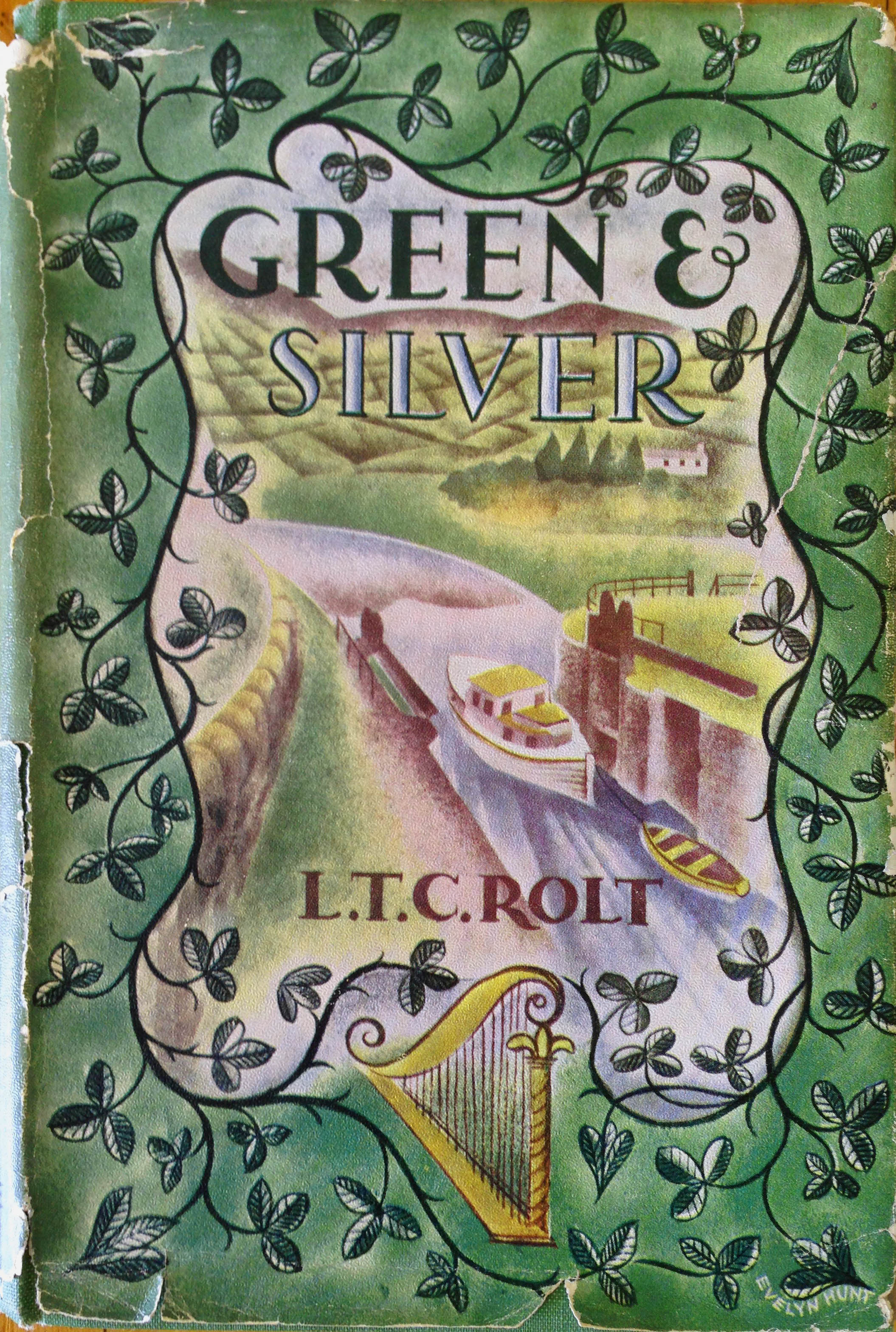
For myself, the subject that has engaged me most this year is my Travel by Water’ series: seven posts (so far) on the Irish Canals inspired by my review of Green & Silver – a book which I was given as a prize at school in 1963! We retraced the steps of L T C Rolt, the author of the book, and his wife Angela who took some very atmospheric photographs as they travelled around the Irish waterways in 1946 – exactly 70 years ago. To celebrate my own 70th birthday this year we attempted to replicate each of the photographs as closely as possible with present-day views of the same scenes. The venture has turned out to be a real social history of Ireland and the changes that have happened during that interval of time.

ballycowan sunset

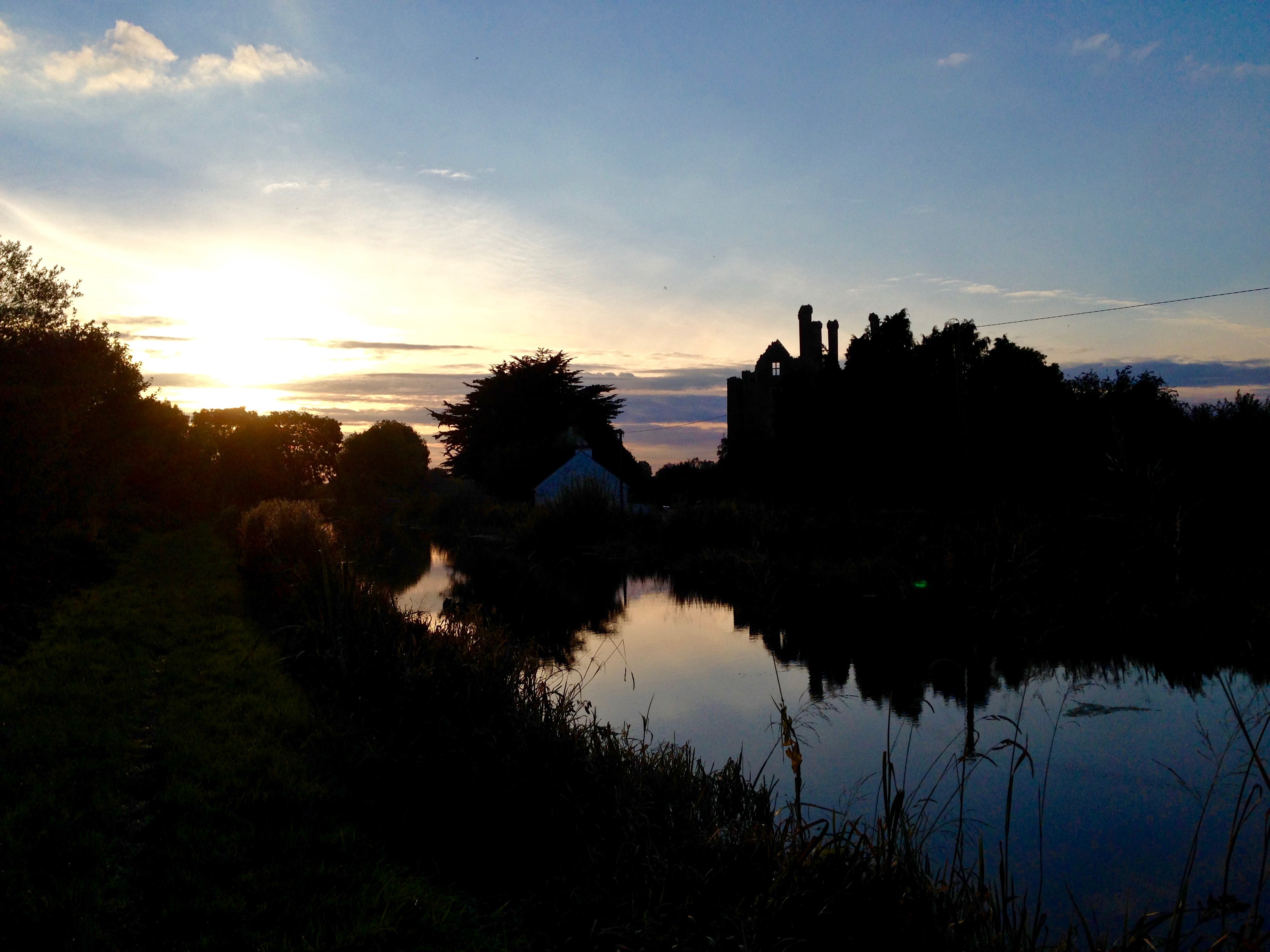
Travel by Water – ghostly reflections beside the Grand Canal at Ballycowan

So thank you to all of you – our readers. Without you our work on Roaringwater Journal would have been pointless. With you – and with the value of your comments and discussions – we feel the whole exercise is well worthwhile – so, please, let us know your own personal favourites… We certainly intend to keep the Journal going for a few years yet! Don’t forget, there is a full index in the Navigation Page – here. And, I’m sure you all know by now, anything highlighted in blue is a link to something else: either another one of our posts in the Journal, or to another relevant source of information on the subject. Good hunting!

cover

The Murdering Glen

On the walk

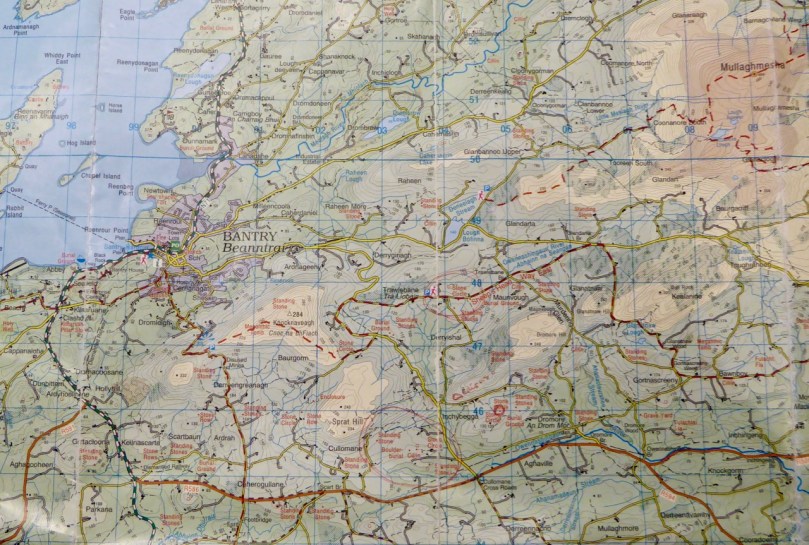
The long valleys that run eastwards from Bantry are filled with antiquities – Discovery Map 85 is dotted with red circles of places we want to tramp around. We have been particularly intrigued by the ‘Murdering Glen’, labelled on the map: can you see it?.

Murdering Glen Map

Today we got a chance for a thorough exploration of the Murdering Glen, on the invitation of our friend Bridget, who lives there and is a keen explorer herself. After a wonderful lunch supplied mainly from her garden we set out up the road towards the Glen, with Bridget assuring us that the place appeared peaceful enough these days and not to worry.

Murdering Glen

The Glen is indeed dramatic, with steep sides and an enormous overhanging rock – just the kind of place for a brigand to lurk. In this case the brigand (and his mother) were locals, by the name of O’Kelly, who would lay in wait for travellers and murder them for their gold, before throwing them into the Butcher’s Pool.

Murder Rock

In  the 1930s schoolchildren in every National School in Ireland were asked to write down the stories they heard at home and these were recorded, in their own writing, by the National Folklore Commission. Here is the outline of the project, as presented on Duchas, the website that now stores that collection:

For the duration of the project, more than 50,000 schoolchildren from 5,000 schools in the 26 counties of the Irish Free State were enlisted to collect folklore in their home districts. This included oral history, topographical information, folktales and legends, riddles and proverbs, games and pastimes, trades and crafts. The children recorded this material from their parents, grandparents, and neighbours. The scheme resulted in the creation of over half a million manuscript pages, generally referred to as ‘Bailiúchán na Scol’ or ‘The Schools’ Collection’.

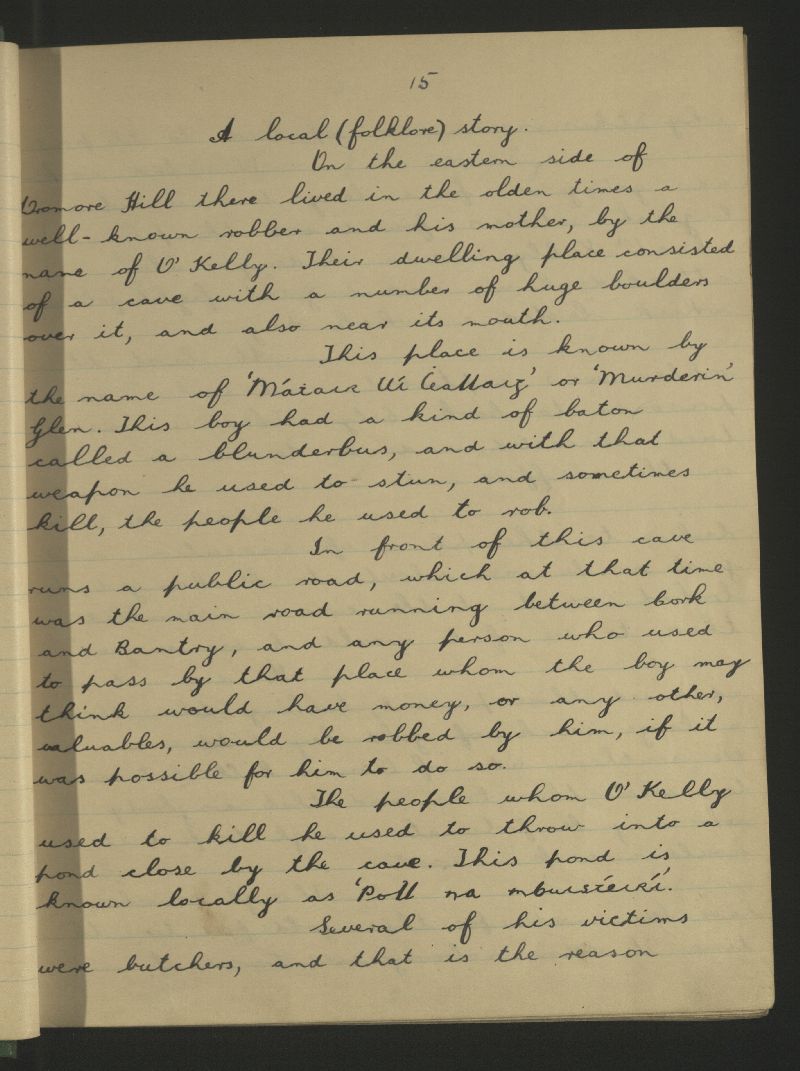
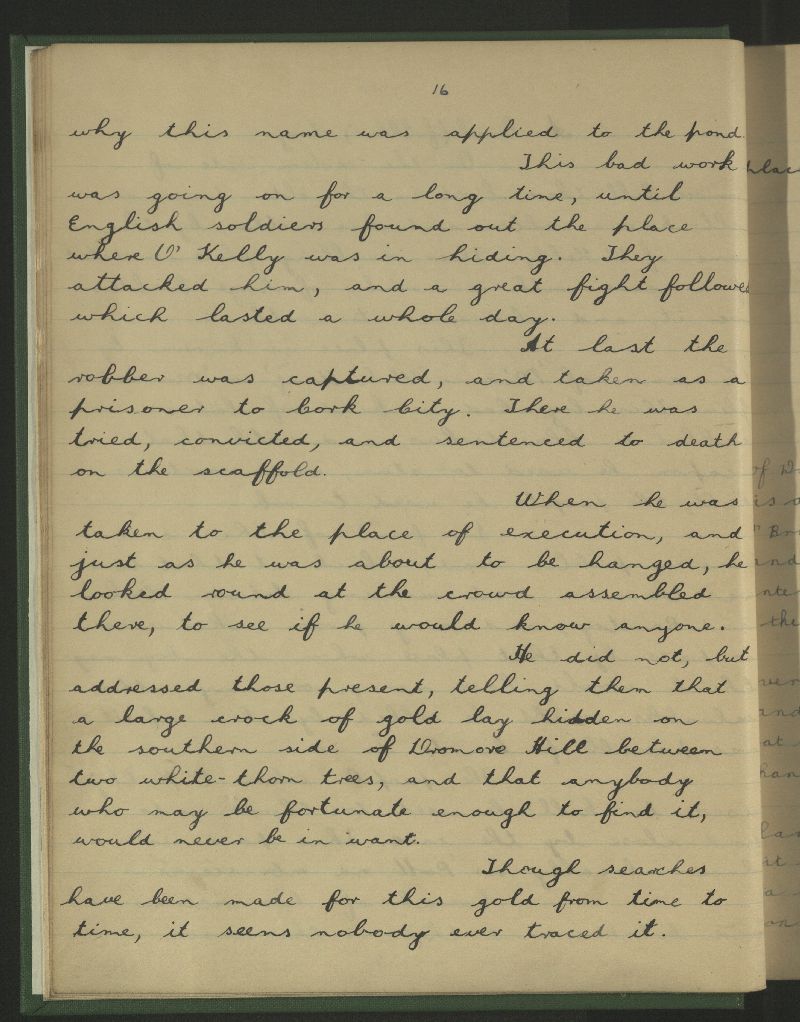
To my delight, I was able to find the original story in the collection – and here it is, in the handwriting of schoolboy Michael Keohane from Dromore National School. I think you will agree he has done a magnificent job of telling the local legend.

murdering-glen

murdering-glen-page-2Before we left the murderous spot Bridget led us up to the mass rock, on a ledge on the side of the valley. It was a block of sparkling quartz, with holes to collect water, into which you can dip your warts in hopes of a cure.

Bridget shows us the mass rock

We  walked then towards the Trawlebane Bridge, where Robert and I had joined the walk two years ago to honour and remember Chief O’Neil. Robert’s post, The Chief, will take you back to that day and show you the spot where, before we started the walk, participants decided to put on an impromptu display of Crossroads Dancing, just as local people would have done on a fine summer evening in the old days.

Trawlebane Crossroads

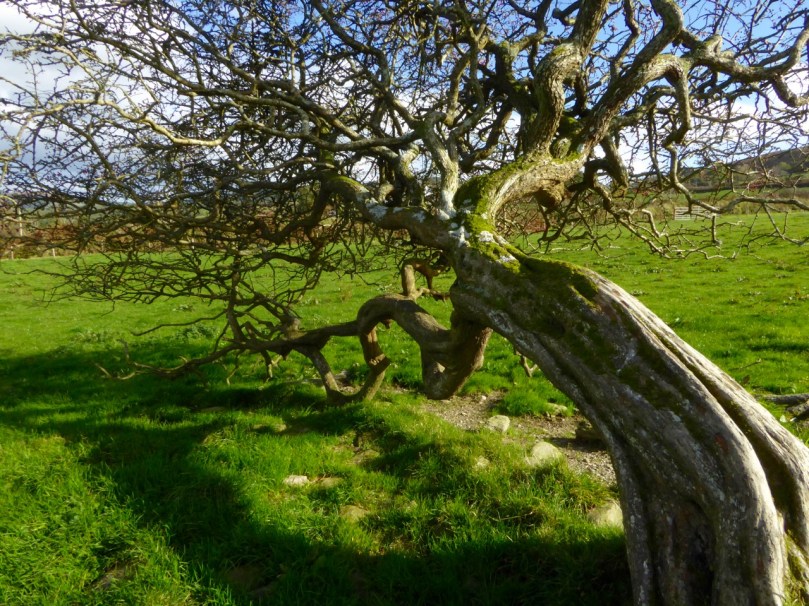
There was more, much more to see, just in the immediate neighbourhood. We spent time in a Cillín first, in the middle of a field, with a magnificent blackthorn tree to mark the lonely spot where unbaptised children were traditionally buried. Read more about this practice in my post Unknown Souls.

Cillín

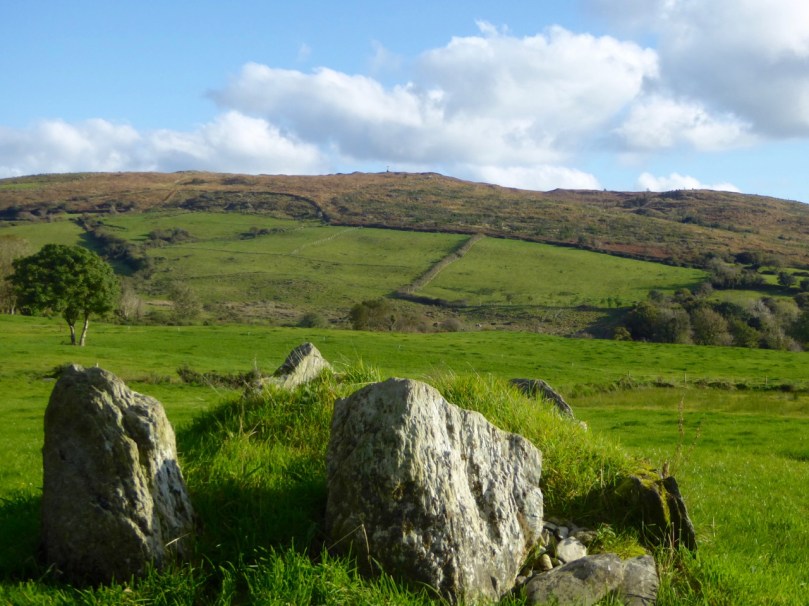
Blackthorn TreeA little five-stone circle was next – a classic of its kind, with four stones set on edge and a recumbent stone marking the axial alignment. (See more examples of them in my post Family-Friendly Archaeology). Besides three sites in nearby Kerry, these small stone circles are only found in Cork. They mirror exactly the larger multiple-stone circles, just with fewer stones – an efficient variation requiring fewer resources to erect but accomplishing the same outcomes.

Five stone circle

Unfortunately, this five-stone circle has been filled with field debris, creating the appearance of a mound

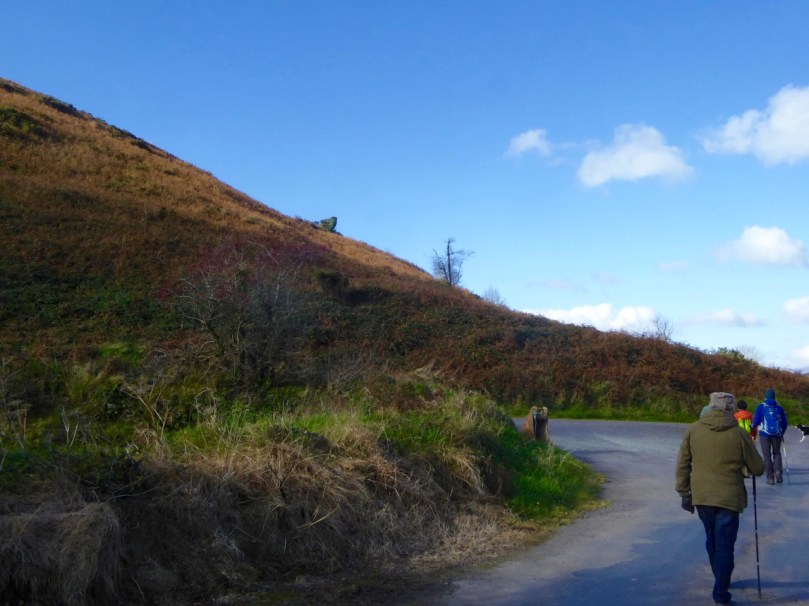
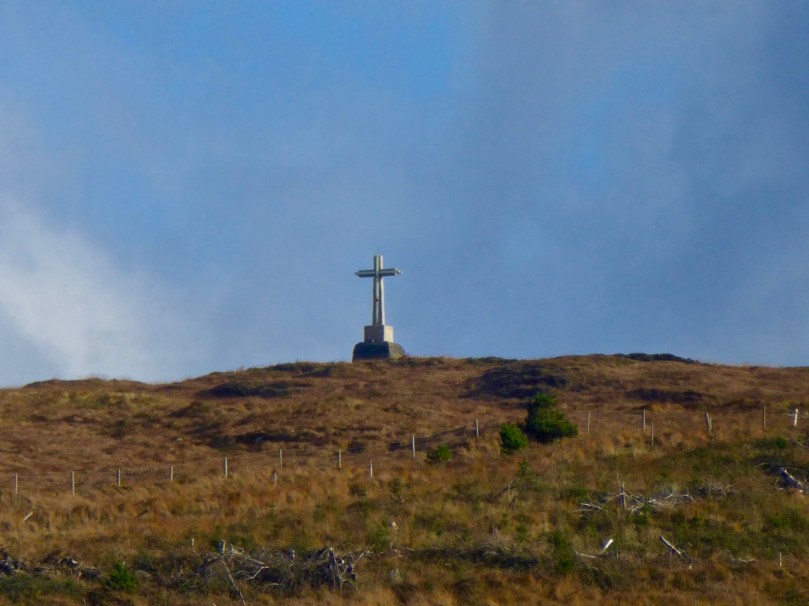
We also passed numerous ringforts and several standing stones. Looming over us as we walked was Dromore hill, on top of which was erected, in the Marian Year of 1954, an enormous cross, now rather improbably lit up at night. The cross is clearly visible from the stone circle and the standing stones, presenting opportunities to ponder on the juxtaposition of what is considered sacred in its own day, and what communities will expend precious resources to erect at different times over millennia.

Cross above circle

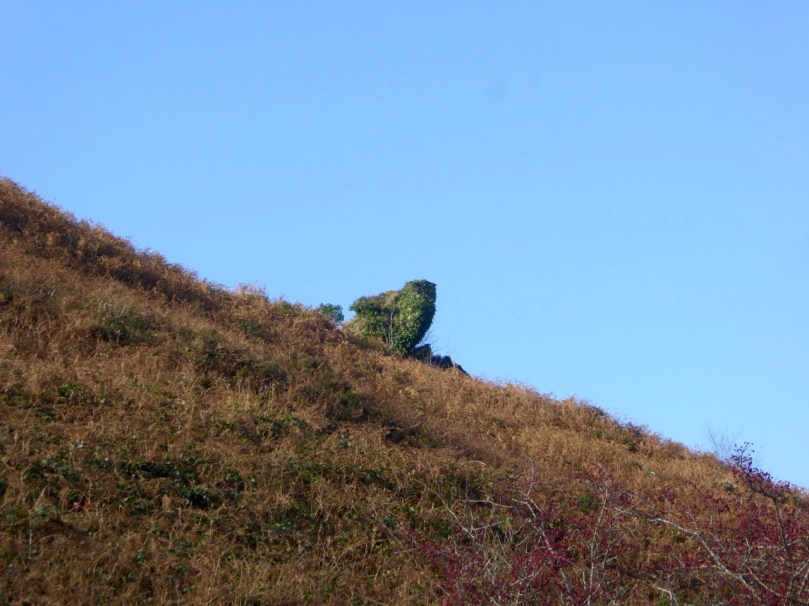
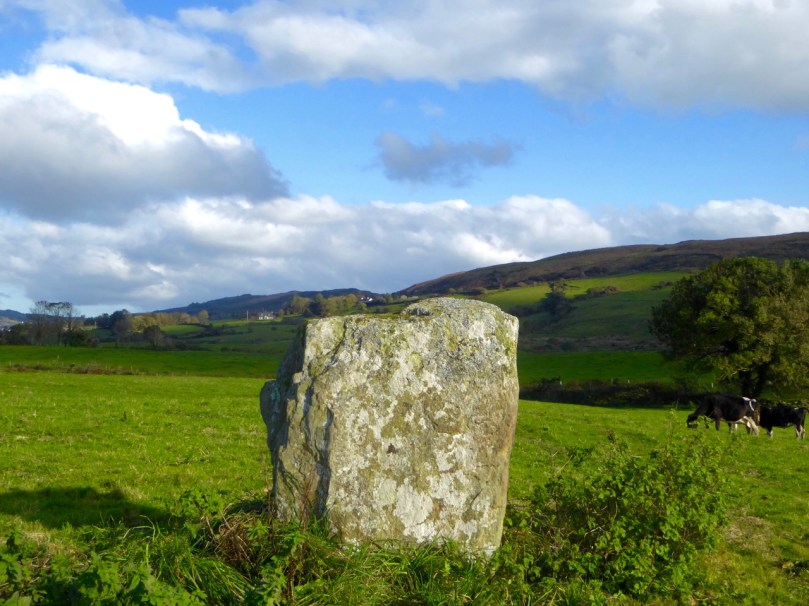
CrossOn  our trip to Sligo recently Robert and I were sensitised to the phenomenon of monuments seemingly echoing or imitating the topography behind them – see his post Discovering Carrowmore for more about this. I was struck by one of the standing stones – the top did seem to echo the hill behind it. Coincidence?

Standing Stone shape

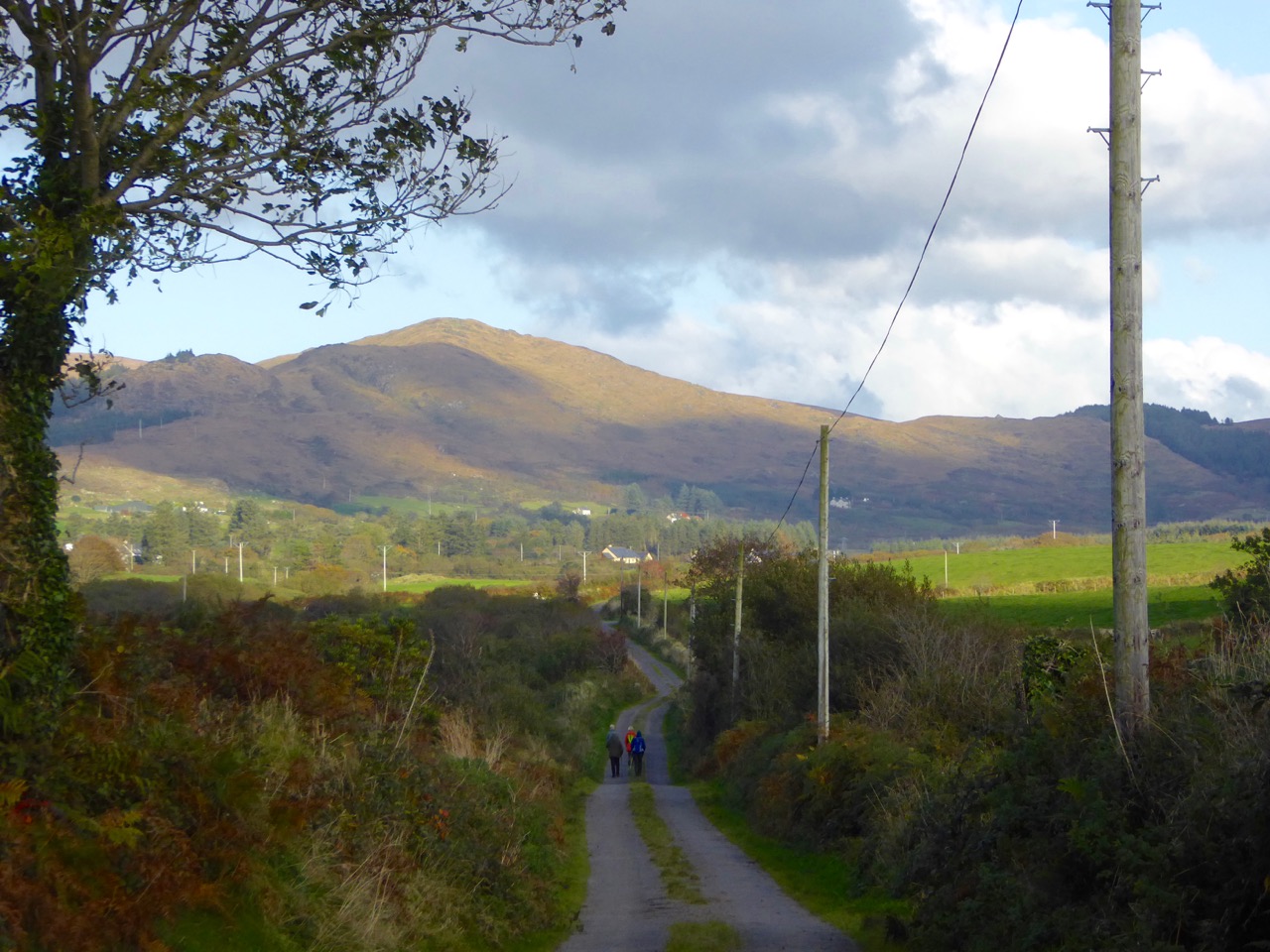
October in West Cork can feature some of the best weather and walking conditions of the year. Today did not disappoint, with blue skies and crisp air.

Tree

Thank you, Bridget, and our other exploring companions Amanda and Peter, for a marvellous day of Murder, Mythology and Megaliths.

At the rabbit ears