Martinmas

St Martin's Summer: late November on the Sheep's Head

St Martin’s Summer: late November on the Sheep’s Head

I’m used to pursuing the lives of the Irish Saints – often obscure, always fascinating – their legends tied up with folk tales and seasonal customs. But here we are, in Ireland, with a strong tradition of celebrating a continental Saint – St Martin of Tours.
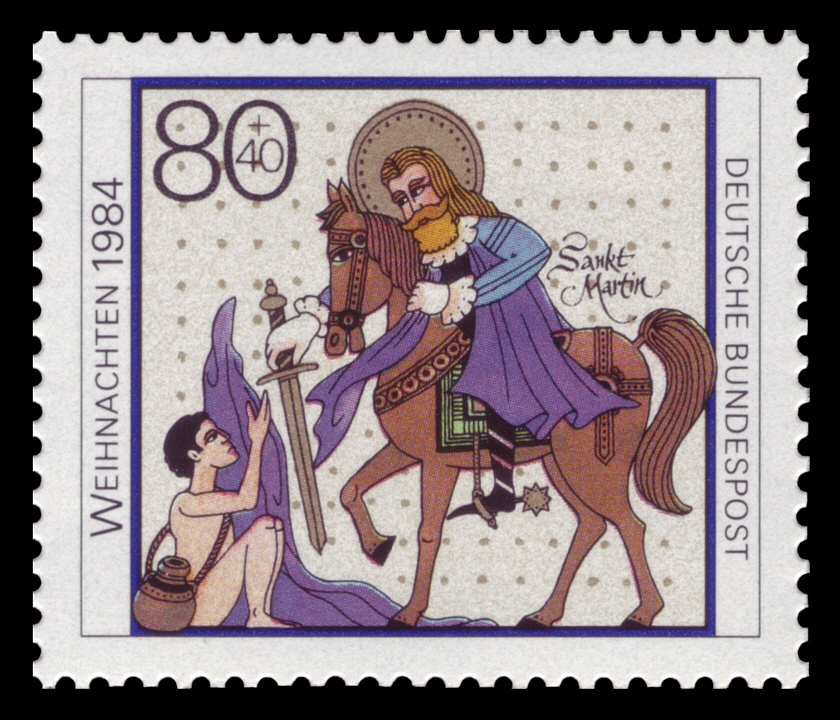
St Martin of Tours adorns a German postage stamp

St Martin of Tours adorns a German postage stamp

St Martin doesn’t appear to have any connection with Ireland at all – yet everyone here seems to know the one element of his story that is always told: in the winter storms he met a naked beggar and cut his own cloak in two, giving half to the beggar. There is a twist to the story – that same night Martin had a dream: he saw Jesus wrapped in the piece of cloak he had given away and Jesus said to him, “Martin has covered me with this garment.” Even though Martin was at that time a soldier in the Roman Army he sought to be baptised and then refused to fight as this was against Christian principles. In fact, he was the first recorded ‘Conscientious Objector’.
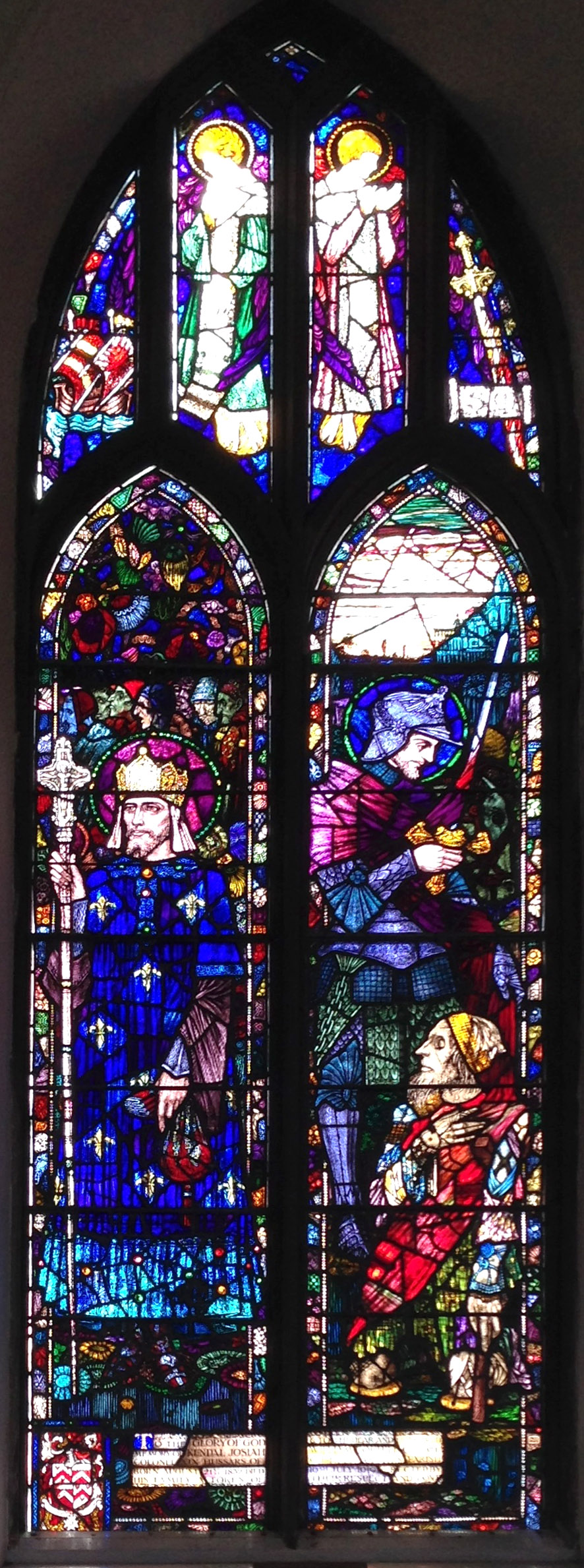
Harry Clarke's window in Castletownshend, showing St Martin and the Beggar in the right hand panel

Harry Clarke’s window in Castletownshend, showing St Martin and the Beggar in the right hand panel

St Martin’s Day is on 11 November and the season is known in Ireland as Martinmas. There are customs surrounding this time – still remembered in some rural districts. There is a whole chapter devoted to Martinmas in Kevin Danagher’s book The Year in Ireland (Mercier Press 1972). From this we learn that every family is to kill an animal of some kind “…and sprinkle the threshold with the blood, and do the same in the four corners of the house to exclude every kind of evil spirit from the dwelling where this sacrifice is made…”

In 1828 Amhlaoibh Ó Súilleabháin of Kilkenny recorded in his diary: “…The eleventh day, Tuesday. St Martin’s Day. No miller sets a wheel in motion today; no more than a spinning woman would set a spinning wheel going; nor does the farmer put his plough-team to plough. No work is done in which turning is necessary…” This might be because of a story that Martin was martyred when thrown into a mill stream and killed by the mill wheel. In fact the hagiography states that he died of old age.

Another Irish legend (from Wexford) relates that the fishing fleet was out one St Martin’s Day, when the Saint himself was observed walking on the waves towards the boats. He proceeded to tell them to put into harbour as fast as possible, despite the good weather and fishing conditions. All the fishermen who ignored the Saint’s warning drowned during a freak afternoon storm. Traditionally, Wexford fishermen will not go out to sea on Saint Martin’s Day.

St Martin is the patron saint of Geese. In England there are two ‘Goose Fairs’ held in the autumn, one at Tavistock near my old home on Dartmoor. I have been to that fair: geese and poultry are still in evidence, but I don’t know whether there is any direct link to our Saint. In the not-too-far-away Exeter Cathedral Close there is a Holy Well dedicated to St Martin.

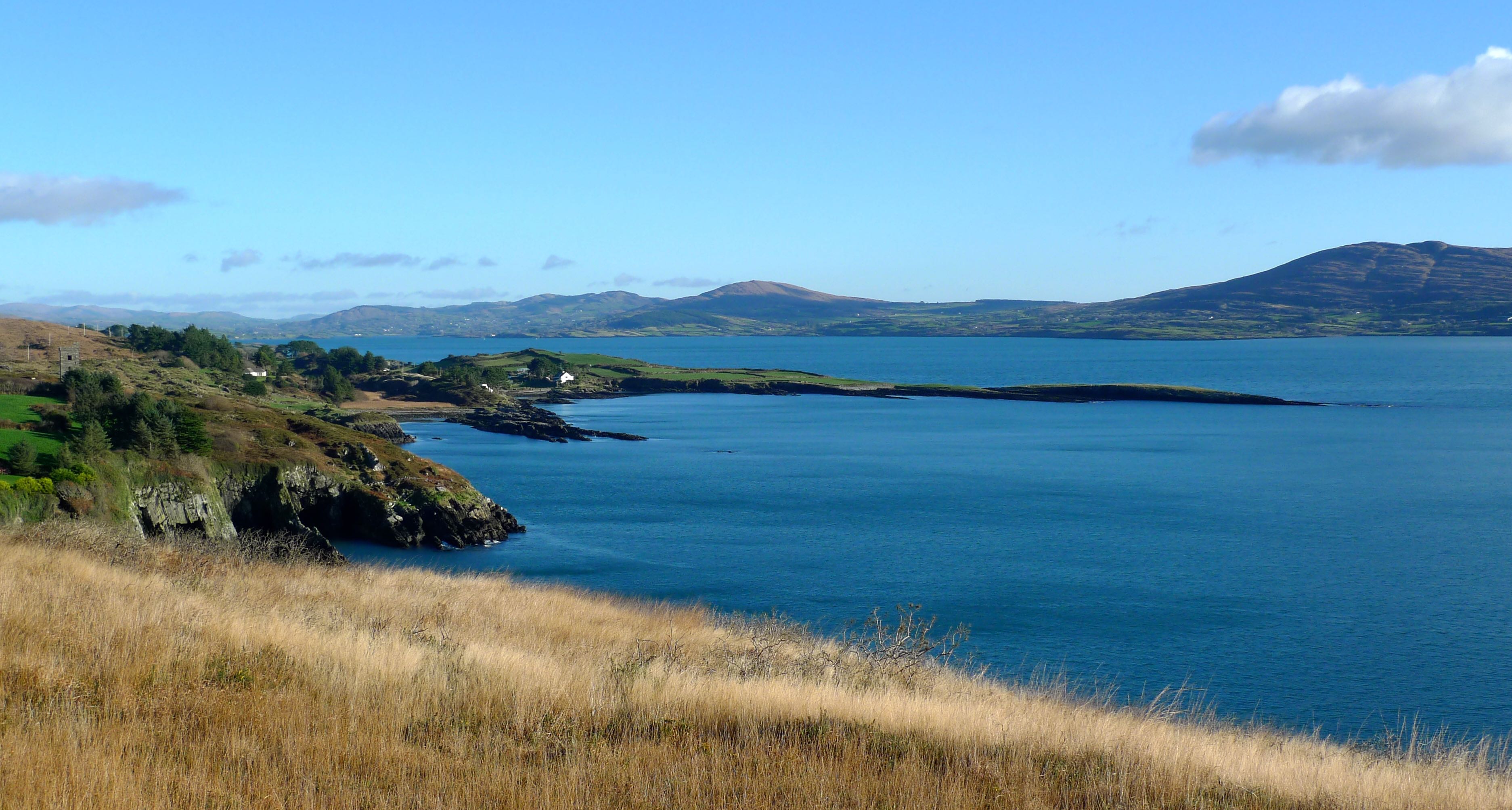
In England and Ireland they call any spell of good weather which occurs after 11th November ‘St Martin’s Summer’. We are having one of those at the moment.

We are also now at the ‘November Dark’ – the days just before a new moon when there is no moon at all visible in the night sky. Traditionally, this was the time to cut willow rods to store for basket making in the spring, as then “…they would have the most bend in them…” (according to Northside of the Mizen).
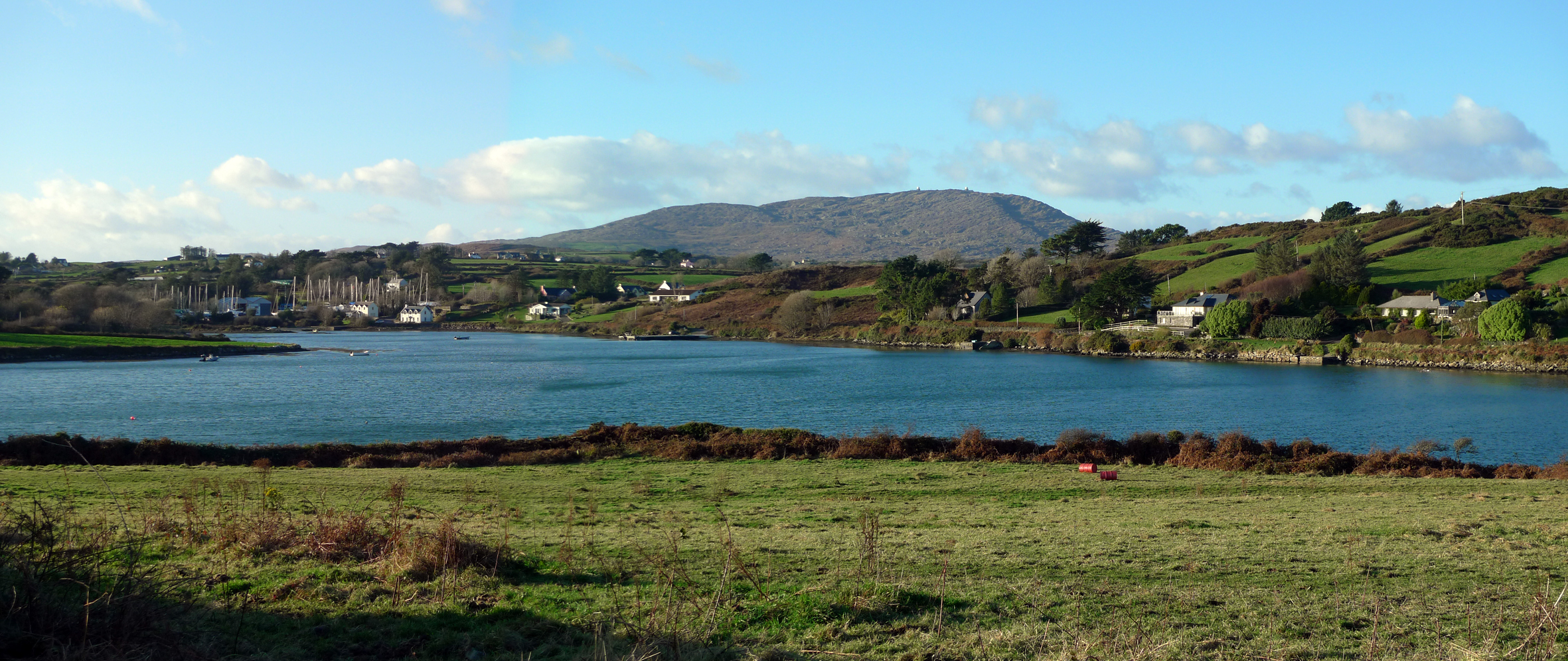
St Martin's Summer at Rossbrin Cove

St Martin’s Summer at Rossbrin Cove

St Martin’s Goose was traditional fare on Martinmas in some cultures, so I’m feeling a little worried about this gaggle…
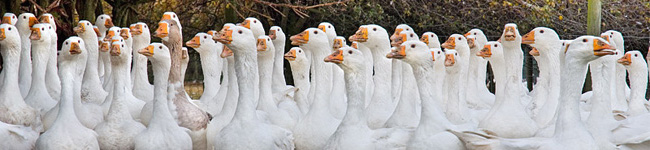
Goosey Fair, Tavistock, Devon
Goosey Fair, Tavistock, Devon


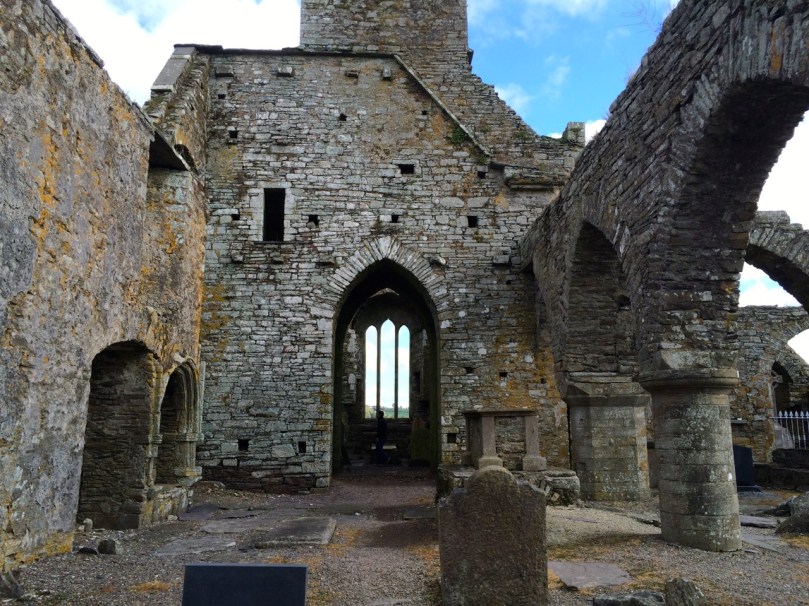
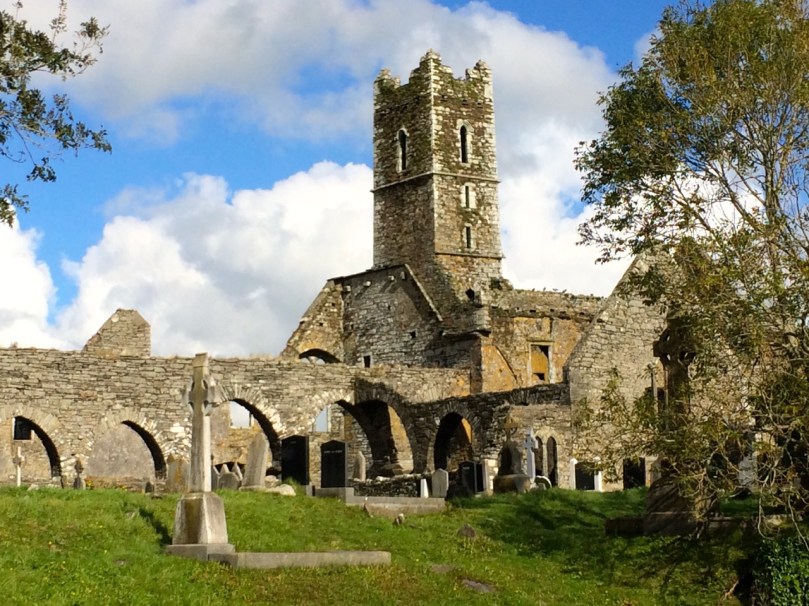
Timoleague Friary

Timoleague Friary

If you take the coast road from West Cork to Cork City, you go through Timoleague, a beautiful village at the top of Courtmacsherry Bay. This little town has a main street of colourful houses and shops, a large and imposing Catholic church with notable stained glass windows, a medieval bridge spanning the inlet, and lovely walkways by the Arigideen River.

Looking across the river to the Friary

Looking across the river to the Friary

What makes us stop, though, no matter how often we have visited it before, is the Friary. Perched on a knoll overlooking the river, this Franciscan establishment was built in the 13th or 14th Century, and subsequently enlarged and extended. It somehow managed to survive the reformation but was finally abandoned when it was burned in 1642.

The Franciscans first arrived in Ireland about 1230. The order spread quickly and in time there were many Franciscan houses in Ireland. Followers of the Rule of St. Francis, they lived in fellowship in the friary, but went out every day to work among the people. Unlike monks in abbeys or monasteries, they did not shut themselves away to follow a strict regimen of prayer and work. Instead, the friars depended upon their parishioners for sustenance, devoted themselves to their flock during the day and returned to the friary for their simple meals and prayers.

The Cloisters

The Cloisters

Despite this avowed simplicity, the friary is large and imposing. The remains of the cloisters give evidence of the daily meditation and recitation of the Divine Office. Their living quarters included a chapter room, refectory and infirmary.

Nave and choir

Nave and choir

The church would have been impressive in its day, with large and elaborate windows, a long nave and a sizeable transept. The columns between the nave and the transept are massive: the cut stone demonstrates the high quality of masonry that went into the building of the Friary.

A wander through the ruins is a delight. There is a wart well, old gravestones (while away half an hour deciphering some inscriptions!) and niches that would have held the tombstones of dignitaries. Lichen of every colour clings to the stones while low archways appear around every corner, with inviting vistas of further corners to explore.

Timoleague is named for St Molaga, who is also associated with other locations in Ireland. Many stories are told of St Molaga. Here is one, recorded by Colonel James Grove White and provided online by Cork City Librarians.

Close to Temple Molaga is a copious spring well, which was always held sacred by the people and should be used only for drinking and curative purposes; but on one occasion, the lady of the manor, an unbeliever, would insist on cooking her husband’s dinner in the water of the sacred spring. When the water had time to boil, the cook remarked it was icy cold; more logs were placed on the fire, still to no effect. The logs were still being piled on, the fire blazed, but when the dinner hour arrived, the water was still as cold as ever. The lord waxed hungry, and, like other mortals, became angry; he rushed into the kitchen to ascertain for himself the cause of the delay, had the cover lifted off the huge pot, and, although the fire was crackling and blazing high about it, he felt the water was quite cold; but what astonished him more was to behold a beautiful trout swimming about in it, without apparently suffering the least inconvenience. He became wonder-stricken, and had his advisers called in. They told him to take the water back to the well without delay and pour it in. This being done, the trout again became invisible, and is since rarely seen, except by certain votaries.

In the district it is a common saying when water is slow to boil, “perhaps the Molaga trout is in it.”

Timoleague Friary, as the largest medieval religious ruin in West Cork, is a unique and special part of the West Cork landscape.

friary silhouette

Were You at the Rock?

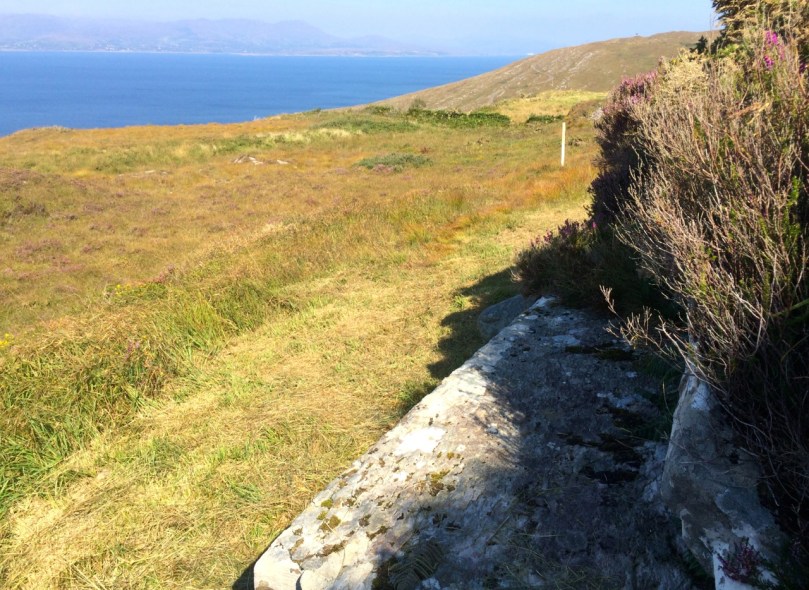
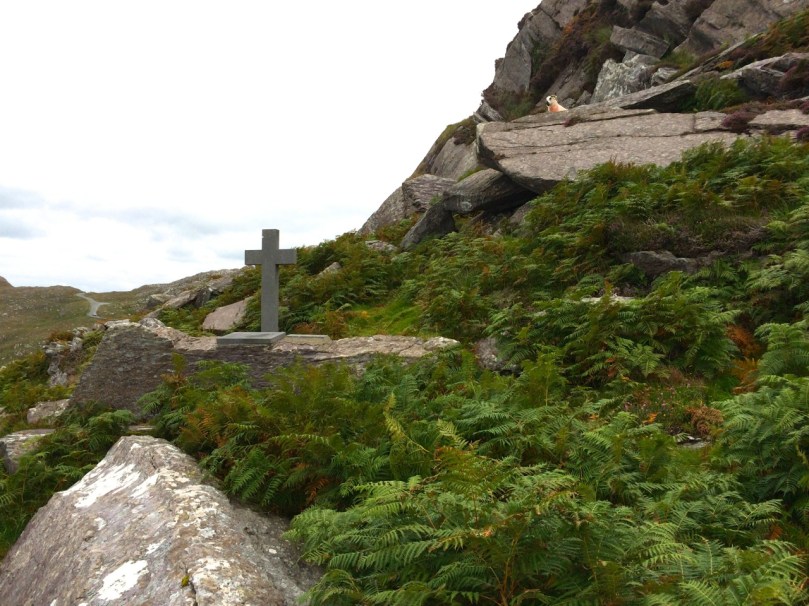
Mass rock along the Beara Way (see the look out above)

Mass rock along the Beara Way (see the lookout above)

An raibh tú ag an gCarraig? / Were You at the Rock?

nó a’ bhfaca tú féin mó grá / Or did you yourself see my love,

nó a’ bhfaca tú gile, / Or did you see a brightness,

finne agus scéimh na mná? / The fairness and the beauty of the woman?

This beautiful song speaks to a revered tradition in Irish history and folk custom – the mass rock. During the period of the Penal Laws (late 17th and first half of 18th Century) when the practice of Catholicism was outlawed, parishioners would gather at a secret location to attend mass. The priest travelled from community to community in disguise, a lookout was posted, and mass was celebrated on a lonely rock far from the reach of the law. The song encodes the message that the people still find ways to attend mass, despite the harsh prohibition against it.

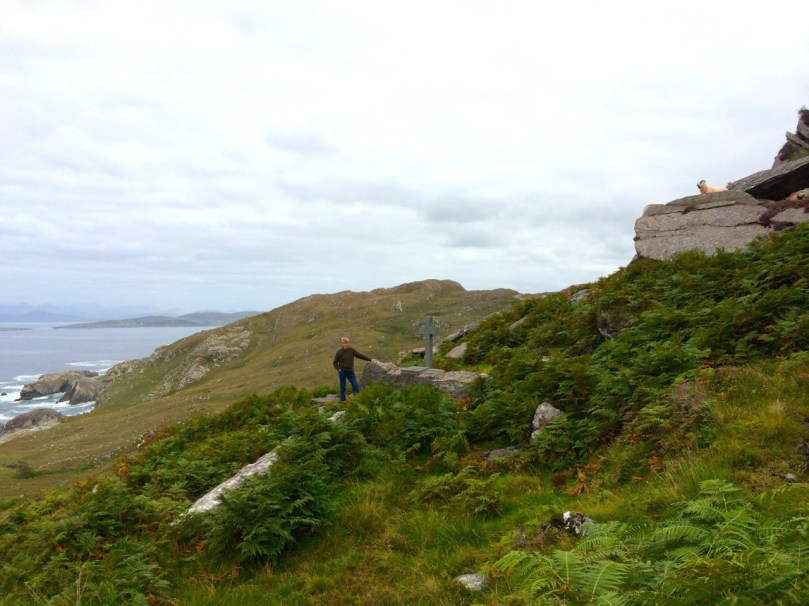
Mass rocks are often in remote locations

Mass rocks are often in remote locations

Dr. Hilary Bishop, in her excellent website Find a Mass Rock says, “As locations of a distinctively Catholic faith, Mass Rocks are important religious and historical monuments that provide a tangible and experiential link to Irish heritage and tradition.” She also points out that, because of the imperative for secrecy, mass rocks are difficult to find. We certainly experienced this when we set out for a day of mass rock hunting recently. Working from a list generated from the National Monuments Service database we spent a day on the Sheep’s Head and the Mizen and had trouble finding all the rocks on the list. One, if it was still there, had disappeared under impenetrable layers of gorse. A second rock was last recorded in the 1980s: residents were no longer familiar with it.

Beach Holy Well and mass rock

Beach holy well and mass rock

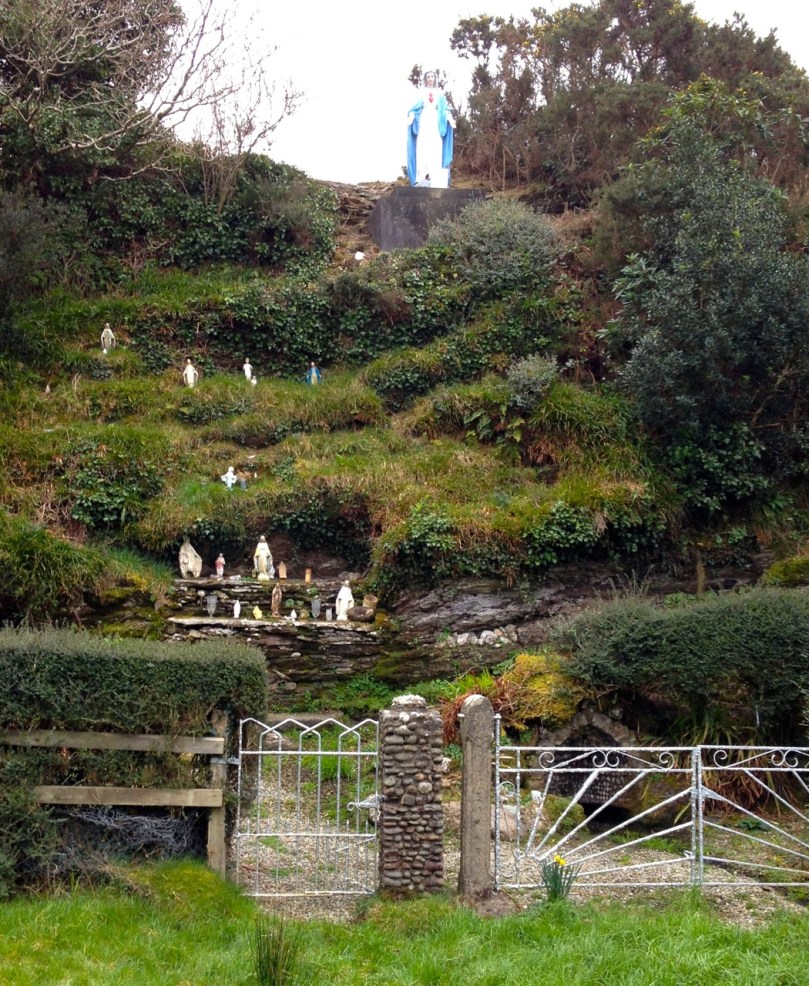
Knowledge of mass rocks has passed down from generation to generation. In the deep countryside, the sites maintain a mystique and a sense of the sacred. Last year we wrote about the mass rock and holy well at Beach, where Mary conjured up a blanket of fog to confuse the English soldiers and allow the priest to escape. At Beach and at our first stop, the mass rock at Glanalin on the Sheep’s Head Way, mass is still celebrated occasionally.

The Glanalin rock, and the one we visited on the Beara Peninsula, are good examples of the remote locations typical of many mass rocks, high on a hillside or hidden in an isolated valley. You can picture the procession of worshippers, in ones and twos, slipping silently through the bracken, pausing to make sure they are not being watched, climbing higher, following an overgrown trail, arriving at the meeting place where the hushed crowd awaits the arrival of the priest.

Beara mass rock

Beara mass rock

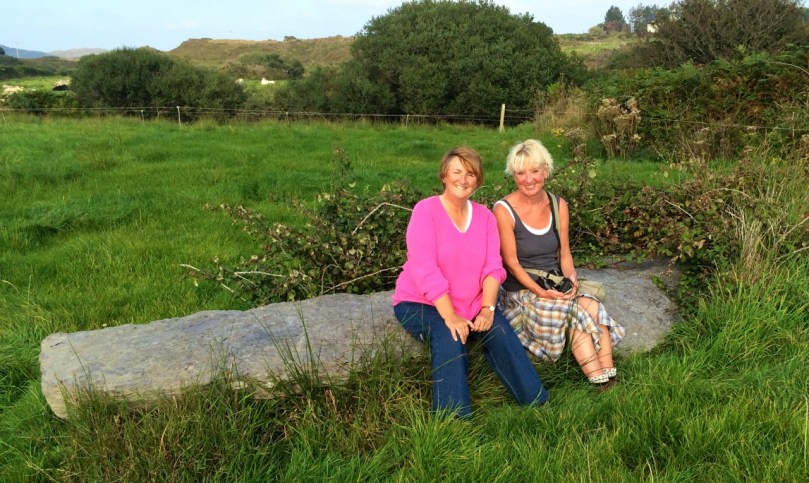
One of the rocks we found looked for all the world like a fallen standing stone – and that’s probably what it was. (I wonder if I should go to confession, though – I’m sure that sitting on a mass rock would qualify as at least a venial sin.)

Fallen standing stone?  Mass rock? Both?

Fallen standing stone? Mass rock? Both?

A mass rock that is easily visited is the one at Cononagh Village, right at the side of the main road into West Cork, the N71. This site is beautifully maintained – Cononagh is obviously proud of its heritage: signage and flowers invite the passerby to take a closer look.

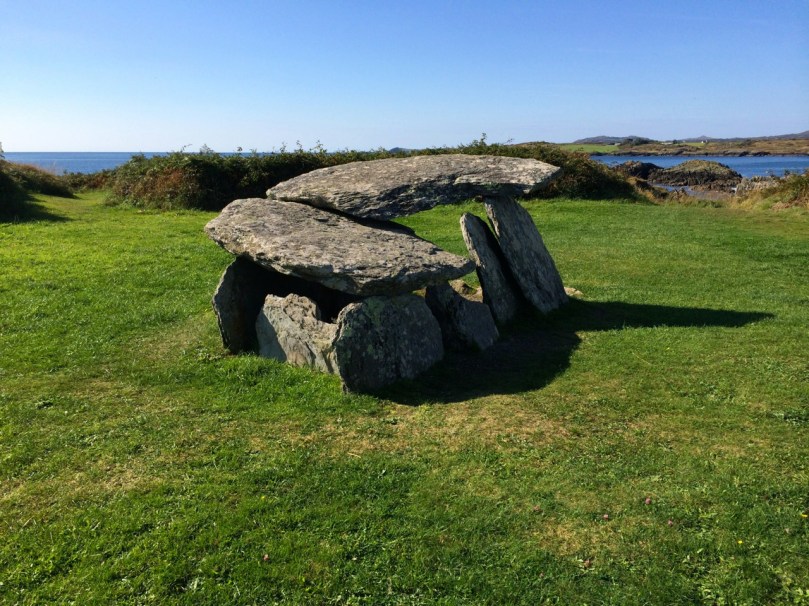
Another easily accessible site is Altar, at Toormore. This is a wedge tomb, probably over 4,000 years old and excavated in 1989. It remained in use through the Bronze Age and into the Iron Age. Dr. William O’Brien, in his book on the archaeology of County Cork, Iverni, says of this site: “…over time this tomb came to be regarded as a sacred place, housing important ancestral remains in what was a type of community shrine.” How fitting, then, that the flat capstone of the Altar wedge tomb became, in the Penal Days, a mass rock. And how intriguing to think of the continuation of this sacred space over the course of thousands of years.

Altar Wedge Tomb, later used as a mass rock

Altar Wedge Tomb, later used as a mass rock

Holy Relics + Masons’ Marks

tabern

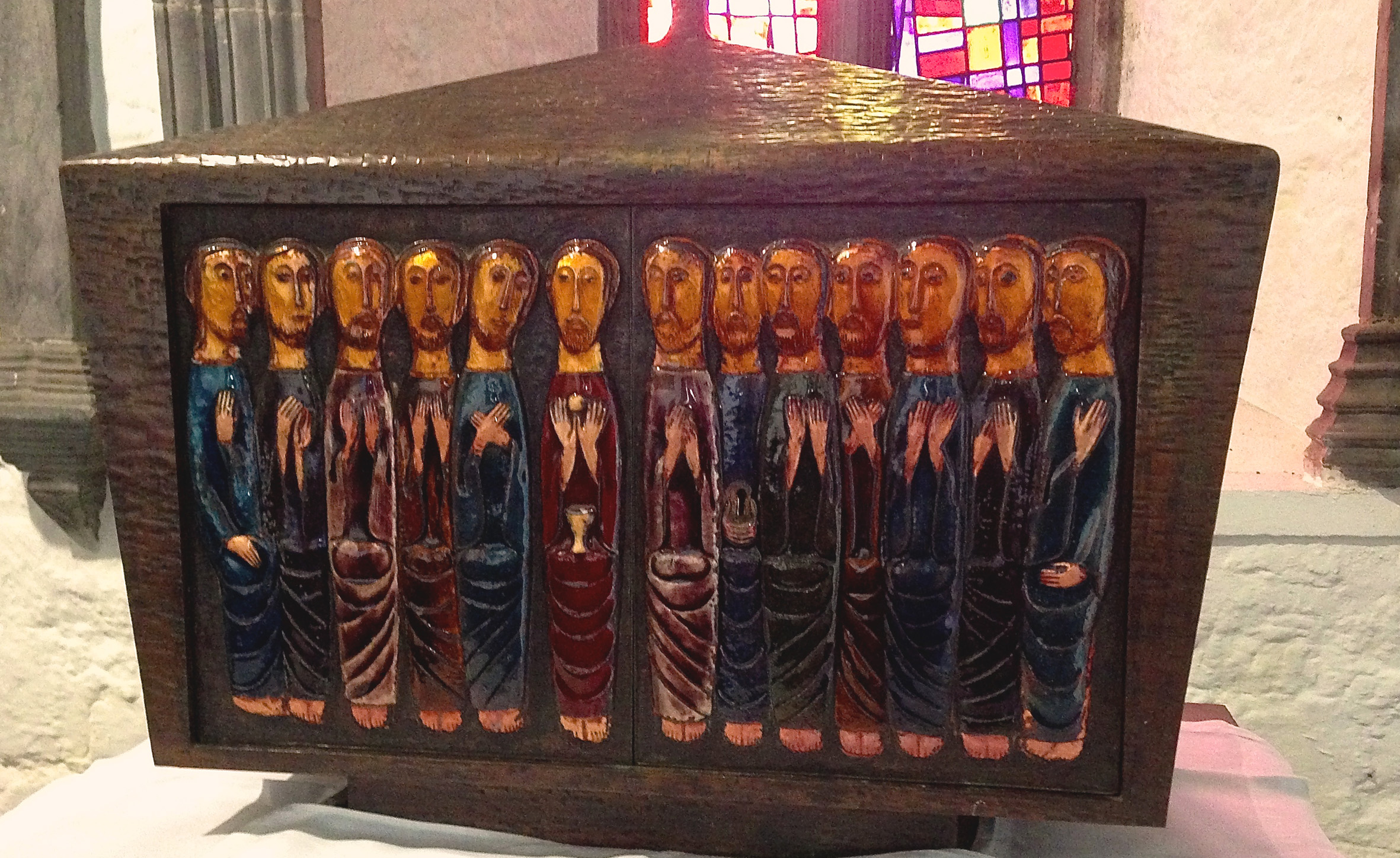
Modern Tabernacle at Holy Cross

Ireland is full of surprises. We are always coming across unexpected feasts for the eyes and the senses: often this arises from simply looking at the map for names that might hold a promise of history – or just ‘story’ – and head that way. Returning home from Dublin recently we diverted into Tipperary, for an investigation of the name Holy Cross.

the Abbey 2

The medieval abbey occupied an extensive site beside the River Suir

What we found was a thousand years of turbulent Irish history: a ‘Celtic’ hermitage dating from the first millennium became a Benedictine Abbey in the second, was refounded as a Cistercian Monastery in the twelfth century by a King of Limerick, Domhnall Ó’Briain, went through Henry VIII’s decimation of the Irish religious houses in the 1530s but survived as a pilgrimage centre until the Williamite wars of 1690. (Incidentally, in my anxiety to try to understand the fine detail of Irish history around this time, I discovered that the Protestant King William’s campaigns in Ireland were funded by Pope Innocent XI to the tune of 150,000 Scudi, which in today’s money is around four and a half million Euros! Can someone explain, please?) By the beginning of the 18th century Holy Cross was in ruins and, like so many other destroyed sites, the remains of the Abbey became a local burial ground.

Following the Reformation the Anglican Church of Ireland became the established church and the entire population – overwhelmingly Catholic – had to pay tithes to the Church of the Ascendancy. English Prime Minister William Gladstone declared “My mission is to pacify Ireland” on being elected in 1868, and his Irish Church Act became law in 1871. This disestablished the Church of Ireland: no-one paid tithes thereafter, and Catholics were free to worship wherever they wanted. At the same time ruins such as Holy Cross became scheduled National Monuments ‘…to be preserved and not used as a place of worship…’

The ruins of the abbey became a burial ground

The ruins of the abbey became a burial ground (Bartlett)

http---www.tara.tcd.ie-jspui-bitstream-2262-40632-1-ertk2528

A rare fresco - depicting a hunting scene - was found in the church

A rare fresco – depicting a hunting scene – was found in the church

On the 50th anniversary of the Dáil, on 21 January 1969, special legislation was enacted to enable Holy Cross Abbey to be restored as a place of Catholic worship: the only exception to the 1871 Act ever granted.

Now, in the third Millennium, Holy Cross is fully restored as a functioning Catholic Church and a pilgrimage centre which, every September, hosts around 65,000 pilgrims.

Why do so many people come to Holy Cross? Possibly because it was important enough, originally, to house a relic of the True Cross. In 1586 the English antiquarian William Camden wrote of the ‘…famous abbey to which the people still come to do reverence to the relic of the Holy Cross…’ He went on to say ‘…It is incredible what a concourse of  people still throng hither out of devotion. For this nation obstinately adheres to the religion of superstition of their forefathers…’  This relic disappeared in the 1630s.

After the restoration of the church in the twentieth century an authenticated relic of the True Cross was provided by the Vatican, and placed on display there. Unhappily, in 2011 masked raiders descended on Holy Cross and, using angle grinders, hammers and screwdrivers, stole the relic. The story has a happy ending however, as it was duly recovered the following year and was safely back in place when we visited.

Reliquary containing a fragment of the True Cross displayed in the North transept

Reliquary containing a fragment of the True Cross displayed in the North transept

There is an intriguing piece of folklore surrounding this building. An English prince of royal blood – the Good Woman’s Son – came to Ireland to collect Peter’s Pence (a tithe) but was murdered and buried in a wood near the Abbey. Following a vision, a blind monk discovered the boy’s body and carried his ring to his mother, the Queen. In gratitude she presented to the Abbey a large piece of the True Cross which had recently come to England.

pictures

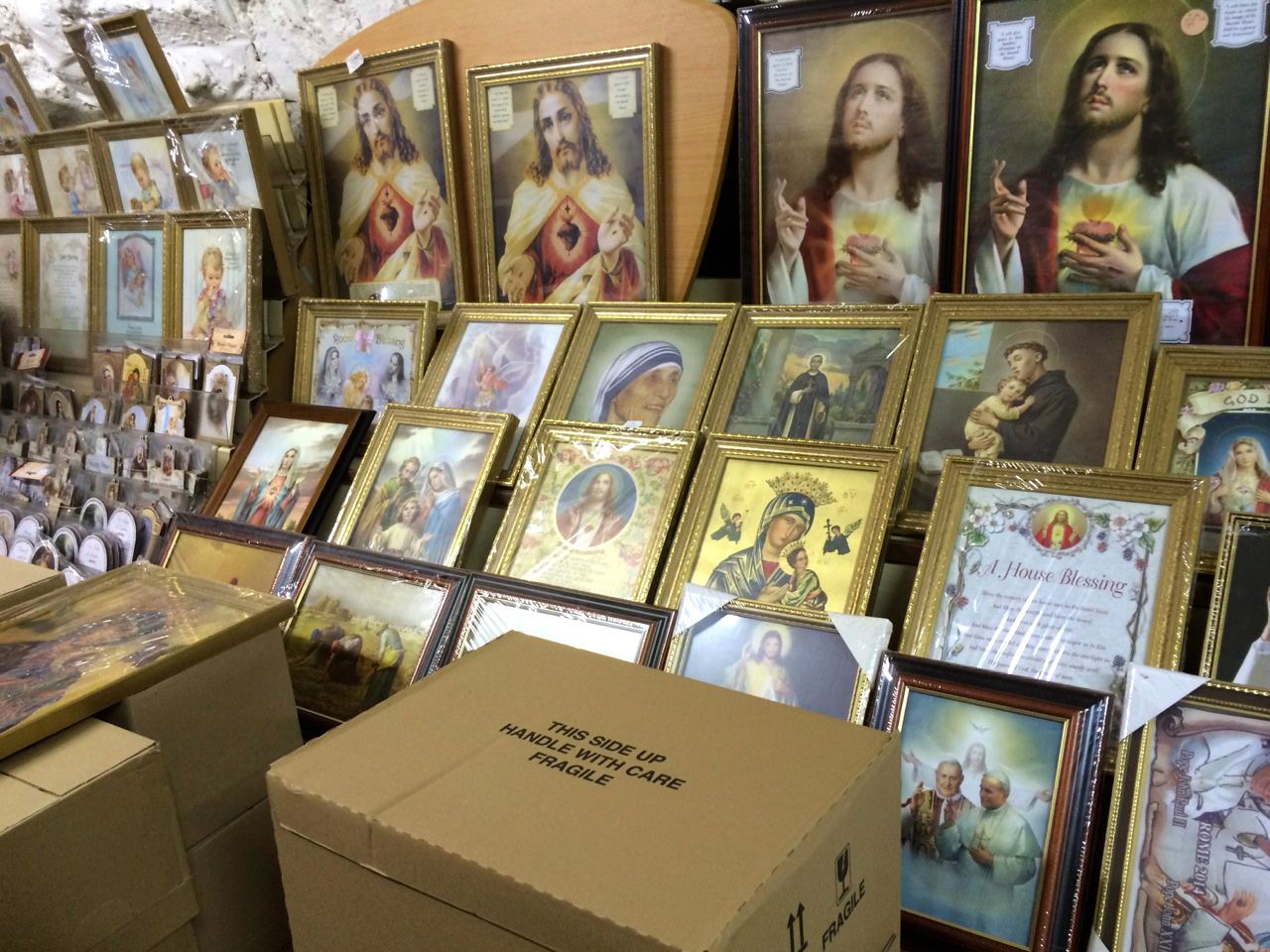
The Abbey Shop


A Misplaced Saint

detail 11

Partly in West Cork, and partly in Kerry, the Beara Peninsula is a majestic place to explore. Some of Ireland’s highest mountains are here, and in places they sweep sheer down to the Atlantic to create dramatic landscapes, hard to match – in my own limited traveller’s view – with anything else in the world, But it’s not just landscape: the Beara offers surprises in the way of rainbow-hued village houses, off-the-beaten-tracks pubs with lively music and conversation, and the occasional gem of an altogether different kind. My post today is simply about one place – one church, in fact – which we found by chance in the village of Eyeries situated on the recently implemented long distance drive around the whole magnificent west coast of this country: the Wild Atlantic Way.

Wild Atlantic Way...

Wild Atlantic Way…

‘…Come to Eyeries Village. Embrace the tranquility…’ That’s the advice of this little community’s website. We did just that and, as we were enjoying our coffee outside Miss Murphy’s cafe in the centre of town we were only disturbed by one or two cars and diverted by the sound of the street sweeper’s brush. But the focus of our attention for this visit became the church: St Kentigern’s.

notice

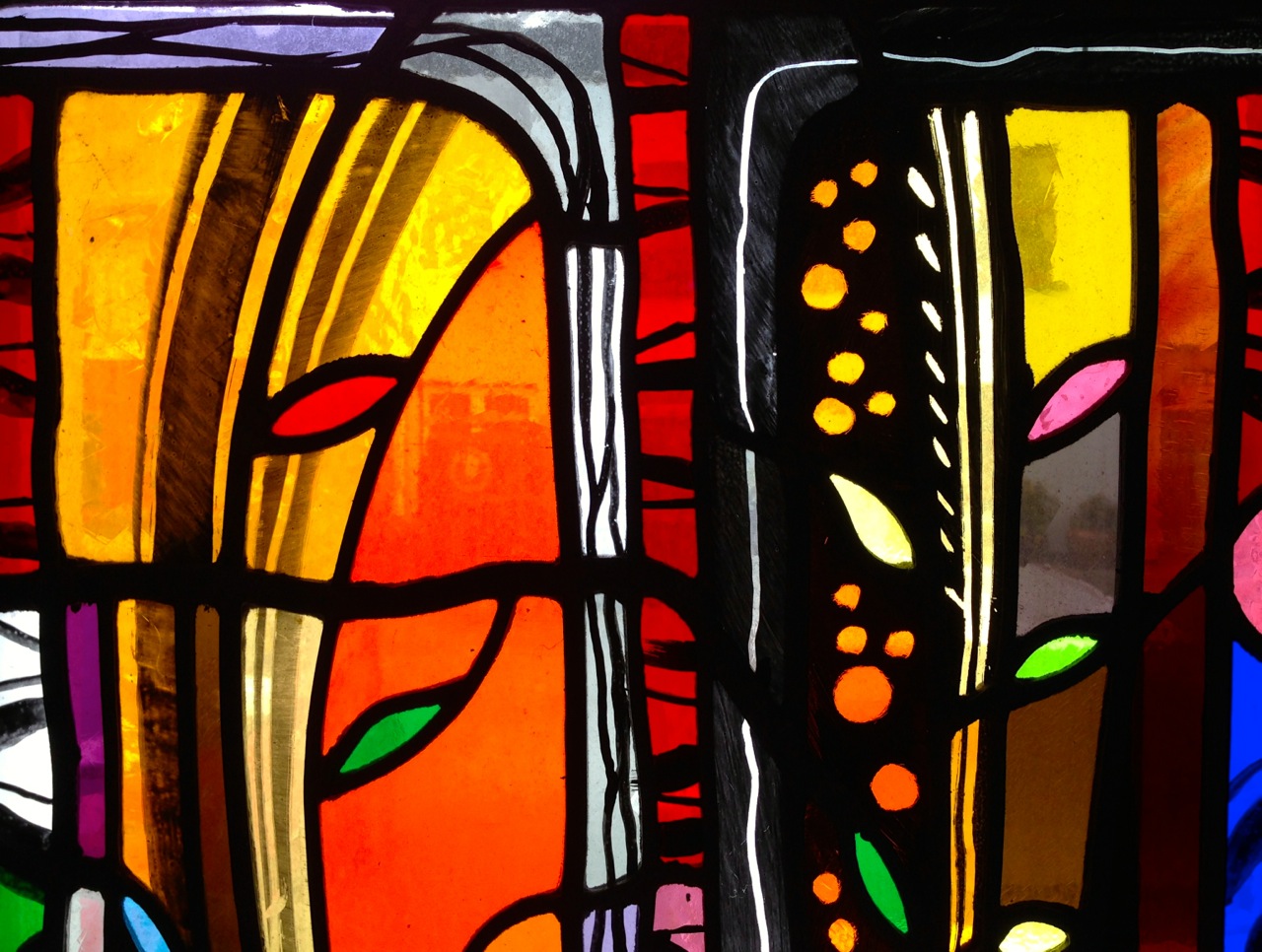
As you will know, I am always on the lookout for Irish Saints, and I had never heard of St Kentigern, so I went inside expecting to find a new story. My eyes were assailed by a riot of colour! This unassuming little building hides a magnificent set of coloured glass windows telling the story of the world from prehistoric times and Ireland’s central part in that history… I have put a precis of the artist’s explanation of the designs below, but the windows must speak for themselves.

There are eleven windows in all: eight in the main body of church, two in the Sanctuary, and the last in the west wall, over the entrance doors.

So – why are they here? A very good question. I have gleaned no information from the usual sources. The best I could find (based on a chat with a passer by) was that the windows were commissioned in the 1980s, and each one is dedicated to the memory of a local person, and they were all paid for by friends and relatives of the dedicatees. It seems that there was a wish at the time to ‘brighten up’ the interior of the formerly nondescript building. I think this aspiration has been completely successful, but it’s a shame that there’s hardly a mention of the church or its windows in any of the information I could find about Eyeries.

Regarding the stained glass artist himself – George Walsh: I have found mentions of him as an artist working in Dublin. His father, George S Walsh, worked in the studios of Harry Clarke. He has carried out commissions in Kerry, Kildare, Kilkenny, Dublin, Galway and as far afield as Newfoundland and Florida. My source thought that he is now retired and living in Dublin. It seems odd that he hasn’t gained more public recognition (unless I am missing something – comments please).

Here are the notes of George Walsh giving an ‘explanation’ of the Eyeries windows: it would be easy to miss, as it is a single fading typewritten sheet on a window cill on the south side of the aisle:

 ‘…The windows… begin with the elements sun, rain wind etc. The next depict fishing and the tradition of work on seas and rivers… Next, farming and husbandry, sowing seed etc. the final windows on this side show Saint Finbar – emigration, both going and returning old and new. The windows on the right side begin with the Dark Ages and pre-history to the next which remembers our Megalithic and Celtic past. Following on to the Christian period – Eucharist, Gospel Missionaries etc and finally to Resurrection… Sun and birds symbolise renewal and hope… The Sanctuary windows show Baptism, Water, Fish, Shell etc. Next is Mary in the form of Annunciation… the balcony windows are seen as we go out from the Church into the world in renewed spirit…’

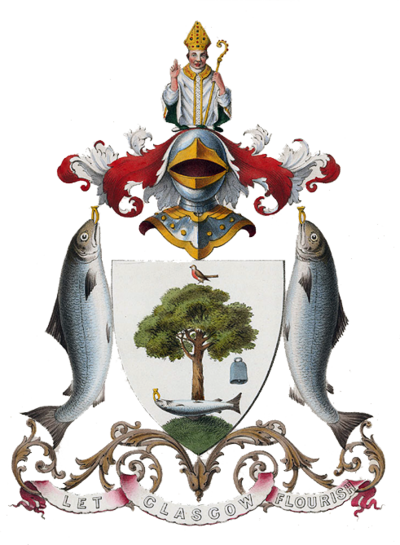
What of Saint Kentigern? You may well ask that – he gets no mention in the church, nor in the Irish Saint Hagiographies. He is mentioned as a Scottish Saint (more commonly known as Saint Mungo) who founded the city of Glasgow in the 6th century. Look for him on that city’s coat-of-arms. I could only glean (from another local source after a bit of a grumble) that when the church was restored and the new windows were commissioned a priest of the time decided to give the church that dedication. He evidently had unearthed some obscure link, but this has apparently never been put on record. There is another possibility: he might have been the local saint whose name is now more commonly given as Chaitighern or Catherine. There is a ruined church of this dedication on the Beara, not far from Eyeries.

Church of Catherine, Close to Eyeries

Kilcatherine Church, close to Eyeries

Our elusive Saint on Glasgow's coat-of-arms

Our elusive Saint on Glasgow’s coat-of-arms


Man of Music

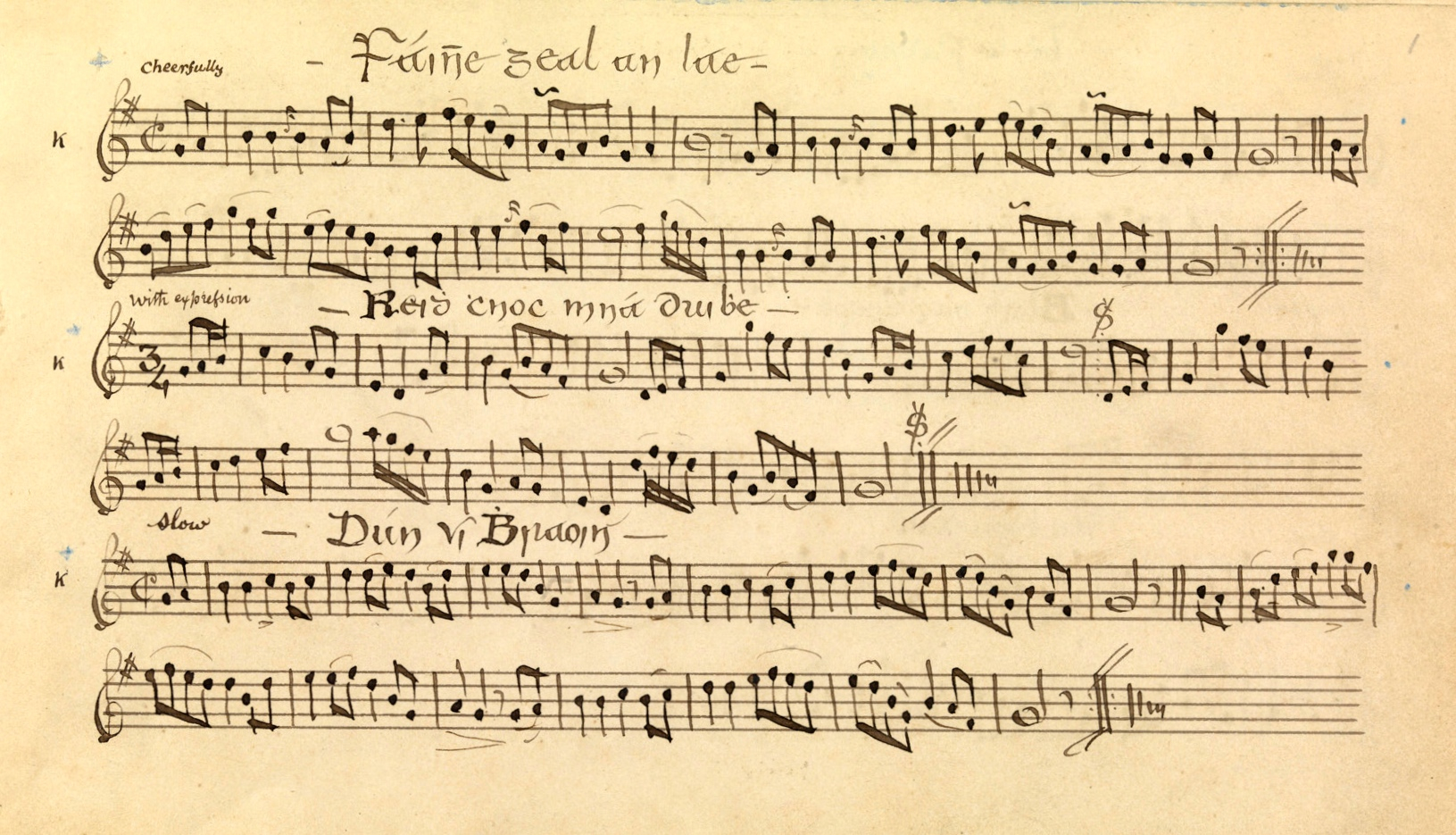
A page from the manuscript of Canon Goodman - Trinity College Library

A page from the manuscript of Canon Goodman – Trinity College Library

Long-term readers of our posts will have encountered Canon James Goodman already – in our first post after we moved in to Nead an Iolair we covered the 2013 Canon Goodman Concert, an annual affair which takes place in Abbeystrewry Church, Skibbereen. This means we have lived here for exactly one year now, as the 2014 Concert took place last Sunday. In the intervening 12 months I have researched this Skibbereen hero in greater detail, and he deserves a whole post to himself!

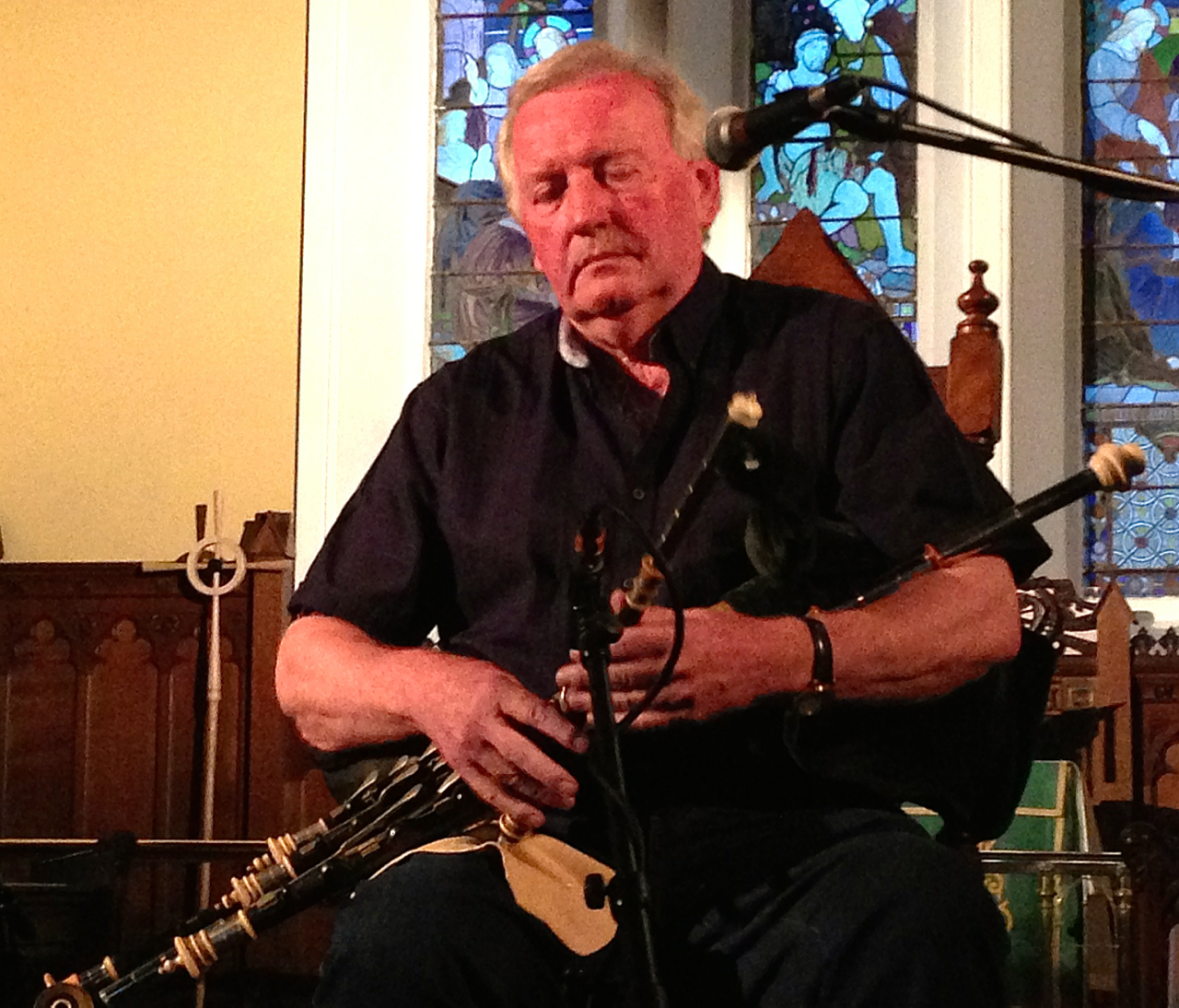
Uilleann Pipes Maestro Liam O'Flynn plays Skibbereen

Uilleann Pipes Maestro Liam O’Flynn plays Skibbereen

The Annual Canon Goodman Concert is part of the Arts Festival which Skibbereen hosts every year: Finola has reported fully on this event, which has kept us on our toes for the whole week. Stars of the concert were Liam O’Flynn and Paddy Glackin. I first saw Liam in Exeter back in the 1970s – we’ve both aged a bit since then…

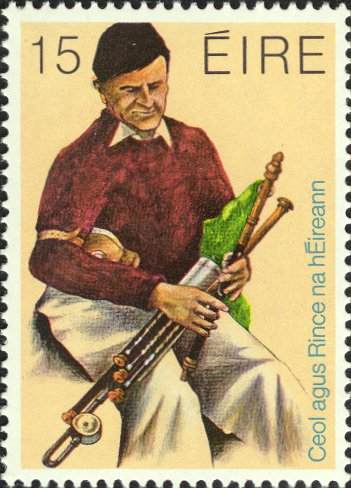
The Canon is remembered particularly for his expertise in playing the Uilleann Pipes – Ireland’s national instrument. If you’ve never seen this played, have a look and a listen to the extract from the Skibbereen concert below: it is a complex instrument, whose component parts include windbag, bellows, a chanter, drones and regulators – also the piper’s apron (sometimes known as a popping strap), which is a cloth placed on the knee of the player to form a seal with the open end of the chanter – as the lifting of the chanter from the knee is one action which can alter the sounding of the pipe between legato and staccato. It’s hard to simply explain the methodology of the pipes – just consider that the player has to keep the bellows moving with one elbow, maintain correct inflation of the bellows with the other (the Irish píobaí uilleann literally means ‘pipes of the elbows’), use the fingers of both hands to form the melody on the chanter, and to lift it from the knee, and use the wrist or fingers (or, as I have seen on occasion, the end of the chanter) to ‘play’ the regulators, forming chords and adding rhythm – not forgetting to make sure the drones are in tune.

James Goodman was born in 1828 in Ventry, County Kerry – then a Gaeltacht area: he was raised as a native Irish speaker, and this stood him in good stead as, in later life, he became Professor of Irish at Trinity. In his youth he was described as ‘…having an attractive personality and was well-liked and popular…’ He took a great interest in traditional life and, particularly, The Music. He learned to play the flute and the pipes while growing up. His father was Rector of Dingle and, after studying at Trinity, James was himself ordained into the Church of Ireland in 1853, moving with his wife Charlotte  to the living of Creagh Parish, between Baltimore and Skibbereen.

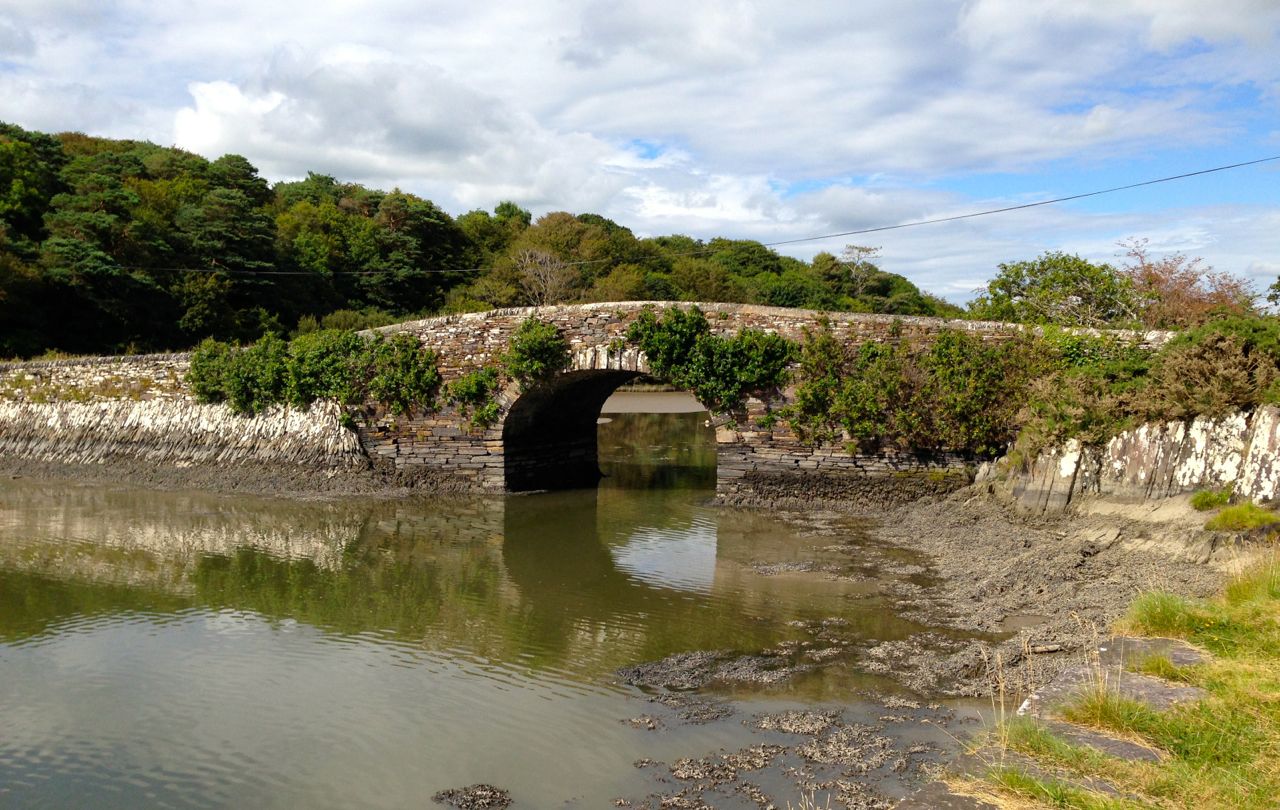
The bridge at Creagh

The bridge at Creagh

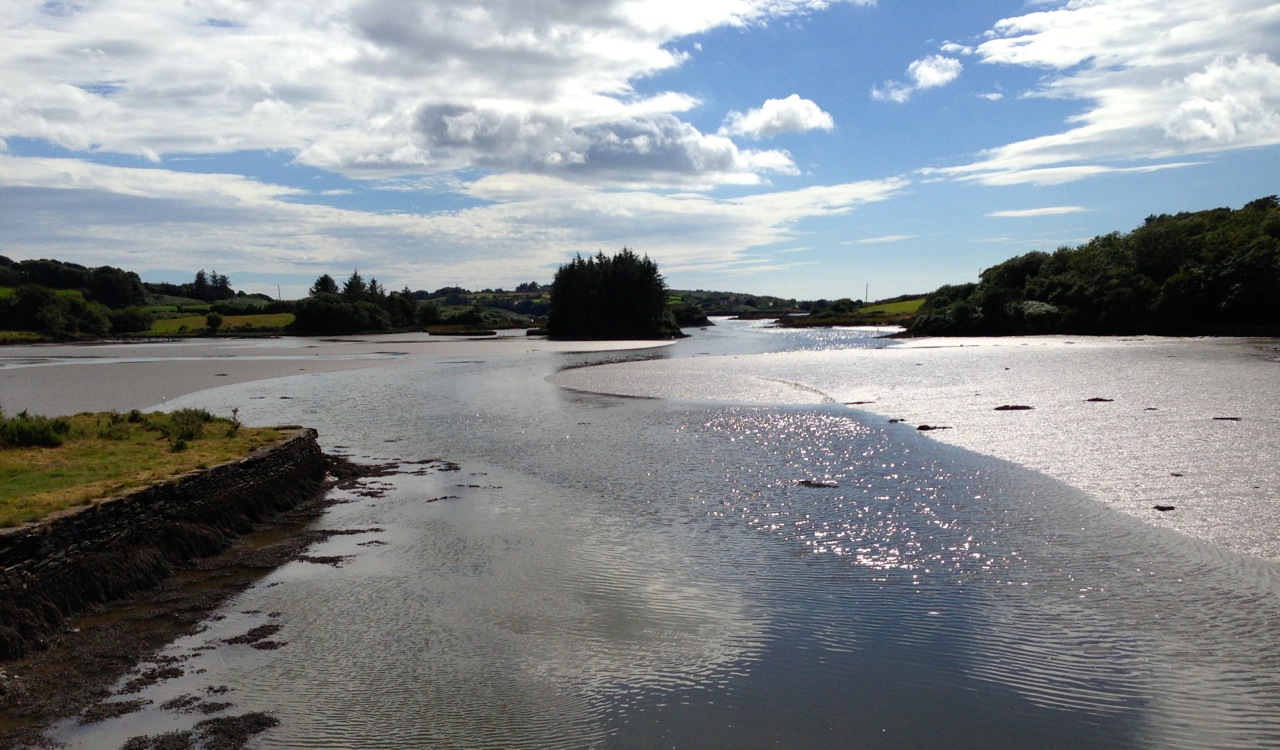
Creagh: River Ilen

Creagh: River Ilen

In 1860 the Goodman family (by now they had three sons) moved to Ardgroom, also in the Gaeltacht, where he took the post of Curate of Kilaconenagh. While there, he began his collection of Irish traditional melodies, learning hundreds from Tom Kennedy, a blind piper whom he had known back in Ventry. The Goodman Collection is the first great body of Irish traditional music ever to have been gathered: it numbers over 2,300 tunes and songs. For many years these lay dormant in the archives of Trinity College Library and they have only recently been  studied and published. Every year at the Skibbereen concert some of the tunes are included in the programme, allowing us to hear the music of Ireland being played just as it was in town and townlands many generations ago.

A story is told of his time in Ardgroom: one weekend an impressive steam yacht anchored in Castletownbere Harbour; on the Sunday, James Goodman was aghast to be told that a distinguished company, including a well-known historian, was coming ashore to attend morning prayer in his church. He felt very nervous at the thought of having to preach to such important people so he delivered his sermon in Irish, knowing that they would not understand it. Shortly afterwards an article appeared in an English periodical stating that Irish was still so much in use in outlying districts in Ireland that it was Customary for clergymen in some Church of Ireland churches to conduct the service in English and to preach in Irish!

rectors

Enigma: the register in Abbestrewry Church, showing Canon Goodman as Rector in 1857; his inauguration there wasn’t until 1867

James Goodman returned to the environs of Roaringwater Bay when he was made Rector of Skibbereen and Canon of Ross. His church was Abbeystrewry, which now hosts his memorial concerts. He was responsible for the building we have today: he initiated a project to demolish all but the tower of the old building and provide a modern worship area, and he paid for much of it himself. It was in 1879 that Goodman was appointed Professor of Irish in Trinity College Dublin  and combined this position with his clerical duties in Skibbereen, spending half of every year in each location.

The Canon died in 1896 and was buried, at his own request in Creagh – his first living. Finola and I searched out the burial ground and his grave. We had previously glimpsed the four pinnacles of the Church of Ireland tower rising mysteriously among the trees on the banks of the Ilen river: when we walked down the long green trackway that is the only access we were struck by how beautiful and yet how poignant the place is.

Side by side are Catholic and Protestant churches – both in ruins. The gravestones give away which is which: old Irish names  define the former, and the church there has returned almost completely back to nature. The Protestant church still stands, but its windows are uselessly boarded up: there are holes in the roof and the crumbling building is prey to the weather. There is an inescapable air of desolation at the site, yet the nearby newer burial ground beside the water is idyllically located and wonderfully peaceful.

Canon Goodman wrote of his life: …ionnus nach raibh aon nidh dob annsa liomsa óm óige, ná bheith ag éisteacht le seaneachtraighthe agus sgéalta fiannuigheachta; ná ceól ba bhinne am chluais ná ceol sármhilis na hÉirionn.  (…so that there was nothing dearer to me from my youth than to be listening to the old tales of adventure and the stories of Fionn, nor any music sweeter in my ears than the surpassingly sweet music of Ireland). The story goes that James Goodman was buried at Creagh along with his own Uilleann pipes: in the silence of the place we had a good listen…

Playboy...

Playboy…

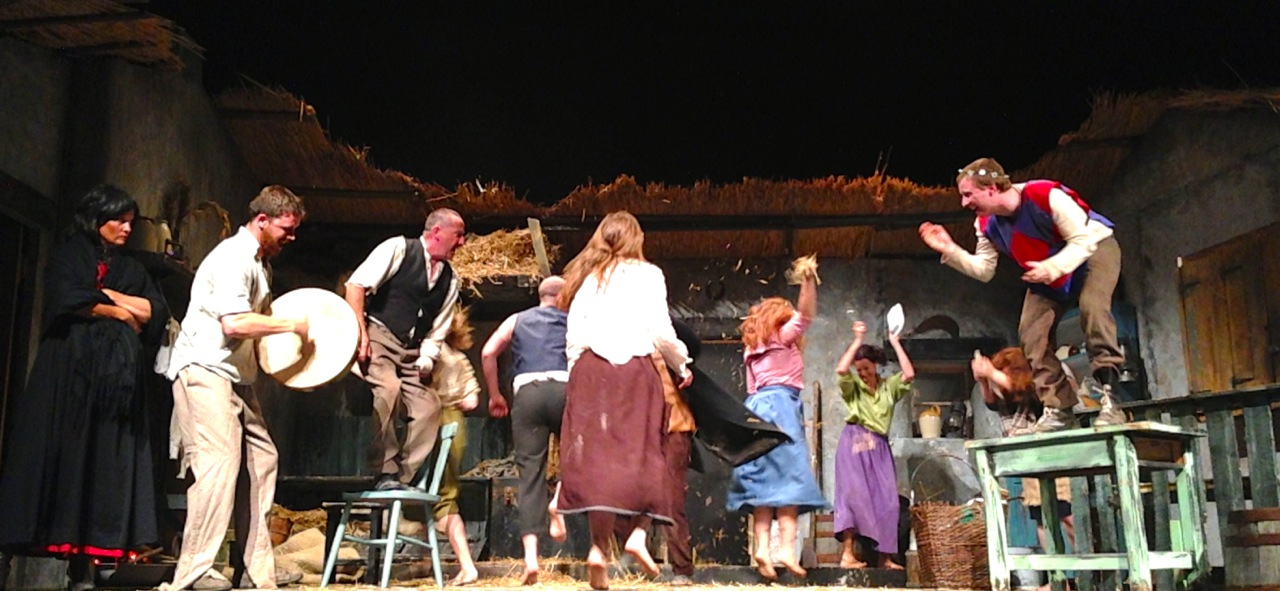
While Goodman was Professor at Trinity he had a student who became renowned: John Millington Synge. Synge was also an Irish scholar and spent much time in the Gaeltacht – particularly in the Aran Islands. It was there he wrote his most famous work, The Playboy of the Western World. Finola has already mentioned that this was also performed – superbly – during the Skibbereen Arts Festival this year: a treat for us – and for the Canon, perhaps.

st0024