The Irish Valentine

sun cove

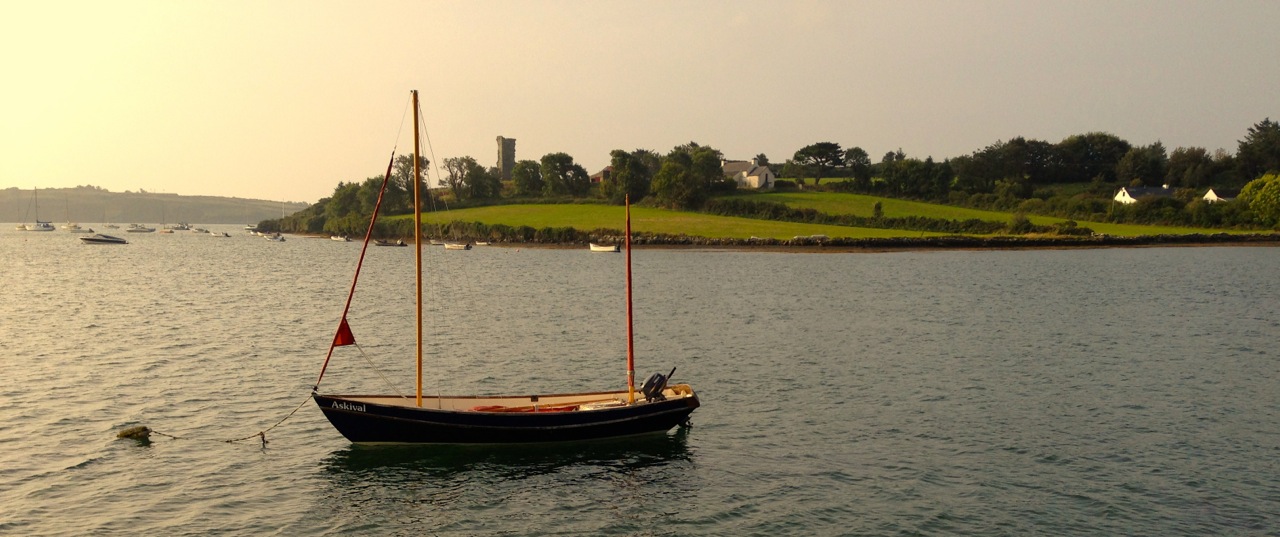
February evening in Rossbrin Cove

I was surprised to discover Saint Valentine in Ireland…

You mean in a card shop – or a flower shop?

No – I mean the real Saint Valentine – his remains are in the Church of Our Lady of Mount Carmel in Whitefriars Street, Dublin: we were there last week.

carmelite church

That can’t be true – Saint Valentine was a Roman – martyred, I believe, in the 3rd Century.

He was, of course: Emperor Claudius had him beaten to death and then beheaded on 14th February 269. Valentine and another Saint, Marius, had secretly married young couples, which was against the law.

Why was it against the law?

Because Claudius II (Claudius the Cruel) was engaged in many bloody and unpopular campaigns and was having a difficult time getting soldiers to join his military forays. He believed that the reason was that Roman men did not want to leave their lovers or families. As a result, Claudius cancelled all marriages and engagements in Rome.

So it’s because of Valentine’s clandestine activities that he is the patron saint of love?

old card

That’s certainly a possibility. There are many other things associated with Saint Valentine’s Day which may have contributed to its continuing celebration.

Such as?

In ancient Rome, 14th February was a holiday to honour Juno – the Queen of the Roman Gods and Goddesses, also known as the Goddess of women and marriage. The following day, 15th February, began the Feast of Lupercalia. On the eve of that festival the names of Roman girls were written on slips of paper and placed into jars. Each young man would draw a girl’s name from the jar and they would then be partners for the duration of the festival.
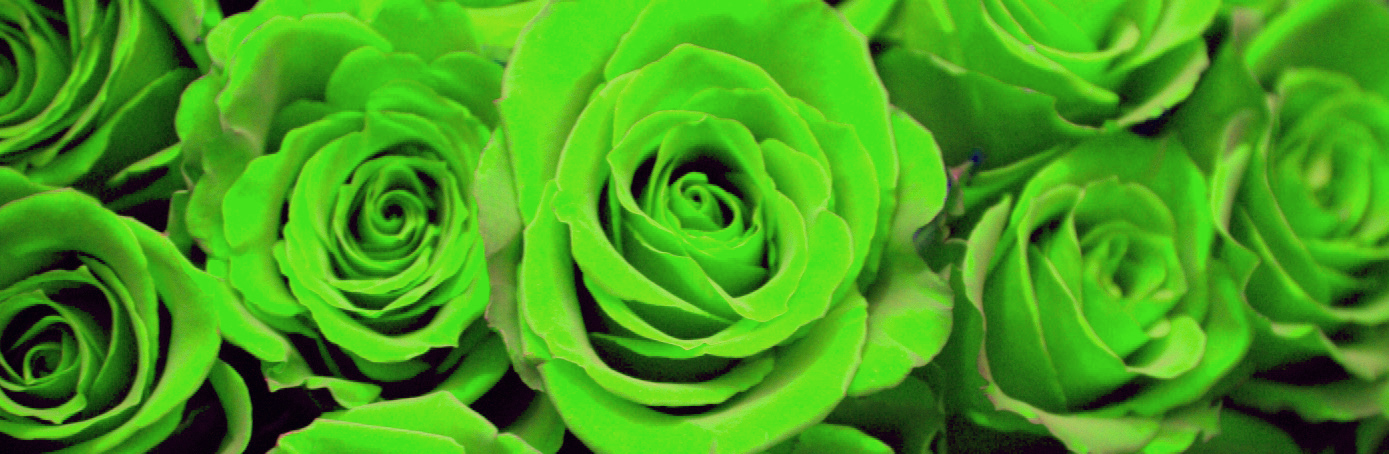
irish roses

Let’s get back to Saint Valentine in Ireland…

Well, it all centres around a famous Irish preacher, John Spratt. It was he who built the Whitefriars Street Church. He went to Rome in 1835 where ‘…the elite of the city flocked to hear him and he received many tokens of esteem from the doyens of the Church…’ One such token was given by Pope Gregory XVI: the remains of Saint Valentine!

Is this genuine?

It seems to be. The Pope also sent with the relics a letter of authenticity, written in Latin, which still exists:

‘…To all and everyone who shall inspect these our present letters, we certify and attest, that for the greater glory of the omnipotent God and veneration of his saints, we have freely given to the Very Reverend Father Spratt, Master of Sacred Theology of the Order of Calced Carmelites of the convent of that Order at Dublin, in Ireland, the blessed body of St Valentine, martyr, which we ourselves by the command of the most Holy Father Pope Gregory XVI on the 27th day of December 1835, have taken out of the cemetery of St Hippolytus in the Tiburtine Way, together with a small vessel tinged with his blood and have deposited them in a wooden case covered with painted paper, well closed, tied with a red silk ribbon and sealed with our seals and we have so delivered and consigned to him, and we have granted unto him power in the Lord, to the end that he may retain to himself, give to others, transmit beyond the city (Rome) and in any church, oratory or chapel, to expose and place the said blessed holy body for the public veneration of the faithful…’

That’s remarkable. This must be a very popular shrine?

Nowadays it is – but no one was very interested in it in the time of Father Spratt and the relics were put away in a cupboard and forgotten.

Until?

Until around 1950 when the present altar and shrine were constructed to house them. The statue of Saint Valentine that is there now was carved by Irene Broe and depicts him in the red vestments of a martyr and holding a crocus in his hand.

What happens there on the Saint’s Day?

Couples come to the Eucharistic celebrations which include a Blessing of Rings for those about to be married. On the feast-day, the Reliquary is removed from beneath the altar and is placed before the high altar in the church and there venerated at Mass.

You must have a legend about Saint Valentine?

A rather nice one, actually – and it explains the crocus…

When Valentine was imprisoned in Rome for his Christian beliefs his jailer had a daughter – Julia – who had been born blind. The jailer asked Valentine if he could cure the blindness. Valentine couldn’t promise this, but he did offer to teach the girl: he read stories of Rome’s history to her; he described the world of nature to her; he taught her arithmetic and told her about God. She saw the world through his eyes, trusted in his wisdom, and found comfort in his quiet strength.

On the eve of his execution Valentine asked the jailer for a paper, pen and ink. He wrote a farewell note and handed it to the jailer to give to Julia. He urged her to stay close to God, and he signed it ‘…From Your Valentine…’ His sentence was carried out the next day, 14th February. When the jailer went home, he was greeted by his blind daughter. The little girl opened the note and discovered a yellow crocus inside. As the girl looked down at the crocus she saw brilliant colours for the first time in her life! The girl’s eyesight had been restored.
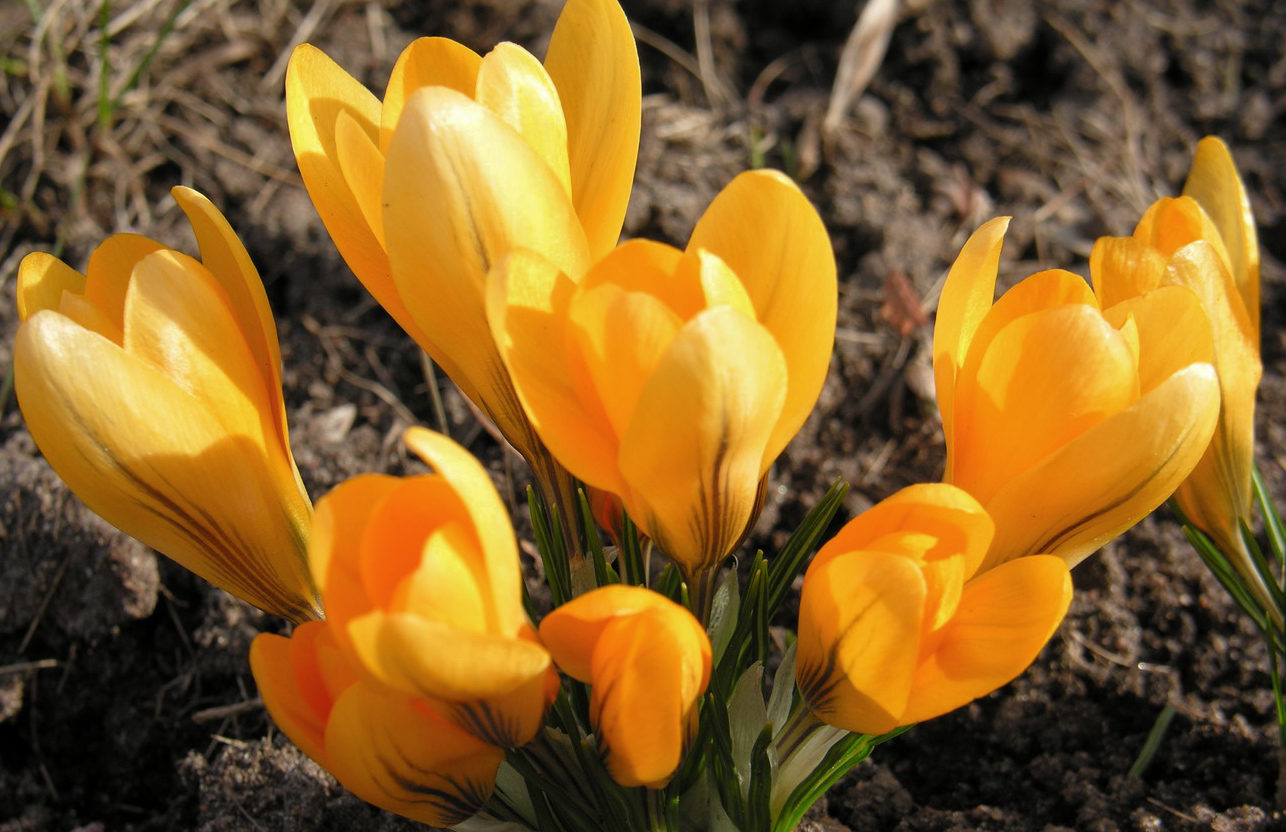
crocus

That’s wonderful! So now I can tell everyone that St Valentine’s resting place is in the Emerald Isle…

Well….

Yes?

Well, perhaps you ought to know that the remains of St Valentine are also said to be held in Rome, Prague, Poland, France, Vienna, Malta, Glasgow, Birmingham (UK) and even in Missouri – among other places…

Saint Ferdinand’s, Florissant, Missouri also claims relics of Saint Valentine

Saint Ferdinand’s, Florissant, Missouri also claims to hold relics of Saint Valentine

Oh no! That certainly puts a dampener on Ireland’s claim.

Not really – it’s certainly not unusual for a Saint’s relics to be spread around Christendom: a little veneration goes a long way.

Has anyone ever looked inside the reliquary in Whitefriars, Dublin?

No – it was a condition of the gift that the seals should never be broken, and they haven’t. Personally, I’m very happy with the idea that St Valentine – or some of him at least – rests contentendly there: I shall visit him whenever I’m passing

An Post Valentine stamp for 2015
An Post Valentine stamp for 2015

A Moment in Time

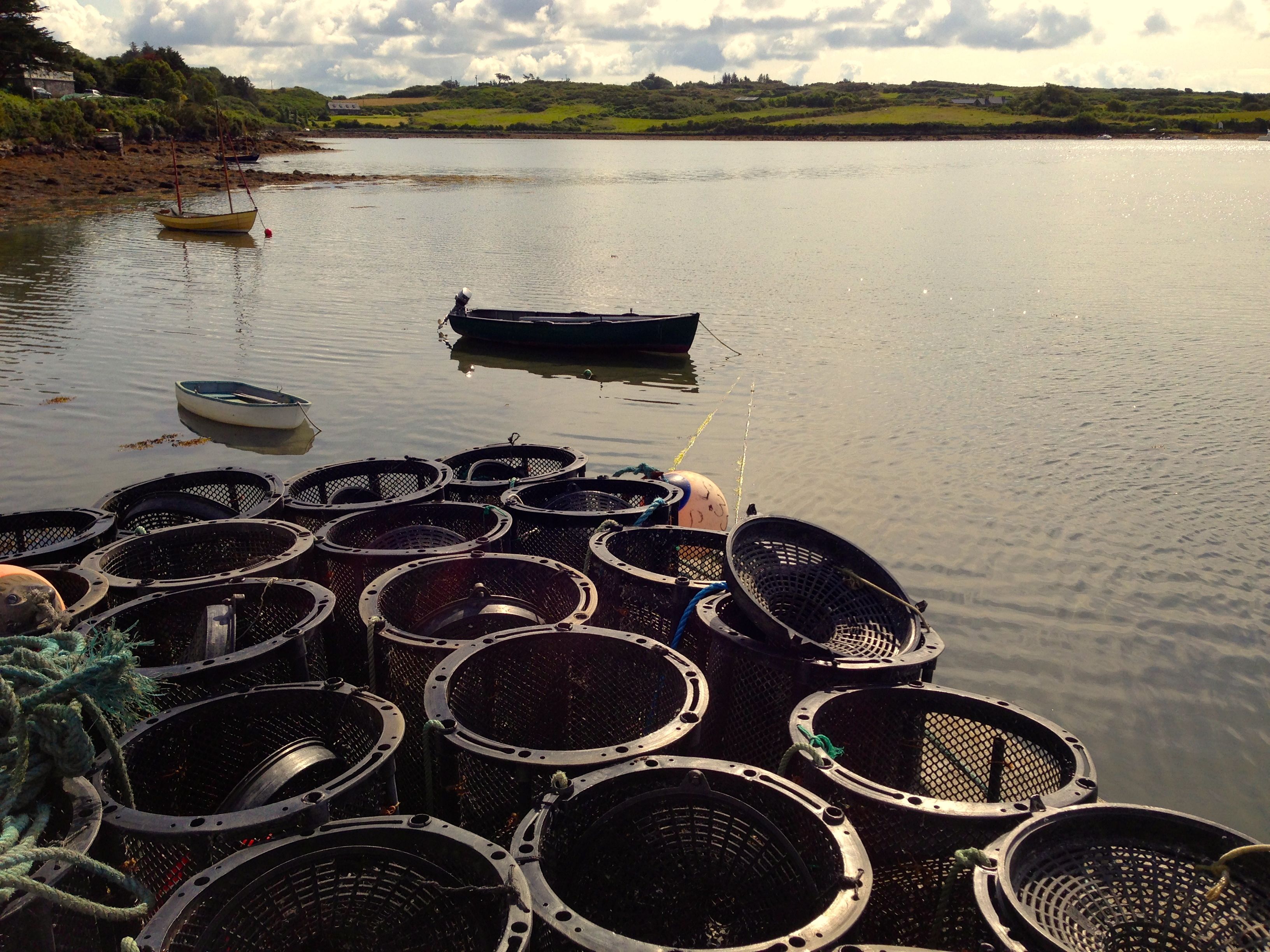
Beautiful Rossbrin Cove

Beautiful Rossbrin Cove

It happens so suddenly. One day you will go down to the Cove and the sounds of summer will be in the air: childrens’ voices and laughter from gardens and beach, excited dogs, perhaps a clop of ponies from the riding stable, the flap of sails getting under way and the whirr of outboards on ribs. Then, the end of August comes, and it’s as if a shutter drops mechanically. Gates are shut and blinds are drawn at the many holiday houses along the water; there’s a chill in the morning air and a haze hangs over everything. An ever so slight feeling of melancholy accompanies the Oystercatchers pieu-ing as they glide in.

fuschia

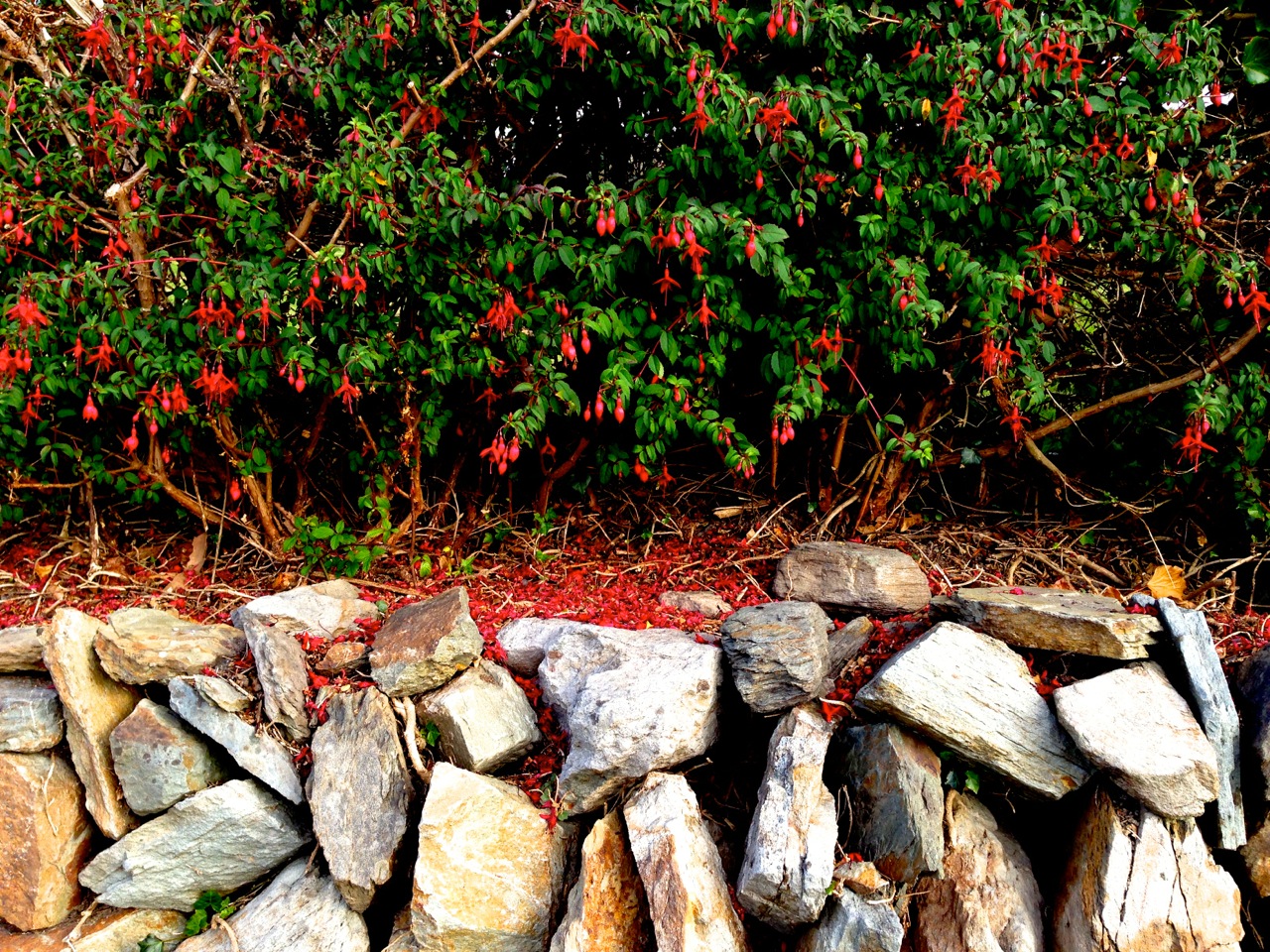
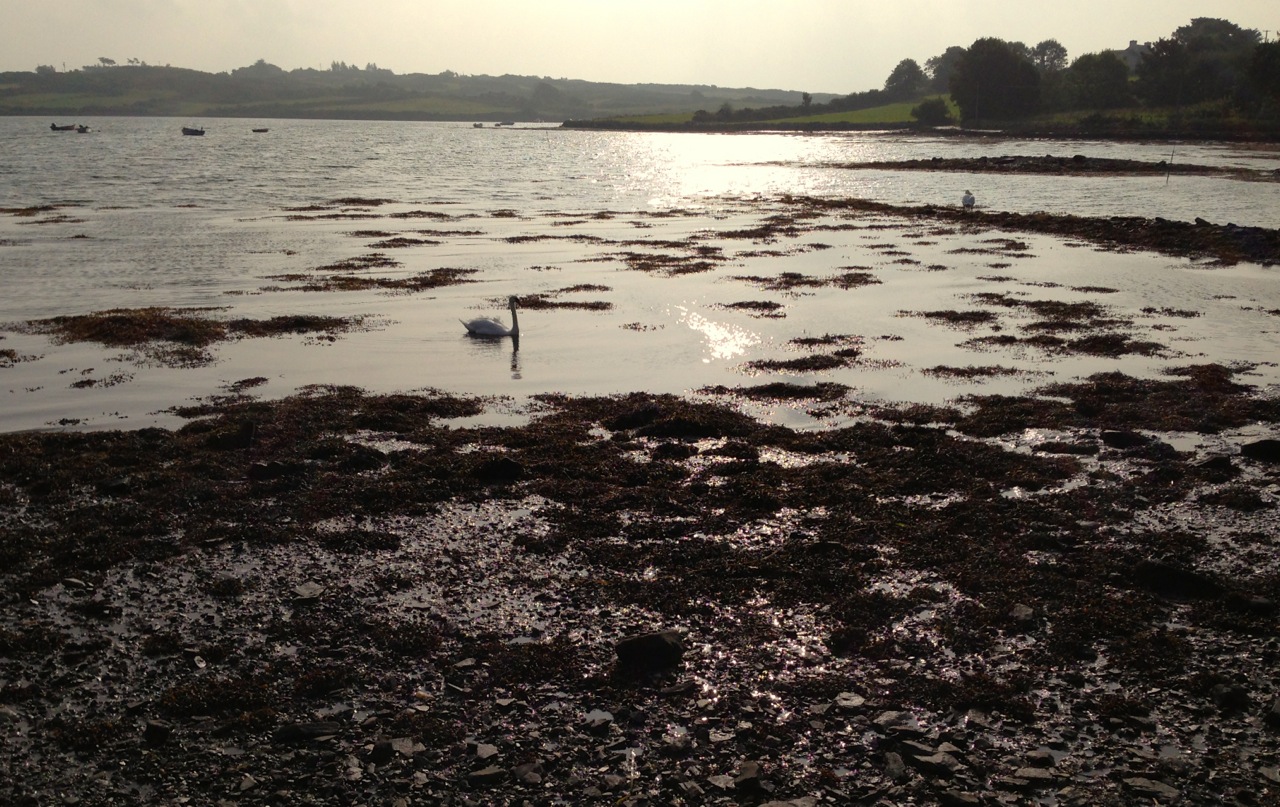
But there’s abundance all around: fat, luscious berries and hips dominate the hedgerows and wild fuschias are as rampant as ever. Bees are constantly in evidence. The sun still comes uninterrupted every day in this record-breaking year while, in the evening, the biggest moon of the season rises magnificently in the east, bringing with it a huge tidal variation: low water empties the Cove almost completely, providing a feasting ground for the little waders, while the Swans are compelled to sit on their single legs forlorn on a mud-bank, or to sail off out to the open water beyond the castle.

haze

On a day last week we perambulated the full rim of the Cove, pausing by Julian’s house at the very end, just before reaching the landmark of Finghin O’Mahony’s ruined tower. Like us, Julian is a year-round resident: there are just a few others. There is activity in the boatyard at the end: they are preparing to receive, over the coming month, all the sailing craft that are currently moored to buoys in the mouth of the inlet: upwards of thirty. Yacht insurance generally runs out at the end of October. Last winter – the stormiest in living memory – saw a single boat ride it all out undamaged on the water, while high and dry in the boatyard several fine yachts were toppled and broken by westerly gales. For some reason (perhaps its because of the now sleeping houses) the birds’ chattering and serenading seems to be louder and more insistent.

When I first came through Rossbrin Cove – many years ago – it didn’t make a positive impression on me. It seemed a bit of a scrappy place, with its huge, muddy slipway at the far end and rusting trailers and discarded dinghies growing in to the encroaching sedges. The shoreline itself, edged with home-hewn jetties and concrete landing places, seemed a little urban: I passed on, looking for a bit more in the way of West Cork scenery and character. Now, the Cove is our daily garden path: with familiarity it has elbowed its way into our hearts and we appreciate every detail. At low tides the rocks are a hunting ground for Mussels (although we have to wait for Good Friday), and sunlit pools are inhabited by scurrying crabs and bewildering varieties of seaweed.

misty

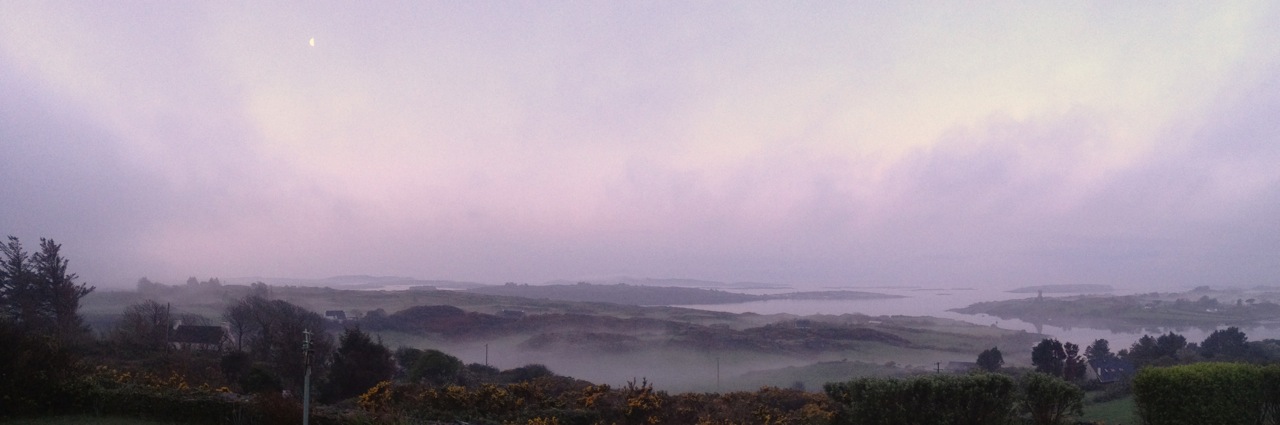
Before the haze burns off, sky and water merge and the islands drift in and out of view. The sea itself is a frontier of the untameable Atlantic but, here in this land of inlets, coastal hills and castles it mirrors the sunlight from its barely rippled surface, and our summer will never end.

Enjoying Rossbrin

Enjoying Rossbrin

Nead an Iolair  - the view to RoaringwaterNead an Iolair – the view to Roaringwater

Lúnasa

Garlic Sunday at Nead an Iolair

A summer storm approaches Rossbrin Cove

Lúnasa – in Ireland it’s the name for the eighth month, and a festival.

August? So that would relate to Lammas in English – the first of August?

loaf

Yes, Lammas is supposedly from the Anglo-Saxon Hlafmaesse – meaning ‘Festival of the Loaf’. Here it was traditional to bake bread at Lúnasa – a round loaf, which was cut into four and each quarter was then set in the corners of the barn where the grain would be stored, to ensure a good harvest.

So is Lúnasa the harvest festival?

By some accounts, yes. Although the beginning of August is a bit early for harvesting. Having said that – our music session in Ballydehob last night was temporarily disrupted by the sight and sound of a fleet of huge tractors and a combine harvester thundering through the main street in the dark – yellow lights flashing dramatically: after a prolonged period of hot sunny weather there was a big rain storm forecast, so the farmers were working through the night to get in as much of the crop as possible before the deluge.

And did the rain come?

It did – just in time to dampen the Ballydehob Wooden Boat Festival. But it certainly didn’t put a dampener on the spirit of the event.

A damp Boat Festival in Ballydehob

A damp Boat Festival in Ballydehob

Is Lúnasa celebrated in Ireland nowadays?

Well – it’s remembered: you may have heard of Brian Friel’s play Dancing at Lughnasa, turned into a film in 1998. It’s set in rural Donegal in the 1930s and poignantly tells of the lives of five women encapsulated through one summer month. It touches on ritual themes and the mixture of superstition and religion which still characterises life in Ireland today.

Now you’ve spelled it differently…

Well spotted! On the calendar it’s usually Lúnasa. It’s suggested that the word Lughnasa harks back to pagan times: there was a god – Lugh – who in Irish mythology led the Tuatha Dé Danann against the Fomorians. After the victory Lugh finds Bres, the half-Fomorian former king of the Tuatha Dé Danann, alone on the battlefield, and Bres begs for his life. If he is spared, he promises, he will ensure that the cows of Ireland always give milk. The Tuatha Dé Danann refuse the offer. He then promises four harvests a year, but the Tuatha Dé Danann say one harvest a year suits them. But Lugh spares his life on the condition that he teach the Tuatha Dé Danann how and when to plough, sow and reap.

That story rather neatly ties up the connection with the harvest… Any more traditions?

August is the holiday month and there are plenty of things happening in Ireland: my favourite is Puck Fair, held every year in Killorglin, County Kerry. I came across it by accident when I was travelling in Ireland some forty years ago; now it’s notorious.

Why?

King Puck

King Puck (www.abitofireland.com)

Well, the central feature is an enormous Billy Goat, captured in the wilds of the Kerry Mountains. He gets treated royally – literally, as on the first day of the Fair he’s crowned King by a twelve year old girl. He’s then placed in a cage on top of a high platform which looks out over the street fair, which continues for three days.

Puck Fair, Killorglin 1900

Puck Fair, Killorglin 1900

That certainly does sound pagan! What happens to King Puck after the Fair?

He goes back to the mountains. It’s not uncommon to see wild Goats up in Kerry.

Sheena Jolley's superb study of Kerry Goats

Sheena Jolley‘s superb study of Kerry Goats

Is there a story attached to King Puck?

Of course… During St Patrick’s travels he reaches the borders of Kerry. He has with him his herd of Goats which give him food and milk. During the night his goats are stolen and this means he can’t go any further (in fact he supposedly then never set foot in Kerry, which means that Kerry people were never converted from their old pagan ways!). ‘…He resolved to detour a community that was so utterly depraved and lacking in hospitality. However, a chieftain from the Barony of Dunkerran saved the day for Kerry. He presented as a gift for the Saint a magnificent Puck-Goat and a hundred of the finest Goats from his herds on the slopes of Glencar highlands. The Saint came no further west, but instead of a malediction he gave to Kerry that benediction that will live forever in the salutations of the Irish Race – “Go mbeannuigh Dia siar sibh”*. Killorglin being the natural centre of defence of the Barony at that time has ever since held the Puck-Goat in the highest esteem, and elevated him to the place of honour for three days each year…’ (Liam Foley – the Kerryman, 1945)

*May God bless you back

cove

And are you celebrating Lúnasa yourself?

We’re off to the Blessing of the Boats this morning in Schull. Then we’re over to Hare Island later on for an evening meal with friends who’ve sailed down to West Cork for the weekend.

Enjoy it!

Ready for the Harvest

Ready for the Harvest

Out and About with Visitors in West Cork

At Coppinger's Court

At Coppinger’s Court

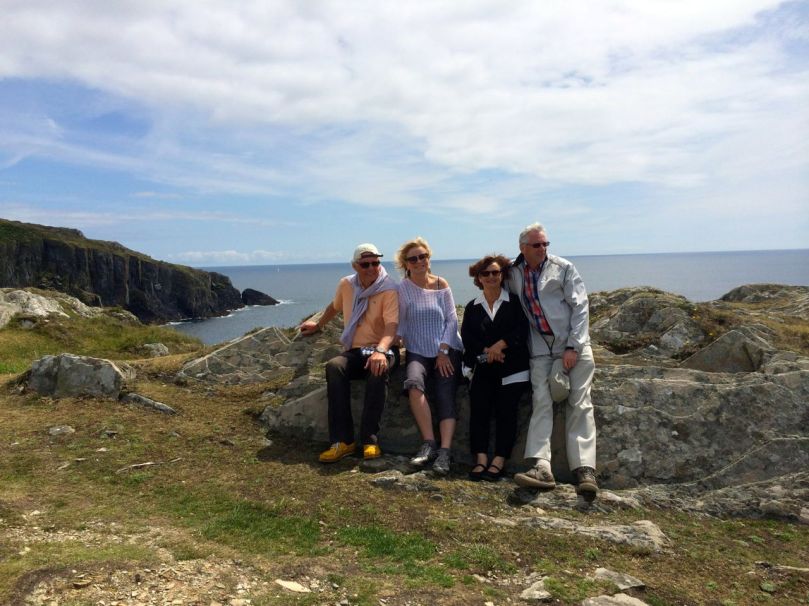
Vi and Grant and Jan and Brian came to stay last week – good friends from Canada here to see the Real Ireland. 

We had some challenges right away. First, the rental car Grant had booked was under repair and the substitute, although it nominally held all six of us, was too cramped and uncomfortable to venture too far afield. Second, muscle wear and tear issues among the group dictated that walks not be too long or arduous. 

No problem! The weather was (mostly) fine, we got in one good hike on the Sheep’s Head, and then set about discovering the delights of flatter terrain, local amenities and cultural events. Robert and I hadn’t toured Bantry House before, although we had been there for concerts. The house will be a future post in itself, but for the moment it’s worth recording that this may be the last summer to see it with its original furniture, as much of it is on the auction block later this year.

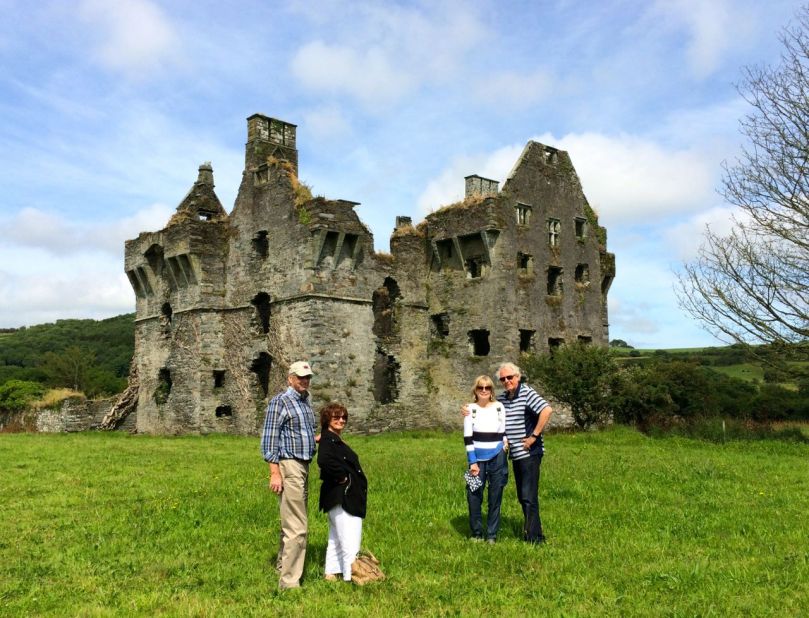
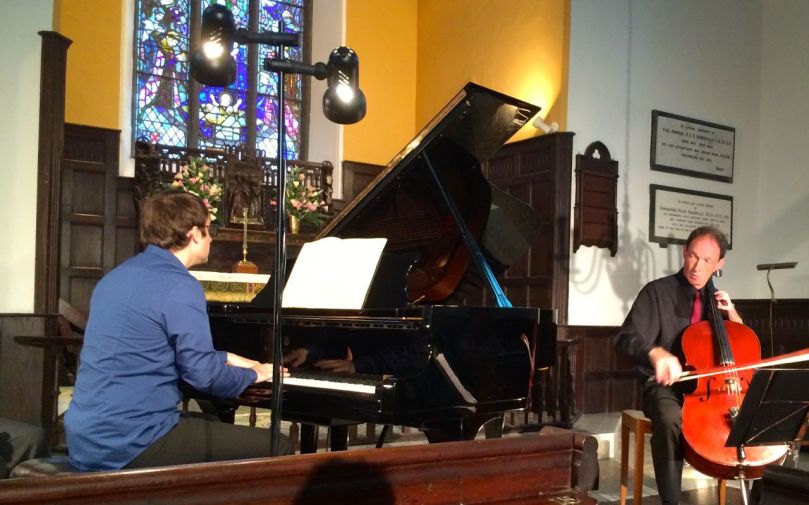
One day we spent exploring the area south east of Skibbereen. We started with lunch at Glandore overlooking the harbour, then on to the obligatory stop at the Drombeg Stone Circle, one of the better-know recumbent stone circles that dot West Cork. On to Coppinger’s Court (another subject for a full post), a 17th century fortified house and home to one of the fearsome characters in West Cork history. Back then to Castletownshend and dinner in Mary Anne’s, followed by a concert in the little church of St Barrahane’s. This was an evening of Beethoven, Debussy and Rachmaninov with Christopher Marwood of the Vanbrugh Quartet on the cello, and the brilliant young American Alexander Bernstein on the piano. It was truly a world-class performance, eliciting a standing ovation from the appreciative audience.

At Drombeg, Jan and Brian

At Drombeg, Jan and Brian

Concert In St. Barrahane's, Castletownshend

Concert In St Barrahane’s, Castletownshend

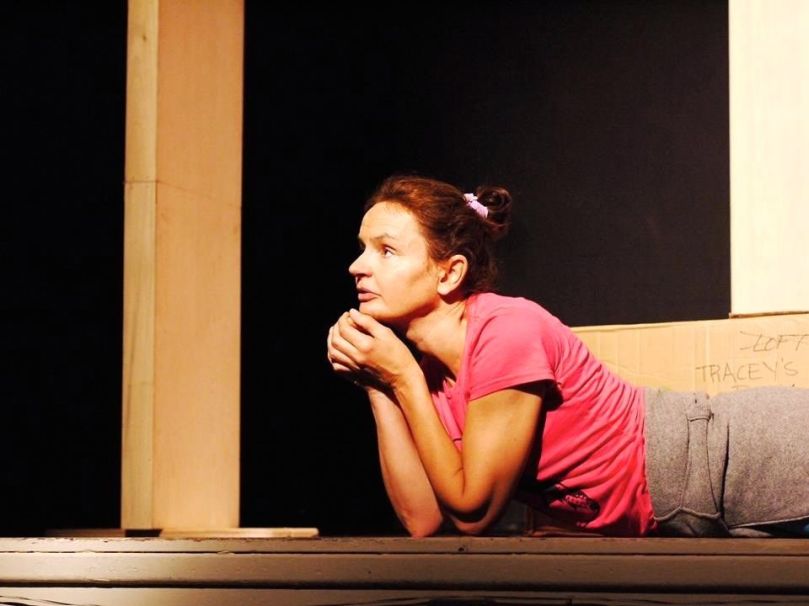
Another day, we wandered around Schull, dipping into the shops and stopping for coffee. Later that evening we attended PlayActing Theatre’s two one-woman shows in the local parish hall. Karen Minihan brought us up to date with her character, Eileen, going through a midlife crisis – it was moving, sad and funny all at once. Then Terri Leiber took us into the experience of eight-year-old Stacey negotiating the dysfunctional lives of the adults around her in 1960s Britain – a tour de force in which she played every role, with a minimalist stage set, a soundtrack from the times, and a beautiful nuanced performance.

Terri Leiber in May the Force

Terri Leiber in May the Force

Shopping at the local markets always makes food preparation easier and fresher and we all took turns. 

In Baltimore, we walked out to the Beacon, with its marvellous views of Sherkin Island and the faraway mountains of Kerry. We hope it’s a good memory to take away of this special part of Ireland. 

At the Baltimore Beacon

At the Baltimore Beacon

Vi and Grant, Jan and Brian – Ferdia has been missing you already!

Ferdia

Ferdia

Midsummer Maunderings…

Beautiful Cappaghglass

Beautiful Cappaghglass

…or Life Seen Through a Lens… Things found, places visited, mainly in the environs of West Cork, often just a few steps from Nead an Iolair, although one or two are from further afield. We have been away in Tipperary this week, so these posts are ‘ones we have prepared earlier’.

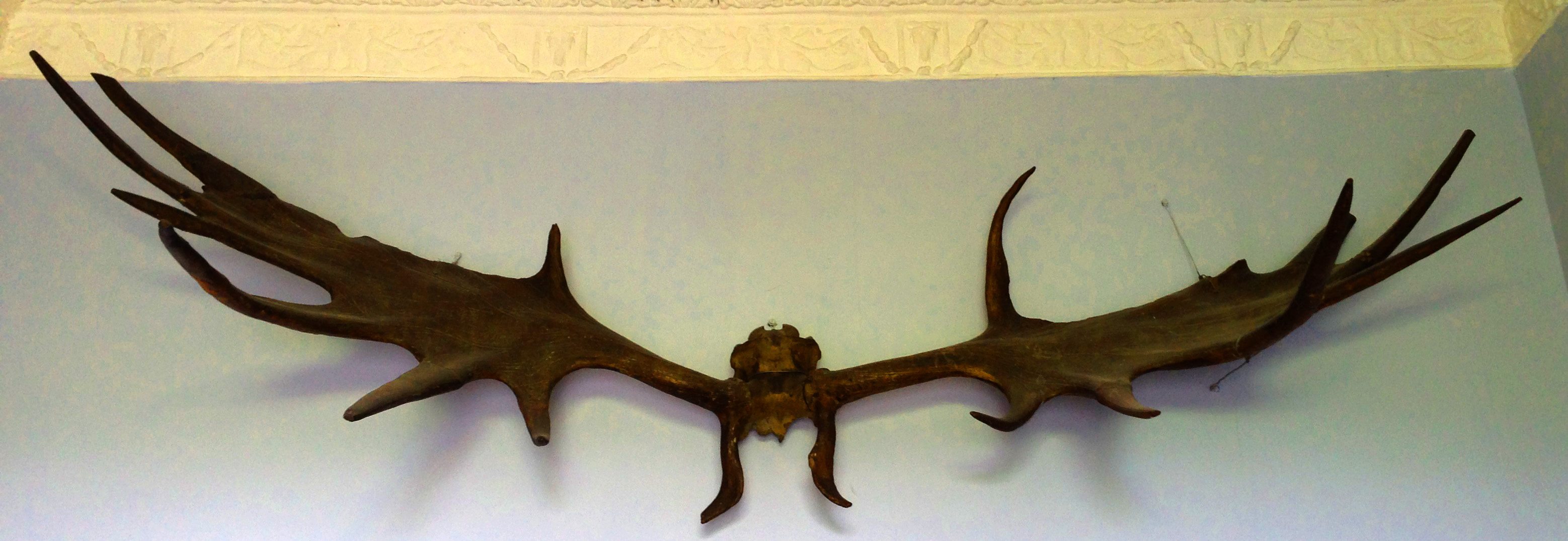
A reminder of Megaloceros - the extinct Irish Elk

A reminder of Megaloceros – the extinct Irish Elk, at Ballymaloe

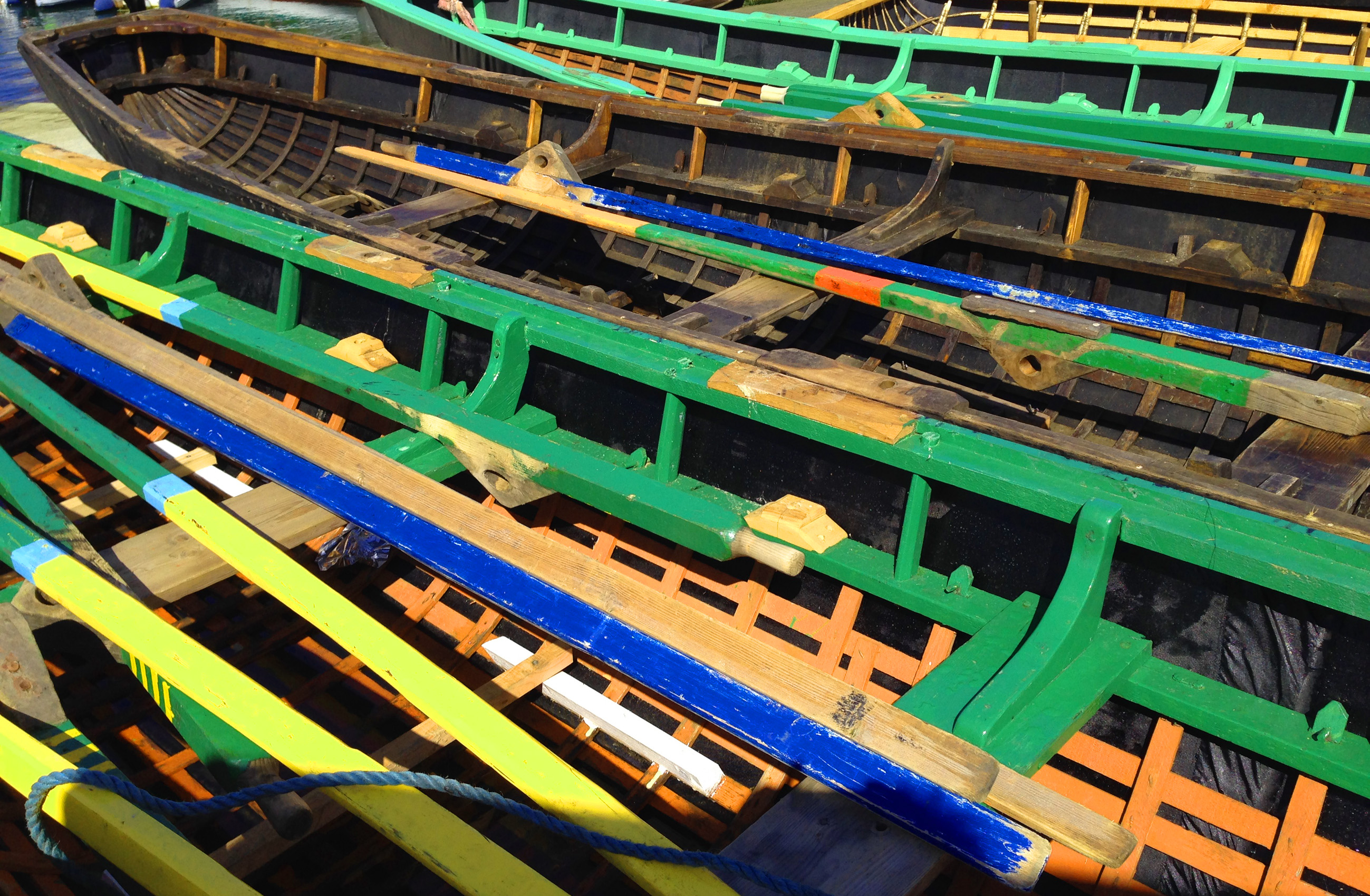
curraghs

Currachs at Baltimore

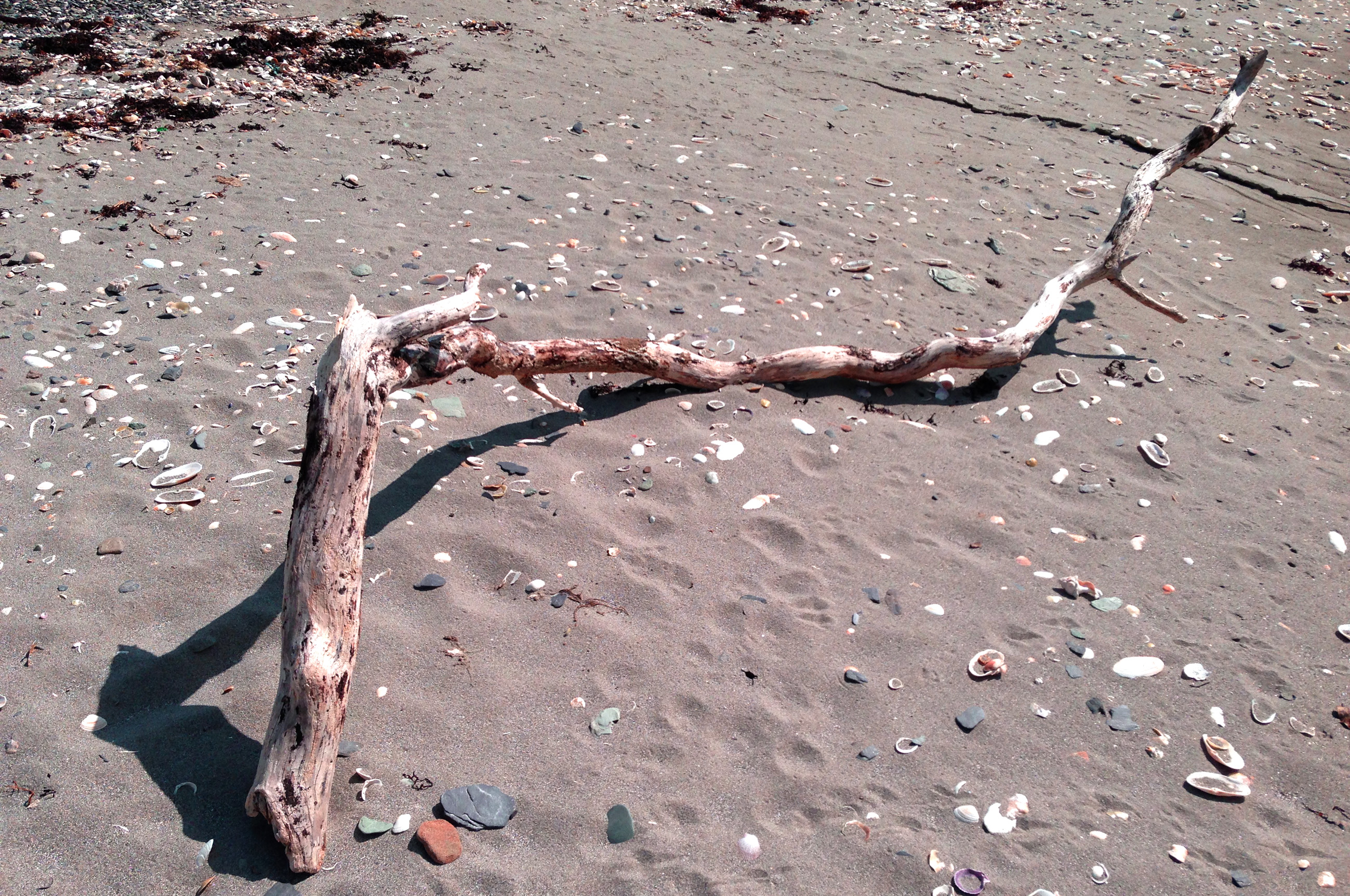
Shelly Beach - our local secret

Shelly Beach – our local secret

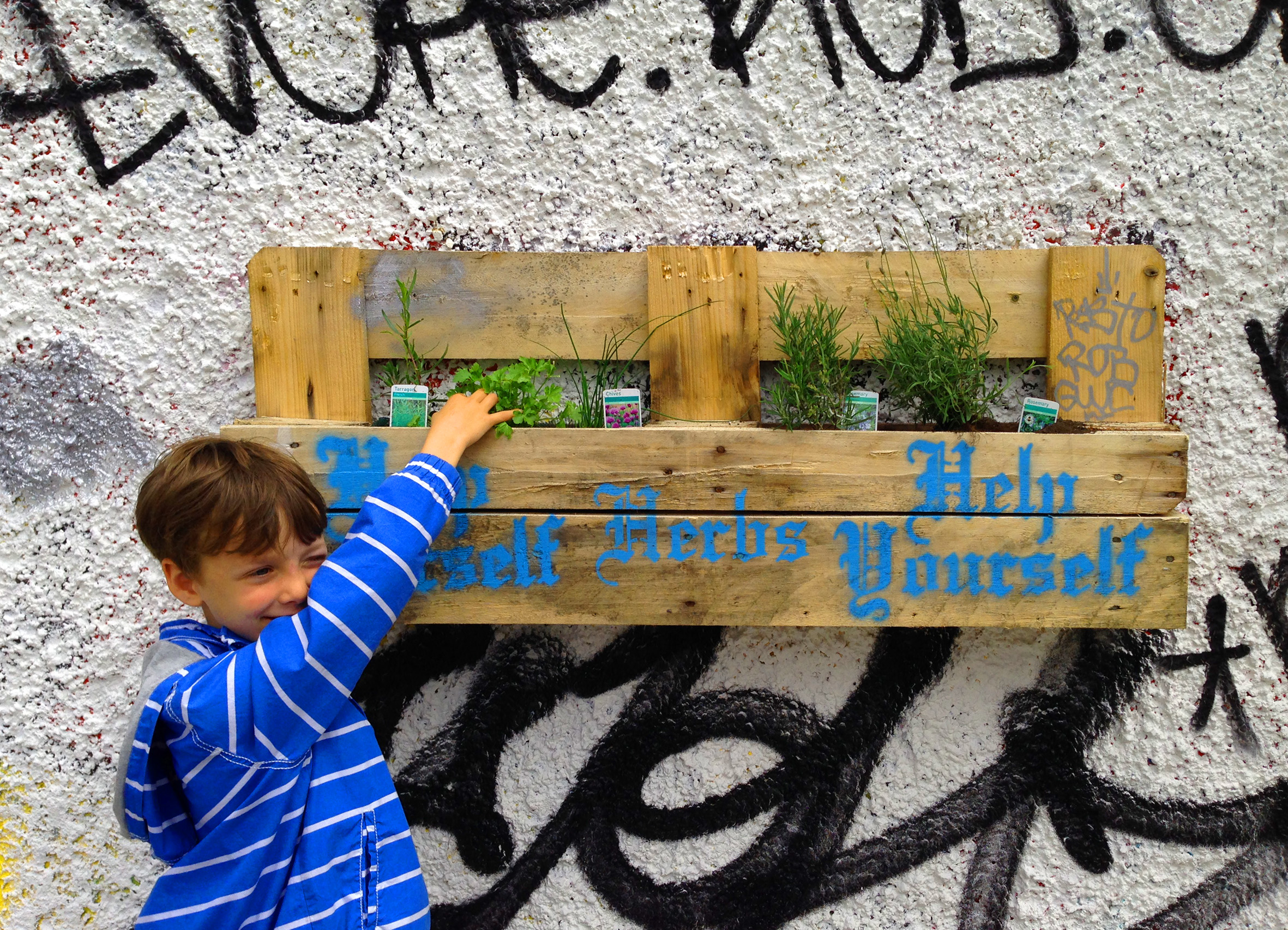
Hugo helps himself!

Hugo helps himself!

guiness

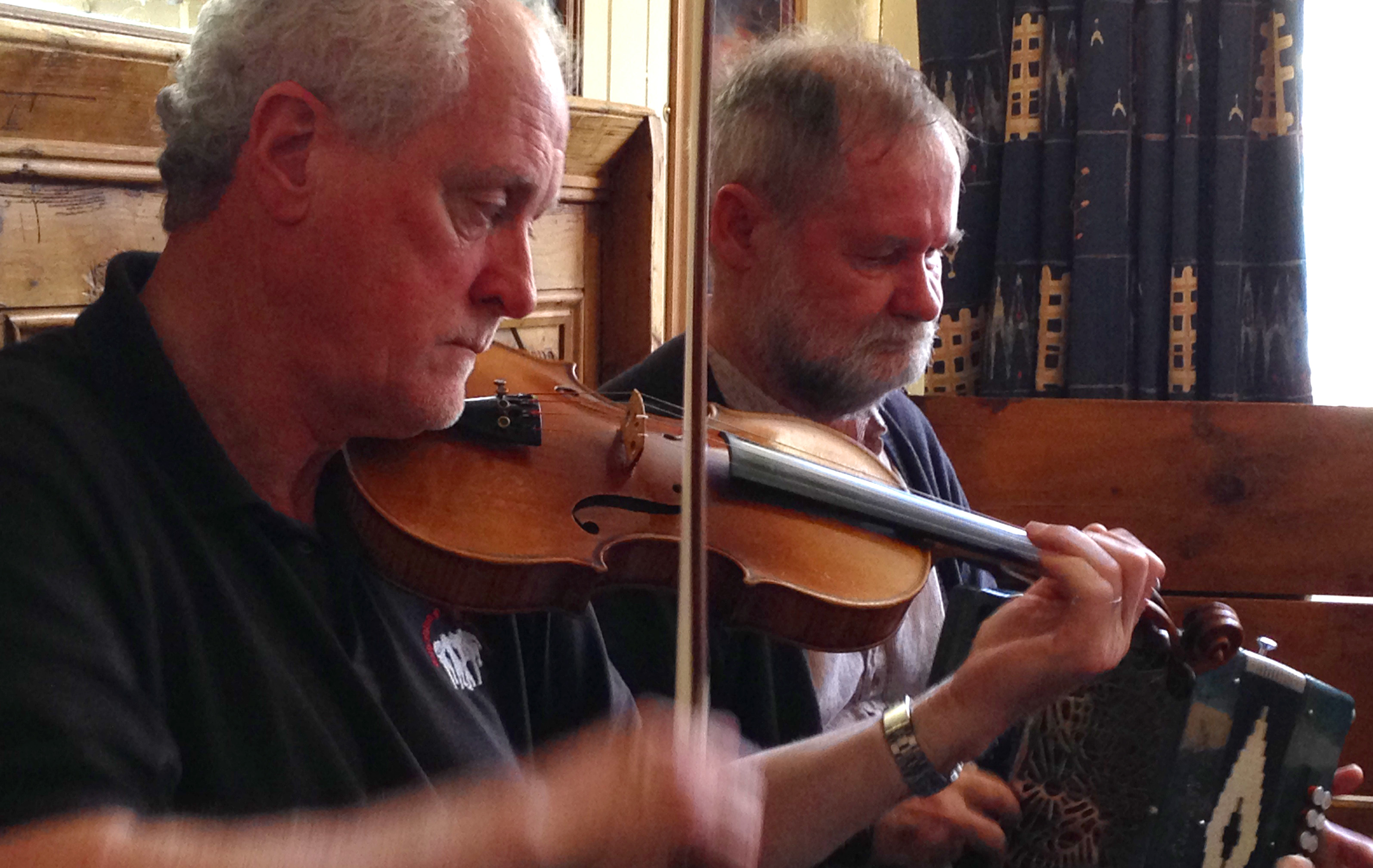
Maestros Matt Cranitch and Jackie Daly playing in Ballydehob

Maestros Matt Cranitch and Jackie Daly playing in Rosie’s

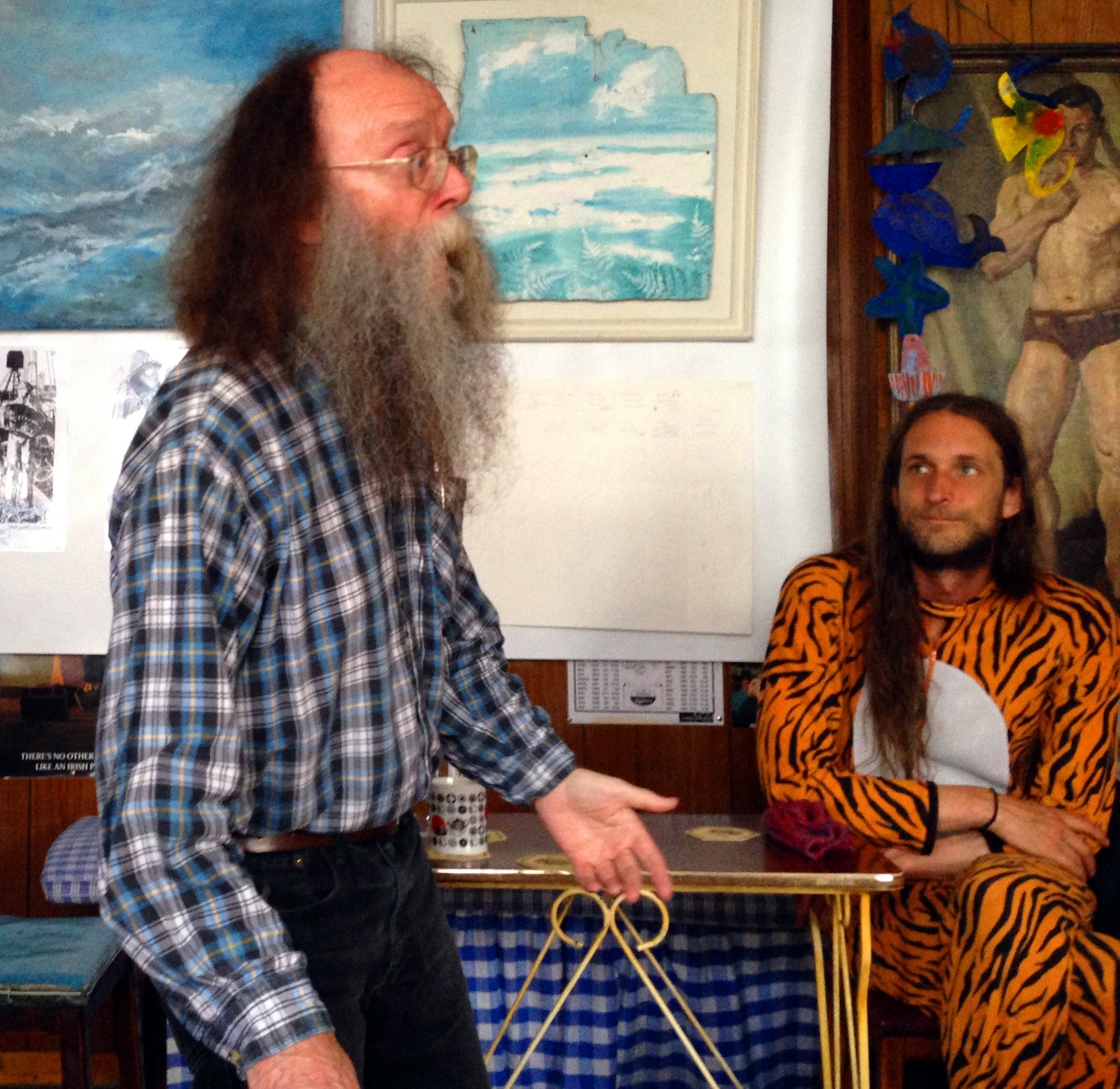
An ordinary day in Ballydehob - with seanchaí Eddie Lenihan

An ordinary day in Ballydehob – with Seanchaí Eddie Lenihan

Ferdia - our garden companion

Ferdia – our garden companion

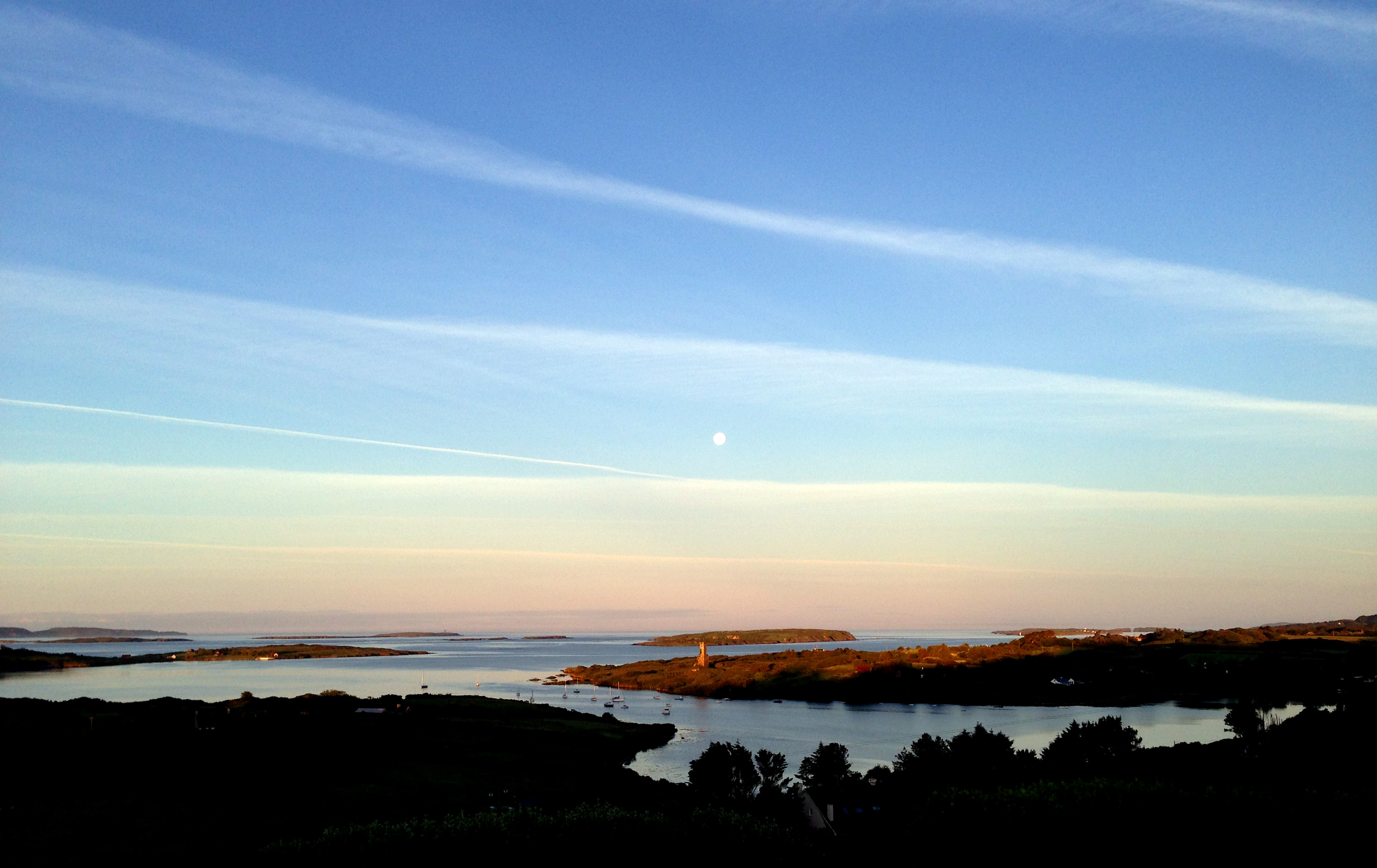
Dawn Moon over Rossbrin Castle

Dawn Moon over Rossbrin Castle

***

By the way… Dictionary definition of Maunder: to move or act in a dreamy, idle or thoughtful manner. Synonyms: wander, drift, meander, amble, dawdle, potter, straggle… Finola has only ever heard the word used in Ireland.

thady's

Thady’s window on the World

Dancing Sun

Dancing Sun, Roaringwater Bay

Dancing Sun, Rossbrin Cove

“Where does that road lead?” said I, pointing to a road on the left of the one we were pursuing. “The road is it?” said the man with the cloak, “why, then, what road should it be, but the road to Sunday’s Well, a fine well it is, and a blessed place, for sure they say, though myself never seen it, that if one was to go there at peep of day on an Easter Sunday, they’d see the sun dancing a jig on the rim of the sky for joy; and I suppose that’s the reason they calls it Sunday’s Well” [Thomas Crofton Croker, Legends of the Lakes: or Sayings and Doings at Killarney, 1829]

When I lived in Devon I was told that the sun danced on Easter morning, but also that the ancient stone at the crossroads above the house where I lived could be seen to move at dawn on that day. I never caught the dawn when I lived there but here’s evidence that the sun does, indeed, dance at Roaringwater Bay. According to Kevin Danaher children in Ireland were shown the sun on Easter morning reflected in water – perhaps in the sea or a well – and this ensured that it would be seen to dance.

Gathering Bia Tragha at Rossbrin: the house on the skyline is Nead an Iolair

Gathering Bia Tragha at Rossbrin: the house on the skyline is Nead an Iolair

There are so many Easter customs: Finola is writing about the bia tragha – the custom of gathering shellfish and seaweed on Good Friday, the culmination of the austerity of Lent. Down in the Cove we joined several families collecting mussels. When I asked them why people in Ireland carry out this Good Friday tradition I always got the same answer – ‘…because we have always done it…’

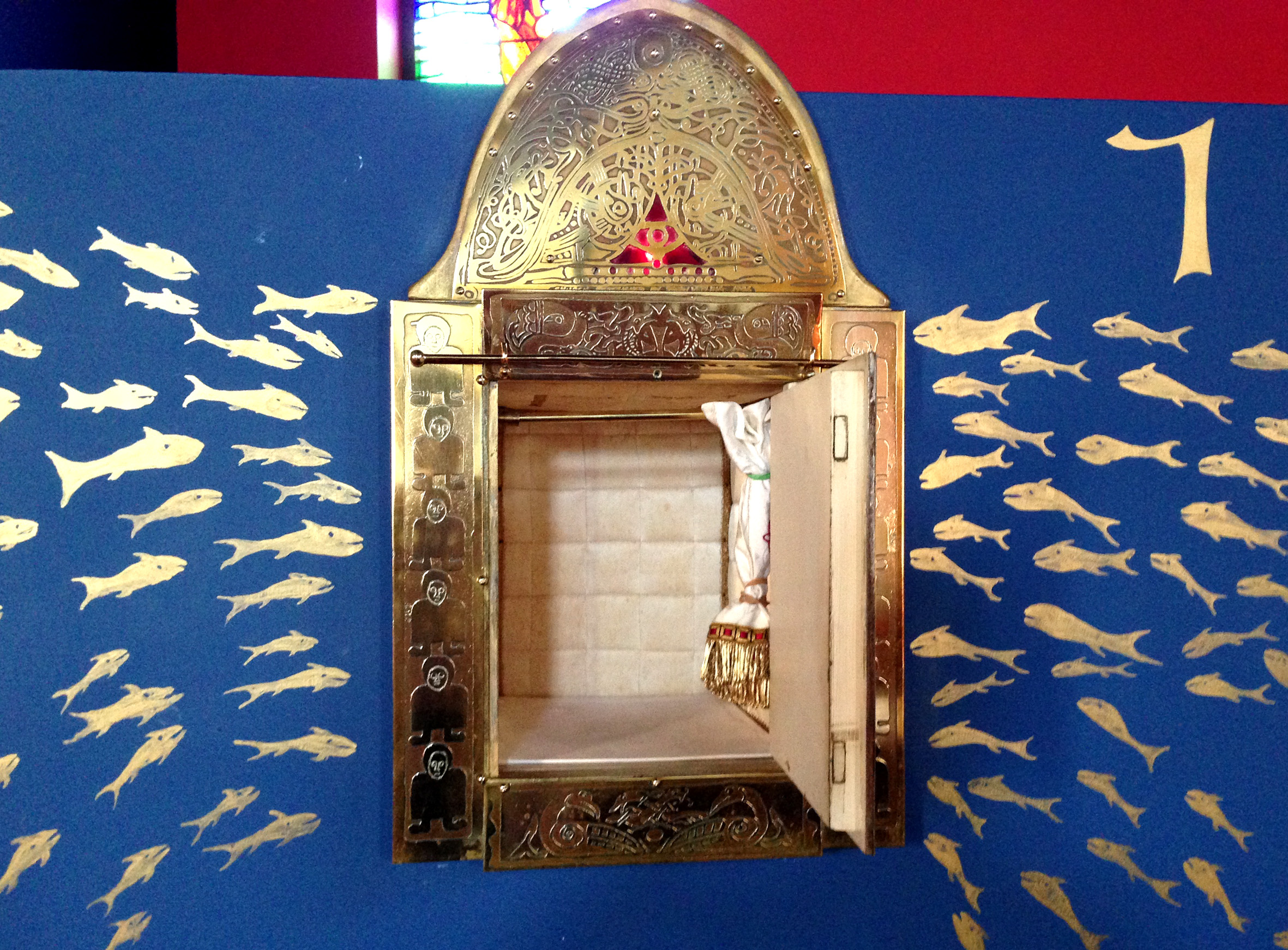
Good Friday - and the Tabernacle in Ballydehob Church is empty

Good Friday – and the Tabernacle in Ballydehob Church is empty

There is a lot of respect for the observance of Good Friday here. No alcohol is consumed: the pubs close at midnight sharp on Thursday evening (it’s not unusual on a normal day for them to stay open until two or three in the morning – especially if there is a session going on) and don’t reopen until Saturday. Ireland is probably the only Catholic country in the world where this tradition is still kept up. Not so long ago no work was done on the land, and ‘…no blood should be shed, thus no animal or bird could be slaughtered, no wood should be worked or burned and no nail should be driven on the day on which the Saviour was crucified…’ (Danaher)

Burning the Mountain on Good Friday

Burning the Mountain on Good Friday

Bearing this in mind we were surprised to encounter a ‘controlled burning’ of the gorse on the Sheep’s Head when travelling back from visiting friends on Good Friday evening. It was spectacular: the whole mountainside seemed to be engulfed.

On the Mizen – according to McCarthy + Hawkes ‘…Early on Easter Sunday morning all the lads from the townlands would go around in a big group, blowing a trumpet made from a cow horn. The women of the houses visited would give them boiled hen’s eggs to eat, sometimes coloured yellow from boiling with furze petals or onion skins. After Easter Mass everyone went home for a quiet day of rest and a good feed after Lent. The night would bring a ball with much drink and dance…’

simnel

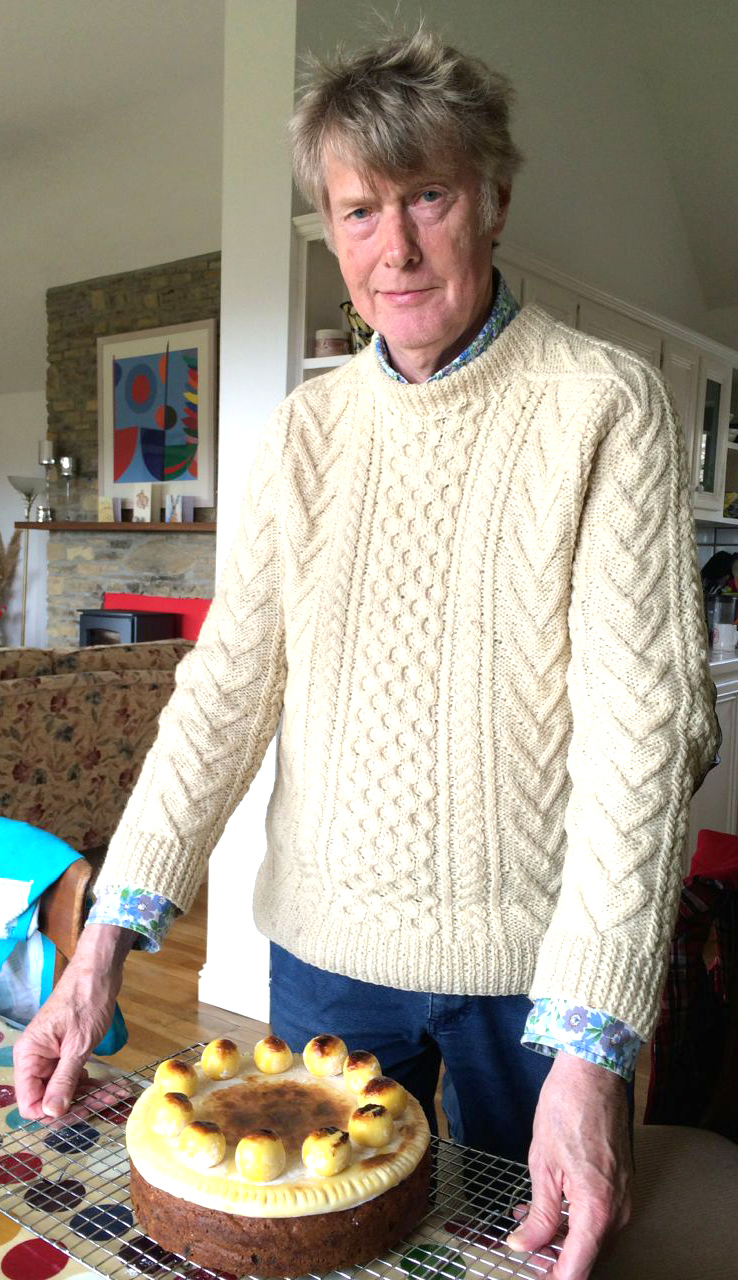
We are observing some of our own traditions today: we’ll be eating the Simnel Cake which I have made – more of an English tradition than an Irish one: the eleven marzipan balls represent the twelve Apostles (minus Judas) – and then we’re off to the Ballydehob Road Trotting races. Oh – and there are some eggs involved.

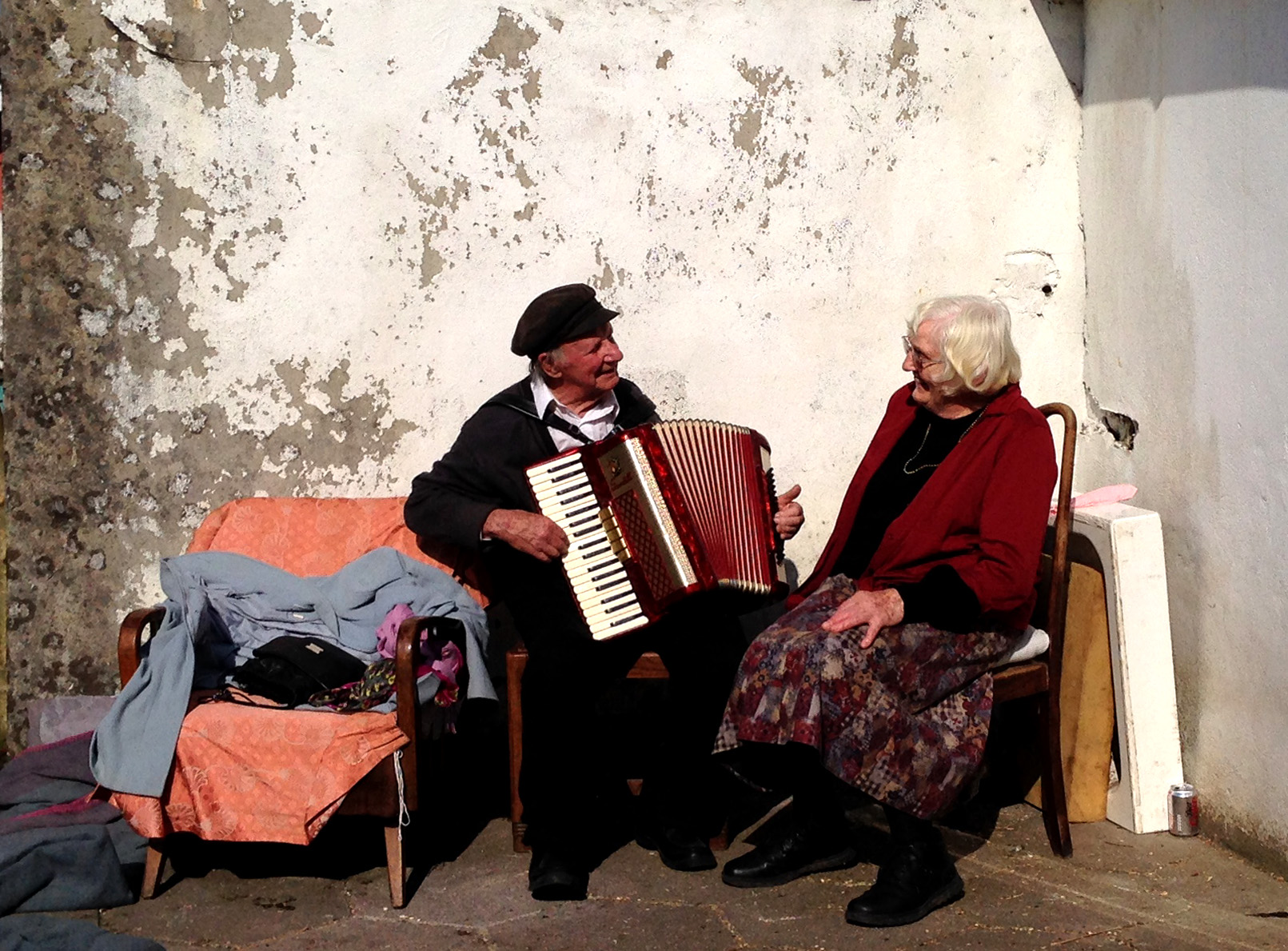
A scene in Provence? No - a sunny corner in Ballydehob on Easter Saturday

A scene in Provence? No – a sunny corner in Ballydehob on Easter Saturday