The Booley

Bucolic

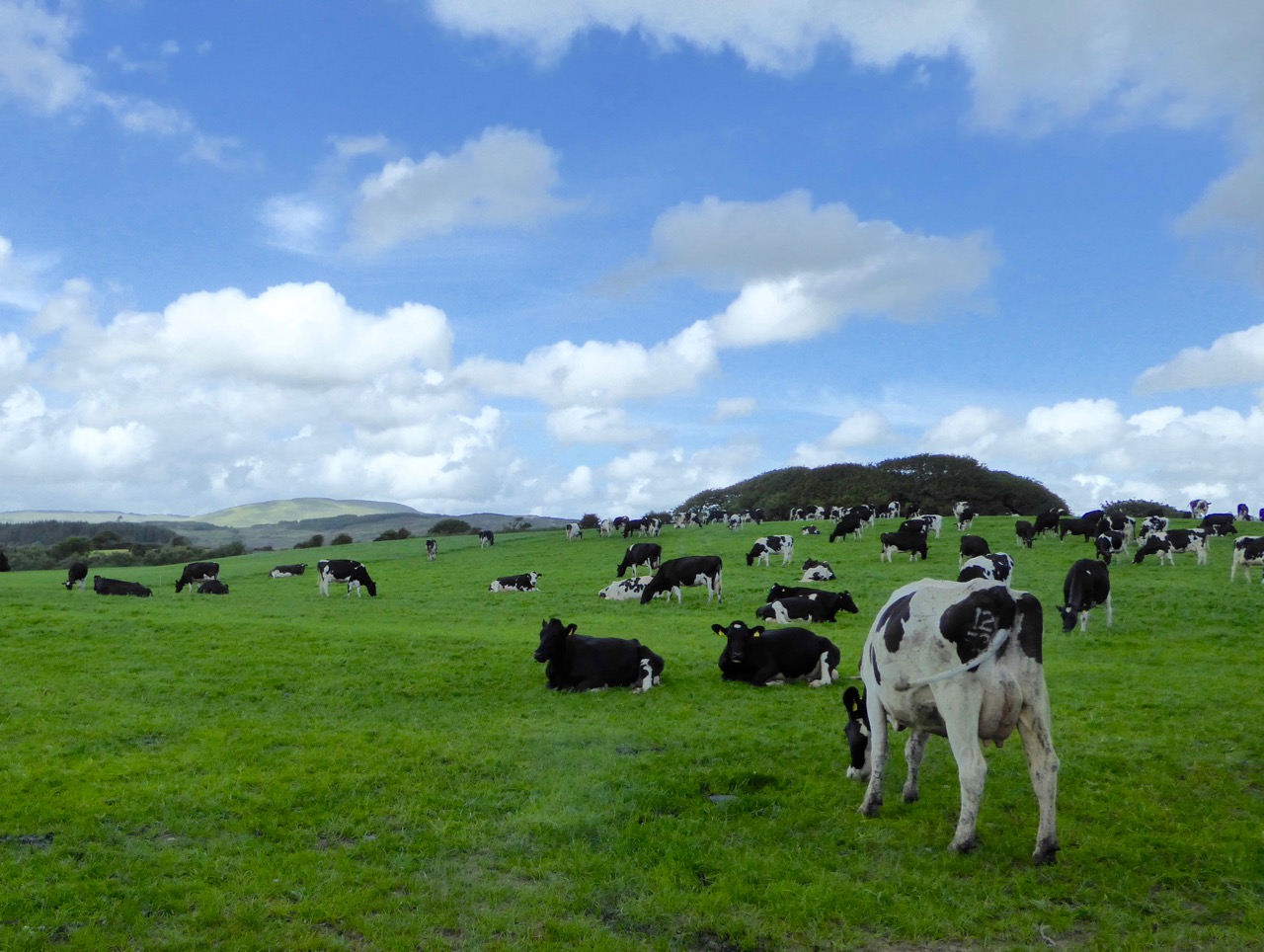
Booleying is an Irish term for transhumance – the agricultural tradition of taking cattle up to the high open lands to graze during the summer months.
booley farm

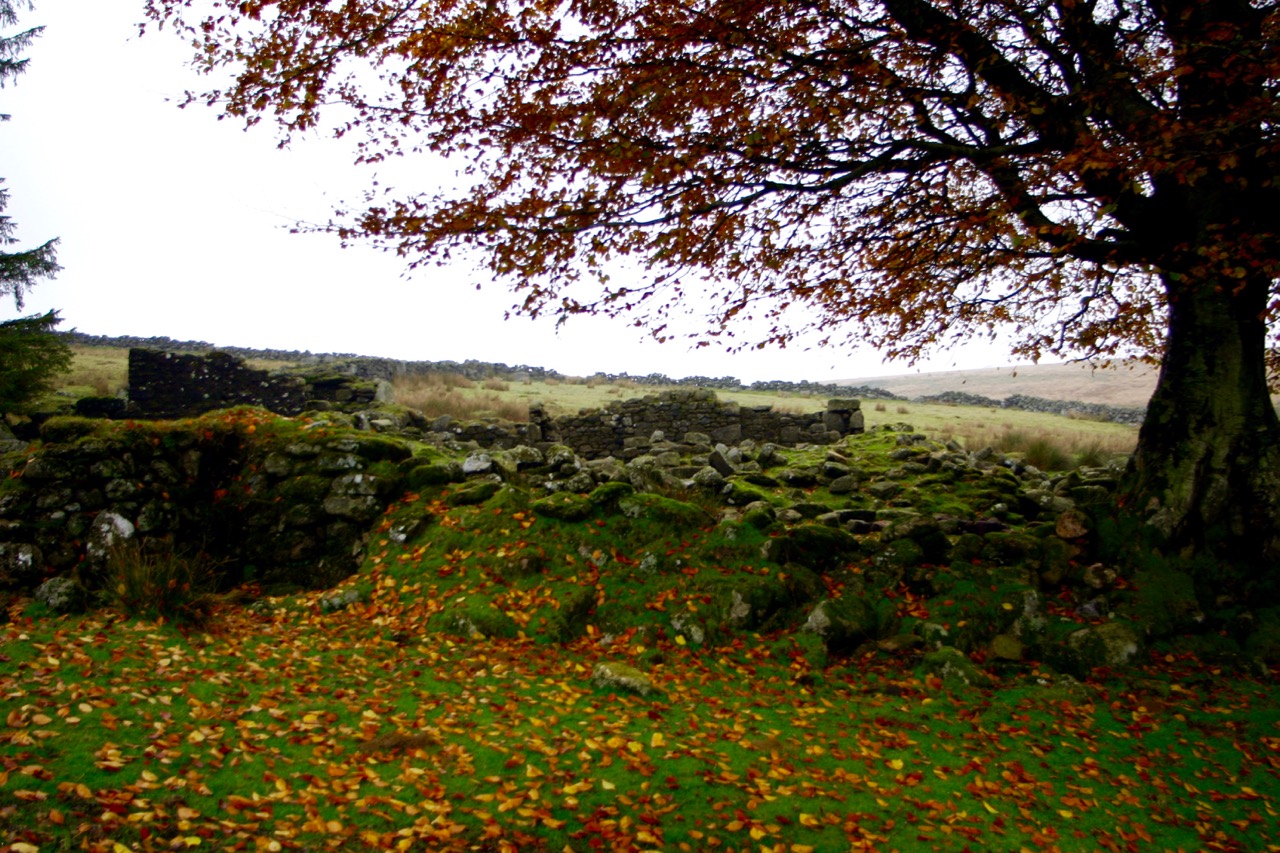
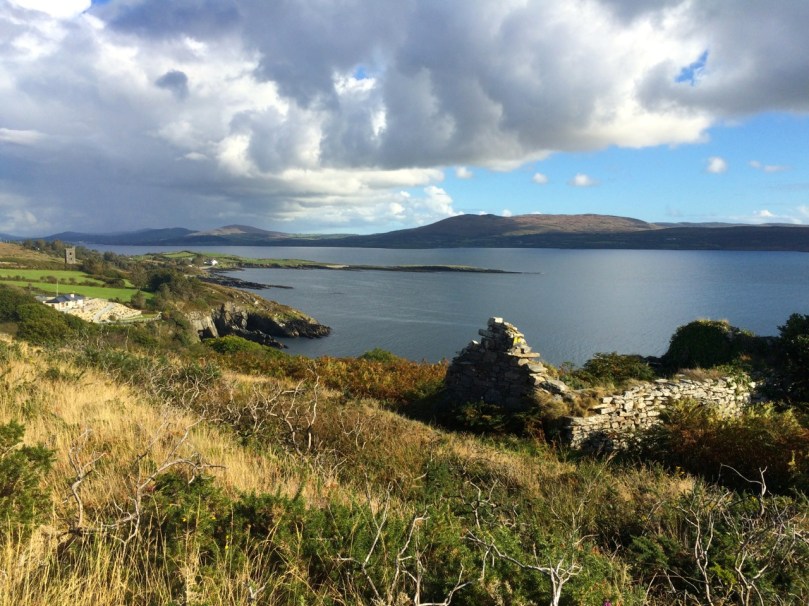
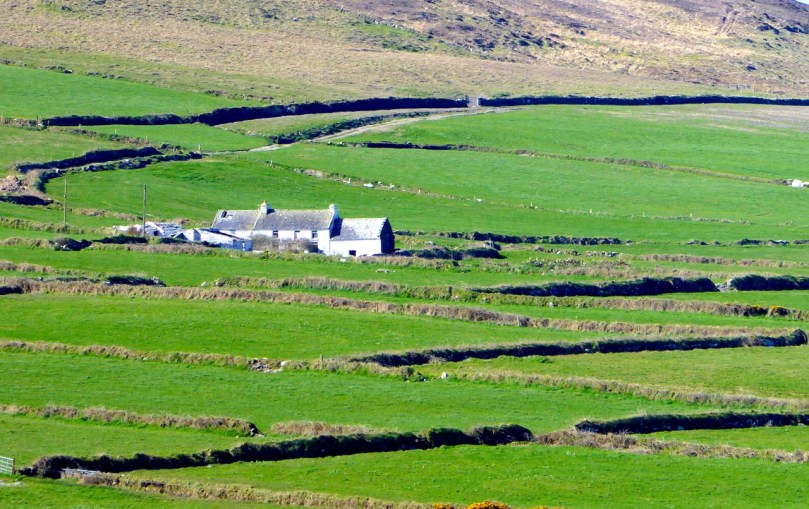
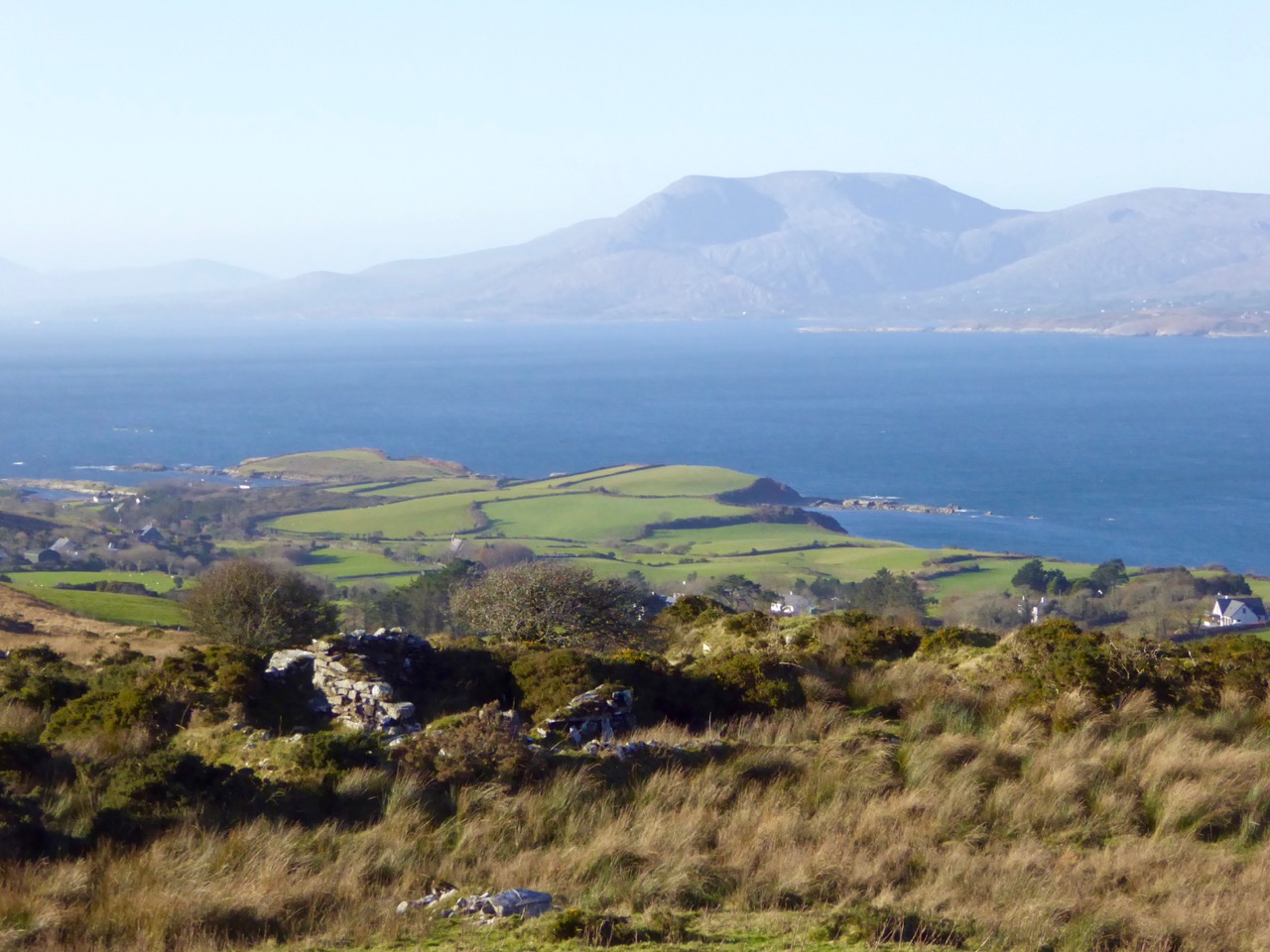
Booleying territory: on the upland moors of the Sheep’s Head the ruins of a simple cottage in a lonely glen tell of bygone farming practices

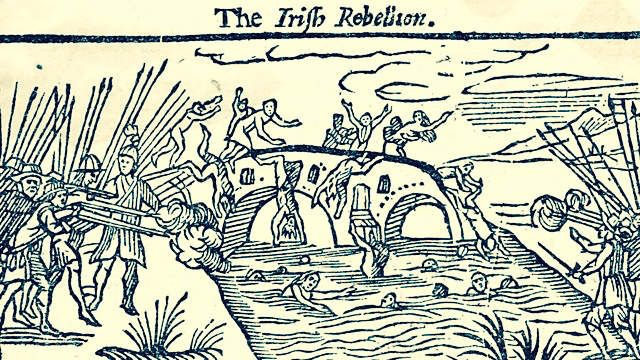
The English poet Edmund Spenser went to Ireland in 1580 and was given lands in County Cork that had been confiscated in the Munster Plantation. (His fellow colonialist Sir Walter Raleigh was also granted large areas of land, which he sold to Sir Richard Boyle who later became Earl of Cork and one of the richest men in the British Isles). In 1596 Spenser wrote a pamphlet – A View of the Present State of Ireland – based on his experiences. This piece is highly regarded as a historical source on 16th century Ireland although it refers somewhat inaccurately to booleying: …the Irish country people keep their cattle and live themselves the most part of the year in bollies, pasturing upon the mountains and wild waste plains, and removing to fresh lands as they had depastured the former… 
irish rebellion

16th century Ireland: the Munster Plantation

Our trusted commentator Kevin Danaher devotes a chapter in Irish Customs and Beliefs (Mercier Press 1964) to ‘The Summer Pastures’: …If you could take away the cattle from the fields around the house all during the summer and autumn, you could have more hay and a bit of winter pasture. Therefore you could keep more cattle and were a richer man. But where could you put the cattle in summer and autumn?
peak

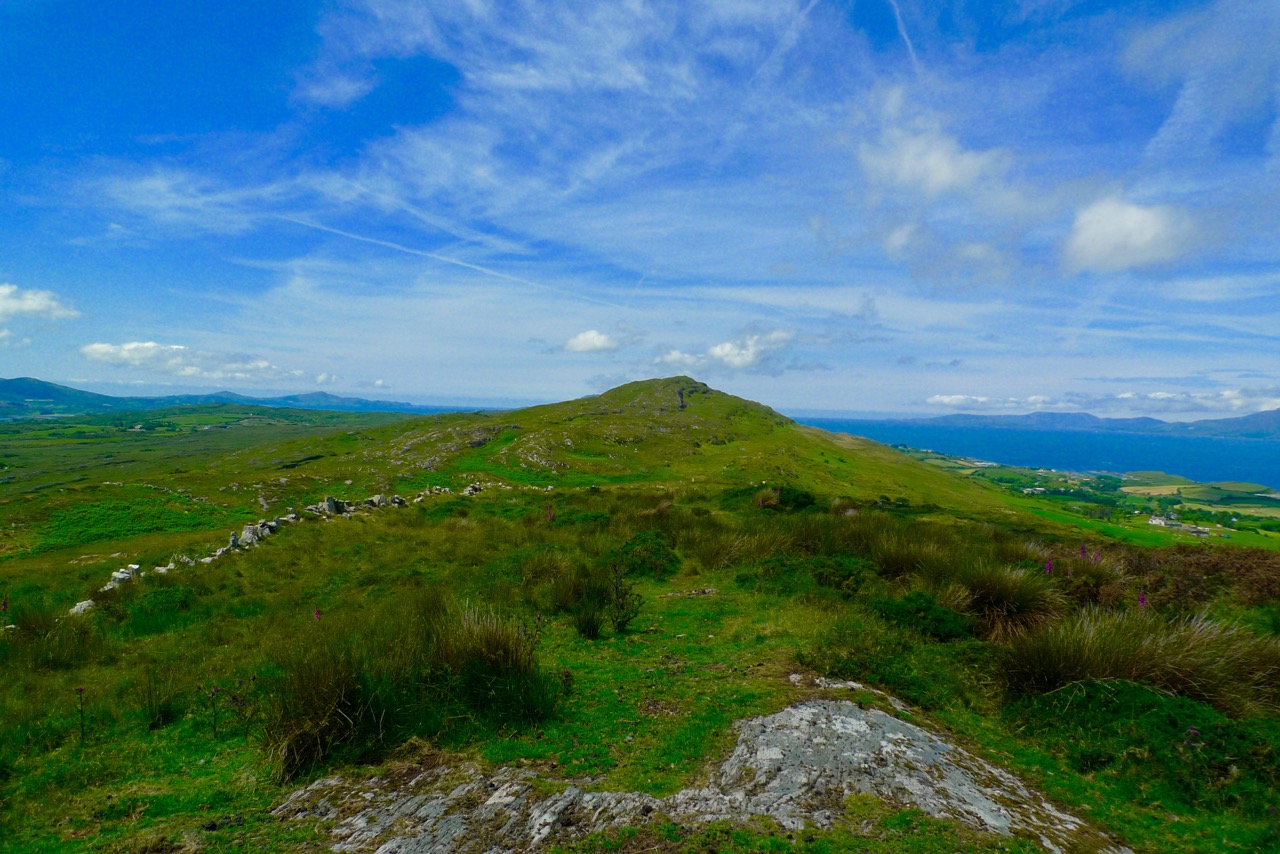
Old walls on the Coomkeen ridge tell of early land divisions

(Danaher) …In Ireland there are big areas of the countryside which have some value during the better part of the year but none at all during the winter and spring. These are, of course, the mountains and moor lands. In the cold season they are barren and desolate, but when the milder part of the year comes they provide grazing which may be sparse but is very sweet. Our farming ancestors knew this and a system was worked out which gave the milch-cows the benefit of them. They were away in the mountains or the moors, far from the homestead over bad roads or no roads at all, so that the cattle could not be driven home for milking. Some of the family went and lived with the cows on the mountain. Some sort of dwelling was built there for them, they milked the cows morning and evening and made the butter which could be stored until the men from the home farm came for it once a week…

Varieties of simple shelters – ancient beehive style (left from George Walsh’s window in St Kentigern’s Church, Eyeries, on the Beara Peninsula and – top right – from Dingle, County Kerry – both were used by contemplative hermits but some booley huts were built in similar style) and, bottom right, an example of an Irish cabin

Of the booley houses – or huts – Danaher writes: Most of them were just rough copies of the kind of houses ordinarily used as dwellings, smaller and simpler but made of the same materials and by the same methods. Usually they had only one room, with a simple fireplace, often without any chimney, only a hole in the roof over the hearth… In fine weather their occupants could live out of doors all through the long period of daylight, coming in only to sleep or to cook food and eat it, and the buaile houses were used as sleeping-places only…
booley hut

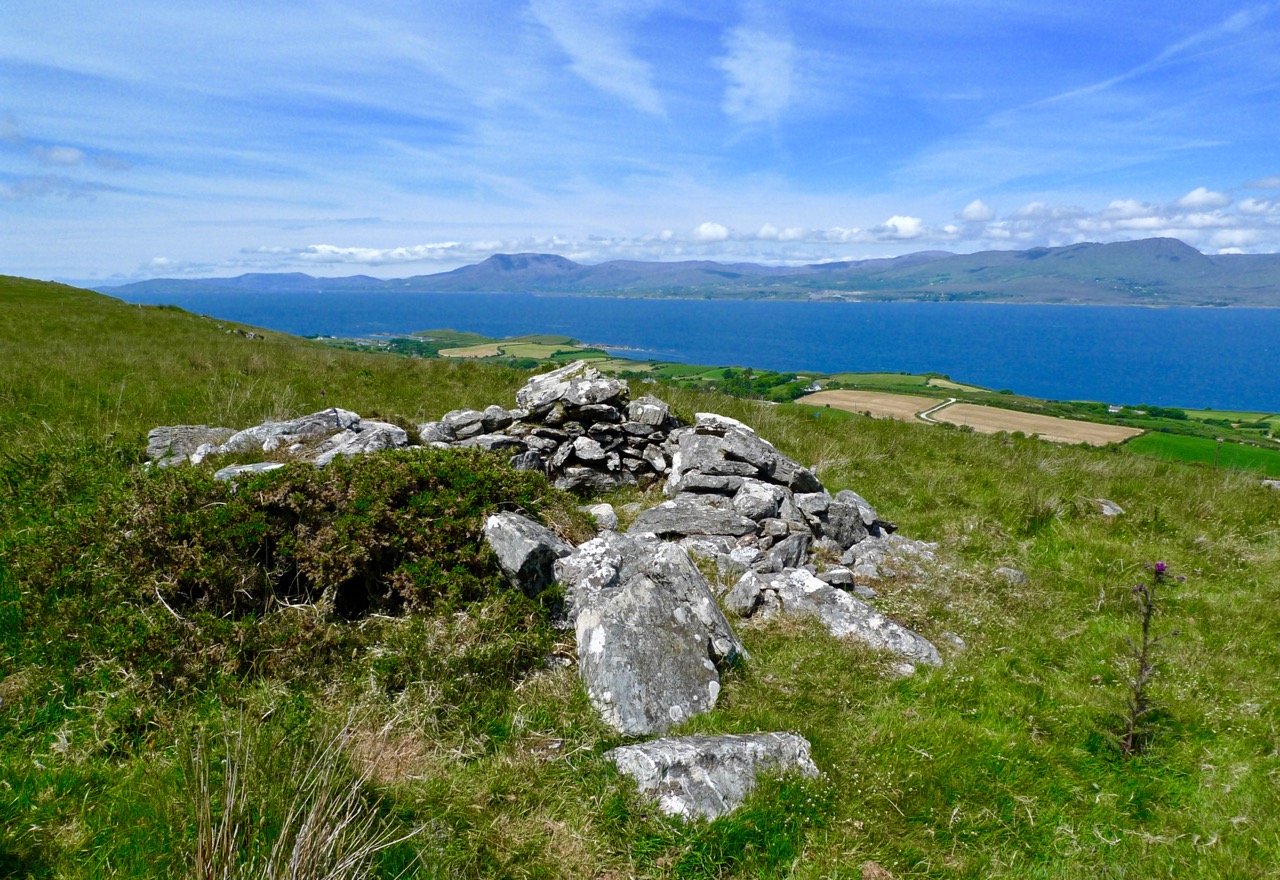
This structure on the Sheep’s Head is recorded on the National Monuments Record as a Booley Hut

Farming practices have changed in the modern day and I am not aware that any booleying still happens – but the custom lives on in memory and in place names. The Irish word Buaile (pronounced bool-yeh), is translated as a feeding or milking place for cows – so it refers to the dairy as well as the summer pastures. There is a townland near us called Corravolley: that’s the anglicised name. Two roads lead there, and on each road is a signpost:

Do you notice the subtle difference in the Irish rendering of the name on these signs? One reads ‘An Chorrbhaile’ and the other ‘An Chorrbhuaile’. One letter is different in the second sign, but it makes all the difference in the way you might translate its meaning. An Chorrbhaile combines corr – round hill, pointed hill, hollow, pointed, conspicuous with baile – townland, town, homestead, but the alternative suffix buaile means cattle-fold, or summer-pasture. As Corravoley is way up in the hills it is very likely that it was the place of the booleying.
cattle in the wild

Other examples of Irish names which may have derived from the booley include Coill na Buailidh, Kilinaboley, Kilenabooley, Both Théith, Boheagh, Knocknaboley, Buaile h’Anraoi, and Cnoc an tSamhraidh (which actually translates as Summerhill – a place name associated with transhumance in Britain).
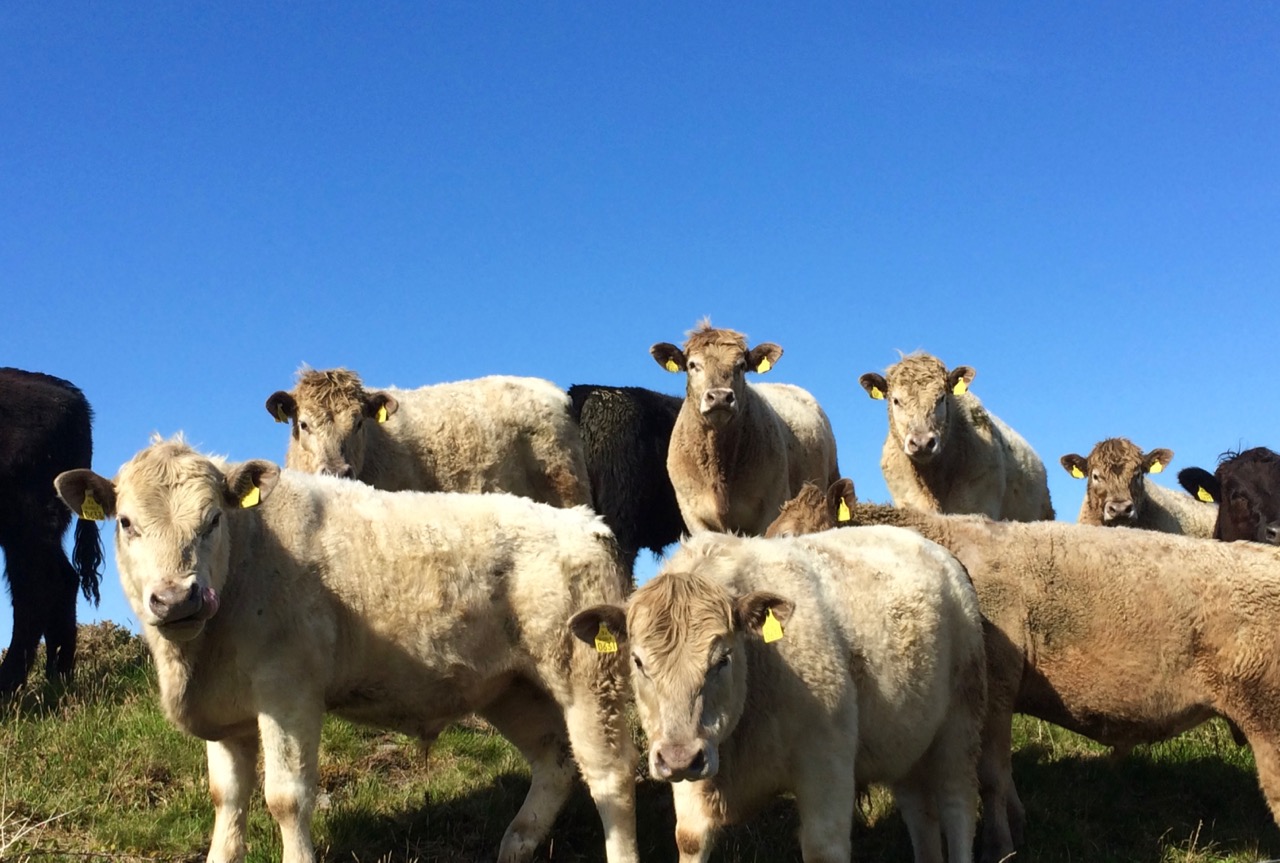
bullocks

In Scandinavia, transhumance is still practiced: there the common mountain or forest pasture used for transhumance in summer is called seter or bod / bua. The same term refers to a mountain cabin, which is used as a summer residence. In summer (usually late June), livestock is moved to a mountain farm, often quite distant from a home farm, in order to preserve meadows in valleys for producing hay. Livestock is typically tended for summer by girls and younger women, who also milk and make cheese. As autumn approaches and grazing becomes in short supply, livestock is returned to the home farm. Note the Norse word būð which sounds like ‘both’ as in ‘bothy’, and the use of that word in Scotland to mean a basic shelter on the high moors, unlocked and available for anyone to use free of charge.
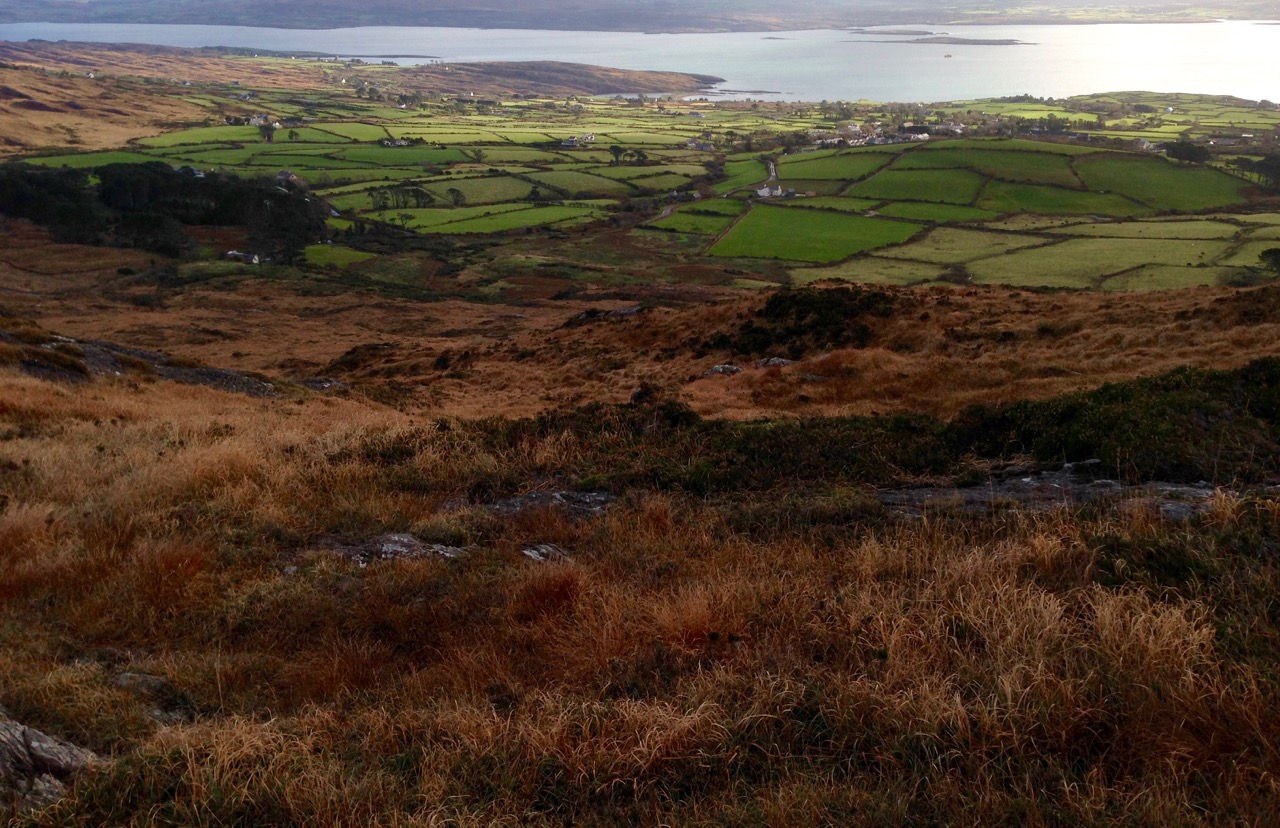
from the uplands

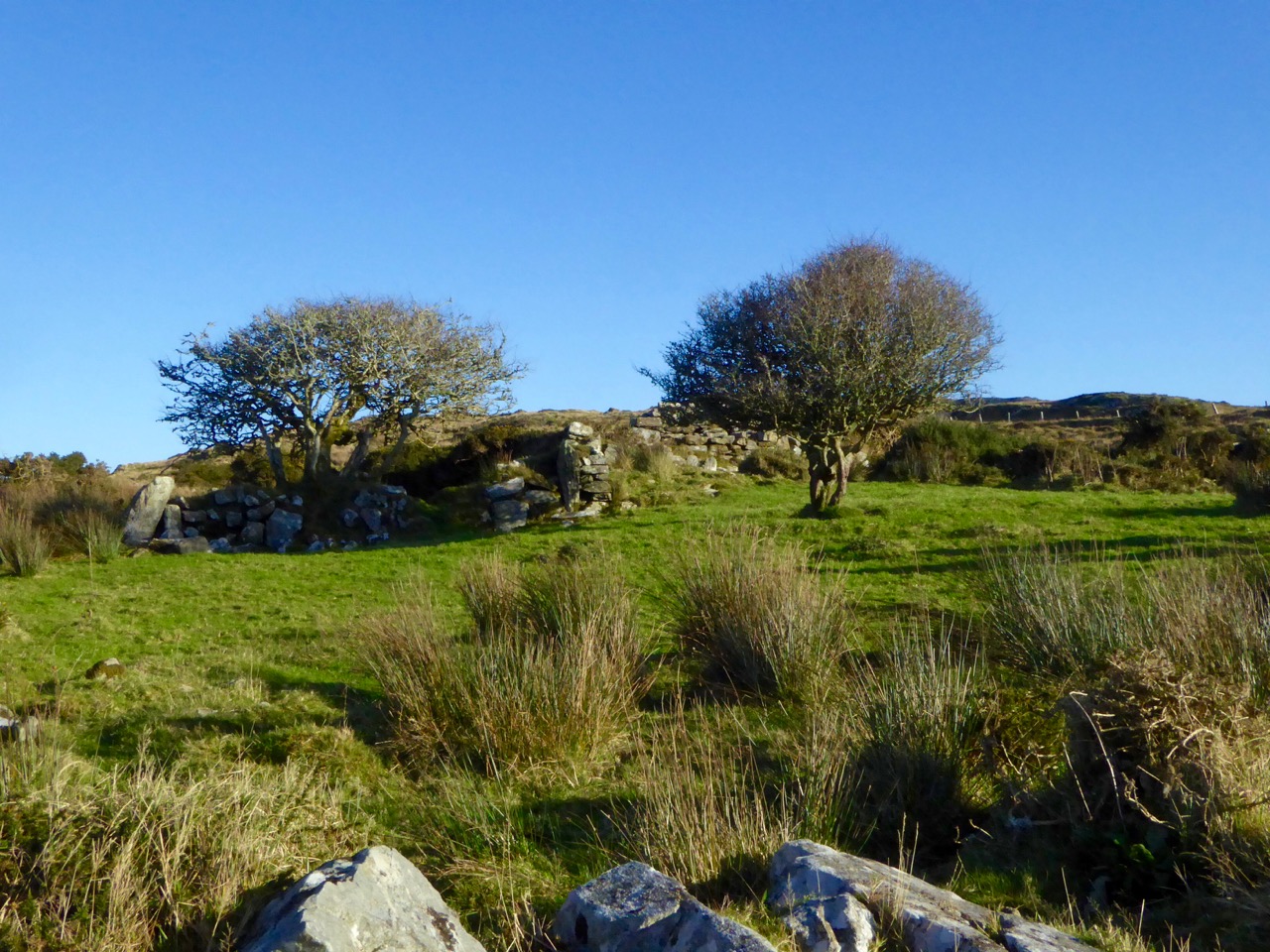
There is physical evidence of the booleying in Ireland. On the Coomkeen route of the Sheep’s Head Way we found a little glen high up on the mountain, a setting for a ruined small stone house which could well have been used by those herding the cattle on the summer pasturage in bygone days. It’s a beautiful sheltered site, guarded by two ancient thorn trees, and we could easily imagine – through our romantic 21st century vision – the hard but simple lifestyle invoked there.
booley thorns

Guardians of the Booley – two ancient thorn trees stand by the abandoned cottage

I feel particularly close connections to that way of life as my Dartmoor ancestors were transhumers. They kept a remote farm out on the moor uplands, well away from the nearest centre of civilisation. The enclosure had been established towards the end of the 18th century and involved the building of miles of stone boundary walls (which caused dissent among the commoners) and my forebears who lived there for a few generations were paid to run cattle from other farms on the pastures during the summer months. By the early 1900s the farm had been abandoned and nature has gradually taken over and created an attractive antiquity which I loved to wander over and recreate in my mind’s eye the scenes of family life: my maternal great-grandmother was one of fourteen children born on the farm in one generation.

teignhead today

Family home: Teignhead Farm on Dartmoor – used as a summer run for cattle, although it was  a permanent residence way off the beaten track for the large family of my forebears – an early 19th century print (top left), a photograph dated 1889 (top right) and the ruins of the house today (below)

Novelist Philip Robinson writes:

…The ghostly footprints of ancient sod walls still mark the sites where families once moved with their cattle up to uplands in county Antrim during the summer months (from May to October). They built temporary ‘booley’ huts to live in, usually beside a water burn or spring… The families that took their cattle to booley places on the Commons like Ardboley (High Booley), Carnbilly (Booley Cairn) or Milky Knowes had their home farms down on lower ground in clusters or villages called ‘clachans’. The arable land around each clachan was shared out between the group in a jigsaw of tiny plots and strips each year, and when the cattle returned before the 1st November, the field markers were torn down and the land around the clachans returned to common winter grazing. The homecoming to the clachan at harvest time was another great time of celebration and seasonal customs, closely tied up with Halloween bonfires and gatherings on 31st October.
on the move

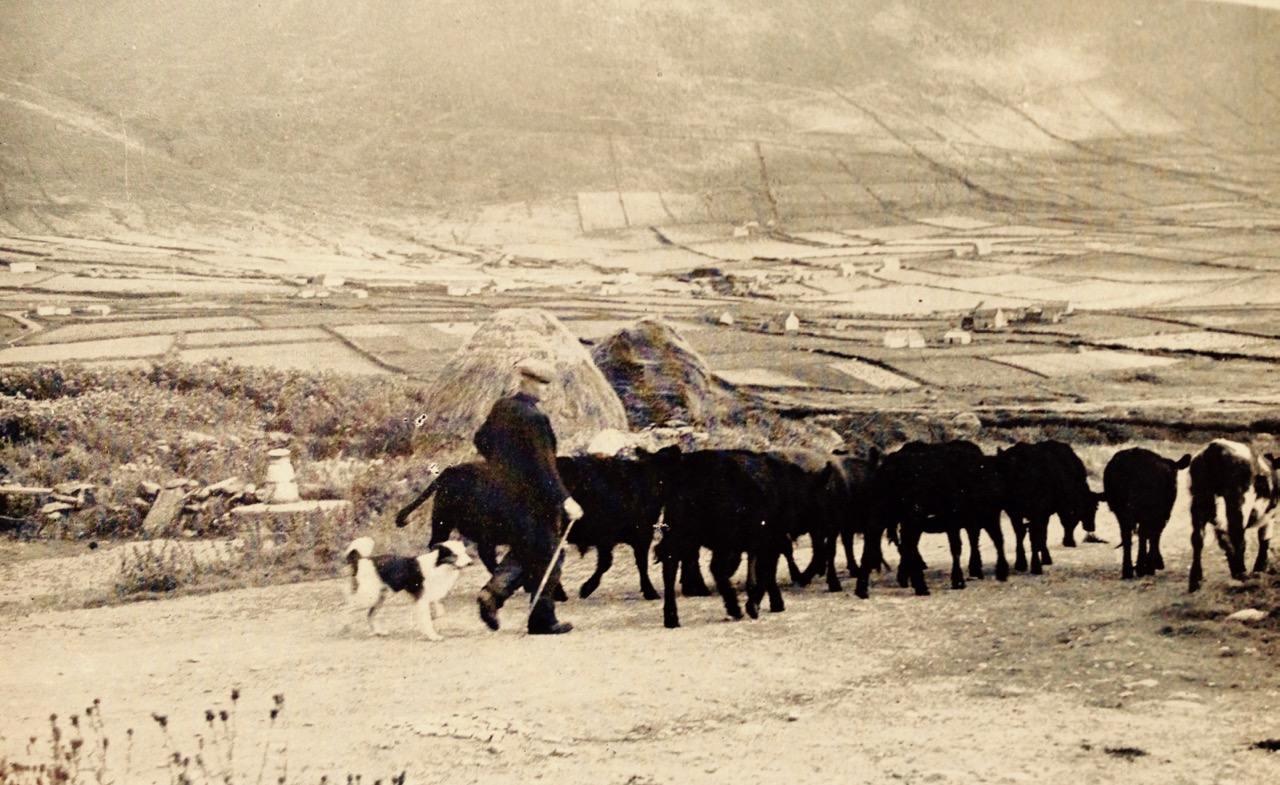
On the move – Kerry cattle (believed to be Ireland’s most ancient breed) from the collection of photographer Tomás Ó Muircheartaigh, who documented life in rural Ireland between the 1930s and the 1950s

We know that Booleying was an ancient practice as it is mentioned in the Brehon Laws – which takes it back at least to the time of St Patrick. Later, under the 14th century Statute of Kilkenny the Irish ...were forbidden to booley or pasture on those of the march lands belonging to the English; if they did so the English owner of the lands might impound the cattle as a distress for damage; but in doing so he was to keep the cattle together, so that they might be delivered up whole and uninjured to the Irish owner if he came to pay the damages… The historian, John O’Donovan (1806-1861) noted (in his Ordnance Survey Letters of 1838) that the people owned houses in two townlands, one of which was a booley. …It is a great habit among the people of the island to have two townlands and houses built on each where they remove occasionally with their cattle. The townlands are held under one lease and one of these farms is called a Bouley…
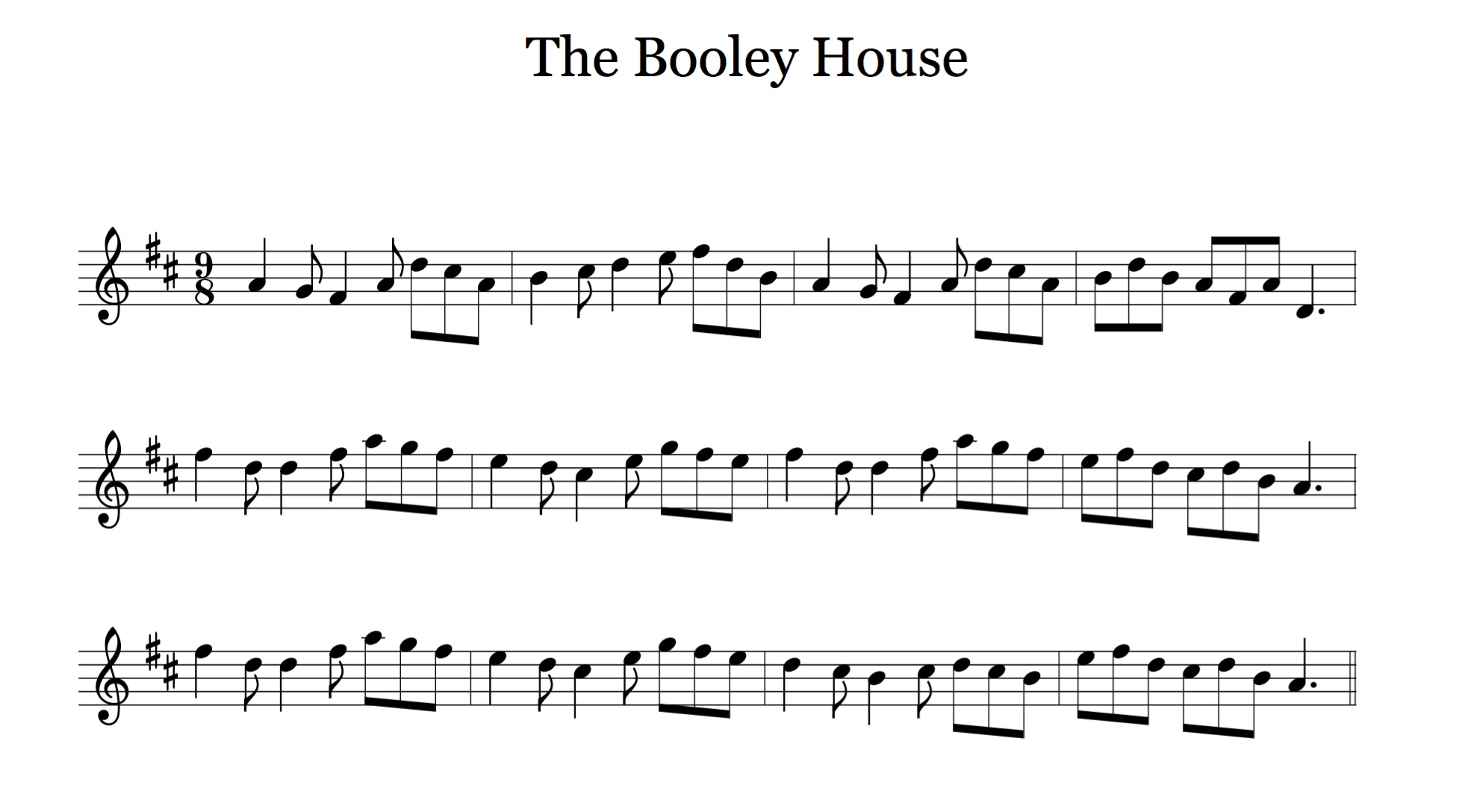
booley house

In Ireland The Booley is relegated to the tune books but there are those alive today who remember the tradition in their own families. Danaher relates: …old people tell of the buaile as a very happy place, full of song and laughter. On Sunday evenings the girls from several buailes would come together and the young men came up from the farms to be with them, and there was music and dancing and gaiety on hillsides that now hear only the bleat of the sheep and the cry of the grouse and the curlew…

boley fair poster


Irish Roads

Heading towards the light

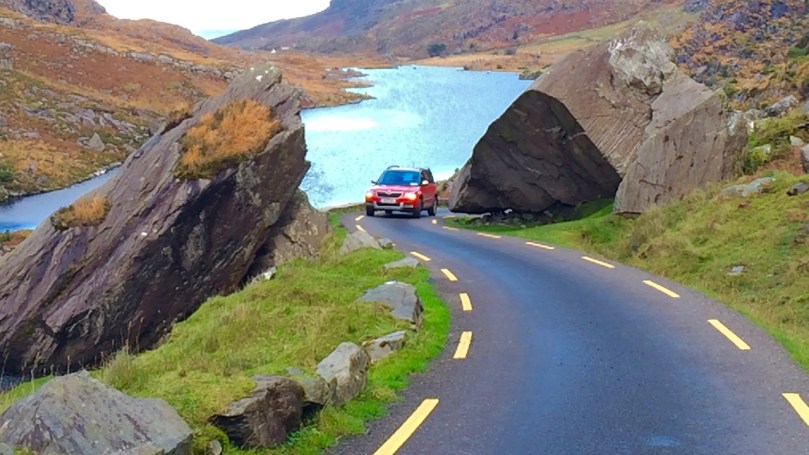
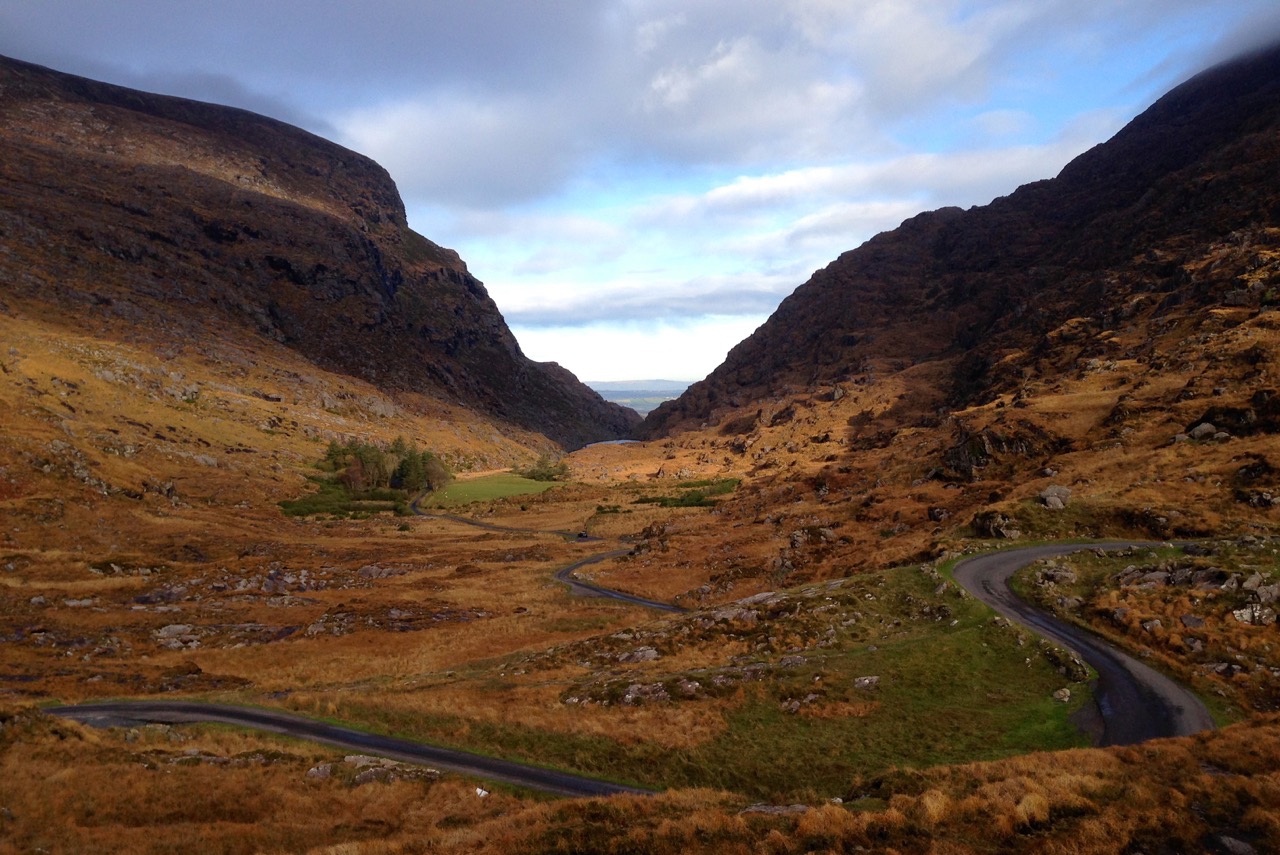
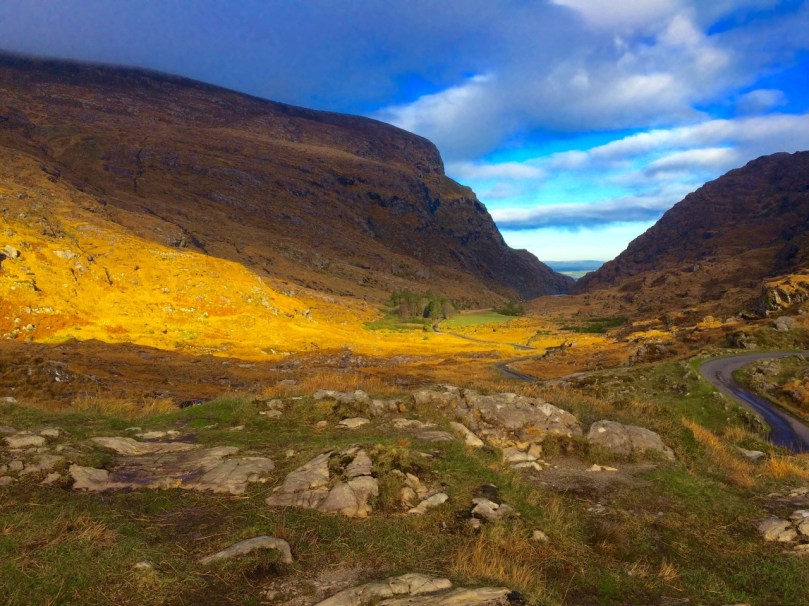
Driving the Gap of Dunloe in Kerry – it can only be done in winter.

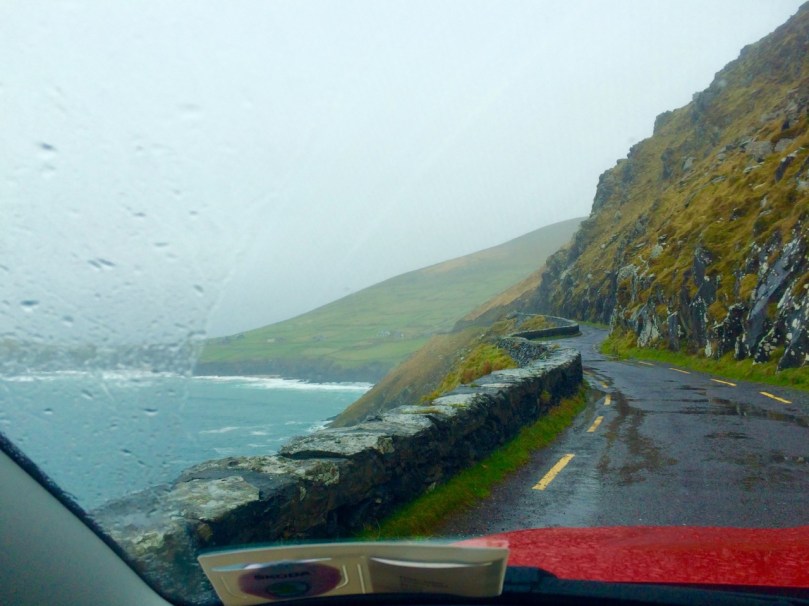
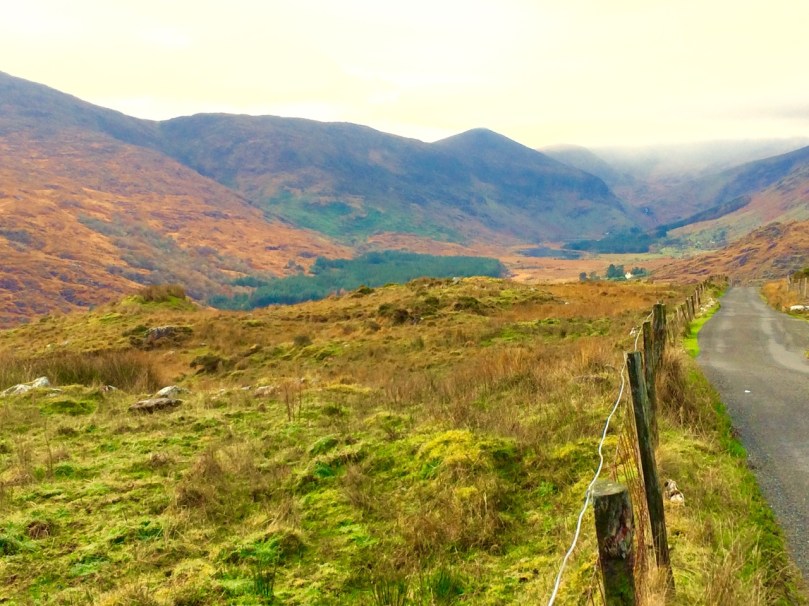
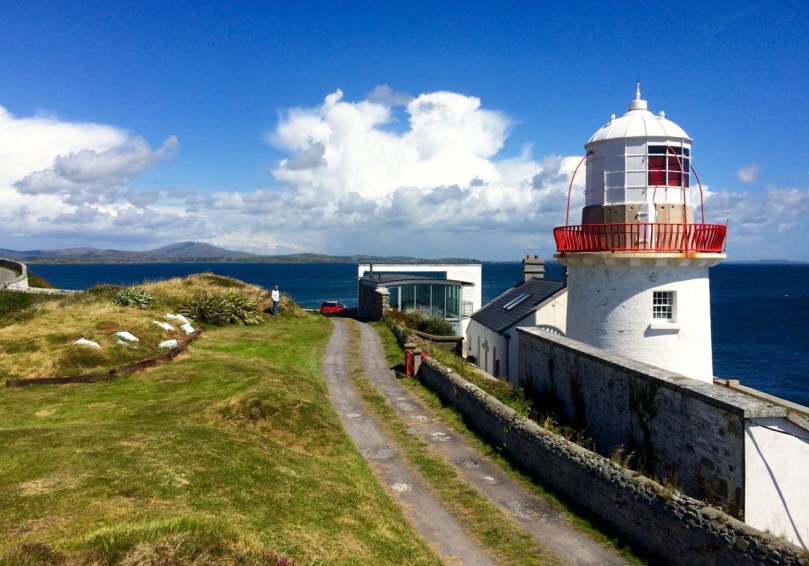
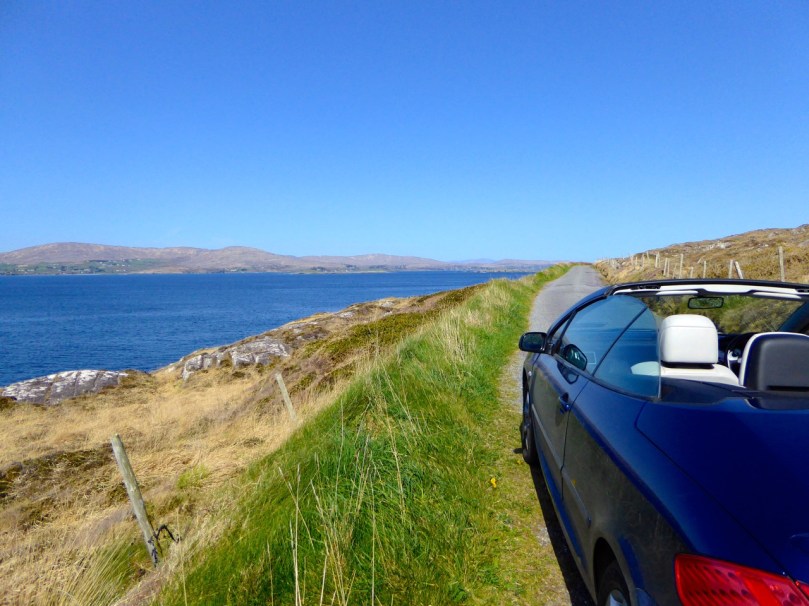
To give you a flavour of what it’s like to drive in Ireland, I’ve put together a few of my favourite photographs of the roads we’ve travelled. Sometimes I wonder if we will get to the point where we take for granted the spectacular scenery which is such an everyday occurrence for us, but then we find ourselves pulling over once again to wonder at the wild landscape, the grandeur of the mountains, the way the sea cuts deeply into the sandstone cliffs, the old castles and ruins that dot the fields – and we know that we will never tire of Irish roads.

This slideshow requires JavaScript.

I’ve chosen only photographs that have roads in them, so you can get the feel of travelling in Ireland. And yes, it does rain in Ireland and the clouds come down and cover everything and then driving isn’t as much fun. Find a pub to hole up in, wait a while, and try a prayer to St Medard

Dingle

Of course some  of you, dear readers, do this every day, like we do, so tell us your own favourite Irish roads – or share a photograph on our Roaringwater Journal Facebook page if you like.

This slideshow requires JavaScript.

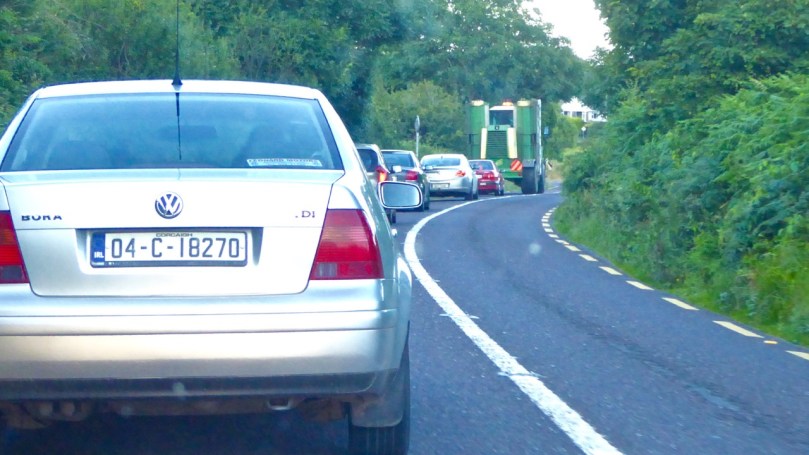
Obstacles are common – so don’t drive too fast along the rural roads as you never know what might be around the bend.

Tractor pace

And there’s no point in being in a big hurry…
Only room for one at a timeThere’s only room for one at a time

We do have freeways/motorways in Ireland, and tolled highways, and congested city streets with honking traffic. Our advice is to get off the highways and out of the cities as soon as possible. Get on this road, for example, that runs through the Black Valley in Kerry, and see where it takes you.

Black Valley, Kerry

Happy driving in Ireland!

By the lighthouse

Showing Off West Cork

This is how you sightsee in West Cork!

This is how you sightsee in West Cork!

Ladies and Gentlemen, meet Susan Byron! Susan is the face behind Ireland’s Hidden Gems, a custom travel service for visitors to Ireland, and she and I met last year when Robert and I spent a week in Clare. Susan loves nothing better than to hop in her car and take off for a few days to some part of Ireland she wants to explore or re-explore. There are very few places she hasn’t seen, but I soon discovered that the Sheep’s Head was one of them. She has been to the Mizen before but hadn’t seen some our OUR hidden gems. In short order we decided that a visit must be organised, and a couple of weeks ago she arrived, bearing Burren lamb, bottles of wine, and an infectious enthusiasm to see everything.

The 17th century Bardic School

The 17th century Bardic School on The Farranamagh Loop walk

Now if someone who runs a bespoke travel agency wants to see your piece of paradise, well, you’re going to put your best foot forward. Fortunately, this isn’t a problem in West Cork – it’s pretty well a fail-safe place to show off. Susan spent her first day whale watching (something we promise ourselves to do soon) and exploring the area east of Skibbereen. On day two and three she was all ours and we spent the first day on the Sheep’s Head and the second on the Mizen.

Mizen farm

Mizen farm

First of all, travelling with Susan is a hoot. She’s got a hot car, a ready laugh, an inexhaustible supply of stories, insatiable curiosity, and a real passion for Ireland. She is amazingly well-read – she knew the dates of the castles before I could tell her and was already familiar with what most tourists want to to see and do in West Cork. So this was a cheerful, companionable time of exploration, chatting, coffee and scones, hiking and sightseeing.

Our Sheep’s Head day took in two loop walks – the Farranamanagh loop and the lighthouse loop. We started off in drifting mist but the sun came out in the afternoon and soon we were shedding coats and applying the sunscreen. After a stroll around the lovely Farranamanagh walk (famous for its 17th century Bardic School) we had lunch in The Creamery in Kilcrohane and browsed in the Sheep’s Head Producers Market. We bought eggs from a farmyard, said hello to contented alpacas, and took innumerable photos of the killer views.

The Lighthouse Loop offers unparalleled vistas at the end of Sheep’s Head – south to Mizen Head and the sweep of the West Cork coastline, and then, as you round the end, north to the Beara and to the Iveragh Peninsula (Ring of Kerry) beyond it. The trail has some steep sections and clings to a cliff edge for part of the northern stretch. It, and the Farranamanagh Loop are but two of the many waymarked trails that crisscross the Sheep’s Head. Each is as rewarding as the next and you could easily spend several days exploring this one Peninsula.

Lake Farranamanagh

Lake Farranamanagh

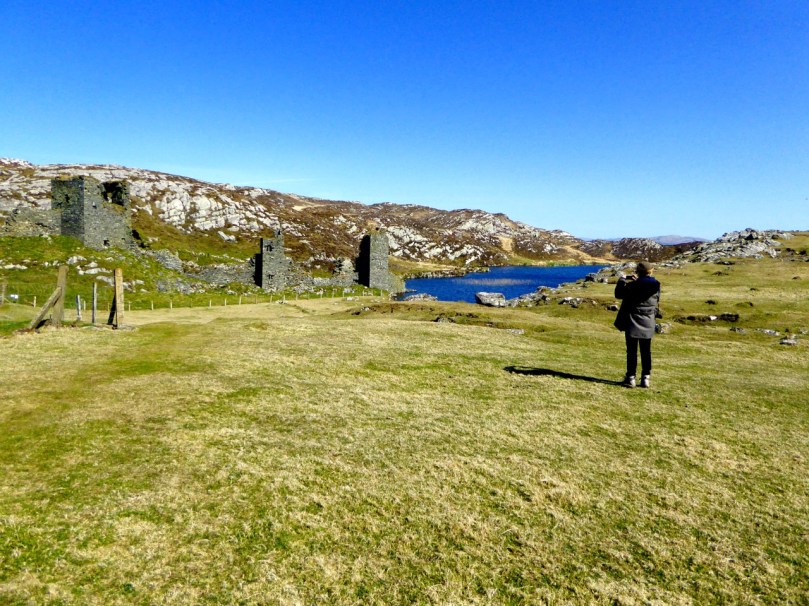
The Mizen, of course is OUR peninsula and we are always delighted to introduce it to friends. The weather was brilliant so we were able to drive in Susan’s cool car with the top down. (In my next life I want to come back as a blonde with a convertible.) Three Castle Head was at its most spectacular, with the water that deep azure blue that people who don’t live here have a hard time believing is real.

The Three Castles: it's love at first sight for Susan

The Three Castles: it’s love at first sight for Susan

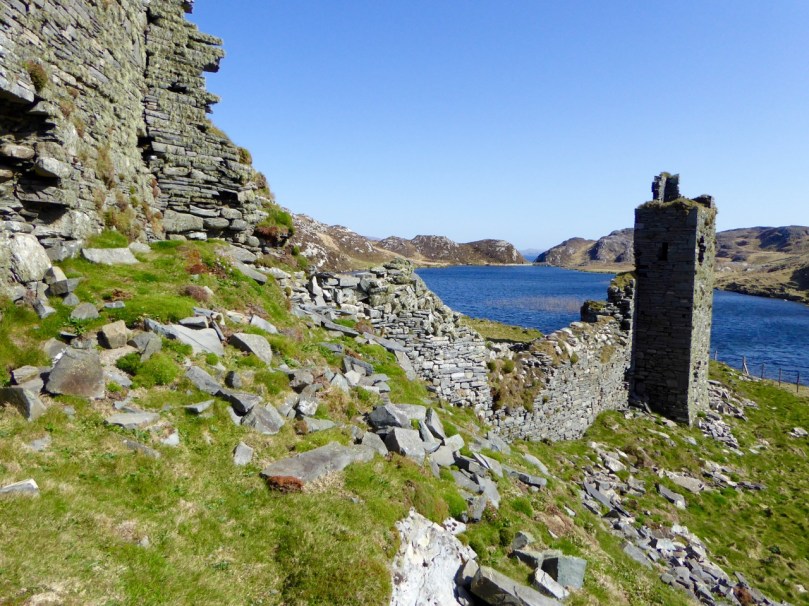
The curtain wall and the lake

The curtain wall and the lake

Spring was bustin’ out all over so the air was heady with wildflowers and the fields full of newborn lambs. The drive on the north side of the Mizen is as jaw-droppingly gorgeous as any stretch of road in Ireland – the only difference is that it’s empty. We met not a single car, which enabled us to stop where we pleased to survey the scenery or take photos.

Barley Cove Beach

Barley Cove Beach

Susan wound up her time by conducting some retail therapy in Schull. No better place!

Schull, colourful village with great shopping

Schull, colourful village with great shopping

She has posted numerous photographs on her Facebook page and even used the phrase “possibly the most beautiful place I have ever been….” about Three Castle Head. That’s how I feel about that magical place – but when someone who has seen everything Ireland has to offer says it, maybe, just maybe, I’m not delusional after all.

Susan at the cairn. Three Castle Head on the Mizen

Susan at the cairn. Three Castle Head on the Mizen

First Foot

‘…According to local folklore the first foot was planted on Irish soil at Donemark on the shores of Bantry Bay in 2680 BC…’

Ireland's first arrivals passed by this pebble beach on their way to Donemark

Ireland’s first arrivals passed by this pebble beach on their way to Donemark

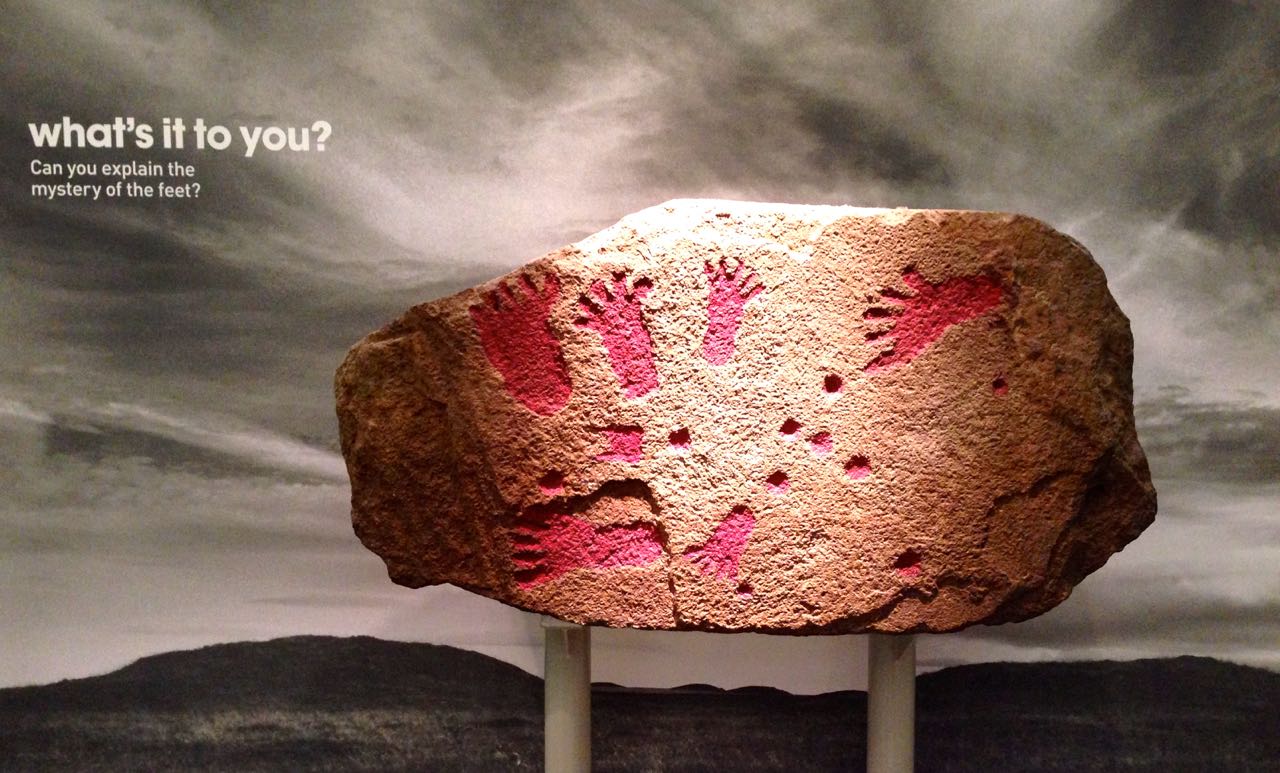
This statement (from Fuchsia Brand’s leaflet on Heritage) was guaranteed to send me scurrying for my history books. And – yes – I found many references to the event: an event which, to my mind, was surely one of special significance for Ireland: the first human ever to have set foot in this land – it must have deserved commemoration… Surely, there must at the very least be a plaque marking the spot? For a moment I wondered if this could be the long sought explanation for the enigmatic piece of Rock Art that’s on display in Bristol’s Museum & Art Gallery – the carving is about the right age…

Bronze Age Footprints in Bristol's museum

Bronze Age Footprints in Bristol’s museum

So, a similar example of Petrosomatoglyphia is what I was hoping to find on the shores of Bantry Bay, a mere stone’s throw from our home here in Cappaghglass. But – before that expedition – let’s just go back to the history for the moment. Back – in fact – to the Lebor Gabála Érenn (The Book of the Taking of Ireland), which was written down in the 11th century and – allegedly – based on earlier source material. It takes a bit of wading through: I used a commentary edited and translated by R A Stewart Macalister and published by the Irish Texts Society in Dublin in 1938, but it’s well worth the effort. There’s a lot I had never understood before about the earliest history of the people of Ireland.

lebot gabala book frontispiece

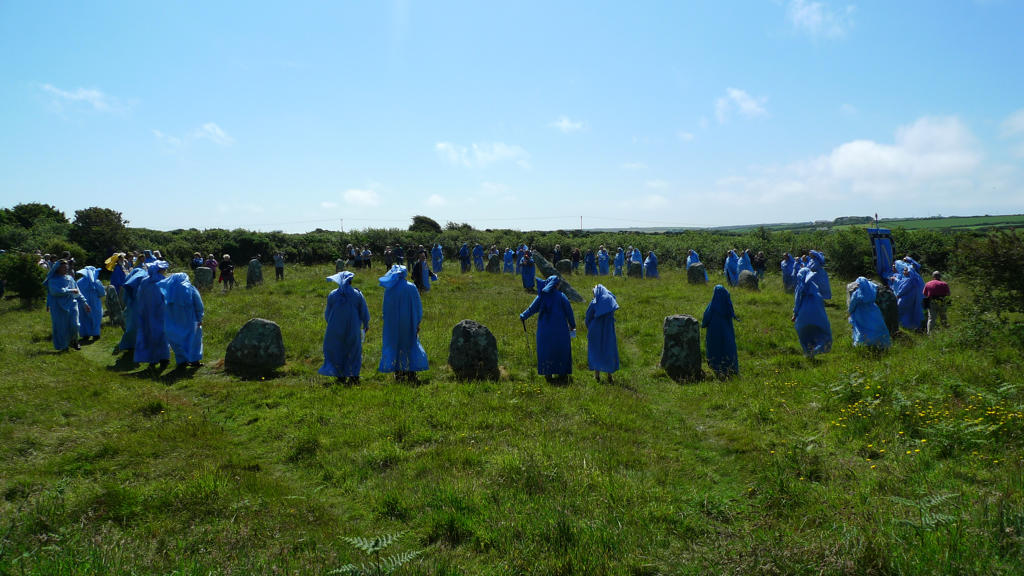
It’s a long story… The book is a collection, in five protracted parts, of all the poems and traditions which had been written and learned by the Bards, telling the history of their nation. There’s a lot of repetition: like the Gospels there are several versions of each episode and it’s a bit dizzying to try to get a clear overall picture of events. So, settle down and imagine the visiting Bard you have given hospitality to in your tower house on a winter’s night is regaling you with tales of your ancestors.

A Meeting of Bards (at Boscawen-Un Stone Circle, West Penwith, Cornwall

A Meeting of Bards (at Boscawen-Un Stone Circle, West Penwith, Cornwall)

Everything has to go back to Noah, who was only allowed to take with him on the Ark his own sons and their wives. One of his sons, Bith, had a daughter – Cesaire (or Cessair). As she had to stay behind so also did her father, but they built their own ships, three of them, and set sail with two other men and a large company of women, looking for a land which ‘knew no sin’ because it had never been populated: there they would settle and aim to re-found the human race in a green and fertile place. Their voyaging took them to many parts of the known world and they came eventually to the north of Spain – which we know today as Celtic Galicia. Cesaire knew that this wasn’t the Utopia they were seeking but she climbed to the top of a very tall tower and, in the far distance, she spotted Ériu – ‘…where no evil or sin had been committed, and which was free from the world’s reptiles and monsters…’

Cesaire would have needed a tower like this to catch a glimpse of Ireland from northern Spain...

Cesaire would have needed a tower like this to catch a glimpse of Ireland from northern Spain…

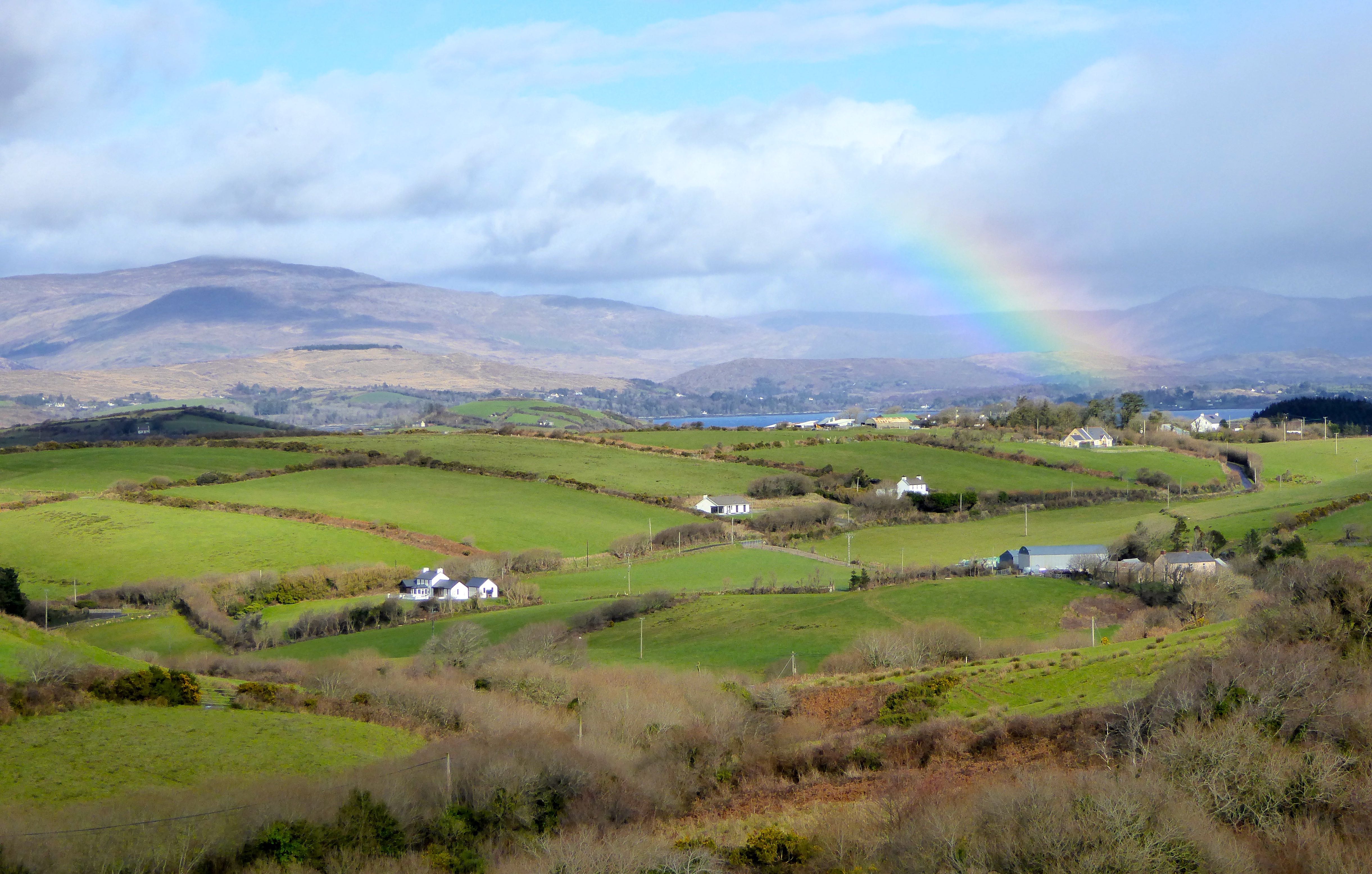
And so it was, forty years before the Great Flood engulfed everything, Cesaire’s expedition sailed up to the mouth of the Mealagh River, passing on the way the most beautiful landscapes they had ever seen – landscapes that we are fortunate to see every time we set out to explore our own new horizons.

Bantry Bay - the landscape today

Bantry Bay – the landscape today

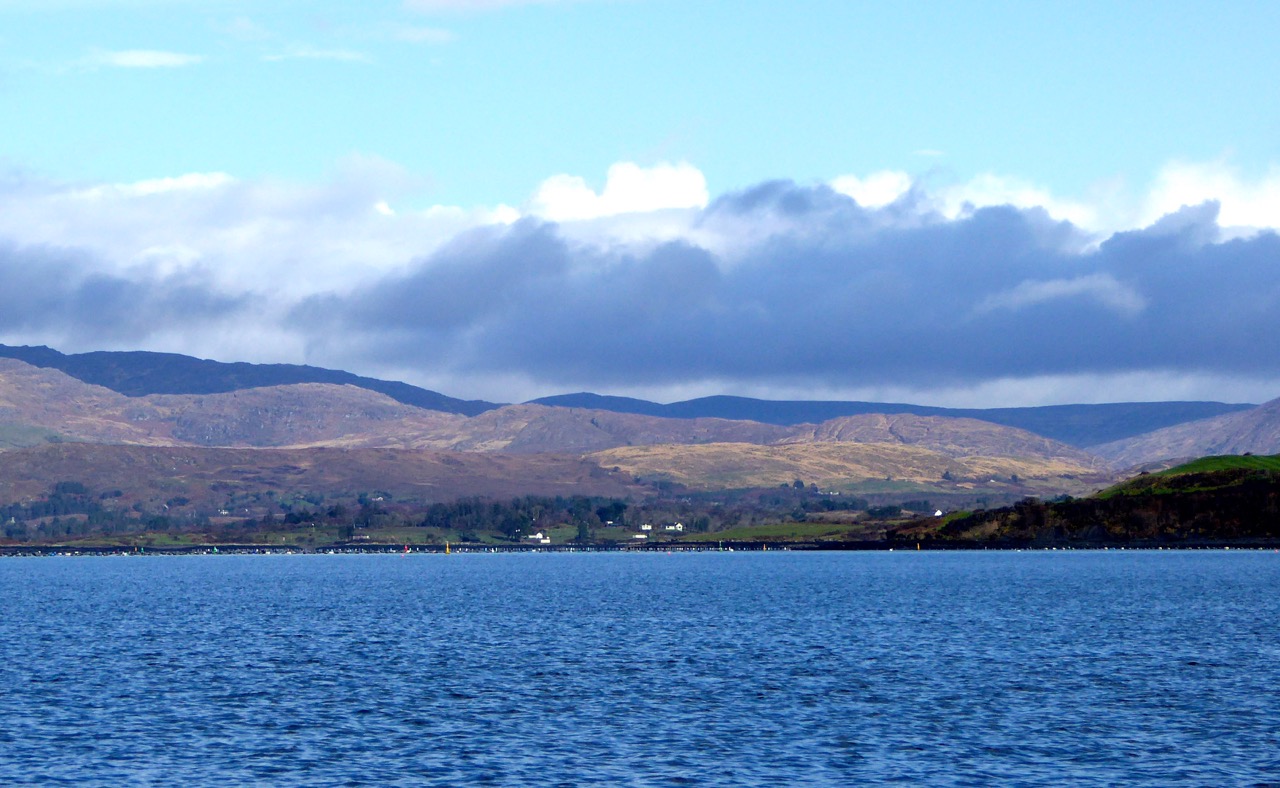
Now it was time to glimpse for ourselves this remarkable site – Dún na mBarc – the place of the boat – (Donemark -Dunnamark Townland) in the parish of Kilmocomogue. We drove up the unremarkable N71 through Bantry town and turned in to its attractively situated golf course, then made our way down to the shore. Disappointingly, that is also unremarkable: it’s got a brooding, although not unattractive atmosphere about it. We came there at low tide and saw mud-flats – alive with foraging birds, including a very fine Old Nog – the huge stones of a disintegrating quay, and distant views to the Sheep’s Head and Beara Peninsulas.

Landing Place? At Donemark

Landing Place? At Donemark

Old Quay at Donemark

Old Quay at Donemark

.

Alas, there were no footprints, no plaque, no signification of the very important history of this site: there was only our imagination to fill in the gaps. I could envisage Cesaire’s Bronze Age boat (only one survived the full journey) making its way up the azure waters admiring the emerald green of the landscape and passing by some of Ireland’s most dramatic scenery. They landed on ‘…a Saturday, the fifteenth day of the moon at Dun na mBarc…’

Kerry Mountains

Mountains of West Cork

We did find a single commemoration of this event: in the tranquil gardens of the National Learning Network Centre, which is not far from the mouth of the river. It is a work of art, made in 2013 by the students of the Centre, under the guidance of Michael Ray and the auspices of the West Cork Arts Centre – you may remember both from this recent post. Voyage of Stories’  recalls that pioneering arrival in the form of a boat sculpture made of steel, copper and glass and set up over a pool. The glass tiles tell of invasions and emigrations both ancient and modern in Irish and English. It’s a good way to commemorate the journey and those early settlers, we thought.

'Voyage of Stories' at Donemark

‘Voyage of Stories’ at Donemark

Now, Finola – at my side and wearing her Archaeologist’s hat – is tutting at my unquestioning acceptance of the dating of this milestone in Ireland’s history, bearing in mind that the passage graves at Newgrange, Knowth and Dowth appear to be some 5,000 years old and – she says – there were people living in Ireland earlier than that! But my view is that there’s history, and there’s story… Well, perhaps history is always someone else’s story but give me a good tale any day, especially one woven with adventure and romance and told at the fireside.

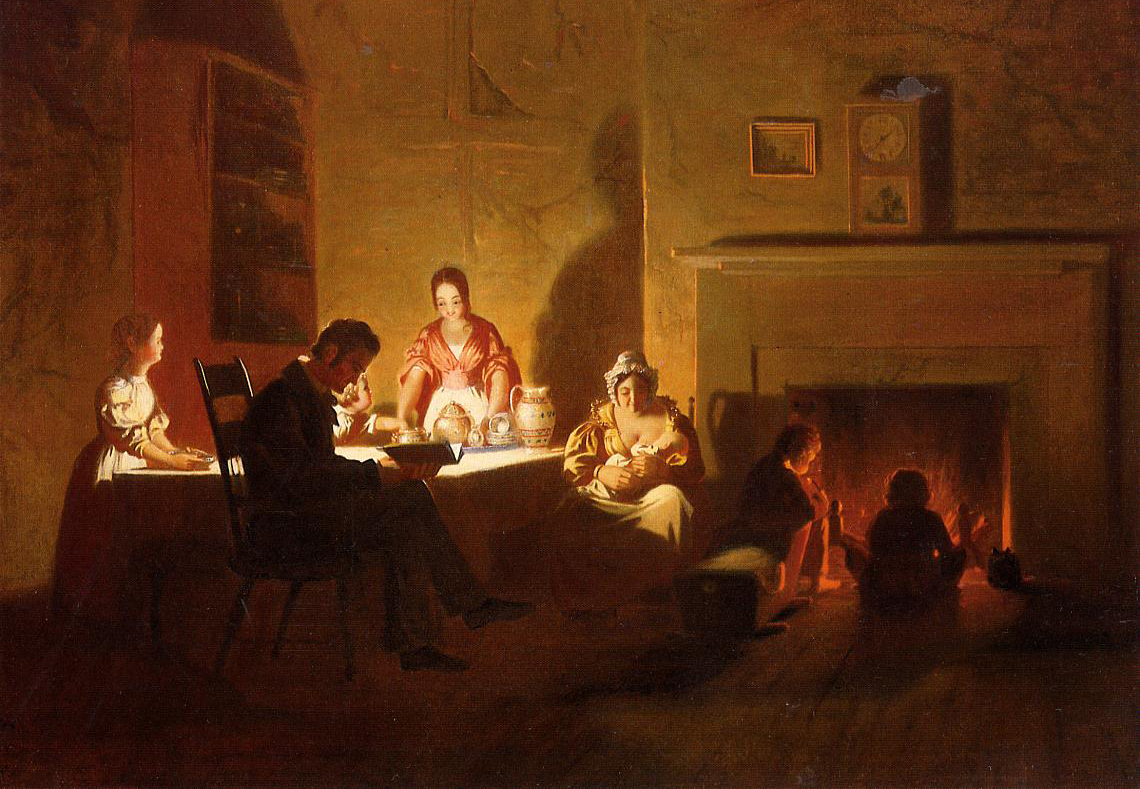
Family Life (Caleb Bingham 1845)

Family Life (Caleb Bingham 1845) New Orleans Museum of Art

So now you know all about Cesaire, who was the first to step from that frail vessel which had travelled all the way from Egypt in those far off days. But perhaps I should also tell you a little more: the three men on that voyage faced the prospect of serving no less than fifty women between them if they were to populate this new land. The Lebor Gabála Érenn is quite frank about this: ‘… Ladra, the pilot, from whom is Ard Ladrann named he is the first dead man of Ireland before the flood. He died of excess of women, or it is the shaft of the oar that penetrated his buttock. Whatever way it was, however, that Ladra is the first dead man in Ireland…’ while Bith – Cesaire’s father – was already aged before the voyage and also passed away soon after. That left one man – Fionntán – who was so frightened by the prospect of facing all those women alone that he ran away and hid in a cave. There he changed into a Salmon and survived the Flood which, sadly, overcame Cesaire and her companions. The shape-shifting Fionntán went on to live for five and a half thousand years (by my reckoning that means he’s still alive!) and recorded all of Ireland’s history (including at first hand the account of Cesaire’s voyage) – which he then taught to the Bards of Ireland so that it would be taken out into the world…

But all that is for another day!

made harbour

A Lick of Paint

blue long distance

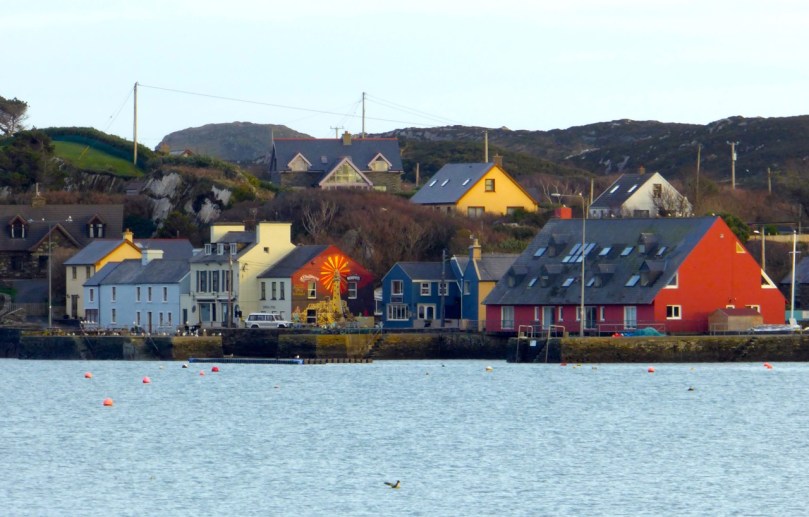
What does it mean to say that a house is “set well into the landcape?” On the West Coast of Canada, where I used to live, it usually meant that a house was invisible, often made of wood and blending into the trees. But here in rural West Cork, buildings are more assertive – we ARE the landscape, they seem to say, or at least an important part of it. Therefore we should stand out and be seen. Part of being seen, for many houses in the countryside, is choosing a bright colour. Ah sure, they say, all it needs is a lick of paint.

Crookhaven

Crookhaven


I’ve written before about the colourful towns and villages dotted all over Ireland. Coming around a bend in the road and catching sight of a village is a cheering experience: flashes of colour spread in a line across a backdrop of green fields or rugged mountains. But colour isn’t confined to towns – farmhouses in the deep countryside can suddenly demand attention – pops of colour in a predominantly green terrain. 

Blue seems to be a favourite – and we are not talking here about a pale blue or grey blue. No – duck egg or cobalt blues predominate. The blue is weathering and fading a bit in the house below but it still packs a punch in its isolated setting.

Sometimes blue is used on one side of the house only, or on selective aspects – a gate post or a shutter.

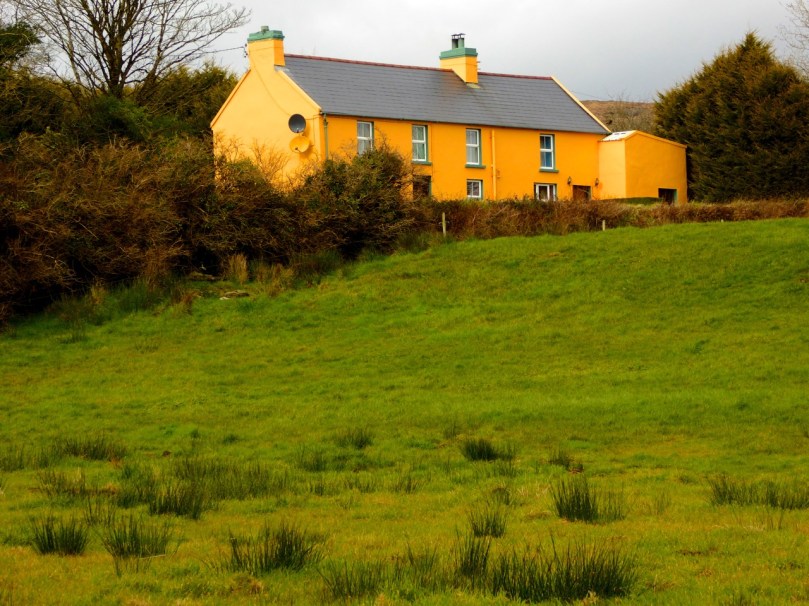
One of my favourites is this house, the colour of a ripe apricot. It is visible from a long way off and always seems to be incandescent on its hillside, as if permanently lit by a setting sun. Close up, I found it has jade green trim, making it even more handsome than it appears from a distance.

apricot distant

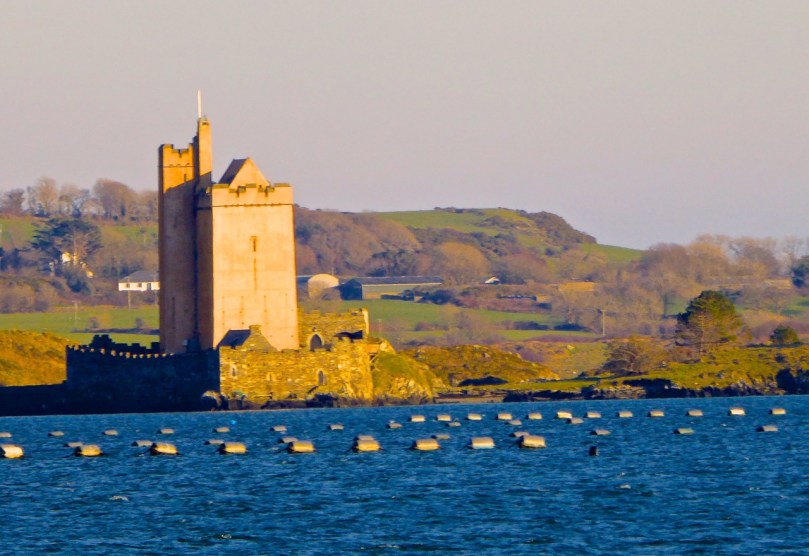
That colour is also one of the most recognisable in West Cork because it’s the colour of Jeremy Irons’ Kilcoe Castle. When the castle was being rendered, Irons used a lime mortar in order to waterproof the masonry: the mortar has a distinctive peach tone. Although controversial at the time, it is fair to say that West Cork folk have come to enjoy the sight of this wonderful restored 13th Century castle permanently glowing on its tiny island.

Kilcoe Castle

Kilcoe Castle

Pinks range from soft and pastel to the colour of fuchsia.

I particularly like the pink-on-pink trim of the farmhouse below left, and the candy-coloured house with its blue trim.

Yellow shows up well against a green hill. The first house below belongs to our friends the Camiers, who run the marvellous Gortnagrough Folk Museum. The second one is on the Sheep’s Head (photo by Amanda Clarke).

There are shades of salmon and coral that seem to suit old houses very well. Left, below, is the old school house in Rossbrin, now a private residence, and right is the Ballydehob Rectory, particularly attractive with its green trim.

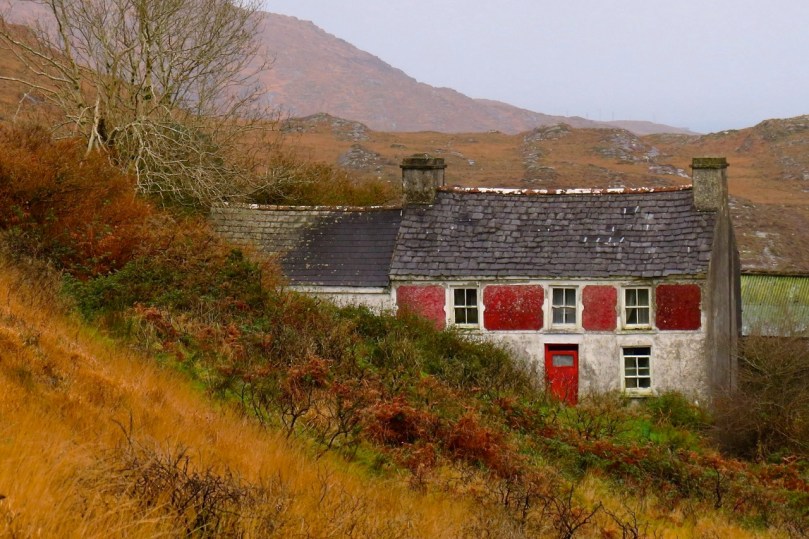
I’ve found red to be reserved mostly for doors, trim and spot colour, but my friend Amanda Clarke found this old farmhouse on the Sheep’s Head. Take a look at her site, Sheep’s Head Places for examples of vernacular farm buildings. 

Old farmhouse, Sheep's Head

Old farmhouse, Sheep’s Head*

Renovations never stop – I did wonder what colour this one would end up. Now I know!

Going through the spectrum

Going through the spectrum

But this one, unless miracles happen, will see no more paint. Then again, it’s right beside a holy well, so maybe…

Generations of colour

Generations of colour

 *Many thanks to Amanda Clarke for the use of the asterisked photographs

Footsteps

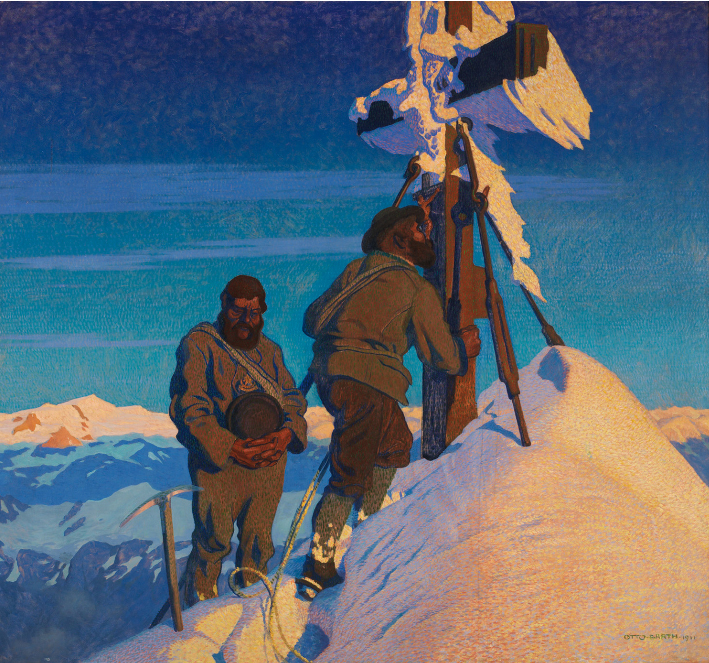
Morning prayers on the Großglockner, Otto Barth 1911

Morning prayers on the Großglockner, Otto Barth 1911

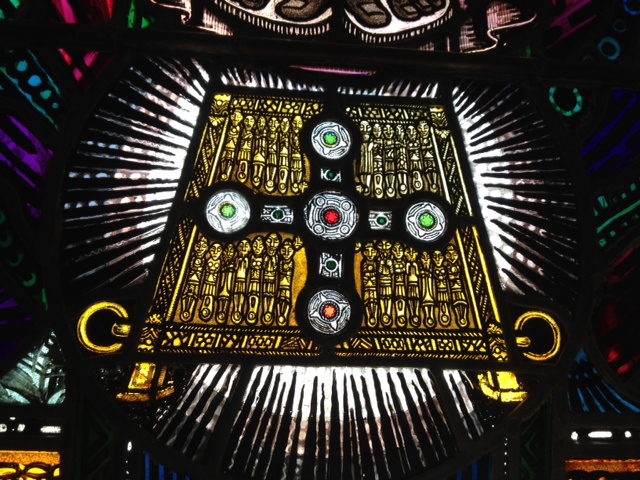
Is it us? We seem to be following in the footsteps of thieves and wreckers… Back in June 2012 we visited St Manchan’s Church, in Boher, Offaly and saw the splendid shrine of that Saint securely locked in an armoured glass case and mounted in front of the equally magnificent Harry Clarke window depicting him. That was at about 1 o’clock in the afternoon. We were shocked to hear on the news that evening that the shrine had been stolen at 1.30! Two men had taken just a few minutes to break open the case – in spite of alarms and cctv – and make off with the Saint’s remains…

We were relieved to hear the following day that the robbery had been bungled: the shrine was thrown out of the getaway car and landed in a bog: both it and the perpetrators were picked up by the Gardi. I wonder if perhaps the thought of what divine justice might be wrought from on high (from St Manchan himself, even) had put doubts into the minds of the thieves and diverted them from their intentions – whatever they might have been.

Harry Clarke's depiction of the Saint's shrine

Harry Clarke’s depiction of the Saint’s shrine

Nevertheless, the incident led to some considerable debate on whether the reliquary should be returned to the church – where the security was evidently lacking – or whether the original 1,000 year old artefact should be put into Ireland’s National Museum and the replica which happens to be there should be sent back to St Manchan’s. The Boher people campaigned vigorously against this – quite rightly in my opinion – and eventually, after some improvements to the arrangements in the church, the shrine has been restored to where it belongs.

winter

Carrauntoohil Summit – photo by Noel Mulcair: thejournal.ie

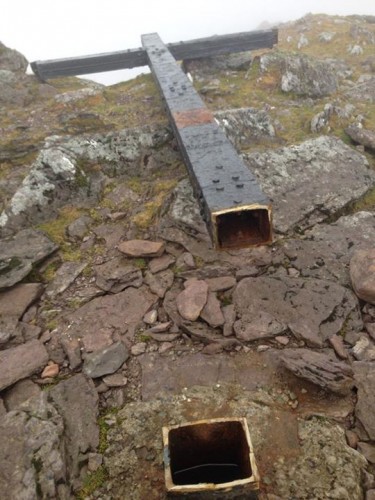
So there we were just a week or two ago, honeymooning in the shadow of Ireland’s highest mountain (although warmly ensconsed in a comfortable Kerry hotel) when we heard the news that, not far away, someone had climbed the mountain at night and felled the iron cross that had stood up there for many years, with an angle-grinder! Obviously some point was being made, although nobody was quite sure what that was at the time…

The Mountains of Kerry

Gap of Dunloe, in the shadow of Carrauntoohil


The cross is felled...

The cross is felled…

The Carrauntoohil incident sparked off a lively correspondence in The Irish Times. Many were indignant at the act of vandalism, while others took the view that there is no reason why wild places should be ‘sullied’ with religious symbols. Hmmmm… that’s a bit harsh, perhaps: crosses on mountain tops have a been around for a long time all over the world and, ever since prehistory, humans have marked their presence on the landscape with monuments of one sort or another. As you all know, the two of us are fascinated (obsessed might be a more appropriate word) by megaliths, tombs, circles and inscribed rocks – and these are preserved archaeological artefacts – it would be unthinkable for someone to get it into their head that a standing stone should be destroyed because it might have represented someone’s god. At the very least, surely, the subject should be aired and a democratic decision made by a public majority before any such action is taken. Indeed, the subject did get aired after the event and I gleaned that the majority of respondents felt that the iconic cross should not have come down.

Well, this story – like the St Manchan one, has had a happy ending. A group of volunteers has been up to the summit with block, tackle and welding equipment and the cross is back again.

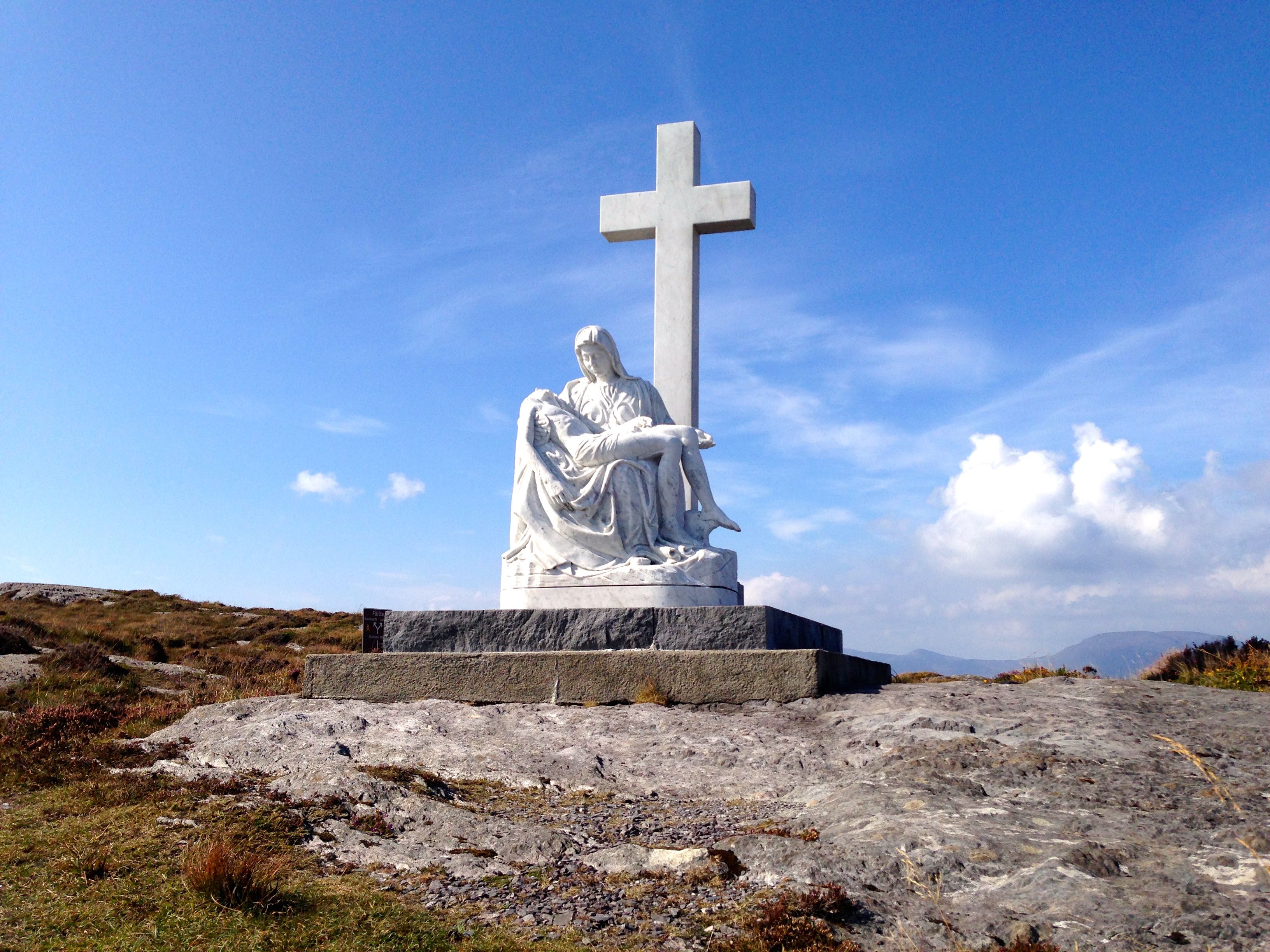
Ireland has many summits adorned with constructed pieces – ancient cairns and tombs, and more modern statues and symbols, not forgetting the wind farms which are another source of controversy. We are all part of human history and one of Ireland’s big attractions for me is that the history is so visible and accessible. In 1968 a white marble Pieta was placed high up on the Goat’s Path in Glanalin townland. It’s someone’s personal monument to a much loved father. In my opinion the melancholy statue enhances the wild place: I make a bee-line for it whenever I’m in the area – partly to enjoy the magnificent view but also, I have to say, because I am fascinated to see how many coins and offerings are put into the outstretched palm of Mary. Look here for a fuller description on the excellent website Sheep’s Head Places.

Hilltop Pieta

Hilltop Pieta

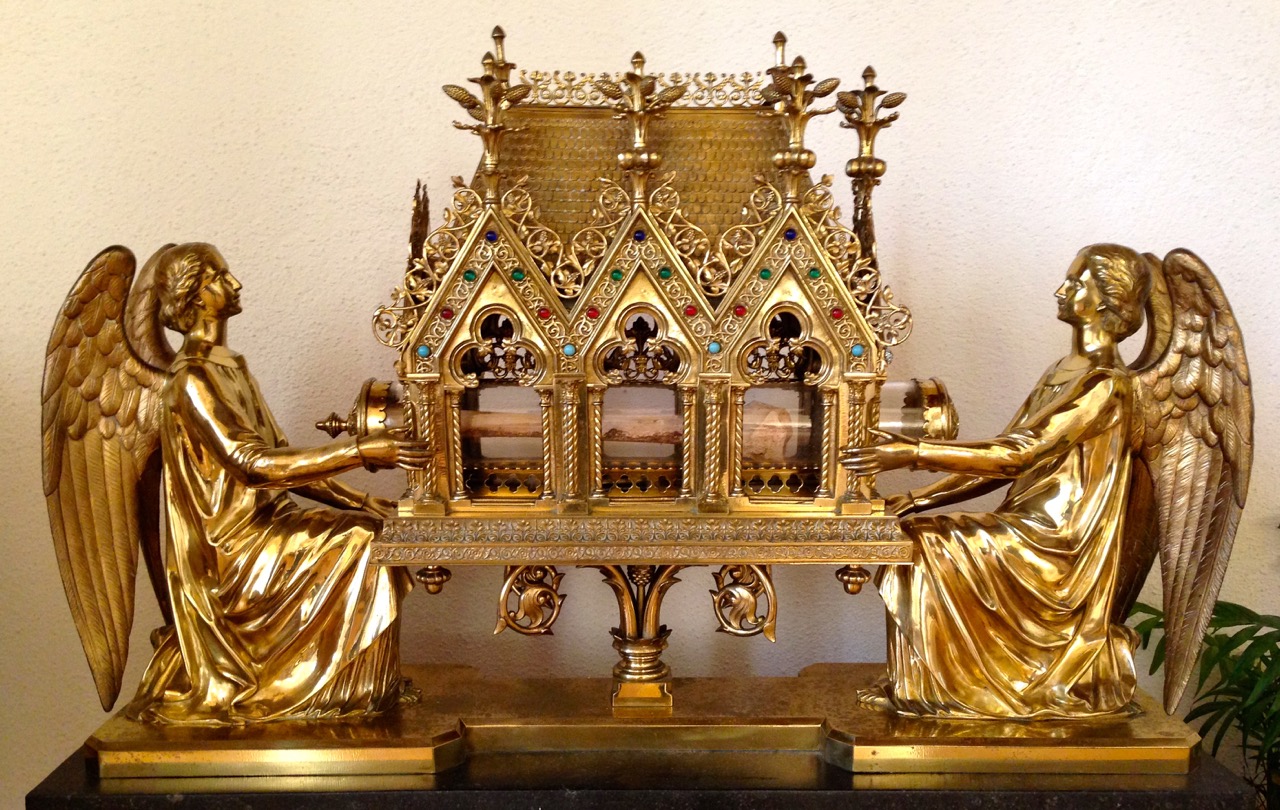
Given our experiences to date I worried a bit about our visits to Holy Cross Abbey and the Cathedral of St Mary and St Anne in Cork, where we came across the shin bone of Blessed Thaddeus McCarthy. But it seems to be ok: fair enough, the fragment of the True Cross was stolen from Holy Cross (it’s now been replaced with another), but long before our visit, while the saintly shin bone seems to have survived unscathed so far. I can’t help looking over my shoulder, though, when we visit such places. Ireland is full of enigmas…

thaddeus

Sacred shin bone – with Angelic guardians

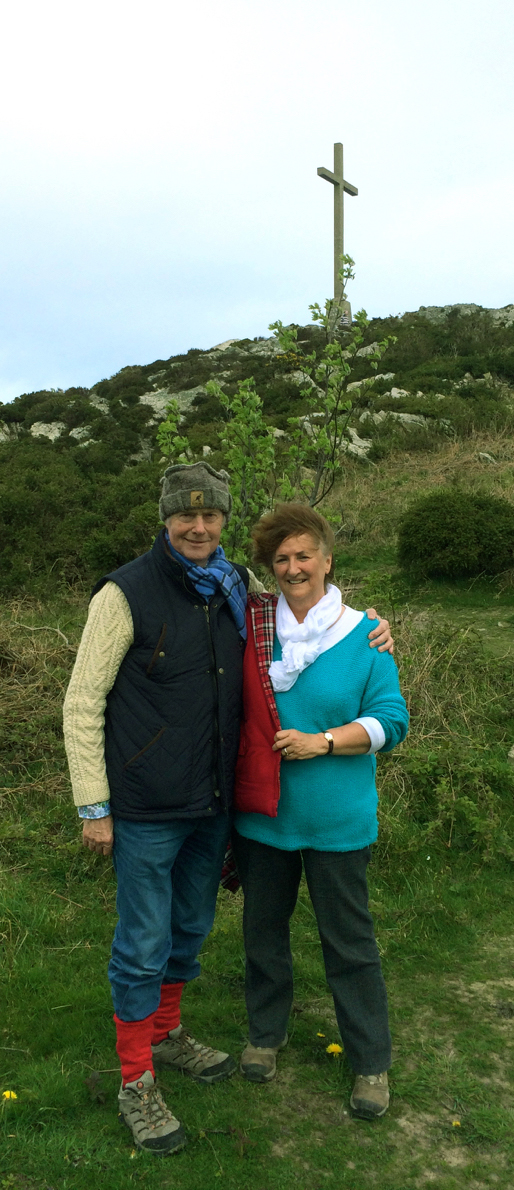
Finola's childhood haunts: the cross on Bray Head, Wicklow

Finola’s childhood haunts: the cross on Bray Head, Wicklow