Brian’s Sketchbook: The Signal Towers

Brow Head Buildings

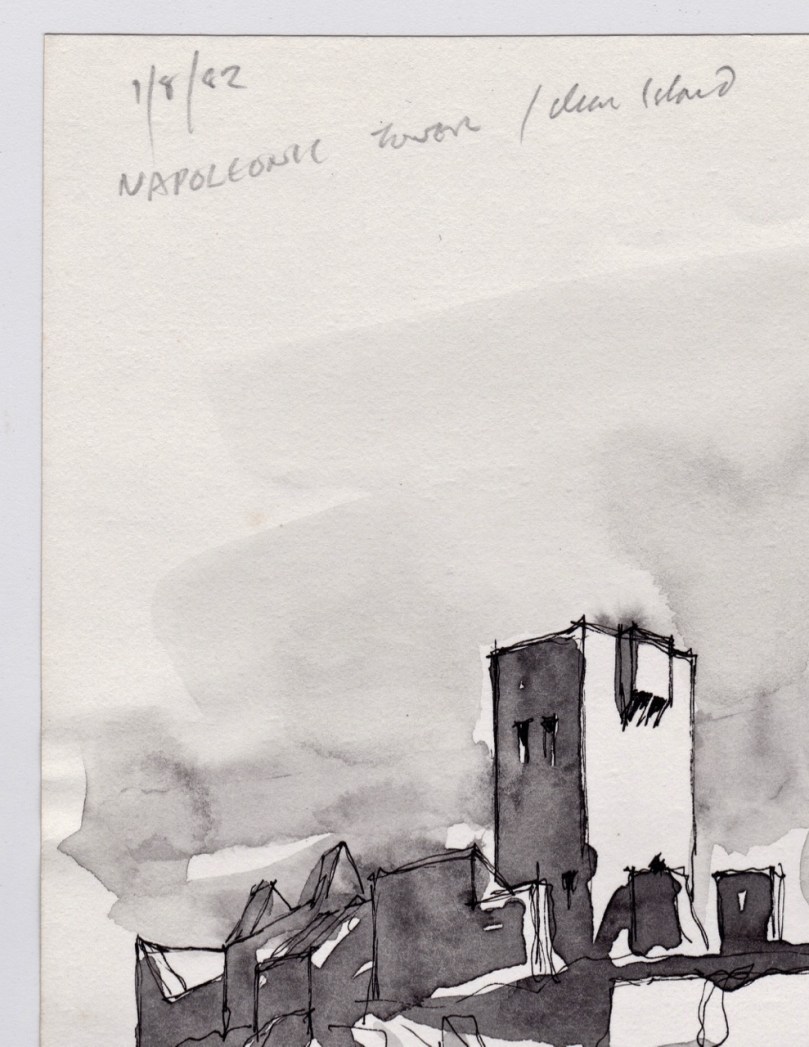
We have received a unique and treasured gift – a sketchbook from the 1980s of prehistoric and historic sites around West Cork. It’s the work of our good friend, and national treasure, Brian Lalor, artist, writer and printmaker. For an overview of his style, check out the retrospective of his work at Graphic Studio Dublin. Or browse the long list of his books, including the magnificent Encyclopaedia of Ireland, which he edited.
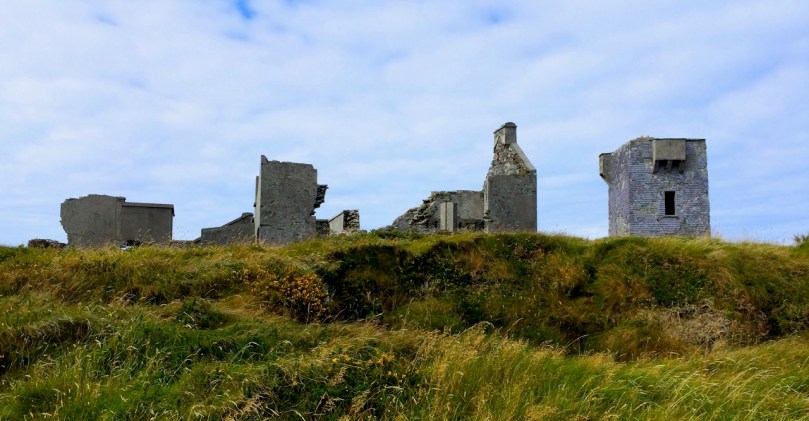
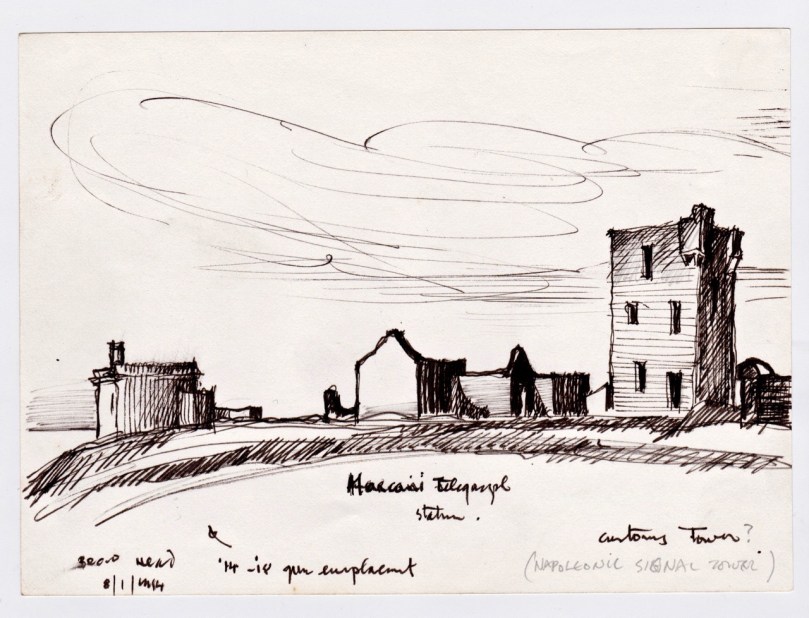
Marconi Station, Brow Head

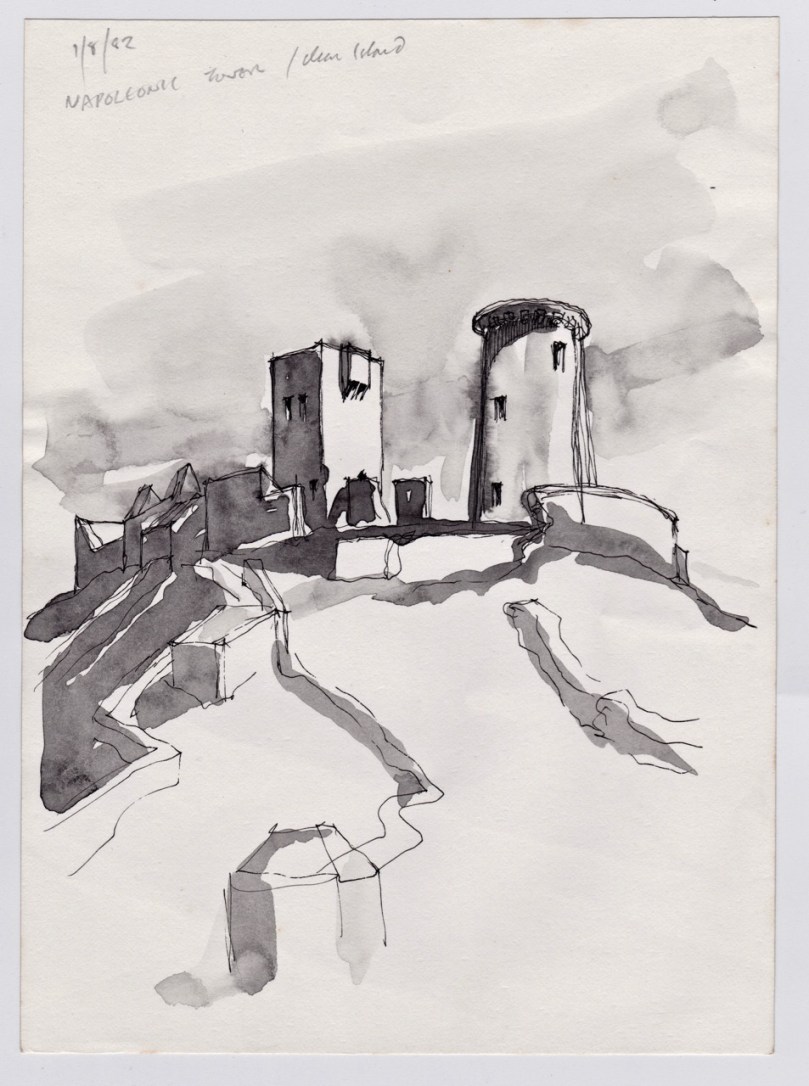
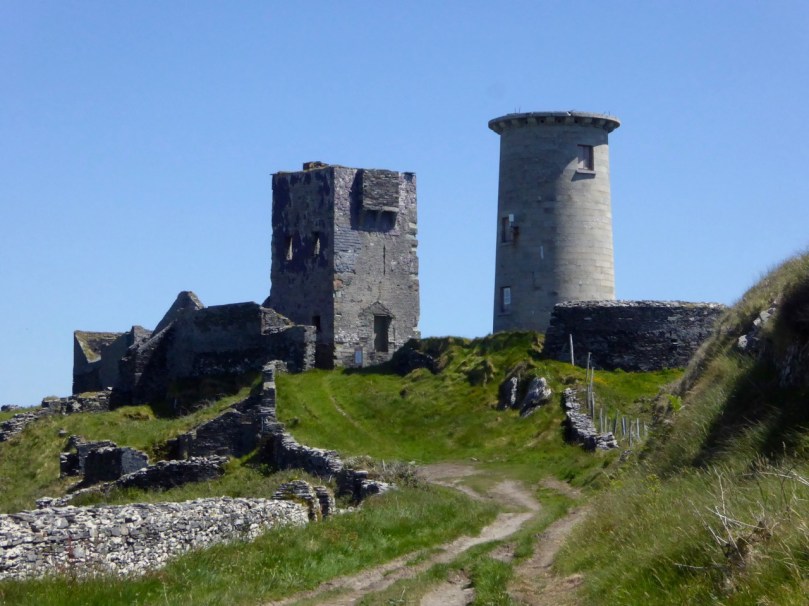
Brow Head: (above and below) on the right is the Napoleonic-era Signal Tower; the other buildings date mainly from the time of the Marconi Telegraph Station, taken from a different angle than the sketch above

Brian has studied both architecture and archaeology and to that adds the keen observant eye of the artist. As a result these sketches, although, as he explained, often hastily done during a brief visit to a site, are accurate, detailed and charming in equal measure. They were made on field trips with the Mizen Archaeological & Historical Society in the 1980s. This was an active society, publishing a well-regarded journal from 1993 to 2004 and leading regular field trips for members.
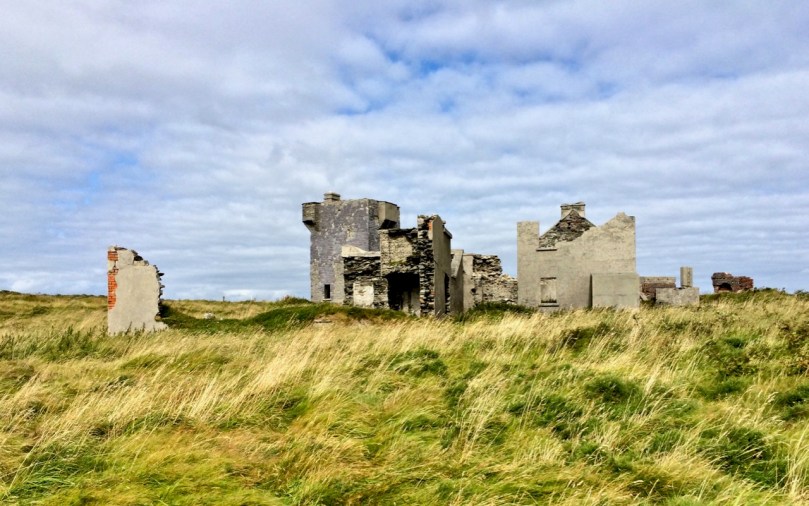
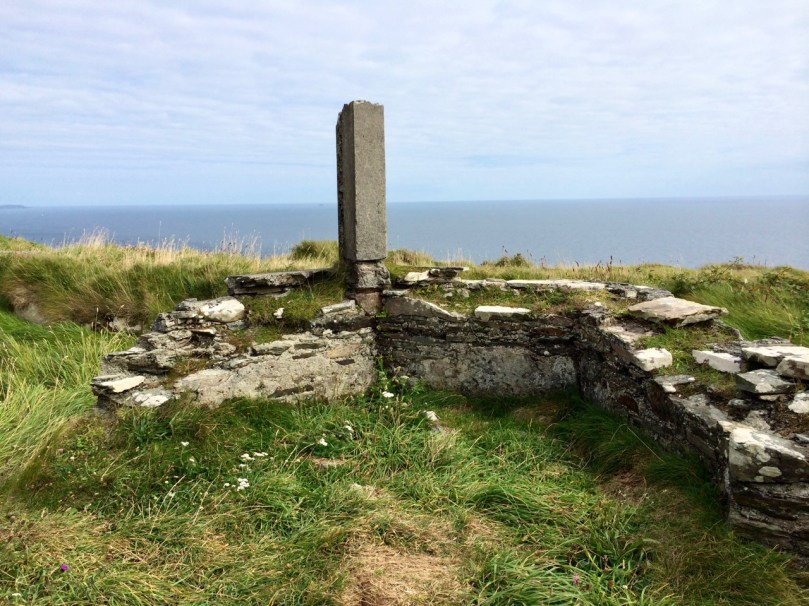
Brow Head ruined building

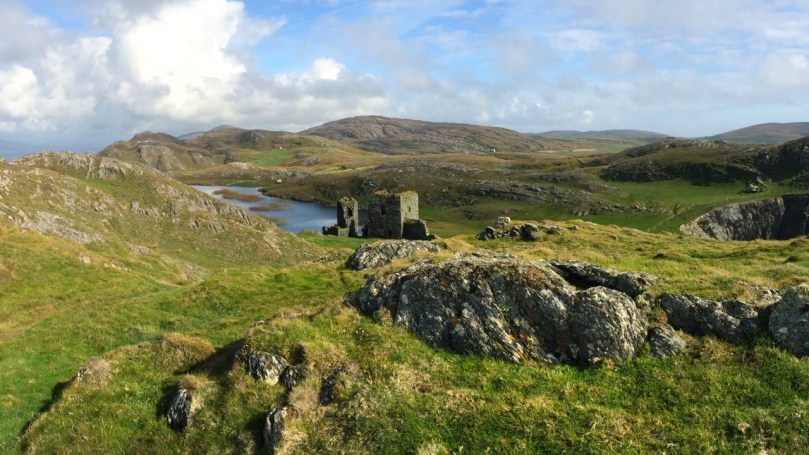
The sketches, just over 50 of them, were made for the most part between 1980 and 1987 so besides their intrinsic artistic value, they also constitute an important record of the state of the site 30 years ago, allowing us a comparison with its current condition. My intention is to visit (or re-visit) a lot of the sites, with his sketches in hand and show our readers both how beautifully Brian captured the structures or artefacts at the time and whether there are any changes visible from then to now. I decided to start with the Signal Towers on Cape Clear and Brow Head, and a third tower on Rock Island that may or may not be contemporaneous.
Wolfe Tone front

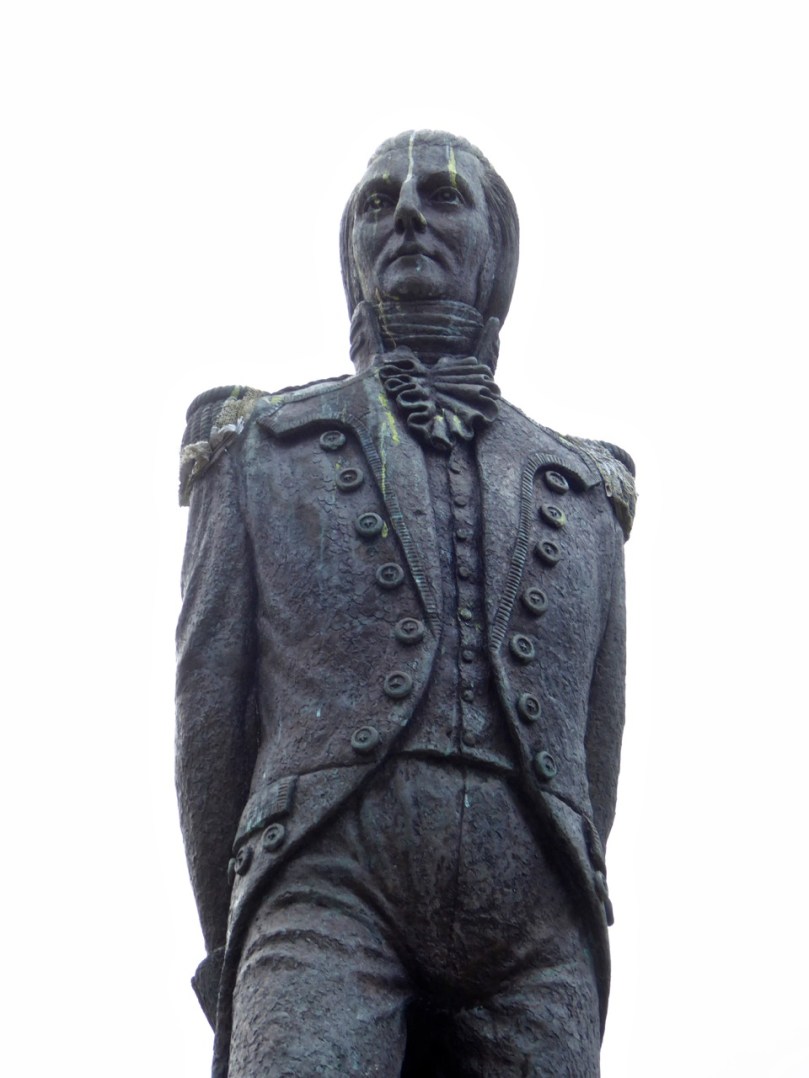
Theobald Wolfe Tone – detail of the statue in Bantry town square

In 1796 the French navy, partly at the invitation of Wolfe Tone and the United Irishmen, staged an unsuccessful invasion of Ireland, sailing into Bantry Bay. Several raids followed in 1798. Although all were quickly quashed, a panic about the possibility of a French invasion spread throughout Britain and Ireland. A series of Napoleonic-era fortifications and viewing towers were constructed around the coast in locations with panoramic views, and within sight of each other, to spot foreign shipping activity and raise the alarm. On the east coast, these mainly took the form of Martello Towers and were stocked with heavy armaments, but here in the south west defensible Signal Towers were built not to house artillery but as advanced-warning stations. Here and there they were complemented by batteries and other fortifications – but that’s a story for another day.
Cape Clear Signal Tower

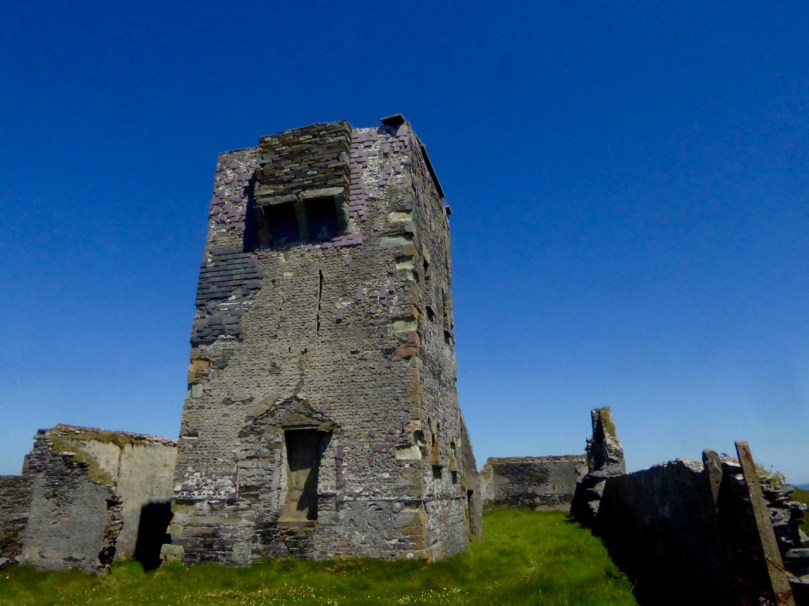
The Cape Clear Signal Tower

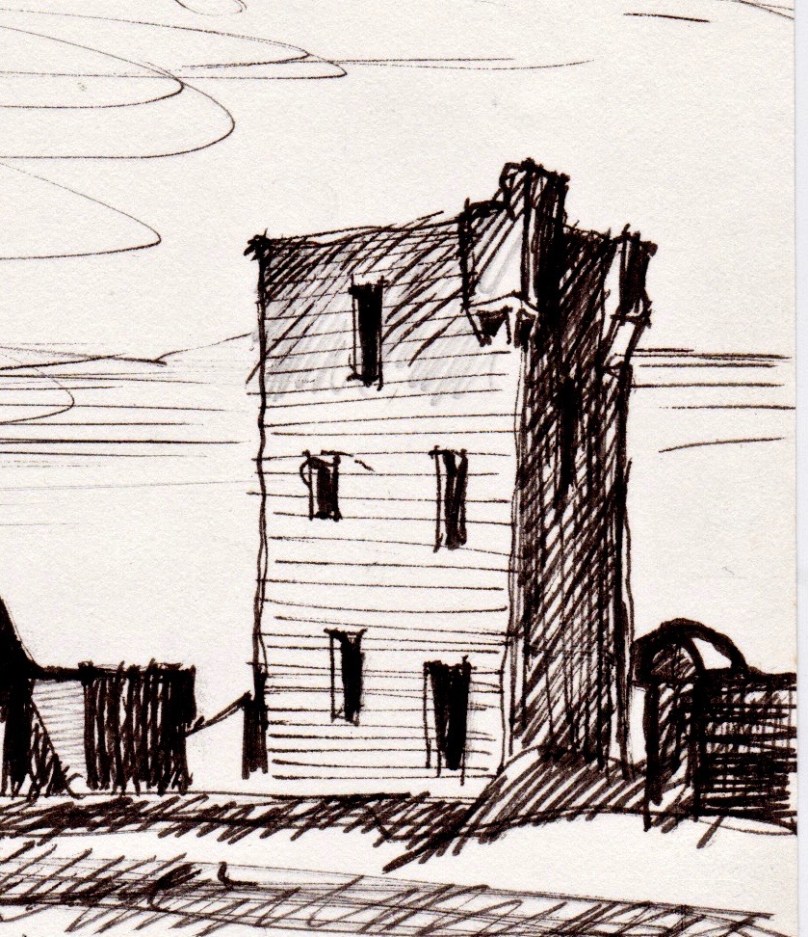
Signal towers were built around the coast to the same plan – tall square towers with first-floor entrances and machicolations. From a distance, they look like the medieval tower houses I have posted about on several occasions but up close they are shorter and the windows are bigger. Internal staircases and partitions were made of wood, not stone and have generally not survived, so the signal stations are essentially shells. in both the Cape Clear and Brow Head example, the exterior slate cladding has survived remarkably well.
Brow Head Detail - signal tower

Brow Head Signal Tower – detail from Brian’s sketch

In his excellent article for the Irish Times, Nick Hogan describes the towers, how they were staffed, the accommodation provided and how the signalling was done:

The signalling system, referred to as an optical telegraph, required that each signal station be visible to its counterparts on either side. Sending a message involved raising and lowering a large rectangular flag, a smaller blue pendant and four black balls in various combinations along a system centred on a tall wooden mast. The stations also communicated with ships.
Cape Clear Towers

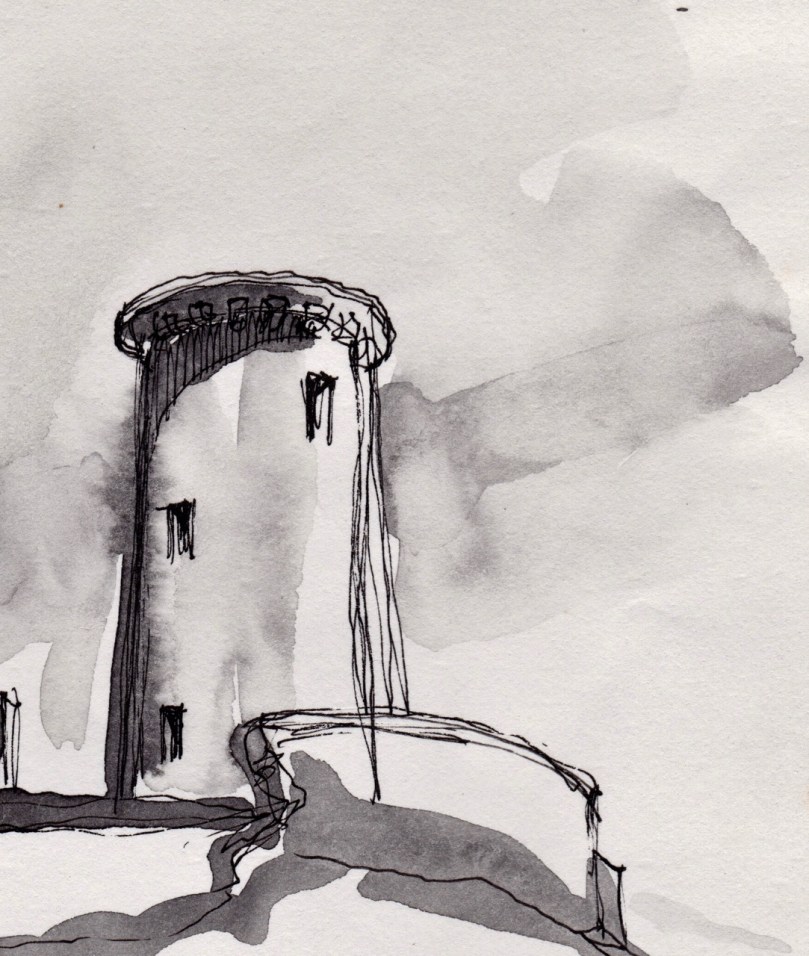
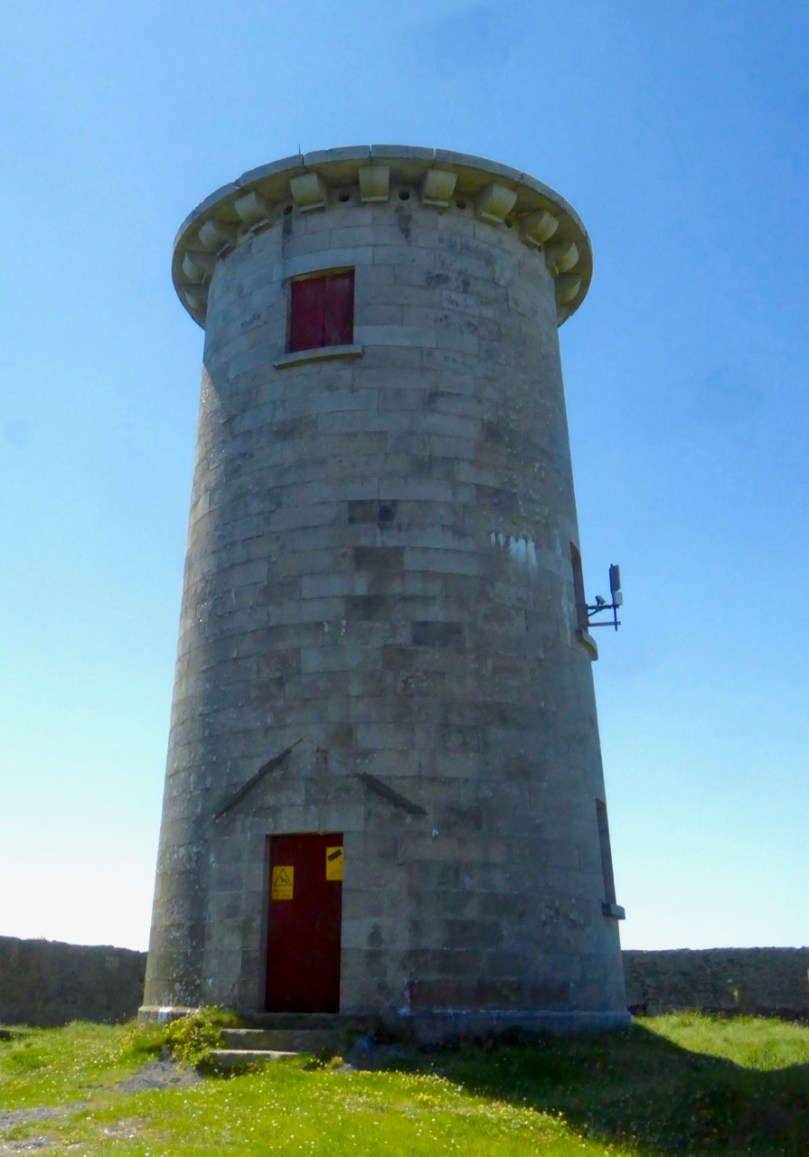
Signal Tower and Original Fastnet lighthouse, Cape ClearTop: Brian’s sketch of the Signal Tower and Lighthouse on Cape Clear Island, done in 1982; Below: how it looked in June, 2016, 34 years later

While many signal stations are lonely and isolated buildings glimpsed on distant headlands, abandoned since the mid-1800s, both the Brow Head and Cape Clear buildings had further phases of use. In Cape Clear a lighthouse was built in 1818 – a forerunner of the Fastnet Rock Lighthouse. It was so often shrouded in fog that it was abandoned in the 1840s. The buildings attached to the signal tower, built of brick and concrete, probably date to this period of occupation. The signal tower is built of stone, using techniques not far removed from medieval construction methods. The lighthouse provides a wonderful contrast, being built of cut granite blocks expertly measured, shaped and fitted. 
Cape Clear Deatil - Lighthouse

Cape Clear Lighthouse, detail from sketch

In June of 2016, when we visited, it looked exactly as it had to Brian and the Mizen field group – an indication, perhaps that somebody is looking after the site and that the few visitors who come (it’s quite a hike to get there) respect the heritage. [Edit: Since I wrote this, Brian has pointed out that in the Cape Clear Signal Tower there is a porch under the machicolation in his drawing that has since disappeared. The outlines of the porch can be clearly seen in the photographs of the signal tower.]
Cape Clear Lighthouse

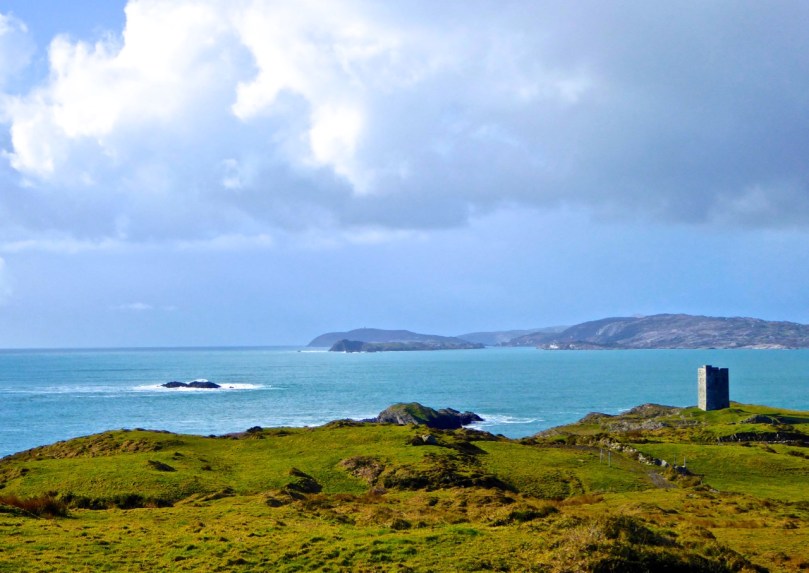
Brow Head is easier to access, and as a result there is more graffiti in evidence, but the changes to the site since Brian’s sketch are more the result of time and climate than any damage by humans. This is a complex site with multiple periods of occupation. The signal tower is there, of course, looking exactly as it did in the 1980s. Beside it is a network of buildings dating from the the early years of the 20th century: this is what remains of the Marconi Telegraph Station. Read all about this in Robert’s piece on Marconi, In Search of Ghosts. Besides the Marconi Station a Second World War Look Out Post was occupied here in the 1940s – little remains of this small concrete building except the characteristic half-round shape and a section of wall.
Brow Head octagonal?

Finally, on Brow Head there is a mysterious building that Brian labels ’14 – ’18 Gun Emplacement. This building no longer exists, and the ruinous remains that litter the ground seem robust enough to fit this inscription. Or do they? So – a mystery, and obviously  more research needed on our part. If any of our readers can help – let us hear from you!
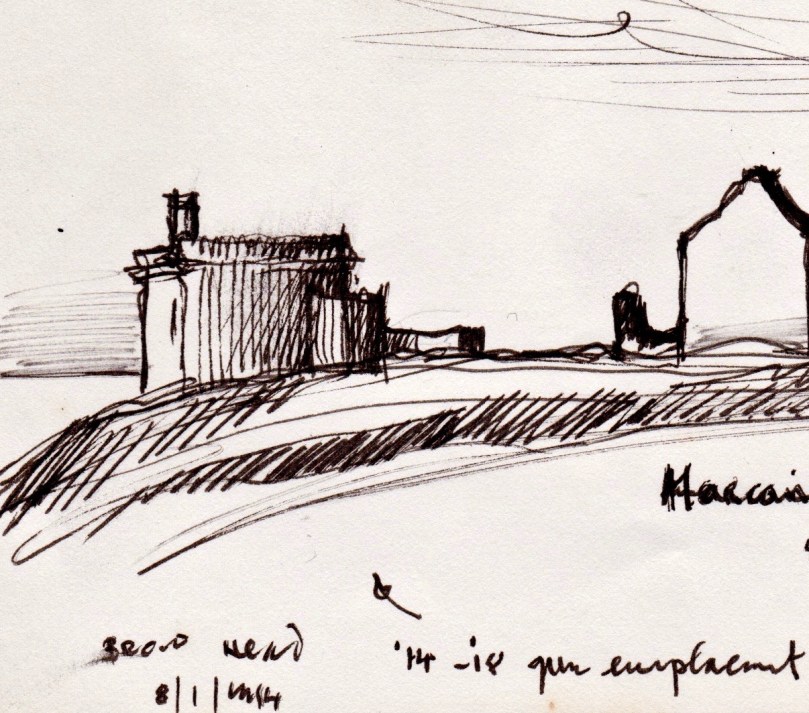
Brow Head Detail - gun emplacement

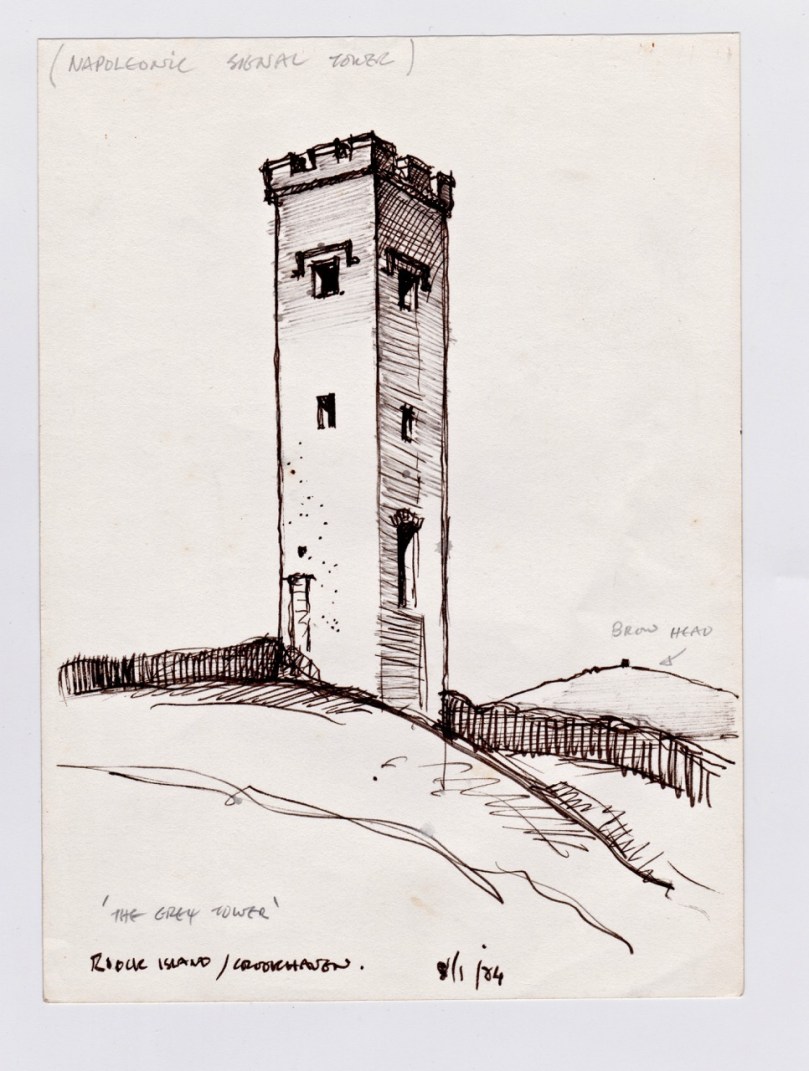
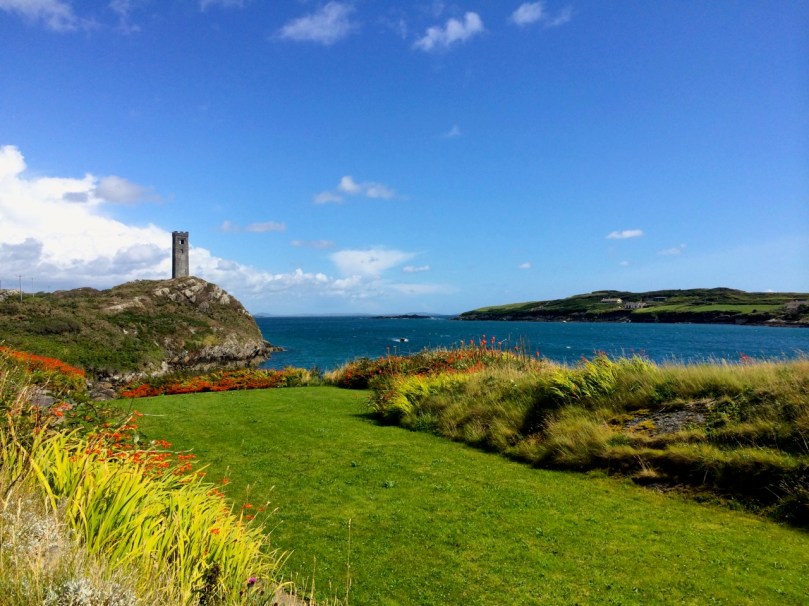
The last tower is on Rock Island. It is clearly visible from the Brow Head Signal Tower ( a requirement for the placement of signal towers) but, strangely, it is one of two very similar towers on Rock Island, and while they are similar to each other, they are quite different from the classic signal tower design. However, both the National Monuments site  and the National Inventory of Architectural Heritage listings name them as Napoleonic-era Signal Towers, and perhaps that is indeed what they are.
Rock Island Tower

Brian’s sketch of the Rock Island Signal Tower

However, in discussion with Brian, he pointed out that most of the buildings on Rock Island were developed as part of a major Coast Guard installation around the same time as the Marconi Station, and we wonder if there might be a connection – that is, that these are Coast Guard-related Watch Towers, rather than Napoleonic-era Signal Towers. Once again – more research needed! [Edit: See comment from Navtell in comment section, below.]
Rock Island Signal Station

Rock Island Second TowerThe two towers on Rock Island: similar to each other but quite different from the classic Signal Tower on nearby Brow Head

This is only my first foray into Brian’s Sketchbook. Look out for more posts in the future and in the meantime, join with me in being grateful that a precious resource like this survived numerous moves and that we have the opportunity to learn from it.
Cape Clear Detail - Signal Tower

The Cape Clear Signal Tower

Landscaping – with Trish Punch

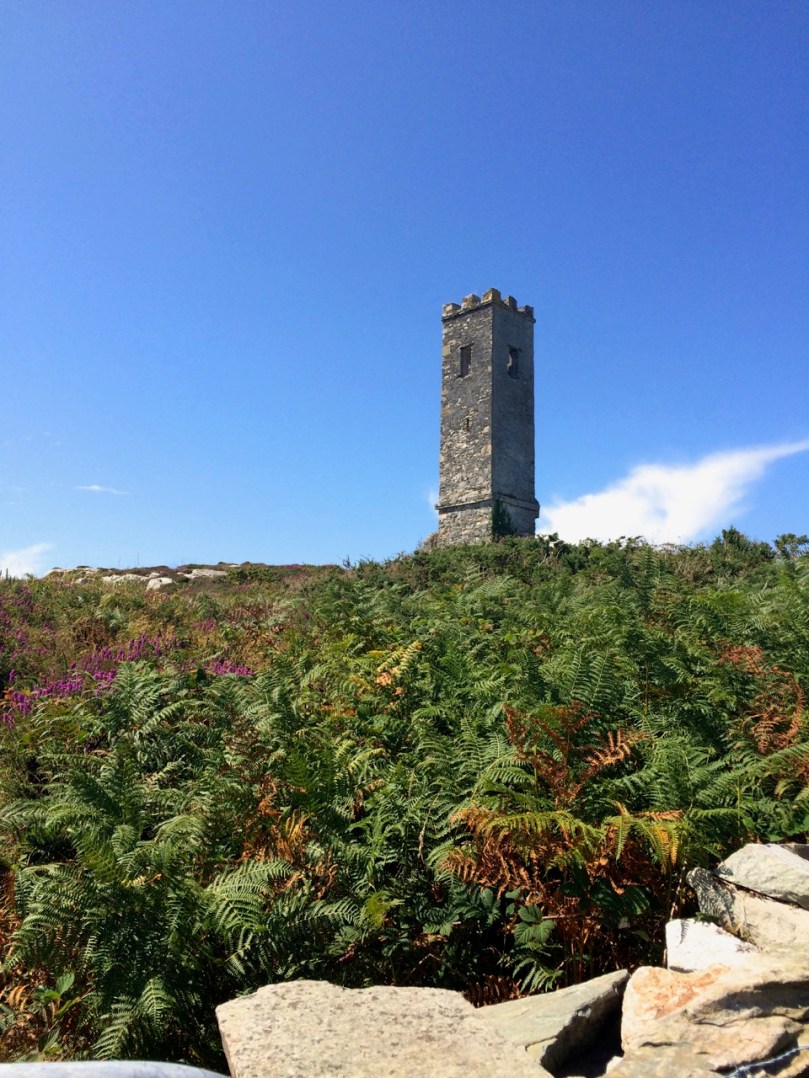
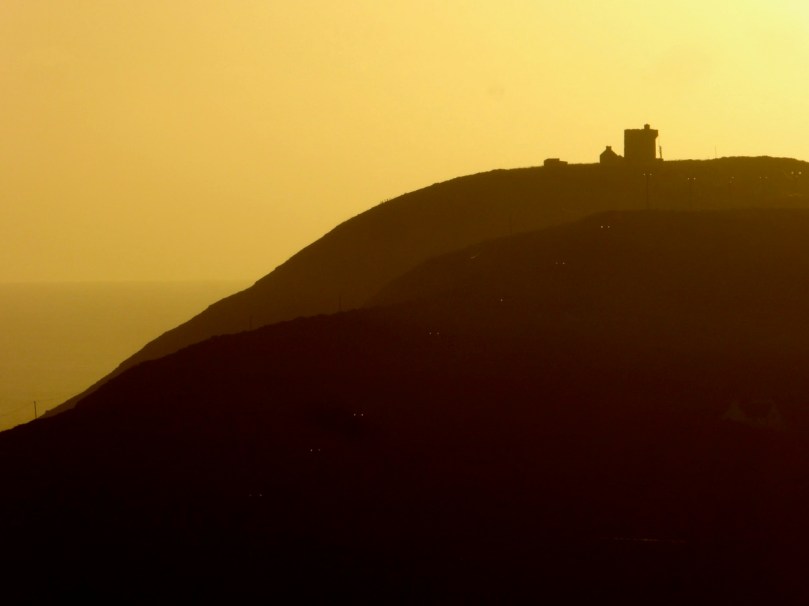
Brow Head

Brow Head silhouetted against the setting sun*

In our quest to bring you the best West Cork has to offer, we pepper our posts and our Facebook Page with photographs. After a great day-long course with Celia Bartlett (last year, highly recommended!) I managed to wean myself from the auto mode on my camera and have been taking pictures using the manual setting for more than a year now.

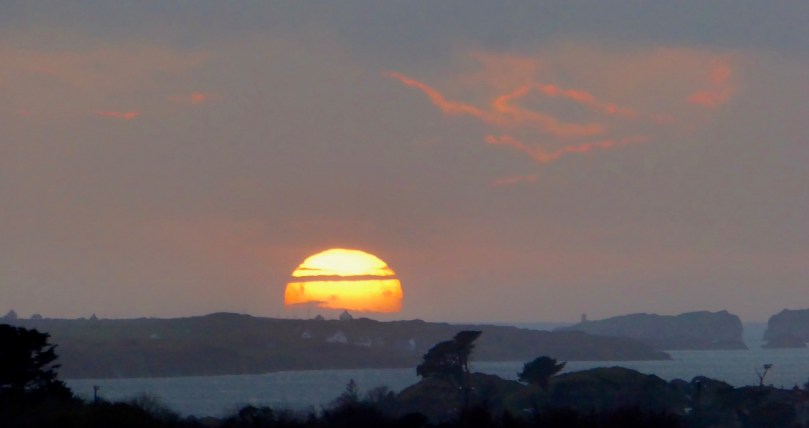
Rock Island

Rock Island and Crookhaven Inlet

And I’m hitting the wall again – knowing my camera is able to deliver so much more and that there’s a lot I need to learn about composition. So I signed up for a one-on-one workshop with Trish Punch and boy, am I glad I did!

Trish 4

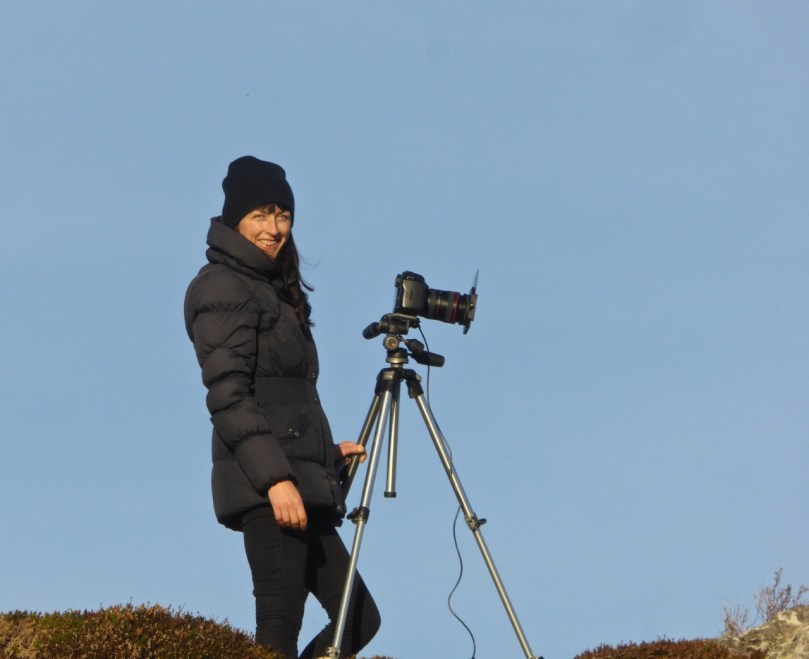
This is Trish – she’s a professional landscape photographer who supplies images to Lonely Planet (Lonely Planet!) among other prestigious publishers and travel sites. She specialises in the Wild Atlantic Way and is currently pursuing a project to capture the islands along the Way. Take a look at her website and be prepared to do some serious drooling.

Crescent sky

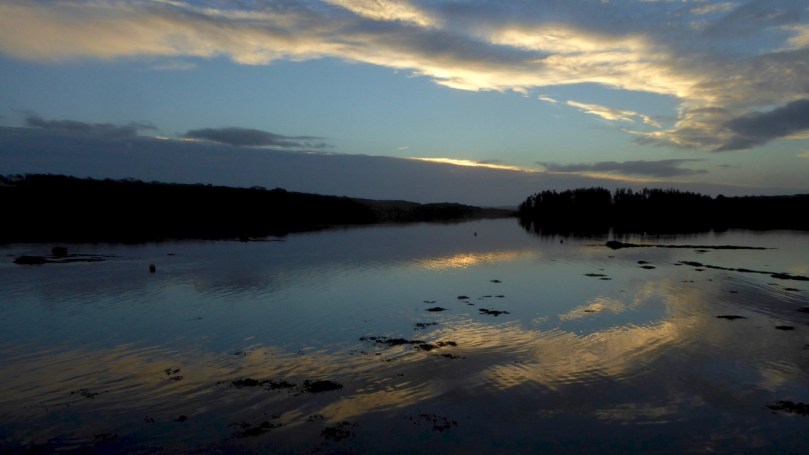
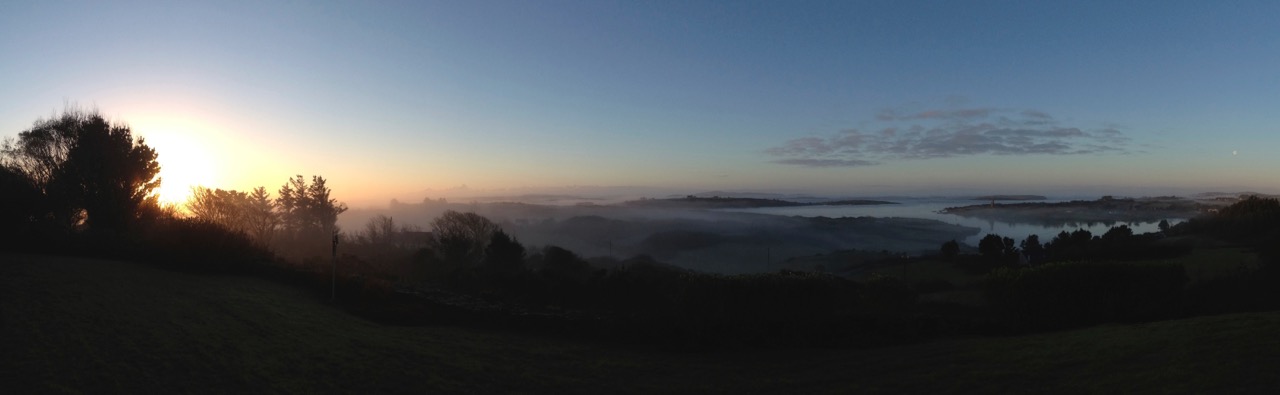
We started at dawn and watched the light appear over Ballydehob Bay

But Trish is also an inspiring, encouraging, and organised teacher – and a lot of fun to be with. We had a great day together, starting at dawn and ending when the sun set. Throughout the day she encouraged me constantly to slow down, think about my shots, use the principles of good composition, really examine where the eye was being led in the frame and check the light. 
Schull Pier

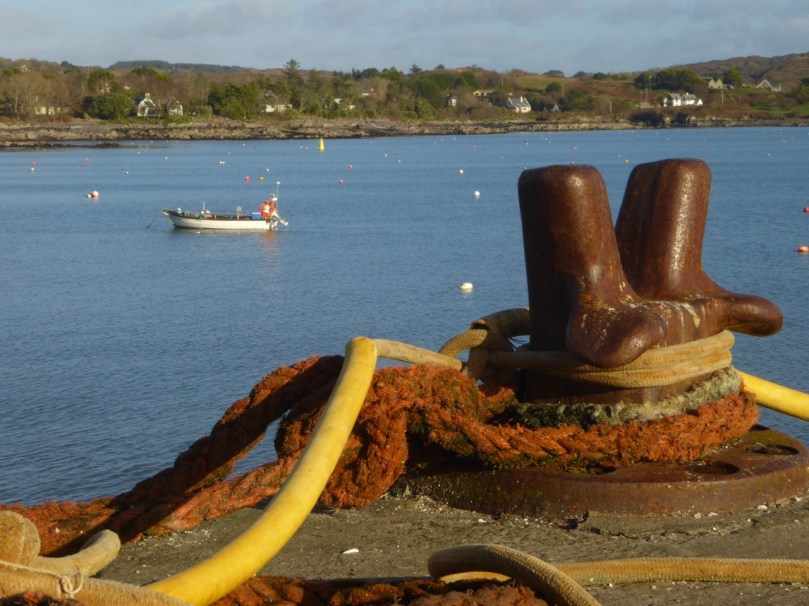
This was taken on Schull Pier – the mooring bollard takes on a sculptural quality in the right lighting

I’ve been making all the classic mistakes, chief of which is to plonk the main subject right in the middle of the frame. I have also struggled with sharp focus, especially in low light, and Trish insisted on me using my tripod (something I have been reluctant to do – I don’t want to lug it around) and showed me how to use my timer to take the shot, since my camera won’t accommodate a cable or remote shutter release.

Barleycove Wetlands

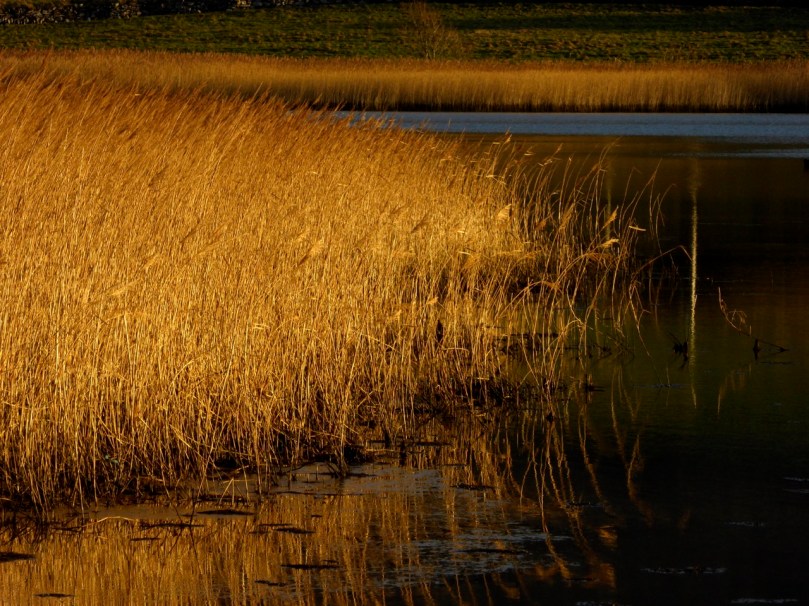
Watching where the light comes from – these marsh grasses at Barley Cove glow golden in the low evening light

We were fortunate to have a really great day in December, with a long Golden Hour at each end. I’ve been practising what she taught me since then and I feel a little more confident each day. I hope you, our dear readers, will see a difference too, over time.

River Lee near Ballingeary 2

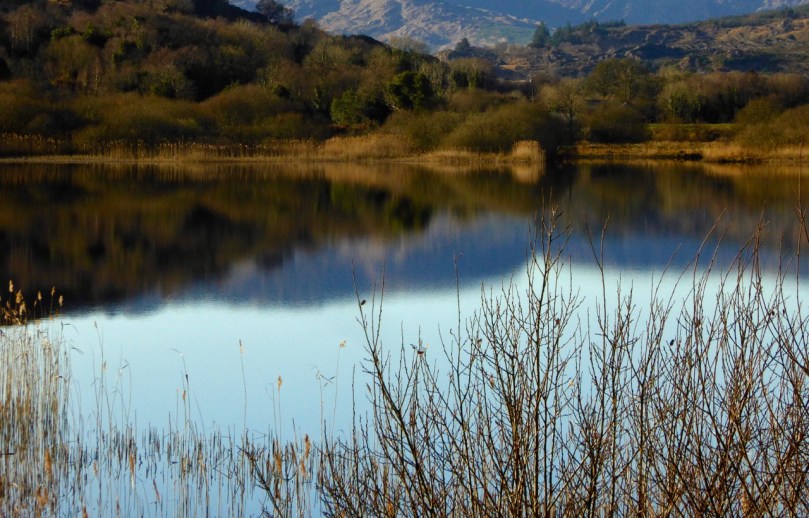
The River Lee near Inchigeelagh

We took a trip to Macroom the other day and I used the opportunity to practise what I learned with Trish. Mostly I just tried to slow down and think more about the composition of the shot. It was another amazing day with clear blue skies – but this time very cold with lots of frost where the sun hadn’t managed to penetrate.

Sunshine and Frost, West Cork

Sunshine and shadow on a frosty day in West Cork

If you’ve been thinking you’d like to improve your photography skills, give Trish a call or drop her an email. You can take one of her planned workshops or she can customise a day, or a weekend, for you no matter what level you’re at.

Coral House

House in the Shehy Mountains

Don’t be intimidated if you’re operating on the automatic settings or if you don’t know the difference between shooting in RAW or JPEG (I didn’t) – you’ll come away knowing a lot more about how to move forward in your skills. And you’ll have time in the open with lots of laughter and surrounded by incredible landscape – now what could be better than that?

Pass of Keimaneigh

Heading up to the Pass of Keimaneigh

*I took the first five photographs above on the day of the workshop (Dec 16) and the next five in the last two weeks.

The Wild Side

Tortoiseshell

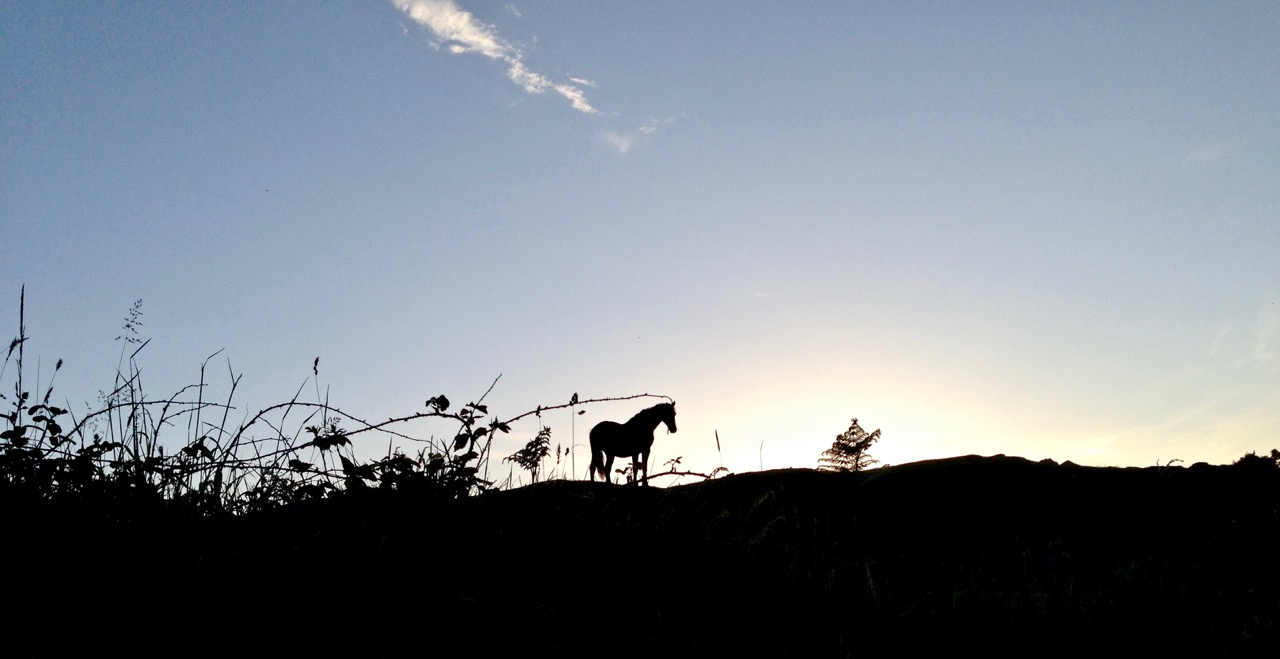
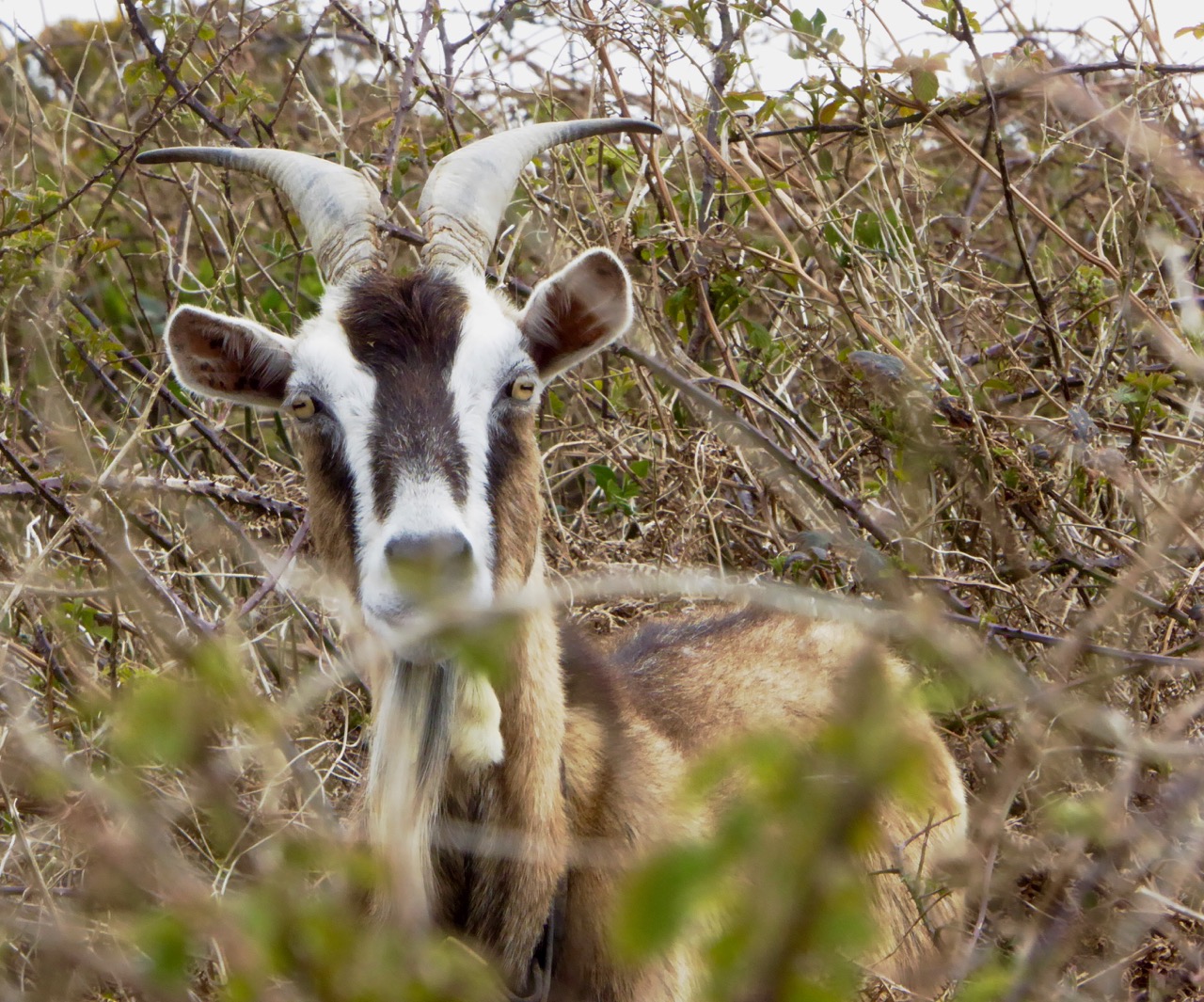
Up here in Nead an Iolair, in the townland of Cappaghglass, we luxuriate in the nature all around us. Our house was built in the 1980s on a piece of land which had belonged to the successors of the mining company – the copper mines were active for a few generations in the 19th century both here and on Horse Island, just across the water. The post-industrial landscape which surrounds us is alive: small, stone-enclosed fields are grazed by cattle, ponies and a few goats while in equal measure are large tracts of gorse, heather and rock. Here and there are the remains of the mine workings – a stump of a chimney, fenced-off and walled shafts, quarries, ruined workshops and cottages: the architecture of abandonment.

horse on horizon

Nick's Goat

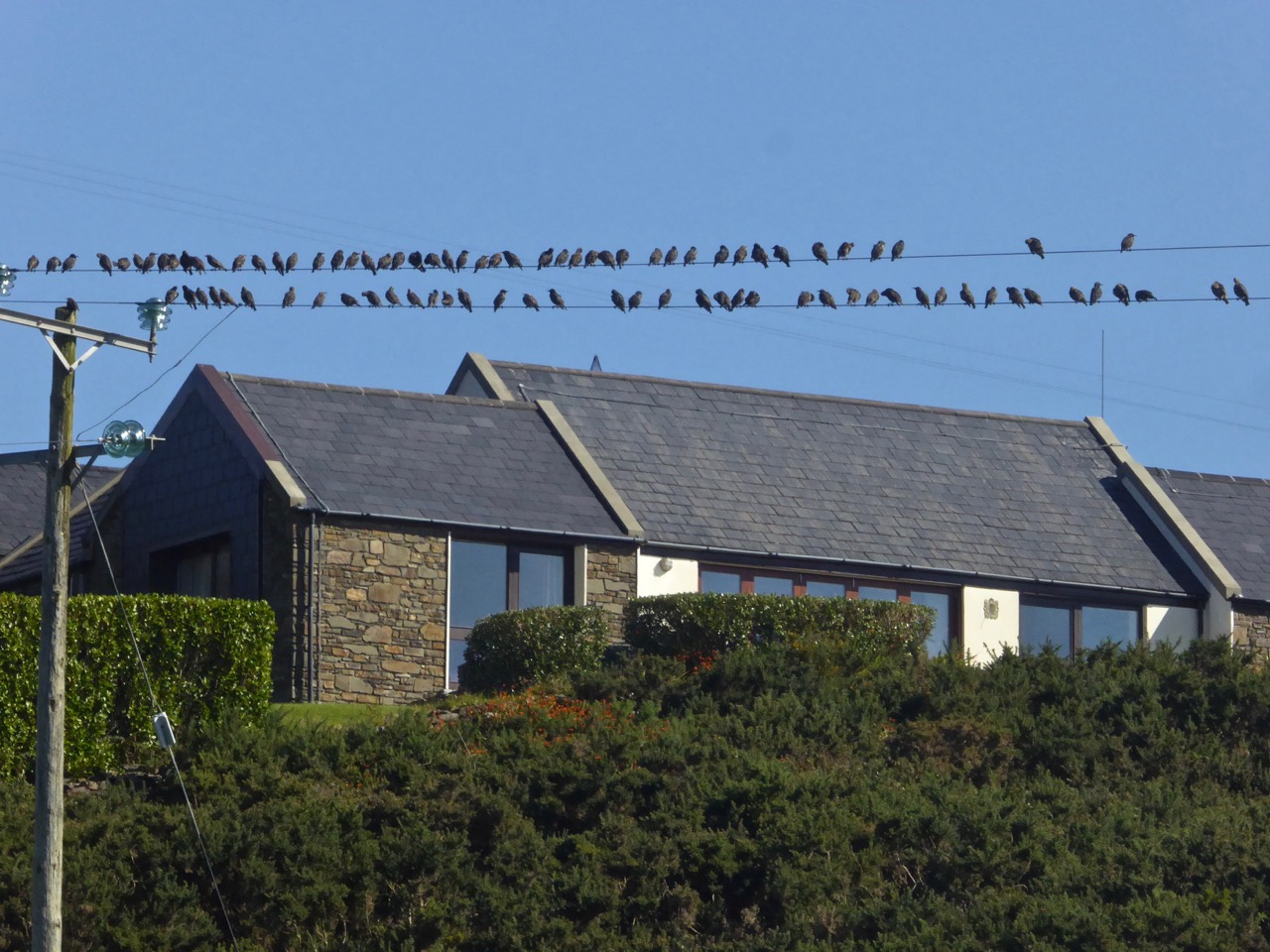
nead birds

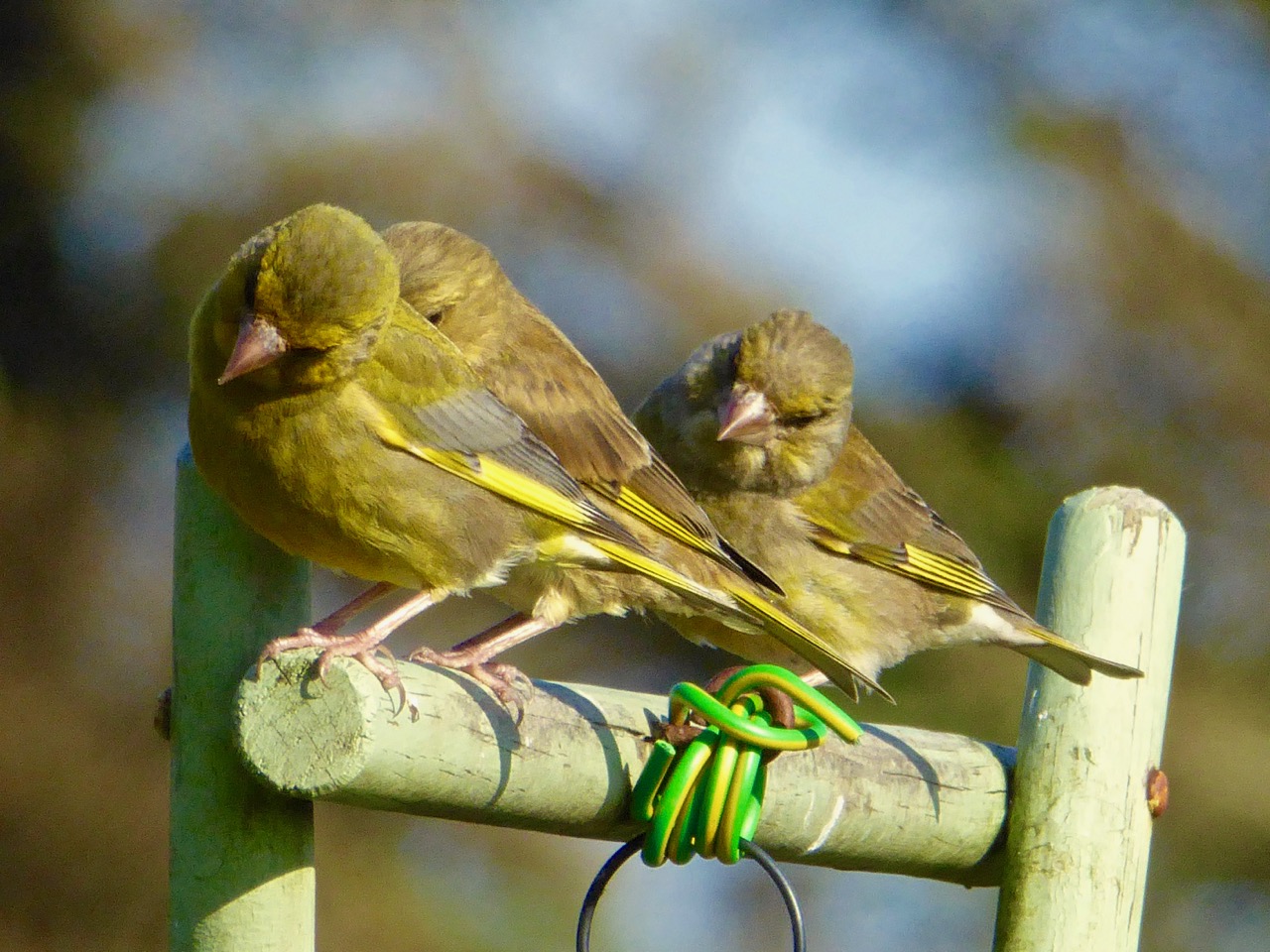
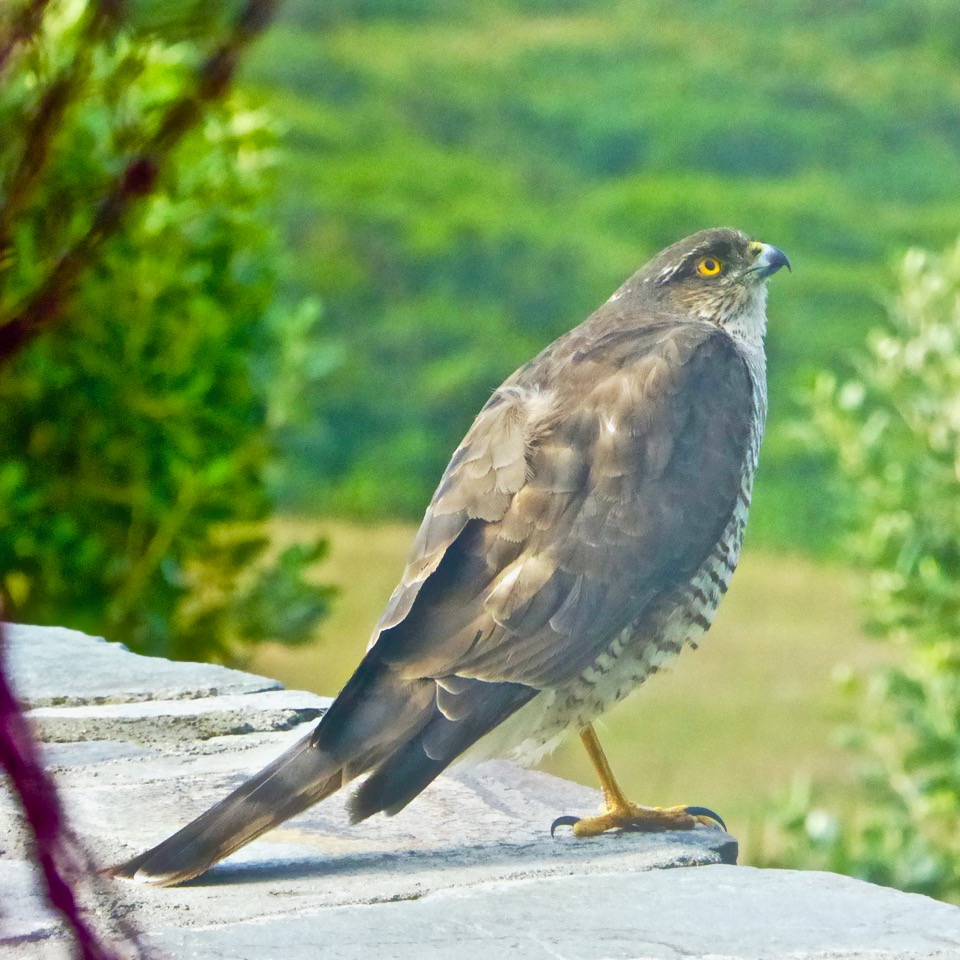
It seems to me that our house interrupts nature, with our lawns, our haggard, stone terrace, hedges and fences, but nature is well able to adapt and cope. Of course, we encourage this: we enthusiastically nurture all the little birds that visit our feeders – and the big ones: rooks, pheasants, magpies: they all get their share. And there are those that don’t come to the feeders but nevertheless forage the land – choughs (which perch on our roof and shout out their names – cheough – cheough… before flying off to give us an endless and entertaining display of dizzying acrobatics), starlings, blackbirds, thrushes and – always on a Sunday – Spiro the sparrowhawk who unsuccessfully dive-bombs the feeder, scattering – but never catching – the small birds. After the effort he rests on one leg on the low terrace wall and stares thoughtfully out to the Cove.

Can YOU see it?

Chough on the post

Spiro

From The Galleries

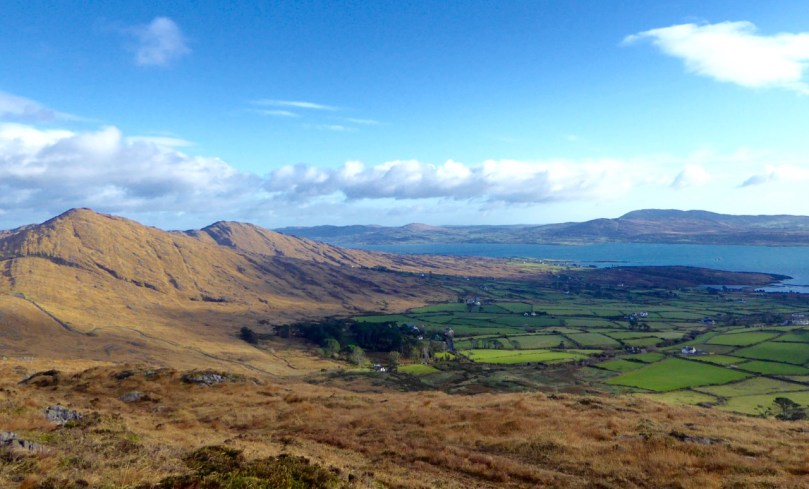
Michael, whose family has farmed the fields around us for generations, tells us that the land above us is known as The Galleries – possibly because there is such a spectacular view to be had from these fields to Rossbrin below us and to the islands of Roaringwater Bay beyond. The Cove itself is a paradise for the waders, especially at low tide, and for crustaceous life in the rock pools.

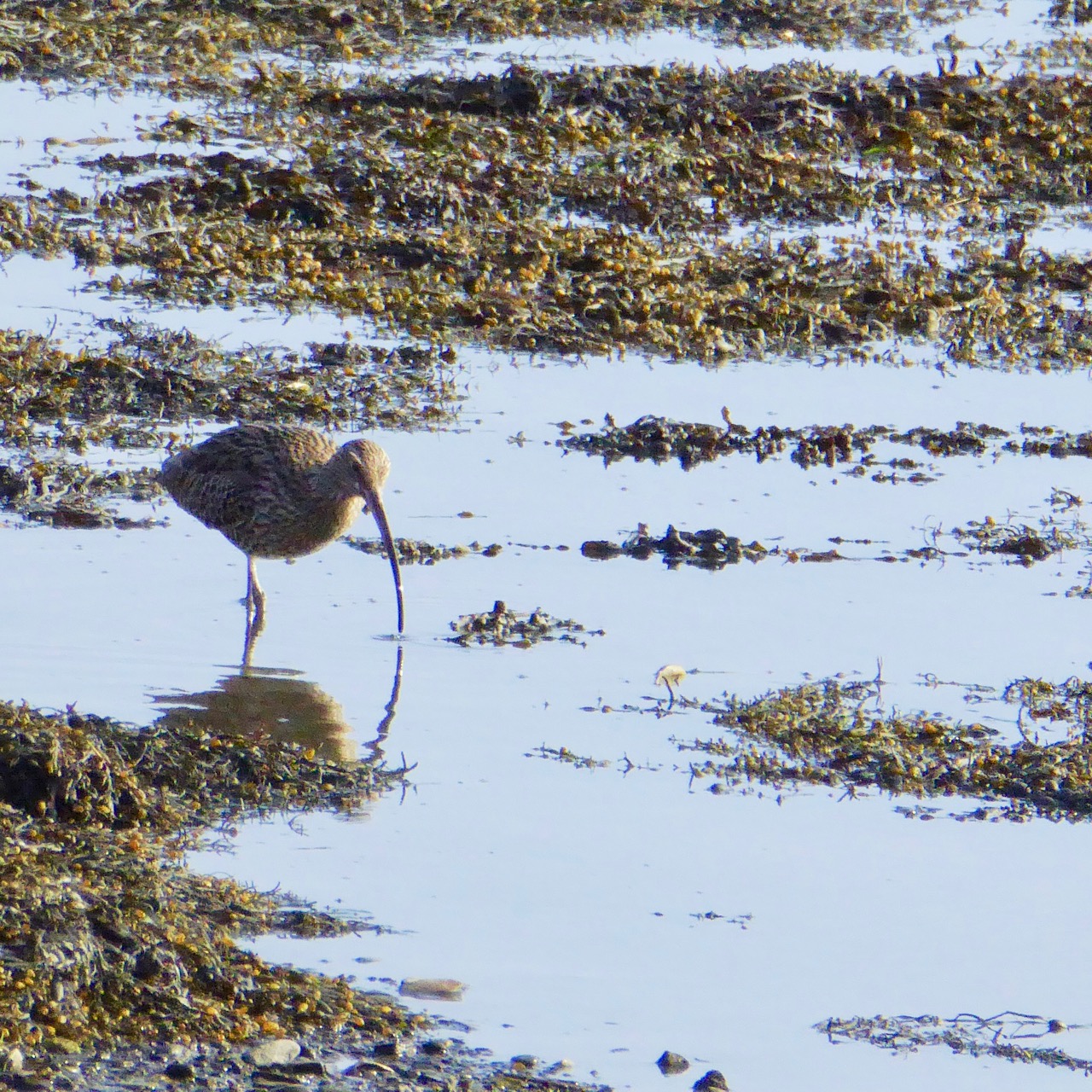
Muddy shanks

Curved beak

All around are the hedgerows that, in the spring, summer and autumn, support a wealth of wildflowers. In turn these are the haunt of nectar-seeking insects, especially bees and butterflies.

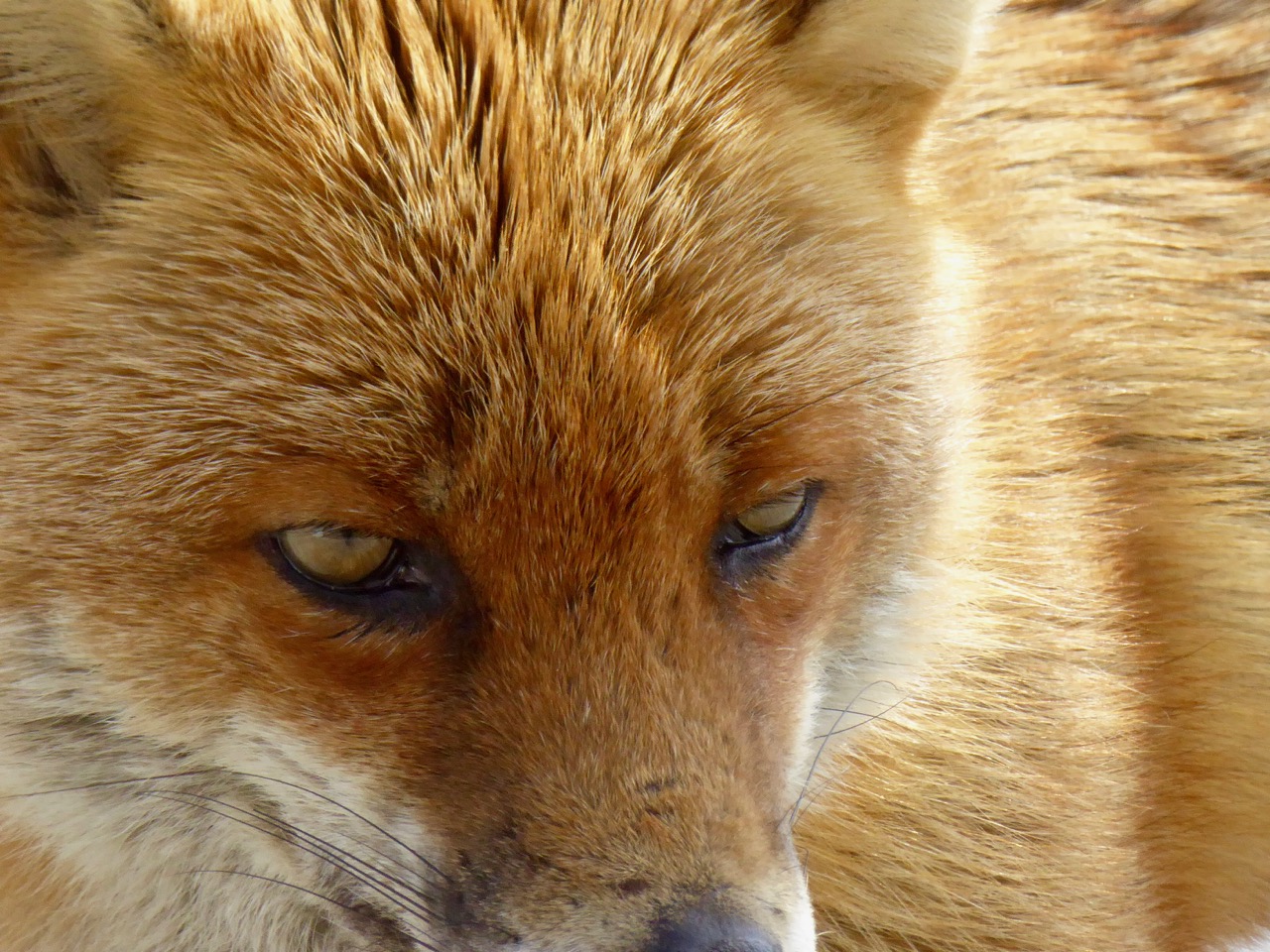
We are visited by four-legged mammals in all shapes and sizes: I’m pleased to see some of the decimated rabbit population returning after a recurrence of myxomatosis these past couple of years. We don’t get hares in the immediate neighbourhood: they seldom mix with the smaller Leporidae, but we sometimes catch a glimpse of them from the road that goes down to the village. Rats, mice and shrews are never far away, but are kept under control by our larger visitors – feral cats and foxes. Our own Ferdia has gone from us during this past year – he was an ancient fox who had made a pact with the human world: I’ll sit picturesquely on your terrace and entertain you provided you keep the food scraps coming – we did, of course. His descendants make fleeting visits, passing through but, as yet, never pausing to make our acquaintance.

Ferdia's Eyes

Bunny eyes a daisy

When it comes to observation of the natural world there’s never a dull moment here. We are fortunate that some globally threatened species seem to thrive around us – curlews can always be seen by the water, for example. The small birds crowd in, especially when I refill the feeders: sometimes we have to fight our way through the melee when we want to go out. It’s a great way to live, and a great place to live in. Thank you, Mother Nature.

RH and friend

Photographs (from the top down): Tortoiseshell butterfly; Cappaghglass field; Nick’s goat; Nead an Iolair with starlings; greenfinches; chough on our gatepost; Spiro the sparrowhawk; view across Roaringwater Bay from The Galleries; muddy shanks; curlew in the Cove; 2 x bees; Ferdia the fox; rabbit; Nead bird feeder with goldfinches, greenfinch, bluetits and great tit – and pheasant; Robert and friends; heron hairdo. Grateful thanks to Finola for many of these pics

Heron Mullet

West Cork in Photographs – Your Favourites, Part 2

Courtmacsherry Bay

A winter walk in Courtmacsherry Bay

Part 2 of your (and our!) favourite West Cork photographs of 2016. If you’re not here already, as they say in West Cork – Where else would you want to be?

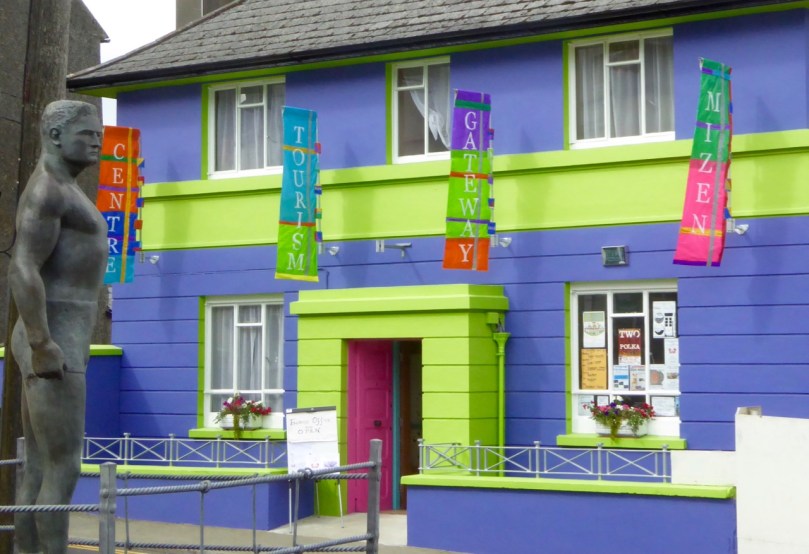
Banners up

The new Ballydehob Tourist Information Centre

Castle in the mist

Kilcoe Castle in the mist

Colours of West Cork

Toormore – the colours of West Cork

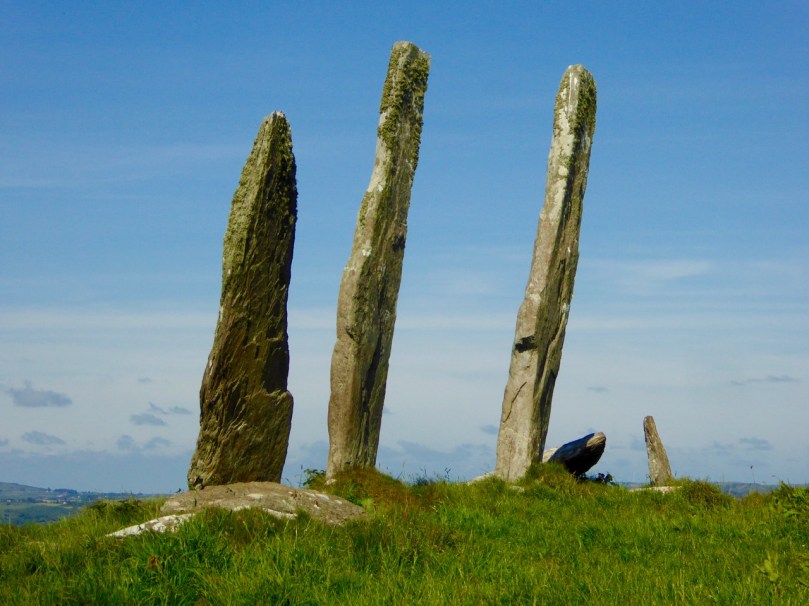
The Fingers

The Fingers, Gurranes, near Castletownshend

Summer in Goleen

Summer in Goleen

Three Castles

Three Castle Head

Black Castle

Black Castle, south of Lowertown

Mizen North Colours

North Side of the Mizen

Sun sets over Long Island

The sun goes down over Long Island

And an extra – one of my own favourites from this year. No drama – just a quiet sunlit meadow, an old stone barn and a colourful house. My West Cork.

Eugene and Margaret'sIn case you missed it, here’s a link to Part 1 of this two part exploration of West Cork in photographs.


West Cork in Photographs – Your Favourites, Part 1

Navigating Mizen Head

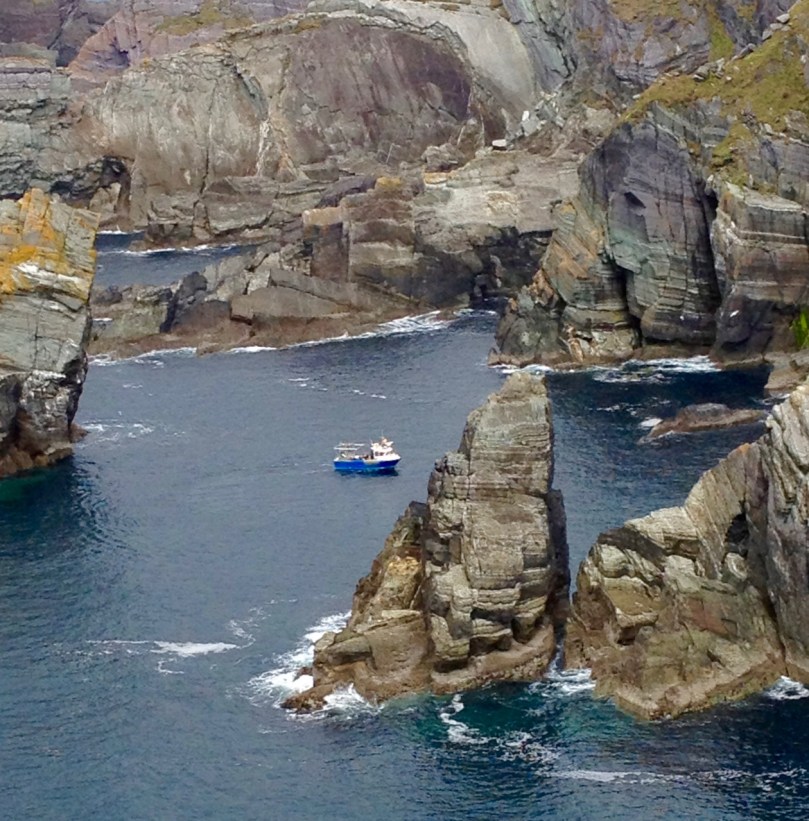
A fishing boat navigates the rocks of Mizen Head

Our Roaringwater Journal Facebook Page features lots of our photographs of West Cork – two or three every week – and we know by the views and the ‘likes’ the ones that capture your imagination. It’s become a tradition here with us at the end of the year to go through them all and show you the top choices. Think of it as our Christmas present to you, our wonderful readers – nothing to read, just images of our gorgeous part of the world to drool over. Of course, we have our own favourites too, even if they didn’t get as many likes as others did, so we sneaked a few of those in here two. This is the first of two posts – the next one in a few days.

Sheeps Head November Day

Sheep’s Head

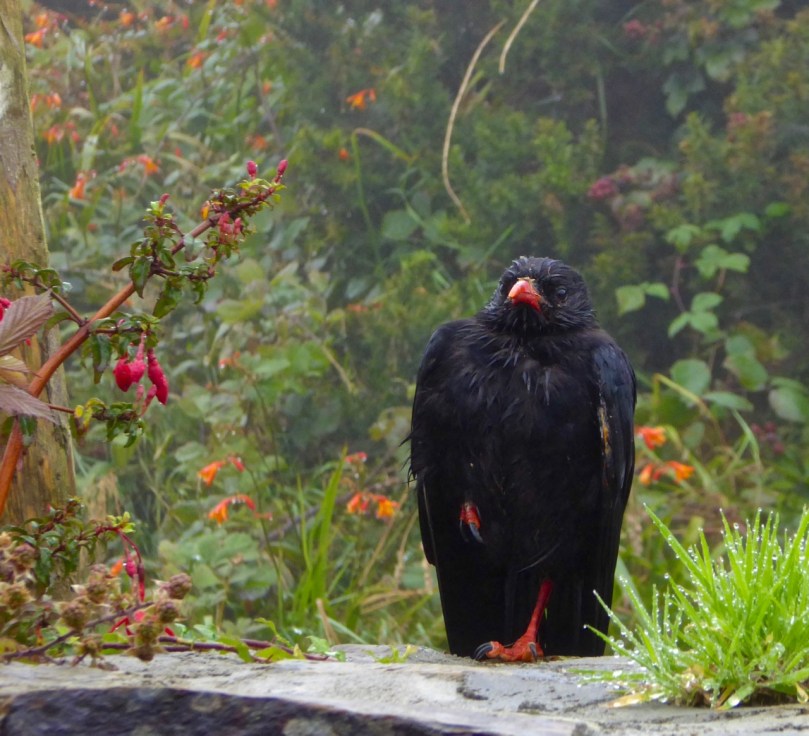
Chough by the Gate

Chough in the rain

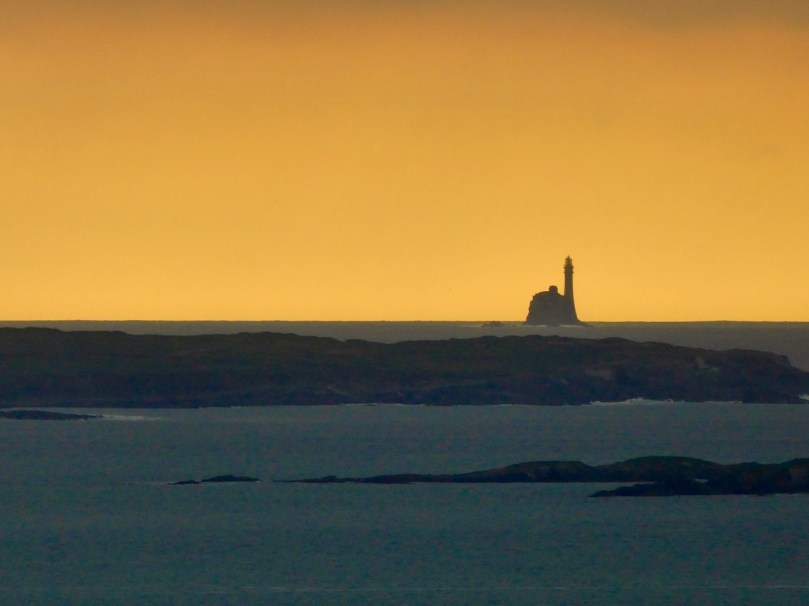
Fastnet in the sunset

Fastnet Lighthouse at sunset

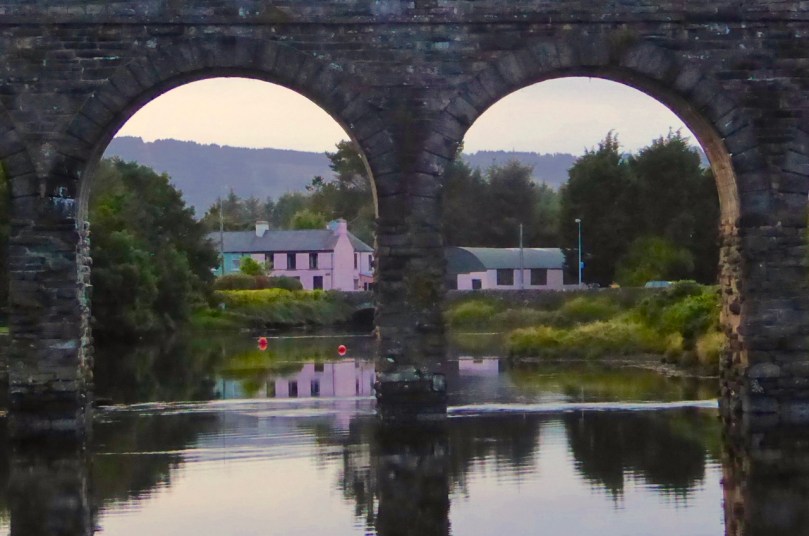
2 0f the 12

Two of the arches of Ballydehob’s famous Twelve Arch Bridge

Roaringwater Bay from Sailors' Hill

Roaringwater Bay from Sailor’s Hill above Schull

Gougane Oratory 2

Gougane Barra in the autumn

To the Mass Rock, Sheeps Head

Walking to the Mass Rock, Sheep’s Head

Kealkill 2

The archaeological complex at Kealkill – a five stone circle, a standing stone pair and a radial cairn

Rossbrin Dawn

Rossbrin Cove dawn

The next batch (Part 2) is now up. Enjoy!

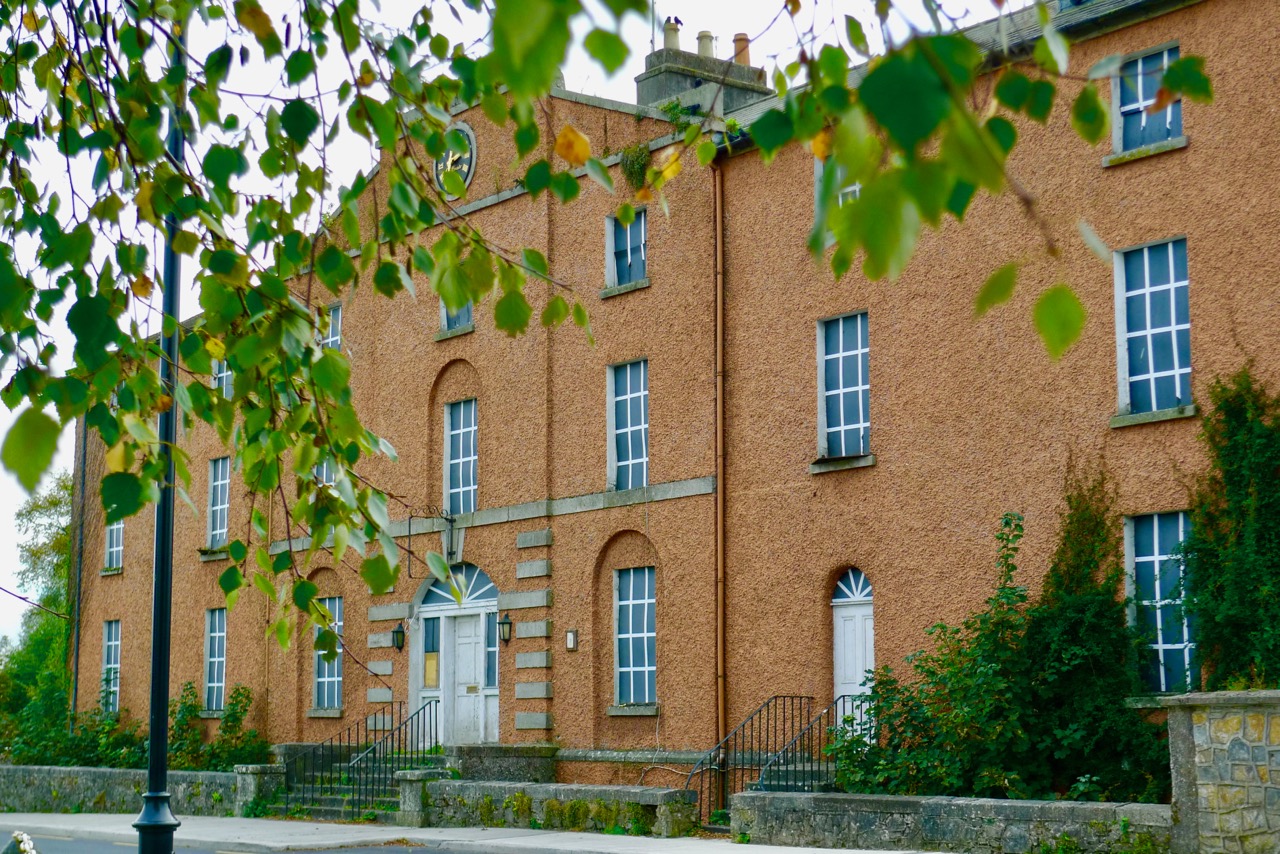
Grand Canal Hotels

rbtstown hotel through bridge

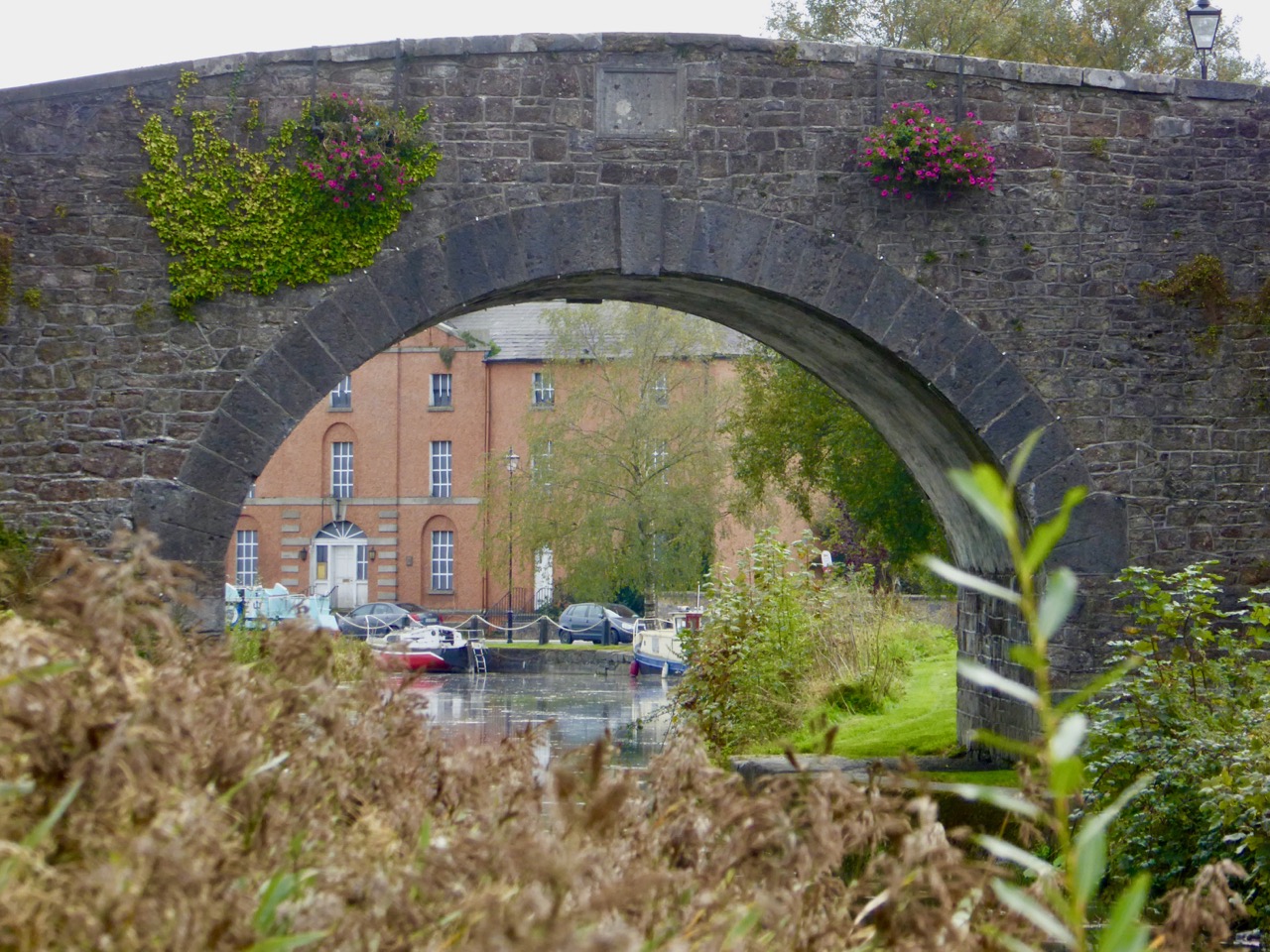
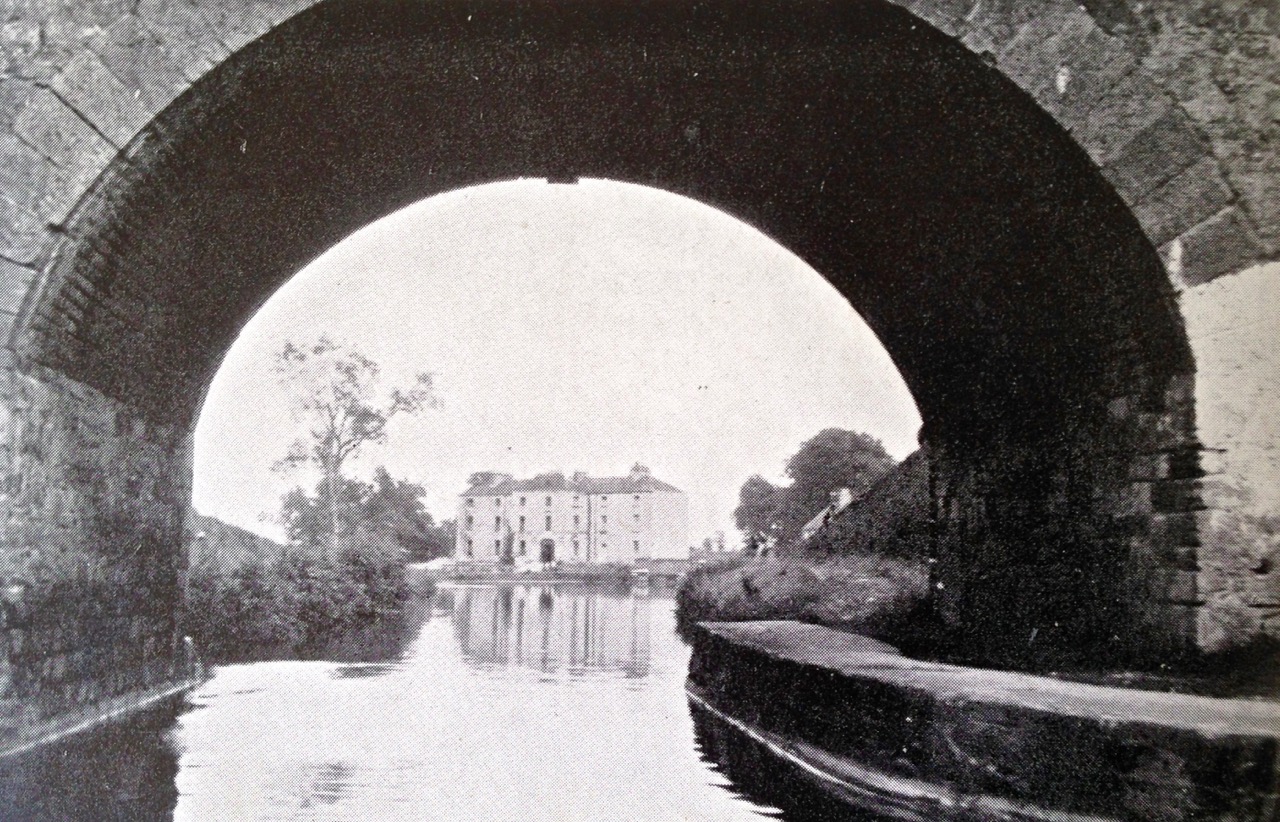
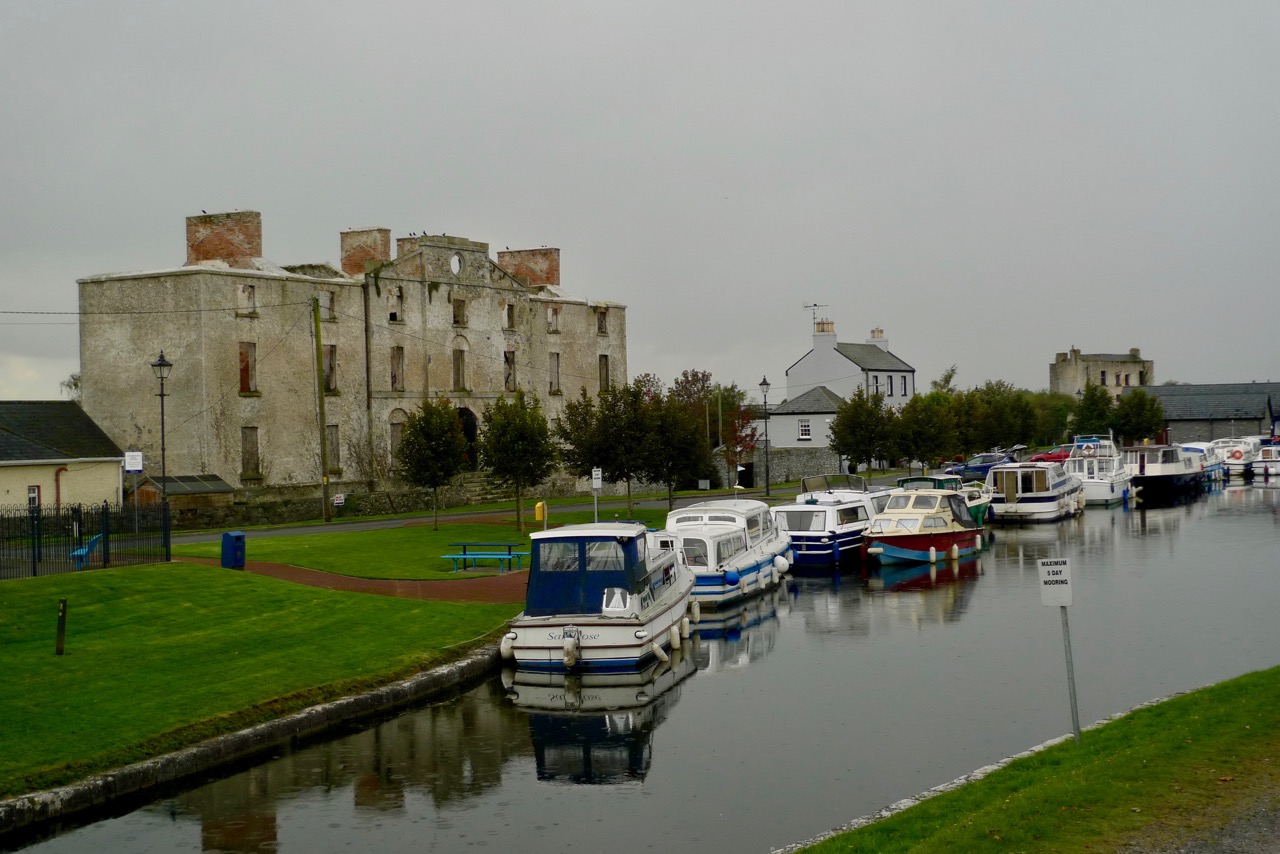
This view of the old hotel on the Grand Canal at Robertstown, Co Kildare, is our best effort to replicate the photo taken by Angela Rolt in 1946 for Green & Silver, Tom Rolt’s book about their Irish waterways adventures exactly seventy years ago:

robertstown

Angela Rolt’s 1946 photograph of the Canal Hotel at Robertstown. We could not get the same view (which must have been taken from their boat) as we were on dry land! By clever manipualtion of her lenses, Finola produced our own version (top picture)

…We had travelled less than a mile along the summit level before we saw ahead, framed by the arch of a bridge, the canal hotel at Robertstown. It is an almost exact replica of the Shannon Harbour hotel, but is in better repair being at the present time a Turf Board hostel for workers on the bogs. Robertstown itself, a whitewashed canal depot, a post office and a shop and ‘select bar’ or two strung along the canal waterfront beside the hotel, is a canal village… There was, for me at any rate, a fascination about Robertstown which I find difficult to define and which our photograph can scarcely convey. A particular atmosphere, melancholy, nostalgic yet captivating, always invests a waterfront no matter whether it is that of some old seaport town, some cliff-walled fishing cove or merely, as in this case, some inland village beside a still canal. It captivates because it is a doorway to the unknown and so appeals to our sense of adventure and that nomadic instinct which lies buried in all of us. It is nostalgic because it recalls memories of places visited and never perhaps to be revisited. It is melancholy because it is redolent with the unnumbered farewells which it has witnessed; a reminder that life, in the words of some poet whose name I cannot recall, is a perpetual farewell… (from Green & Silver, L T C Rolt, George Allen and Unwin, 1946)

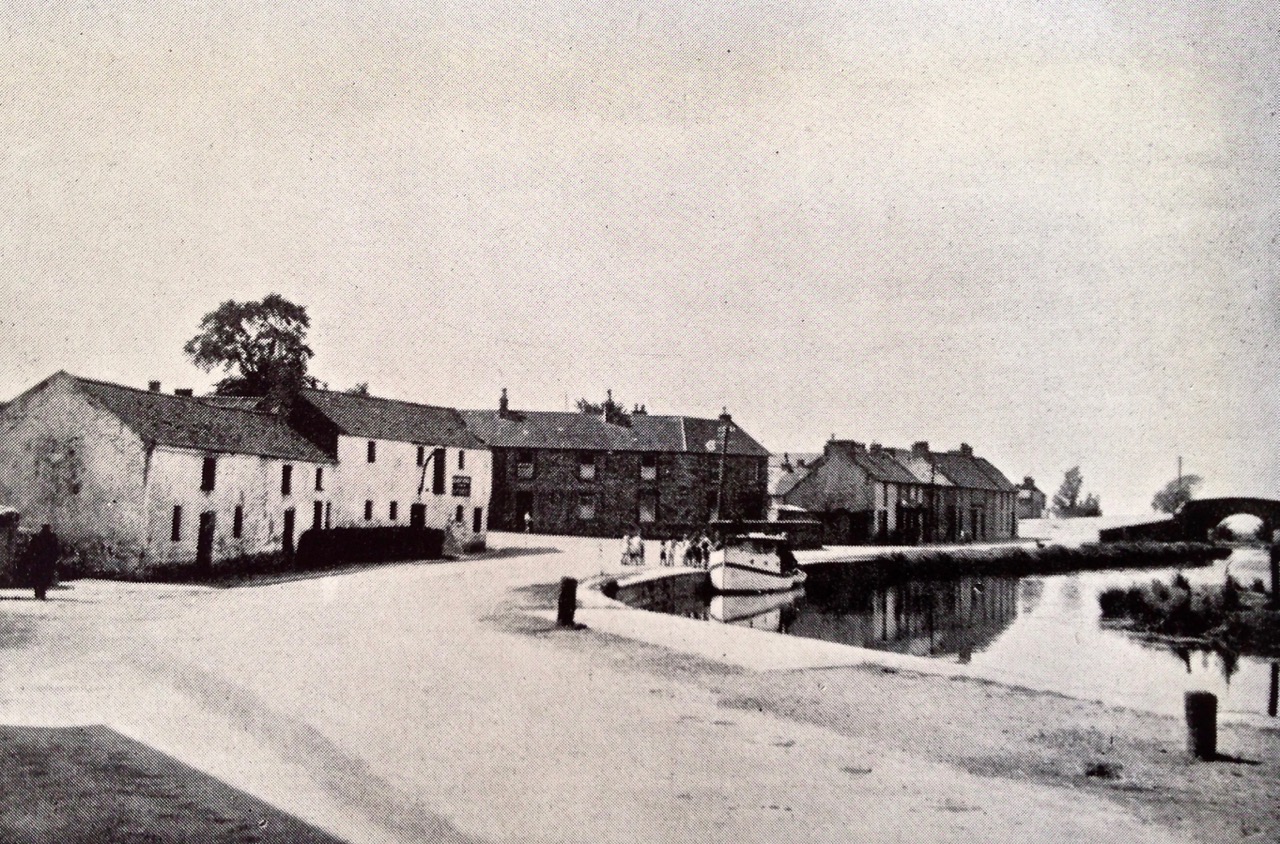
canal port

canal in roberstown

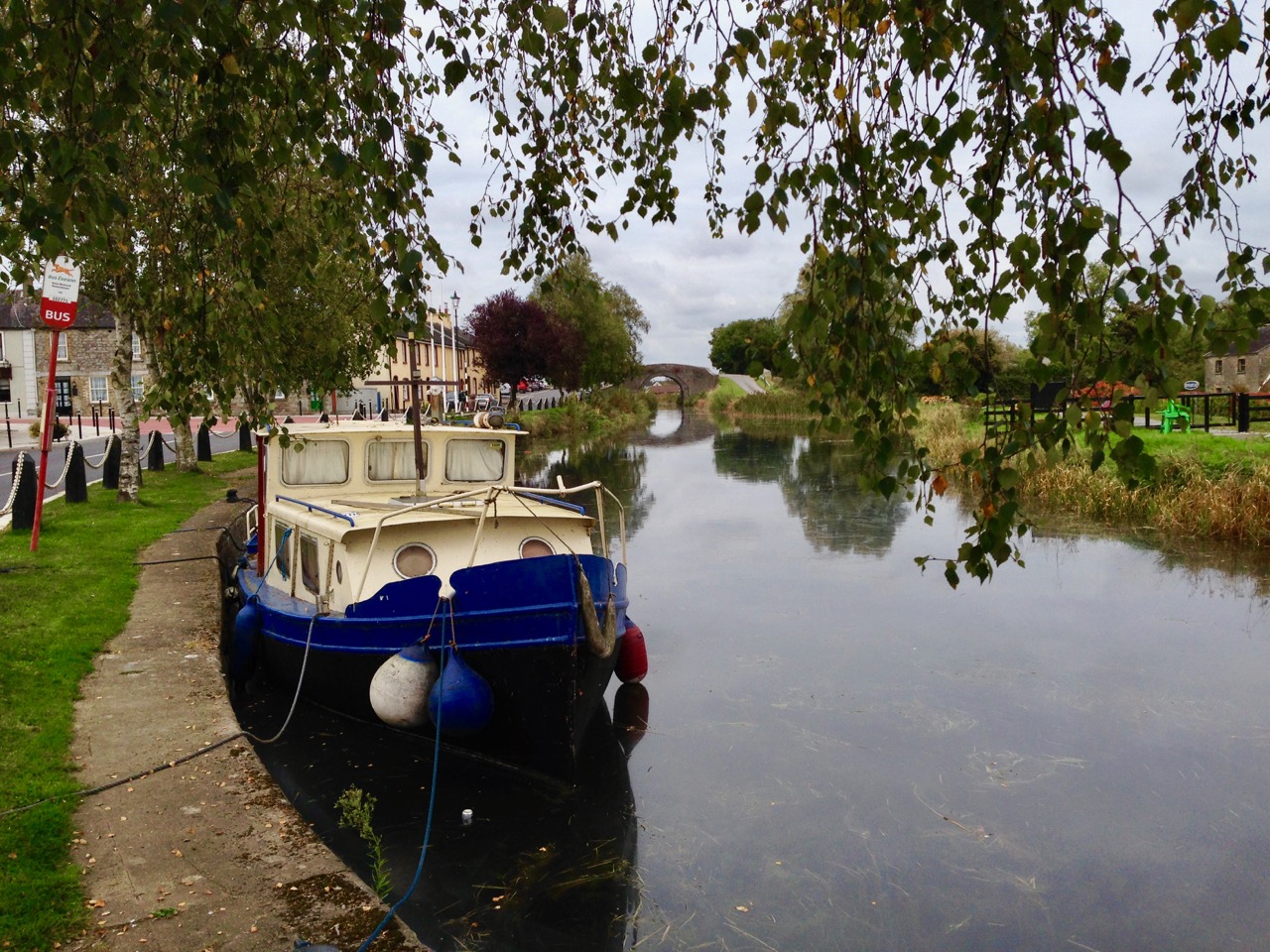
The canal village of Robertstown: upper picture – Angela Rolt’s photograph of 1946 sums up the ‘melancholy and nostalgic’ character of the place then. The Rolts’ boat, Le Coq – is seen moored up on the quay: its journey created significant interest as in those days the appearance of a ‘pleasure craft’ was rare. A crowd of small children always materialized out of nowhere to gaze, ask questions and – sometimes – throw stones. Lower picture – Robertstown in 2016

Rolt was a prolific – and often romantic – writer: more than 500 publications are attributed to him, including articles and letters and forty significant books on canals, railways, engineering and philosophy: Green & Silver is the second of these. His summing up of Robertstown as ‘melancholy and nostalgic’ reflects the times in which he lived and travelled on the waterways. The heyday of canal transport was long gone, although the Grand Canal and Shannon were still in commercial use seventy years ago. Carrying then was in severe decline: it would only last another ten years or so and the Rolts’ transit of the Royal Canal was probably the last before the canal became impassable before being formally closed in 1961.

bargehorse robertstown

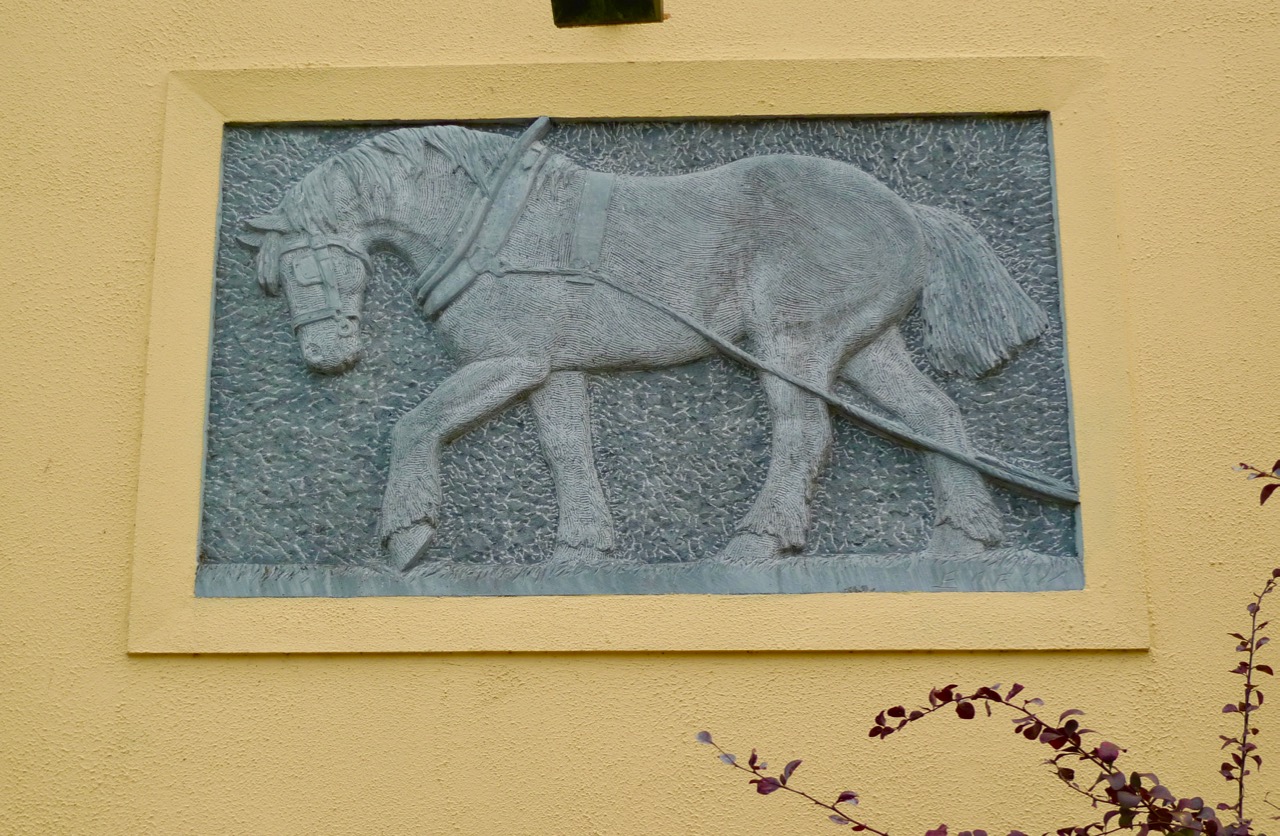
Horse drawn commercial traffic on the Grand Canal in Robertstown is remembered there in this modern relief carving of a barge horse on the wall of the Garda station

My own journeys on the English canal system during the 1960s could similarly be described as ‘melancholy and nostalgic’ and I certainly shared Tom Rolt’s fascination for what I found. The era of water transport was over and in those days the canals were imbued with an air of neglect and decay, although better times were remembered by the local populations. As did the Rolts, I had difficulties in making a passage through some of the near derelict canals in the English midlands with my little boat (often bow-hauling from the bank was the only answer to the weed and rubbish-choked ‘navigations’); however – like them – I always succeeded. Today, in both Ireland and England the picture is very different: generations of pioneering enthusiasts and campaigners (I was one of them!) have succeeded in reawakening interest in our industrial history and realised the amenity asset of the waterways systems which have generally been brought back in a new incarnation as ‘cruiseways’.

faded elegance robertstown

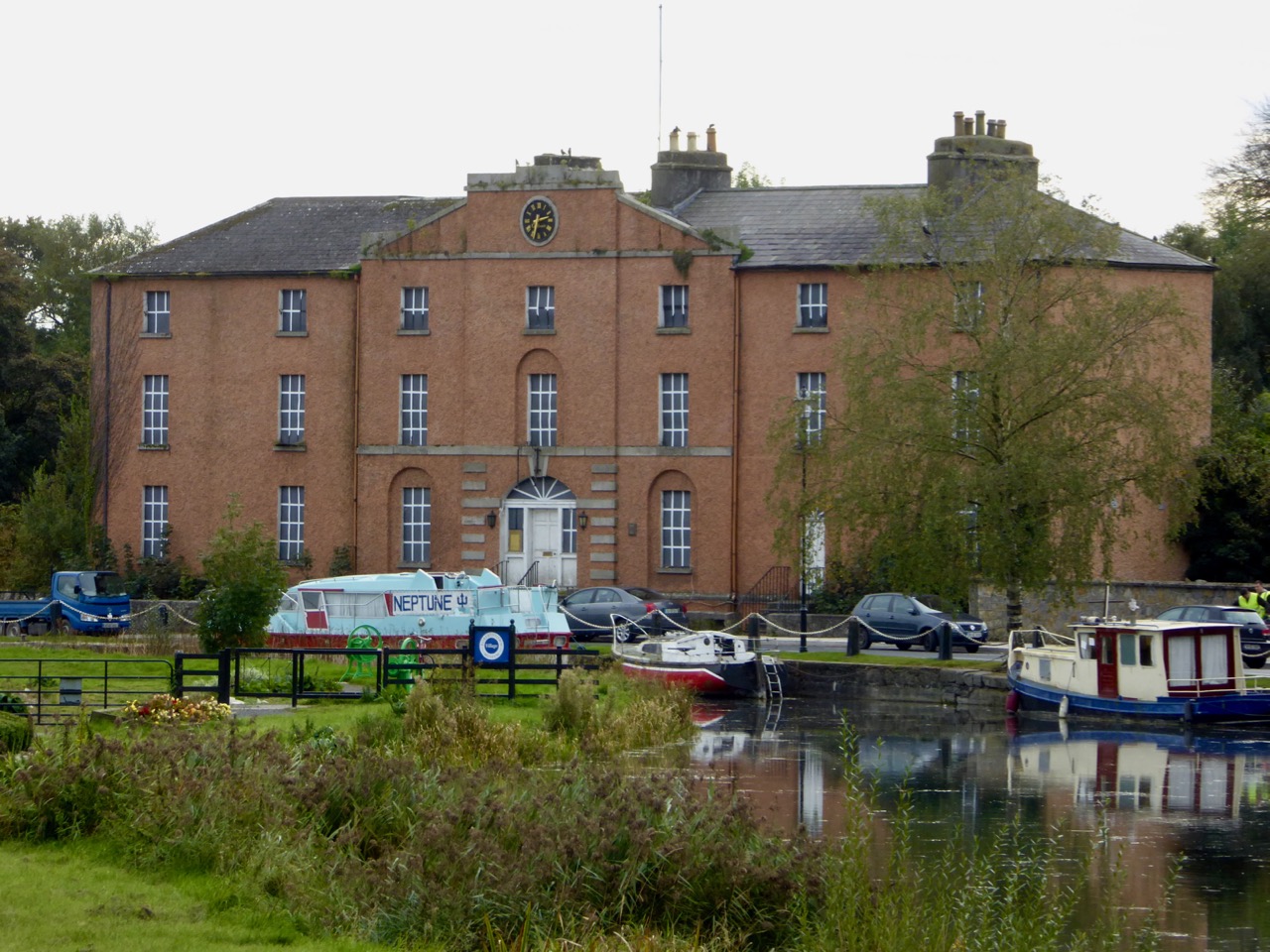
The Canal Hotel at Robertstown: from a distance it retains its elegant façade but it’s all a sham, and the building is in urgent need of conservation

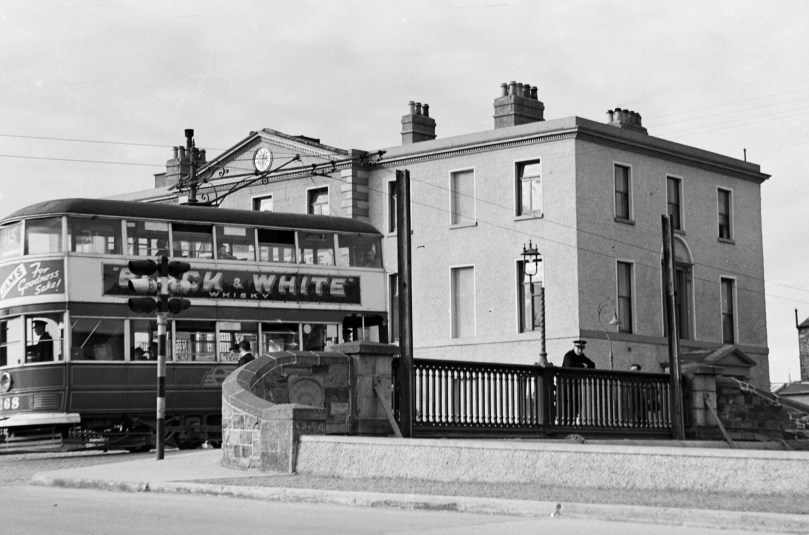
In both places there is still an architectural and industrial heritage to be acknowledged. A particular example in Ireland is the Grand Canal hotels. There were five constructed originally: Shannon Harbour, Tullamore, Robertstown, Portobello and James’ Street Harbour. All were of a pattern and impressive architecturally. Two have vanished.

portobello-grand-canal-hotel

The former Grand Canal Hotel at Portobello Harbour, Dublin, in the 1940s: it became a nursing home (Jack B Yeats spent his last years there) and is now a private college

rbstown hotel elevation

Robertstown Canal Hotel: a local civic amenity group has painted in the fenestration to improve the look of this significant building in the townscape, but the reality is masked decay and an uncertain future

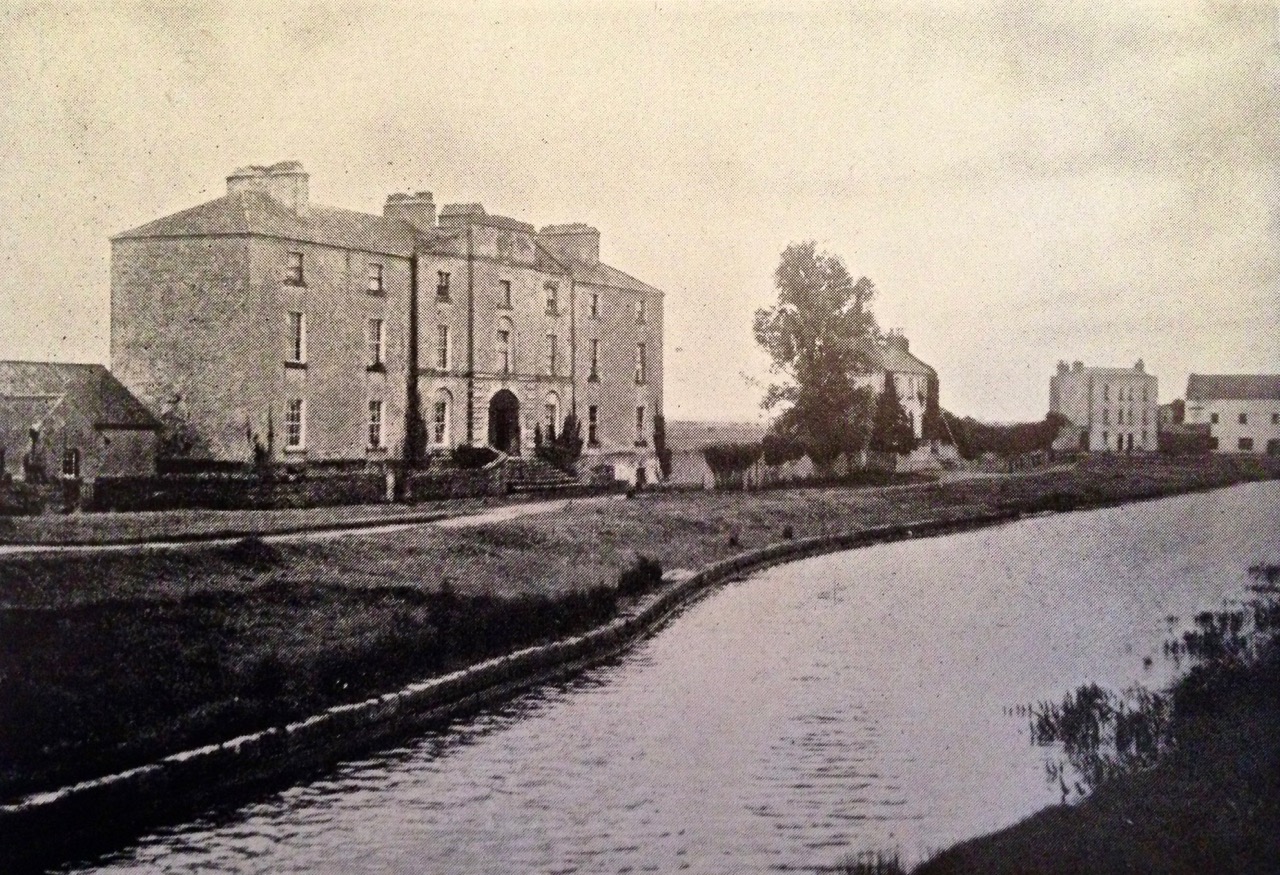
The other remaining hotel building is at Shannon Harbour, where the Grand Canal meets the mighty river. In the heady days of canal prosperity …the company’s hotels were simply the posting houses of this water-road… (Rolt) …There was considerable interchange of passenger as well as goods traffic at Shannon Harbour. Travellers changed here from the Dublin passage boats into Bianconi’s ‘long cars’ which operated between Birr, Shannon Harbour and Athlone in connection with the boats. Alternatively they might board the paddle steamers The Lady Lansdowne or The Lady Burgoyne which plied between Killaloe pier head and Athlone, calling at a jetty on the river near the mouth of the canal. Smaller craft sailed from Killaloe pier head to the transatlantic port of Limerick, and so the Grand Canal became a link in the route between Dublin and America…

Shannon Harbour, Grand Canal Hotel

shannon harbour view with hotel

Upper picture – Angela Rolt’s view of Shannon Harbour and the intact hotel. Lower picture – the same view in 2016, showing the hotel in a state of near dereliction

The Shannon Harbour hotel today is but a shell: the roof has fallen, the windows are empty sockets. But, like the building at Robertstown, it is a scheduled historic monument. The structure has been stabilised with steel props and there is talk – rumour, at least – of some future project. Even in its distressed state the hotel has a ‘grand’ air: certainly a prominent presence in the minimalist architecture of this small settlement which had a bustling past.

Shannon Harbour canal hotel: a stabilised shell today, recognised as historically and architecturally important for Ireland

It’s hard to imagine what the future could hold for such a monument of a different age, especially in this rural hinterland of County Offaly. Meanwhile, our own adventures continue – we still have some way to go yet to catch up with Tom and Angela Rolts’ voyages. This is the seventh instalment of the Travel by Water series. All the posts to date are available to view by clicking on the blue link.

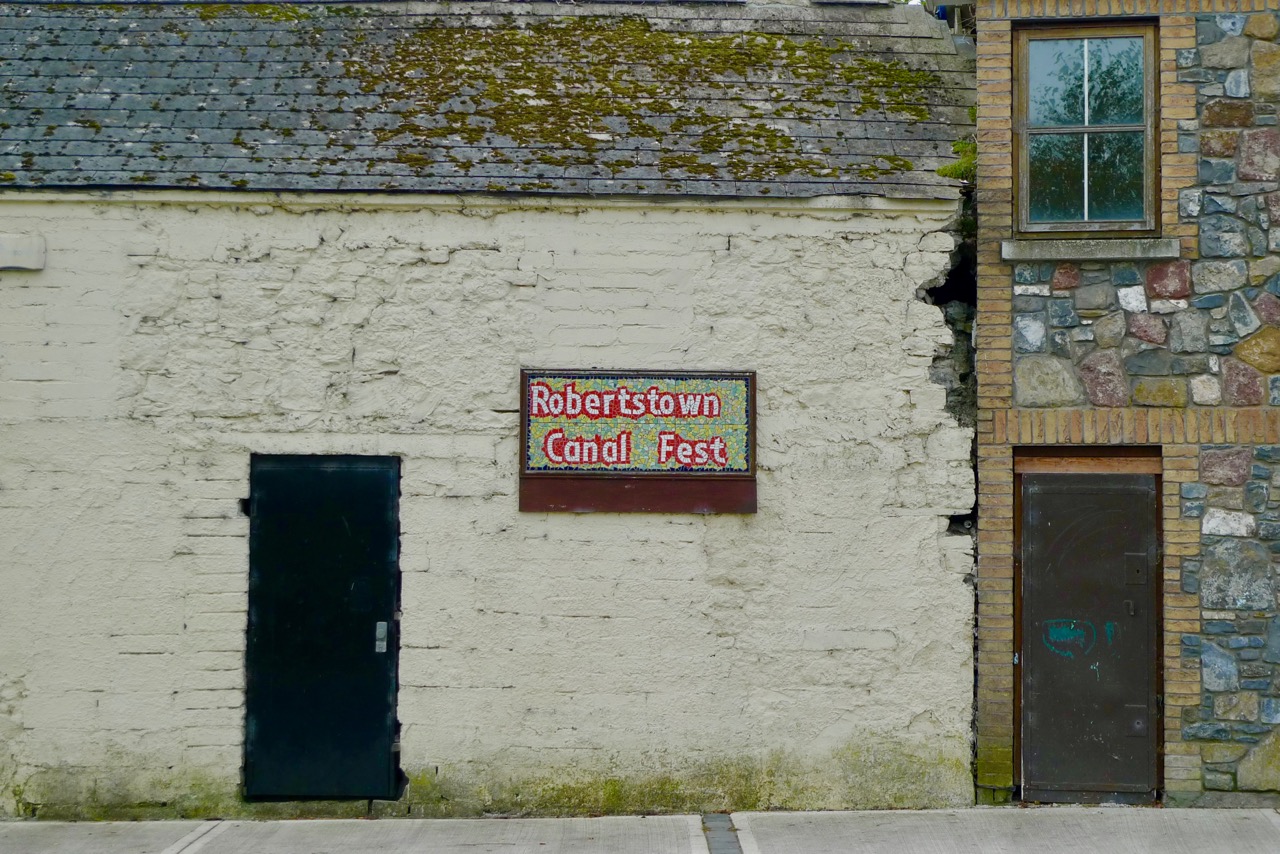
canal fest robertstown