A Lick of Paint

blue long distance

What does it mean to say that a house is “set well into the landcape?” On the West Coast of Canada, where I used to live, it usually meant that a house was invisible, often made of wood and blending into the trees. But here in rural West Cork, buildings are more assertive – we ARE the landscape, they seem to say, or at least an important part of it. Therefore we should stand out and be seen. Part of being seen, for many houses in the countryside, is choosing a bright colour. Ah sure, they say, all it needs is a lick of paint.
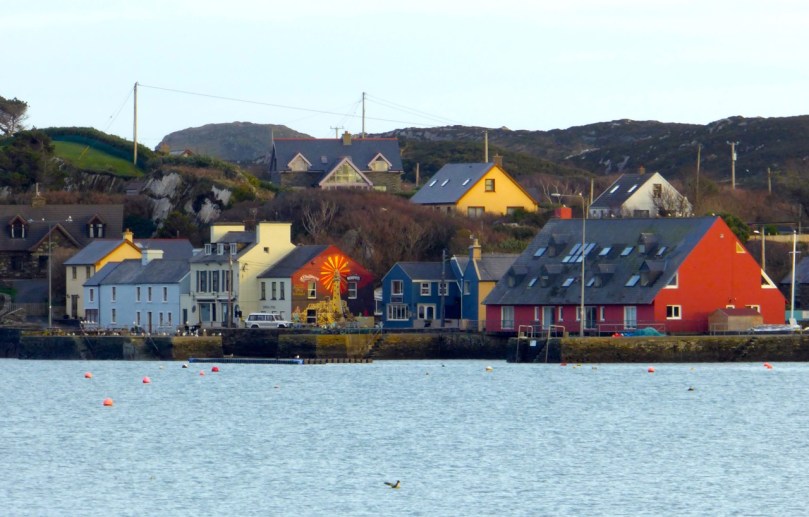
Crookhaven

Crookhaven


I’ve written before about the colourful towns and villages dotted all over Ireland. Coming around a bend in the road and catching sight of a village is a cheering experience: flashes of colour spread in a line across a backdrop of green fields or rugged mountains. But colour isn’t confined to towns – farmhouses in the deep countryside can suddenly demand attention – pops of colour in a predominantly green terrain. 

Blue seems to be a favourite – and we are not talking here about a pale blue or grey blue. No – duck egg or cobalt blues predominate. The blue is weathering and fading a bit in the house below but it still packs a punch in its isolated setting.

Sometimes blue is used on one side of the house only, or on selective aspects – a gate post or a shutter.

One of my favourites is this house, the colour of a ripe apricot. It is visible from a long way off and always seems to be incandescent on its hillside, as if permanently lit by a setting sun. Close up, I found it has jade green trim, making it even more handsome than it appears from a distance.
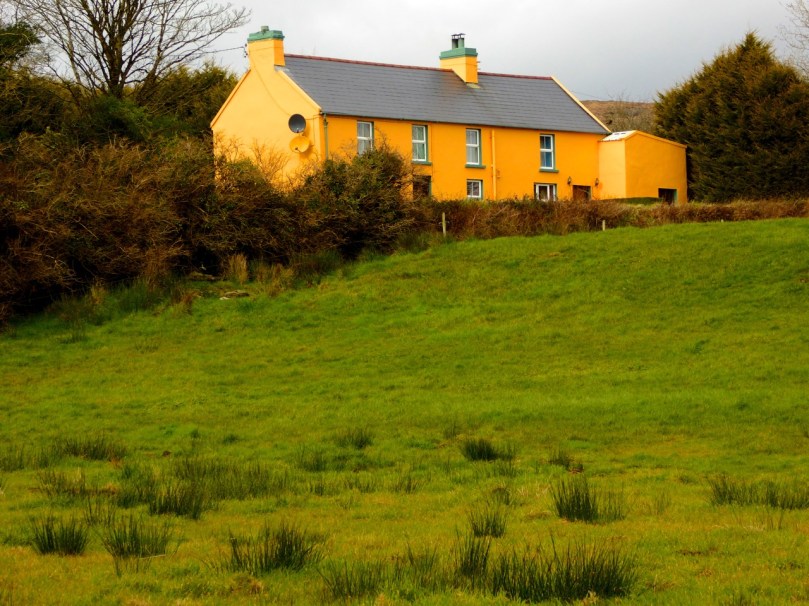
apricot distant

That colour is also one of the most recognisable in West Cork because it’s the colour of Jeremy Irons’ Kilcoe Castle. When the castle was being rendered, Irons used a lime mortar in order to waterproof the masonry: the mortar has a distinctive peach tone. Although controversial at the time, it is fair to say that West Cork folk have come to enjoy the sight of this wonderful restored 13th Century castle permanently glowing on its tiny island.
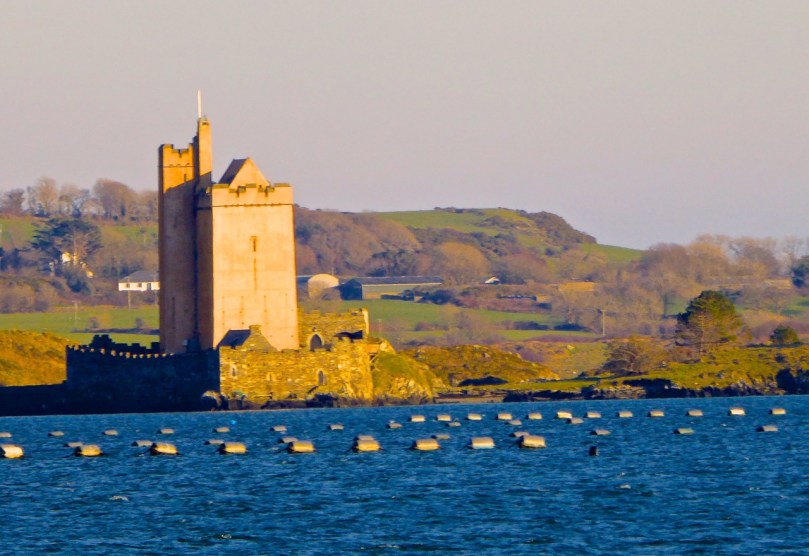
Kilcoe Castle

Kilcoe Castle

Pinks range from soft and pastel to the colour of fuchsia.

I particularly like the pink-on-pink trim of the farmhouse below left, and the candy-coloured house with its blue trim.

Yellow shows up well against a green hill. The first house below belongs to our friends the Camiers, who run the marvellous Gortnagrough Folk Museum. The second one is on the Sheep’s Head (photo by Amanda Clarke).

There are shades of salmon and coral that seem to suit old houses very well. Left, below, is the old school house in Rossbrin, now a private residence, and right is the Ballydehob Rectory, particularly attractive with its green trim.

I’ve found red to be reserved mostly for doors, trim and spot colour, but my friend Amanda Clarke found this old farmhouse on the Sheep’s Head. Take a look at her site, Sheep’s Head Places for examples of vernacular farm buildings. 
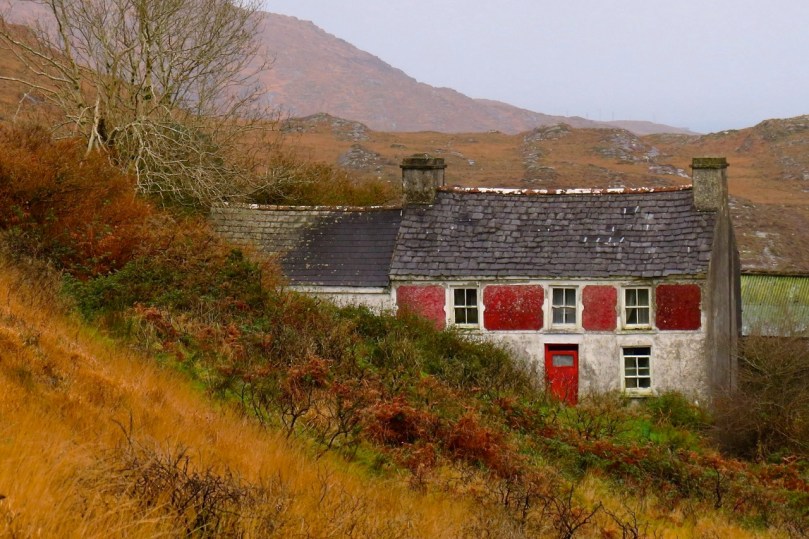
Old farmhouse, Sheep's Head

Old farmhouse, Sheep’s Head*

Renovations never stop – I did wonder what colour this one would end up. Now I know!
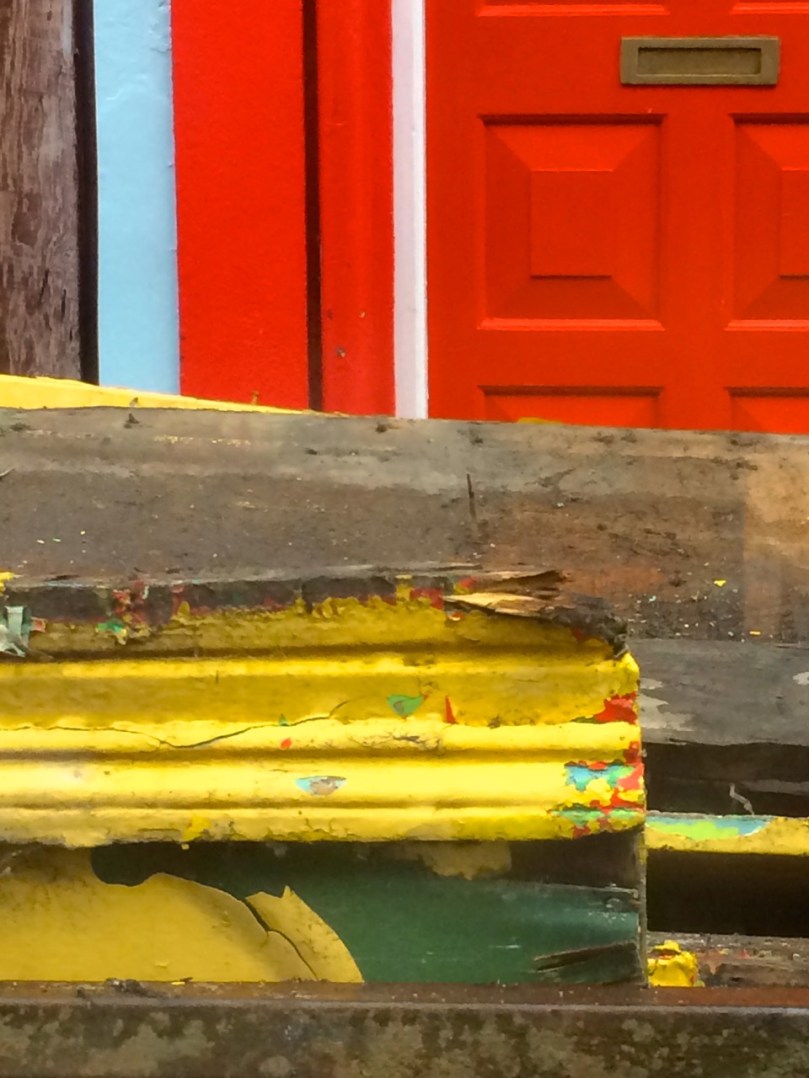
Going through the spectrum

Going through the spectrum

But this one, unless miracles happen, will see no more paint. Then again, it’s right beside a holy well, so maybe…
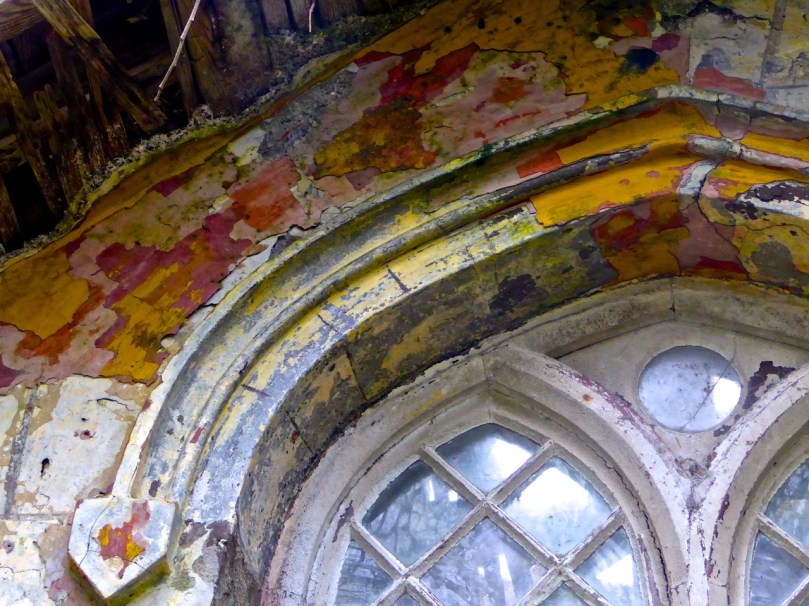
Generations of colour

Generations of colour

 *Many thanks to Amanda Clarke for the use of the asterisked photographs

A Murmuration

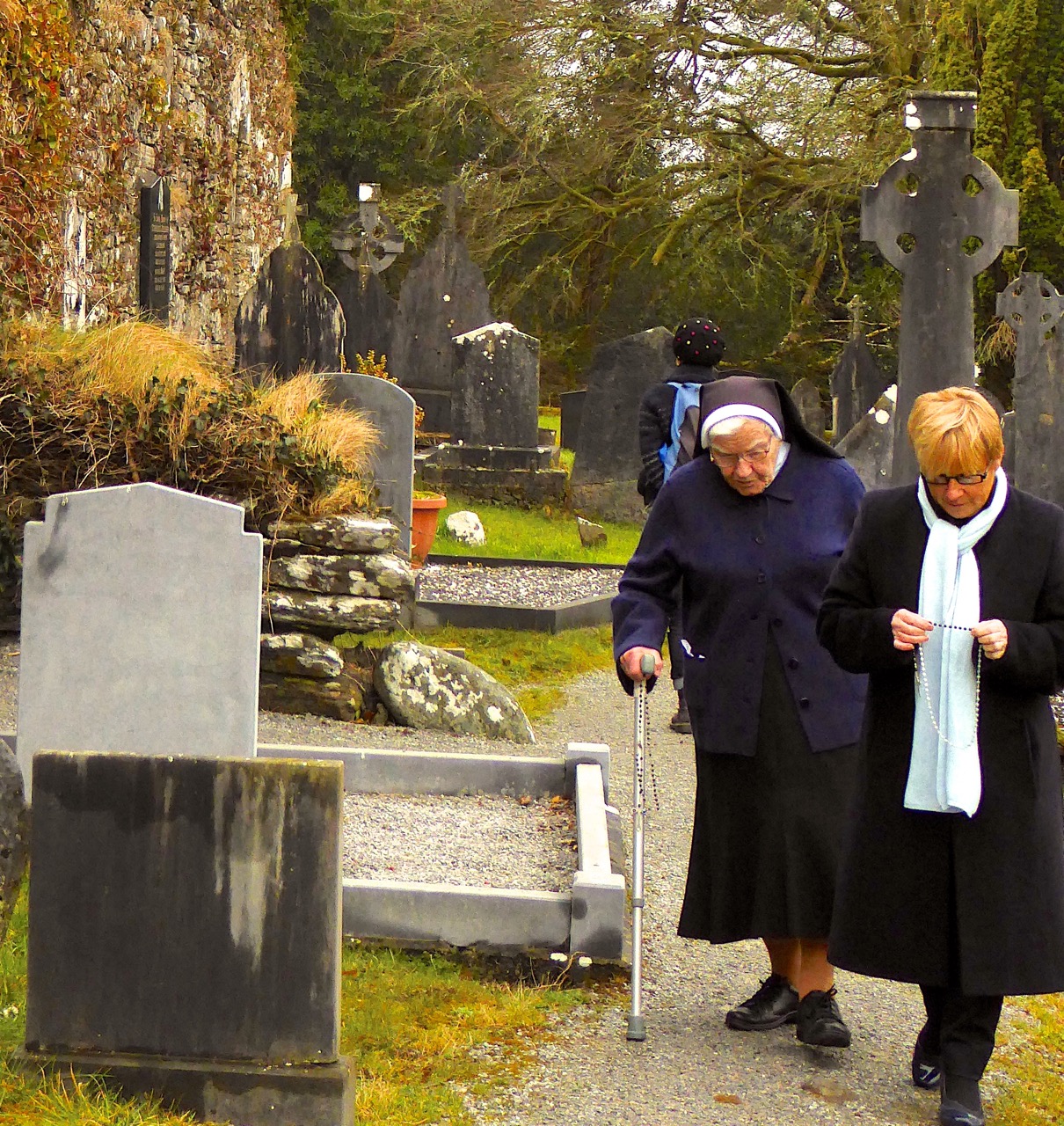
We stood still and listened: the air was filled with humming – Bees swarming in February? But no… it was the murmuring of the pilgrims saying the decades of the Rosary by the grave of St Gobnait…

Making the Rounds at Saint Gobnait's Shrine on the Feast Day
Making the Rounds at Saint Gobnait’s Shrine on the Feast Day

We travelled up into the Muskerry Gaeltacht on Wednesday – 11 February: the Feast Day of Saint Gobnait. It’s a fair journey, and we felt that we had really gone into another world: we crossed over the Mountain of the Fairy – that’s my interpretation of the Shehy Mountains (Shee is Fairy) – others say the Irish Cnoic na Síofra means ‘hills of the animal hides’. For the first time in my life somebody – a passer by – addressed me in Irish… “An bhfuil hata agat le spáráil?” they said – “Have you got a hat to spare?” (I think it was a wry comment about the headgear I was wearing on the day).

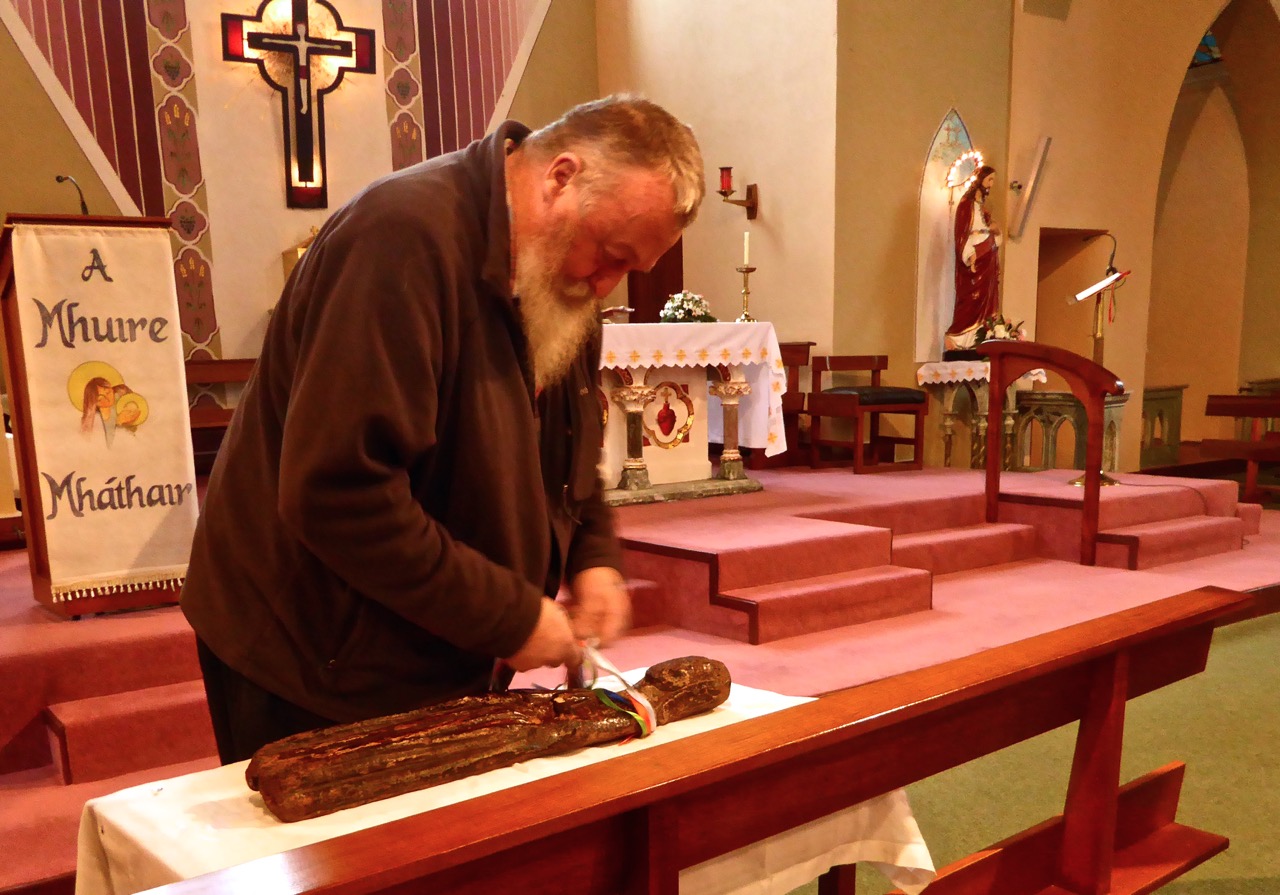
Wrapping the ribbons

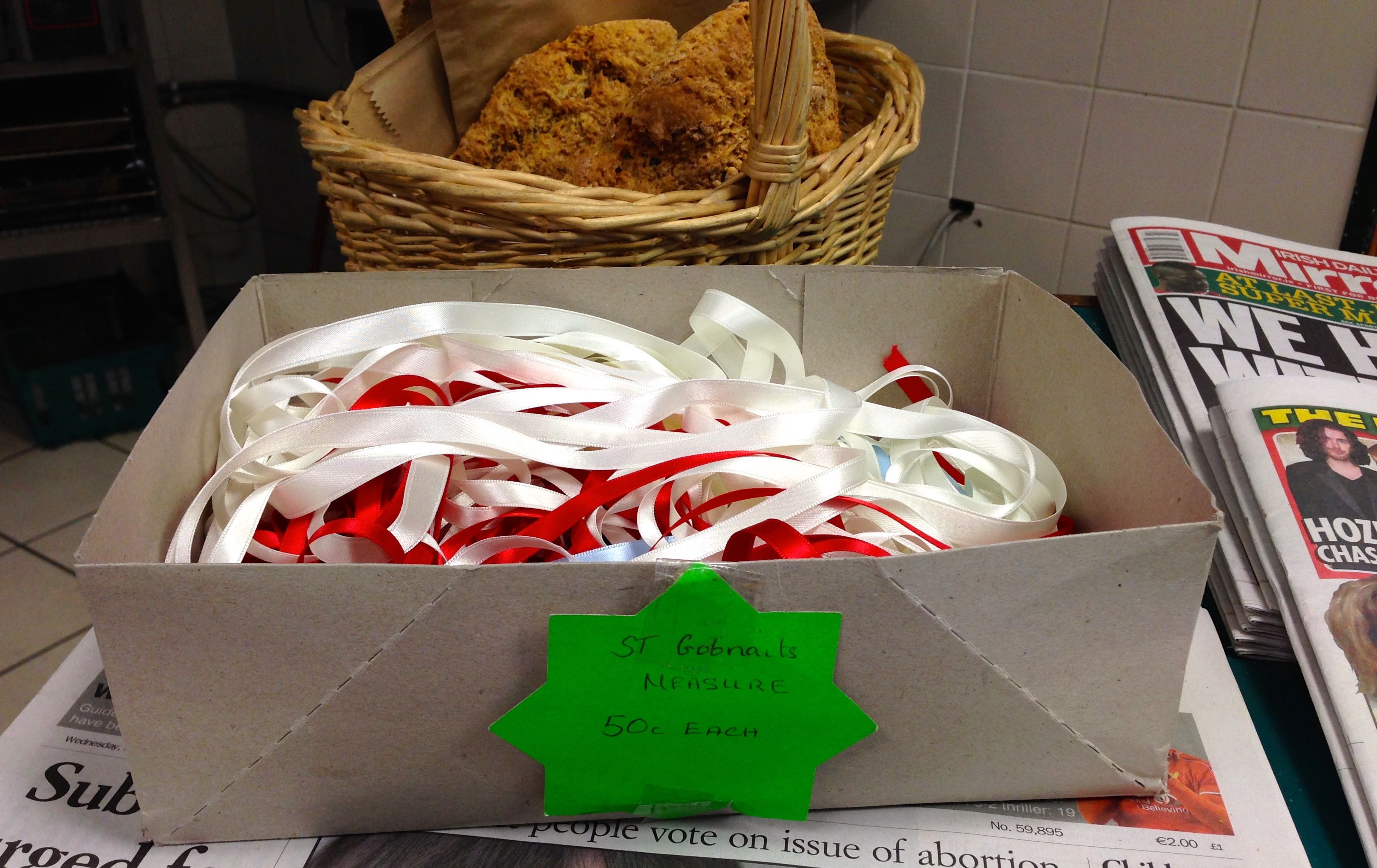
Our goal was Saint Gobnait’s Church in Ballyvourney, where the Mass was to be heard celebrated in Irish. Also, we wanted to see the 13th century wooden statue which is brought in to the church on this day. When we arrived there was already a queue to buy ribbons and ‘measure’ them against the statue. In fact, it was quite an intricate ritual: first you wrapped your ribbons around the neck of the statue, then around the feet. Some did the same around the stomach – others passed the ribbons under the body of the statue and rubbed them along the surface. Many people kissed the statue and some picked it up and made the sign of the cross with it. We joined in and came away with a clutch of ribbons, now blessed by Saint Gobnait and imbued with health-giving and good-fortune-bringing properties.

Making the 'Measures'
Making the ‘Measures’

The church was completely full for the Mass (it was also broadcast outside), which was celebrated by two Priests and a very robust men’s choir – beautiful singing in Irish. It was an uplifting experience, even though I hardly understood a word. A friendly atmosphere imbued all who were there, and excitement was in the air. Afterwards, we visited the statue again and then headed for Saint Gobnait’s Holy Well, her grave and the ruins of her ancient church, where the ‘Rounds’ were being performed all day. That’s when we heard the humming – it should have been Bees: this Saint has always been associated with them, and her statue which overlooks the pilgrimage site (and which was carved by Seamus Murphy in 1950) is decorated with Bees and with a Deer. This is also part of her story: when she was travelling through Ireland looking for a site to establish her community she was told she must continue on her way until she met with nine white Deer. She found them in Ballyvourney and that’s why in our time the little settlement flourishes on this February day.

We heard that there is another Holy Well, hidden in the woods just outside the town and seldom visited. This is known as Tobar Abán – Saint Abban’s Well. That saint seems to be closely associated with Saint Gobnait although not much is known about the lives of either of them – they lived back in the sixth century.

In the local shop
In the local shop

A visit to the Post Office provided us with the information we needed to get to this intriguing sacred site: walk over the bridge, go into the fields and look for a lone oak tree on the distant boundary – this marks the point where a trackway leads up through the woods. We made our way across a muddy pasture; the oak tree was prominent enough, and the track – but once inside the wood everything was quite densely overgrown. We would never have found it without the instructions, but we also had the help of red and white ribbons tied to trees and posts in strategic places – they had been there for some time: we wondered who set them up?

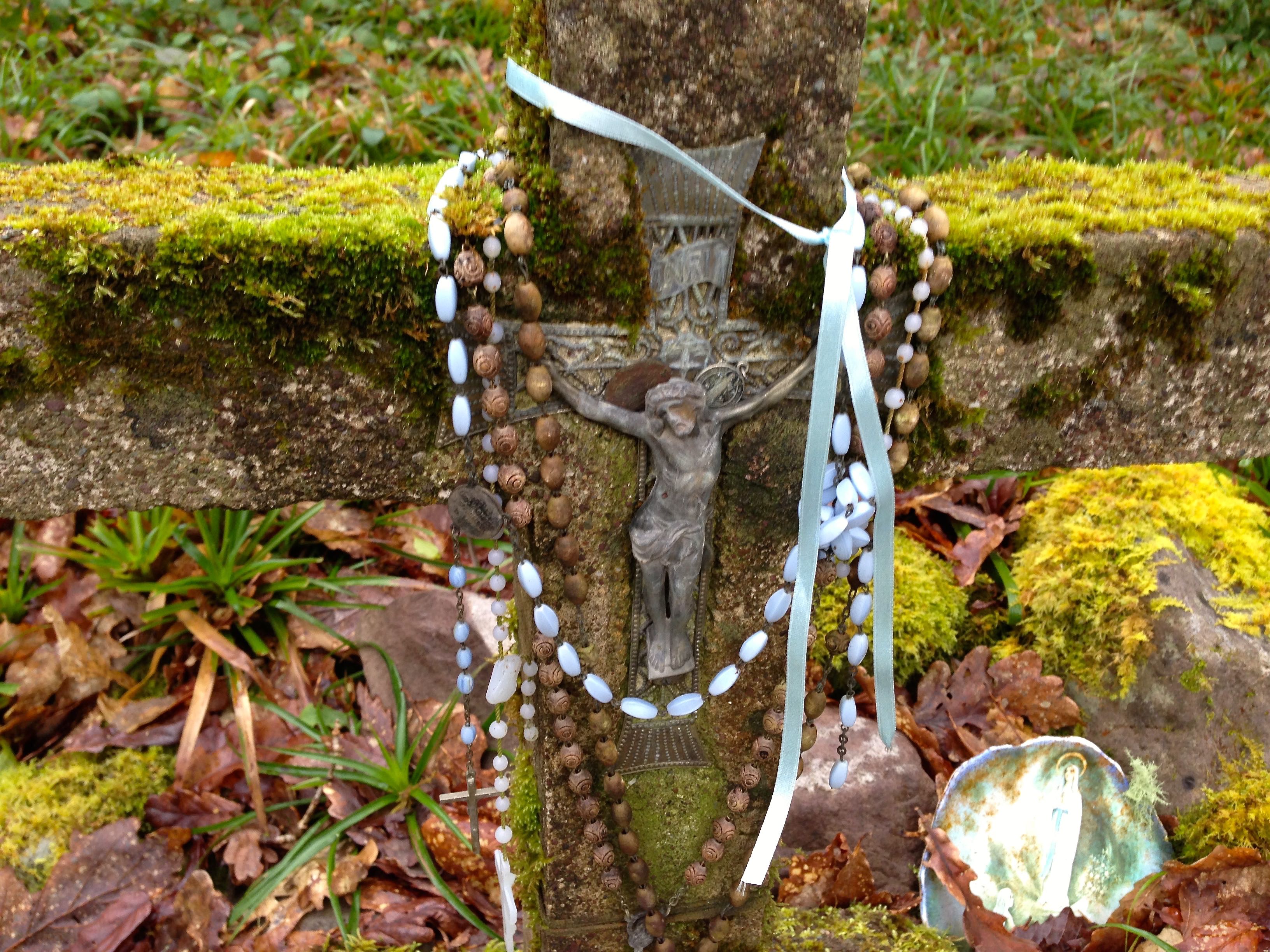
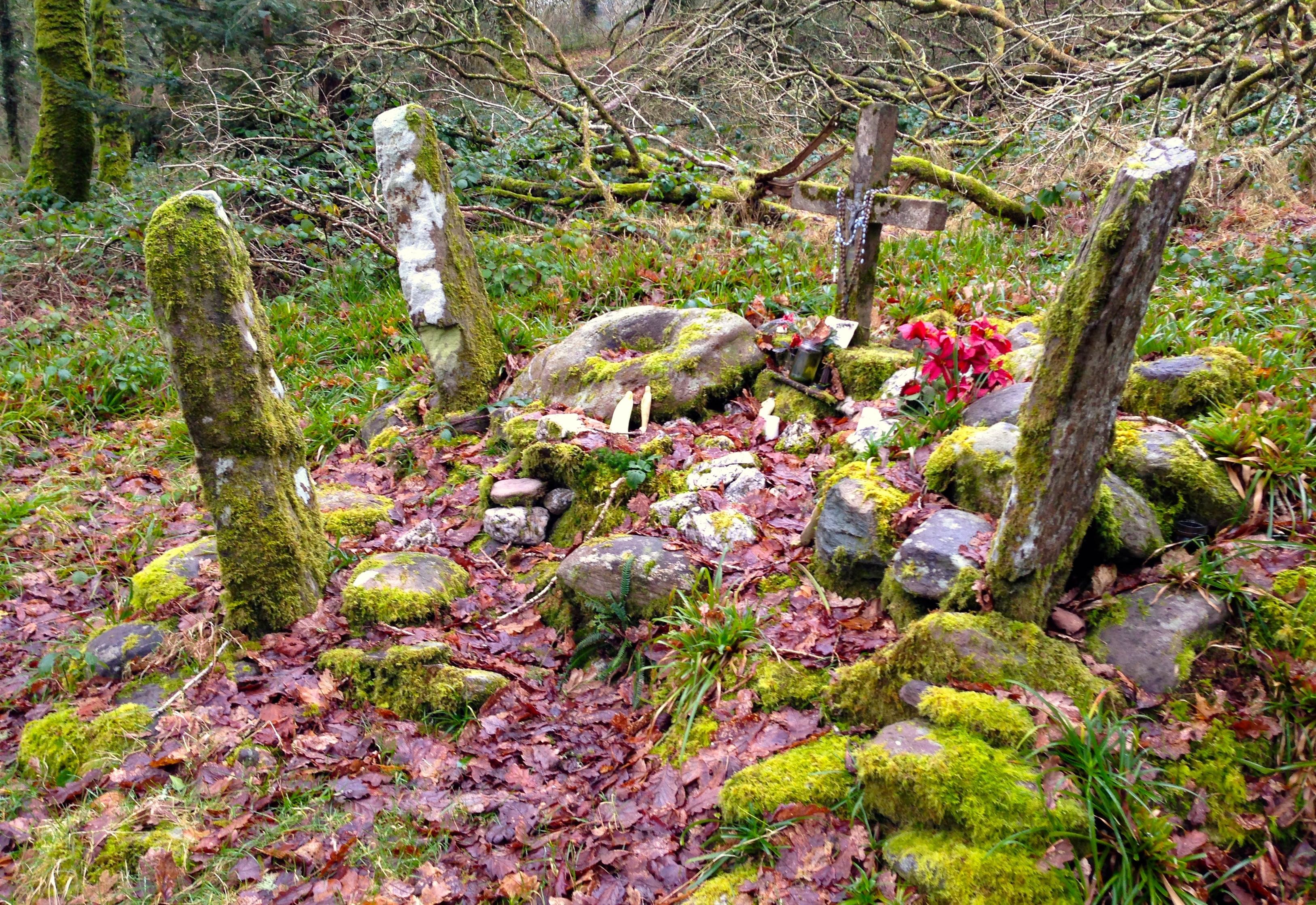
Tobar Abán is a wonderful site – a lonely outpost of religious sanctity but, for me, probably the most beautiful of all the holy places I have visited in Ireland so far. It’s an unexpected find: set away from everything, deep in an ancient oak wood, silent, still – one could imagine that it has always been like this, passing through generations of turbulent history and yet untroubled by it. Archaeologically it appears to be a cist with a cairn of stones built around it: this would imply pre-Christian origins. The lid of the cist (a burial chamber or repository for bones) is not visible – possibly it is under the large ballaun stone which rests on top. Above this is a small, relatively modern concrete cross embellished with offerings, beads and ribbons: other icons and objects are scattered around the site. The whole mound has a boundary defined by three standing stones, one of which is inscribed with ogham. Everything is covered in a layer of moss which seemed to exude a luminescence in the moist shade of the wood.

crucifix

Saint Abban (or Abbán moccu Corbmaic) seems to have been active in many parts of Ireland, and tradition has it that he lived for three hundred years. The stories that are important here are the ones that link him with Saint Gobnait. It has been said that he founded a monastery in Ballyvourney before she arrived, and that he was her mentor and gave the foundation to her. Some say that Abban and Gobnait were brother and sister. Most important, perhaps, is the tradition that Abban had a cell or church just outside Ballyvourney and that he was buried in that cell when he died in 520. Could it be his grave that we found?

Saint Abban's Shrine - cell - or grave?
Saint Abban’s Shrine – cell – or grave?

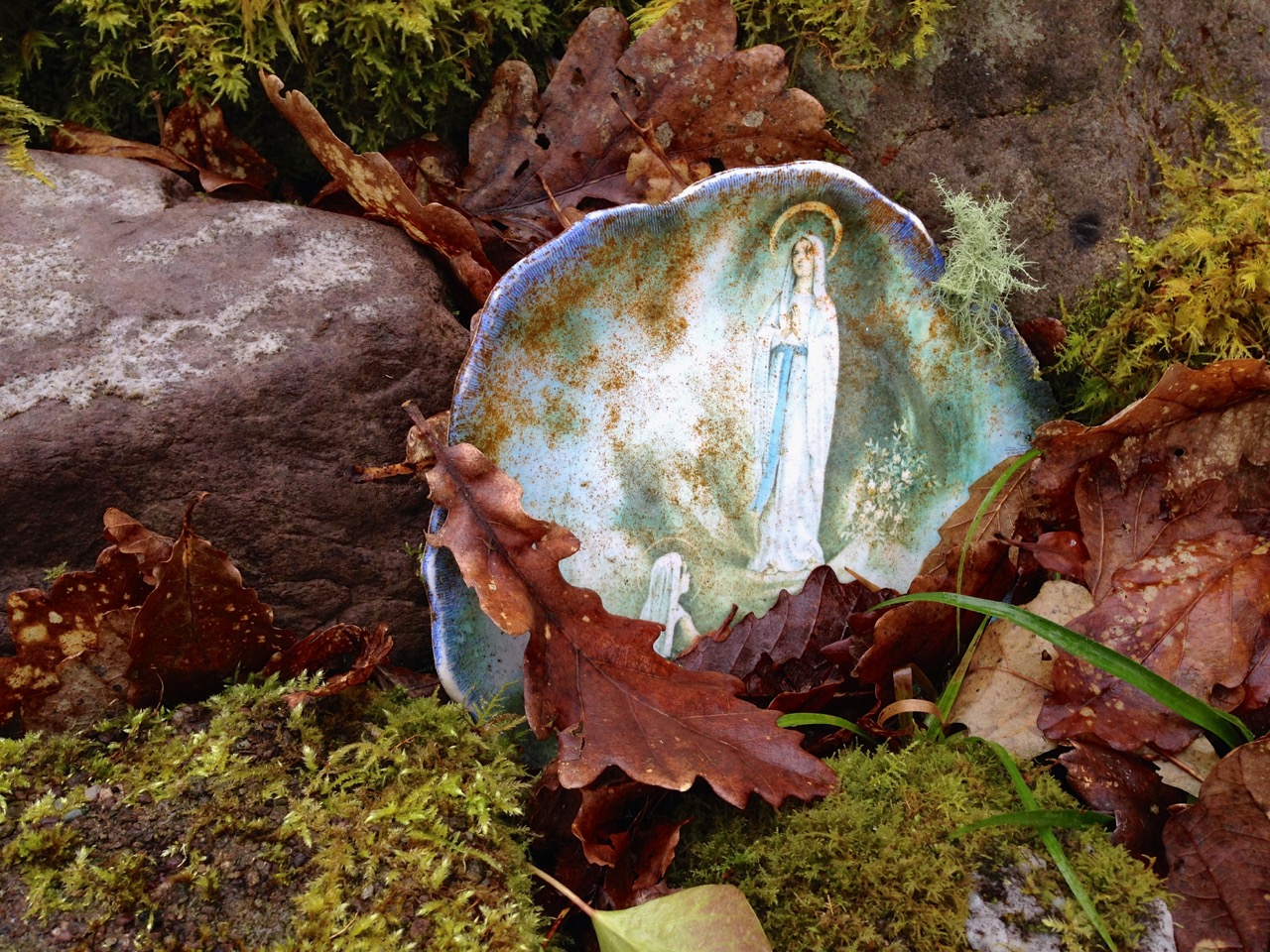
Saint Abban’s Well is a little distance from the cist, and is quite unassuming, especially compared to the elaborate wells around Saint Gobnait’s old church. It is merely an opening in a rock set in the ground: an old tray covers it and keeps the leaves out, and a wooden box beside it contains some cups and plastic bottles for collecting the water.

Tobar Aban - Saint Abban's Well
Tobar Abán – Saint Abban’s Well

As we were making our way back across the fields we were surprised to see a lady in a red coat walking with a stick towards us. “Did you find it?” she asked. We assured her we had found the well and the shrine. “And did you see his bones?” she continued, “Last time I was there I lifted up the lid and saw the Saint’s bones inside…” We watched her go off towards the woods; when I looked back again she had disappeared.

Cist, Bullaun and standing stones

There’s so much about the day: the journey across the Mountain of the Fairy; the Irish Mass and the ritual of the ribbons involving a 13th century wooden figure; the Rounds and the humming of the Saint’s Bees; the magical shrine in the woods – and I really do wonder about that lady in the red coat…

Offering at the Shrine of Saint Abban

The Irish Valentine

sun cove

February evening in Rossbrin Cove

I was surprised to discover Saint Valentine in Ireland…

You mean in a card shop – or a flower shop?

No – I mean the real Saint Valentine – his remains are in the Church of Our Lady of Mount Carmel in Whitefriars Street, Dublin: we were there last week.

carmelite church

That can’t be true – Saint Valentine was a Roman – martyred, I believe, in the 3rd Century.

He was, of course: Emperor Claudius had him beaten to death and then beheaded on 14th February 269. Valentine and another Saint, Marius, had secretly married young couples, which was against the law.

Why was it against the law?

Because Claudius II (Claudius the Cruel) was engaged in many bloody and unpopular campaigns and was having a difficult time getting soldiers to join his military forays. He believed that the reason was that Roman men did not want to leave their lovers or families. As a result, Claudius cancelled all marriages and engagements in Rome.

So it’s because of Valentine’s clandestine activities that he is the patron saint of love?

old card

That’s certainly a possibility. There are many other things associated with Saint Valentine’s Day which may have contributed to its continuing celebration.

Such as?

In ancient Rome, 14th February was a holiday to honour Juno – the Queen of the Roman Gods and Goddesses, also known as the Goddess of women and marriage. The following day, 15th February, began the Feast of Lupercalia. On the eve of that festival the names of Roman girls were written on slips of paper and placed into jars. Each young man would draw a girl’s name from the jar and they would then be partners for the duration of the festival.

irish roses

Let’s get back to Saint Valentine in Ireland…

Well, it all centres around a famous Irish preacher, John Spratt. It was he who built the Whitefriars Street Church. He went to Rome in 1835 where ‘…the elite of the city flocked to hear him and he received many tokens of esteem from the doyens of the Church…’ One such token was given by Pope Gregory XVI: the remains of Saint Valentine!

Is this genuine?

It seems to be. The Pope also sent with the relics a letter of authenticity, written in Latin, which still exists:

‘…To all and everyone who shall inspect these our present letters, we certify and attest, that for the greater glory of the omnipotent God and veneration of his saints, we have freely given to the Very Reverend Father Spratt, Master of Sacred Theology of the Order of Calced Carmelites of the convent of that Order at Dublin, in Ireland, the blessed body of St Valentine, martyr, which we ourselves by the command of the most Holy Father Pope Gregory XVI on the 27th day of December 1835, have taken out of the cemetery of St Hippolytus in the Tiburtine Way, together with a small vessel tinged with his blood and have deposited them in a wooden case covered with painted paper, well closed, tied with a red silk ribbon and sealed with our seals and we have so delivered and consigned to him, and we have granted unto him power in the Lord, to the end that he may retain to himself, give to others, transmit beyond the city (Rome) and in any church, oratory or chapel, to expose and place the said blessed holy body for the public veneration of the faithful…’

That’s remarkable. This must be a very popular shrine?

Nowadays it is – but no one was very interested in it in the time of Father Spratt and the relics were put away in a cupboard and forgotten.

Until?

Until around 1950 when the present altar and shrine were constructed to house them. The statue of Saint Valentine that is there now was carved by Irene Broe and depicts him in the red vestments of a martyr and holding a crocus in his hand.

What happens there on the Saint’s Day?

Couples come to the Eucharistic celebrations which include a Blessing of Rings for those about to be married. On the feast-day, the Reliquary is removed from beneath the altar and is placed before the high altar in the church and there venerated at Mass.

You must have a legend about Saint Valentine?

A rather nice one, actually – and it explains the crocus…

When Valentine was imprisoned in Rome for his Christian beliefs his jailer had a daughter – Julia – who had been born blind. The jailer asked Valentine if he could cure the blindness. Valentine couldn’t promise this, but he did offer to teach the girl: he read stories of Rome’s history to her; he described the world of nature to her; he taught her arithmetic and told her about God. She saw the world through his eyes, trusted in his wisdom, and found comfort in his quiet strength.

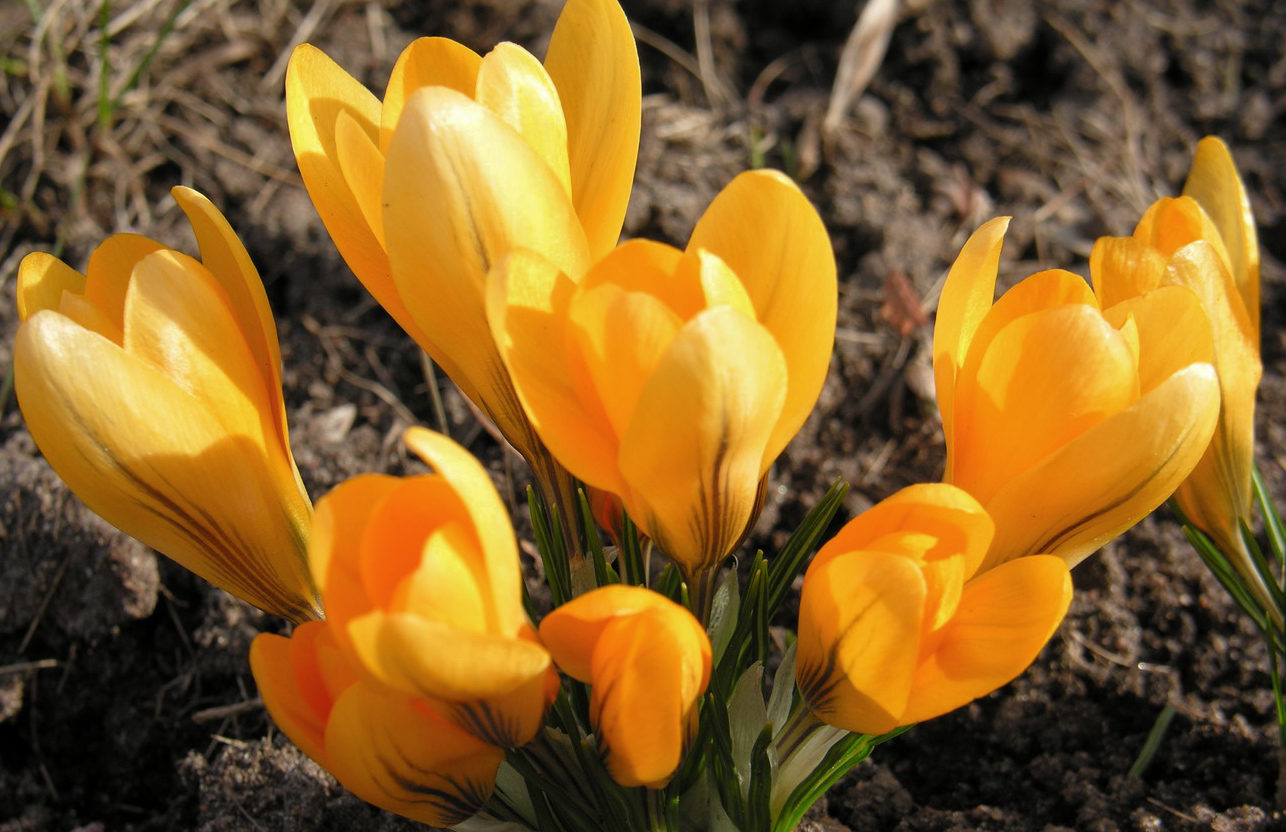
On the eve of his execution Valentine asked the jailer for a paper, pen and ink. He wrote a farewell note and handed it to the jailer to give to Julia. He urged her to stay close to God, and he signed it ‘…From Your Valentine…’ His sentence was carried out the next day, 14th February. When the jailer went home, he was greeted by his blind daughter. The little girl opened the note and discovered a yellow crocus inside. As the girl looked down at the crocus she saw brilliant colours for the first time in her life! The girl’s eyesight had been restored.

crocus

That’s wonderful! So now I can tell everyone that St Valentine’s resting place is in the Emerald Isle…

Well….

Yes?

Well, perhaps you ought to know that the remains of St Valentine are also said to be held in Rome, Prague, Poland, France, Vienna, Malta, Glasgow, Birmingham (UK) and even in Missouri – among other places…

Saint Ferdinand’s, Florissant, Missouri also claims relics of Saint Valentine

Saint Ferdinand’s, Florissant, Missouri also claims to hold relics of Saint Valentine

Oh no! That certainly puts a dampener on Ireland’s claim.

Not really – it’s certainly not unusual for a Saint’s relics to be spread around Christendom: a little veneration goes a long way.

Has anyone ever looked inside the reliquary in Whitefriars, Dublin?

No – it was a condition of the gift that the seals should never be broken, and they haven’t. Personally, I’m very happy with the idea that St Valentine – or some of him at least – rests contentendly there: I shall visit him whenever I’m passing

An Post Valentine stamp for 2015

An Post Valentine stamp for 2015

Raw Material

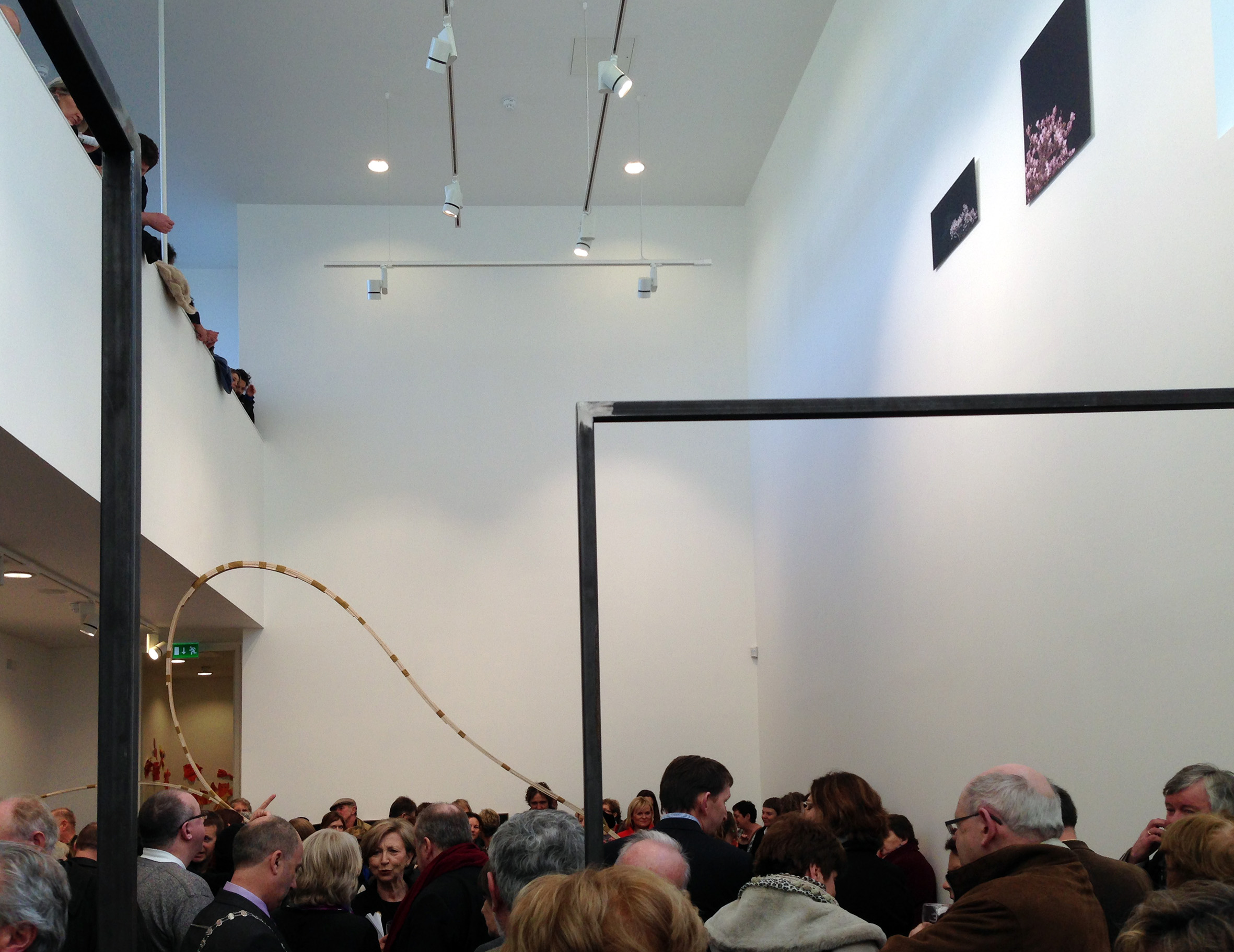
The art of building: West Cork Arts Centre on opening day

The art of building: West Cork Arts Centre on opening day

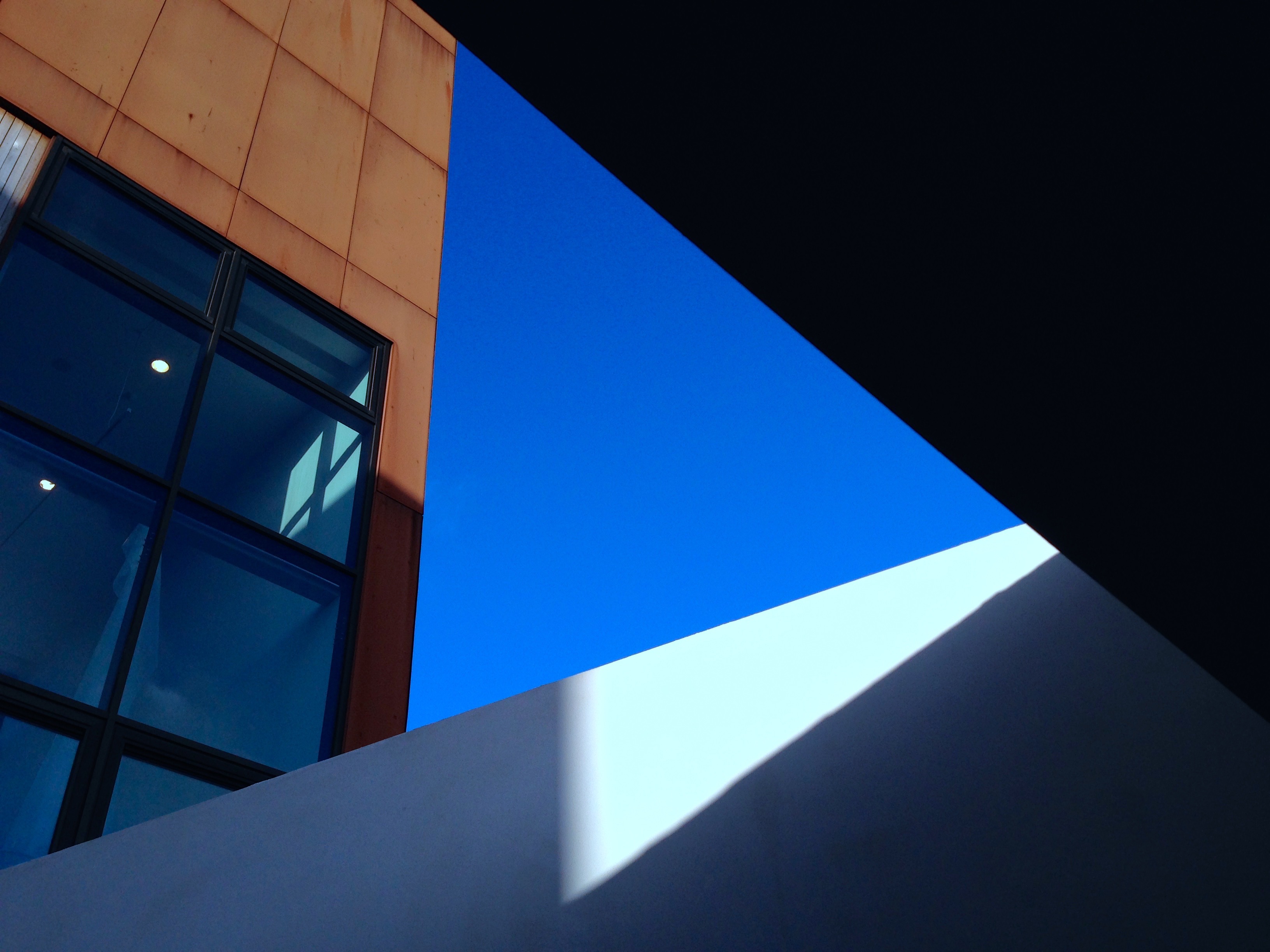
On the last day of January (traditionally the last day of winter and St Brigid’s Eve) the new West Cork Arts Centre opened its first exhibition in Skibbereen. We have taken a great interest in this building during its construction: the very strong architecture has aroused a lot of negative comment in the community, but now that it is virtually complete the general view of it seems to be mellowing a little. For my pennyworth this bold, modern insertion into the townscape has provided Skibbereen with a new visual focus and with great potential for a successful future.

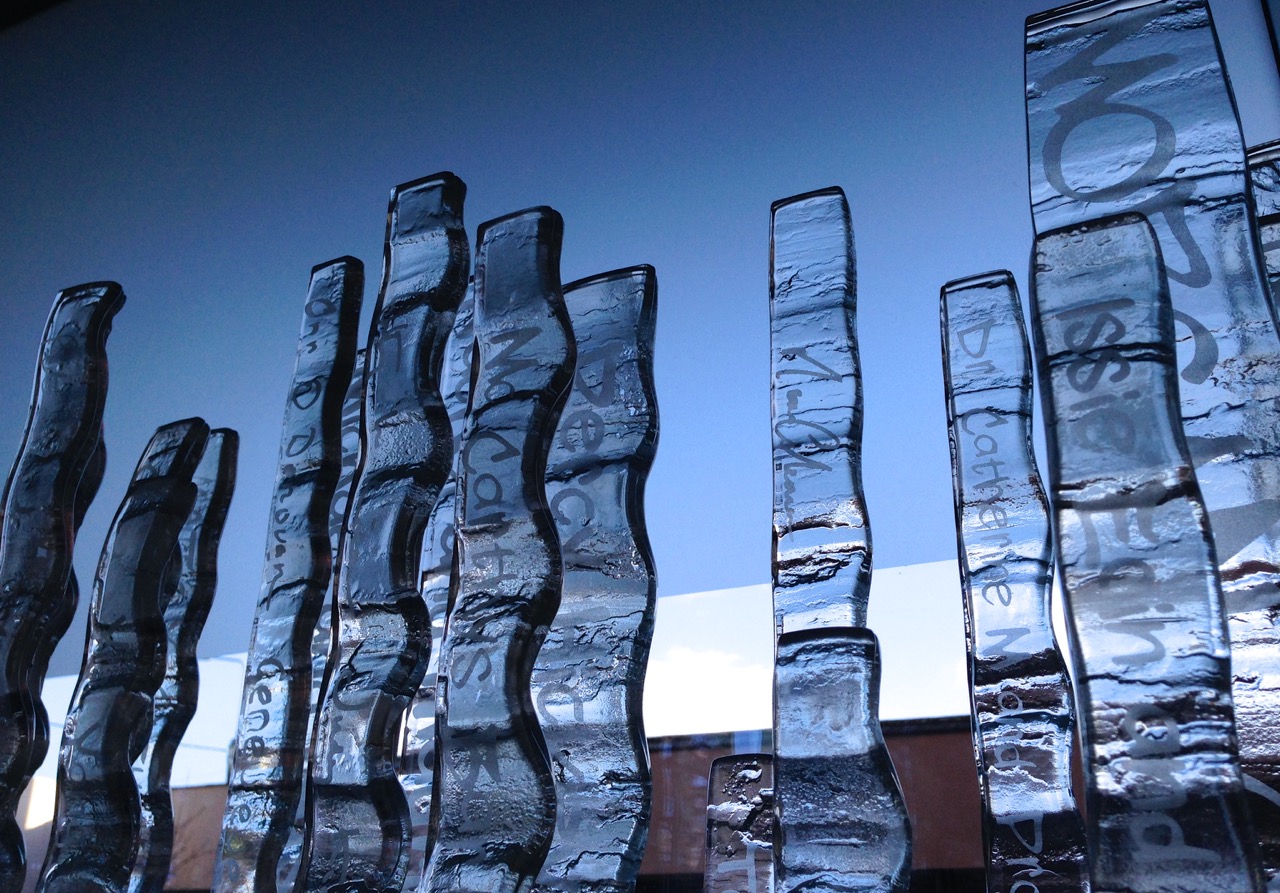
A specially commissioned glass sculpture by Michael Ray graces the entrance hall, and incorporates the names of sponsors of the building

A specially commissioned glass sculpture by Michael Ray graces the entrance hall, and incorporates the signatures of sponsors of the building

The name of this new building is Uillinn – it means ‘elbow’, a reference to the angled plan of the building and its cantilevered location over a bend in the Caol Stream that snakes through the town’s back yard. Dublin based Architects Donaghy and Dimond won the international design competition in 2009: have a look at their plans for the building here.

One of the exhibits is titled ‘Flying Colours’ and is a project by the West Cork Education Centre in collaboration with local Primary School children: stairways and circulation spaces in the new centre are alive with colour and creativity. How wonderful that these children can feel they have played such a significant part in this new venture.

The fabric of the building is lively and well considered

The fabric of the building is lively and well considered

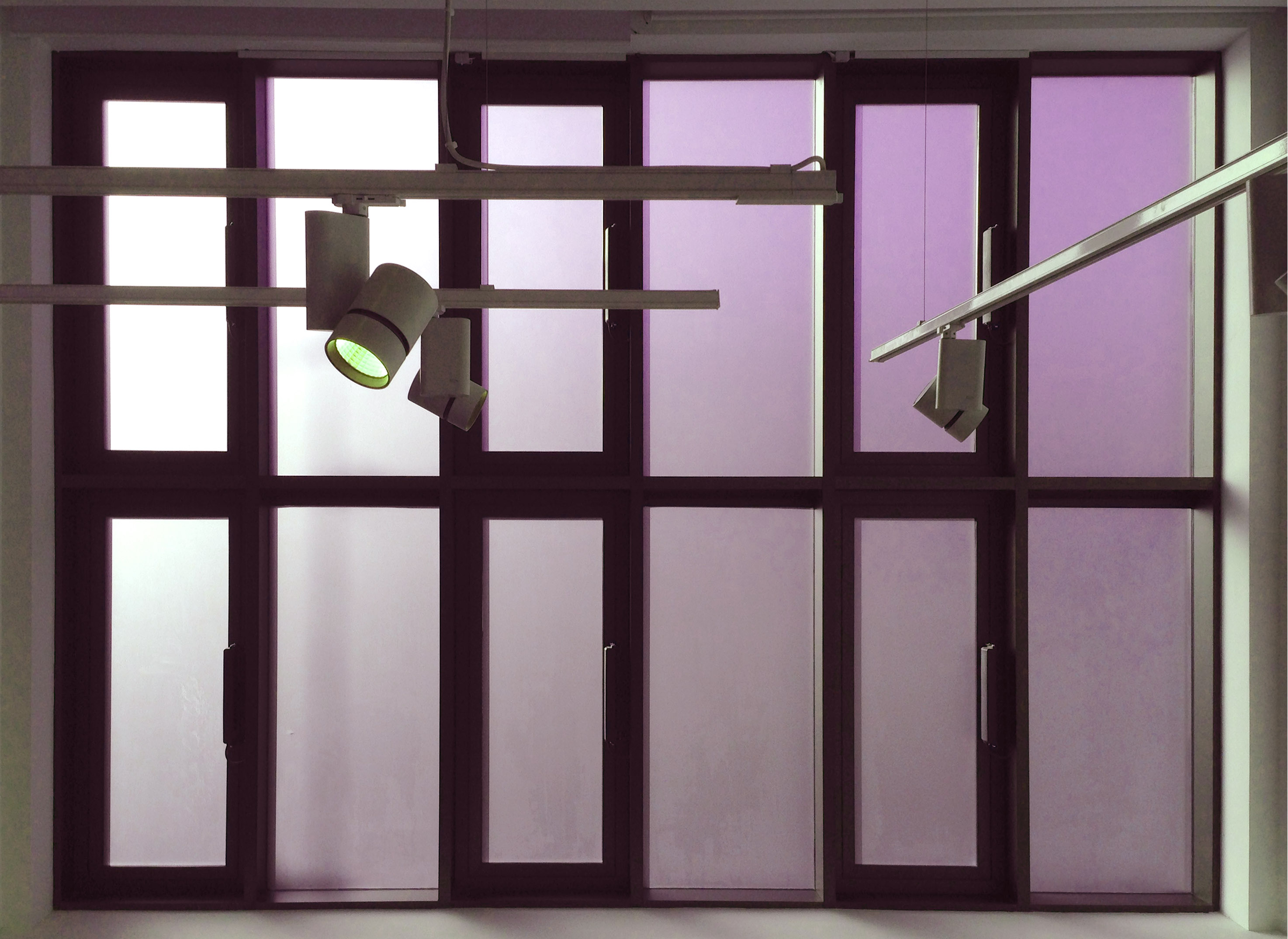
This building simmers with potential: the gallery spaces and facilities are impressive and architectural elements are well detailed. Skibbereen has been given a high quality civic building that will last for generations: it’s now got to be used creatively.

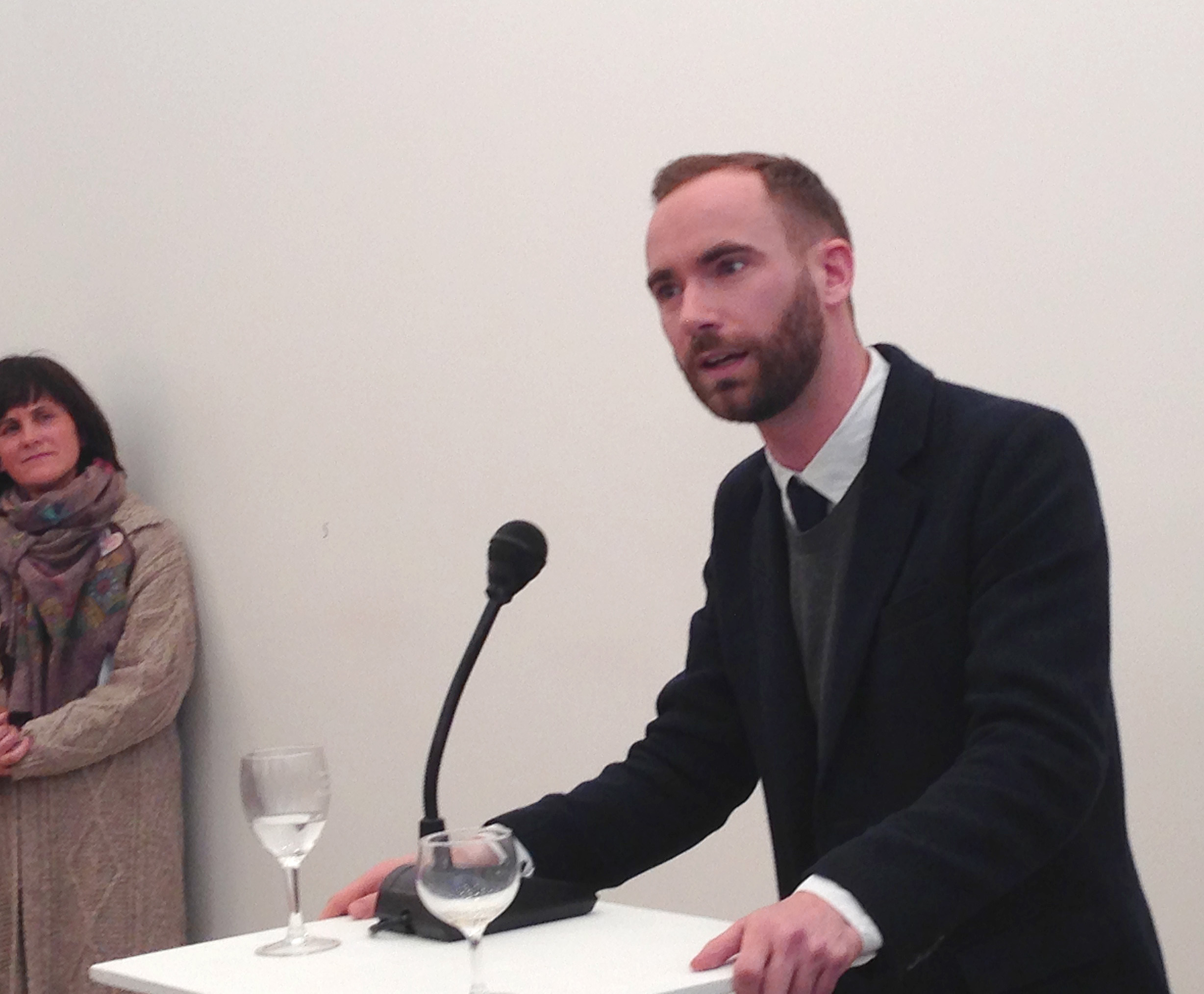
Sam Thorne

Sam Thorne

It’s no coincidence that one of the speaking guests at the opening was Sam Thorne, artistic director of the Tate St Ives Gallery in Cornwall. Comparison between West Cornwall and West Cork is inevitable: both regions have a history of attracting artists because of the very particular light that comes from close proximity to the Atlantic coastline. Also, artists have been drawn to these places because of enduring lifestyles that are simple, basic and close to nature. Thorne made the perhaps surprising statement that West Cork is home to more artists per capita than both Paris and London.

'Blinkers' - Angela Fulcher 2015

‘Blinkers’ – Angela Fulcher 2015

Sam Thorne said that having a community of artists contributes all kinds of different aspects to a region. One of the simple ones is tourism. “That’s been a really important thing in St Ives over the past two decades,” he said. “The gallery contributes £11m (€14.6m) every year to the local economy in St Ives – three times that which was anticipated when the gallery opened… So there’s a very real powerful impact that having artists there, having art there, creates for the community.” He added that the St Ives Gallery now needs to extend its buildings and anticipates over £80m coming into the local coffers over the next few years.

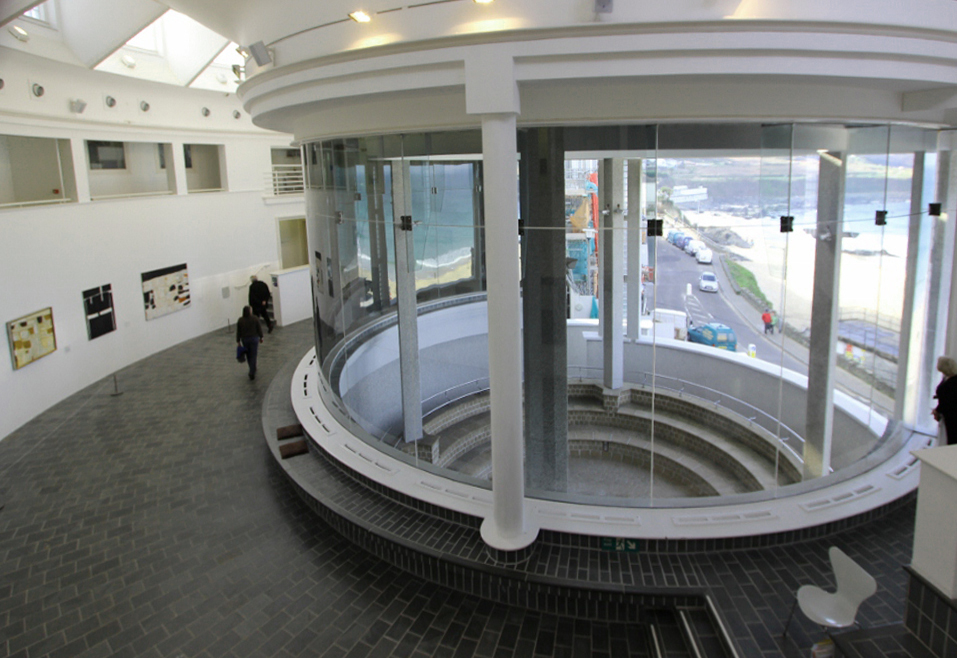
tate

Phenomenal success: the Tate Gallery, St Ives, Cornwall

I spent many years in Cornwall and watched the development of the Tate Gallery in St Ives. It has become a year-round tourist destination: in all seasons – and in all weathers – the streets of the little town are crowded with visitors who are, of course, using the local shops, b + bs and restaurants. It has also created problems: overloaded car parks, strained infrastructure. But surely this is better than closed shops and failing businesses?

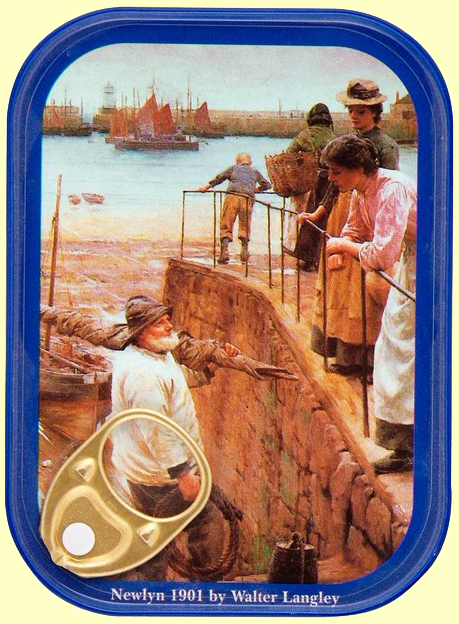
Of course, Skibbereen is not St Ives – and our Arts Centre doesn’t have the backing of a body like the Tate, with its enormous resources of historical art. But there are great possibilities nevertheless: Ireland has a wonderful art heritage, much of which is seldom seen outside of the big city galleries. And there are strong links between Irish artists and Britain which could be delved into. Think of the Newlyn School artists – Alexander Stanhope Forbes and Norman Garstin were both Irish; Cornwall was also home to Breon O’Casey and Tony O’Malley. Other artists moved from Cornwall to the west of Ireland, including Nancy Wynne-Jones, Conor Fallon and – mentioned above – Michael Ray.

Impressive gallery spaces call for dynamic works

Impressive gallery spaces call for dynamic works

The St Ives Tate works so well because it is able to show the ‘big names’ – but it also encourages young and local artists, whose output often interacts with the historically established works. There is no reason why the Skibbereen centre couldn’t build on similar links: wouldn’t it be wonderful if we could see paintings by the likes of Jack B Yeats, Paul Henry, Sara Purser or Daniel Maclise on our doorstep – complimented, of course, by the very best of home grown talent? The ‘big names’ would be the crowd-pullers – at least initially: these are the building blocks for forging a lasting reputation.

headphones on

Works in progress: the centre contains studios and workshops

The new building still awaits its official opening: this will happen in the summer and the President of Ireland – Michael D Higgins – will have that honour: a scoop for Skibbereen! The Board of the West Cork Arts Centre – and the sponsors and donors – have moved mountains to realise the vision of this building. Now it’s down to creativity and dynamism from the team – and to enthusiasm and encouragement from us, the visitors, whose support is vital to this building’s future success.

quirky

Pilchards and Palaces

Black Castle, Leamcon

Black Castle, Leamcon – also known as ‘The Hound’s Leap’ – William Hull territory

A little while ago I described an outing we undertook exploring some of the archaeological sites on the Mizen Peninsula. We were out again a few days ago checking on some monuments off to the west of us. I had researched the Archaeological Survey Database, and determined to have a look at the ‘Fish Palace’ located in the townland of Leenane, close to Crookhaven – evidently a substantial establishment set up by Sir William Hull and his business partner, Sir Richard Boyle, first Earl of Cork, in 1616.

Leenane Fish Palace in 2015

Leenane Fish Palace in 2015

Hull was a notorious character – his family home was Larkbeare, near Exeter in Devon. He had been appointed Deputy Vice Admiral of Munster in 1609 under James I, and settled in Leamcon near Black Castle or ‘The Hound’s Leap’, one of the O’Mahony castles built along the coast of Roaringwater Bay. Set on a promontory into Toormore Bay, Leamcon  is one of the most defensible of these, only being reached by crossing a narrow bridge. Hull’s job was ostensibly to protect the southern Irish coastline against piracy. In fact, the post seemed to encourage collaboration with the pirates, where it would financially benefit both the Admiralty and Hull himself.

You probably want to know what a ‘Fish Palace’ is? I had seen the term on Irish Ordnance Survey maps, and had established that it is a class of monument in the Archaeological Inventory of County Cork 1992, where it is well described:

‘…Fish palaces: The fishing and curing (smoking, pickling and pressing) of pilchards (Sardinia pilchardis) became an important industry in West Cork during the 17th century. This industry suffered from the erratic pattern of pilchard shoals (some years none would appear in Irish waters) and was in serious decline by the middle of the 18th century. Today, all that remains are the ruins of curing stations, called “pallices” along the coast. The word “palace” is of uncertain derivation, but probably originated in the SW of England where it meant a cellar used for storing fish. Usually the “press wall” is the only standing structure, with its horizontal line of lintelled support niches. These held one end of a press beam; at the other end a heavy weight was suspended and in the middle was a wooden press or “buckler”. The buckler was placed over an open barrel of pilchards and the downward force of the press beam pressed the pilchards into the barrel. Also fish or “train” oil was squeezed out through a drain in the base of the barrel; this was valuable as a luminant and was used by the tanning industry…’

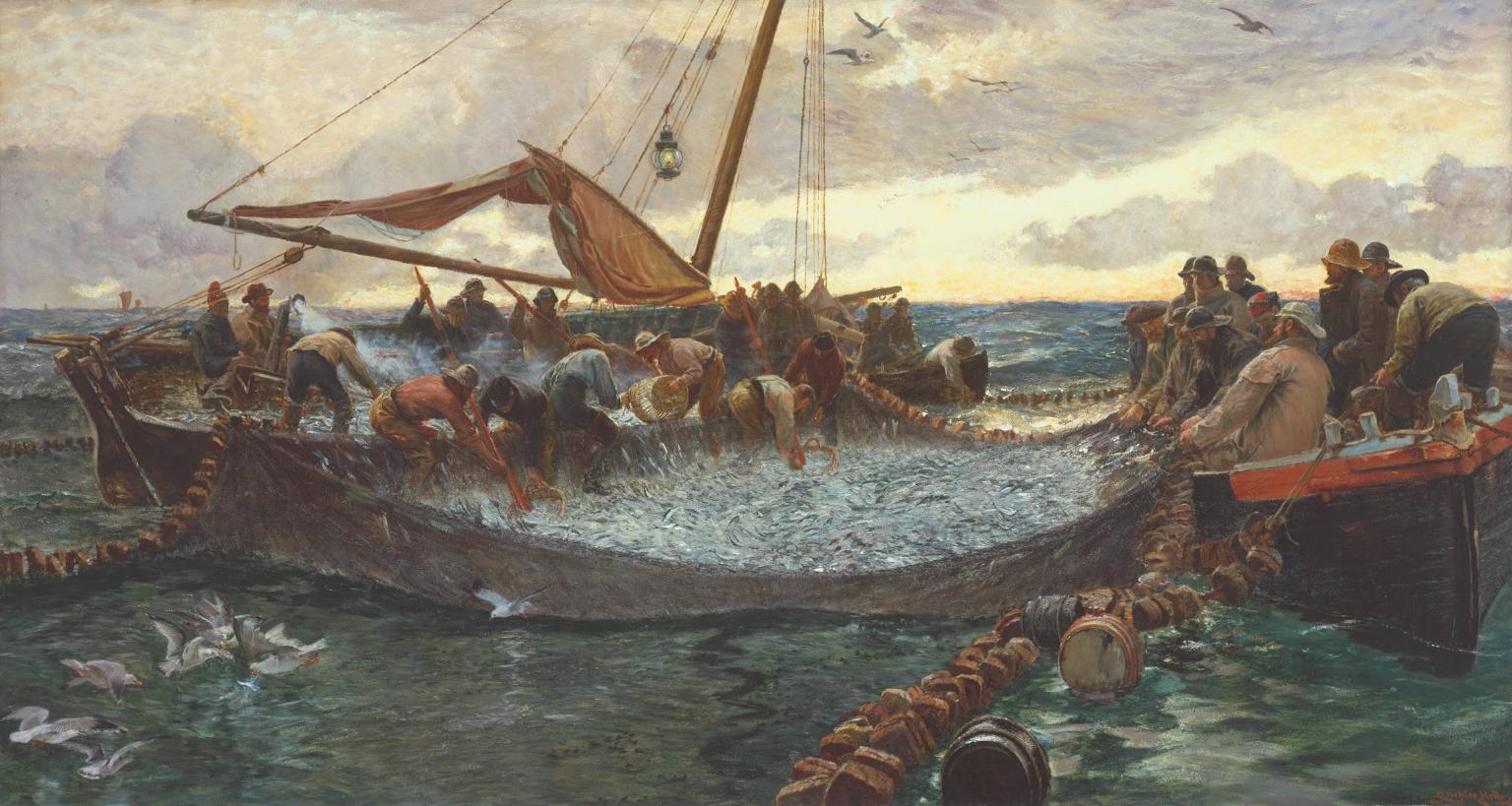
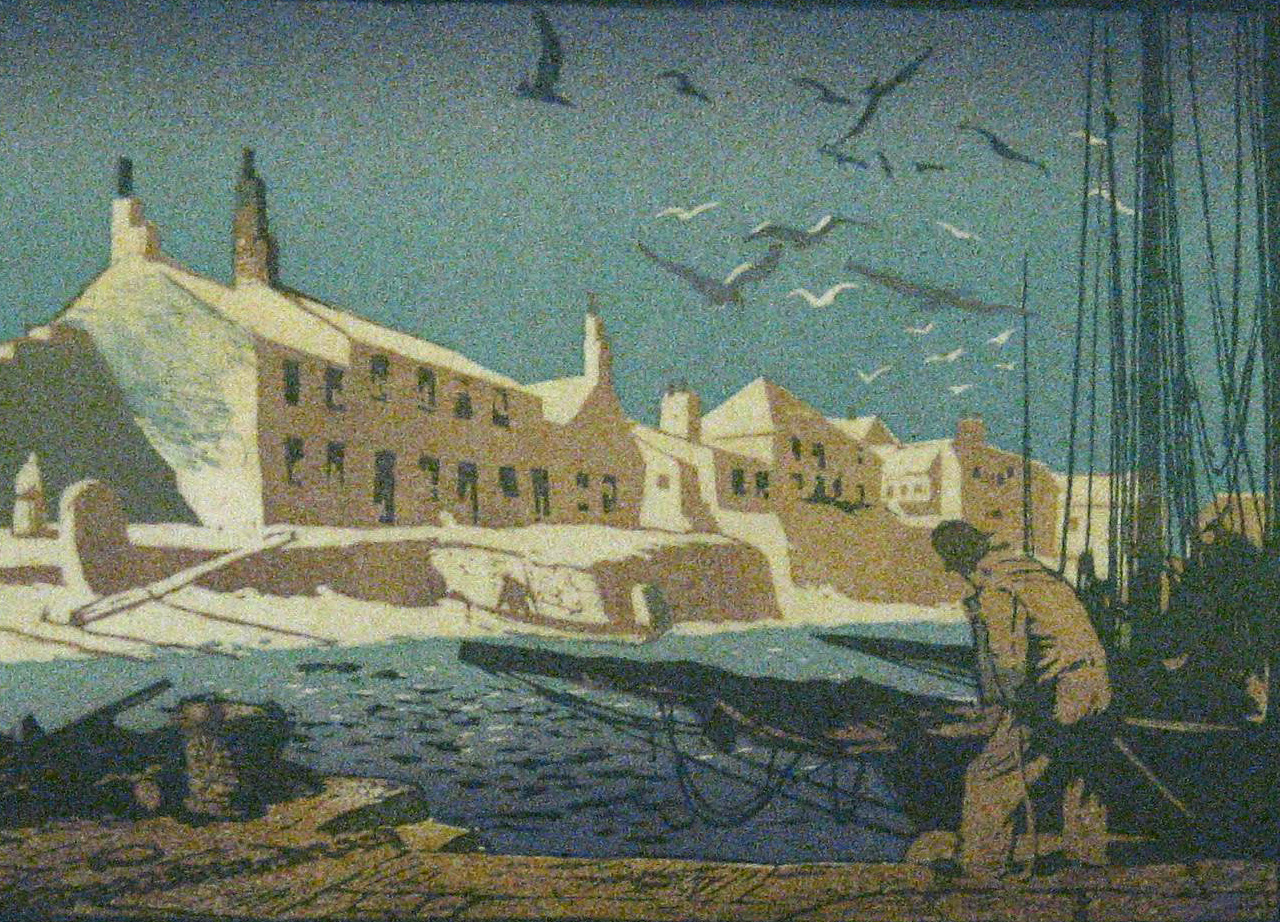
All this has been ringing bells with me: firstly, because I know from the map that a Fish Palace once existed down below Nead an Iolair – overlooking Rossbrin Cove and Castle – but no trace is left now, except that the field there is still known as ‘The Palliashes’; but secondly because when I lived in Newlyn in Cornwall I looked out over Mounts Bay, where a pilchard fishery had been active since the 16th century. This was a huge business, whose heyday was the middle of the 19th century. Pilchard quantities are measured in ‘hogsheads’ – one hogshead holding 3,000 fish: in 1847 the exports of pilchards from Cornwall amounted to 40,883 hogsheads or 122 million fish! By good fortune we have a pictorial record of the activities, as two of the Newlyn School of Artists chose seining as the subject matter for two impressive paintings.

'Pilchards' - Charles Napier Hemy 1897 (Tate Gallery)

‘Pilchards’ – Charles Napier Hemy 1897 (Tate Gallery)

'Tucking Pilchards' Percy Craft 1897 - Penlee Gallery

‘Tucking Pilchards’ Percy Craft 1897 (Penlee Gallery)

*

In the good times Mounts Bay was brimming with seine boats. The pilchards were harvested during the summer when the shoals swam in close to the shore. Lookouts known as Huers were posted on the cliffs, from where the shoals could be seen and semaphore signals were sent out to the waiting boats who let out 400 yard long nets to surround and trap them. The nets were kept upright by floats at the surface and weights at the bottom, presenting an impenetrable wall to the pilchards. The pilchards were then removed by smaller tuck nets and loaded into punts and carried ashore. The seine net provided a convenient keep net in which the fish could be kept alive and fresh until they were processed.

Early photographs of seining, and the fishing fleets working out of Penzanace and Newlyn, Cornwall

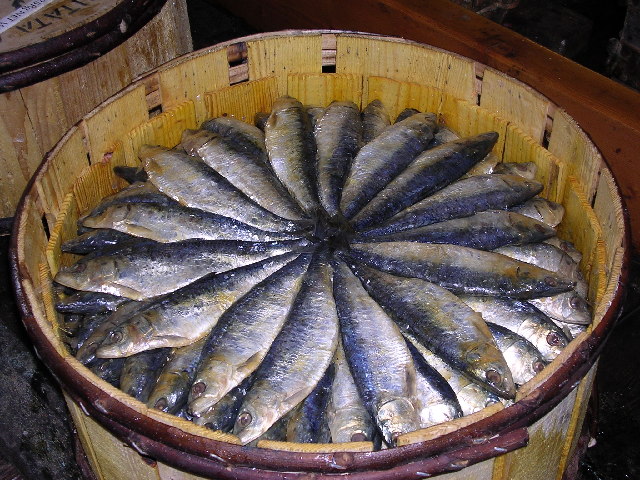
During my time in Newlyn there was an active pilchard processing plant – now closed down – but I was fortunate enough to visit the works and see the pressing and preserving taking place, using exactly the same methods that William Hull’s workers employed four centuries before. Just as in those earlier times the main markets for the processed fish were in France and Spain.

Pressed Pilchards (Richard Greenwood)

Pressed Pilchards (Richard Greenwood)

As in Ireland, the pilchard shoals severely declined – probably because of overfishing – and the industry followed. Nowadays there is a small amount of pilchard fishing taking place in Cornwall, but it is barely viable.

Mousehole, Mounts Bay - Ernest Watson

Mousehole, Mounts Bay – Ernest Watson

To the casual observer, our little expedition to the Crookhaven Fish Palace might have seemed pointless – a lot of scrambling through bracken and brambles to find a few old stone walls and the crumbling remains of an abandoned quay. Through our eyes, however, we saw the industry and energy of former days: Irish men and women labouring long and hard to put clothes on the back of a Knight and an Earl…

canned pilchards

Wedge Tombs: Last of the Megaliths

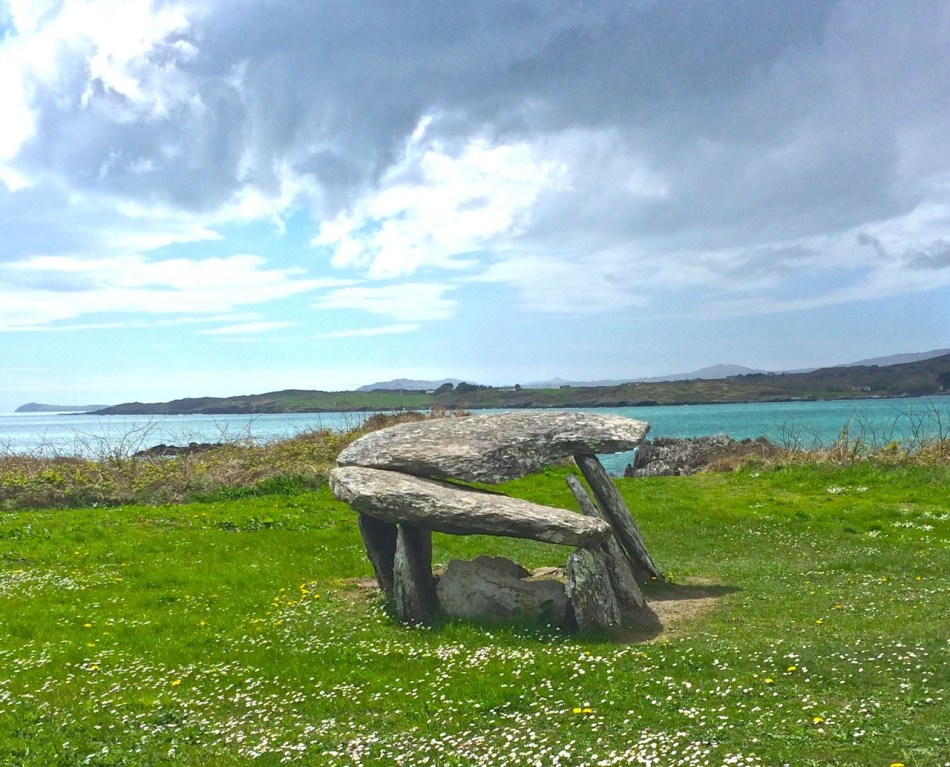
Altar Wedge Tomb on The Mizen Peninsula

Altar Wedge Tomb on The Mizen Peninsula

In Ireland, the tradition of building megalithic (mega=large, lithos=stone) structures that included chambers to house the dead (such as the Boyne Valley Passage Grave complex, or the Court Tomb of Creevykeel) belongs to the Neolithic period, which ended around 2500 BC. About this time, a new style emerged of stone ‘galleries’, oriented towards the setting sun. Their distinctive shape – narrower and shorter at the eastern end – gives them their common name, wedge tombs. This tradition appears to have flourished for about 500 years.

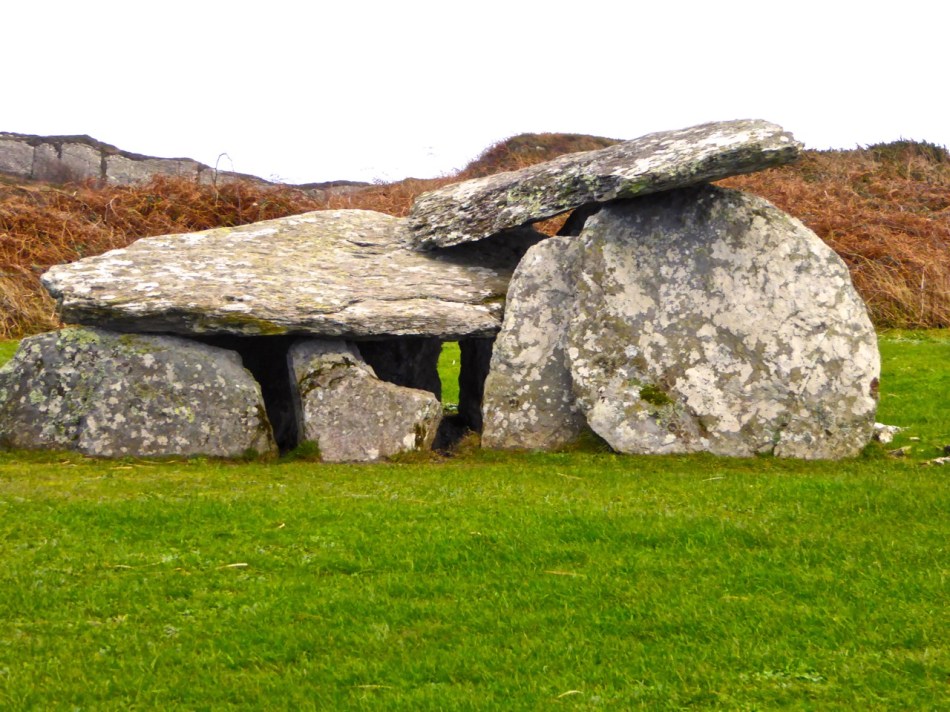
Altar, side view

Altar, side view

In other areas of Ireland wedge tombs were often covered by a mound, but there is little evidence for this in West Cork. The closest parallel to wedge tombs outside of Ireland are in Brittany where allées couvertes date from this period. They are associated in some parts of Ireland (although once again not in West Cork) with Beaker pottery, a distinctive kind of vessel widely distributed across Western Europe. This was a time in which the population was expanding, farming practices were intensifying and a brand new technology was being introduced – it was the dawn of the Copper Age. Thus, we can speculate that wedge tombs mark the confluence of two forces: the new continental technologies of pottery and metalworking and the indigenous tradition of erecting megalithic chambered tombs.

Wedge tombs occur mostly in the western half of Ireland, including many in County Clare such as the Parknabinnia tomb pictured below.

 The largest wedge tomb in Ireland is near Fermoy, north of Cork City. It is typical of many Irish wedge tombs in featuring double walling, evidence of a surrounding cairn, and a sealed end chamber. Interestingly its name, Labbacallee, means the Hag’s Bed – the hag, or wise woman crops up frequently in Irish mythology.

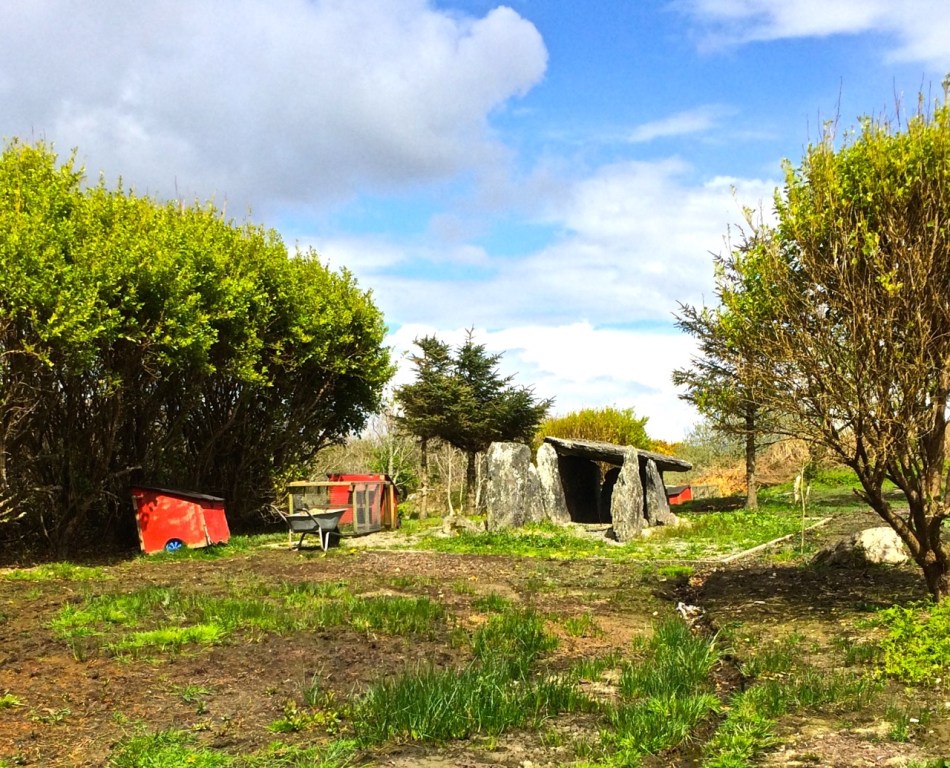
In contrast to Labbacallee, wedge tombs in West Cork are generally smaller and simpler, comprising only one chamber and lacking a covering cairn. However, the distinctive wedge shape is preserved along with one other defining feature: wedge tombs are invariably oriented towards the setting sun. The funerary rite was that of cremation. Votive offerings of white quartz pebbles and small deposits of metal have been found in excavations.

Toormore wedge tomb,  now in someone's garden

Toormore wedge tomb, now in someone’s garden

Prof William O’Brien has excavated wedge tombs in West Cork and studied them, and the culture in which they were built, extensively. Here’s what he has to say, in his book, Iverni, about the society that produced them:

Whereas monuments like Newgrange could only have been built with a large organised input of labour over a long period, the building of wedge tombs was undertaken by small kin groups…This was a small scale society, comprised of local, clan-like groupings…The tomb was a type of shrine, sanctified by an association with ancestors and used for periodic offering and sacrifice to supernatural powers.

A striking aspect of Neolithic, Chalcolithic (Copper Age) and Bronze Age monuments in West Cork is their consistent orientation towards solar events such as sunrise and sunsets on the equinoxes, solstices and cross-quarter days (see our post on Bohonagh stone circle, for example). In this regard, wedge tombs are remarkably consistent in being oriented towards the West. Here’s O’Brien again:

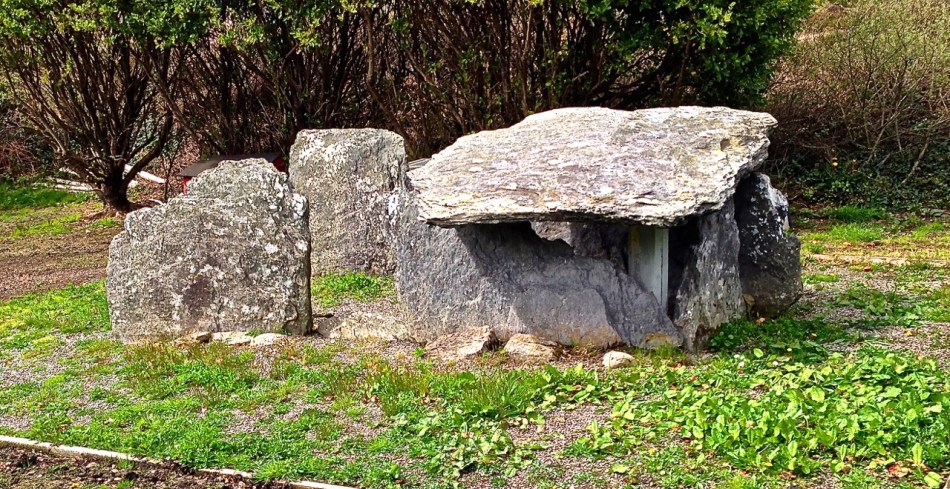
Wedge tombs served as funnel-shaped openings to the Otherworld, facing the descending or setting sun to emphasise the symbolic dualism of light/life and darkness/death.

Toormore, side view

Toormore, side view

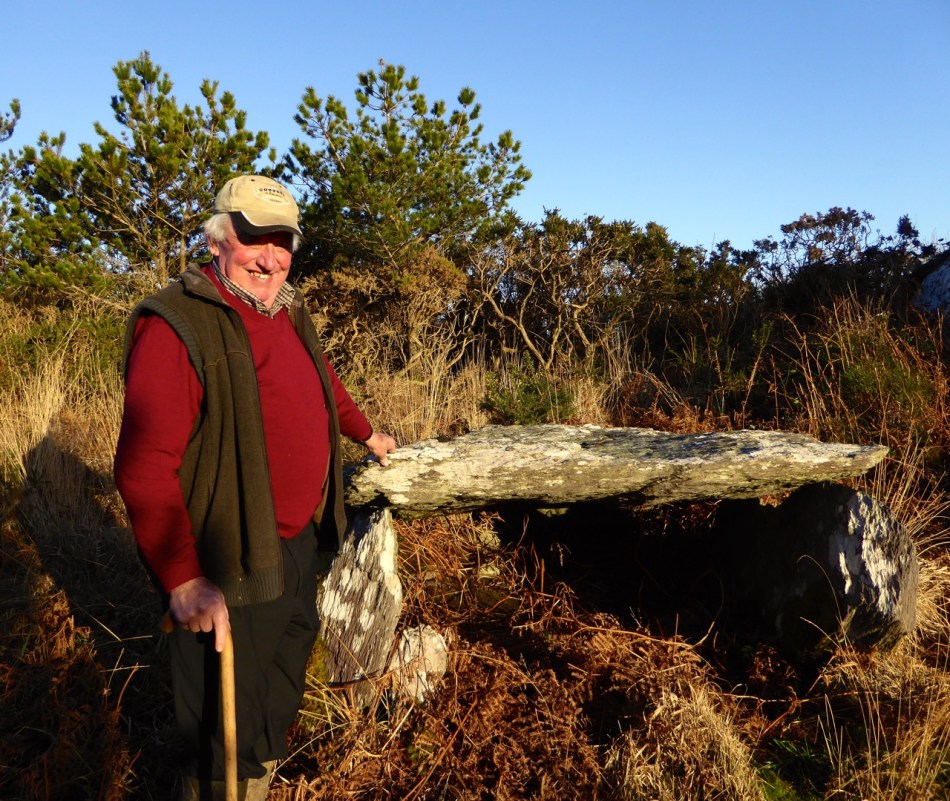
Looking for a wedge tomb closer to home, we set out yesterday to find the nearby Kilbronogue site, using the information from the National Monuments Service as a guide. We have found in the past that the mapping of sites is not always accurate and after an hour or two of tramping through a large and very muddy area with a helpful neighbour and his son we had to admit defeat – either the map was wrong, or the monument had disappeared in the recent fieldwork by a digger. Desperately hoping it was the former and not the latter, we found out who owned the land and went to call on him today. Stephen Lynch turned out to be a friendly, cheerful and very knowledgeable organic farmer – he assured us that the tomb would never be damaged in any way and not to worry, he would take us to it. Whew! Half an hour later we were trudging up a path that Stephen had had cut through his ash plantation – on we went and suddenly there it was in front of us – a classic wedge tomb, oriented to the west, built with large slabs that may have been cut from the rock face behind it.

Kilbronogue wedge tomb with its guardian, Stephen Lynch

Kilbronogue wedge tomb with its guardian, Stephen Lynch

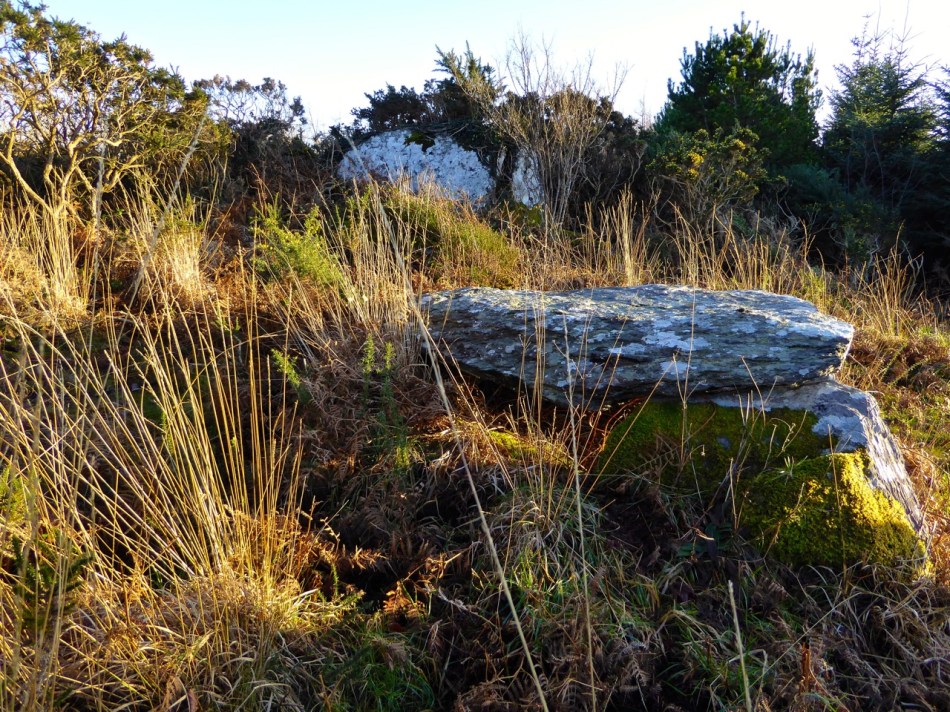
Stephen told us the tomb had been used as a mass rock in penal times and that the Protestant farmers who owned all the farms that bordered on the rock had cooperated in allowing the masses to take place – an indication, Stephen said, of the long tradition of friendship between Catholic and Protestant farming families in this area. As with the Altar wedge tomb, also used as a mass rock, we marvelled at how a sacred site, built at least four thousand years ago, would retain its aura of veneration over the millennia, to be used again for religious purposes in the historic period.

Kilbronogue, side view

Kilbronogue, side view

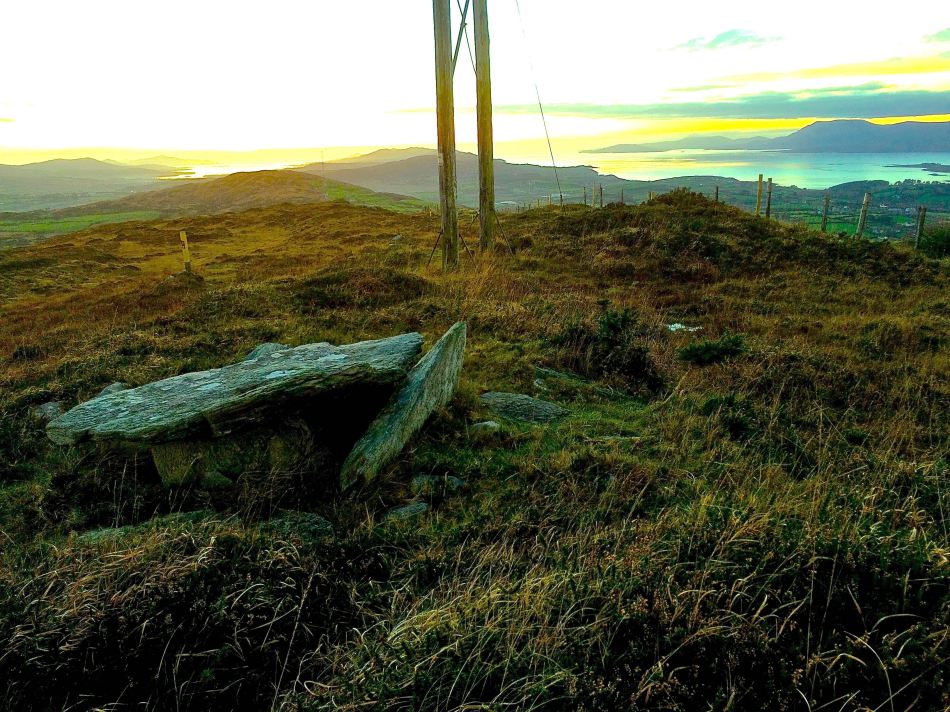
Perhaps the most spectacularly situated wedge tomb we have been to is high on a hill overlooking Bantry. This one is known as Queen Medb’s Tomb and from it there are expansive views of the Beara, Sheep’s Head and Mizen Peninsulas. Climb up to it on a clear day, as the sun is sinking into the sea: in the presence of such awe-inspiring scenery you will find yourself contemplating how the mysteries and the wonders of Irish history and prehistory are written on its landscape.

Queen Medb's Tomb

Queen Medb’s Tomb