Landscaping – with Trish Punch

Brow Head

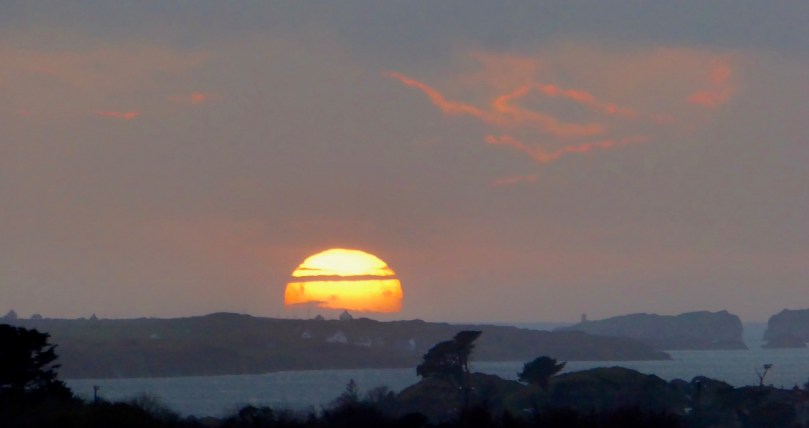
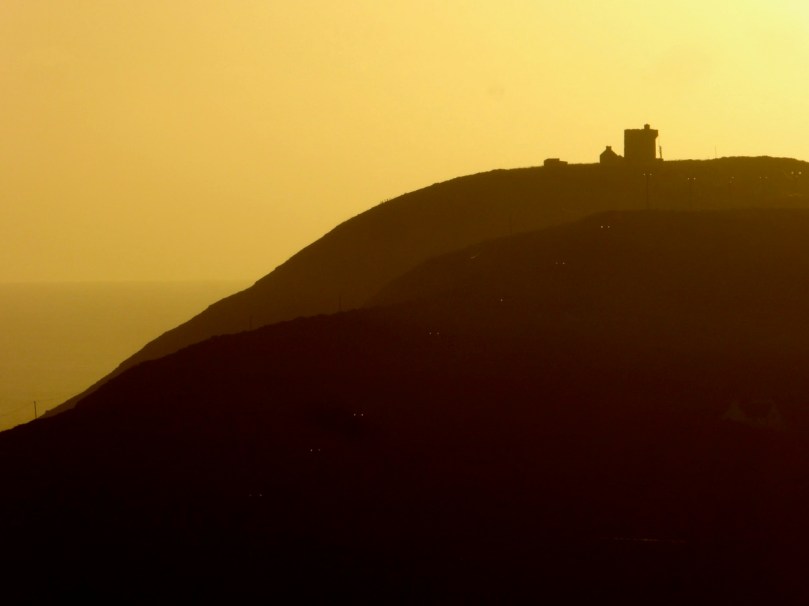
Brow Head silhouetted against the setting sun*

In our quest to bring you the best West Cork has to offer, we pepper our posts and our Facebook Page with photographs. After a great day-long course with Celia Bartlett (last year, highly recommended!) I managed to wean myself from the auto mode on my camera and have been taking pictures using the manual setting for more than a year now.

Rock Island

Rock Island and Crookhaven Inlet

And I’m hitting the wall again – knowing my camera is able to deliver so much more and that there’s a lot I need to learn about composition. So I signed up for a one-on-one workshop with Trish Punch and boy, am I glad I did!
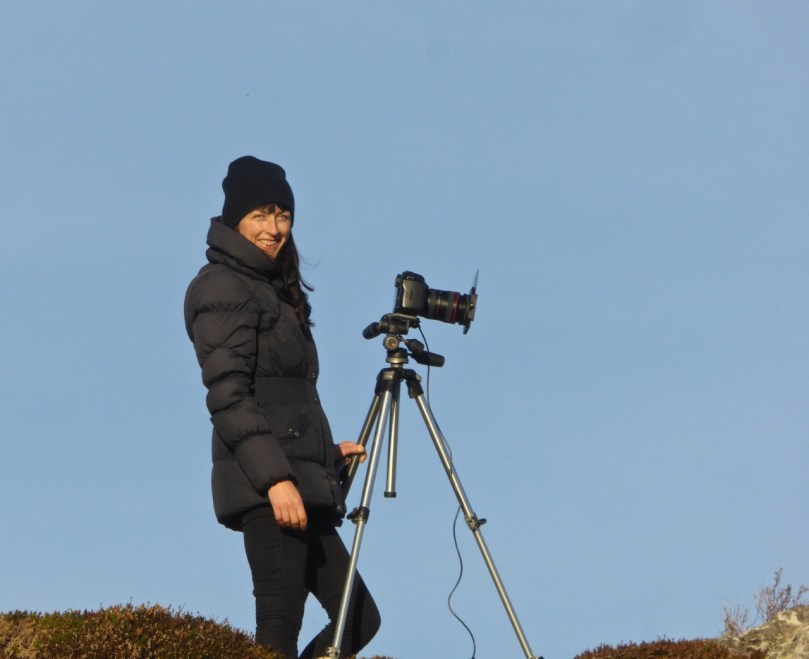
Trish 4

This is Trish – she’s a professional landscape photographer who supplies images to Lonely Planet (Lonely Planet!) among other prestigious publishers and travel sites. She specialises in the Wild Atlantic Way and is currently pursuing a project to capture the islands along the Way. Take a look at her website and be prepared to do some serious drooling.
Crescent sky

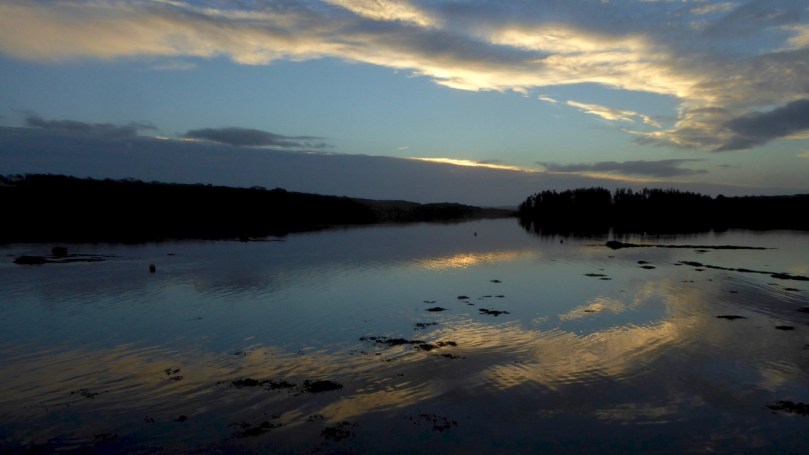
We started at dawn and watched the light appear over Ballydehob Bay

But Trish is also an inspiring, encouraging, and organised teacher – and a lot of fun to be with. We had a great day together, starting at dawn and ending when the sun set. Throughout the day she encouraged me constantly to slow down, think about my shots, use the principles of good composition, really examine where the eye was being led in the frame and check the light. 
Schull Pier

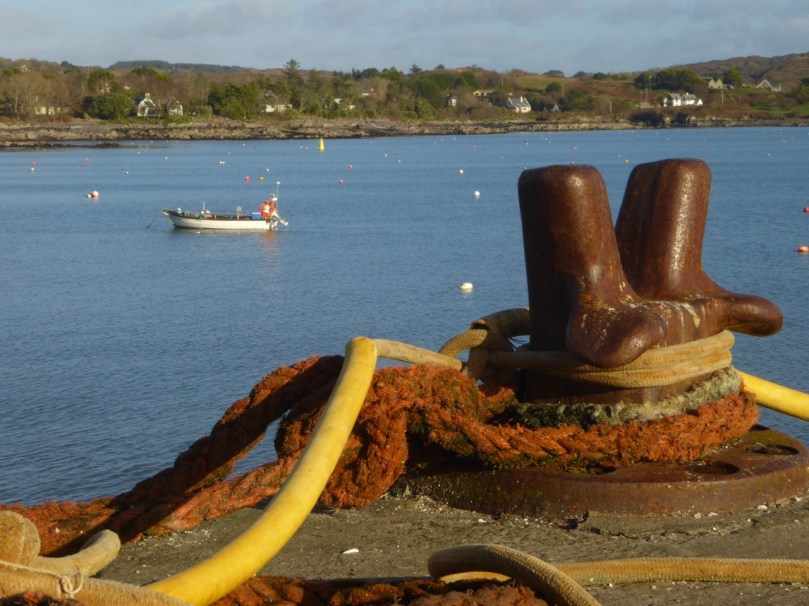
This was taken on Schull Pier – the mooring bollard takes on a sculptural quality in the right lighting

I’ve been making all the classic mistakes, chief of which is to plonk the main subject right in the middle of the frame. I have also struggled with sharp focus, especially in low light, and Trish insisted on me using my tripod (something I have been reluctant to do – I don’t want to lug it around) and showed me how to use my timer to take the shot, since my camera won’t accommodate a cable or remote shutter release.
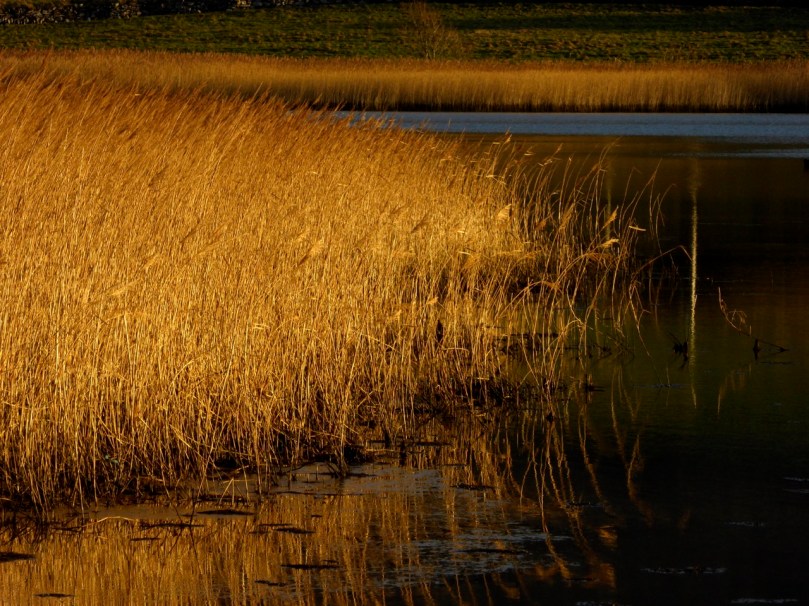
Barleycove Wetlands

Watching where the light comes from – these marsh grasses at Barley Cove glow golden in the low evening light

We were fortunate to have a really great day in December, with a long Golden Hour at each end. I’ve been practising what she taught me since then and I feel a little more confident each day. I hope you, our dear readers, will see a difference too, over time.
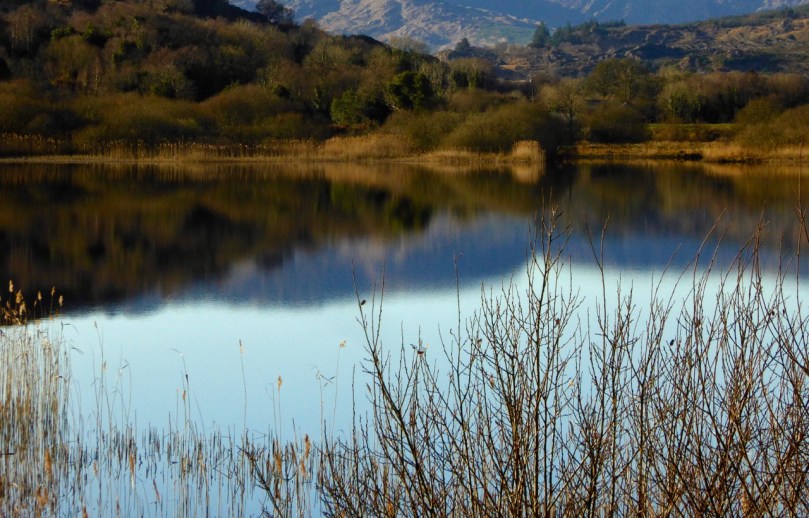
River Lee near Ballingeary 2

The River Lee near Inchigeelagh

We took a trip to Macroom the other day and I used the opportunity to practise what I learned with Trish. Mostly I just tried to slow down and think more about the composition of the shot. It was another amazing day with clear blue skies – but this time very cold with lots of frost where the sun hadn’t managed to penetrate.

Sunshine and Frost, West Cork

Sunshine and shadow on a frosty day in West Cork

If you’ve been thinking you’d like to improve your photography skills, give Trish a call or drop her an email. You can take one of her planned workshops or she can customise a day, or a weekend, for you no matter what level you’re at.

Coral House

House in the Shehy Mountains

Don’t be intimidated if you’re operating on the automatic settings or if you don’t know the difference between shooting in RAW or JPEG (I didn’t) – you’ll come away knowing a lot more about how to move forward in your skills. And you’ll have time in the open with lots of laughter and surrounded by incredible landscape – now what could be better than that?

Pass of Keimaneigh

Heading up to the Pass of Keimaneigh

*I took the first five photographs above on the day of the workshop (Dec 16) and the next five in the last two weeks.

West Cork in Photographs – Your Favourites, Part 2

Courtmacsherry Bay

A winter walk in Courtmacsherry Bay

Part 2 of your (and our!) favourite West Cork photographs of 2016. If you’re not here already, as they say in West Cork – Where else would you want to be?

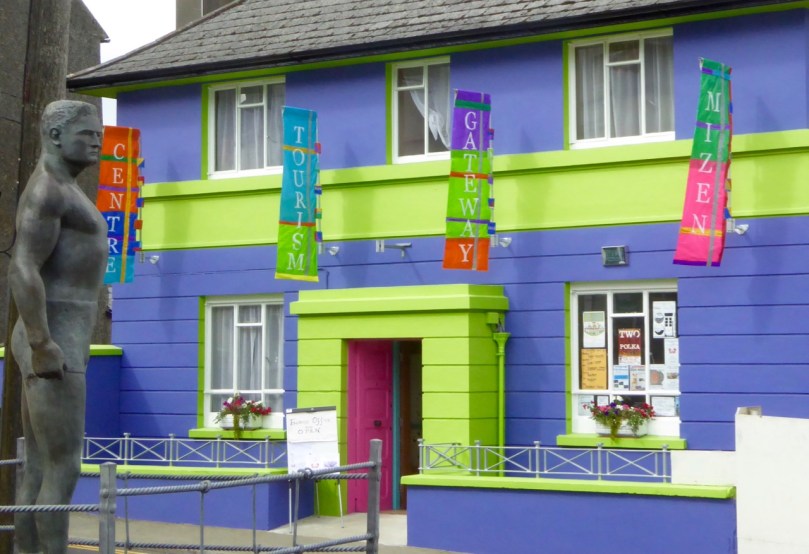
Banners up

The new Ballydehob Tourist Information Centre

Castle in the mist

Kilcoe Castle in the mist

Colours of West Cork

Toormore – the colours of West Cork

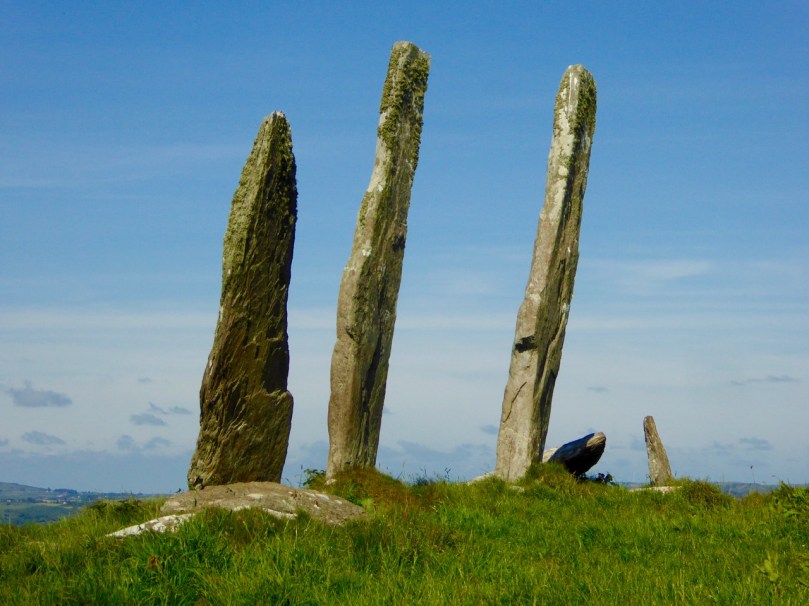
The Fingers

The Fingers, Gurranes, near Castletownshend

Summer in Goleen

Summer in Goleen

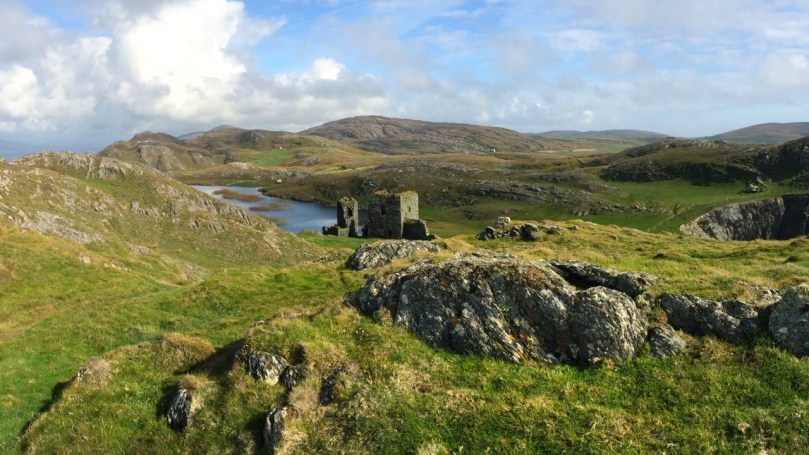
Three Castles

Three Castle Head

Black Castle

Black Castle, south of Lowertown

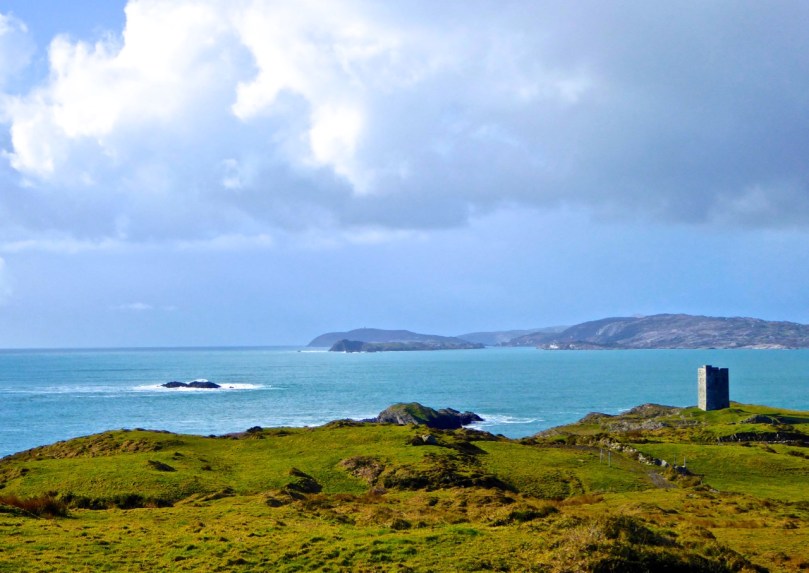
Mizen North Colours

North Side of the Mizen

Sun sets over Long Island

The sun goes down over Long Island

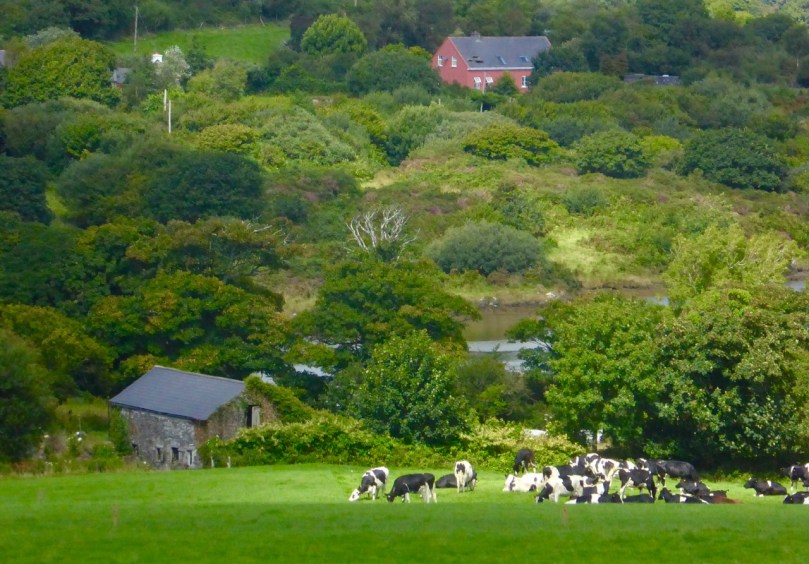
And an extra – one of my own favourites from this year. No drama – just a quiet sunlit meadow, an old stone barn and a colourful house. My West Cork.

Eugene and Margaret'sIn case you missed it, here’s a link to Part 1 of this two part exploration of West Cork in photographs.


West Cork in Photographs – Your Favourites, Part 1

Navigating Mizen Head

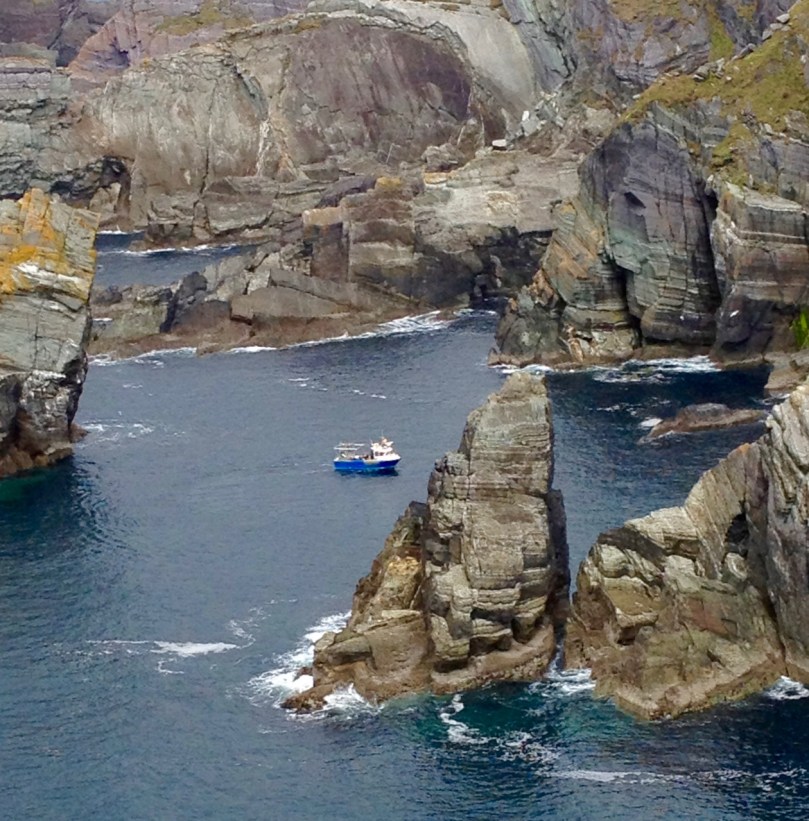
A fishing boat navigates the rocks of Mizen Head

Our Roaringwater Journal Facebook Page features lots of our photographs of West Cork – two or three every week – and we know by the views and the ‘likes’ the ones that capture your imagination. It’s become a tradition here with us at the end of the year to go through them all and show you the top choices. Think of it as our Christmas present to you, our wonderful readers – nothing to read, just images of our gorgeous part of the world to drool over. Of course, we have our own favourites too, even if they didn’t get as many likes as others did, so we sneaked a few of those in here two. This is the first of two posts – the next one in a few days.

Sheeps Head November Day

Sheep’s Head

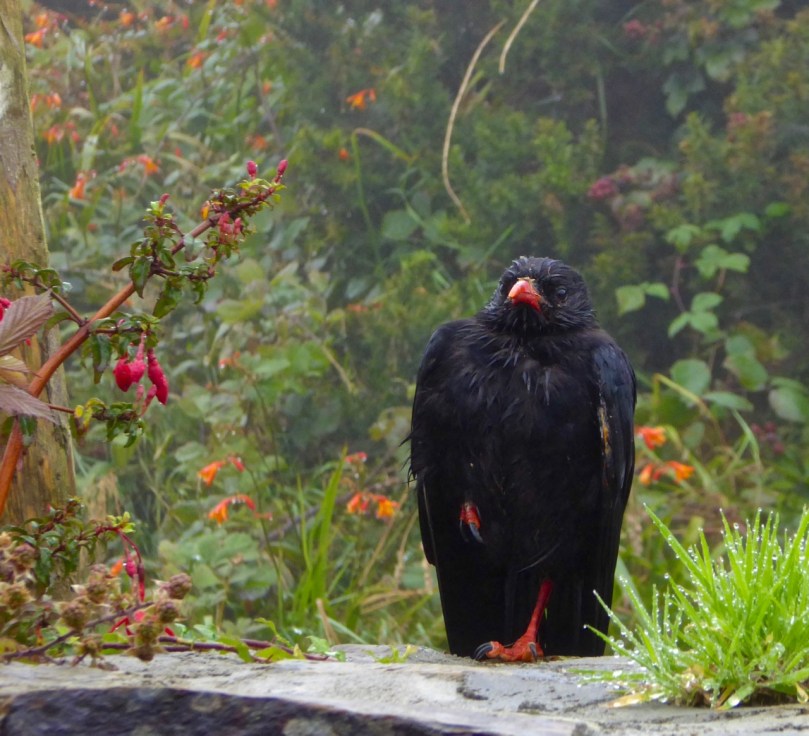
Chough by the Gate

Chough in the rain

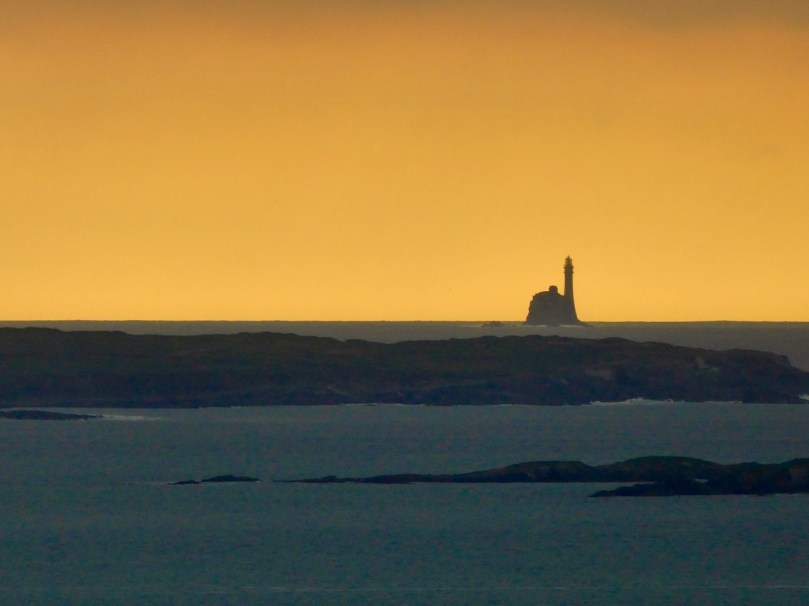
Fastnet in the sunset

Fastnet Lighthouse at sunset

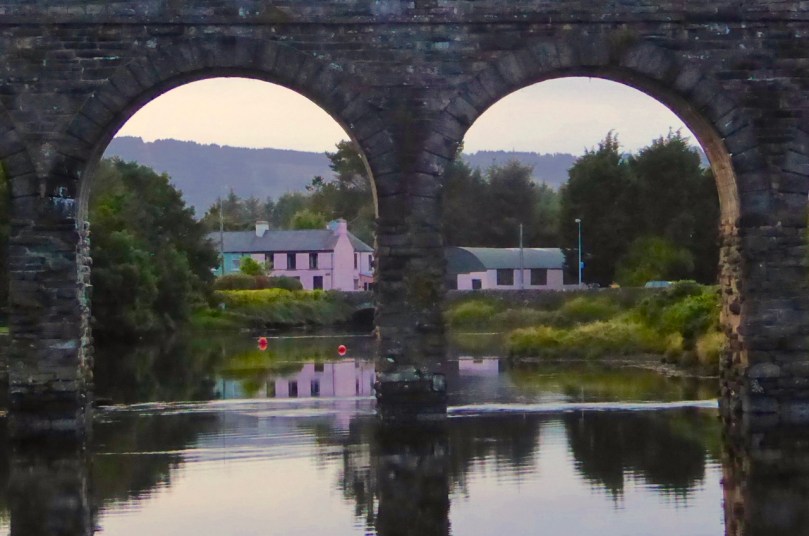
2 0f the 12

Two of the arches of Ballydehob’s famous Twelve Arch Bridge

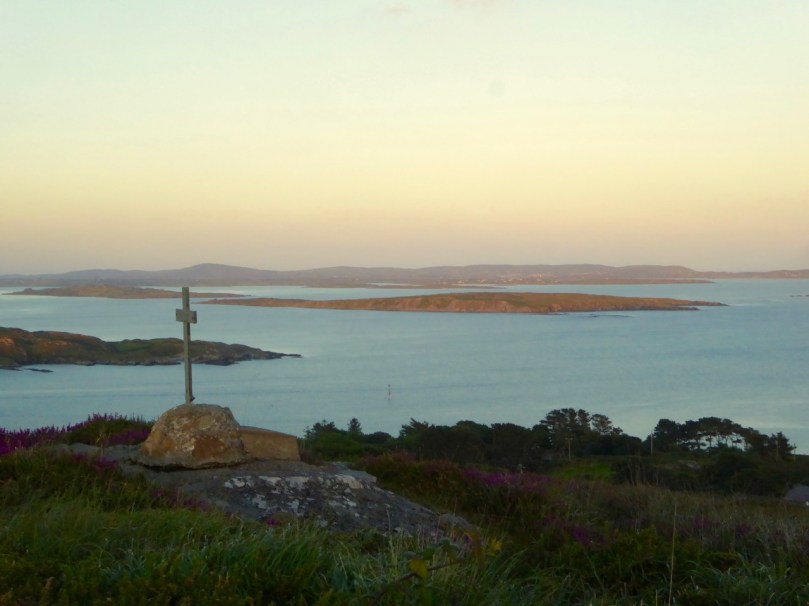
Roaringwater Bay from Sailors' Hill

Roaringwater Bay from Sailor’s Hill above Schull

Gougane Oratory 2

Gougane Barra in the autumn

To the Mass Rock, Sheeps Head

Walking to the Mass Rock, Sheep’s Head

Kealkill 2

The archaeological complex at Kealkill – a five stone circle, a standing stone pair and a radial cairn

Rossbrin Dawn

Rossbrin Cove dawn

The next batch (Part 2) is now up. Enjoy!

Your Favourite Posts of 2016

Horses at Caherdaniel

It’s that time of the year again! The wonders of technology enable us to know which of our posts have received the most views: we can see how many people clicked on each article although we don’t specifically know who you are! This is great for us, because we can get an idea of what you – our readers – like to see and this helps us when considering what to write in the future. Not that we necessarily always respond to the statistics, because sometimes we just think there are things that you need to know about, regardless of their potential popularity or otherwise!

Not in the ‘top ten’ – but through the year Finola has expanded – and passed on to you – her knowledge of the wildflowers that make the hedgerows and verges of West Cork so colourful (bee in fuschia, left), while Robert has used the Olympic year of 2016 to examine the history of some sporting events in Ireland (Tailteann Games 1924, right)

So, during this year, Finola and I have published exactly 100 articles for Roaringwater Journal: that’s almost one each every week. It’s fascinating for us to look back and see where we have been, what turns our interests have taken, and of course to see how well (or otherwise) our writing was received. Statistics are one thing, but it’s your comments that really inform us – so keep them coming…

From Outposts of Empire: memorials in St Barrahane’s Church, Castletownshend (left) and St Patrick’s Cathedral, Dublin (right)

Top of the board are two posts from Finola: one from the beginning of the year – Outposts of Empire, which researched and reviewed some of the monuments that are to be found in Protestant churches, cathedrals and graveyards in County Cork and Dublin. It’s a rich history of often only distantly remembered soldiers and battles. Why is this such a popular post? Perhaps because 2016 has been the focus for commemorations: the centenary of the Easter rising, and the fact that one hundred years ago many Irishmen were dying in the Great War. That has rather coloured the whole year in Ireland and Finola’s post – which also mentions some of the experiences of her own family – probably touches on many fertile memories.

Skibb men

How are ye keeping?

The next post in popularity dates only from last week: Finola’s latest humorous exploration of how people speak in West Cork – How are you keeping? This has become our top ‘viral hit’ on our Facebook page with thousands of views and 69 shares to date… Finola describes it as her ‘latest instalment of the How to Sound Like You’re From West Cork course’. The fifth of the series so far, it’s hilarious and has clearly captured the imaginations of our local readers.

key

Fourknocks, Boyne Valley: fetch the key and let yourself in…

To balance things out a bit the next two posts in popularity have come from Robert: Aweigh in Kerry – which delighted in the discovery of a boat-shaped house (pictured on the page header – an architectural gem) – and Fourknocks – the Little Giant, an account of a very unusual archaeological site in the Boyne Valley, north of Dublin. We were very taken by this site and its eccentricities: in order to gain access we had to collect the key (from a farm a mile away – and leaving a deposit of 20 euros) and let ourselves into the tomb which has some beautiful rock carvings.

East Window and Apse

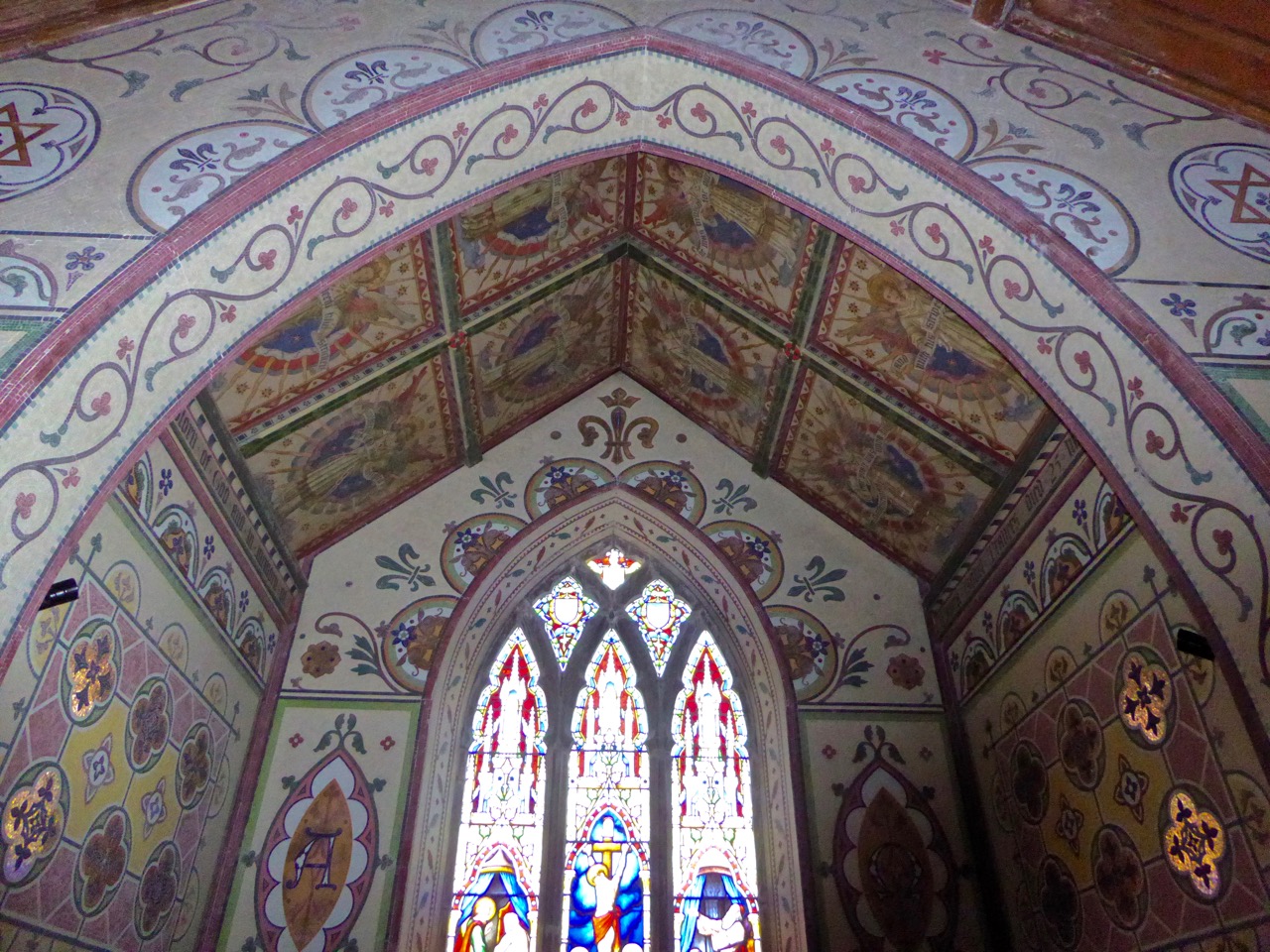
Magnificent mosaic work in the Church of the Ascension, Timoleague

Next up is Finola’s Mosaics and Maharajas – an exploration of a wonderful church in Timoleague with walls decorated in mosaic tiling. But there’s also a strange and poignant story which this church reveals to us (read the post)… And – what’s in a name? Well, perhaps the more bizarre – or seductive or beguiling – the title of a post is, the more hits it gets! Finola’s The Murdering Glen (a valley north of Bantry, again, with a story attached) certainly attracted a lot of attention.

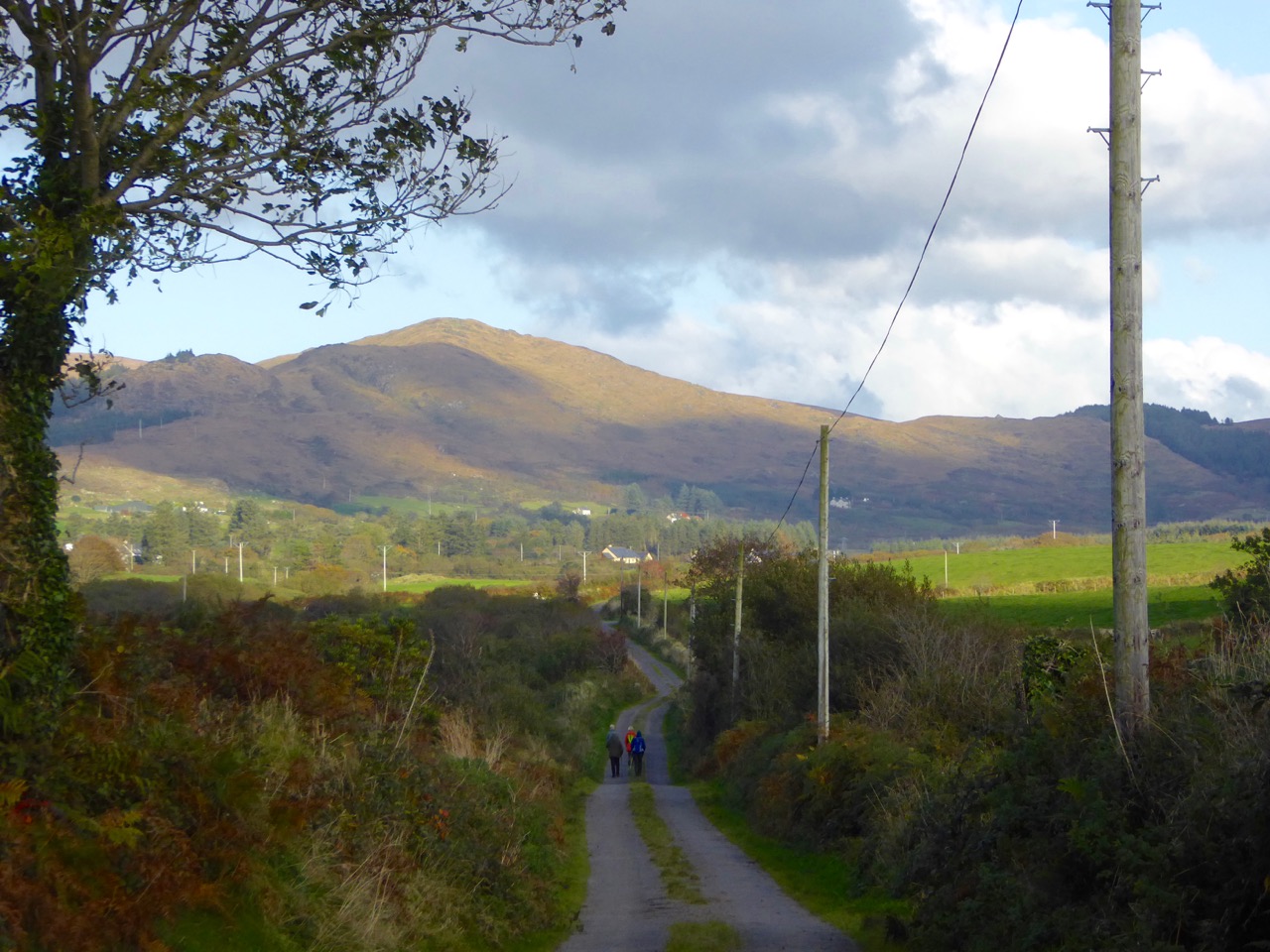
On the walk

looking towards west

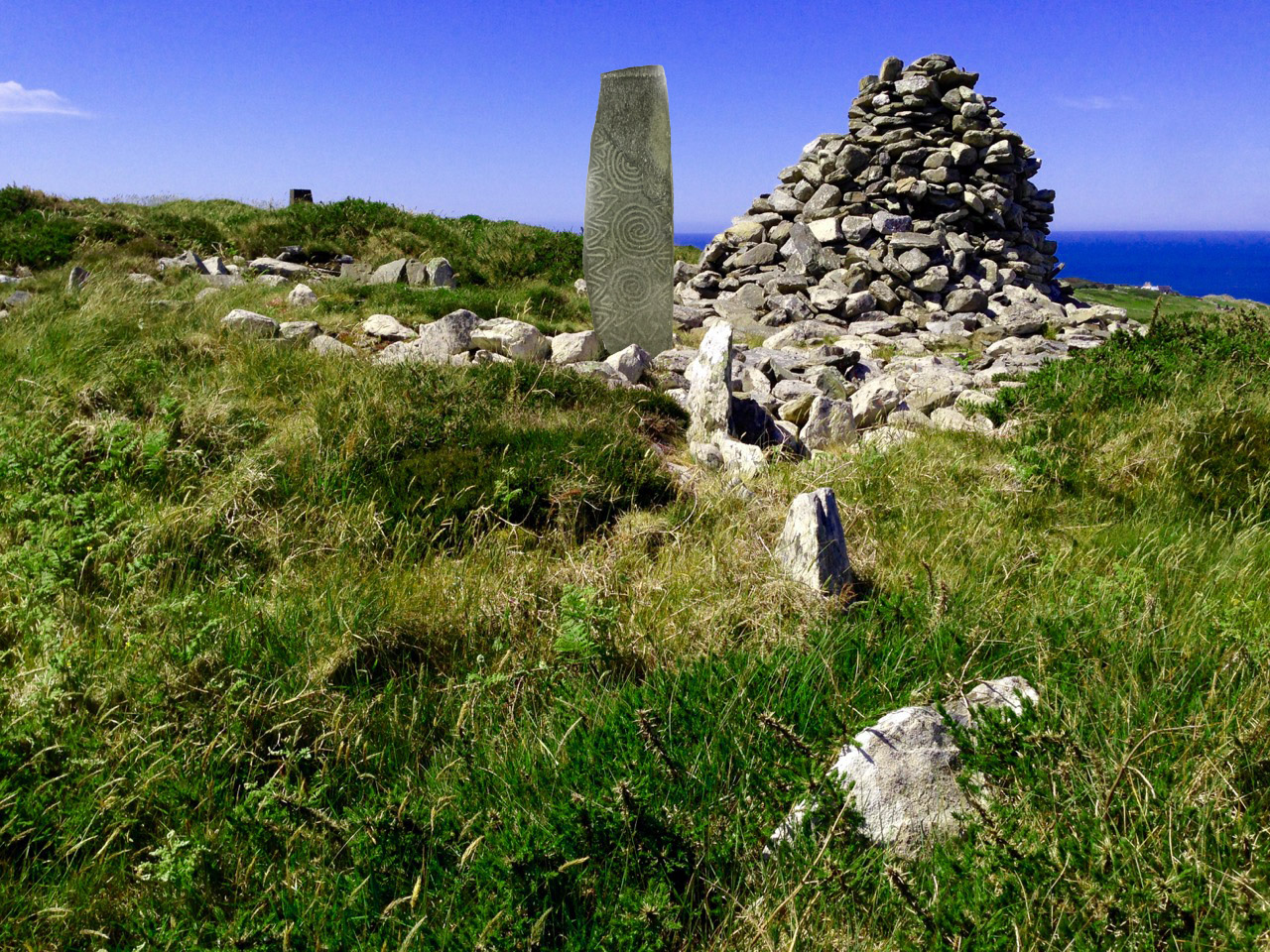
Upper picture – the murdering Glen; lower picture – Robert’s imagining of the Cape Clear Stone restored to its rightful place on the island…

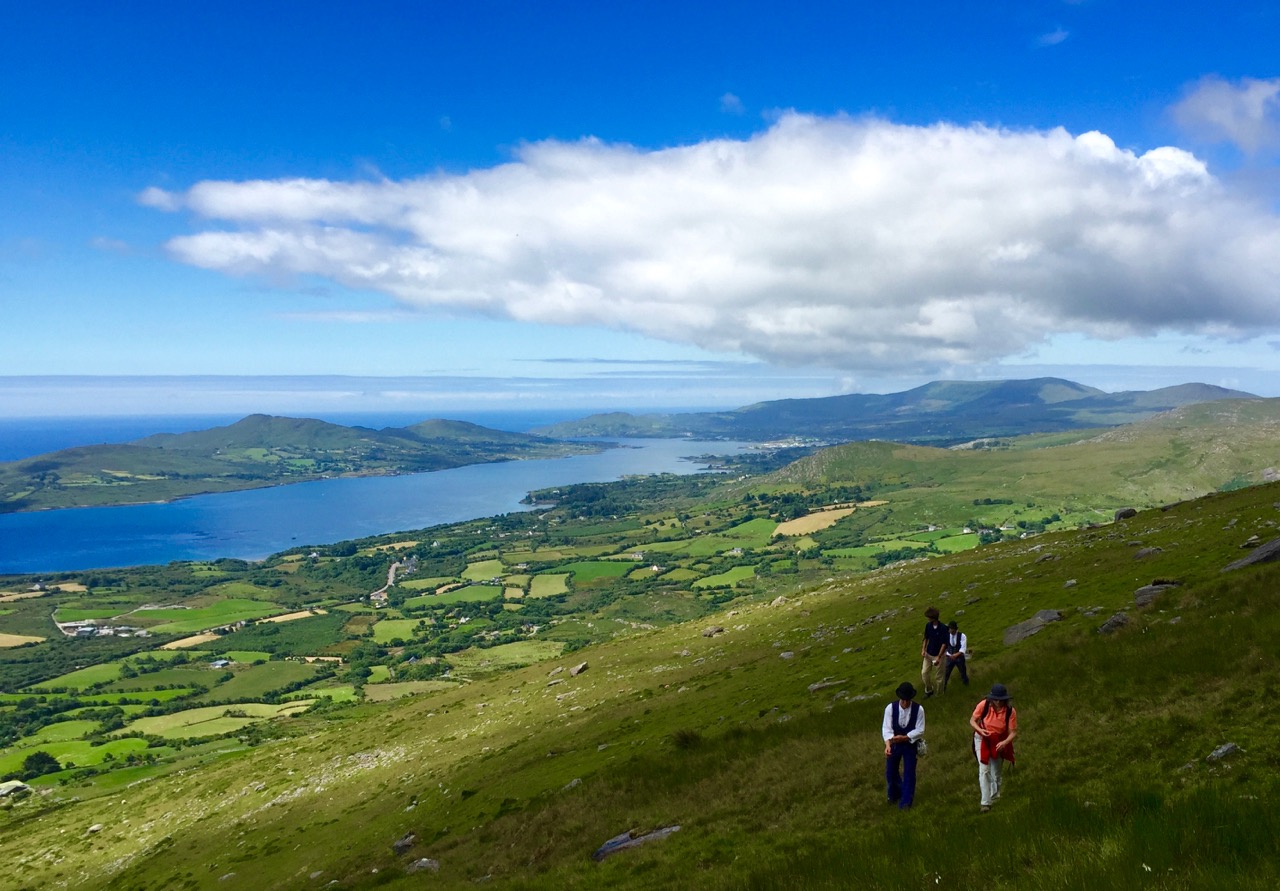
Robert’s report on the passage tomb on the summit of Cape Clear – and the story of the carved stone that’s now in the Cork Public Museum comes next: Cape Clear – the Stone that Moved, closely followed by Finola’s post on the historic walled town of Youghal in East Cork: Youghal’s Walls. Then we had ‘Auf der Waltz” – The Journeymen, a popular piece about two German apprentice blacksmiths who passed through West Cork this summer as part of their three year travels through Europe gaining experience towards becoming masters of their trade. This was also written by Robert.

on hungry hill

The Journeymen exploring beautiful West Cork: Hungry Hill (photo by Dietrich Eckardt)

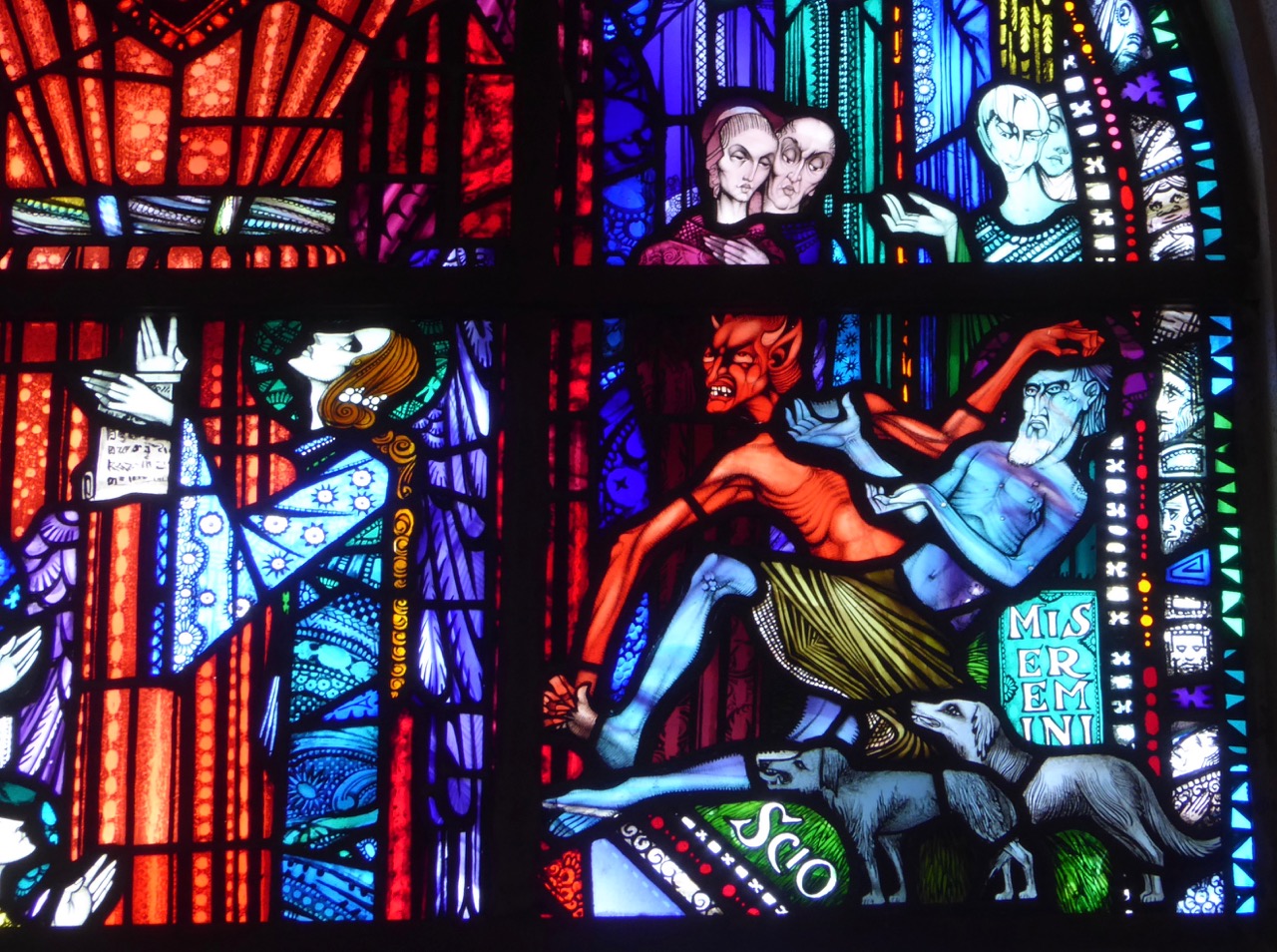
Rather than list all the other posts in some sort of ‘order of popularity’, let’s round up with our own favourites. Finola has been enthusiastically researching stained glass windows in churches – wherever we travel. Besides her continuing respect for Harry Clarke – probably Ireland’s finest artist in this medium – she has discovered the identity and work of artists who inherited his mantle when he passed away (far too young) in 1931. The Harry Clarke Studios continued on until 1973 and also produced some stunning work. Have a look at Discovering Richard King to appreciate just one of the artists who followed after Harry. Another of Finola’s great posts on this medium – The Christmas Story, One Window at a Time – appeared only two weeks ago.

HC Studio, Athlone

The spectacular stained glass work of Richard King, a small detail from Sts Peter and Paul’s Catholic Church in Athlone

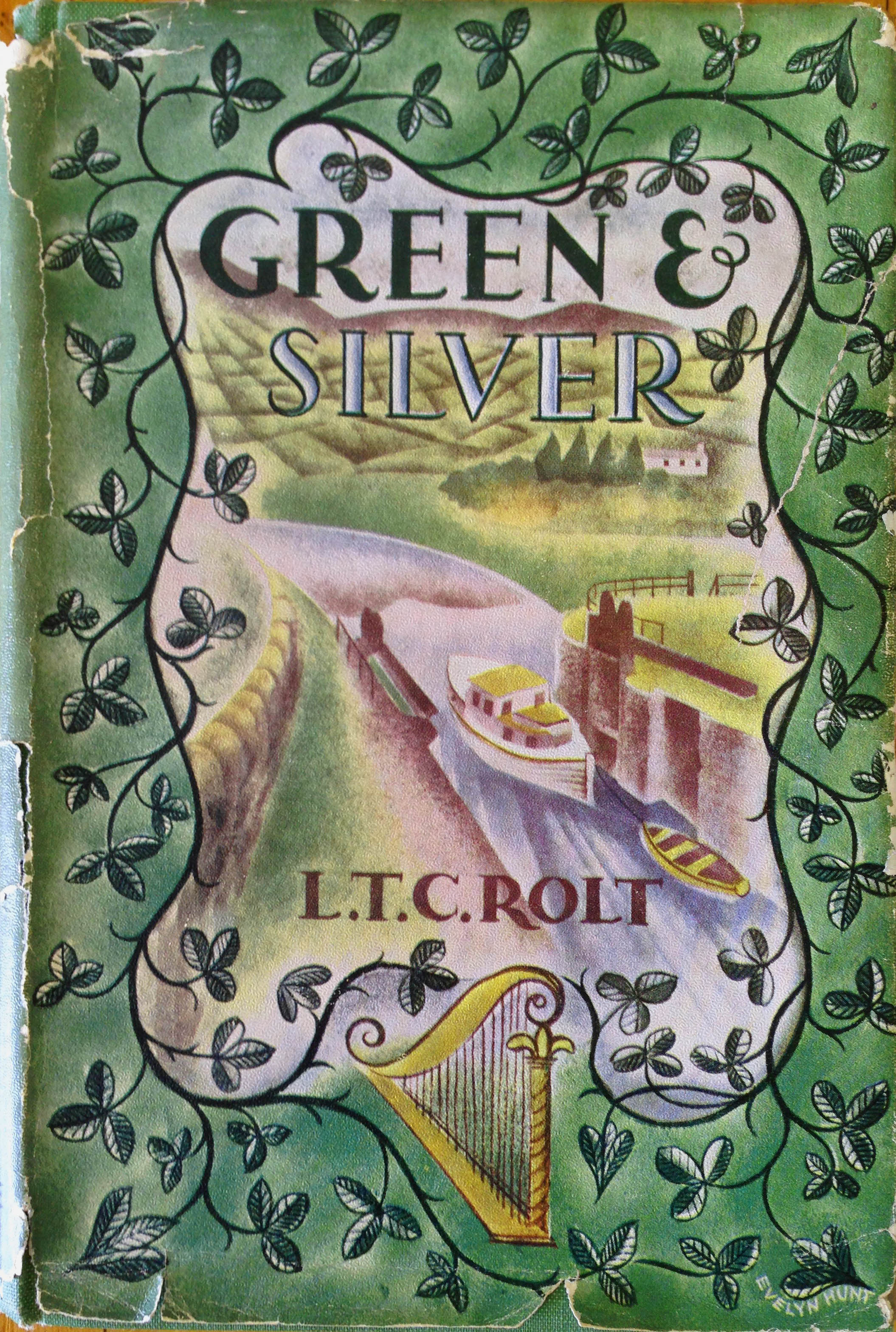
For myself, the subject that has engaged me most this year is my Travel by Water’ series: seven posts (so far) on the Irish Canals inspired by my review of Green & Silver – a book which I was given as a prize at school in 1963! We retraced the steps of L T C Rolt, the author of the book, and his wife Angela who took some very atmospheric photographs as they travelled around the Irish waterways in 1946 – exactly 70 years ago. To celebrate my own 70th birthday this year we attempted to replicate each of the photographs as closely as possible with present-day views of the same scenes. The venture has turned out to be a real social history of Ireland and the changes that have happened during that interval of time.

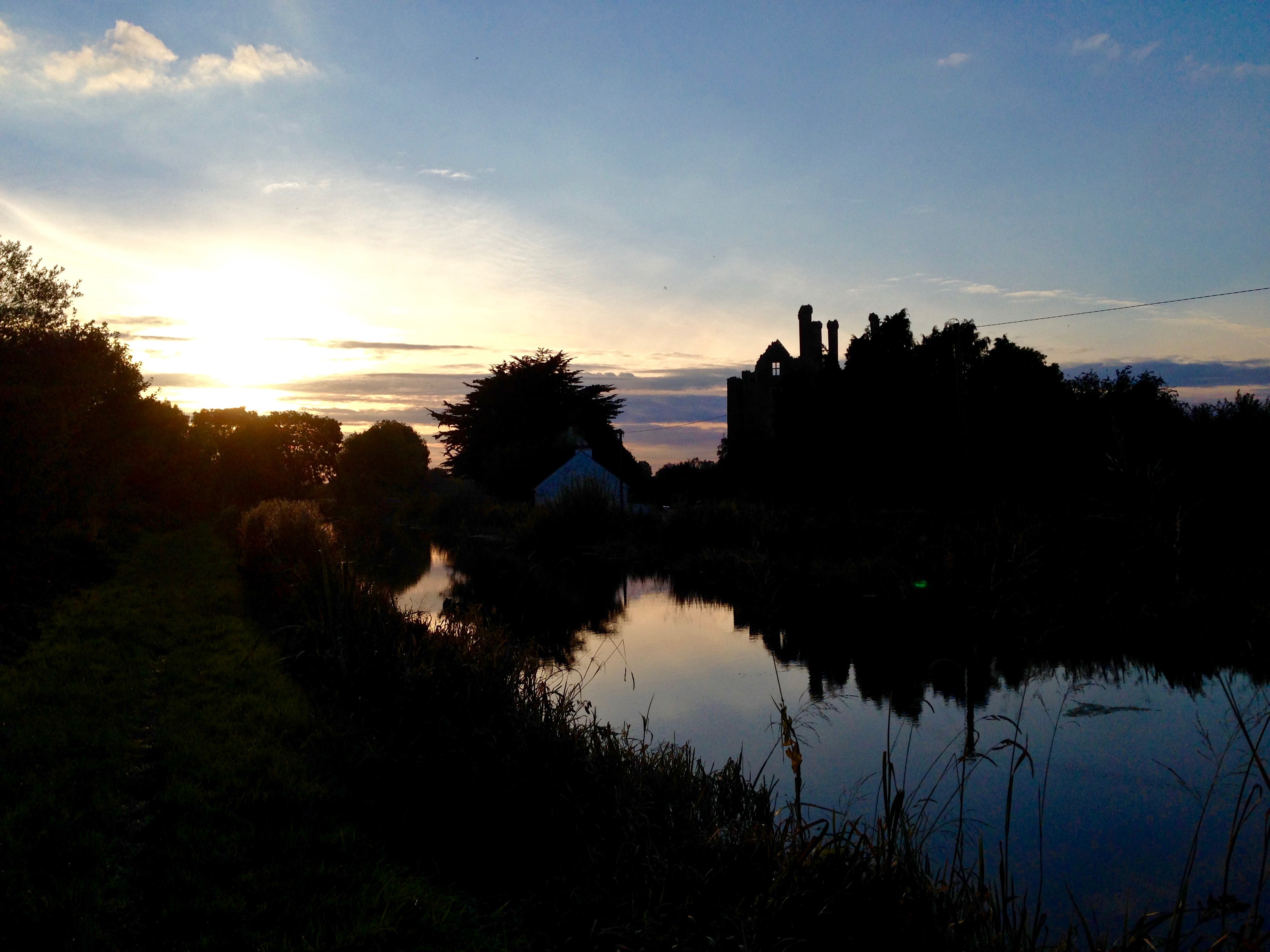
ballycowan sunset

Travel by Water – ghostly reflections beside the Grand Canal at Ballycowan

So thank you to all of you – our readers. Without you our work on Roaringwater Journal would have been pointless. With you – and with the value of your comments and discussions – we feel the whole exercise is well worthwhile – so, please, let us know your own personal favourites… We certainly intend to keep the Journal going for a few years yet! Don’t forget, there is a full index in the Navigation Page – here. And, I’m sure you all know by now, anything highlighted in blue is a link to something else: either another one of our posts in the Journal, or to another relevant source of information on the subject. Good hunting!

cover

Late Bloomers: Invasive, Naturalised and Native

Creeper on white cottage wall

This is my last wildflower post! You must be getting tired of my wildflower obsession by now. So, no more after this one. (Well, at least not in 2016.) The thing is, I had assumed that there was nothing left to see at this point. We are in October after all, and autumn is coming early this year after a cool and misty summer. But a walk today put flight to that notion.

Bee on Ivy Flower

Bracken undergrowthThe ivy flowers are alive with bees right now (above) and the bracken is putting on its winter coat

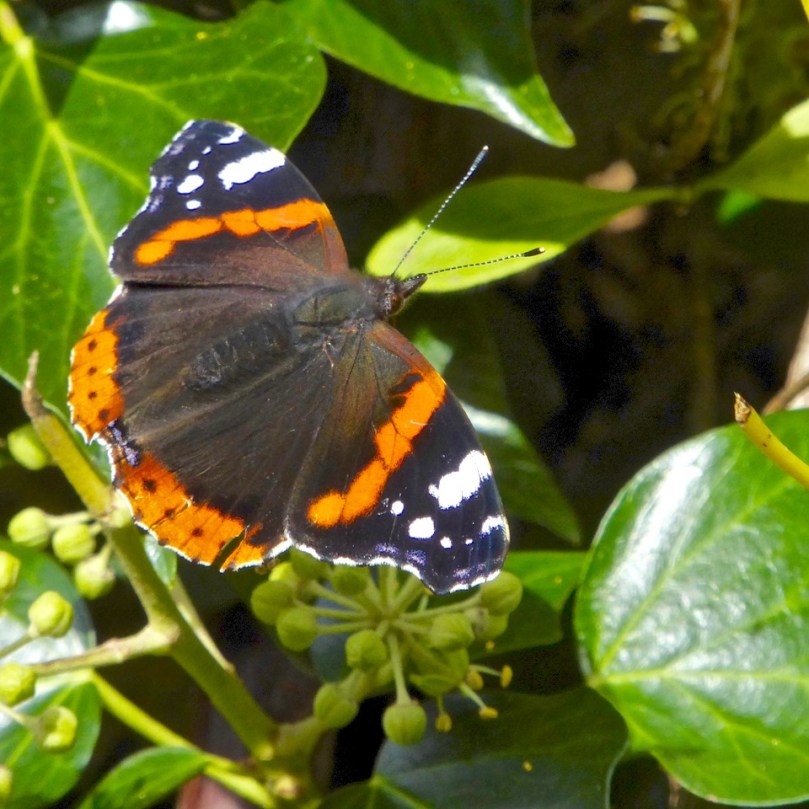
The predominant colour of the countryside is changing now as the brackens take on their winter amber-brown. The ivy is in full flower. Stand near a patch and you will be instantly aware of the hum. Our little black Irish bees are gathering while they still can and depend on this late flowering and ubiquitous plant for the last remaining nectar. Ivy honey is darker in colour and can smell a little rank, but it has a great reputation as a soothing cure for coughs and colds (especially if mixed with a little whiskey).

Bee on Ivy 2

Red Admiral on IvyThe bees and the Red Admiral Butterflies depend on this late flowering ivy

The trees haven’t quite started to turn yet, but brambles and creepers are in brilliant autumn reds. On our walk today this white cottage wall with its scarlet creeper caught my eye.

Creeper on cottage wall

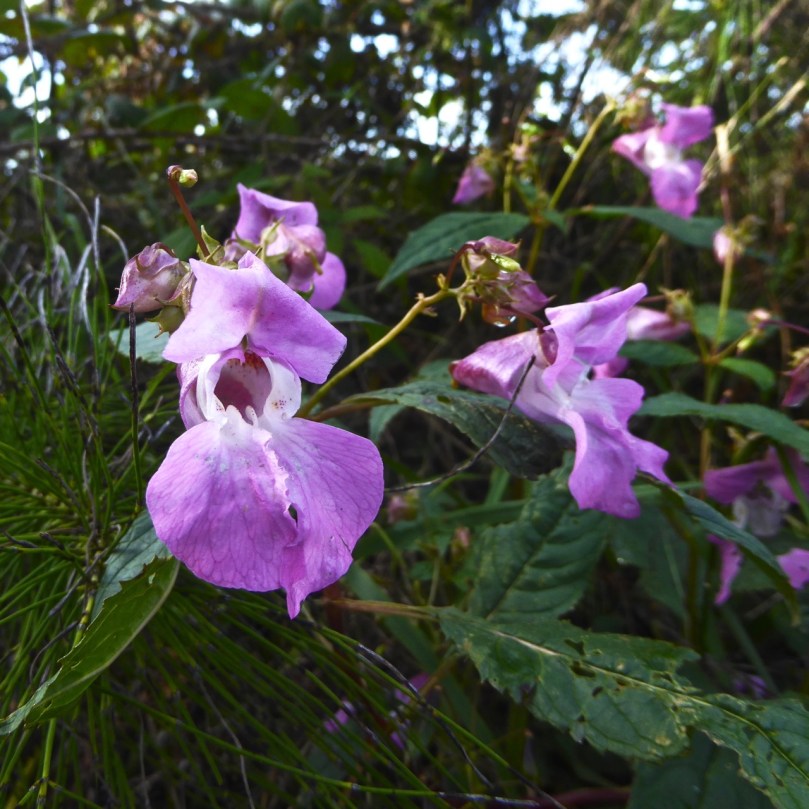
A couple of surprises awaited us today. The first one was to come across a stand of Indian Balsam. This alas, is an invasive species, introduced as far back at 200 years ago from the Himalayas. The distribution map at the Botanical Society of Britain and Ireland does not show it in West Cork, but I guess I can now say it’s here. In fact, I submitted a report to Invasive Species Ireland – anyone can do this via their Alien Watch Program. Although it is certainly beautiful, it’s a divil – read all about its negative impacts on the Invasive Species Ireland website. Among its other attributes, it has a explosive seedpod that can throw seed up to six metres!

Indian Balsam

Indian Balsam – Invasive Species Ireland lists it with Rhododendron, Japanese Knotweed and Giant Hogweed as the most damaging invasive species

So  what’s the difference between non-native plants that are labelled invasive versus this that are called simply naturalised? Although it can be a matter of debate and perception, in the main we use the term invasive for those non-native plants that spread to such a degree as to exclude native species from the habitat they favour, or cause damage to the environment or the economy. Happily, the only invasive species we encountered on our walk was the Indian Balsam. However, we did come across lots of non-native, naturalised flowers too.

Greater Periwinkle

The Greater Periwinkle – seen a few days ago on The Mizen

The first one (actually seen a few days ago) is this beautiful Greater Periwinkle. It’s not a native plant but has been here a long time. It’s supposed to have great medicinal properties, especially as a laxative and, in an ointment it’s good for, er, piles. According to Zoe Devlin’s Wildflowers of Ireland (my go-to guide) The 17th century herbalist, Nicholas Culpeper wrote ‘that the leaves eaten by man and wife together, cause love between them. Ooh – think I might head back to where I saw it…

Ivy-leaved Toadflax

Ivy-leaved Toadflax

Another non-native species is the Ivy-Leaved Toadflax – not an attractive name for a very pretty little creeper found commonly on rock walls. During the 1600s, wealthy Brits started to import Italian marble into England in the form of building material and statuary. The Toadflax came along for the ride and is now so completely naturalised that few people realise it’s not a native plant. They look wonderful on rock walls but it’s not usually necessary to plant them yourself. According to one source I read, seeds, complete with a starter-pack of organic growing medium, are usually delivered by birds.

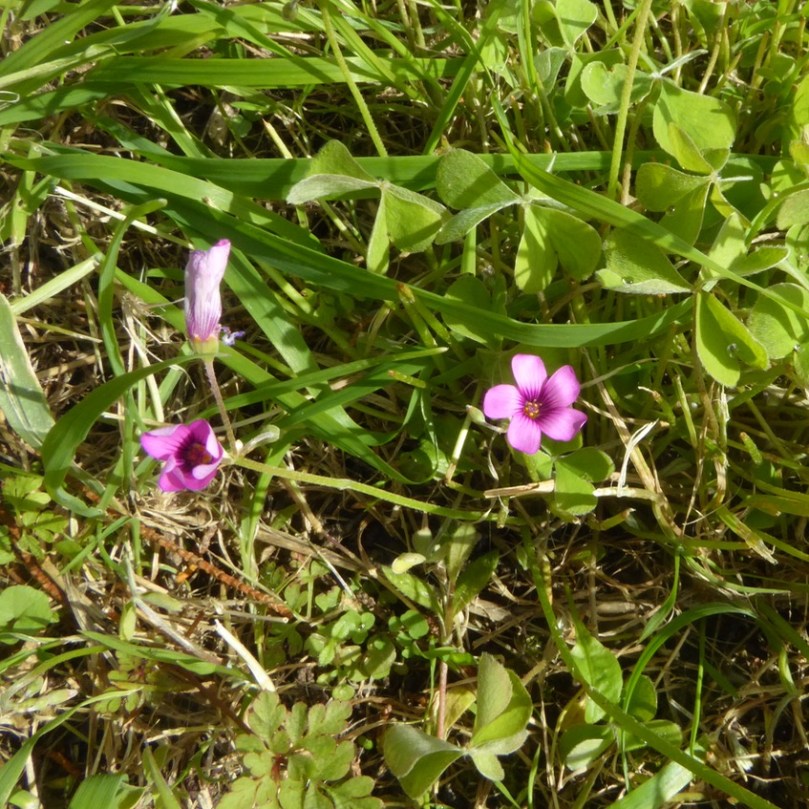
Pink Sorrel

Pink Sorrel

The final non-native flower we saw today was the pink sorrel. I thought at first it was Herb Robert, which is a native plant that grows everywhere and is still blooming, but closer examination revealed  a deeper pink, a more massed growth pattern and very different foliage. It’s a garden escape, now naturalised across the south and south east of Ireland.

Fuchsia on bare branches

Actually, I suppose I also have to add the fuchsia to the naturalised non-native list, even though we think of it as the quintessential West Cork flowering shrub. It’s still hanging in there, even though most of the leaves have dropped already.

Creeping Buttercup

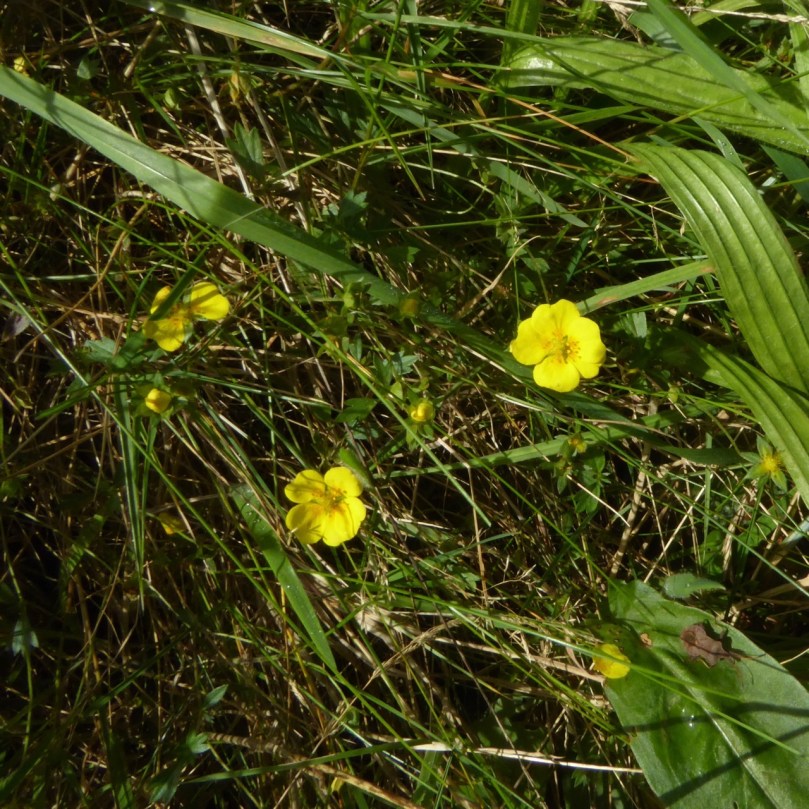
Tormentil

The native plants still bravely blooming to delight us tended to be tiny, but bright enough among the grasses, brambles and bracken to immediately catch the eye. We saw Herb Robert, Prickly Sowthistle, Tormentil and patches of what might be Sea Radish (or perhaps not). 

Prickly Sowthistle

Prickly Sowthistle

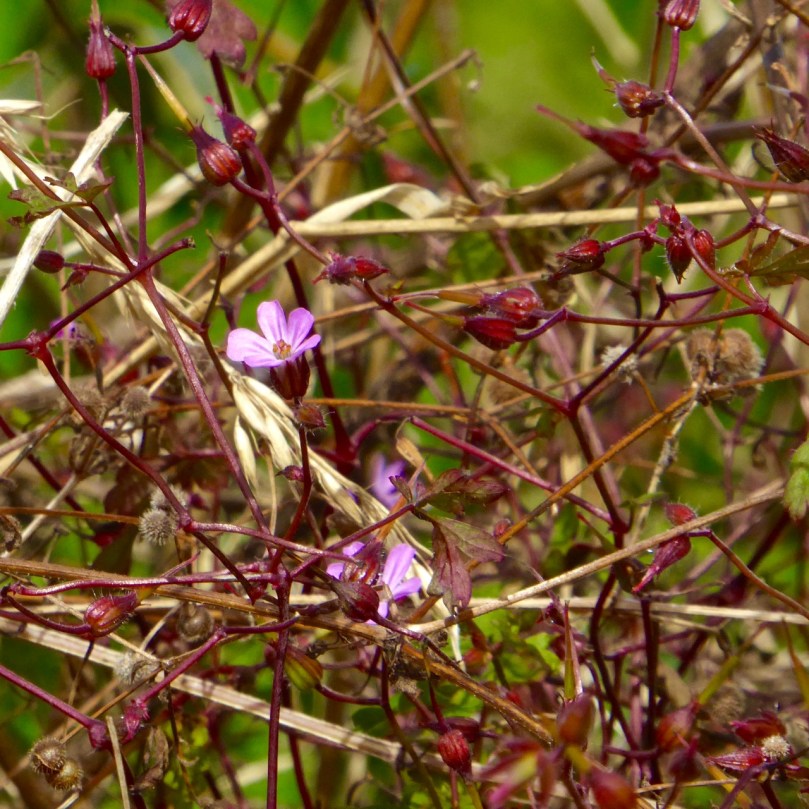
Herb Robert is such a hardy little flower – it seems to peep out and last longer than almost everything else in the hedgerows. Birds love the seeds of the Prickly Sowthistle – it has guaranteed its survival by appealing to them and providing food when other sources are fading.

Herb Robert

Sea Radish

Herb Robert (top) and possibly Sea Radish

As  a member of the cabbage family, the leaves of the Sea Radish are edible, if a little peppery. Interestingly, it normally finishes flowering in July, so the ones we found today must be in a particularly sheltered spot. But this also raises the possibility that this is a different plant. Can anyone help identify it?

Tormentil Patch

And finally the strangely named Tormentil – it sounds like it may cause pain but in fact it’s the opposite. There are all kinds of medicinal uses for this little flower and its parts, some of which relieve the ‘torment’ of pain. It also, according to this website,  imparts nourishment and support to the bowels and the fresh root, bruised, and applied to the throat and jaws was held to heal the King’s Evil. You heard it here first!

Ballycummisk Coppermine and Gabrial

Our walk today, along one of the Fastnet Trails, took us past the old Ballycummisk mine site and gave us distant views of Mount Gabriel

The Old Mine Road

to the castle

Exactly two years ago I wrote a piece for this Journal – A Moment in Time – remarking on the very specific changes that we become aware of at the end of the summer: the holiday homes being closed up and shuttered; the boats being taken off their moorings and stored away in the boatyard; the shorebirds returning to their winter quarters. I finished up by pointing out that our own summers never end: we enjoy living in Cappaghglass just as much in the darker, colder days at the turning of the year as we do when the sun is high in the heavens.

cove gray day

high road gray day

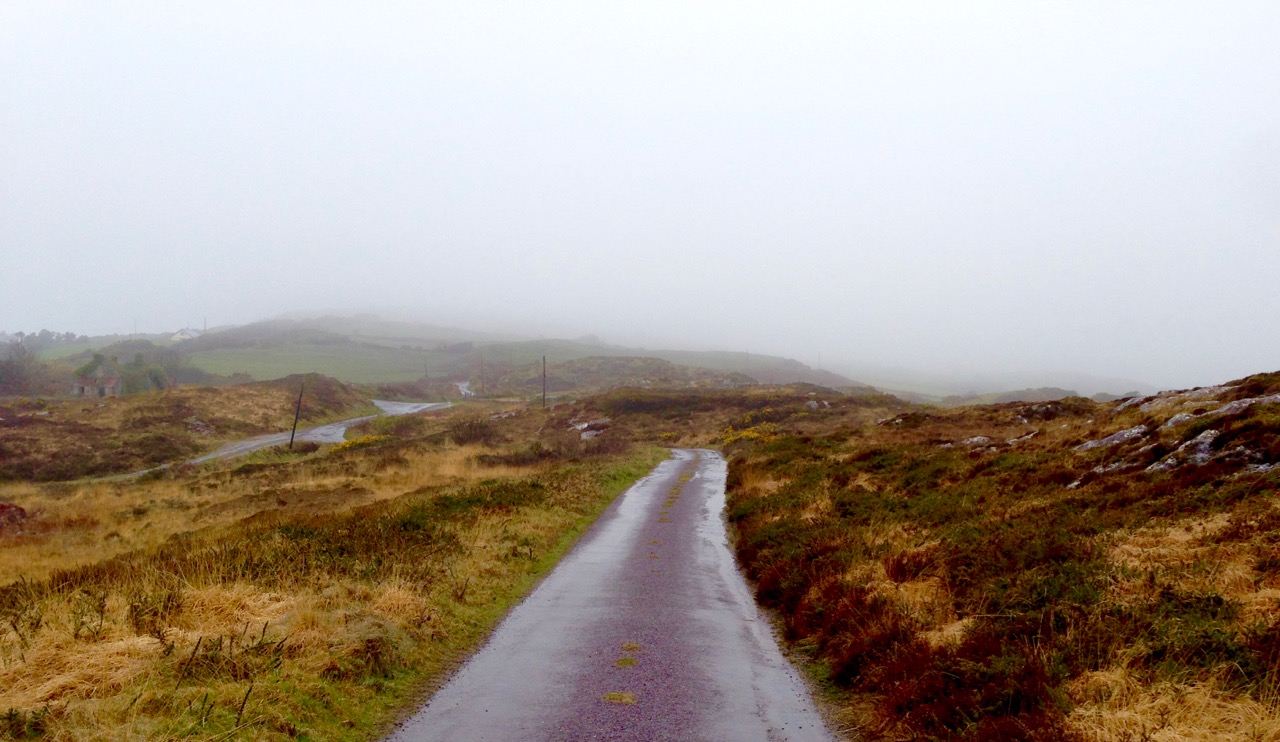
Top – starting point: Rossbrin Cove on a gray day. Bottom – The Old Mine Road wearing its raincoat

It is an idyllic life and we are privileged to have the quiet boreens to ourselves in all weathers. We have talked about Rossbrin Cove so often, in its many seasonal variations: for today’s post I’m taking the upward road through the townland, the route that I call The Old Mine Road. This road – or more accurately this series of lanes and byways – will take the traveller from the Cove into the little town of Ballydehob, and will pass through an old copper mining district which, two hundred years ago, saw heavy industry, intermittent employment, smoke, noise, pollution and desperate human working conditions where now ‘peace comes dropping slow’ with only the crying of the Choughs over an undisturbed backdrop of rock, heather and coarse grasses – and the occasional jumble of stones showing where there were once buildings, shafts and crumbling walls marking the old mine complex.

cappaghglass

captain's house sun

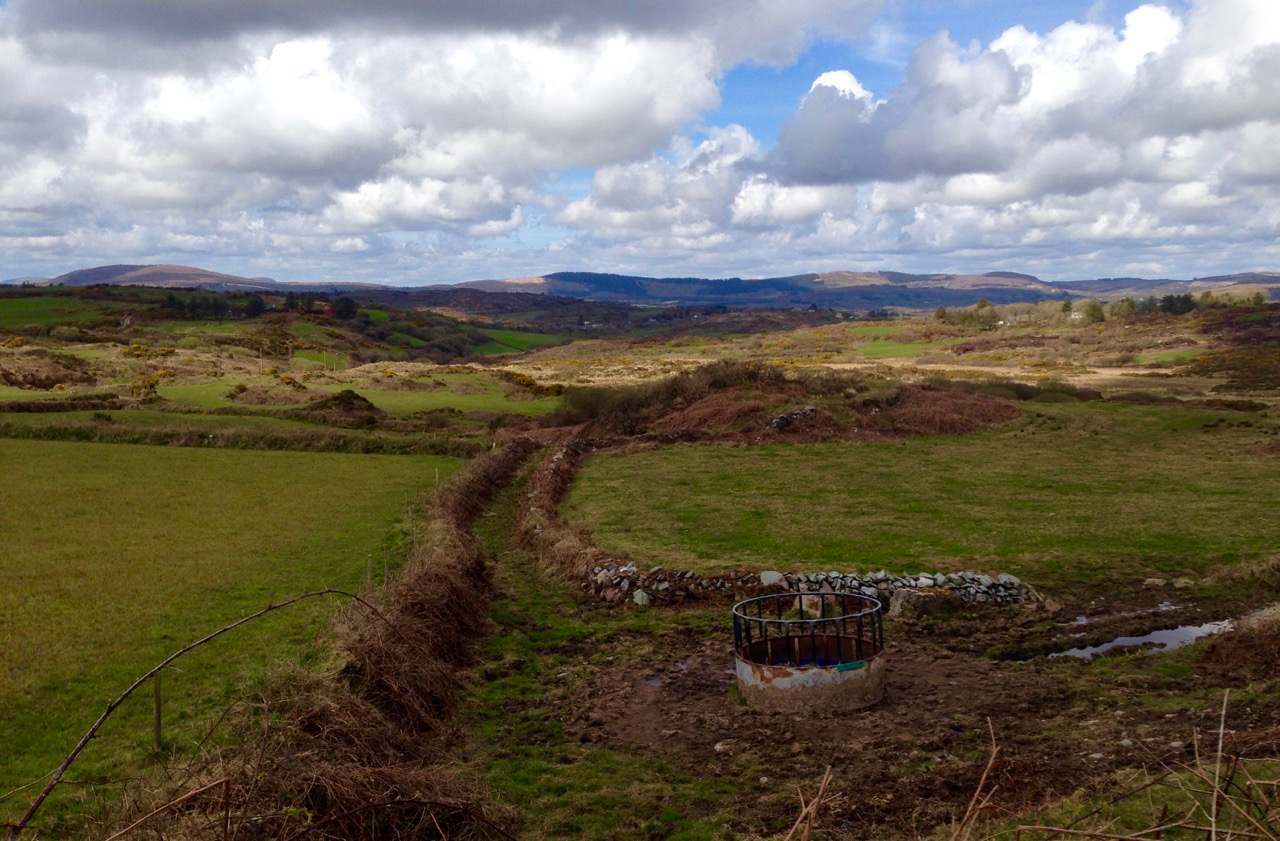
Top – the landscape of The Old Mine Road: Mount Gabriel dominates the horizon to the west. Bottom – looking from the road towards Roaringwater Bay: in the foreground is the site of old mine workings, now reclaimed by nature, with one of the two Mine Captain’s Houses in the centre and the stump of an old mine chimney on the right

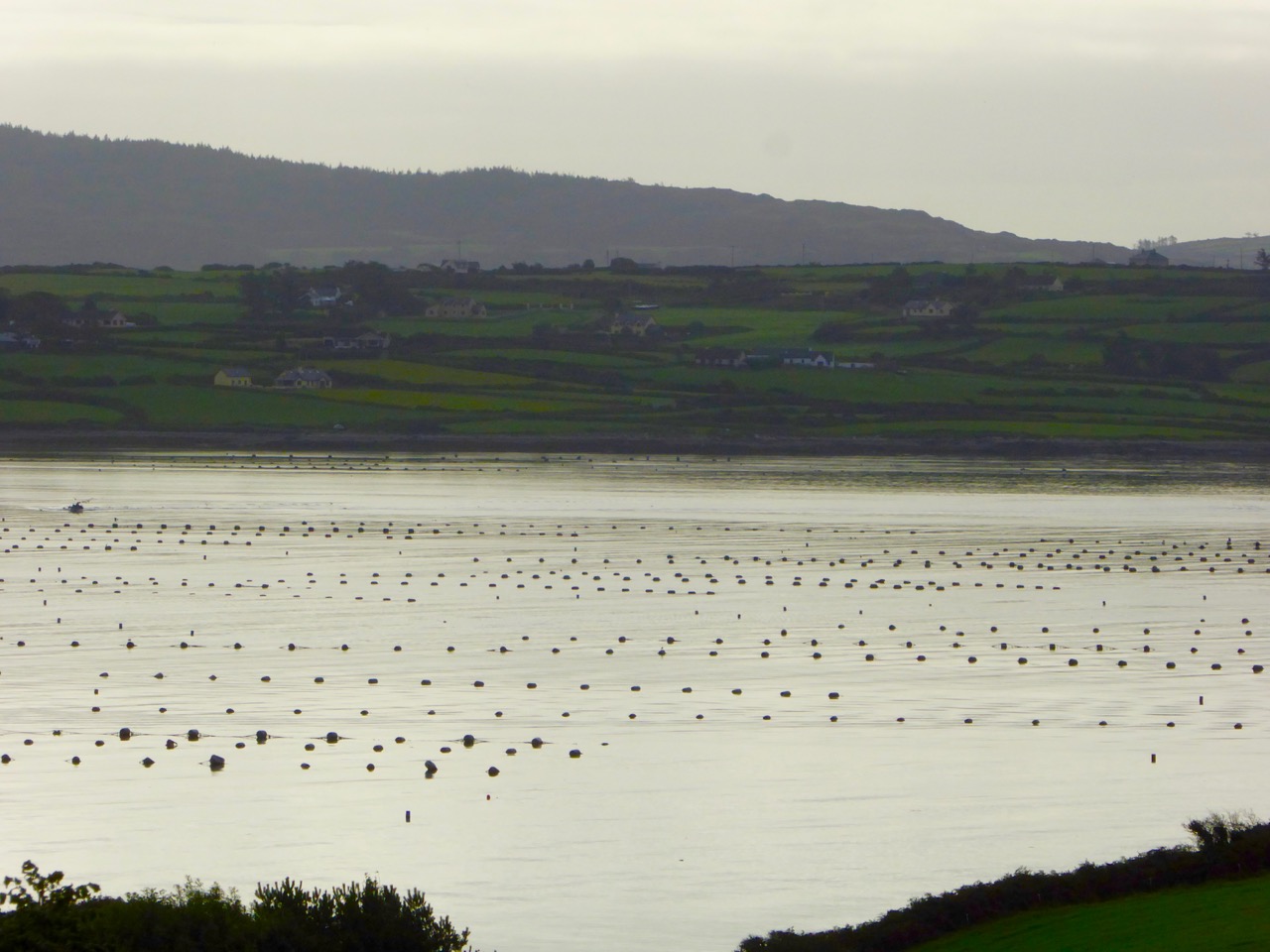
A walk along The Old Mine Road on a benign late September day will be rewarding because of the good air, the distant views to the Mounts Gabriel and Kidd, and with the bays of Roaringwater and Ballydehob below. You will find medieval history in the form of towerhouse castles, modern economy delineated by distinctive lines of mussel ropes spilling over the water and always alongside you the immediate wildness of a natural, undisturbed landscape. Views change as the way winds and dips – always interesting, always different, however many times you follow these routes.

mussel ropes

waving grass

mine buildings

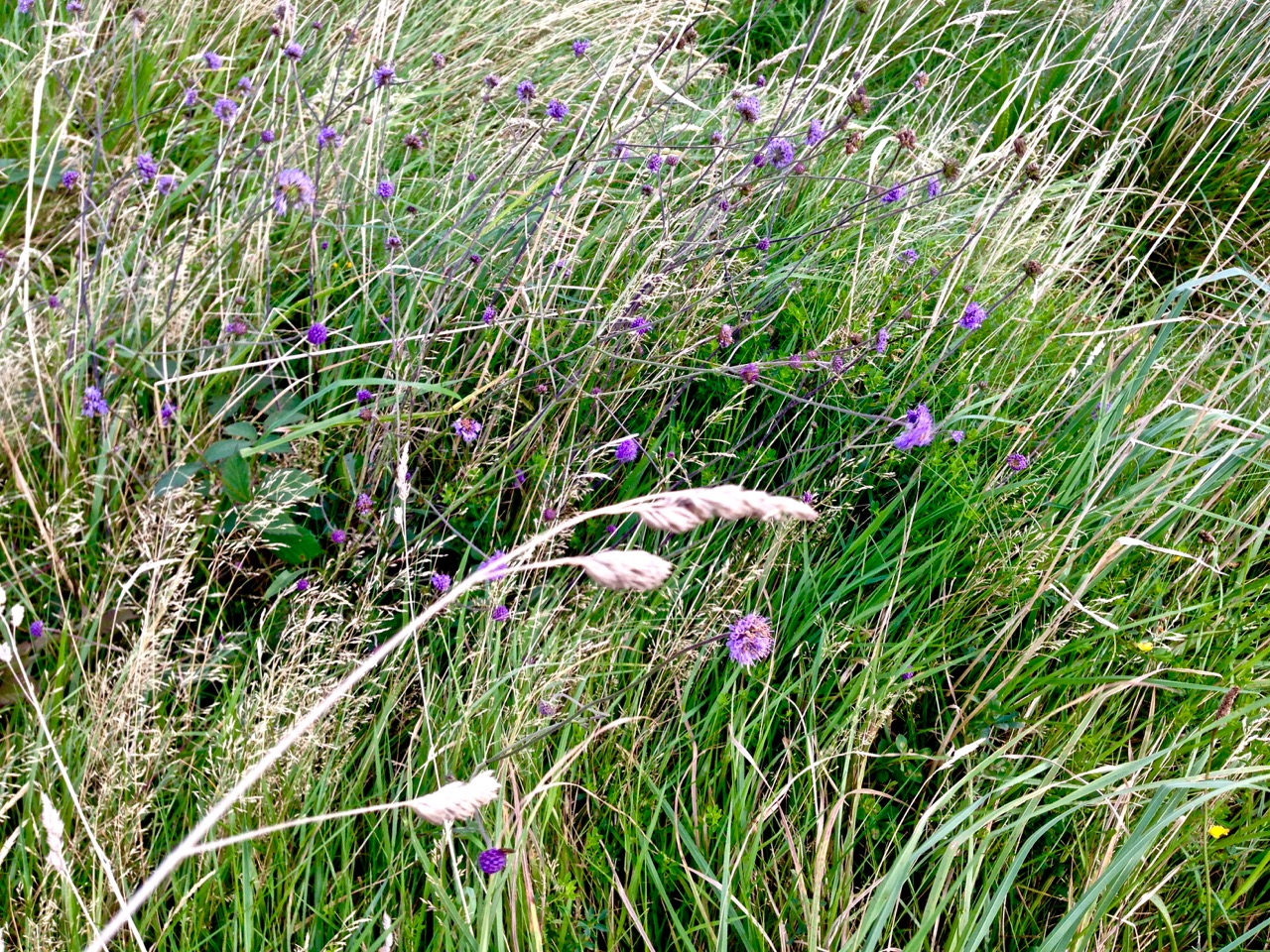
Top – mussel ropes abundant in the Bay. Middle -waves of grass in the wild landscape to the north of the road. Bottom – ruins of old mine buildings can still be seen from the road

Autumn brings with it a certain melancholy. Time passes, our lives move relentlessly forward. We enjoy the changing of the seasons but we want to know that there will be so many more seasons to see. Each one will bring us unique experiences.

blue in the grass

from the road

Top – wildflowers in abundance on the boreens of Cappaghglass. Bottom – signs of old workings in the fields below the road

As I walk the old road, I can’t help trying to picture the scenes there from other times. I wonder what feelings the hard working miners had – did they take in the changing light and the views? Did they see the way the grasses moved with the wind, creating waves on the landscape? Did they have any time to notice nature’s fine details – the incredible variety, colours and designs of the wild flowers? Or was theirs just a drudging commute from cottage to workplace at dawn and dusk?

ballydehob wharf

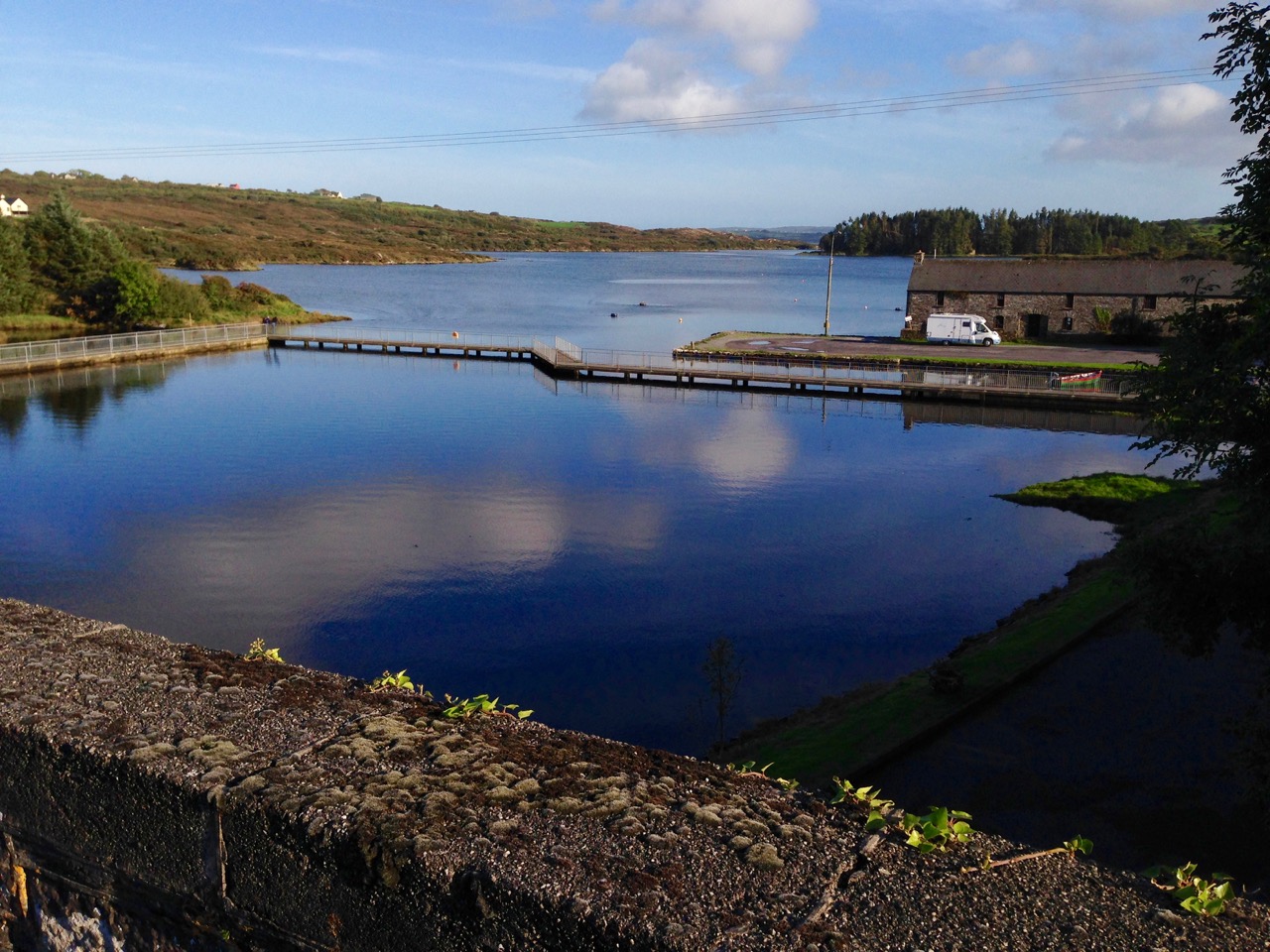
The end of the road: Ballydehob Wharf, which would have seen great activity (intermittedly) when the mines were in full swing. Cappagh Mine was operating between 1816 and 1873, with its maximum output of about 400 tons of ore being produced in 1827

The poet Seamus Heaney has much to say about the hardship – and order – of a physical working life; his own father had worked the land and the poet was infected with memories of his younger days. This poem – Postscript – has a different emphasis but strikes me as a similar commentary on encounters with the landscape, although it’s concerned with another geography:

…And some time make the time to drive out west
Into County Clare, along the Flaggy Shore,
In September or October, when the wind
And the light are working off each other
So that the ocean on one side is wild
With foam and glitter, and inland among stones
The surface of a slate-grey lake is lit
By the earthed lightning of a flock of swans,
Their feathers roughed and ruffling, white on white,
Their fully-grown headstrong-looking heads
Tucked or cresting or busy underwater.
Useless to think you’ll park or capture it
More thoroughly. You are neither here nor there,
A hurry through which known and strange things pass
As big soft buffetings come at the car sideways
And catch the heart off guard and blow it open…
wall and heather