Art, Noodles and World Championship Turnip Racing: West Cork in the Summer

We’ve been enjoying a week of laid back excursions, In Ballydehob and Skibbereen, as we take time this week to enjoy what’s around us in West Cork at this time of year.
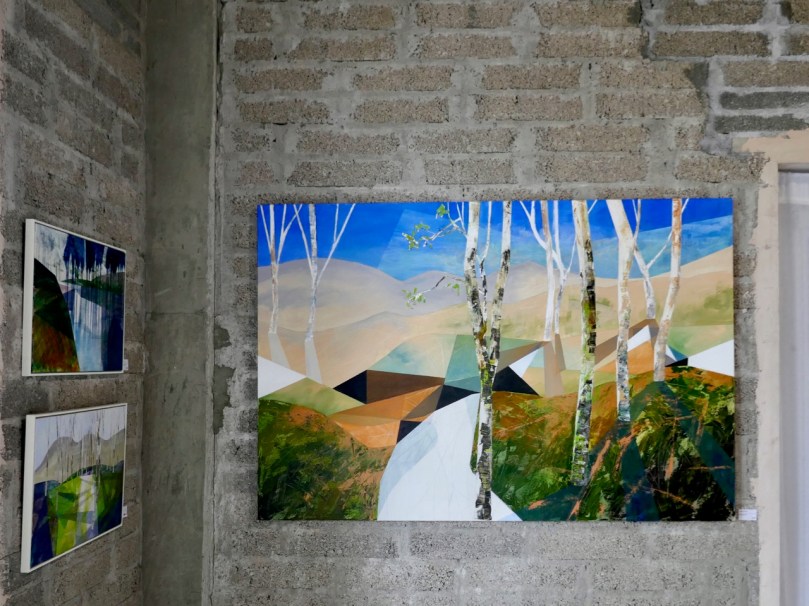
Top, above and below from the West Cork Creates Exhibition: Alison Ospina’s chaise with Anne Kiely textiles; Angela Fewer paintings; Trees by Jim Turner and Etain Hickey

There are always excellent art exhibitions in the summer – we have written this summer already  about the always interesting Blue House Gallery and Judi Whitton’s watercolours, the marvellous art trail in the Skibbereen Arts Festival and of course the Ballydehob Arts Museum’s current exhibition, Ballydehob on Bahnhofstrasse.

This week saw the opening of what’s always eagerly anticipated – the annual West Cork Creates exhibition on Skibbereen. Curated by Alison Ospina of Greenwood Chairs, this show brings together the best of West Cork arts and crafts in an exciting mix of styles and materials.

Lots of jewellery at the exhibition and among them is this unique dresser pendant by Michael Duerden

Next to it is Geoff Greenham and Melanie Black’s Creative Spaces, a photographic journey through the studios of artists currently practising in West Cork. It’s a great idea and feels like a real privilege to catch a glimpse inside these spaces.

The two images above are borrowed, with thanks, from the Blue House Gallery, where an earlier exhibition matched the studio images with pieces of art from each artist. The first shows Brian Lalor’s studio and the second is that of John Doherty.

And yes, I thought, somehow those spaces do reflect the art that comes out of them. I’ve tried to photograph artists’ studios myself in the last couple of years, so I know how difficult it is to capture the essence.

No studio needed when you paint en plein air. This is Damaris Lysaght at work at a site we wrote about in our post Mizen Magic 13: Dunmanus Promontory

Do catch these two exhibitions if you can. Then make your way to Ballydehob and take in the new space that is the Working Artist Studios, right on the Main Street. We’ve all been looking forward to the opening of this venture, previously situated in Skibbereen but now adding to the thriving streetscape of Ballydehob.
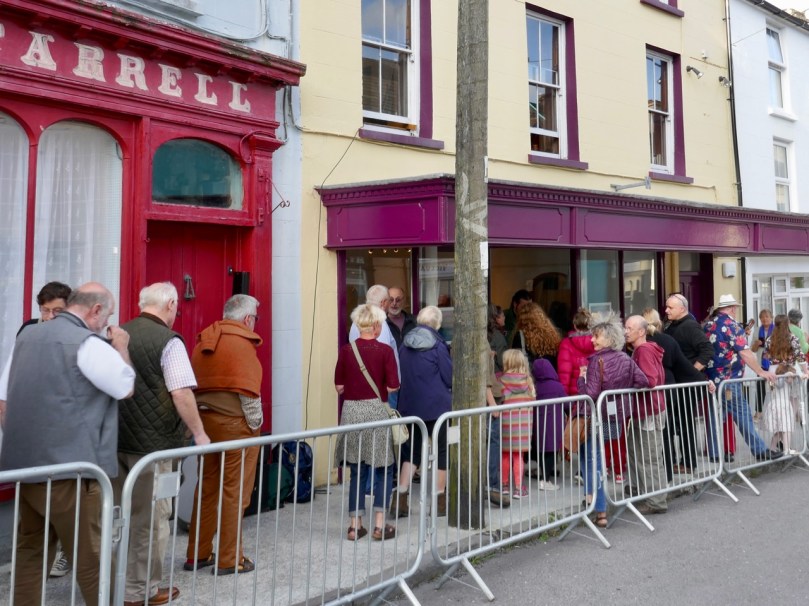
The grand opening was well attended! (The railings are not for the WAS but for the Turnip Races, see below)

Working Artist Studio is an innovative idea that melds gallery and performance space with studios for artists at reasonable rates. Pól and Marie are bursting with ideas and plans and it’s wonderful to see this shop and house, surprisingly roomy inside, so nicely re-purposed.

The opening exhibition was by Caoimhe Pendred (above), titled Hy Brasil – her ethereal take on the notion of the mystical Isle to the West. It was opened by none other than Tim Pat Coogan (below), the Irish historian, and Caoimhe’s grandfather.

But woman cannot live on art alone, and we were delighted to welcome back Bia Rebel Ramen to our village this summer after a stint at the Taste of West Cork here a couple of years ago. Brian and Jenny have made a name for themselves with top restaurant critics as the best place in Ireland for ramen.
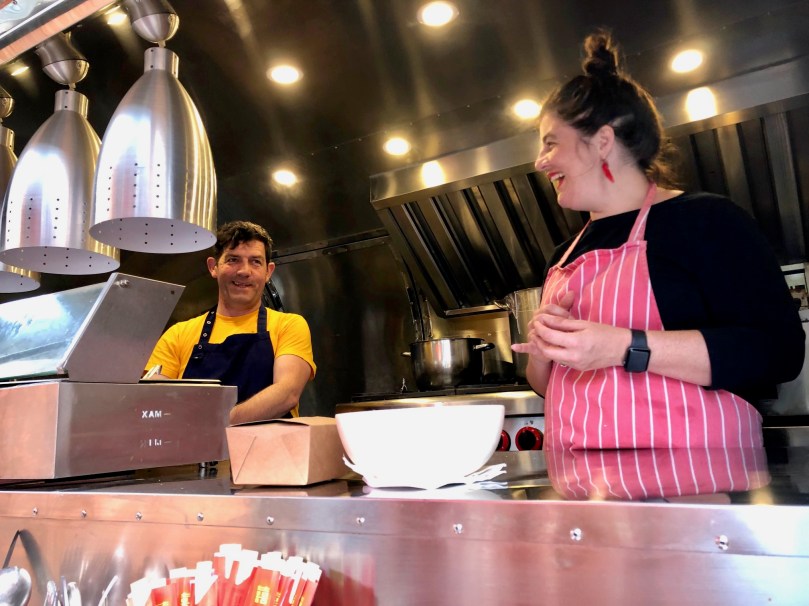
The truck is set up to serve the food at Levis’s Corner house. They are only here for a few more days

They normally operate out of their food truck in Belfast,  but are on ‘holidays’ in West Cork. Some holiday – they are so busy that they run out of food on a couple of hours. What can we do to entice them to stay here permanently? This is the best ramen I have ever eaten, and having lived in Vancouver (Canadian home of Japanese food) that is saying something!

Did you know that Ballydehob hosts the World Championship Turnip Races? This Irish Times article in 2006 described it, and 13 years later it’s still going strong and still great fun, with Barry O’Brien (below in the pink shirt) doing the marshalling.

And to round out my week, a major thrill. I hitched a ride on my friend Jack O’Keefe’s Drascombe Lugger as he participated in the Ballydehob Crinniú na mBád. I wrote about this wonderful event a couple of years ago, but it was a whole other experience to be out on the water with the boats as they gathered at the mouth of Ballydehob Bay and then sailed up the estuary. See Robert’s post today, Ballydehob and Boats, for some more of my photographs of this event.
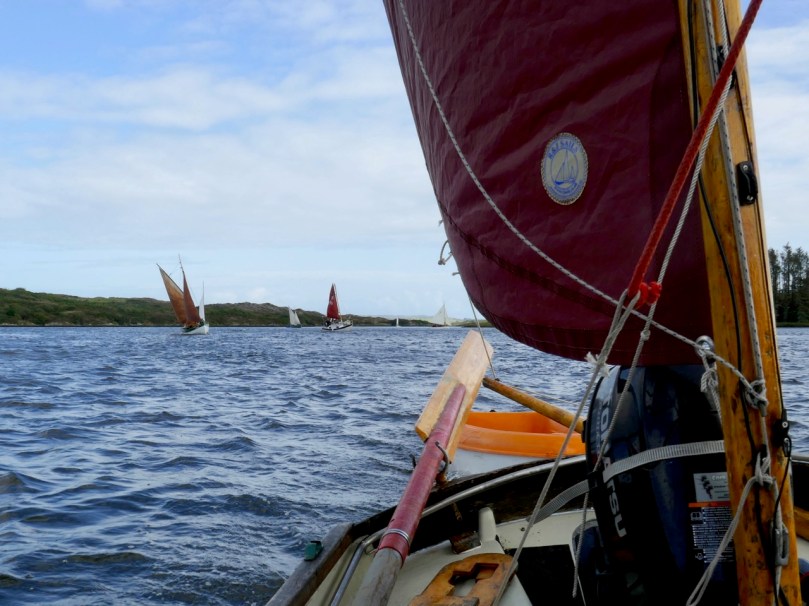
All around us summer is in full swing – we have just mentioned a tiny fraction of what’s going on. Why don’t you join us next year? We can’t guarantee good weather, but you won’t be bored!

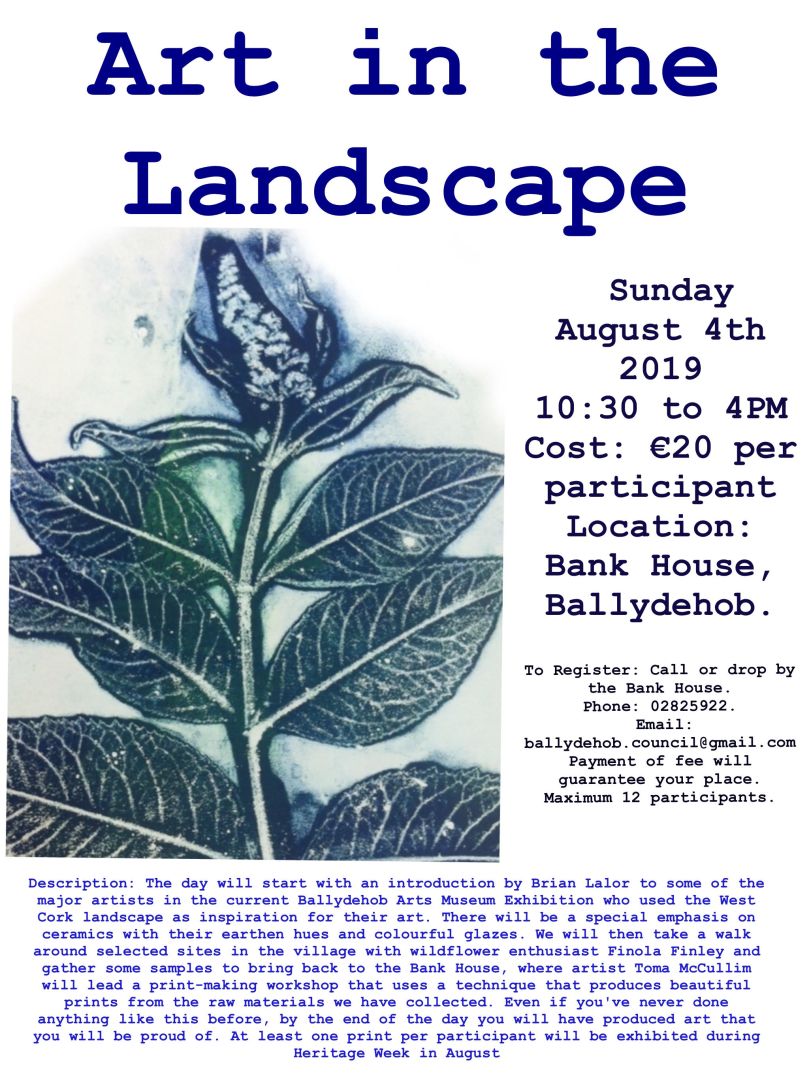
Art in the Landscape

I’ve always thought of myself as someone without an artistic bone in her body – although when you say things like that people always rush in to assure you that everyone has the potential to tap into an artistic streak if they just let themselves be free enough. Harumph, I say. But today they proved me wrong.

The idea for a workshop grew from the Ballydehob Arts Museum planning group. Robert has written a lot about BAM and so our readers know that it is a celebration of the iconic era when artists of all kinds settled in Ballydehob and turned it into a thriving centre of creativity. What animated those early artists? By their own accounts, it was the landscape around them, the light, the natural world they found here in West Cork. So why not try something based on that idea – and so the Art in the Landscape Workshop idea was born and to everyone’s astonishment it filled up right away, with a waiting list.

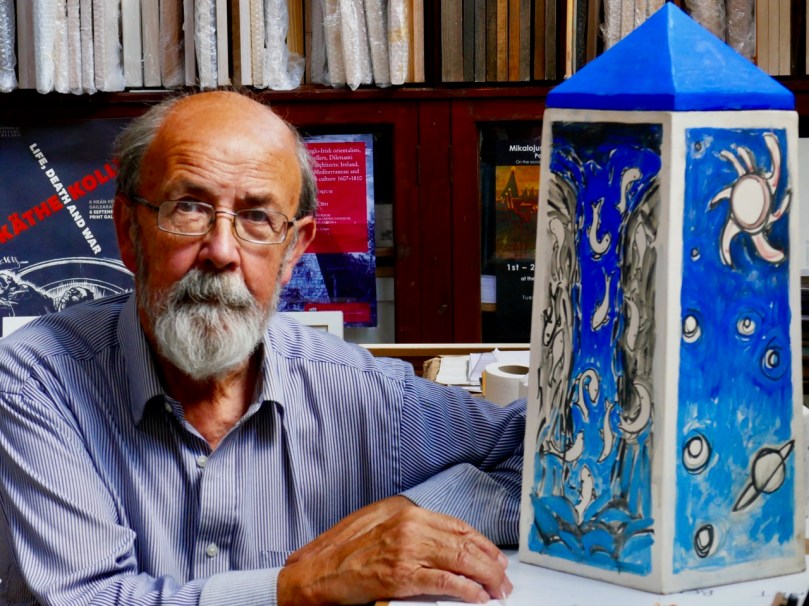
The day (today) started with an introduction to the artists of BAM by Brian Lalor (above), writer and artist and BAM Curator, who talked about the motivations and inspirations of the original group of artists and showed us some of their work, their use of earth tones and natural images.

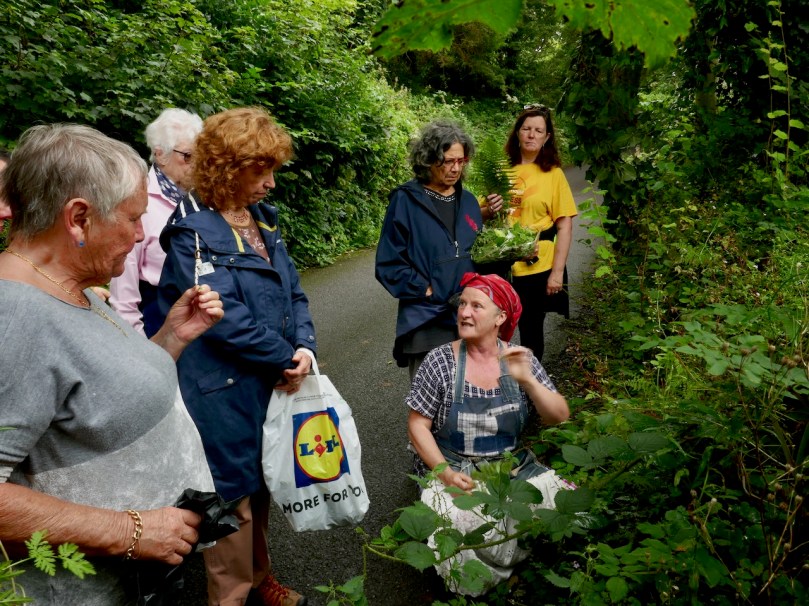
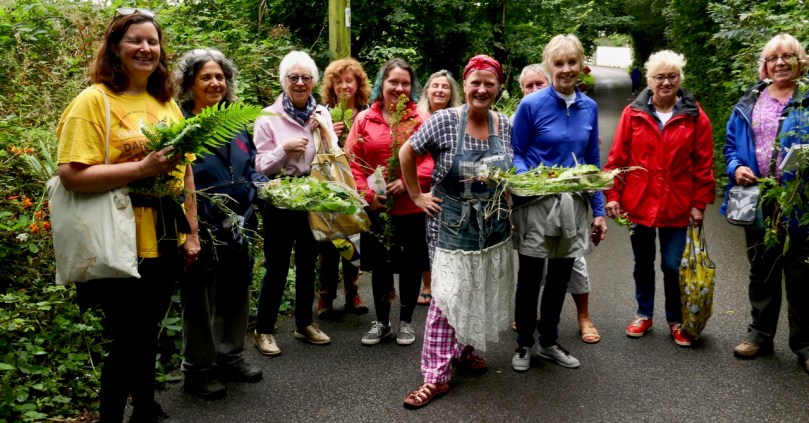
Then it was out into the landscape itself – and we didn’t have to go far! Ballydehob is really fortunate to have, right in the village, leafy little roads with walls and hedgebanks loaded with wild plants. The leaders for this part were myself and Toma McCullim, artist and educator. (I’ve written about Toma before and her wonderful project 110 Skibbereen Girls.) Turns out, Toma is a bit of a herbalist – she knew culinary or healthful uses for much of what we looked at, while I filled in the rest with wildflower identifications and background. We walked, we talked and we gathered.
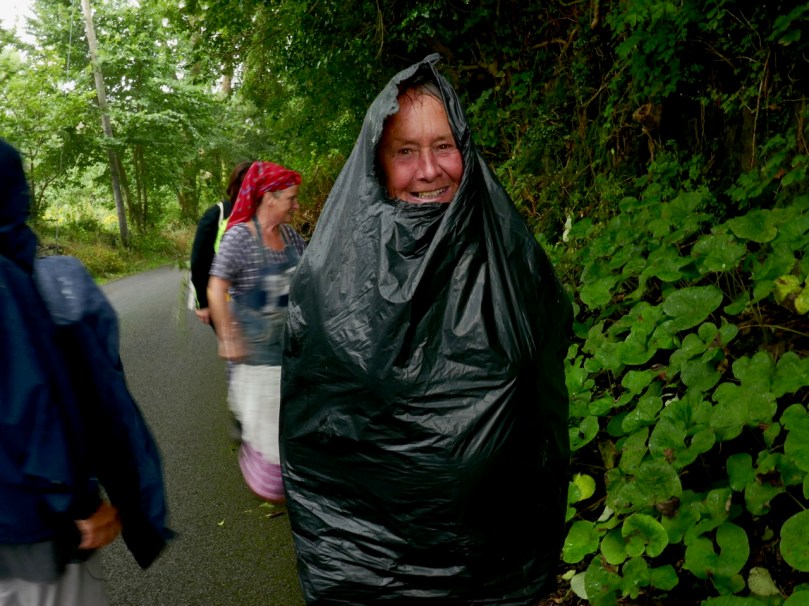
We almost dodged the forecasted rain and when it came Marie resorted to a tried and tested bit of protection

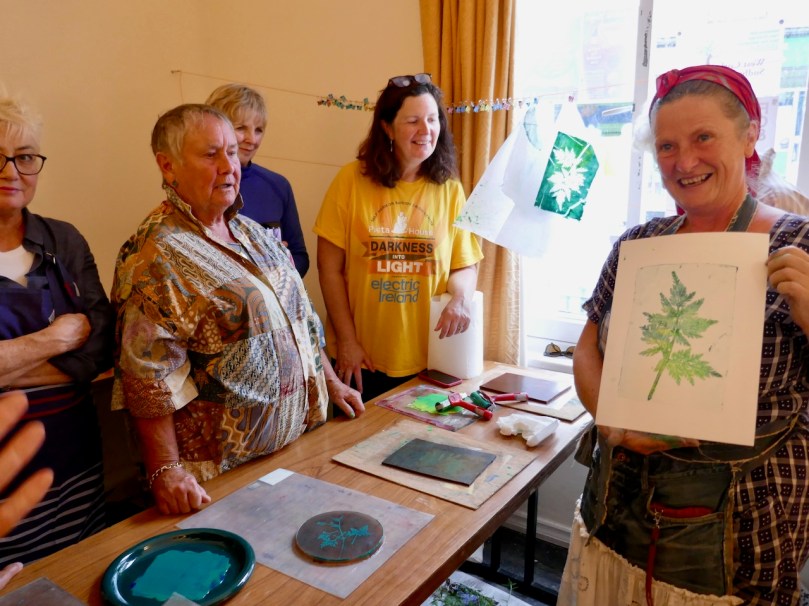
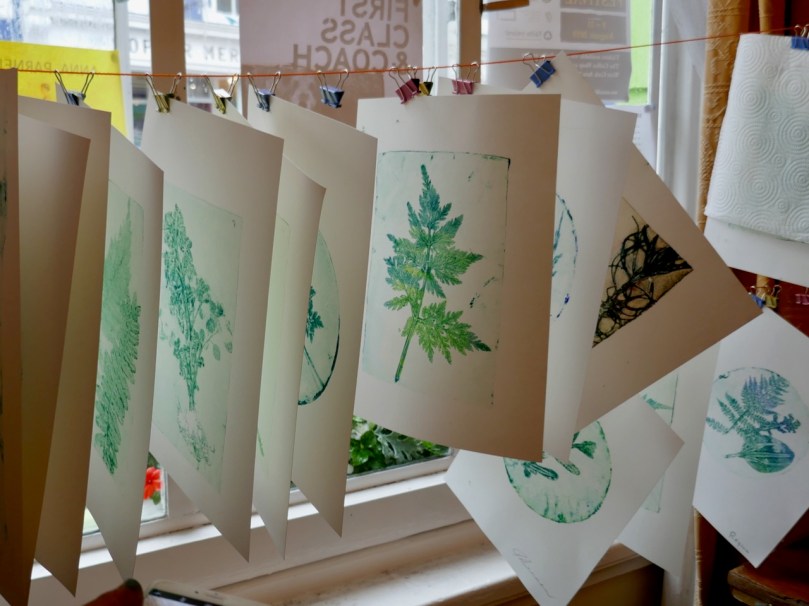
After lunch came the printmaking. Toma had assured us all that even if we had never done anything like this before, by the end of the day we would all go home with something we were delighted with. And it was true! She walked us through a seemingly simple, but actually quite sophisticated printmaking technique and then set us to work.

It was really fun to see the creative juices flowing, as well as the laughter and the chat. Before long everyone was covered in colourful (and thankfully water-soluble) paint and prints were starting to appear.

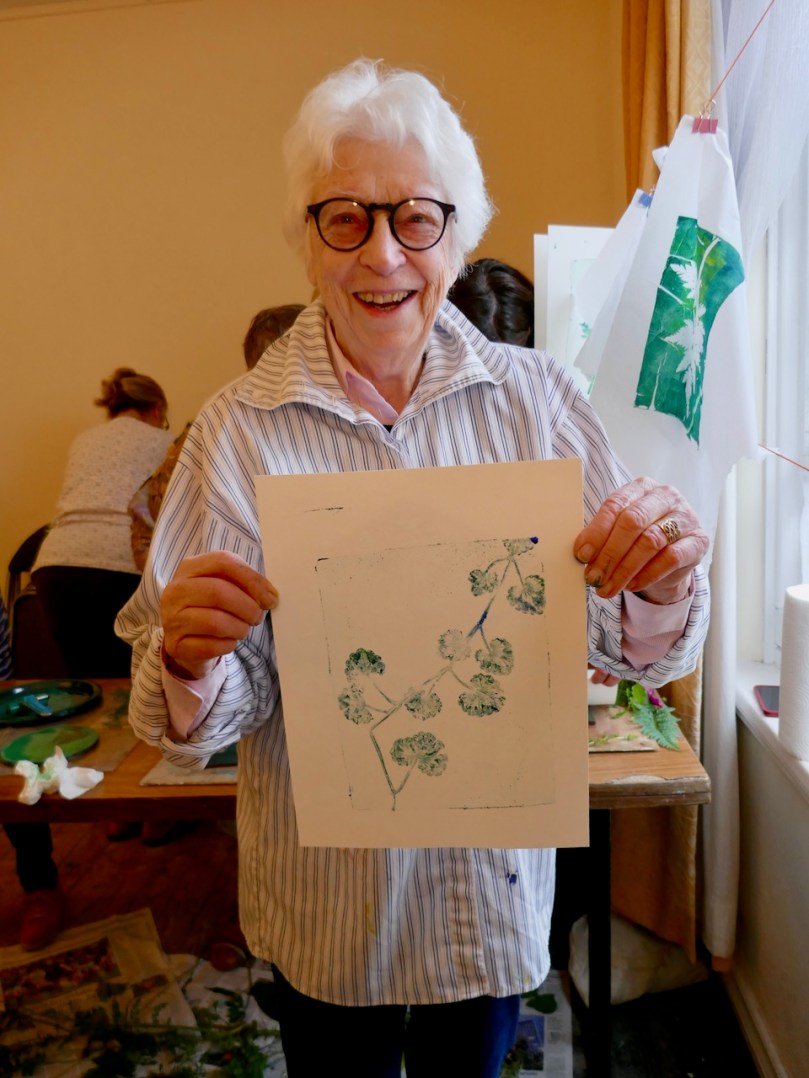
Louise and her botanical print

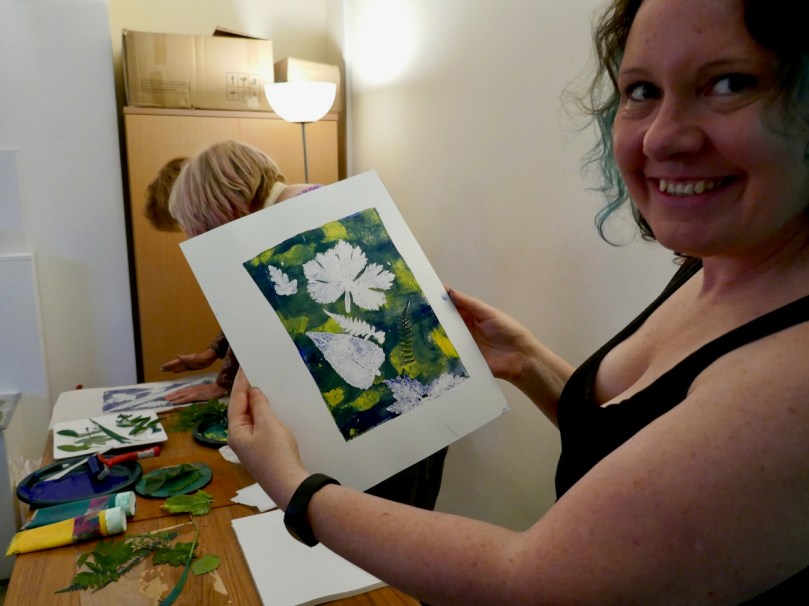
Some people took a long time considering compositions and produced two or three: others got into the swing of the process and produced many. And Toma was right – we were all delighted with our finished products.

Upper, Bobbins and her positive print and lower, Elizabeth and her negative one. Below, Annie with her china blue 

Everybody chose one print to leave behind. Those prints will go on exhibition during Heritage Week, including the one I made. OK, it’s not actually a Work of Art, but it felt great to be able to produce something that I’m proud of by working with material I love. Thank you, Toma, Brian and all the workshoppers for a great experience!

Moments on Heir

You will often find us visiting the inhabited islands of Roaringwater Bay. They are, after all, in full view of the panorama we see from our perch up here in Nead an Iolair (Eagle’s Nest), and easily accessible by regular ferry services. We like them because – who doesn’t enjoy a boat trip? Also, that little step from the mainland removes you to another world: places where life is lived a little differently, where you can feel slightly remote from the the most pressing issues of life, a little bit ‘on the edge’. Cape Clear, Sherkin, Long island – we have written about them all. And, today’s subject, Hare, or Heir: we have been there before but last week Finola was leading a wildflower walk on the island, and I went along for the ride, and a further exploration.

Colour on Heir: upper – Heir hedgerow, where wildflowers and garden escapees mix happily together; lower – Finola’s band of wildflower enthusiasts get caught up on the minutiae of the beach flora

It was a mixed, breezy day on the island, but dry for the group – two ferry loads and some furry four-footed minders to keep us all in order. Much time was spent poring over a myriad of plant species, some of which flourish on the West Cork islands more prolifically than on the mainland. I was interested in the land- and sea-scapes which changed quite dramatically with the movements of the tides.

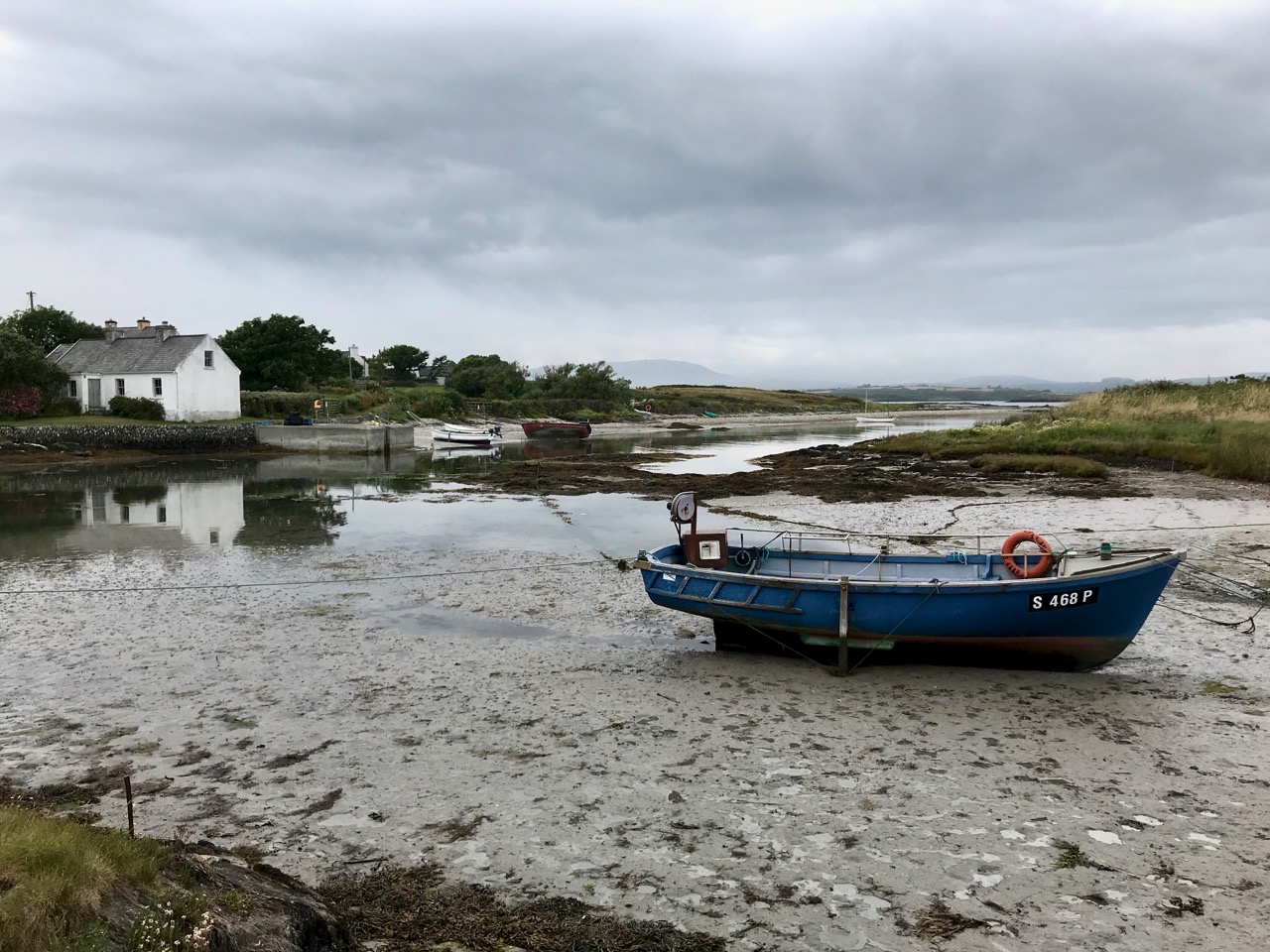
Tides in and out: these two pictures near the wester end of Heir Island were taken within four minutes of each other!

A word about the island’s name: often seen on maps and signposts as ‘Hare Island’ (which of course makes my own long ears prick up!) it is supposed to have nothing to do with the animal. Today, the islanders will tell you that it derives from the past ownership of the lands by the O’Driscoll clan, and should be called Inis Uí Drisceoil (O’Driscoll Island) or Inis an Oidhre (Island of the inheritance – ie, of the O’Driscolls – or heir), hence the more usual modern name.

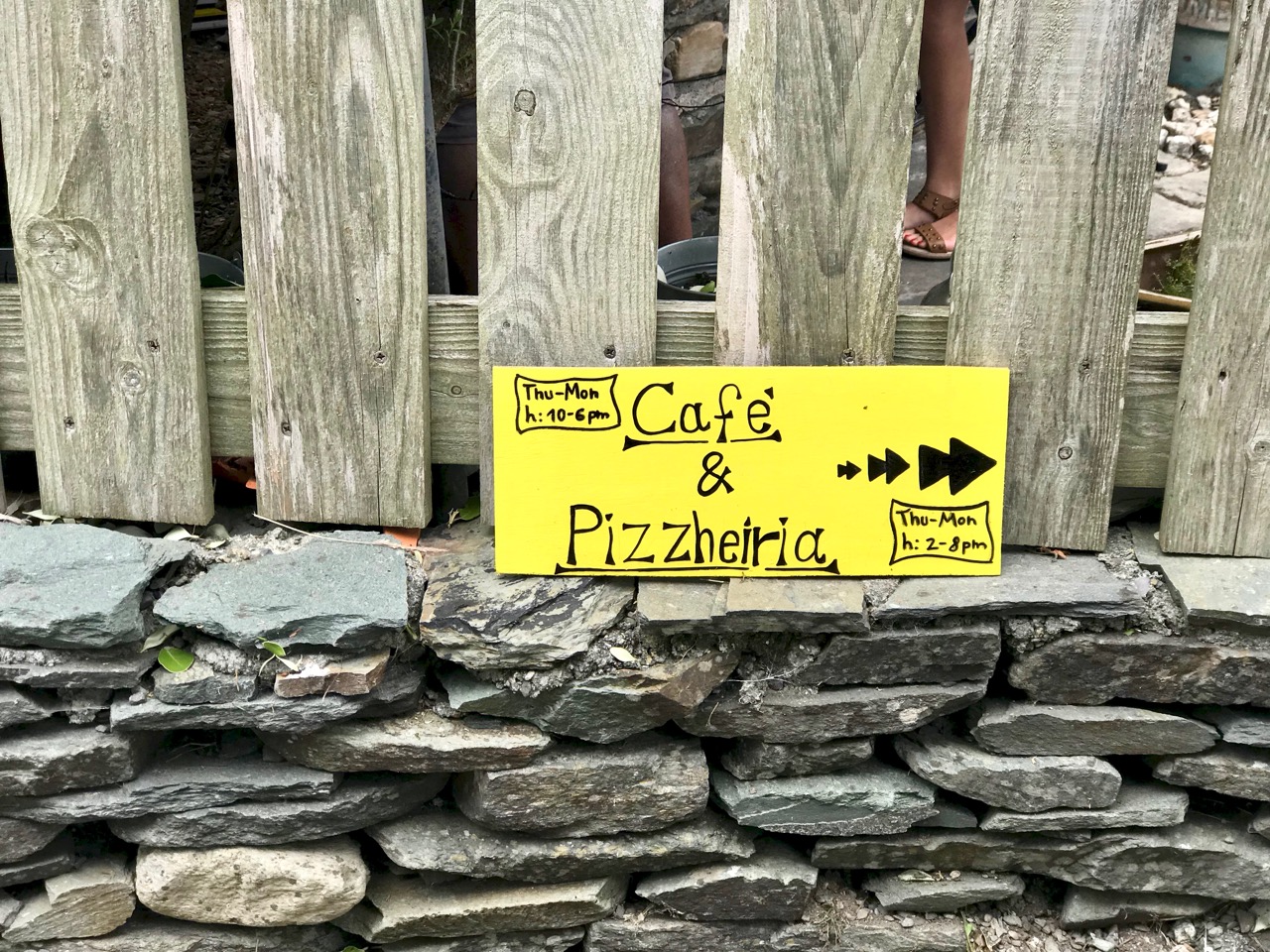
Yes, you can get pizzas and coffee on the island in the summer!

So is this island really a ‘Paradise’, as Finola called it in her earliest post? Undoubtedly! Away from the busy harbour it’s profoundly peaceful: bees, butterflies and wild birds are abundant. But it’s also haunted – as are the other islands of Roaringwater Bay. The past is always around you: reminders of a time when the population was far greater. The first official Irish census of 1841 showed a population of 358. The famine years caused fluctuations but in 1901 there were still 317 people living permanently on the island. Today this number has reduced to around 30 full-time residents, although there are many holiday homes on the island, and the summer population in present times can approach 150. This helps to support a cafe (above) and a restaurant (Island Cottage).

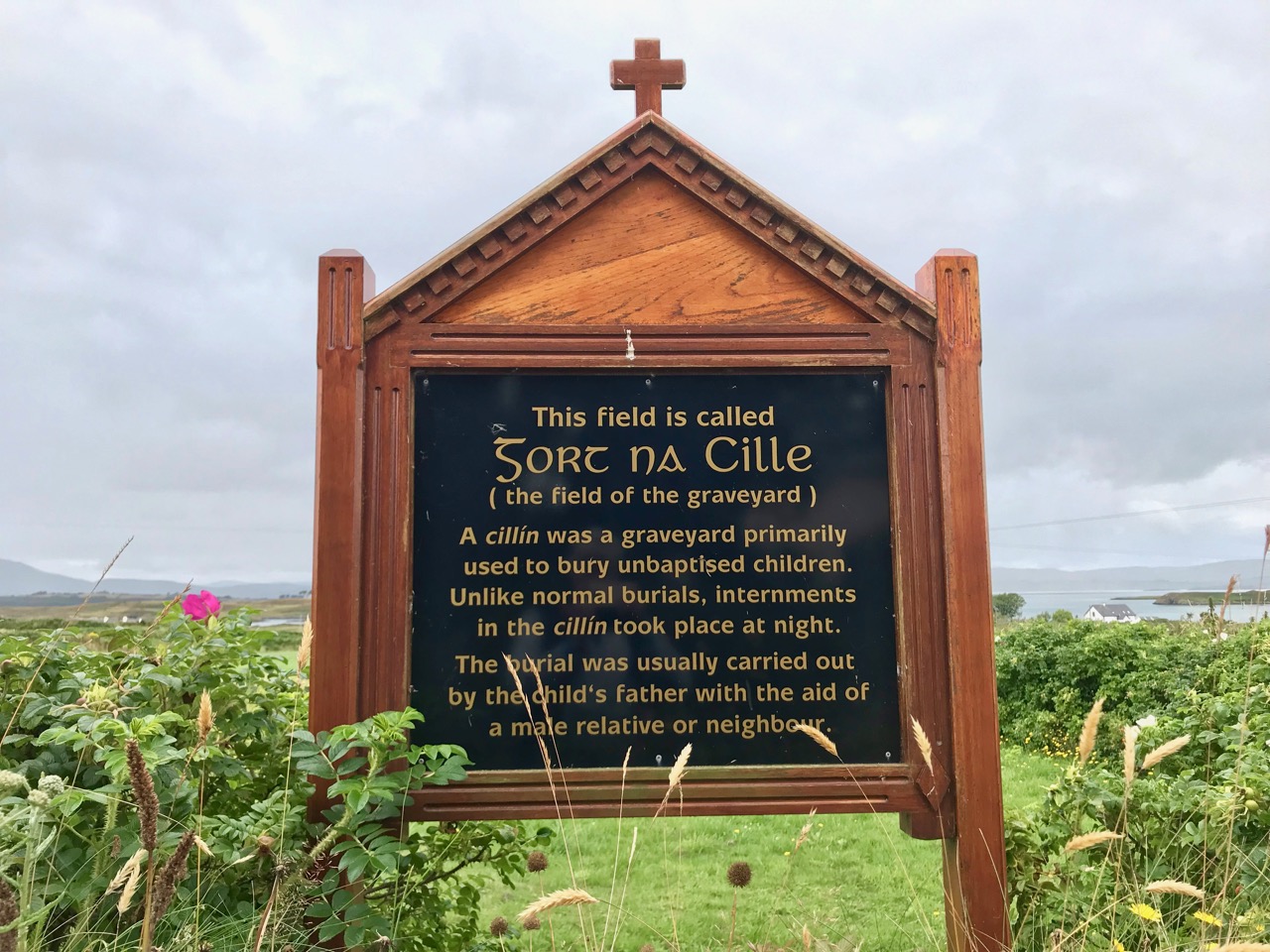
Island history: upper – Field of the Graveyard commemorates the burial of unbaptised children; lower – the Island School closed in 1976, when the resident population was around 50

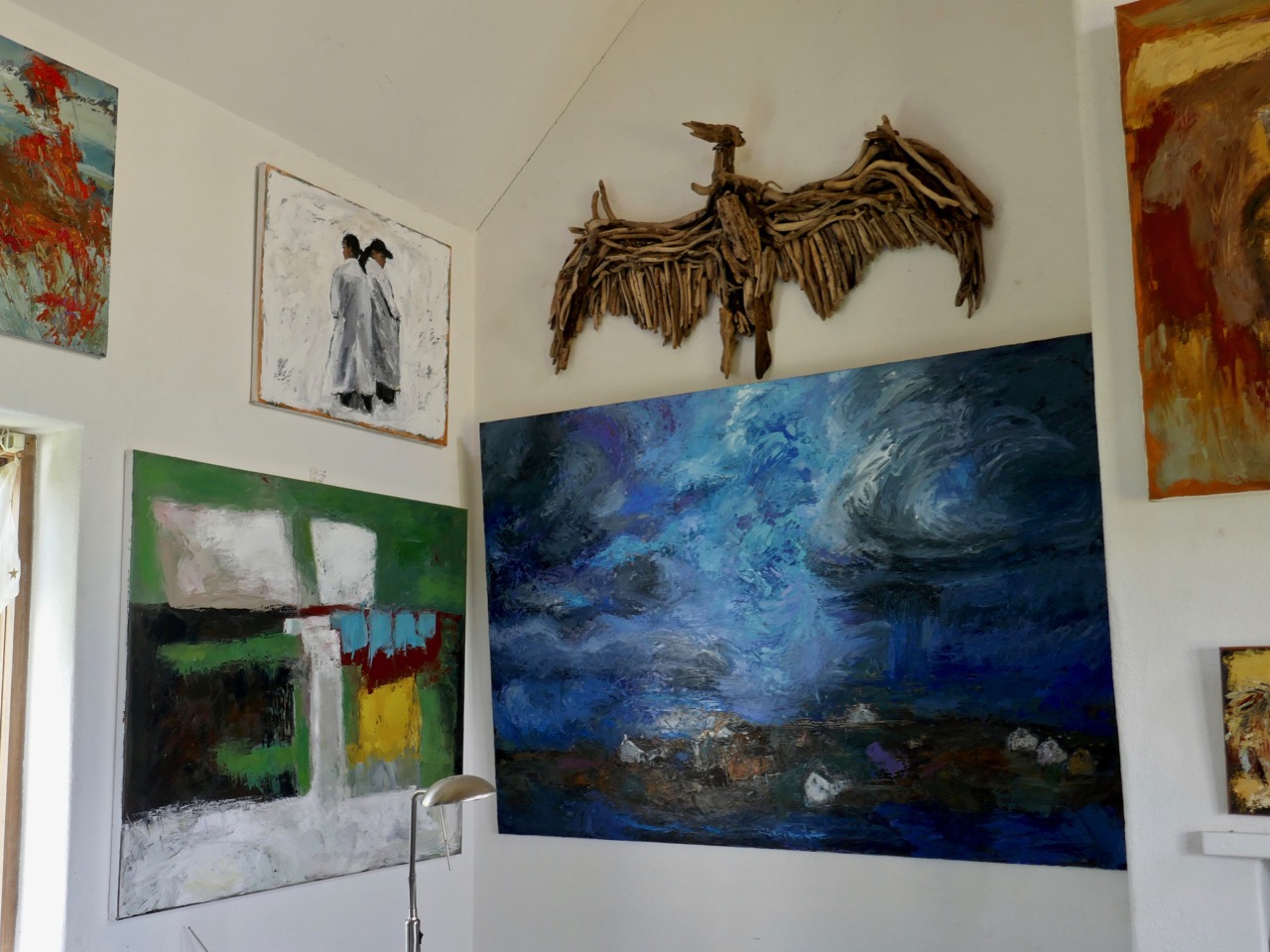
Artist Christine Thery has been a full-time resident on the island for many years; her husband Gubby Williams helps with the ferry and has designed and built ‘Heir Island Sloops’. Christine is an active environmentalist and keenly involved in ensuring that Heir is sustainable and responsible in caring for its natural habitats; she was instrumental in organising Finola’s Wildflower Walk. Here is some of her work in her studio:

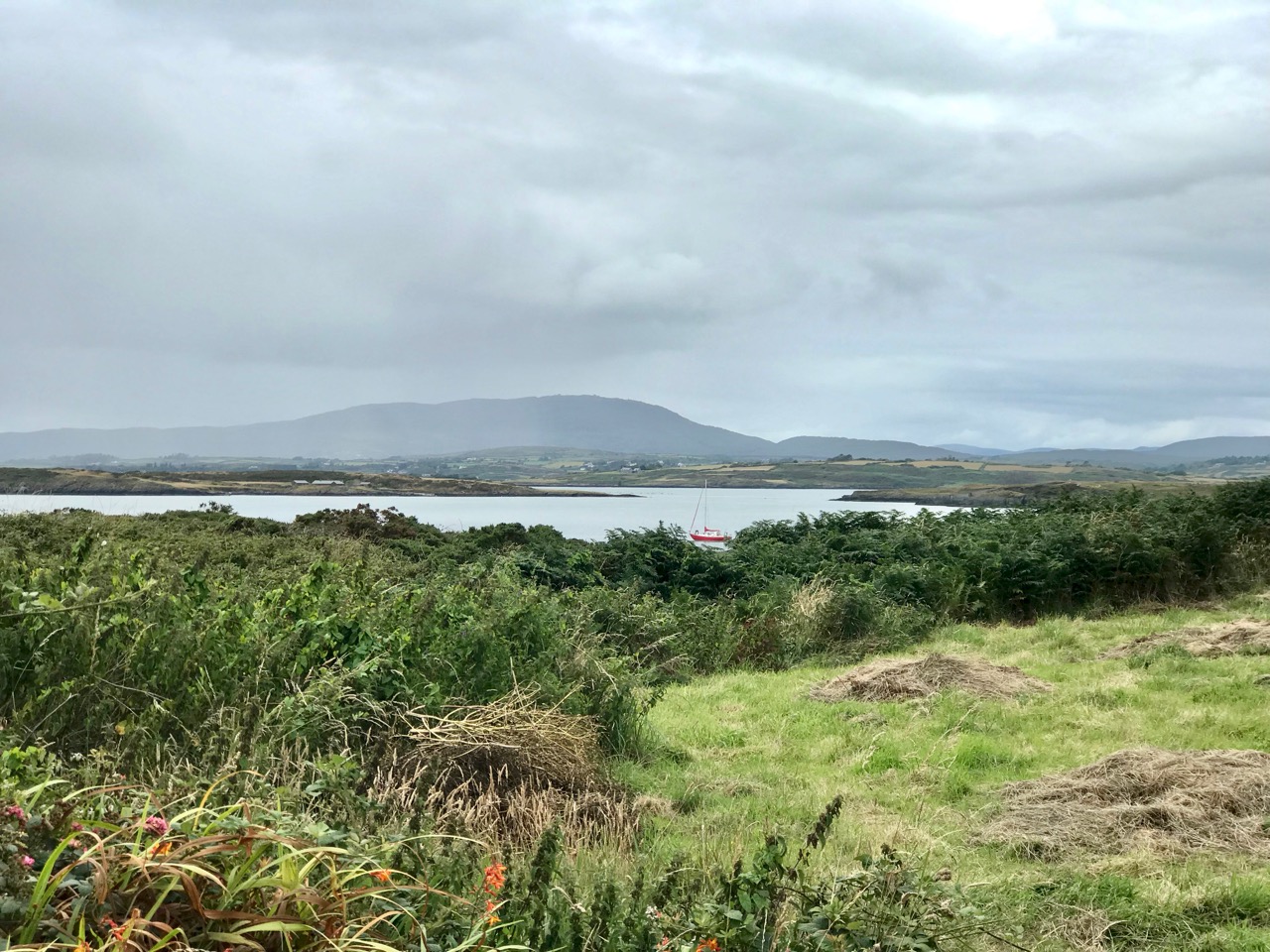
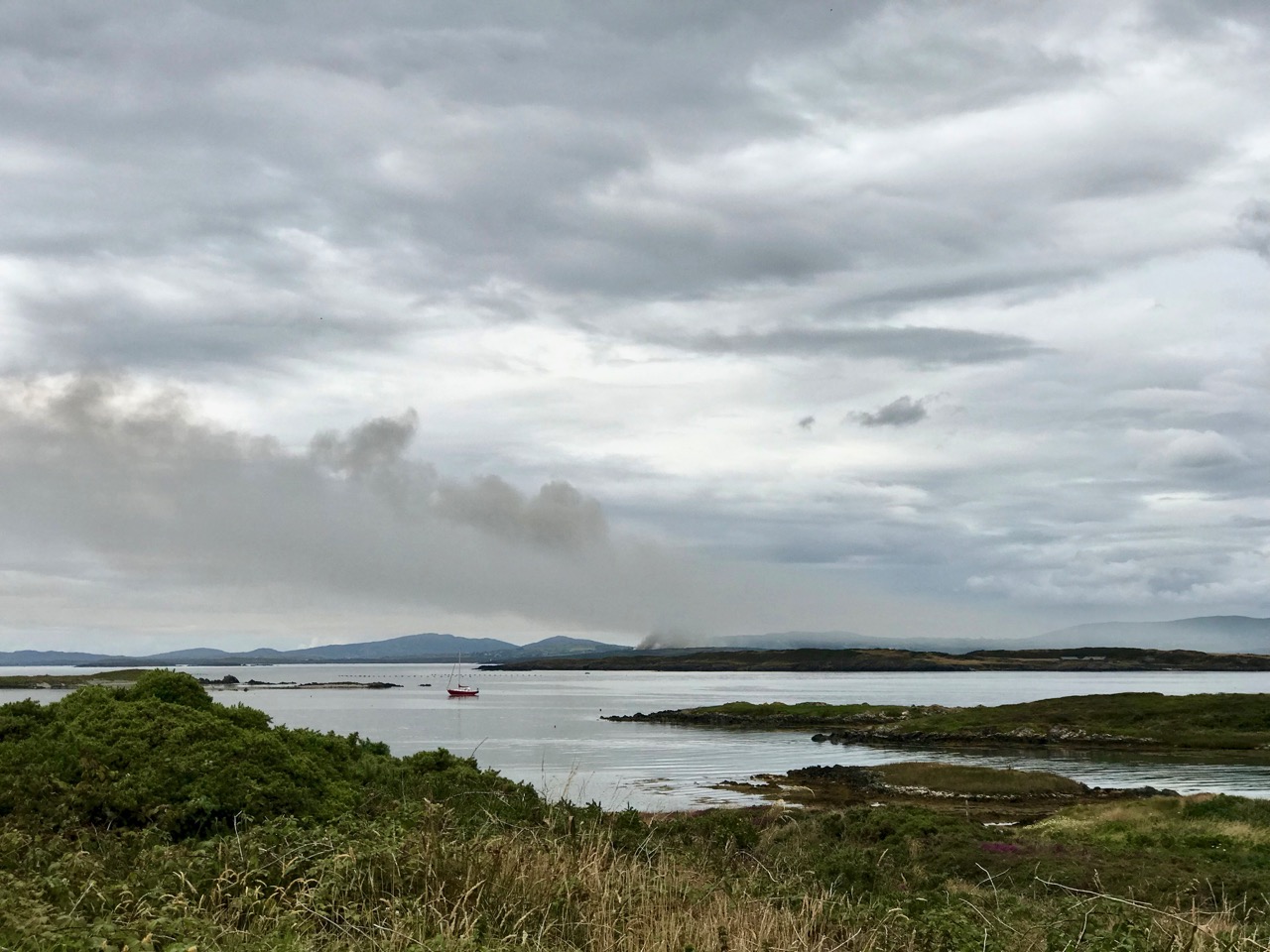
Heir is only a five minute ferry ride from Cunnamore Pier, yet the mainland seems a distant place once you are imbued with the innate atmosphere of island existence. The views from the north side of the island are dominated by Mount Gabriel, (pictures above). Five minutes – yet it seems such a step away from everyday life: long may beautiful Heir continue to support its fragile but tenacious resident population.

West Cork in High Summer – Festival Central!

West Cork has festivals all year long, but right now we are gearing up for some of our favourites and they are looking terrific!

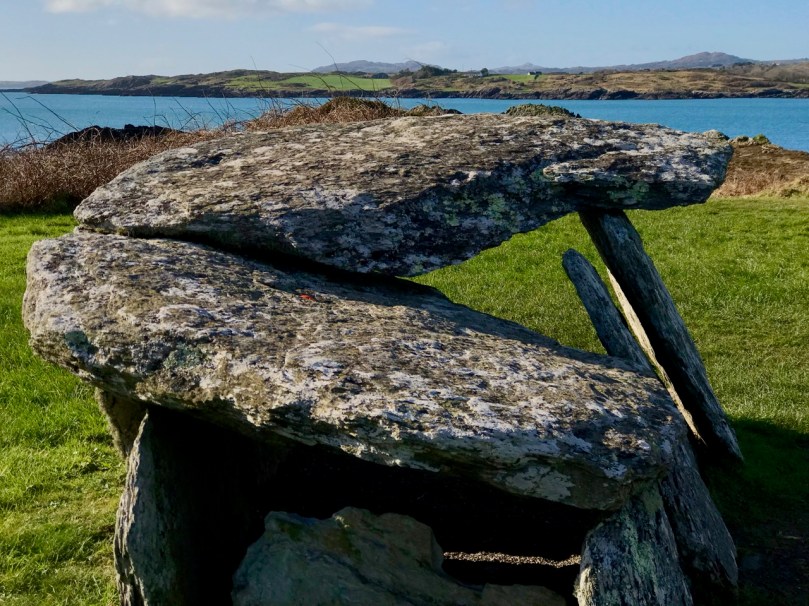
We’re planning the field trips. for the History Festival. Top photograph is of last year’s tour of Reen Farm, John Kelly’s Sculpture Garden and above is the Bronze Age Altar Wedge tomb, which this year’s Mizen field trip will visit

For us, the most significant is the West Cork History Festival, because we are very involved. Have you ever thought you might like to go along on one of our field days?  Well, here’s your chance as we will be leading two field trips on Aug 8 and 9 and Carina Jeisy of Beara Baoi Tours is leading another. All the details are here and you can buy tickets there too – if you hurry.

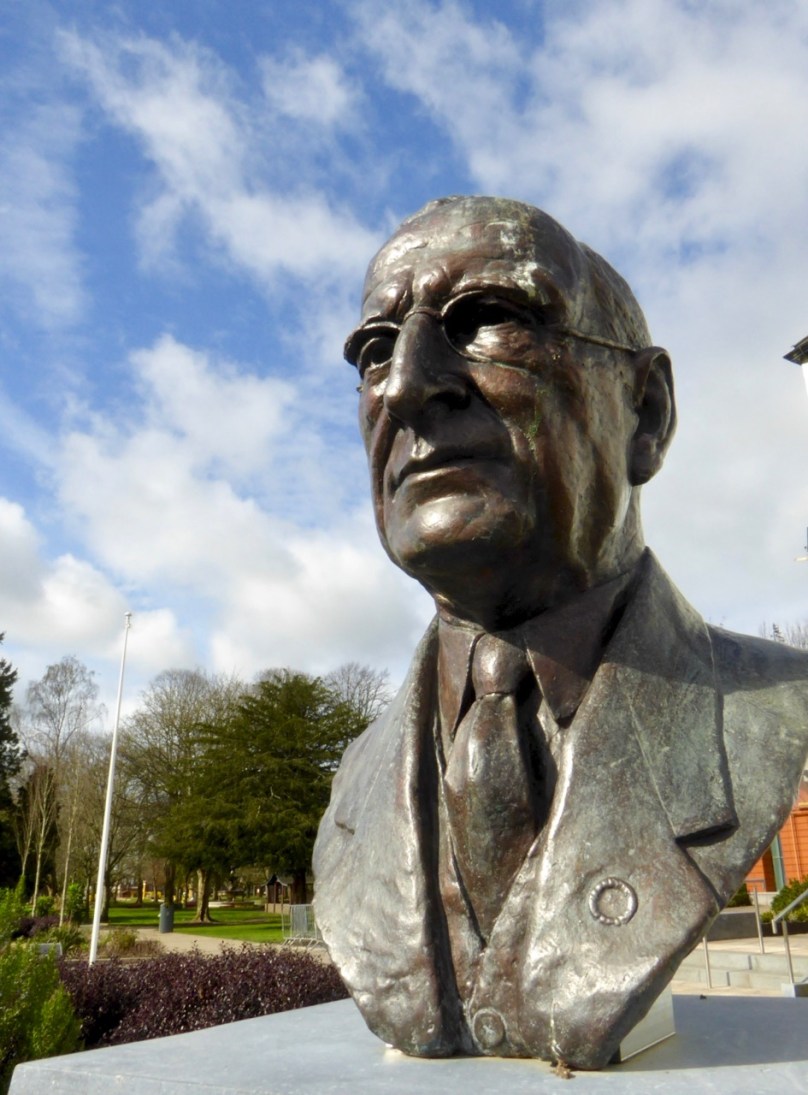
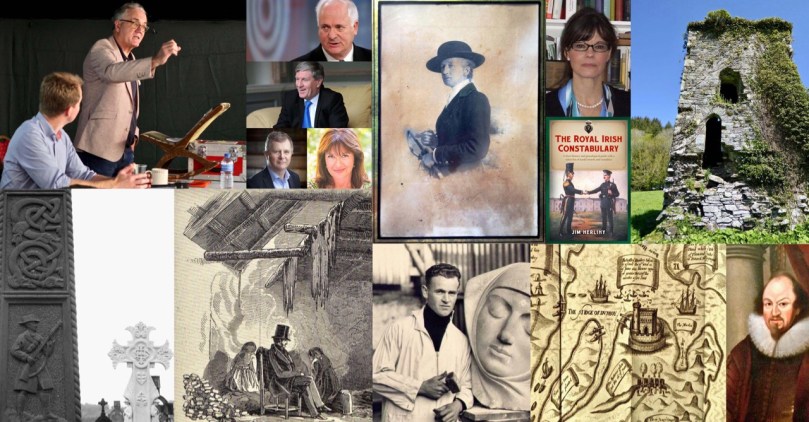
Dev, by Seamus Murphy. Seamus’s daughter, Orla Murphy, will be at the Festival to speak about her father and his legacy. Dev? Well, he’s part of the reason Irish history will never be uncontested

The Festival is now in its third year and this year’s line-up of speakers and events is looking particularly engaging. From former Taoiseach John Bruton, to current Ambassador to the USA Dan Mulhall, to professors from many of the major institutions, to TV and news media presenters, online ‘public’ historians and local experts – there’s sure to be lots of food for thought and discussion. If the two past festivals are anything to go by, some controversy is sure to arise, since not everyone has the same take on historical events – especially in the hotly contested fields of Irish history!

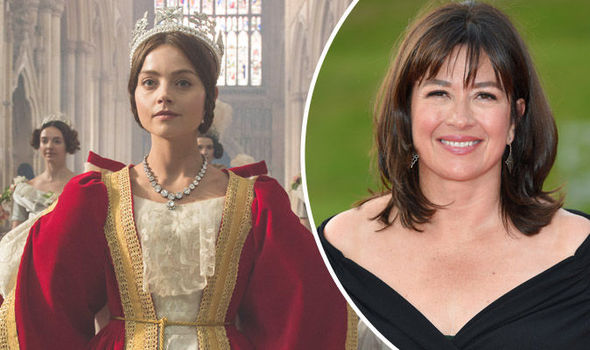
The closing speaker will be Daisy Goodwin, the writer of the hit TV series, Victoria. Daisy also happens to be the great-great-great-granddaughter of Robert Traill, who gave his life trying to feed the hungry around Schull during the famine. He was a complex character: see this post and this one in my series Saints and Soupers. Daisy gave him an active role in the episode in which Victoria finally finds out about the full horrors of the Famine. It was an episode that shocked British people, who had never been taught about the Famine and Daisy will talk about that, writing Victoria and her West Cork connections.

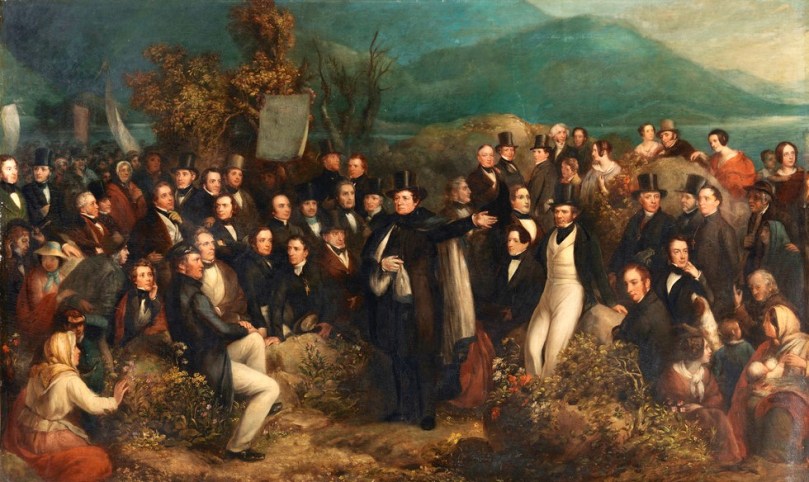
Esteemed local historian Gerald Butler, in conversation with one of last year’s speakers, William Casey, will talk about Daniel O’Connell’s Skibbereen Monster Meeting

This being West Cork, there’ll be lots of food on offer over the whole weekend and music too – I’m really looking forward to the Saturday night concert, exploring the music of Canon Goodman (who is also the subject of one of the talks). Wander over to the website and take a browse through the programme. If you enjoy our blog, you will love this Festival.

Taking us up to the History Festival is the superb Skibbereen Arts Festival. I have rhapsodised about this tour de force of culture and variety in previous posts (see this one and this one) and I feel the same way about the offerings this year.

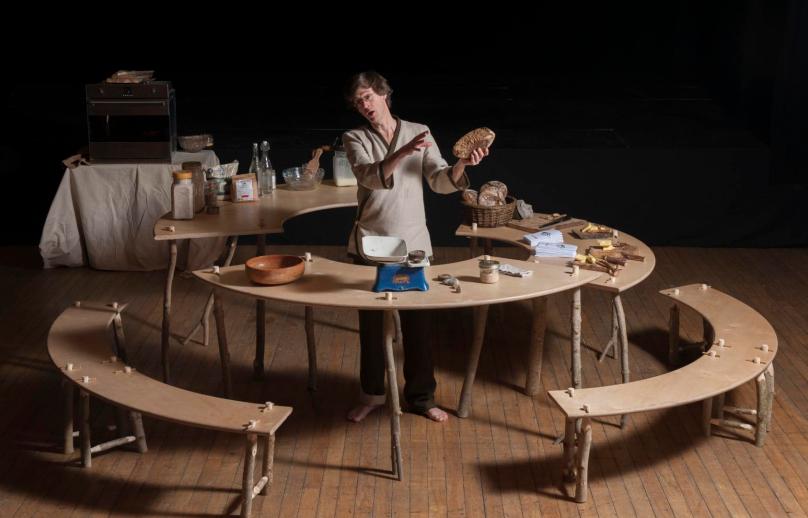
We have tickets to several events and we know we will be dropping in to some of the exhibitions, galleries and shows that are running all over town. I am looking forward to Manchán Magan’s Aran agus Ím (below)- billed as a show that celebrates the Irish language in an engaging, accessible bilingual way, through sourdough bread and home-churned butter and that takes place in a Bakery.

For some time Skibbereen has hosted the Speakeasy Sessions once a month, and there’s a special edition during the Festival. It’s part of a significant Spoken Word programme at the Festival this year. Speakeasy is hosting a Story Slam Competition where 12 people will compete for a prize. One of the judges is our own Cormac Lally, popular local poet: here he is with his Ninja Baby Moves Number 214.

And for something totally different, at the end of the month is the Ellen Hutchins Festival with a brilliant program of events focussed on the natural world of flowers, seaweed and lichens and with lots of stuff for kids. If you’ve never heard of Ellen Hutchins, take a look at my post Ellen Hutchins: The Short and Remarkable Life of Ireland’s First Female Botanist. I wrote it four years ago and in that time the Festival has turned into an annual affair and there have been major exhibitions on Ellen’s life.

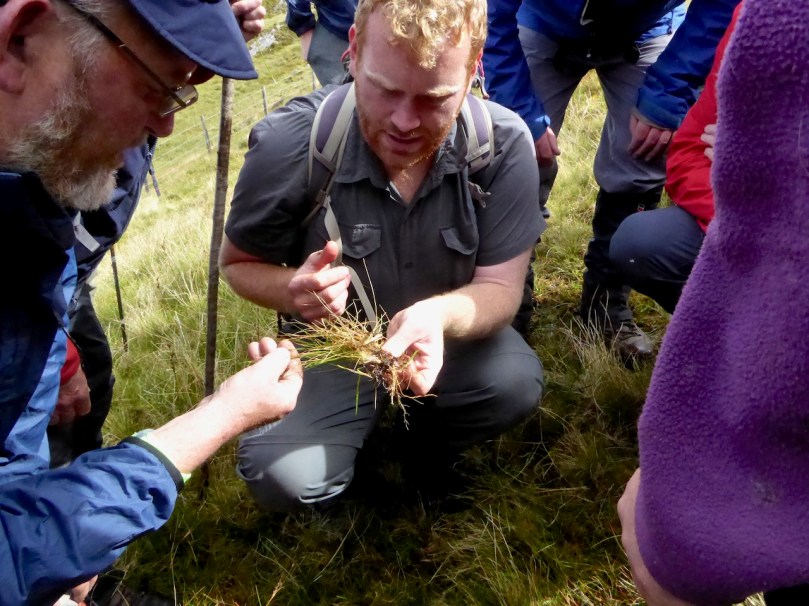
Botanist Rory Hodd on an Ellen Hutchins field trip

At about the same time in Bantry is the annual Masters of Tradition Festival, with formal and informal concerts, talks and sessions, many in the wonderful setting of Bantry House. With Martin Hayes as the Artistic Director, this annual festival is always a treat. Here he is playing the Sailor’s Bonnet.

This is actually just a drop on the bucket of all the things going on in West Cork from now until the end of August. I’m seriously going to need a holiday in September! No – wait – that’s the Taste of West Cork Food Festival! I’d better go into training. . . 

A taste of the History Festival

An Excursion to Dunboy

We have often visited the Beara Peninsula: it’s not too far away and makes a good day’s outing for us. Have a look at some recent posts here and here to get the feel of the geography. Yesterday we had a mission – to discover more about Donal Cam O’Sullivan Beare (1561 – 1618) and his connections with Dunboy Castle, over by Castletown-Bearhaven – often known as Castletownbere or just Castletown – in the far west of County Cork.

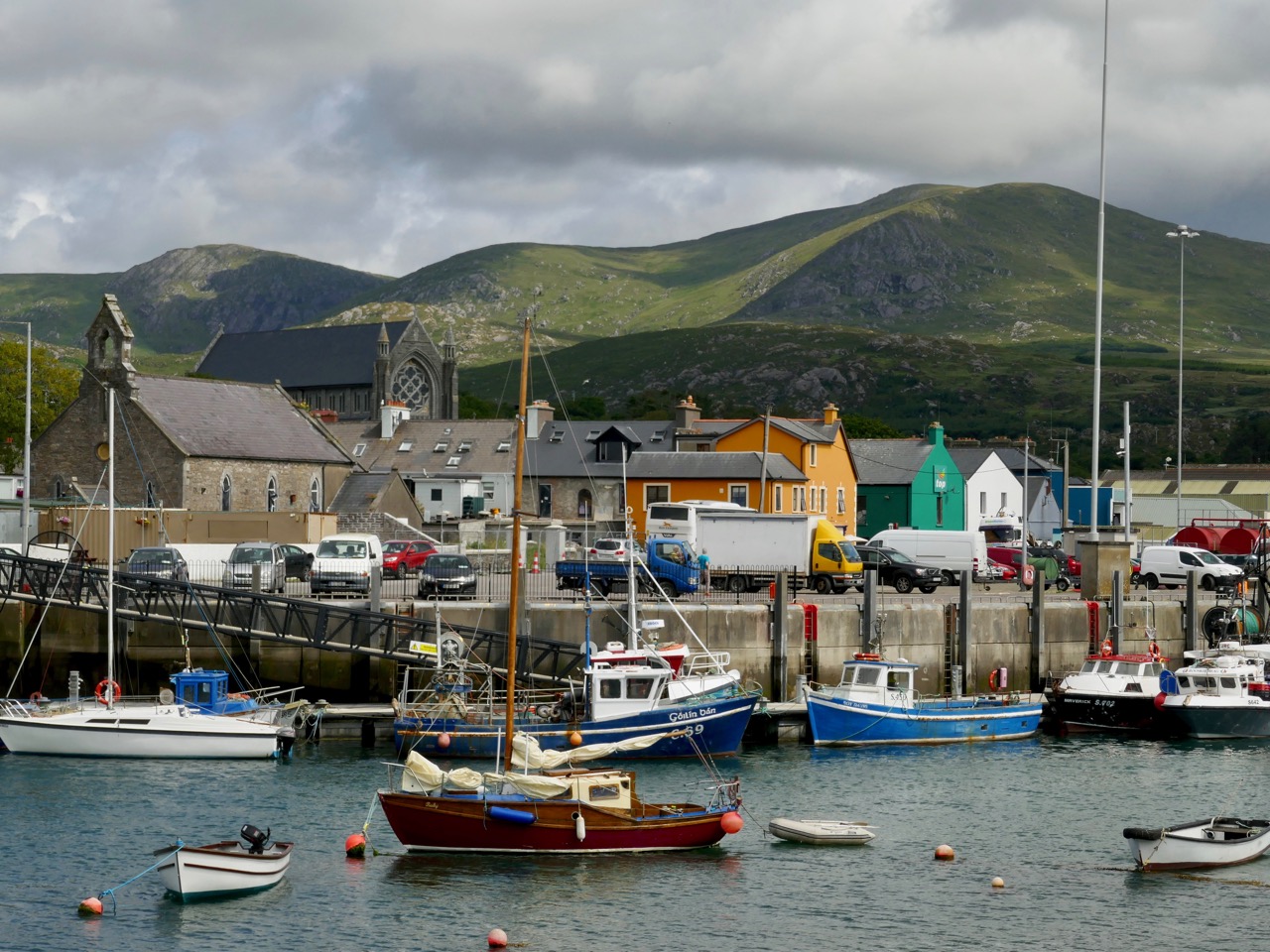
Our first stop was at the bustling harbour of Castletownbere which sits at the foot of the Caha Mountains. …Where land and sea collide, untamed beauty abounds… – that’s the apt heading on the website of the town’s Development Association, and it most certainly seems a lively and flourishing community, a good base from which to explore the wealth of history and archaeology on the Beara. Daphne du Maurier’s novel, Hungry Hill, is set in the area and is a family saga loosely derived from the history of the Irish ancestors of du Maurier’s friend, Christopher Puxley.

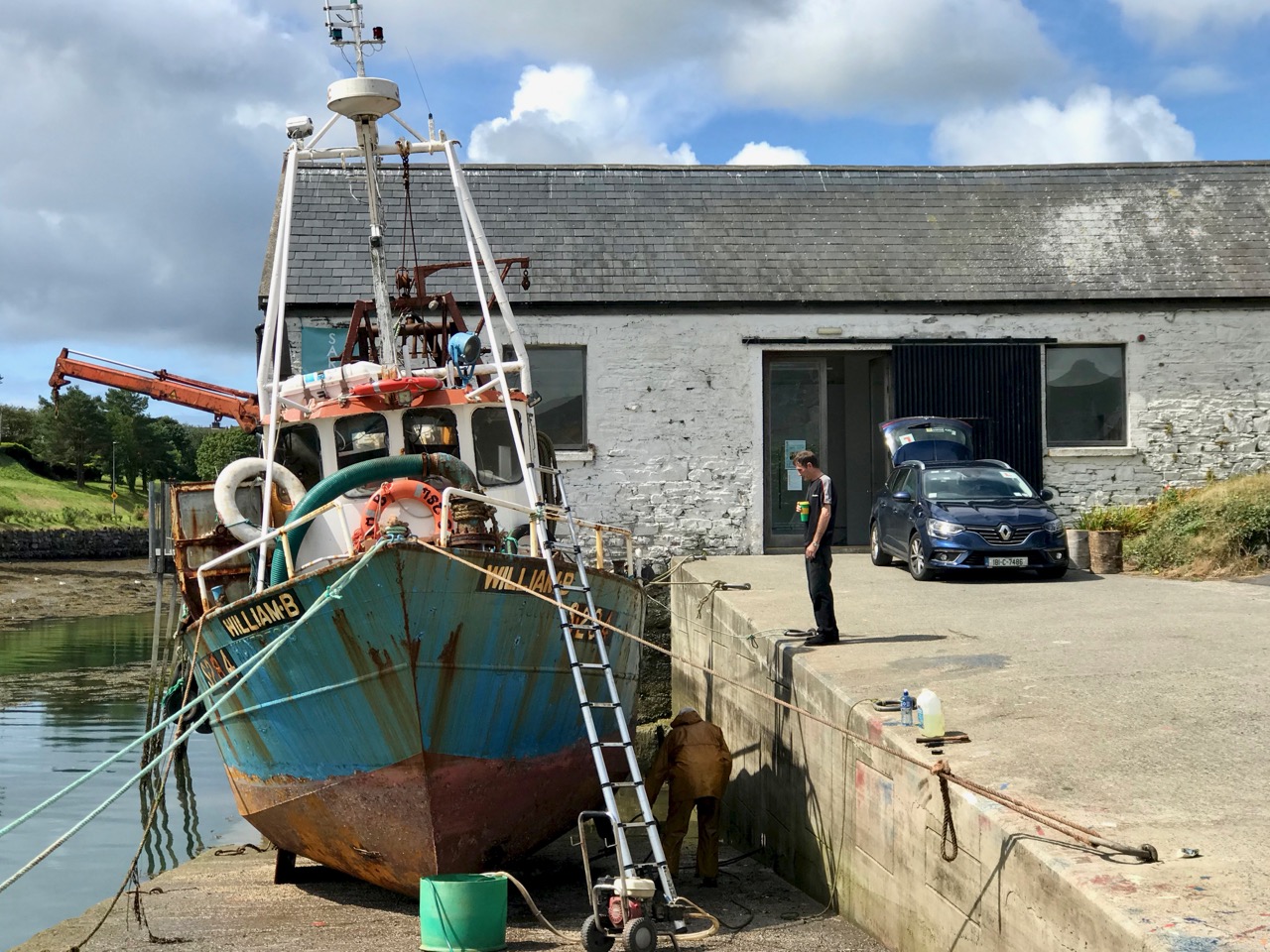
We paused only for a much-needed coffee and a quick look in the Sarah Walker Gallery (precariously and picturesquely situated on the end of the town’s slipway – it’s the white building in the picture above) before setting out to find Dunboy. I had read a little of the history of the place, and knew that it had been a centre of rebellion following the Battle of Kinsale in 1601 – 1602, when allied Irish and Spanish forces were defeated at the culmination of the Nine Years War between England and the Gaelic lordships.

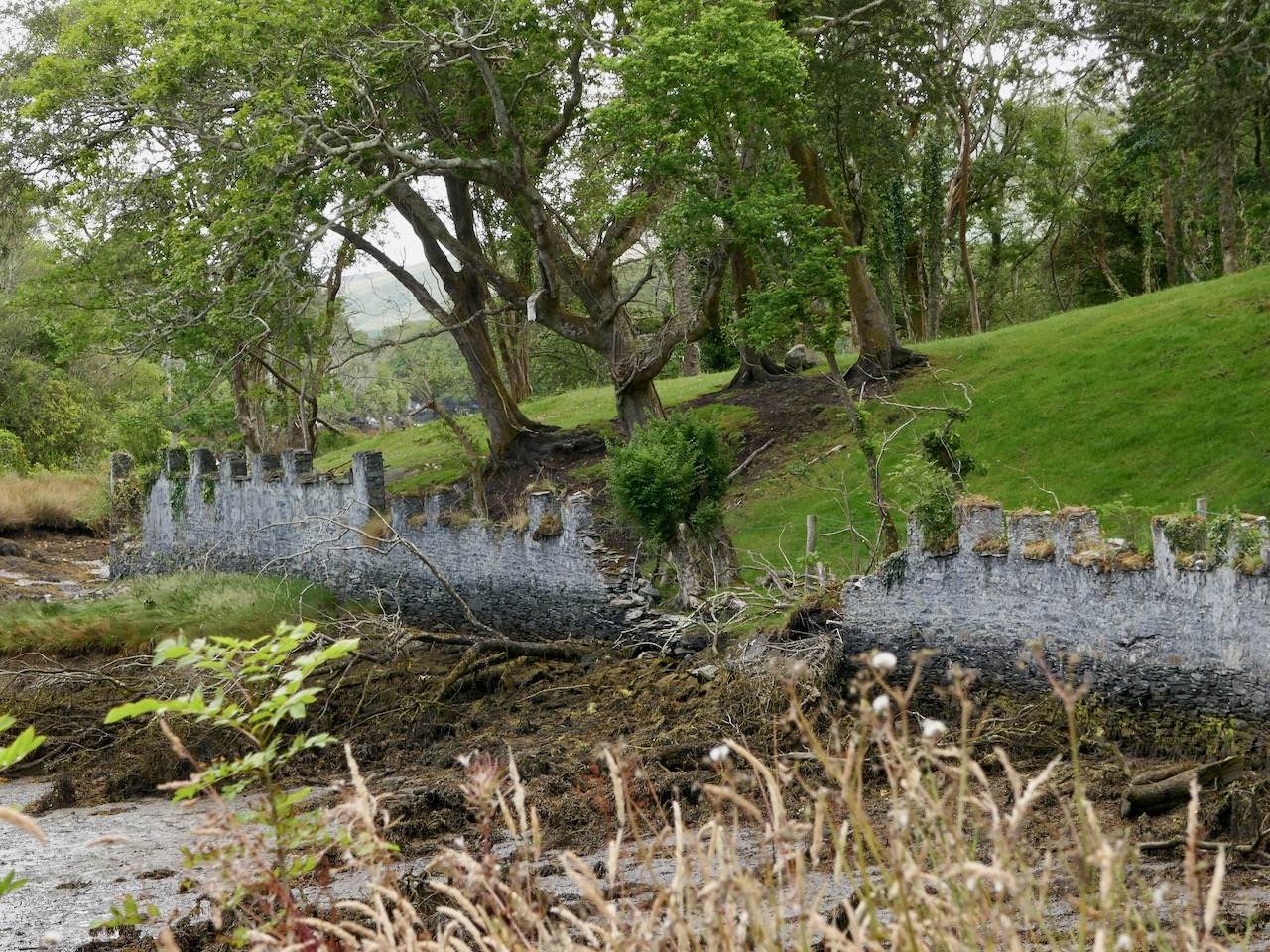
At the edge of the Dunboy Demense are traces of a castellated sea-wall and a gatehouse (above).  The territory was a stronghold of the O’Sullivan Beare clan leader, and was built to guard and defend the harbour of Berehaven. Its presence enabled O’Sullivan Beare to control the sea fisheries off the coast and collect taxes from Irish and continental European fishing vessels sheltering in the haven. It was also a centre for trade to and from the continent. In the aftermath of the Battle Of Kinsale Donal Cam O’Sullivan Beare’s followers retreated to Dunboy Castle, which was considered an impregnable stronghold.

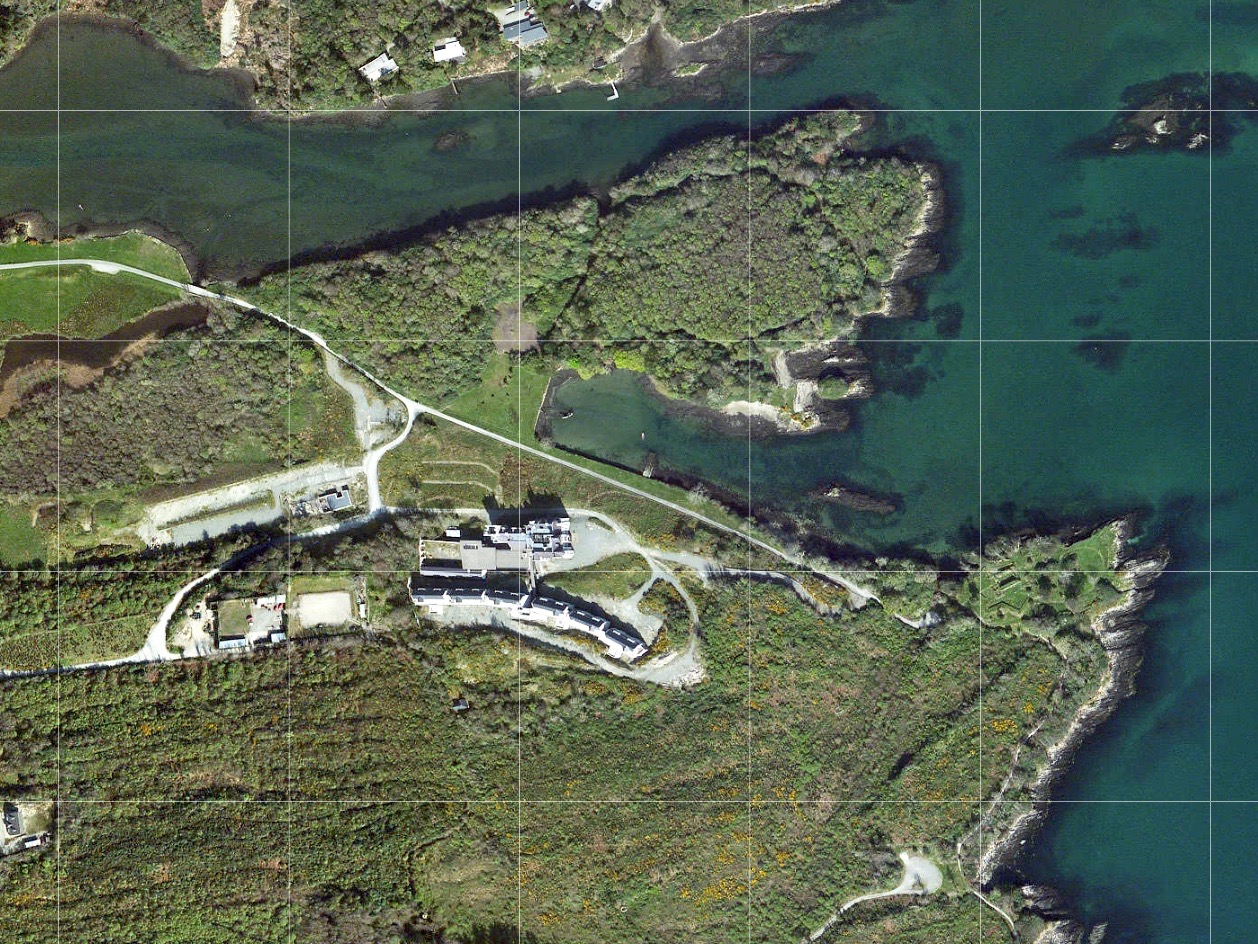
The 25″ historic Ordnance Survey map (upper picture) shows the location of the O’Sullivan Beare fortress, circled in red. Don’t be confused by the ‘Dunboy Castle’ label: this is a later building added to an existing tower house that stood on the hill above the promontory. The estate came into the hands of the Puxley family who invested significantly in the Allihies copper mines in the 19th century. The development in the centre of the aerial view above is Puxley Manor, and is a 21st century incarnation of the huge neo-gothic family mansion created by the family, which was burnt out by the IRA in the 1920s.

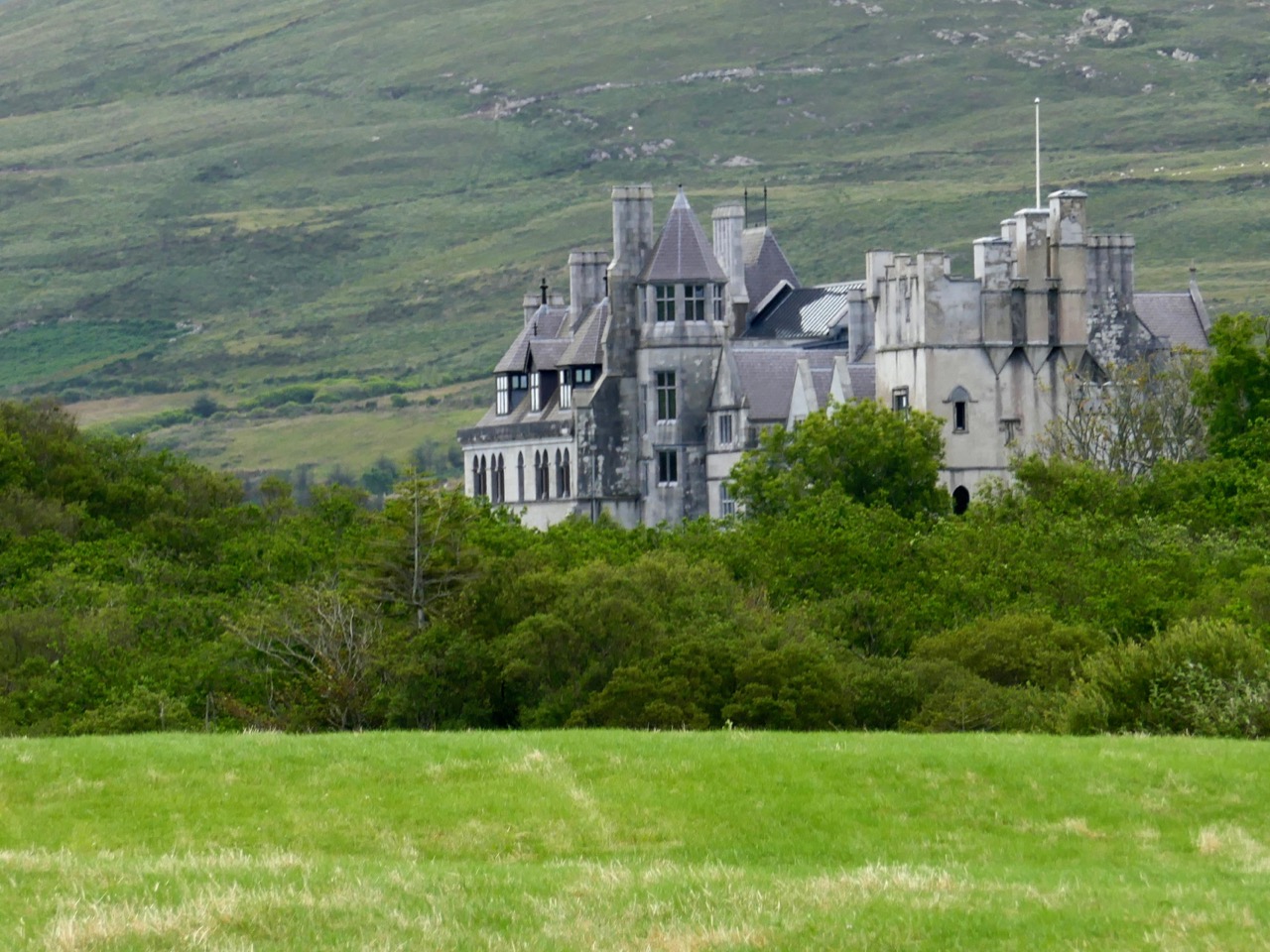
These pictures show the mansion after its destruction and today. In the lower photograph you can see the original tower house in the foreground: the buildings were fully restored as part of a high-profile ‘Celtic Tiger’ project to create a 6-star hotel which could have brought employment and significant economic benefits to the area. Unfortunately the project collapsed before completion, and the future of this decaying leviathan is uncertain.

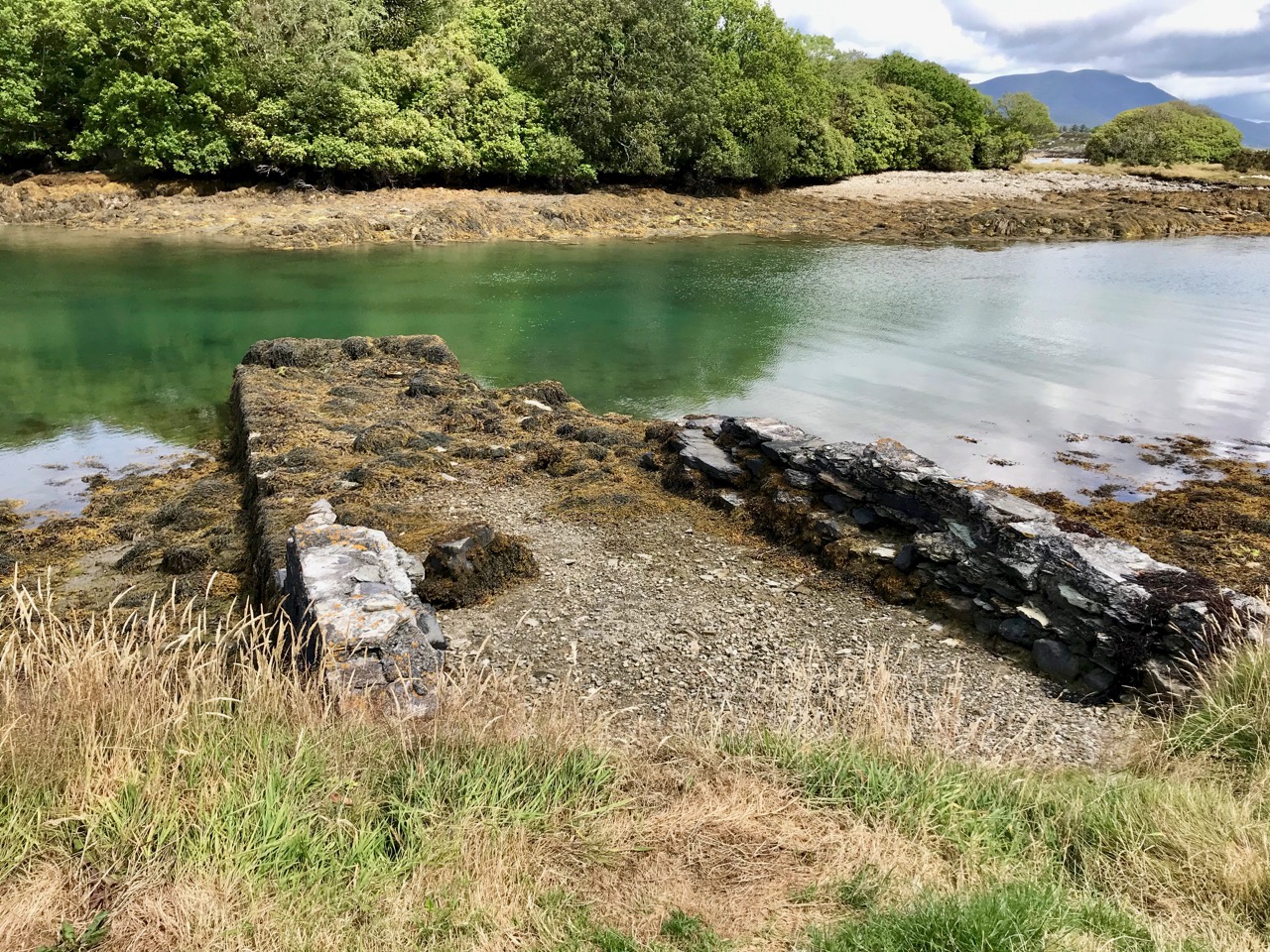
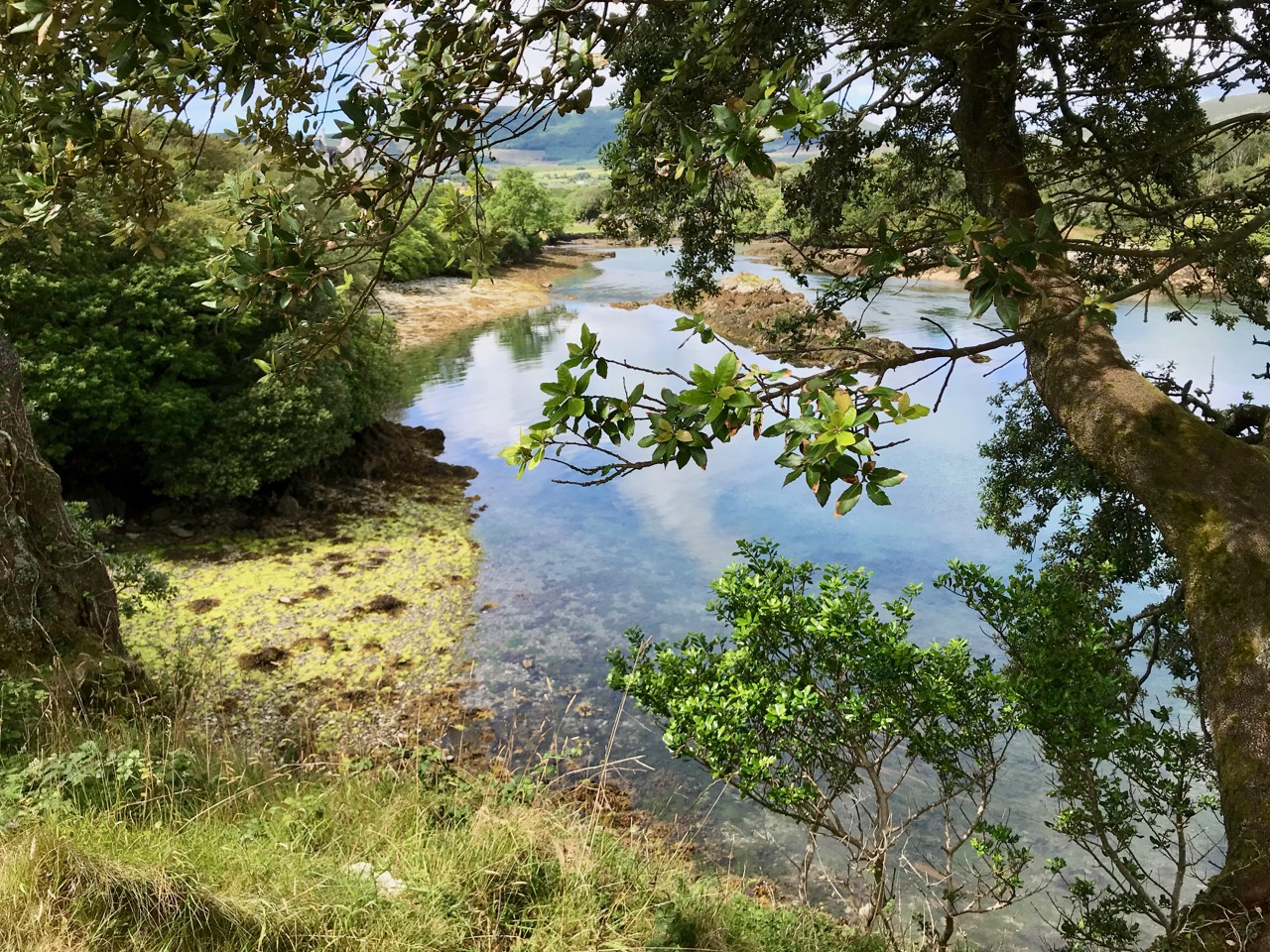
We could only look in awe at the very evident and lavish quality of the restoration and development, even in its present state, and speculate how its fortunes might have fared in more stable times. But all this was a bit of a diversion, as our goal was a much less audacious – but far more historically important – site: the original ‘Dunboy Castle’. We followed the trackway along the inlet, which looks as though it was artificially constructed to form a quay serving the demesne.

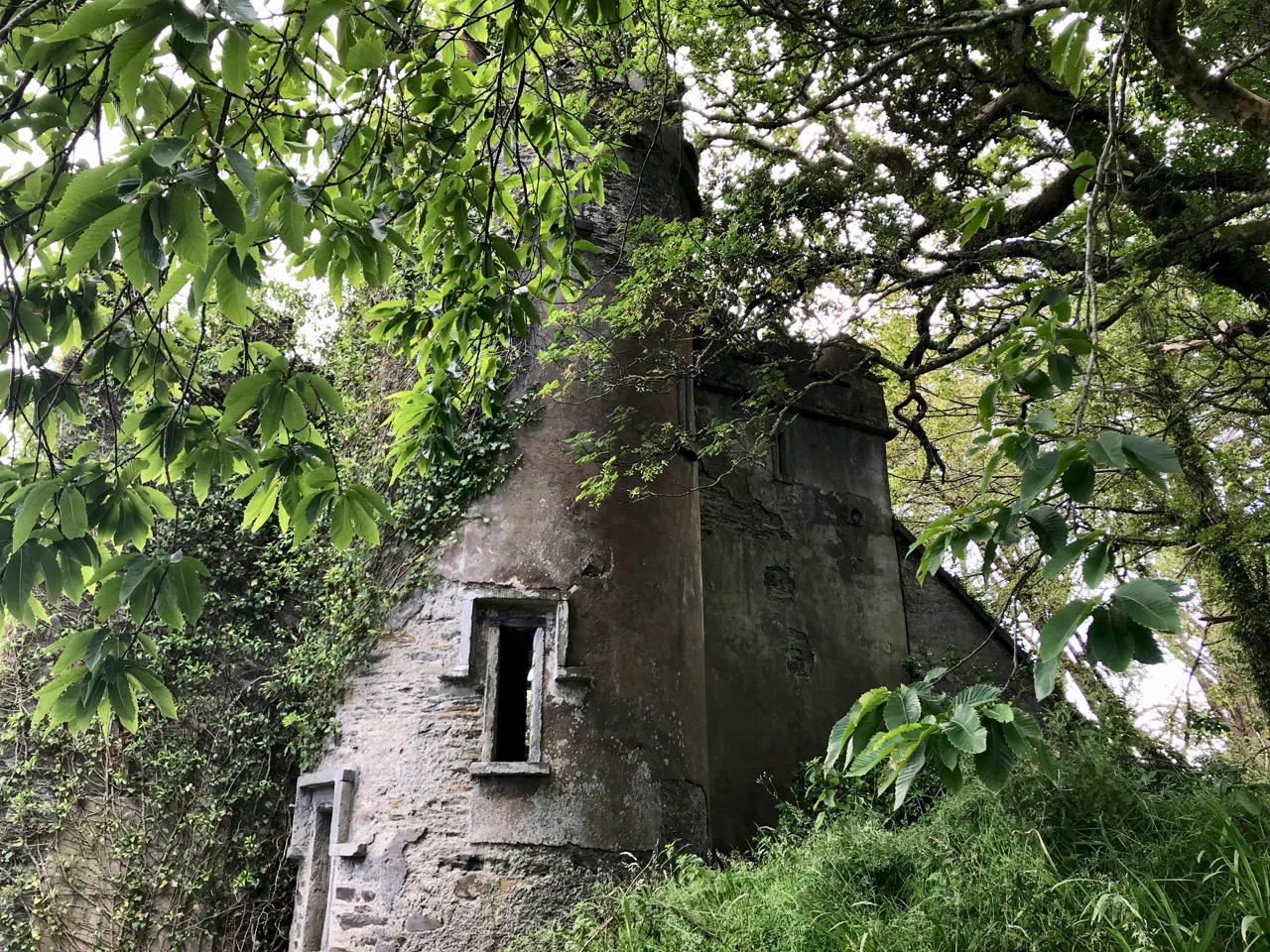
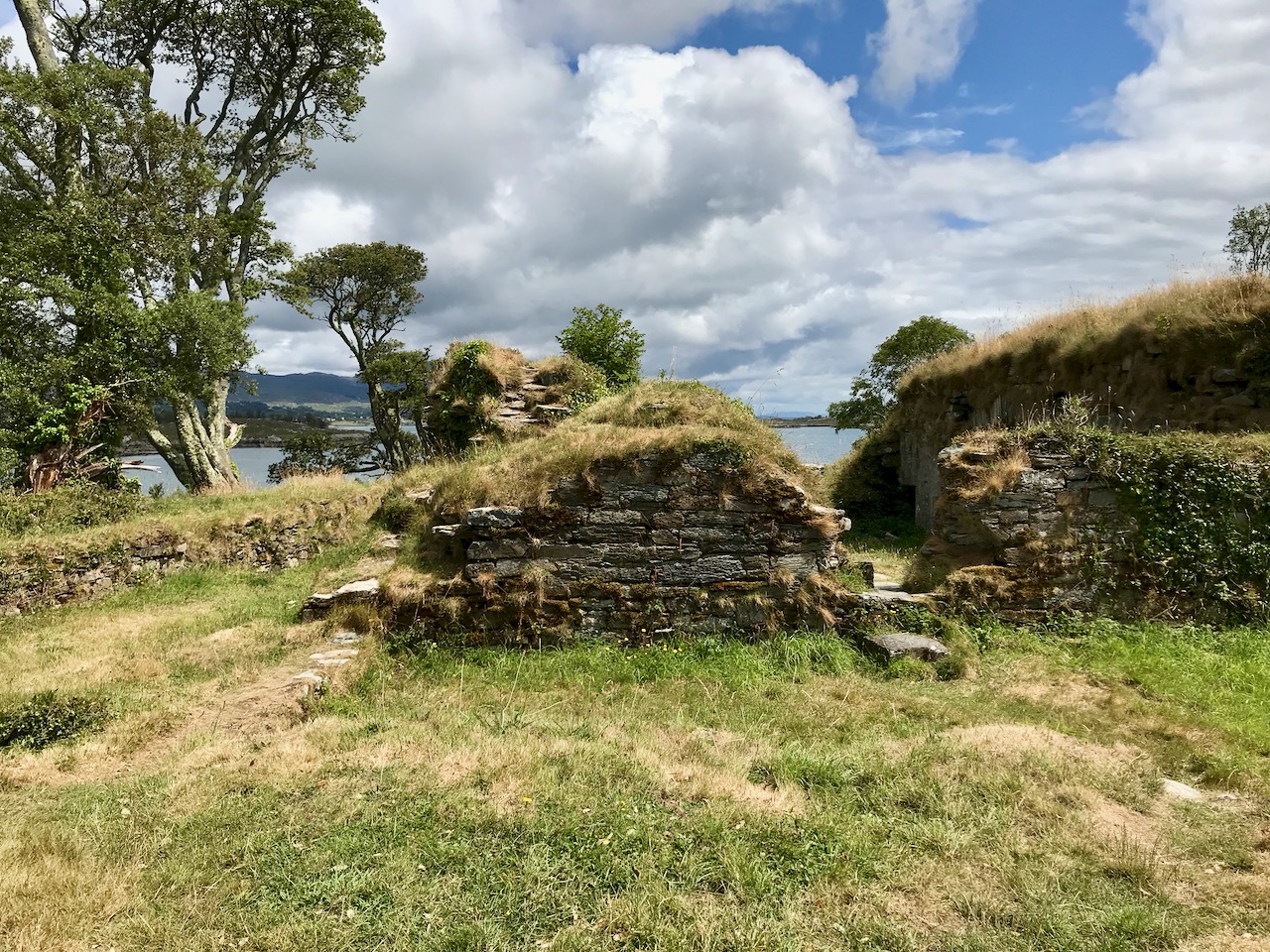
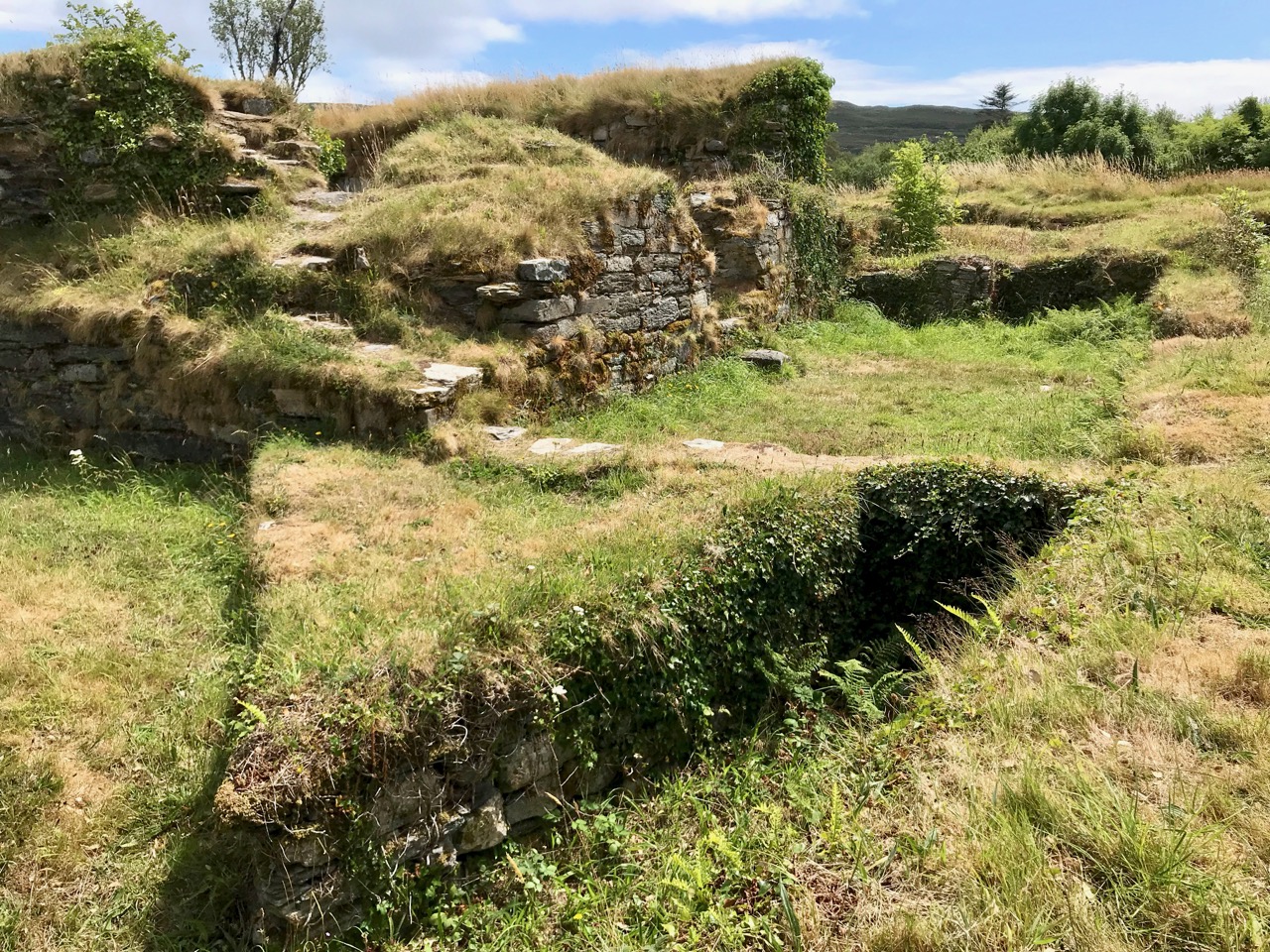
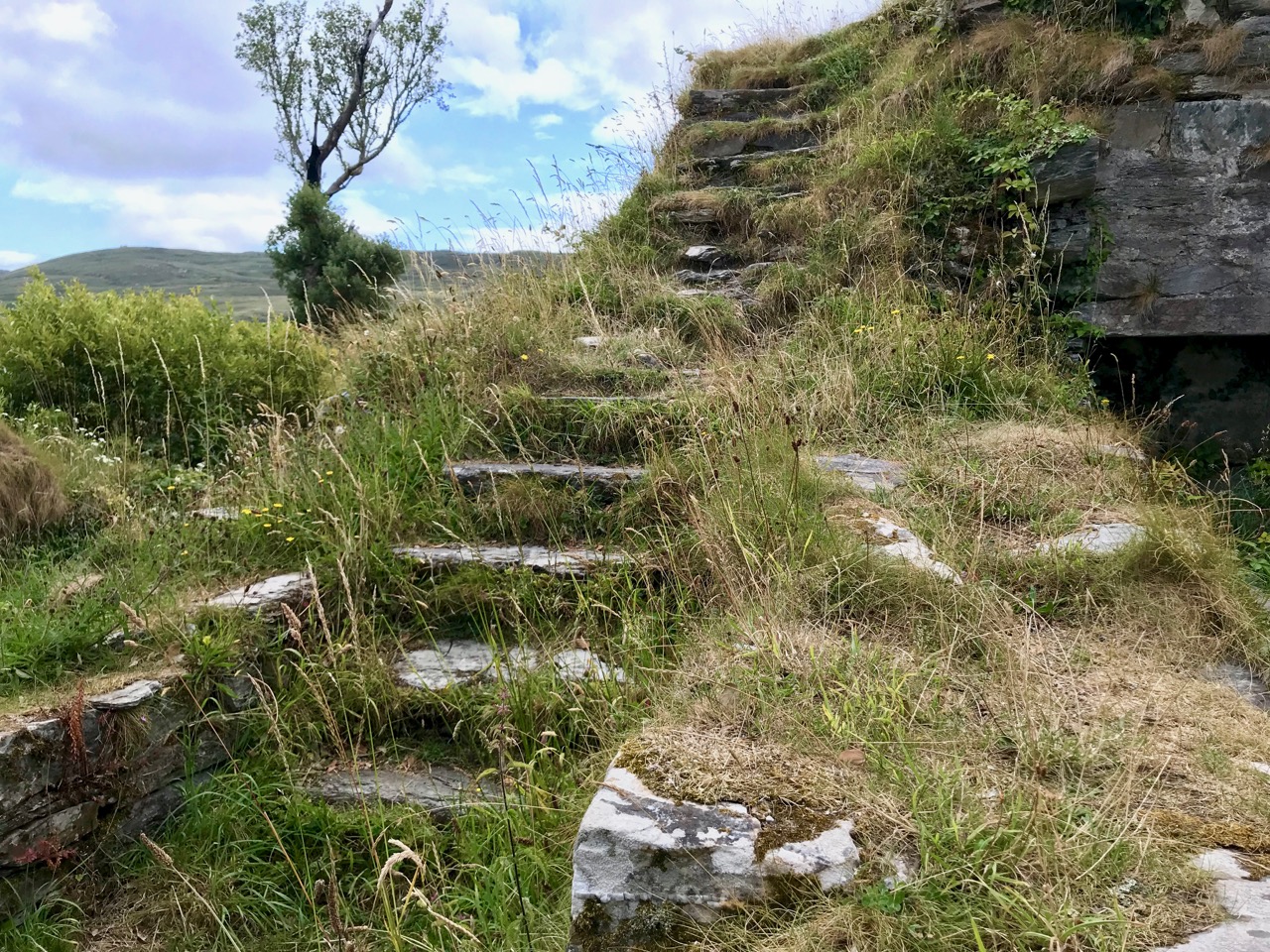
The ruin itself is unassuming: thick stone walls barely a few metres high. However, the ground plan is clear to see – a typical ‘tower house’ design with splayed openings and steps contained in the thickness of the outer walls. Also visible in the surroundings, however, are the clear ‘star’ shapes of an enclosure, complete with salient angles. These outer defences, reminiscent of ‘star-shaped forts’ evidently date from Cromwellian times, constructed after the castle was destroyed.

These ruins conceal an unhappy tale. At Kinsale the clan chiefs had been joined by a large force of troops sent by King Philip III of Spain, who considered that a federation with Ireland would assist his aspirations against Elizabethan England. After the surrender, a number of O’Sullivan followers retreated to Dunboy, where they found the small Spanish force stationed there  preparing to hand the castle over to the queen’s Lord Deputy, Mountjoy. O’Sullivan overpowered and disarmed the Spaniards and later released them to return to Spain, having kept kept all of their arms, ordnance and munitions. Inevitably, an English force under George Carew set out for Dunboy: it is said that this force numbered between 4,000 and 5,000 troops. O’Sullivan Beare established defences at the castle, but set off himself with most of his own army to consolidate in the north of the Beara Peninsula. Only 143 of his men were left behind at Dunboy, together with Friar Dominic Collins to look after their spiritual welfare. The siege of Dunboy began with an artillery bombardment by land and sea. Owen O’Sullivan of Carriganass, a cousin of Donal Cam, had allied himself with the English and informed them of a weak point in the castle walls. The guns were directed to that point, and the walls were eventually breached. After a ten day siege, Dunboy was reduced to the ruin we see today.

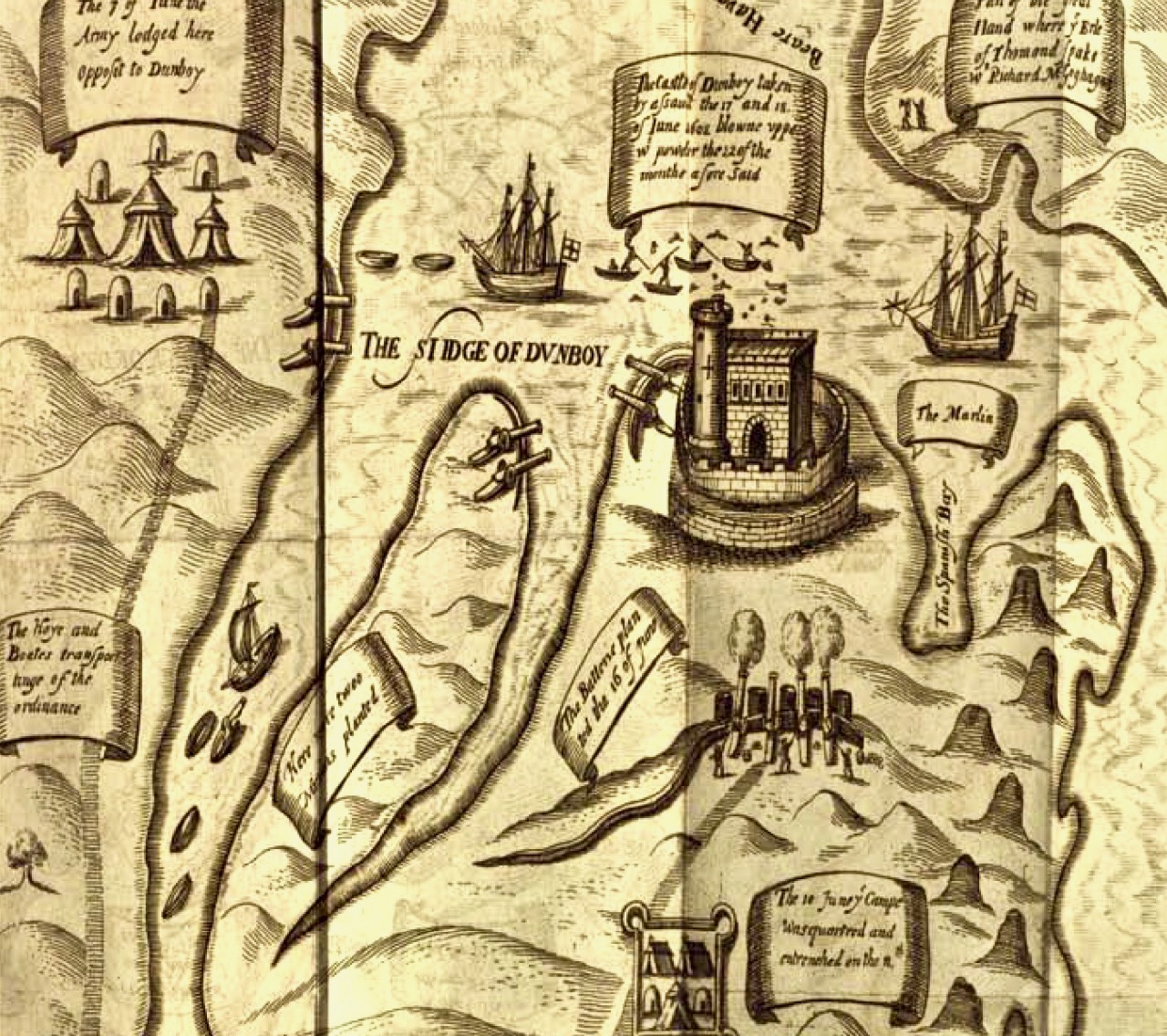
Above is a wonderful graphic illustration of the Siege of Dunboy Castle from Pacata Hibernia or A History of the Wars in Ireland during the Reign of Queen Elizabeth first published in 1633. Only 72 of the Irish defenders survived the siege: they were all hanged, including Friar Dominic Collins. Most of the hangings took place in the bustling square of Castletown-Bearhaven, close to where we had enjoyed our coffee at the start of our excursion.

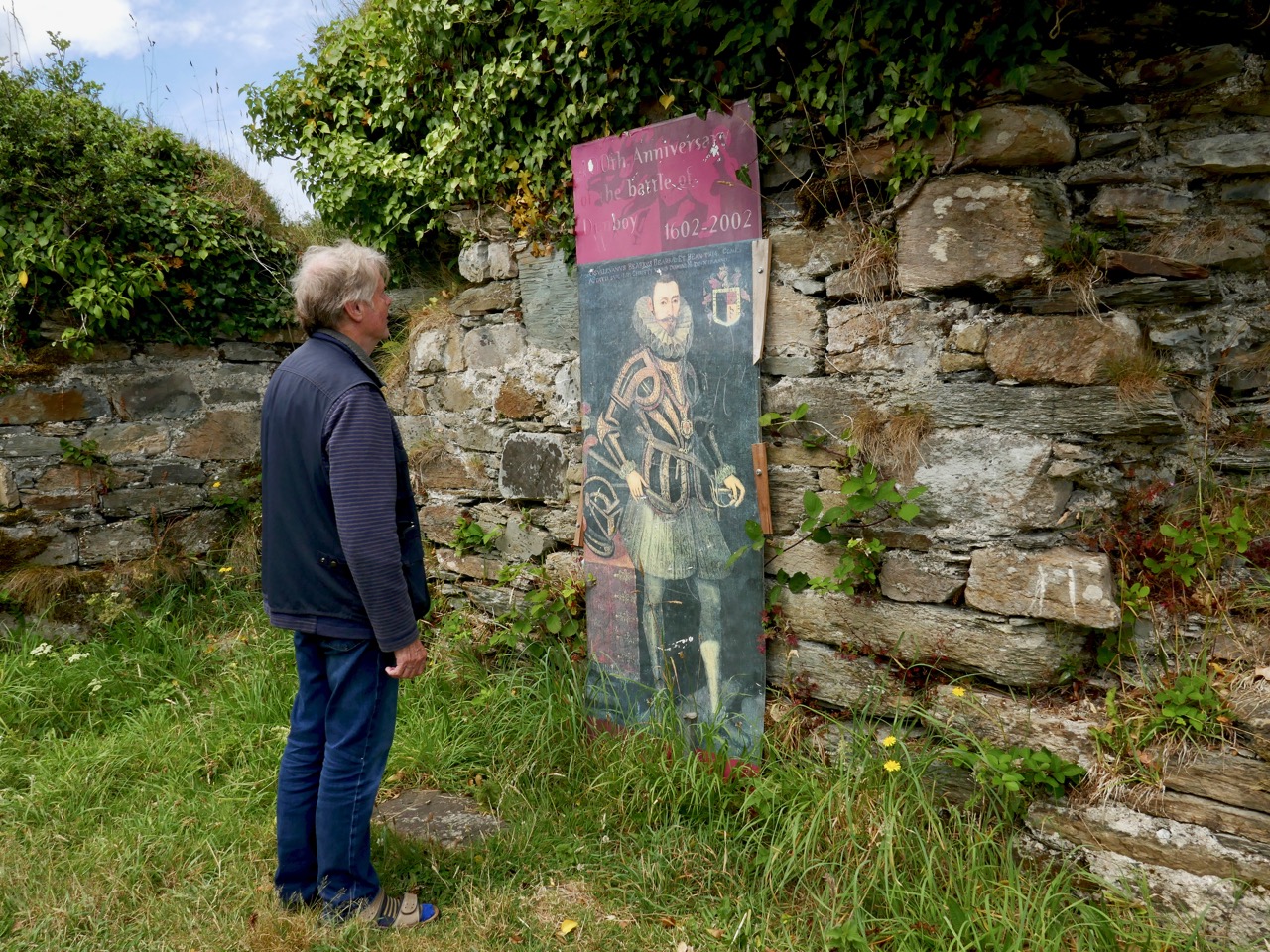
Here I am meeting Donal Cam himself in the ruins of his former stronghold. My account of the Siege of Dunboy is a very condensed version. Much more has been written about the details. As for O’Sullivan Beare, he eventually embarked on a long march to Leitrim with a thousand of his followers – but that’s a further unhappy story, best kept for another day!

Dunboy Castle and its immediate environs are publicly accessible and there is plenty of parking within easy reach. We finished our day on the Beara by following a rural loop walk from the castle ruin back to the gatehouse – about 5 kilometres in idyllic surroundings.

Mapping West Cork, Part 2: John Speed

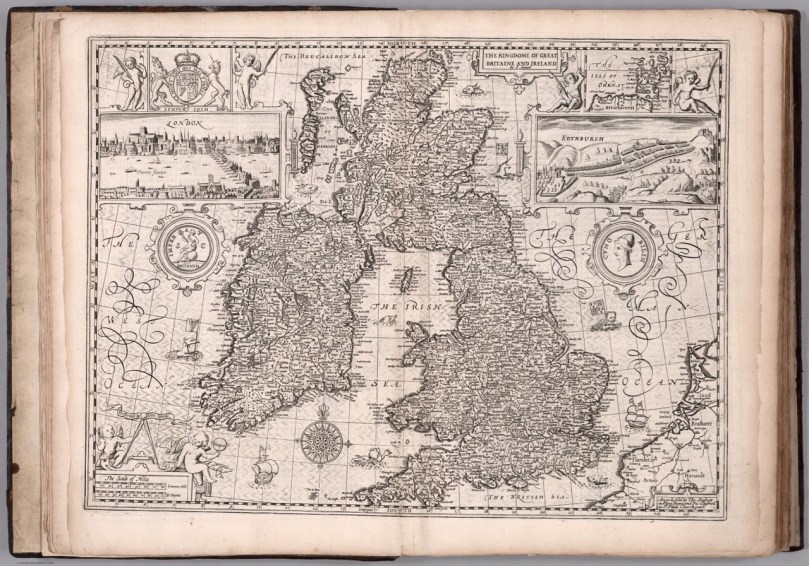
John Speed was one of the greatest of Britain’s map-makers, but it is unclear how much actual original cartography he did. Much of the information in his maps appears to be based on Mercator’s maps, which we featured in Mapping West Cork, Part 1. What does appear to be original, as there are no previous records of them, are the city maps, so we can be reasonably sure that these were done from his own calculations – laid out by paces rather than by measuring implements.

Who was John Speed? Born in 1551, he trained as a tailor but his passion was for maps and he finally worked his way into a full time position as a historian and geographer, even being allocated a room for his research by Queen Elizabeth I.

His magnum opus was The Theatre of the Empire of Great Britaine, published in 1611 and 12. This marks them as later than Mercator’s maps, but earlier than Joan Blaeu’s (see Part 1).  They were also drawn with the collaboration of Iodicus Hondius, who had drawn Mercator’s, which also explains the similarities to Mercator’s maps.

The edition of Speed’s atlas that is most often referenced is the one published in 1676, and that is the one that the wonderful David Rumsey acquired and uploaded to his map collection site. Until I read the fine print, I hadn’t realised that the maps in fact dated to 1611/12 and therefore were older than the Blaeu atlas.

This is the period immediately following the Battle of Kinsale in 1603, which marked the decisive end to the Nine Year’s War, and to the old Gaelic way of life. The maps were also made in the period after the failed Desmond Rebellions of 1569–1573 and 1579–1583. They still name the great Irish families rather than the English planters who would so totally supplant them over the course of the next century. In this regard, it is an important record of what was happening on the ground in 1611.

Along with his Atlas he produced a work that combined history and geography – the Invasions of England and Ireland, in 1601 and 1627. He was, of course, a devoted subject of the Queen (‘her sacred maiestie’) and his political opinions tended to the conservative, if not puritantinical.

This map is accompanied by the history of invasions, with suitable illustrations. I am particularly taken with the depiction of ‘Desmond beheded’

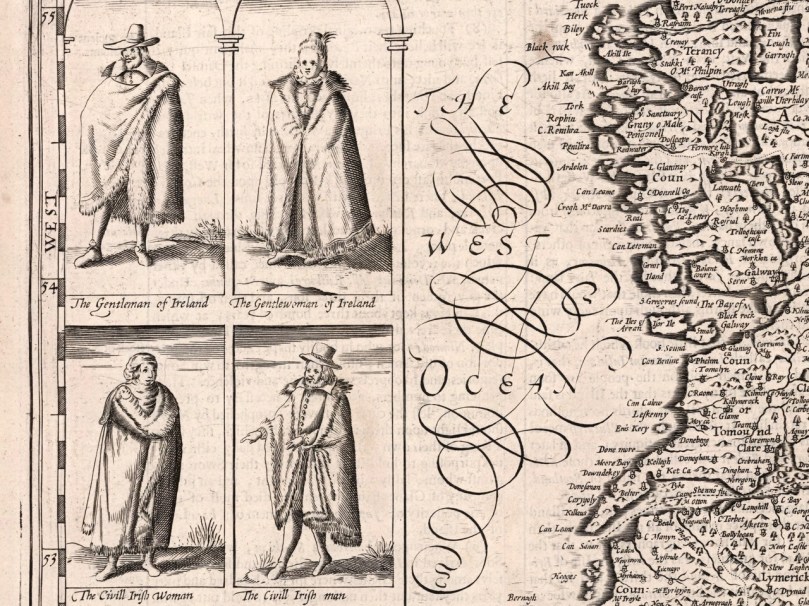
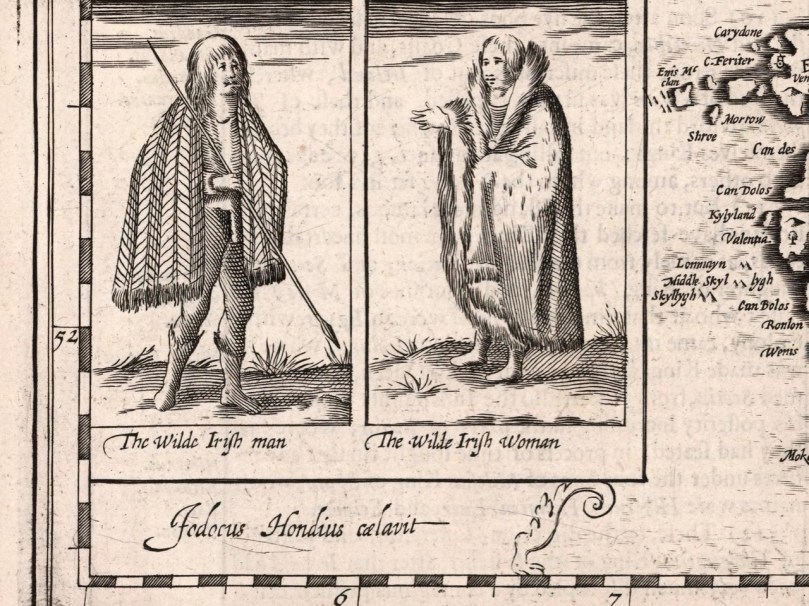
True to his day, he depicted the Irish quite differently from the British – the lowest grade of English person was the Countryman or Country woman, whereas in Ireland it was the Wilde Man or Woman.

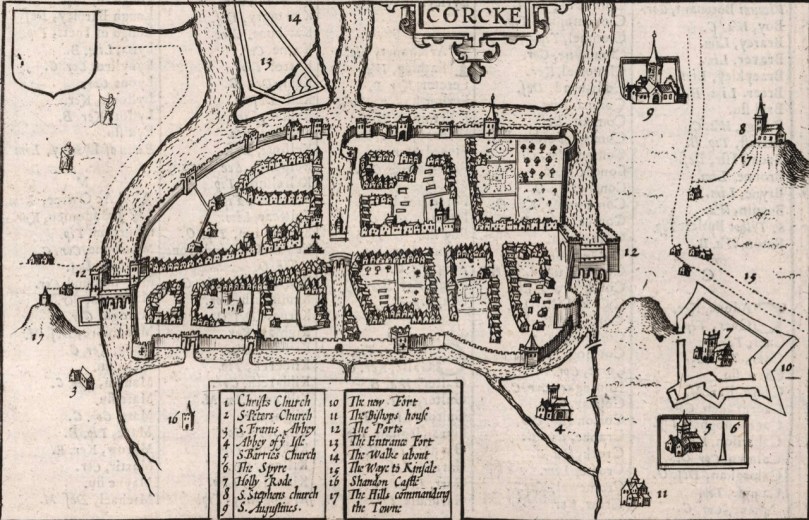
The city maps were all new and it seems that Speed, with one of his sons, actually travelled to the cities he includes in his atlas and paced out the distances, drawing the maps based on these calculations. They are a unique and invaluable record of a time when Ireland had walled cities, especially given that so few intact stretches of those walls remain. (We’ve visited some impressive remains, though – see Youghal’s Walls and our post on the walled town of Fethard.)

The Dublin map is from a later edition

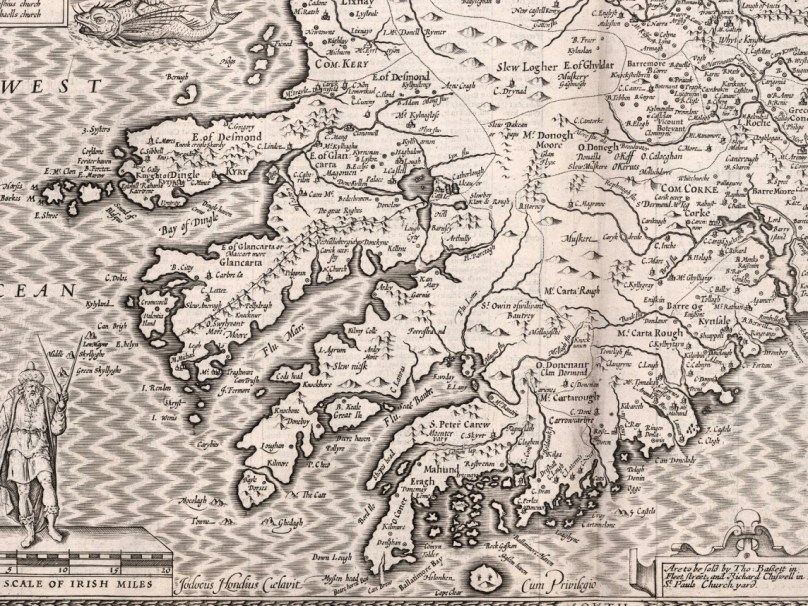
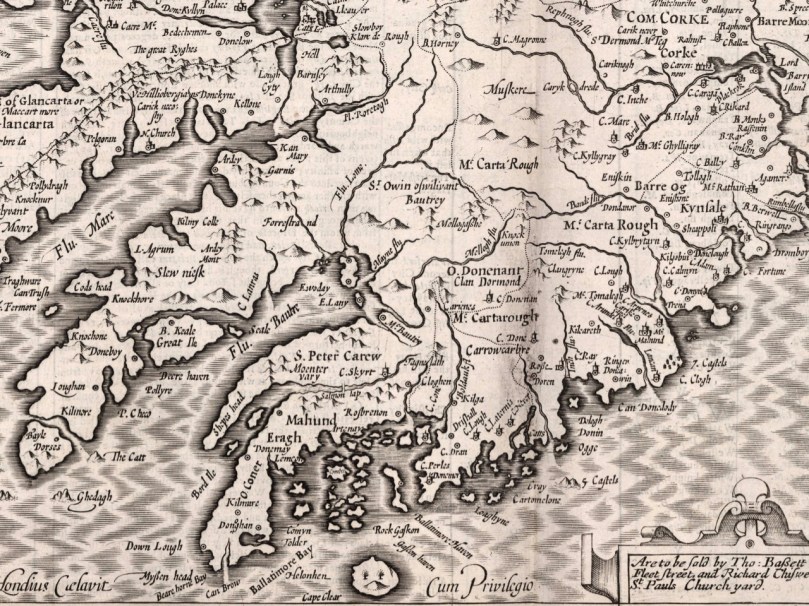
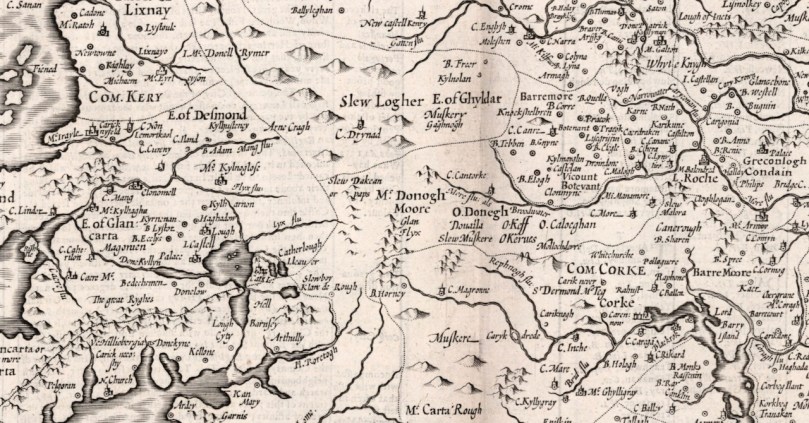
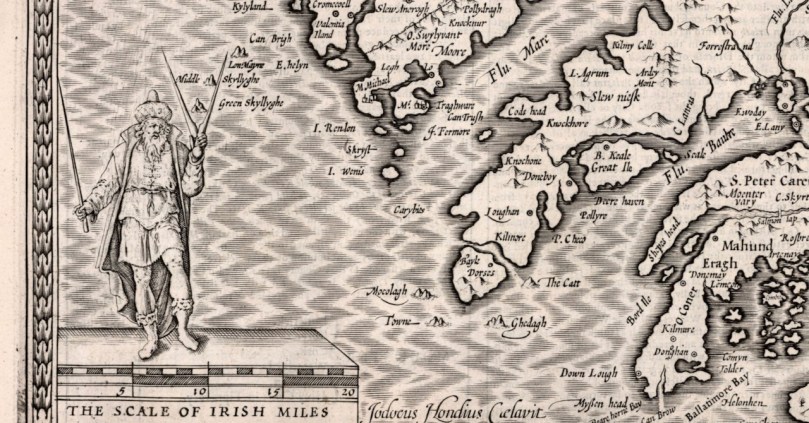
The actual physical depiction of the land is recognisably based on the Mercator map but there is more information now about locations and families. I was delighted to see Rossbrin show up (Roßbrenon) along with Ardintenant (Artenay), since it is this castle that we look across to from our home. Mizen Head and Brow Head are both marked, and the Sheep’s Head is also noted as Moentervary (Muintir Bheara is the Irish designation for that Peninsula).

Besides the O’Mahonys, the O’Driscolls, the McCarthys, the O’Donovans, Sir Peter Carew occupies a chunk of land. Someday I will write about his claim to that land and the lengths he went to to secure the deeds to it. But perhaps I shouldn’t be too exclusive to West Cork: below is a section of North Cork and part of Kerry in 1612. What can you see?

Maps drawn by a colonising power, have an agenda far beyond simply charting the territory. John Speed’s became the defining maps of the expanding British Empire during the seventeenth century and indeed they influenced British people’s perceptions of the world until well into the eighteenth. For us in Ireland, and in West Cork, they are an invaluable social document.

Mapping West Cork, Part 1