Robert’s Favourite Posts

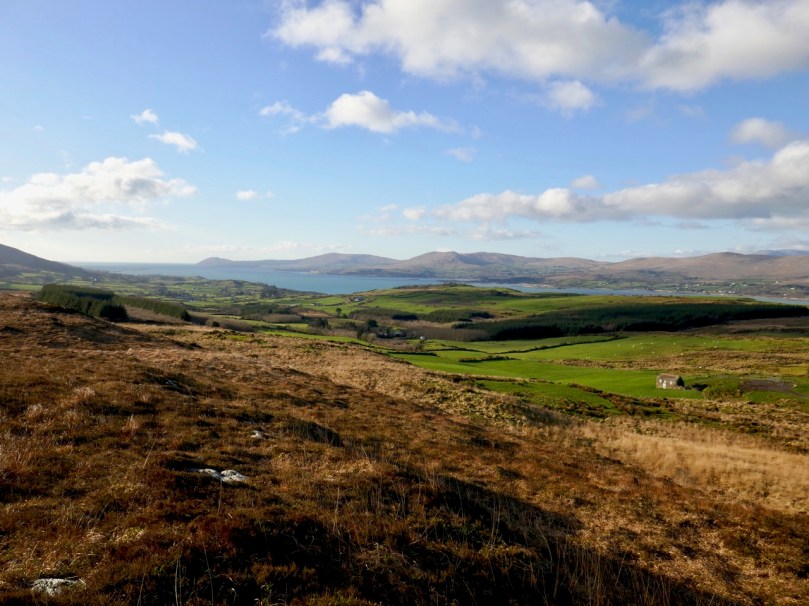
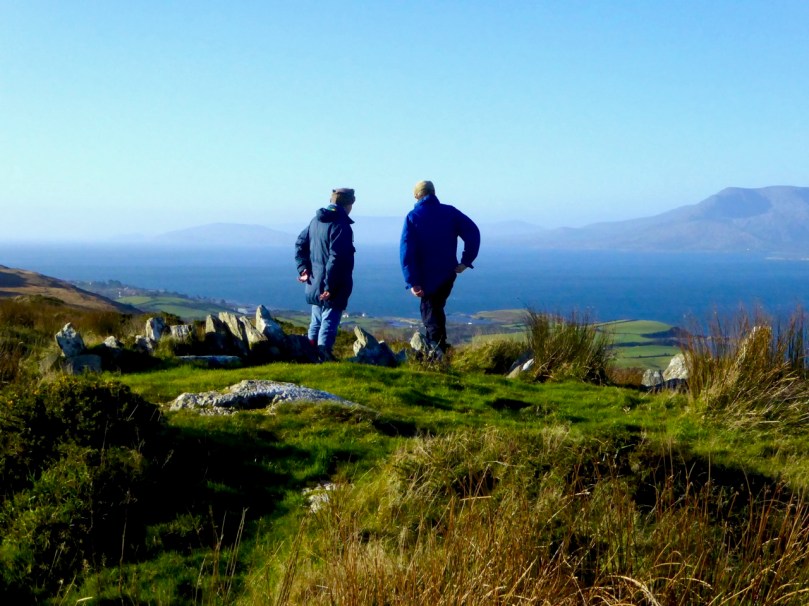
We had an unexpected – and unsolicited – accolade in the Irish Examiner last weekend! Tommy Barker wrote, in an article about Rossbrin (pictured above): “…The wonderful literary and visually rich website, http://www.roaringwaterjournal.com, by Rossbrin residents Robert Harris and Finola Finlay is a treasure, a sort of 21st century Robert Lloyd Praeger, online…” Of course, we went straight to our bookshelves to dip into our copy of Praeger’s The Way That I Went – An Irishman In Ireland, first published in 1937. Here’s an extract:

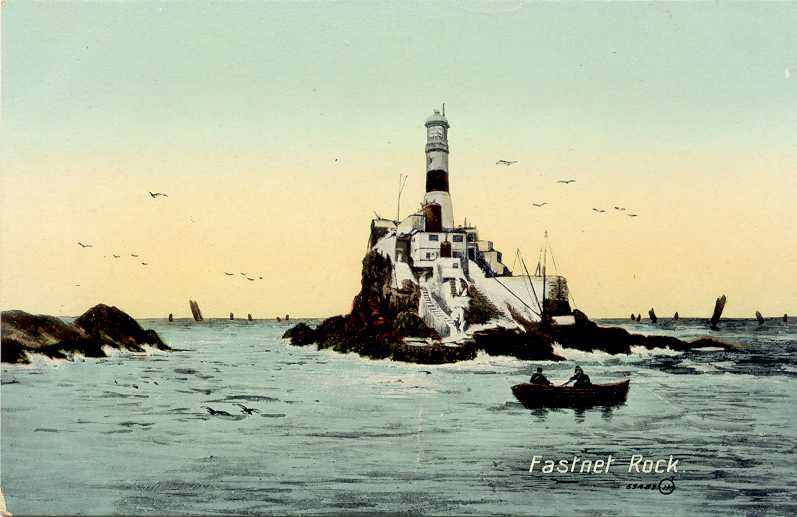
…At the southern end of this land of great mountain promontories, in West Cork, you find yourself in a little-known and tourist-free region of much charm. You stay on Sherkin Island (Inis Oircín, little pig’s island) or Cape Clear Island, at Schull (Scoil, a school) or far out at Crookhaven: and you walk and boat and fish and lounge and bathe, and enjoy the glorious air and sea; towns and trams and telephones seem like bad dreams, or like fugitive glimpses of an earlier and inferior existence. A meandering railway penetrates to Schull, and roads are as good as you could expect them to be in so lonely a country. All is furzy heath and rocky knolls, little fields and white cottages and illimitable sea, foam-rimmed where it meets the land, its horizon broken only by the fantastic fragment of rock crowned by a tall lighthouse which is the famous Fastnet…

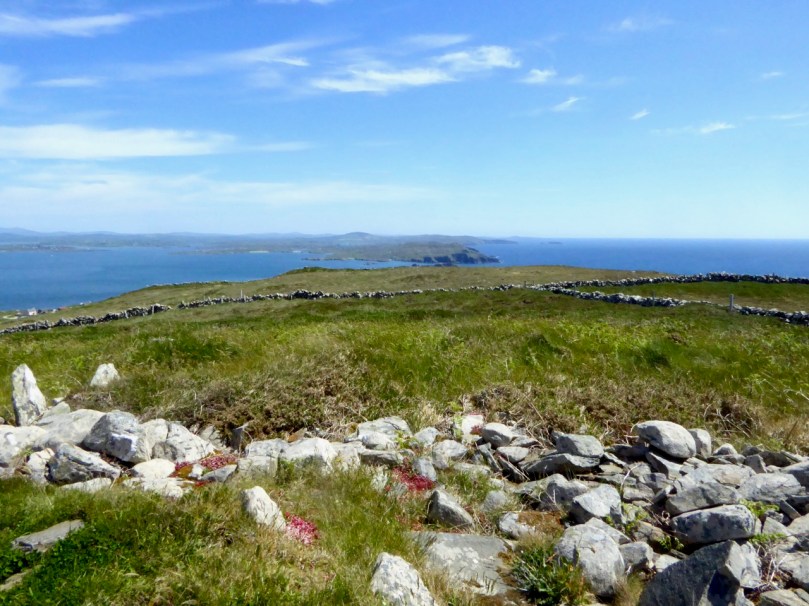
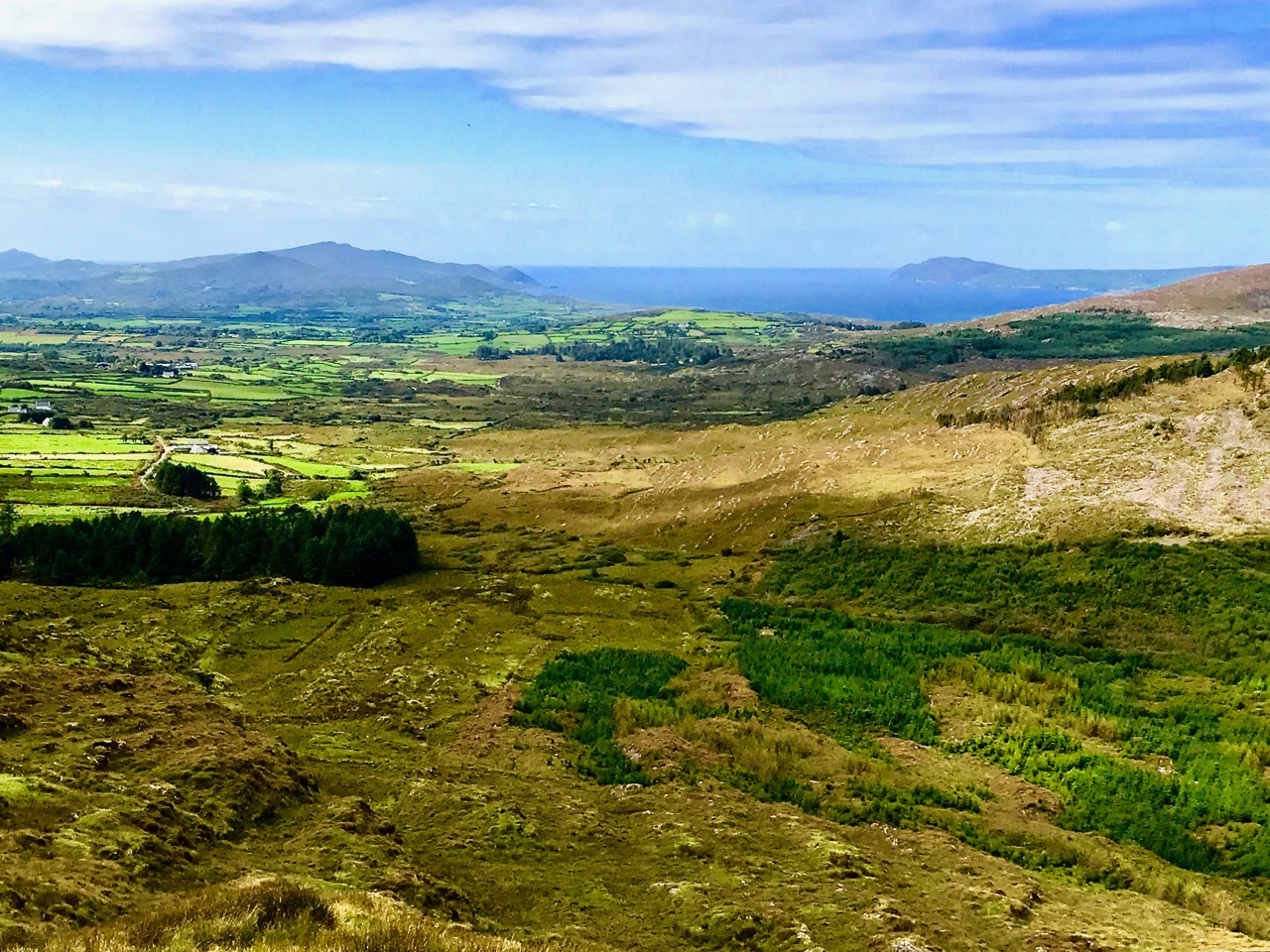
Yes – that’s our West Cork alright (above is a view of the Mizen taken from Mount Gabriel). We hope that, over five years of writing this journal, we have indeed given a good account of this wonderful place which we are privileged to call ‘home’. Certainly, there is nowhere we would rather be. But Roaringwater Journal has not just been about West Cork: we have covered a fair bit of Irish culture and history as well. Last week’s post set out the six most popular articles that we have written in terms of readership numbers; today we are both reviewing our own personal favourites (see Finola’s here) and there is lots to choose from: 466 posts to date! All of them are listed by category in the Navigation pages.

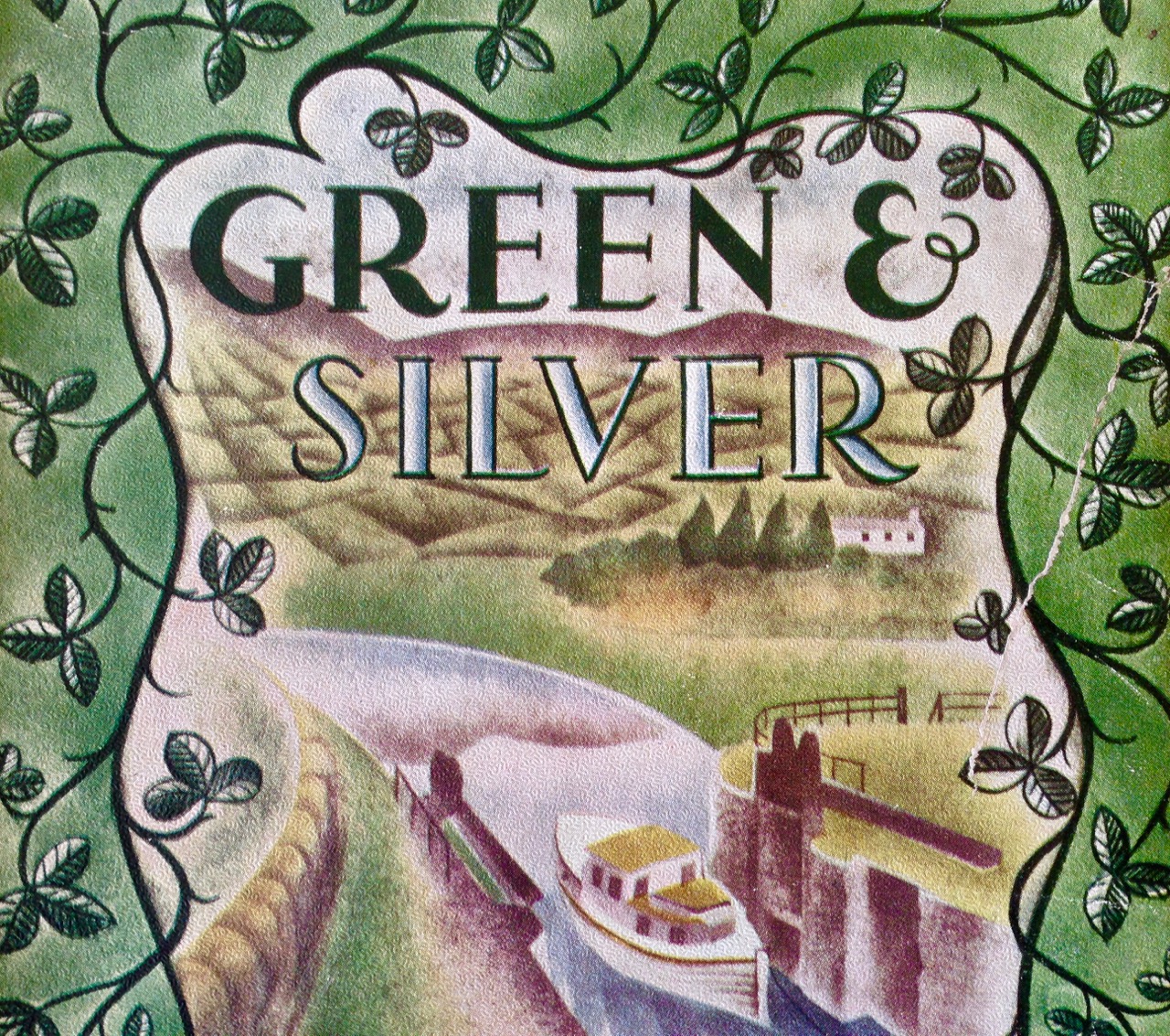
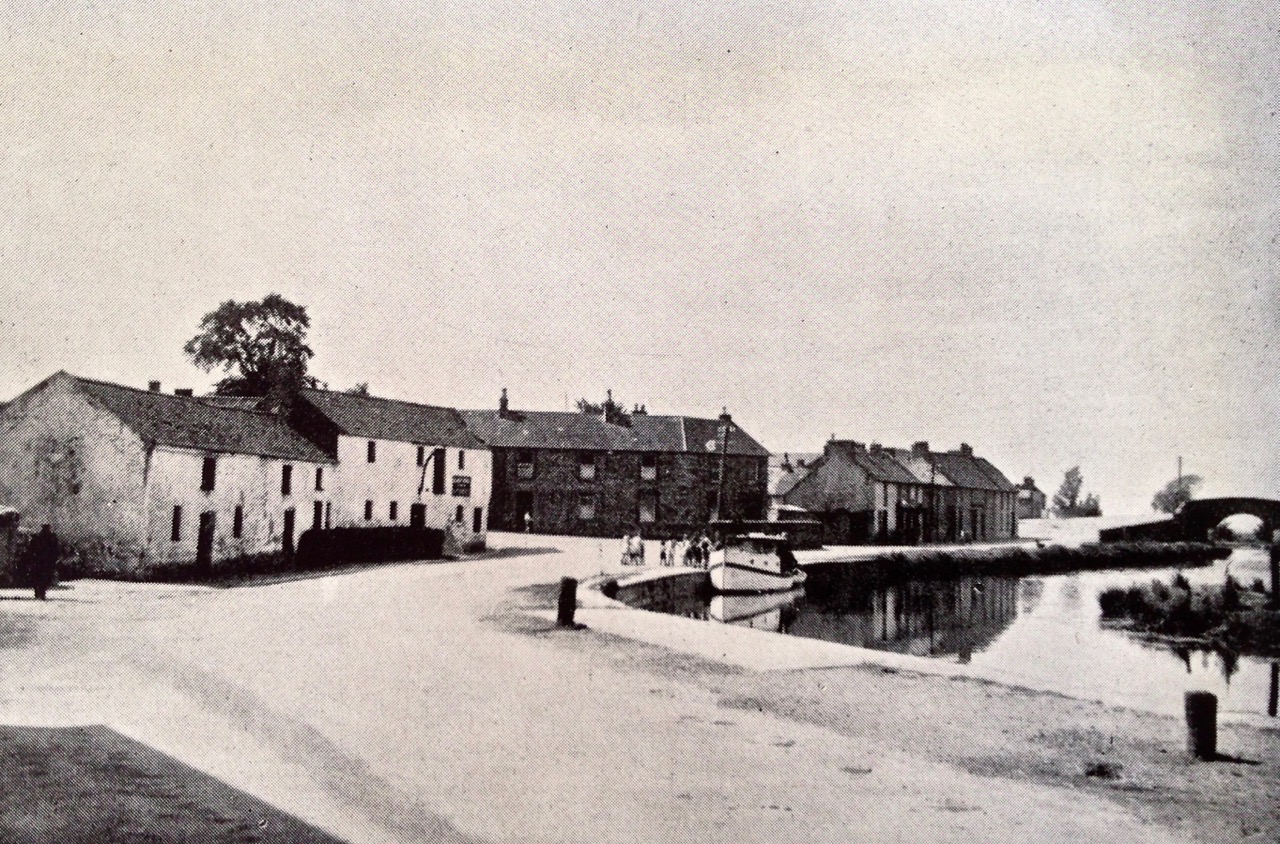
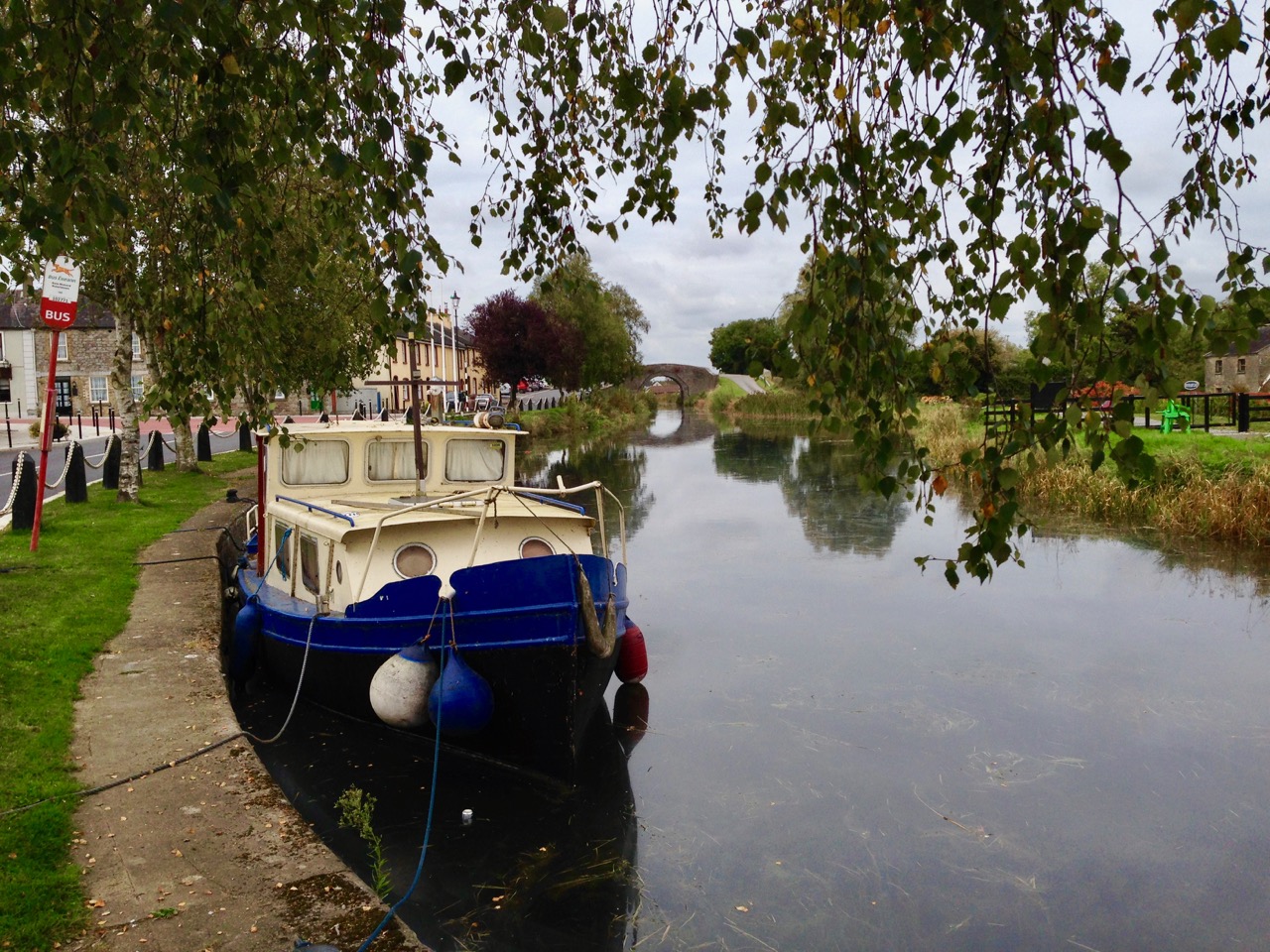
Foremost in my own mind in terms of personal satisfaction is the series I wrote last year: Green & Silver. There have been nine posts in all, starting with my review of a book which I first read in 1963, when I won it as an essay-writing prize at school. The book, Green & Silver, told the story of a journey around the Irish canal system in 1946 (the year I was born), undertaken by an English engineer and writer, L T C ‘Tom’ Rolt and his wife, Angela. When I wrote the review 70 years had passed since the Rolts made that journey. Finola and I conceived the idea of retracing the steps of the Rolts, although not by boat: we drove and walked. It was to be an exercise in tracking the passing of time. We would find the location of every photograph that Angela Rolt had taken in 1946, and take a new one, so that we could compare the changes that had occurred over seven decades. There were many: the canals themselves, which were then near-derelict in places have now been well restored, and the island of Ireland has today an amazing but probably under-appreciated asset: a cross-border system of navigable waterways which connects Waterford, Limerick, Dublin, Belfast and Coleraine.

Canal port: Richmond Harbour, Co Longford. Upper picture taken by Angela Rolt in 1946; lower picture, the same view taken 70 years on

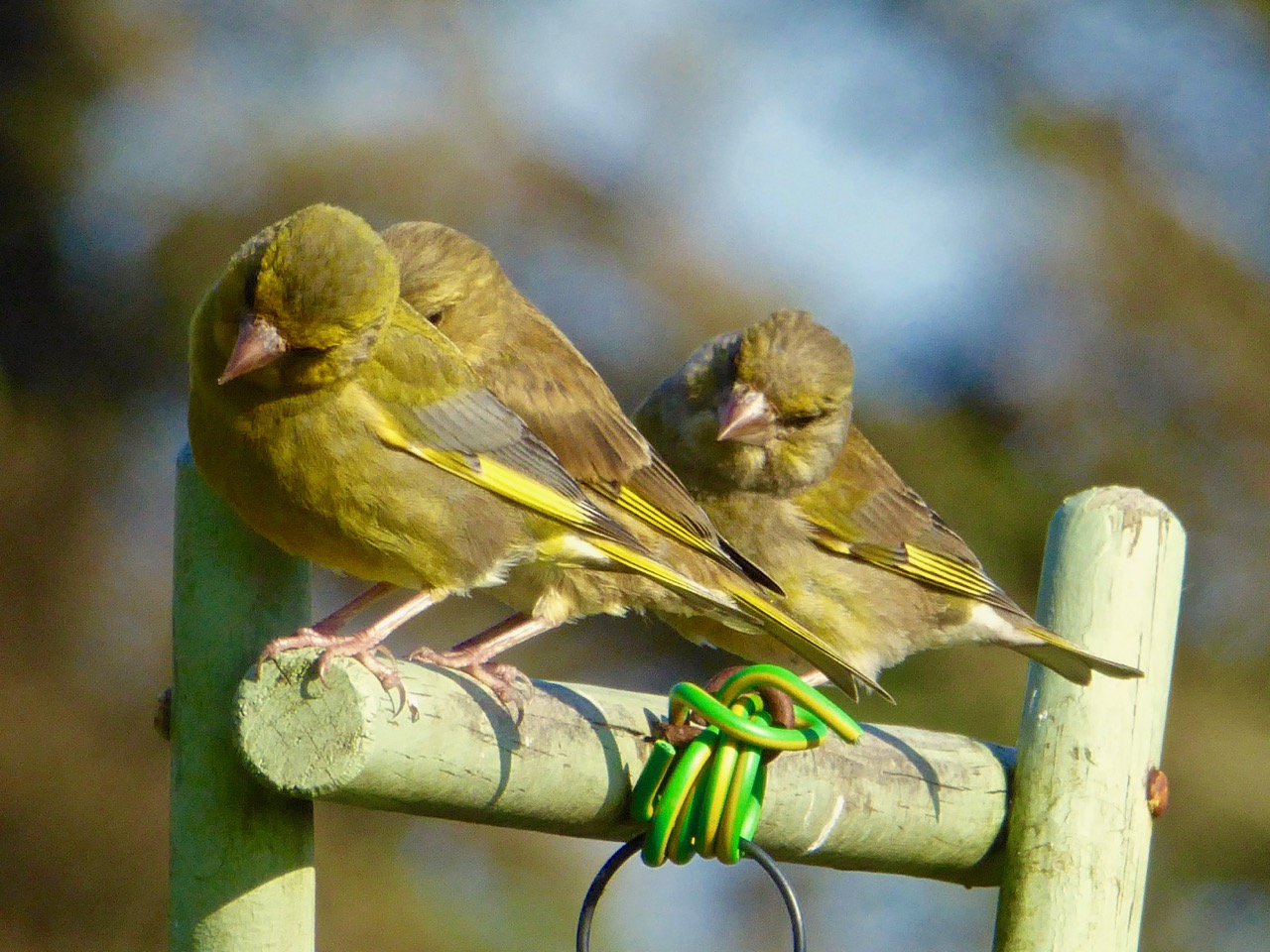
I have always had an obsession with wildlife, and one of my favourite posts summarises what wonderful natural things we have all around us here: The Wild  Side. We have written about the birds – choughs, eagles, sparrowhawks – and the little ones that come to our feeder and keep us entertained.

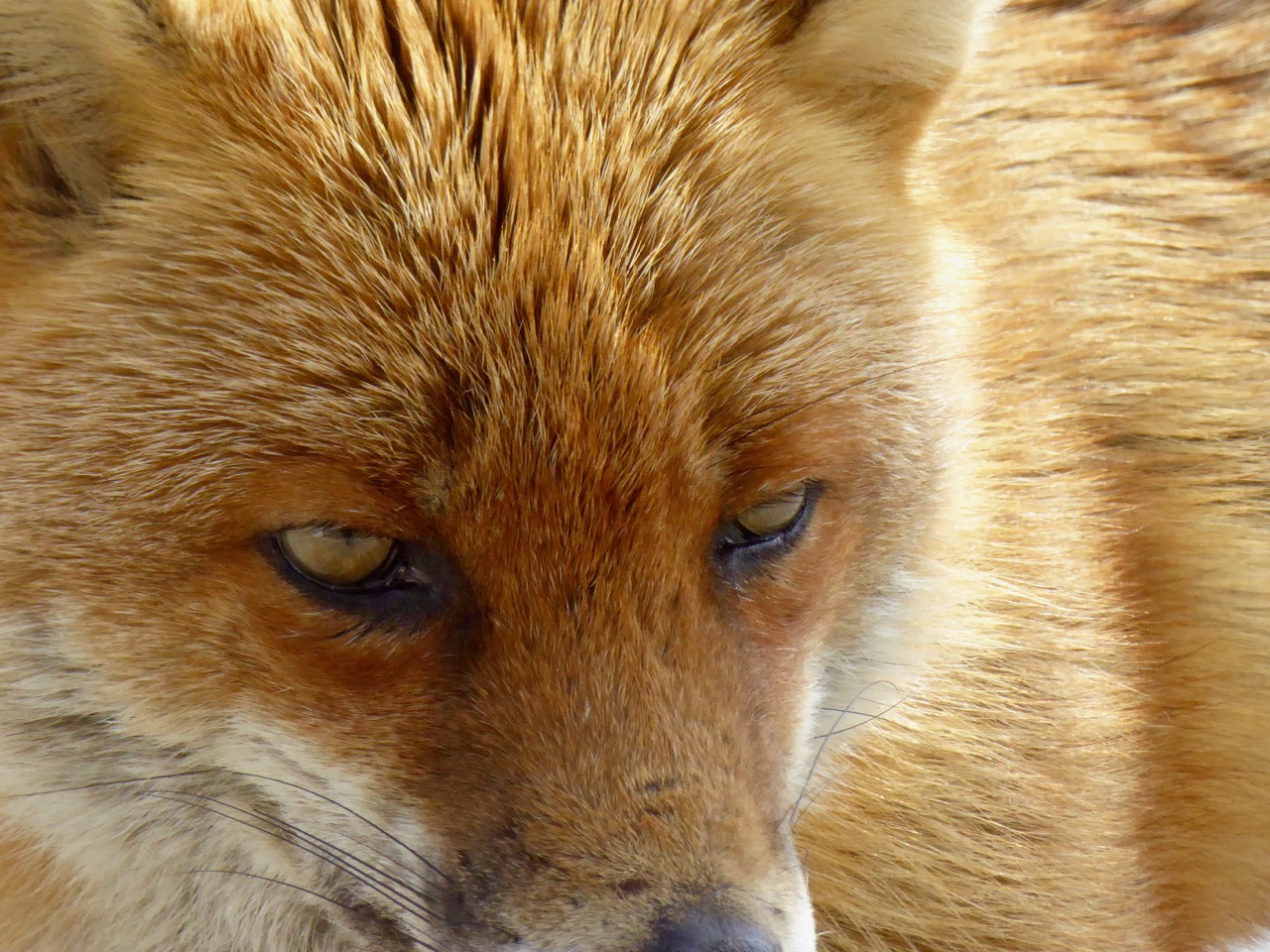
We will never forget our good friend Ferdia, who arrived on our doorstep on the day we moved into Nead an Iolair, and was a regular visitor (usually daily) over several years. Sadly, foxes don’t live for long in the wild, and he has now passed away. He was a very fine dog-fox and was undoubtedly the head of a large family. We hoped that one of his offspring might have taken his place on our terrace, but I suppose he just could never be replaced.
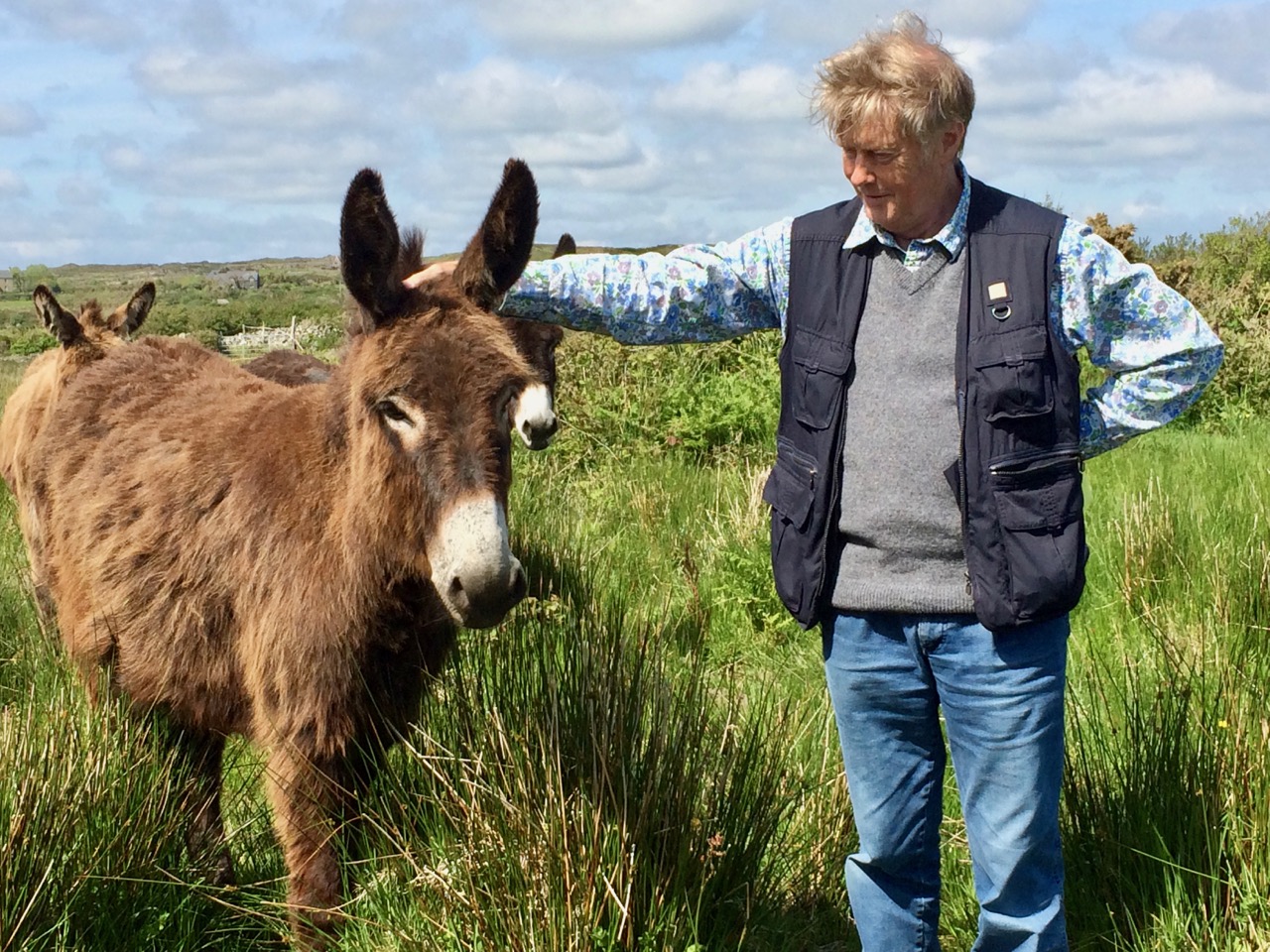
Of course, the pasture and coastline that surrounds us has fine creatures of the domesticated variety, too! (left and right below).

I have family roots in Cornwall and, during my time living here, I have become aware of many links between that westernmost peninsula of Britain and West Cork. In fact, those links go back into prehistory: in the Bronze Age – three and a half thousand years ago – copper was mined on the slopes of Mount Gabriel – a stone’s throw from where we live – and was mixed with tin from Cornwall to make the all-important ‘supermetal’ of Bronze. Another link which I was so pleased to find was that Cornwall’s Patron Saint – St Piran – was actually born and brought up on Cape Clear – the island we look out to across Roaringwater Bay. Read all about it here.

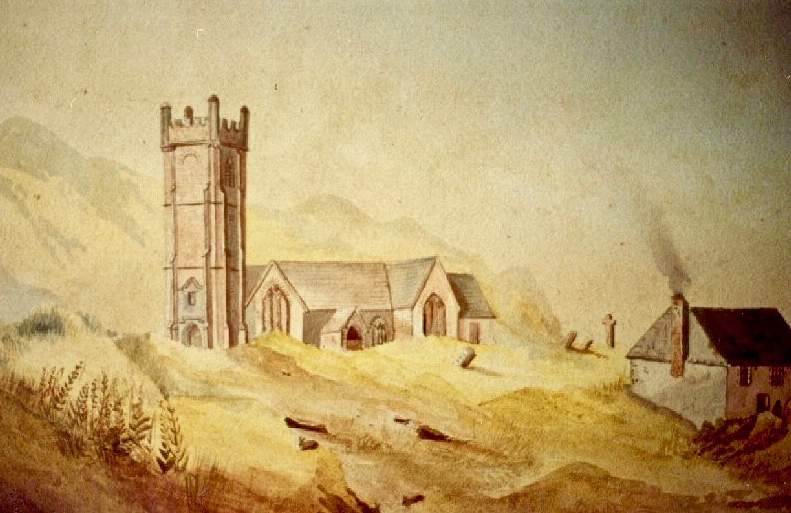
The little church at Perranzabuloe in Cornwall (now inundated by sand) marks the spot where St Ciarán from Cape Clear landed to start his mission. Because of a difference in the Irish and Cornish languages, he became known as St Piran over there. He lived to the age of 208!

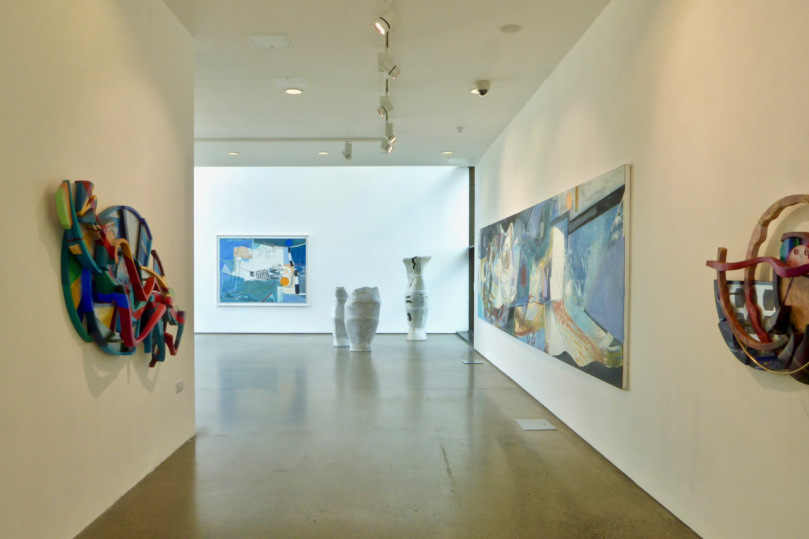
Stirring up those links led to my life being taken over in the summer of this year by organising (together with Ann Davoren and the team at the West Cork Arts Centre) an exhibition of the work of three contemporary Cornish artists which was held in Uillinn, Skibbereen’s amazing new gallery. The exhibition ran with the title of West meets West and heralds future collaborations and visits to Cornwall by West Cork artists. This link opens the series of posts that report on all this.

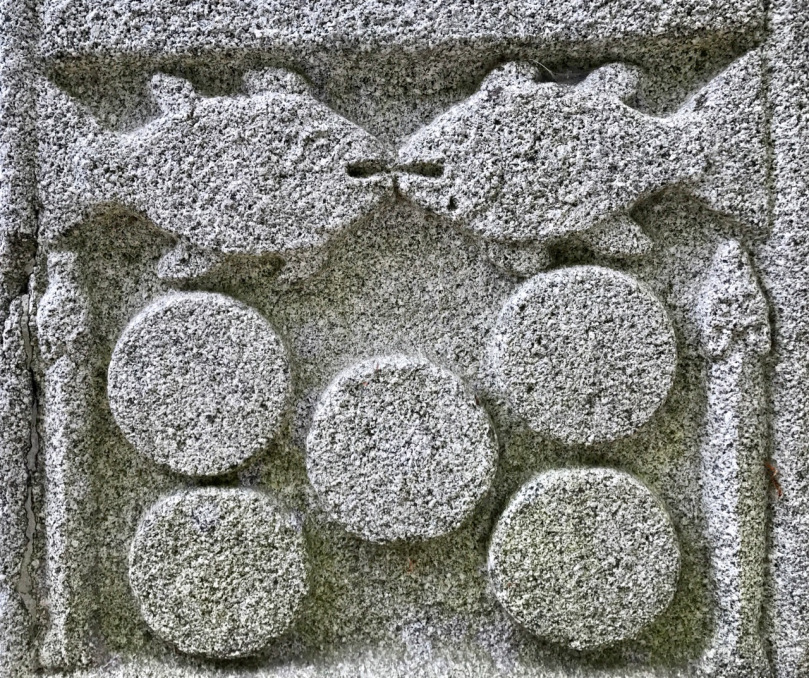
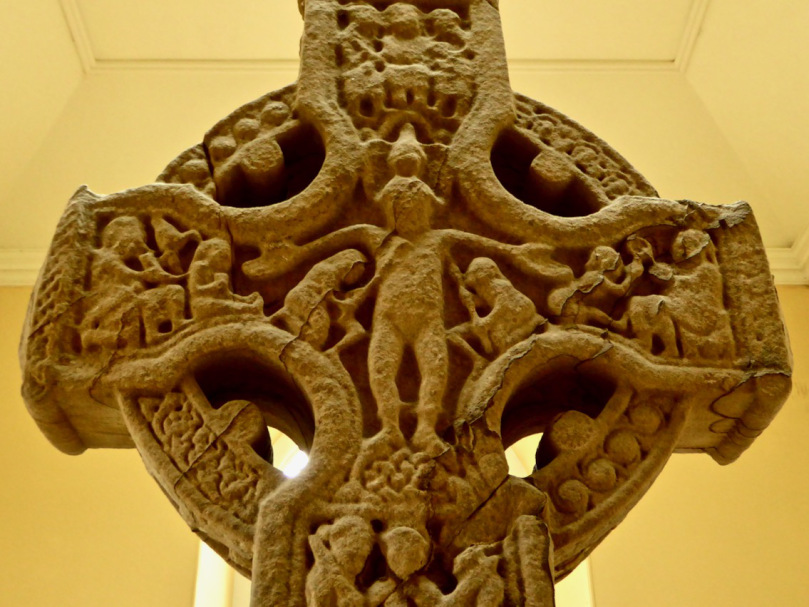
My time here in West Cork – and in Ireland – has heightened my interest in all things medieval, particularly architecture. Finola has written a highly researched and detailed series on the Irish Romanesque style, and our travels to carry out this research have been enjoyable and instructive. I have taken a liking to High Crosses, most of them probably over a thousand years old. They are always found in the context of fascinating early ecclesiastical sites. If you want to know more, have a look at the posts: so far we have explored Moone (above), Durrow (below), Monasterboice, and Castledermot. There are many more to add to this list – and to keep us busy over the next few years.
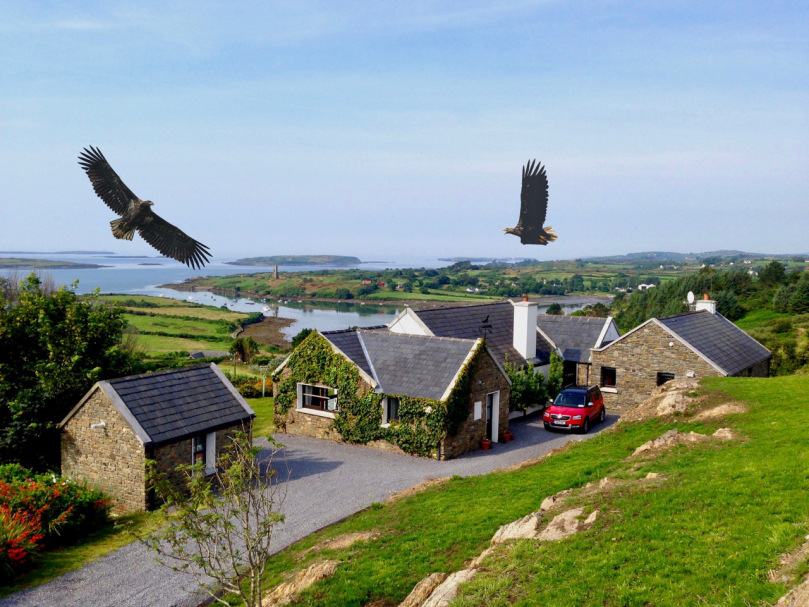
That’s quite enough for one post! It would be possible to write several on how we have been inspired by our explorations in search of material. Somehow, though, our hearts always come back to our very own piece of Irish soil: Nead an Iolair (Nest of the Eagles). Here it is, and here are the eagles flying over it! You’ll find more about them here.

Season’s Greetings

The Best of Five

It’s been five years! That’s a long time to have kept up a journal, with original pieces appearing every week – usually two, each of us writing a post. It keeps us busy: 464 posts to date. We thought we should do a review of the posts which have been most popular: viewed by the most people. These are not necessarily the ones we would consider to be our own favourites: we’ll let you know what we feel our ‘finest hour’ has been next week – while you are all preparing the Christmas lunch!

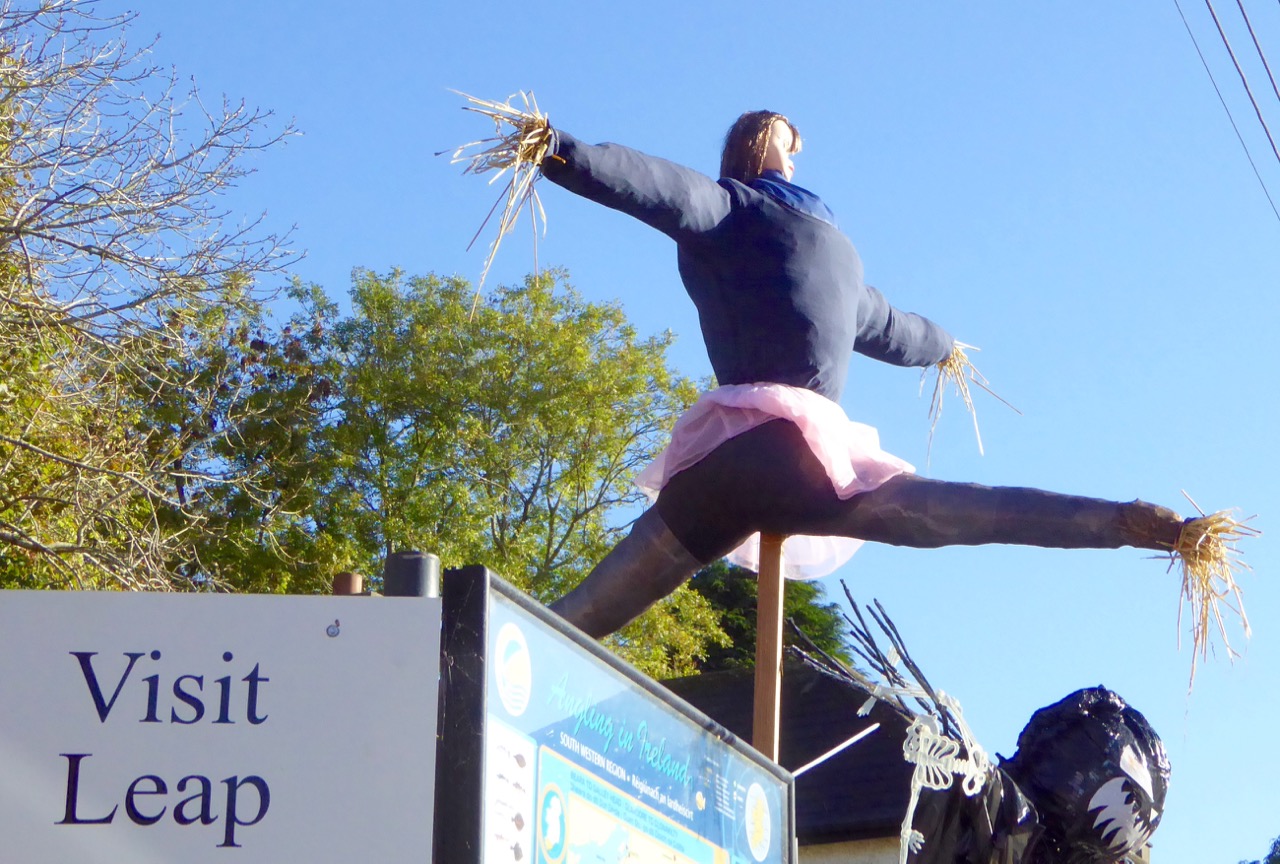
We never quite understood the all-time popularity of Beyond Leap, Beyond the Law, my post which was simply a collection of photos taken at the West Cork village’s 2015 Scarecrow Festival – with a little bit of history about the place added in. It was certainly a wonderful display of the imagination of the people of Leap. Have a look at the post: just one or two photographs don’t do it justice.

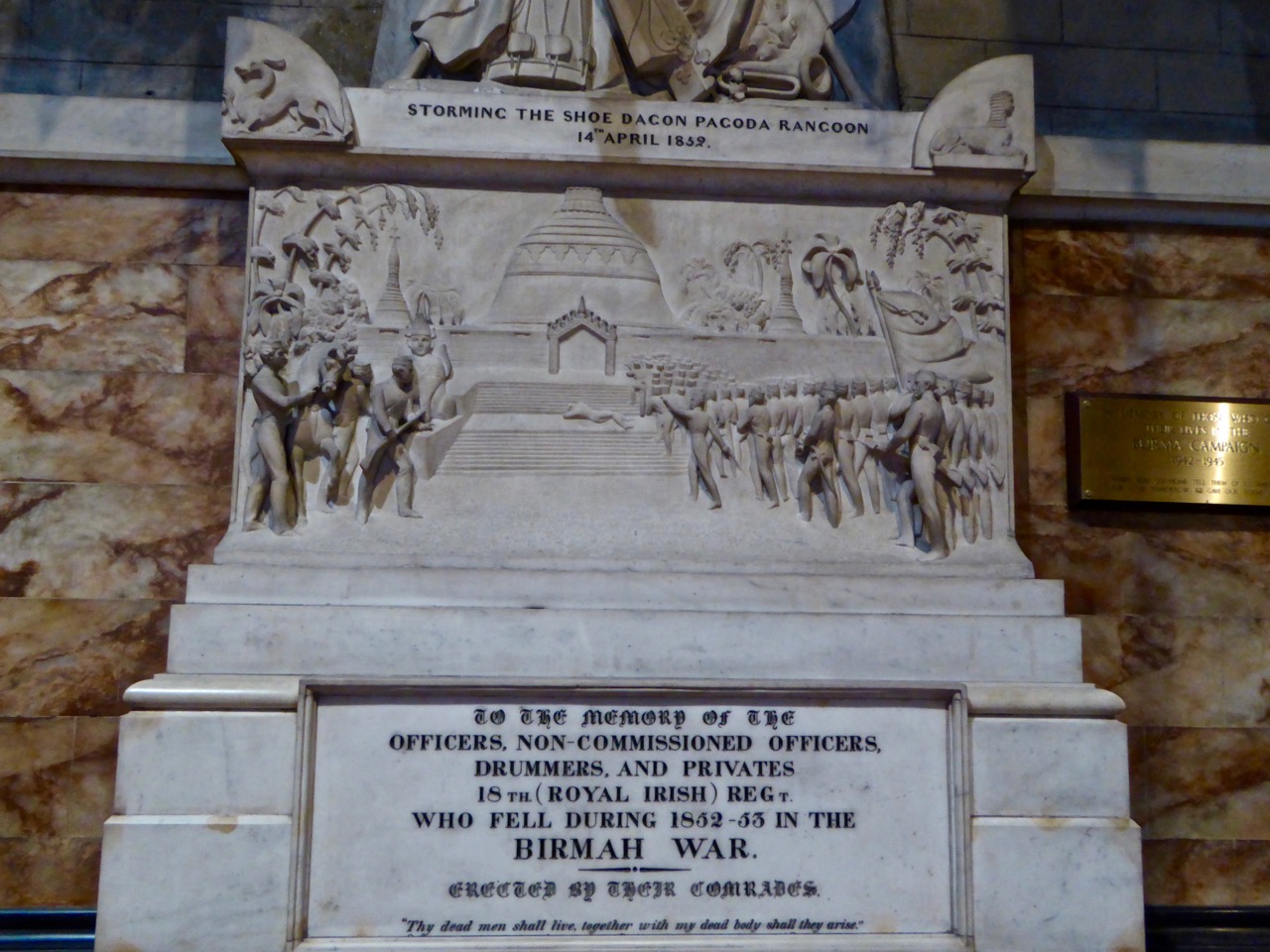
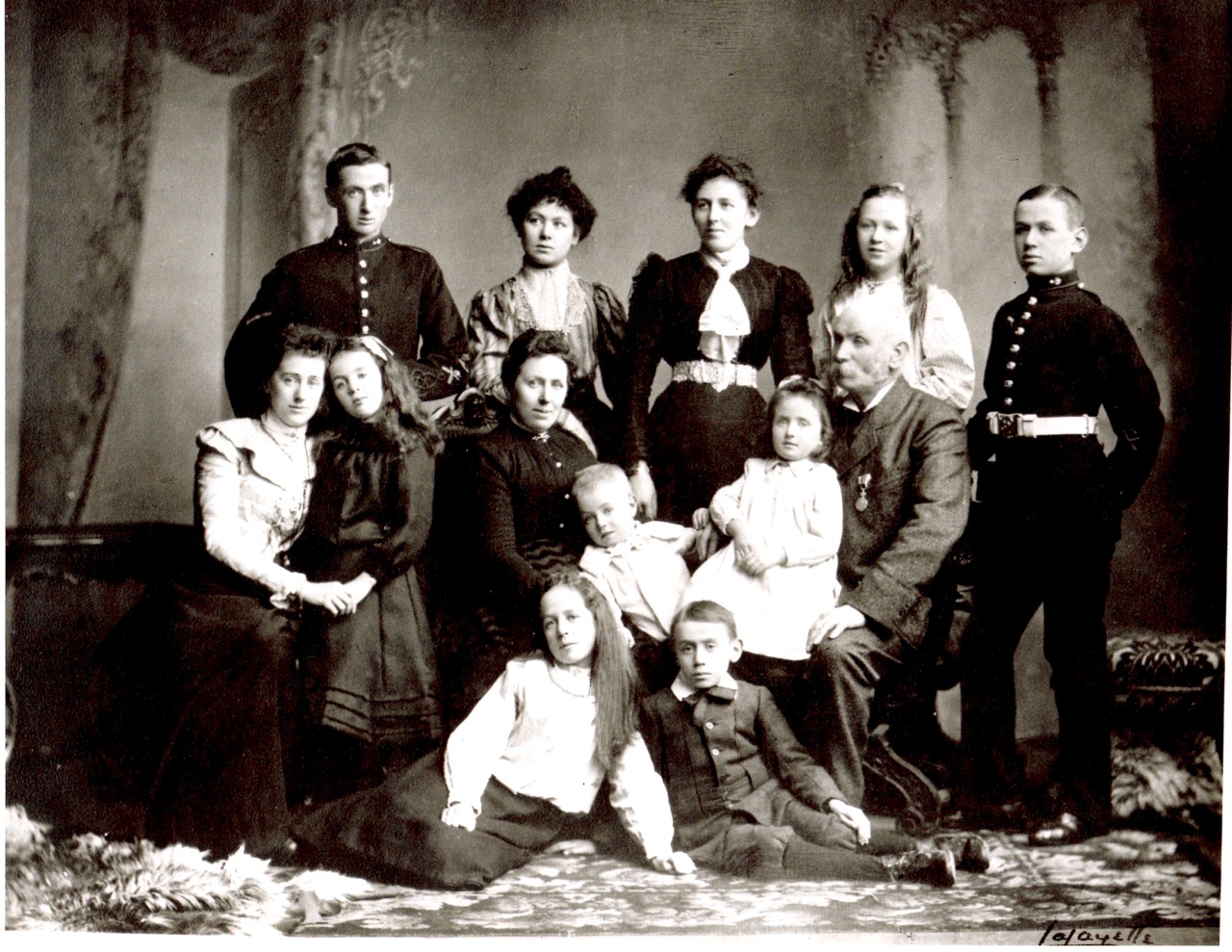
Up next is Finola’s piece from 2016 – Outposts of Empire. This was a much more scholarly article, and involved a lot of research. As you must know, we never pass a church or a burial ground without a full investigation: they provide a wealth of local history. Finola became fascinated by the memorials – mainly military – which appear in Protestant churches around the country. This led her down the path of her own ancestors, many of whom served in the Irish regiments of the British forces. She found this wonderful photo from around 1900 of her Brabazon forebears. Her grandmother Marie is in the centre of the back row, while her great grandfather John Edward Brabazon, who had served in India and Afghanistan, wears a military medal. The two younger men are Finola’s great uncles Michael and James, and they are wearing the uniform of the Royal Hibernian Military School.
Finola’s series on ‘how to speak like a West Cork person’ was a winner, the most popular being her fifth episode: How Are You Keeping? Here is a link to all of them. They make amusing reading, but at the same time they give a lot of insights as to how the Irish language has coloured the way English is spoken here. And here is Finola’s great picture from that post: two Skibbereen gentlemen who might well be asking how are you keeping?

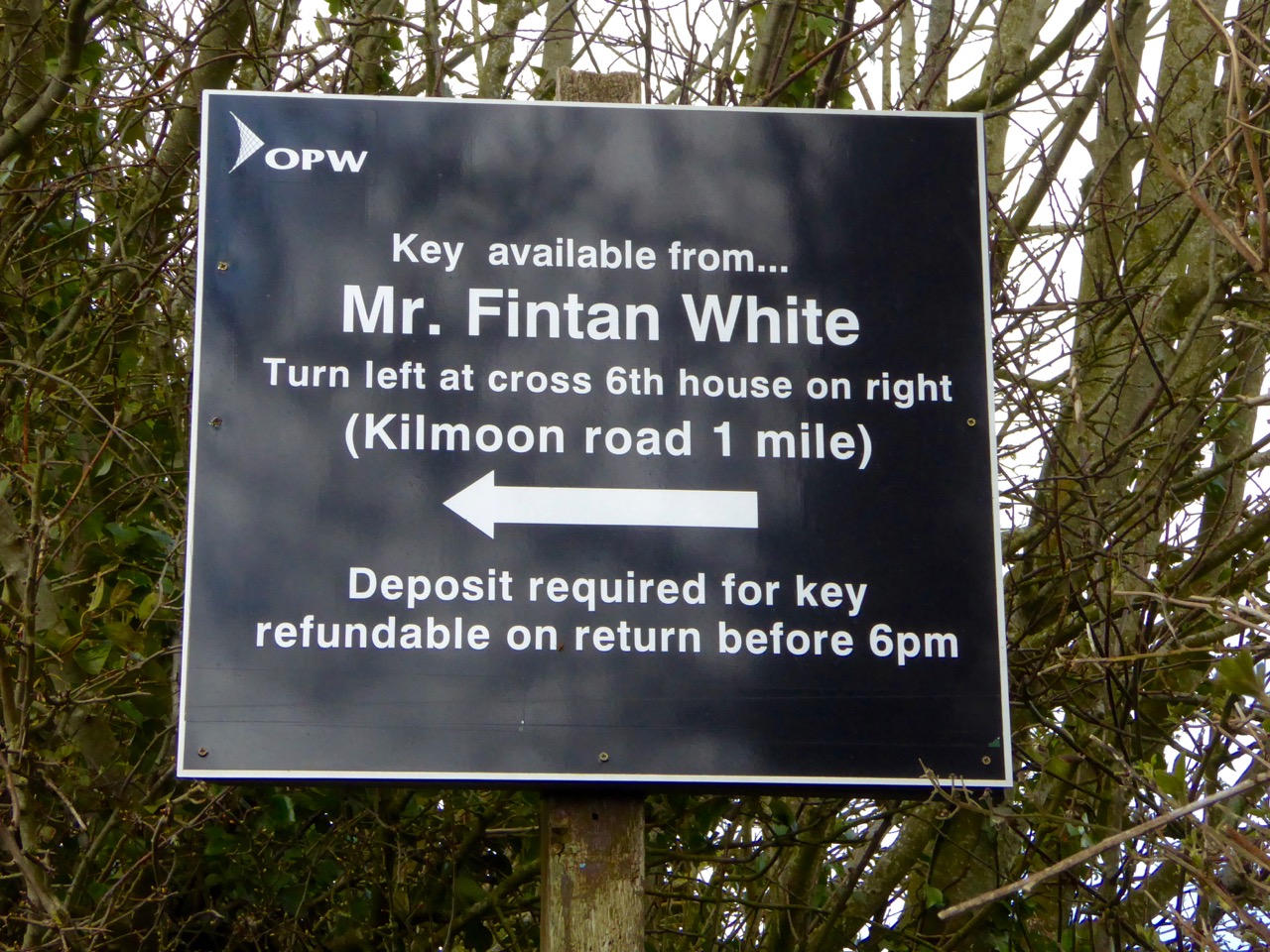
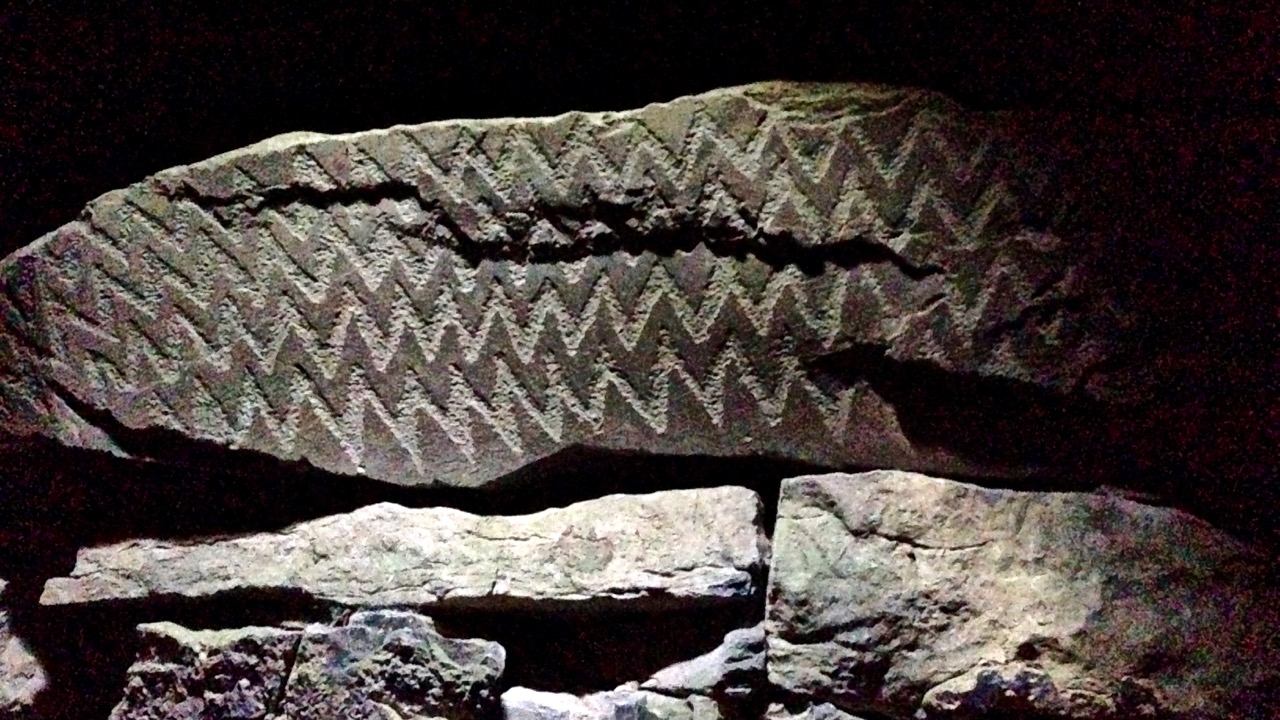
Archaeology comes next, with my account of a most eccentric decorated chambered cairn within the Boyne Valley complex: Fourknocks – the Little Giant. I was particularly taken with the adventure of visiting this tomb, from the first moment of having to collect the key from a farm a mile away in order to let ourselves in, to the experience of being inside with the door shut behind us: total darkness at first, but gradually becoming aware of the remarkable 5,000 year-old zigzag carvings on the rock surfaces within.

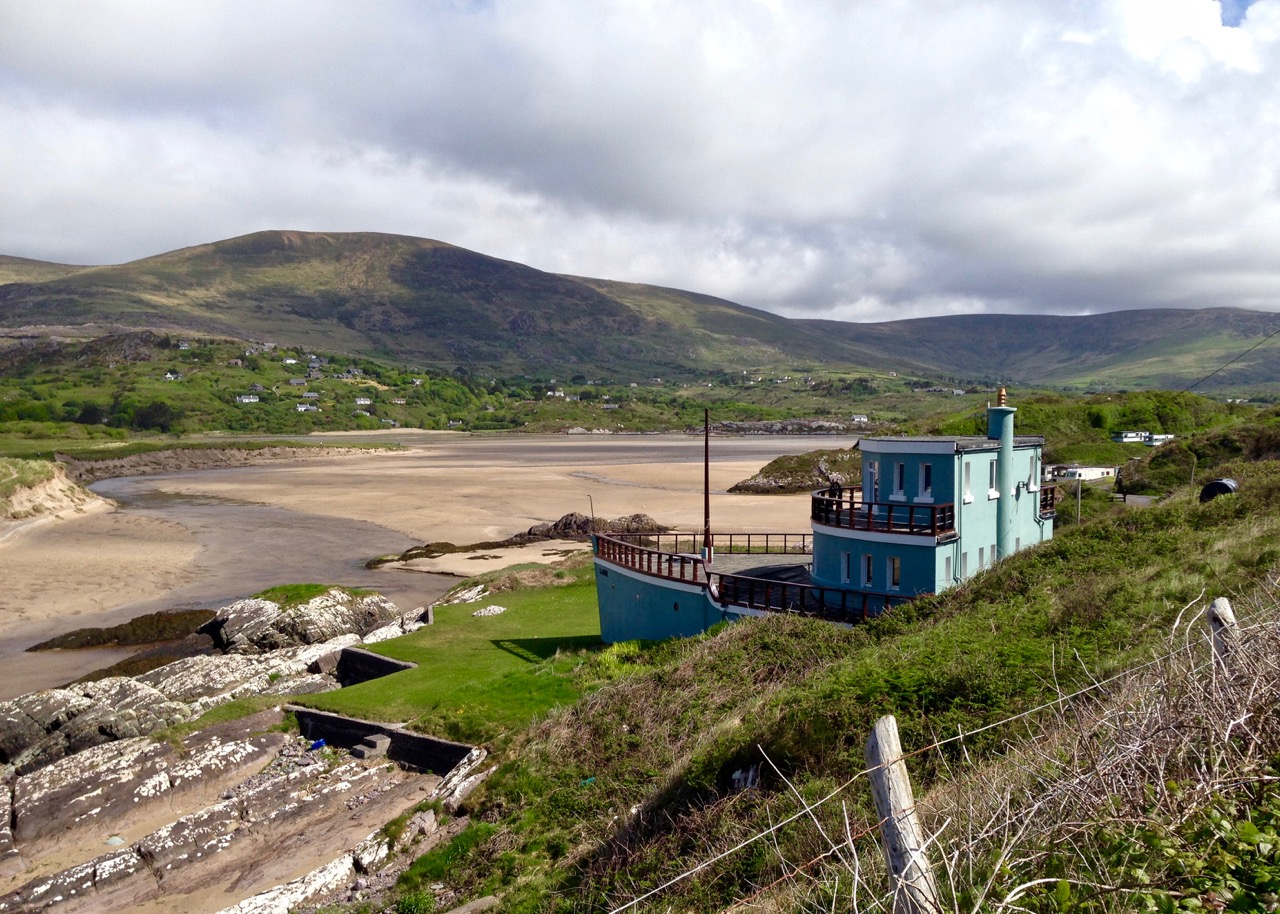
I’m pleased that the fifth most popular post of all time is also the one I most enjoyed writing: Aweigh in Kerry. This was all about a very unusual piece of architecture which we found while travelling in Kerry – a house shaped like a ship, sitting in the sand dunes on the shoreline of Ballycarnahan townland, facing a most spectacular view across to Derrynane, the home of ‘Ireland’s Liberator’ Daniel O’Connell. I was an architect in a former life, and I would have welcomed a commission such as this. It was built in the early 1950s.

Sixth and last in this little review is a post from Finola (happily, we had three each in this list of the top most popular posts!): Castle Haven. Such an account of a place in magical West Cork – which typically offers everything anyone could want in beautiful landscape, village architecture, archaeology, history, literary heritage, art and the omnipresent Atlantic coastline – is exactly what we aspired to for the foundation stone of Roaringwater Journal when we set out, in 2012 on this happy, continuing journey.


Top Ten West Cork Photographs of 2017

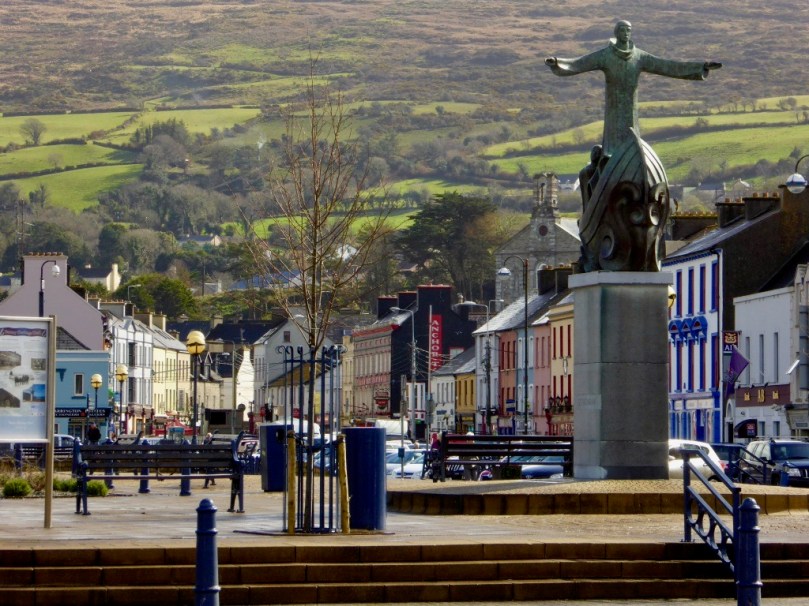
Every year we take a look at the Facebook photographs that you’ve liked or viewed or shared the most, and then edit them down to manageable proportions. Here’s our final selection for this year – we decided to stick to West Cork, and we’re starting off with Bantry, with that wonderful statue of Brendan the Navigator blessing us and inviting us into the town.

The photo this year that was most viewed and exclaimed over was our shot of Dunboy Castle (above), just outside Castletownbere. It’s a dramatic sight and an extraordinary story of the dream to build Ireland’s first six star hotel – a dream that came crashing down with the collapse of the Celtic Tiger economy in 2008. Perhaps one day a new team will take it on: meantime it sits forlornly behind barbed wire, a reminder of optimistic times.

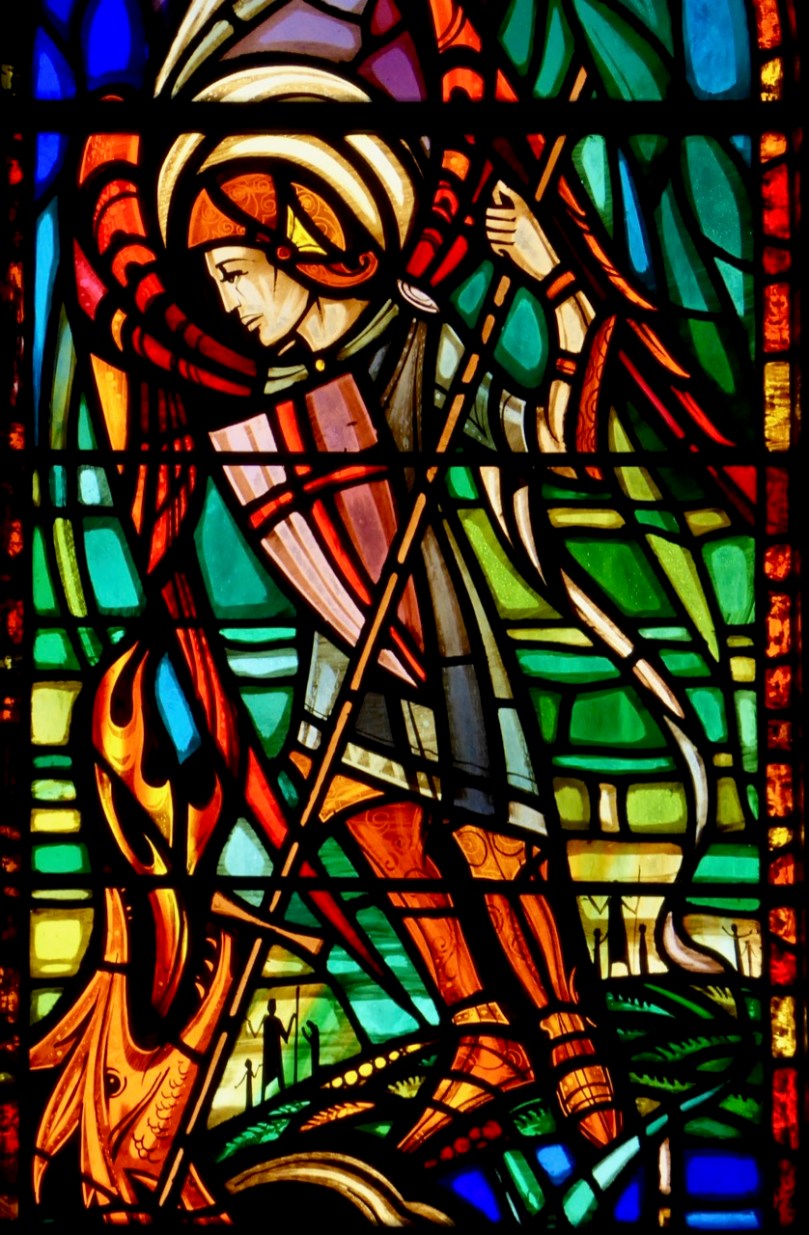
We were surprised by the instant appeal of our stained glass St Gobnait. Although a familiar saint her in West Cork, she is not universally known elsewhere. Perhaps it is her association with the bees that resonates with people now that bees everywhere are in danger. The image is of a window in Bantry Catholic church, probably the work of William Dowling.

Kilcoe Castle seems to feature each year as it’s a firm favourite with us in West Cork. We were lucky to capture it at dusk on a hazy evening in March. It has been lovingly and magnificently restored by Jeremy Irons and if you’re curious to see inside, there are some interior images here.

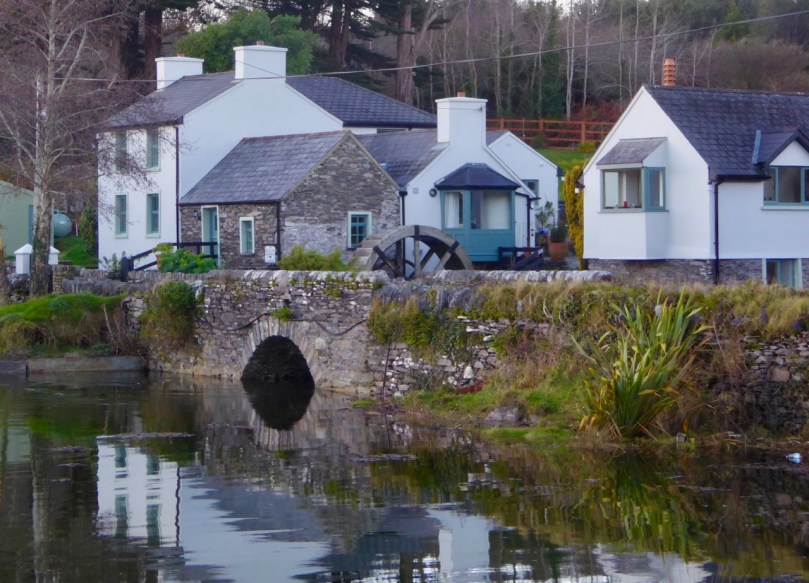
Our friend, and professional wildlife photographer, Sheena Jolley lives in this impossibly romantic old mill just outside of Schull. Her studio occupies the building on the right, while some of the workings of the old mill are still intact and conserved by Sheena. I suspect this photograph was so popular because many of us have a dream to dwell in a piece of living history like this.

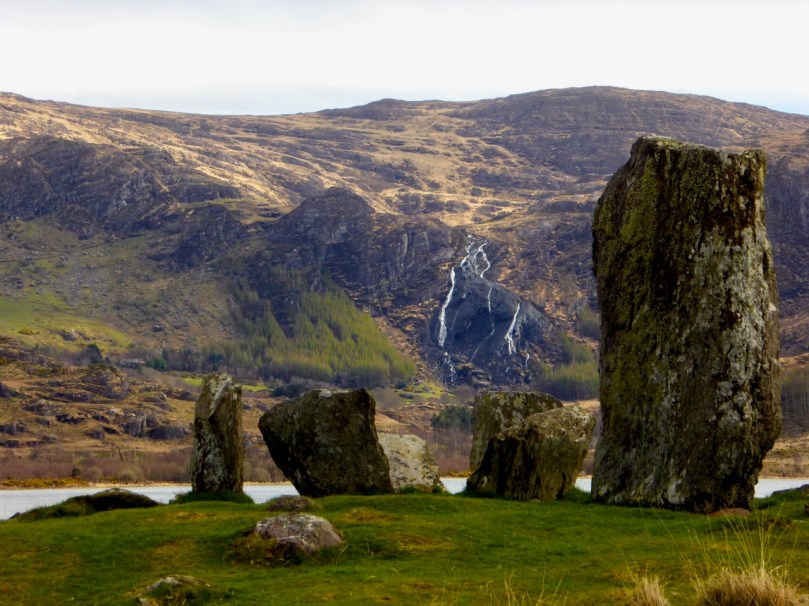
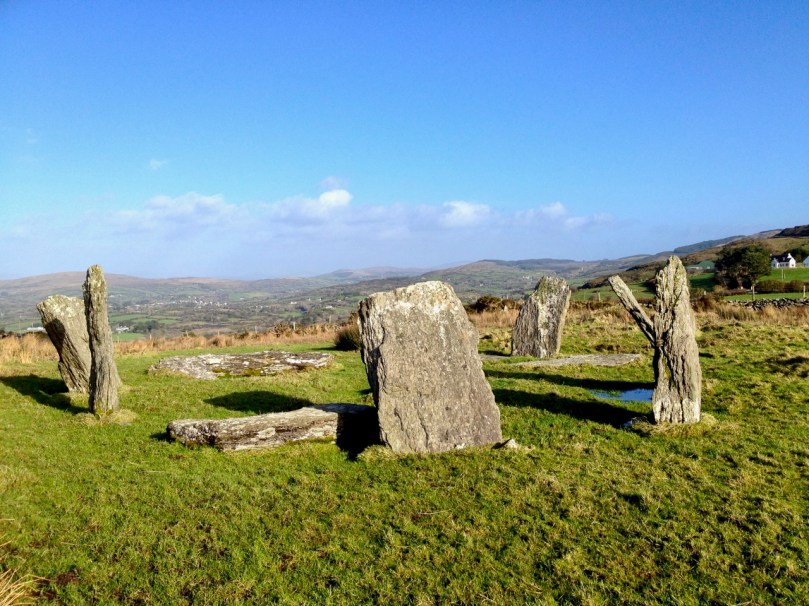
Uragh Stone Circle on the Beara Peninsula – I think we can all agree now it’s the stone circle with the best setting in Ireland. But it’s only one of the many feature of Gleninchaquin that makes this remote but accessible valley so richly enjoyable to visit.

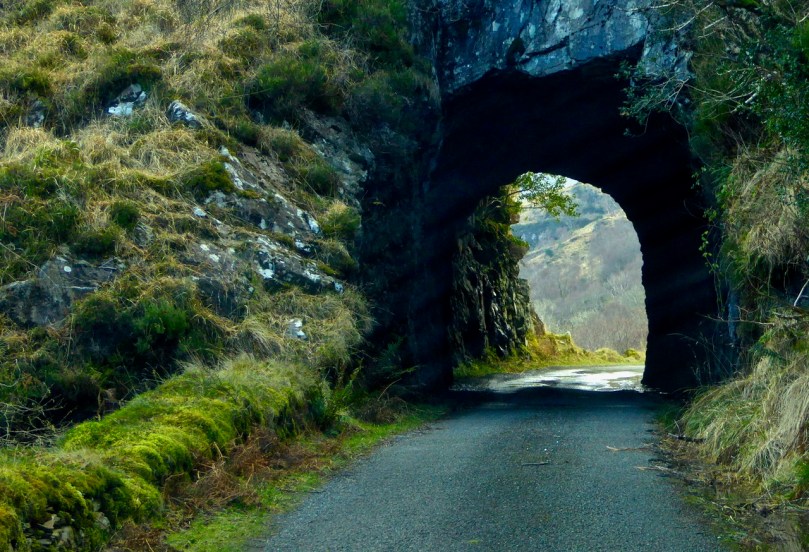
Everyone loves driving through the Caha Pass between Glengarriff and Kenmare – the scenery is spectacular and includes several tunnels

This image, of the Barnacleeve Gap above Schull, illustrates well the colours of West Cork in winter, when the bracken turns dark amber and the Purple Moor Grass (not purple at all) earns its Irish name of Fionnán, meaning blonde, while the grasses and mosses keep the lowest growth green.

Another winter view, this time from across Reendonagan Lake, near Ballylickey, to the Sugarloaf Mountain on the Beara Peninsula.

And finally a photograph that manages to capture much of the Mizen Peninsula, taken on Brow Head and looking towards Mount Gabriel in the distance, with the village of Crookhaven and the Rock Island lighthouse on the left. And yes, you’re right – another winter photograph.

December in Rossbrin

In the past year I have returned to Rossbrin again and again in my posts. That’s not surprising, as it’s just a short and always rewarding walk down our Beautiful boreens:

It’s December, and we can expect anything in the way of weather. This is the mildest corner of Ireland: further north and east of us today, spanning Cavan, Donegal and Wicklow, heavy snow is falling and temperatures are forecast to drop to minus 8 degrees C in the coming hours. The last real bit of snow in West Cork came along seven years ago but we weren’t here, then, to see it (image below of Nead an Iolair in 2010 courtesy of our neighbours Dietrich and Hildegard Eckardt with, below it, today’s view of the Cove seen from the house):
Whatever the weather, our cove has something to offer – and every day is guaranteed to bring a mixture. When the sun is out we can bask in it as if it was the middle of summer, but it’s just as likely that there will be a stiff and invigorating breeze to accompany our bracing walks.
Above – reminders of summer pleasures to come as we wind down to the year’s end in Rossbrin: Andre’s catamaran – Danu – which he built himself, rides out the winter storms on a wet mooring in the Cove. The first of those storms – Ophelia – hit us last month, and there is a fair bit of wind damage still to be seen:
Traffic jam in Rossbrin!

Often, I will start out on the downhill walk with my head buzzing from the inexplicable madness of the outside world: British ethnocentricity, North American absurdity and worldwide chaos. Within minutes these concerns are receding, and when I reach the waterside I am overtaken by the immersive experience of natural things all around me and I find the solace of constancy: not much changes here. This little townland of Rossbrin is above and away from that buzzing, reeking world. It is a far saner place.

Since publishing this post we have received a communication from our good neighbour Julian, who lives down on the Cove, including some excellent photographs of the winter of 2010. Here’s one of them – thank you, Julian…

Cove in the snow 2010

Harry Clarke at Lough Derg

The Lough Derg Harry Clarke windows are unusual and fascinating – and generally inaccessible unless you are willing to undertake the rigorous pilgrimage. I am very grateful indeed to have been given the opportunity to photograph and write about them. I refer readers to Robert’s post about Lough Derg, Journey into Purgatory, for those unfamiliar with the place and the pilgrimage. Go off and read that first, then come back to me. If you already know all about Lough Derg, but not much about Harry Clarke, then take a browse of some of my previous posts about Ireland’s most celebrated stained glass artist. If you’re not sure what stations of the cross are, here’s an explanationDone that? Back now? Great – let’s get started.

The Apostle Simon

Harry was already starting to get ill in 1927 when he undertook the commission to design a set of fourteen stations of the cross in stained glass for the Basilica in Lough Derg. He was, at the same time, very busy on numerous commissions, including graphic design and book illustration work, as well as stained glass windows for Ireland and abroad. He was so busy, in fact, that he used to absent himself from Dublin so that he could work in peace in a studio in London. Nevertheless, he was keen on the Lough Derg project, not least because the Canon, Fr Keown, was the same one with whom he had worked on the Carrickmacross windows. The design he came up with was unique: each of the windows depicts a different apostle (Judas being replaced by Matthias), rounded out to fourteen by adding St Paul and Our Lady. Each figure holds a mandorla-shaped panel upon which the stations are presented.

The Apostle James – his mandorla contains the station ‘Jesus Meets His Afflicted Mother’

In order to ‘count’ as an official Harry Clarke window, as opposed to one produced by the Harry Clarke studios, Harry himself must have designed, and created or closely supervised the execution of the window. The Lough Derg windows were definitely designed by Harry – the drawings he made for them still exist. Artisans in his studios began the work in his absence following his detailed instructions.

A close look at ‘Veronica Wipes the Face of Jesus’, contained in Philip’s mandorla

Nicola Gordon Bowe, the renowned Clarke scholar, described the process* thus: “His choice of glass, detail, colour, design and leading are all fully evident in the dramatically effective concept of these windows, even though any study of the original designs for the inset panels and their realization in glass will reveal his absence.” Indeed, before the windows could be finished and installed Harry had to travel to Switzerland to spend time in a sanatorium.

Philip and his mandorla

Each saint is shown, as is tradition, with his symbol, often the instrument of his martyrdom.  Philip, for example, is shown with a cross, as he was crucified upside down. His medallion shows Veronica wiping the face of Jesus. The apostles and Mary, as well as the small figures in the mandorlas, have all the Harry Clarke hallmarks – large, expressive eyes, long tapered fingers, highly-decorated medieval-style clothing, sleeves with hand points, complicated headgear, forked beards, pointed feet.

‘Jesus Falls the Second Time’ – note Mary in blue and John in green

Despite the absence of the master’s hand, it is hard to imagine how these tiny stations could be any more exquisite than they are. The same figures occur in all or most of them – Jesus, his mother, Mary Magdalen, John his beloved apostle, and the tormenting soldiers. There is also, of course, a host of minor characters, often peeking in from the sidelines or half-hidden behind others. Harry habitually drew from life and used himself and his friends as models. Some of the glimpsed faces in the scenes are no doubt based on people familiar to him. They range in expression from sorrowful and noble to cruel and savage.

‘Jesus is Condemned to Death’

One of the intriguing aspects of these stations is that many of the figures are rendered in ways that depart radically from the conventional depictions of biblical characters, images that were for the most part based on Renaissance paintings. Indeed, some of the characters as imagined by Harry would fit more comfortably into his illustrations for Hans Christian Anderson fairy tales, or stories by Edgar Alan Poe. Look, for example at the first station ‘Jesus is Condemned to Death’. Apart from the tragic figure of Jesus, the individuals would not be out of place in a picture for the sort of fanciful and macabre tale that Harry relished illustrating. In the background Pontius Pilate washes his hands attended by a page dressed in what looks remarkably like a frock coat. The fierce executioner is distinguished by his strands of hair and by a striking outfit that combines an Elizabethan skirt with medieval armour.

We meet him again, cloaked but recognisable in ‘Jesus Falls the First Time’ (above)

In the crucifixion station the soldier who stands gazing down is wearing a pair of elaborate shoes and yellow stockings that strikes an odd note in what is otherwise a sombre scene. Soldiers in each station wear helmets that come to points over the bridge of the nose or that are decorated with feathers and tufts. Mary Magdalen is dressed in colourful garments and hair adornments that could be suitable for a princess going to a ball, no doubt an allusion to her background.

‘Jesus meets his Afflicted Mother’: Mary Magdalen’s colourful dress provides a contrast to Mary’s modest blue

On the other hand, Mary and John, who appear in many of the stations, are shown as gentle and sorrowful. Mary is dressed in her traditional blue: in the final station (below) it is she, pictured as the Queen of Heaven, who hold the mandorla showing Jesus being laid in the tomb (the lead picture in this post).

It is tempting to see in John, with large sad eyes and cropped hair, an image of Harry himself, who must have known by this point that his illness was serious. Harry poignantly dresses John in green, the colour of bountiful life and the triumph of hope over death.

Mary and John witness the crucifixion

My sincerest thanks to Maureen Boyle for facilitating my visit to Lough Derg, and to Sharon for looking after us on the Island and sharing so much information.

‘Jesus is Laid in the Tomb’

* In 1990 the windows were exhibited in Dublin. They had deteriorated over time, and were completely overhauled and restored by the Abbey Stained Glass Studio. Before they were returned to Lough Derg they were put on display in the Royal Hospital, Kilmainham for two months. I have the program from which I took the Gordon Bowe quote, thanks to my late and dear friend Vera who was a huge Clarke fan and attended the exhibition and whose notes I now have. However, I have just discovered that the program is also available online.