Were You at the Rock?

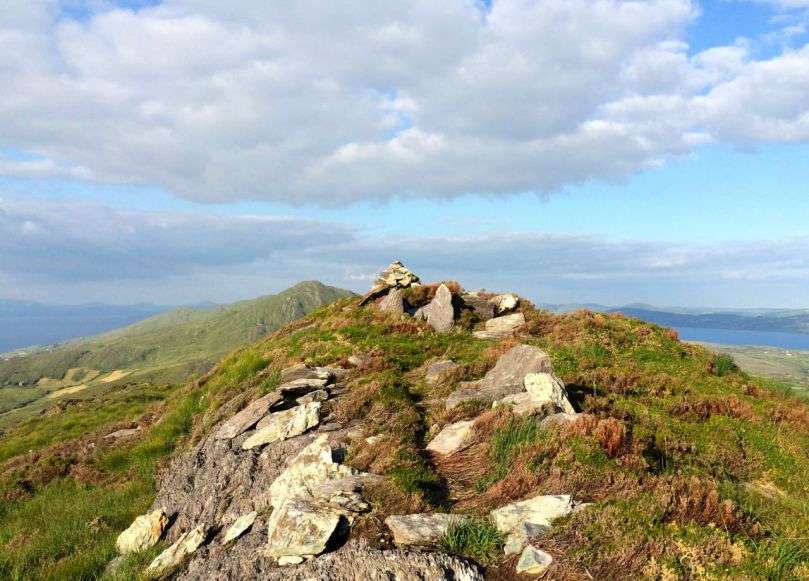
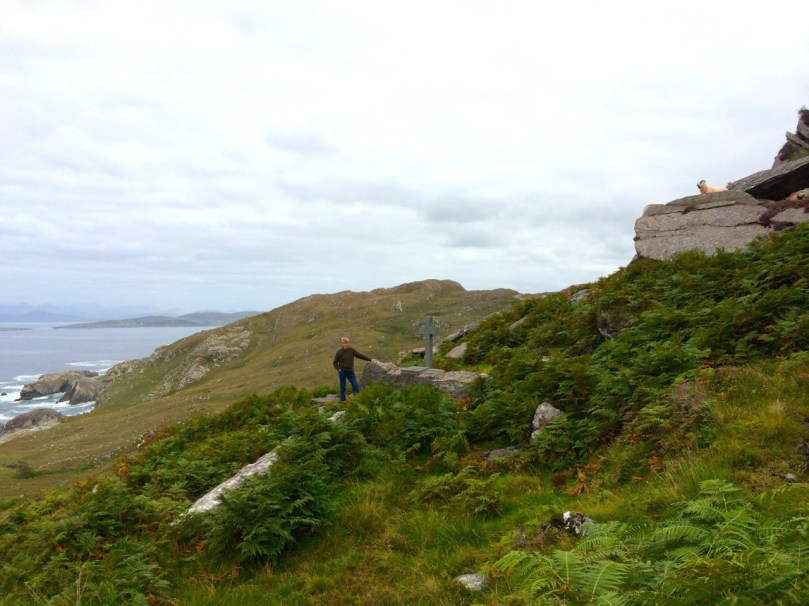
Mass rock along the Beara Way (see the look out above)

Mass rock along the Beara Way (see the lookout above)

An raibh tú ag an gCarraig? / Were You at the Rock?

nó a’ bhfaca tú féin mó grá / Or did you yourself see my love,

nó a’ bhfaca tú gile, / Or did you see a brightness,

finne agus scéimh na mná? / The fairness and the beauty of the woman?

This beautiful song speaks to a revered tradition in Irish history and folk custom – the mass rock. During the period of the Penal Laws (late 17th and first half of 18th Century) when the practice of Catholicism was outlawed, parishioners would gather at a secret location to attend mass. The priest travelled from community to community in disguise, a lookout was posted, and mass was celebrated on a lonely rock far from the reach of the law. The song encodes the message that the people still find ways to attend mass, despite the harsh prohibition against it.
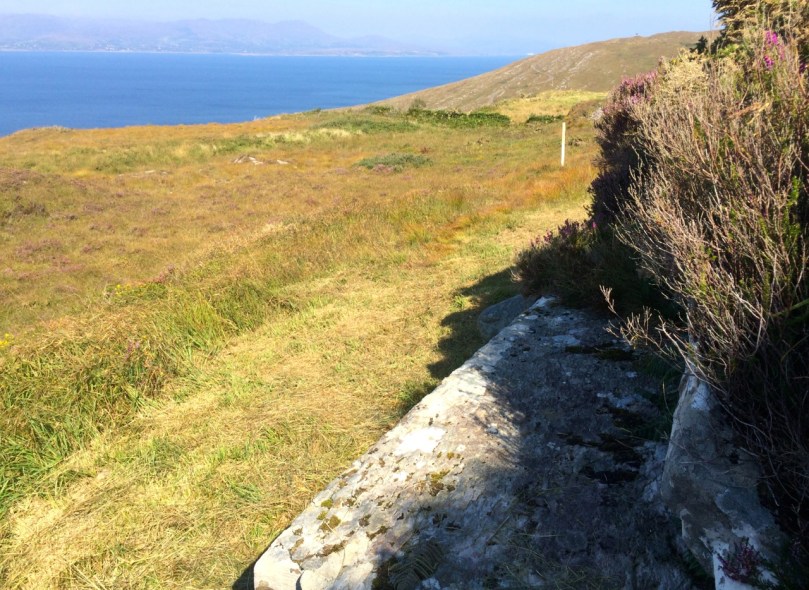
Mass rocks are often in remote locations

Mass rocks are often in remote locations

Dr. Hilary Bishop, in her excellent website Find a Mass Rock says, “As locations of a distinctively Catholic faith, Mass Rocks are important religious and historical monuments that provide a tangible and experiential link to Irish heritage and tradition.” She also points out that, because of the imperative for secrecy, mass rocks are difficult to find. We certainly experienced this when we set out for a day of mass rock hunting recently. Working from a list generated from the National Monuments Service database we spent a day on the Sheep’s Head and the Mizen and had trouble finding all the rocks on the list. One, if it was still there, had disappeared under impenetrable layers of gorse. A second rock was last recorded in the 1980s: residents were no longer familiar with it.
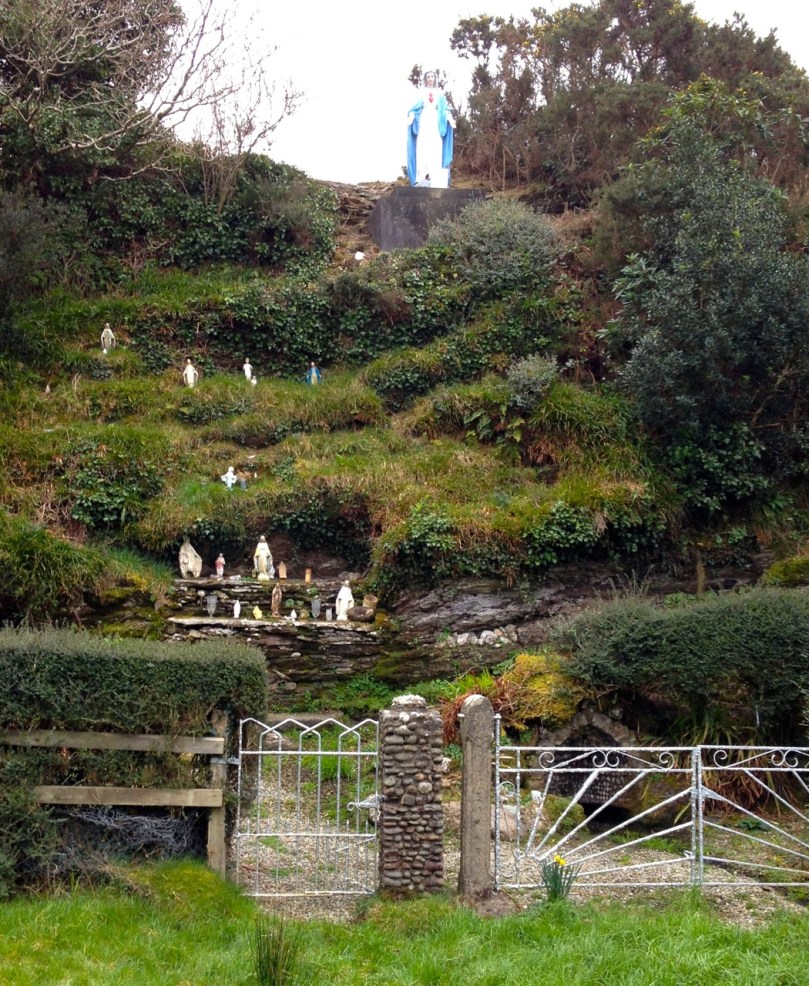
Beach Holy Well and mass rock

Beach holy well and mass rock

Knowledge of mass rocks has passed down from generation to generation. In the deep countryside, the sites maintain a mystique and a sense of the sacred. Last year we wrote about the mass rock and holy well at Beach, where Mary conjured up a blanket of fog to confuse the English soldiers and allow the priest to escape. At Beach and at our first stop, the mass rock at Glanalin on the Sheep’s Head Way, mass is still celebrated occasionally.

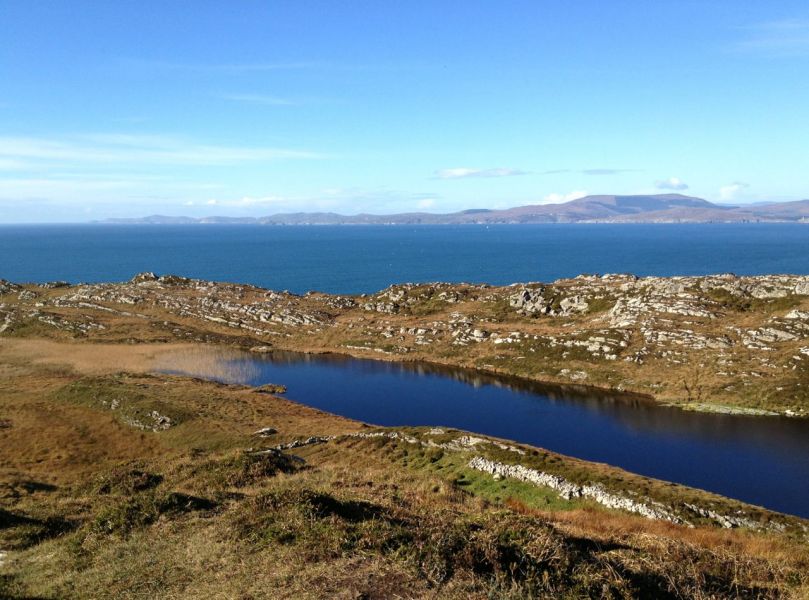
The Glanalin rock, and the one we visited on the Beara Peninsula, are good examples of the remote locations typical of many mass rocks, high on a hillside or hidden in an isolated valley. You can picture the procession of worshippers, in ones and twos, slipping silently through the bracken, pausing to make sure they are not being watched, climbing higher, following an overgrown trail, arriving at the meeting place where the hushed crowd awaits the arrival of the priest.
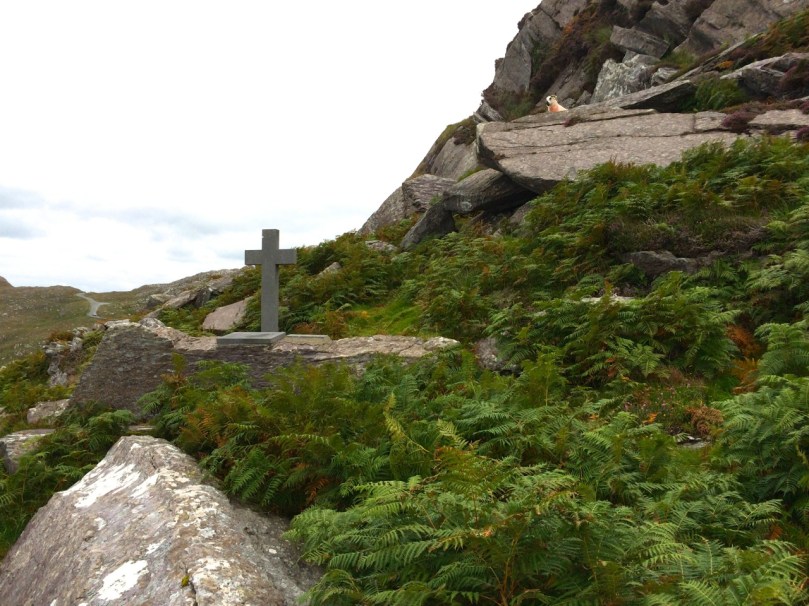
Beara mass rock

Beara mass rock

One of the rocks we found looked for all the world like a fallen standing stone – and that’s probably what it was. (I wonder if I should go to confession, though – I’m sure that sitting on a mass rock would qualify as at least a venial sin.)
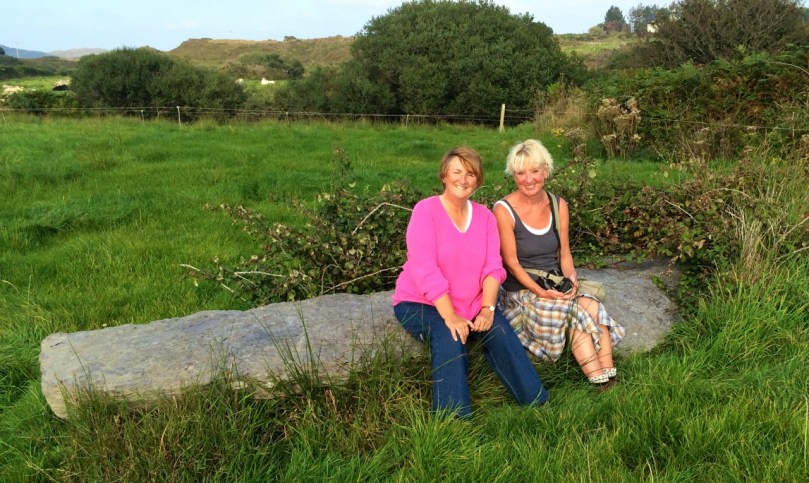
Fallen standing stone?  Mass rock? Both?

Fallen standing stone? Mass rock? Both?

A mass rock that is easily visited is the one at Cononagh Village, right at the side of the main road into West Cork, the N71. This site is beautifully maintained – Cononagh is obviously proud of its heritage: signage and flowers invite the passerby to take a closer look.

Another easily accessible site is Altar, at Toormore. This is a wedge tomb, probably over 4,000 years old and excavated in 1989. It remained in use through the Bronze Age and into the Iron Age. Dr. William O’Brien, in his book on the archaeology of County Cork, Iverni, says of this site: “…over time this tomb came to be regarded as a sacred place, housing important ancestral remains in what was a type of community shrine.” How fitting, then, that the flat capstone of the Altar wedge tomb became, in the Penal Days, a mass rock. And how intriguing to think of the continuation of this sacred space over the course of thousands of years.
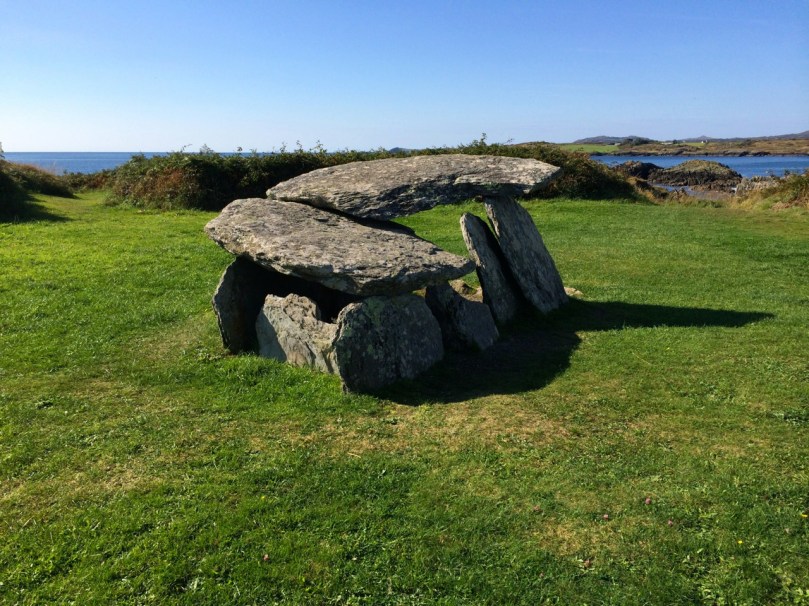
Altar Wedge Tomb, later used as a mass rock
Altar Wedge Tomb, later used as a mass rock

Sail Away, Sail Away

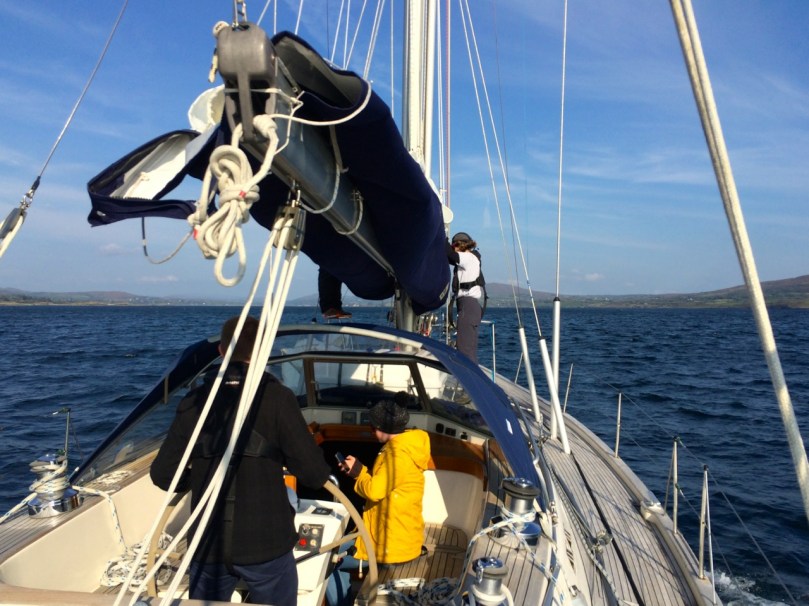
Merlin heads for The Mizen

Merlin heads for The Mizen

Many years ago I did a lot of sailing in Vancouver but for various reasons I haven’t been sailing for years. This week I was thrilled to have the opportunity to take to the water again!

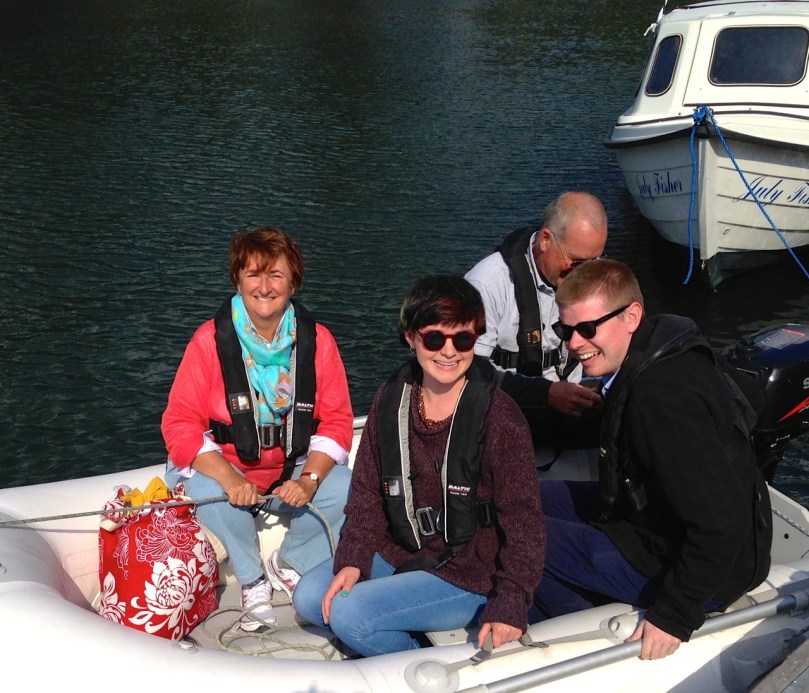
I went with Chris Forker of Carbery Sailing out of Ahakista. Chris has a beautiful yacht, Merlin, a 42 footer with room for eight. There were five of us – Chris, his wife Aideen, a young couple Conor and Ellie, and I. Robert decided that the better part of valour that day was dry land, but he took photos of us as we left and arrived and even drove up the Sheep’s Head mountains to capture us in full sail.

Ferrying out to Merlin

Ferrying out to Merlin

It was a fabulous day (but then, it always is, around here) and we got underway quickly after Chris had given us a tour of the boat and showed us on the charts where we would be going. He was an amazingly relaxed captain: once the safety instructions were over he invited us to do as much or as little hands-on as we liked.

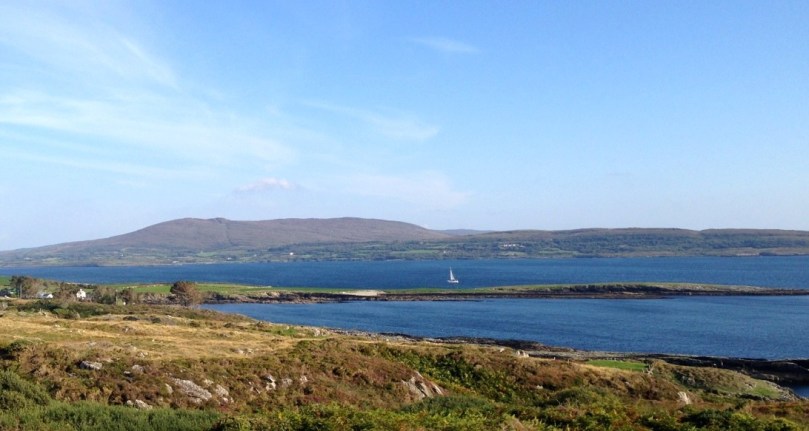
Merlin on Dunmanus Bay

Merlin on Dunmanus Bay

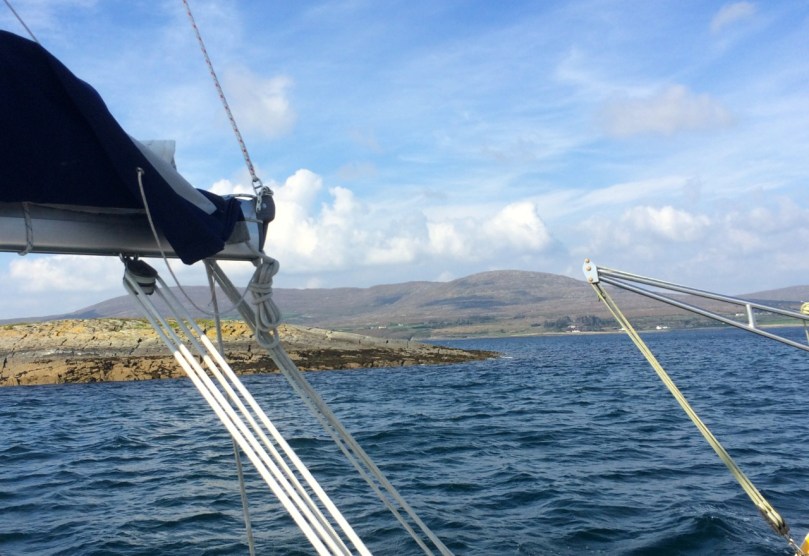
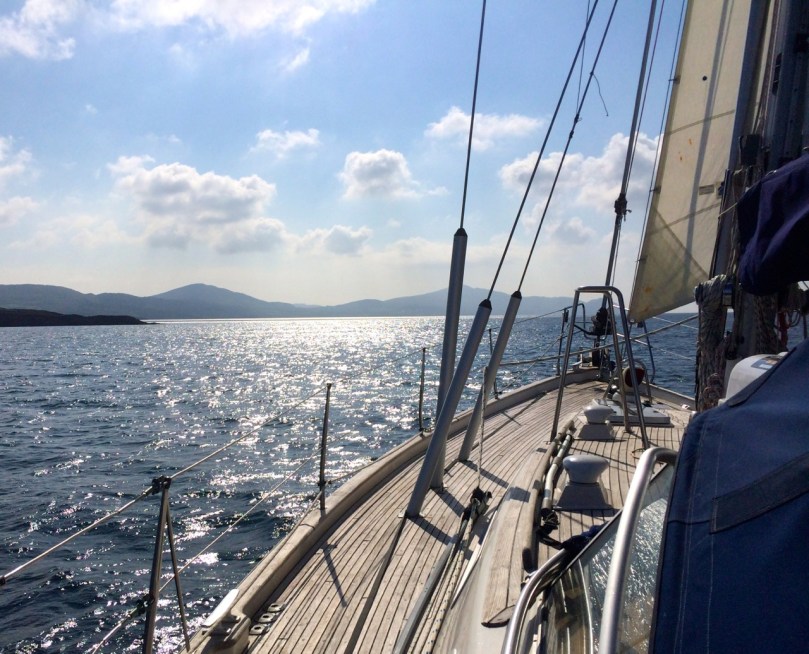
We sailed almost to the mouth of Dunmanus Bay and back to Ahakista. There was a brisk little breeze, so the conditions were excellent and as soon as the main and the foresail were up the boat settled into a close haul, heeled over, and bowled along at a merry pace. Chris pointed out all the points of interest, introduced us to Henry the friendly seal and recounted the history of the bay. 

Great day for a sail!

Great day for a sail!

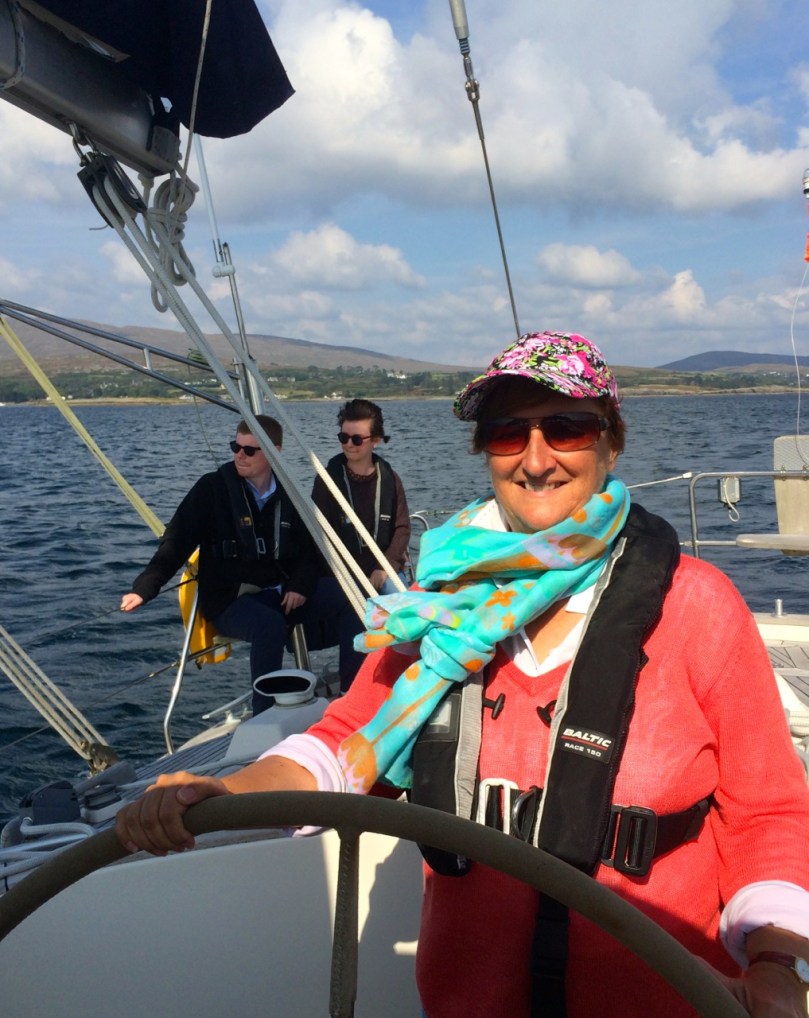
Chris is a born teacher (he does RYA training courses aboard Merlin) but in the most unobtrusive way, so I felt comfortable asking all the basic questions – stuff I had learned but forgotten. There’s so much vocabulary to sailing! Within an hour I felt emboldened enough to offer to take the helm – and there I was sailing a 42 foot yacht, calling the change of tack, adjusting the course to catch the wind. It was, in a word, heaven. The Sheep’s Head to the north, the Mizen Peninsula to the south,  incredible scenery, sunshine and a Caribbean blue sea skimming past our bow – what more can life hold on a warm September afternoon?

At the helm!

At the helm!

And just when I though it couldn’t possibly get any better, Aideen appeared with a cup of tea and a plate of Ummera smoked salmon on thinly sliced brown soda bread.

Robert and I have explored the Sheep’s Head and the Mizen extensively, but seeing it from this angle brings a new perspective. We were unaware, for example, that there are sea arches along the Mizen coast – dramatic bridges reaching out over the ocean, with the sea thundering underneath. There are several islands in the Bay. We sailed between Carbery and Furze Island. Rumour has it that the house on Carbery is owned by a wealthy Sultan who visits with his wives occasionally. Gannets plummeted into the water around us and, although we didn’t see any that day, dolphins often swim and play around the boat.

Conor, who had never sailed in his life, took the helm as we headed home, while Chris and Aideen dropped and stowed the sails.

Connor takes charge

Conor takes charge

As a re-introduction to sailing I couldn’t have had a more perfect experience. But even just lounging around the deck, soaking up the sunshine and the scenery, feeling the wind on my face and the gentle swell beneath, chatting in that companionable way that seems to happen like magic with shipmates – well, it all added up to a marvellous and memorable day that will ensure that I get out on the water again soon.

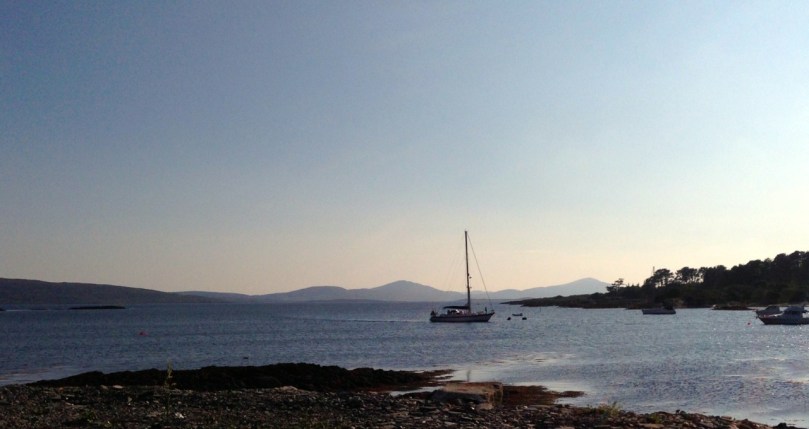
End of a perfect day

End of a perfect day

Out and About with Visitors in West Cork

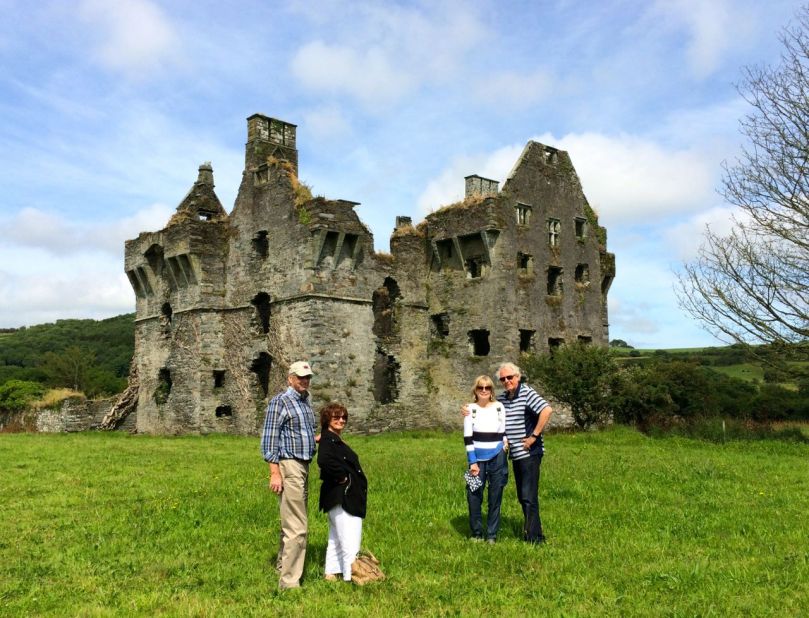
At Coppinger's Court

At Coppinger’s Court

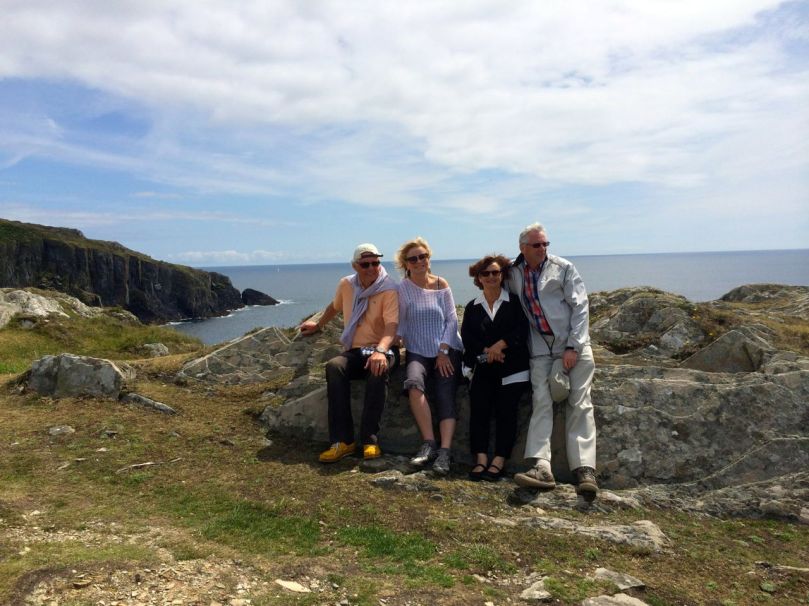
Vi and Grant and Jan and Brian came to stay last week – good friends from Canada here to see the Real Ireland. 

We had some challenges right away. First, the rental car Grant had booked was under repair and the substitute, although it nominally held all six of us, was too cramped and uncomfortable to venture too far afield. Second, muscle wear and tear issues among the group dictated that walks not be too long or arduous. 

No problem! The weather was (mostly) fine, we got in one good hike on the Sheep’s Head, and then set about discovering the delights of flatter terrain, local amenities and cultural events. Robert and I hadn’t toured Bantry House before, although we had been there for concerts. The house will be a future post in itself, but for the moment it’s worth recording that this may be the last summer to see it with its original furniture, as much of it is on the auction block later this year.

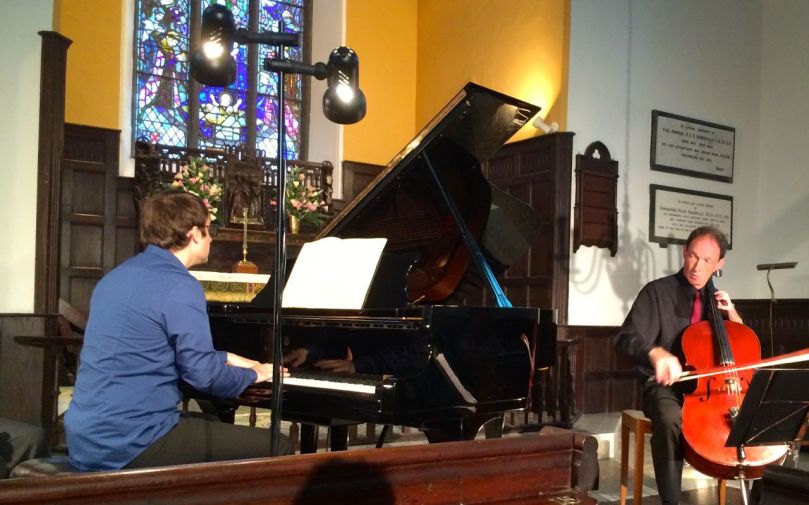
One day we spent exploring the area south east of Skibbereen. We started with lunch at Glandore overlooking the harbour, then on to the obligatory stop at the Drombeg Stone Circle, one of the better-know recumbent stone circles that dot West Cork. On to Coppinger’s Court (another subject for a full post), a 17th century fortified house and home to one of the fearsome characters in West Cork history. Back then to Castletownshend and dinner in Mary Anne’s, followed by a concert in the little church of St Barrahane’s. This was an evening of Beethoven, Debussy and Rachmaninov with Christopher Marwood of the Vanbrugh Quartet on the cello, and the brilliant young American Alexander Bernstein on the piano. It was truly a world-class performance, eliciting a standing ovation from the appreciative audience.

At Drombeg, Jan and Brian

At Drombeg, Jan and Brian

Concert In St. Barrahane's, Castletownshend

Concert In St Barrahane’s, Castletownshend

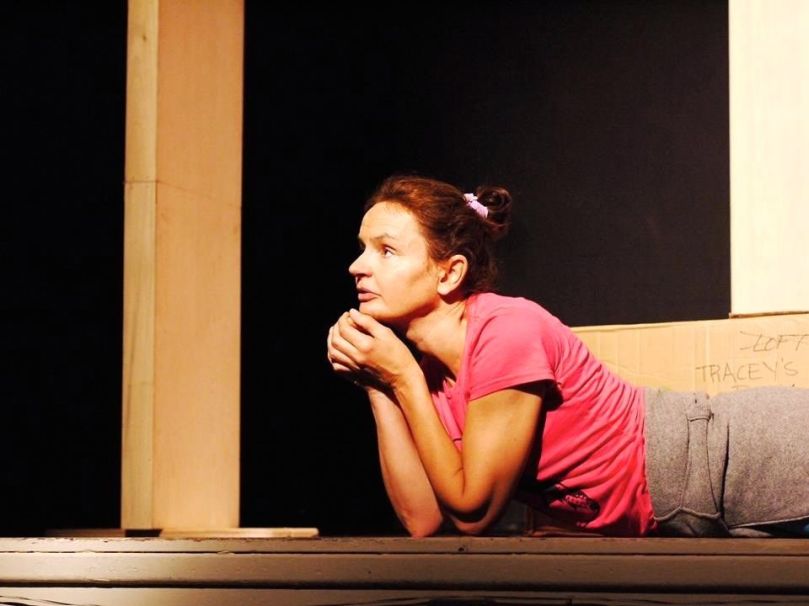
Another day, we wandered around Schull, dipping into the shops and stopping for coffee. Later that evening we attended PlayActing Theatre’s two one-woman shows in the local parish hall. Karen Minihan brought us up to date with her character, Eileen, going through a midlife crisis – it was moving, sad and funny all at once. Then Terri Leiber took us into the experience of eight-year-old Stacey negotiating the dysfunctional lives of the adults around her in 1960s Britain – a tour de force in which she played every role, with a minimalist stage set, a soundtrack from the times, and a beautiful nuanced performance.

Terri Leiber in May the Force

Terri Leiber in May the Force

Shopping at the local markets always makes food preparation easier and fresher and we all took turns. 

In Baltimore, we walked out to the Beacon, with its marvellous views of Sherkin Island and the faraway mountains of Kerry. We hope it’s a good memory to take away of this special part of Ireland. 

At the Baltimore Beacon

At the Baltimore Beacon

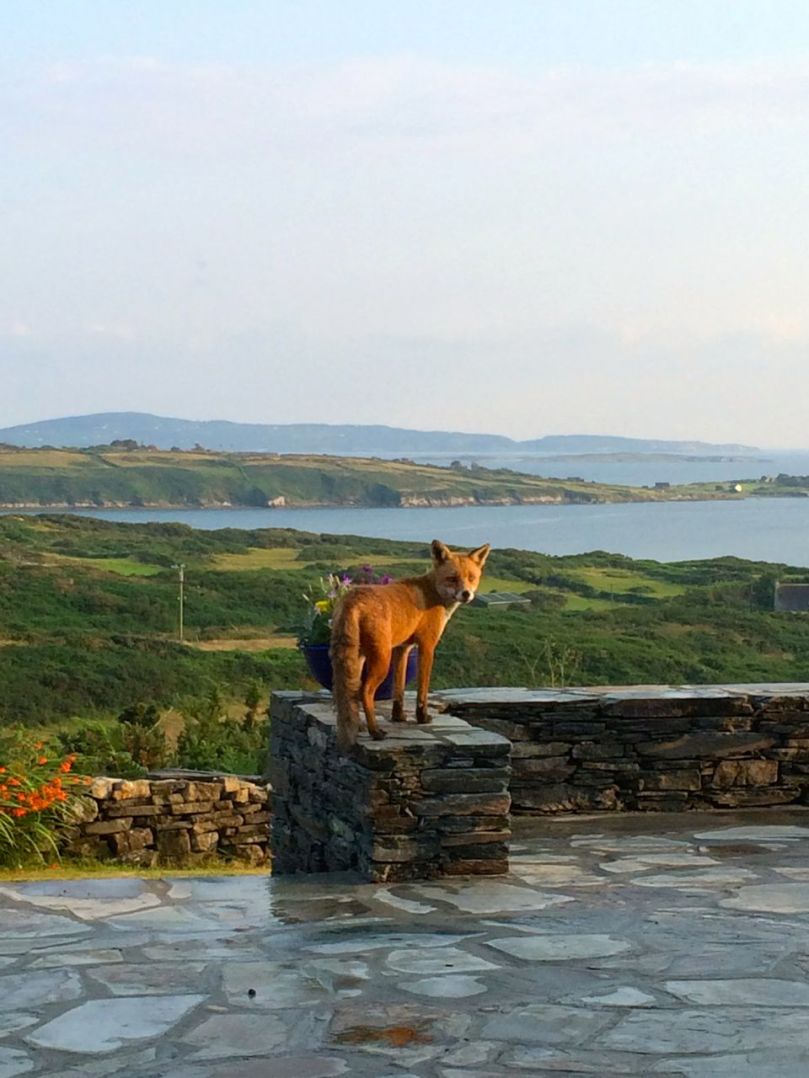
Vi and Grant, Jan and Brian – Ferdia has been missing you already!

Ferdia

Ferdia

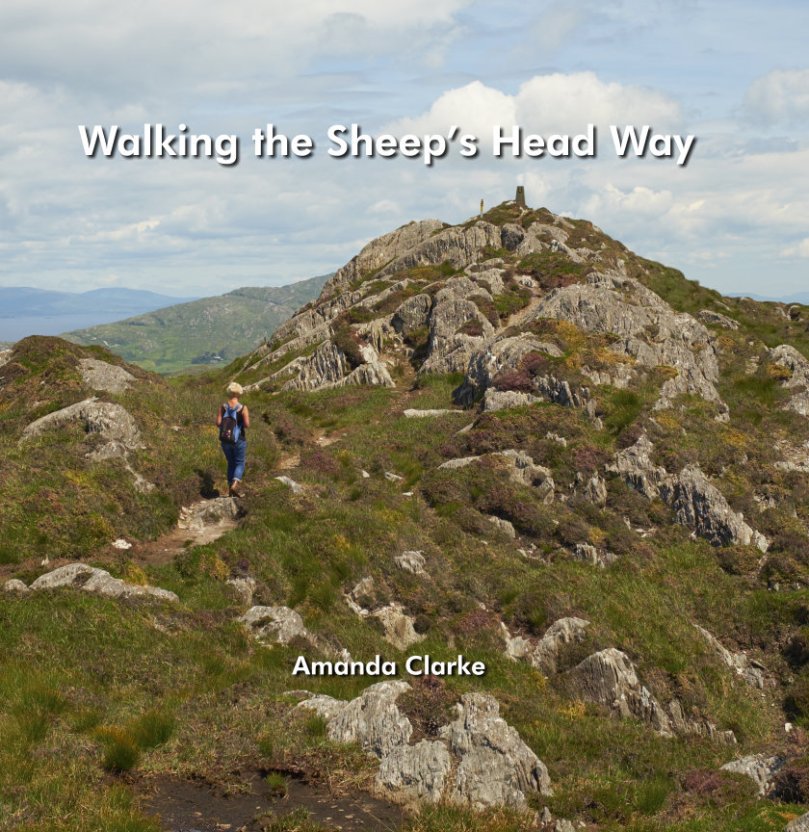
Walking the Sheep’s Head Way

COVER-FRONT

The definitive guide, by Amanda Clarke

NOTE: Since we wrote this post Amanda and Peter have brought out a second edition, including all the loop walks.

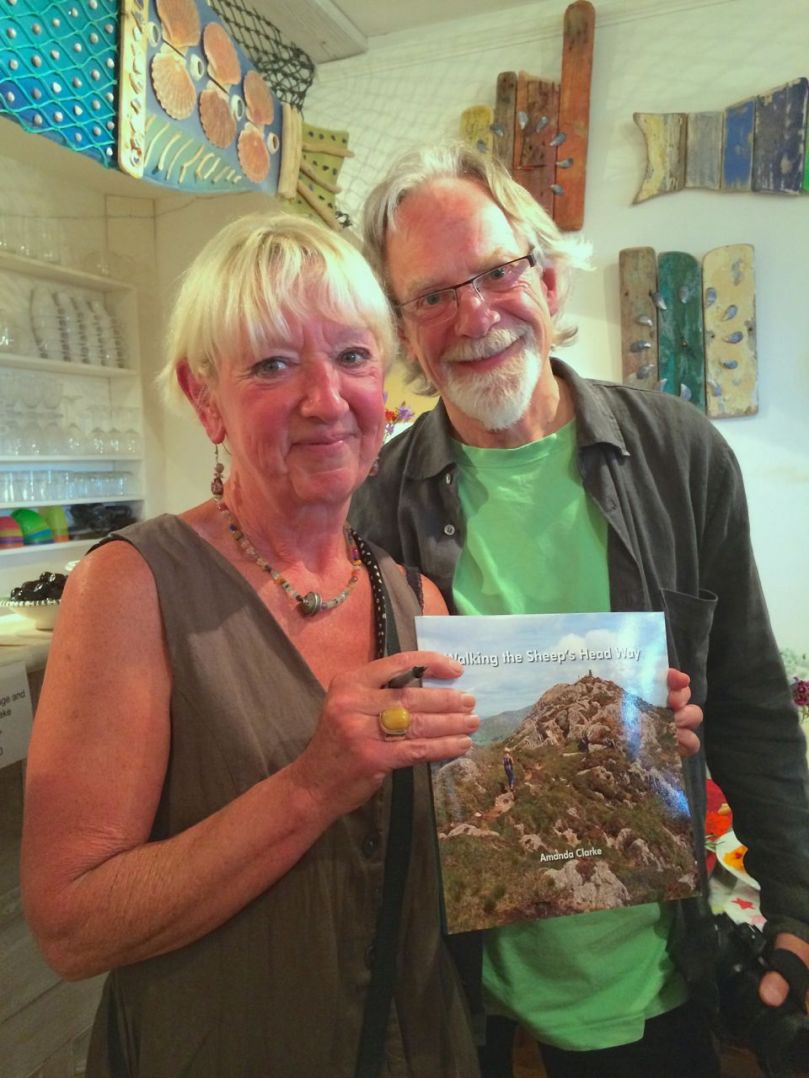
This week we attended a very special event – the launch of a new book, Walking the Sheep’s Head Way, written by Amanda Clarke and designed by Peter Clarke. Readers of this blog will be familiar with Amanda and Peter by now, as we have shared many adventures, hikes and explorations with them. 

Amanda and Peter at the launch

Amanda and Peter at the launch

For twelve years now they have been keen photographers and chroniclers of the Sheep’s Head: the book is a natural outgrowth of the passion they have for the peninsula.

Along the north side

Along the north side

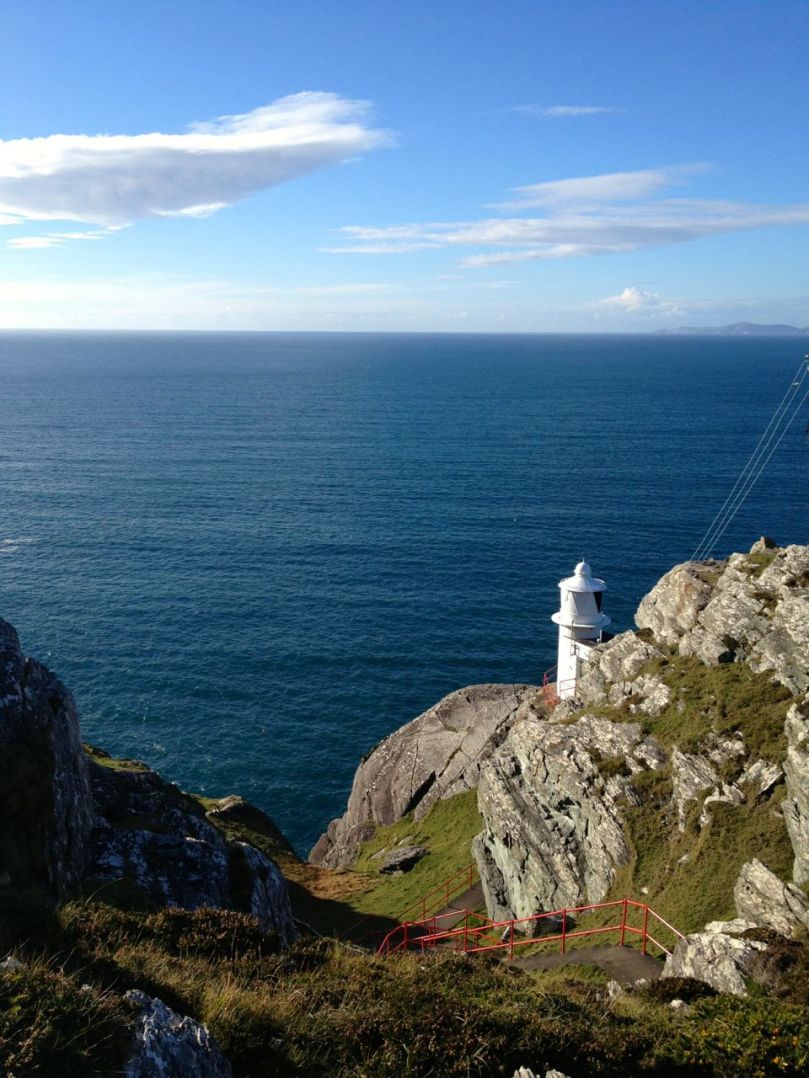
Starting and ending in Bantry, the book takes us on the original Sheep’s Head Way, beginning along the north side, out to the lighthouse, and back along the south side. It is divided into 11 sections, each one a separate walk, although they can be combined. Each walk is mapped, and because the Way is so clearly marked, you can’t go wrong. No, really!

Out to the lighthouse!

To the lighthouse!

Amanda has immersed herself in the history, geography, flora, birdlife, archaeology, folklore and landscape of the Sheep’s Head. (Indeed, it is difficult to live here and NOT be fascinated by it all and carried away by the sheer magnificence of the scenery.) Each walk is accompanied by her observations – what to look out for, the meaning of a particular feature, the history of the area, stories of the old days.

As she has done for Robert and me, she leads the reader through the walk as if she’s chatting along beside you like an old friend, filling you in on what’s around you or encouraging you to pause and just listen. 

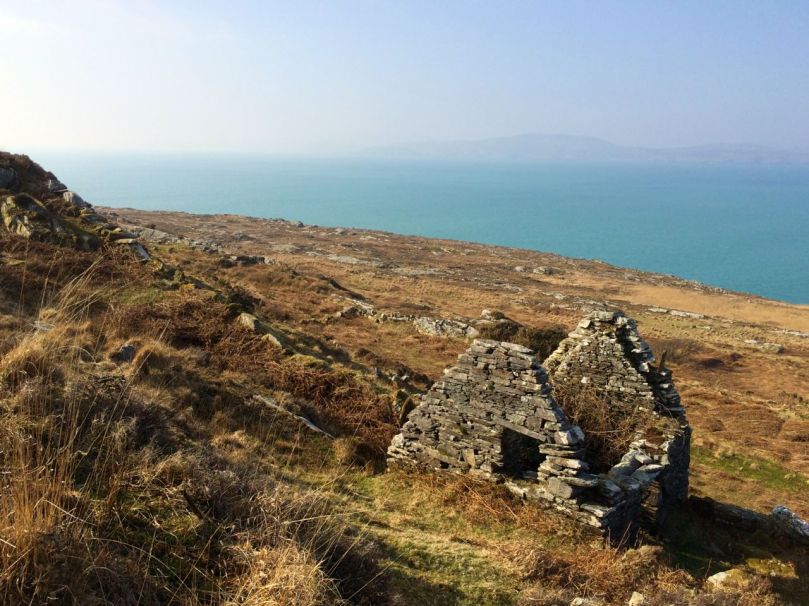
Abandoned houses at Crimea

Abandoned houses at Crimea

Each walk has its own character – whether it’s a holy well, a famine graveyard, an abandoned settlement, a prehistoric stone circle, old mine workings or signal towers – Amanda provides the essential commentary to enhance your understanding. 

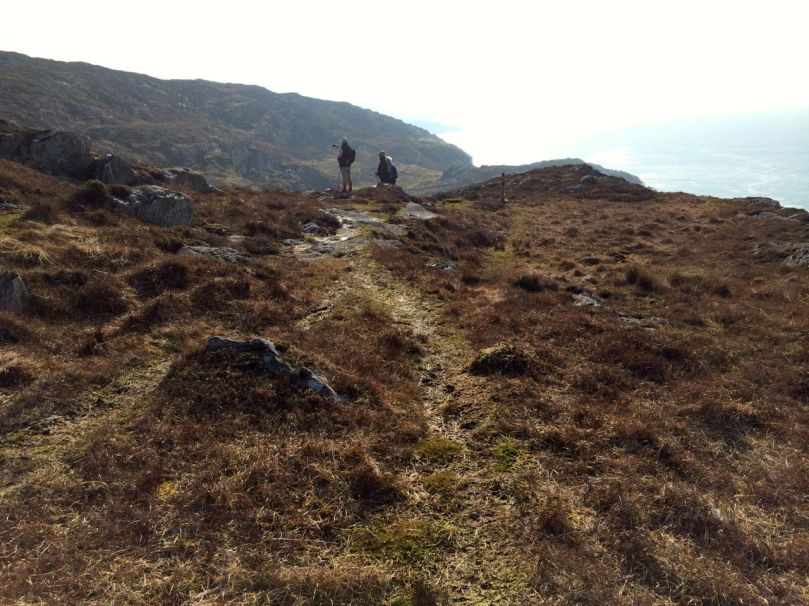
The walks encompass high ridges with sweeping views, cliffhangers with yawning drops to the sea below, soft boggy trails, seaside ambles, and stretches of boreen fringed with wild flowers. 

A ridge walk

A ridge walk

The Sheep’s Head Way has been recognised in Ireland as an area of outstanding natural beauty, and in Europe as a Destination of Excellence (one of the EDENs). And yet, you can walk for miles and never meet another soul, especially in the off season. 

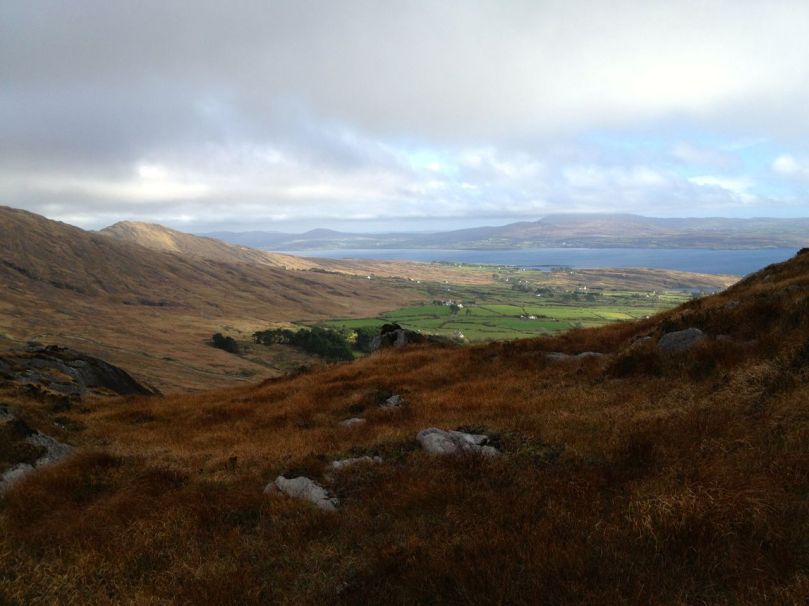
Looking towards the Beara

Looking towards the Beara

If you’re contemplating a holiday in Ireland, or if you’re already here and thinking about dropping down to see us in the Wilds of West Cork, pick up a copy of this book (buy it on Amazon or at one of our great local book shops) pack a pair of stout boots, check out Living the Sheep’s Head Way, and be prepared to be blown away. 

Looking down to Dunmanus Bay

Looking down to Dunmanus Bay

Let us know when to put the kettle on.

Pigs and Ponds in Ahakista

The Garden Trail is declared open at the Heron Gallery Gardens

The Garden Trail is declared open at the Heron Gallery Gardens

The West Cork Garden Trail takes place in the second half of June and this year the opening ceremony was held at the Heron Gallery Gardens in Ahakista. The gardens are a natural extension of the gallery, cafe and gift shop that Annabel and Klaus operate, with a satellite store in Schull and an online shop.

Welcome to the gardens!

Welcome to the gardens!

Annabel and Klaus have only been developing these gardens for nine years, although it’s hard to believe that this was wilderness so recently. Every year brings innovation and new plantings and trails. Although we kept our shoes on this time, we explored the barefoot trail, an invitation to experience the sensual pleasures of texture underfoot and squishiness between the toes. Along the trail we met friendly pigs (say hello to Fuchsia, Fern and Fay!) and climbed the hillside to a bench situated to enjoy glorious views of Dunmanus Bay. 

Robert makes a friend

Robert makes a friend

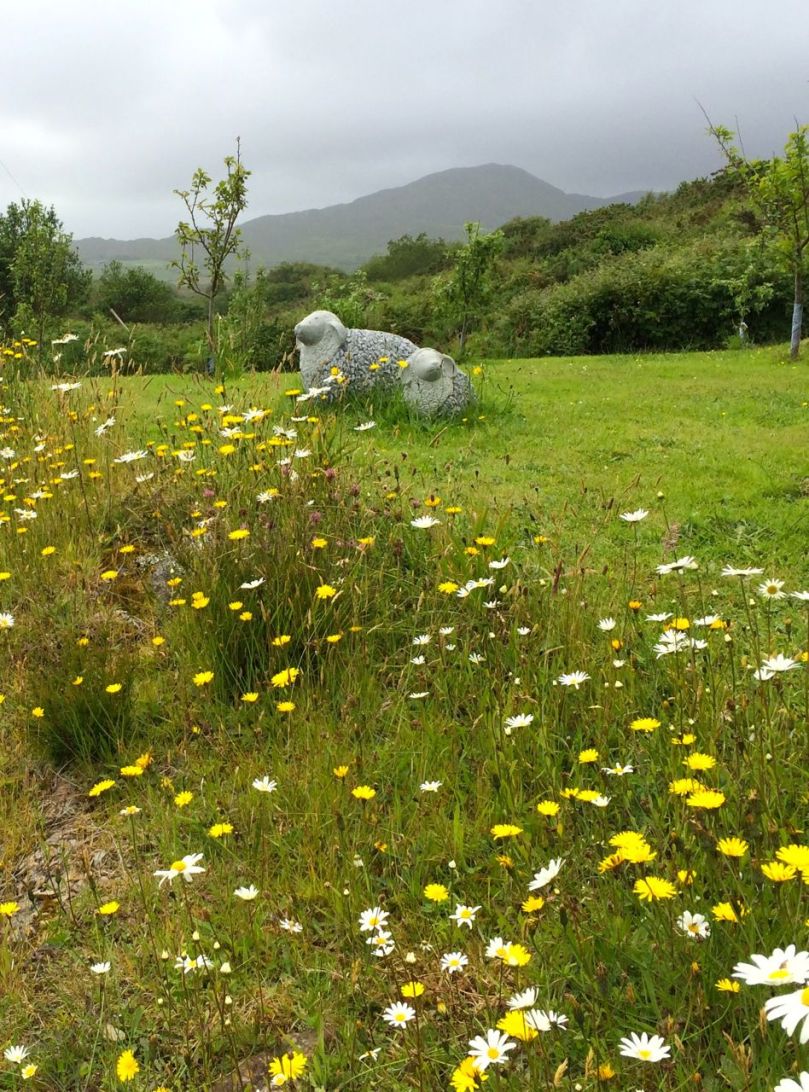
On the way back down we lingered by the pond, where wild flowers have been left to blow enthusiastically on a small hillside.

Wildflower meadow

Wildflower meadow

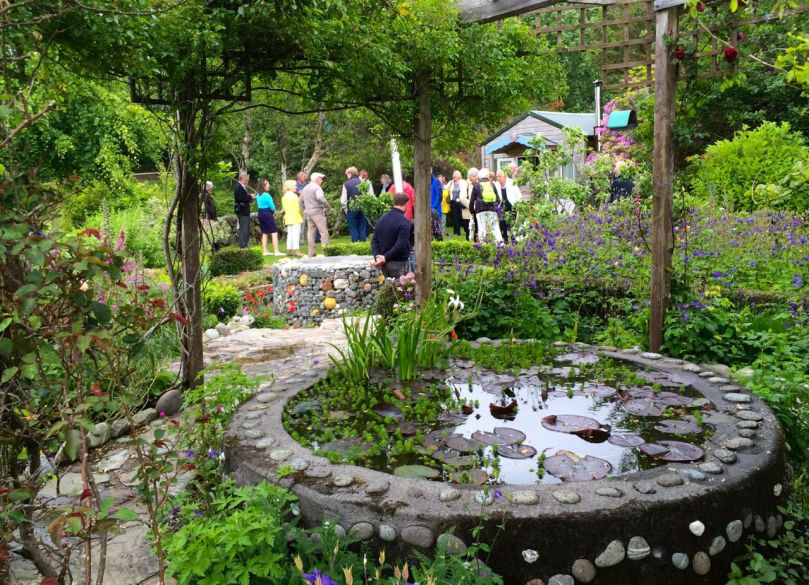
The more formal parts of the garden are a joy, with colourful herbaceous borders, pools with water lilies, tables and benches for eating or resting, and everywhere delightful, quirky sculptural installations.  

This is the perfect spot to enjoy lunch, or coffee and cakes, before a browse around the gallery featuring Annabel’s captivating images. Having travelled along the Sheep’s Head and wandered the garden, her inspirations will be obvious to you – look out for her oil painting of Fuchsia the Pig, or her many depictions of the Irish hare, two of which feel right at home at Nead an Iolair.