Images

looking out

Images: we take them so much for granted, because it’s easy for us to go out with a camera or phone and capture a place, an event or our friends and family. I’m sure we have now all got hard disks, memory sticks or ‘clouds’ full of hundreds of pictures – perhaps far too many for us to appreciate individually.

sheep may safely graze

Here are some images of Ireland, both old and new. The old ones are taken from the collection of Tomás Ó Muircheartaigh, who documented life in rural Ireland between the 1930s and the 1950s – that’s between sixty and eighty-something years ago. I was fortunate enough to pick up a copy of his book of photographs when it first came out: now it’s ‘rare as hen’s teeth’*… The new ones are taken locally by my favourite contemporary photographer – Finola.

nuns walking

The thing about a photograph is that you know it is an actual moment, a fraction of time, which has been captured and held forever. A painting is not the same – it can be very beautiful and emotional, but it is always a fantasy: it’s the artist that has made it live in the way that she or he chooses. Ó Muircheartaigh’s photographs affect me emotionally: they depict places and, more importantly, people that were once real – living landscapes, personalities… There’s a lot of nostalgia surrounding them because they show us the world – Ireland – as we want to think of it: halcyon, idyllically happy, peaceful, carefree. All the photos in Ó Muircheartaigh’s book picture this blissful state: that’s because he saw rural Ireland in that light, or because he wanted his audience to view it that way. In his work we never see hardship, rural deprivation, illness or pain – and we are completely unaware that there could be a terrible world war raging just over the waters.
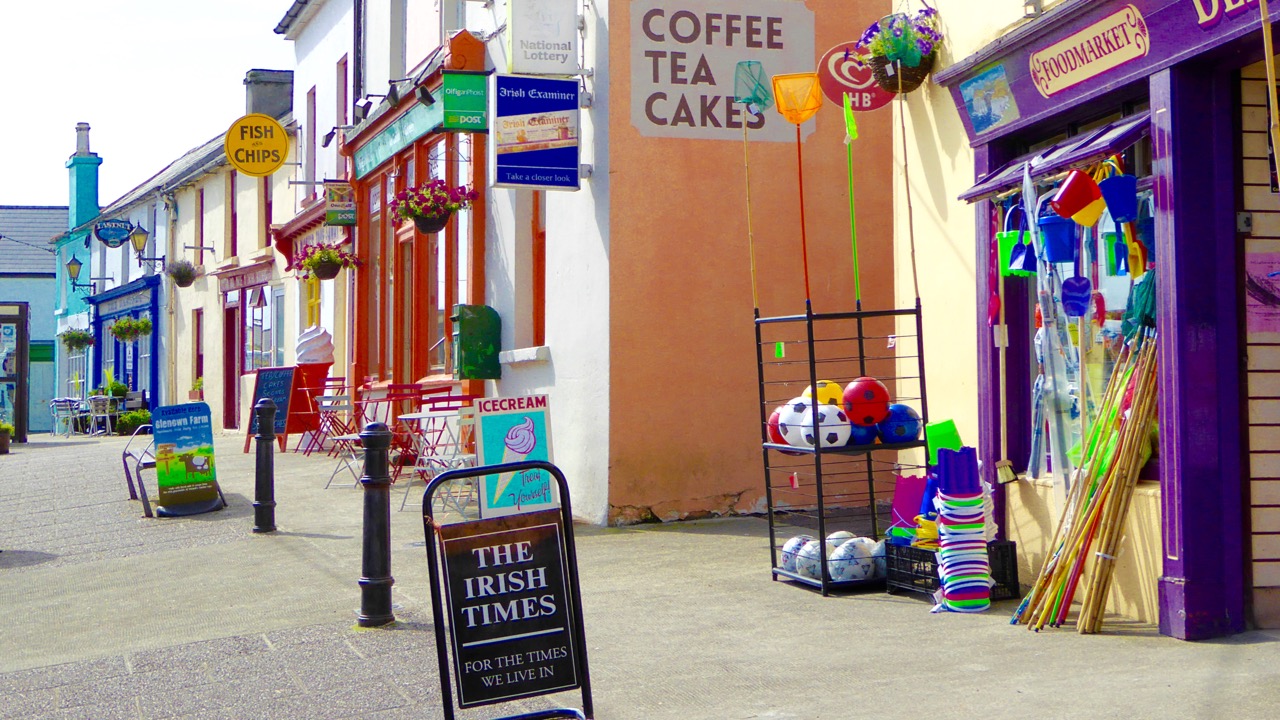
Goleen

P1010179

Precious moments: how special that through the expert wielding of a camera lens Tomás Ó Muircheartaigh could use a negative to create a positive world! We can still do that: Finola’s photographs capture, digitally (and beautifully), a different world – our own modern Ireland – but also record the essence and enduring appeal of this place which we are pleased to call home. It’s all about the focus…
4 men 3

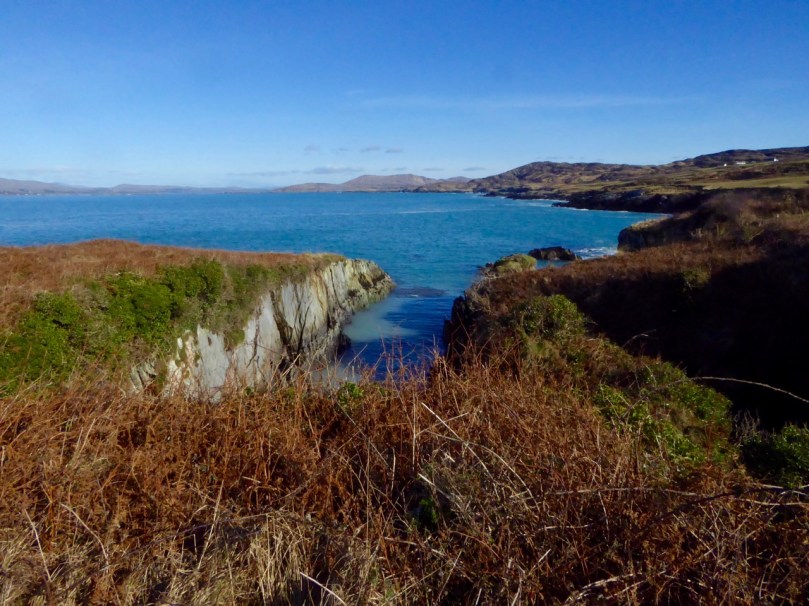
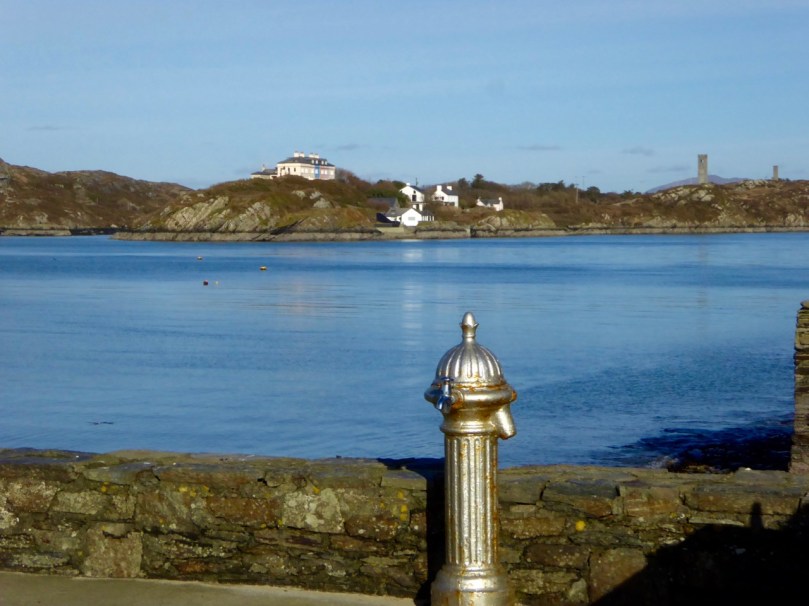
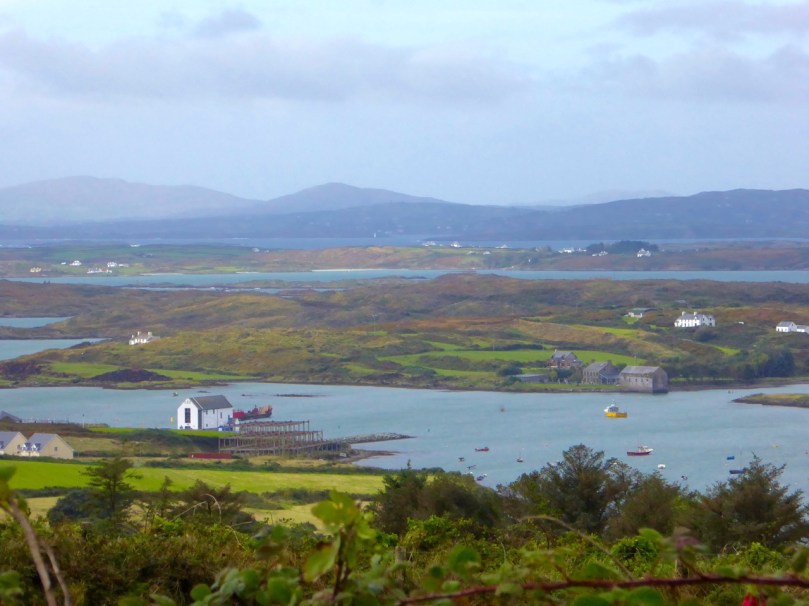
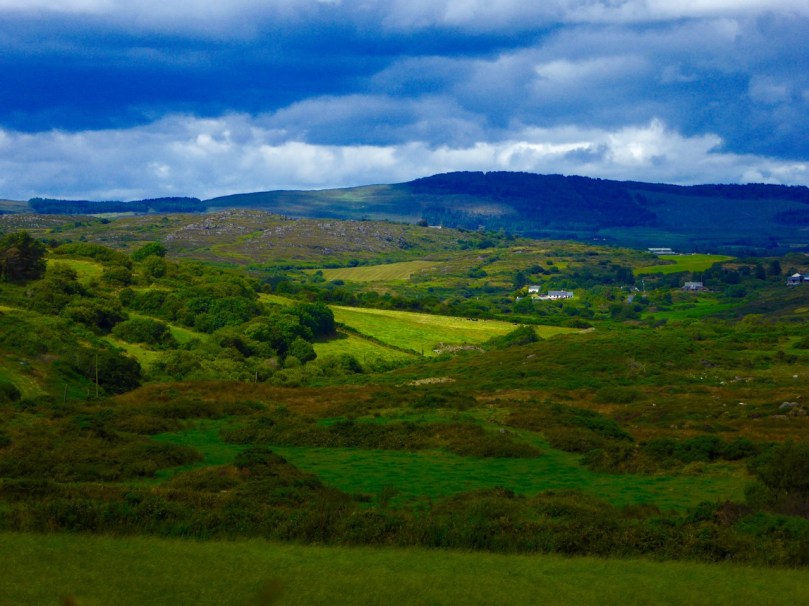
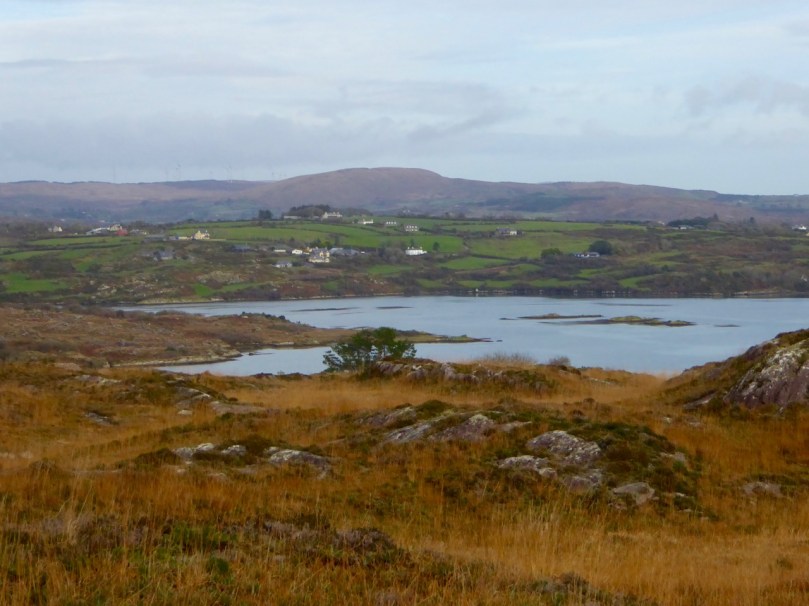
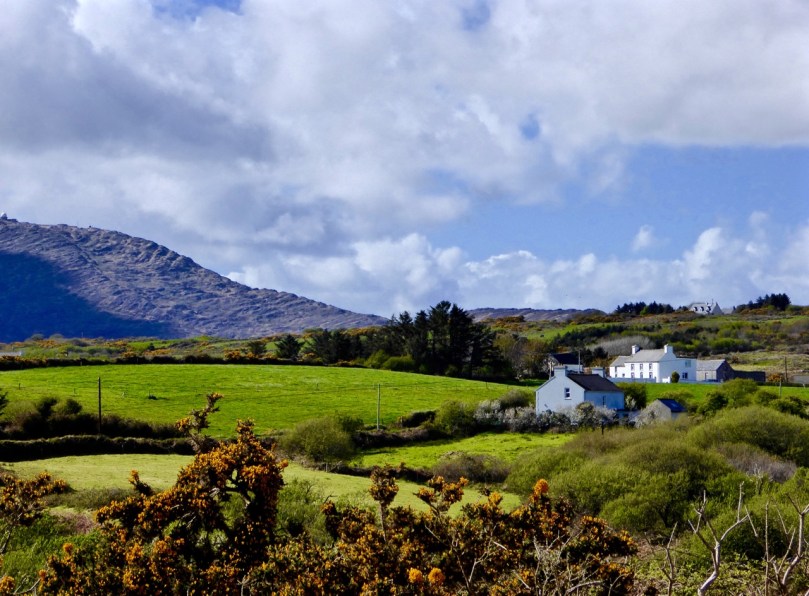
Not many of Tomás Ó Muircheartaigh’s photographs carry captions to indicate where they were taken. We know his travels encompassed the west coast, particularly the Aran Islands, Kerry, Galway and Mayo. We don’t know exactly where these three views are from (anyone who does, please comment) but it’s interesting that the wonderful portrait of four drinkers, above, has been turned into a painting now hanging on the walls of Levis’ Corner Bar – one of our local hostelries – in Ballydehob! Finola’s photos are all taken on our own Mizen Peninsula

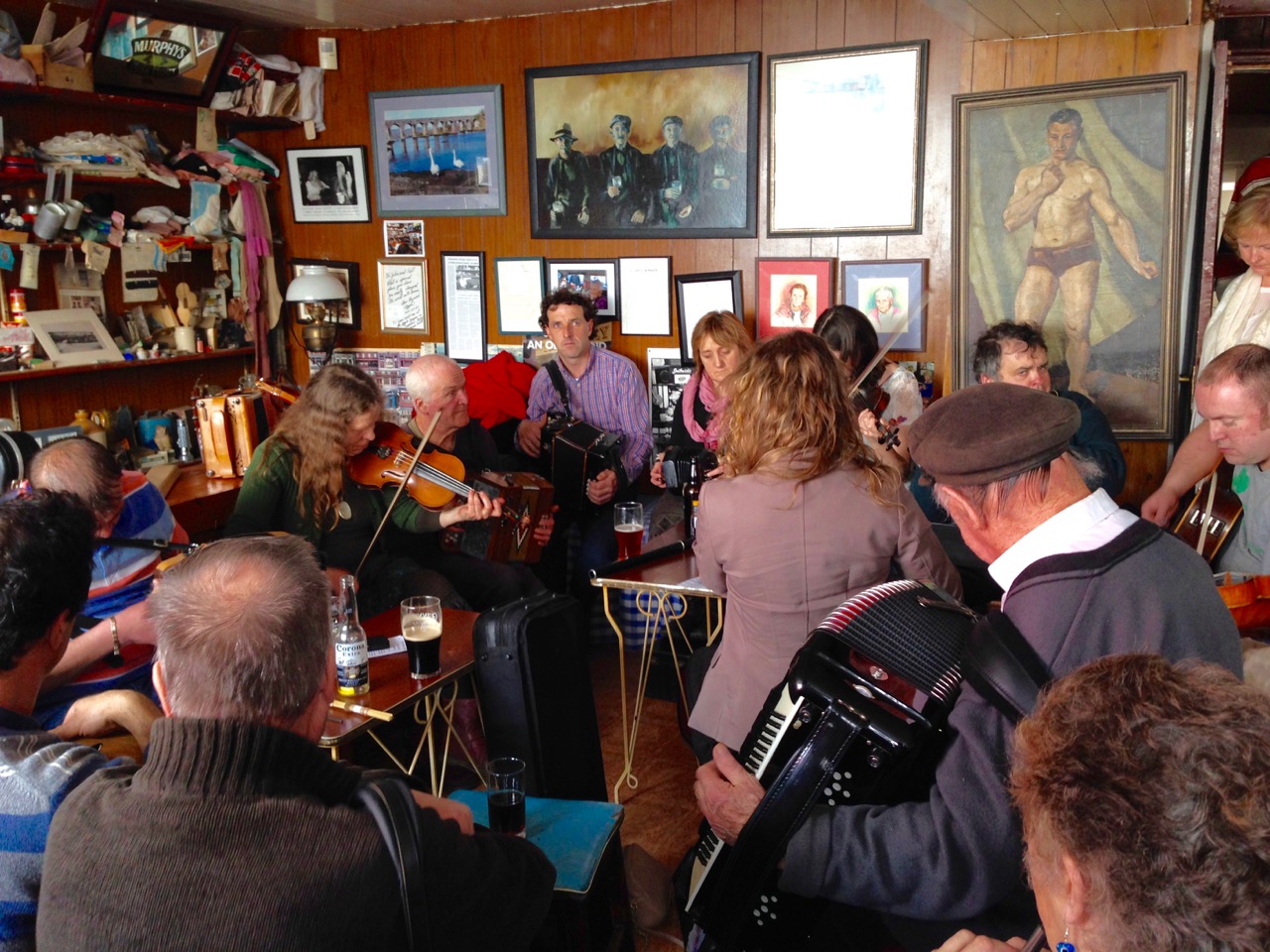
Session, Levis's of Ballydehob

*Birds did once have teeth – up until about 80 million years ago. Occasionally today, but very rarely, a ‘throwback’ bird is hatched with teeth!

The Seven Whistlers

curlew title

While researching for this post I picked up the excellent book by Niall Mac Coitir, Ireland’s Birds – Myths, Legends and Folklore and got diverted by a section on Eagles: why wouldn’t I, as we live up here in Nead an Iolair, Eagle’s Nest? I was delighted to discover from this book that Adam and Eve are reincarnated as Eagles and live on the island of Inishbofin, at the mouth of Killary Harbour in Galway. This adds to the list of important people of the world who have ended up in Ireland, including St Valentine in Dublin and Santa Claus (St Nicholas) who rests in Jerpoint Abbey. I’m hoping to discover many more…
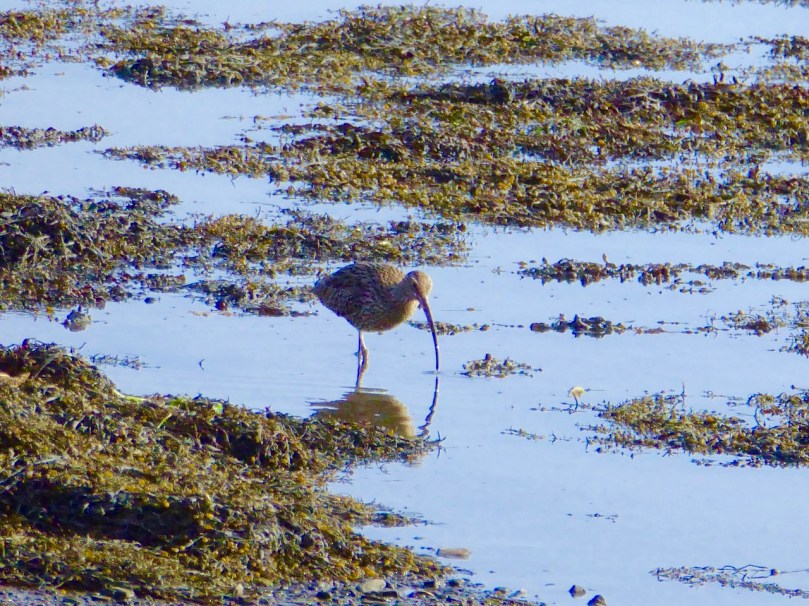
My real subject today is the Curlew: we have seen a few of them lately below us in Rossbrin Cove. They are winter visitors from Scandinavia. There is a small breeding population in Ireland, mainly centred in Galway and Mayo, but this has declined catastrophically in recent times, and the bird is now red-listed as a globally threatened species, according to Birdwatch Ireland. Every Curlew sighting, therefore, is an important one.

In Irish bird folklore, the Curlew does not come over in a good light. It has a very distinctive and haunting call, and this has probably contributed to associations with the Otherworld.

Mac Coitor says: …The Curlew was famous for its whistling and screeching calls, which were believed to foretell the arrival of rain or stormy weather… while Scottish poet Norman Alexander MacCaig (1910 – 1996) describes the Curlew’s voice:

Trailing bubbles of music over the squelchy hillside… music as desolate, as beautiful as your loved places, mountainy marshes and glistening mudflats by the stealthy sea…

Curlews fly at dusk, sometimes in groups: this has given rise to accounts of The Seven Whistlers in both Britain and Ireland. One of the earliest collectors of folkore in these islands, Jabez Allies (1787 – 1856), wrote:

…I have been informed that the country people used to talk a good deal about the ‘Seven Whistlers’ and the late John Pressdee, who lived at Cuckold’s Knoll, in Suckley, said that oftentimes, at night, when he happened to be upon the hill by his house, heard six out of the ‘Seven Whistlers’ pass over his head, but that no more than six of them were ever heard by him, or by any one else to whistle at one time, and that should the seven whistle together the world would be at an end…

Another account, from William Henderson, Folk-Lore of the Northern Counties of England and the Borders:

‘I heard ’em one dark night last winter,’ said an old Folkestone fisherman. ‘They come over our heads all of a sudden, singing “ewe, ewe,” and the men in the boat wanted to go back. It came on to rain and blow soon afterwards, and was an awful night, Sir; and sure enough before morning a boat was upset, and seven poor fellows drowned. I know what makes the noise, Sir; it’s them long-billed curlews, but I never likes to hear them.’

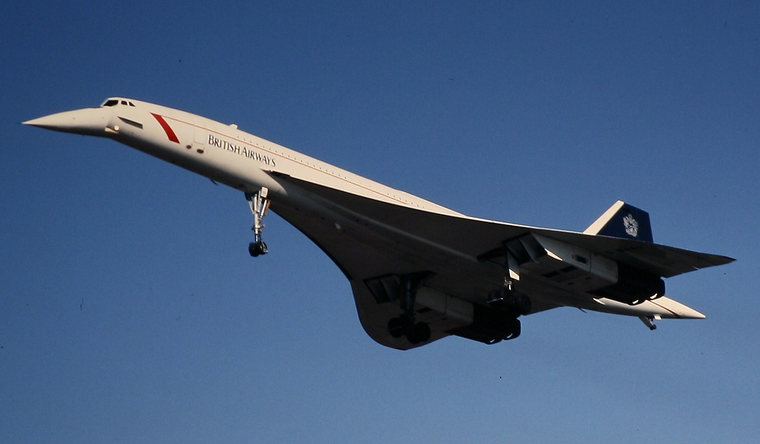
It’s that long, curved bill that makes the Curlew so distinct a figure down on the mud flats at low tide. The slim, pliable beak is used to probe in mud and shallow water for worms, crustaceans, and insects, and for exploring stones and shells. In flight the bird has a wonderful aerodynamism and reminds me of that beautiful aircraft – now extinct – Concorde. In my younger days, growing up in Hampshire, I watched the test flights of that plane at Farnborough, and always admired its drooping ‘Curlew’ nose.

JgxBY6H

Irish poetry has been enriched by images of the Curlew. Seamus Heaney’s From the Republic of Conscience:

When I landed in the republic of conscience
it was so noiseless when the engines stopped
I could hear a curlew high above the runway.
At immigration, the clerk was an old man
who produced a wallet from his homespun coat
and showed me a photograph of my grandfather.
The woman in customs asked me to declare
the words of our traditional cures and charms
to heal dumbness and avert the evil eye.
No porters. No interpreter. No taxi.
You carried your own burden and very soon
your symptoms of creeping privilege disappeared…

We can’t leave out W B Yeats – He reproves the Curlew:

O, CURLEW, cry no more in the air,
Or only to the water in the West;
Because your crying brings to my mind
Passion-dimmed eyes and long heavy hair
That was shaken out over my breast:
There is enough evil in the crying of wind.

Four of Yeats’ poems, including Curlew, were set to music by the eccentric English composer Philip Heseltine, who took the name Peter Warlock. The Curlew is a chamber song-cycle setting written for tenor voice, flute, cor anglais and string quartet. Heseltine spent some time in Ireland, including a period on a ‘Gaeltacht island’ (perhaps Cape Clear?) where he sought to learn the Irish language.

Heseltine / Warlock’s The Curlew brings us full circle, as the composer also spent time in Cornwall under the shadow of another Eagle’s Nest – near St Ives – in an area frequented by artists, writers and mystics including D H Lawrence, Aleister Crowley, Virginia Woolf and Patrick Heron. From Eagle’s Nest in West Cork to Eagle’s Nest in West Cornwall… The Curlew is a much-travelled bird… Be careful of the Seven Whistlers!

view from Eagle's Nest

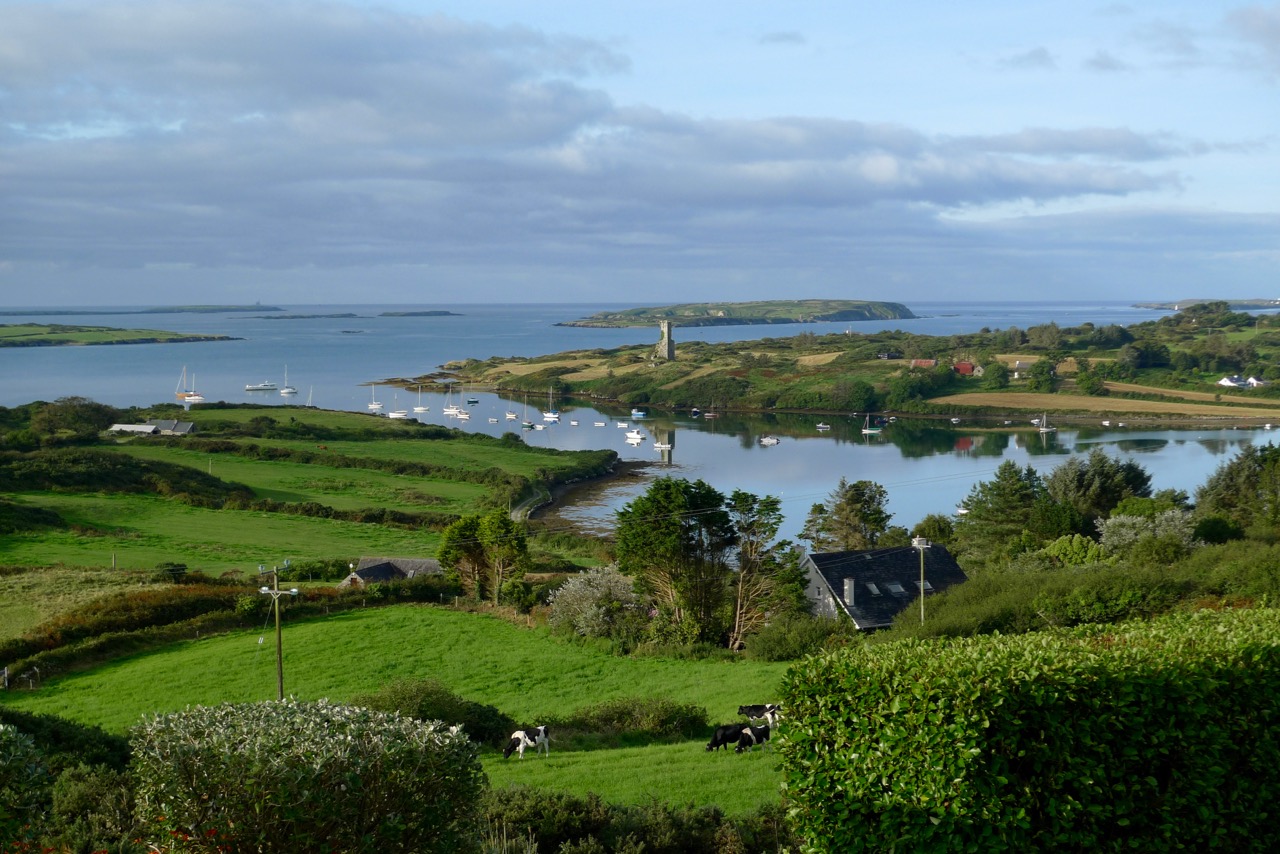
Curlews be here… view of Rossbrin Cove from Eagle’s Nest, West Cork

‘Going to the Skelligs’

star wars on the skelligs

My eye was taken by an article in the Irish Times this week which stated that the Archbishop of Canterbury and the Pope have agreed to work towards a fixed date for Easter. Currently, that festival can occur anywhere between 22 March and 25 April – this year it will be an early one: Easter Sunday will be on 27 March. This has meant that, in Ireland, the Easter school holiday will last for three weeks, from St Patrick’s day (17 March – and always a day off school) until 4 April. Evidently the church leaders believe that a fixed date for all Christians around the world to celebrate Easter would be logical and practical. So much for logic – what about history and tradition?

It’s all about the sun and the moon, and the Vernal Equinox. That’s the point in the first half of the year when day and night are of exactly equal length. We are used to thinking of the equinox occurring on 21 March but this won’t happen again until the 22nd century! From now until 2044 the equinox will be on 20 March, then on the nineteenth. This is in part because our Gregorian calendar is inaccurate, but also because the Earth’s axial precession is gradually changing. In 325 the Council of Nicaea established that Easter would be held on the first Sunday after the first full moon occurring on or after the Vernal Equinox, but that was taken to be 21 March. You can begin to see the complications…

As you might expect, Ireland has had a lot to say about all this. The early church here, established by Saint Patrick, didn’t necessarily agree with the Roman church over certain issues, including the date of Easter. Matters came to a head in 664 when a synod was convened in Whitby, Yorkshire attended by delegates from the Ionian tradition and the Roman tradition. The Ionians were led by the Irish Saint Colmán, Bishop of Lindisfarne. They supported the older traditions, but the debate was won by the Romans and Saint Colmán resigned his post and returned to Ireland, where he founded abbeys in Inishbofin and Mayo and – presumably – continued to celebrate Easter in the ‘old way’.

The situation today is still confused. While Roman Catholic and Protestant churches use the ‘Alexandrine rules’, agreed in the 7th century and adapted when the Gregorian calendar was introduced (1582), Orthodox churches generally follow a method based on the earlier Julian calendar but, in fact, there are different systems used by the many different branches of Orthodoxy around the world so the Easter festival in any year may be celebrated on varying dates in divergent places.

Let’s look at tradition, especially in Ireland. Although the churches here did eventually conform to the Roman calculations, there was always some dissent. Folklore tells us that the monks on the Skelligs – isolated rocks off the Kerry coast which housed a monastery back in medieval times – followed a calendar which was several days behind the rest of the country – this sounds as though they were still basing themselves on the Julian system. This was useful, however, if you missed out on getting married before the beginning of Lent (you couldn’t marry during Lent): the period we are in now – between Little Christmas (6 January) and the beginning of Lent – was in Ireland always the most popular time for weddings. ‘Going to the Skelligs’ was a joking expression used unkindly against confirmed bachelors and spinsters.

From Danaher The Year in Ireland – Mercier Press 1972:

In much of the south-west of Munster there is a vague tradition that the festival of Easter was celebrated a week later on the island sanctuary of Sceilg Mhichil than on the mainland. Whether this tradition is a distant echo of the ancient controversy on the date of Easter is a matter of speculation, but it did give the occasion of another form of disapproval of the unmarried. These had lost their chance of marrying this year on the mainland, but they could still be married on the Skellig, and steps must be taken to send them there… All over County Kerry, in parts of west County Limerick, in much of County Cork, especially along the coast, and in west County Waterford the negligent were greeted, in the first days of Lent, with a barrage of chaff and banter. ‘You’re off to the Rock, I suppose?’ ‘Don’t miss the boat!’ ‘Is it Mary or Katie you’re taking on the excursion’ etc etc. The victims had to grin and bear it… In many places the custom was carried further, and local poets were encouraged to compose verses on the occasion, verses which told of a grand sea excursion to the Skelligs, praised the splendid vessel which would take the party there and gave a long list of the participants, linking together the names of the bachelors and old maids as incongruously as possible. These verses – most of them mere doggerel – were written out and circulated about the parish so that all might enjoy them, and were sung to popular airs, often in the hearing of those lampooned in them… The custom has in more recent times taken the form of large posters, giving details of the ‘Grand Excursion’ with a list of the couples taking part in it. These notices were hung in prominent positions on the first Sunday of Lent, where they might be read by all on their way to church… In south-east County Cork the Skellig joke appeared in its most extreme form. Here bands of young men went about on Shrove Tuesday evening, and if some inveterate bachelor ventured out and fell into their hands he was bound with ropes and had his head ducked under a pump or in a well; this drenching was called ‘going to the Skelligs’

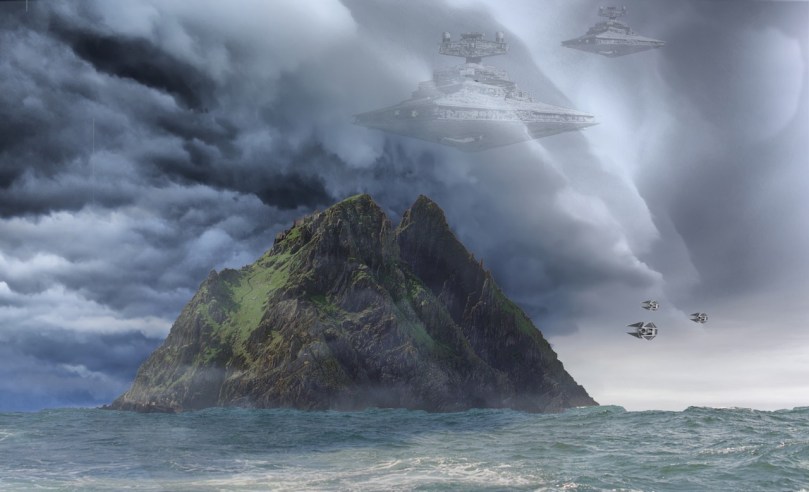
The Skelligs have been in the news recently, as the setting for a scene in the new Star Wars film: The Force Awakens. Filming on the historic site provoked considerable debate and discontent among archaeologists and conservationists. Despite our own reservations, Finola and I went to watch the film in Vancouver and – although we had to wait until the very end (the Skelligs appear only in the last scene) – we were delighted to see one of the West of Ireland’s most magnificent seascapes on the big screen – and in 3D!

Shrovetide is nearly upon us. If you haven’t arranged your pre-Lent weddings yet don’t forget there’s always the Skelligs!

With thanks to mavek-cg (http://mavek-cg.deviantart.com) for the fine image on the header

Beyond the Mizen: Top 14 West Cork Pics of 2015

We were heading home from Hare Island after a Fit Up Theatre Performance, when this happened

We were heading home from Hare Island after a Fit Up Theatre Performance, when this happened

Many of our top Facebook photographs this year were from the Mizen, but not all. You also liked and shared photographs that captured the essence of other parts of West Cork.

Baltimore Bay and Ringarogy Island

Baltimore Bay and Ringarogy Island

I think the Baltimore Bay one was so popular because the colours are SO west Cork. When you get blue sky and clouds, the sea turns this amazing Caribbean blue and the contrast with the green fields and wilder high ground is gorgeous.

Lighthouse Loop, Sheep's Head

Lighthouse Loop, Sheep’s Head

This photograph of our friend Susan Byron of Ireland’s Hidden Gems is one of my favourites this year because of the impression it creates of sheer wildness.

Occasionally we get lucky with the local wildlife. Ferdia, the fox, used to be a regular around our place but has forsaken us recently for neighbours with higher quality leftovers.

Bantry House in winter

Bantry House

It’s possible to get good shots of Bantry House in winter, when the trees don’t obscure it from view.

Kilcoe Castle

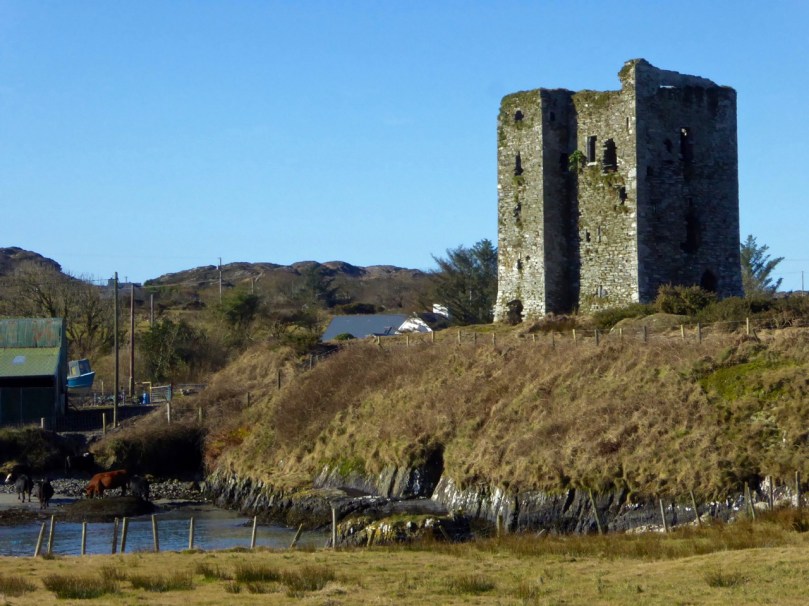
Kilcoe Castle is such an icon on the landscape. This photograph shows the neighbourly way it interacts with the other houses around it.

Bardic School Loop, Sheep's Head

Bardic School Loop Walk, Sheep’s Head

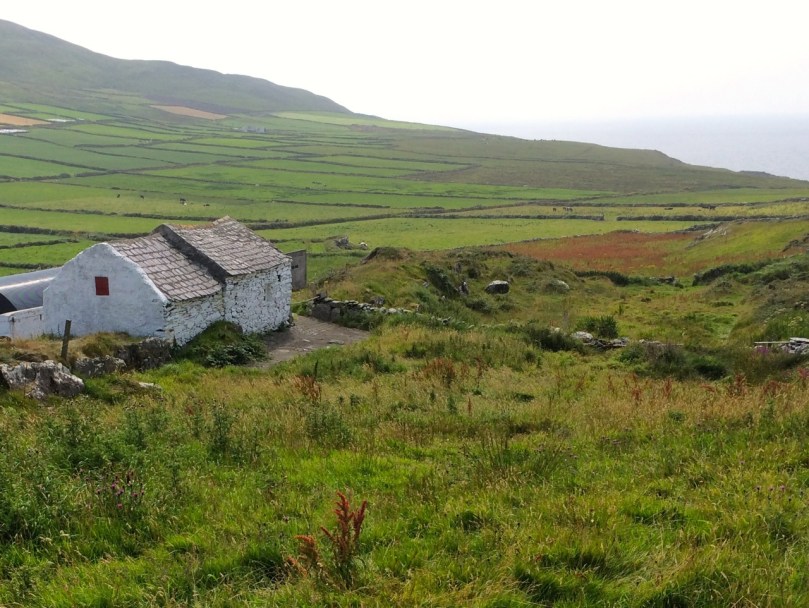
This tiny abandoned cottage may have been part of the 17th Century Bardic School near Lake Faranamanagh on the Sheep’s Head. We’re looking across at the Mizen in this shot.

The Beara, from the Sheep's Head

The Beara, from the Sheep’s Head

And here’s the view from the other side of the Sheep’s Head, across to the Beara Peninsula, with the instantly-recognisable bulk of Hungry Hill to the far right.

Priest's Leap Valley

Priest’s Leap Valley

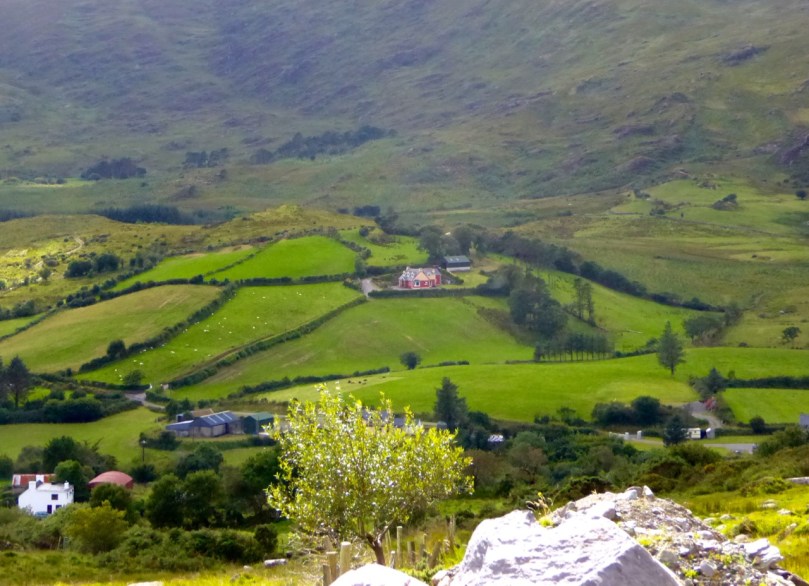
The long climb up to Priest’s Leap starts near Ballylickey and ends at a high mountain pass that separates Cork and Kerry. The views are spectacular from the top, but this shot of a colourful house and farms in the valley on the way up seemed to express something typical of West Cork.

Farm, Sheep's Head

Farm, Sheep’s Head

This farm appears to be carved out of the mountain land behind it.

Barloge Bay, at the entrance to Lough Hyne

Barloge Bay, at the entrance to Lough Hyne

This was taken in November. I love the contrast of the turquoise water with the autumn colours of the bracken-covered hillside.

F

A final sunset to end this post. This was taken last February from the lay-by overlooking Roaringwater Bay on the N71. The light was extraordinary – a once in a blue moon kind of shot. The mussel beds make the water look like floating ice packs.

A big thanks to Celia Bartlett for helping us improve our photographic skills this year. We loved our workshop with her.

Happy New Year to all our faithful readers!

Mizen Magic 5: Top 14 Pics of 2015

Crookhaven in winter sunlight

Crookhaven in low winter sunlight

You love the Mizen! That’s all we can conclude when we look at which of our Facebook photographs resonated most with our readers and followers this year.

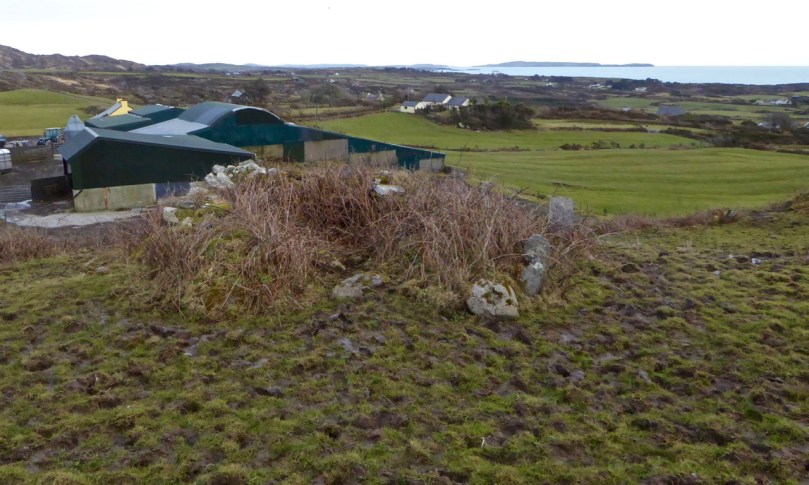
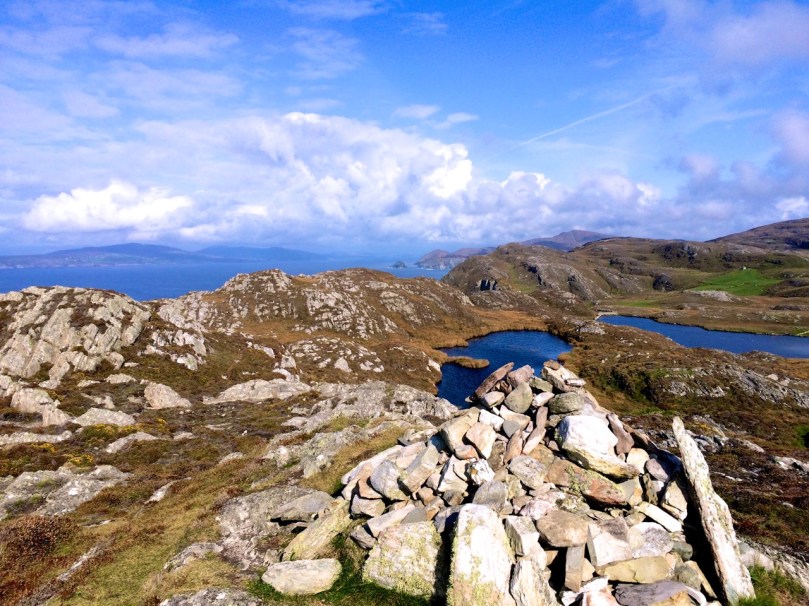
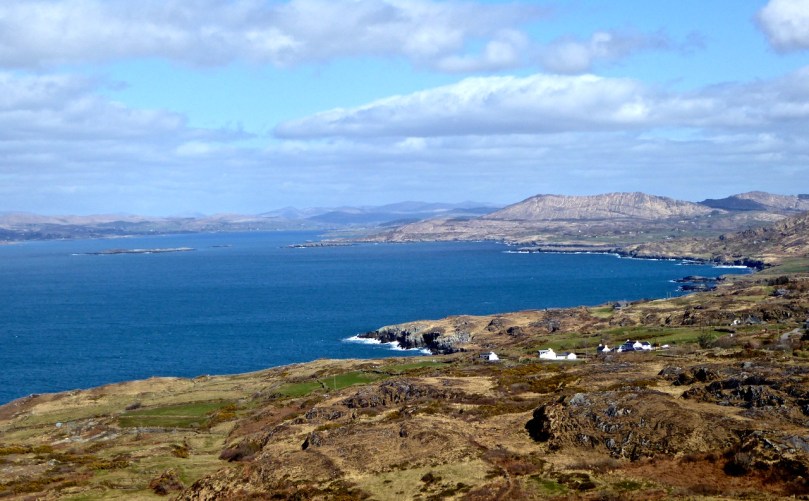
Cairn on Dunlough Head, looking east along the Mizen and Dunmanus Bay

Cairn on Dunlough Head, looking east along the Mizen and Dunmanus Bay

We post a couple of photographs each week on our Facebook page and we are always delighted when they are liked and shared. The vast majority of these images are from West Cork, and many are from our own Peninsula, the Mizen.

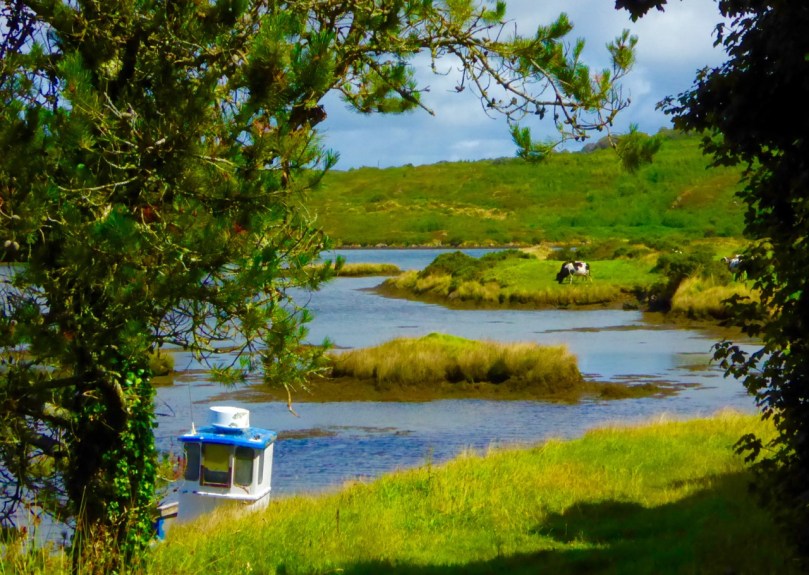
The tiny quay at Greenmount, outside Ballydehob. You pass this on the Rossbrin Loop Trail.

The tiny quay at Greenmount, outside Ballydehob. You pass this on the Rossbrin Loop Trail

So, as we look back over 2015, here are your top picks from the Mizen Peninsula, beginning with the most liked/shared. Next week, we will post the top West Cork (non-Mizen) Facebook photographs.

Near Dunlough Bay, on the way to Three Castle Head

Near Dunlough Bay, on the way to Three Castle Head

Not much text to plough through this week. Consider that your Christmas present from us!

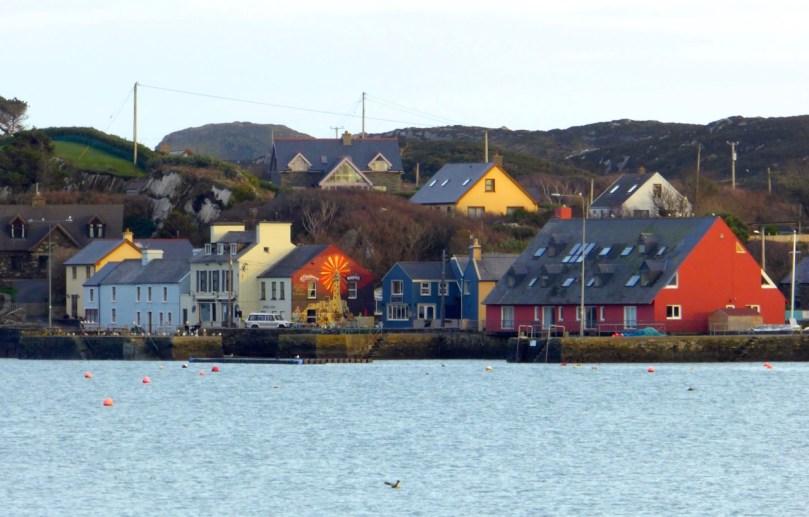
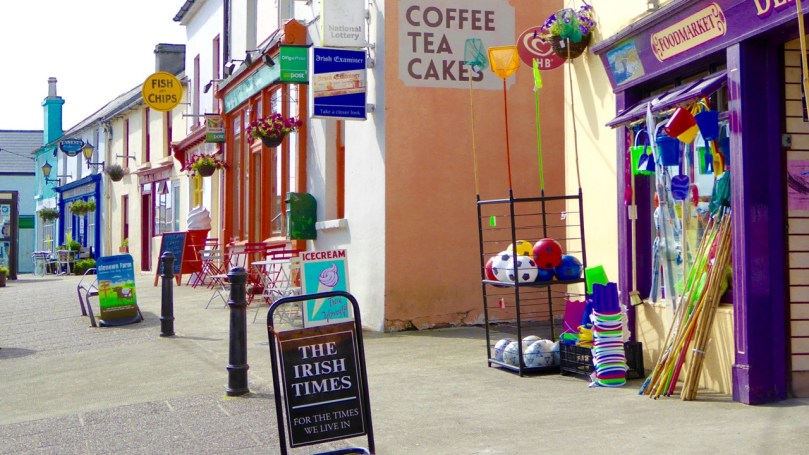
Goleen Village looks so colourful and inviting in the summer

Goleen Village looks so colourful and inviting in the summer

There’s nothing we like better than wandering around West Cork with our cameras – it’s an endless feast. Enjoy – and tell us which is your personal favourite!

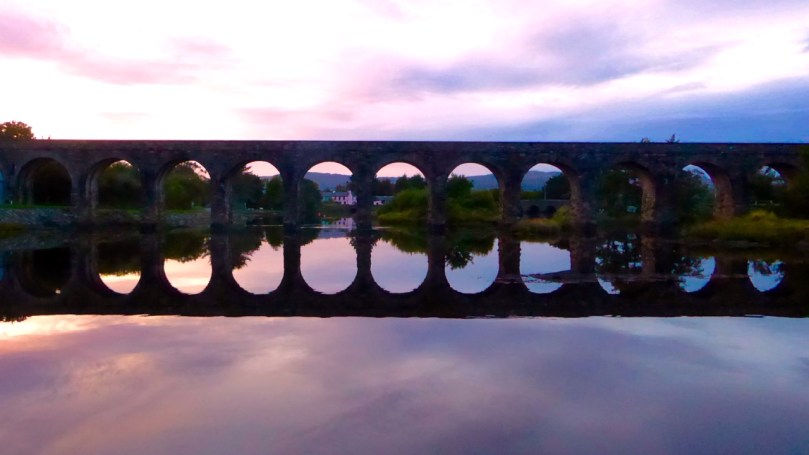
The famous 12 Arch Bridge at Ballydehob

The famous 12 Arch Bridge at Ballydehob

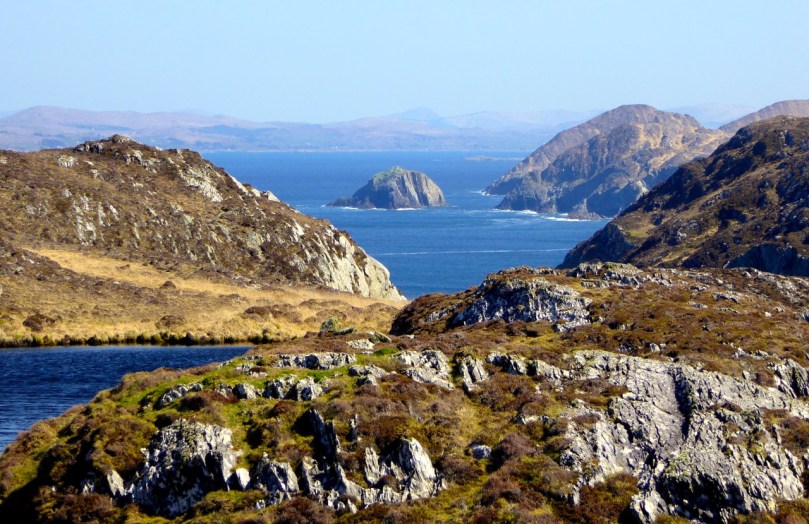
The Magnificent Mizen!

The Magnificent Mizen!

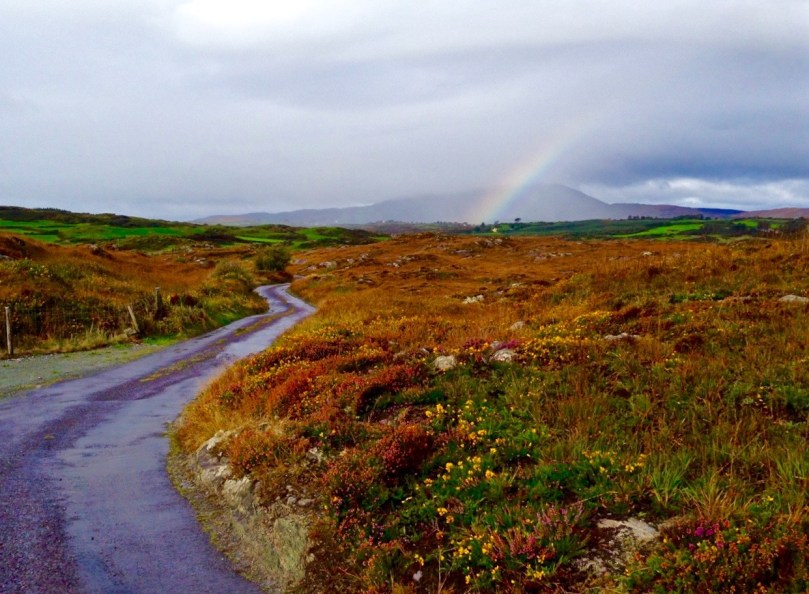
The Winding Road...the Cappaghglass high road in autumn

The Winding Road…the Cappaghglass high road in autumn

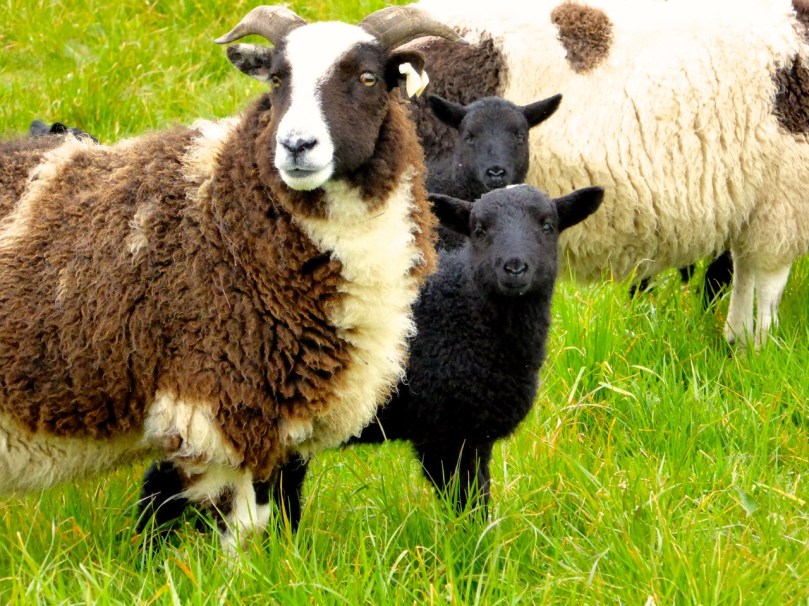
We saw these Jacob sheep on the slopes of Mount Corrin

We saw these Jacob sheep on the slopes of Mount Corrin

Sun and shadow - the quintessential West Cork lighting conditions

Sun and shadow – the quintessential West Cork lighting conditions

Farmhouses in the shadow of Mount Gabriel

Farmhouses in the shadow of Mount Gabriel

Ballydehob Bay. This one was taken close to the same place as The Winding Road, but facing the opposite direction, towards Foilnamuck

Ballydehob Bay. This one was taken close to the same place as The Winding Road, but facing the opposite direction, towards Foilnamuck

The North Side of the Mizen - so beautiful and so few people

The North Side of the Mizen – so beautiful and so few people

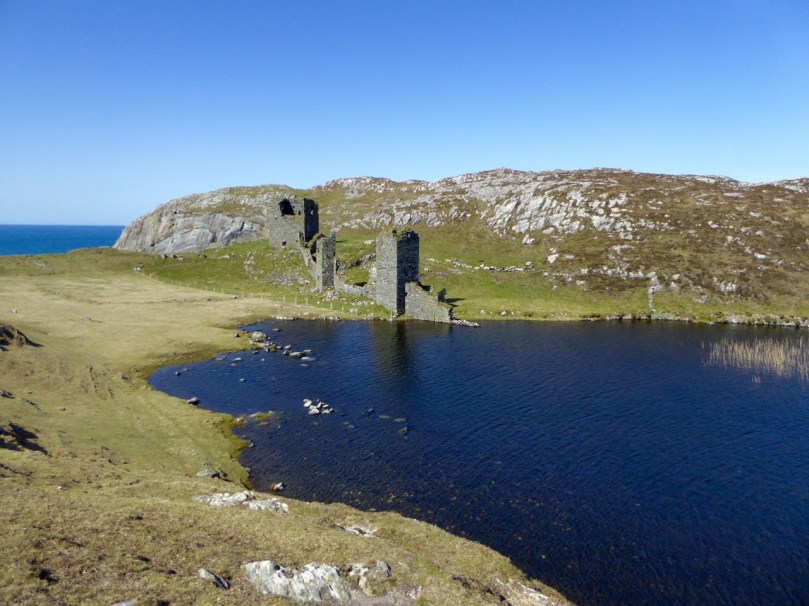
The Three Castles, from the lake

The Three Castles, from the lake. No Mizen post would be complete without at least one view of this iconic place

Coomkeen, Summer and Winter

Coomkeen Road, winterThe Coomkeen Loop Walk on the Sheep’s Head is one of the most richly satisfying walks in West Cork. And that’s saying something, in this land of jaw-dropping vistas and absorbing heritage.

Start, summer

The start of the trail in June

We walked it in June with our friends Amanda and Peter and again in November with our friend John. We had extraordinary days on both occasions. While the November day was cloudless, the one in June provided enough scattered cloud to supply that variation in light and shade that lends such atmosphere to the West Cork landscape.

And in November

And in November

To reach the start of the Coomkeen trail, drive from Durrus towards Ahakista and turn right at the Church of Ireland (before you get to the pier). Ascend to the top of that road and you will find a parking spot and the clearly marked trailhead. There are various ways you can do this walk. The complete loop is a 7km walk that brings you along the spine of the peninsula before you drop down onto tracks and then the road back up to the parking place. Our own favourite option is to walk until you reach the little lake and then retrace your steps along the ridge. Lough na Fuilla, Lake of Blood, is so called, the story goes, because thirst-crazed cattle found it dry and attacked each other in their frenzy.

Lough na Fuilla

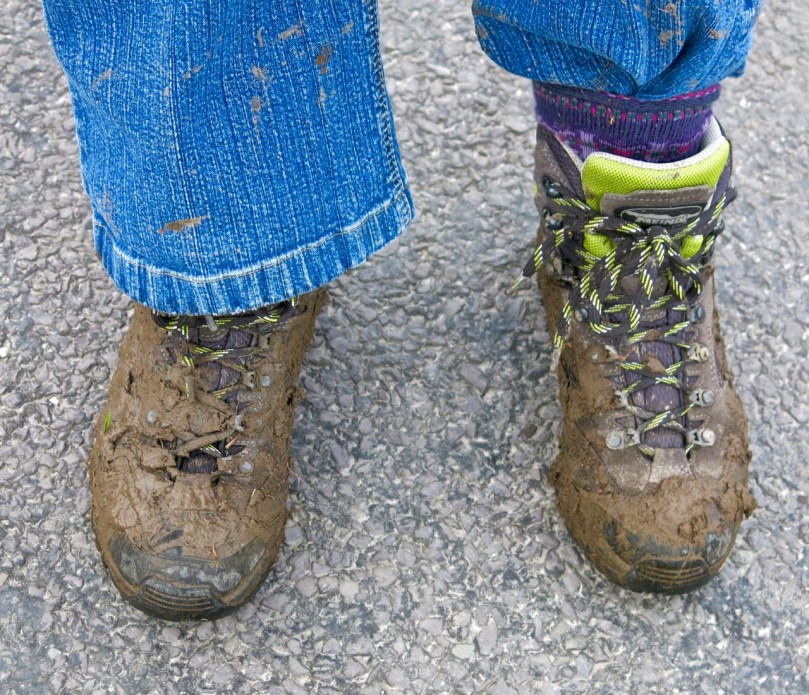
Either way is fairly easy, although the complete loop presents a long steep climb back to the starting point. As with all Sheep’s Head walks, be prepared for any weather, wear good boots, bring a camera and leave the dog at home. If you want more information, consult the section on the Durrus Trailhead in Walking the Sheep’s Head Way.

Winter fields on Bantry Bay

Winter fields on Bantry Bay

Perhaps you think that it sounds fine to go for a mountain hike in June – but November? Yes, it was a little cooler and a lot windier, but the November hike was just as spectacular as the June one had been. Most striking of course, is the change in colour.

In summer the foxgloves are everywhere

In summer the foxgloves are everywhere

Because this is a ridge walk, the views are immense. To the north is Bantry Bay and Whiddy Island with its huge oil tanks. Beyond that are the mountains of the Beara, looking as wild and remote as, in fact, they are. To the south is Dunmanus Bay and the Mizen Peninsula. 

The Summit

The Summit

Amanda and Peter were able to show us an enormous standing stone on our June trip, although we missed it in November.

Rooska East standing stone

But we did visit the same ruin of a small farmhouse on the north side of the ridge. Incredible to think that someone eked out a living so high up. Although only a few broken down walls remain, the poignancy of the site comes from what was once a garden by the house, with thorn trees still bravely clinging on.

Further on are the remains of booleys – small huts used by the young people sent to mind the cattle on the high ground during the summer. Perhaps the little farmhouse was part of that endeavour.

Robert and John inspect the little ruined farmhouse

Robert and John inspect the little ruined farmhouse

Running along the ridge and crisscrossing the mountain are the remains of old stone walls. Impossible to tell how long ago they may have been first built, or how recently they functioned to separate pastures.

Walls, Summer

Walls, winterIn November the dominant colours are the blond of the grasses (called fionán, pronounced fyuh-nawn) and the amber, brown and honey tones of the bracken and heather, interspersed with the greenery of gorse and pasture. Although visually stunning, the predominance of the fionán (properly called Purple Moor Grass) and bracken have a less positive underlying meaning. They take hold where the hillside has been set on fire time and again. The fires that we often see here are supposedly to control the gorse and increase grazing for sheep, but in fact according to Birdwatch Ireland, repeat burning “has led to a loss of cover (protection) for Red Grouse…depletes moorland fauna, and can lead to soil acidification, leaching and thus soil degradation.”

In summer, it’s all green but the wild flowers provide bursts of colour.

In November, the only wild colour to be found came from a yellow brain fungus on a dead gorse trunk. Yes, it’s really called that, and is normally yellow but darkens after dry weather. It’s not feeding on the gorse, apparently, but on other fungus that is feeding on the wood. Charming.

Yellow brain fungus on gorse?

Do the walk, any time of year. Then show the photos to your friends and watch them make plans for a trip to West Cork. Or should we just keep this our secret?

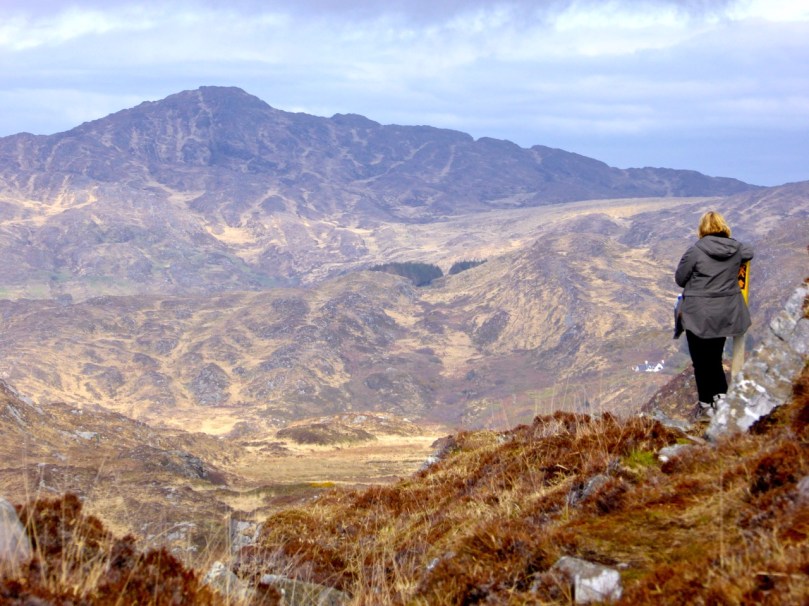
Contemplating the route