An Extra Lick of Paint

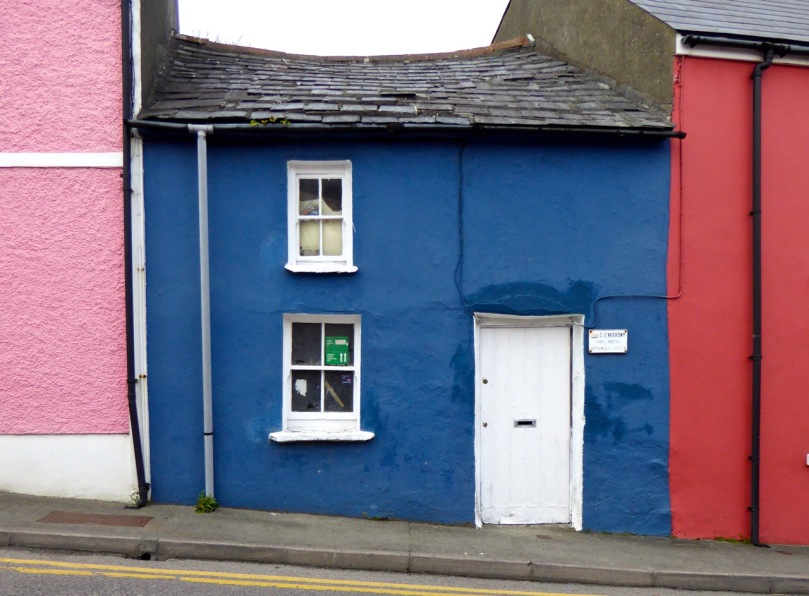
Old vet clinic, Schull

Old vet clinic, Schull

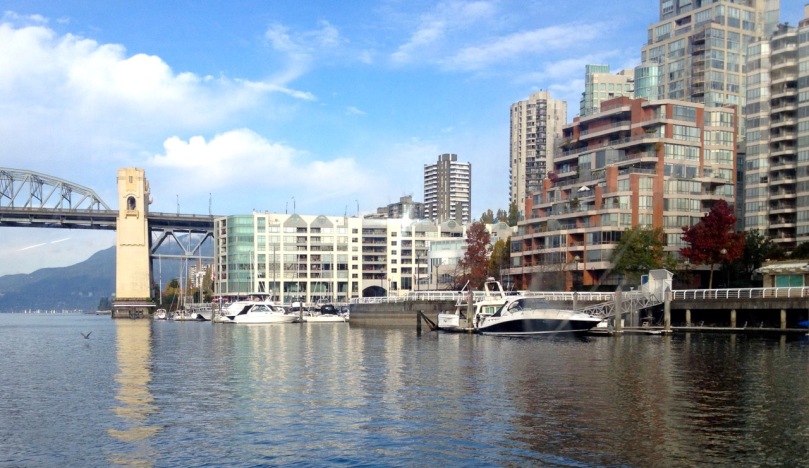
I used to live in Vancouver, on Canada’s west coast. It’s a beautiful city by any standards: gleaming high-rises, miles of seaside walkway, and snow-capped mountains lending a dramatic backdrop. I loved it, but when I looked through my window mostly what I saw was concrete and steel – and no colour! I had to escape up into the mountains or out to the Fraser Valley to get in contact with nature and feed my soul.

Where I used to live

Where I used to live

Where I live now

Where I live now

In West Cork, my soul is fed every day, every time I look out the window of our house, every time I stroll through our village of Ballydehob. That’s down to our rural setting, of course, and the magnificent scenery, but a huge part of it is about colour. I’m a colour person, I guess: I respond to it and crave it. I can certainly appreciate a quiet tasteful palate of greys or beiges, or any of the million variations of off-white when I see them. But left to my own devices I’d quickly have a chunk of candy apple red in there, or chairs the colour of daffodils, or a wall in a vivid pink. As Lady Gaga says, I was born that way.

Why is that woman taking my picture?

Why is that woman taking my picture?

And so I find living in rural Ireland a constant source of delight and inspiration. No country was ever this green, surely! Now the gorse is starting to bloom, turning the hillsides into a blaze of yellow. And every few kilometres along the road is another village or town full of colourful houses competing with each other for my attention. But before we get to the villages, here are some glimpses of houses just off the main roads as you drive those kilometres.

A Lick of Paint mainly featured houses out in the countryside, but for this post I wanted to show you some of my favourite houses in our nearby towns and villages: Ballydehob, Bantry, Skibbereen and Schull.

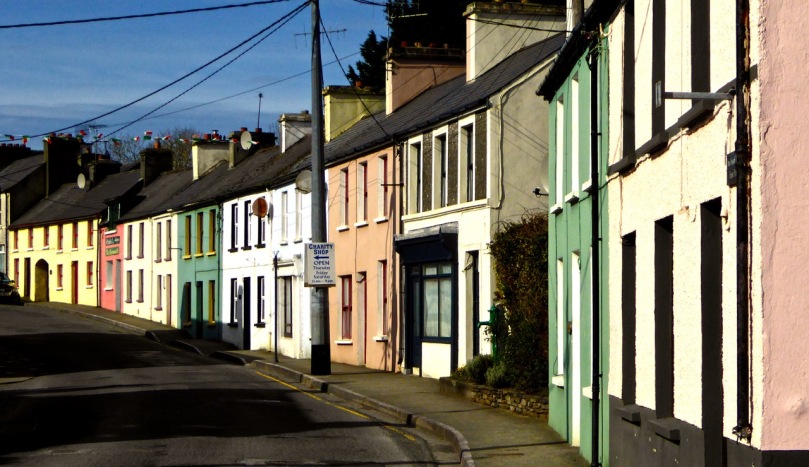
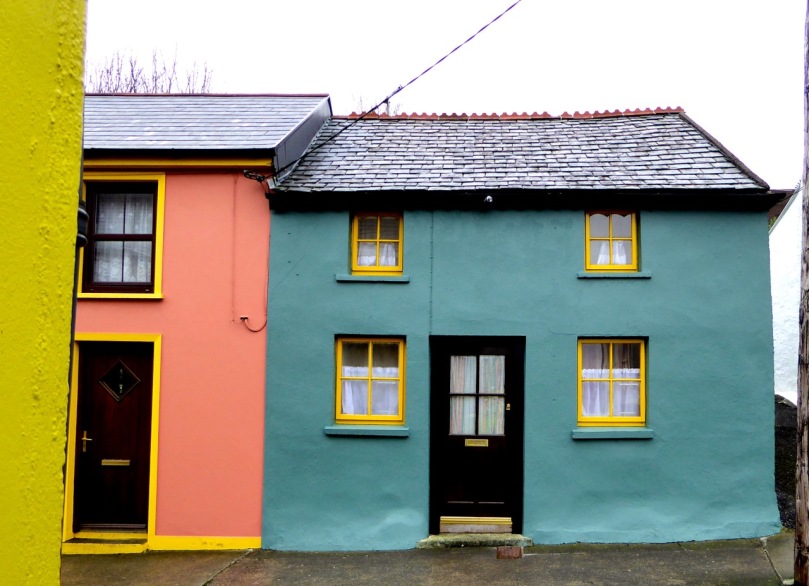
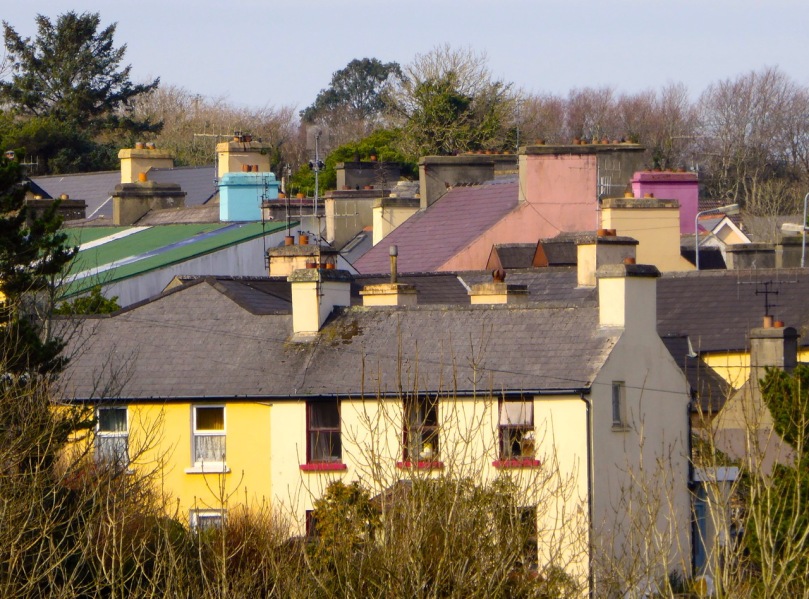
On the outskirts there are new estates of identical houses, of course, all painted in identical shades of cream. But in the steep and windy streets behind the shops you find little old terraced houses lovingly done up, the walls, doors and windows all in contrasting hues and with knife-edge divisions of colour between neighbours.

Skibb town house 2

Skibbereen townhouse

It can be like walking through a giant Rubik’s Cube (ok, that dates me) or one of those kaleidoscope tubes.

In his book, West of West, published in 1990, Brian Lalor captures my own experience growing up in a sea of grey. He says:

The nineteenth-century photographs of villages and farms show an unrelieved grimness of stone, cement and clay. Whitewash relieves this picture, though frequently this rendering has degenerated into a leprous greyness indicative of neither hope no prosperity. Colour has a symbolic relationship with the state of economics in rural Ireland. The last 20 years have seen the introduction of modern synthetics, bringing vivid tones not previously to be found here. Affluence and the EC have brought, as to the Aegean, a flight from the spartan virtues of white and cream…

Whatever the reason – prosperity, a sense of fun, a wish to lighten the spirits, the influence of the Tidy Towns Competition, an affinity with the colours of the wildflowers in the hedgerows, competition with the neighbours, the need to describe how to identify a house when street numbers are confusing or absent – I am grateful for it. It’s one of the things that makes rural Ireland unique and charming – and it feeds my soul.

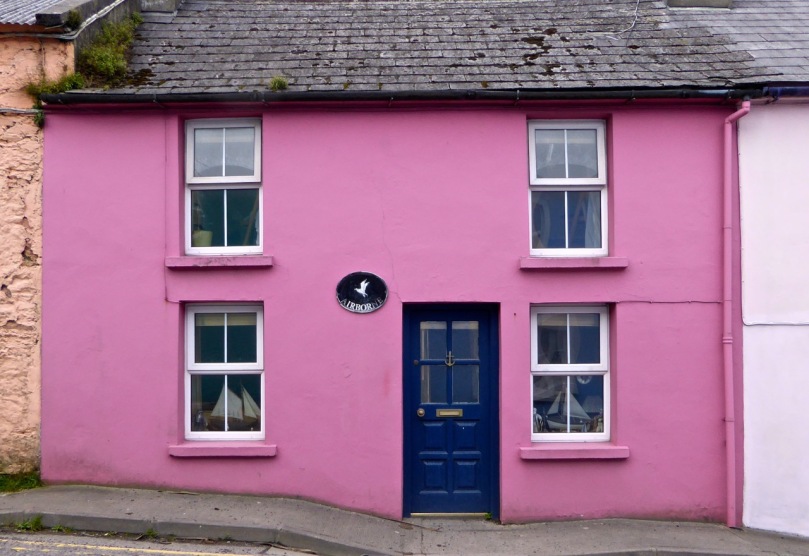
Airborne, Schull

Airborne, Schull

The Gables of Ballydehob

The Gables of Ballydehob


First Foot

‘…According to local folklore the first foot was planted on Irish soil at Donemark on the shores of Bantry Bay in 2680 BC…’

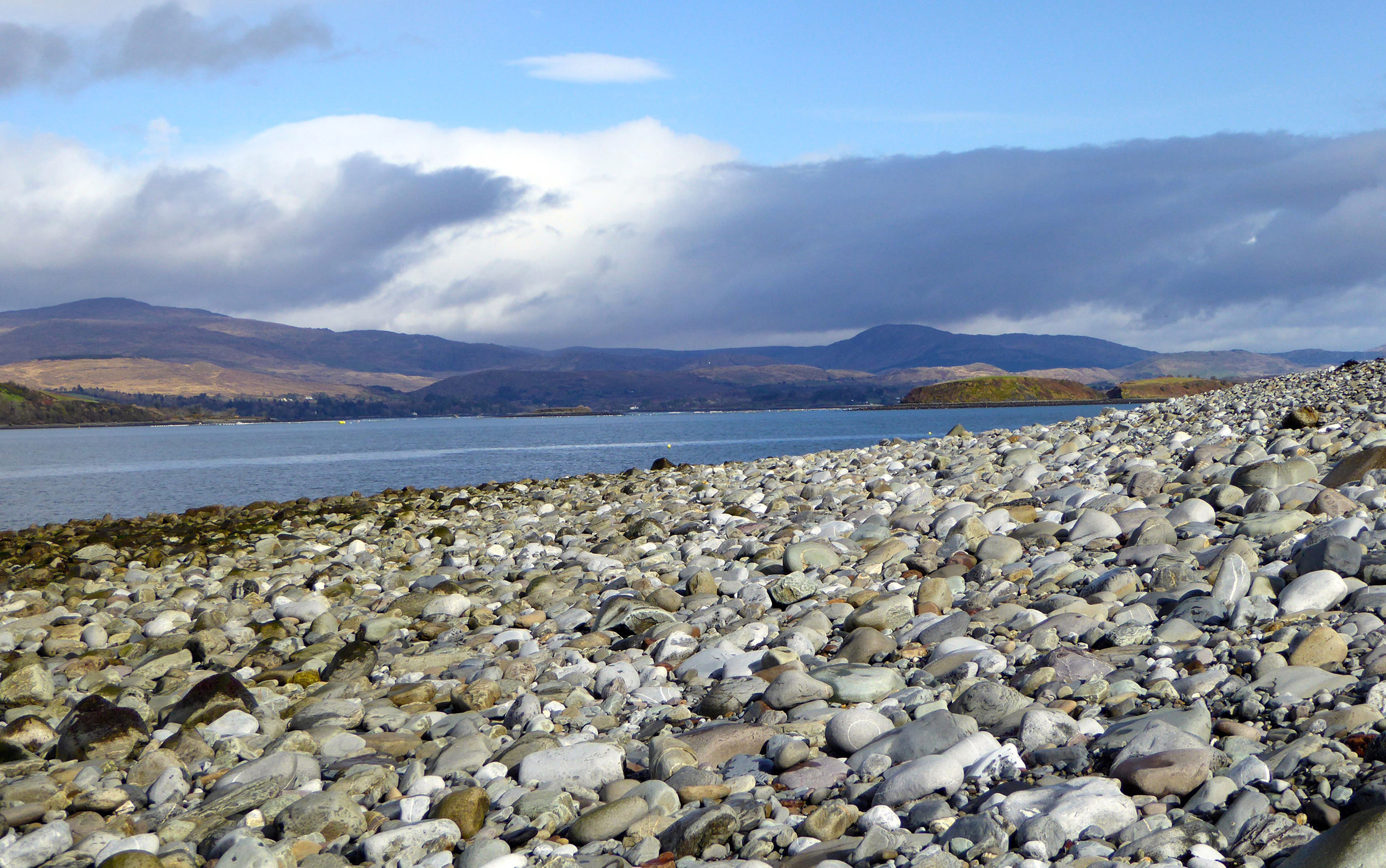
Ireland's first arrivals passed by this pebble beach on their way to Donemark

Ireland’s first arrivals passed by this pebble beach on their way to Donemark

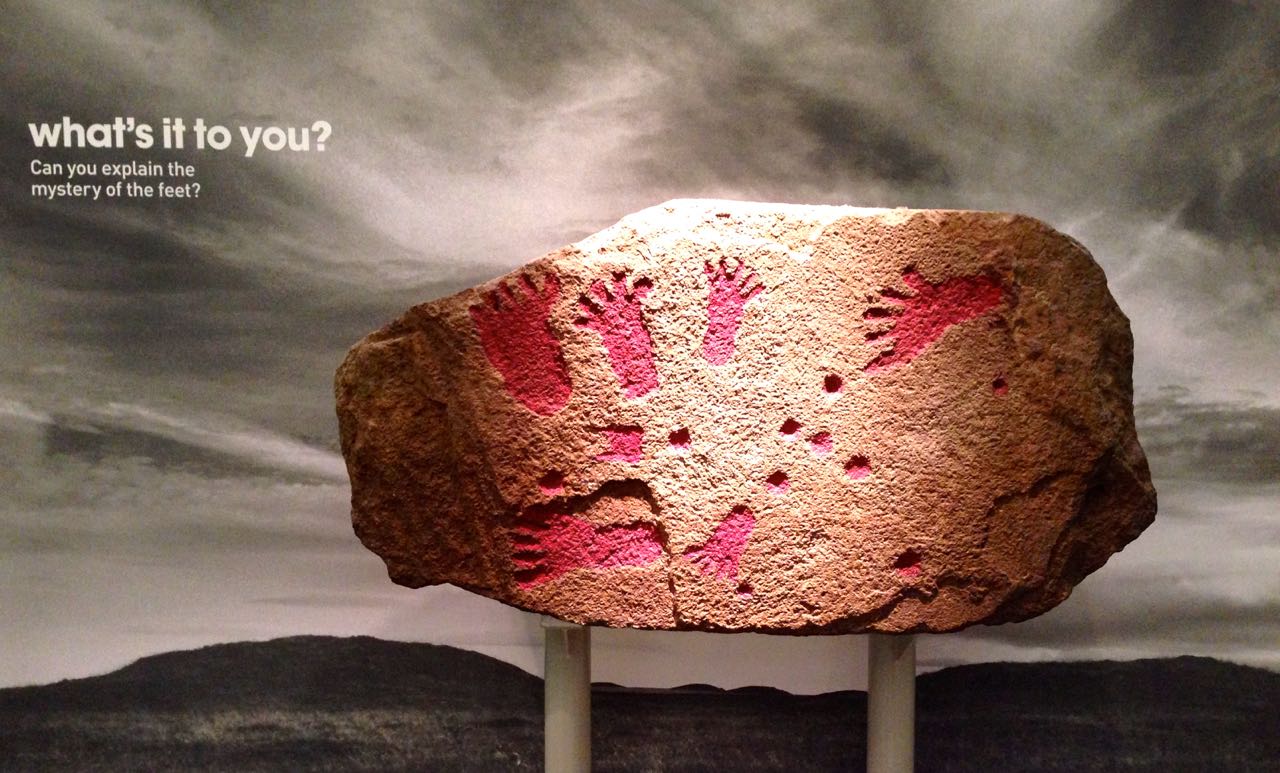
This statement (from Fuchsia Brand’s leaflet on Heritage) was guaranteed to send me scurrying for my history books. And – yes – I found many references to the event: an event which, to my mind, was surely one of special significance for Ireland: the first human ever to have set foot in this land – it must have deserved commemoration… Surely, there must at the very least be a plaque marking the spot? For a moment I wondered if this could be the long sought explanation for the enigmatic piece of Rock Art that’s on display in Bristol’s Museum & Art Gallery – the carving is about the right age…

Bronze Age Footprints in Bristol's museum

Bronze Age Footprints in Bristol’s museum

So, a similar example of Petrosomatoglyphia is what I was hoping to find on the shores of Bantry Bay, a mere stone’s throw from our home here in Cappaghglass. But – before that expedition – let’s just go back to the history for the moment. Back – in fact – to the Lebor Gabála Érenn (The Book of the Taking of Ireland), which was written down in the 11th century and – allegedly – based on earlier source material. It takes a bit of wading through: I used a commentary edited and translated by R A Stewart Macalister and published by the Irish Texts Society in Dublin in 1938, but it’s well worth the effort. There’s a lot I had never understood before about the earliest history of the people of Ireland.

lebot gabala book frontispiece

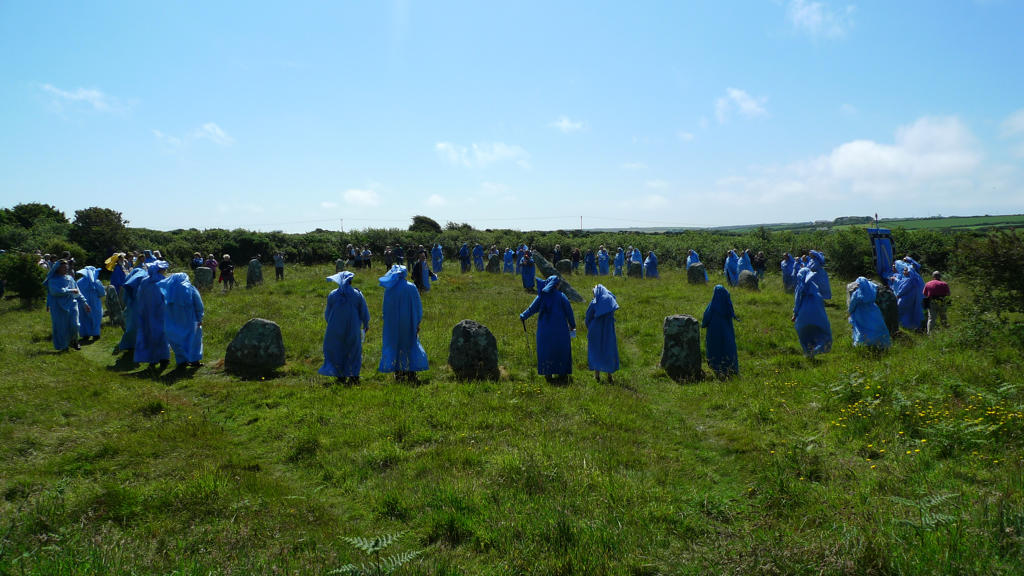
It’s a long story… The book is a collection, in five protracted parts, of all the poems and traditions which had been written and learned by the Bards, telling the history of their nation. There’s a lot of repetition: like the Gospels there are several versions of each episode and it’s a bit dizzying to try to get a clear overall picture of events. So, settle down and imagine the visiting Bard you have given hospitality to in your tower house on a winter’s night is regaling you with tales of your ancestors.

A Meeting of Bards (at Boscawen-Un Stone Circle, West Penwith, Cornwall

A Meeting of Bards (at Boscawen-Un Stone Circle, West Penwith, Cornwall)

Everything has to go back to Noah, who was only allowed to take with him on the Ark his own sons and their wives. One of his sons, Bith, had a daughter – Cesaire (or Cessair). As she had to stay behind so also did her father, but they built their own ships, three of them, and set sail with two other men and a large company of women, looking for a land which ‘knew no sin’ because it had never been populated: there they would settle and aim to re-found the human race in a green and fertile place. Their voyaging took them to many parts of the known world and they came eventually to the north of Spain – which we know today as Celtic Galicia. Cesaire knew that this wasn’t the Utopia they were seeking but she climbed to the top of a very tall tower and, in the far distance, she spotted Ériu – ‘…where no evil or sin had been committed, and which was free from the world’s reptiles and monsters…’

Cesaire would have needed a tower like this to catch a glimpse of Ireland from northern Spain...

Cesaire would have needed a tower like this to catch a glimpse of Ireland from northern Spain…

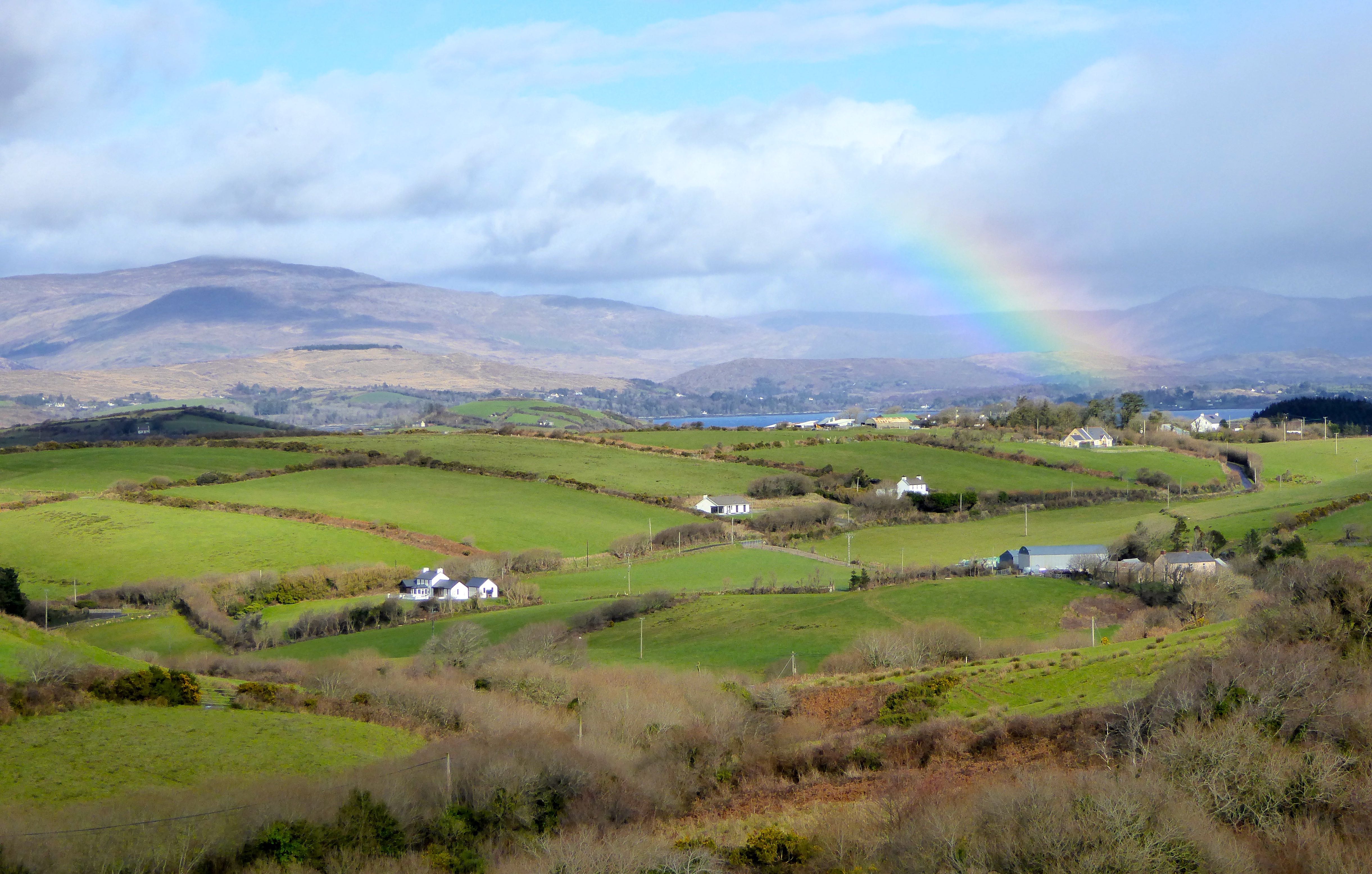
And so it was, forty years before the Great Flood engulfed everything, Cesaire’s expedition sailed up to the mouth of the Mealagh River, passing on the way the most beautiful landscapes they had ever seen – landscapes that we are fortunate to see every time we set out to explore our own new horizons.

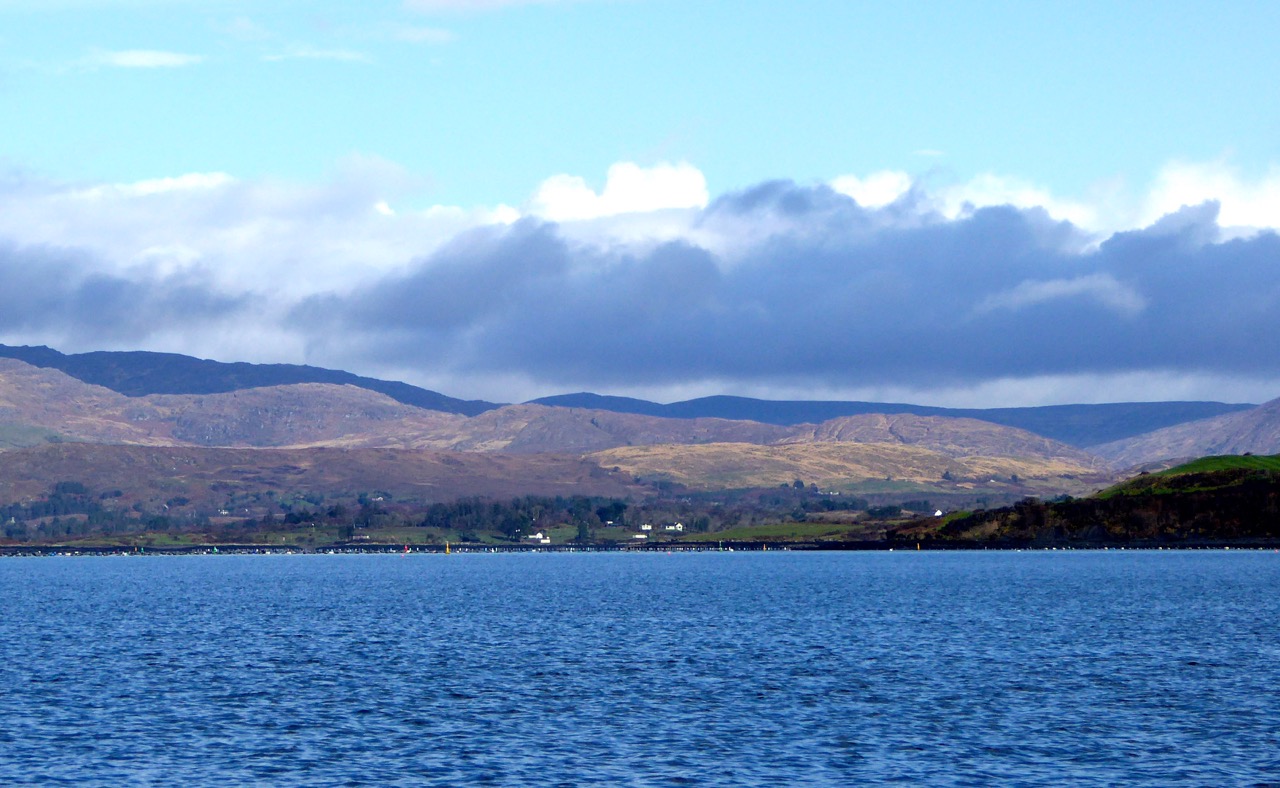
Bantry Bay - the landscape today

Bantry Bay – the landscape today

Now it was time to glimpse for ourselves this remarkable site – Dún na mBarc – the place of the boat – (Donemark -Dunnamark Townland) in the parish of Kilmocomogue. We drove up the unremarkable N71 through Bantry town and turned in to its attractively situated golf course, then made our way down to the shore. Disappointingly, that is also unremarkable: it’s got a brooding, although not unattractive atmosphere about it. We came there at low tide and saw mud-flats – alive with foraging birds, including a very fine Old Nog – the huge stones of a disintegrating quay, and distant views to the Sheep’s Head and Beara Peninsulas.

Landing Place? At Donemark

Landing Place? At Donemark

Old Quay at Donemark

Old Quay at Donemark

.

Alas, there were no footprints, no plaque, no signification of the very important history of this site: there was only our imagination to fill in the gaps. I could envisage Cesaire’s Bronze Age boat (only one survived the full journey) making its way up the azure waters admiring the emerald green of the landscape and passing by some of Ireland’s most dramatic scenery. They landed on ‘…a Saturday, the fifteenth day of the moon at Dun na mBarc…’

Kerry Mountains

Mountains of West Cork

We did find a single commemoration of this event: in the tranquil gardens of the National Learning Network Centre, which is not far from the mouth of the river. It is a work of art, made in 2013 by the students of the Centre, under the guidance of Michael Ray and the auspices of the West Cork Arts Centre – you may remember both from this recent post. Voyage of Stories’  recalls that pioneering arrival in the form of a boat sculpture made of steel, copper and glass and set up over a pool. The glass tiles tell of invasions and emigrations both ancient and modern in Irish and English. It’s a good way to commemorate the journey and those early settlers, we thought.

'Voyage of Stories' at Donemark

‘Voyage of Stories’ at Donemark

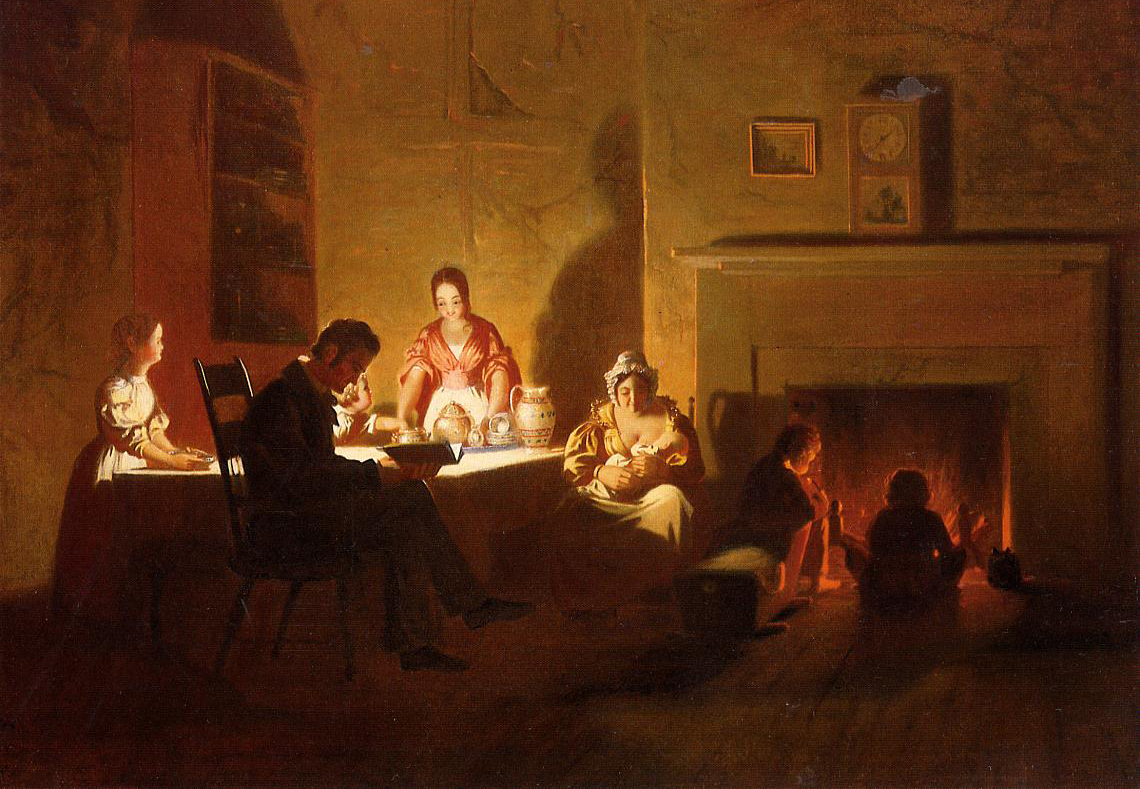
Now, Finola – at my side and wearing her Archaeologist’s hat – is tutting at my unquestioning acceptance of the dating of this milestone in Ireland’s history, bearing in mind that the passage graves at Newgrange, Knowth and Dowth appear to be some 5,000 years old and – she says – there were people living in Ireland earlier than that! But my view is that there’s history, and there’s story… Well, perhaps history is always someone else’s story but give me a good tale any day, especially one woven with adventure and romance and told at the fireside.

Family Life (Caleb Bingham 1845)

Family Life (Caleb Bingham 1845) New Orleans Museum of Art

So now you know all about Cesaire, who was the first to step from that frail vessel which had travelled all the way from Egypt in those far off days. But perhaps I should also tell you a little more: the three men on that voyage faced the prospect of serving no less than fifty women between them if they were to populate this new land. The Lebor Gabála Érenn is quite frank about this: ‘… Ladra, the pilot, from whom is Ard Ladrann named he is the first dead man of Ireland before the flood. He died of excess of women, or it is the shaft of the oar that penetrated his buttock. Whatever way it was, however, that Ladra is the first dead man in Ireland…’ while Bith – Cesaire’s father – was already aged before the voyage and also passed away soon after. That left one man – Fionntán – who was so frightened by the prospect of facing all those women alone that he ran away and hid in a cave. There he changed into a Salmon and survived the Flood which, sadly, overcame Cesaire and her companions. The shape-shifting Fionntán went on to live for five and a half thousand years (by my reckoning that means he’s still alive!) and recorded all of Ireland’s history (including at first hand the account of Cesaire’s voyage) – which he then taught to the Bards of Ireland so that it would be taken out into the world…

But all that is for another day!

made harbour

Shopping for Memories

Miss Clerke

In my post Going for the Messages I told you about rediscovering the shops of my childhood here in West Cork. Since then, Miss Clerke’s shop, lightly photoshopped but totally recognisable, graced the front page of the Irish Times Magazine as their illustration for their Ireland’s Best Shops competition. So it’s not just me, then. I’m not the only one with a nostalgia for the old-time shopping experience.

Evans of Bantry

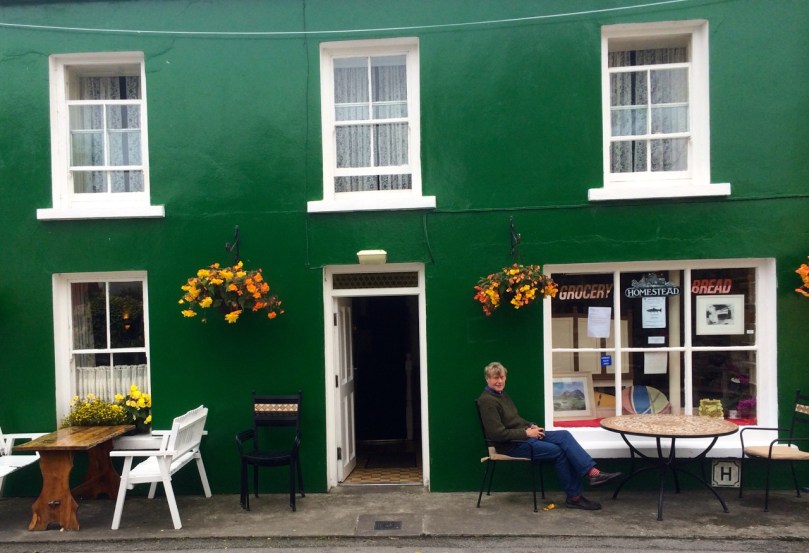
In that spirit, I am revisiting a few of my favourites traditional shops. I have discovered two more shops like Miss Clerkes. First, there’s Evans, In Bantry. Proudly run by Miss Evans, it has the same look and feel of a place unchanged since the 50’s, although perhaps the pinkness of it all might be more modern. It has a lovely atmosphere – when I was in there a couple of kids were trying to decide how to spend their pocket money on sweets from the big glass jars.

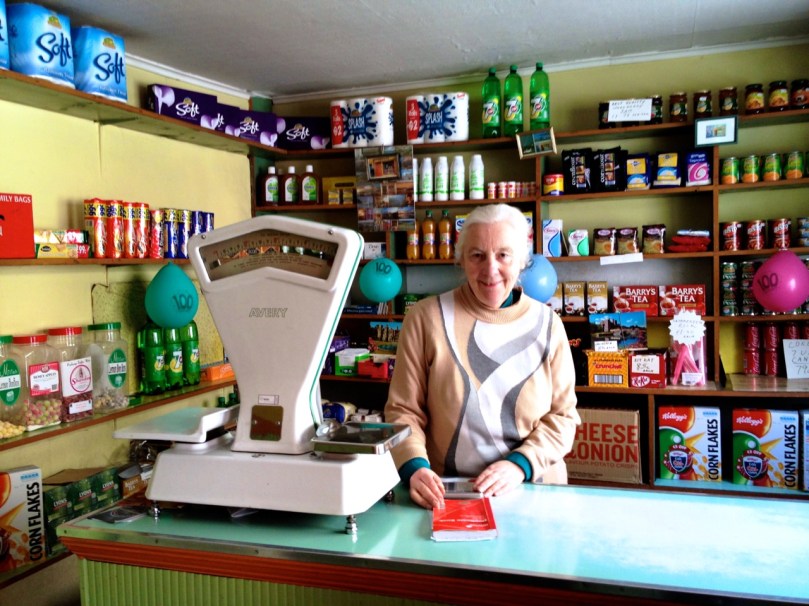
MIss Murphy in her traditional shop

MIss Murphy in her traditional shop, Eyeries


Lunch is served outside

Lunch is served outside

On the Beara Peninsula we stopped for lunch at Miss Murphy’s store in Eyries and chatted with her about my Great Uncle who had married an Eyries woman. Since I couldn’t remember her name Miss Murphy was unable to help, but she tried, and she made us a delicious basket of sandwiches.

Some shops are a little puzzling – for example, P. Cronin Carpenter in Skibbereen. I’ve never seen it open and I’m not sure what it would sell if it did open its doors. The photo of the interior was taken through the window.

In Bantry one of the Undertaking establishments has a shop. At first I found this idea a little startling, but it makes a lot of sense once you come to appreciate Irish graveyard traditions, including how often people visit graves and leave tokens at them.

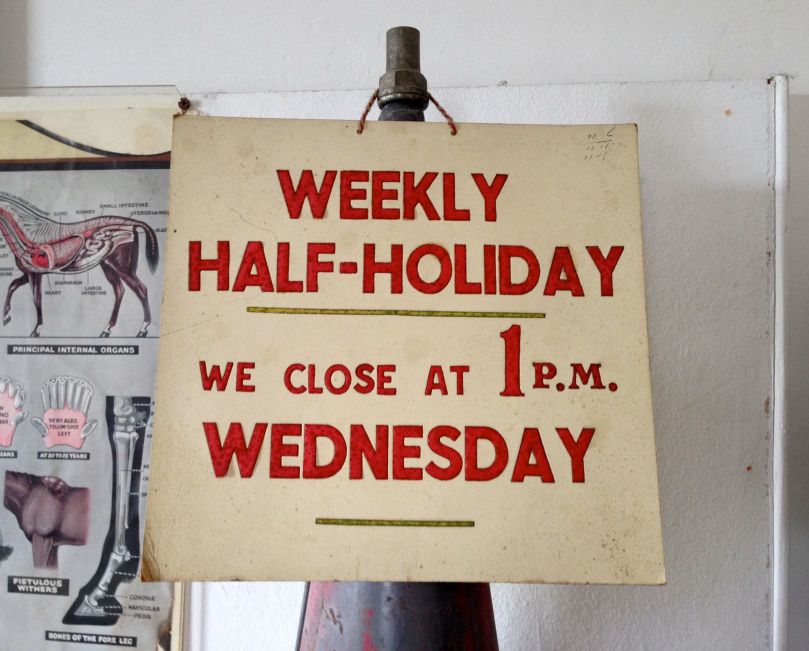
half holiday

Shops in Irish country towns follow traditional opening hours. They invariably close for lunch (1PM to 2PM) and generally follow a five-day-a-week opening schedule. This can mean they are closed, besides on Sundays, on Mondays – but other days are possibilities too. None nowadays follows the old tradition of the half day. Remember that? 

messenger bike

And remember how the groceries would be delivered – by a young lad on a messenger boy bike? You can still get delivery but now the messages come in a van.

Levis's Pub in Ballydehob: the traditional grocery section is still intact

Levis’s Pub in Ballydehob: the traditional grocery section is still intact

Of course, one of the traditions we remember about country towns was that of pubs also selling groceries or dry goods – whatever people needed. You went in for a pair of wellies and a dozen eggs, and took your ease with a pint on the bar stool, or a whiskey in the snug, before you left. Levis’s Corner House in Ballydehob has preserved the grocery counter. You can hear Joseph talking about it, and about the great history of this historic pub in the excellent radio documentary “Keeping the Door Open.” It’s about far more than just this one pub – it’s about a whole way of life in rural Ireland. A way of life that still lingers in West Cork…so far.

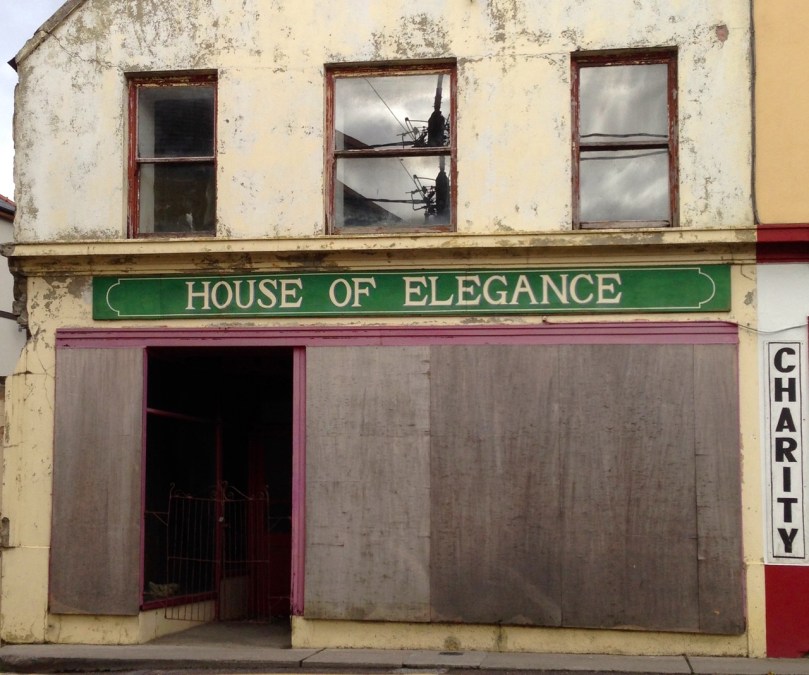
elegance

Ancient Tones – New Directions

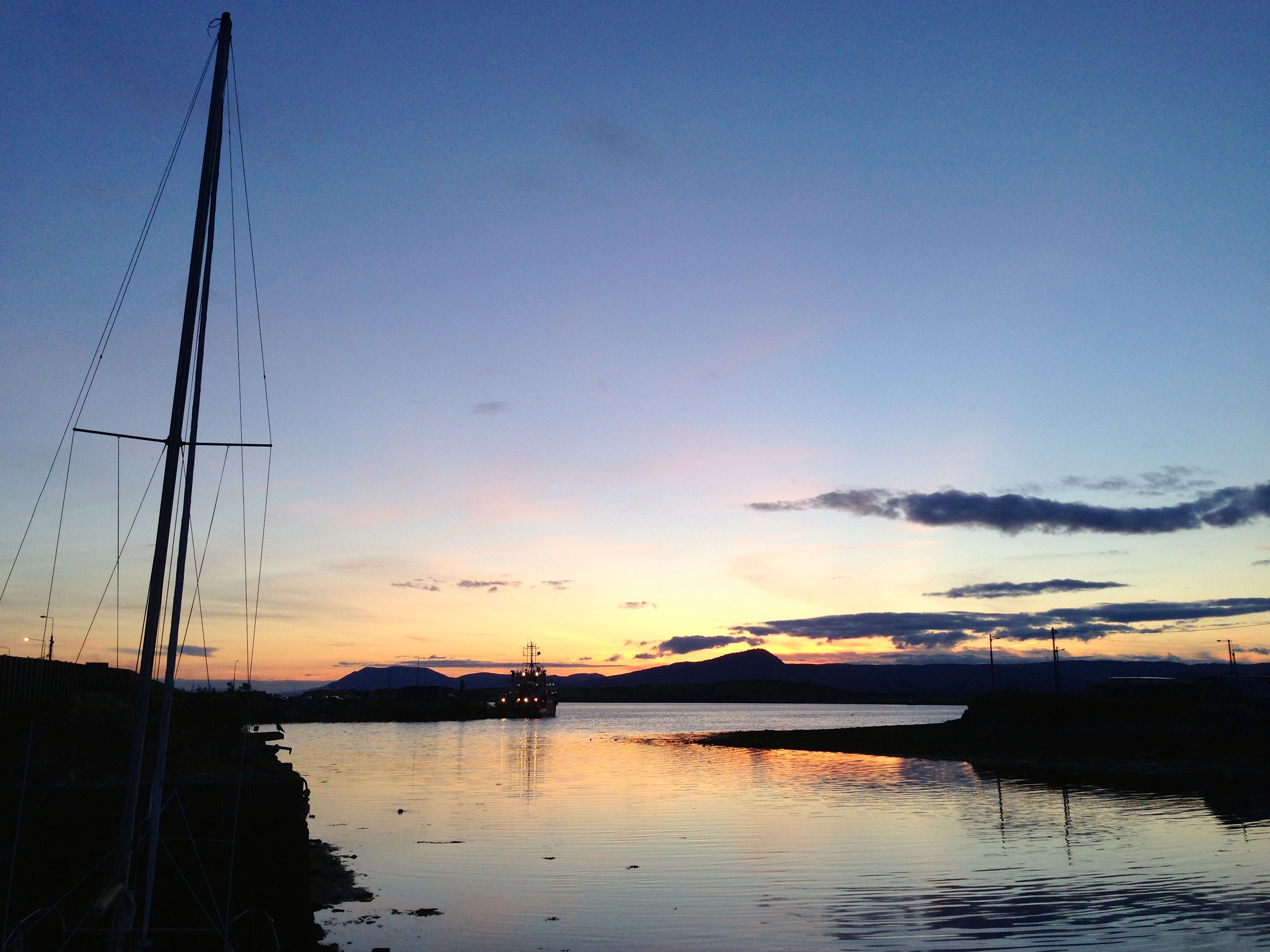
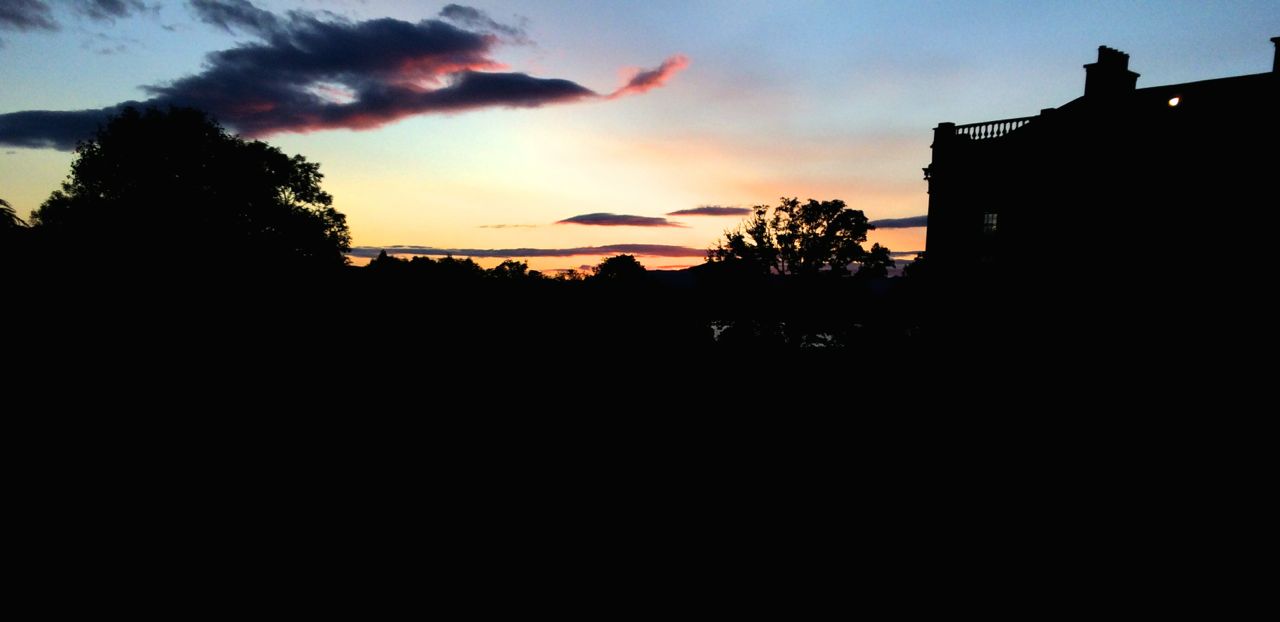
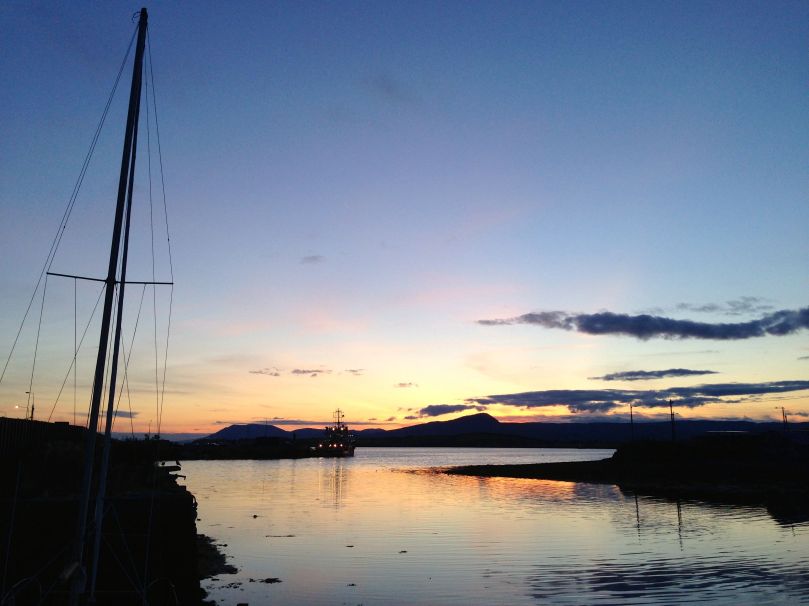
After the opening concert... Sunset over Bantry Bay

After the opening concert… Sunset over Bantry Bay

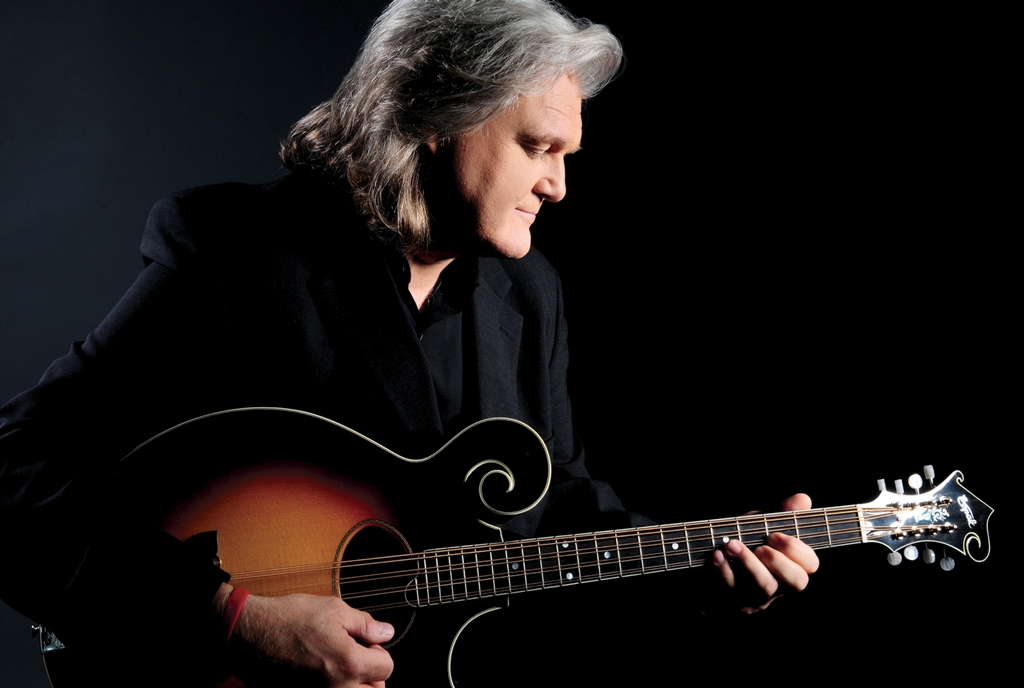
This year’s Masters of Tradition Festival (which closes tonight) had an unusual headline act – Ricky Skaggs – at its opening gig.. This giant of ‘country’, ‘bluegrass’ or ‘old timey’ music flew over from Nashville at his own expense to join Festival Director Martin Hayes and a host of traditional musicians on stage in the Maritime Hotel, Bantry. Why? Because there are big adventures going on in the world of Irish music today, and this Festival is at the leading edge of all this. Here’s a snatch of Ricky Skaggs: regardless of the film quality it’s well worth watching…
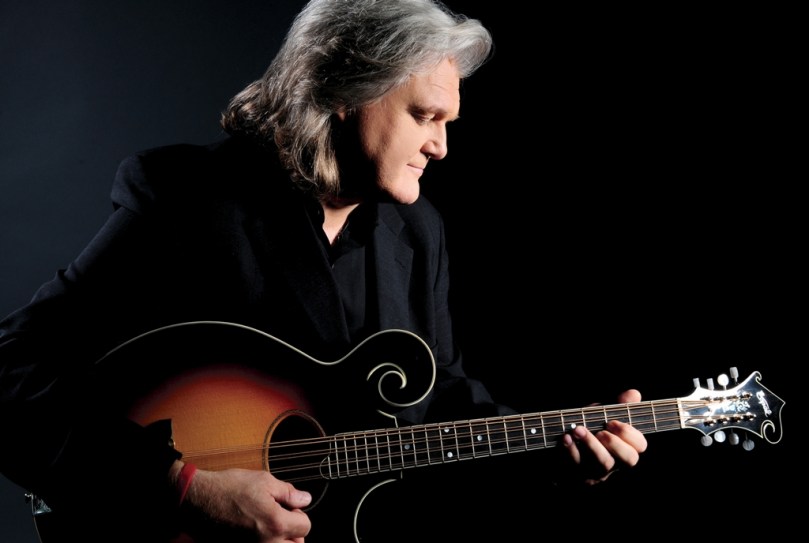
Ricky Skaggs
Ricky Skaggs

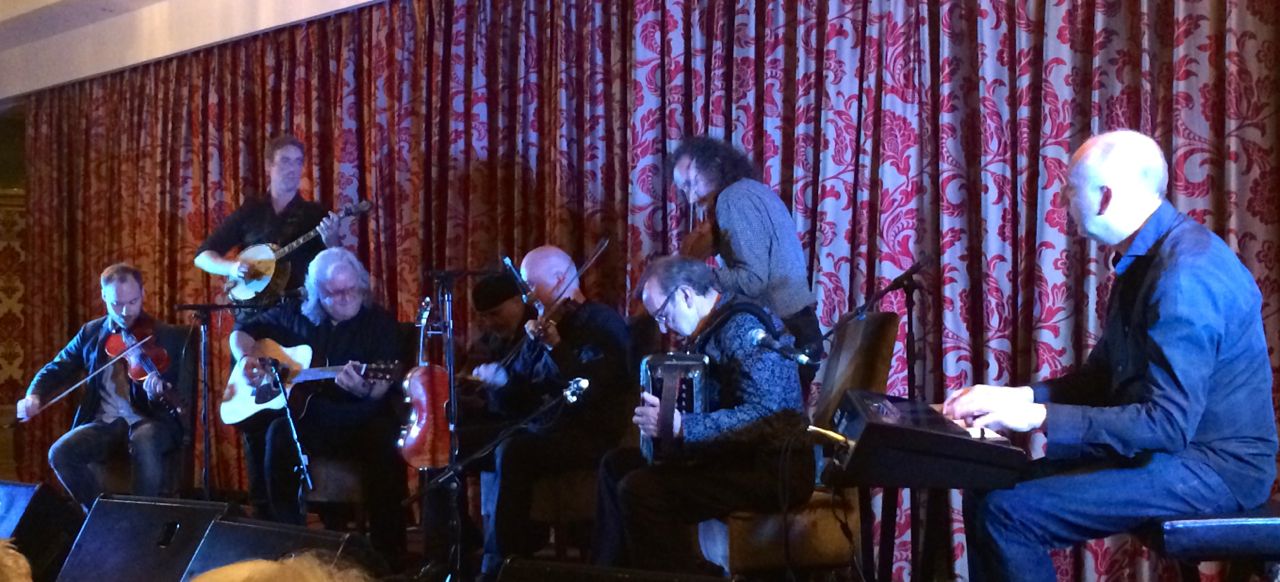
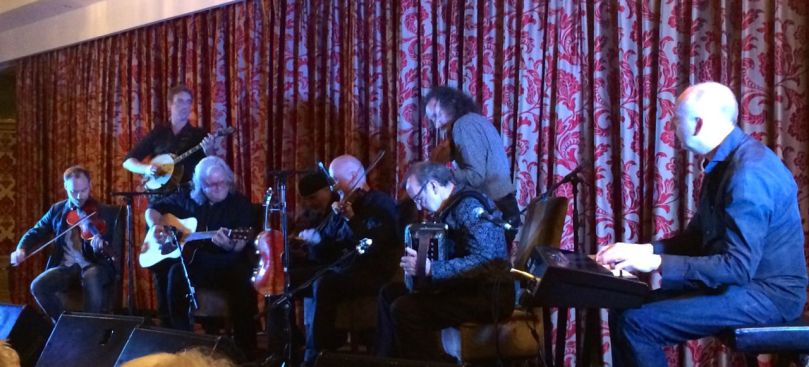
Skaggs, Hayes, Cahill,  Schrey and the Brock McGuire Band bring the house down in Bantry

Skaggs, Hayes, Cahill, Schrey and the Brock McGuire Band bring the house down in the opening concert

So, Ricky Skaggs got a good start in life, playing on the stage with the likes of Bill Monroe and the Foggy Mountain Boys (aka guitarist Lester Flatt and banjo player Earl Scruggs) at the age of seven! But at last Wednesday’s concert the biggest chord that was struck for me was Skaggs talking about Ancient Tones – his words for the the common roots of the music that they were all playing together:

“I’ve told people for years Celtic music is the foundation stone for bluegrass, even country music generally — though it is admittedly hard to hear the Irish influence in ‘new’ country today. Certainly, you can detect it in the old country ballads — it’s in the heart of the songs.” Bill Monroe was in agreement, he recalls. Without Irish music, there would never have been a bluegrass movement. “Mr Monroe talked about the old sounds and the ancient tones. He was referring to the sounds from Scotland and Ireland — he believed very much his music was a hybrid of that. He’s right of course — you hear bluegrass and you know the Irish influence is there. It’s in the fiddle and the mandolin, the harmonies and the guitar. In all of it, really.”
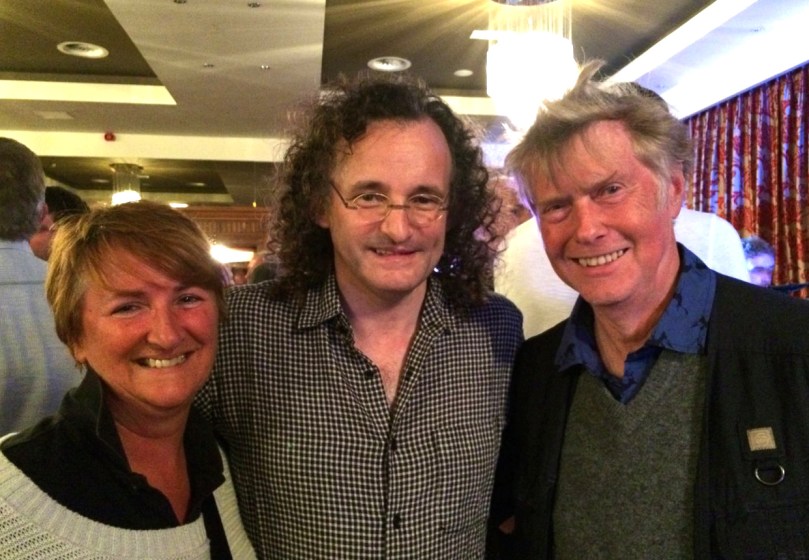
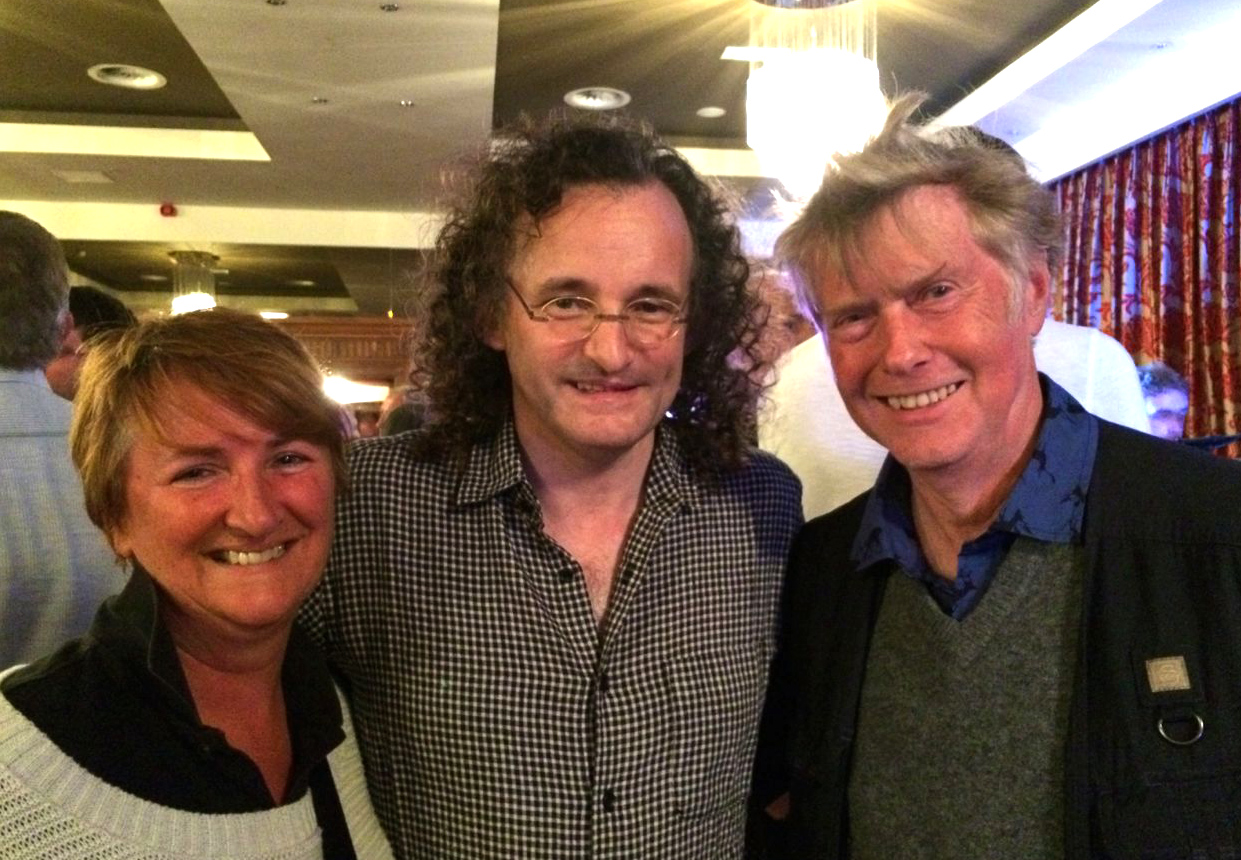
Festival Director Martin Hayes with groupies...

Festival Director Martin Hayes with groupies…

That first concert blew us away. We thought that it couldn’t get any better. It probably didn’t, but the energy, enthusiasm and innovation continued through the events of the week. Innovation in Irish Traditional Music? Oh, yes: we didn’t know what was in store for us, but we did know Martin Hayes’ philosophy:

“The main aim of this festival is to expose the unique artistic craft of various musicians. It’s also a kind of response to the fact that the country is full of festivals. I feel it’s important to highlight individual artistry in music rather than putting on a lot of bands that we’re all familiar with. International musicians have been a feature of the festival in the last few years.The festival is called Masters of Tradition rather than masters of Irish music or Irish traditional music because the idea is to have at least one act from abroad to see how other traditions stand in relation to our own. I want to offer something really different. I’m not saying that what I’m doing is better. It’s just a different way of approaching a festival. I certainly don’t see the point in replicating other festivals.There’s only a percentage of the population that gets seriously involved and connected with this festival. I think that’s fine. The festival is about highlighting the uniqueness of each musician’s voice. We try to choose musicians that have found their unique voice. I’m not looking for the latest blazing hot craze. Some of what the musicians express can be quite humble but effective and very touching as well.”
Máire Ni Cheileachair, Sean Nós singer

Máire Ni Cheileachair, Sean Nós singer

Among the – perhaps – ‘humble, effective and very touching’ performances were Sean Nós singers: carrying the tradition forward from its most ancient roots and presenting it in the simplest form – the unaccompanied human voice, a continuity of cultural expression which has passed through countless generations. We enjoyed the contribution of Máire Ni Cheileachair from West Cork and were impressed, as always, with critically acclaimed Iarla Ó Lionáird who grew up in the musical heartland of Cúil Aodha in the West Cork Gaeltacht. Like Ricky Skaggs, his fame came early: here’s his performance of Aisling Gheal dating from 1978 – when he was 14.

Finola has a link to another of Iarla’s iconic renderings on her post here – The Lament of the Three Marys. Throughout Ireland sacred songs such as this one were felt to function both as prayers and as direct substitutes for the caoineadh (‘keening’, women’s funeral lament) which was suppressed by the Church.
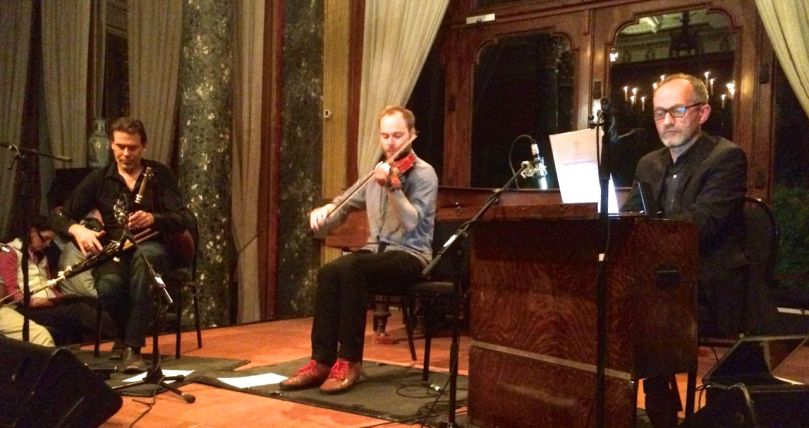
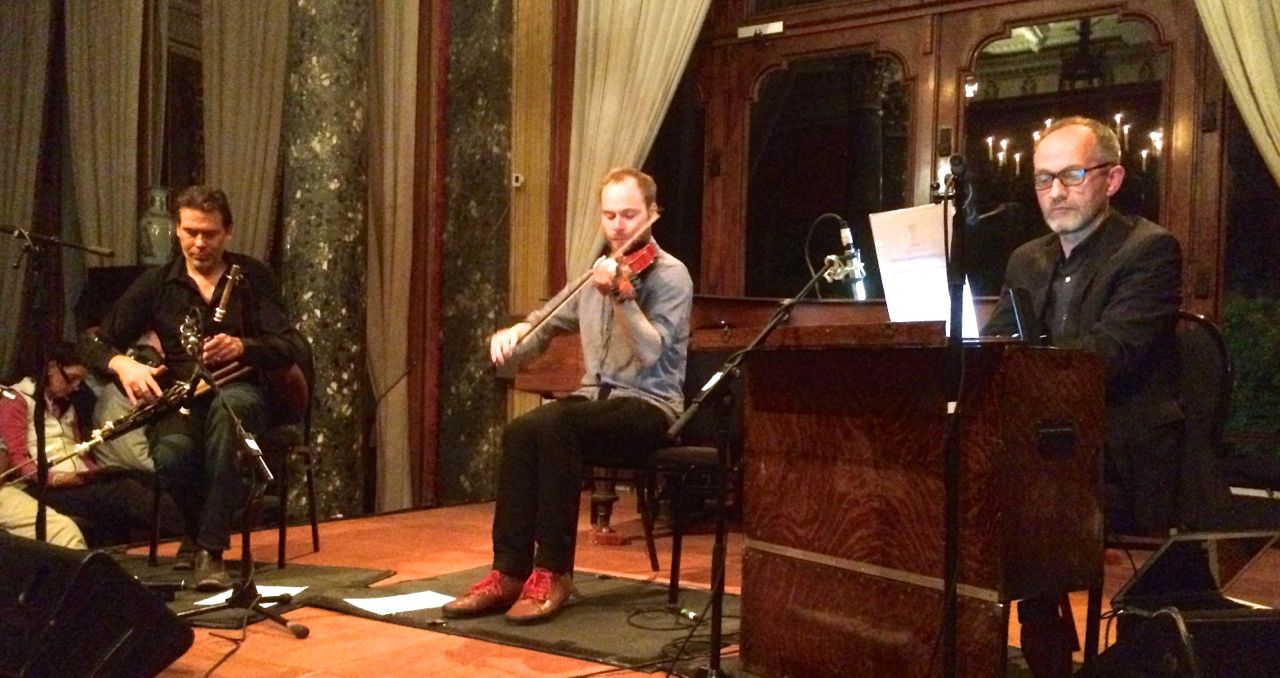
Ivan Goff, Cleek Schrey and Iarla Ó Lionáird - The Ghost Trio

Ivan Goff, Cleek Schrey and Iarla Ó Lionáird – The Ghost Trio

Finola says that I should have called this post ‘Ancient Tones – and Drones’. Iarla Ó Lionáird also heads up The Ghost Trio – which gave us Friday’s late night candlelit concert in Bantry House – Siobhan Long of the Irish Times described her impressions:

…”Drone City” is how Iarla O’Lionaird describes the antics of Ghost Trio, and he isn’t far off. Pipes, Hardanger Fiddle and harmonium coalesce to shape an atmospheric set that speaks more of the space and time inherent in traditional music than it does momentum. And what a welcome alternative take that is.This is a fine reminder of what atmosphere lurks within and without our tunes and songs

Boruma Trio

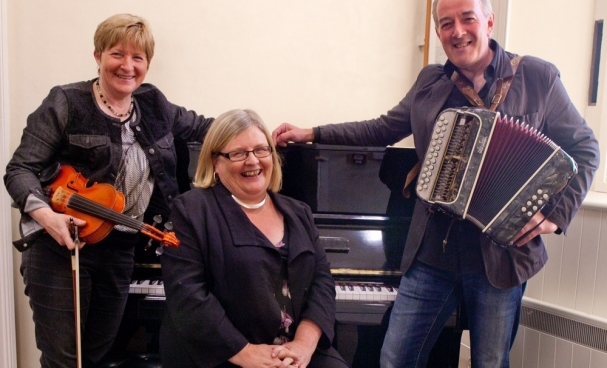
Boruma Trio – Eileen O’Brien, Geraldine Cotter and Andrew MacNamara

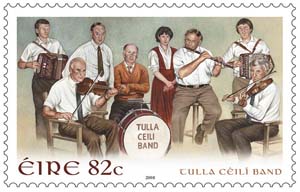
In a sharp swing back to pure tradition we were impressed by The Boruma Trio in Saturday night’s first concert. Straight music played on accordion, fiddle and piano, directly descended from the years when legendary Ceilidh bands such as the Tulla reigned supreme: Martin Hayes himself was reared on this kind of irish music as his own father – P Joe Hayes – led that band for 50 years. Martin wrote of his upbringing in Maghera, County Clare:
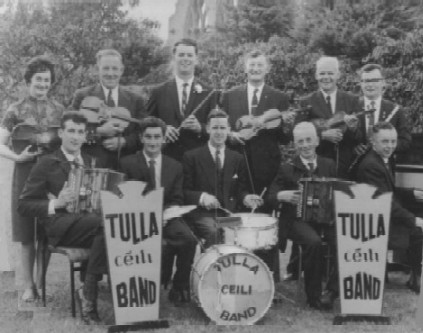
Tulla Ceilidh Band 1952

Tulla Ceilidh Band 1952

…However difficult it is to imagine my own life without music it is impossible for me to even know my father without his music. Music is part of his life in the same way that the land is part of him or in the way that we are Irish. It is inevitable and unalterable, we can never identify ourselves apart from our past as he could never identify himself apart from his music. His music fits comfortably into his life, there has always been balance, he never saw music as being anything other than normal and ordinary, a part of life that fits comfortably with his family, farm, religion and politics. He has a strong passion for music that has been tempered and maintained by equal and loyal devotion to the other interests in his life…

Martin’s earliest memories are of his father getting dressed up and being picked up to go and play somewhere, and in his child’s imagination it was always somewhere far away, exciting and important. On other nights the band practiced in the kitchen and when he had to go to bed Martin would leave the bedroom door open, a little bit, and listen to them play until he fell asleep.

I haven’t room on this post to list all the concerts (the full programme is here) – and we still have one to go! The standard of performances throughout has been consistently high. Perhaps the Harris/Finlay award for the most memorable experience – so far – has to go to Ensemble Ériu. In his introduction of this 7-strong group, Martin Hayes reminded us that we now have generations of young musicians who are very aware of their traditional heritage, but who are also being exposed to mainstream influences such as jazz and minimalism. Degrees, Masters and PhDs are offered in no less than 14 universities and colleges in Ireland at present in traditional music, song, dance, Ethnomusicology and Ethnochoreology. Students with backgrounds or deep interests in the folk traditions are exploring other contemporary voices and this ensemble – or ‘Project’ as its progenitors Jack Talty and Neil O’Loghlen prefer to call it – is a step in the New Directions so keenly being watched by Martin Hayes:

…The septet draws on a wealth of creative sources to perform arrangements of Irish traditional music rooted in the styles of West and North County Clare. This group brings together a chamber ensemble of some of Ireland’s most exciting young musicians from a range of performance backgrounds. The result is a unique combination of the fresh and familiar, a soundscape that is creatively progressive, yet rooted in tradition… (from the group’s website)

It’s hard to describe the musical experience that Ériu gave us last night. You’ll get some impressions from this film.

It brought to my mind the works of Steve Reich and Philip Glass, but was nevertheless unique. Who would have thought that such creative things could happen in this quiet West Cork backwater? It was stimulating, energetic – dynamic. I wonder what Martin has in store for us next year?
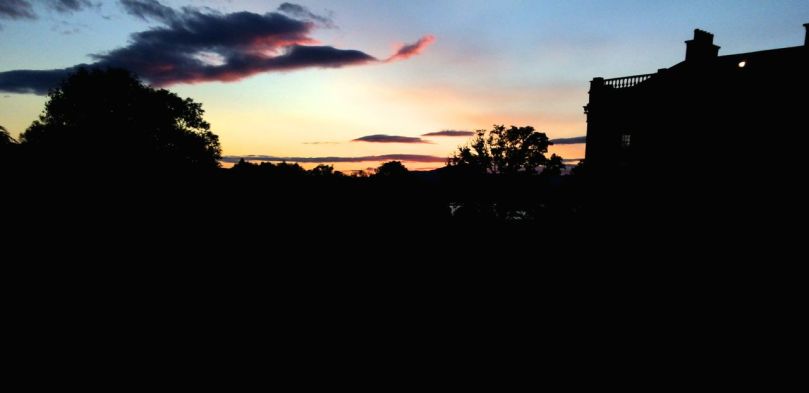
Quiet West Cork backwater? Bantry House - Festival venue

Quiet West Cork backwater? Bantry House – Festival venue
tulla stamp

Monoliths, Mysteries and Marriages

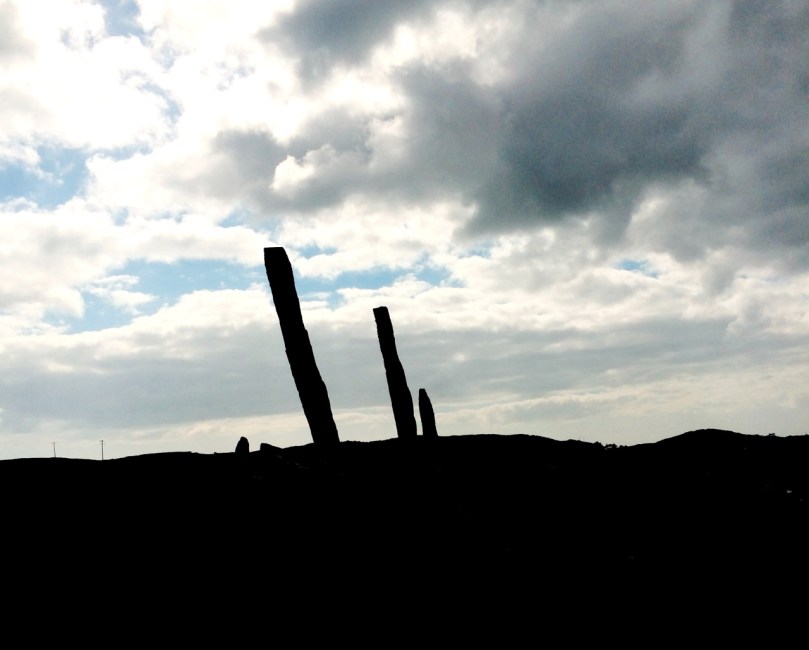
"The Fingers" on the skyline

‘The Fingers’ on the skyline

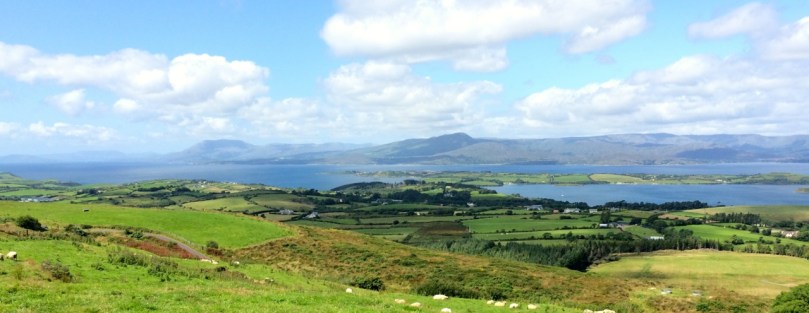
All across West Cork – in the middle of pastureland, in isolated bogs, on the tops of mountains – you see standing stones. Mostly single but also found in pairs, or rows of three or more, they are as ubiquitous as they are mysterious. A scan of the Ordnance Survey map of the valleys running eastwards from Bantry, just north of us, shows a great proliferation of standing stones, and we have been tempted into the field often to hunt for them. We usually find them, but even when we don’t the search brings us into magnificent countryside.

Standing Stone Country

Standing stone country, east of Bantry Bay

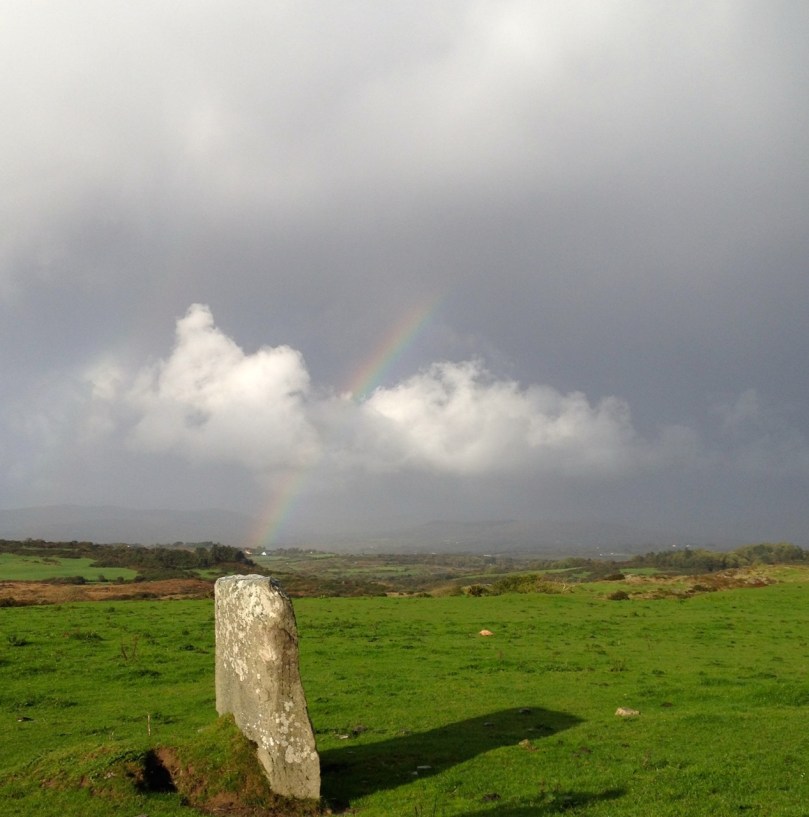
The most numerous are, of course, single standing stones. The practice of erecting monoliths dates from the Neolithic and many of the stones we see may indeed be as old as that, or Bronze Age. Some may be medieval or more recent still – local people occasionally have memories of a grandfather placing a stone to act as a cattle scratching post.

Bishop's Luck Stone - wonder what's under this one?

Bishop’s Luck Stone – wonder what’s under this one?

If the stone has rock art on its surface, as is the case with the Burgatia stone near Rosscarbery, for example, we can safely conclude that it’s probably Bronze Age. Ogham incisions, or an inscribed cross will assist with an Early Medieval date. But the vast majority are unmarked and their functions may have varied. Some excavated examples have yielded evidence of burials at the base, and some seem to mark boundaries or entrances to mountain routeways.

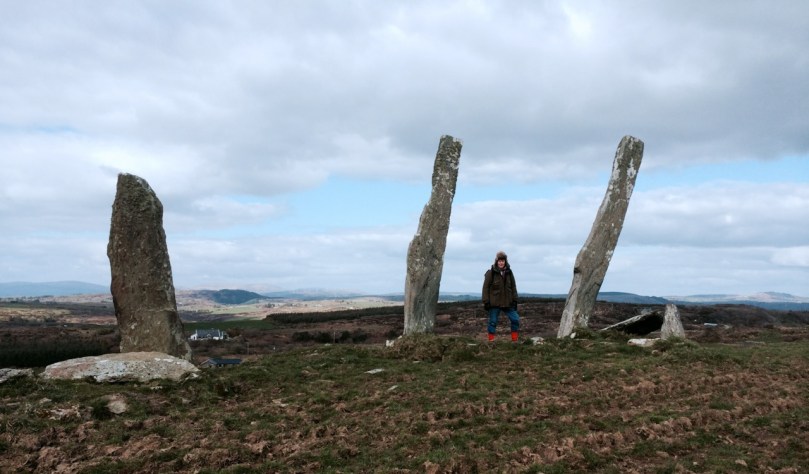
Stone pairs and stone rows often occur in close proximity to other Bronze Age monuments such as stone circles and boulder burials. Some are further away from the monument but clearly visible from it.

Like the stone circles, the pair or row has an alignment – generally northeast/southwest, and a further alignment is formed from the two to the boulder burial or stone circle.

Irish folklore is rife with stories about standing stones. Many were said to have been hurled there from a nearby mountain by Finn McCool. Kevin Dannaher in his book Irish Customs and Beliefs relates several instances of petrification. Here’s an example:
…our early saints are…credited with passing fits of choler during which several miscreants were rendered harmless…When St Fiachna discovered that a dairy woman was stealing his butter he did not hesitate to loose a mighty curse against her, which turned not only herself, but her dairy and all her utensils as well, into stone. In proof of which they are still plain to be seen close to the saint’s church at Teampal Fiachna, a few miles south east of Kenmare.

The Three Fingers at Gurranes, near Castletownshend, probably once a row of five or six stones

The Three Fingers at Gurranes, near Castletownshend, probably once a row of five or six stones

One kind of standing stone is particularly intriguing – the holed stone. Tradition has it that these are marriage stones: the couple would join hands through the hole to exchange vows. 

*Both holed stone photographs are by Amanda Clarke

Out and About with Visitors in West Cork

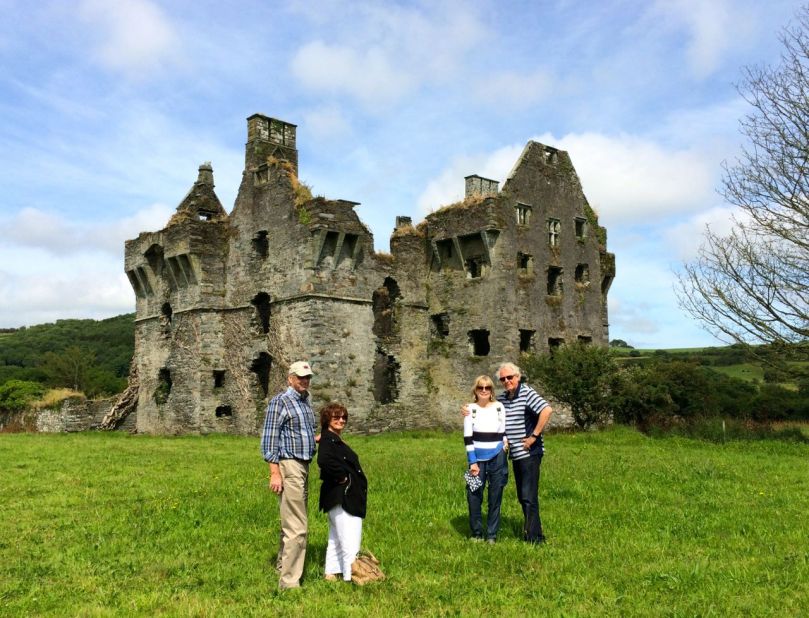
At Coppinger's Court

At Coppinger’s Court

Vi and Grant and Jan and Brian came to stay last week – good friends from Canada here to see the Real Ireland. 

We had some challenges right away. First, the rental car Grant had booked was under repair and the substitute, although it nominally held all six of us, was too cramped and uncomfortable to venture too far afield. Second, muscle wear and tear issues among the group dictated that walks not be too long or arduous. 

No problem! The weather was (mostly) fine, we got in one good hike on the Sheep’s Head, and then set about discovering the delights of flatter terrain, local amenities and cultural events. Robert and I hadn’t toured Bantry House before, although we had been there for concerts. The house will be a future post in itself, but for the moment it’s worth recording that this may be the last summer to see it with its original furniture, as much of it is on the auction block later this year.

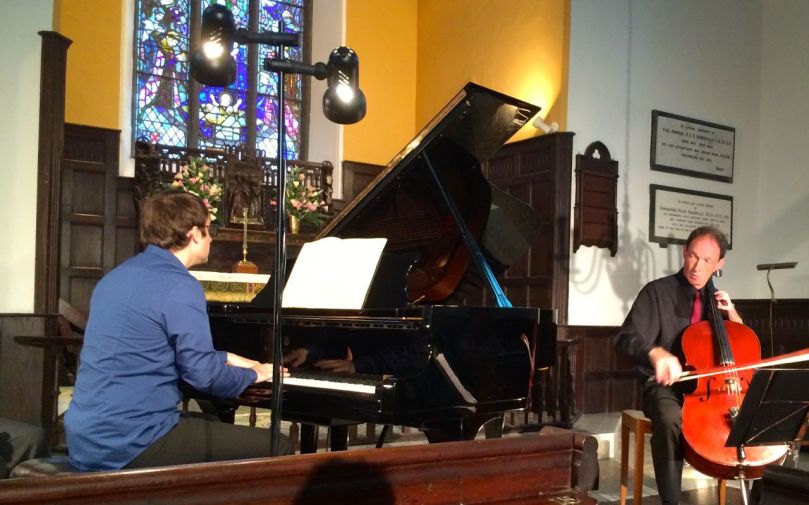
One day we spent exploring the area south east of Skibbereen. We started with lunch at Glandore overlooking the harbour, then on to the obligatory stop at the Drombeg Stone Circle, one of the better-know recumbent stone circles that dot West Cork. On to Coppinger’s Court (another subject for a full post), a 17th century fortified house and home to one of the fearsome characters in West Cork history. Back then to Castletownshend and dinner in Mary Anne’s, followed by a concert in the little church of St Barrahane’s. This was an evening of Beethoven, Debussy and Rachmaninov with Christopher Marwood of the Vanbrugh Quartet on the cello, and the brilliant young American Alexander Bernstein on the piano. It was truly a world-class performance, eliciting a standing ovation from the appreciative audience.

At Drombeg, Jan and Brian

At Drombeg, Jan and Brian

Concert In St. Barrahane's, Castletownshend

Concert In St Barrahane’s, Castletownshend

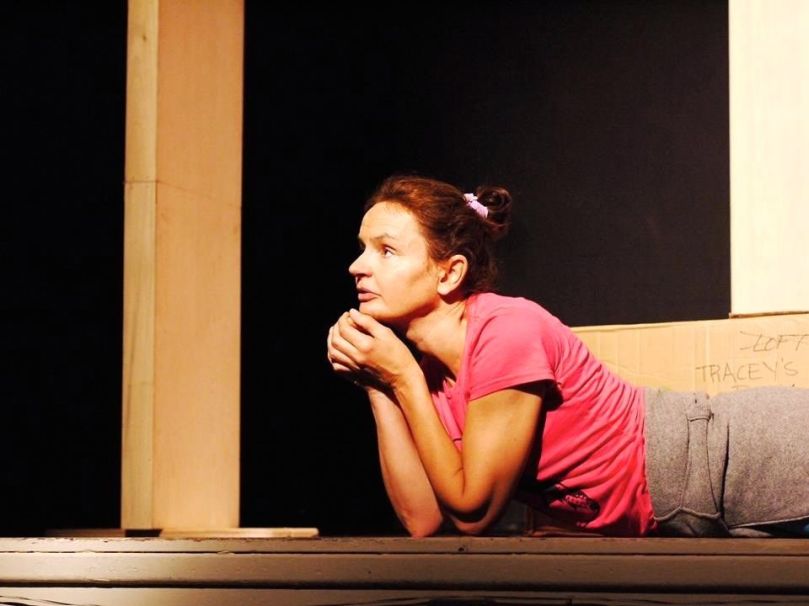
Another day, we wandered around Schull, dipping into the shops and stopping for coffee. Later that evening we attended PlayActing Theatre’s two one-woman shows in the local parish hall. Karen Minihan brought us up to date with her character, Eileen, going through a midlife crisis – it was moving, sad and funny all at once. Then Terri Leiber took us into the experience of eight-year-old Stacey negotiating the dysfunctional lives of the adults around her in 1960s Britain – a tour de force in which she played every role, with a minimalist stage set, a soundtrack from the times, and a beautiful nuanced performance.

Terri Leiber in May the Force

Terri Leiber in May the Force

Shopping at the local markets always makes food preparation easier and fresher and we all took turns. 

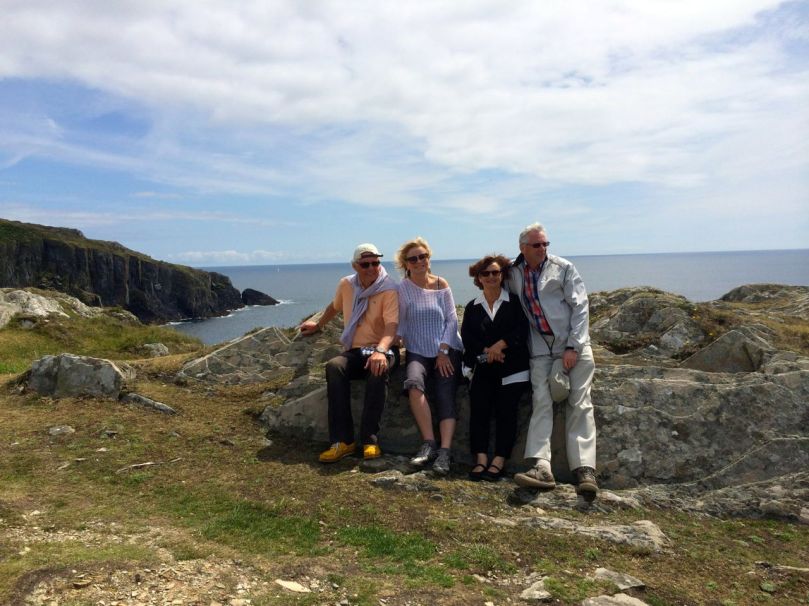
In Baltimore, we walked out to the Beacon, with its marvellous views of Sherkin Island and the faraway mountains of Kerry. We hope it’s a good memory to take away of this special part of Ireland. 

At the Baltimore Beacon

At the Baltimore Beacon

Vi and Grant, Jan and Brian – Ferdia has been missing you already!

Ferdia

Ferdia