A Medieval Feast

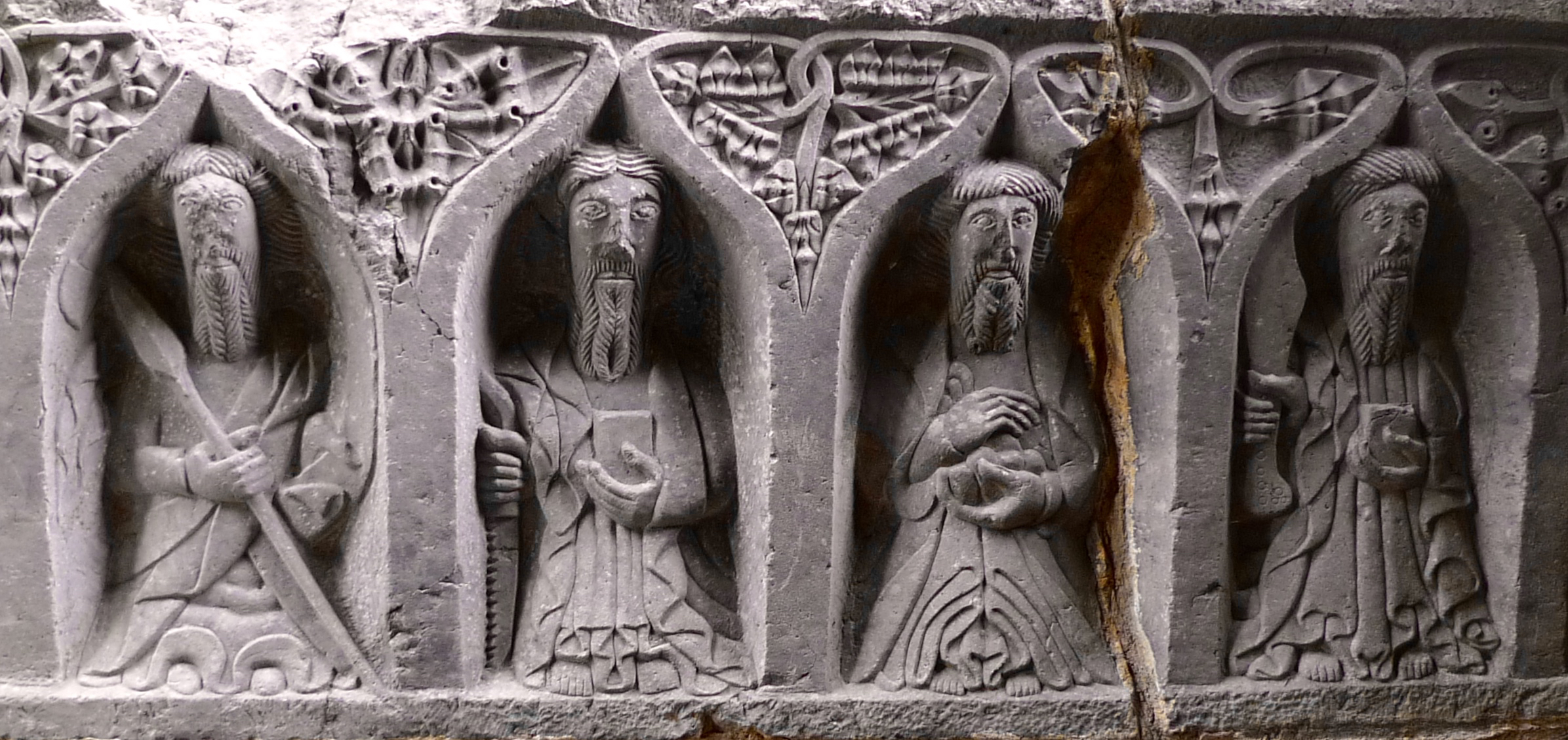
4 weepers

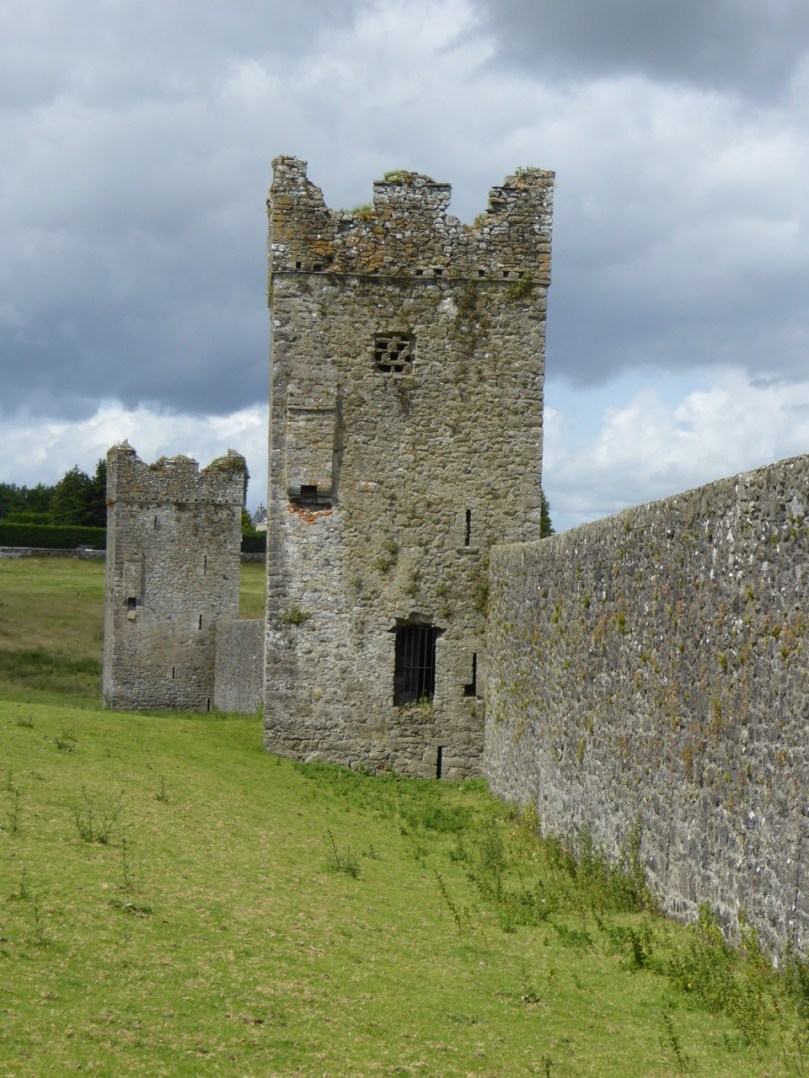
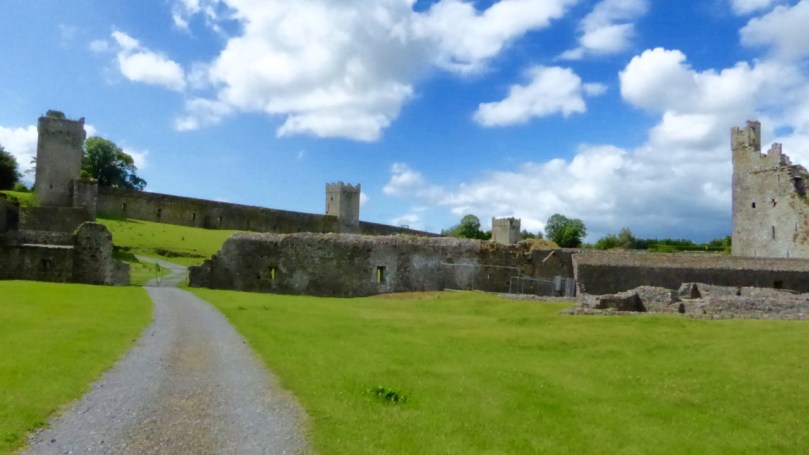
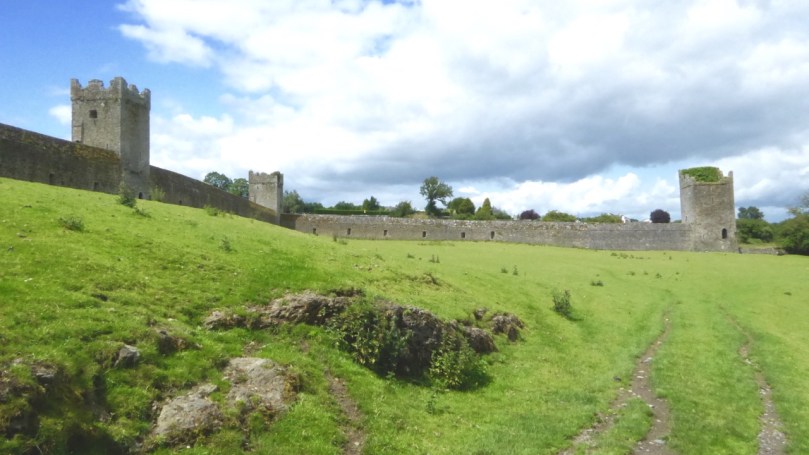
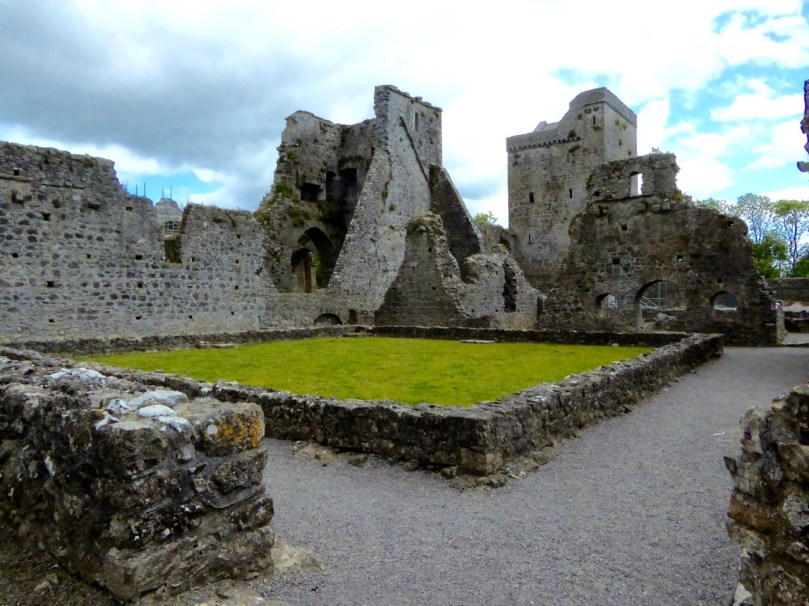
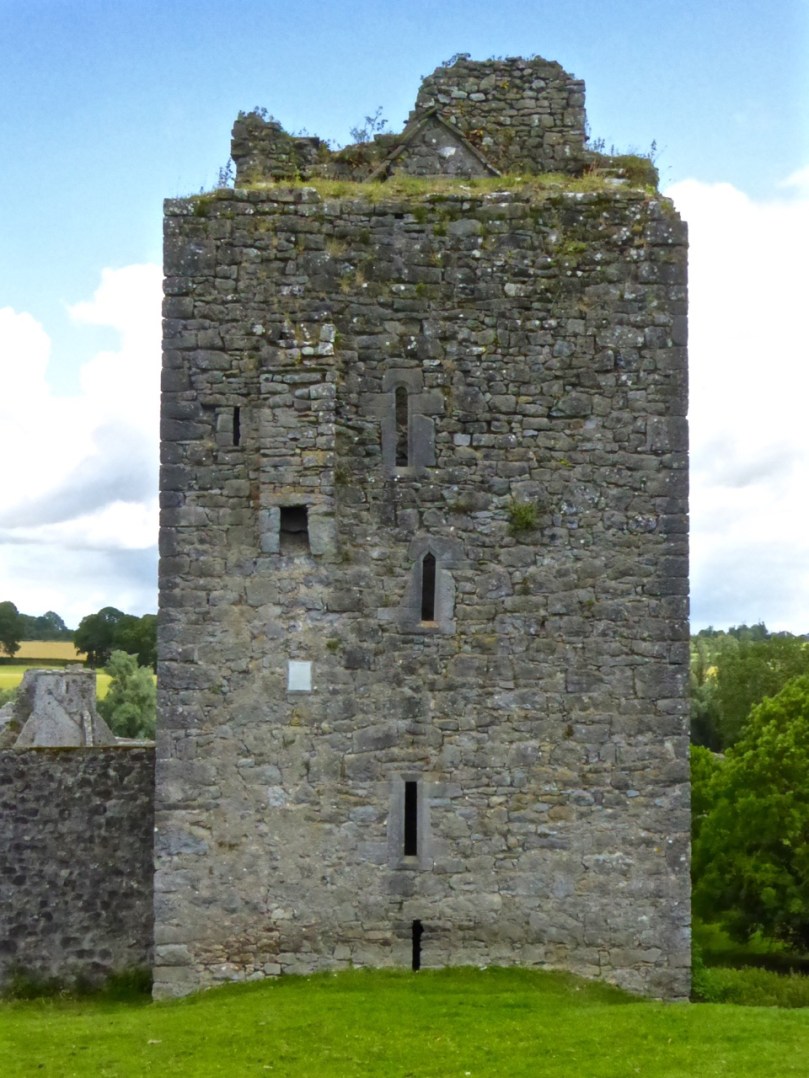
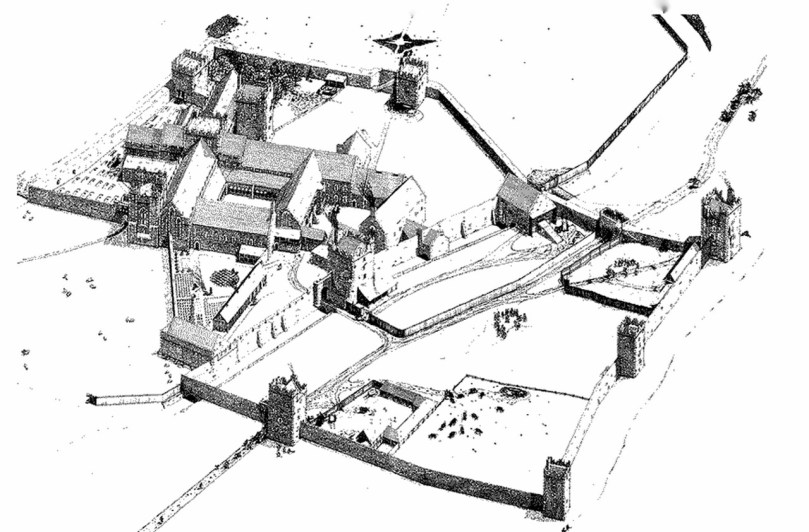
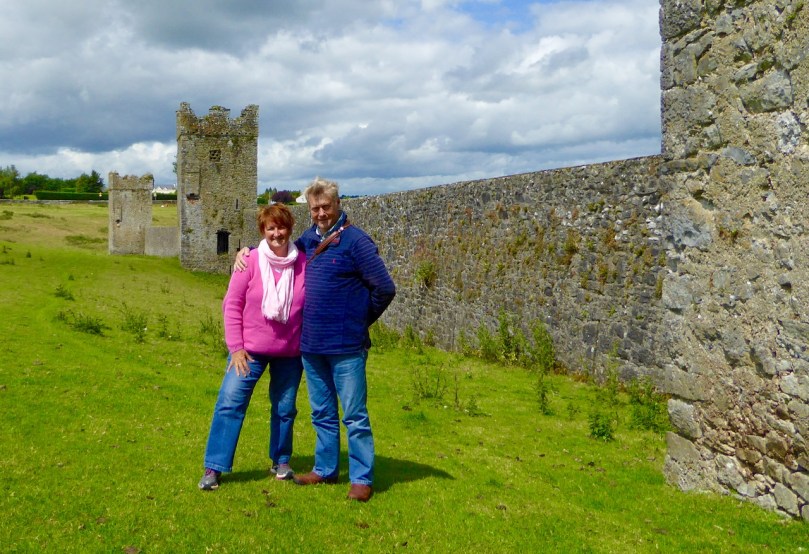
This was a feast for the eyes – a few thousand years younger than Rock Art and far less enigmatic! Our travels took us to County Meath where we explored the monastic city of Kells (where the famed book was written and illustrated), Kells Augustinian Priory – a different Kells but in County Kilkenny (and which Finola has written about in her post) – and Jerpoint Abbey – a Cistercian monastery rife with carved figures – some up to 900 years old.

kells 2

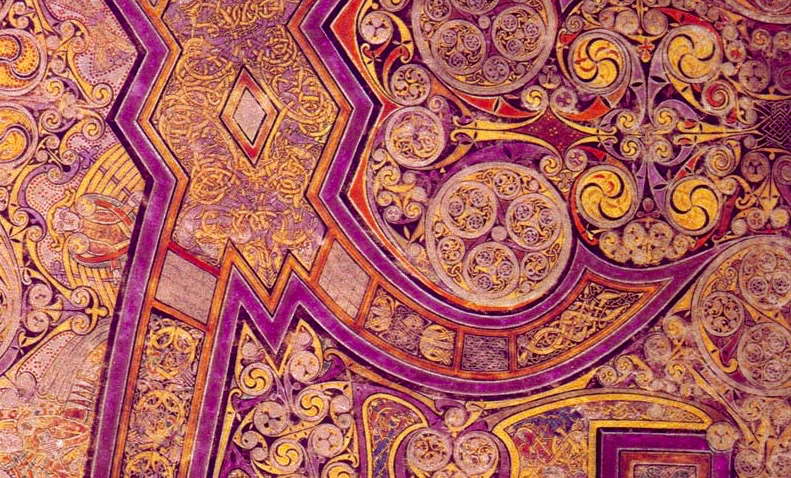
Firstly, the Book of Kells is worth more than a passing mention, especially as some commentators have likened the medieval carvings at Jerpoint and other contemporary monastic foundations in Ireland to ‘illuminated manuscripts cast in stone’ – because of the richness of the characters, the decoration and the detail. The Book of Kells probably dates from the 8th or 9th centuries and may either have been written in its entirety in Kells, or started by St Columba’s community in Iona and completed in the Scriptorium in Kells. That building still exists! In fact it (or something very like it) is illustrated in the book. It’s known as St Colmcille’s House – we went to have a look at it, and were fortunate to have a tour by its guardian.

scriptorium book of kells

A page from the Book of Kells which may be an illustration of the Scriptorium at Kells – and, perhaps, a self-portrait of the writer: see him sitting in the doorway to the house working away with his quill pens…
St Colmcille’s House – in its 21st century context (top left), the keeper of the key (bottom), and the ancient stone roofed oratory (main picture) which is supposedly where the Book of Kells was written – or, perhaps, completed. The upper floor of the building has a small window oriented to focus sunlight on the writing table. St Colmcille’s bed was also kept here – a large and heavy stone slab – until it was stolen in the 1950s! A few hundred years earlier (in 1007)  the Book itself was stolen from Kells and eventually found in a nearby bog. It stayed in Kells until 1654, when it was sent to Dublin for safekeeping: it is now on permanent display in Trinity College.

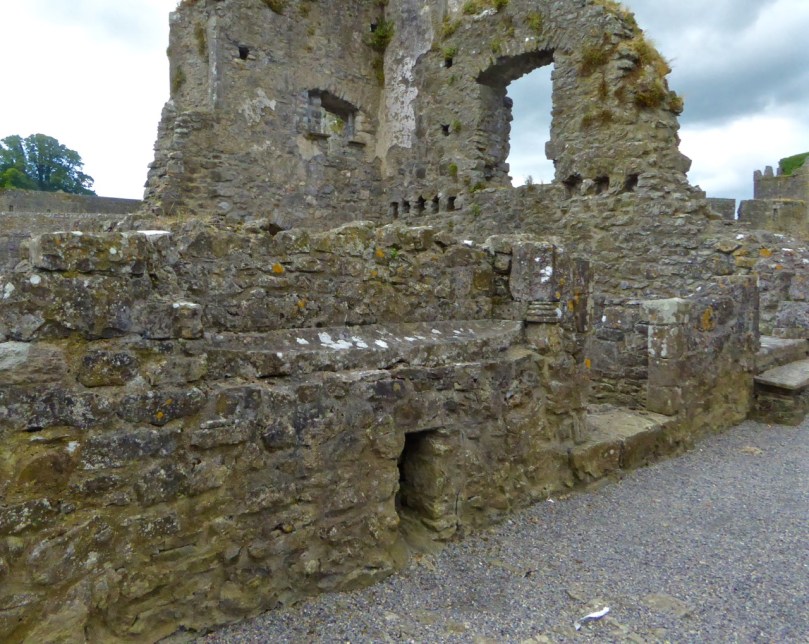
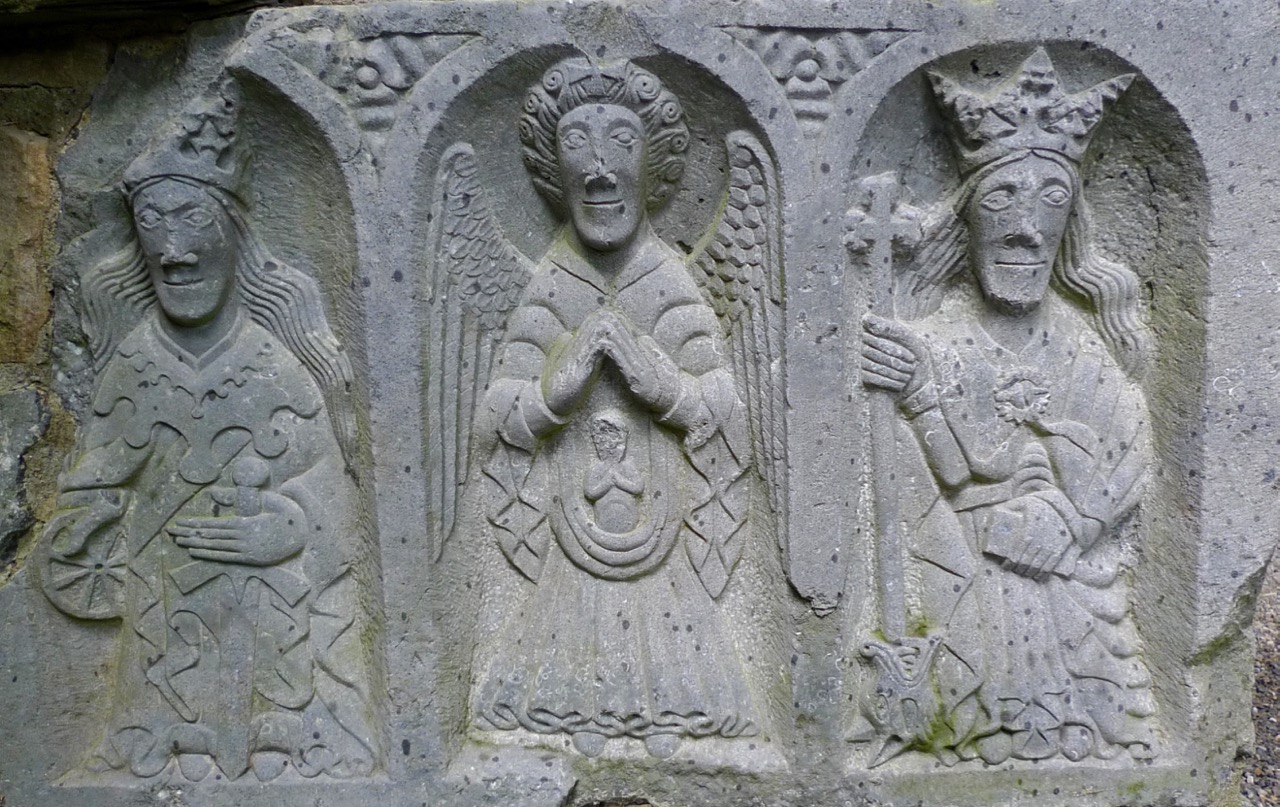
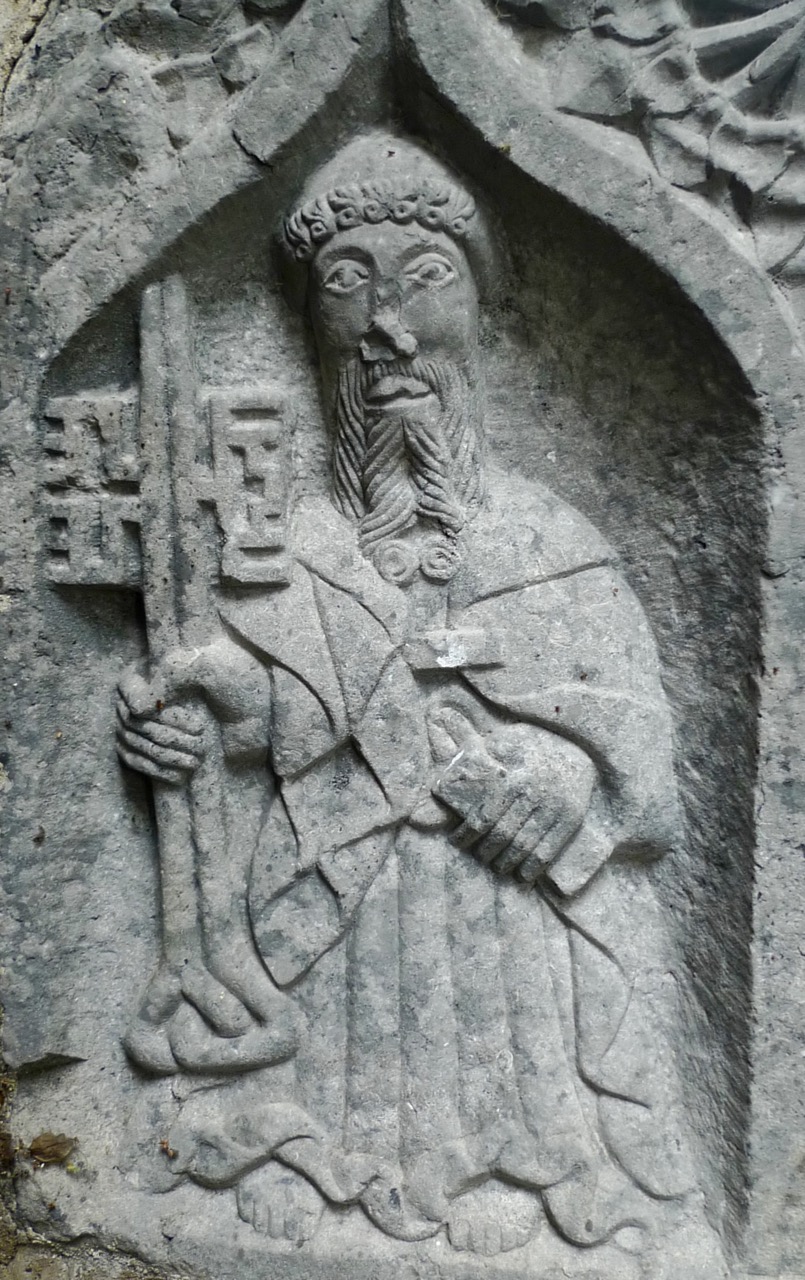
So – back to the feast, and this was centred on Jerpoint (Kilkenny), which has spectacular examples of medieval carving, including at the tomb of Felix O’Dulany, Bishop of Ossory between 1178 and 1202. Adornments on later tombs include ‘Weepers’ – those who might be in mourning for the departed souls. These figures were carved by members of the O’Tunney family – sculptors from Callan who worked in the 15th and 16th centuries. Some of them can be readily identified: St Peter, for example (another keeper of the key), while the trio below are St Catherine – with her wheel, Michael the Archangel and St Margaret of Antioch – who is conquering a Dragon.

trio

The Weepers at the top of this post show how they were martyred: St Thomas with a lance, St Simon with a saw, St Bartholomew holds a skin (he was flayed to death) and St Paul with a sword.

trio 2

Another trio of Weepers: none of the guidebooks identify these, but I’m sure that among our readership there is an expert hagiographer who can help out…

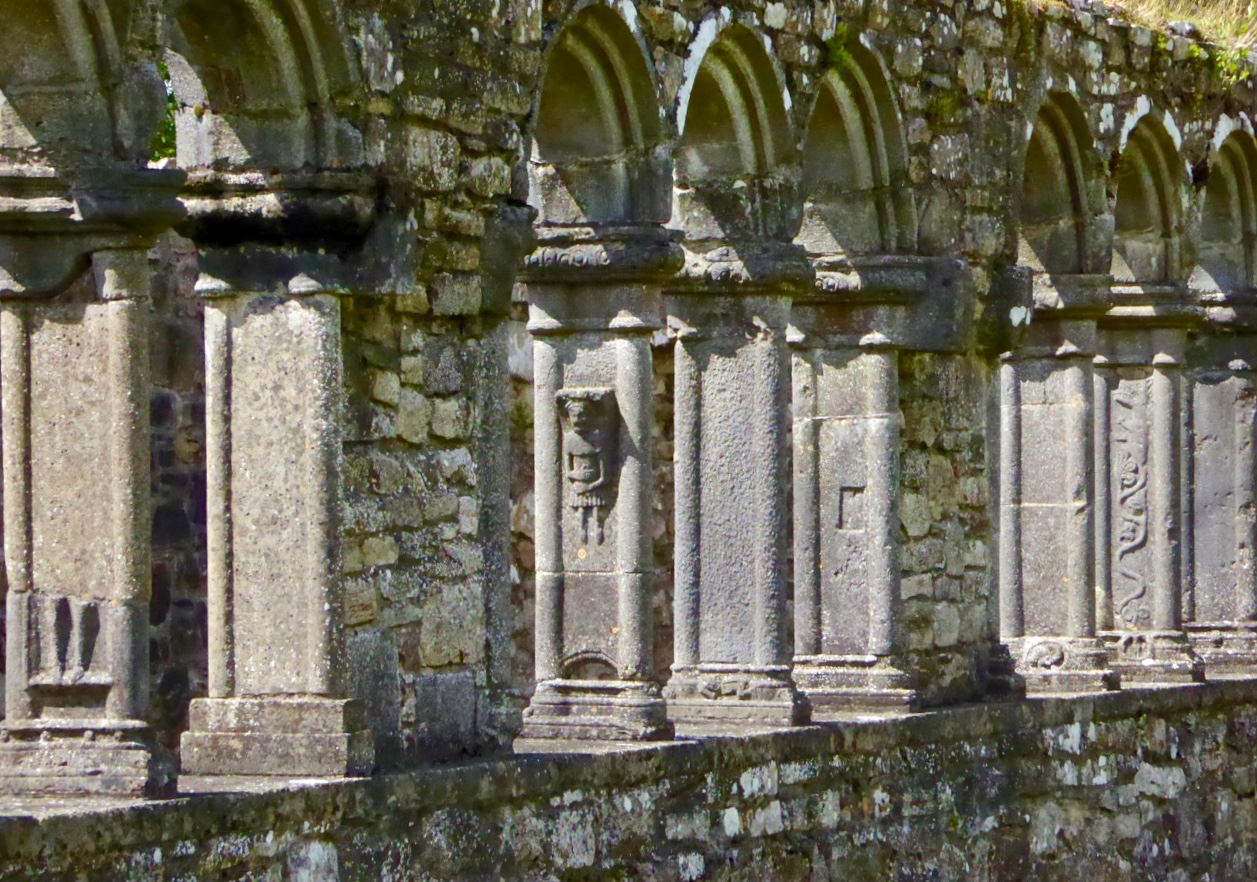
At Jerpoint it’s not just the tombs and the Weepers which fascinate: there is a 15th century cloister which, in its heyday, displayed a riot of carvings both saintly and secular. Some of these are in situ; some are partially destroyed and others have been recovered during archaeological excavations, and placed on display in a little museum. Among them we identified knights, ladies, animals fantastic and real, and ‘ordinary folk’ – including a man with stomach ache!

arches

It’s not easy to do justice to all the carvings at Jerpoint: I could fill many more pages. There are also cross slabs, roof bosses, decorative friezes and capitals…

I can’t leave Jerpoint without recounting one story which I was delighted to discover. You may remember my excitement when I found out that the real St Valentine is interred in the Carmelite Church in Dublin. Here at Jerpoint, Co Kilkenny, is another marvel: the bones of St Nicholas are reputed to be buried here… Yes – the Santa Claus St Nicholas! Tradition has it that a band of Irish Norman knights from Kilkenny went to the Holy Land to take part in the Crusades. As they headed home to Ireland, they ‘seized’ St Nicholas’ remains, bringing them back to Jerpoint, where the bones were buried – some say – under the floor of the Abbey (others say they repose nearby at the old church of St Nicholas).

Cross-slabs commemorating knights at Jerpoint: did they bring back Saint Nicholas from the Holy Land?

…That saint protector of the child
Whose relics pure lie undefiled
His casket safe within its shrine
Where the shamrocks grow and rose entwine…

(from The Bones of Santa Claus by Bill Watkins)

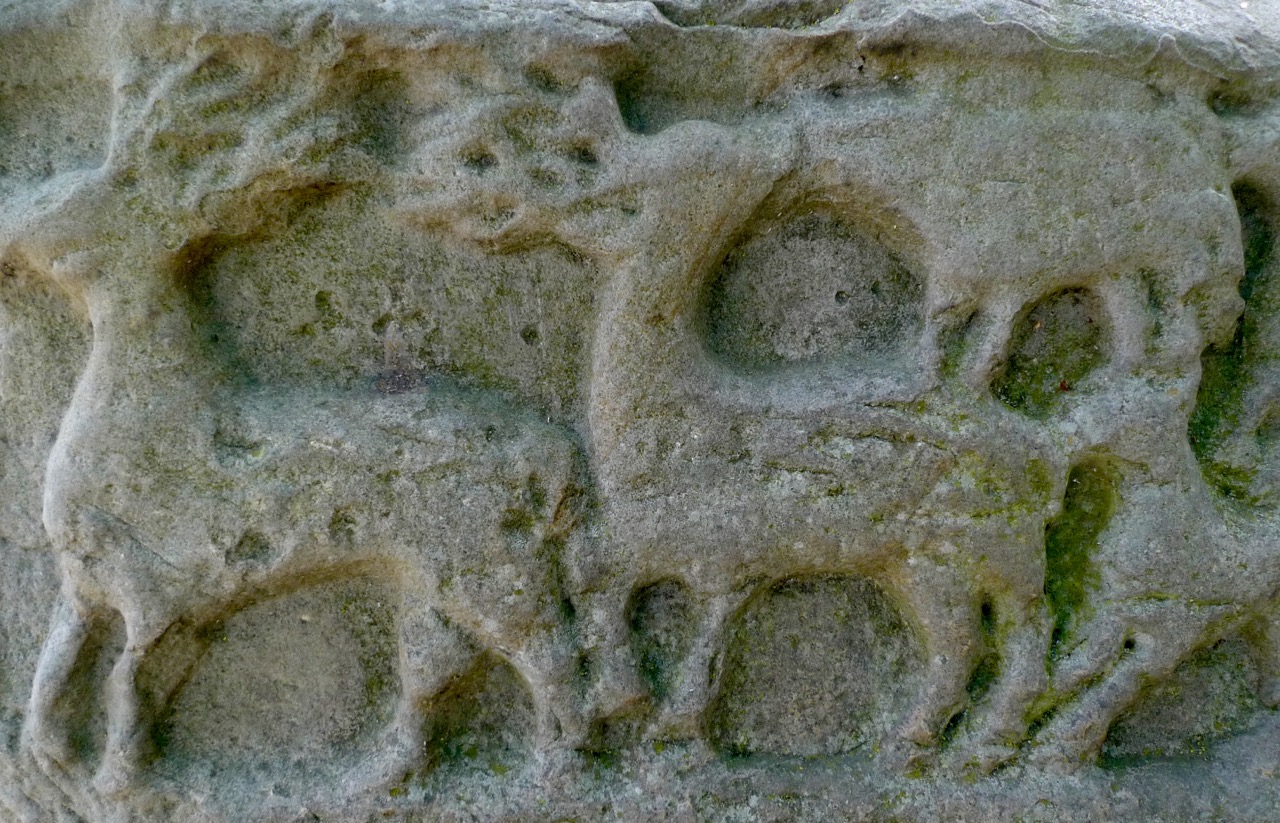
Well, we may or may not have seen – or walked over – the tomb of St Nicholas, but we saw his Reindeer during our medieval feast tour. Or perhaps they were somebody else’s Reindeer… They are carved on to the base of the Market Cross in Kells (Meath), the town which boasts so much history and which has no less than five high crosses and a round tower.

kells deer

Medieval illustrations on the high crosses at Kells, including some enigmatic Reindeer

Finola and I between us have treated you to a horn of plenty this week with our tours of medieval hotspots in Ireland. We know it’s not West Cork! However, these posts demonstrate, again, how easy it is to find history (and legend) wherever you go in this special land. In fact, it’s very difficult to travel far here without tripping over the past. It’s always fairly low-key. Most sites are protected as scheduled monuments; some are in the good care of the Office of Public Works and have guides and visitor centres. Many are remote, open to the wind, rain and sunshine and free for us all to visit: very often you will have the history all to yourself.

st peter


Scratched Stone – Scratched Heads

stone scratches

Aultagh Ogham Stone

One thing always leads to another – that’s something you can be sure of when we are on our archaeological adventures. A case in point was a recent expedition to have a look at Ballynacarriga Castle (not far from Dunmanway, County Cork: 16th century – notable for having a Sheela-na-gig carving built high up into the outer masonry wall, and some unusual carved inscriptions on the internal stonework).

Ballynacarriga Castle (left) with its Sheela-na-gig (right)

Perhaps these various stone scribings turned our minds to the subject of Rock Art (easily done). Our excellent guide on that morning, Margaret Murphy of the Skibbereen Heritage Centre, offered to show us an Ogham stone not too far away, in the townland of Aultagh. How could we refuse?

finding the stone

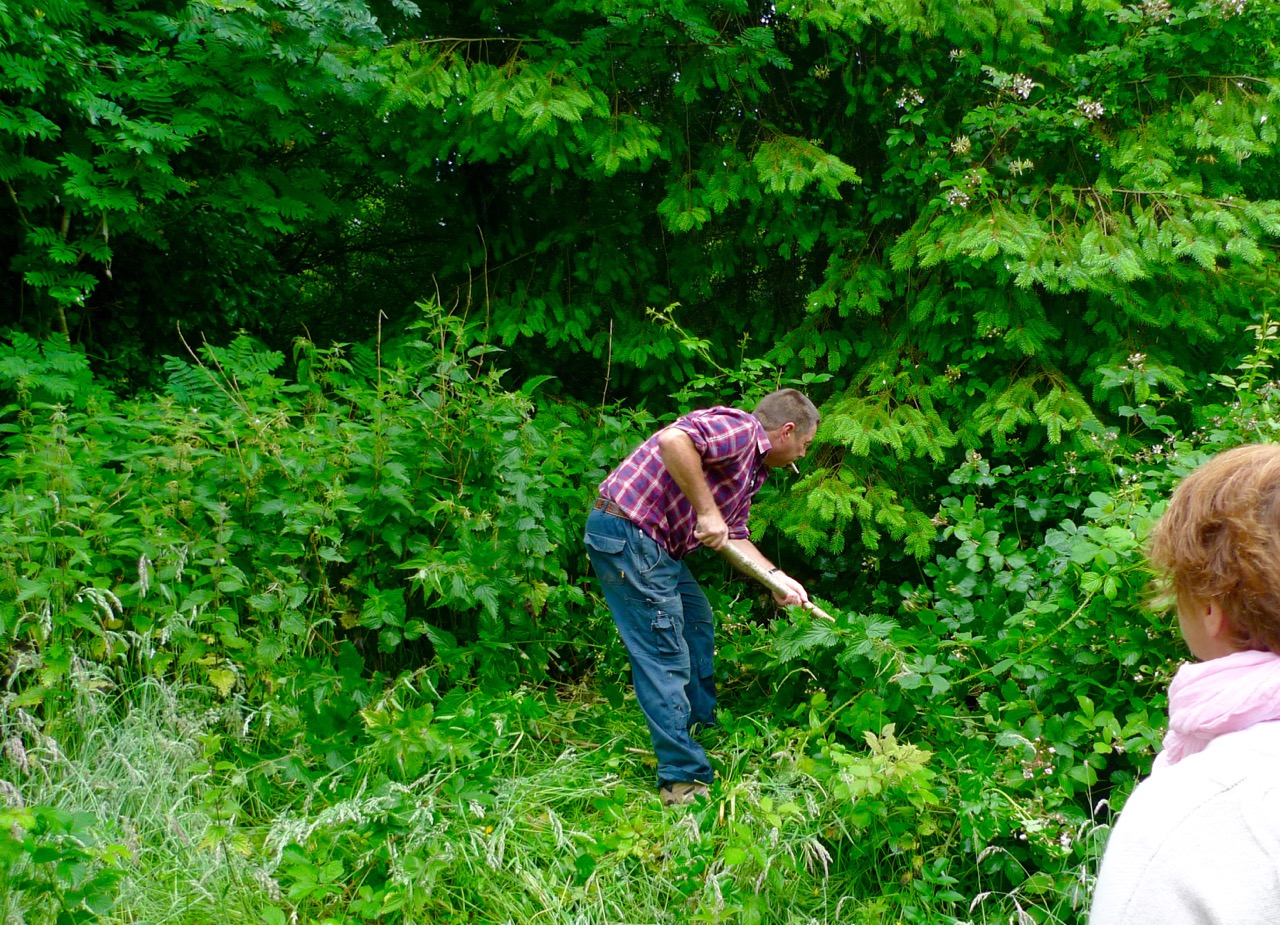
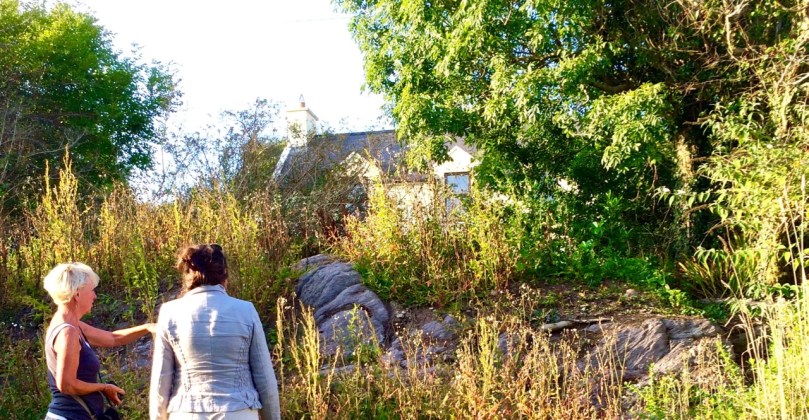
Assistance required in finding the stone!

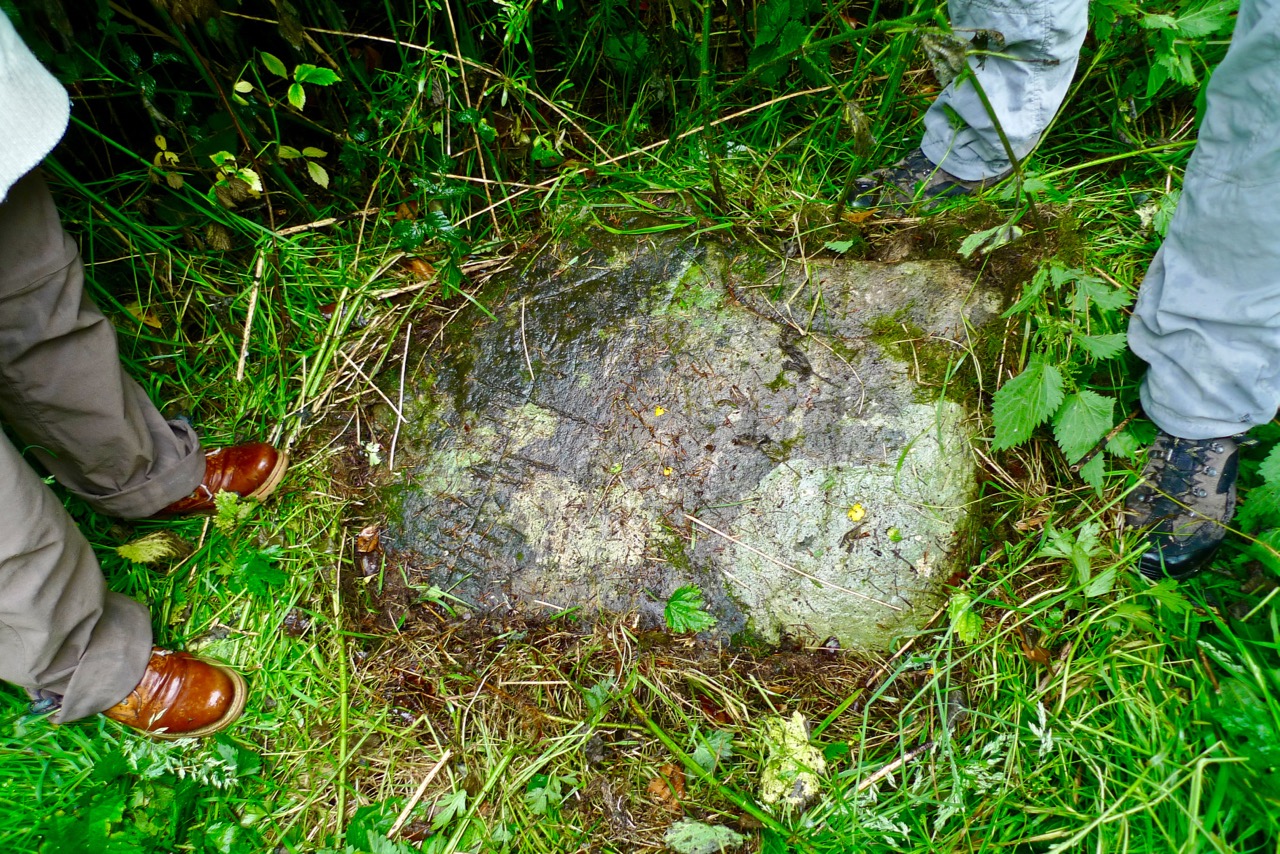
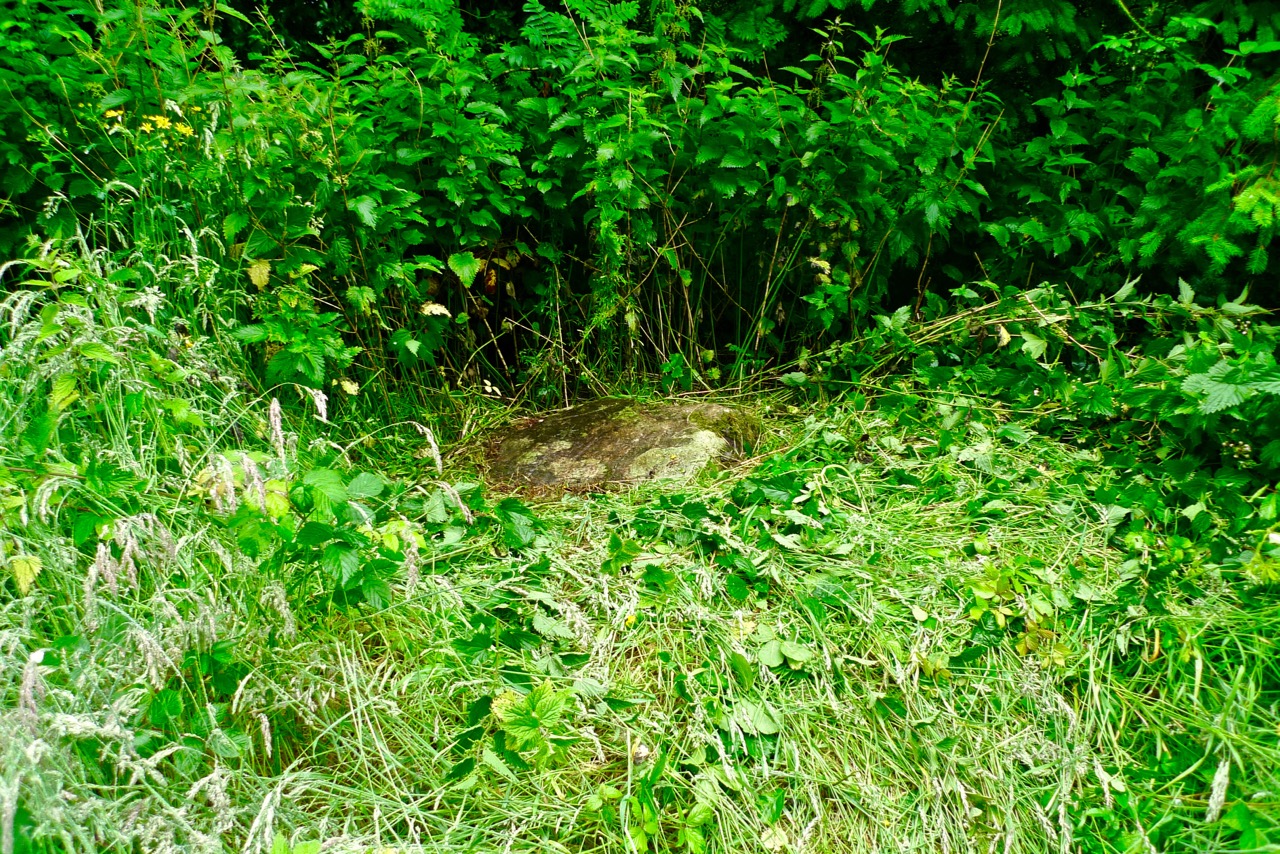
Our goal was beside an ancient track in Aultagh Wood (Coil an Ailtaigh), approached from a private driveway. Margaret knew the owner who readily gave us permission to have a look. In fact, he provided sterling service after we had searched in vain for the elusive rock – opportunely arriving with a pole to clear the thick undergrowth, and soon revealing this modest boulder to our eager gaze.

stone discovered

Stone uncovered…

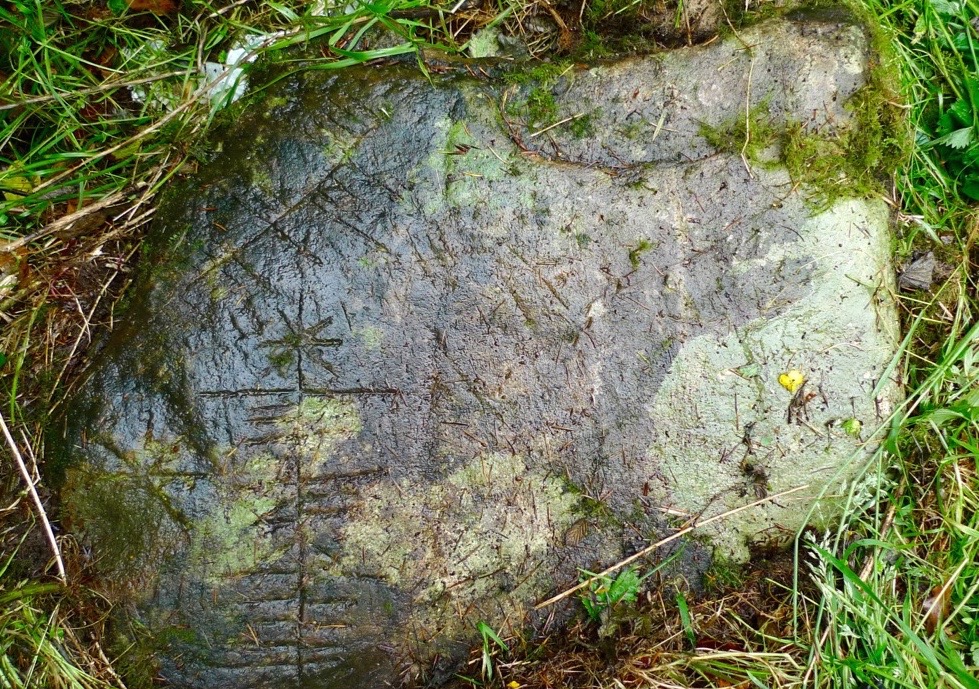
The stone lies close to a drainage ditch and has possibly arrived there from another location at some time in its history. In one area the surface of the rock has been damaged, affecting part of the scribings: it may be that it was once standing – now it is prone with carved marks clearly visible on the upper surface.

stone in context

The Aultagh Ogham Stone in context

The last time I wrote a post about ogham (here it is) I gave a very general overview of the subject. Ogham stones are concisely described by the Irish National Monuments Service as:

…upright monoliths or recumbent slabs, onto which ogham script has been incised. Ogham script consists of groups of 1-5 parallel lines and notches cut along the side or across the edge of a stone to represent the sounds of the Irish language. It is usually read up the left angle. The inscription gives a person’s name (usually male) and immediate antecedent/s or tribal ancestor. The stones may have functioned as memorials, grave markers or territorial markers and date from the late 4th to the early 8th century AD.
Fine examples of ogham stones in Ireland

Here’s the entry in the National Monuments Service records for our Aultagh stone:

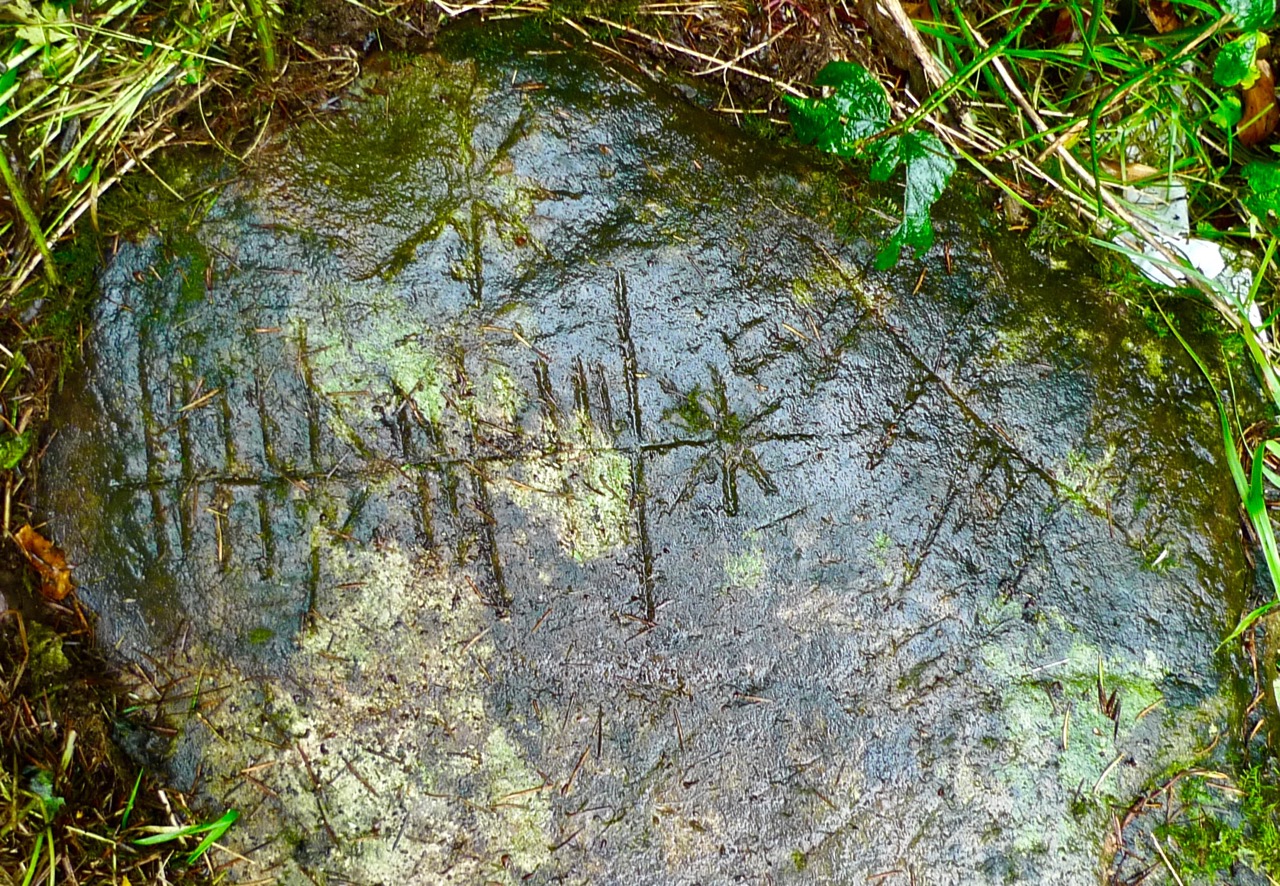
Description: On a W-facing slope, in Aultagh Wood. Fallen stone (L 1.1m; 0.7m x 0.3m) with inscription on flat face. According to Macalister (1945, 75) ‘fashioned by an illiterate artificer, copying by rote from a wooden model cut for his guidance’ and reading UBEDABO ALTASI.

MacalisterThat’s quite a bald statement from Robert Alexander Stewart Macalister who was Professor of Celtic archaeology at University College Dublin from 1909 to 1943, during which time he compiled and edited the catalogue of all known ogham inscriptions from Britain and Ireland. Macalister’s theories on ogham are generally out of favour today (some commentators have claimed that his interpretations are gibberish) but he seems to accept the Aultagh stone as being within the early medieval ogham tradition. Yet it seems to me very different from many of the other stones we have seen: it is very sharply incised, obviously with a fine-tipped metal tool, whereas a majority of the traditional or ‘classic’ ogham stones are larger and more robustly carved.

Possible ogham stone at Maulinward, West Cork (left) and others from the Stone Corridor at UCC

When you begin to delve into modern literature on ogham you realise how very many varieties of examples there are, and also how many differing interpretations there are of how to ‘read’ the script. This was monumental writing, labour intensive and time consuming to undertake. For this reason it is generally supposed that ogham was ostensibly reserved for marking important graves or places, and that the inscriptions are all names.

Aultagh Inscribed completeAultagh Ogham Stone – ‘classic’, ‘scholastic’ – or ‘fake’?

There are suggestions that ogham inscriptions for more general – and less monumental – usage were once carved on wood, and might have been language primers for the bardic poets. Later inscriptions are sometimes termed ‘scholastic ogham’ deriving from the fact that the inscriptions are believed to have been inspired by manuscript sources, instead of being continuations of the original ‘monument’ tradition. Hallmarks of scholastic ogham are the median line and scribings being on the flat face of a stone (as at Aultagh) rather than on the edge. Ogham was occasionally used for notes in manuscripts down to the 16th century, and the burgeoning interest in all things antiquarian from the 18th century onwards led to  a popular ogham revival. A typical example, from the graveyard in Ahenny, Co Tipperary, has an English inscription dated 1802 and this in ogham: FA AN LIG SO NA LU ATA MARI NI DHIMUSA O MBALLI NA GCRANIBH, interpreted as ‘Under this stone lies Mary Dempsy from Ballycranna’. Macalister takes the view that this inscription, and others like it, were written “with much more zeal than discretion”, while some scholars have suggested that this more modern usage of the scribing should be termed ‘fake ogham’.

Aultagh Incised Stone

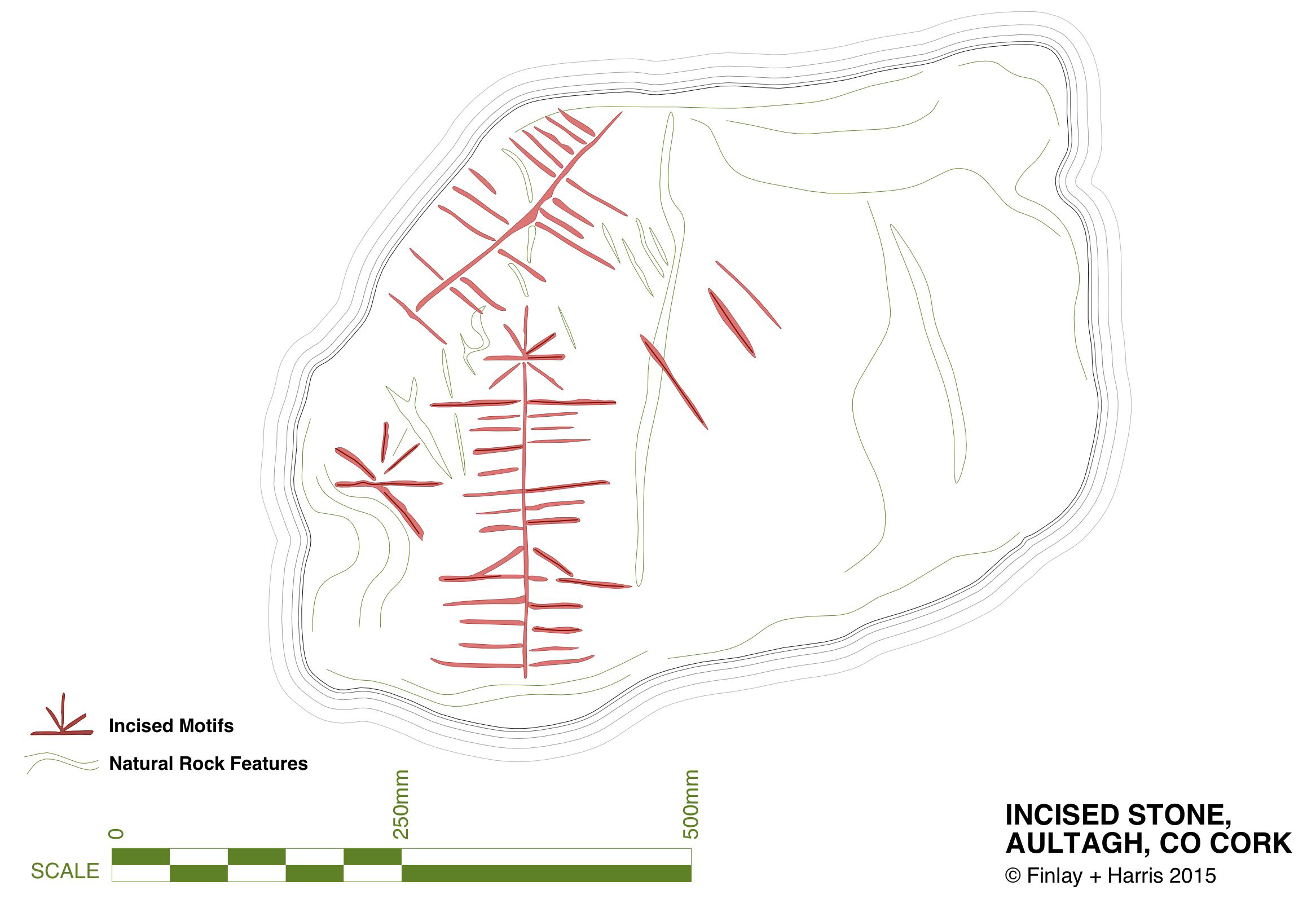
My own drawing of the Aultagh inscribed stone – traced from detailed photographs

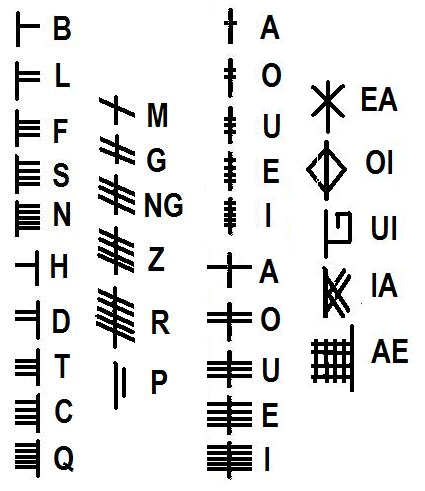
You may like to have a go at translating the inscription at Aultagh for yourself. Firstly you will need to select your decipherer: a quick internet search will show that there are many, and also a whole lot of inconsistencies. But perhaps this is all part of the head-scratching: and also part of the whole fascination of a historical subject where many of the elements can only be guessed at…

ogham-alphabet

A Tale of Four Churches

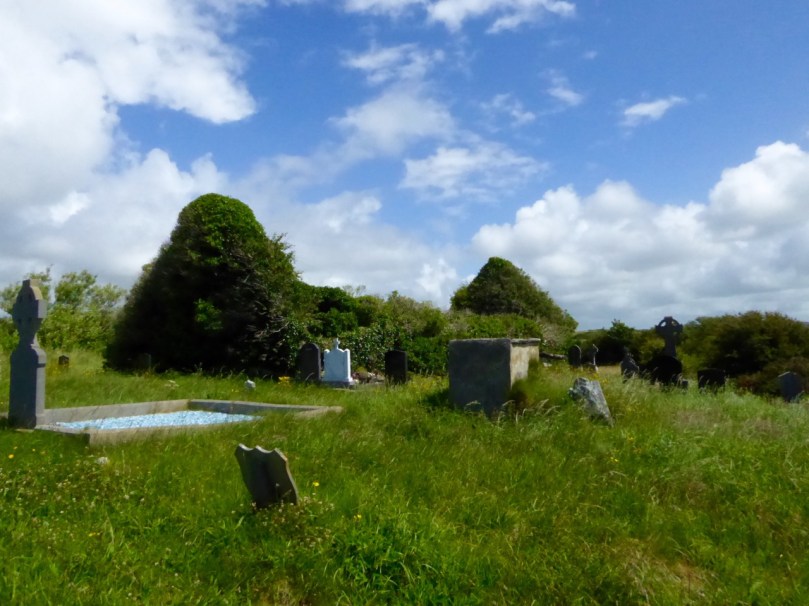
Kilcoe Medieval Church

Kilcoe Medieval Church

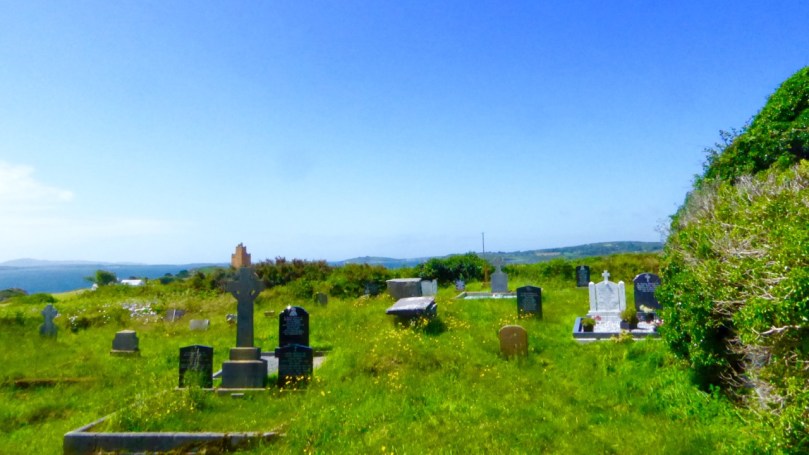
Kilcoe is a magical place. The story of its four churches leads us from the dawn of Christianity in Ireland through turbulent times and many centuries when religious differences and sectarian strife marked all aspects of life in Ireland.

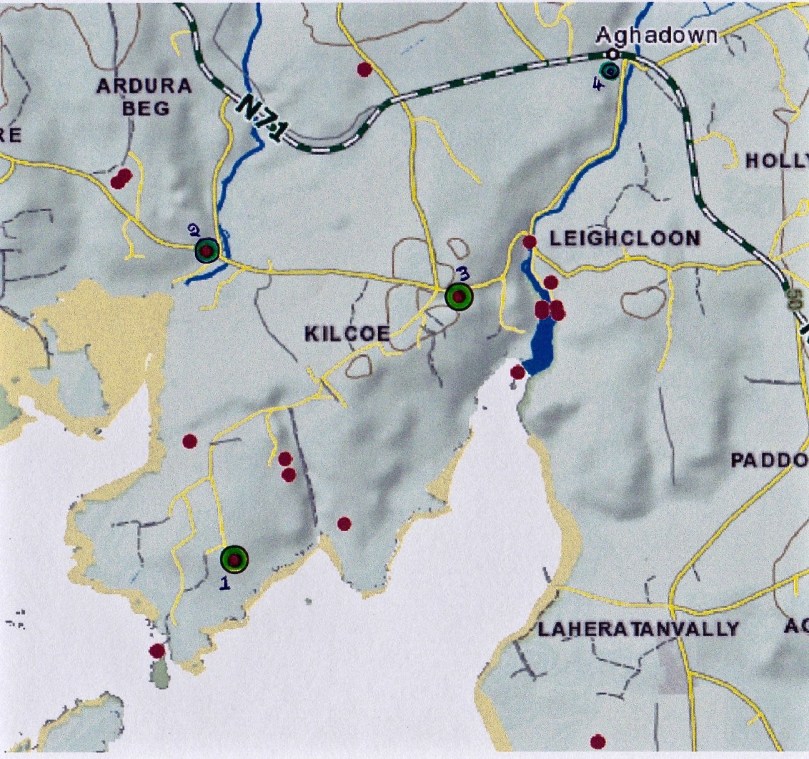
The four churches: 1, Kilcoe Medieval Church  2, Mass Rock 3, Kilcoe 19th Century Church 4, Kilcoe Modern Church of the Most Holy Rosary

The four churches: 1, Kilcoe Medieval Church. 2, Mass Rock. 3, Kilcoe 19th Century Church. 4. Kilcoe Modern Church of the Most Holy Rosary

We love going down to the Medieval church at Kilcoe or wandering the boreens along the Roaringwater River. Those boreens are now part of the Fastnet Trail Network and last weekend, at the Launch, we were treated to a talk about the locality from Fr Patrick Hickey, Parish Priest of Timoleague and a noted scholar of West Cork History. This blog post was inspired by that talk – thank you, Fr Hickey!

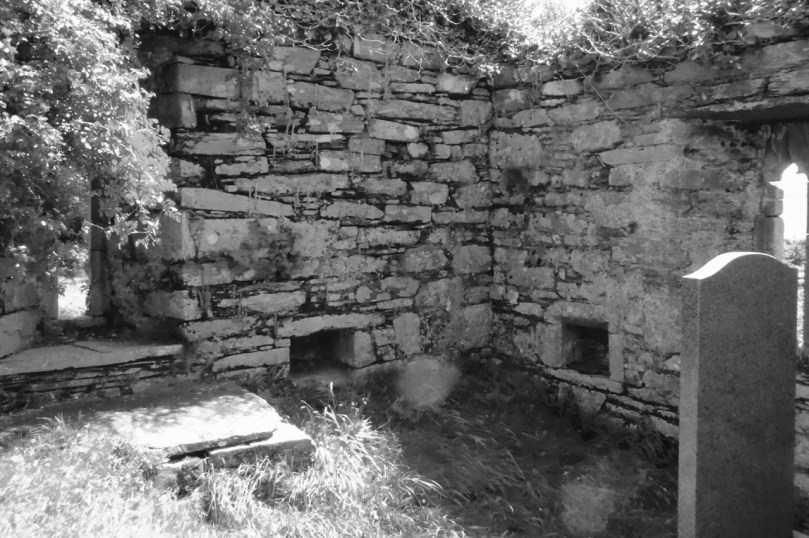
Inside the church, showing the ogival windows, the altar, piscina or stoup, and a small recessed cupboard

Inside the church, showing the ogival windows, the altar, piscina or stoup, and a small recessed cupboard

Kilcoe gets its name from St Coch, a nun said to be a colleague of St Ciarán of Cape Clear, who preached Christianity in Ireland before St Patrick, in the 5th Century. It is possible she founded a church here, but what we do know is that one was built in Medieval times – a building that still exists although the ivy is doing its best to take it over.

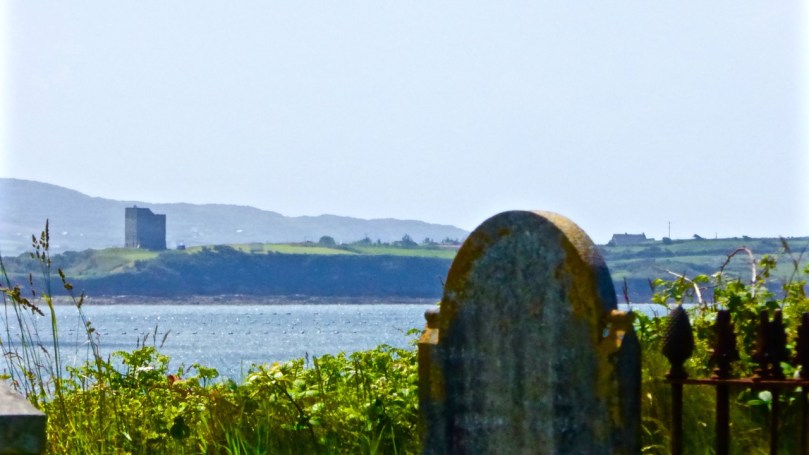
It’s a beautiful and atmospheric place, on the water, overlooking Roaringwater Bay. Two castles are in view: Kilcoe and Rincolisky, a McCarthy and an O’Driscoll Castle respectively. Each has a fascinating history that deserves a post of its own sometime. Some special features remain in this ruined church – windows with carved ogees, a lovely arched doorway, a piscina (for washing vessels) or stoup (for washing hands), a recess for storing vessels and the remains of a possible altar.

We don’t know exactly when this church was built or by whom, but we do know it was in ruins by 1615. Perhaps it was destroyed by the same forces that laid siege to Kilcoe Castle after the Battle of Kinsale in 1601 – a period that marked the end of the Old Gaelic Order in West Cork.

The Medieval church, with Kilcoe Castle in the background.

The Church, with Kilcoe Castle in the background

The rise of the Protestant Ascendancy class in the aftermath of that fateful battle privileged the Church of Ireland (transplanted Anglicanism) over the Catholic faith and a series of new laws, gradually getting harsher, were designed to suppress ‘Romanism’. This culminated in the enactment, in 1695, of the infamous Penal Laws. While attendance at mass was initially tolerated, churches could only be built from wood and away from roads. Eventually, priests were expelled from Ireland and after that mass had to be held in secret, with priests moving from hiding place to hiding place. At Roaringwater Pier Fr Hickey talked of the typical cargo of the smuggling ships that plied their trade from there: each ship to arrive from France would be carrying tobacco, brandy – and a priest!
From this period we find the Mass Rocks scattered around rural Ireland, identified on the basis of local tradition. The one at Ardura Beg is just up from a tiny pier that would have offered possibility of a quick escape. Many stories have come down of lookouts warning of the approach of the ‘red coats’ and the miraculous ways in which priests would make their escape. (See here and here for examples.)

Sheona and Amanda examine the mass rock at Ardura Beg

Sheona and Amanda examine the mass rock at Ardura Beg

Places of worship must be located where they are accessible and the first two are close by the sea, which afforded the easiest travel routes in Ireland for most of its history. However, roads were constructed eventually and the next two churches were located along these new routes. The first one, we’ll call it the Old Church, was built along the new road that led from Skibbereen to the Beara Peninsula. After 1778 the anti-Catholic laws were gradually relaxed, although it was not until 1829 that full Catholic Emancipation was won by Daniel O’Connell. The Old Church was probably built around 1800 and was a simple ‘barn-style’ edifice which served an impoverished and famine-stricken populace for a hundred years.
Left, the Old Church near Roaringwater Pier. Right, an example of a simple ‘barn style’ church in West Cork

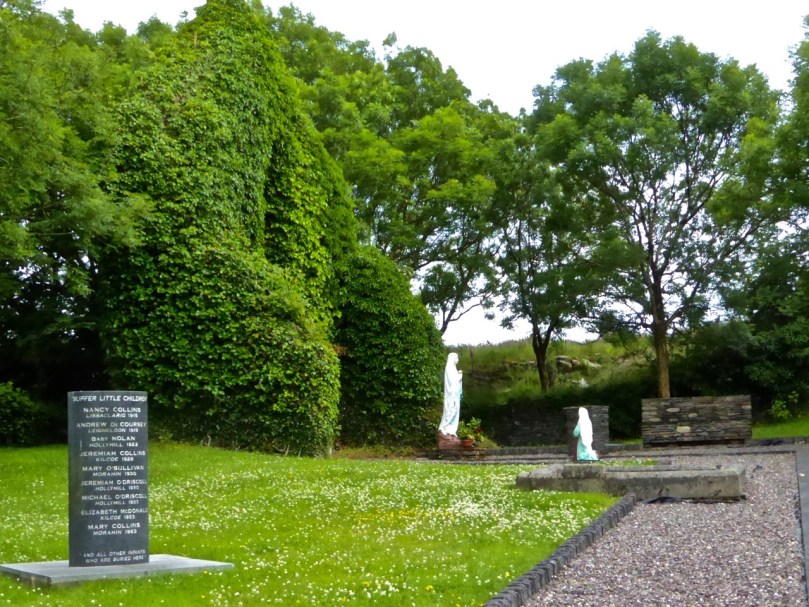
By the turn of the 20th Century it was deemed unfit for purpose. Nowadays it is a gentle green space, lovingly tended and in use as a grotto. Children were buried there – it was not a cillín, but a consecrated graveyard – and a memorial remembers them now.

Grotto and Chirdren Memorial. A place for contemplation

Grotto and Children’s Memorial. A place for contemplation

Catholic Emancipation ushered in a long period of church building by the newly-confident Catholic majority. The new road from Skibbereen to Ballydehob was constructed at the end of the 19th century and the New Church was built there in 1905, right beside the bridge over the Roaringwater River.

Kilcoe Church and Bridge

Bridge over Roaringwater River

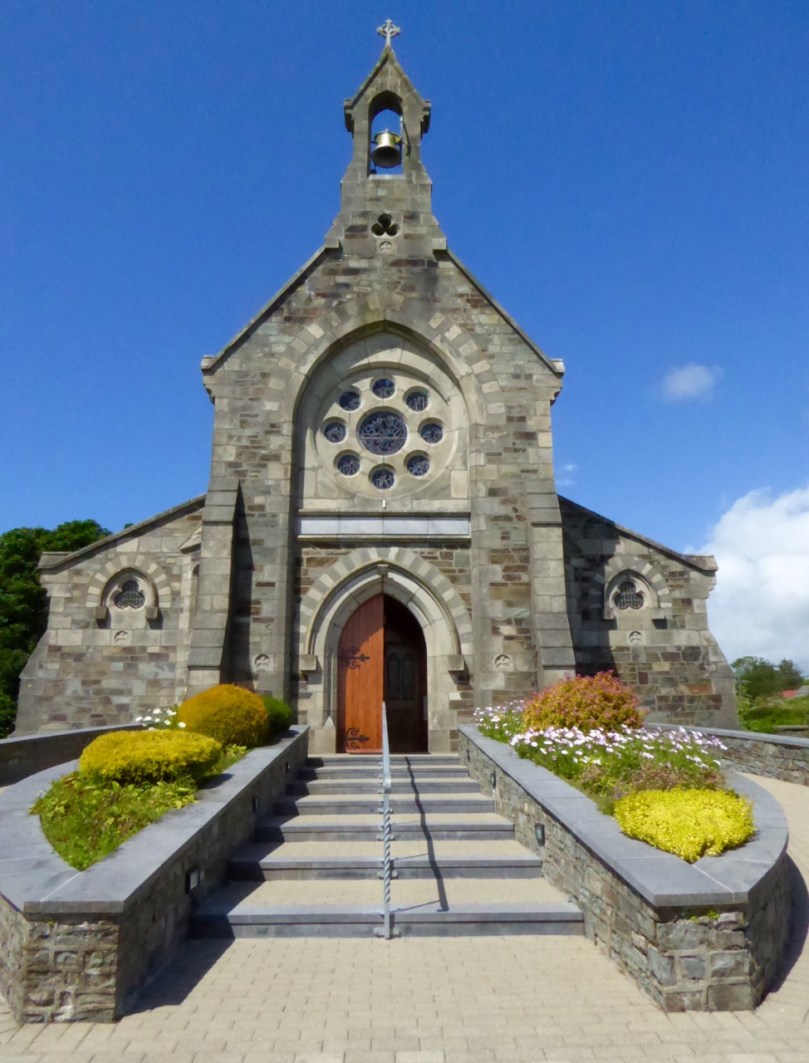
The two styles of churches common at the time were Neo-Gothic, Influenced by continental cathedrals, and Hiberno-Romanesque which took its inspiration from the Early Medieval Romanesque style of Old Ireland and featured wonderful doorways and round towers. The Kilcoe New Church, the Church of the Most Holy Rosary, was built in the Neo-Gothic style, with a large rose window at the eastern end.
Kilcoe, Church of the Most Holy Rosary

Kilcoe, Church of the Most Holy Rosary

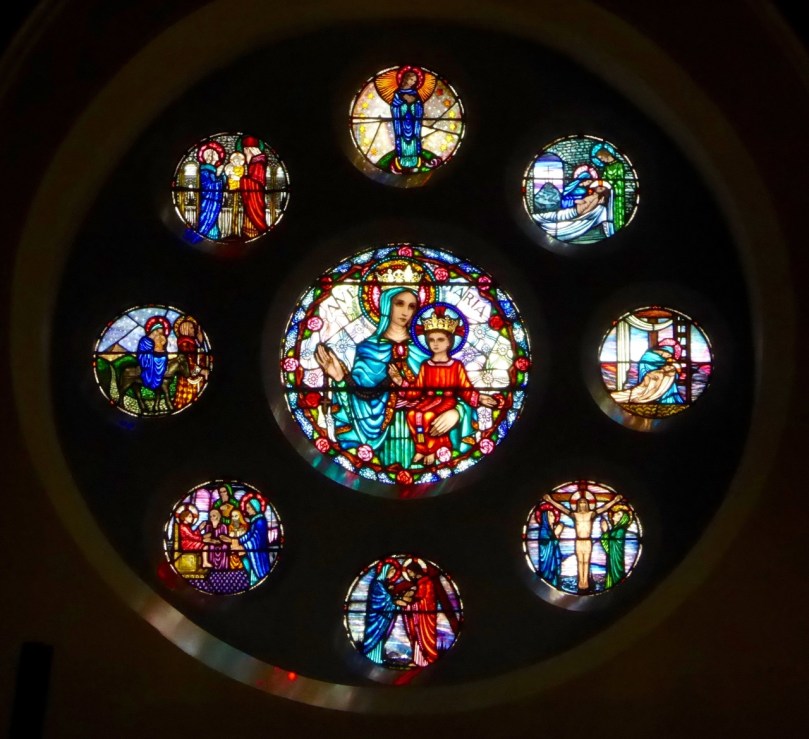
Originally the side-aisles did not have seats – poorer people could stand there for mass, while those who could afford a penny would occupy the pews. As the church fund grew, thought was put into ornamentation and stained glass was commissioned for several windows. The rose window was executed by the Harry Clarke Studios in 1943 and shows scenes from the life of Christ and of Mary.

The Rose Window, by the Harry Clarke Studio

The Rose Window, by the Harry Clarke Studio

The Altar and side windows were the work of Sarah Purser’s Tower of Glass. The choice of stained glass – from Dublin-based Celtic Revival artists rather than the English or Continental firms that supplied most church glass at the time –  was a choice that demonstrates the nationalistic feelings that were rife in West Cork at the time.

Irish History is written large on her landscape. In this one small area – these sites are within a couple of kilometres of each other – we see encapsulated sixteen hundred years of history, starting with St Coch and ending with the latest incarnation of a church at Kilcoe. Their beauty and their peaceful settings have been hard won. They should serve to remind us that peace and tolerance must always be cherished and safeguarded.

Rincolisky Castle from Kilcoe Medieval Church

Rincolisky Castle from Kilcoe Medieval Church

Closer Encounters – Fastnet Trails

The view from Cappaghglass, on the Rossbrin Walk

The view from Ballycummisk, on the Rossbrin Walk

Today (Sunday 28 June) a newly established system of walking trails was formally launched – by longstanding local TD (now retired) Jim O’Keefe – at Aughadown: we were part of the crowd

The Unveiling – from top left: mover and shaker Eugene McSweeney with Jim O’Keefe; Jim and the Fastnet Walk Trails Group Committee cutting the ribbon; on the inaugural walk – Fr Patrick Hickey giving us the low-down on smuggling at Roaringwater Pier; the wonderful Kilcoe National School Band
At Kilcoe Trailhead - the walks unveiled!

At Kilcoe Trailhead – the walks unveiled!

Rediscovering what we’ve only recently discovered… is that the best way of describing our experiences exploring the just launched Fastnet Trails? We have been traversing and driving around the boreens – local lanes and byways – that permeate this beautiful stretch of coastline and country on our own peninsula (Ballydehob is colloquially termed ‘the Gateway to the Mizen’) for the full two years that we have lived permanently here at Nead an Iolair. We have taken in the vistas – from the windows of our car – and appreciated the profuse combinations of sky, sea and mountain as we passed on our way; now, we are seeing everything anew, and in closer focus, because we have started to walk the trails.

Cornflowers

Old Copper Mine at Ballycummisk (Rossbrin Walk)

Old Copper Mine at Ballycummisk (Rossbrin Walk)

Towards Mount Gabriel - Butter Road Walk

Towards Mount Gabriel – Butter Road Walk

It may seem strange that many of these walks are along roads but don’t let that put you off! Remember that here in rural Ireland the old lanes were made to serve farmsteads and are little used today by anything more than very local traffic. I did the hike home from Ballydehob this morning (after my usual excellent coffee break in Budds) on the long route, passing by Ard Glas (Ballydehob Rossbrin Walk): I pootled along for well over an hour and didn’t see a single vehicle in the whole of that time! In fact, a passing car (or bicycle or tractor) is an event: invariably it involves a pause in walking while the time of day is passed in leisurely conversation during which acquaintances are made and news is passed on…
Have you time for a chat?

Have you time for a chat?

P1050062

lisheenacrehig map

Before the official opening Finola and I undertook one of the walks (Lissheenacrehig Walk, starting at Kilcoe Trail Head): we deliberately chose the one that seemed perhaps the least interesting as it heads north inland and doesn’t pass directly by Roaringwater Bay. I’m not sure what we expected – after all, we had travelled all the little roads on this route by car previously – we are great explorers! In fact, our eyes were opened and we were surprised to be presented with wide views focussing on Mounts Gabriel, Kidd, Corrin and all the rugged uplands in between, and to be given the huge bonus of time to stop and scour inviting rock surfaces for new examples of Rock Art (we didn’t find any). But also it was the closer encounters which we really valued: a wealth (if that really is the right word?) of ruined sheds and cottages; wells, walls and wild flowers; an old burial ground with its memories of lives lived; the tumbling waters and green rocks of the Roaringwater River just before it empties itself into the Bay; archaeology (viewed from a distance on this occasion – the standing stones and ring forts are on private land and – as always – permission should be sought from the owners prior to visiting: that, of course, creating further opportunities for chat and dawdling).
View to Mount Kidd, Rossbrin Walk

View to Mount Kidd, Rossbrin Walk

Butter Road Walk

Butter Road Walk

The signage on these walks is clear but discrete – you’d have to try very hard to lose your way. Very occasionally there are information boards: these have been well thought out and attractively drafted. At the end of our sample walk we realised we had taken three hours to do the 7.5 kilometres: the well produced trail information recommends allowing an hour and three quarters! I think that emphasises our predisposition to get diverted in every possible way…

pathsign

Discrete signage on the Butter Road

Signage on the Butter Road

Bucolic

Useful signs along the way…

In all there are 80km of walks set out, from Schull in the west to Lisheen in the east. They are easily accessible, and there is ample parking at all the Trailheads.

gatepost

The one trail which is largely away from surfaced roads is the Butter Walk, running between Ballydehob and Schull. This an ancient way – Finola has written about it and its fascinating history previously. It’s magical to get into the heart of rural Ireland and to immerse yourself in nature and a past writ so clearly on the landscape.

Along the Butter Road

Along the Butter Road

We really believe that West Cork is pulsating with an underlying energy! So much has happened (and is happening) during our time here. Much of it is, of course, down to people who have been working away for years – often behind the scenes and, therefore, unappreciated – but future generations will realise what a debt is owed to these innovators: West Cork has been steadily and deservedly building its reputation as good food capital of Ireland, for example – and the opening of Uillinn in Skibbereen will emphasise the equal importance and historical context of the arts in these remoter landscapes. For music, drama and literature, also, we are always spoilt for choice: the furthest we have to travel is half an hour to see and hear world class performers in all these genres.

Roaringwater River, Lisheenacrahig Walk

Roaringwater River, Lisheenacrehig Walk

Roaringwater Bay Panorama

The latest asset to bring West Cork to the fore is this – literally – trailblazing one: the establishment of a network of walking routes along the coast, through the countryside and into the wild places. Fastnet Trails has been quietly gestating now for some time: the launch today shows how much work has been undertaken already – and what fruition has been attained. On behalf of everyone locally we thank the organisers for achieving the realisation of their dreams which benefit all of us and the generations to come. A grand start has been made: undoubtedly, more good works will follow.

Light and shade: Lisheenacrahig Walk

Light and shade: Lisheenacrehig Walk

Lisheenacrehig Loop

Fastnet Trails are recognised by the National Trails Office and the Wild Atlantic Way: the venture has been organised by The Fastnet Walks Trails Group with the help of the Community Councils of Aughadown, Ballydehob and Schull

fastnet_trails_a3.indd

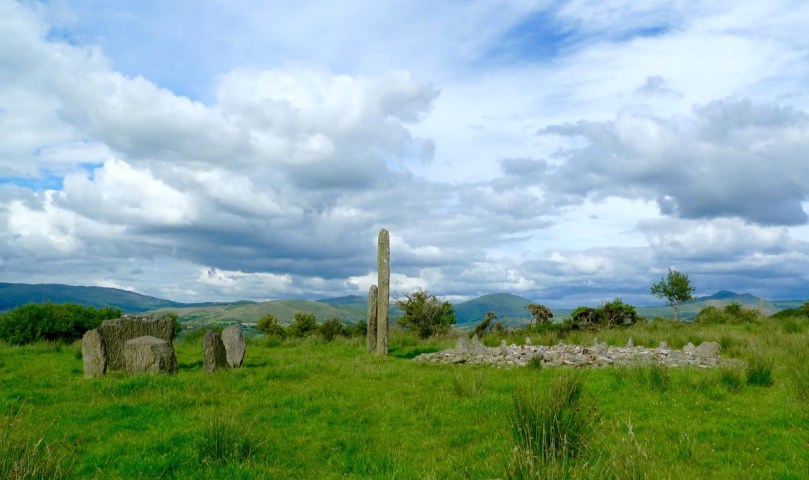
The Complex Cupmark

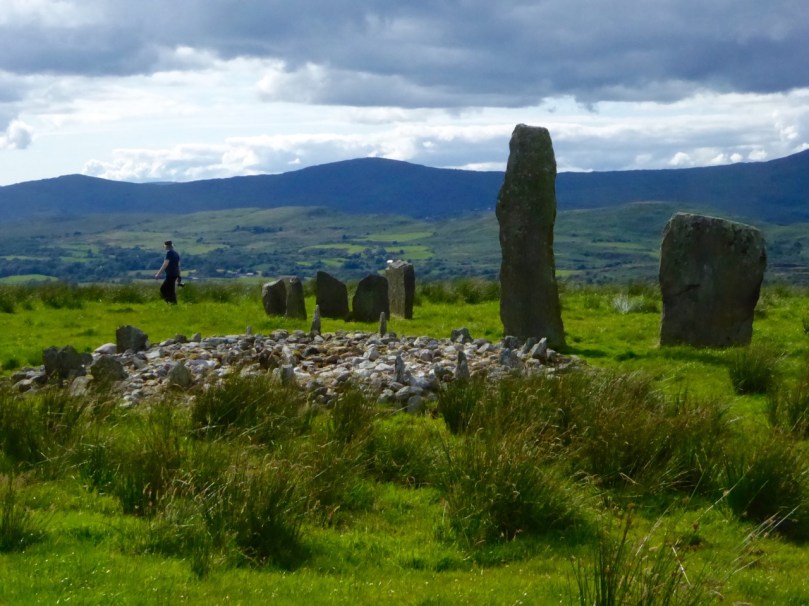
Rathruane More: the view from the rock art site includes a knoll with a row of cupmarks on its upper surface, and Mount Gabriel on the horizon

Rathruane More: the view from the rock art site includes a knoll with a row of cupmarks on its upper surface, and Mount Gabriel on the horizon

QUESTION: Is there a real difference between rock art and cupmarked stones?

A joint post by Finola and Robert
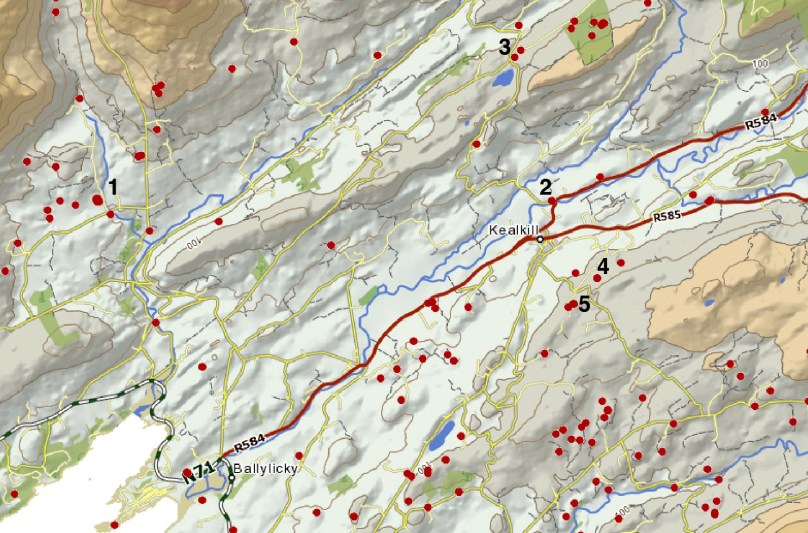
Distribution of 'rock art' (left) and 'cupmarked stones' (right) in Ireland

Distribution of ‘rock art’ (left) and ‘cupmarked stones’ (right) in Ireland, according to the National Monuments classification scheme

In recording the rock art of County Cork so far we have concentrated mainly on those examples described in the National Monuments Records as rock art. In the course of planning the Cork survey, years ago, a decision was made to distinguish between rock art and cupmarked stones and so they are listed separately. However, other counties appear to lump them together, or use the generic term rock art to include stones bearing only cupmarks. In addition, some monuments are classified using their most distinctive feature: a wedge tomb or a standing stone, for example, may well bear cupmarks on a surface, but do not therefore show up as examples of either rock art or cupmarked stones on the records.  

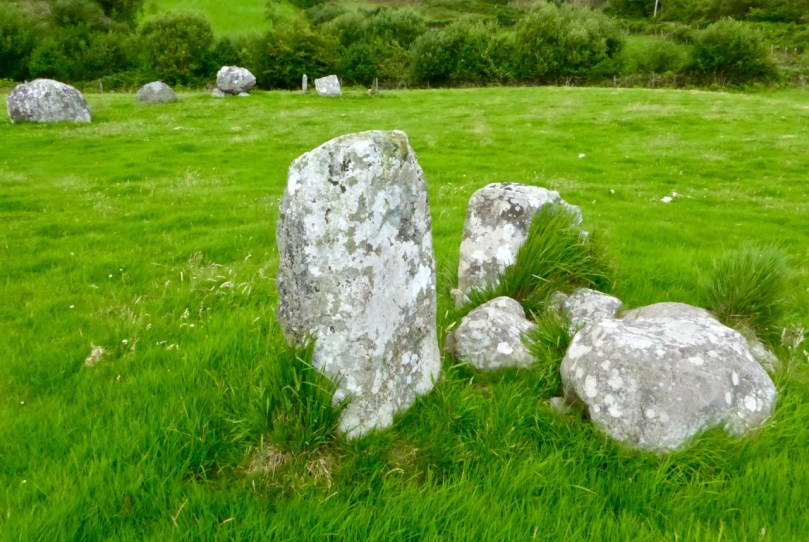
Drishane Cupmarked Stone. In other counties, this would be recorded as Rock art

Drishane Cupmarked Stone. In other counties, this would be recorded as Rock art

This is how the National Monuments Website describes cupmarked stones: A stone or rock outcrop, found in isolation, bearing one or more small, roughly hemispherical depressions, generally created by chipping or pecking. There are a total of 99 examples listed in Ireland, of which 64 are in Cork. However, as we have seen above, this is an arbitrary and misleading classification and varies from county to county. The number of cupmarked stones that fit the NM description is likely to be much larger. The question is – should we preserve this distinction between stones labelled rock art and those labelled cupmarked stones? Is it useful or merely confusing?

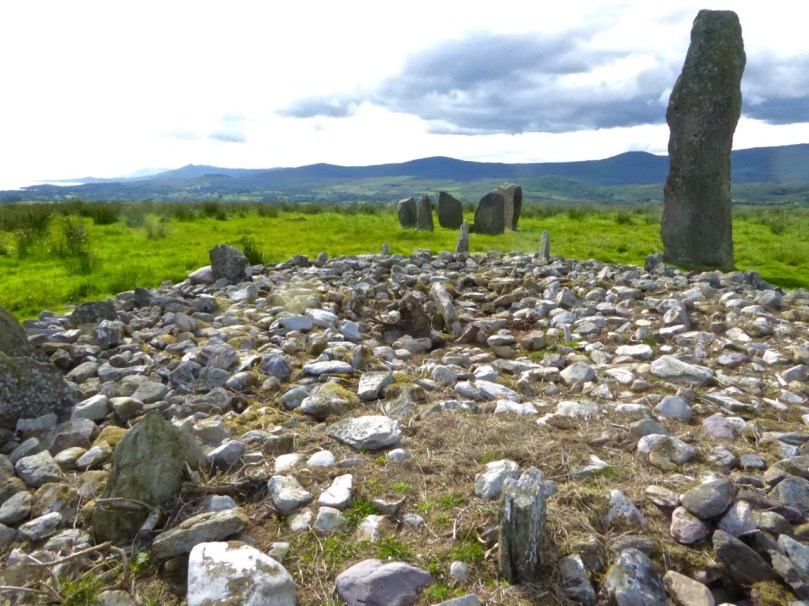
Rathruane - included in the list of rock art because, besdies cupmarks, it also has cup-and-ring marks, a rosette, and curved lines.

Rathruane – included in the list of rock art because, besides numerous cupmarks, it also has cup-and-ring marks, a rosette, and lines. The first photograph in this post was taken from this surface

The cupmark is the most basic and numerous element or motif of rock art in Ireland and elsewhere. In the examples labelled rock art in County Cork, they occur with other motifs, principally concentric rings, sometimes with radial grooves, and a variety of curved or straight lines. They can be incorporated within a motif (as in cup-and-ring marks, rosettes, or where enclosed by lines) or they may be scattered, seemingly randomly, over the surface of the rock, between and among the other motifs.

The two images above are from the shores of Lough Hyne. Two cupmarked stones lie on the beach, having probably fallen from the stone wall above. The right hand image is Robert’s drawing of the stone with 12 cupmarks

Since we have almost finished our recording of the rock art examples, we have moved on to focusing on those labelled cupmarked stones. As we spend time in the field recently with this class of monument we have begun to appreciate their differences from and similarities with rock art.

This simple cupmarked stone was placed many years ago within Knockdrum Fort, near Castletownshend, in the townland of Farrandau. It was brought to Vice-Admiral Boyle Sommerville by a local farmer

Let’s start with what differentiates them from rock art, apart from the obvious fact that the cupmark is the single motif employed in the carving.

  • Where a stone is smaller and moveable, it is more likely to bear only cupmarks. This also makes them more vulnerable to loss and to incorporation into field walls and other structures. While there are examples elsewhere, here in Cork we have found no examples of cup-and-ring carvings on small, easily moveable, stones.
  • We have found cupmarks on boulder burials here – Bohonagh is a good example, and Derreennatra (currently hidden under a mound of compost) may be another.
  • In general standing stones, where they have carvings, are more likely to have only cupmarks (we have three exceptions to this in West Cork).
  • The Bluid stone has cupmarks on both sides – there are no Cork examples with rock art on both sides.
The Bluid Stone is in Cork Public Museum but comes from near Castletownshend. It is a rare example of a stone with cupmarks on both sides, quite portable. Note the semi-circular patterns of the cupmarks

The Bluid Stone is in Cork Public Museum but comes from near Castletownshend. It is a rare example of a stone with cupmarks on both sides, quite portable. Note the semi-circular patterns of the cupmarks

Now – what’s the same?

  • Location: Most cupmark-only carvings are found in the open countryside, on large earthfast boulders or rock outcrops.
  • Clusters: as with rock art, cupmarked stones are often found within a kilometre or two of other examples or are within sight of each other or within site of rock art (intervisibility).
  • Carving technique: where it can be discerned, it appears to be the same as for rock art – pecking with a harder stone. In the case of some of the shaley sandstone that laminates easily, it is impossible to tell how the cupmarked was formed – it may have been simply bashed out.
  • Siting: where the cupmarks are found in situ, their siting is equally spectacular to rock art. In particular, many of them are found on rising ground with strongly marked horizons that include views, even quite distant views, of Mount Gabriel, Mount Kidd, or other prominent horizon features. The sea, or water in the form of a lake, stream or river, is often a feature of the vista from the rock. We have not worked with enough of them yet to form any opinion on whether they are sited at what may have been routes through a landscape or territorial boundaries.       
  • Patterns: as with more complex rock art, often the cupmarks appear to be scattered randomly over the surface of the rock. However, patterns of straight lines, or of rough circles or semi-circles, can be made out in several of the stones we have recorded to date.
Robert points to two outcrops in Kilcoe. The lower one has one cupmark, the upper one has 13 cupmarks arranged in a rough circular patter. The sea and Mount Gabriel are visible from this location, as well as some rock art

Robert points to two outcrops in Kilcoe. The lower one has one cupmark, the upper one has 13 cupmarks arranged in a rough circular patter. The sea and Mount Gabriel are visible from this location, as well as some rock art

In researching this piece we have been influenced by Christiaan Corlett’s book Inscribed Landscape: The Rock Art of South Leinster. Christiaan is an archaeologist with the Dept of Arts, Heritage and the Gaeltacht and specialises in the archaeology of Leinster, and especially Wicklow. His book has been the first to catalogue the extensive body of rock art in the South Leinster area (indeed the first published work on rock art in Ireland) and in his corpus he includes both cup-and-ring art and cupmark-only stones without undue distinction. He notes many of the same things about rock art that we have observed. For example, he was struck, as we were, by the dominance of high mountains (in his case, Mount Leinster, the Blackstairs, or Brandon Hill) in the horizon views from the rocks he studied, and by the intervisibility of stones from each other.

The newly-discovered Kilbronoge cupmarked stone. From it you can see Roaringwater Bay and a wedge tomb to the SE, and Mount Gabriel diametrically opposite in the NW

The newly-discovered Kilbronoge cupmarked stone. From it you can see Roaringwater Bay and a wedge tomb to the SE, and Mount Gabriel diametrically opposite in the NW

Robert's drawing of the Kilbronoge Cupmarked Stone, done on CAD using architectural drawing tehniques

Robert’s drawing of the Kilbronoge Cupmarked Stone, made using architectural survey and CAD techniques

His work is a strong argument for the inclusion of all cupmarked-based prehistoric carving under one rubric – rock art. First of all, he argues that it is all likely to be of a similar early origin. Recent thinking is that rock art may predate megalithic art and belong to the Early Neolithic (at least 5,000 years old). In fact, the cup-and-ring art may already have been dying out during the great flowering of megalithic art that we see at Newgrange, Knowth and Loughcrew. Cupmarks on their own may have persisted longer, as they are found in association with Bronze Age monuments such as wedge tombs and boulder burials. Here’s what he has to say about our search for meaning, vis-a-vis the humble cupmarked stone (p.78):

Arguably, it is only within the context of the overall composition that we may come close to some comprehension of the motifs found in rock art. Even the meaning of a completed composition, however, may only have been understood by the person(s) responsible for it. Perhaps the symbols represent a complex message of family history or a personal spiritual journey associated with an initiation ceremony or rite of passage, or perhaps they simply served to delineate family, tribal or sacred boundaries… [There is] a natural temptation to focus on the more elaborate designs and compositions found in rock art, as if they are more important because they are more accomplished. Yet the frequency of compositions consisting solely of plain and unelaborated cup-marks should not devalue their significance. Clearly their commonness would strongly suggest that these examples were just as important as, or maybe even more important than, the most elaborate examples of rock art found in the region. Given the intrinsic simplicity of a composition consisting entirely of cup-marks, however, it is arguably impossible to decipher or decode the specific meaning of the symbols themselves. That is not to say, of course, that we cannot attempt to understand the broader message of rock art, particularly where a complex of sites can be analysed. In such cases it may be the context of these sites that will provide the key to unlocking the meaning of rock art, in terms of the position and relationships within a given landscape, and the relationship with other examples of rock art on the vicinity.

The Kilcoe Cupmarked stone. The original record described three cupmarks - in fact there are 13, arranged in a rough circle.

The Kilcoe Cupmarked stone. The original record described three cupmarks – in fact there are 13, arranged in a rough circle

Christiaan deals with the similarity of cupmarks to the bowl-shaped depressions known as bullauns, assumed to be Early Medieval. But that’s a topic for another day. Suffice it to say here that one of our favourite stones, Castlemehigan, may have both cupmarks and bullauns on its surface, as well as a cross indicating its later use as a mass rock. In its extraordinary mix of seemingly-randomly-scattered but also possibly-linear-arrangement of cupmarks; large bowl and basin-shaped elements; a spectacular siting that includes views to a distant Mount Gabriel and a closer view of the sea; a nearby cluster of other cupmarked stones; and the folklore that surrounds it – this very special cupmarked stone embodies all that is wonderful about this class of ancient monument.

Castlemehigan cupmarked stone

Castlemehigan cupmarked stone

To come back to the question we posed at the beginning – should we preserve or abandon the notion that we are dealing with two classes of monument – rock art versus cupmarked stones? Our answer is that we’re not sure.  What do YOU think?

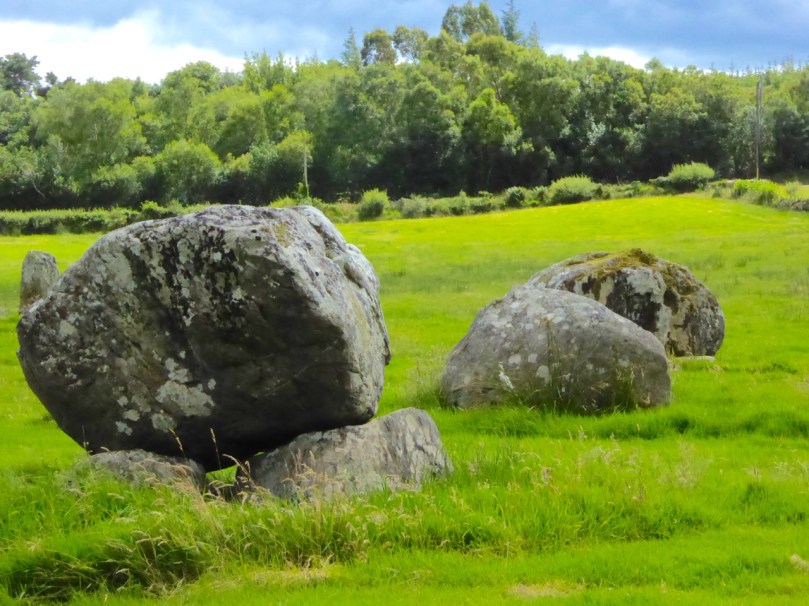
The Giant's Grave, Drishane. It bears numerous cupmarks on the upper surface of the 'capstone'

The Giant’s Grave, Drishane. It bears numerous cupmarks on the upper surface of the ‘capstone’

For those interested in more of our posts on rock art, go to Derrynablaha Expedition and scroll to the end for a list.

Irish Farming – 6,000 Years Ago

The Céide Fields Visitor Centre

The Céide Fields Visitor Centre


How did we farm in Ireland in Neolithic times? Turns out, much as we do now!

We’re just back from an inspiring trip to Mayo, the highlight of which was a visit to the largest Neolithic site in the world – the Céide Fields (pronounced Kay-jeh, for our non-Irish readers).

Collapsed field walls under the bog. The white stakes mark the line of the uncovered wall

Collapsed field walls under the bog. The white stakes mark the line of the uncovered wall

When we think of the Neolithic (or New Stone Age, or Early Farming) period in Ireland, we automatically think of the megalithic tombs – spectacular sites like Newgrange and Loughcrew, or the smaller portal tombs, like Poulnabrone or Arderrawinny. But how did these people make their living? What were their daily lives like? We found the answers, going back almost 6,000 years, at the Céide Fields.

The extent of the fields around the Visitor Centre

The extent of the fields around the Visitor Centre

The Céide Fields is an extensive system of enclosures, stretching for kilometres from the sea over the hills, used for livestock farming. Occasionally, besides grazing fields, there is evidence for corrals, grain-growing, and farmhouses. In fact, much like we see around us in West Cork nowadays, people lived in their own farmhouses, surrounded by their fields, within sight of their neighbours.

This enclosure surrounded a farmhouse

This enclosure surrounded a farmhouse

Society was cooperative – it had to be, in order for such an enormous network of fields to be constructed. And life was peaceful: there is no evidence of defensive structures. The weather was warmer than now – warm enough so cattle could graze outside all winter – and there was enough land and food for everyone.
They quarried rocks for fences and for structure like court tombs

They quarried rocks for fences and for structure like court tombs
They had a spiritual life, building their own version of megaliths – the Court Tombs. We were fortunate to meet the manager of the Céide Fields site, Gretta Byrne, who gave us directions to Rathlackan Court Tomb – a site she had excavated. Court tombs are a type of chambered tomb, generally oriented towards the east and featuring a forecourt at the front of a long mound that covered the chambers. Rathlackan is a fine example, with three chambers and a nicely preserved forecourt. It took a highly organised society to build a complex structure such as this.

In the 1930s a local schoolteacher, Patrick Caulfield, first discovered what were clearly pre-bog collapsed walls when cutting peat in the deep blanket bog that covers this part of Mayo. Decades later his son, Seamus, now an archaeologist, headed the investigations that led to the realisation of how extensive the field system was. Mostly this was done by probing – sending a thin metal bar down through the soft peat until it hit a rock. This technique was so successful that miles of walls could be charted without the need to excavate. Excavation focussed on uncovering small sections of wall and features like enclosures and house-sites.

I take a hand at probing

I take a hand at probing

About 5,200 years ago, a combination of climate change and forest clearance led to the development of the blanket bog that covers the land today and ultimately forced these Neolithic people, after 500 years of successful farming, to abandon their fields. The ecology of bogland and the conditions that create it are the subject of some of the museum exhibits and also of the excellent guided tour that covered two hectares behind the Visitor Centre.

A section of wall disappears under the bog

A section of wall disappears under the bog

If you find yourself in this part of Ireland, do plan a visit to the Céide Fields. Take some bug spray – although they weren’t in evidence when we were there, the Céide midges have a reputation for ferocity. Enjoy the display in the award-winning Visitor Centre first and fortify yourself with a coffee and cake.

This pine came from the bog

This pine came from the bog

Once outside, as you walk along beside the ancient stone walls, look across the valley towards Downpatrick, and marvel at the continuity of a way of life – small cattle farms among stone-walled fields – that began almost 6,000 years ago.

This scene, in Galway, could have happened 6,000 years ago in North Mayo

This scene, in Galway, could have happened 6,000 years ago in North Mayo

We’ll let Seamus Heaney have the last word. His poem, Belderg, was inspired by the Céide Fields:

When he stripped off blanket bog

The soft-piled centuries

Fell open like a glib;

There were the first plough-marks,

The stone-age fields, the tomb

Corbelled, turfed and chambered,

Floored with dry turf-coomb.

A landscape fossilized,

Its stone wall patternings

Repeated before our eyes

In the stone walls of Mayo.

Looking towards Downpatrick Head from the Visitor Centre

Looking towards Downpatrick Head from the Visitor Centre