When is a castle..?

Leamcon Castle

Leamcon Castle (Black Castle)

…not a castle?

Answer: When it’s a Tower House. Maybe.

Harold Leask first published his classic Irish Castles in 1941, and it was subsequently revised and reprinted several times. My own copy was bought in the late 60s and accompanied me to Canada and back. Leask’s book was the first comprehensive work on the subject – a work of erudition but thoroughly readable with charming pen-and-ink illustrations. 

Leask insisted on the use of the term tower houses for small simple castles and described them thus:

They are simple oblongs with four walls, subtly battered, rising sheerly from a bold base-batter, to parapets which are crenellated in the Irish fashion. A small turret, at one corner, generally above the staircase, rises to a greater height than the rest of the building, while within the parapets are the two gables of the roof. Very often a small machicolation projects from the parapet and commands the entrance doorway below…
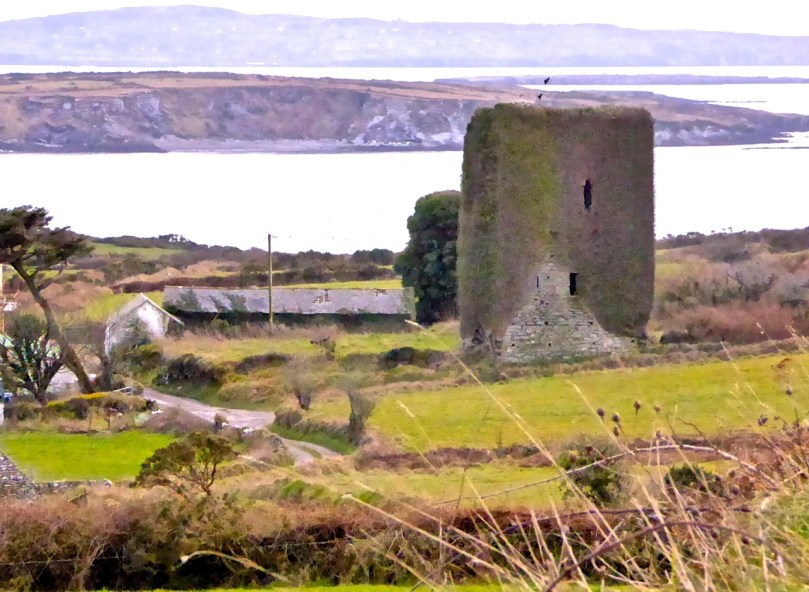
Ardintenant Castle

Ardintenant Castle (White Castle). It sits on top of an earlier ring fort.

In researching for this post the other main source I consulted was a doctoral thesis by Mark Wycliffe Samuel, The Tower Houses of West Cork. More recent (1998), it concentrated on the castles of this area and is packed with detail about the ones we see around us here in Roaringwater Bay and on the Mizen Peninsula, from Baltimore (Dún na Séad) in the east, to Cape Clear Island (Dún an Óir) to the south and Three Castle Head (Dunlough) to the west.

Dunlough Castle, known as Three Castle Head

Dunlough Castle, at Three Castle Head

These simple towers were quite different from the enormous and elaborate military castles that cemented Anglo-Norman power all over Ireland after the invasion of 1169, such as Trim in County Meath, or Cahir in Tipperary. Tower houses were built in what Leask calls a ‘great building revival’ from about 1440 into the 1600s. In what may be the forerunner of the European Grants system, Leask says many of the earliest ones were built as ‘£10 Castles’. A statute of 1429 offered every liege man of our Lord the King…who chooses to build a castle or tower sufficiently embattled or fortified..to wit twenty feet in length sixteen feet in width and forty feet in height or more, that the Commons of the said counties shall pay to the said person to build the said castle or tower ten pounds by way of subsidy. Although this statute seems to have been applicable only in certain counties (mainly around the Pale) it established a pattern for tower building which was adopted, with variations, all over Ireland.
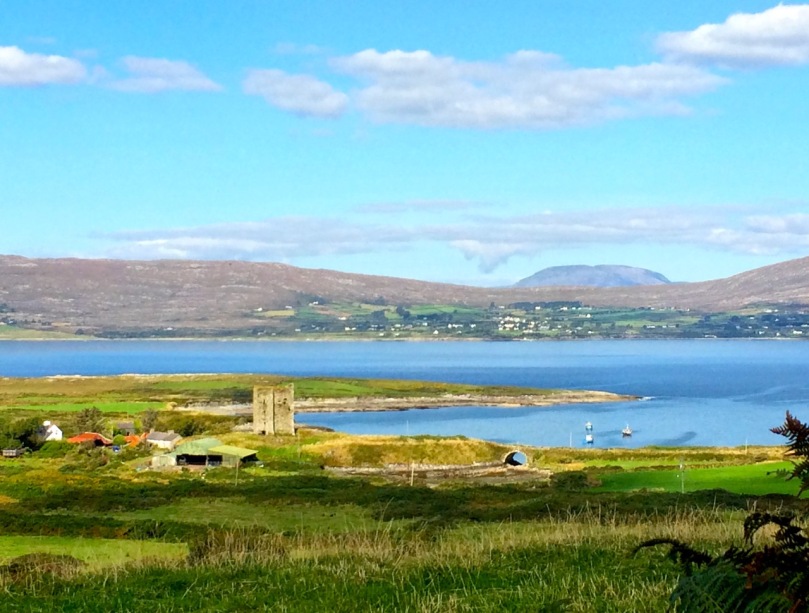
Dunmanus Castle

Dunmanus Castle

The Roaringwater Bay and Mizen towers fit this pattern very well. They were not, however, built by the Anglo-Normans – West Cork was too remote and beyond their reach. They were built by the great Irish chiefs of the O’Mahoney, the McCarthy and the O’Driscoll clans and probably replaced earlier strongholds such as promontory forts (as at Dunlough), large ring forts (Ardintenant) and stone forts/cashels (such as the one at Knockdrum). These chiefs became wealthy through their control of the fisheries, through piracy, and through tribute exacted from those who occupied their traditional territory. At least one of them (Rossbrin) became famous as a centre of learning and scholarship during this time. Of the ones I will describe in this post, all are situated at the sea. or close to it, with commanding views over their territory and sometimes within sight of each other.
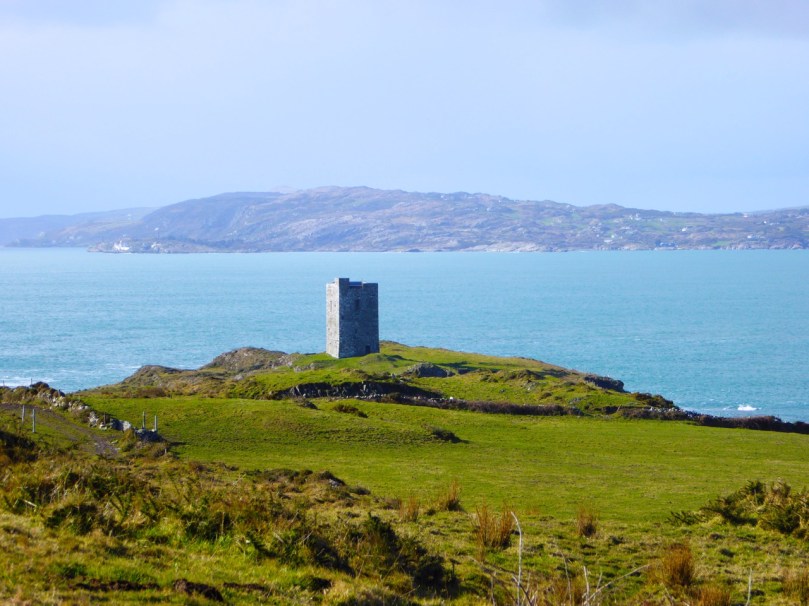
Leamcon, known as Black Castle

Leamcon, known as Black Castle. Notice the base-batter in this picture and the first one below.  The lowest level is the widest (battered) with the walls sloping in above this base

The power of these great Irish households lasted until the 1601 battle of Kinsale when the Irish forces under Hugh O’Donnel and Hugh O’Neill (with Spanish help) were defeated and an enormous re-conquest and re-colonisation began under Elizabeth and continued unabated under the Stuarts and, most disastrously, under Cromwell.

Each tower in this area was built in the same manner, which Samuel refers to as the Raised Entrance type of tower. There were two entrances, one on the ground floor and one on the first floor. The ground floor room was for cattle and the doorway was therefore as wide as would admit a cow.

A glimpse inside the raised entrance at Ardintenant

A glimpse inside the raised entrance at Ardintenant

The raised entrance (directly above it, or staggered to the left or right) was only wide enough to admit one person at a time – a defensive feature. This entrance either led into the first floor room or (since the ground floor room could have a lofty ceiling) onto a landing where a staircase led up to this room and then continued up through the wall (usually the thickest wall of the tower) to the upper floors. The first floor room was mainly used for storage and had either no windows or very small slits.
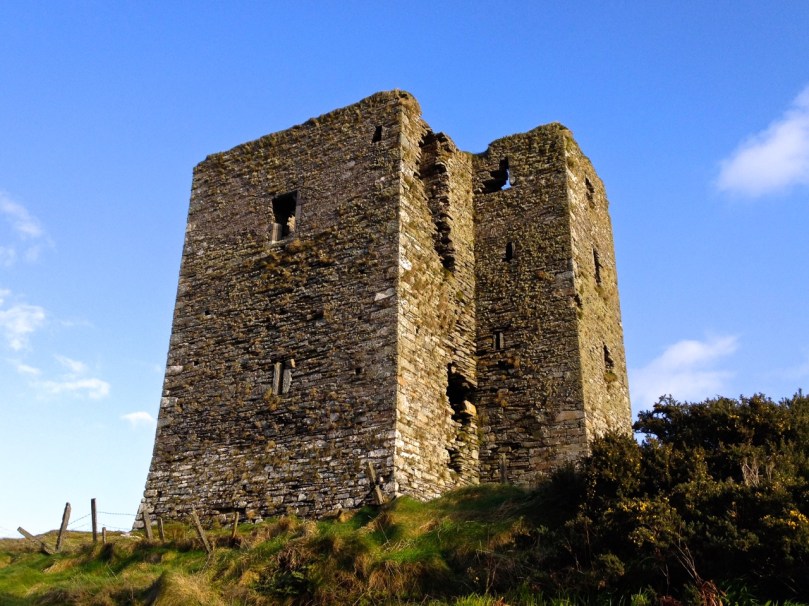
Dunmanus, with its additional turret. The top windows were always the largest.

Dunmanus, with its base-batter and additional turret. The top windows were always the largest

The second floor room was often the principle chamber, where all the main activities of the family took place – living, eating, meeting, administrating, celebrating (music and poetry were highly prized by these chieftains). If there was a third floor it contained the solar, or private chambers for the women of the household.

Barrel vaulted ground floor room at Dunmanus. Note access to stairwell.

Barrel vaulted ground floor room at Dunmanus. Note access to stairwell.

Construction techniques varied – some were superbly constructed of cut stone while others used a lot of rubble to build up the insides of walls. Putlogs, or holes where scaffolding timbers were insert, are clearly visible in several of the towers. The lowest floors were of course the thickest – the base-batter provided a solid foundation and the walls sloped inwards from it. The top of the tower allowed for thinner walls, and therefore also bigger windows (although none were large).

A garderobe (toilet) was a feature of the top two floors, with a chute out to the outer walls. In towers with additional turrets (Kilcoe, Dunmanus, Leamcon) the garderobe and sleeping chambers were sometimes contained in that turret, or the spiral stairs wound up through it. While most towers had stone spiral or straight staircase, some appeared to access each floor by means of ladders – there is no evidence for permanent wooden staircases.

The ground floor room (the byre) was often vaulted and this feature is still clearly visible in the most intact towers. Above that, the floors were of timber, sometimes with trapdoors for lifting up supplies. Presses (cupboards) consisting of niches in the walls may have contained lanterns or have been used to store valuable items.

There were no fireplaces in these towers. Fires were lit on flagstones laid on the wooden floors and the smoke rose to the tall ceilings and escaped out the small windows. In addition to this level of discomfort there is a contemporary account (quoted by Leask) which describe the primitive living arrangements in some of the towers: They have little furniture, and cover their rooms with rushes, of which they make their beds in summer and straw in winter. They put rushes a foot deep on their floors and on their windows [embrasure floors?], and many of them ornament their ceilings with branches.

But not all chieftains lived in a primitive way. Samuel uses the available evidence to construct a picture of life at Togher, one of the towers he studied, and it’s not hard to picture Fineen O’Mahoney, Scholar Prince of Rossbrin, in such a setting.

We can form a picture of the principal chamber in use: Tadhg an dúna or Togher’s principal chamber was probably furnished with imported furniture, pewter plate and cutlery and was panelled with ornately carved timber. His family, his bard, …clerk, lawyer, priest and physician, as well as members of the derbfine [extended clan] such as cavalrymen could eat there. They could sit with the chieftain to one side of the principal salt cellar, while others sat ‘below’ it… Servants prepared food out of sight ‘below stairs’. Bardic musicians, soothsayers, gamblers and others would be admitted as honoured guests, but the household ward and servants ate in the kitchen/ward room.

Although its name means Fort of Gold, today Dún an Óir on Cape Clear Island looks remote and forbidding

Although its name means Fort of Gold, today Dún an Óir on Cape Clear Island looks remote and forbidding

Similarly, Dún na Séad (Fort of the Jewels) Castle in Baltimore, seat of the wealthy O’Driscolls (they also had Dún an Óir (Fort of Gold) on Cape Clear Island), was

…a centre of administration for trading activities and collection of taxes from foreign traders frequenting the port. In the middle and later-middle ages therefore, the O’Driscolls enjoyed a prosperous lifestyle. Lavish gatherings took place in the ‘great hall’ of Dún na Séad castle and a well-documented feast in 1413 is said to be one of the earliest records of people dancing in Ireland. This documentary evidence is supported by archaeological finds from recent excavations of the Dún na Séad site, which reveal the presence of late twelfth to fourteenth century pottery from the Saintonge region of France, and reflect the lucrative trade links between Baltimore and Europe at this time.
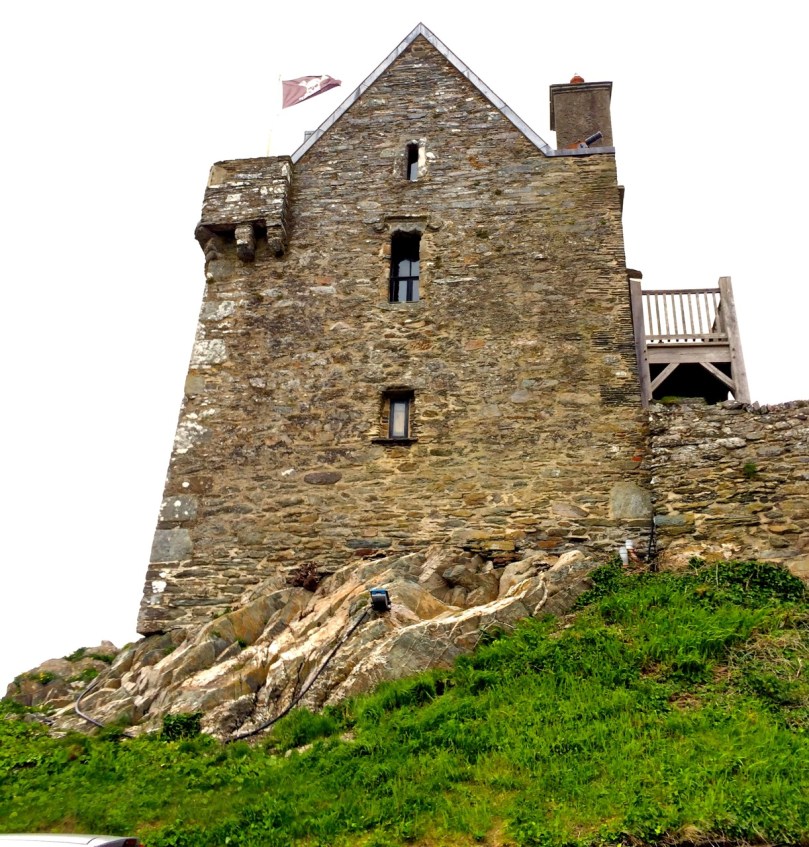
Dún na Séad Castle, Baltimore

Dún na Séad Castle, Baltimore. Note corner machicolation.

Defensive features were built into all the towers. Besides raised and restricted doorways and hard-to-manoeuvre narrow or spiral staircases, all had a roof ‘wall walk’. Three of the towers (Dún an Oir, Kilcoe and Leamcon) are either inaccessible or accessible by a bridge and there is evidence that connecting ground was deliberately demolished to accomplish this. Windows were small and could be boarded up. Projecting machicolations, especially above entrances or at corners were used, as can be seen at Dún na Séad Castle in Baltimore. Crenellations (notched or serrated ramparts) look like our traditional ideas of battlements. At Kilcoe they may have helped that castle withstand over a year of attack and siege after the Battle of Kinsale.

Kilcoe Castle. Note crenellated battlements and pitched roof.

Kilcoe Castle. Note crenellated battlements and pitched roof

So, should we call them Tower House, or Castles? How about £10 Castles? Archaeologists and historians prefer the more exact phrase tower houses, but castles they are on the maps and in our everyday speech. And if, like us, you are lucky enough to have one in your view, castles they are in our hearts and minds.
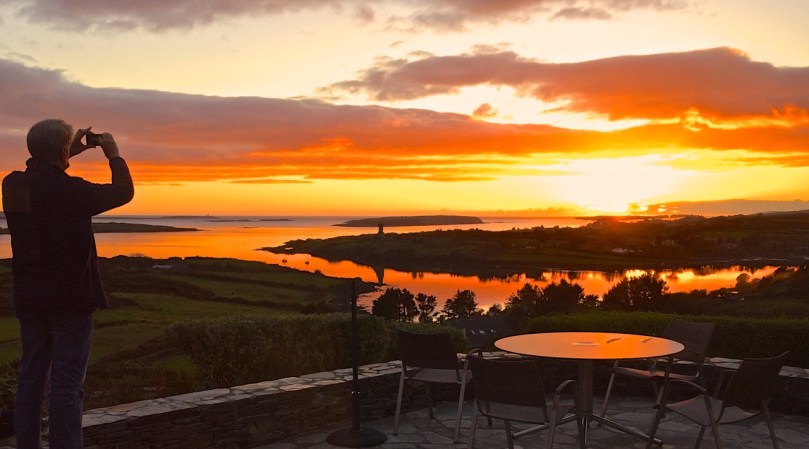
Our view to Rossbrin Castle

Our view to Rossbrin Castle
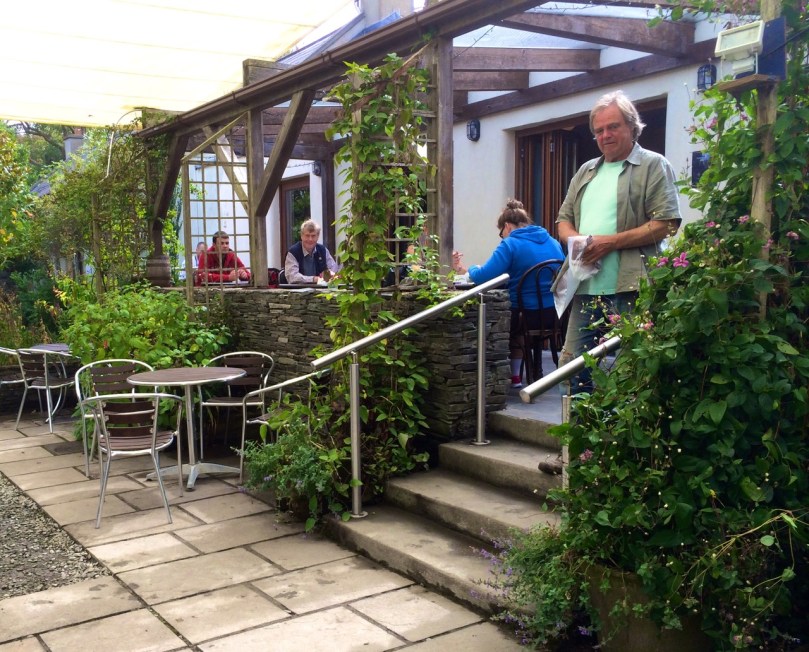
Glebe Gardens

Glebe Gardens in the autumn

Glebe Gardens in the autumn

We’ve been to the Glebe Gardens in Baltimore on numerous occasions, for a delicious lunch in their restaurant, or to attend a concert in their amphitheatre. Until this autumn, however, I had never really been around the gardens themselves. I was fortunate, during the Taste of West Cork Food Festival, to be able to sign up for a tour with Master Gardener Jean Perry. Jean and her husband Peter started and manage the gardens, now with their daughters actively involved as well. It’s been an enormous amount of work over many years but in that time it has become a beloved West Cork institution.

Jean Perry, our tour Guide

Jean Perry, our tour guide

I had never heard of No Dig Gardening, the philosophy underlying this garden, until I heard about it from Jean. Vegetables are, for the most part, grown in deep beds and the soil is left as undisturbed as possible. When one crop comes out, another goes in. Fertilising and soil rebuilding is accomplished with organic compost, with occasional additions of seaweed pellets. They start the seeds in a protected place and plant them out once they’re big enough. They grow module plants – for example, lettuce in the spring, beetroot in the summer, brassicas in the fall – and get two and sometimes three crops a year. Besides the outdoor crops there are greenhouses loaded with tomatoes, peppers – and grapes!

Raised beds

Raised beds

The vegetables grown here are used in the restaurant. You can tell – everything tastes fresh and homemade. But flowers also make an appearance in this garden. Even though it was late in the year we were treated to a feast of colour in the herbaceous border.

This slideshow requires JavaScript.

The gardens include a stretch of canal that was once the railway cutting. A winding path leads down over a wooden bridge and eventually to the amphitheatre.

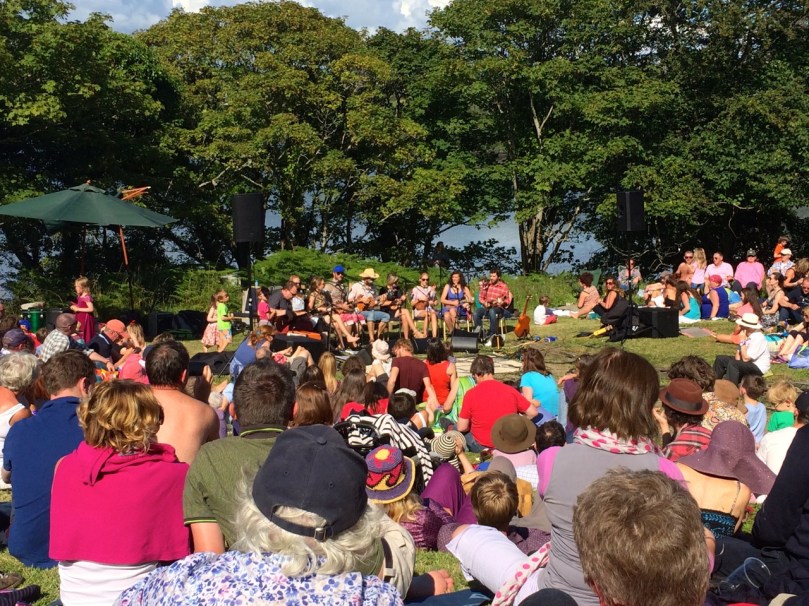
The amphitheatre was an inspired addition to the garden – in a tricky climate it’s always a nerve-wracking watch to see what the weather will do when you’ve scheduled an outdoor concert. The gods have smiled on it, though – very few concerts have been affected by bad weather.

Summer concert at the amphitheatre - the West Cork Ukelele Band

Summer concert at the amphitheatre – the West Cork Ukelele Band

Next it was up to visit the hens and goats – where Robert made a new friend – and then on to the greenhouses to see a truly impressive variety of tomatoes and to sneak a grape or two.

kiss kiss

kiss kiss

The tour finished with a tomato-tasting session and an impromptu lesson from Jean on which ones were best for what dishes. Robert and I stayed for lunch in the restaurant and a chat with fellow-tourists.

Glebe Gardens open from March to September, and occasionally for special events during the winter. Next time you’re in Baltimore, pop by for lunch.

Waiting for lunch

Waiting for lunch

And after that final excellent latte, take a stroll through the gardens. Or make it part of your West Cork Garden Trail next year, along with Carraig Abhainn and the Heron Gallery, or any of our other wonderful gardens. Spoiled for choice, we are!

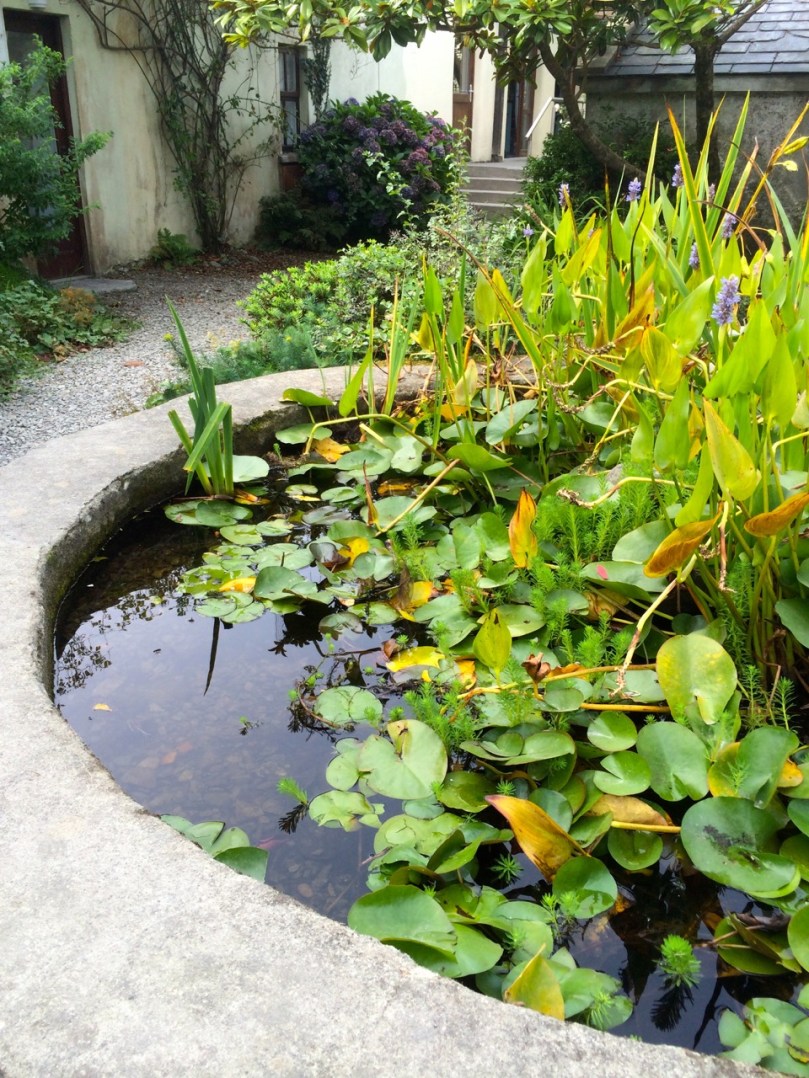
pond

Out and About with Visitors in West Cork

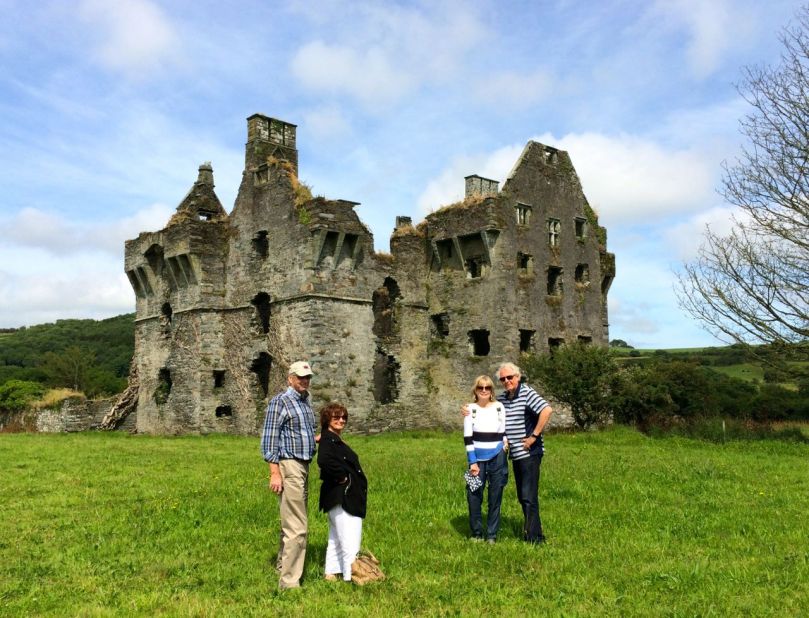
At Coppinger's Court

At Coppinger’s Court

Vi and Grant and Jan and Brian came to stay last week – good friends from Canada here to see the Real Ireland. 

We had some challenges right away. First, the rental car Grant had booked was under repair and the substitute, although it nominally held all six of us, was too cramped and uncomfortable to venture too far afield. Second, muscle wear and tear issues among the group dictated that walks not be too long or arduous. 

No problem! The weather was (mostly) fine, we got in one good hike on the Sheep’s Head, and then set about discovering the delights of flatter terrain, local amenities and cultural events. Robert and I hadn’t toured Bantry House before, although we had been there for concerts. The house will be a future post in itself, but for the moment it’s worth recording that this may be the last summer to see it with its original furniture, as much of it is on the auction block later this year.

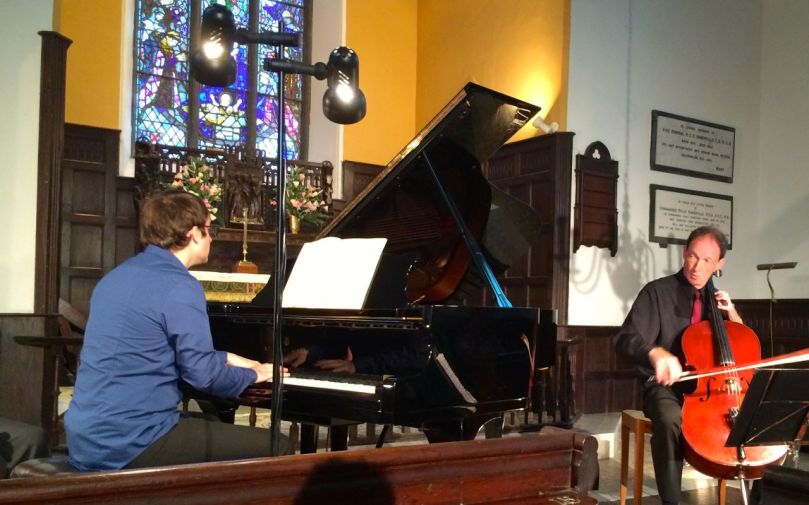
One day we spent exploring the area south east of Skibbereen. We started with lunch at Glandore overlooking the harbour, then on to the obligatory stop at the Drombeg Stone Circle, one of the better-know recumbent stone circles that dot West Cork. On to Coppinger’s Court (another subject for a full post), a 17th century fortified house and home to one of the fearsome characters in West Cork history. Back then to Castletownshend and dinner in Mary Anne’s, followed by a concert in the little church of St Barrahane’s. This was an evening of Beethoven, Debussy and Rachmaninov with Christopher Marwood of the Vanbrugh Quartet on the cello, and the brilliant young American Alexander Bernstein on the piano. It was truly a world-class performance, eliciting a standing ovation from the appreciative audience.

At Drombeg, Jan and Brian

At Drombeg, Jan and Brian

Concert In St. Barrahane's, Castletownshend

Concert In St Barrahane’s, Castletownshend

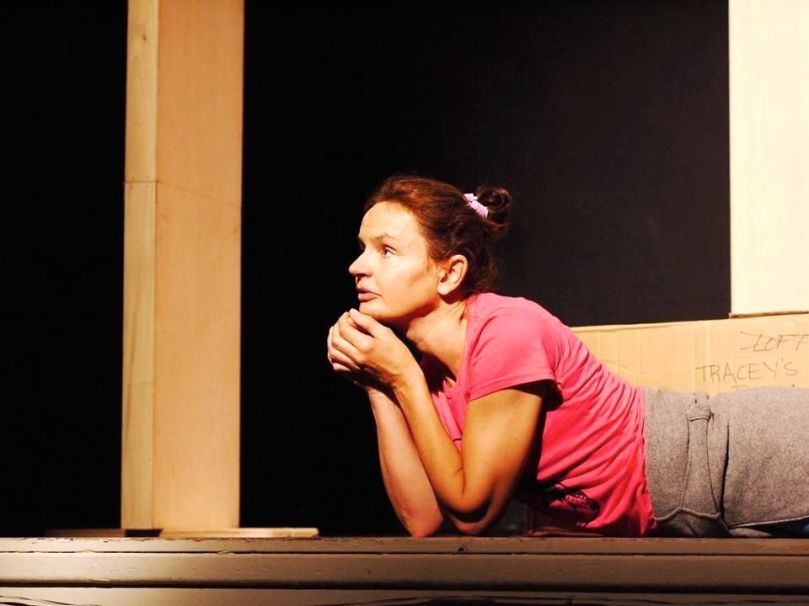
Another day, we wandered around Schull, dipping into the shops and stopping for coffee. Later that evening we attended PlayActing Theatre’s two one-woman shows in the local parish hall. Karen Minihan brought us up to date with her character, Eileen, going through a midlife crisis – it was moving, sad and funny all at once. Then Terri Leiber took us into the experience of eight-year-old Stacey negotiating the dysfunctional lives of the adults around her in 1960s Britain – a tour de force in which she played every role, with a minimalist stage set, a soundtrack from the times, and a beautiful nuanced performance.

Terri Leiber in May the Force

Terri Leiber in May the Force

Shopping at the local markets always makes food preparation easier and fresher and we all took turns. 

In Baltimore, we walked out to the Beacon, with its marvellous views of Sherkin Island and the faraway mountains of Kerry. We hope it’s a good memory to take away of this special part of Ireland. 

At the Baltimore Beacon

At the Baltimore Beacon

Vi and Grant, Jan and Brian – Ferdia has been missing you already!

Ferdia

Ferdia

Midsummer Maunderings…

Beautiful Cappaghglass

Beautiful Cappaghglass

…or Life Seen Through a Lens… Things found, places visited, mainly in the environs of West Cork, often just a few steps from Nead an Iolair, although one or two are from further afield. We have been away in Tipperary this week, so these posts are ‘ones we have prepared earlier’.

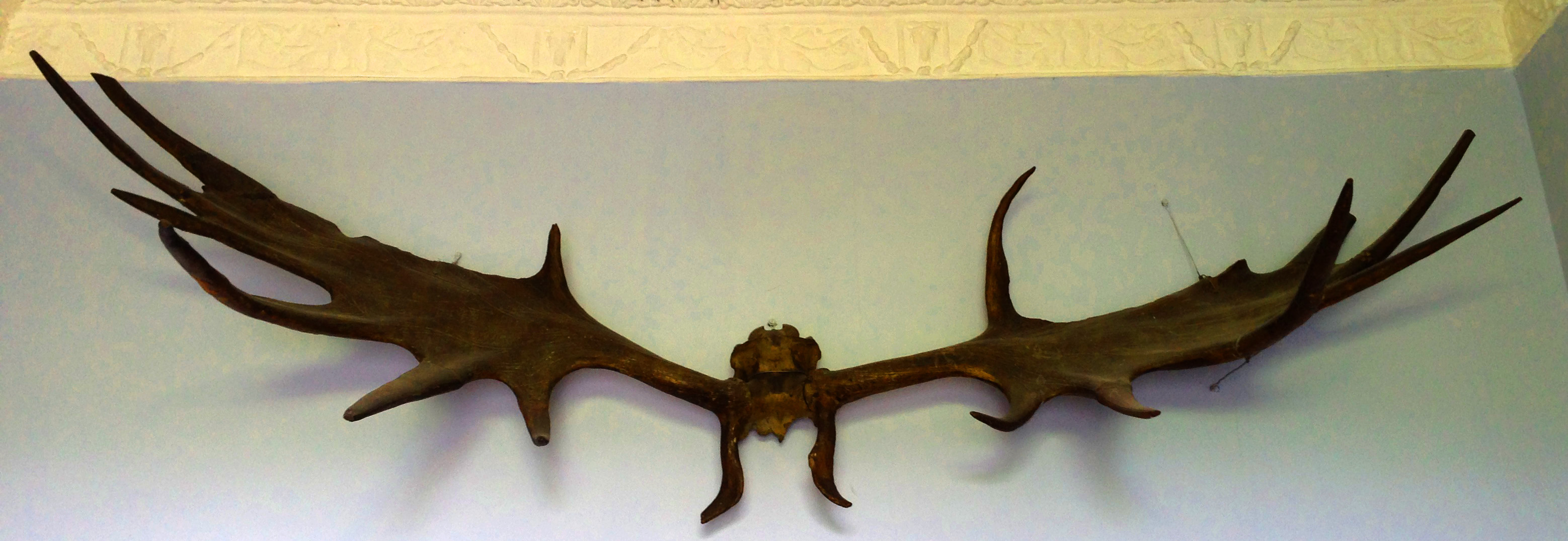
A reminder of Megaloceros - the extinct Irish Elk

A reminder of Megaloceros – the extinct Irish Elk, at Ballymaloe

curraghs

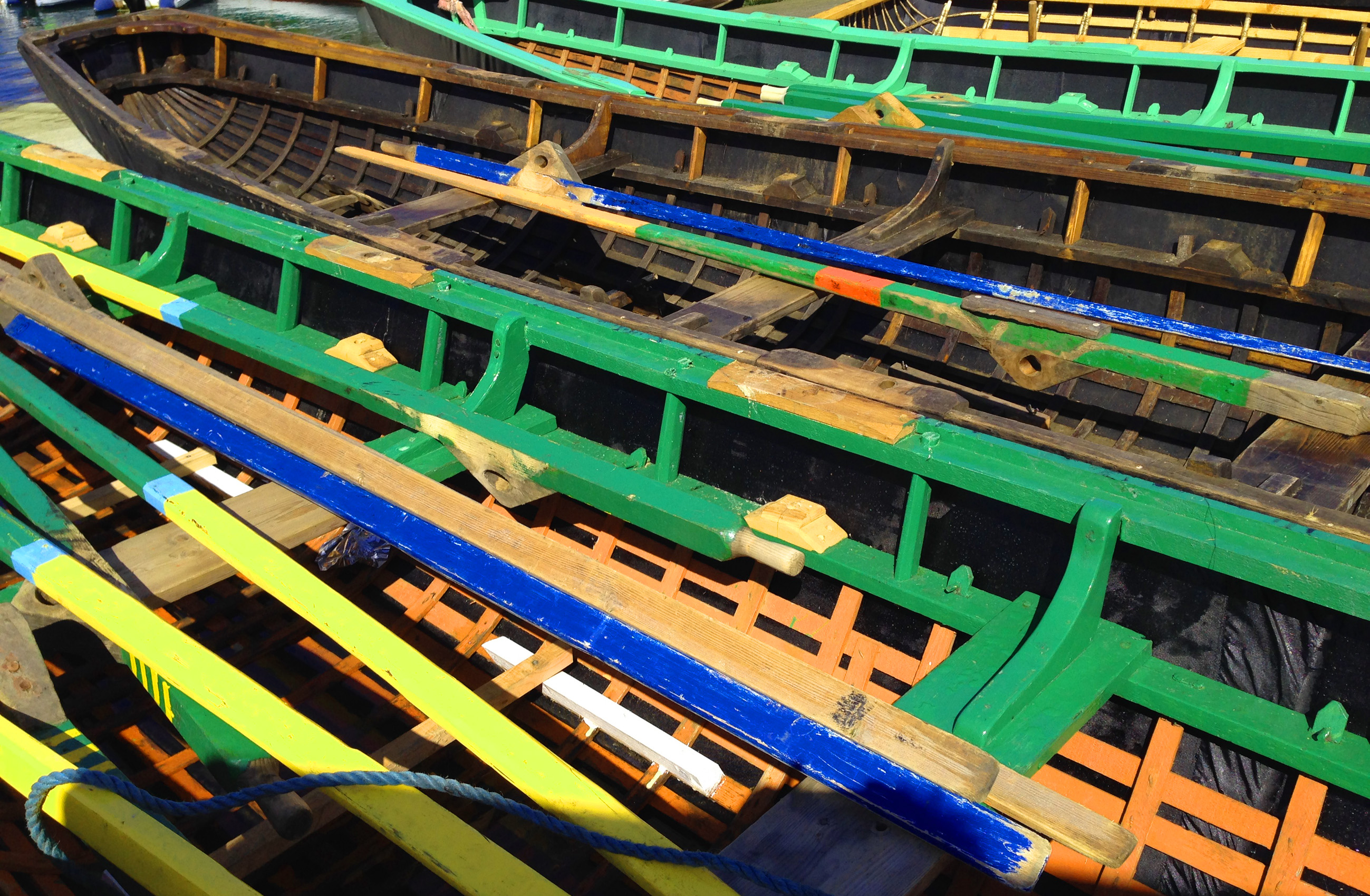
Currachs at Baltimore

Shelly Beach - our local secret

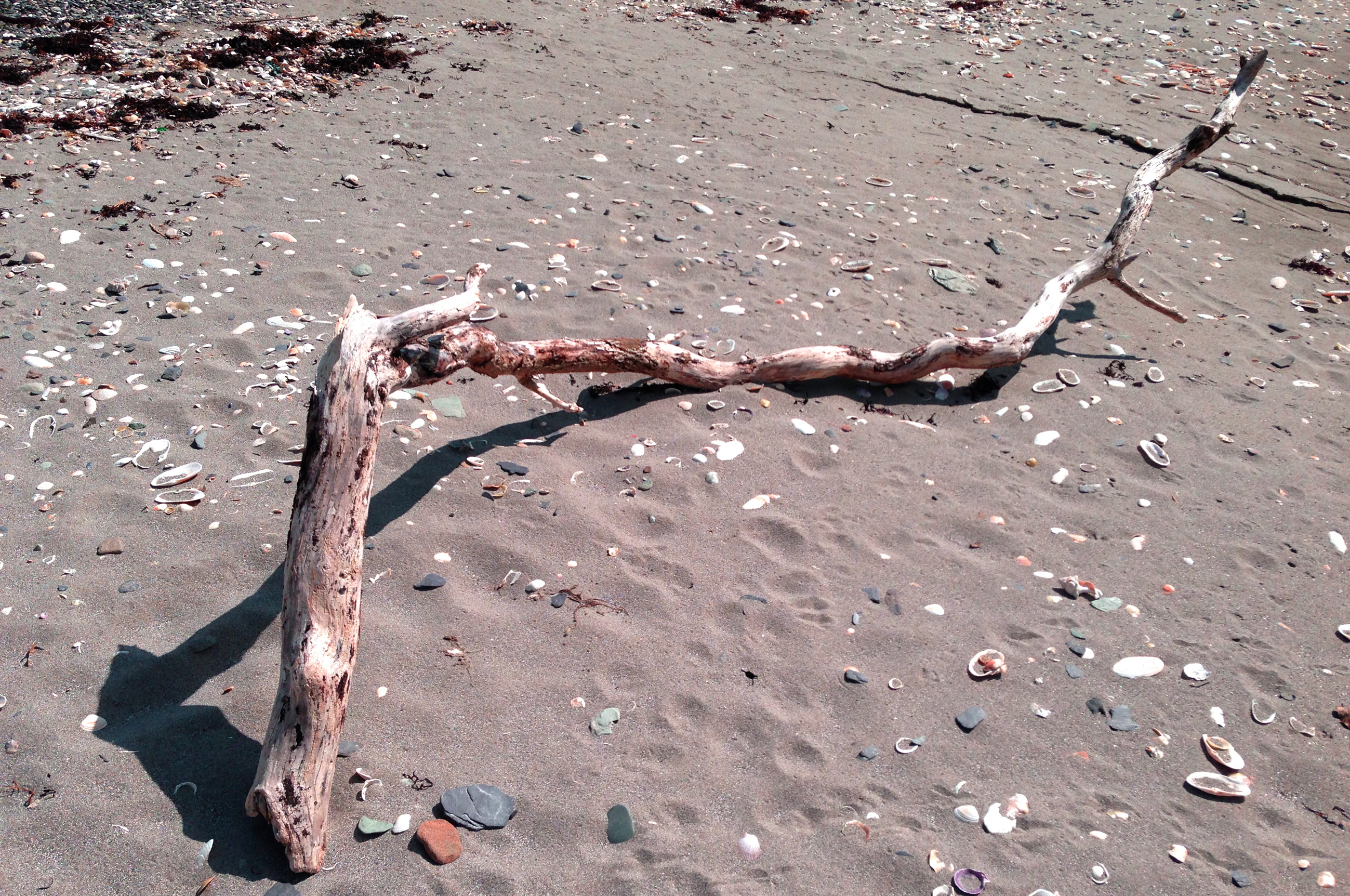
Shelly Beach – our local secret

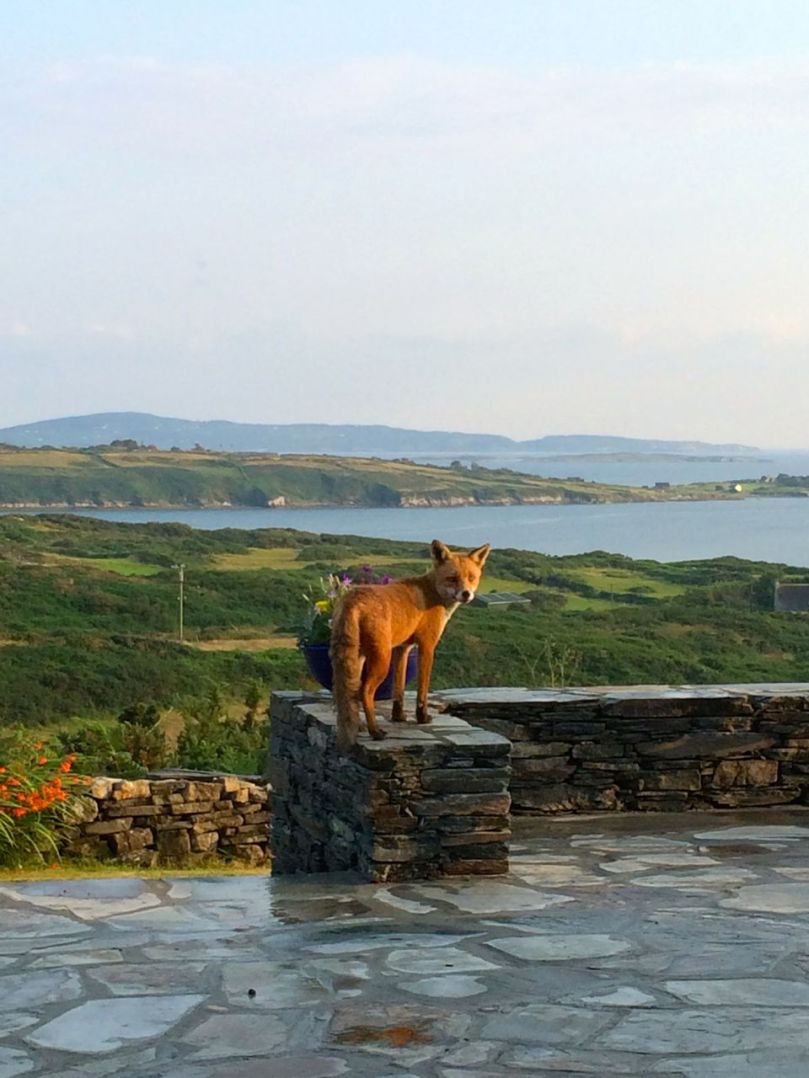
Hugo helps himself!

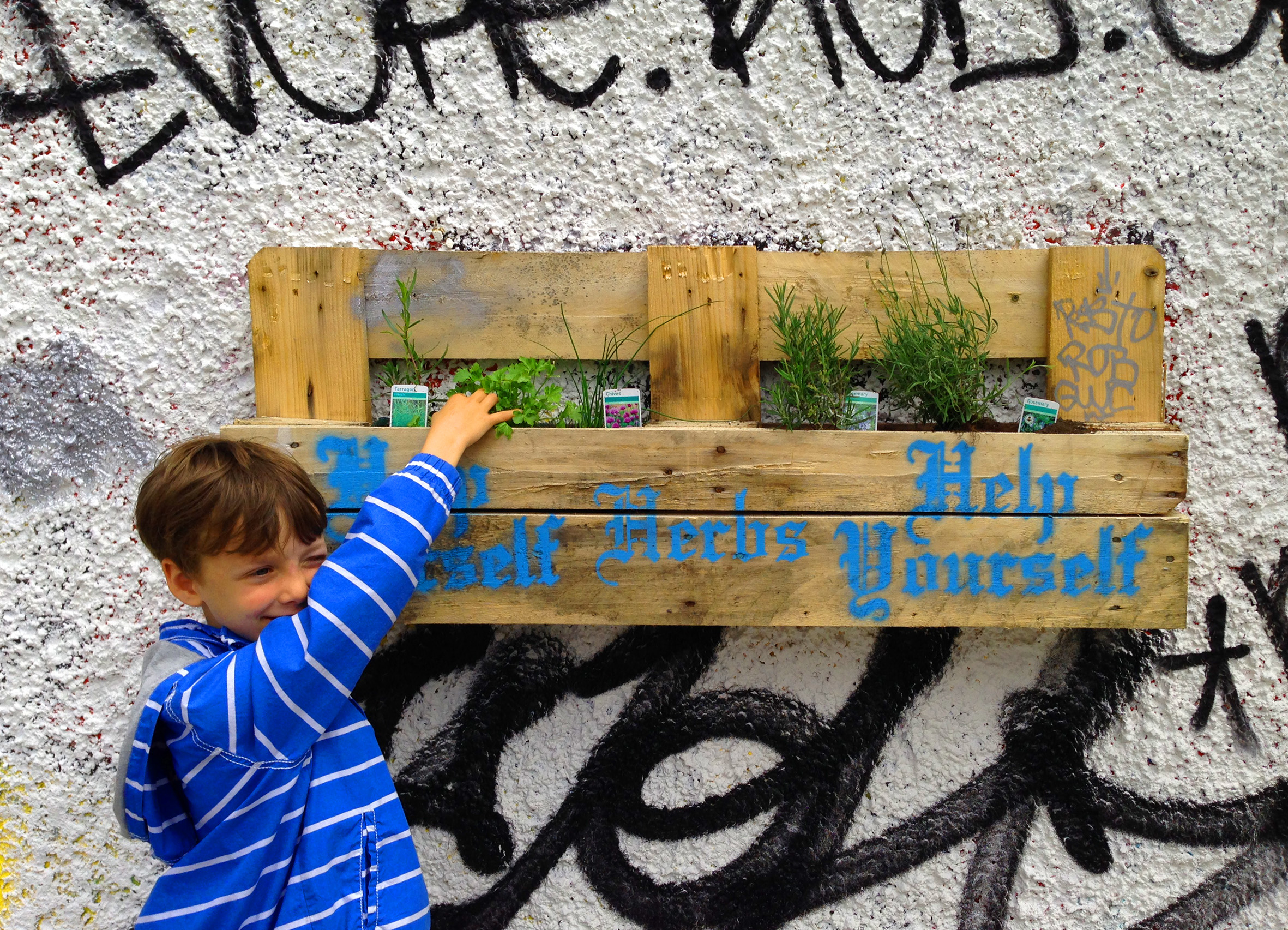
Hugo helps himself!

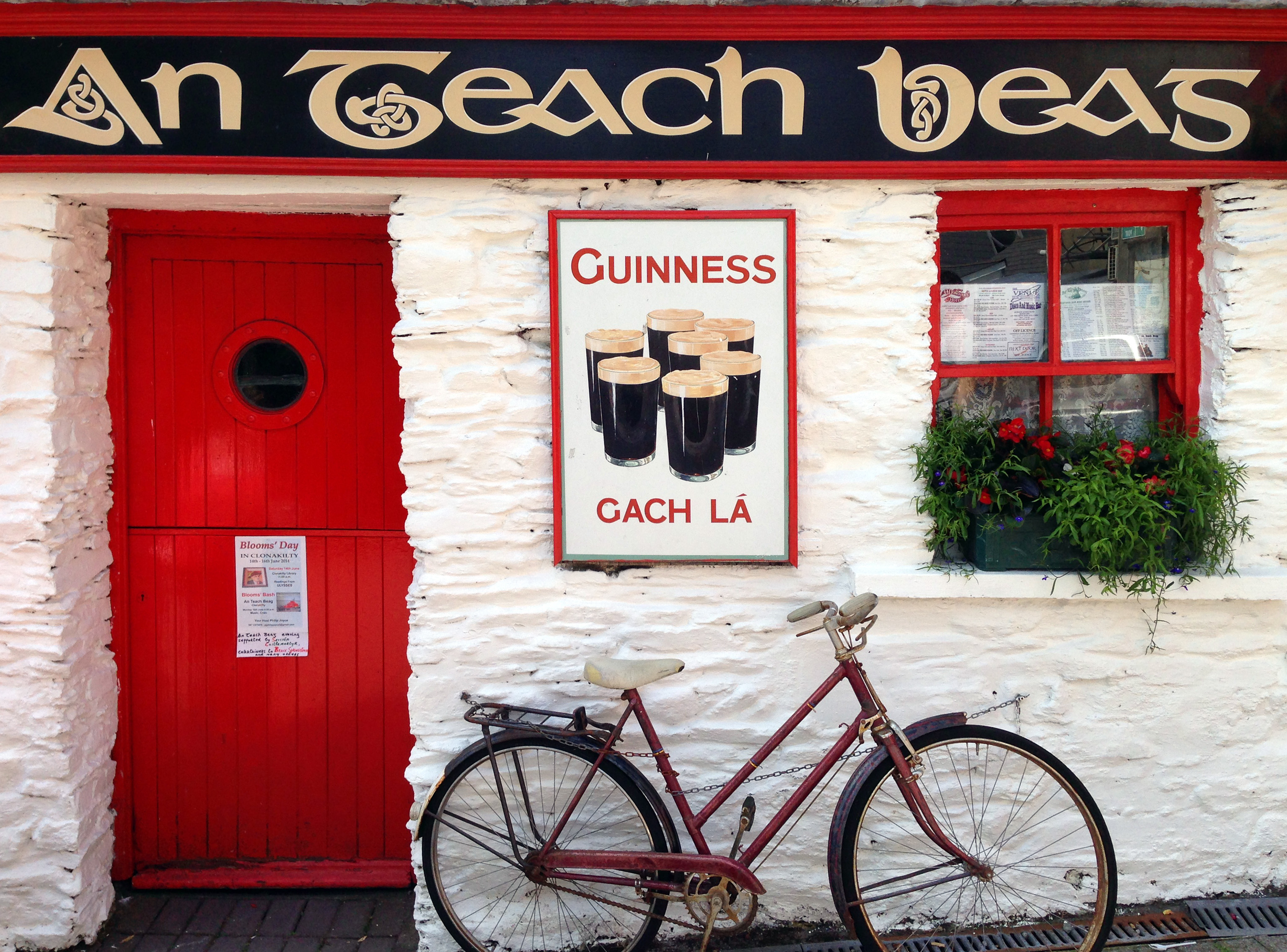
guiness

Maestros Matt Cranitch and Jackie Daly playing in Ballydehob

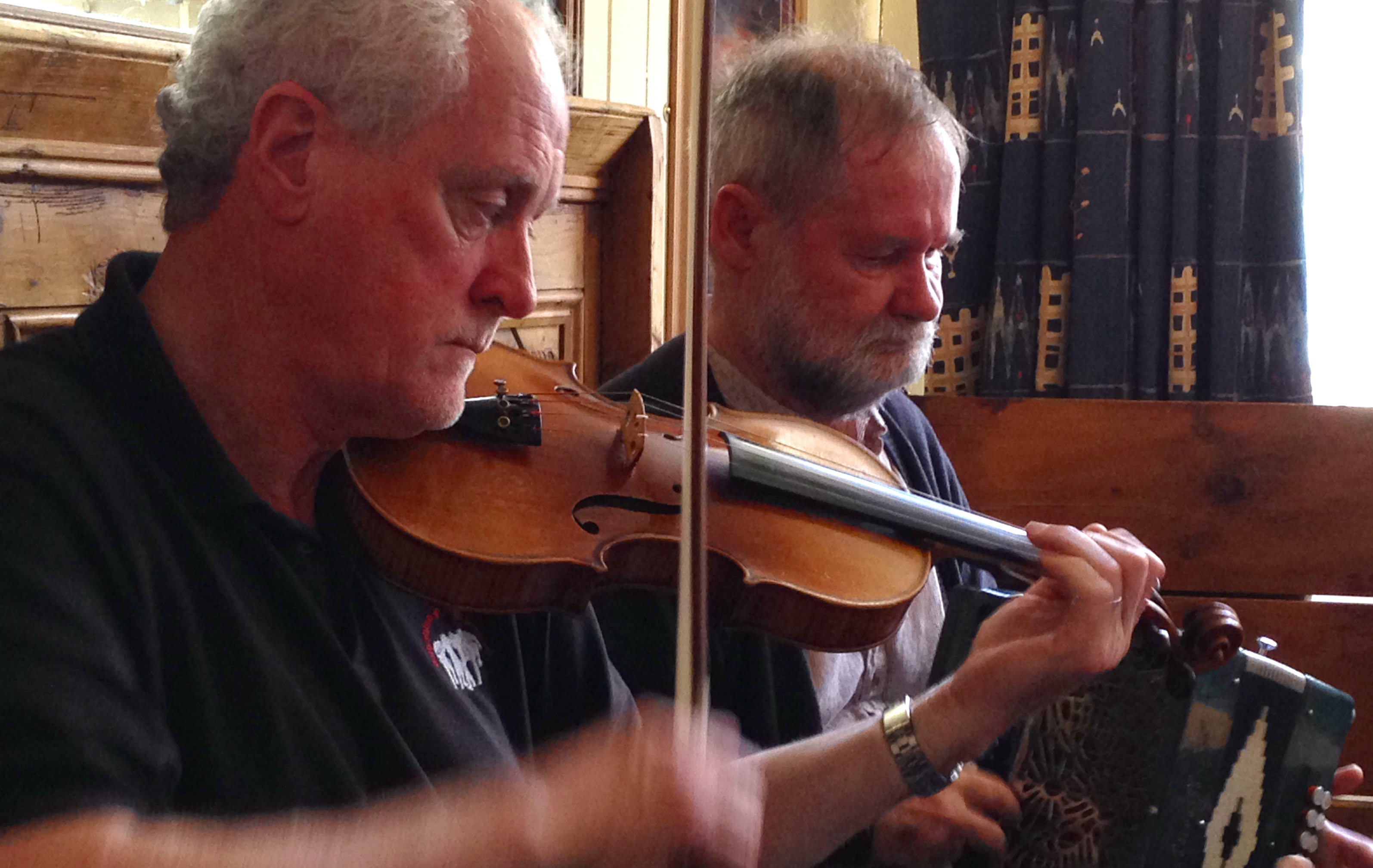
Maestros Matt Cranitch and Jackie Daly playing in Rosie’s

An ordinary day in Ballydehob - with seanchaí Eddie Lenihan

An ordinary day in Ballydehob – with Seanchaí Eddie Lenihan

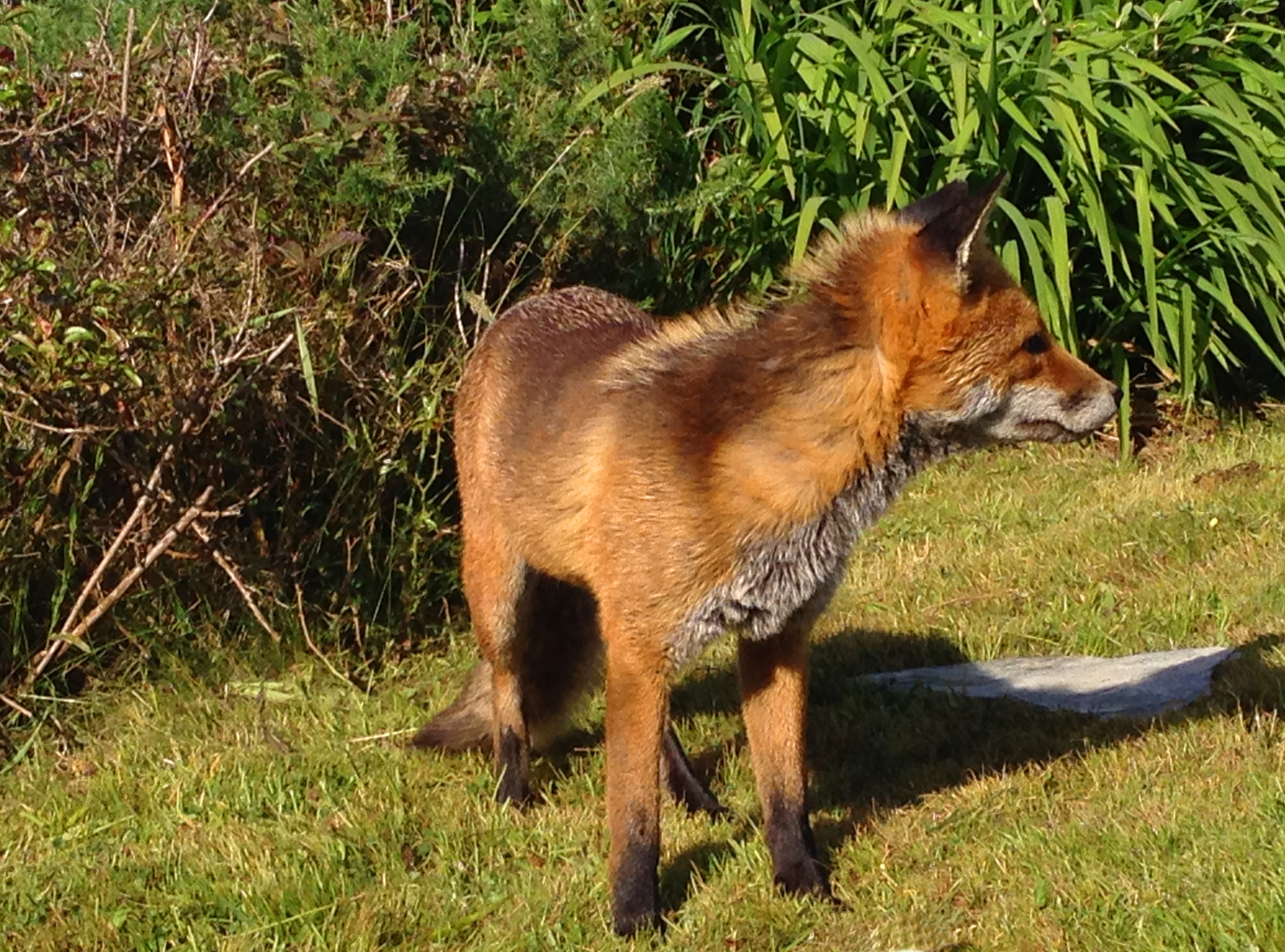
Ferdia - our garden companion

Ferdia – our garden companion

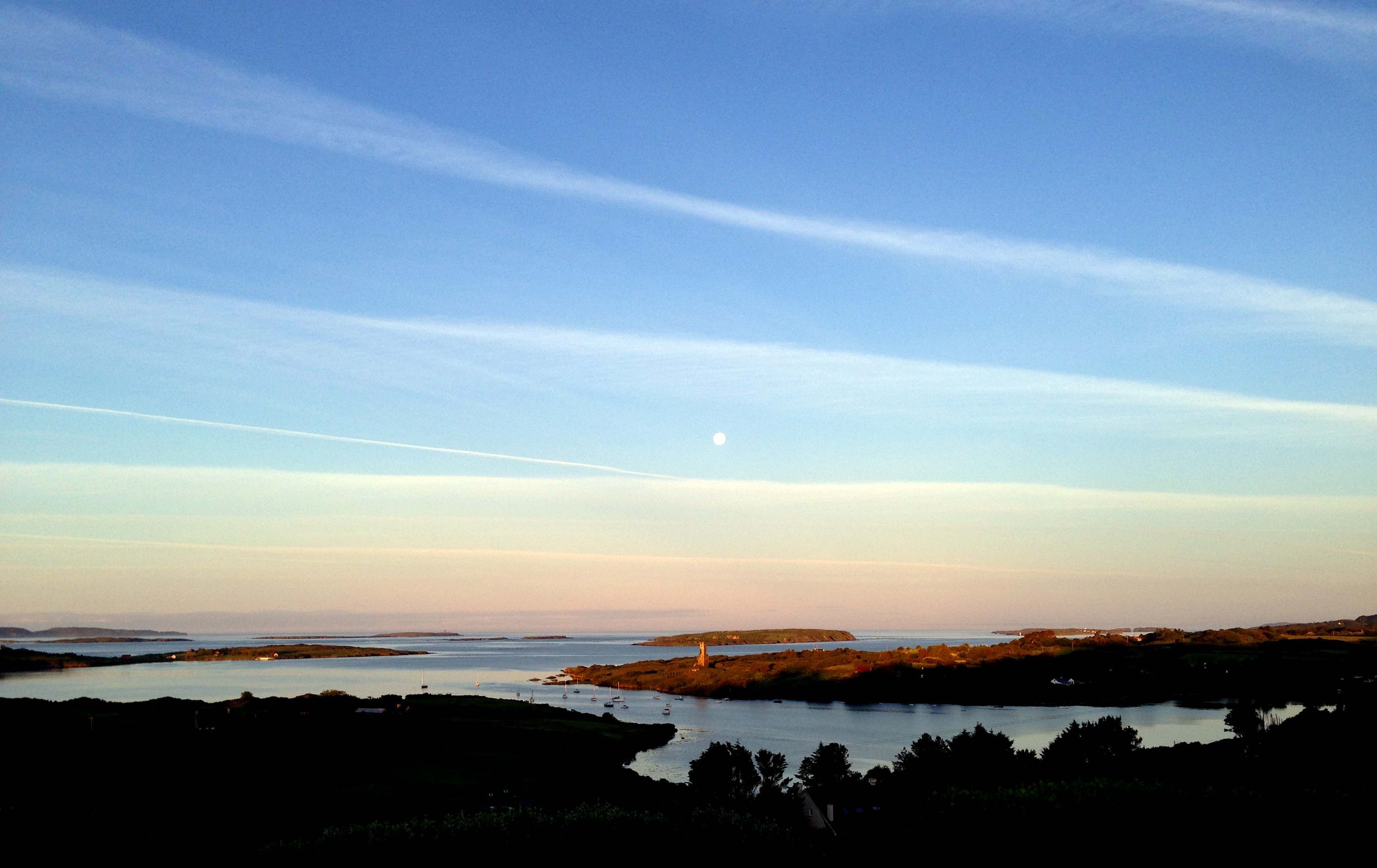
Dawn Moon over Rossbrin Castle

Dawn Moon over Rossbrin Castle
***

By the way… Dictionary definition of Maunder: to move or act in a dreamy, idle or thoughtful manner. Synonyms: wander, drift, meander, amble, dawdle, potter, straggle… Finola has only ever heard the word used in Ireland.

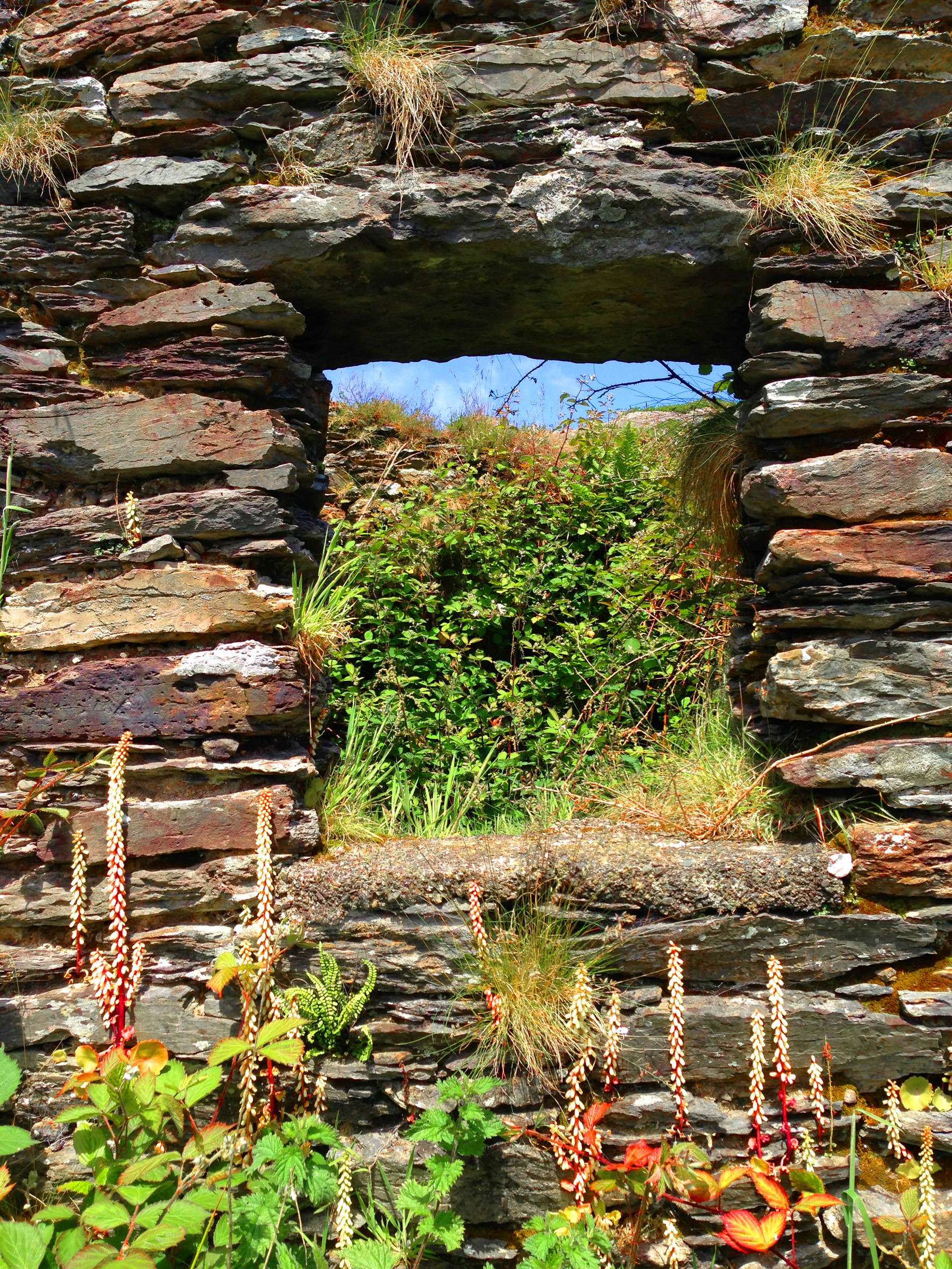
thady's

Thady’s window on the World

In the Wilds of West Cork

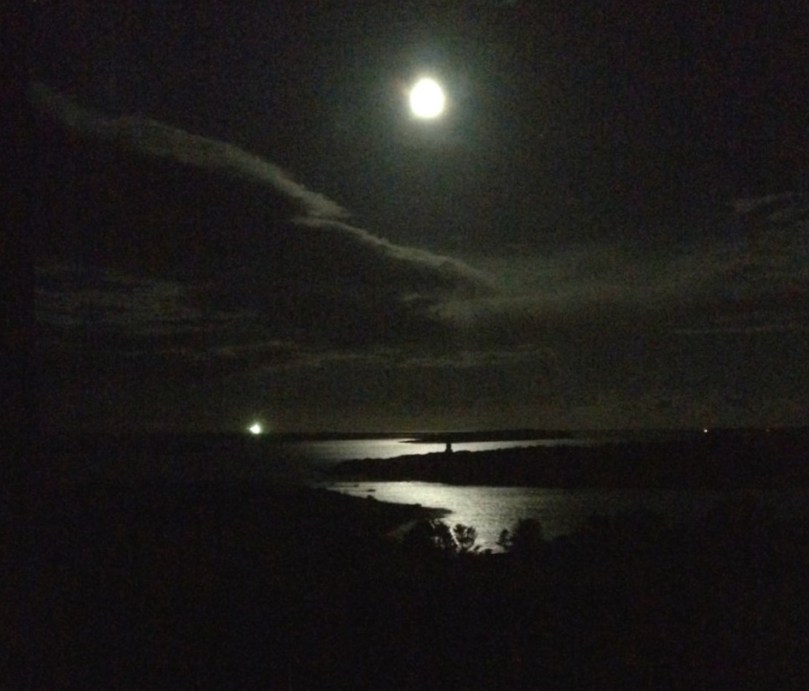
West Cork night life

West Cork night life

What on earth will you find to do in the wilds of West Cork? One friend asked me this when I announced my plans to move here. Others may have been too polite to express the thought, but the question hovered. They needn’t have worried, of course. I don’t think I have ever lived anywhere else where there was so much going on and so much to do. If that was true in the winter, it’s more so now. It’s spring and summer’s around the corner, so West Cork Festival Season has gone into high gear. I wrote about the Ballydehob Trad Festival six weeks ago. Since then, there have been two more – a jazz festival in Ballydehob and the Fiddle Fair in Baltimore. 

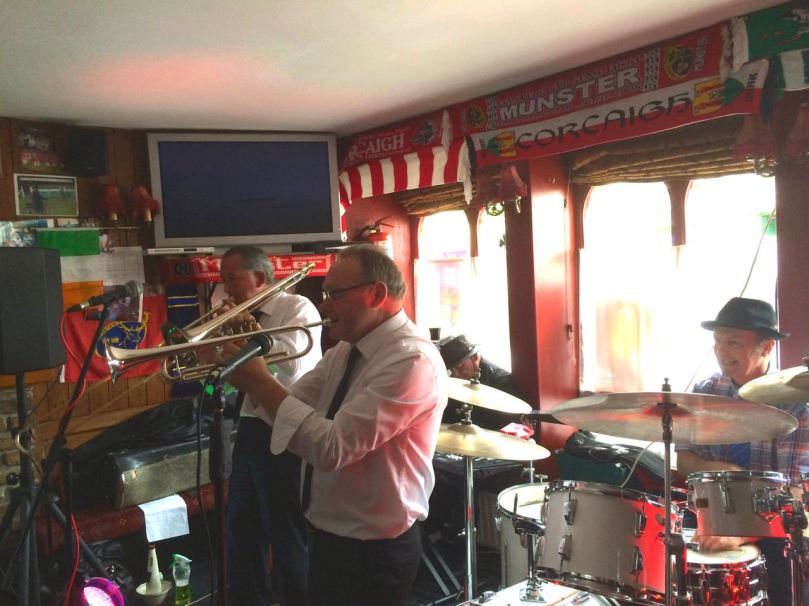
Live jazz in the Irish Whip Bar

Live jazz in the Irish Whip Bar

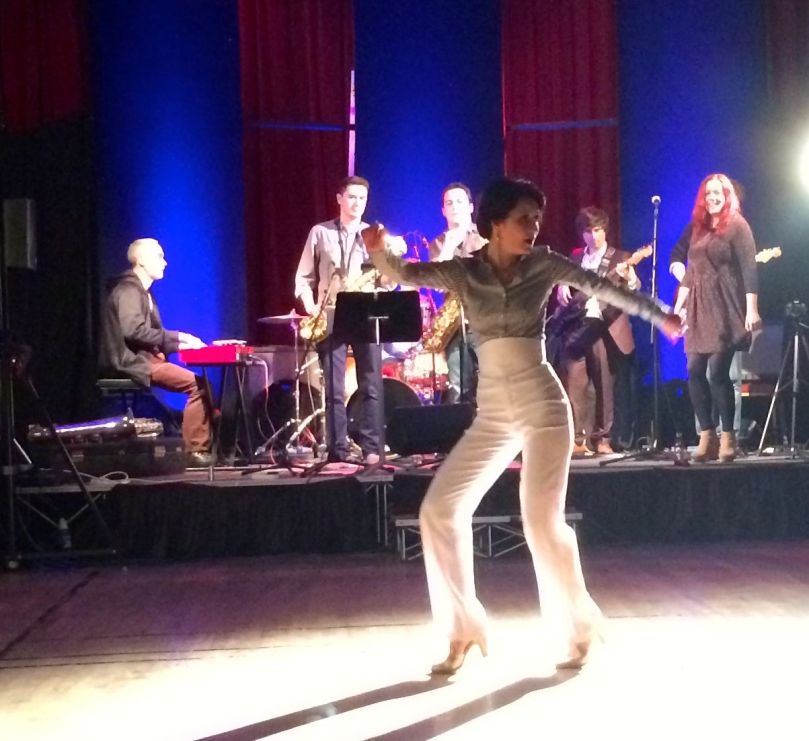
The Jazz Festival featured a street market, and jazz sessions in most of the pubs all afternoon and well into the night. The village hall was decked out as a night club one night, with dancing into the wee hours. There were musicians and jazz aficionados from all over Ireland, and the pubs were bursting at the seams and spilling over onto the sidewalks.

Soul Driven and the riveting dancer Ksenia Parkhaskaya

Soul Driven and the riveting dancer Ksenia Parkhaskaya

This is the second time we have been here for the Baltimore Fiddle Fair, which has ben going now for over 20 years, under the brilliant direction of Declan McCarthy. World class acts come to play in this tiny village. The audience is diverse too – we met people who had come from Britain, Germany and the USA just for this weekend. We had season tickets, which meant we weren’t asleep before 2 in the morning for four nights in a row – probably earlier than most of the attendees!

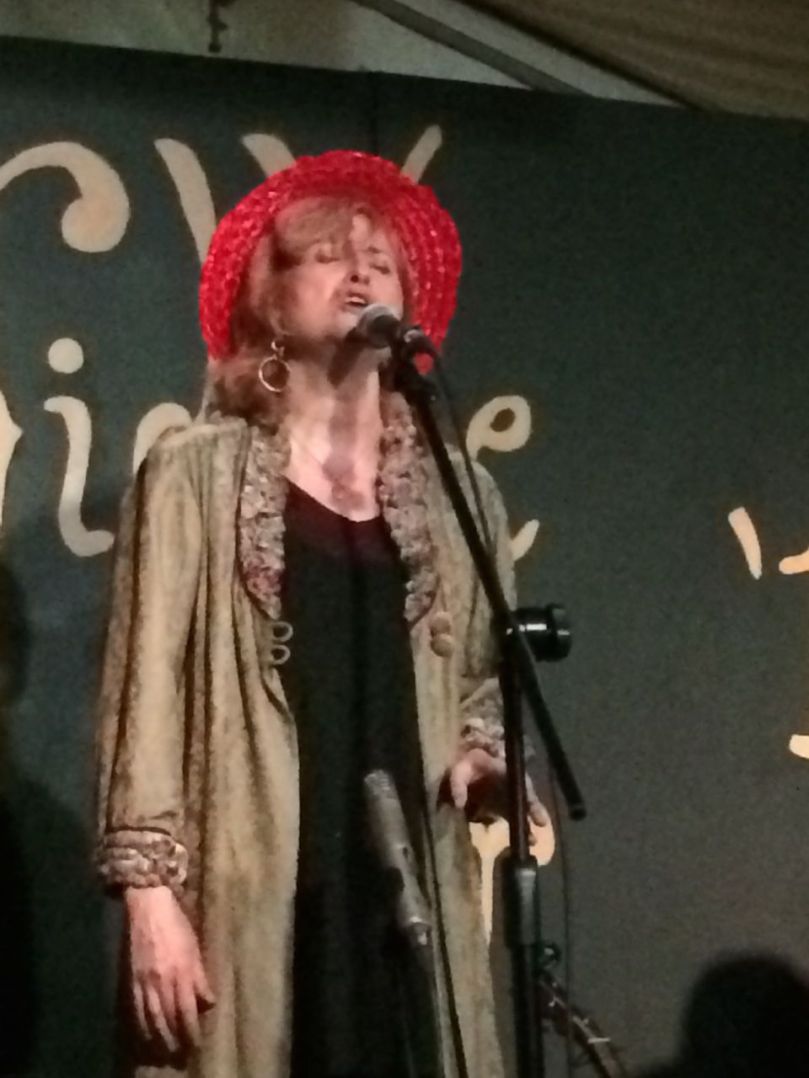
Eddi Reader

Eddi Reader

A highlight was Eddi Reader, a Scottish singer/songwriter with a larger than life stage presence, a great line in stories, and a soaring voice. Robert loved seeing Aly Bain, one of his musical heroes, in concert and we both appreciated the wide range of music on offer, from Appalachian old time fiddling to Swedish polskas, Scottish and Irish tunes, and an entertaining group call the New Rope String Band who kept us laughing with their slapstick humour. For the readers who have been requesting videos, I recorded one lively number and uploaded it to YouTube – take a look. It’s a tiny taste of what we experienced.

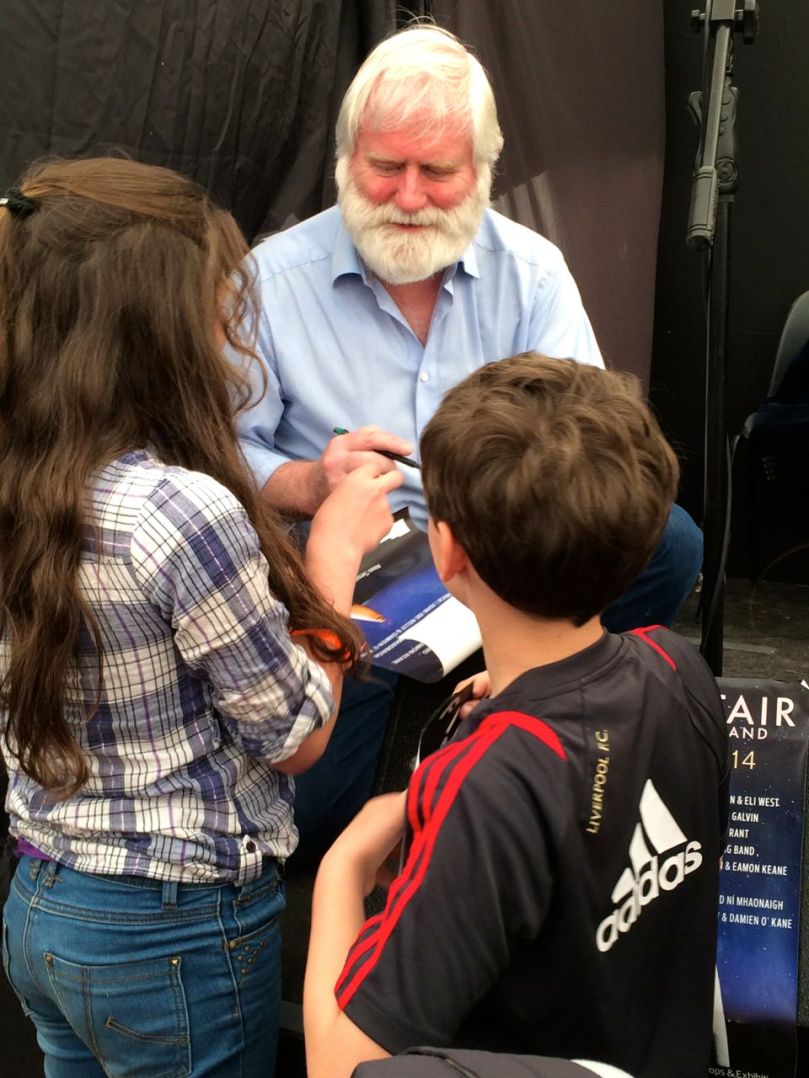
John Sheahan with young fans

John Sheahan with young fans

One unforgettable afternoon was devoted to a concert by John Sheahan, the sole surviving member of the legendary Dubliners. Accompanied by Eamon Keane on the keyboard, he told stories, read us his poetry, and played his own compositions. He is truly an Irish icon, and it felt like a real privilege to hear him in such an intimate venue. He played a wide variety of music and I recorded this one: St Patrick’s Cathedral.

Of course all these late nights and bouncing around on seats takes a toll on the body, leading to the need for a rejuvenating day at a spa. Fortunately, there is a marvellous one in West Cork, on Inchydoney Island, where my friend Amanda and I repaired for a girly day of pampering. You can read her account of our hedonism here. 

The strand at Inchydoney Island

The strand at Inchydoney Island

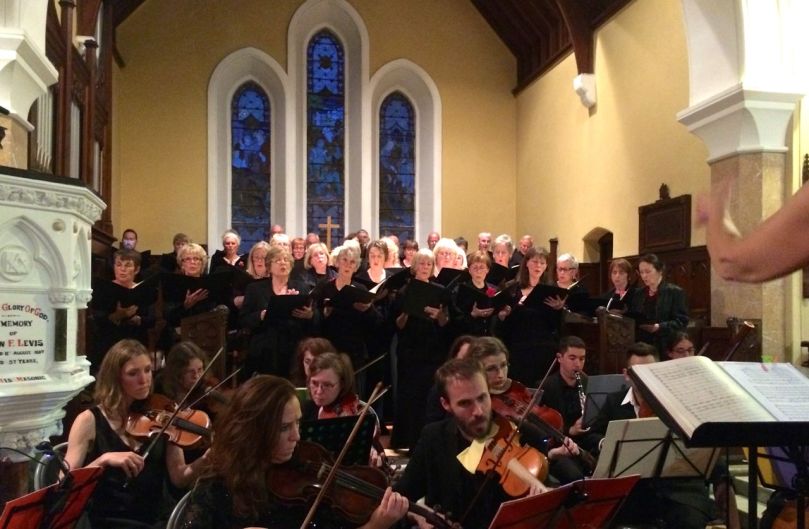
And in case you might feel that the entertainment described above is not highbrow enough, last night we attended a performance of a Haydn mass and Mozart’s Requiem by the West Cork Choral Singers. Accompanied by an excellent small orchestra (we recognised some of the players from our regular Firday night trad sessions: fiddlers turned violinists) and four outstanding soloists, the choir rose to the challenge of an ambitious program magnificently, garnering a well-deserved standing ovation by the appreciative audience.

West Cork Choral Singers present Mozart's Requiem in Skibbereen

West Cork Choral Singers present Mozart’s Requiem in Skibbereen

We won’t have much time to recover from all those late night – next weekend is the Fastnet Short Film Festival in Schull as well as a Skibbereen Historical Society trip to Cape Clear, and the one after that is the Ballydehob Country Music Festival (where I may have a small role to play). More on those events in an upcoming post. If I survive it all…It’s a tough life, out here in the wilds!

Troll Tuning

Baltimore - with Dún na Séad before restoration - painted by Val ByrneBaltimore – with Dún na Séad before restoration – painted by Val Byrne

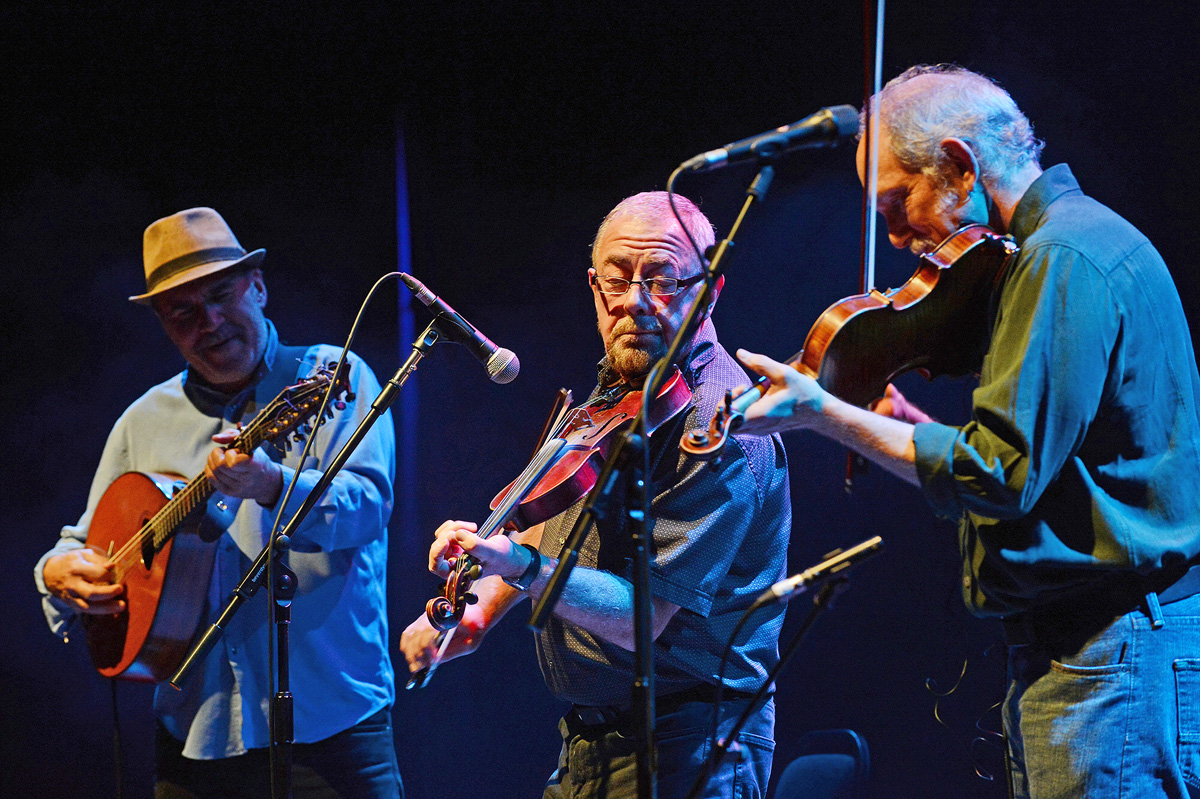
It’s May, and time for the Baltimore Fiddle Fair, still in progress as I write this, and keeping us up well into the nights with world class concerts: music from so many cultures that involves the ubiquitous violin. My post today has been sparked off by the opening event held in the restored Dún na Séad – the name means fort of the jewels, which may be a reference to the building’s role in the collection of taxes levied on foreign vessels entering the harbour. The Anglo-Norman castle was built in the early 13th century, was besieged and sacked many times, became a garrison for Oliver Cromwell in 1649 and fell into ruin until it was rescued and underwent a superb full restoration only completed in 2005. Friday’s candlelit opening concert featured a fiddle master from the Shetlands, Aly Bain, and his long term musical collaborator Ale Möller, a multi instrumentalist from Sweden. 
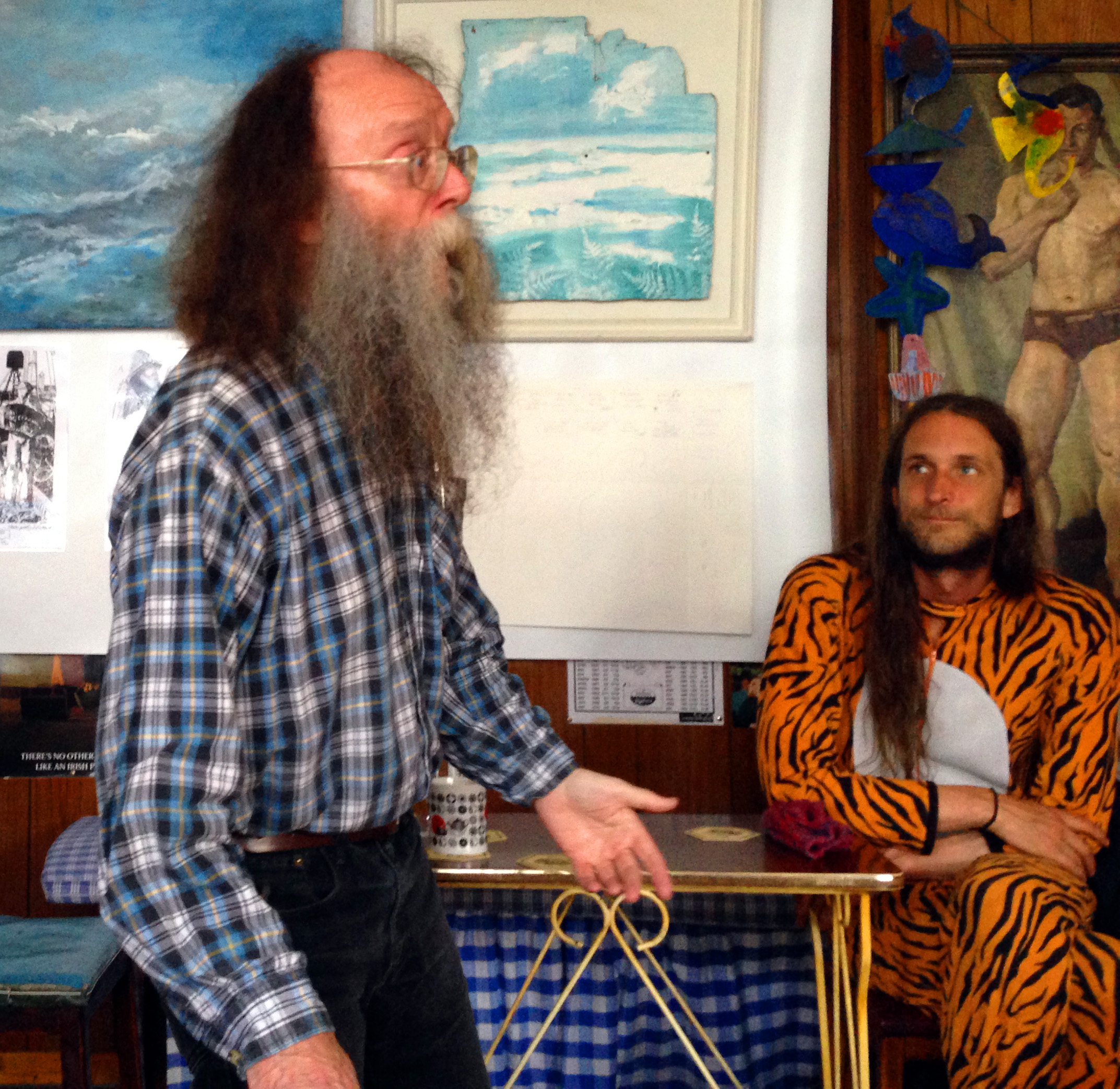
Aly Bain, Ale Möller and Bruce MolskyAle Möller, Aly Bain and Bruce Molsky

One piece in their programme immediately caught my attention: Hjaltadans – literally translated as ‘lame’ or ‘limping’ dance. It’s also the name of a Bronze Age stone circle near Houbie in the Shetlands. It’s said that the two central stones of that circle are a fiddler and his wife who were entertaining a group of Trowies (trolls) and were interrupted in their music making by the rising sun which turned them all to stone. Trolls are undoubtedly related to The Other Crowd in Ireland, and also inhabit the shadows in Scandinavia.

Here is an extract from the latest album from Bain, Möller and Molsky – Troll Tuning: King Karl’s March –


The Shetland troll dance was followed by a Swedish ‘Troll Tuning Set’. Aly and Ale explained that Troll Tuning is a particular way of setting up a fiddle where the strings are tuned AEAC♯, rather than the more usual GDAE. This tuning is sometimes used in Scandinavia, Shetland and in American old-time music (this probably because there were so many settlers from Sweden in North America). The tuning produces very distinctive, haunting music: ‘…Once you’ve heard a trowie tune you can never forget it…’ Even more interesting is the legend that playing such tunes connects the musicians with magical powers.

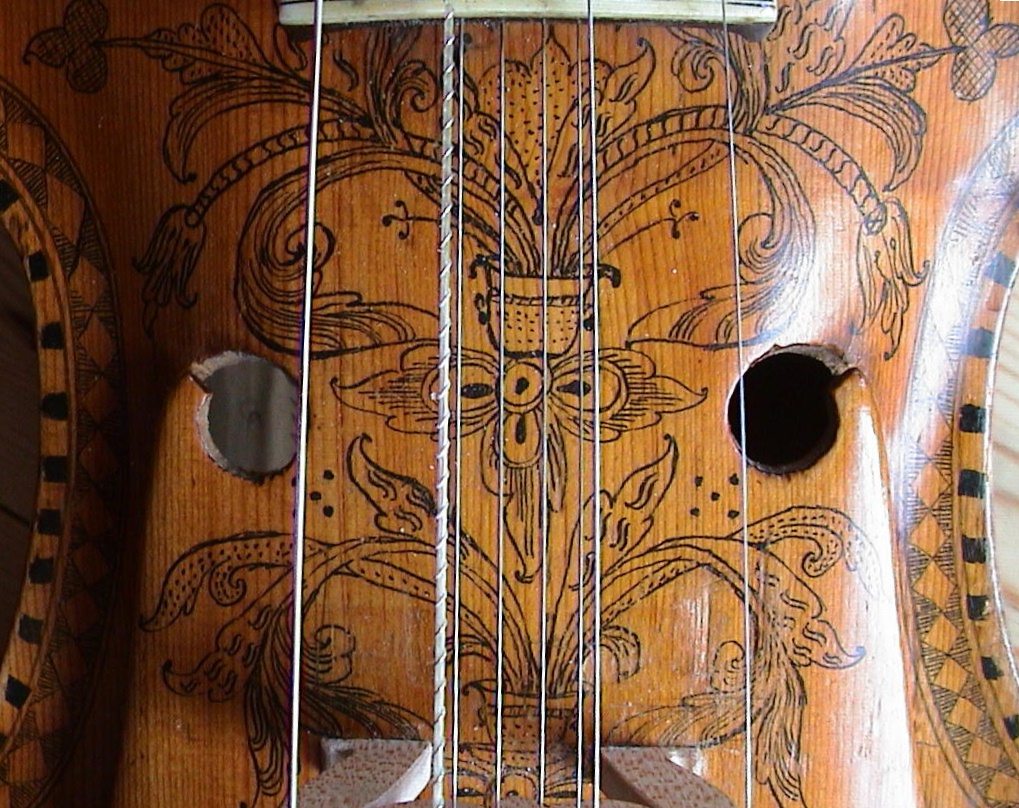
The Devil's Music: Hardanger FiddleThe Devil’s Music: Hardanger Fiddle

All this reminded me of traditional stories involving musicians and characters from the Otherworlds: they are pretty universal over many cultures. I also thought about a particular type of fiddle from Norway (regularly seen and heard at the Fiddle Fair) which has ‘magical’ associations: the Hardanger Fiddle or Hardingfele in Norwegian. This traditional instrument is usually magnificently carved and inlaid, and has understrings which are not actually bowed, but are tuned to vibrate when other notes are sounded. The tone and ambience of the instrument is unique and compelling: it is easy to imagine the Trowies or Sióg (pronouced Sheeogue: Irish Fairies) requiring such striking sounds for their festivities. But some have thought the Hardingfele has diabolic connections, and in fact many good players were reputed to have been taught to play by the Devil himself. During the 1800s many fiddles were destroyed or hidden both by fiddlers and laypeople who thought ‘…that it would be best for the soul that the fiddle be burned…’ as it was viewed as ‘… a sinful instrument that encouraged wild dances, drinking and fighting…’

In Ireland, boys were sometimes dressed as girls to stop the Sheehogue from stealing them awayIn rural Ireland, boys were sometimes dressed as girls so the Sióg would not steal them away

At this time of the year it’s not just the instruments and the music we have to be wary of: throughout the month of May the Sióg are active. Yeats tells how an old man saw them fight once: ‘…they tore the thatch off a house in the midst of it all. Had anyone else been near they would merely have seen a great wind whirling everything into the air as it passed. When the wind makes the straws and leaves whirl, that is the Fairies, and the peasantry take off their hats and say, God bless them…’

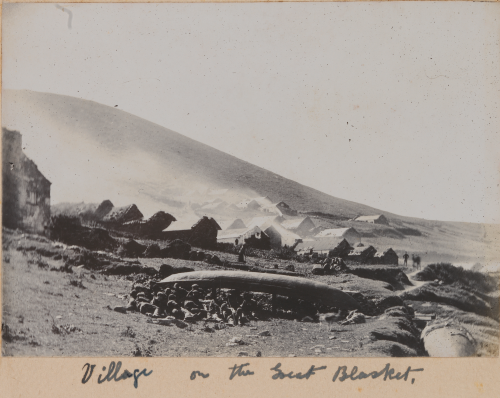
The wind is certainly whirling and tearing at the trees outside as I write this: May has seen the return of strong gales – the trees are bending again and Roaringwater Bay is alive with white breakers. Looking out to the islands I bring to mind a tune from the Blaskets, over on the coast of Kerry. Port na bPúcaí (Music of the Fairies) is a haunted song if ever there was one. It’s said that the islanders were out fishing in their currachs when a storm broke out. It turned into a gale and they feared for their lives as the canvas hulled craft became swamped. Then, the wind suddenly died and they became aware of music playing somewhere around them – an unearthly music. The island fiddler was amongst the crew; when they got safely back to land he found he could remember the tune they had heard. It has passed into the traditional repertoire and has been played ever since.

My own rendition of Port na bPúcaí on the concertina –


To close, a verse by Seamus Heaney which was inspired by this story of the Fairy music:

The Given Note

On the most westerly Blasket
In a dry-stone hut
He got this air out of the night.

Strange noises were heard
By others who followed, bits of a tune
Coming in on loud weather

Though nothing like melody.
He blamed their fingers and ear
As unpractised, their fiddling easy

For he had gone alone into the island
And brought back the whole thing.
The house throbbed like his full violin. 

So whether he calls it spirit music
Or not, I don’t care. He took it
Out of wind off mid-Atlantic. 

Still he maintains, from nowhere.
It comes off the bow gravely,
Rephrases itself into the air.

Blaskets