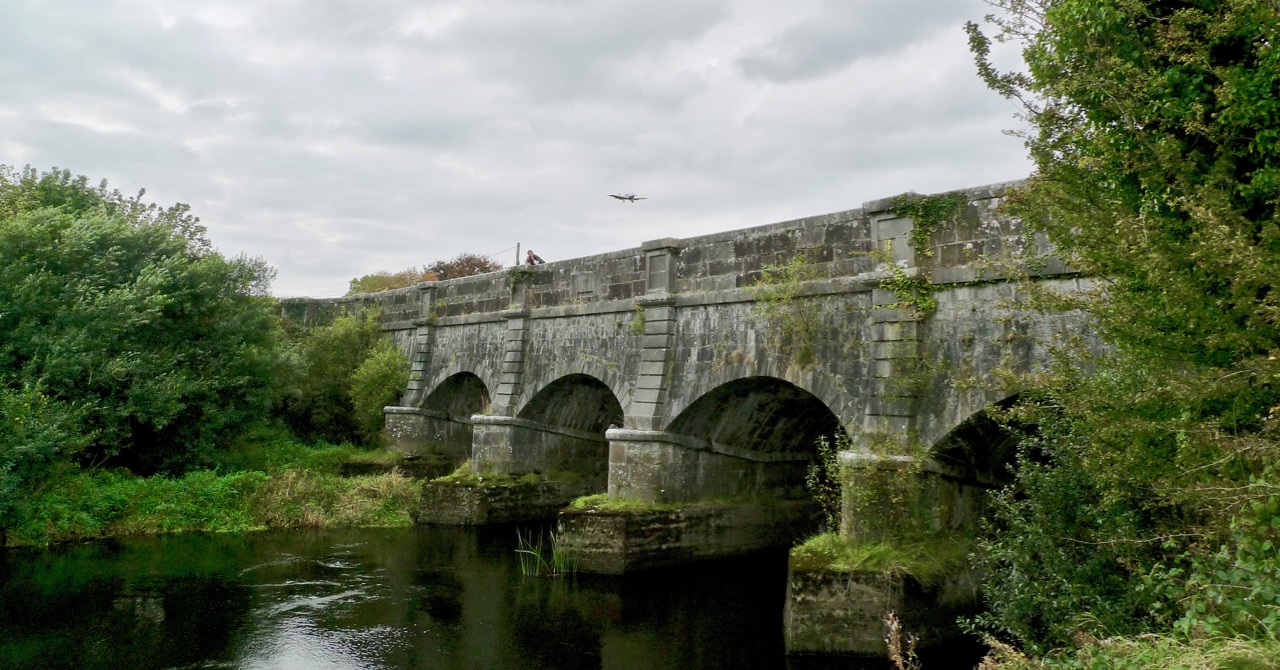
New Year Resolutions 2019

Note of explanation from Finola and Robert: the Blog has taken on a mind of its own and decided he needs to make some resolutions for 2019.  He has asked us, his slaves faithful staff, to record these, as a means of keeping him accountable. Ours not to question why, ours but to do or die, so here goes, in his own words. . .
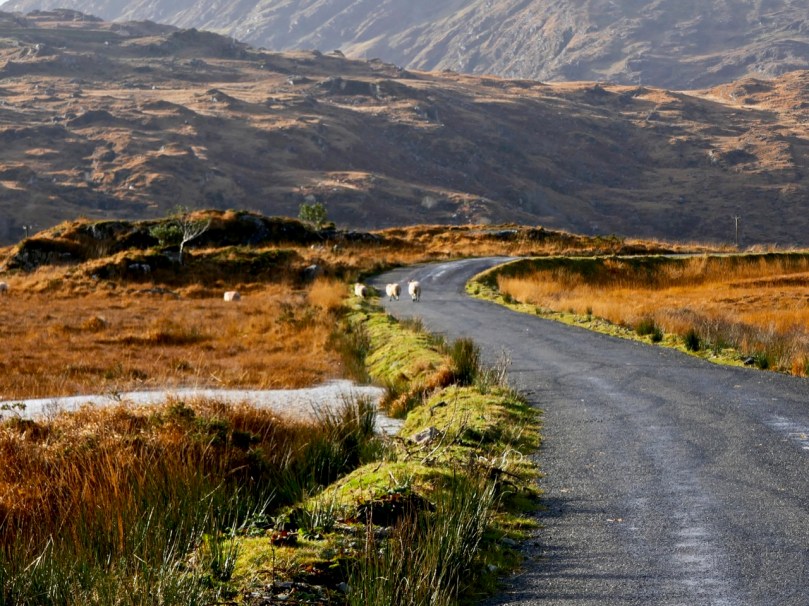
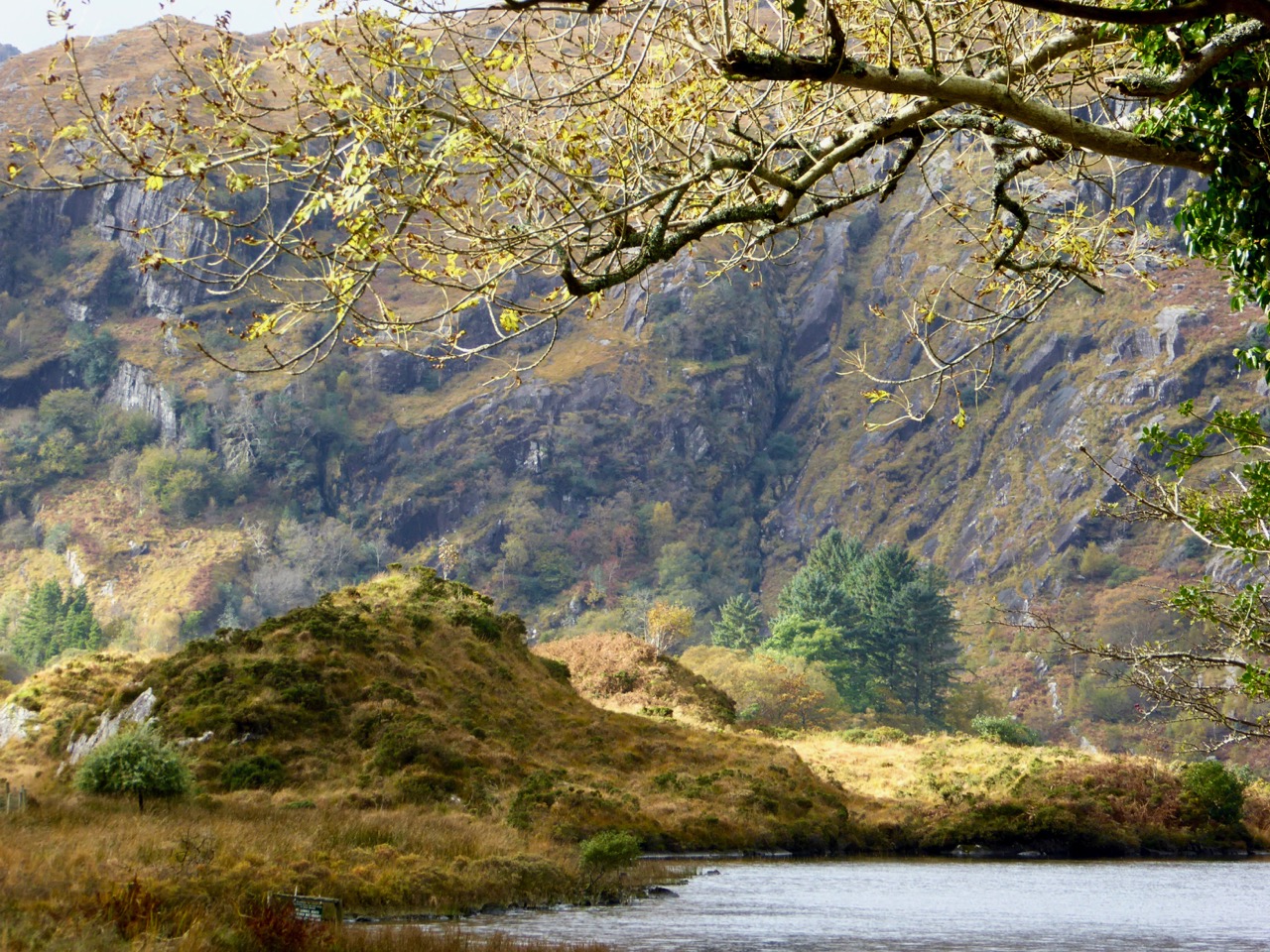
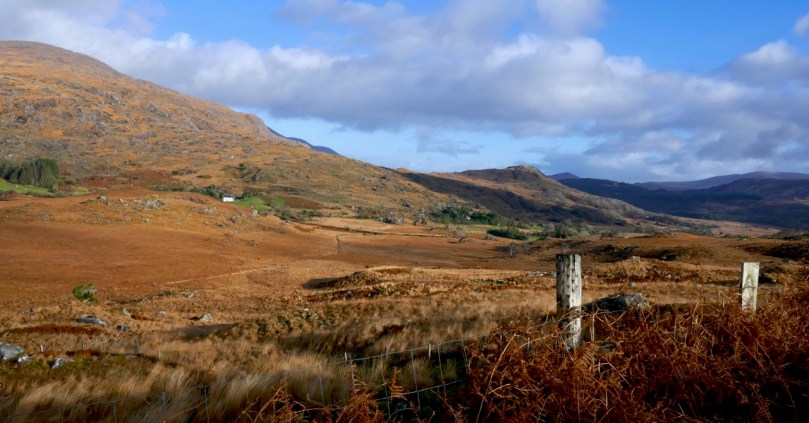
The Black Valley, Kerry

1. Spend more time in Kerry

It’s only next door, after all, and it’s in Finola’s blood, since her grandmother came from Killarney and she still has lots of lovely family there. So I’m determined they will take me there on outings a bit more often this year. There’s an ulterior motive too – you, my faithful readers, know that I often cosy up to that cheerful little Bloguette Holy Wells of Cork: she’s running out of wells in Cork but is enthusiastic about the idea that we can go jaunting off together on Kerry adventures.
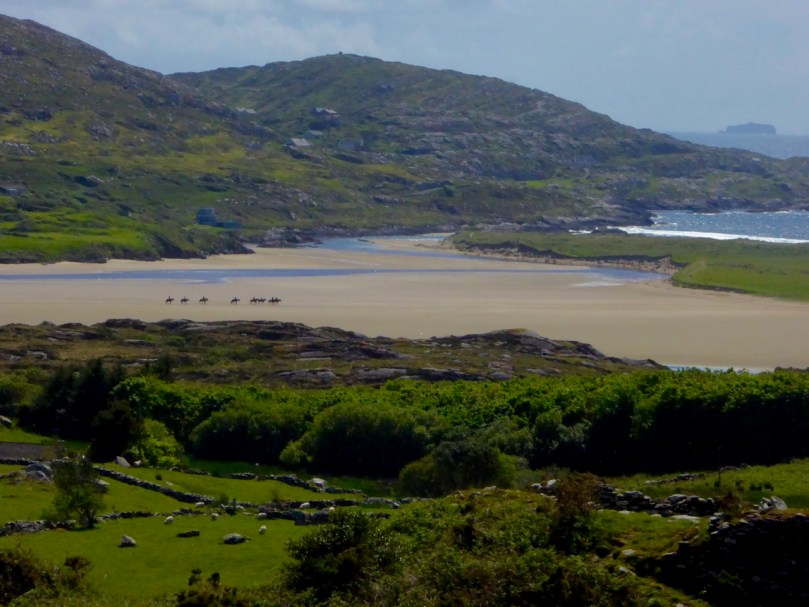
2. Incorporate more music

I have to let you in on a secret – Robert is forever promising to learn new tunes for me, but then he comes up with all kinds of excuses why he’s not getting on with it. He’s too busy, it’s too hard, it’s not in the right key, blah, blah, blah. He’s finally sort-of learned this one, after weeks. We live in the heart of Irish traditional music – come on, people!
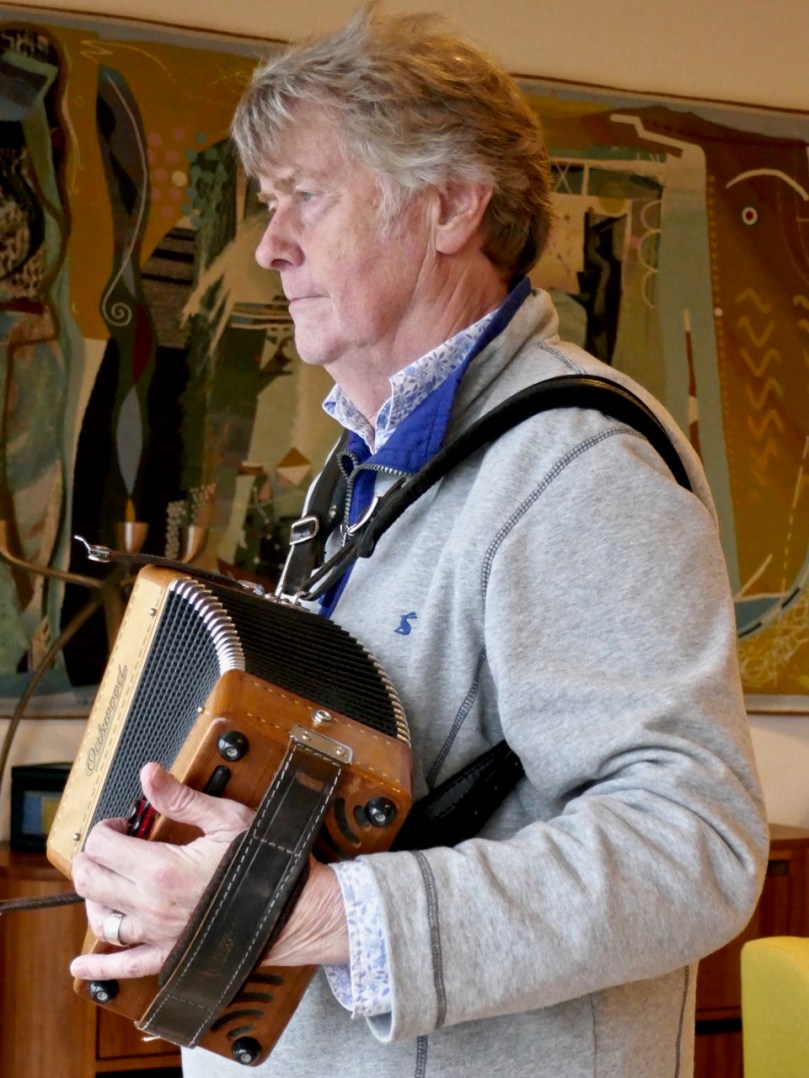
Staff member Robert trying to get it right – it’s called Pearl O’Shaughnessy’s Barn Dance, learned from Clare concertina player Mary MacNamara

3. Get on with that Saints and Soupers story

Honestly, that Finola, she leads us deep into this fascinating study of whether or not that Fisher guy was a saint or a souper, and then she goes off on one of her tangents about stained glass or wildflowers or whatever. I’m dying to know what happens next, so I’m going to have to lean on her to put the nose to the grindstone and get back to all those Protestants and Catholics and the actual famine part.
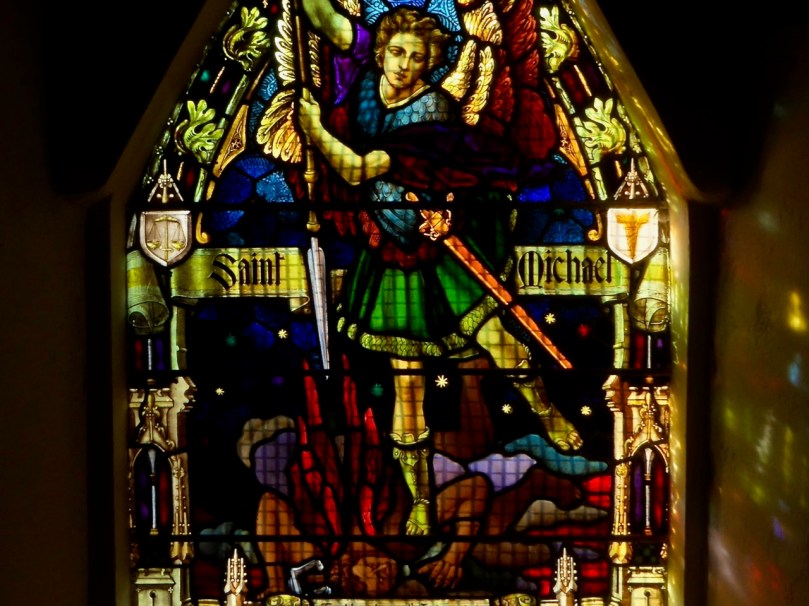
Michael the Archangel fights the devil – a powerful good versus evil metaphor in Altar Church

4. Get out to the Islands

It’s called Carberry’s Hundred Isles, for goodness sake – we can see them from the house (like Sarah Palin and Russia). Time to travel to more of them and get to know them. 

South Harbour on Cape Clear

I’ve been polishing up my Irish (or Blirish, as we Blogs like to say) and I need the practice, so Cape Clear needs to be on the agenda. I hear they have a good Blirish program out there, so ar aghaigh linn!
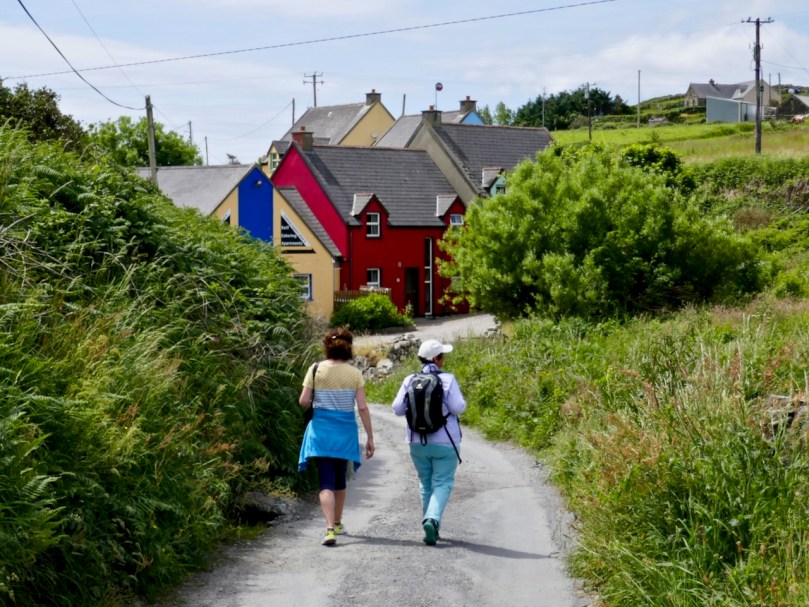
Staff member Finola and her sister on Cape Clear this summer

5. Finish the Fastnet Trail walks

This is a bit of a hangover resolution from previous years when I vowed to do all the Fastnet trails, but got a bit distracted with other walks and other projects. Besides, they’re adding to them all the time so if I don’t get off my desk and get out there soon the job will just get bigger and bigger.

Kilcoe Castle can be seen from several of the Fastnet Trails

6. Find more places to have breakfast

My staff loves going out for breakfast and I must say I am very partial to a nice plate of avocado toast and smoked salmon, with a good pot of tea to wash it down (although those two insist on lattés). They took me to the Box of Frogs in Bantry recently, and despite my misgivings about the name (I had a bad experience with a toad once) I had to admit the food was excellent. But, like all the humans I meet recently, I’ve been toying with the idea of eating less meat so I will persuade them to go to Antiquity Bookshop Café in Skibbereen for their tasty vegan food more often. BUT. . . see next resolution
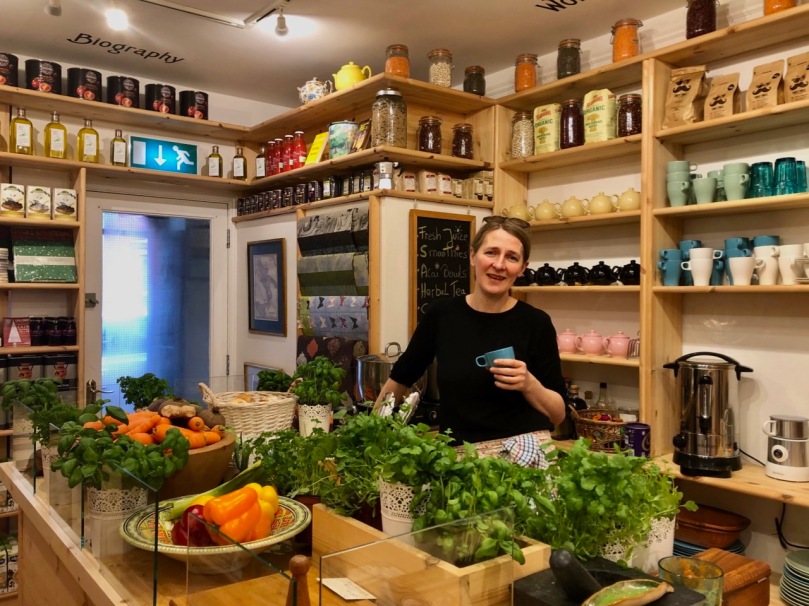
Nicola surrounded by her stock in trade in Antiquity, West Cork’s first vegan café

7. Read the books!

The staff keep bringing more books (especially from Antiquity) into the house and they pile up beside me, making me feel guilty that I’m not keeping up. They built a new set of shelves and they are already filled. Honestly, in this day and age, you’d think someone would have invented some kind of scanner-to-brain technology so that Blogs like me wouldn’t have to work so hard.

Just one shelf – yikes!

I have more, but the experts say not to make too many. Right, friends – a little encouragement and I’m sure I will be fine, despite all the malingering and complaining of my staff. Onwards and upwards into 2019!
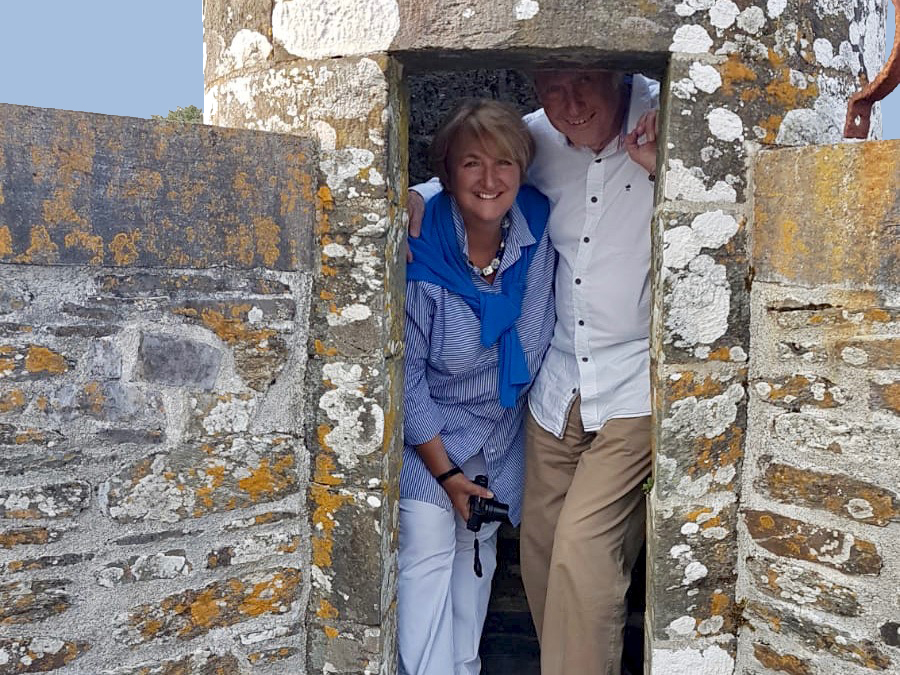
Favourite Posts of 2018

At this end of the year we reflect with a critical eye on all our 2018 posts – there have been 102 of them – and select just a few which we think stand out in some way. A link is provided for each one, in case you want to have another look yourselves.

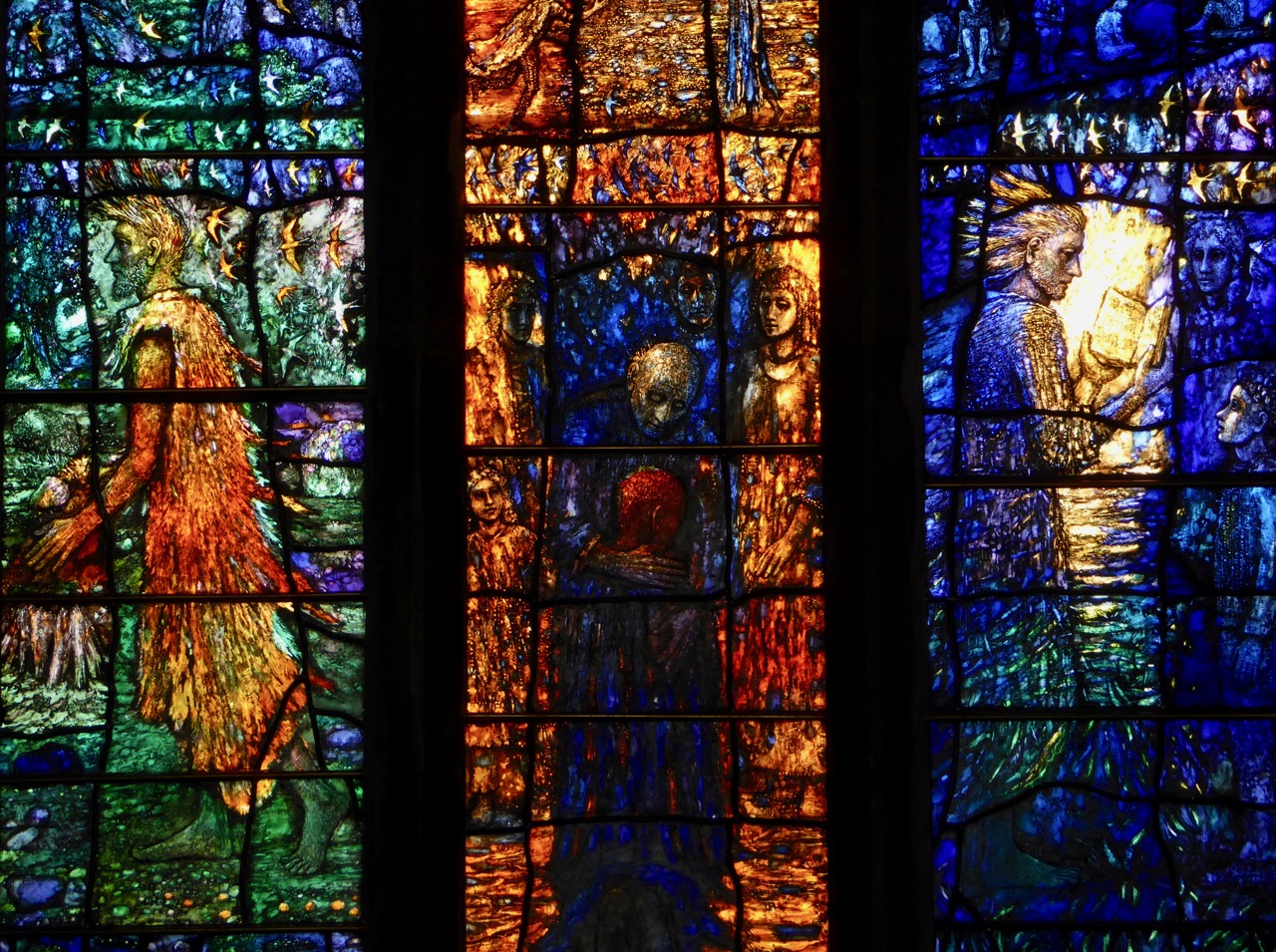
Firstly – not just one of our favourites, but the all-time most popular post we have ever published – Ireland’s Newest Stained Glass Window. Finola wrote this in January, and then went on to put together an article in the Irish Arts Review on the same subject later in the year. The window is in St John’s Church in Tralee, a Catholic church, but the project was a joint venture between the Catholic and Anglican congregations. It tells a story of reconciliation, from many angles. The window was designed and made by Tom Denny, one of Britain’s most eminent and respected stained glass artists. Tom is a direct descendant of Sir Edward Denny (1547 to 1599) who was one of the architects and enforcers of the Plantation of Munster. It’s a complex history, and this post is well worth a careful read.

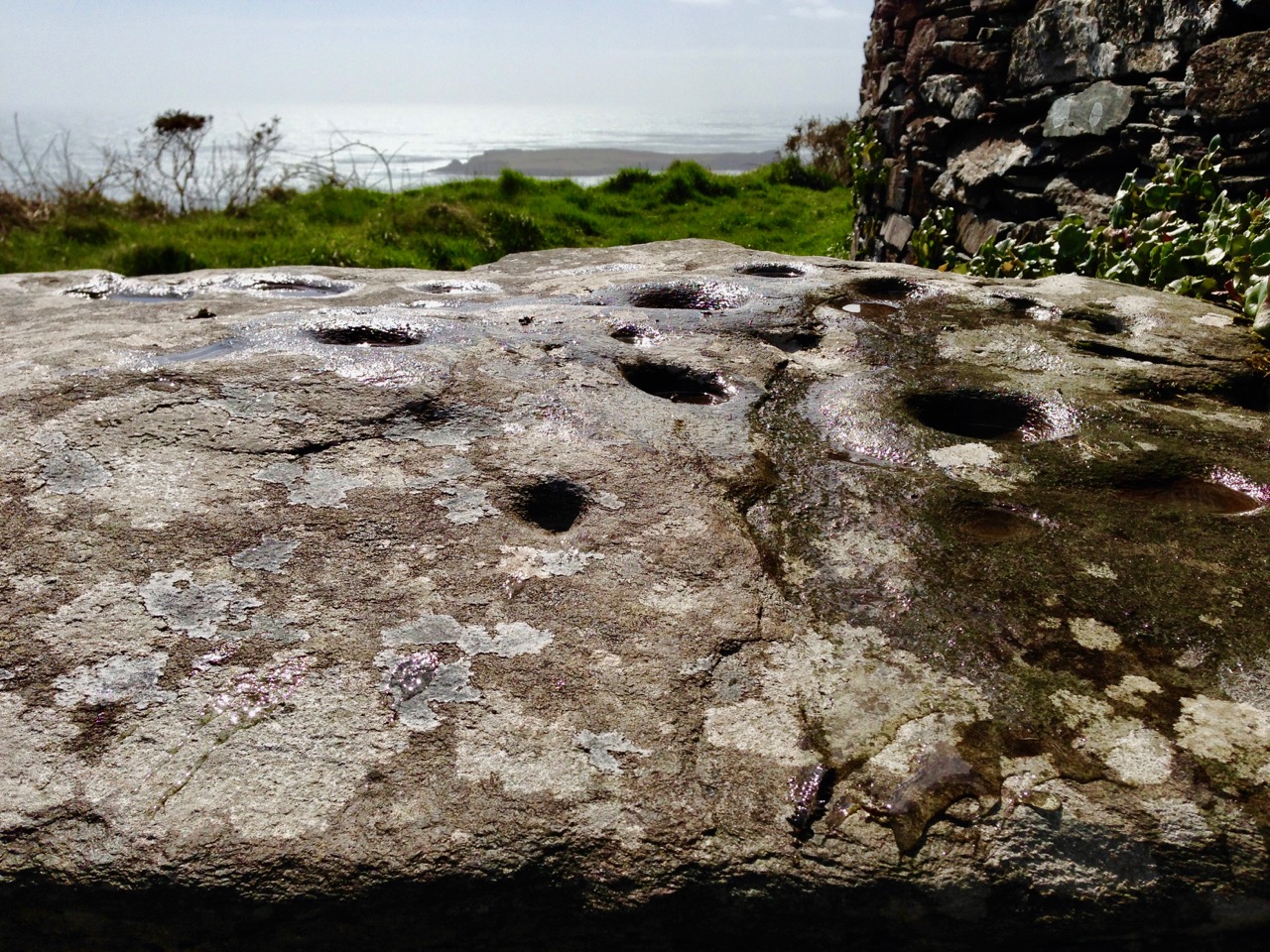
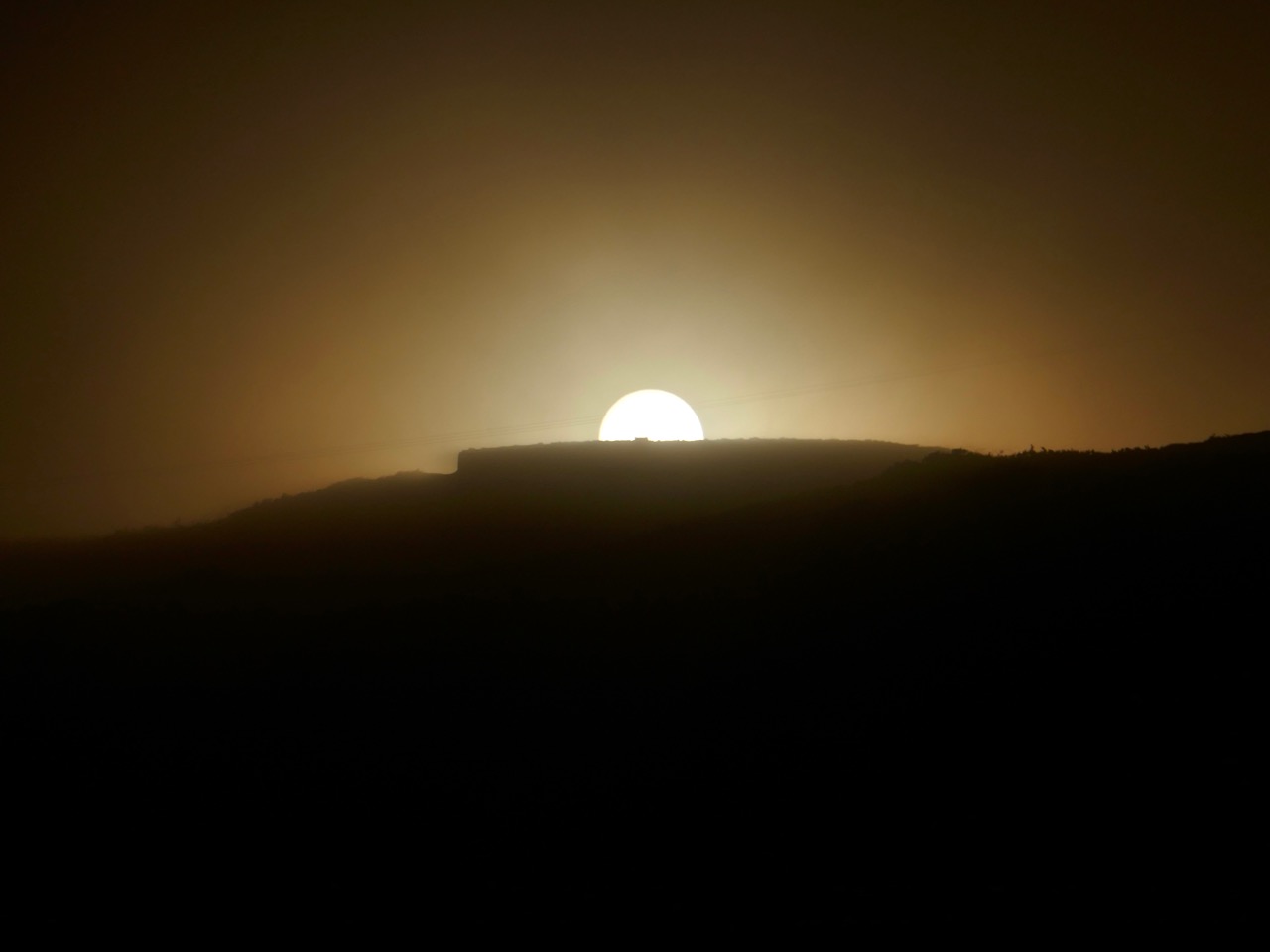
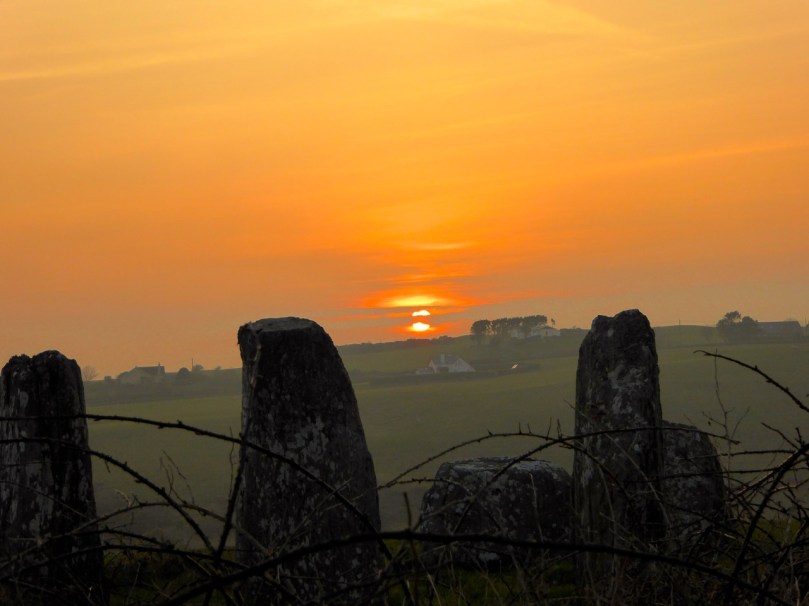
Another post which proved popular was Robert’s detailed account of an archaeological site in West Cork: Knockdrum Stone Fort. This place has everything – a substantial stone structure which probably dates from the first millennium AD; prehistoric Rock Art (one of our favourite subjects – the Knockdrum example is pictured above), likely to be around 5,000 years old; fabulous views (choose a clear day) – and a solar alignment discovered in 1930 by Vice Admiral Henry Boyle Somerville, the younger brother of writer and artist Edith Somerville. In a complementary post, Finola reported on Boyle’s life and tragic death – and gave us insights into the science of archaeoastronomy, expanding on this in a Bealtaine post, following our own experience of Boyle’s discovered alignment at Knockdrum (the sun setting exactly over the fort is pictured below).

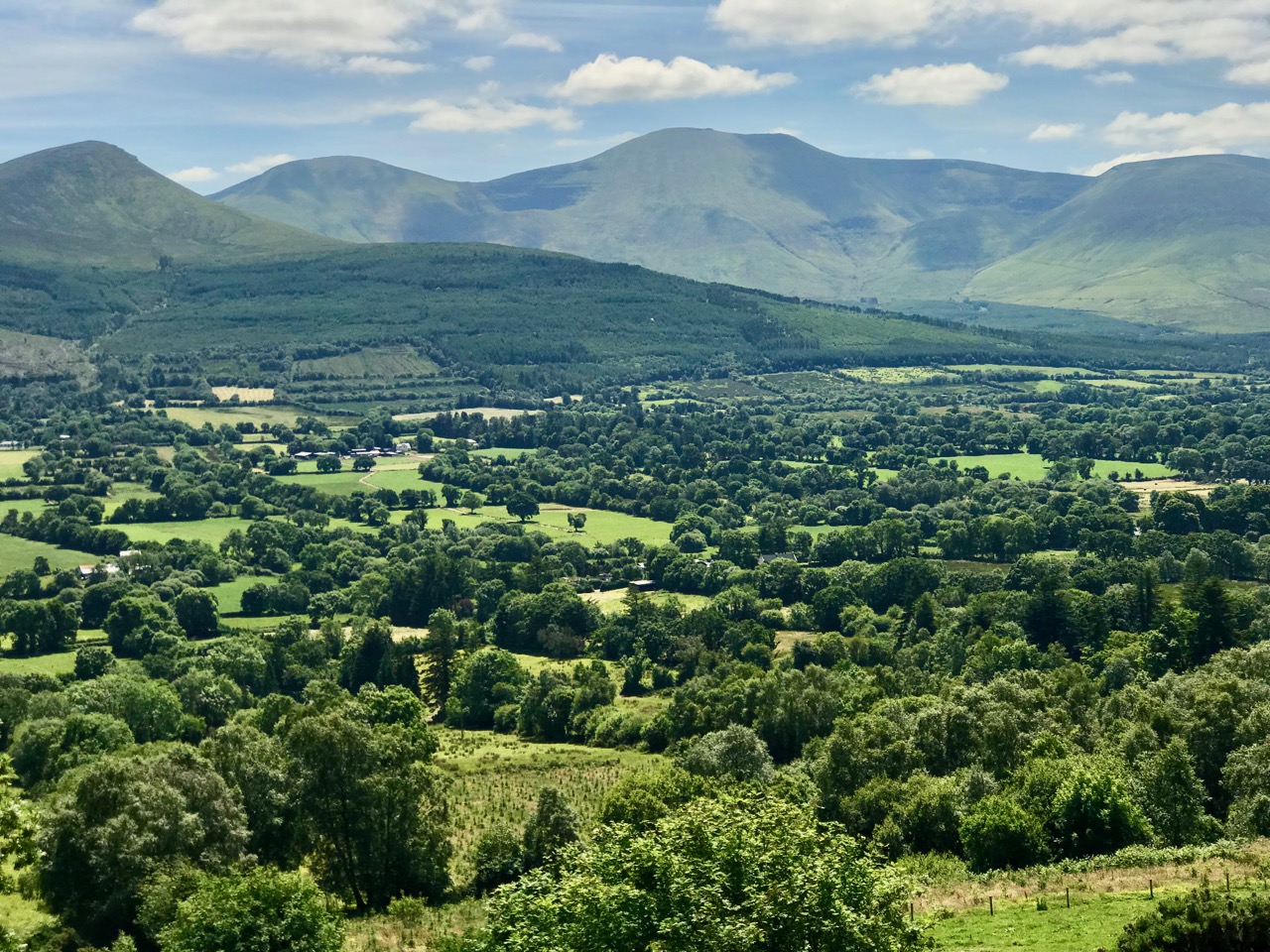
Way back in 2017 we started a series of occasional posts bearing the title . . . Off the M8 . . . We do a lot of travelling throughout Ireland (because it’s such a beautiful and historically rich country) and cover the ground between Cork and Dublin quite frequently. The M8 motorway has made this journey quite straightforward, but it has also provided the jumping off point for many an exploration to enhance the journey. One of my own favourite discovered places this year is the magical Glen of Aherlow (pictured above). We thank our good friends and travelling companions Amanda and Peter – she of Holy Wells of Cork and he of Hikelines  – for pointing us to this entrancing valley located between Slievenamuck and the Galtee Mountains in the western part of County Tipperary. We discovered there secret places and stories relating to obscure Irish Saints: have a look at the haunts of St Berrahert and St Péacáin in these posts from Robert.

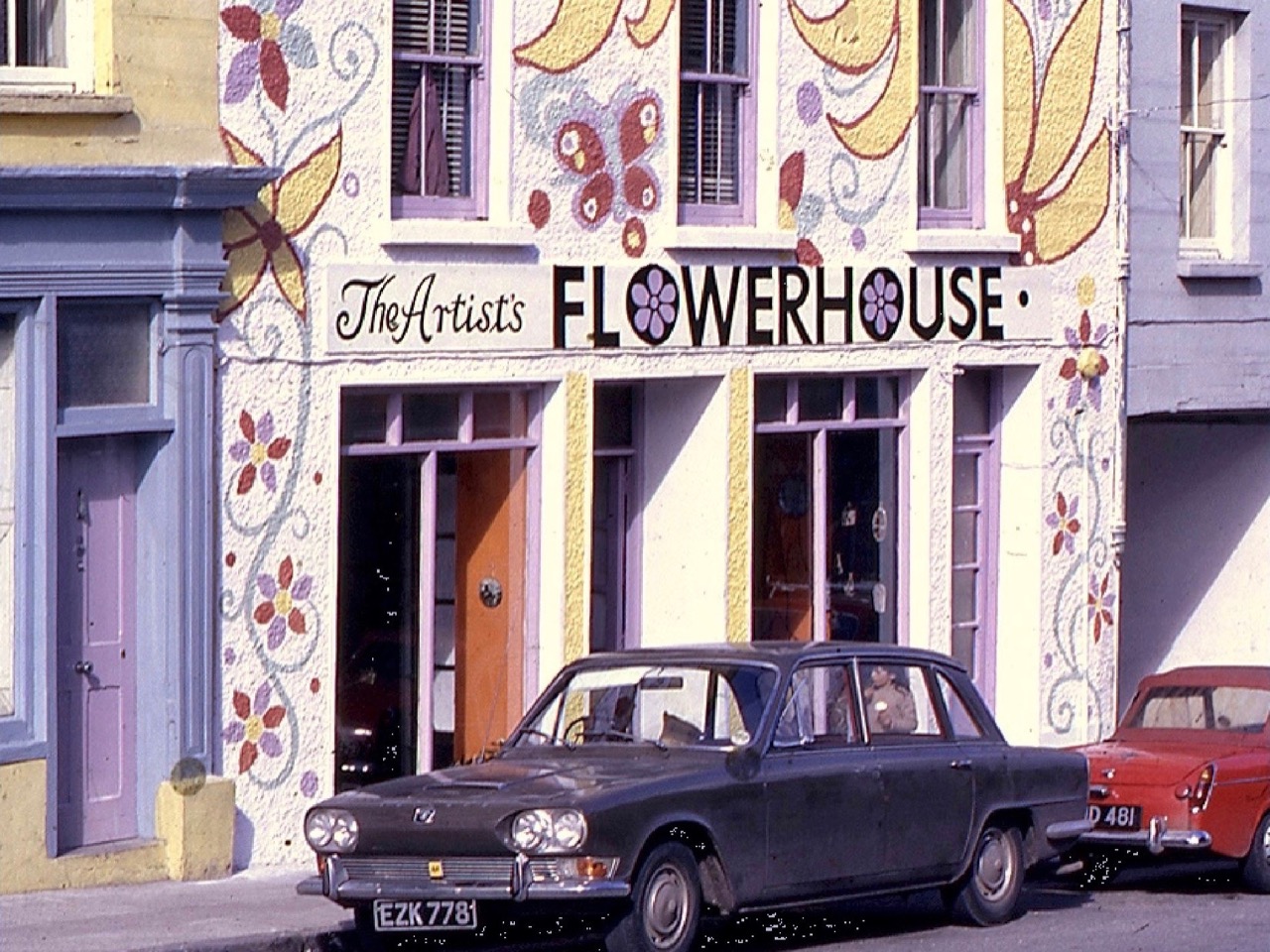
When I moved from Cornwall to West Cork some years ago I was delighted to find out that our lively adopted village of Ballydehob had a great artistic heritage during the second half of the twentieth century, to rival that of Britain’s westernmost county. West Cork became a cosmopolitan centre for artists, writers, craftspeople and musicians, renowned in its day but never properly celebrated – until this year. I was one of a small group locally who decide to rectify this by establishing the Ballydehob Arts Museum (BAM): our first exhibition . . . Bohemians in Ballydehob . . . using donated artworks, ceramics, storyboards and posters, was staged in Ballydehob’s community building, Bank House, and – presided over by Curator Brian Lalor (one of the surviving Bohemians!) – was the first incarnation of the new Museum, which will be followed up by new exhibitions every year. The picture above (courtesy of Andrew Street) from my post, shows the Flower House which, during the 1960s and 70s, became an iconic focus for the town’s artistic colony.

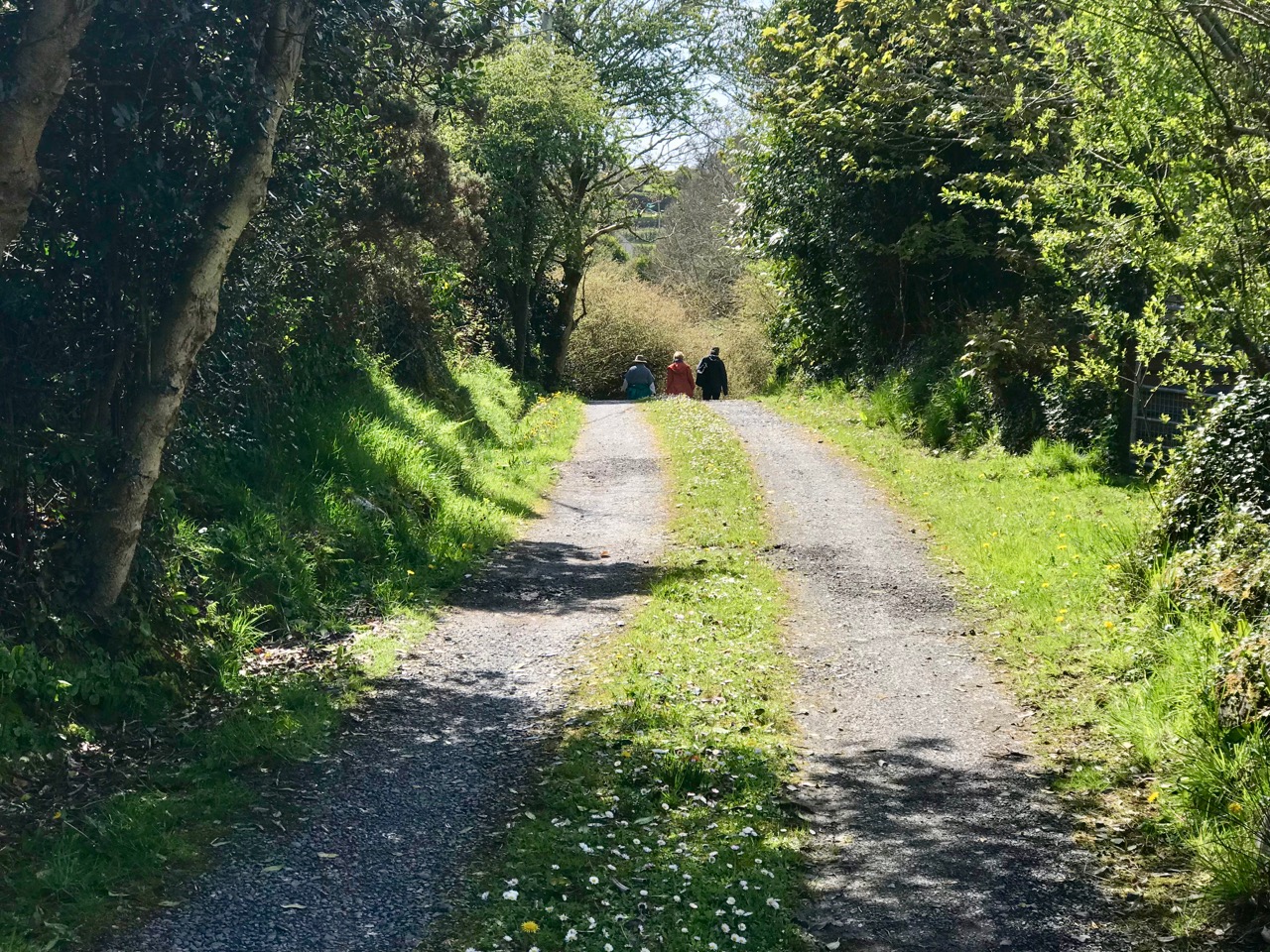
It was a grand summer altogether, and we were out walking the roads and footpaths of West Cork as much as possible. On a fine day in May we set off to explore the Toormore Loop which is only one of an excellent comprehensive system of trails which has been put in place locally in recent years. This post – Another Grand Day Out on the Fastnet Trails – documents that adventure and, hopefully, will encourage all of you to enjoy this wonderful free resource and immerse yourselves in the nature that’s all around us.

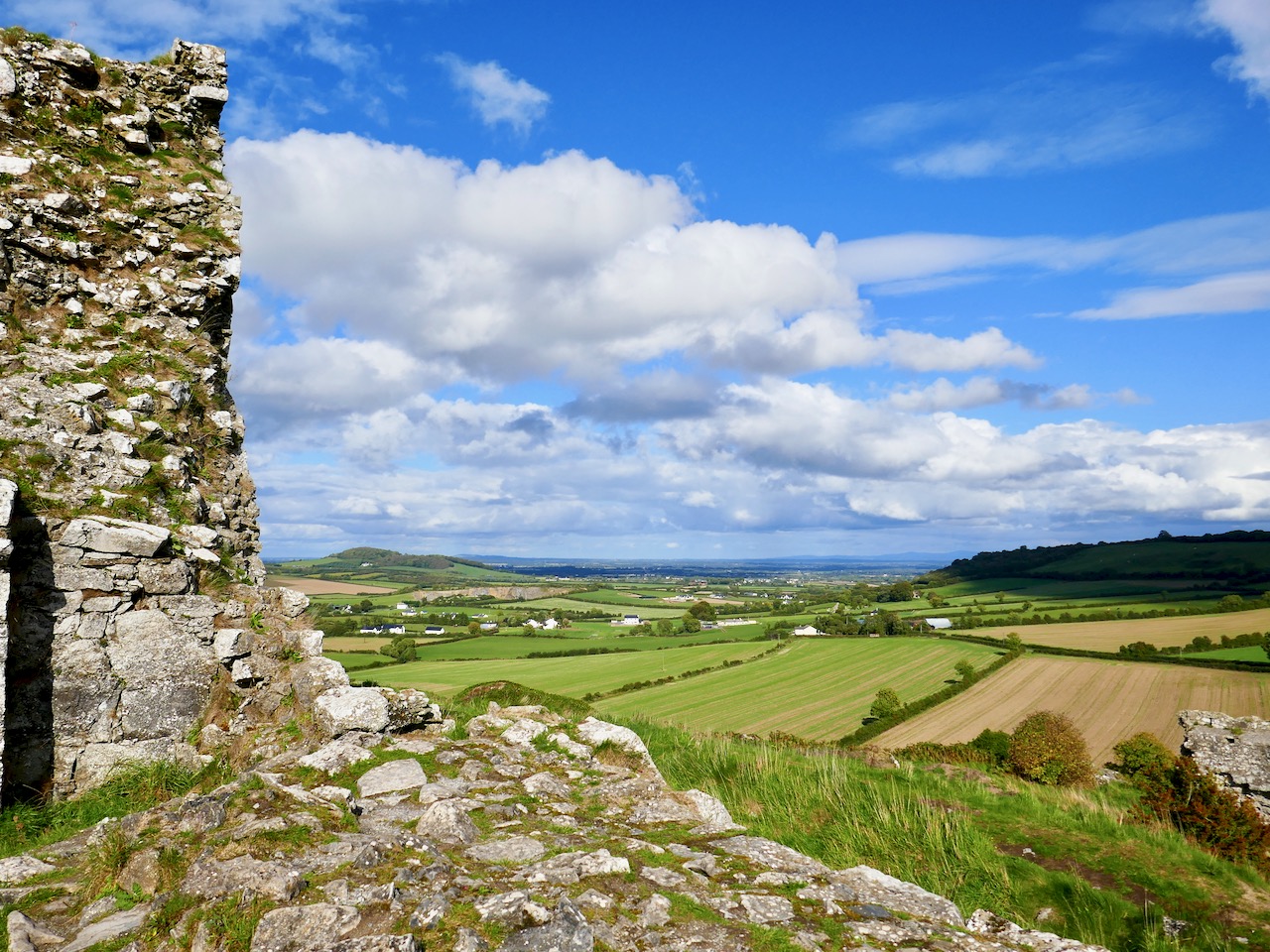
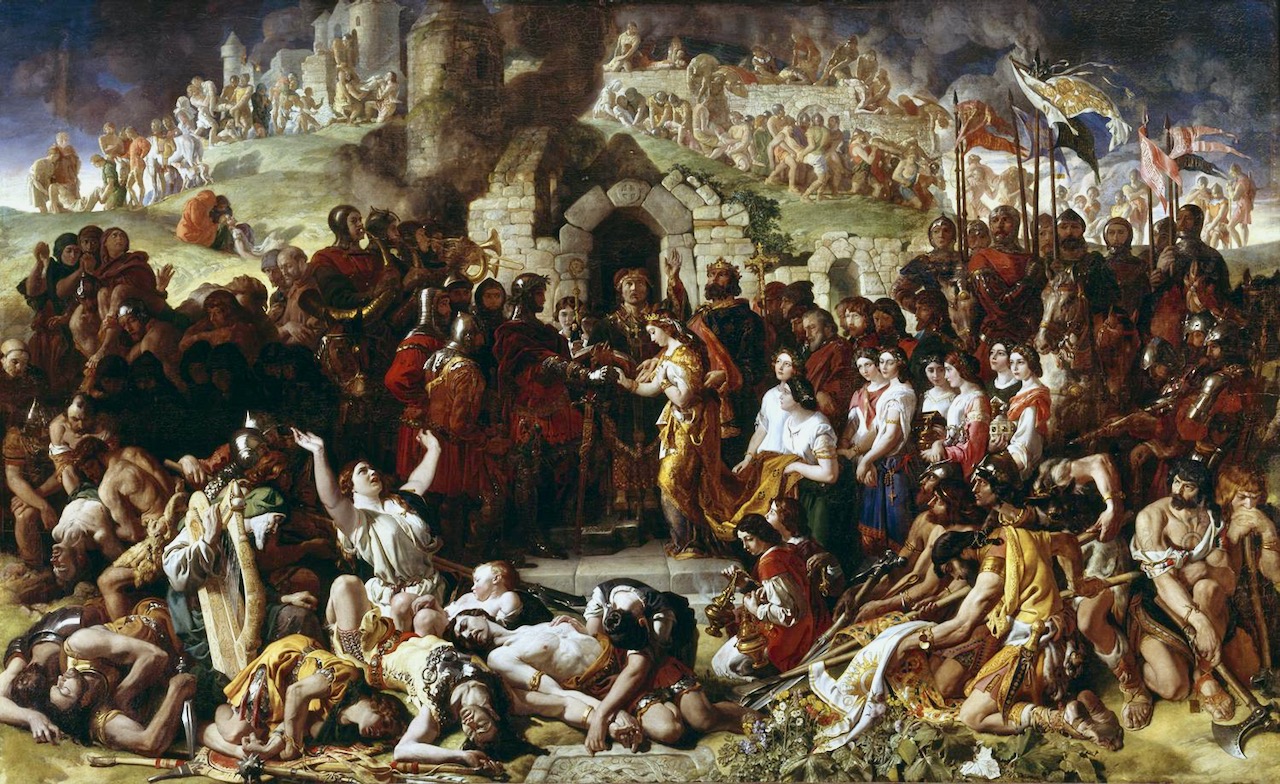
The second most viewed post this year was Finola’s fascinating account of the Rock of Dunamase and the history that it embodies. It’s a place that, for some reason, took us a few years to get to – and it’s Off the M8! But – as you can see from the picture above – climbing the Rock will give you a most rewarding and spectacular view across several counties. The ruin on its summit is inextricably associated with the most turbulent events in Irish History – the coming of the Normans to Ireland in 1169, and the famous marriage of Aiofe (daughter of Diarmuid MacMurrough, King of Leinster) to the Earl of Pembroke, immortalised in the painting by Daniel Maclise (below, courtesy of National Gallery of Ireland). The fortification with its Great Hall on the Rock was a MacMurrough stronghold, and accordingly was part of Aoife’s dowry when she married Strongbow.
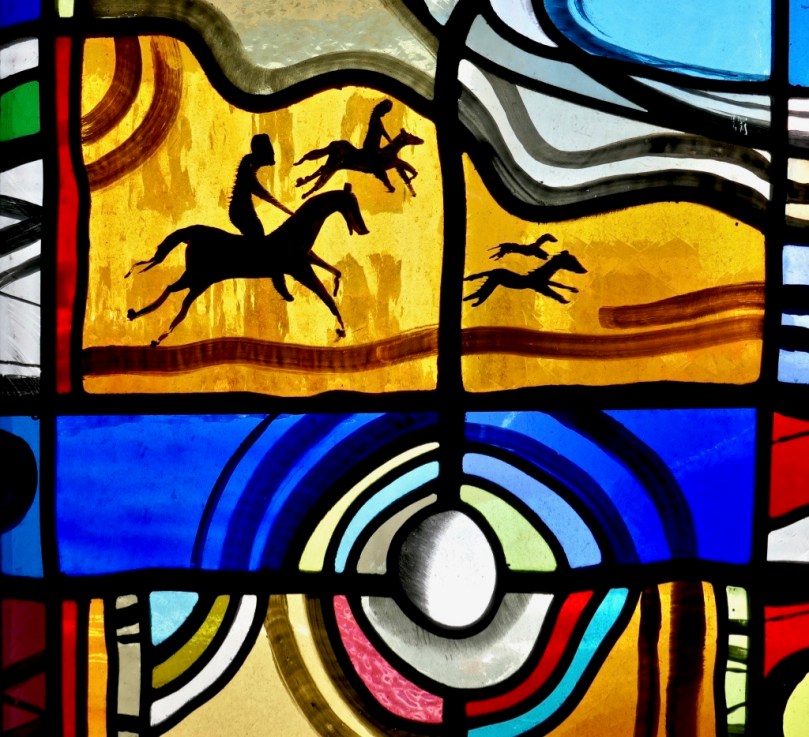
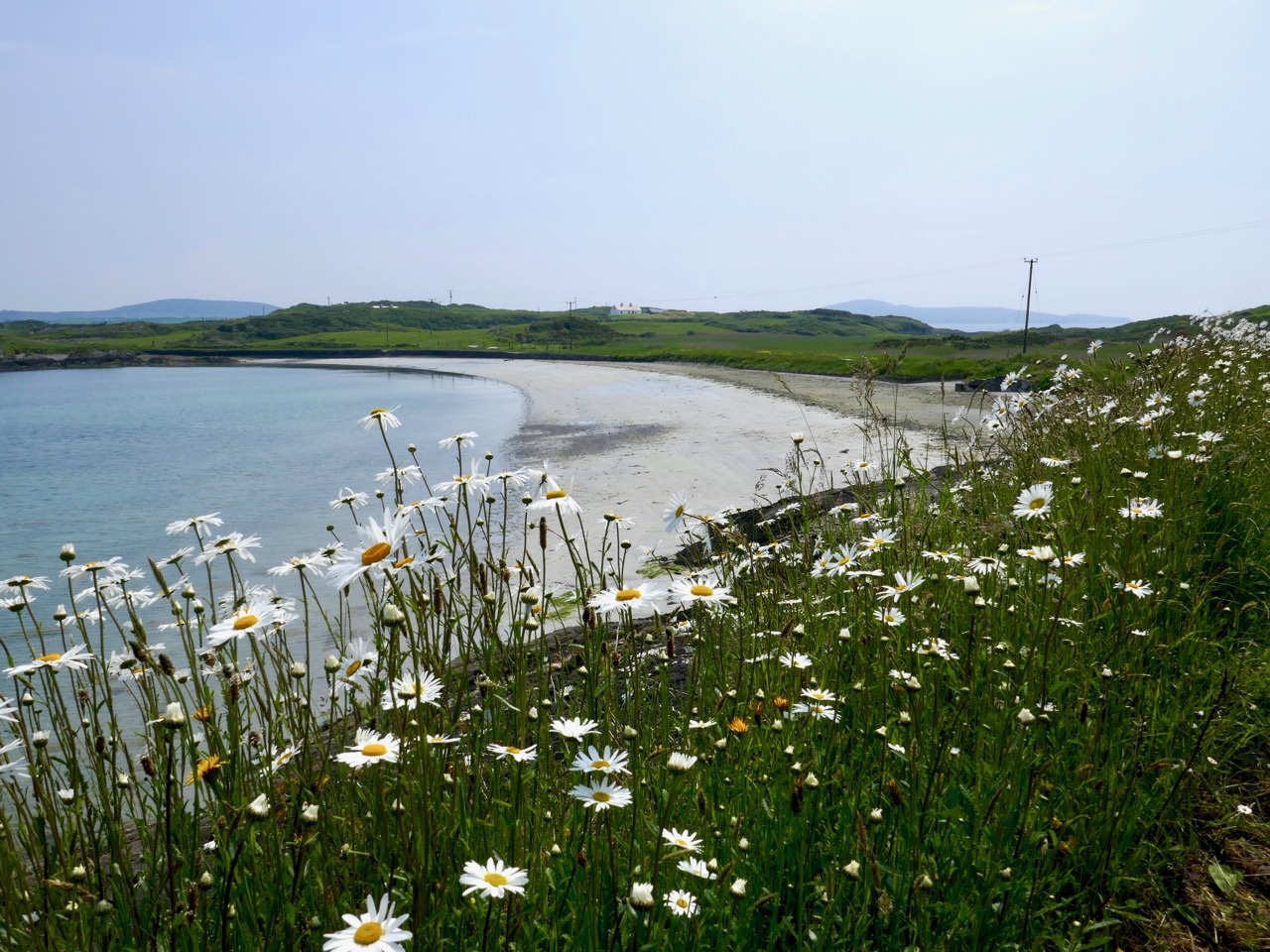
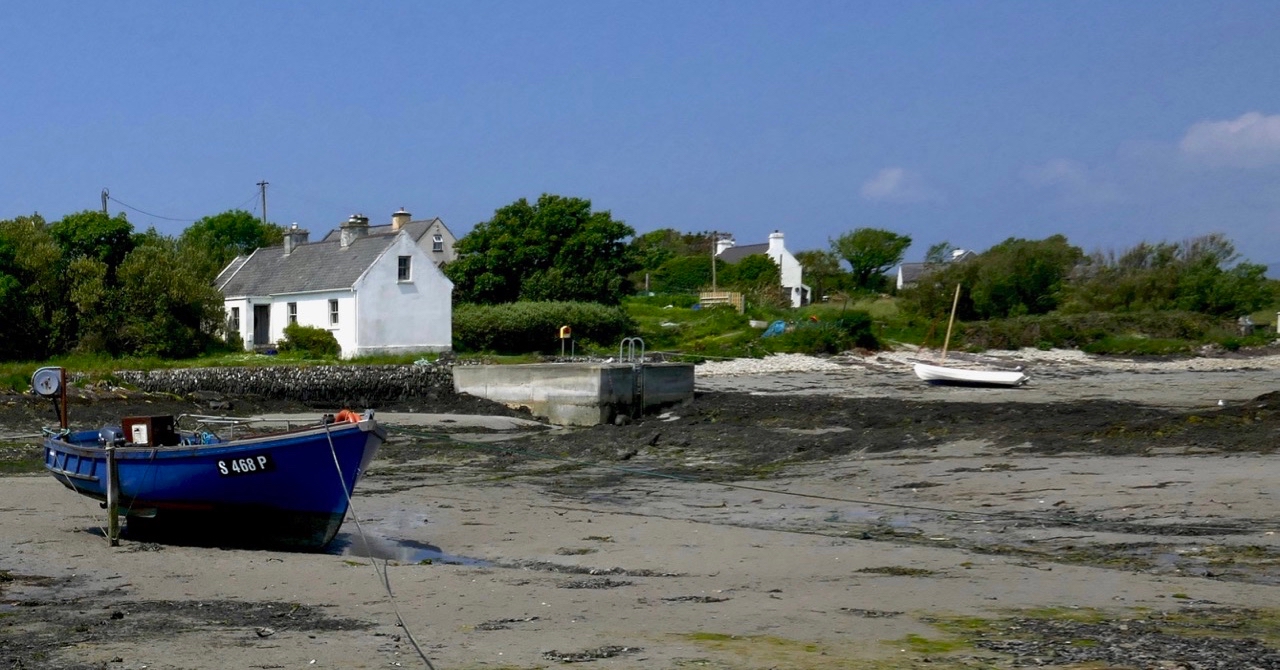
Finally (for today, anyway) we look at Finola’s post which comprehensively explores another West Cork treasure: Heir Island – a Modern Paradise (pictured above and below). West Cork has such a diverse landscape, including the inhabited islands of Roaringwater Bay, each one of which is unique. Finola teamed up with her photographer friend Trish Punch and they were shown around the island by islanders Christine Thery and Sarah Mathews, who run the Heir Island Wildlife Project. This post is a great example of how the diversity of life on the island – and here in West Cork generally – brings together so many disciplines and interests: photography, history, wildflowers, wildlife, colourful houses, and art. Everything that Roaringwater Journal tries to encompass, in fact.

Top Fifteen West Cork Photographs of 2018

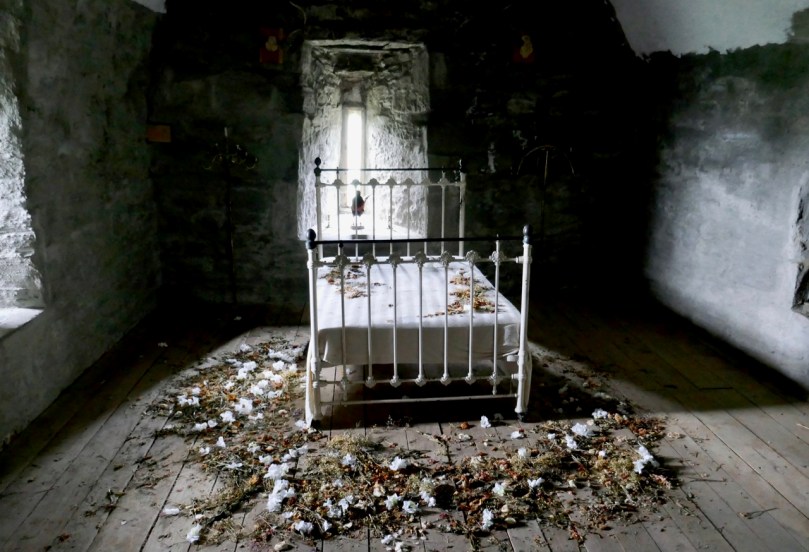
Photographs are vital to this blog, so we are always out and about with our cameras. This is a personal selection of images that pleased us in 2018. Some of these photographs have appeared in our posts, and some on our Facebook pages, but several are appearing here for the first time. Some of them remind us of places we’ve stumbled across, like the one above. It’s a room in the 15th century Castle Salem, all done up for a movie – a wildly romantic one, I bet.

From there to the iconic Fastnet Rock Lighthouse. They changed the bulb this year, to LED. We can still see the light at night, but it doesn’t sweep across the sky like it used to. On this trip, mostly photographed by my nephew, Hugo, the scaffolding was still up for the renovations.

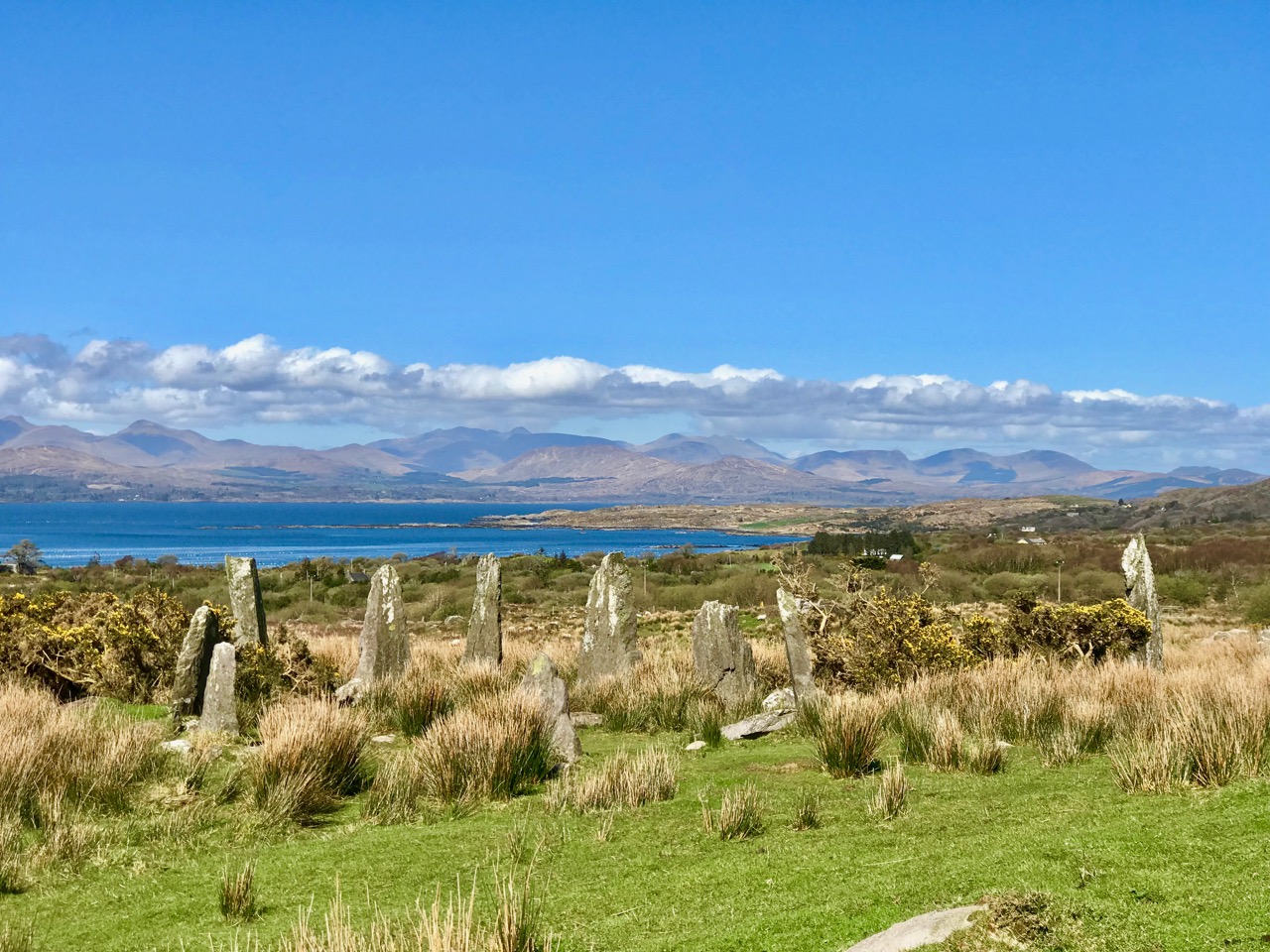
We love the Beara and try to get over there as often as possible. It’s famous for its colourful villages – this one is Ardgroom. And not too far away is a wonderful stone circle – Robert mentioned it in last week’s post. This photograph is of the outlier and shows how it seems to mirror the shape of the landscape on the Iveragh Peninsula.

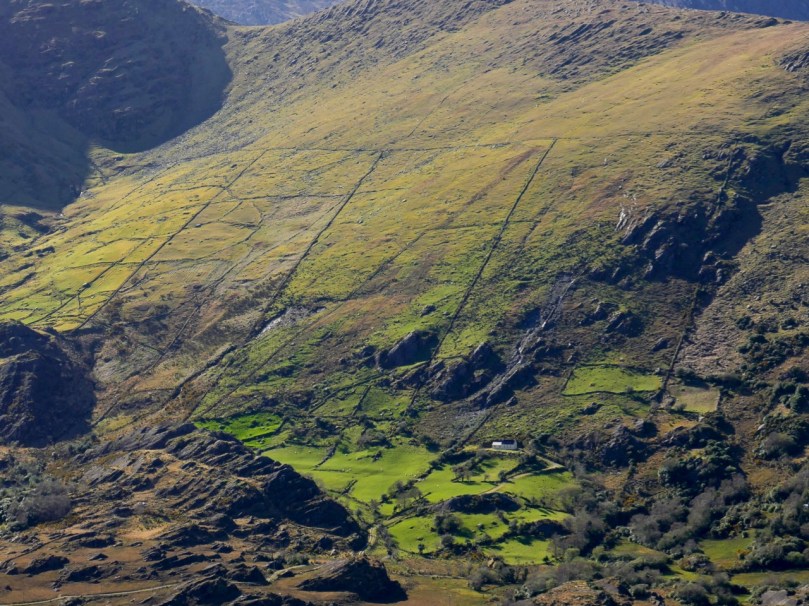
Coming back, or going, our route always takes us over the incredible Healy Pass. I’ve chosen the photograph below because the remoteness of the little farms take my breath away.

But if you look closely, this photograph also shows the old field patterns from tiny holdings long ago, including the lazy beds – ridges left from cultivating potatoes by hand.

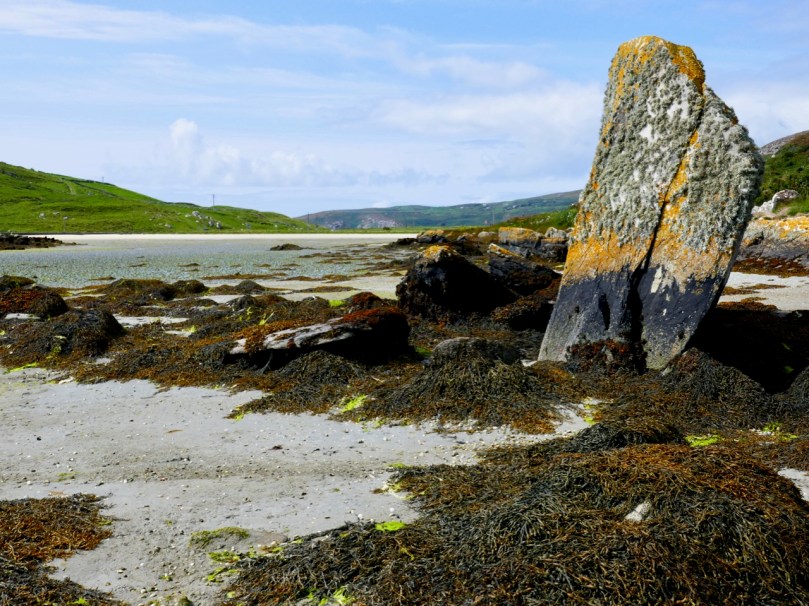
Our own Mizen Peninsula is fertile ground for exploration. This enormous standing stone, for example, can be seen in Crookhaven Bay. But even though it seems to be set in the sand deliberately, some authorities feel it is a natural feature. There’s what looks like an old stone field fence nearby, and lots of archaeology in the area.

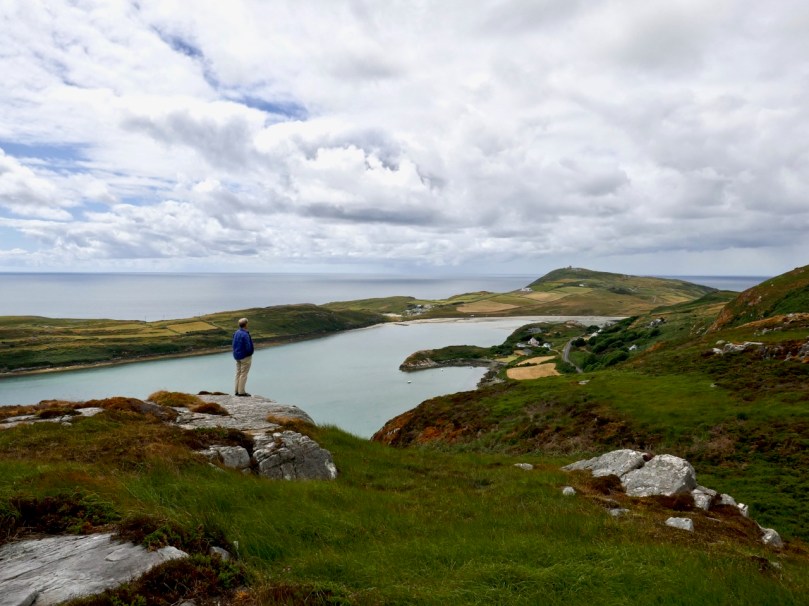
We’re looking down on that area from this vantage point (above), and across to Brow Head, always great for a wander – we included it in our West Cork Obscura list.

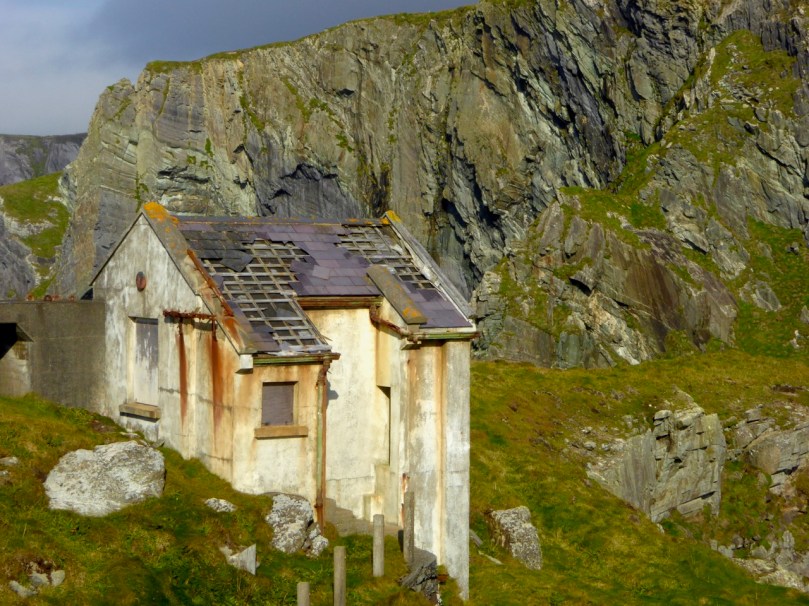
We love to bring our visitors out to the Mizen Head Visitor Centre too. It’s a wonderful experience, with dramatic scenery and vertiginous cliffs. There are lots of remnants still to remind us of the active past of this lighthouse and signal station, including this derelict, if picturesque, shed.

Of course, the weather isn’t always wonderful, even if it seems that way in a set of carefully-chosen images. But even when it’s wild, it’s worth taking the camera along – the photograph above was taken at the Altar in Toormore on a stormy day.

Robert, as our readers know by now, is a hare fanatic, and one of the highlights of his year (next to becoming a citizen!) was when little Berehert, a young hare, showed up on our lawn and hung around for a few days.

Meanwhile, nothing makes Finola happier than to wander around among the wildflowers. She runs a Facebook page on the Wildflowers of West Cork – so pop over there any time to see the amazing range of flowers that we get to enjoy here.

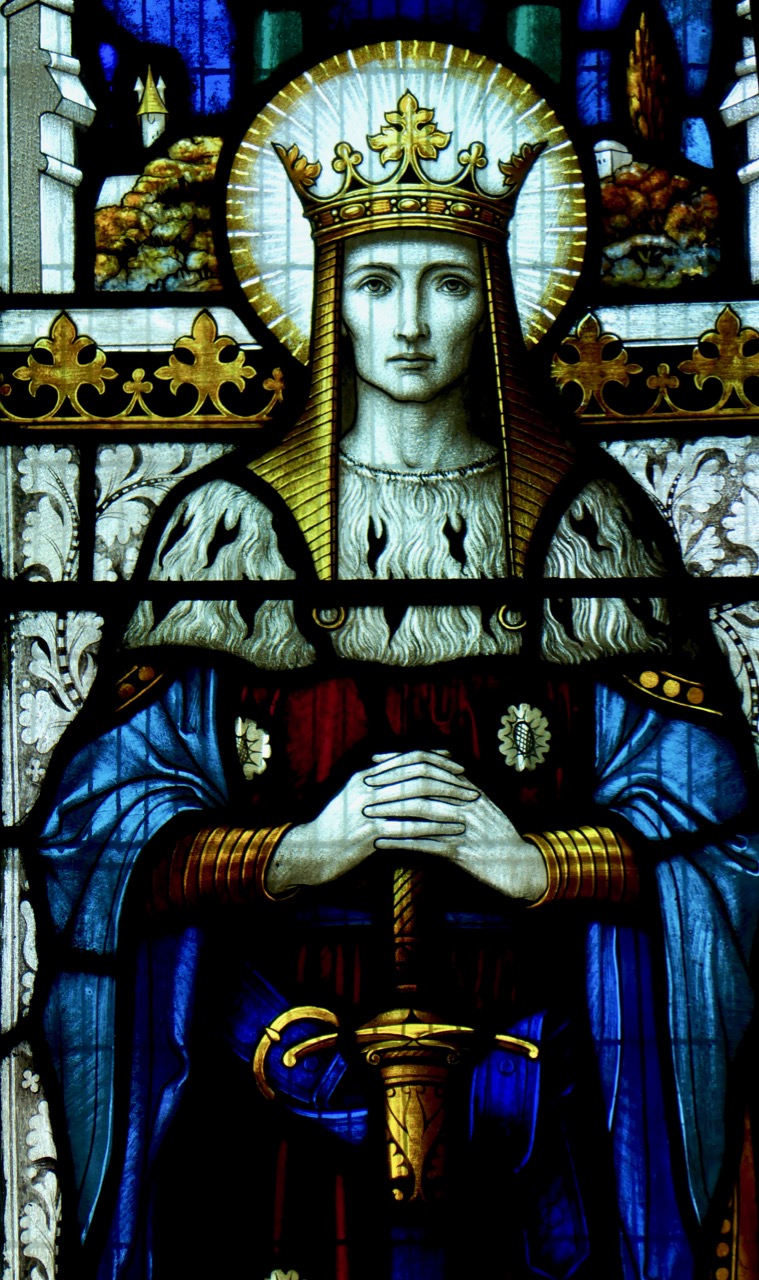
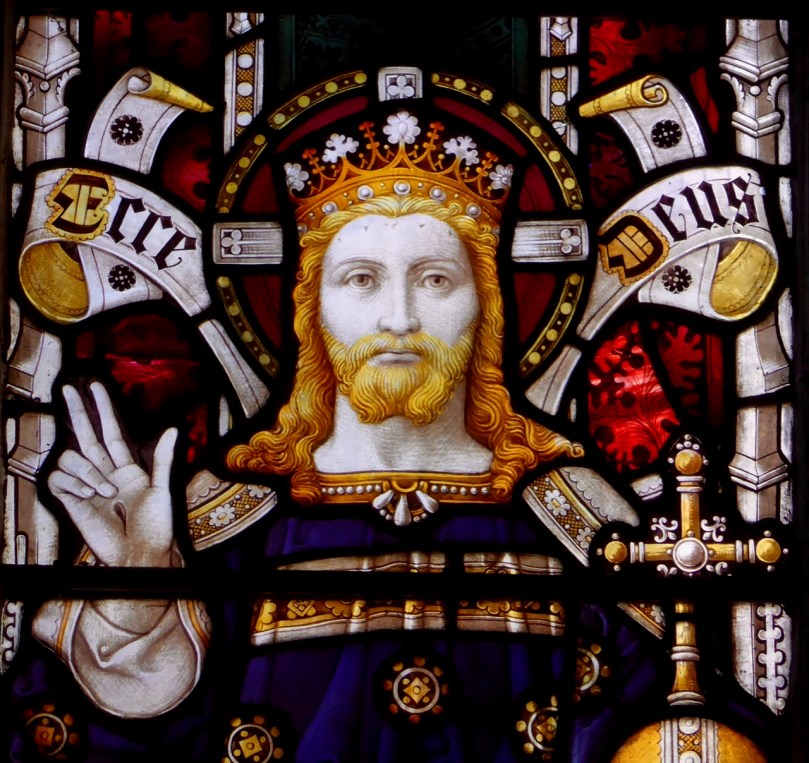
The other thing she loves is to drop into churches to study the stained glass. We’ve written about the fabulous George Walsh windows in Eyeries before, but there are lots of surprises wherever you go. She was quite taken with a wonderful three-light war memorial window in St Peter and Paul Church of Ireland in Bandon. Above is King David from that window, by the firm of Clayton and Bell. Gorgeous, isn’t it?

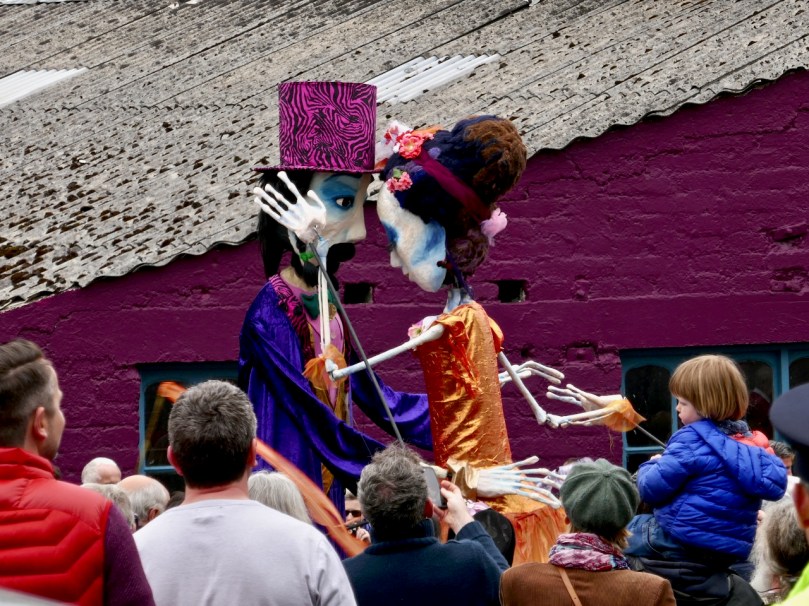
From March to October West Cork hosts a huge number of festivals. Everybody goes to everything – from the Ballydehob Jazz Festival (above), to events celebrating country and traditional music, history, wooden boats, the arts, short films, knitting (really), stone carving, food and more.

Our own view is a never-ending source of delight. This is sunset over the Goat Islands, Greater and Lesser, which lie west of Long Island. There’s a cleft down the middle, which is dangerous to try to navigate, and no place to land. As a result the islands are quite wild, with a herd of feral goats. For us, they have an air of profound mystery.

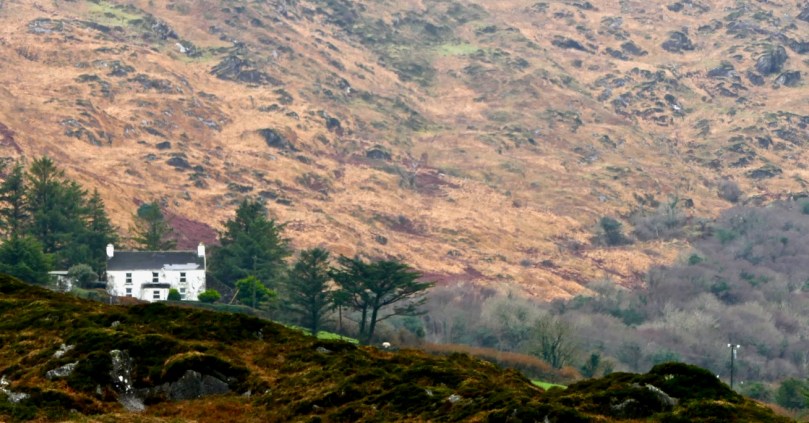
Our final photograph was taken yesterday – a traditional farmhouse on the slopes of Mount Gabriel. Lots more West Cork scenes in the months to come!

West Cork Obscura – Finola’s Picks

The popular Atlas Obscura defines itself as the definitive guide to off-the-beaten-track and little known wondrous places. So we’ve captured that idea and, as our Christmas present to our readers, bring you our own carefully-curated, slightly eccentric, Roaringwater Journal Guide to West Cork’s Hidden Wonders. Robert’s selection is here. No well-know tourist spots for these posts! No car parks and visitor centres! You may need wellies for some, a good map for others, and, although all are accessible, some may require permission.Each place I recommend will link to a blog post with more information. As an example, Sailor’s Hill, just outside Schull (above) is an easy walk and look what you get at the top! 

This is the view from Brow Head, looking back towards Crookhaven, and Mount Gabriel in the distance. Brow Head is much less visited than Mizen Head, but just as spectacular

I’m going to start with some archaeology and a couple of spectacular sites. The first is the Kealkill Stone Circle – but this isn’t just a stone circle, it’s a complex of monuments that includes a five-stone circle, a radial cairn (very rare in this part of the world) and two enormous standing stones. The views are immense in every direction, and the site is easy to find.

We all know about Drombeg – and we love it when the sun goes down at the midwinter solstice, and even when it doesn’t. But fewer people know about another stone circle, equally spectacular, with a spring equinox orientation. It’s called Bohonagh and it’s quite a complex. First of all, there’s a boulder burial, with quartz support stones and cupmarks on the boulder. Then there’s a cupmarked stone, partly hidden in the brambles between the boulder burial and the stone circle. Finally, there’s the circle itself, almost complete, with views in all directions.

Equinox sunset at Bohonagh

We were lucky to have a session there one equinox, and another one with Ken Williams of Shadows and Stone. For access, park just off the main road, across from the salmon coloured house 4.5km east of Rosscarbery and walk up the farm road to the barns and from there to the top of the hill. This is a working farm – please close all gates and be respectful of animals!

Maughnasilly Stone Row broods on the hilltop

A stone row to round out the archaeology sites – this one is at Maughnasilly and I chose it because it’s been excavated, so there’s an informative sign, access is easy and it’s a beautiful, atmospheric site, overlooking a small lake. The row has been calculated to have both lunar and solar alignments.

And from the ground…

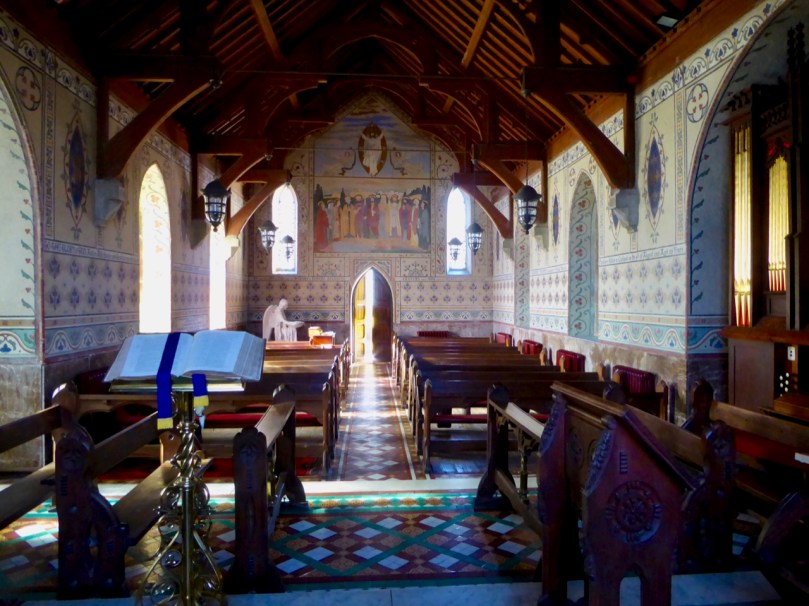
A couple of churches now, beginning with the Church of Ireland Church of the Ascension in Timoleague. This is one of those places that is dripping with unexpected stories. As soon as you go through the door your jaw will drop – the whole church, floor to ceiling, is covered in mosaic, partly paid for by an Indian Maharajah. Read the story here and here – and look carefully at the stained glass windows, some of them are among the oldest stained glass we have in Ireland. The key used to be at the grocery store on the main street, but I’m not sure where it is now, so you may have to ask around. Let us know if you find out.

The interior of the church, and one of the beautiful Clayton and Bell windows

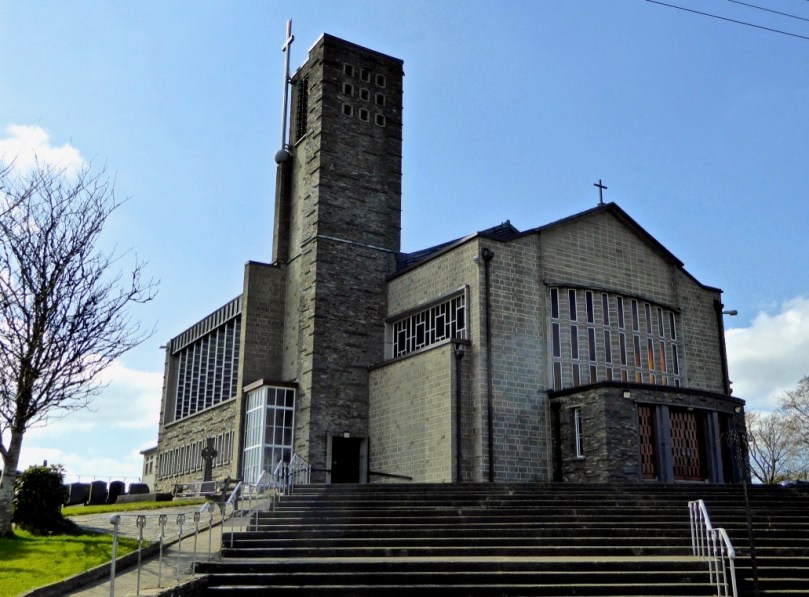
You may wonder at my next choice – it’s not everyone’s cup of tea – but the modernist church in Drimoleague is the work of Frank Murphy, the architect hailed as Cork’s ‘Unsung Hero of Modernism’.

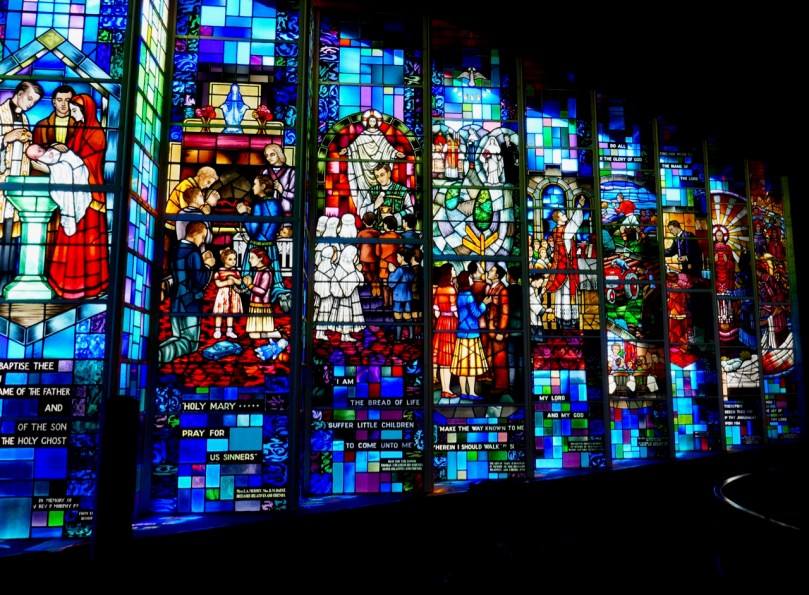
I love the spare minimalist space, very rare in West Cork, but it’s the stained glass windows that drew my attention. It’s not that they are particularly beautiful or skilfully done: they’re by the Harry Clarke Studios long after Harry himself had died. It’s that they fascinate me as a social document – they are, in fact, a prescription for how to live your life as an Irish Catholic in the 1950s. As such, they will resonate with anyone of my vintage. Research by the brilliant young scholar, Richard Butler, has revealed that the design was practically dictated by Archbishop Lucey, still a name to invoke an image of the all-powerful churchman of the 20th century.

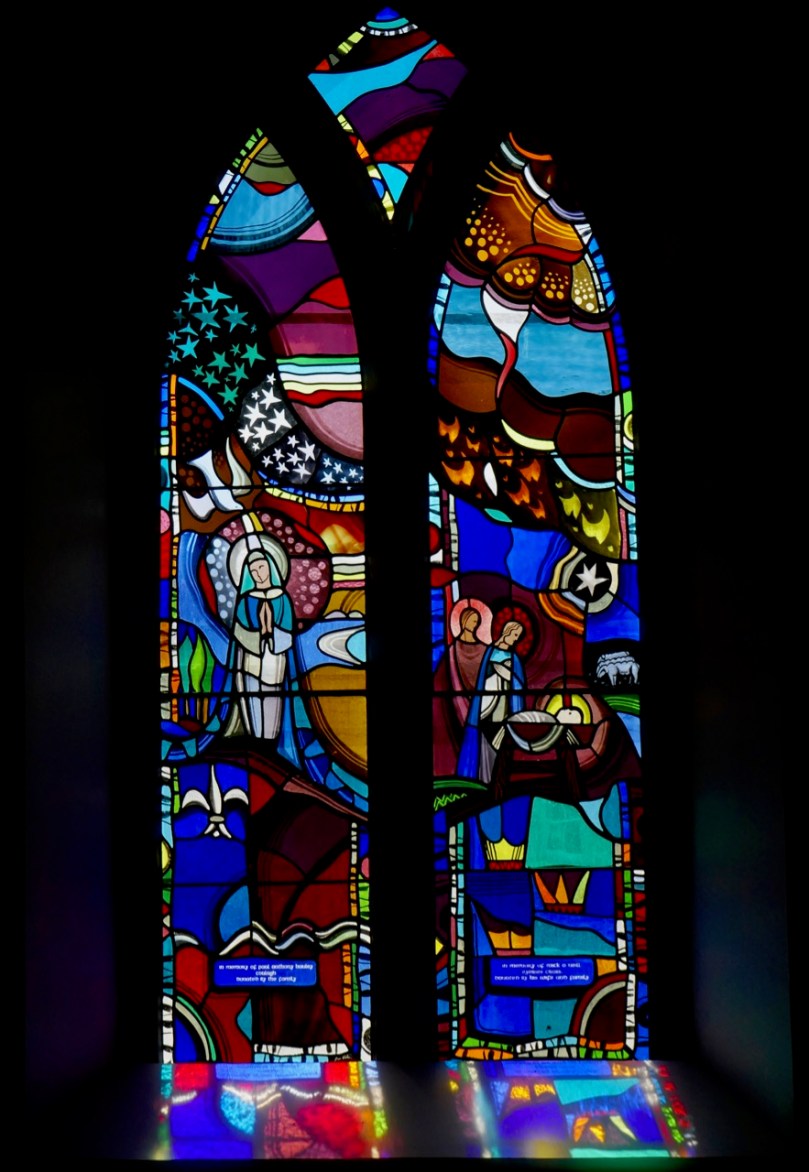
And a final church, but this one strictly for the windows. (No – not St Barrahanes in Castletownsend for the Harry Clarkes – everyone knows about them already, and this is a selection of lesser-known wonders.) Do NOT go through Eyeries, on the Beara Peninsula, without stepping into the little church of St Kentigern. Here is where we were first introduced to the work of the stained glass artist, George Walsh.

The Annunciation and Nativity window

When Robert wrote his original post, we couldn’t find out much information on George Walsh, but now he has become a friend and I have written about his work for the next issue of the Irish Arts Review (due out in March, 2019) and spent many happy hours photographing his windows and his artwork around Ireland. It’s bold, graphic, modern and incredibly colourful, and the windows in Eyeries, along with the religious themes, tell the story of Ireland and the Beara through time.

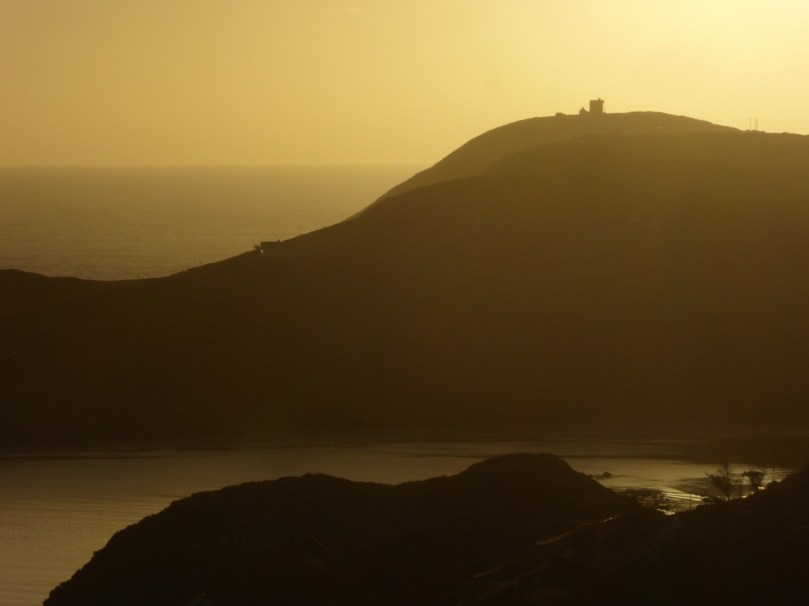
Some places to visit now for a good walk or a swim. First, one of my favourite walks is to hike up to Brow Head, at the end of the Mizen Peninsula (you can drive up too, but pray you don’t meet a tractor coming down) and then walk out to the end of the Head (see the second photo on the post for the view from the top of the road). Stop first to explore the ruins of the old Marconi Station – there’s also a Napoleonic-era  signal station and a WW2 Lookout Post. Then wander through the heather and the low-growing gorse until you get to the part where the sea is crashing below, with vertiginous drops off either side. I will leave it to you how far you go from there!

Brow Head showing the signal station and Marconi station silhouetted against the evening sky

Although Barley Cove is well known, Mizen locals love Ballyrisode Beach for a swim or a lounge in the sun. White sand, sheltered bays, and water warmed by running over the shallow bay. The final little beach holds a secret – a Bronze Age Fulacht Fia or Water-Boiling Site, that Robert and I recorded for National Monuments this summer. It was an exciting find, hiding in plain sight. The beach has an association with pirates too!

Ballyrisode Beach – yes, the water really is this colour. The three sided rectangular stone thing is the fulacht fia

The final choice for a walk is Queen Maev’s tomb, a short hike up from Vaughan’s Pass car park, up behind Bantry. For this photograph I am indebted to Peter Clarke, of the wonderful Hikelines blog. He and Amanda (with whom we have explored SO many holy wells)  were our companions that day. When you reach the top there is a small wedge-tomb, but this is one place where the journey is the real story, with the Mizen, the Sheep’s Head and the Beara all spread out before you.

Photograph © Peter Clarke

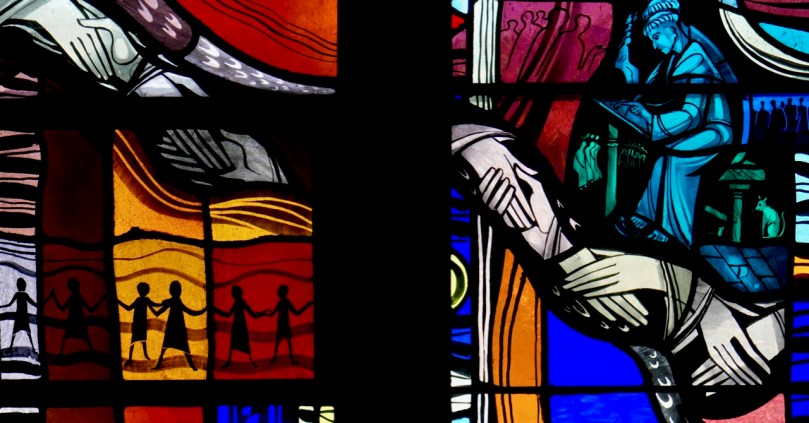
I leave you with a detail from the George Walsh windows in Eyeries, together with the poem the scene is based on, Pangur Bán, written in the 9th century by an Irish  monk labouring away in a scriptorium in Europe. Here is the poem read, at a memorial service for Seamus Heaney, first in the original Old Irish and then in Heaney’s translation.

Merry Christmas from us! If you live here, get out and about this year to some of our picks, and if you don’t, come see us soon!

West Cork Obscura – Robert’s Choices

‘Hidden West Cork’ and ‘off the beaten track’ have been oft-used phrases in our posts – and that’s part of our mission with Roaringwater Journal: exploration of some of the more secret places, and researching and recording their stories. Finola has looked out her own favourites; my current choices are here – although, with 569 posts written to date between us, we could have picked out so many.

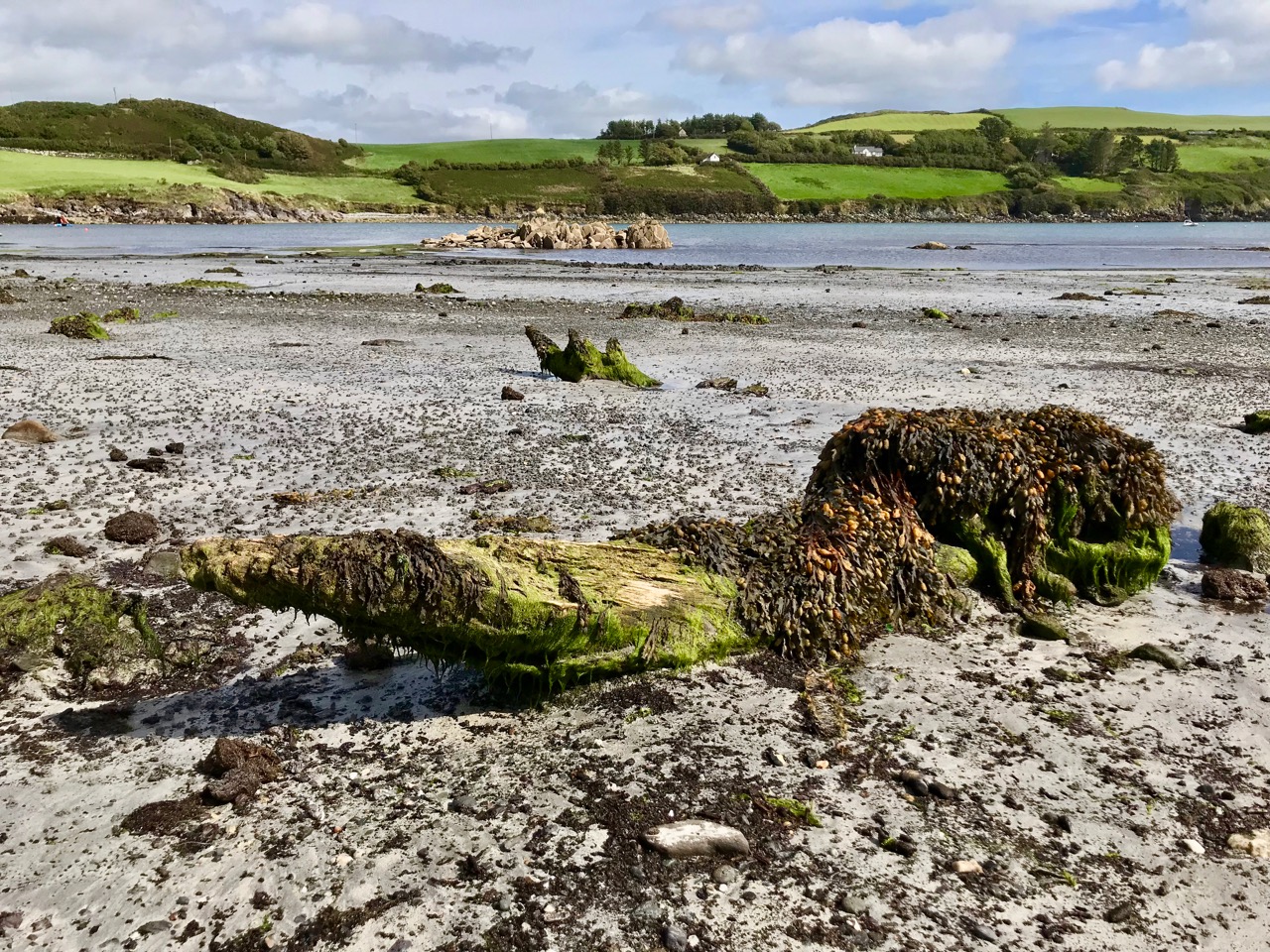
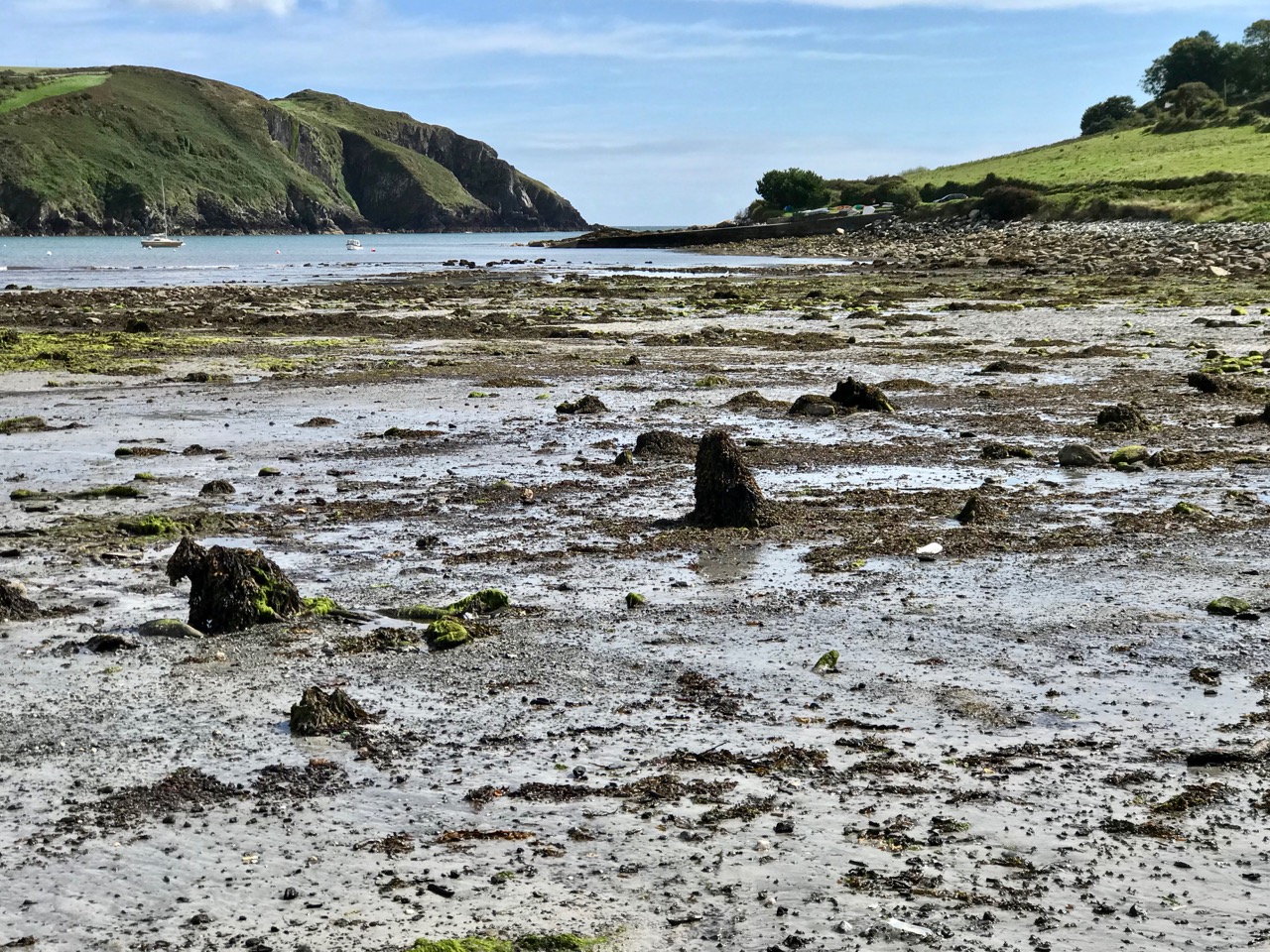
Header and above – one of the discoveries which made a great impression on me during the year was Tralong Bay, out beyond Glandore and Drombeg: it’s a beautiful piece of the coastline, at the end of a cul-de-sac and – it seemed to us – very little visited. But to visit is to transport yourselves back thousands of years as, on the beach and exposed at low tide, are the remains of an ancient forest. Here is the post.

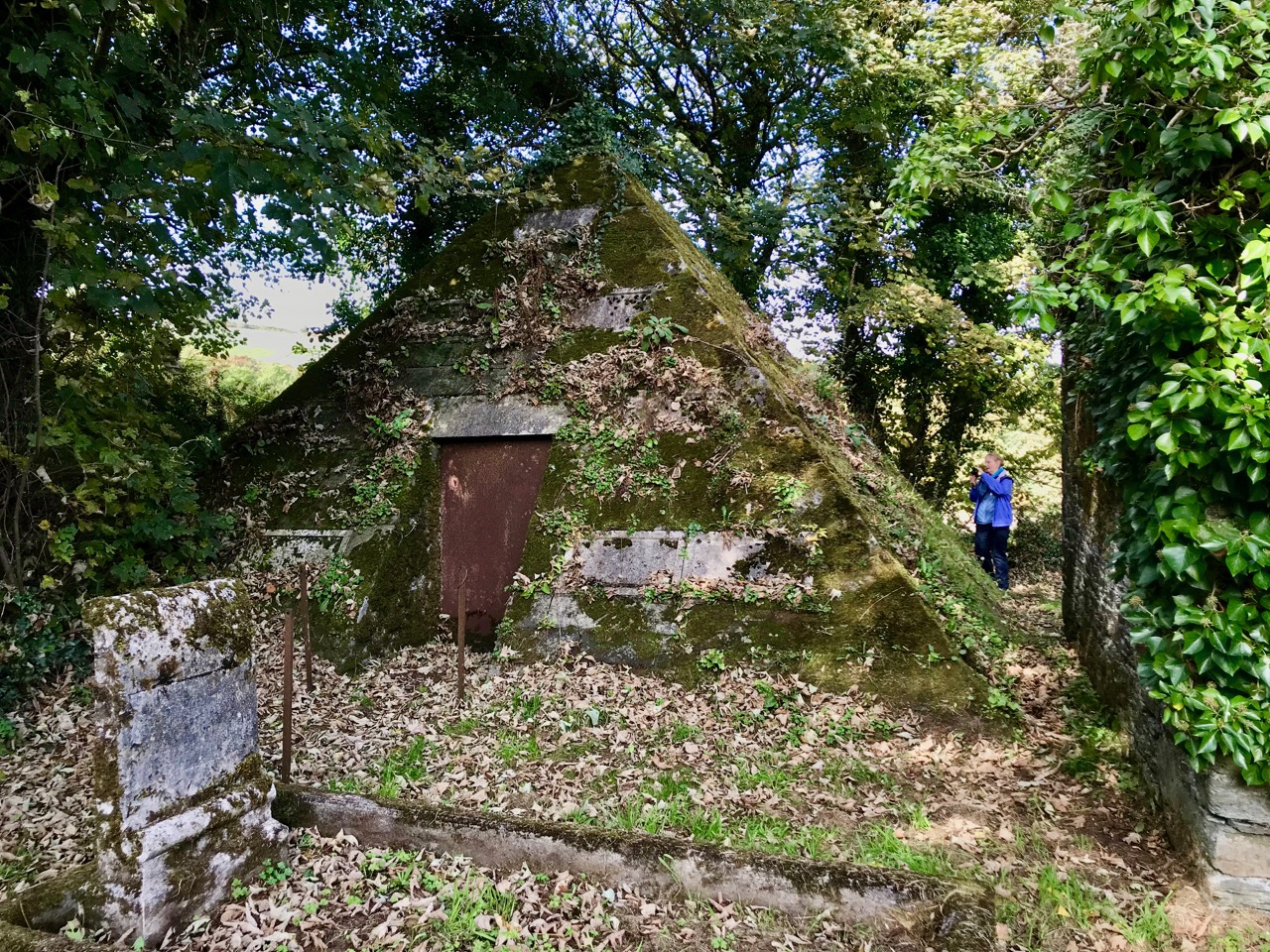
A quirky discovery, not too far away from Tralong, was the pyramid-shaped mausoleum in the old burial ground at Glandore. For us, ancient graveyards are treasure troves of local history. This one – a peaceful and secluded place well worth a visit anyway – conceals an enigma: find the story here.

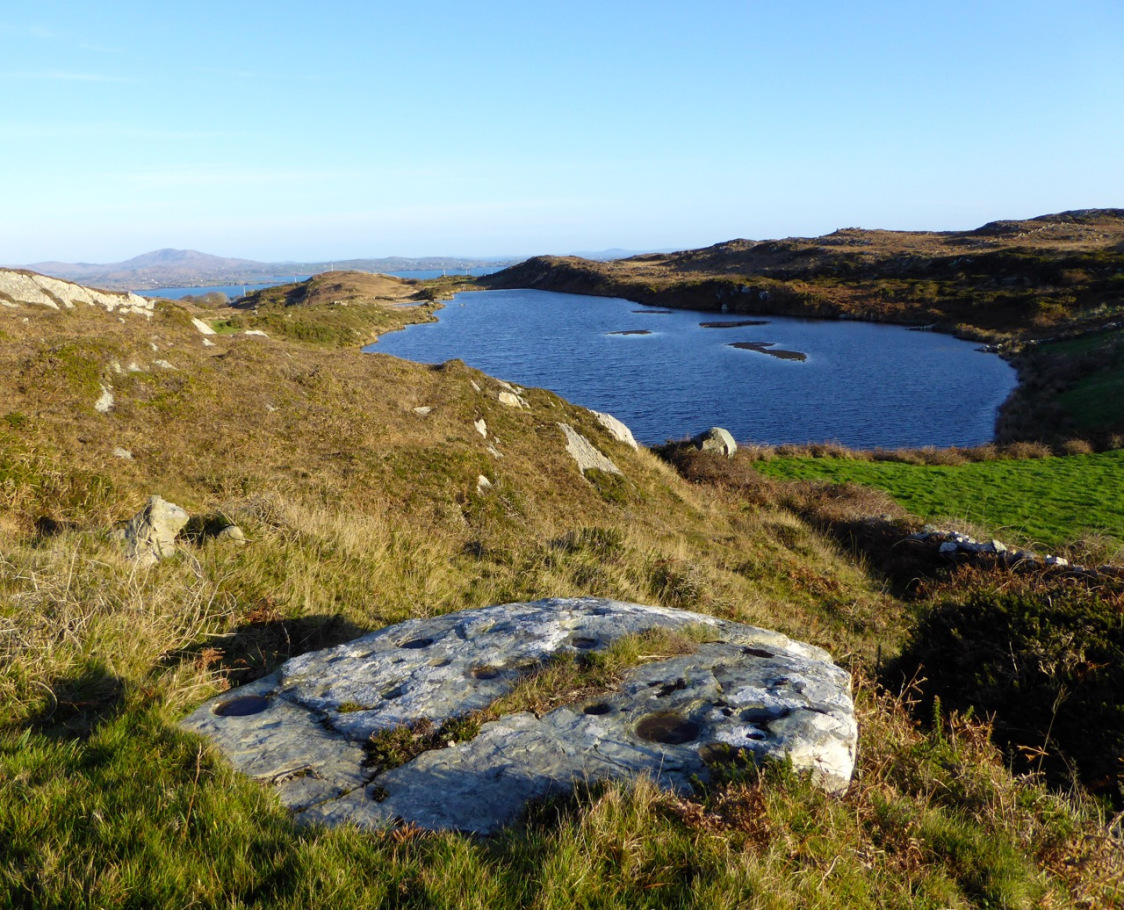
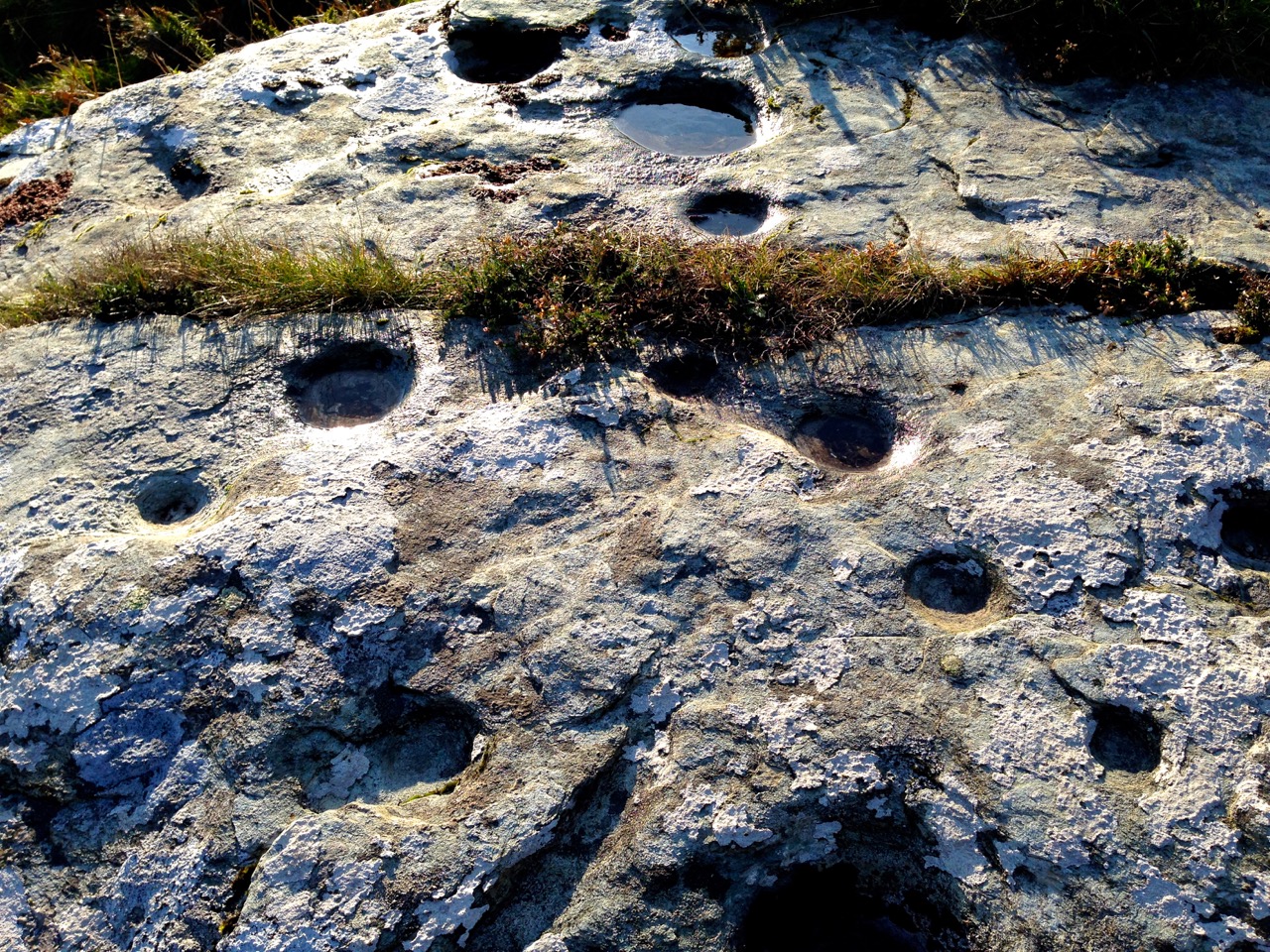
The Rock Art at Castlemehigan in its spectacular setting (above). Below is a close view of some of the markings on the rock

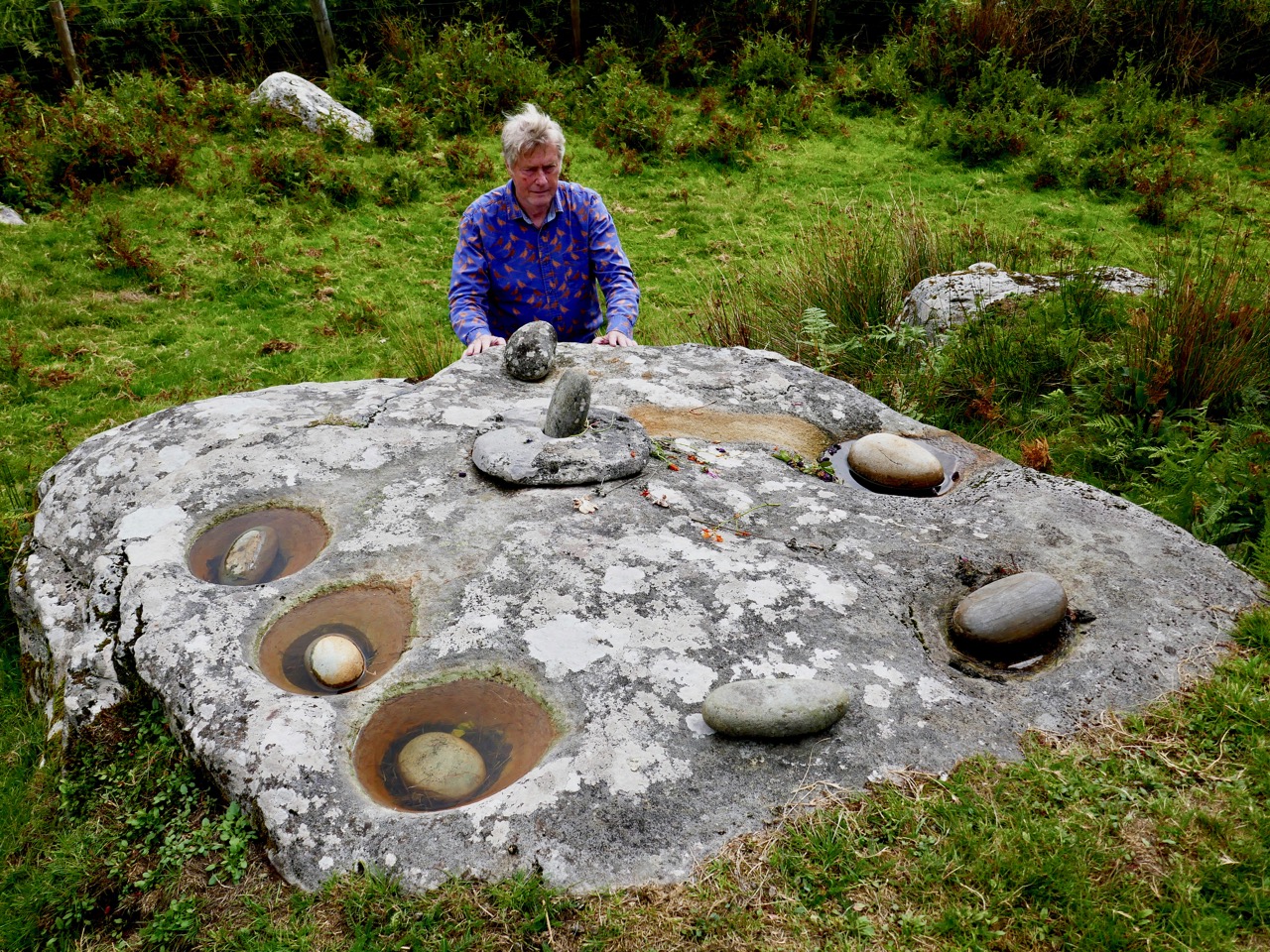
Delving back a few years, I found this December post on a visit to a spectacular example of Rock Art at the far end the Mizen Peninsula: Castlemehigan. The cupmarks on this earthfast boulder are impressive and the view from it is spectacular, especially on the clear winter day that we were blessed with. The rock was also in use as a Mass Rock during penal times, and there is evidence of this on the surface. We were told a story about those times by Florence O’Driscoll, whose land the rock is on. Make sure you have permission to visit if you go!

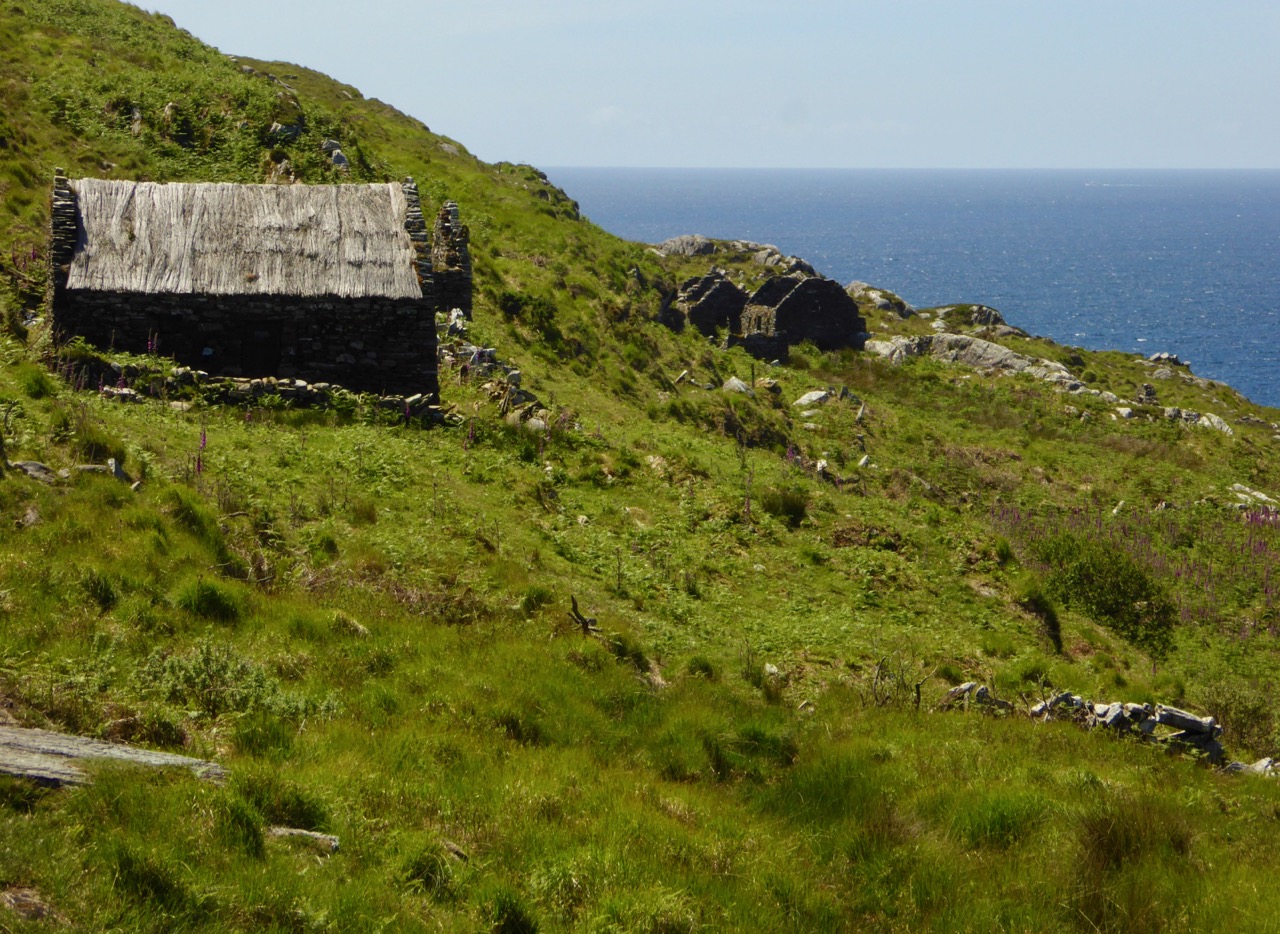
Finola managed to combine her consuming interest in wildflowers with industrial history and an account of a very special walk on the Sheep’s Head. It’s one of the marked trails on that peninsula – and takes in the deserted settlement of Crimea where a cottage has been partially restored (picture above) – finishing at the abandoned mine workings at Gortavallig, perched precariously on the very edge of a cliff (below). Here is the link to Finola’s post.

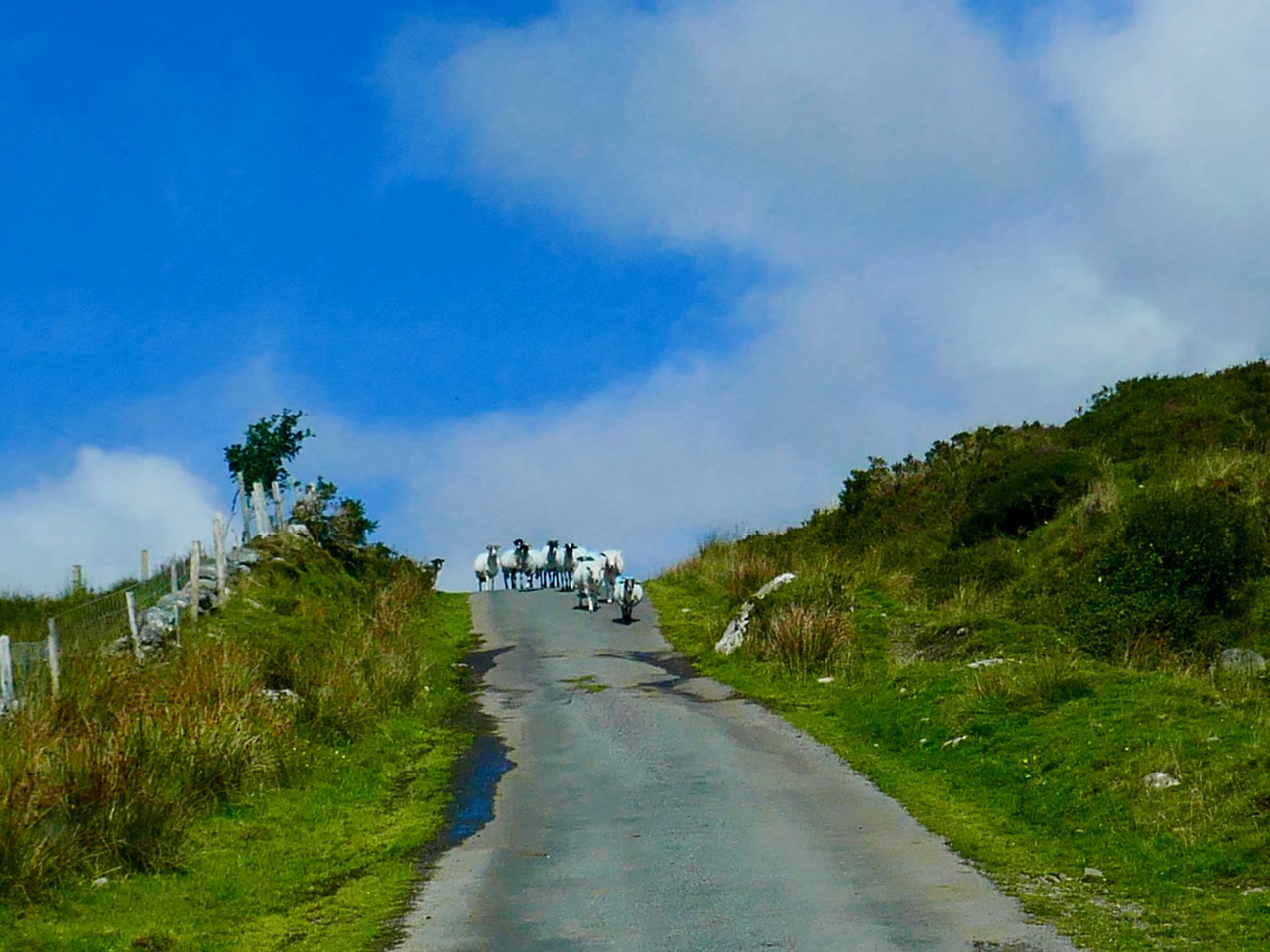
Here am I trying to get my head around the enigmatic ‘Rolls of Butter’ (above). I have to admit they are in Kerry (only just), but involved us travelling one of our all-time favourite roads, much of which is actually in West Cork: that’s the Priest’s Leap Road which runs over the mountains from Bantry (more or less) to Kenmare (more or less). We go out of our way to use this road because of the superb views – and a special piece of folklore – but, if you give it a try, be prepared for a narrow and steep journey (below)! Here is the post.

Archaeology dictates many of our outings. One of the less well-known monuments is Ardgroom Outward Stone Circle (pictured above and below) on the Beara Peninsula. This year, following a harsh winter, the weather turned sublime, and we have travelled extensively to make the most of it. We find ourselves often drawn to the Beara (much of which is in West Cork). This post describes an expedition which included stone monuments, colourful villages, stained glass – and ice cream! Have a look.

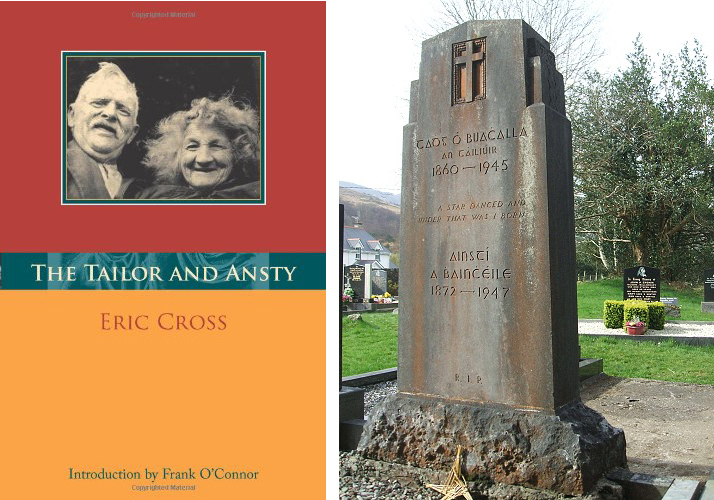
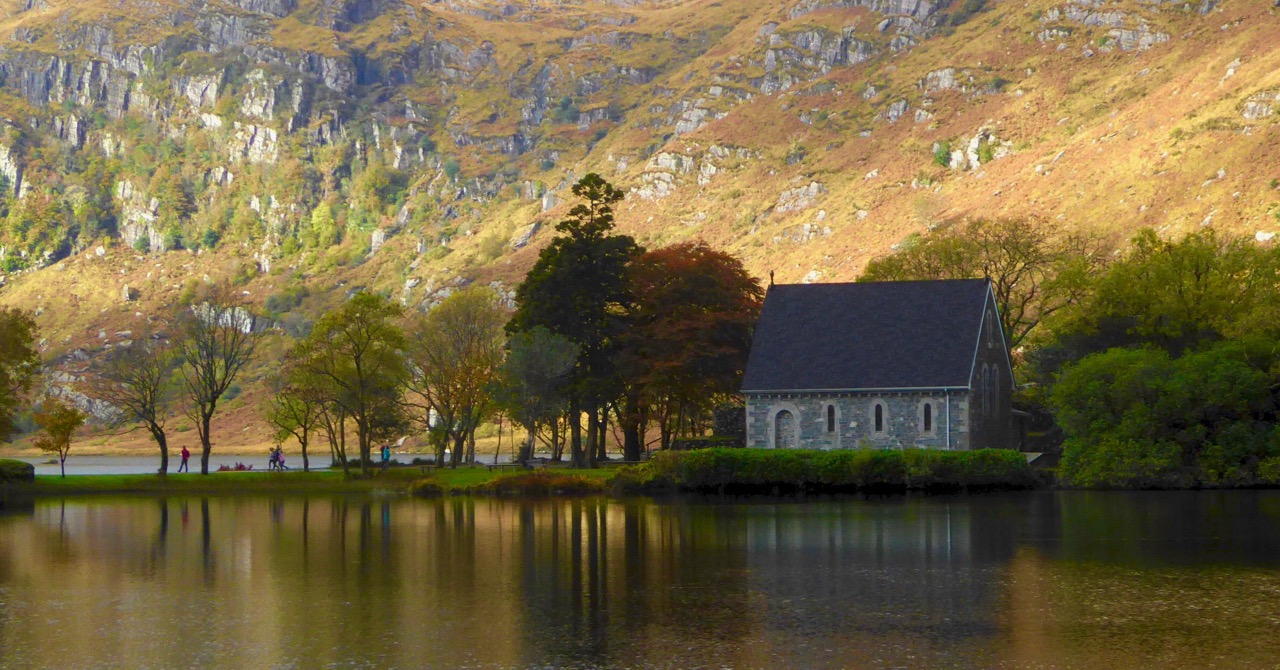
It was almost five years ago that we first reported on one of our perenially favourite West Cork locations: Gougane Barra (above). It’s a holy place – an alluringly beautiful lake sited in the Shehy Mountains, close to the source of Cork’s special River Lee. Here, in the sixth century, Saint Finbarr set up a collection of cells for his monastic community on an island. Here, also, lived the couple ‘The Tailor and Ansty’, immortalised in a book written in 1942 by Eric Cross. It’s a not entirely happy story as the book was banned because of its down-to-earth portrayal of the facts of life, and storyteller Tim Buckley (‘The Tailor’) was forced to burn his copy of it in front of the local priests: the incident led to an abrasive debate in Seanad Éireann on censorship. This story is, perhaps, one of the less well-known historical aspects of West Cork (and Ireland), but visit Gougane Barra for its beauty – and make sure you find the gravestone of ‘The Tailor & Ansty’: it was carved by their friend Seamus Murphy and bears the inscription . . .  A Star Danced And Under That Was I Born . . .

We hope that, between us, we might have given you some good ideas for exploration of our wonderful West Cork landscapes and – perhaps – encourage you off the highways and on to the byways: there are so many adventures to be had, summer or winter. Travel Well!

“A Genius for Observation” – More from de La Tocnaye

In a previous post I introduced Frenchman Jacques-Louis of Bougrenet de La Tocnaye, an escapee from his homeland at the time of the Revolution, arriving in London on 29 December 1792. He settled for a time in Britain, where in 1795 he published an account of his perambulations through England and Scotland. This was sufficiently well received to encourage him to obtain letters of introduction and travel to Ireland to undertake a similar exploration, leading to a further volume: Promenade d’un Français dans l’Irlande, published (in French) in Dublin in 1797.

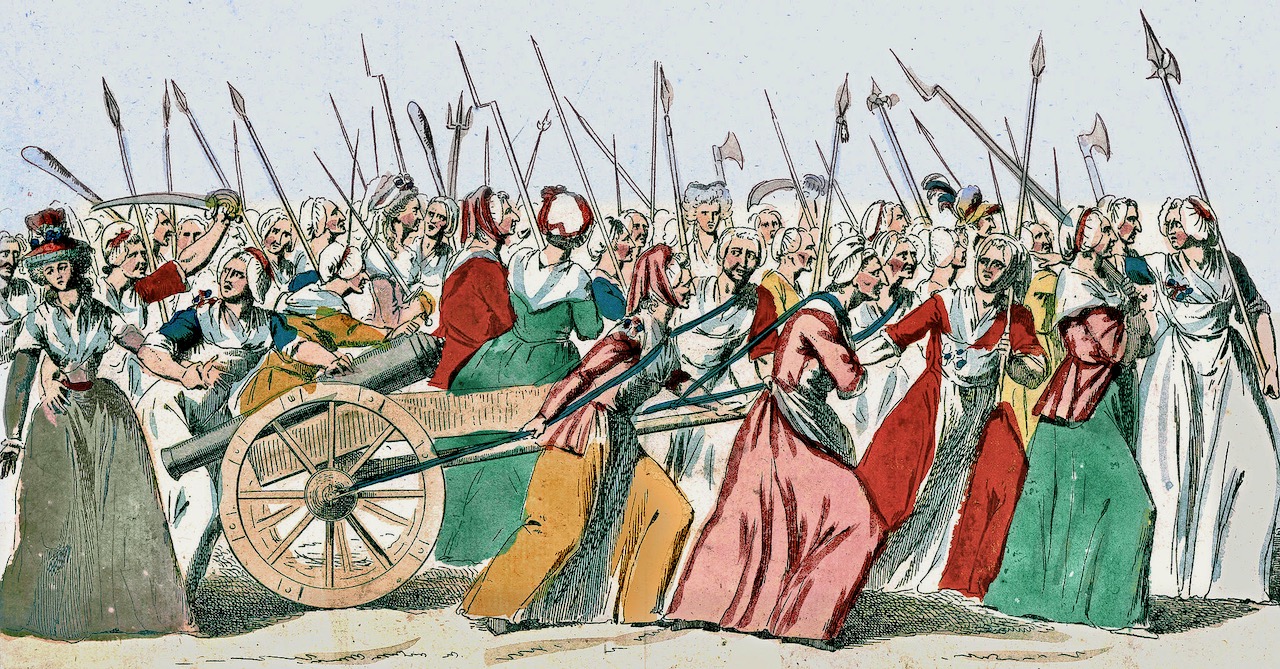
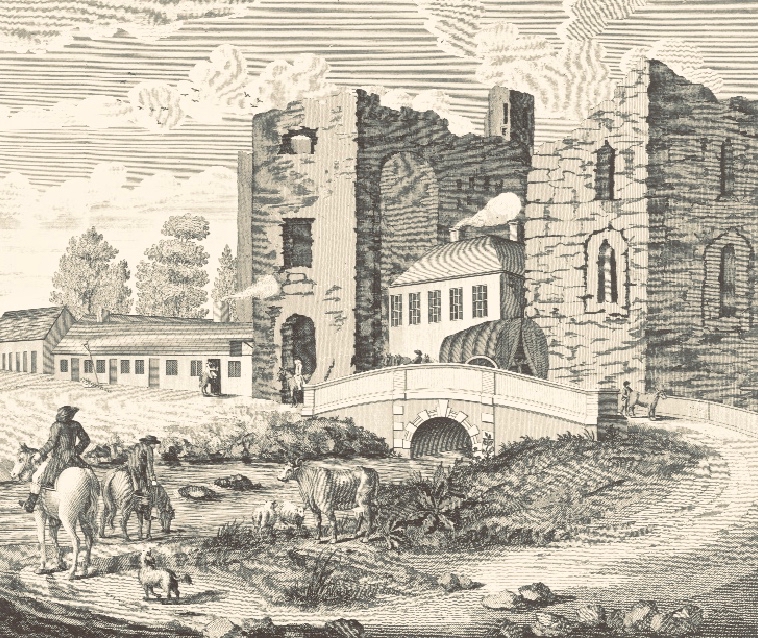
Header – The Market Womens’ March to Versailles  – de La Tocnaye was on the ‘wrong’ side during the upheaval of the Revolution which lasted from 1792 to 1802: for his own safety he exiled himself from France throughout that period, and spent his time exploring the British Isles. Above – The main road going west out of Dublin in 1783, much as it must have been in de La Tocnaye’s time: the ruin of Maynooth Castle, from Alexander Taylor’s map of County Kildare

Jacques-Louis said immodestly of himself that he had . . . a genius for observation . . . and his writings are invaluable to us as an account of down-to-earth aspects of normal life in Ireland in the late eighteenth century, although – as I pointed out in my previous post – the 1917 translator (John Stevenson) has diluted some of the more colourful descriptions which might have been considered indelicate – or even uninteresting – to the readers of his day.

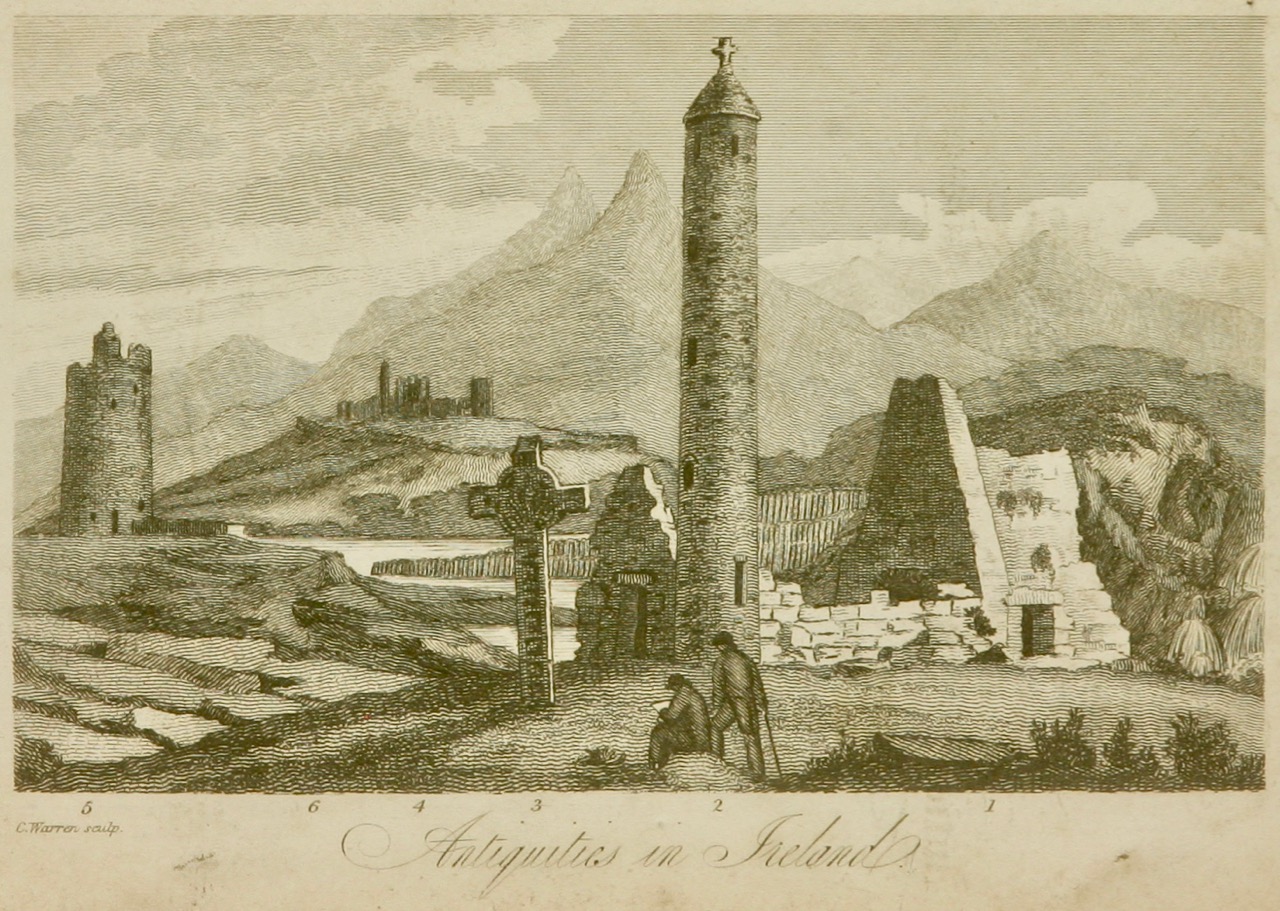
Here is a wonderful composite engraving – by Charles Turner Warren (1762 – 1823) showing the major tourism sites in Ireland which would have been familiar during de La Tocnaye’s lifetime. They include: Rock of Cashel, Swords Round Tower, High Cross at Monasterboice, Giant’s Causeway and the Mountains of Killarney. Grateful thanks for this to the excellent Ireland Illustrated project from NUI Galway

Last time around, we sampled Wicklow, Wexford and Cork City depicted through de La Tocnaye’s eyes. After these experiences our writer moved west and touched the fringes of our own part of Cork County before travelling up country. Today, as a preamble to what I hope will be an enlightening series of posts on de La Tocnaye, I will touch on the day-to-day practicalities of reaching – and journeying through – Ireland in the late 1790s using his own text (via Stevenson), with the briefest interventions from me. It’s fascinating stuff!

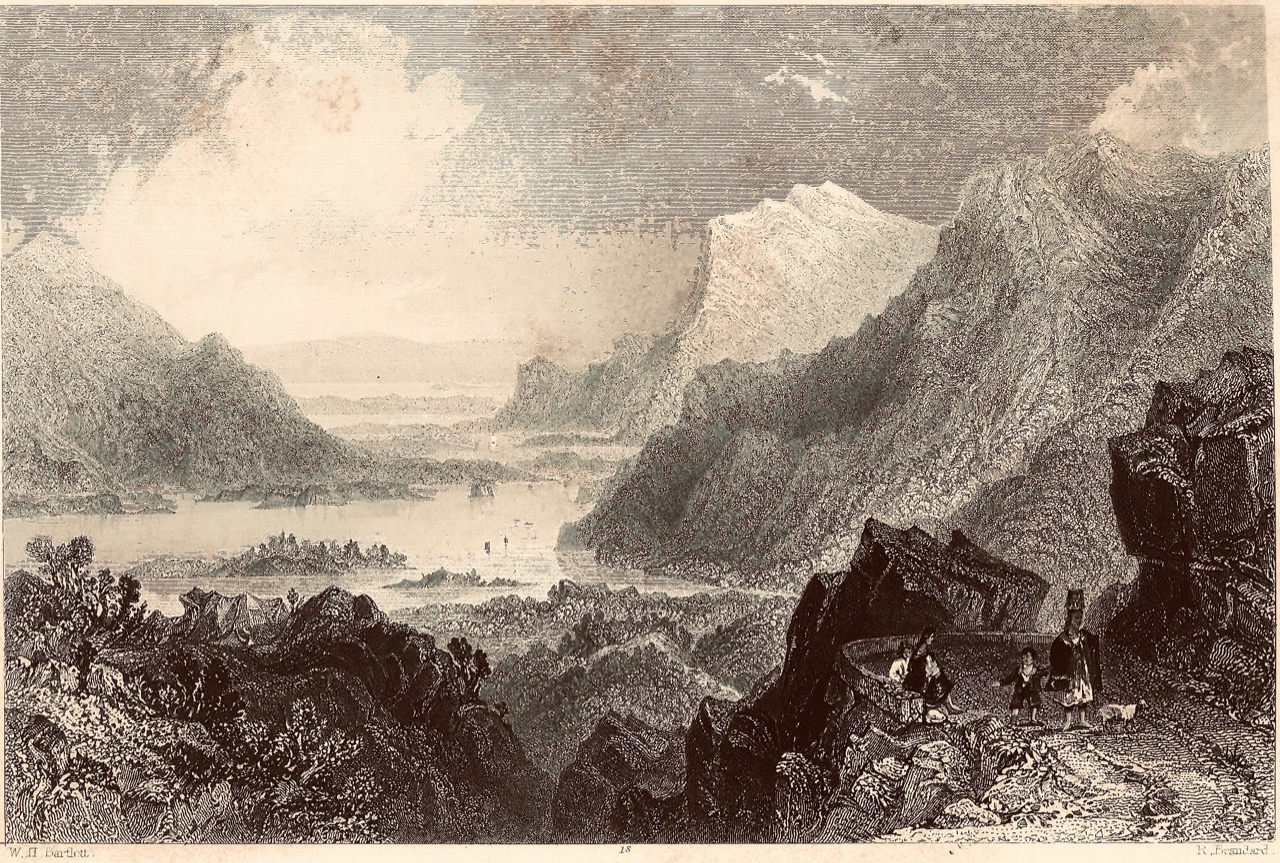
More early Irish tourism: this engraving by W H Bartlett – titled Arrivée à Killarney, par la route de Kenmare illustrates today’s very popular Ring of Kerry section of the Wild Atlantic Way, seen through nineteenth century eyes. Another from the Ireland Illustrated project, NUI Galway

Some words on the modes of travel of the day: Jacques-Louis’ adventures in getting from England to Ireland, which included a brief sojourn in Wales –

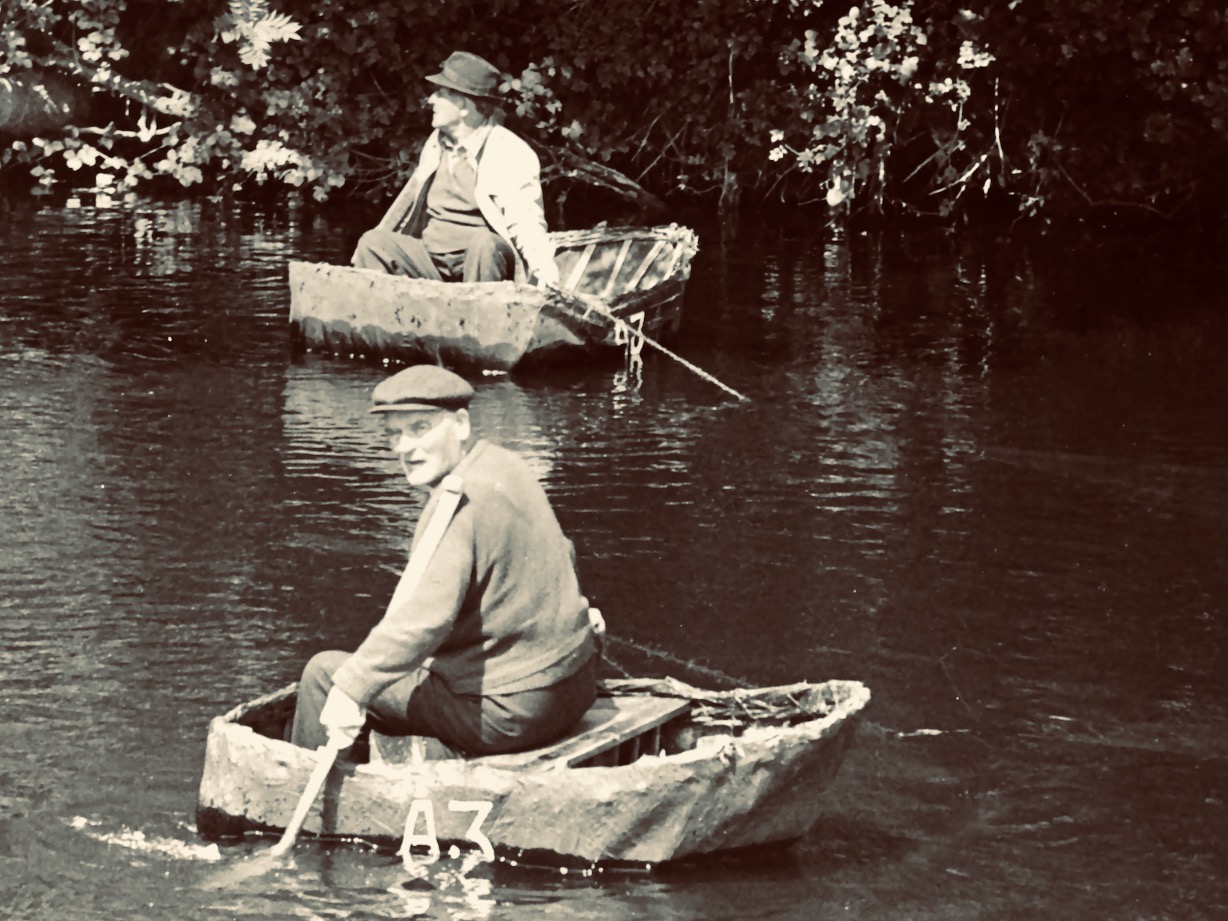
. . .  at Carmarthen the inhabitants use for salmon fishing a boat, or rather a basket, covered with horse skin. They sit in the middle and preserve equilibrium very cleverly, and, fishing over, they carry the boat home with them, where it serves as a cradle for the children. The cemeteries also attracted my attention. Instead of filling them with an incongruous assortment of tombstones with ridiculous inscriptions, the relations of the lost cultivate on their graves flowers and plants, coming often to care for them, so that the cemeteries are more like gardens than homes of the dead. People practising such a custom must be of gentle manners, and I was very sorry that I could not live for a while among them. But I was on my way to Ireland, and hurried on to Milford Haven, an ugly hole in which the anxious traveller may eat up to his last penny while waiting for a favourable breeze. Three or four times we set sail, and as many times were we forced by the waves to return to port. On the fourth endeavour we stopped at Deal, a little village at the mouth of the bay, and there we stuck for eight long days. In the ordinary course of affairs, how impatiently I should have chafed at the delay, in spite of the sight of the large and beautiful bay and singular country! But chance had settled that I should engage a place in the same boat as that which was to carry an amiable Scotch family, and an Irishman who had served a long time in France, and I found myself in such good company that I began to fear, rather than to desire, a favourable wind. We made the crossing at last, and rather rapidly, for we reached the Irish coast within twenty-four hours . . .

Jacques-Louis described the salmon-fishing boats – or baskets – which he saw in Wales; here is a 1972 photograph of John and Will Davies of Cenarth – the last two legitimate coracle fishermen on the River Teifi. They are both using the single-arm method of propulsion – a means of gliding downstream in a controlled way. They carried their coracles and their fish home on their backs. Photo in the public domain from Wikipedia

One of the delights of de La Tocnaye’s writings is the information he furnishes us with on the incidentals of his journey, such as this on the ‘customs’ of the day;

. . . The customs officers claim tribute on both sides of the water, demanding from the passengers half a crown per head, for the permission to ship or disembark their luggage. One who refused to pay had his bag tumbled and turned over in a cruel manner. The price of the passage is exorbitant — a guinea and a half in the cabin — and the packet was far from being either comfortable or clean. I had chosen the route from motives of economy, and found the charges to mount to double those of the Holyhead route. We entered the river Suir, at the mouth of which is a strong castle seated on a rock jutting out into the sea. Mr Latin, who travelled in the boat, was kind enough to ask me to his house at Drumdouny, and so from the very first day I spent on Irish soil I had the good fortune to enjoy Irish kindness and hospitality . . .

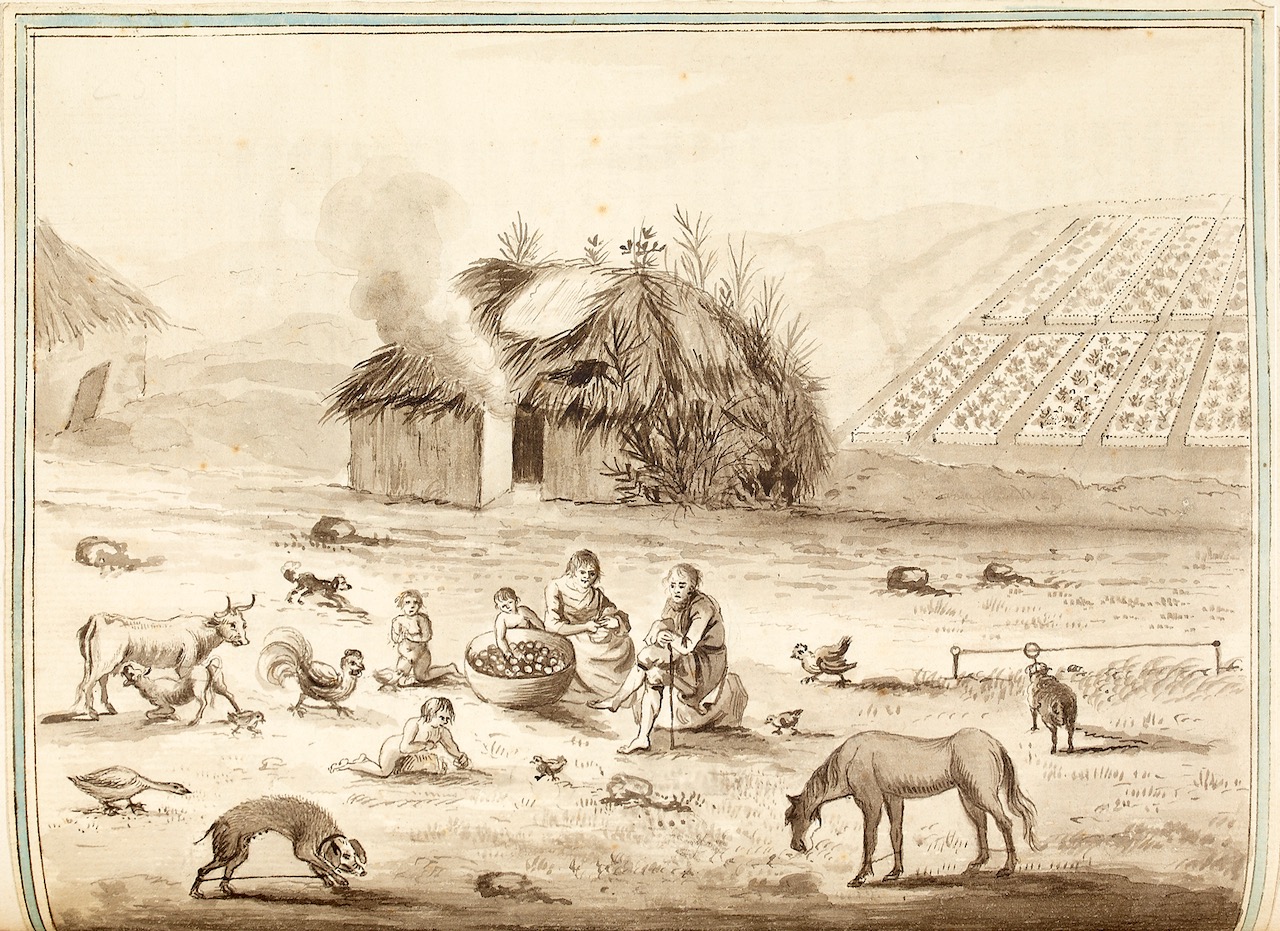
Another traveller whose work we might explore in future posts was Arthur Young (1741 – 1820). In 1780 he published A Tour in Ireland, with general observations on the present state of that kingdom: made in the years 1776, 1777, and 1778. This illustration of an Irish cabin is from that volume, and is drawn by Young

Hospitality was not always so straightforward:

. . . I had not taken the trouble to calculate distances very carefully in starting, and now, late in the evening, I found myself still eight miles from my destination — and eight miles Irish count for something. It was past eleven o’clock when I arrived at the house where I expected to be received. The doors were locked, and to my distress I found that the owner, who had invited me to his house, was not at home. Further, that there was no inn nearer than four miles distant, and that on the side of Dublin which I had left. To go back on my way was a hateful idea — I preferred rather to go ten miles forward than four back — and so I went on. At half-past twelve I found myself in a village, its name unknown to me. Everybody seemed to be asleep ; however, at the last, I found a cabin with a light in the window, the dwelling of some poor labourers who had returned late from the city. I entered, asked for hospitality, and had placed before me immediately what was in the house. For rest I passed the night on a three-legged stool, my back leaning against the wall. This for the first day of my travels was not a very agreeable beginning, but I had to take troubles as they came. There was no need to wake me in the morning. At dawn of day all the animals in the cottage, sleeping pell-mell with their masters, acquainted me with the fact that the sun was up, and I rose from my stool and left this unfortunate house of want. How profitable this night would have been to me had I been always the favoured child of fortune! I would advise parents to force their children thus to pass several nights in their youth; it would be more advantageous to them than years at school. Really to have compassion on the poor, and to have a real desire to help them requires that they should be approached; the careless rich, who have never seen the poor near at hand, think of them with disgust and turn away their eyes from the sight of poverty . . .

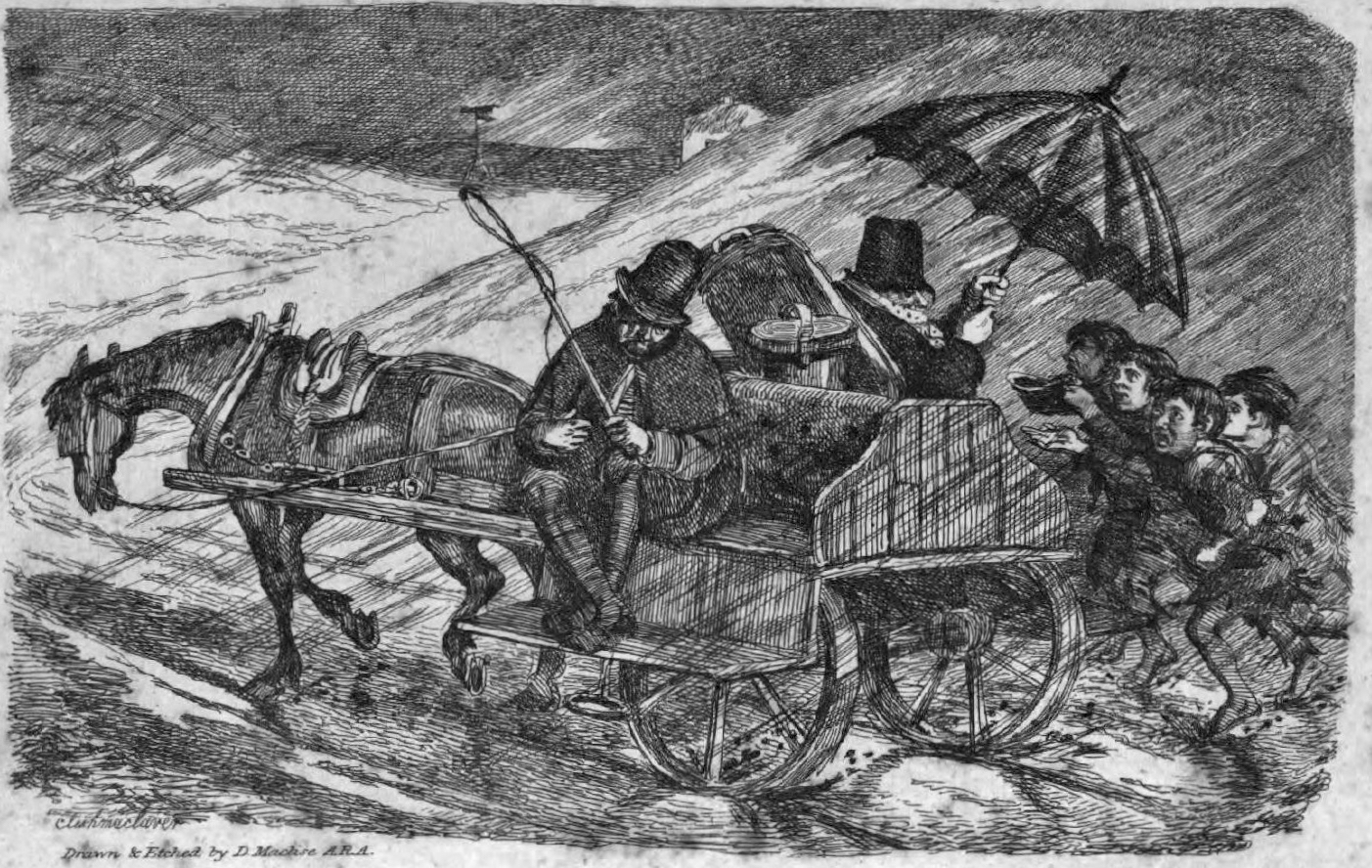
A superbly atmospheric drawing by Daniel Maclise (1806 – 1870) – an illustration for John Barrow’s A Tour Around Ireland, published in 1836. Barrow wrote: . . . I had often anticipated, but I had now the full experience of, the misery of an Irish car in a storm; and I can, without hesitation, pronounce it to be the most wretched of all possible modes of conveyance; I certainly never was before so exposed to such drenching rain: McIntosh’s cloak, and the water-proof boots, which I purchased last year at Tronyem, totally gave way to the merciless storm with which I was so piteously pelted . . . On entering any of the cottages to take shelter, at times when the wind and rain was so bad as to render it difficult to get the poor animal onwards, the general remark was, ‘Dear, dear, what a day to be out in!’ 

I was delighted to find that de La Tocnaye travelled by canal in their heyday – or rather in the days when the Irish canal network was still being built: the Grand Canal took 47 years to construct, being finally completed in its entirety in 1804. (For more on Irish waterways see my Green & Silver posts here). One particular post includes an extract from a Trollope novel in which passenger travel on the Grand Canal is also described. Here is de La Tocnaye’s experience:

. . . As it was my intention to reach Dublin as quickly as possible, I took place in a coach to convey me to Gorey, where I expected to join the Cork mail. Unfortunately when this arrived every place was occupied, and I was left in this miserable village with no way of proceeding with my luggage except by hiring what they call a car. Their car is a species of low cart on wheels two feet in diameter, made out of one or two pieces of wood, attached to a great axle of wood or iron turning with them. This singular construction seems to be well fitted for carrying heavy loads, but not for the country work in which they are commonly employed. I take it to be a farmer’s invention. Having then made a bargain with a driver to take me six miles at the price of a post-chaise, I mounted beside my luggage. My man stopped at every public- house to drink or talk, leaving me in the middle of the road exposed to the rain. Two or three times I begged him, civilly, to proceed, but as he did not appear to pay the slightest attention to my requests, I commenced to repeat those eloquent compliments which one may learn about the docks and markets of London, and was pleased to see that I had, at last, impressed him, for I heard him say, when quitting some of his friends, ‘By, I’m sure he’s a gentleman for he swears most confoundedly.’ After this little lesson I had not the least trouble with my charioteer, but the rain, and some annoyances due to my position at the horse’s tail, put me in such bad humour that I vowed never again to expose myself to such discomfort. I stopped at Carlow, where there has been established recently a seminary for Catholic priests. This town is situated on the Barrow, which joins with the Grand Canal of Ireland. Wishing to see something of this waterway I went to Athy, from whence every day there is a service of public boats to Dublin. At the entrance to the village I was stopped by four or five persons who asked for charity — they explained that it was to be used to give decent burial to a poor wretch who had died of hunger. I replied that since he was dead he wanted nothing. This answer did not appear to satisfy them, and so I contributed to the funereal pomp, the occasion being, perhaps, the only one in which the poor fellow’s friends were interested in his concerns. The canal boats are very comfortable, being indeed very like those of Holland, but the cost here is nearly double. The one in which I travelled carried a large number of political talkers of the type known in France as mouchards. Seeing that I was a foreigner, one of them spoke to me several times on delicate and difficult matters affecting the Government. Fearing false interpretations I responded in ambiguous terms, and in the end found it politic to feign sleep — a very good way of getting out of such difficulties. The canal is a magnificent piece of work, crossing immense tracts of moor, where ten or twelve feet of peat have had to be removed before reaching earth in which the waterway could be cut. Several aqueducts have been necessary, one of them of really prodigious length and height . . .

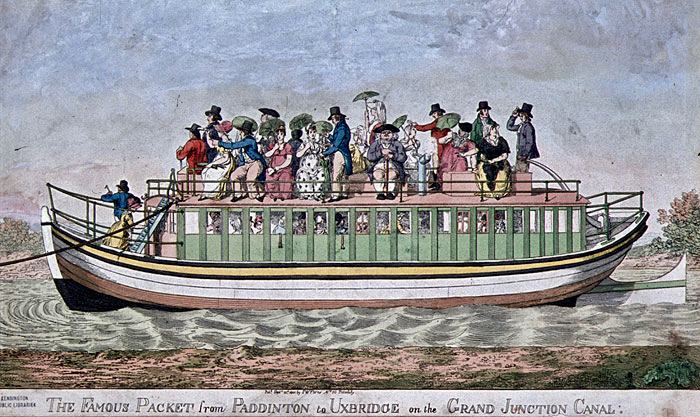
Above – I was unable to find any contemporary illustrations of passengers travelling on the Irish canals, but the above is a fine – if fanciful – illustration of a Packet  [passenger] Boat in London in 1801, just after the Grand Junction Canal was opened (courtesy the Royal Borough of Kensington and Chelsea Libraries). Tailpiece – Whitworth Aqueduct carrying Ireland’s Royal Canal over the River Inny, Co Longford, photographed in 2016: the aqueduct was built between 1814 and 1817 at a cost of £5,000

Keep watching Roaringwater Journal for more snippets from de La Tocnaye’s travels!